Best ERP Software for Manufacturing Companies
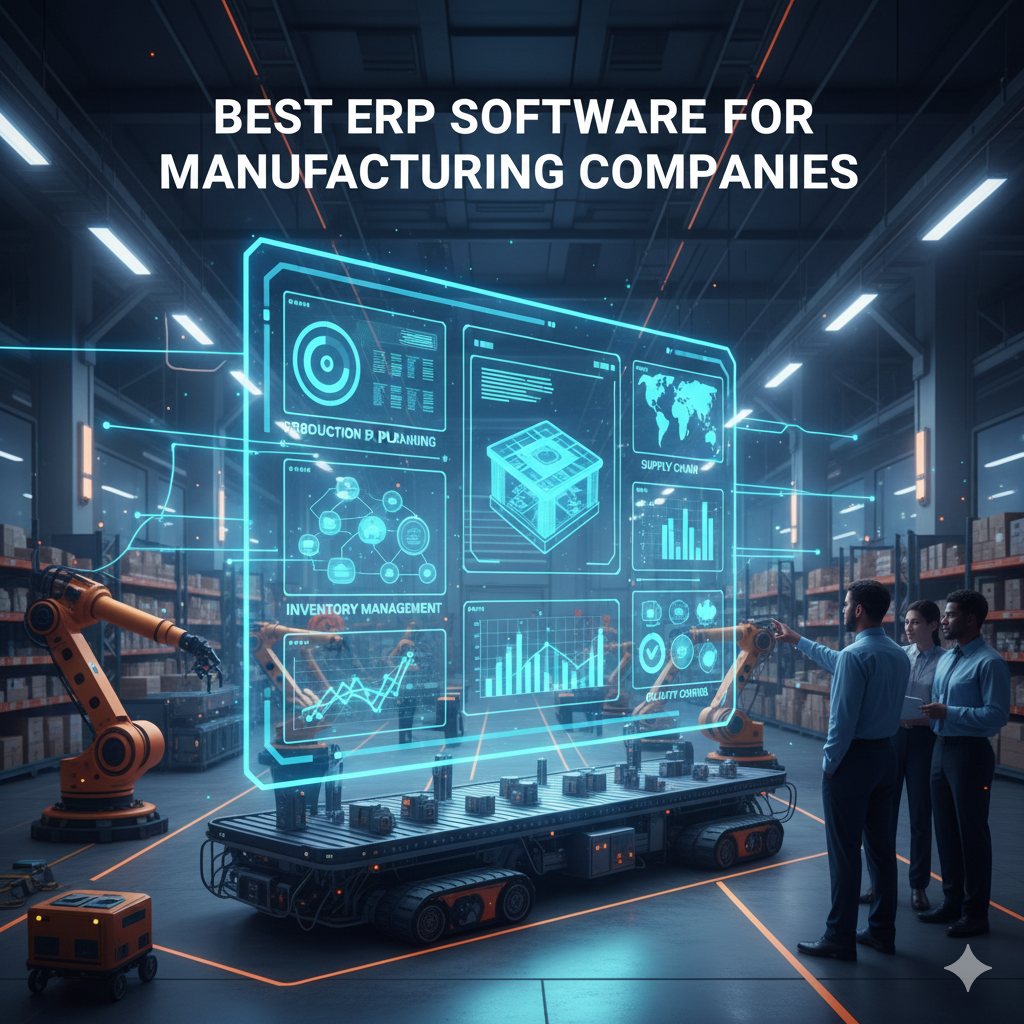
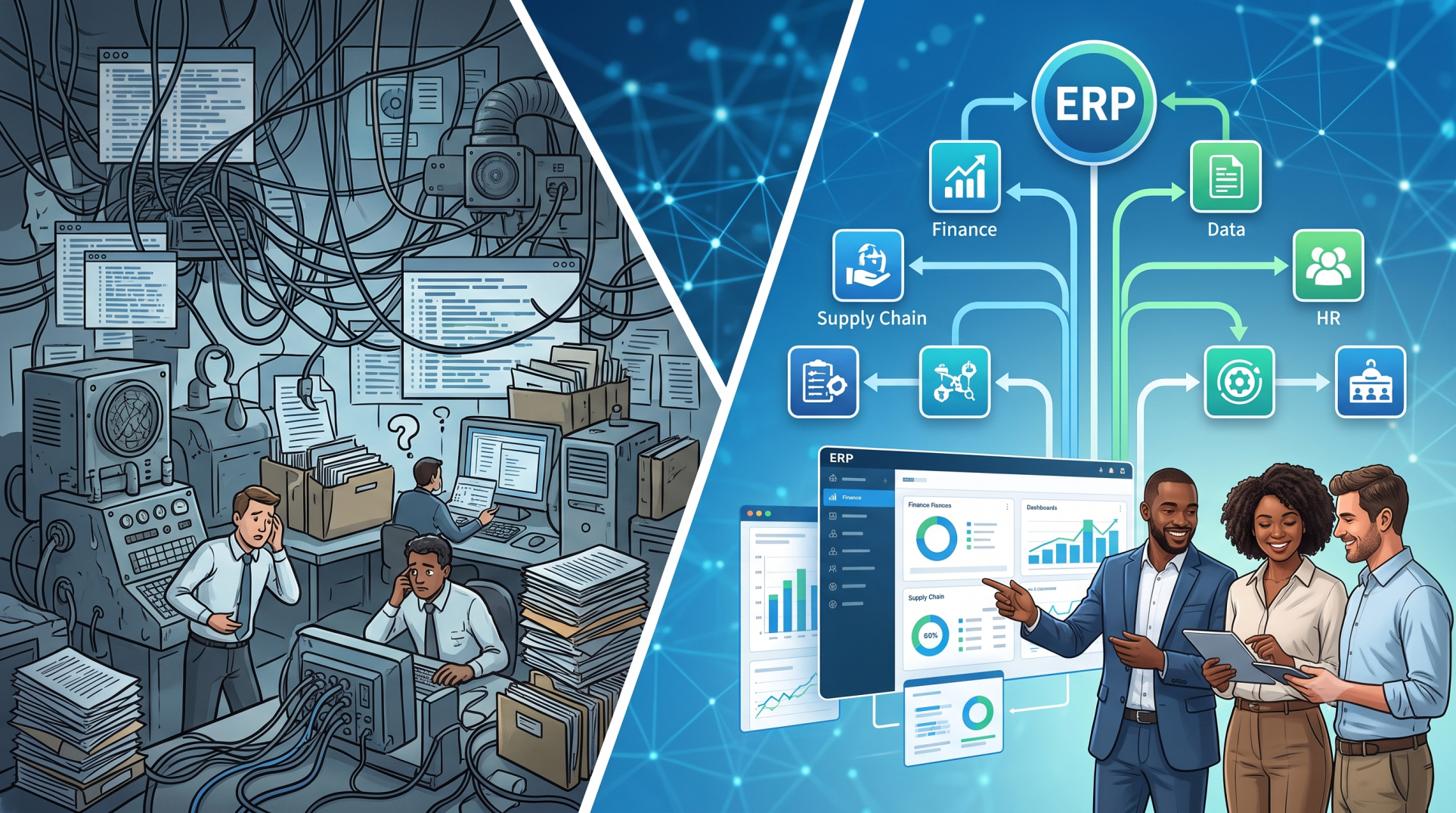
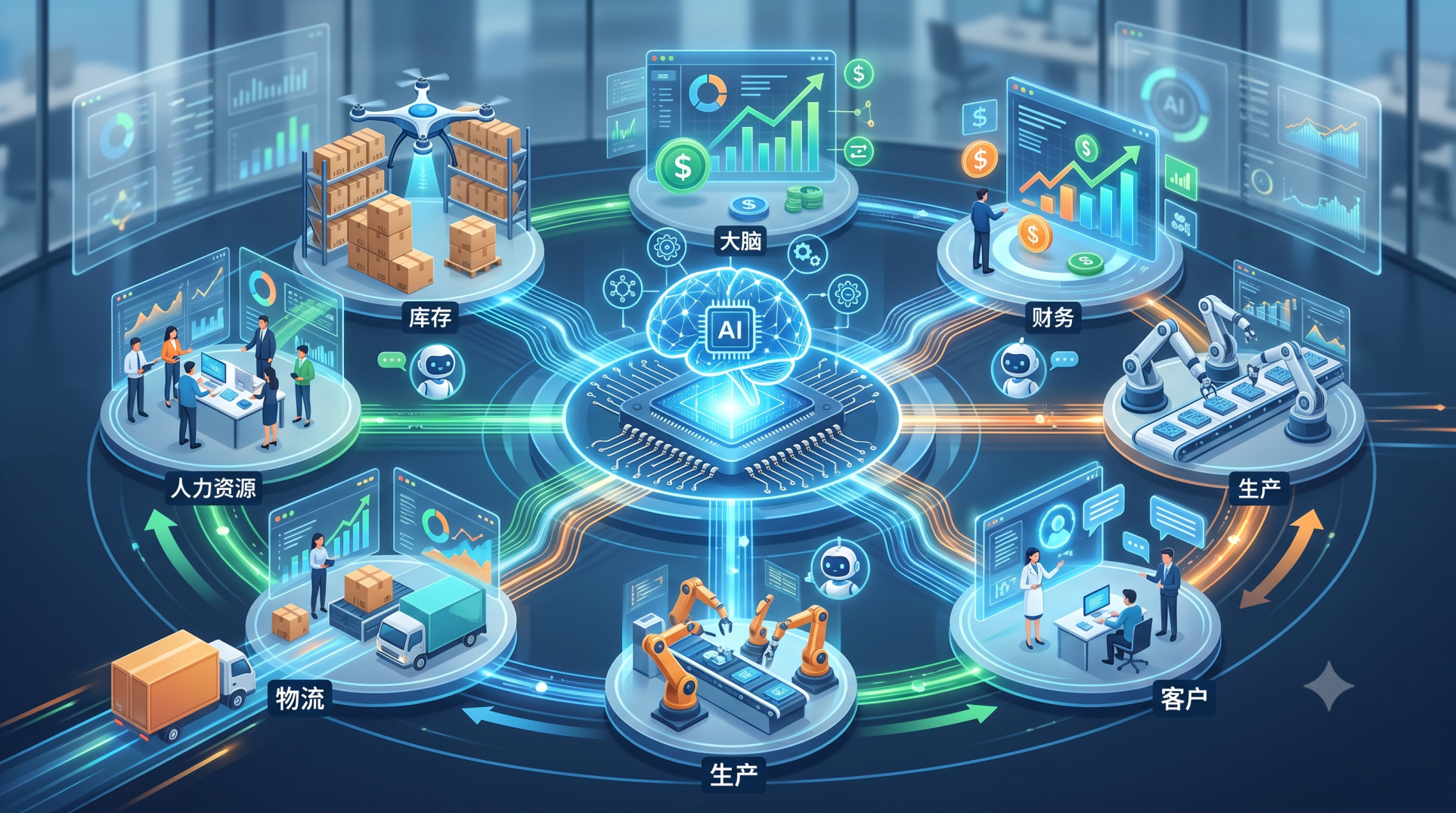
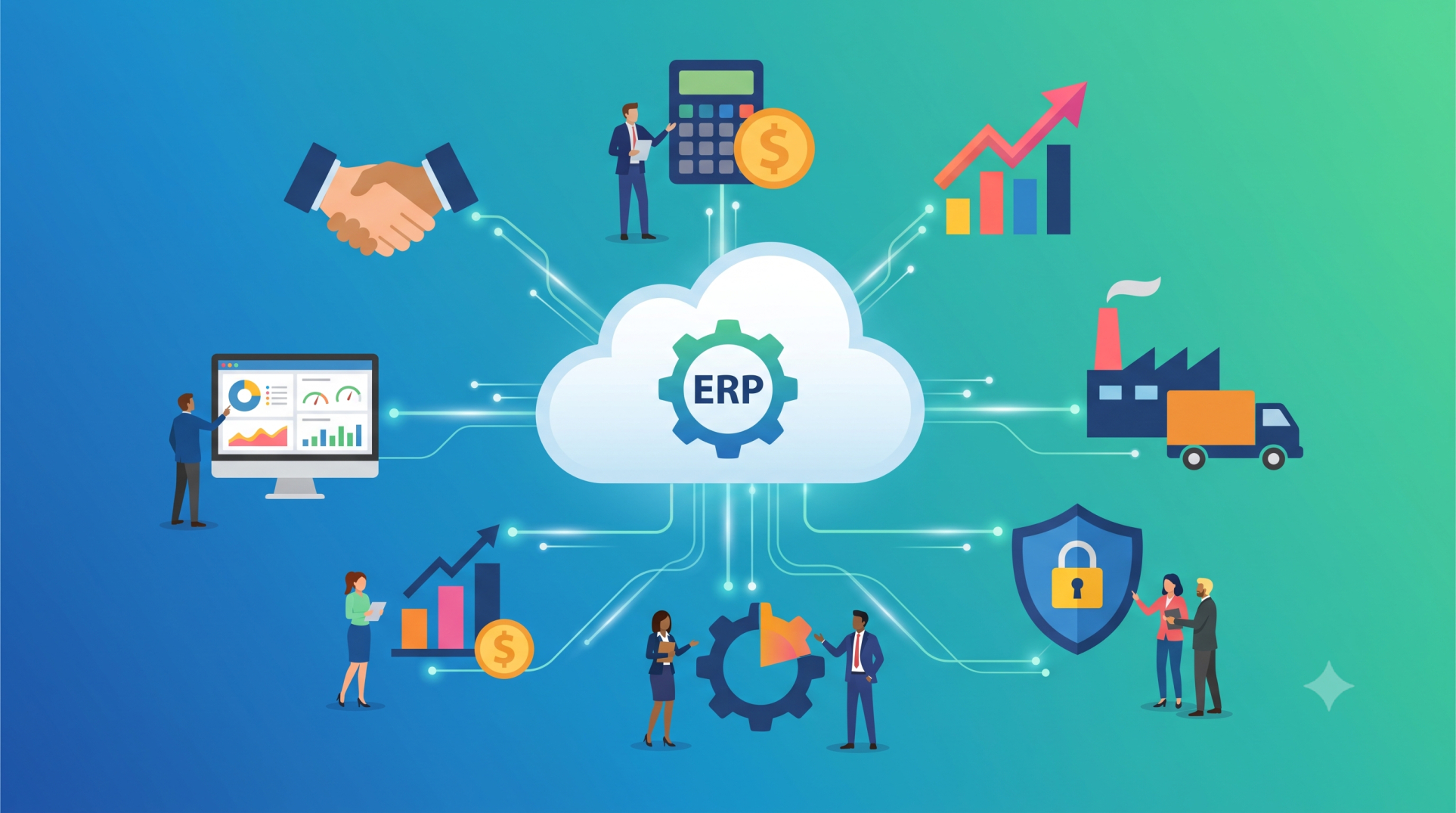
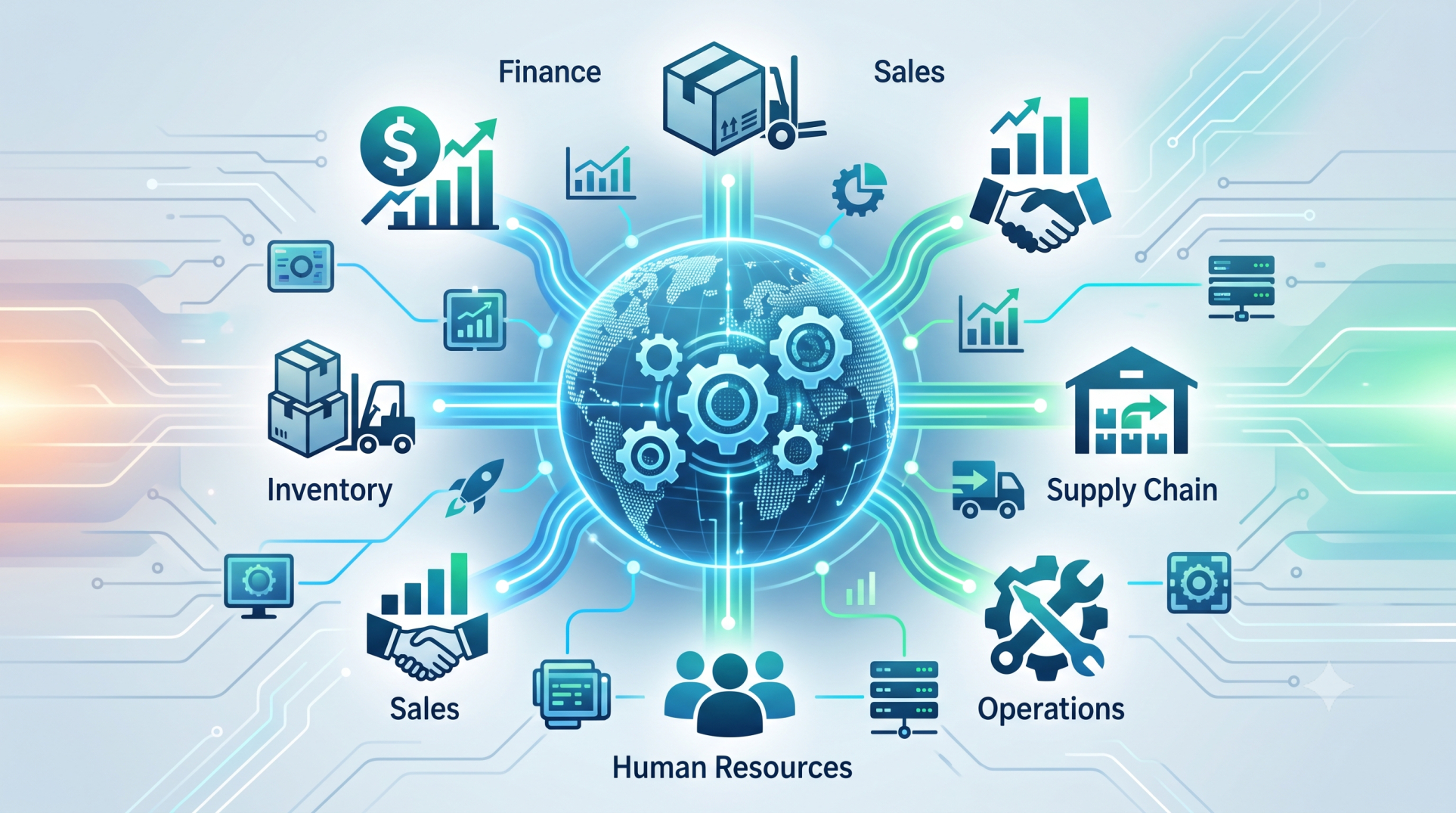
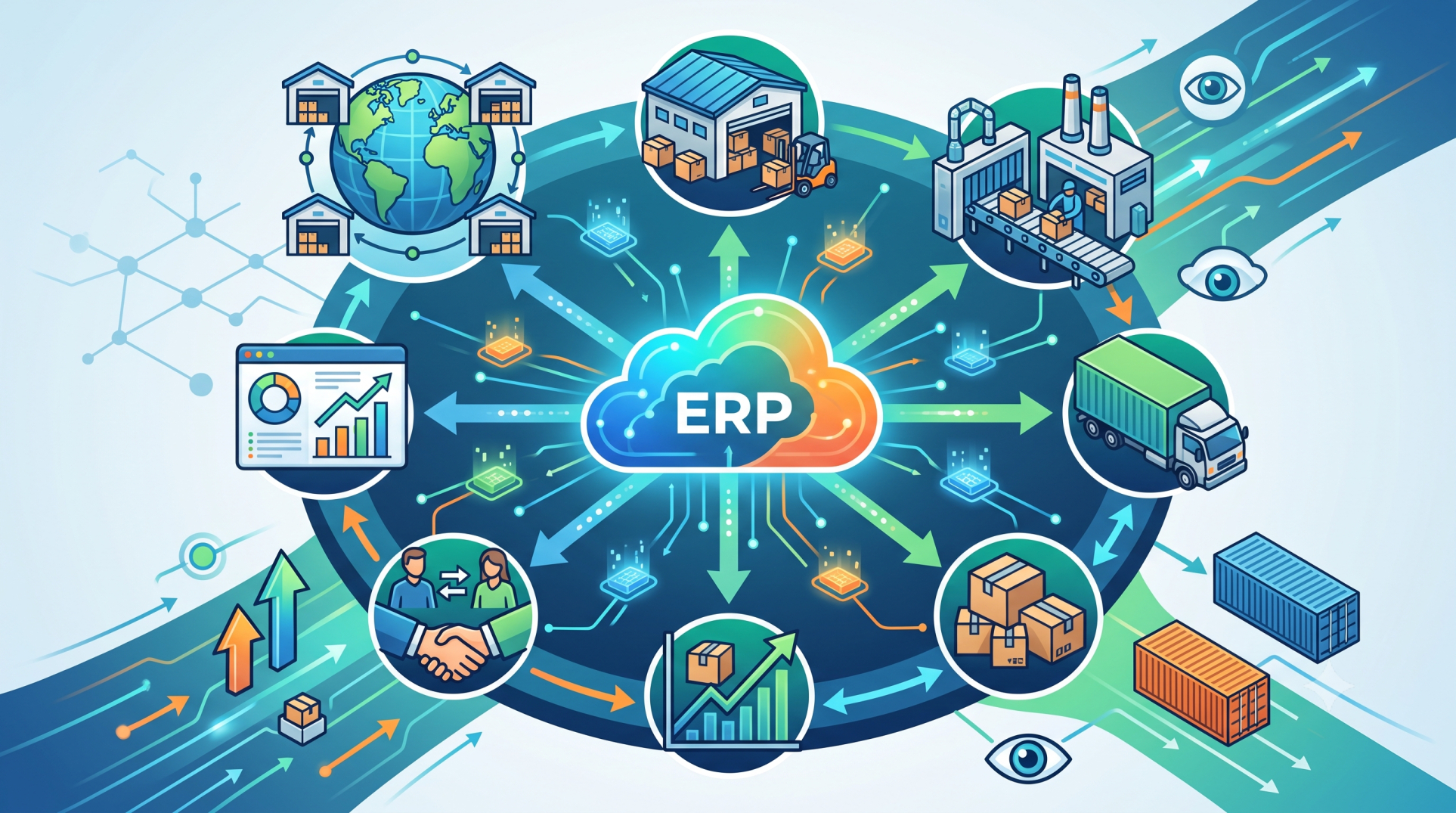
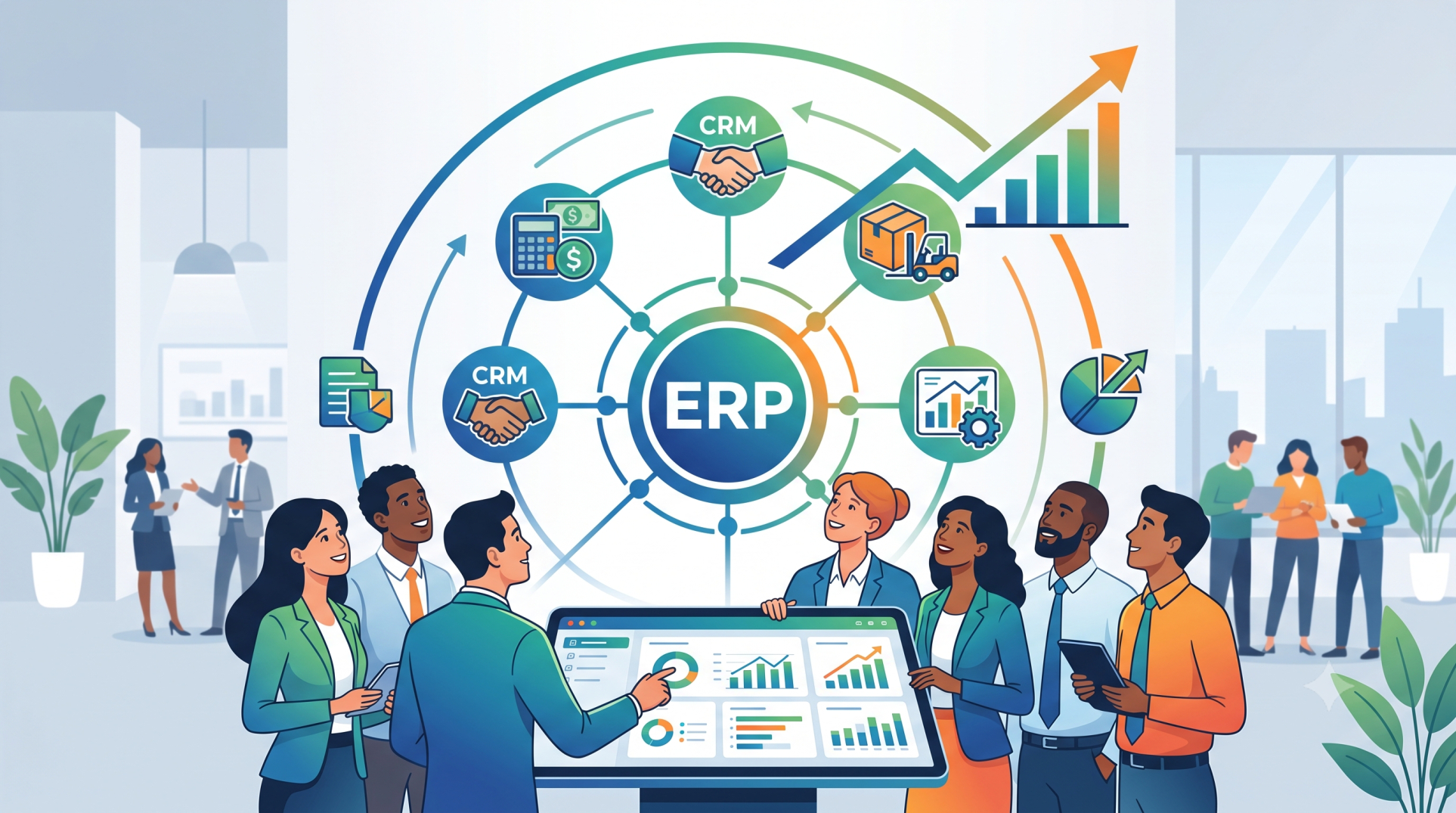
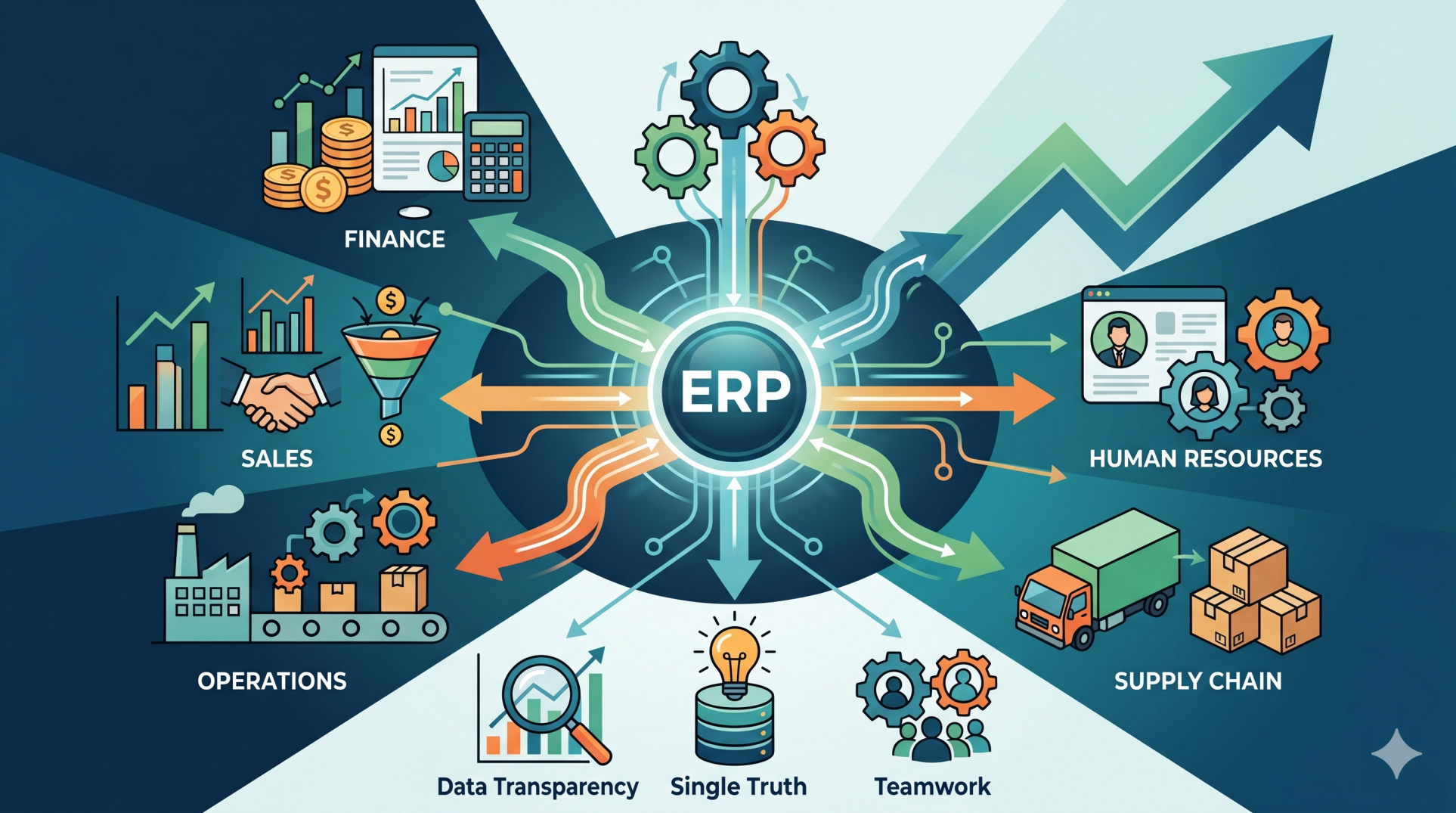
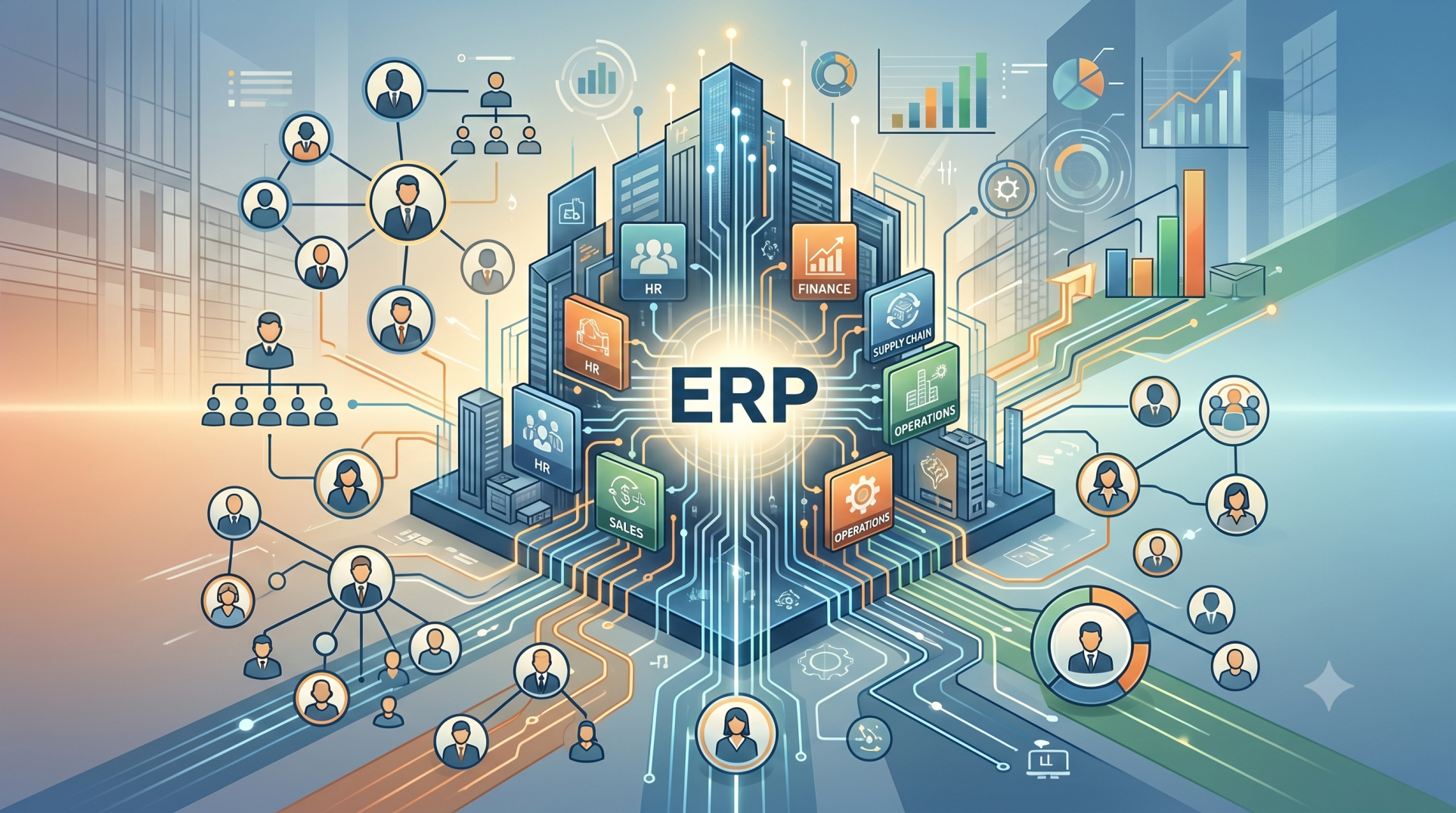
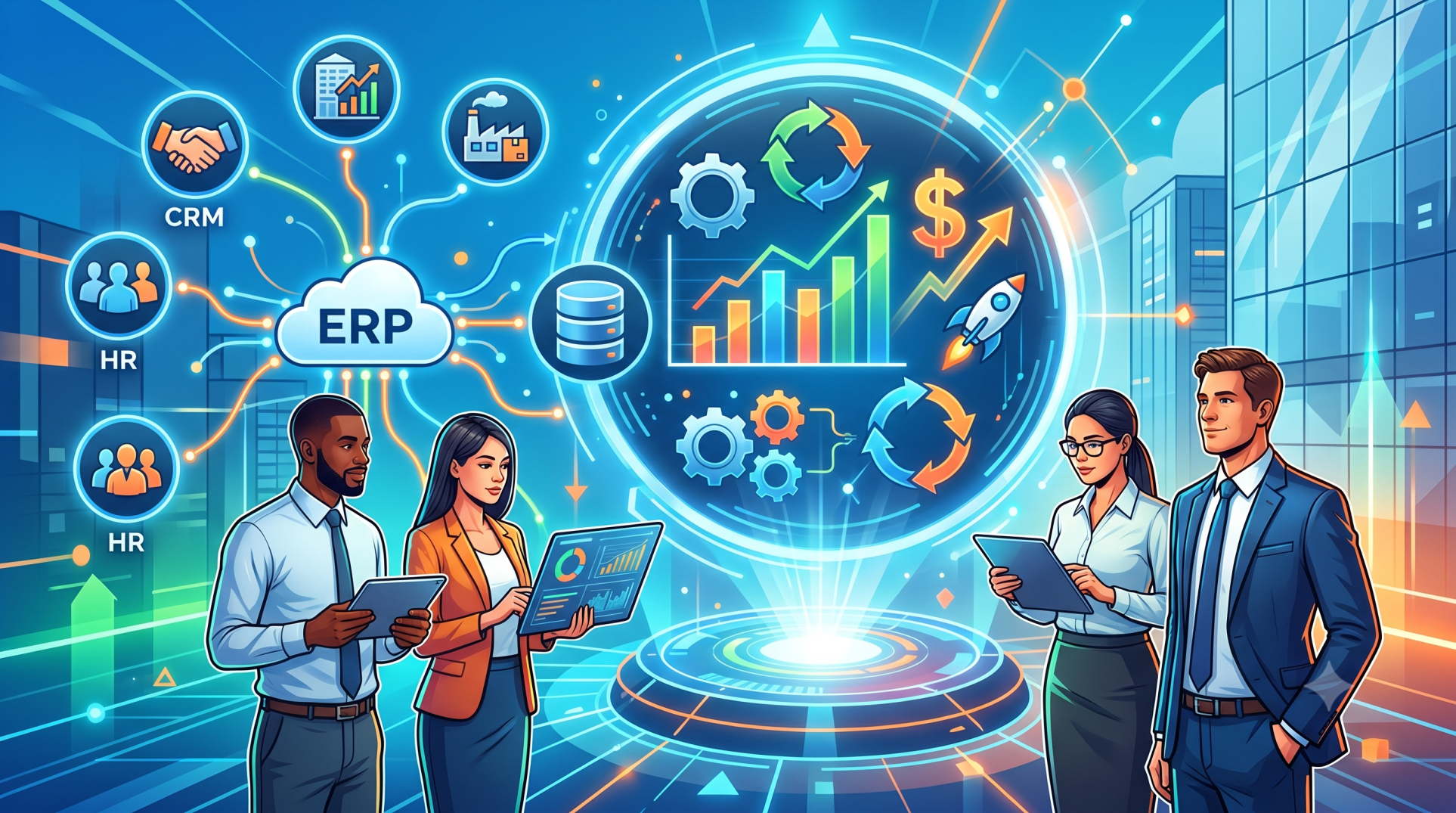
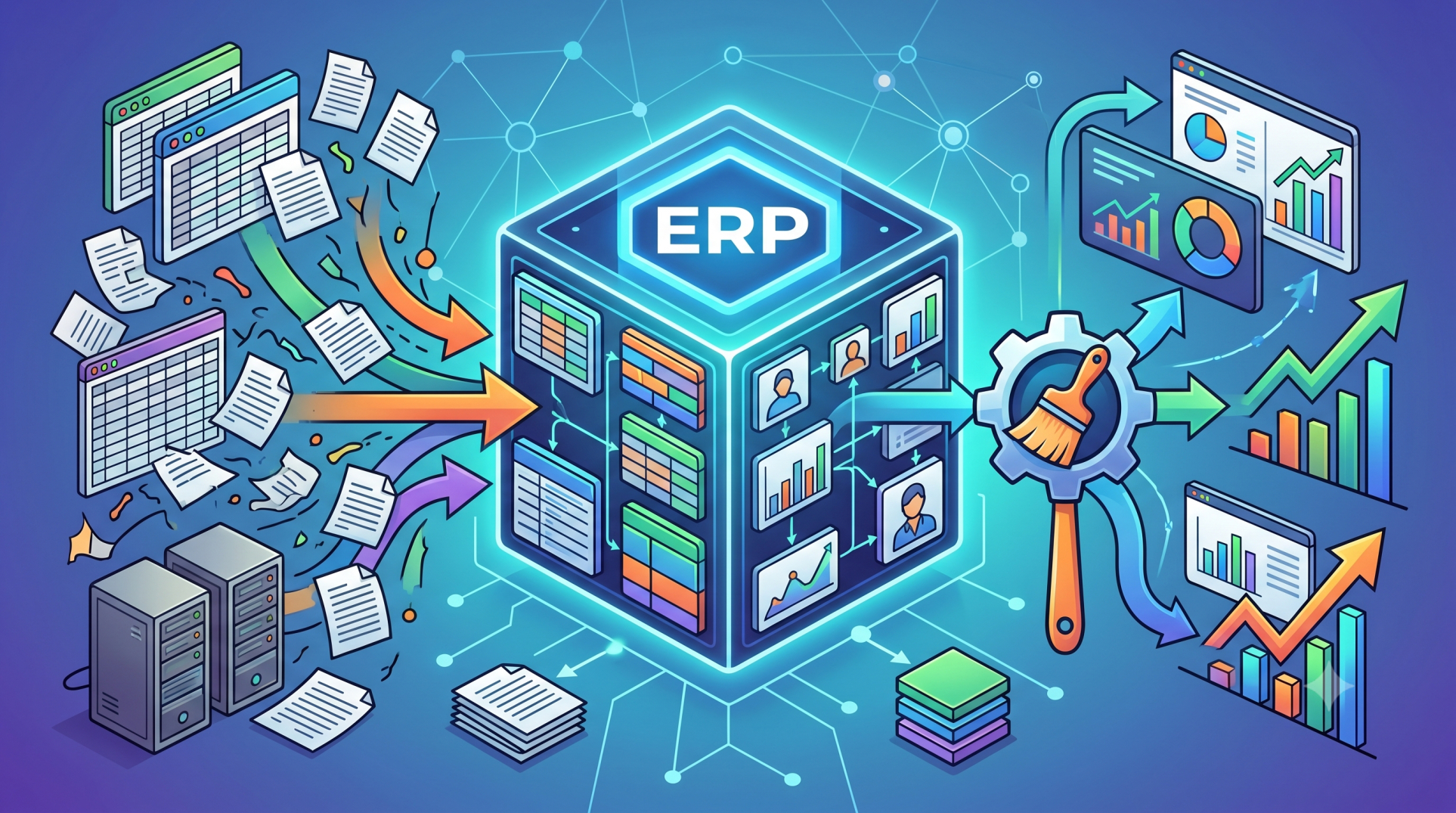
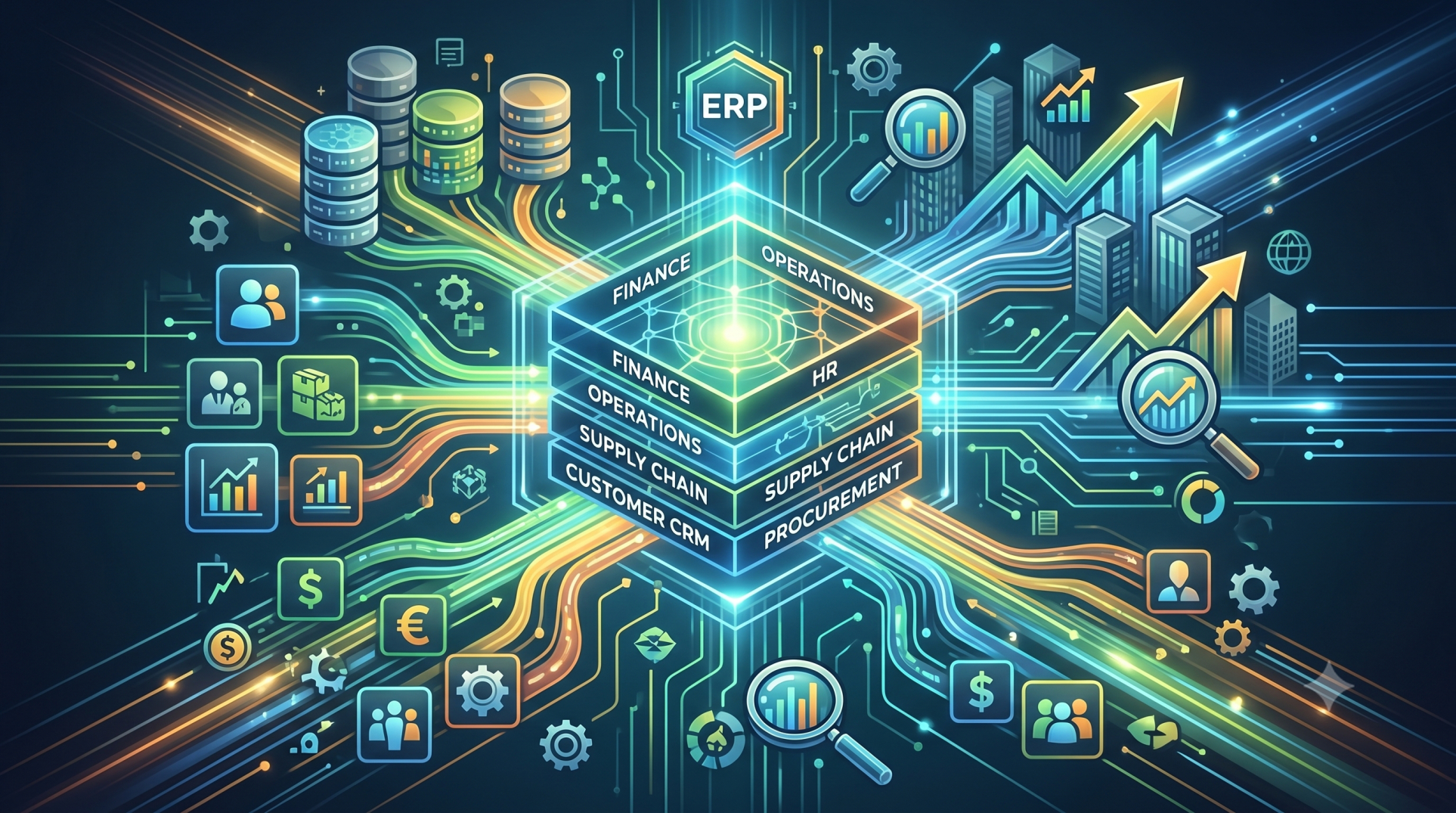
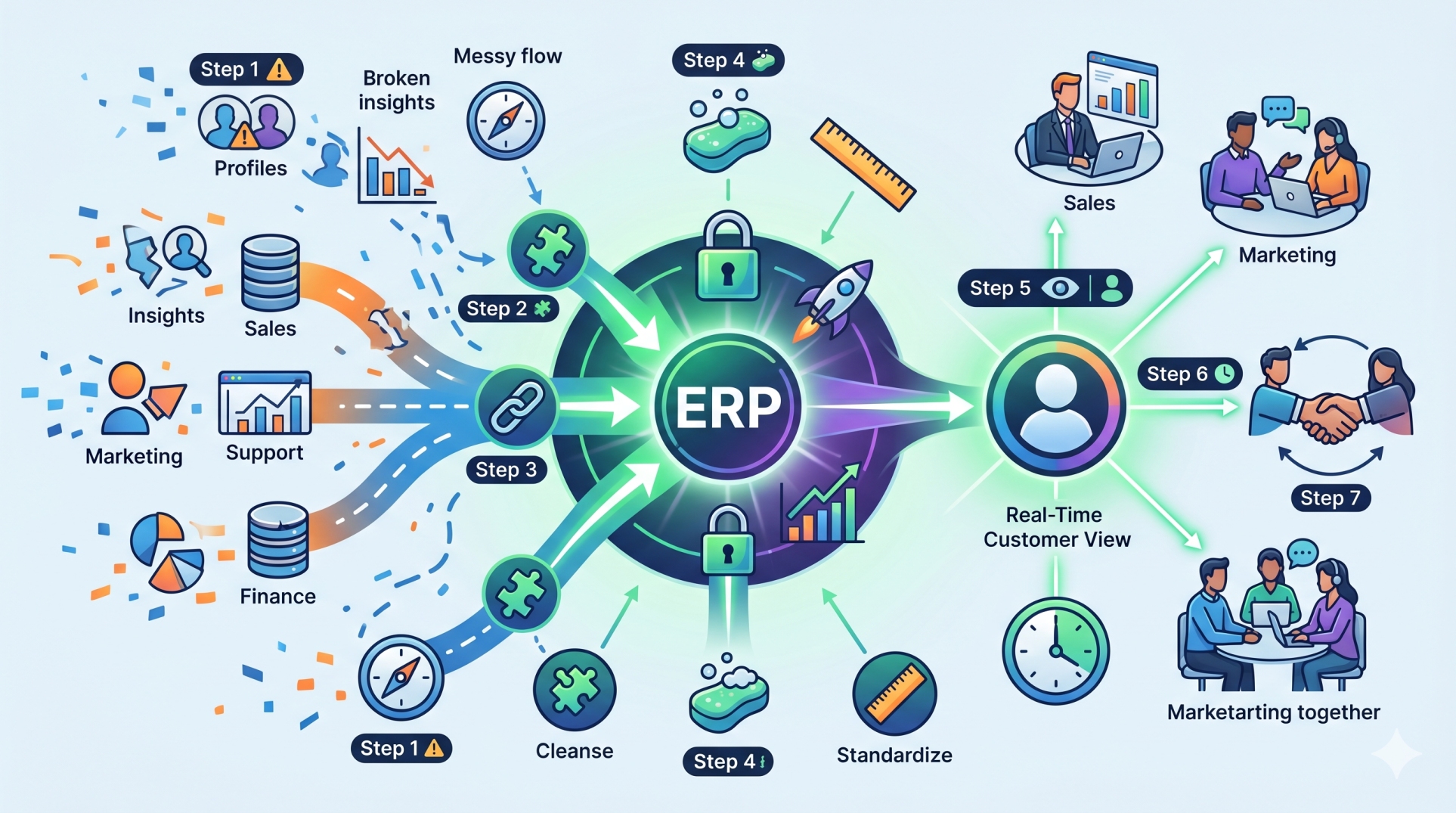
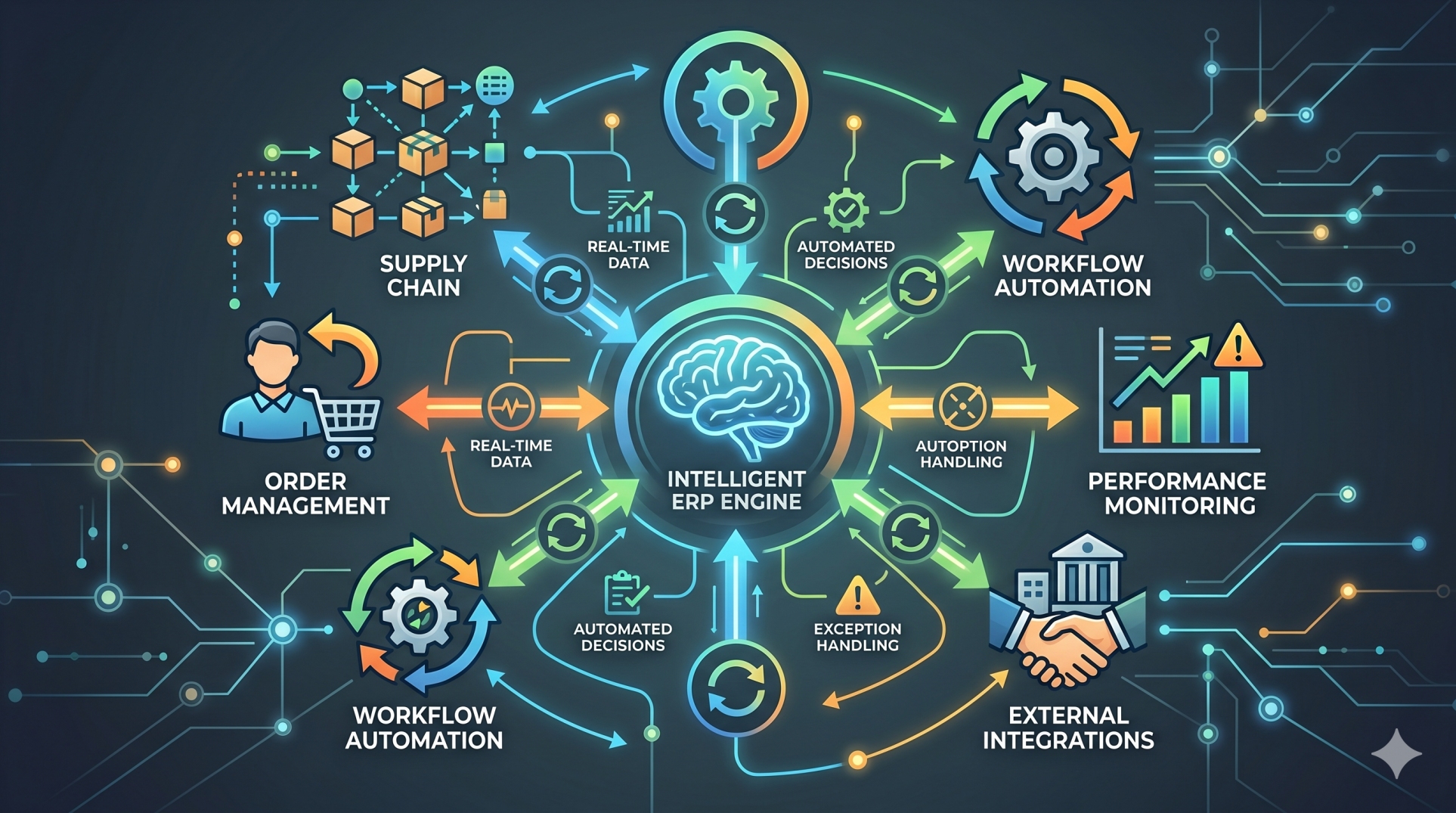
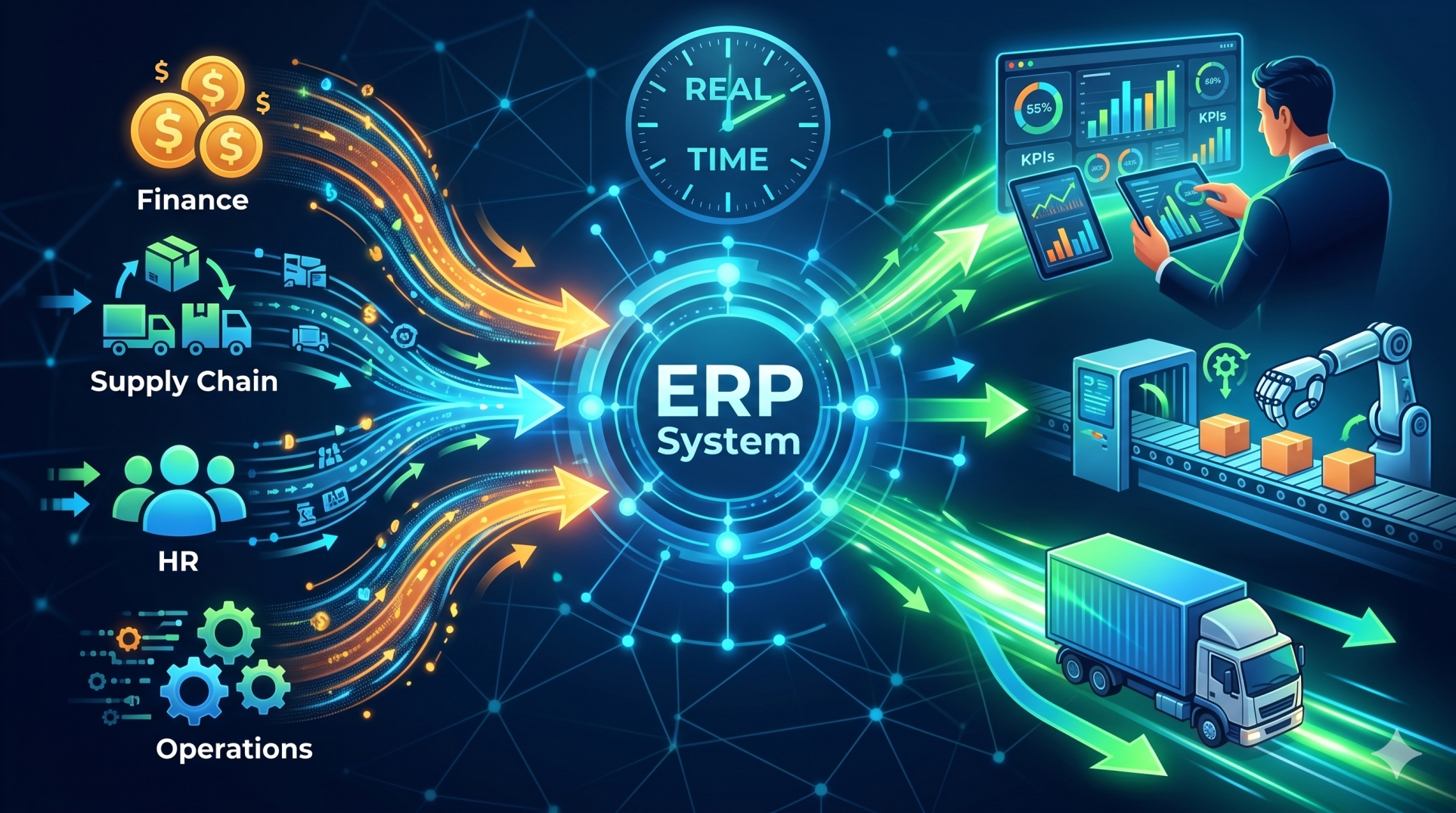
In a highly competitive environment, manufacturing businesses must run lean, efficient, and well-coordinated operations to stay profitable. Enterprise Resource Planning (ERP) software unifies production, inventory, supply chain, finance, and reporting into a single system. Selecting the right ERP enables manufacturers to improve productivity, control costs, and make smarter, data-backed decisions 📊.
1. Why Manufacturing Companies Need ERP
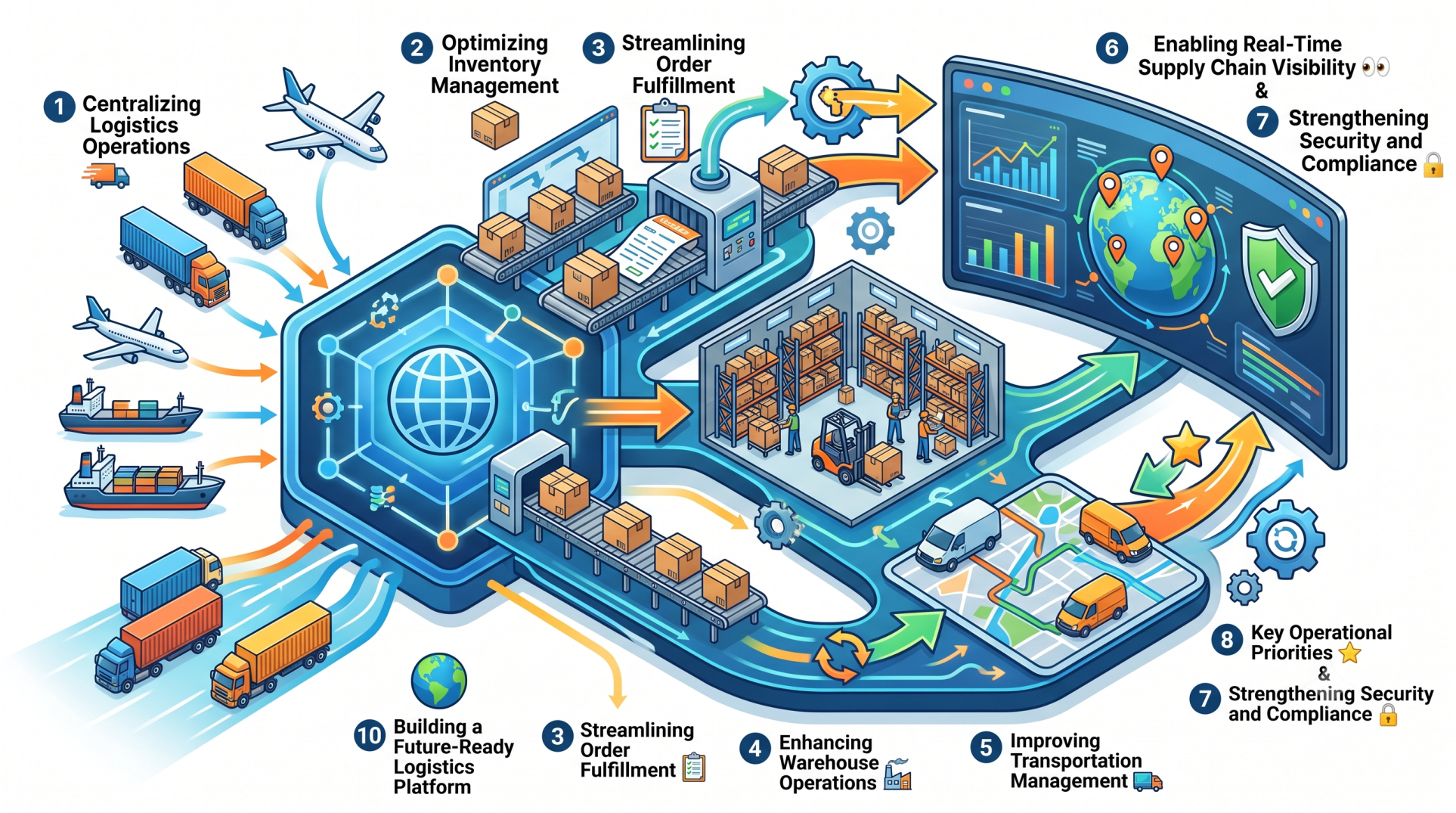
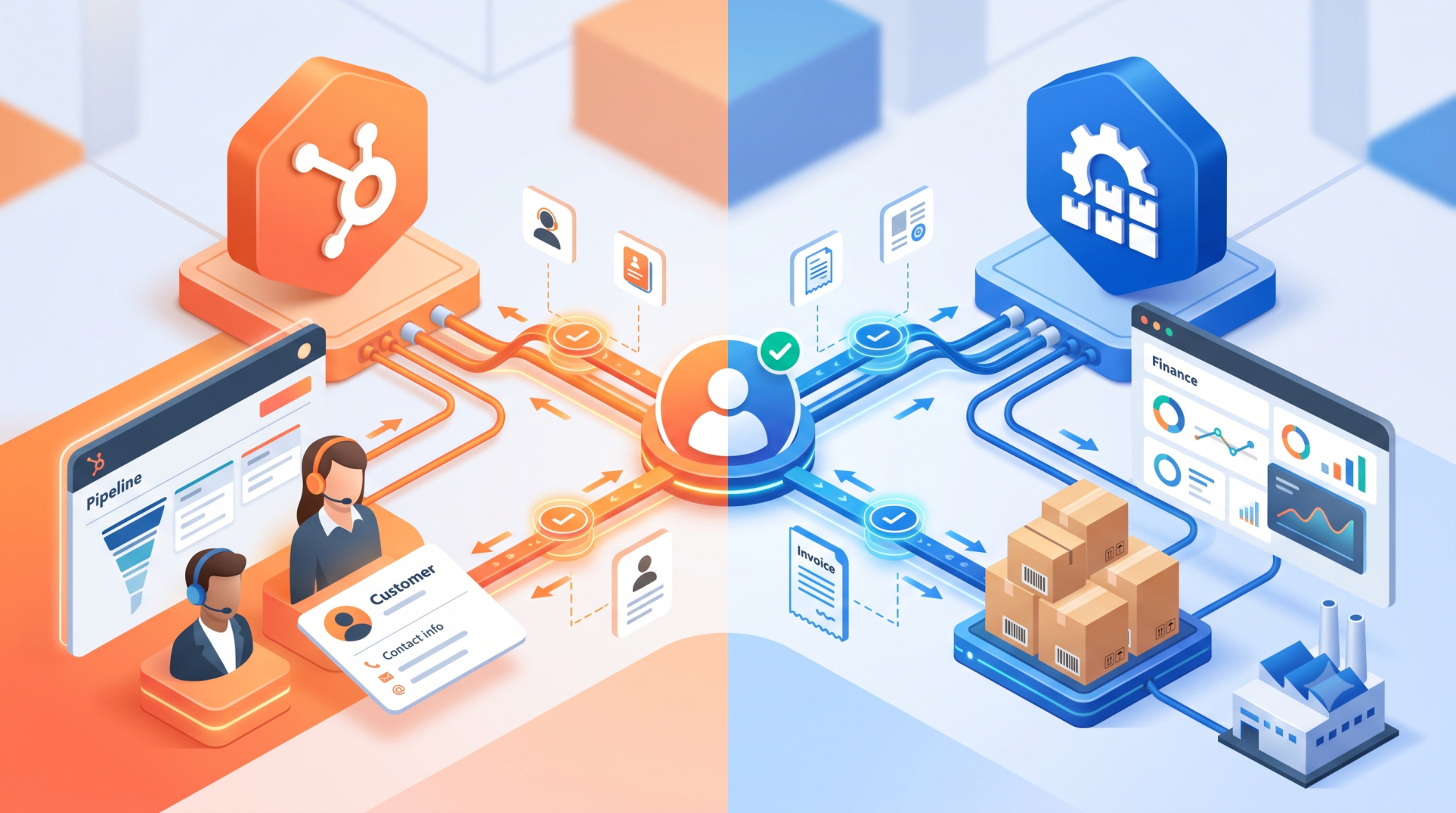
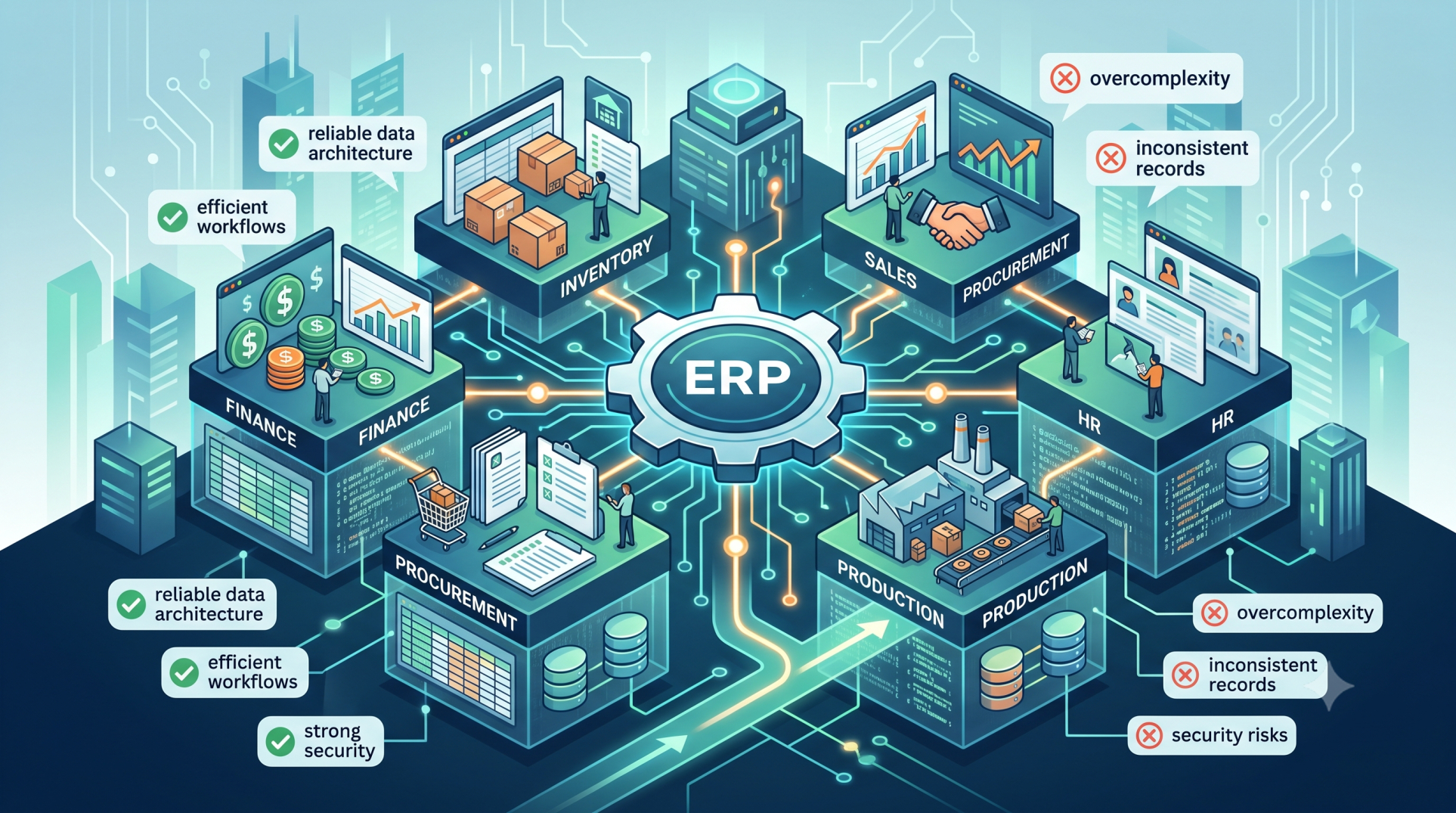
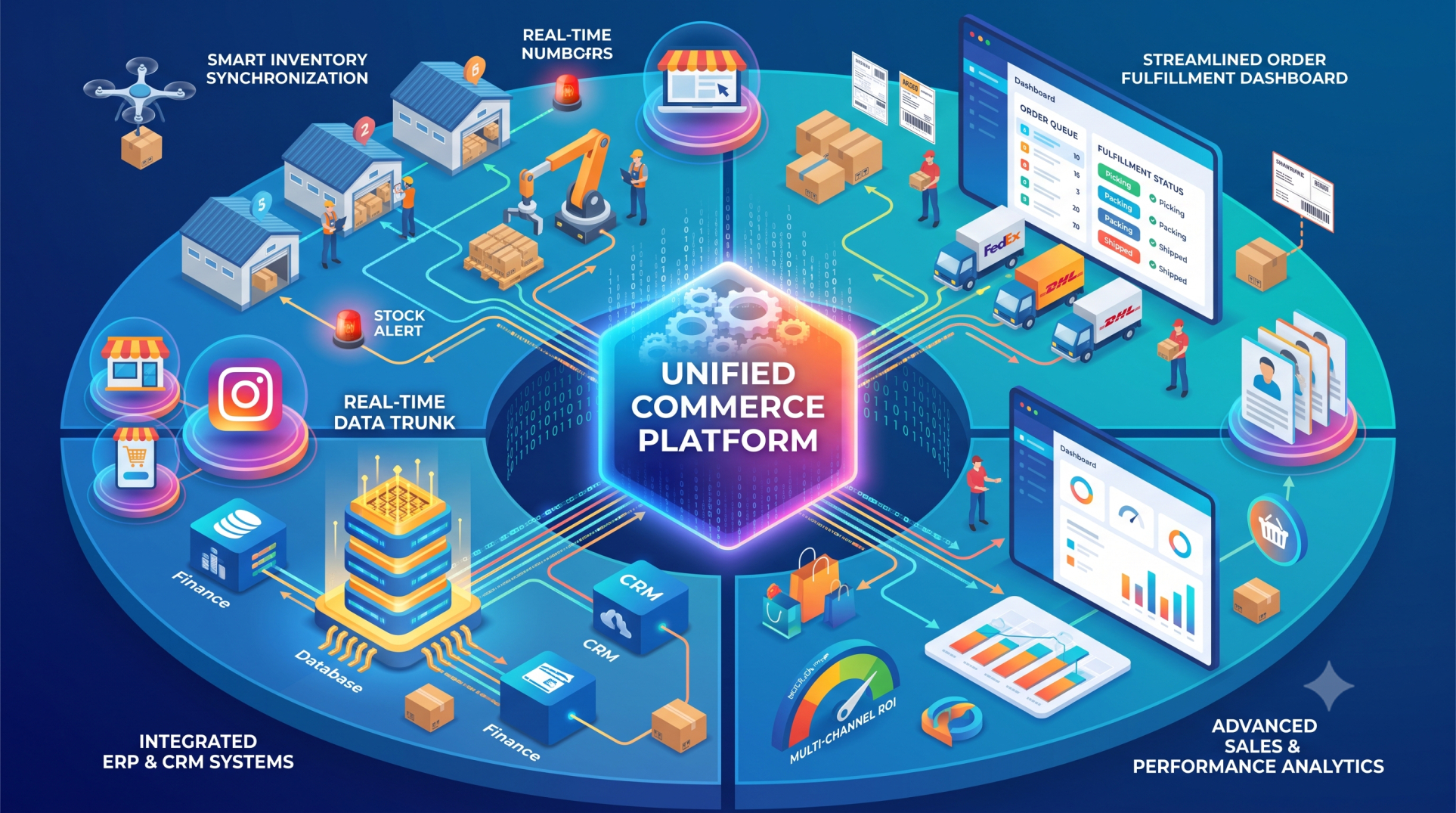
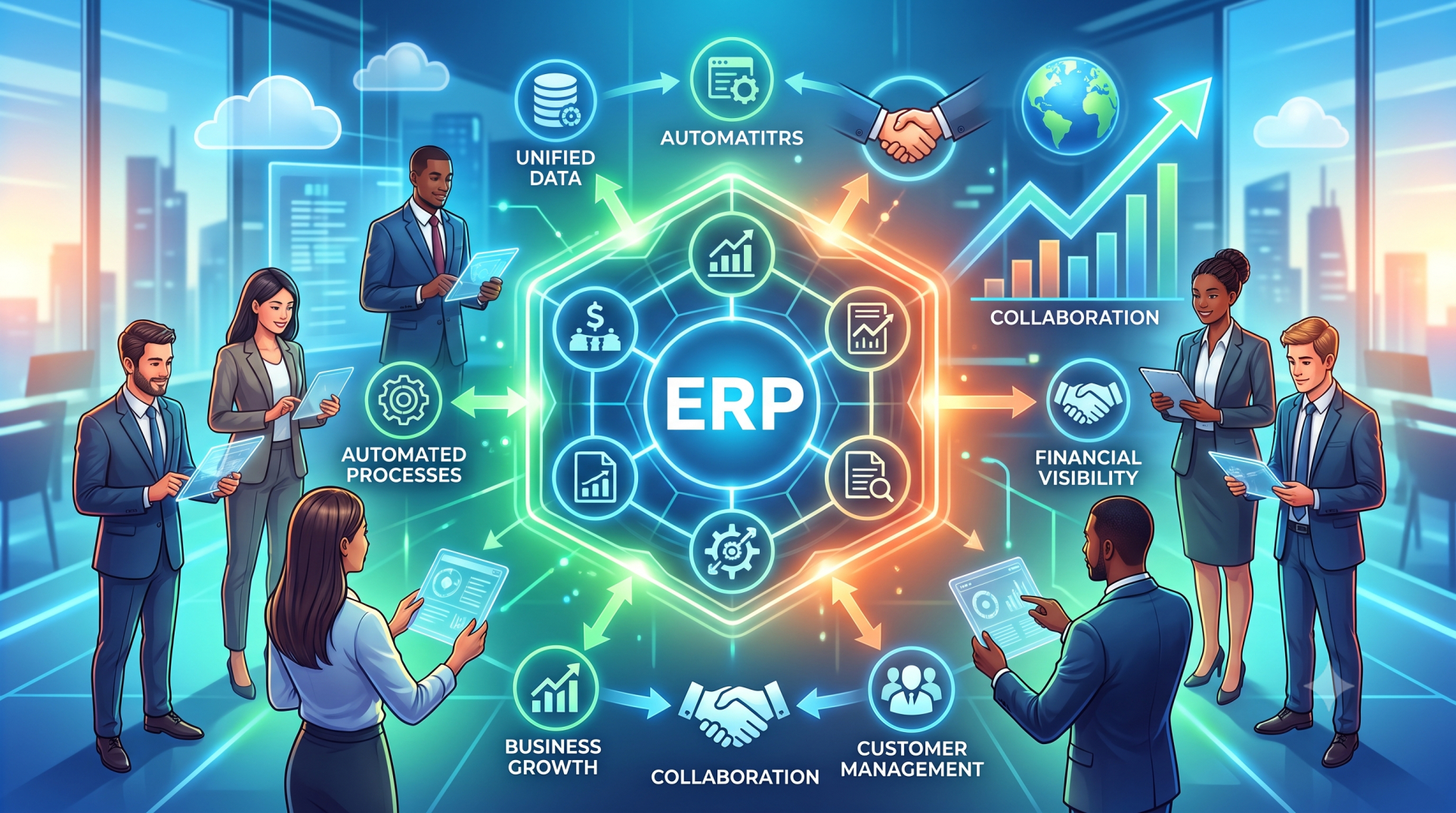
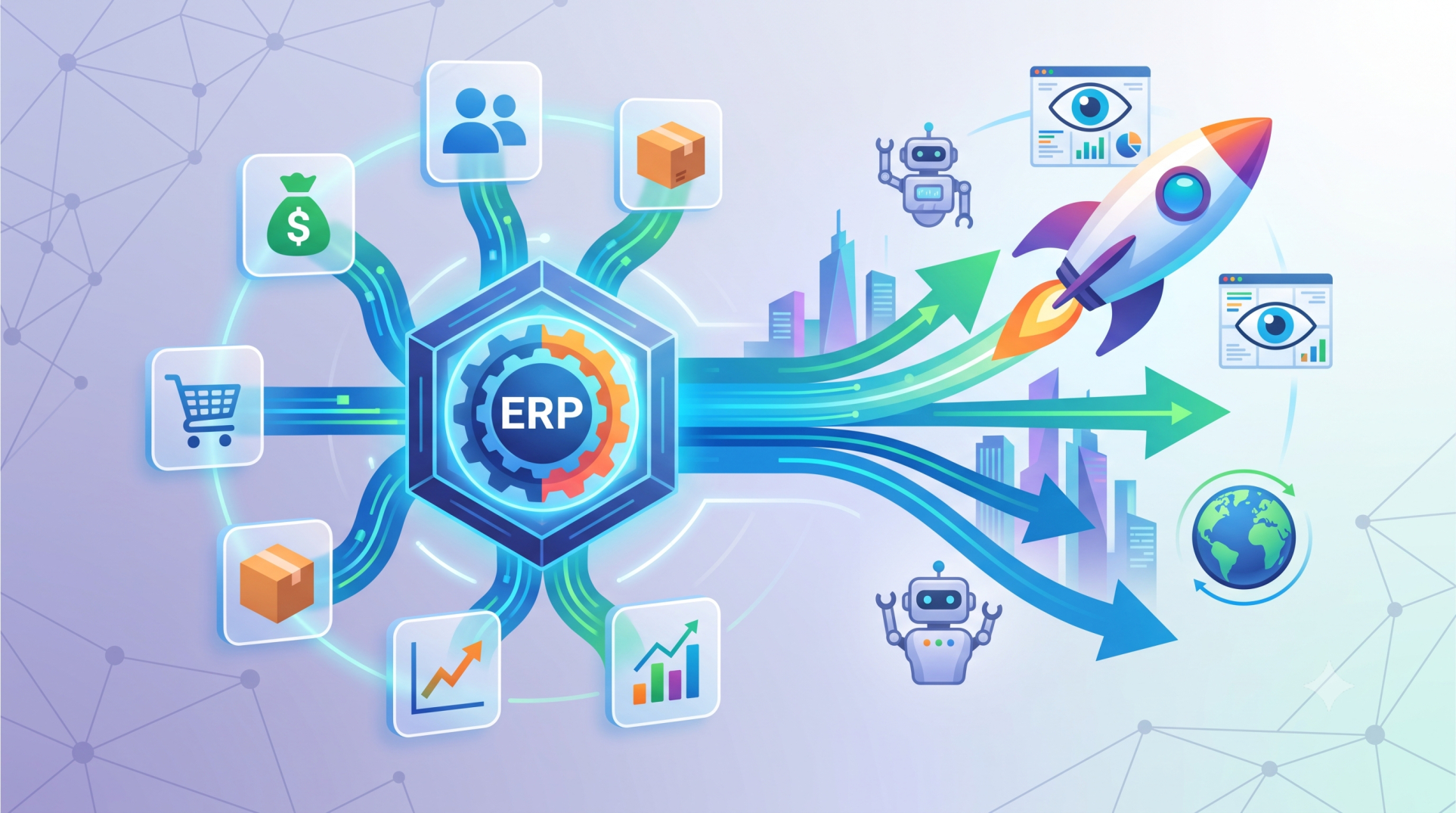
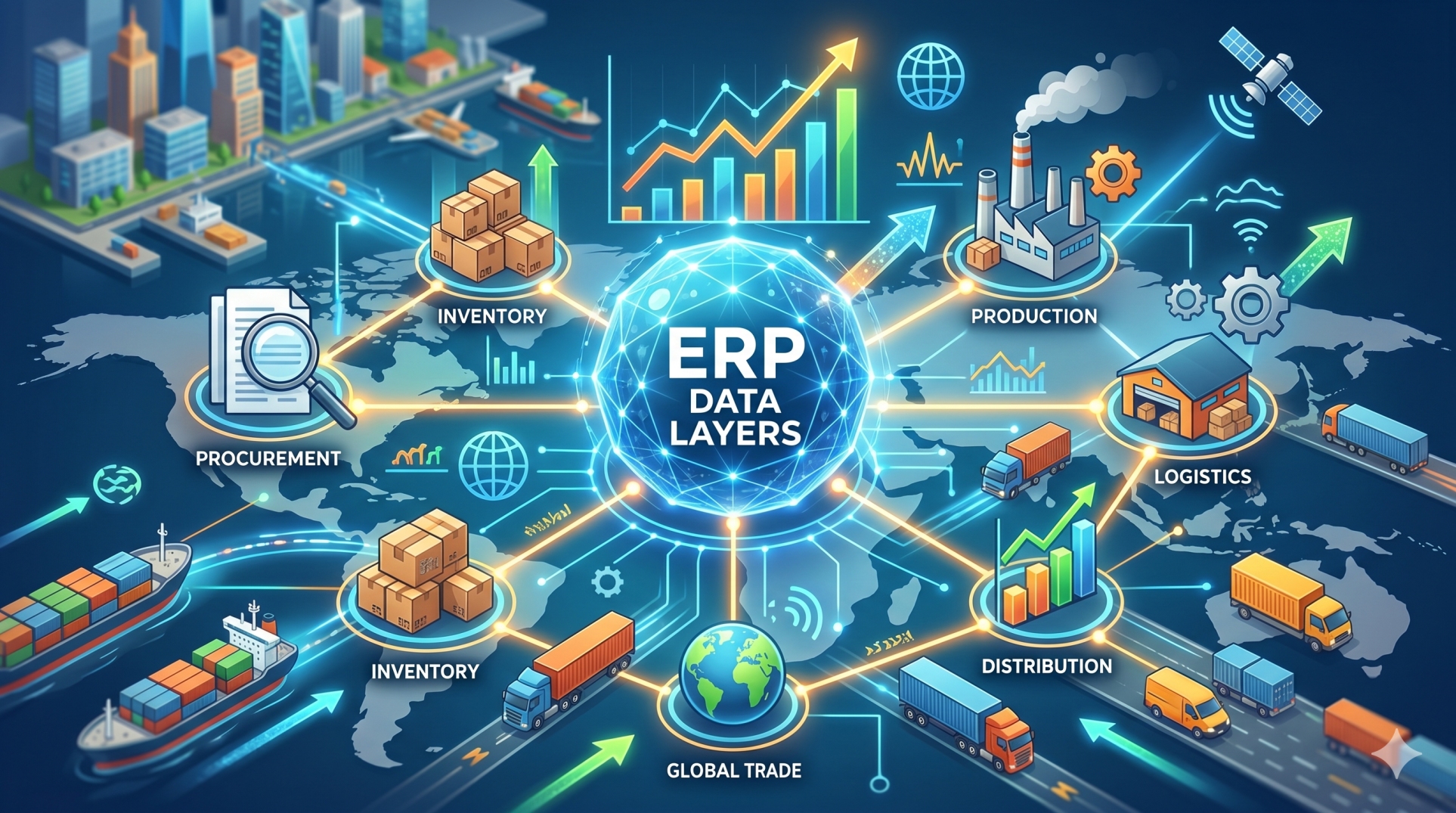
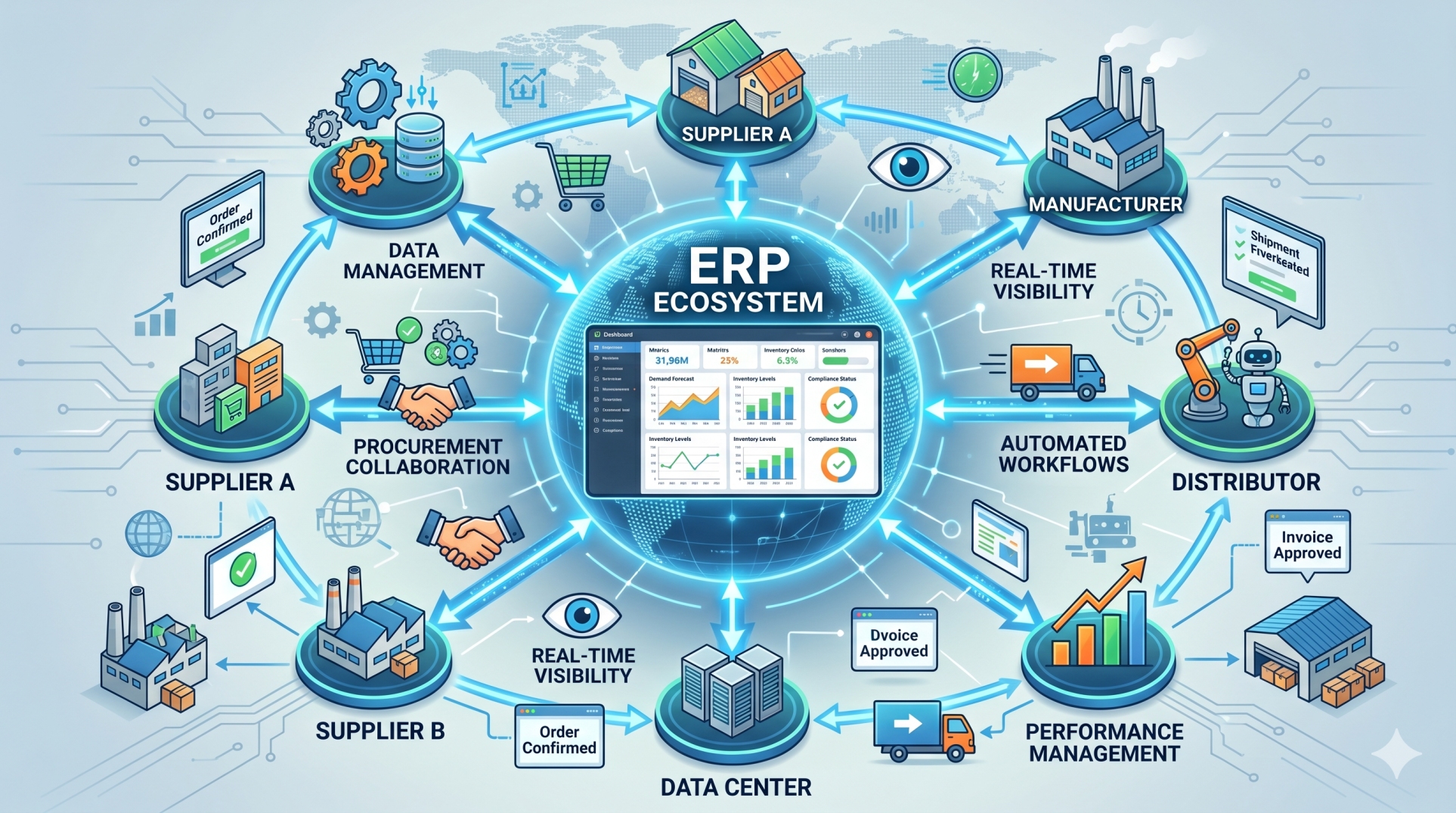
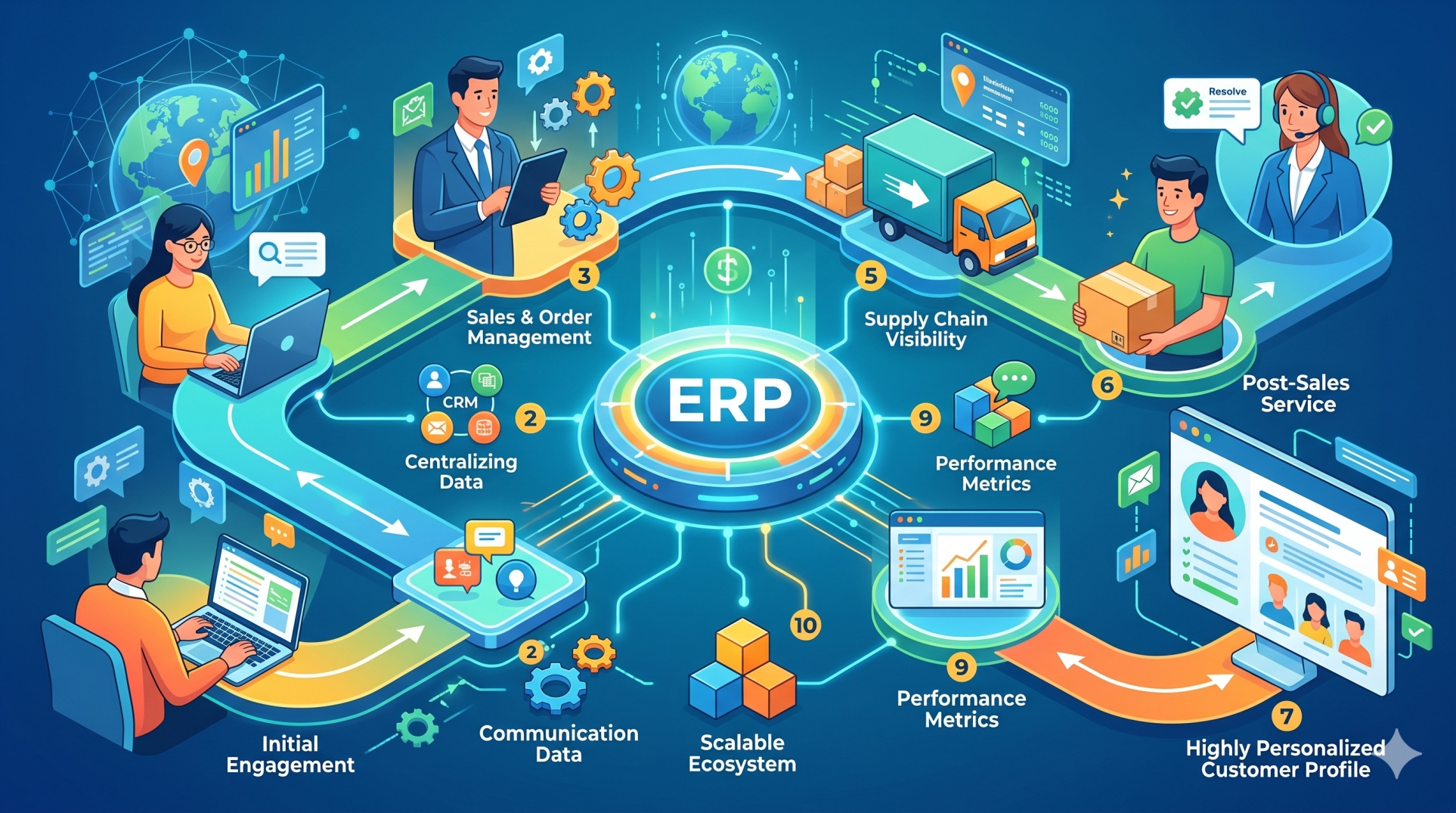
• Brings production, inventory, sales, and finance data into one centralized system 🗂️
• Automates repetitive tasks to reduce manual effort and errors 🔄
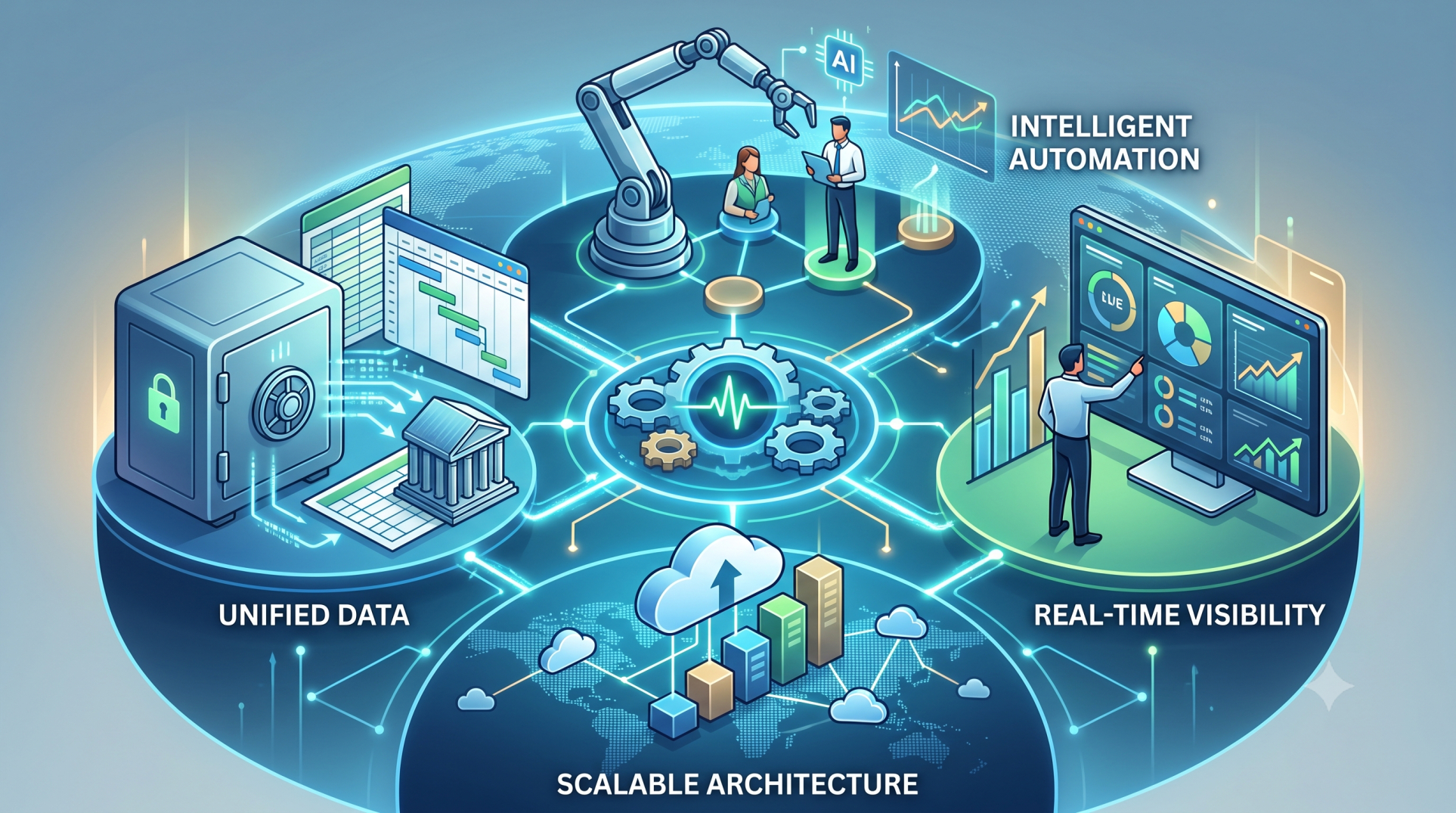
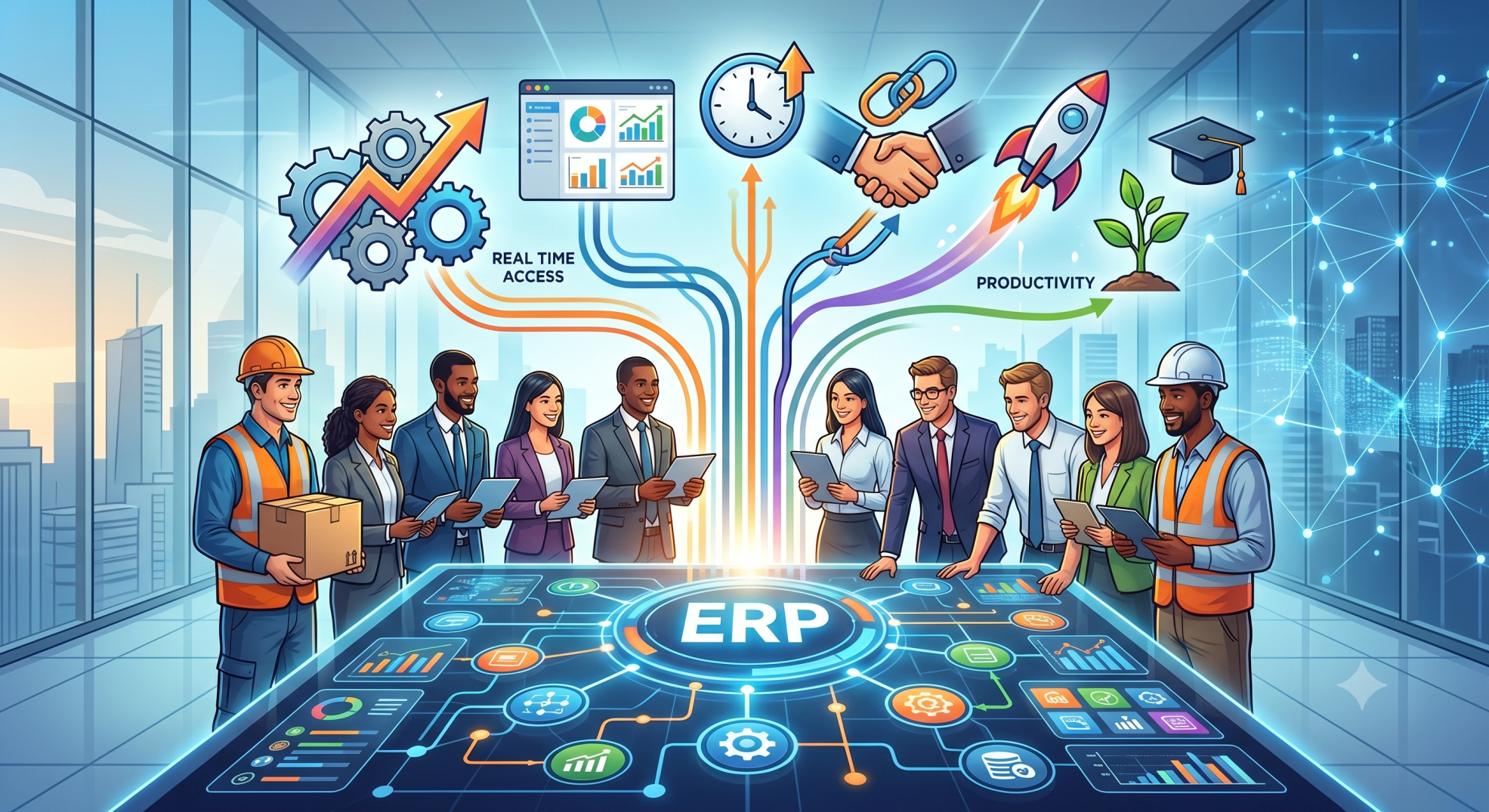
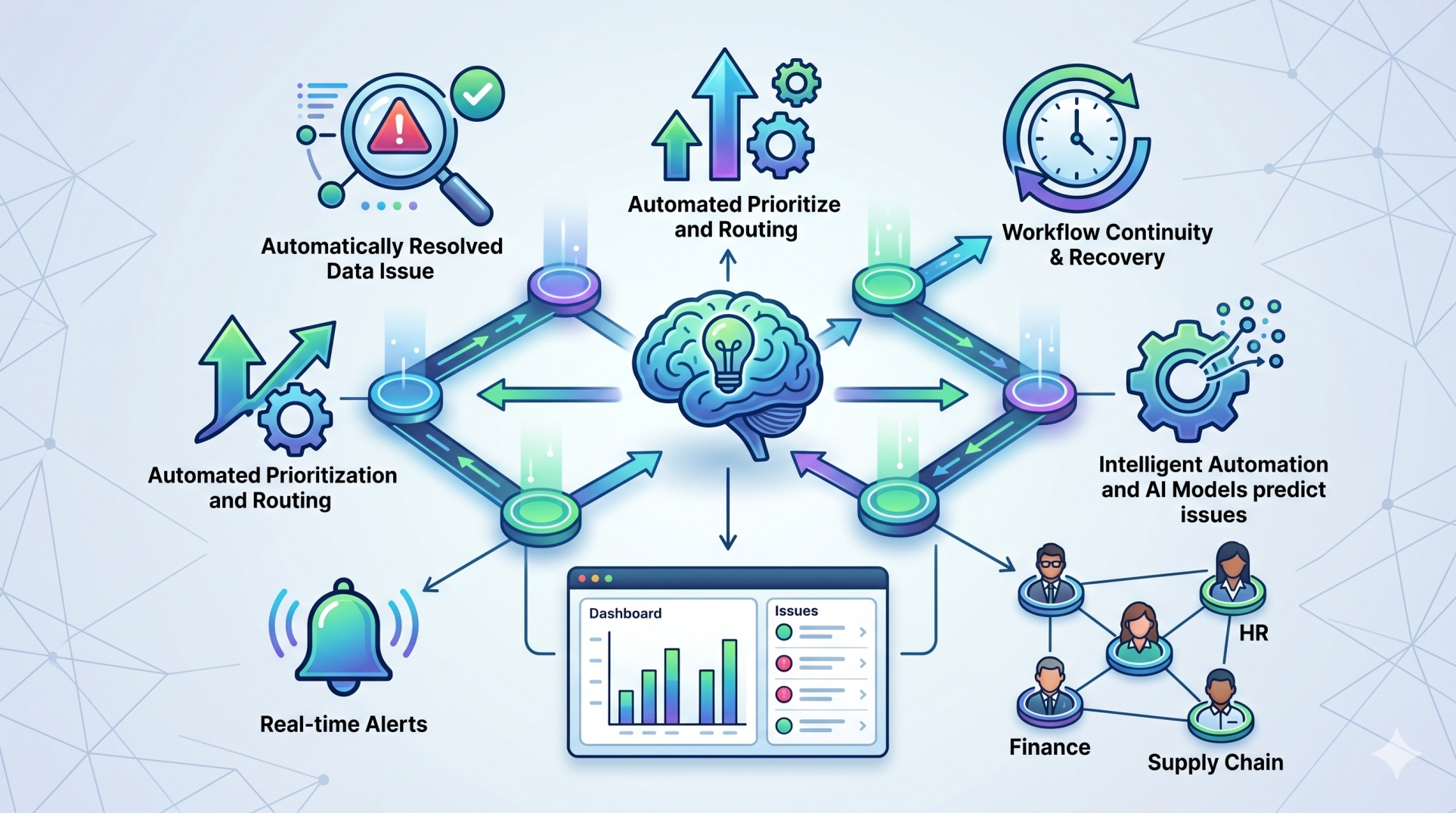
• Provides real-time visibility across manufacturing operations ⏱️
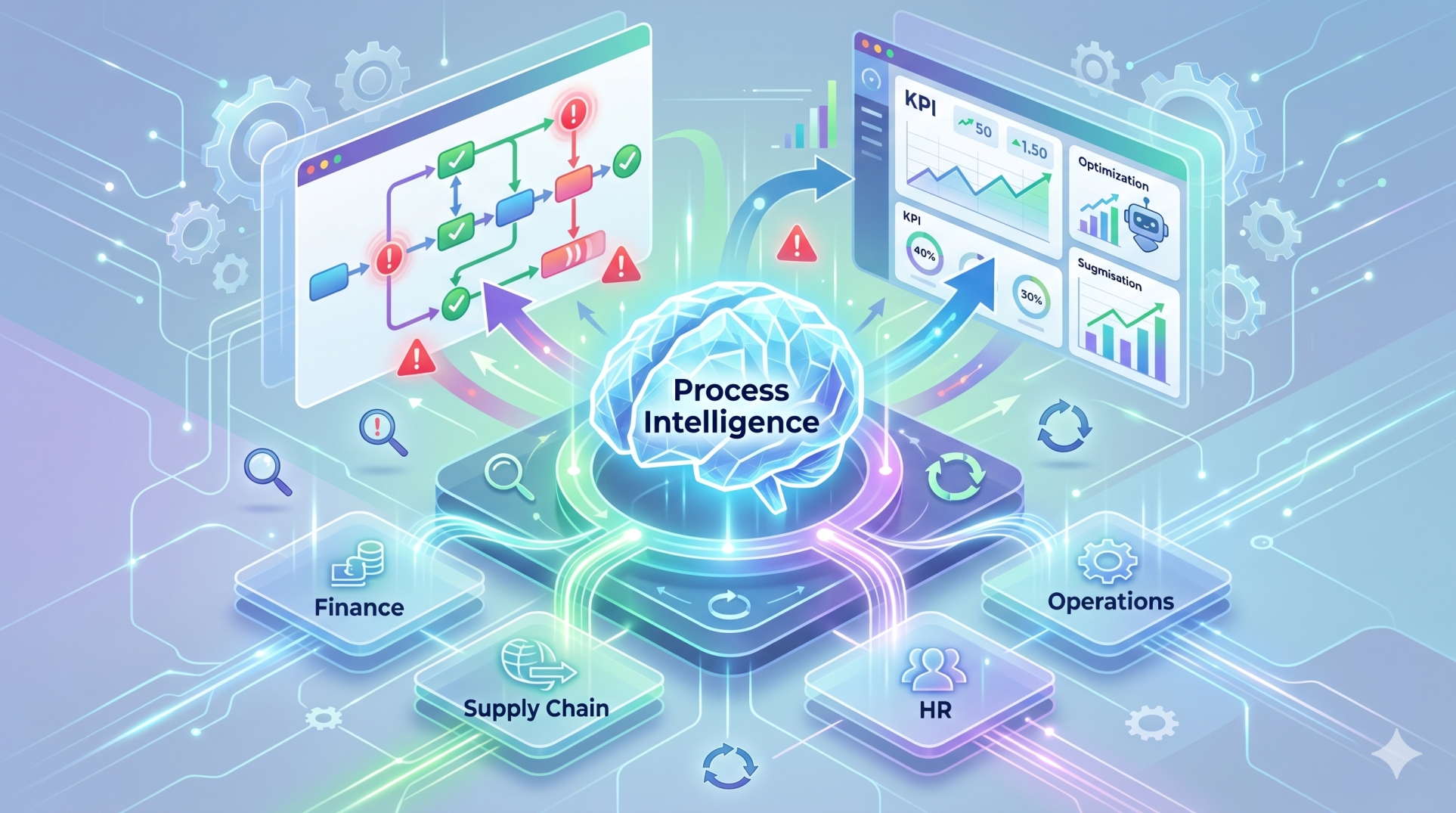
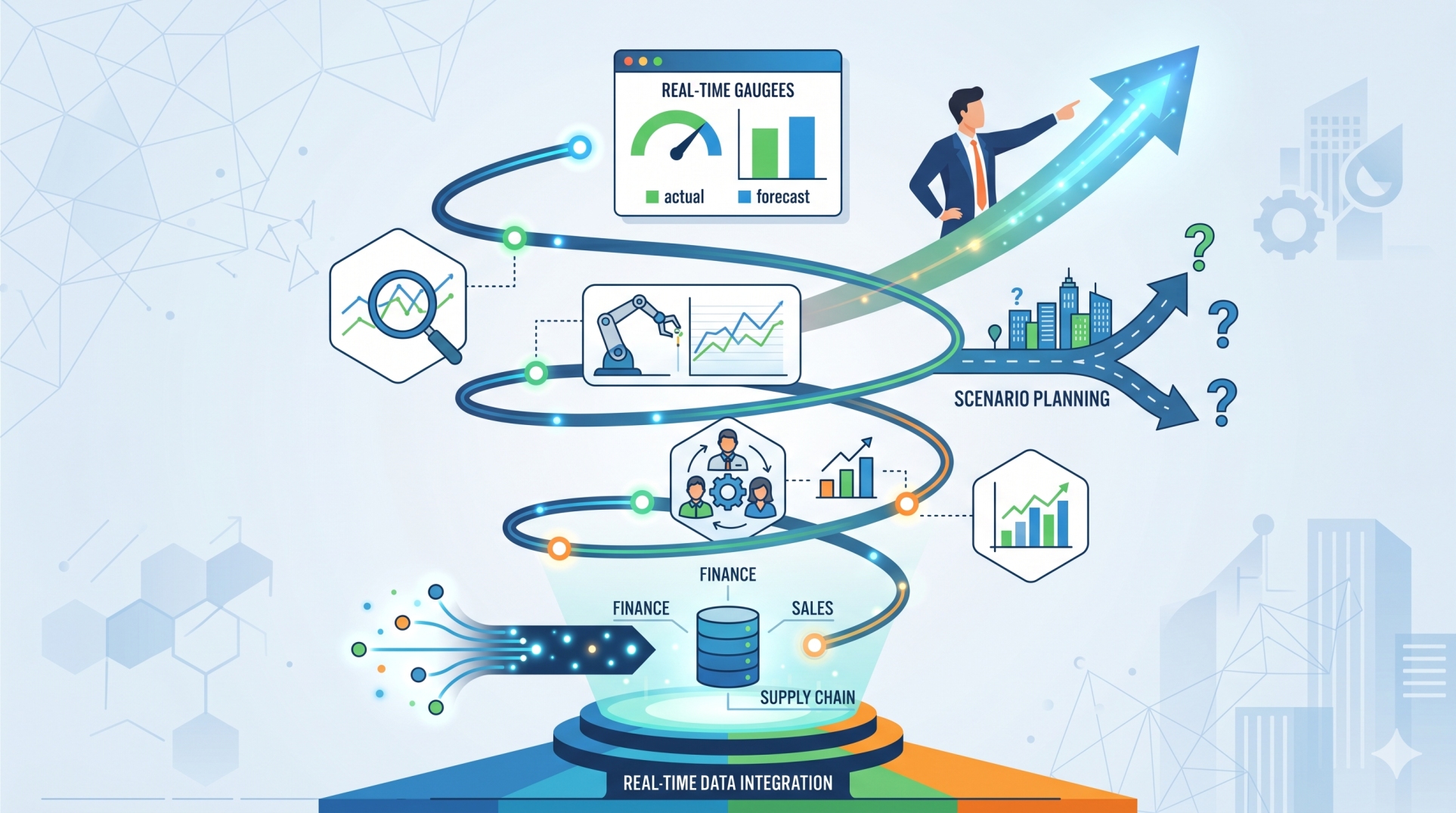
• Supports accurate planning through reliable reports and insights 📈
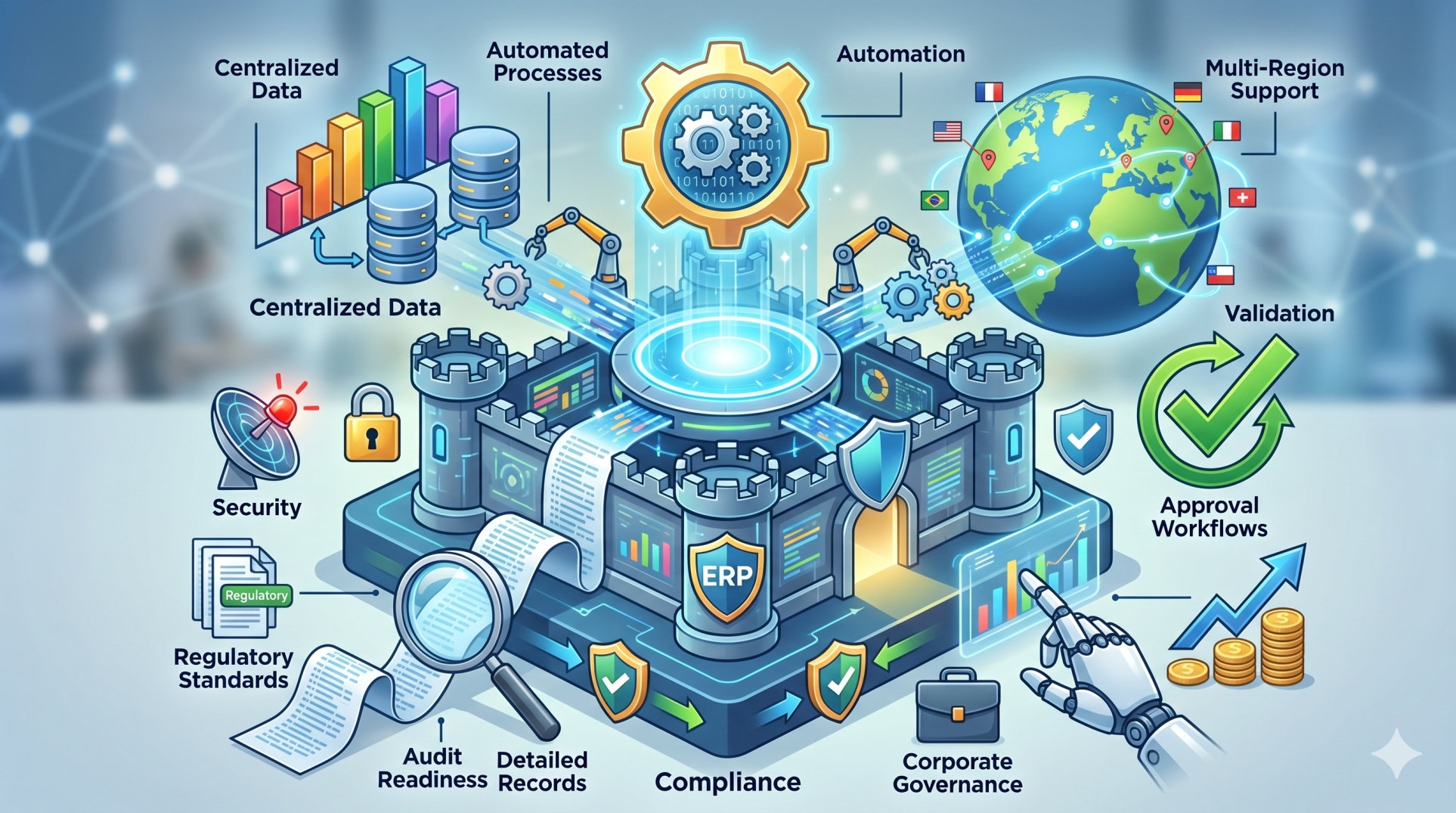
• Helps meet regulatory and compliance requirements ✅
2. Essential Features in a Manufacturing ERP
• Production planning and scheduling for efficient resource utilization 🏗️
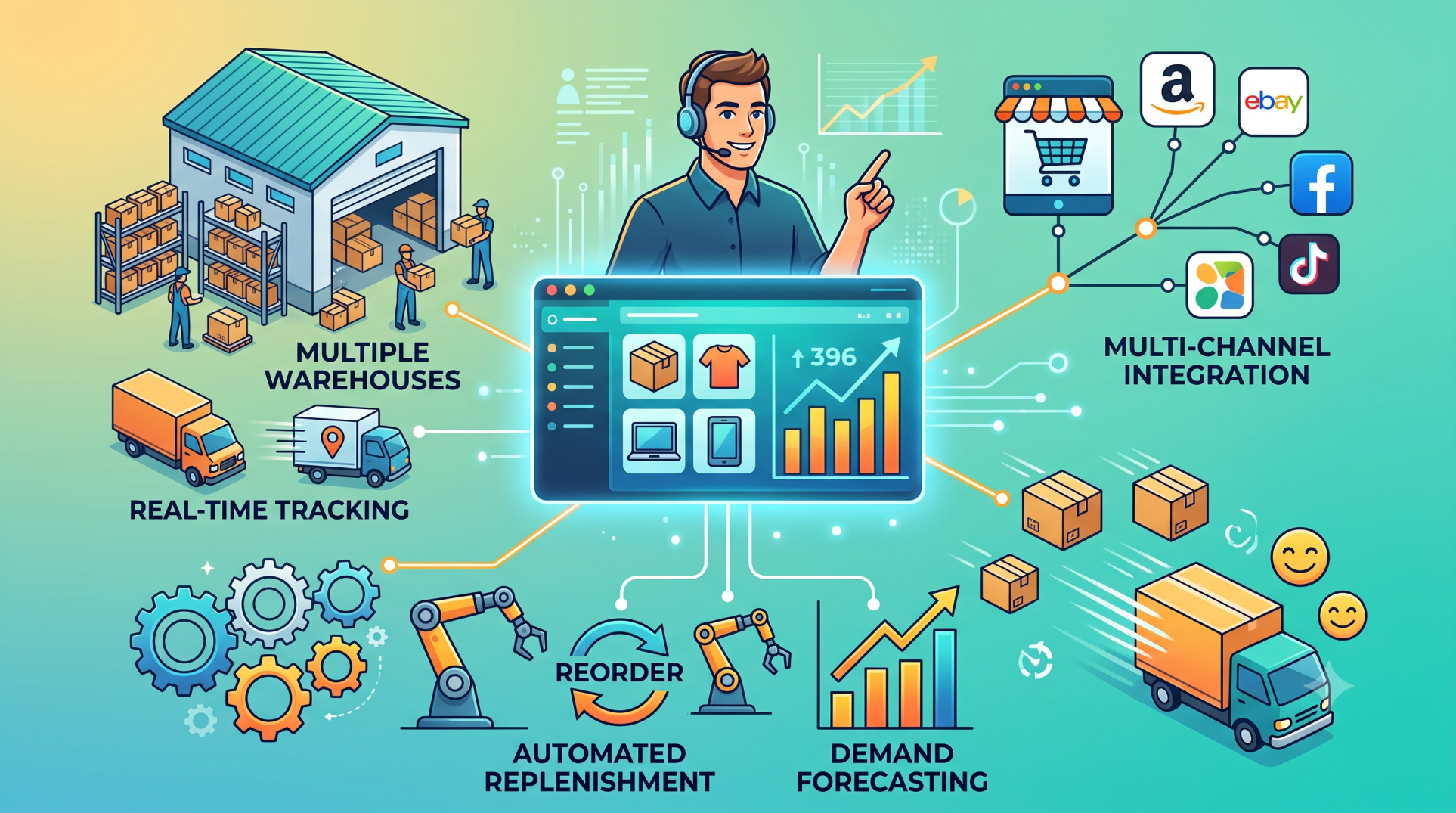
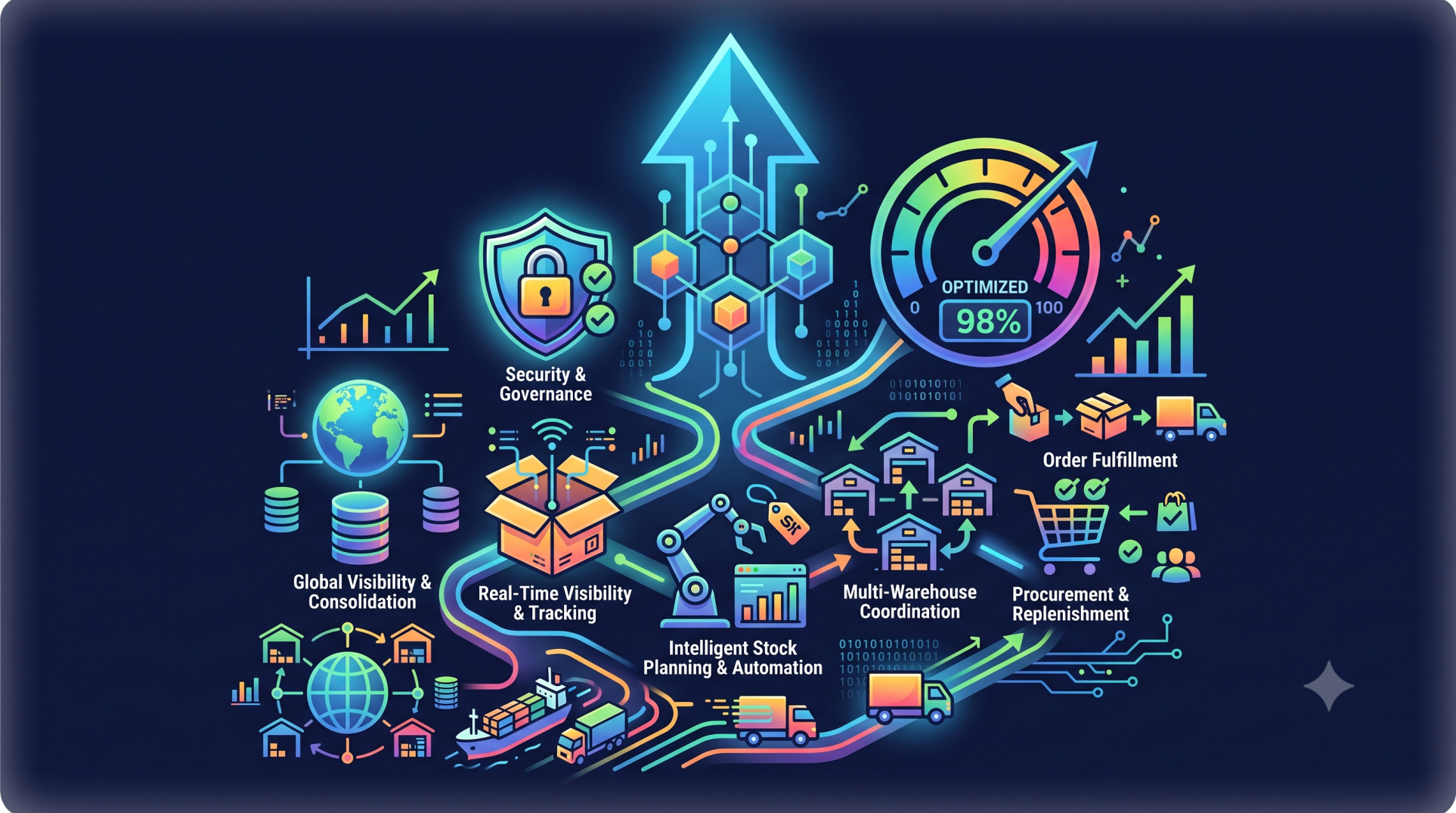
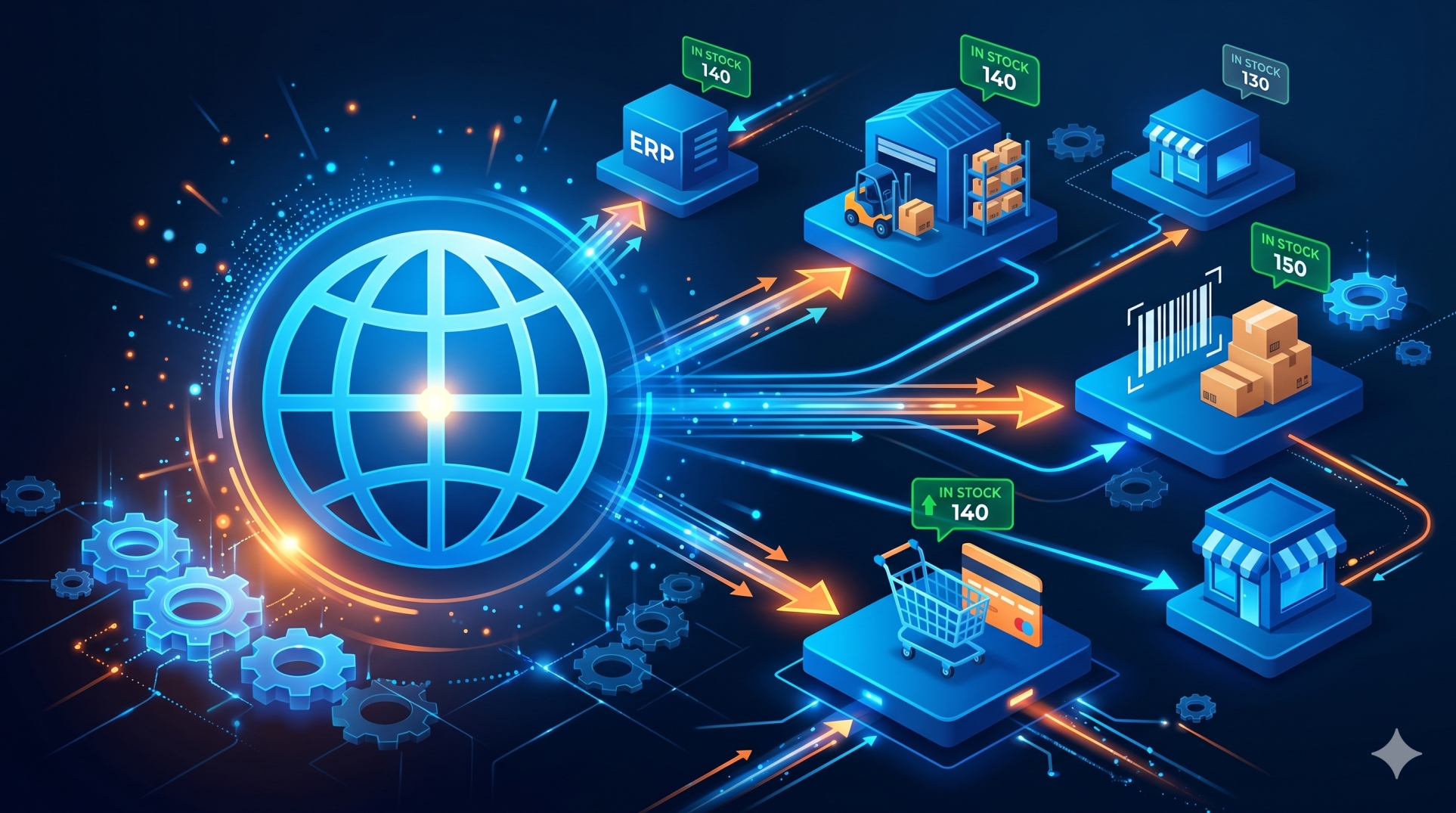
• Inventory and warehouse management for precise stock control 📦
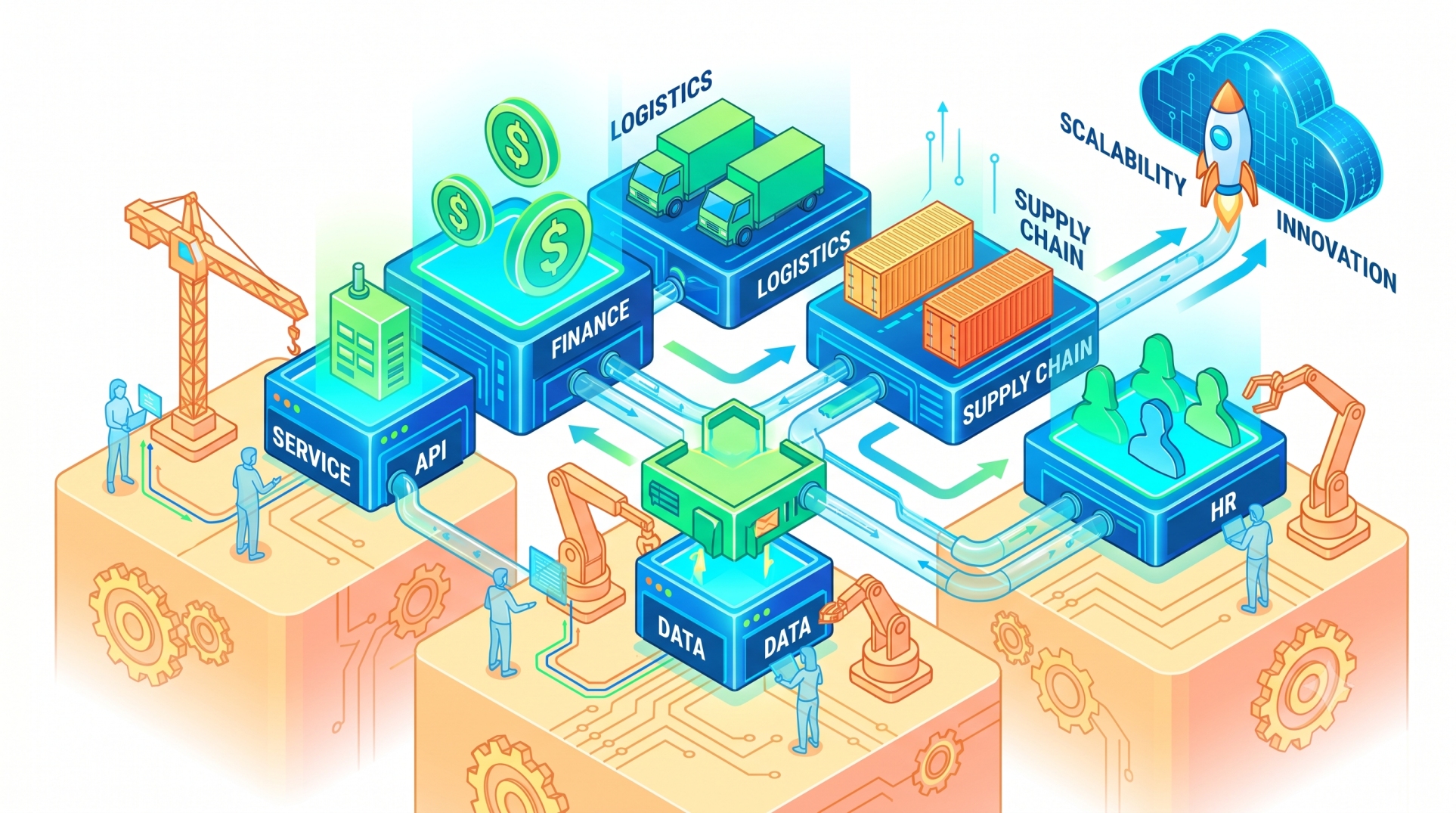
• Supply chain management to oversee vendors, procurement, and logistics 🚚
• Quality control and compliance tracking 🧪
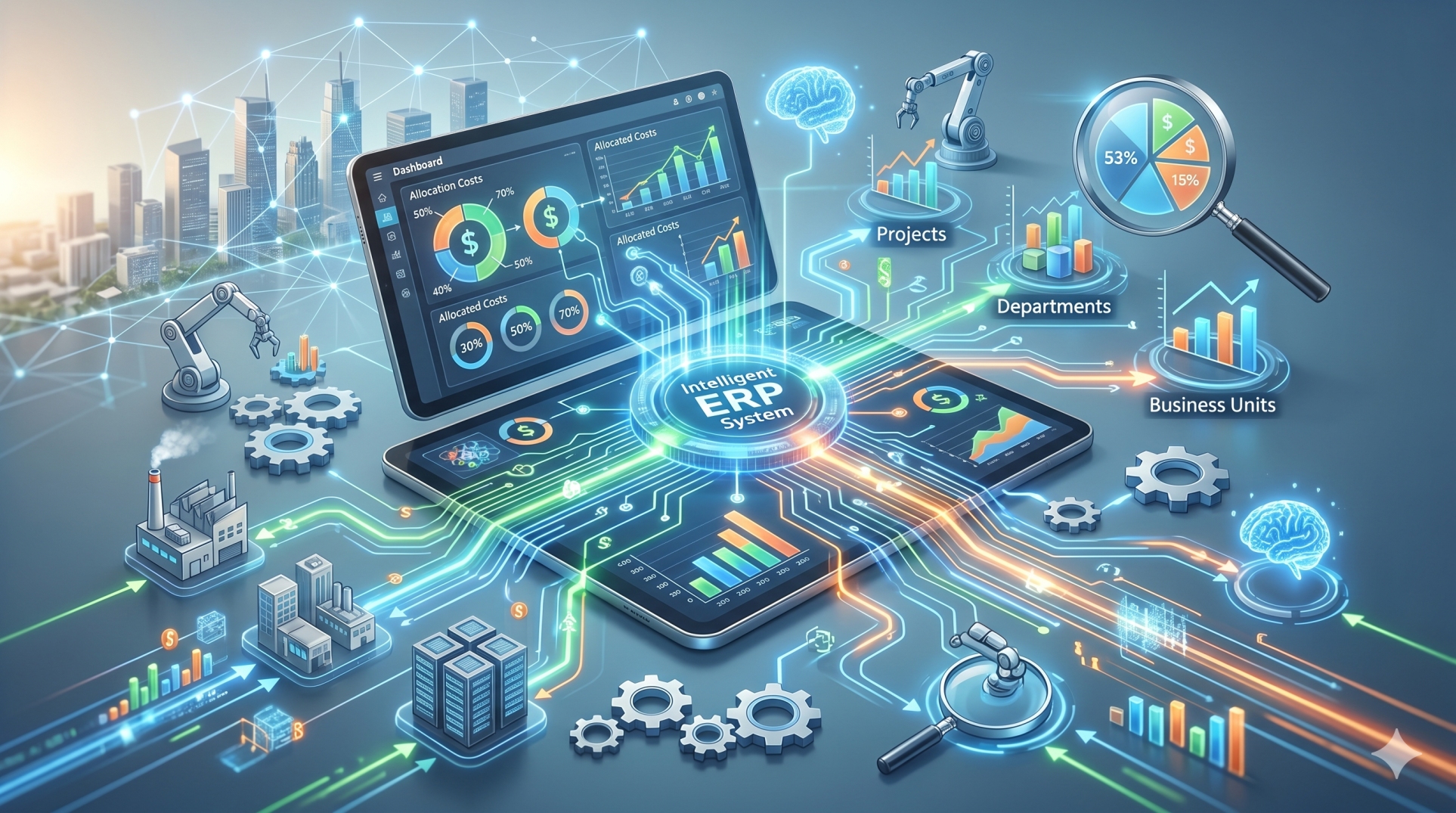
• Financial management covering costing, accounting, and budgeting 💰
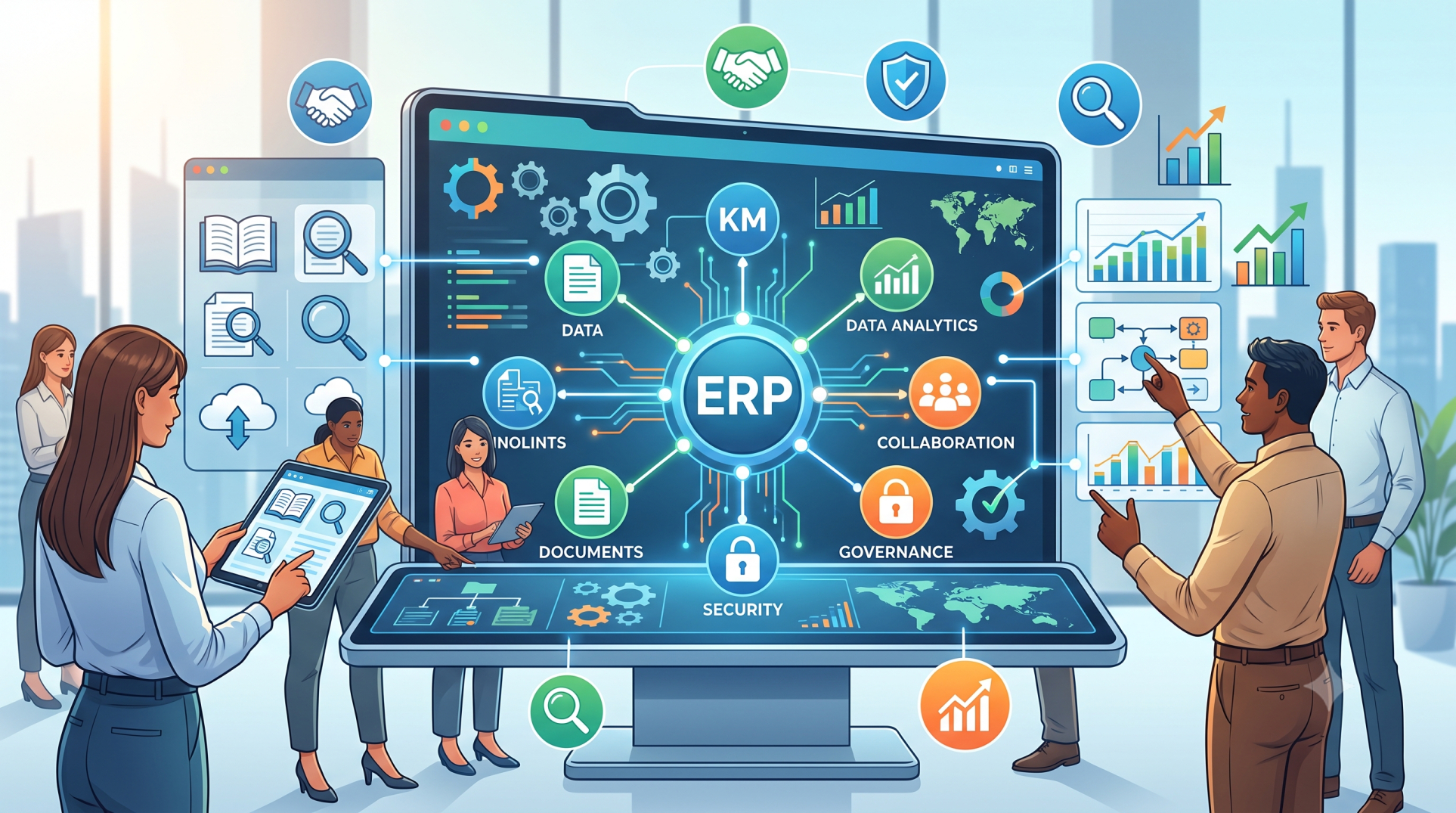
• Reporting and analytics to support continuous improvement 📊
3. Types of ERP Deployment
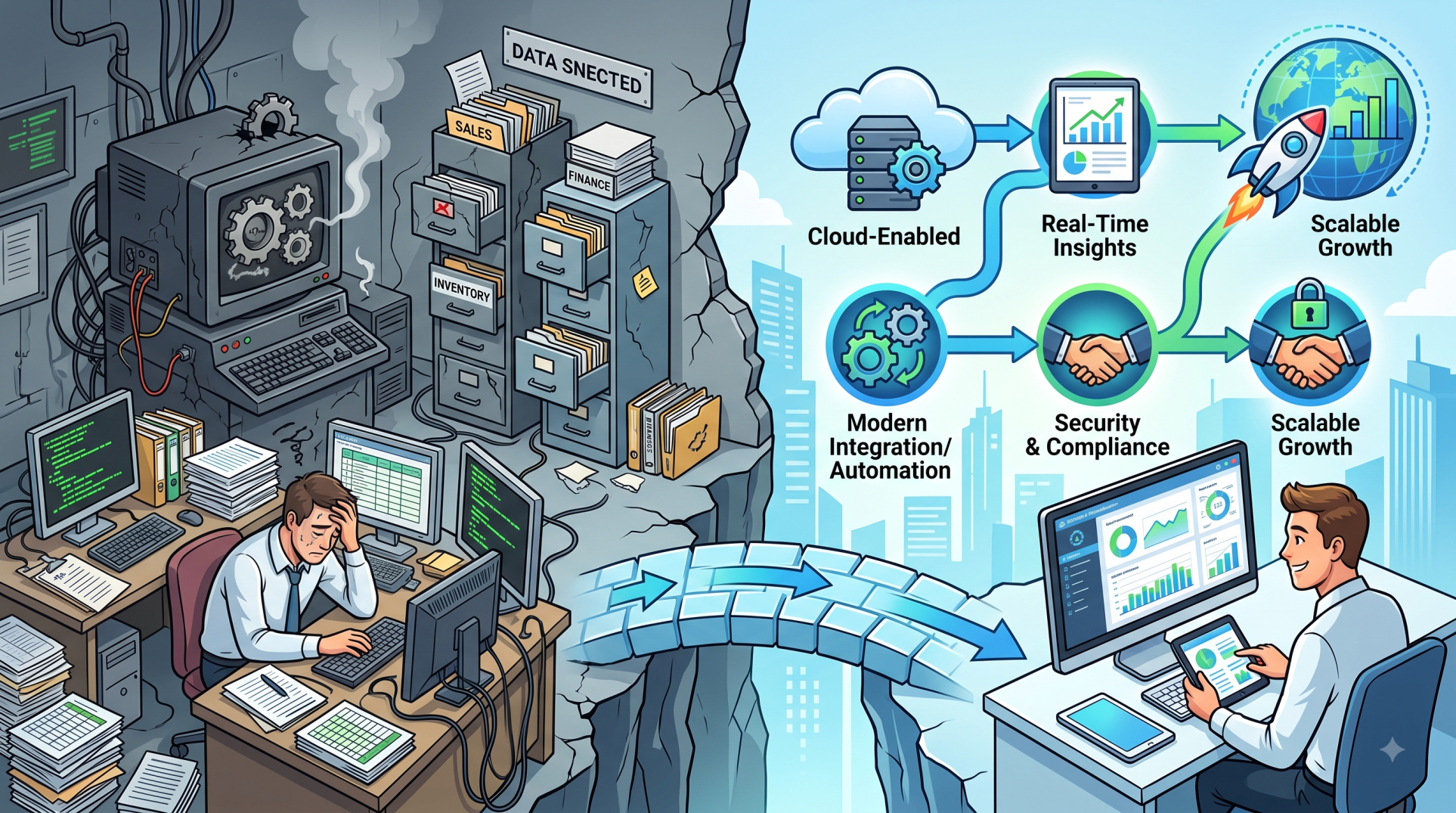
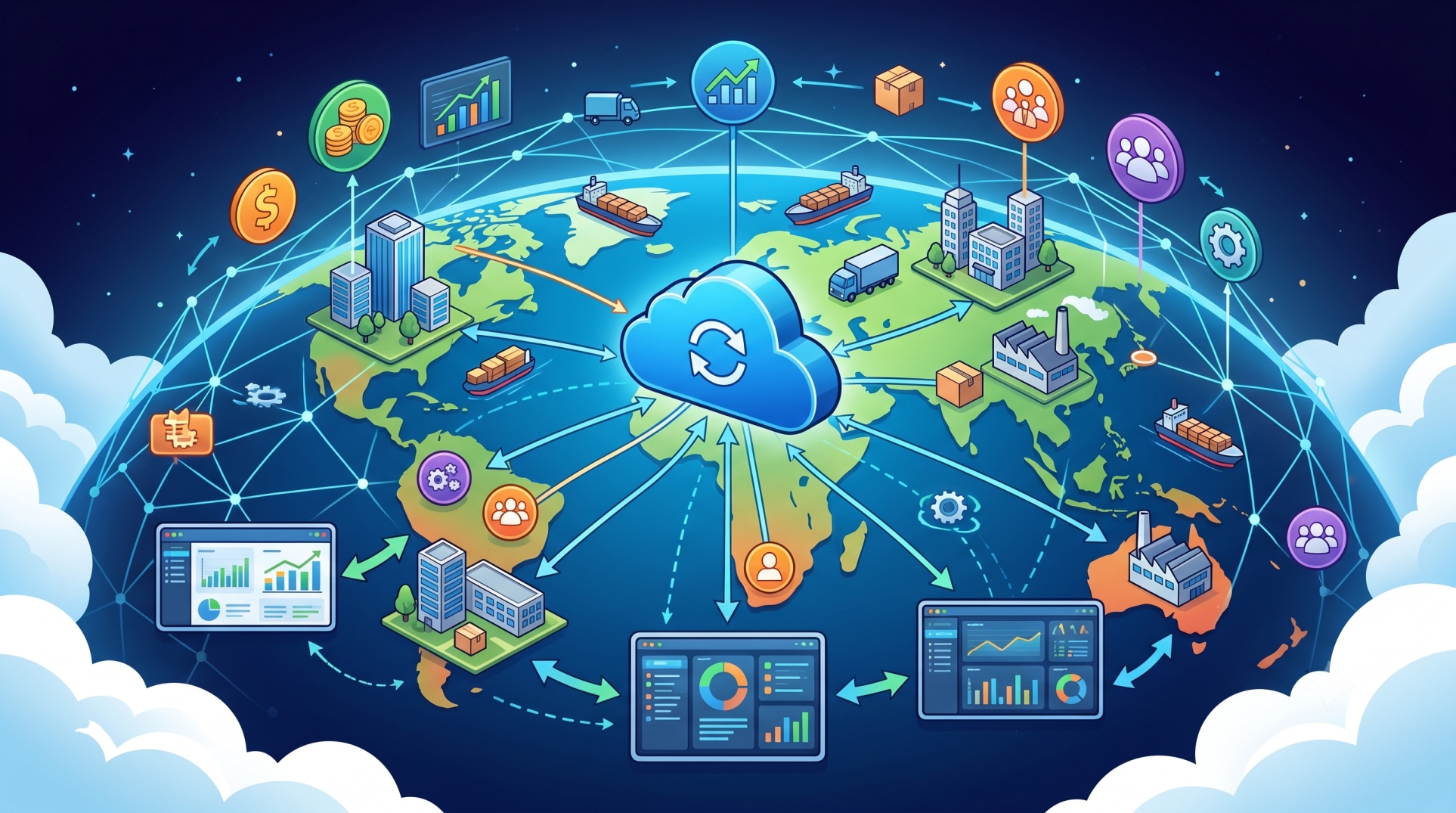
• Cloud ERP offering remote access, scalability, and lower initial investment 🌍
• On-premise ERP providing greater control and customization 🖥️
• Hybrid ERP combining cloud flexibility with on-premise security 🔐
4. Popular ERP Software for Manufacturers
• SAP Business One for integrated production, supply chain, and finance 🧠
• Oracle NetSuite for scalable, cloud-based manufacturing operations ☁️
• Microsoft Dynamics 365 for flexibility and seamless integrations 🔗
• Infor CloudSuite Industrial (SyteLine) for discrete and process manufacturing 🏭
• Odoo Manufacturing for modular, open-source manufacturing needs 🧩
5. Tips for Choosing the Right ERP
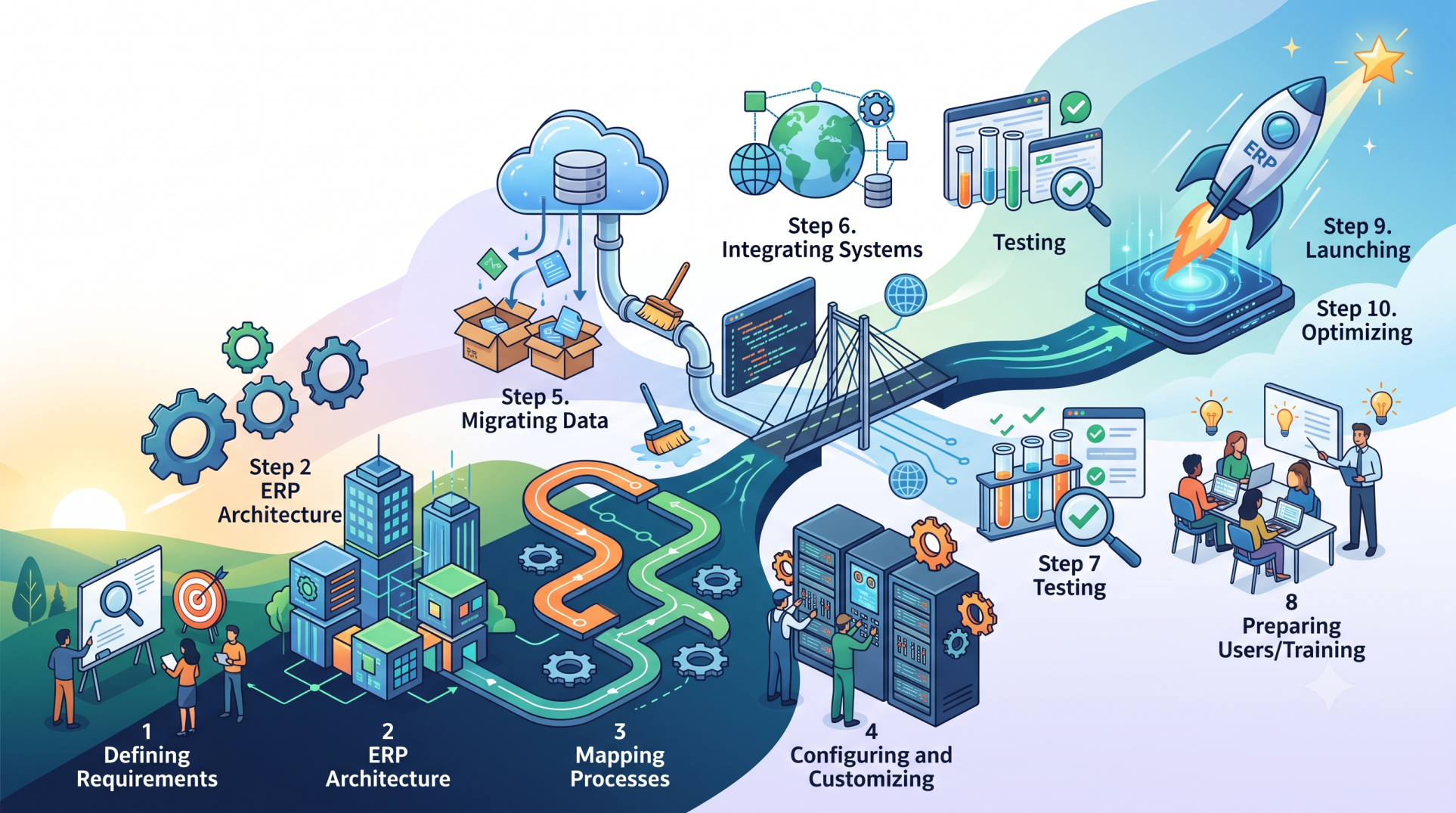
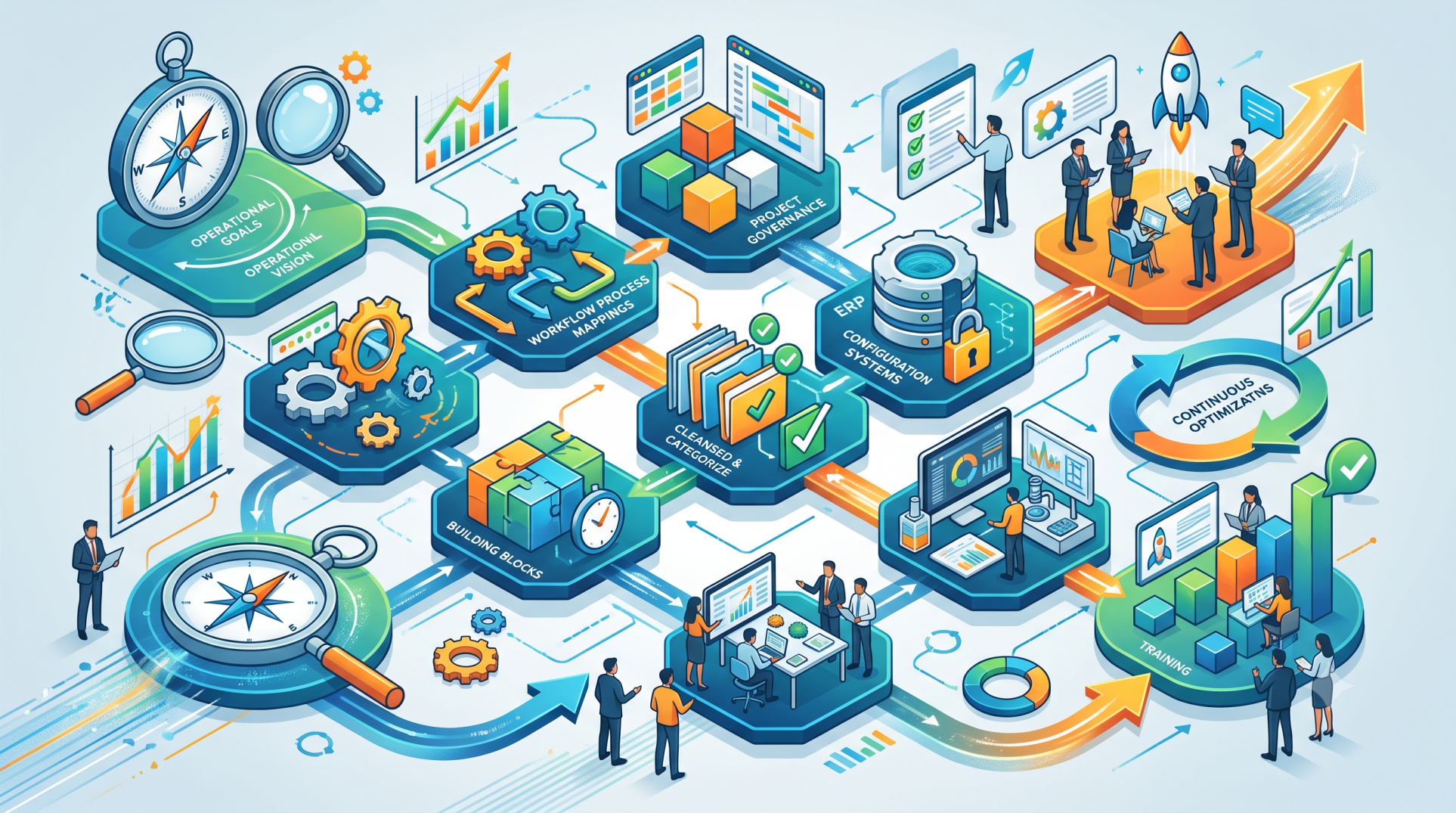
• Assess current manufacturing challenges and gaps 🔍
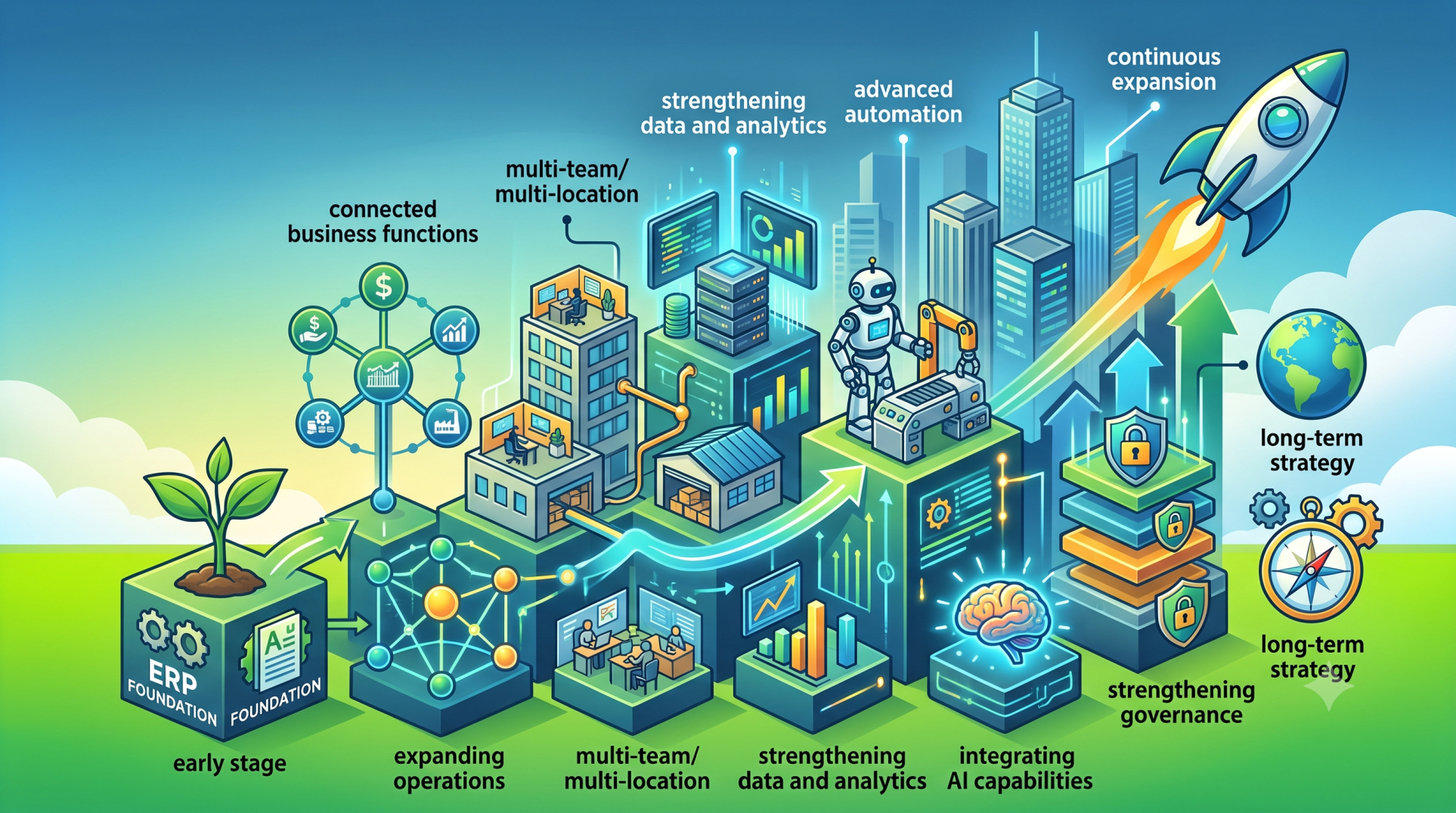
• Plan for future expansion and scalability 📈
• Prioritize ease of use for faster user adoption 👍
• Ensure compatibility with existing systems 🔗
• Evaluate vendor expertise, support, and upgrade policies 🧑💼
• Validate functionality through demos or trial versions 🧪
6. Benefits of ERP in Manufacturing
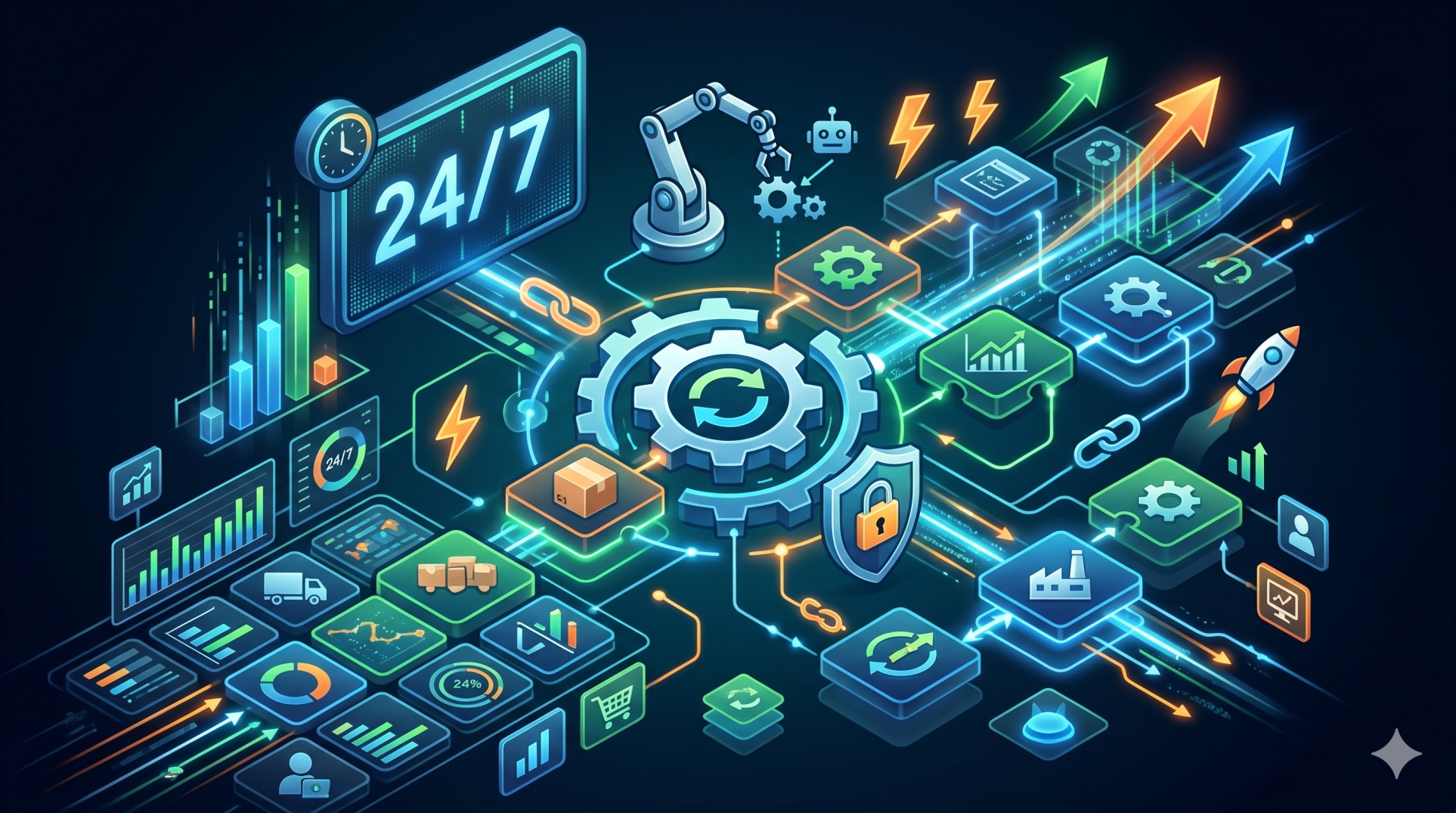
• Improved operational efficiency ⚙️
• Reduced manual errors and rework ❌
• Better inventory visibility and control 👀
• Lower production and holding costs 💵
• More accurate production scheduling and on-time deliveries ⏱️
• Stronger financial oversight and compliance management 📘
🎯 Final Thoughts
Choosing the right ERP solution is a critical strategic decision for manufacturing companies 🏭. By focusing on industry-specific functionality, scalability, user experience, and dependable vendor support, manufacturers can deploy an ERP system that enhances efficiency, reduces costs, and supports sustainable long-term growth 🌱🚀.
See more blogs
You can all the articles below