ERP Change Management Best Practices

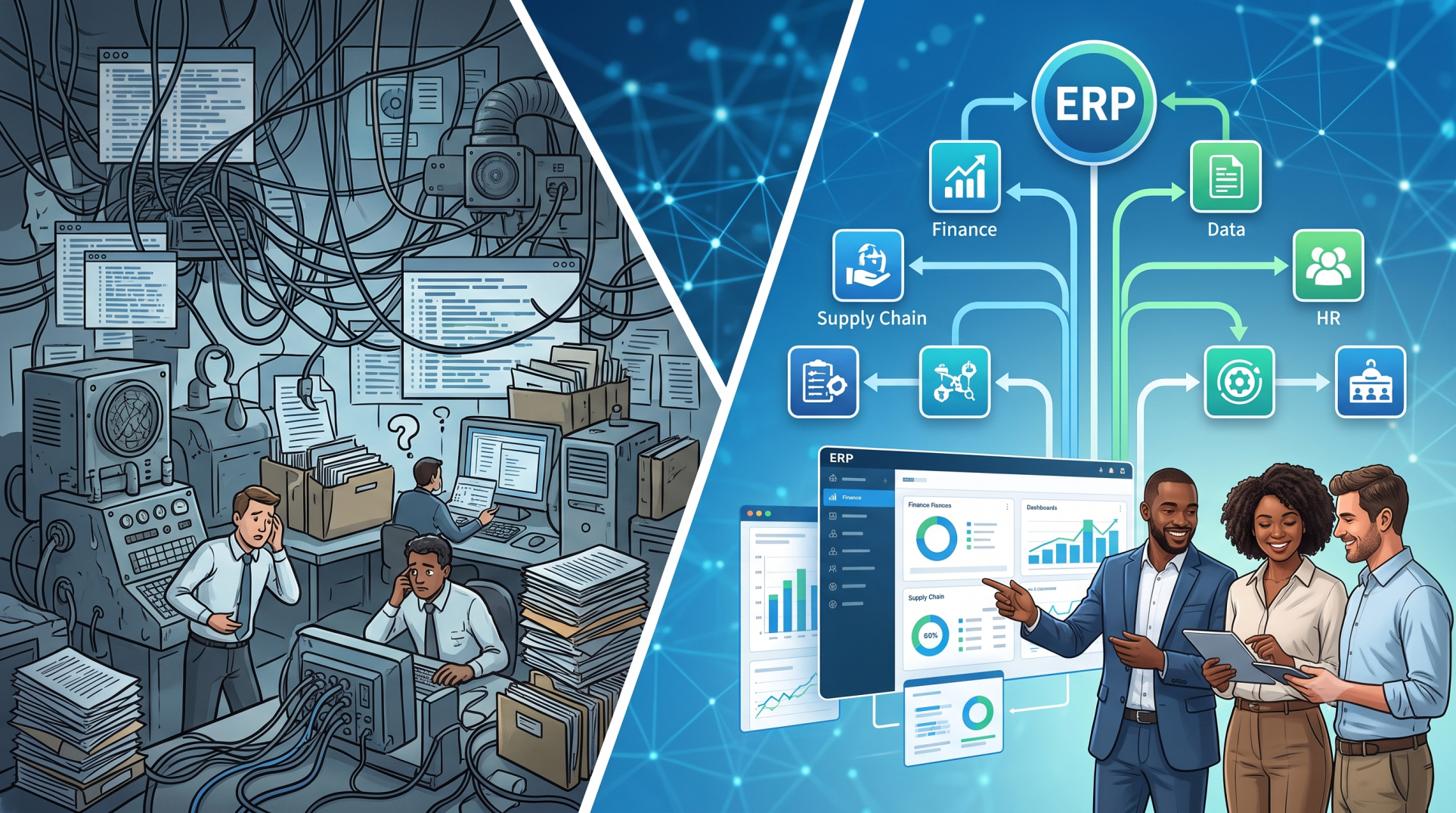
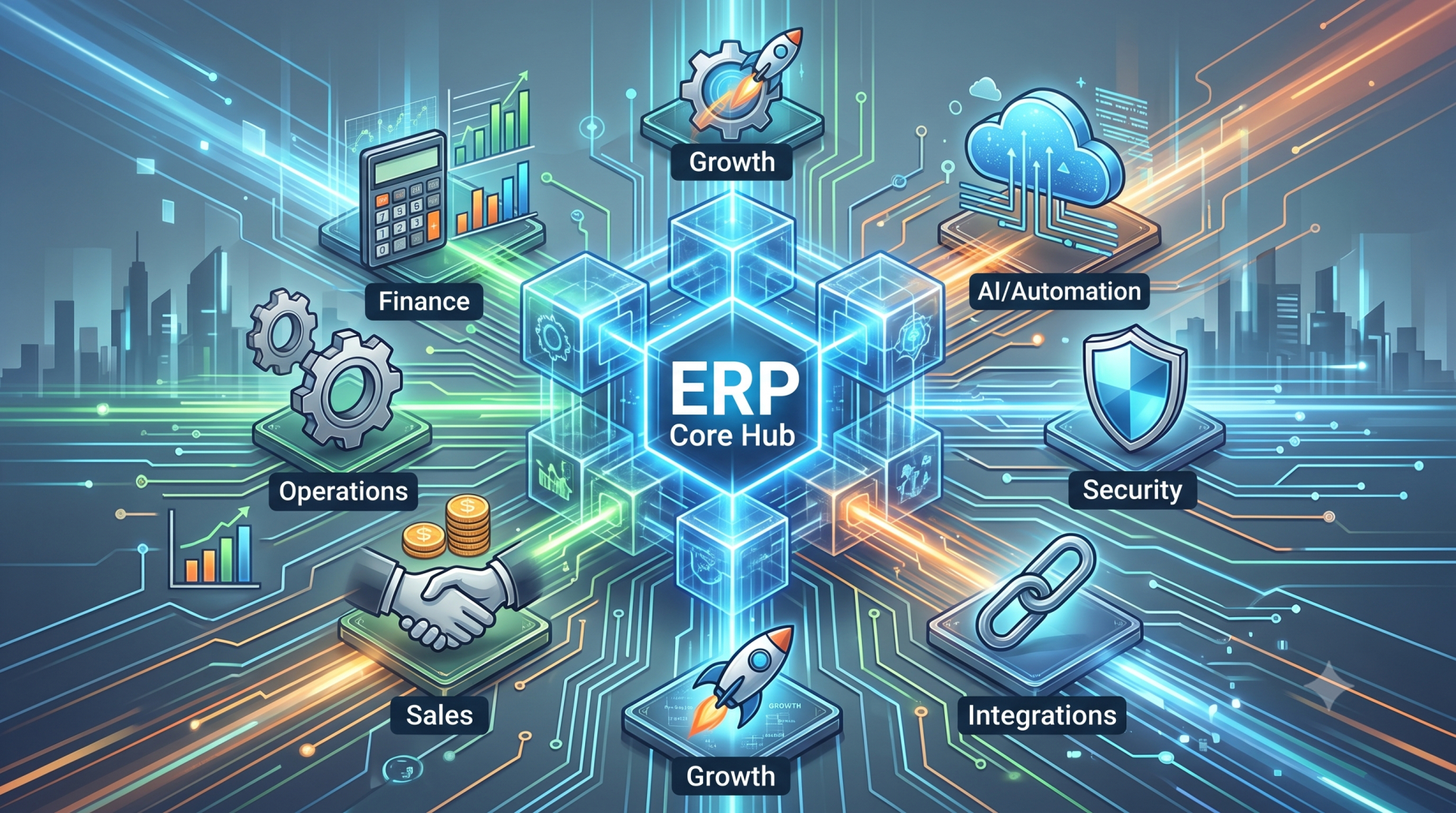
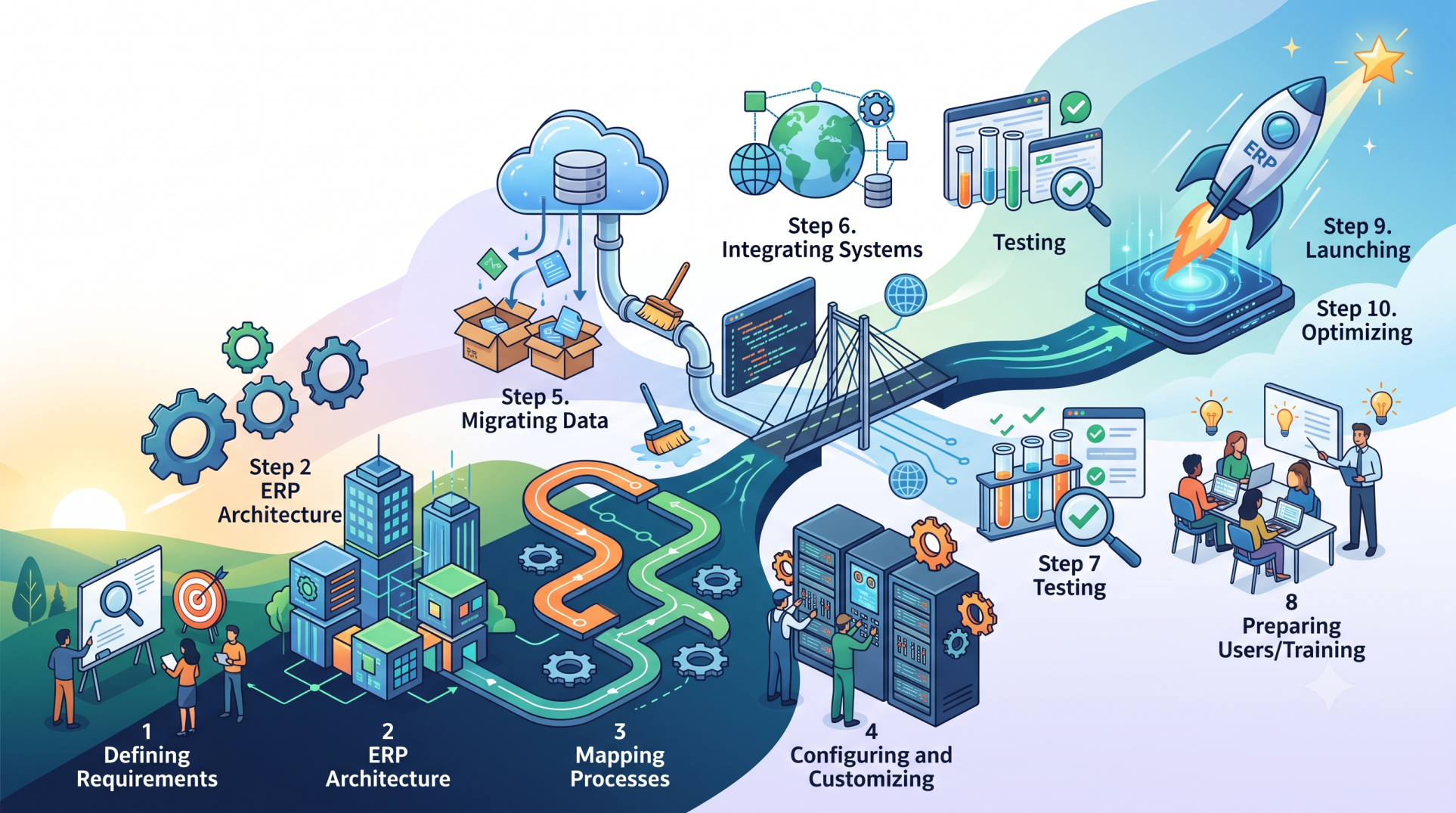
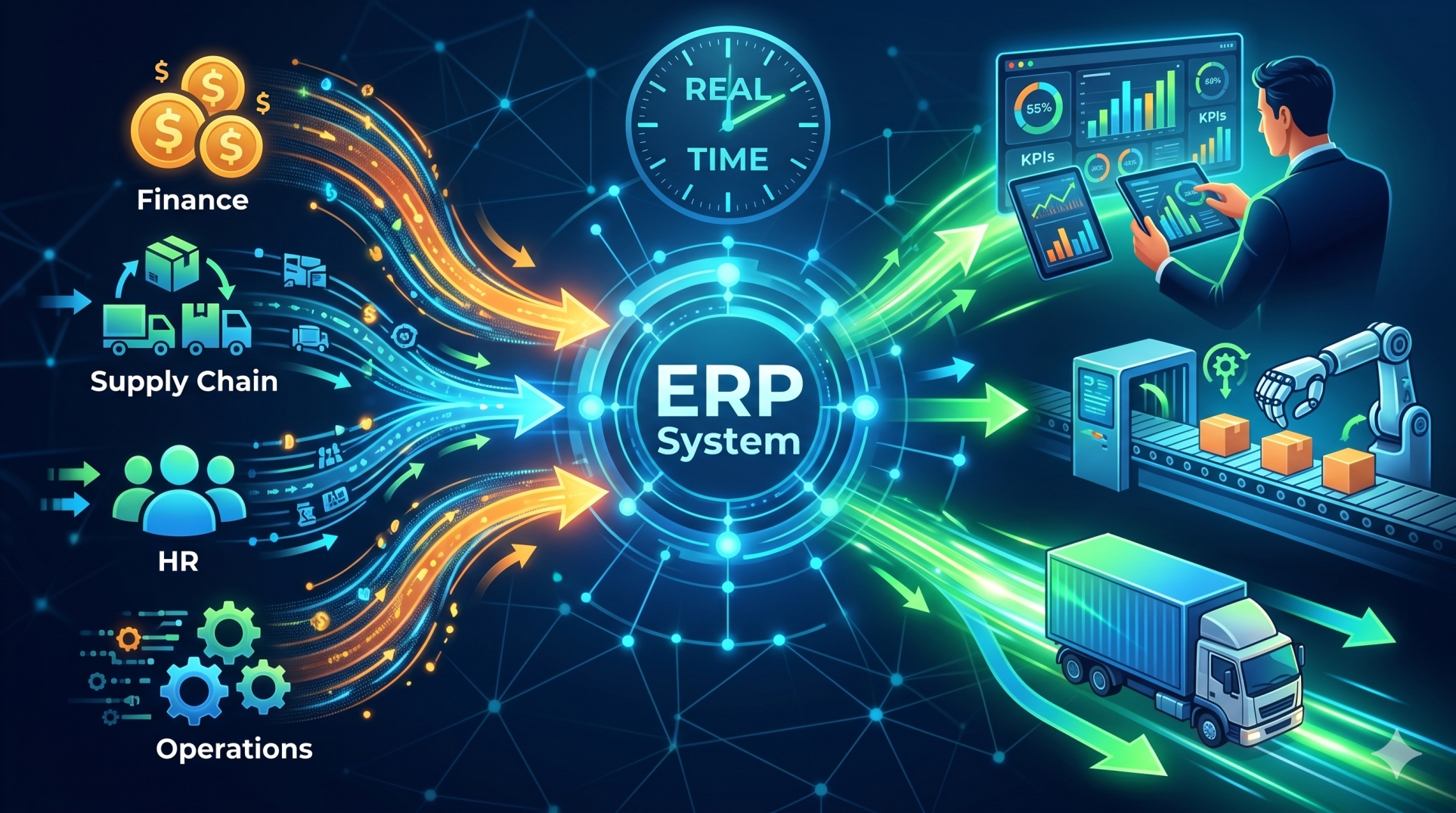
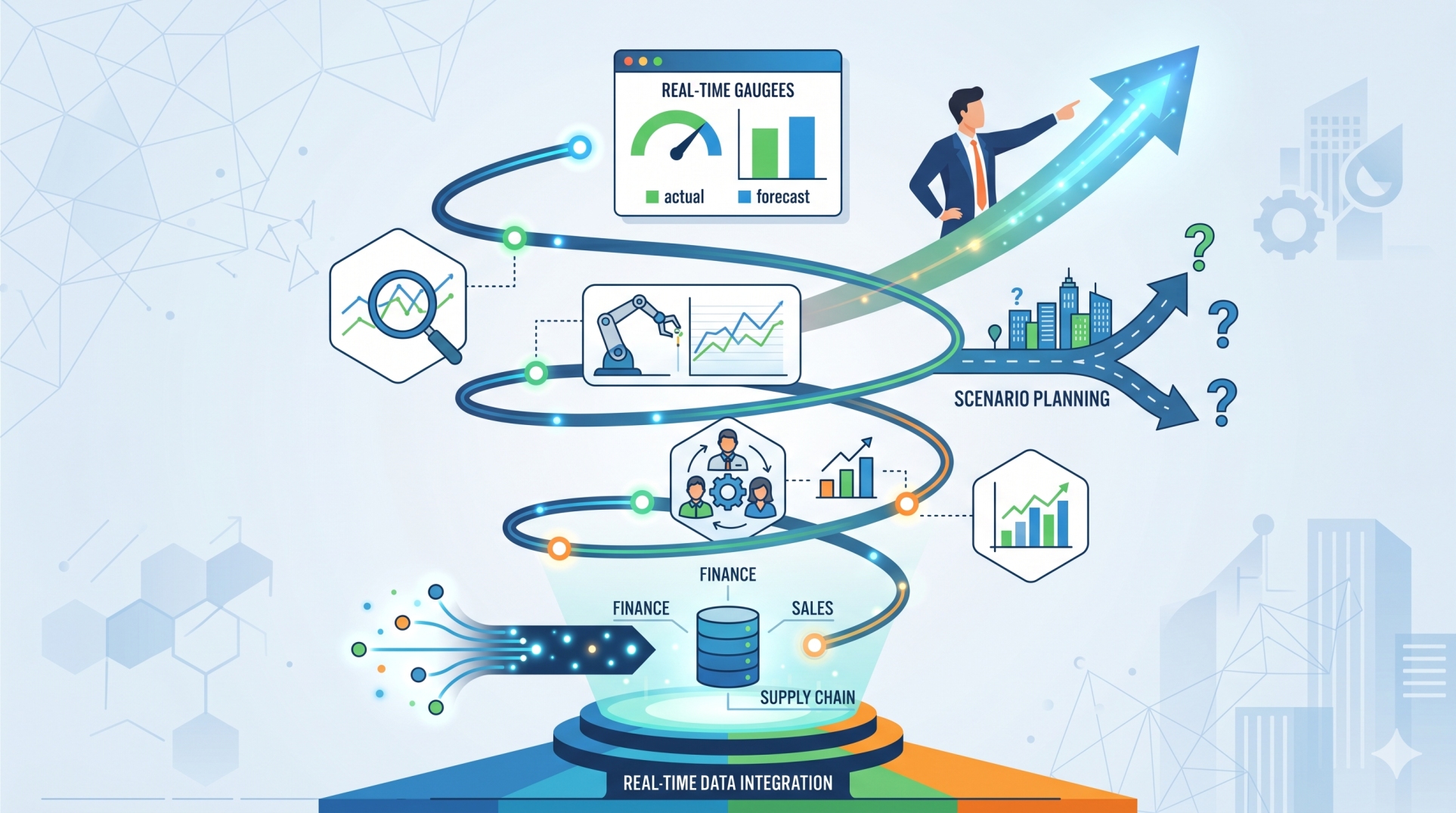
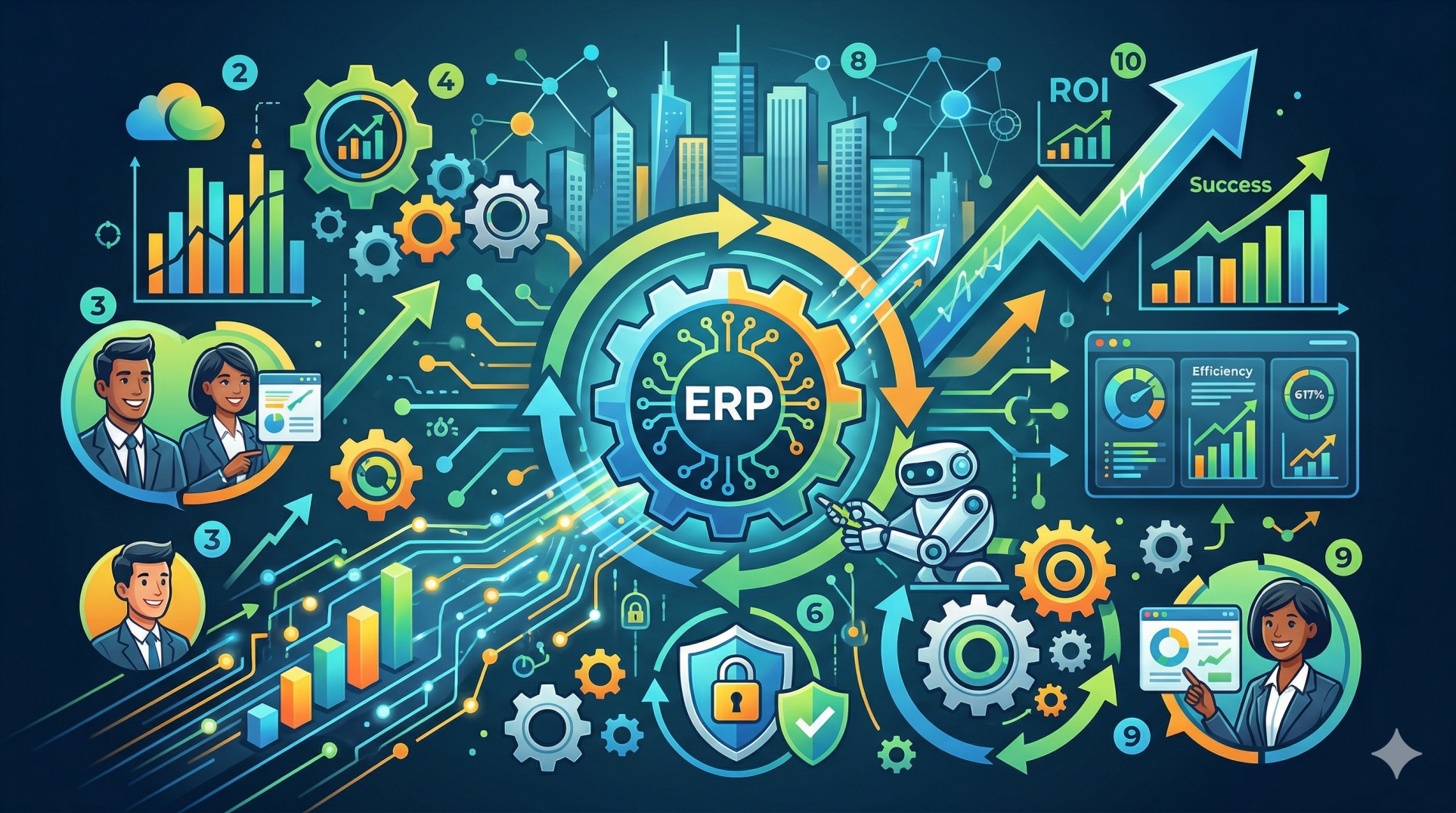
Implementing or modernizing an Enterprise Resource Planning system is not merely a technical deployment—it represents a company-wide transformation. ERP change management determines whether the system becomes a long-term strategic asset or a costly operational setback. Effective adoption demands structured execution, leadership alignment, and sustained engagement across all levels of the organization.
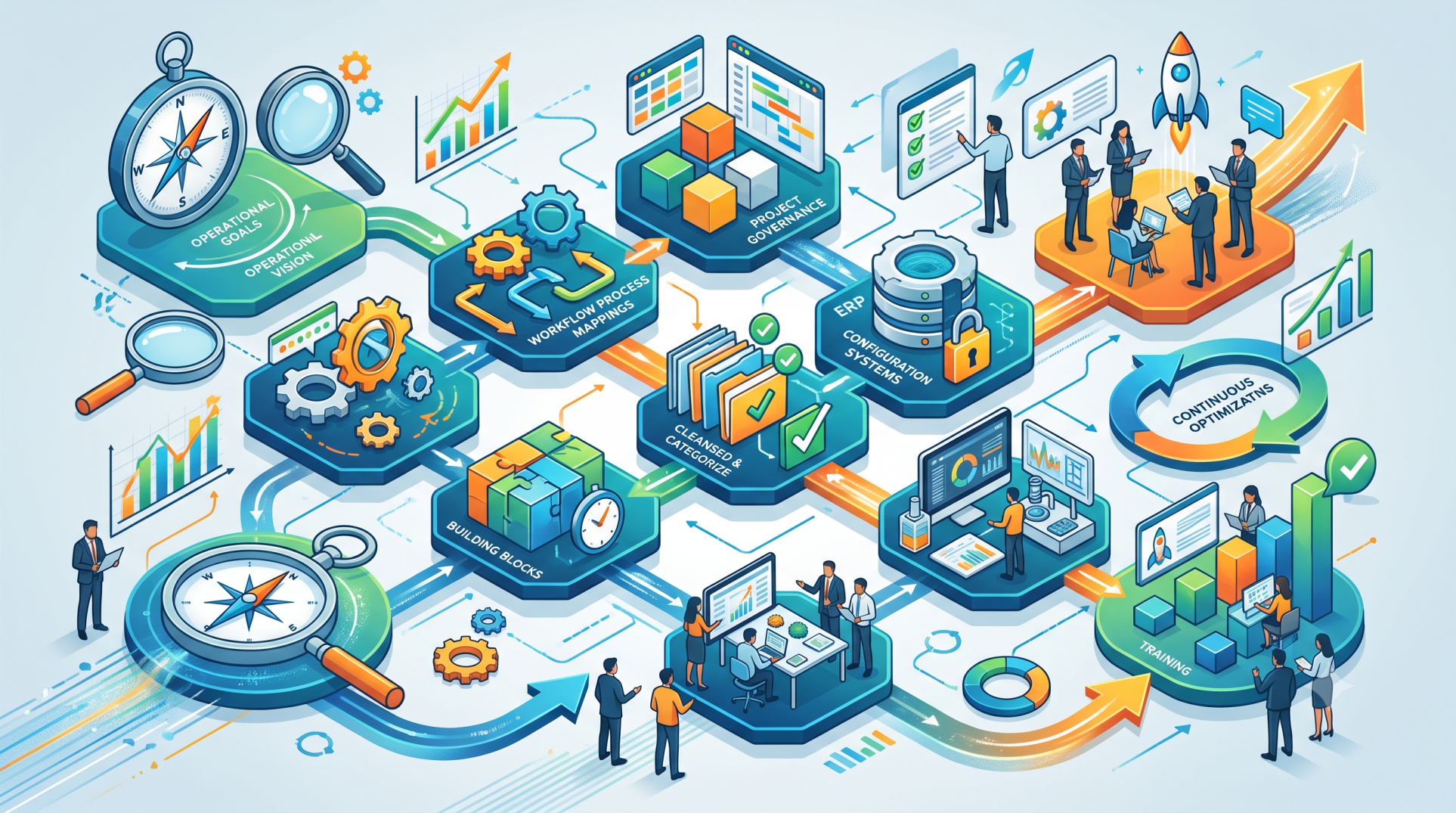
Step 1: Establish Clear Strategic Objectives 🎯
• Define the strategic purpose behind the ERP initiative 🧭
• Align implementation goals with measurable business outcomes 📊
• Identify operational challenges the system must resolve 🔍
• Set realistic milestones and success benchmarks ⏳
• Secure visible executive sponsorship from the outset 👔
Step 2: Build Strong Executive and Stakeholder Alignment 🤝
• Communicate a unified leadership vision across the organization 📢
• Define governance structure and decision-making authority 🏛️
• Align cross-functional leaders around shared objectives 🔗
• Resolve priority conflicts before implementation begins ⚖️
• Maintain active executive involvement throughout the lifecycle 👀
Step 3: Conduct Thorough Process Assessment 🔎
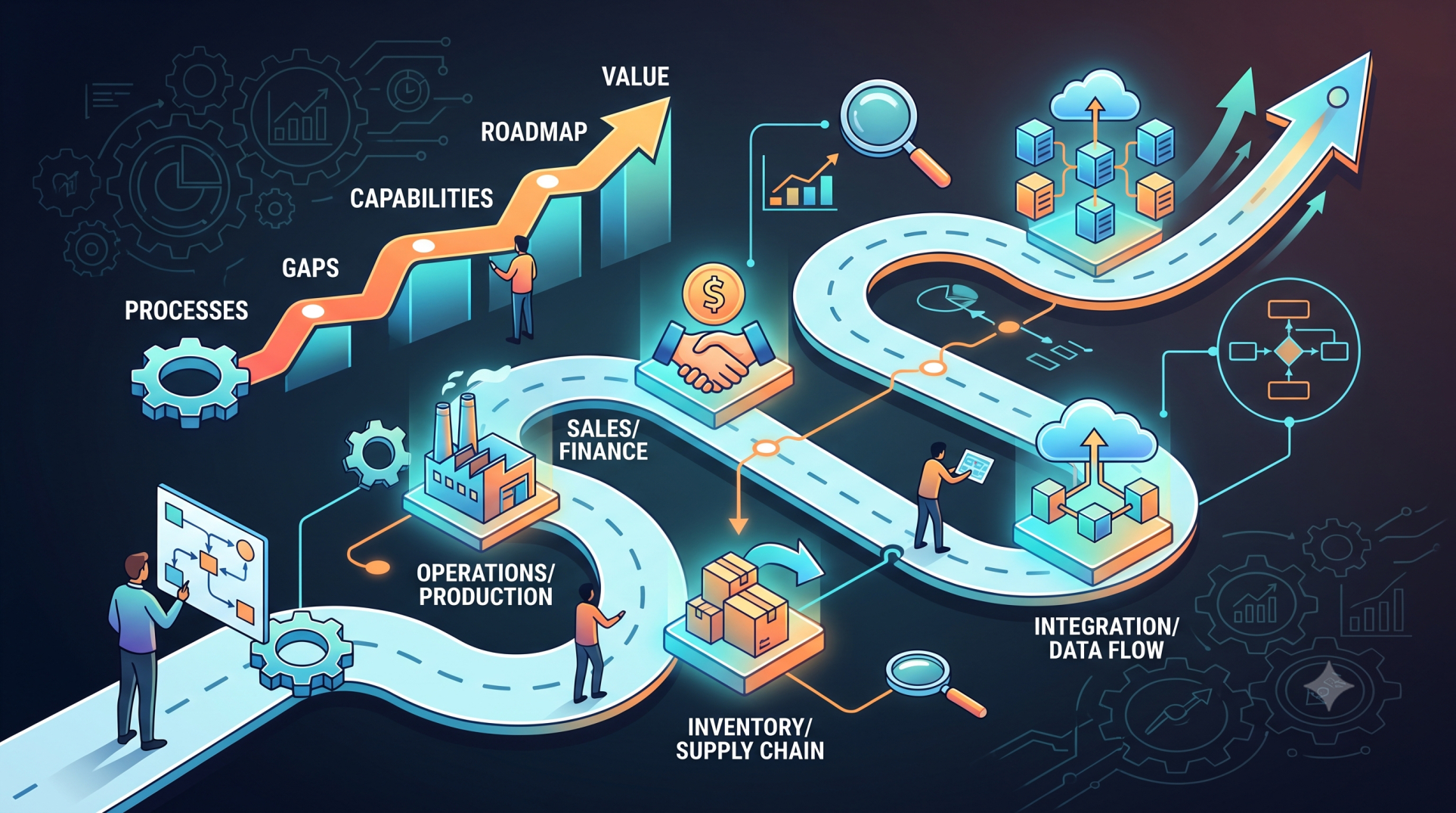
• Document current workflows and uncover inefficiencies 🗂️
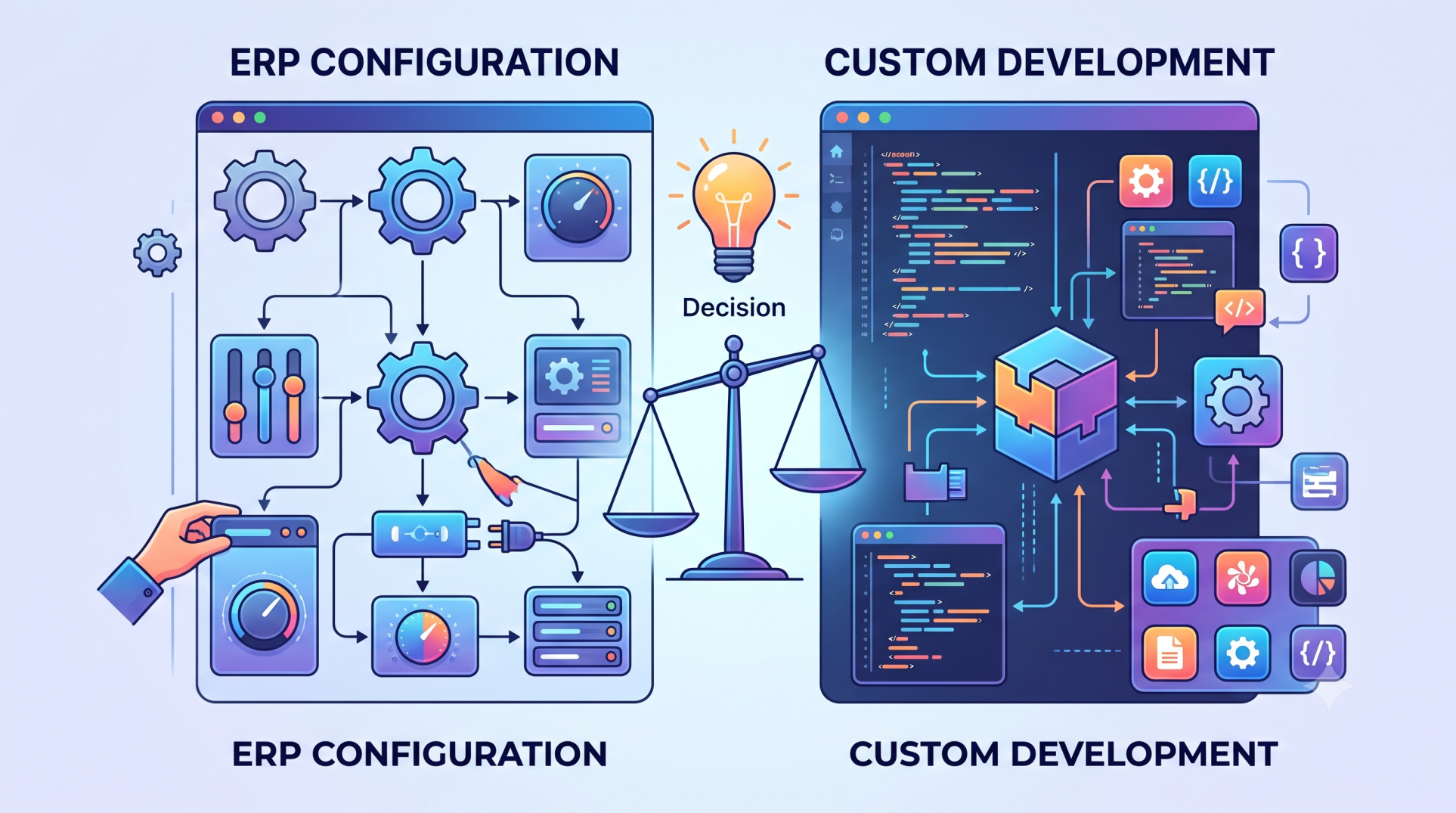
• Determine where standardization is preferable to customization ⚙️
• Redesign processes in alignment with ERP best practices 📘
• Remove redundant or legacy procedures 🧹
• Prepare teams for operational and structural changes 🔄
Step 4: Develop a Structured Communication Plan 📣
• Clearly explain the purpose and long-term value of the ERP initiative 💡
• Provide consistent updates on milestones and progress 📅
• Address employee concerns transparently and early 💬
• Use multiple communication channels to ensure clarity 📡
• Reinforce messaging consistently across departments 🔁
Step 5: Prioritize Training and User Enablement 🎓
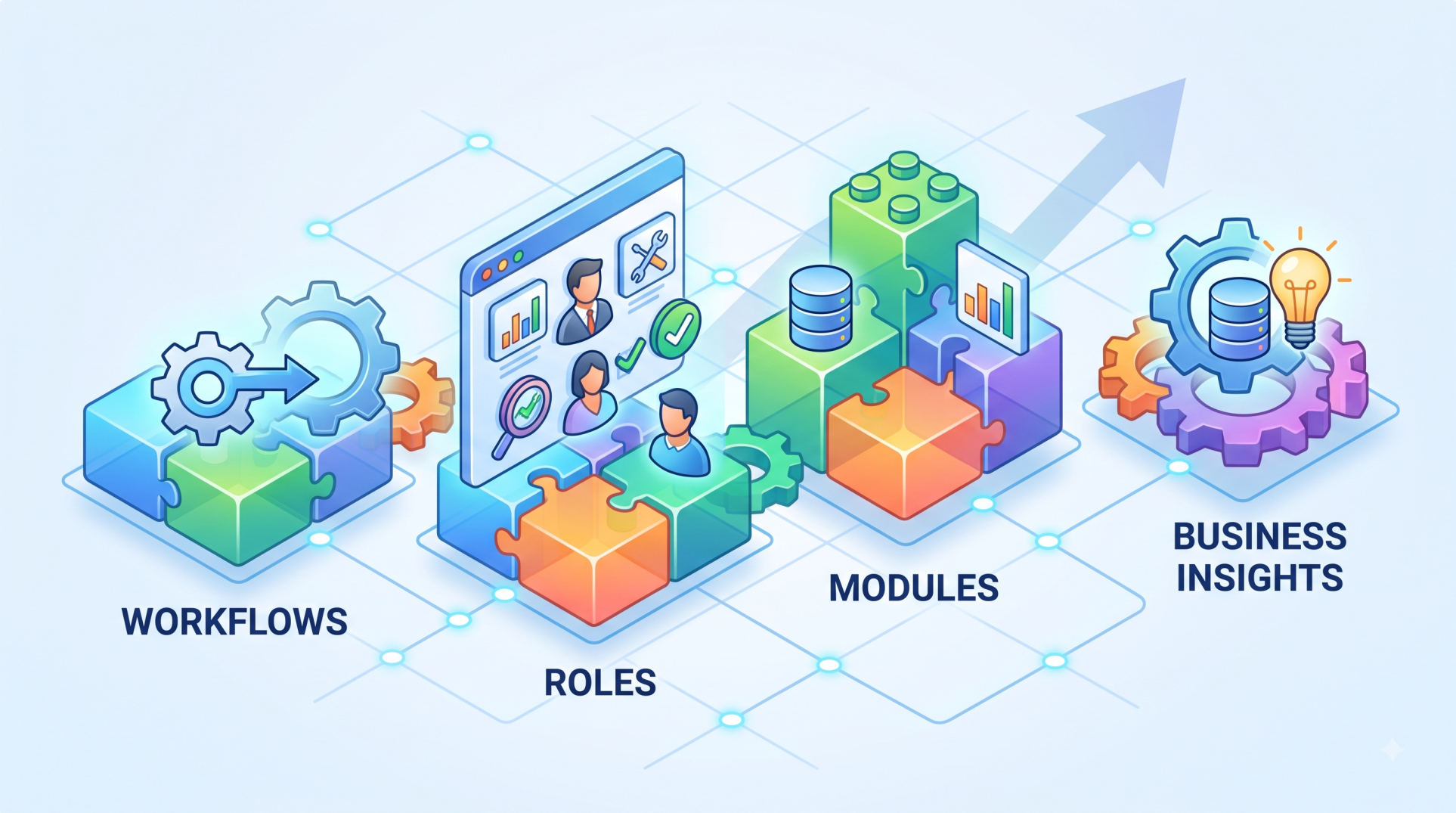
• Deliver role-specific training tailored to functional needs 🧠
• Provide hands-on workshops and scenario-based learning 🖥️
• Offer accessible documentation and ongoing support materials 📚
• Establish internal champions or super users for guidance 🌟
• Reinforce learning through post-launch support initiatives 🔄
Step 6: Manage Resistance Proactively 🛡️
• Identify potential resistance points early in the process 🚩
• Engage influential team members as change advocates 🗣️
• Clarify how system changes affect daily responsibilities 📌
• Provide safe channels for feedback and dialogue 💬
• Recognize and reward positive adoption behaviors 🏆
Step 7: Implement Phased Rollout and Testing 🚀
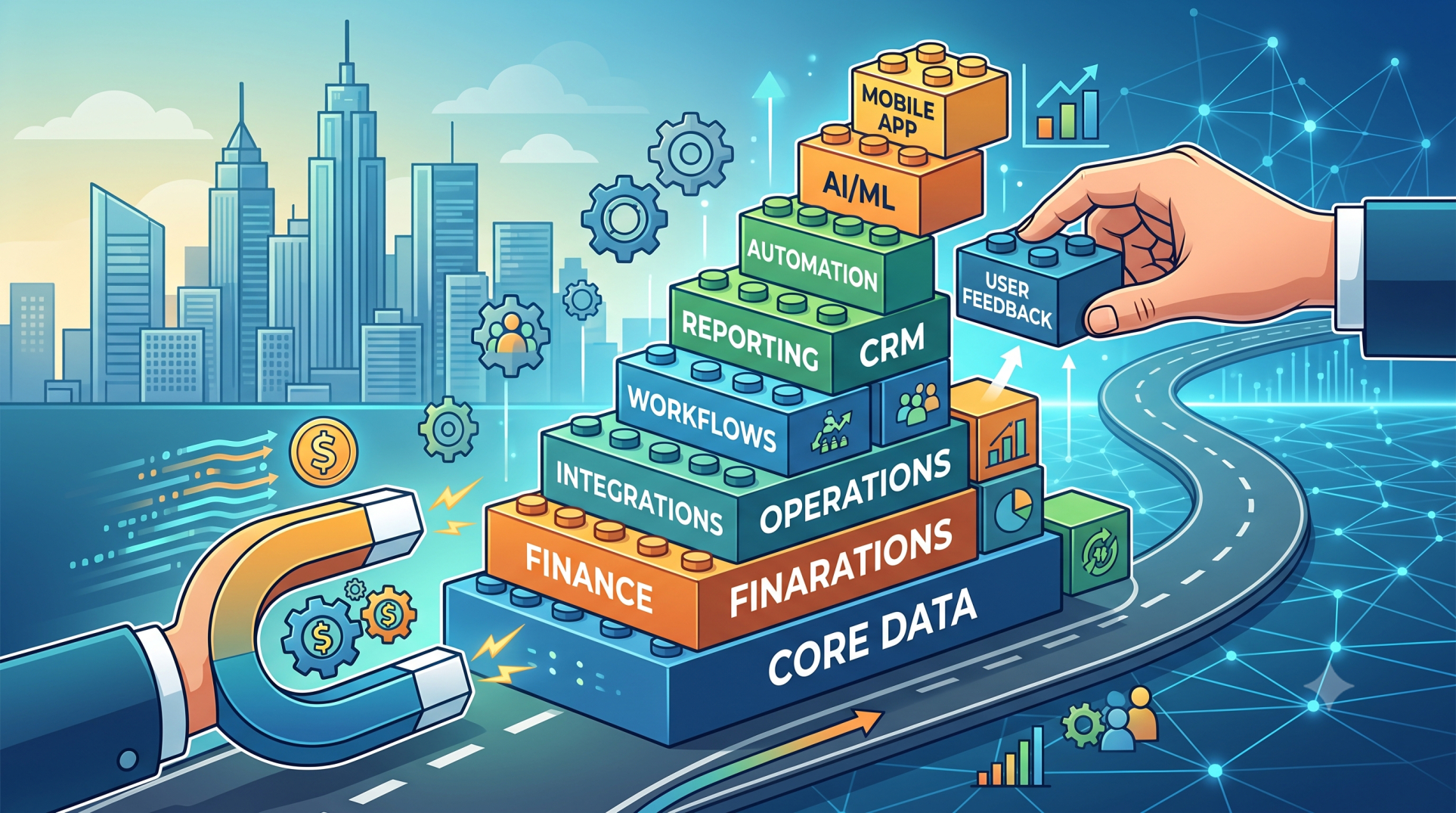
• Deploy ERP modules in manageable implementation phases 📦
• Conduct pilot testing with selected user groups 🧪
• Validate system integrations and data accuracy ✔️
• Monitor early performance and user adoption indicators 📈
• Refine implementation plans based on structured feedback 🔄
Step 8: Focus on Critical Success Factors ⭐
• Strong executive sponsorship and clear accountability 👔
• Direct alignment between ERP capabilities and strategic business goals 🎯
• Continuous communication and sustained user engagement 🔁
• Defined adoption metrics and transparent performance tracking 📊
Step 9: Monitor Post-Implementation Performance 📊
• Track usage patterns and adoption rates consistently 📈
• Measure system impact against predefined KPIs 🎯
• Identify workflow inefficiencies or skill gaps 🔍
• Implement ongoing system optimization and enhancements ⚙️
• Maintain governance to ensure long-term stability 🏛️
Step 10: Foster a Culture of Continuous Improvement 🔄
• Encourage feedback-driven improvements to the ERP system 💬
• Align platform evolution with organizational growth strategies 📈
• Regularly reassess workflows and automation opportunities 🤖
• Invest in continued employee development and upskilling 📚
• Position ERP as a dynamic strategic platform, not a static system 🏗️
Conclusion
ERP change management forms the foundation of successful system adoption. Beyond software configuration, it requires leadership commitment, structured communication, employee engagement, and measurable accountability. When executed strategically, ERP transformation enhances operational efficiency, strengthens decision-making, and supports sustainable long-term growth.
See more blogs
You can all the articles below