ERP as the Control Tower of Modern Enterprise

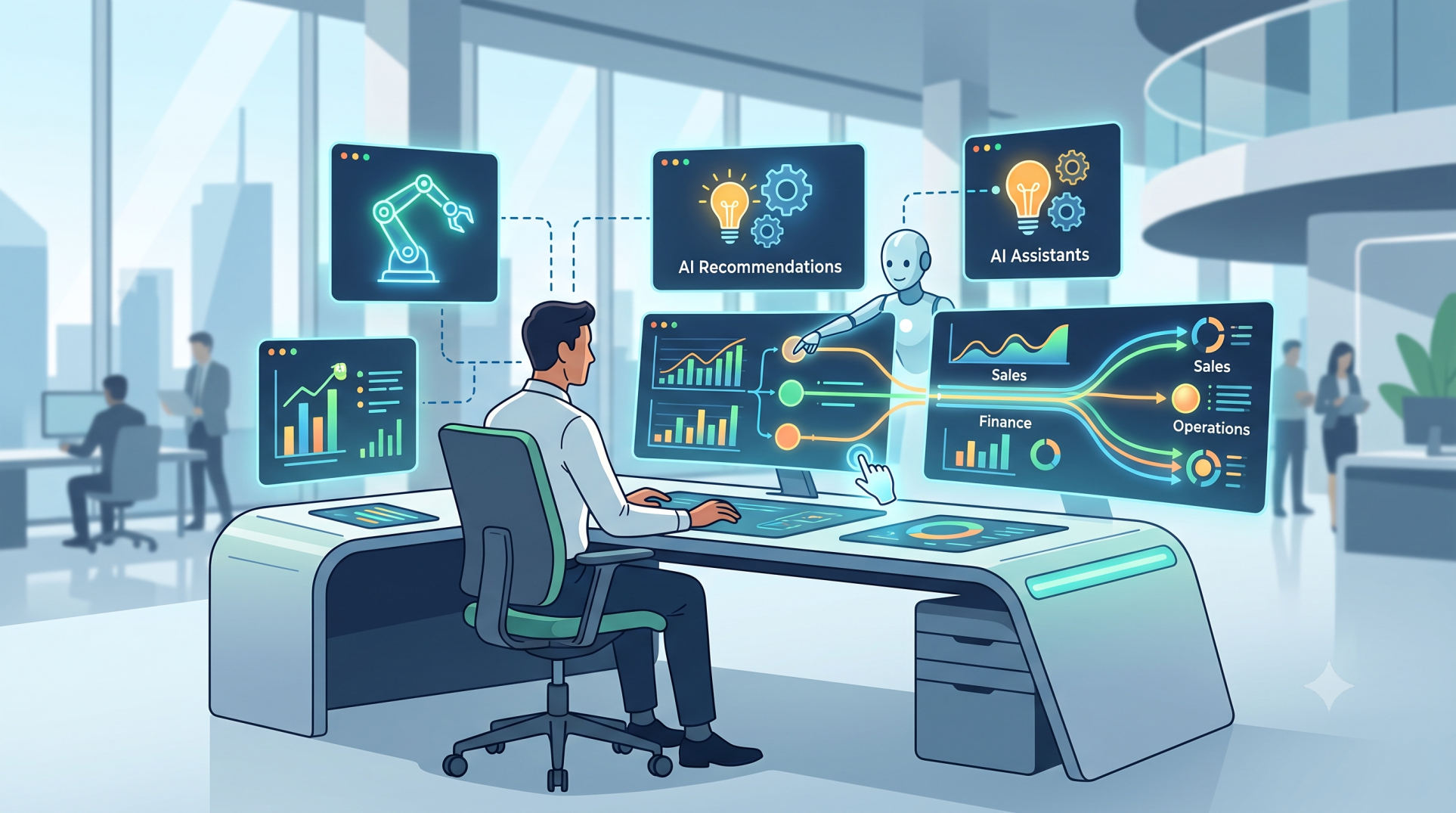
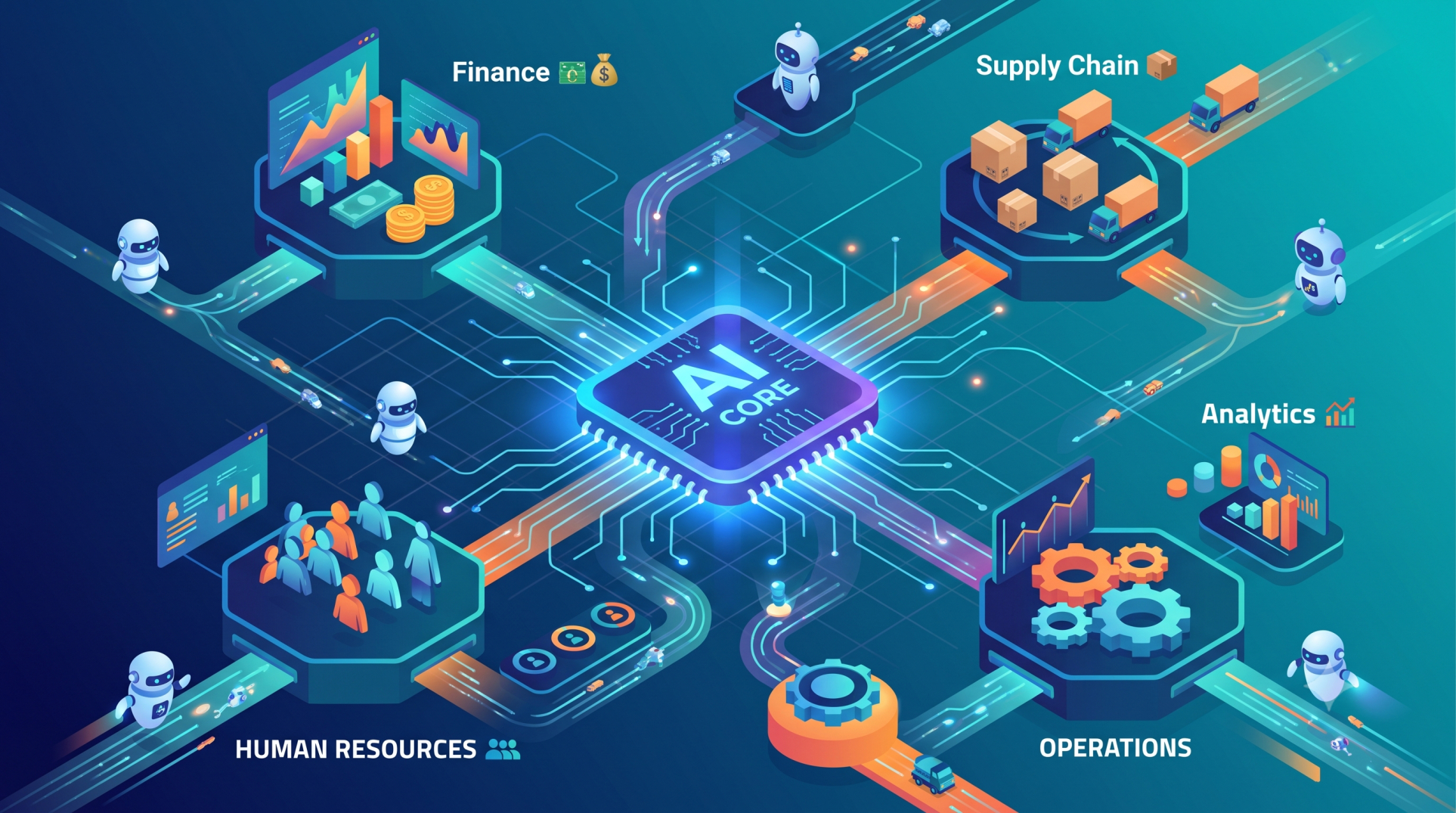
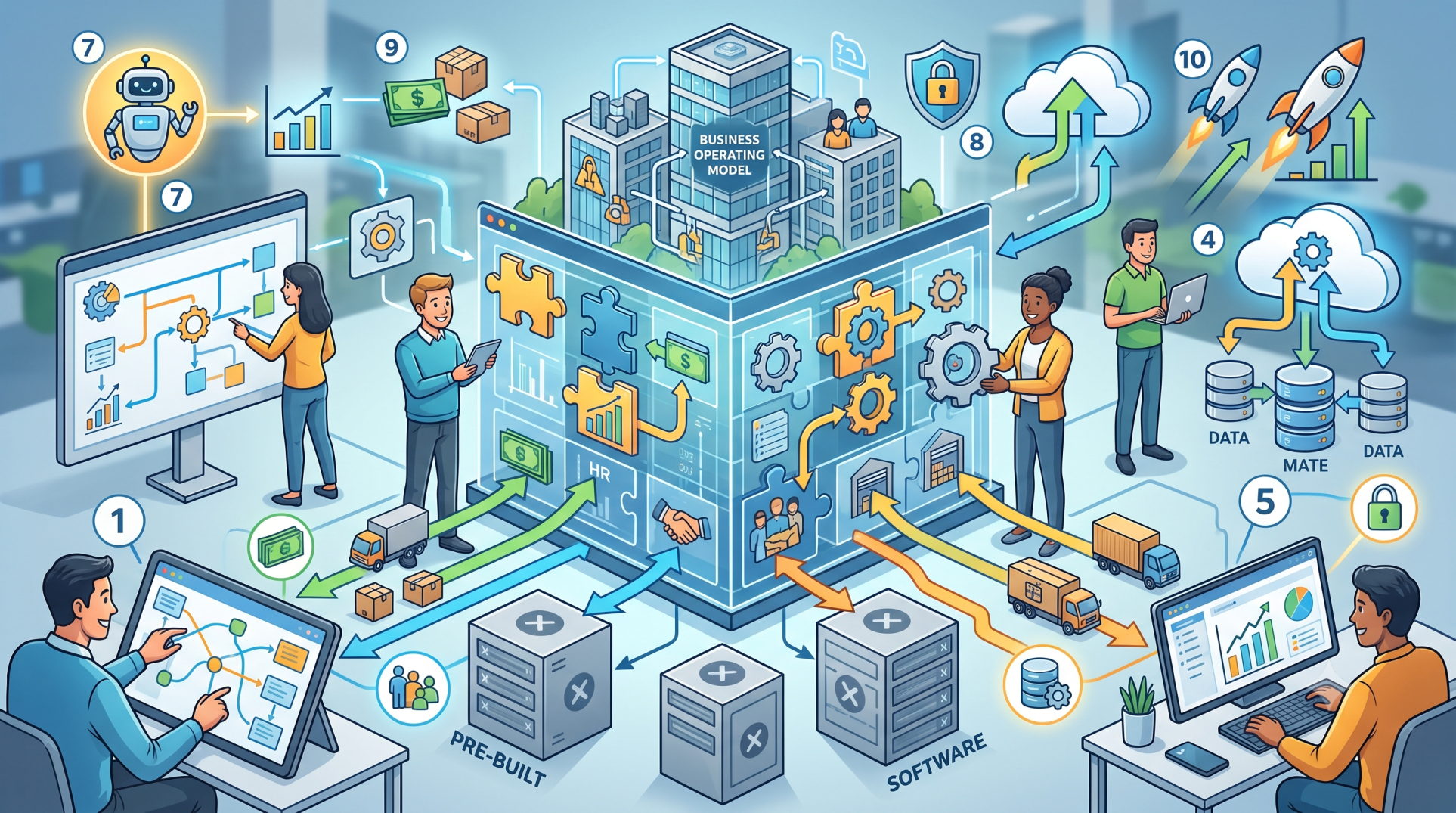
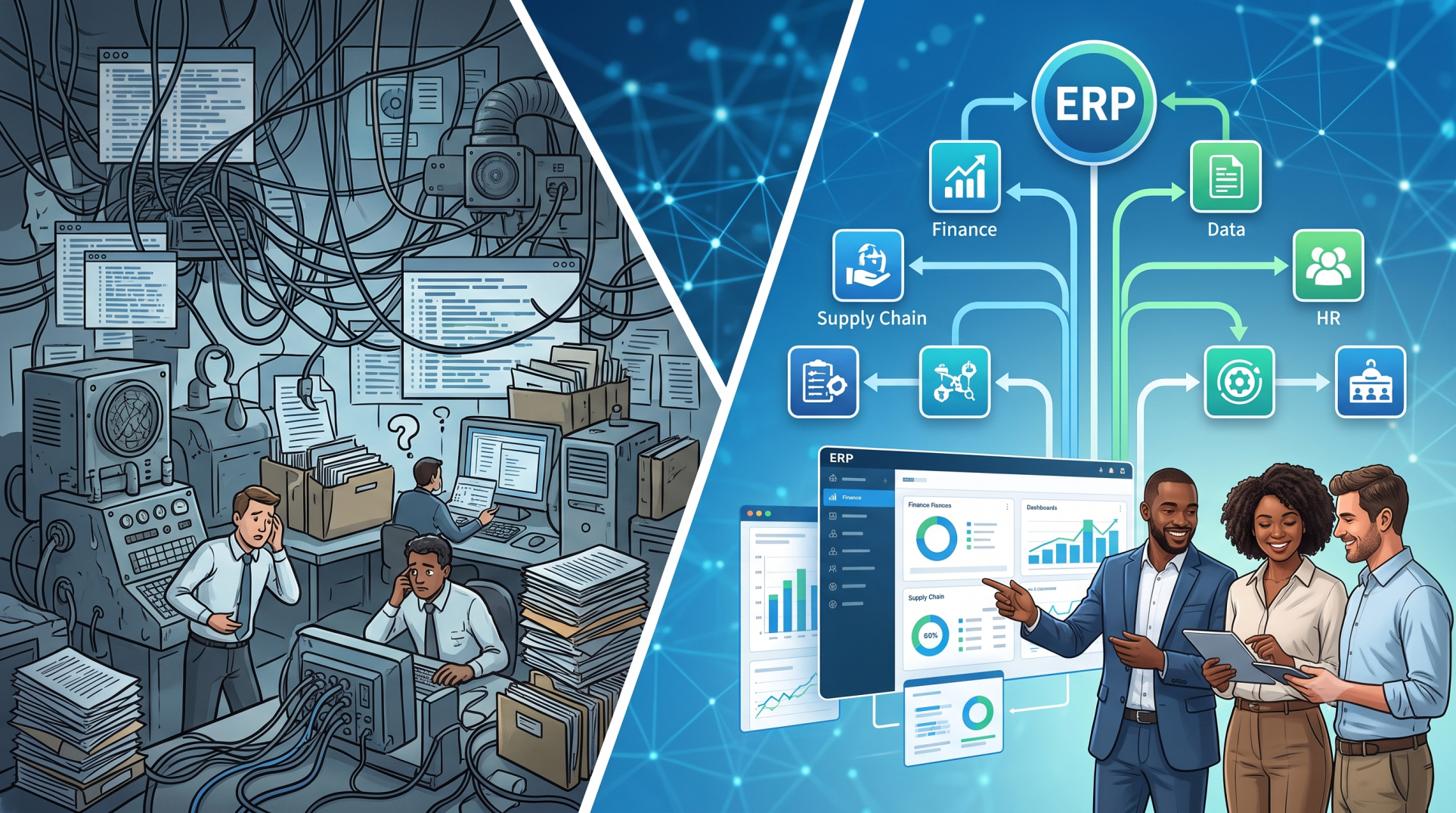
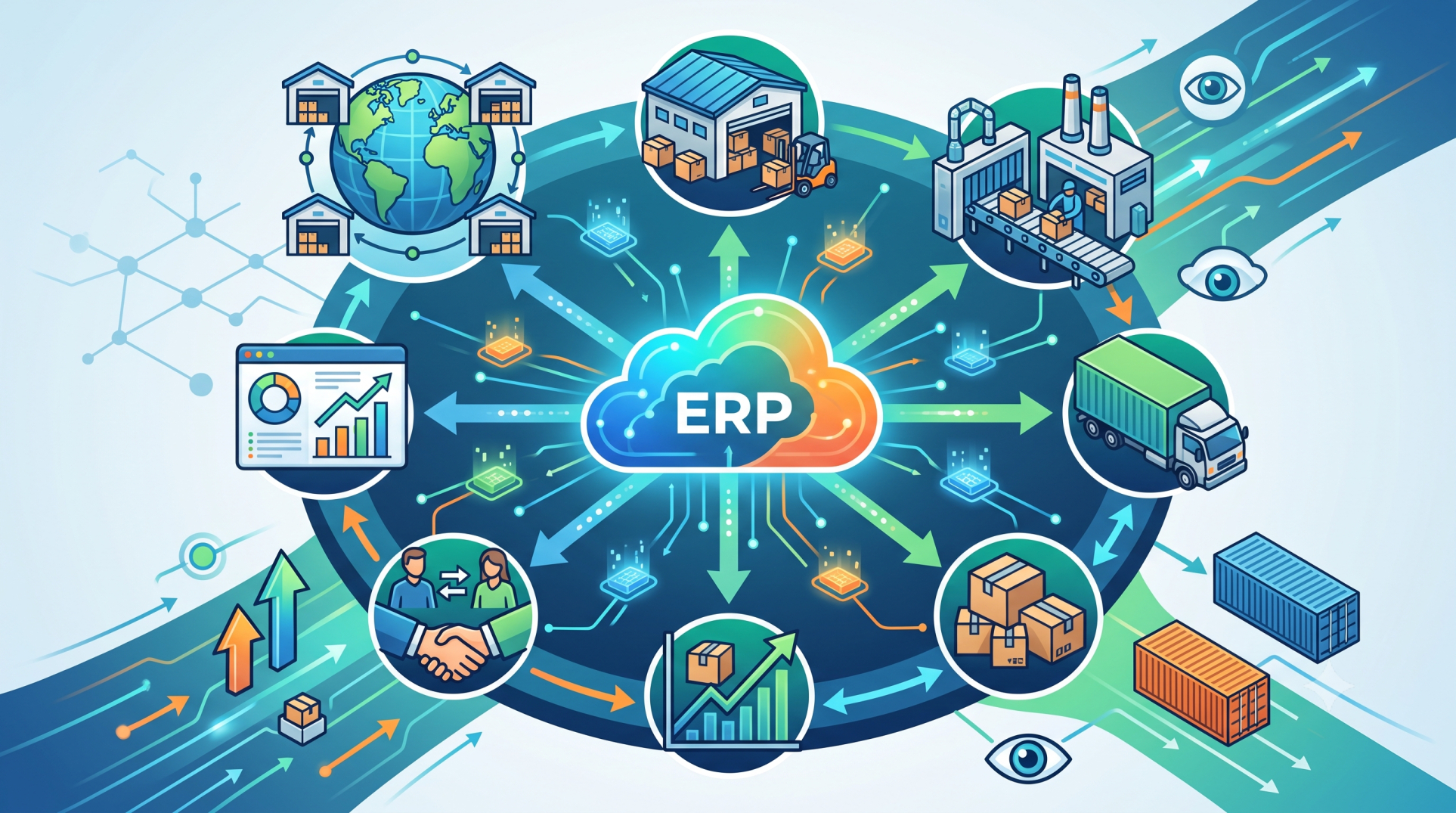
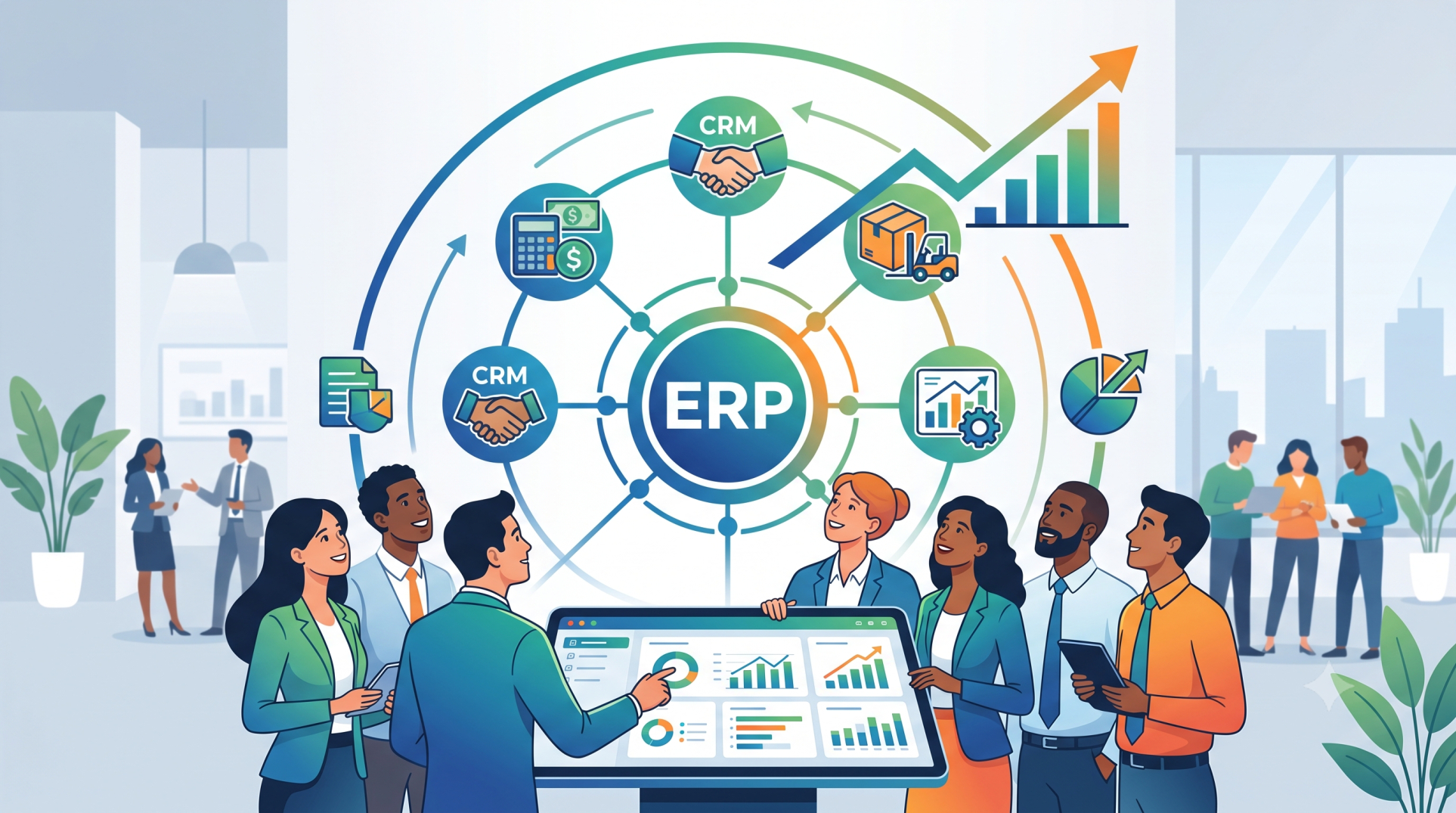
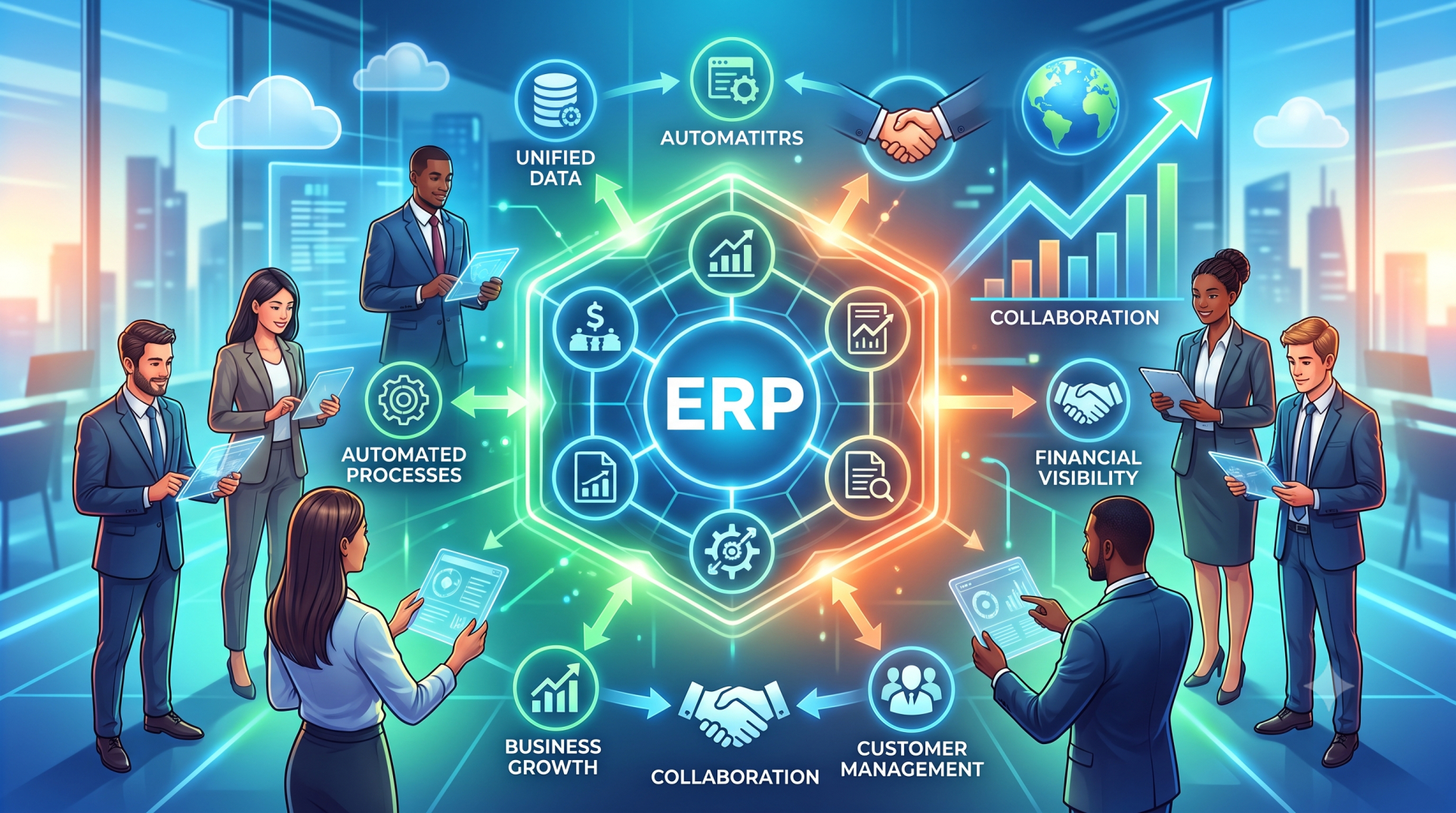
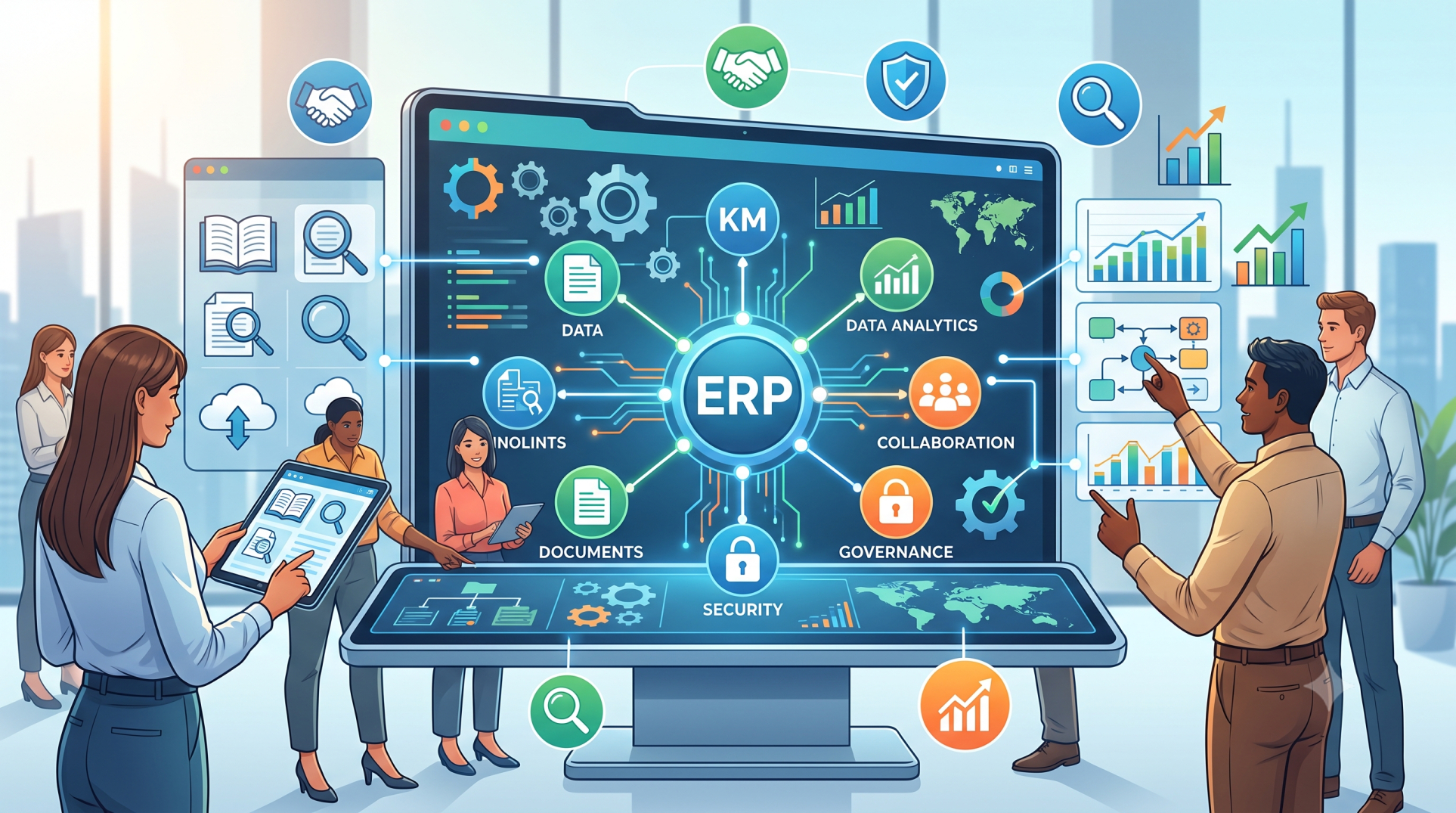
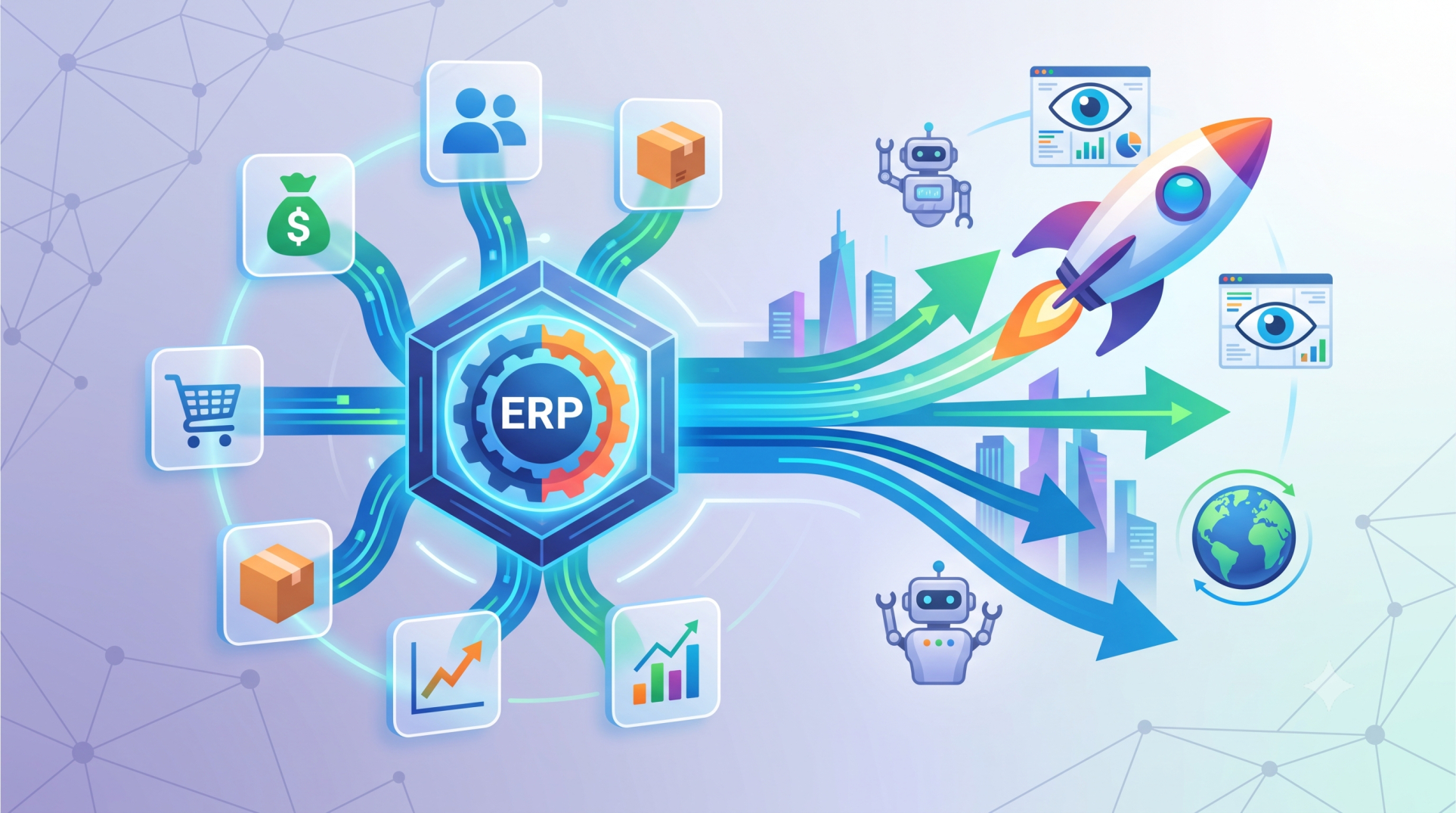
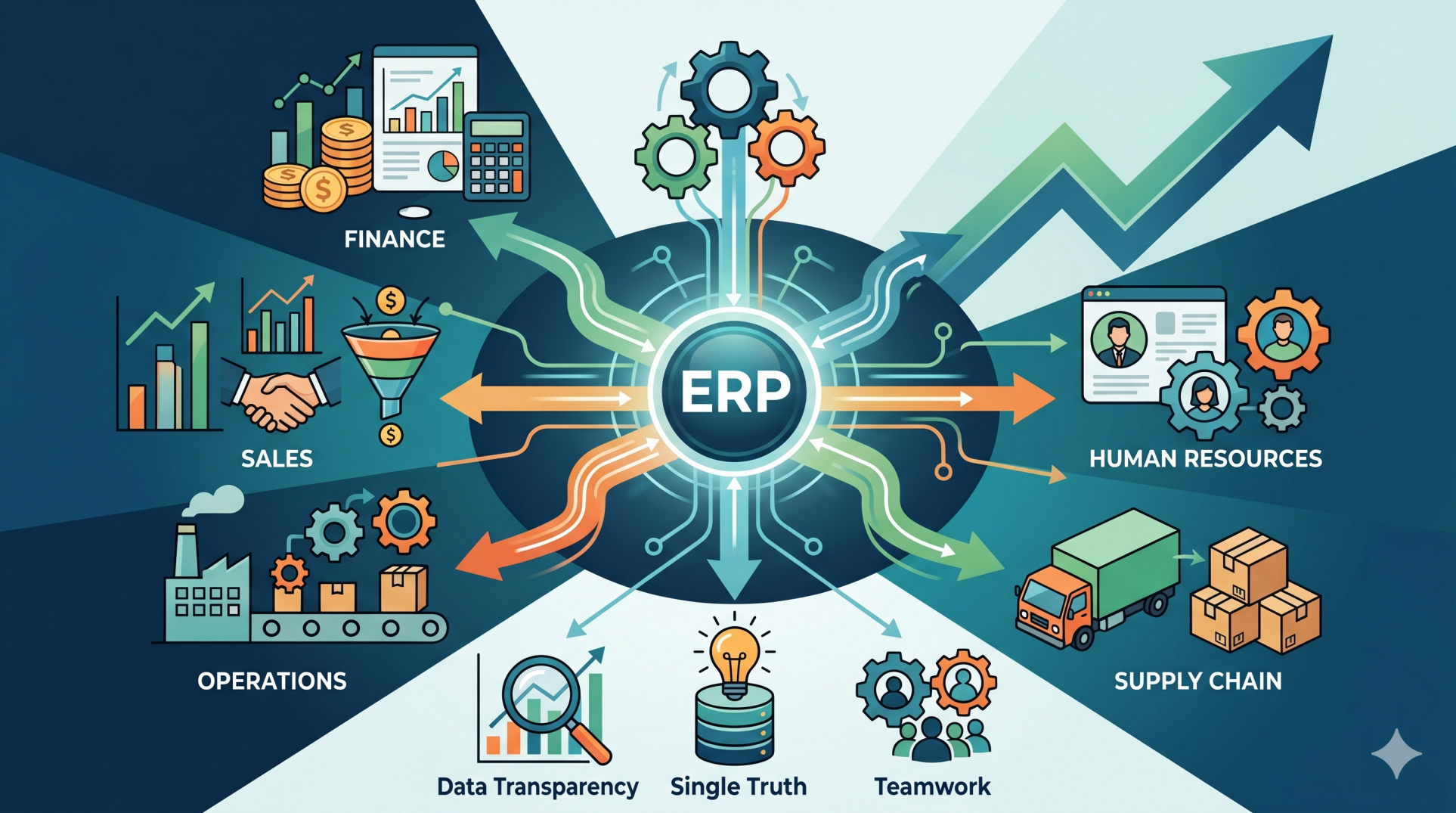
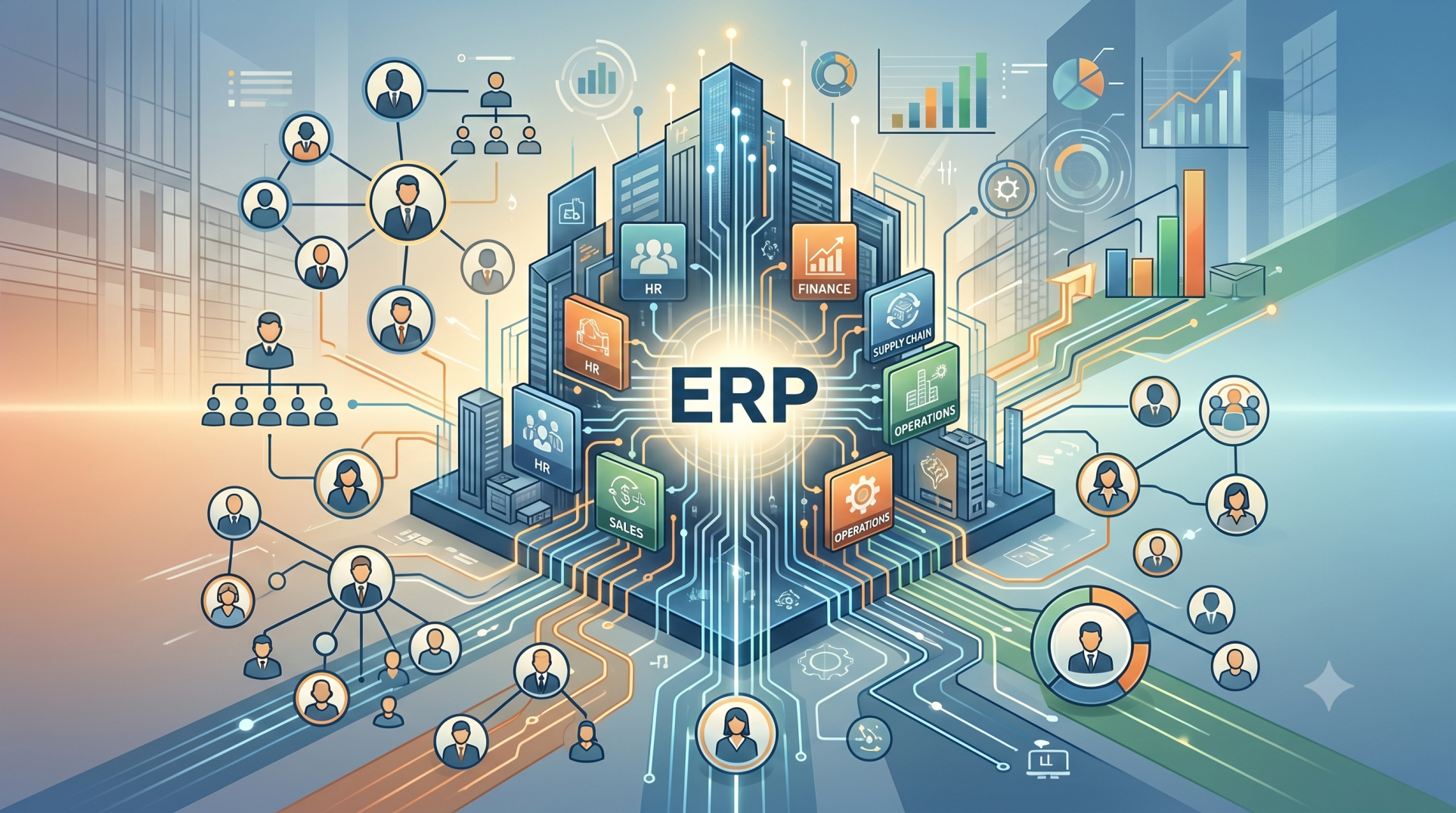
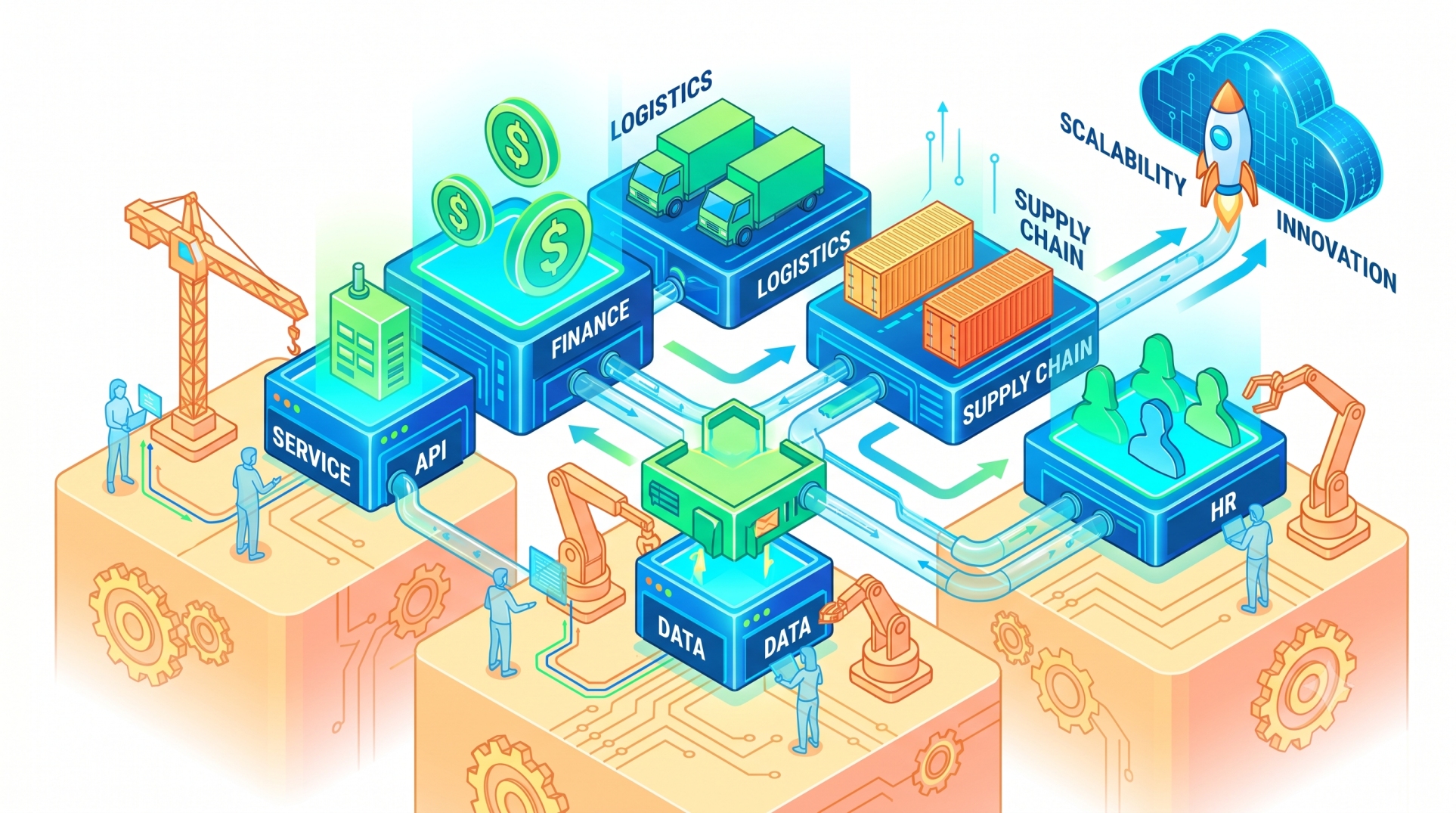
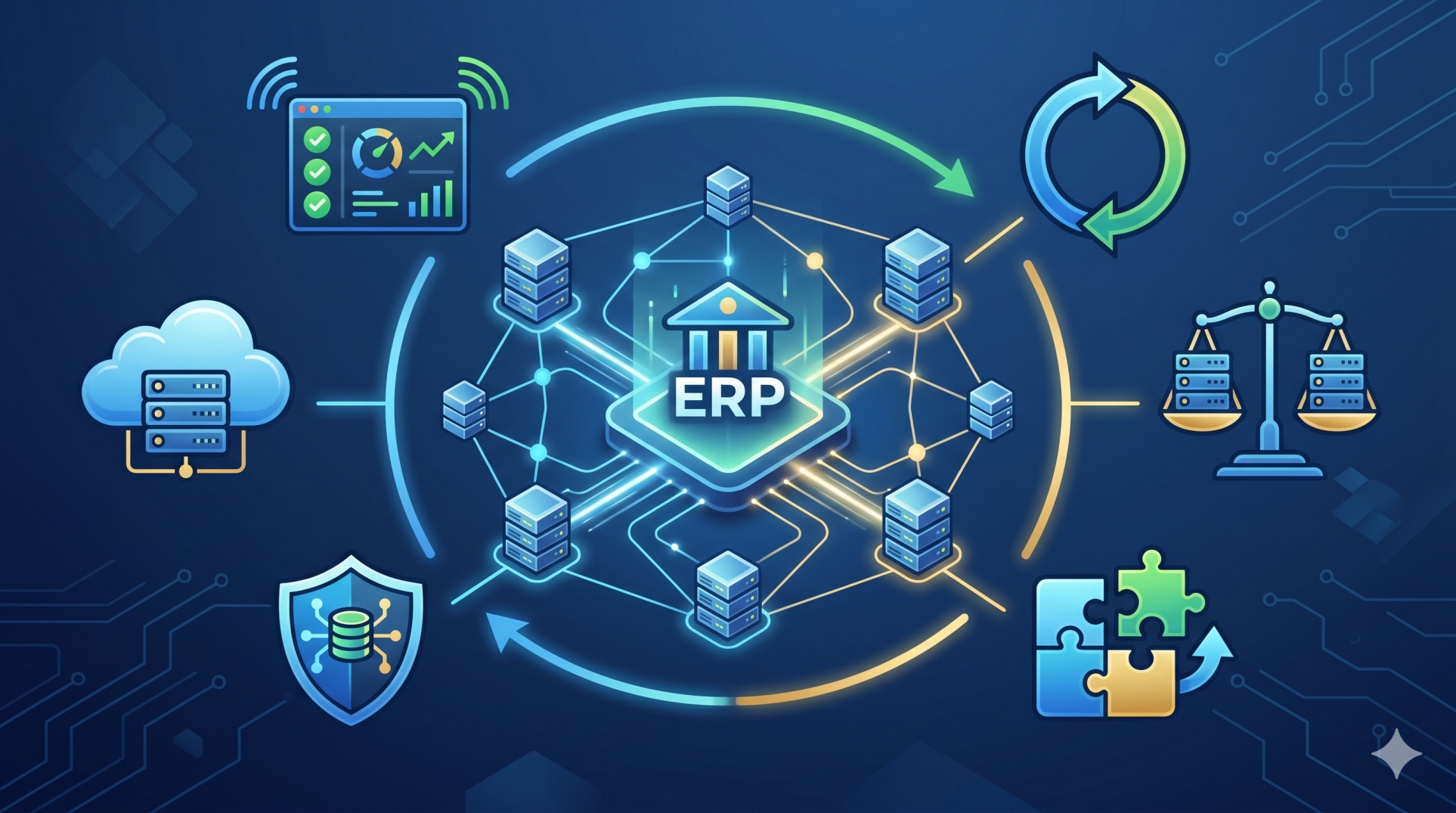
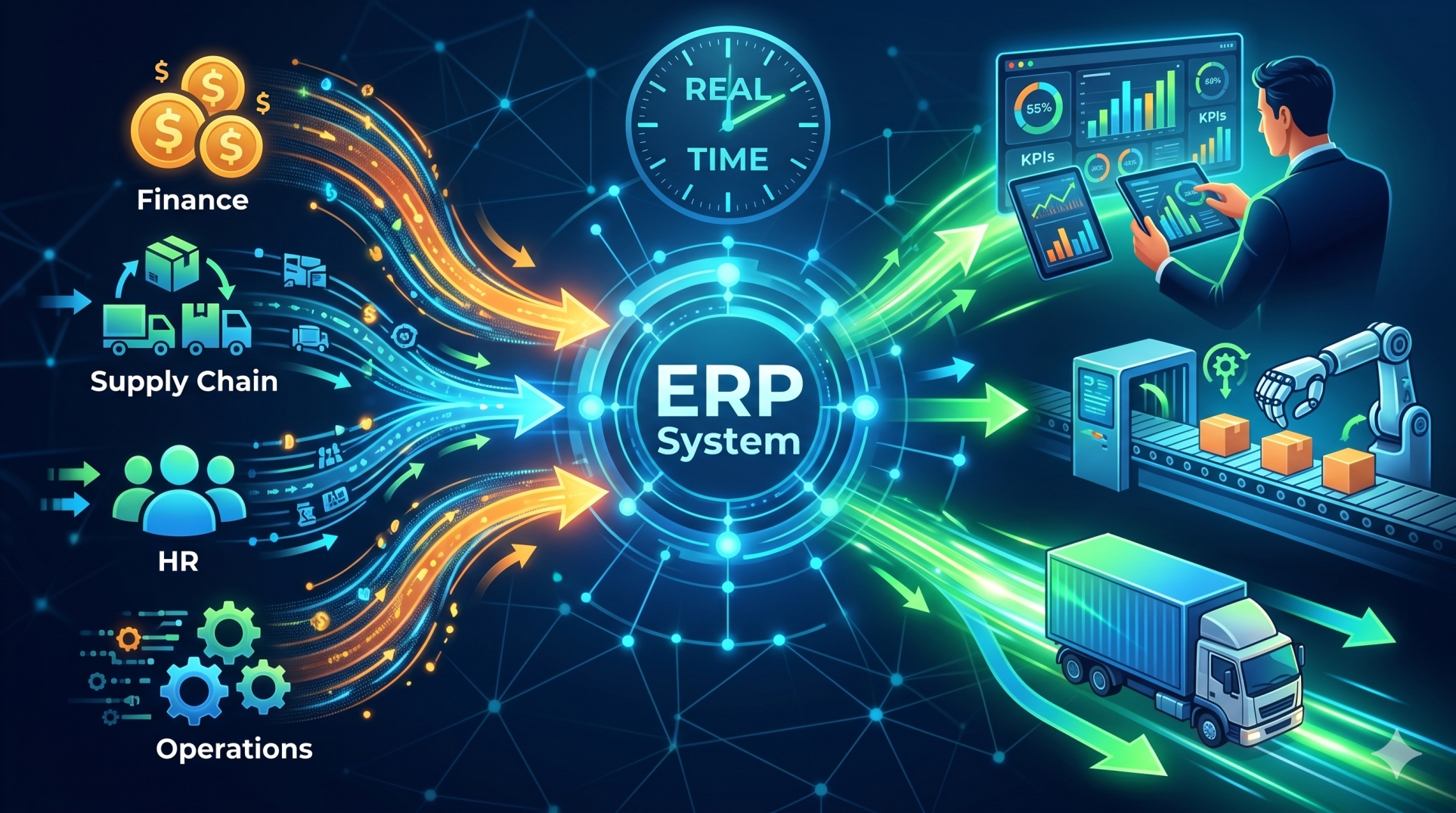
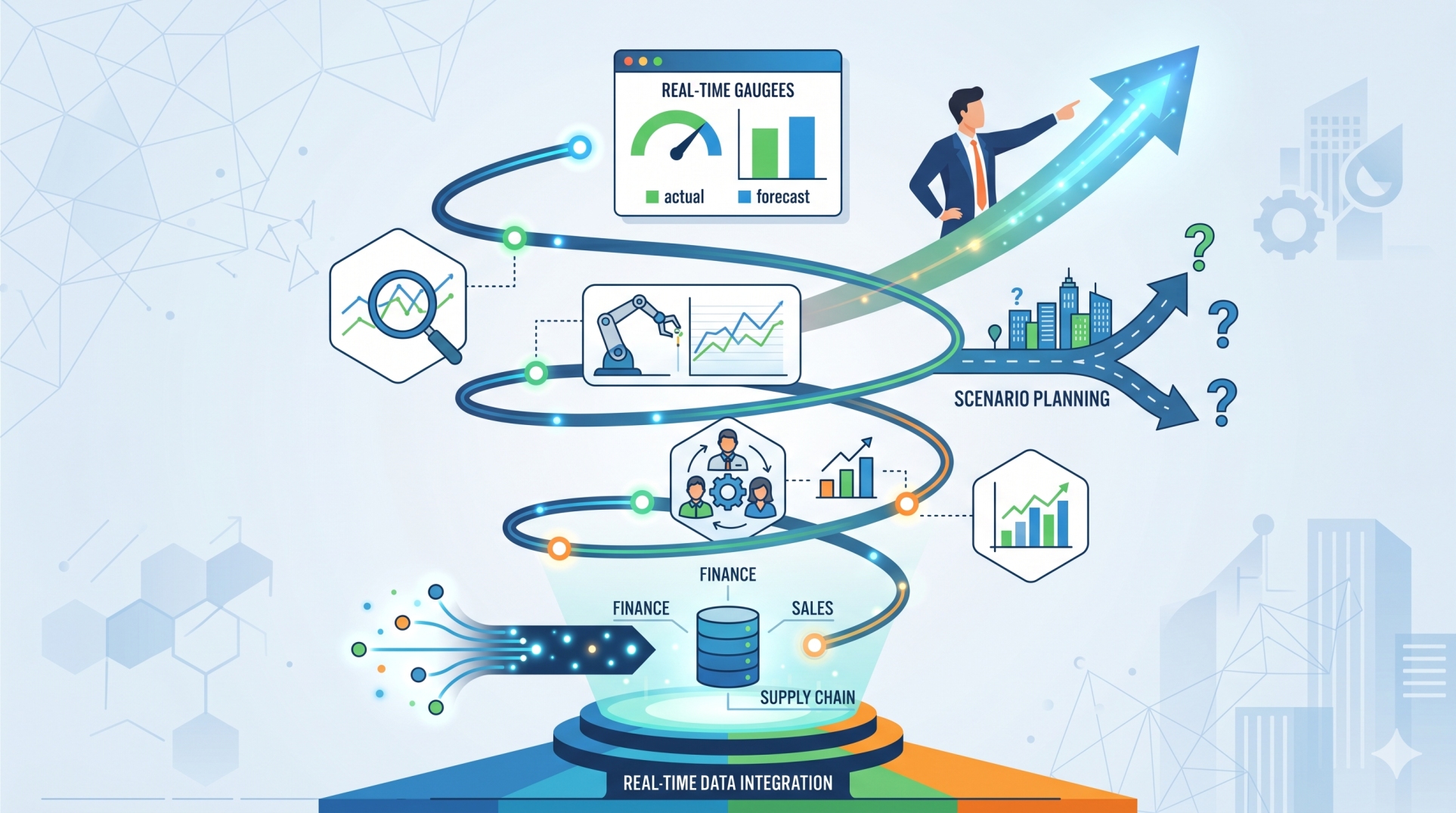
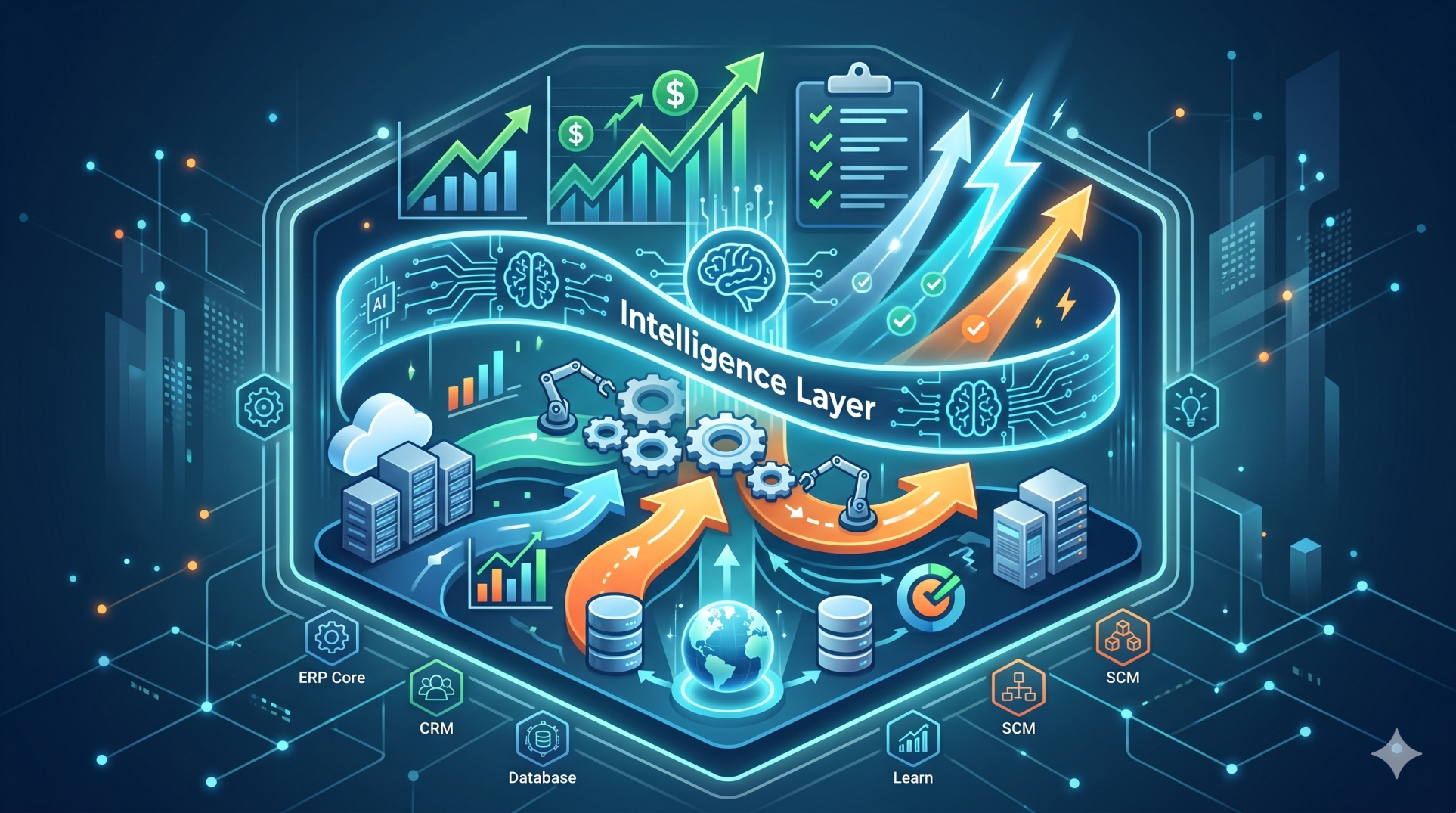
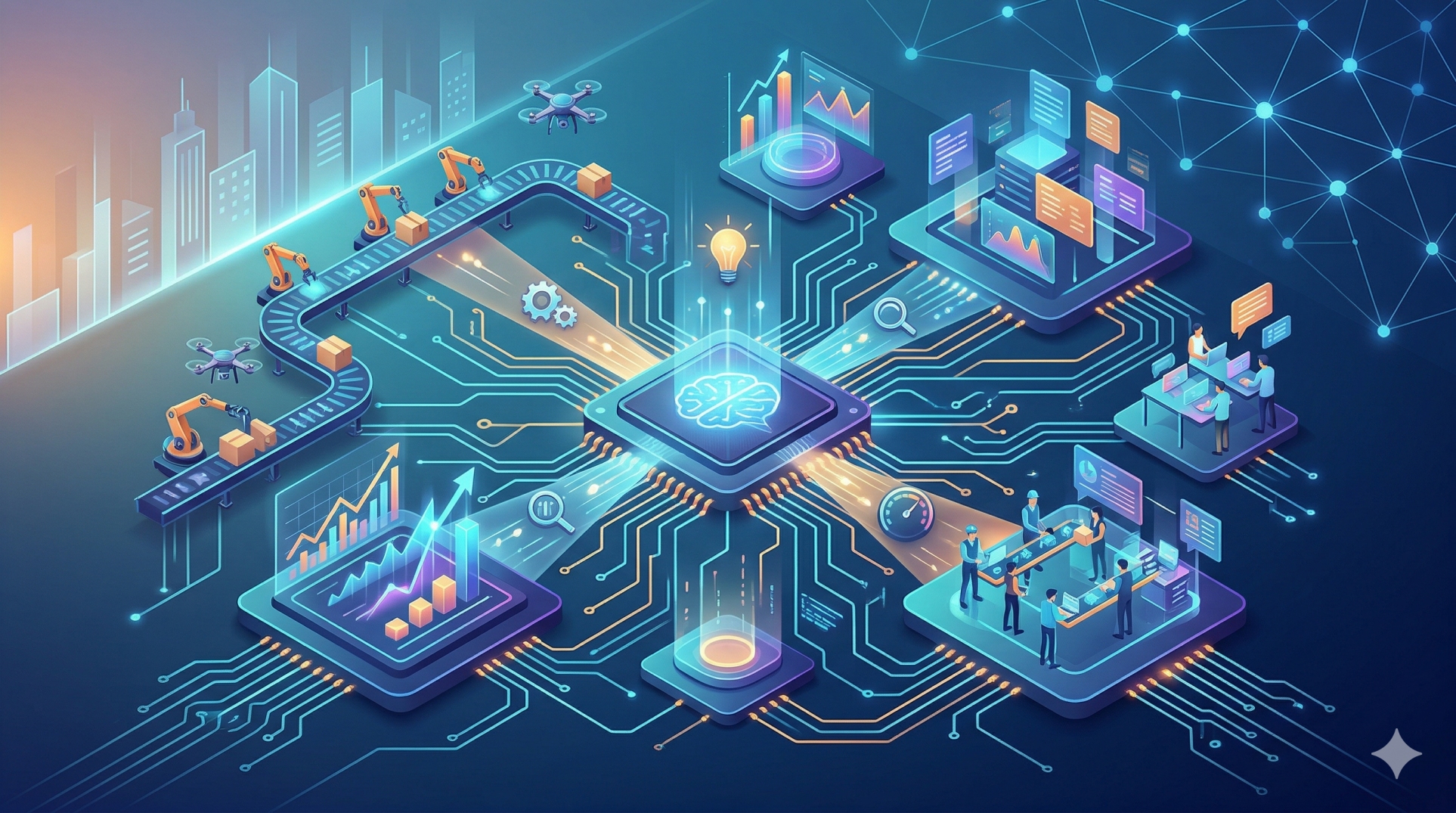
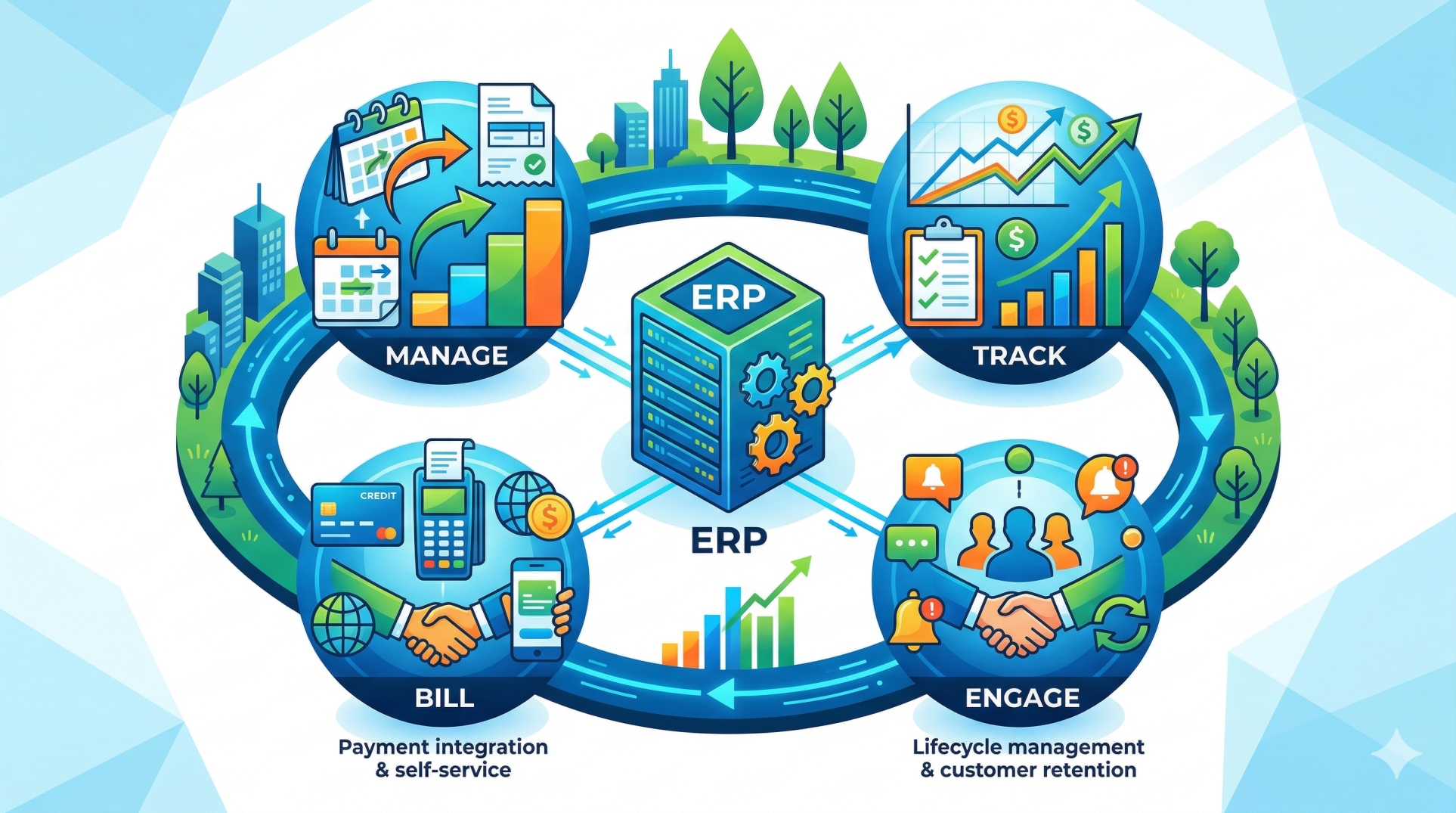
Modern enterprises operate in complex, interconnected environments where decisions must be made quickly and based on accurate data. Enterprise Resource Planning systems have evolved into centralized command platforms that provide visibility, coordination, and strategic control across the organization. Acting as a control tower, ERP unifies operations, finance, supply chains, and workforce management into a single, real-time decision environment.
Step 1: Centralized Operational Visibility 👁️📊
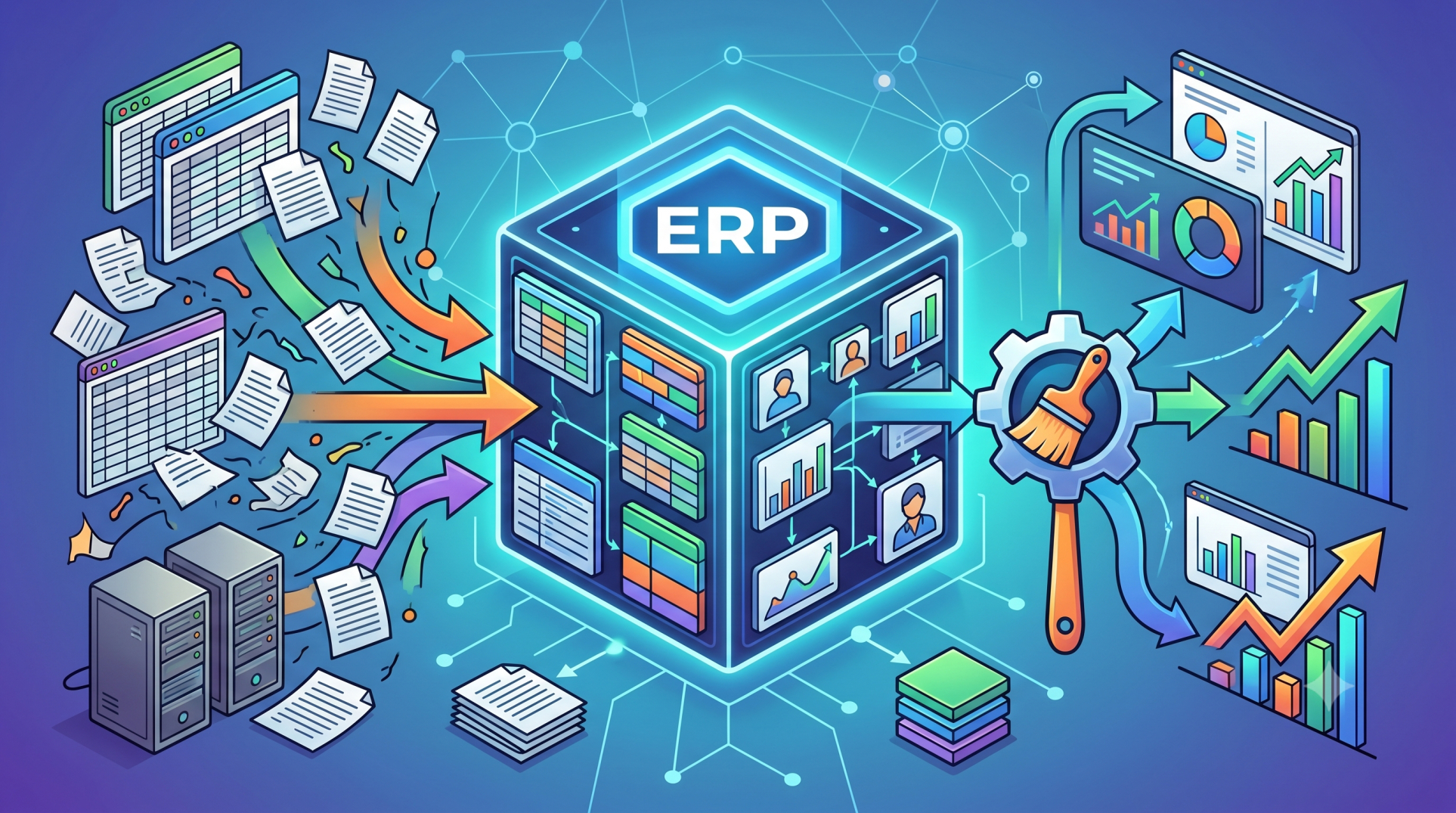
• Consolidates data across departments into one unified system 🔗
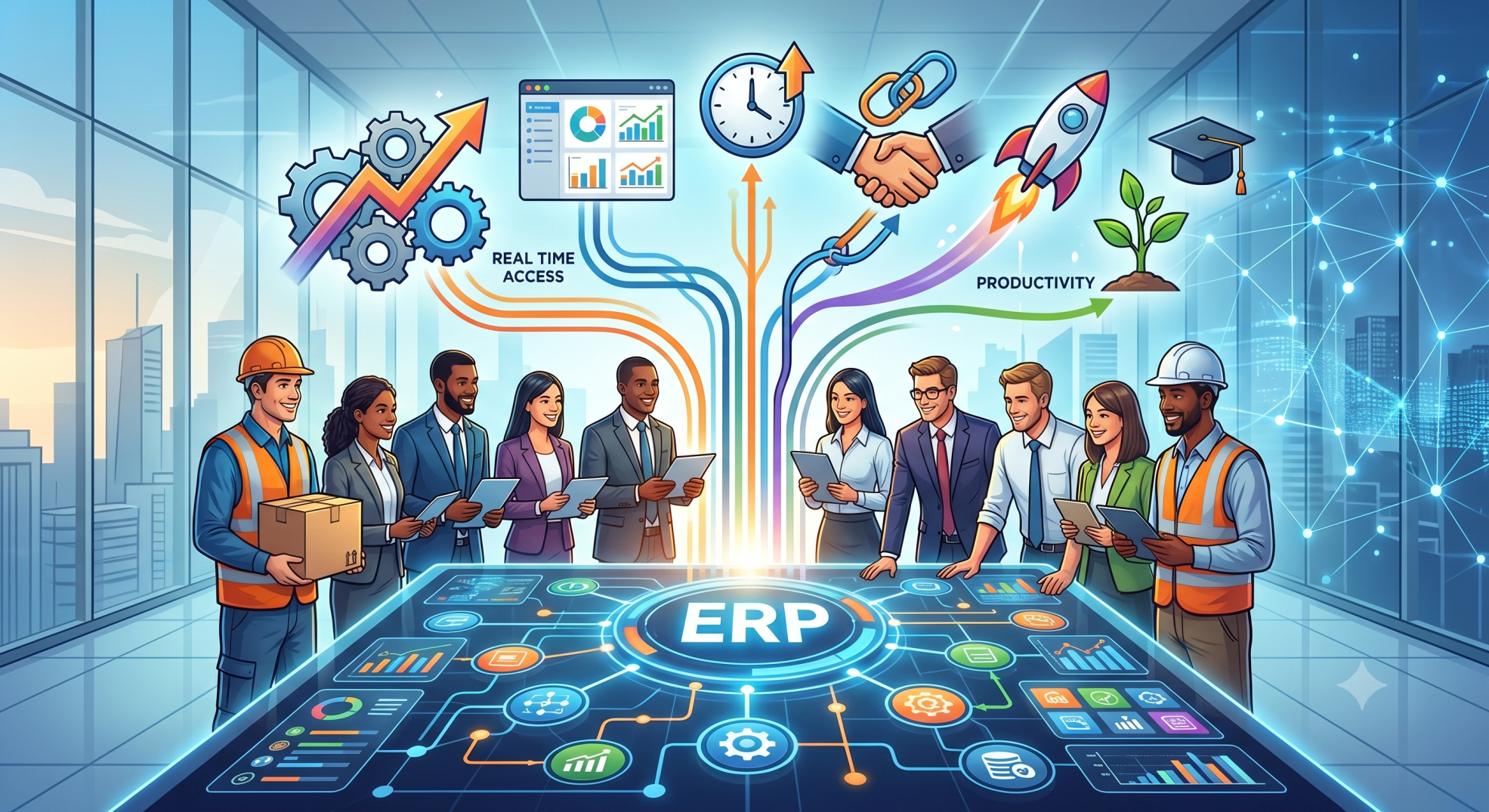
• Provides real-time access to financial and operational metrics ⏱️
• Eliminates fragmented reporting across multiple tools 🗂️
• Enables leadership to monitor performance holistically 🎯
• Reduces blind spots in enterprise operations 🚫
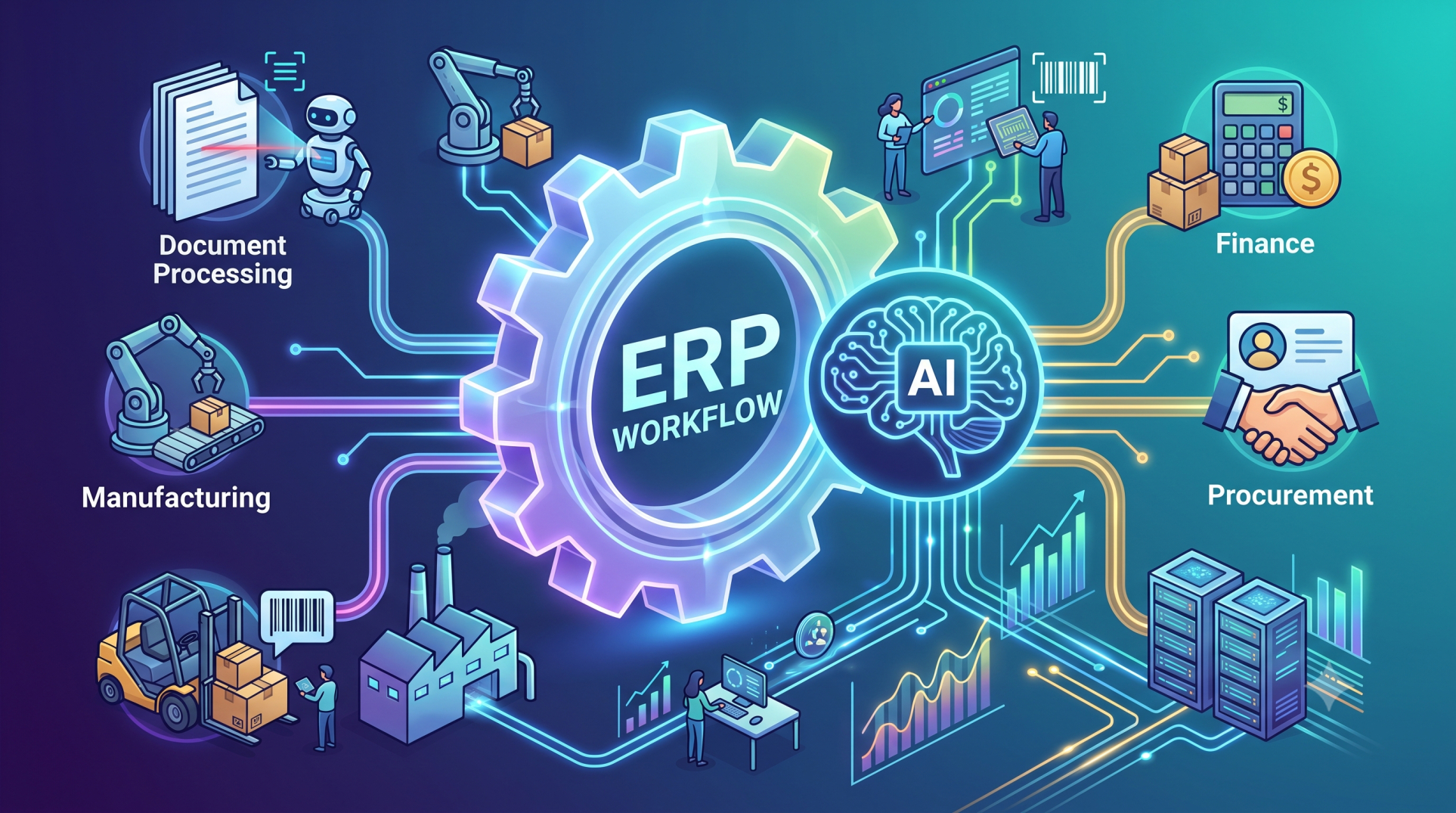
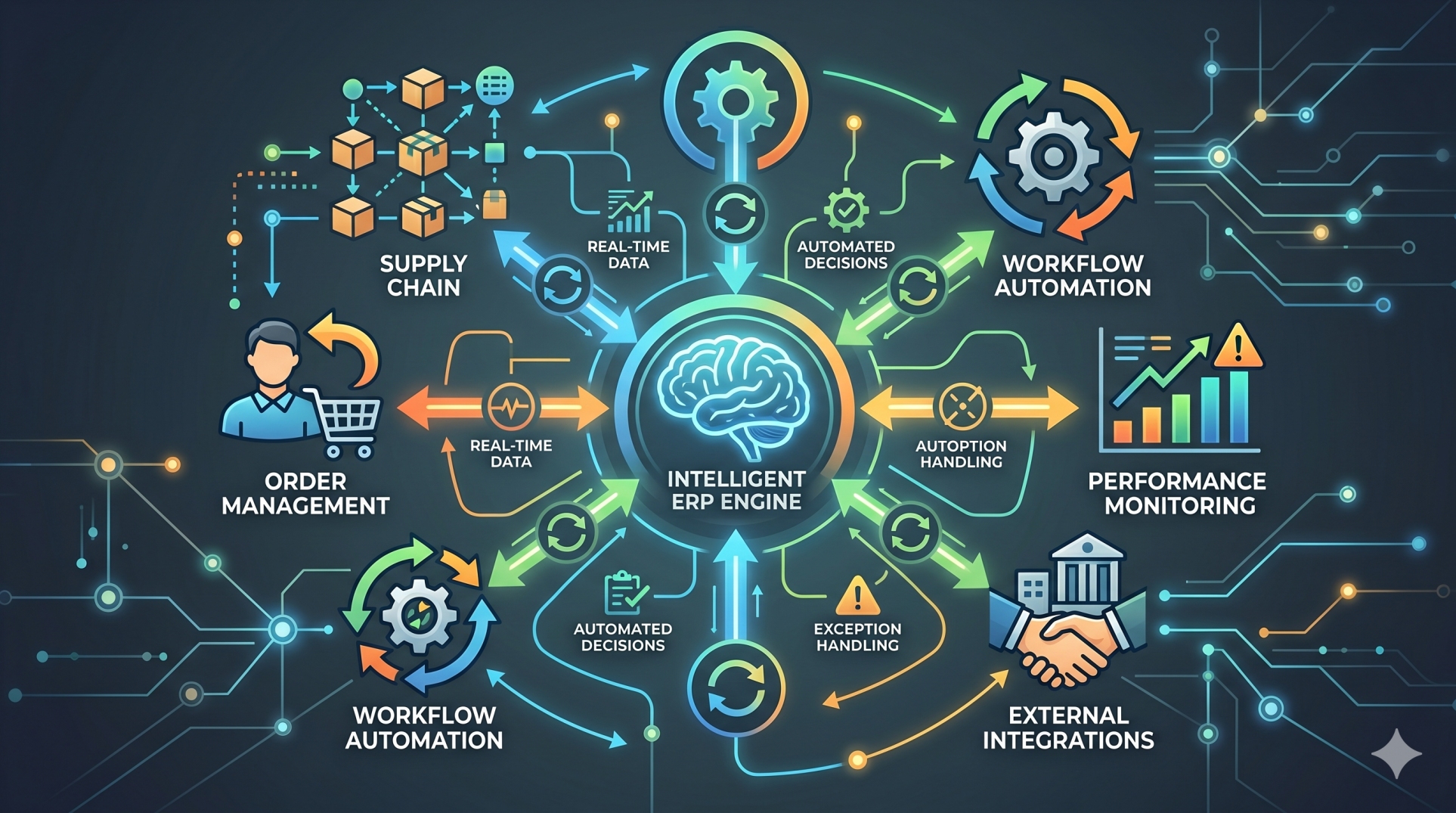
Step 2: Coordinating Cross-Functional Workflows 🔄⚙️
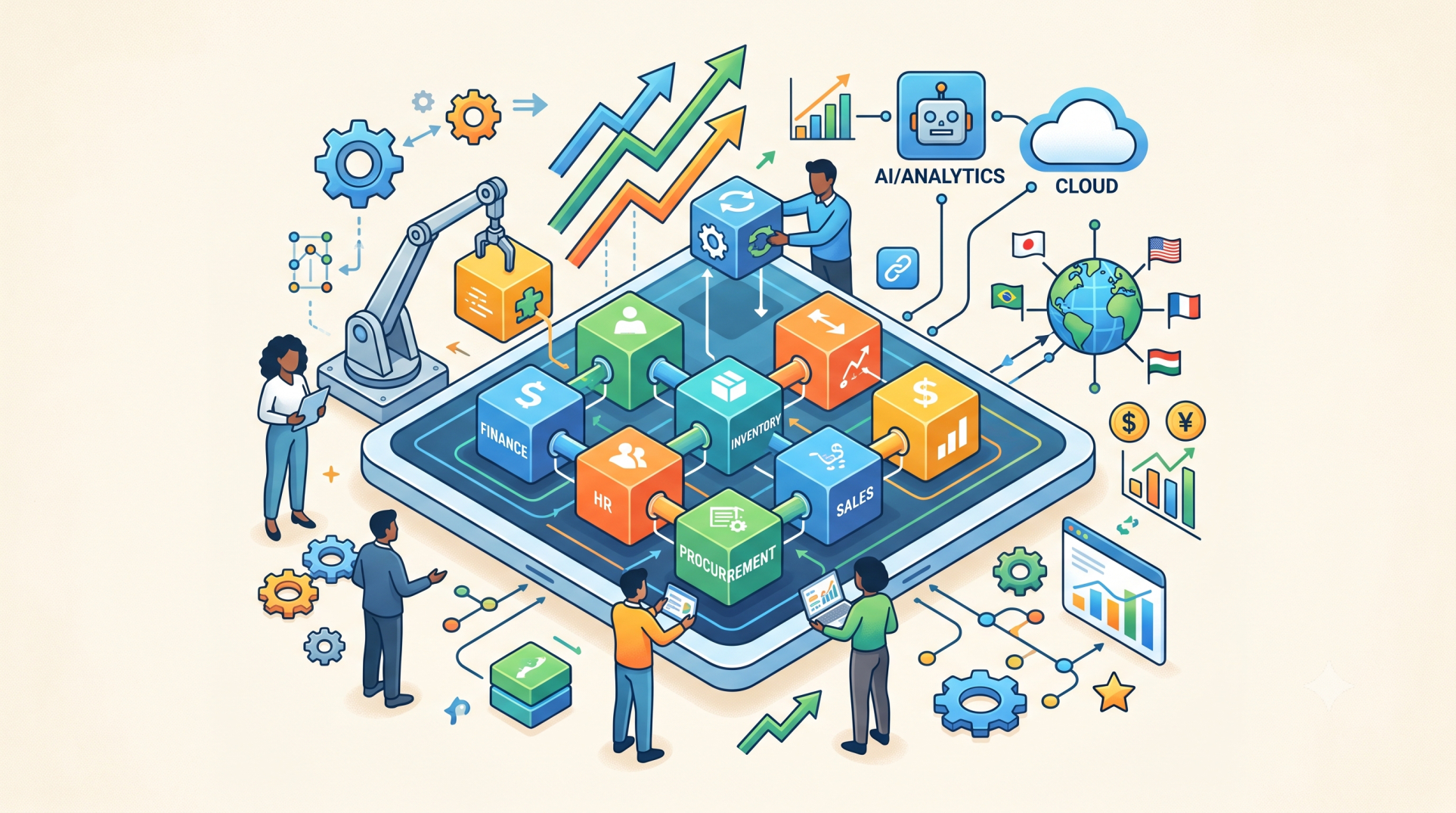
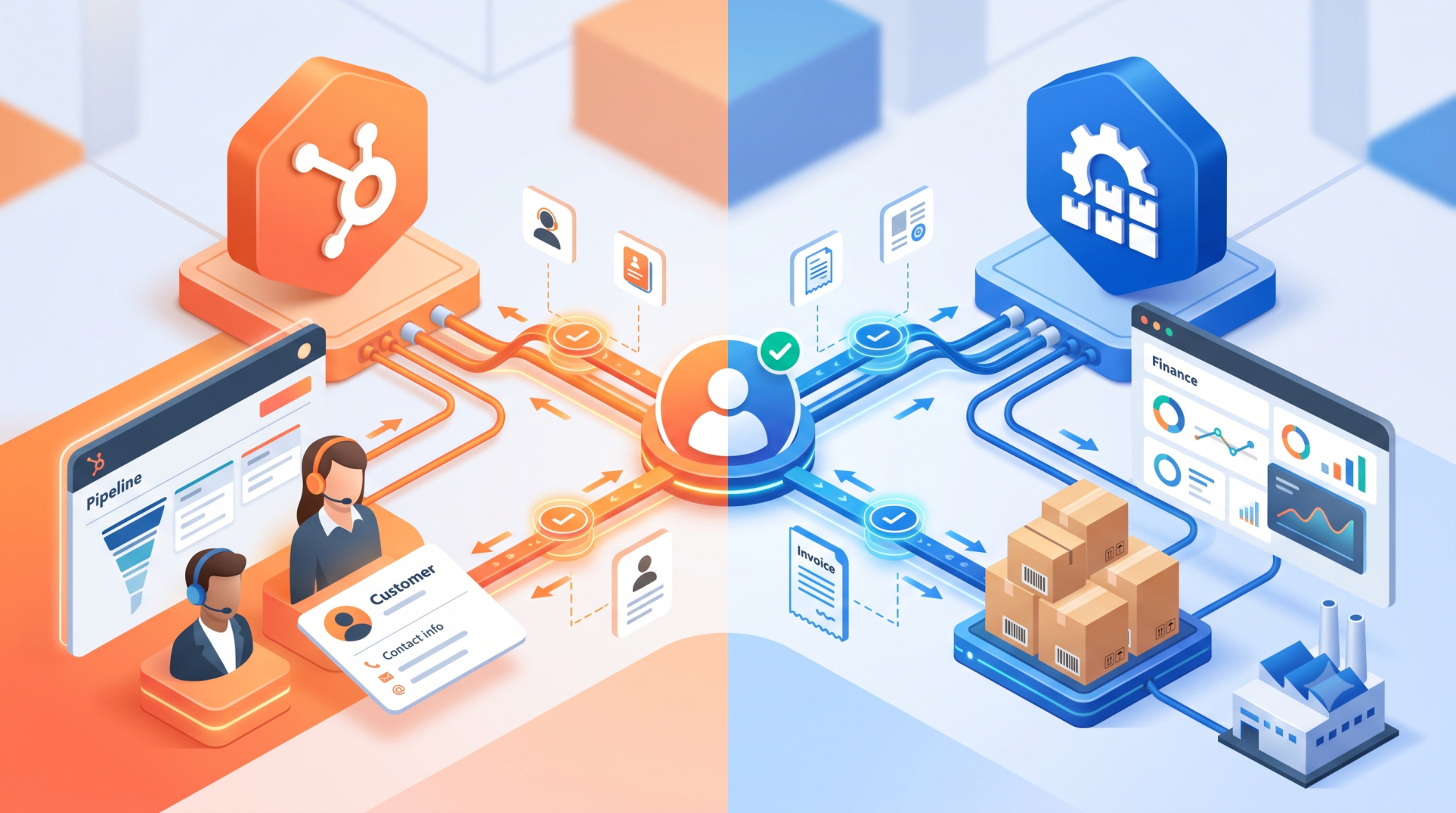
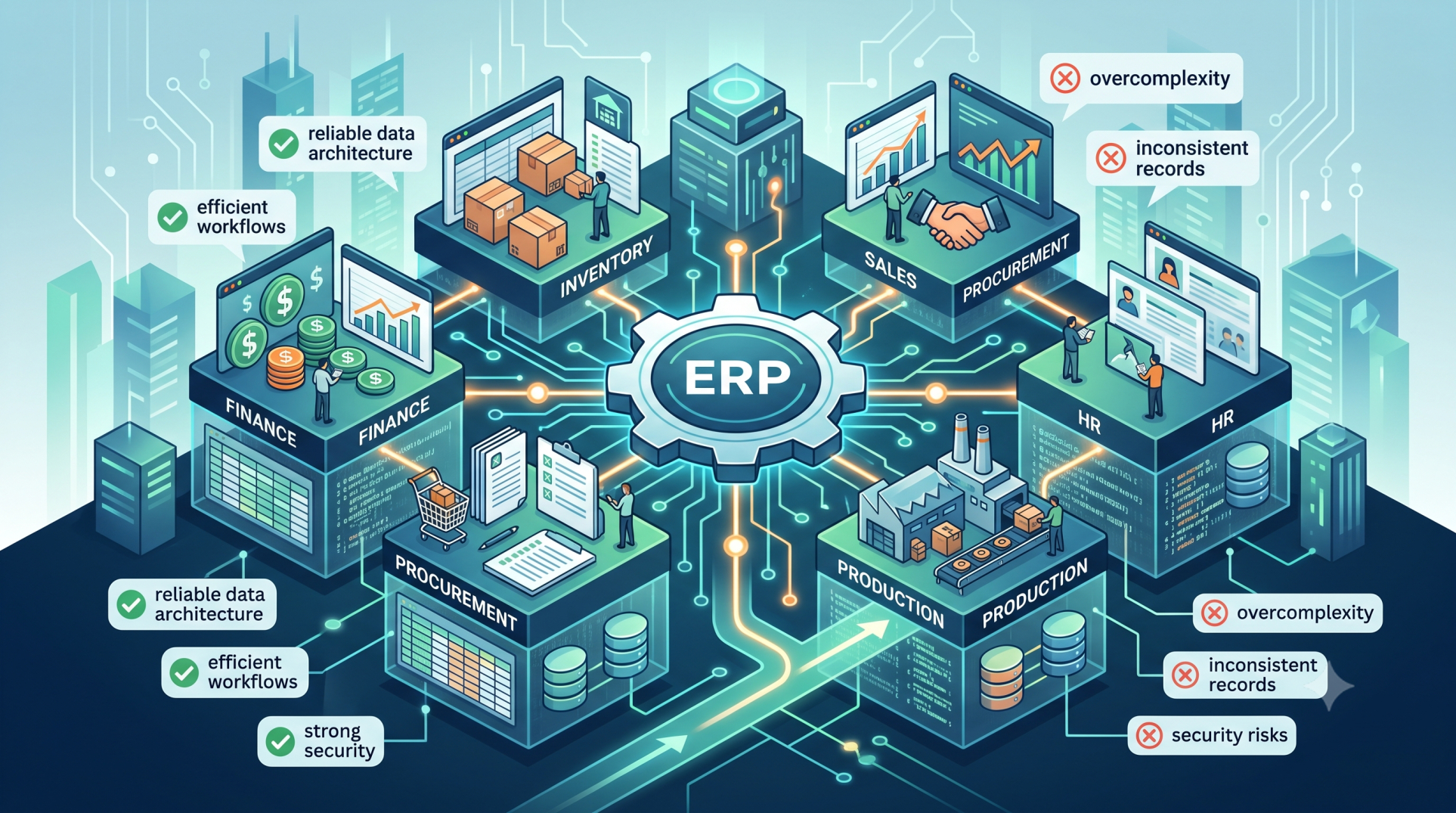
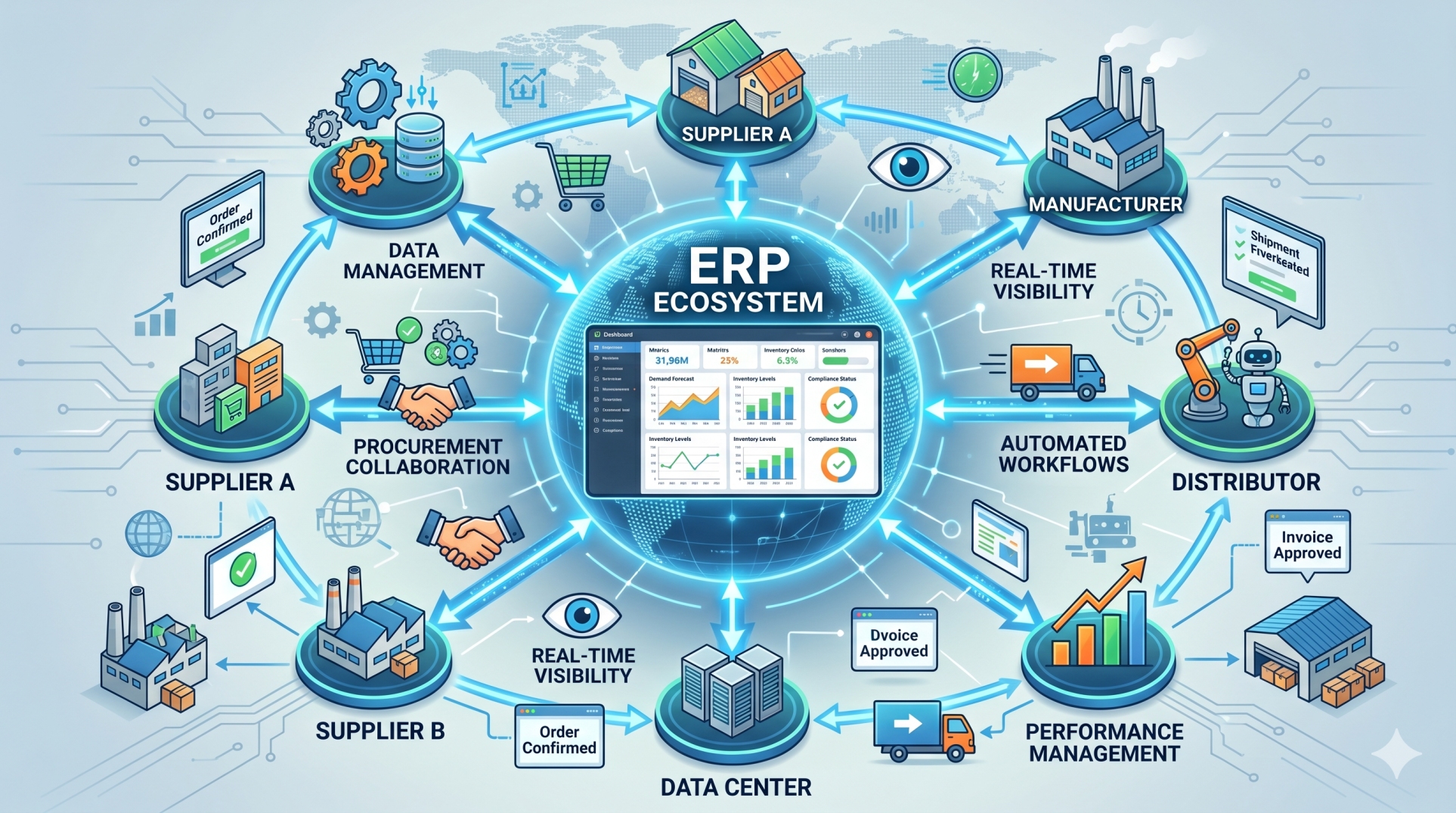
• Connects finance, procurement, inventory, HR, and sales processes 🔗
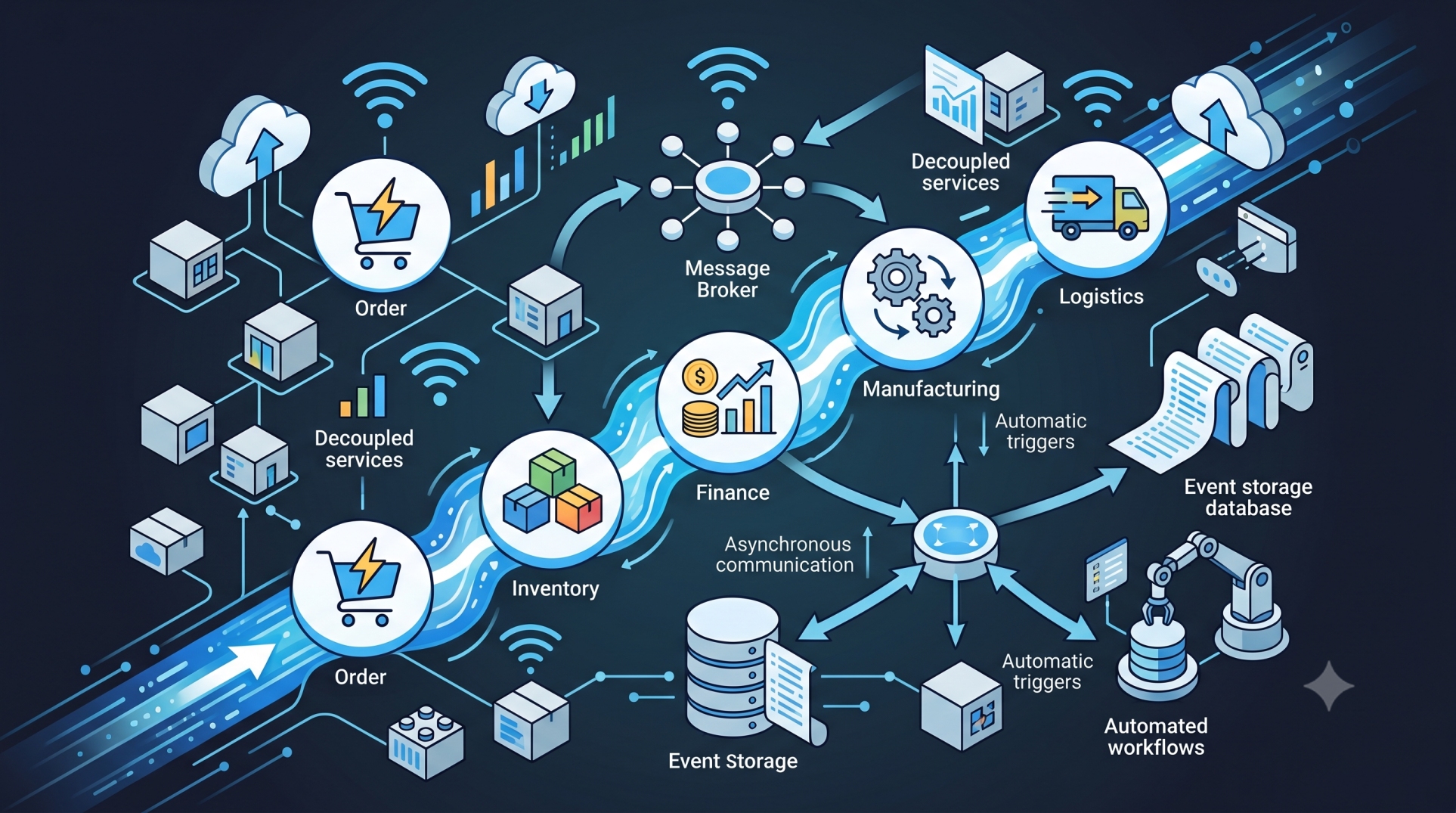
• Automates handoffs between departments 🤖
• Reduces delays caused by manual coordination ⏳
• Aligns operational execution with strategic objectives 🎯
• Ensures consistency in enterprise-wide processes 📏
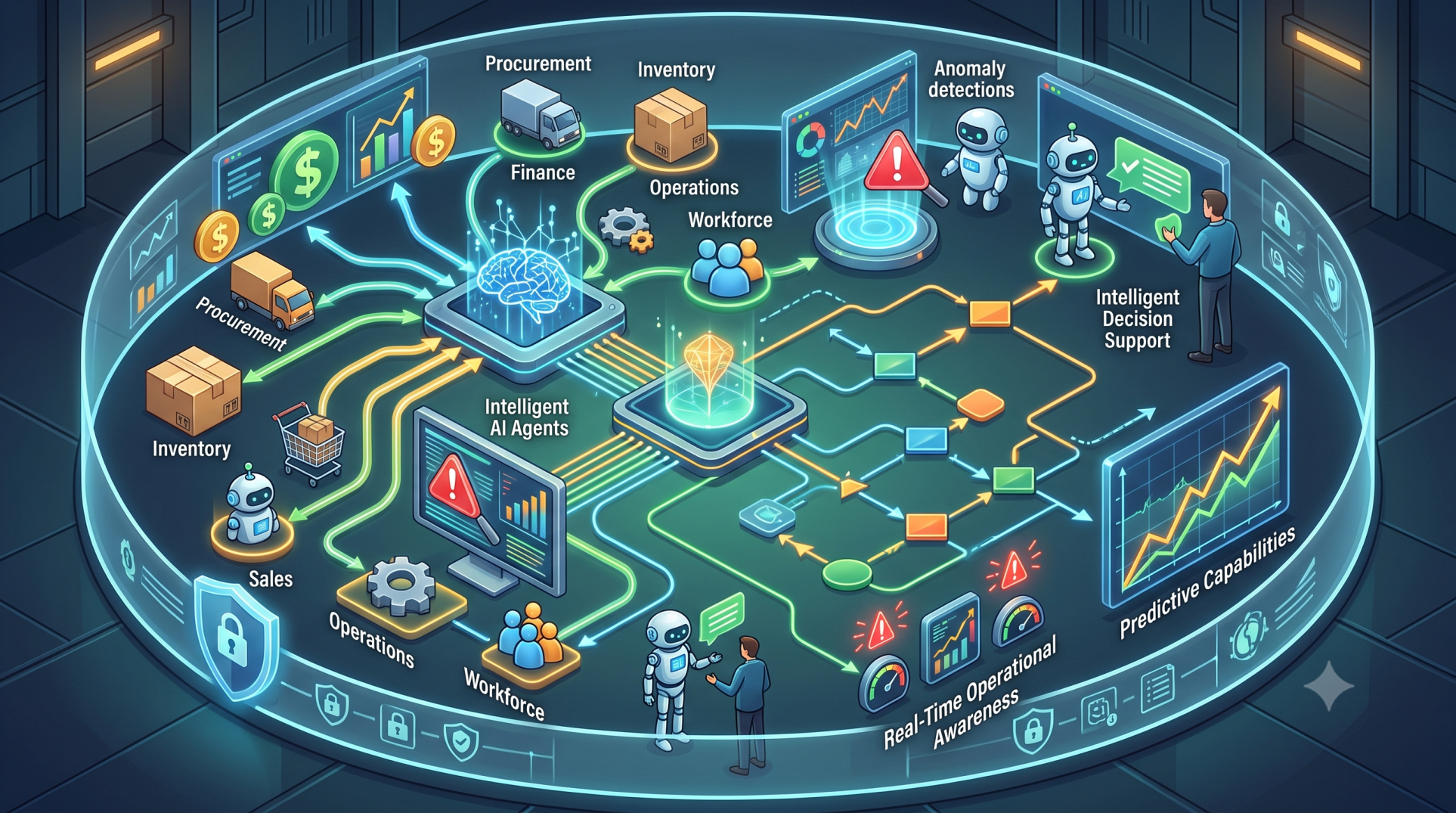
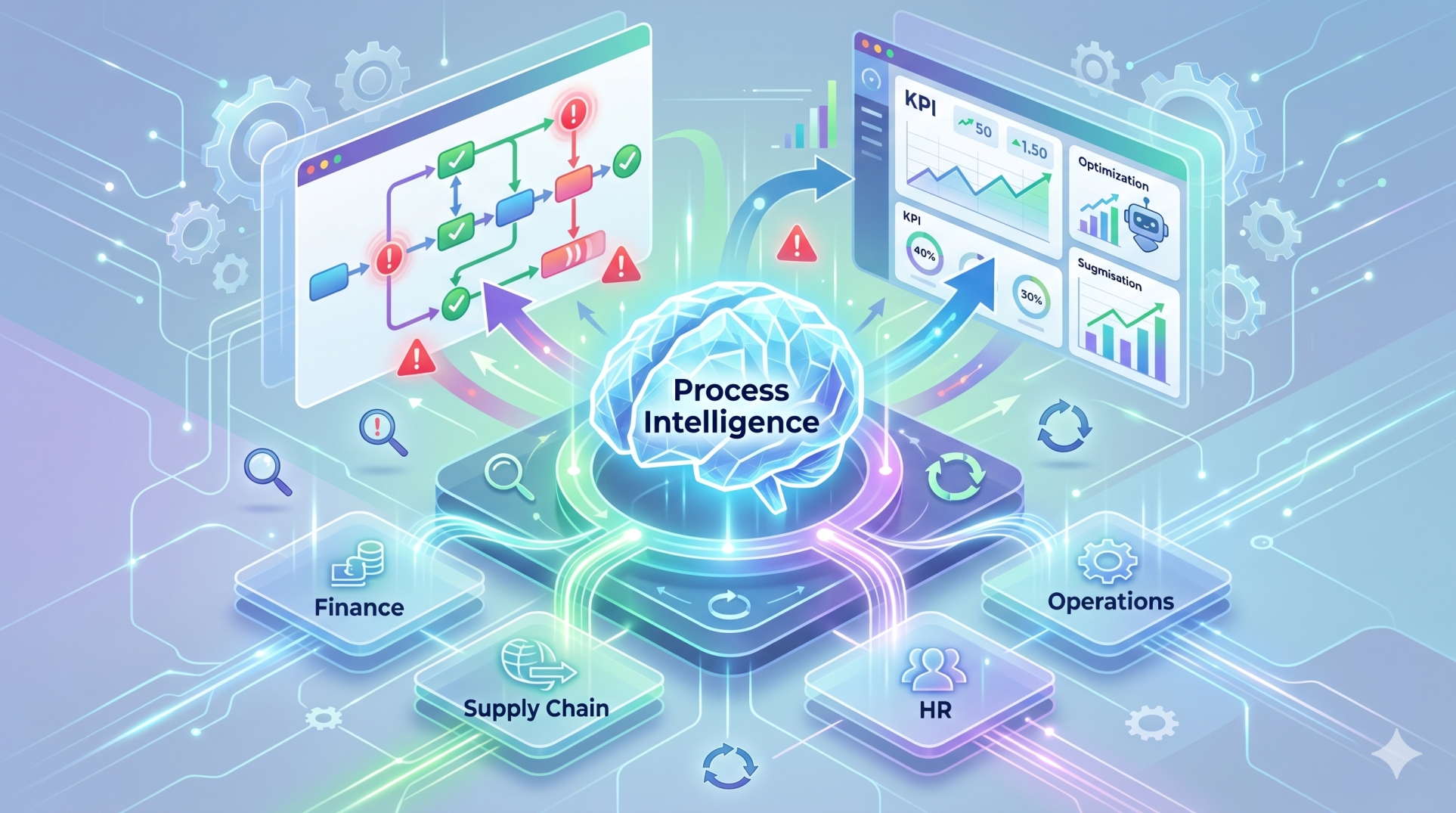
Step 3: Real-Time Monitoring and Alerts 🚨📈
• Tracks KPIs and performance indicators continuously 📊
• Detects anomalies and operational disruptions early 🔍
• Sends automated alerts for critical deviations ⚠️
• Enables proactive risk management 🛡️
• Improves response time across teams ⚡
Step 4: Financial Command and Control 💰📘
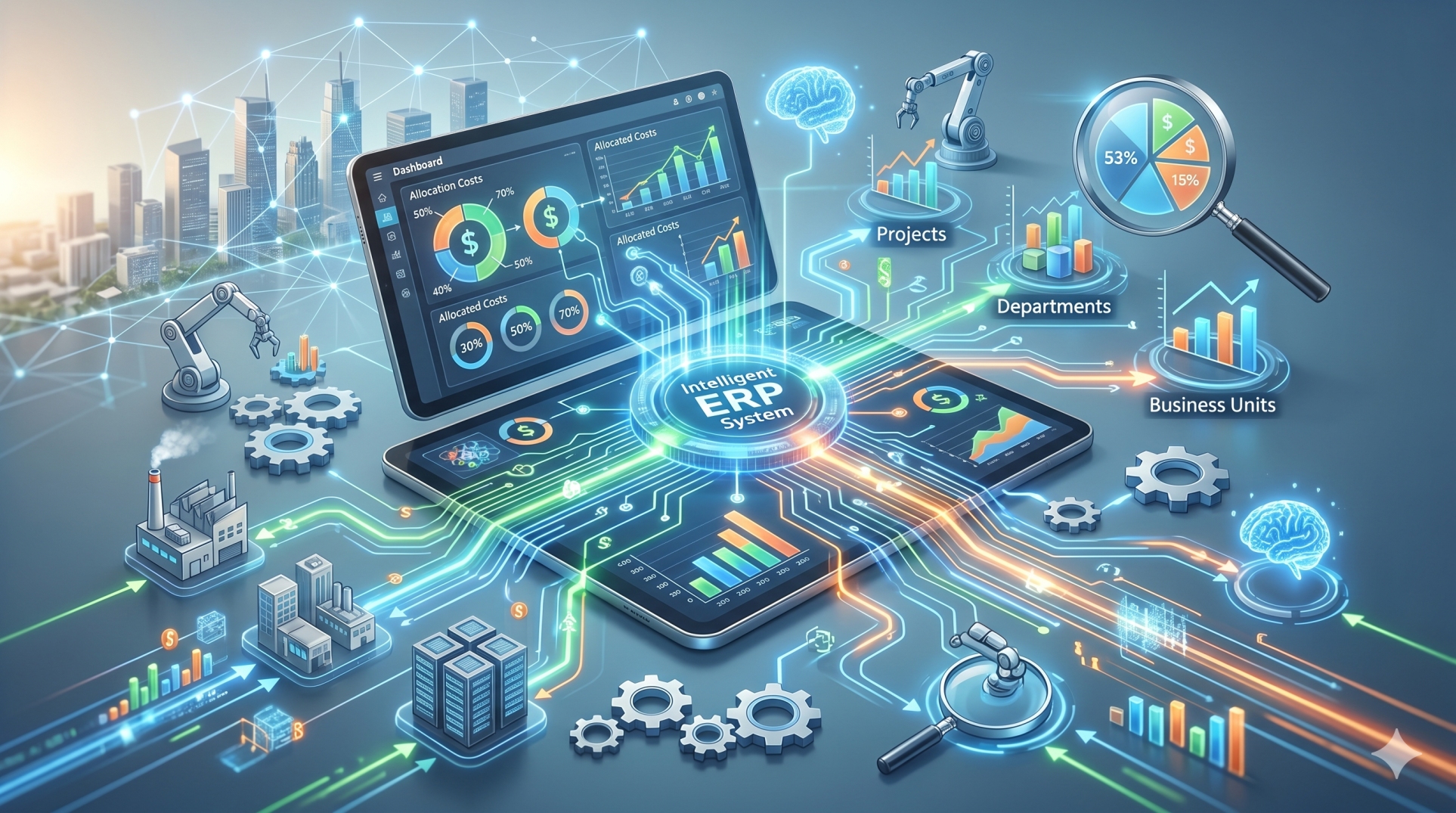
• Centralizes budgeting, forecasting, and reporting 📑
• Provides up-to-date cash flow and profitability insights 📊
• Strengthens compliance and audit readiness ✔️
• Supports scenario modeling for strategic planning 🧠
• Aligns financial management with operational activity 🔗
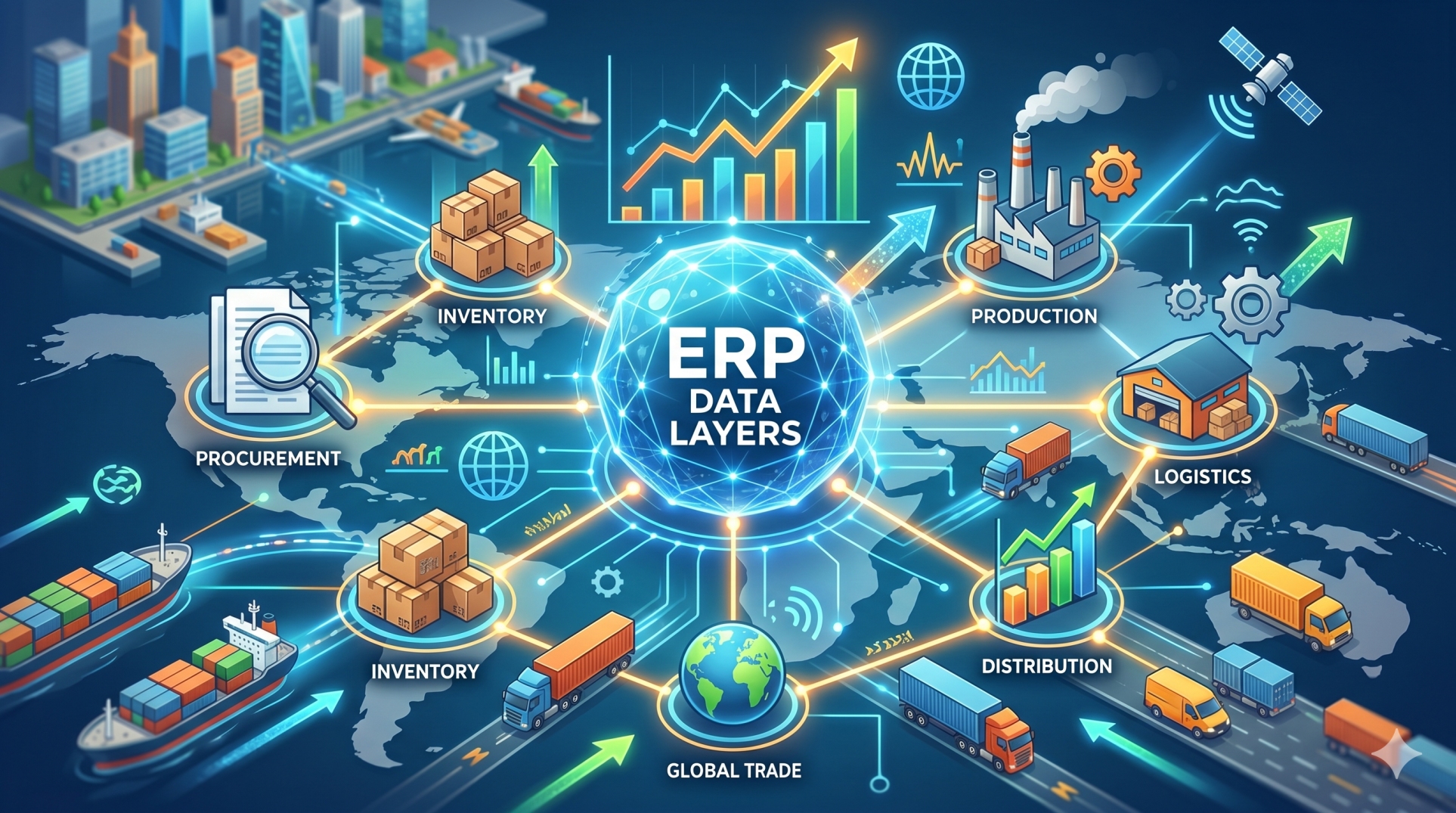
Step 5: Supply Chain and Resource Oversight 🚚📦
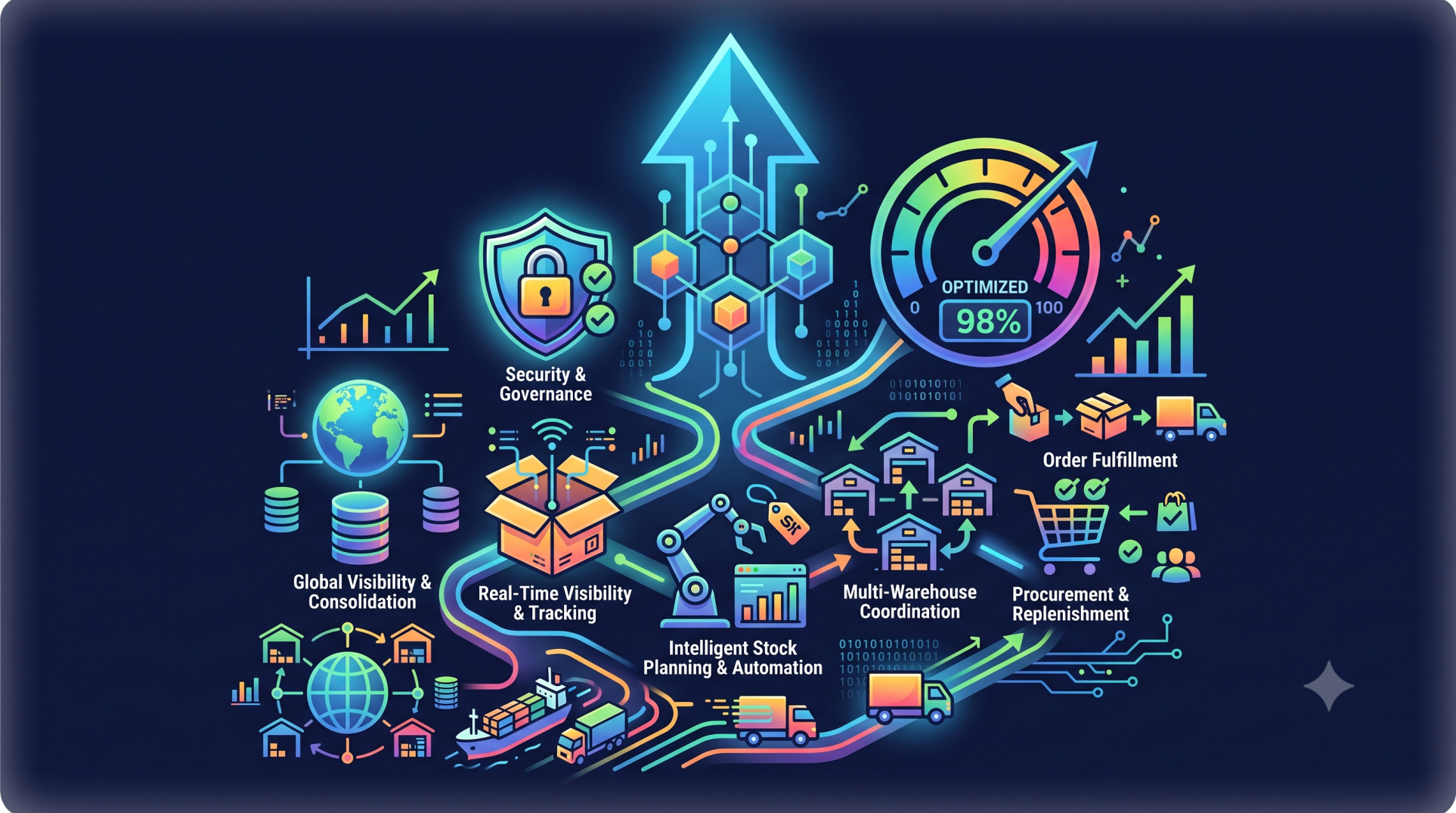
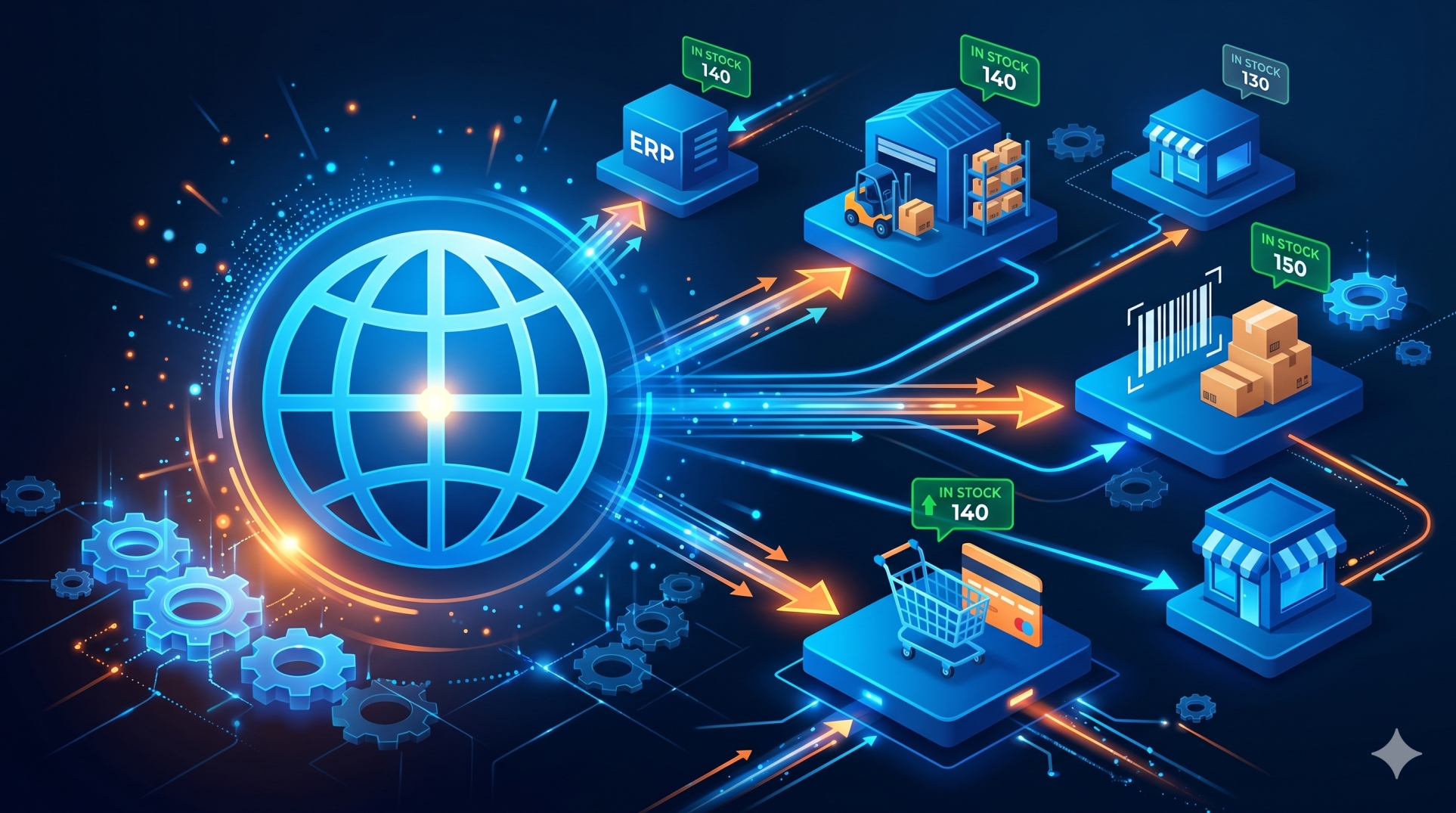
• Monitors inventory levels and demand fluctuations 📊
• Optimizes procurement and vendor management 🤝
• Tracks production and fulfillment performance 🏭
• Reduces waste and operational inefficiencies ♻️
• Enhances resilience against supply disruptions 🛡️
Step 6: Data-Driven Strategic Planning 📊🧠
• Converts operational data into executive-level insights 📈
• Supports long-term growth and capacity planning 🚀
• Enables scenario analysis and forecasting 🔍
• Aligns daily operations with business strategy 🎯
• Improves confidence in high-impact decisions ✔️
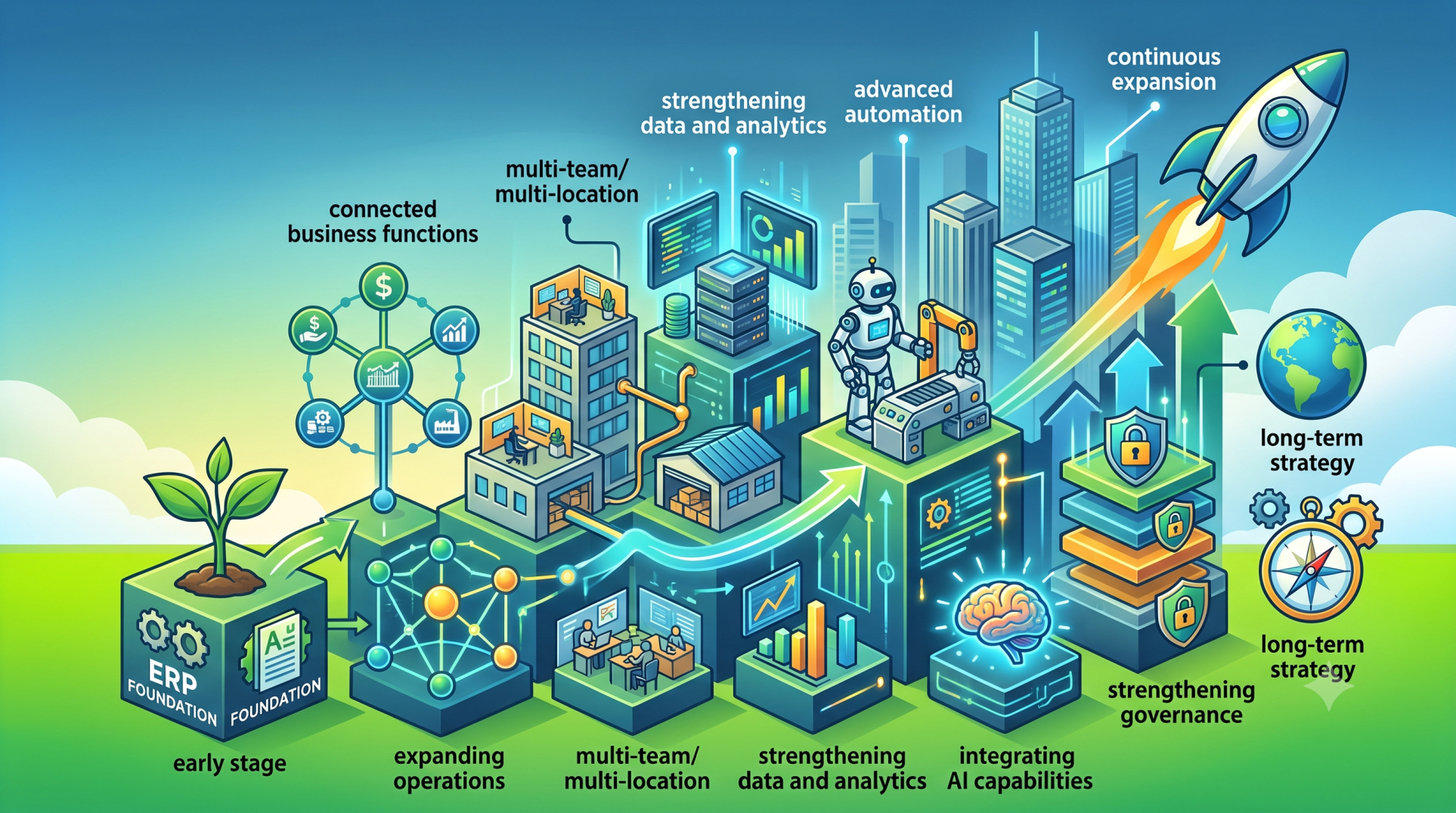
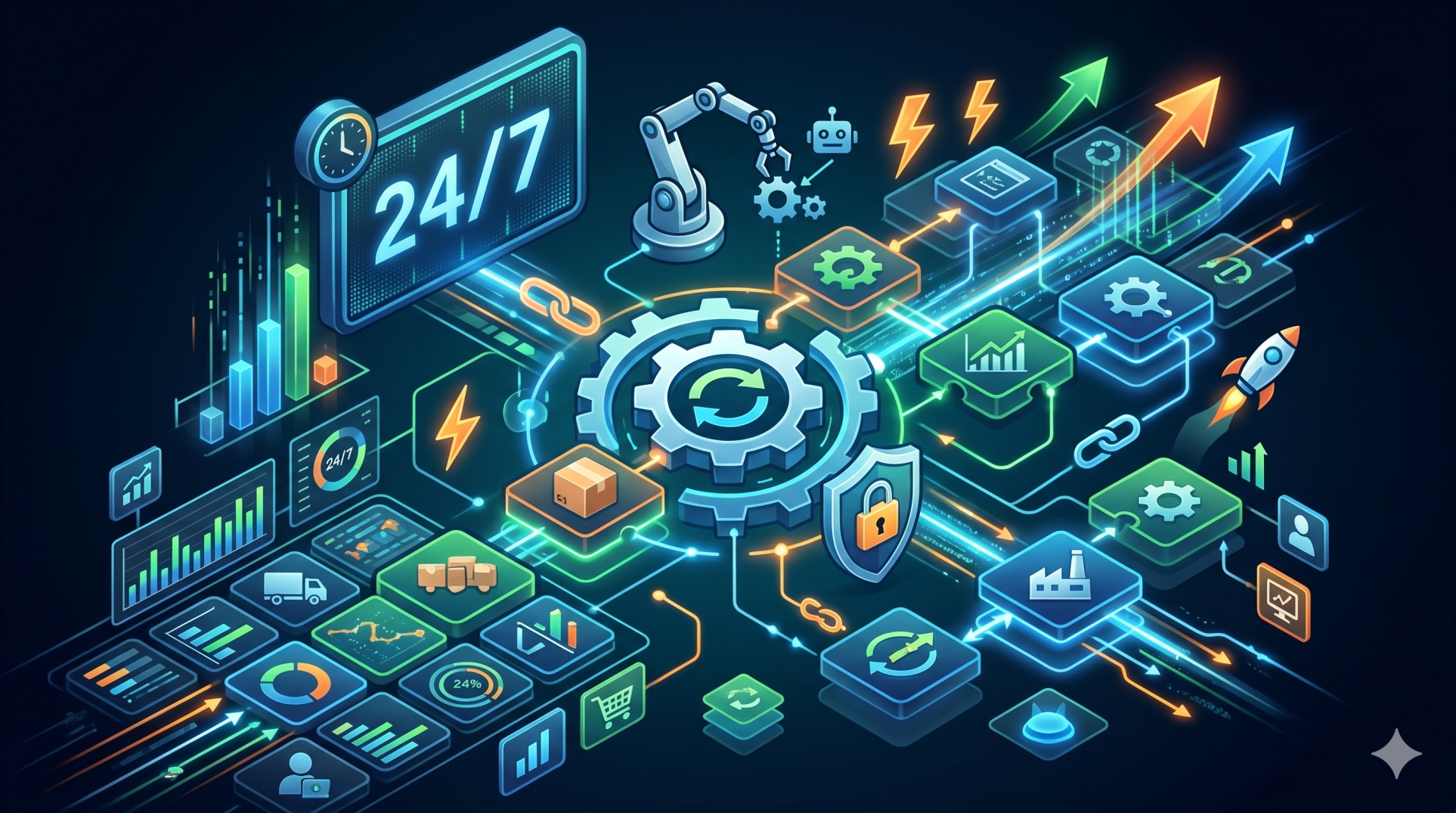
Step 7: Scalability and Enterprise Agility 🌍⚡
• Adapts to organizational growth and structural changes 📈
• Supports multi-entity and global operations 🌐
• Enables process standardization at scale 📏
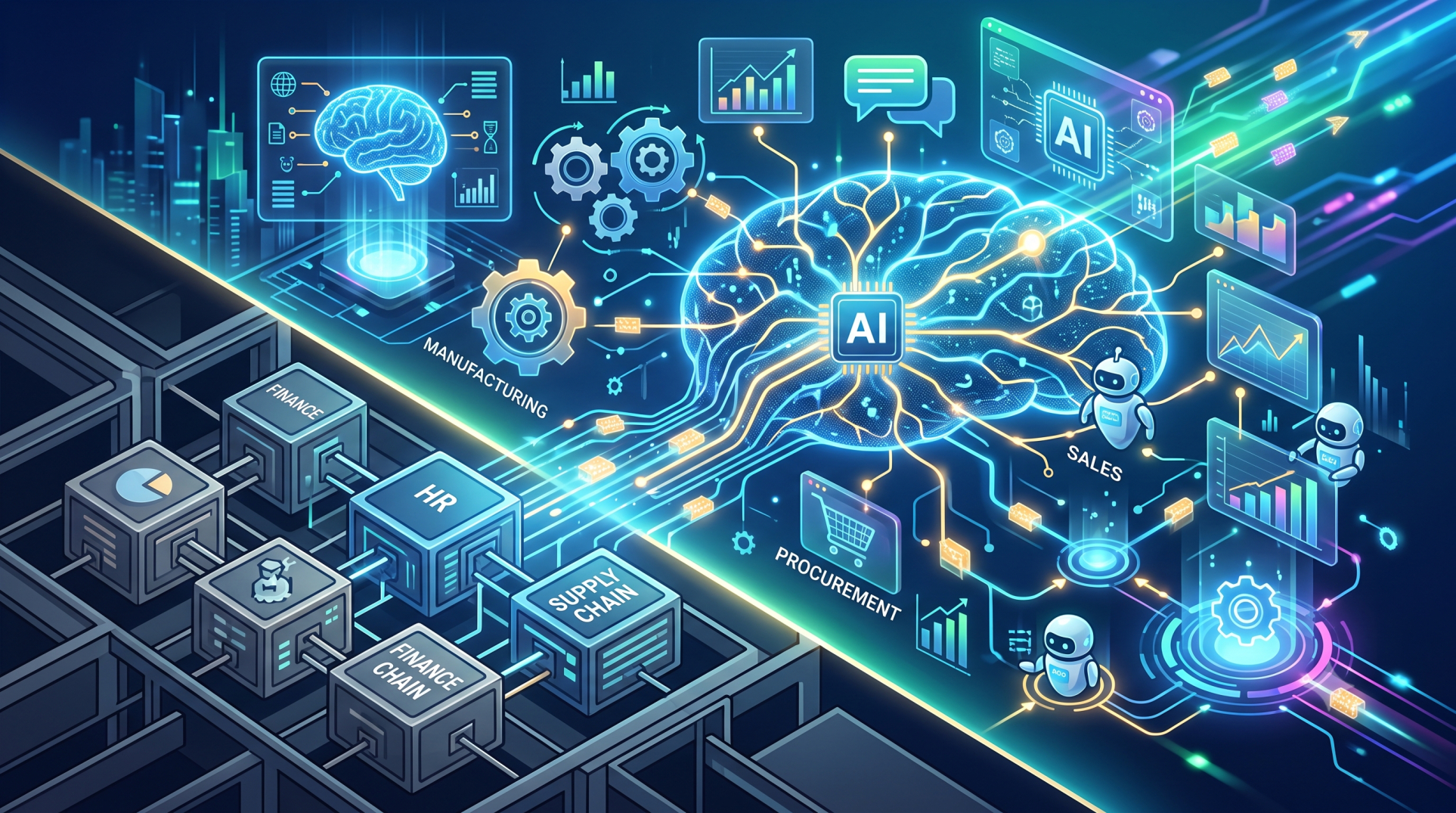
• Integrates with emerging technologies and digital tools 🔗
• Maintains operational stability during expansion 🏗️
Step 8: Executive-Level Decision Enablement 🏢📊
• Provides a single source of truth for leadership 📘
• Connects operational performance directly to financial outcomes 🔗
• Enables faster, data-backed strategic decisions ⚡
• Strengthens governance and accountability 🛡️
Step 9: Risk Management and Compliance Oversight 🛡️📋
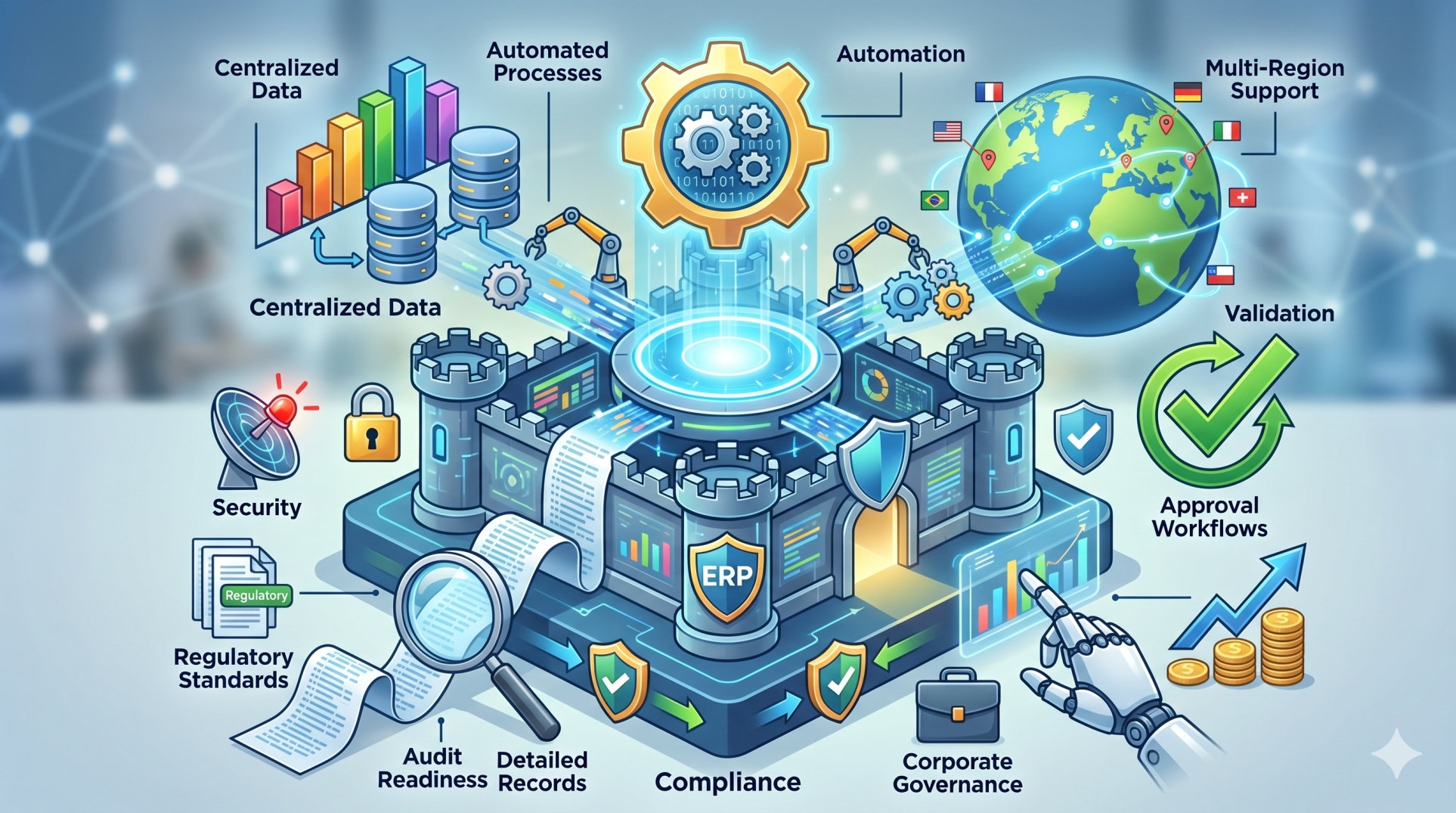
• Maintains transparent audit trails 📑
• Enforces internal controls and approval workflows ✔️
• Supports regulatory reporting requirements ⚖️
• Protects sensitive enterprise data 🔐
• Reduces operational and financial risk exposure 📉
Step 10: ERP as the Enterprise Command Center 🏗️🎯
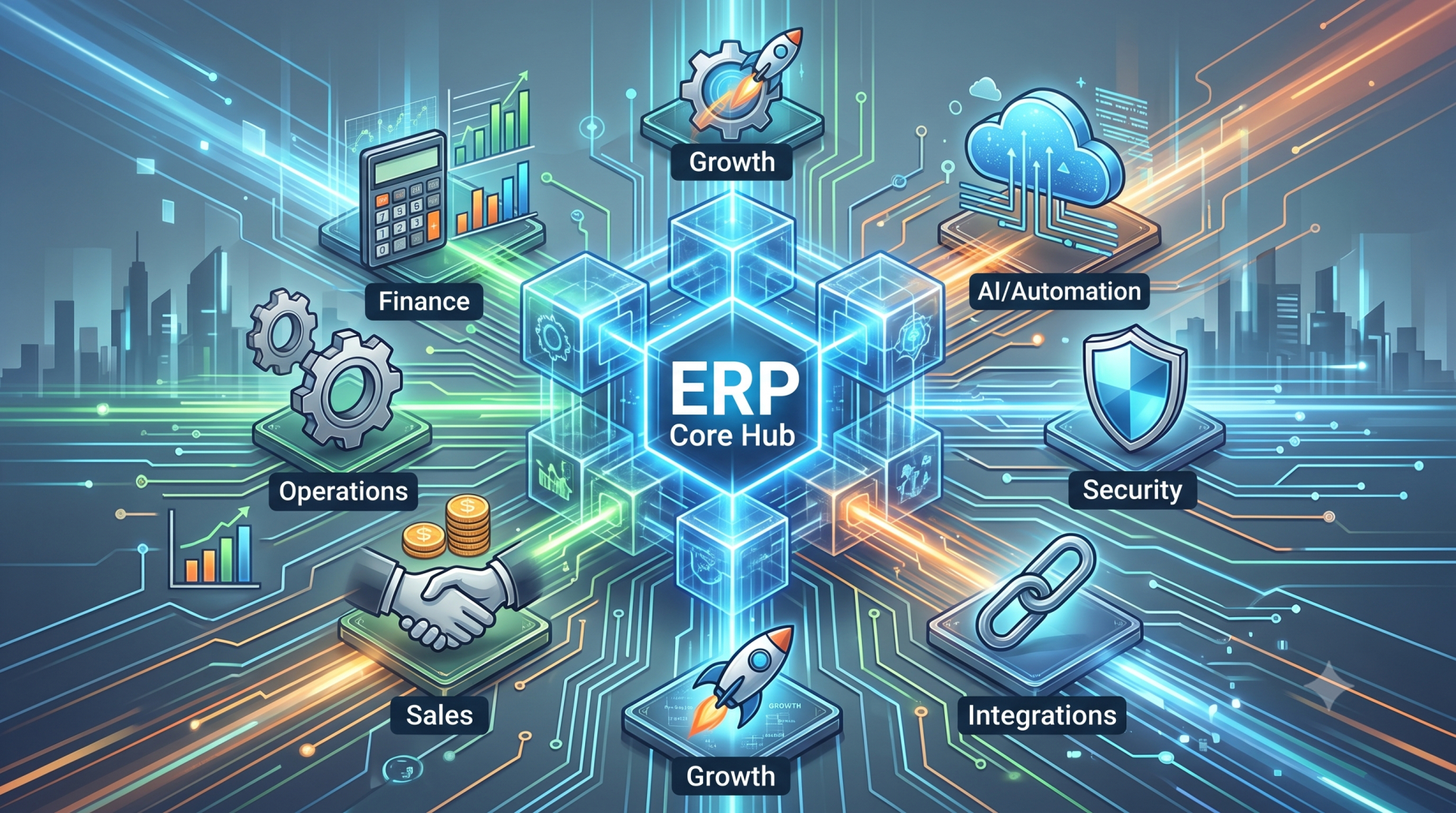
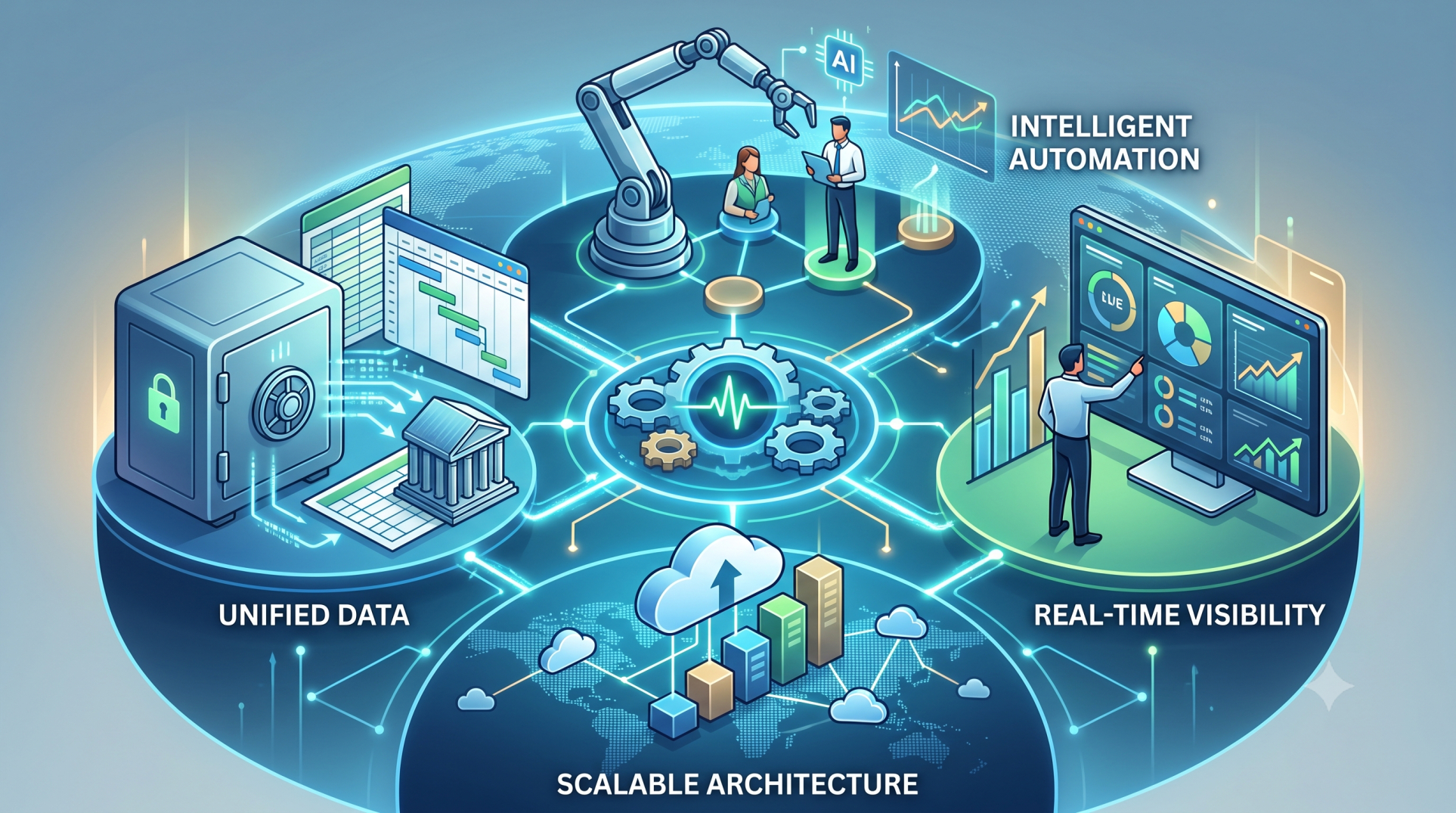
• Unifies visibility, coordination, and analytics in one platform 🔗
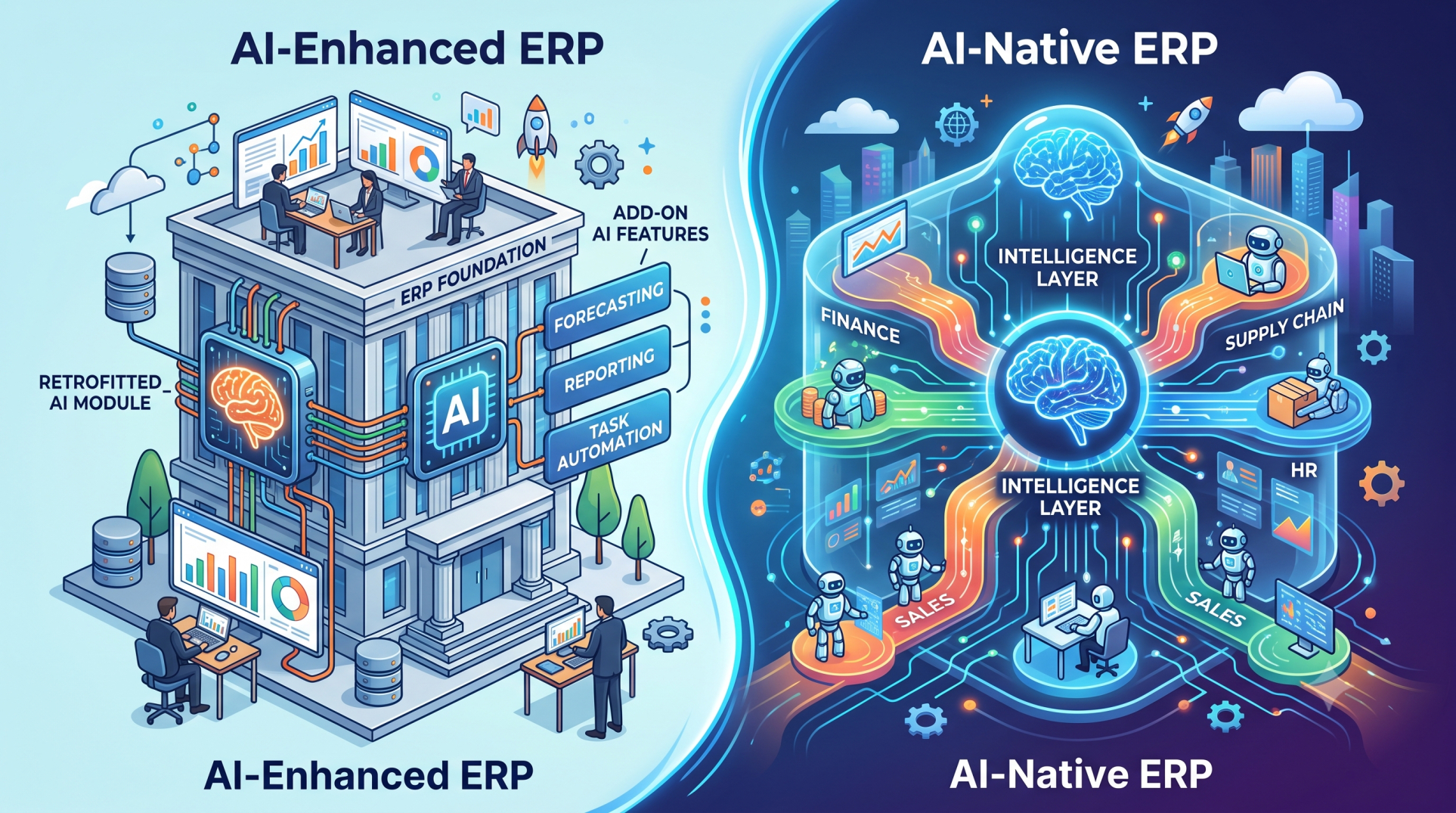
• Moves beyond transaction processing to strategic oversight 📊
• Acts as the operational backbone of digital transformation 🌐
• Elevates enterprise management from reactive to proactive ⚡
Conclusion
ERP systems have evolved into the control tower of modern enterprises, delivering centralized visibility, coordinated execution, and strategic intelligence. By integrating financial, operational, and resource management into a unified environment, ERP enables organizations to operate with clarity, agility, and confidence. In increasingly complex markets, ERP is not just infrastructure—it is the command center that guides enterprise performance and growth.
See more blogs
You can all the articles below