ERP Integration Architecture Explained
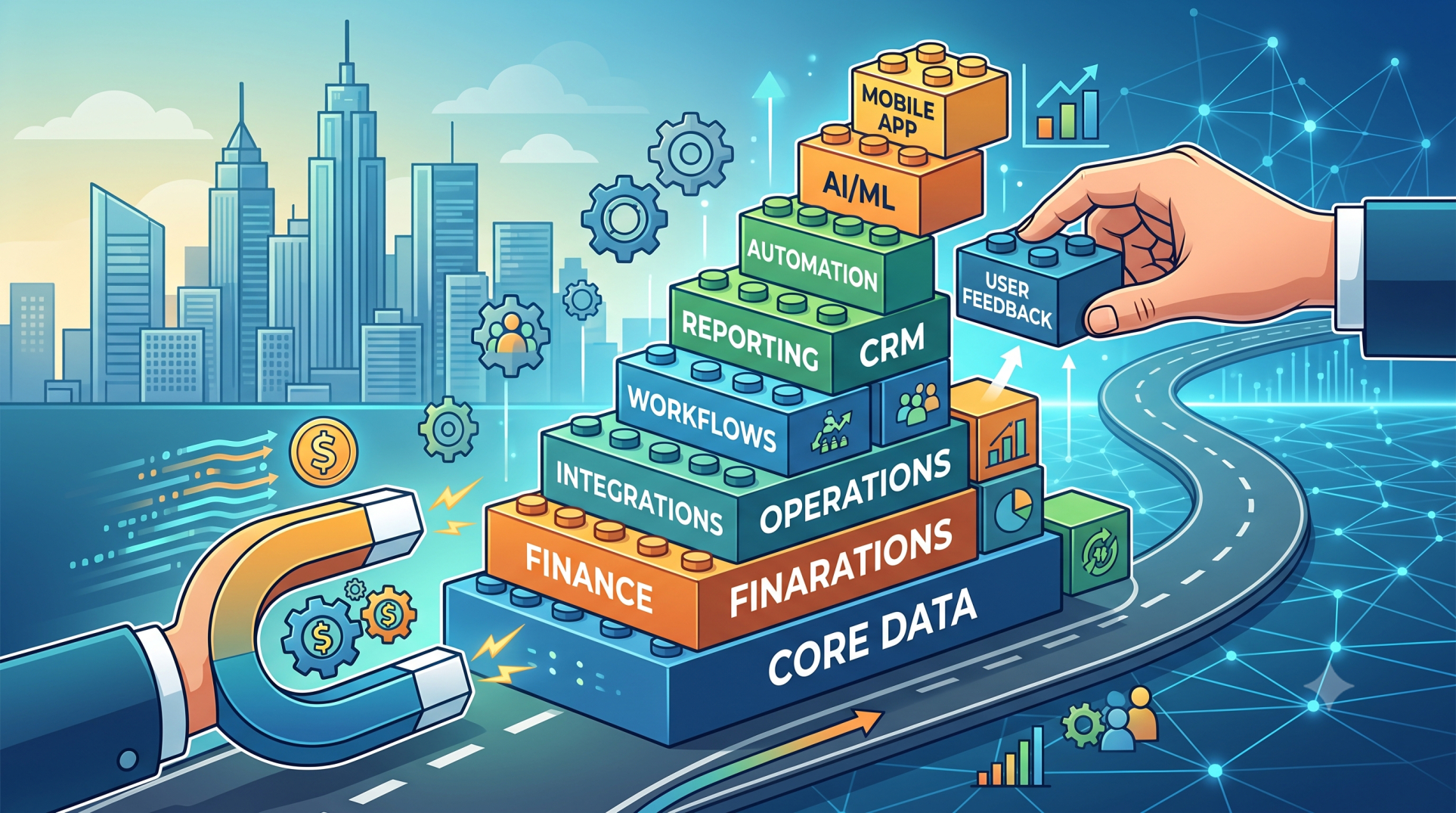
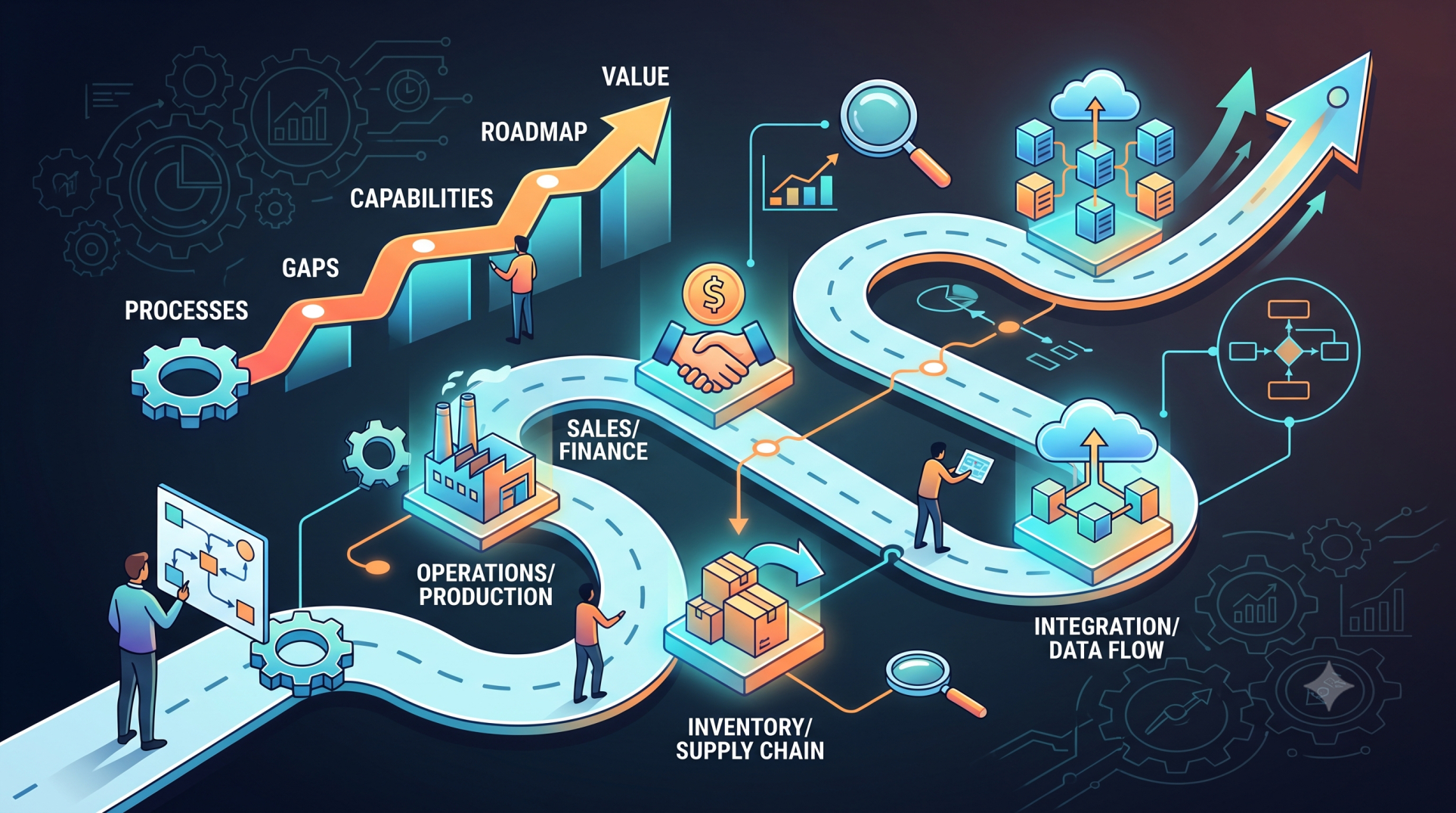
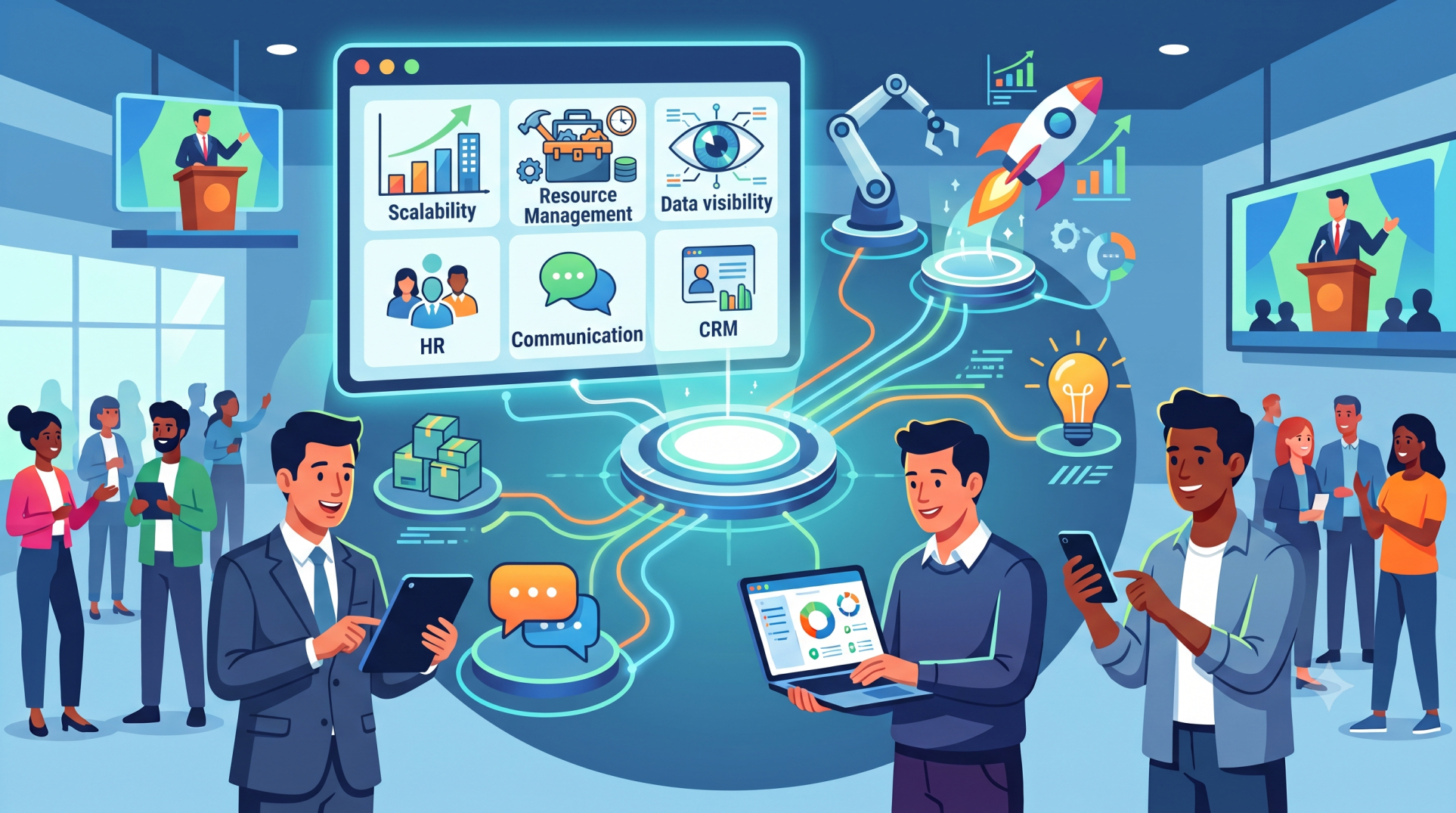
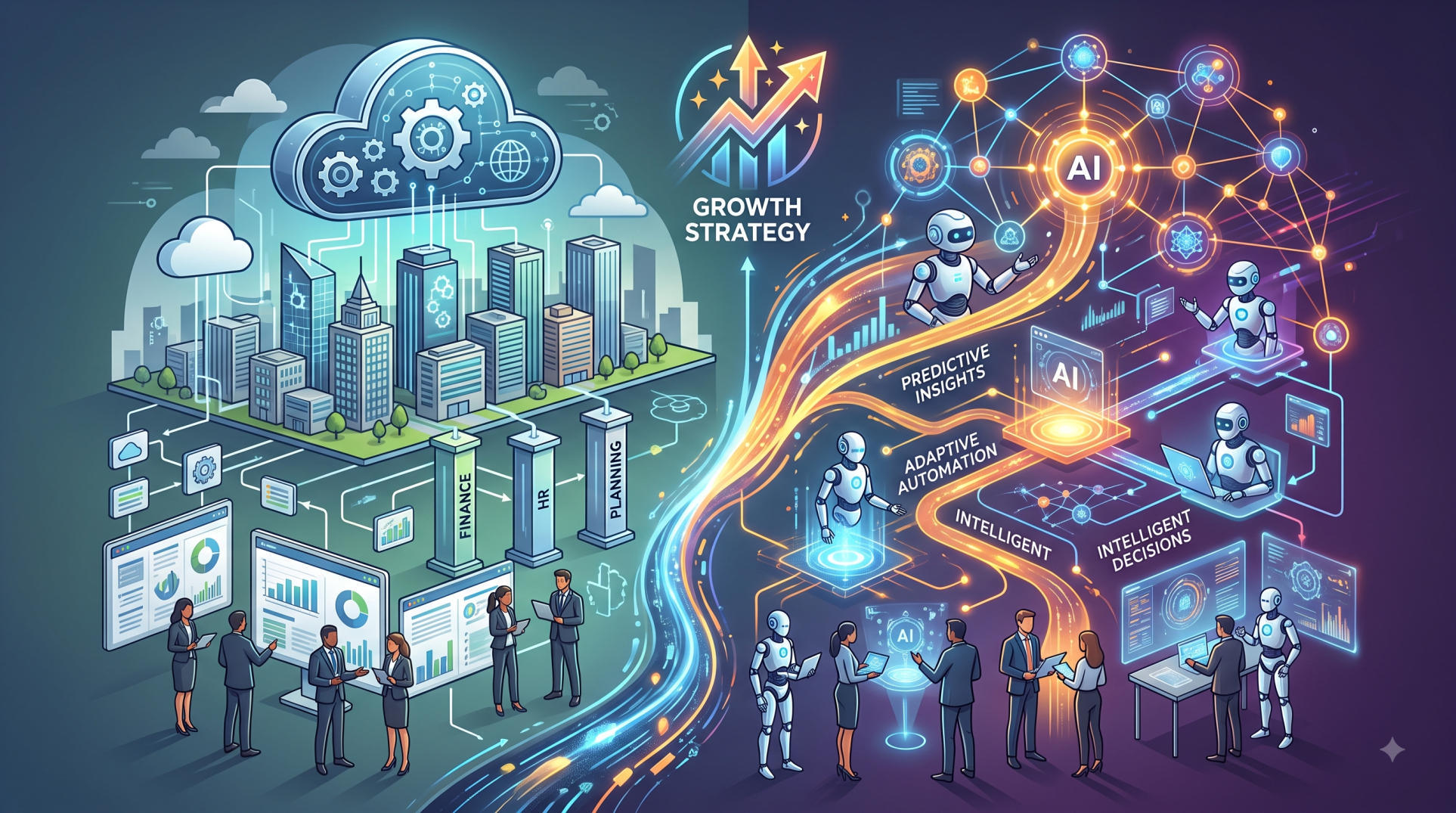
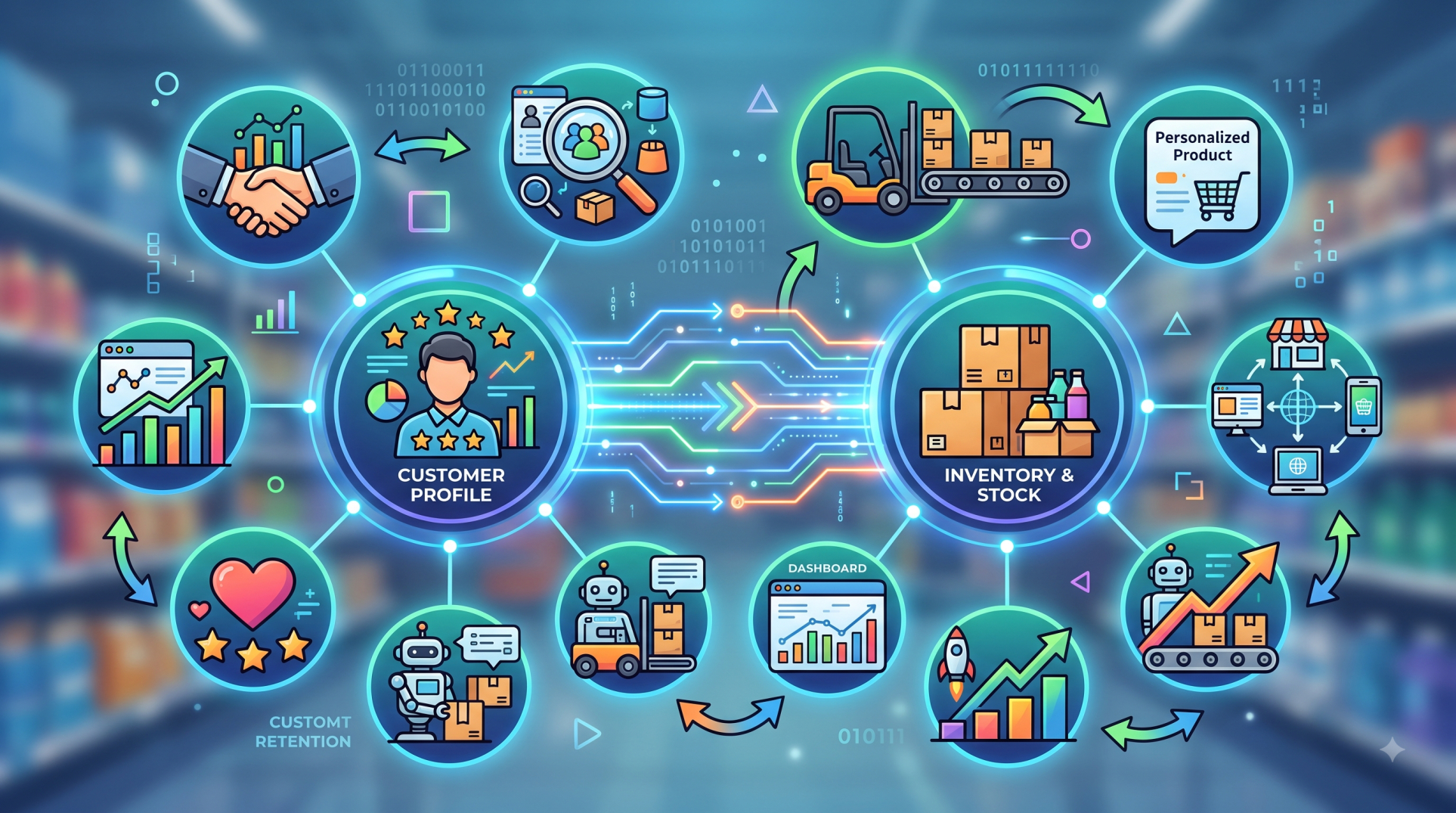
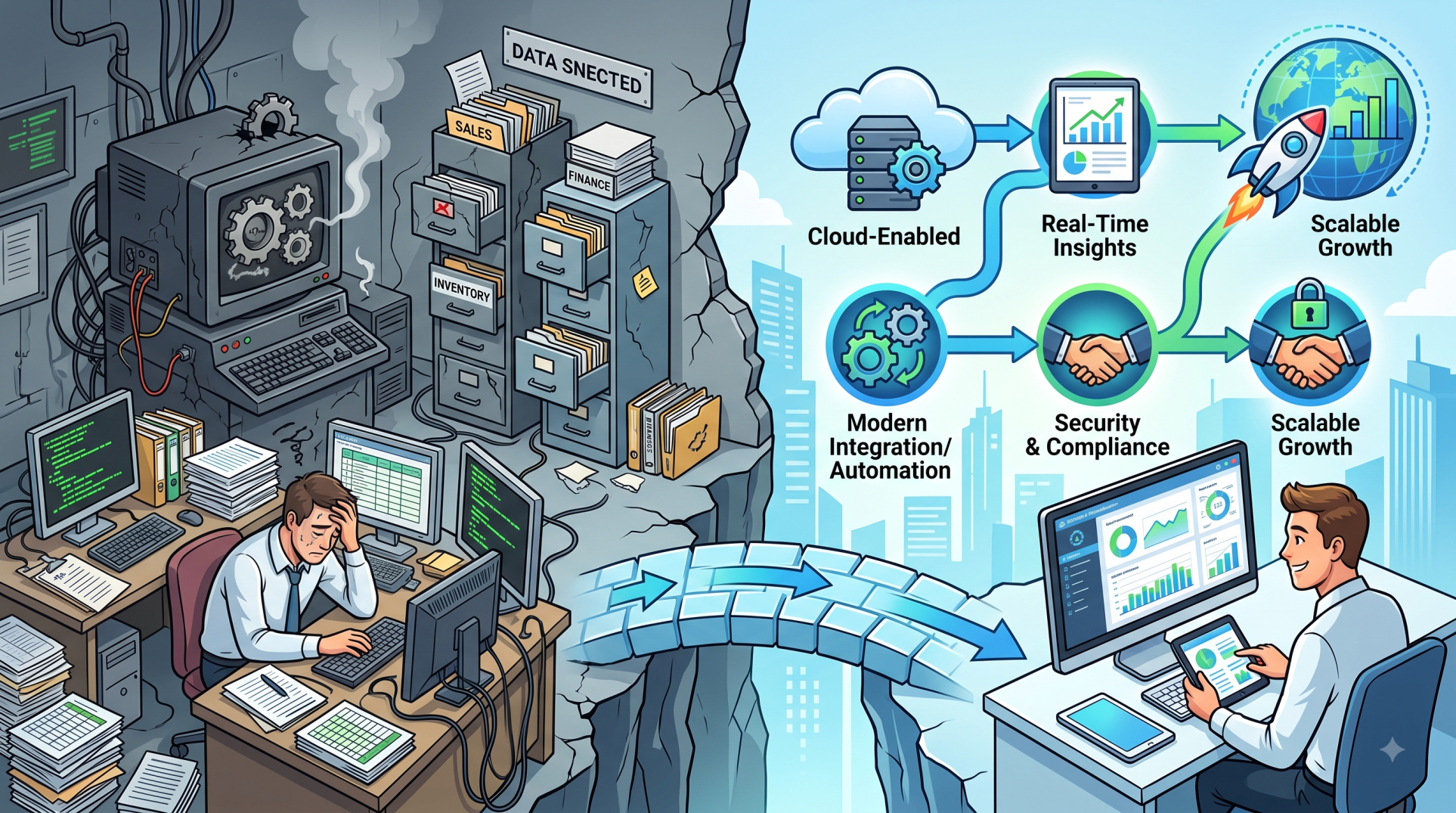
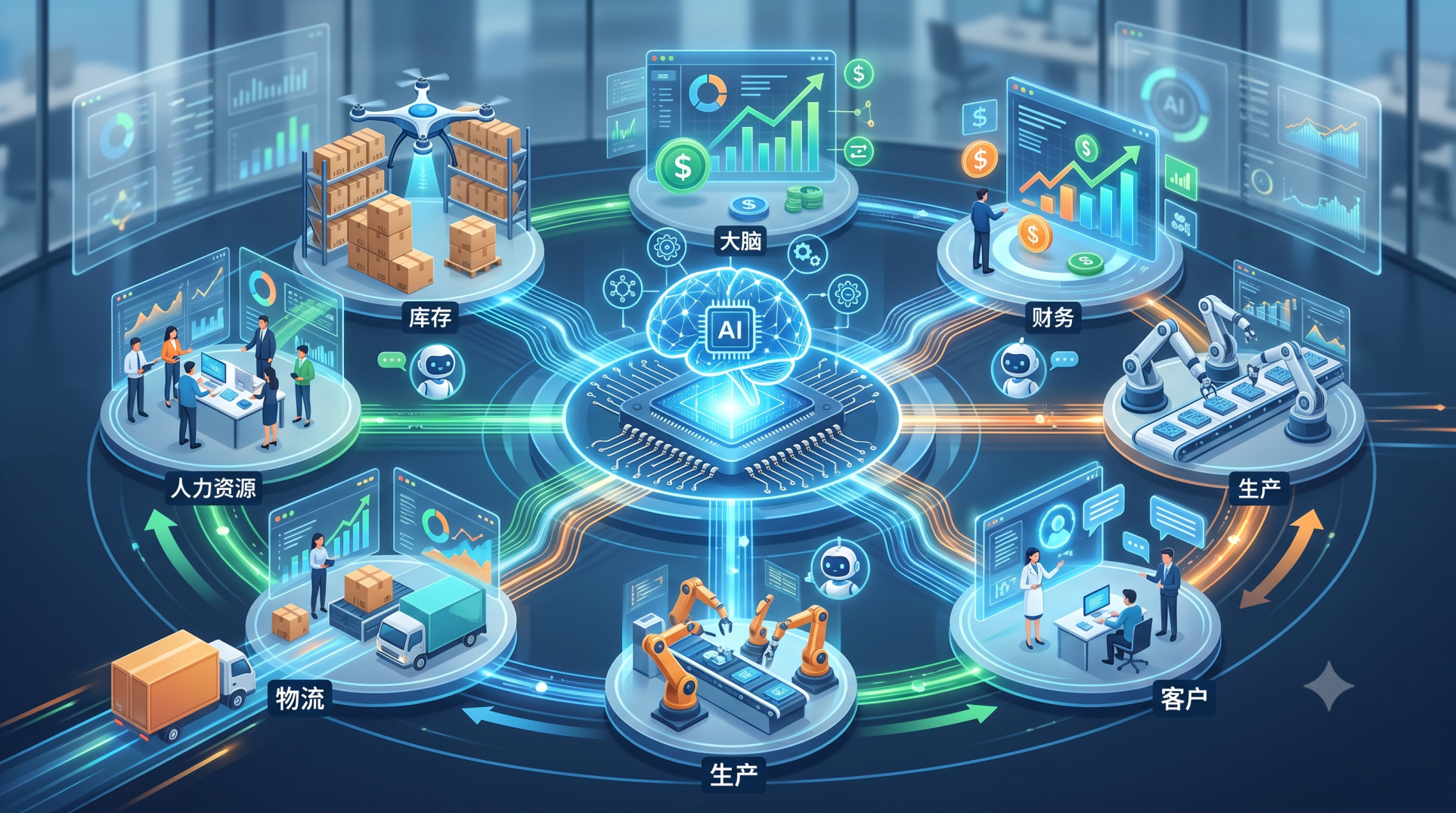
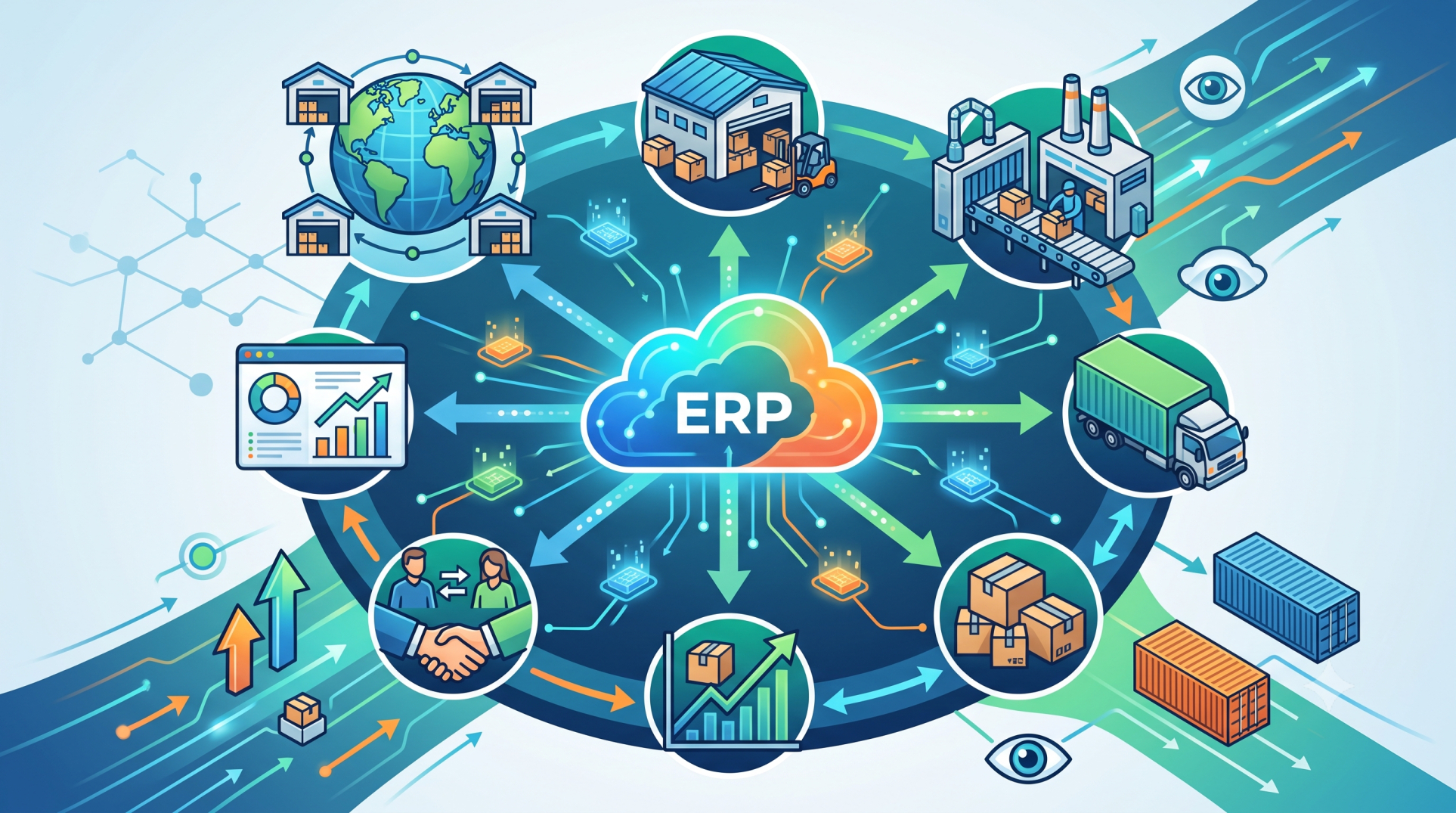
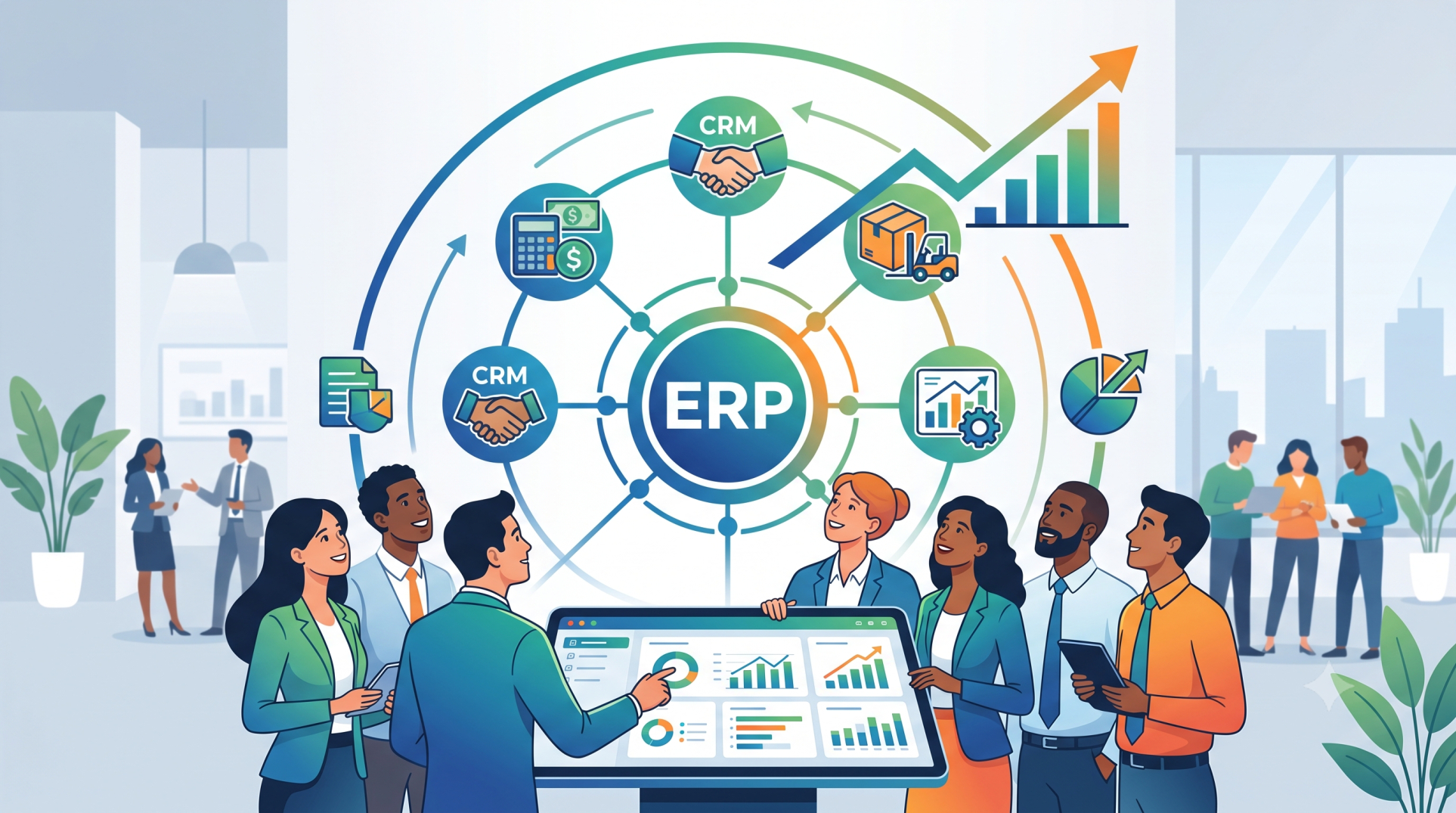
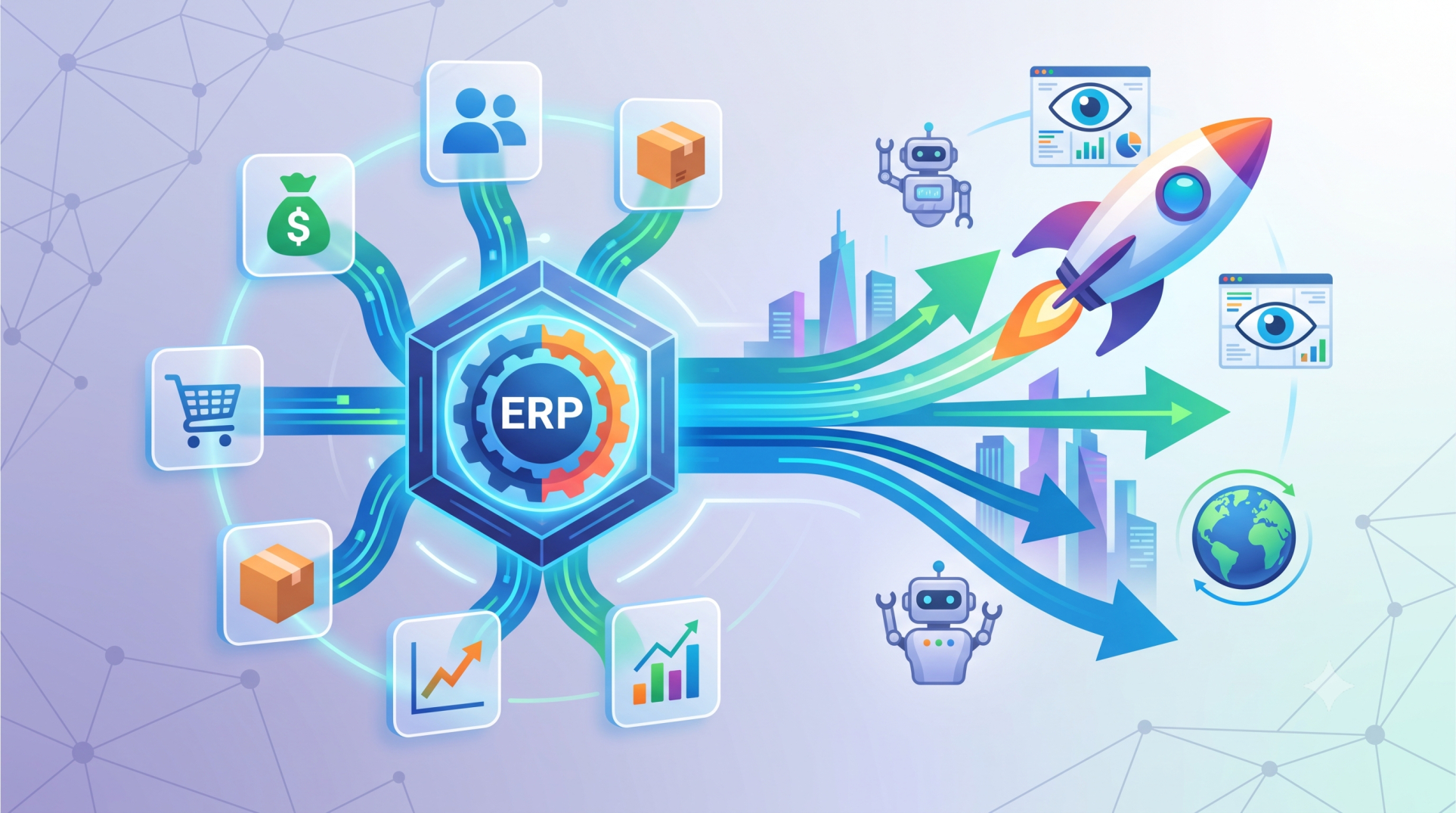
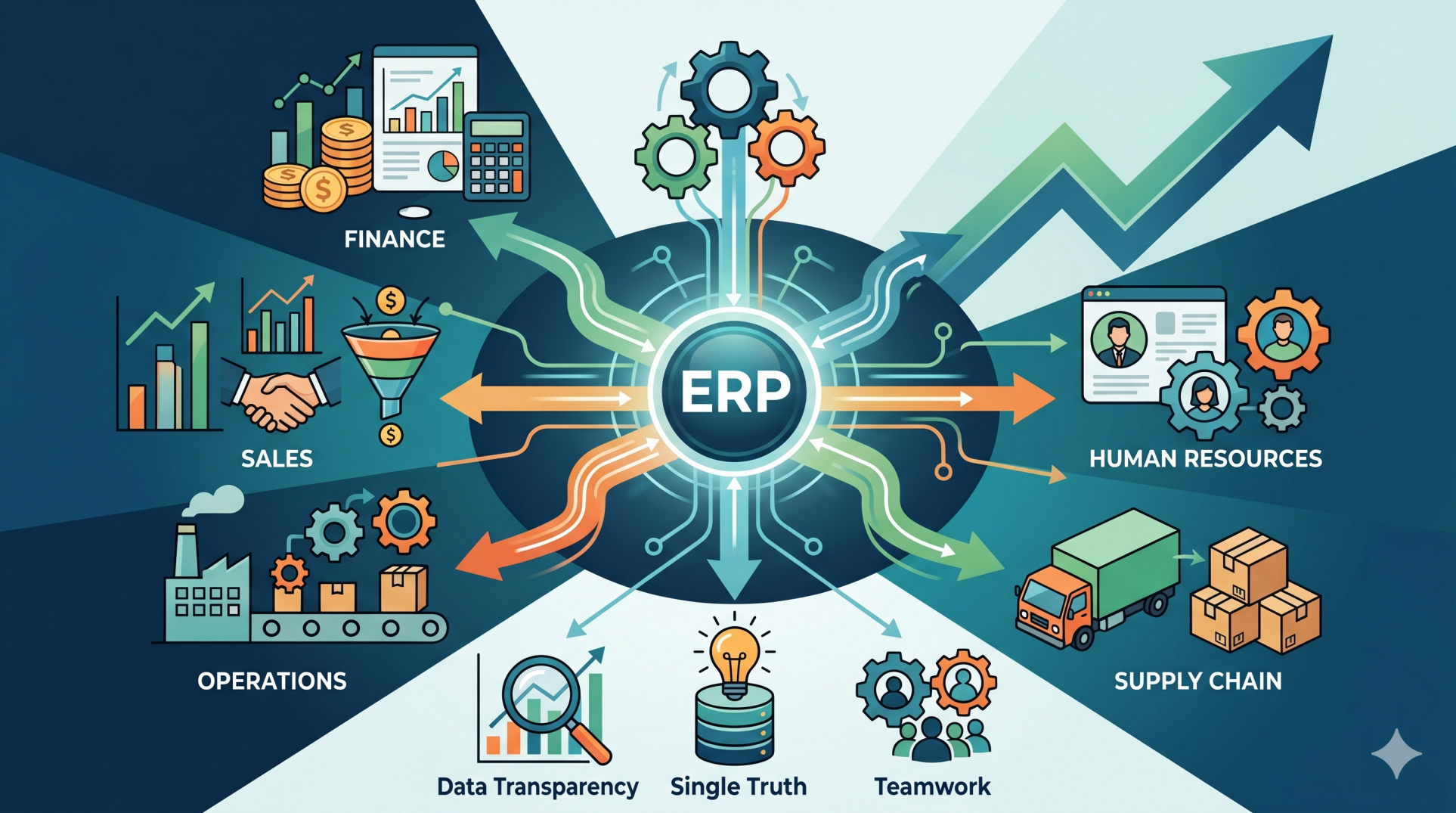
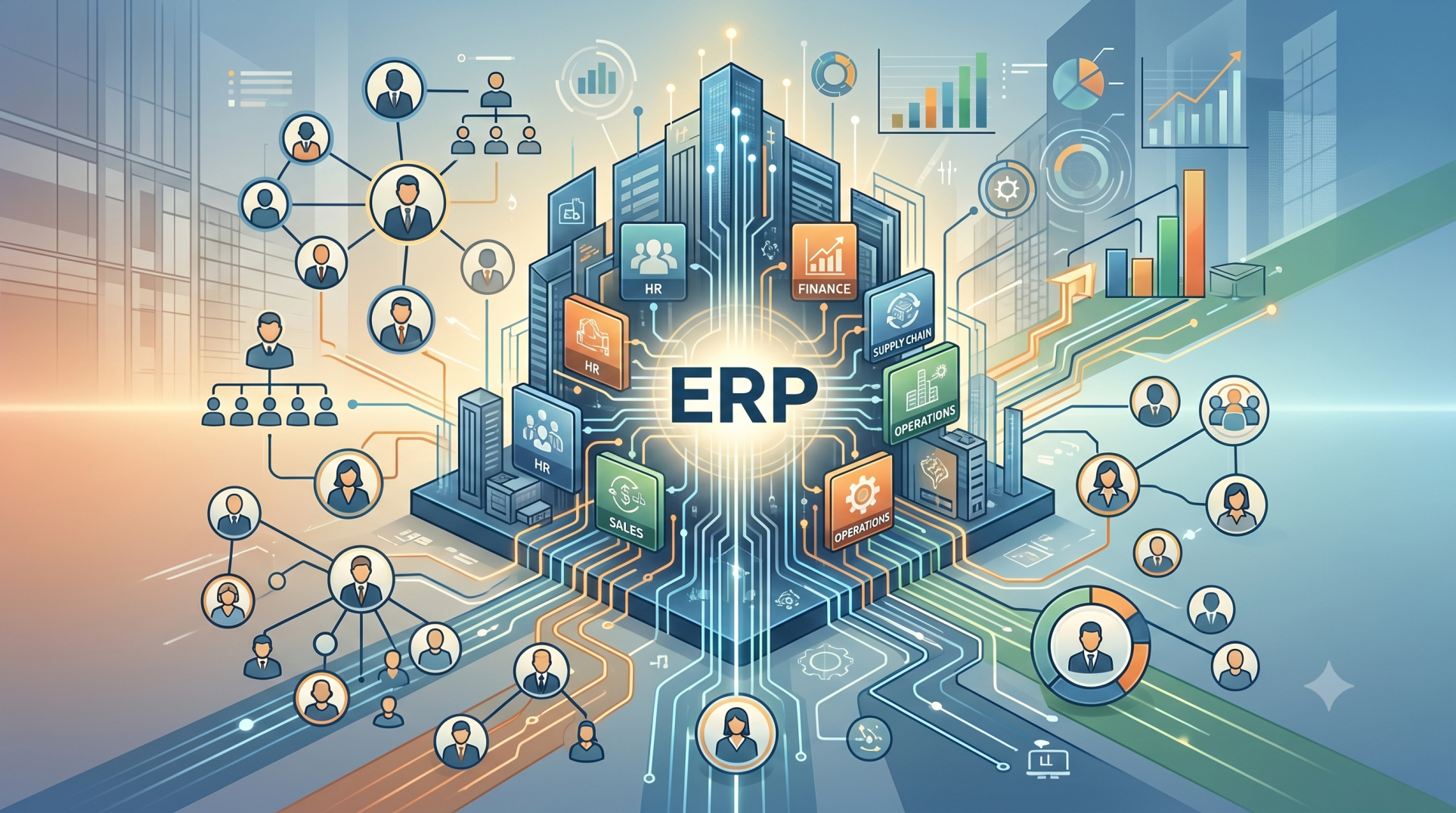
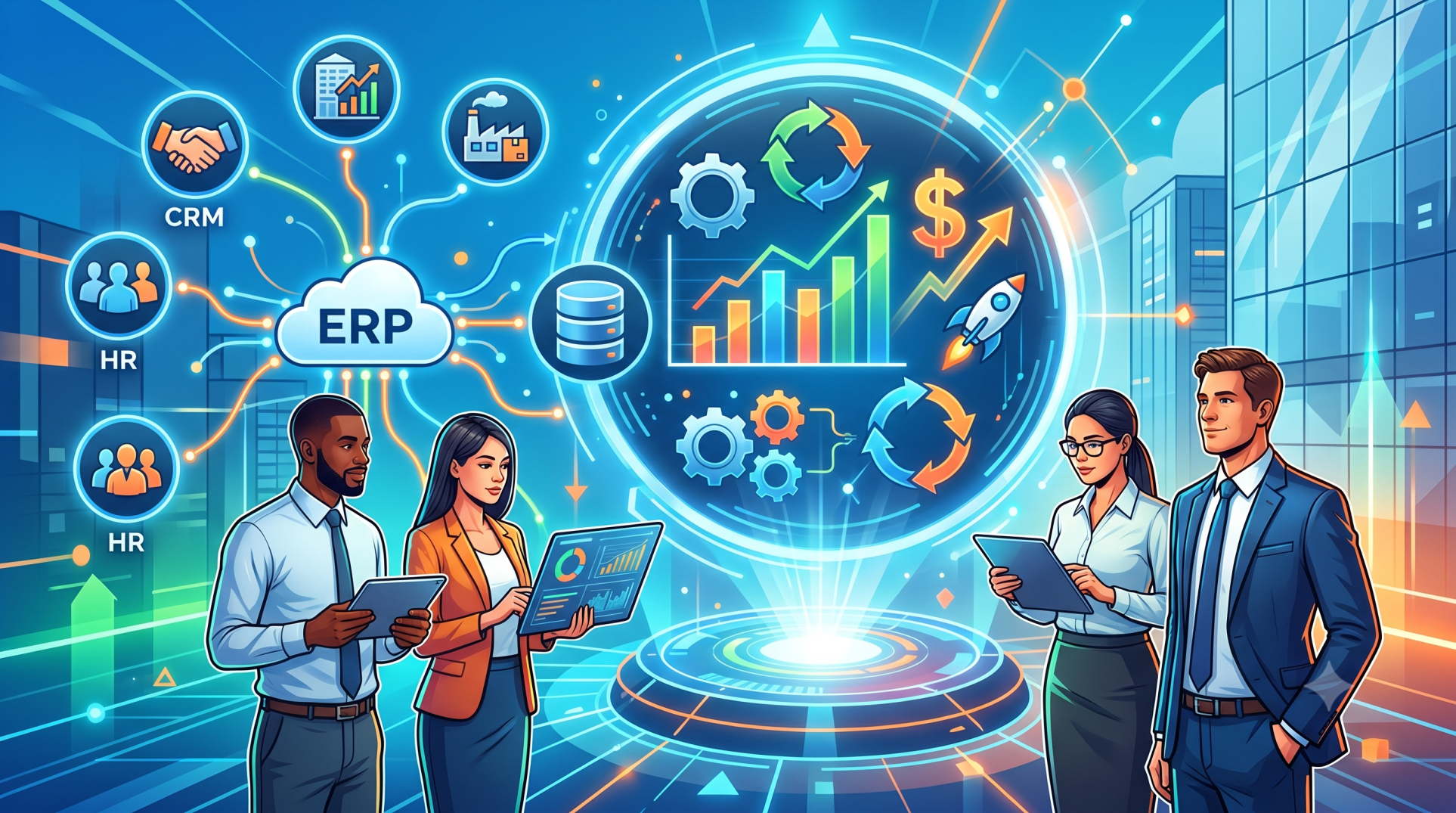
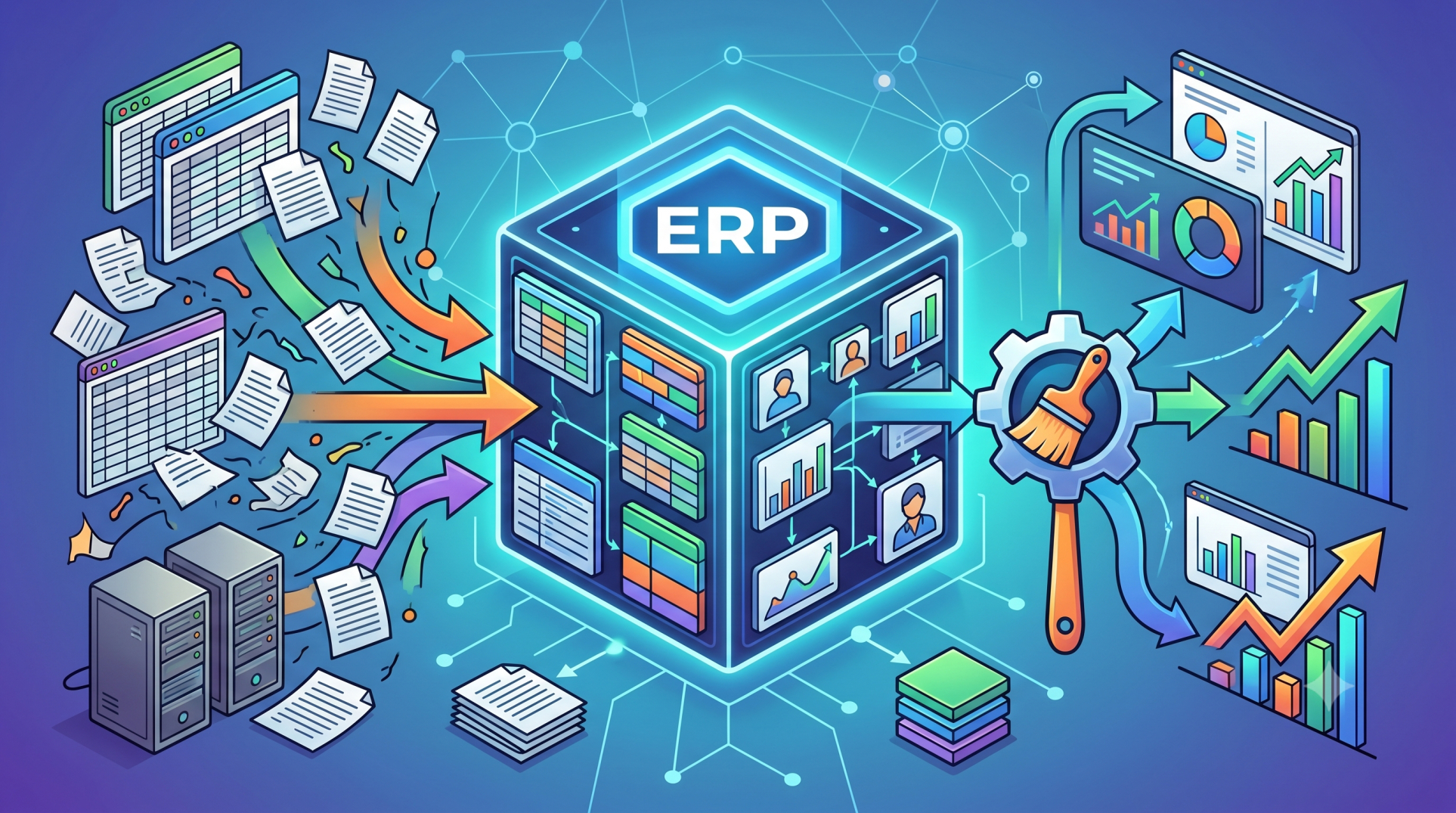
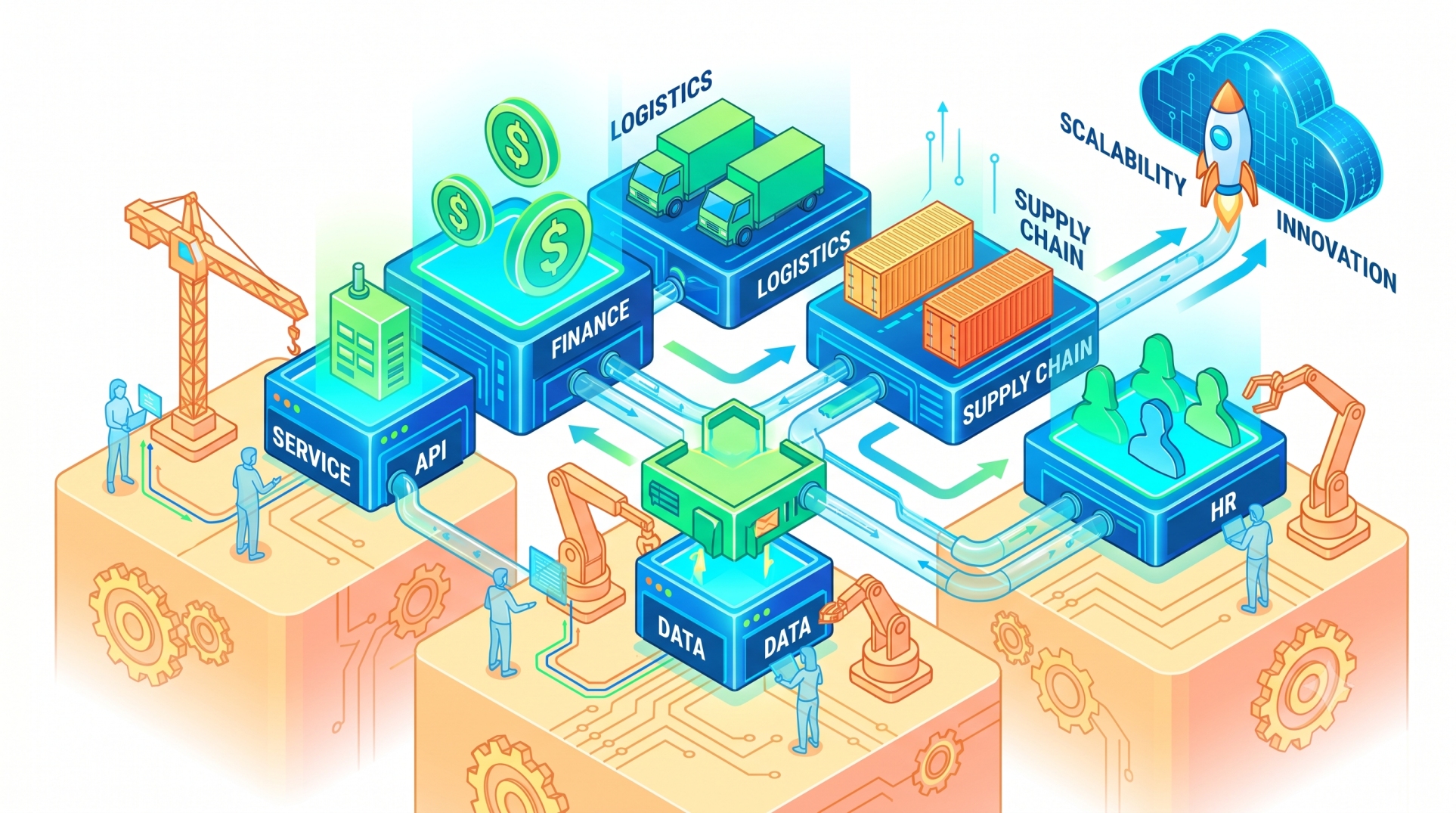
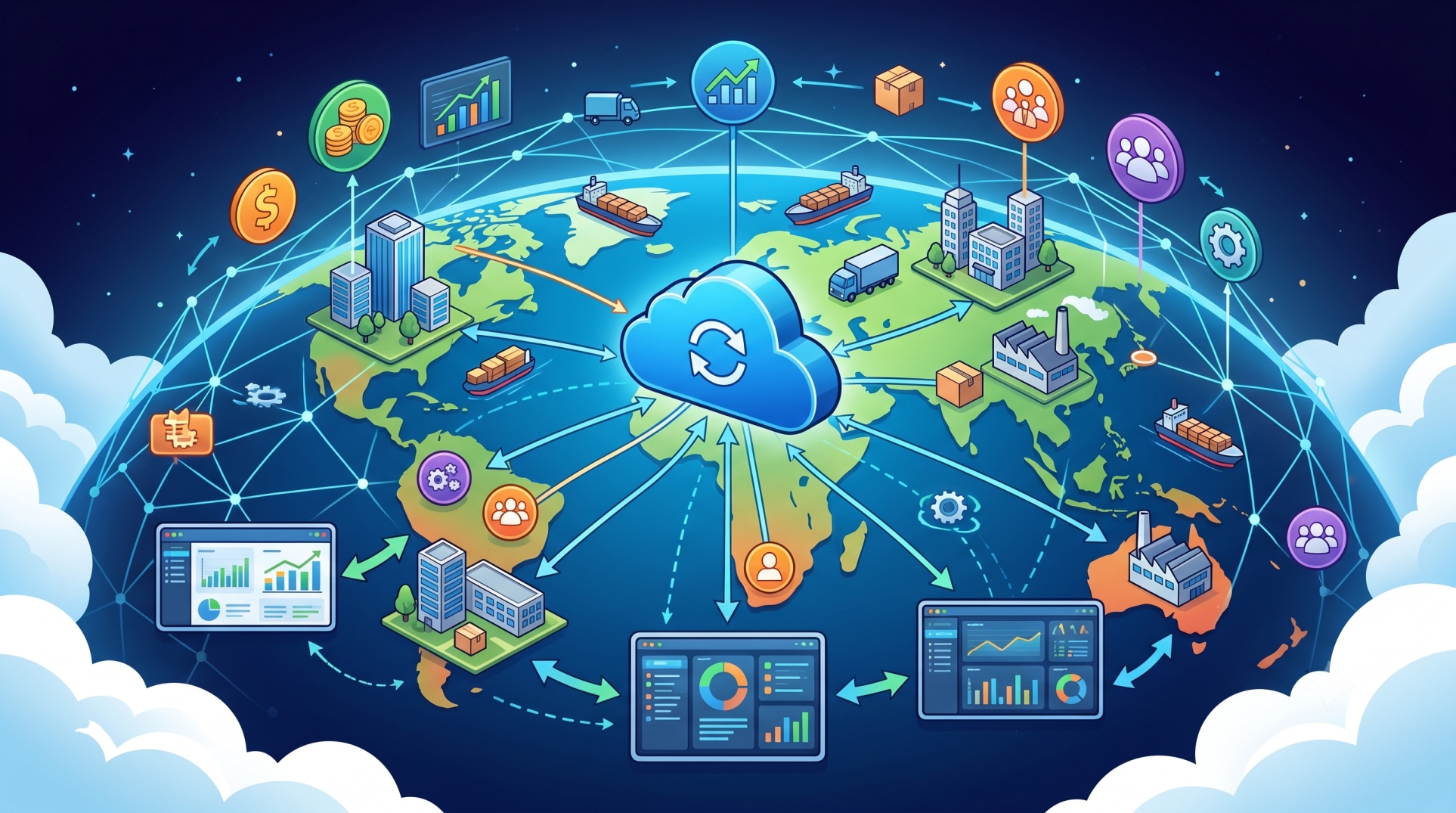
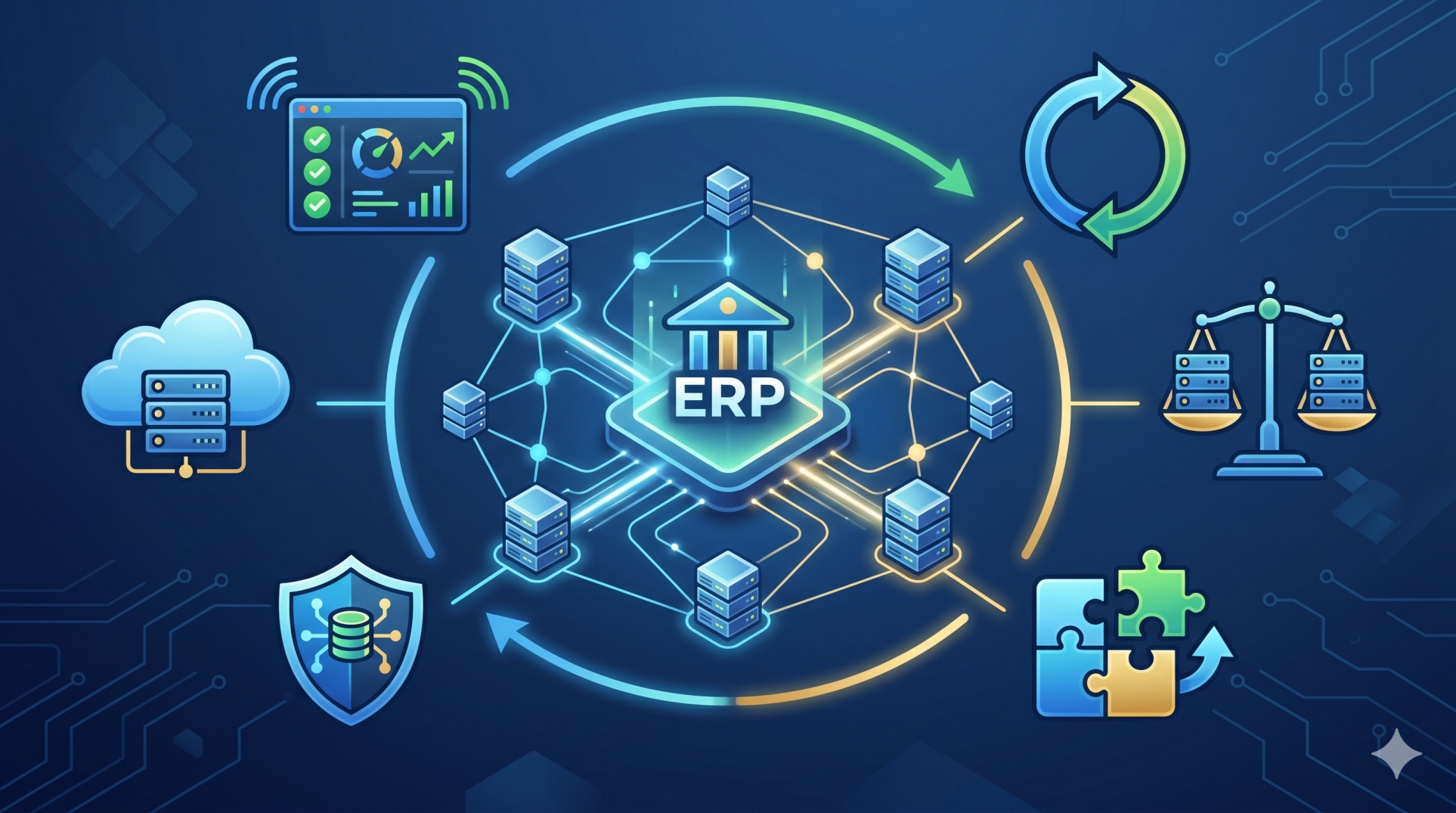
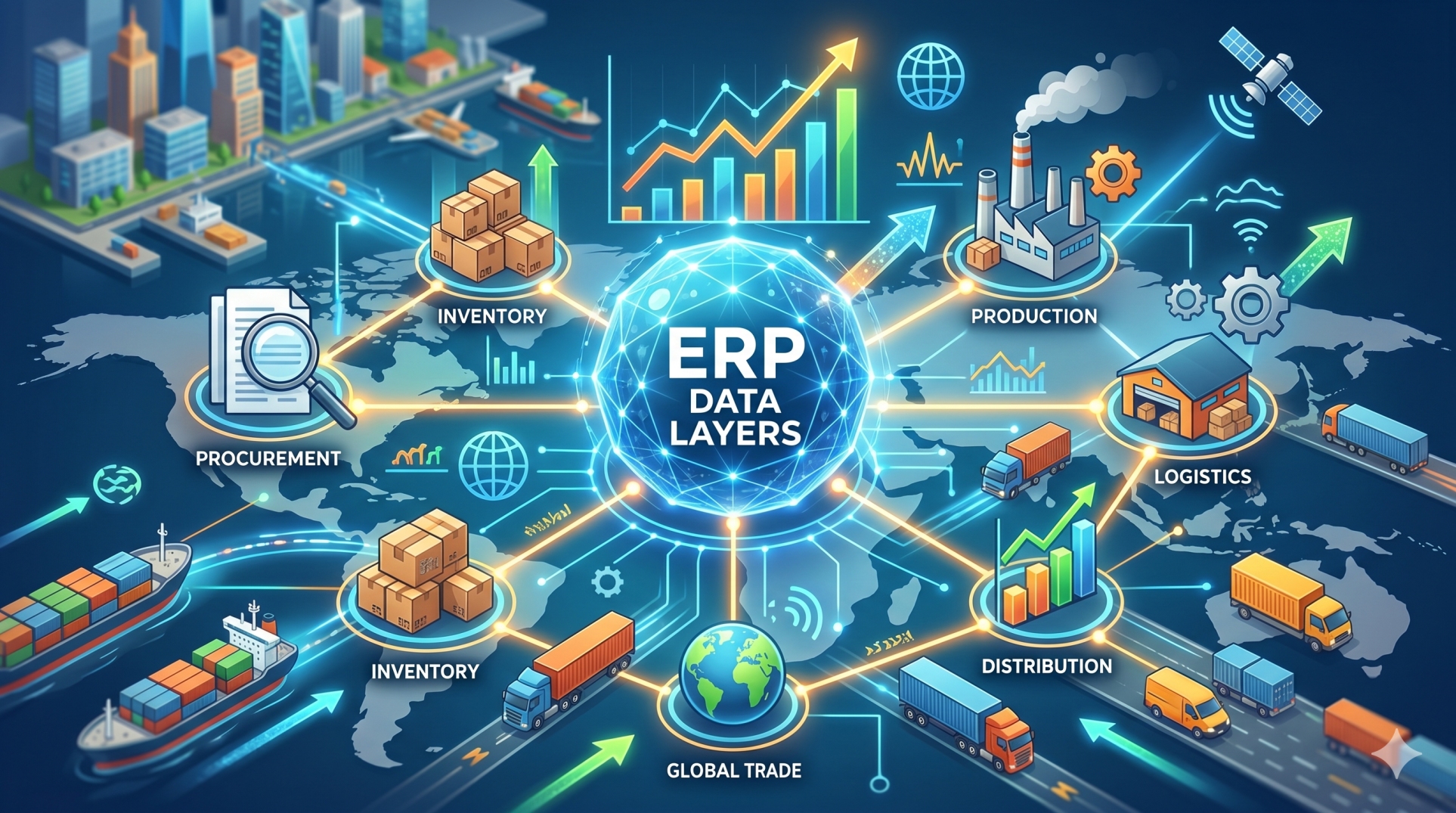
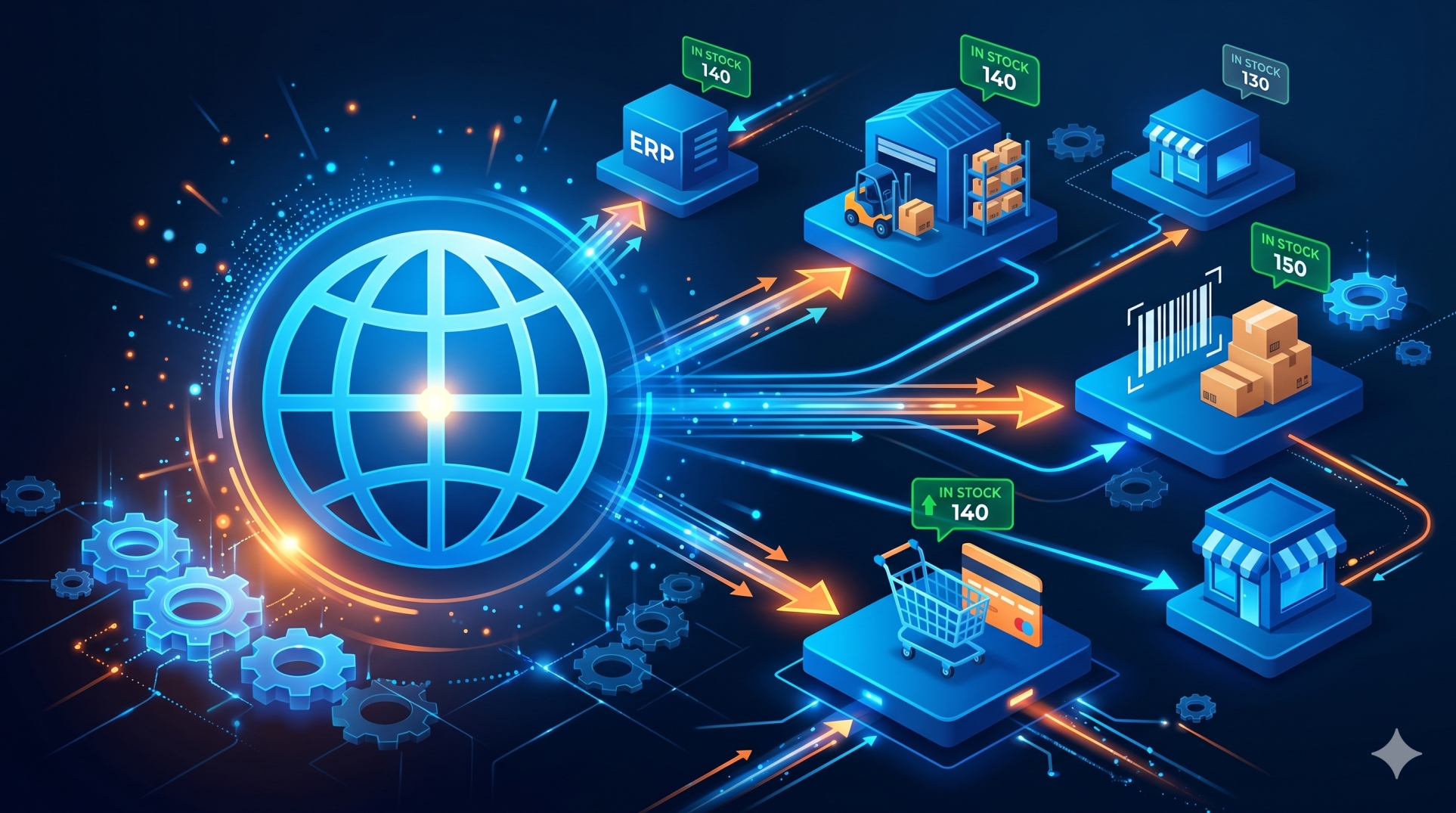
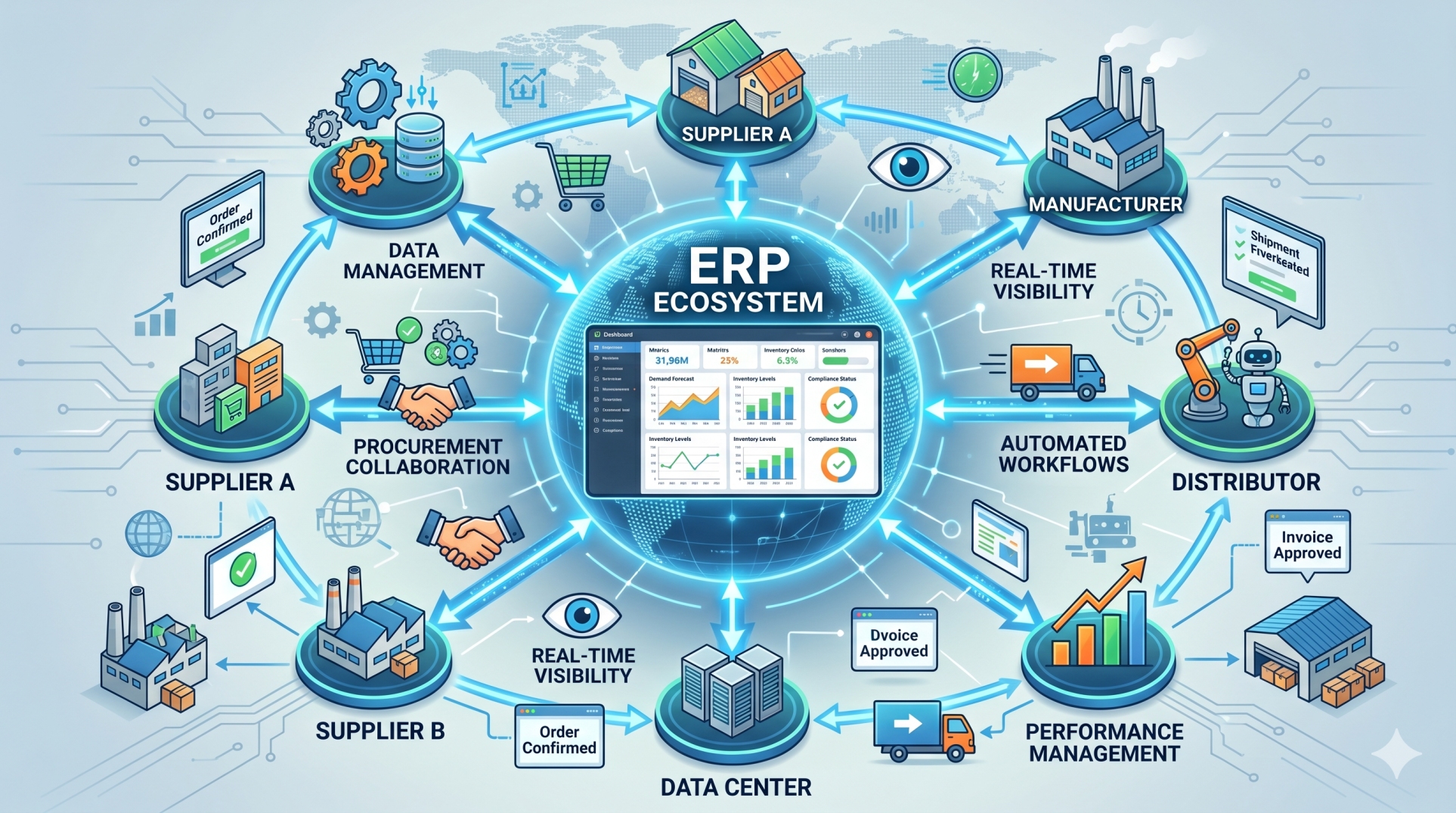
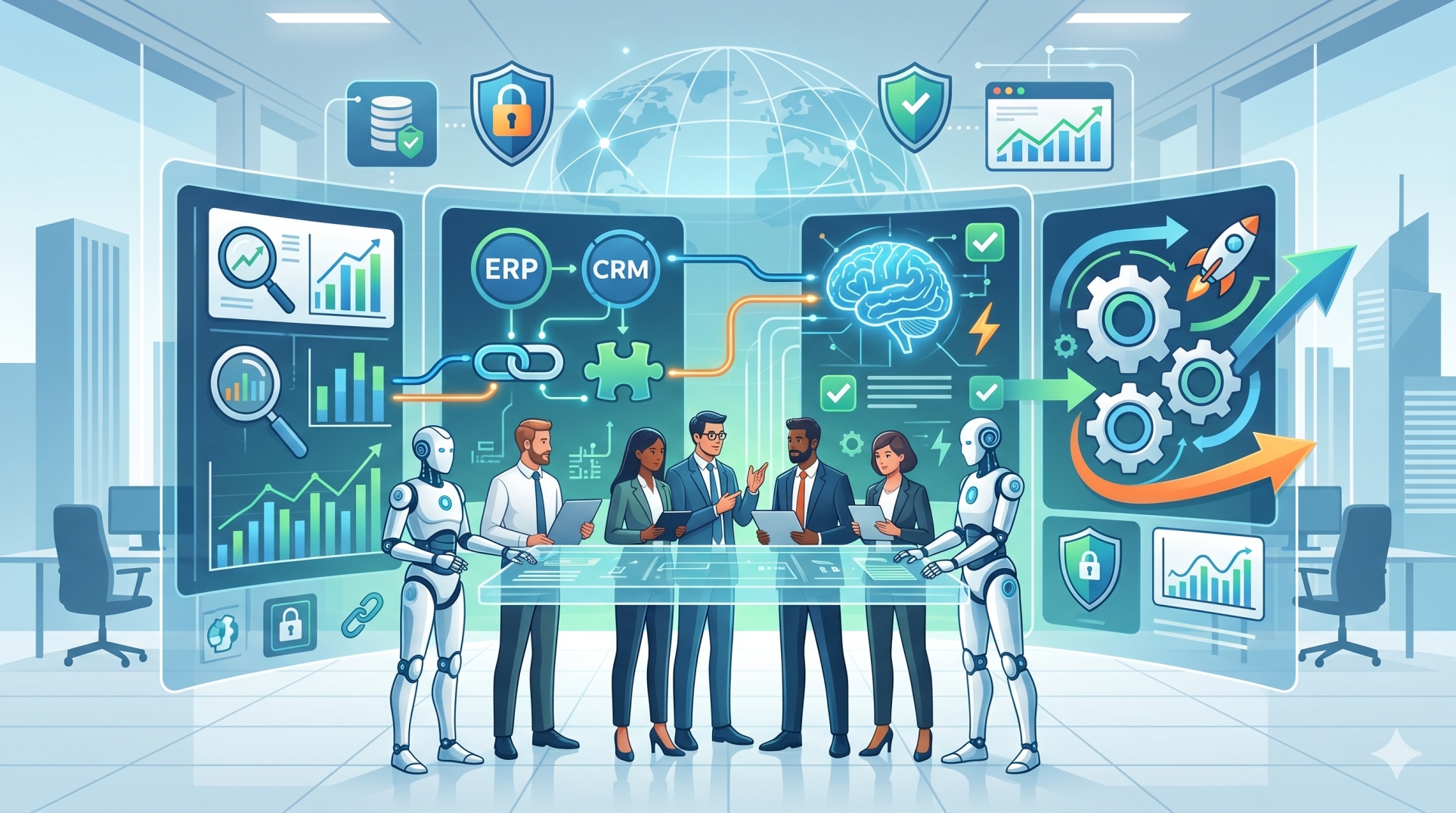
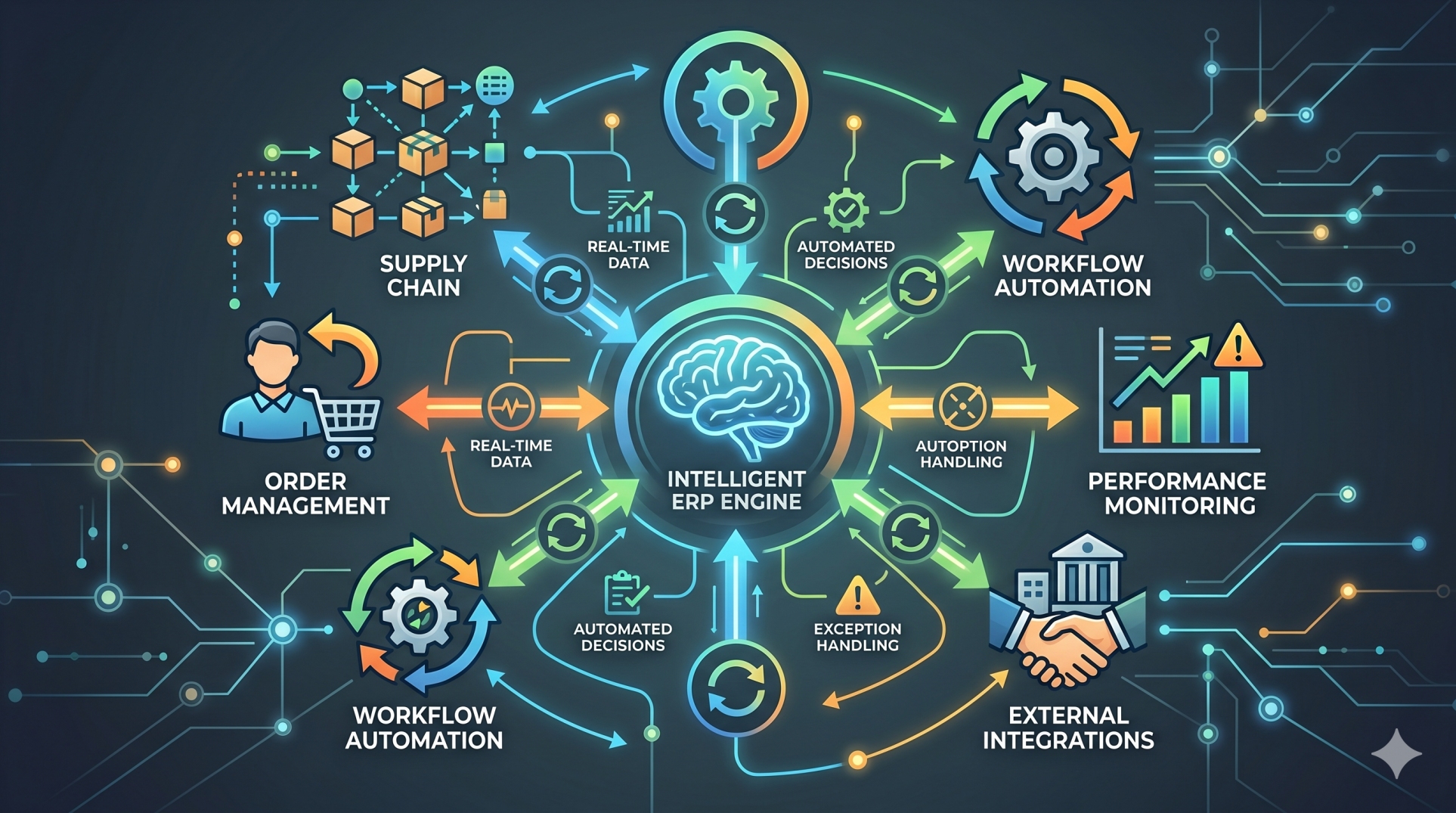
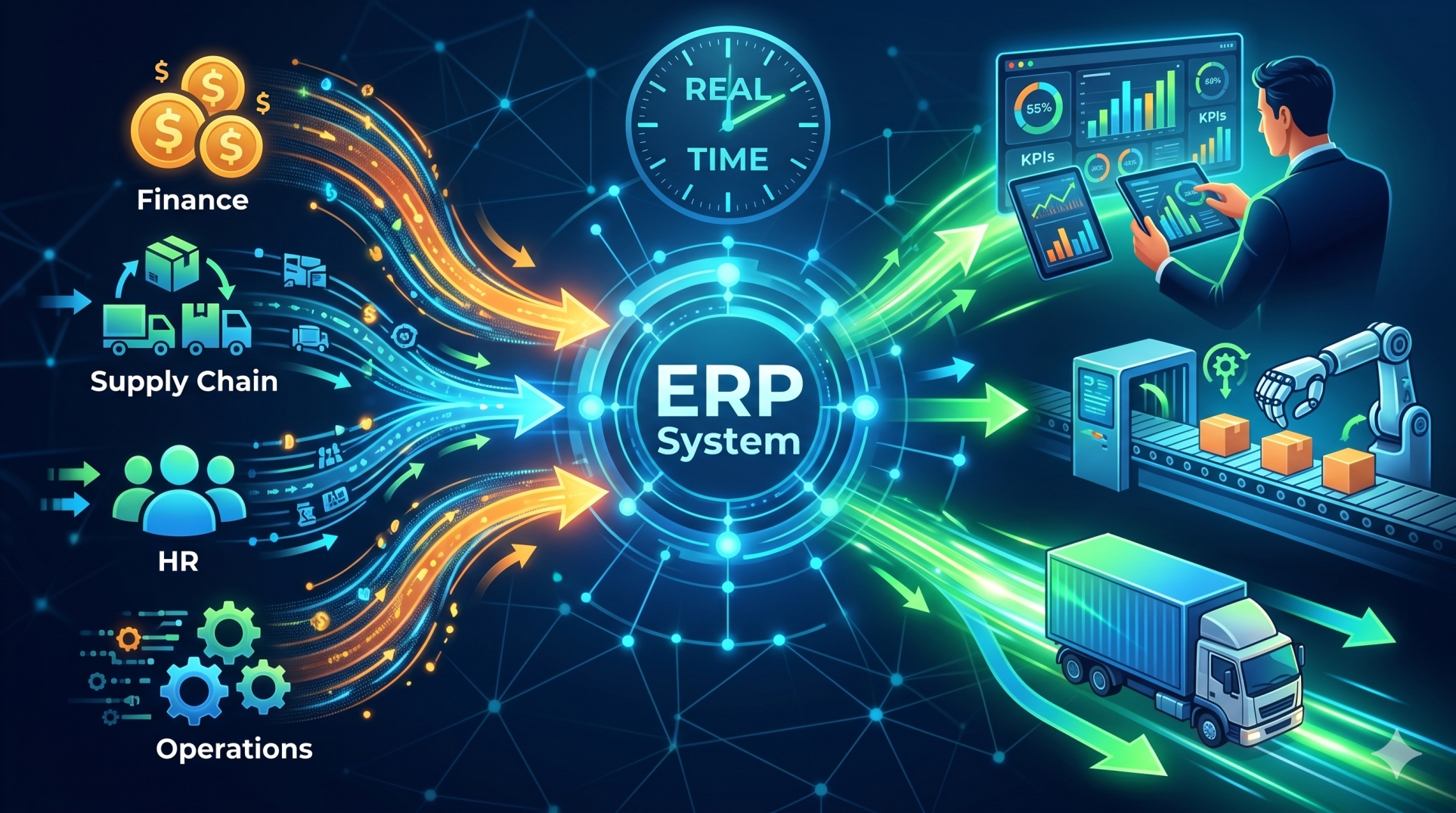
Enterprise Resource Planning (ERP) systems sit at the center of modern business operations, but their true value is realized only when they integrate seamlessly with other enterprise applications. ERP integration architecture defines how data, processes, and systems connect—enabling smooth information flow, automation, and real-time visibility across the organization. 🌐
What Is ERP Integration Architecture 🏗️
- The structural design that connects ERP with other systems 🔗
- Defines how data is exchanged and synchronized 🔄
- Supports communication between internal and external applications 🤝
- Ensures consistency, accuracy, and reliability of business data ✅
- Acts as the backbone of enterprise digital ecosystems 🧠
Why ERP Integration Is Critical ⚠️
- Businesses rely on multiple specialized systems 🧩
- Manual data transfer leads to errors and delays ❌
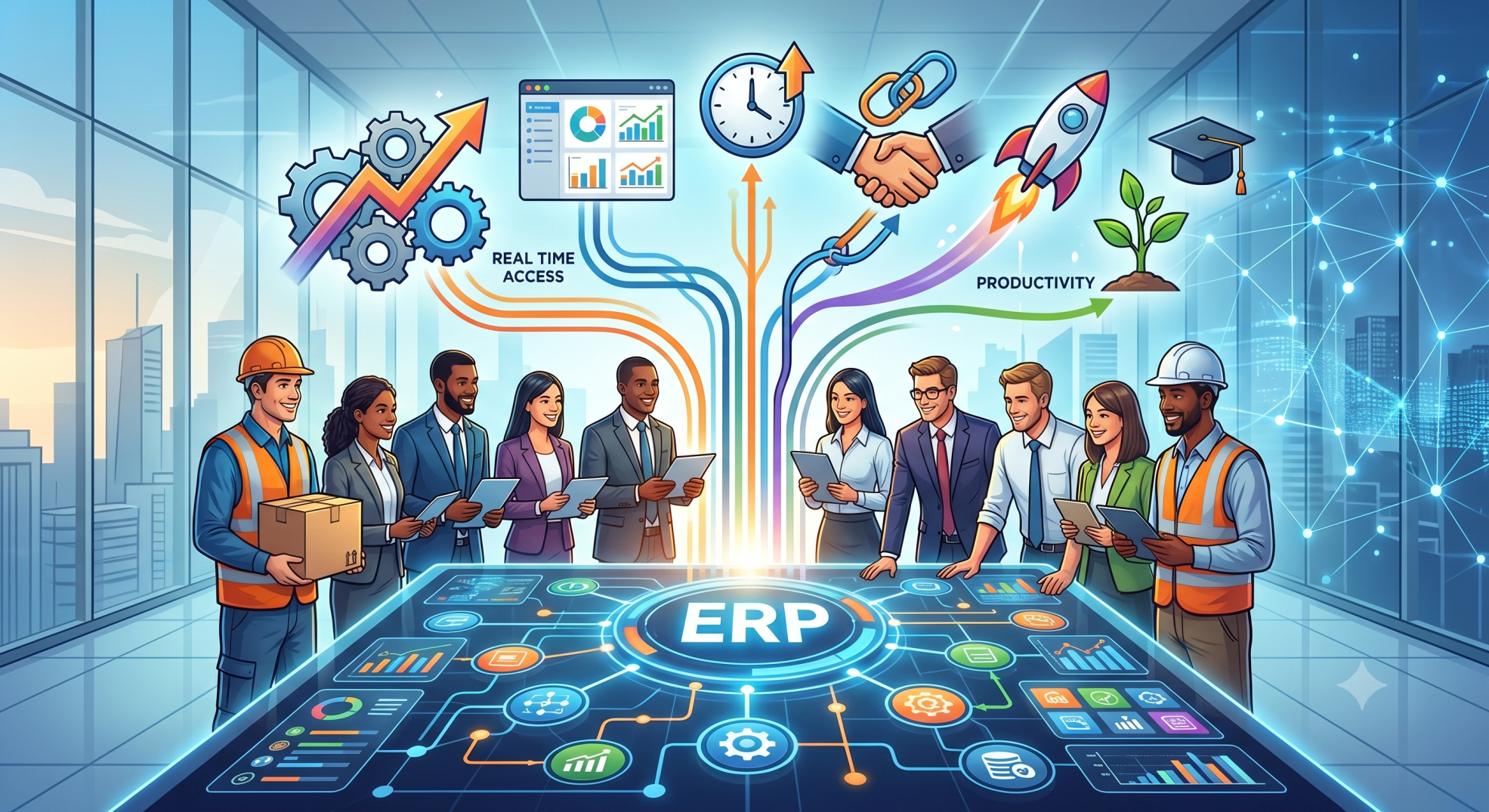
- Real-time visibility requires connected systems 👀
- Integrated workflows improve operational efficiency ⚙️
- Scalability depends on flexible system connections 📈
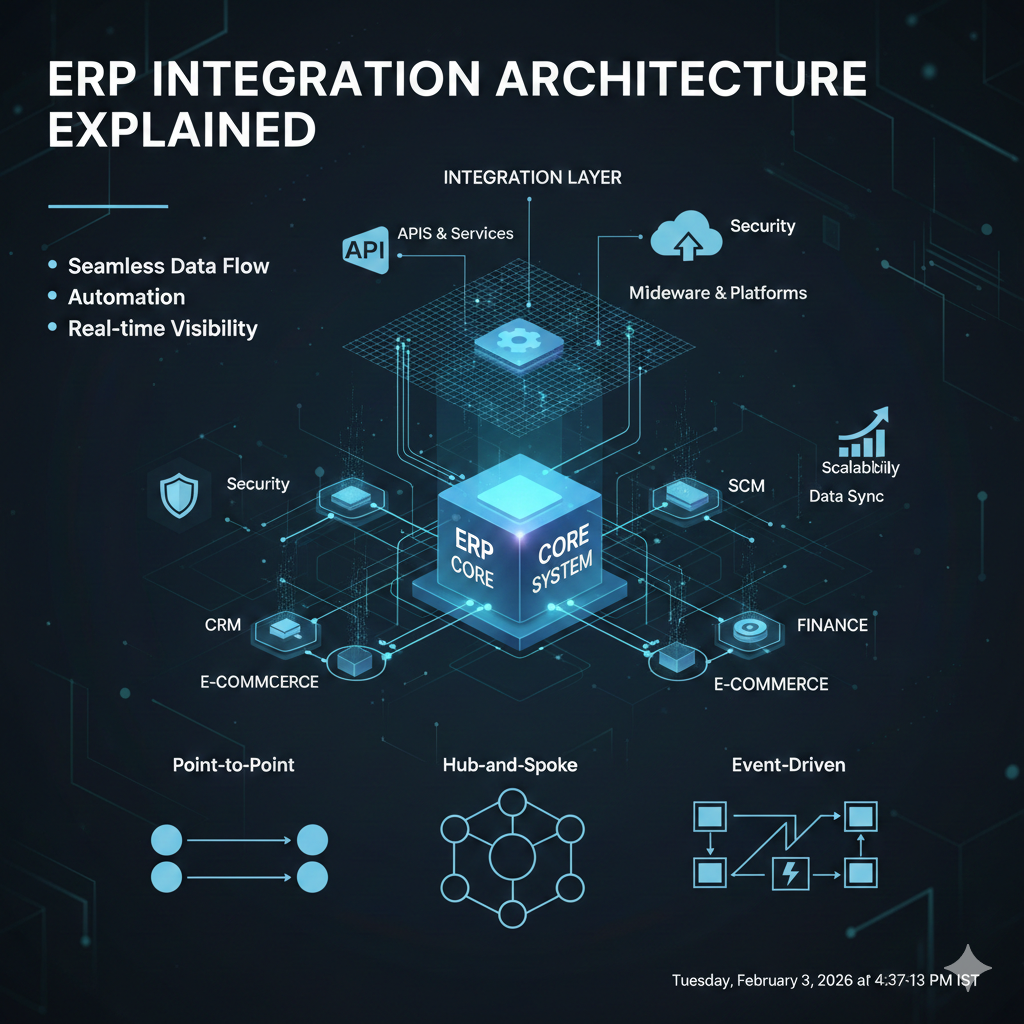
Core Components of ERP Integration Architecture 🧠
ERP Core System 🏢
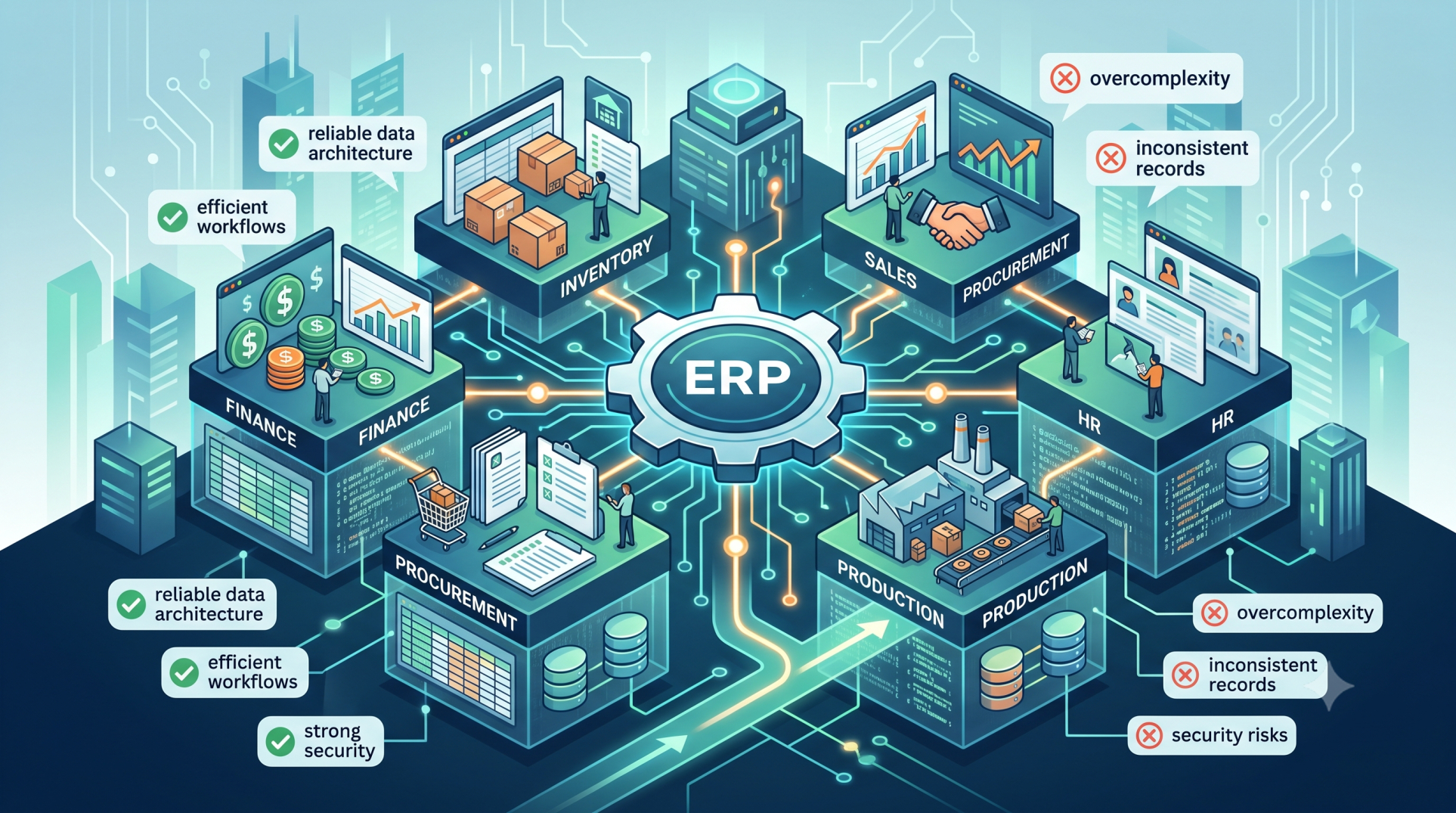
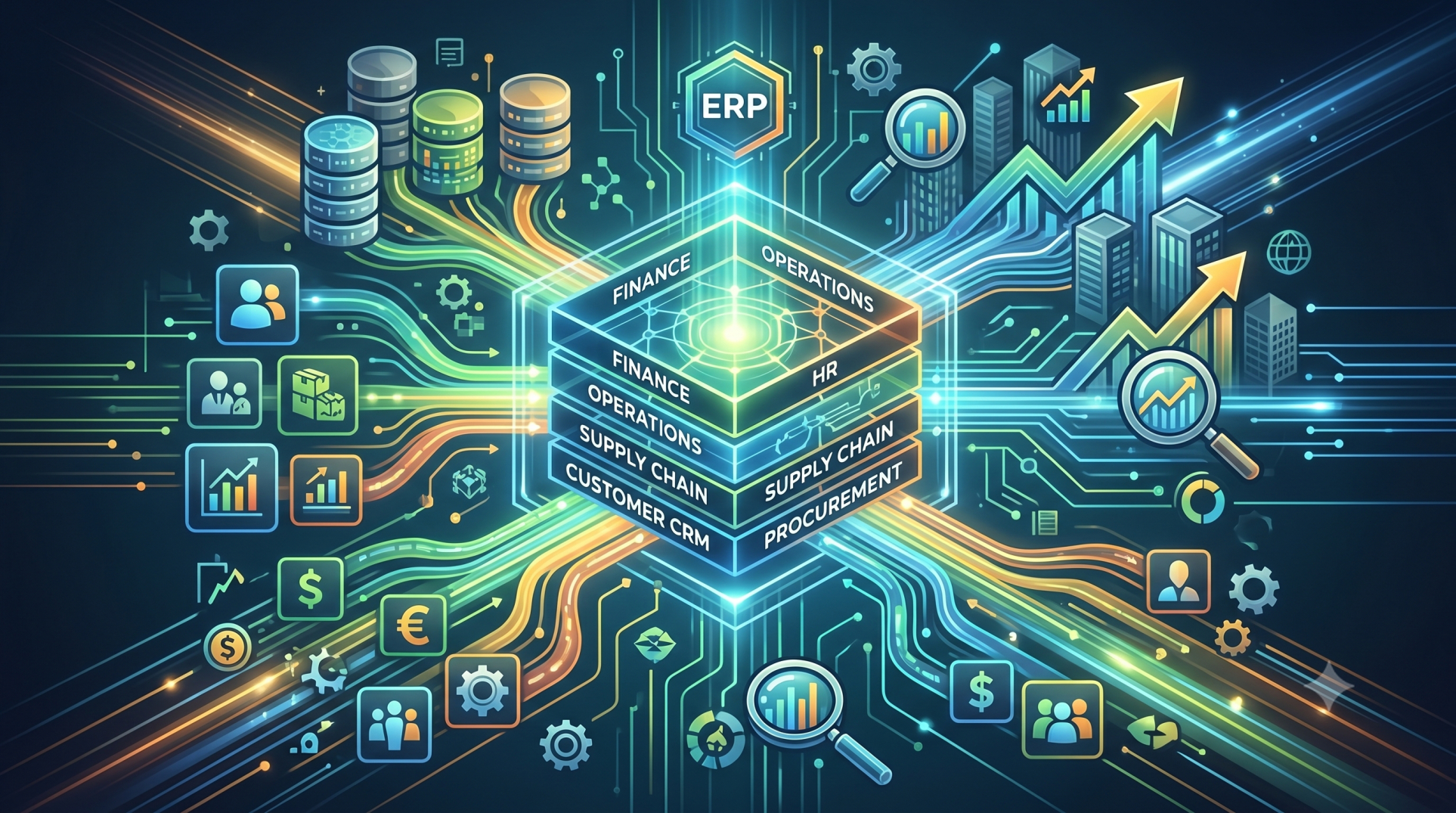
- Central system for finance, operations, HR, and supply chain 💼
- Acts as the system of record 📌
- Provides standardized data and processes 📊
- Exposes integration endpoints 🔌
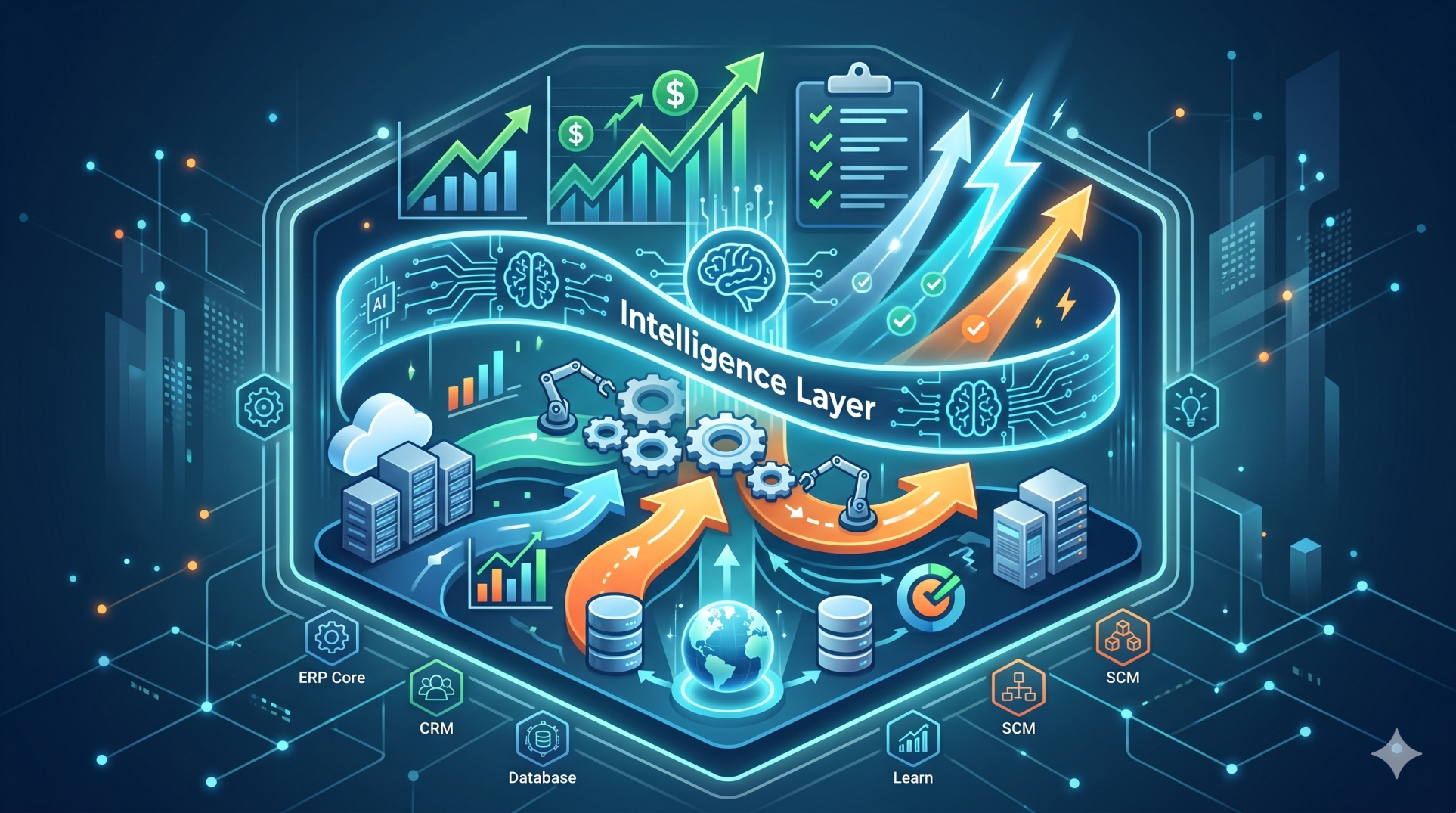
Integration Layer 🔀
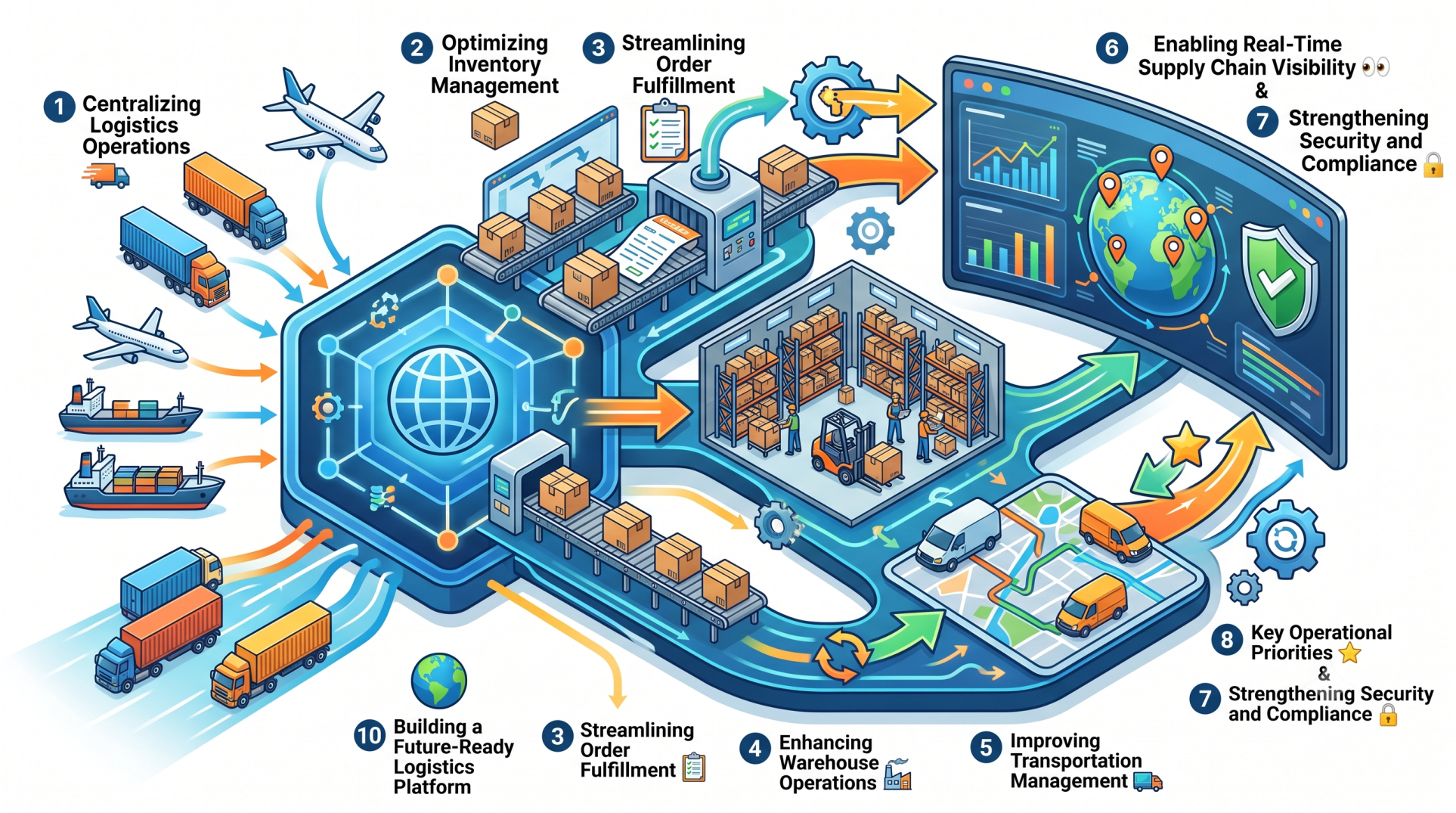
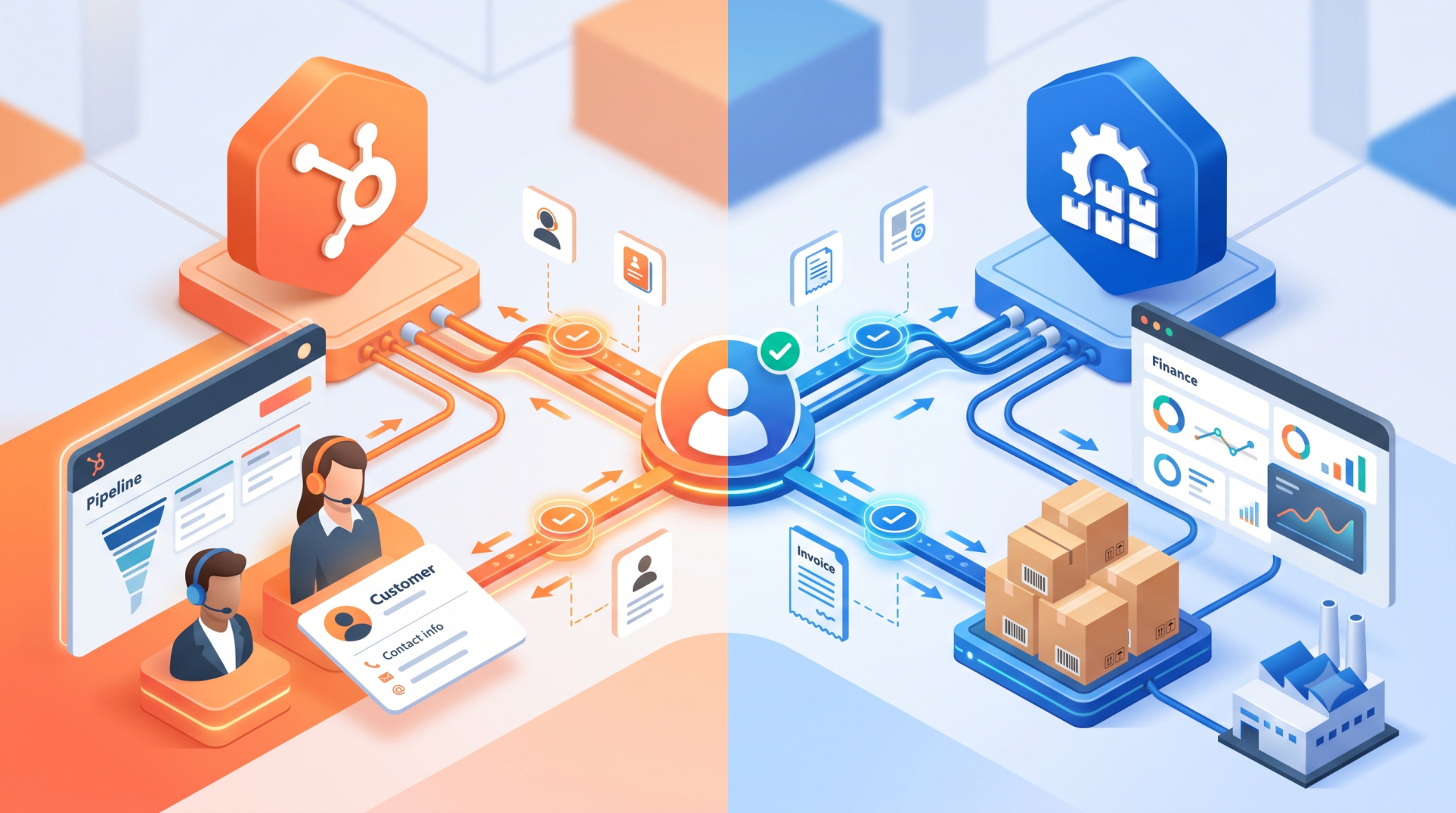
- Serves as a bridge between ERP and other applications 🌉
- Manages data transformation and routing 🔄
- Handles error management and retries ♻️
- Decouples ERP from external systems 🧩
- Improves flexibility and maintainability 🛠️
APIs and Services 🔌
- Enable real-time, request-based integrations ⚡
- Allow secure access to ERP data and functions 🔐
- Support modular and scalable connections 📐
- Used for cloud, mobile, and third-party integrations ☁️
Middleware and Integration Platforms 🧰
- Centralize integration logic 🧠
- Support message queues and event handling 📬
- Simplify complex multi-system integrations 🔗
- Improve monitoring and governance 👀
Common ERP Integration Patterns 🧩
Point-to-Point Integration 🔗
- Direct connections between ERP and another system 🔌
- Simple but difficult to scale 📉
- Harder to maintain as integrations grow 🧠
Hub-and-Spoke Model 🛞
- Central integration hub connects all systems 🧩
- Reduces complexity compared to point-to-point ⚙️
- Easier to manage and scale 📈
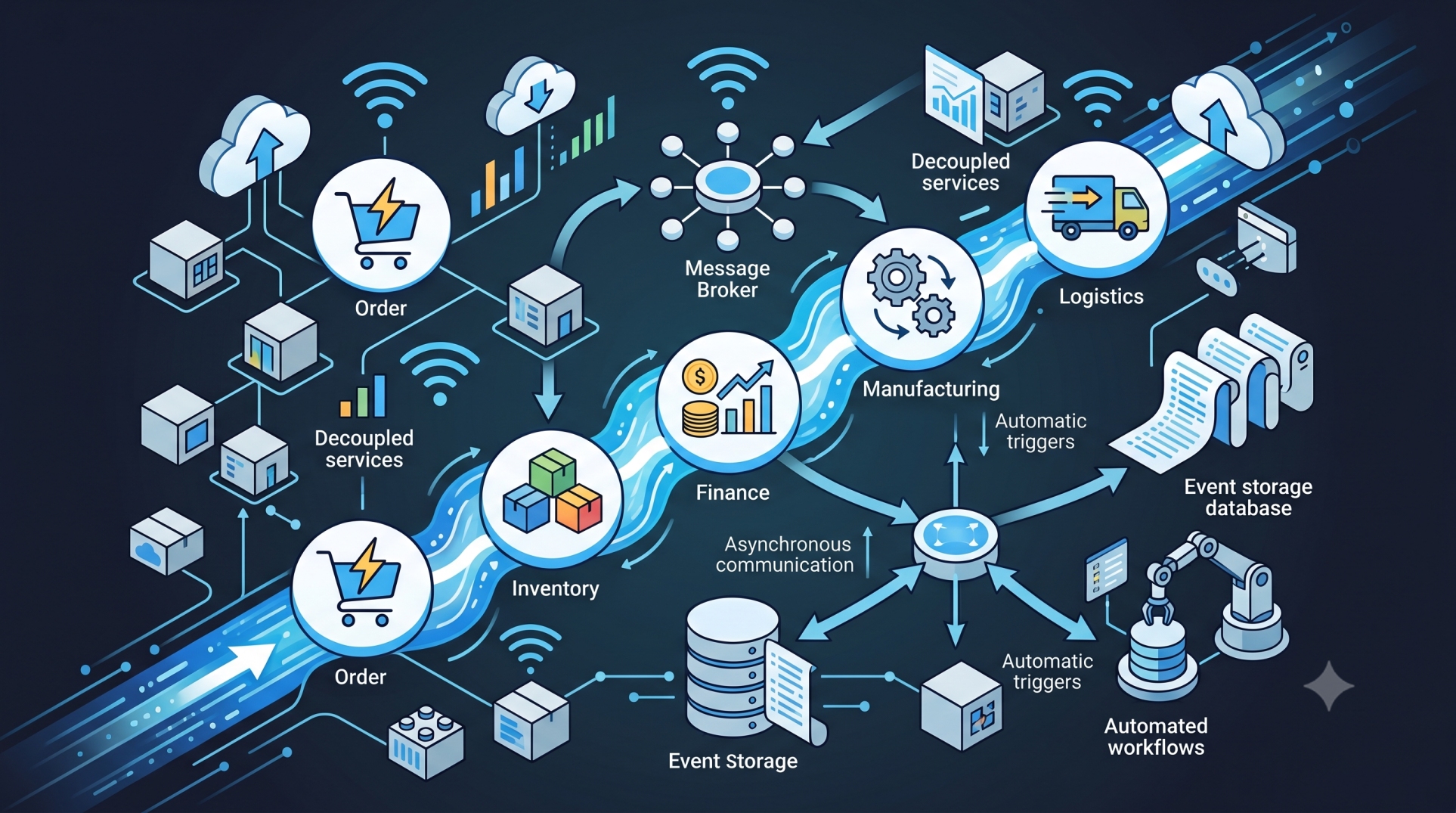
Event-Driven Integration ⚡
- Systems react to business events in real time 🔄
- Improves responsiveness and decoupling 🚀
- Ideal for modern, cloud-native architectures ☁️
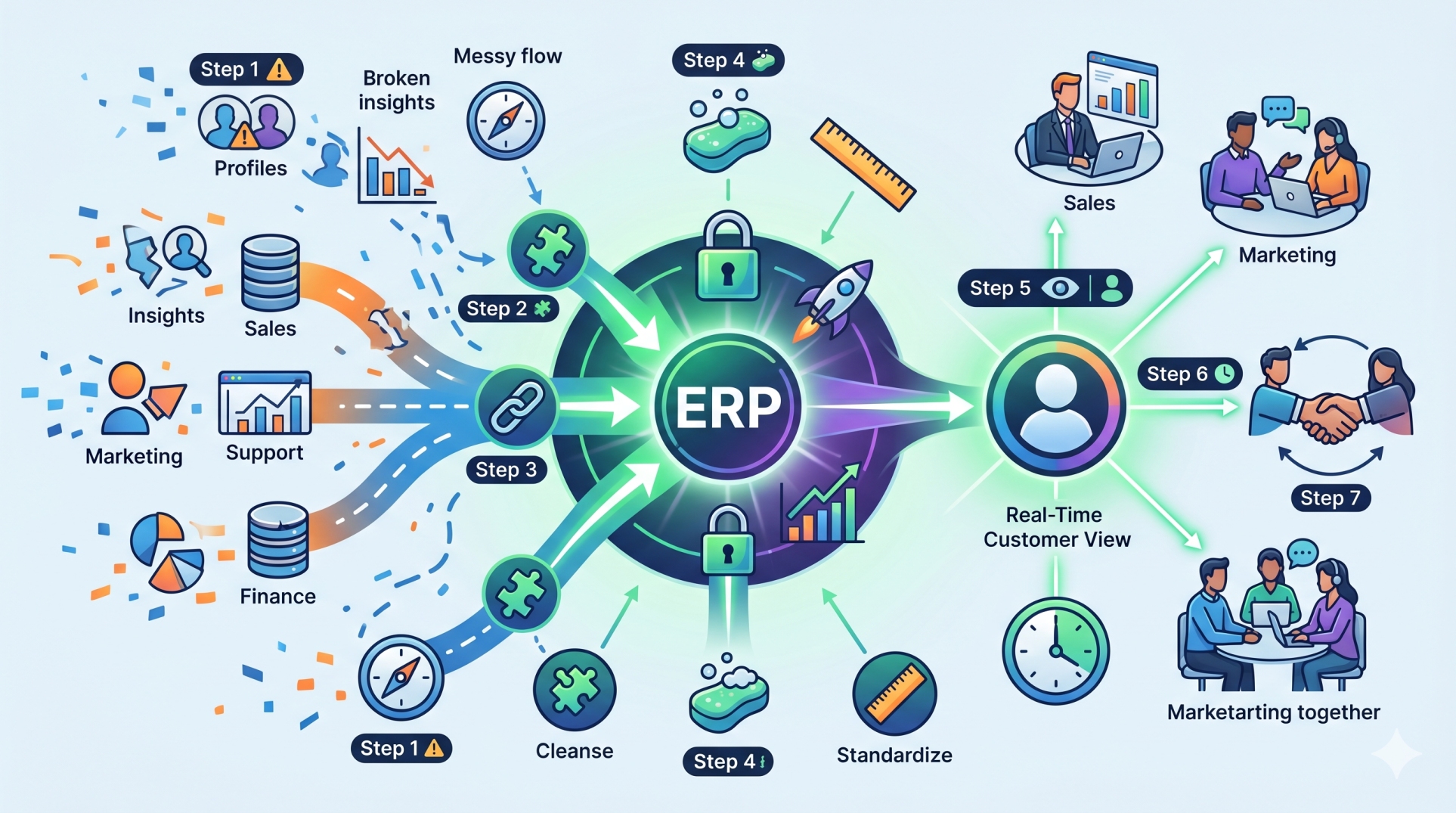
Data Synchronization Approaches 🔄
- Real-time data exchange for critical processes ⚡
- Scheduled batch processing for large data sets 🗂️
- Master data management for consistency 📌
- Conflict resolution and validation rules ✅
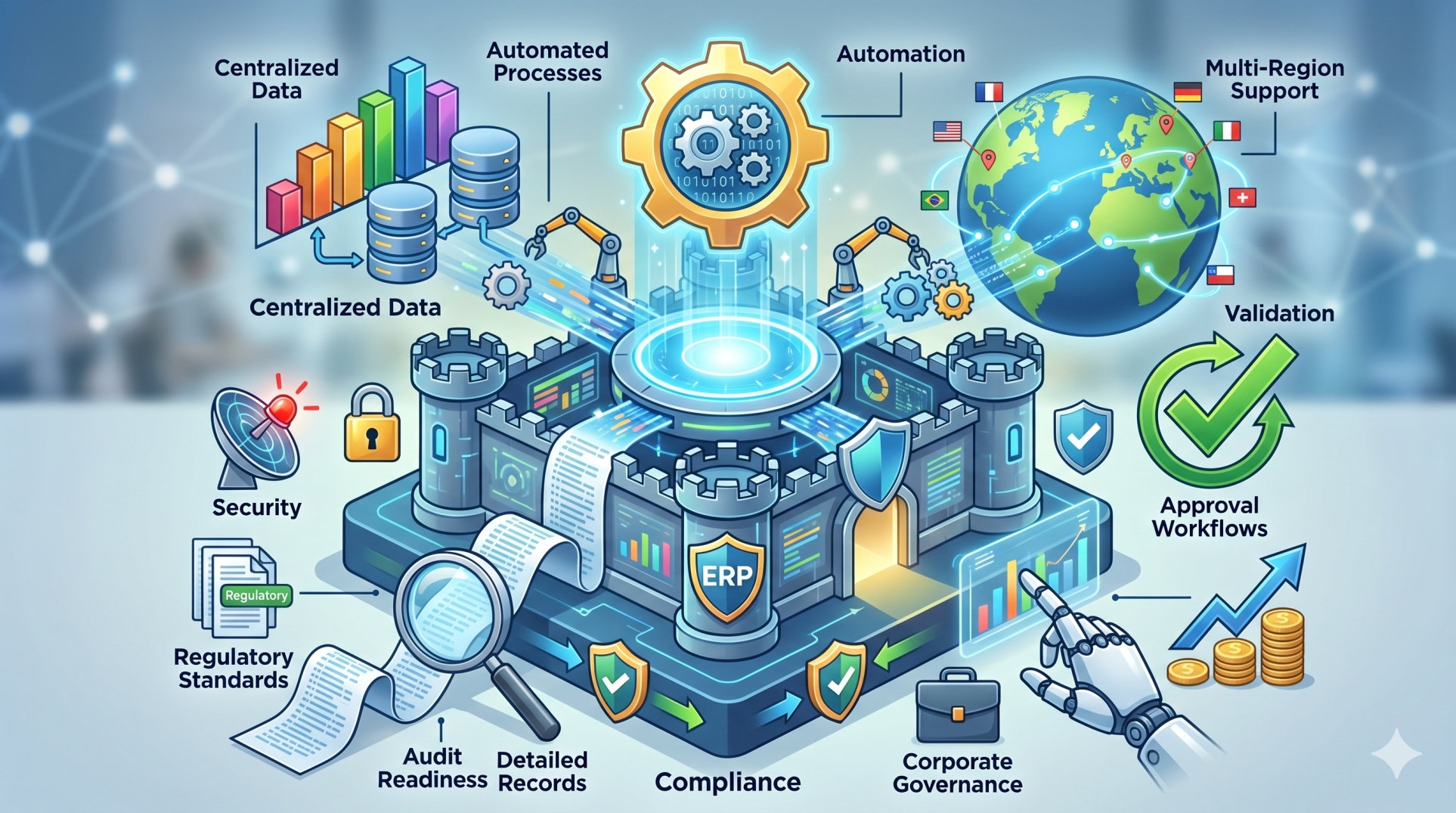
Security and Governance in ERP Integrations 🔐
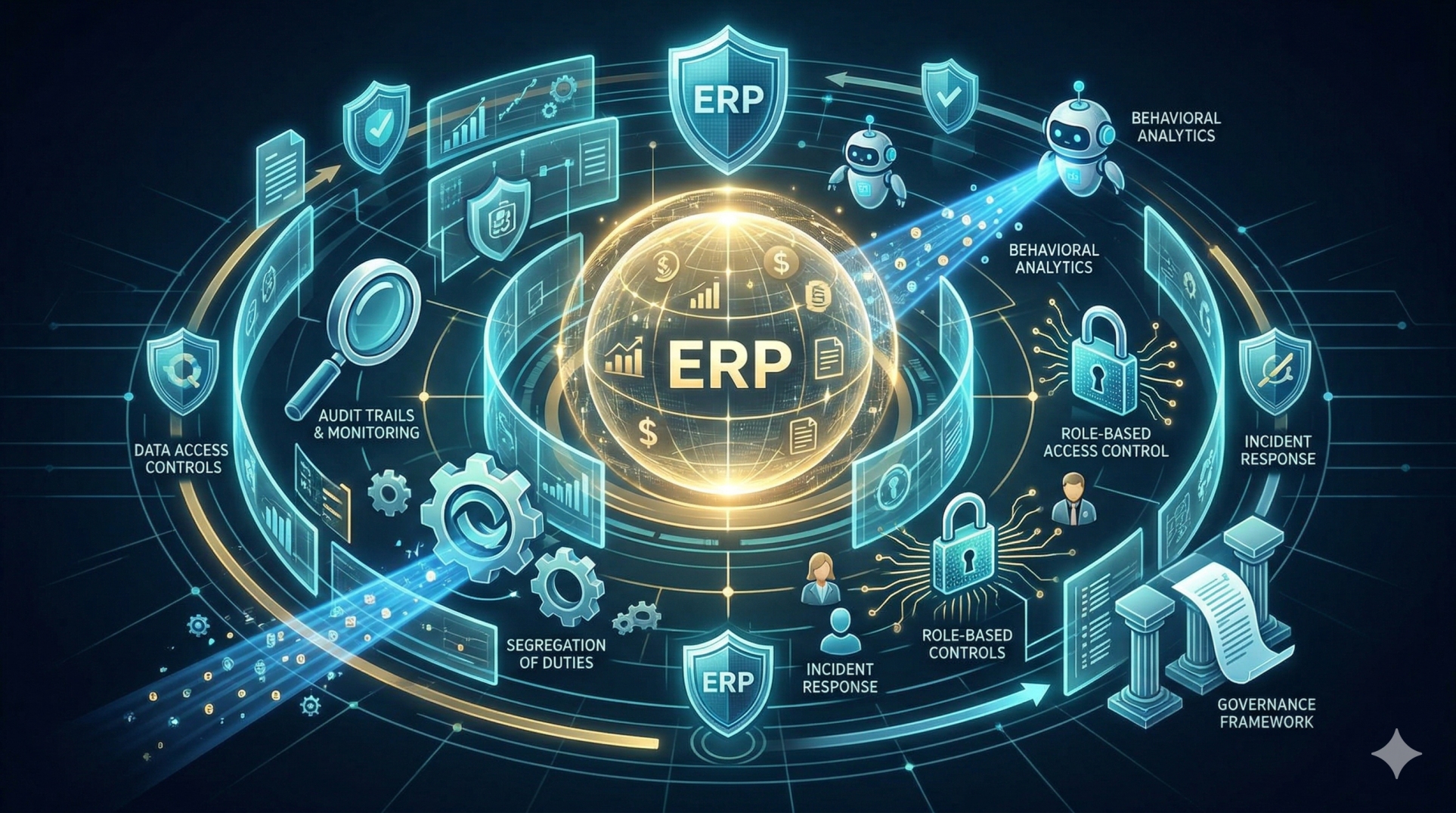
- Role-based access control for integrations 👤
- Secure authentication and authorization 🔑
- Data encryption in transit 🔒
- Audit logs and monitoring 📜
- Compliance with regulatory standards ⚖️
Scalability and Performance Considerations 📈
- Design integrations to handle peak loads ⚡
- Avoid tightly coupled dependencies 🔗
- Use asynchronous processing where possible 🔄
- Monitor integration performance continuously 👀
- Plan for future system expansion 🌱
Benefits of a Well-Designed ERP Integration Architecture ✅
- Seamless data flow across the organization 🌐
- Reduced manual work and errors ❌
- Faster and more accurate decision-making 🧠
- Improved operational efficiency ⚙️
- Greater flexibility for digital transformation 🚀
Final Thoughts 🏁
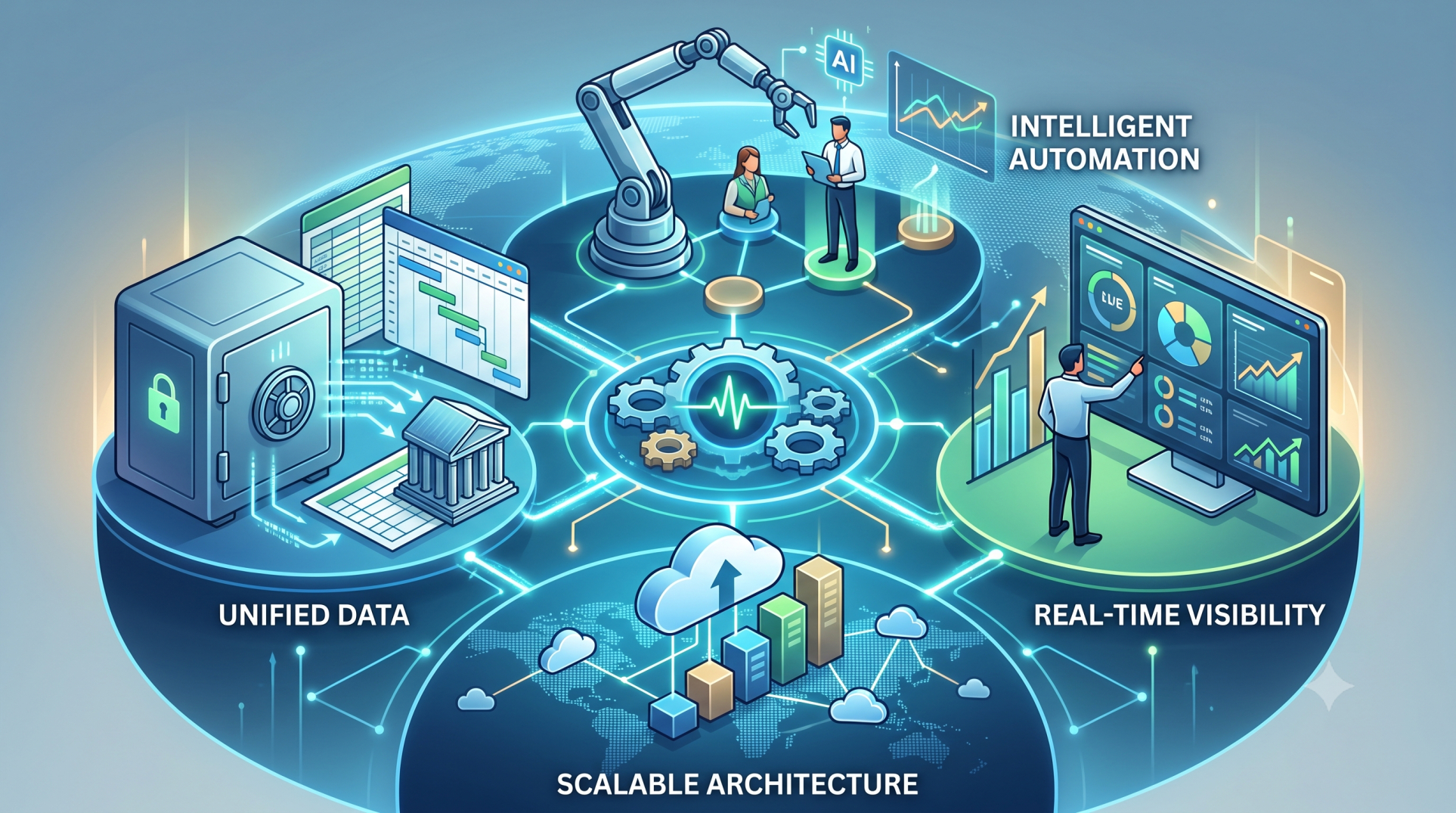
ERP integration architecture is the foundation that connects enterprise systems into a unified operational environment. By using well-structured integration layers, APIs, and scalable patterns, organizations can ensure their ERP system works seamlessly with the rest of their technology stack. A strong integration architecture not only improves efficiency today but also prepares the business for future growth and digital transformation. 🌍
See more blogs
You can all the articles below