Microservices and APIs in ERP Platforms

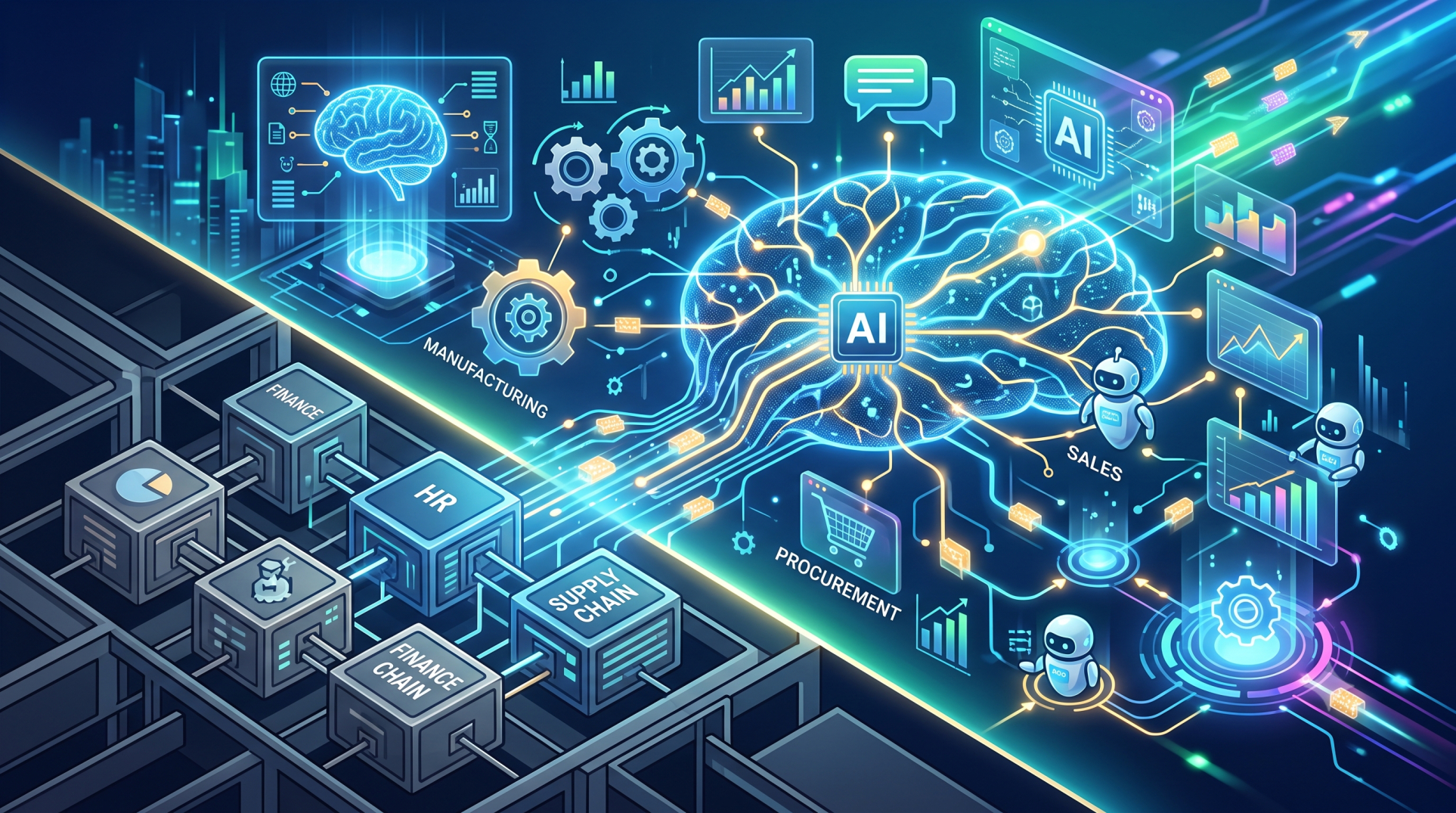
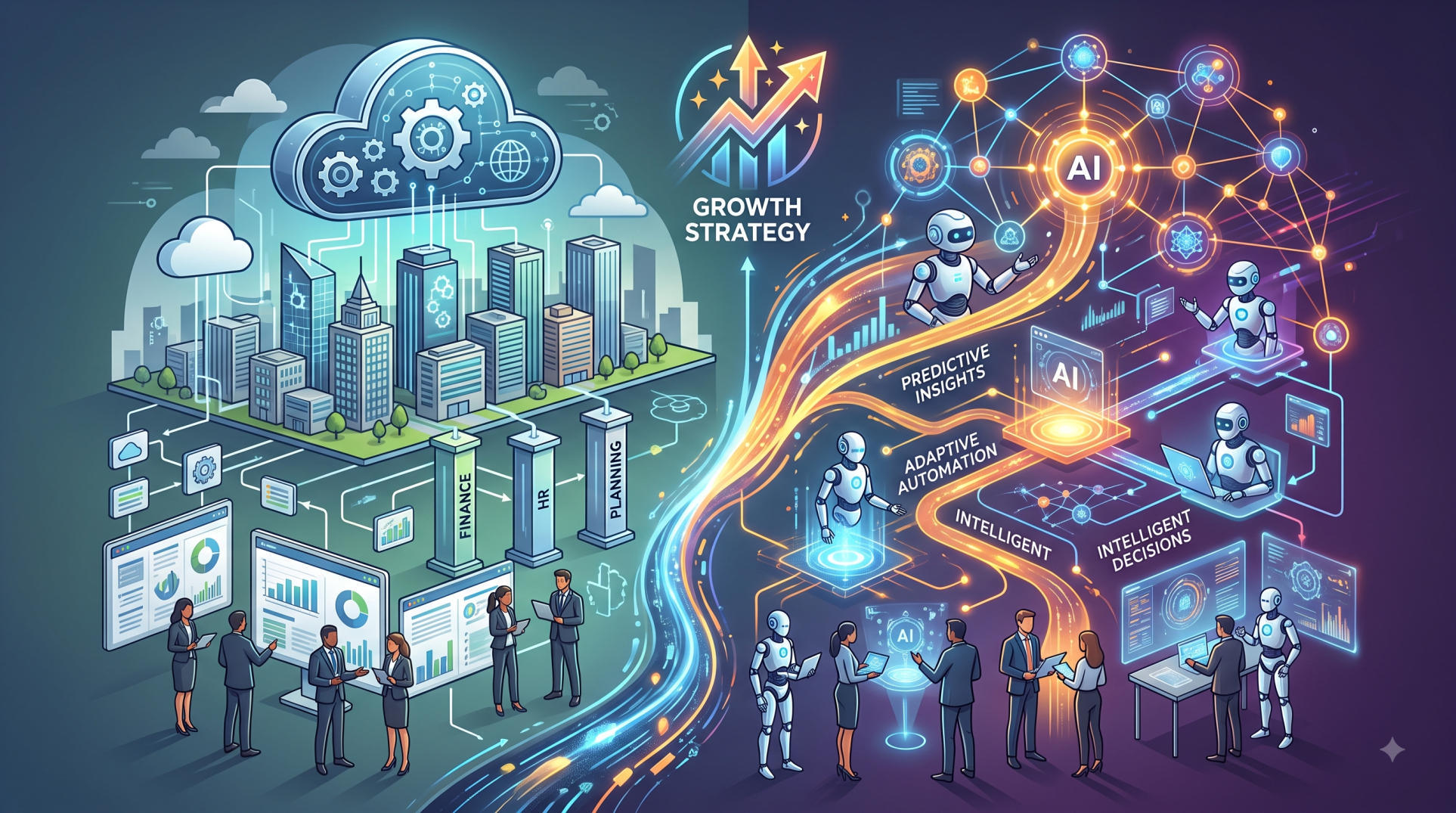
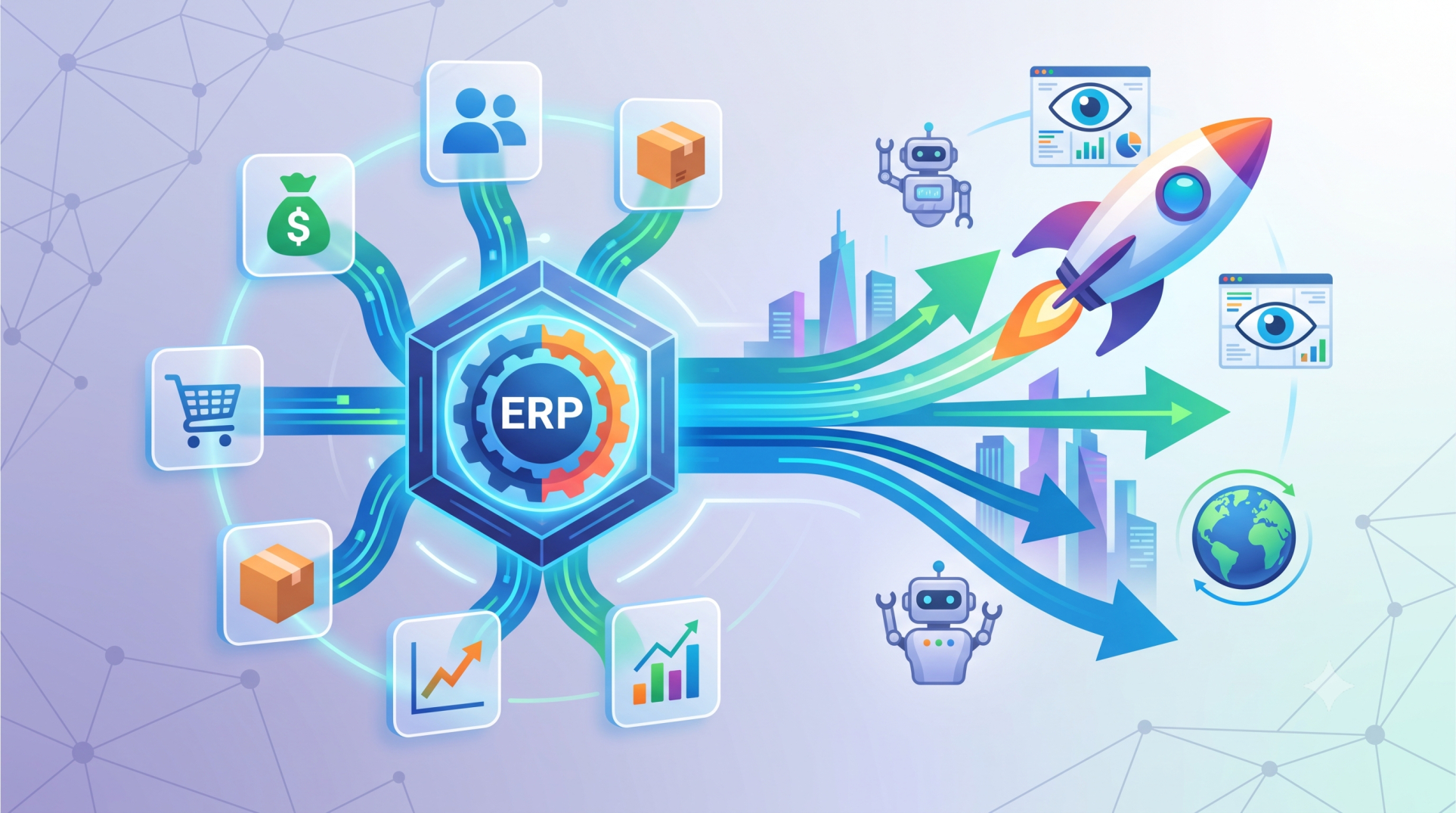
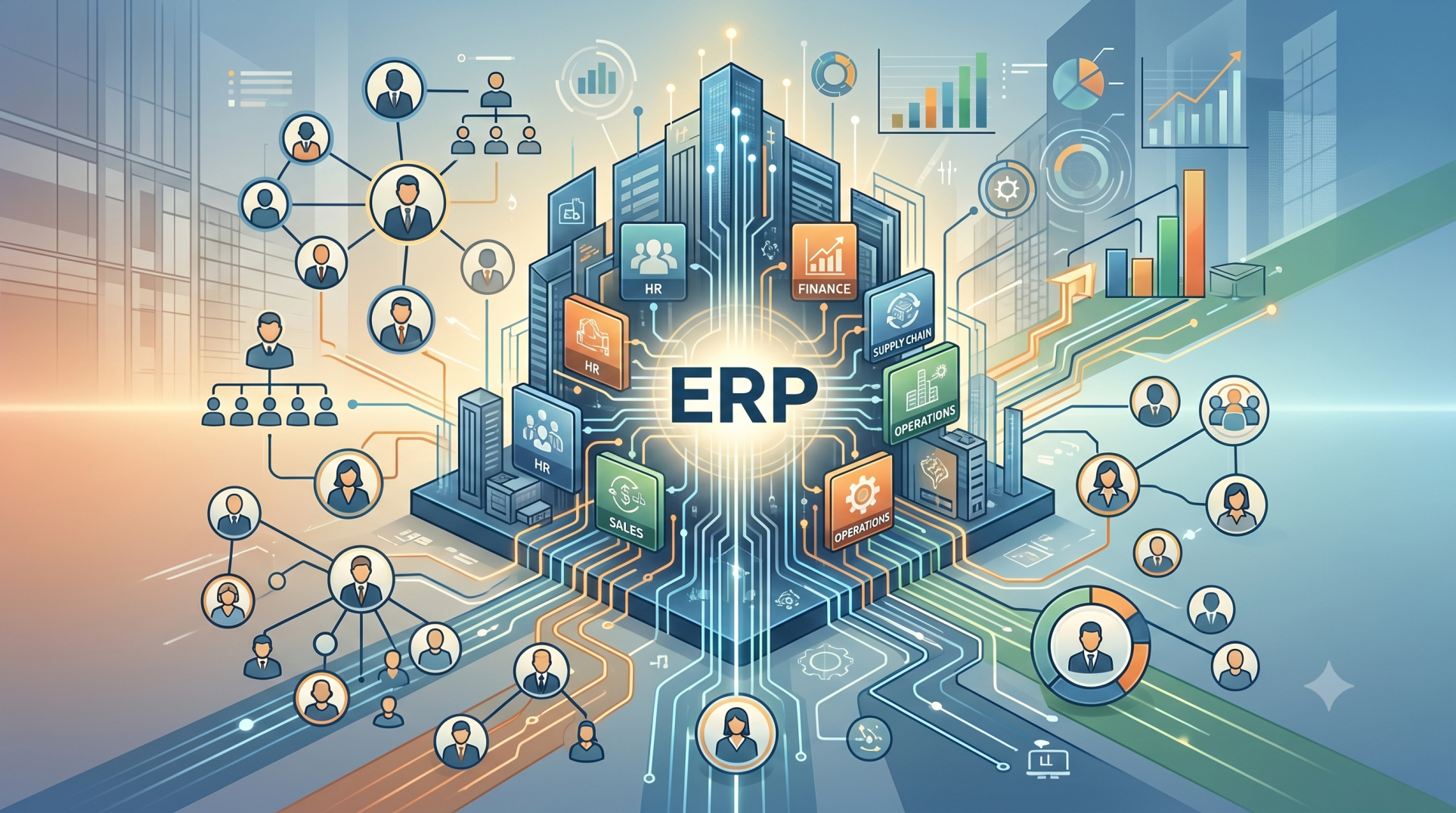
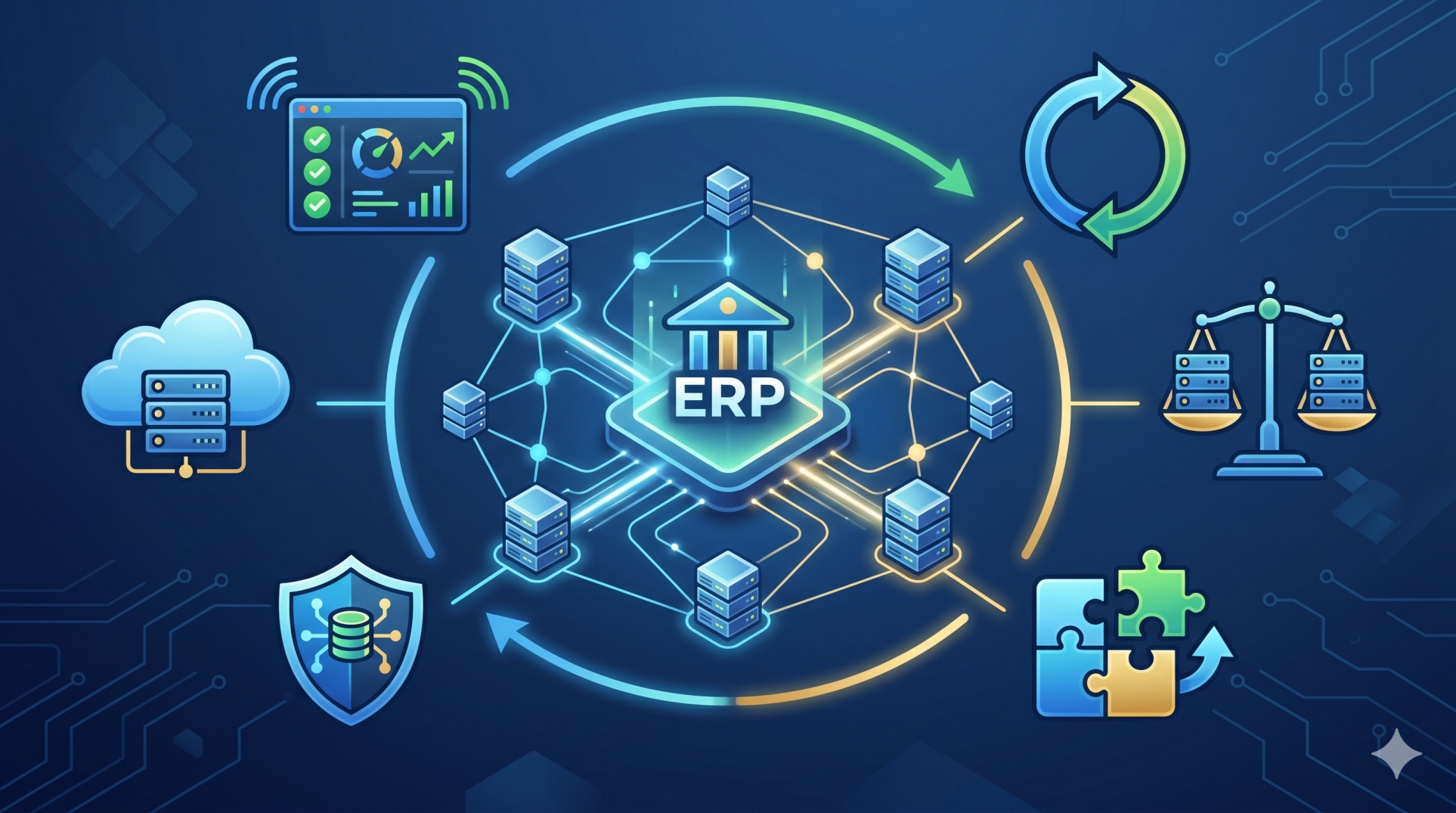
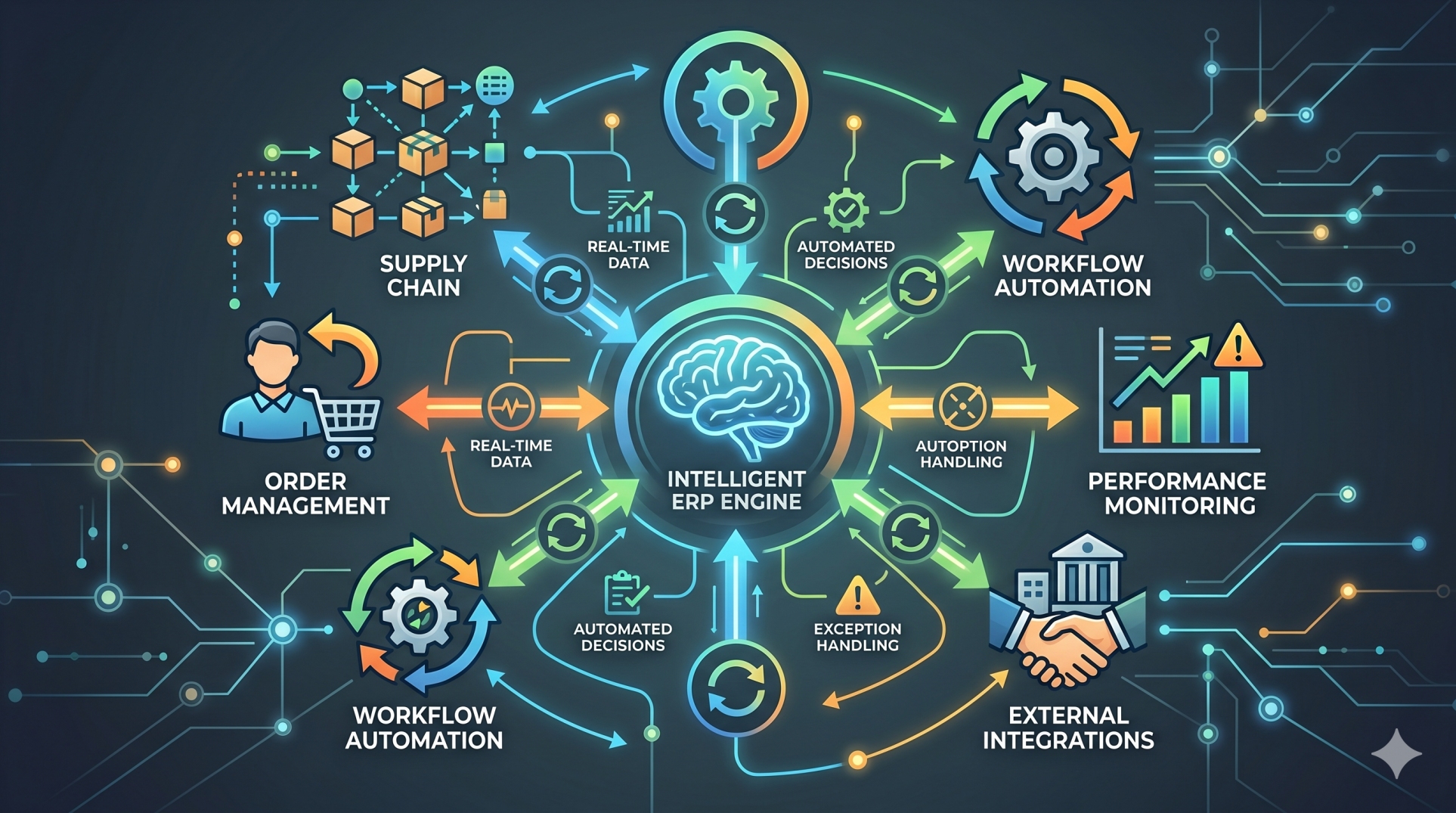
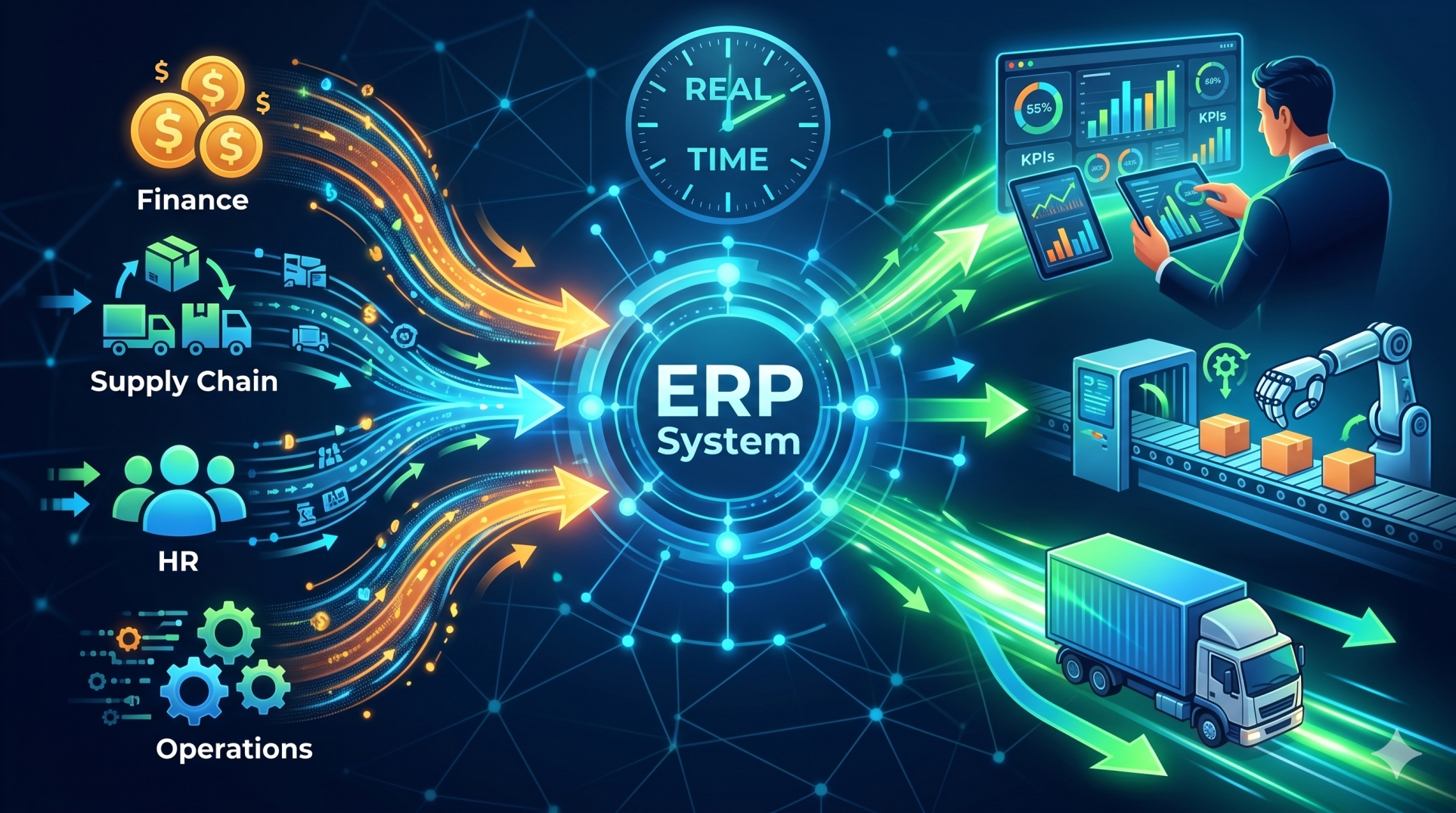
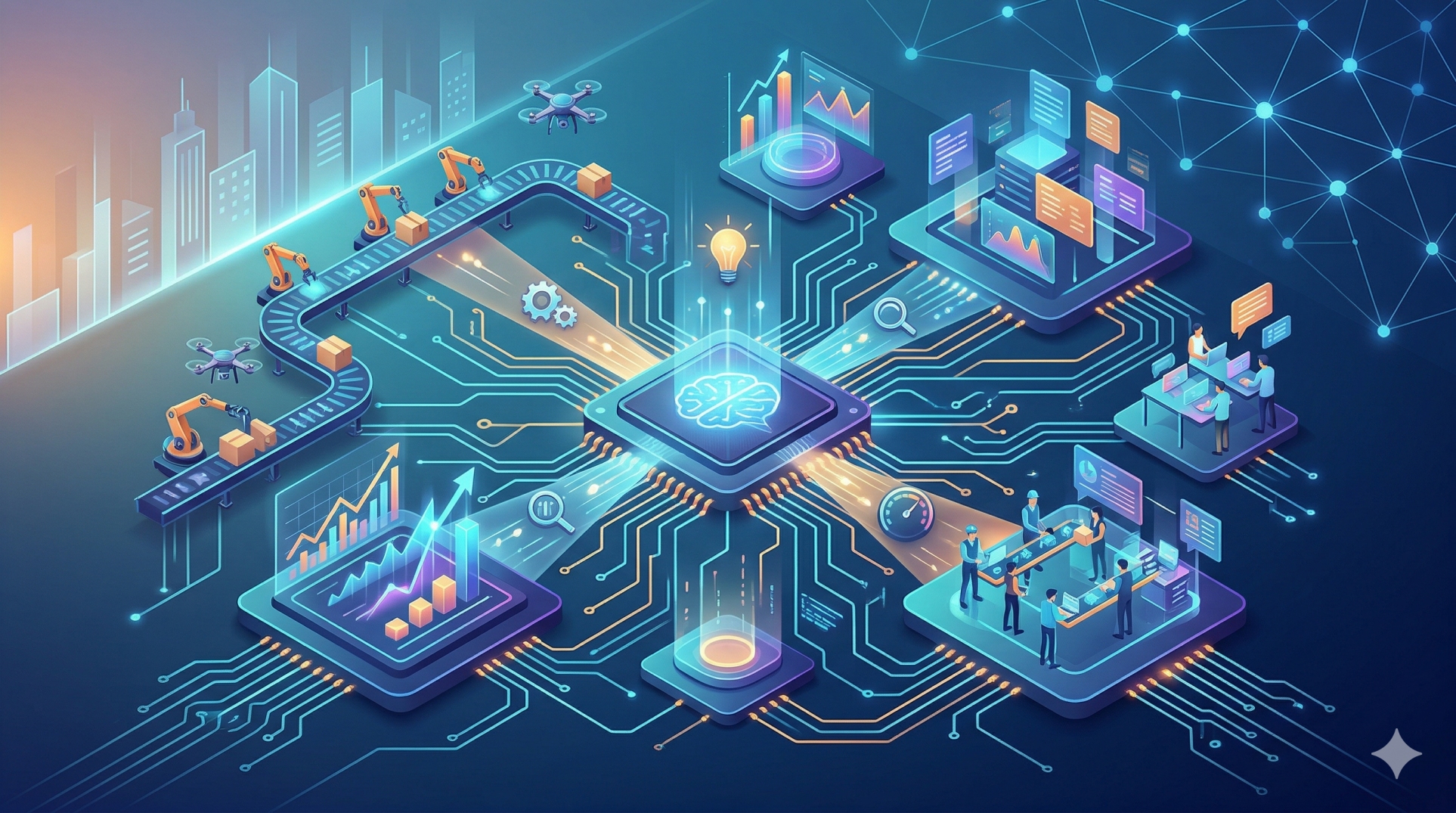
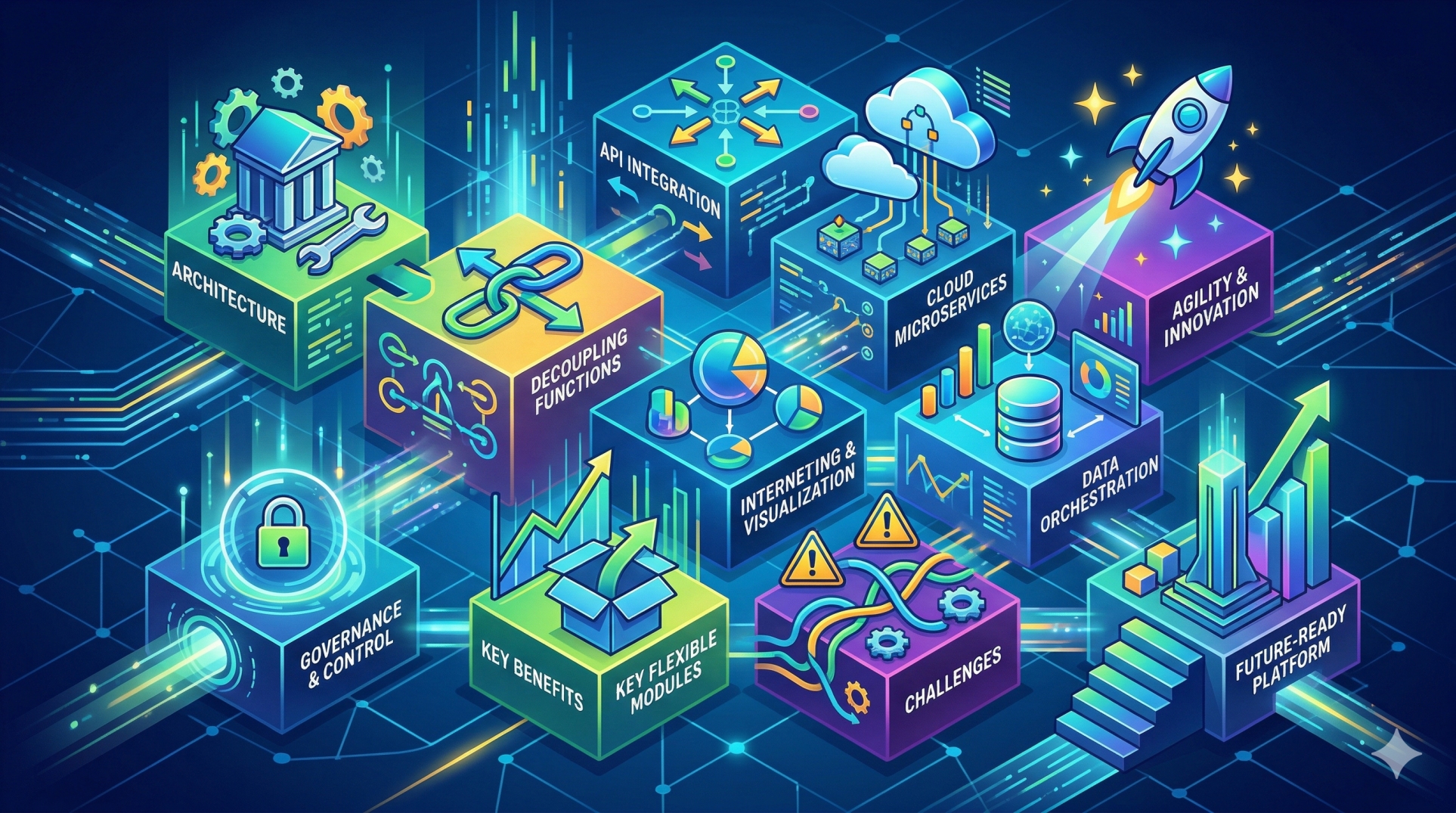
Enterprise Resource Planning (ERP) platforms have shifted from rigid, monolithic systems to flexible and modular architectures. Microservices and APIs are central to this evolution, enabling ERP systems to scale efficiently, integrate seamlessly, and adapt quickly to changing business needs. 🚀
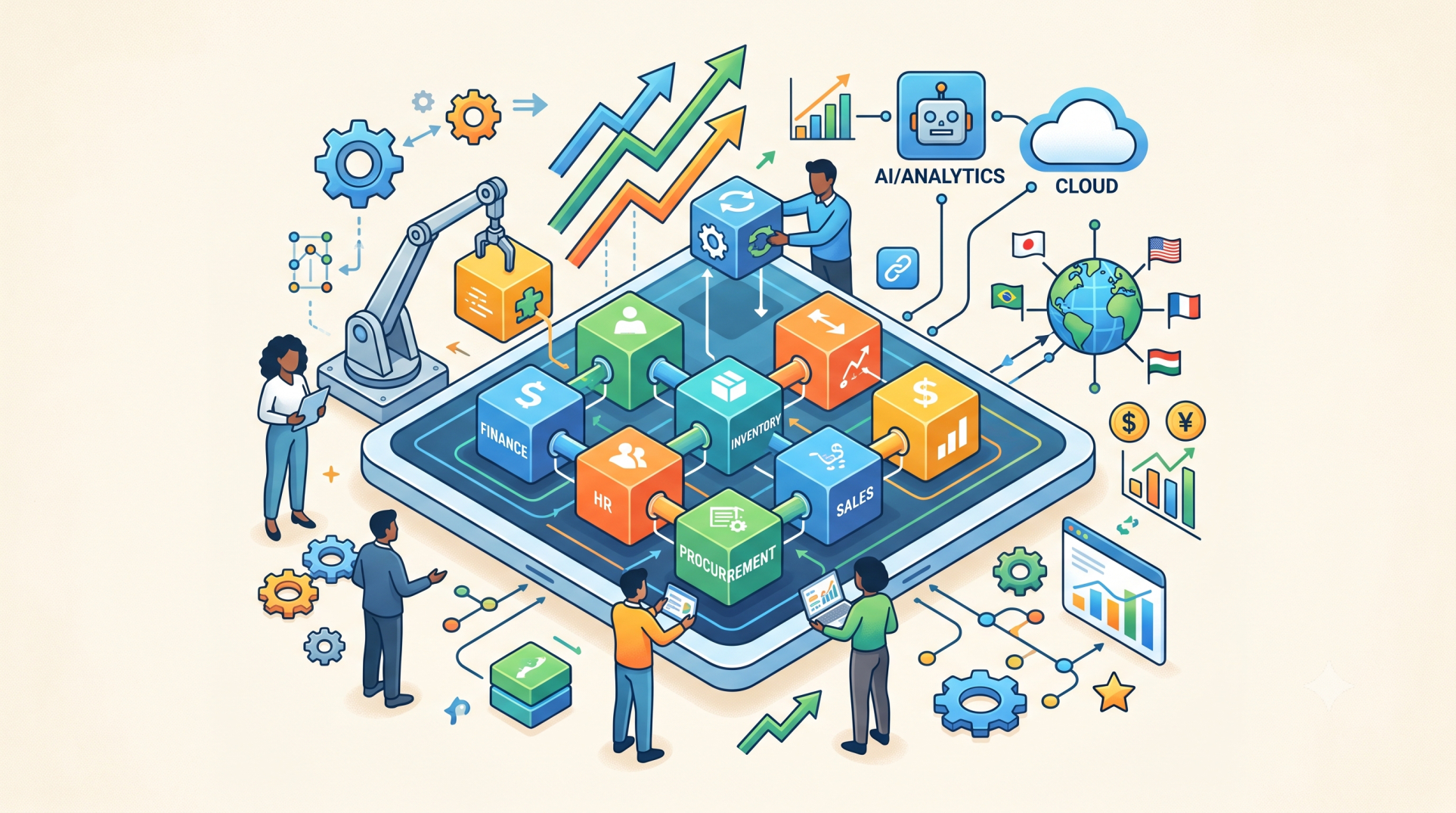
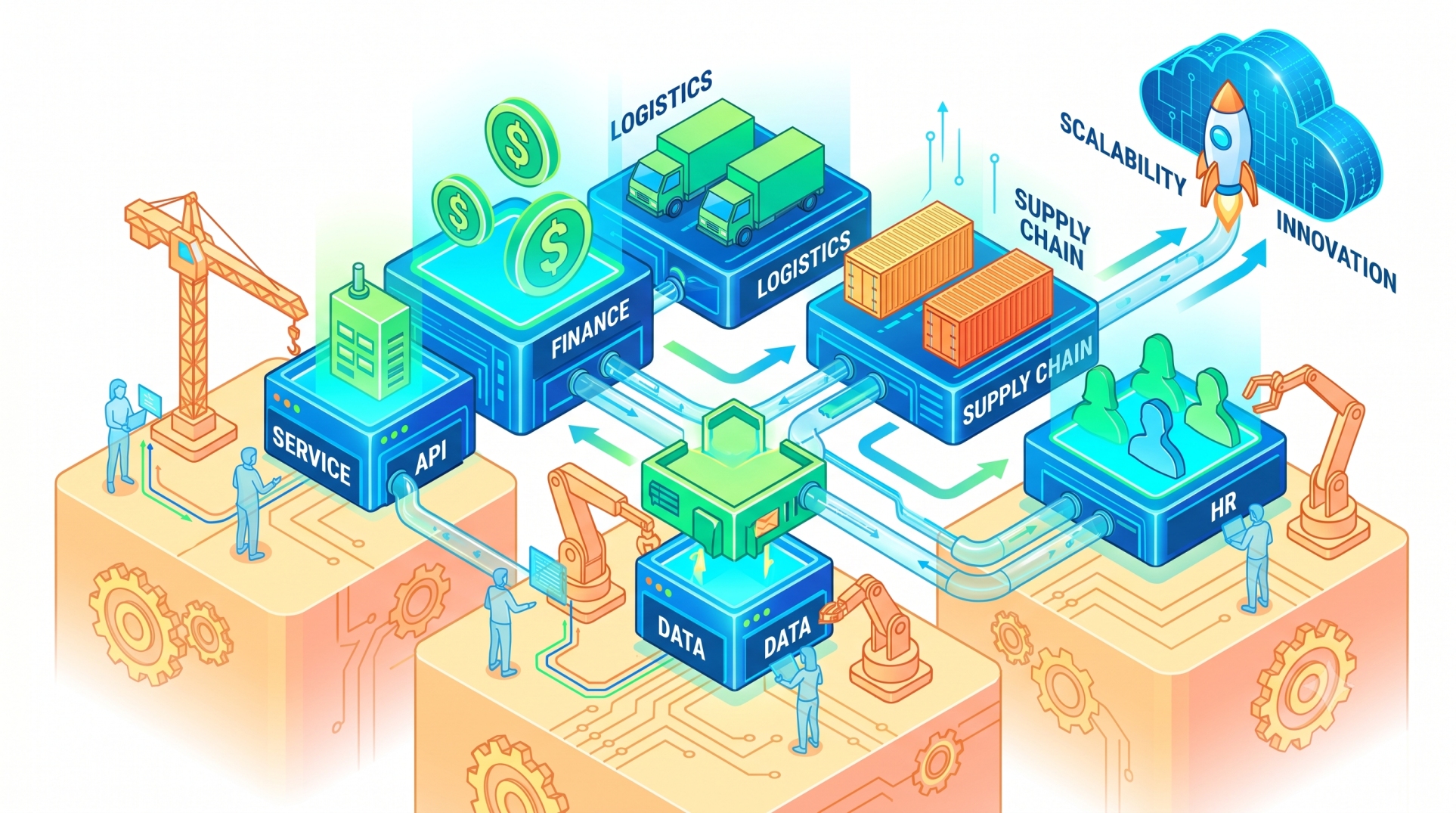
1. What Microservices Mean for ERP 🧱
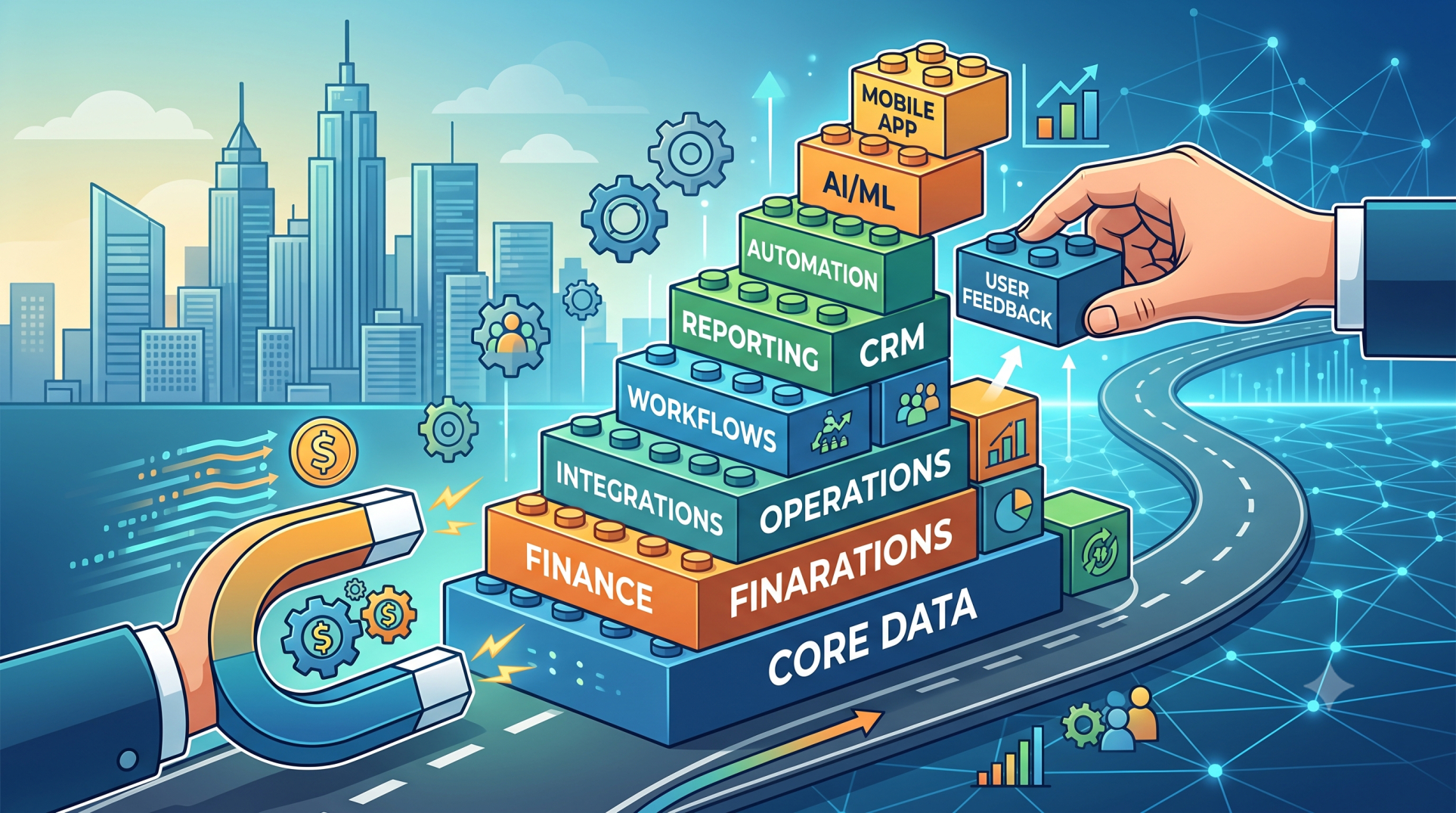
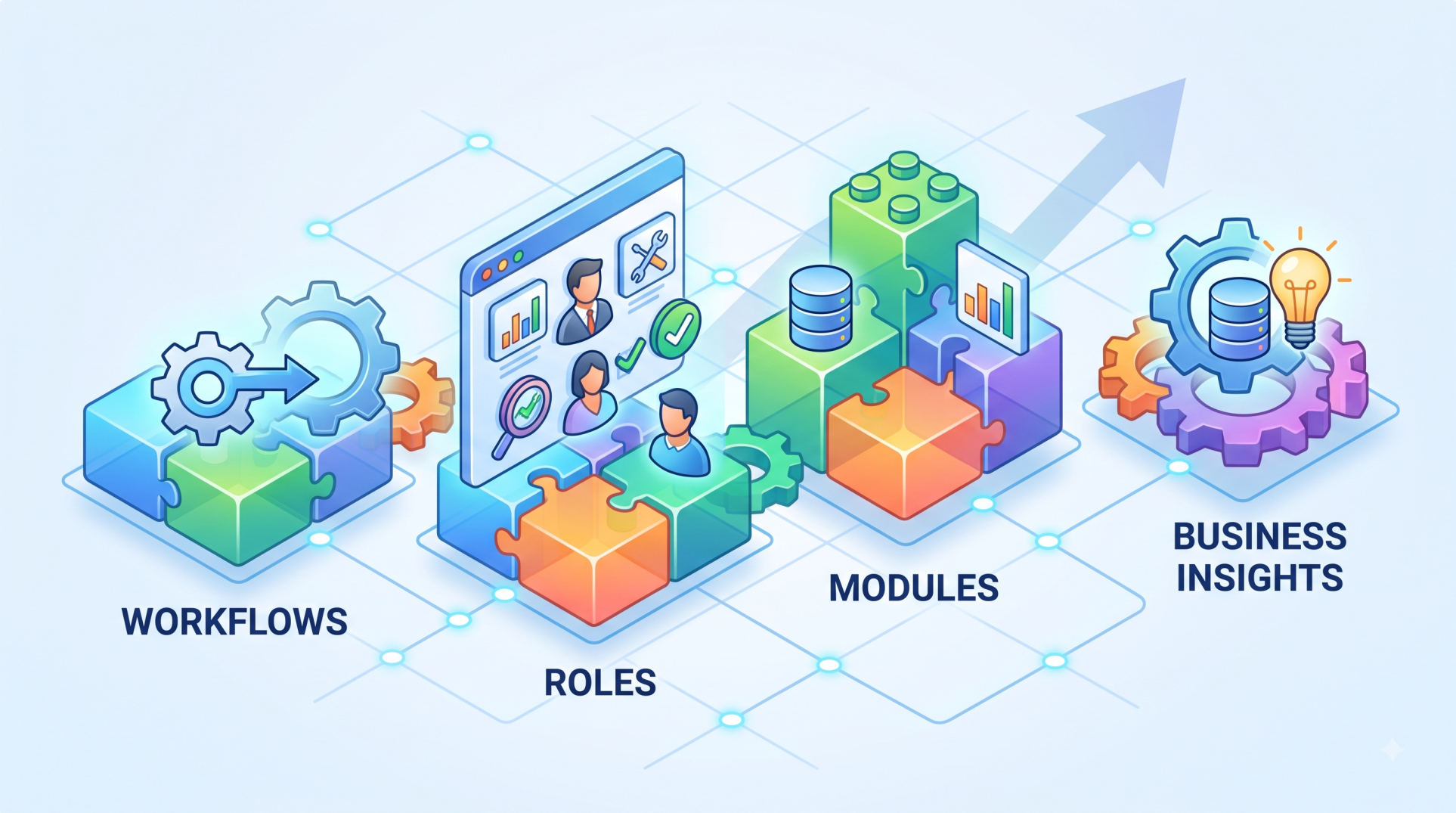
- ERP functionality is divided into small, independent services 🧩
- Each service supports a specific business function 🎯
- Services can be developed, deployed, and scaled independently 📈
- Updates can be released without disrupting the entire system 🔄
- Improves reliability and long-term maintainability 🛡️
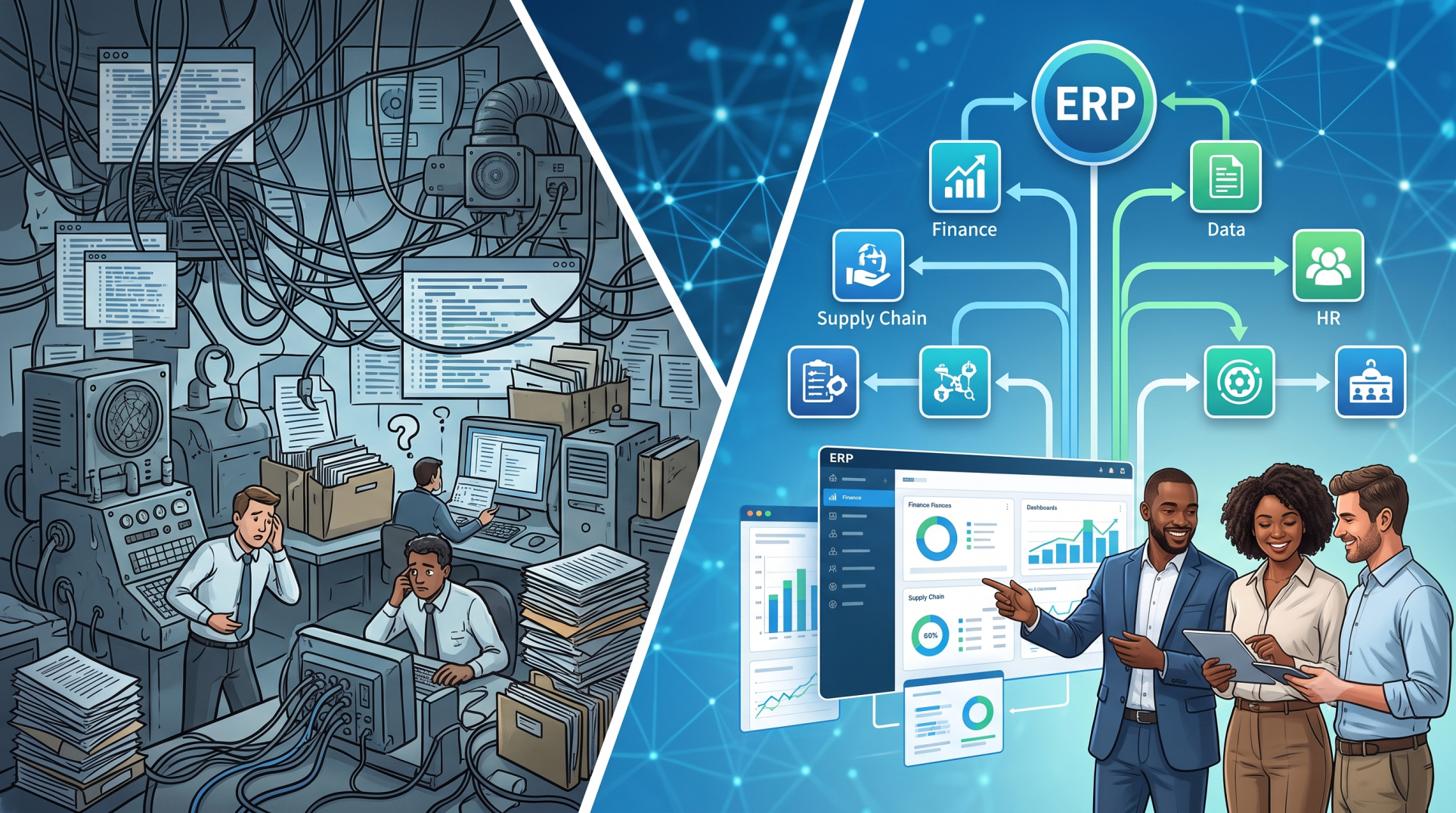
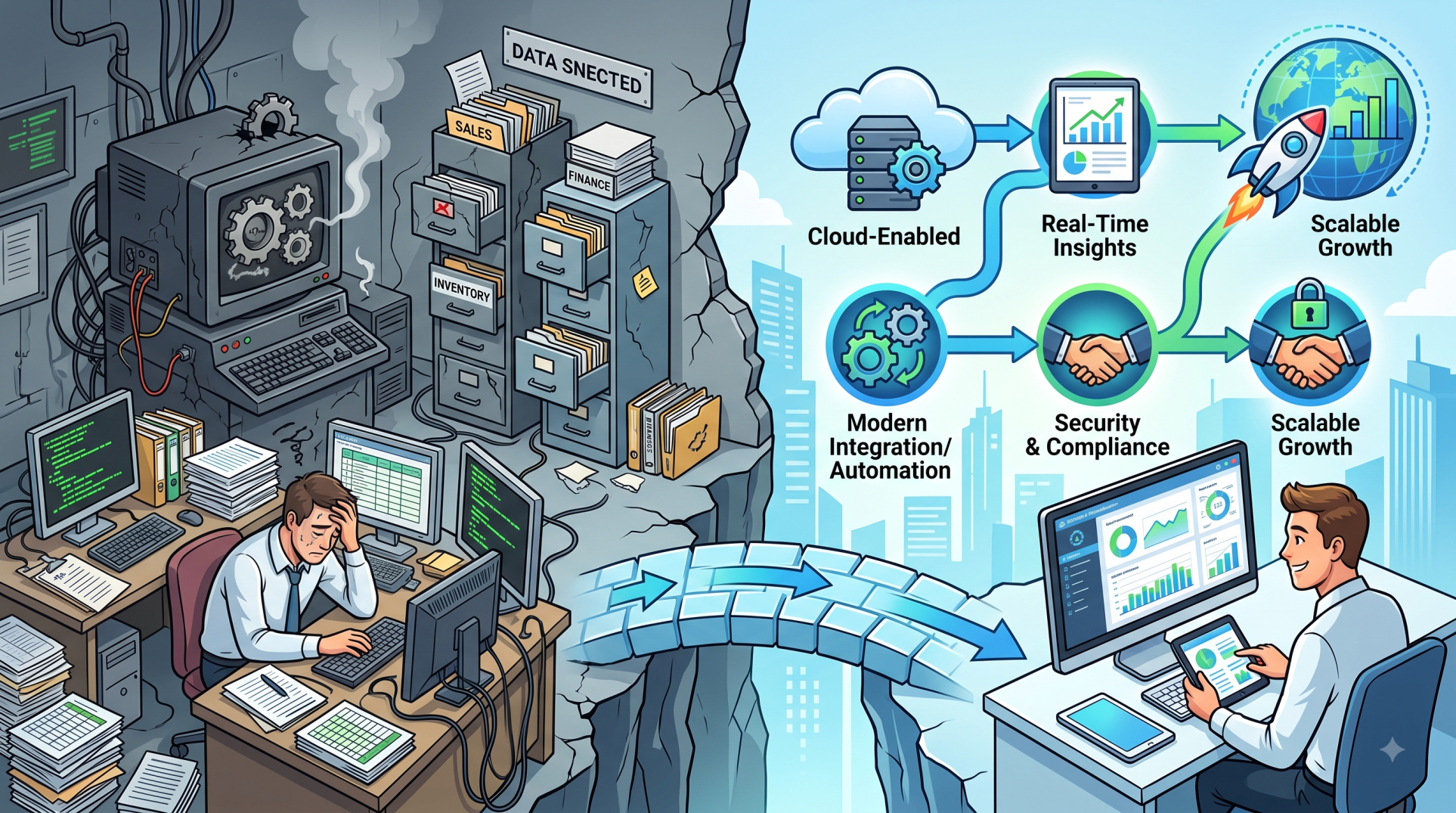
2. Limitations of Traditional Monolithic ERP ⚠️
- Changes in one module impact the entire platform 🔗
- Scaling requires expanding the whole system 📦
- Upgrades are slow and risky ⏱️
- Customization and integration are complex 🧠
- Adopting new technologies is difficult 🚫
3. Benefits of Microservices-Based ERP Architecture 🏗️
- Enables modular and faster development 🚀
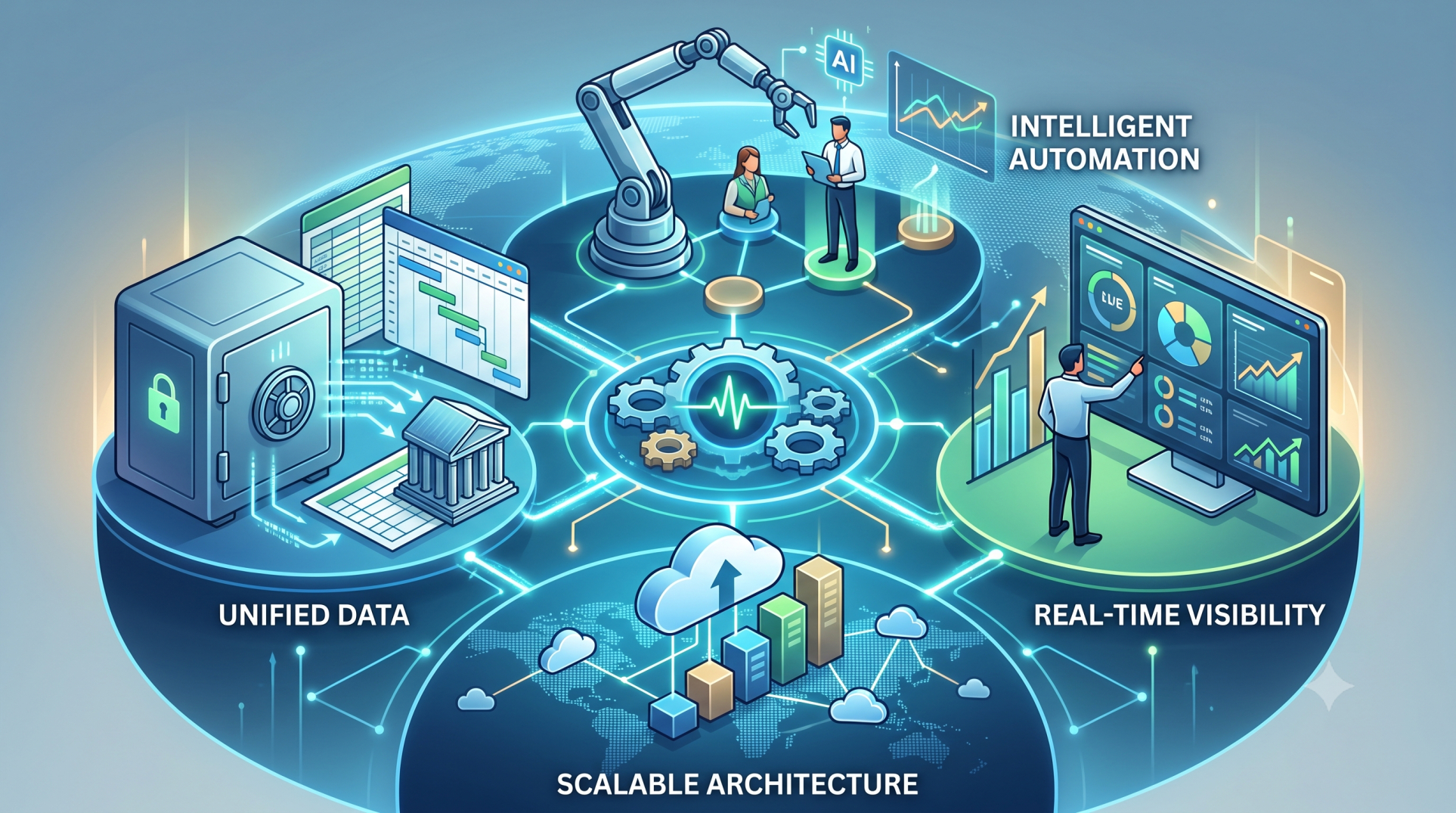
- Supports selective scaling for high-demand services 📊
- Reduces downtime during updates ⏱️
- Improves fault isolation and system stability 🔧
- Allows teams to innovate independently 🧠
4. Role of APIs in Modern ERP Systems 🔌
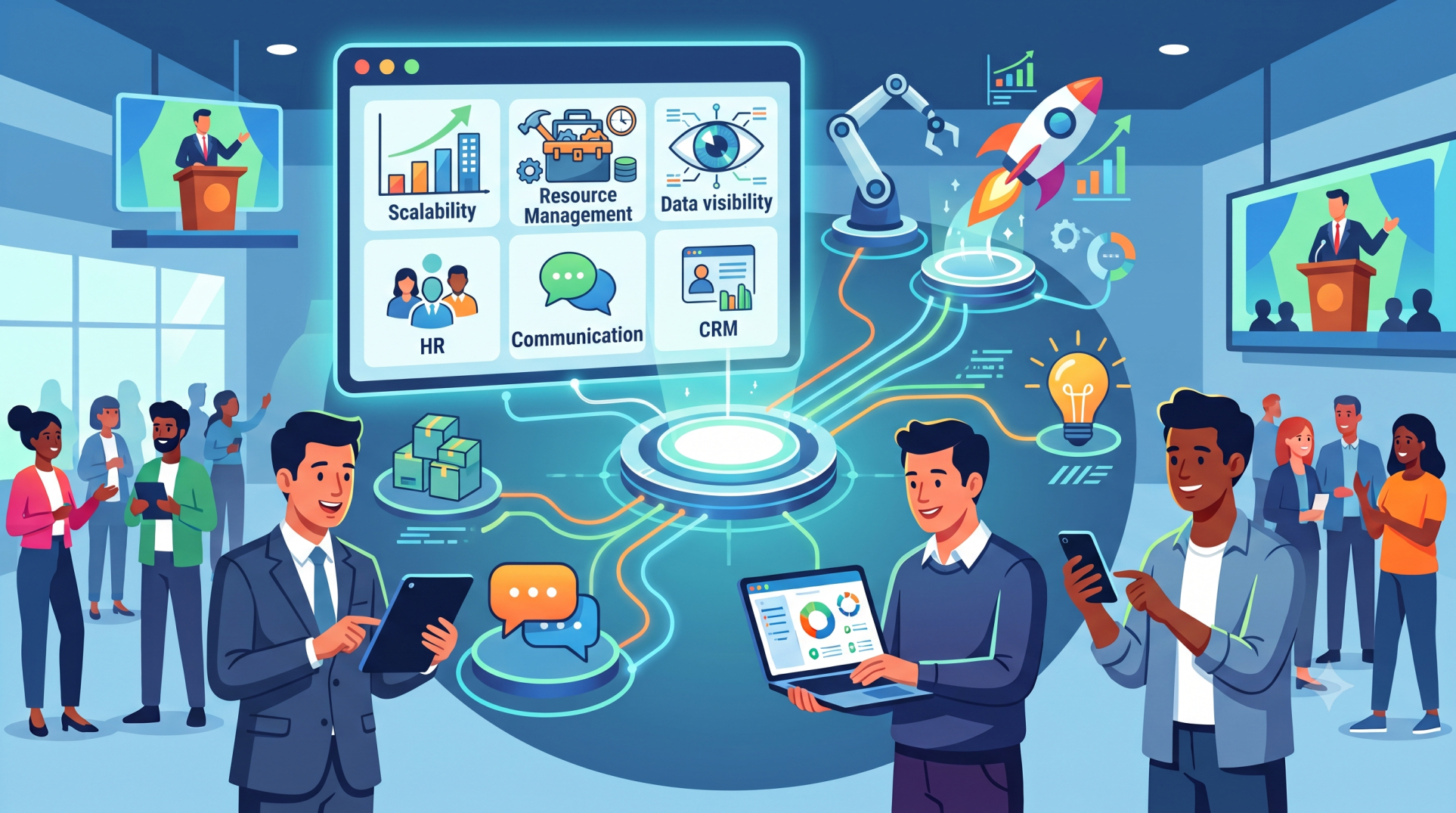
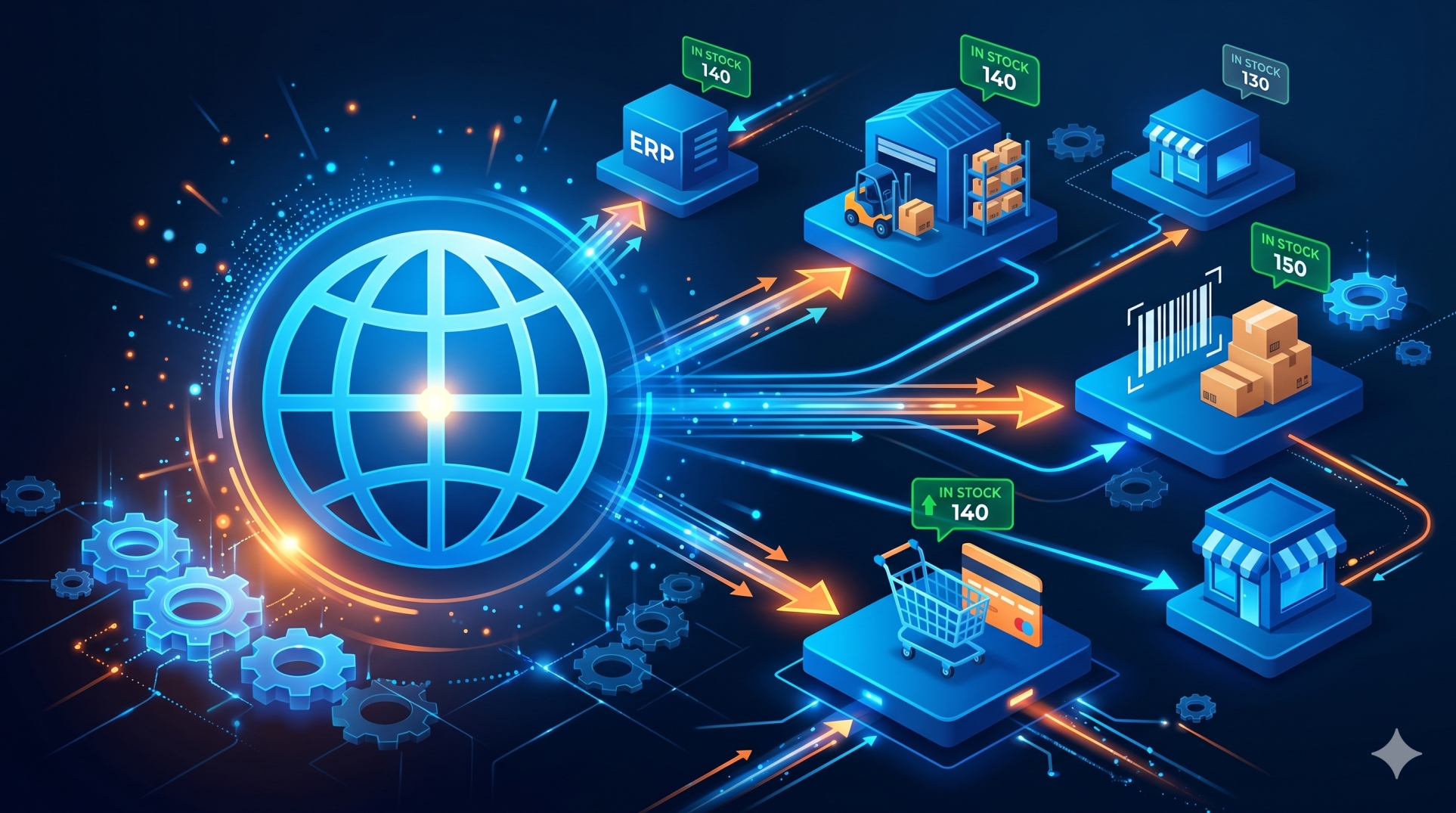
- APIs expose ERP capabilities to internal and external systems 🔗
- Enable communication between microservices 🤝
- Allow secure access to ERP data 🔐
- Support real-time data exchange ⚡
- Serve as the foundation for integrations 🧠
5. API-First ERP Design Approach ⚙️
- ERP features are designed as APIs from the beginning 🧩
- Ensures consistency across applications and devices 🌐
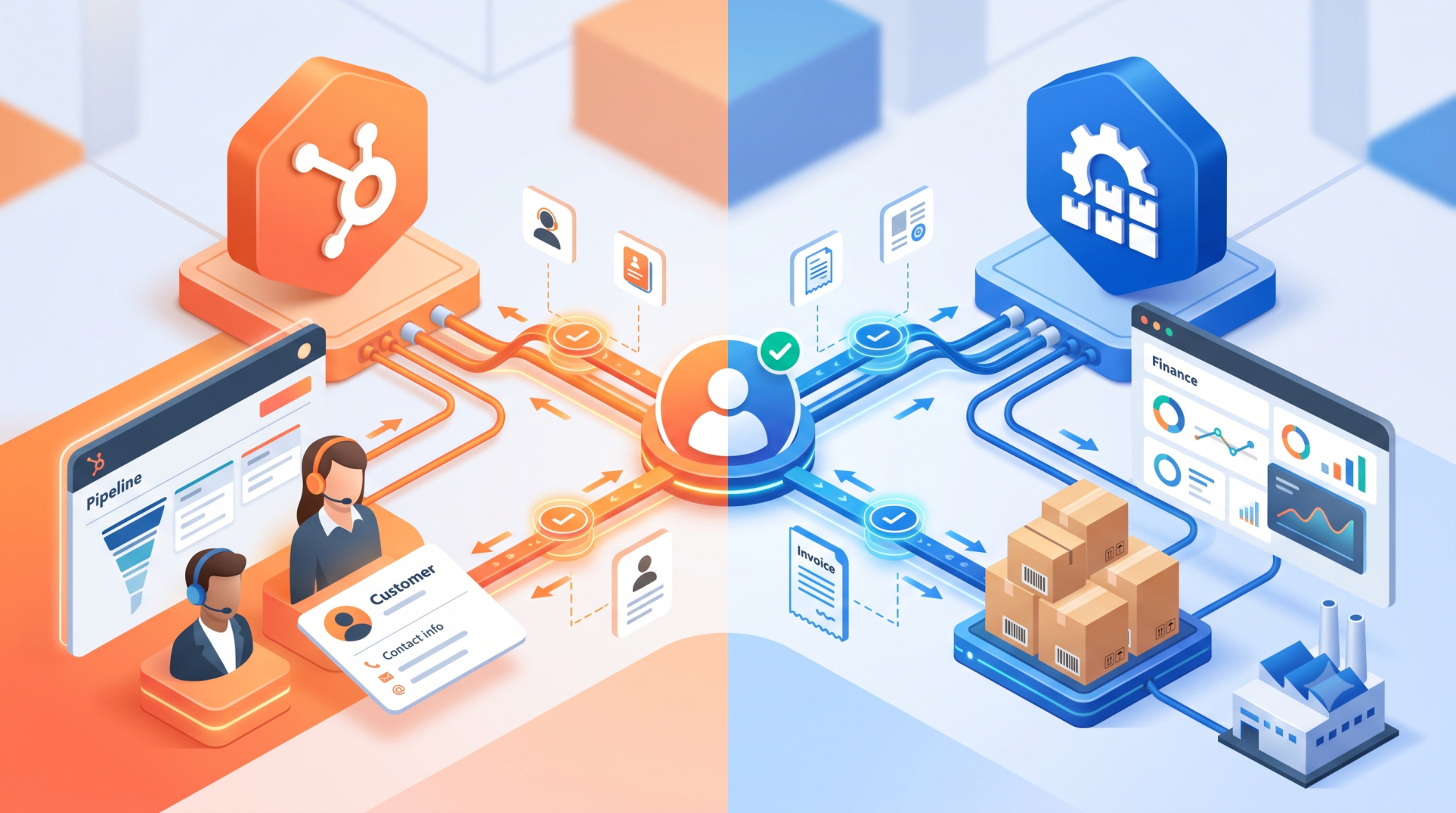
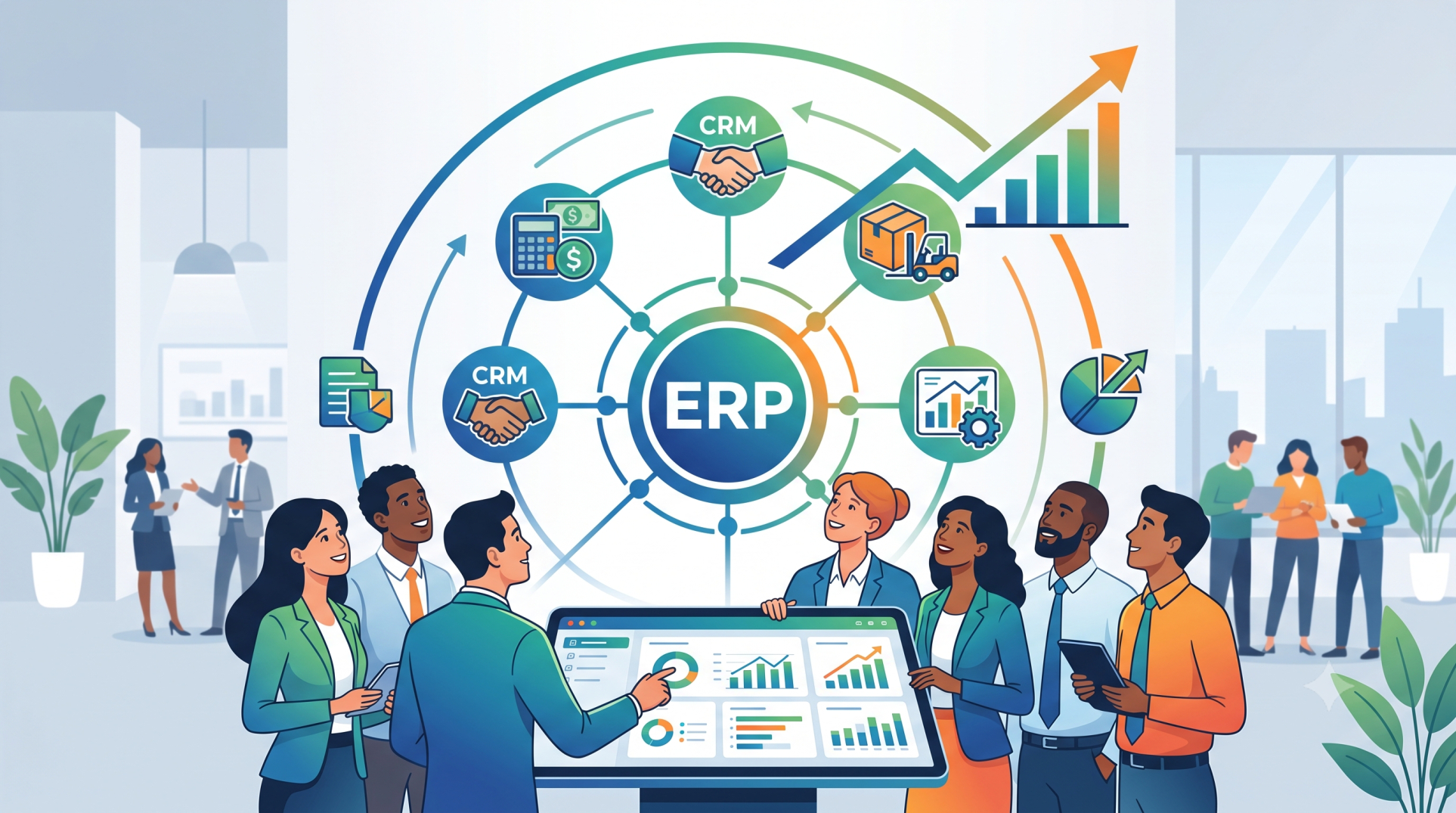
- Simplifies integration with CRM, WMS, MES, and analytics tools 🔗
- Encourages partner and ecosystem development 🤝
- Enhances long-term flexibility 📐
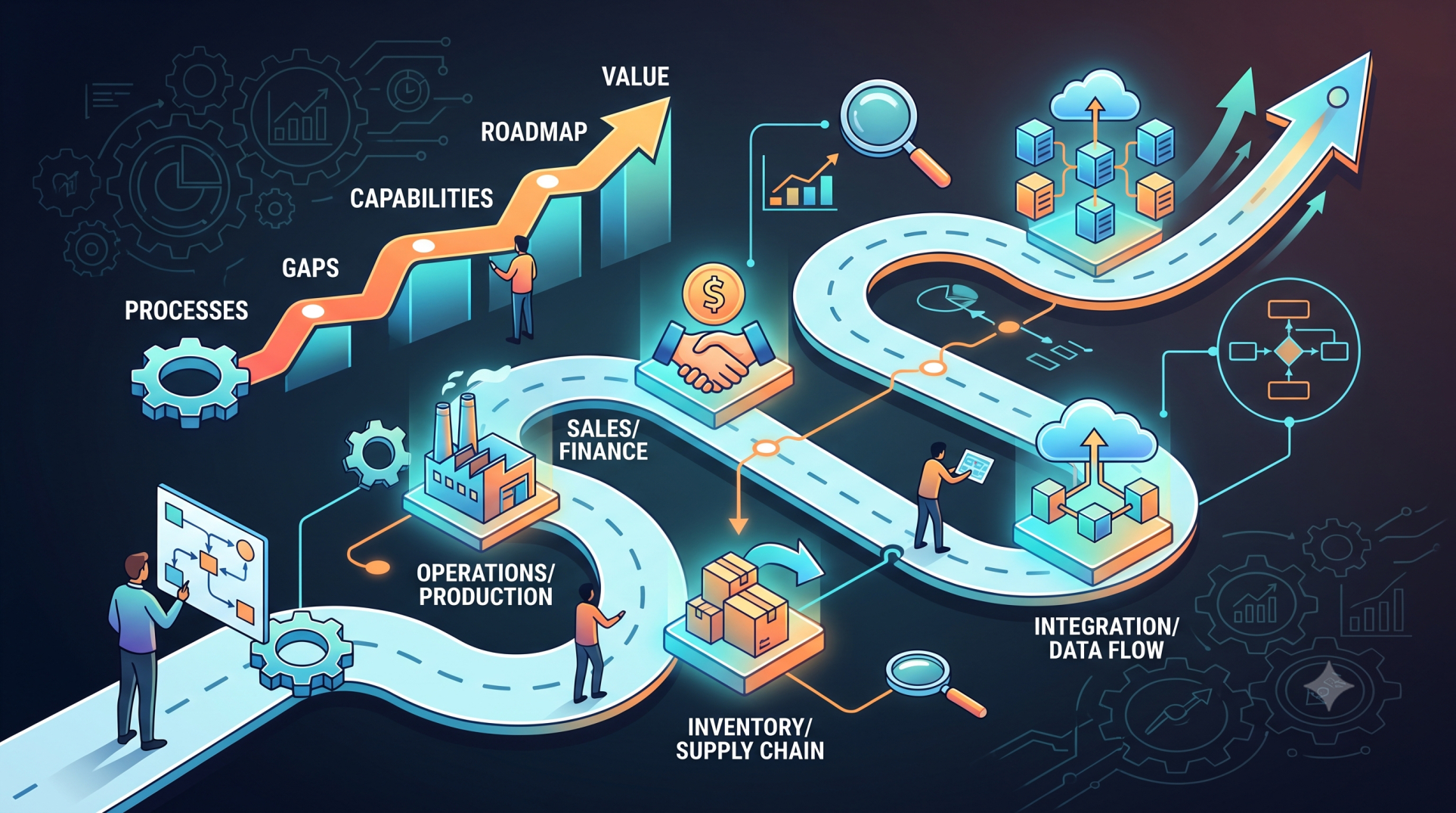
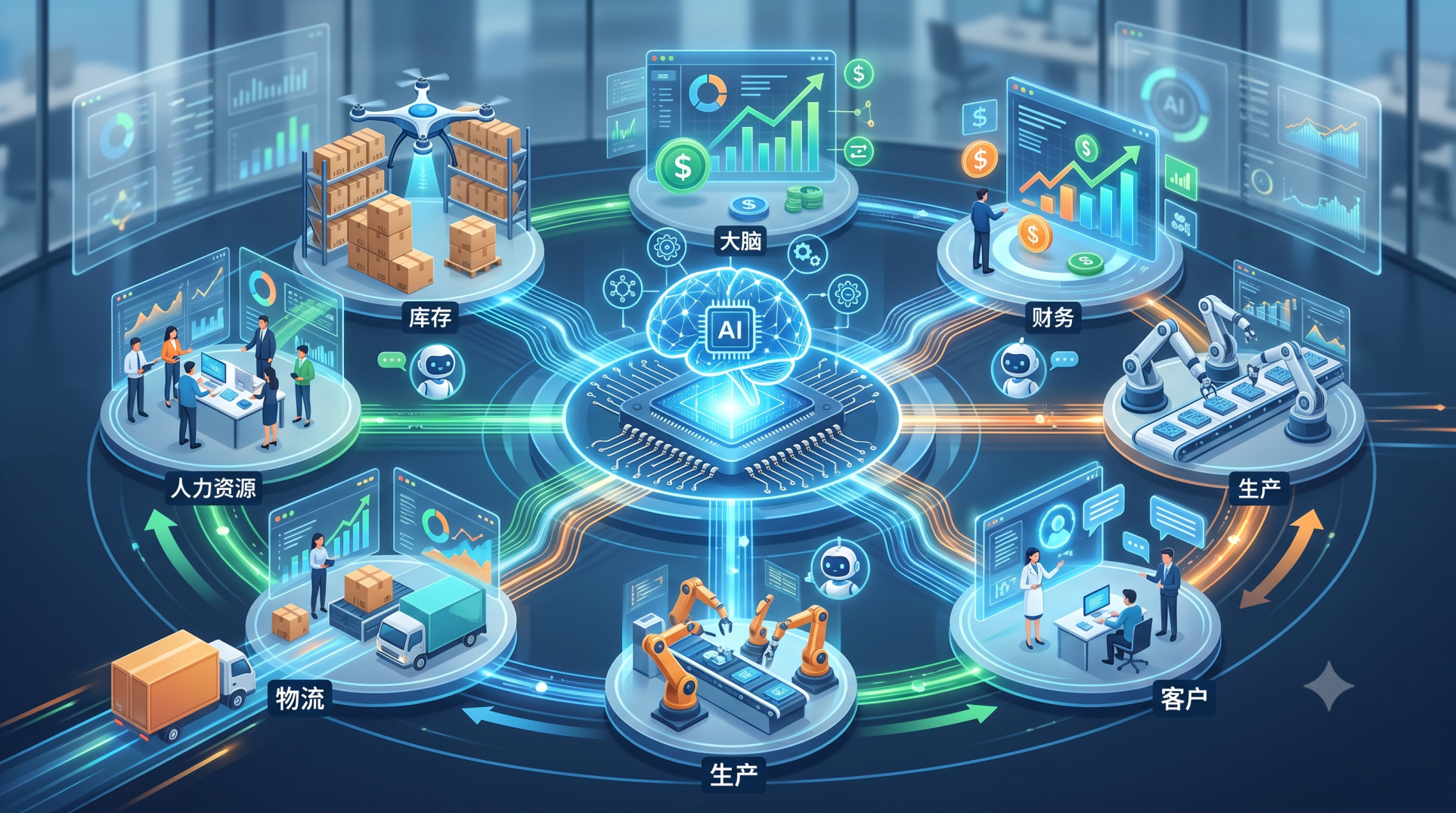
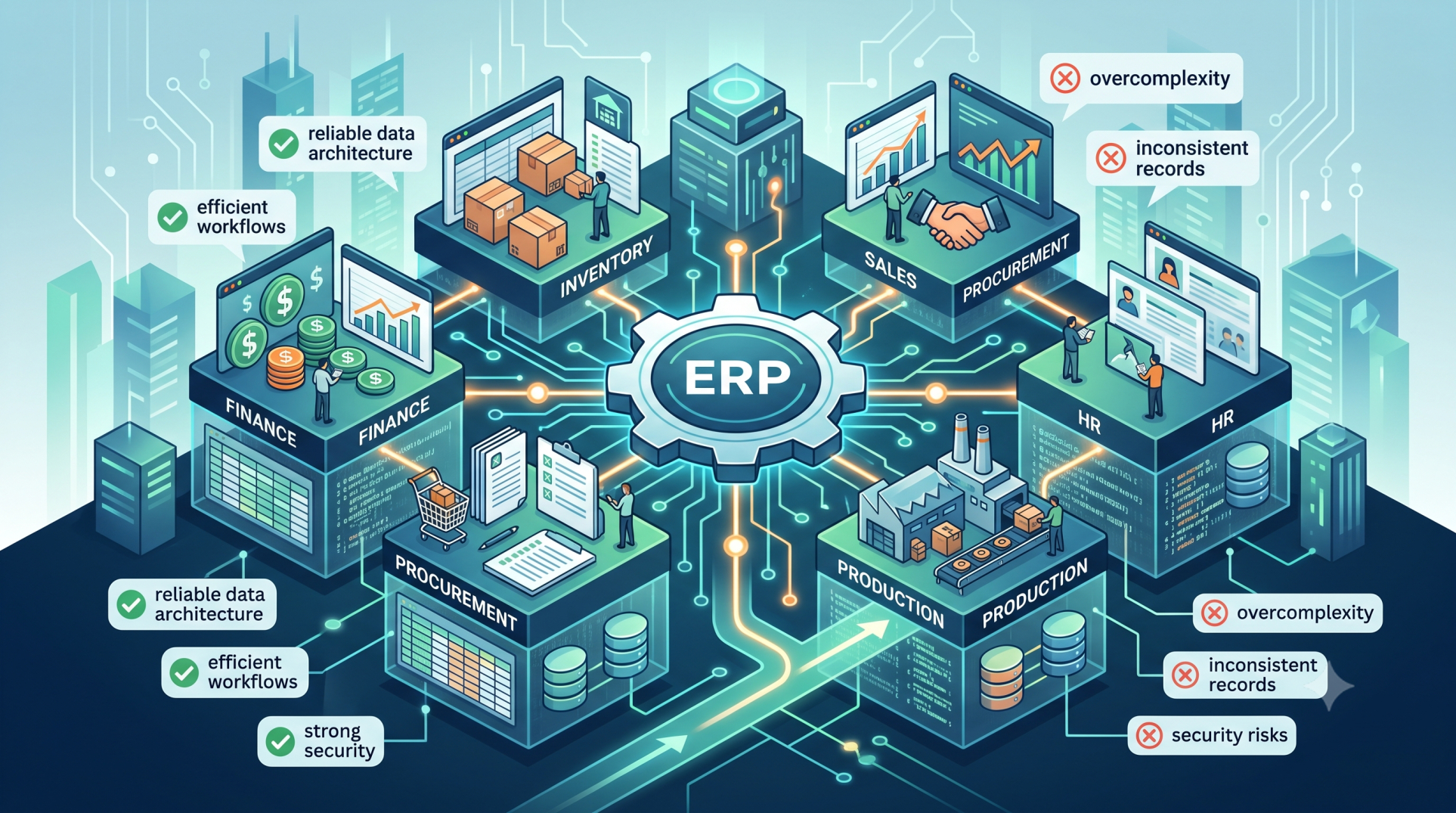
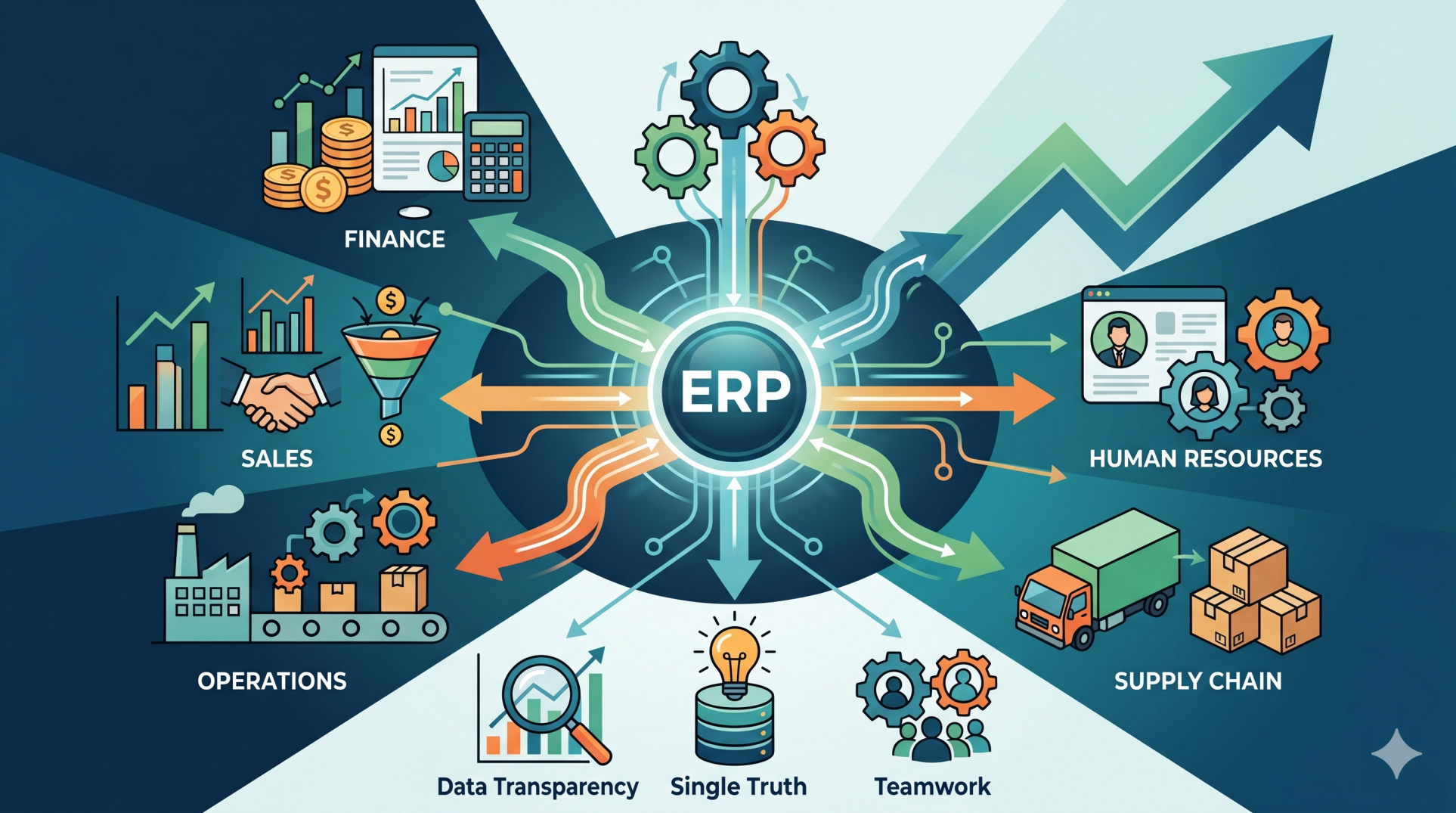
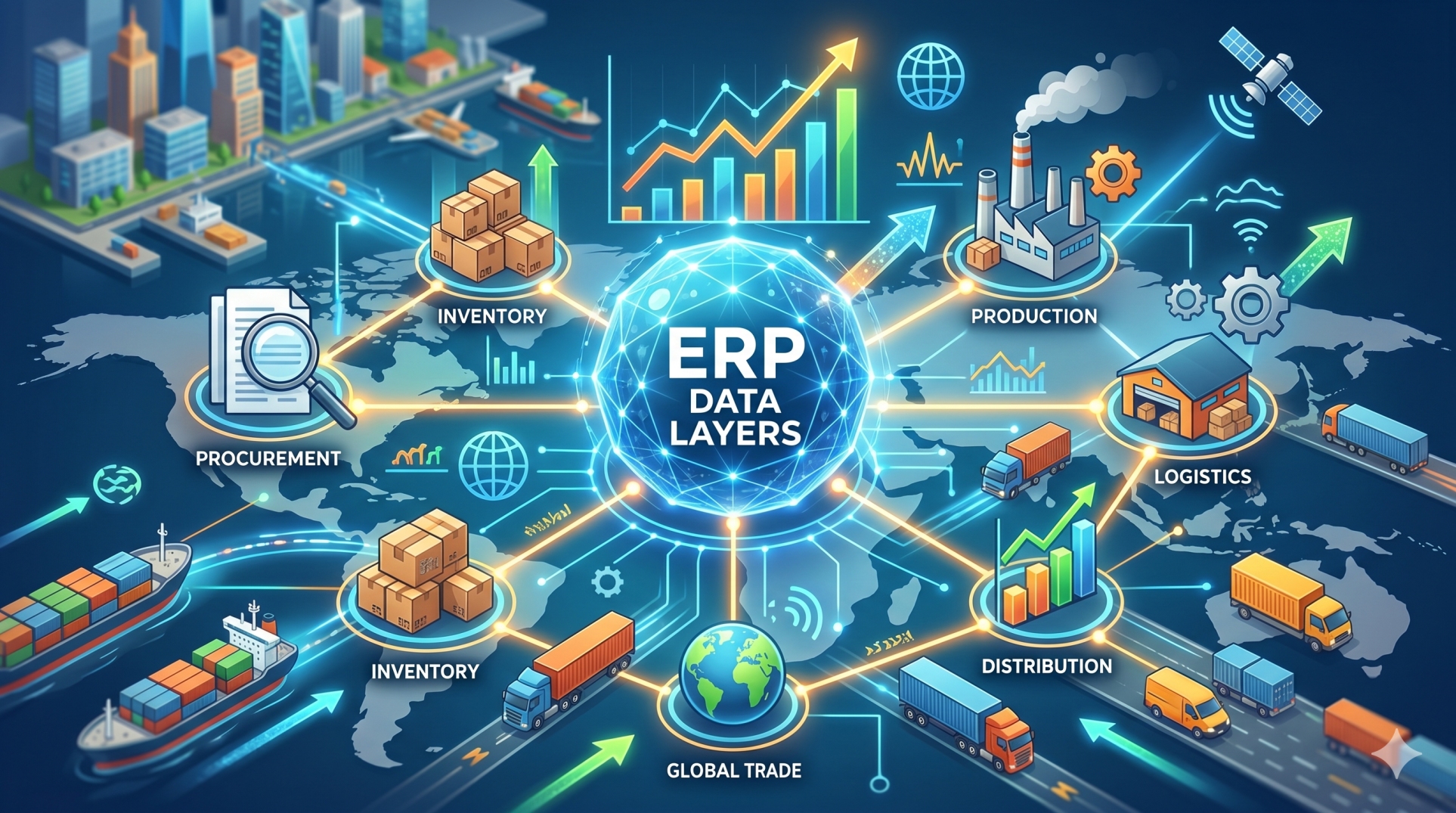
6. ERP Capabilities Delivered Through Microservices 🏢
- Financial management and accounting 💰
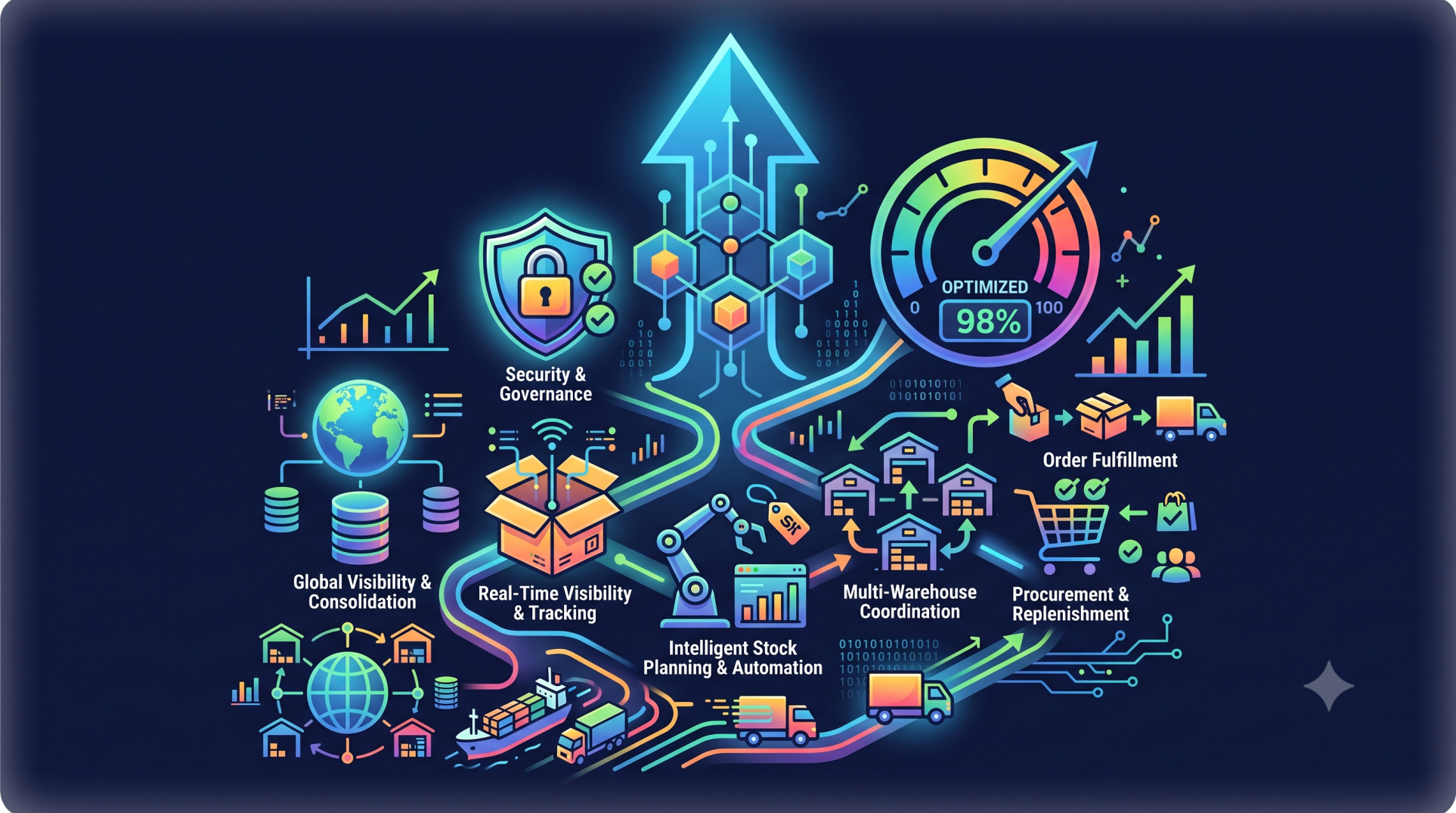
- Inventory and supply chain operations 📦
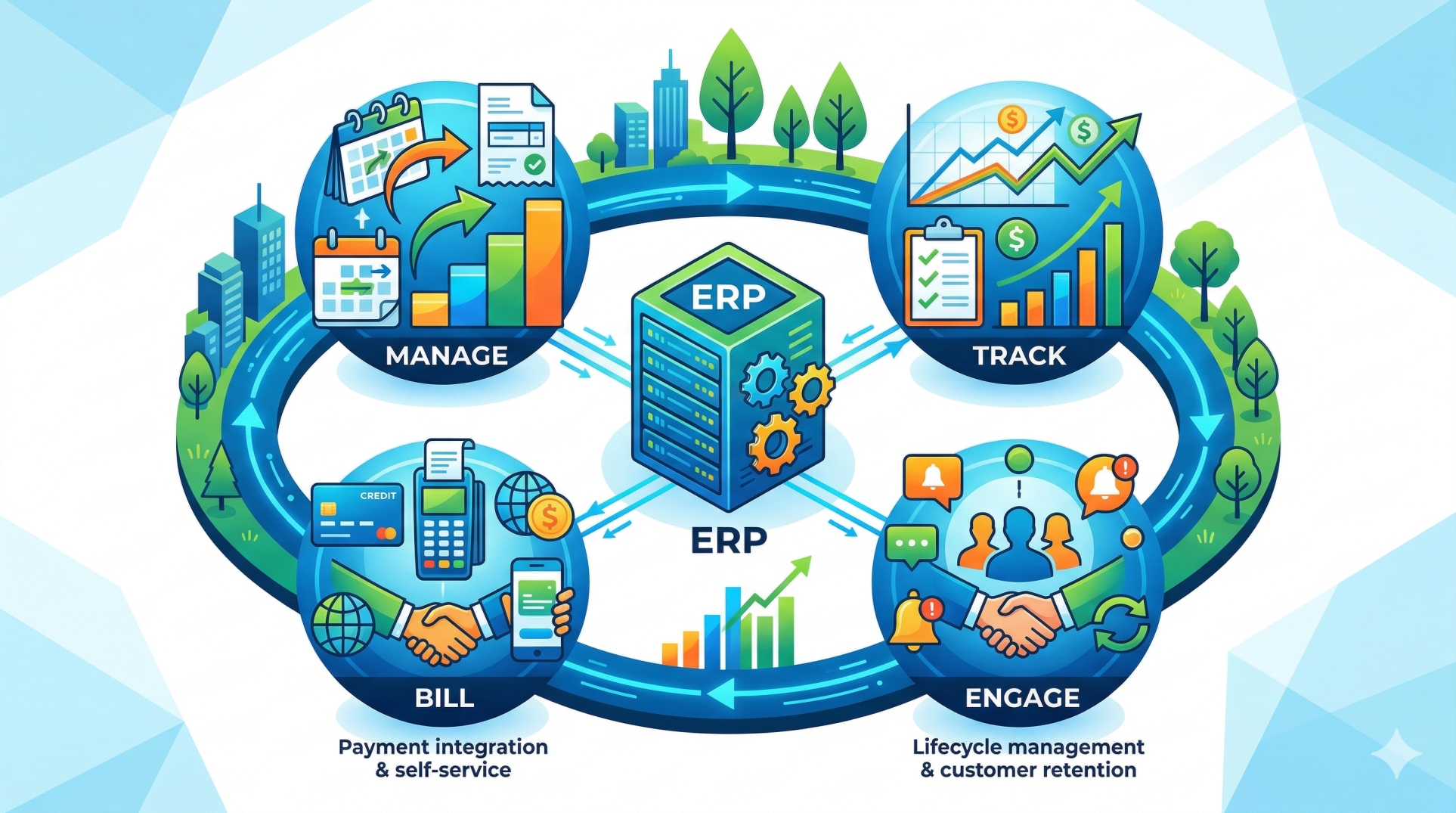
- Order processing and billing 🧾
- Human resources and payroll 👥
- Reporting and analytics 📊
7. Scalability and Performance Advantages 📈
- Individual services scale based on demand ⚡
- Improves performance during peak usage 🚀
- Optimizes infrastructure utilization 💡
- Delivers faster response times ⏱️
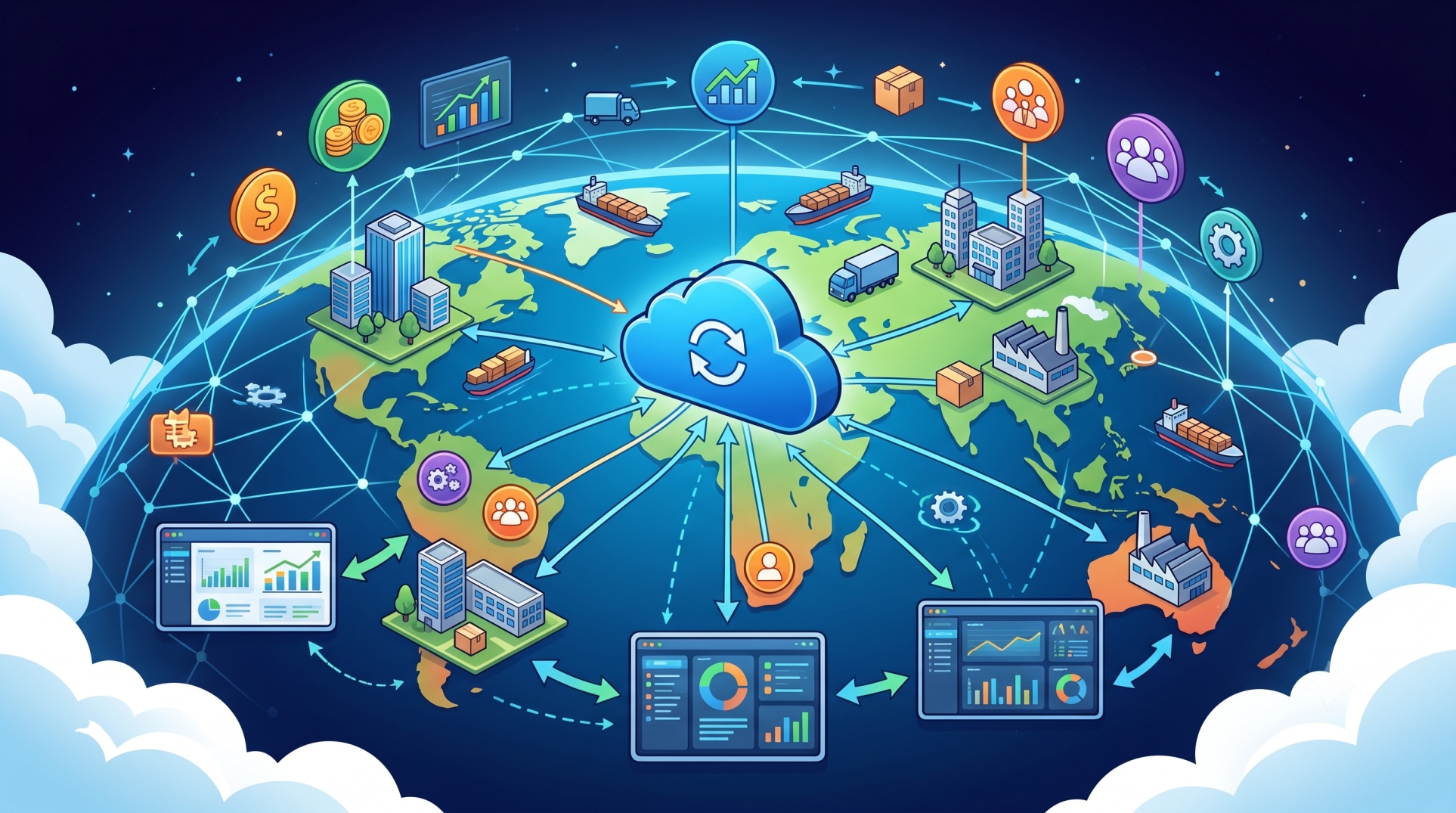
- Supports global and multi-entity ERP environments 🌍
8. Enabling Faster Innovation and Customization 🚀
- New features can be added without impacting core systems ➕
- Custom extensions remain isolated from standard ERP functions 🔧
- Supports rapid experimentation and iteration 🧪
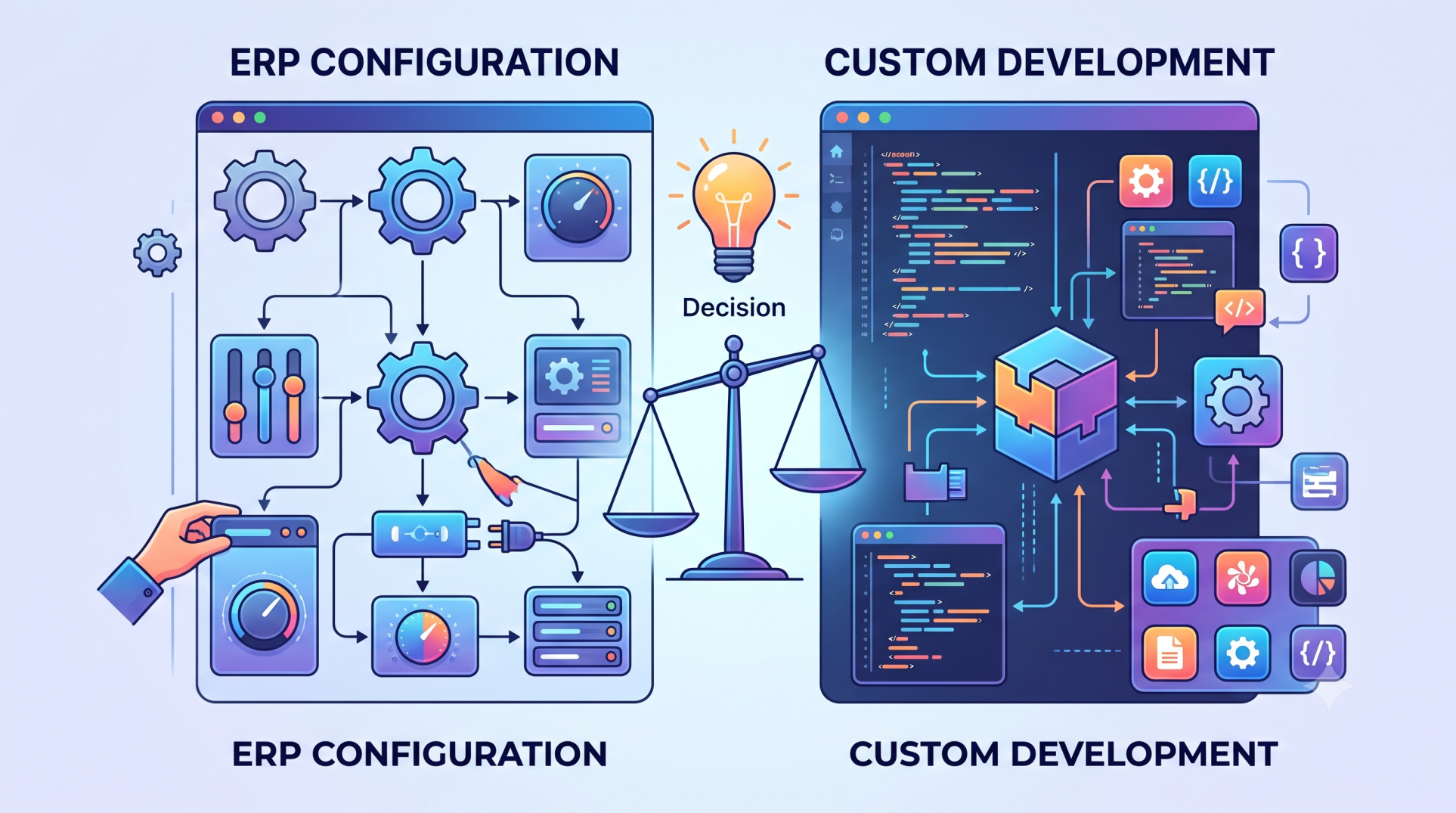
- Enables composable and low-code ERP strategies 🧩
- Reduces long-term technical complexity 📉
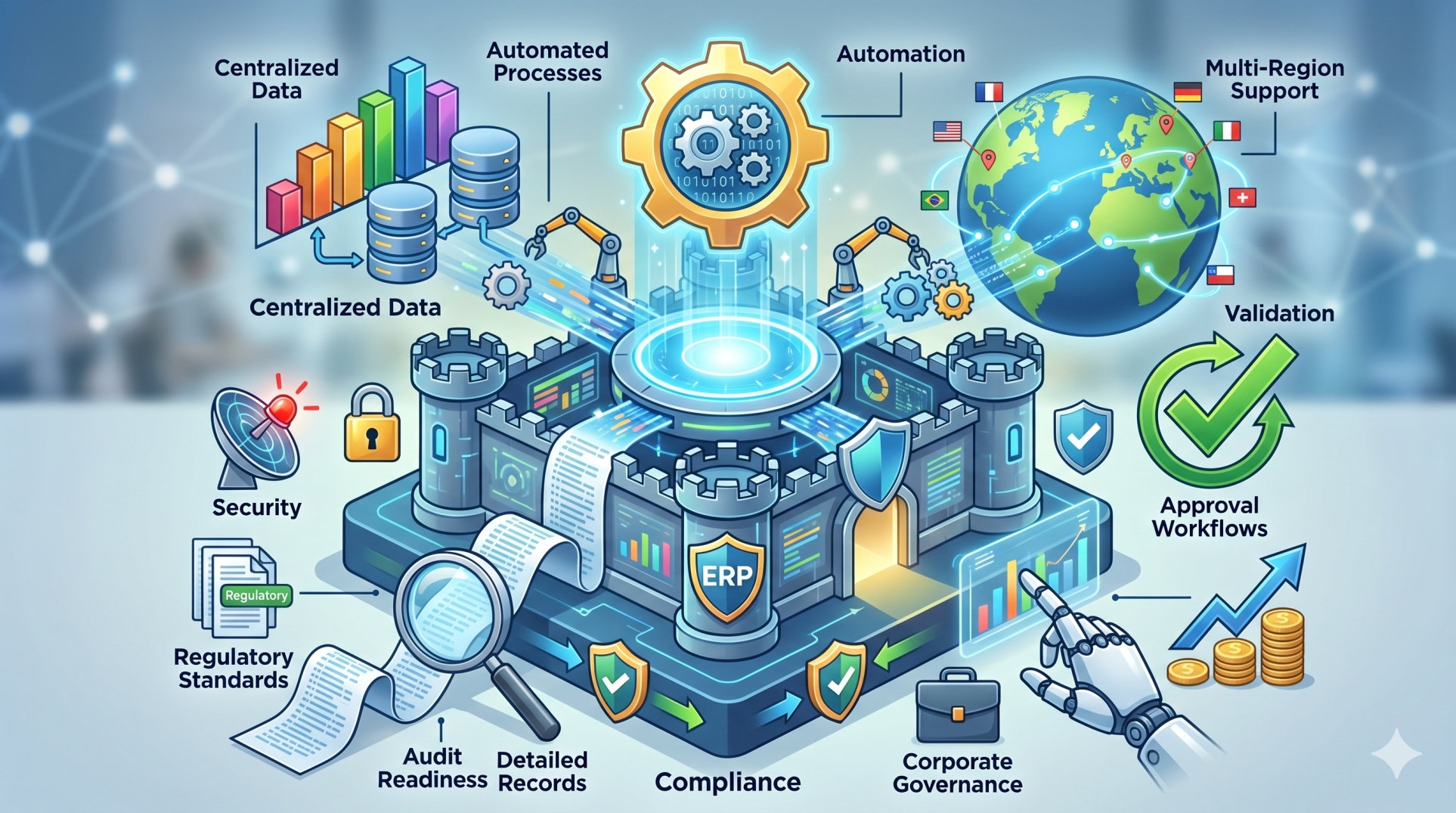
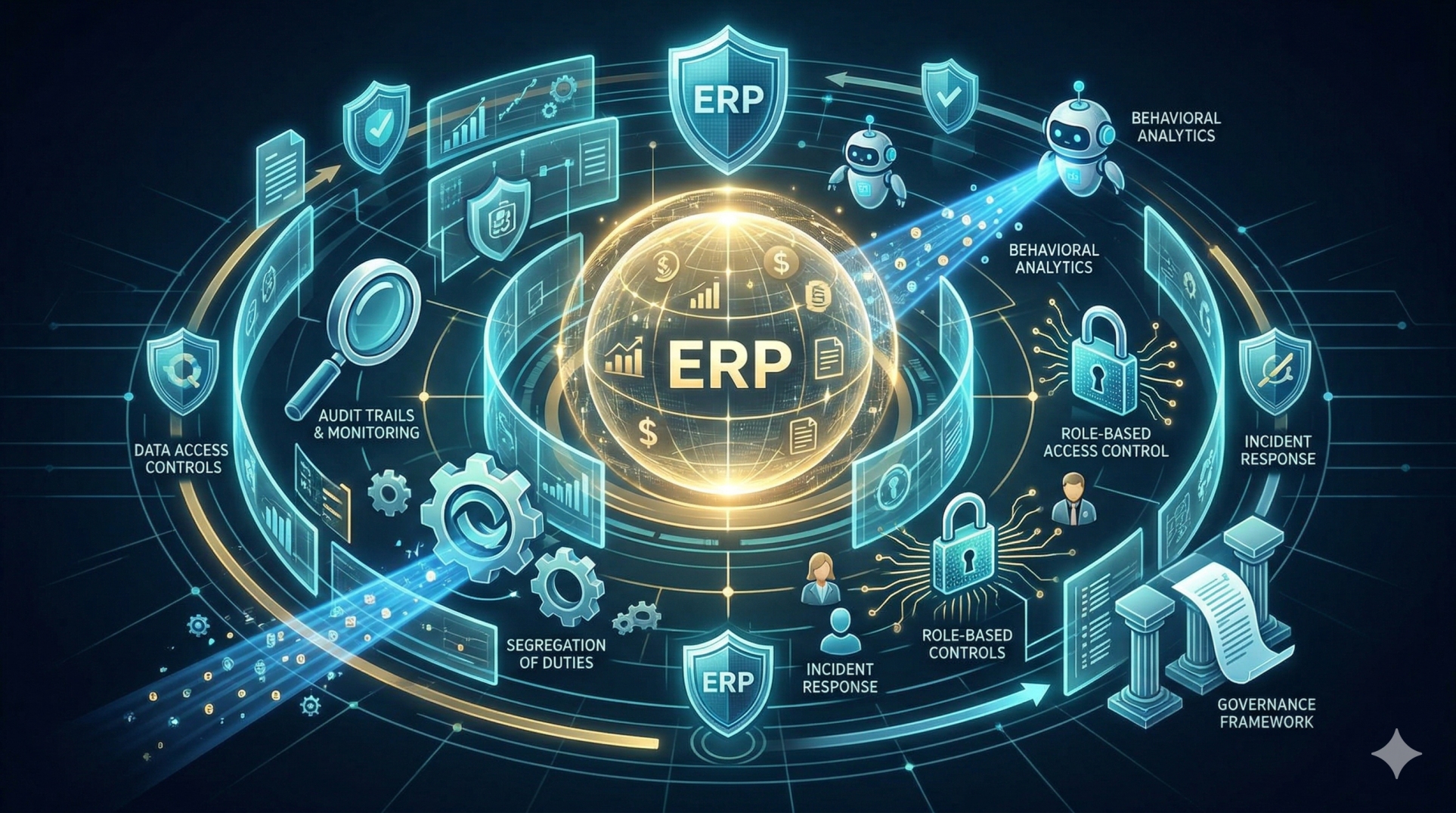
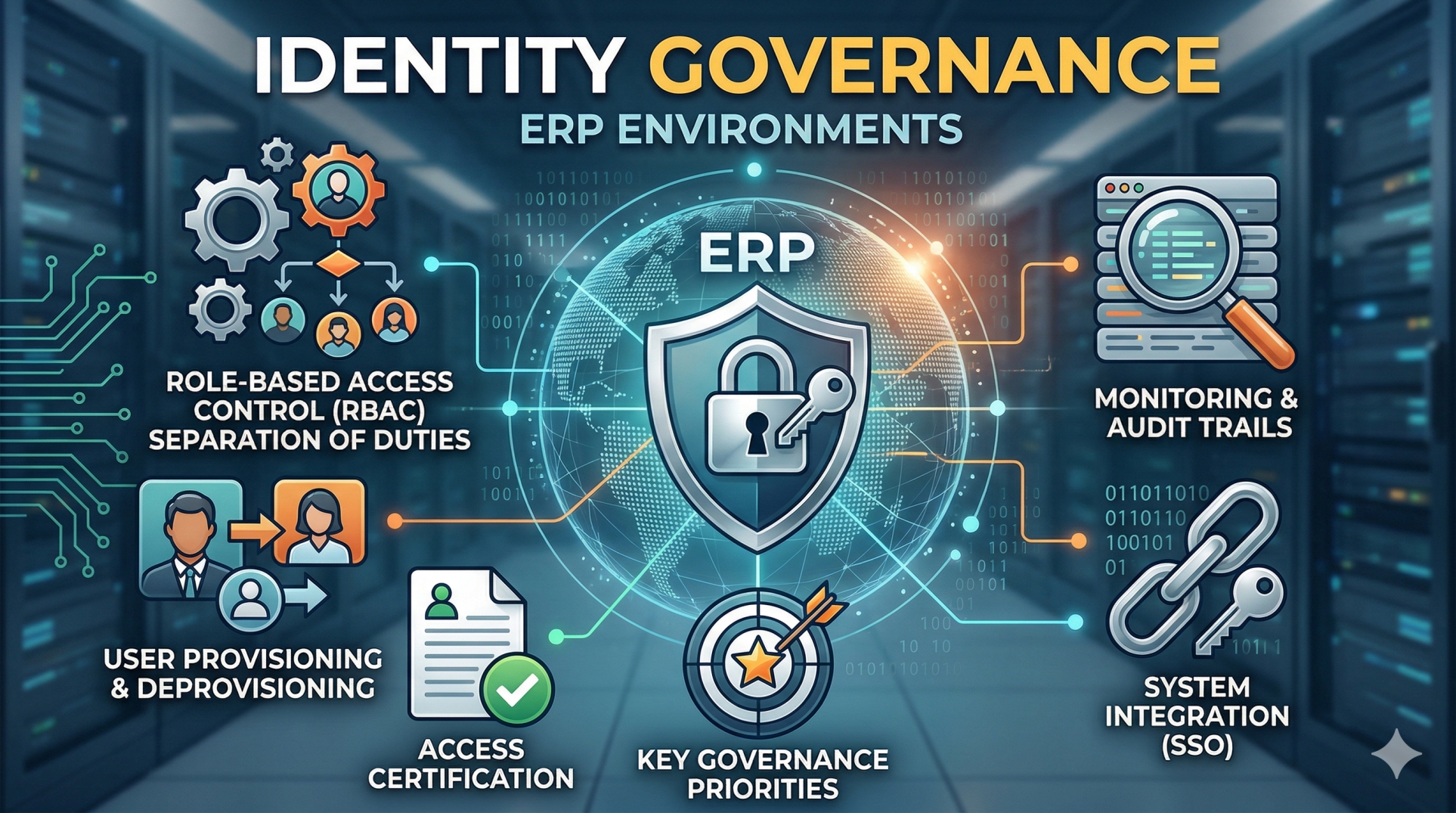
9. Security and Governance Considerations 🔐
- APIs protected with authentication and authorization 👤
- Role-based access at the service level 🛂
- Centralized logging and monitoring 👀
- End-to-end audit trails 📜
- Strong compliance and data governance ⚖️
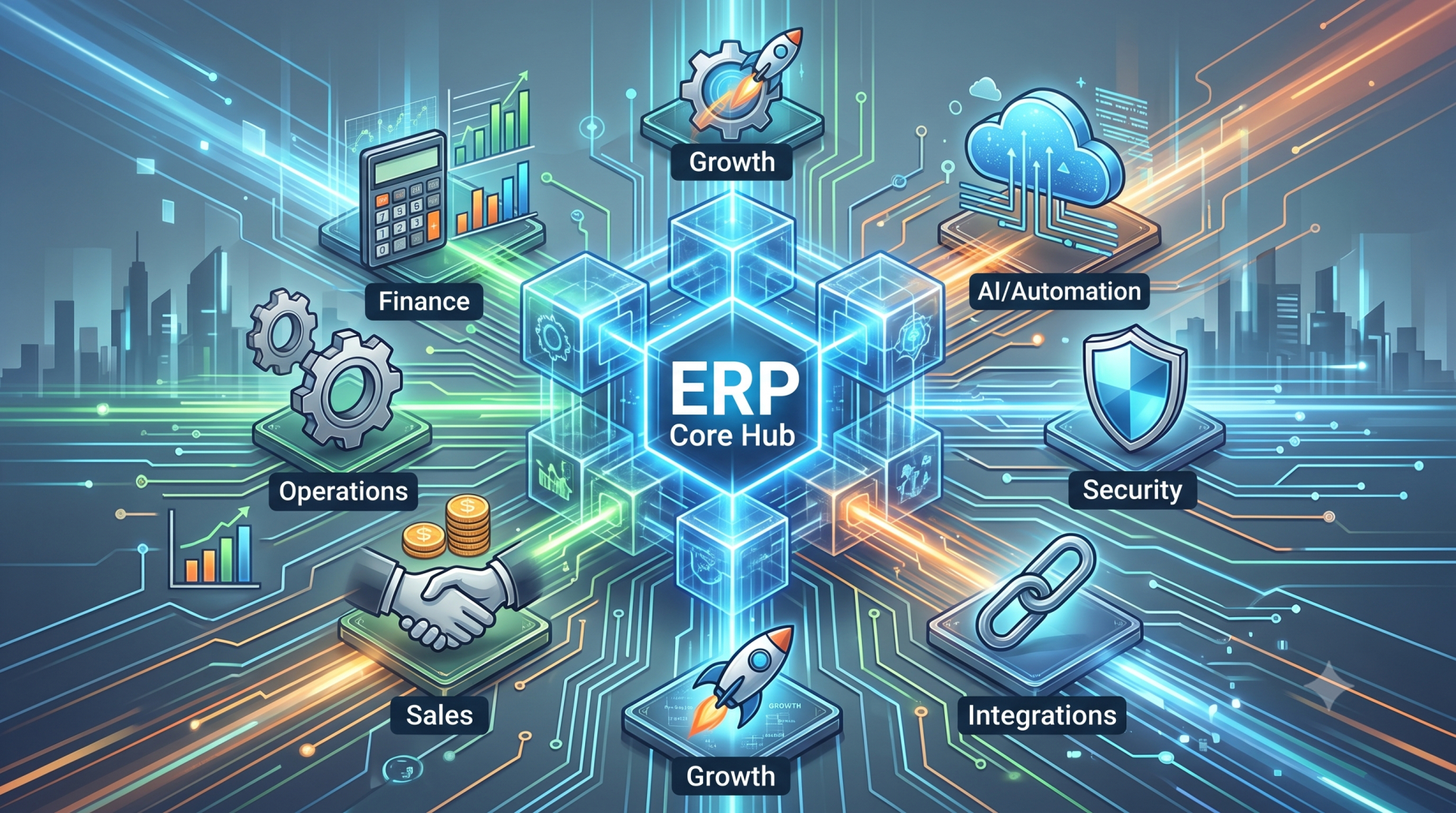
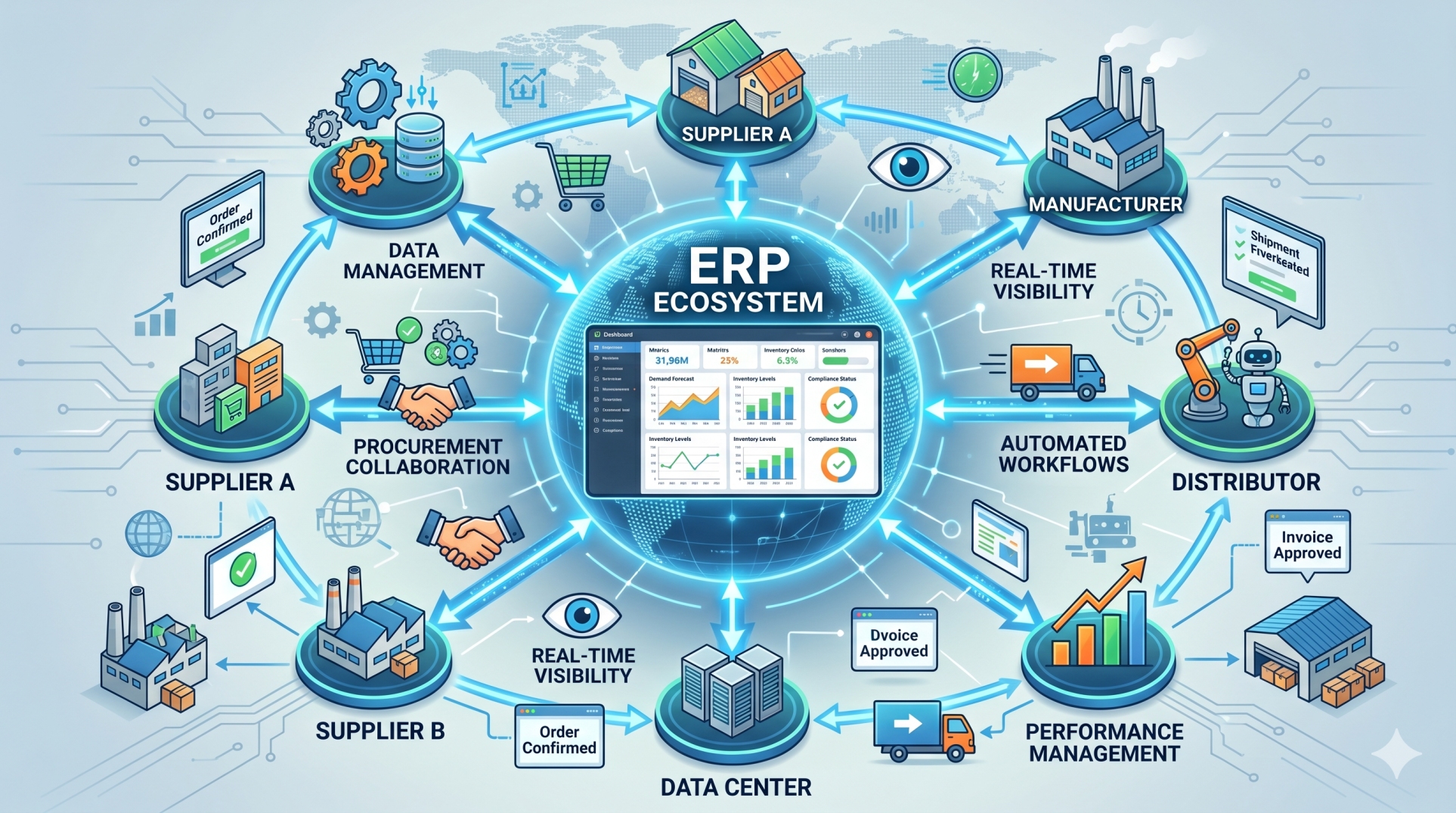
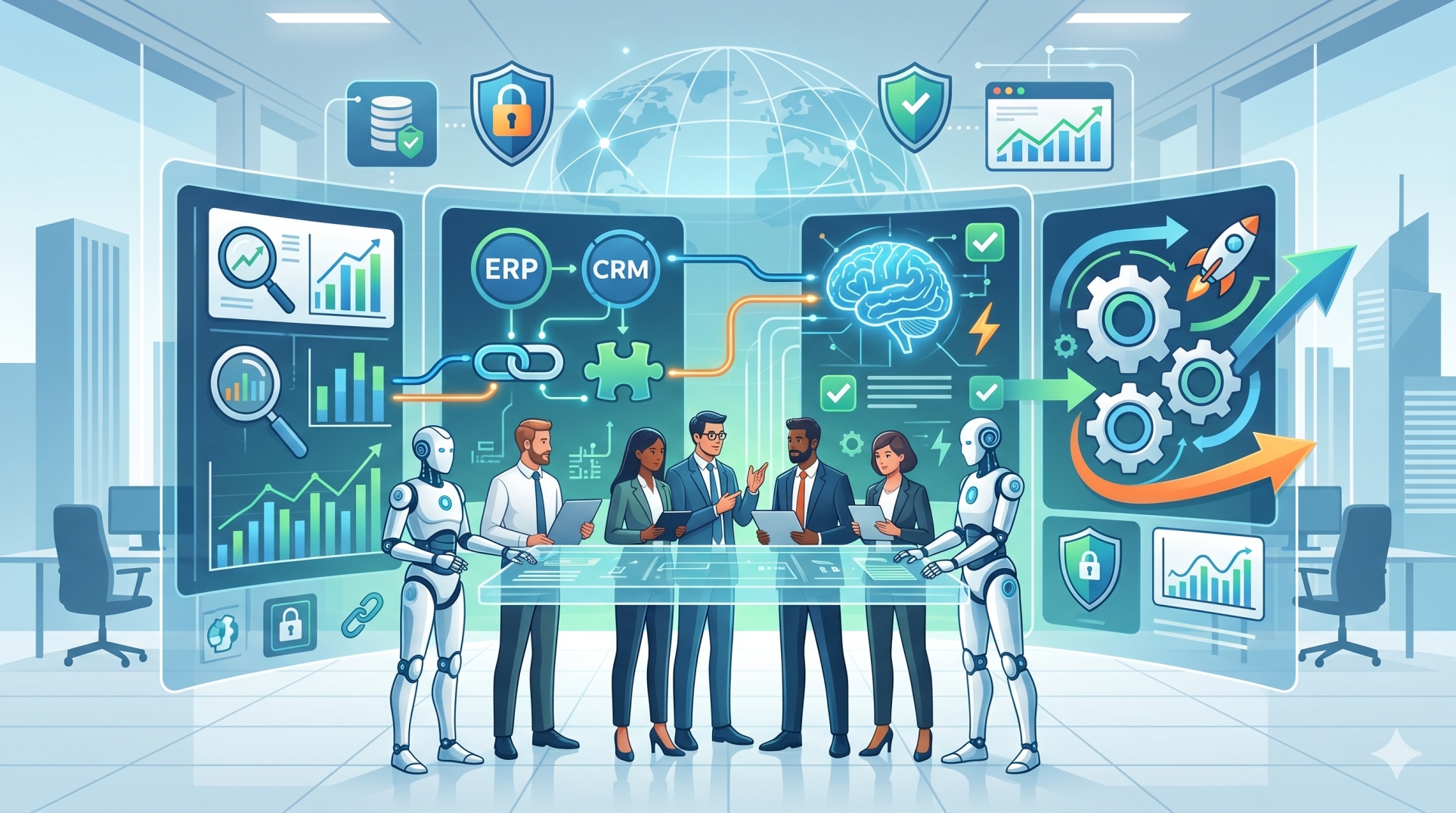
10. Integration with Modern Digital Ecosystems 🌐
- Connects ERP with cloud services and platforms ☁️
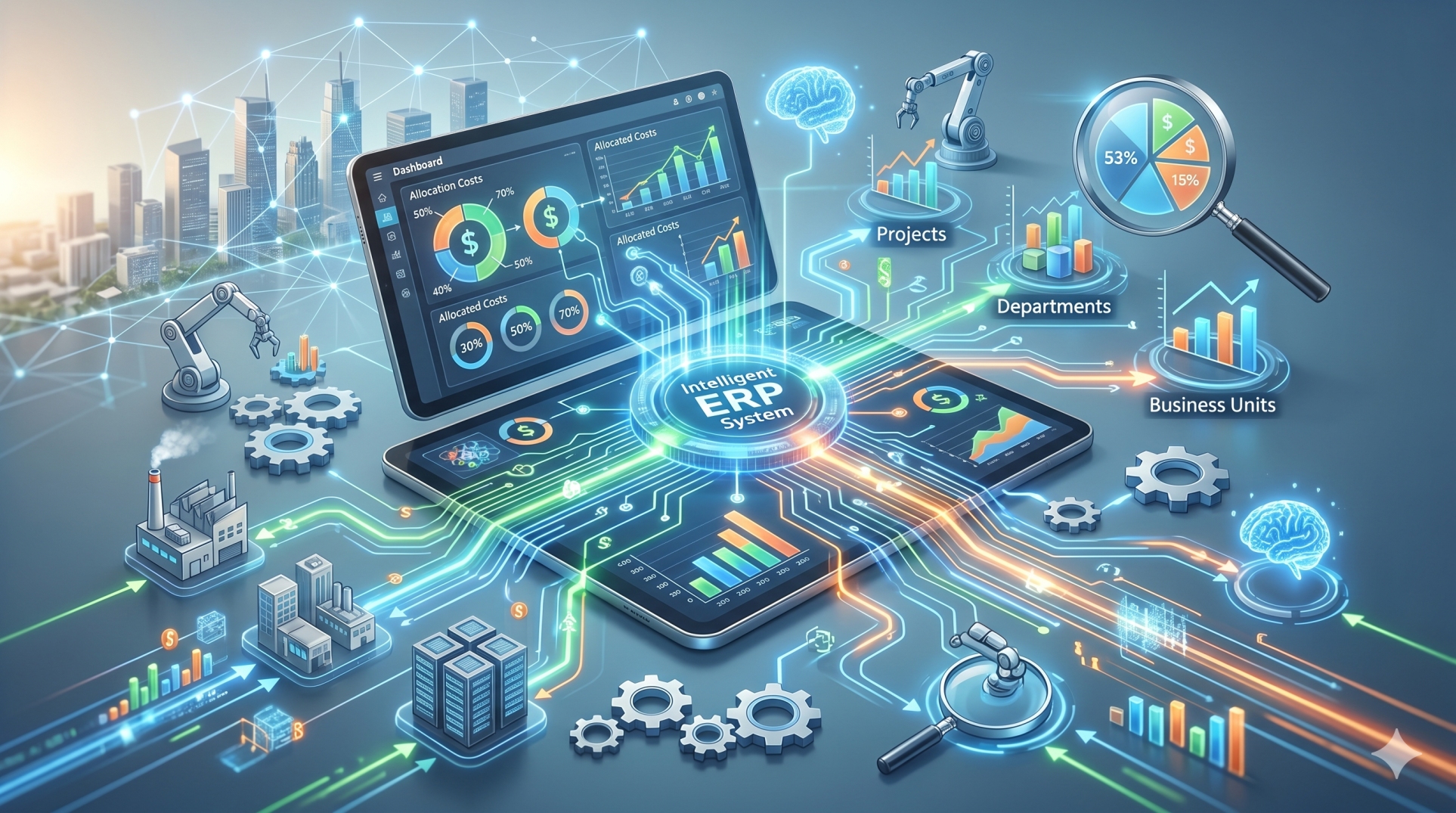
- Integrates AI, analytics, and automation tools 🤖
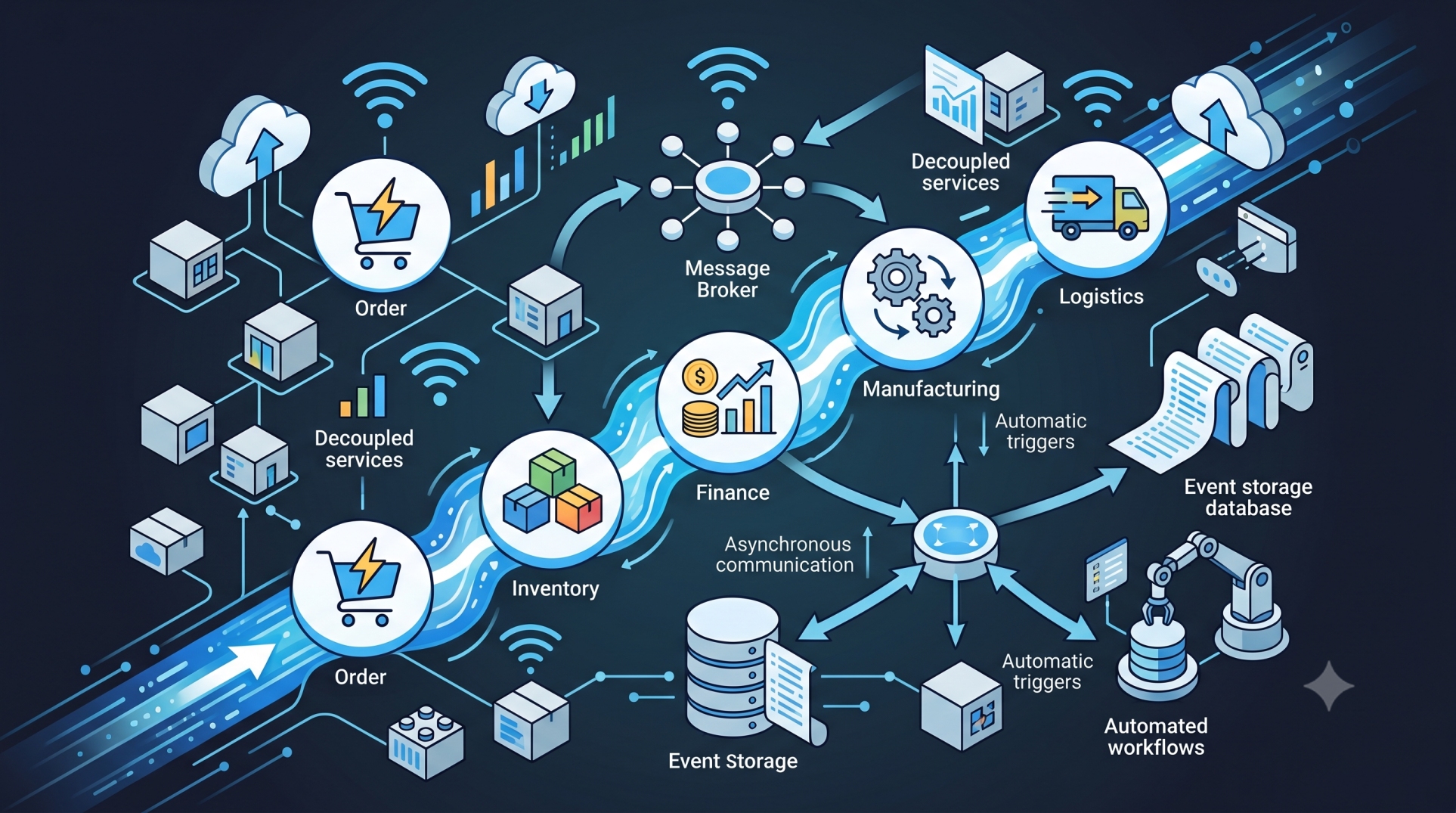
- Supports event-driven architectures 🔄
- Enables real-time workflows across systems ⚡
- Aligns ERP with digital transformation goals 🚀
11. Challenges to Manage ⚠️
- Increased architectural and operational complexity 🧠
- Need for effective API governance 🛡️
- Requires mature DevOps and monitoring practices 🔧
- Potential latency and service coordination issues 🌐
- Careful version and dependency management 📦
Final Thoughts 🏁
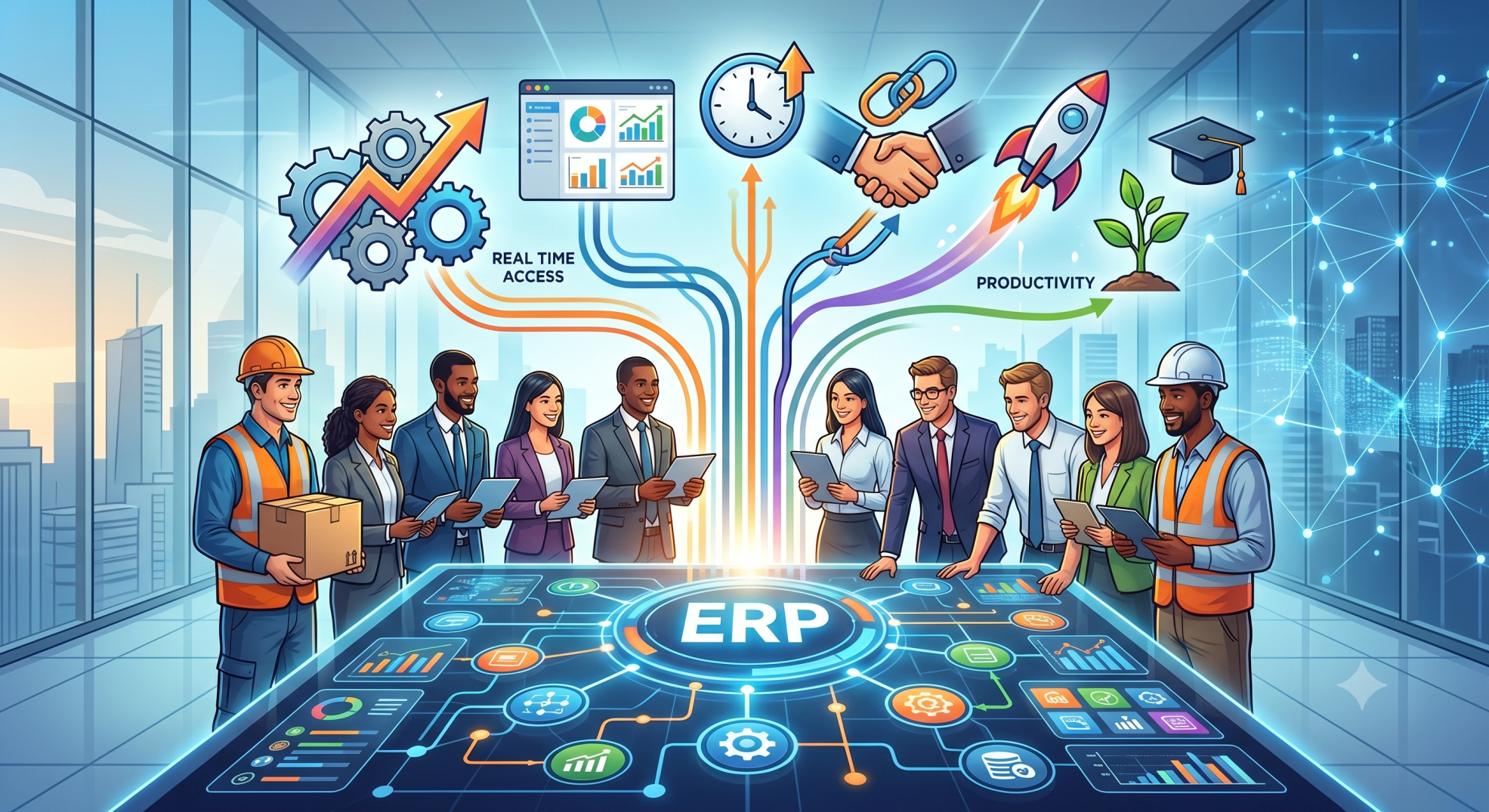
Microservices and APIs have transformed ERP platforms into adaptable, scalable systems. By moving beyond monolithic designs, modern ERP solutions gain flexibility, resilience, and faster innovation cycles. With strong governance and thoughtful architecture, microservices and APIs turn ERP into a powerful digital foundation for long-term growth and transformation. 🌍
See more blogs
You can all the articles below