Why Cloud-Native ERP Is the New Standard

Why Cloud-Native ERP Is the New Standard
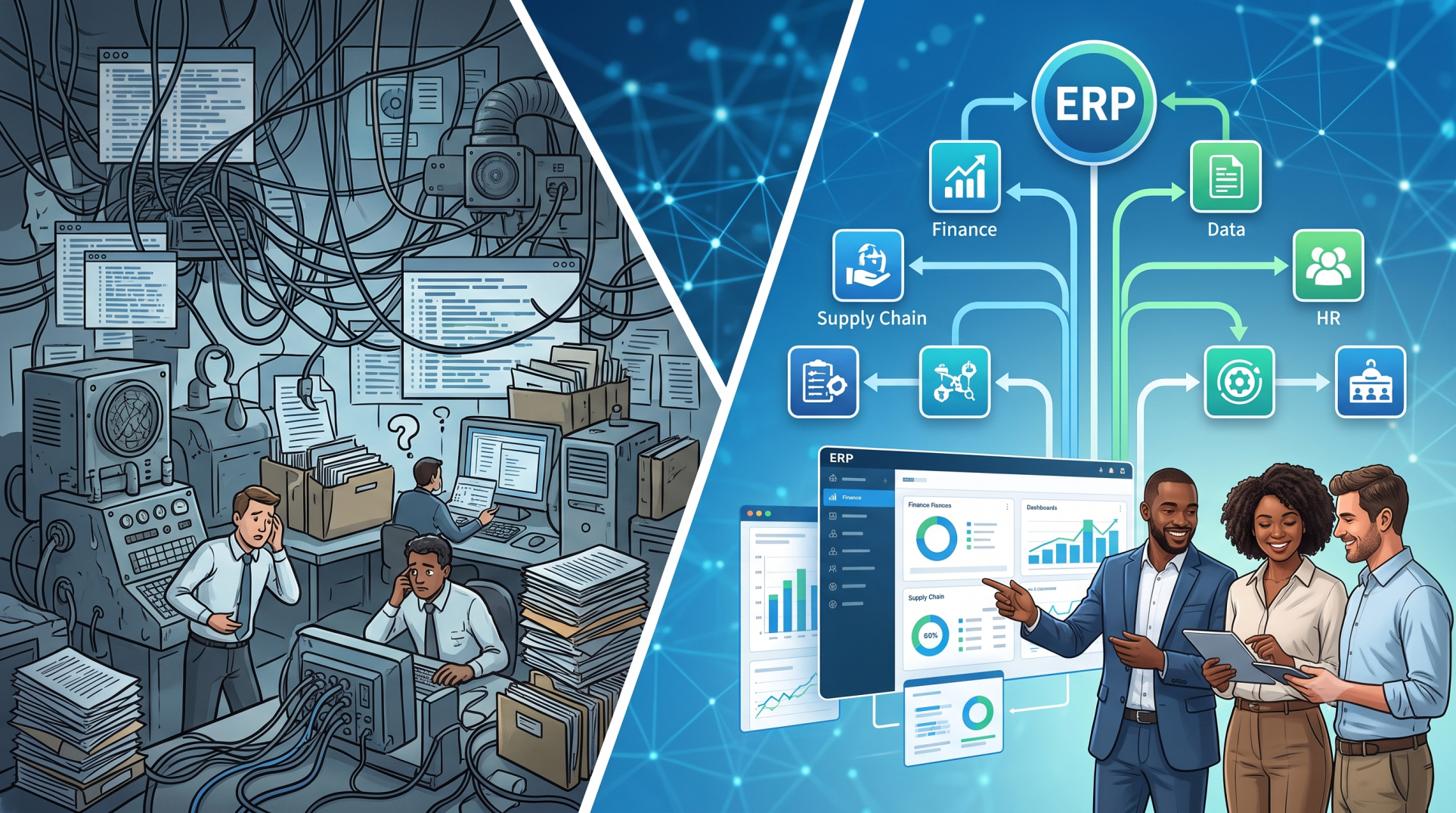
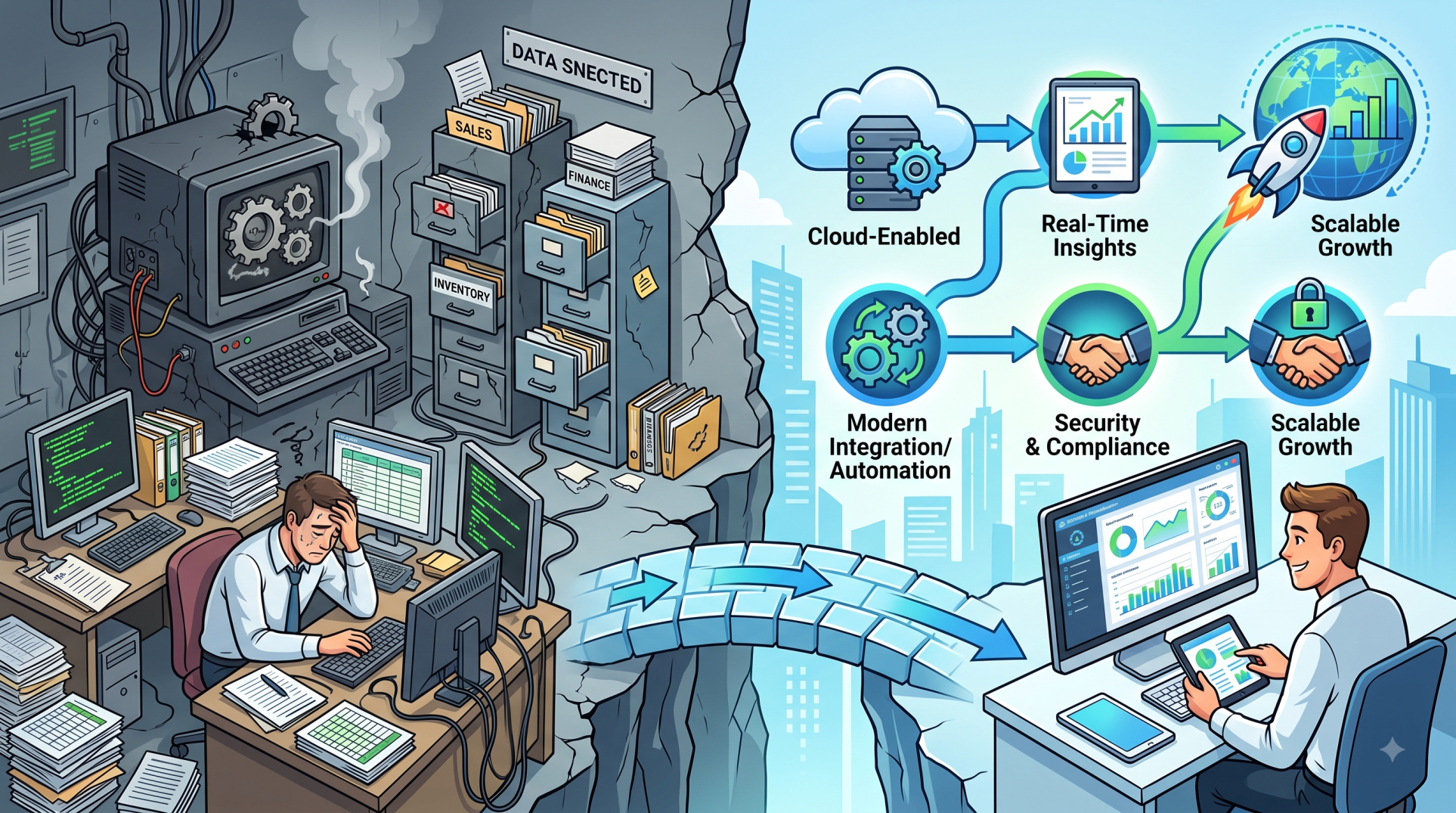
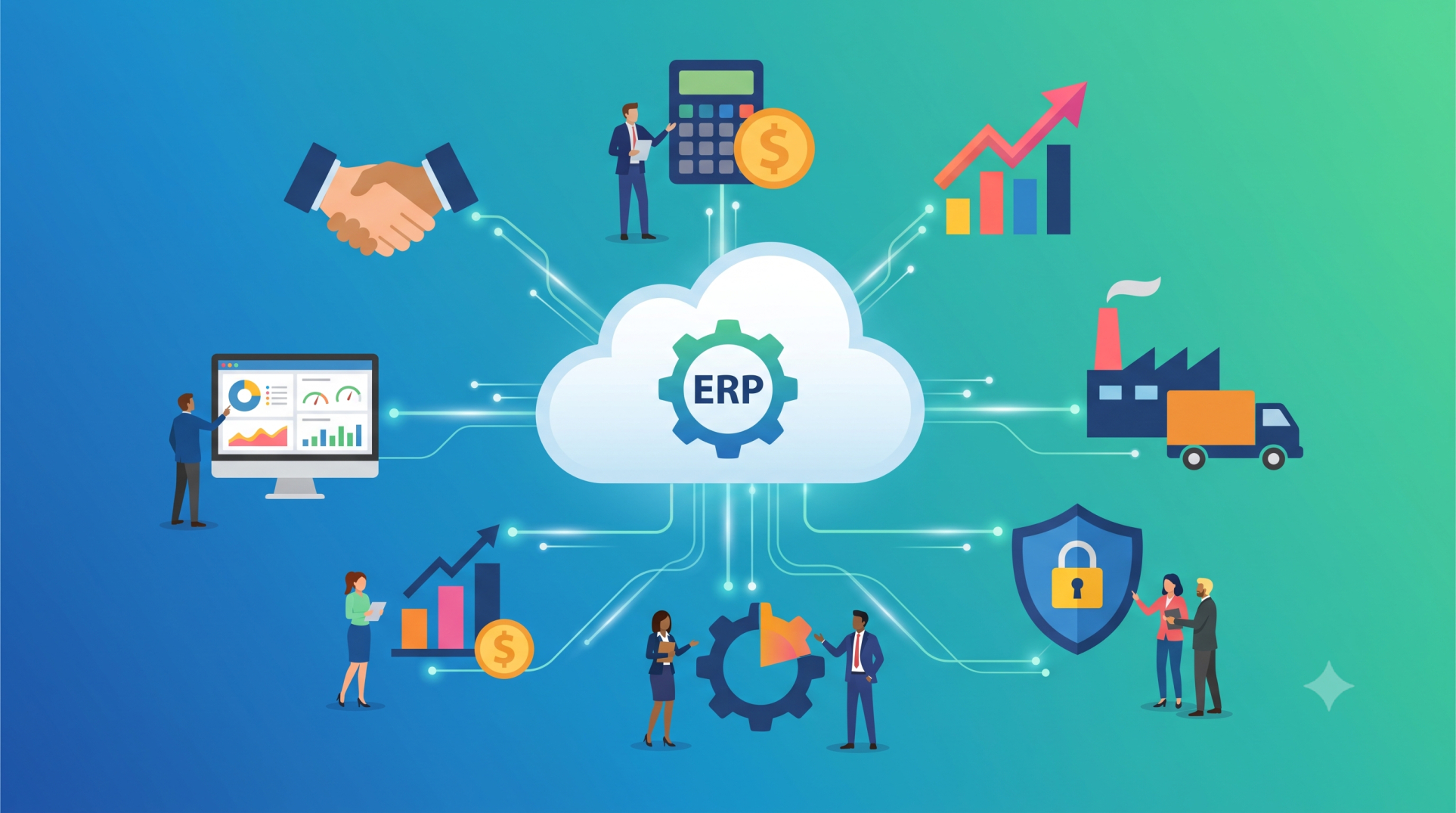
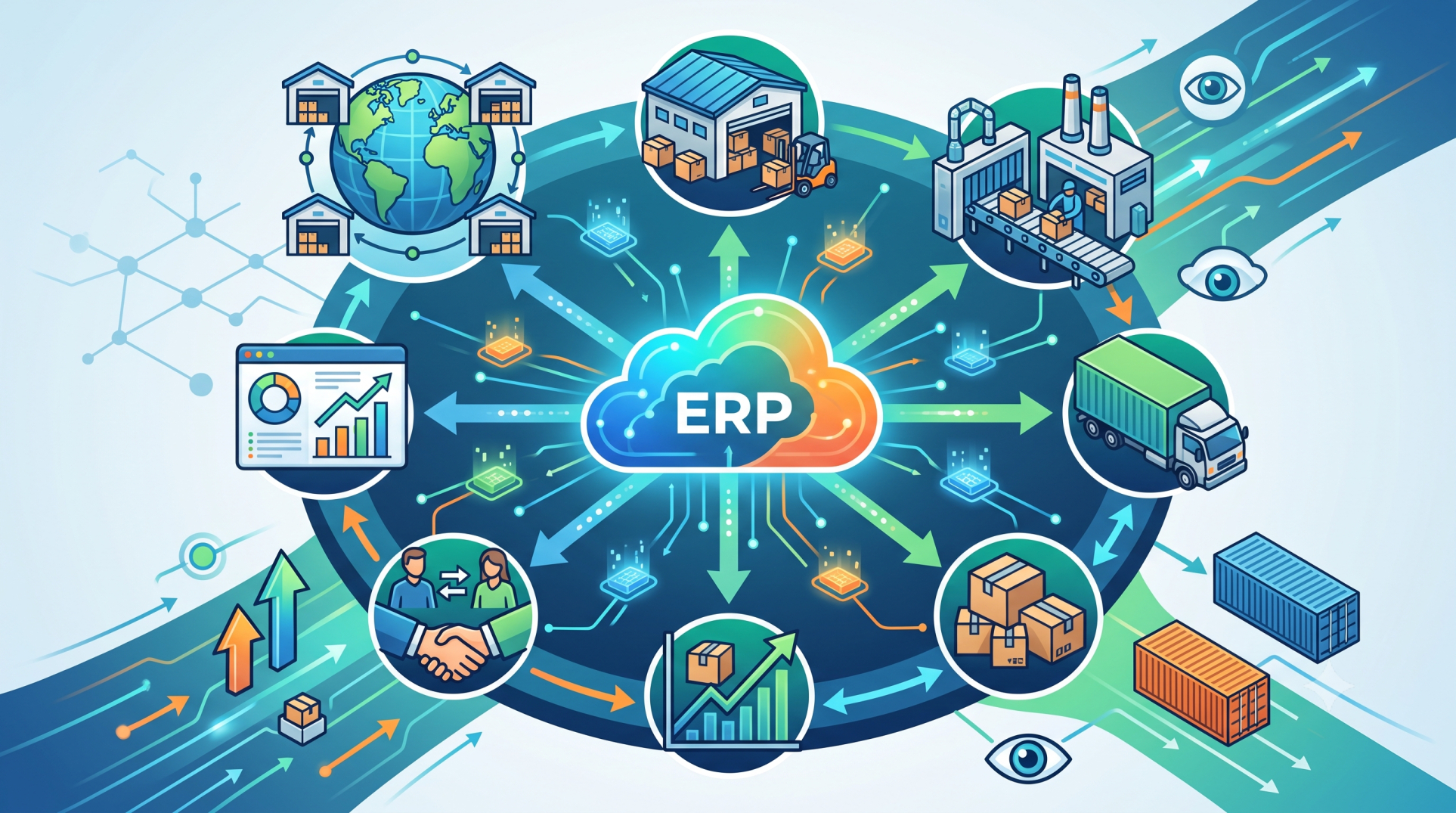
Modern businesses operate in a digital-first environment where agility, speed, and real-time data access are critical. Traditional on-premise ERP systems often lack the flexibility needed to meet these demands. Cloud-native ERP has emerged as the new standard, providing organizations with the scalability, efficiency, and innovation required to grow and stay competitive.
1. What Is Cloud-Native ERP
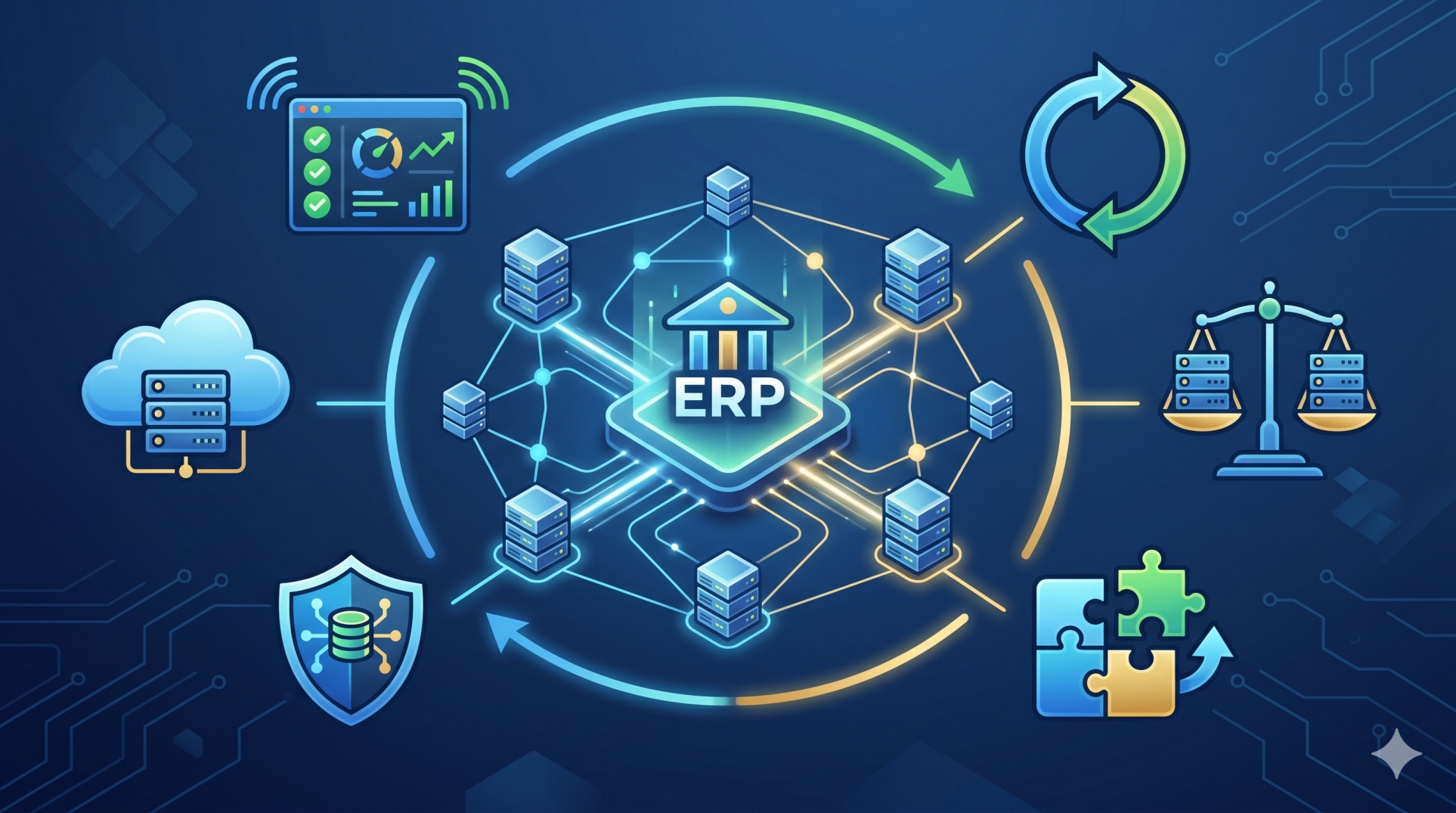
🔹 Designed specifically for cloud environments ☁️
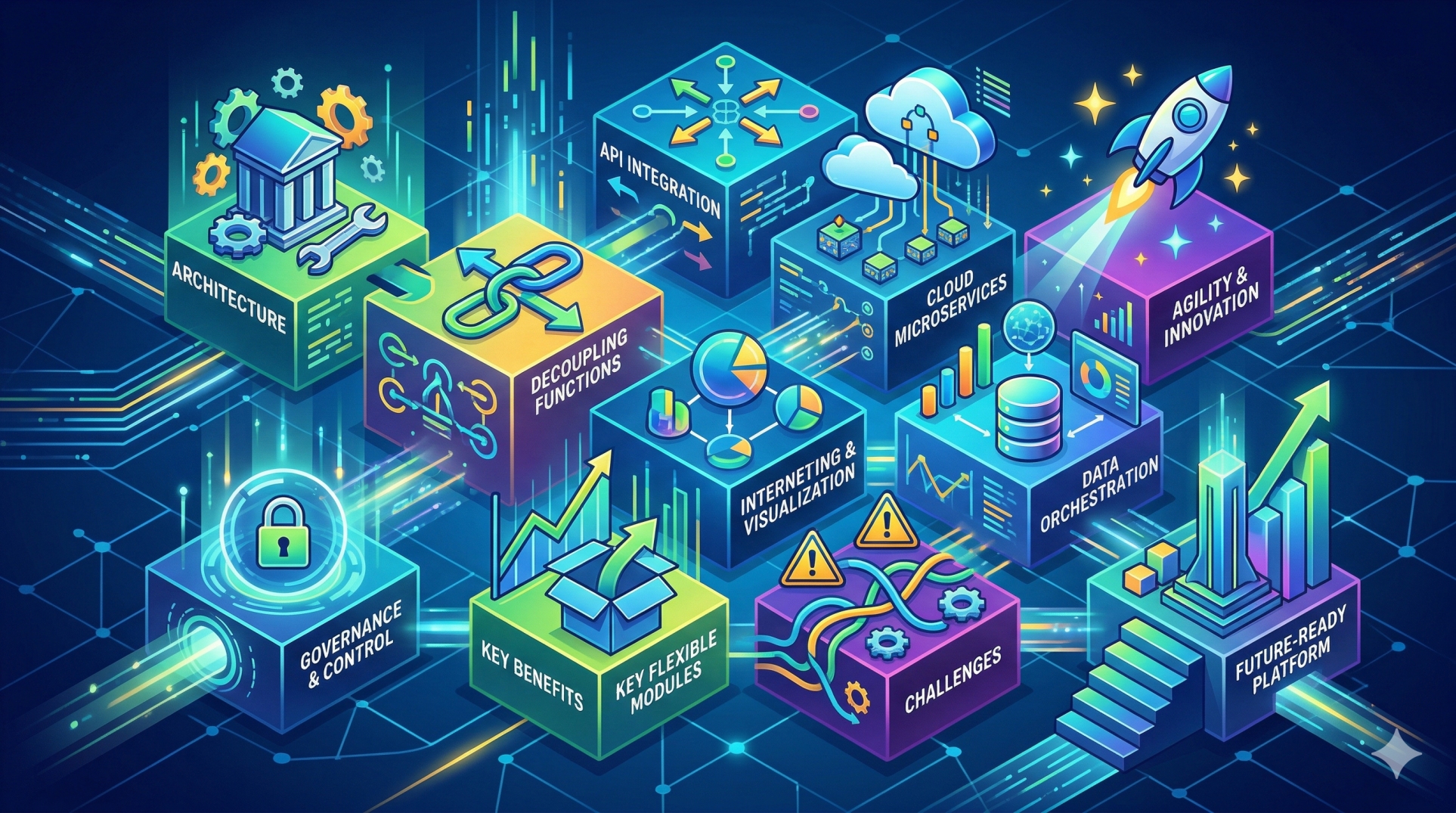
🔹 Built using modern, cloud-first architectures 🏗️
🔹 Supports continuous updates and high system availability 🔄
🔹 Accessible online without complex on-site installations 🌐
2. Faster Deployment and Lower Initial Costs
🔹 Removes the need for costly hardware investments 💰
🔹 Shortens setup and implementation timelines ⏱️
🔹 Uses subscription-based pricing models 📦
🔹 Reduces ongoing IT maintenance and upgrade expenses 🛠️
3. Scalable to Match Business Growth
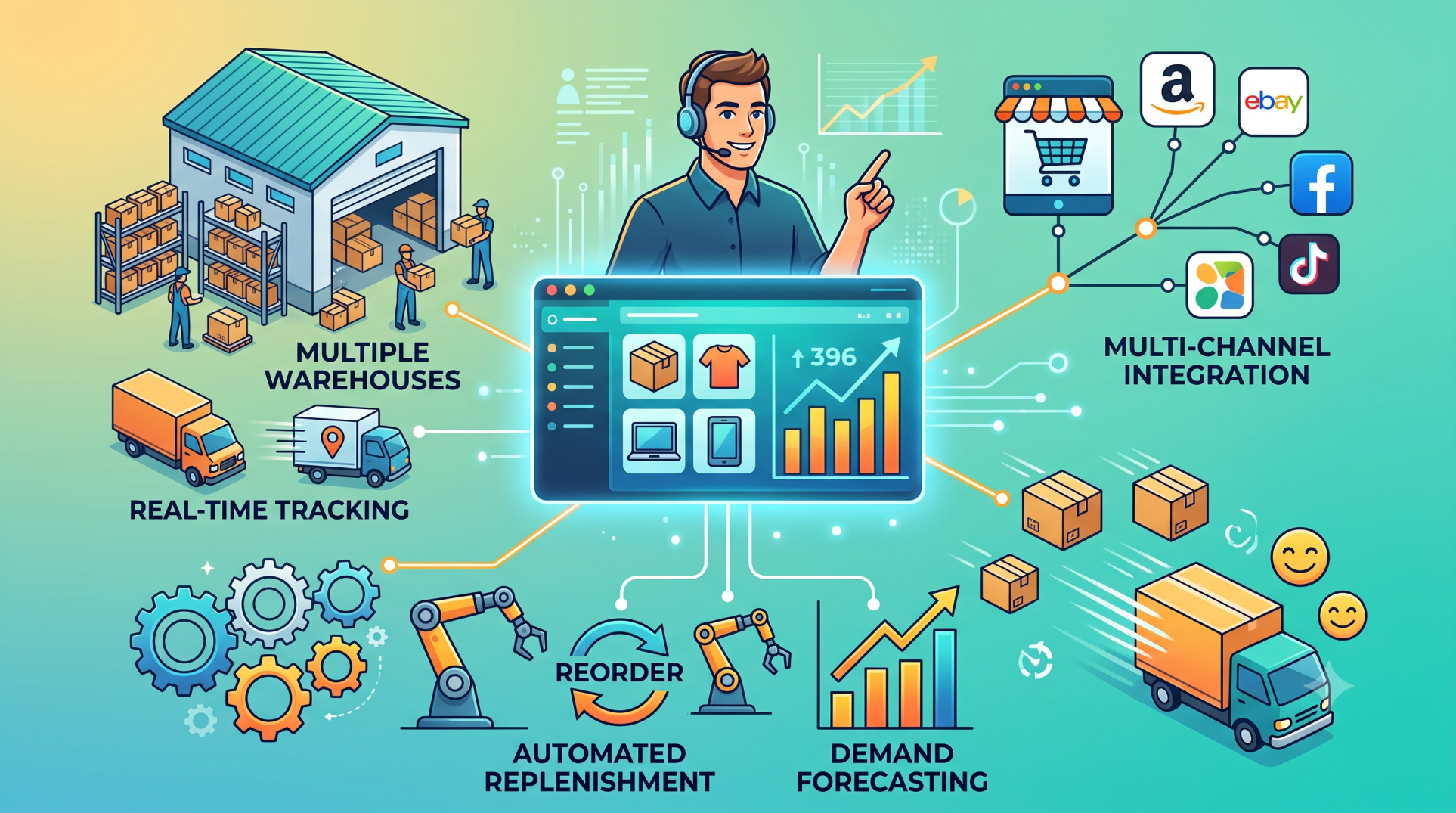
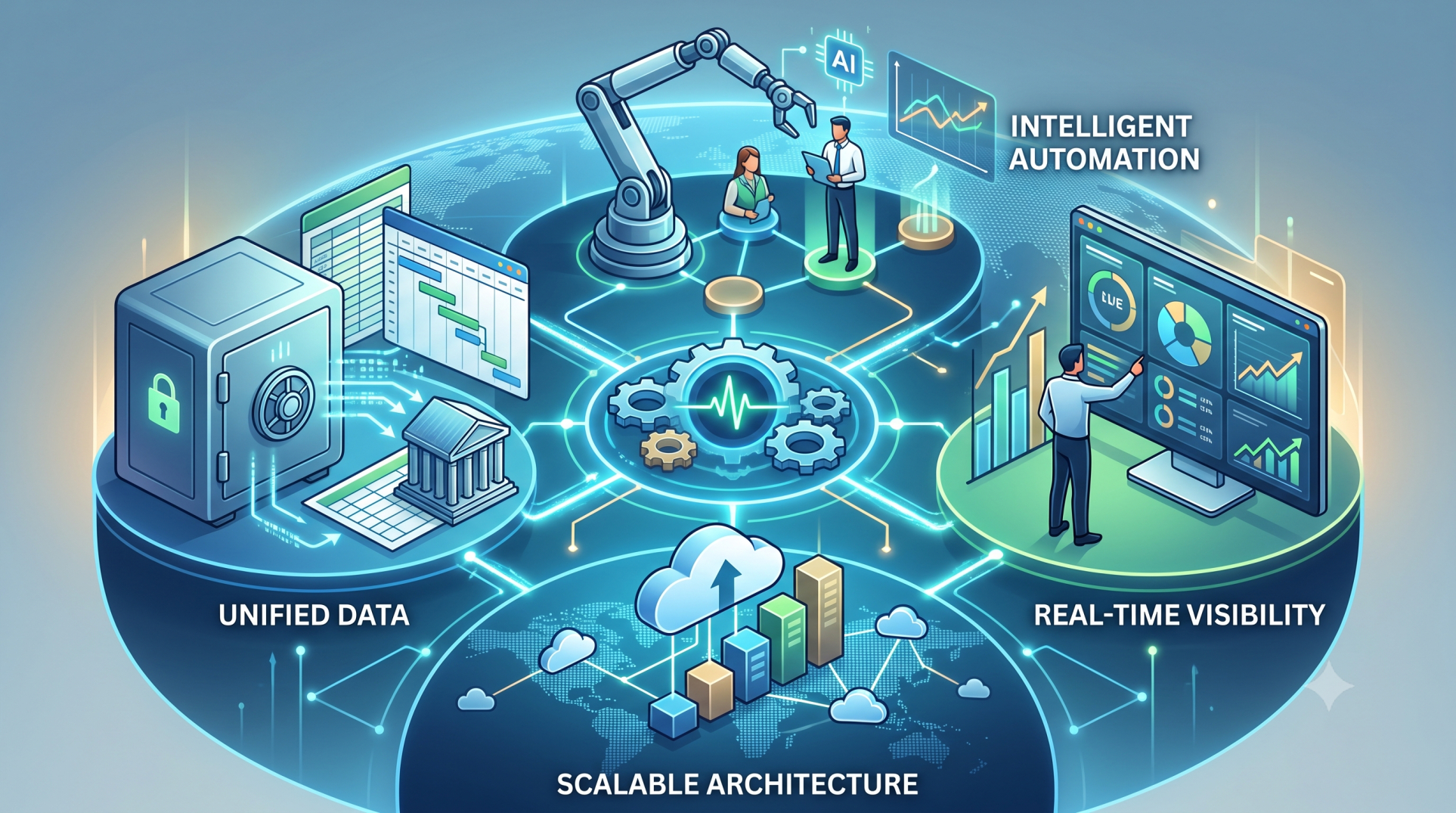
🔹 Easily expands users, locations, and functionality 📈
🔹 Automatically adjusts to changing workloads ⚙️
🔹 Handles increasing transaction volumes smoothly 🔁
🔹 Suitable for businesses of all sizes 🏢
4.Anywhere Access and Workforce Flexibility
🔹 Enables secure access from any location 🔐
🔹 Supports remote and hybrid work models 🏠
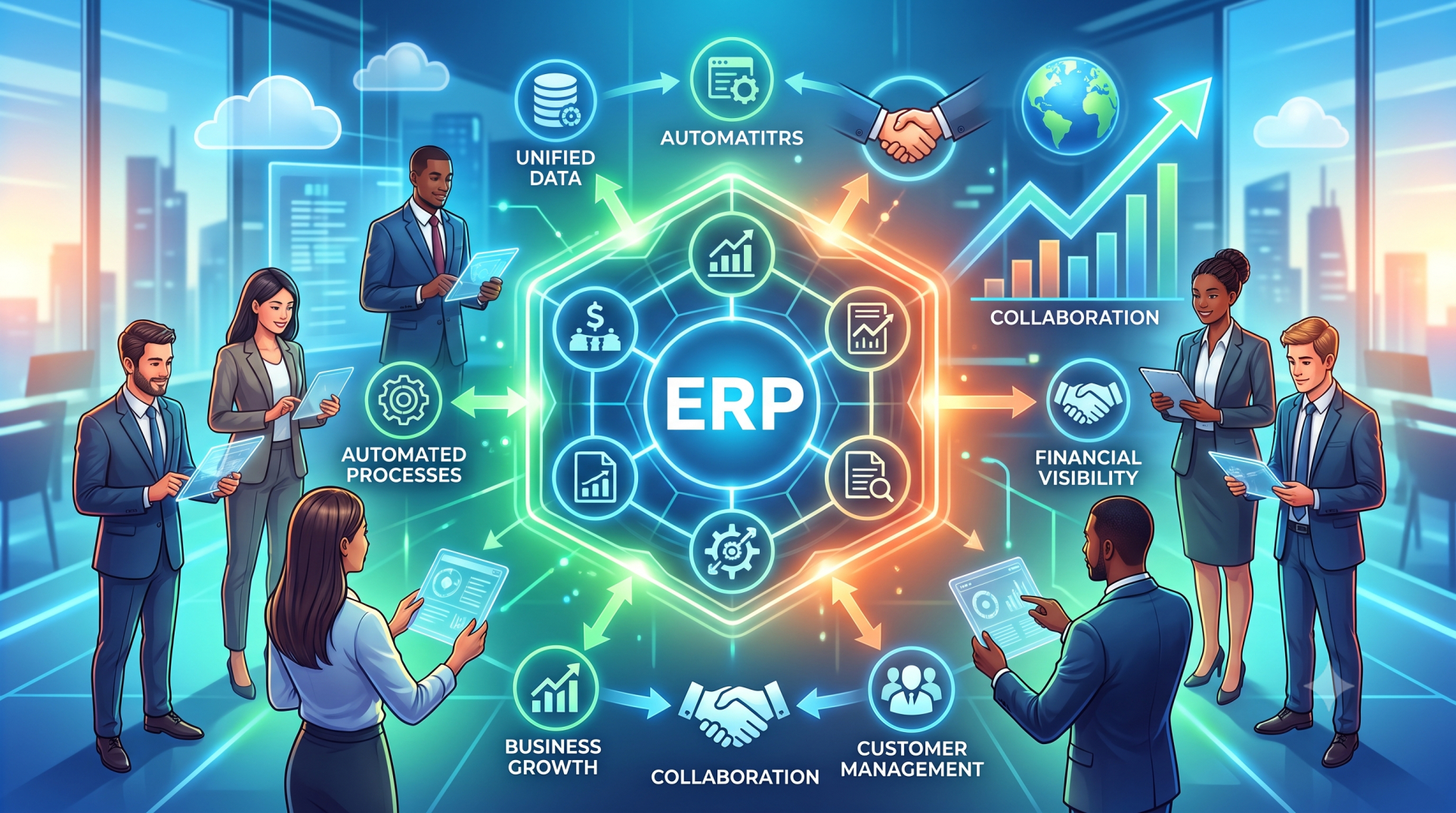
🔹 Improves collaboration across teams and regions 🤝
🔹 Ensures uninterrupted operations 🚀
5. Continuous Updates and Ongoing Innovation
🔹 Delivers regular enhancements without downtime 🔄
🔹 Provides access to the latest features and security updates 🆕
🔹 Eliminates manual upgrade efforts ❌
🔹 Keeps systems aligned with evolving technology 📡
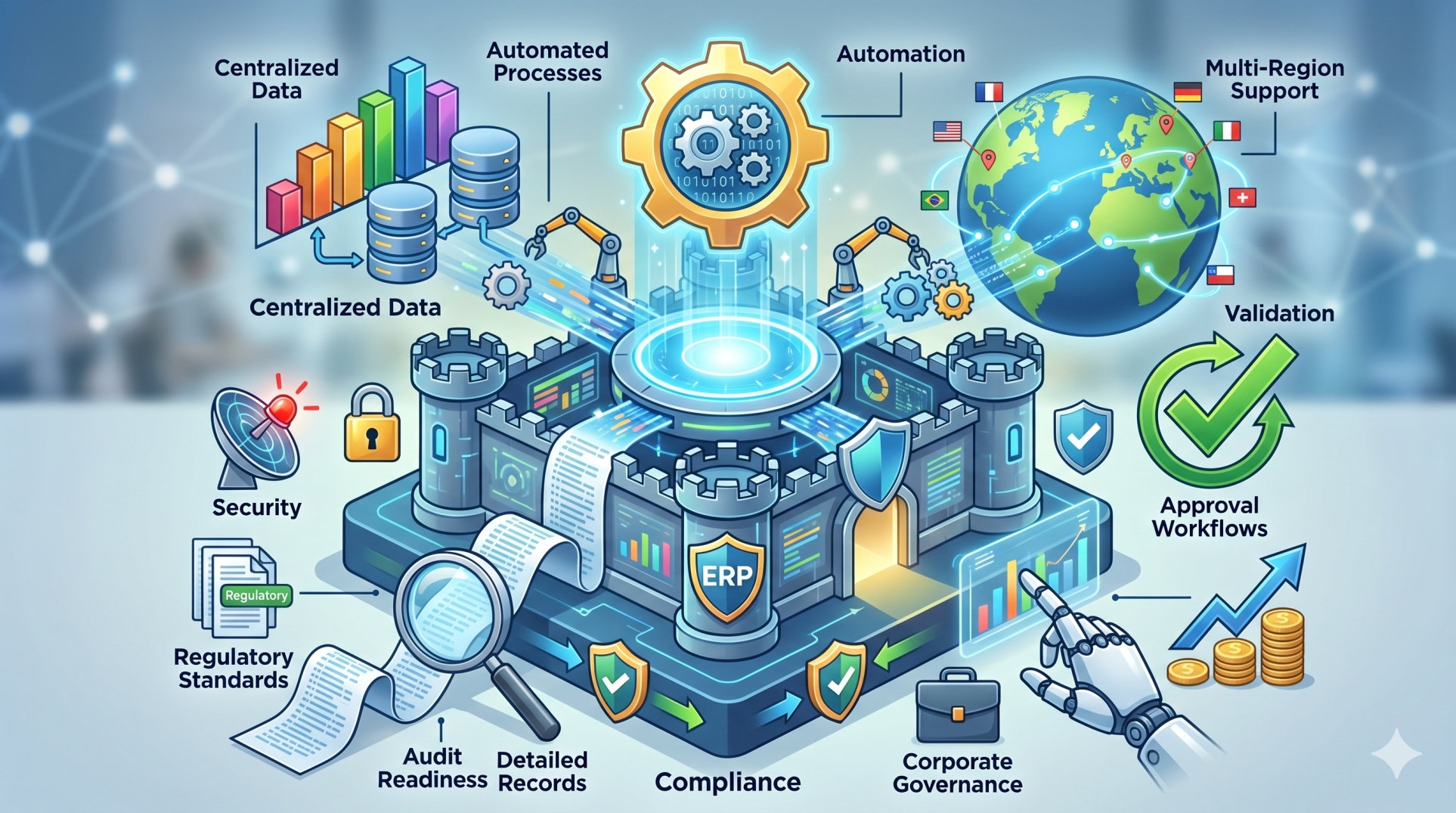
6. Stronger Security and Data Protection
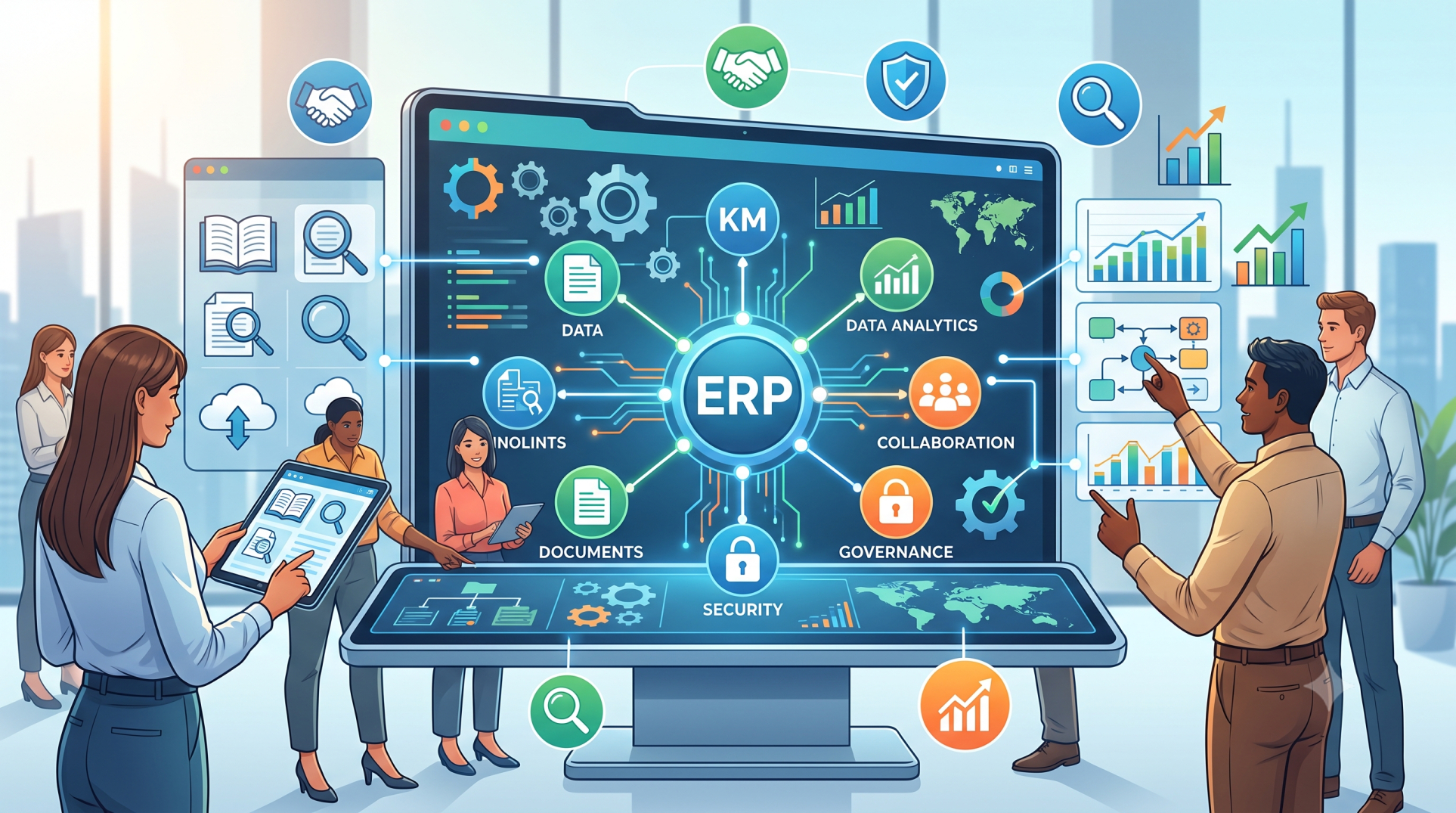
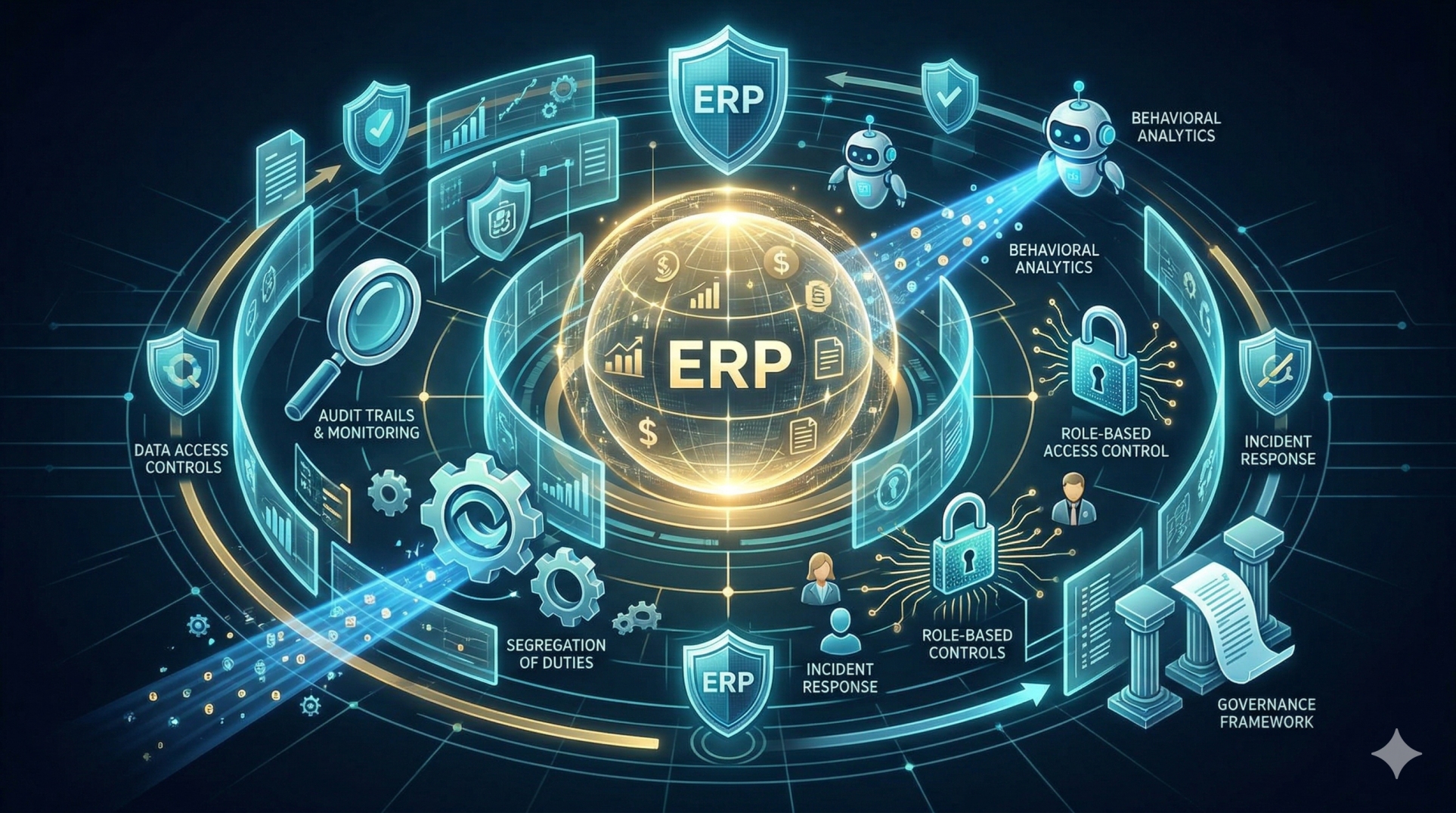
🔹 Uses advanced encryption and role-based access controls 🔐
🔹 Includes automated backups and disaster recovery 💾
🔹 Meets industry compliance standards 📜
🔹 Often delivers higher security than traditional systems 🛡️
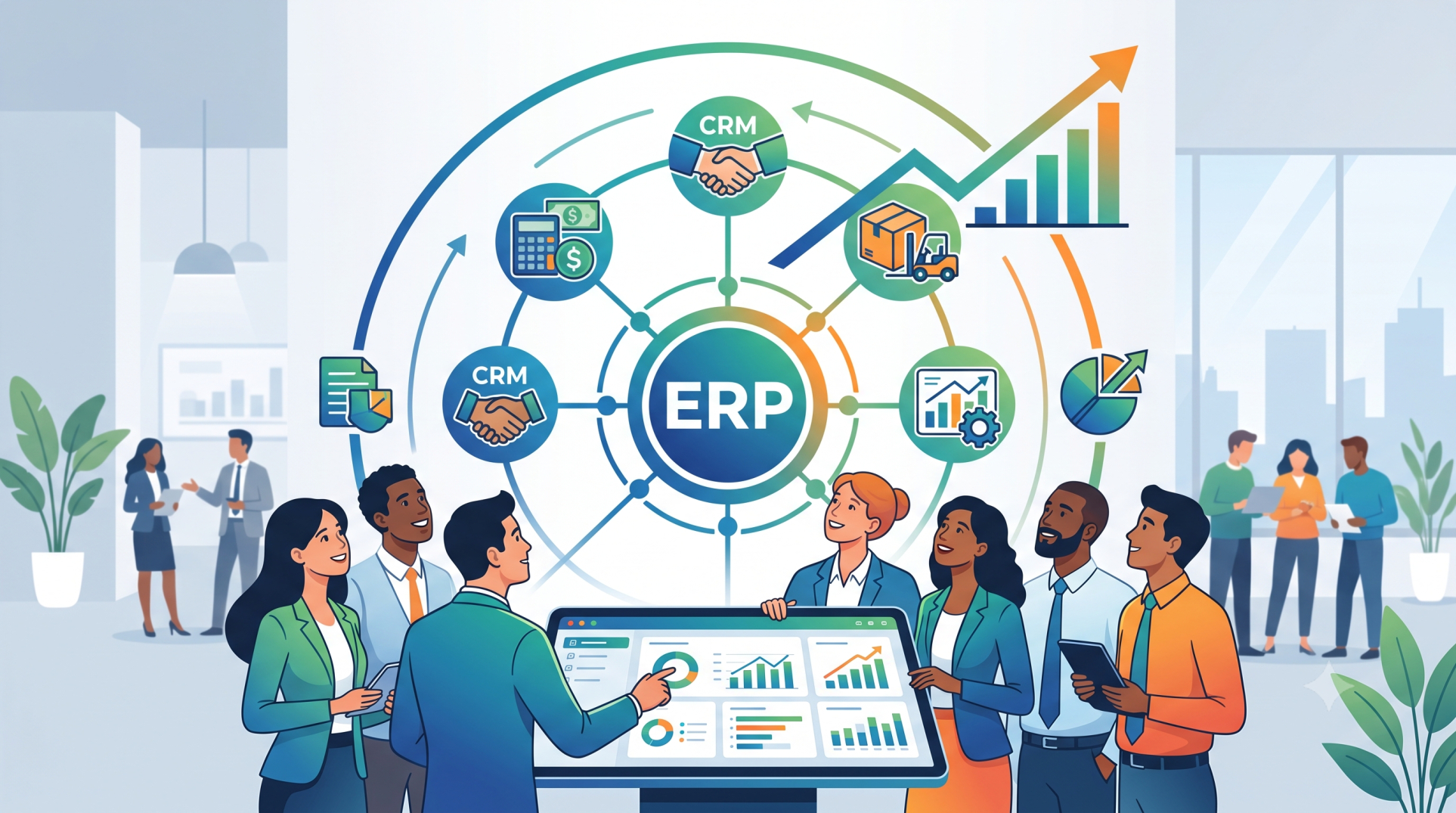
7. Seamless Integration with Modern Applications
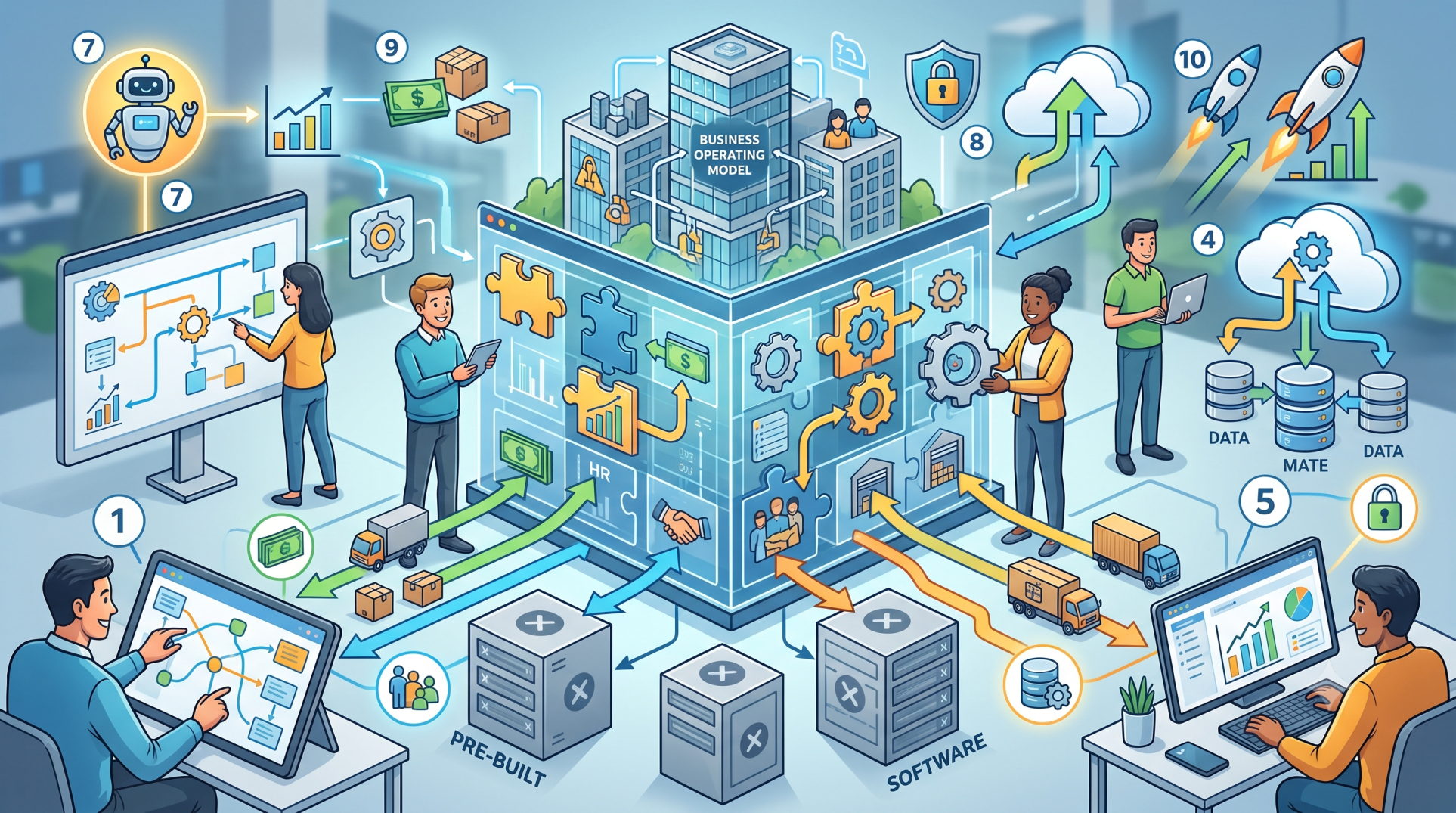
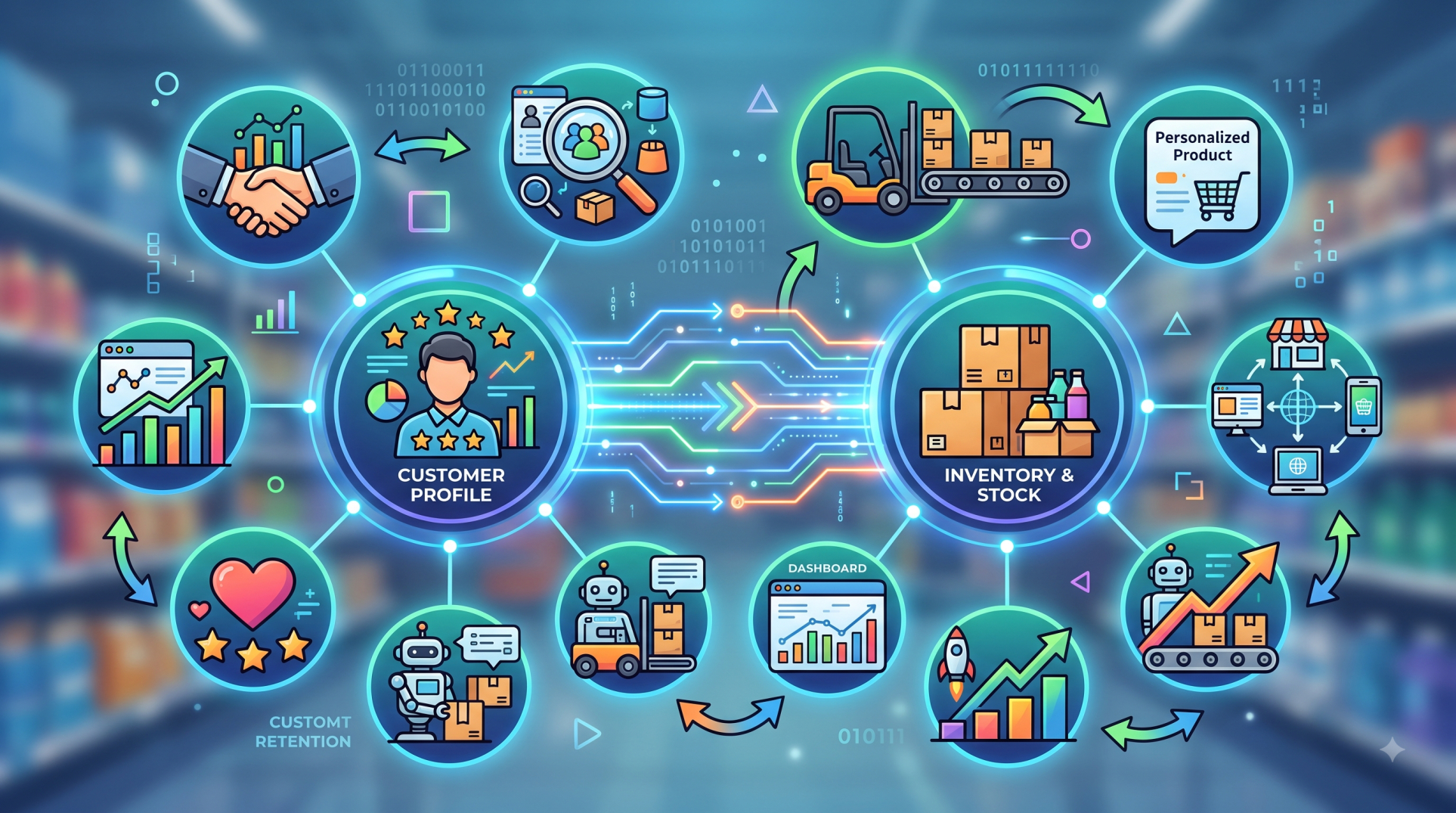
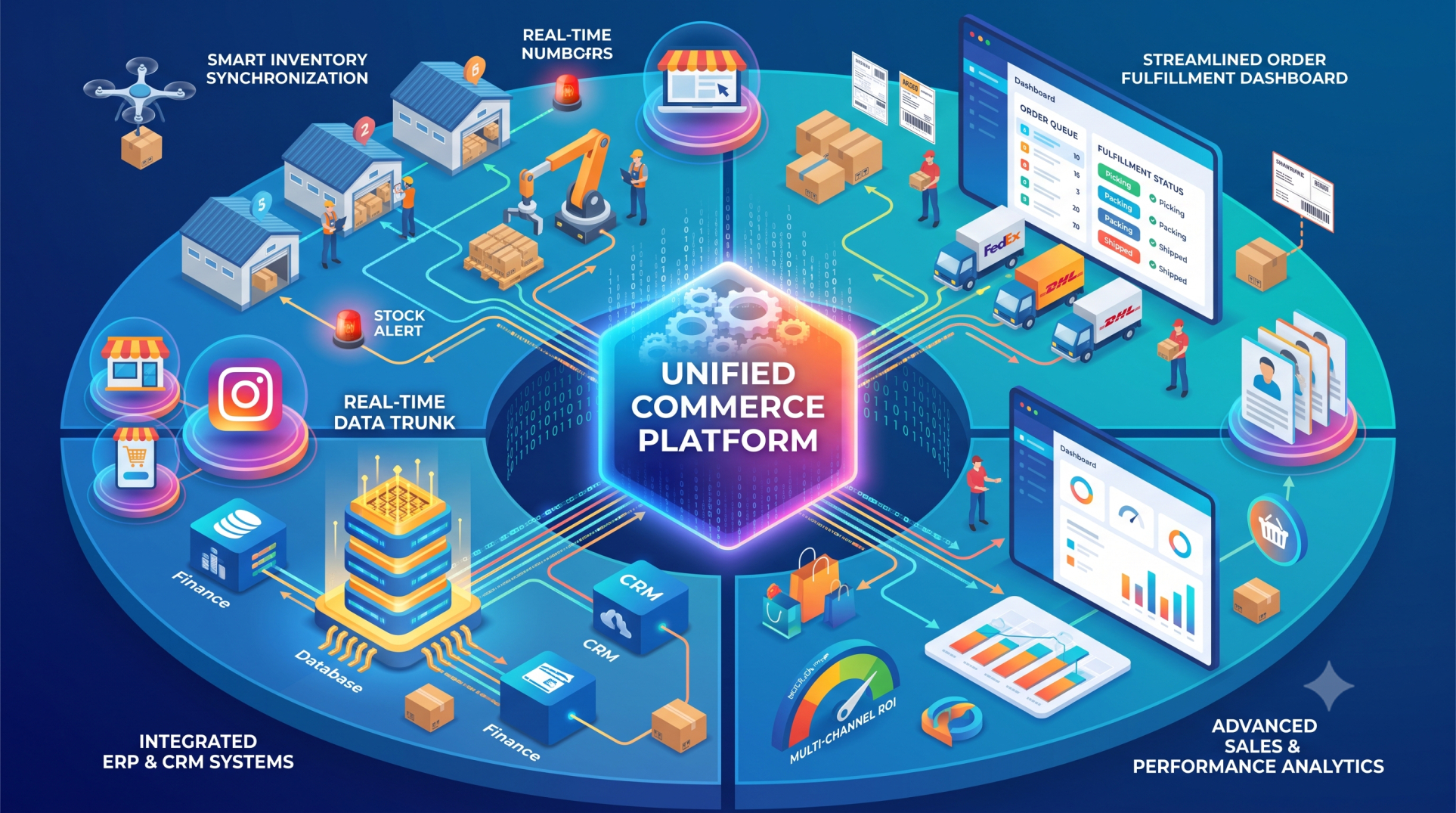
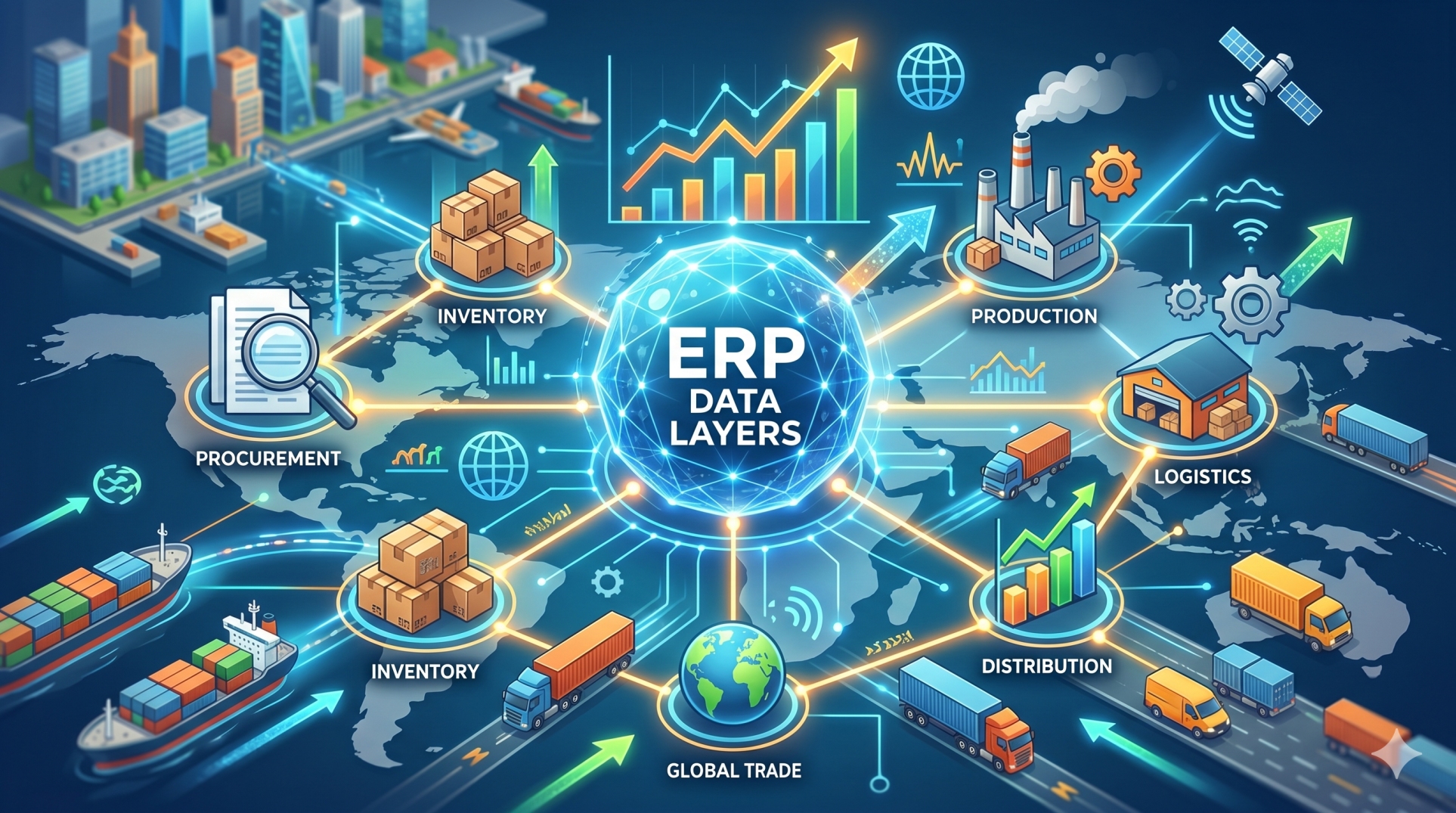
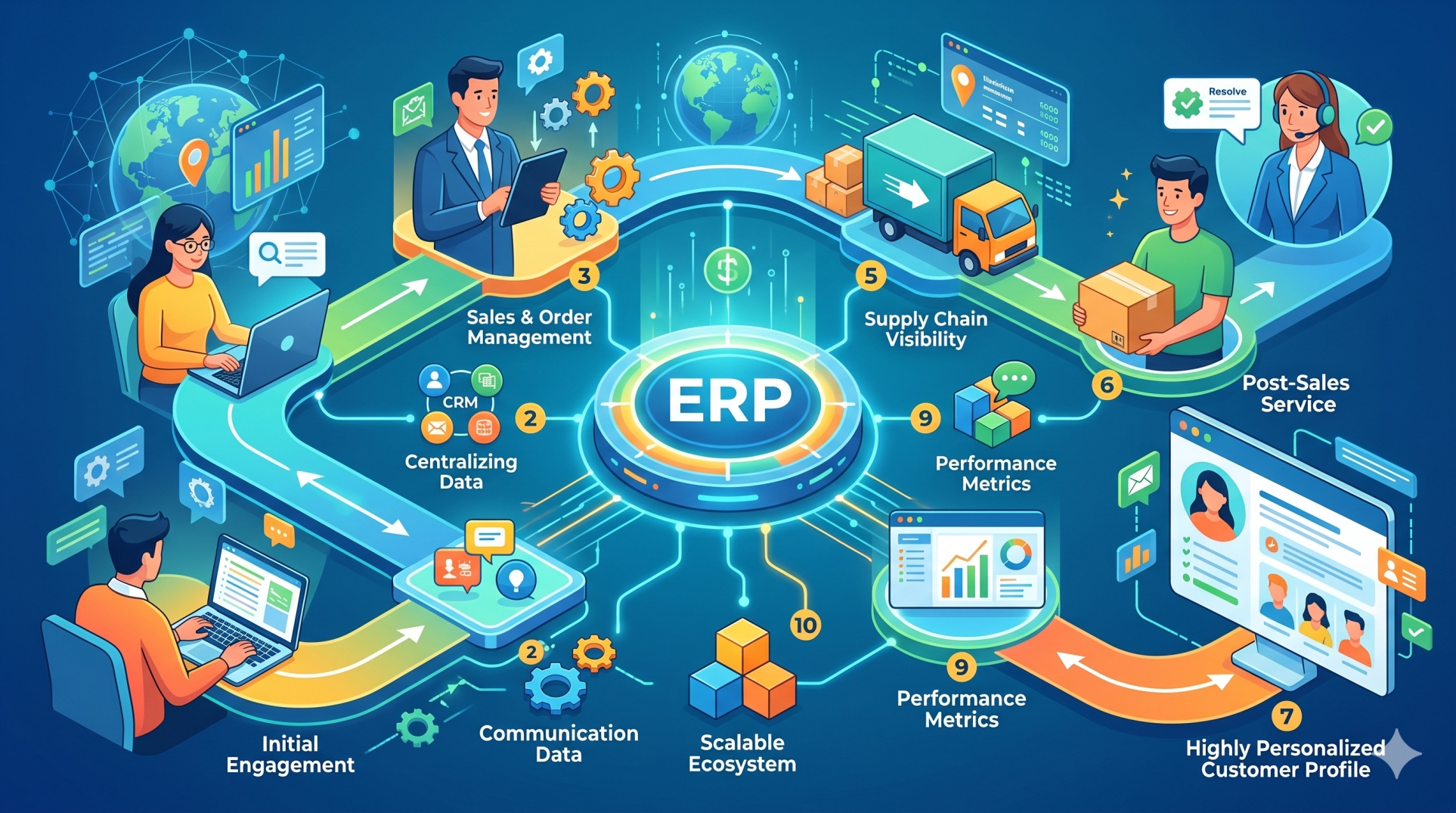
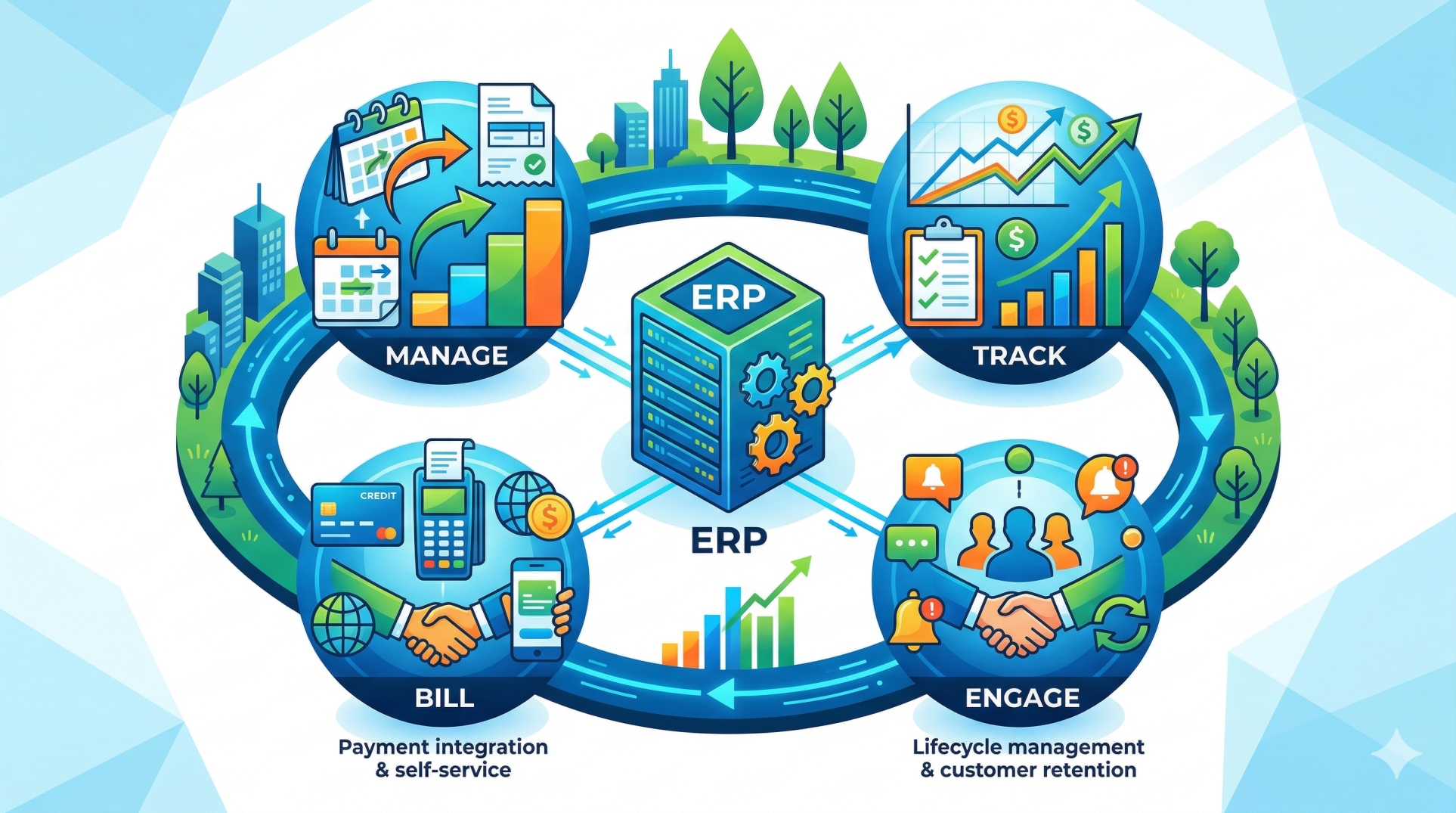
🔹 Connects easily with CRM, e-commerce, and analytics tools 🔗
🔹 Supports open APIs for third-party integrations 🔌
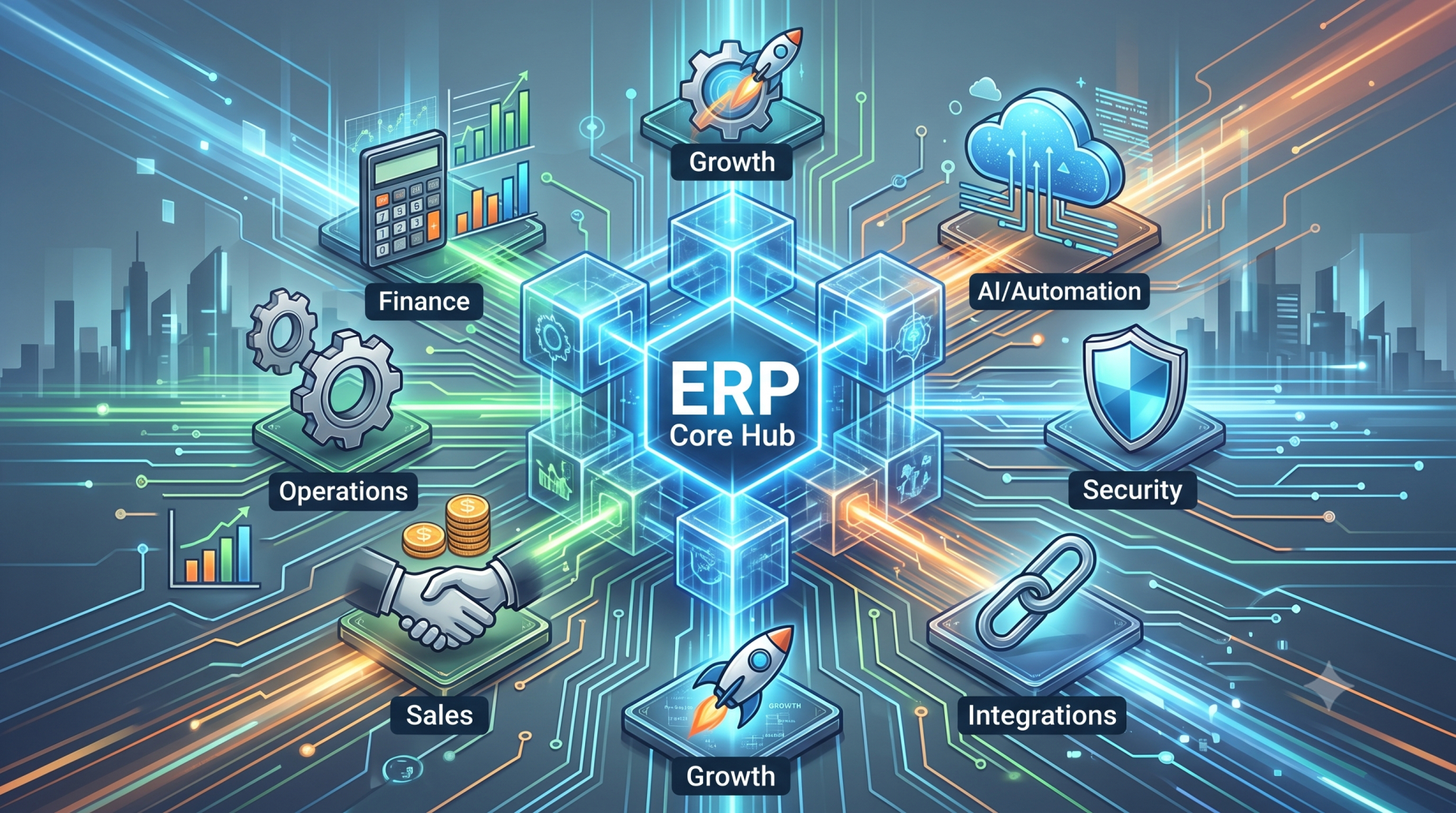
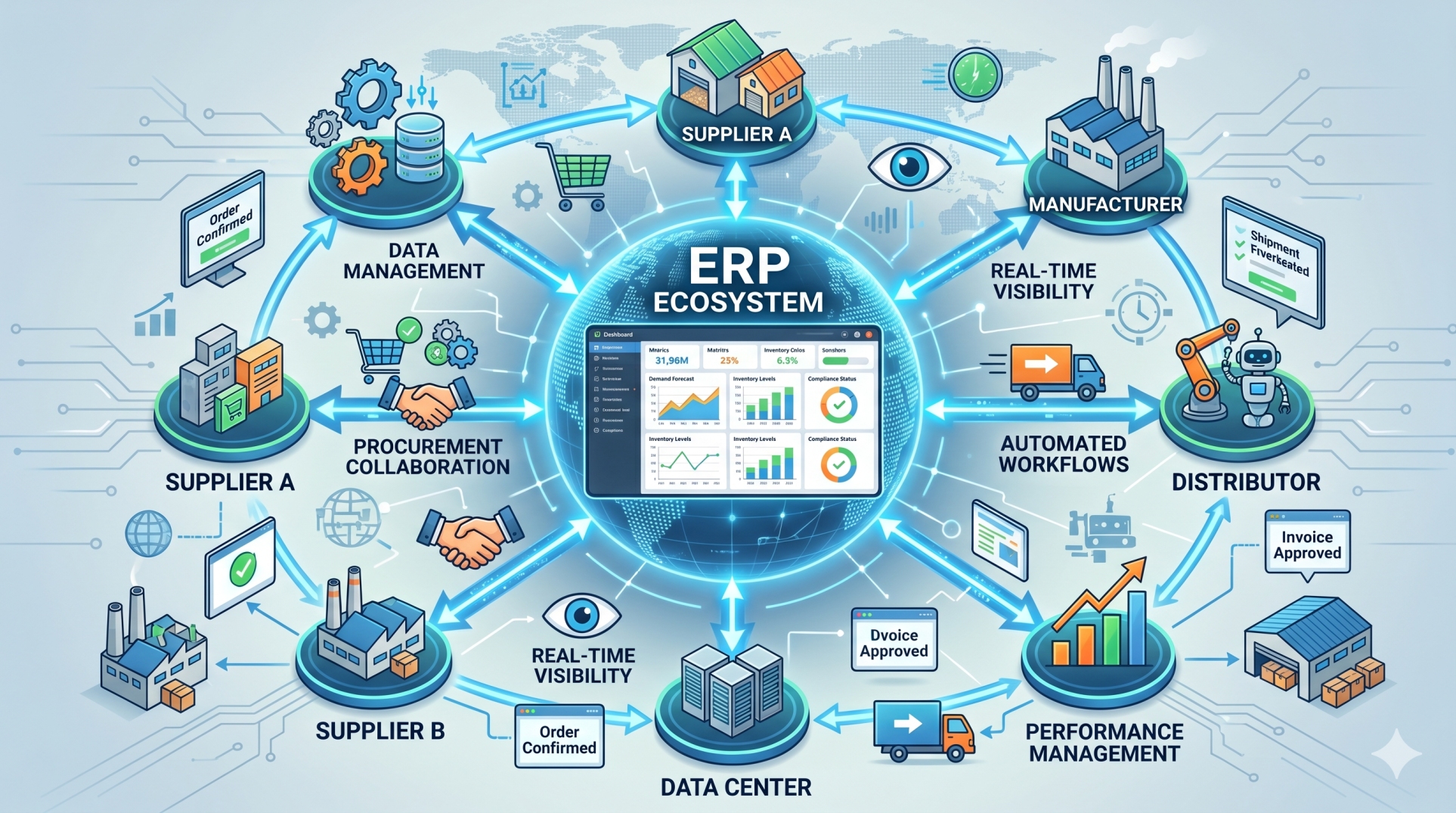
🔹 Creates a connected digital ecosystem 🌐
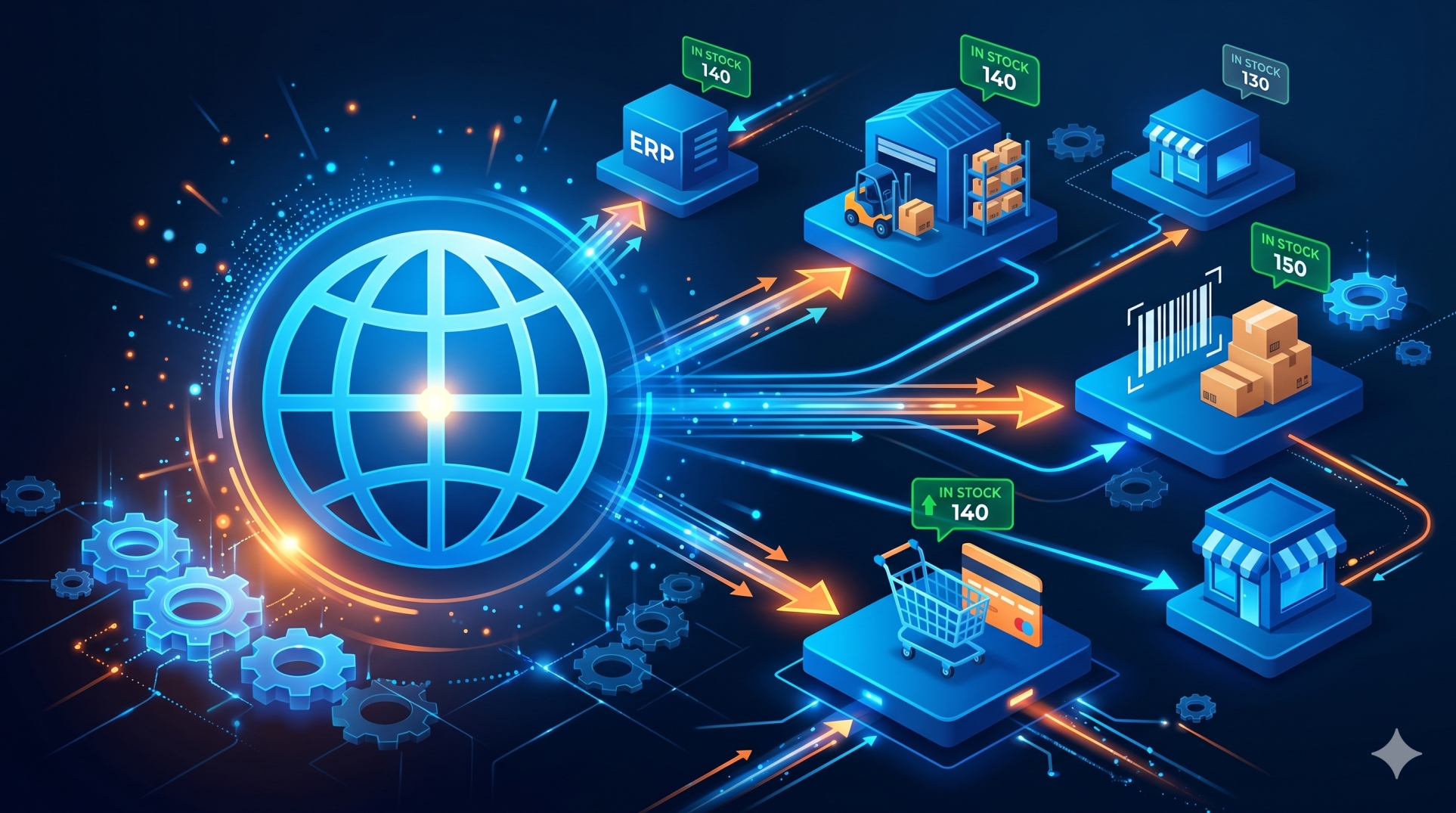
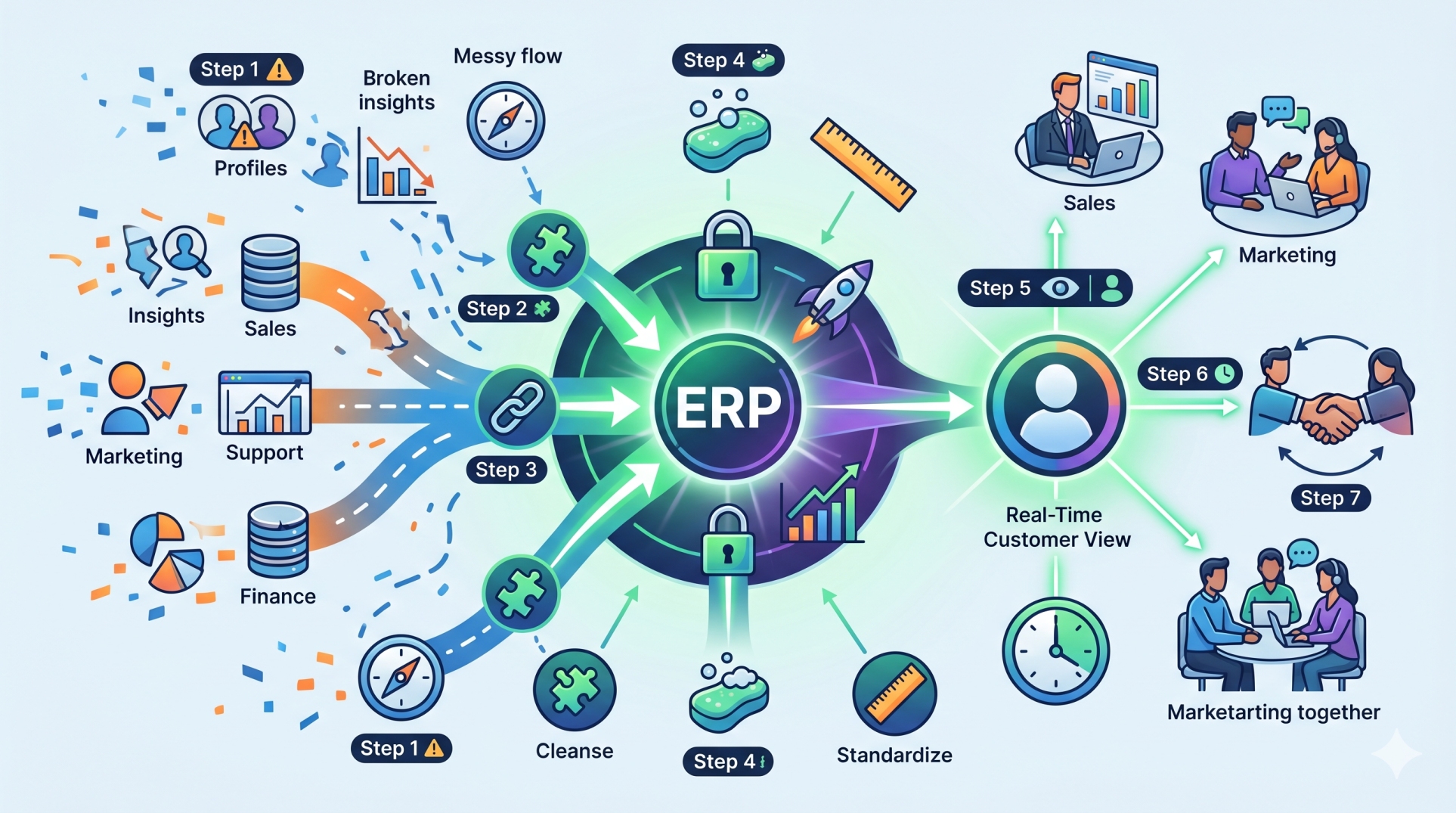
🔹 Improves data accuracy and system efficiency 📊
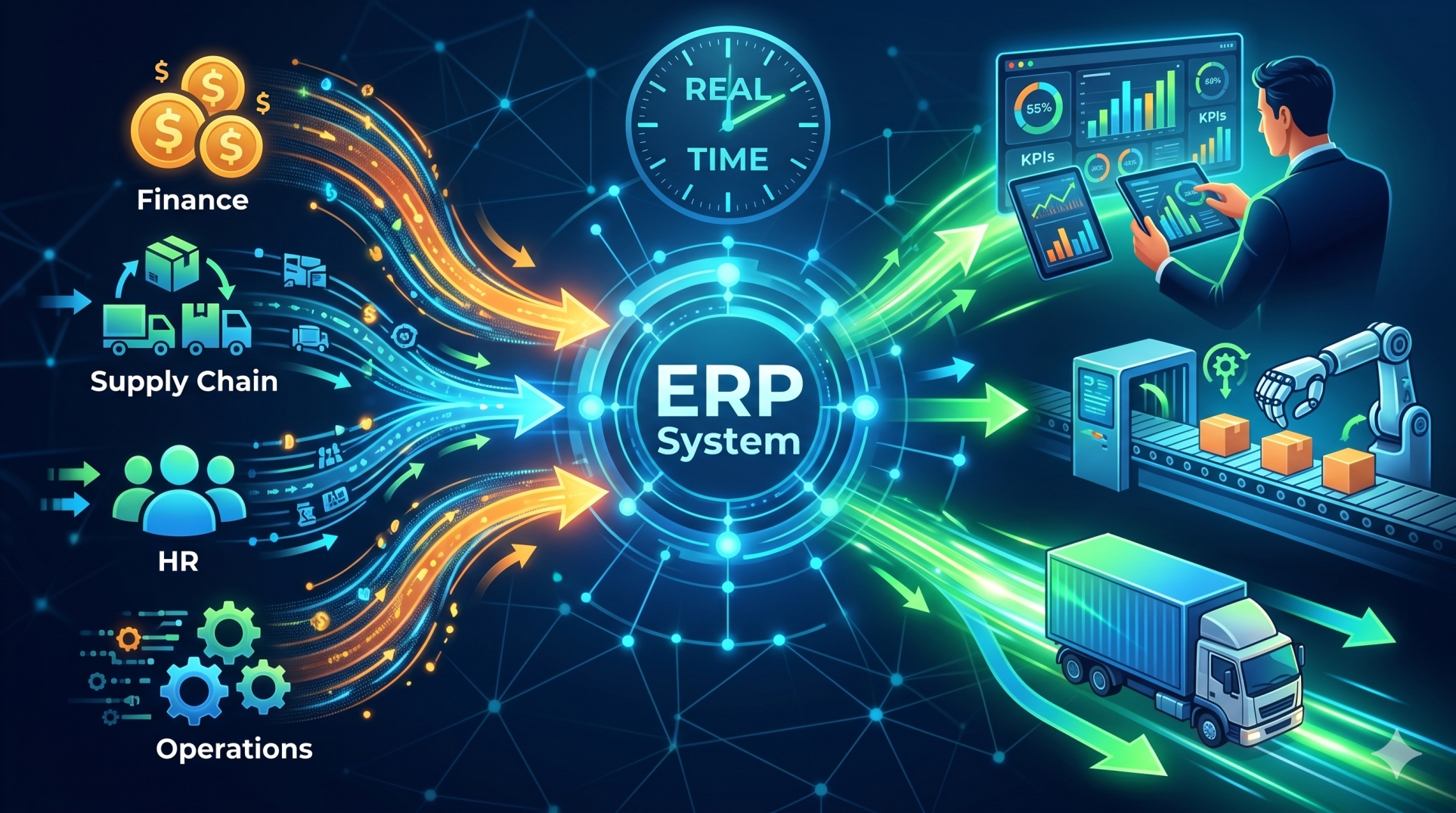
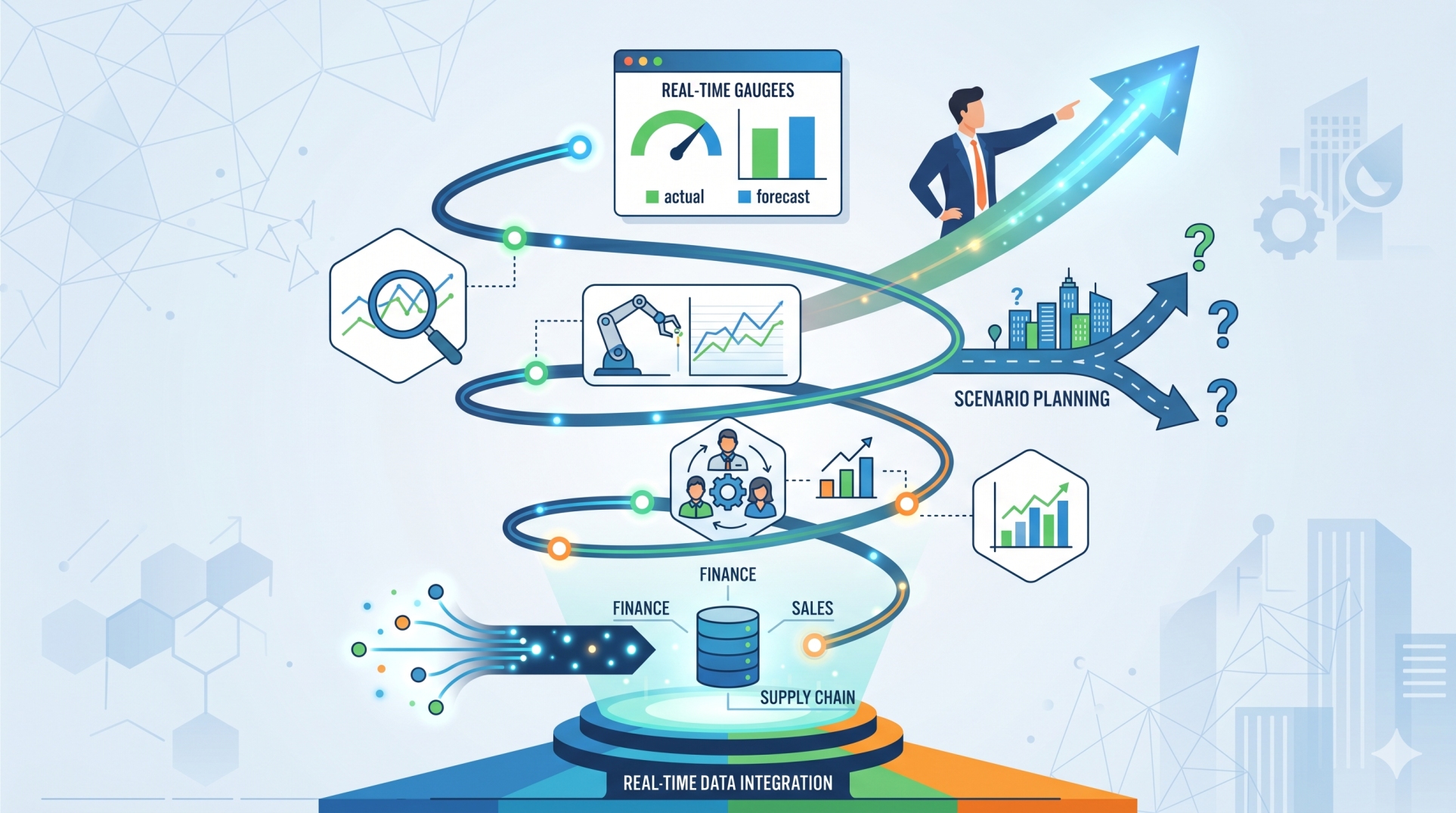
8. Real-Time Insights for Better Decisions
🔹 Offers live dashboards and real-time reports 📈
🔹 Supports data-driven decision-making 📊
🔹 Enhances visibility across key business functions 👀
🔹 Enables faster responses to market changes ⚡
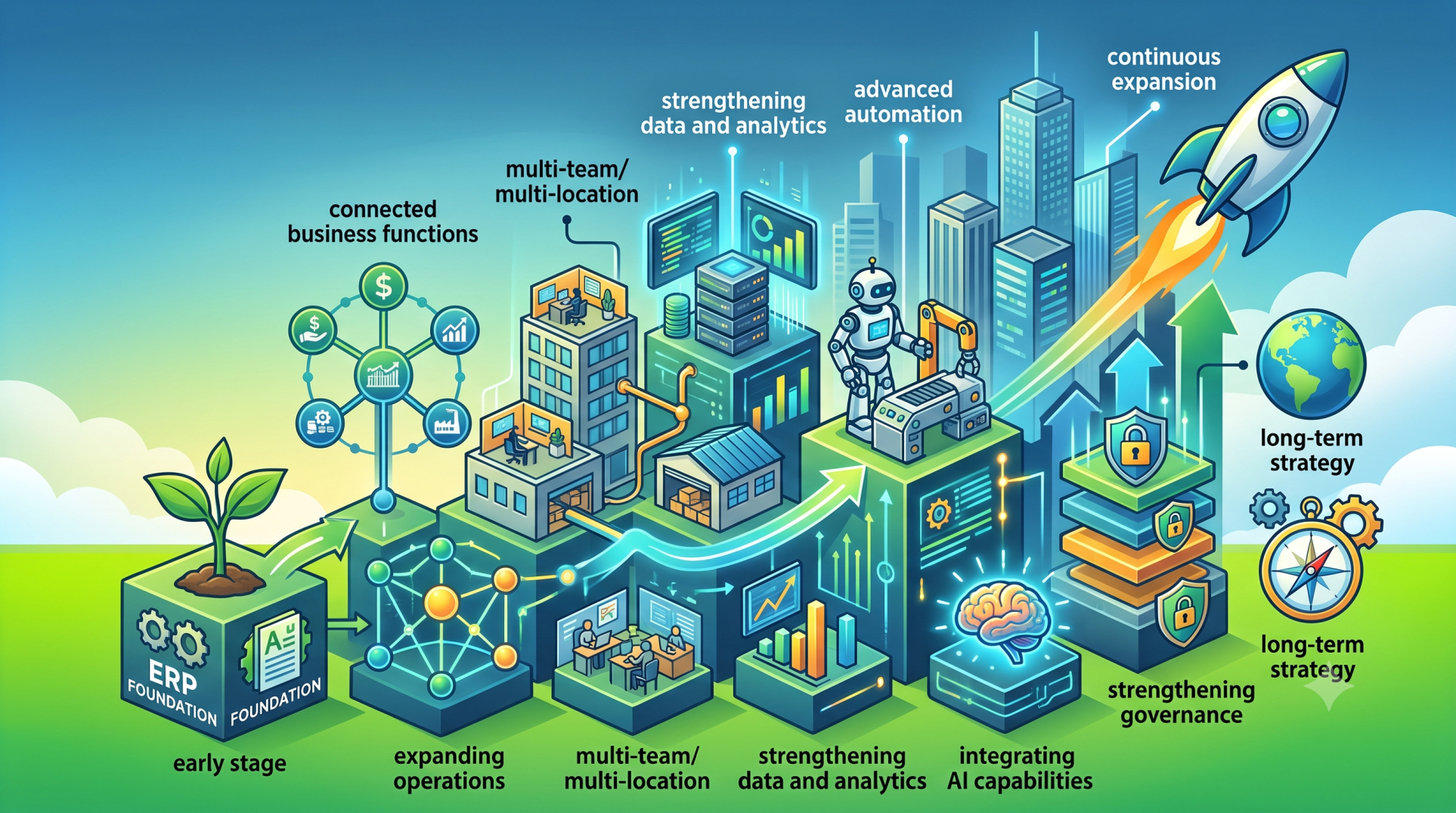
9. Foundation for Digital Transformation
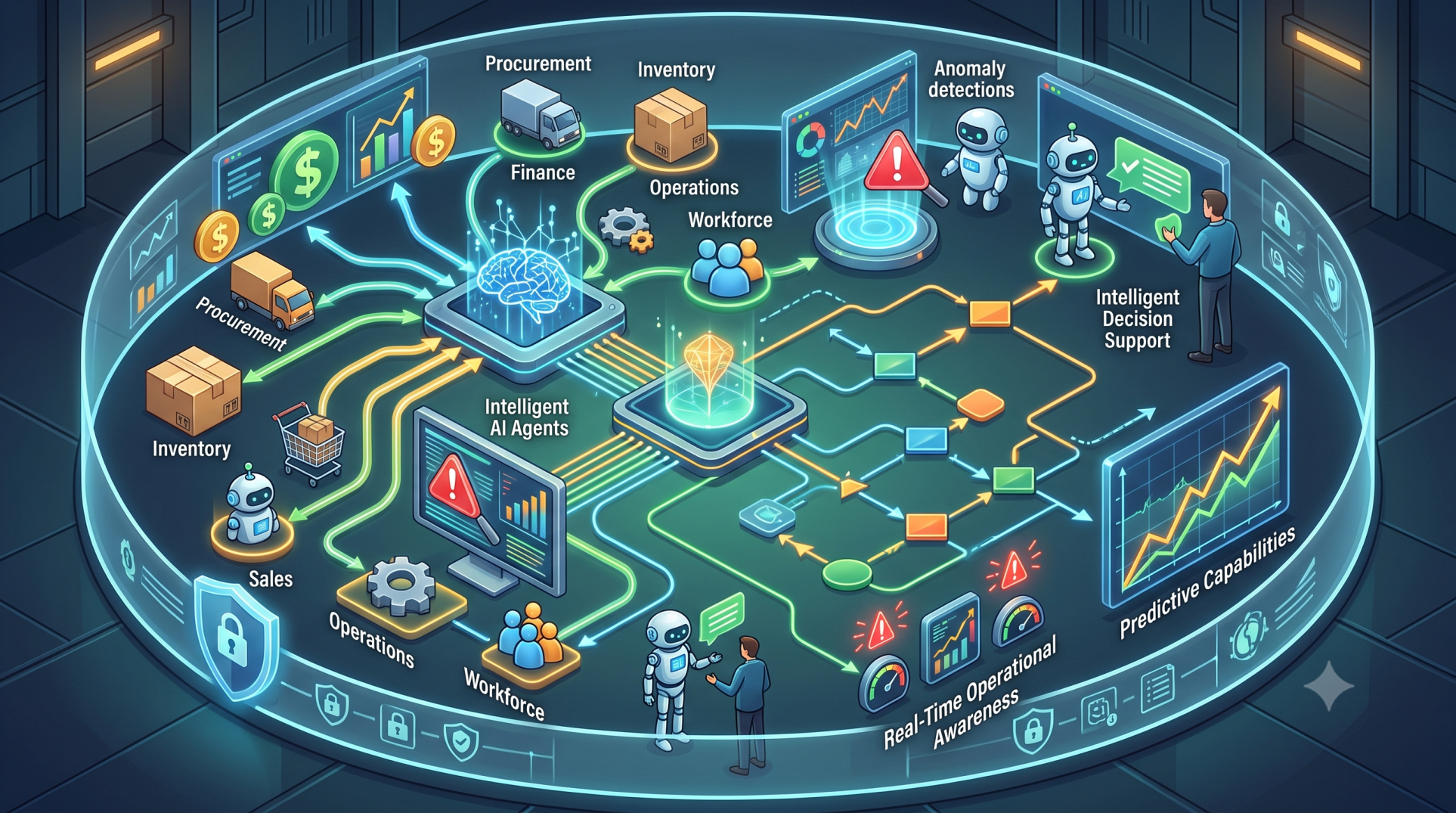
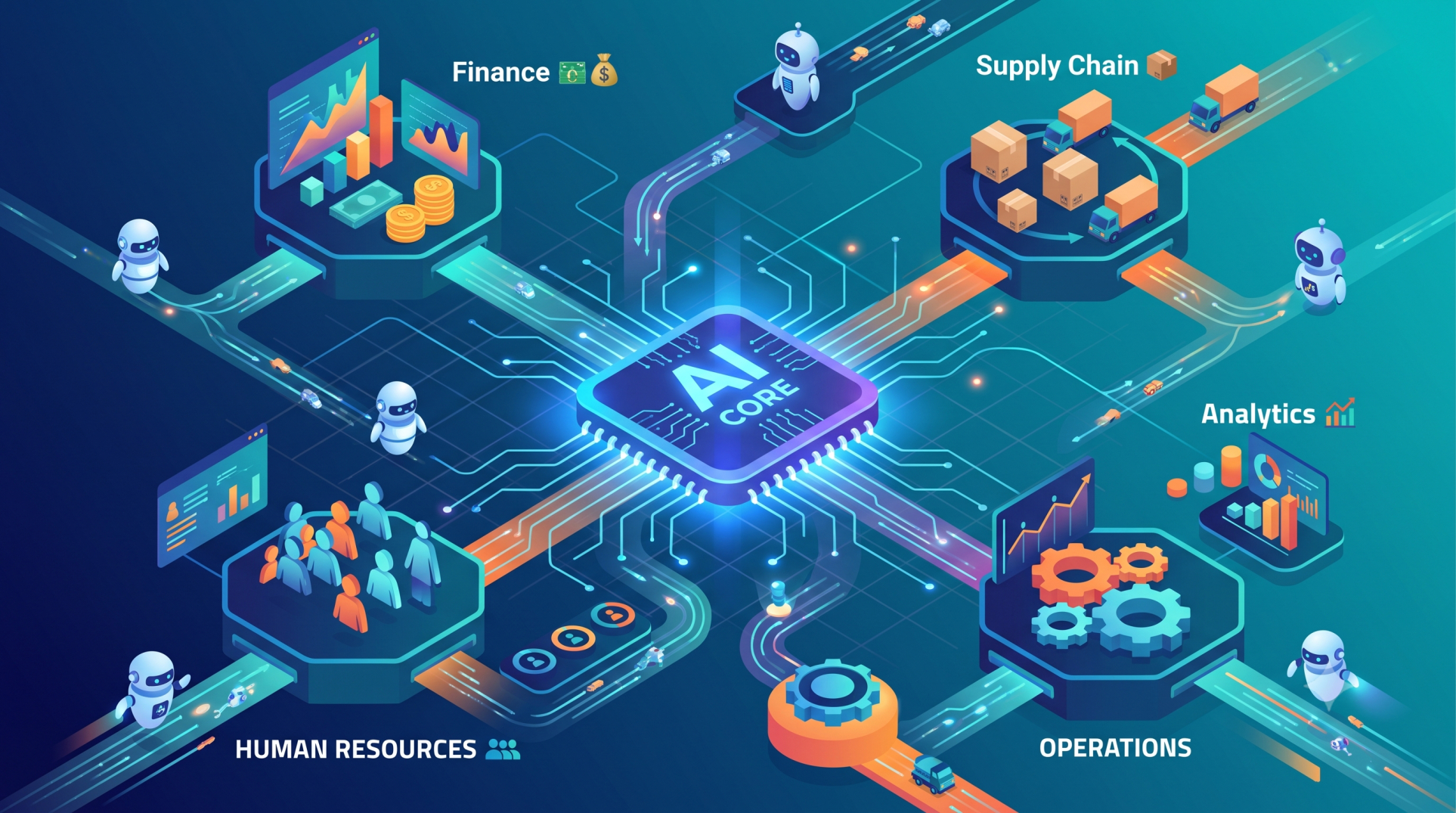
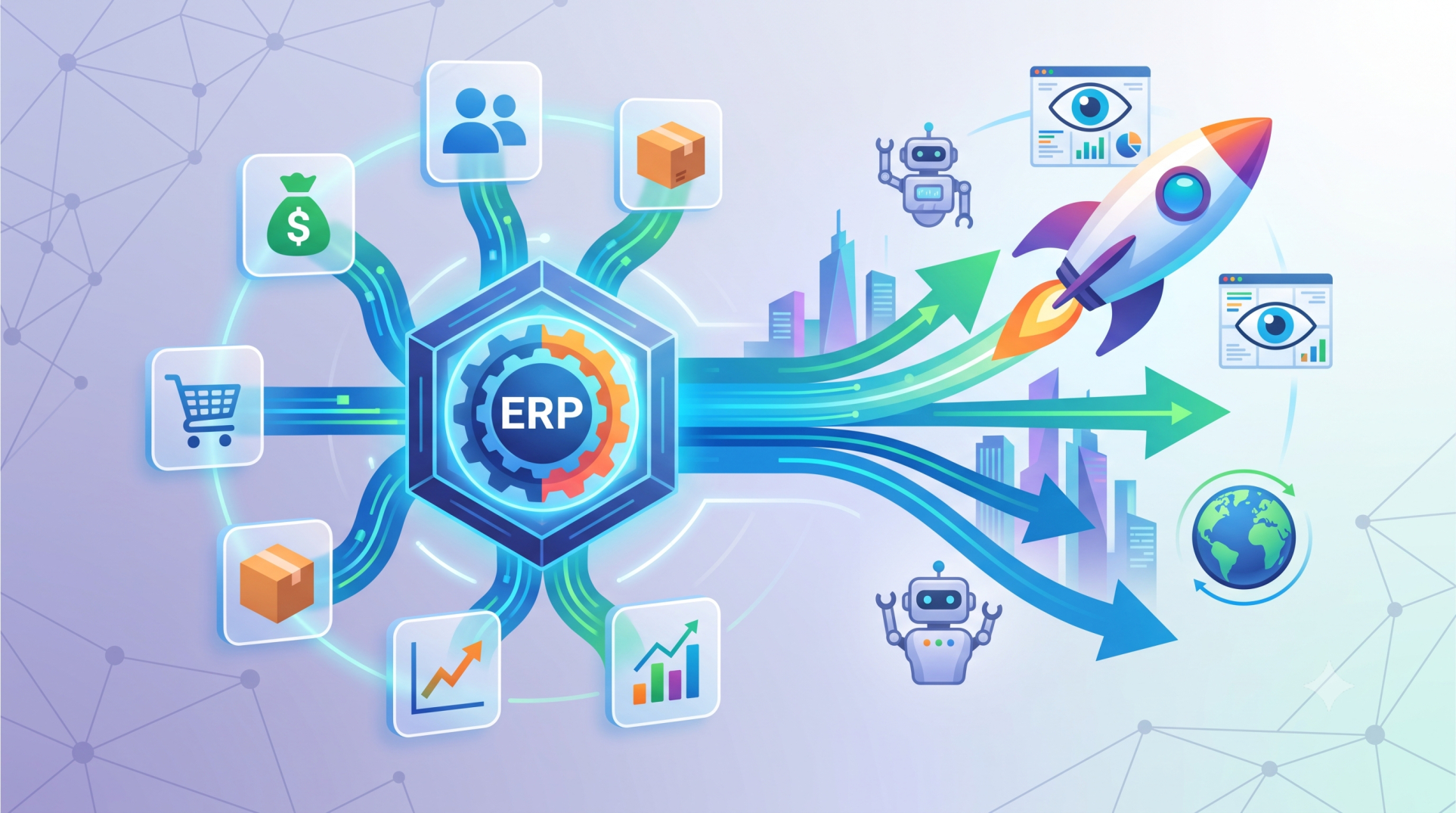
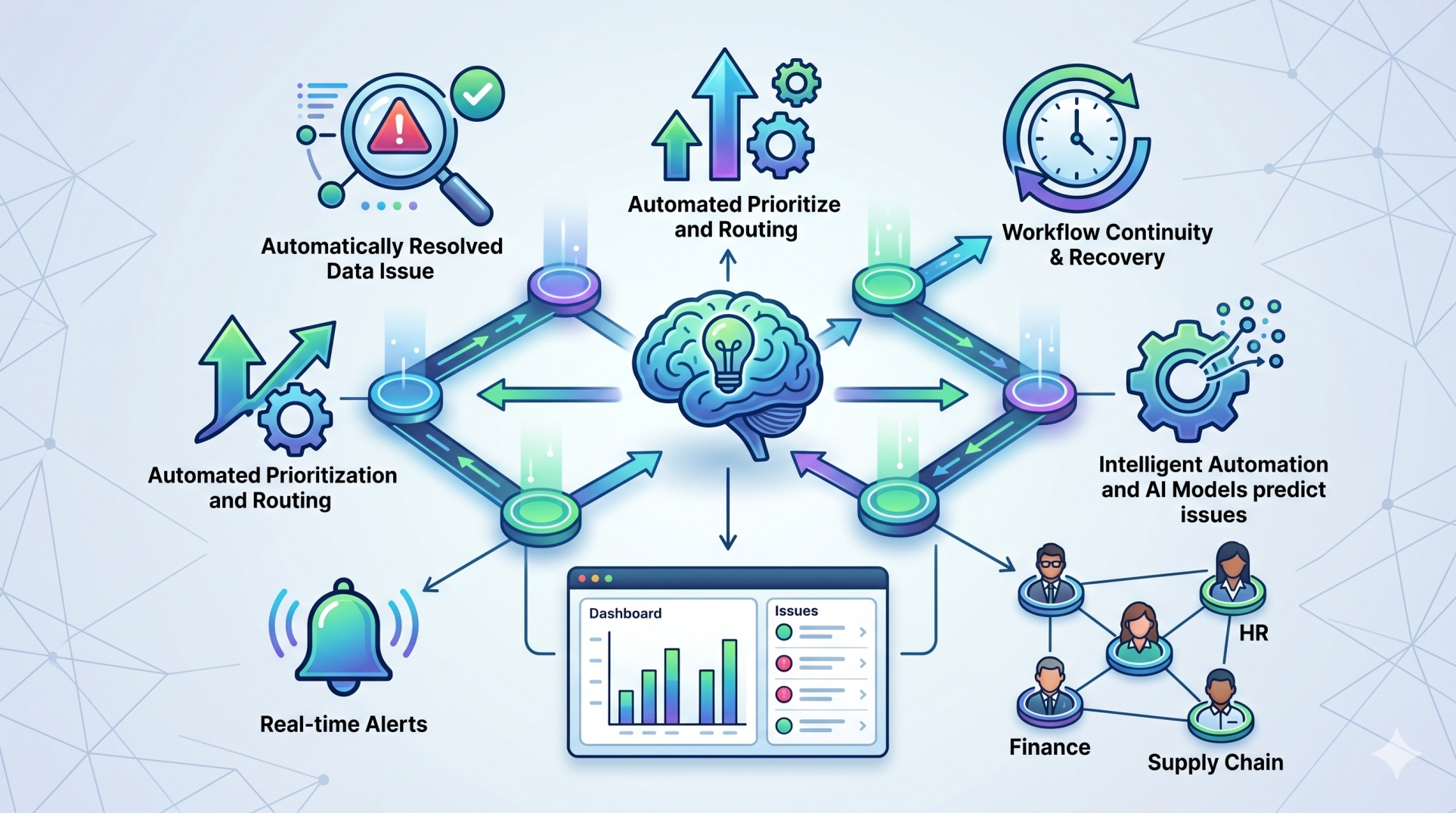
🔹 Supports automation and advanced analytics 🤖
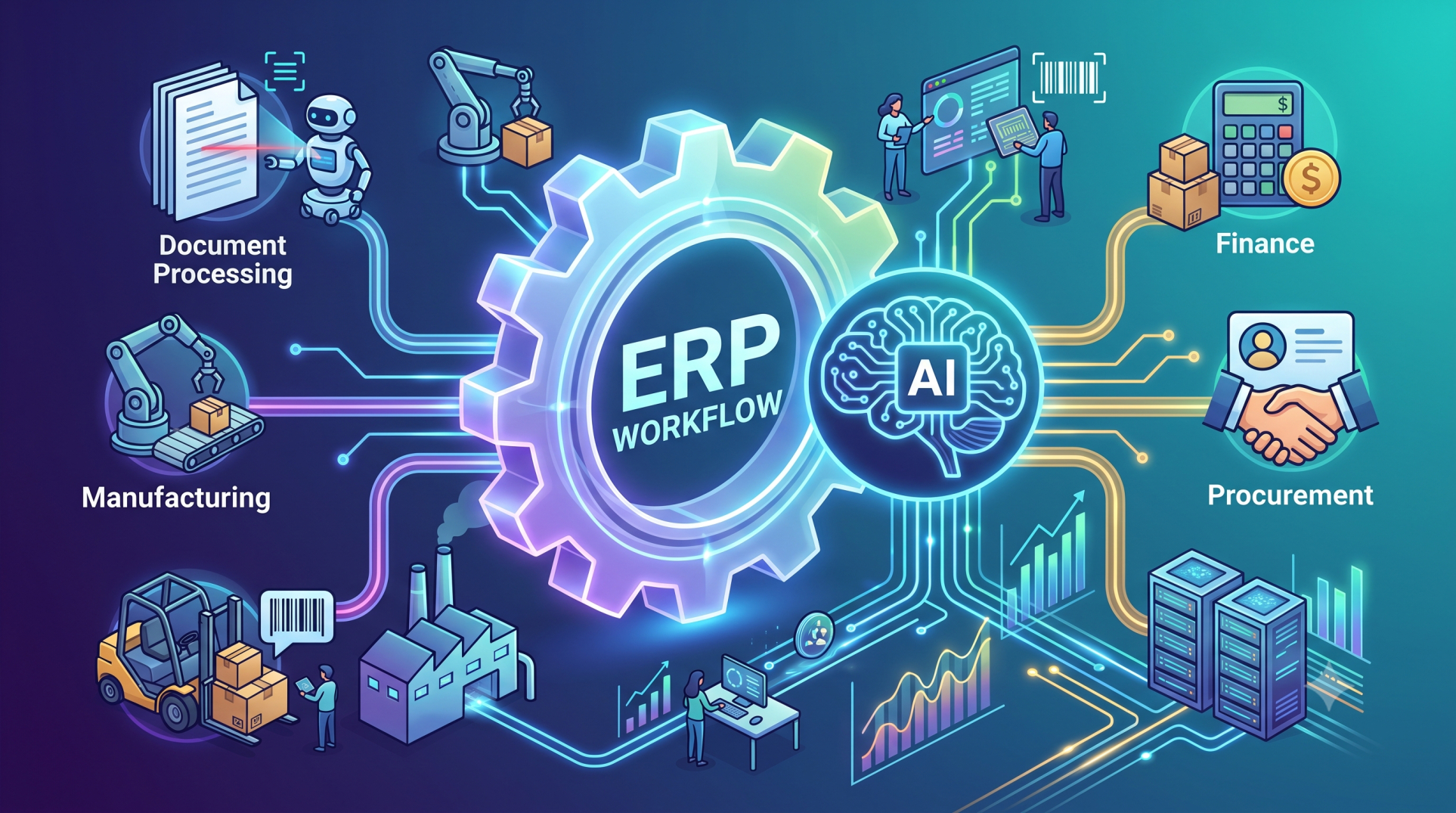
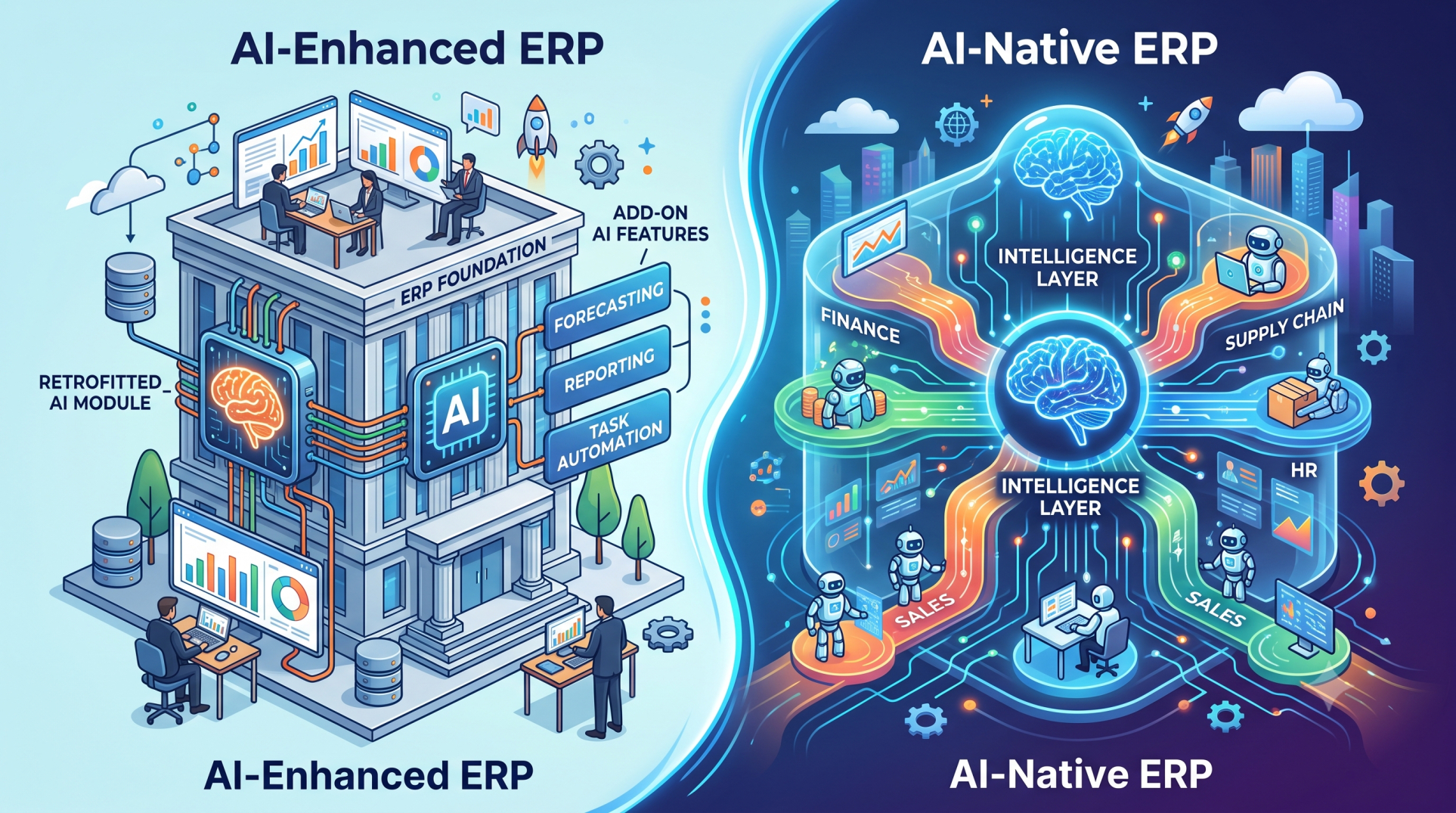
🔹 Integrates with AI and machine learning tools 🧠
🔹 Modernizes core business processes 🔄
🔹 Enables long-term innovation and competitiveness 🌱
Final Thoughts 🎯
Cloud-native ERP has become the standard because it fits the needs of modern, fast-moving businesses. With lower costs, faster deployment, built-in scalability, and continuous innovation, cloud-native ERP empowers organizations to remain agile and future-ready. For businesses aiming to streamline operations and accelerate digital transformation, adopting cloud-native ERP is no longer optional—it is essential.
See more blogs
You can all the articles below