Operational Transparency Through Unified ERP Platforms
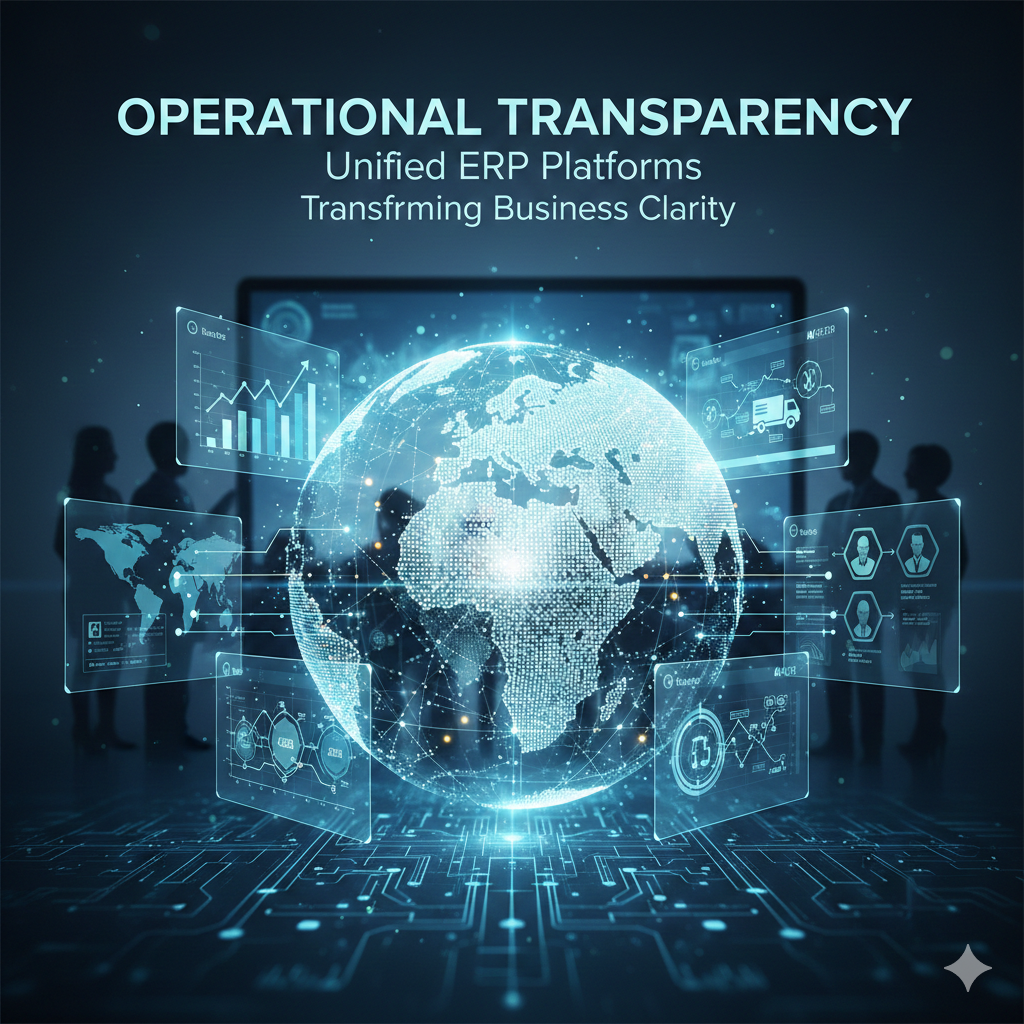
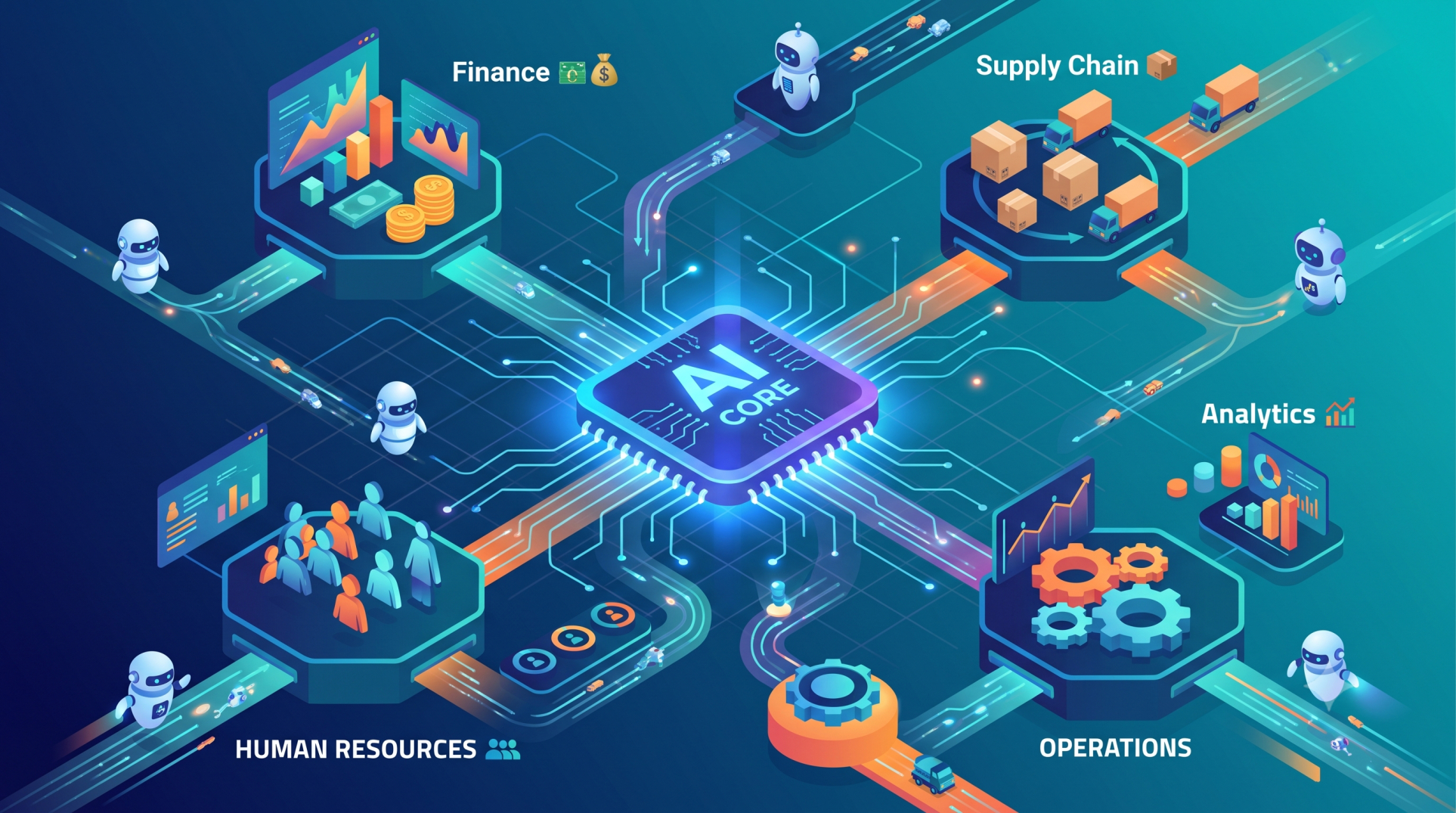
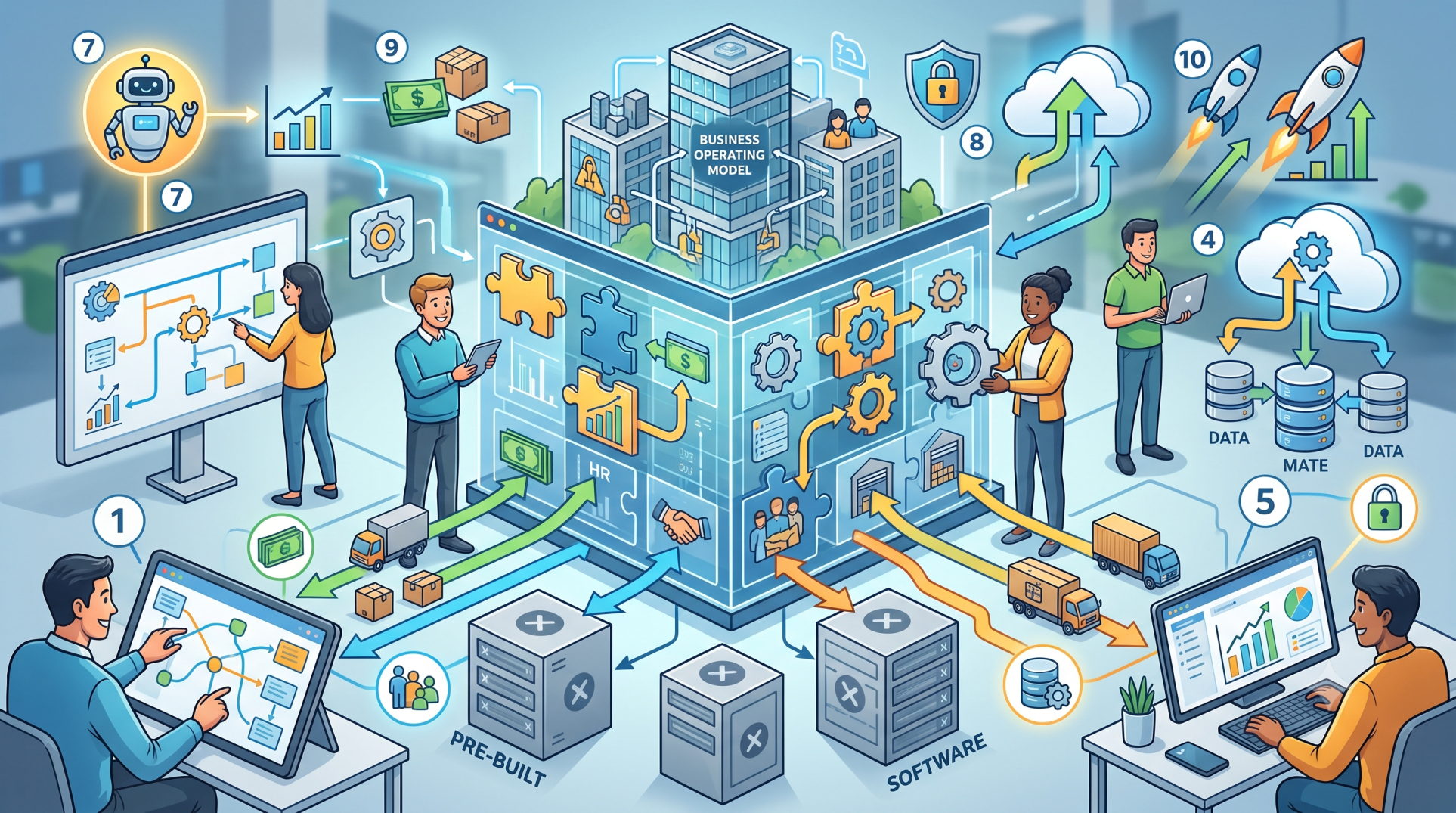
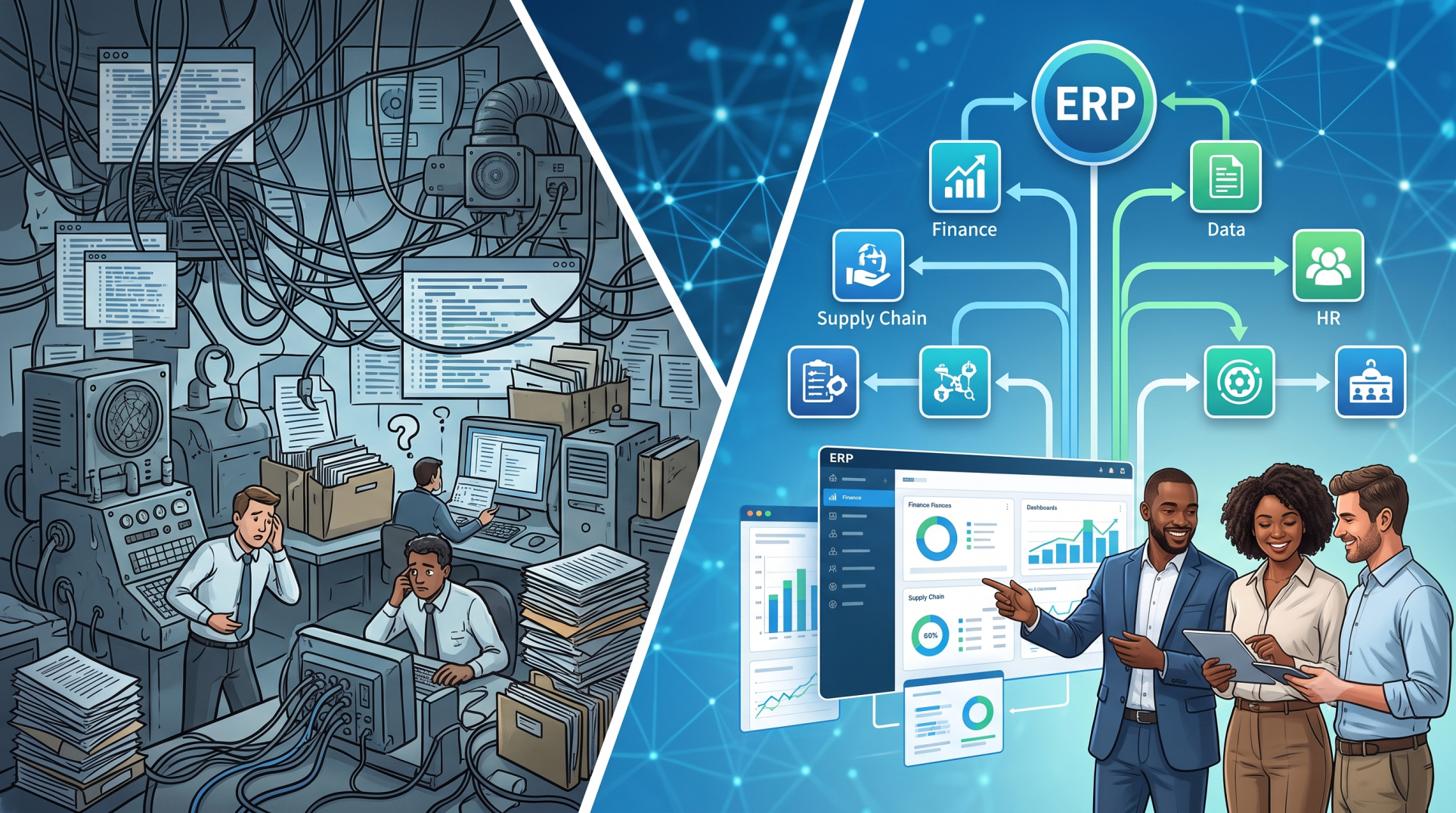
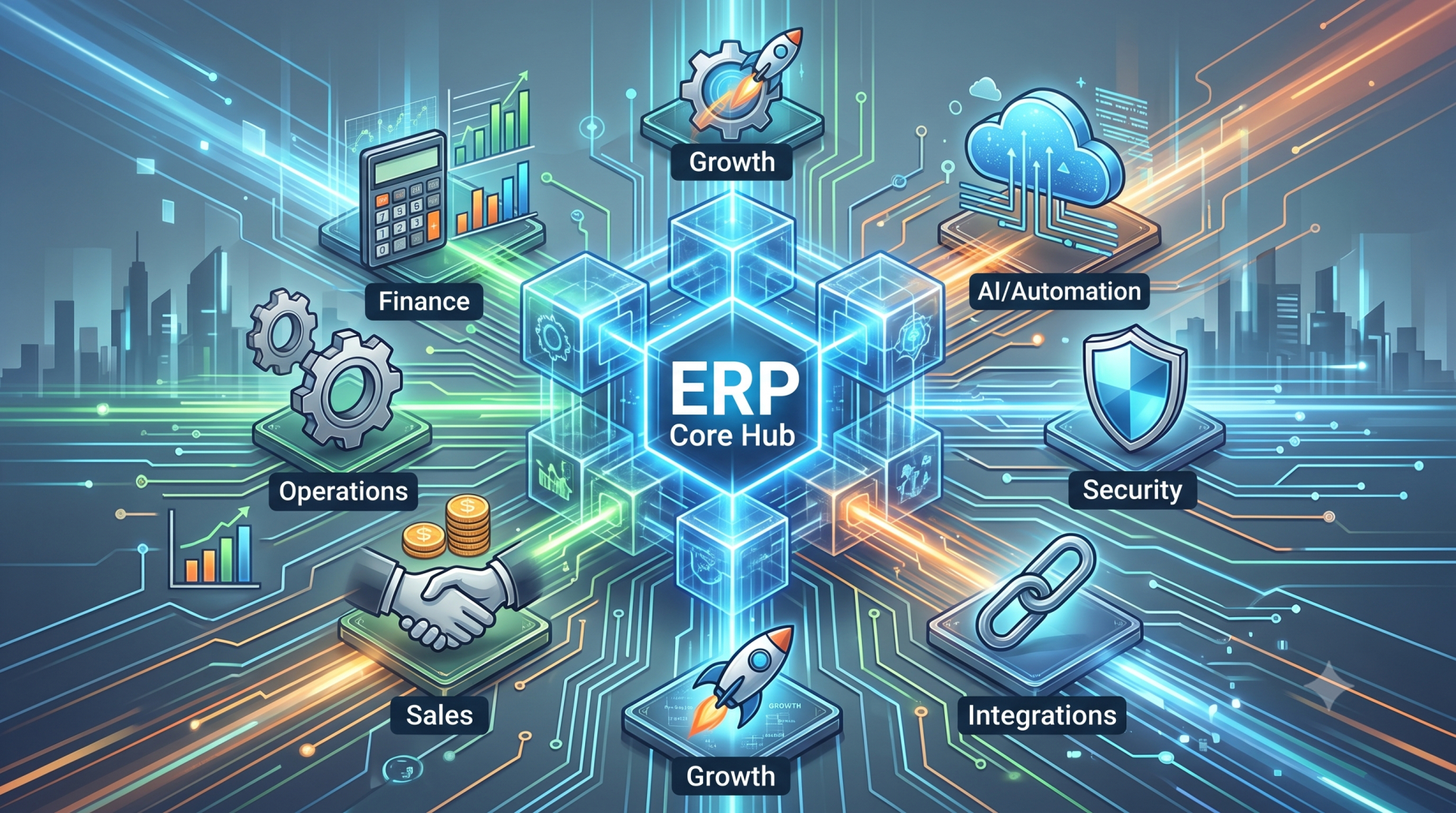
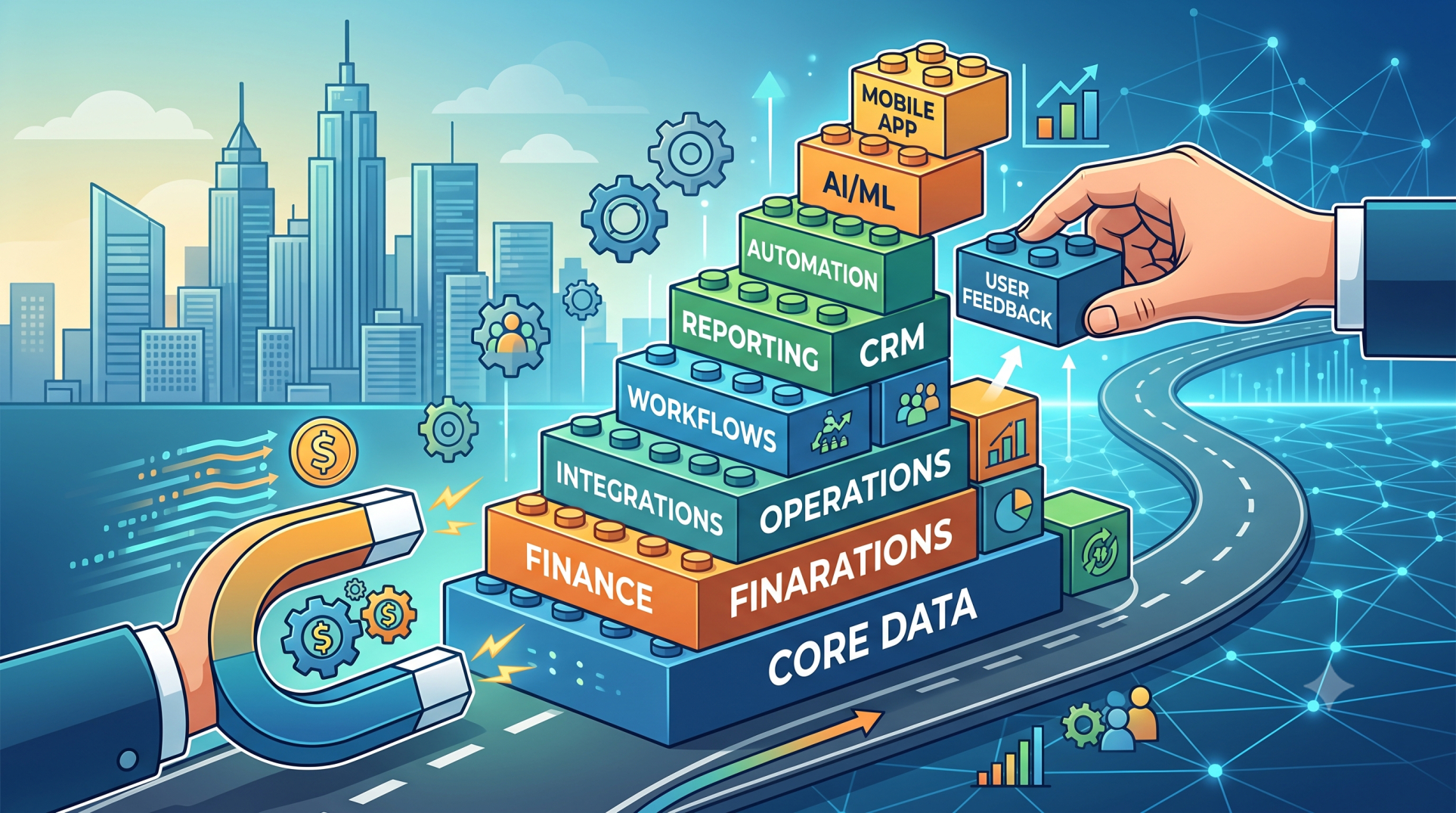
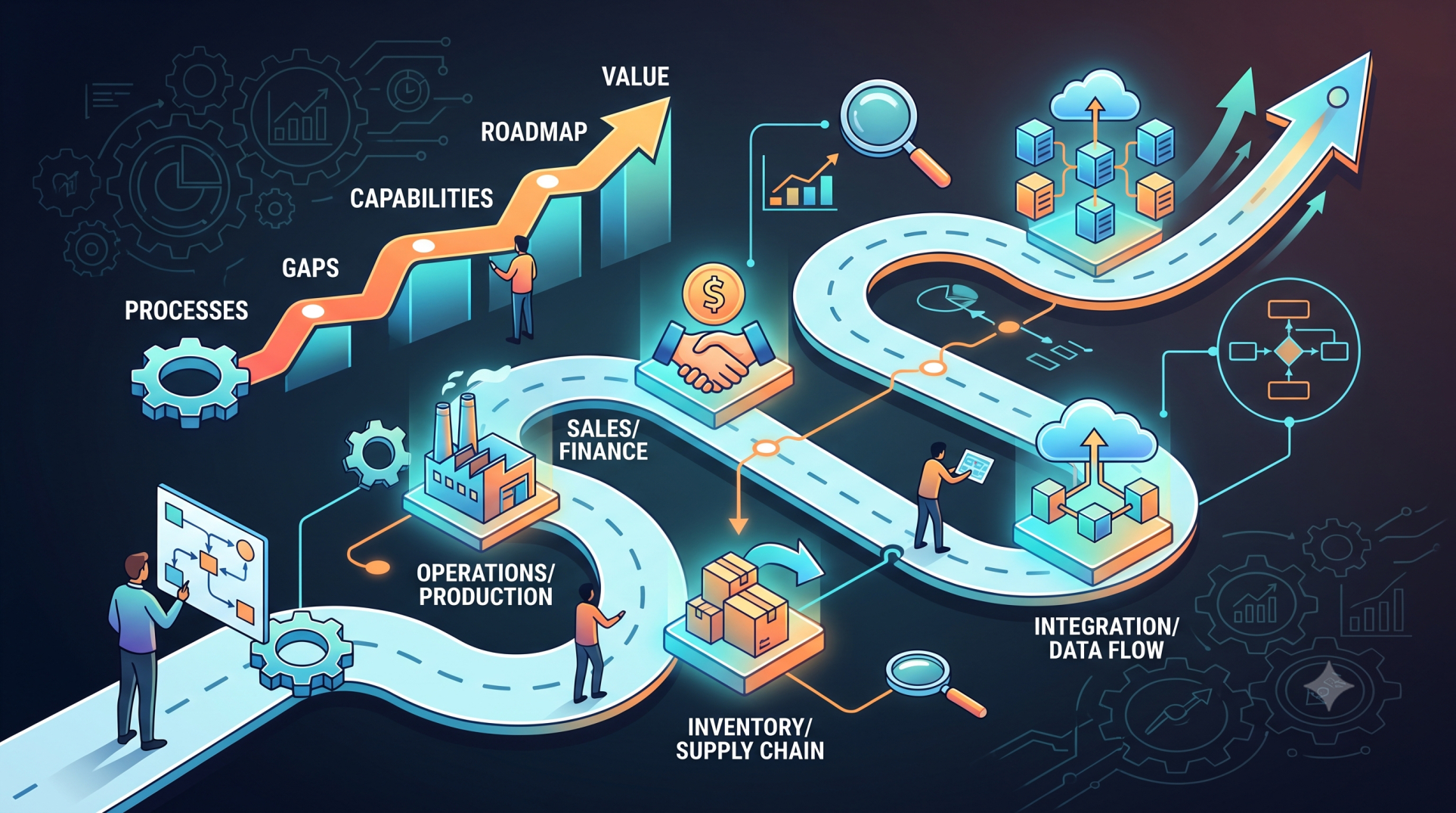
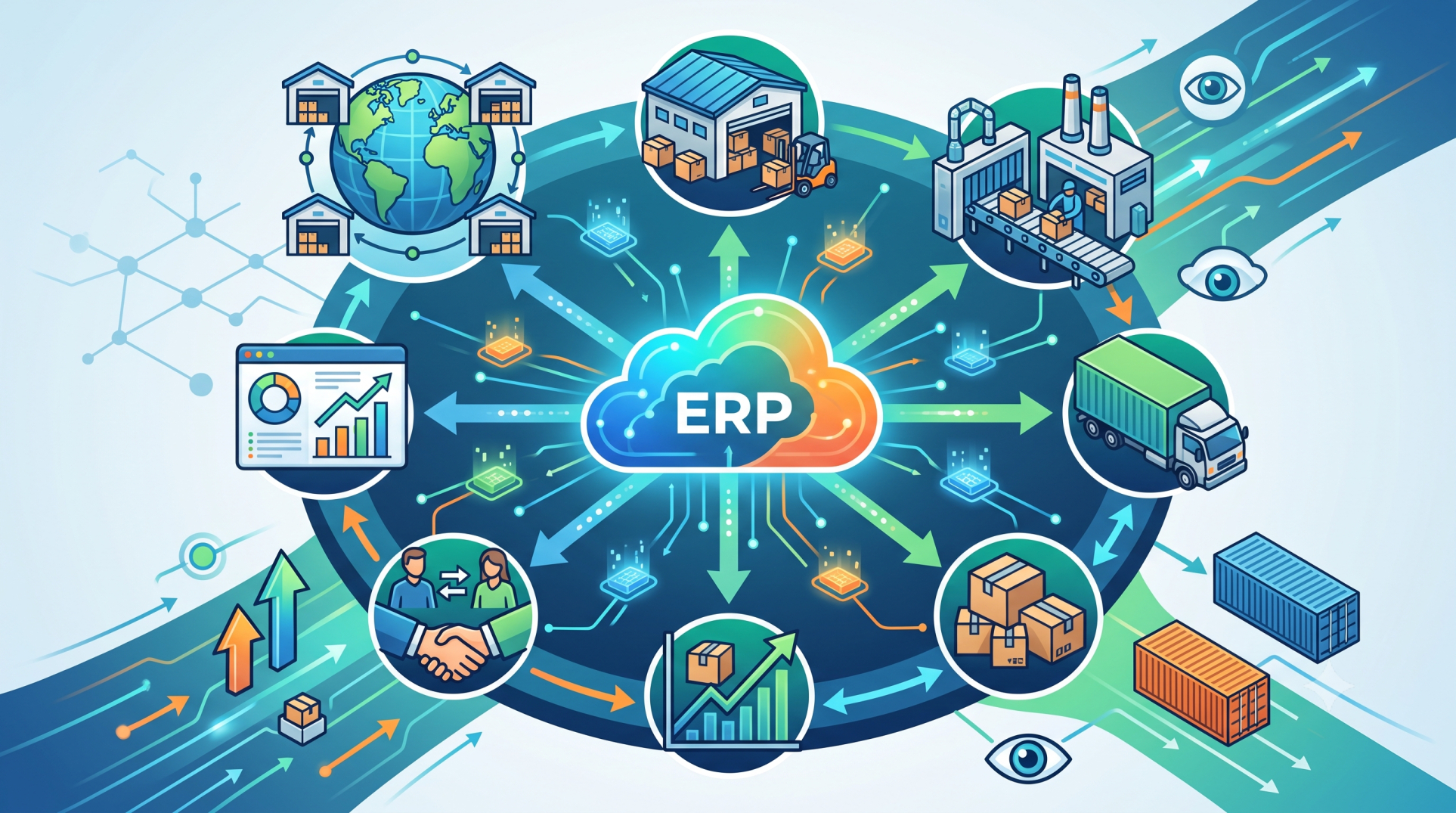
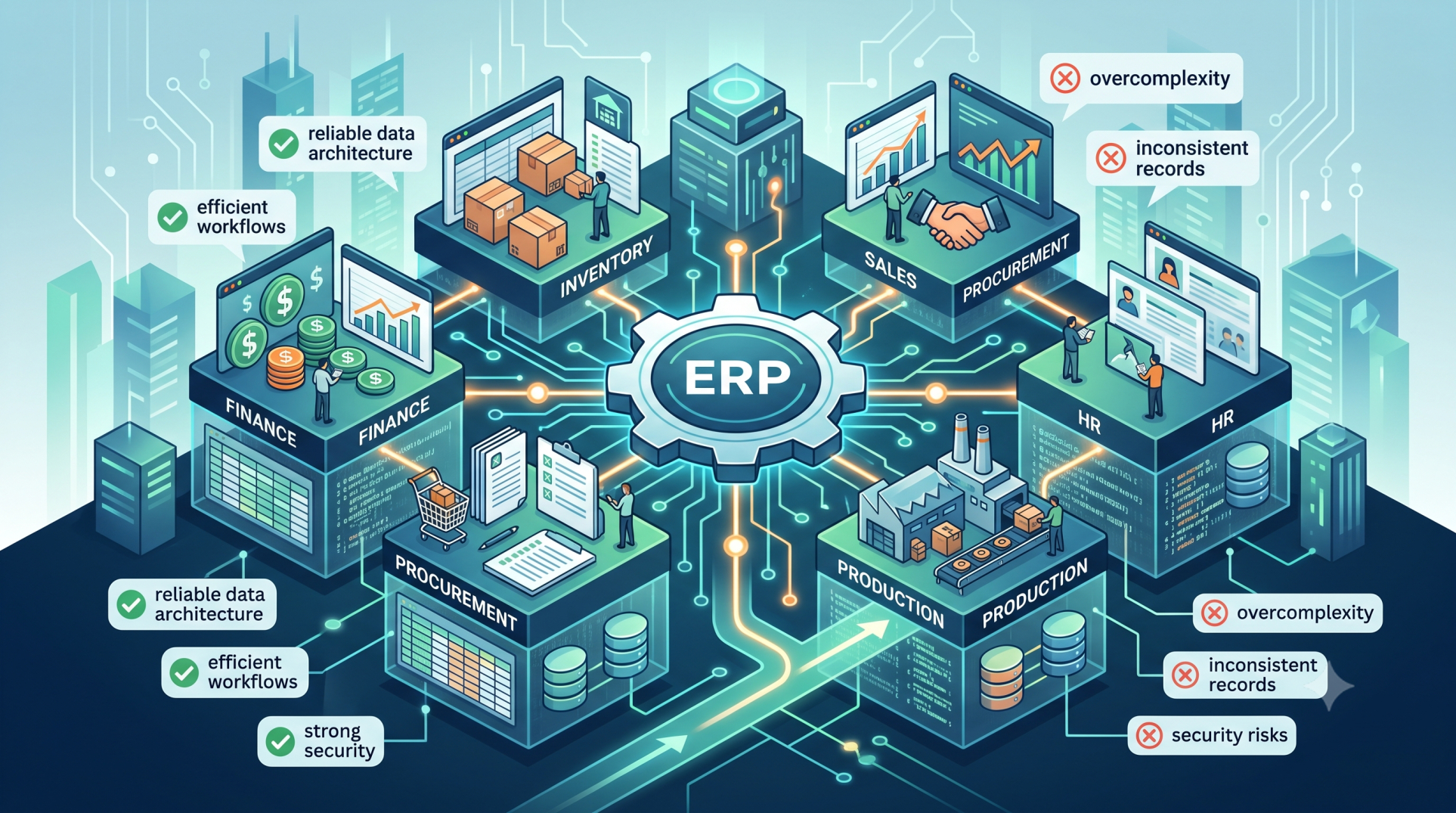
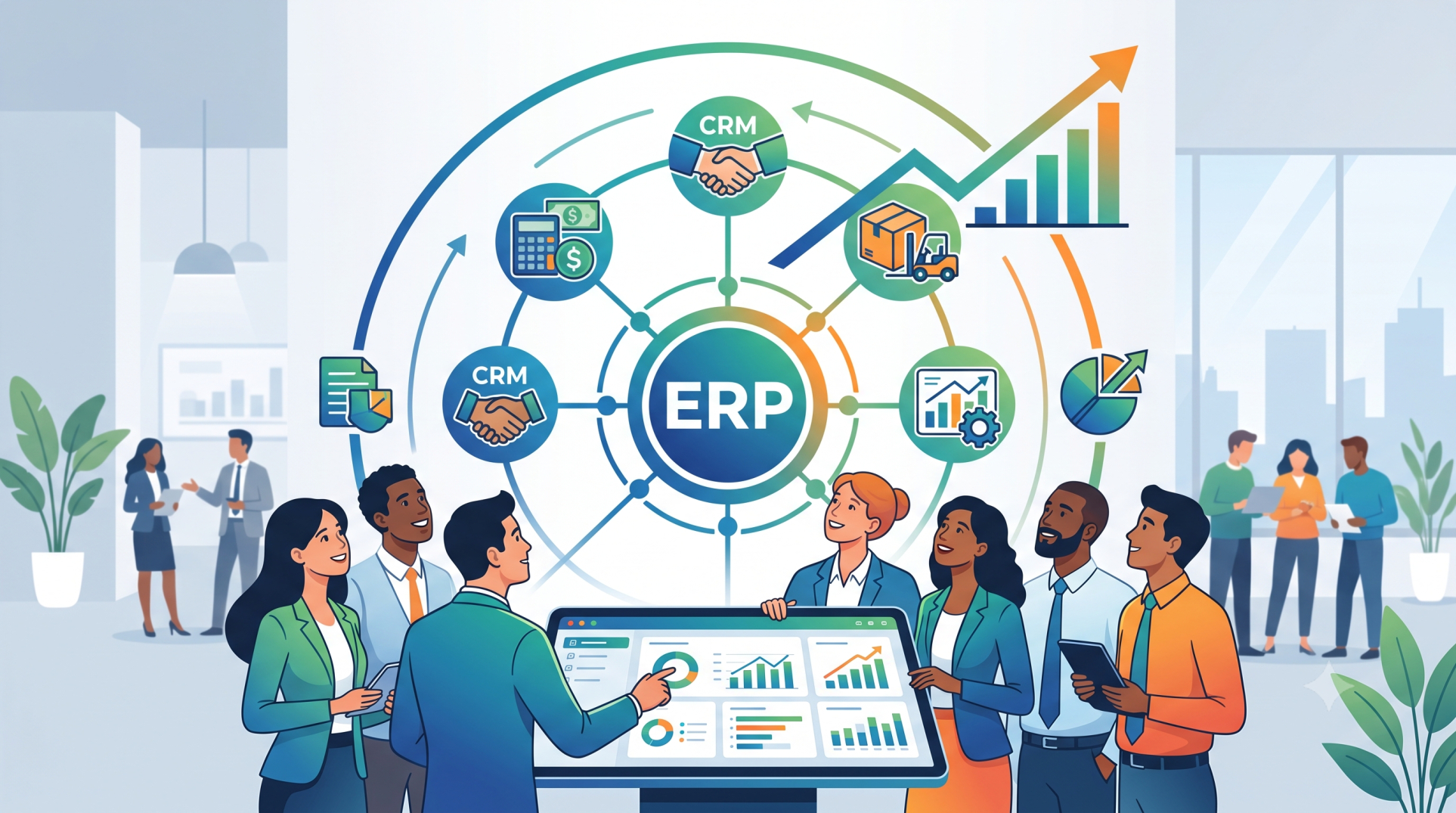
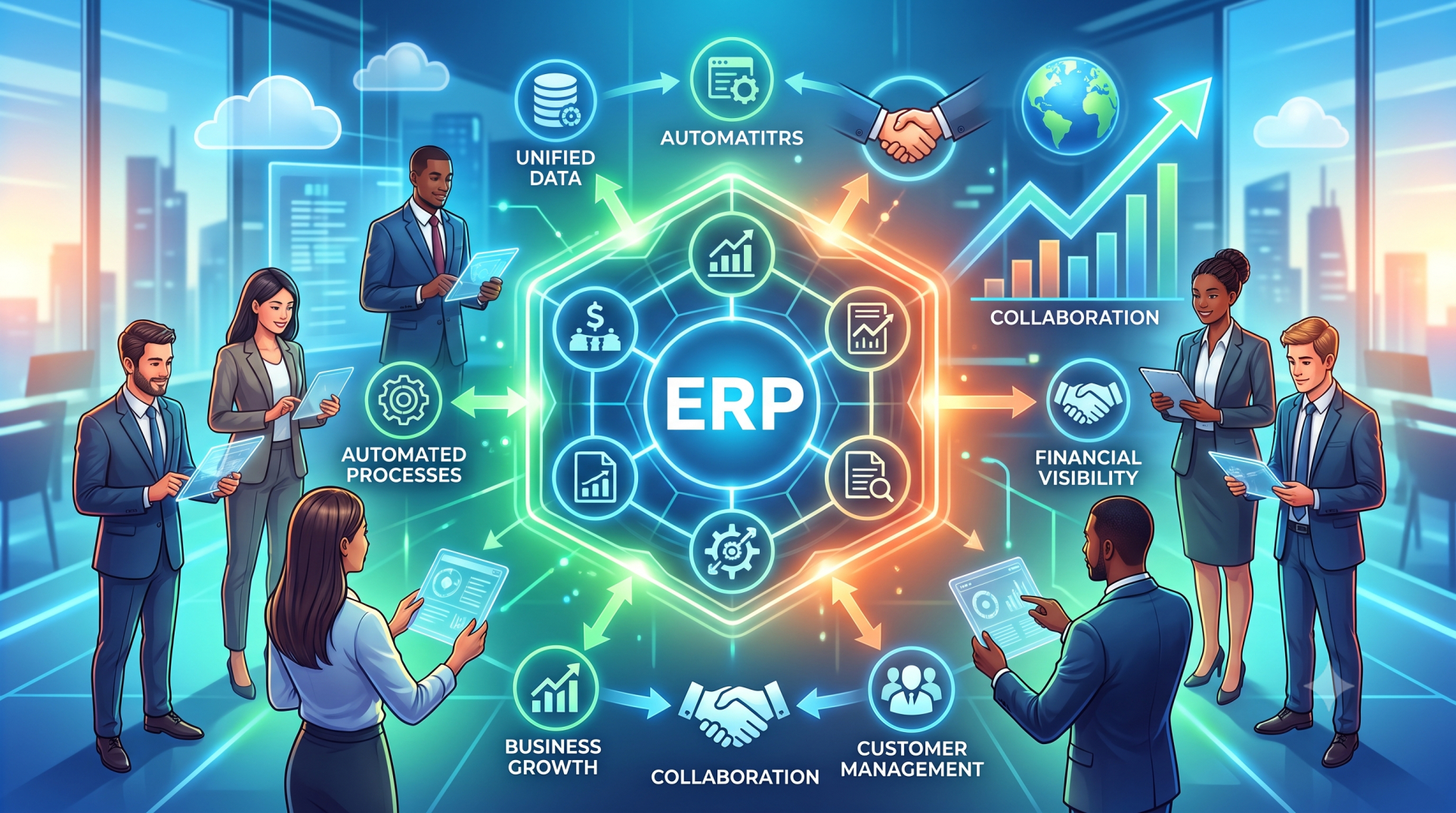
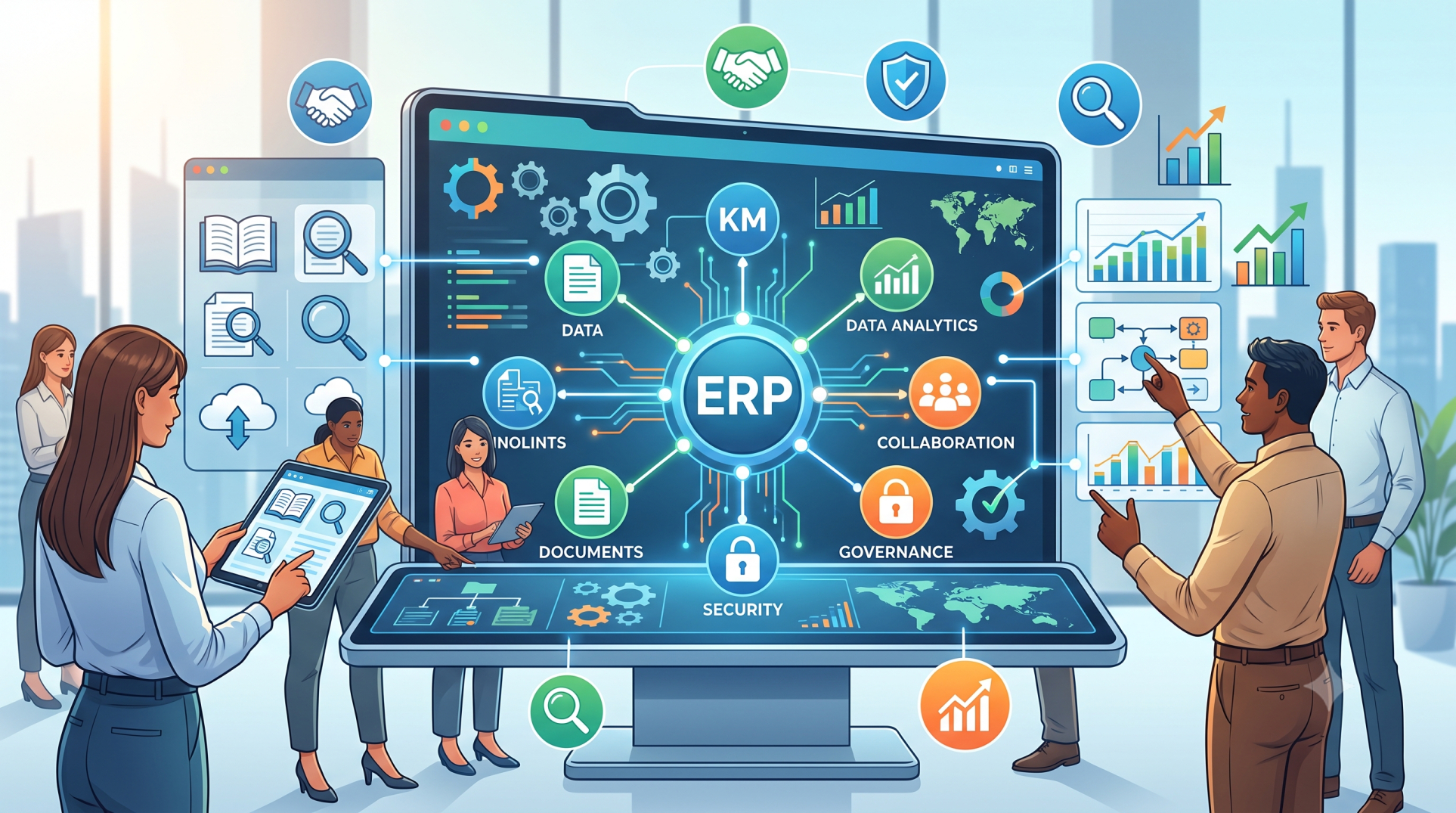
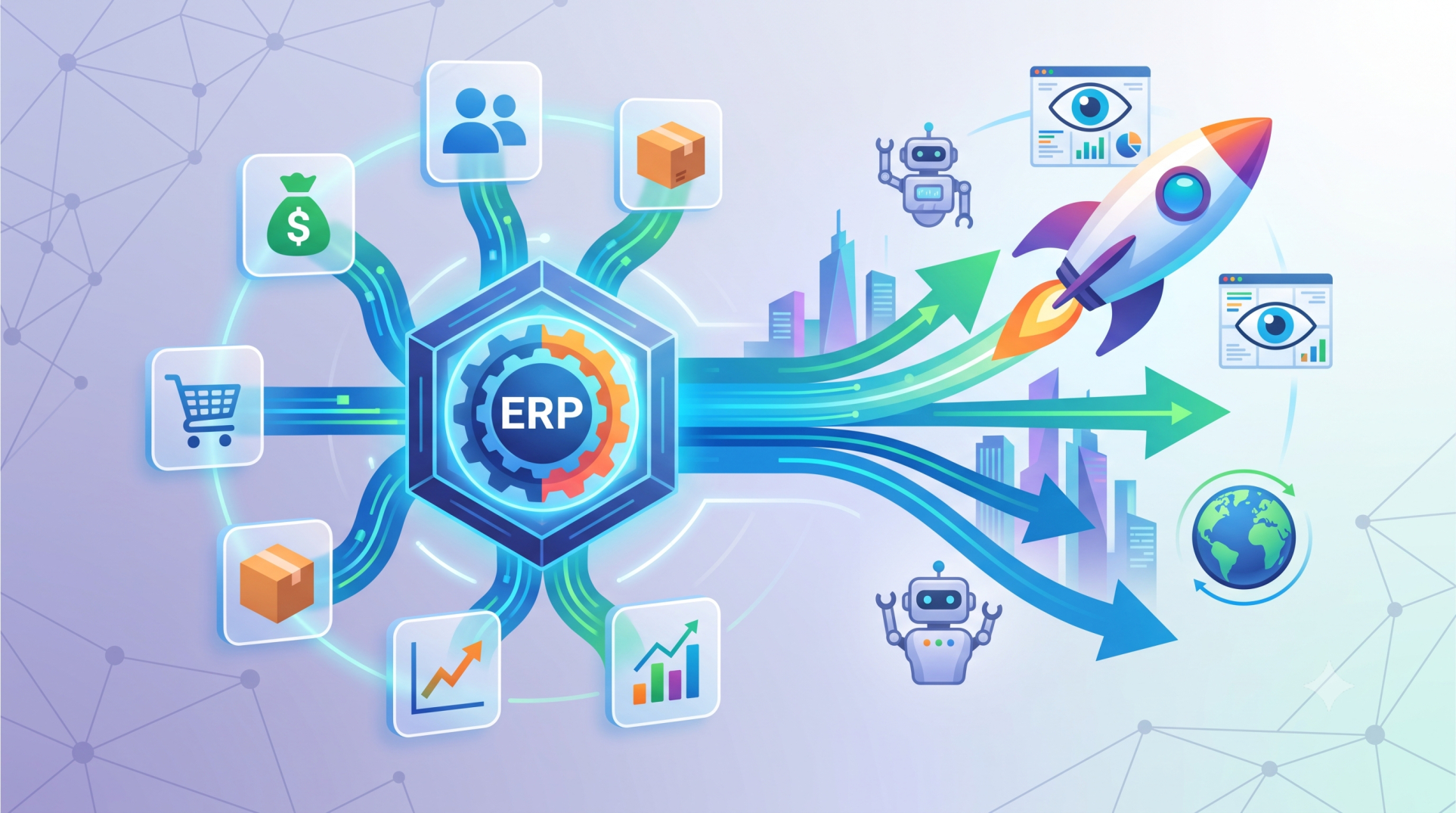
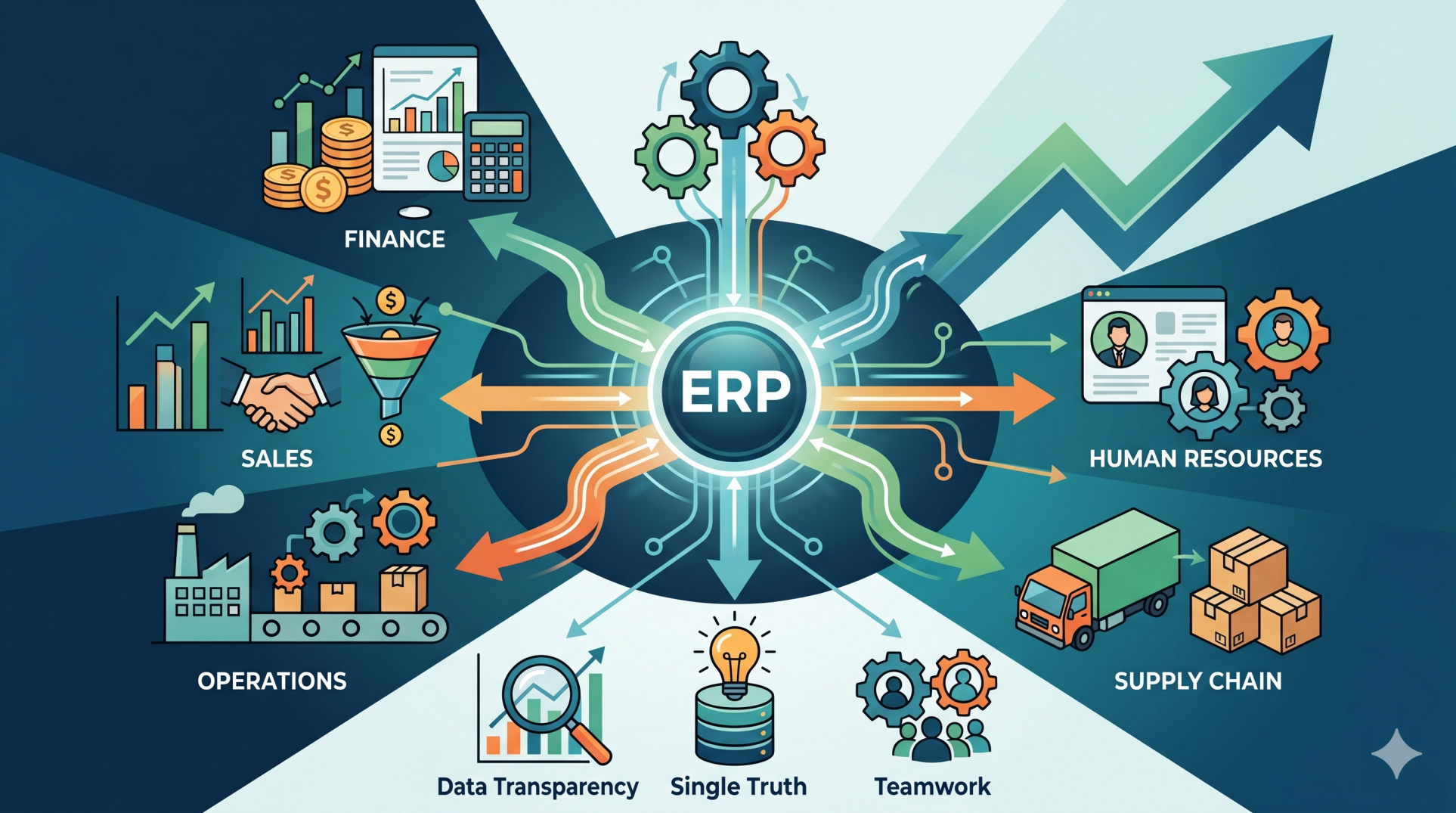
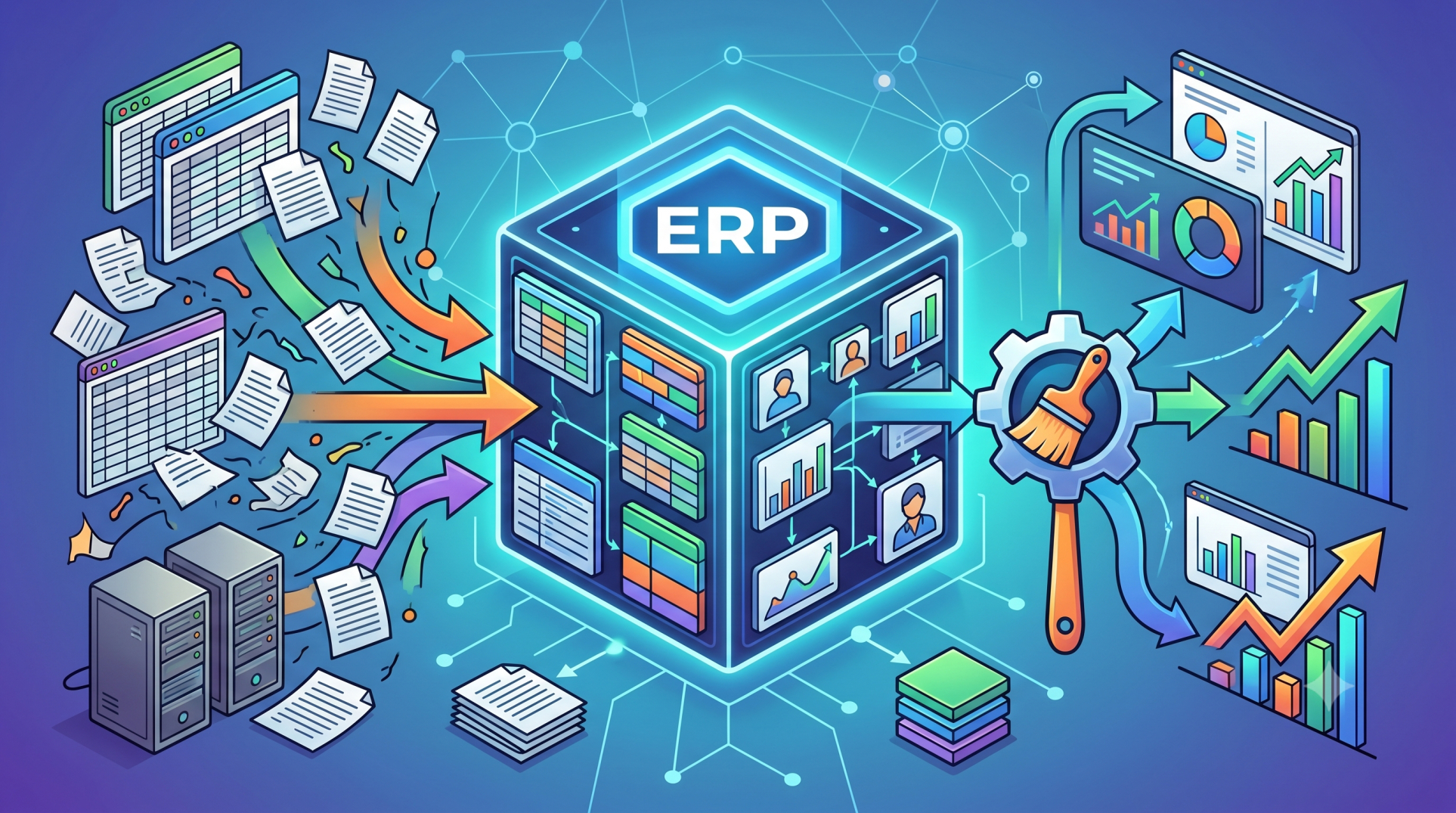
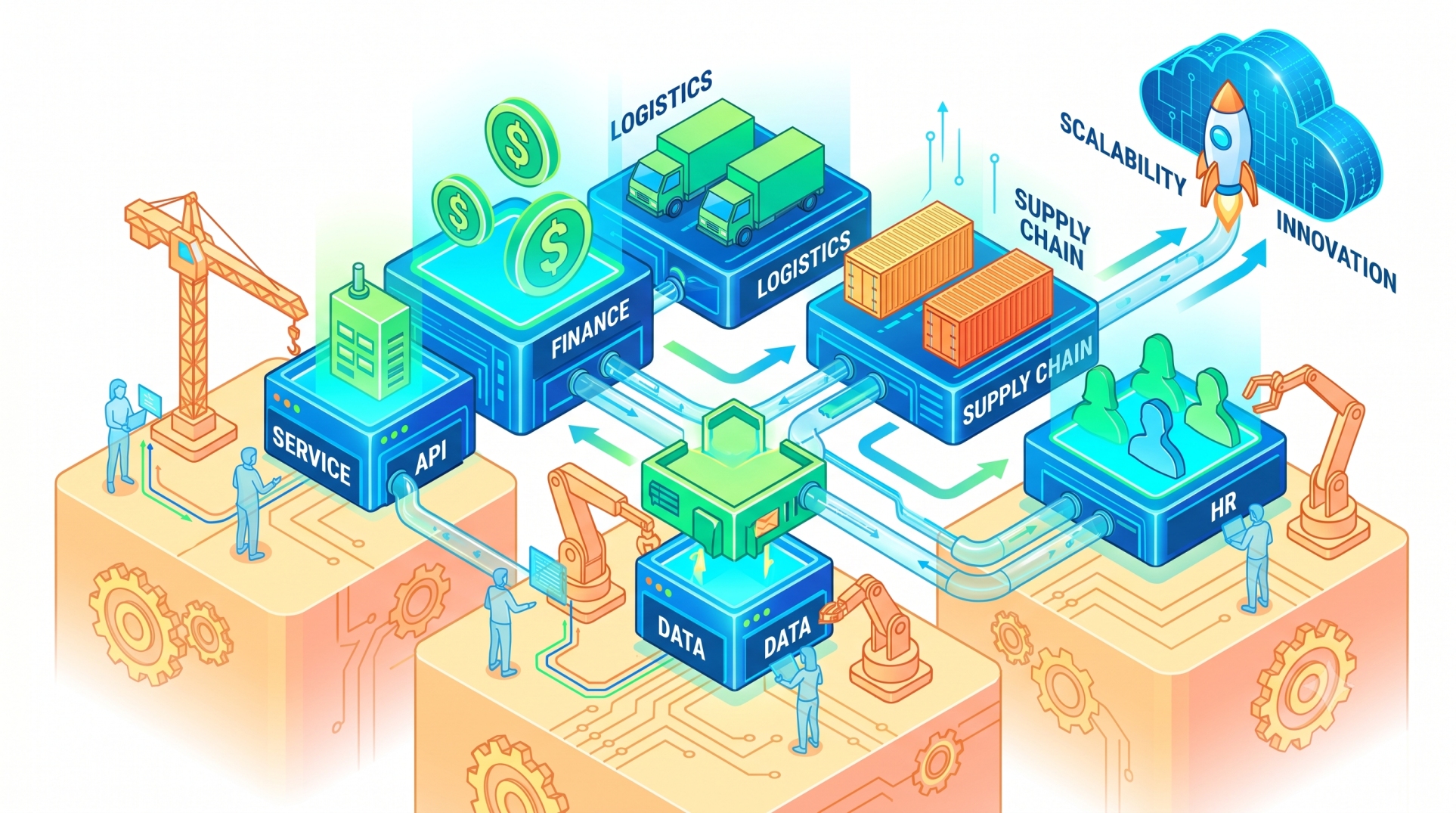
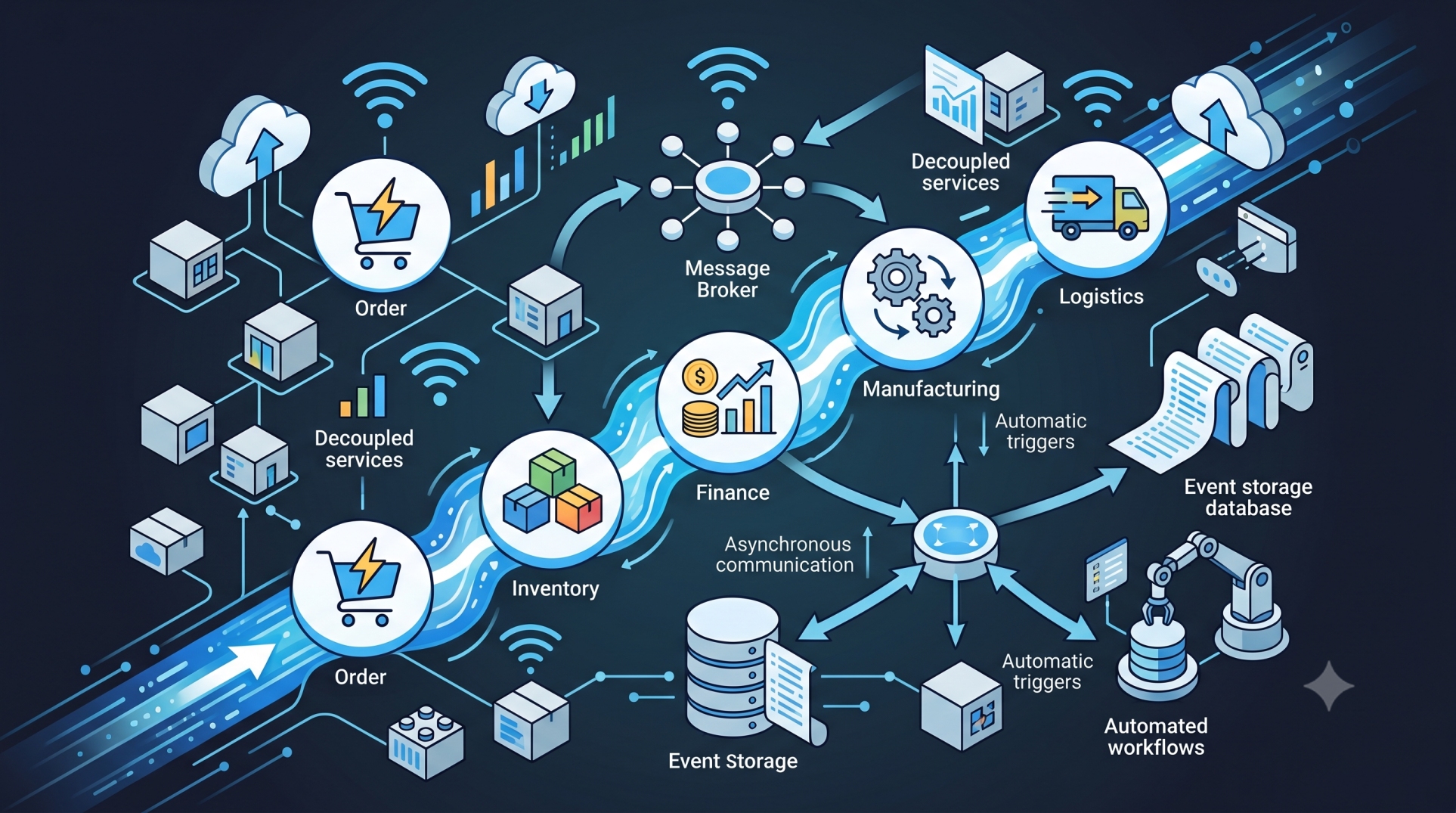
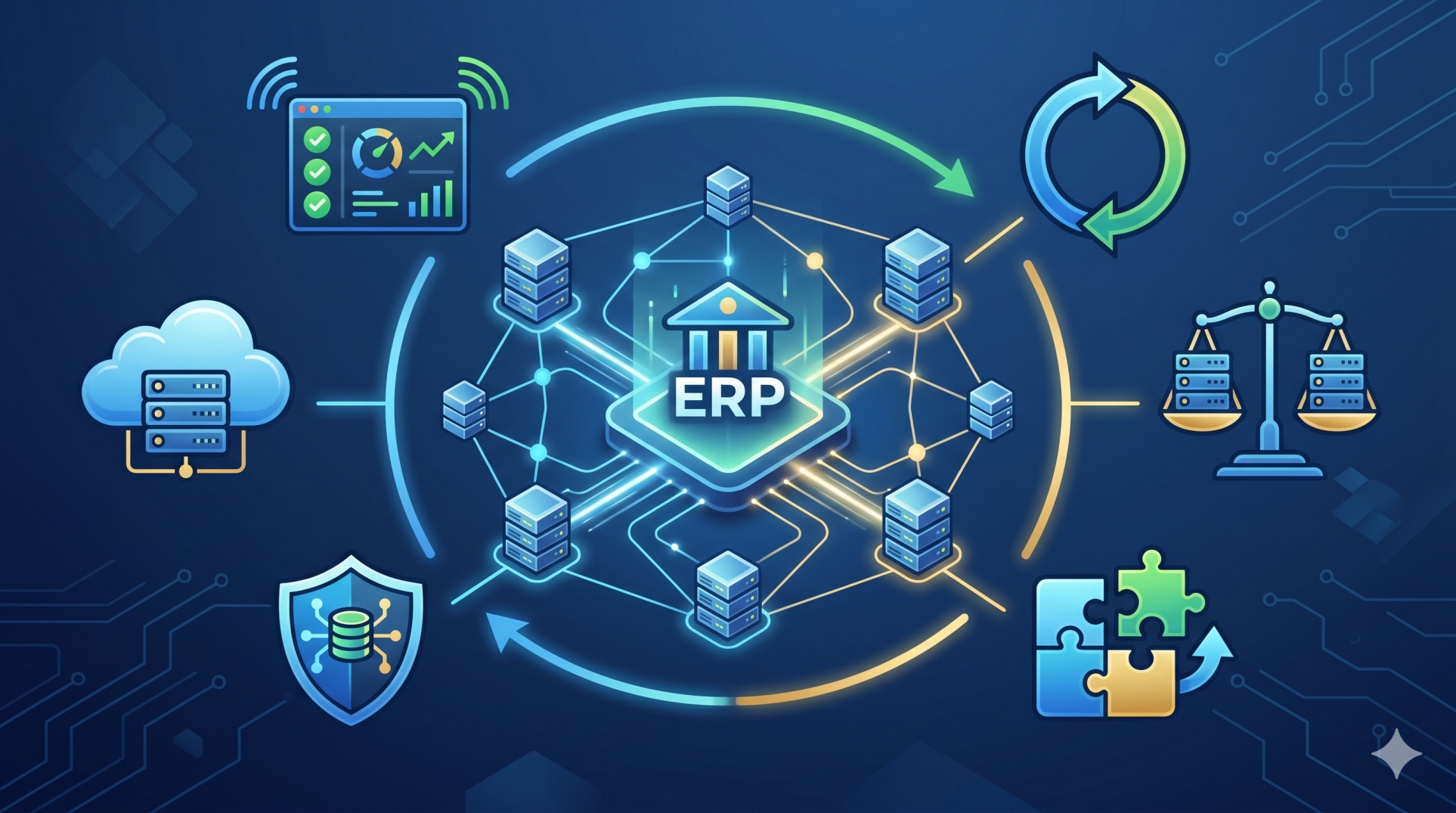
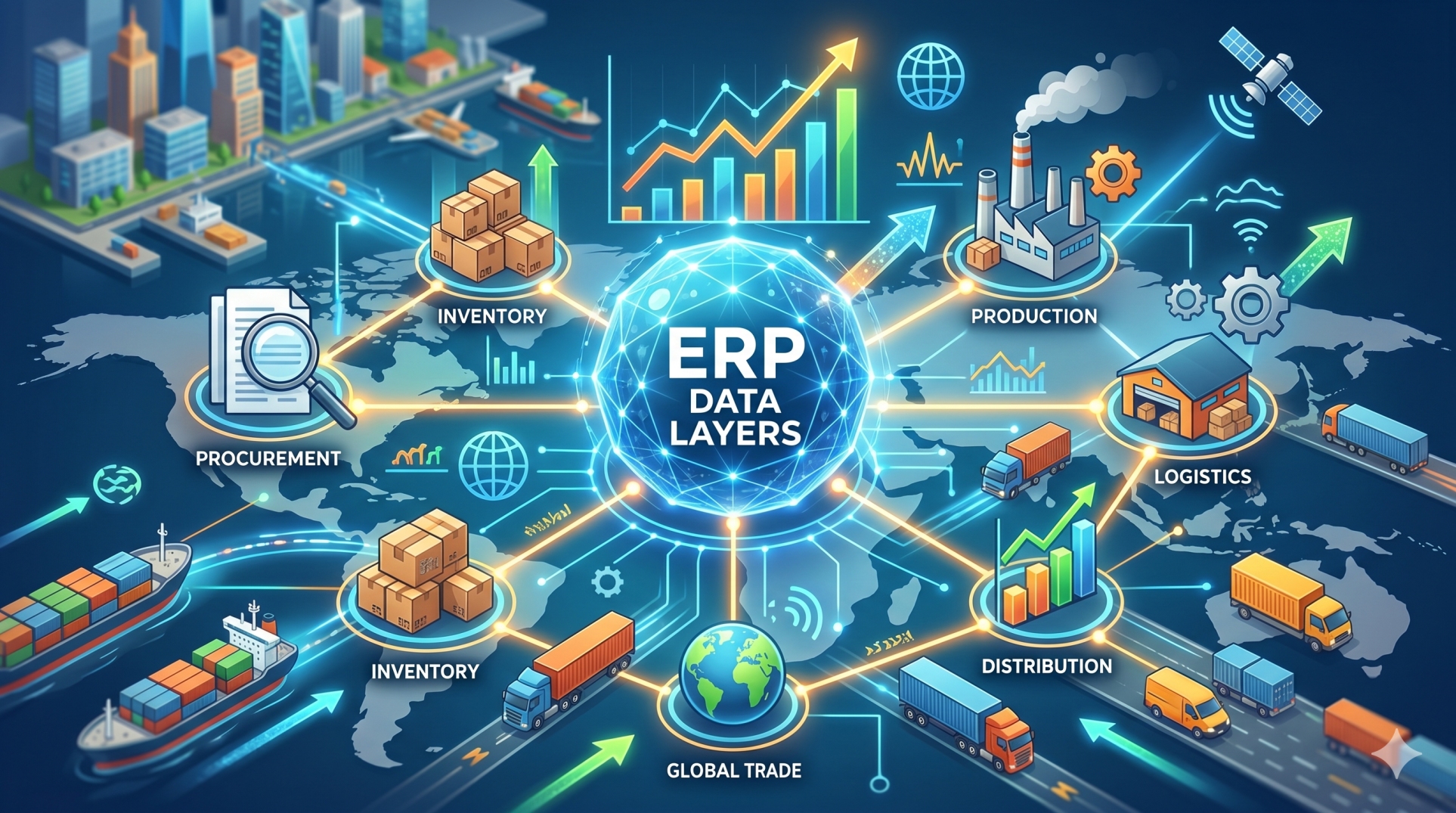
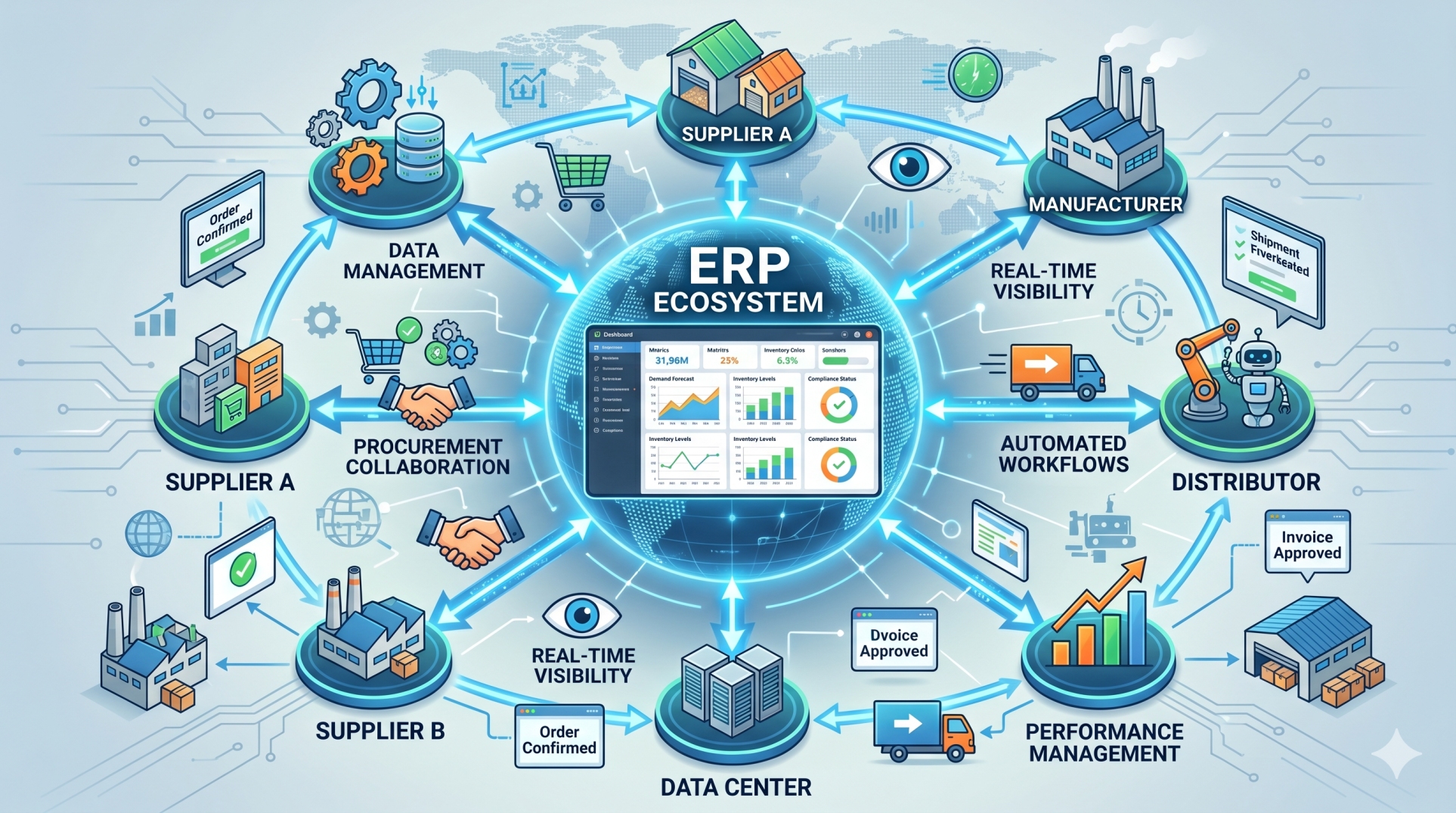
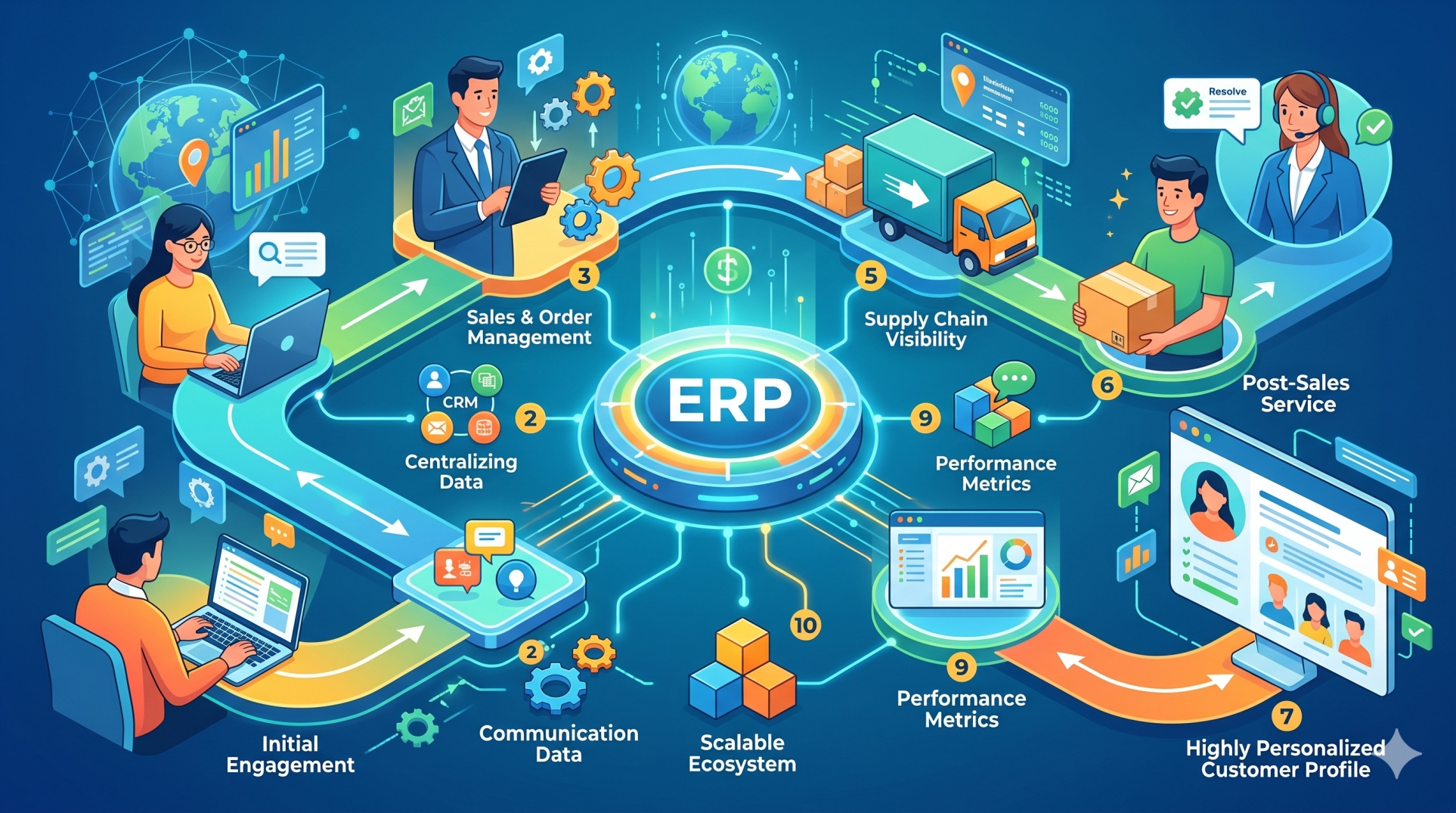
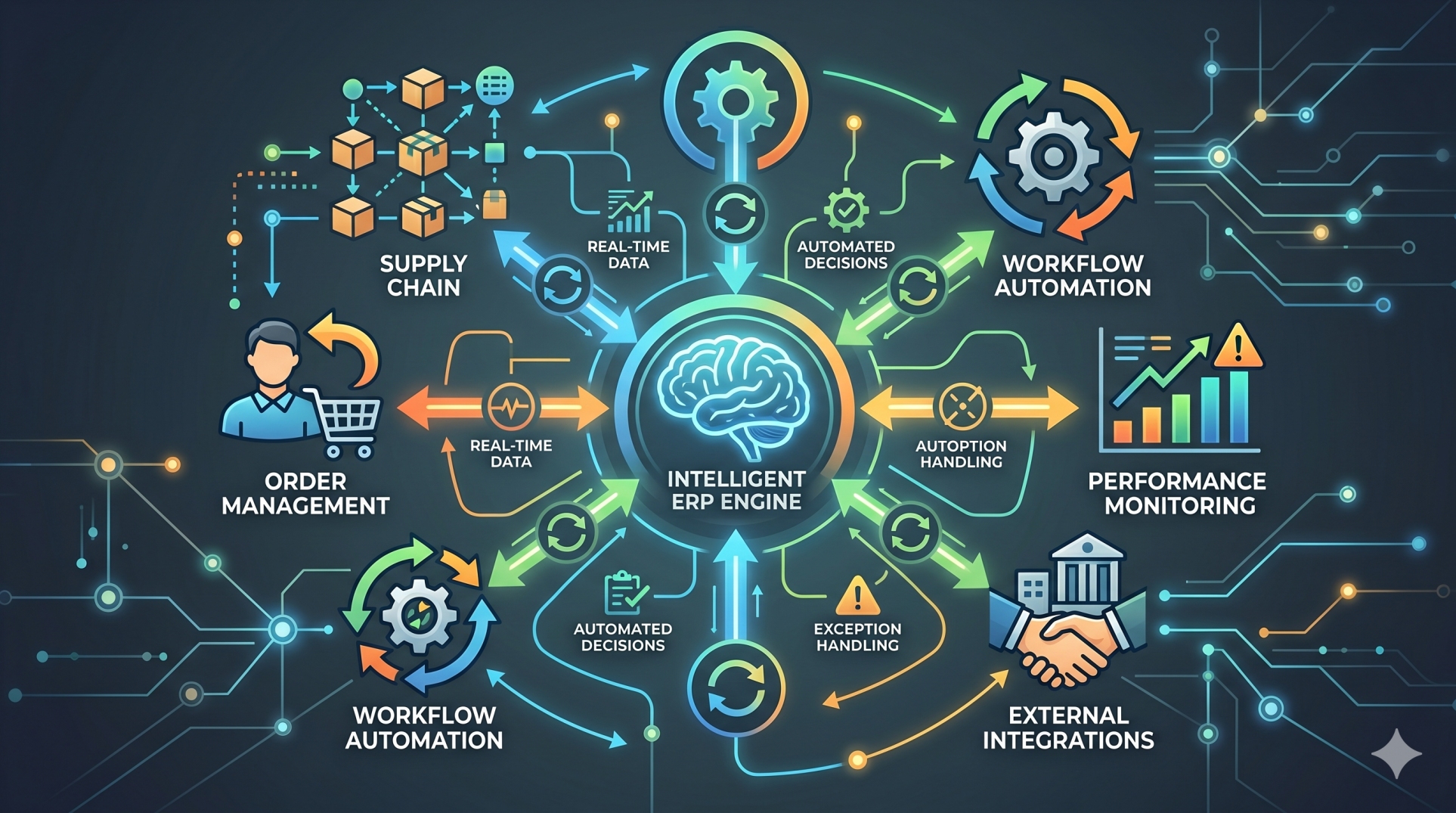
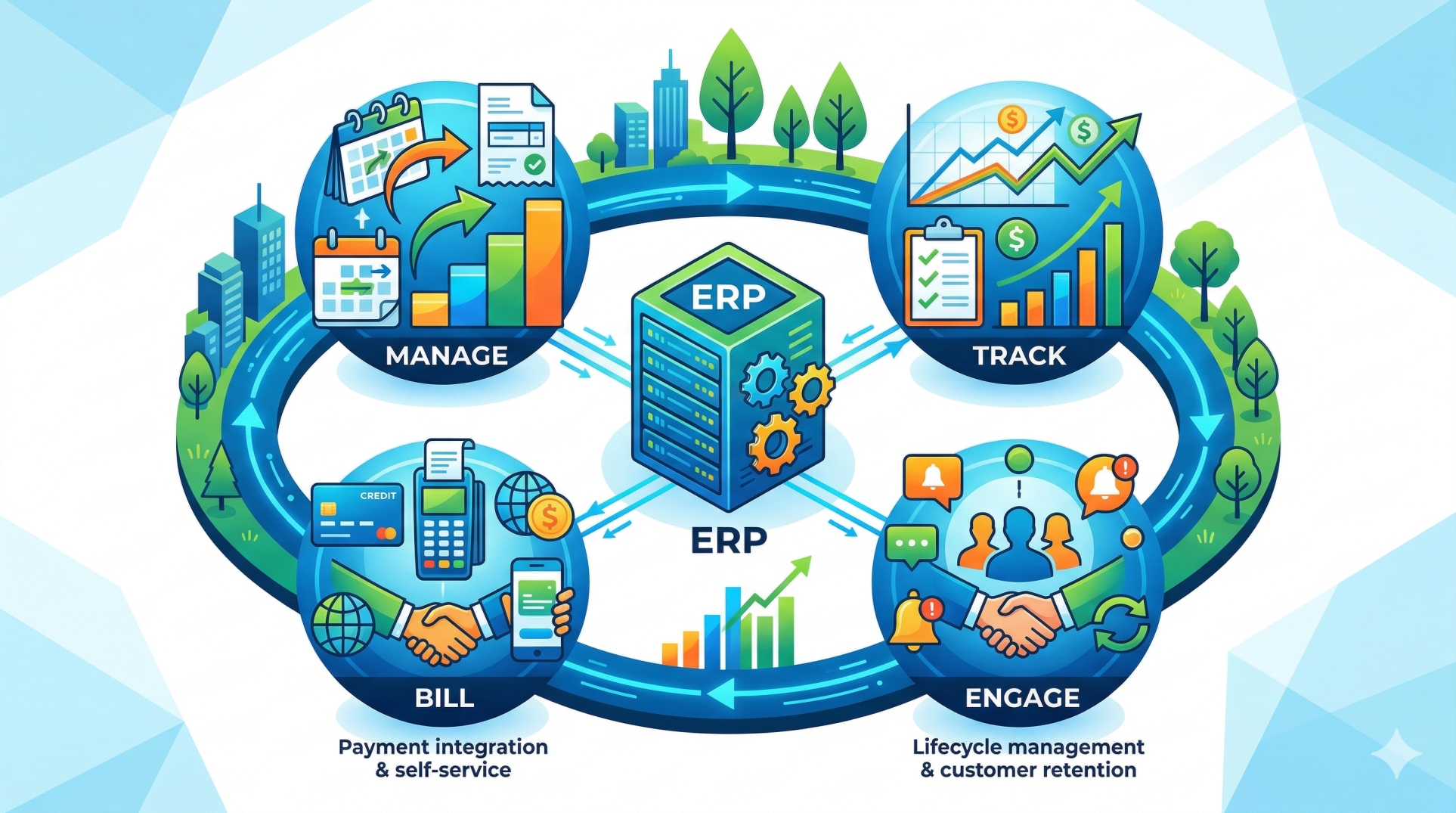
Operational transparency is no longer optional for growing enterprises. As organizations scale, fragmented systems and disconnected reporting create blind spots across departments. Unified ERP platforms solve this challenge by centralizing information, aligning workflows, and providing comprehensive visibility into operations, performance, and risk exposure. Instead of relying on siloed data, businesses gain a synchronized view of their entire organization.
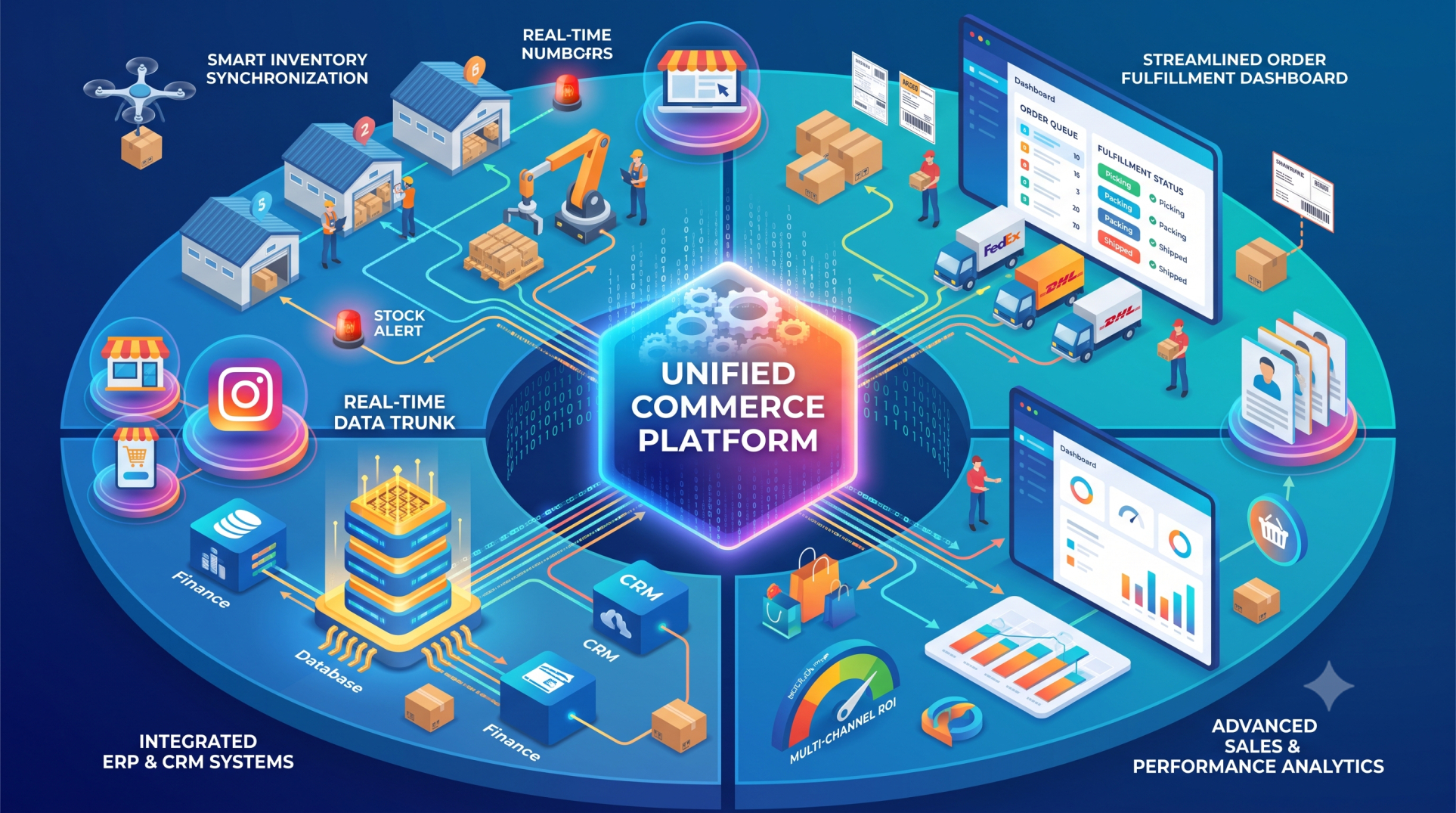
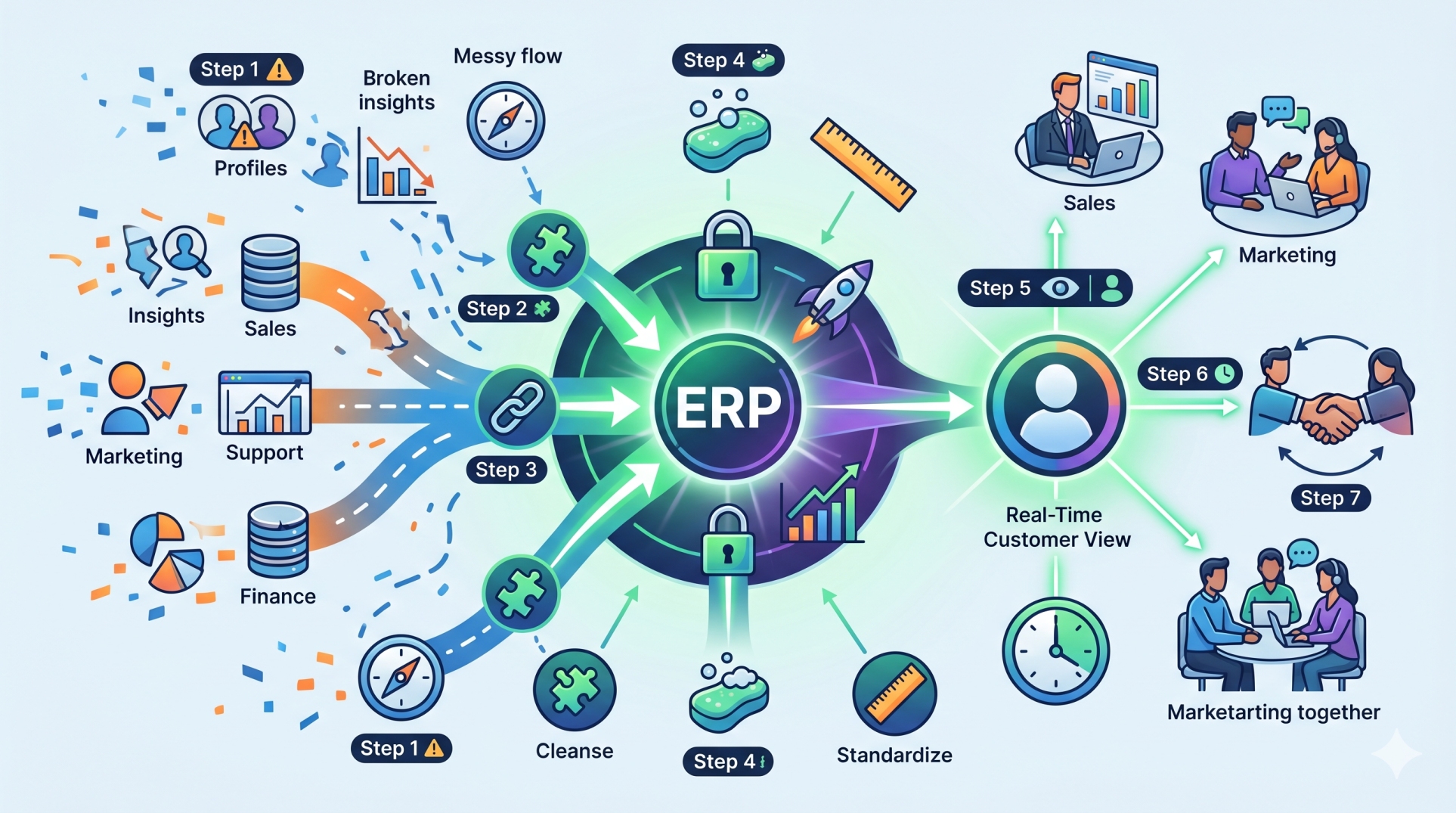
Step 1: Establishing a Single Source of Truth 📊
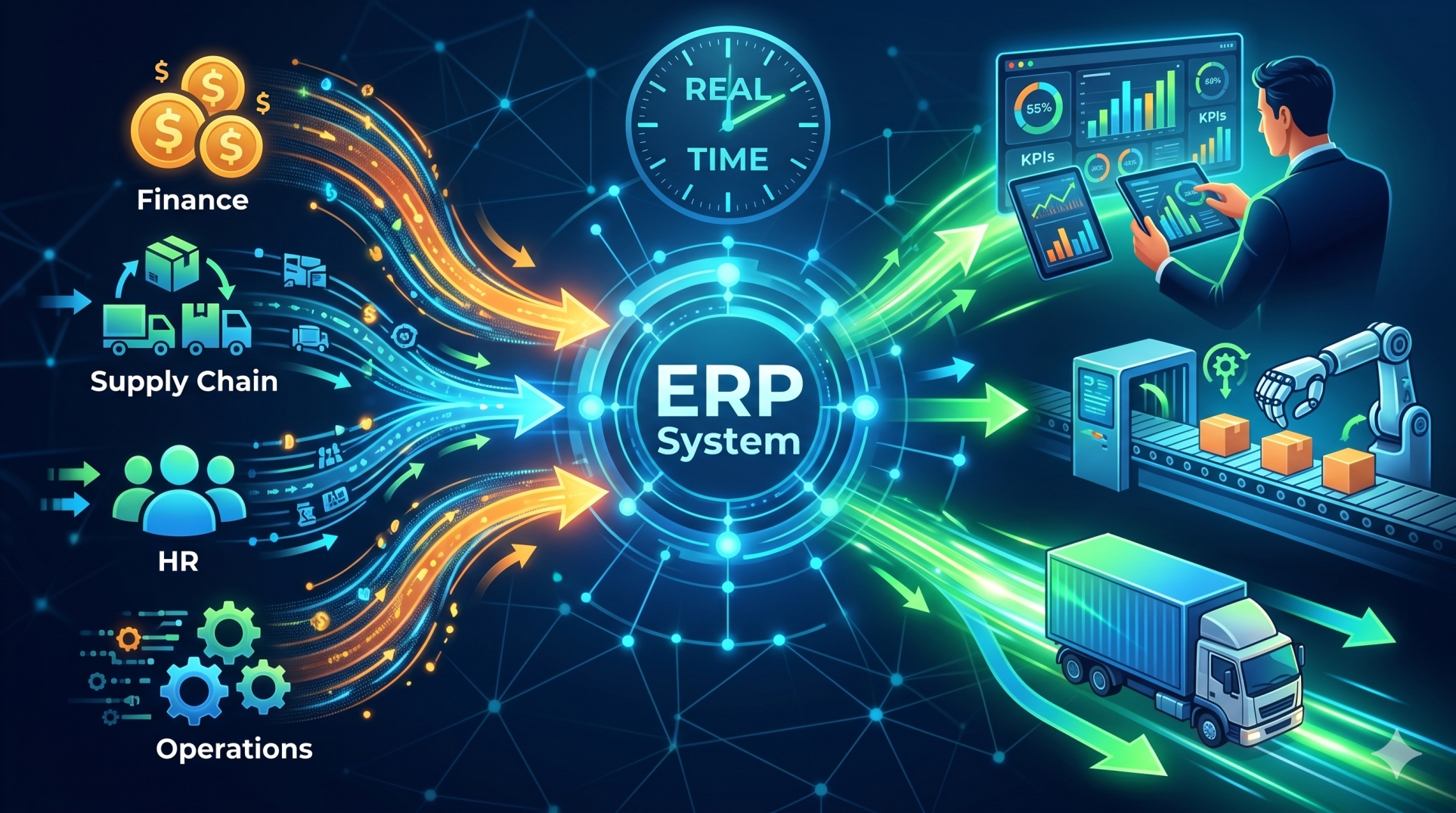
• Consolidates information from finance, supply chain, HR, sales, and operations into one unified system 🗂️
• Eliminates discrepancies caused by disconnected tools and spreadsheets 🔄
• Standardizes data definitions, structures, and reporting frameworks 📘
• Ensures every department works from the same validated dataset ✔️
• Removes confusion created by multiple report versions 📑
Step 2: Real-Time Visibility Across Departments ⏱️
• Provides immediate access to operational and financial metrics 📈
• Enables cross-functional performance monitoring 👥
• Minimizes delays caused by manual data compilation 🛠️
• Supports rapid response to operational issues ⚡
• Strengthens alignment between leadership and teams 🤝
Step 3: Process Standardization and Accountability 🔎
• Enforces consistent workflows across business units 🧭
• Clearly defines process ownership and responsibility 👤
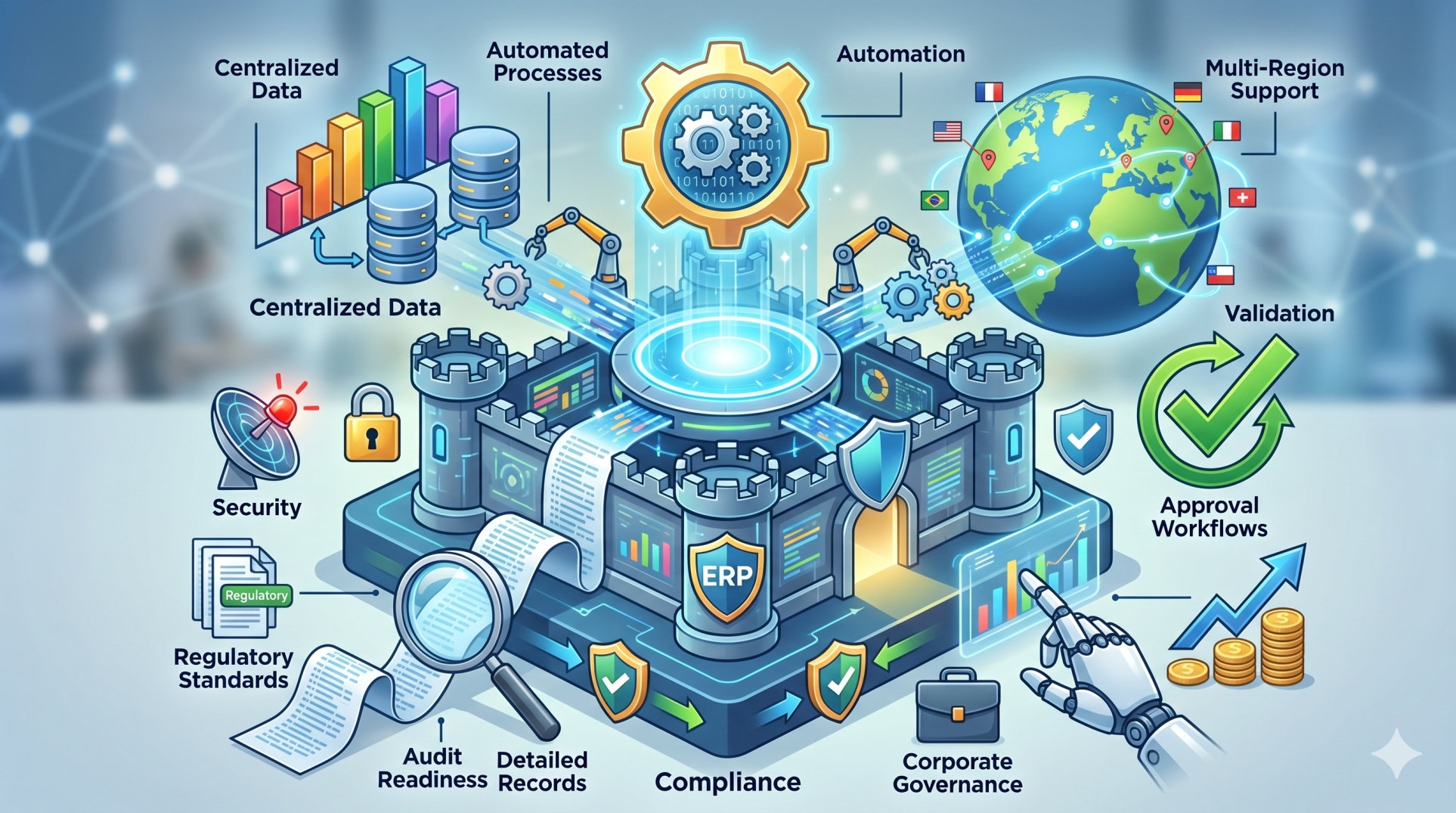
• Maintains detailed audit trails for transactions 🧾
• Reduces operational ambiguity and inefficiencies 🚫
• Promotes accountability at every organizational level 🏢
Step 4: Financial Transparency and Control 💰
• Links operational activity directly to financial performance 📊
• Provides accurate cost tracking and budget oversight 📉
• Enables deep margin and profitability analysis 📈
• Supports compliance with financial and regulatory standards ⚖️
• Reinforces strong internal governance practices 🏛️
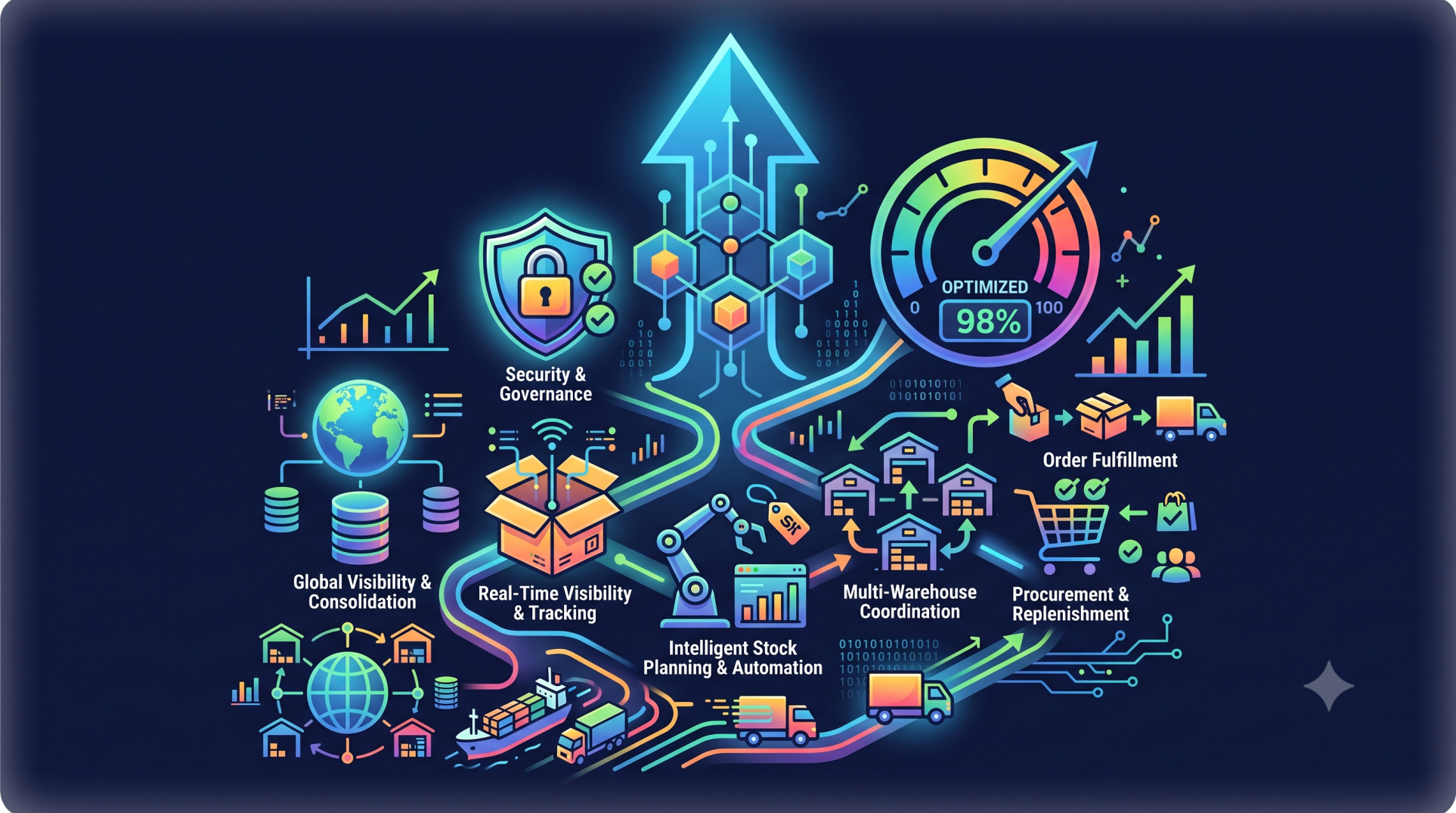
Step 5: Supply Chain and Inventory Visibility 📦
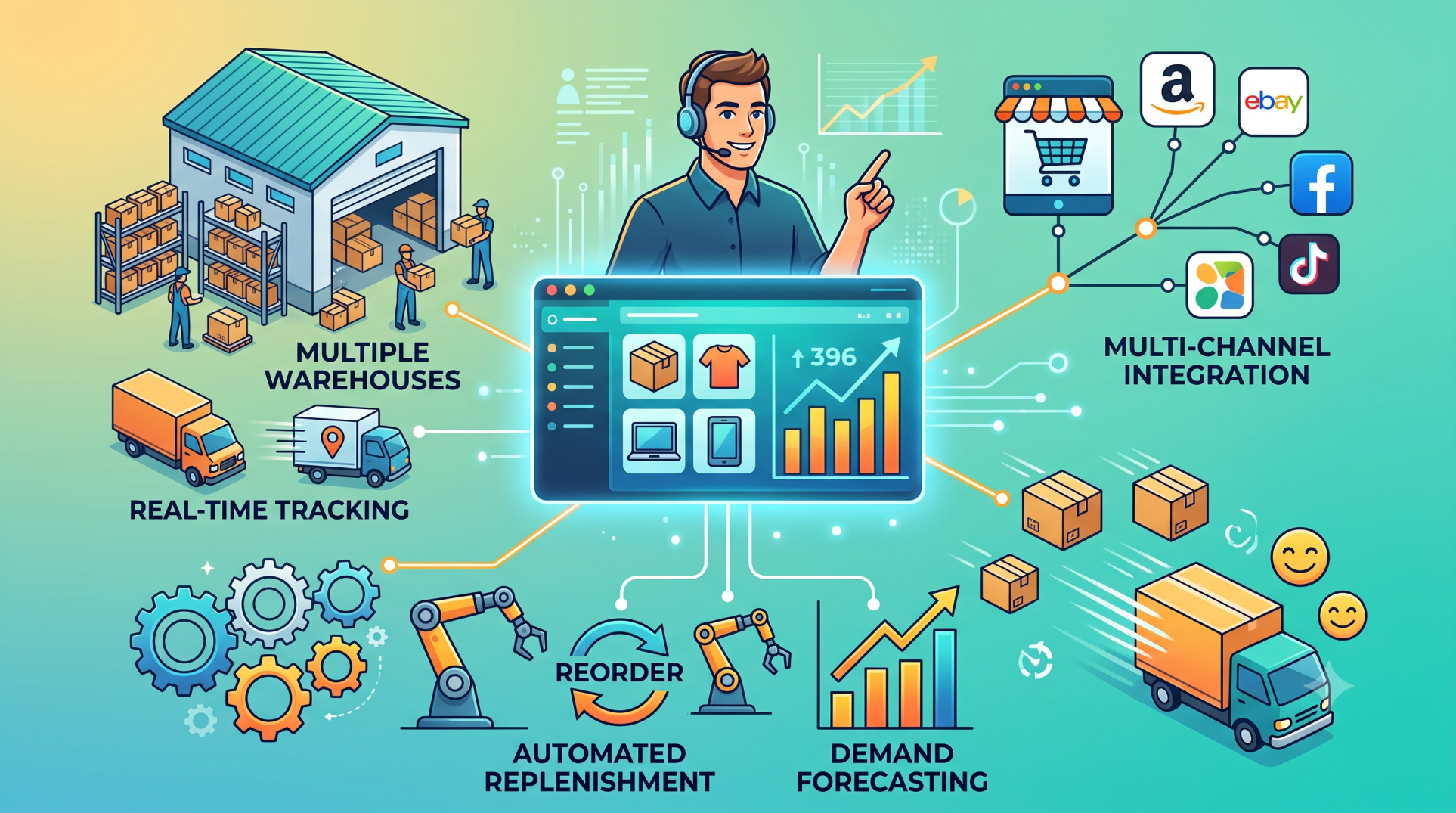
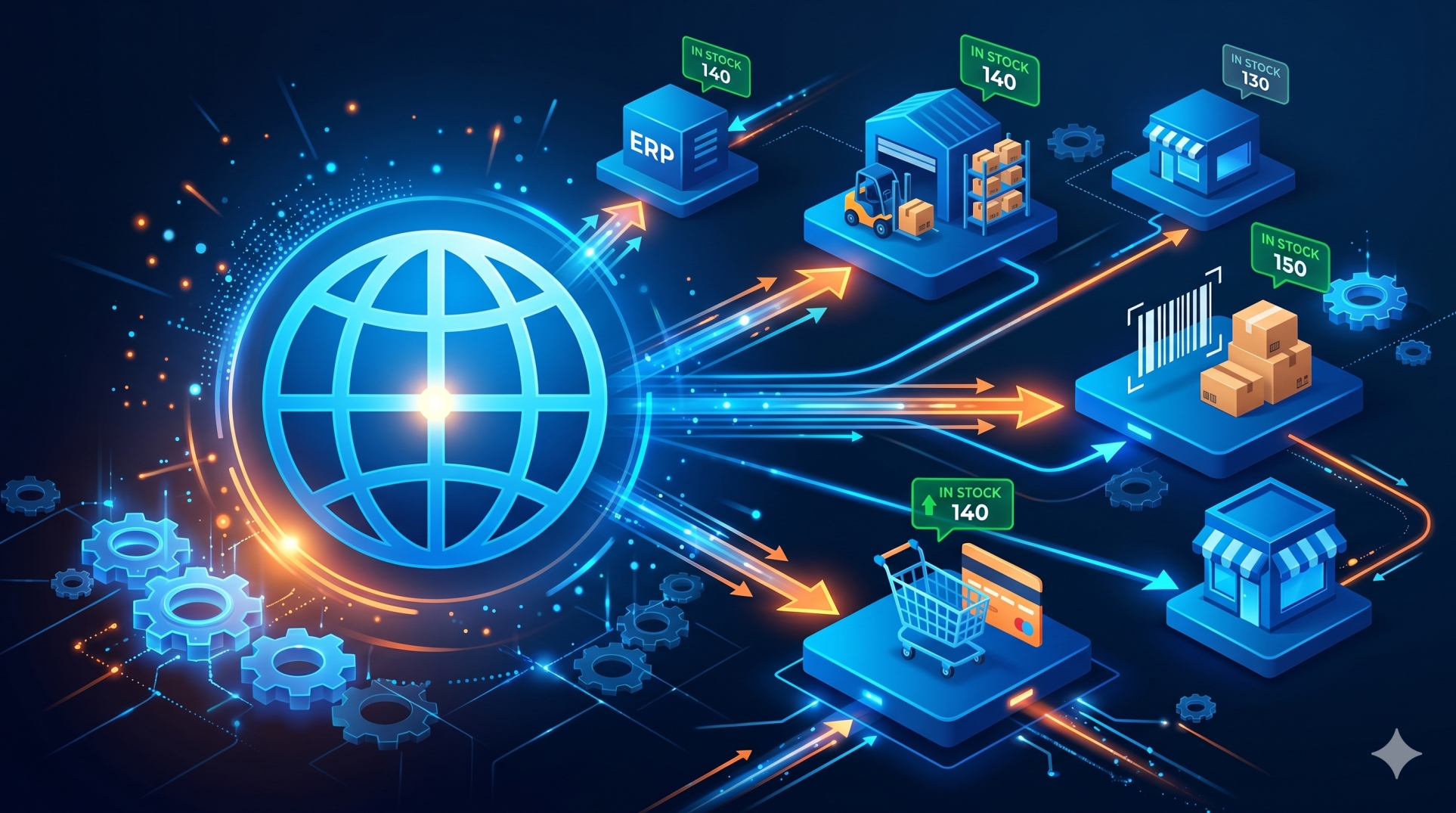
• Tracks inventory levels and movement in real time 📍
• Monitors procurement cycles and supplier performance 🔗
• Identifies bottlenecks in logistics and fulfillment 🚚
• Reduces stock discrepancies and unexpected shortages ⚠️
• Improves demand forecasting and replenishment planning 📊
Step 6: Performance Monitoring Through Unified Dashboards 📊
• Provides role-specific dashboards tailored to stakeholders 👨💼
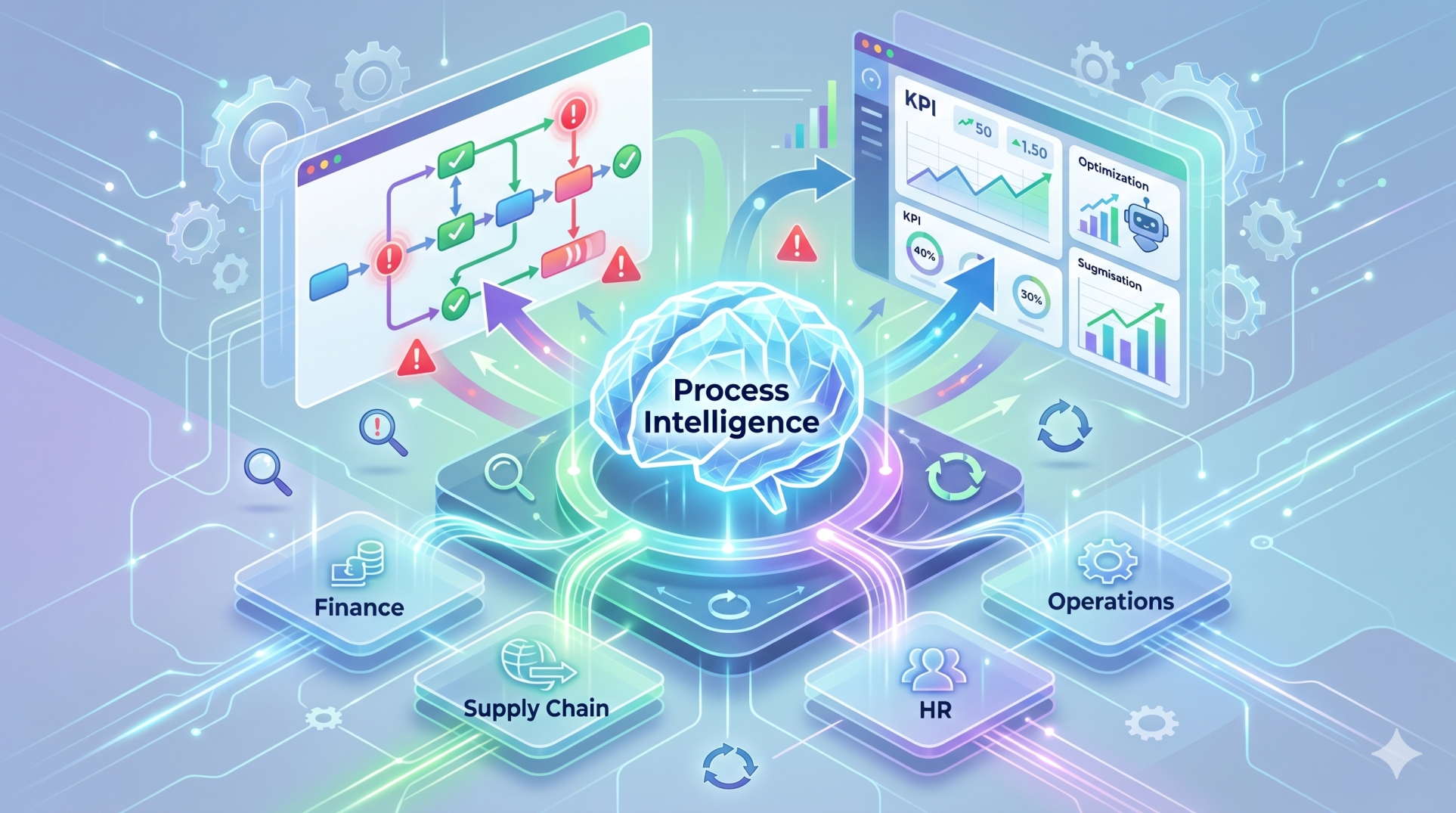
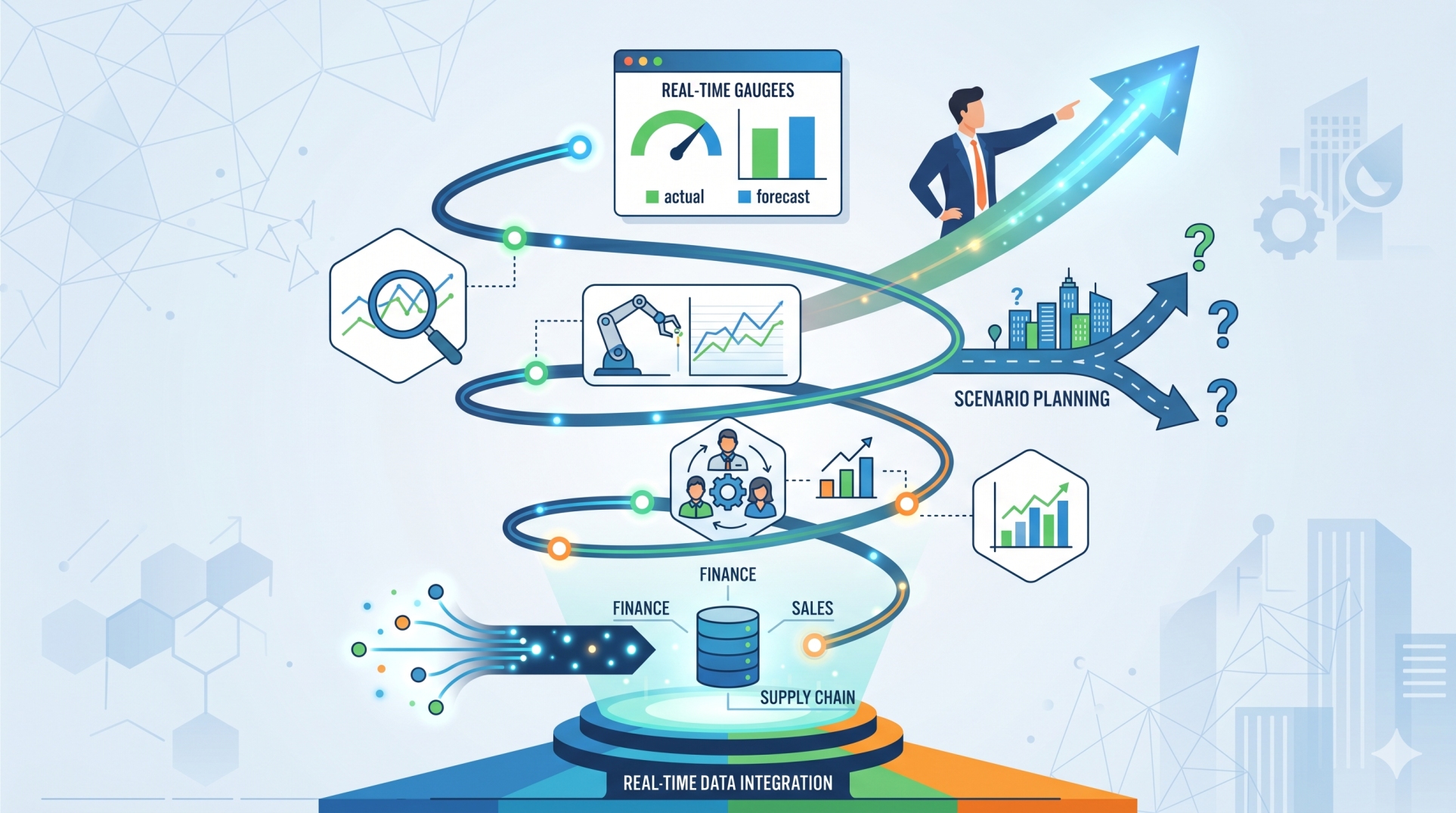
• Displays KPIs from multiple departments within one interface 🖥️
• Allows drill-down into transaction-level details 🔍
• Simplifies executive reporting and strategic reviews 📑
• Strengthens data-driven decision-making processes 📈
Step 7: Risk Identification and Operational Control 🛡️
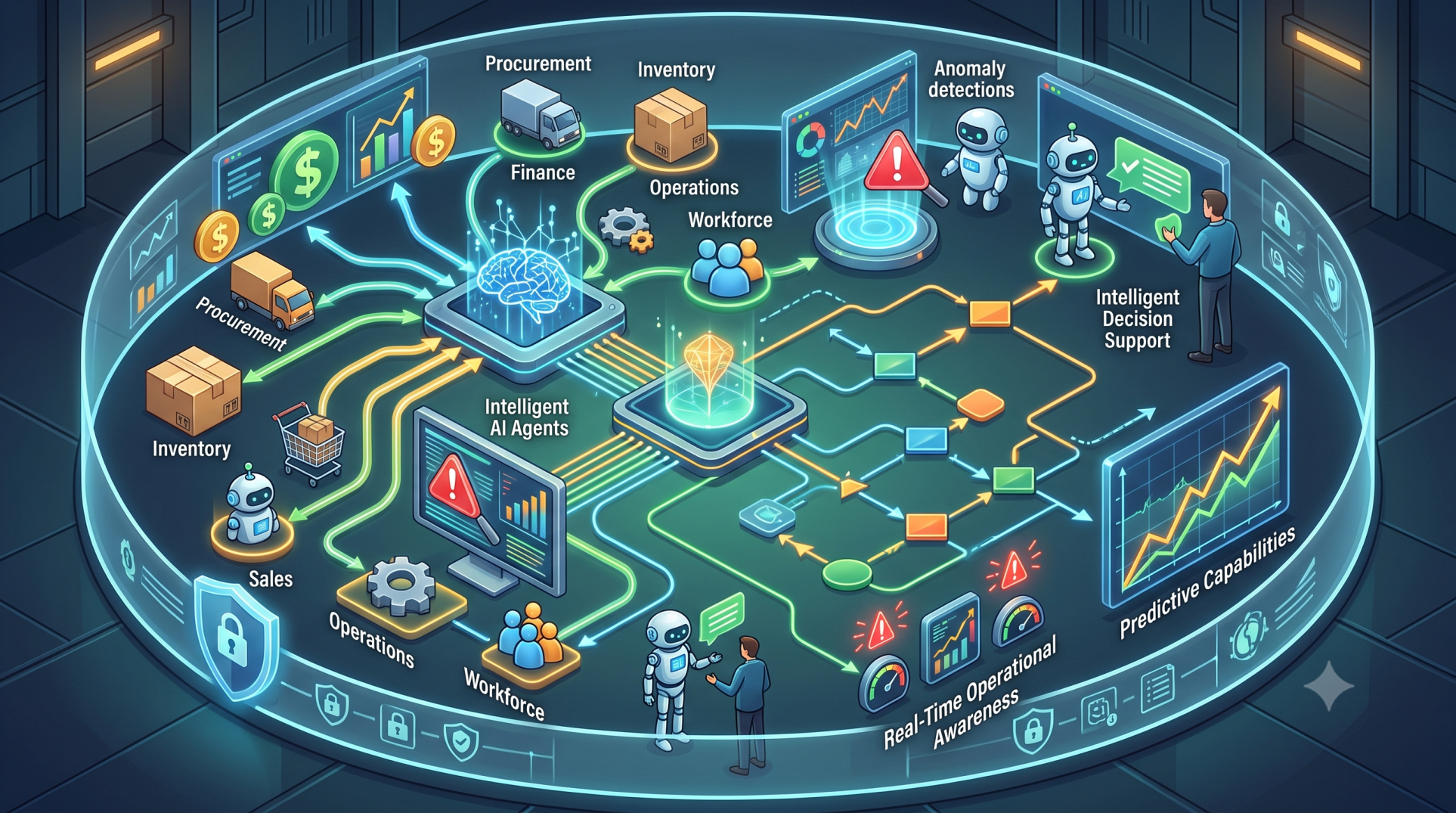
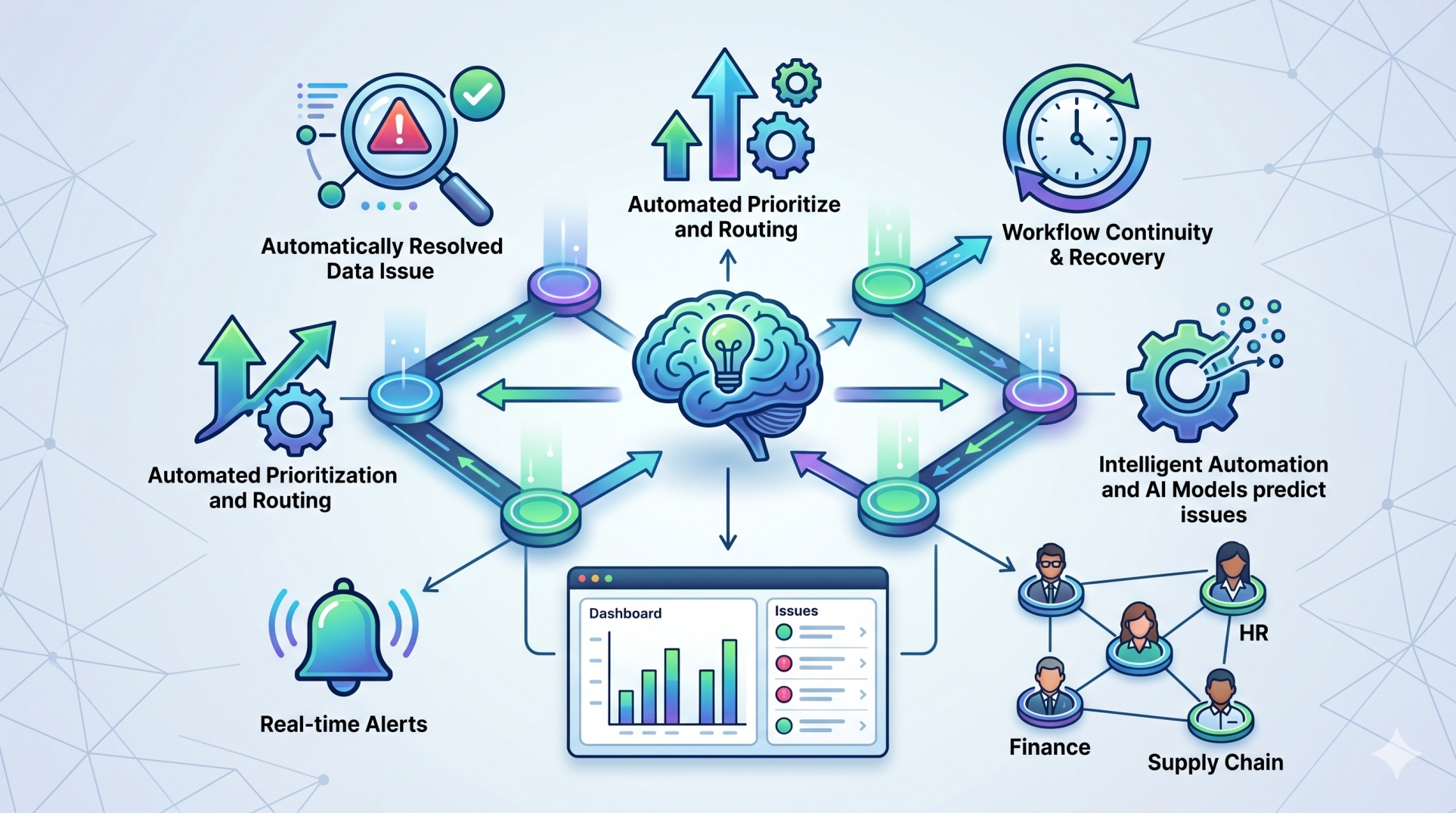
• Detects anomalies and irregular activities early 🚨
• Flags compliance gaps or policy violations ⚠️
• Identifies process breakdowns before they escalate 🔎
• Enables proactive risk mitigation strategies 🧠
• Enhances enterprise-wide control and oversight 🏢
Step 8: Strategic Impact of Operational Transparency 🎯
• Empowers executives to make confident, data-backed decisions 📊
• Aligns operational execution with long-term strategic goals 🚀
• Builds organizational trust through shared, accurate visibility 🤝
Conclusion
Unified ERP platforms elevate operational transparency from basic reporting to a strategic capability. By centralizing data, standardizing processes, and enabling real-time oversight, ERP systems provide organizations with clarity, coordination, and control. As operational complexity increases, transparency becomes a foundational driver of resilience, accountability, and sustainable competitive advantage.
See more blogs
You can all the articles below