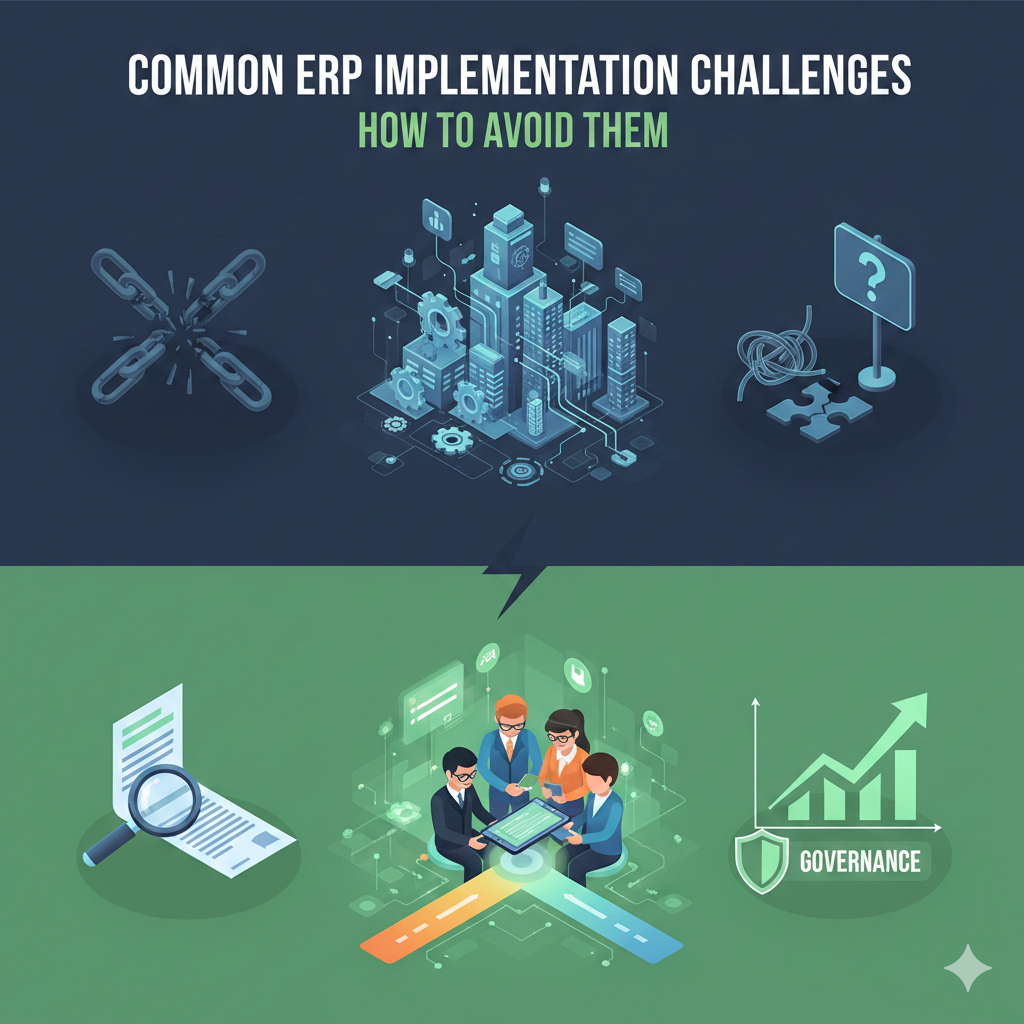
Common ERP Implementation Challenges and How to Avoid Them
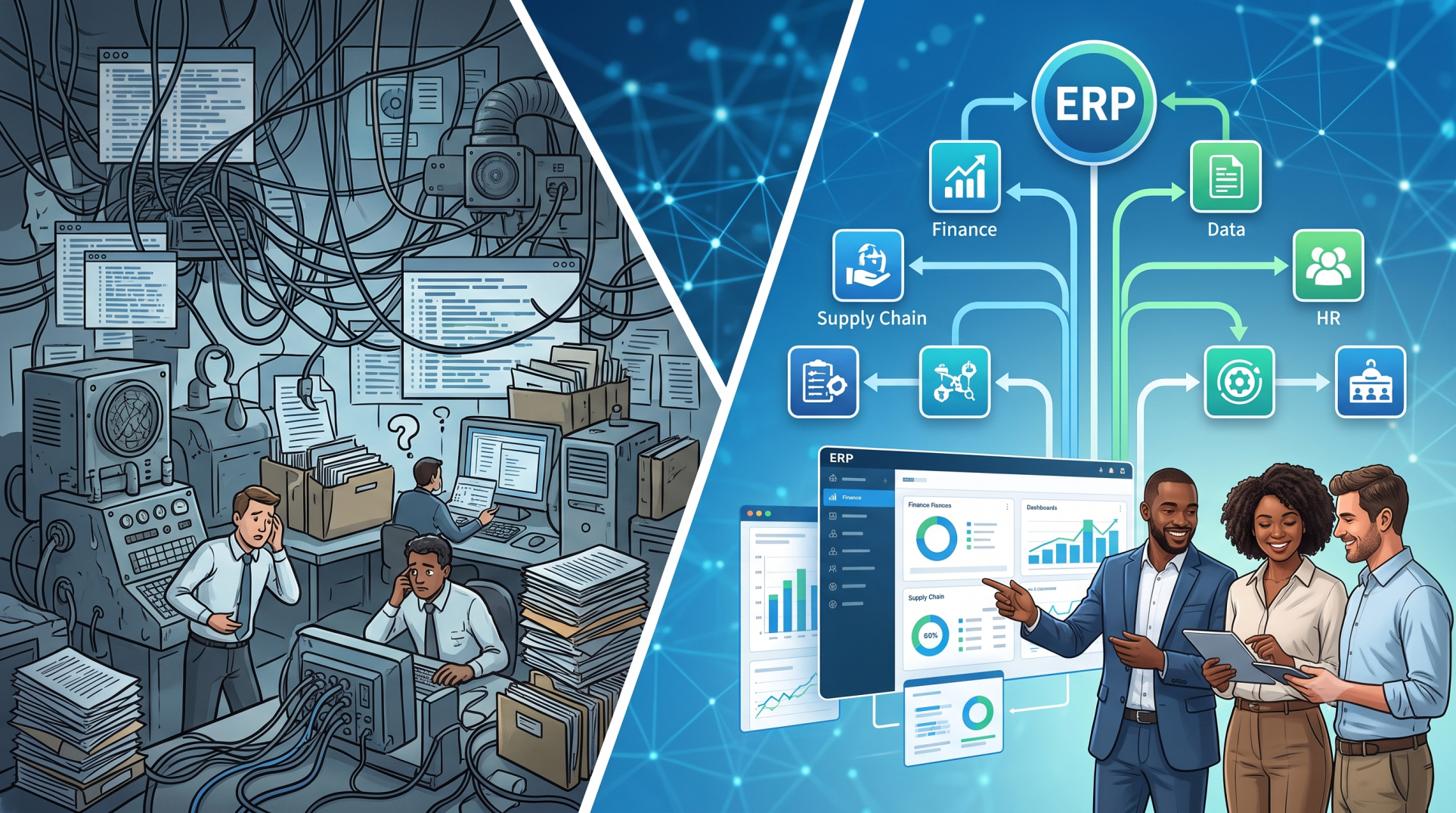
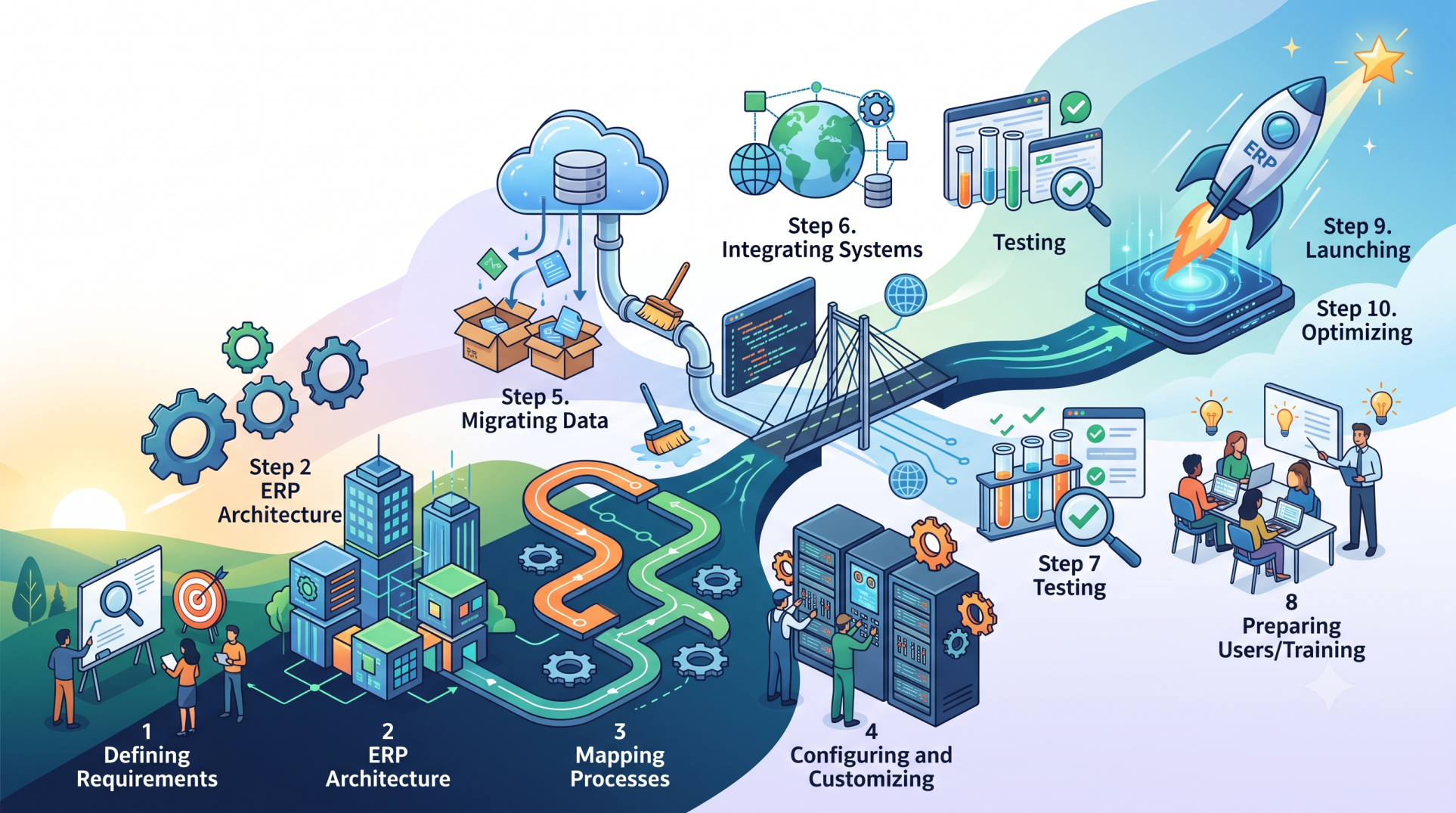
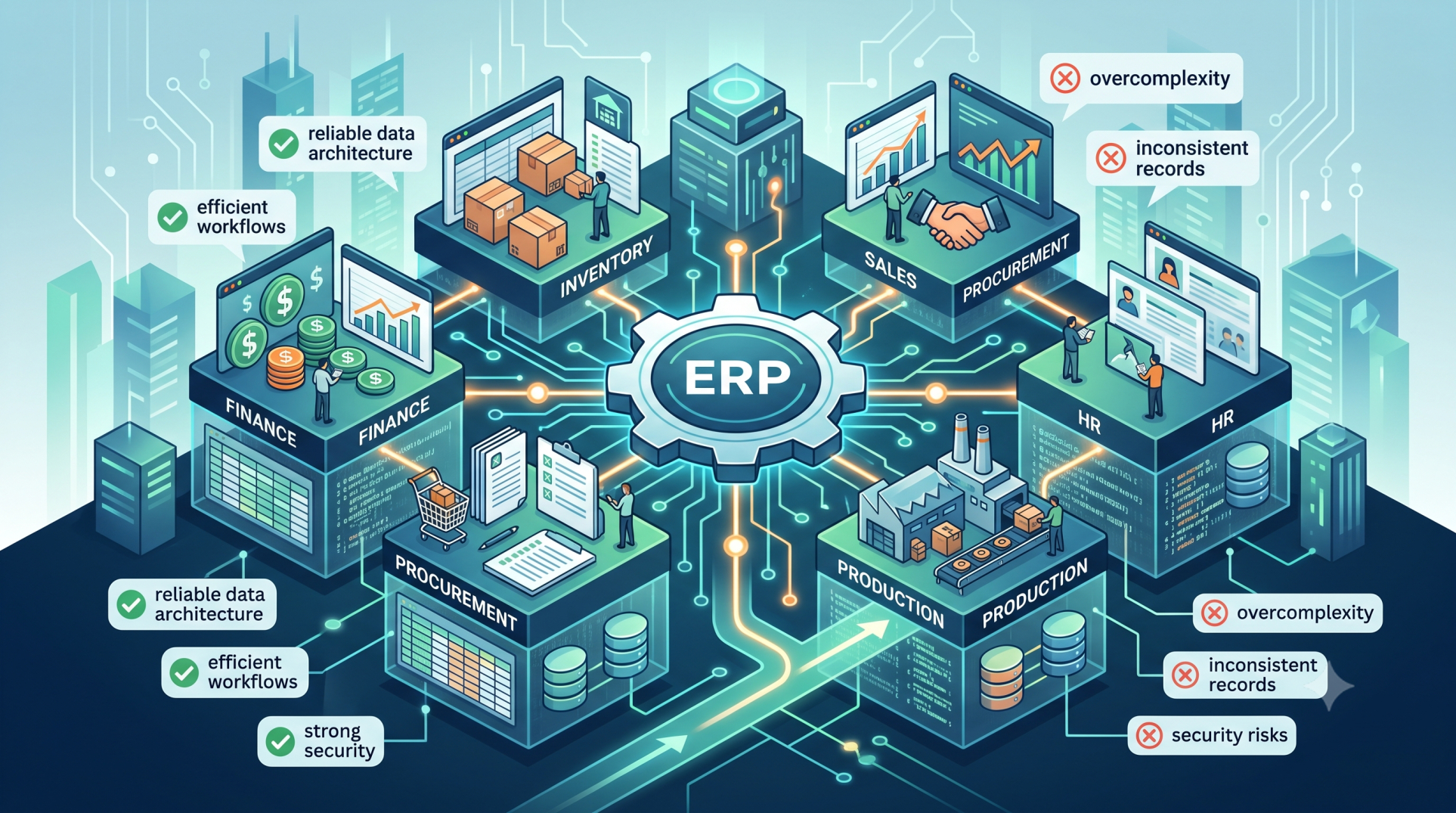
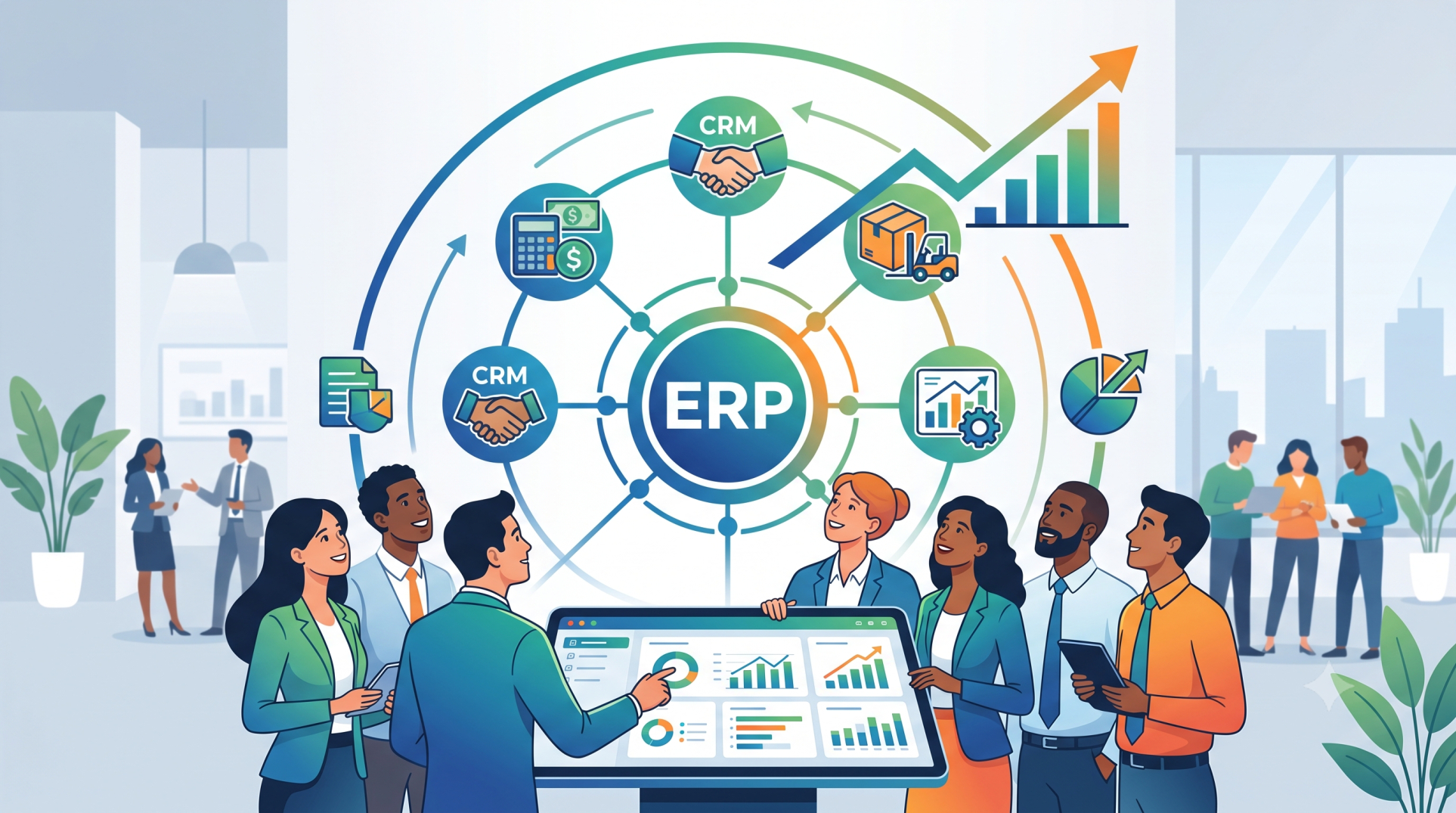
ERP implementation is a high-impact initiative that reshapes processes, data flows, and decision-making across an organization. While ERP systems promise efficiency and visibility, many projects struggle due to planning gaps, organizational resistance, or execution issues. Understanding the most common challenges—and how to address them early—significantly improves the chances of a successful ERP rollout.
1. Unclear Business Objectives 🎯
• ERP projects often begin without clearly defined goals 📉
• Teams focus on features instead of business outcomes ⚙️
• Misaligned expectations lead to scope creep 🔄
• Success becomes difficult to measure 📏
• Strategic value gets diluted 🧠
How to avoid it:
Define clear, measurable business objectives before selecting or configuring the ERP system.
2. Poor Requirements Definition 📝
• Critical processes are not fully documented 📂
• Assumptions replace detailed analysis ❓
• Key stakeholders are excluded from discovery 👥
• Customization needs are underestimated ⚠️
• Rework increases during later stages 🔁
How to avoid it:
Conduct structured process mapping with cross-functional involvement early in the project.
3. Underestimating Change Management 🔄
• Employees resist new workflows and tools 🚫
• Productivity drops during transition 📉
• Training is treated as optional or minimal 🎓
• Adoption lags behind go-live ⏳
• Shadow systems persist 🕶️
How to avoid it:
Invest in communication, training, and role-based enablement throughout the implementation.
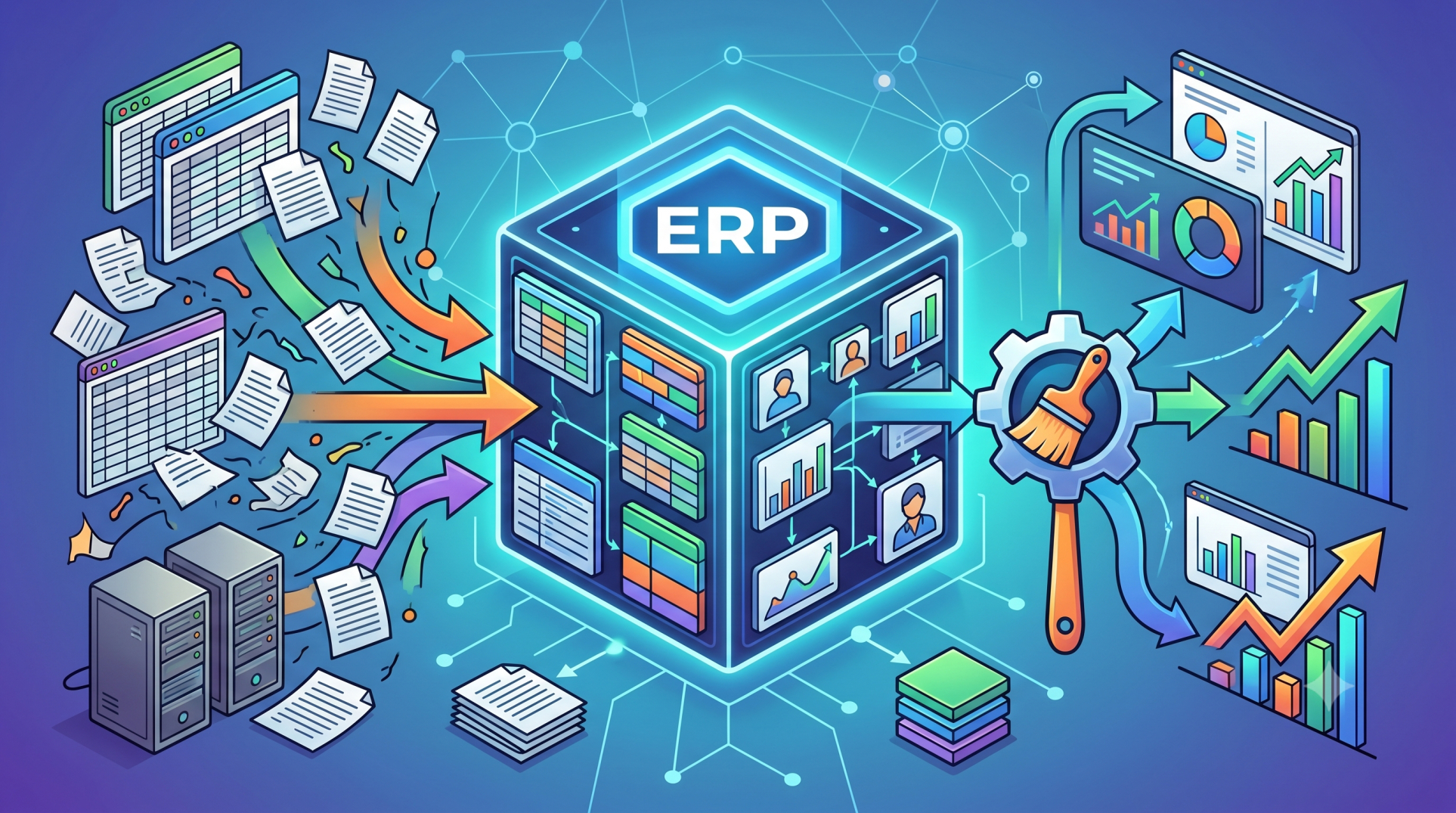
4. Data Migration Complexity 🗂️
• Legacy data is incomplete or inconsistent 📄
• Data quality issues surface late ⚠️
• Mapping errors disrupt operations 🔗
• Historical data overwhelms timelines ⏱️
• Trust in the new system erodes 🤝
How to avoid it:
Clean, validate, and prioritize data well before migration, focusing on accuracy over volume.
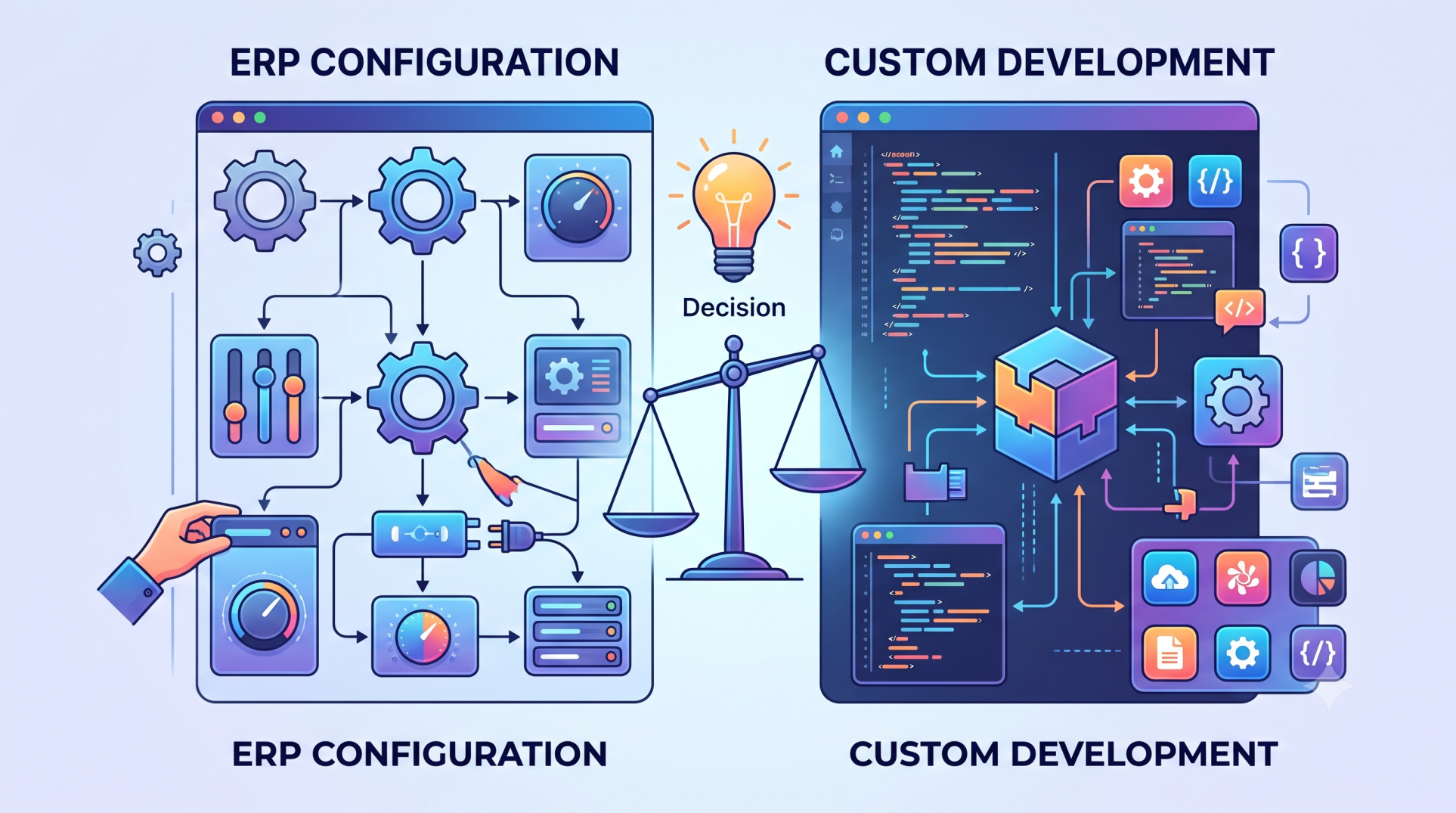
5. Excessive Customization ⚙️
• ERP is forced to match outdated processes 🕰️
• Custom code increases cost and risk 💸
• Upgrades become difficult ⛔
• Vendor support is limited 📉
• System complexity grows over time 🧩
How to avoid it:
Adopt standard ERP best practices where possible and customize only for true competitive differentiation.
6. Inadequate Project Governance 🏛️
• Decision-making authority is unclear ❓
• Issues escalate too slowly 🚨
• Timelines slip without accountability ⏱️
• Scope changes go unmanaged 📋
• Stakeholder alignment weakens 🔗
How to avoid it:
Establish strong governance with defined ownership, escalation paths, and regular reviews.
7. Insufficient Testing and Validation 🧪
• End-to-end scenarios are not tested 🔍
• Edge cases are overlooked 🧩
• User acceptance testing is rushed ⏳
• Issues appear after go-live ⚠️
• Confidence in the system declines 📉
How to avoid it:
Plan comprehensive testing cycles with real-world scenarios and active user participation.
8. Ignoring Post-Go-Live Optimization 🔧
• Go-live is treated as the finish line 🏁
• Early feedback is ignored 👂
• Performance tuning is delayed ⏱️
How to avoid it:
Plan for post-implementation support and continuous improvement from the start.
9. Weak Vendor and Partner Alignment 🤝
• Implementation partners lack domain expertise 🎓
• Responsibilities are poorly defined 📄
• Communication gaps slow progress 🐢
• Expectations differ between parties ⚖️
• Issues turn into disputes ⚠️
How to avoid it:
Select experienced partners and define roles, deliverables, and success metrics clearly.
Conclusion
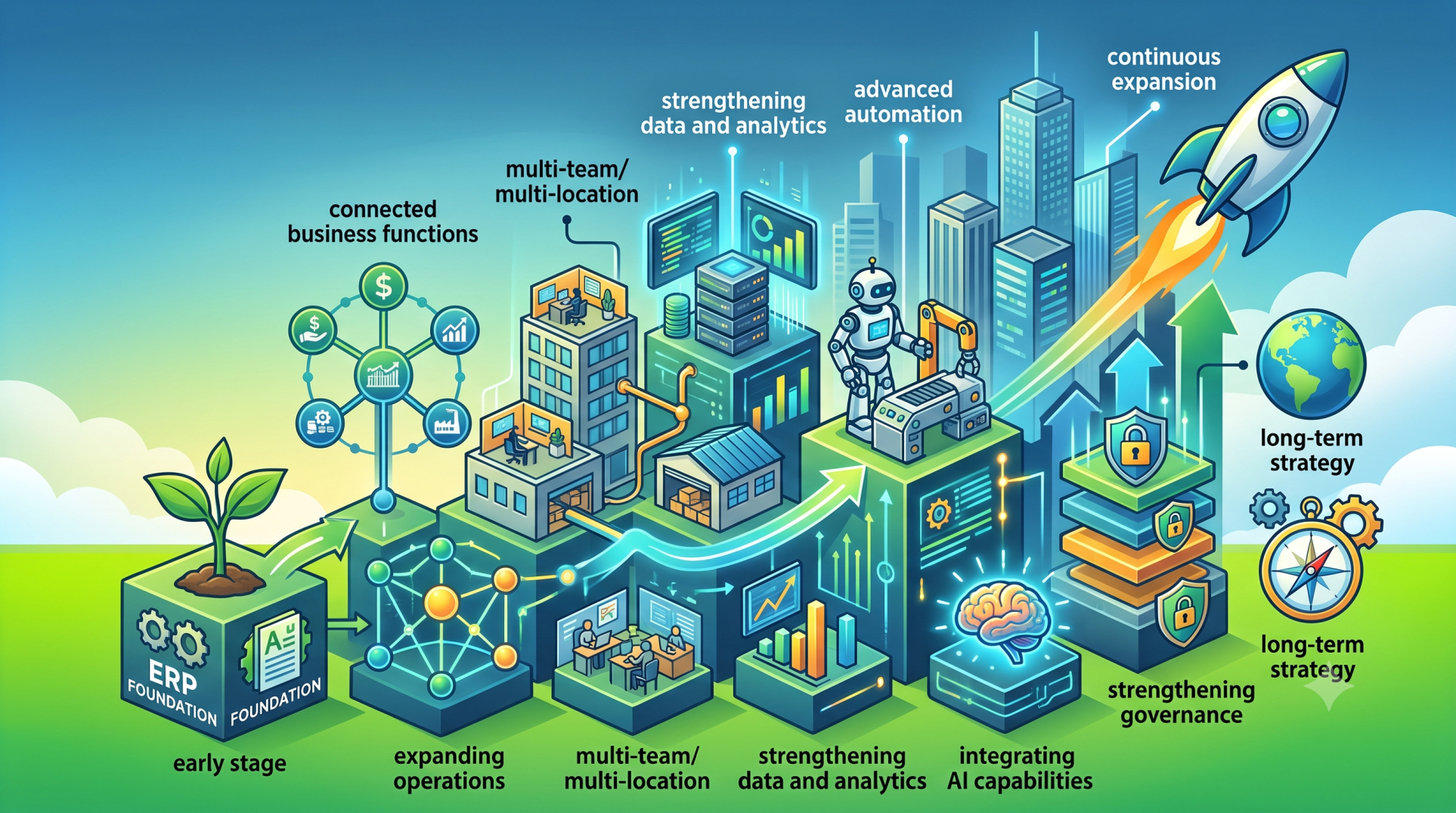
ERP implementation challenges are rarely technical alone—they stem from planning, people, and process misalignment. By anticipating common pitfalls and addressing them with clear strategy, strong governance, and continuous engagement, organizations can avoid costly setbacks. A well-executed ERP implementation not only delivers operational efficiency but also creates a scalable foundation for long-term business growth.
See more blogs
You can all the articles below