How ERP Improves Cross-Department Collaboration
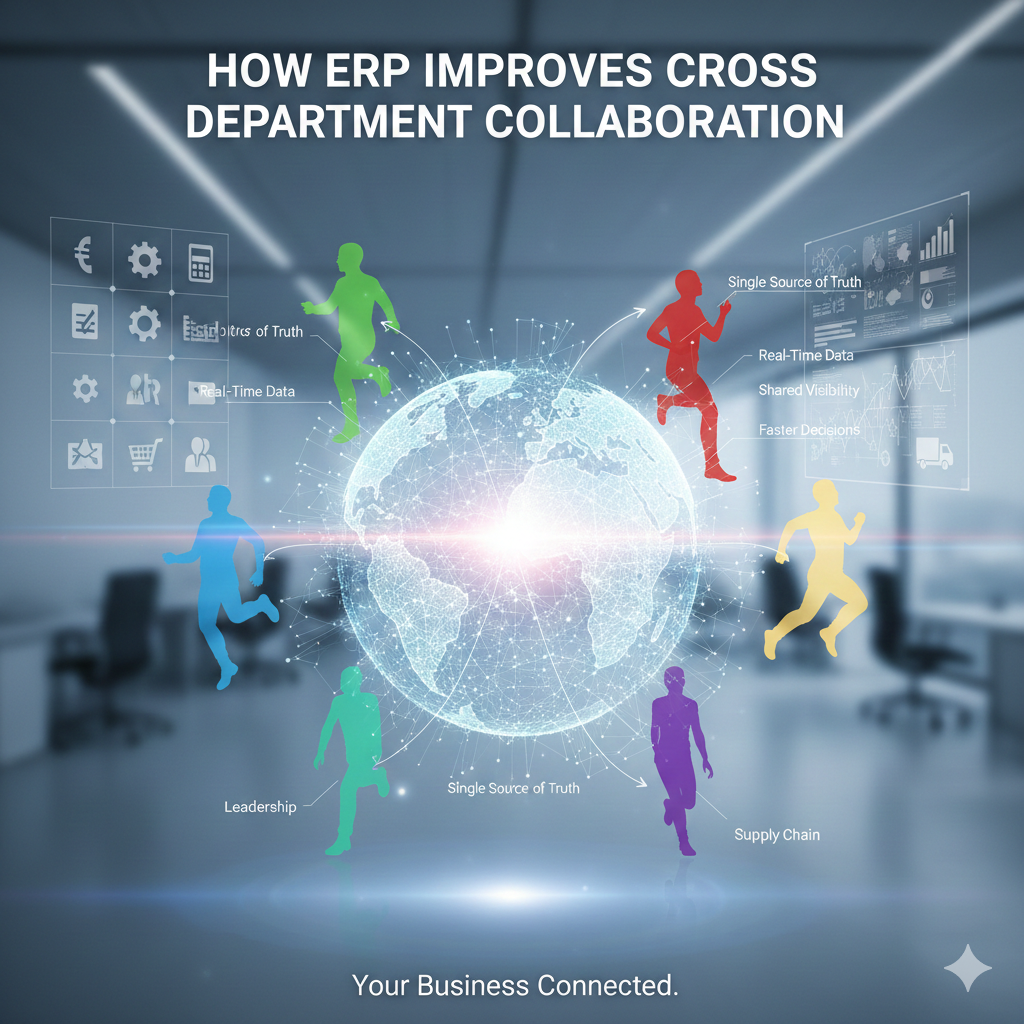
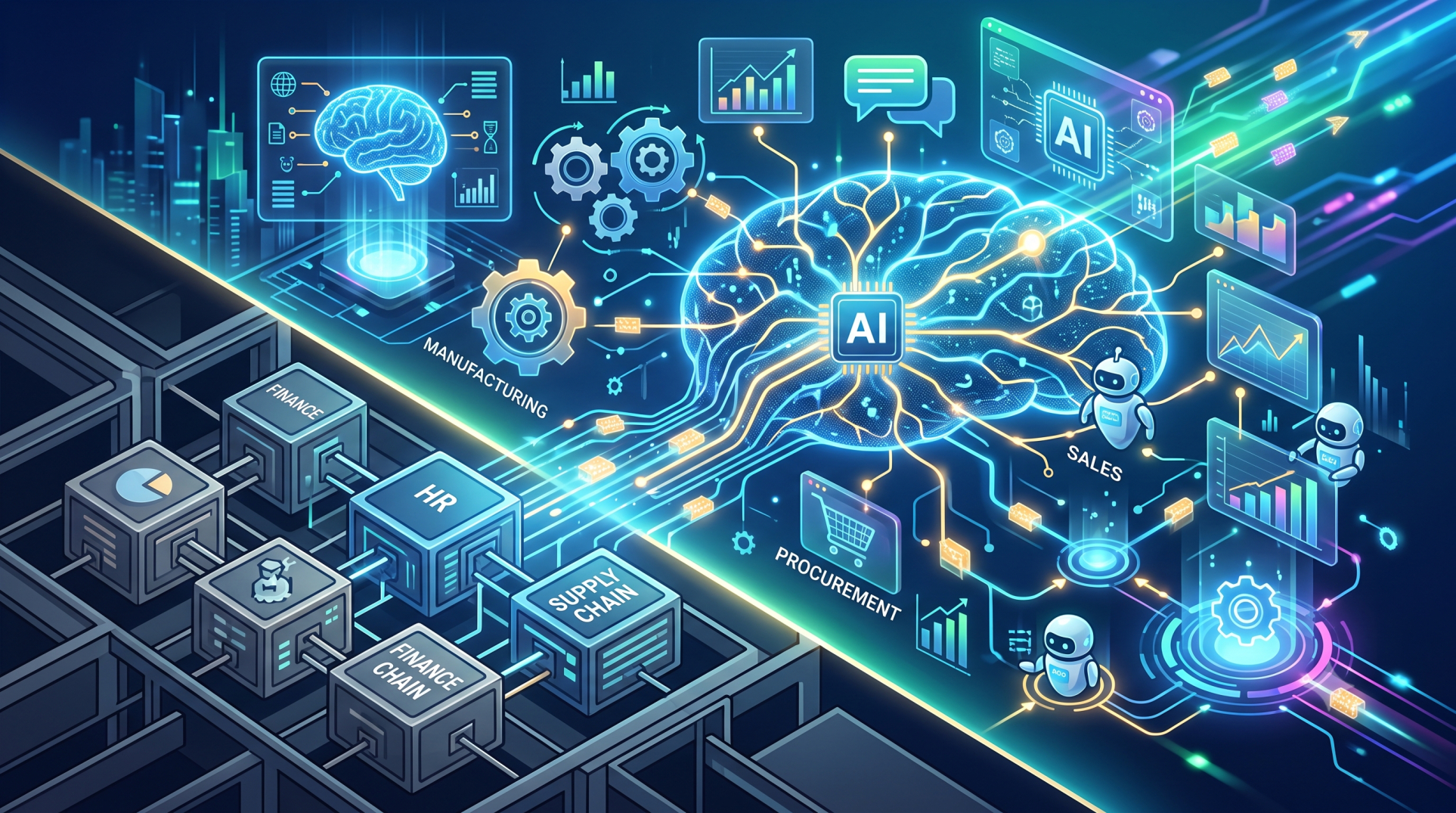
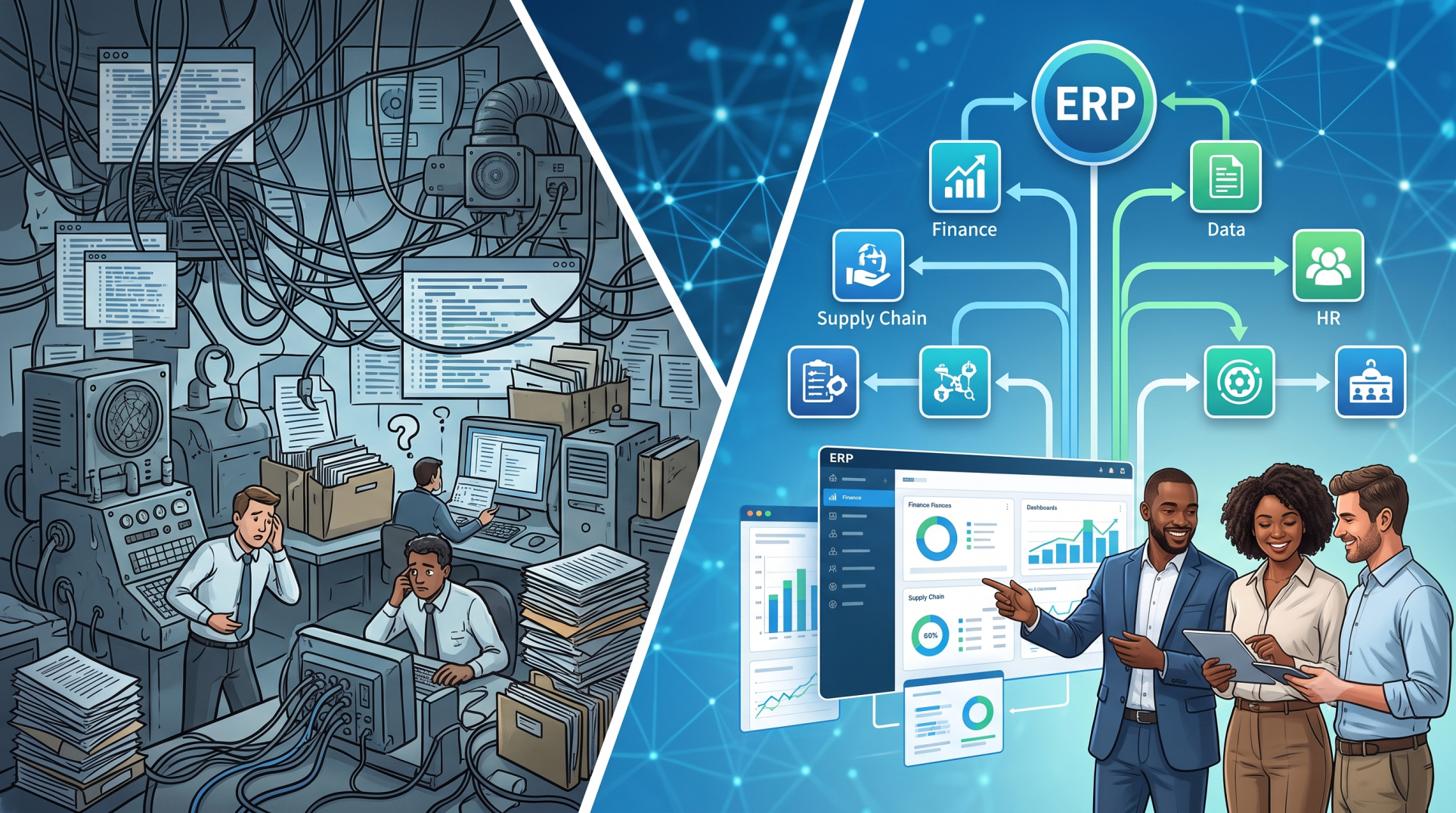
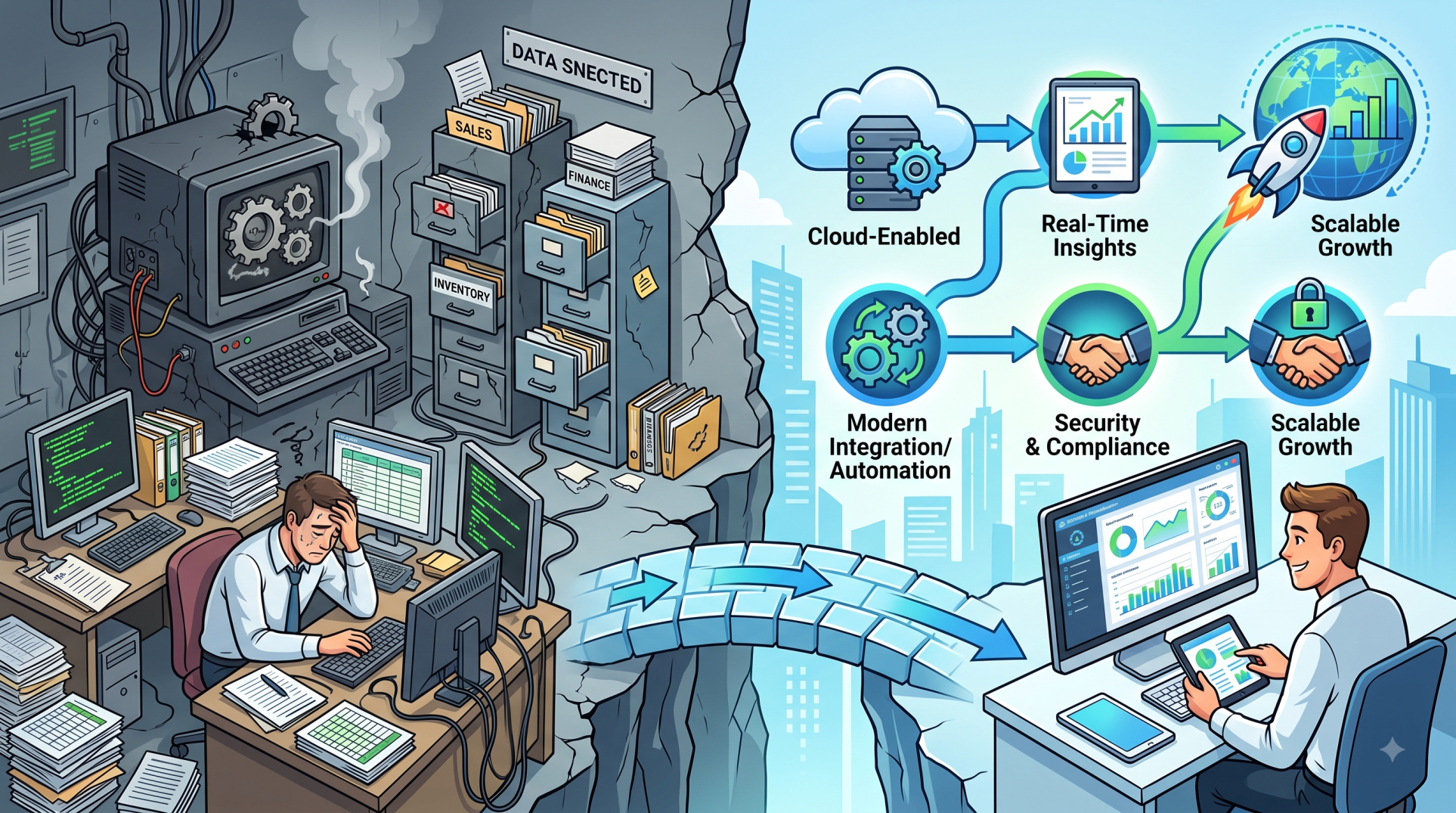
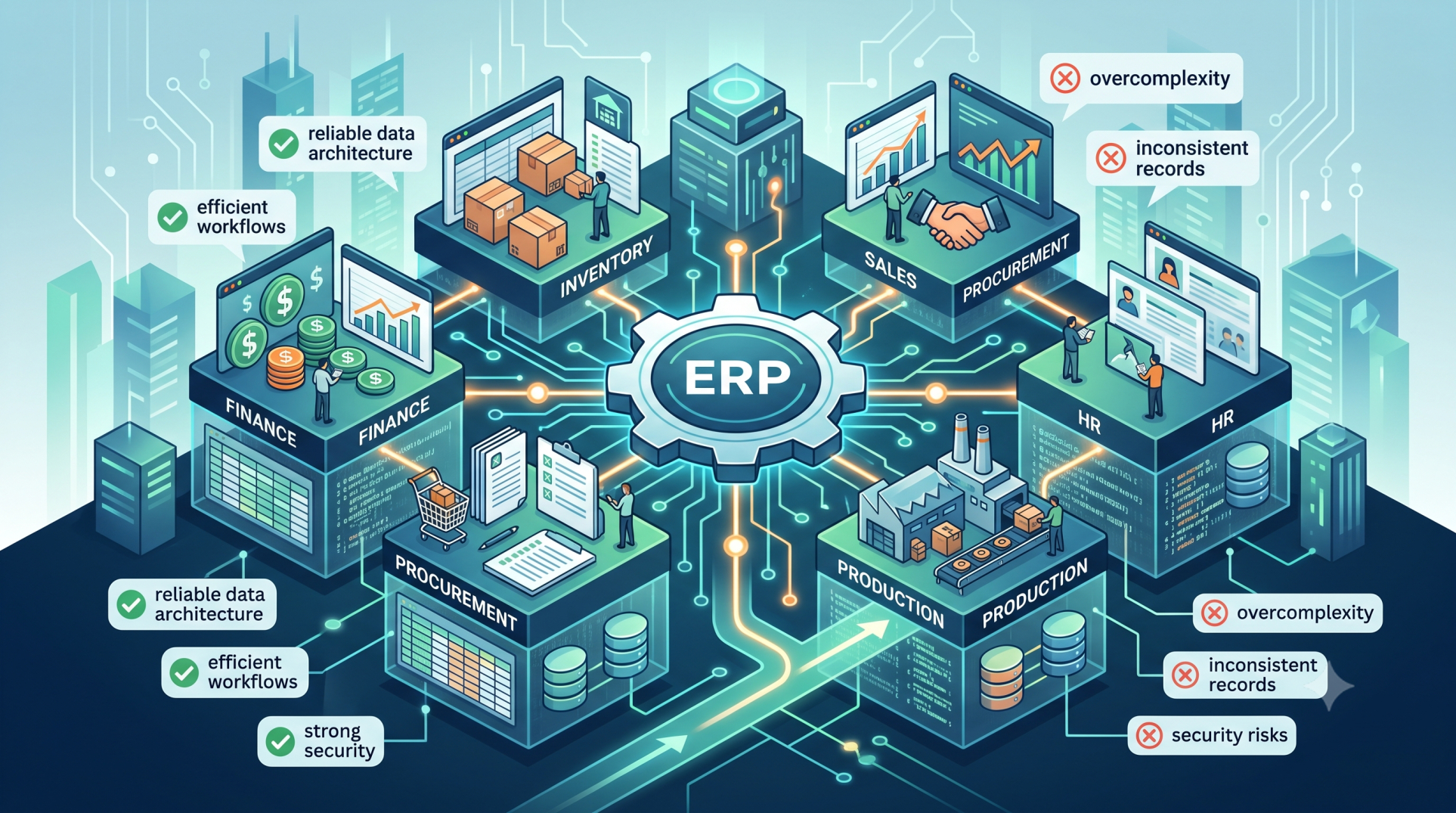
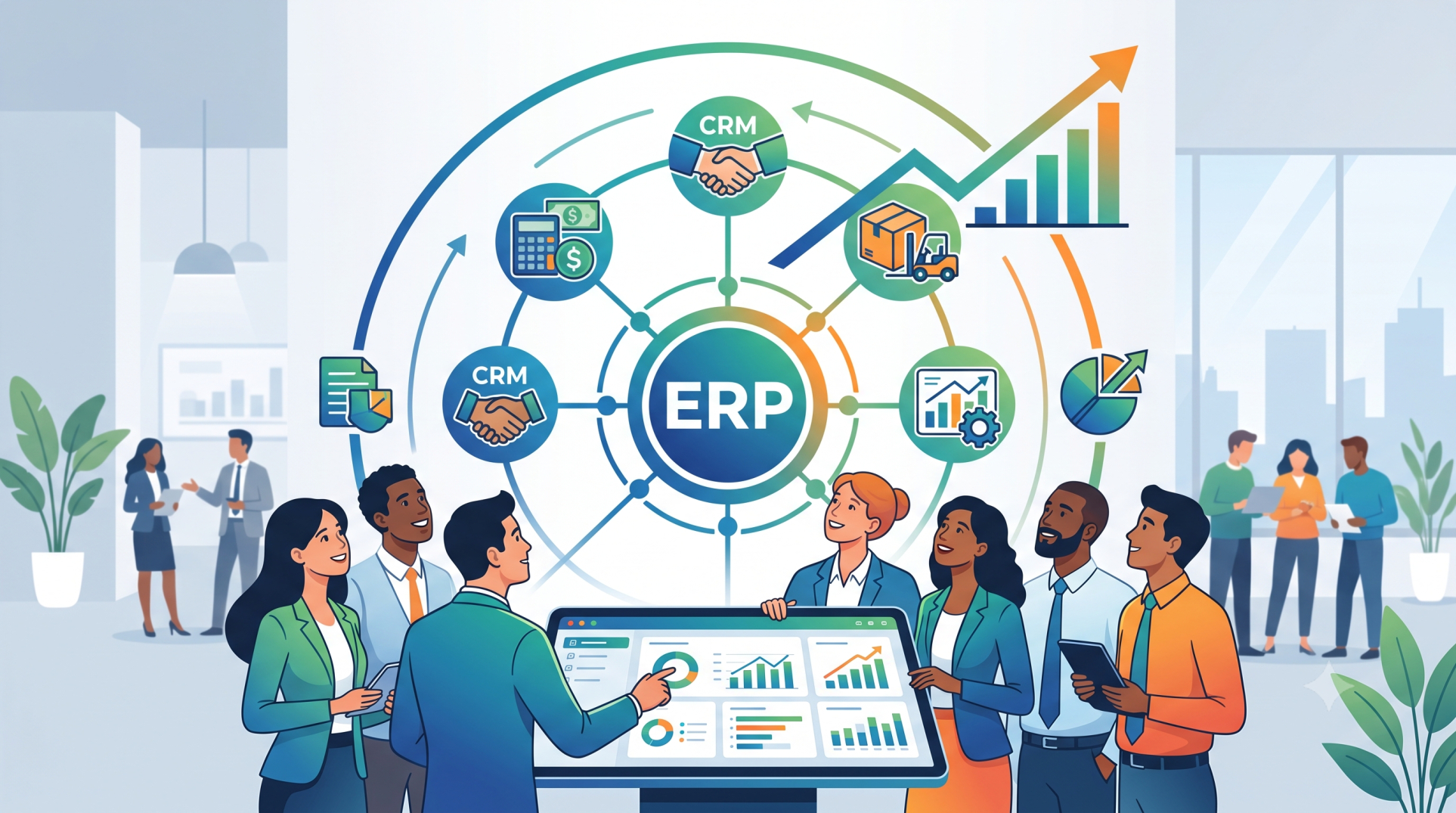
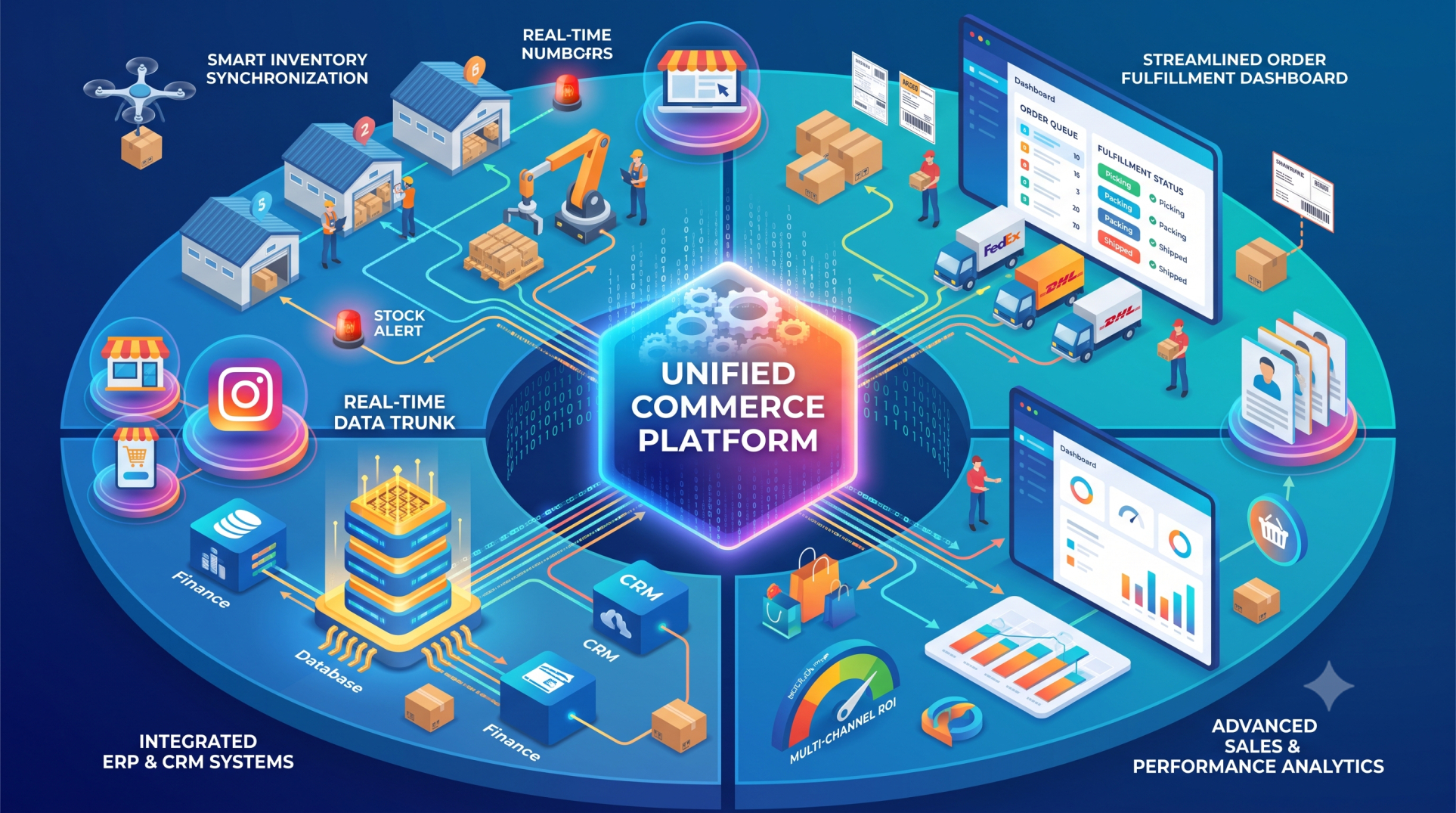
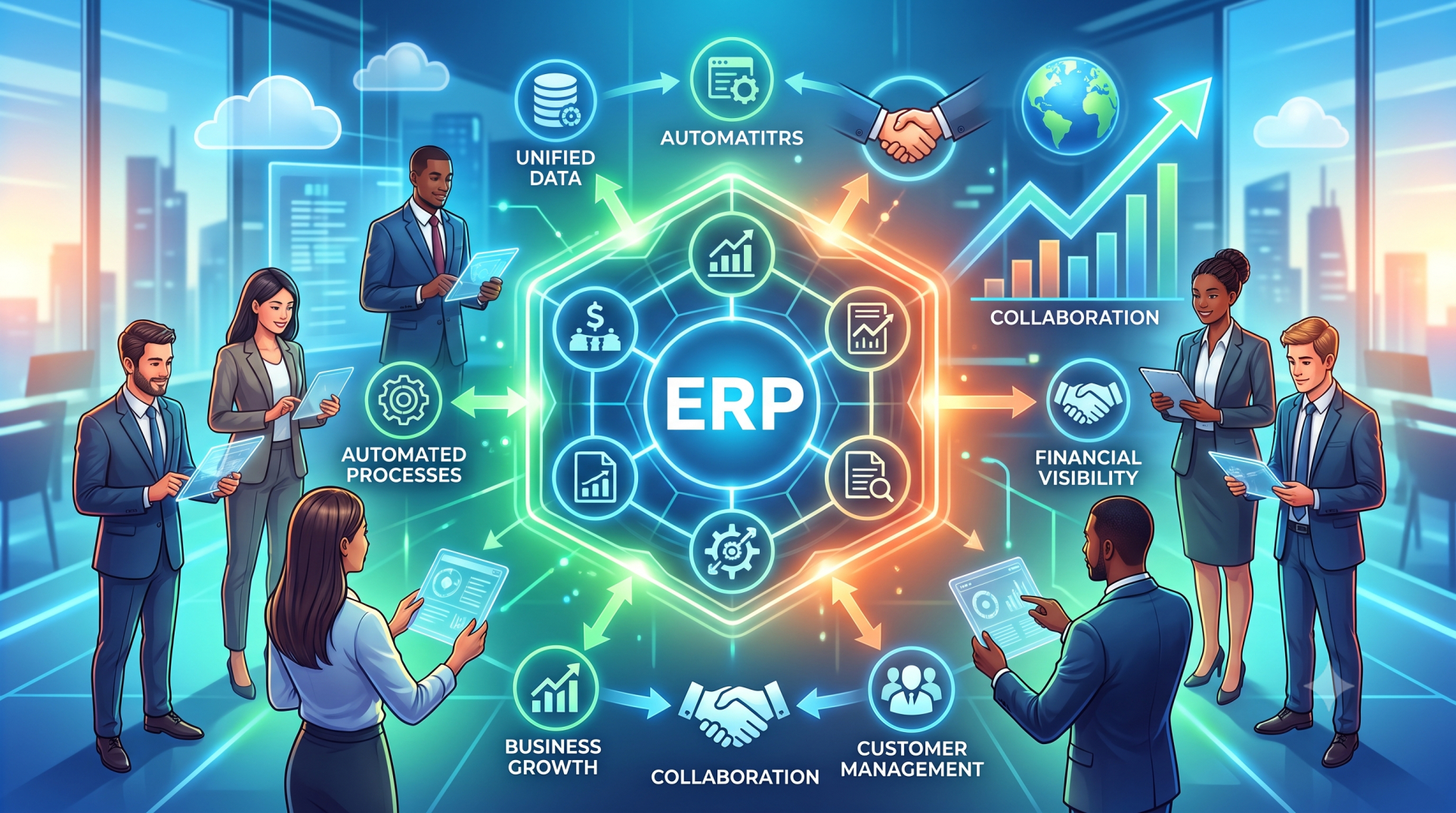
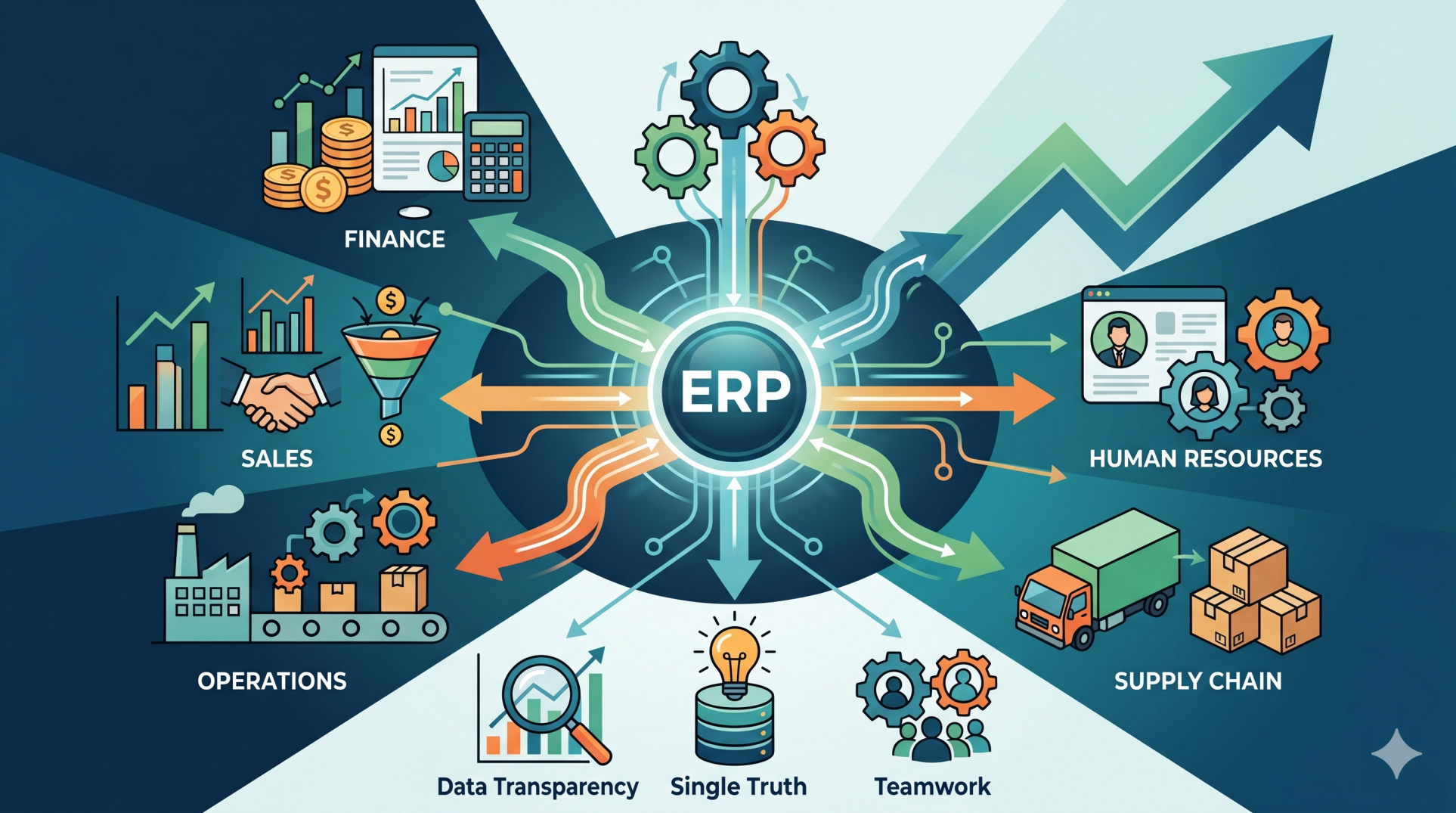
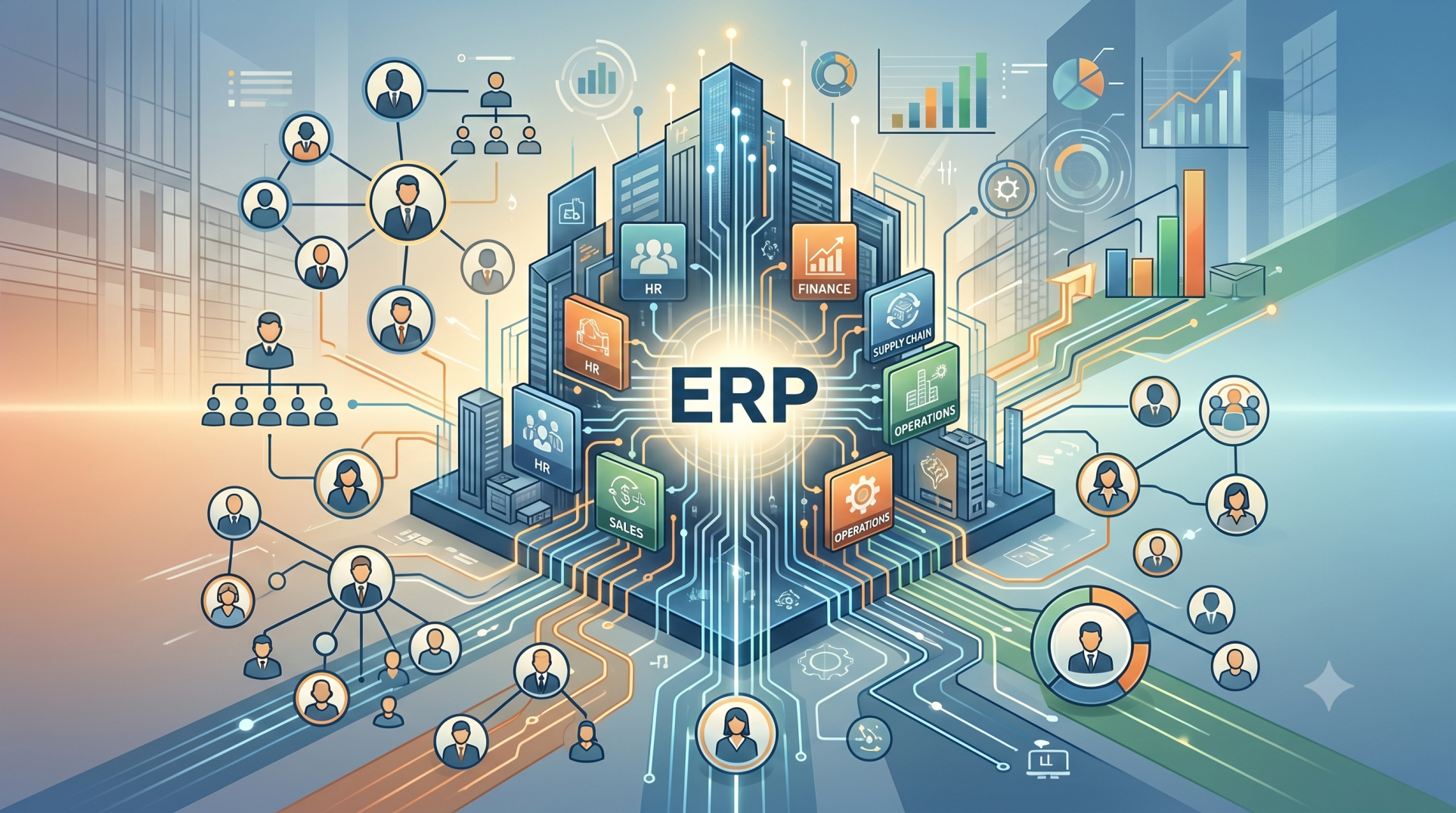
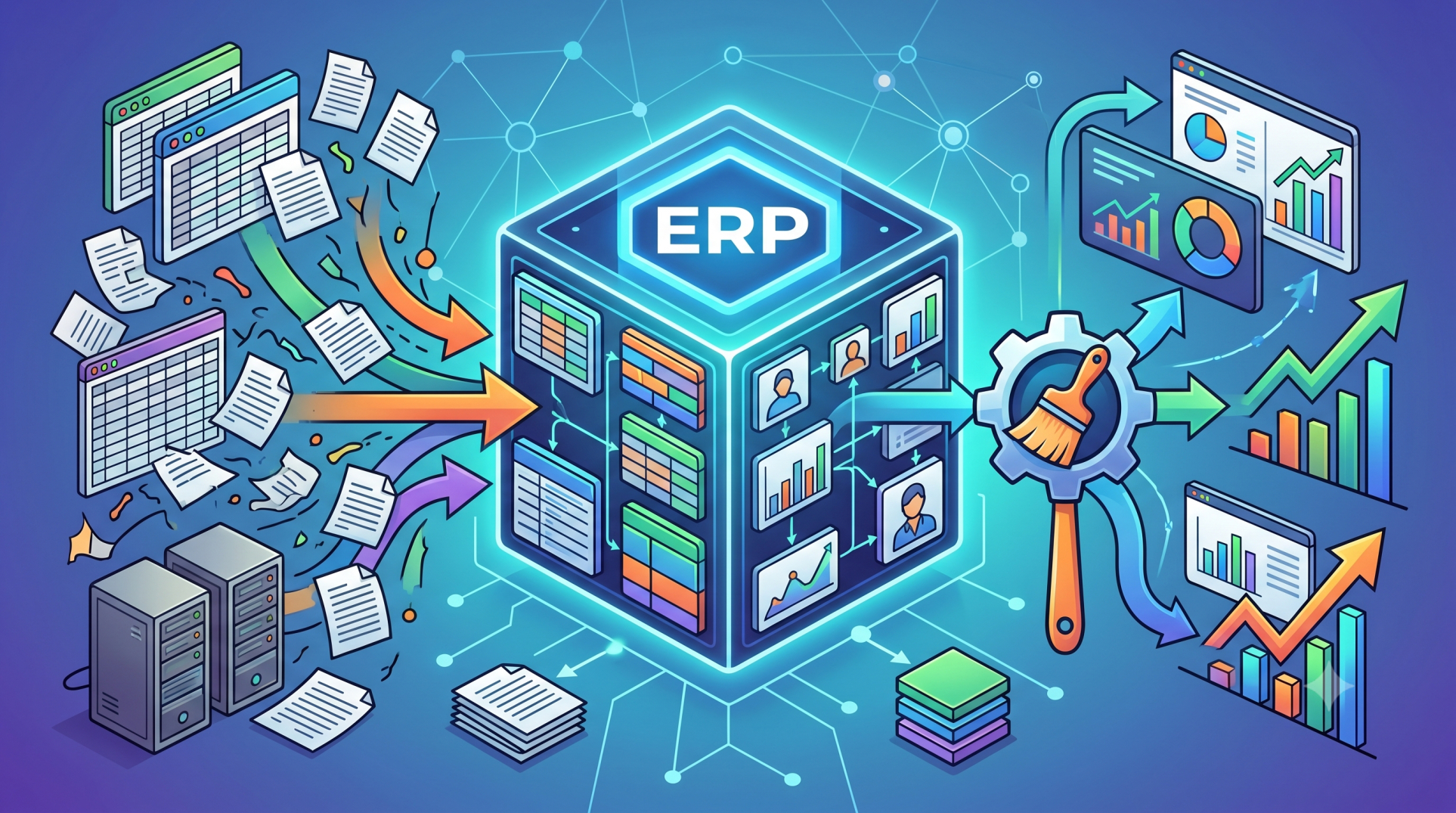
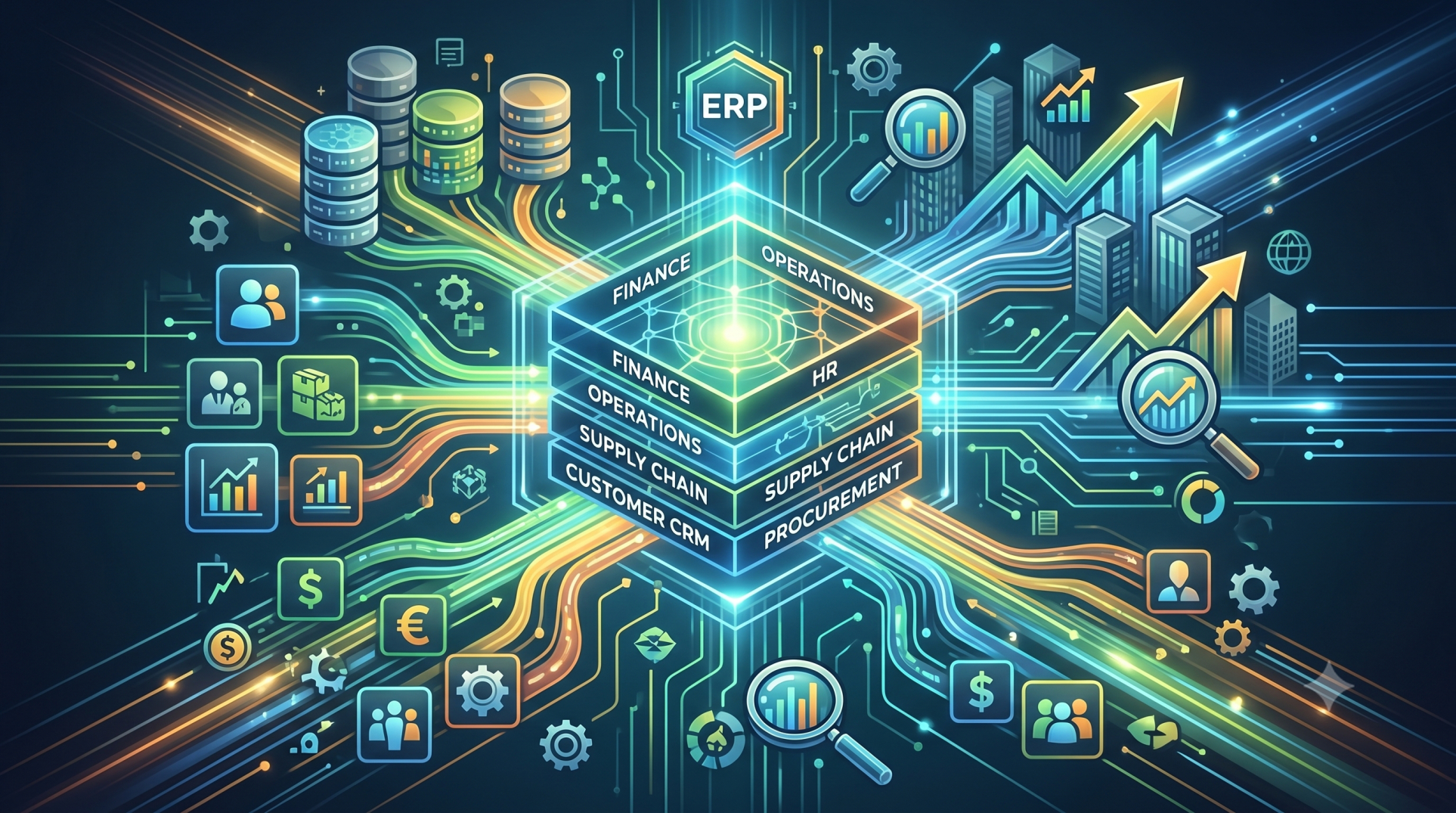
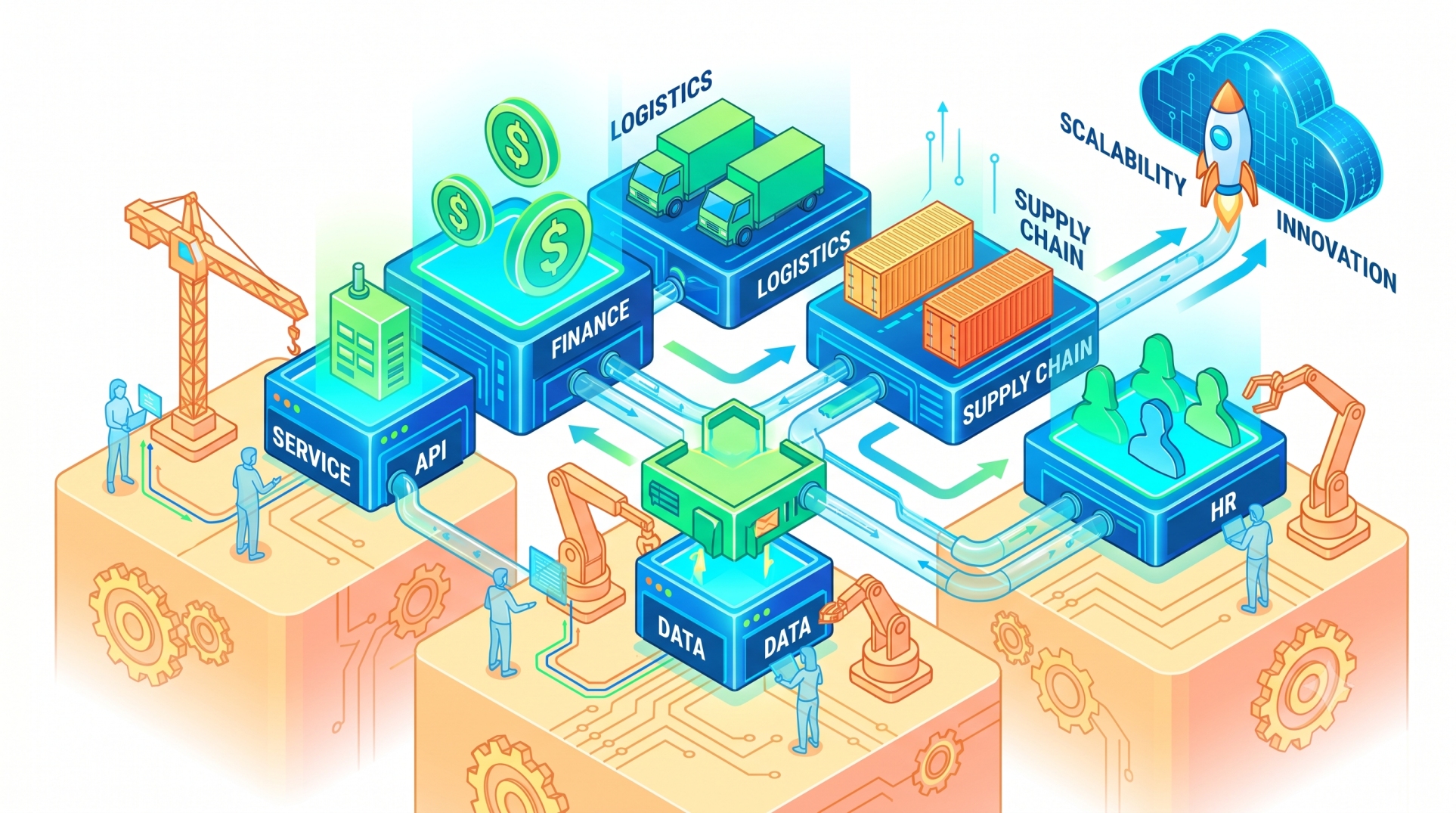
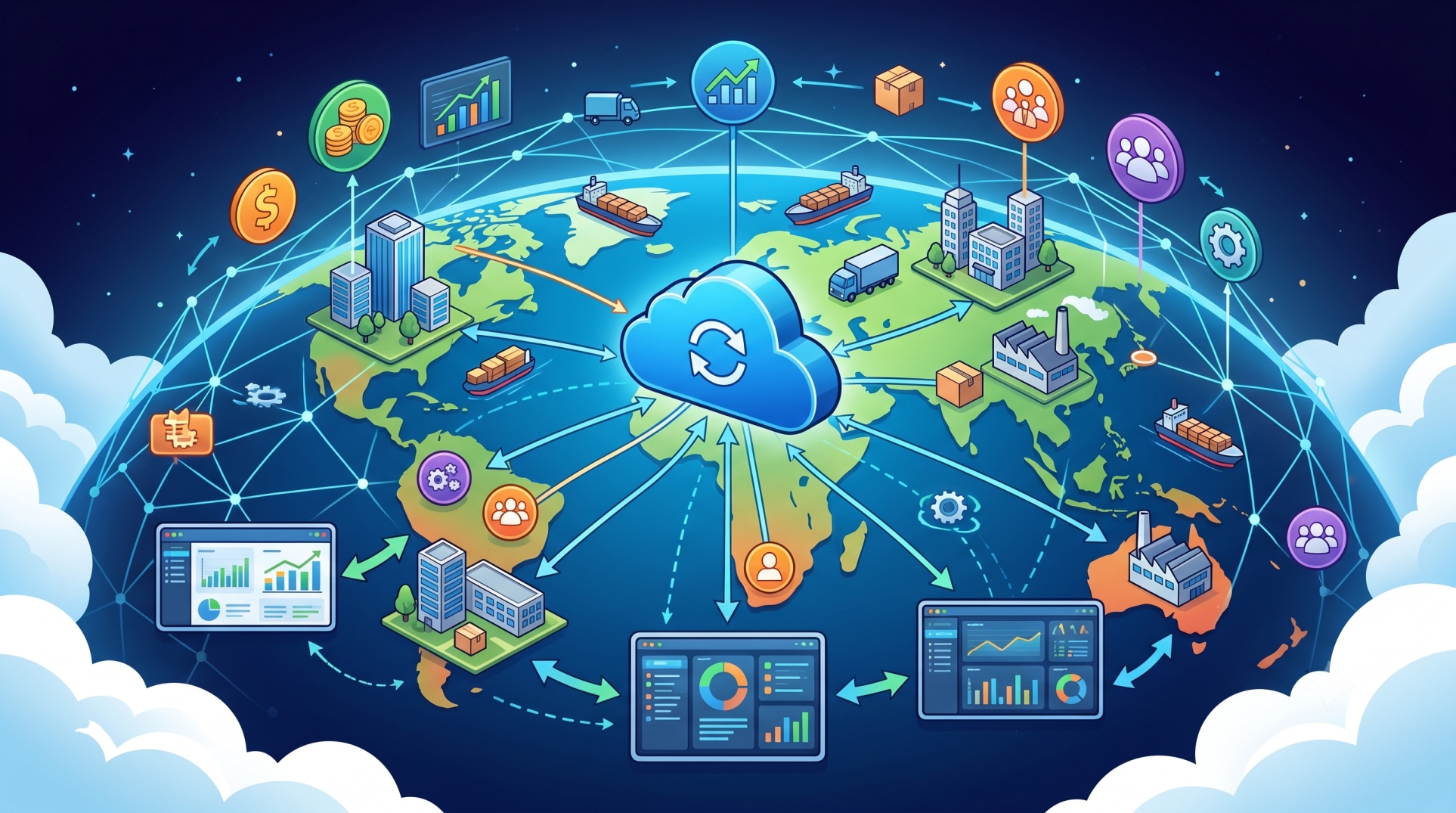
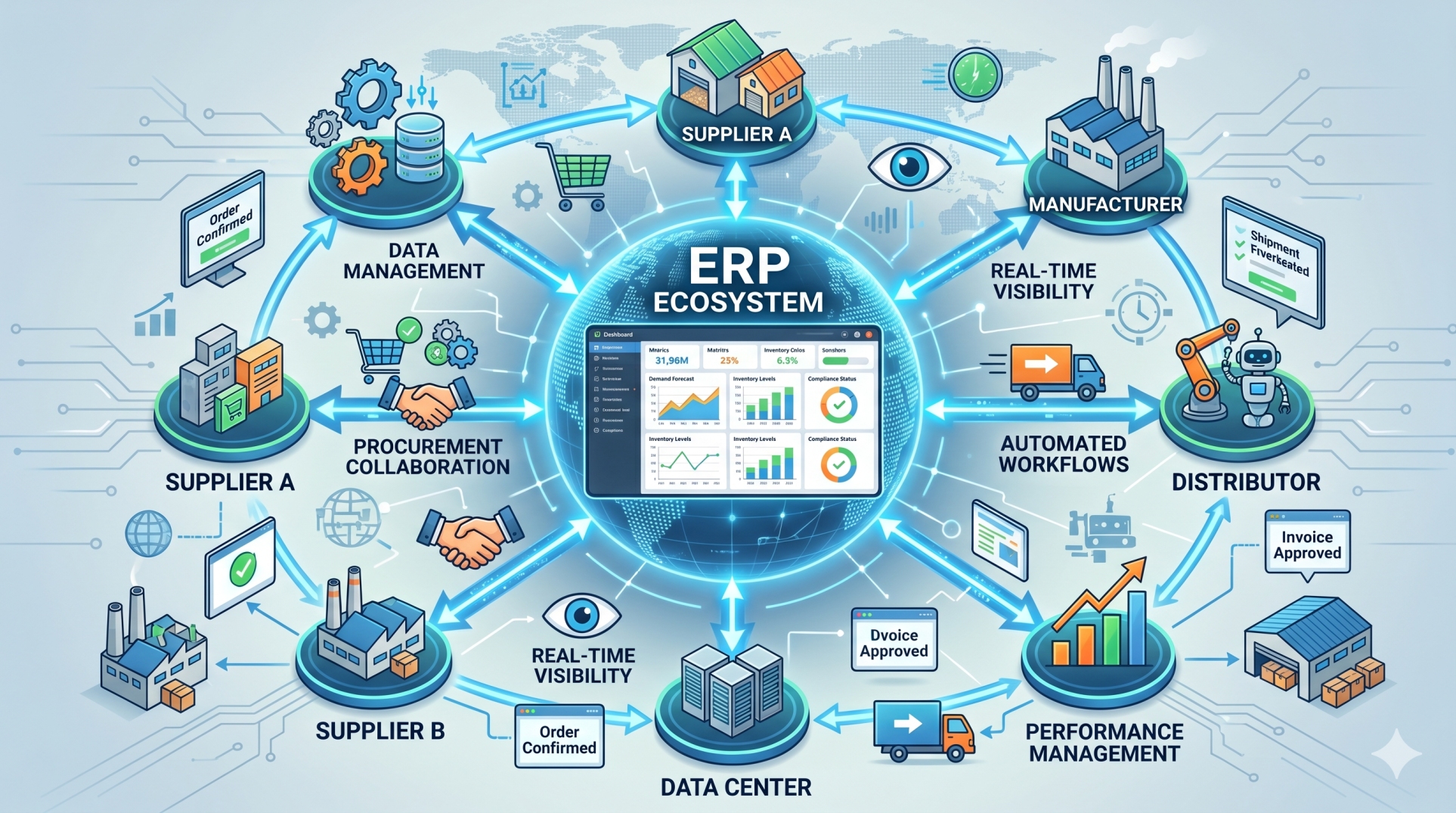
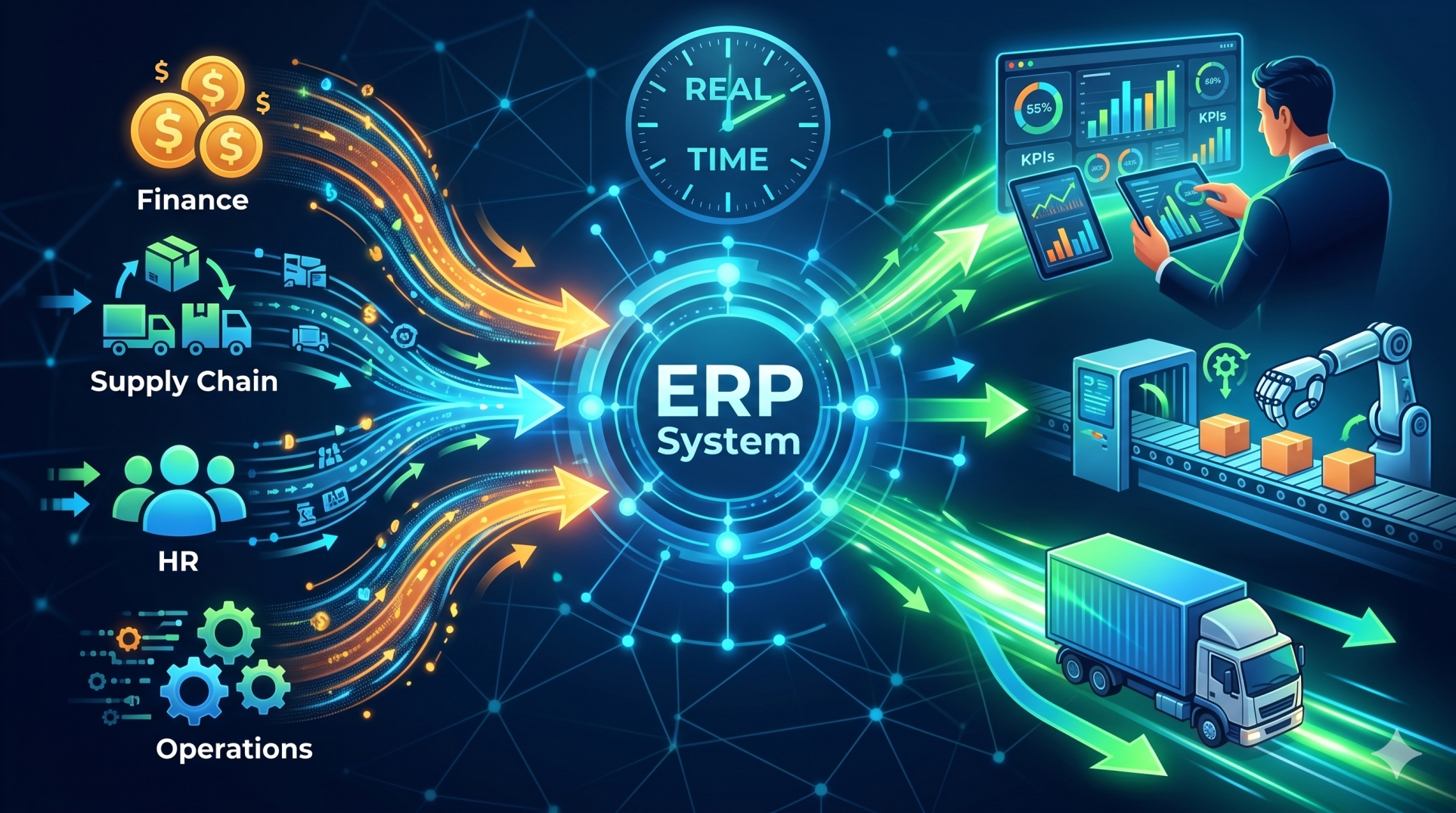
In many organizations, departments operate in silos—using different tools, data sources, and processes. This fragmentation slows decisions, creates errors, and weakens accountability. Enterprise Resource Planning (ERP) software breaks down these silos by connecting teams through a shared system, enabling better communication, visibility, and collaboration across the business. 🌐
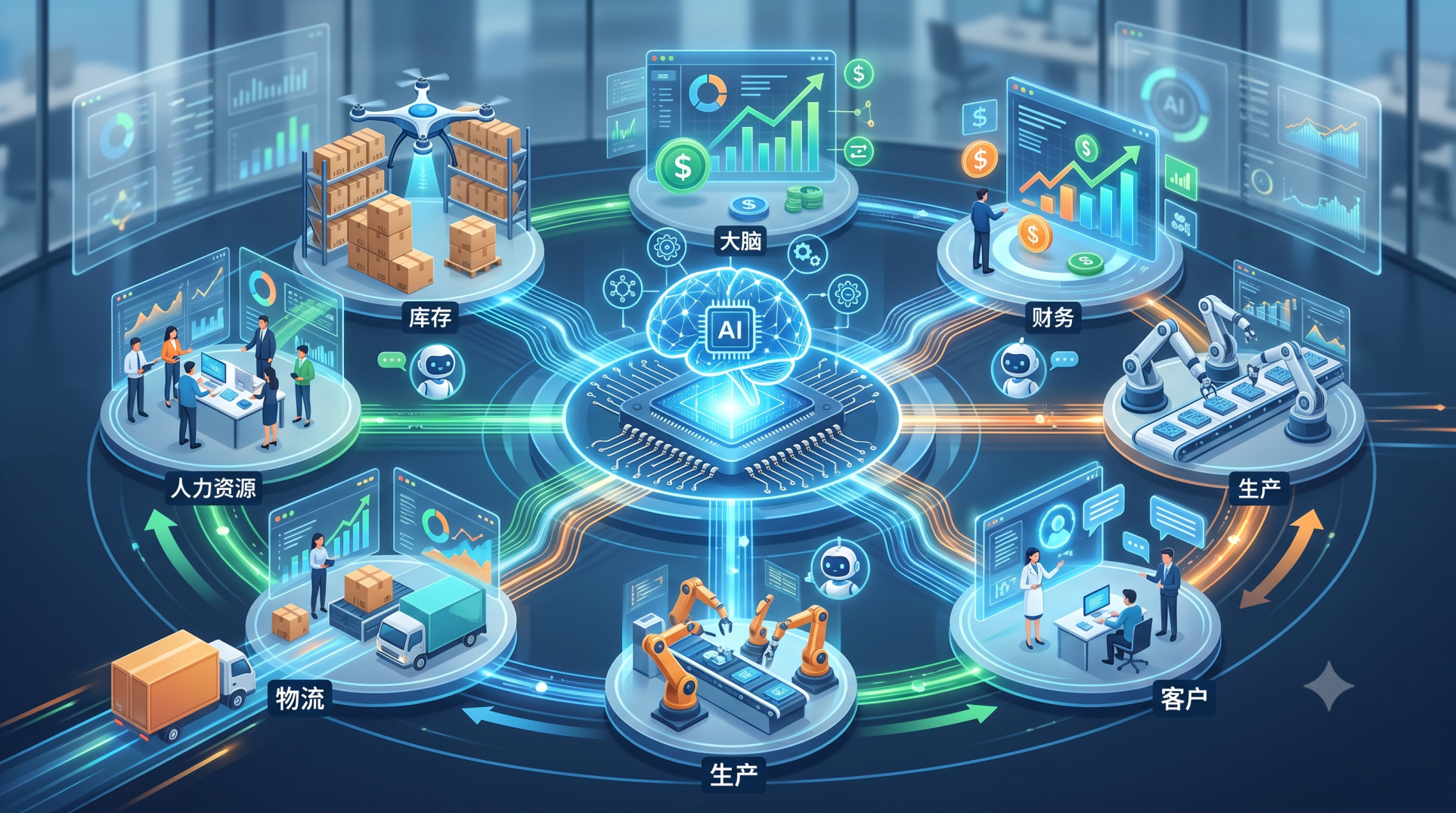
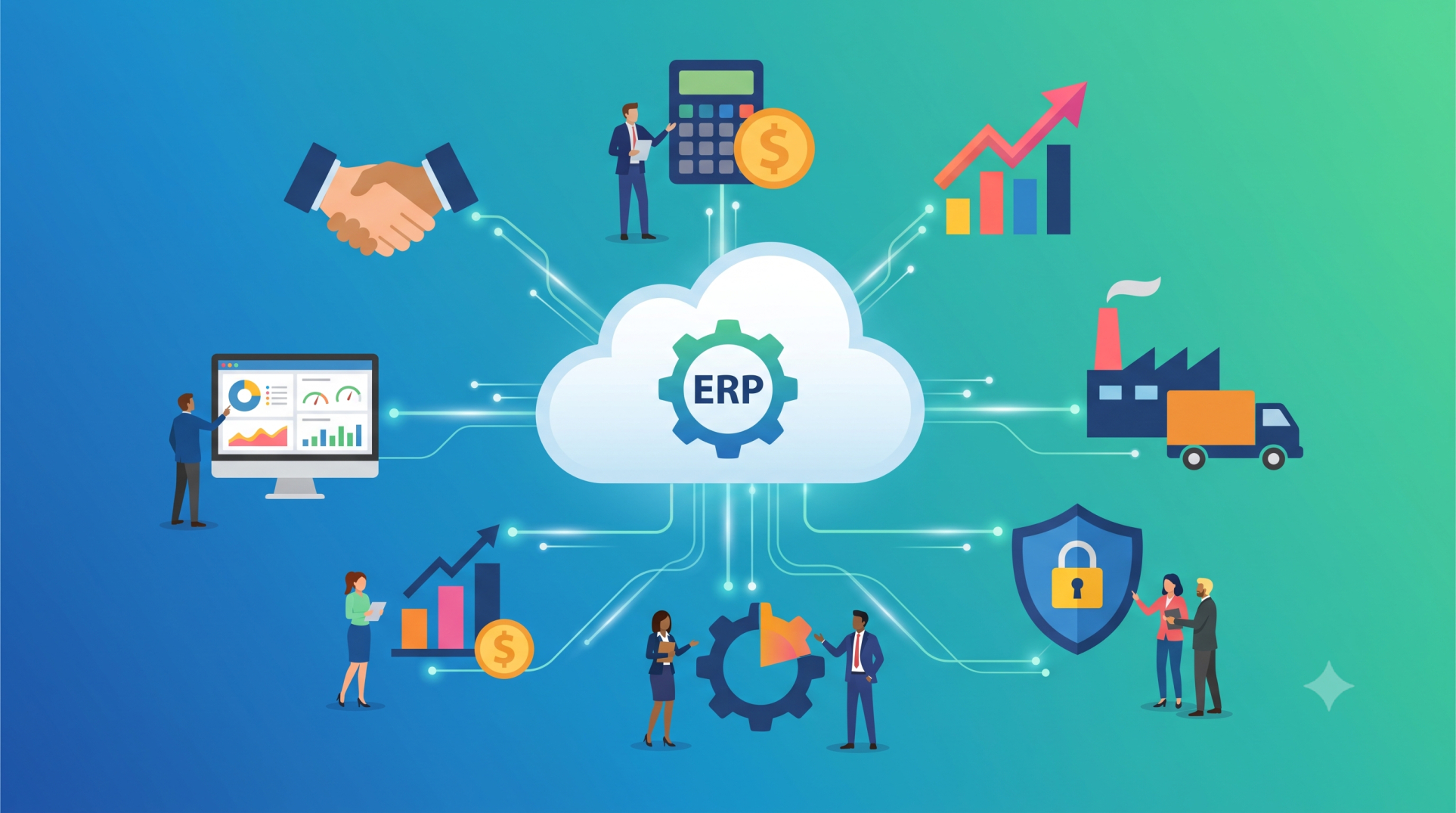
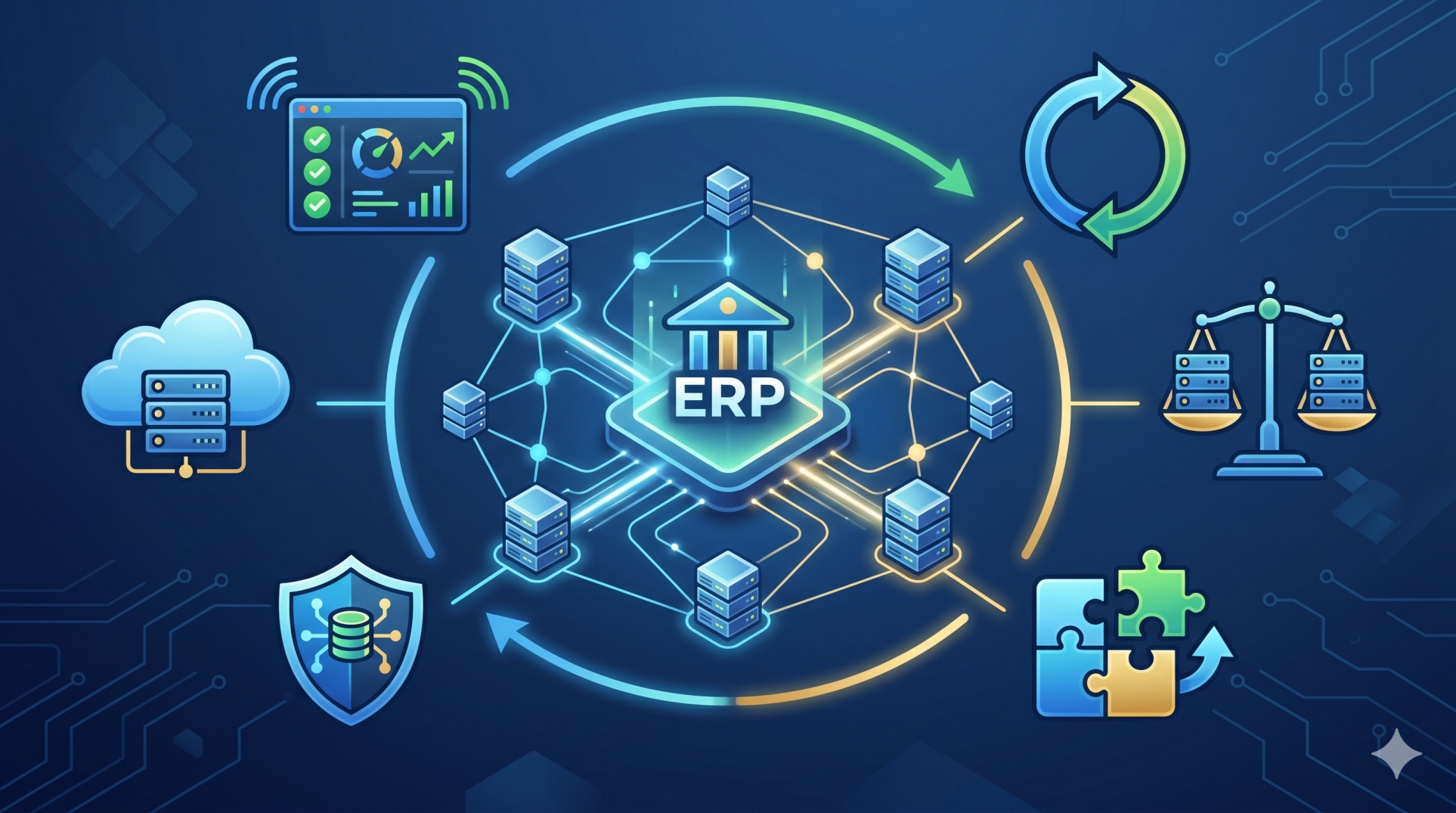
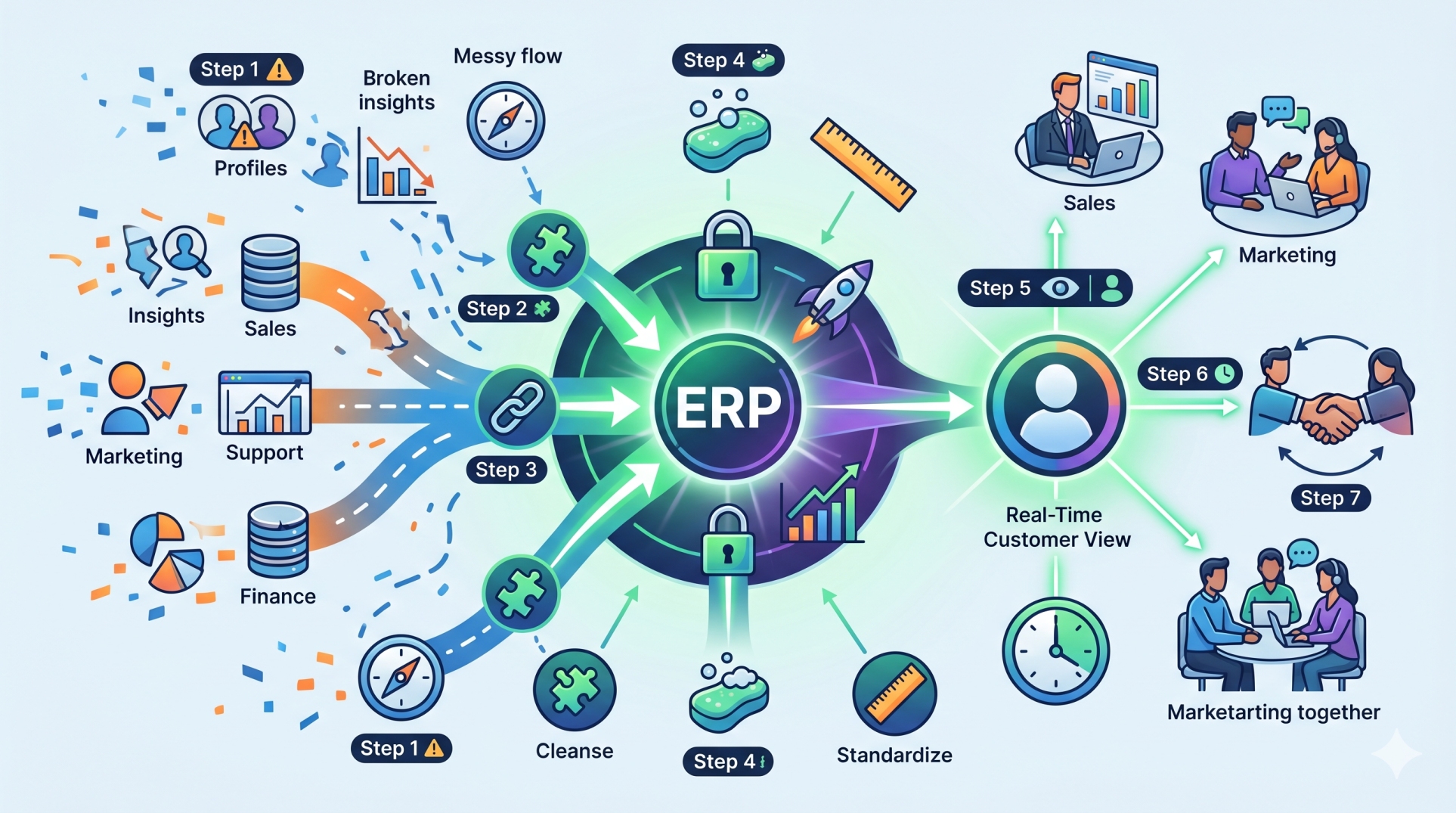
A Single Source of Truth for All Teams 📌
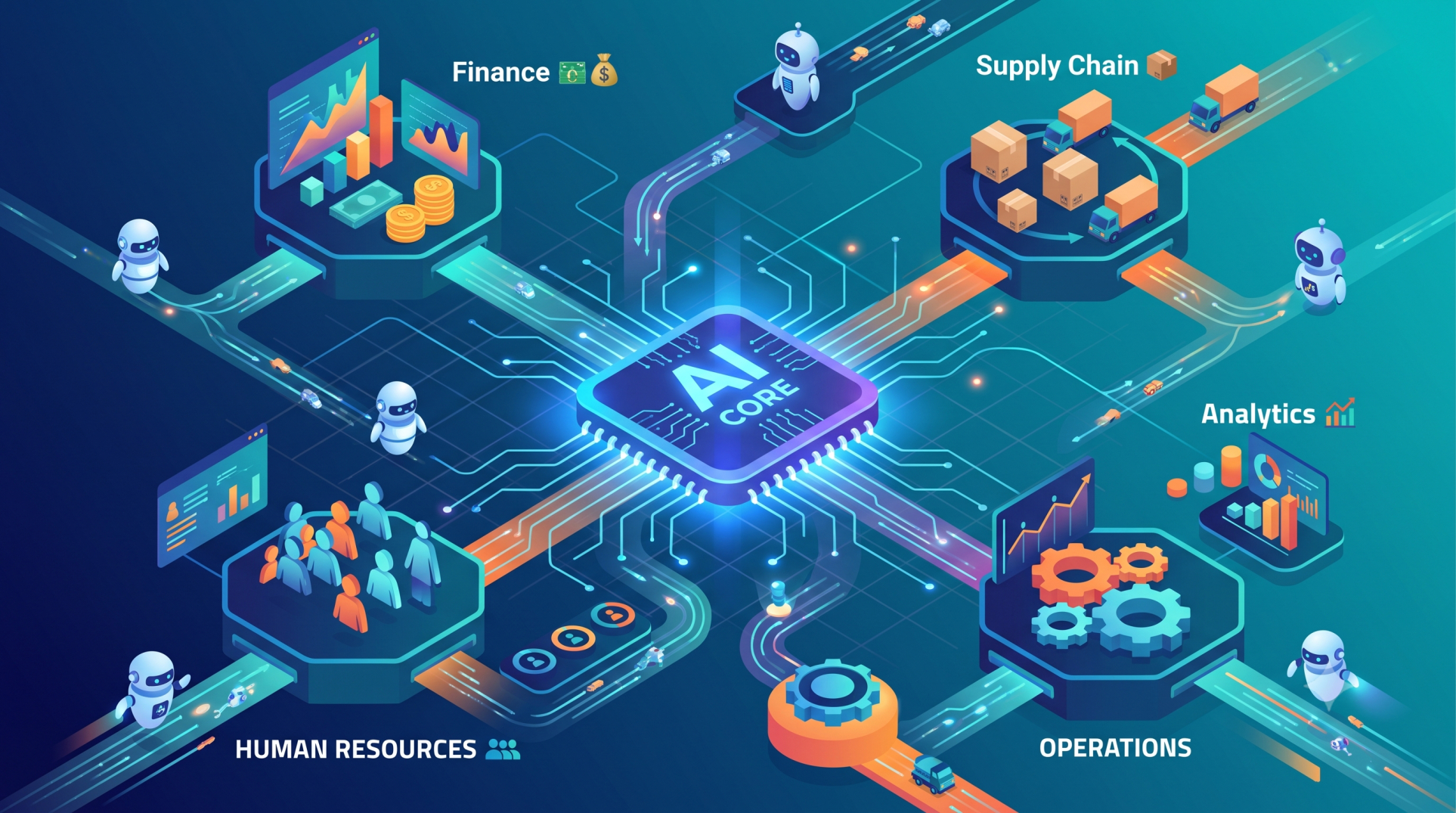
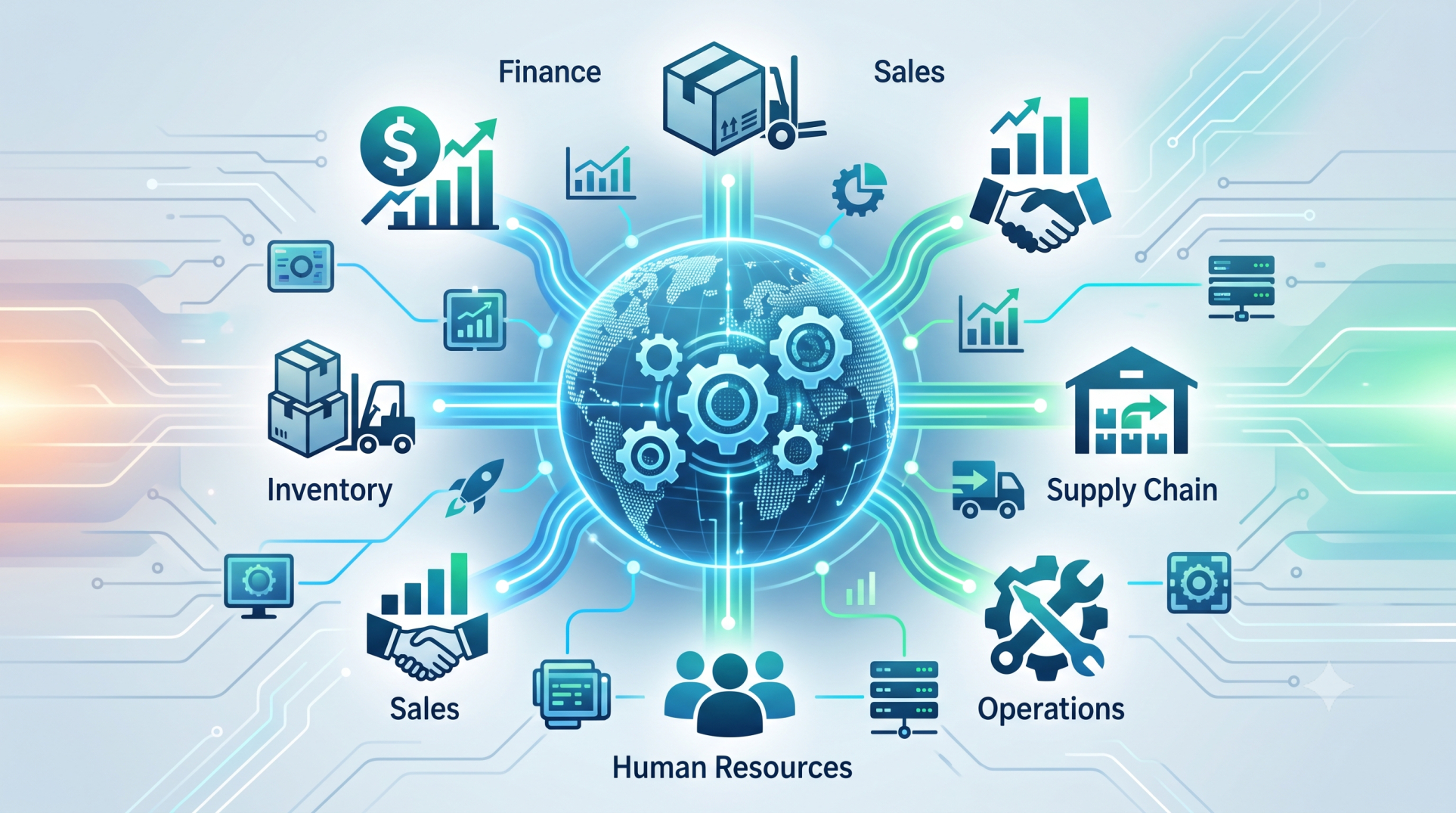
- Centralizes data across finance, sales, operations, HR, and supply chain 🧩
- Ensures everyone works from the same, up-to-date information 🔄
- Eliminates duplicate records and conflicting reports ❌
- Improves trust in data across departments ✅
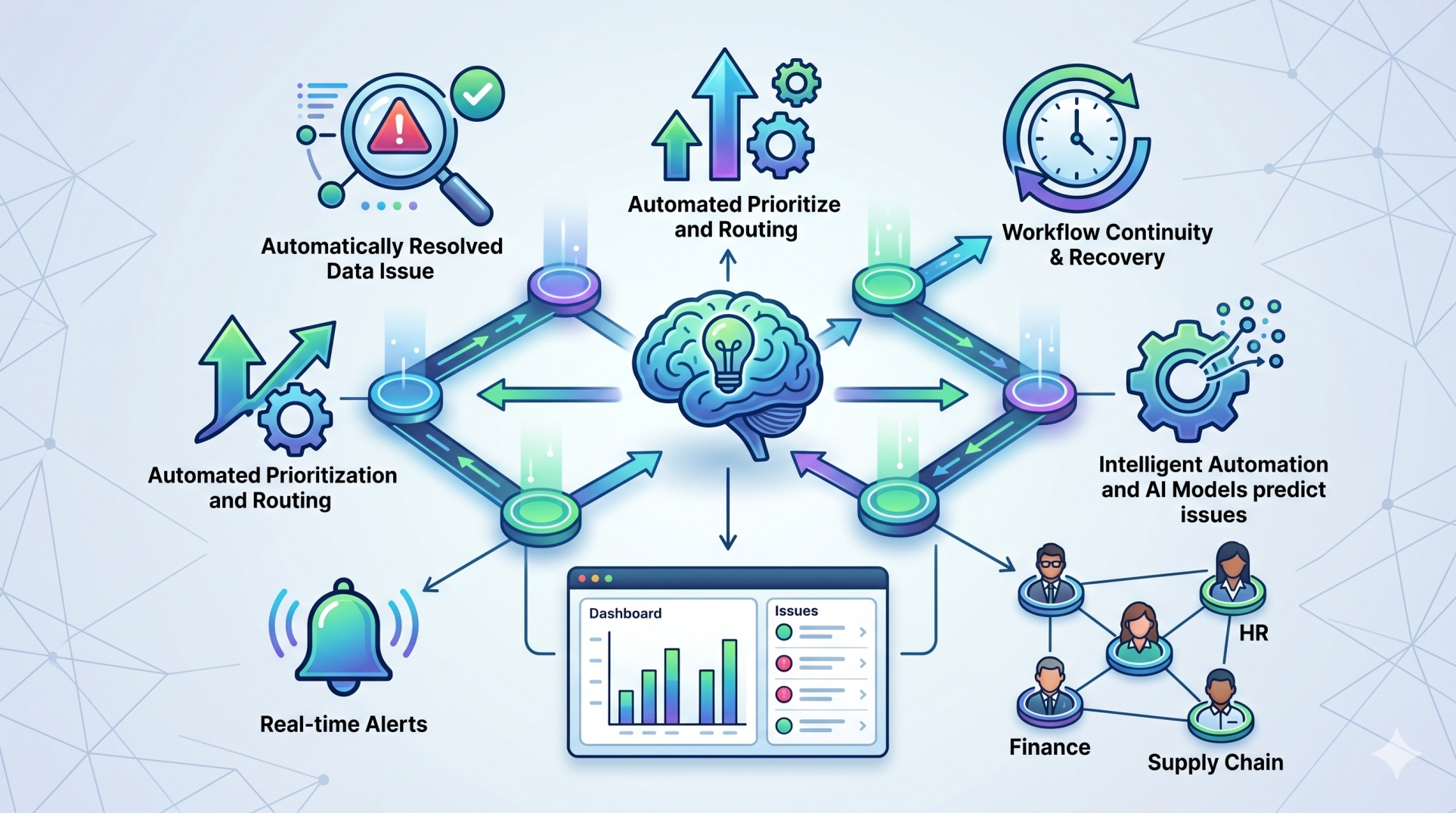
Real-Time Data Sharing Across Functions ⚡
- Updates information instantly across the system 🔄
- Finance sees real-time sales and procurement data 💰
- Operations align production with demand changes 🏭
- Leadership gains immediate visibility into performance 👀
- Reduces delays caused by manual handoffs ⏱️
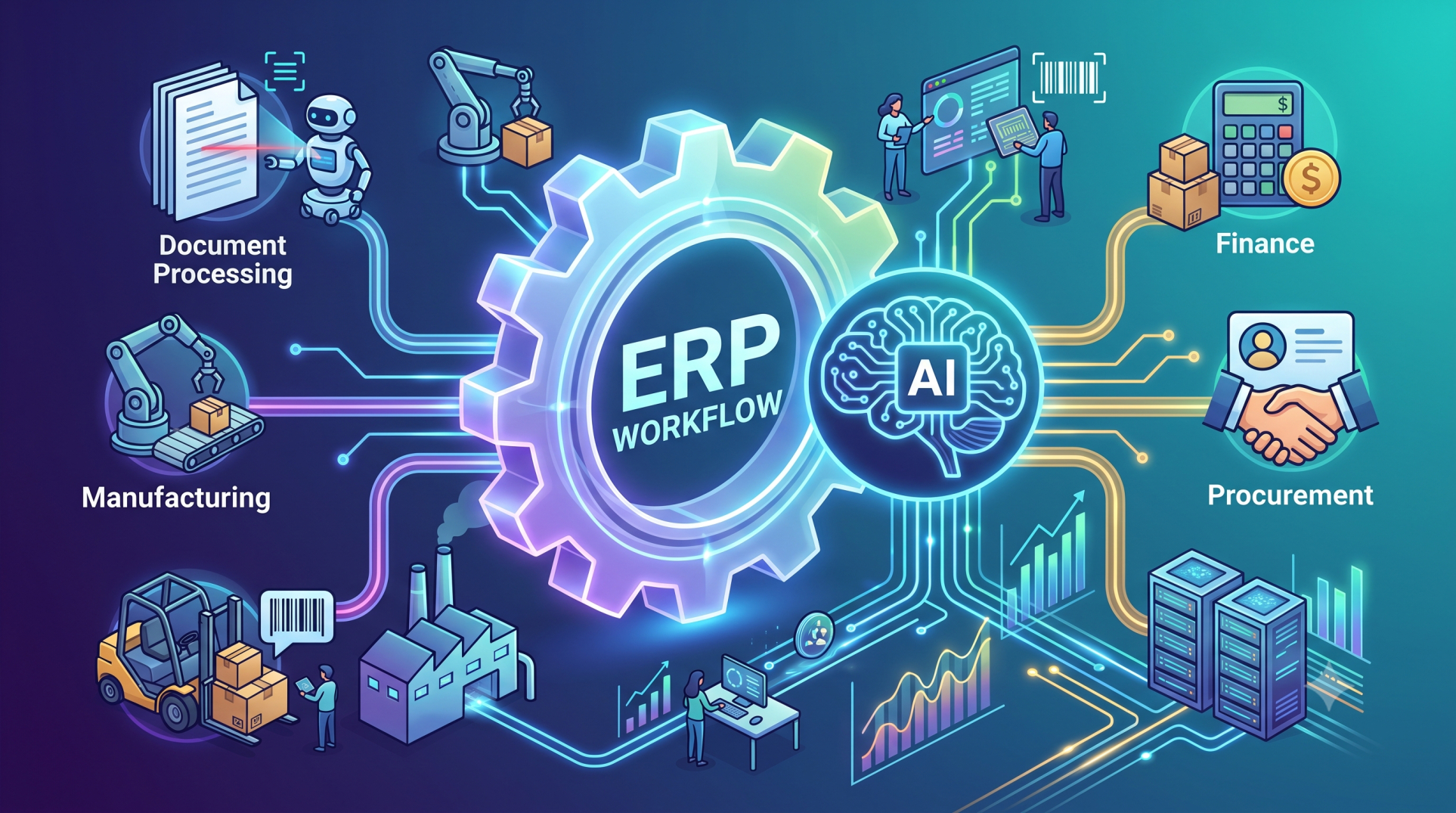
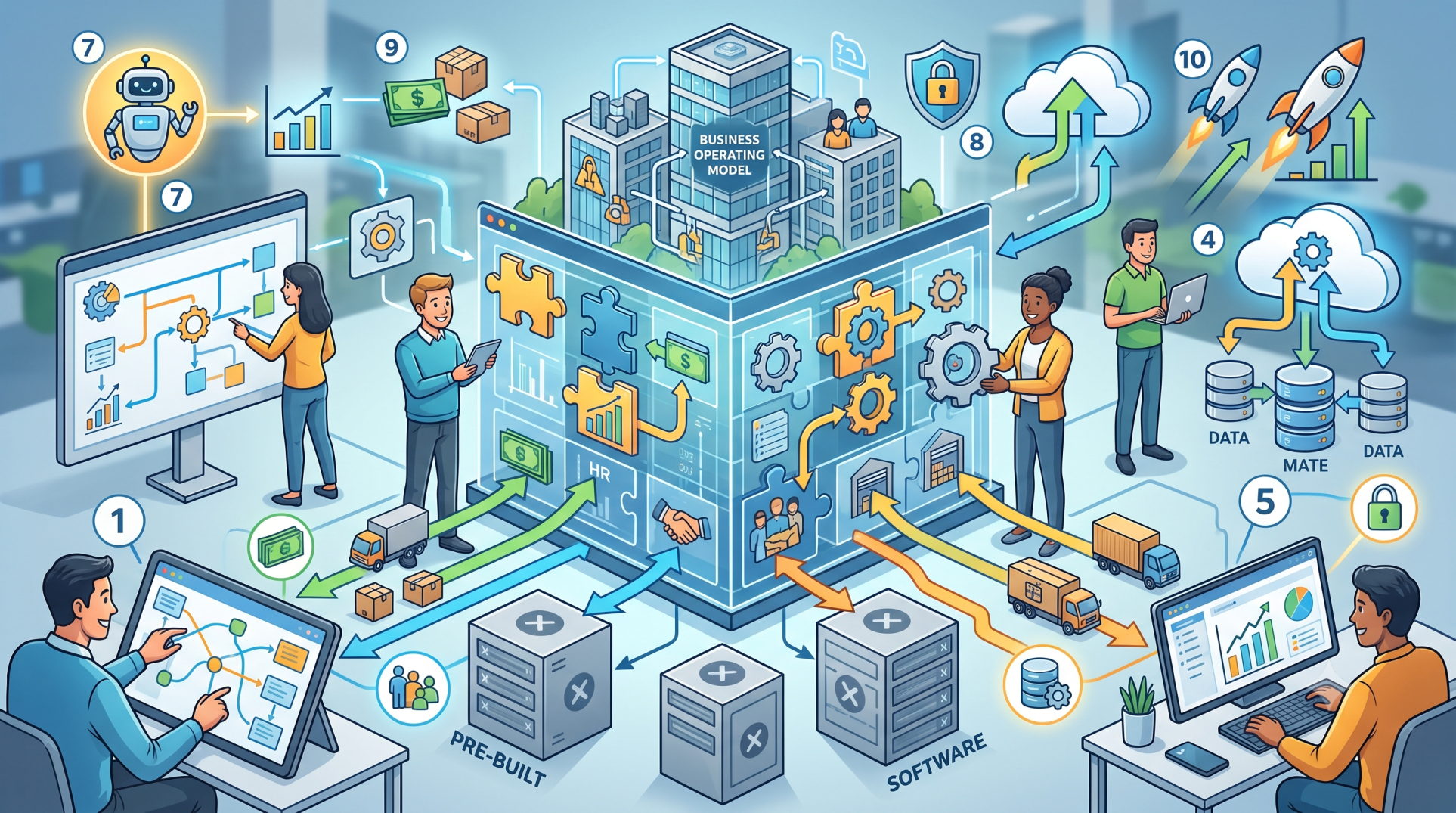
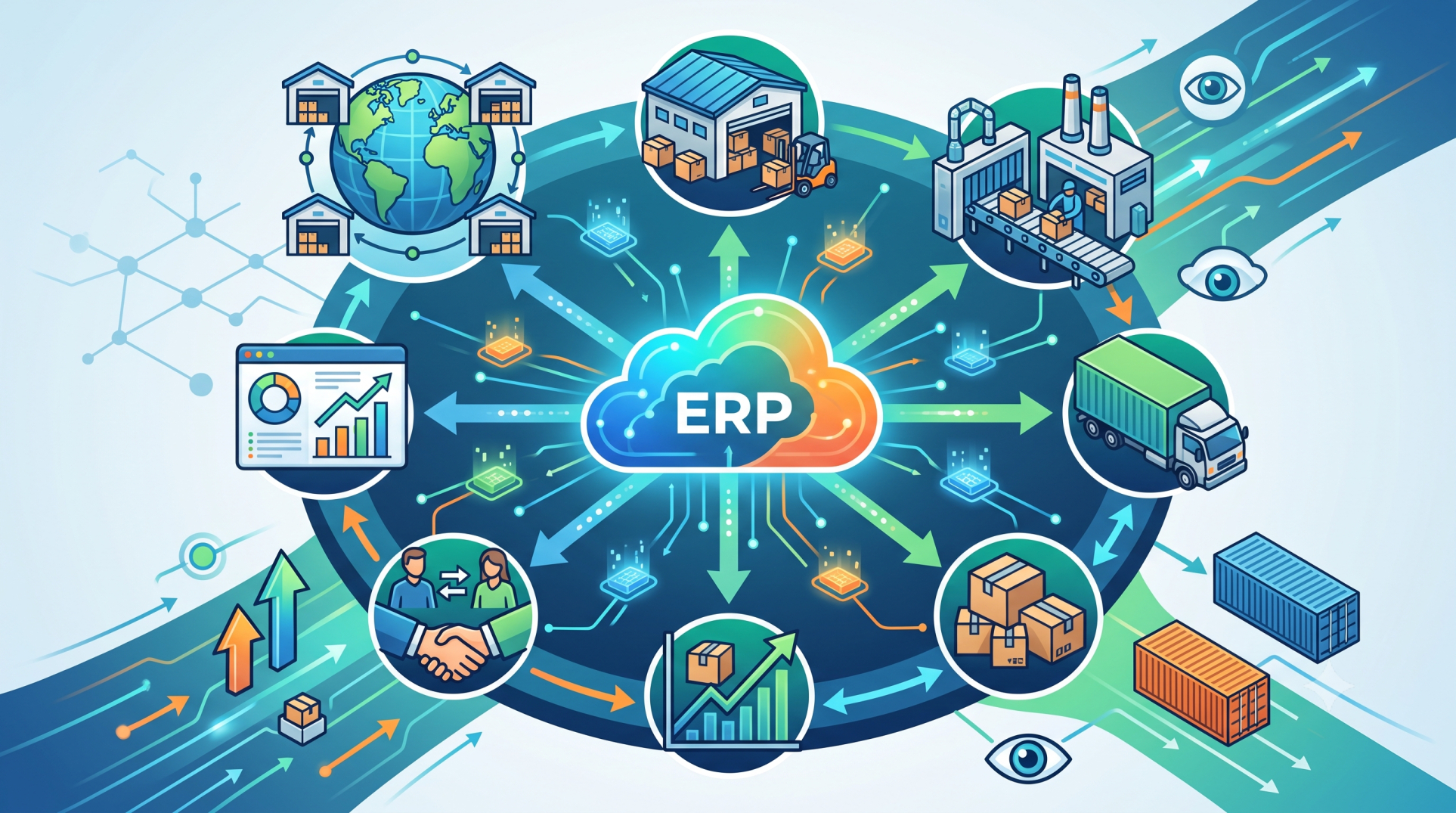
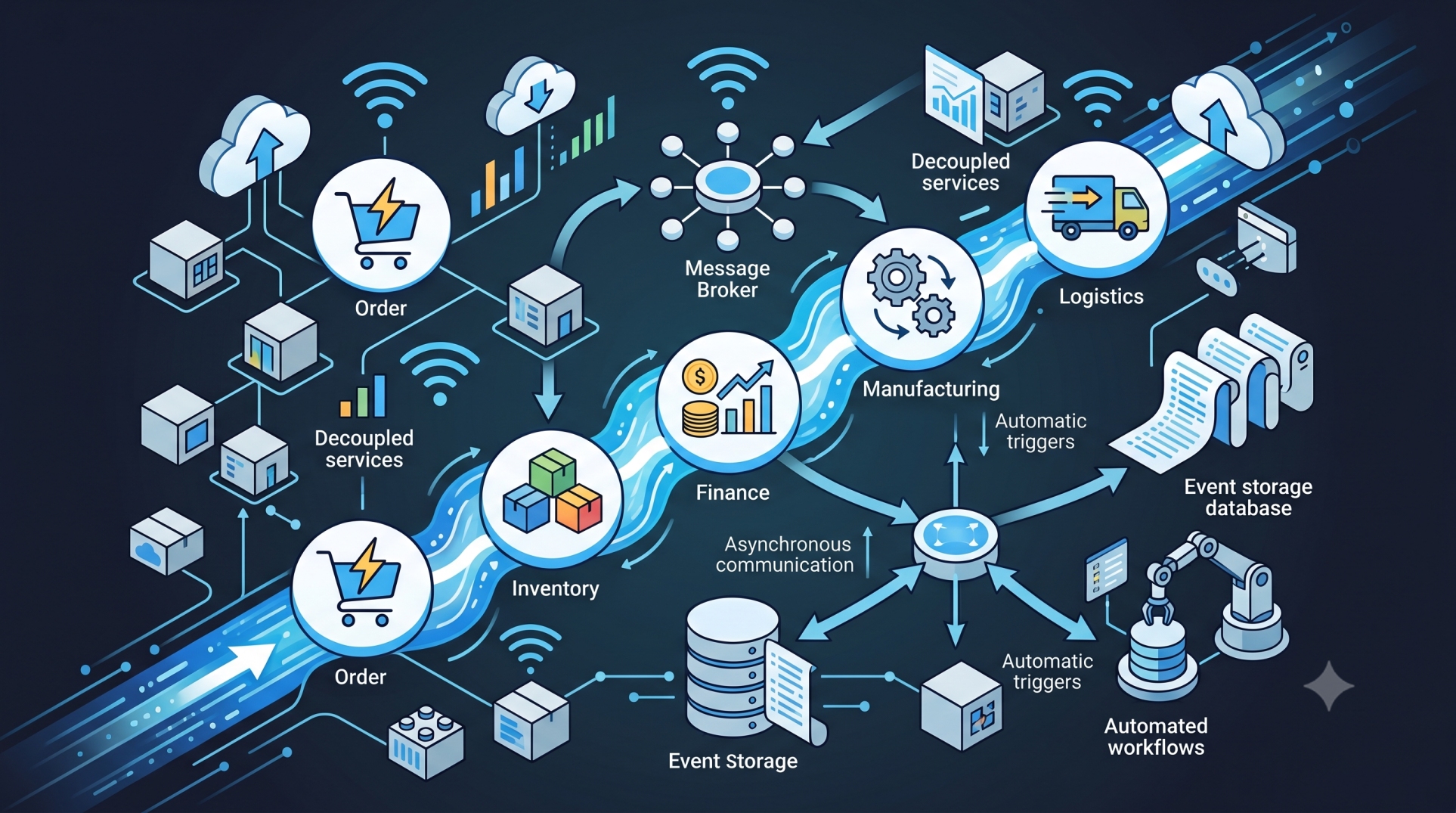
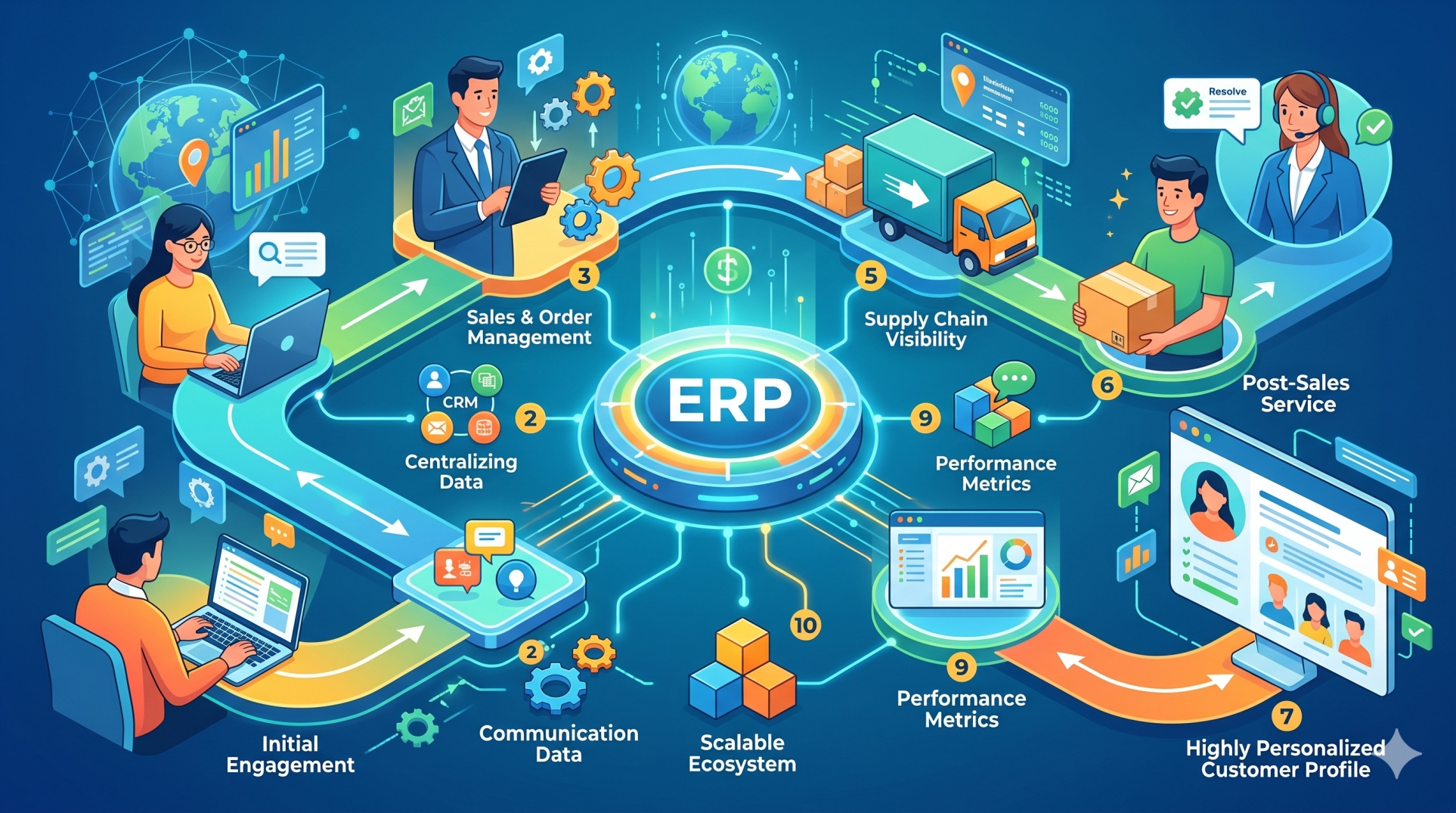
Integrated Workflows That Span Departments 🔗
- Connects processes that involve multiple teams 🧩
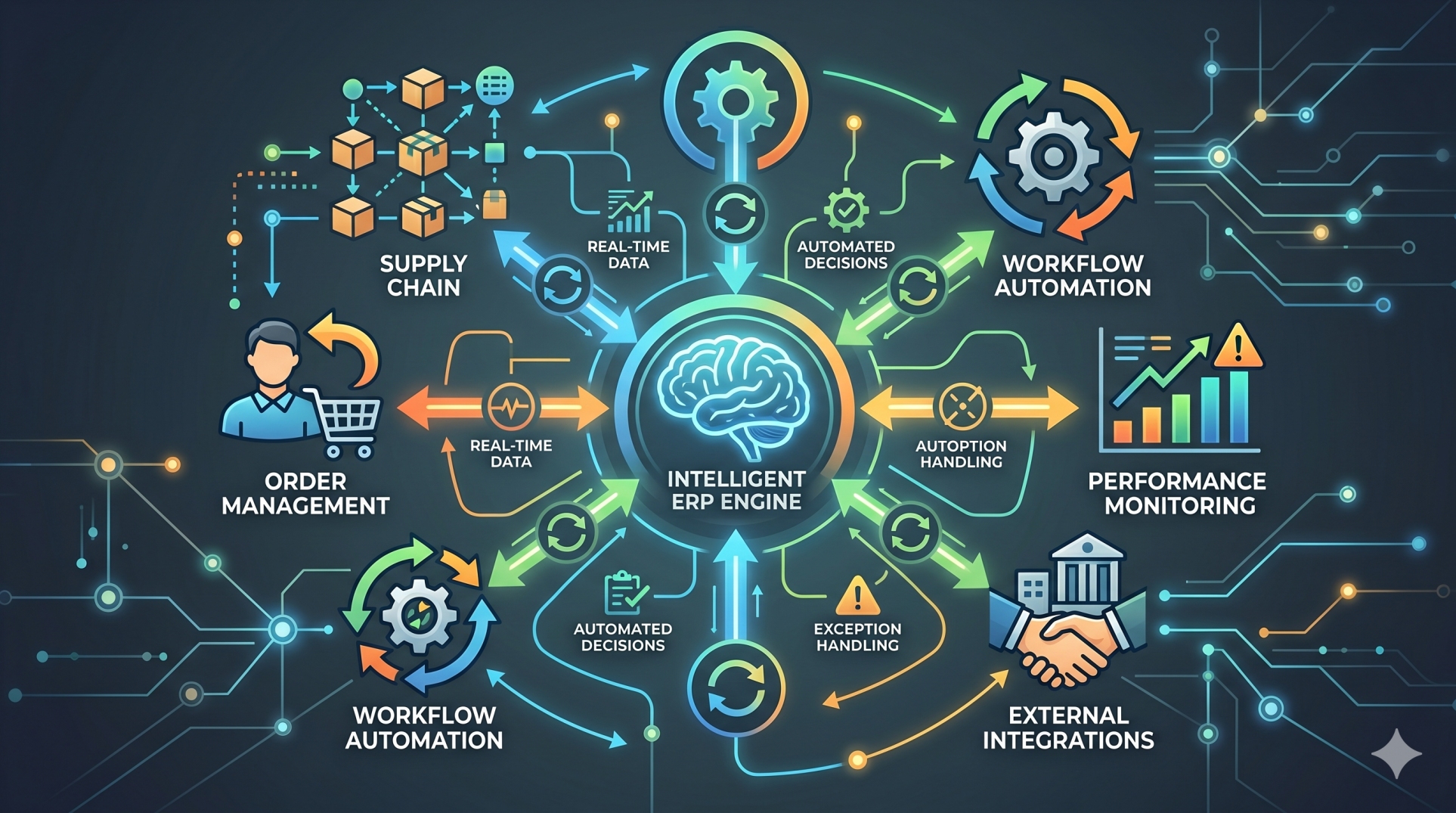
- Automates approvals between departments 🤖
- Ensures tasks move smoothly from one function to another 🔄
- Reduces miscommunication and process gaps 🚫
- Improves accountability at every step 📋
Improved Communication and Transparency 🧠
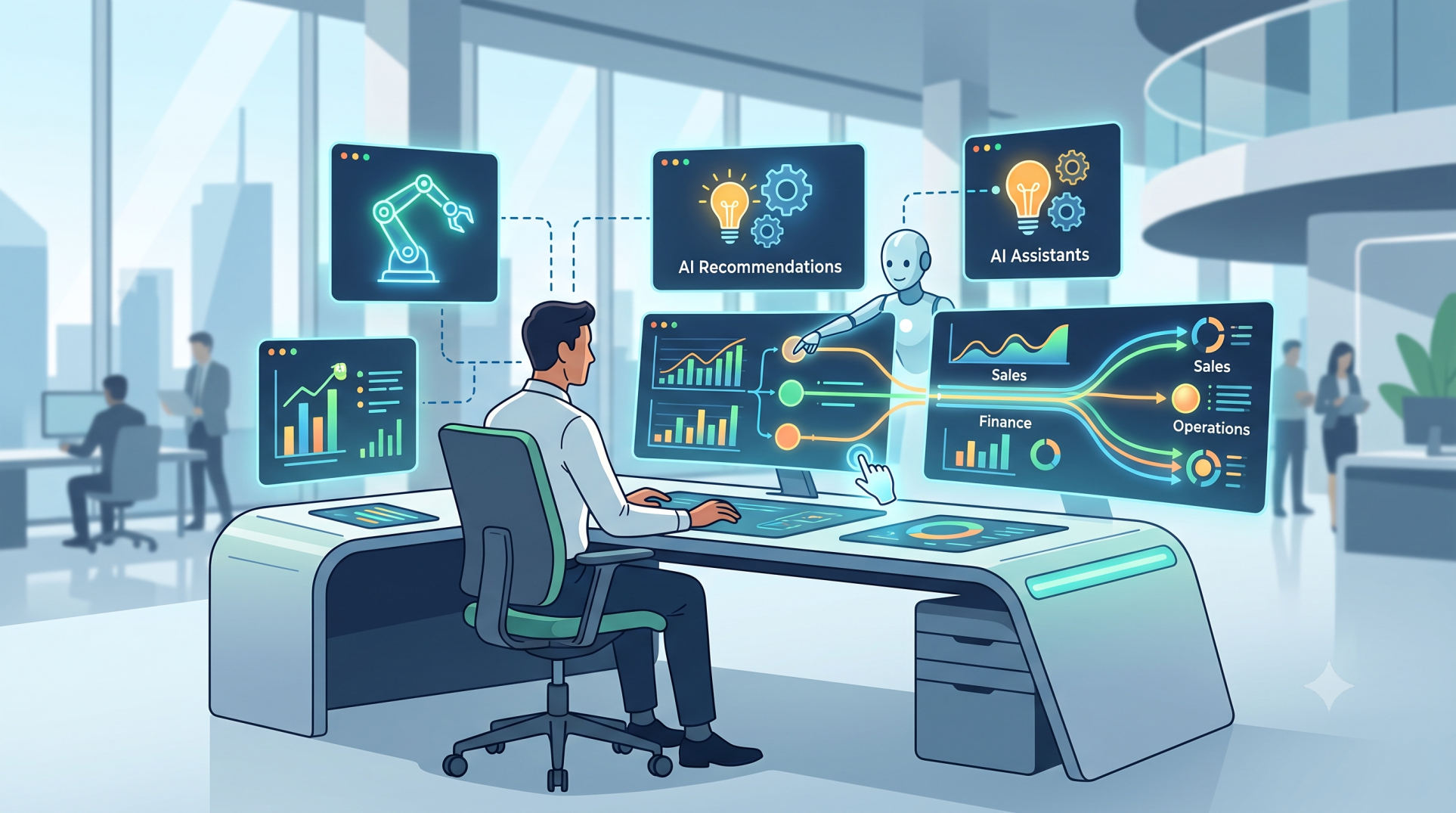
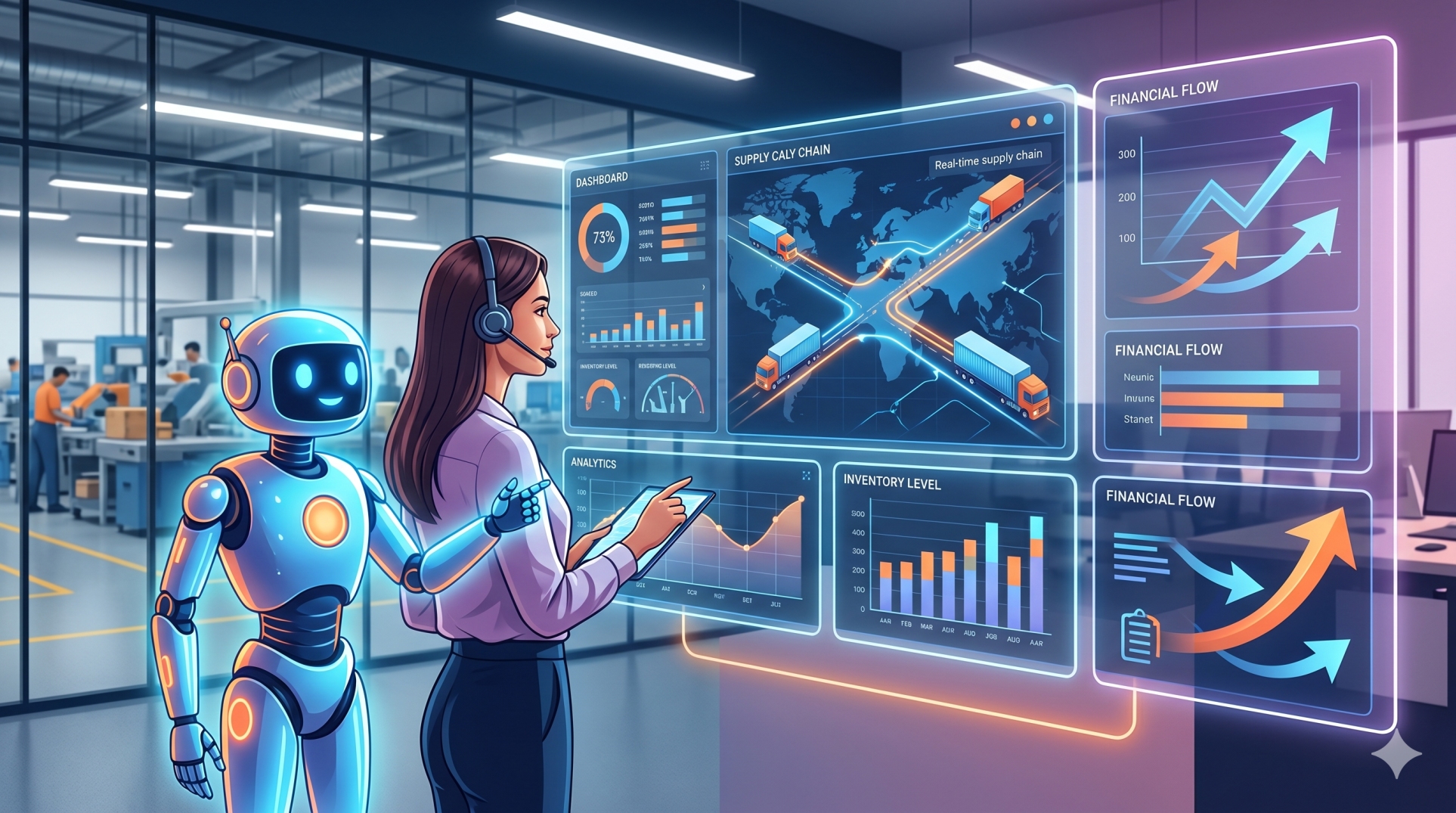
- Shared dashboards and reports for cross-team visibility 📊
- Clear ownership of tasks and responsibilities 👤
- Fewer emails and spreadsheets passed between teams 📧
- Better alignment on priorities and deadlines 🎯
Collaboration Between Sales, Operations, and Finance 💼
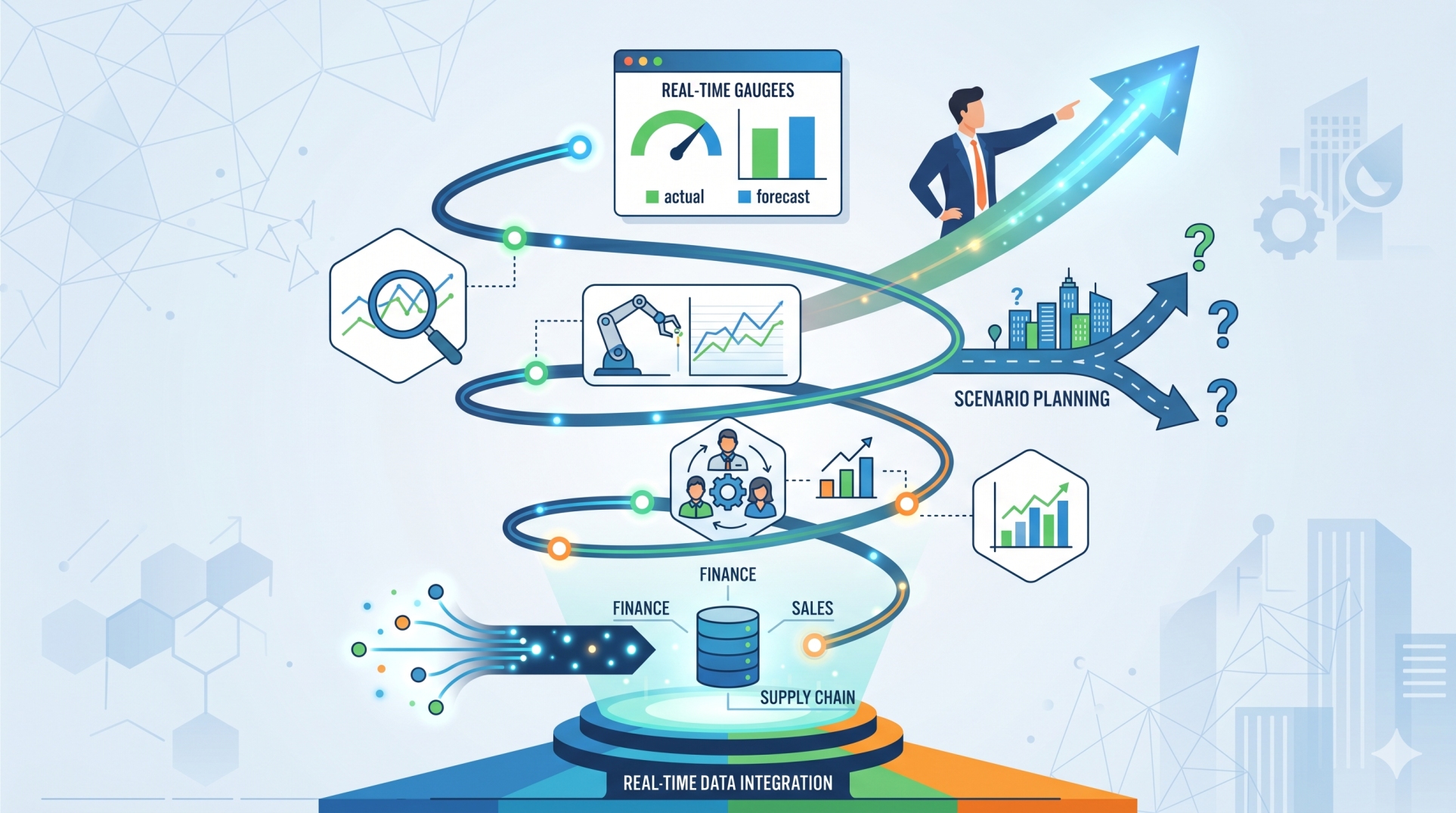
- Sales forecasts feed directly into production planning 📈
- Operations update inventory and delivery timelines in real time 📦
- Finance tracks revenue, costs, and margins accurately 💰
- Teams coordinate decisions using shared insights 🧠
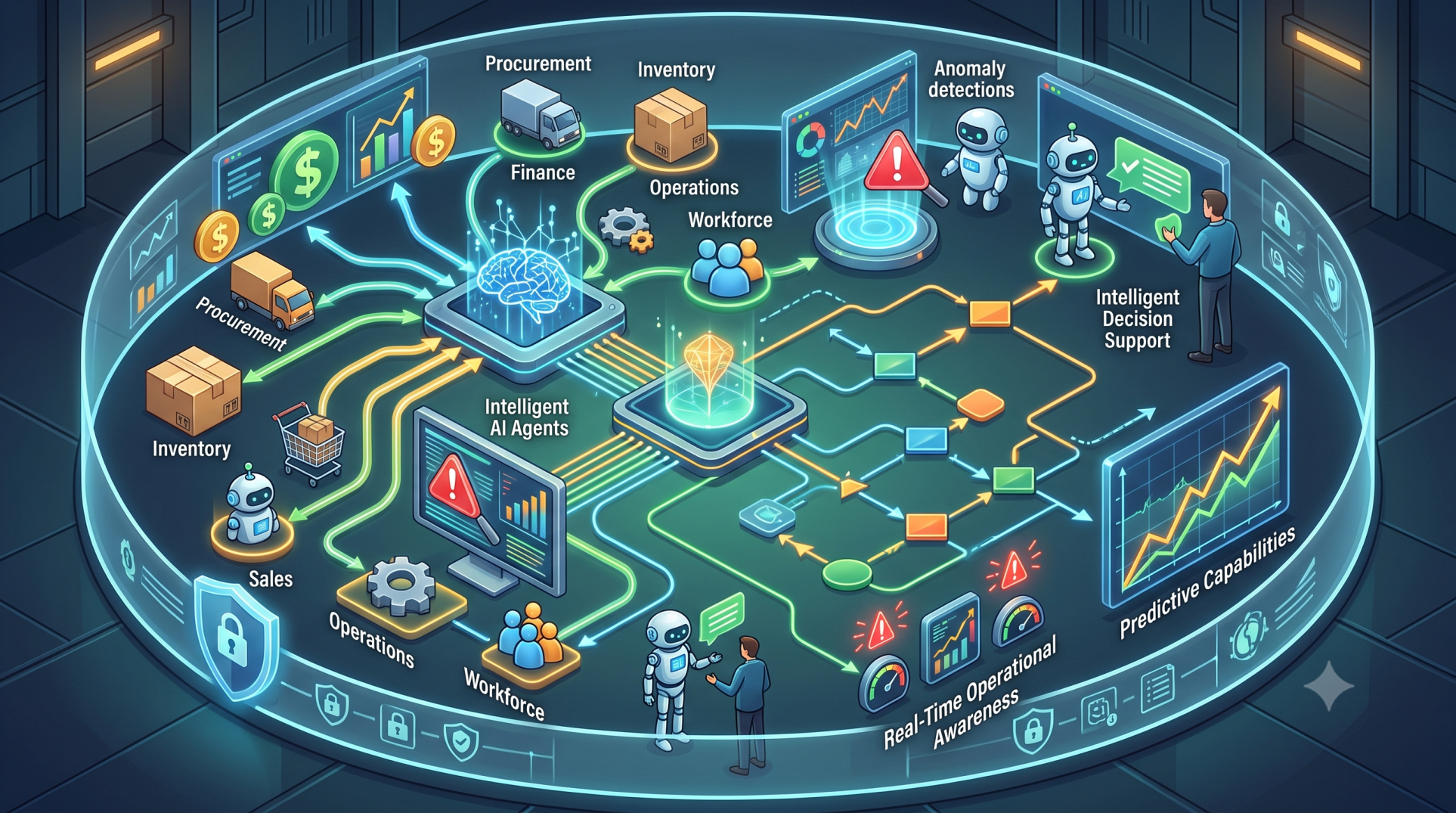
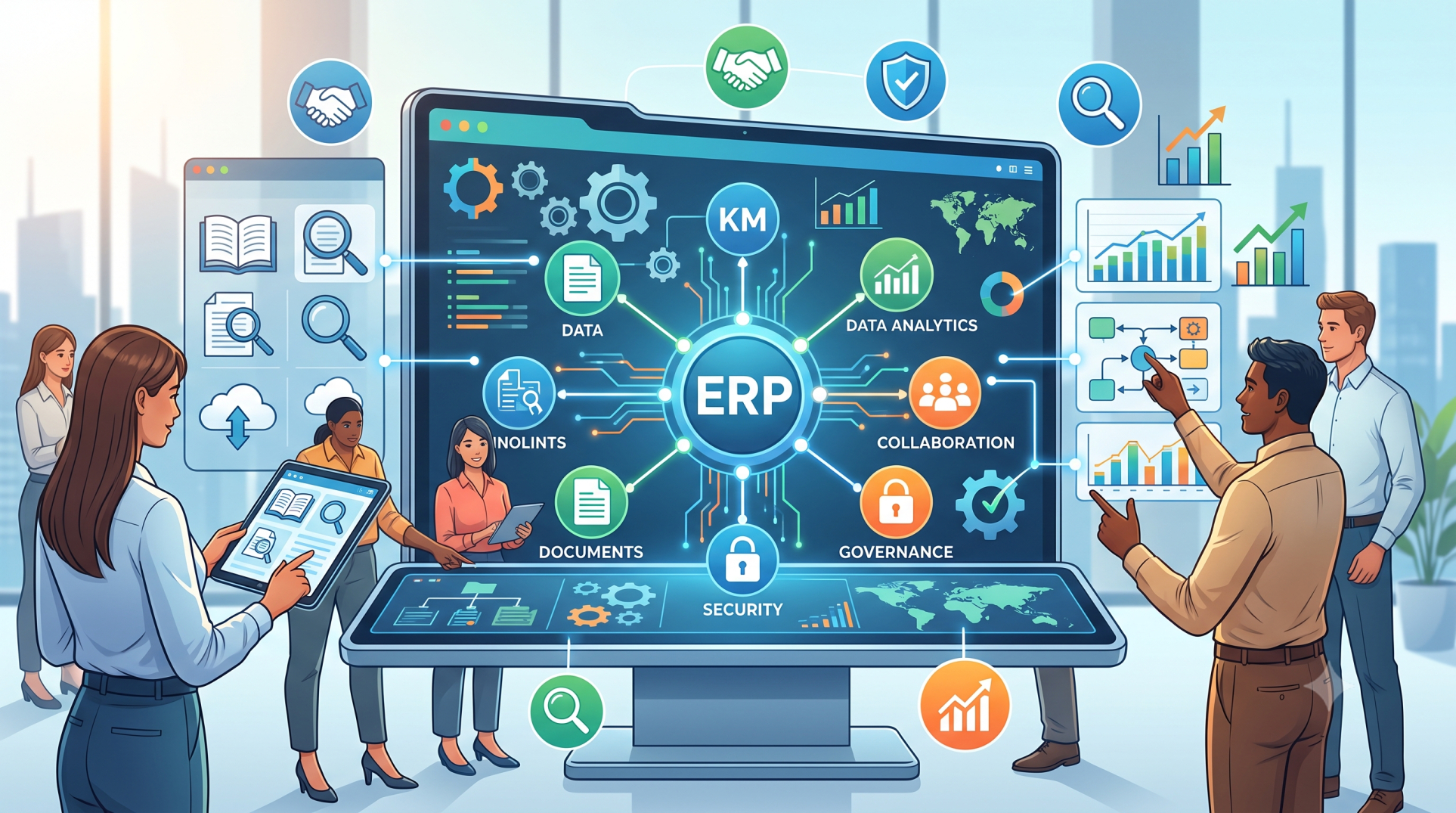
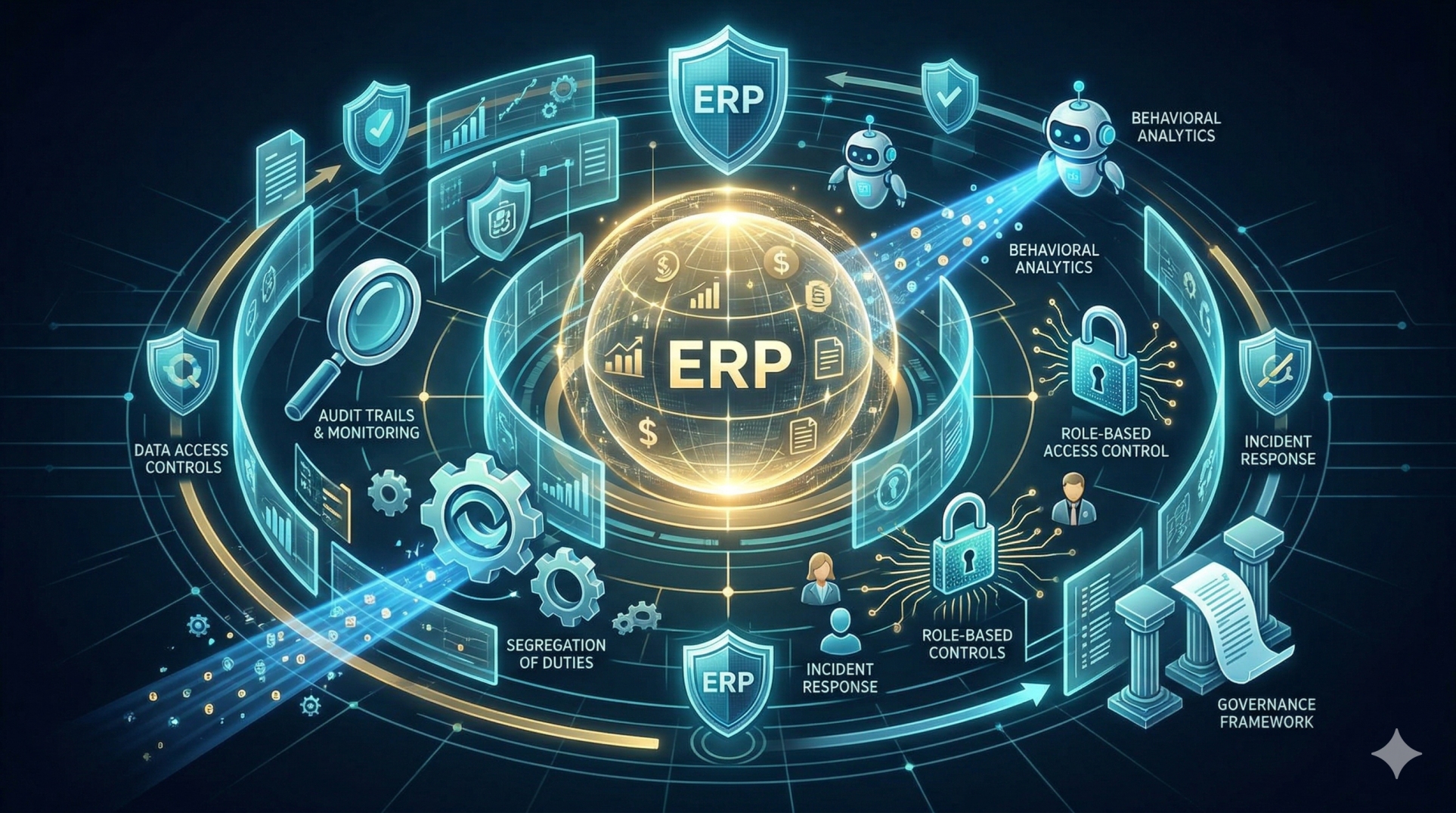
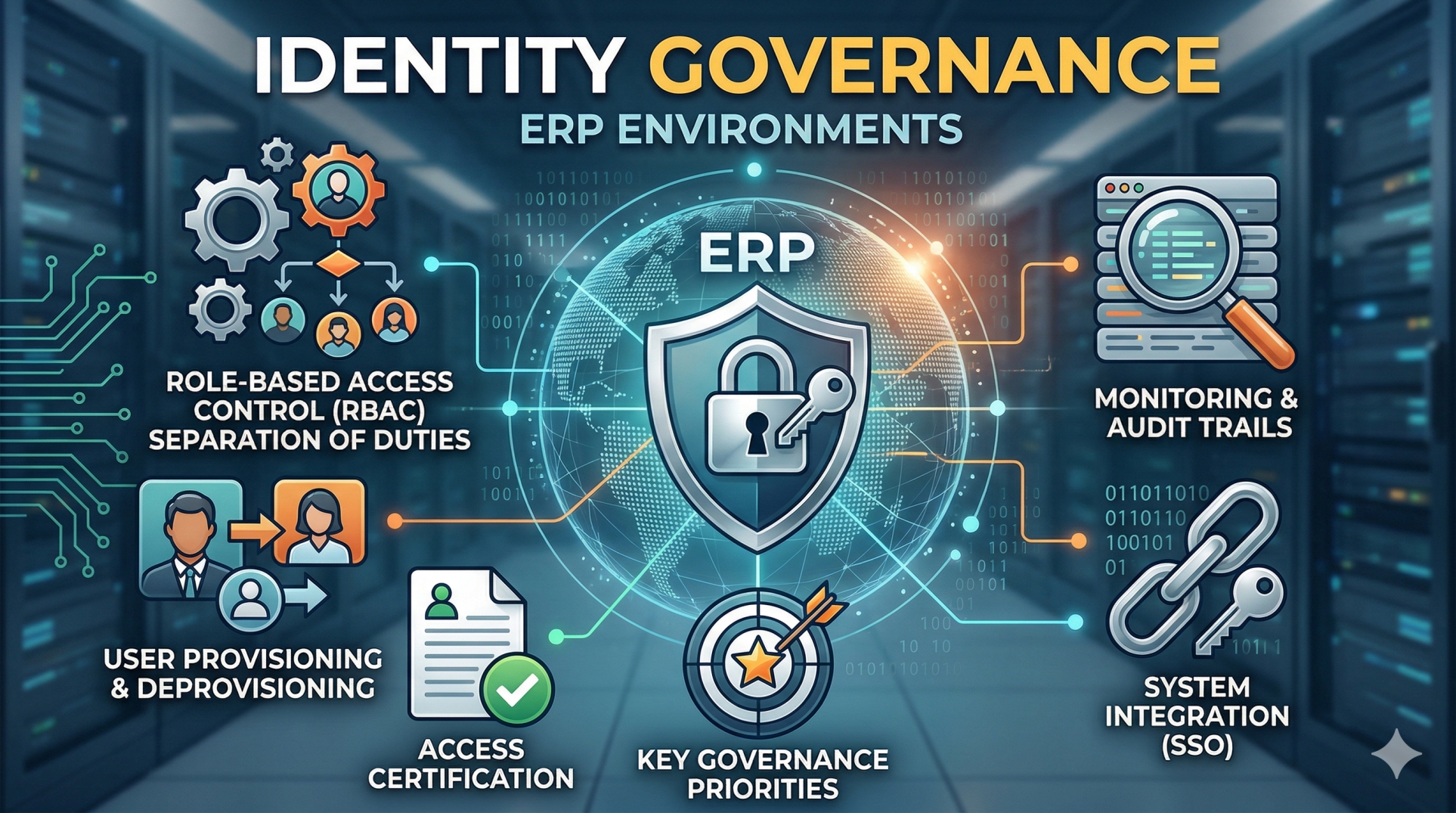
Role-Based Access with Shared Visibility 🔐
- Users see data relevant to their responsibilities 👤
- Sensitive information remains protected 🛡️
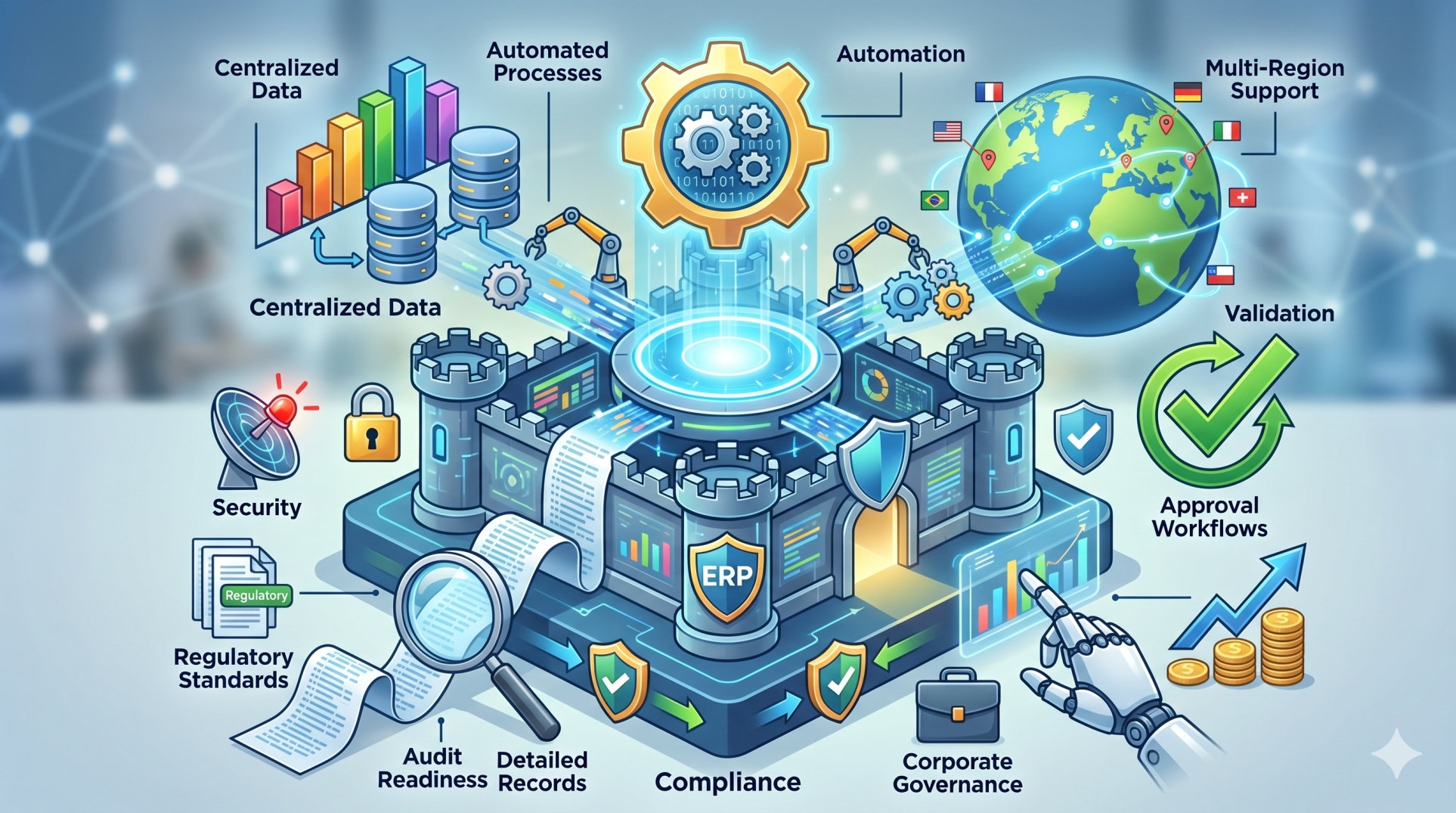
- Departments collaborate without compromising security 🔒
- Encourages system-wide adoption and trust 🤝
Faster and More Informed Decision-Making 🚀
- Leaders access cross-department insights in one place 🧠
- Teams understand the downstream impact of their actions 🔍
- Reduces back-and-forth between departments 🔄
- Enables quicker, more confident decisions ✅
Reduced Errors and Manual Rework ❌
- Eliminates re-entering data across systems 🔁
- Reduces misalignment between departments ⚠️
- Improves accuracy in reporting and execution 📊
- Frees teams to focus on higher-value work 💡
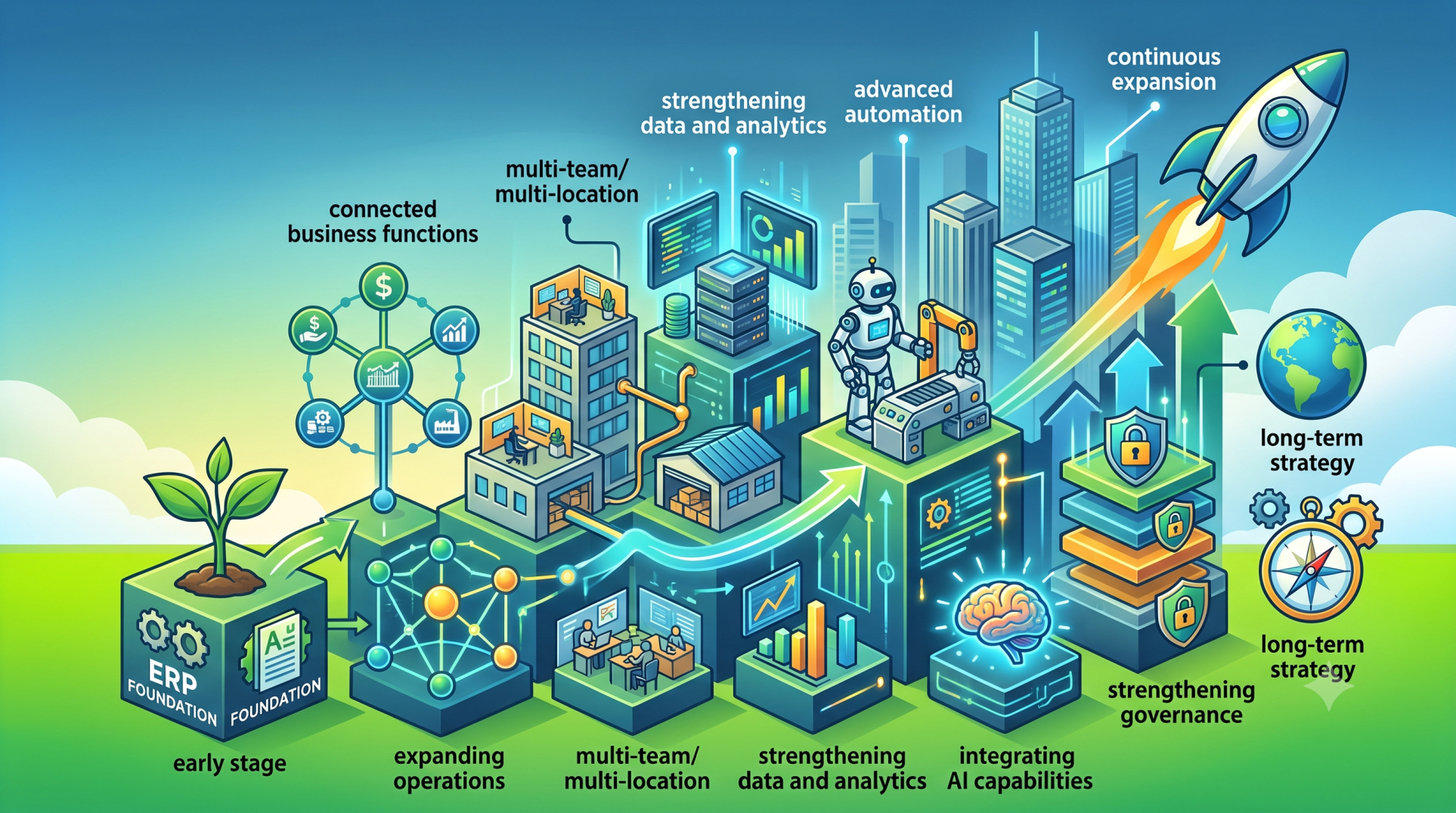
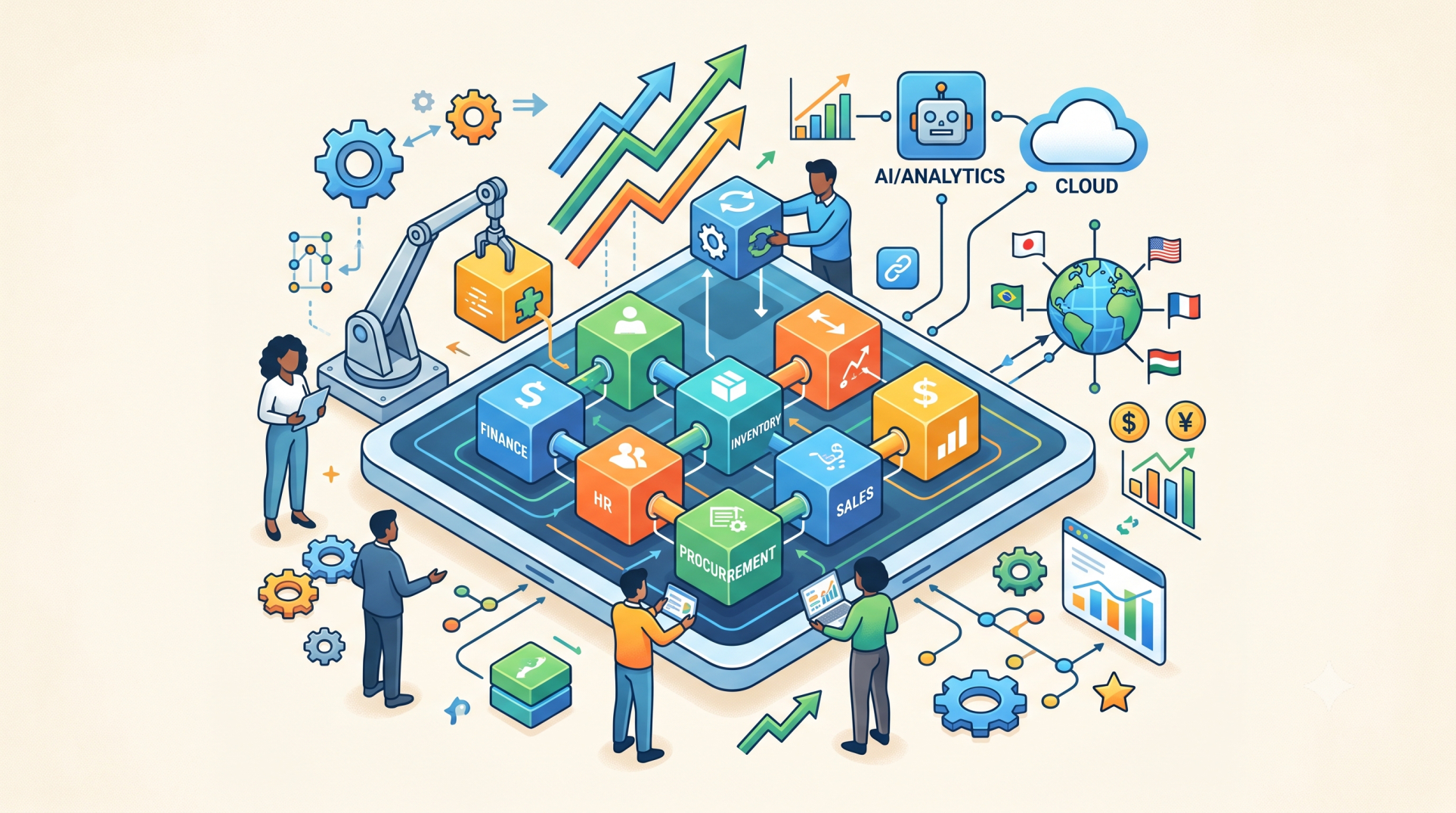
Support for Scalable Team Collaboration 📈
- Easily supports growing teams and new departments 🌱
- Standardizes processes across the organization ⚙️
- Maintains collaboration even as the business scales 🏗️
- Aligns everyone around shared goals and metrics 🎯
Cultural Impact of ERP Collaboration 🌍
- Encourages transparency and shared responsibility 🤝
- Breaks down departmental silos 🧱
- Promotes a unified, organization-wide mindset 🧠
- Strengthens collaboration as a daily practice 🔄
Final Thoughts 🏁
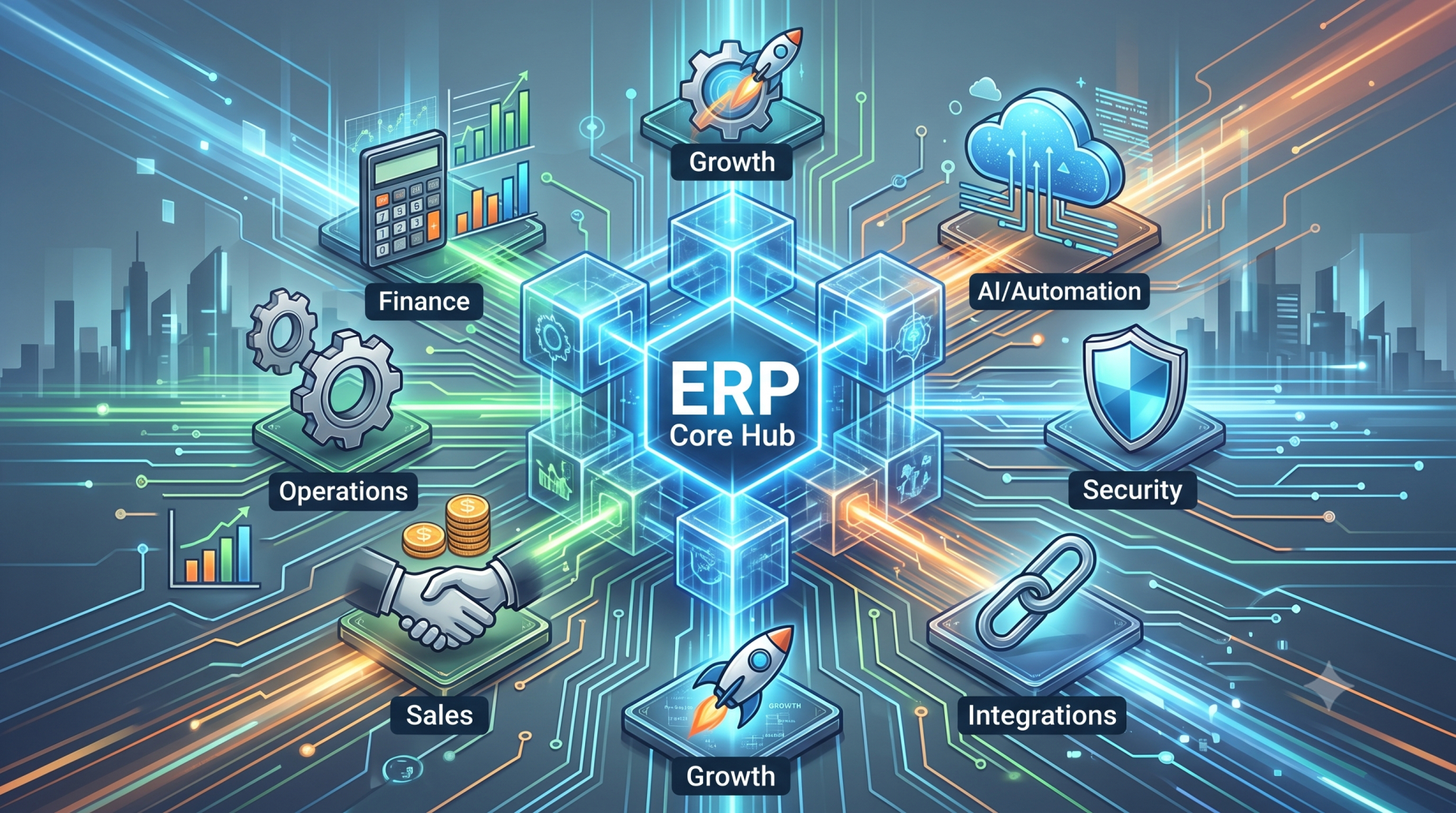
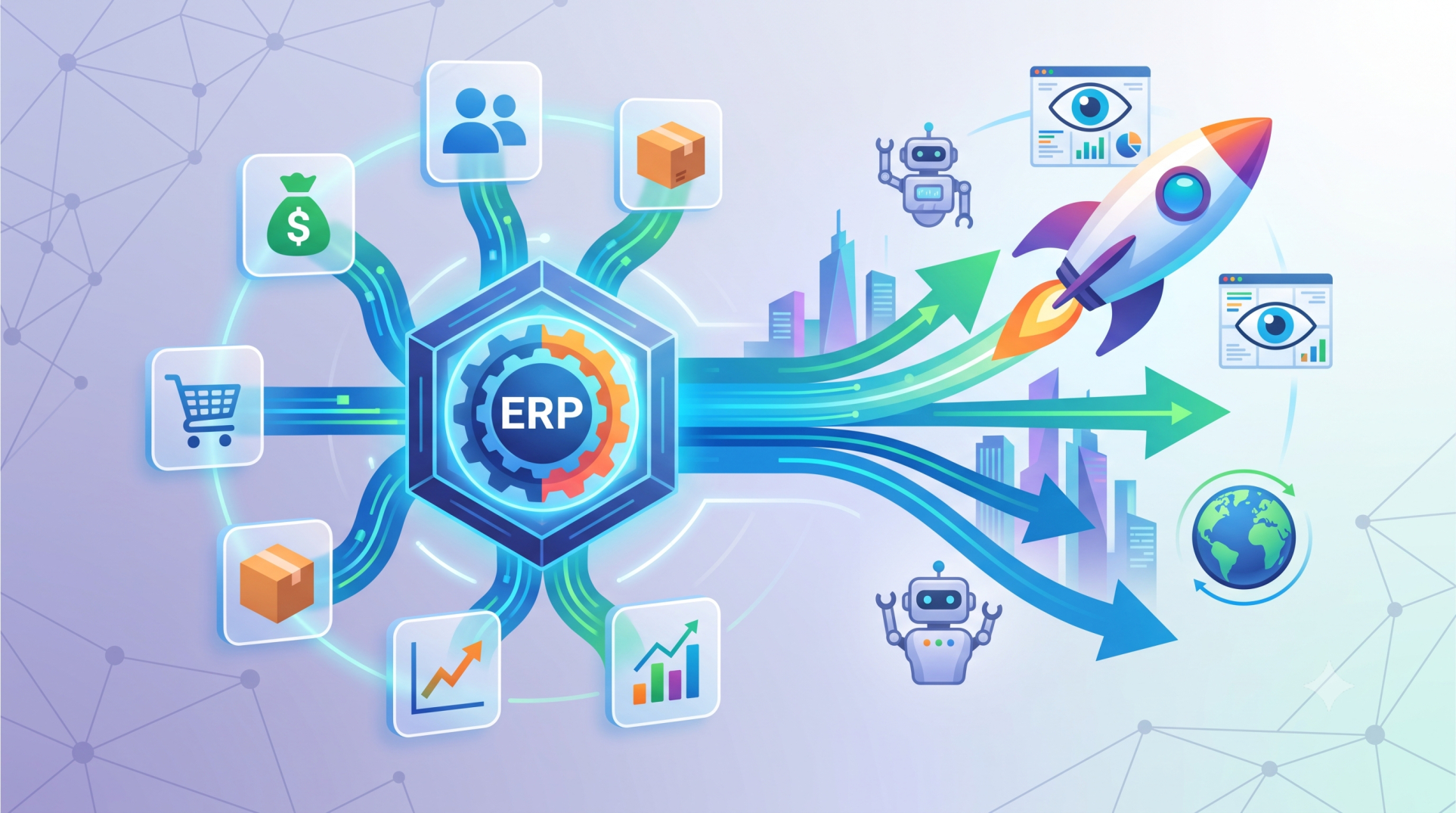
ERP software is more than an operational system—it is a collaboration platform for the entire organization. By centralizing data, integrating workflows, and enabling real-time visibility, ERP helps departments work together more effectively. The result is faster decisions, fewer errors, stronger alignment, and a more connected business ready to scale and succeed. 🚀
See more blogs
You can all the articles below