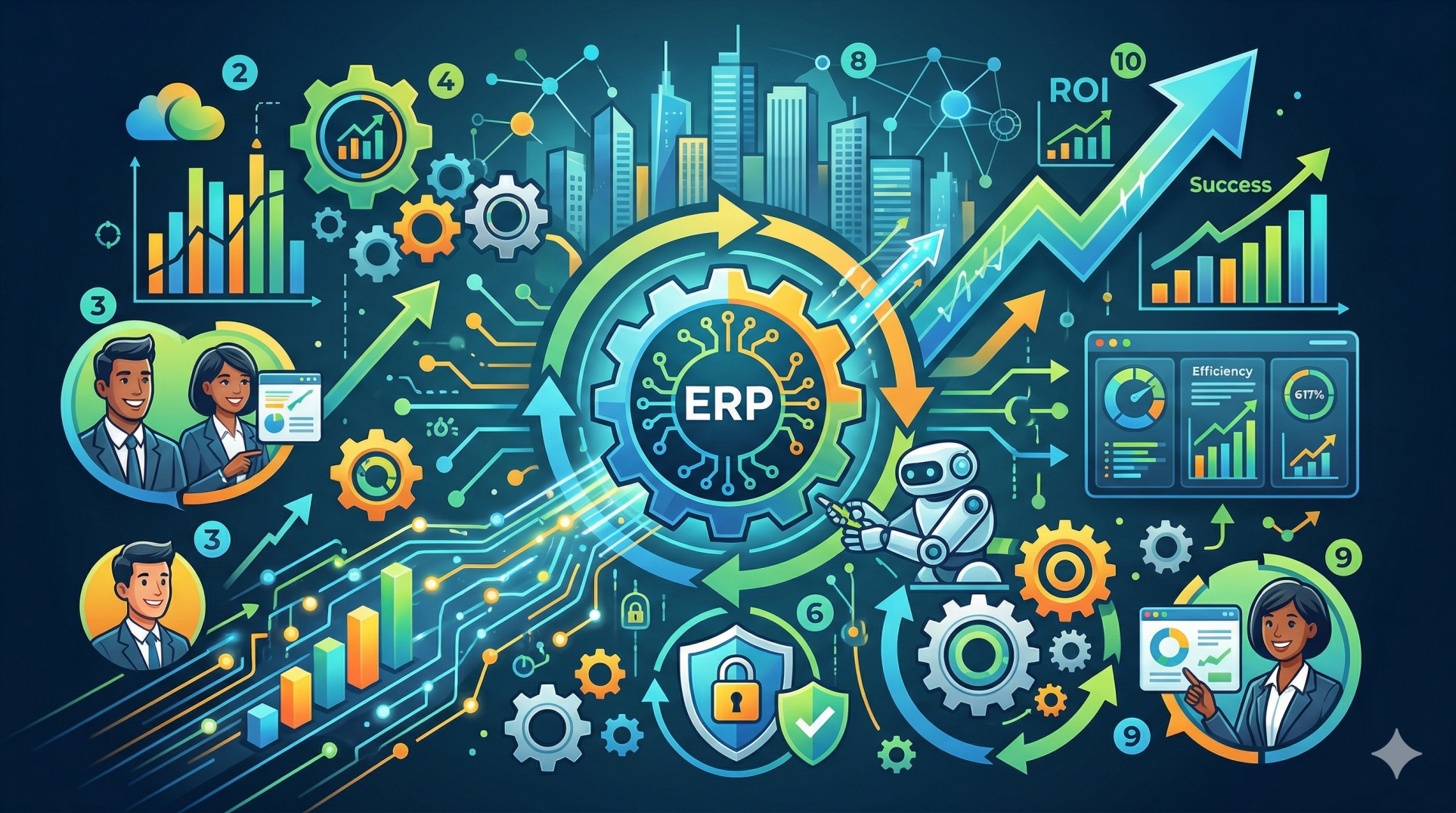
How ERP Enables Real-Time Business Orchestration

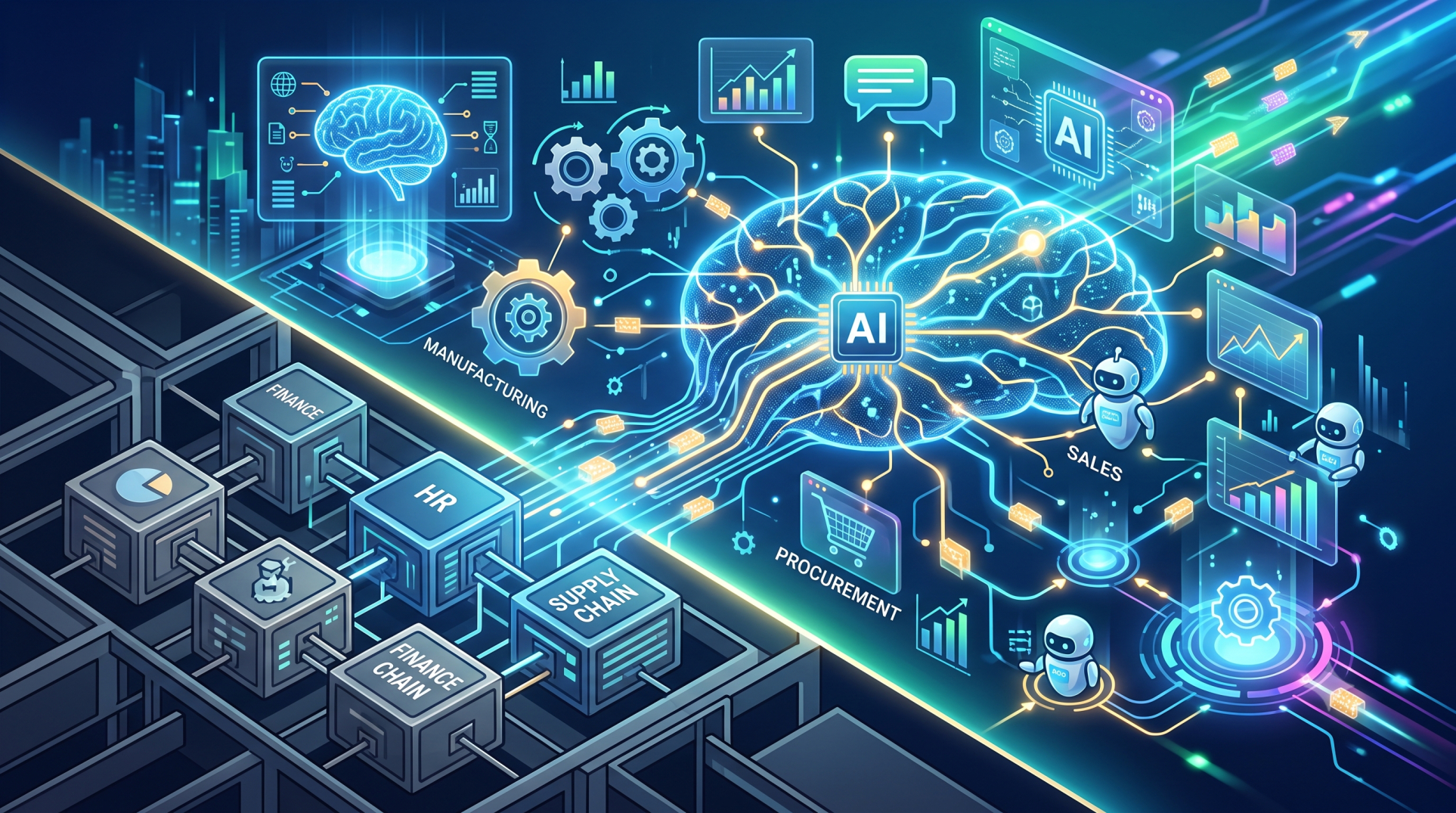
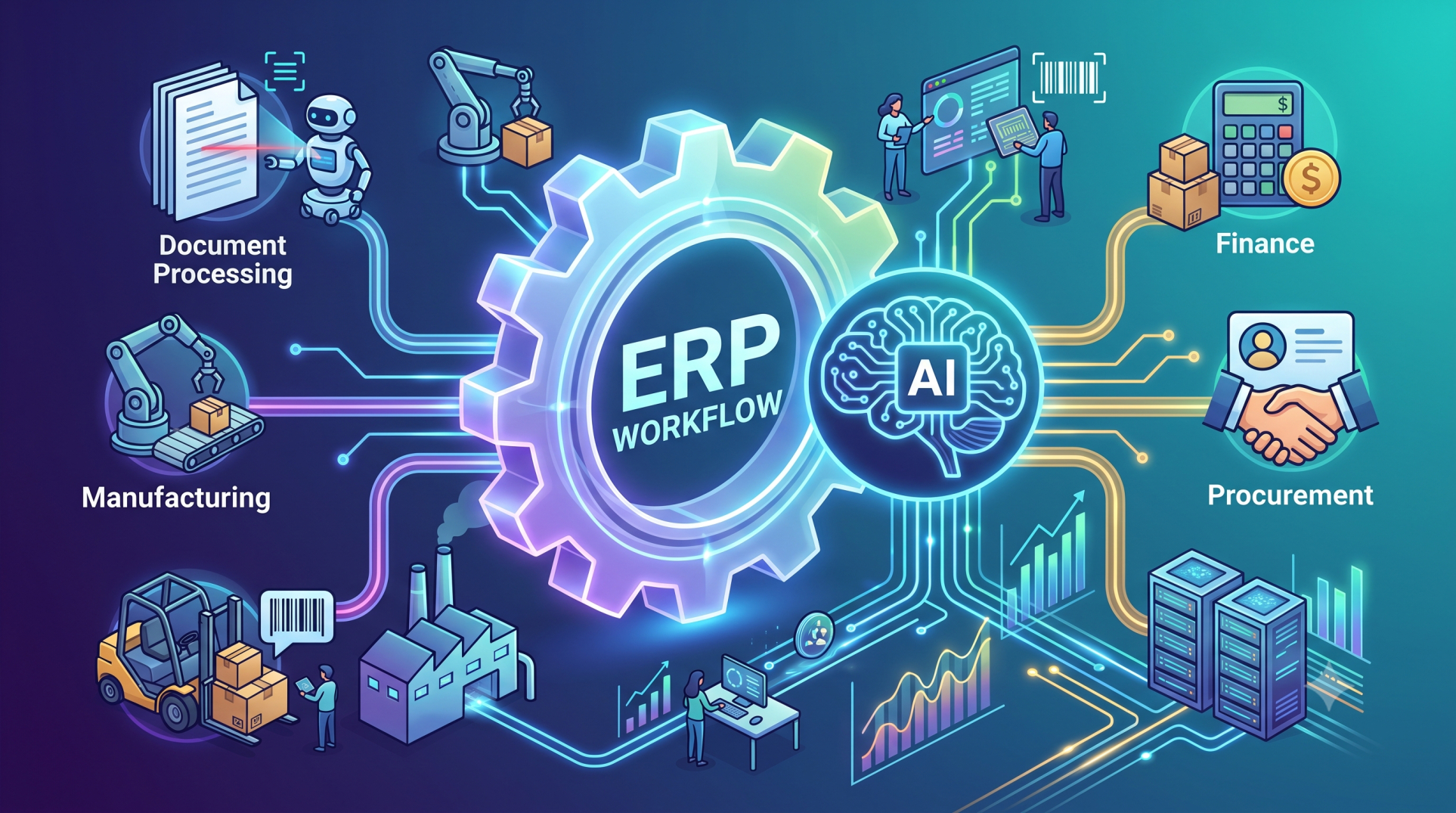
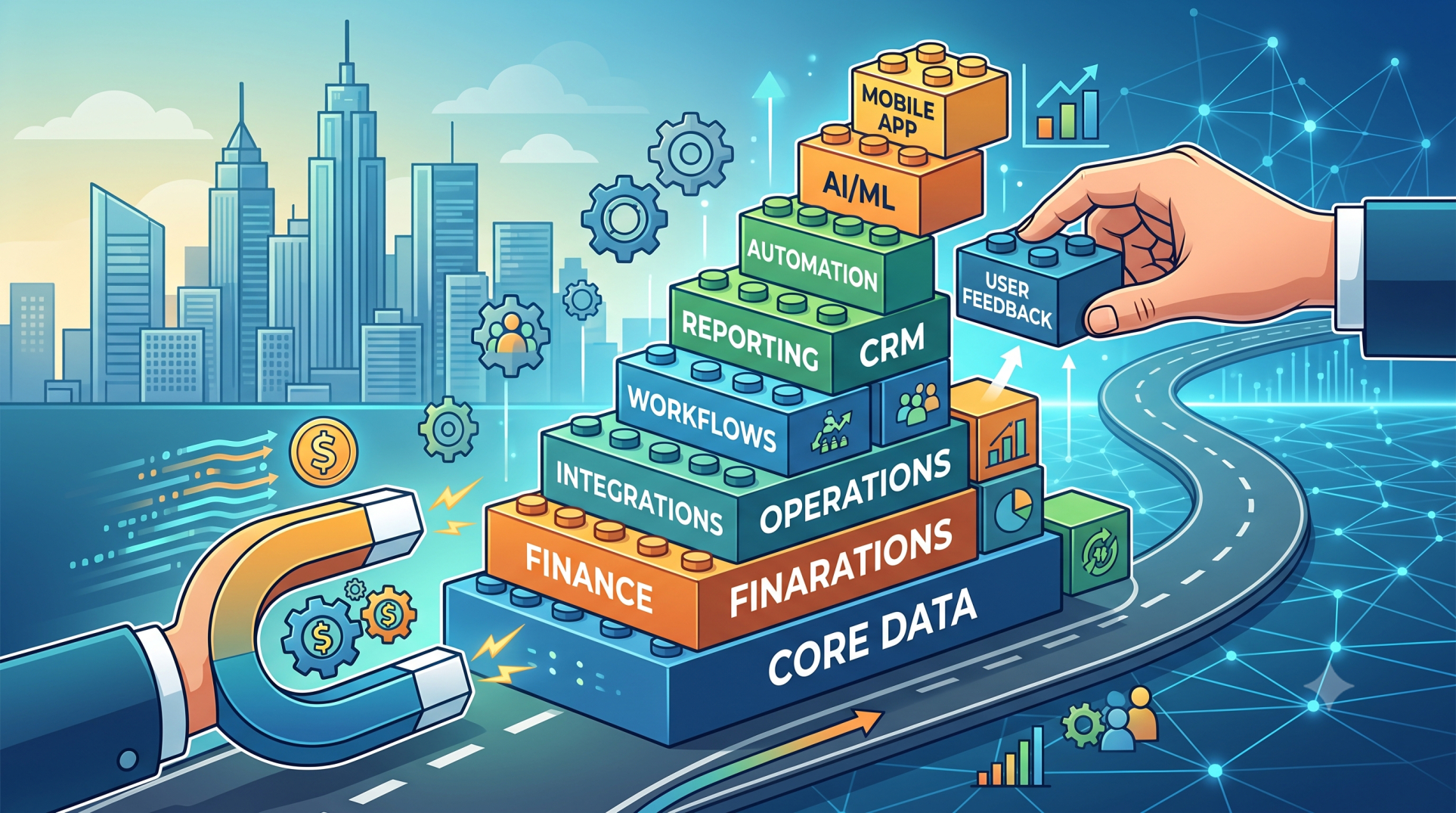
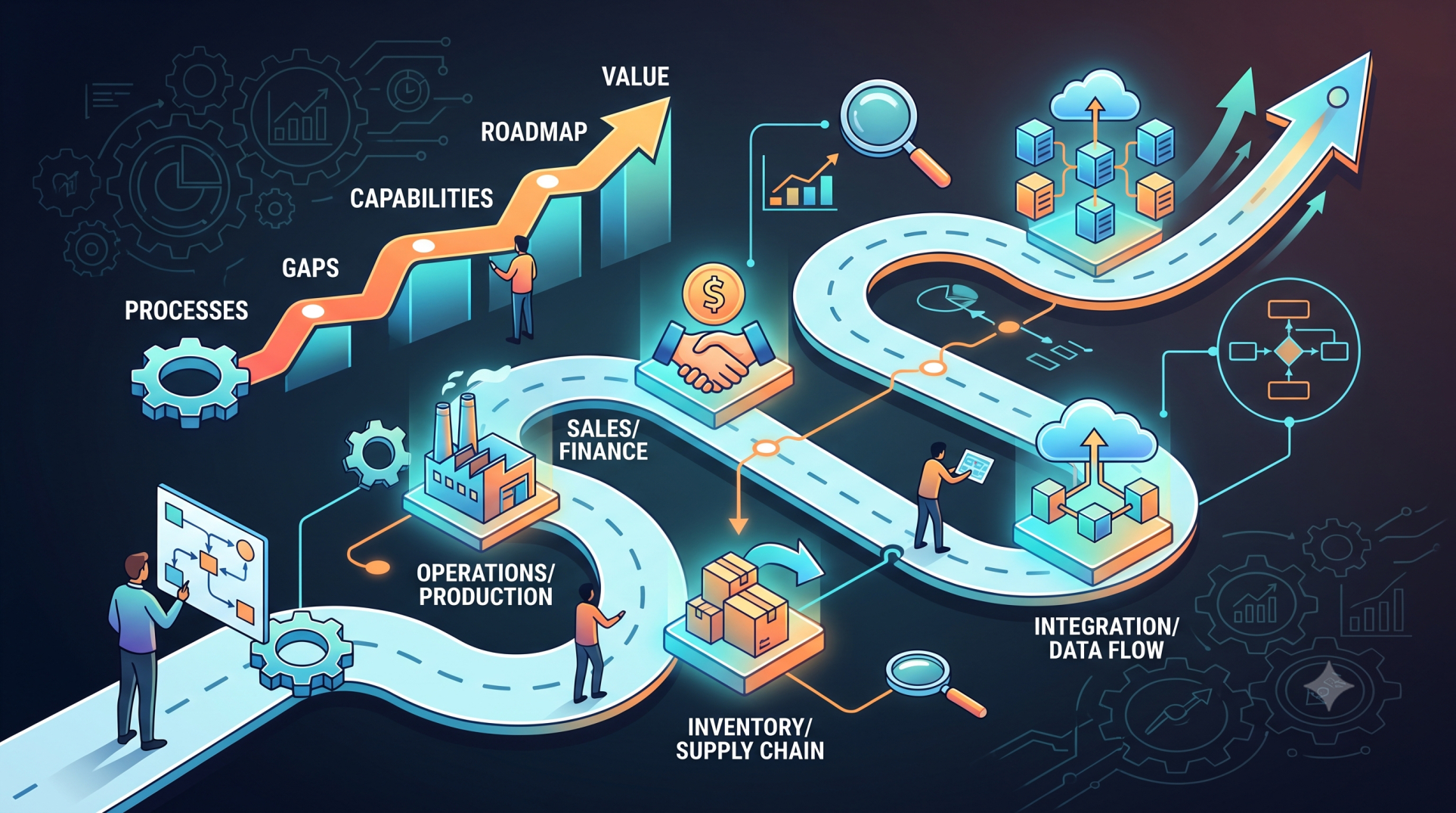
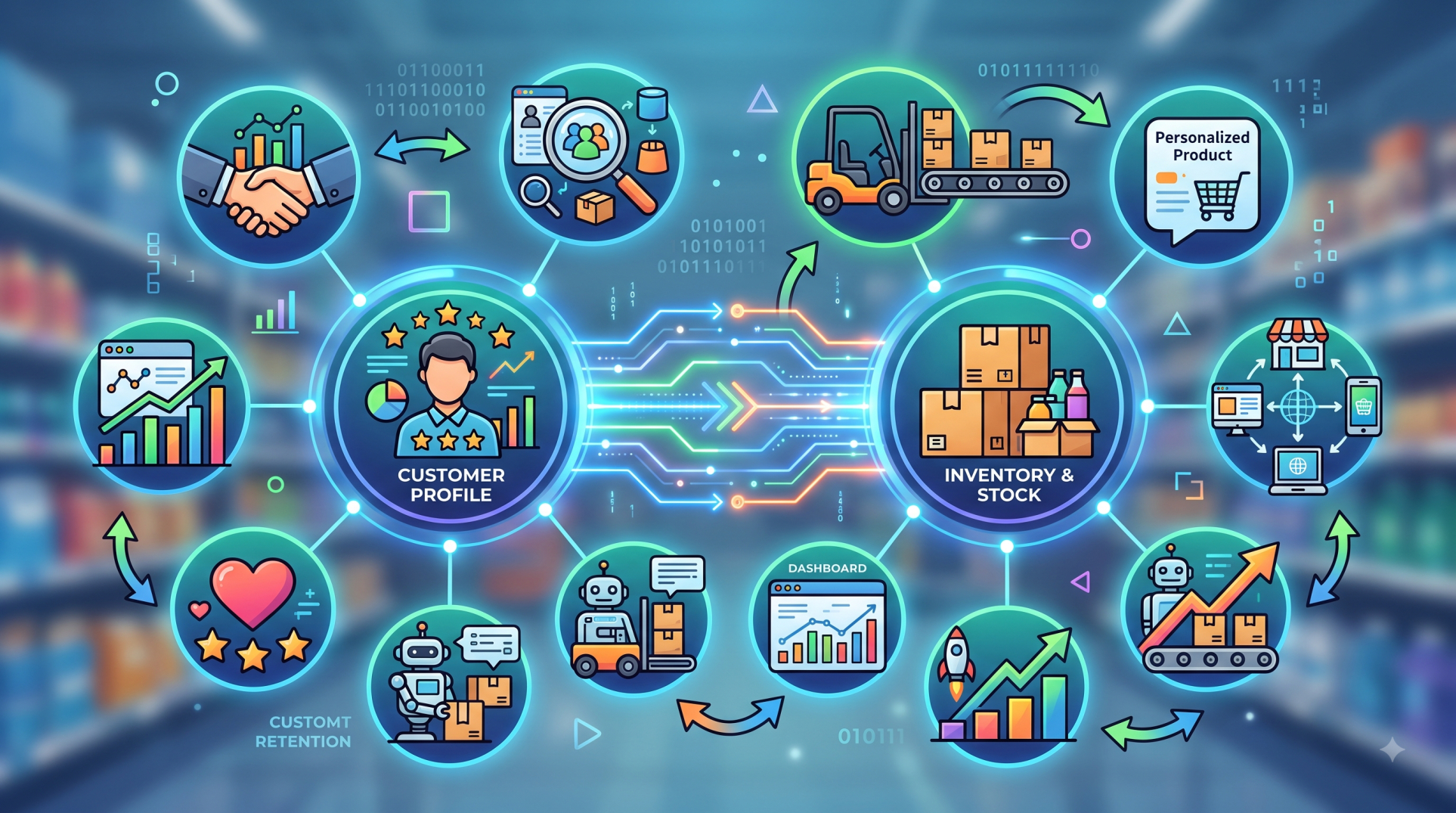
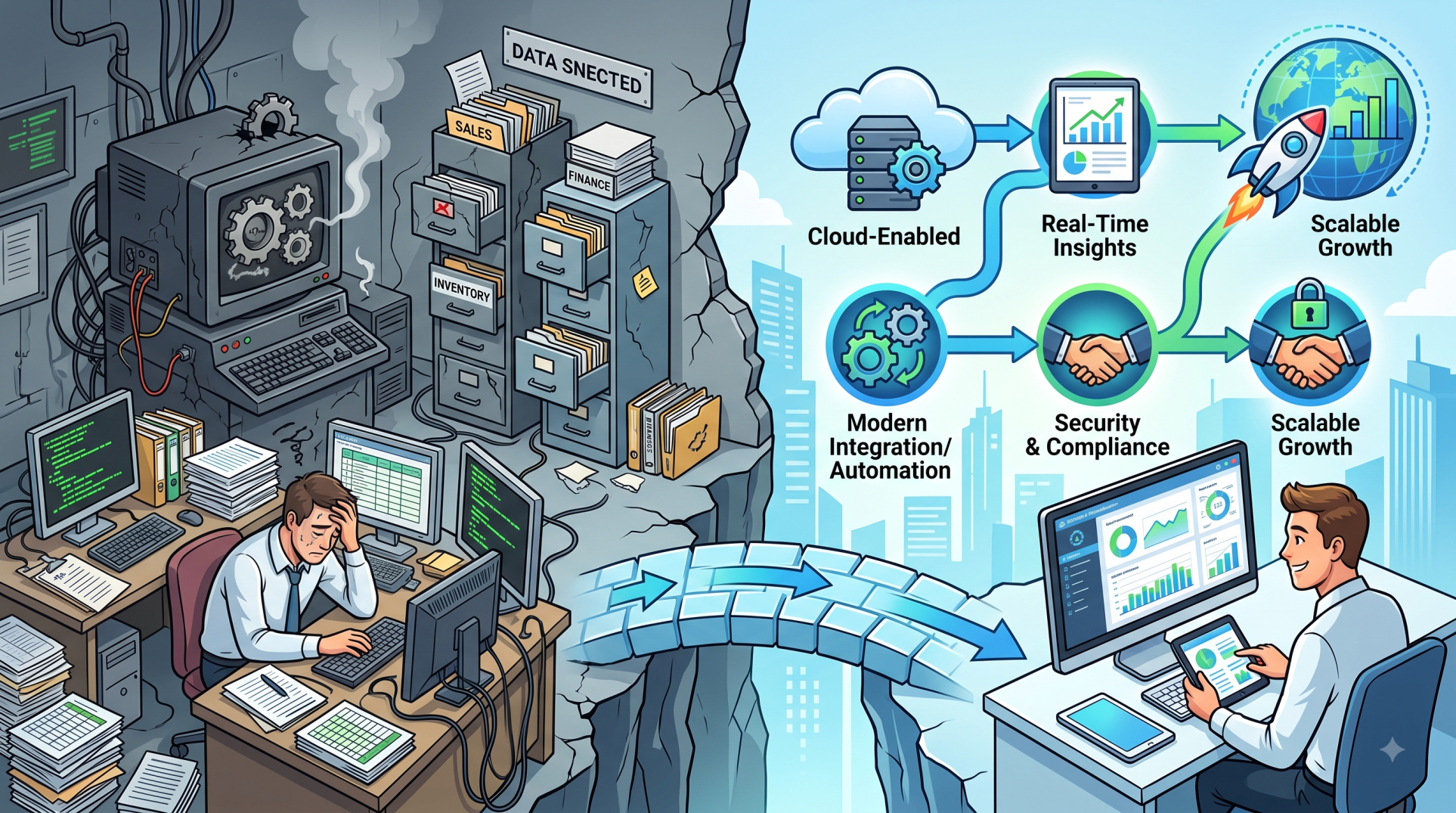
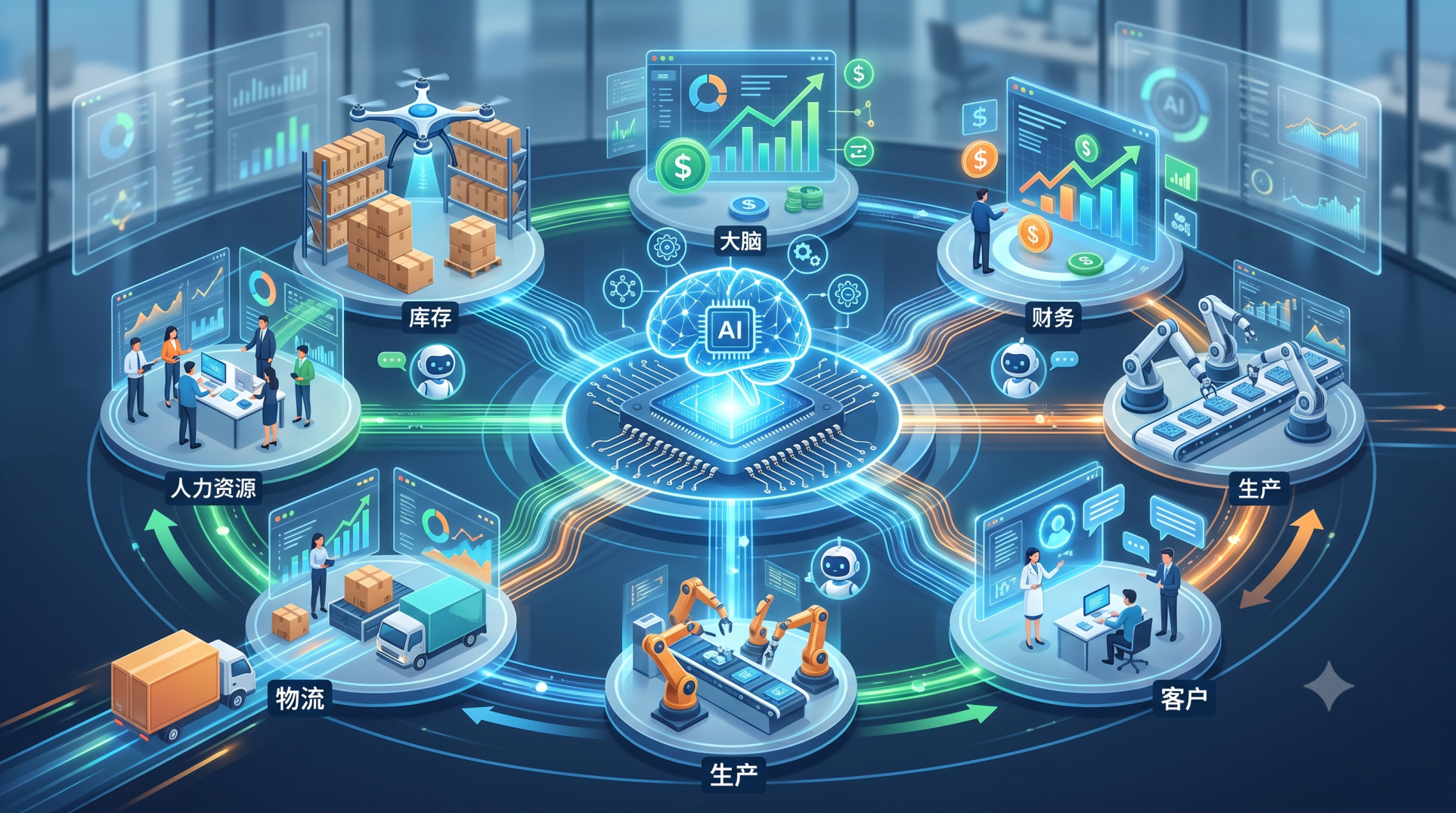
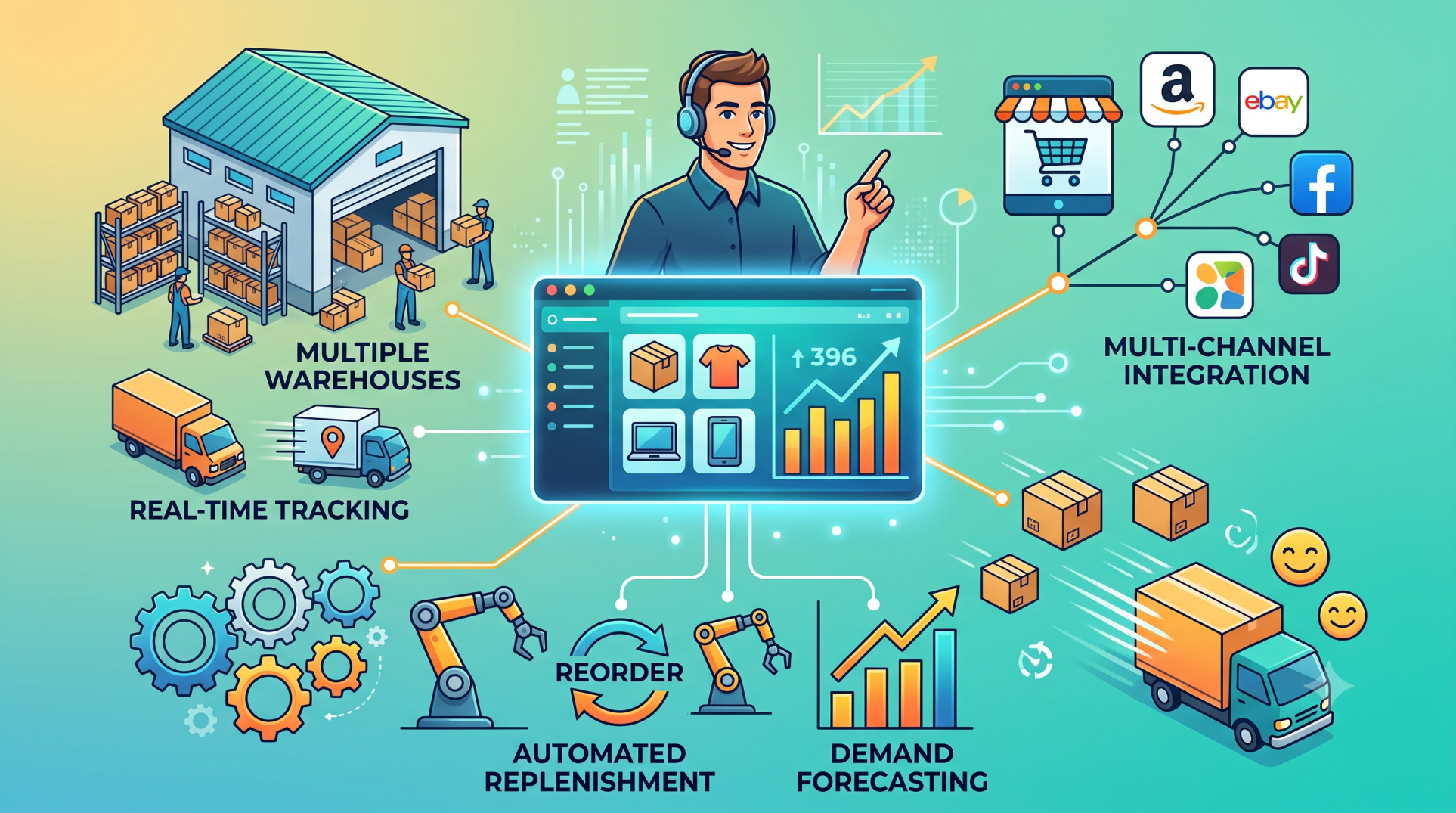
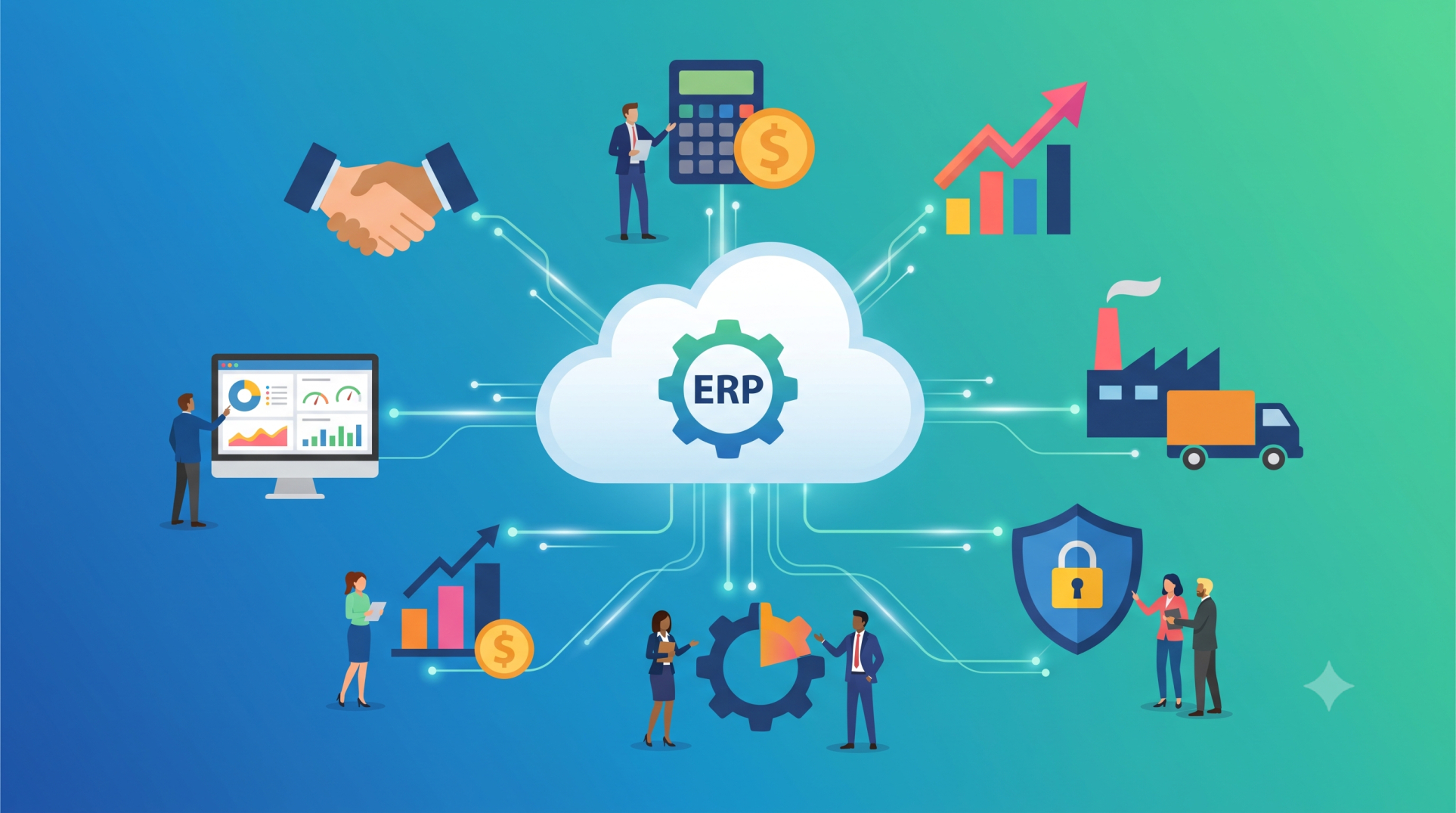
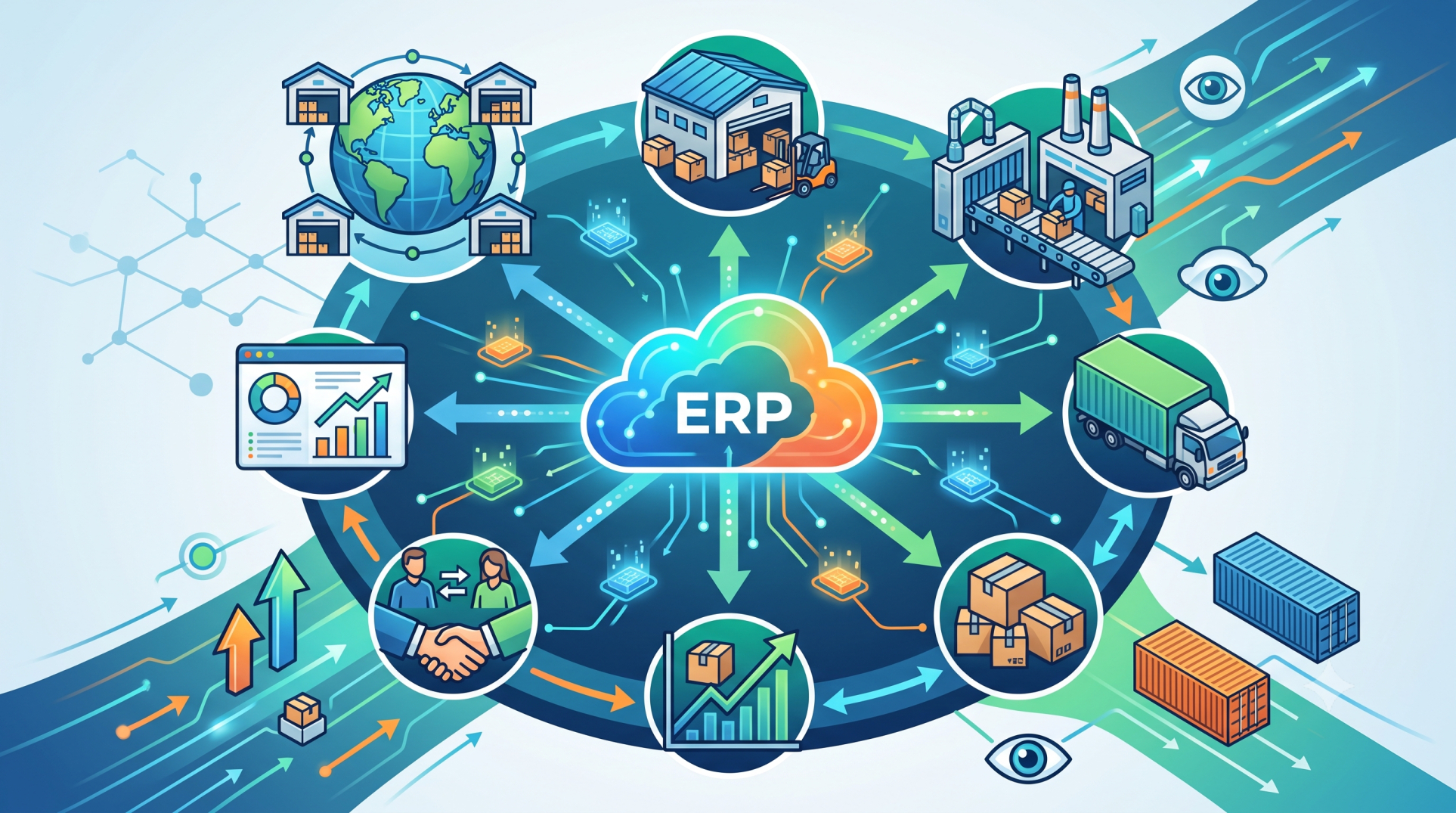
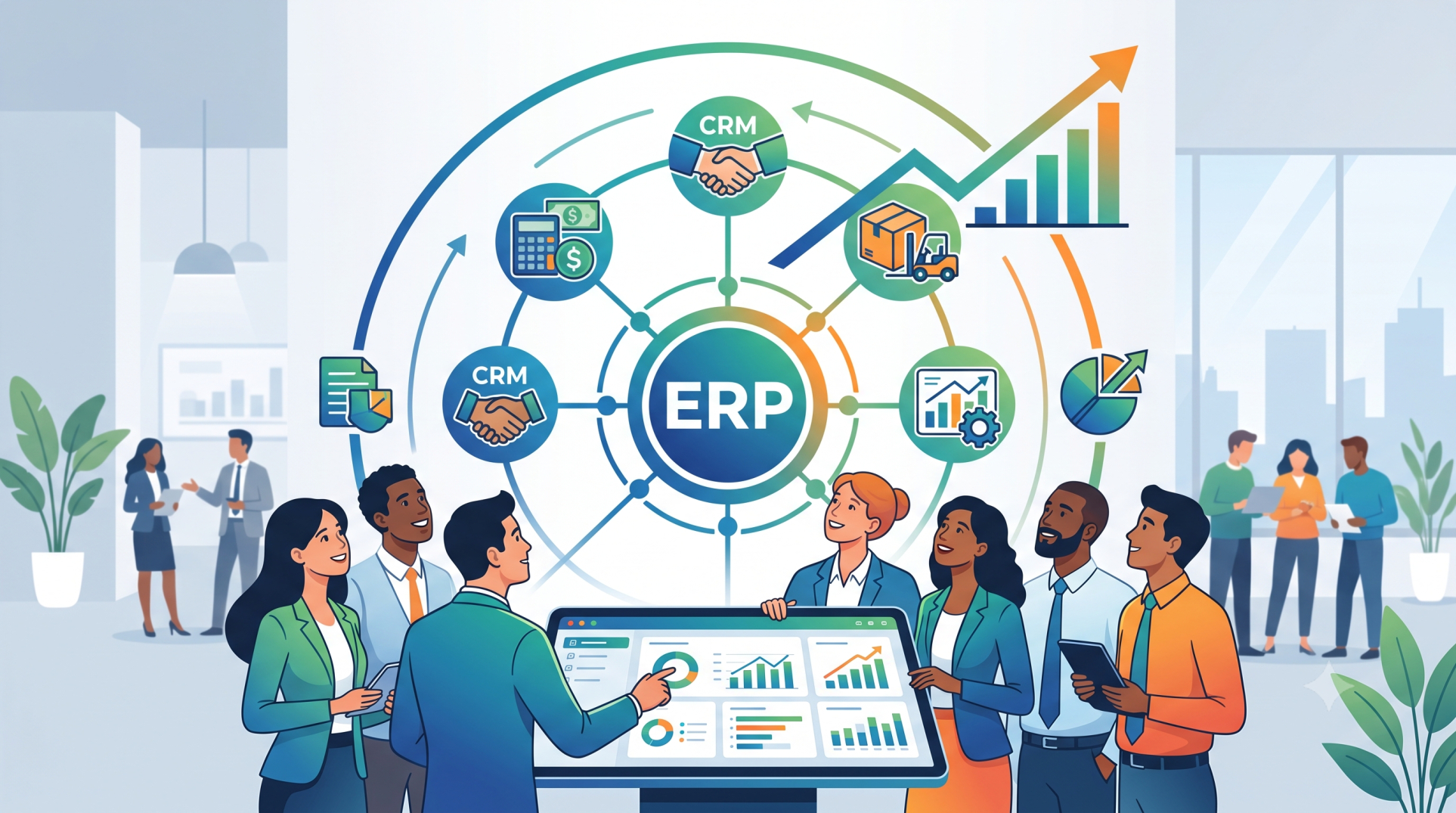
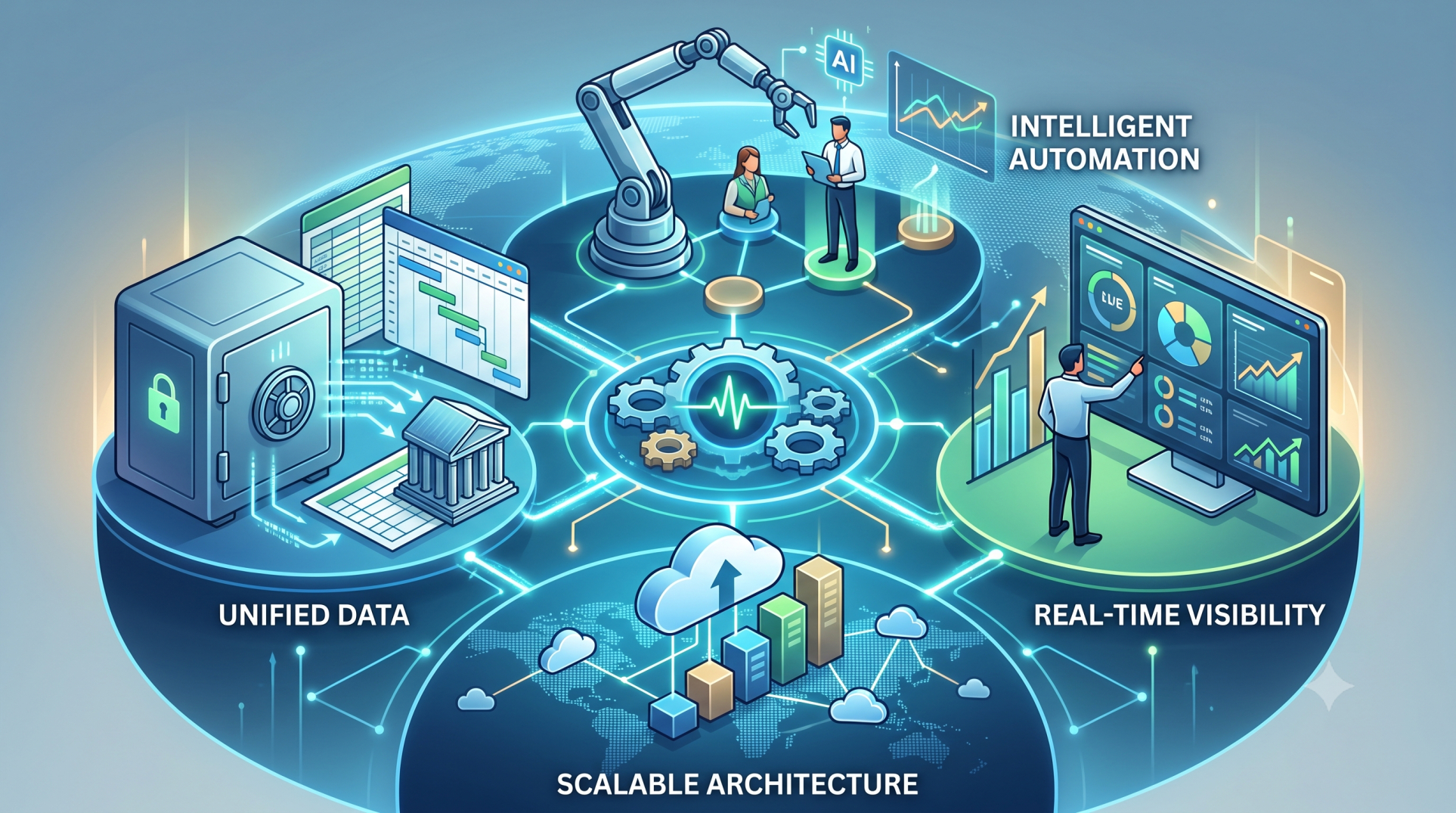
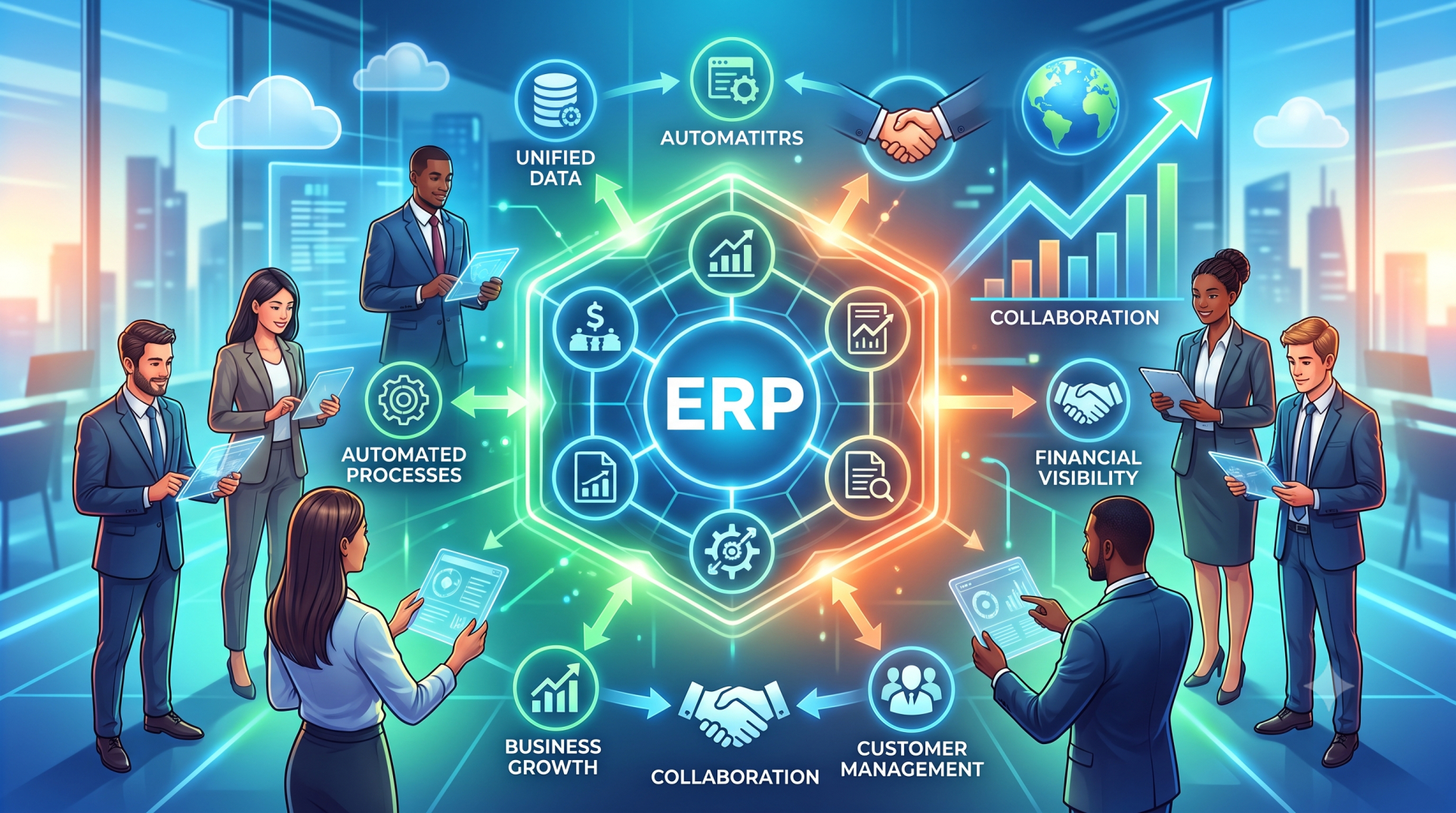
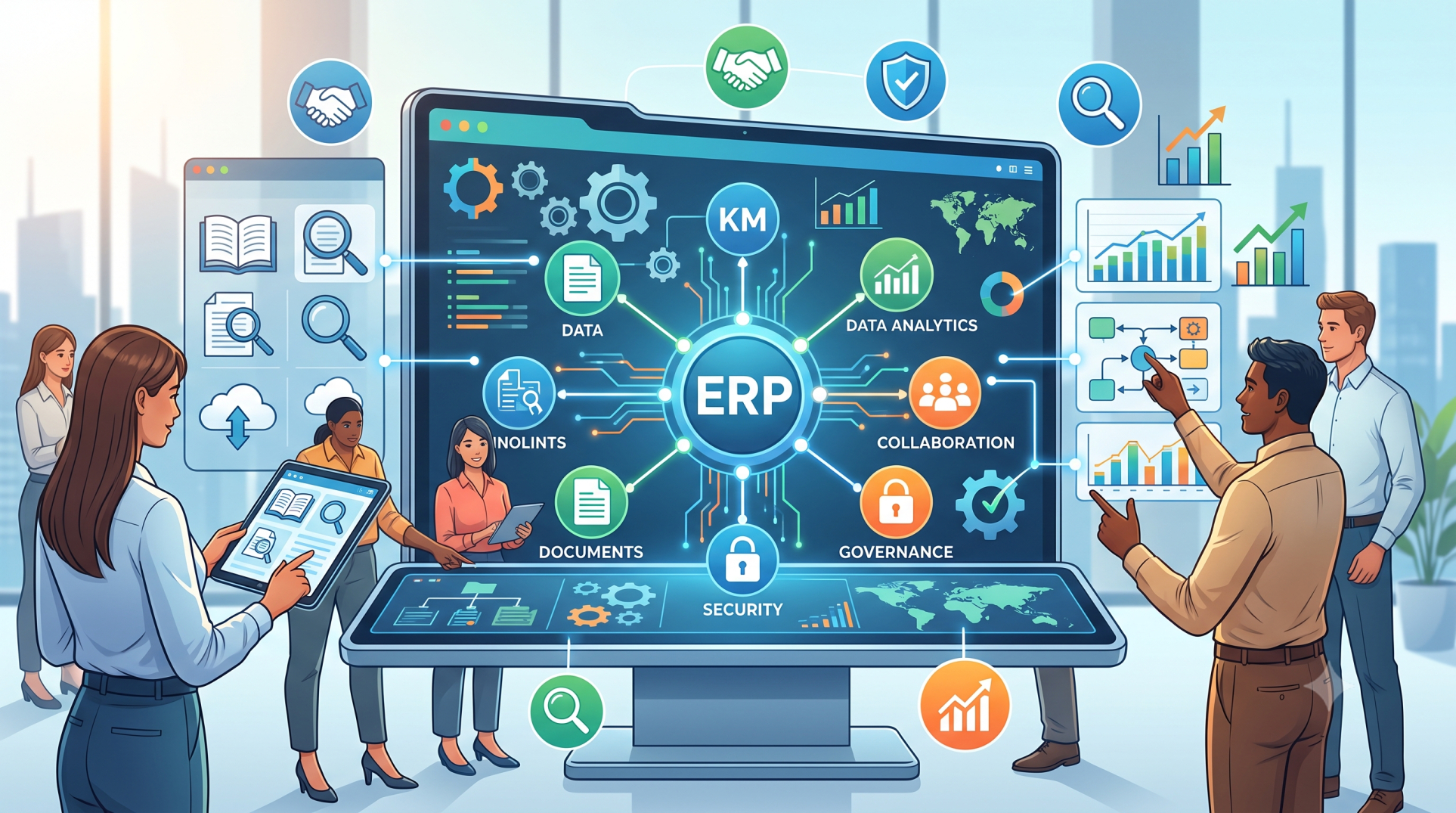
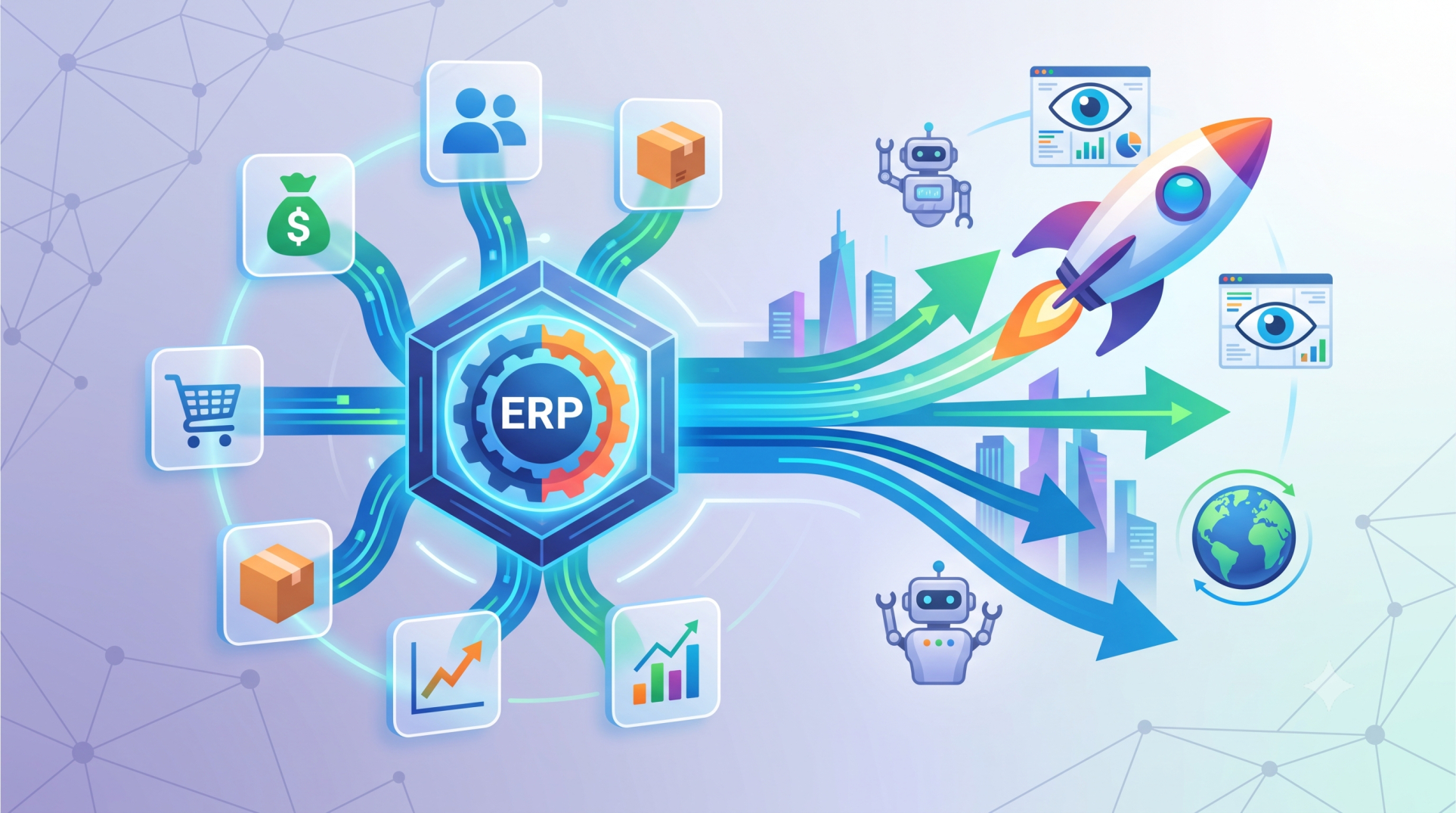
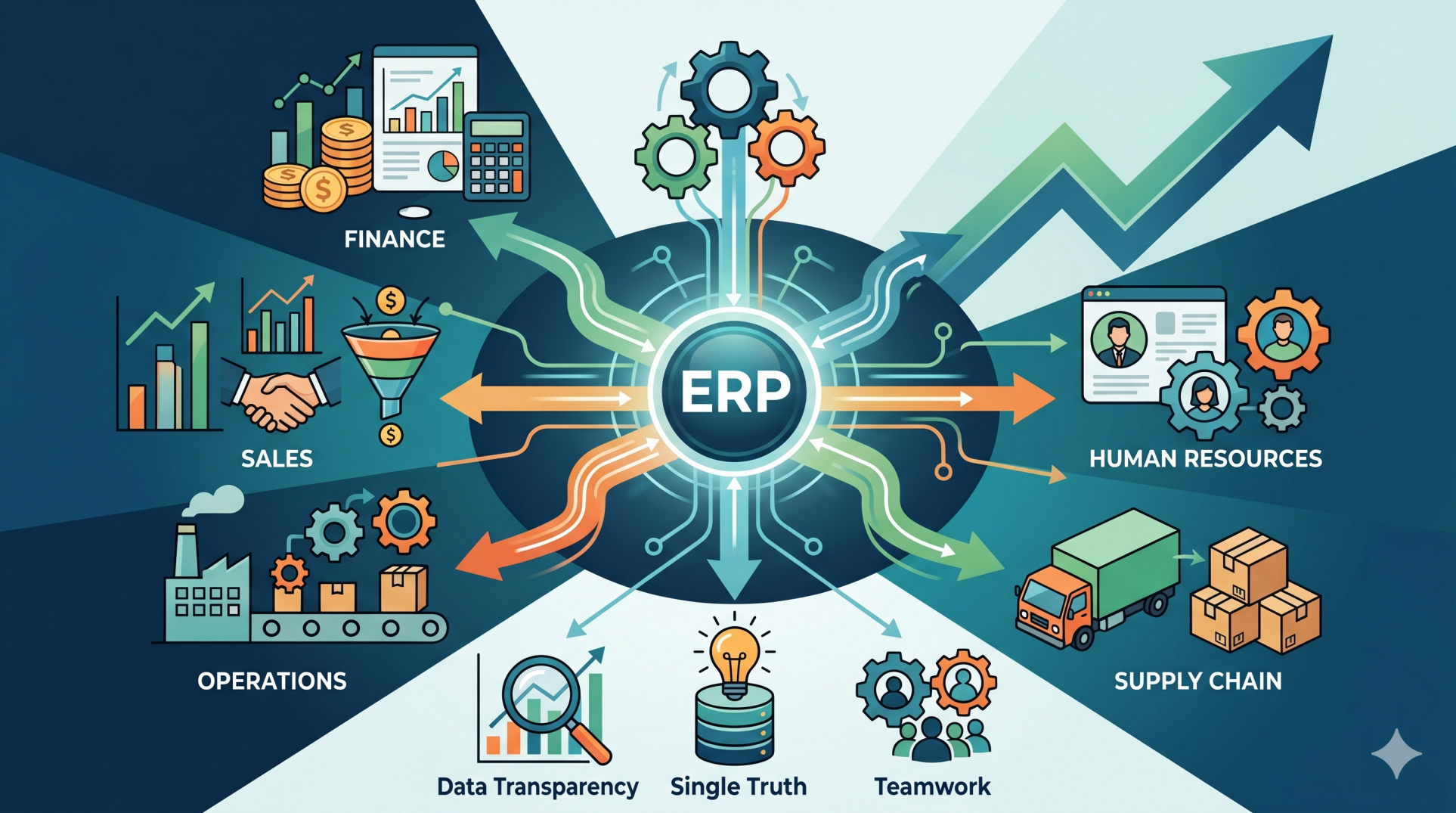
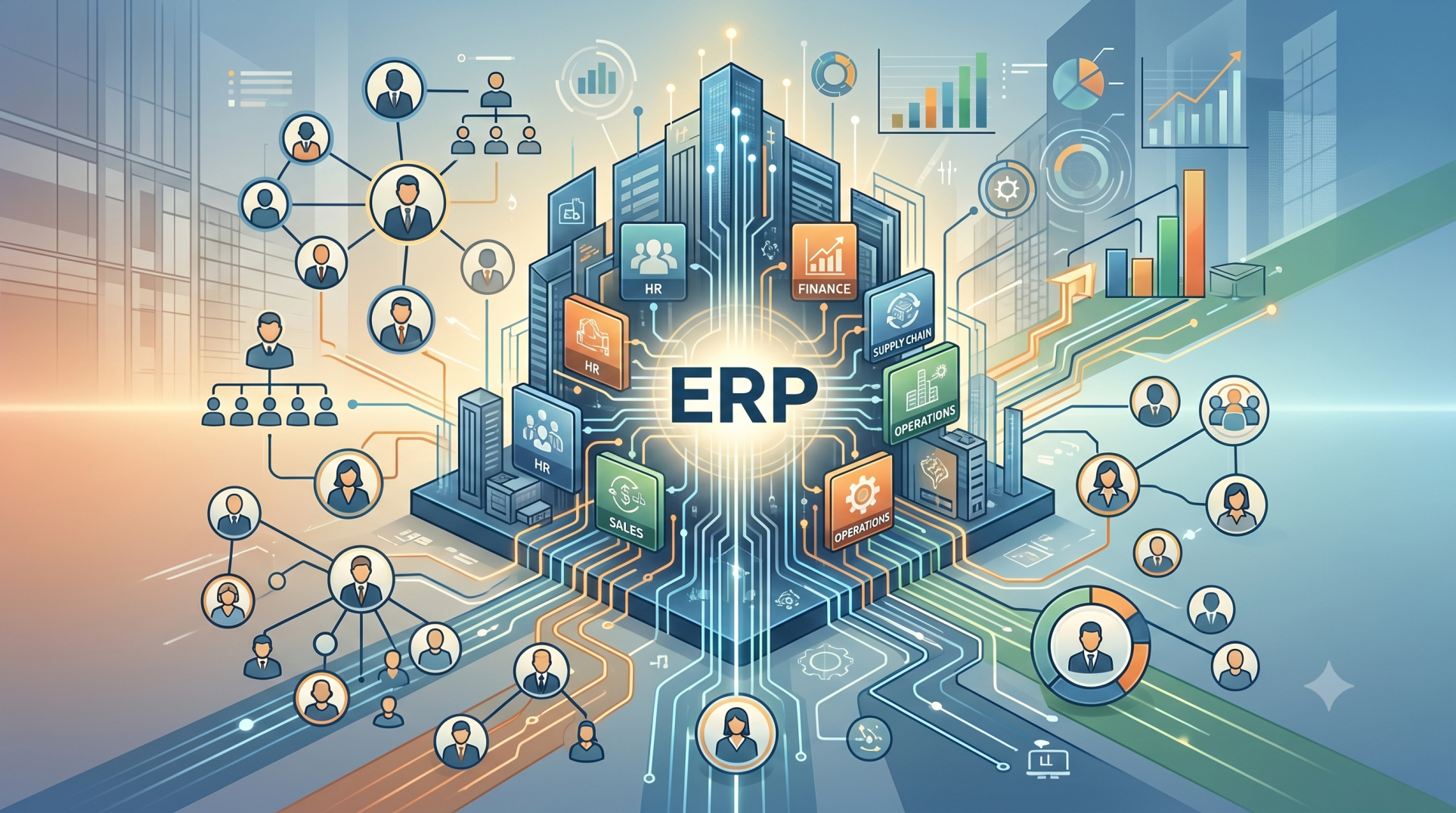
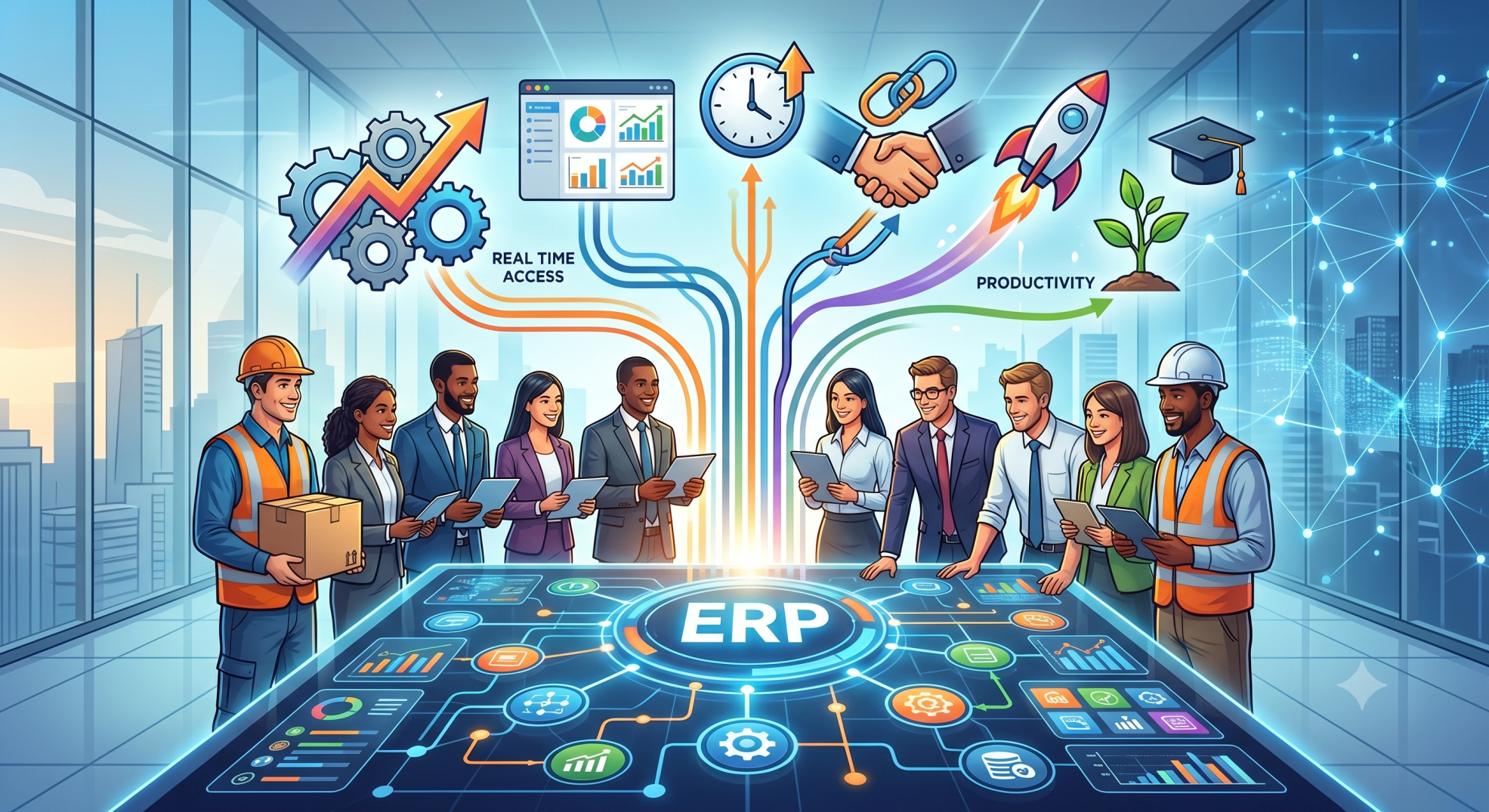
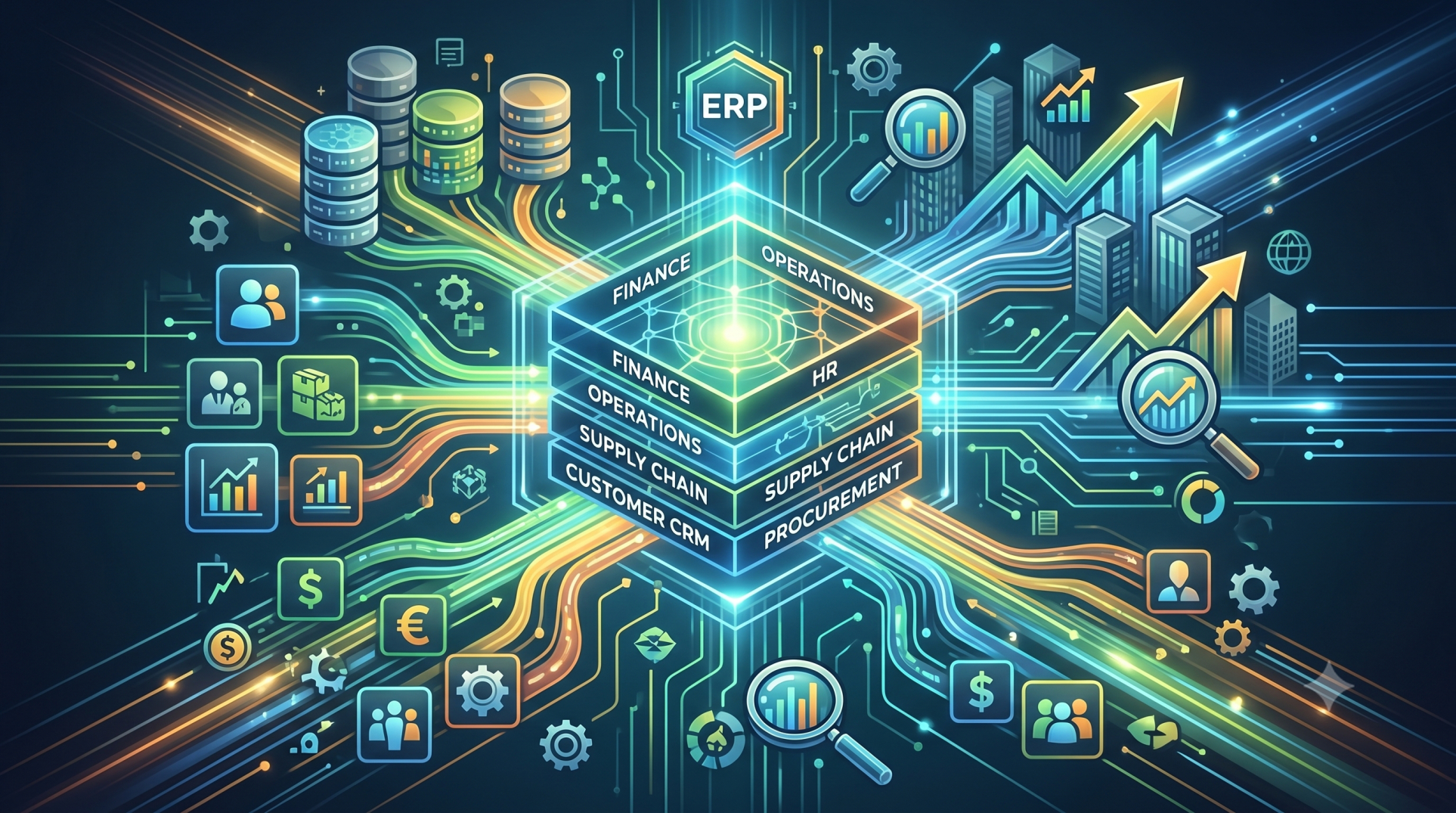
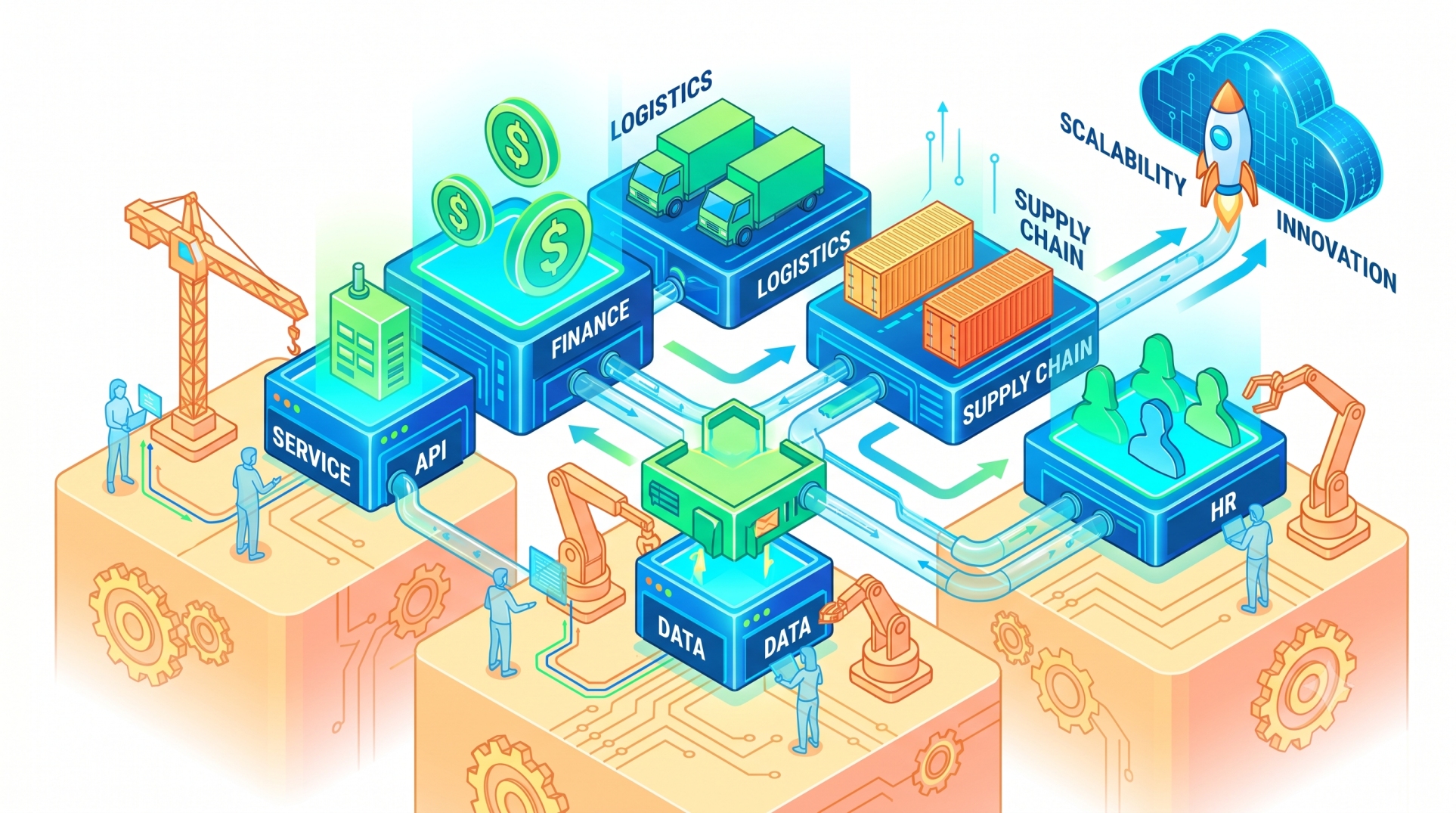
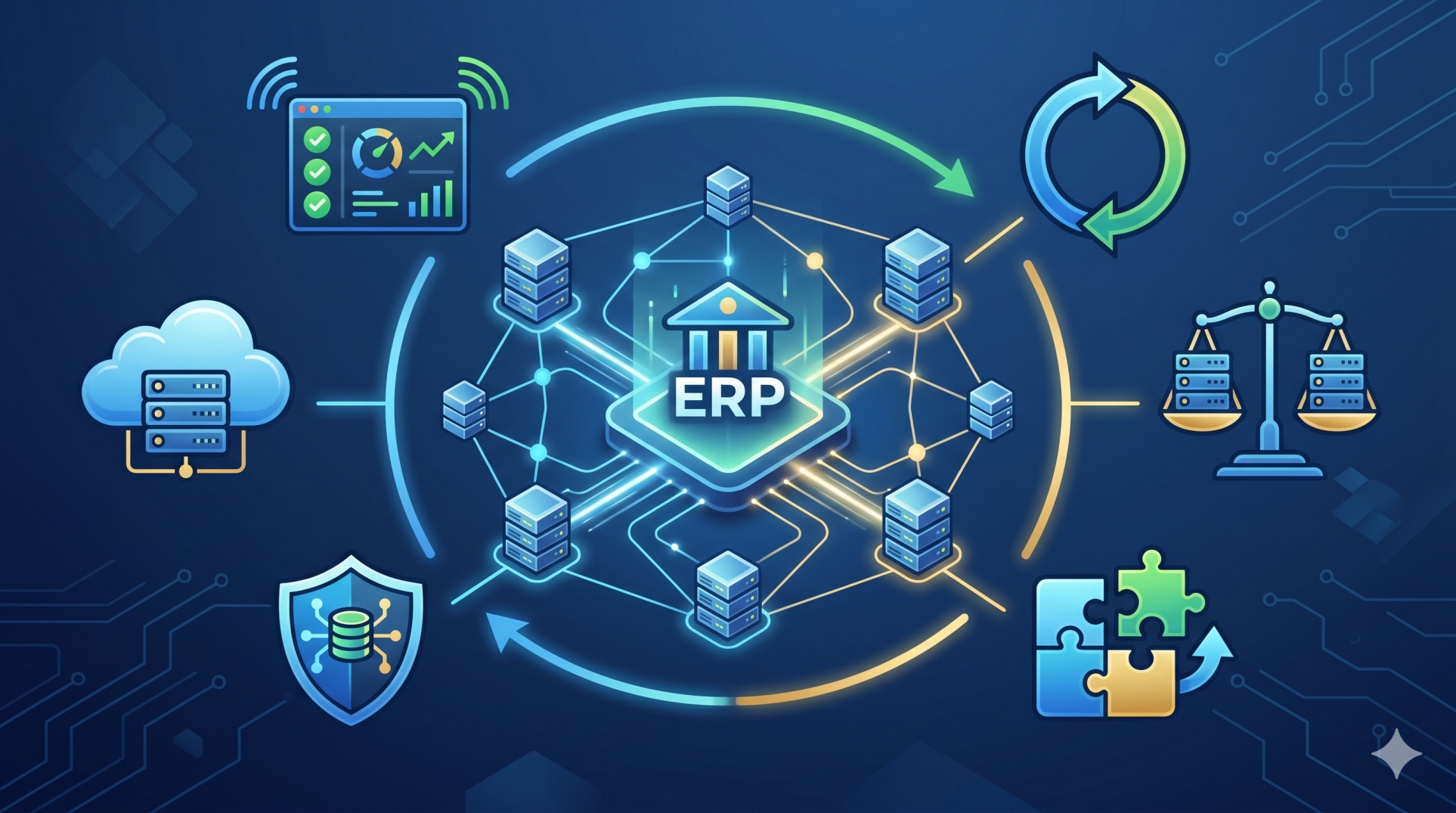
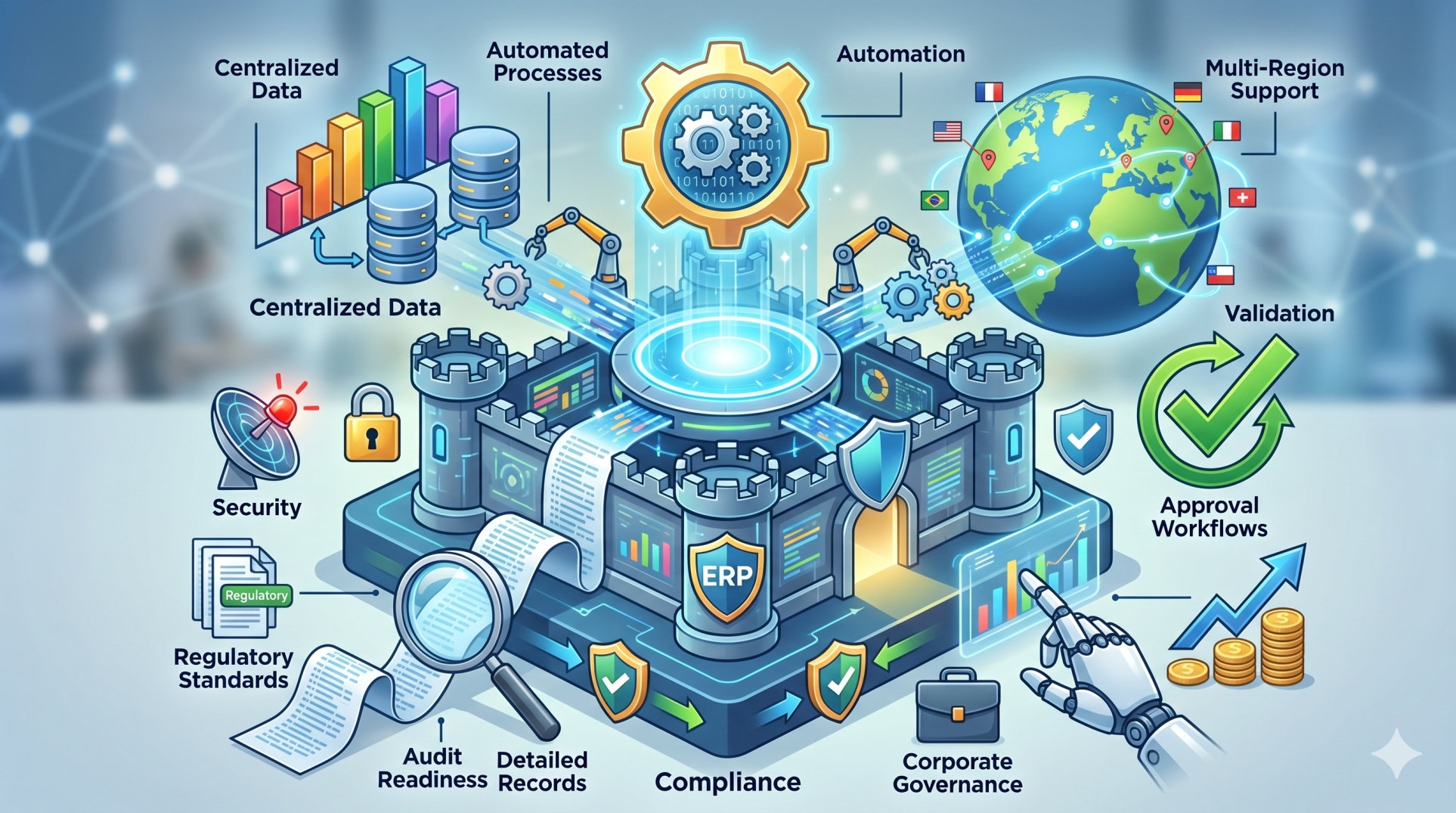
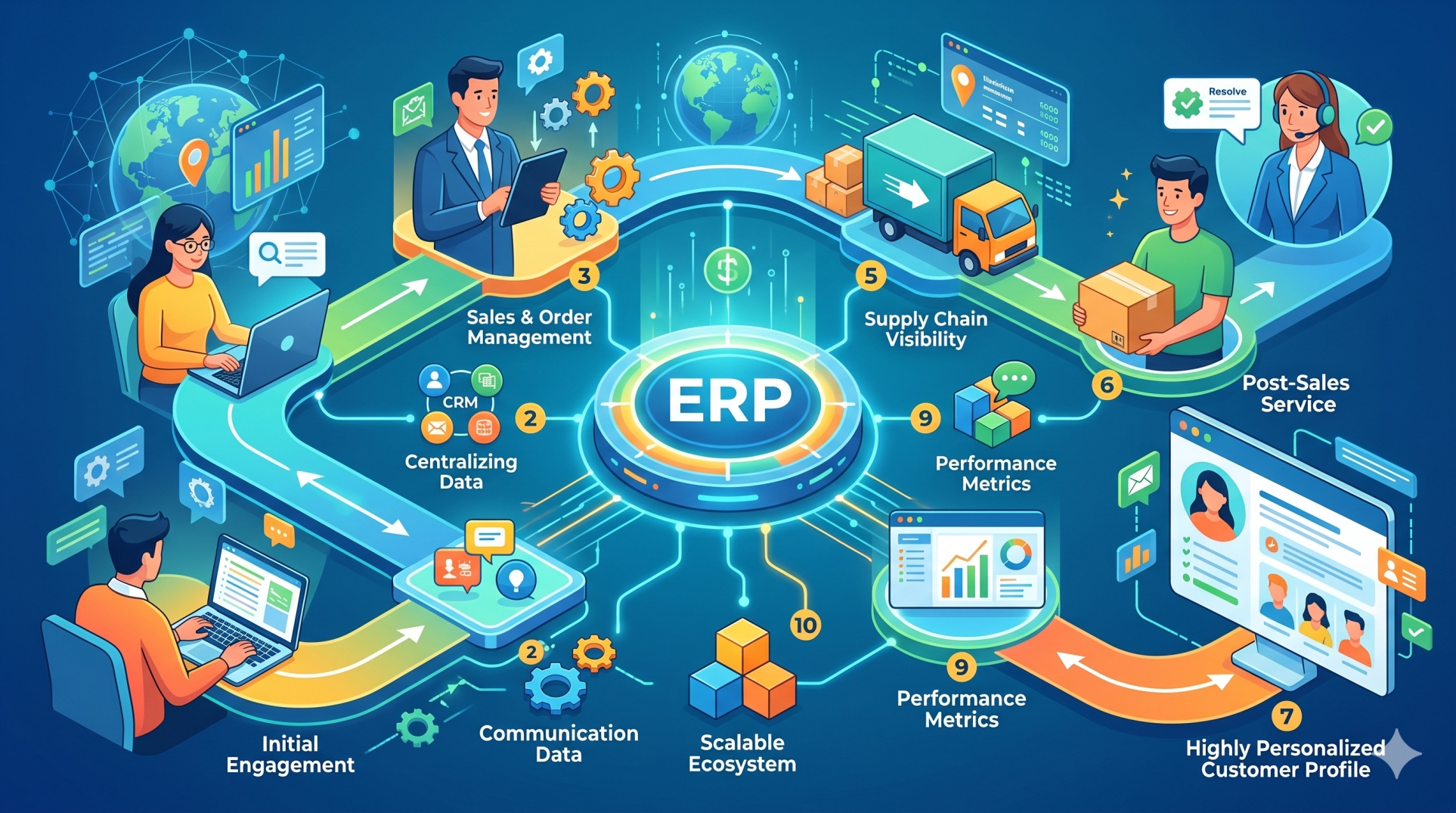
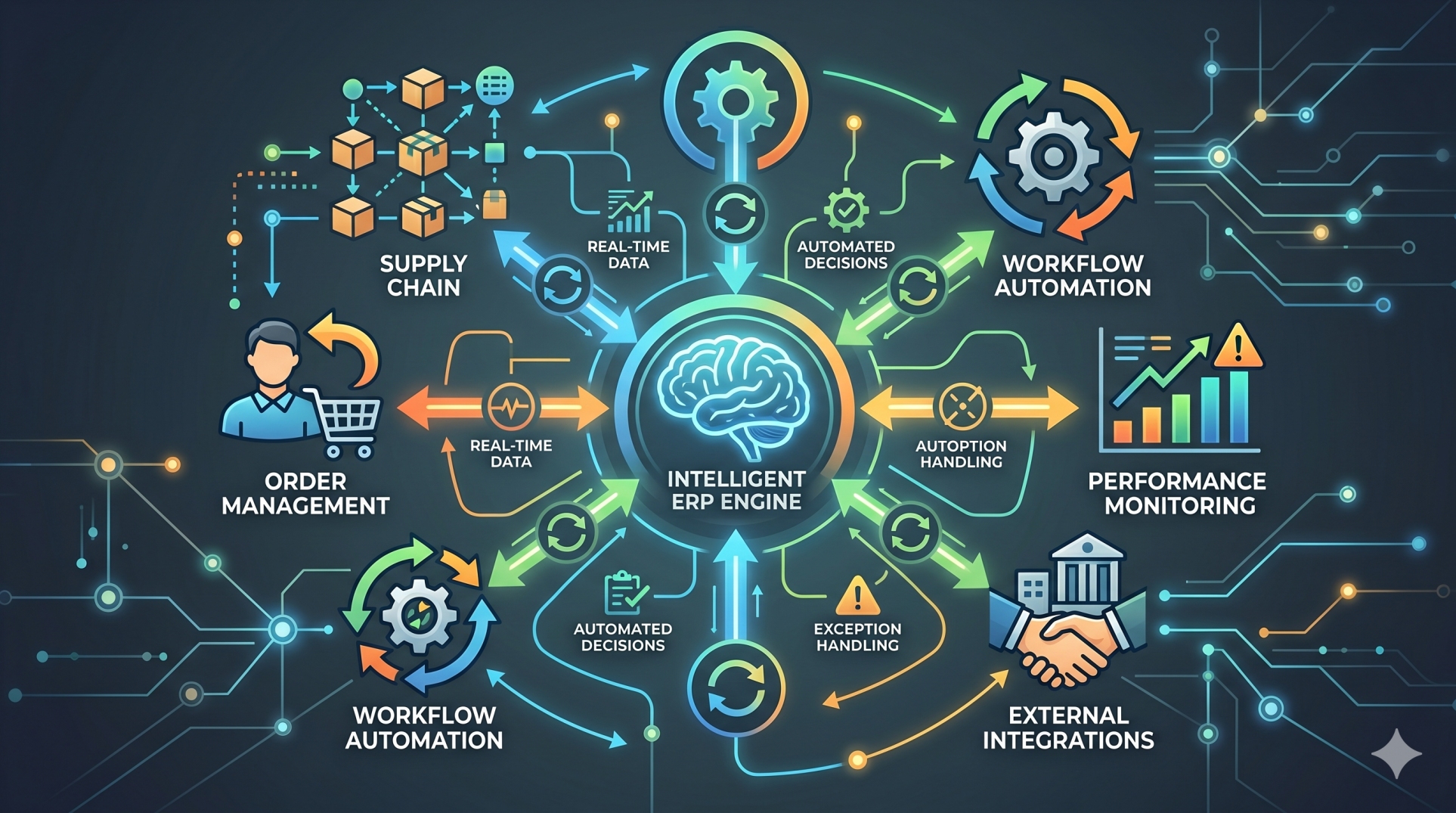
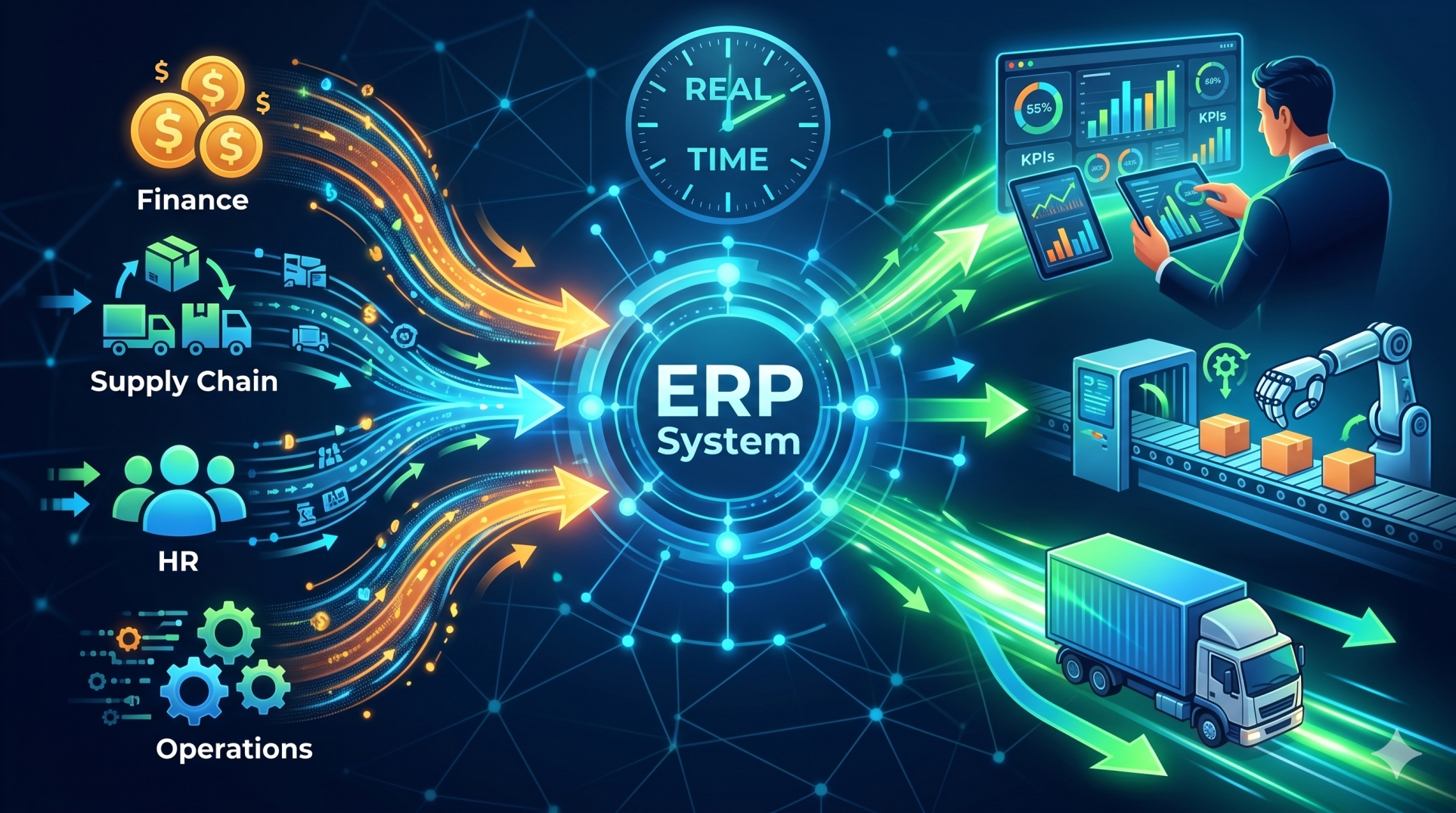
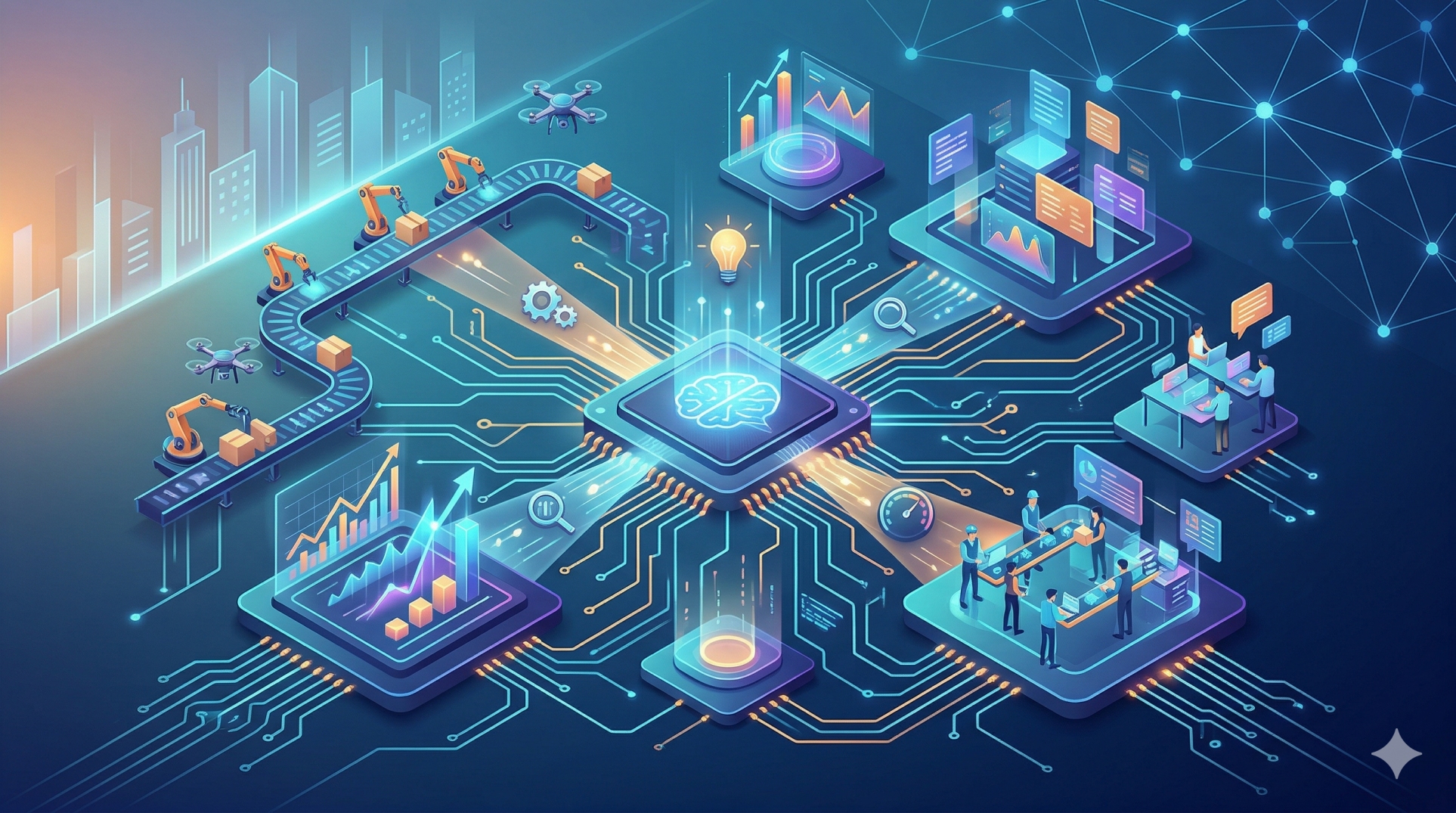
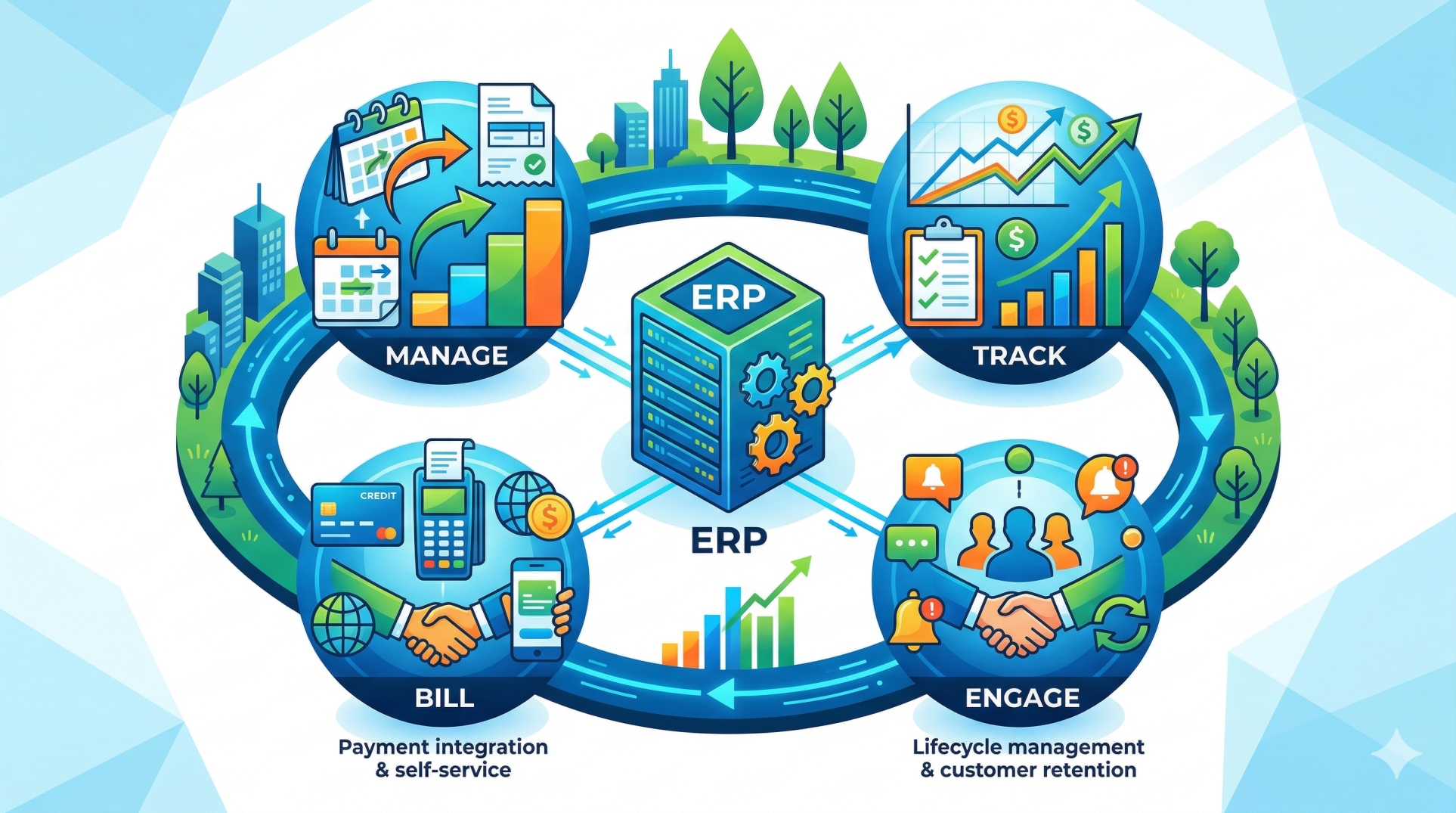
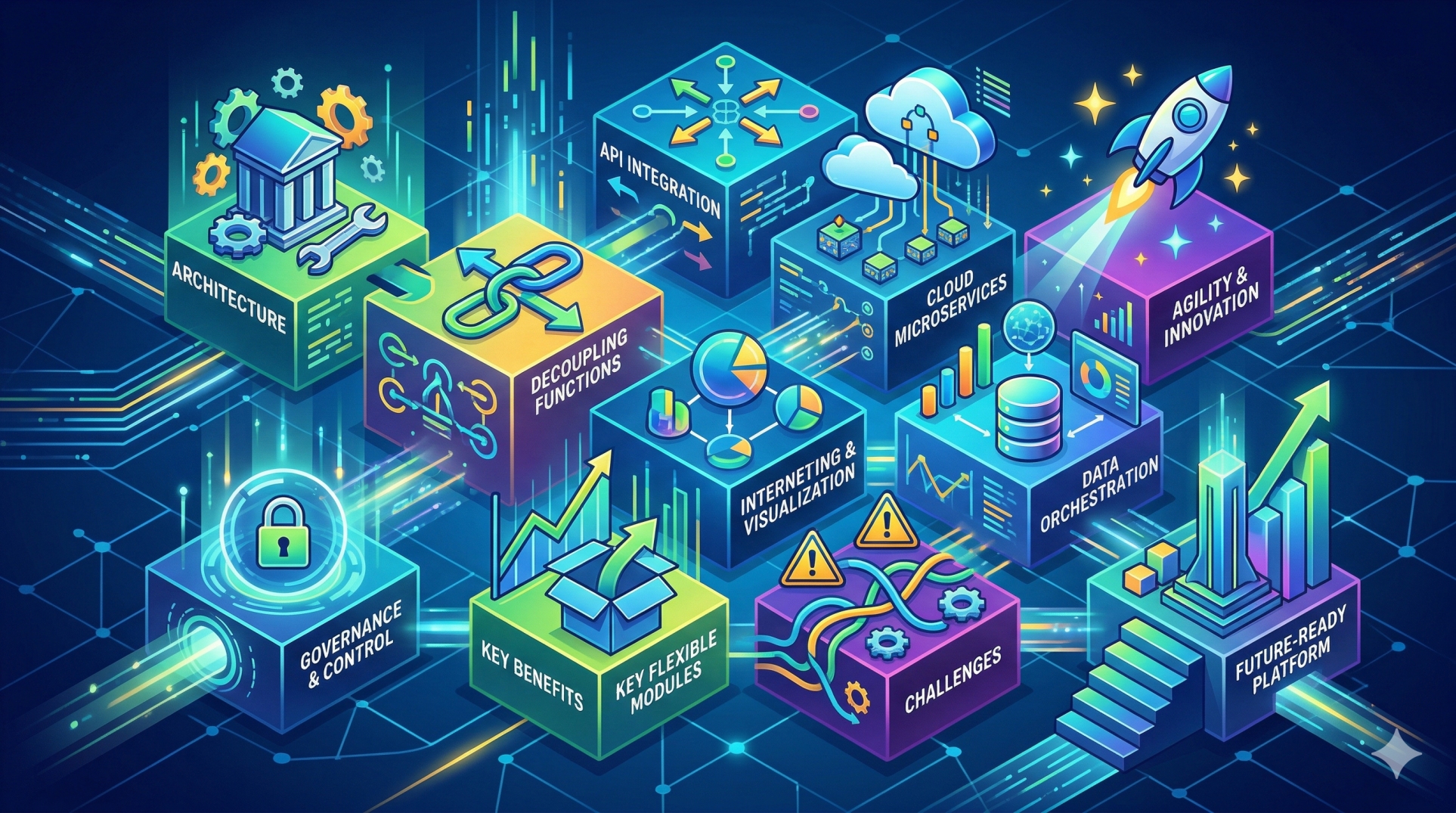
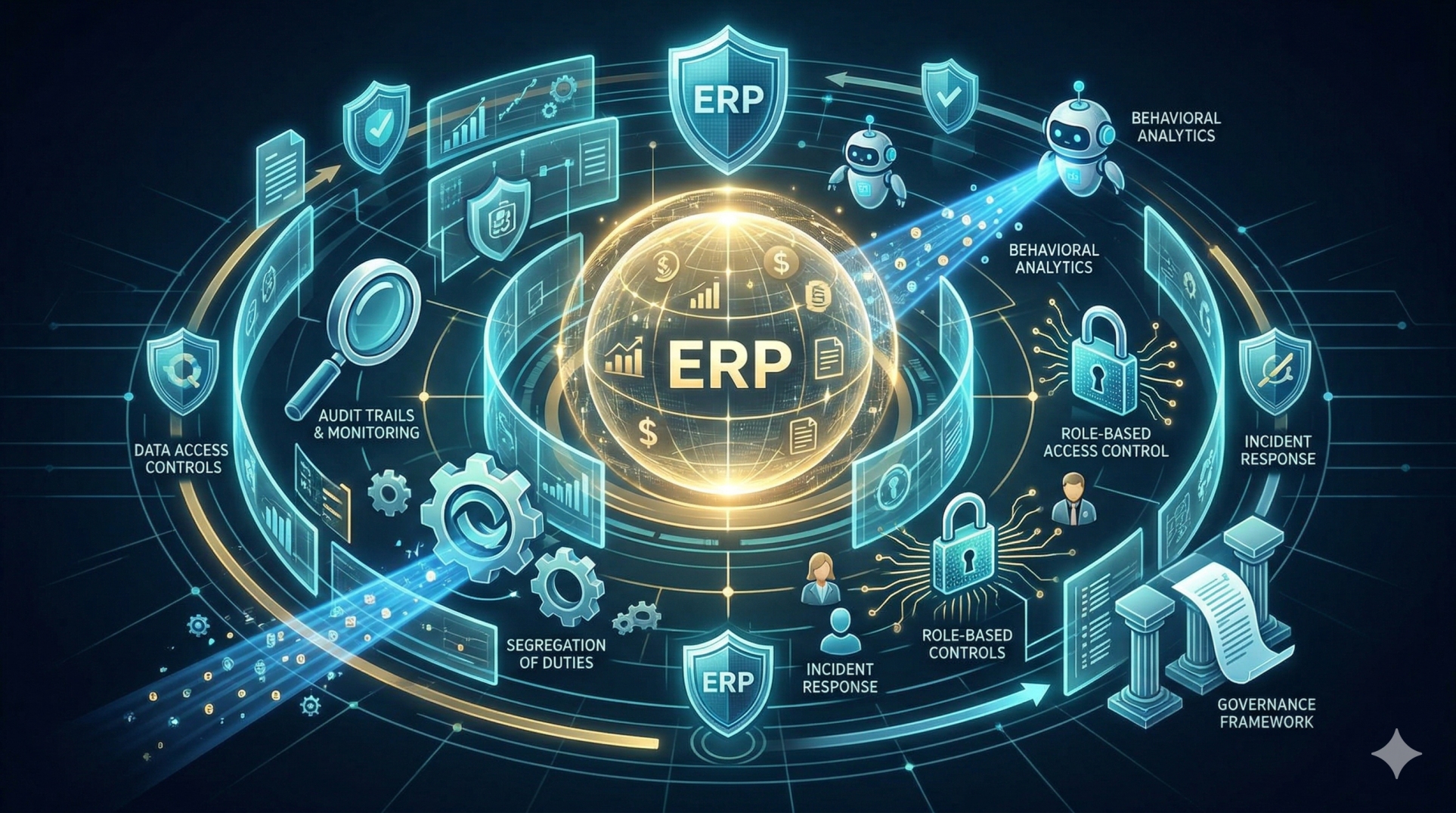
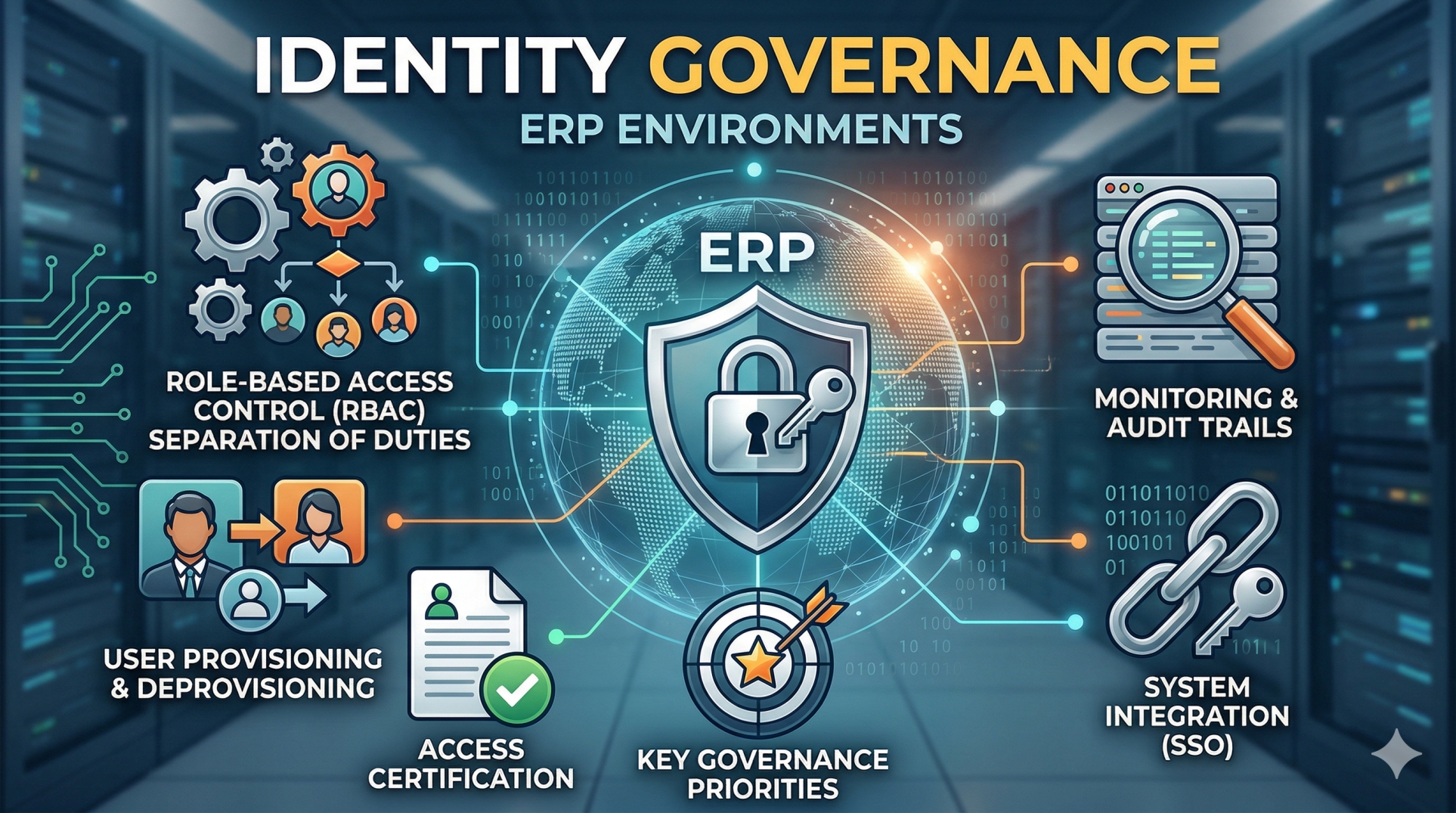
Modern businesses operate in environments where speed, coordination, and visibility determine competitive advantage. Enterprise Resource Planning systems have evolved beyond back-office automation to become real-time orchestration engines. By unifying processes, synchronizing data, and enabling intelligent workflows, ERP platforms coordinate operations across departments, ensuring the organization functions as a connected and responsive system.
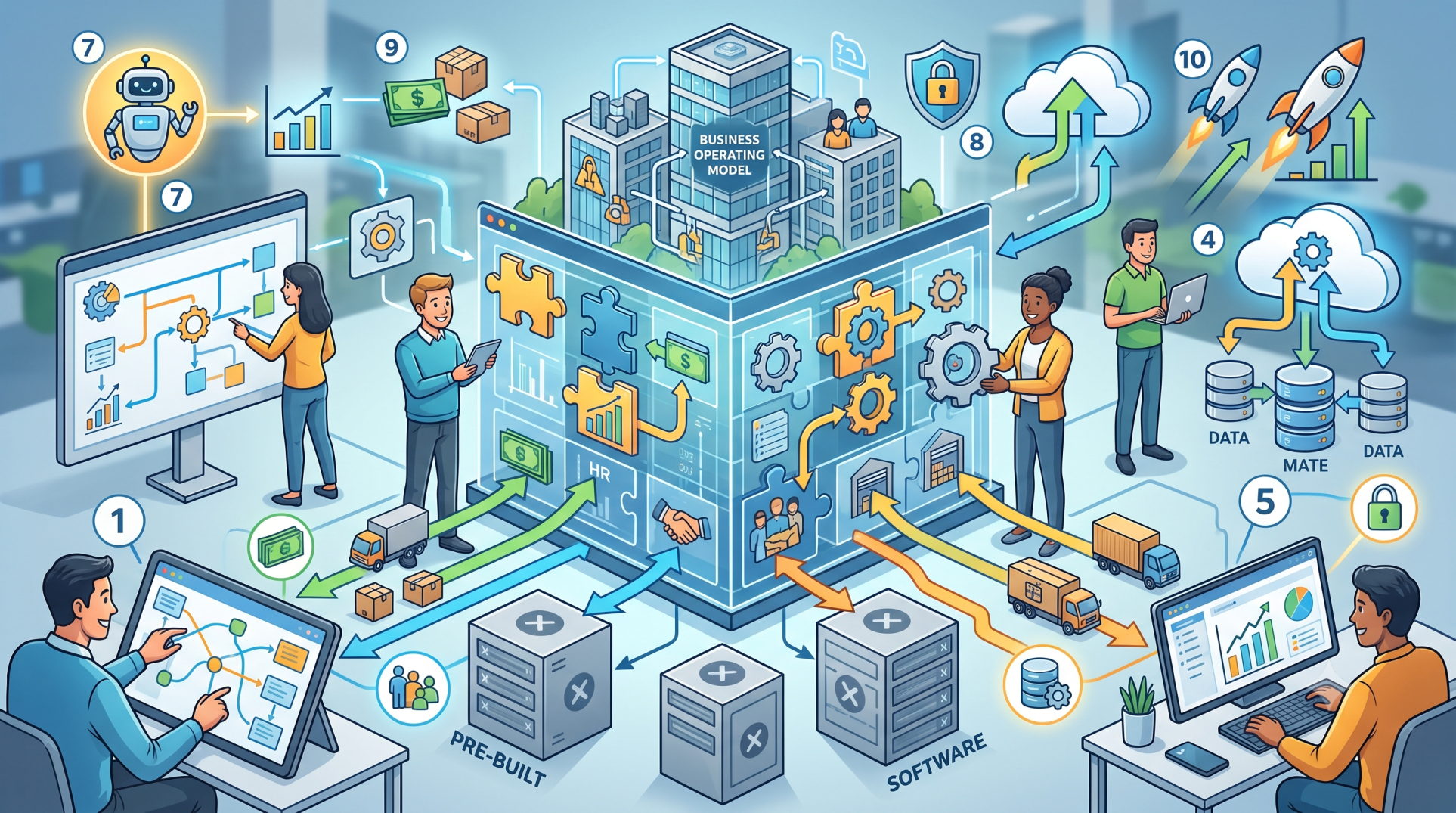
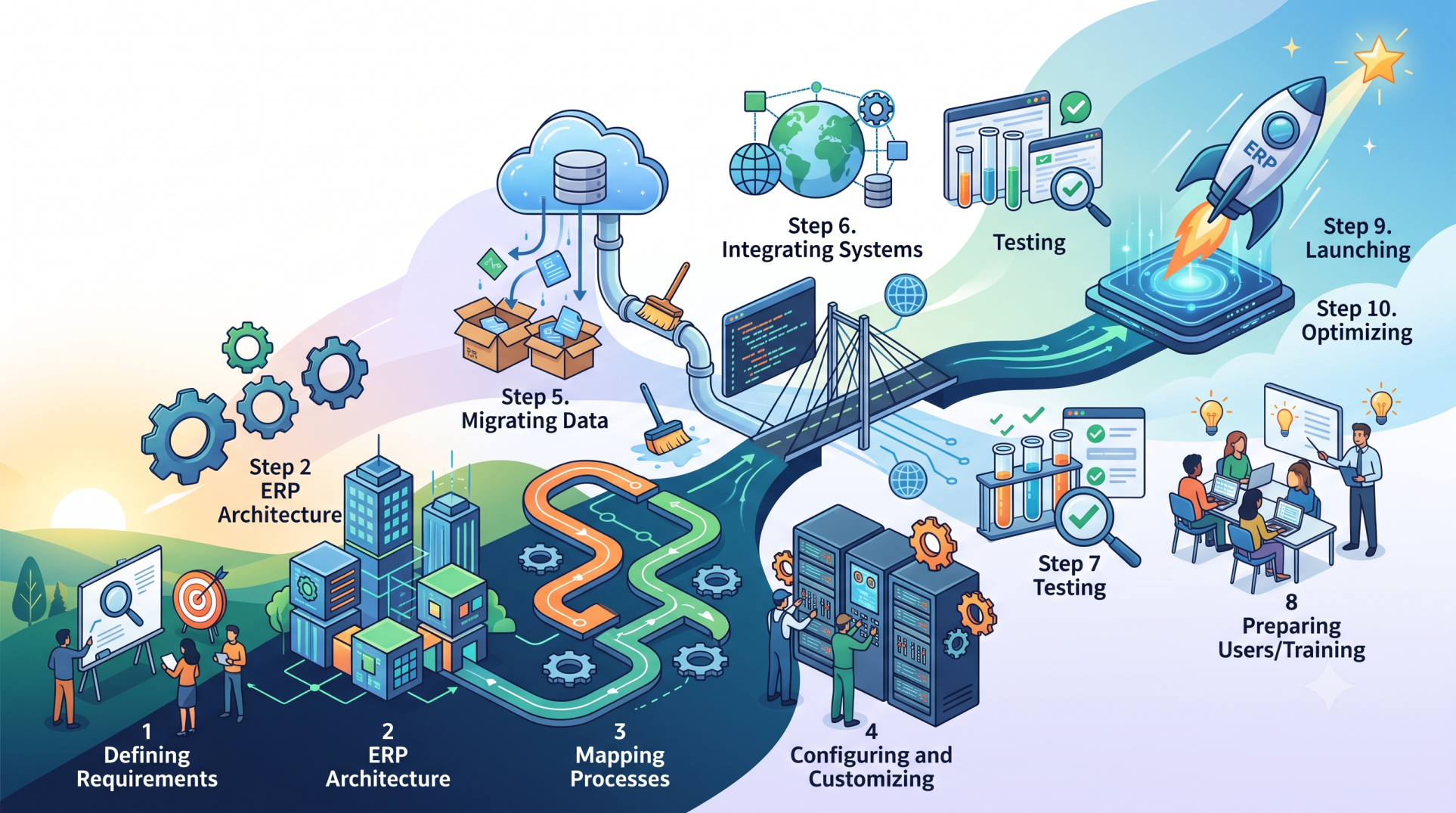
Step 1: Creating a Unified Operational Backbone 🏗️
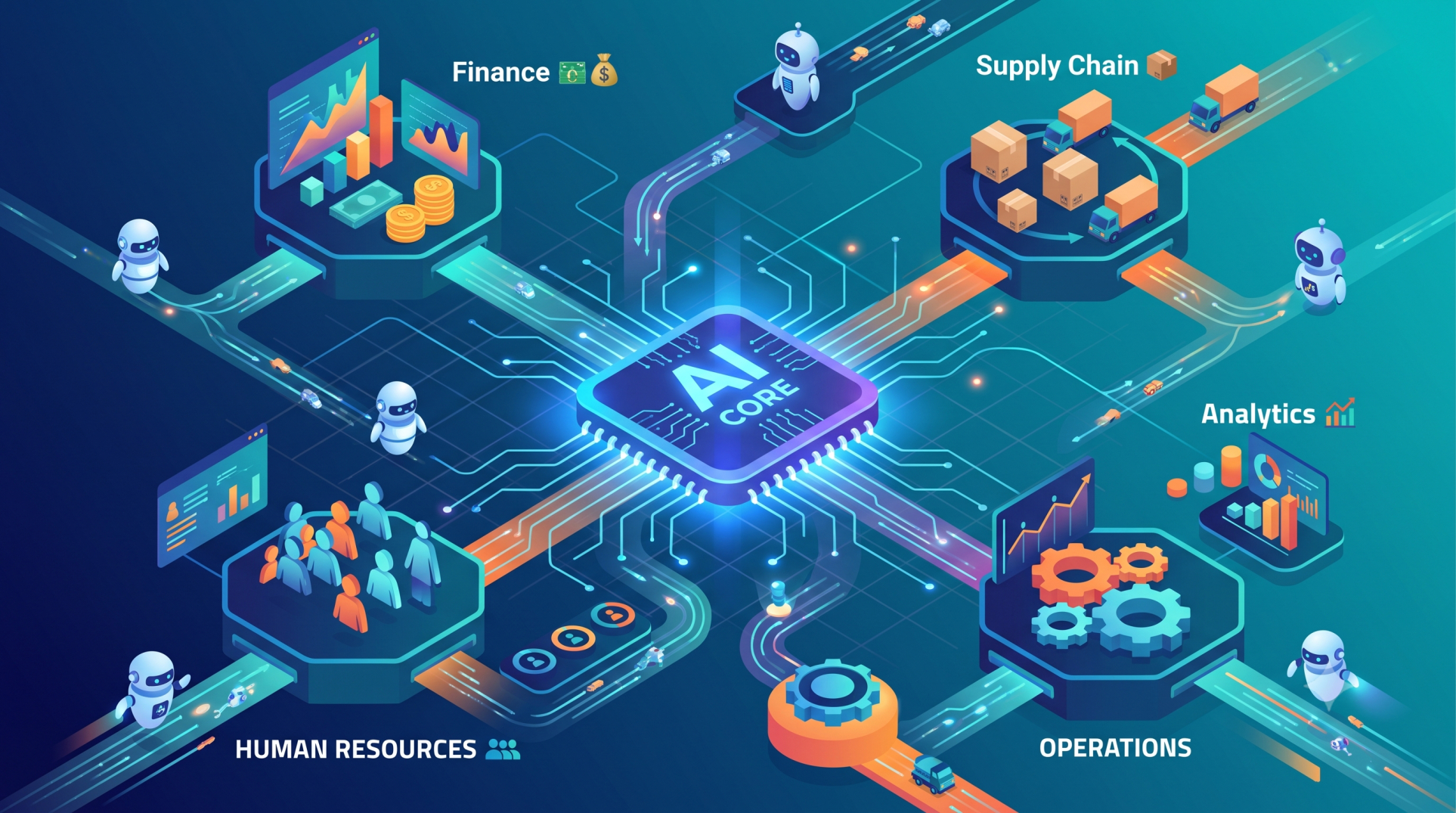
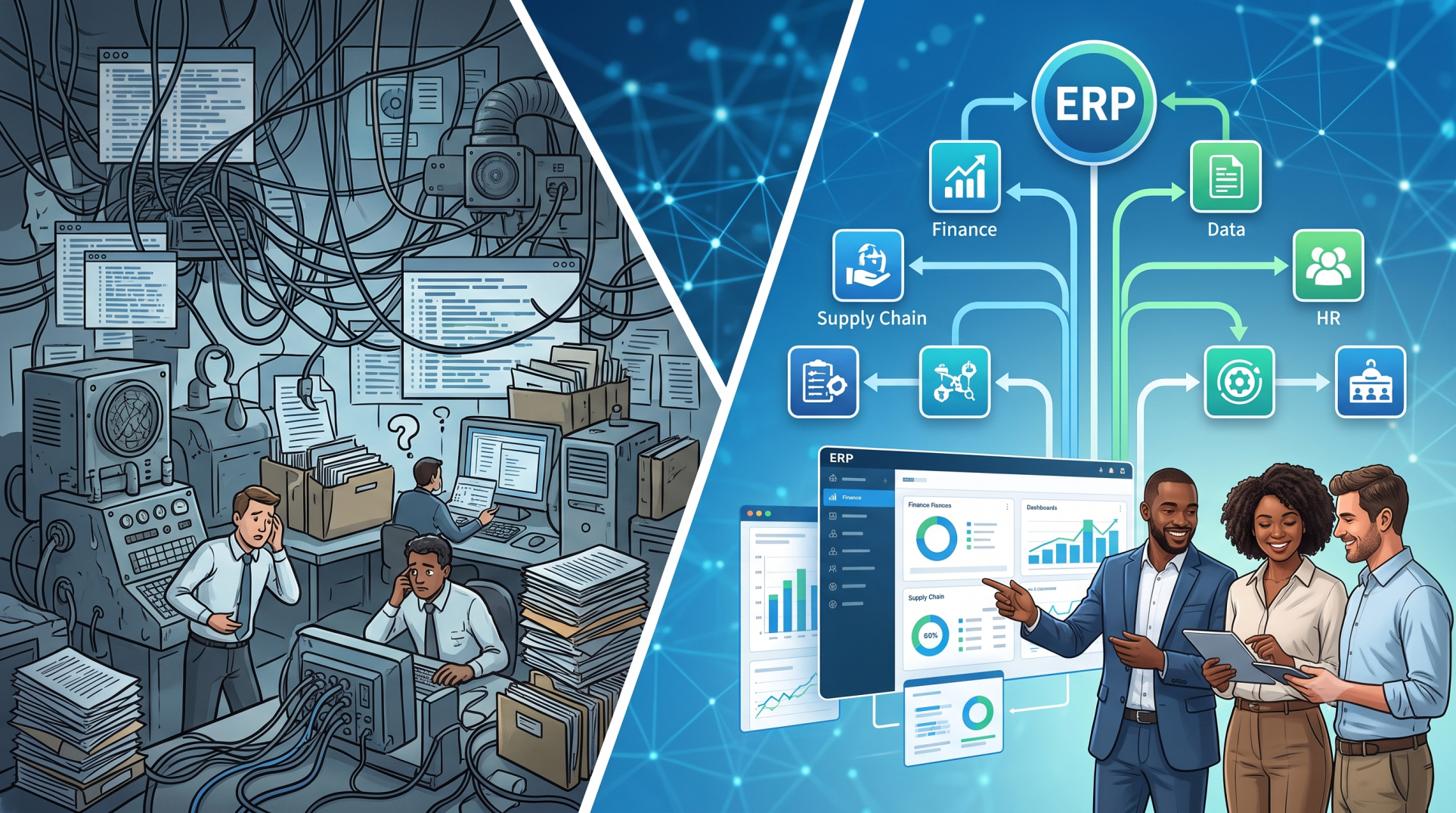
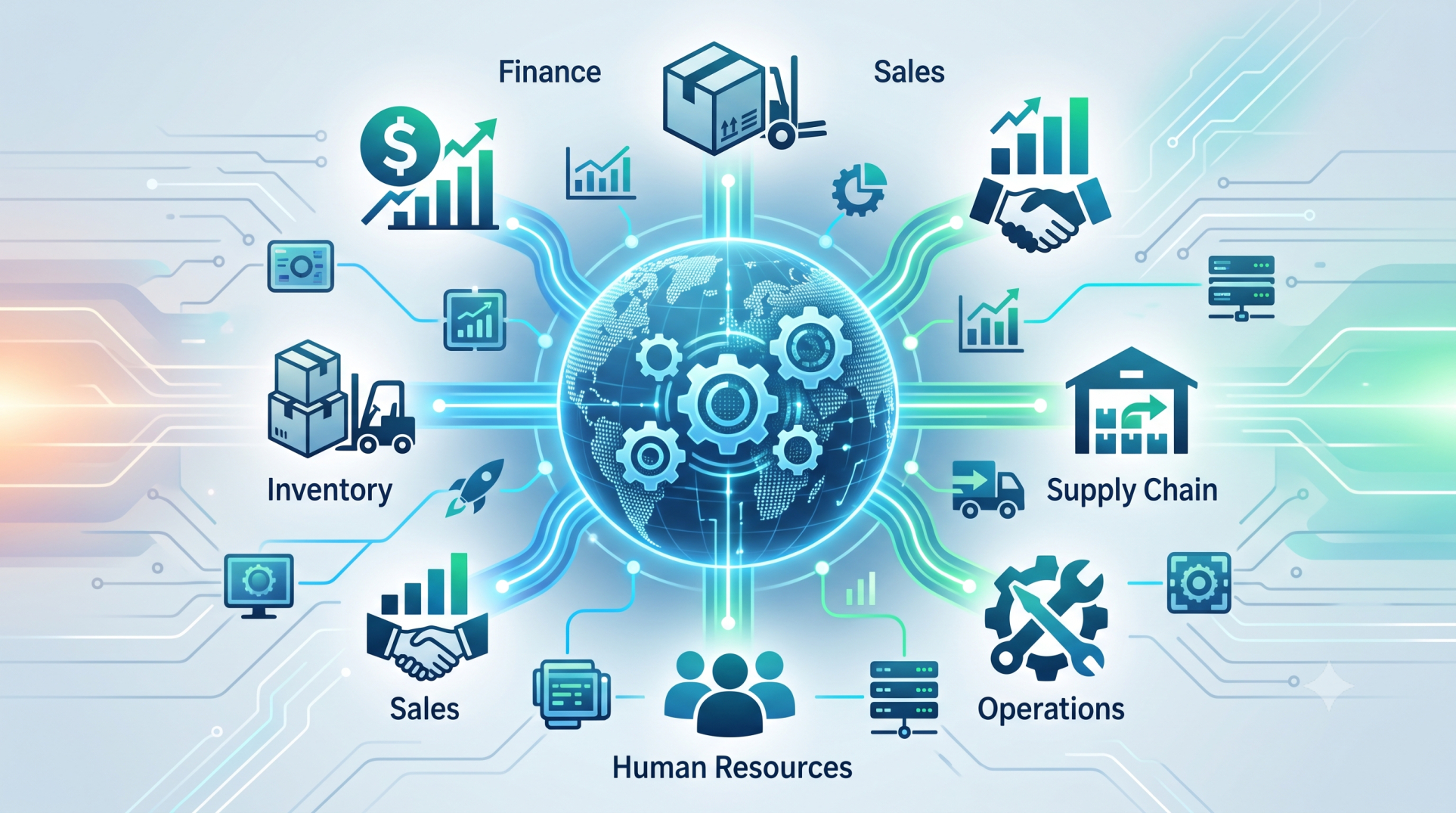
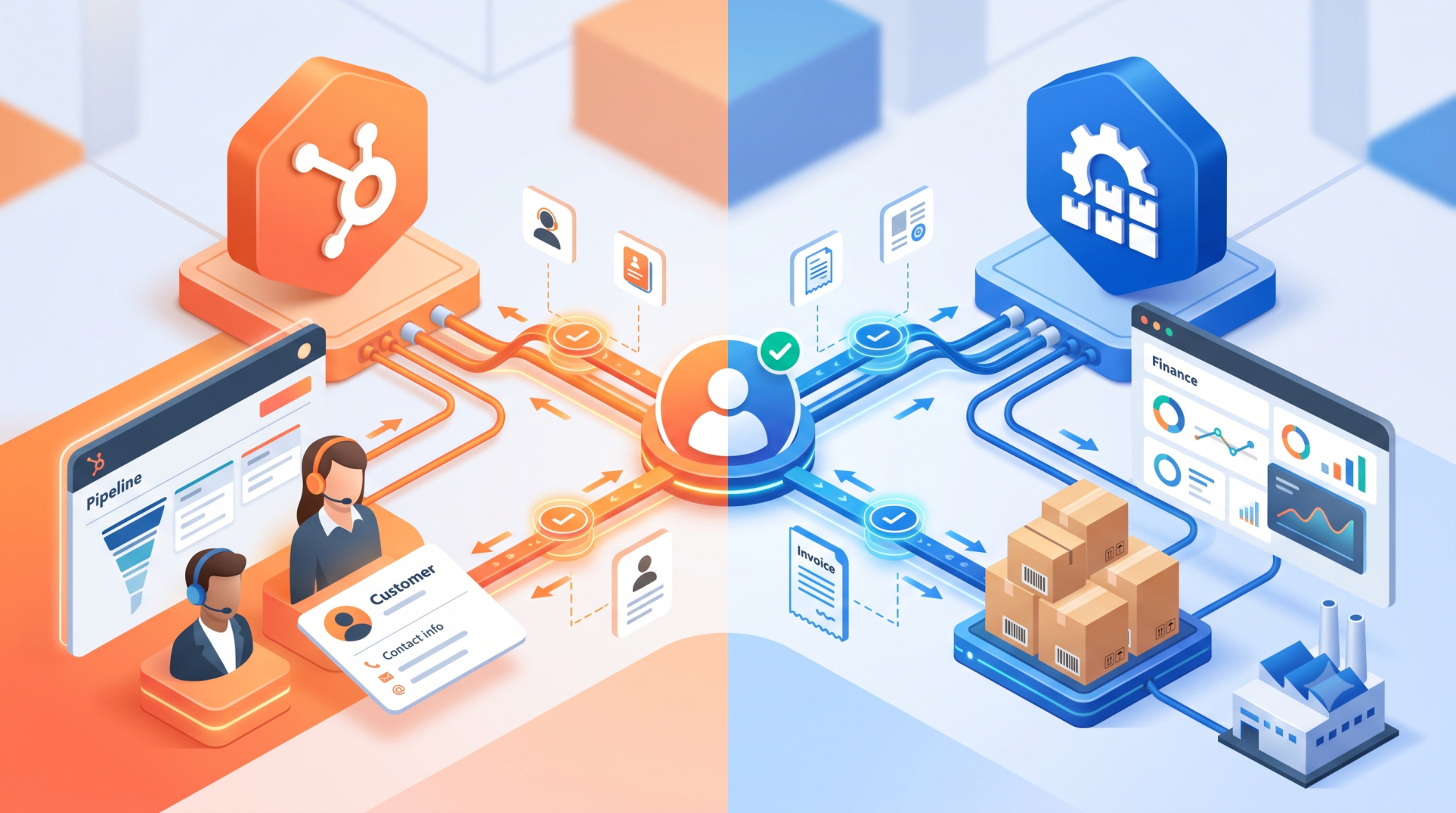
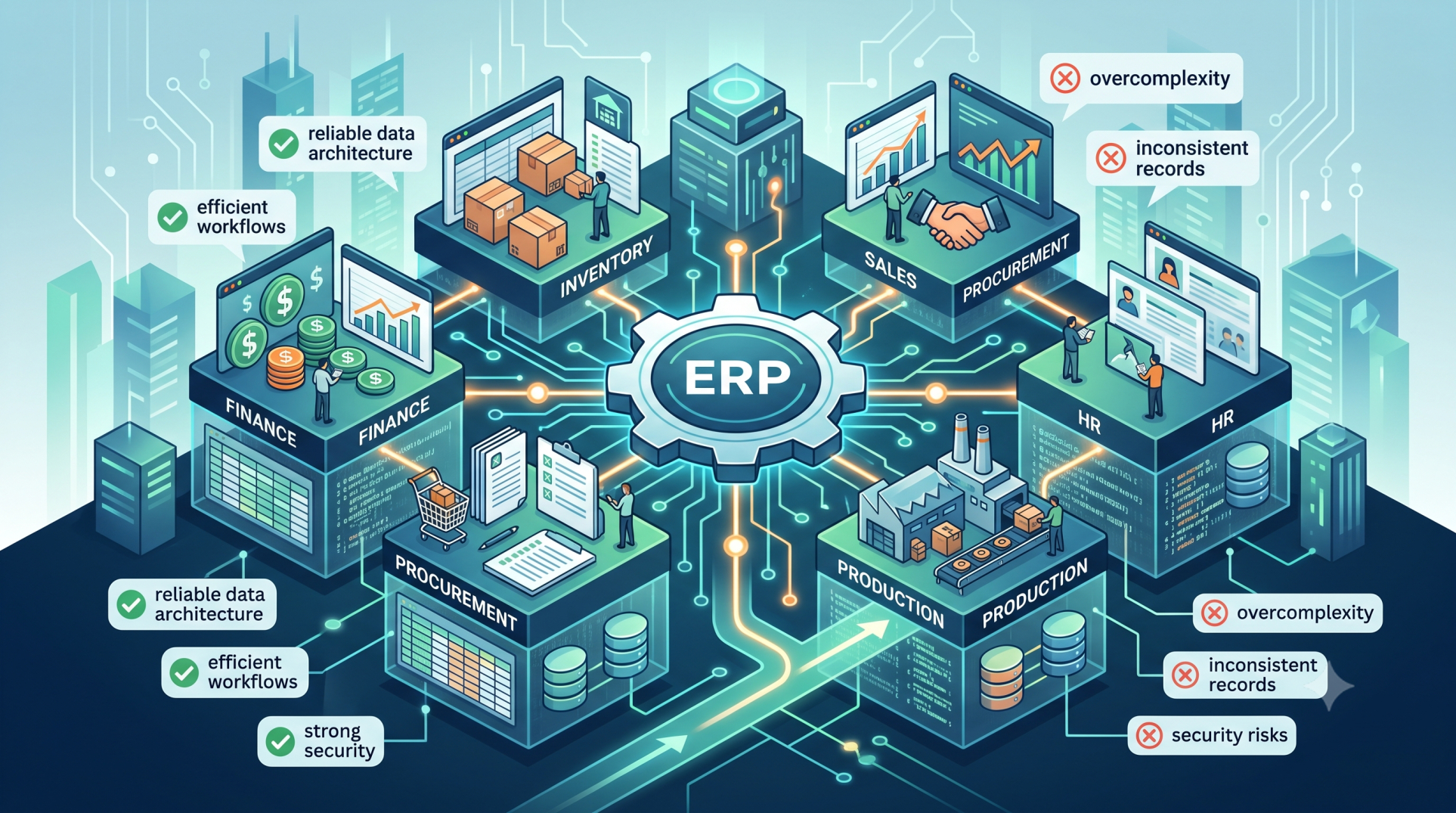
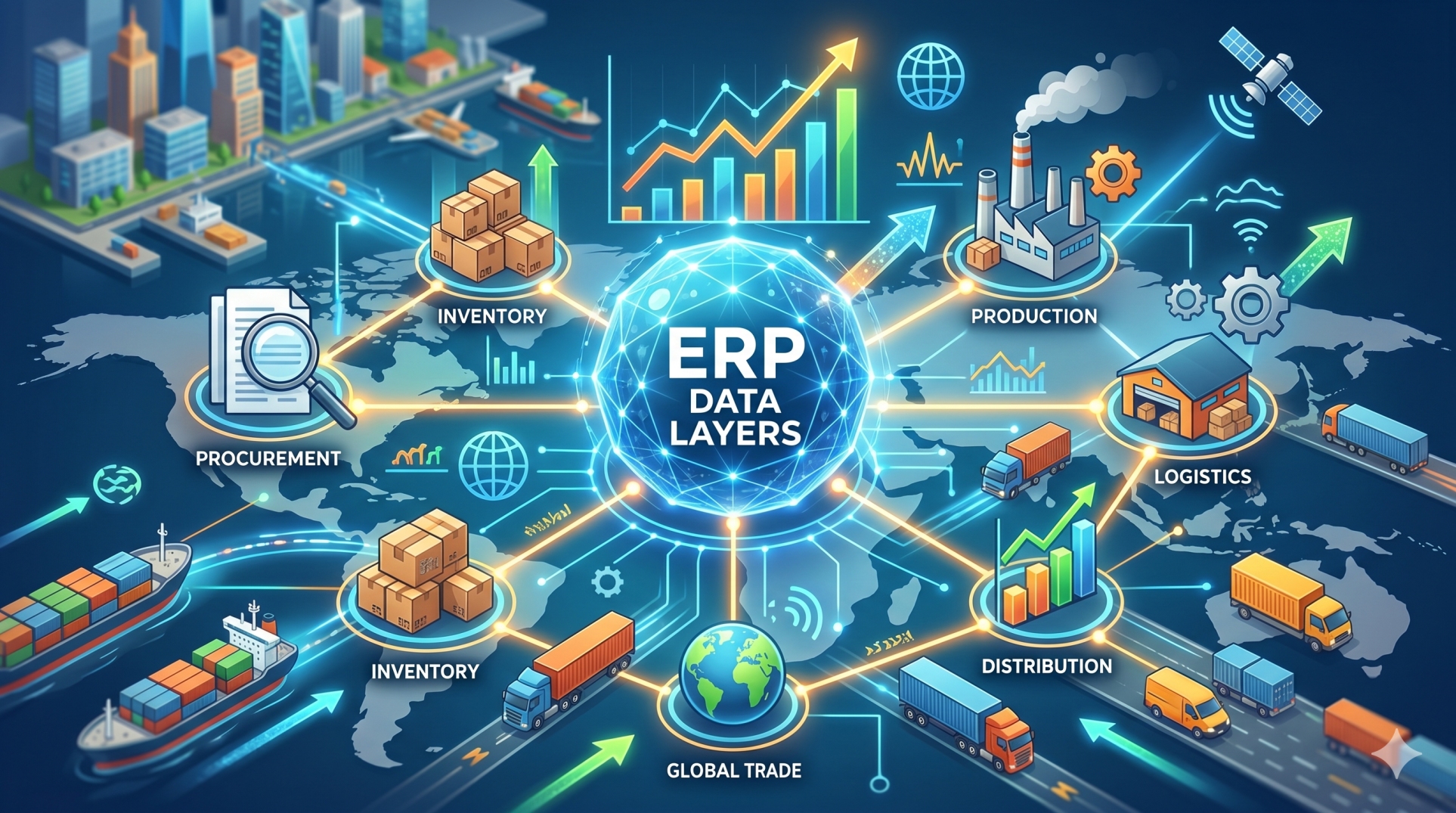
• Integrates finance, supply chain, sales, HR, and operations 🔗
• Eliminates disconnected systems and redundant processes 🚫
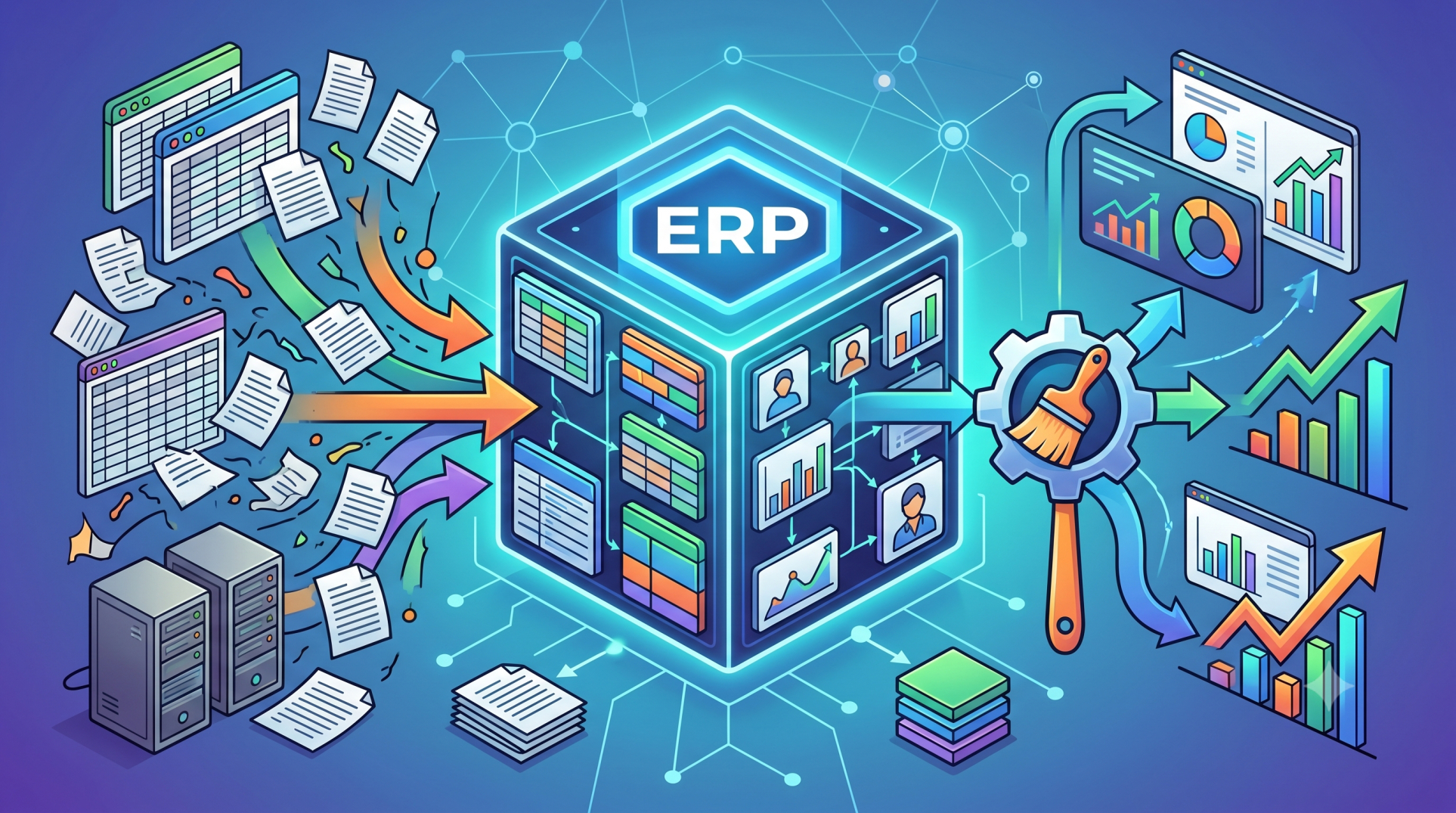
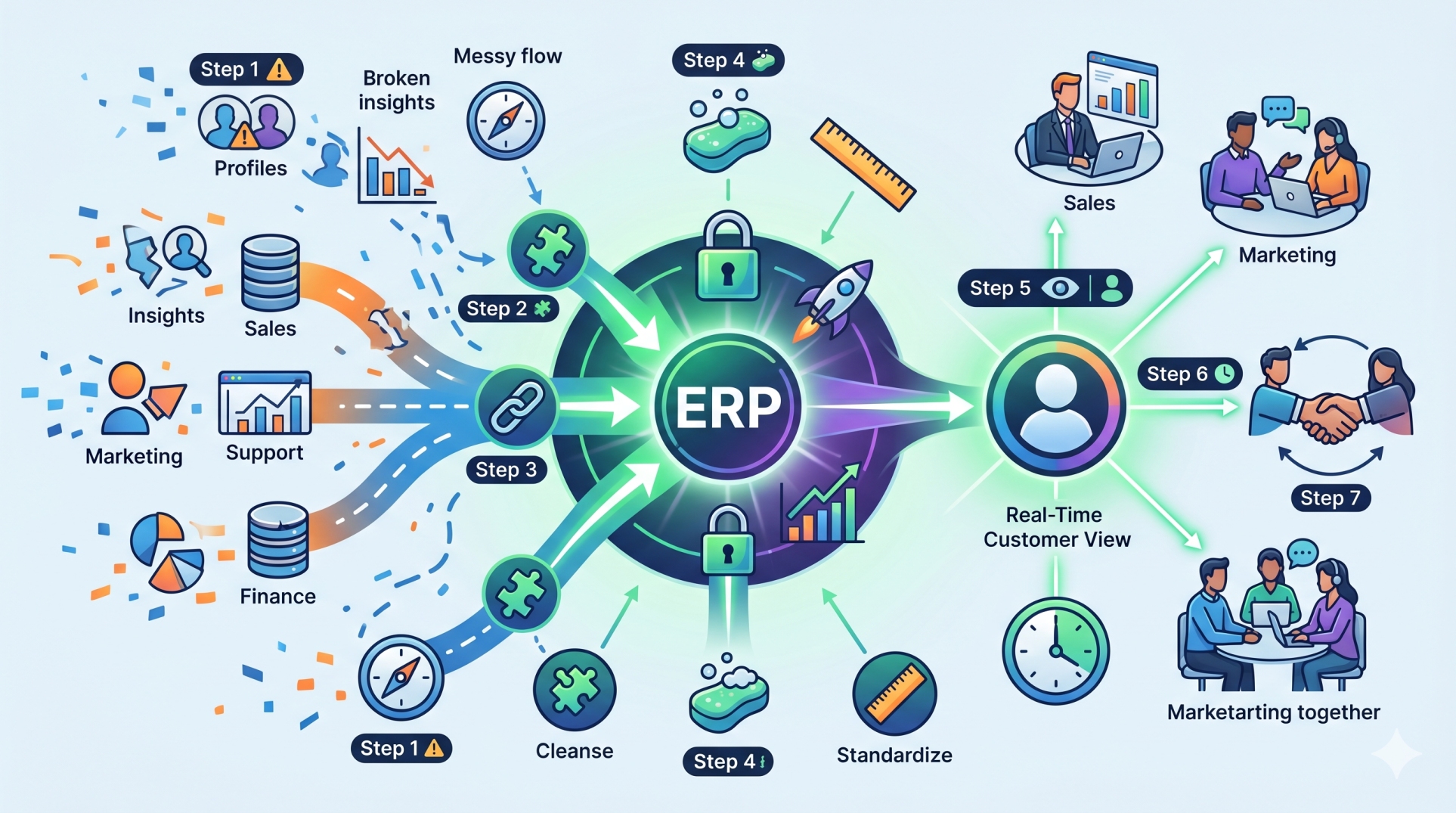
• Establishes a centralized data environment 🗂️
• Aligns cross-functional workflows under a single platform ⚙️
• Enables consistent execution across departments 📊
Step 2: Synchronizing Data in Real Time ⏱️
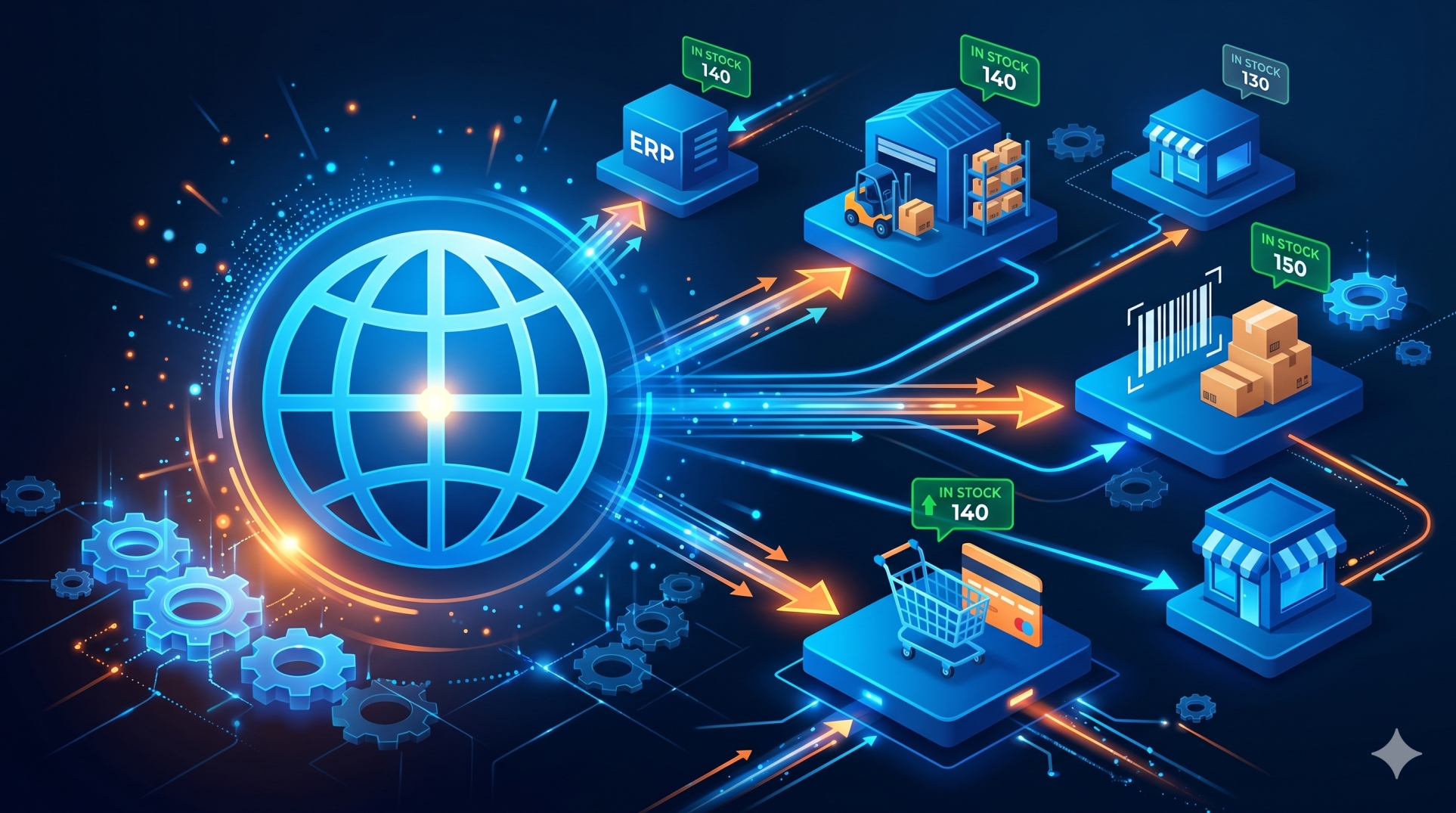
• Updates transactions instantly across modules 🔄
• Reflects inventory, financial, and operational changes immediately 📦
• Reduces reporting delays and reconciliation gaps 📉
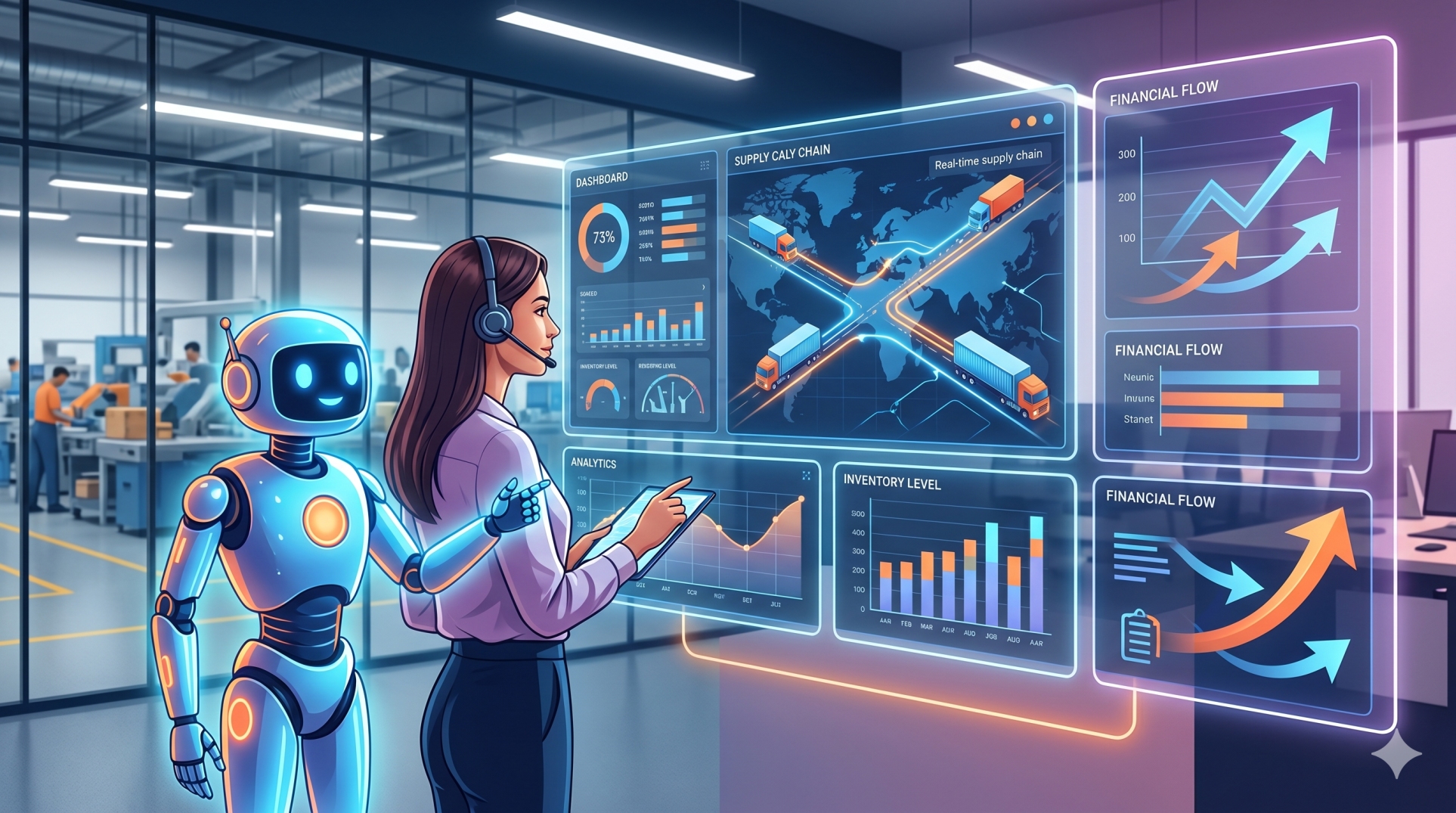
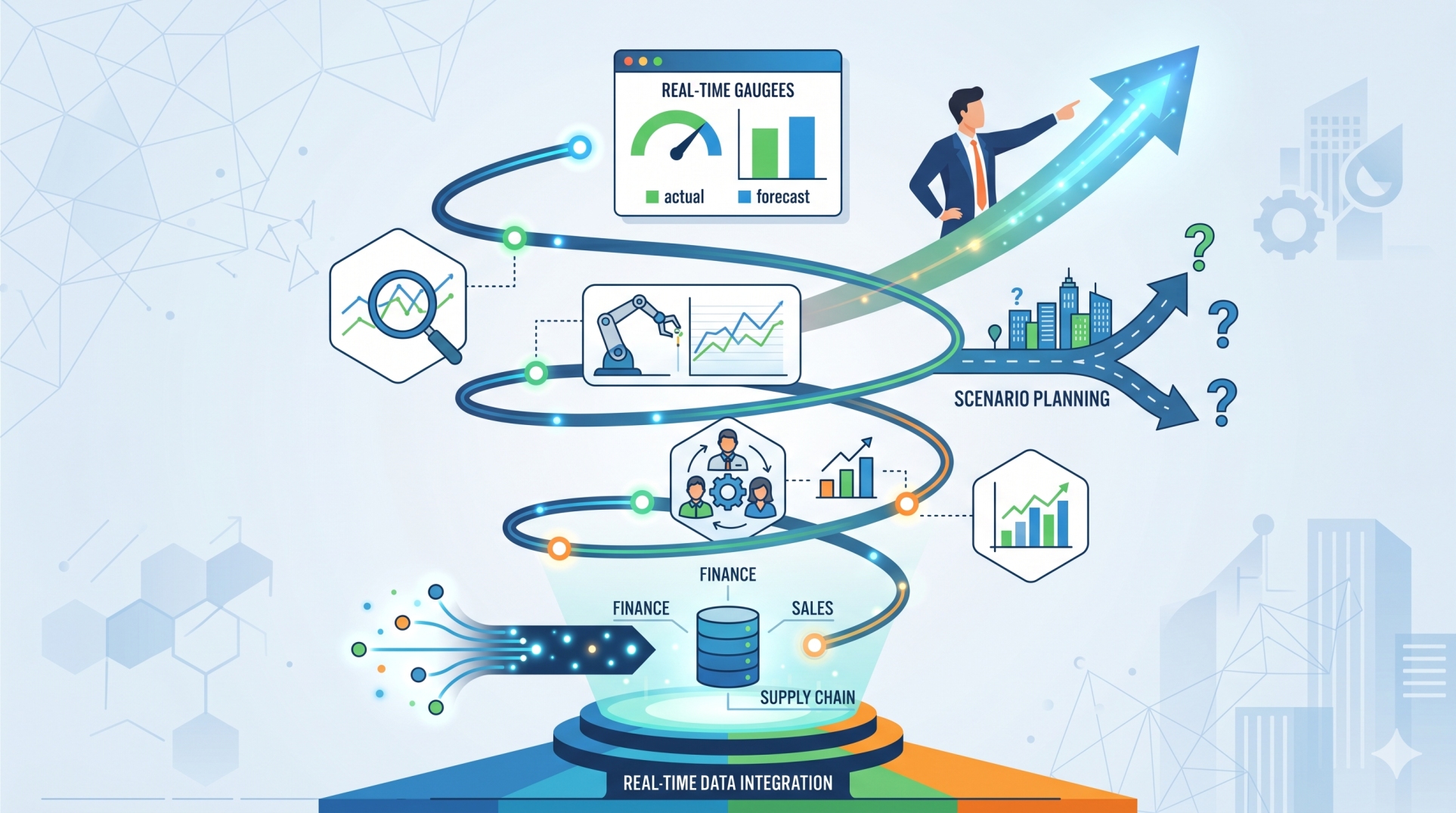
• Provides live visibility into enterprise performance 👀
• Supports faster operational responses ⚡
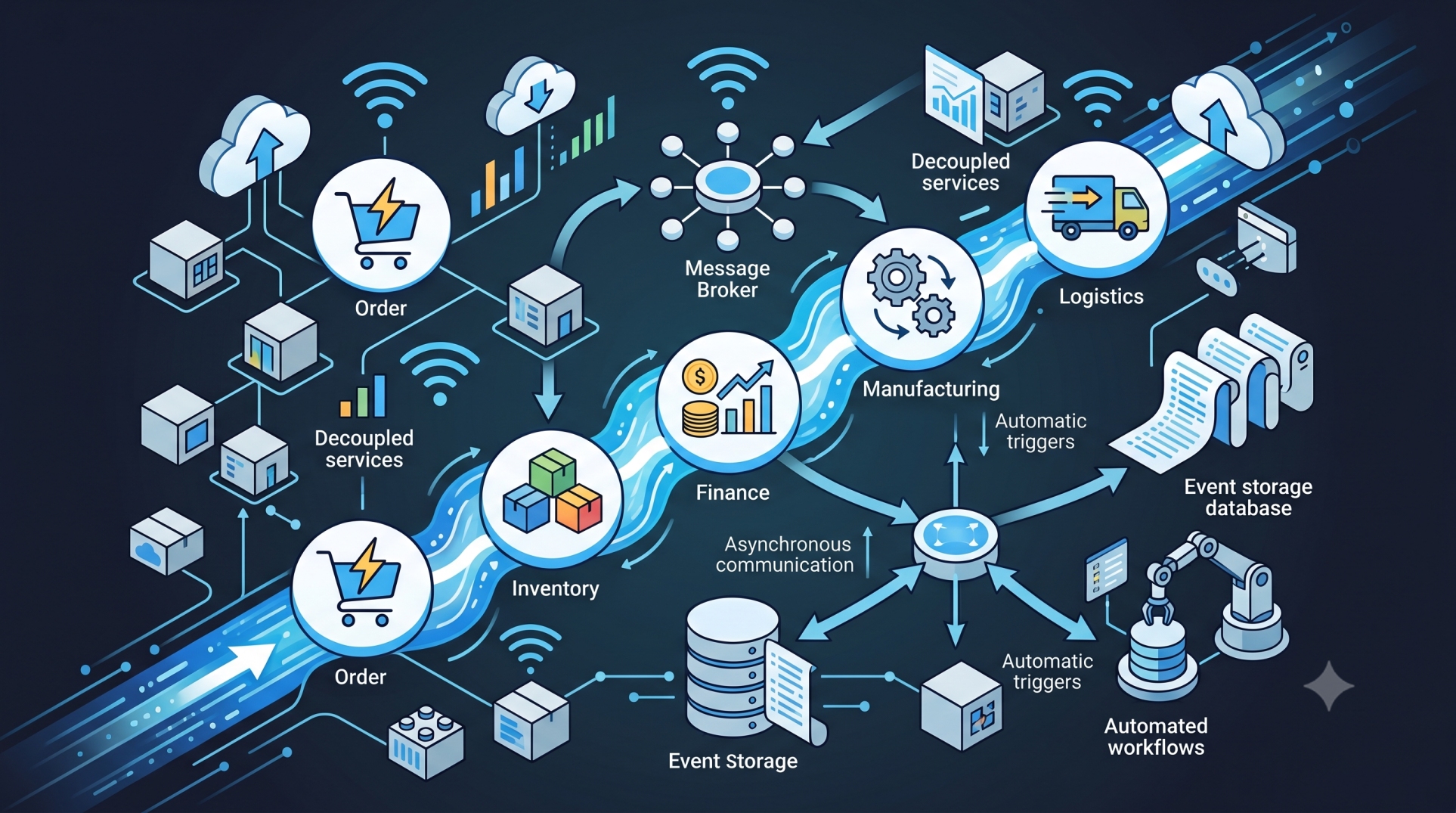
Step 3: Automating Cross-Functional Workflows 🤖
• Connects order processing with inventory and fulfillment 📦
• Links procurement with budgeting and approvals 💼
• Coordinates production planning with demand signals 📈
• Automates task routing across teams 🔁
• Reduces manual intervention and handoffs ✋
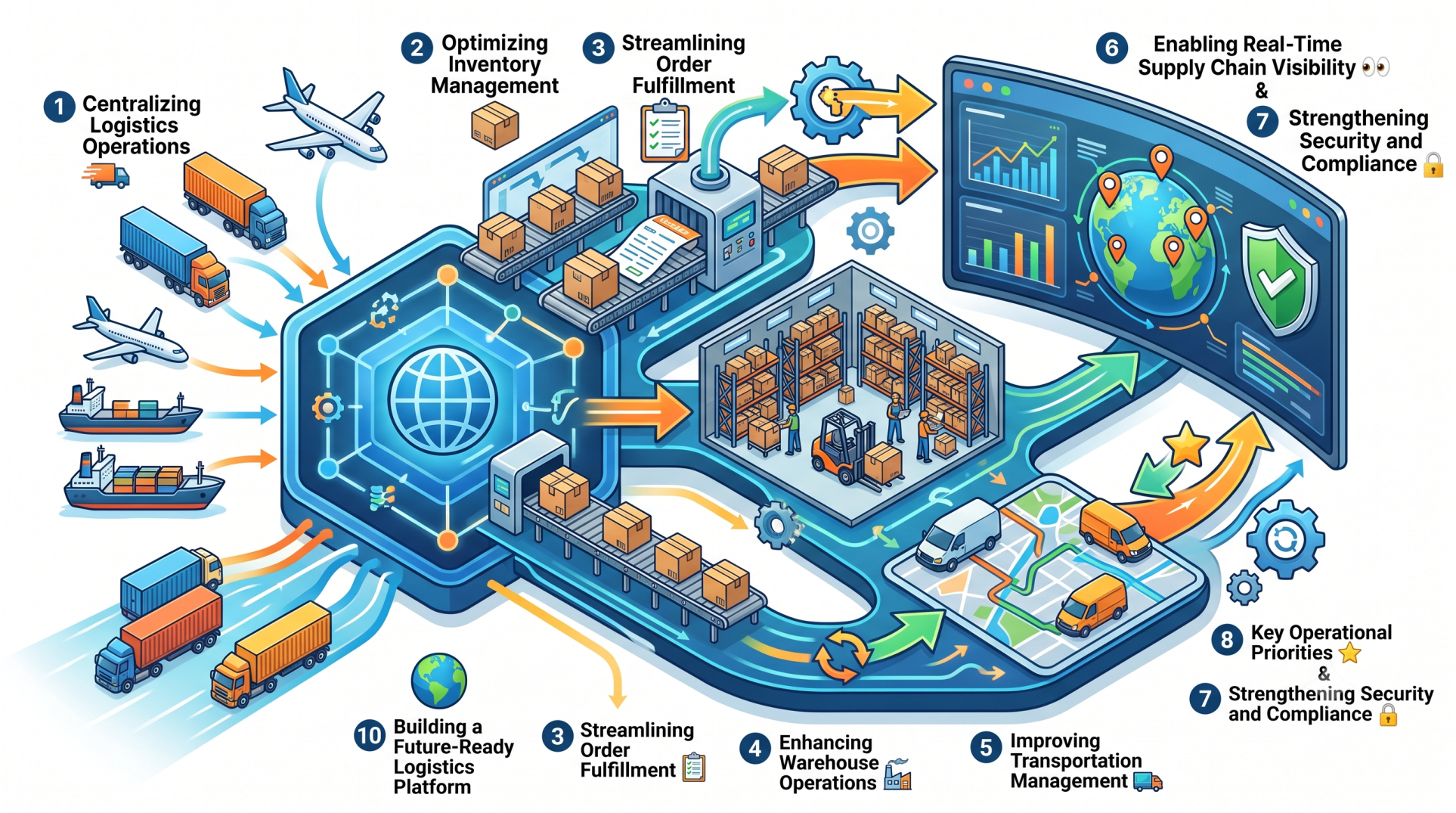
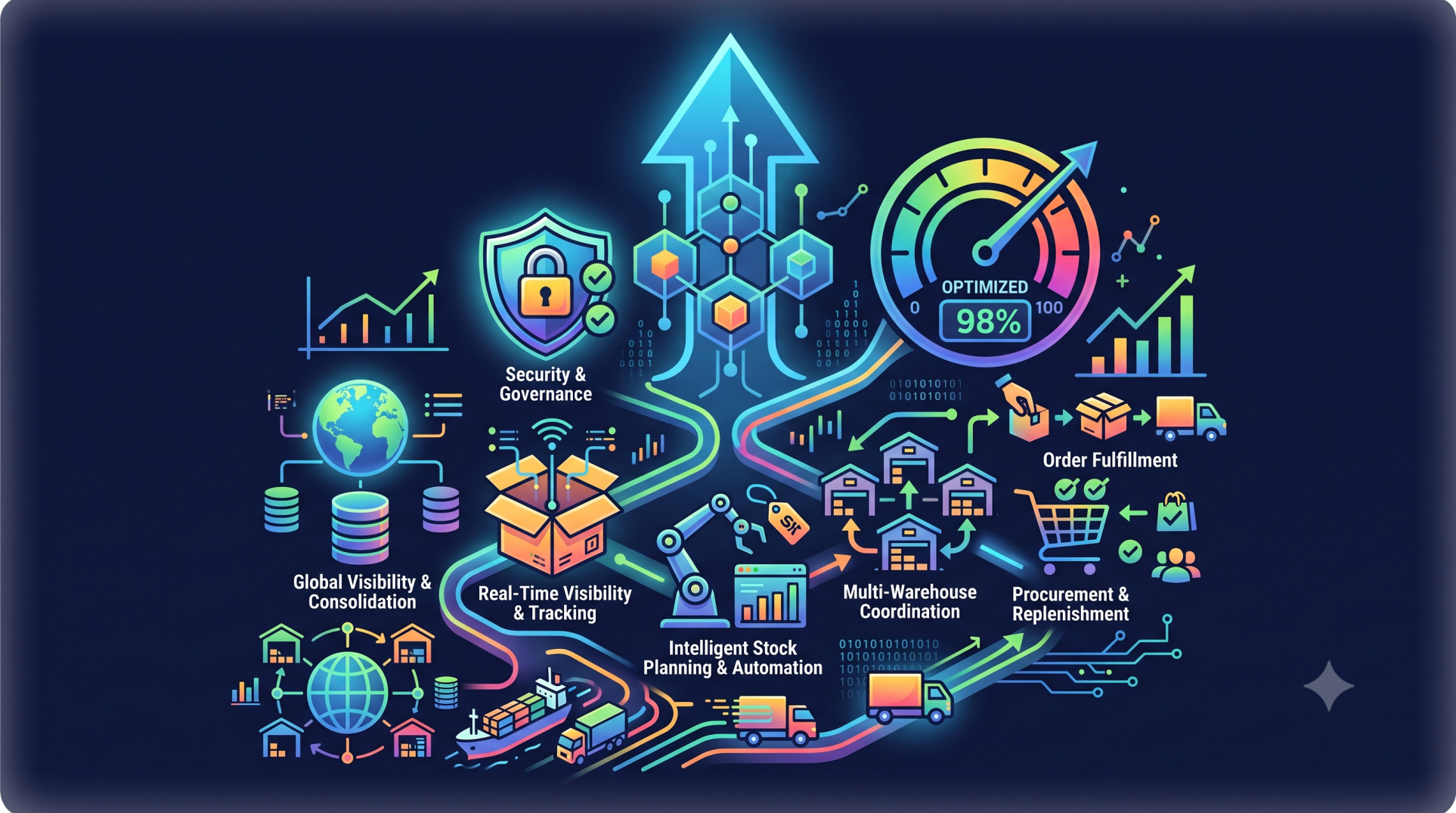
Step 4: Enhancing Supply Chain Coordination 🚚
• Aligns demand forecasting with procurement planning 📊
• Synchronizes warehouse and distribution activities 🏬
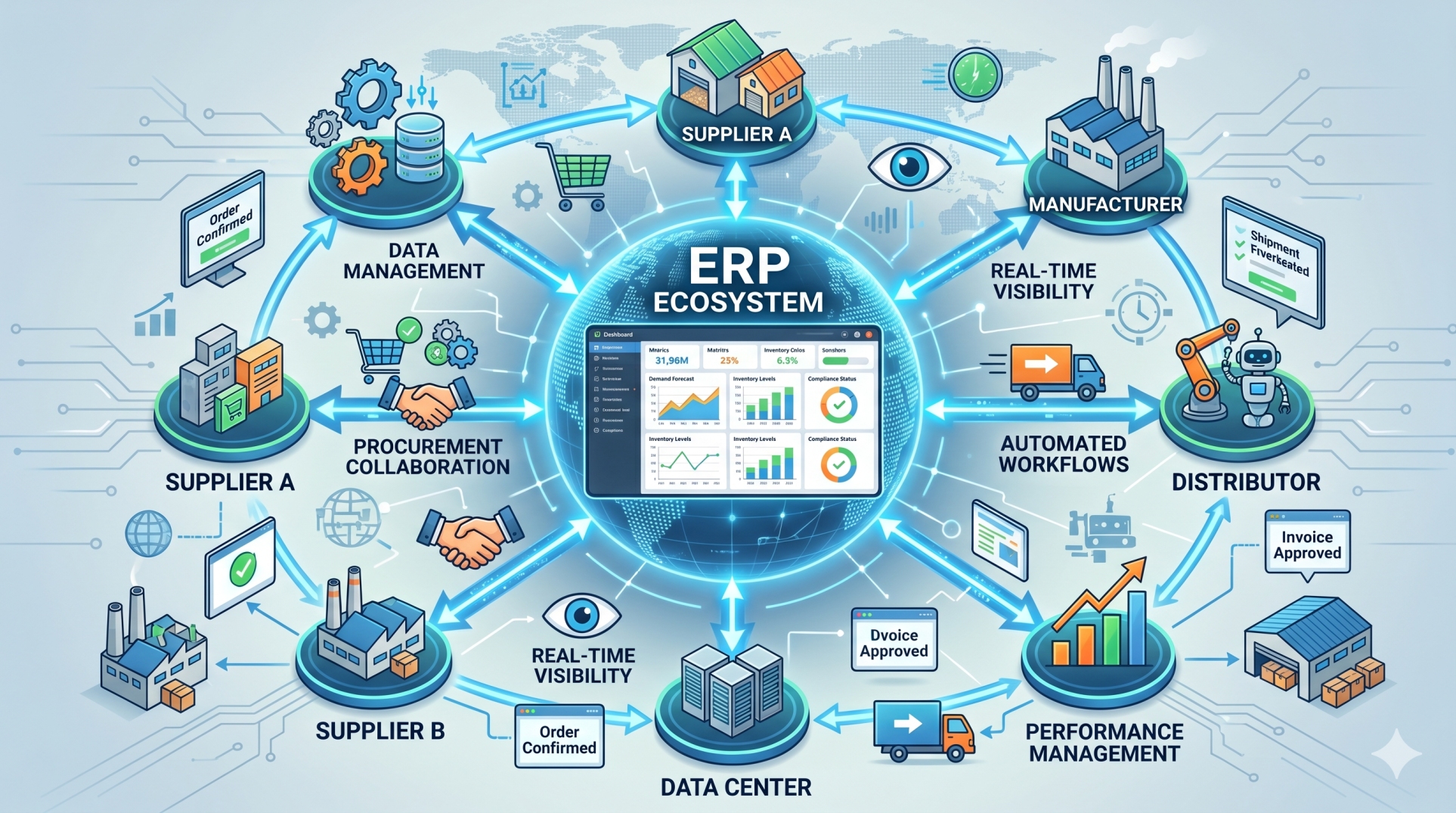
• Improves supplier collaboration through shared visibility 🤝
• Minimizes stockouts and excess inventory 📉
• Responds quickly to disruptions or demand shifts ⚡
Step 5: Financial and Operational Alignment 💰
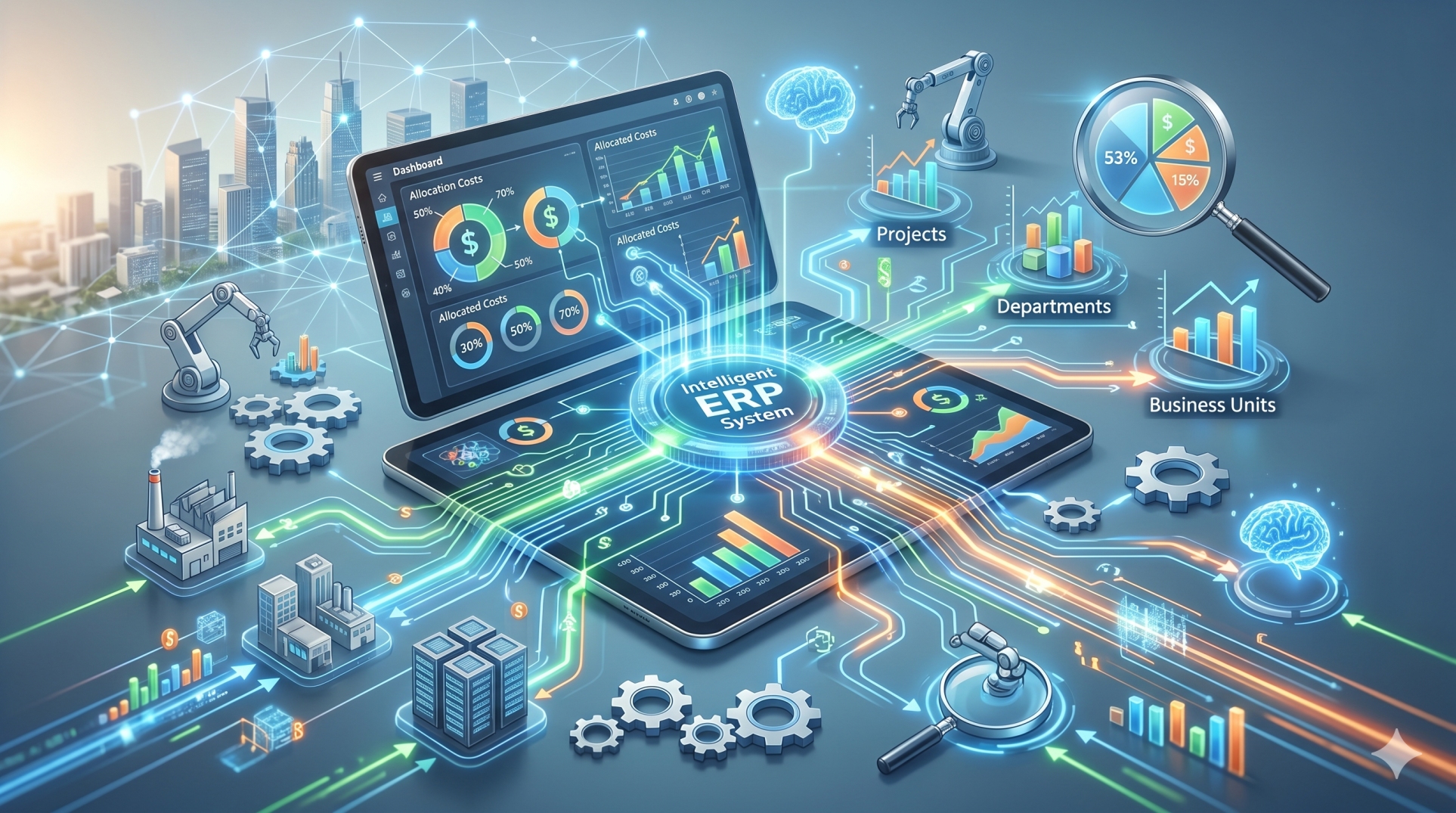
• Connects operational activity directly to financial impact 📊
• Updates cash flow projections in real time 💵
• Provides immediate cost and margin insights 📈
• Strengthens budget control and accountability 📋
• Enables faster financial close processes ⏳
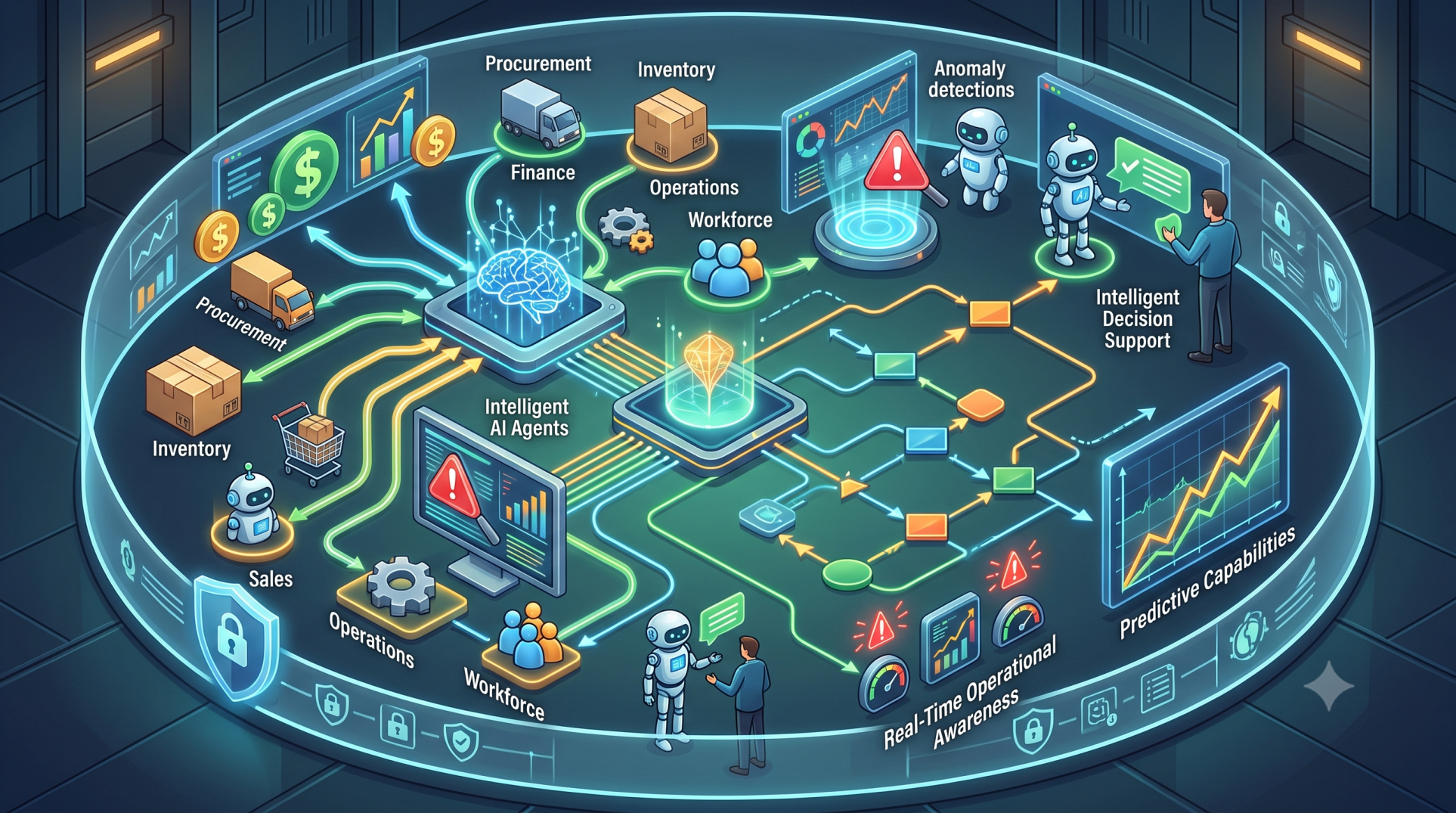
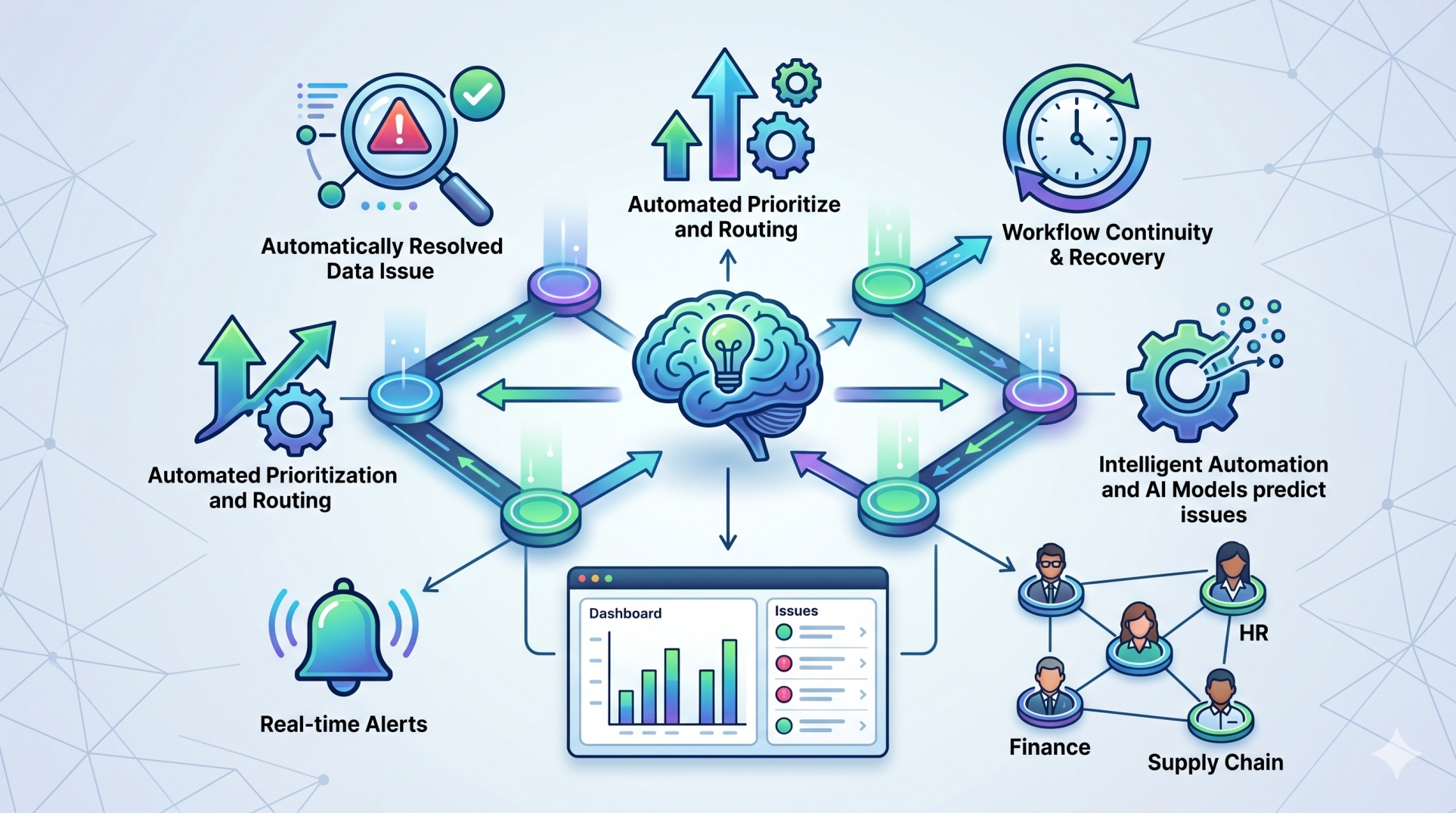
Step 6: Intelligent Monitoring and Exception Management 🚨
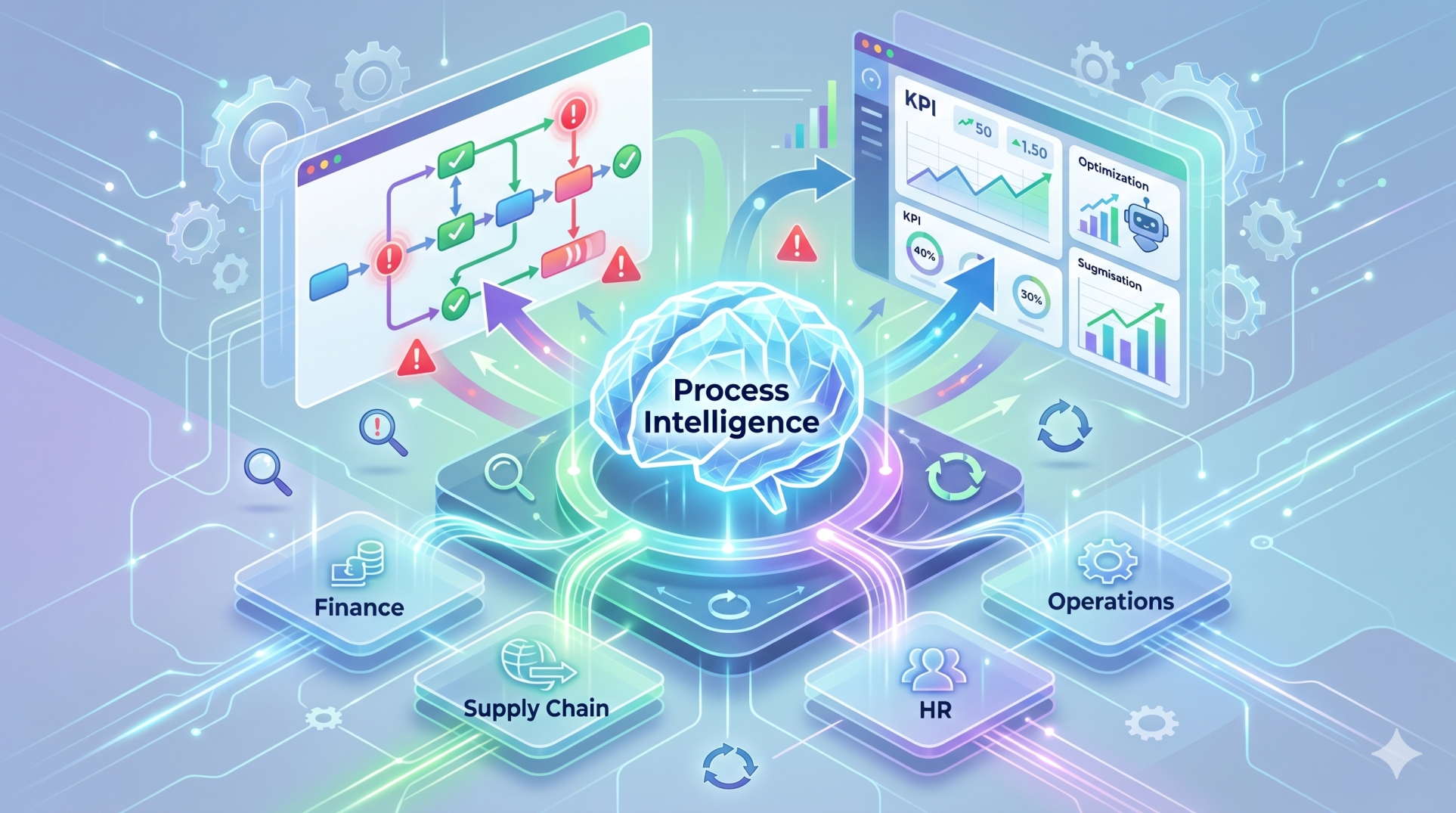
• Detects deviations from planned performance 🔍
• Flags operational bottlenecks automatically ⚠️
• Alerts stakeholders to critical issues 📢
• Supports rapid corrective action 🛠️
• Improves overall operational resilience 🏋️
Step 7: Enabling Agile Decision-Making 🧠
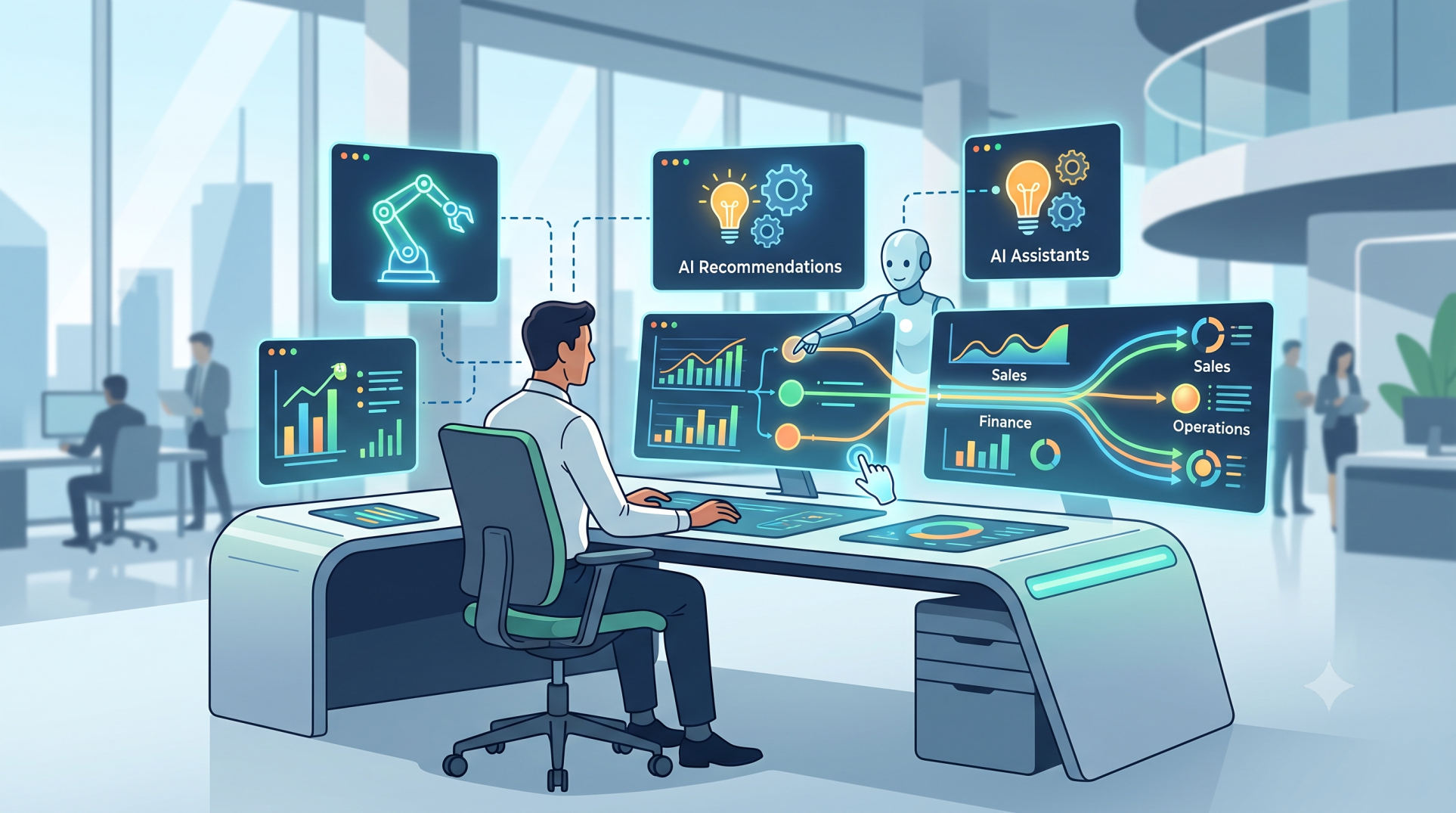
• Provides live dashboards for executives and managers 📊
• Supports scenario planning with real-time data 📈
• Improves responsiveness to market changes 🌍
• Reduces dependence on static reports 📑
• Aligns decisions with current operational realities 🎯
Step 8: Strategic Business Control and Visibility 🏢
• Delivers enterprise-wide visibility in a single system 👀
• Connects strategy directly to execution 🔗
• Enables leadership to act on real-time insights ⚡
• Strengthens accountability across functions 📋
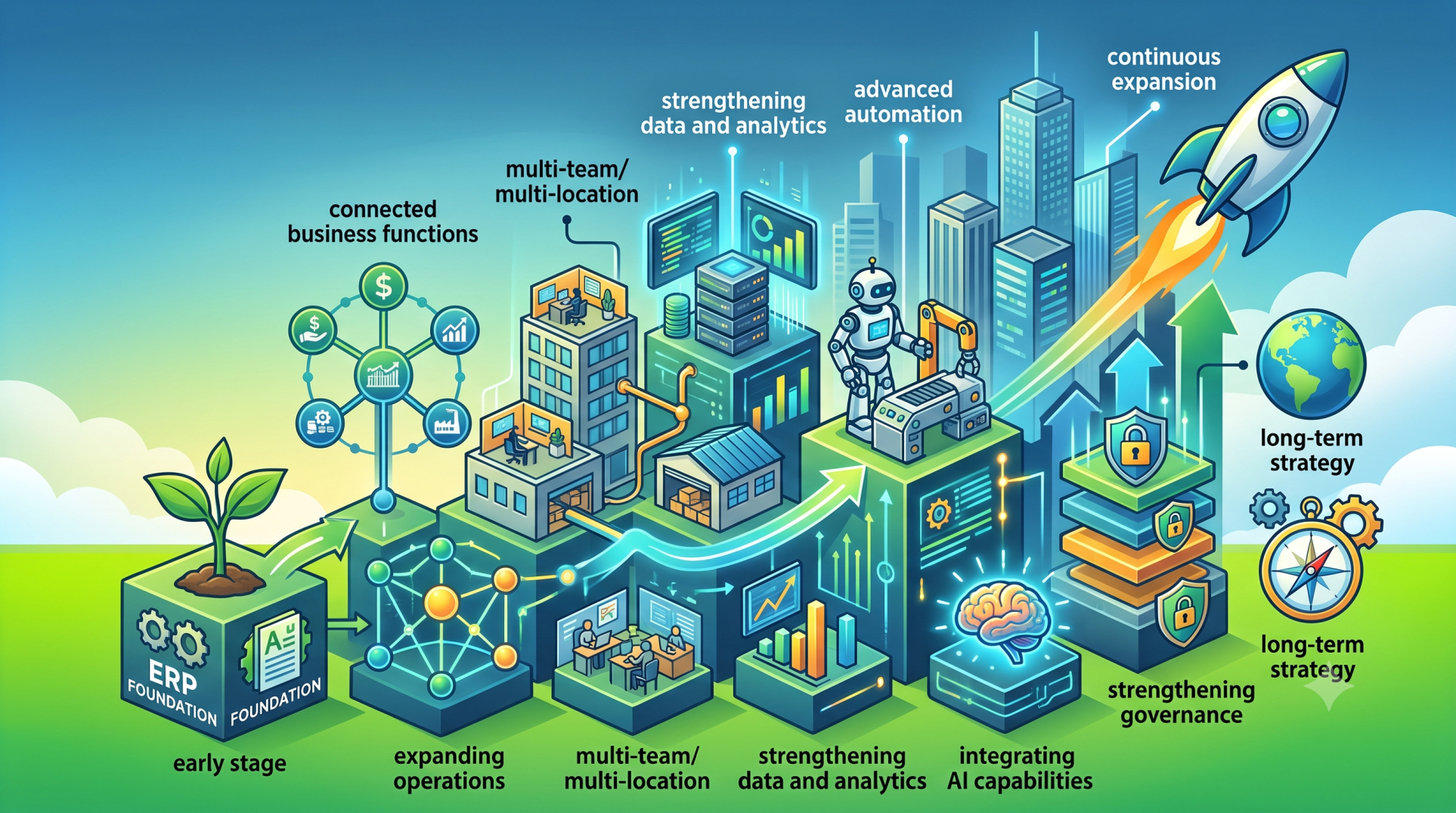
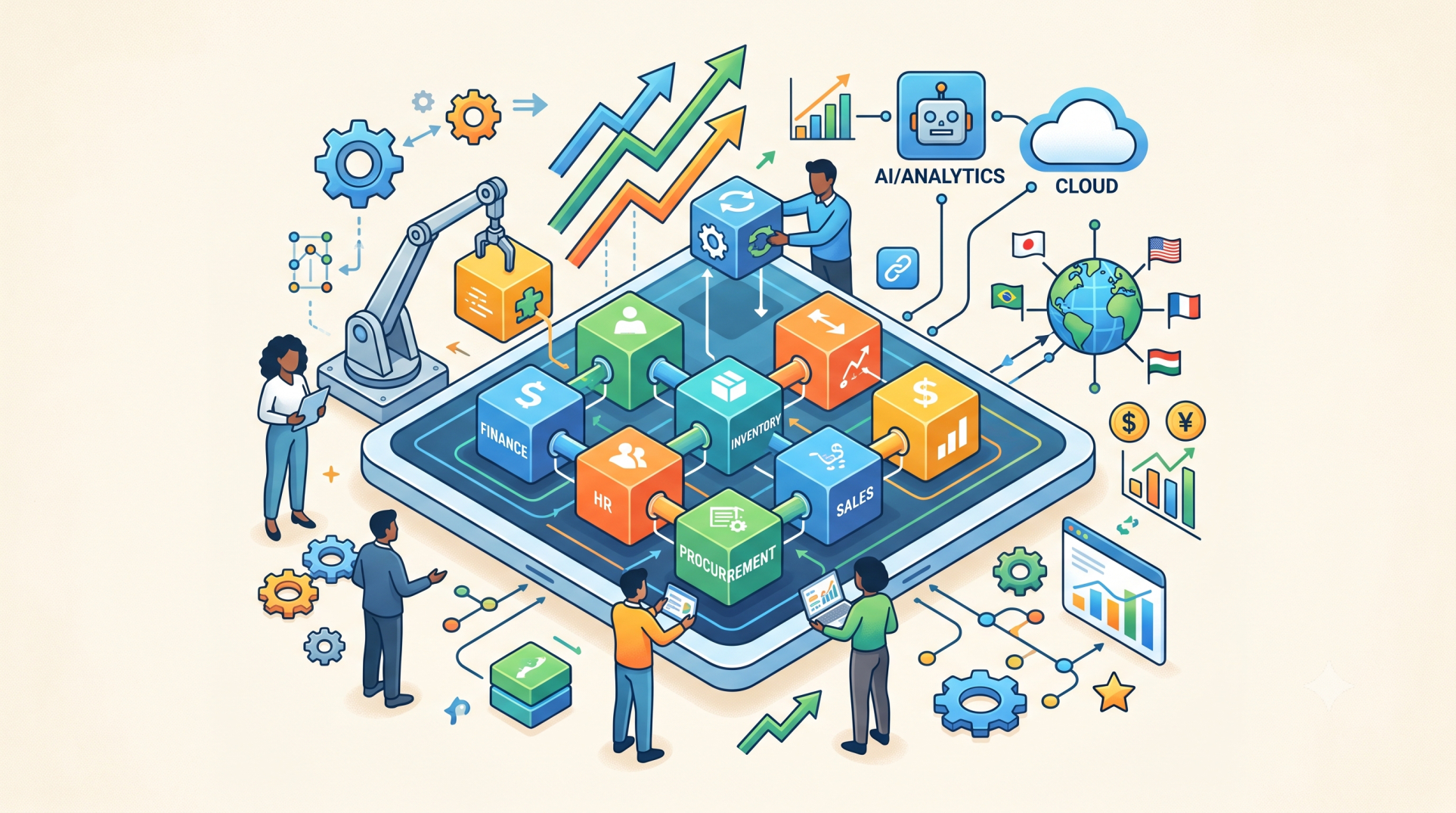
Step 9: Scaling Orchestration as the Business Grows 📦
• Adapts to increased transaction volumes 📈
• Supports expansion into new markets or units 🌍
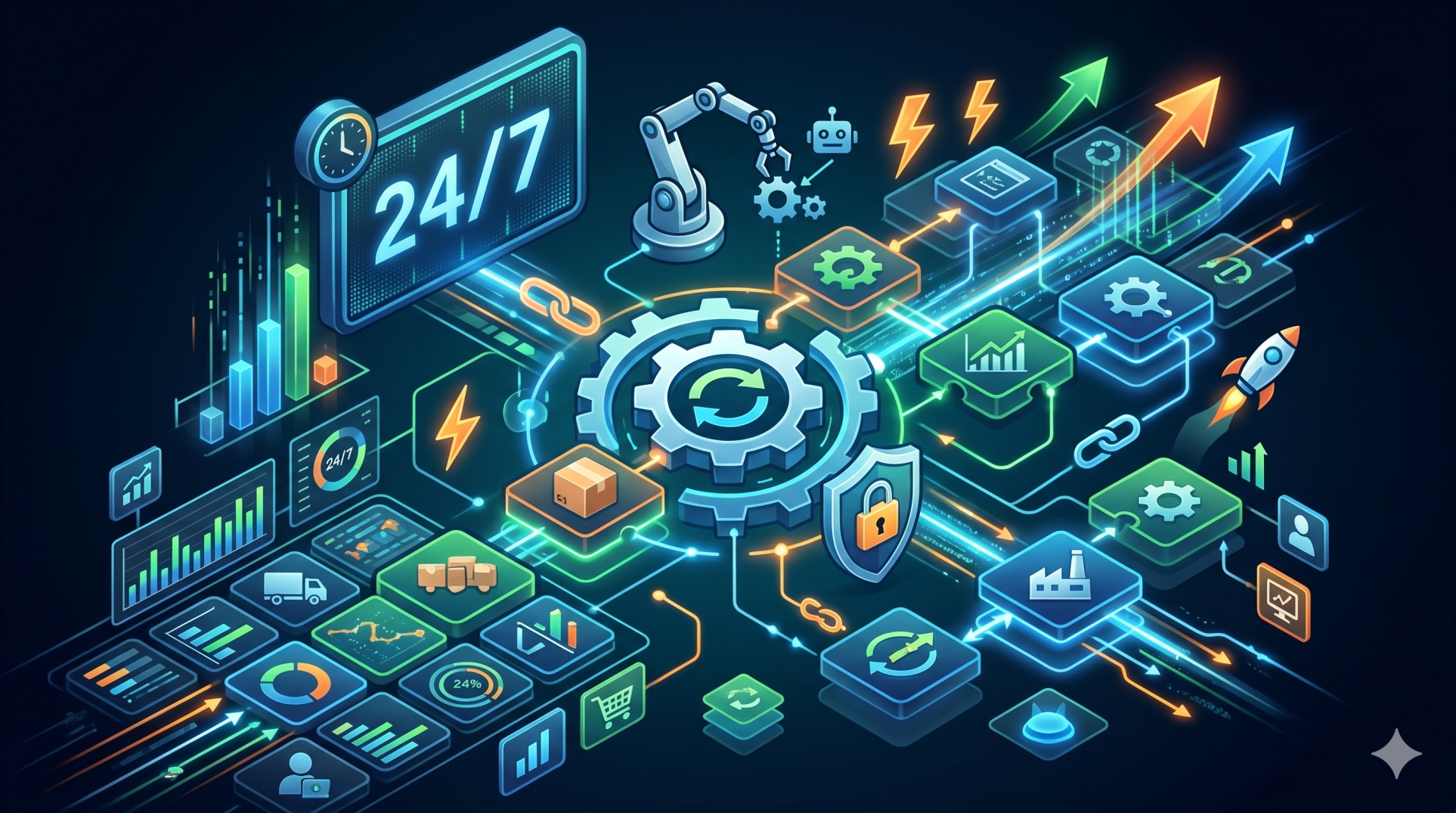
• Maintains performance during rapid growth 🚀
• Standardizes processes across global operations 🌐
• Preserves operational consistency at scale ⚙️
Step 10: ERP as a Real-Time Business Engine 🚀
• Moves beyond record-keeping into active coordination 🔄
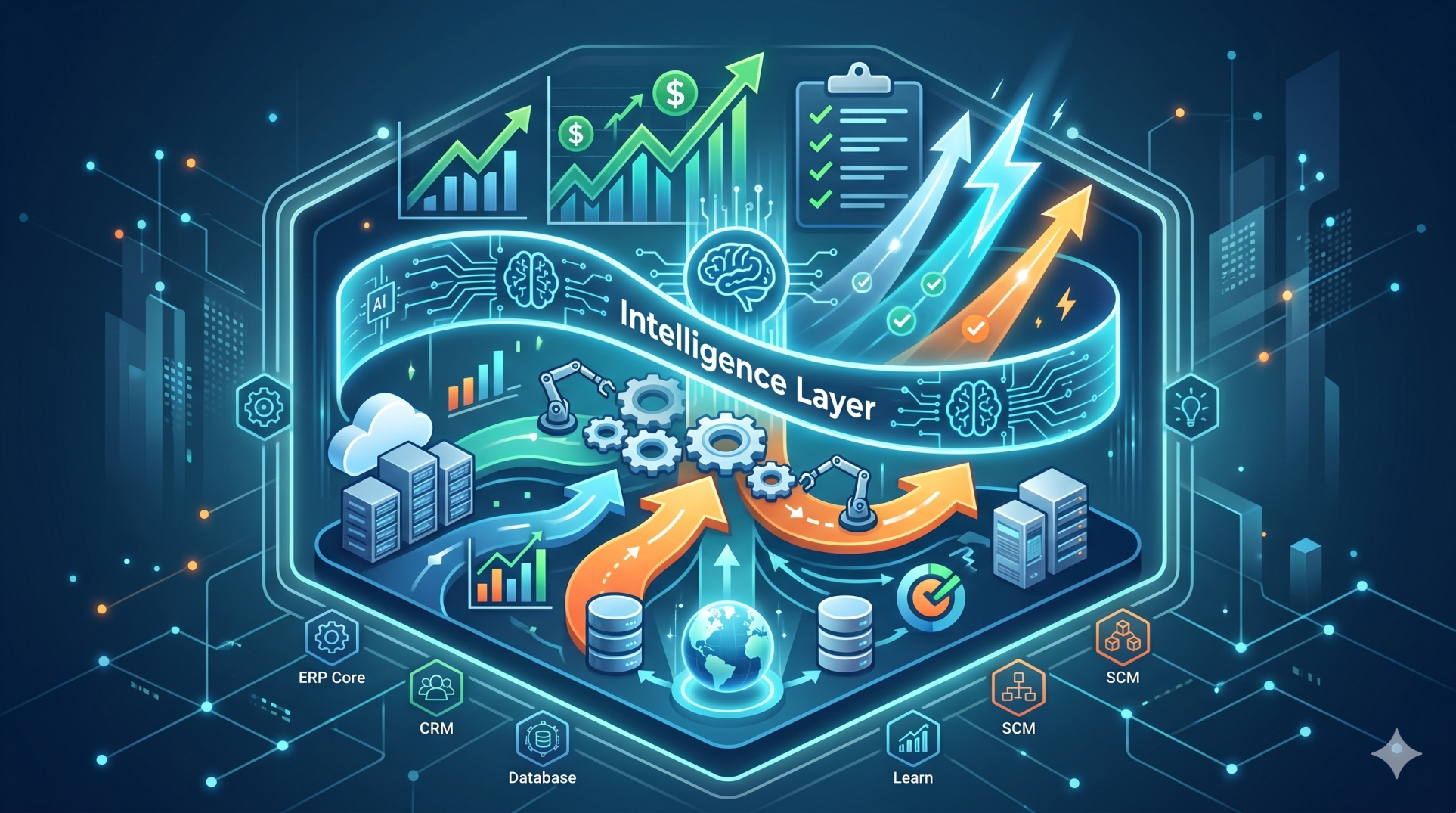
• Drives continuous process optimization 📊
• Supports digital transformation initiatives 🌐
• Aligns technology infrastructure with business goals 🎯
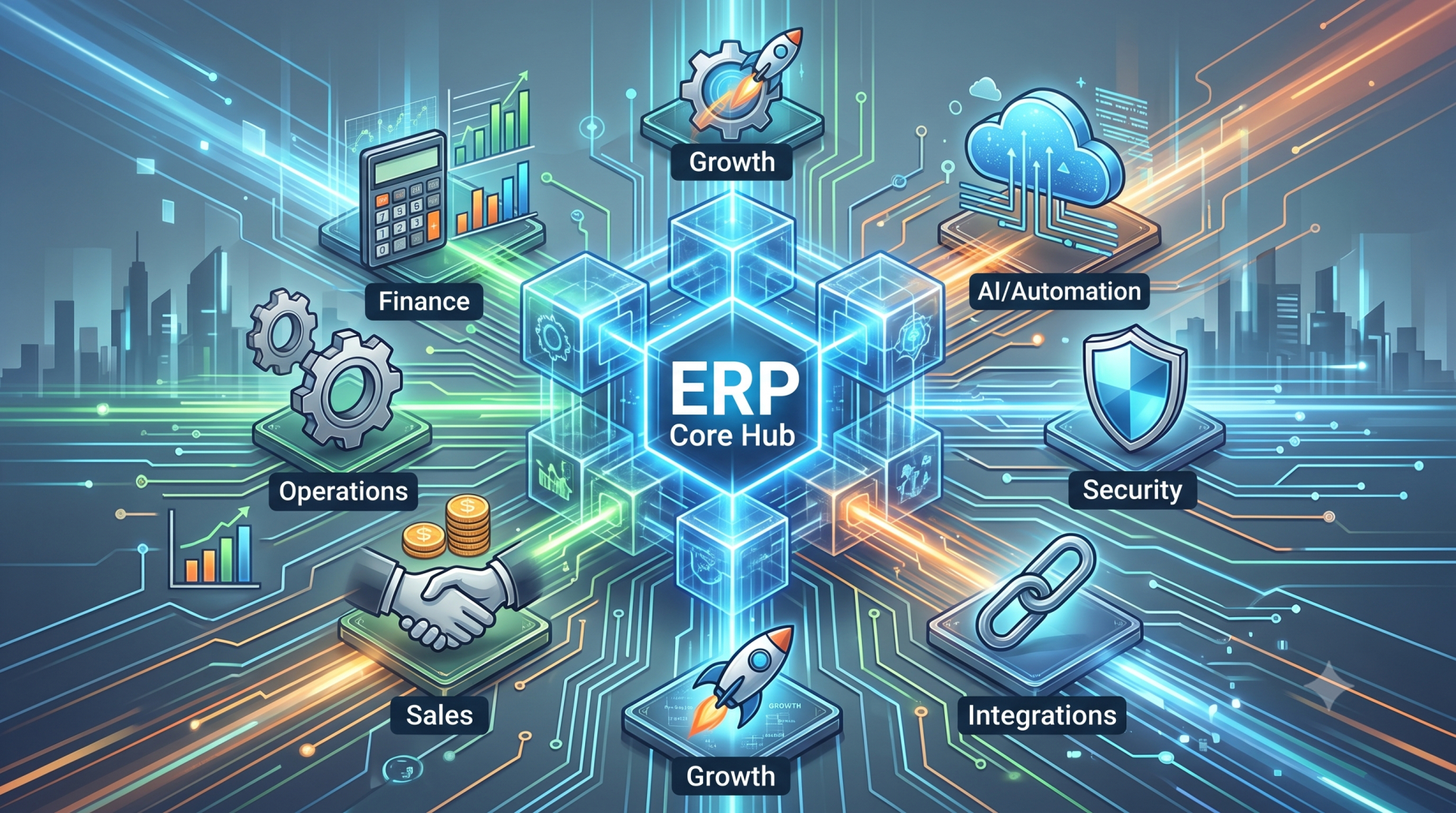
• Positions ERP as the core system of enterprise orchestration 🏆
Conclusion
ERP systems now function as real-time orchestration platforms that connect people, processes, and data across the enterprise. By synchronizing operations, automating workflows, and providing continuous visibility, ERP enables businesses to operate with speed, coordination, and control. In an environment where responsiveness defines success, ERP serves as the engine that keeps the organization aligned and moving forward.
See more blogs
You can all the articles below