ERP Analytics for Smarter Forecasting
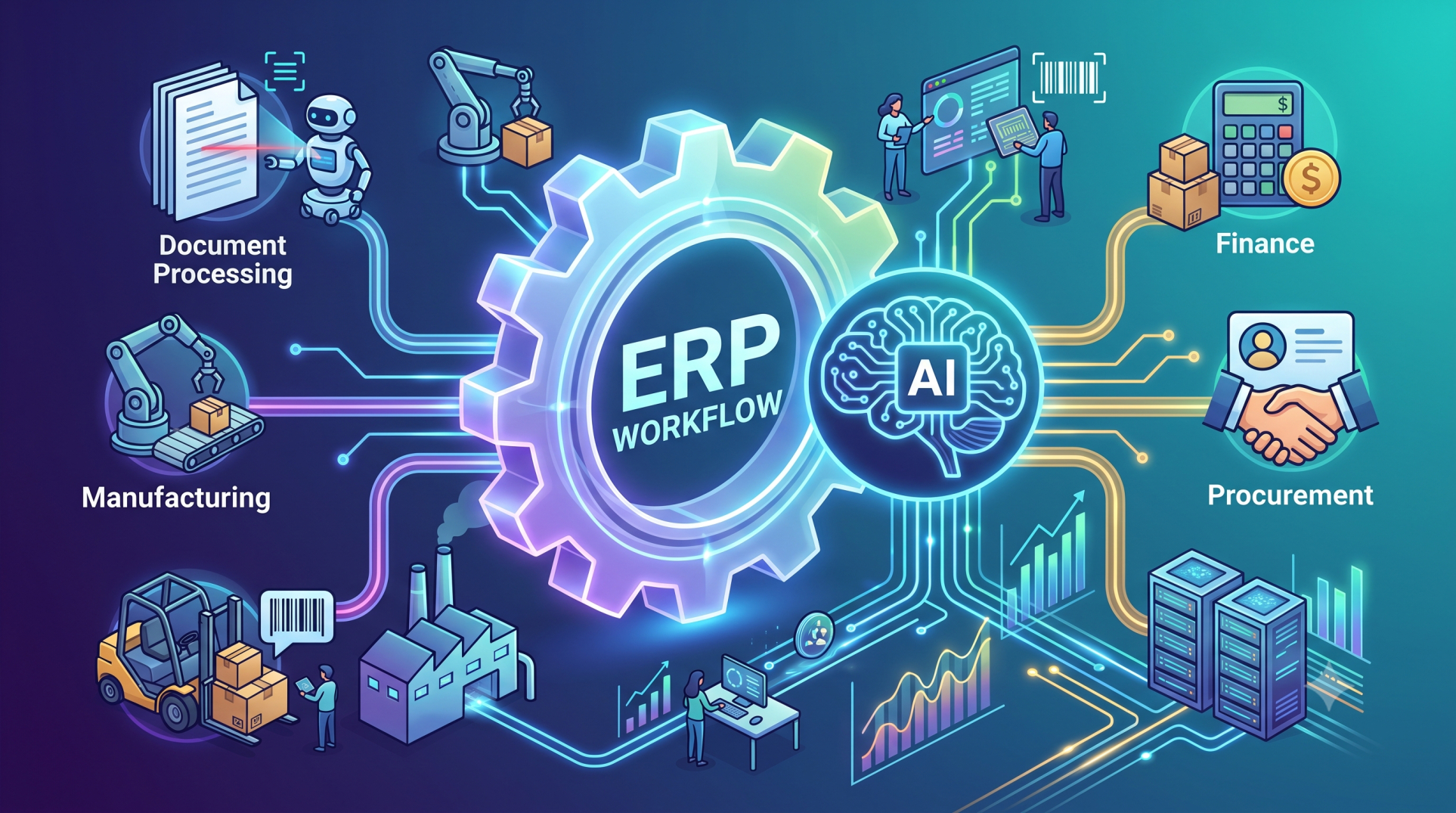
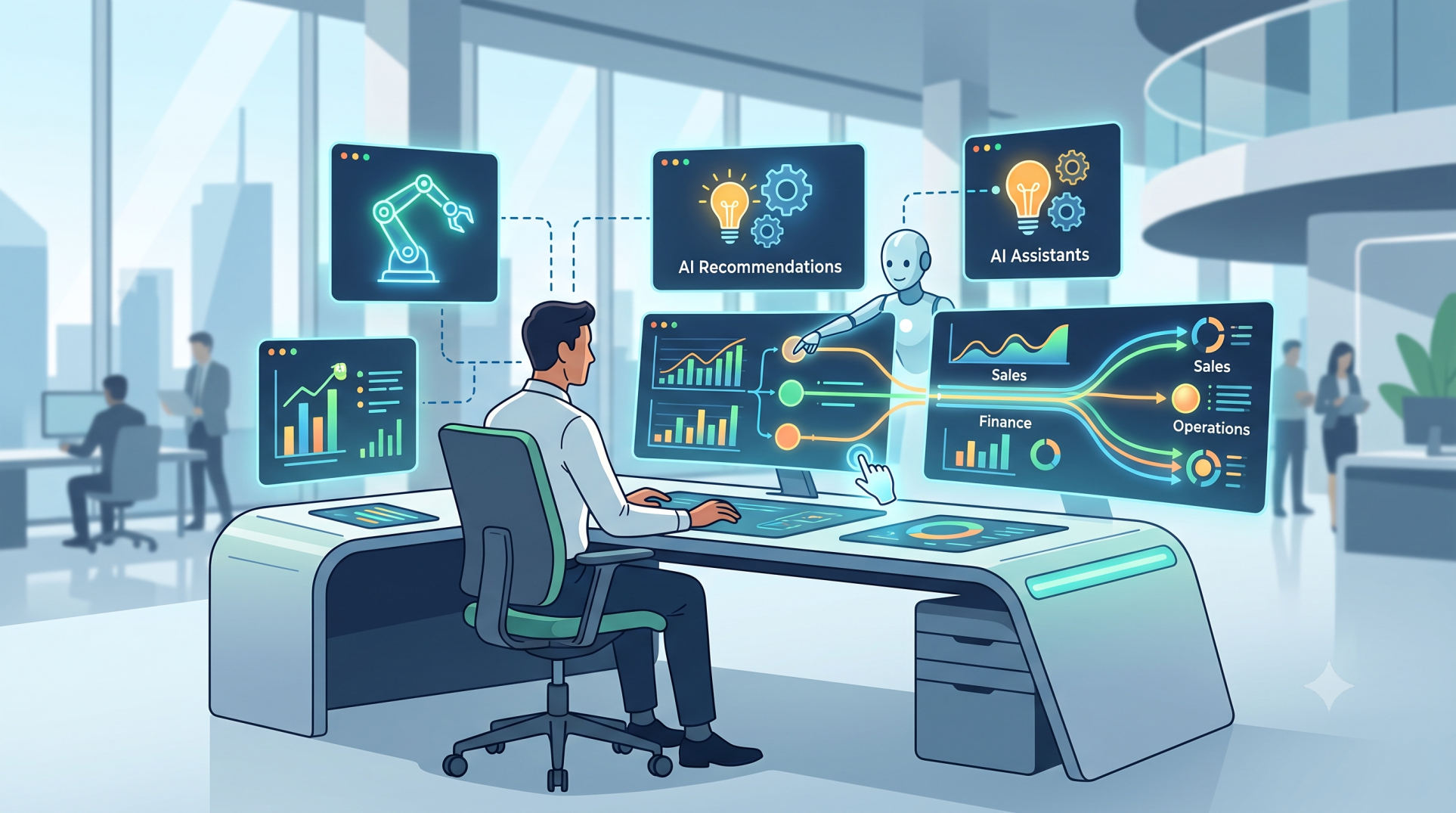
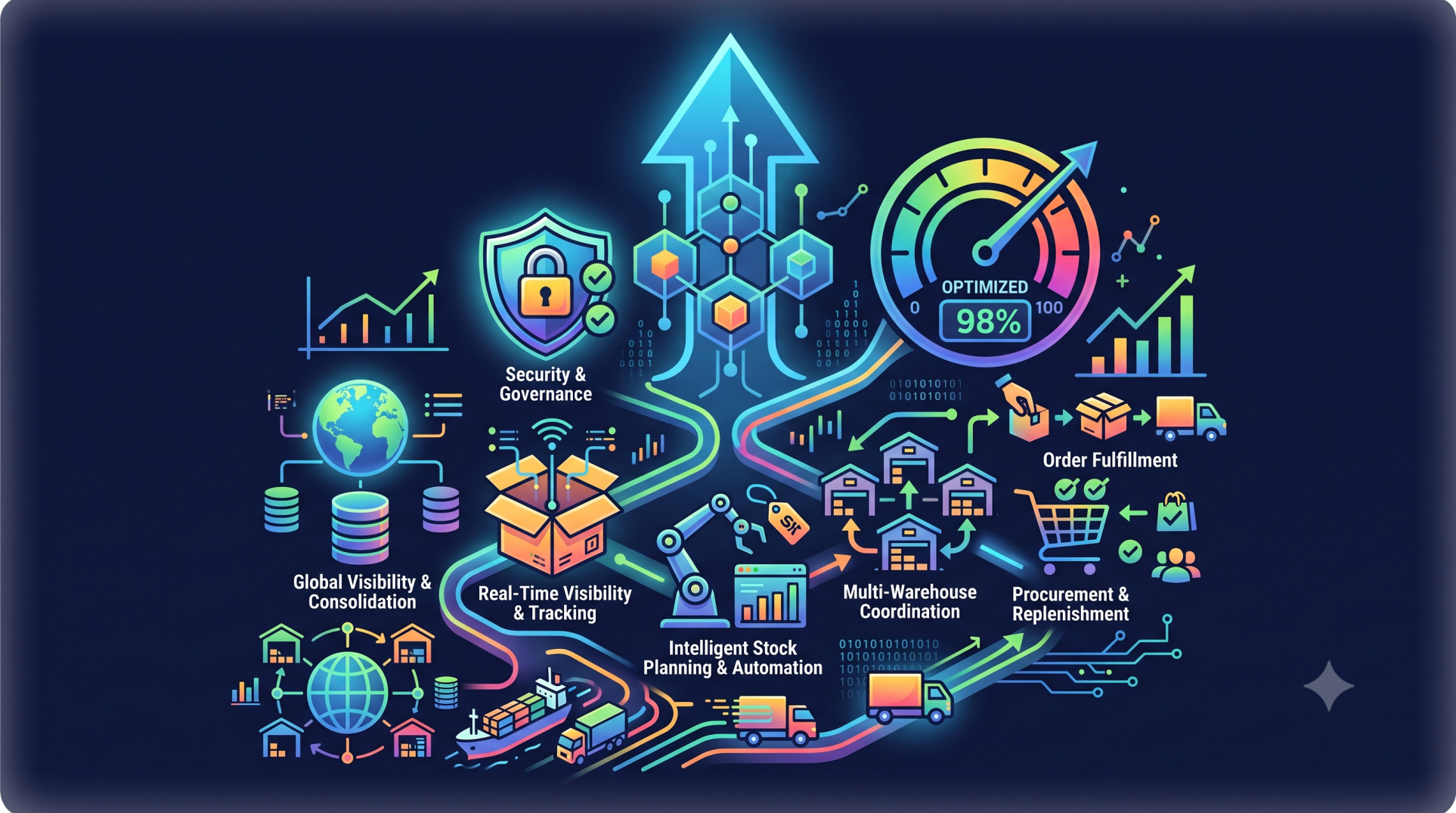
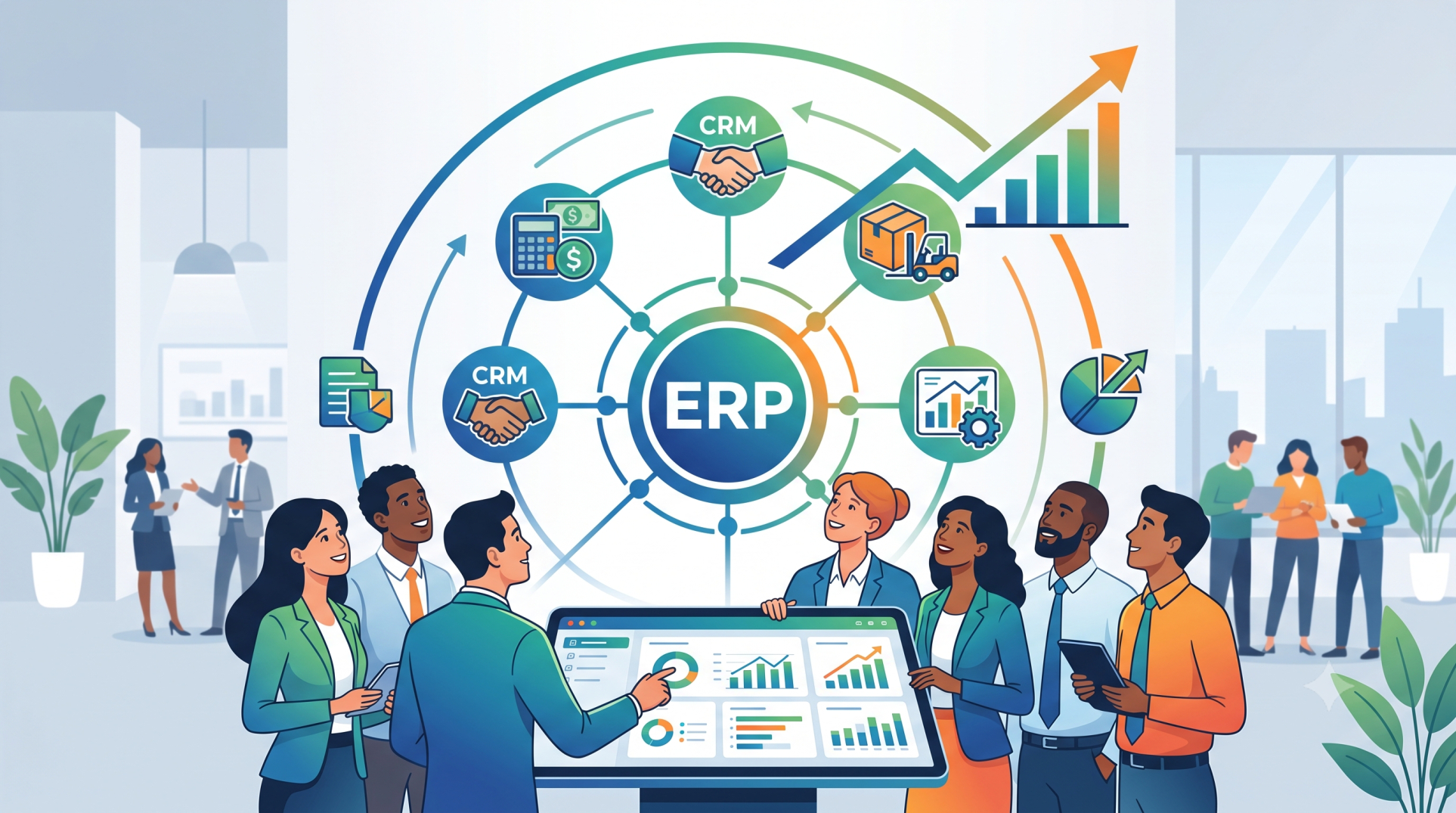
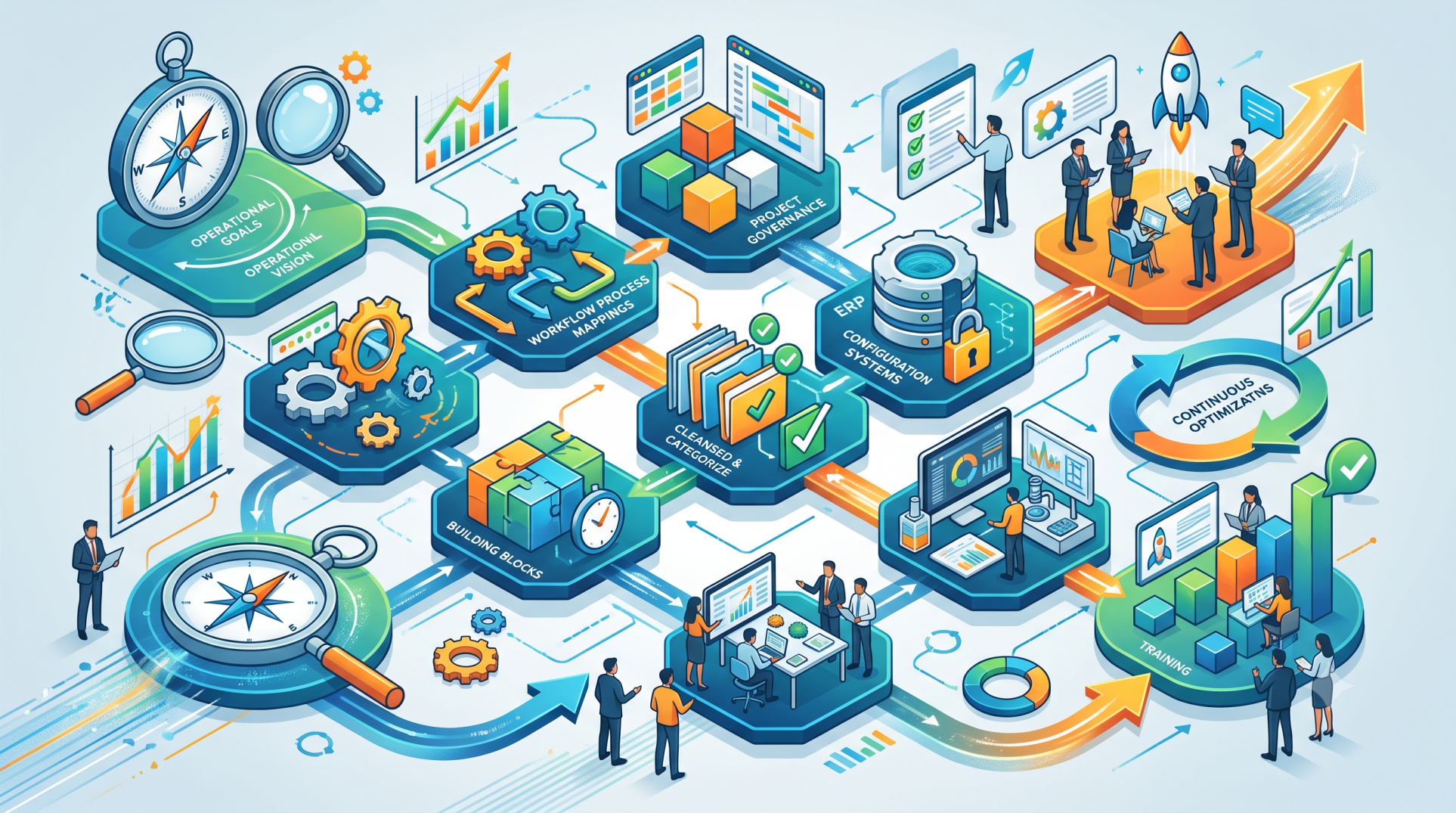
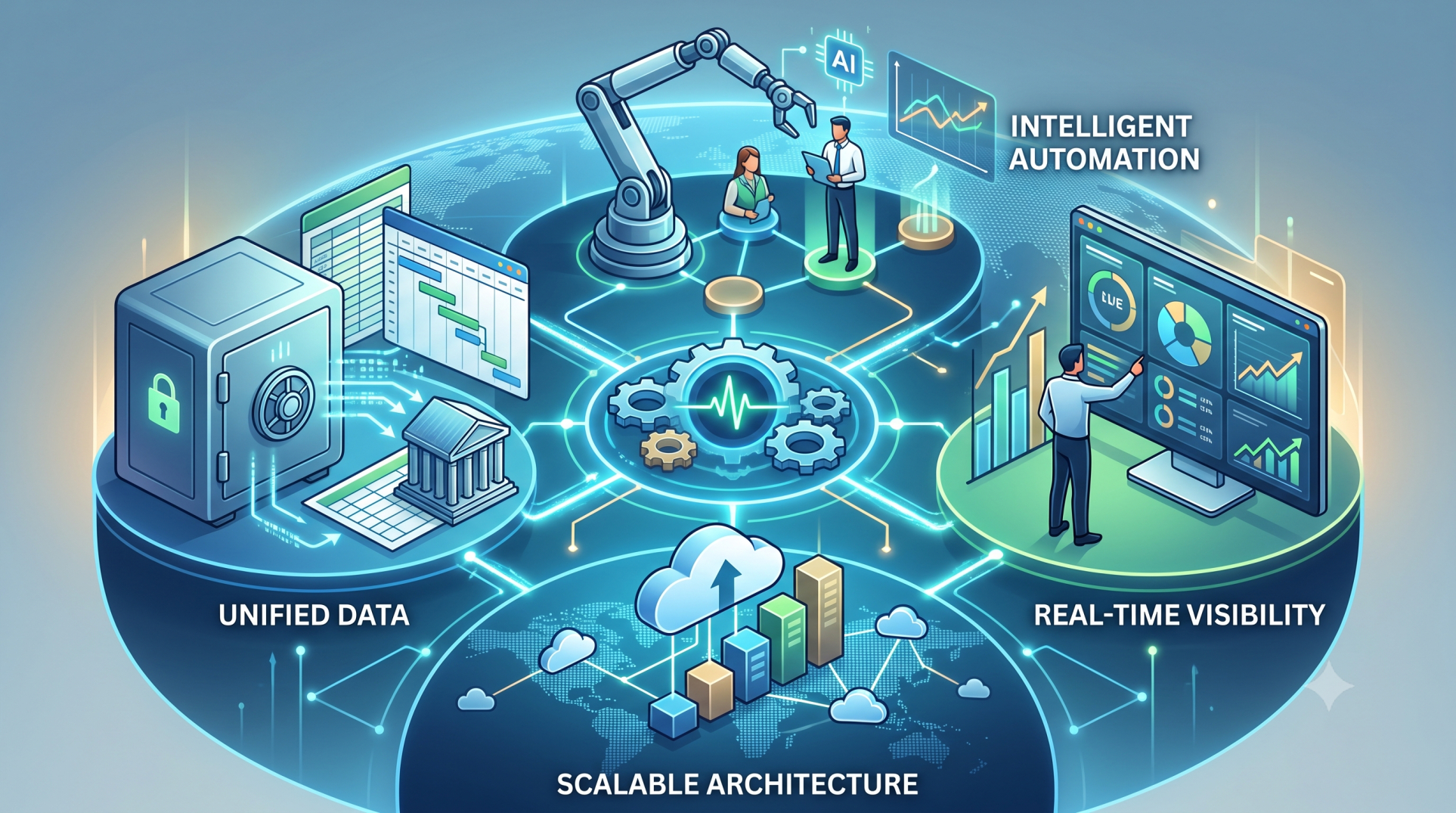
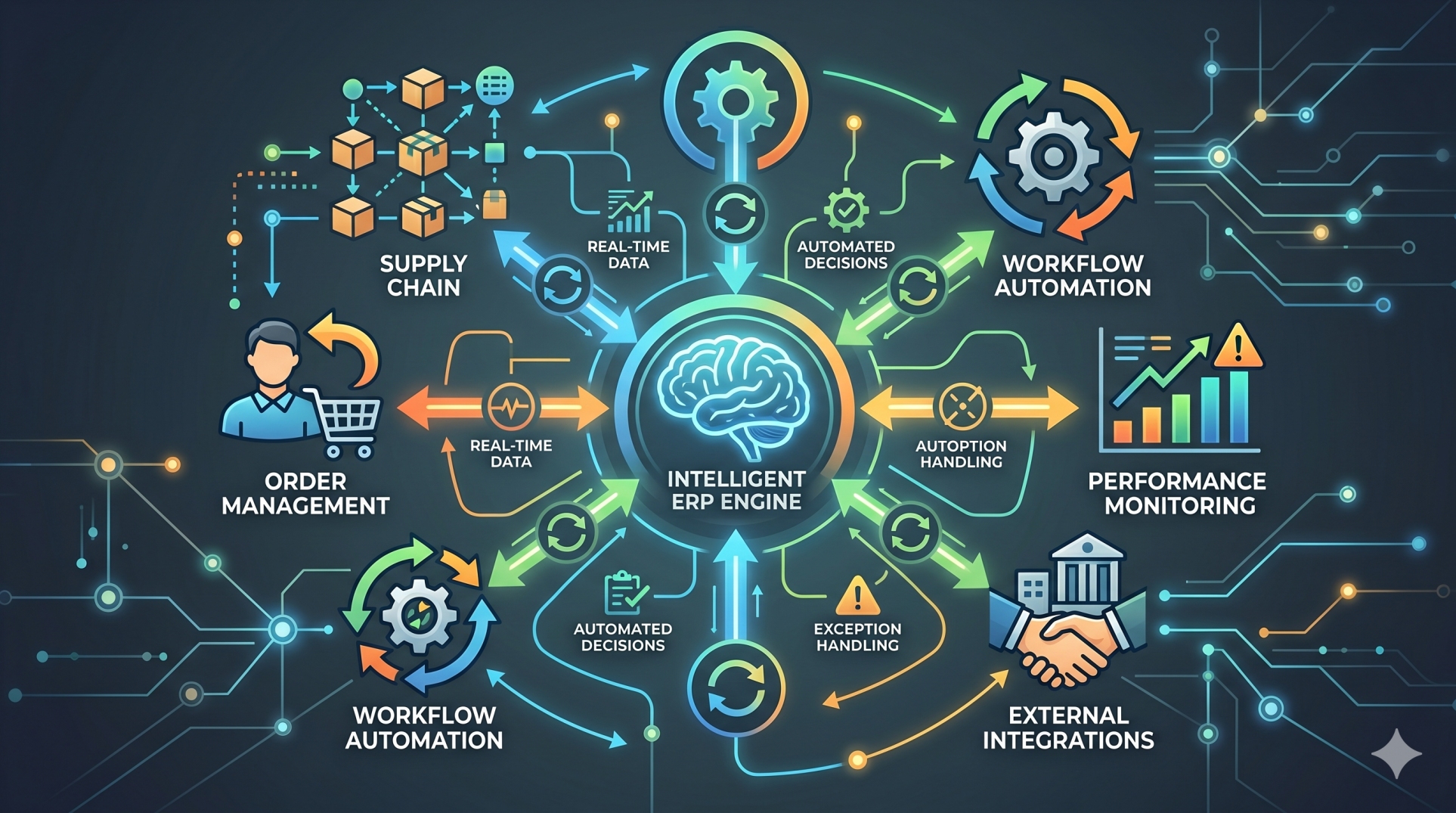
Forecasting has shifted from periodic estimates to continuous, data-driven prediction. Modern ERP analytics combine real-time operational data, historical trends, and advanced analytical models to deliver more accurate and actionable forecasts. By embedding analytics directly into ERP systems, organizations can anticipate change, reduce uncertainty, and plan with greater confidence across the business.
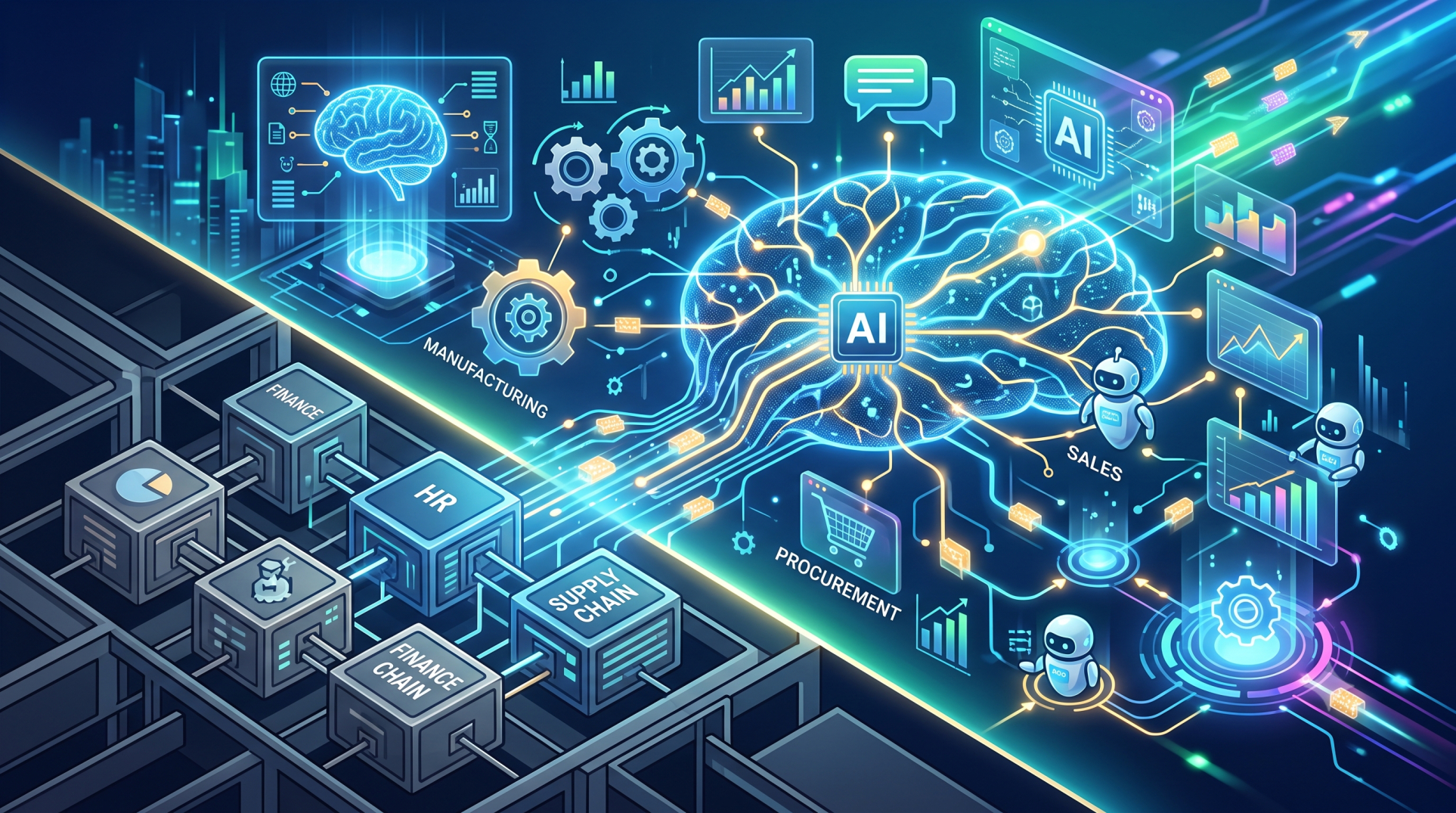
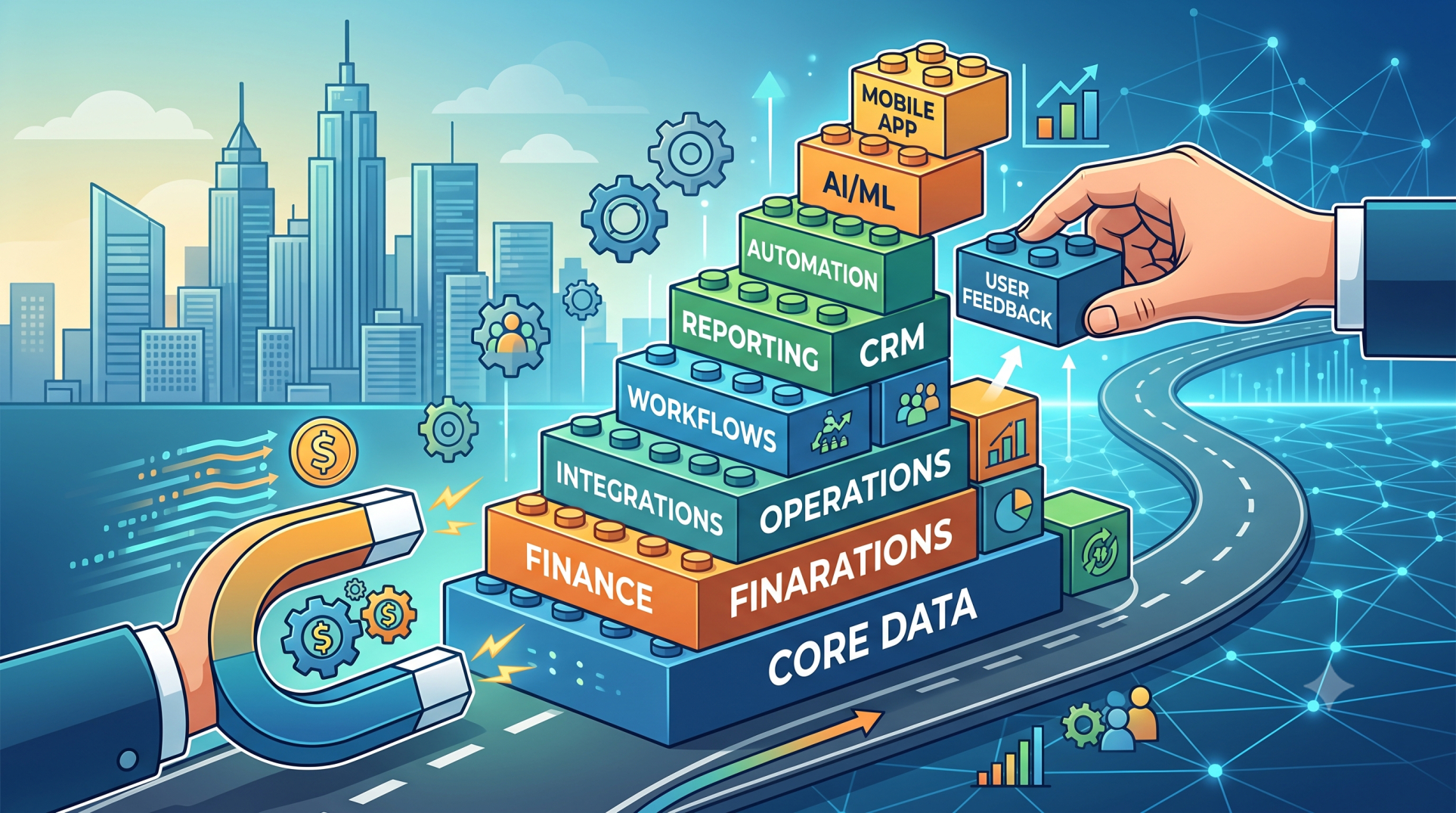
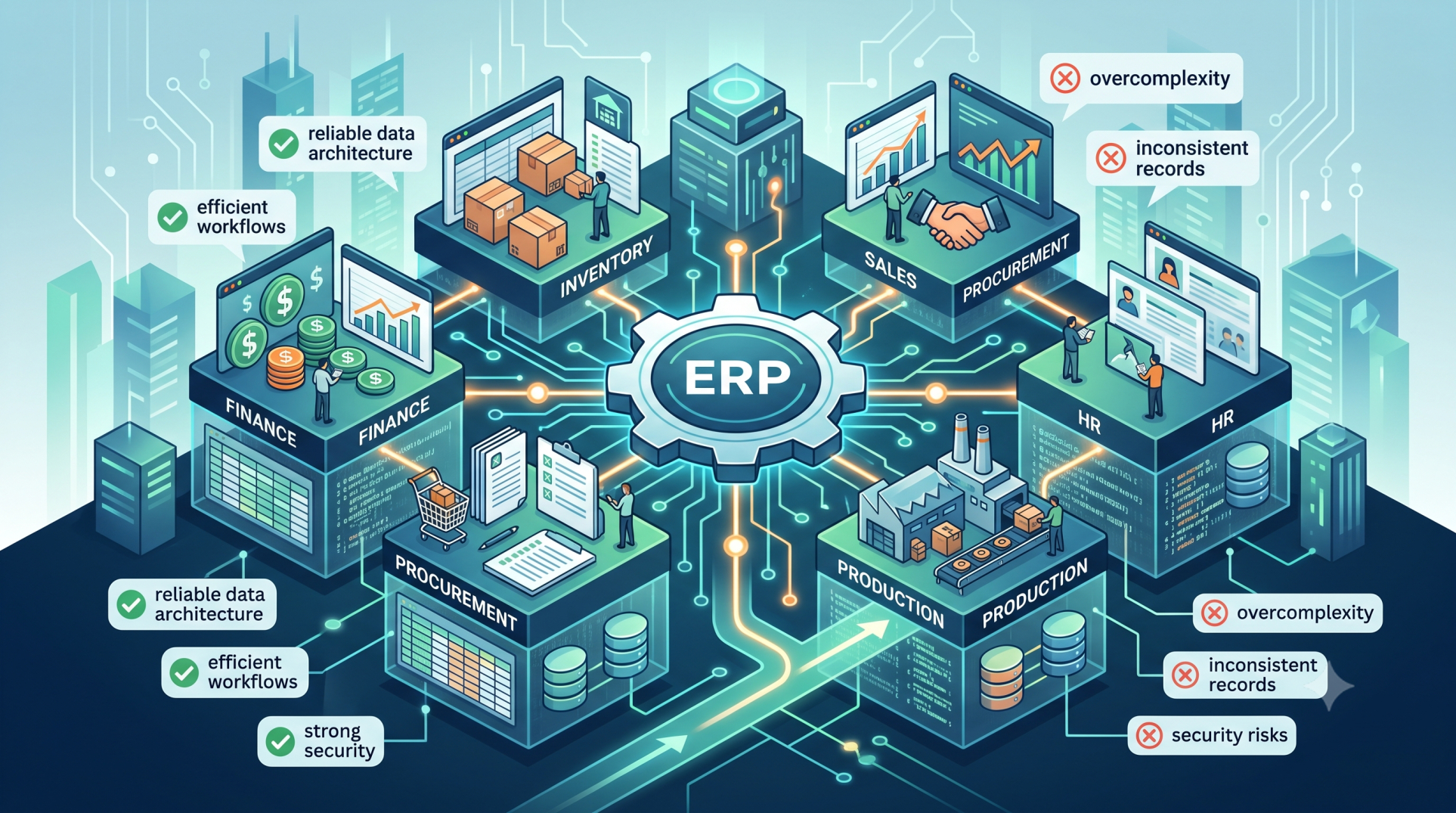
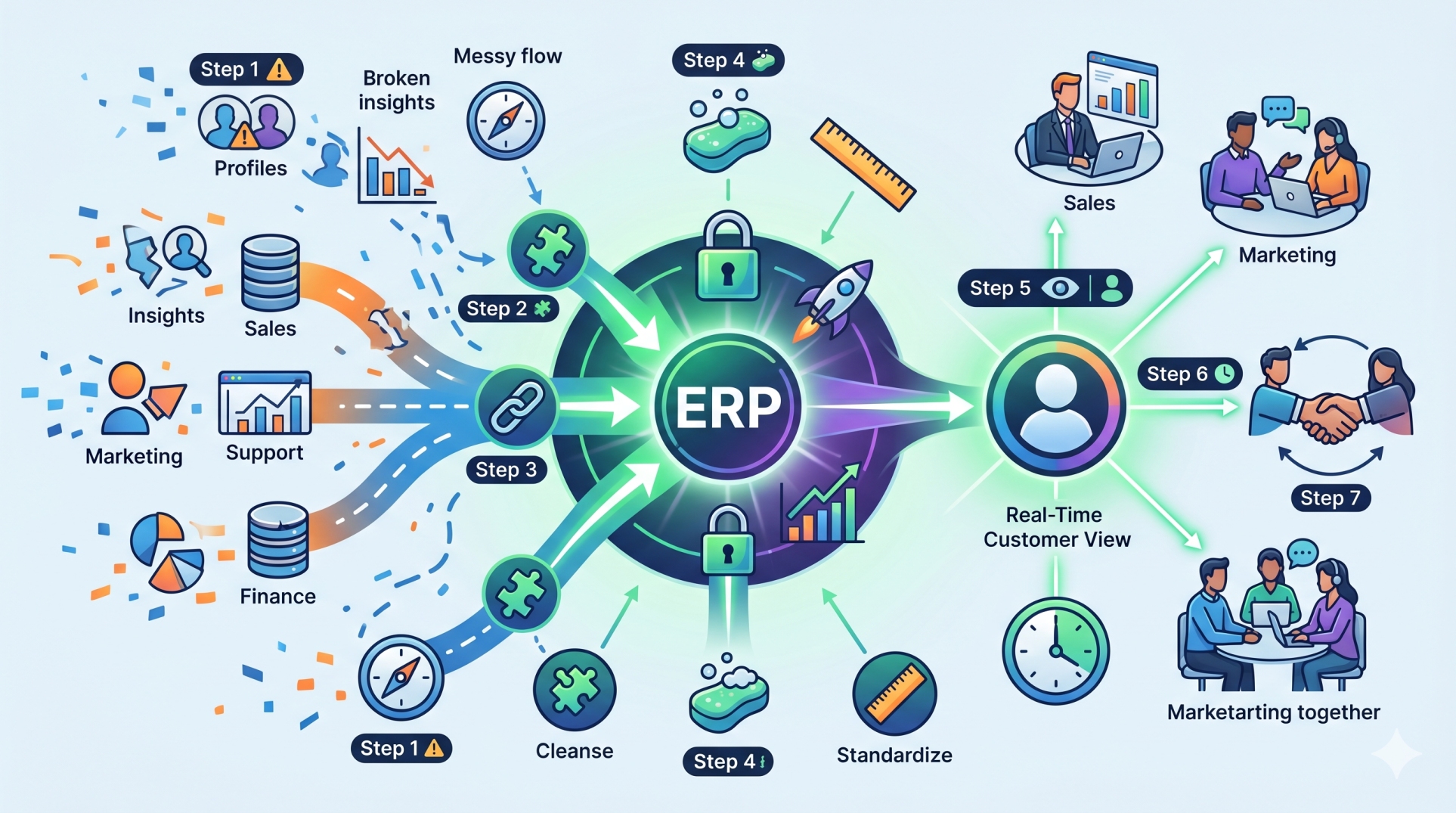
Step 1: ERP as the Foundation for Forecasting Data 🧱
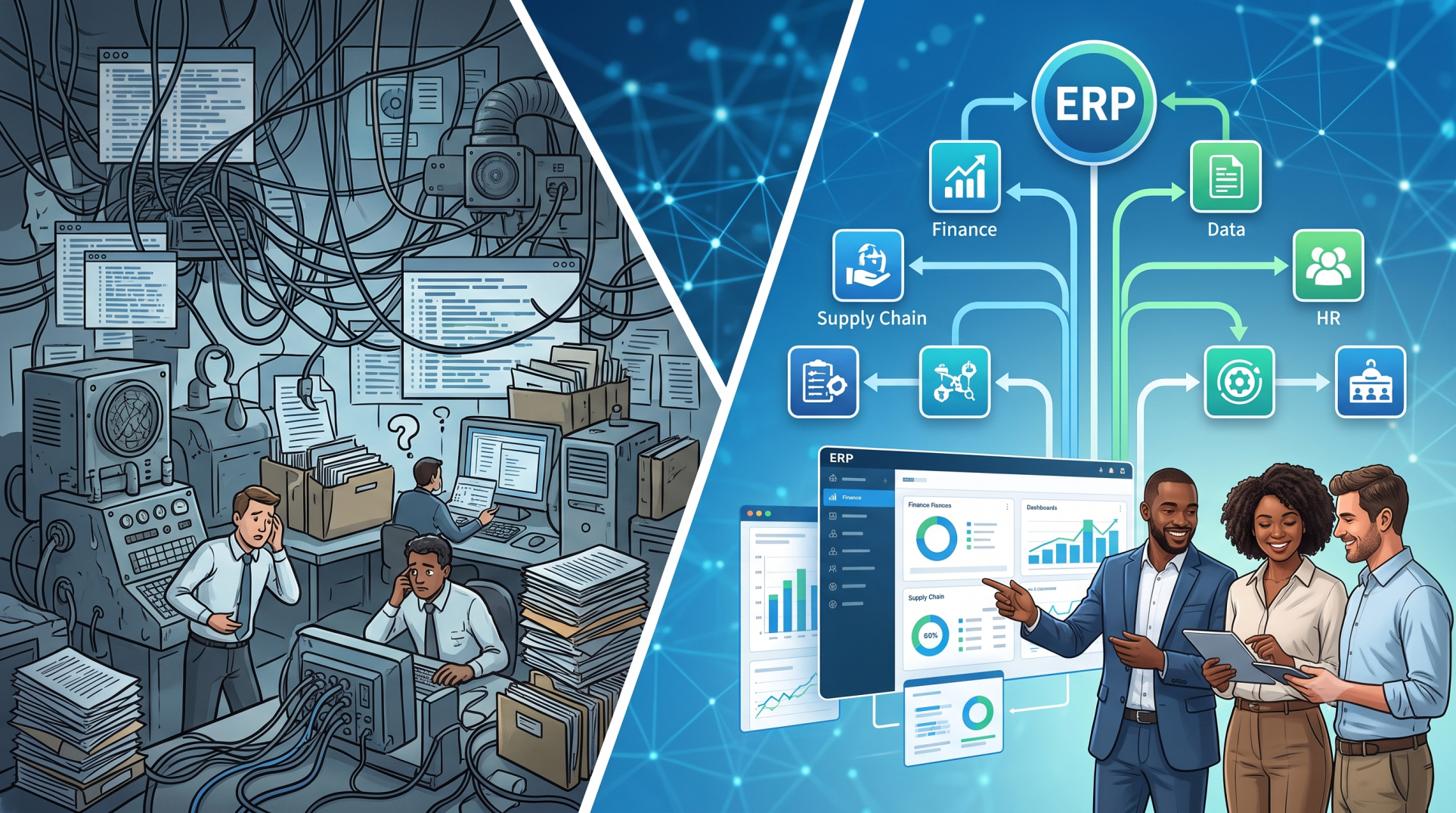
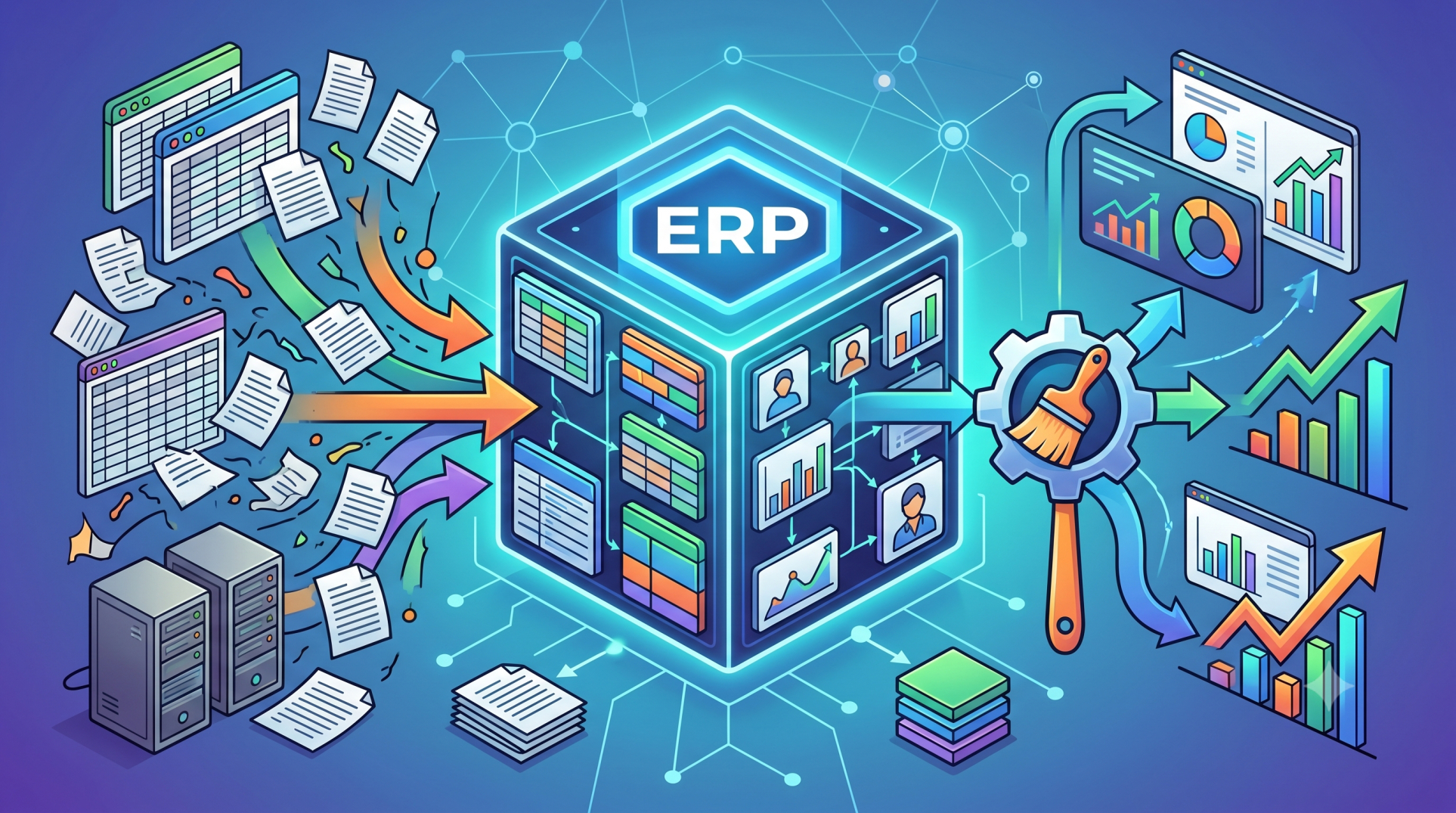
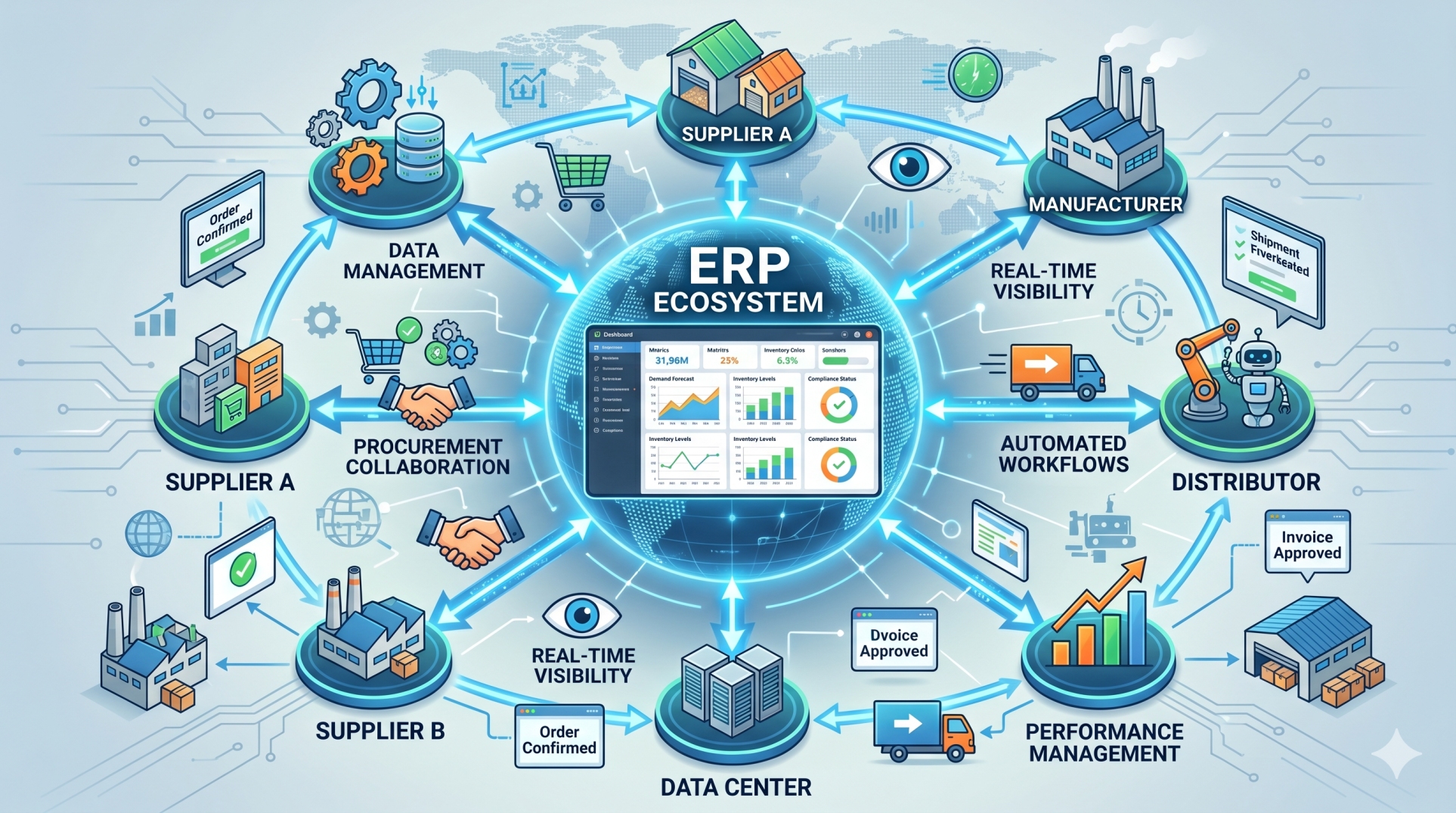
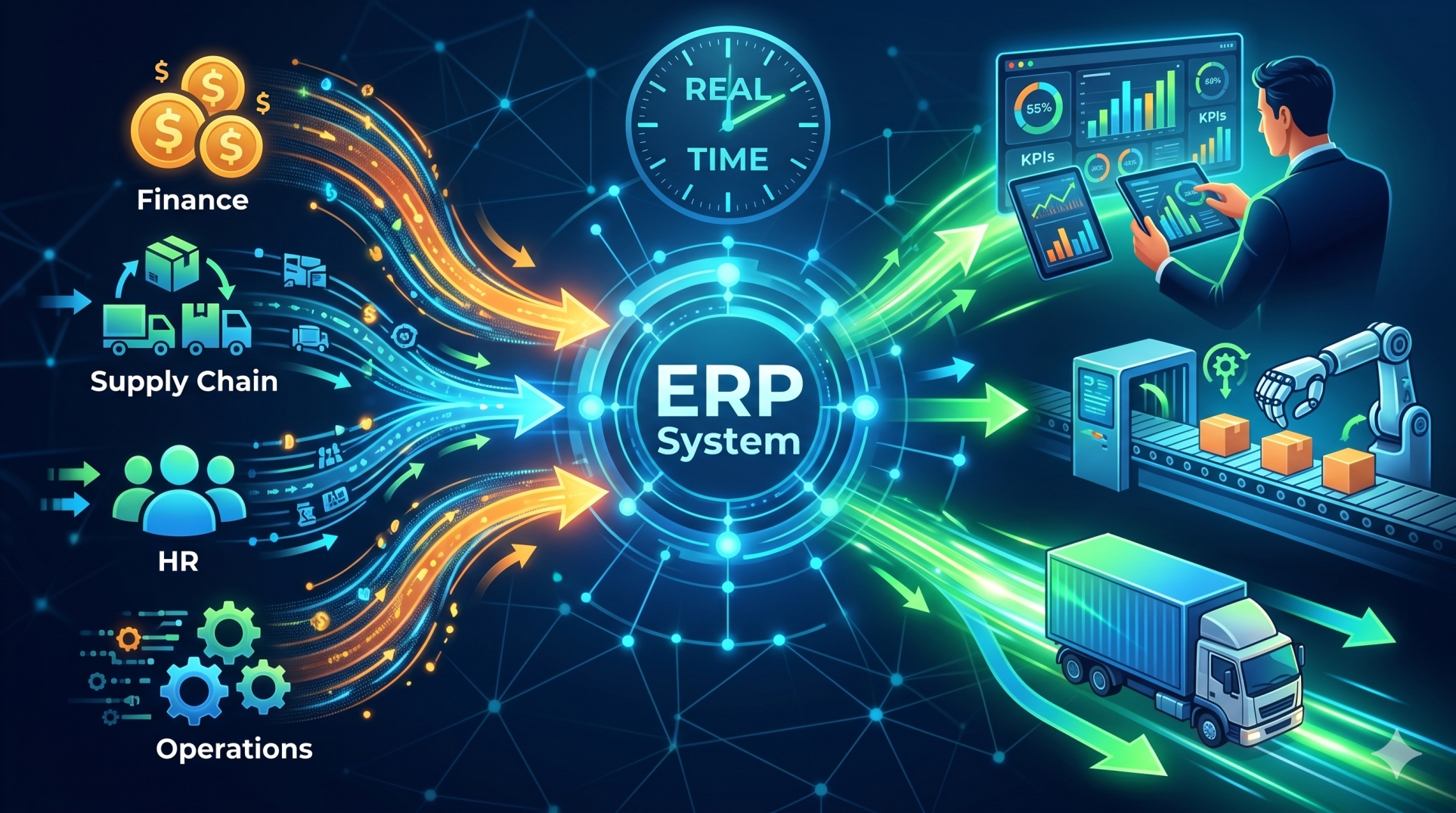
• Consolidates financial, operational, and transactional data 📊
• Eliminates fragmented spreadsheets and disconnected systems 🗂️
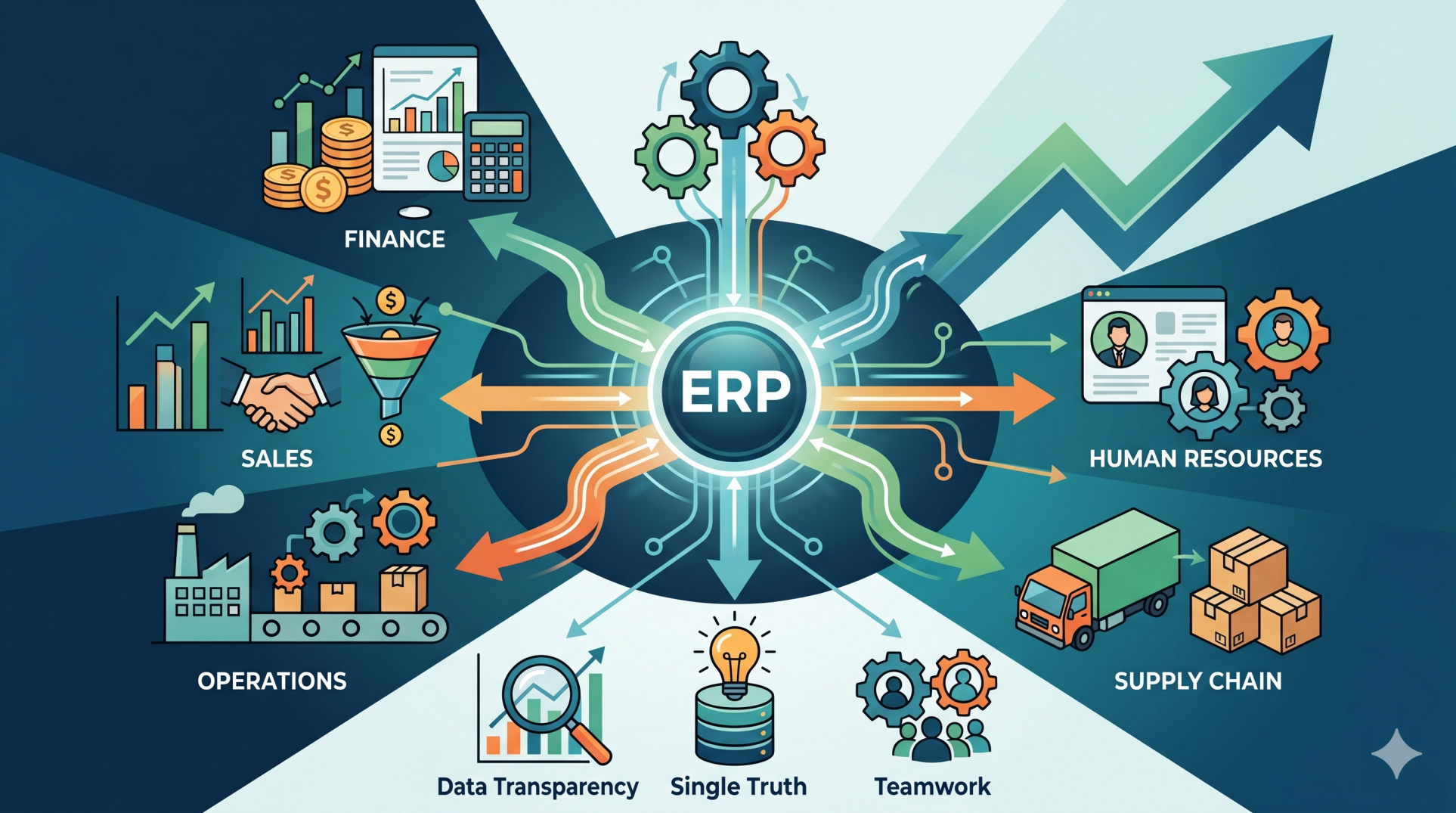
• Establishes a single source of truth for forecasts ✔️
• Standardizes data definitions across departments 🏢
• Improves forecast reliability and consistency 🔍
Step 2: Using Historical Data to Identify Trends 📉
• Analyzes past performance across time periods ⏳
• Identifies recurring patterns and seasonality 🔁
• Highlights long-term growth and decline signals 📈
• Supports trend-based forecasting models 📐
• Provides context for future projections 🧠
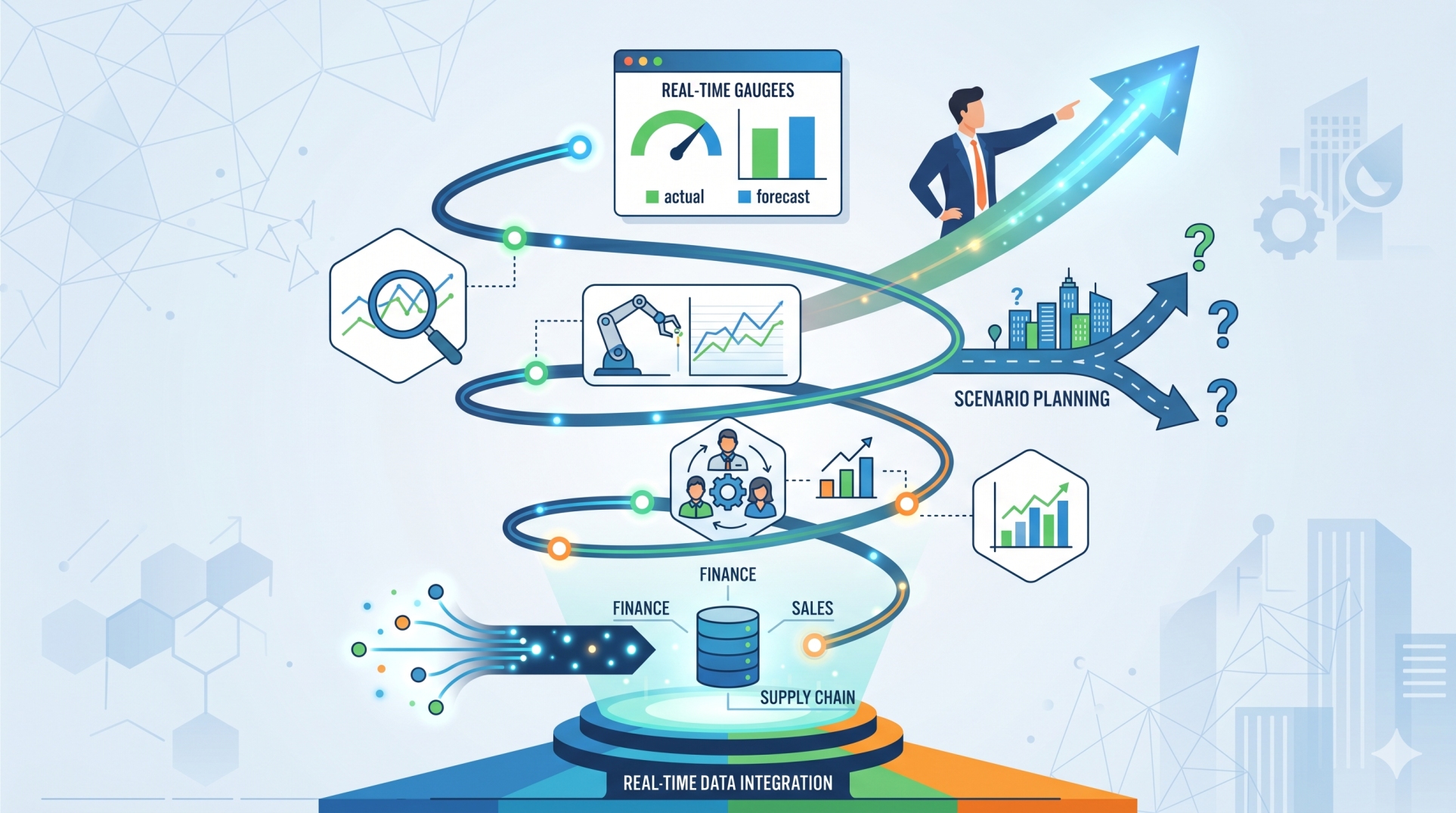
Step 3: Real-Time Data for Dynamic Forecast Updates ⚡
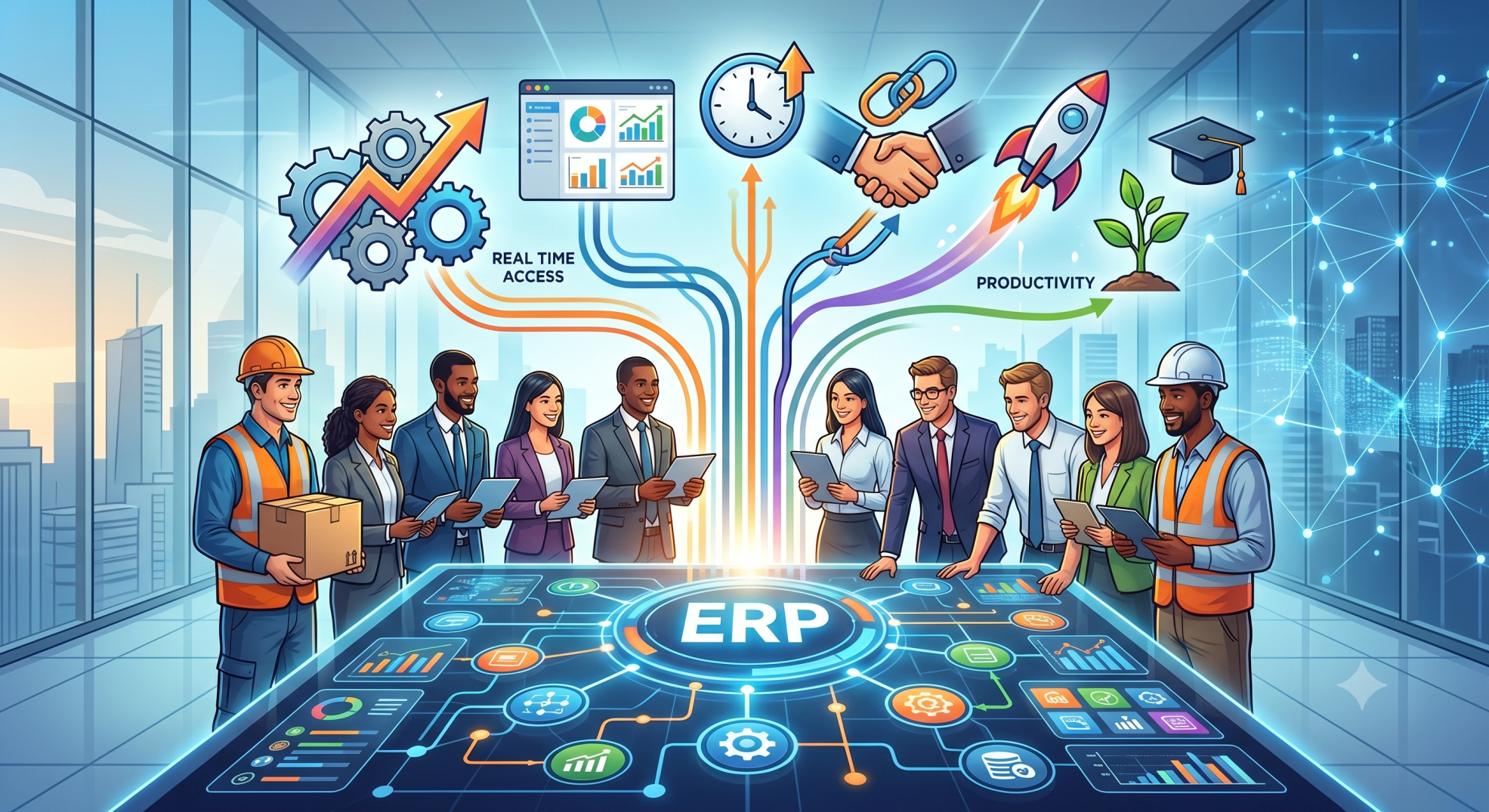
• Incorporates live transactional and operational data 🔄
• Updates forecasts as conditions change ♻️
• Reduces reliance on static, outdated projections 🚫
• Enables faster response to market shifts 🚀
• Improves forecast accuracy during volatility 🎯
Step 4: Embedded Analytics and Forecast Dashboards 📊
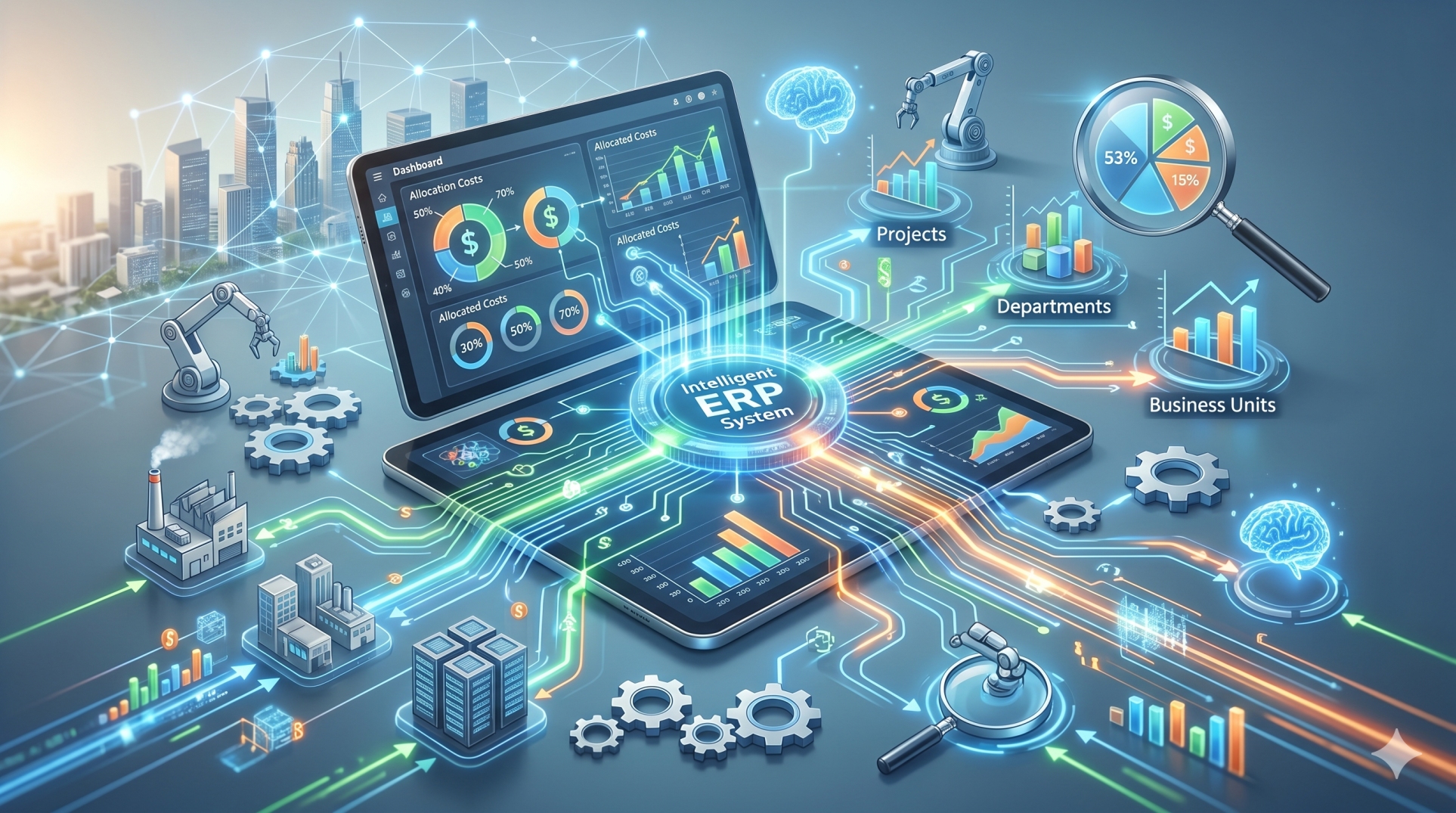
• Delivers role-based forecasting views 👥
• Visualizes projected outcomes and key assumptions 👀
• Enables drill-down into drivers behind forecasts 🔍
• Makes forecasting accessible to non-technical users 👍
• Improves transparency and alignment 🔗
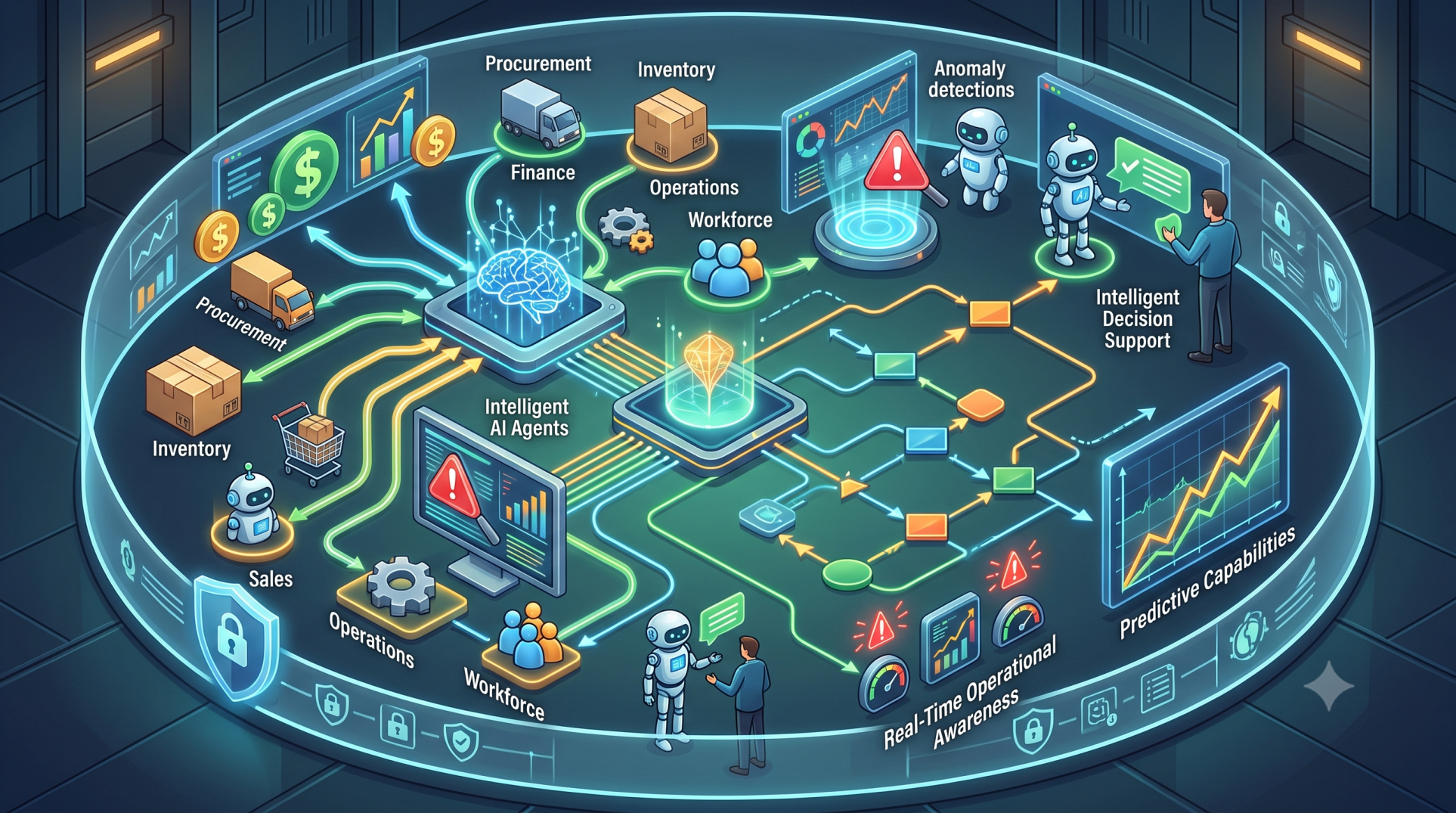
Step 5: Predictive Models Within ERP Analytics 🔮
• Applies statistical and predictive techniques 🧮
• Anticipates demand, revenue, cash flow, and capacity needs 💰
• Identifies risks and upside opportunities ⚠️
• Supports scenario-based forecasting 🔄
• Enhances planning precision 🎯
Step 6: Scenario Planning and What-If Analysis 🔍
• Tests multiple business scenarios 🧪
• Evaluates the impact of market, pricing, or cost changes 📉
• Supports contingency planning 🛠️
• Improves confidence in decision-making 💡
• Reduces forecasting blind spots 🚫
Step 7: Cross-Functional Forecast Alignment 🤝
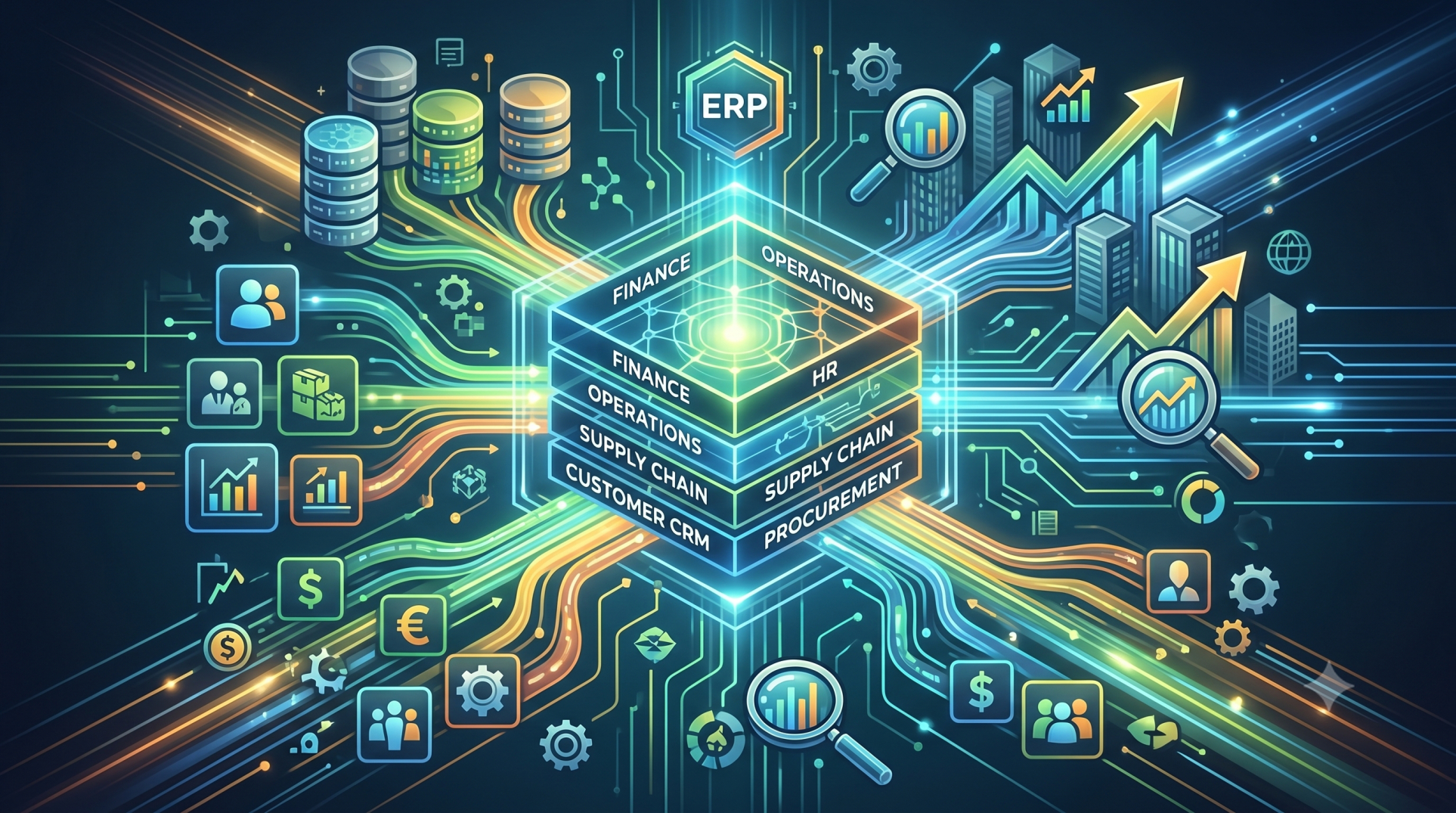
• Aligns finance, operations, sales, and supply chain forecasts 🔗
• Ensures assumptions are consistent across teams ✔️
• Reduces conflicting projections 🚦
• Improves coordination and accountability 🧭
• Strengthens organization-wide planning 🏢
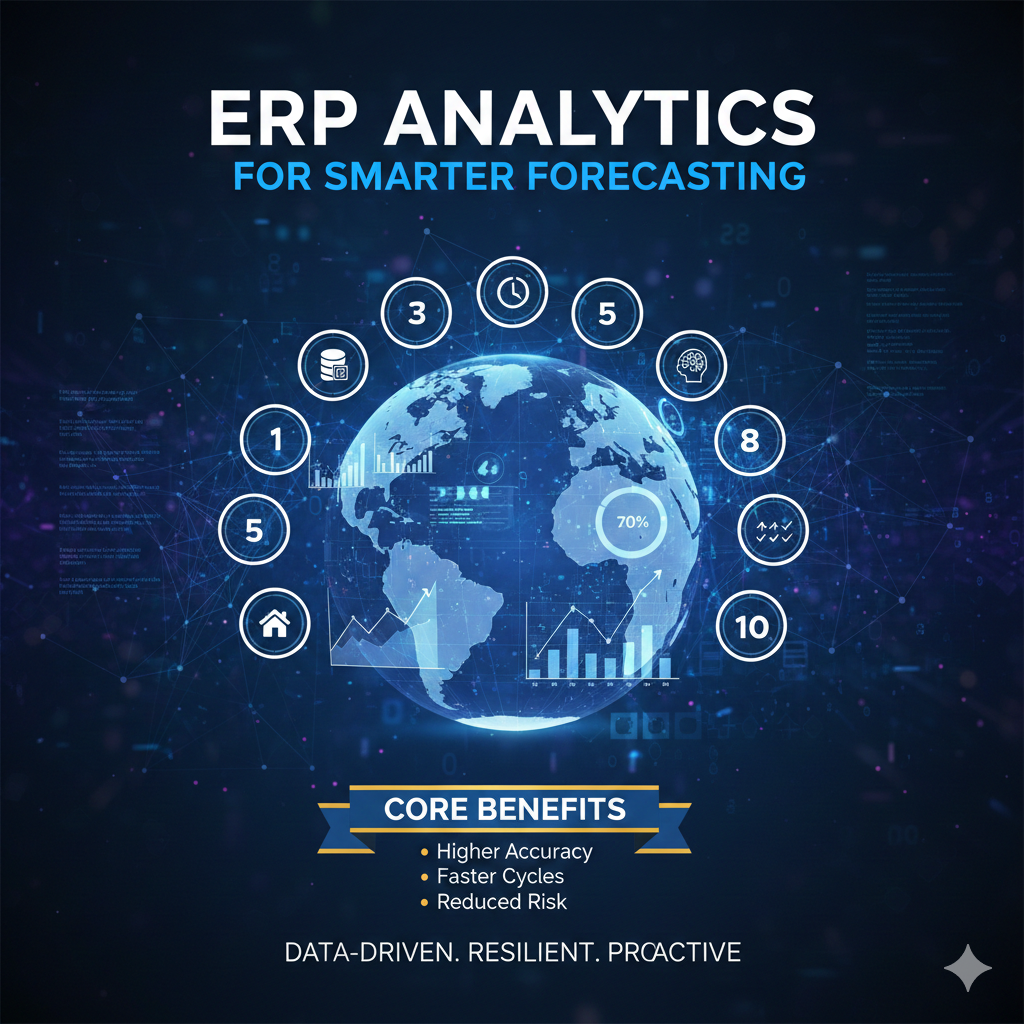
Step 8: Core Forecasting Benefits 🎯
• Higher forecast accuracy 📈
• Faster planning cycles ⏱️
• Reduced business risk 🛡️
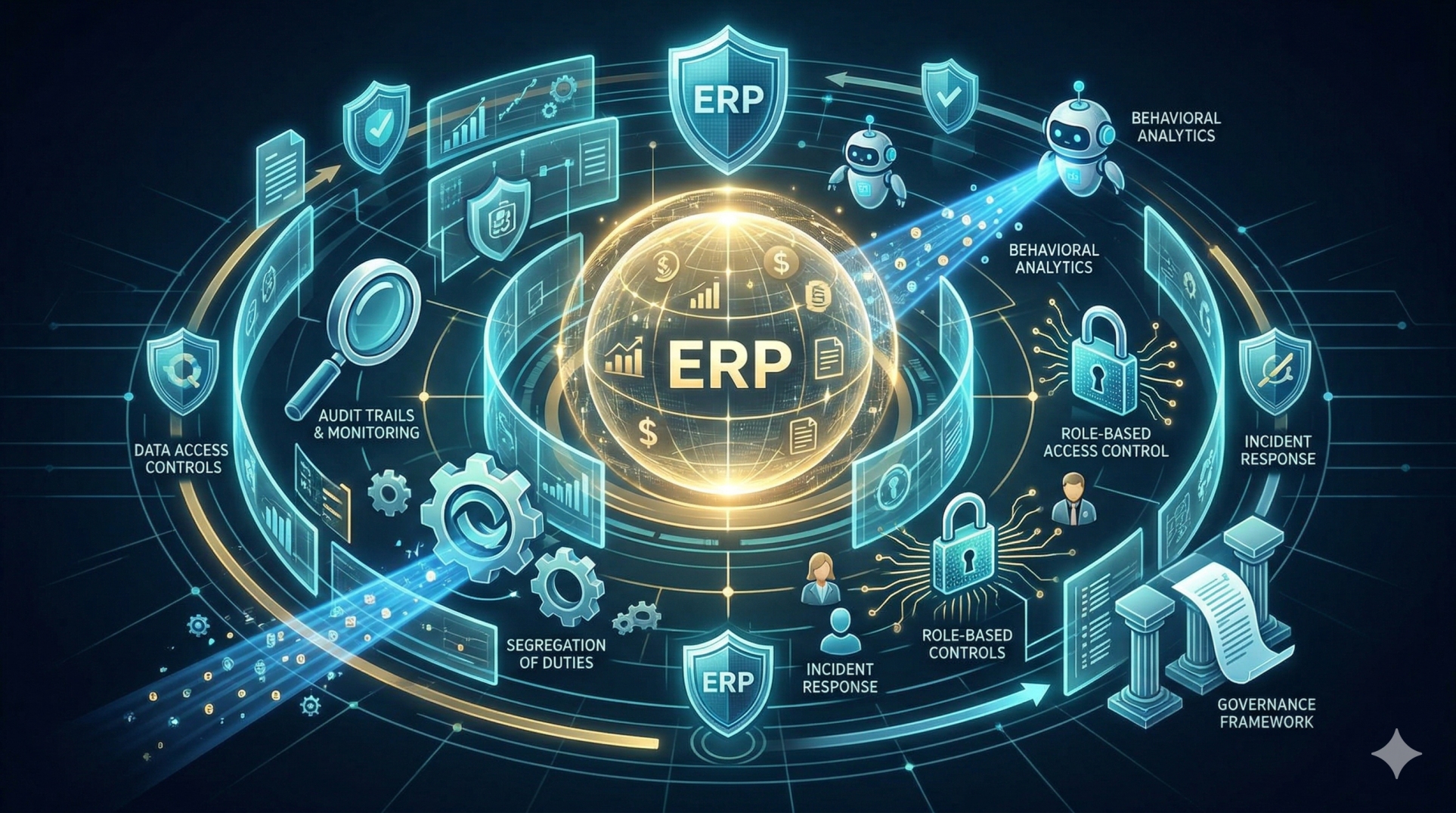
Step 9: Governance and Forecast Quality Control 🛡️
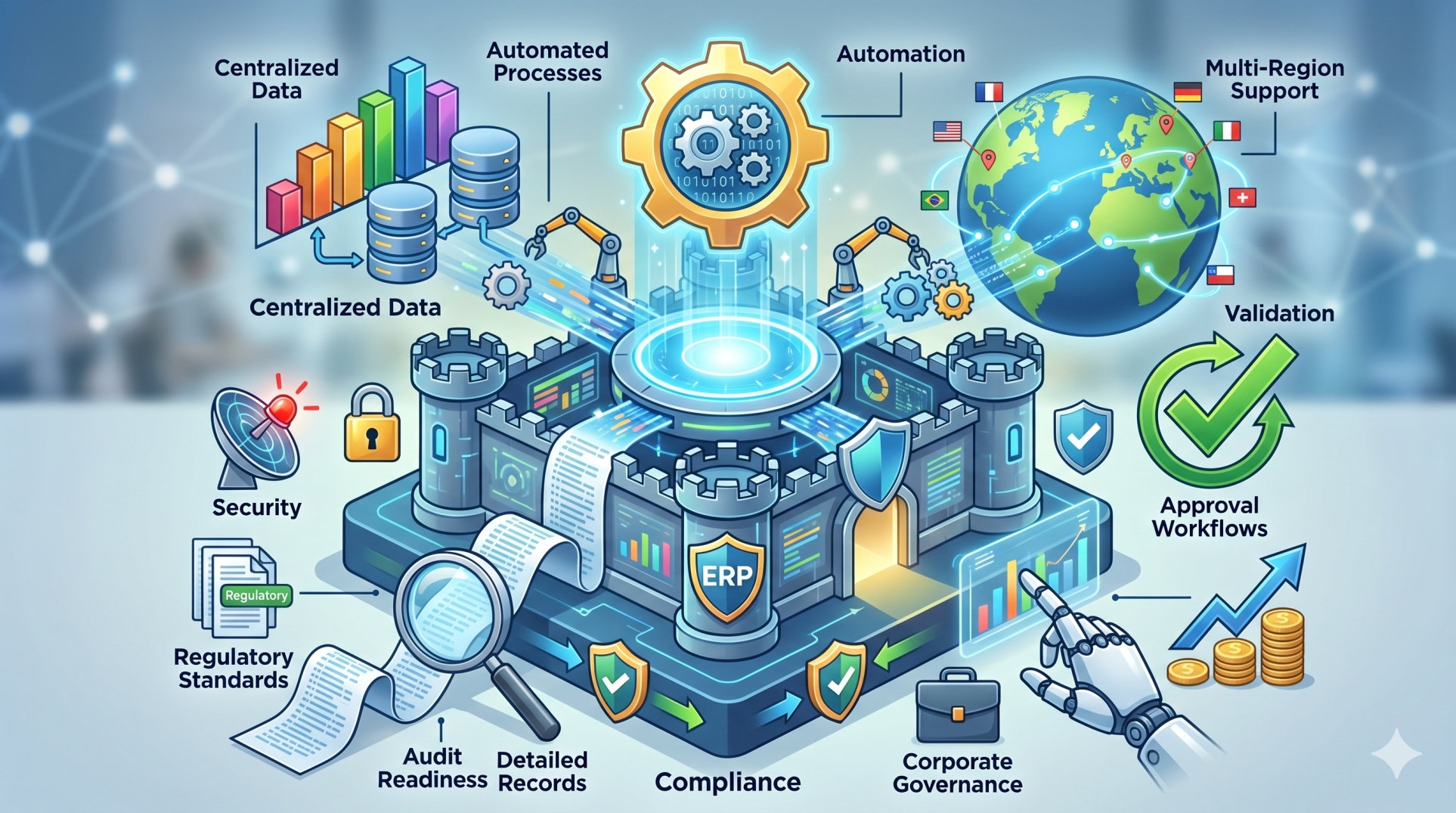
• Enforces data validation and accuracy rules ✔️
• Maintains audit trails for forecast changes 🧾
• Supports compliance and reporting requirements ⚖️
• Improves trust in forecast outputs 🤝
• Ensures repeatable forecasting processes 🔁
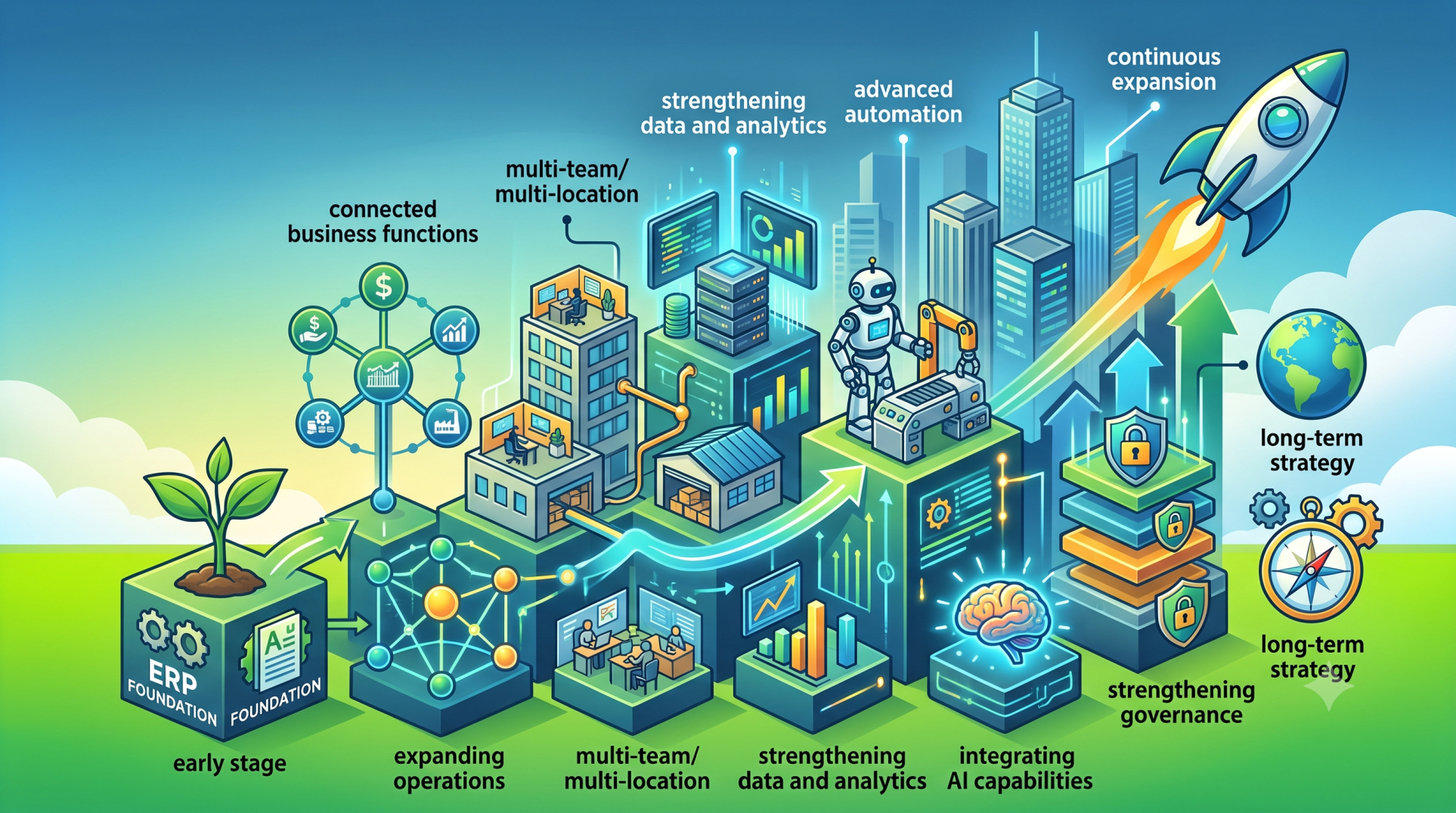
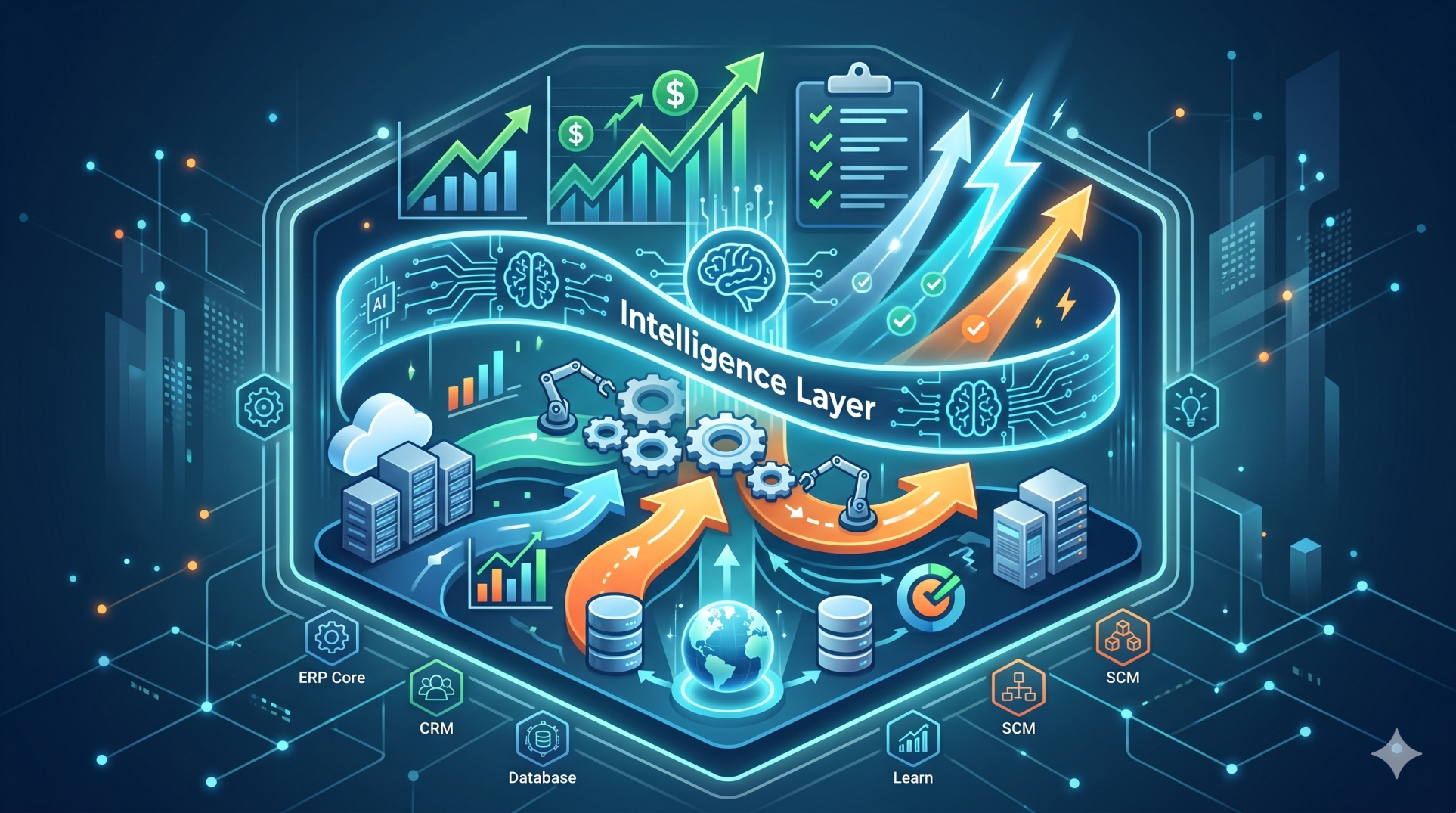
Step 10: ERP Analytics as a Strategic Forecasting Engine 🏆
• Transforms forecasting from reactive to proactive 🚀
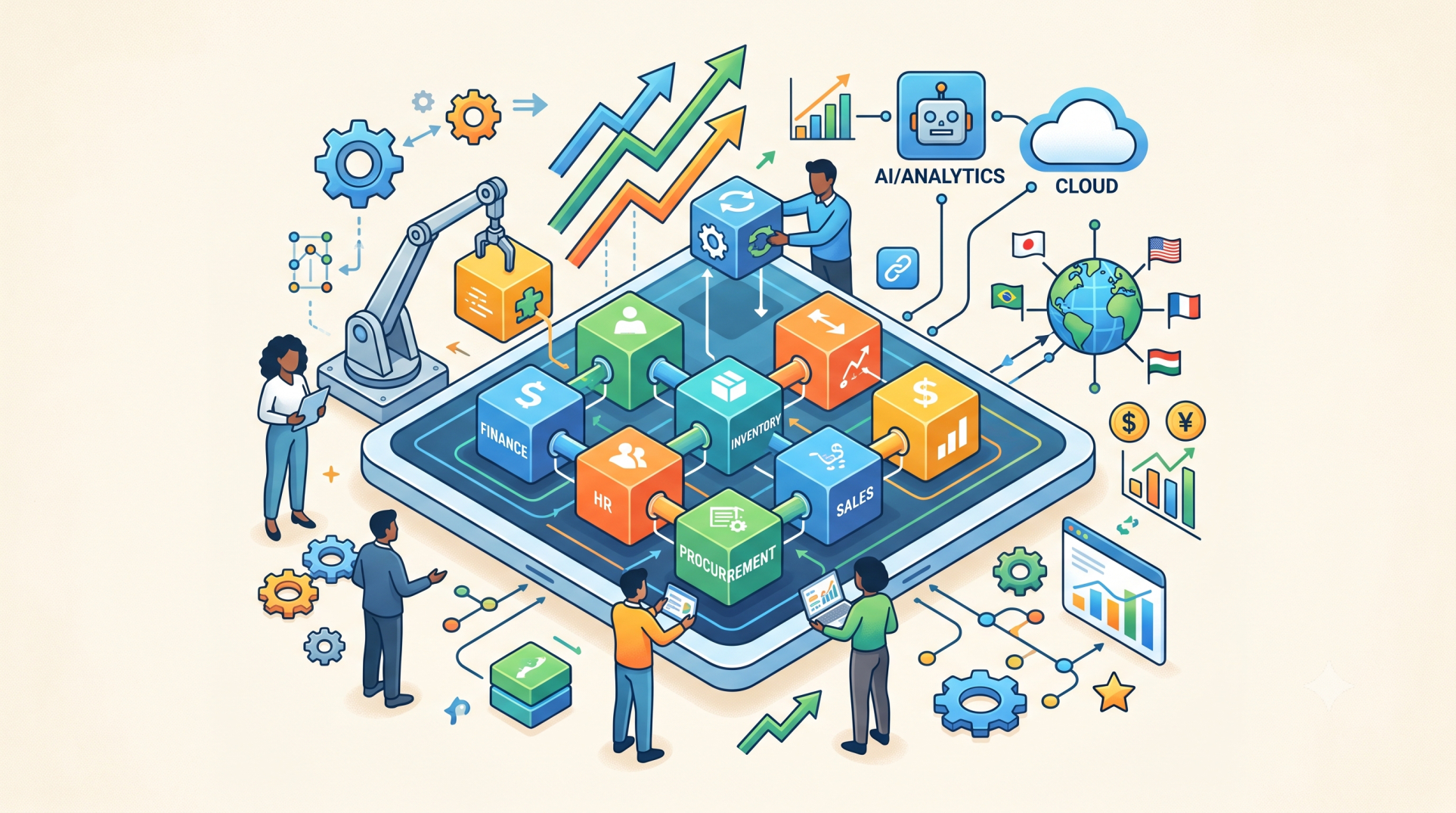
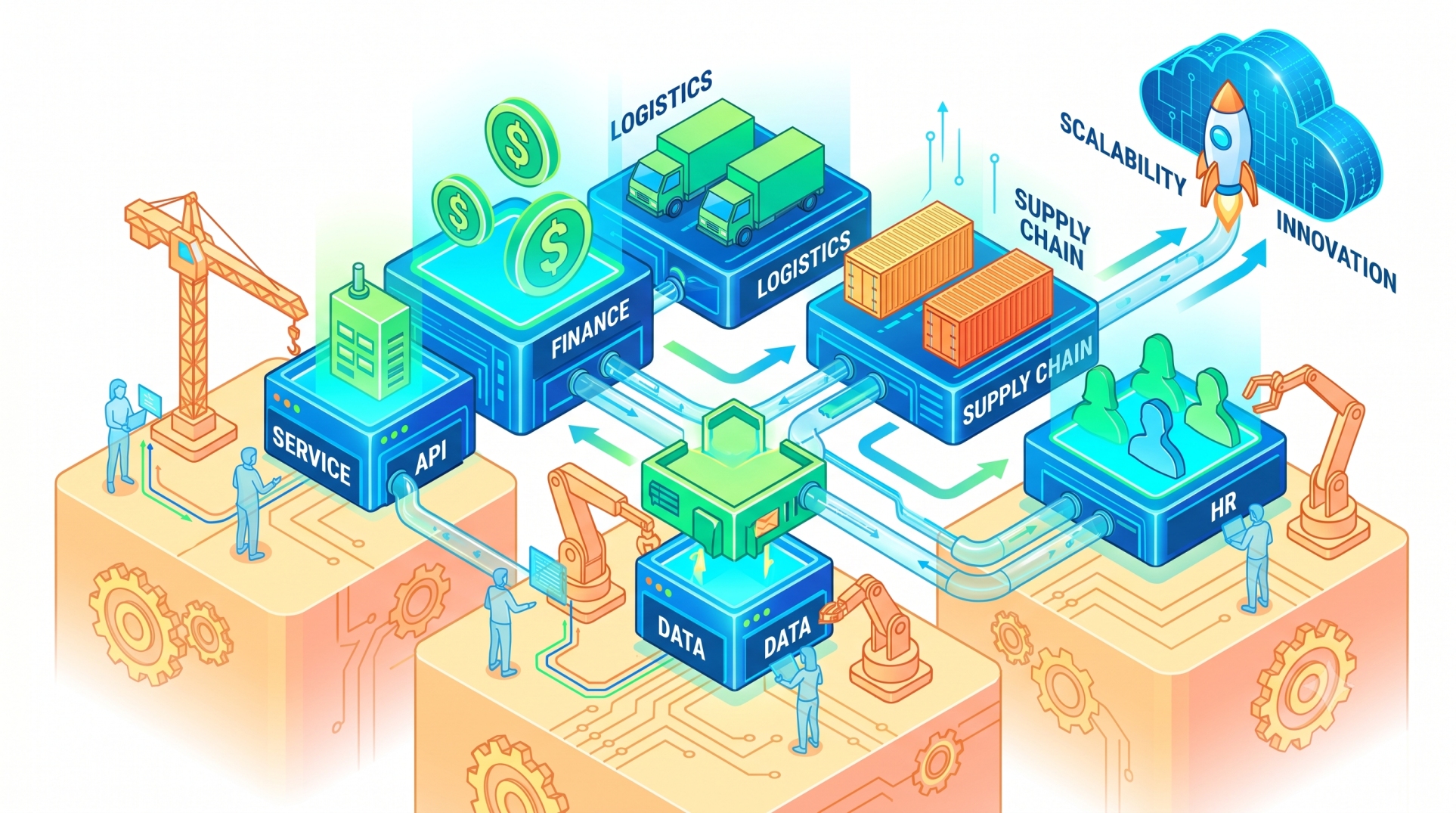
• Scales forecasting capabilities as the business grows 📦
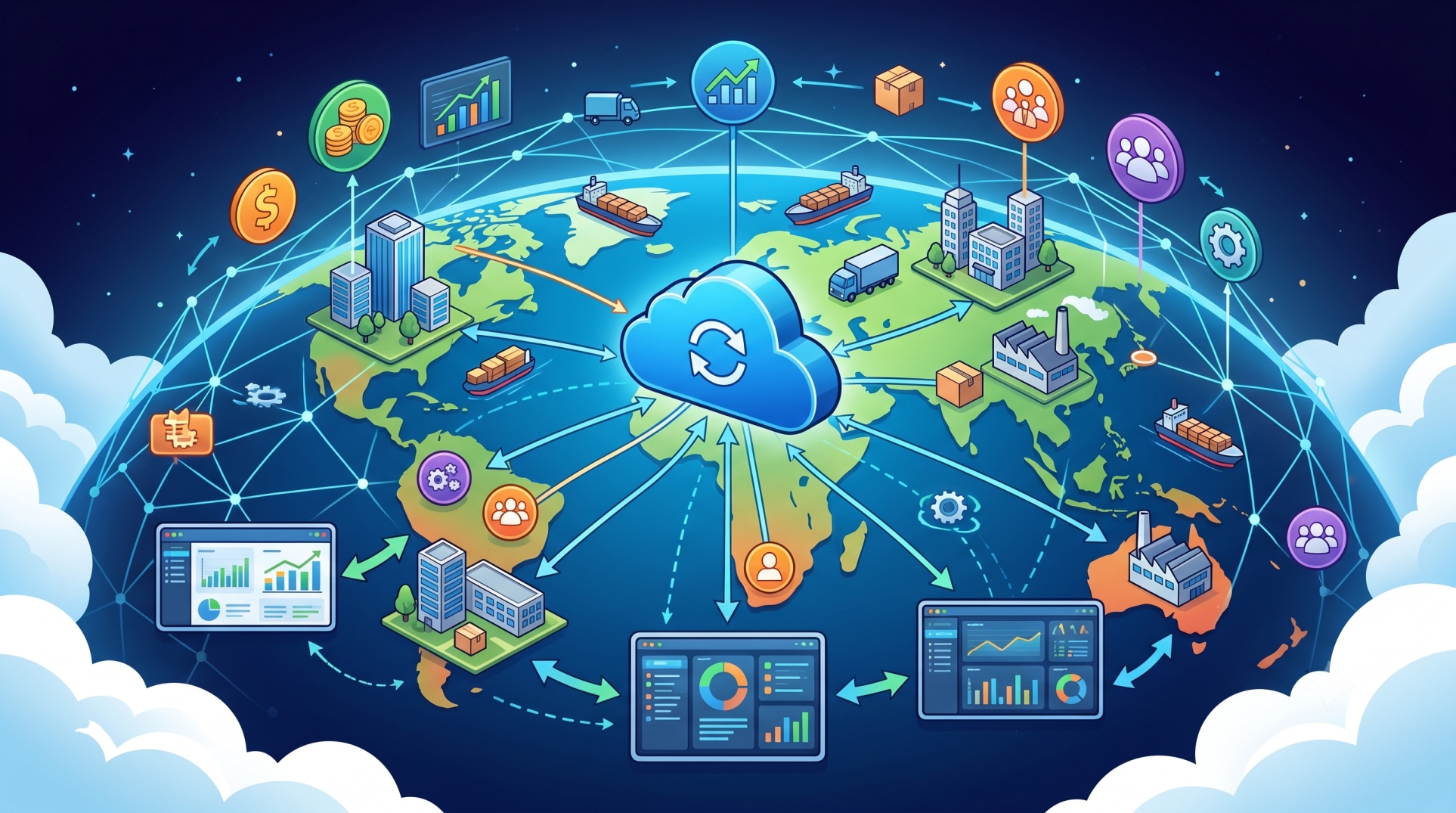
• Adapts to changing markets and business models 🌍
• Supports long-term strategic planning 🧠
• Positions forecasting as a competitive advantage 💎
Conclusion
ERP analytics play a critical role in enabling smarter, more reliable forecasting. By combining centralized data, real-time updates, predictive models, and scenario analysis, ERP systems help organizations anticipate change and plan with confidence. As uncertainty increases across markets, ERP-driven forecasting becomes an essential capability for data-driven, resilient businesses.
See more blogs
You can all the articles below