How ERP Software Streamlines Inventory Management for Retail Businesses
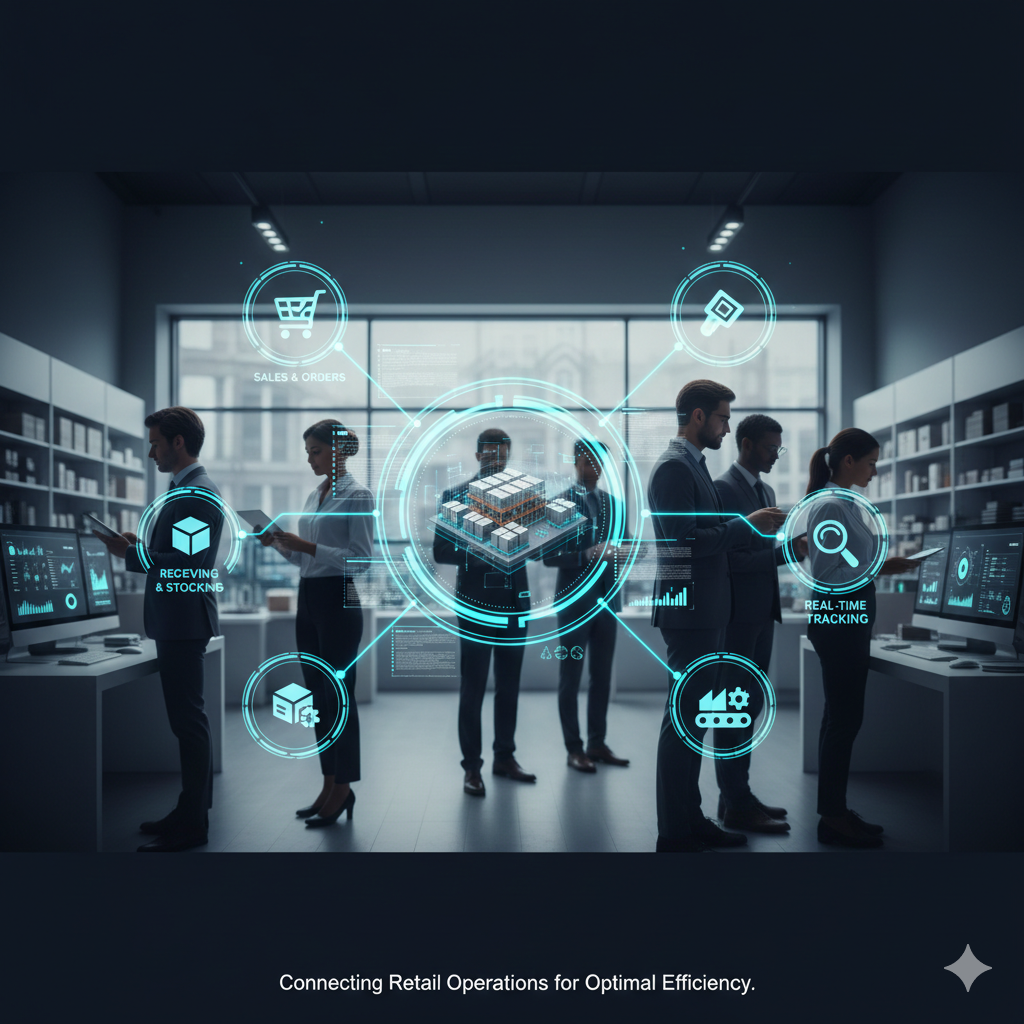
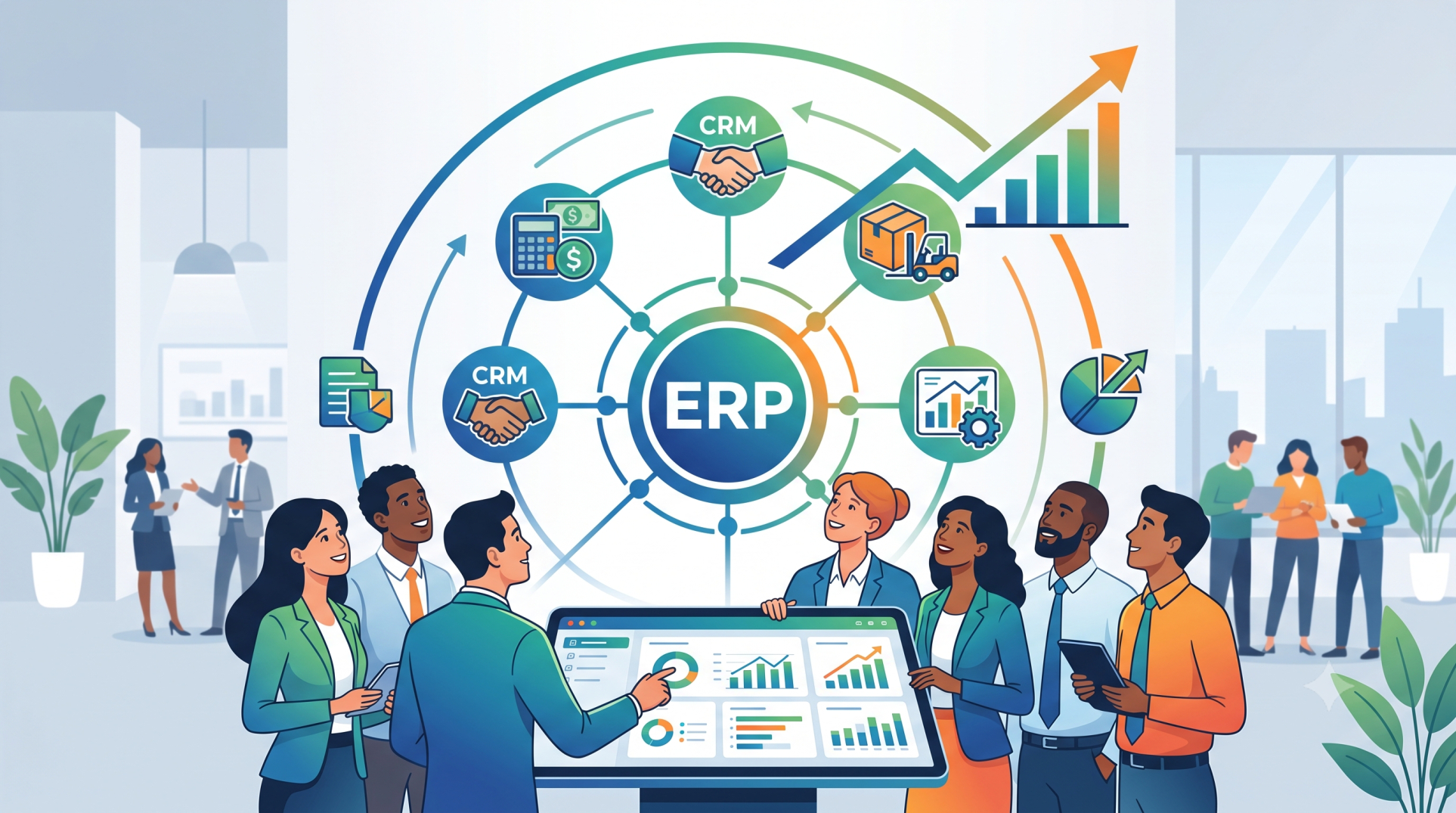
Managing inventory is one of the biggest challenges inretail. Overstocking ties up capital, while stockouts can result in lost salesand dissatisfied customers. Enterprise Resource Planning (ERP) software givesretailers real-time visibility, automation, and actionable insights, helpingthem maintain optimal inventory levels and improve overall efficiency.
1. Centralized Inventory Management
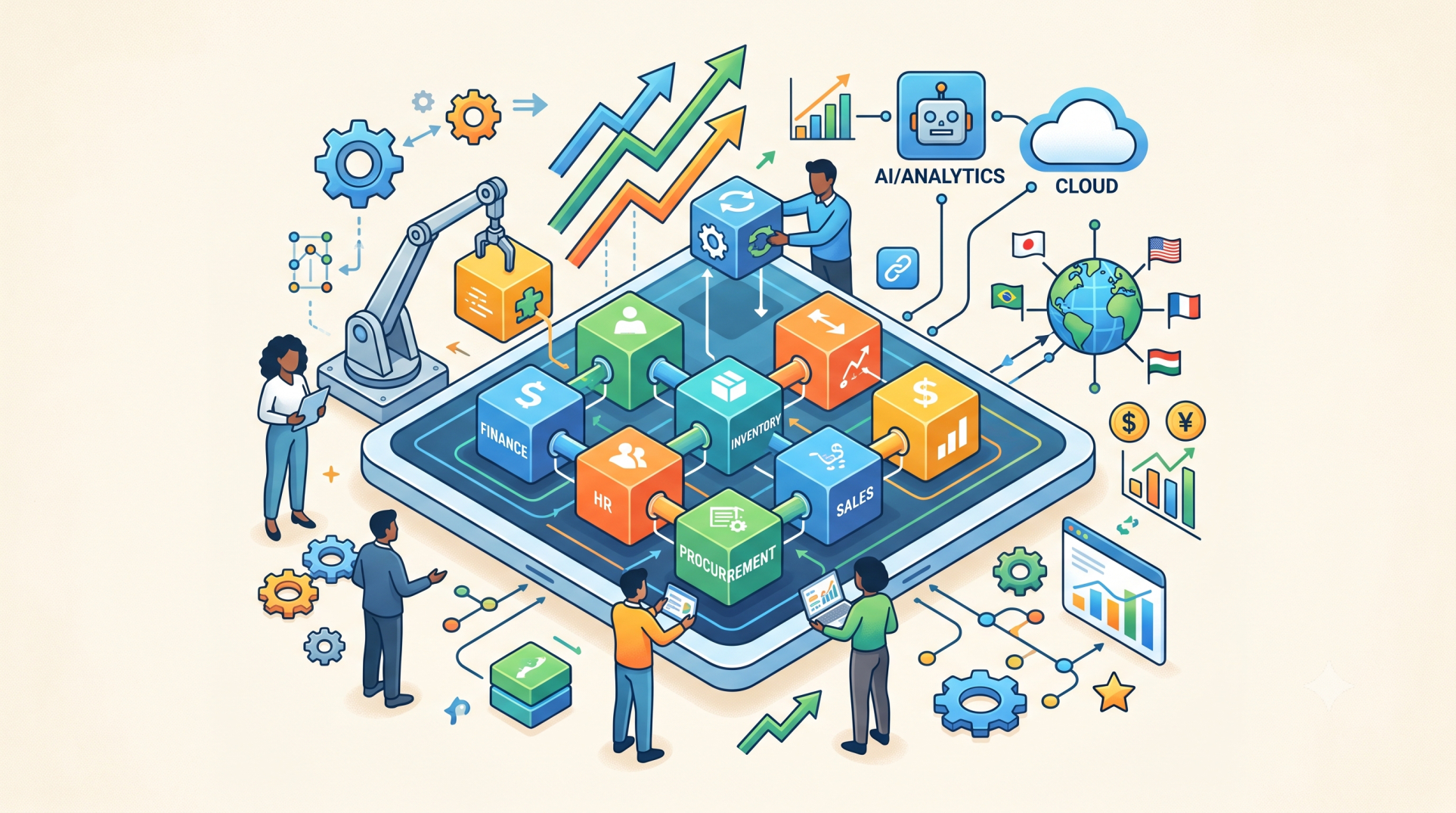
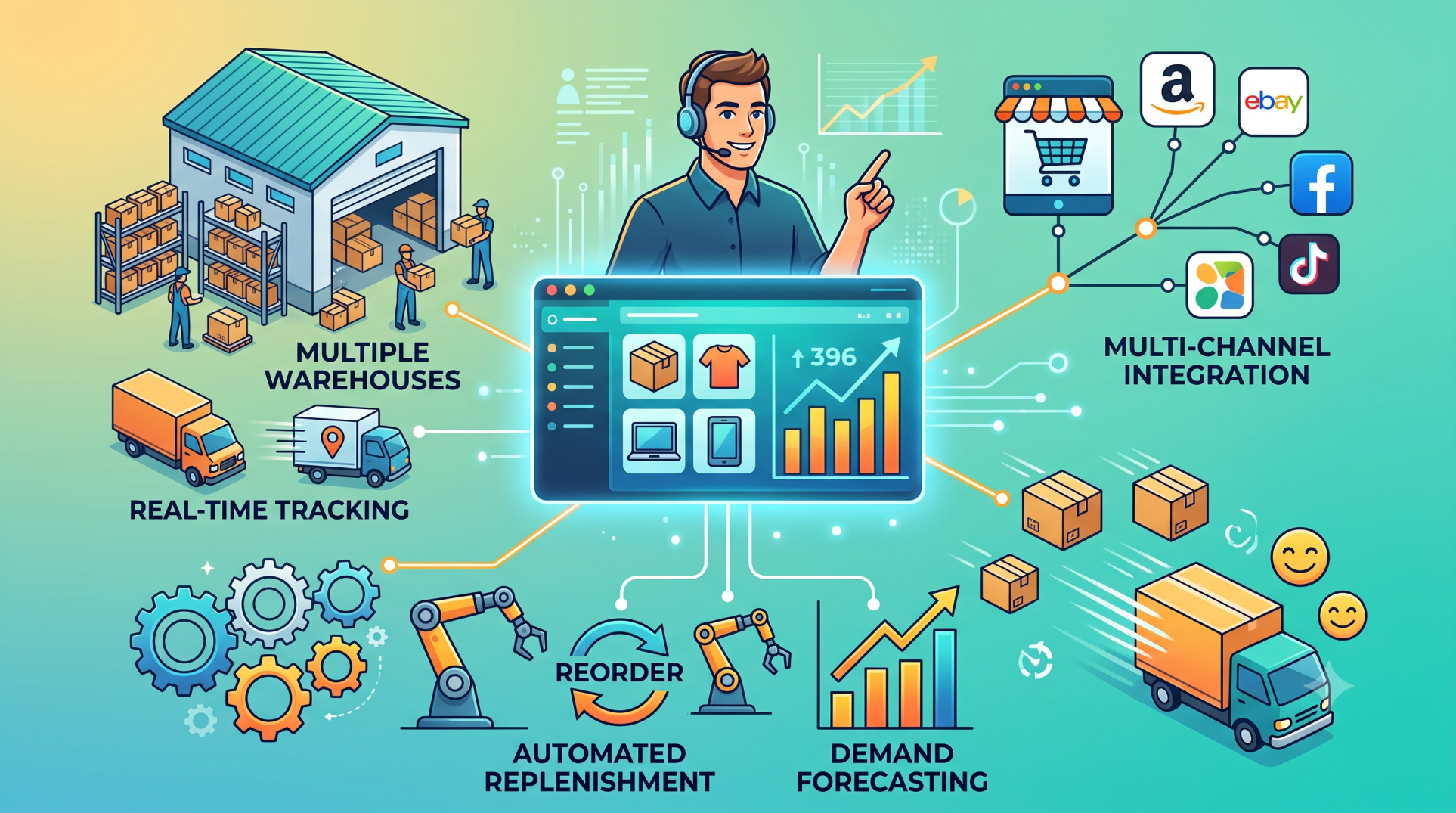
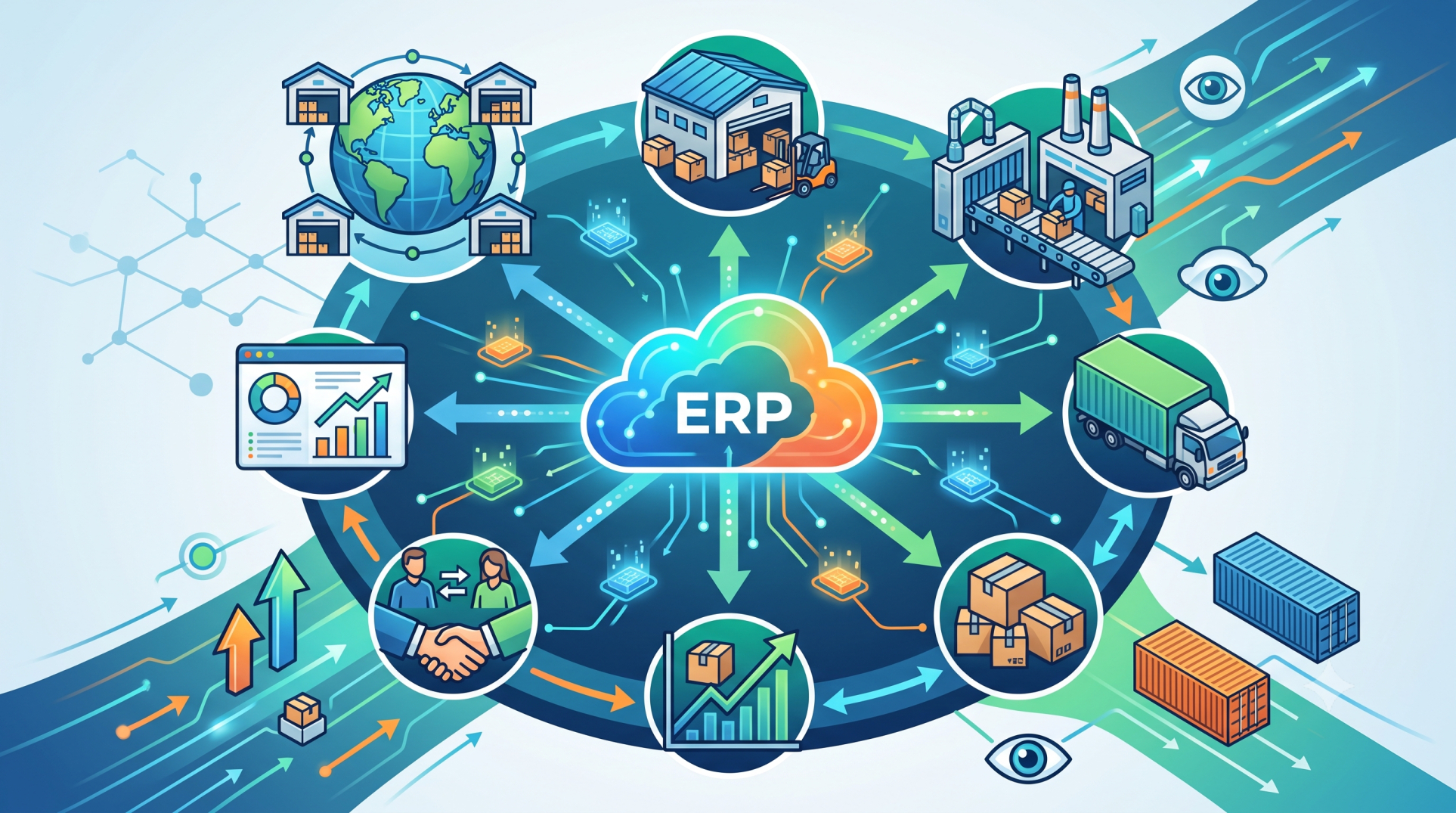
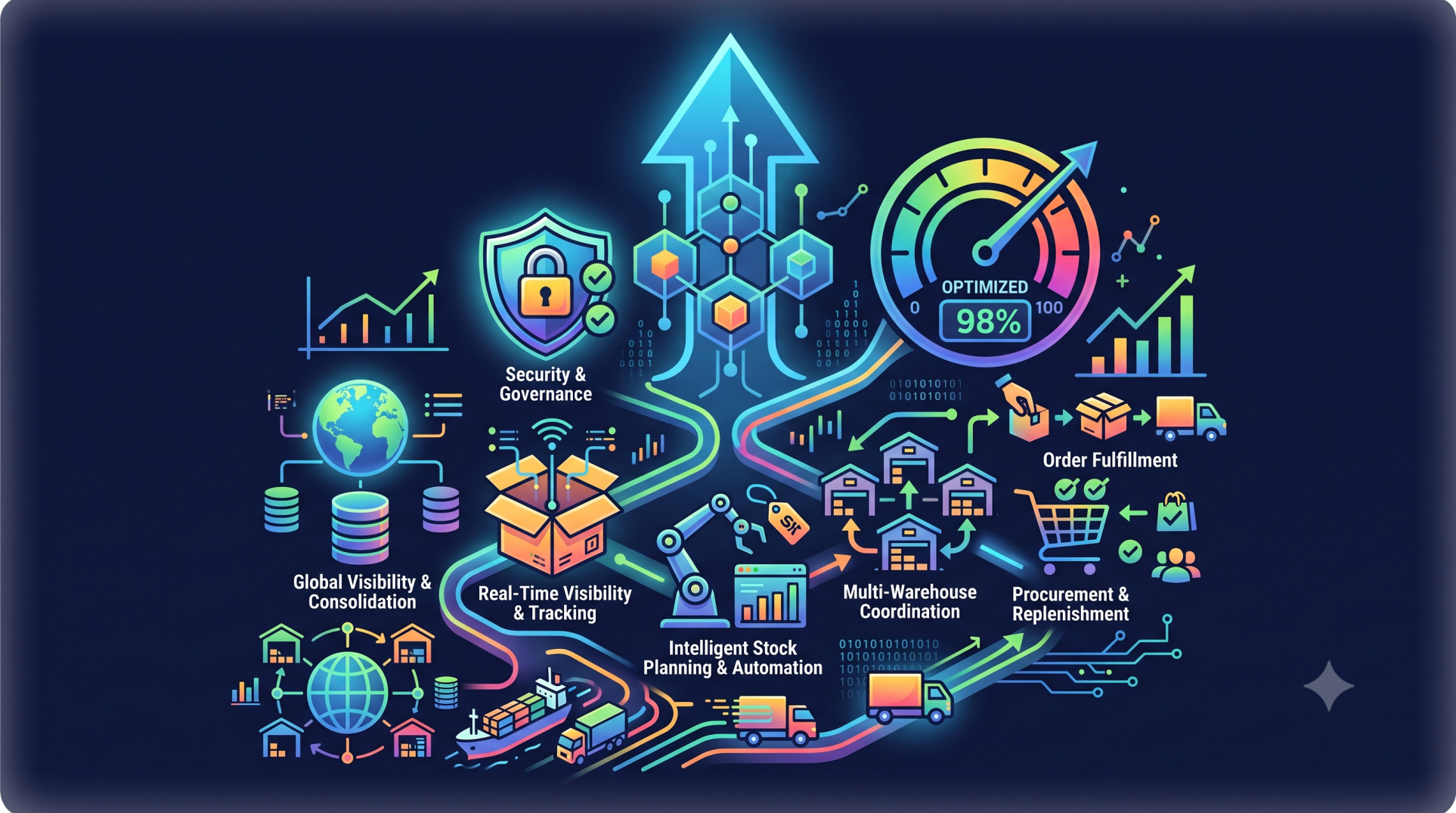
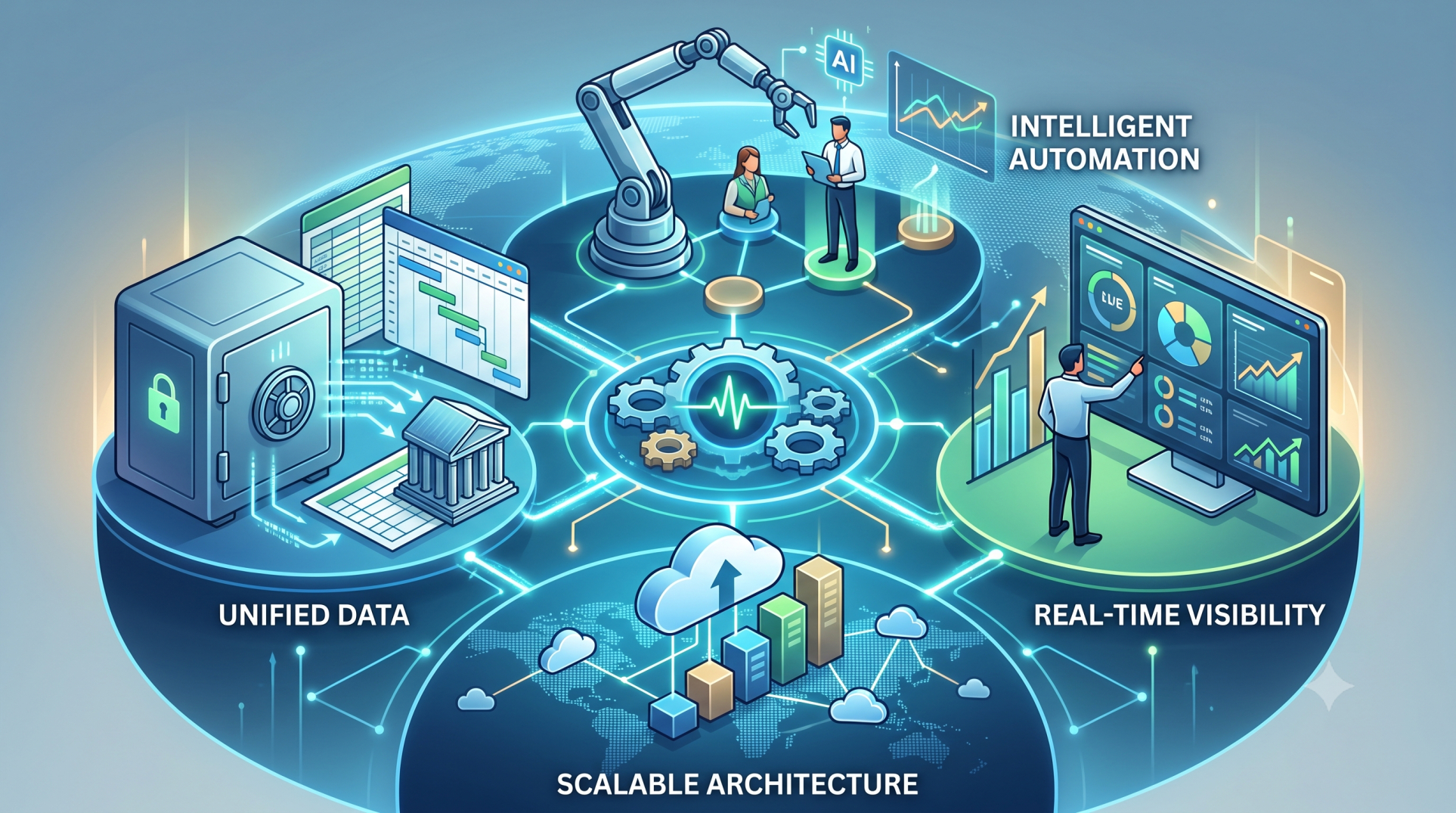
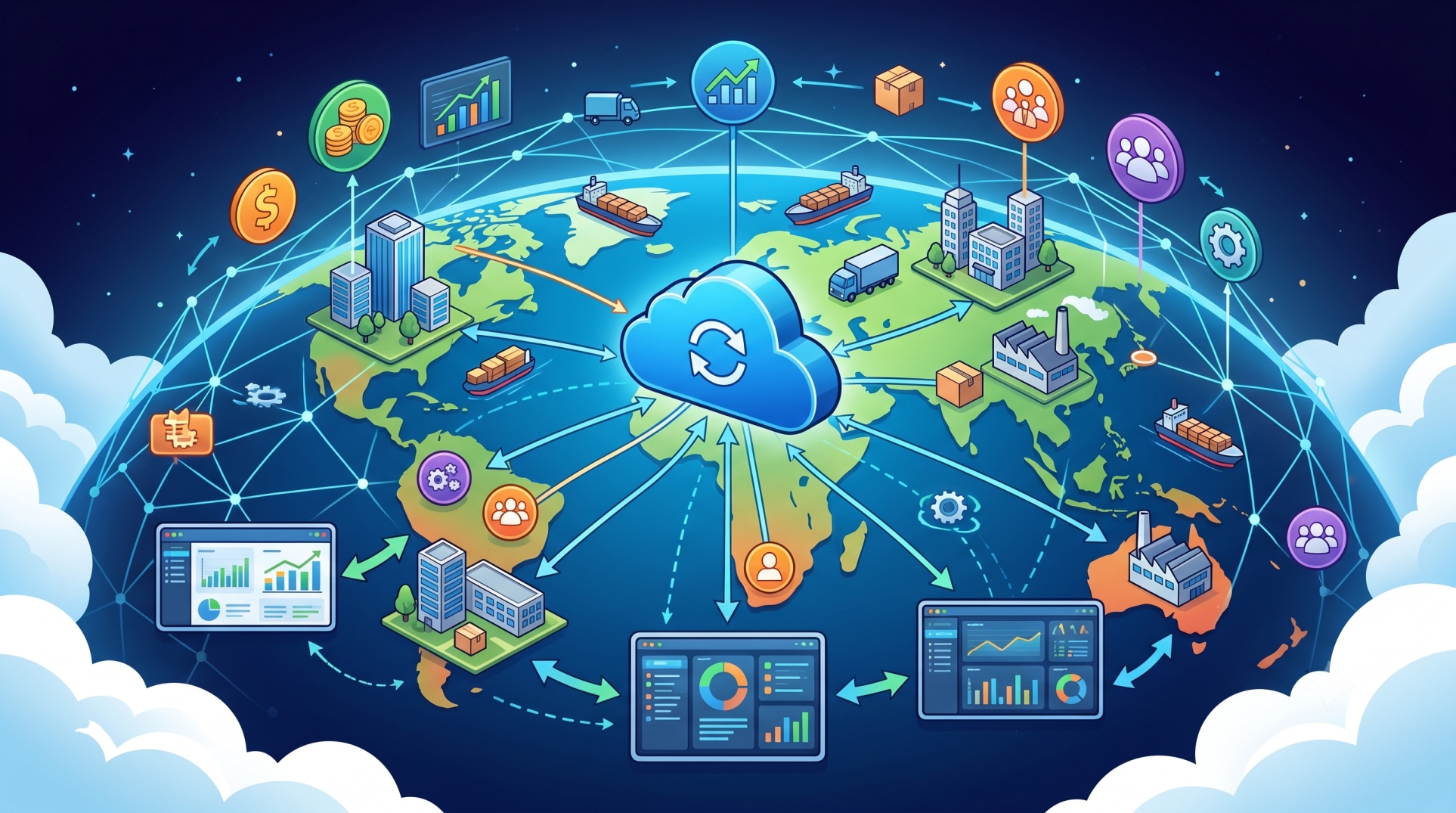
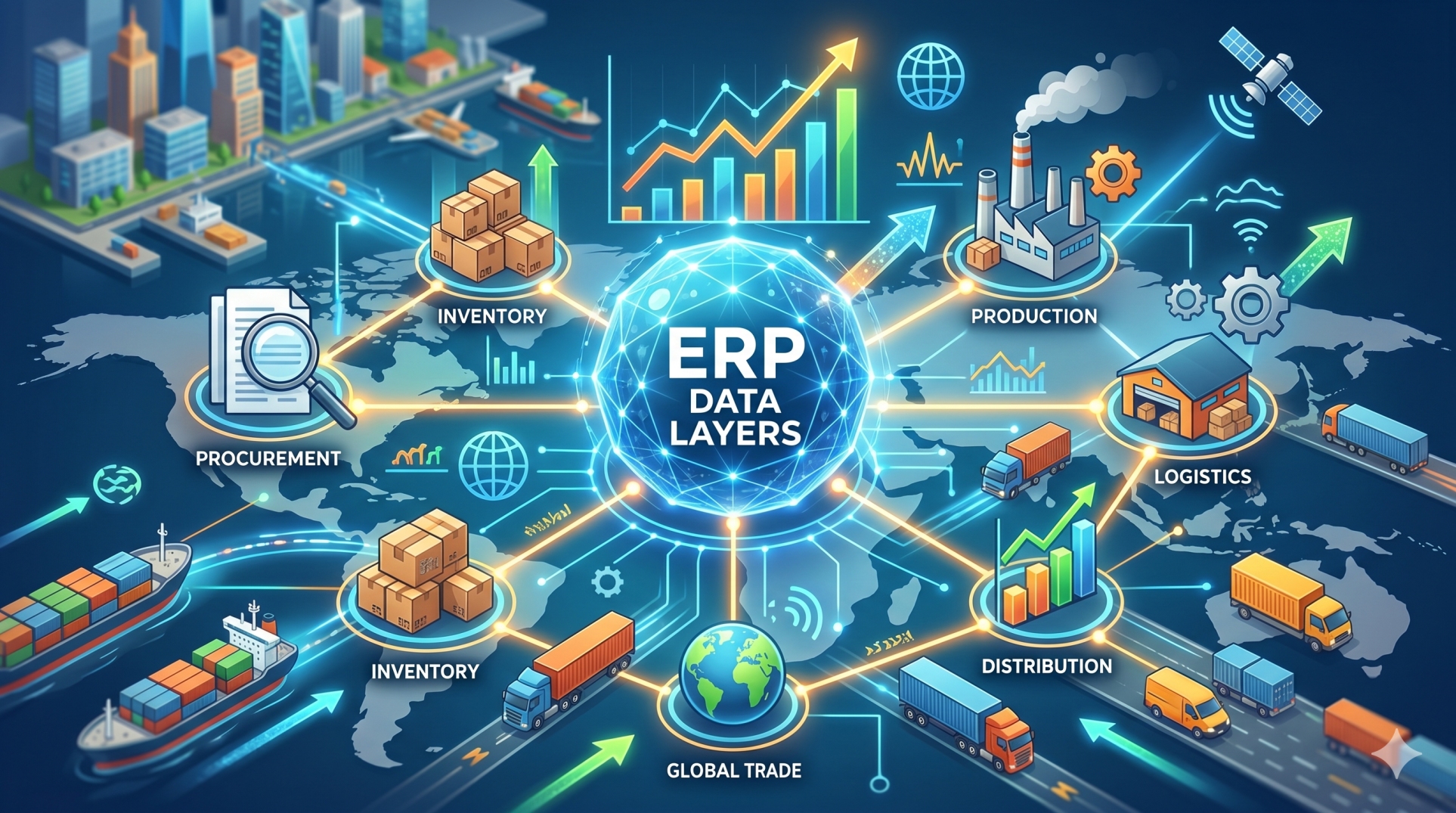
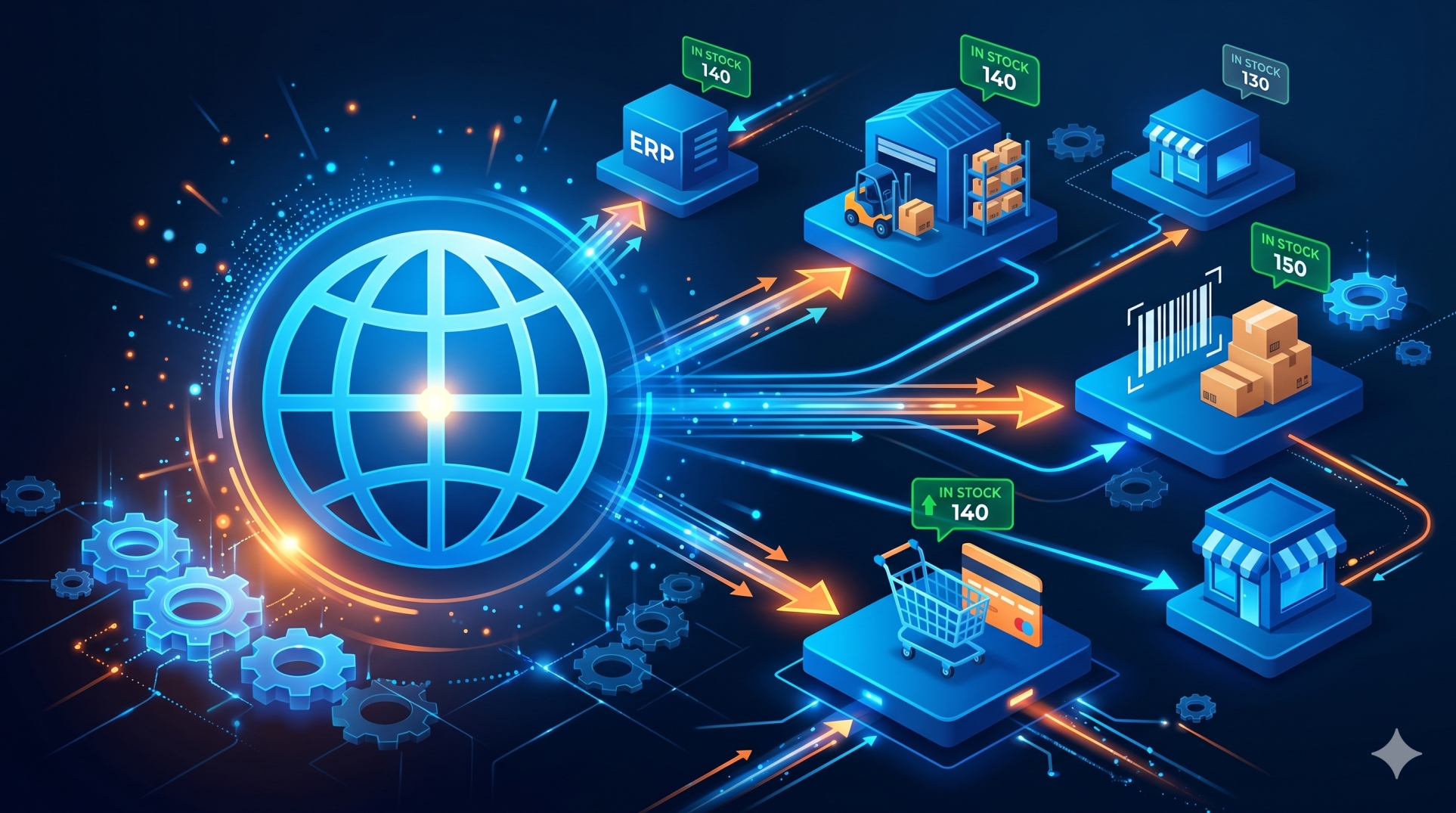
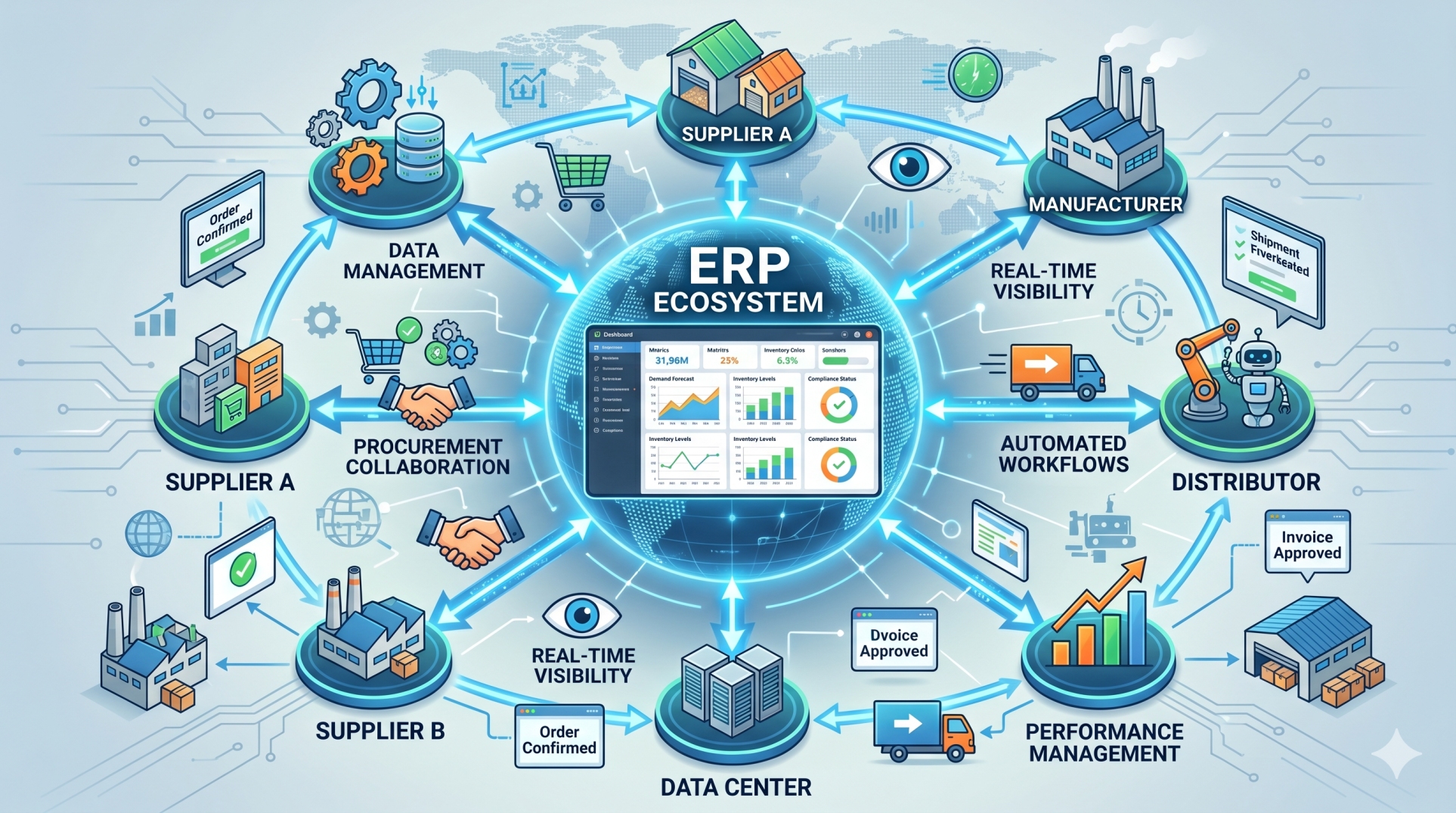
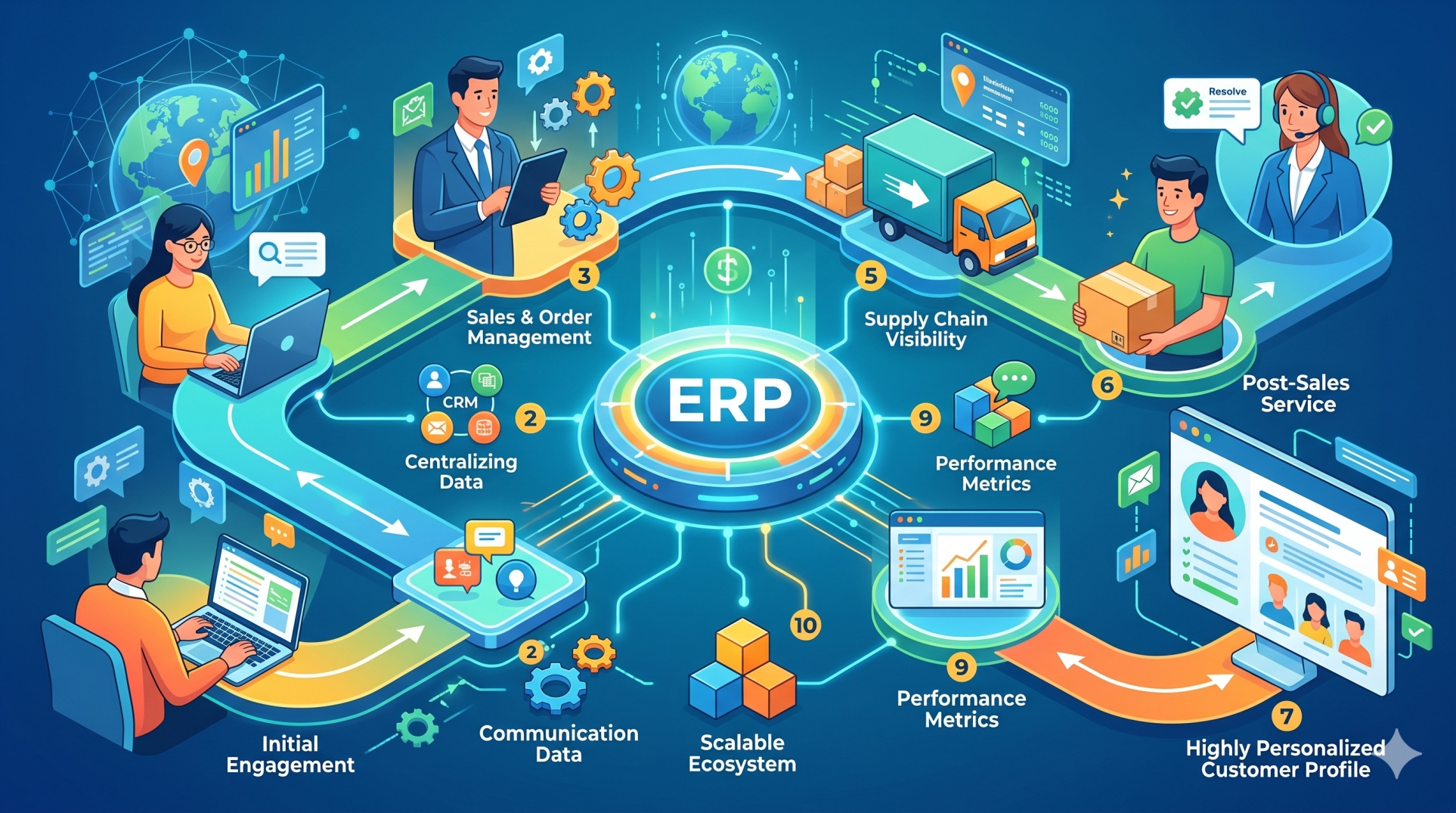
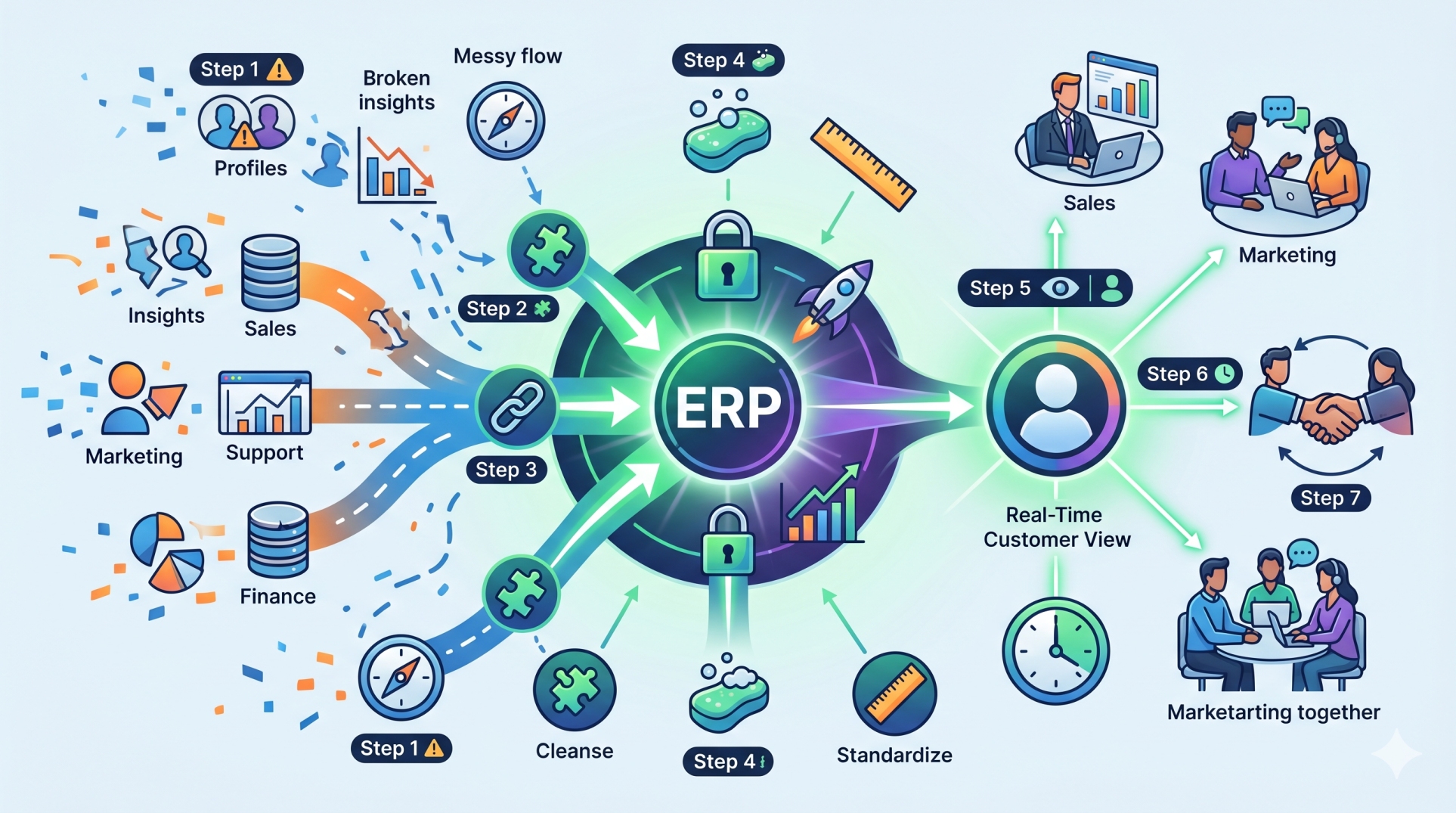
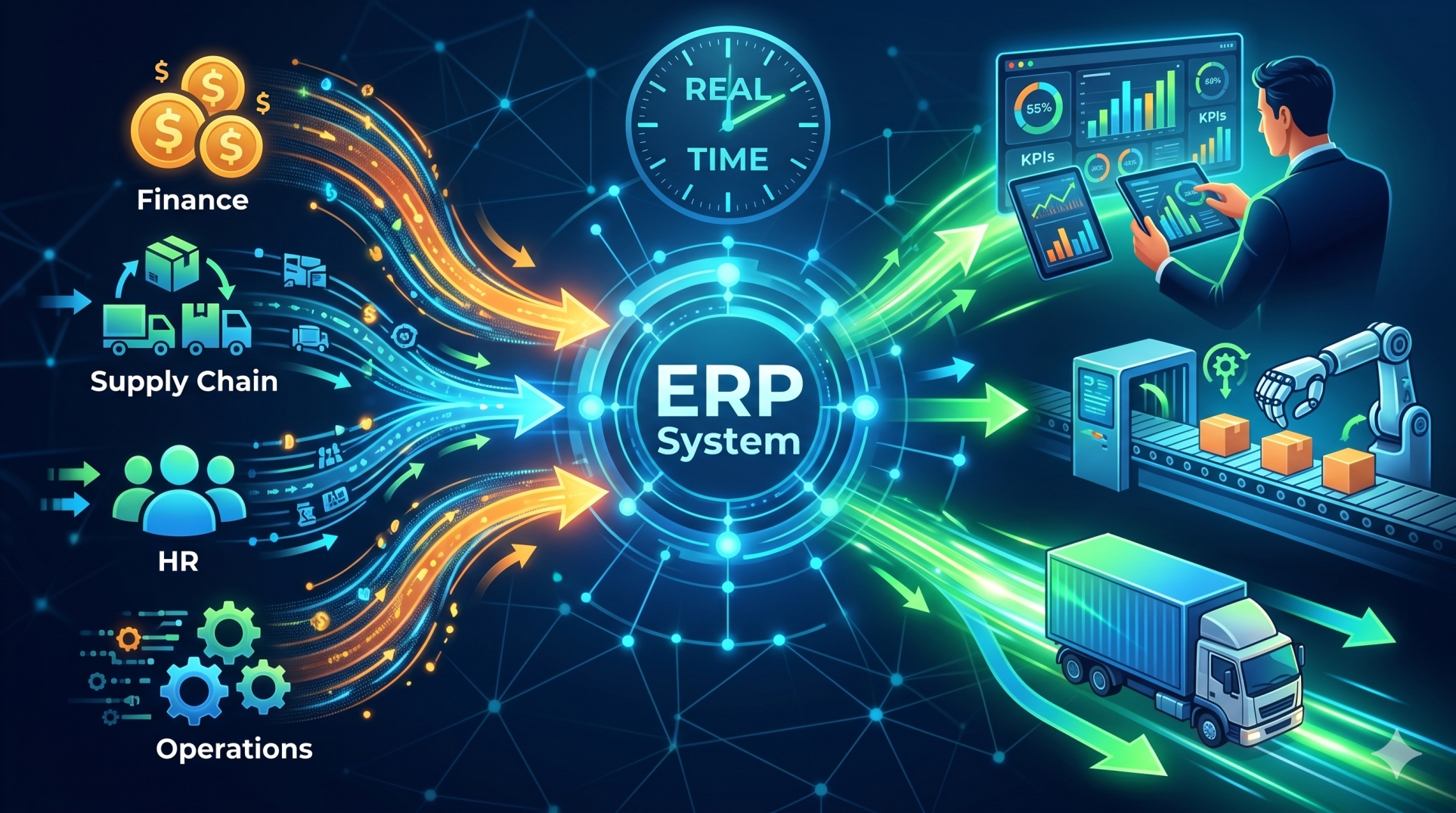
ERP systems provide a single, unified view of inventory across all locations 🧩.
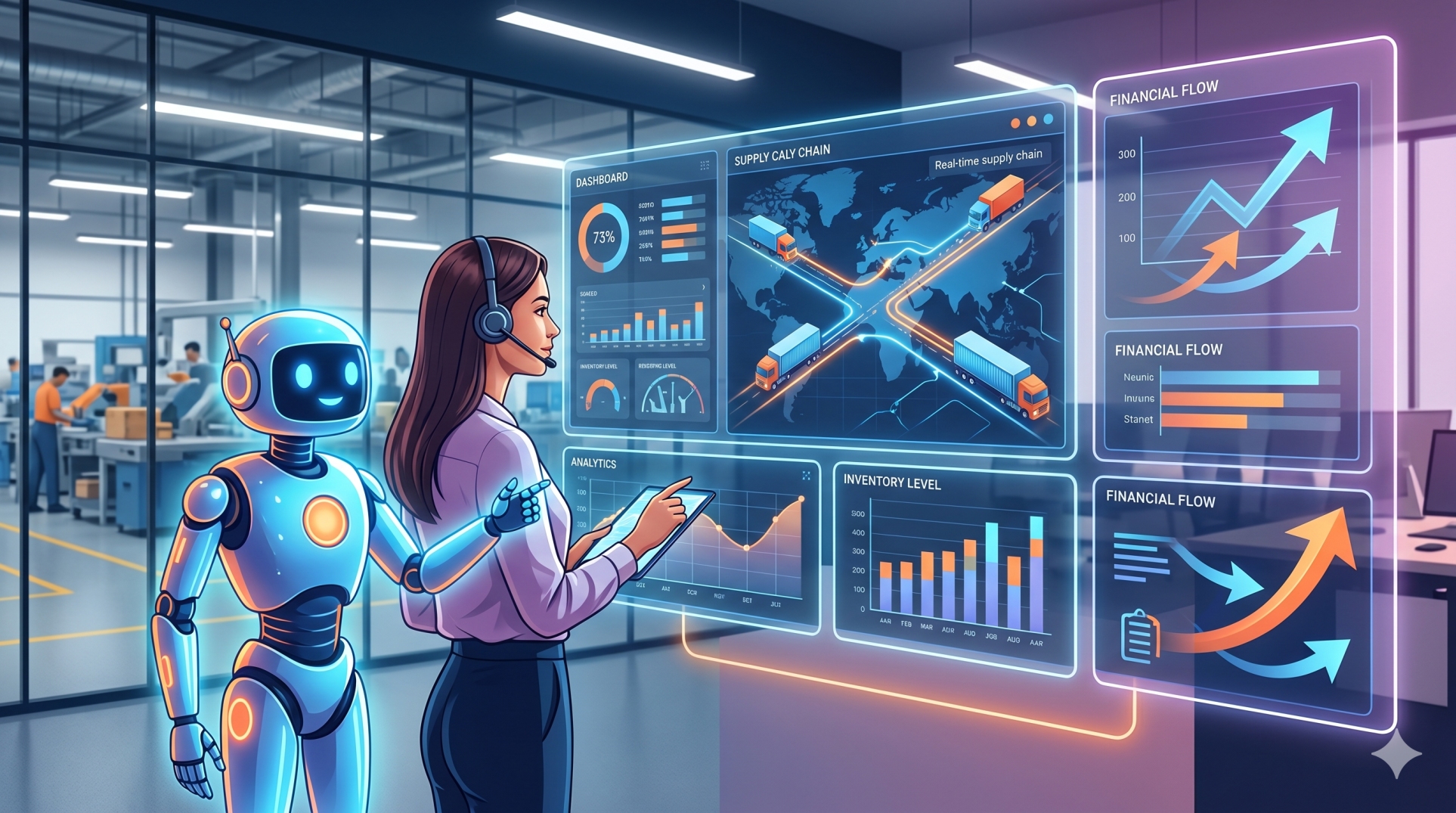
• Track stock in real time across stores, warehouses, and online platforms ⏱️
• Automatically update inventory counts for accuracy 🔄
• Break down data silos between departments 🚫
• Improve coordination between purchasing, sales, and logistics 🤝
With centralized visibility, retailers always know what inventory is available and where it’s located 👀📍.
2. Real-Time Stock Tracking
Manual tracking can lead to errors and delays ⚠️. ERP solutions update inventory instantly ⚡.
• Automatic adjustments for sales, returns, and transfers 🔁
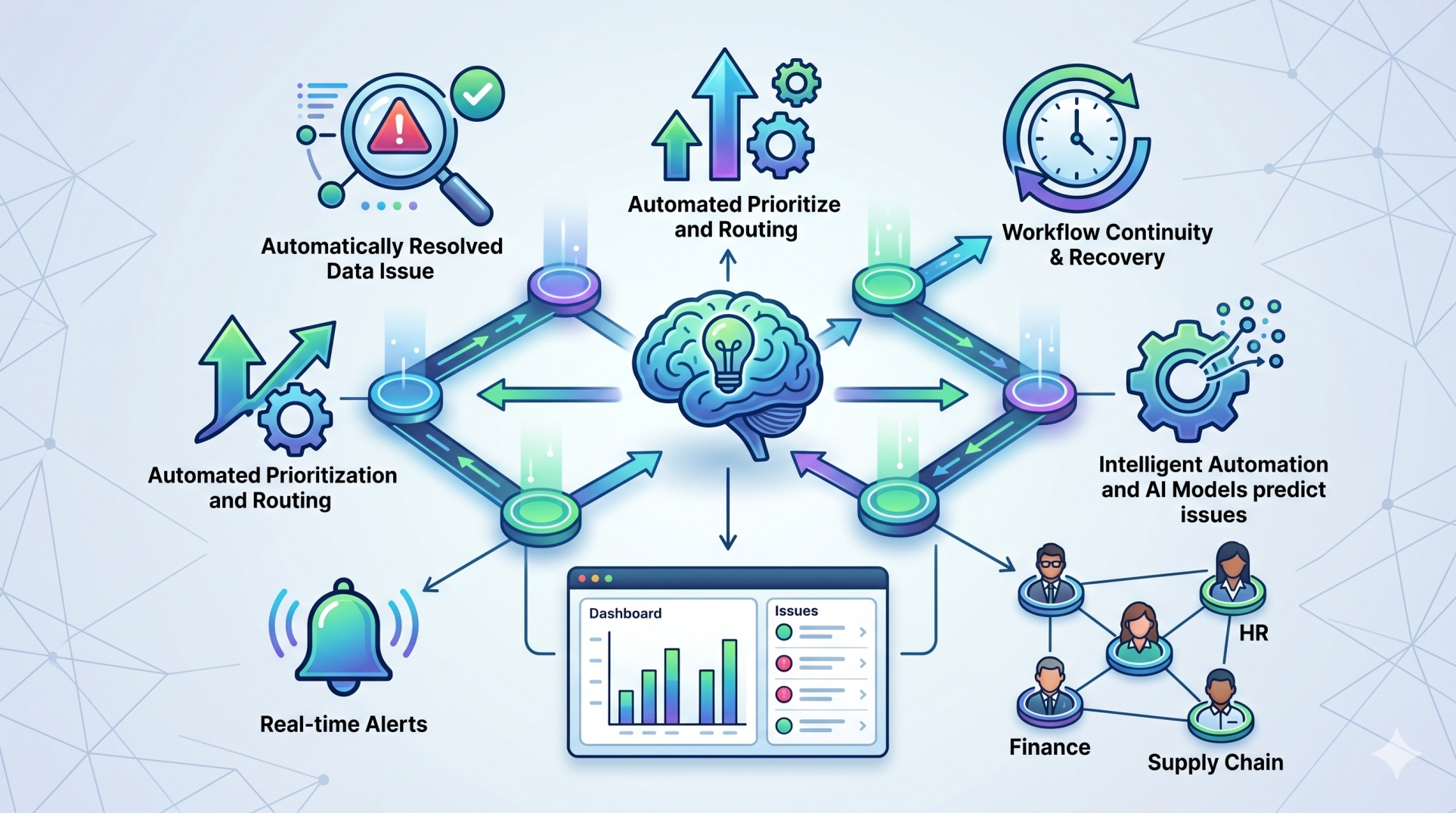
• Alerts for low or excess stock 🔔
• Minimized risk of stockouts or overstocking 📉📈
• Quick response to fluctuations in demand 🚀
Real-time tracking ensures optimal stock levels at all times ✅.
3. Forecasting and Demand Planning
ERP software leverages historical sales and trends to forecast demand accurately 🧠.
• Data-driven predictions for inventory needs 📊
• Analysis of seasonal trends and promotions 📆
• Smarter replenishment planning 🔮
• Reduced guesswork in purchasing decisions 🎯
Better forecasting leads to lower carrying costs and more efficient inventory management 💰.
4. Automated Reordering and Procurement
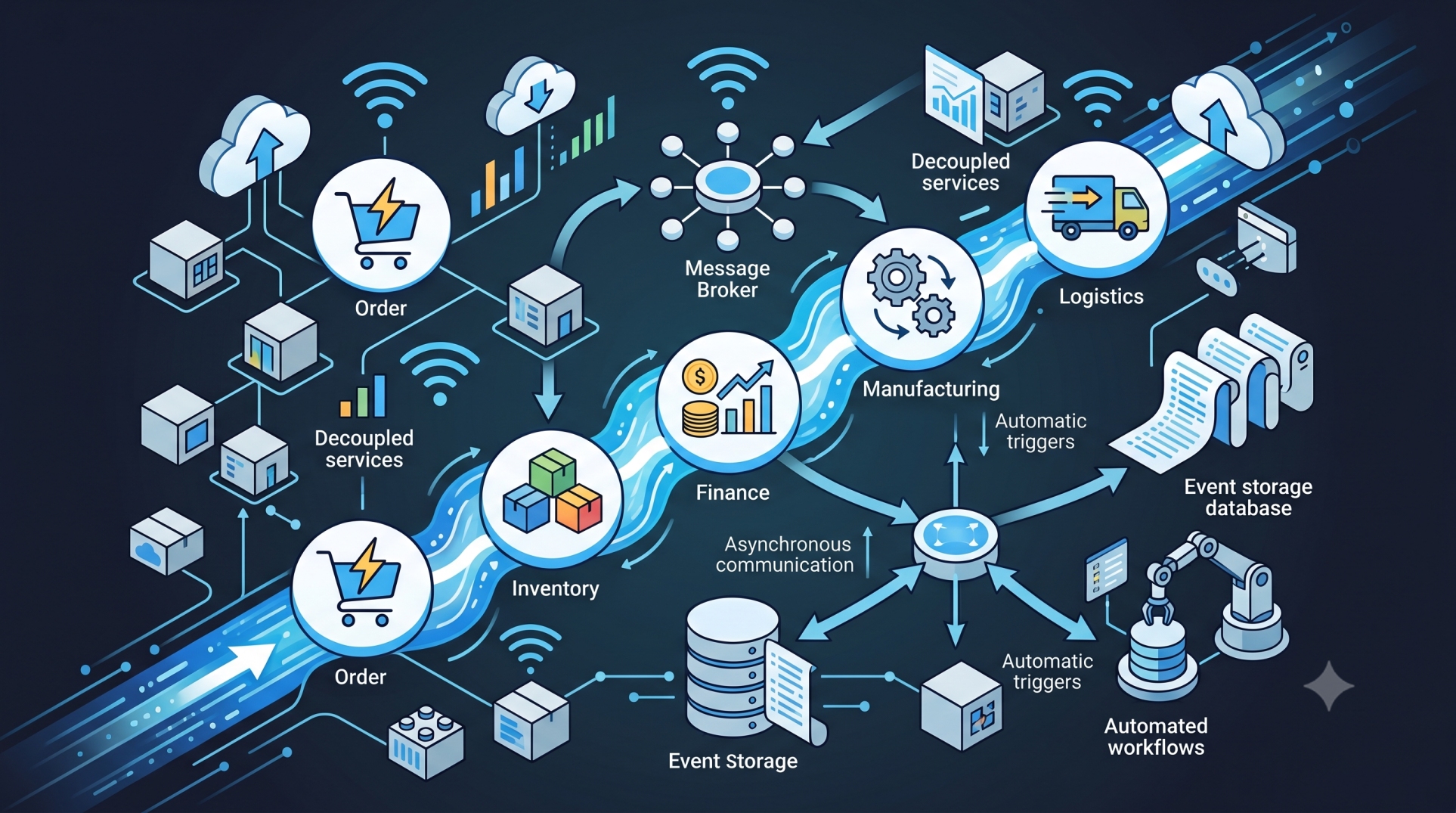
ERP automates restocking to prevent gaps in inventory ⚙️.
• Set reorder points and safety stock levels 🎯
• Automatically generate purchase orders 📝
• Track vendor lead times ⏳
• Reduce manual workload and errors ❌
Automation ensures products are replenished on time without constant monitoring ✅.
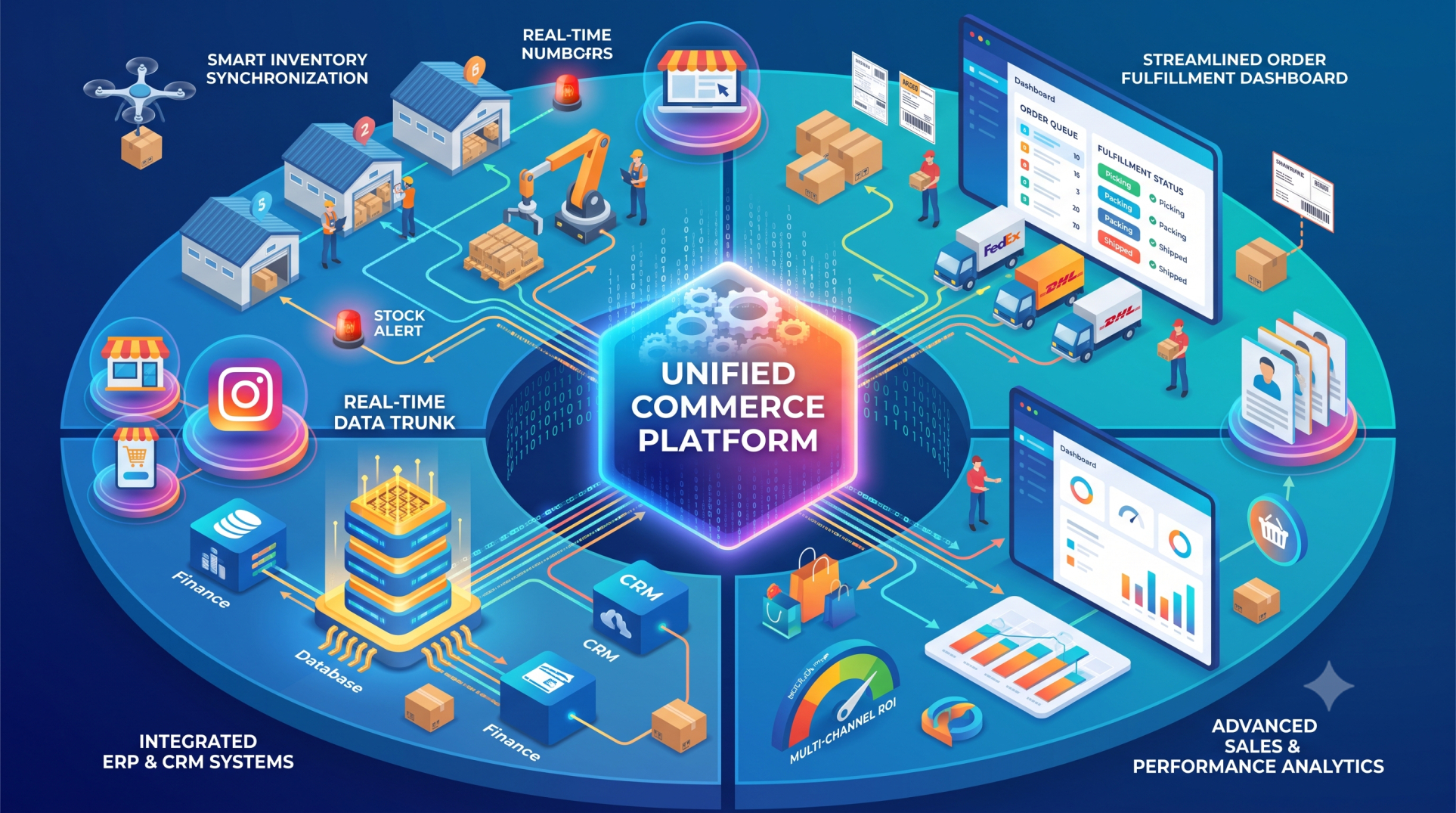
5. Multi-Channel Inventory Control
Modern retailers operate across stores, online marketplaces, and e-commerce sites 🏬💻.
• Maintain unified inventory across all sales channels 🔗
• Synchronize stock levels in real time ⏱️
• Prevent overselling 🚫
• Deliver a consistent customer experience 🌟
ERP software supports smooth omnichannel operations 🛍️.
6.Optimized Warehouse and Store Operations
ERP improves daily handling of inventory ⚙️.
• Streamline picking, packing, and storage workflows 📦
• Integrate barcodes and RFID for accuracy 📡
• Facilitate faster stock transfers 🚚
• Enhance order fulfillment reliability ✅
Efficient operations reduce delays and improve customer satisfaction 😊.
7. Lower Inventory Costs and Waste
Poor inventory management increases storage costs and product losses ⚠️.
• Reduce carrying and storage costs 📉
• Minimize spoilage and obsolescence ♻️
• Monitor slow-moving products 🐢
• Improve cash flow management 💵
ERP helps retailers convert inventory into revenue more effectively 📈.
8. Data-Driven Reporting and Analytics
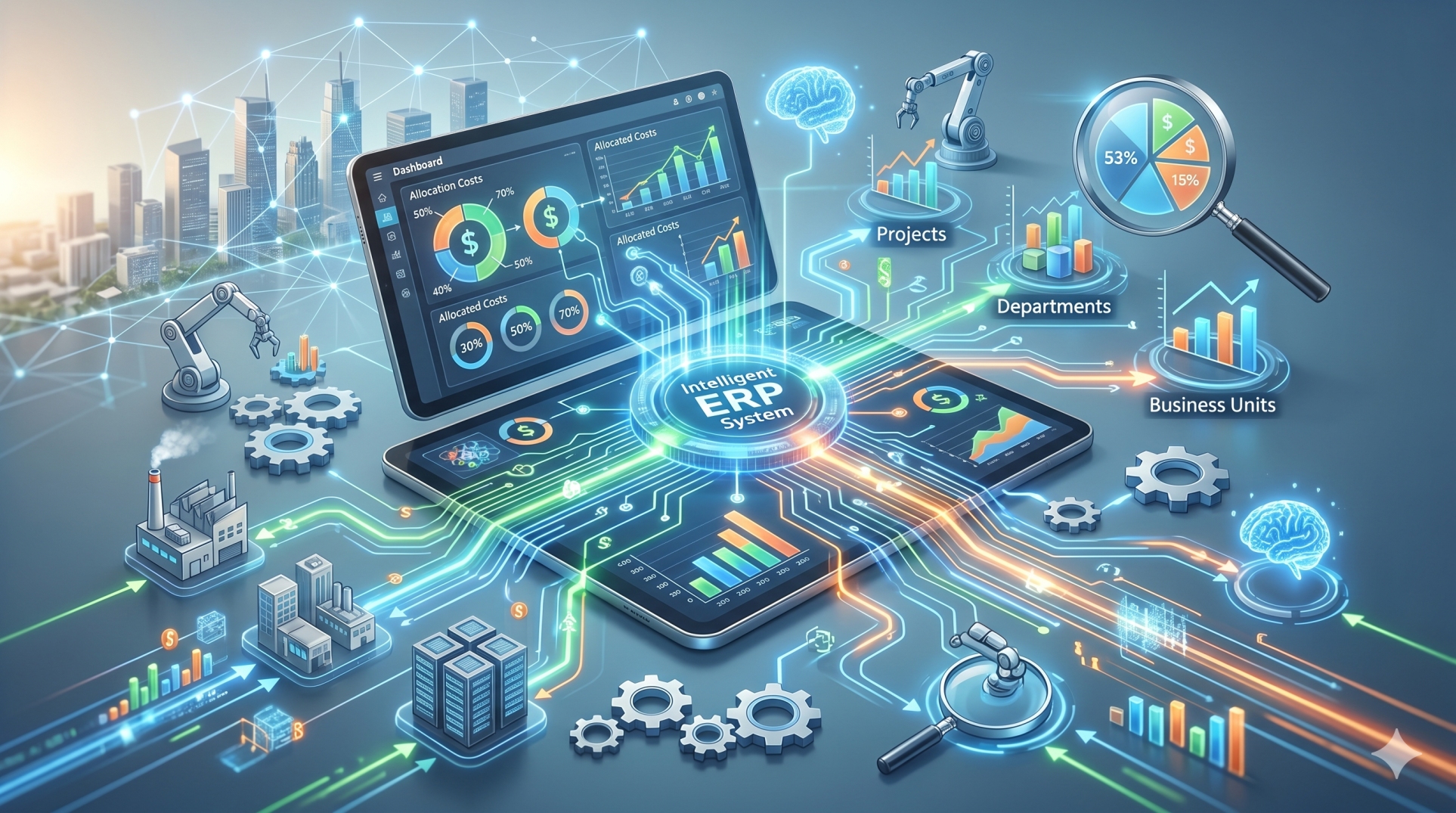
ERP systems deliver actionable insights for inventory management 🧠.
• Analyze stock turnover and aging reports 📋
• Compare demand against supply performance ⚖️
• Track vendor reliability 🤝
• Make informed, strategic decisions 🎯
Accurate analytics allow continuous optimization of inventory strategies 🔄.
Final Thoughts
ERP software is essential for retail businesses aiming to manage inventory efficiently and profitably. By combining real-time visibility, automation, forecasting, and analytics, ERP reduces costs, prevents stock issues, and improves customer satisfaction. For retailers seeking growth and competitiveness, ERP-powered inventory management is a critical advantage 🚀.
See more blogs
You can all the articles below