ERP Systems That Learn from Business Data

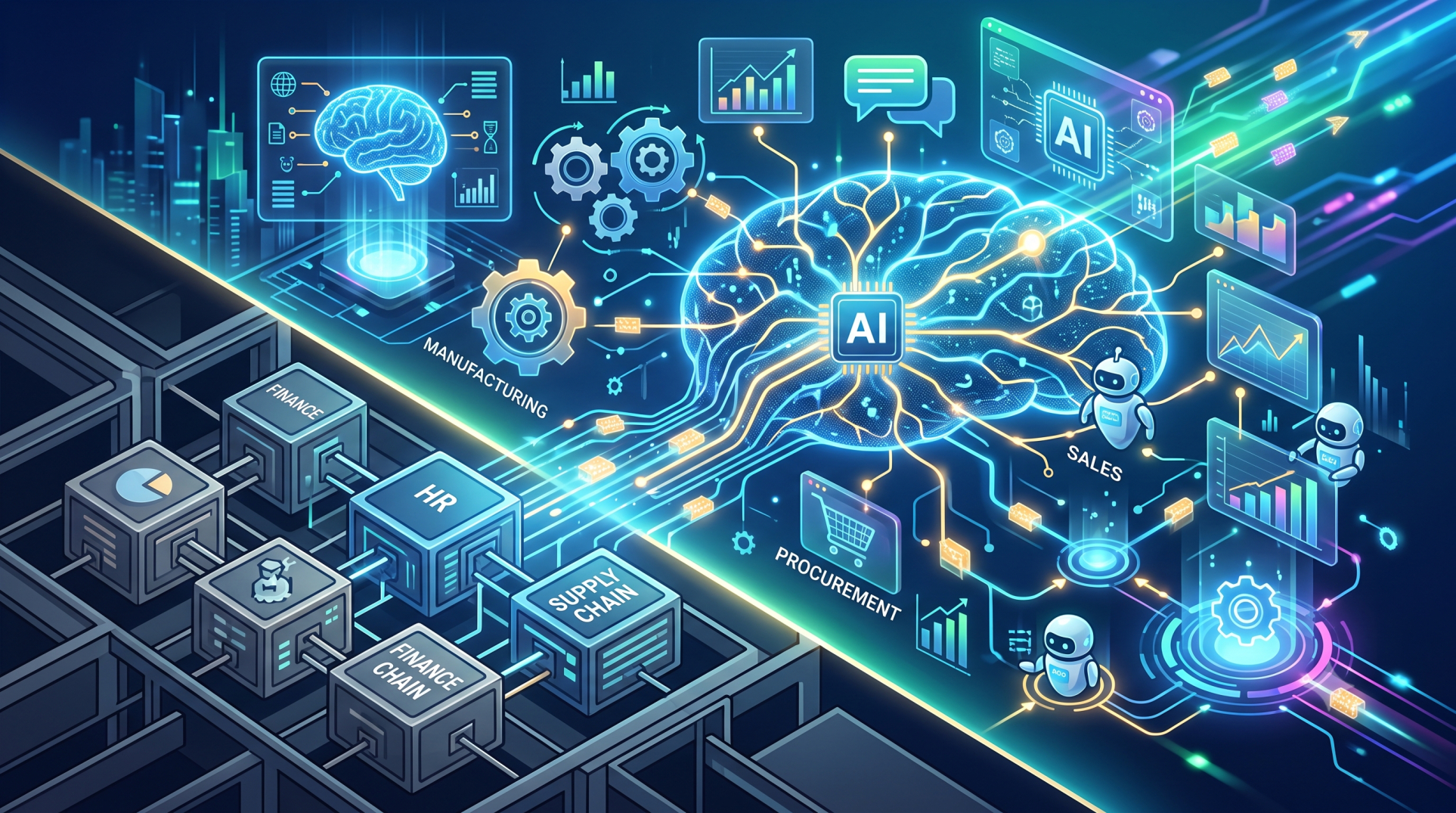
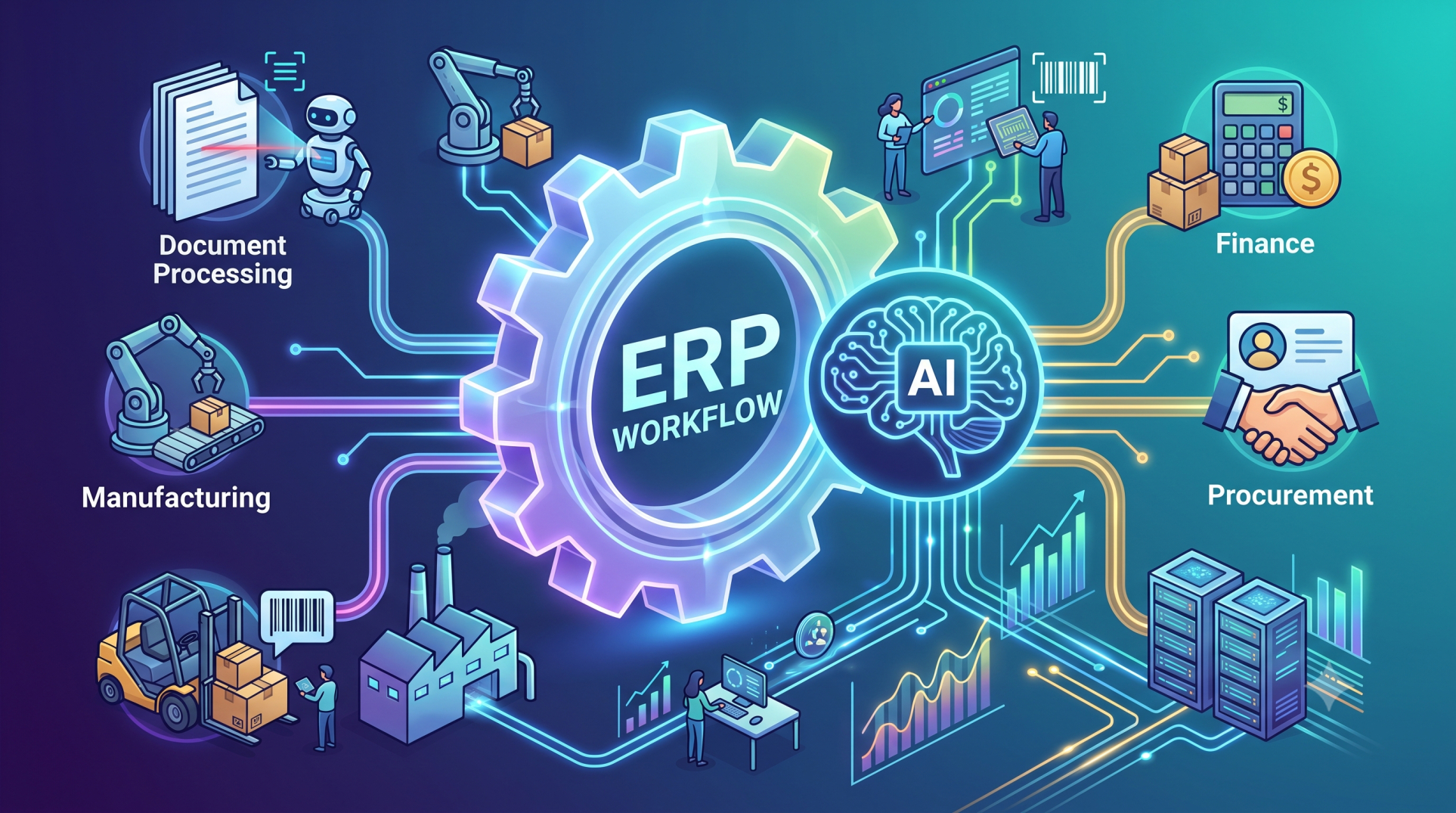
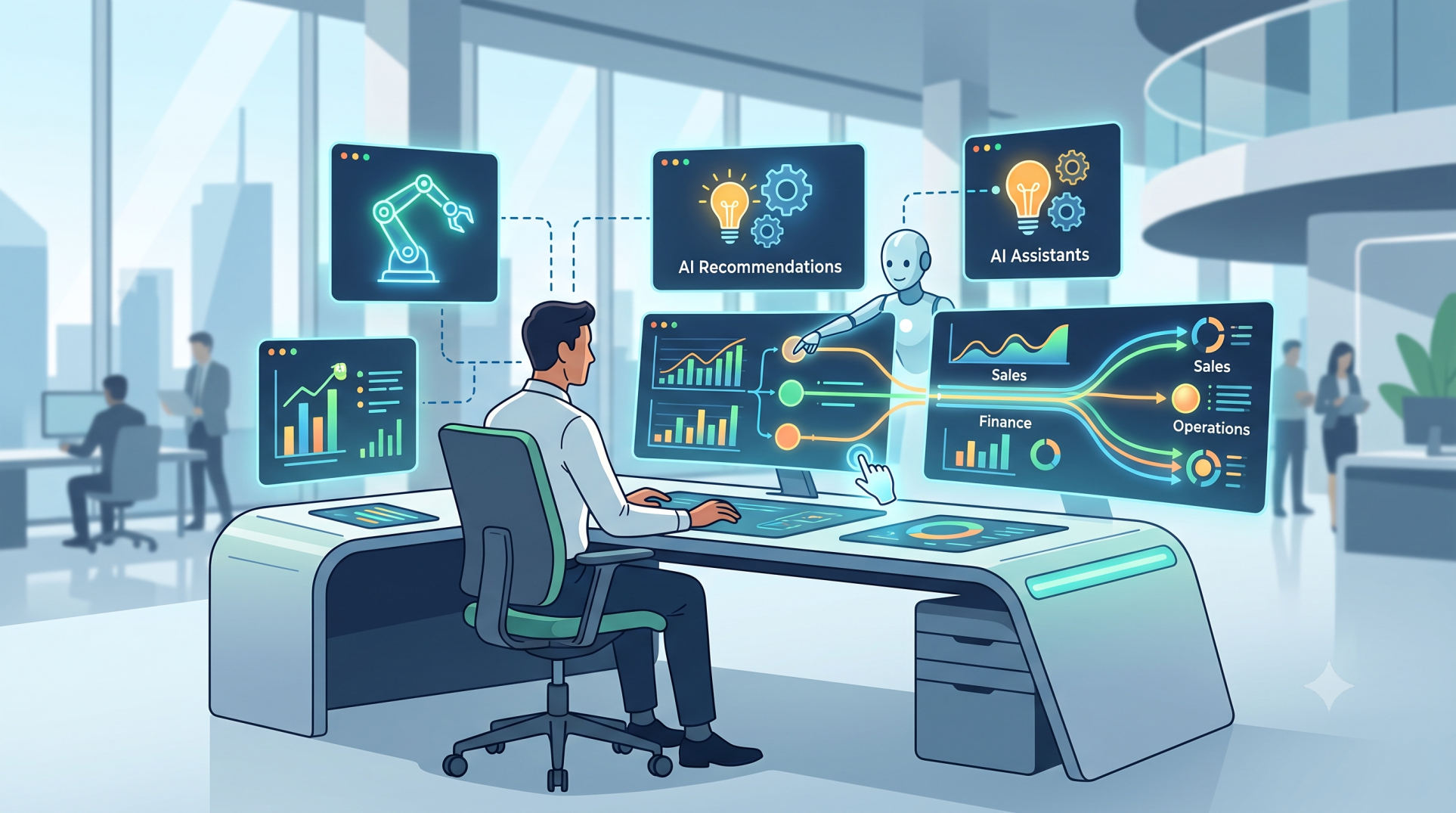
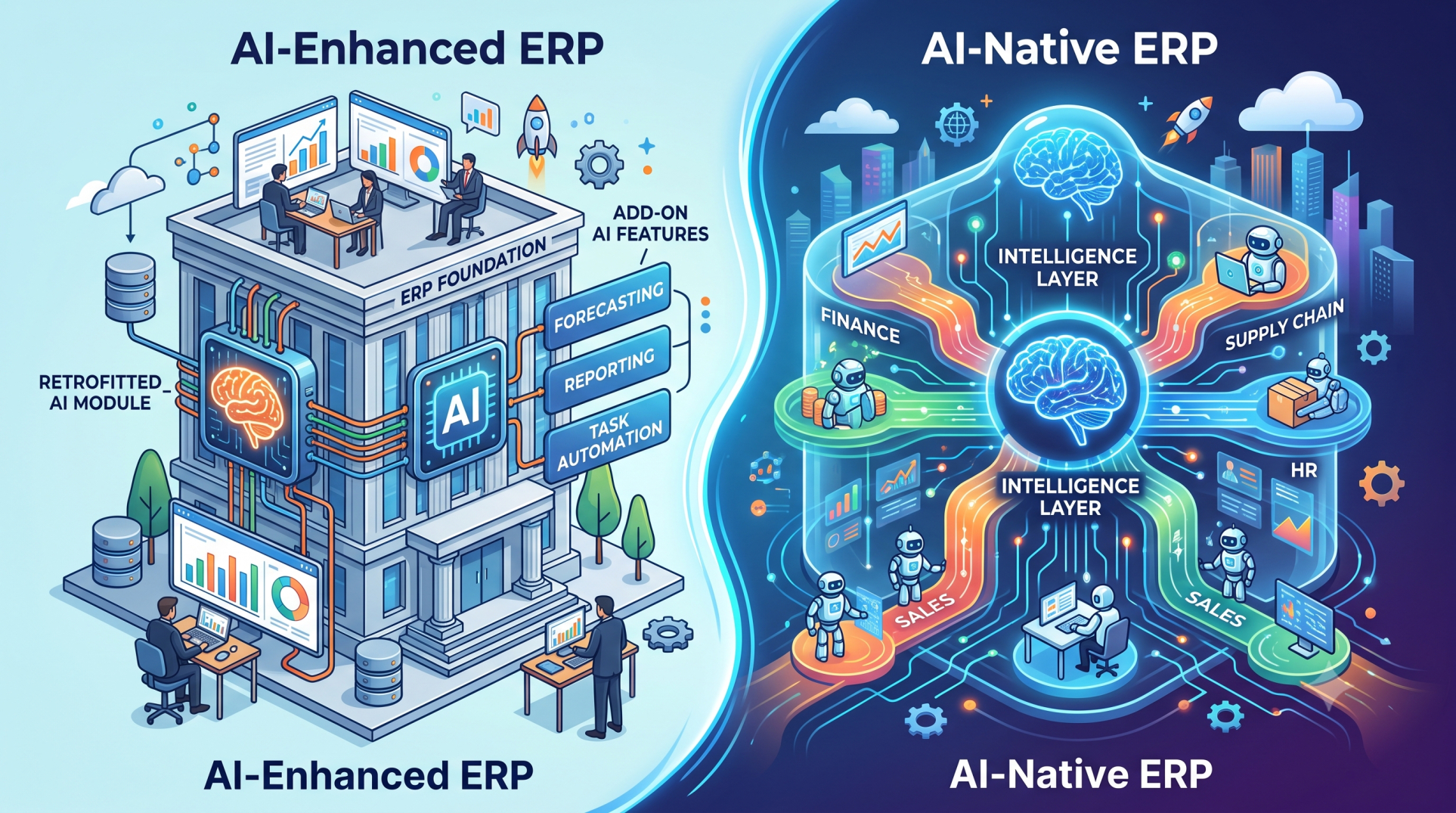
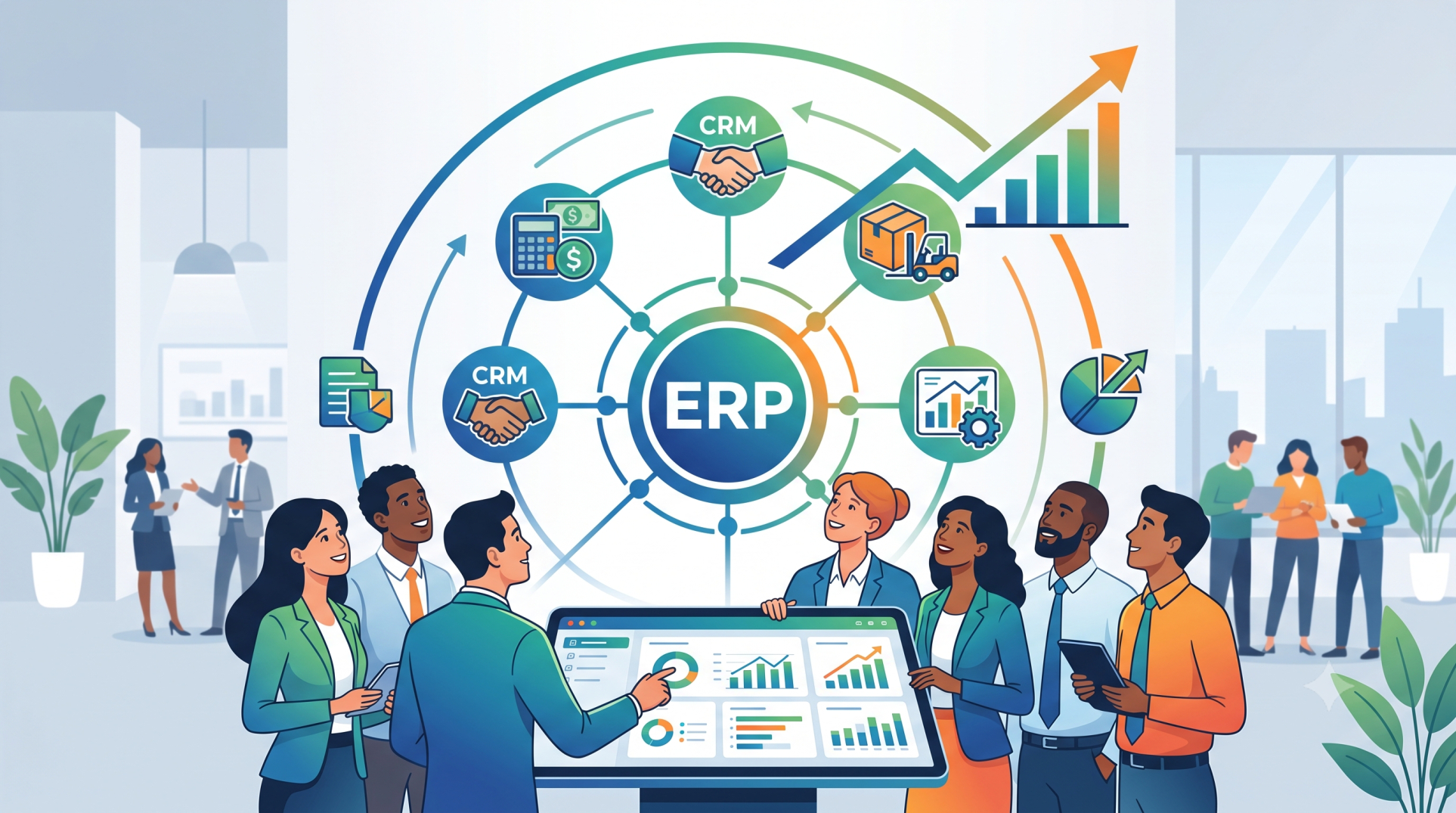
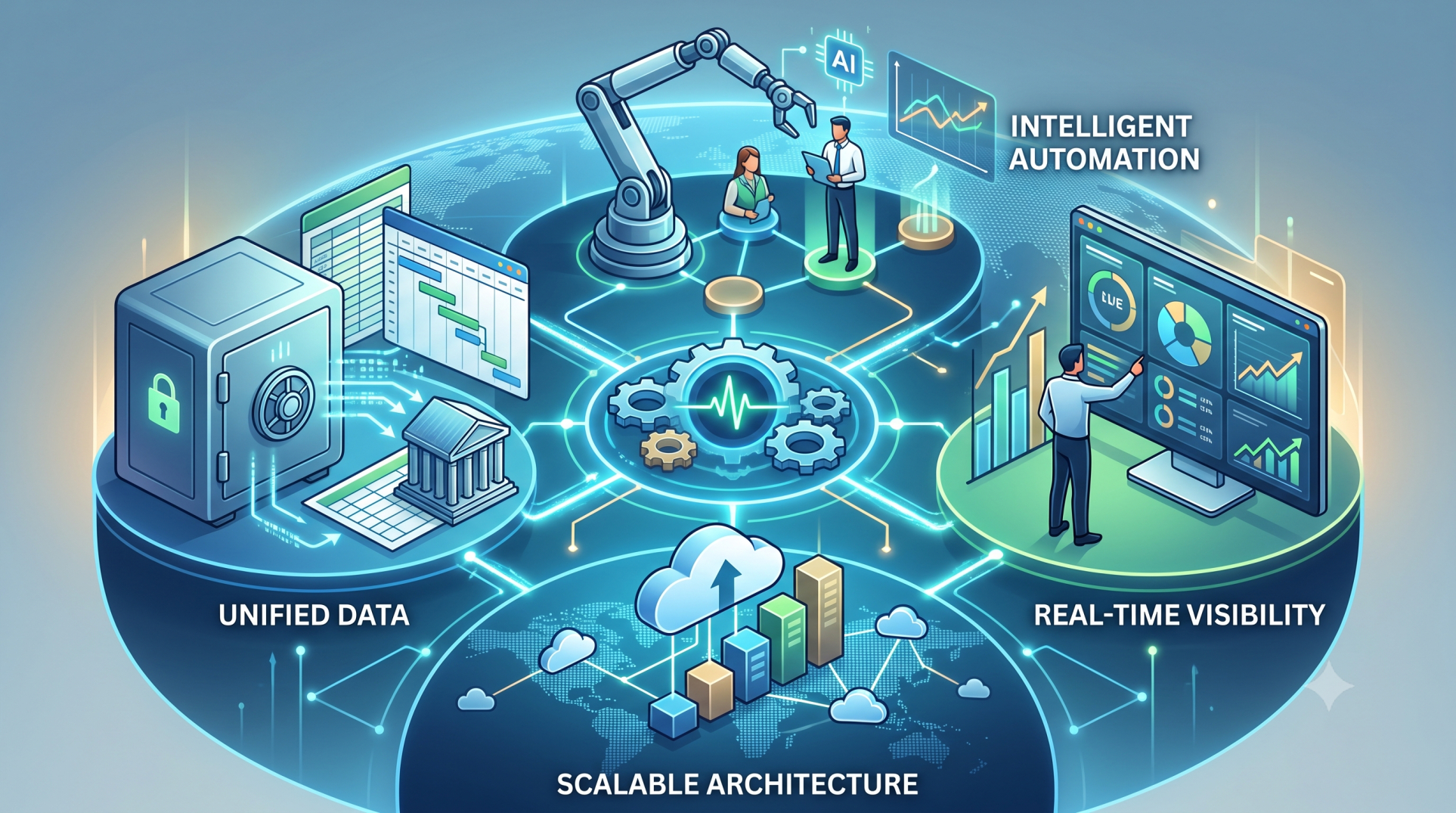
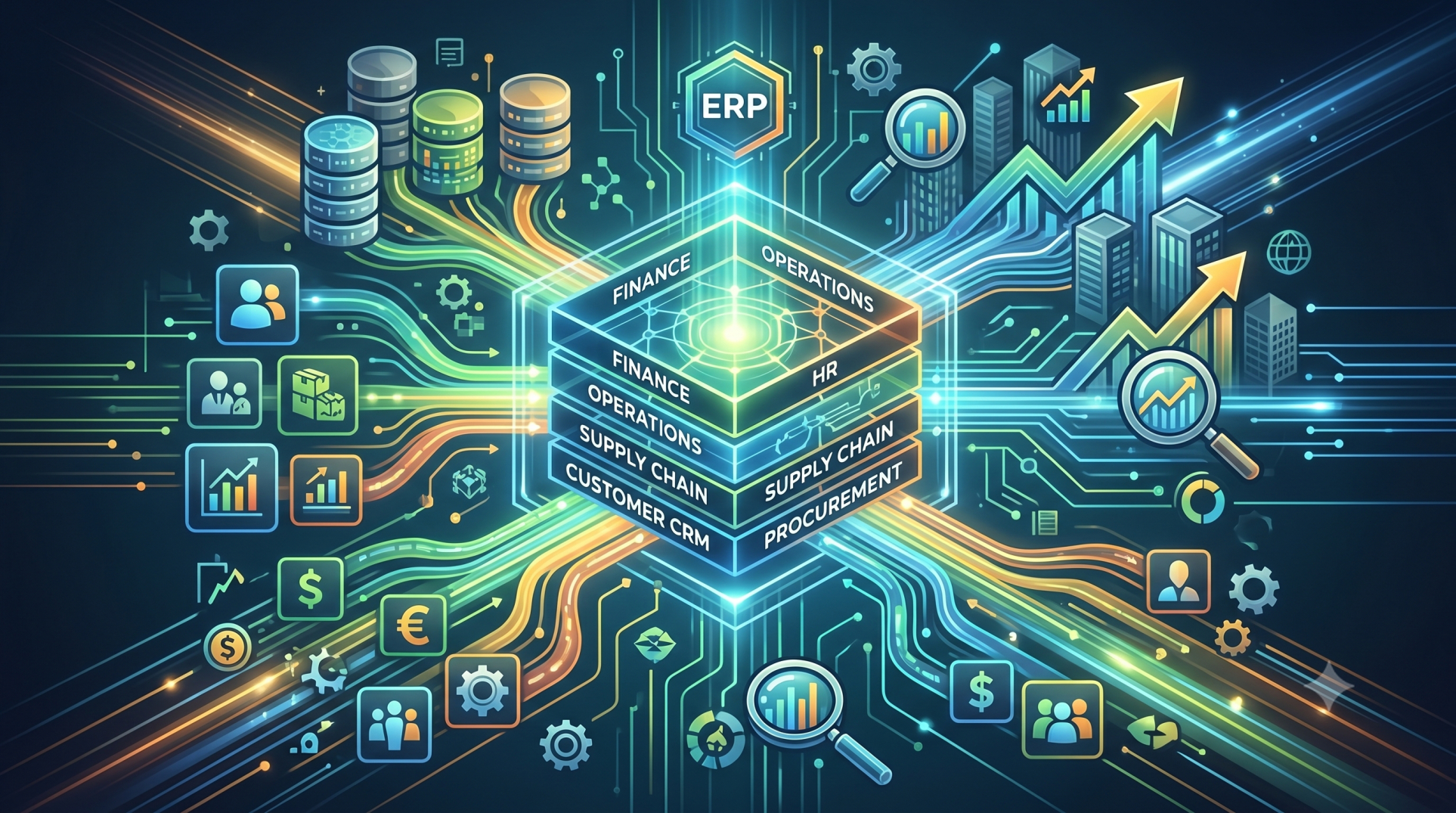
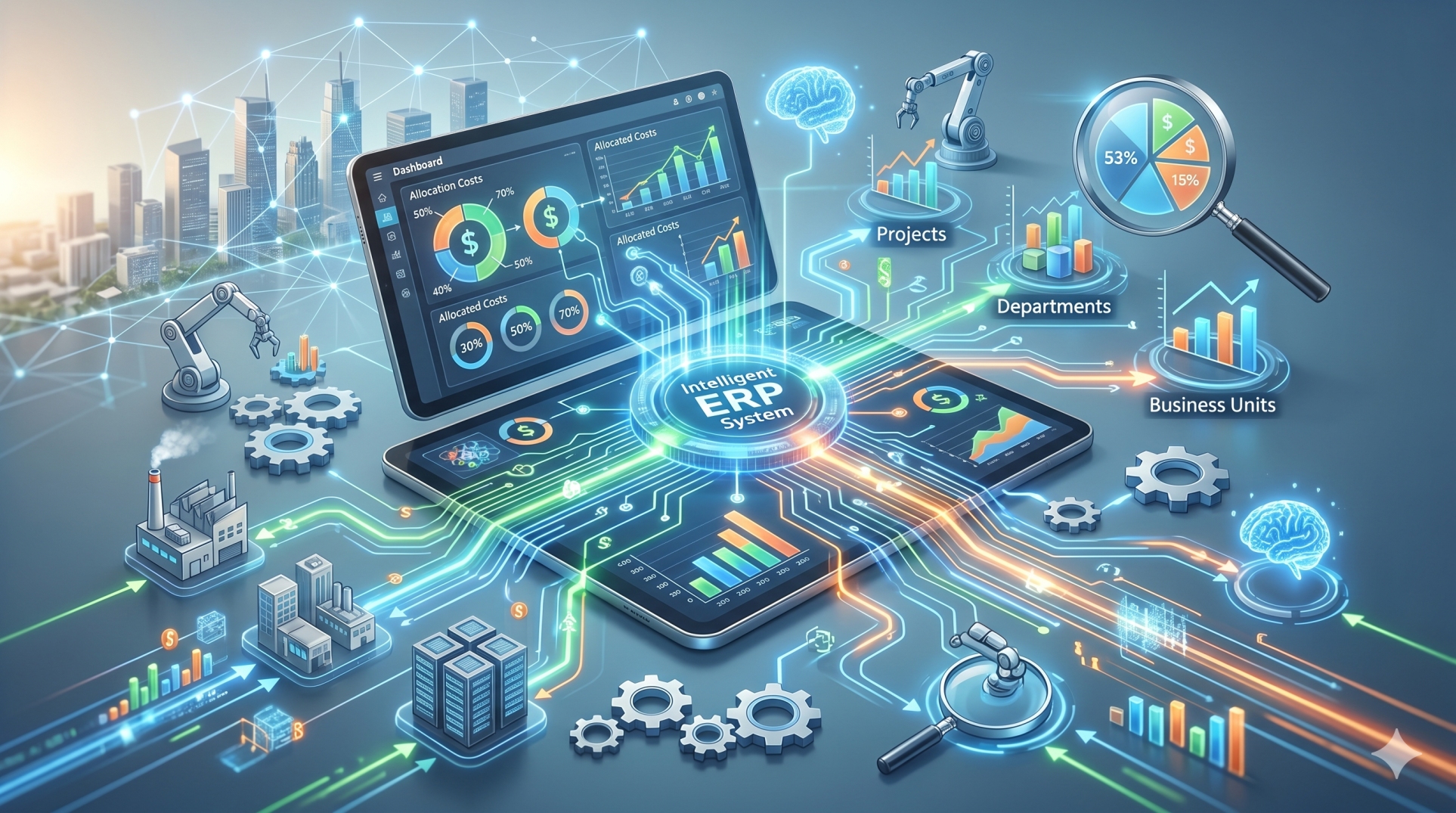
As businesses generate more data than ever, traditional ERP systems are no longer enough. Modern ERP platforms are evolving into intelligent systems that learn from business data. By using advanced analytics, automation, and machine learning, these ERP systems continuously improve processes, predict outcomes, and support smarter decision-making 🤖📈.
🔍 What Does It Mean for an ERP to Learn from Data
• Analyzes historical and real-time business data ⏱️📊
• Identifies patterns and trends automatically 🔎
• Improves accuracy over time without manual intervention ⚙️
• Adapts system behavior based on usage and outcomes 🔄
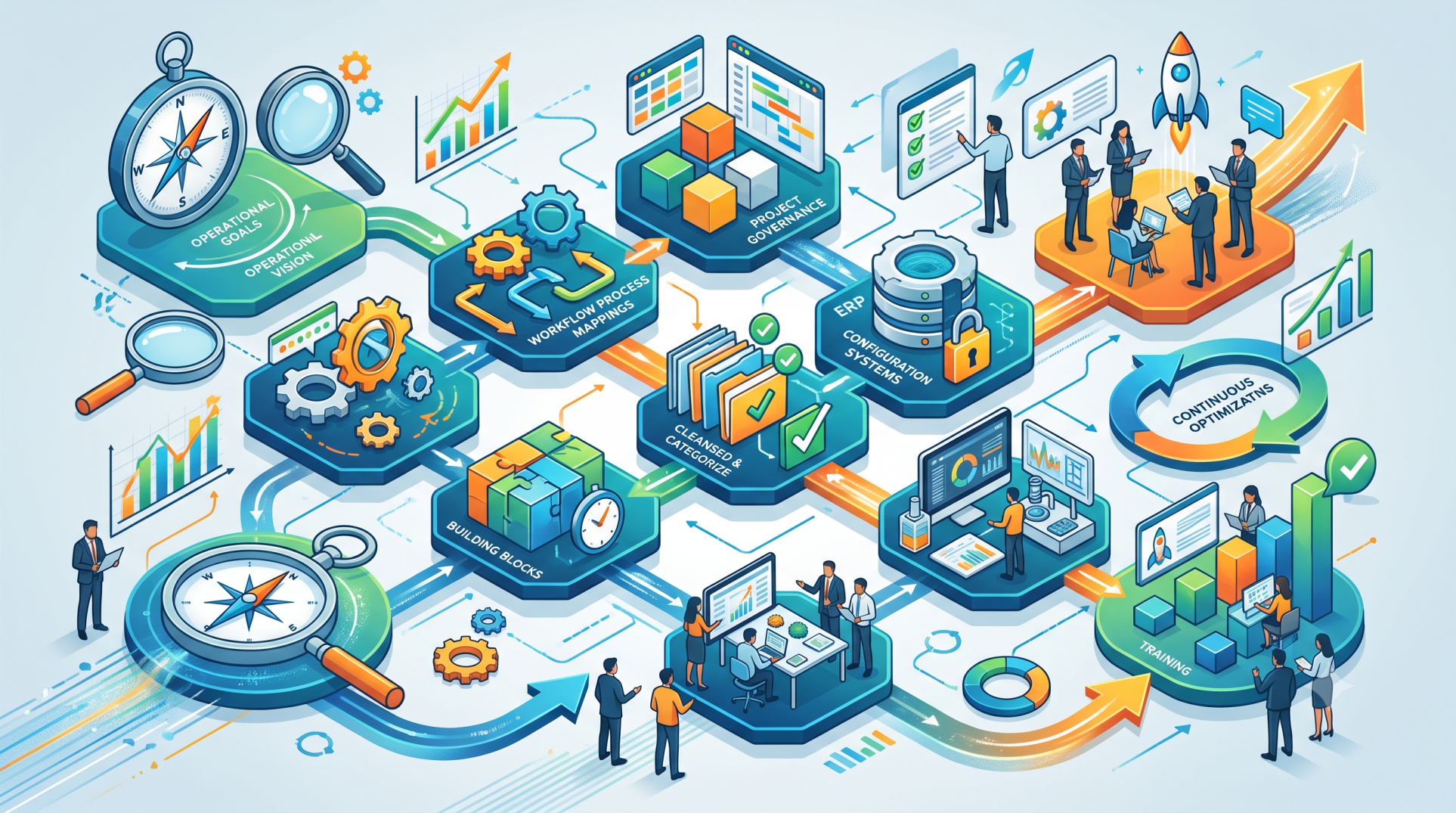
⚙️ How Learning ERP Systems Work
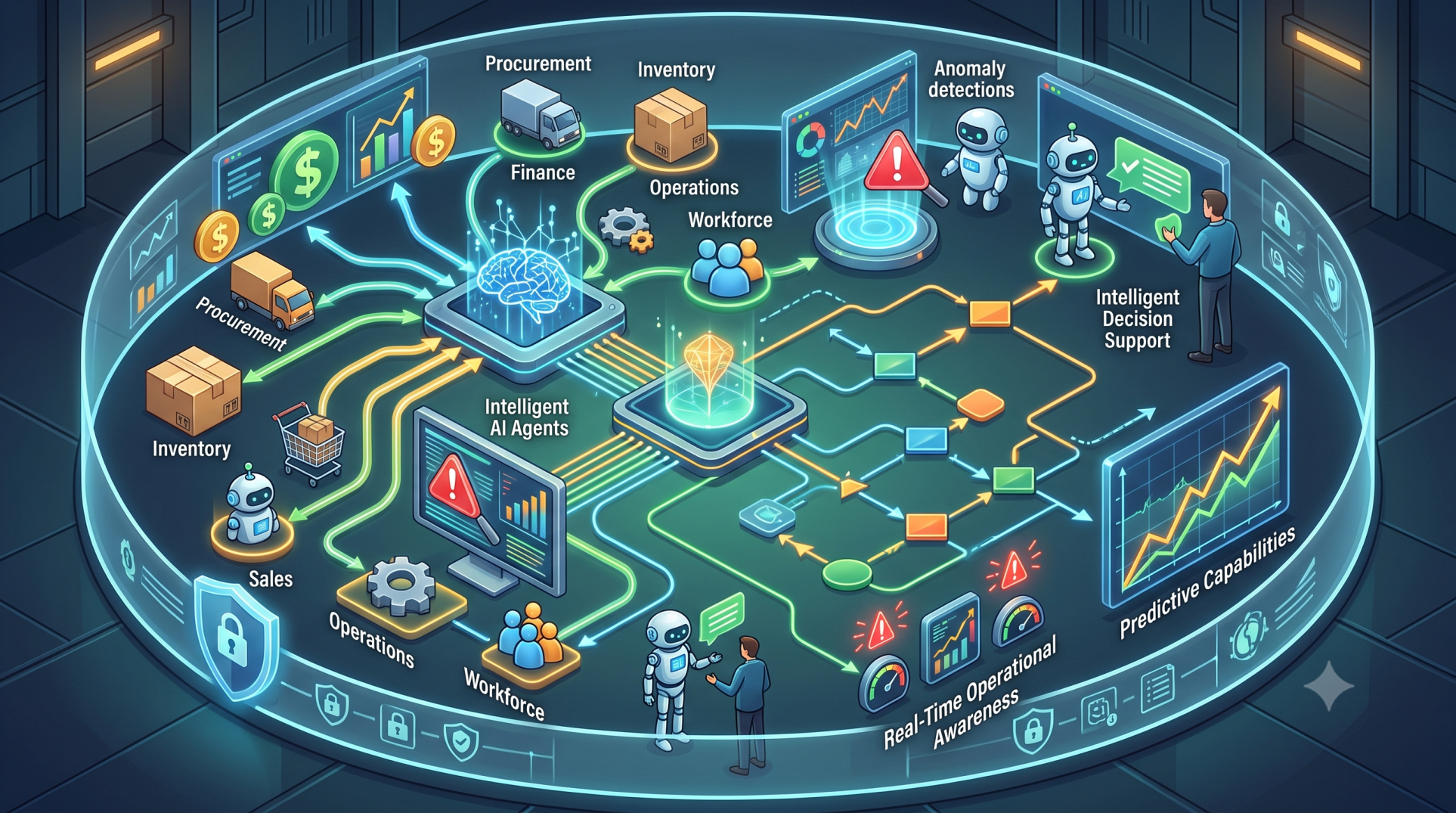
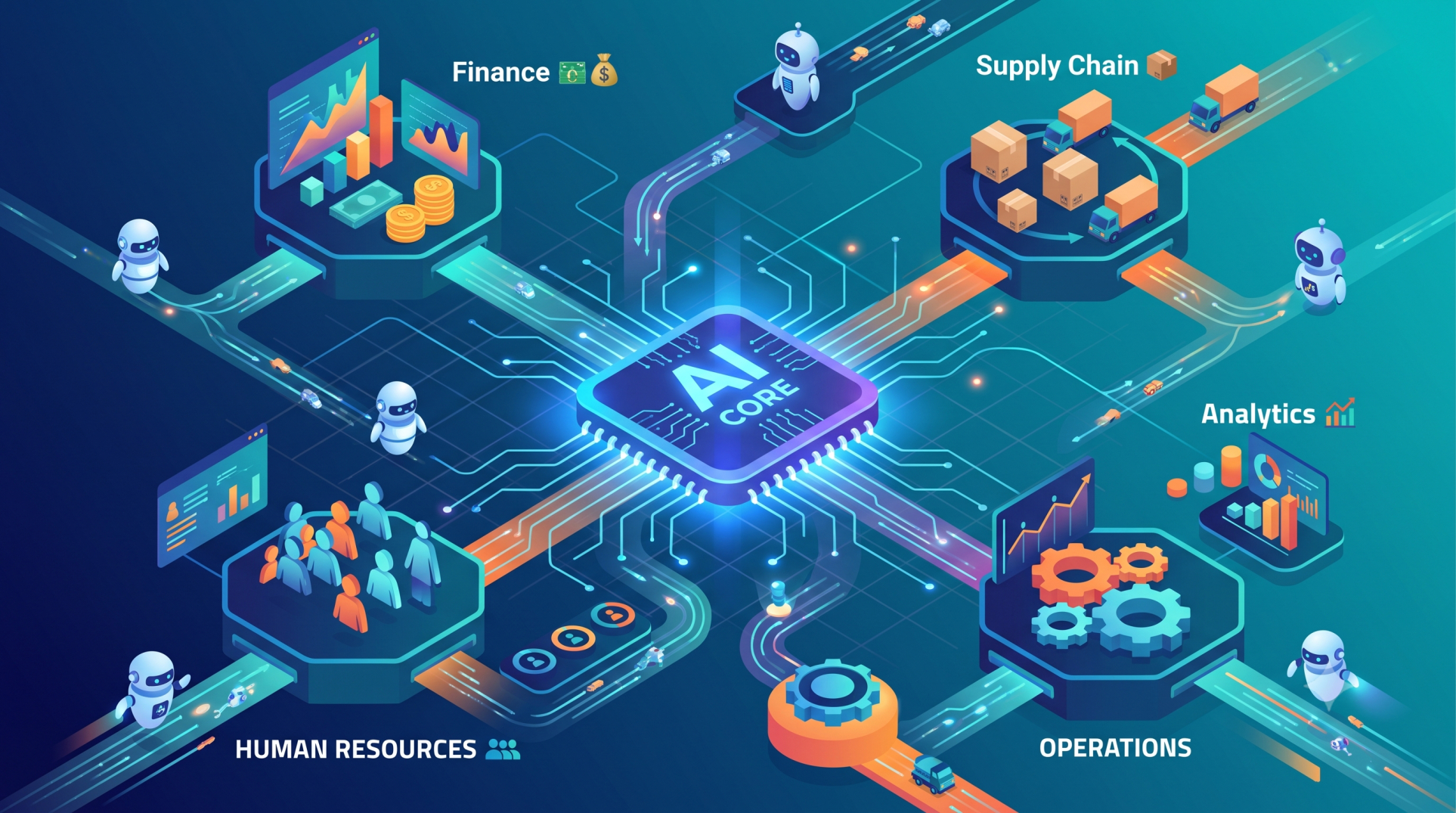
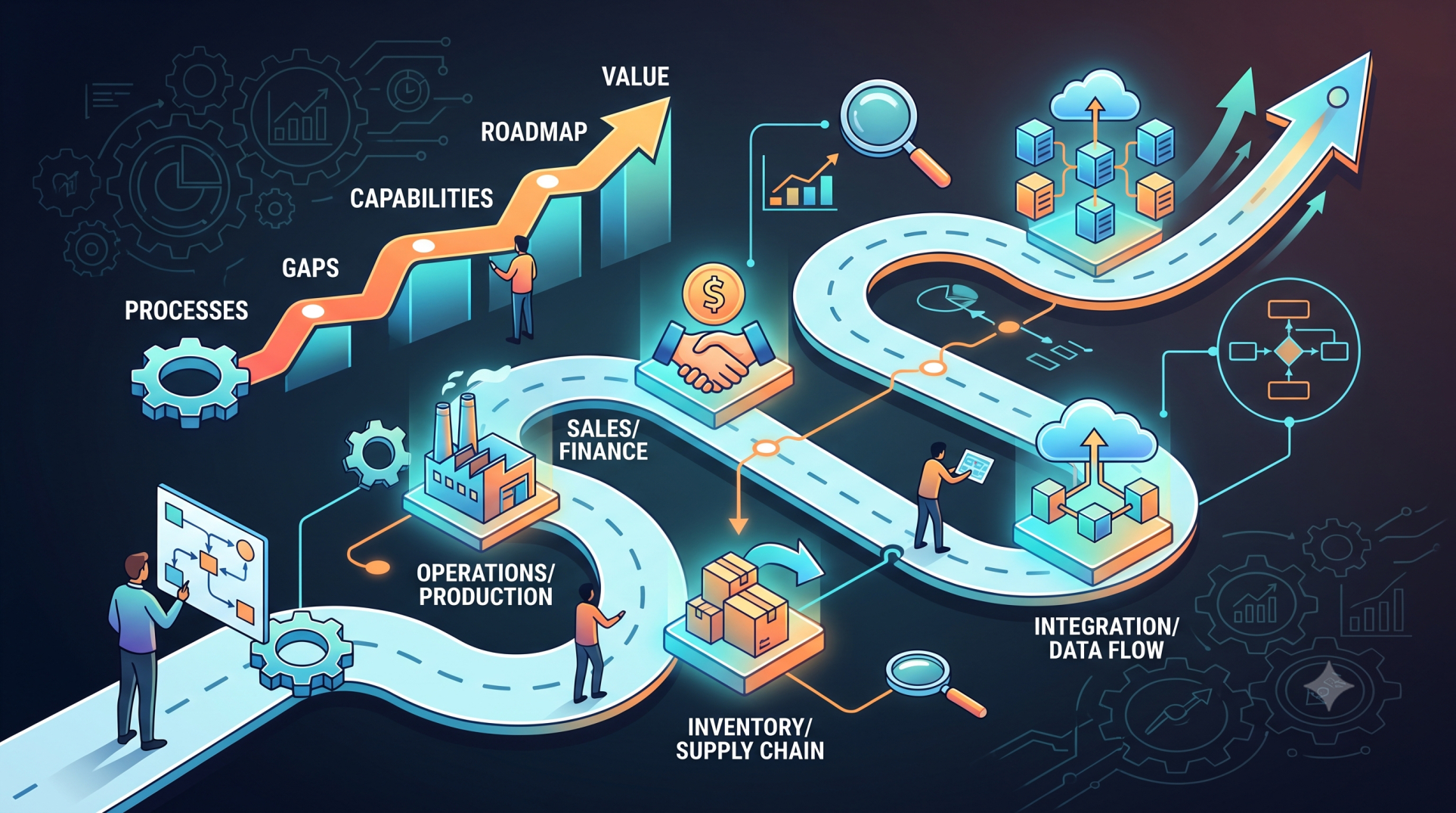
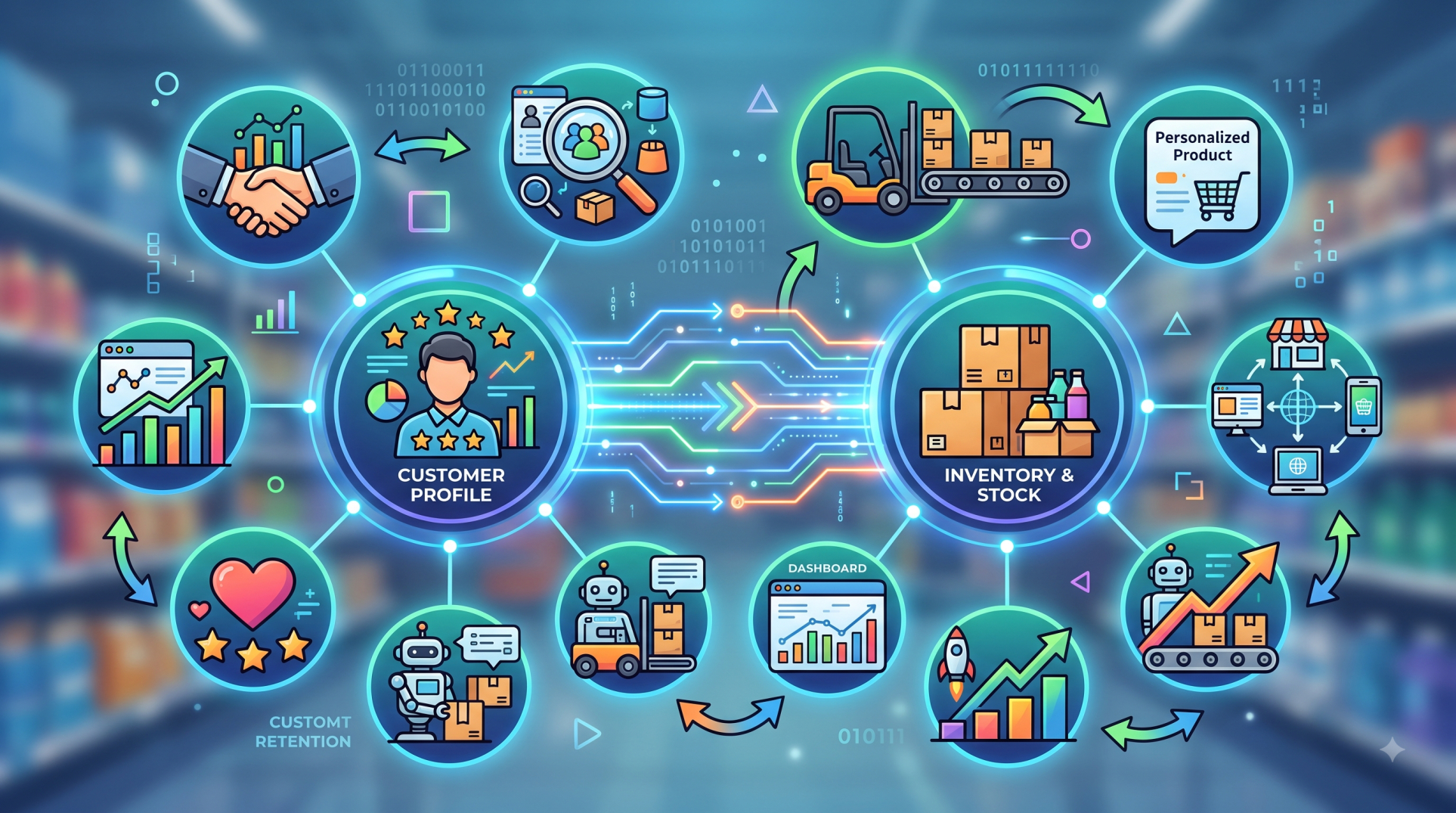
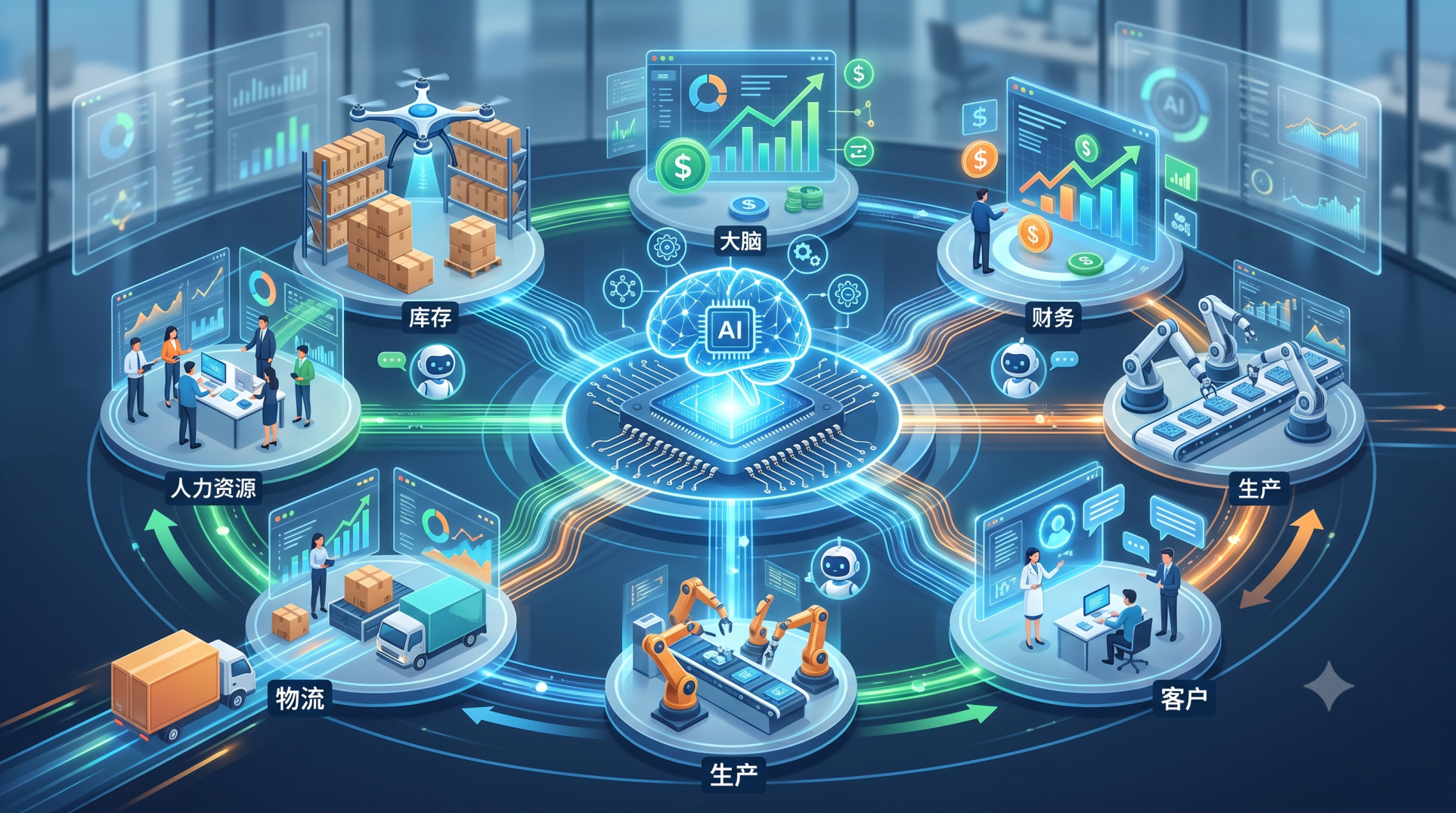
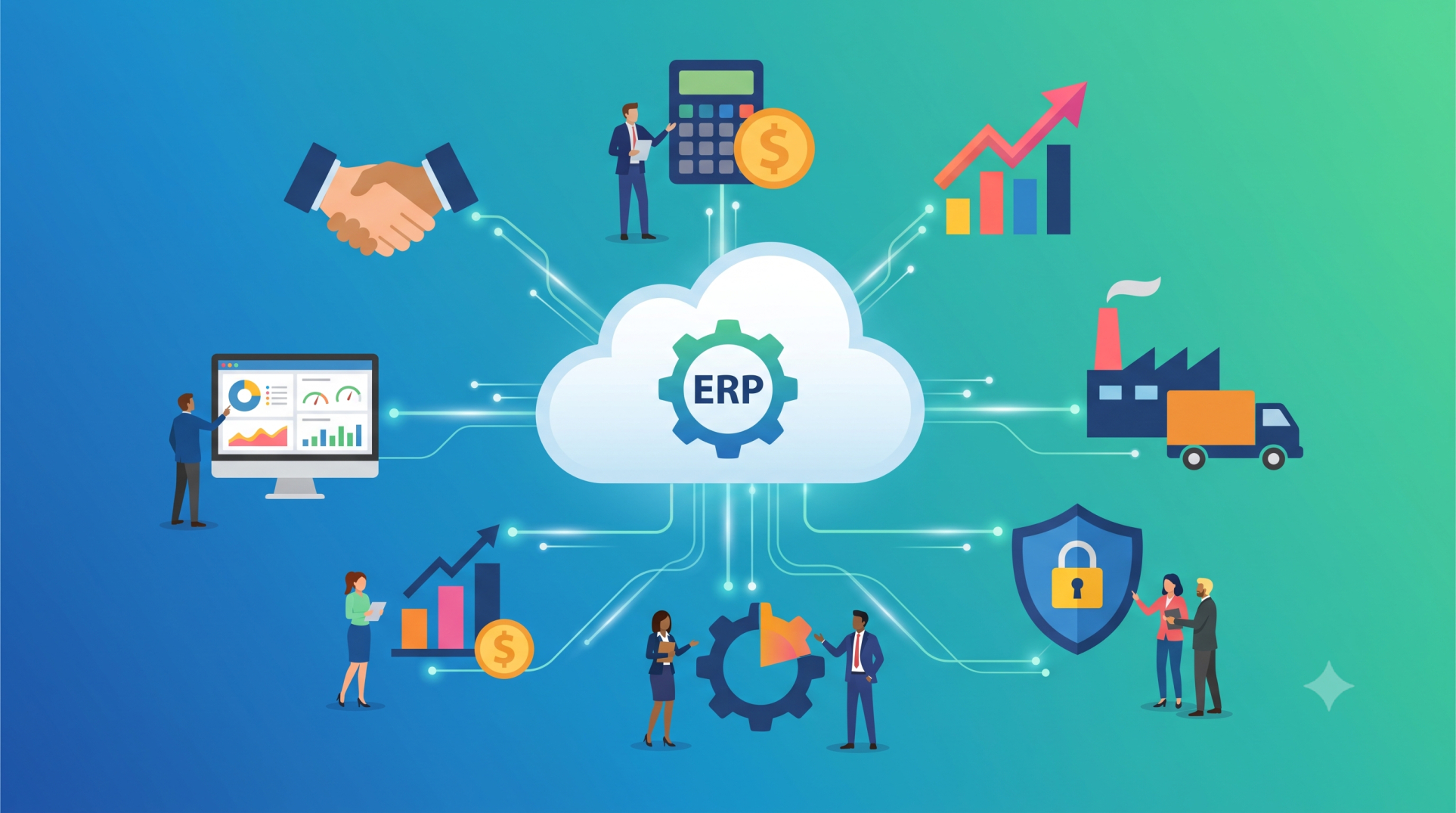
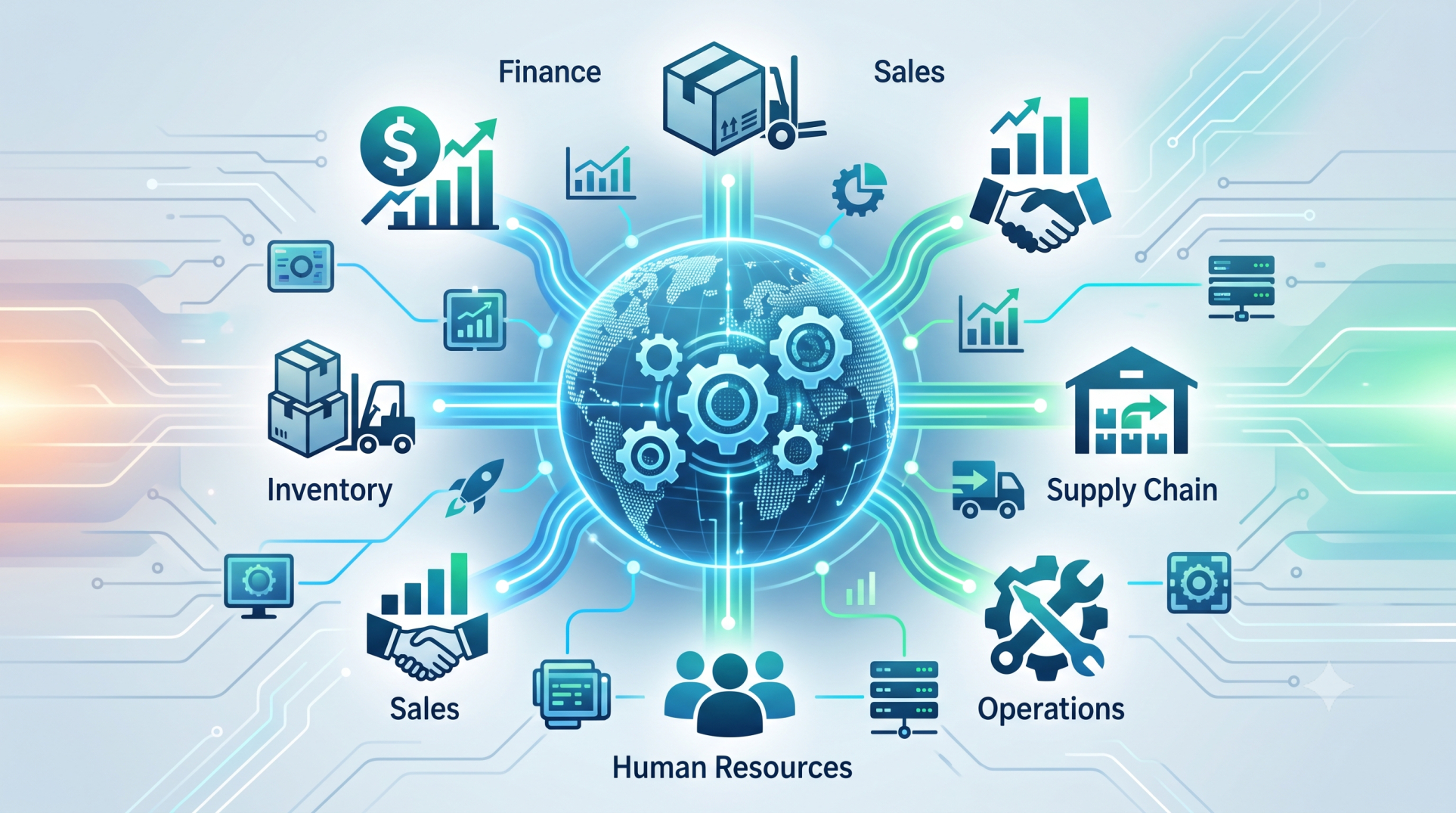
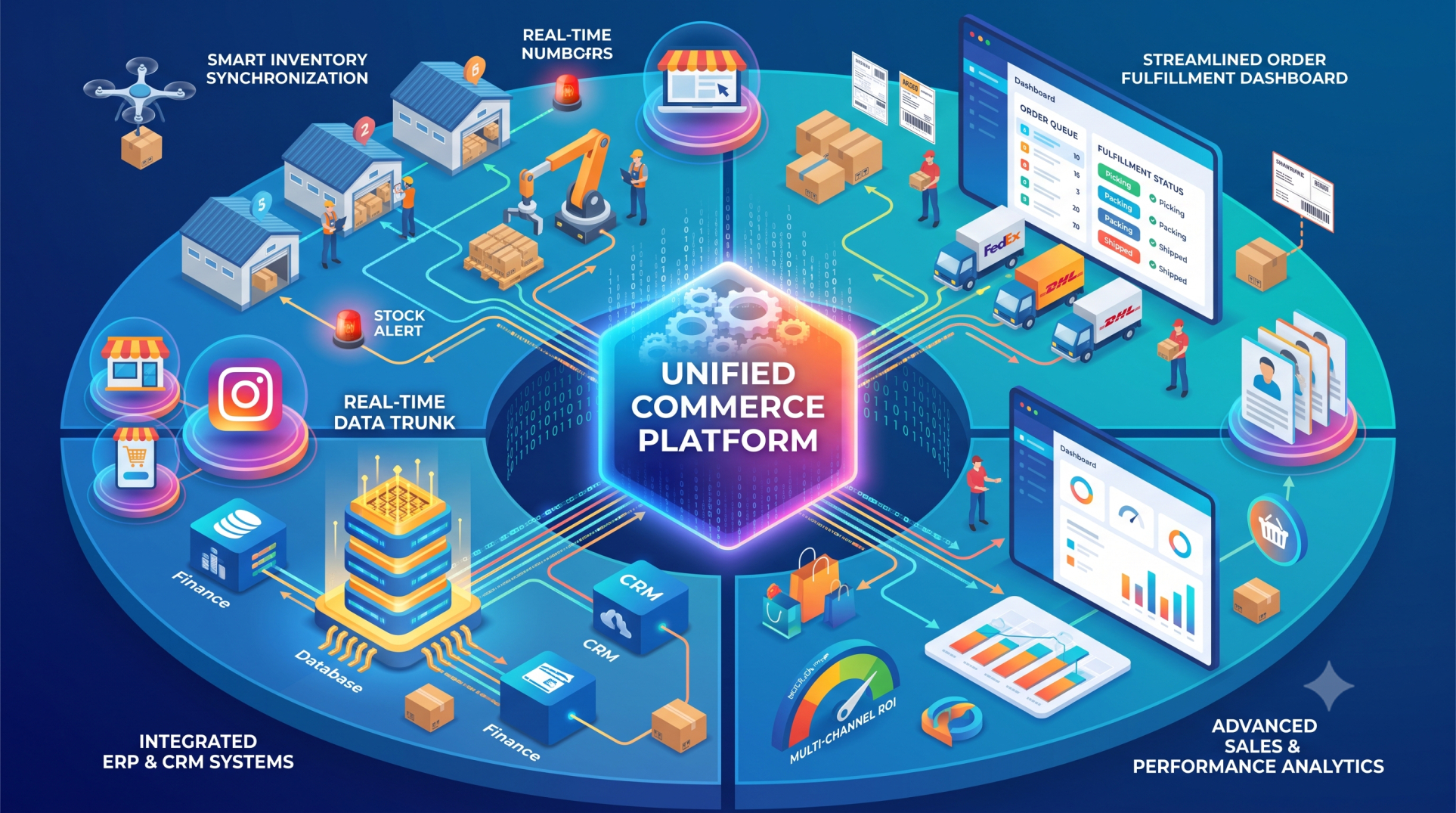
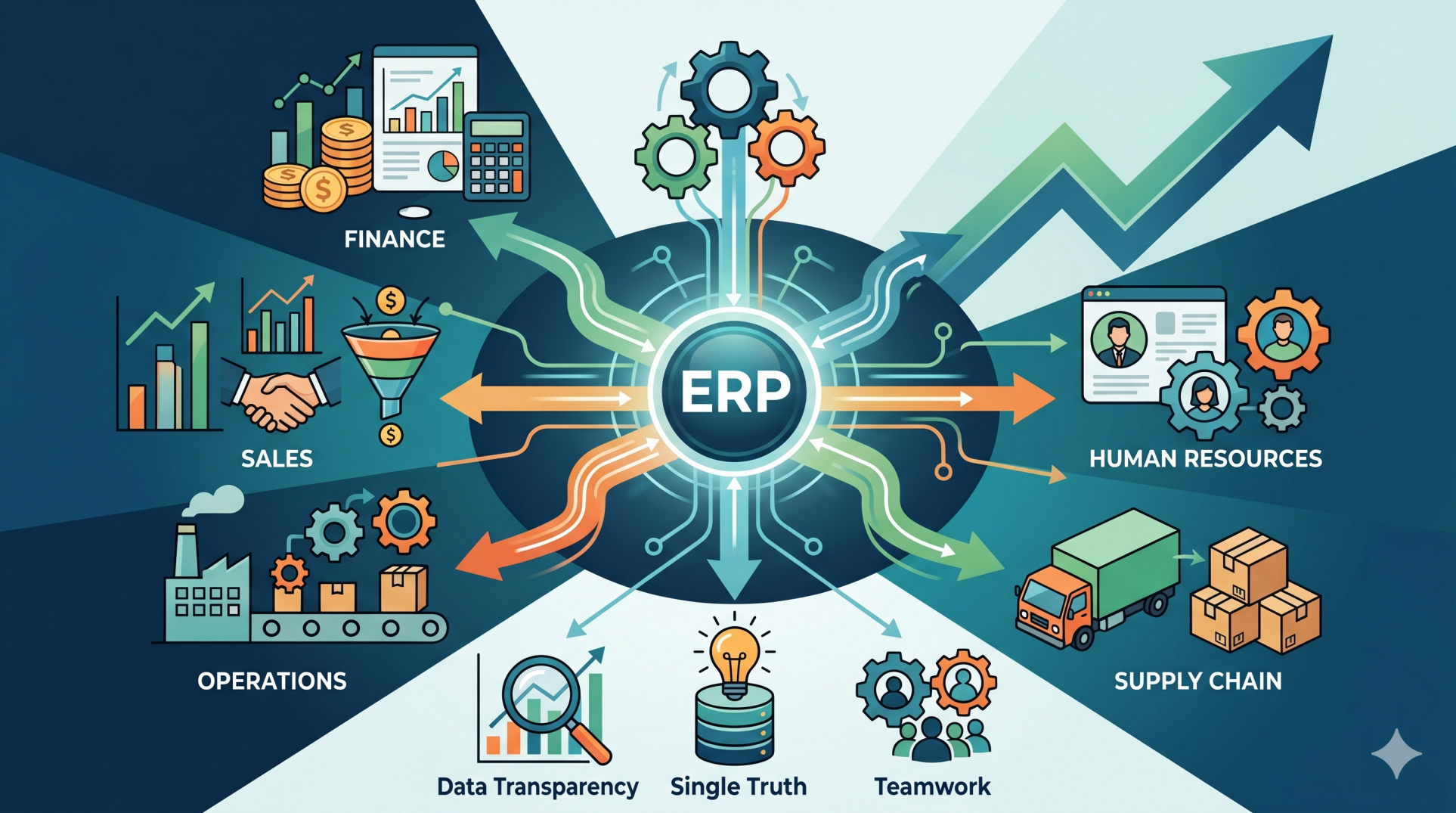
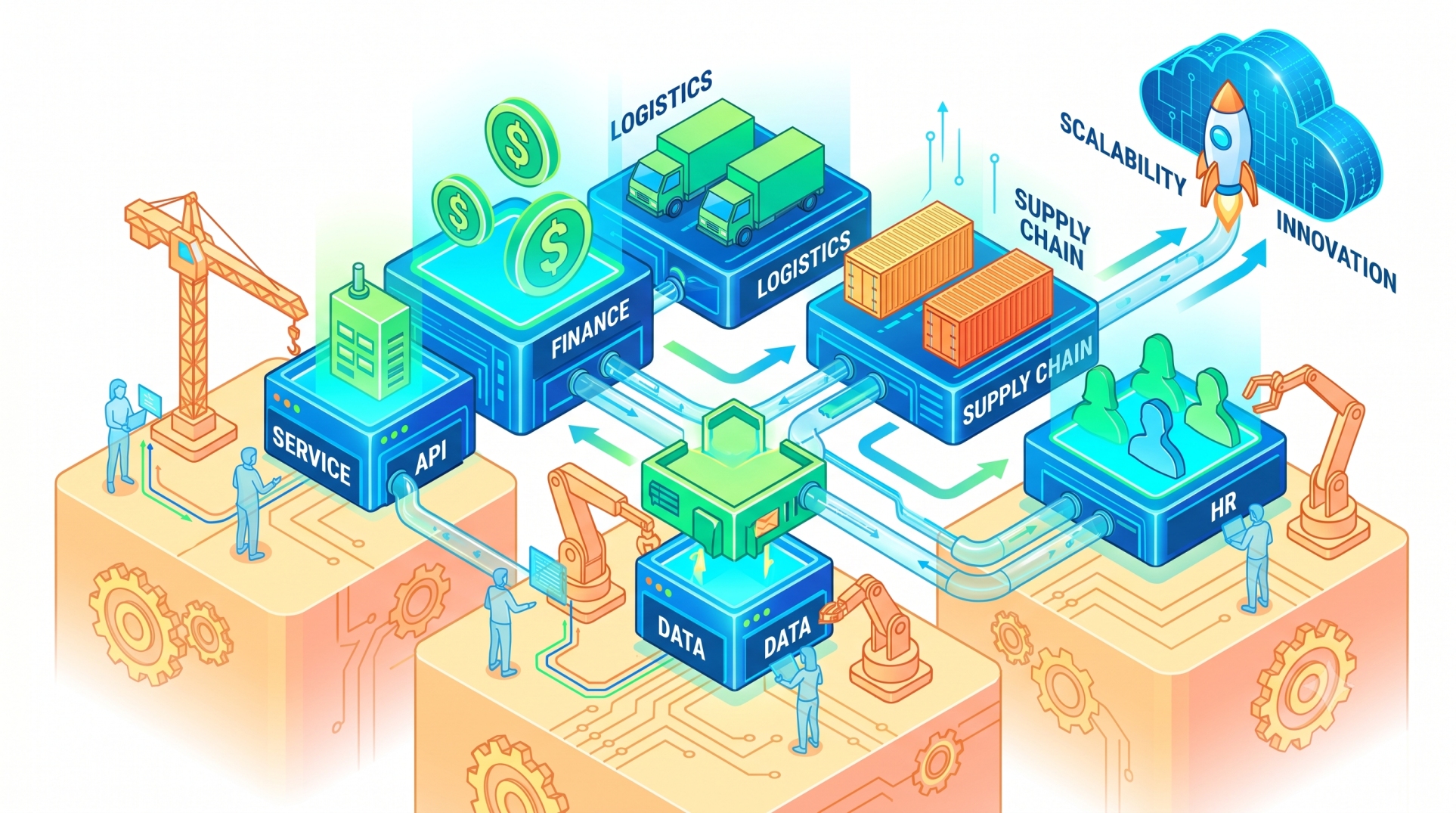
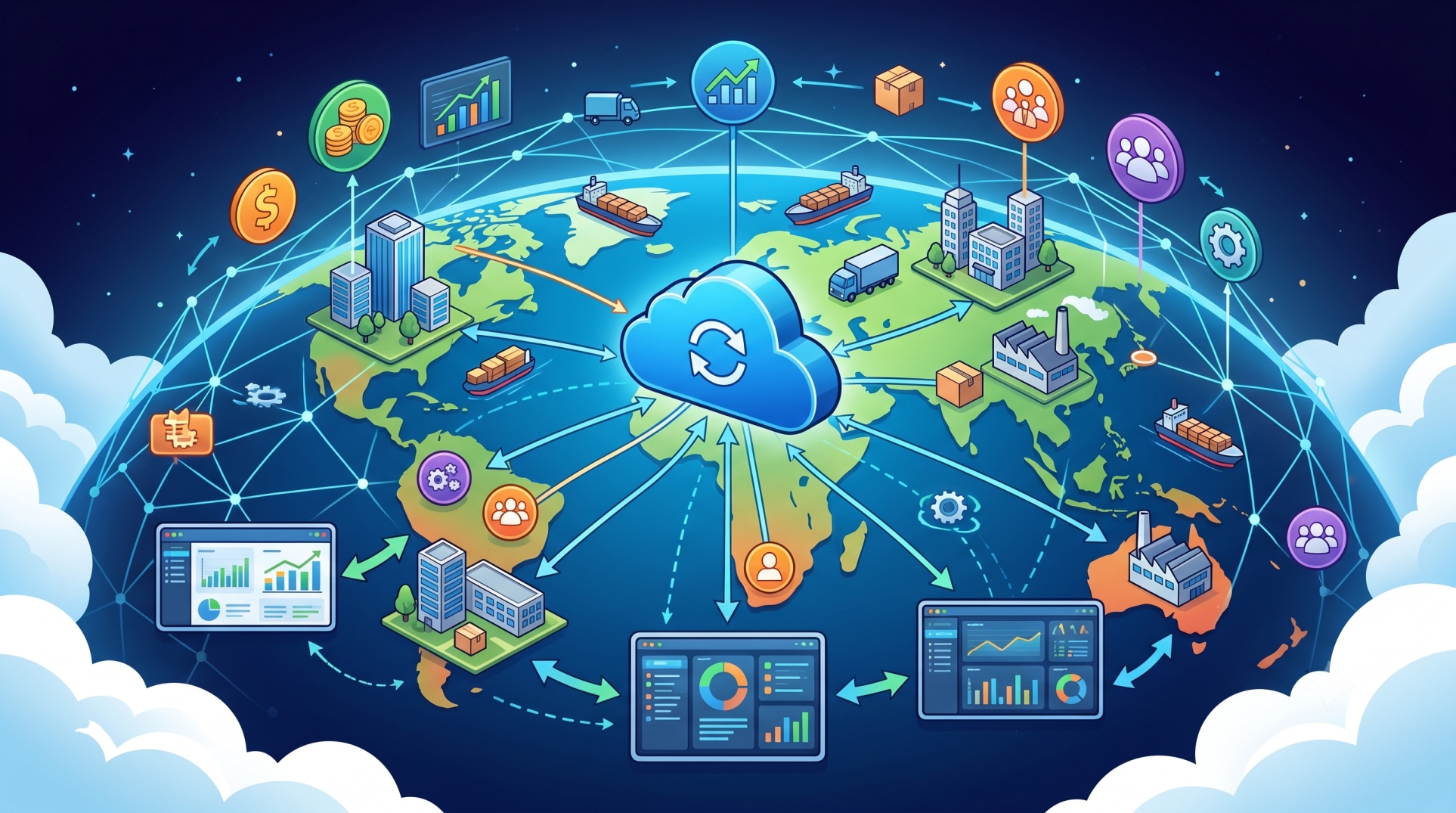
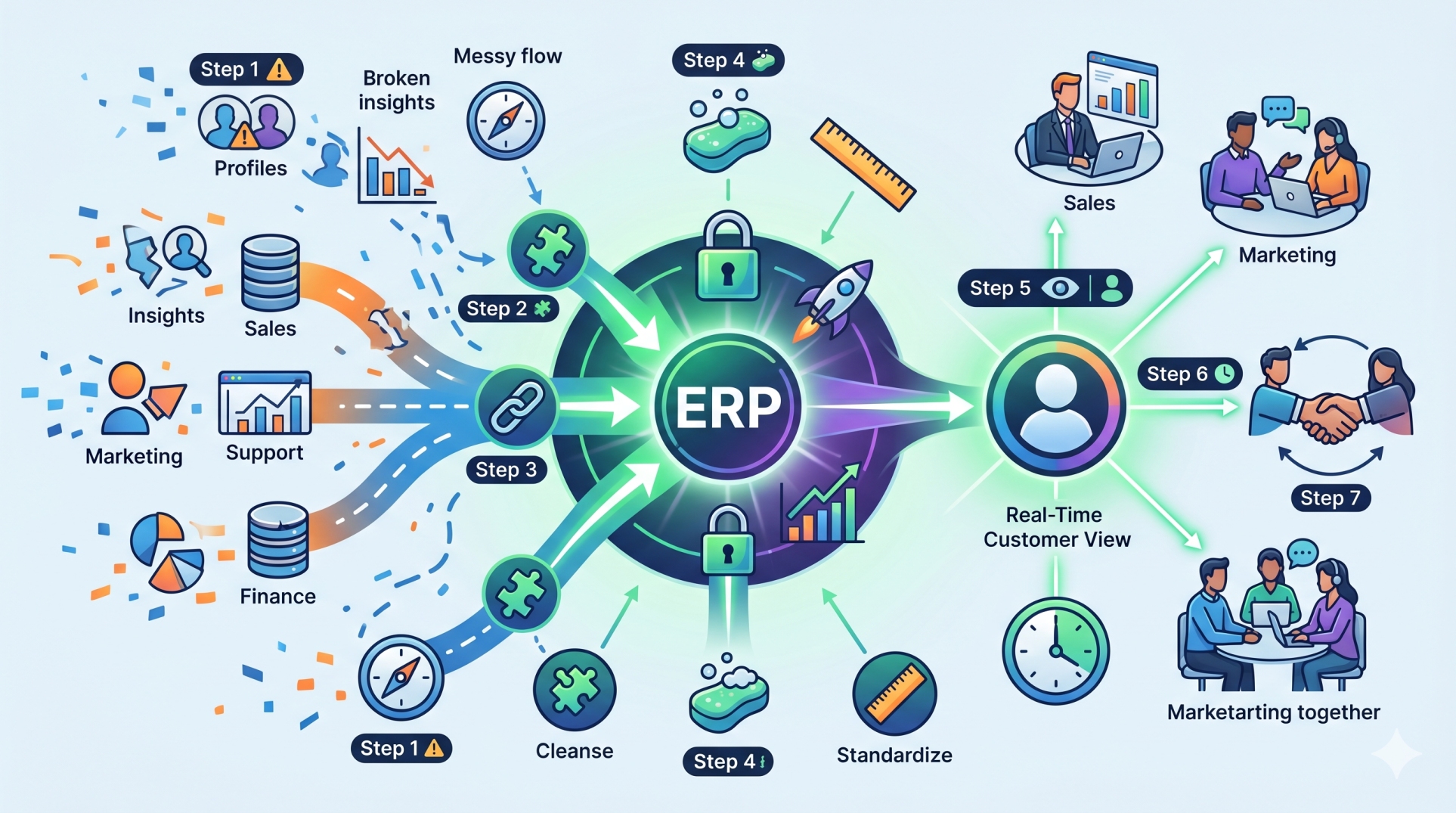
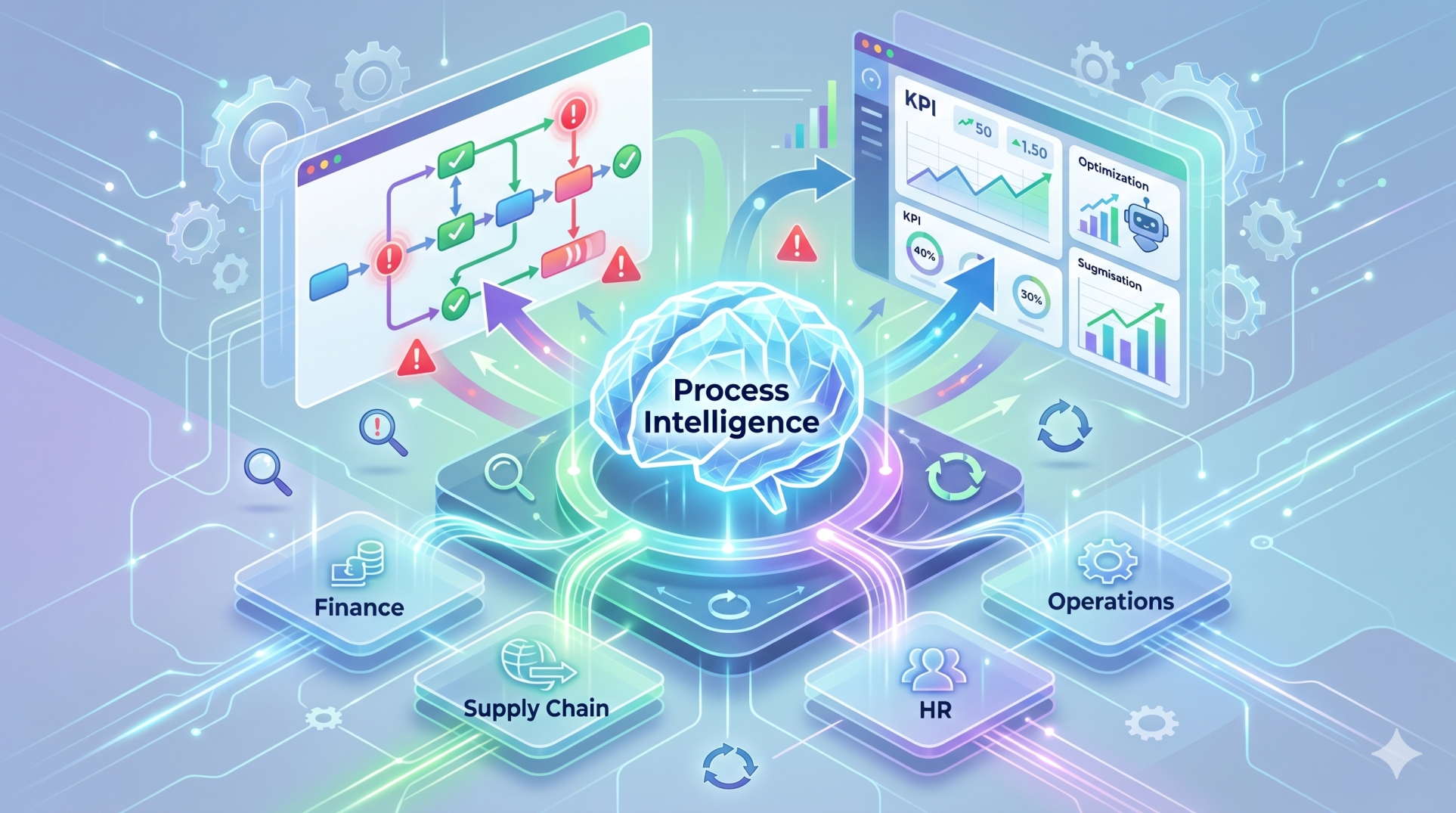
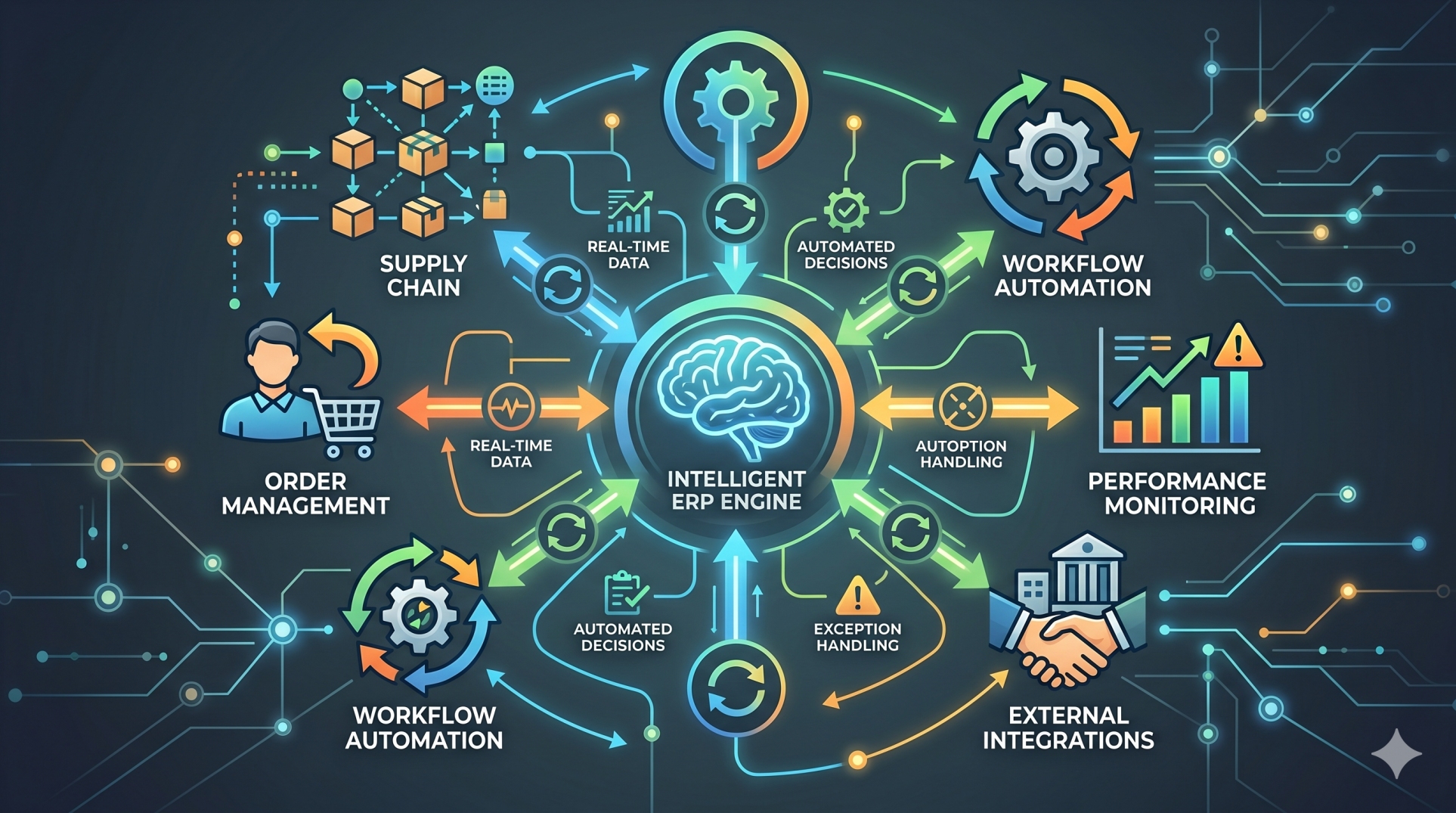
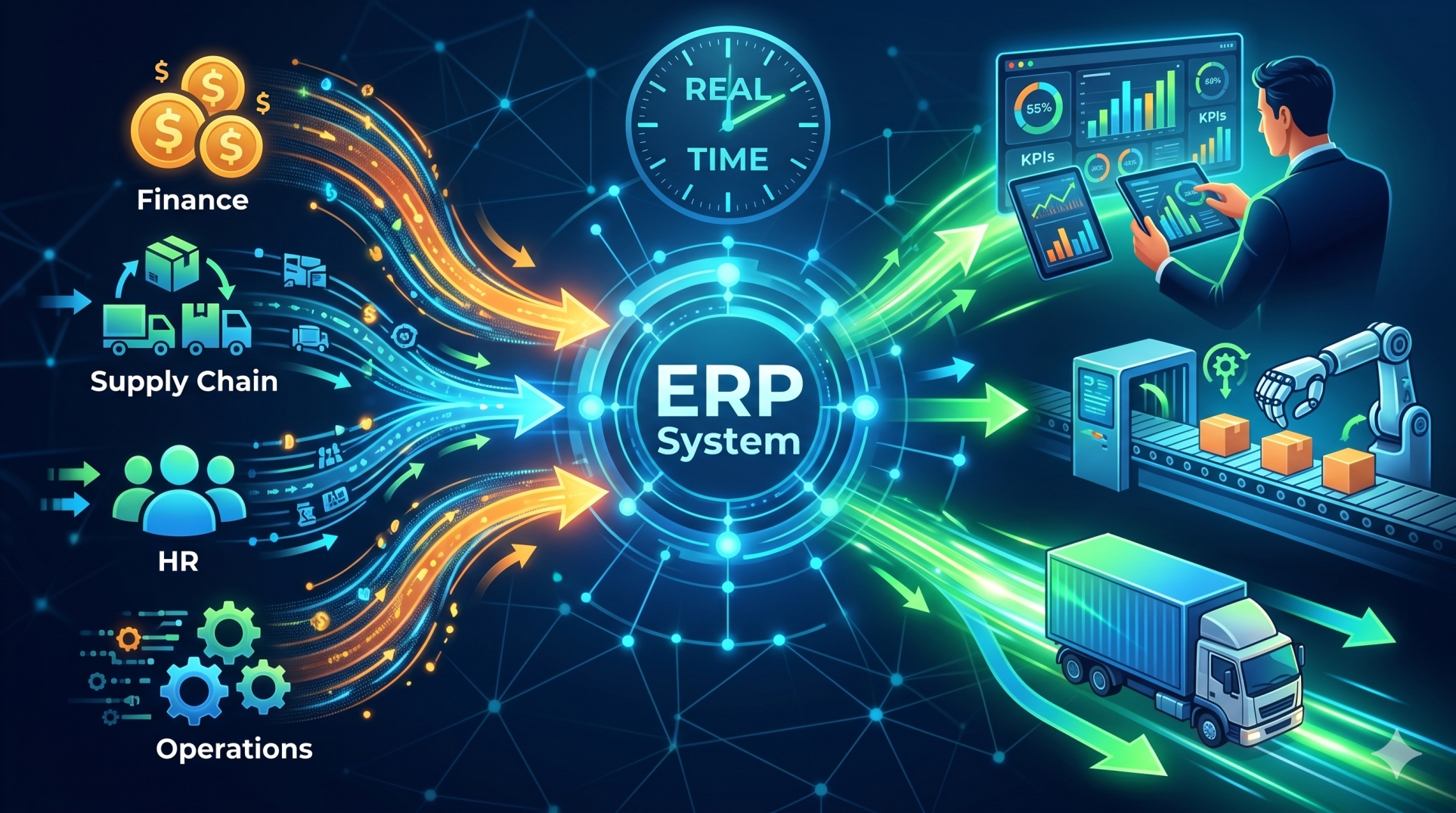
• Collect data from finance, operations, sales, supply chain, and HR 💼
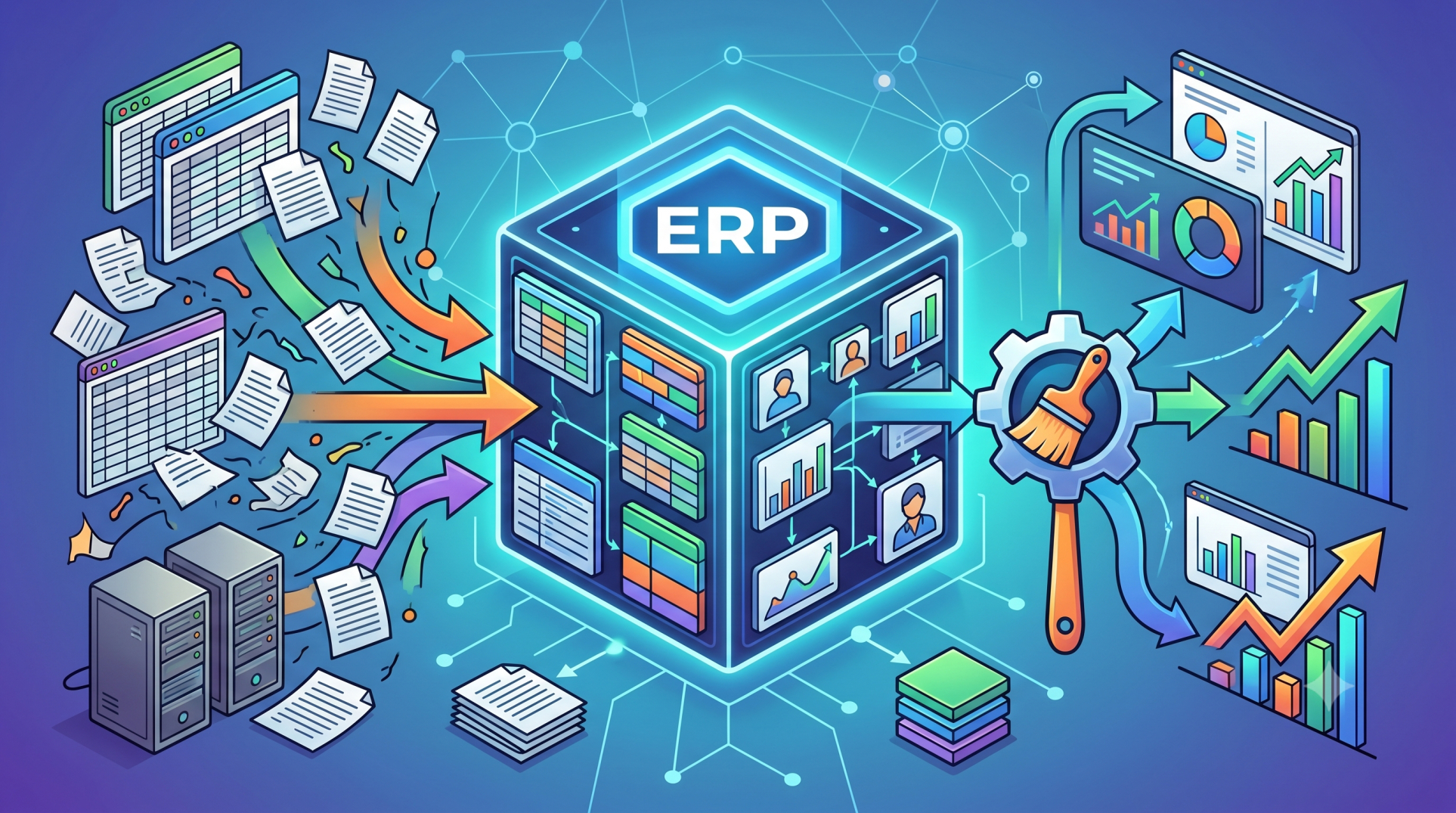
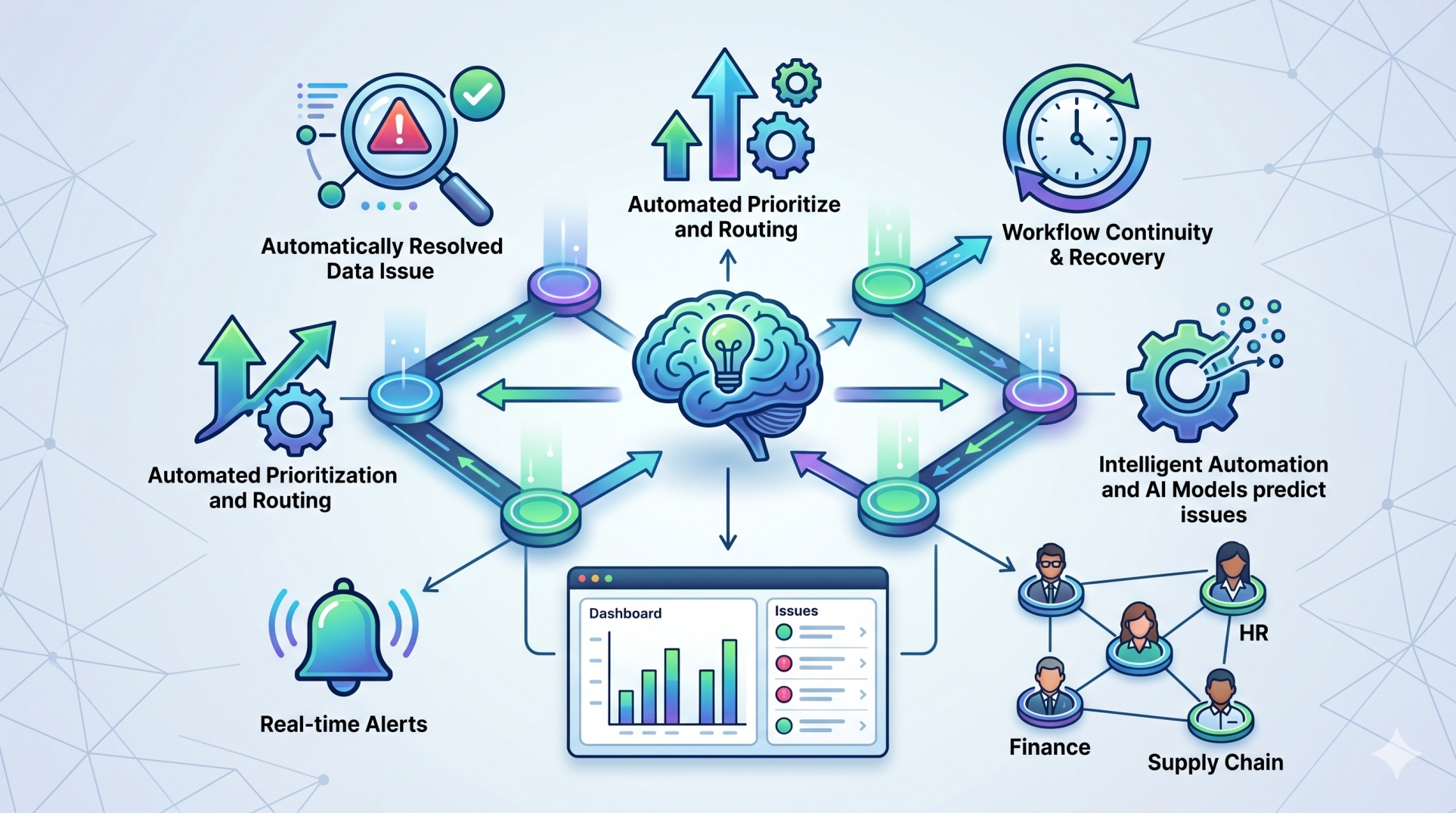
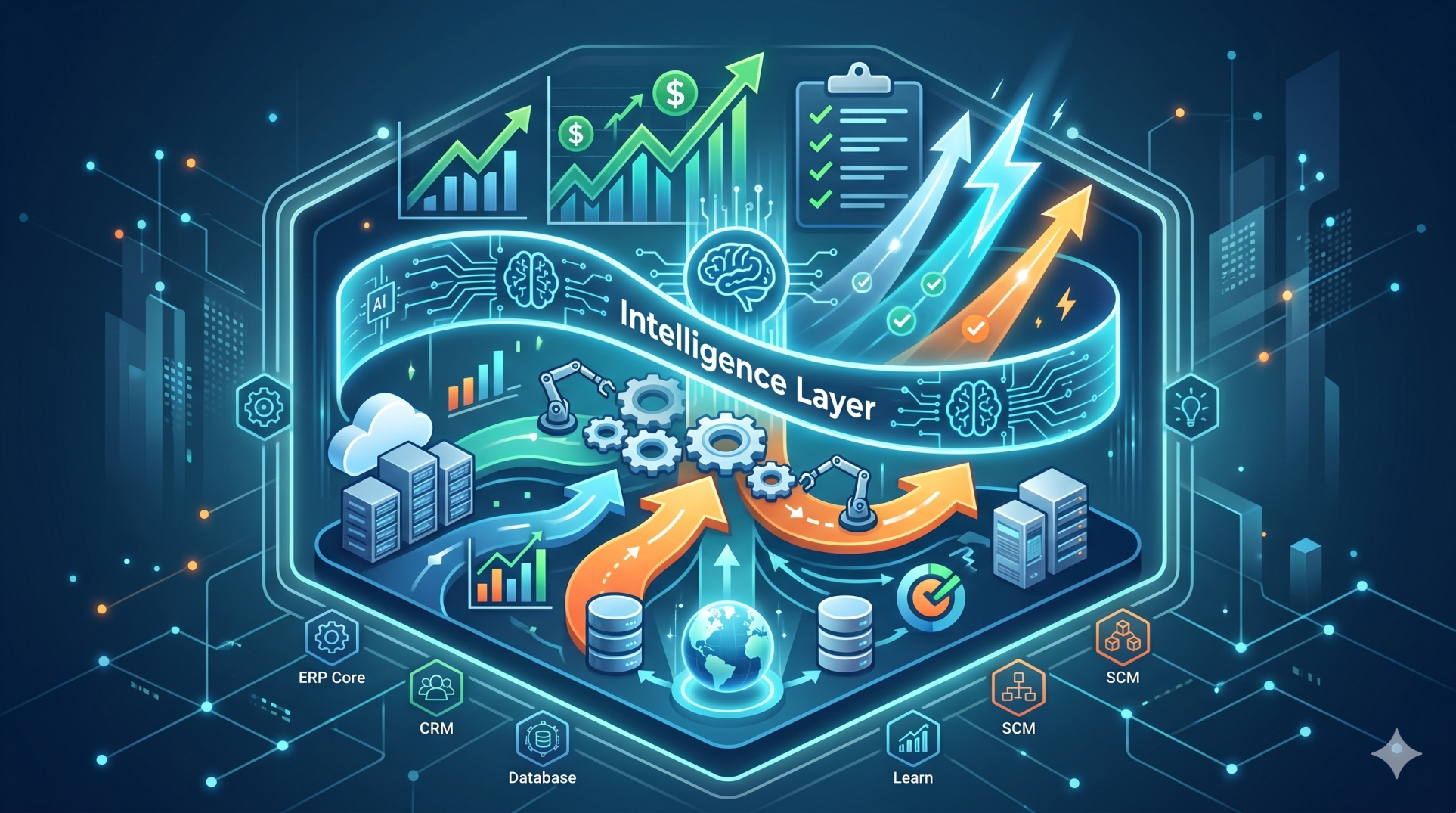
• Process large data sets to identify relationships and anomalies 🧠
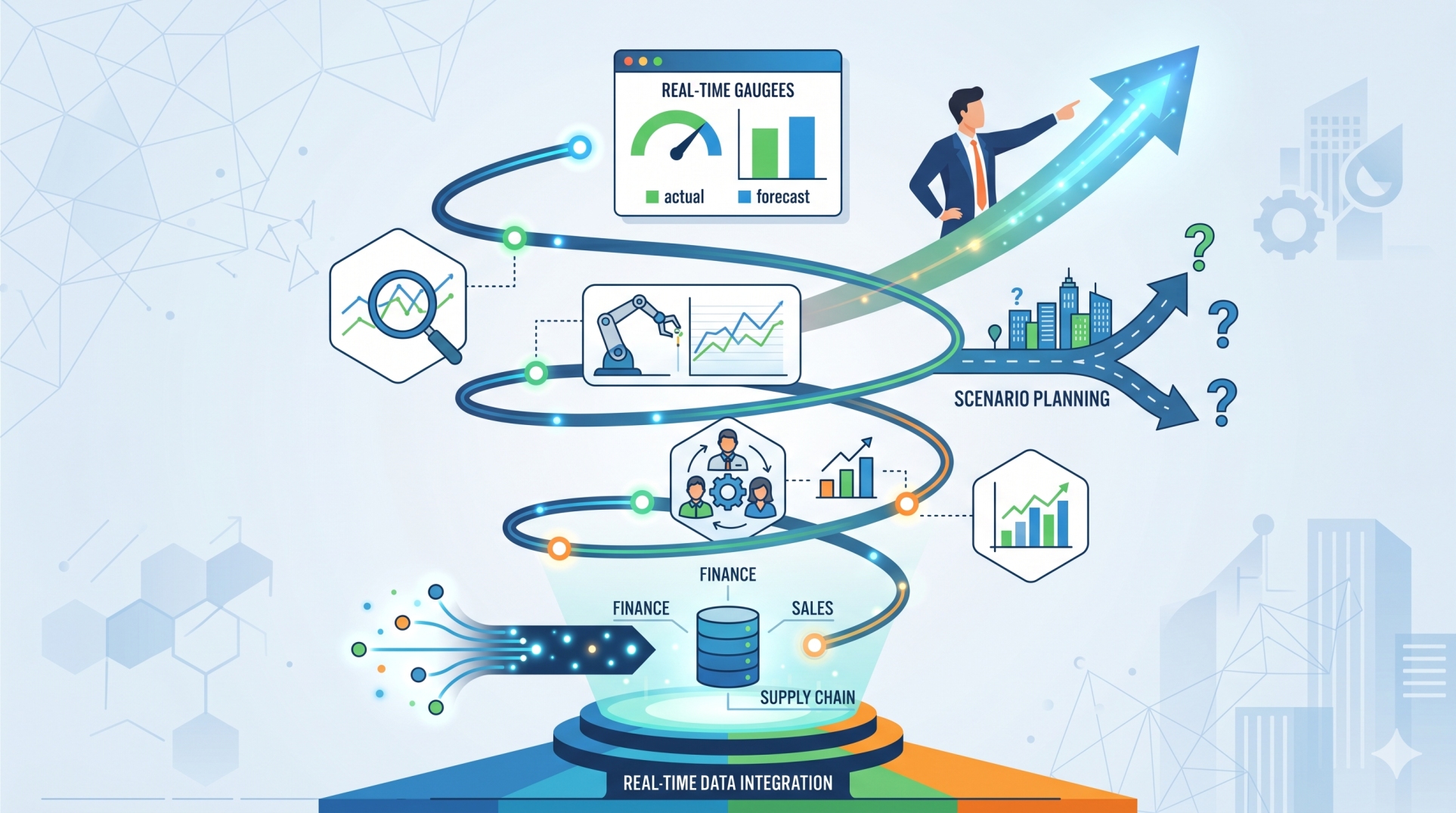
• Use predictive models to forecast future scenarios 🔮
• Continuously refine insights as new data is added 🔁
📌 Key Areas Where ERP Systems Learn and Improve
1. Financial Forecasting and Cost Control
• Learns spending patterns and cash flow trends 📉
• Improves budget forecasts over time 📊
• Identifies cost overruns early ⚠️
• Supports proactive financial planning 🧾
2. Demand Planning and Inventory Optimization
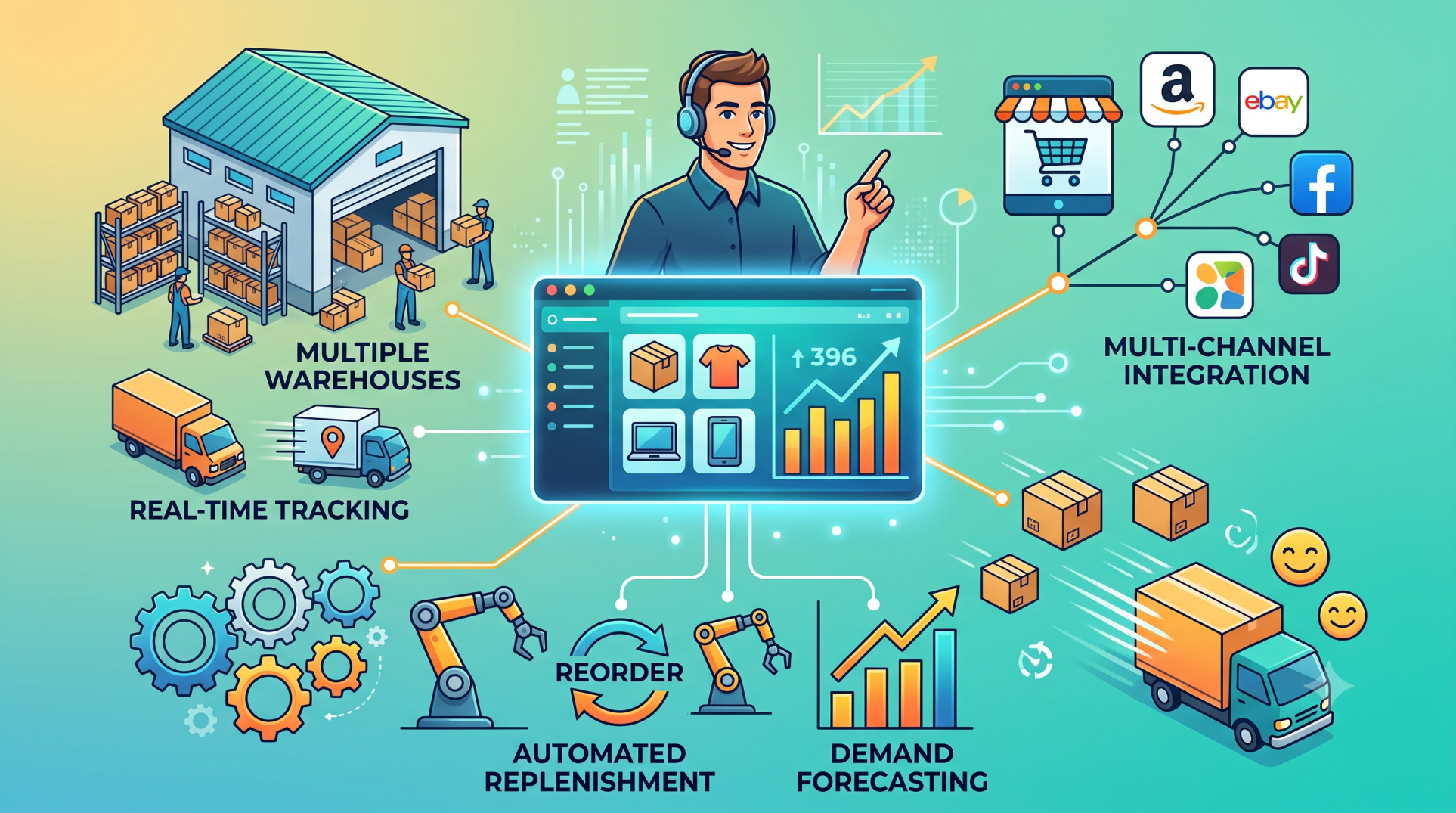
• Analyzes historical sales and seasonal trends 📈
• Predicts future demand more accurately 🔮
• Optimizes stock levels automatically ⚙️
• Reduces overstocking and stock shortages ❌
3. Production and Operations Efficiency
• Learns from production data and downtime history 🛠️
• Identifies process bottlenecks 🚧
• Recommends optimized schedules 🗓️
• Improves resource utilization ⚡
4. Customer and Sales Insights
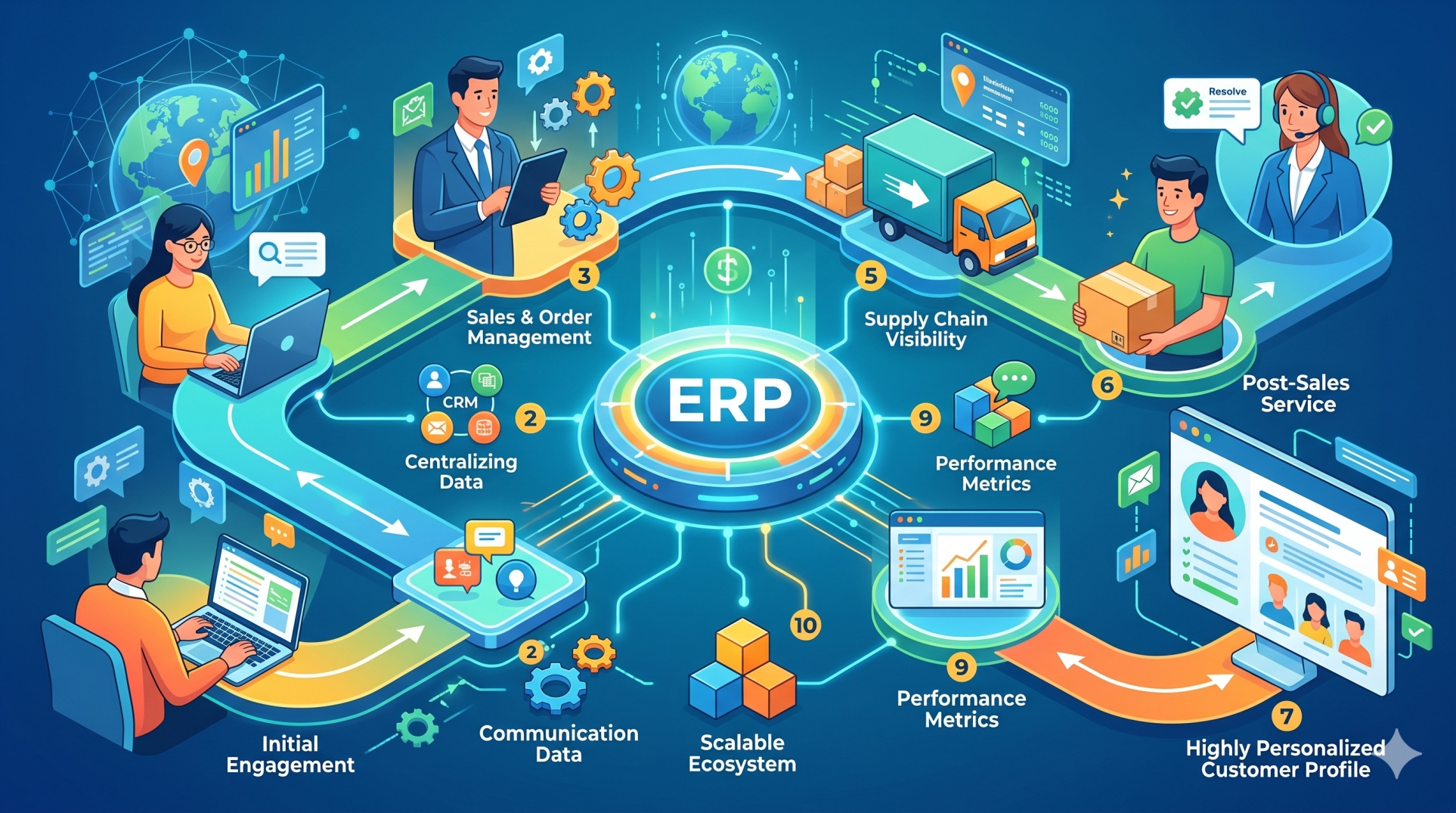
• Analyzes customer behavior and buying patterns 🧠
• Predicts sales trends and opportunities 📈
• Supports personalized pricing and offers 🏷️
• Improves sales forecasting accuracy 🎯
5. Workflow and Process Automation
• Learns which tasks are repetitive and time-consuming ⏳
• Automates approvals and routine processes 🤖
• Adjusts workflows based on performance data 📊
• Increases operational efficiency ⚡
⭐ Benefits of ERP Systems That Learn from Data
• More accurate forecasts and planning 📈
• Faster and better decision-making 🧠
• Reduced operational costs 💰
• Improved efficiency across departments 🔧
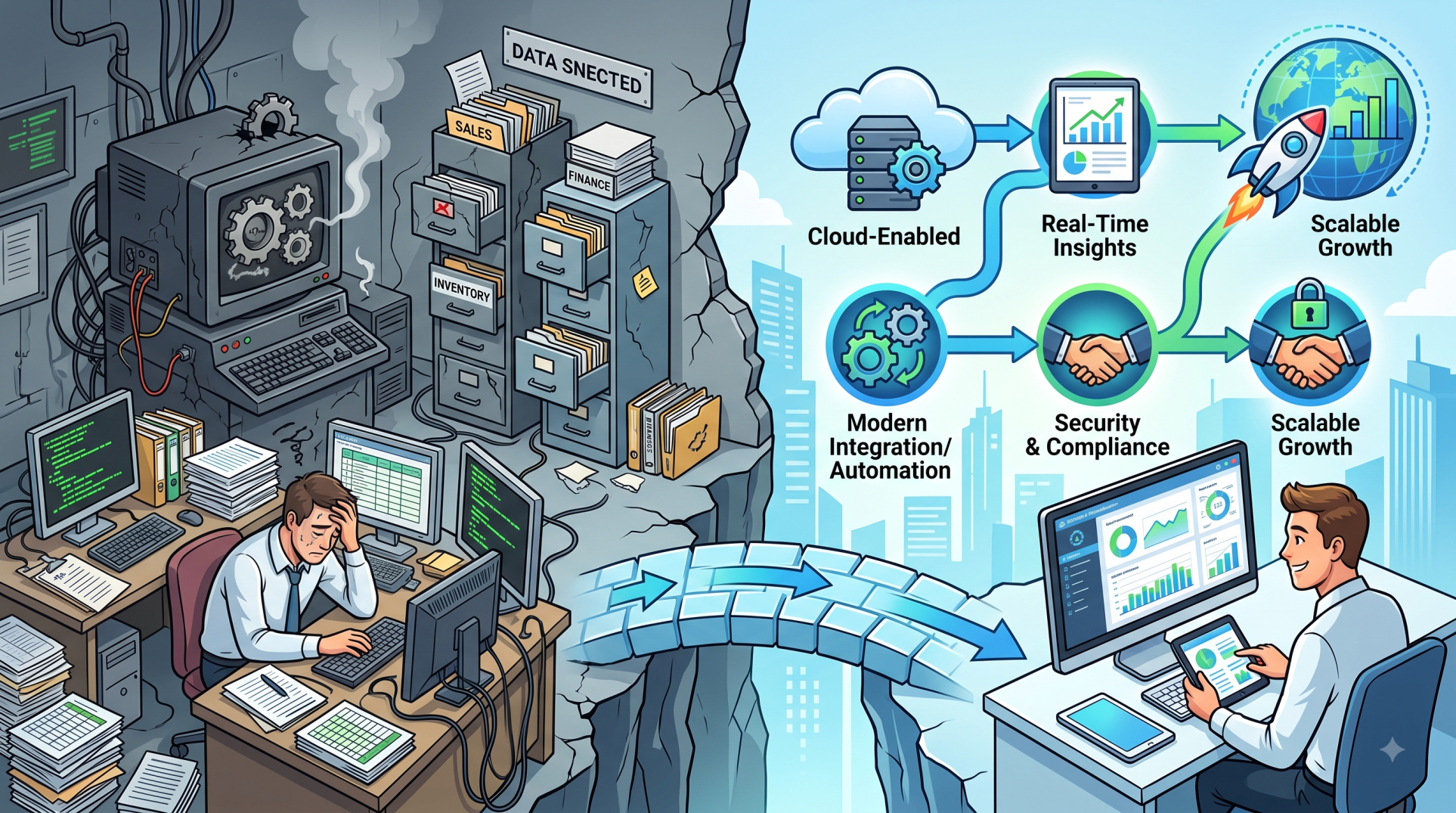
• Continuous system improvement without major reconfiguration 🔄
• Stronger competitive advantage 🏆
🛡️ Role of Data Quality in Learning ERP Systems
• Clean and accurate data improves learning results ✅
• Consistent data entry enhances predictions 📋
• Integrated systems provide better insights 🔗
• Ongoing data governance is essential 🛠️
🔮 Future of Intelligent ERP Systems
• Deeper use of predictive and prescriptive analytics 📊
• Greater automation across enterprise processes 🤖
• Real-time recommendations for decision-makers ⏱️
• Smarter, self-optimizing business operations 🧠
🎯 Final Thoughts
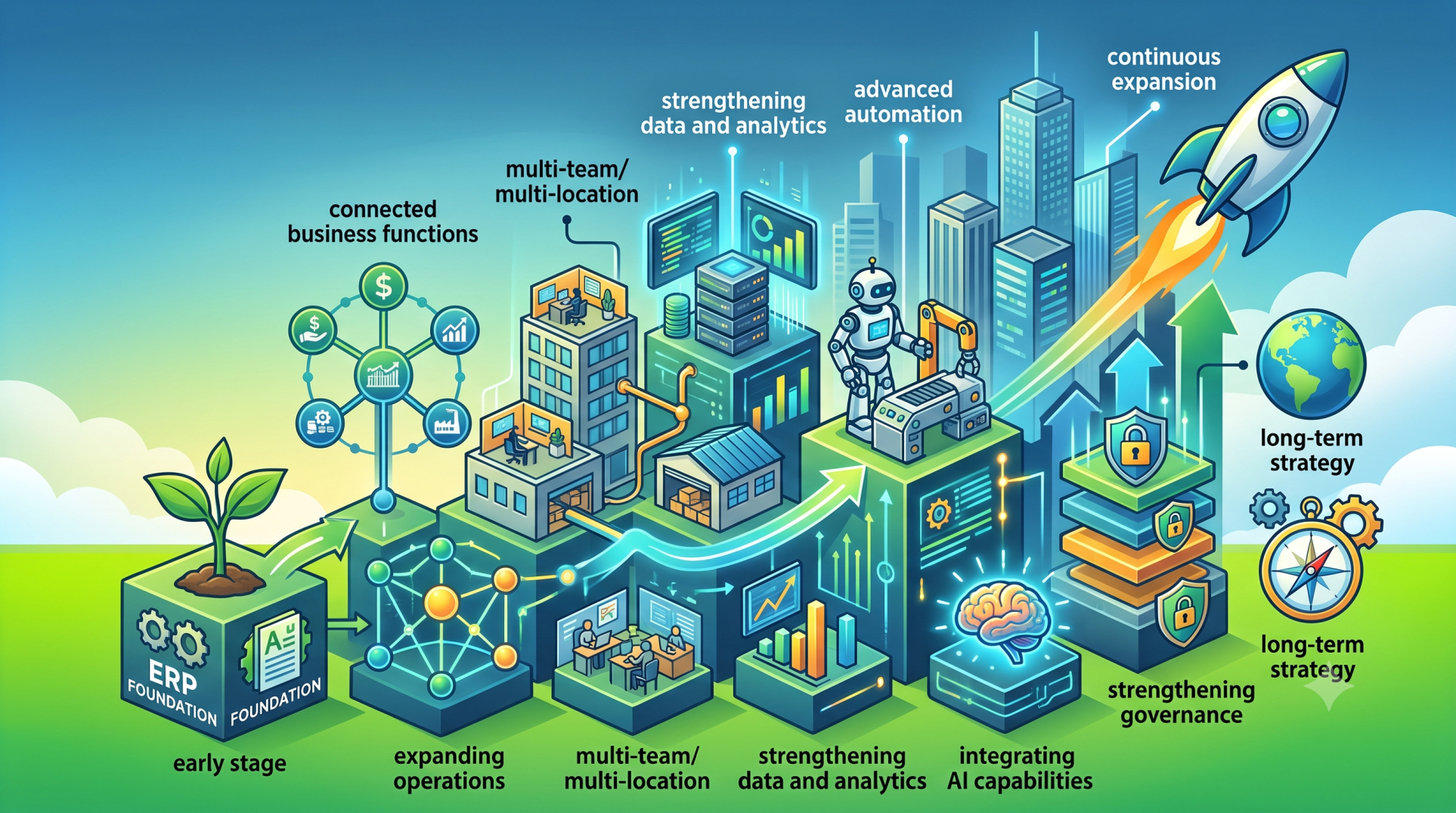
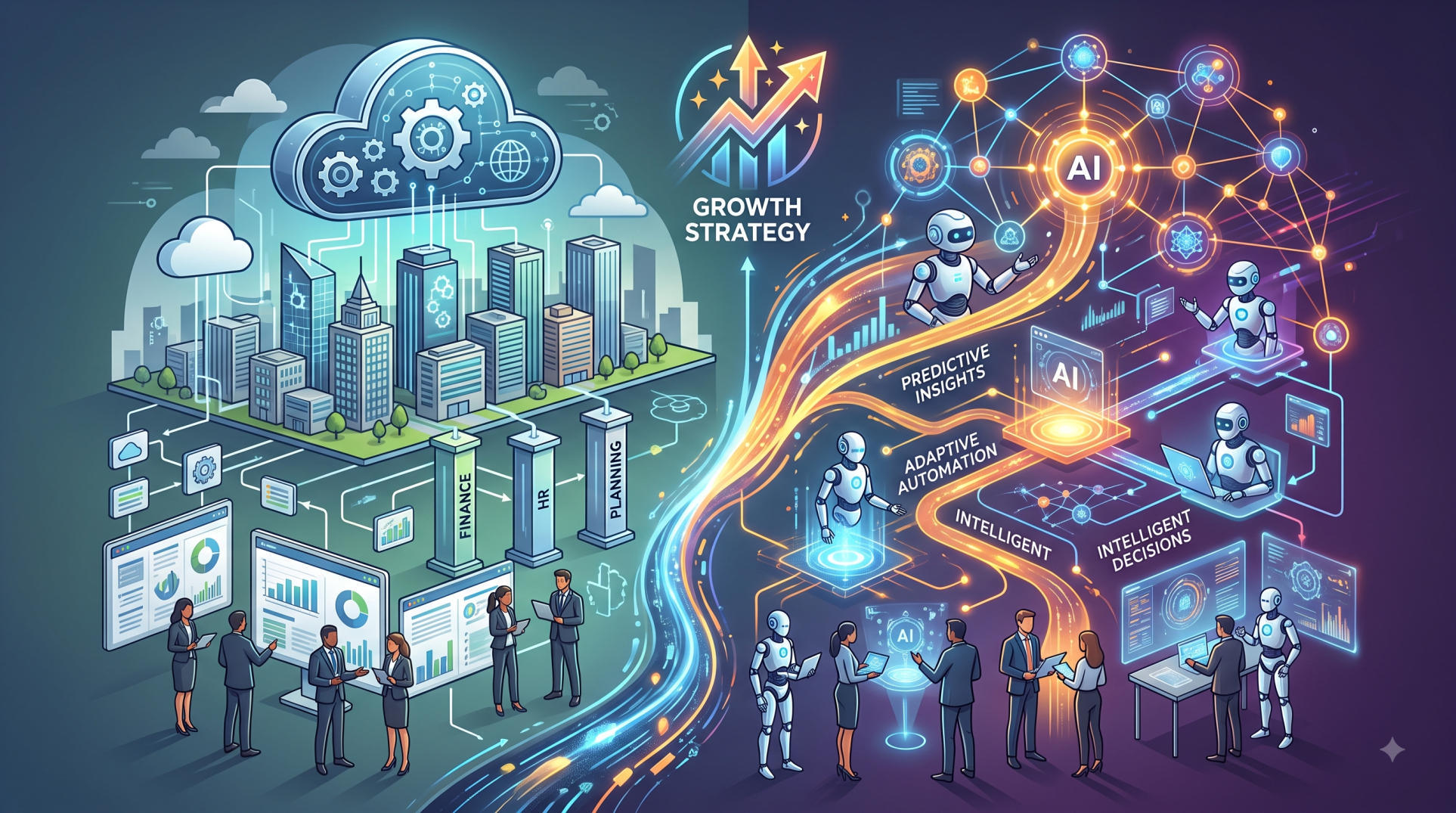
ERP systems that learn from business data represent the next stage of enterprise software evolution. By turning data into actionable intelligence, these systems help organizations move from reactive management to proactive and predictive operations. For businesses focused on growth, efficiency, and long-term success, learning-enabled ERP systems are becoming a critical strategic asset 🚀🏢.
See more blogs
You can all the articles below