ERP Software for Healthcare: Benefits and Compliance

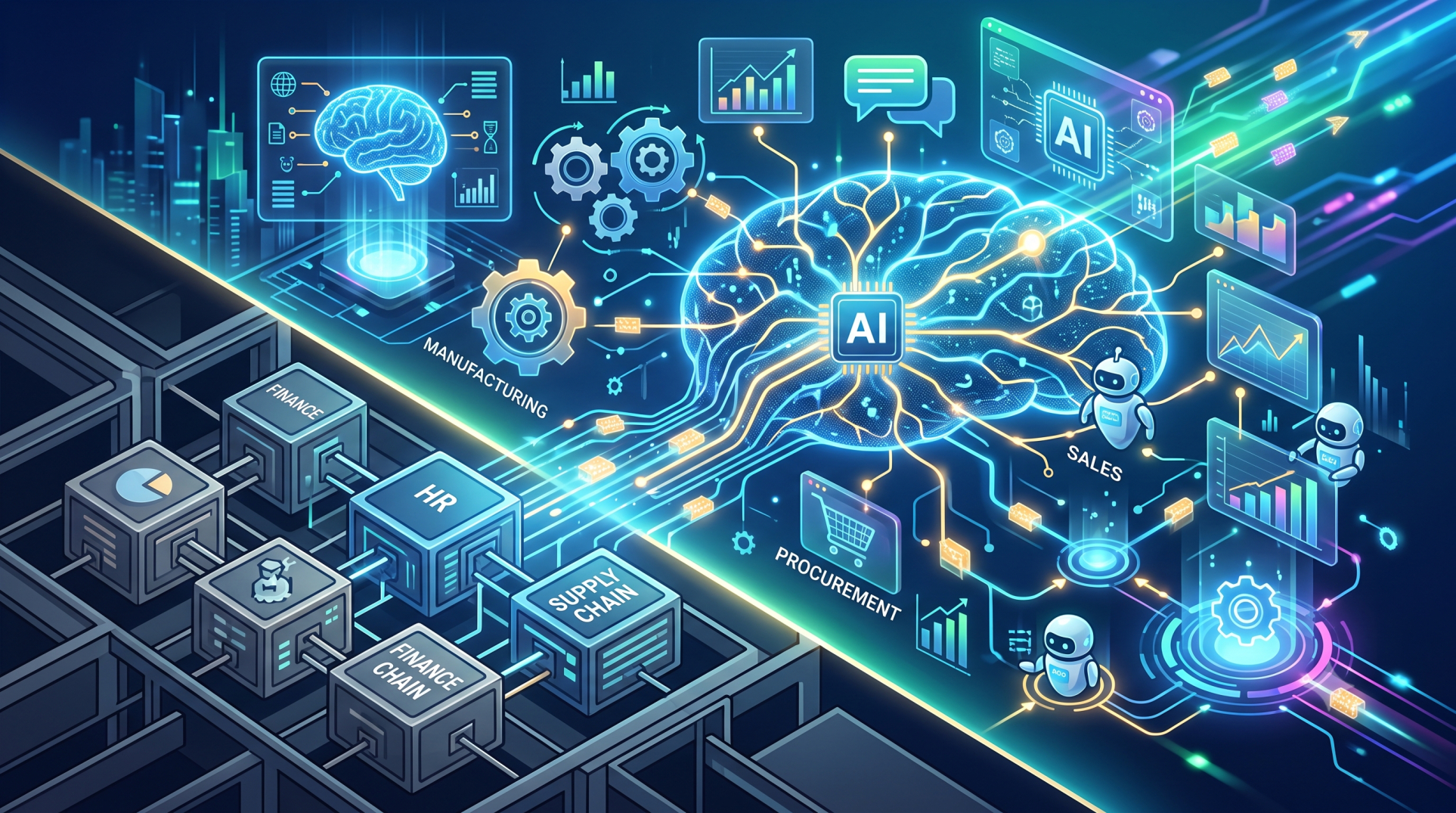
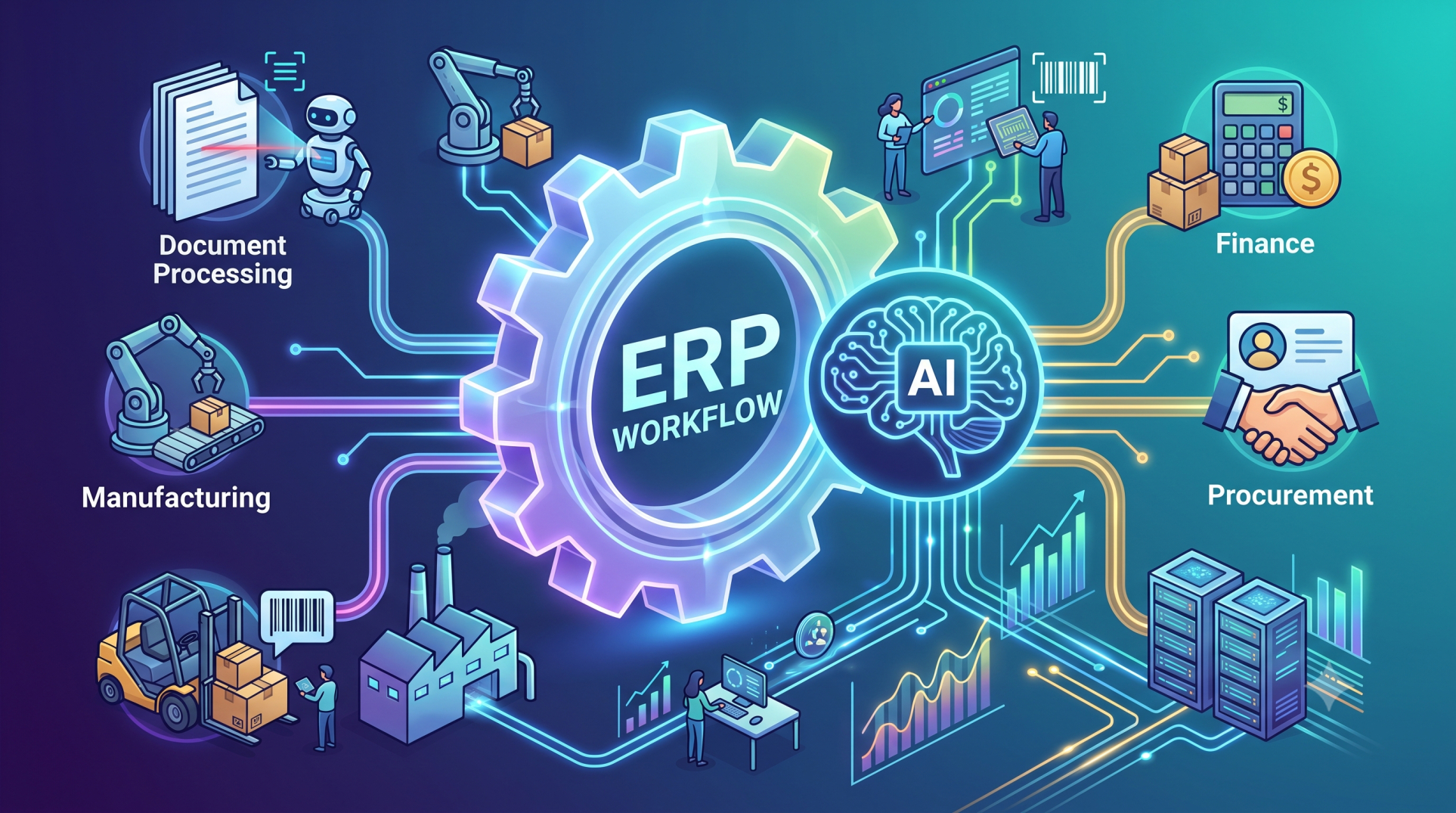
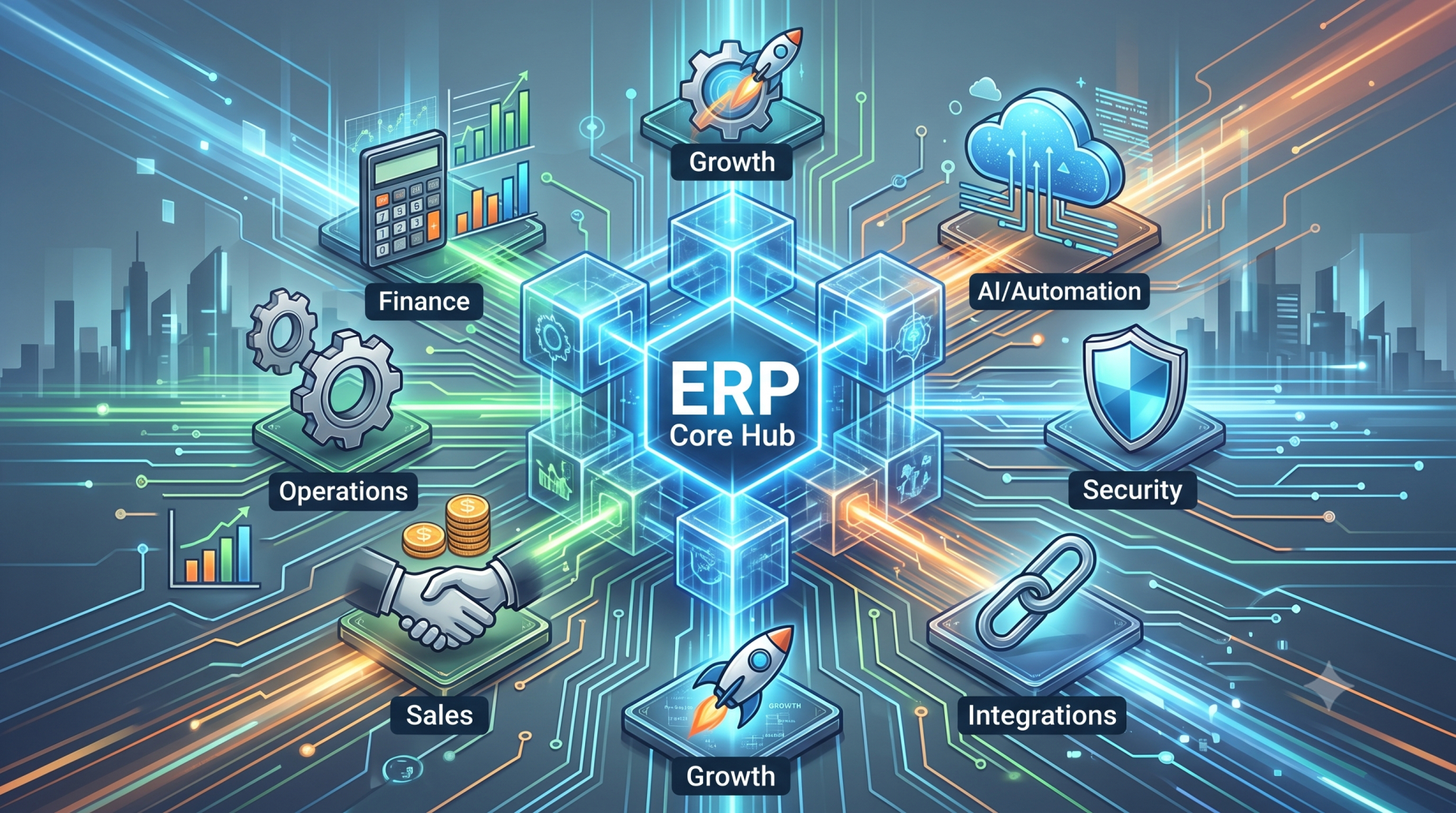
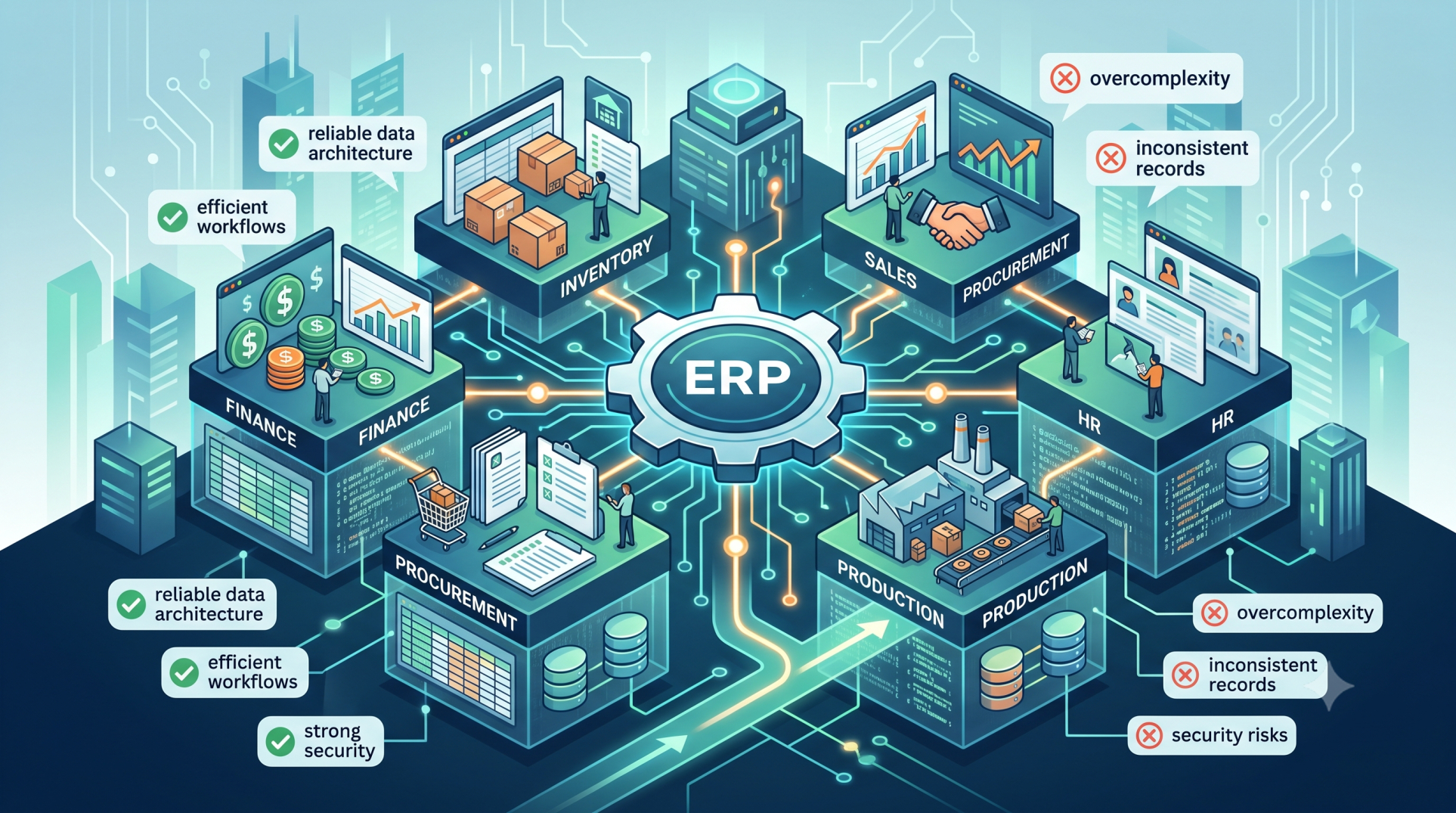
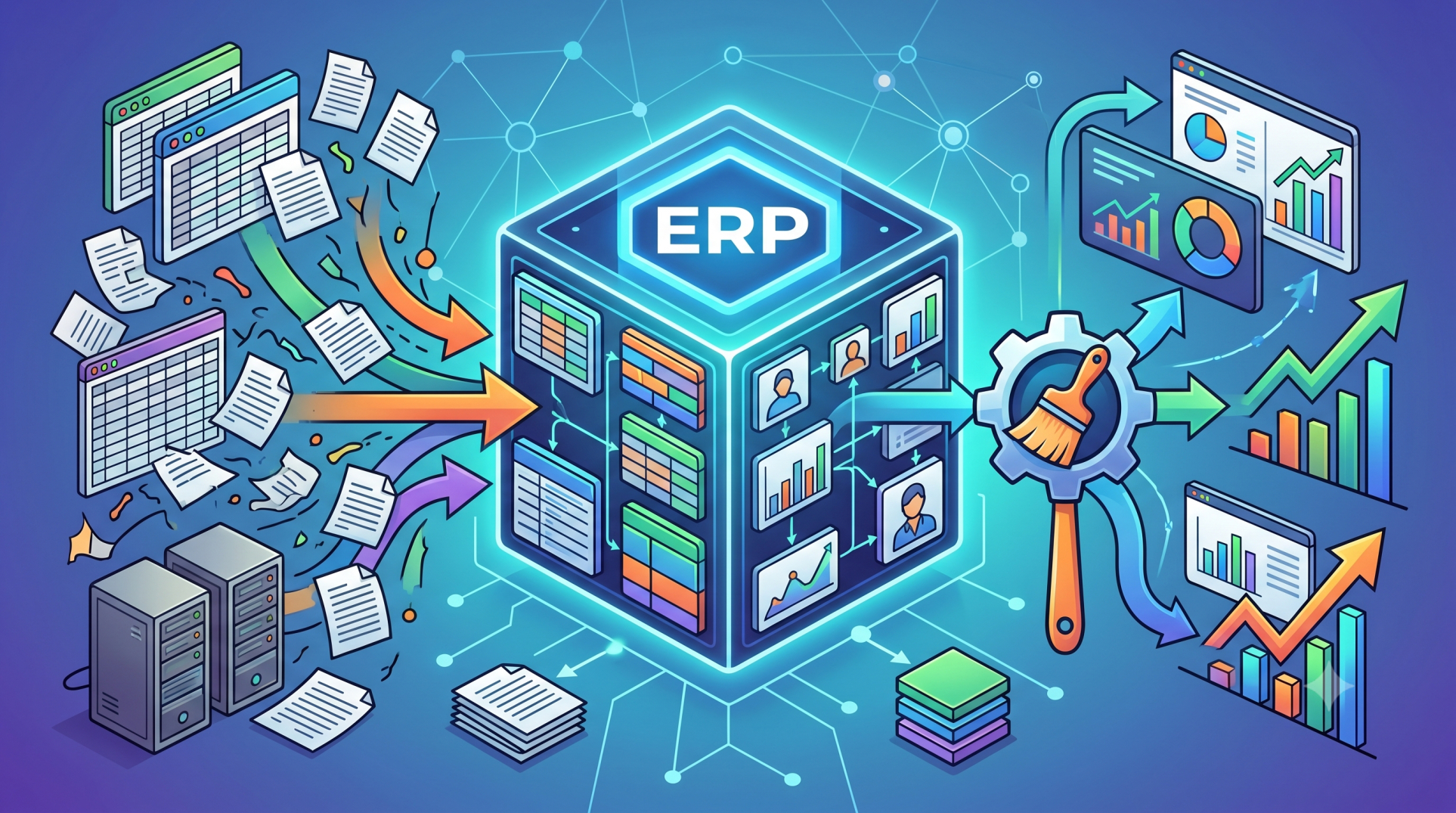
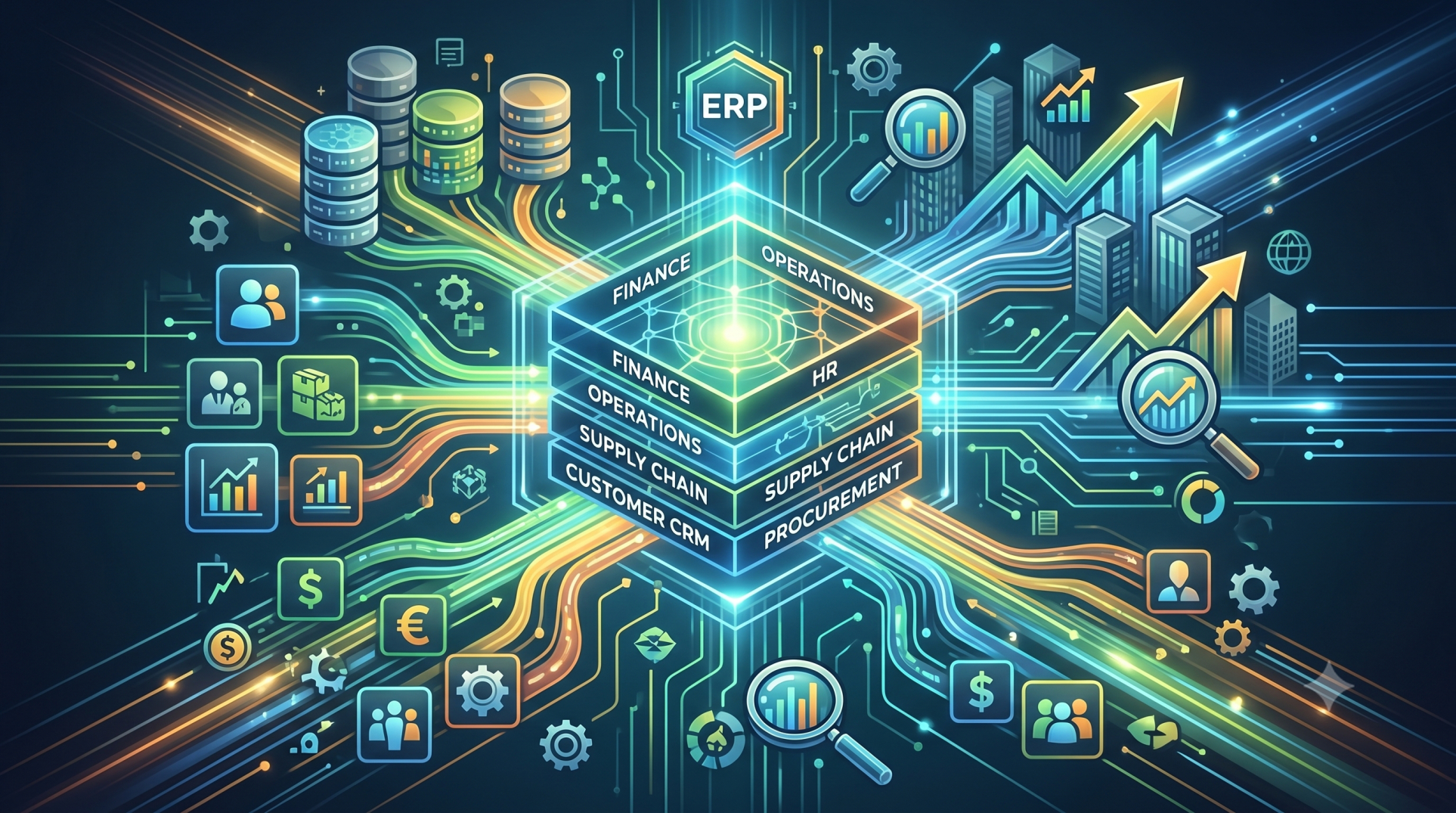
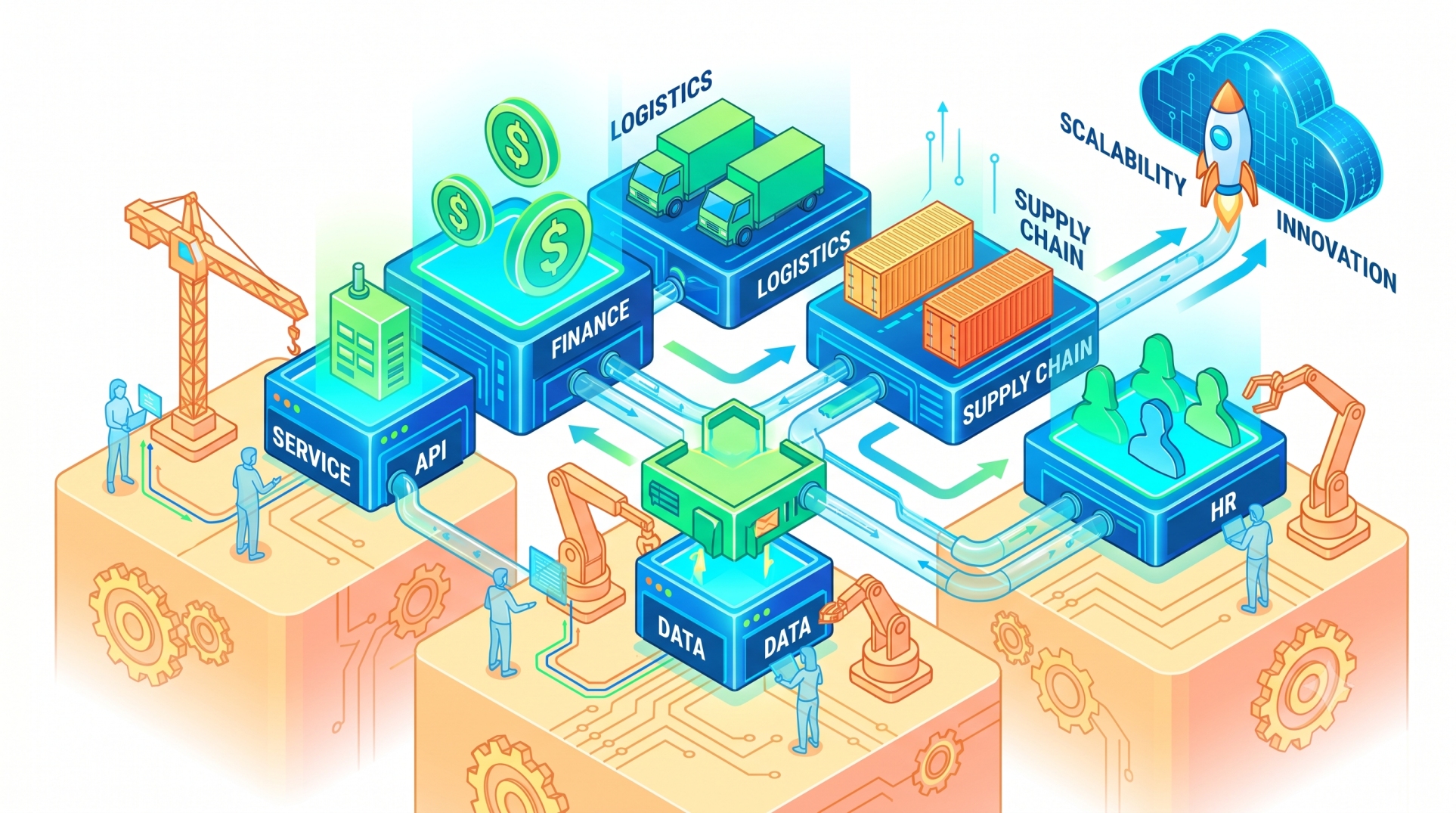
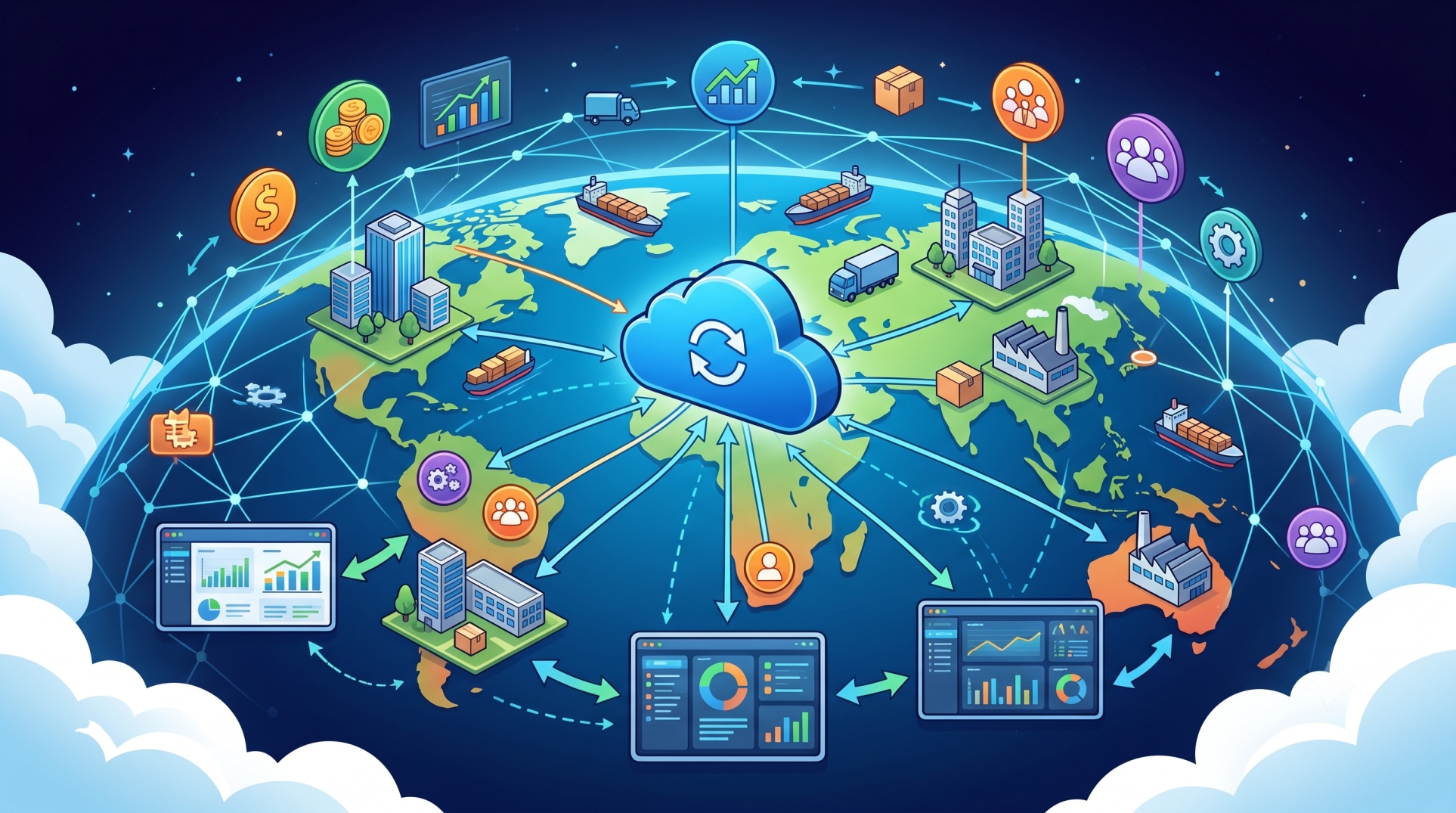
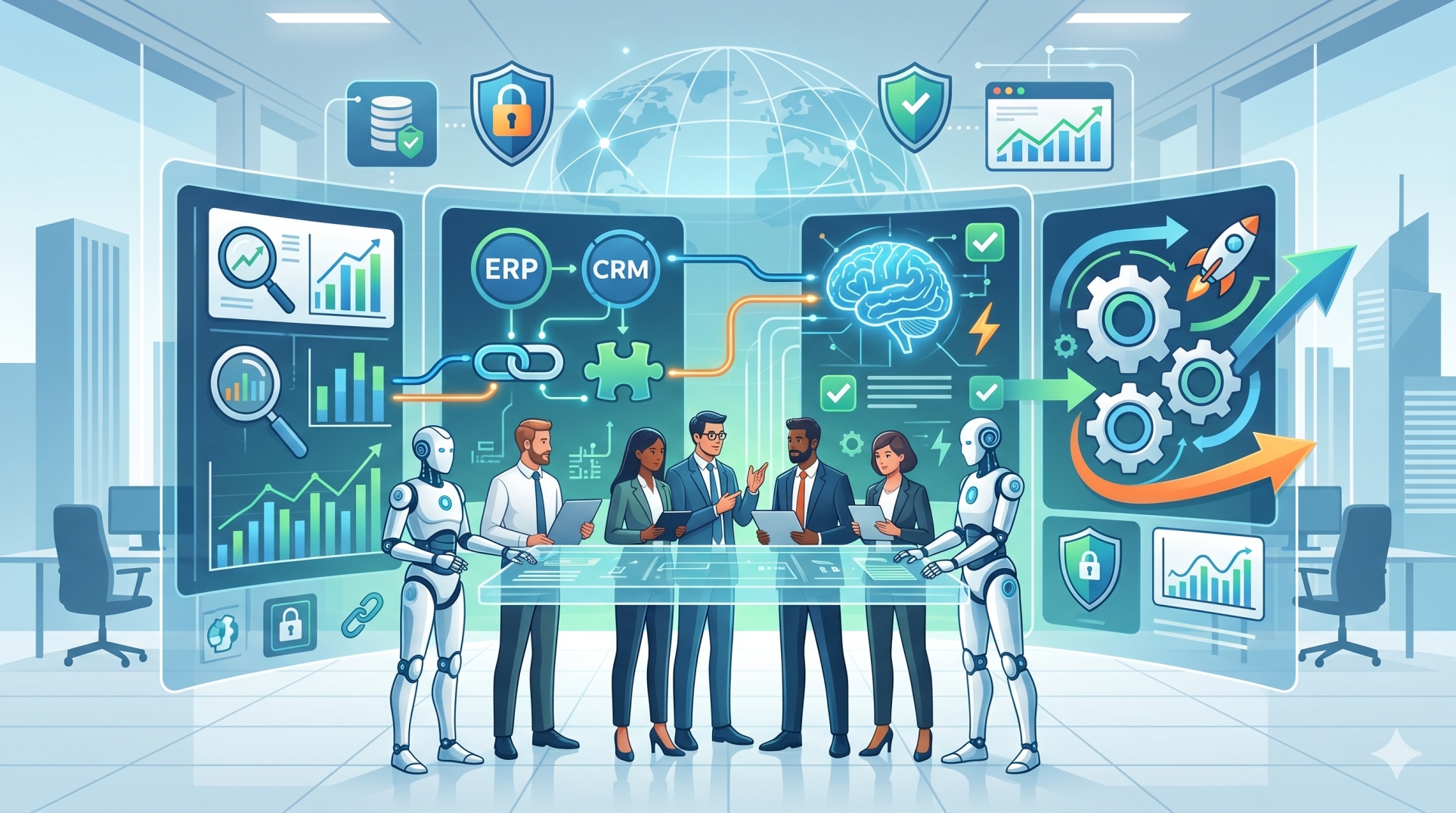
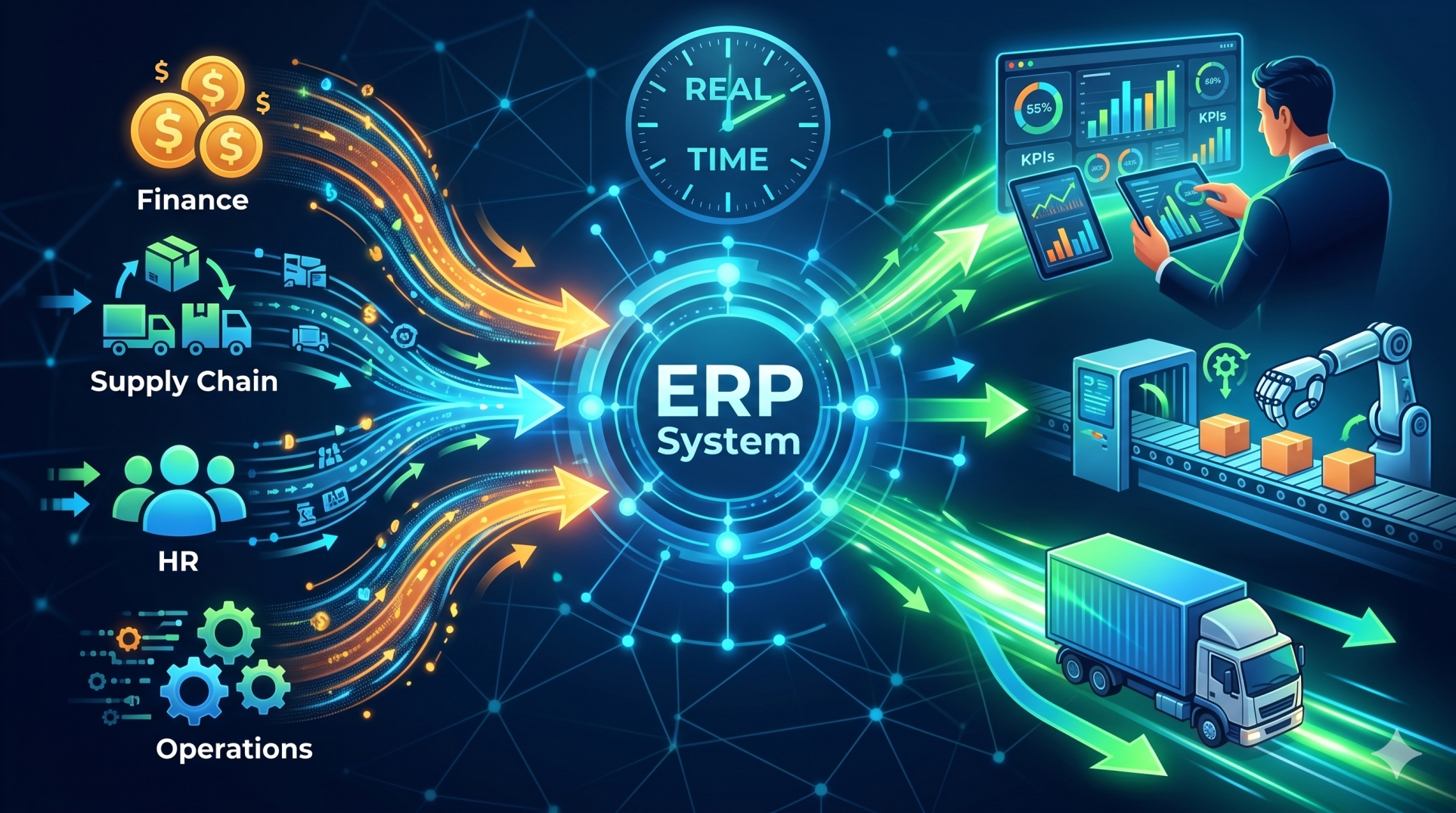
Healthcare organizations such as hospitals, clinics, and diagnostic laboratories handle large volumes of information every day. Managing patient data, staff schedules, medical inventory, and billing processes can become complex and time-consuming. Enterprise Resource Planning (ERP) software brings these activities together into one integrated system, helping healthcare providers improve efficiency, patient care, and regulatory compliance 🧠🔗.
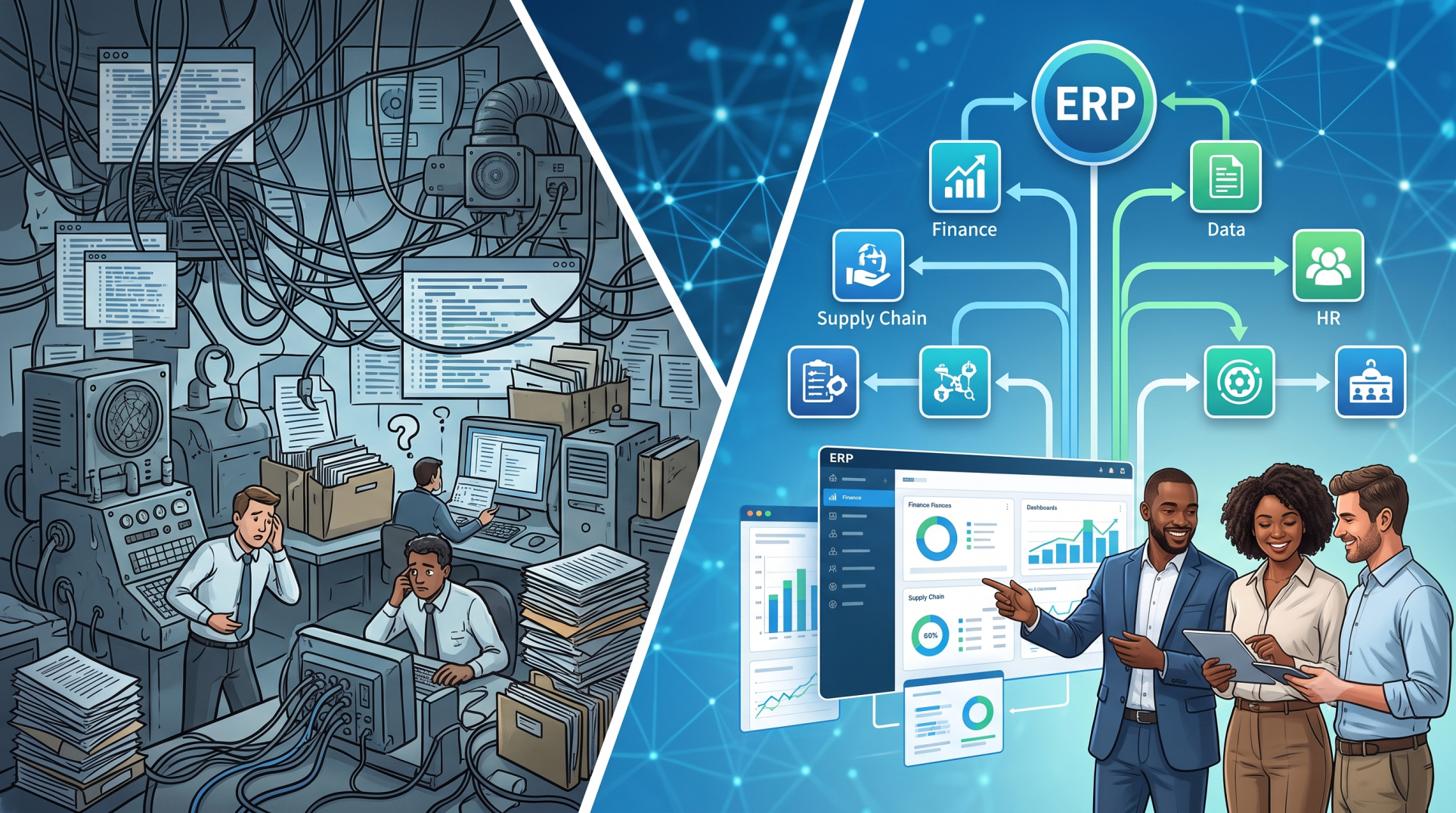
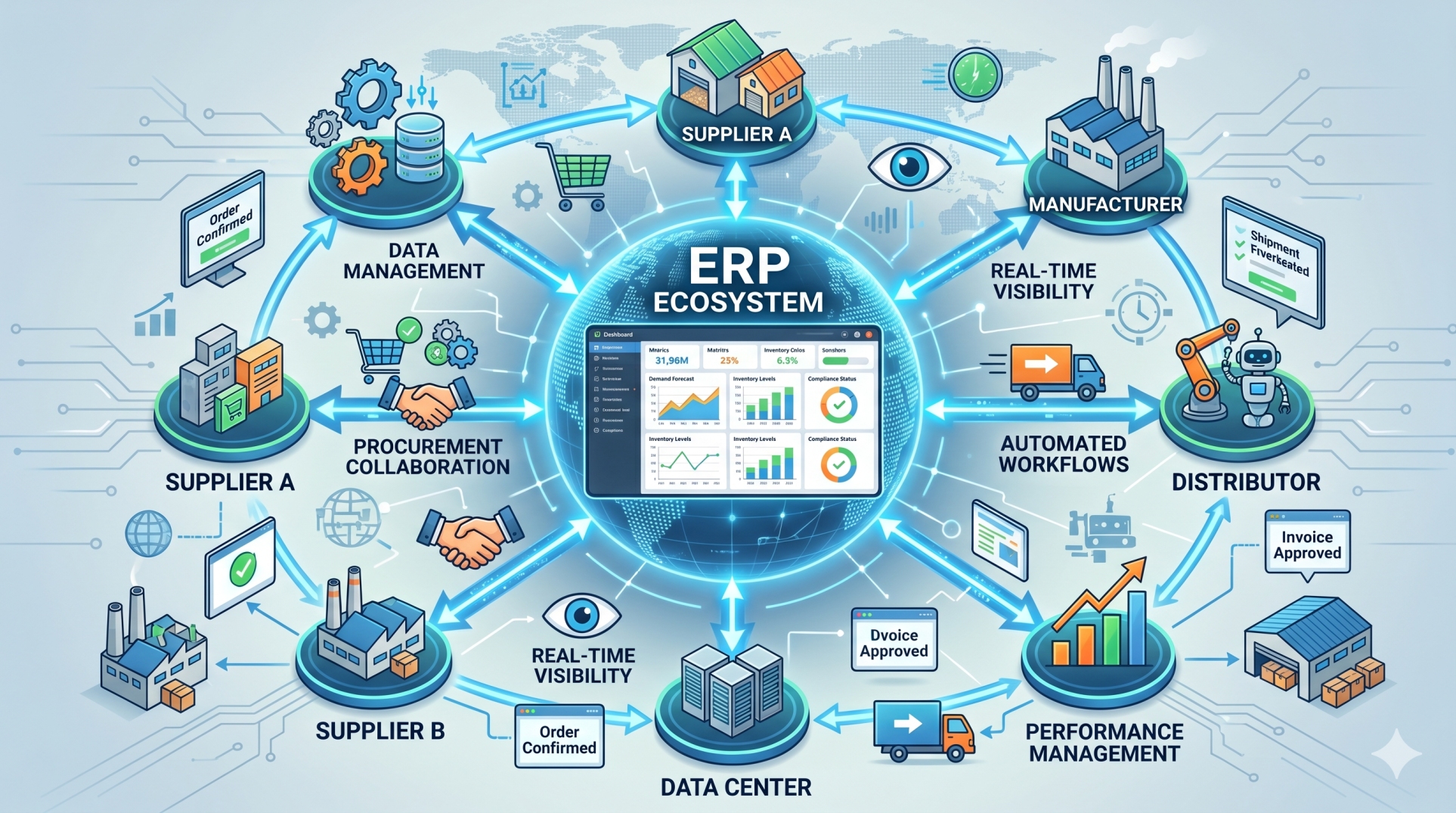
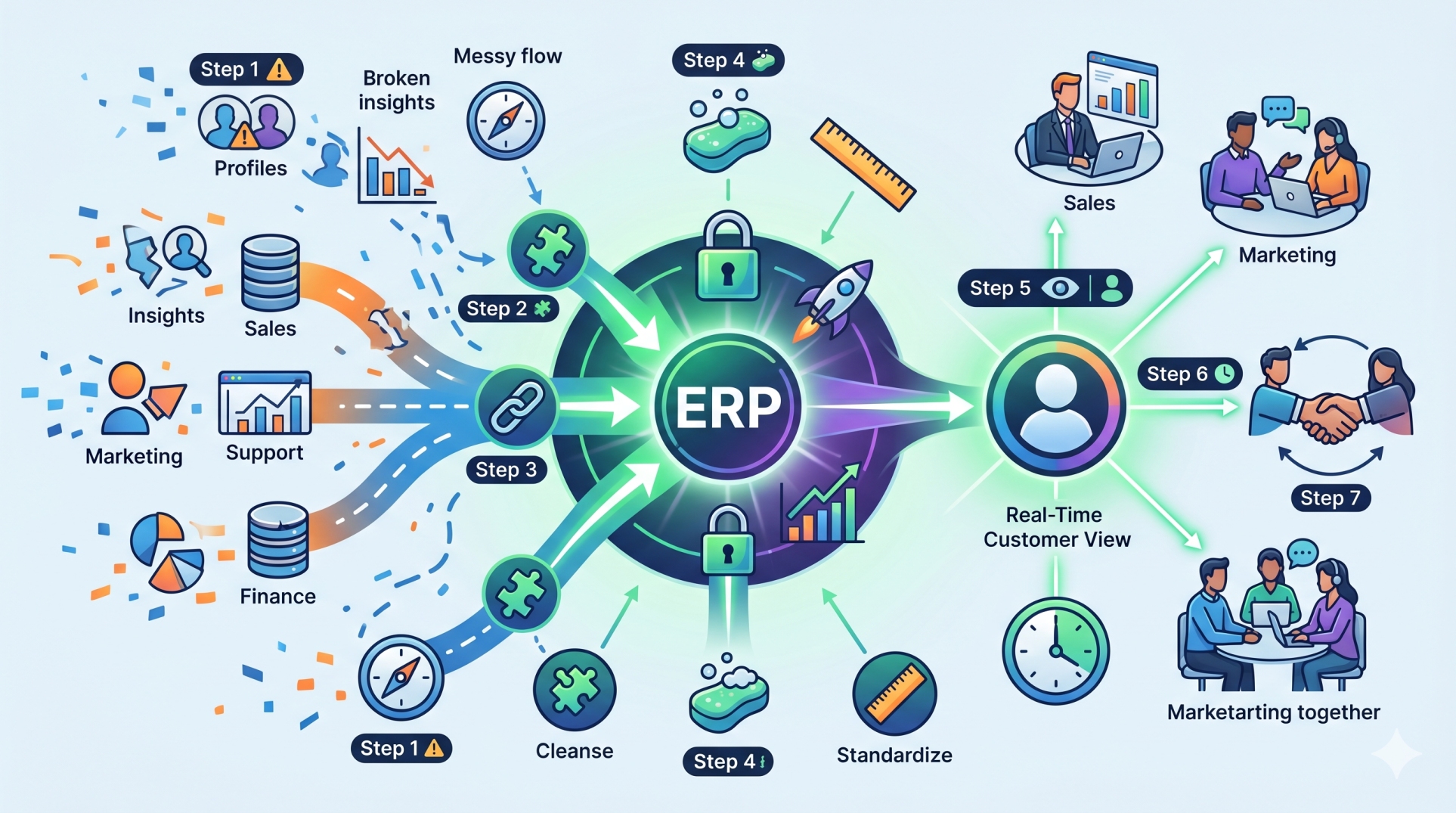
🗂️ 1. Centralized Data Management
• Maintains patient records, lab results, billing, and administrative data in one platform 🧾
• Provides quick access to information for authorized personnel 🔐
• Reduces data duplication and manual entry errors ❌
• Saves time in daily healthcare operations ⏳
❤️ 2. Improved Patient Care
• Enables fast access to accurate patient information ⚡
• Tracks medical history, medications, and treatment plans 📋
• Supports better clinical decisions 🧠
• Enhances patient safety and quality of care 🛡️
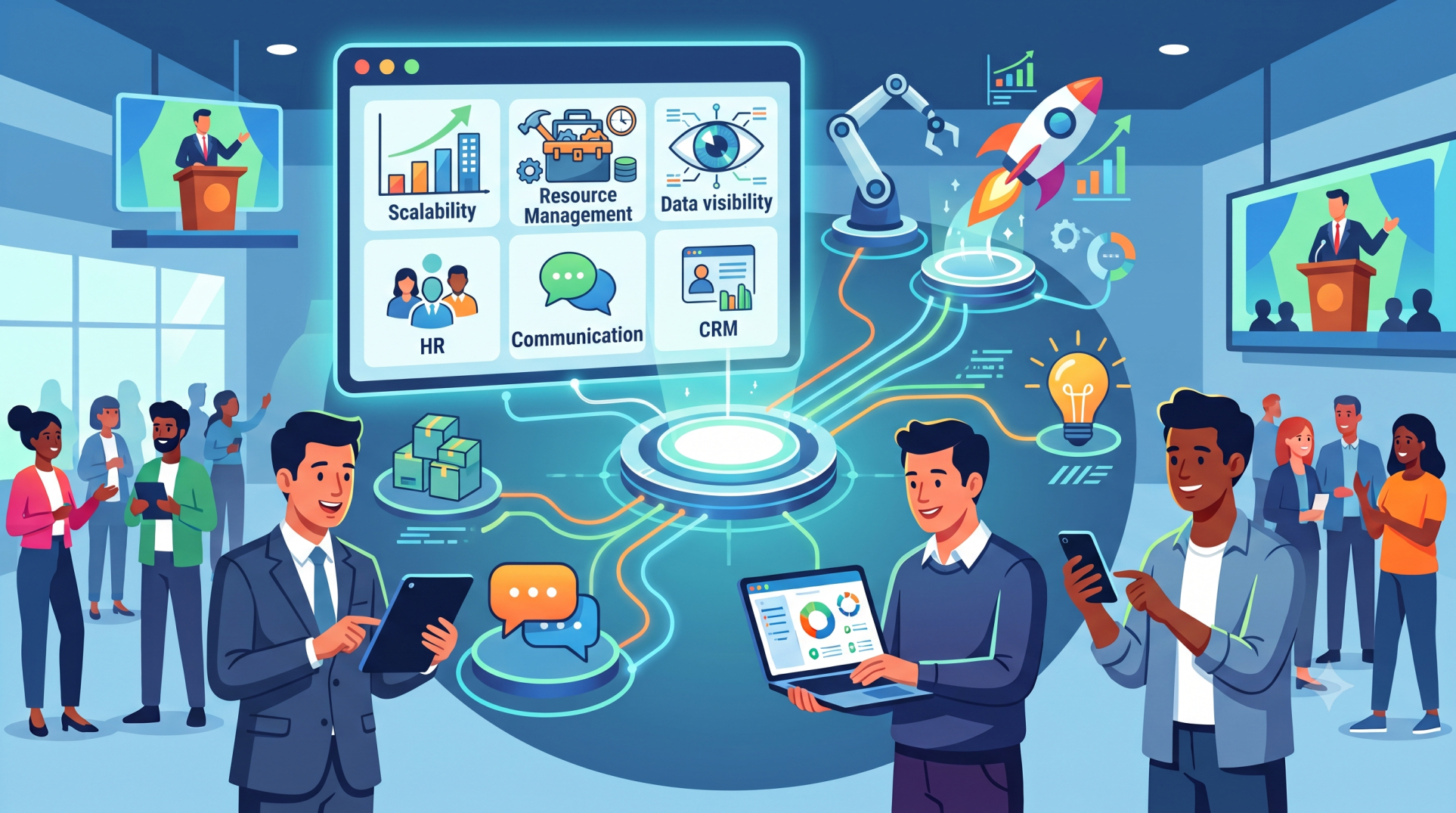
⚙️ 3. Efficient Resource Management
• Manages staff schedules and availability 👩⚕️👨⚕️
• Tracks medical equipment usage and maintenance 🛠️
• Monitors medical supplies and inventory levels 📦
• Reduces shortages, waste, and operational delays ♻️
💳 4. Simplified Billing and Payments
• Automates billing and invoicing processes 🔄
• Streamlines insurance claims and payment tracking 🧾
• Minimizes billing errors and processing delays ❌
• Improves patient satisfaction with faster billing cycles 😊
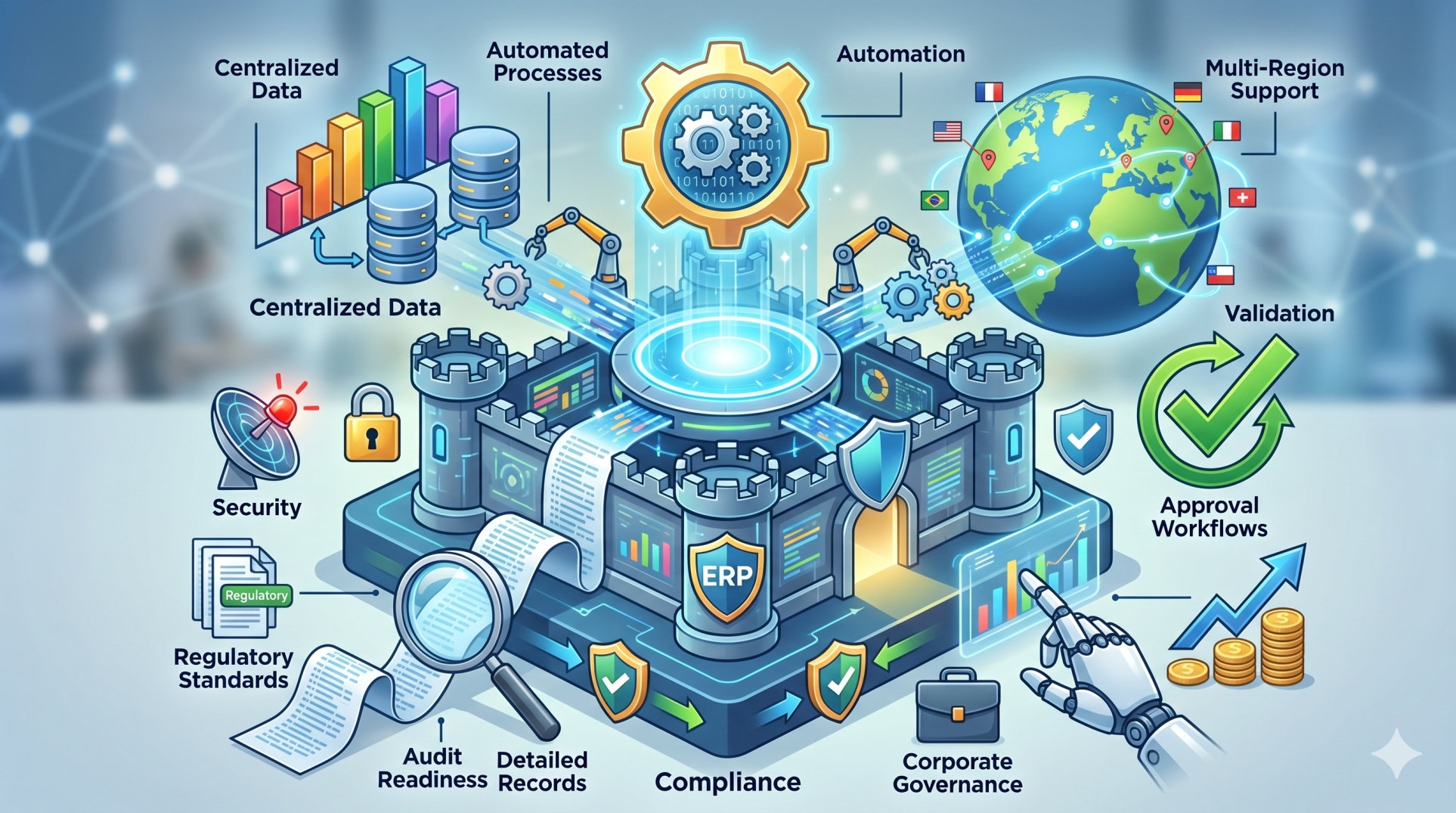
📜 5. Regulatory Compliance
• Supports compliance with healthcare regulations such as HIPAA ✅
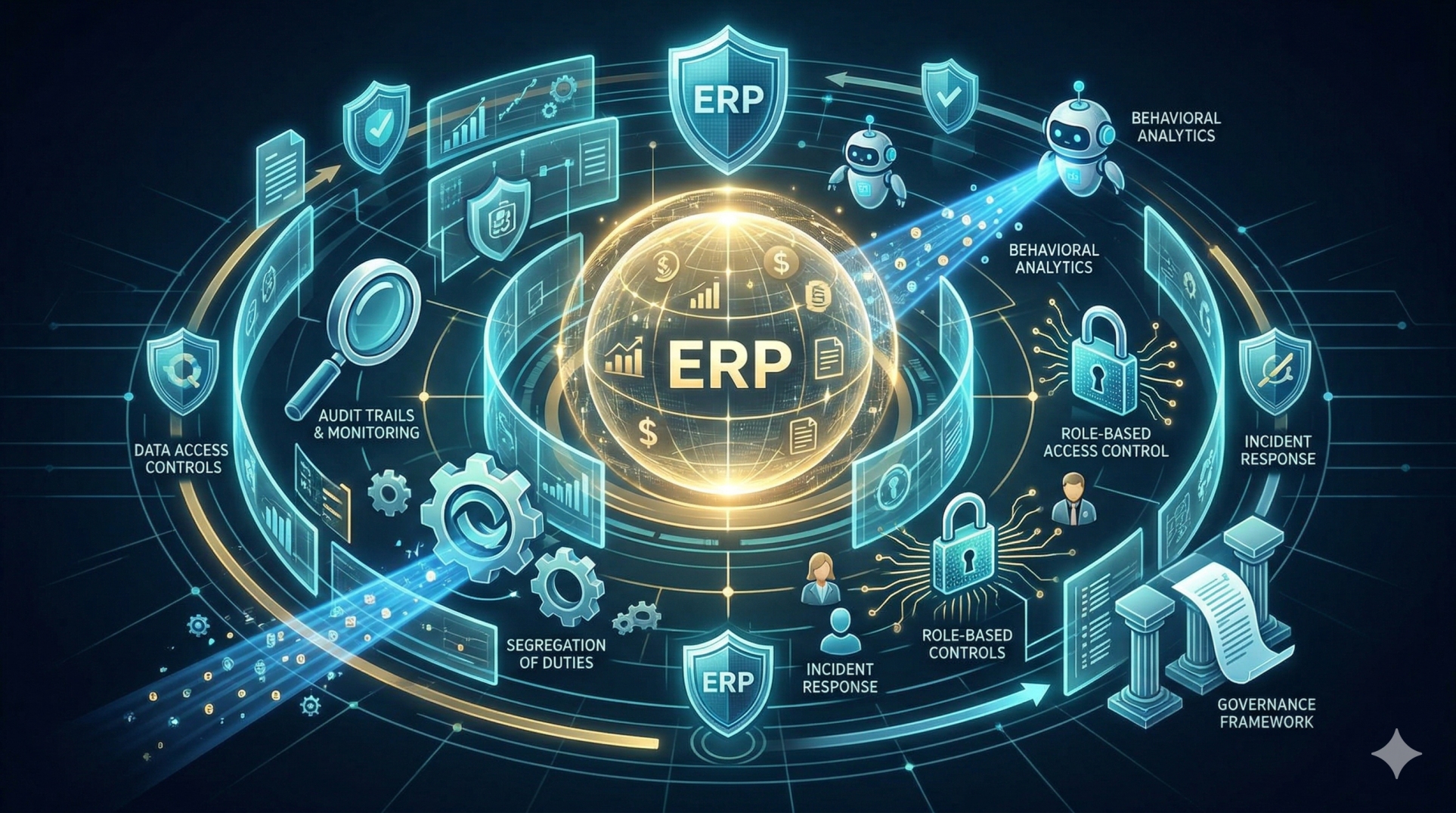
• Maintains audit trails and access logs 🕵️
• Ensures secure handling of sensitive patient data 🔐
• Generates compliance and regulatory reports efficiently 📑
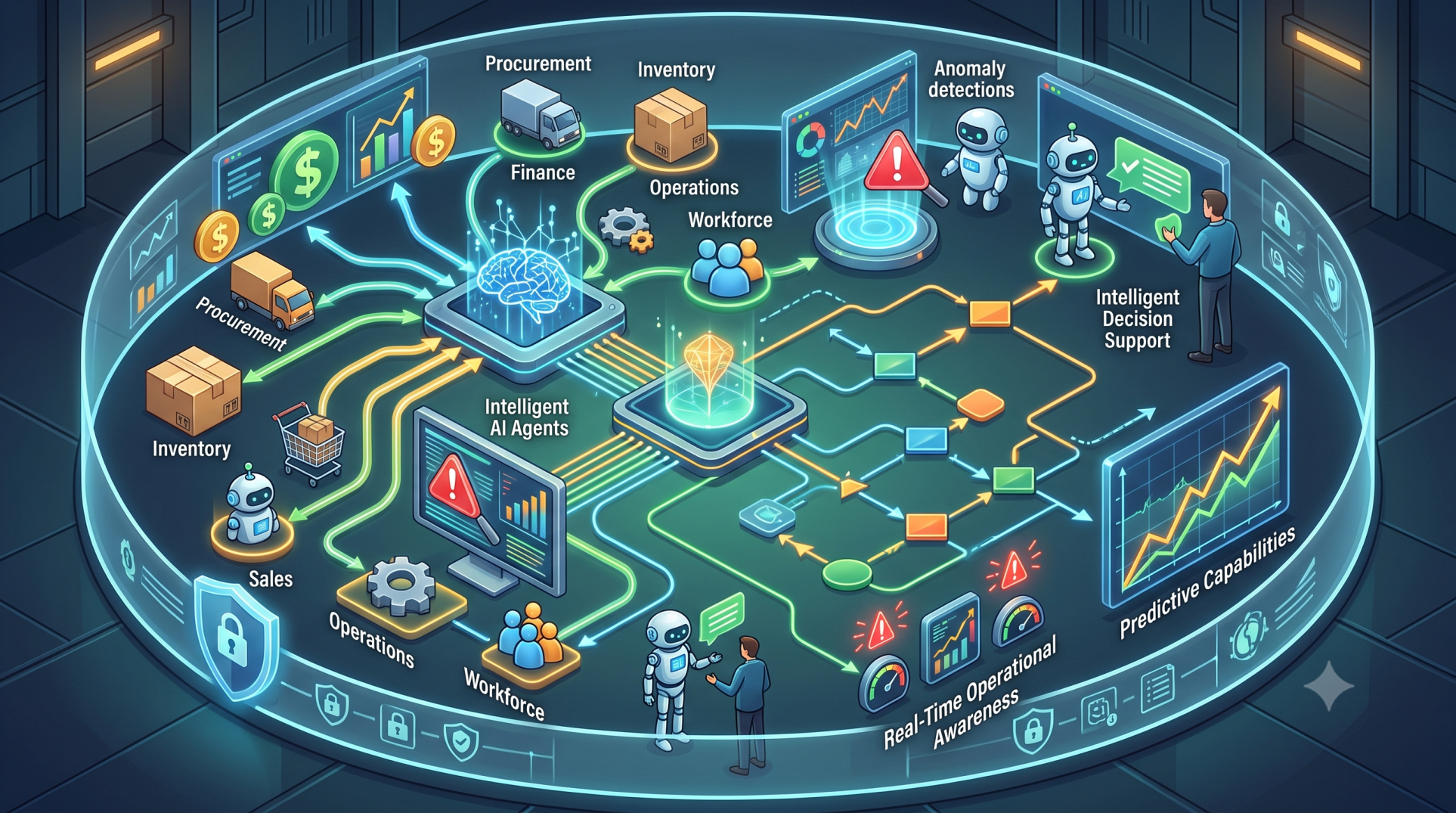
📊 6. Real-Time Reporting
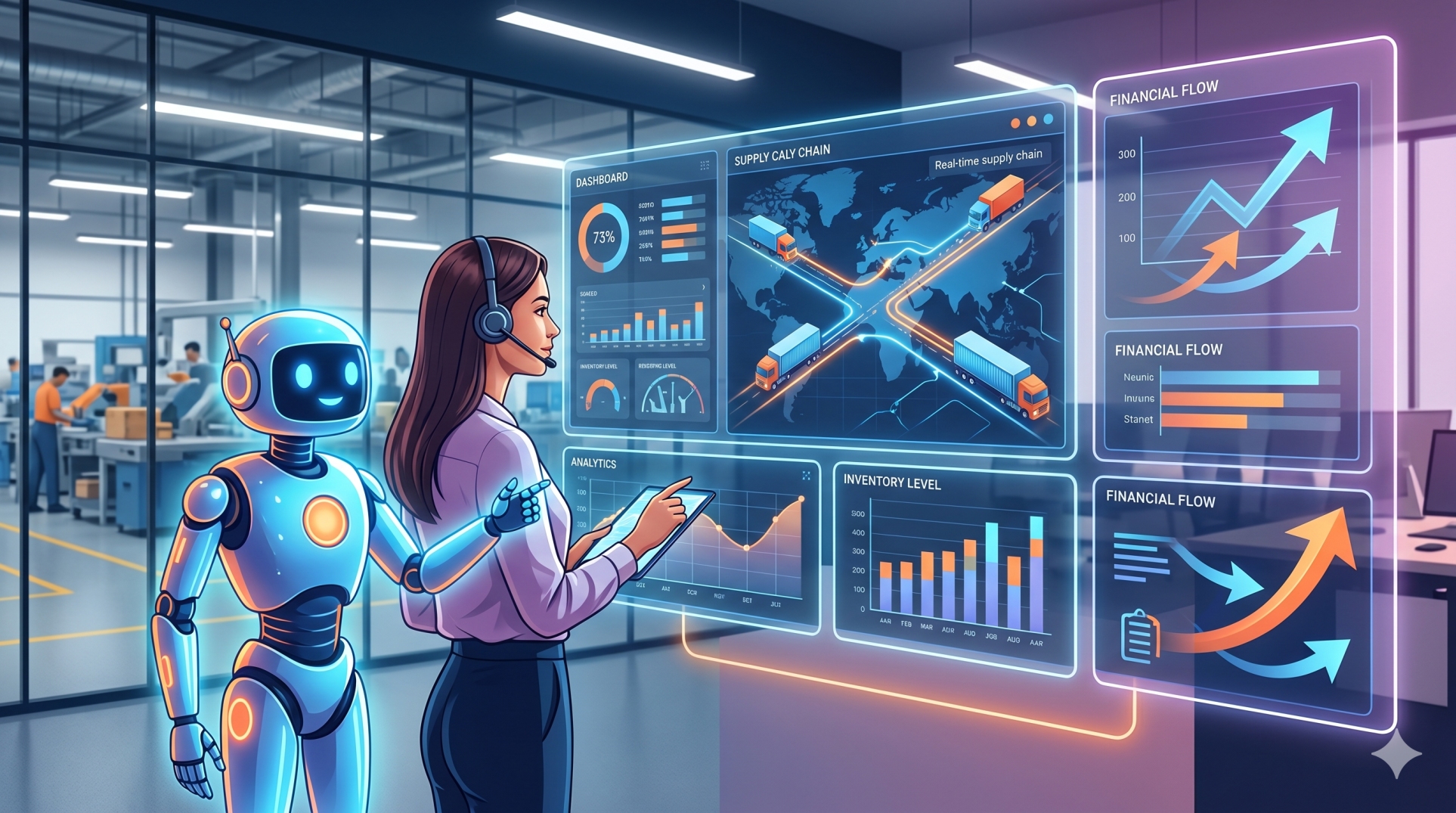
• Delivers instant reports on financial and operational performance ⚡
• Tracks inventory, patient flow, and resource utilization 📈
• Helps management identify issues quickly 🚨
• Supports timely and informed decision-making 🧠
🤝 7. Better Staff Coordination
• Organizes staff schedules and task assignments 🗓️
• Improves communication across departments 🗣️
• Reduces confusion and scheduling conflicts ❌
• Enhances teamwork and operational efficiency 👥
🔒 8. Data Security
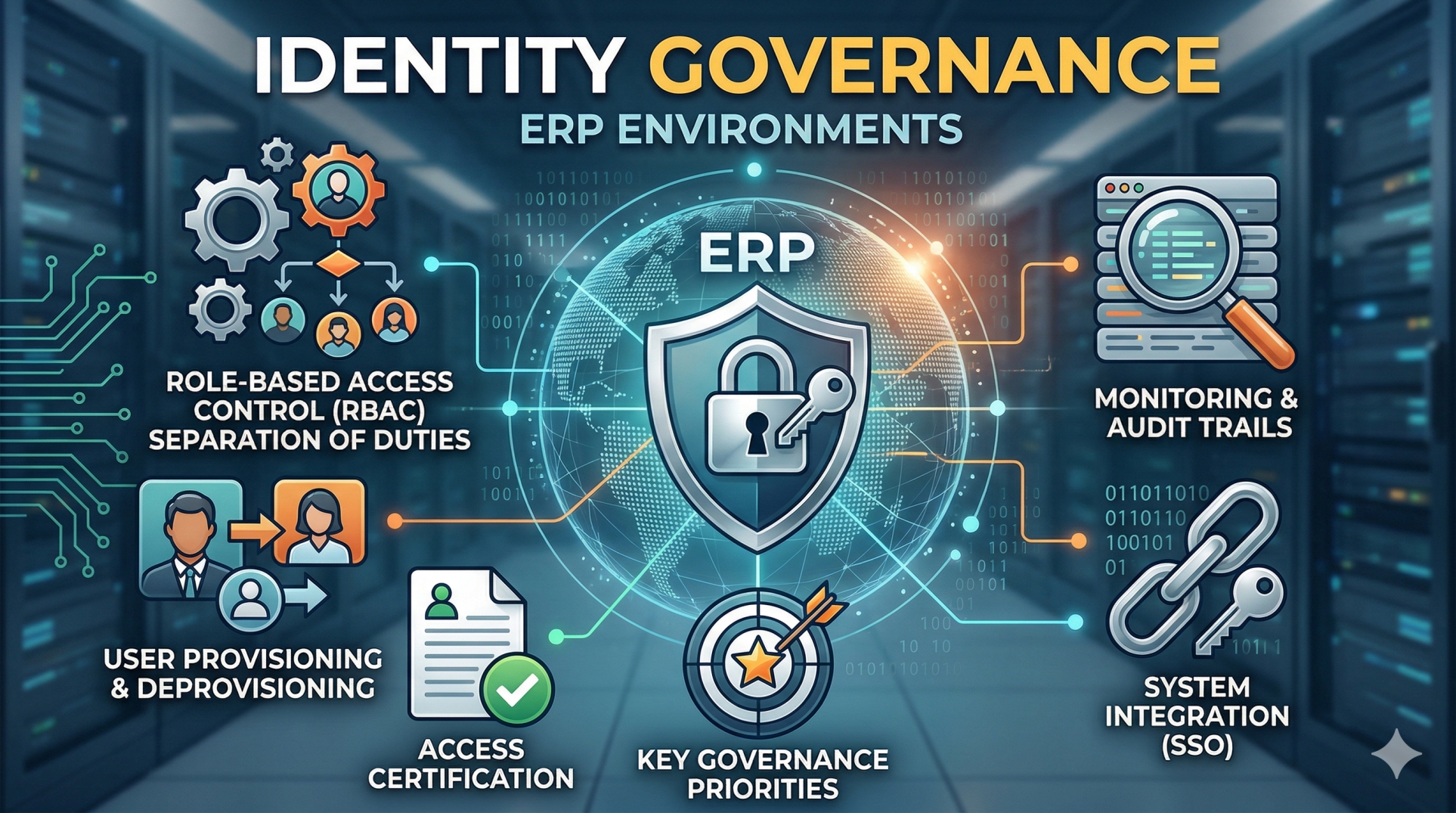
• Uses secure logins and role-based access controls 🛡️
• Protects patient information with encryption 🔐
• Maintains regular data backups 💾
• Reduces the risk of data breaches or loss 🚫
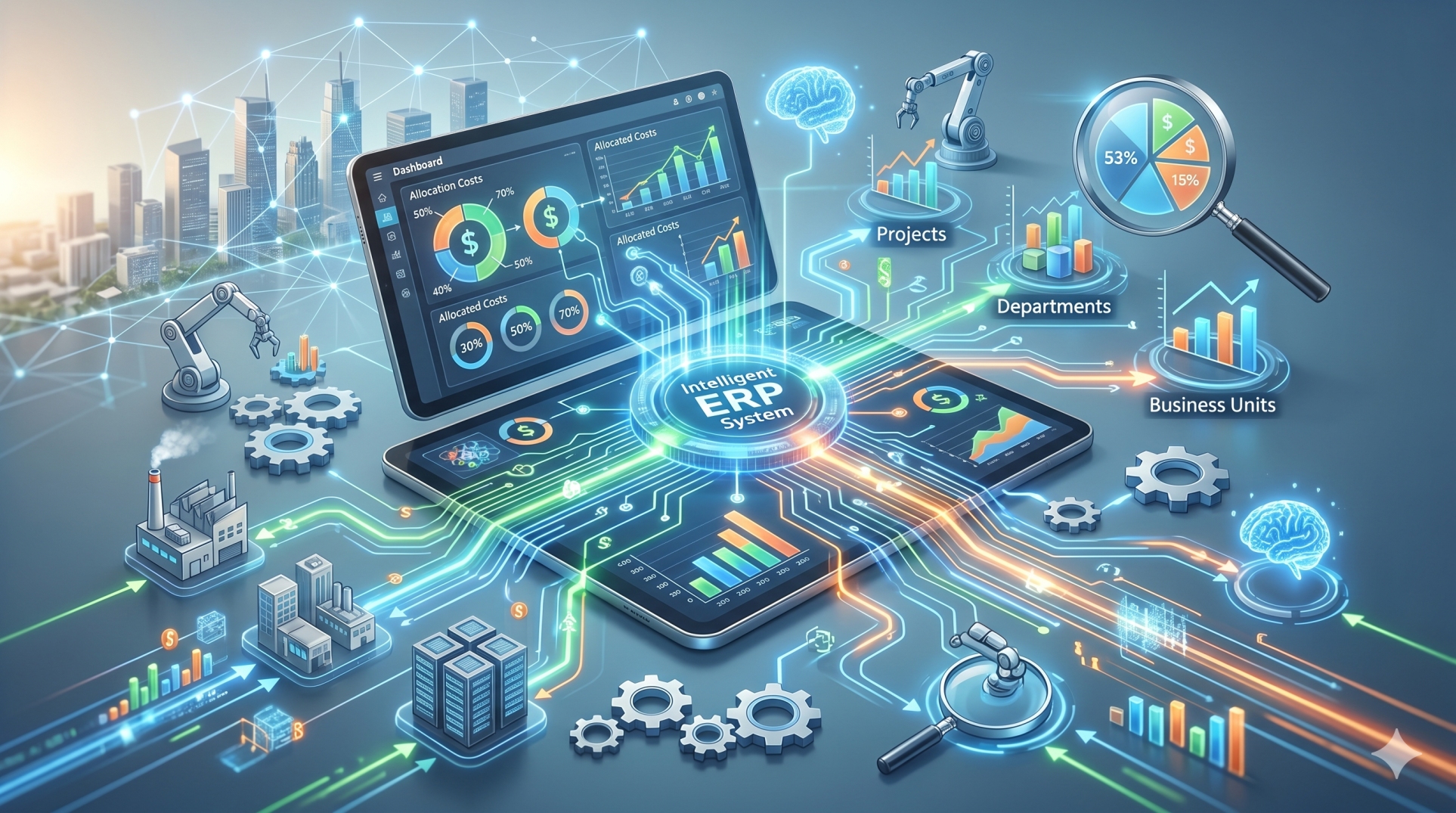
💰 9. Cost Savings
• Automates manual processes to lower labor costs ⚙️
• Reduces errors that cause financial losses ❌
• Optimizes use of staff and resources 📉
• Improves overall financial performance 📈
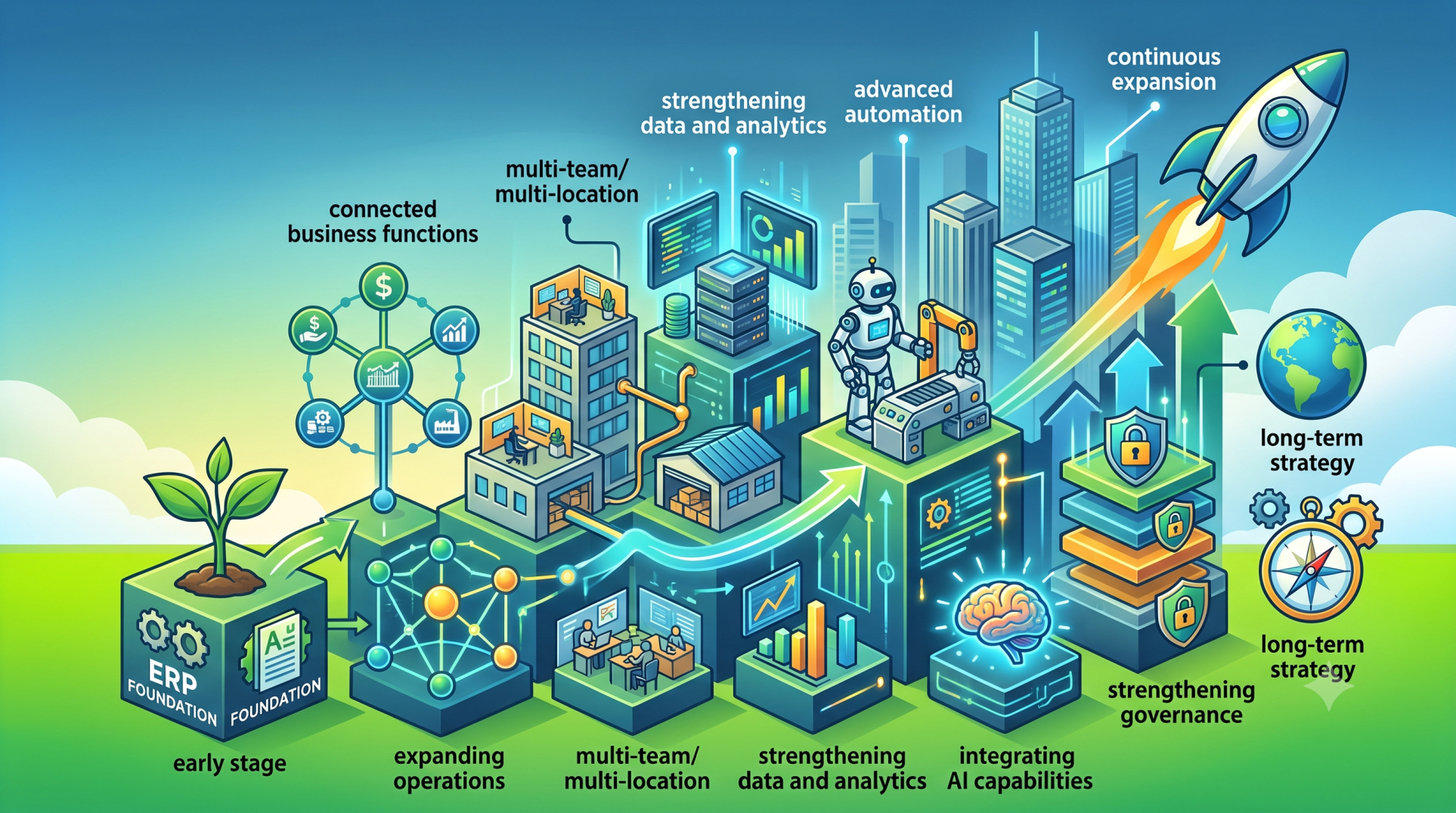
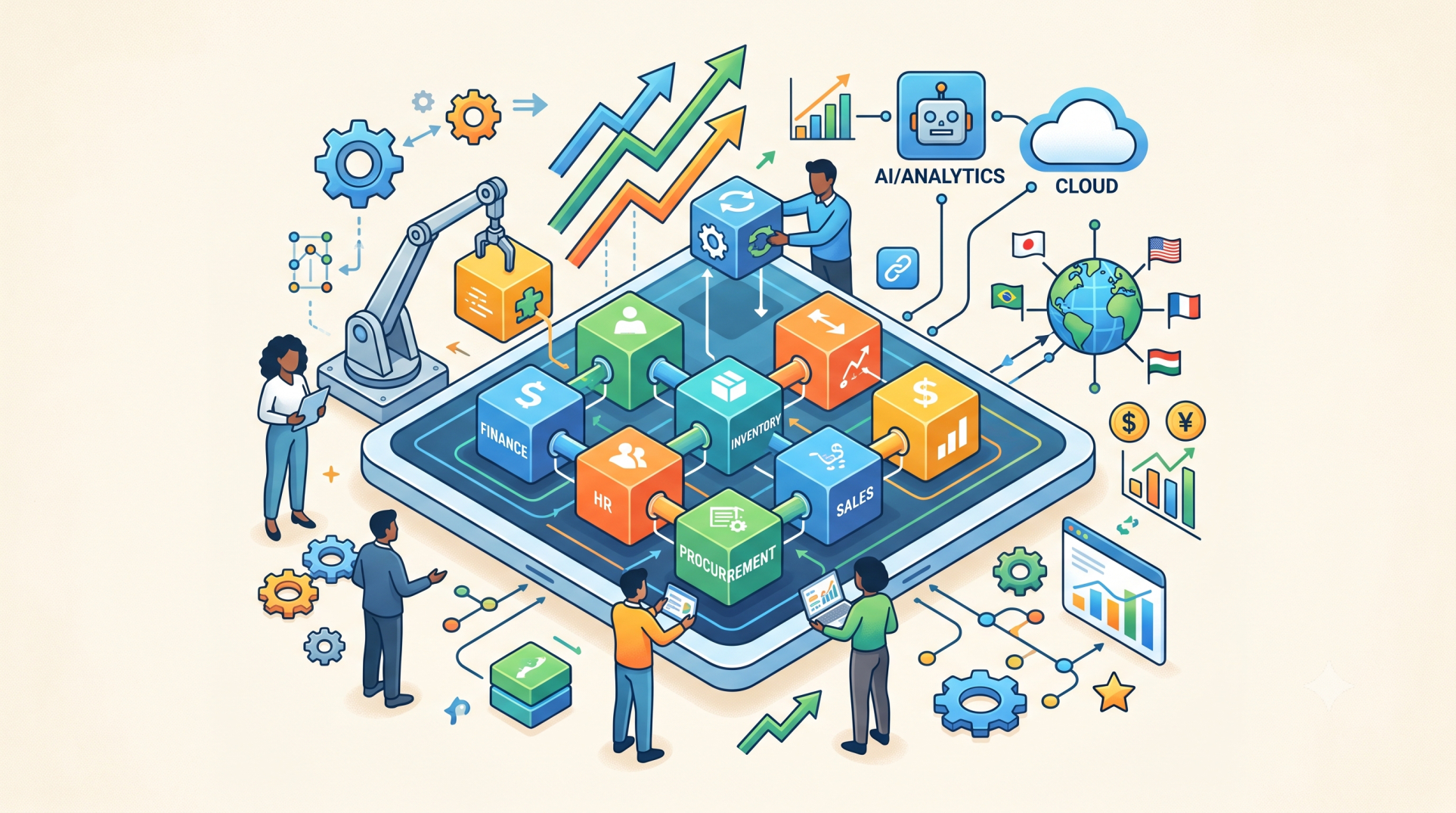
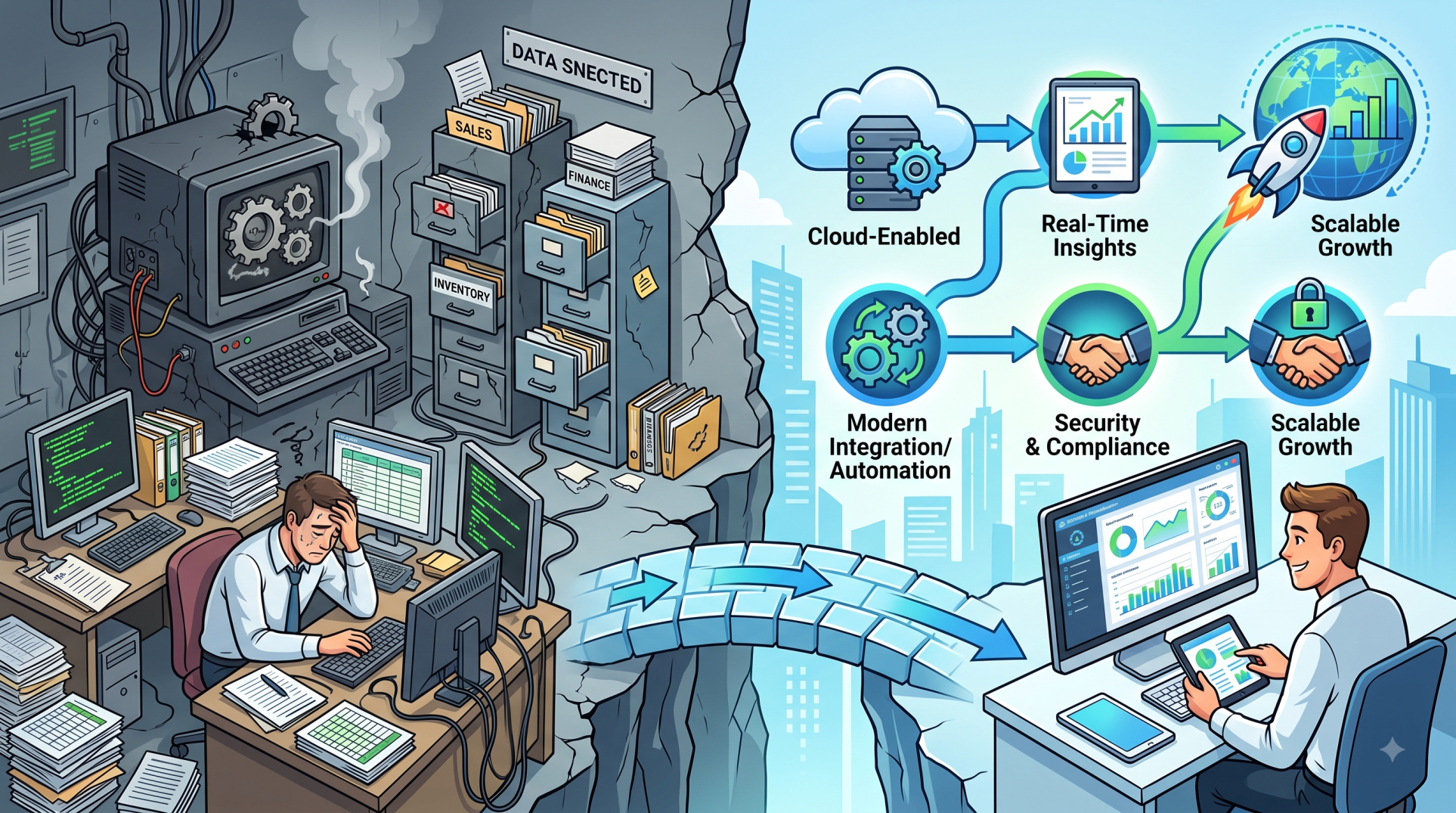
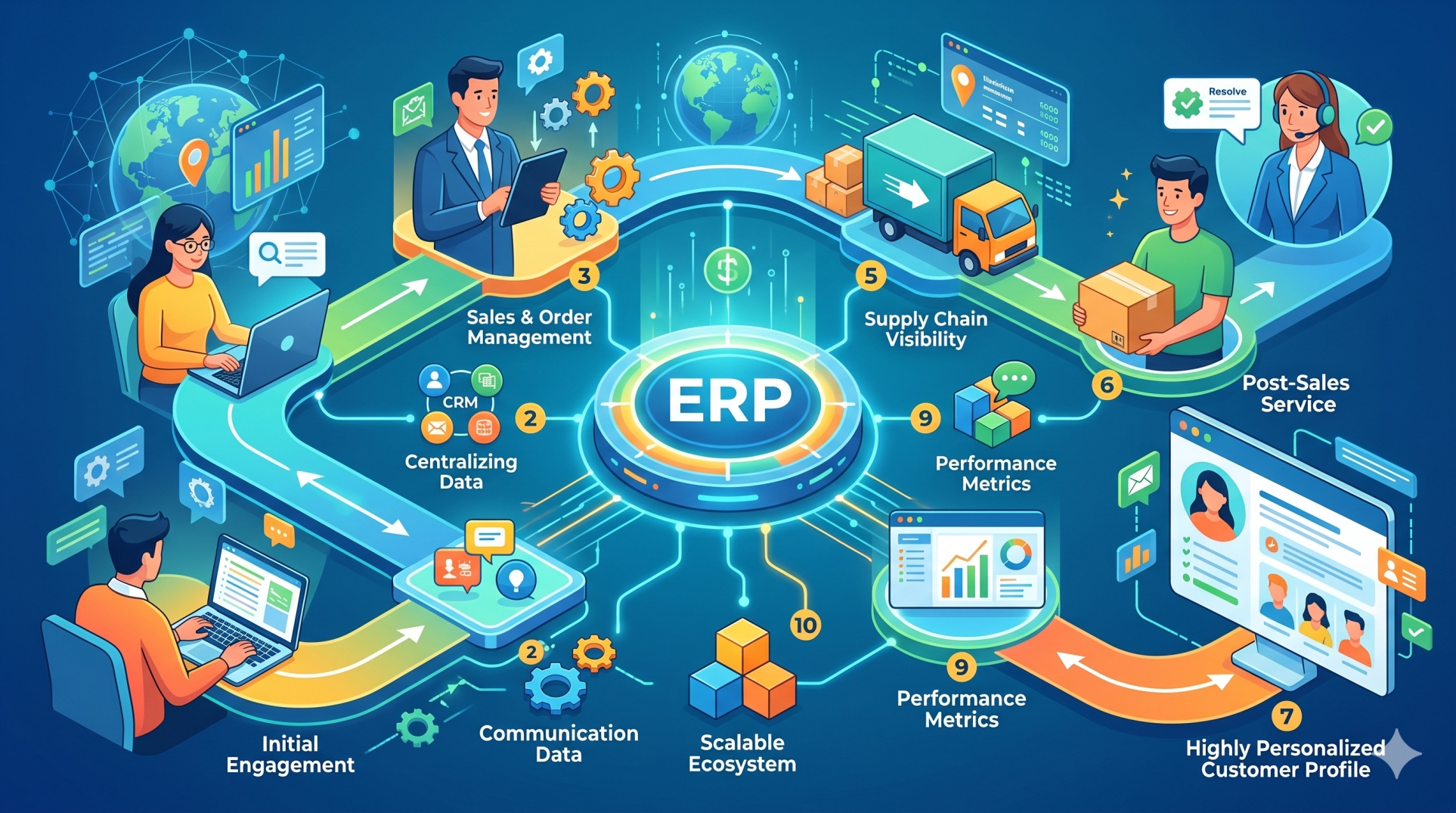
📈 10. Scalable and Future-Ready
• Adapts to increasing patient volumes and services 🌱
• Supports new departments, locations, or facilities 🏥
• Integrates with emerging healthcare technologies 🤖
• Scales without disrupting existing operations 🔄
🎯 Final Thoughts
ERP software is a critical tool for modern healthcare organizations. By centralizing data, improving patient care, ensuring regulatory compliance, and reducing operational costs, ERP systems help healthcare providers operate more efficiently. With the right ERP solution, hospitals and clinics can strengthen current operations while preparing for future growth and innovation 🚀✨.
See more blogs
You can all the articles below