How Modern ERP Software Is Architected
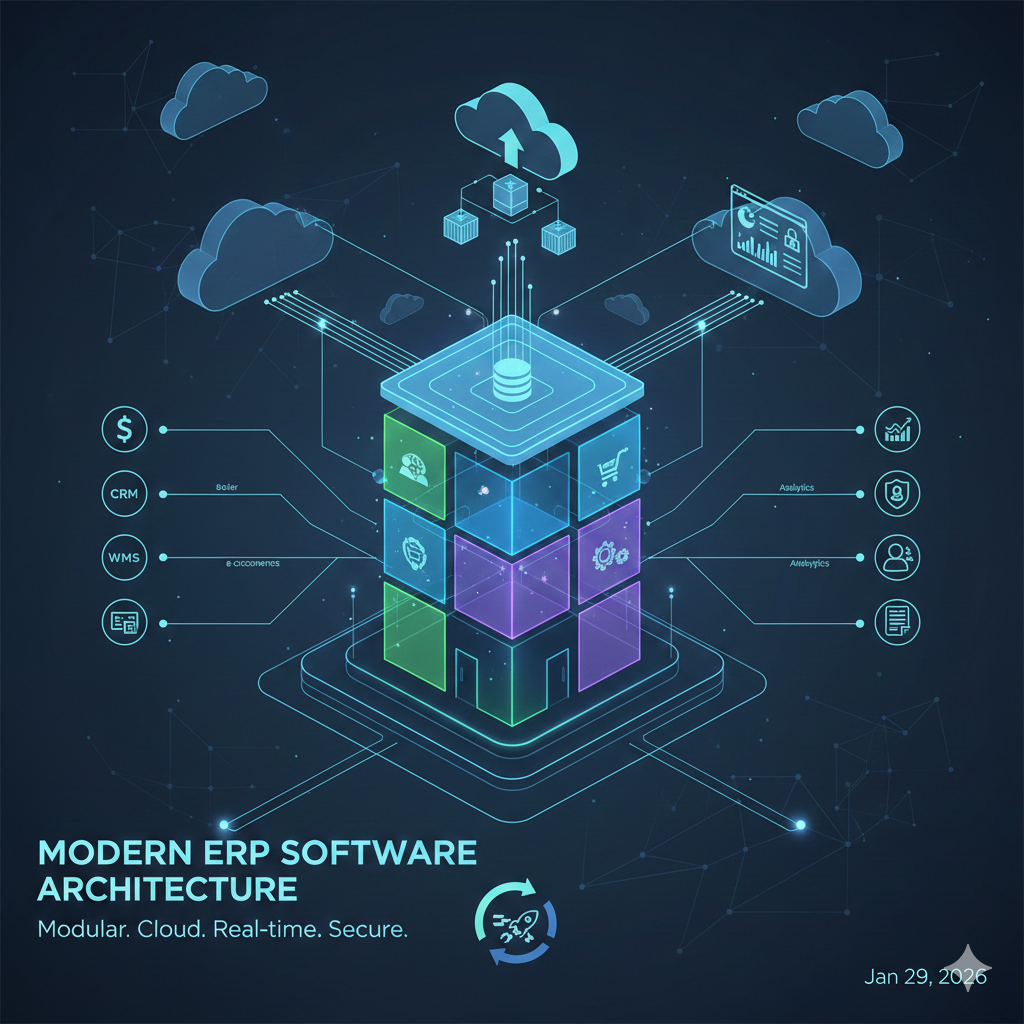
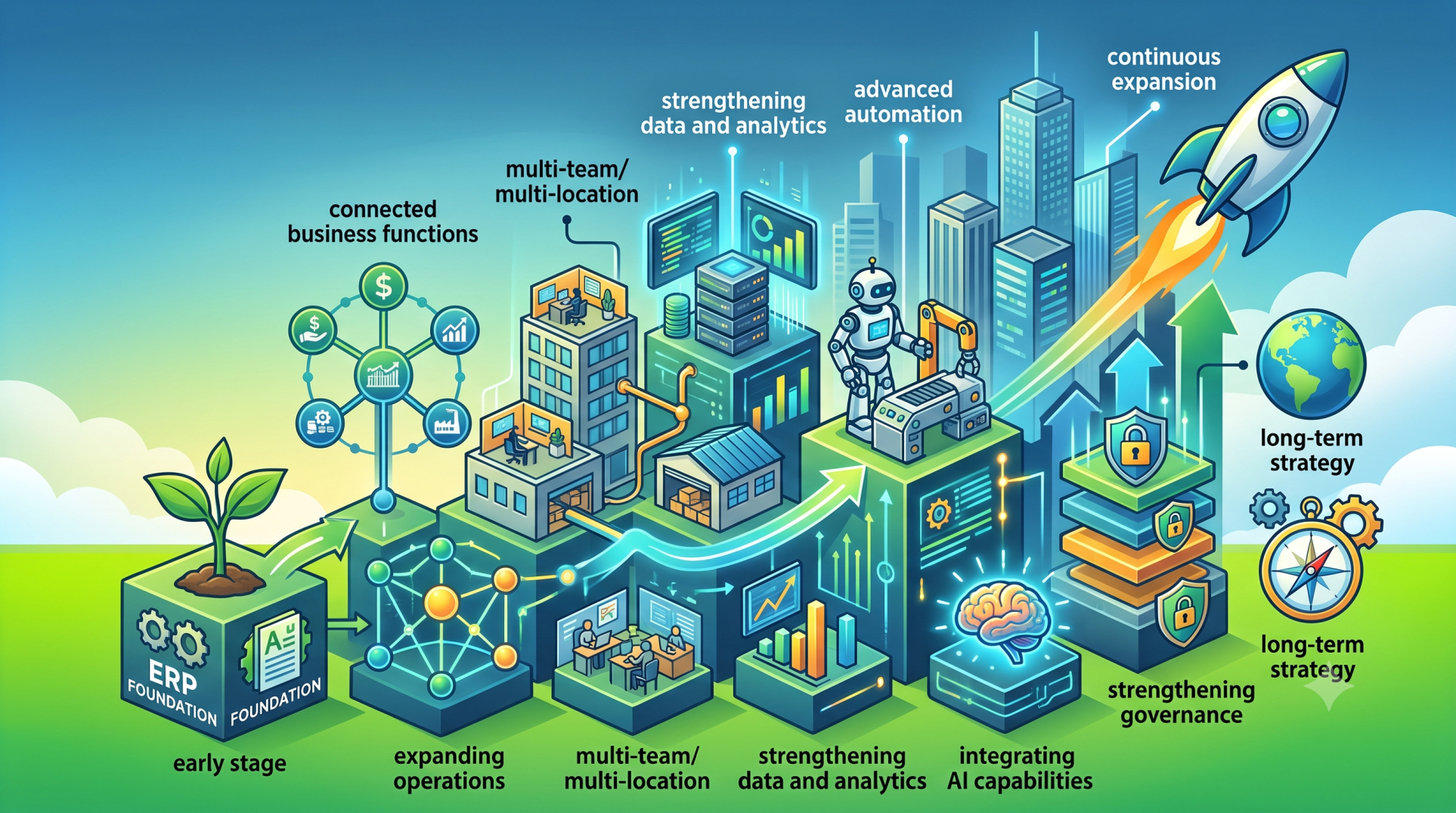
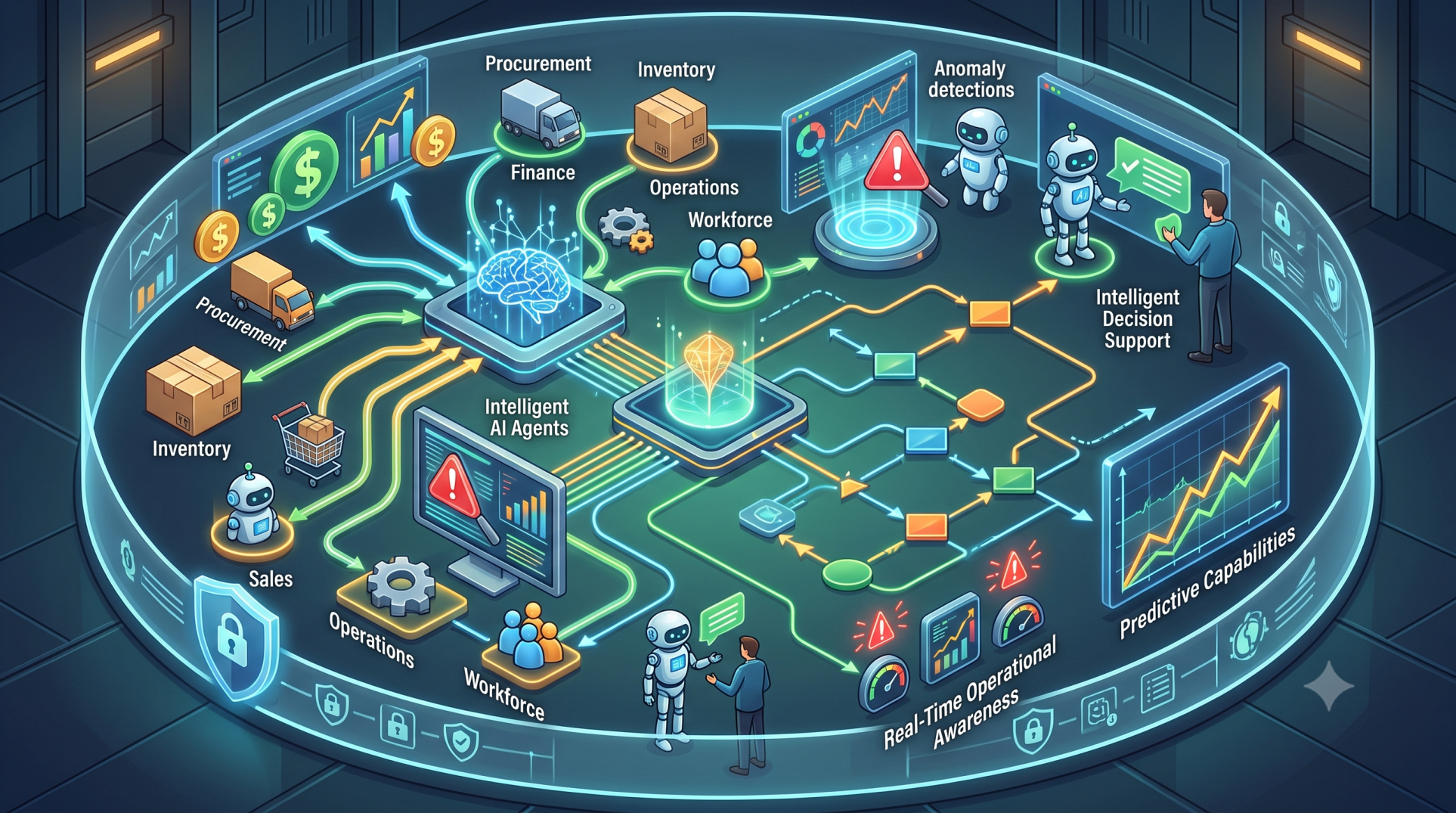
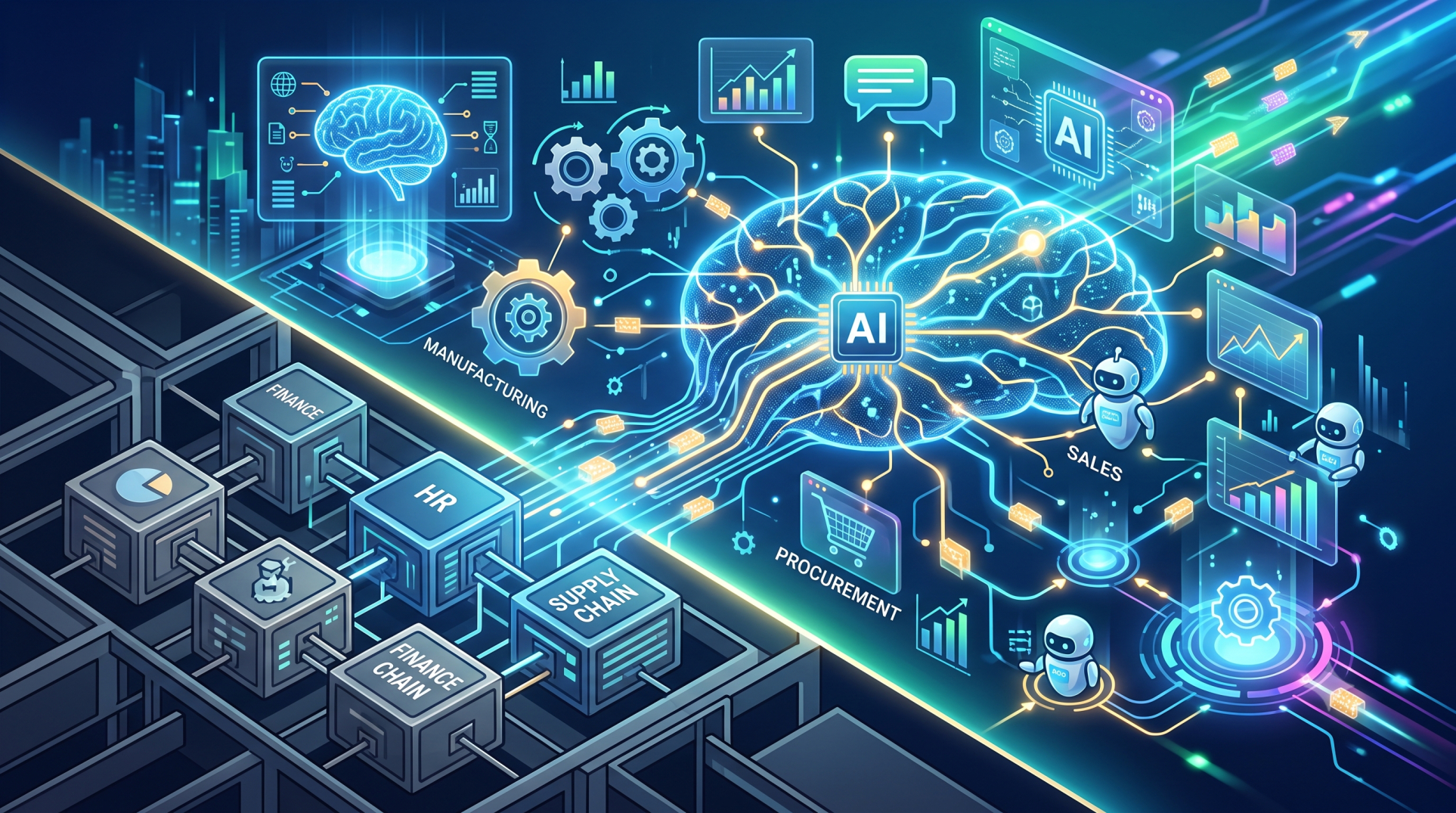
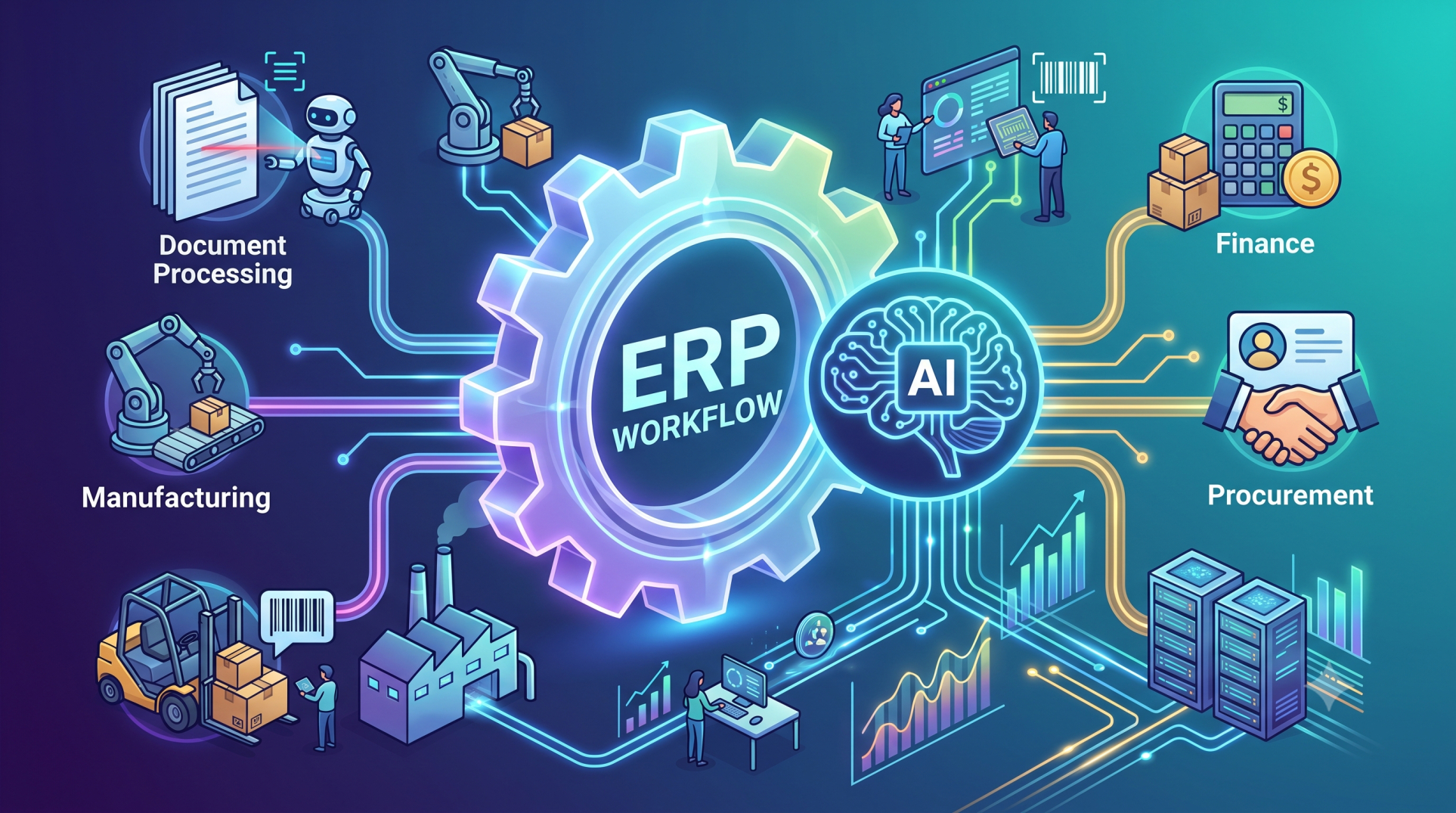
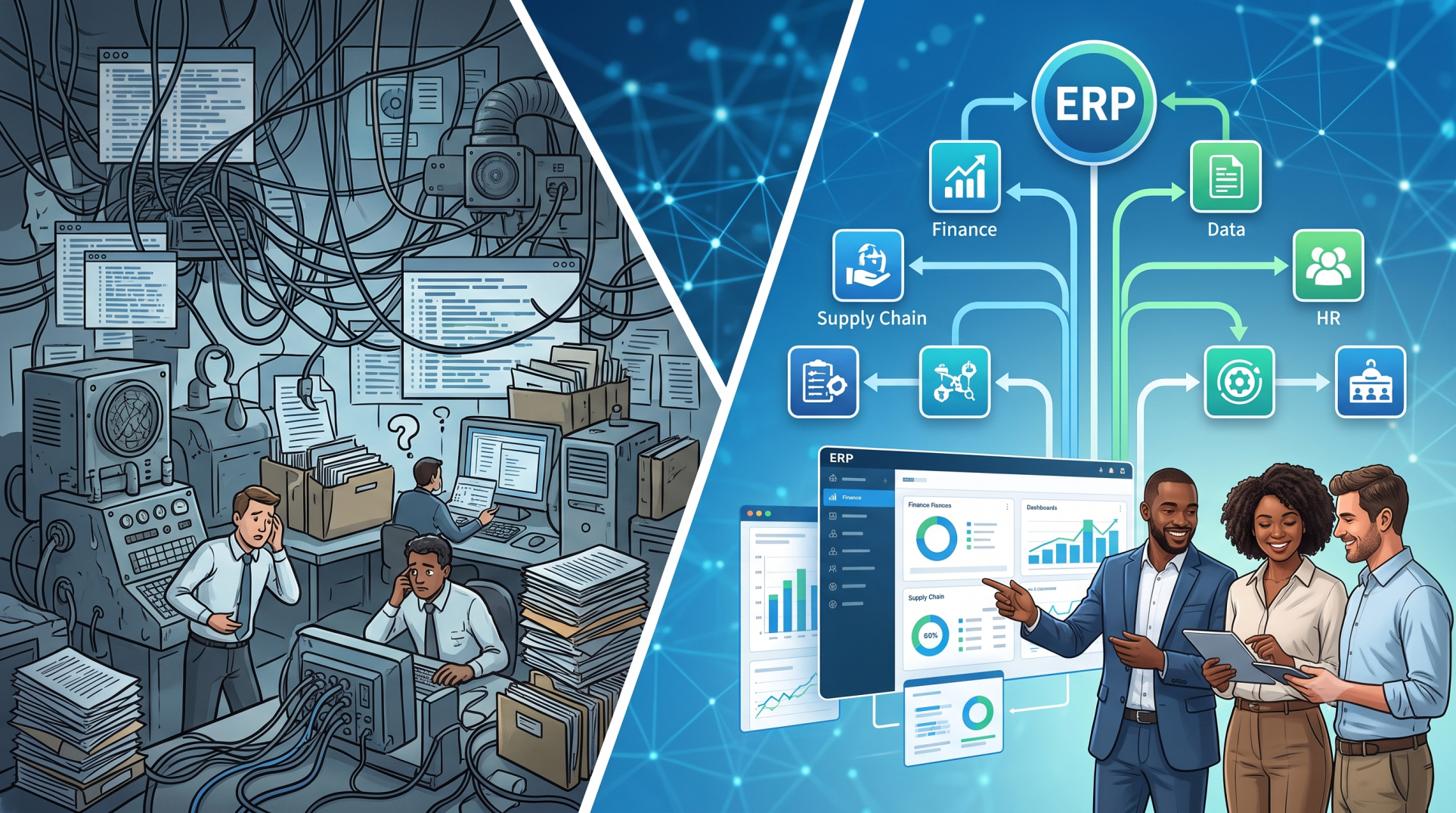
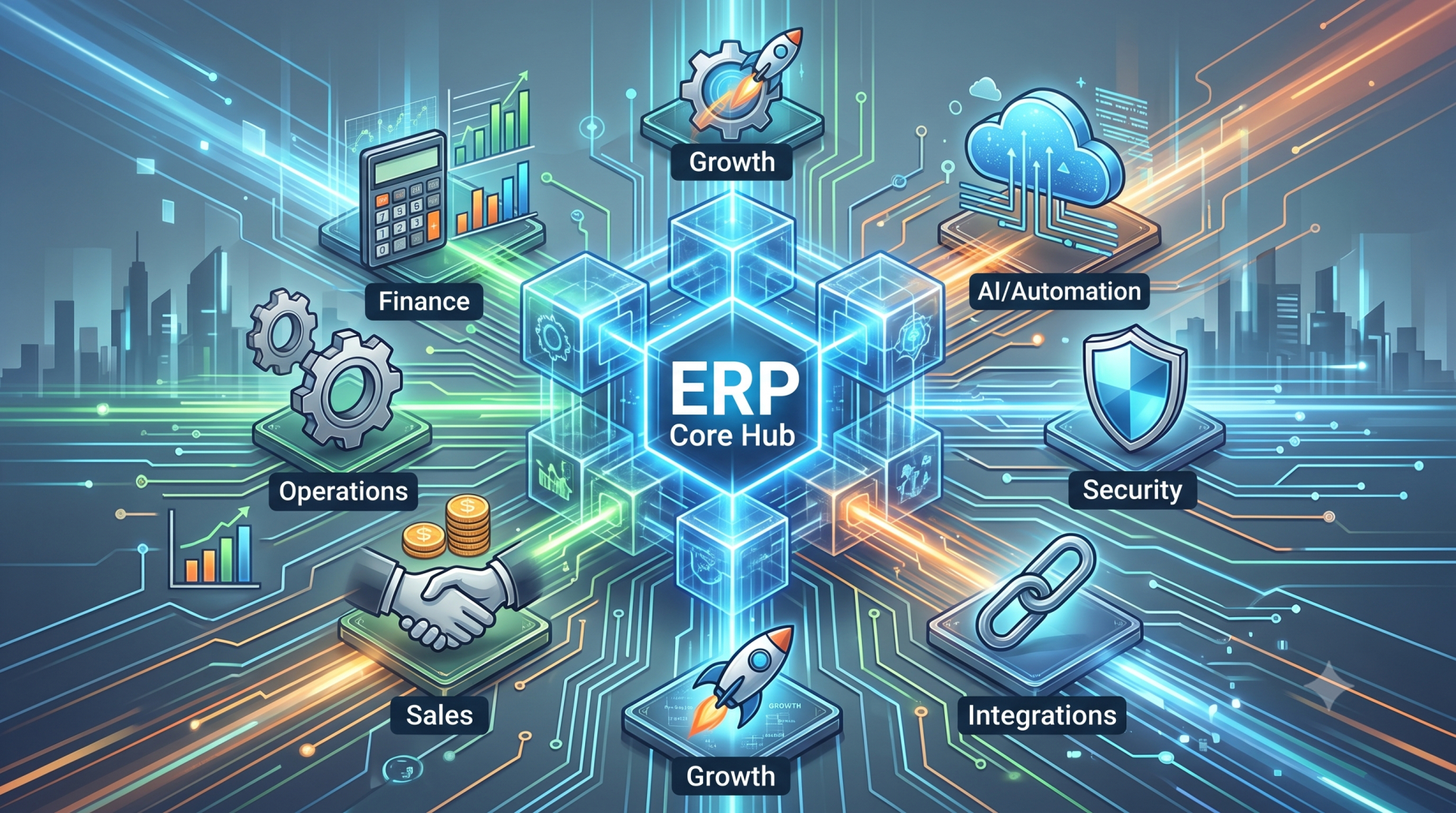
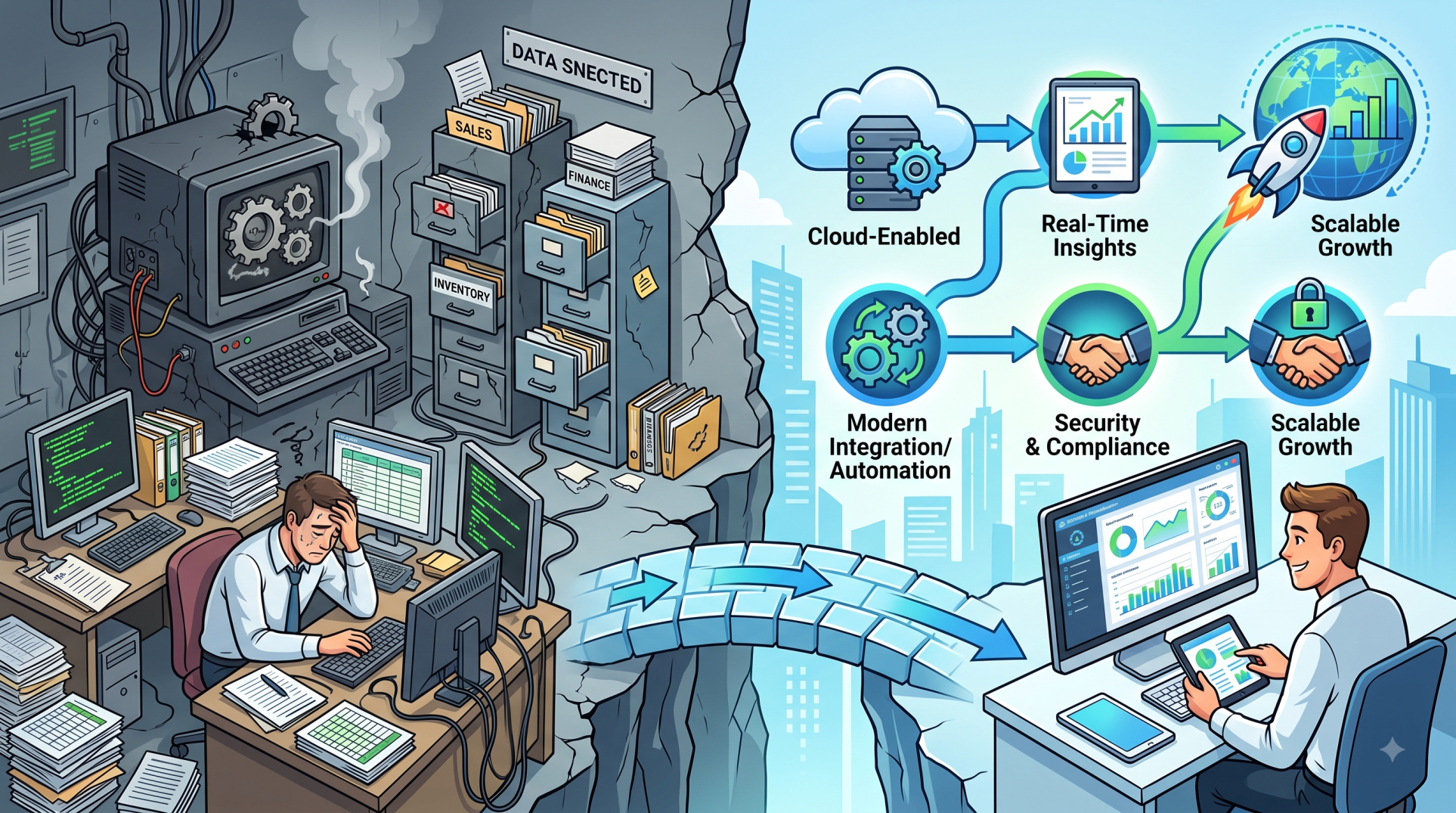
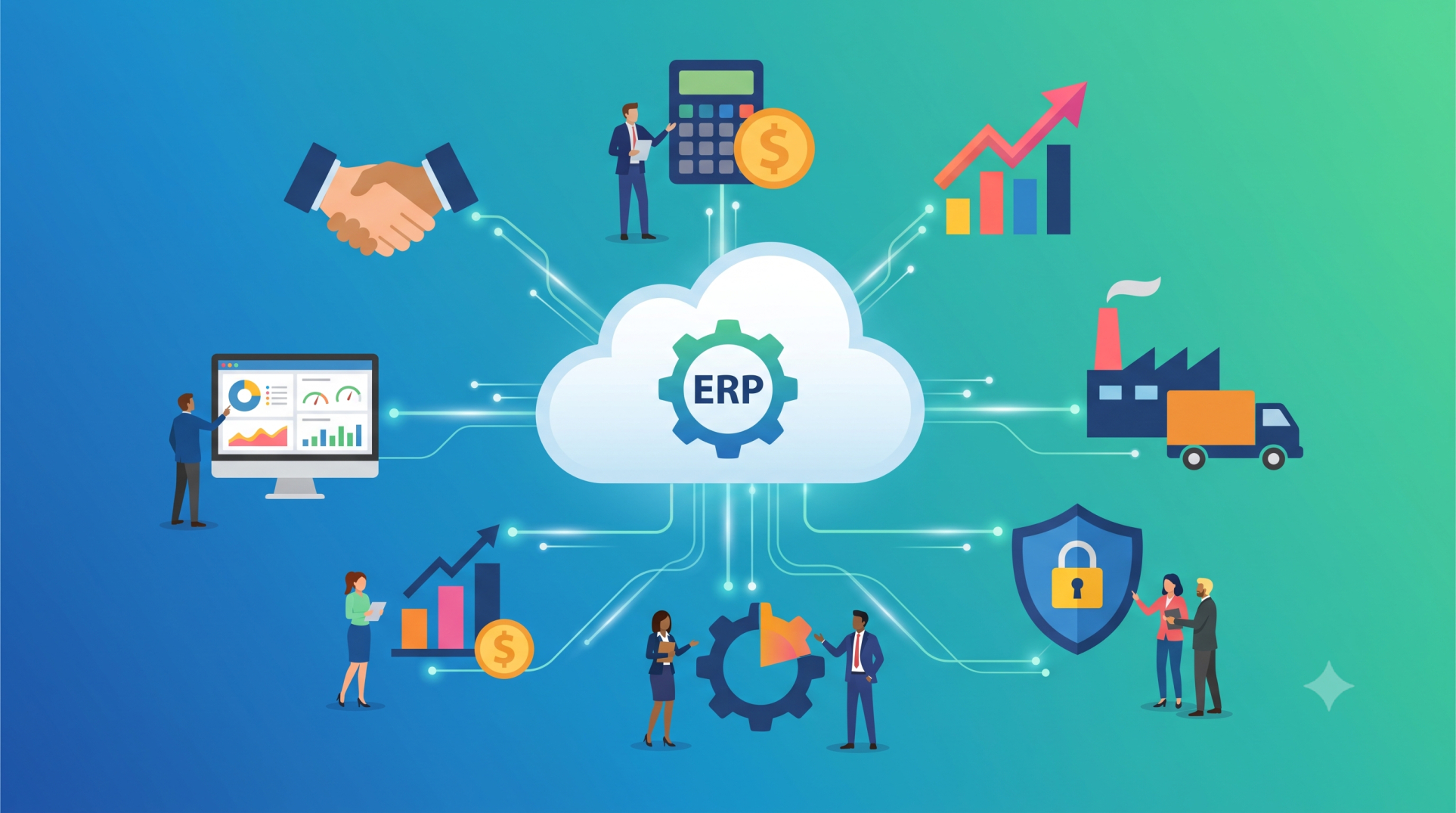
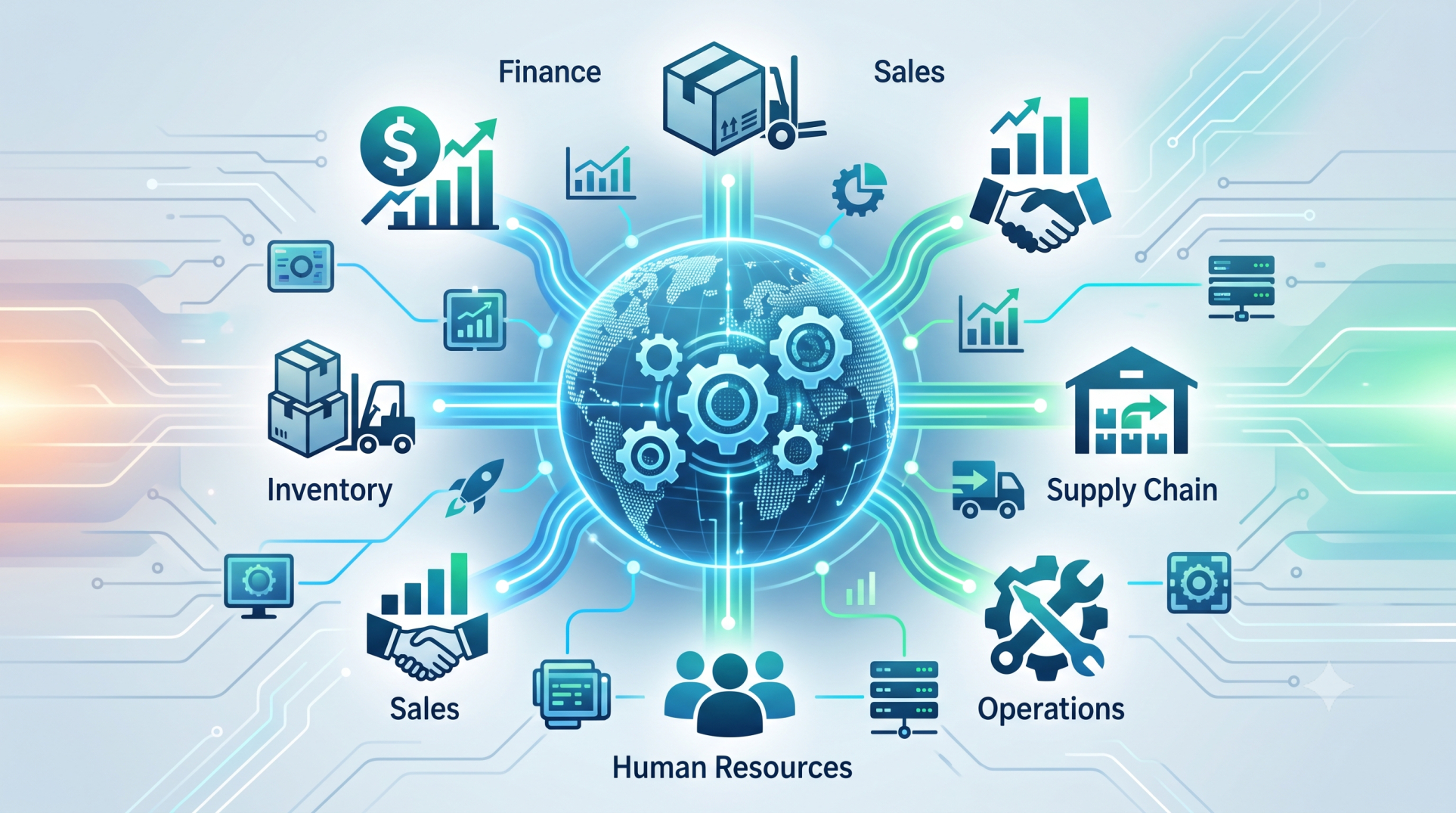
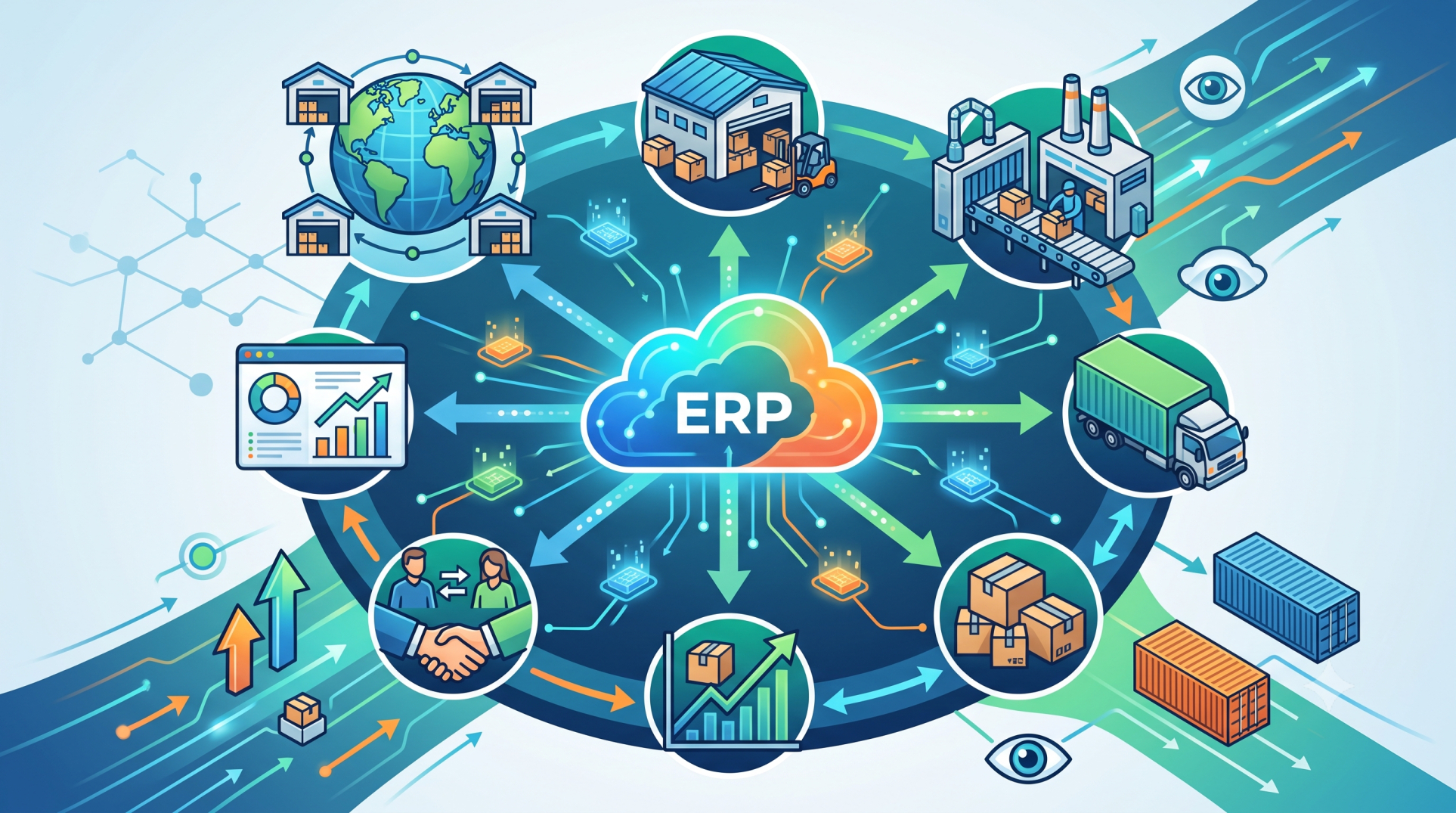
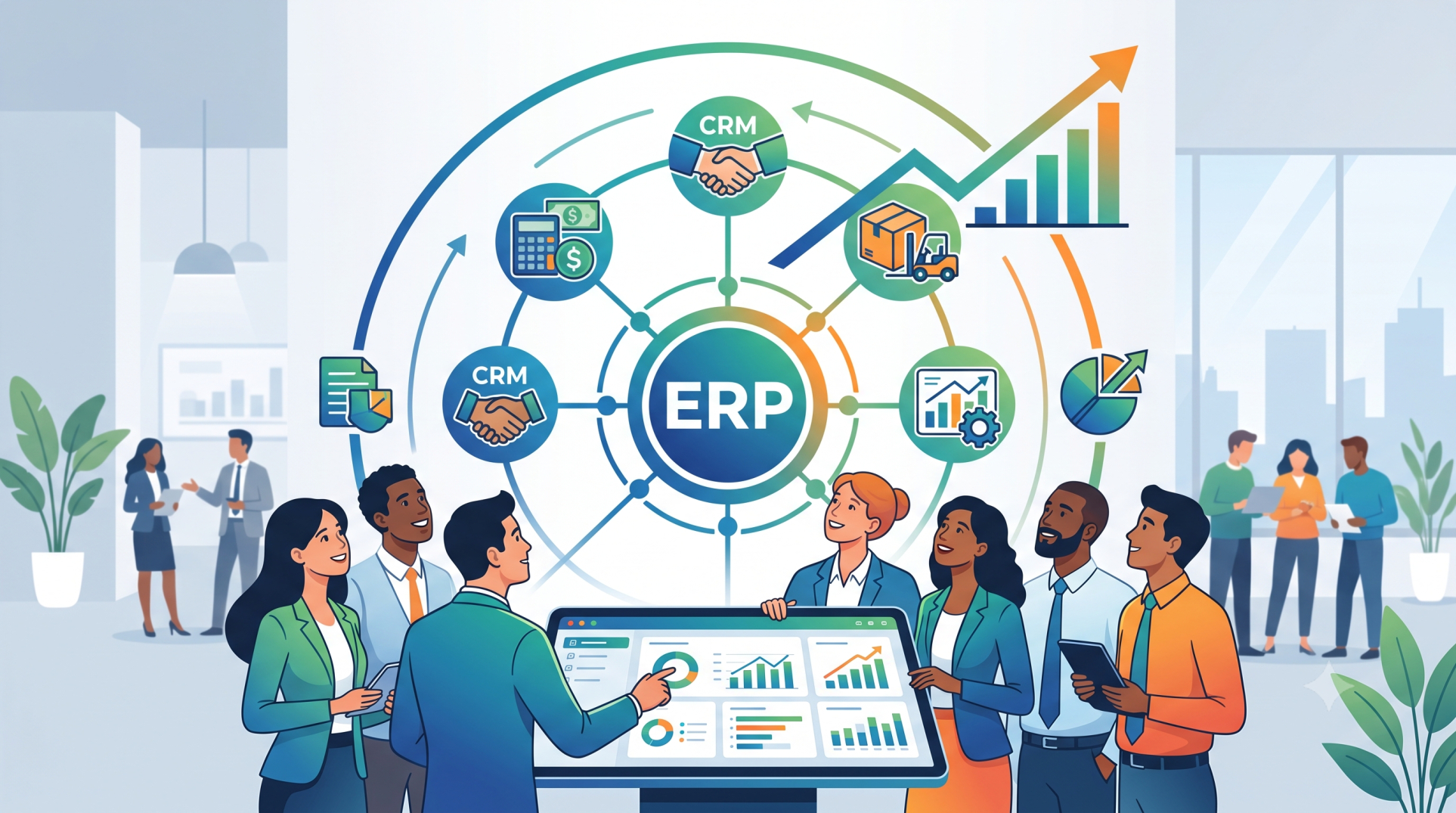
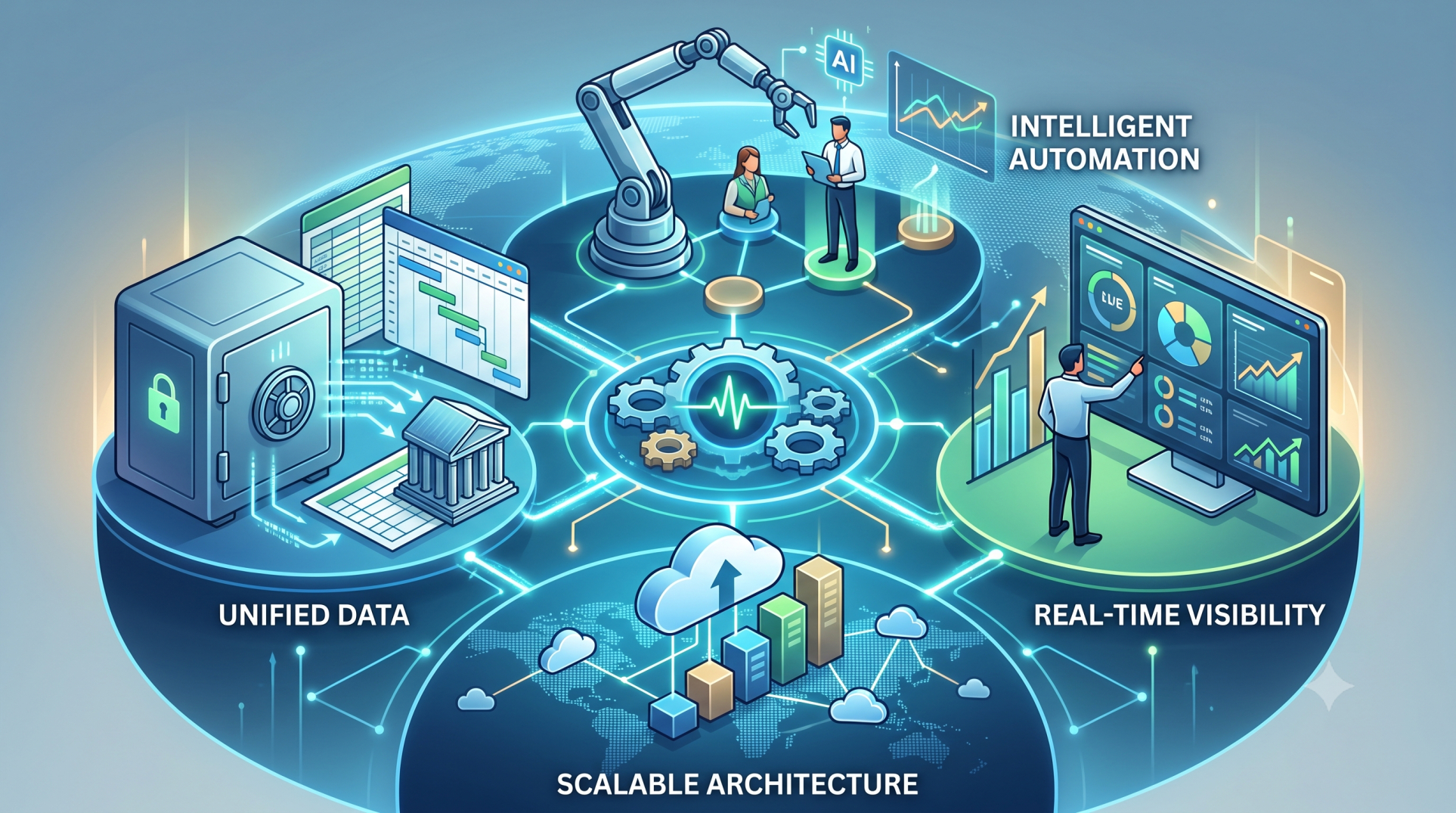
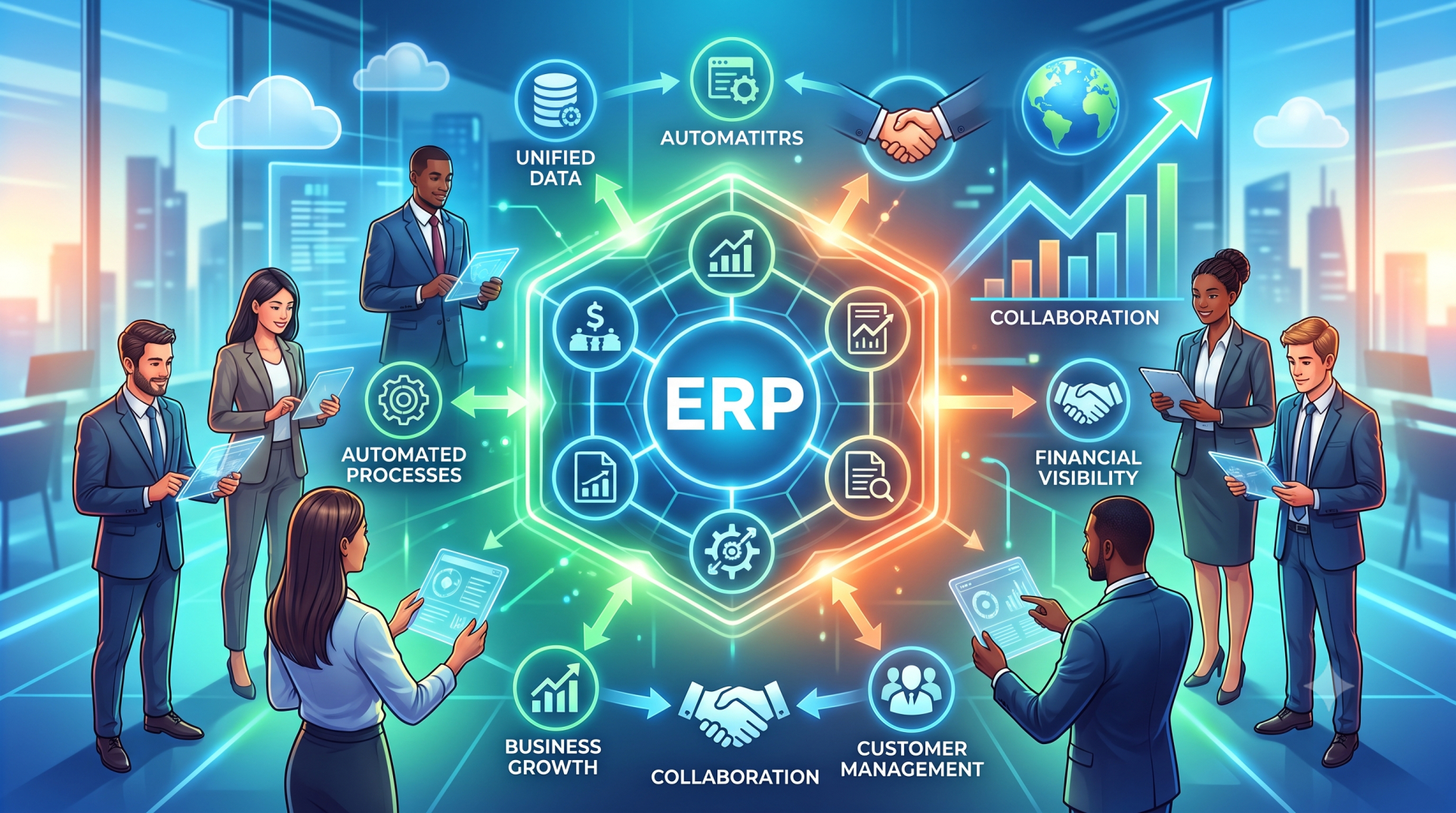
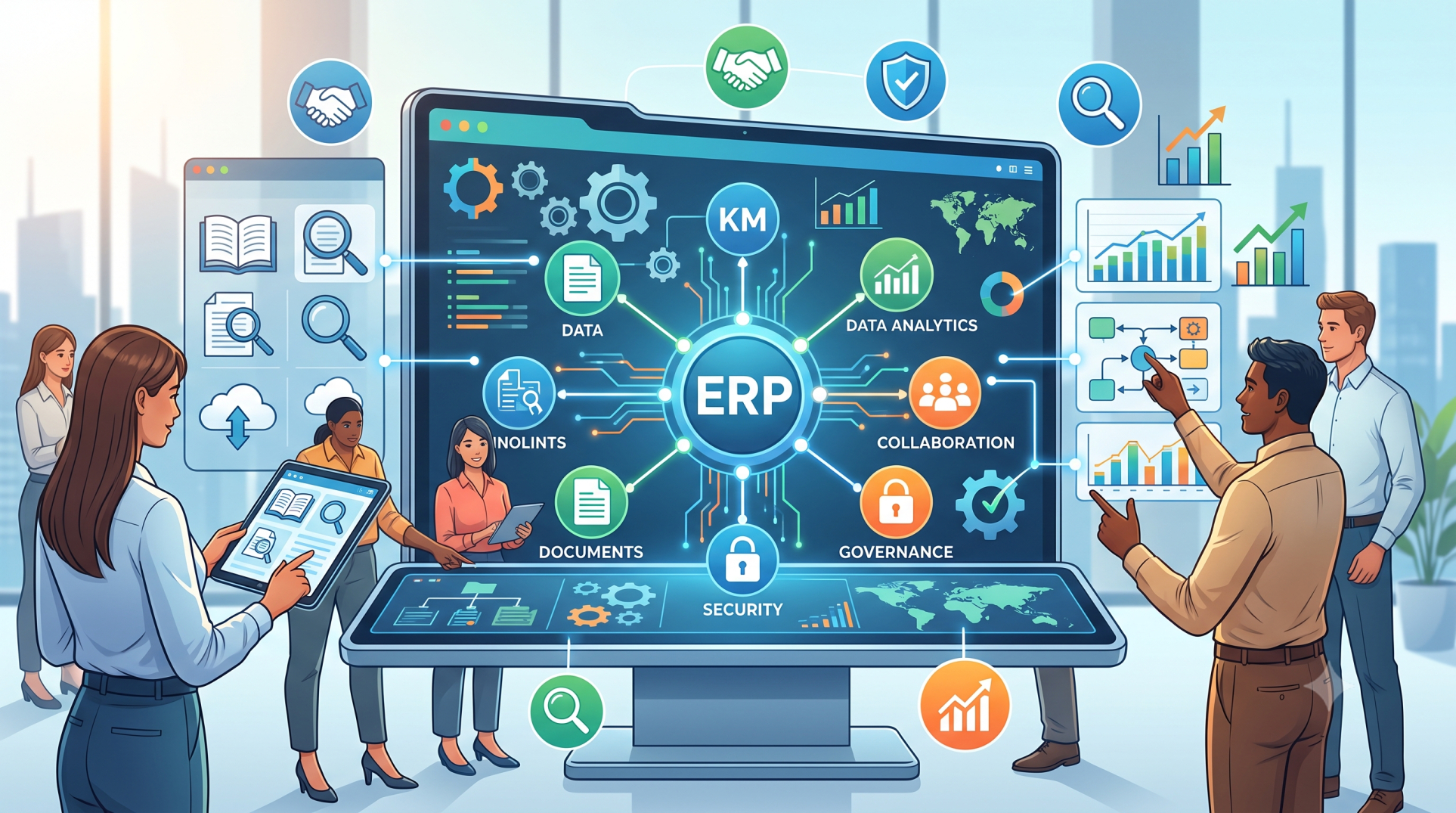
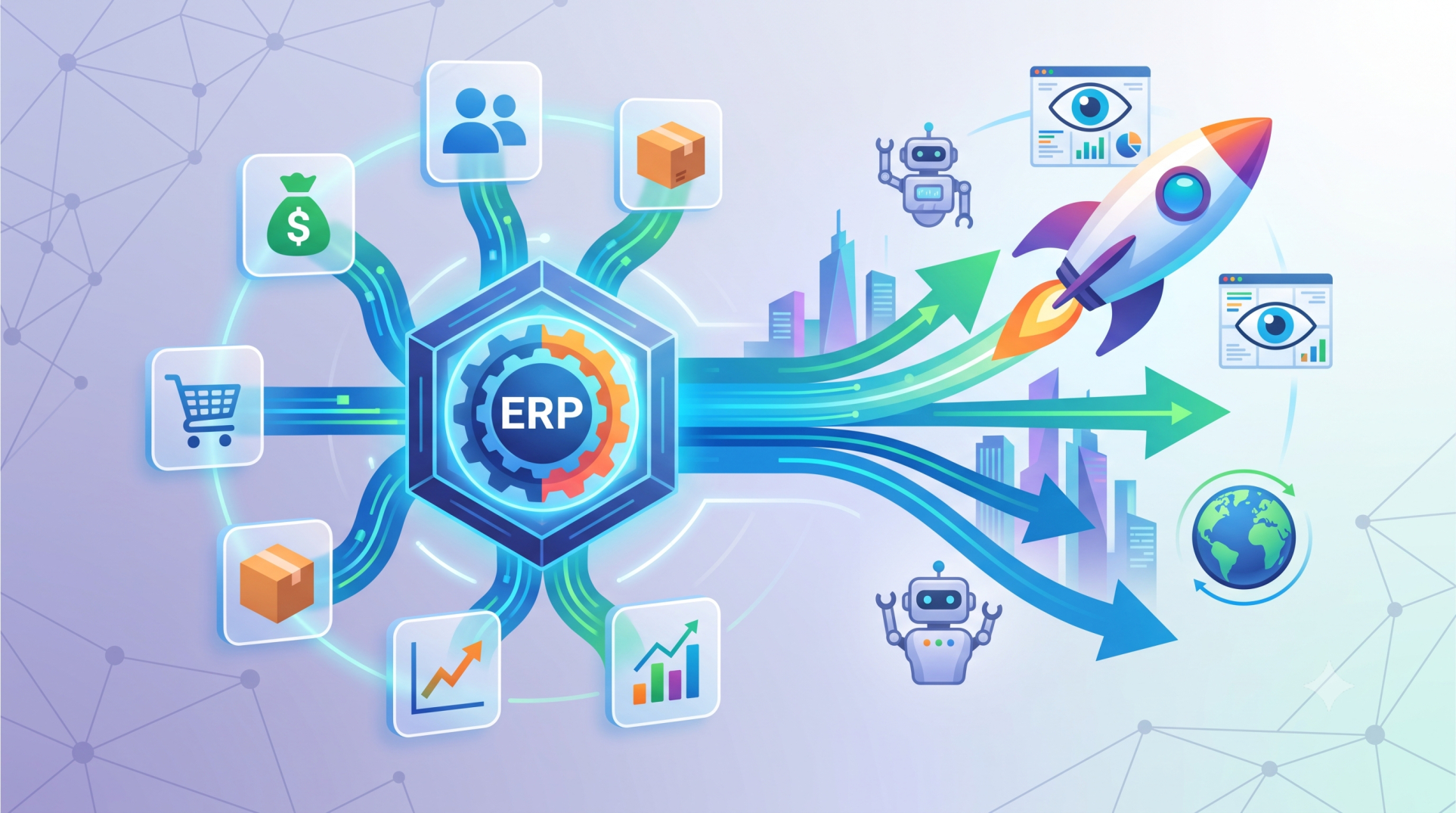
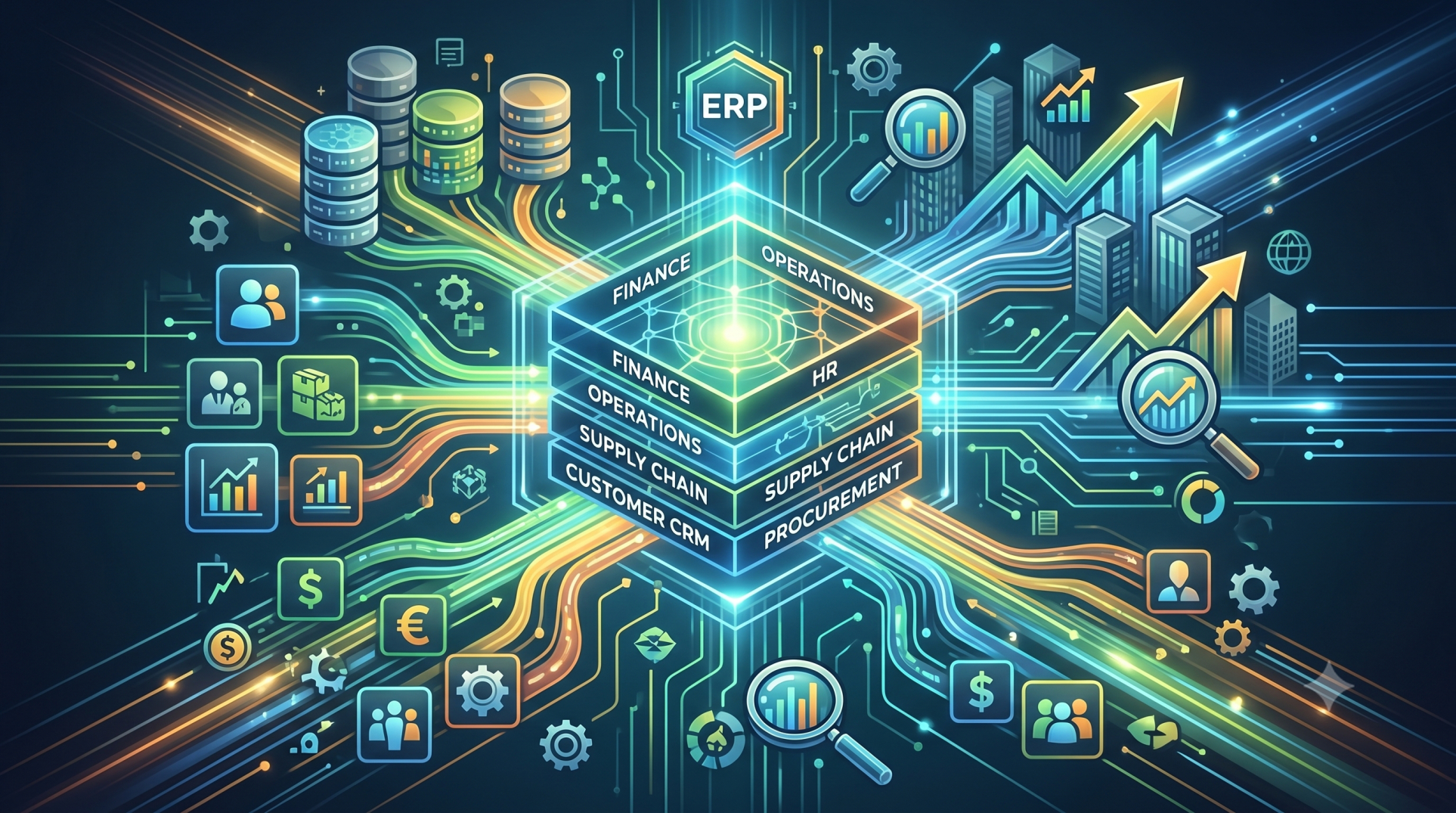
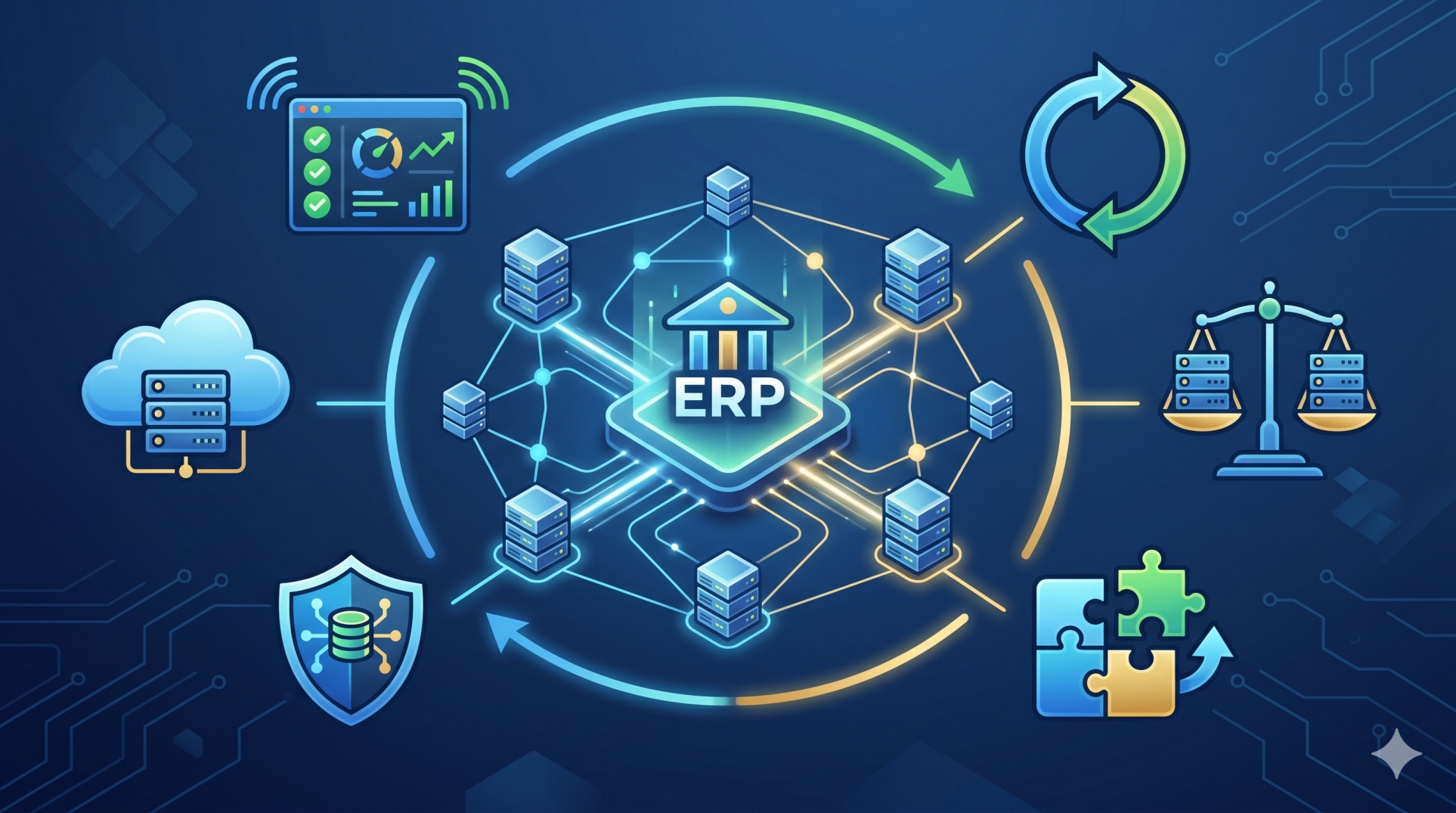
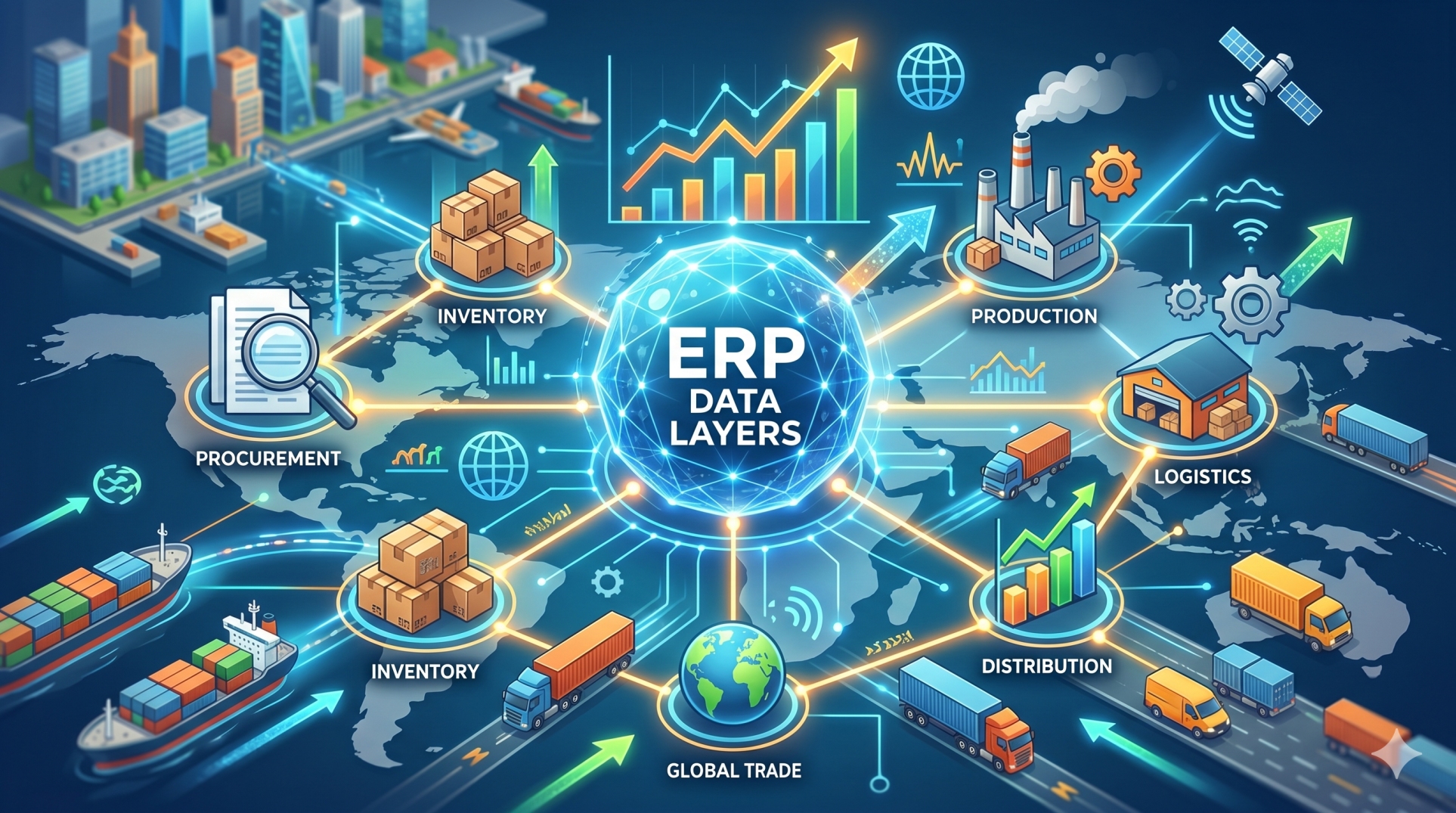
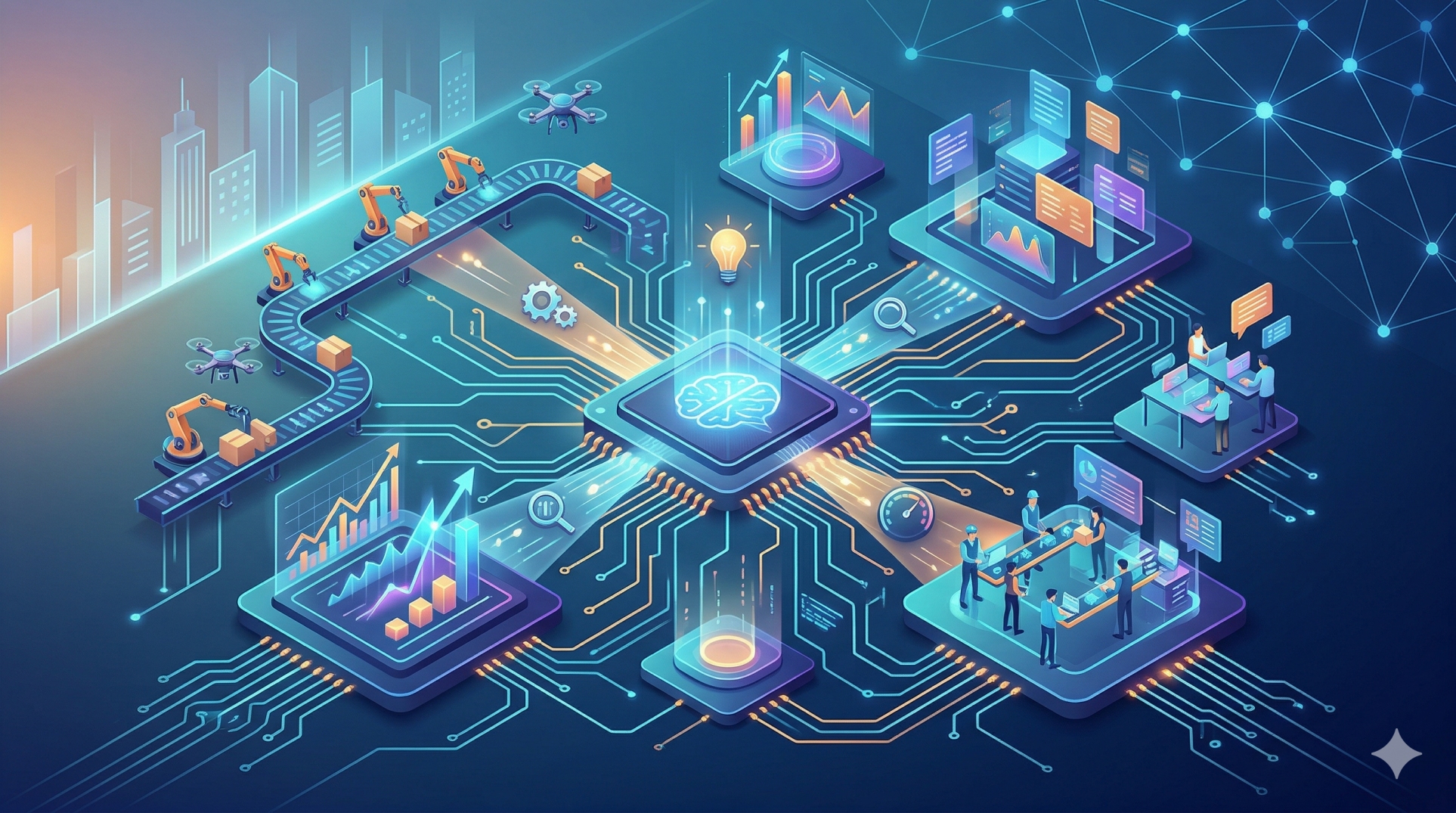
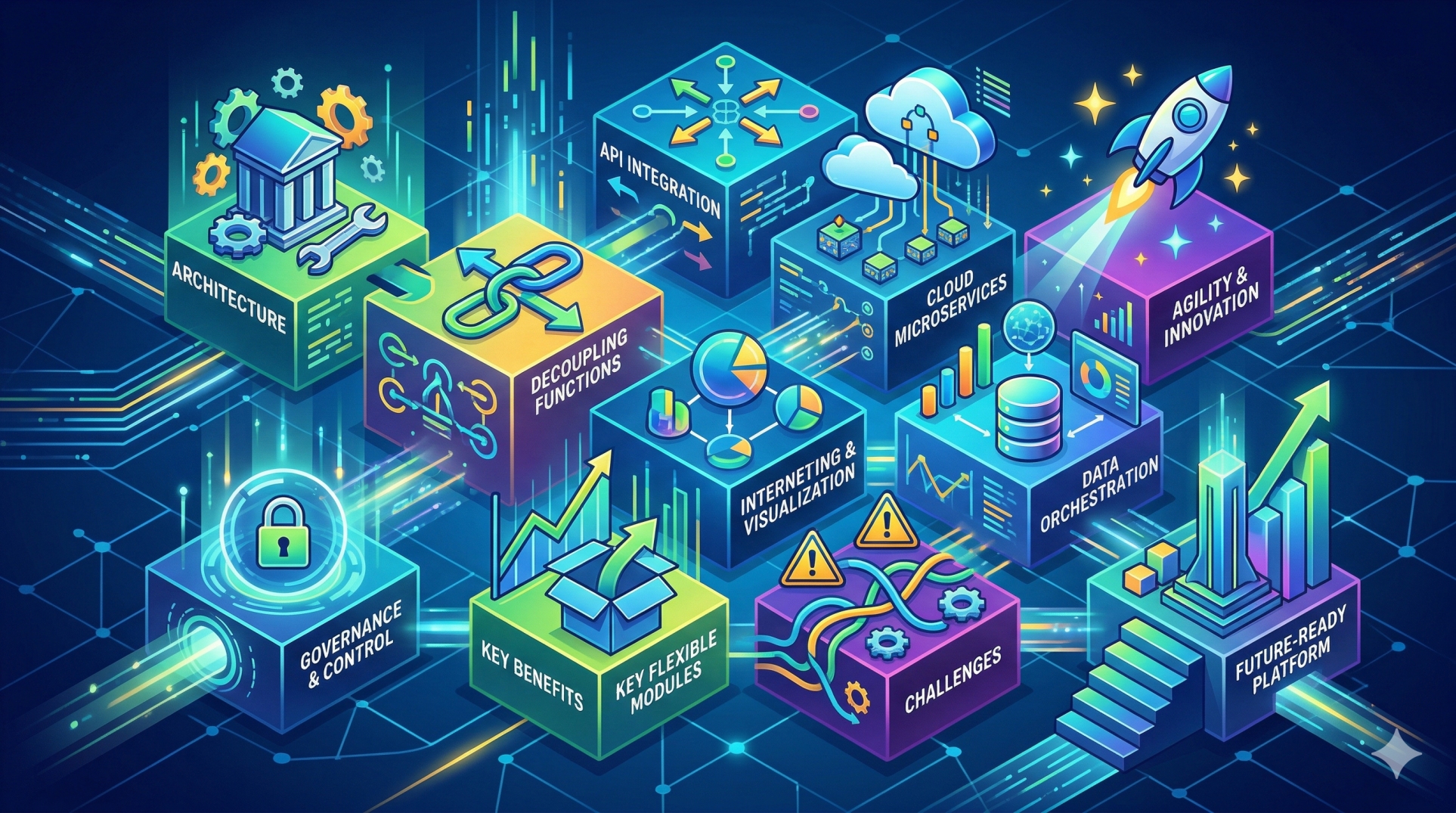
Enterprise Resource Planning (ERP) systems have moved far beyond traditional, rigid monolithic designs. Modern ERP platforms are built to be flexible, scalable, and cloud-ready, allowing businesses to adapt quickly to changing demands. Today’s ERP architecture emphasizes modular design, seamless integration, real-time data access, and continuous innovation. 🚀
1. Core Principles of Modern ERP Architecture 🧩
• Built to scale as business operations grow 📈
• Designed for cloud and hybrid deployment models ☁️
• Uses modular, loosely connected components 🔗
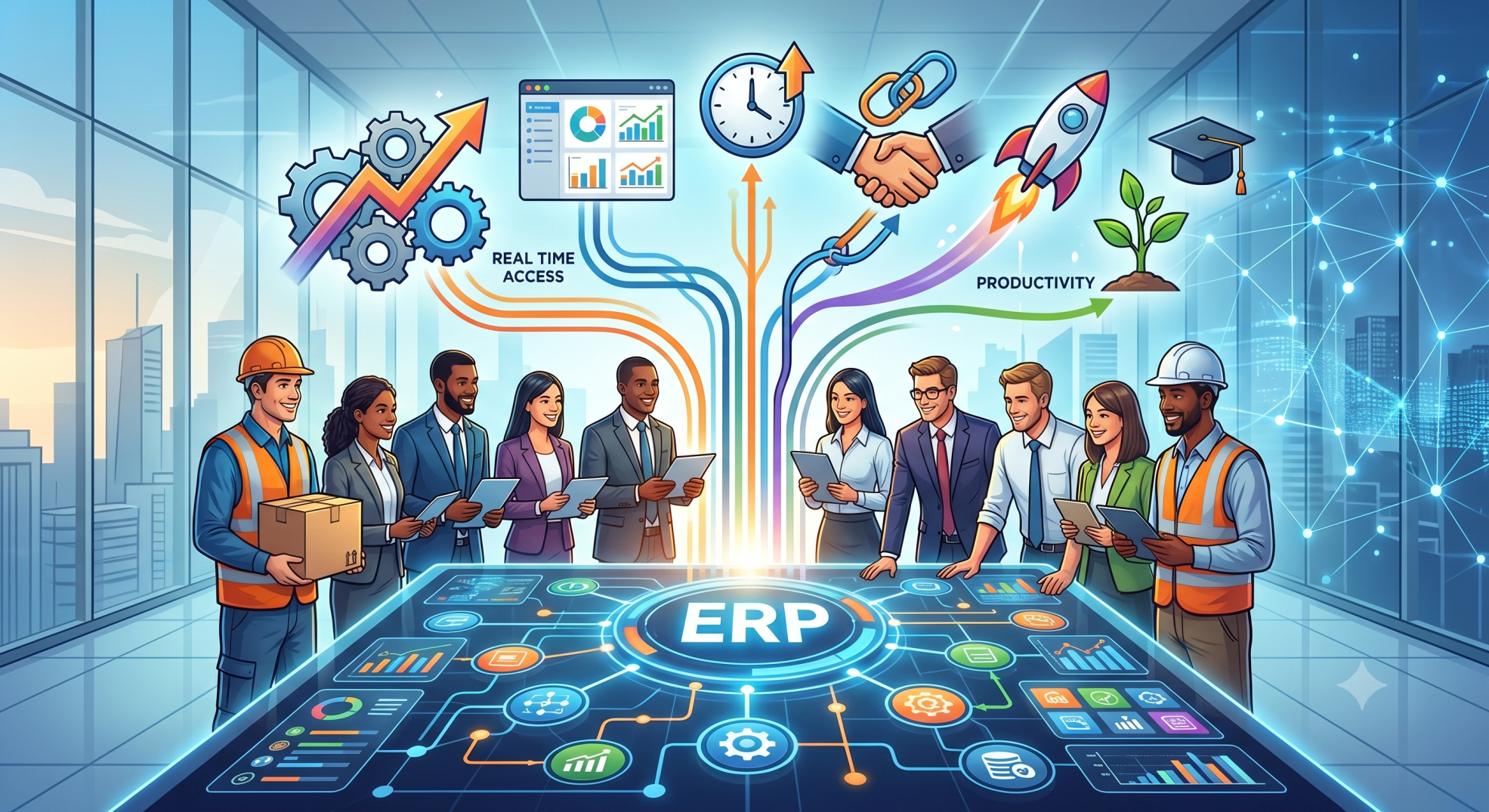
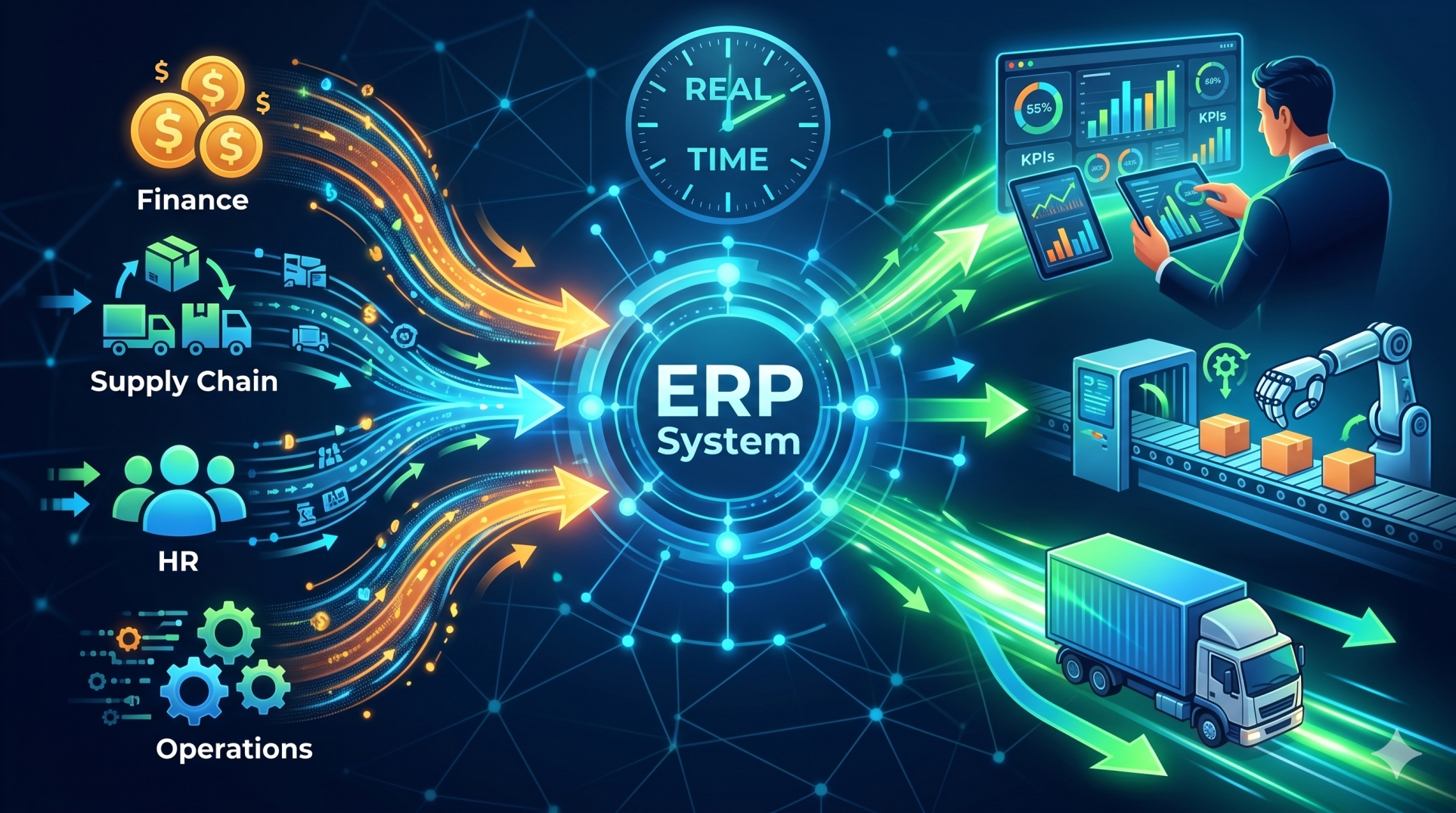
• Delivers real-time data visibility 📊
• Prioritizes security and regulatory compliance 🛡️
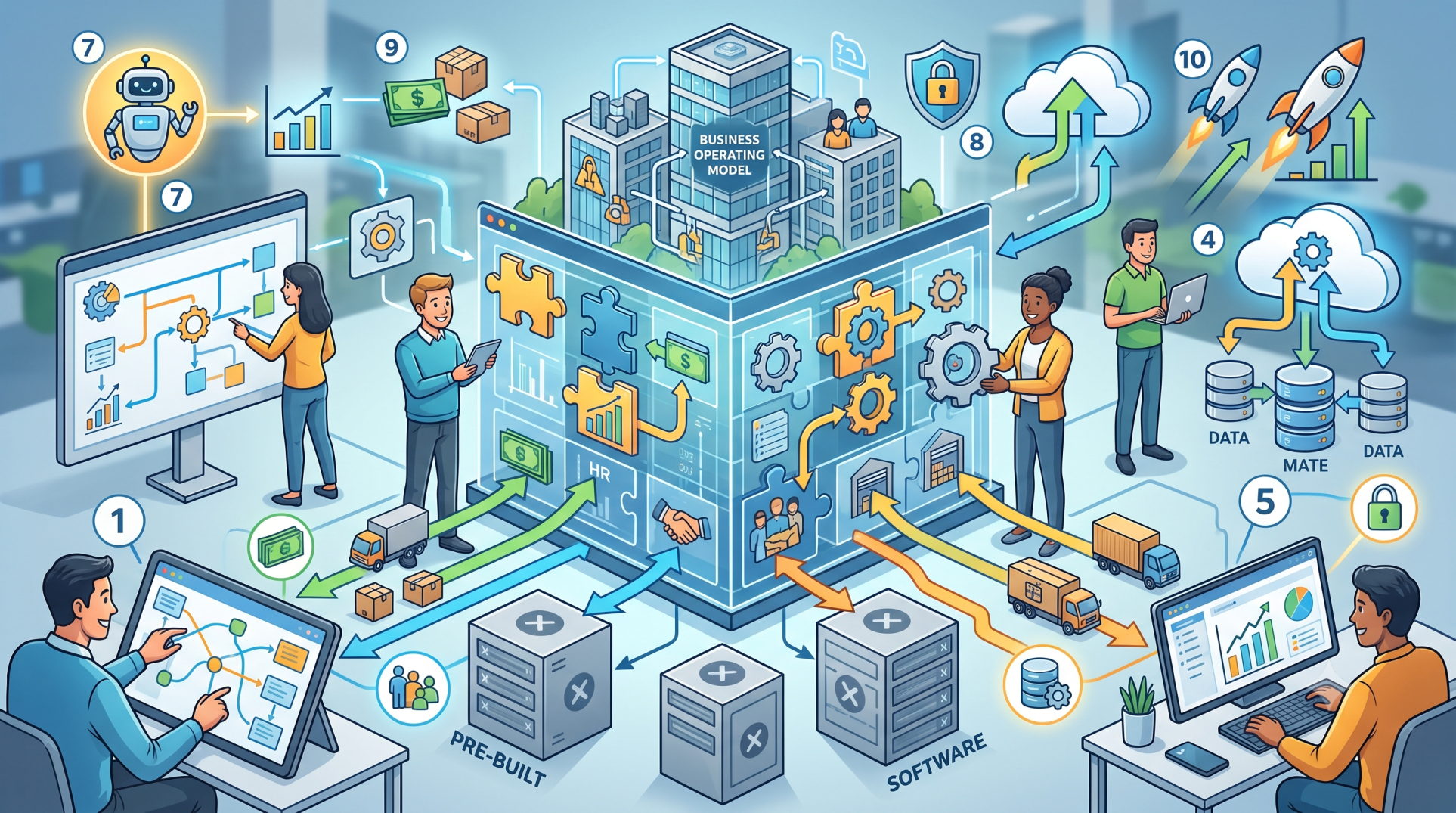
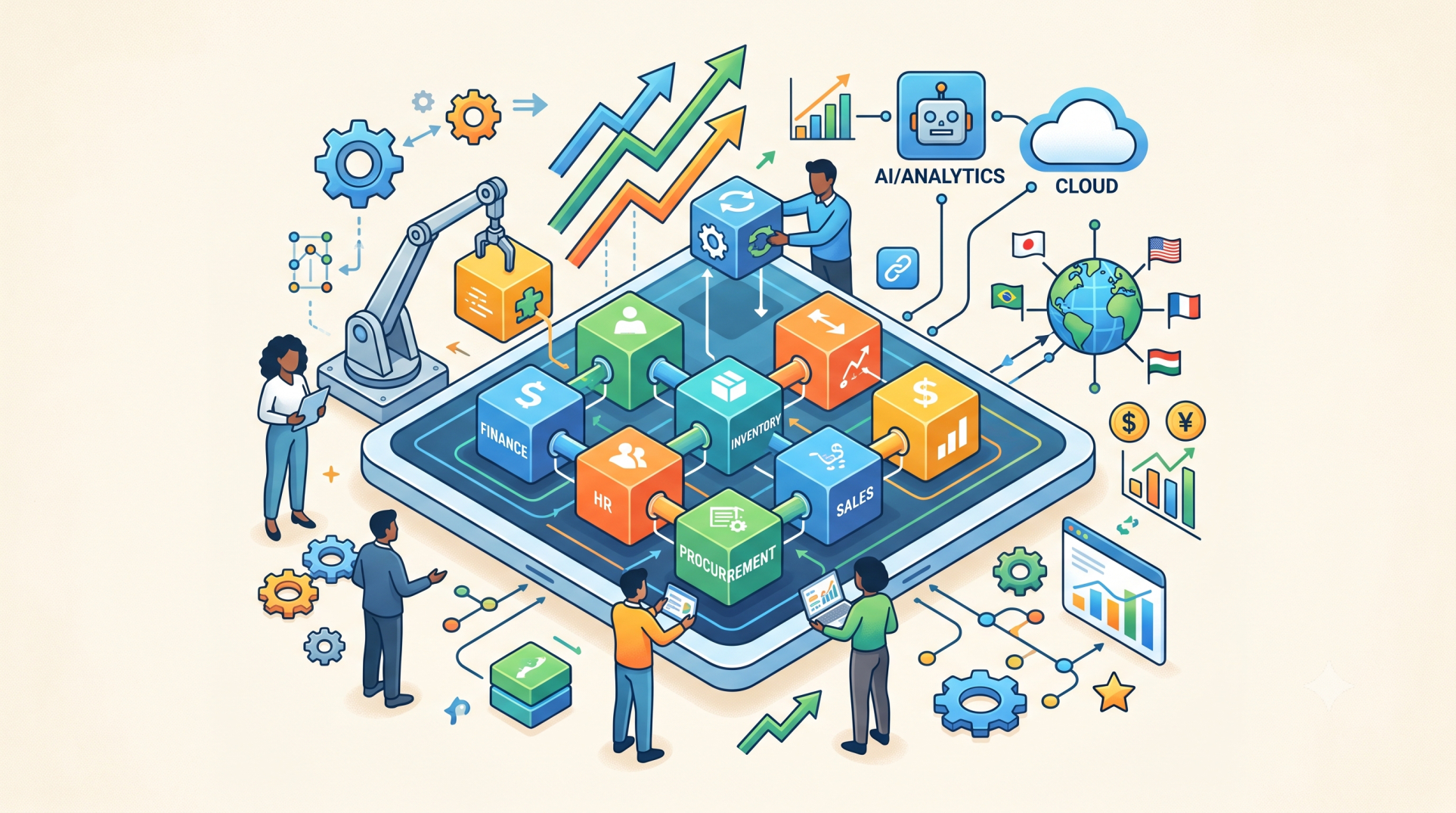
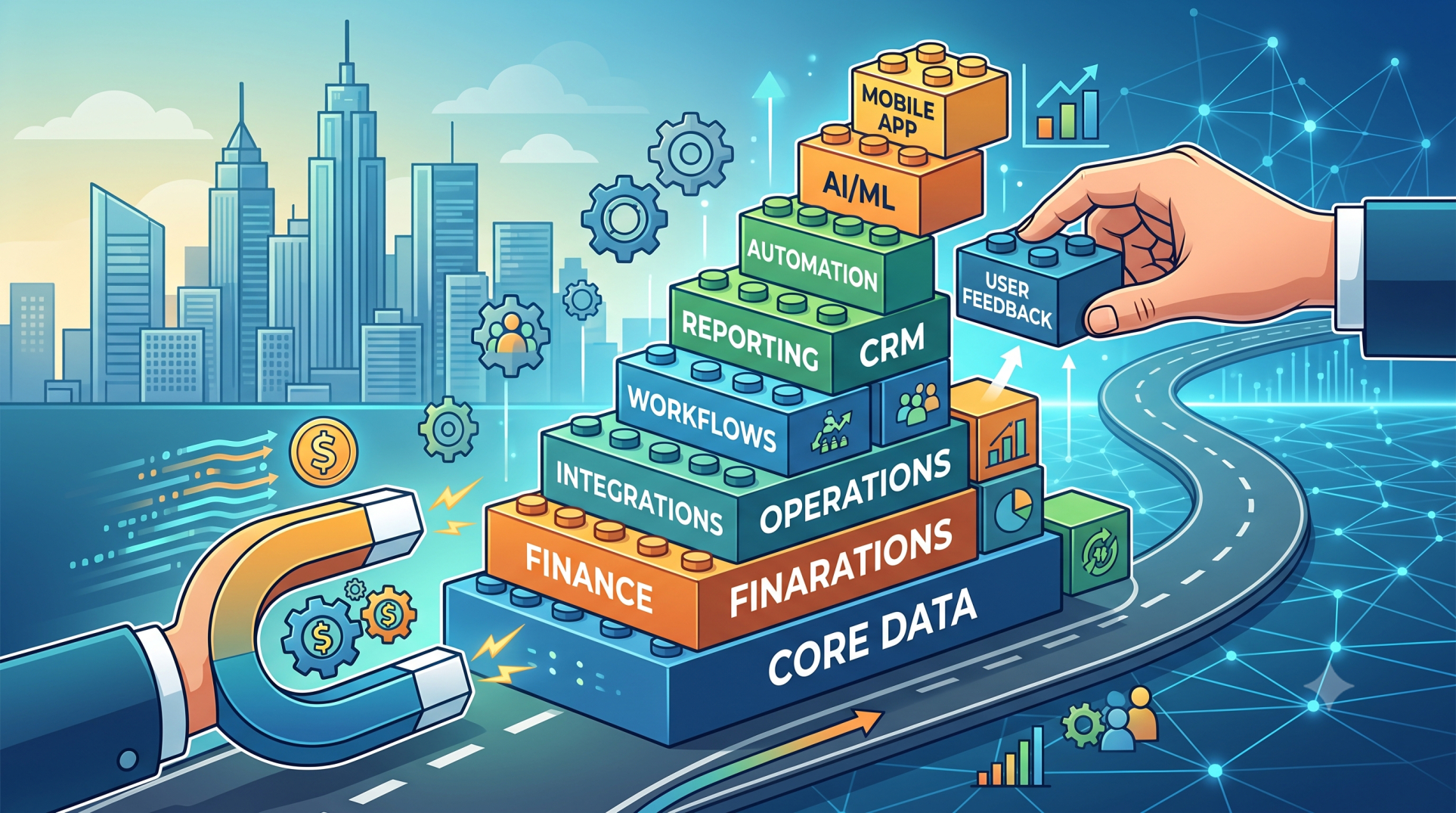
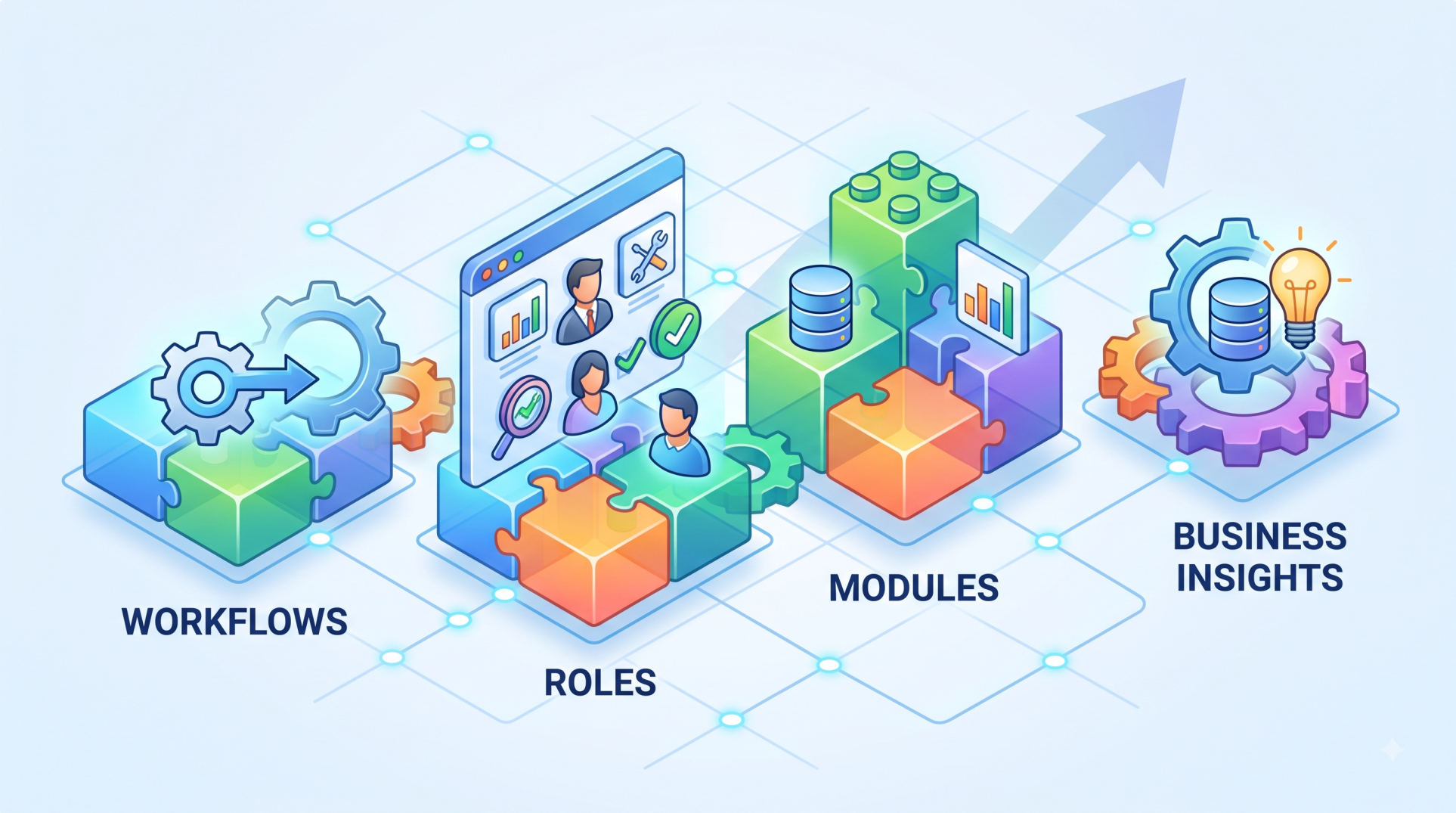
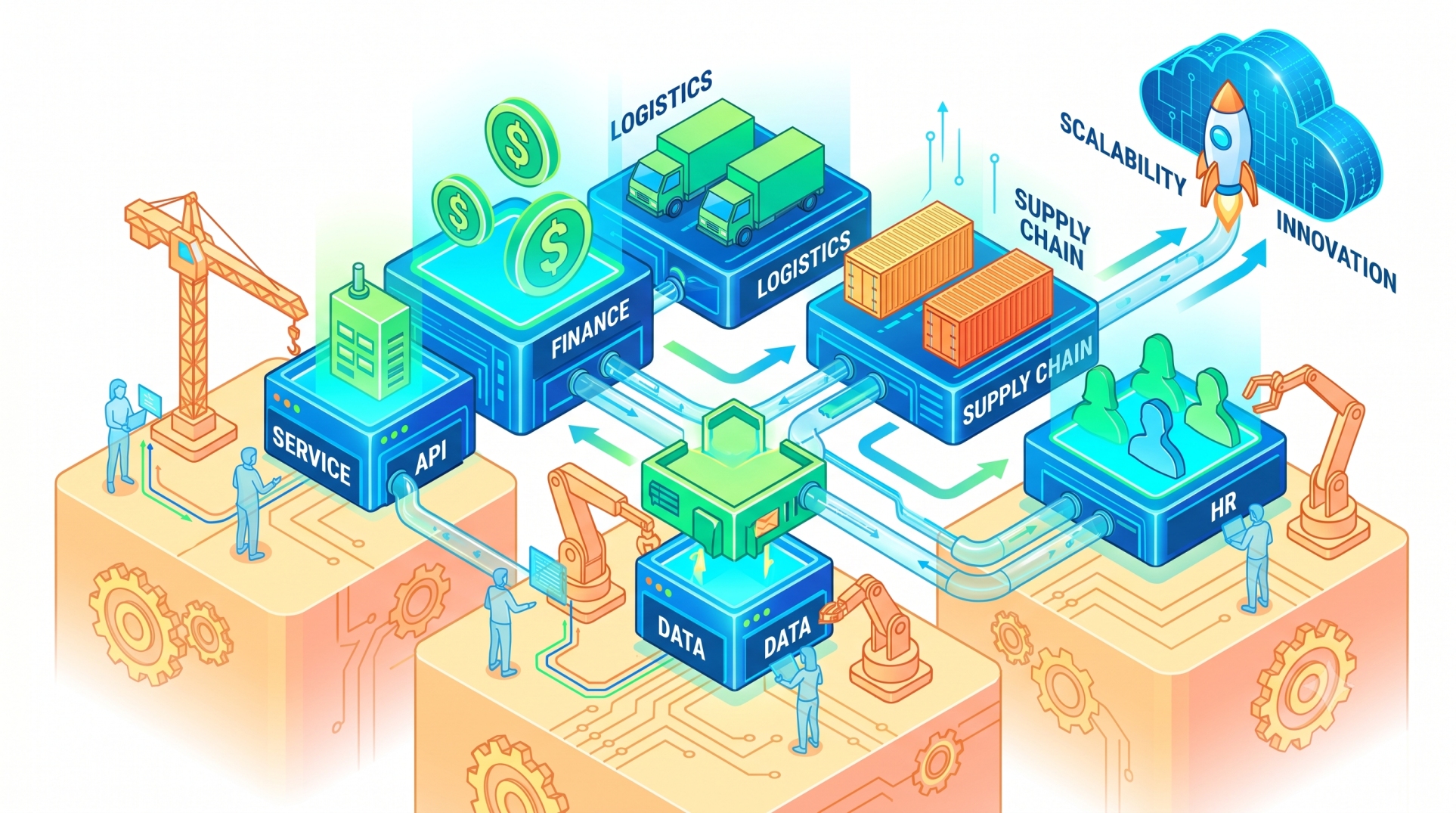
2. Modular and Service-Oriented Design 🧱
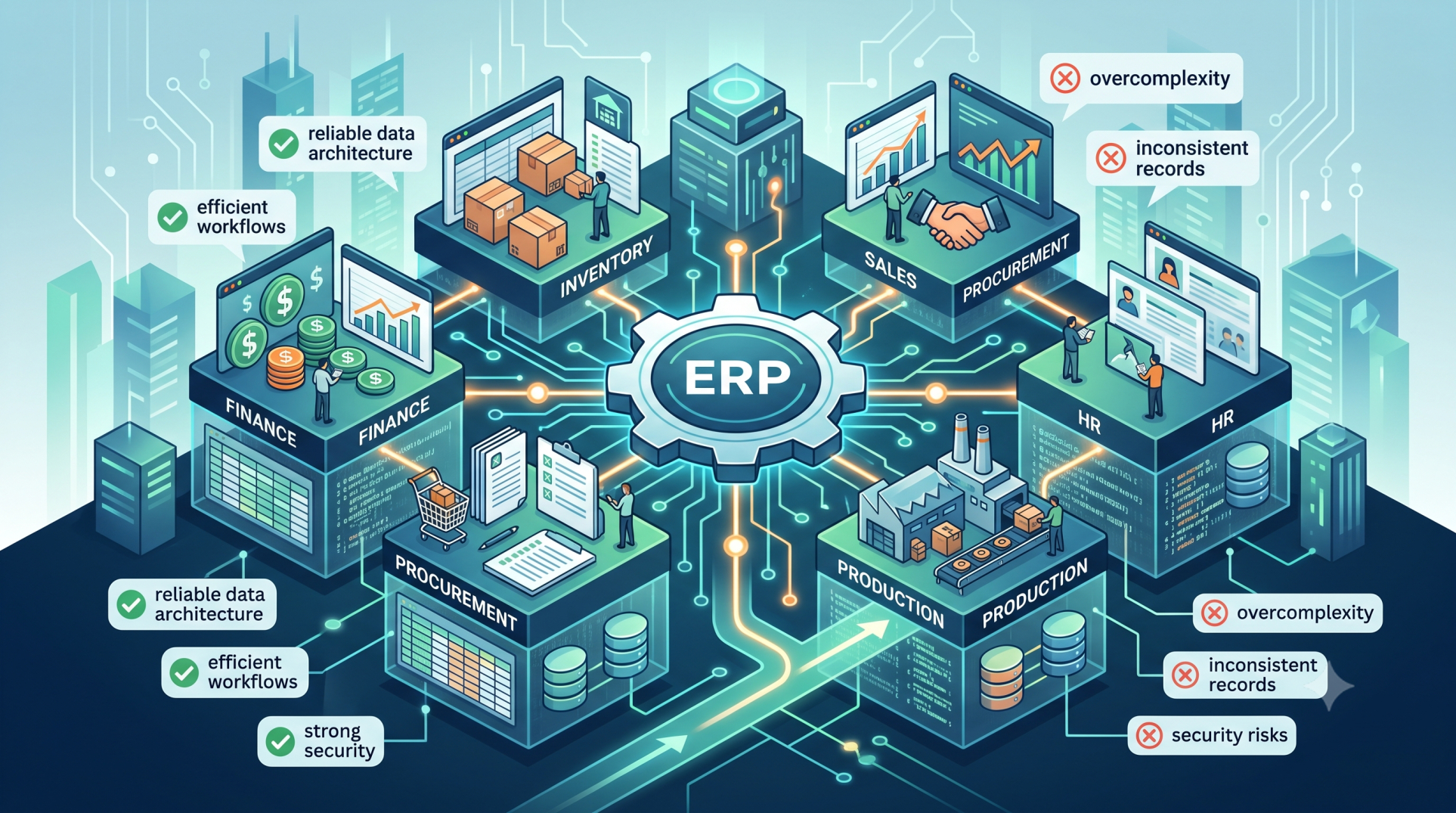
• Breaks ERP functionality into independent modules 🧩
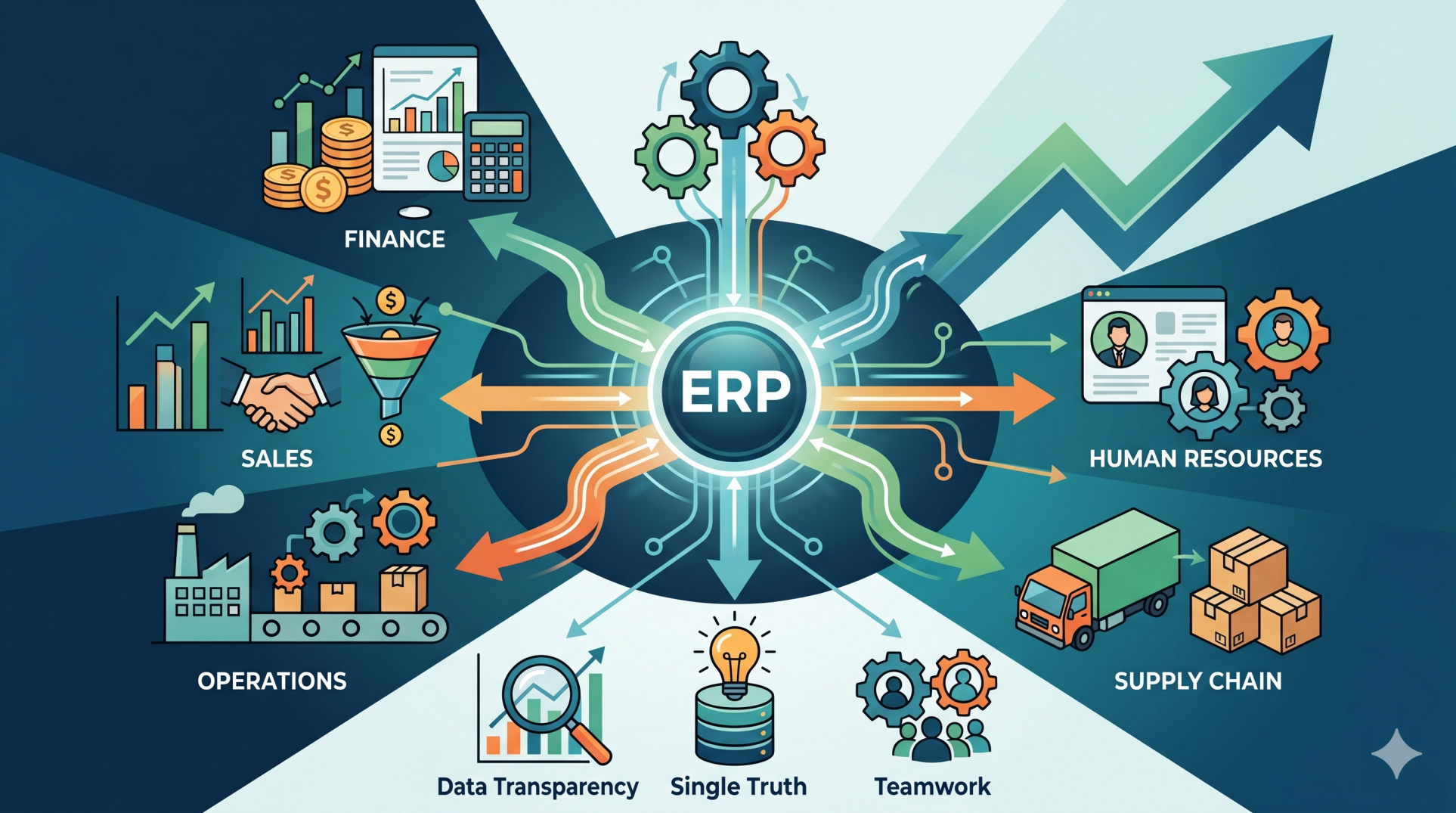
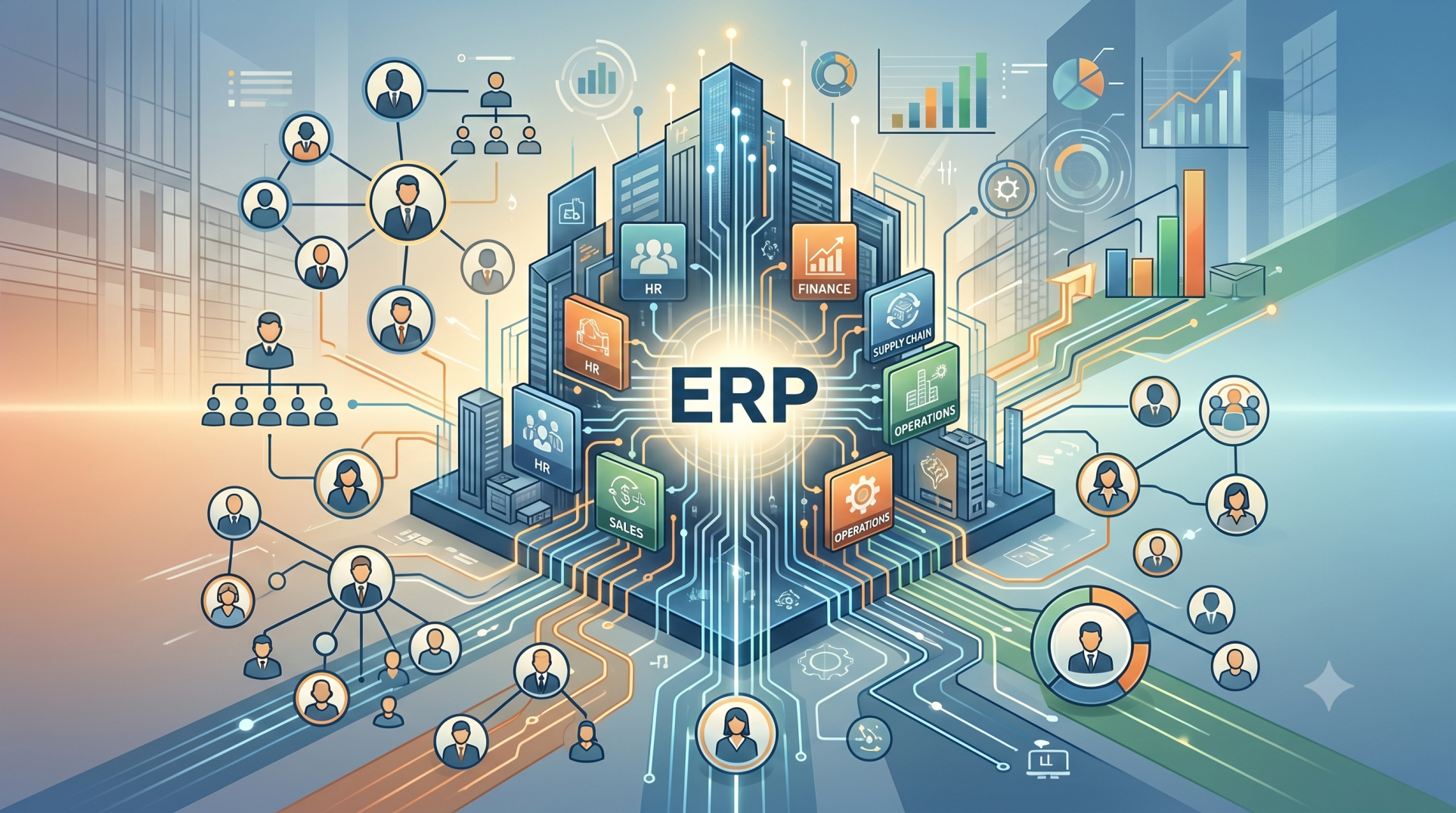
• Covers areas such as finance, HR, supply chain, sales, and manufacturing 🏢
• Allows modules to function independently while remaining connected 🔄
• Enables easy addition of new capabilities ➕
• Simplifies updates and customization ⚙️
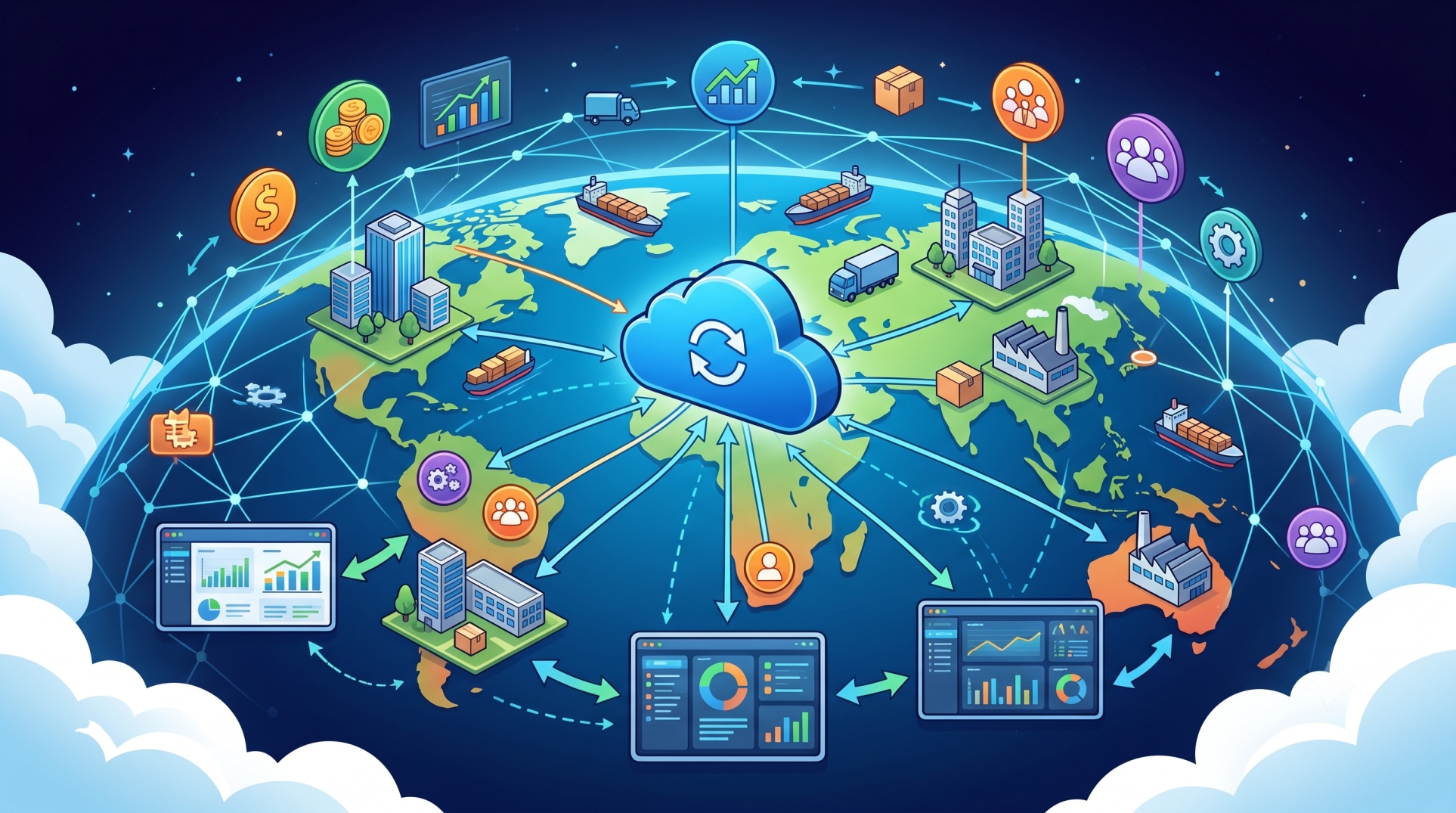
3. Cloud-Native Infrastructure ☁️
• Runs on cloud platforms instead of on-premise servers 🌐
• Uses modern technologies like containers and orchestration 📦
• Automatically scales based on usage demand 📈
• Ensures high availability and system resilience 🔁
• Lowers infrastructure and maintenance costs 💰
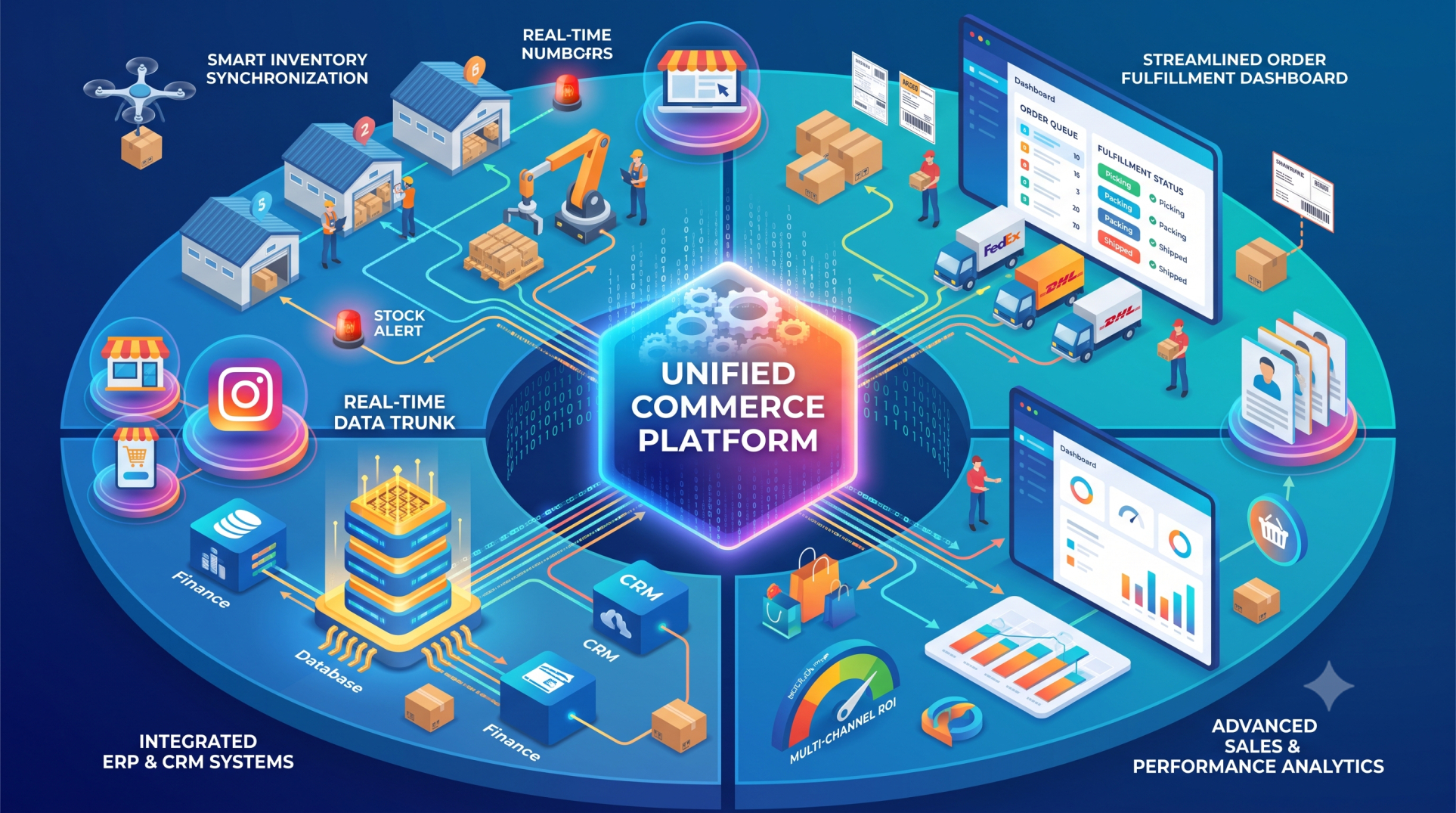
4. API-First Integration Layer 🔌
• Exposes ERP functions through APIs 🔗
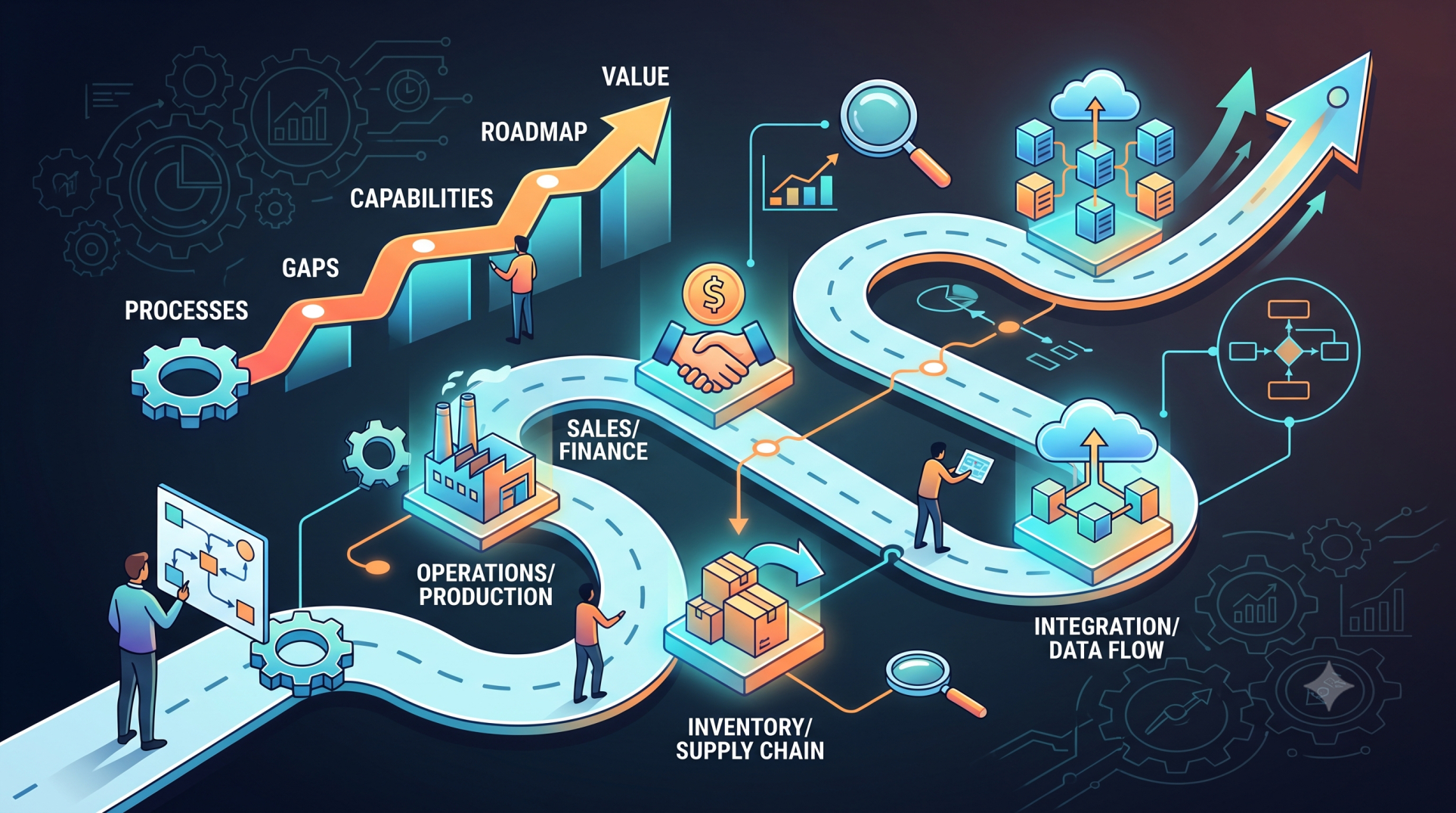
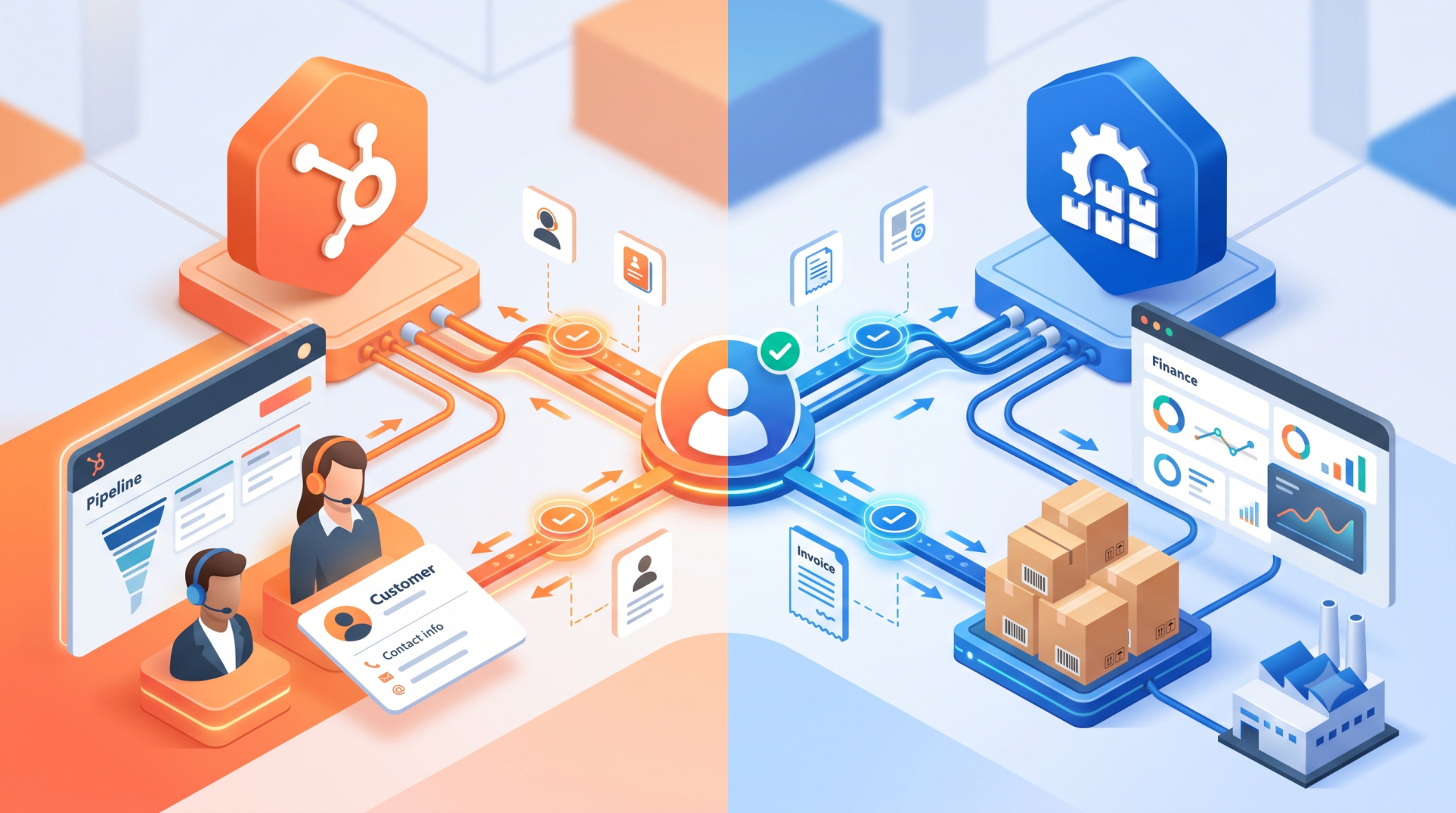
• Supports smooth integration with external systems 🤝
• Connects with CRM, WMS, MES, and e-commerce platforms 🛒
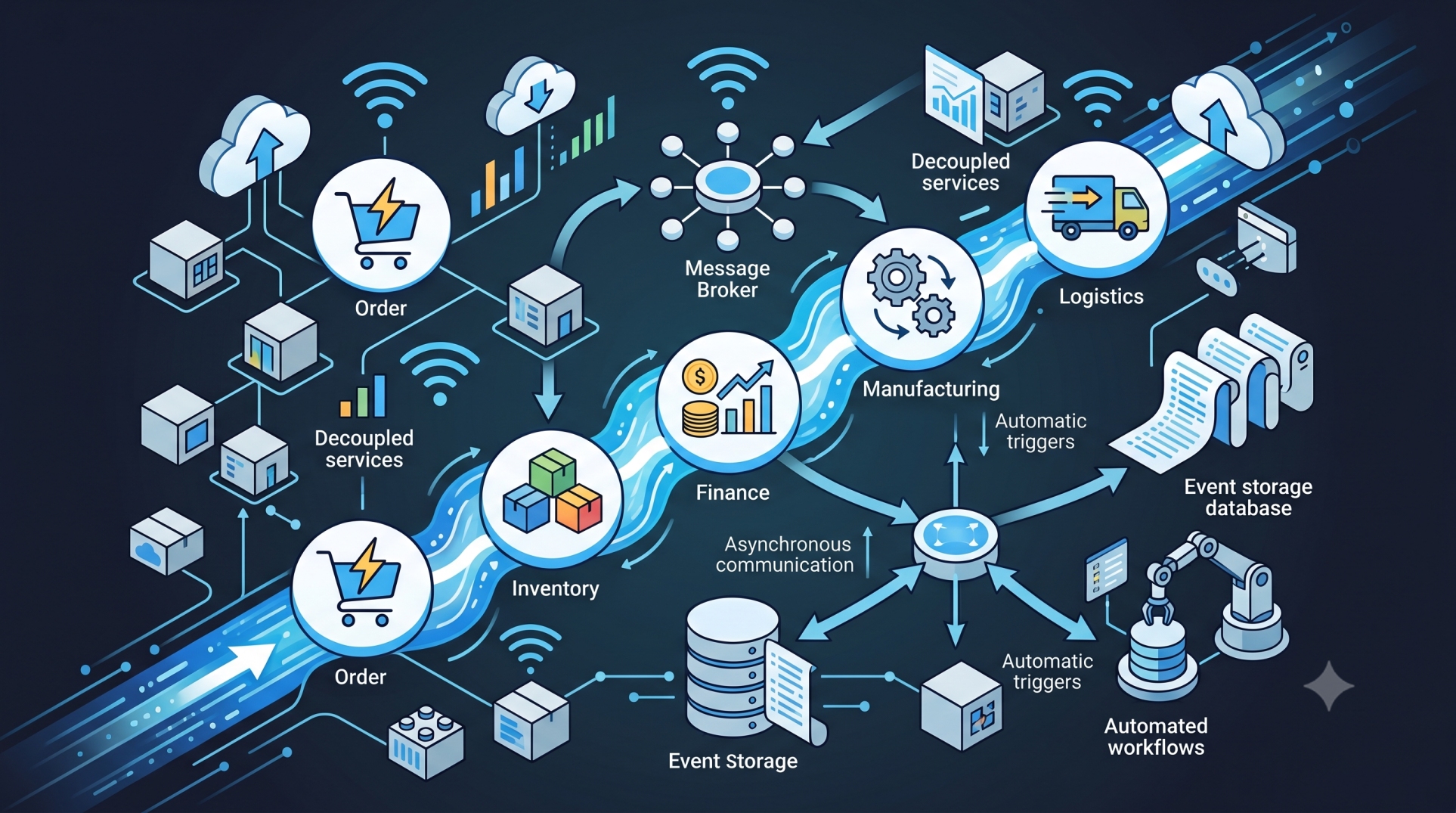
• Enables event-driven data exchange ⚡
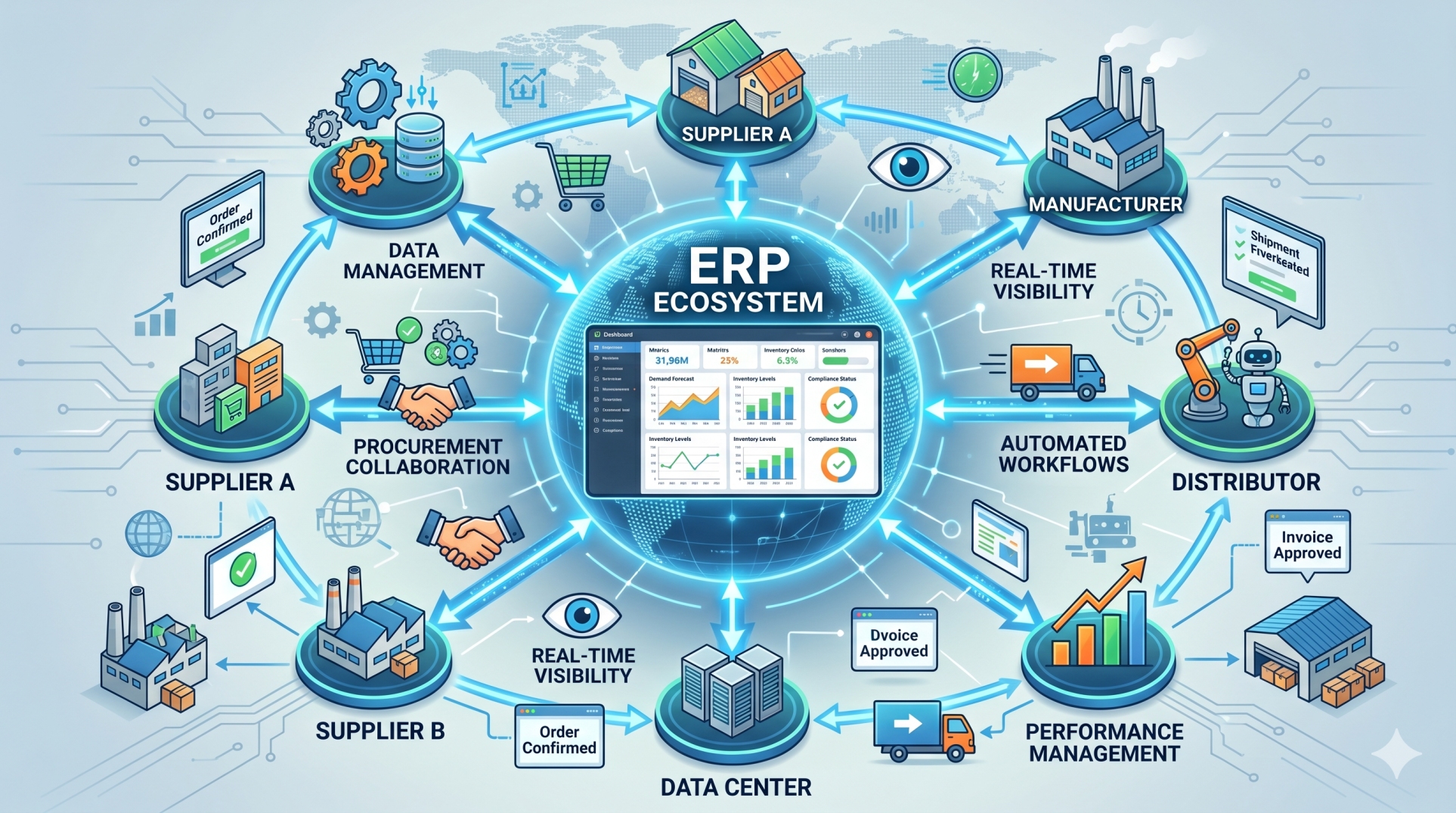
• Creates a connected and flexible digital ecosystem 🌍
5. Centralized Data Management Layer 🗄️
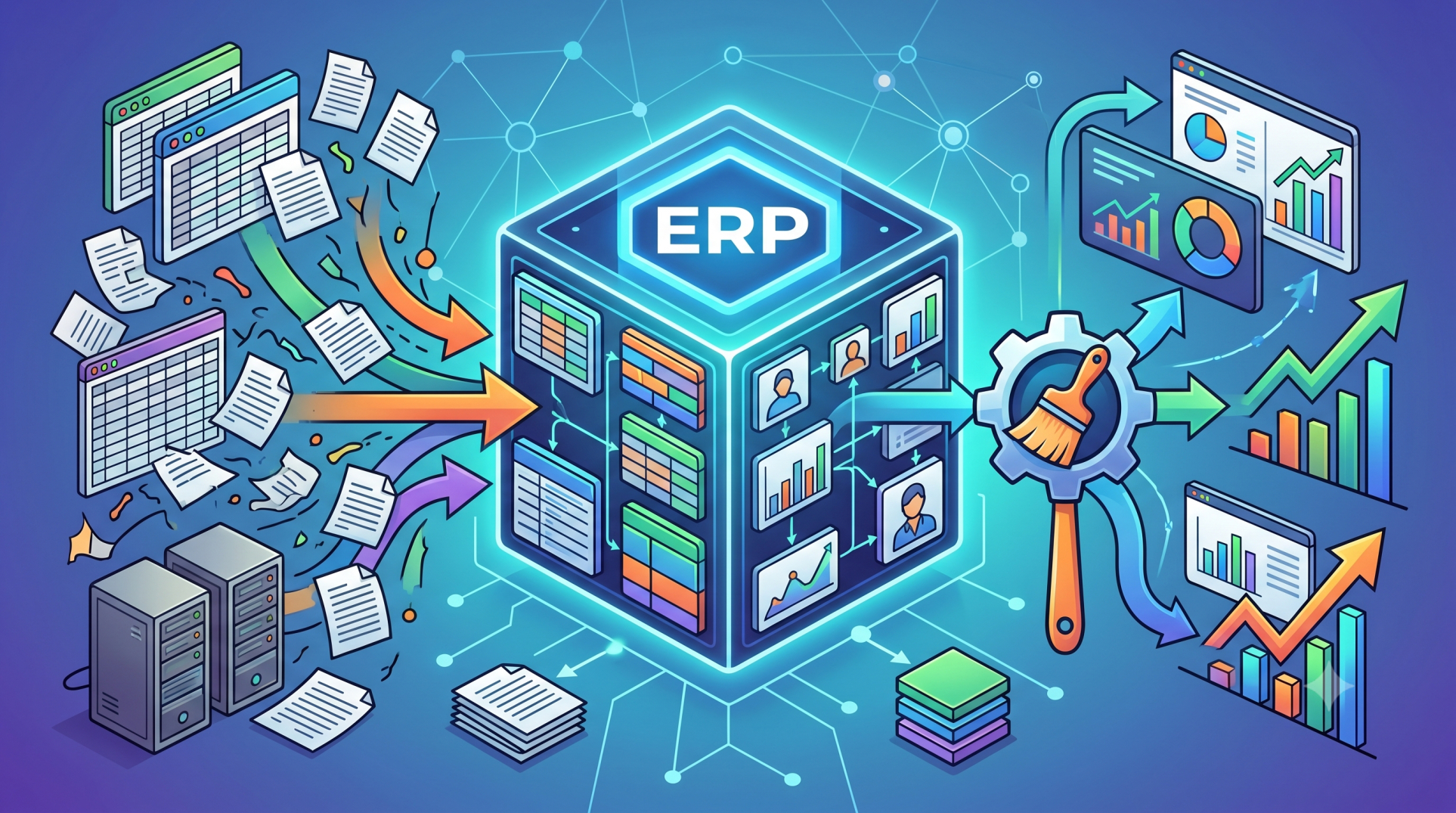
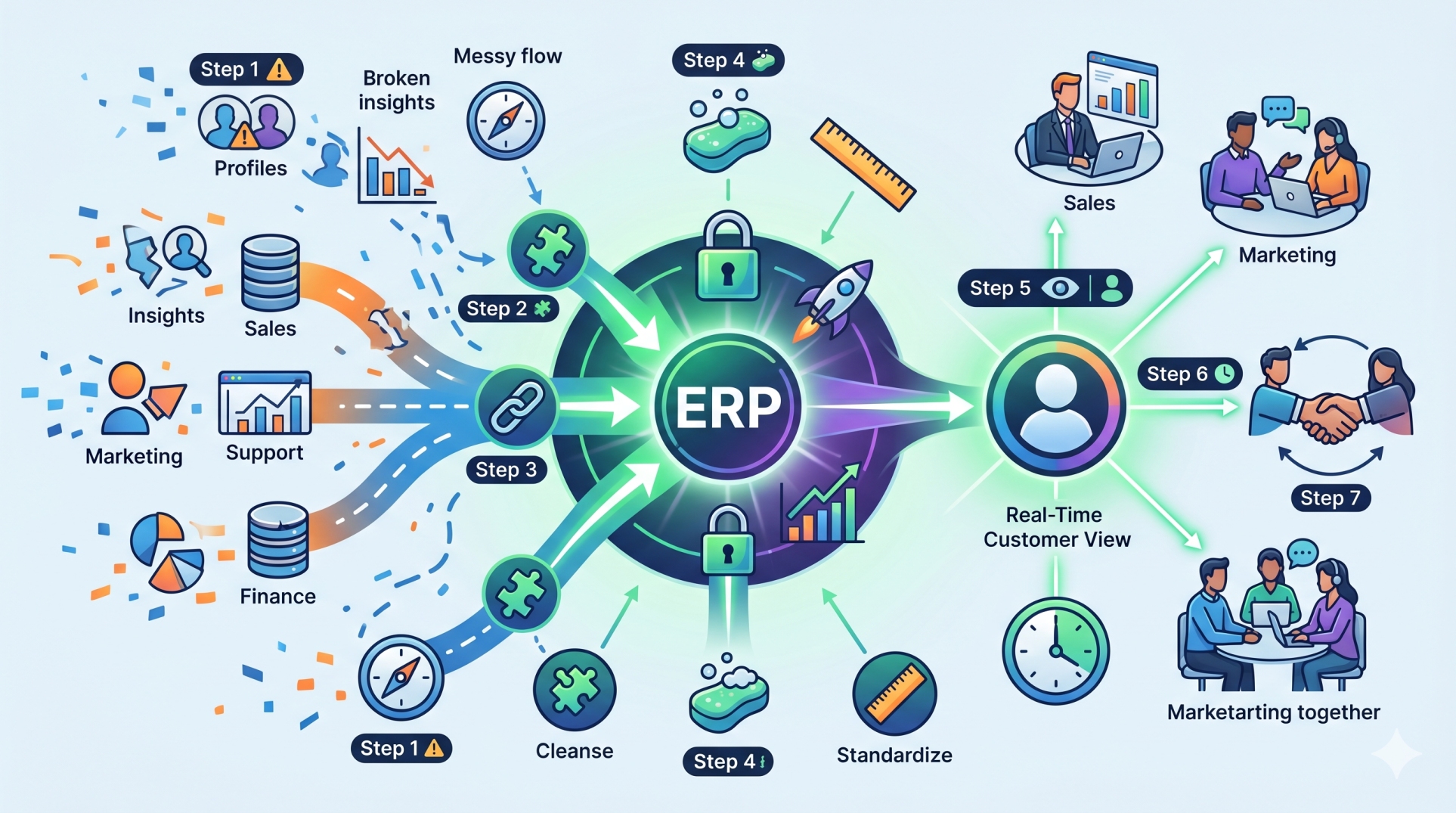
• Maintains a single, reliable source of business data 📌
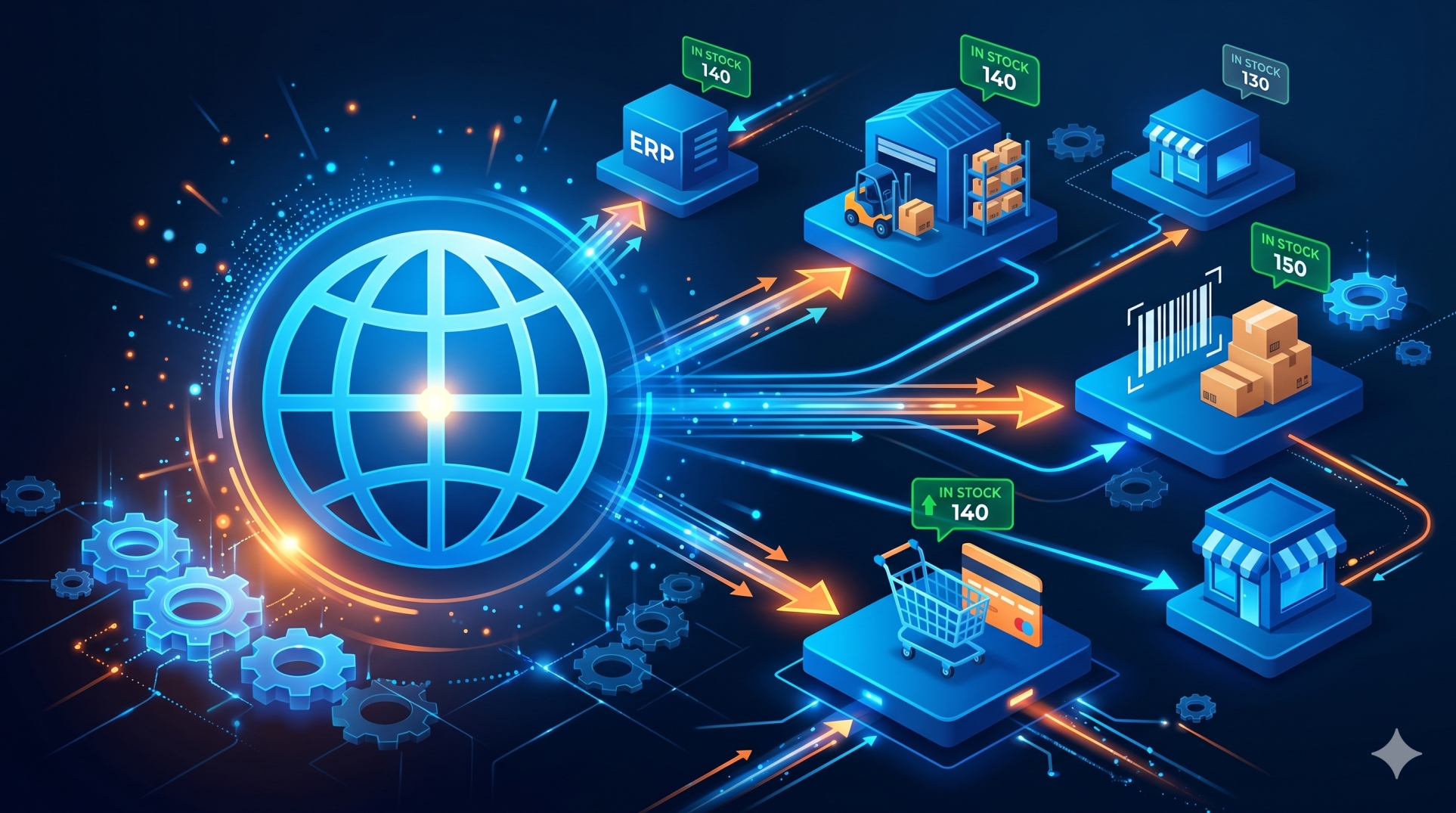
• Synchronizes data in real time across all modules 🔄
• Uses a combination of relational and modern databases 🧠
• Ensures data accuracy and consistency ✅
• Supports enterprise-wide reporting and analytics 📊
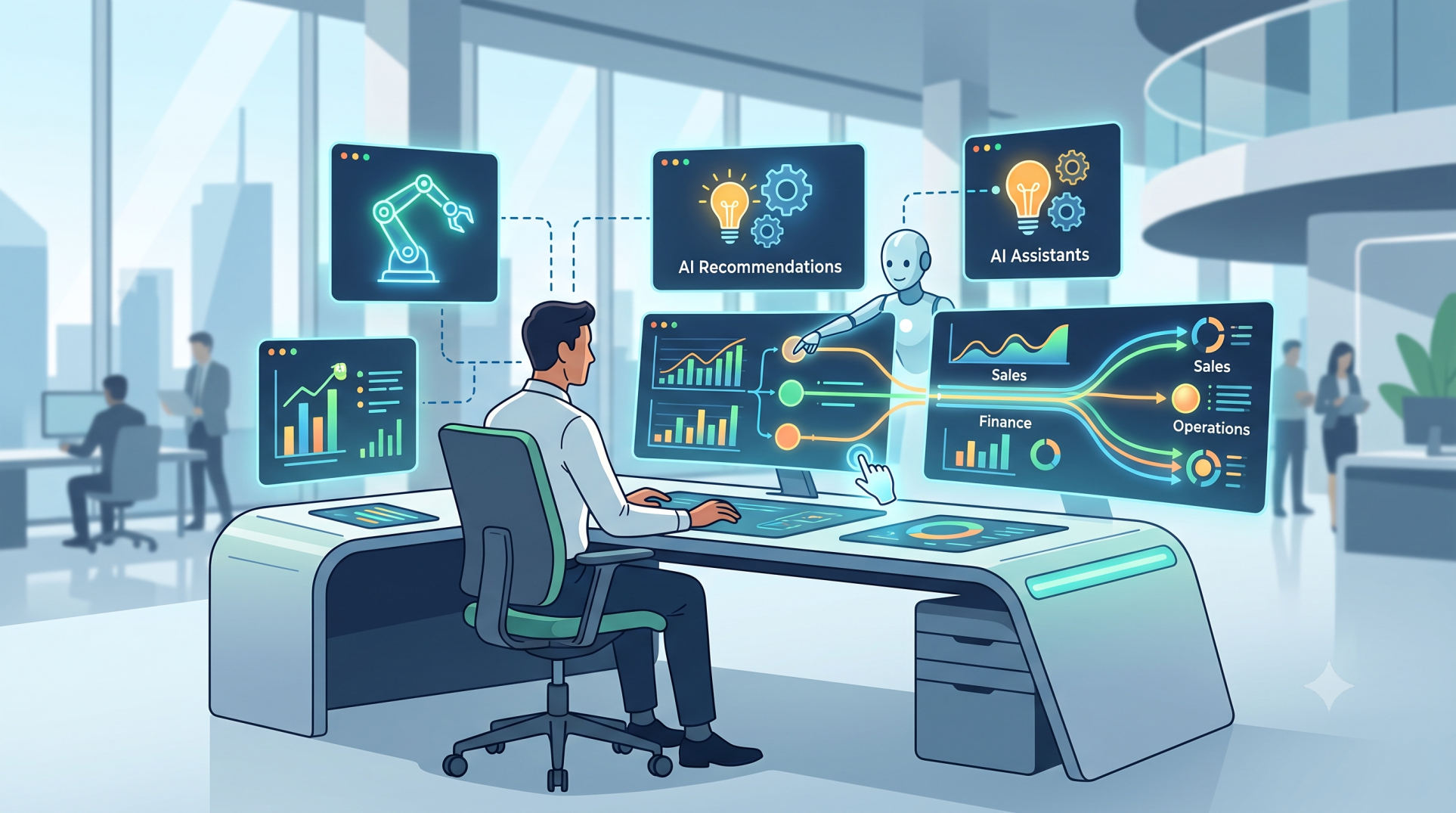
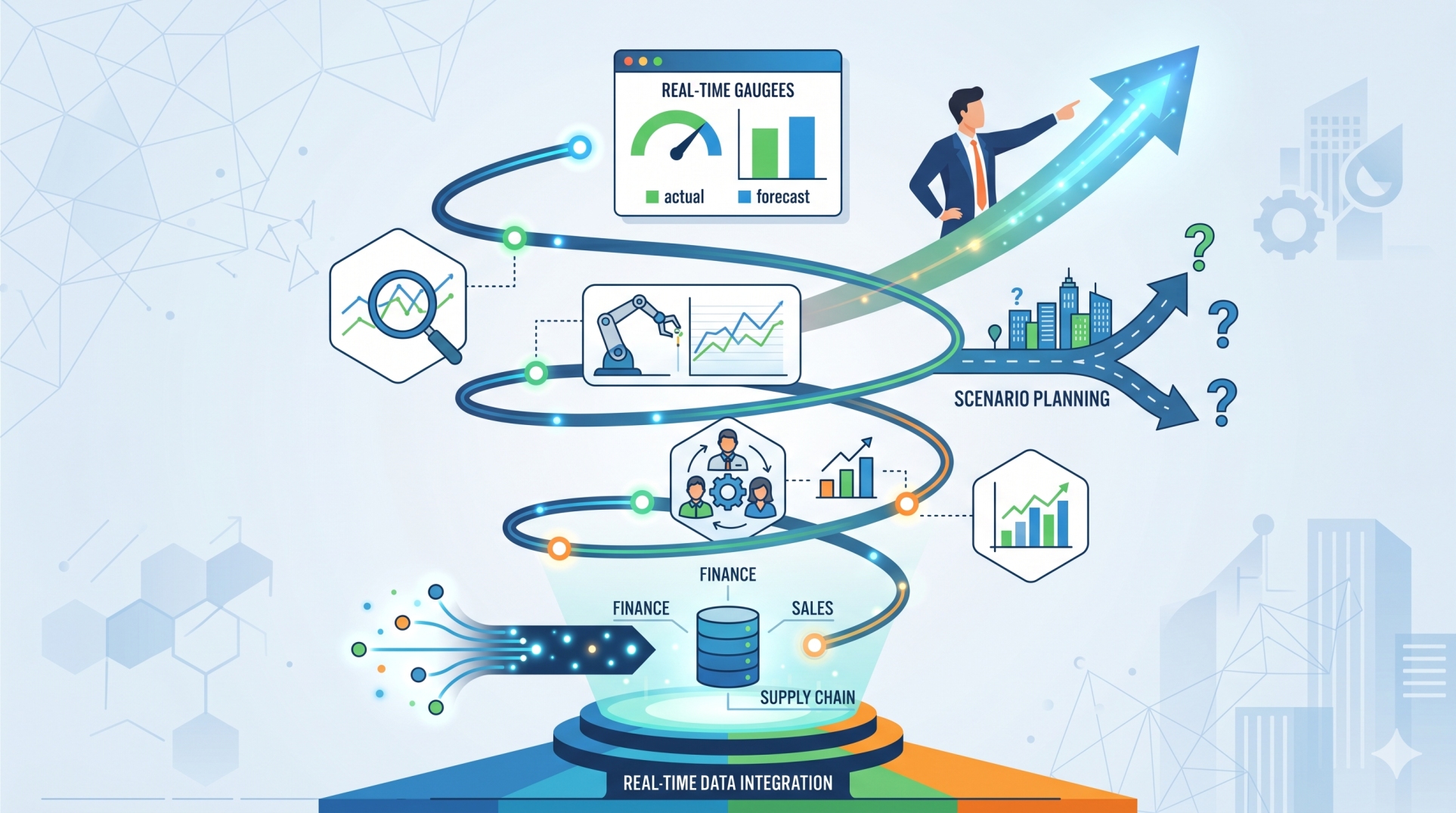
7. Real-Time Analytics and Reporting Engine 📊
• Processes transactional data instantly ⚡
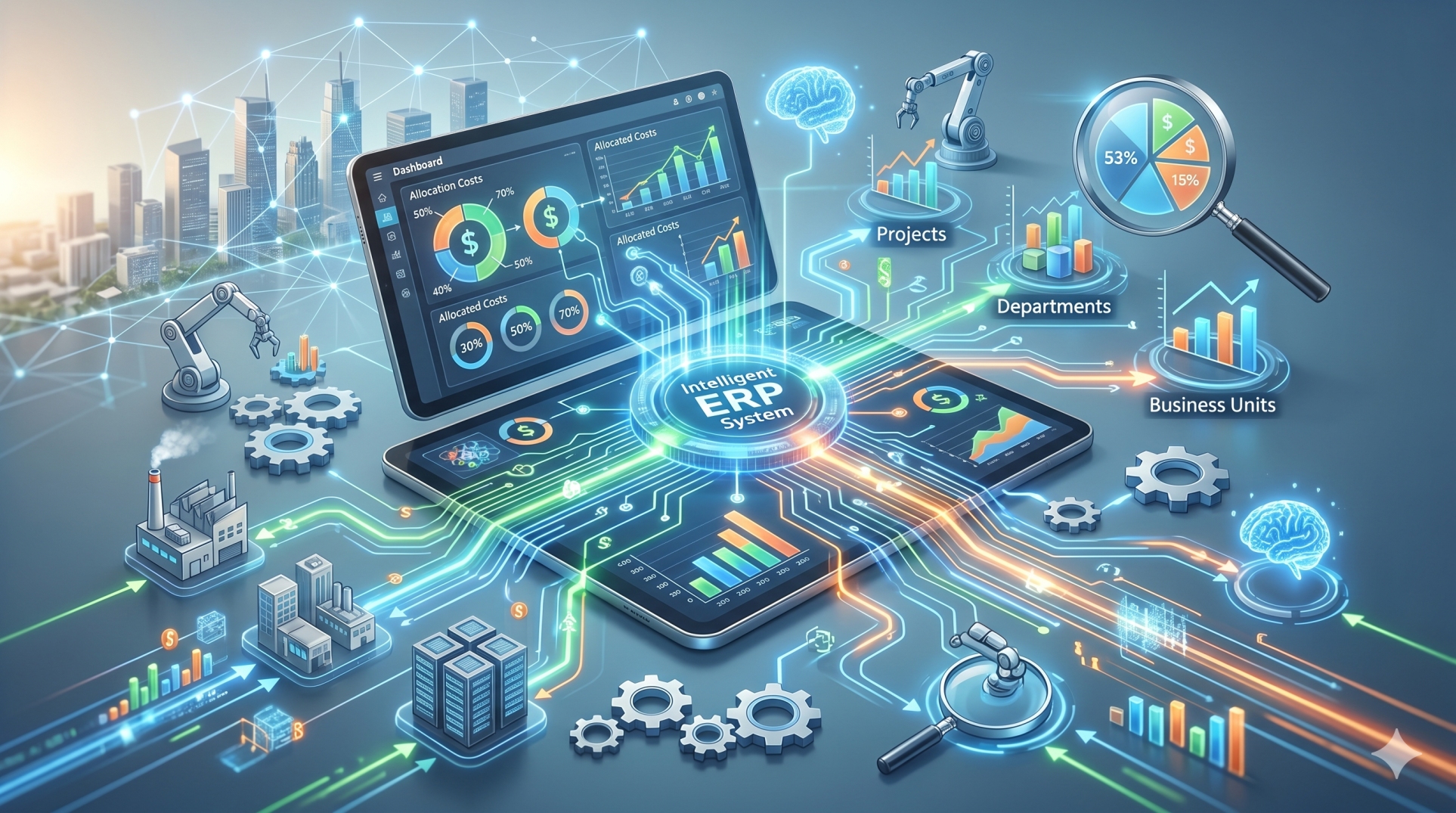
• Delivers live dashboards and key performance indicators 📈
• Supports both operational and strategic reporting 🧭
• Enables faster, data-driven decisions 🧠
• Reduces reliance on external reporting tools 🛠️
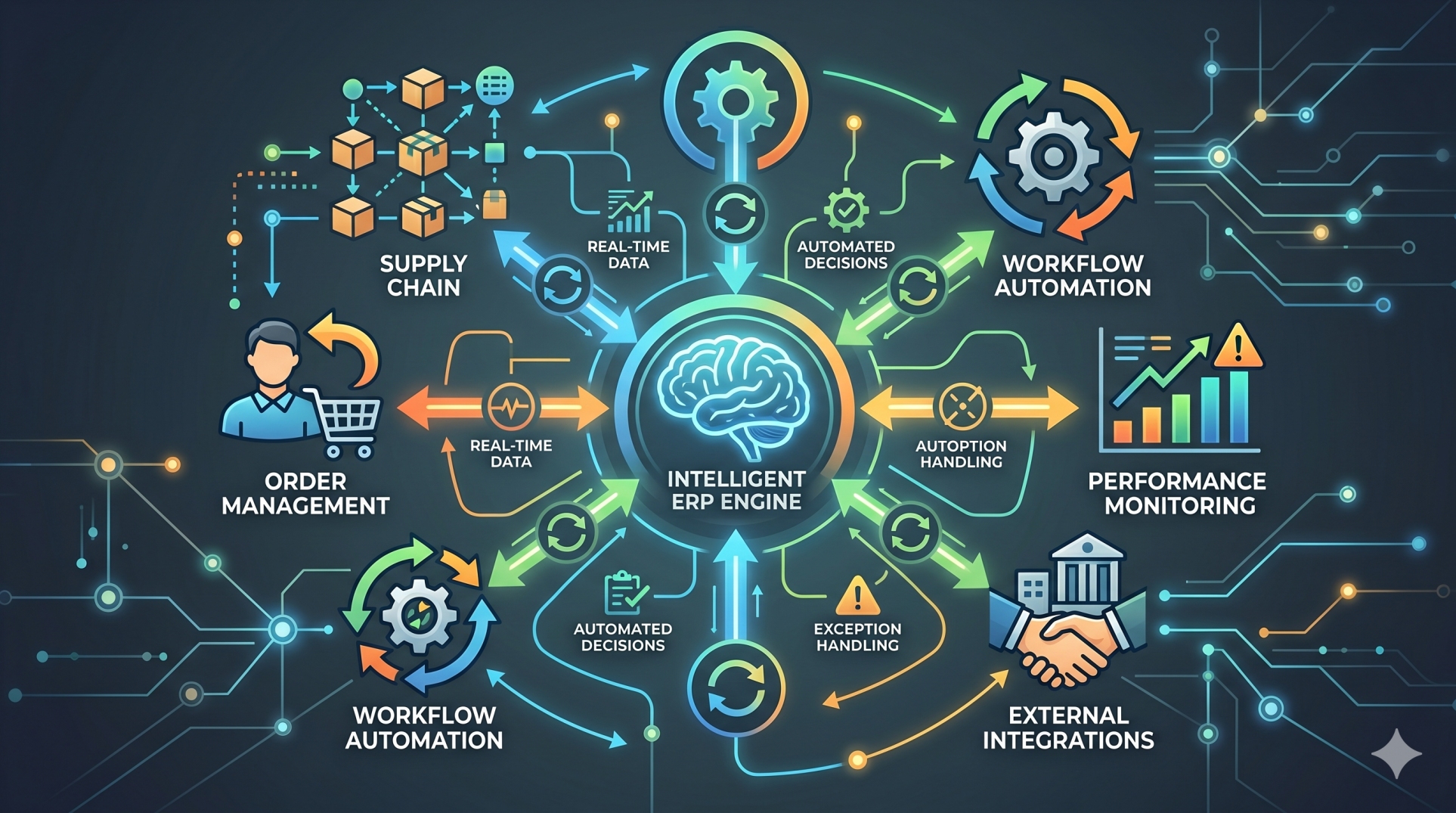
8. Embedded Automation and Workflow Engine 🤖
• Automates approvals, notifications, and transactions 🔄
• Supports configurable and reusable workflows 🧩
• Minimizes manual work and human error ❌
• Ensures consistent processes across departments 🏢
• Improves overall operational efficiency 🚀
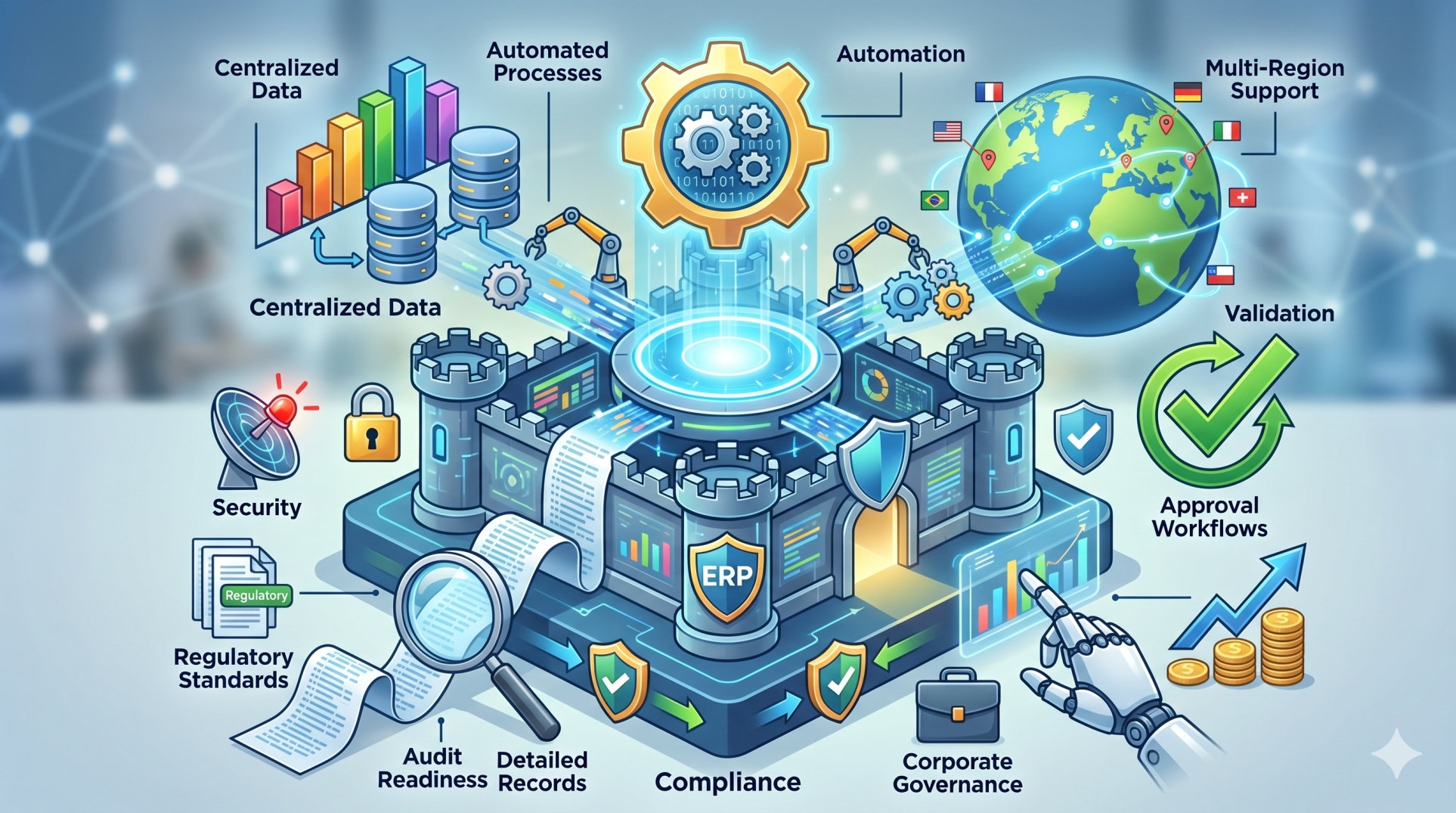
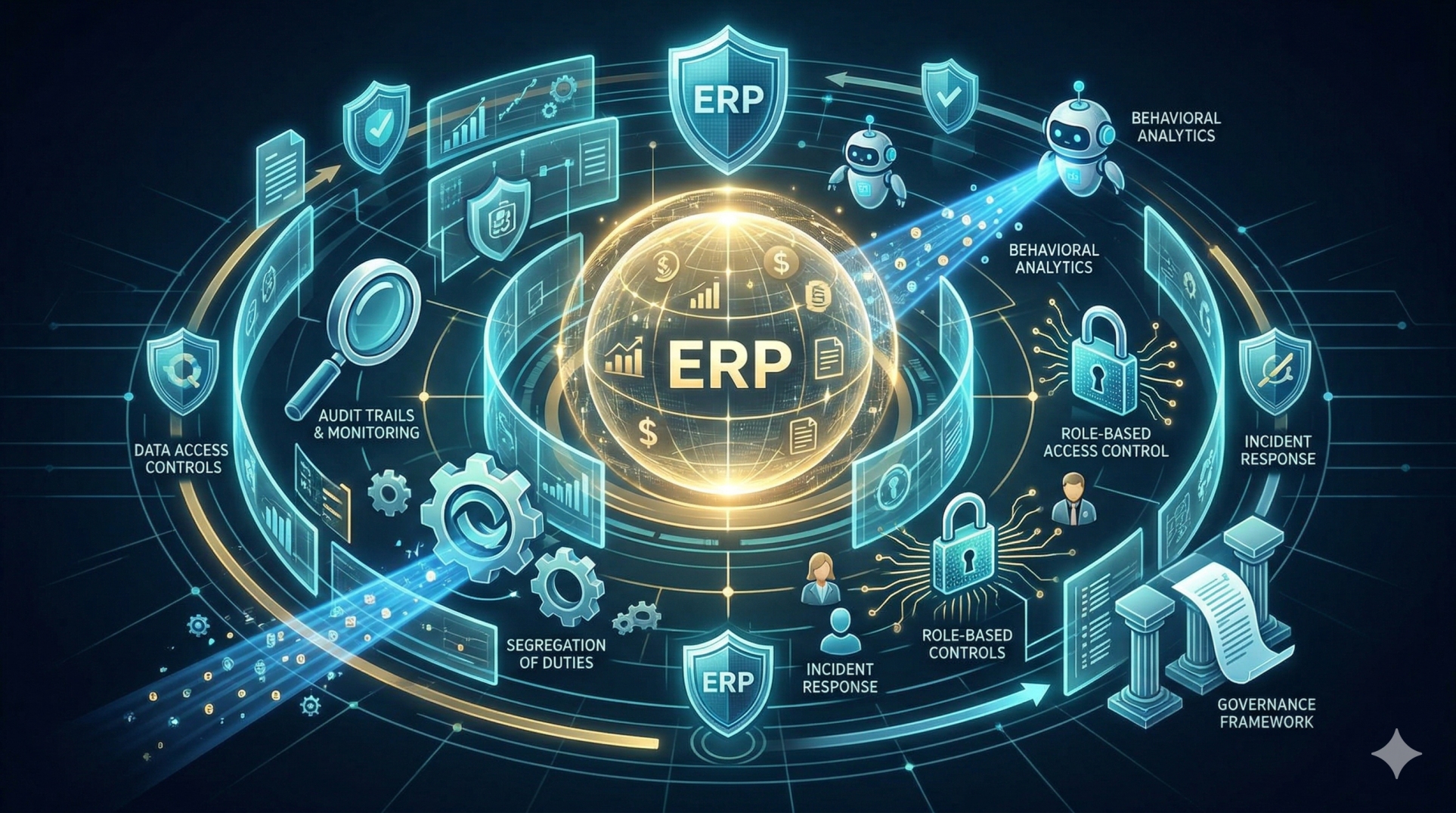
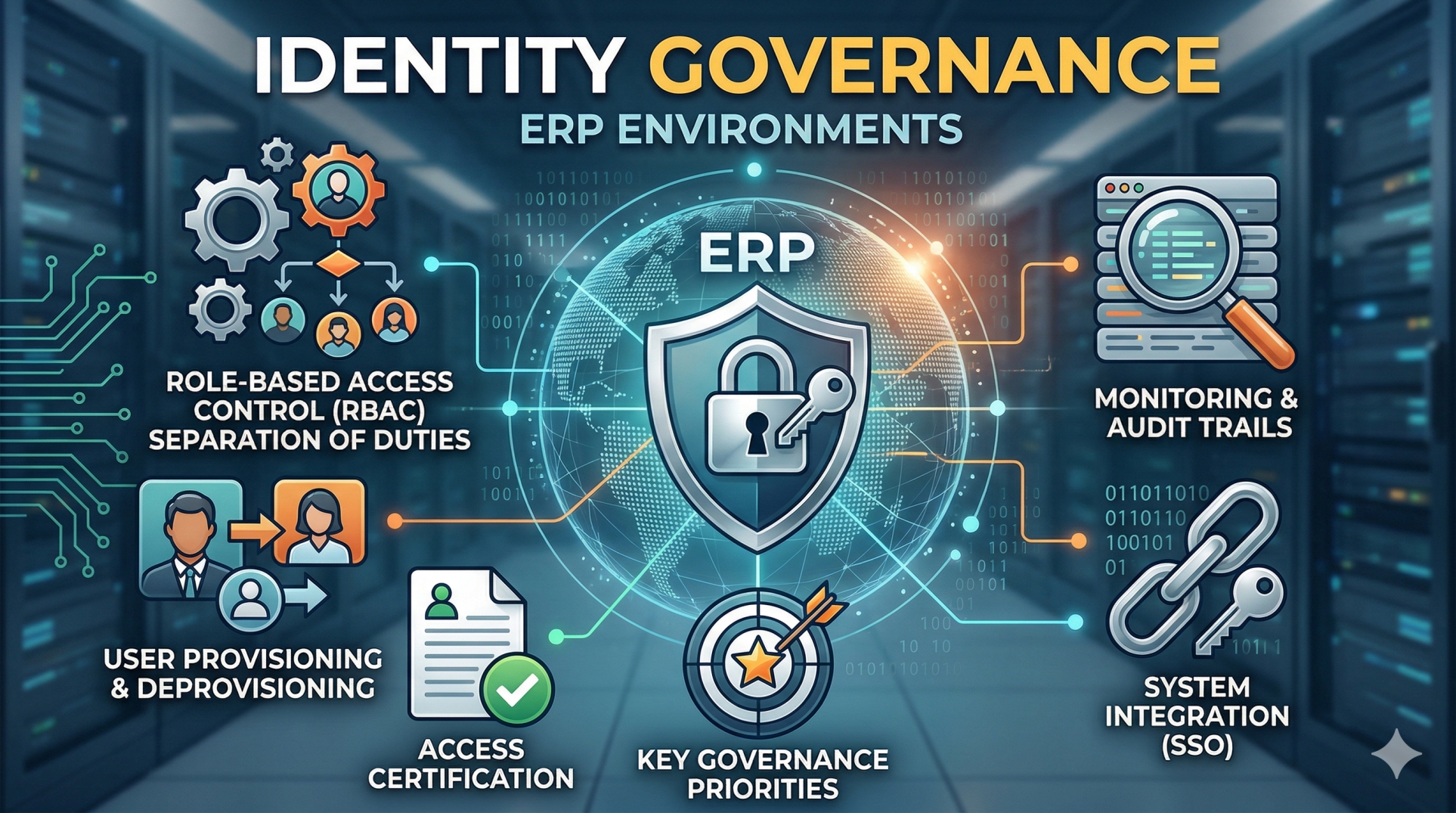
9. Security and Access Control Framework 🔐
• Implements role-based access permissions 👤
• Encrypts data at rest and in transit 🔒
• Maintains audit trails and compliance logs 📜
• Protects sensitive enterprise information 🛡️
• Aligns with global security and compliance standards 🌐
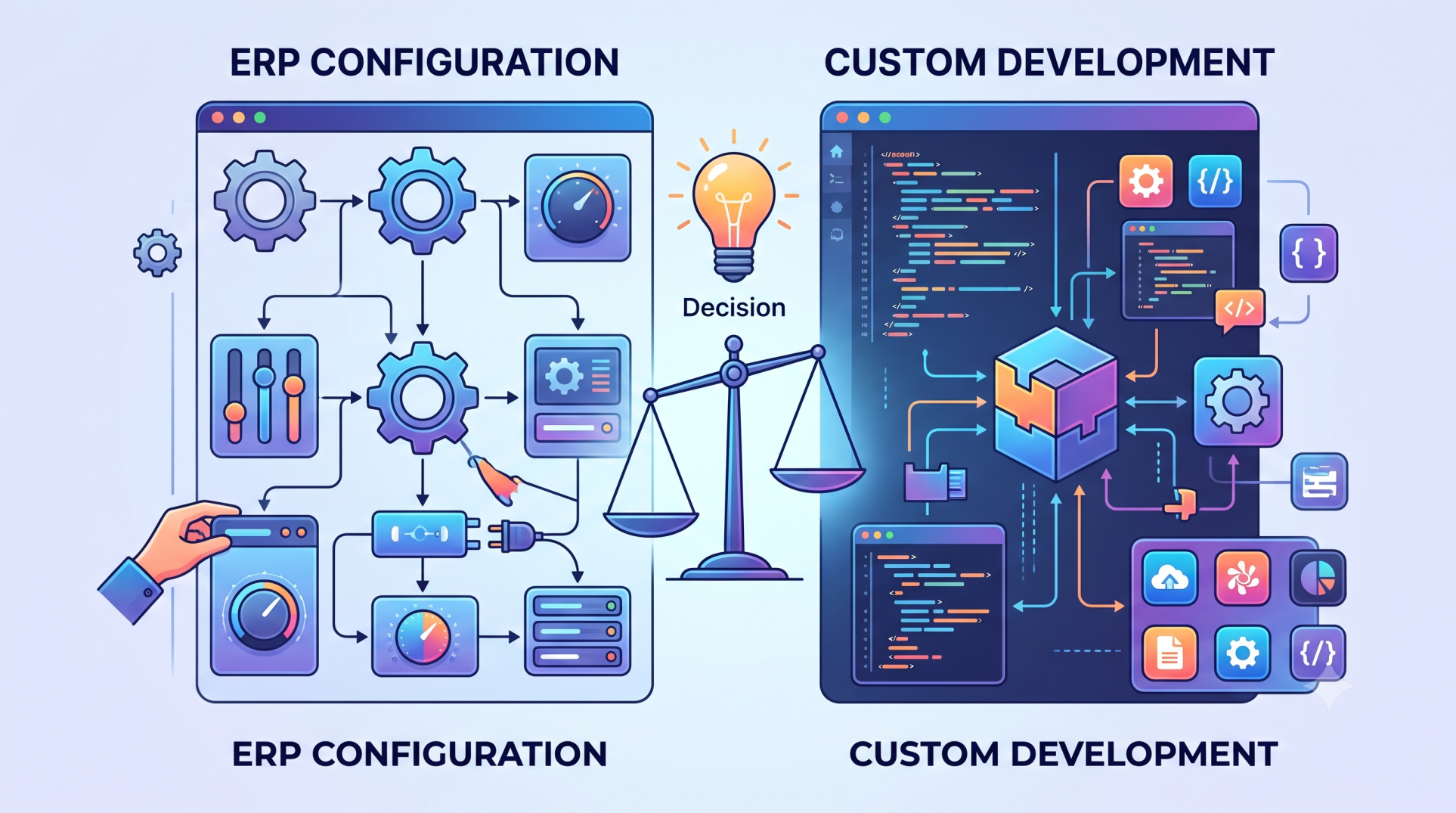
10. Extensibility and Customization Capabilities 🛠️
• Allows configuration without deep system changes ⚙️
• Supports low-code and no-code extensions 🧩
• Enables custom business logic and user interface changes 🎨
• Preserves smooth upgrade paths 🔁
• Reduces long-term maintenance complexity 📉
11. Continuous Updates and DevOps Approach 🔄
• Uses automated CI/CD pipelines for regular releases 🚀
• Delivers updates with minimal disruption ⏱️
• Accelerates feature development and innovation 💡
• Improves system stability and performance 📈
• Keeps ERP aligned with evolving business requirements 🔧
Final Thoughts 🏁
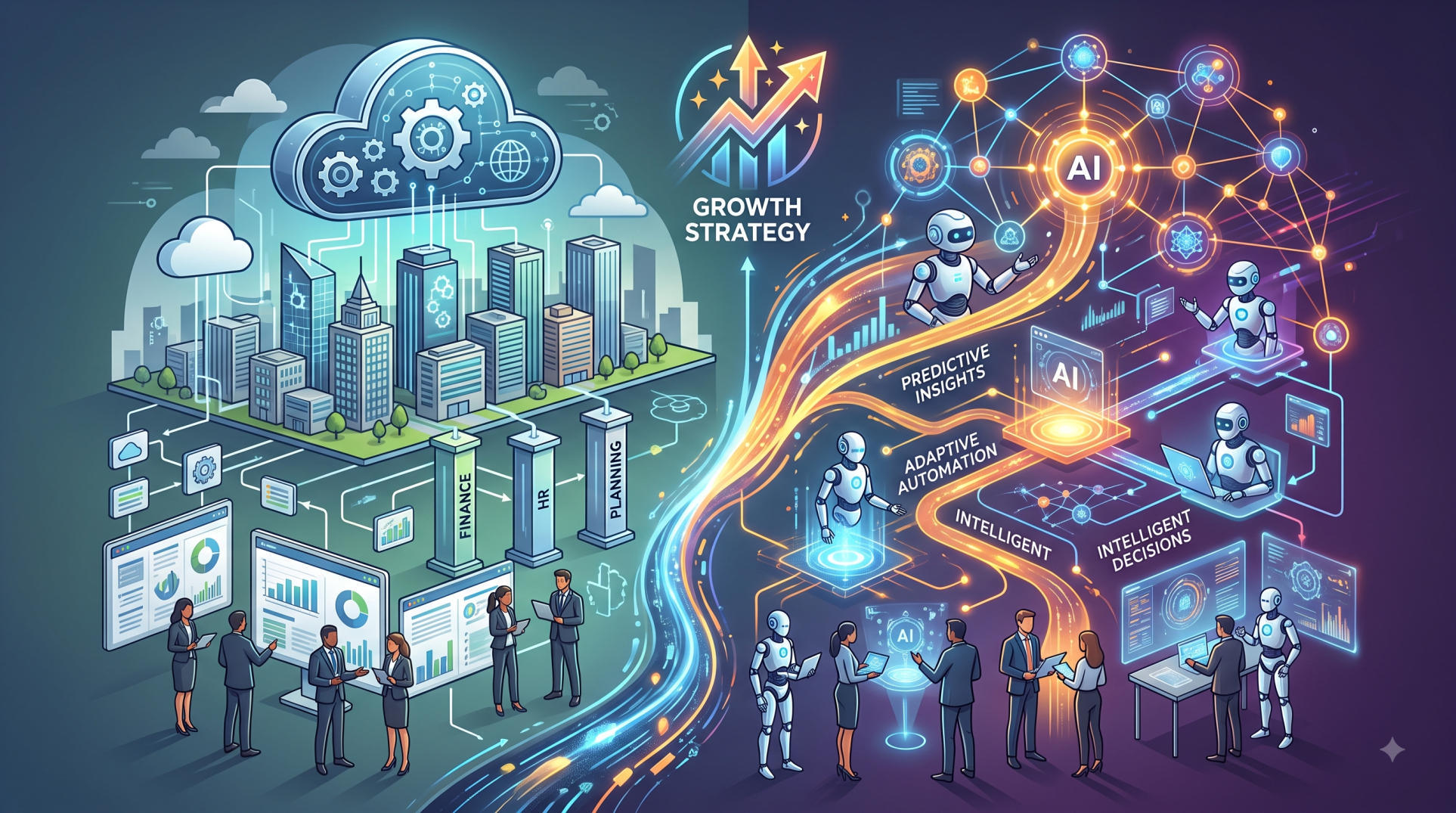
Modern ERP architecture is designed to support agility, integration, and continuous growth. By combining modular design, cloud-native infrastructure, real-time analytics, and strong security, today’s ERP systems can handle complex enterprise operations with speed and reliability. Understanding how modern ERP is architected helps organizations select future-ready platforms that support long-term digital transformation and business success. 🌍
See more blogs
You can all the articles below