How ERP Transforms Business Data into Insights

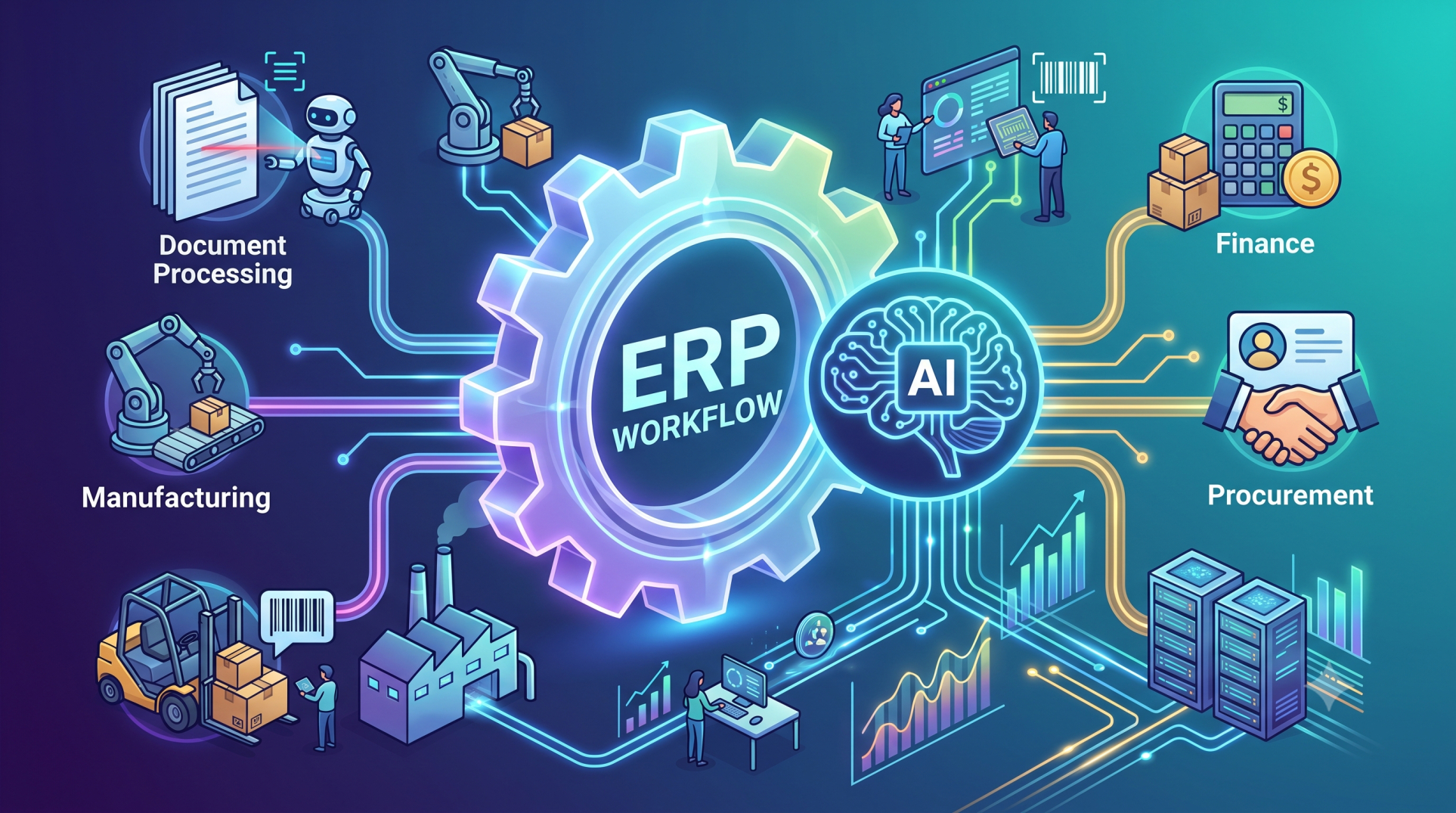
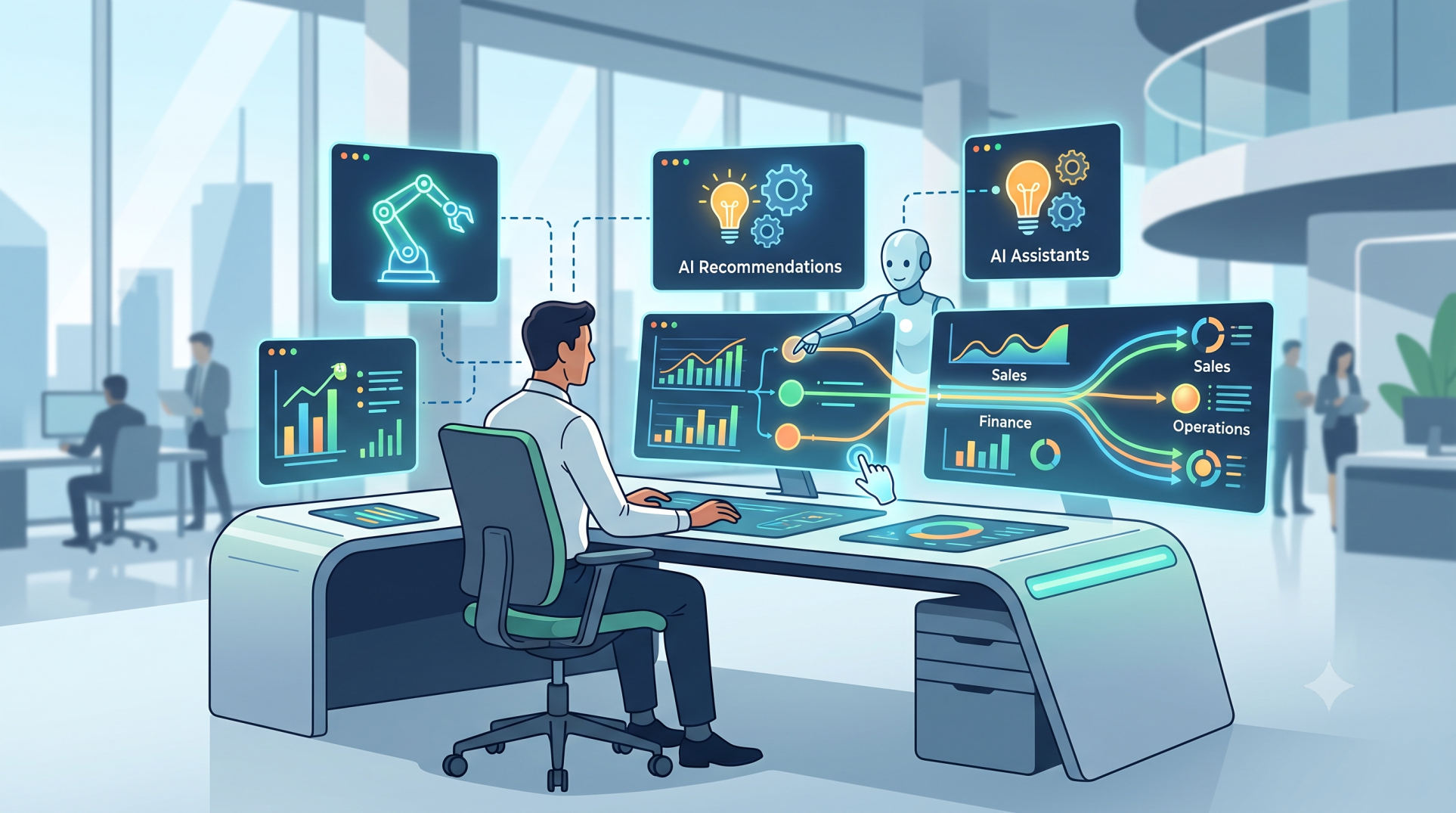
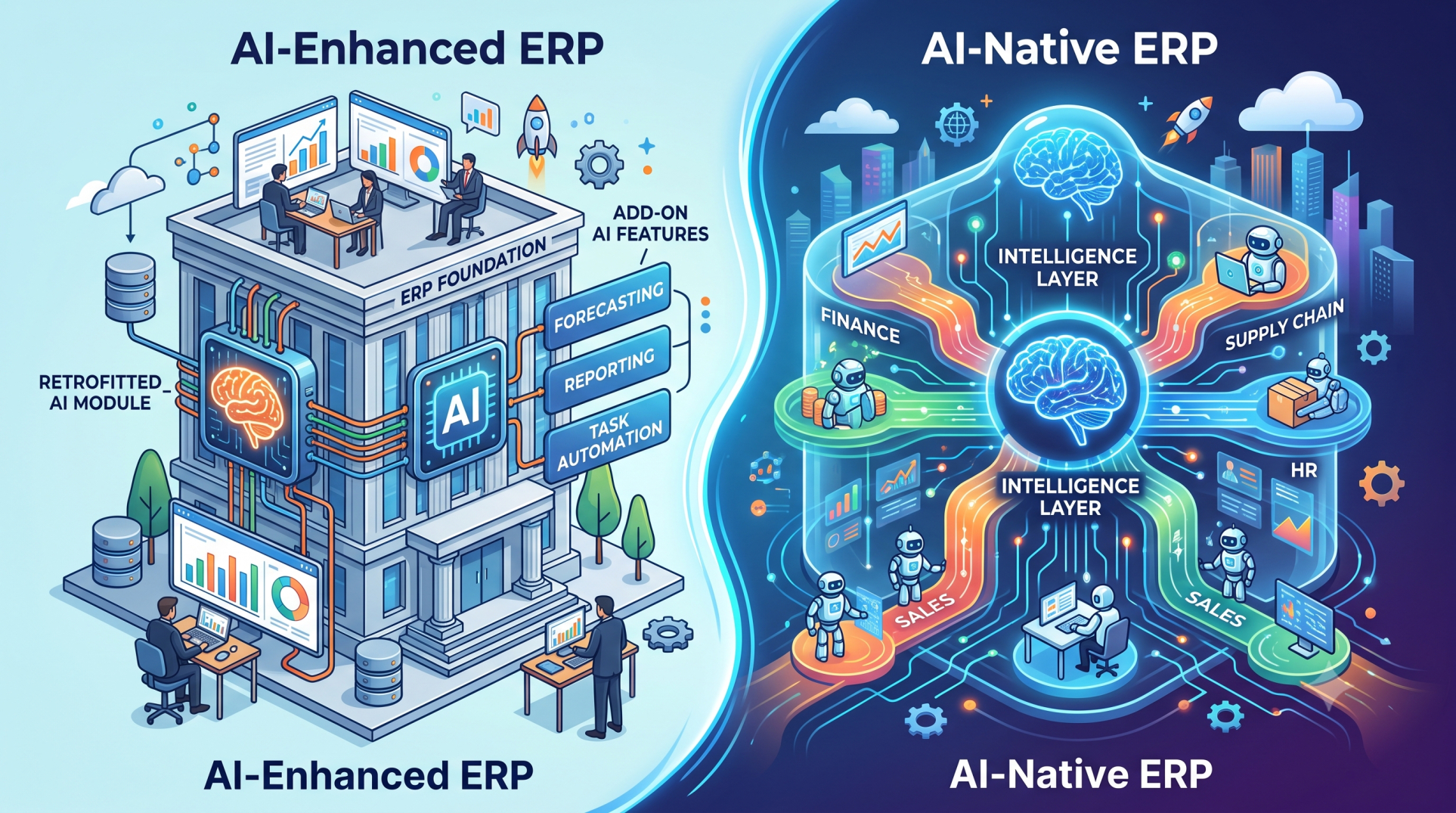
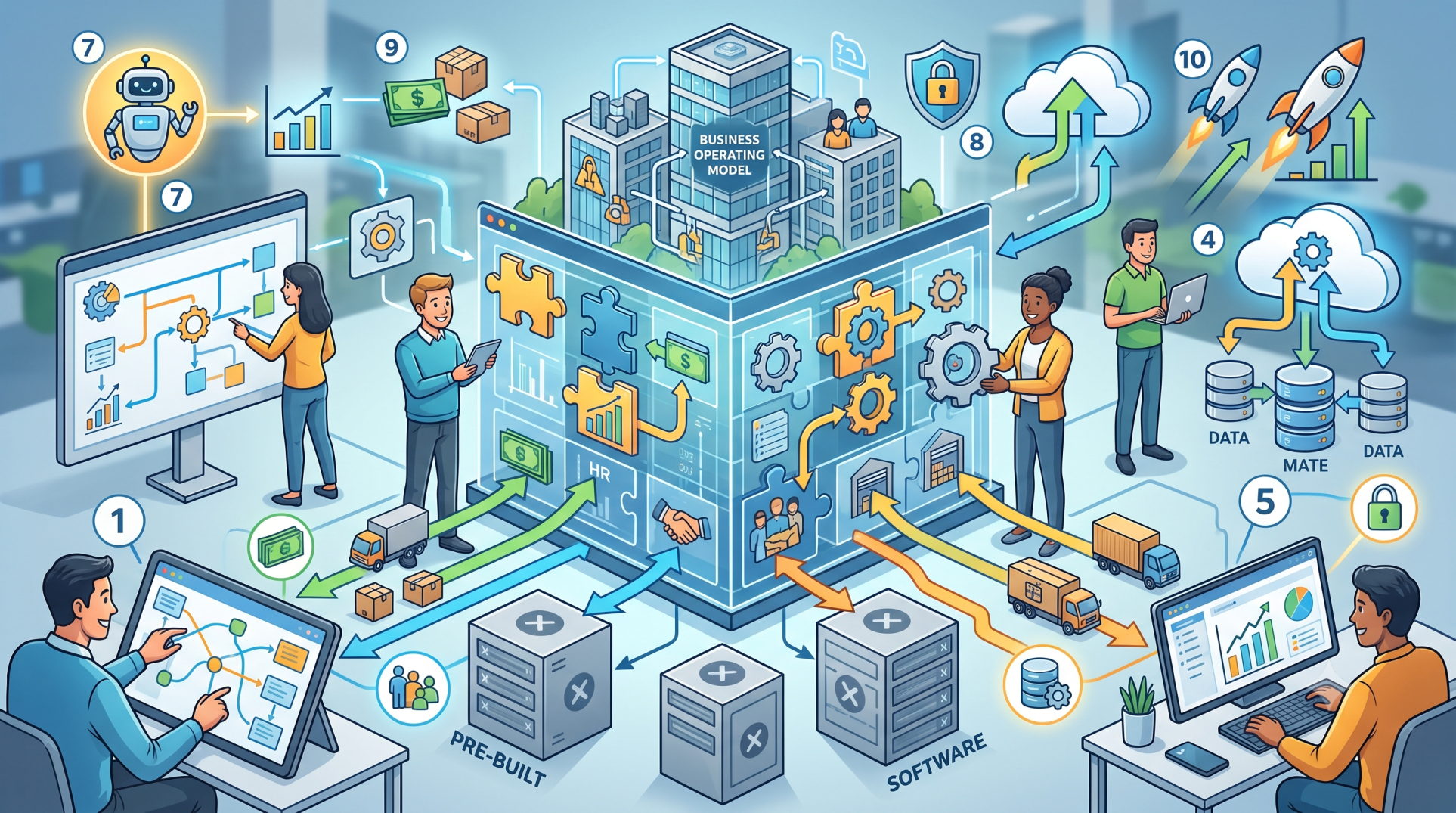
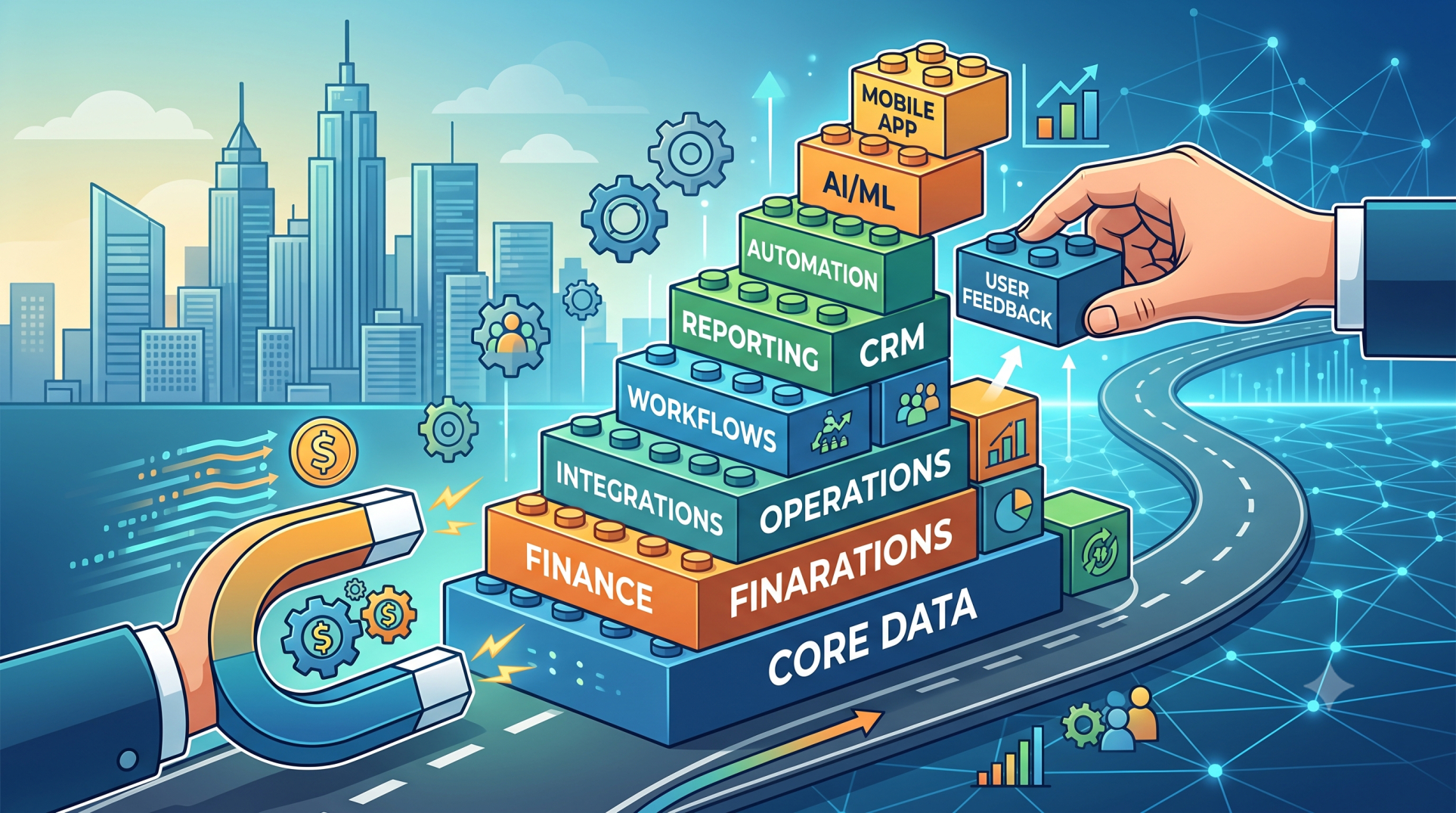
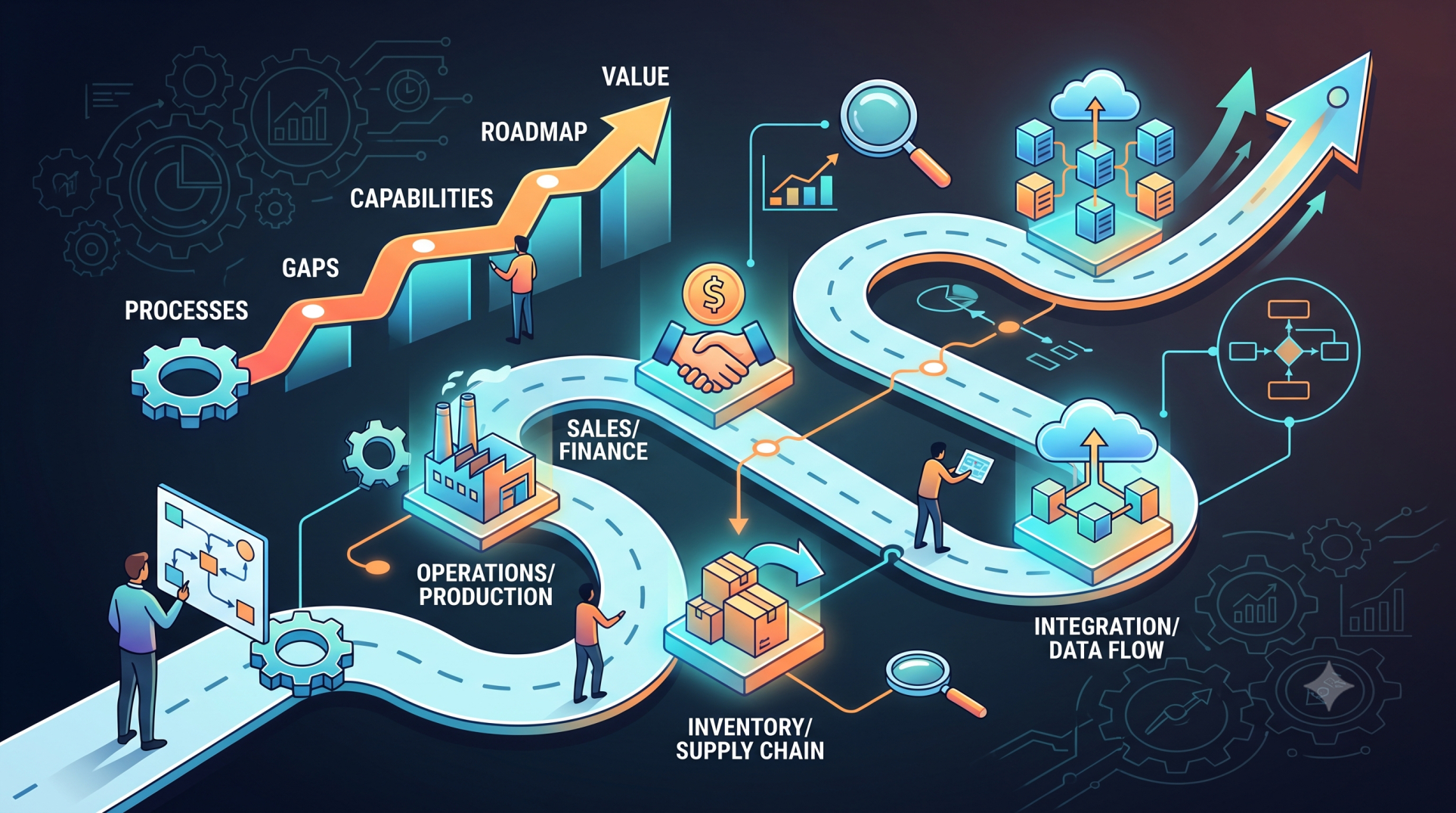
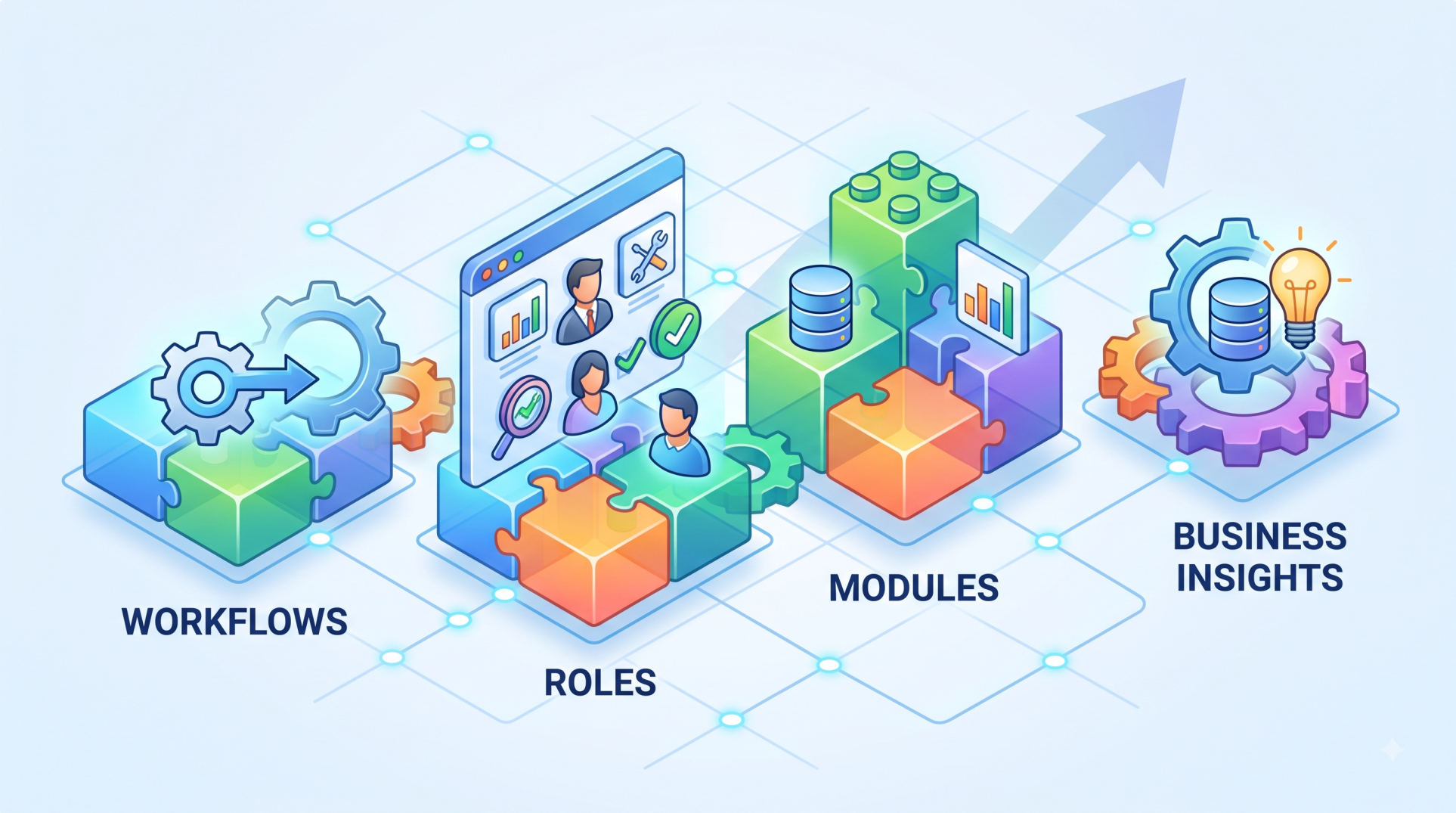
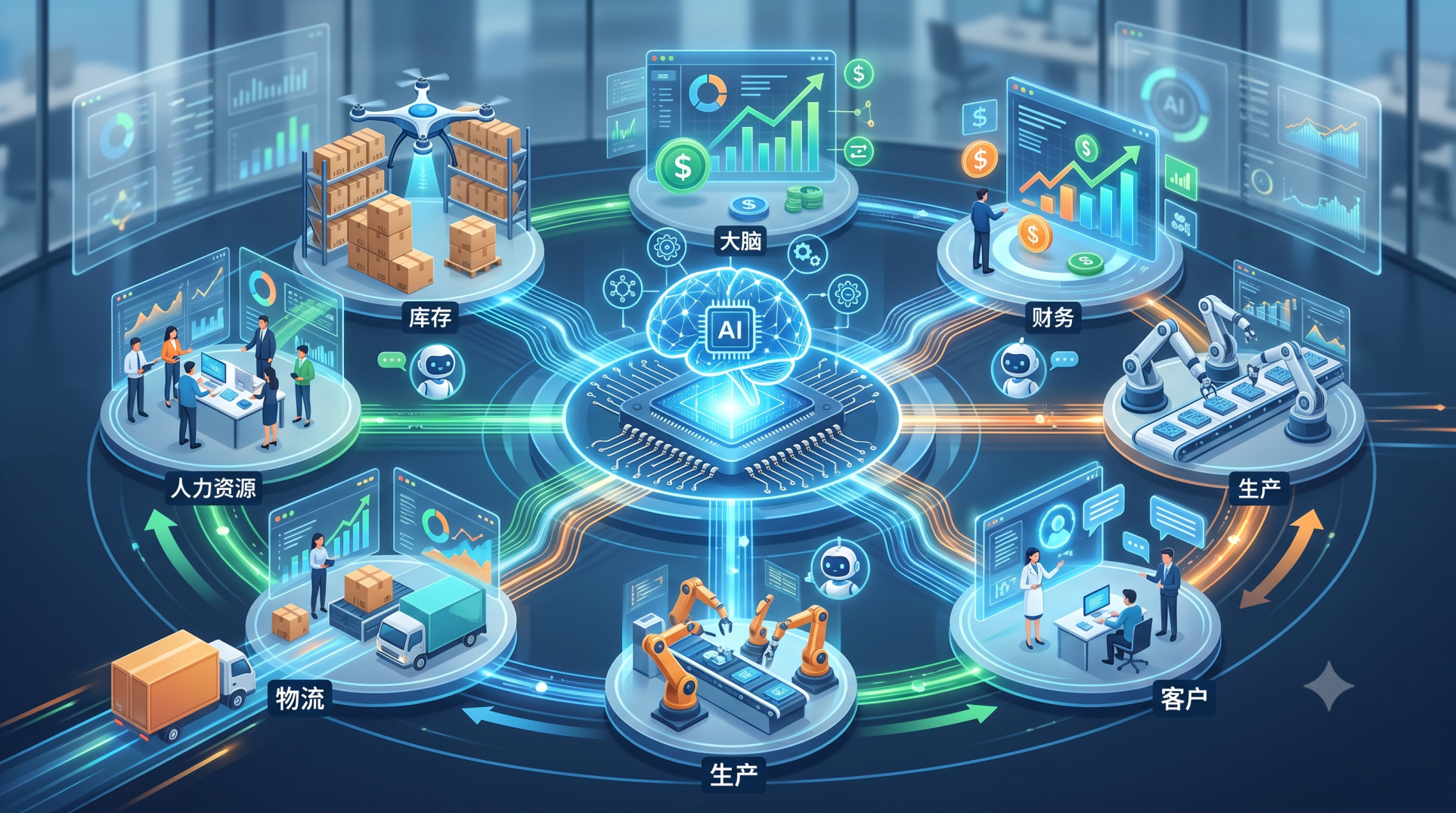
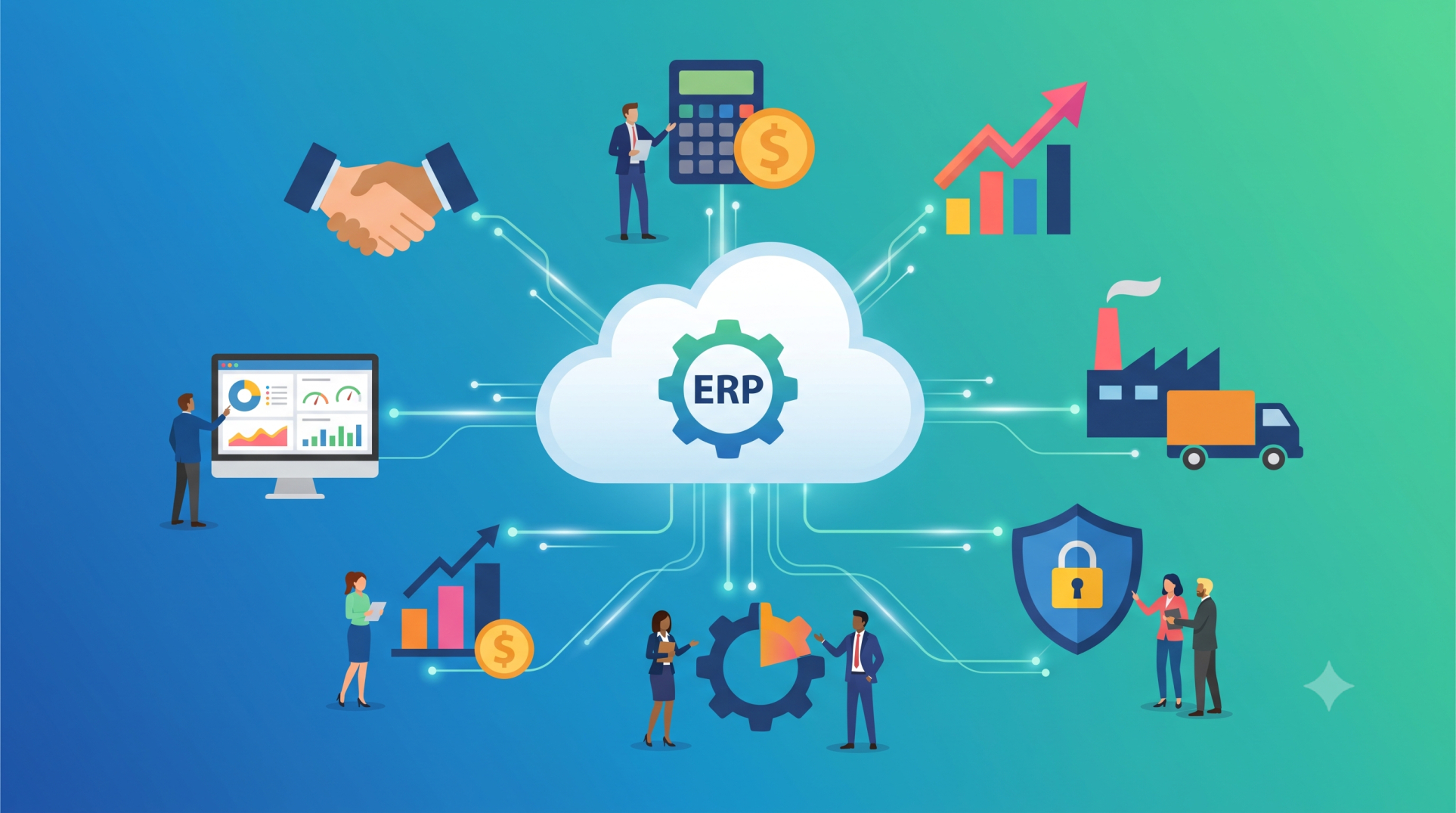
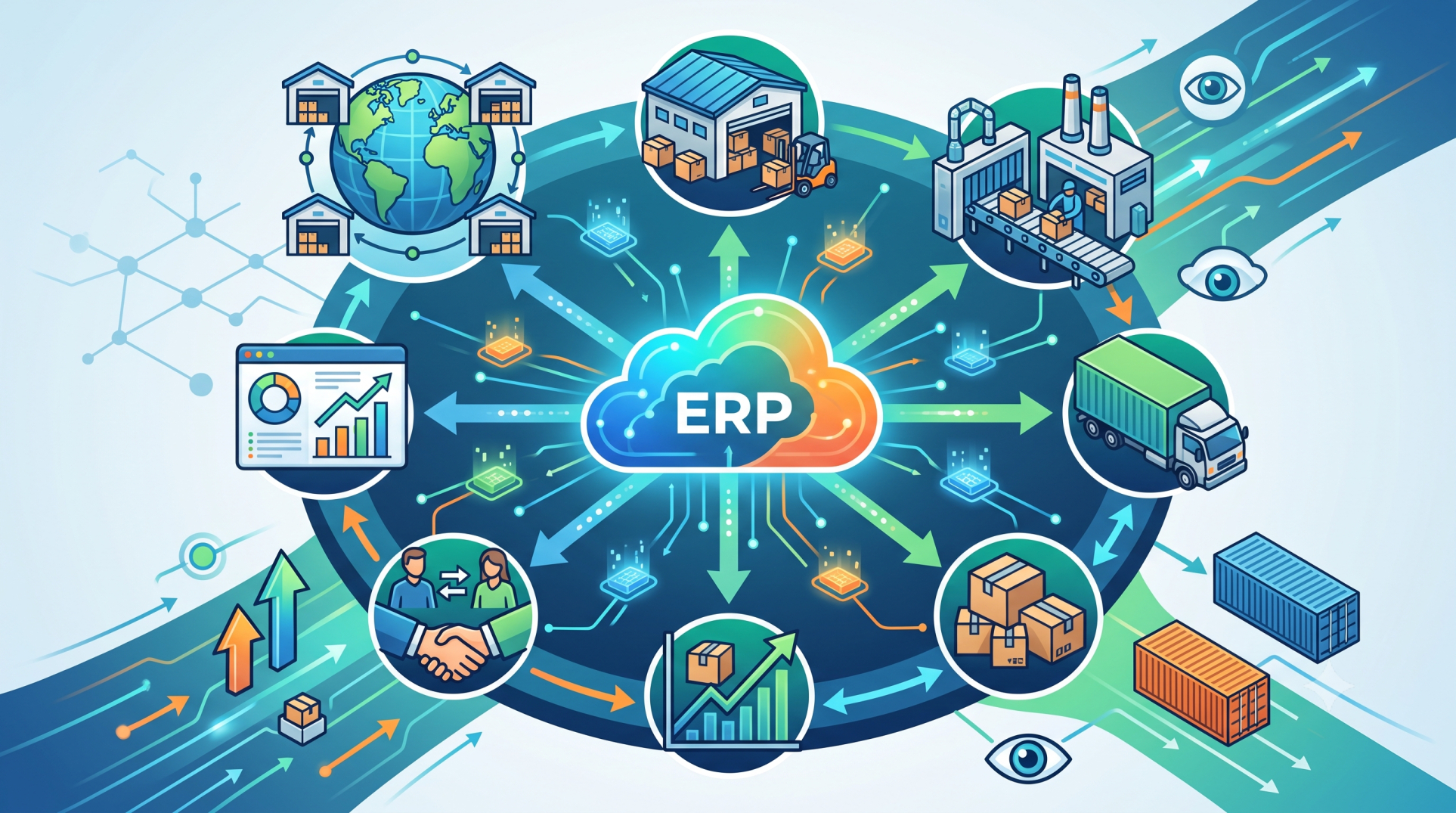
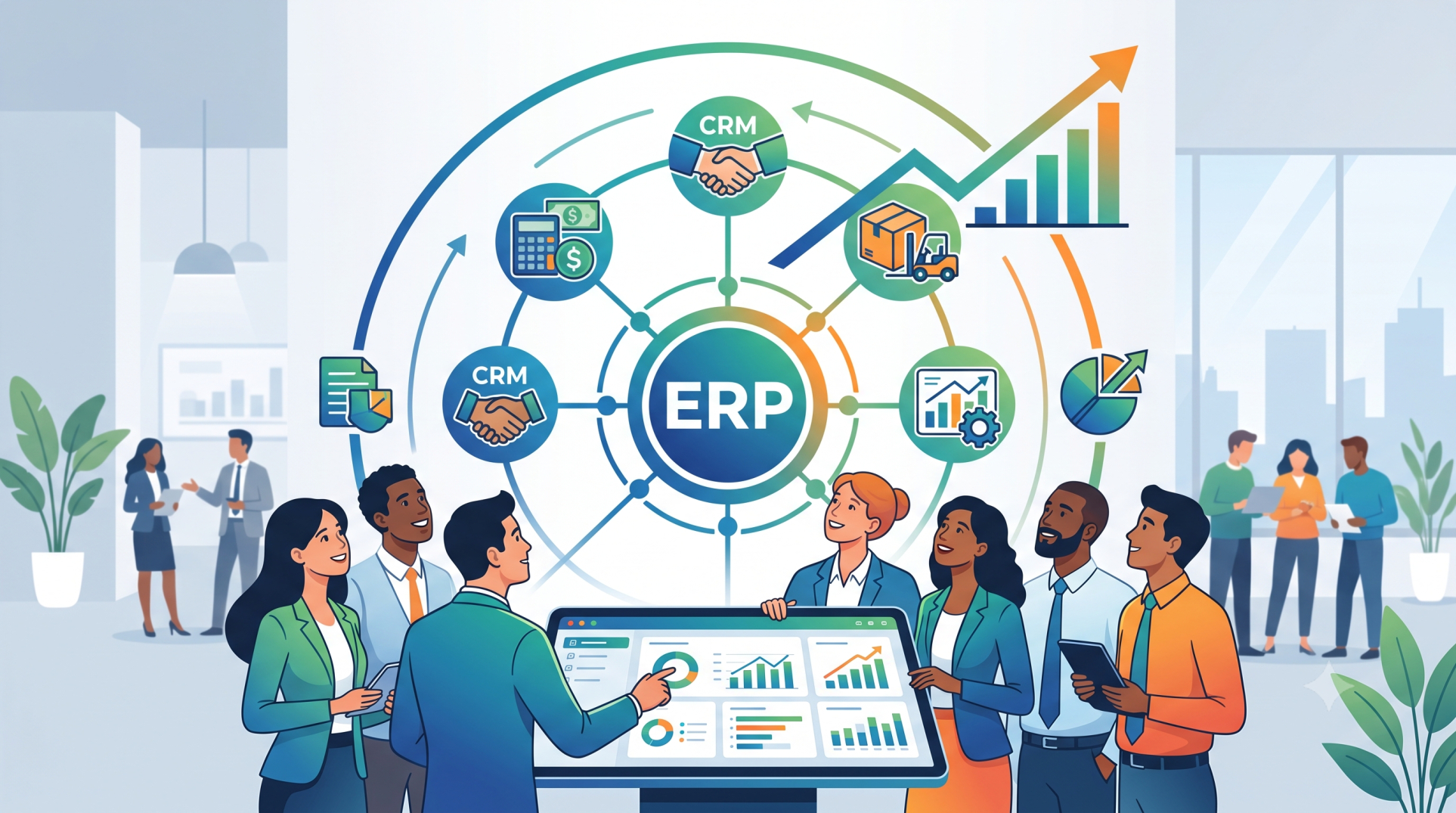
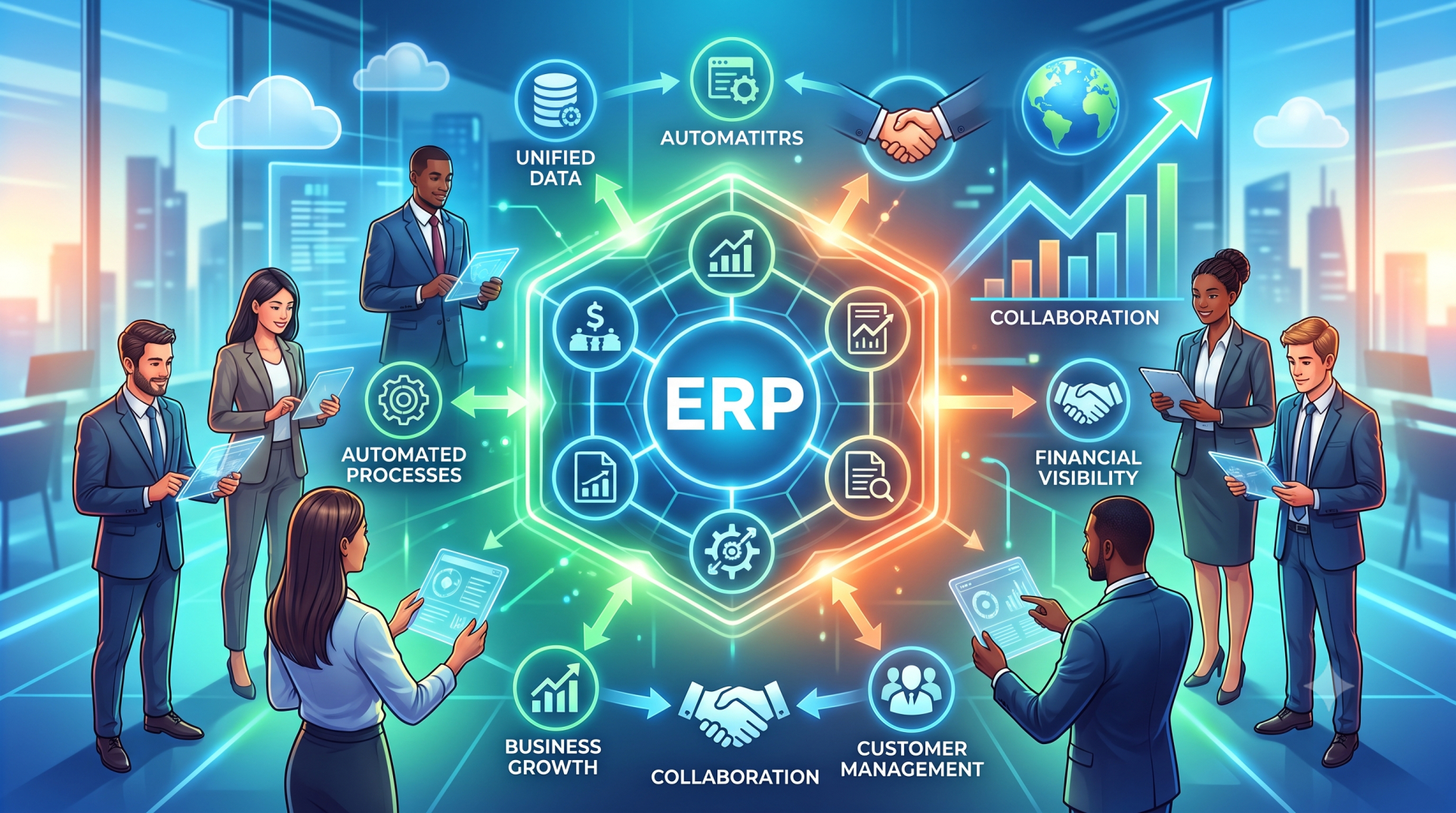
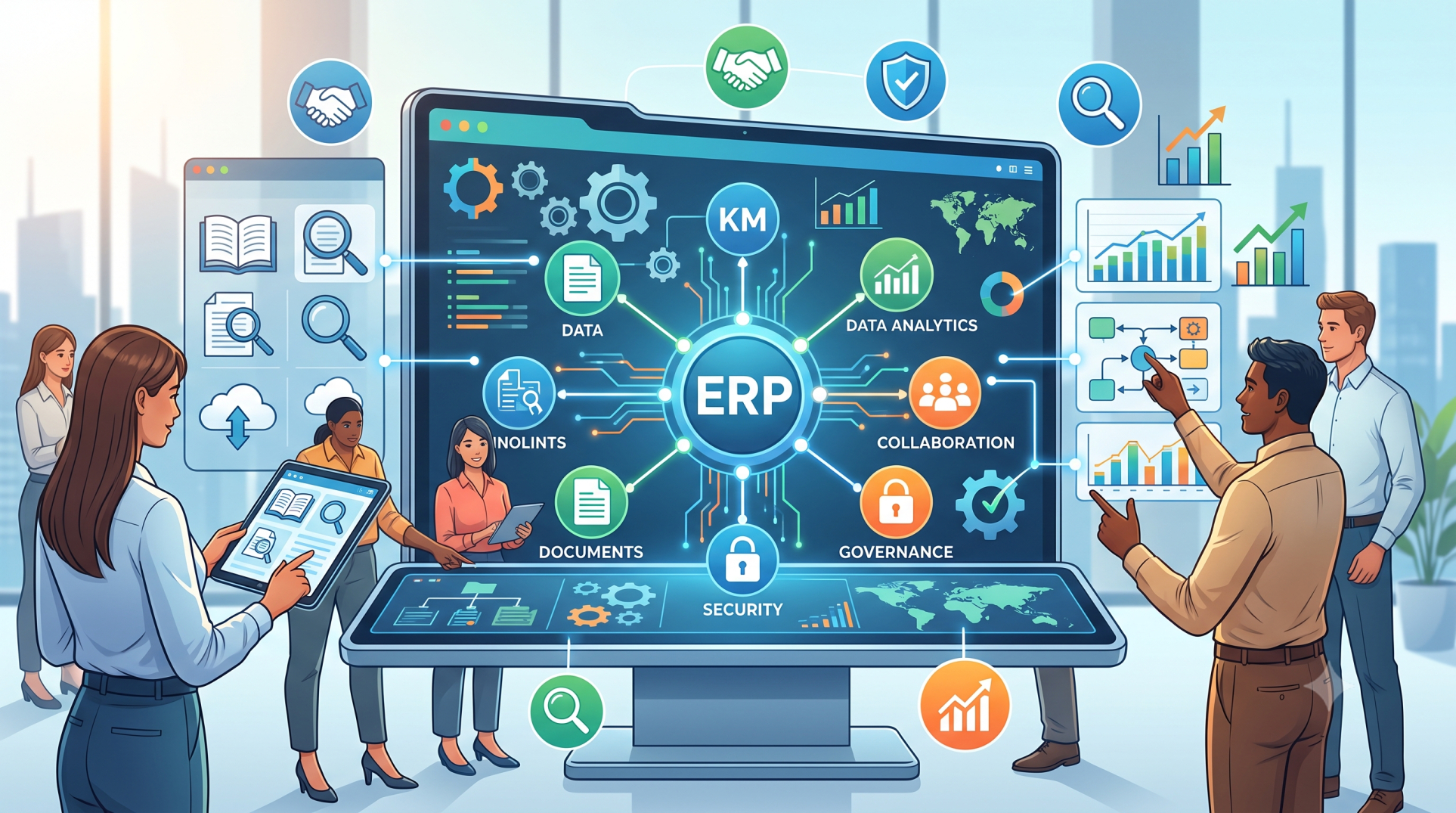
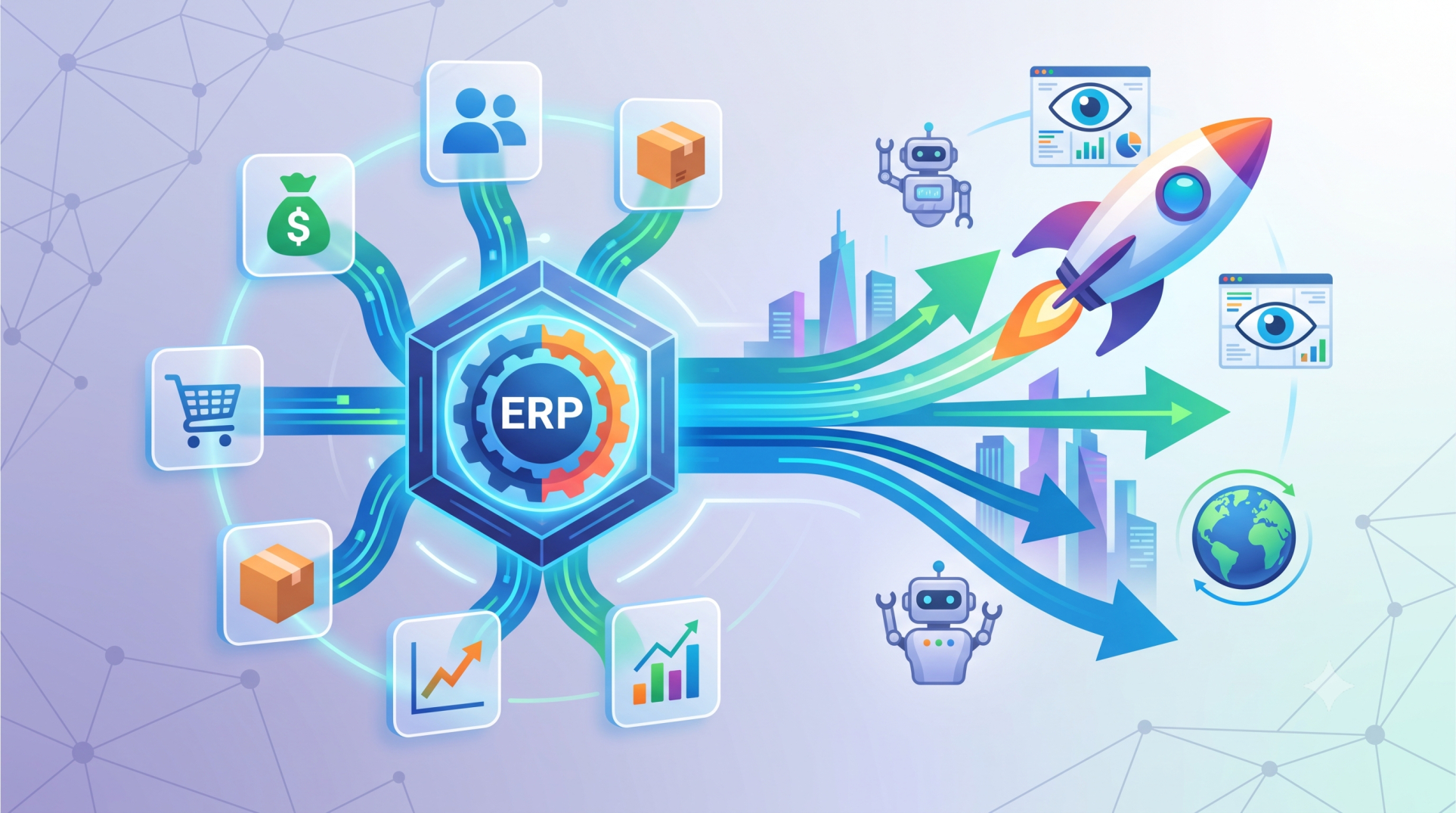
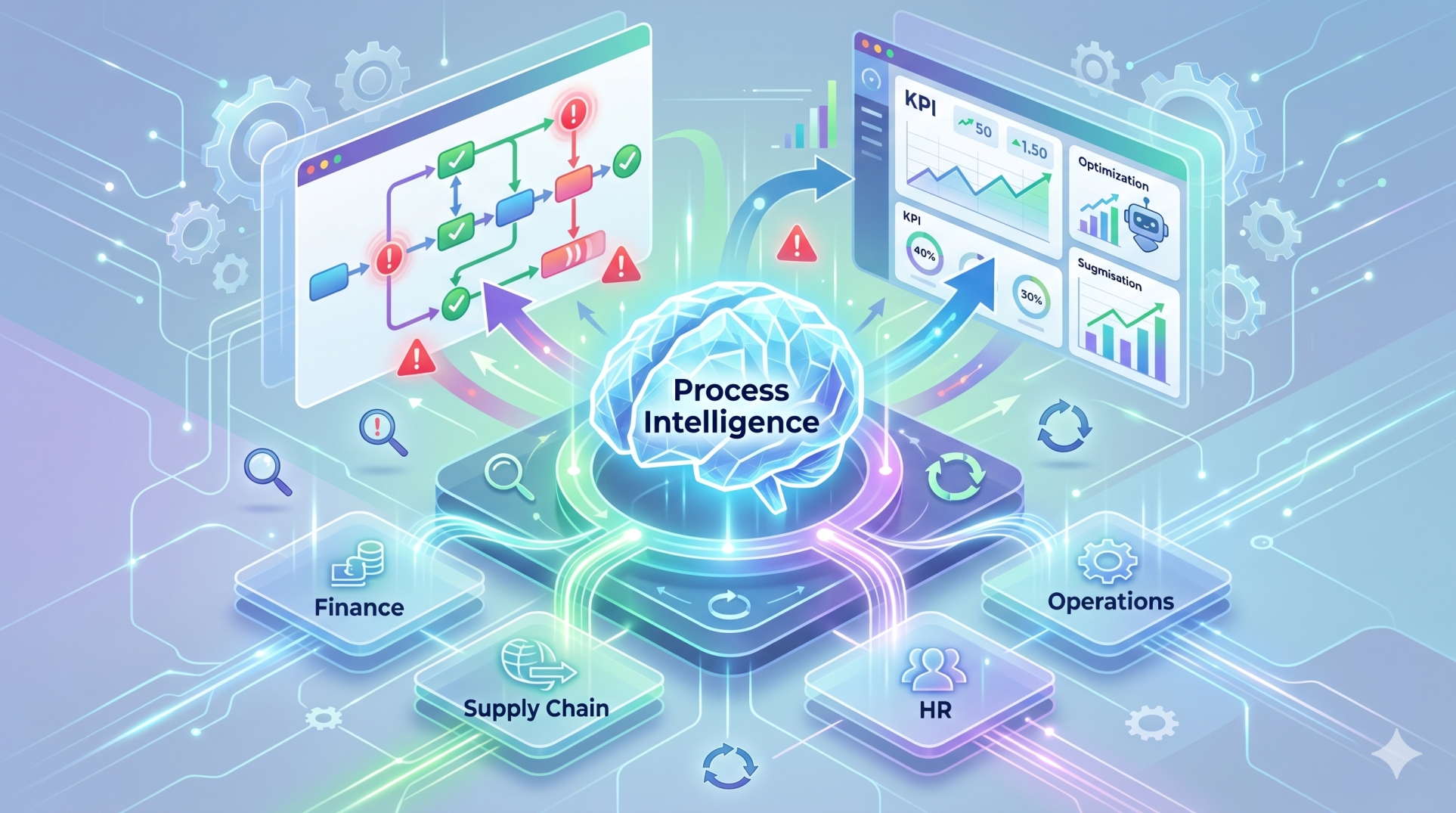
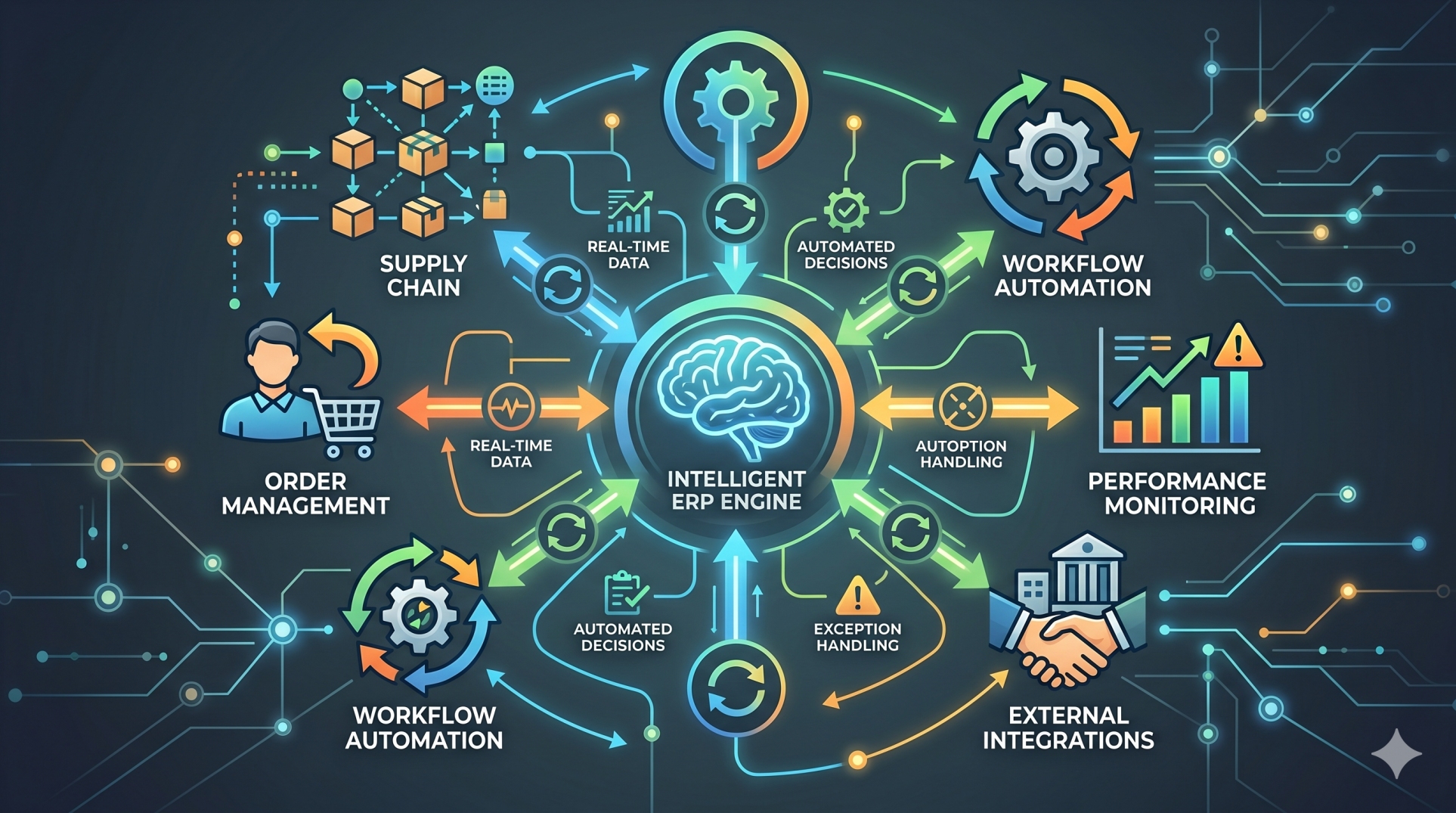
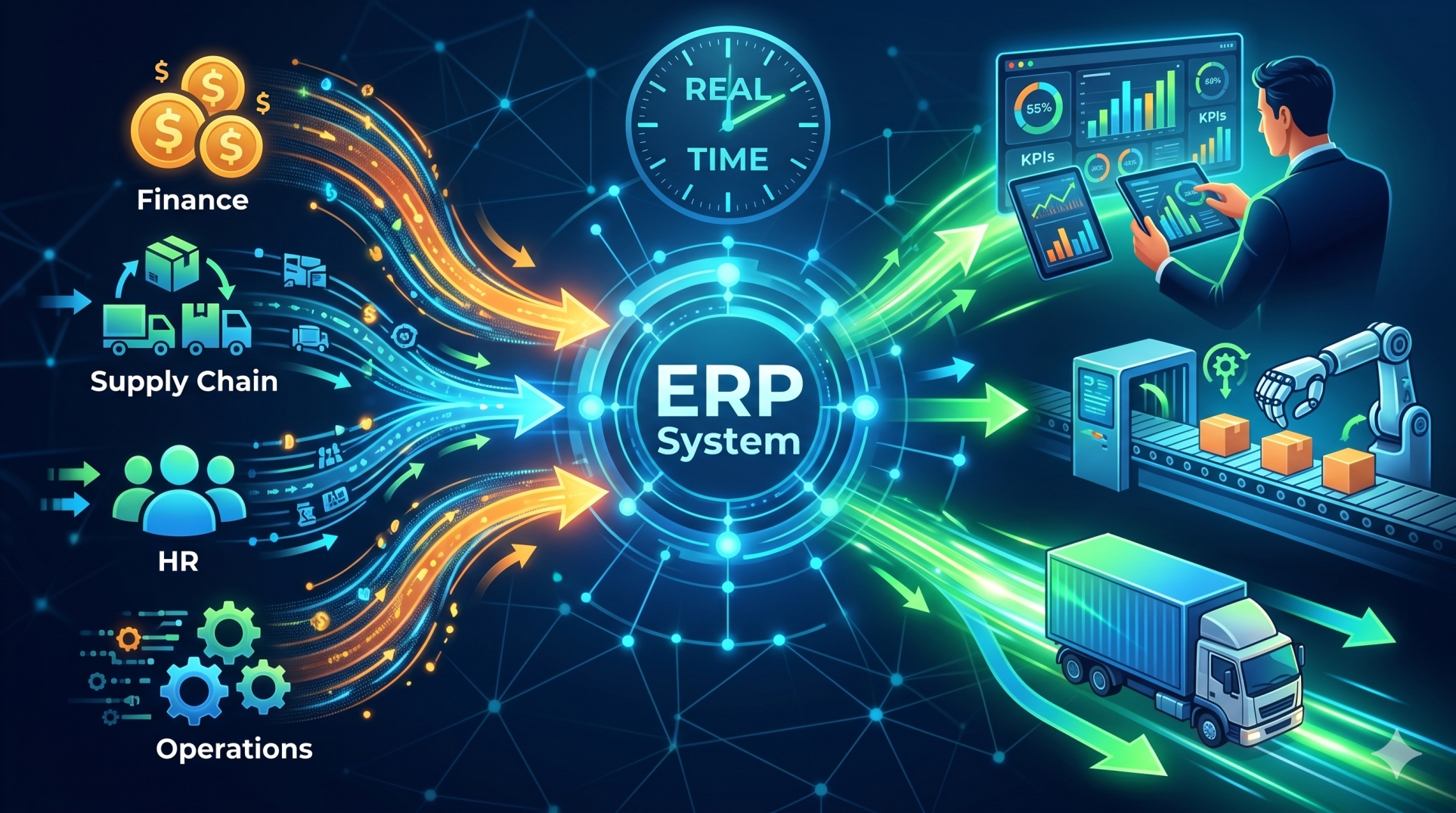
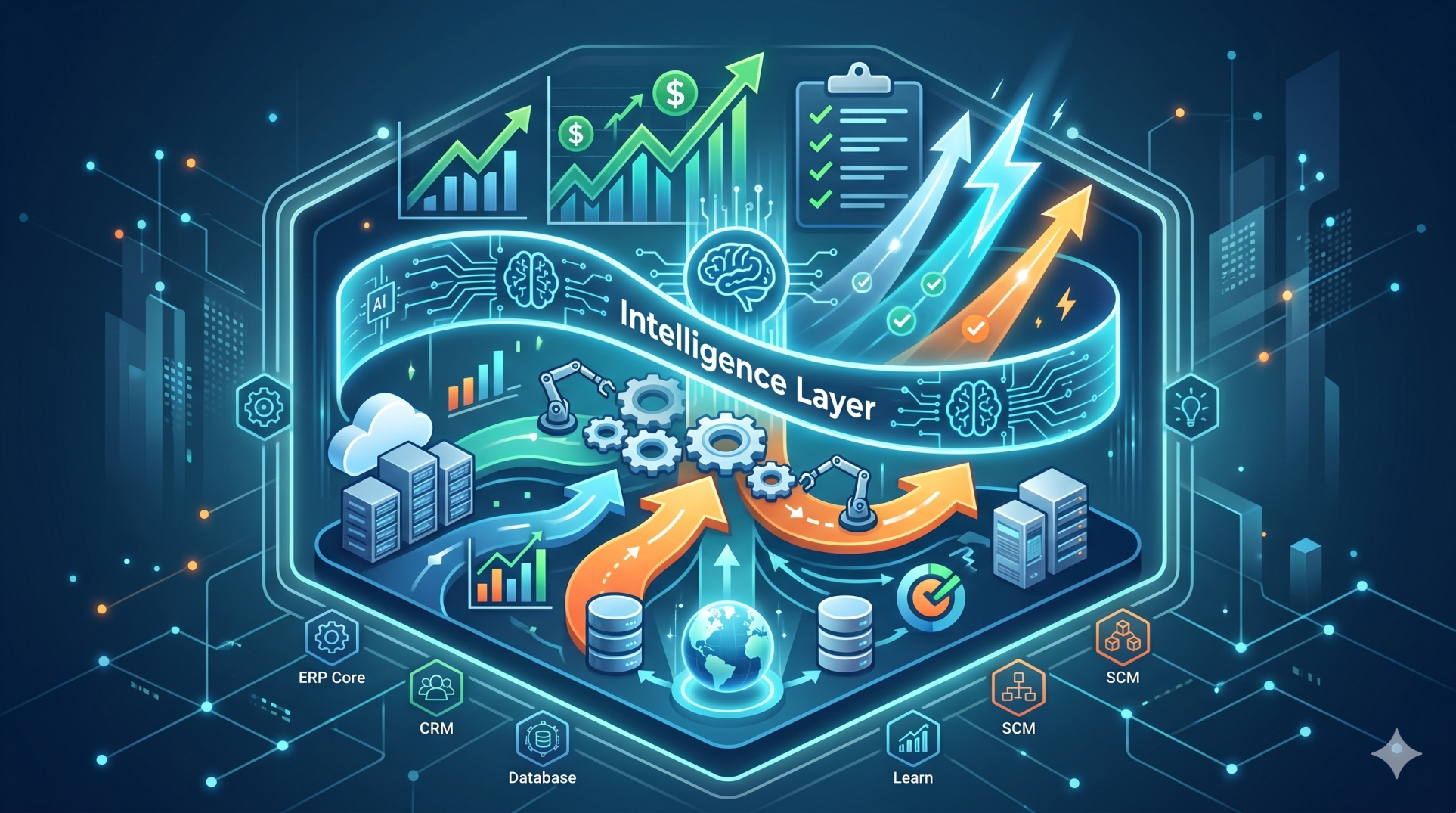
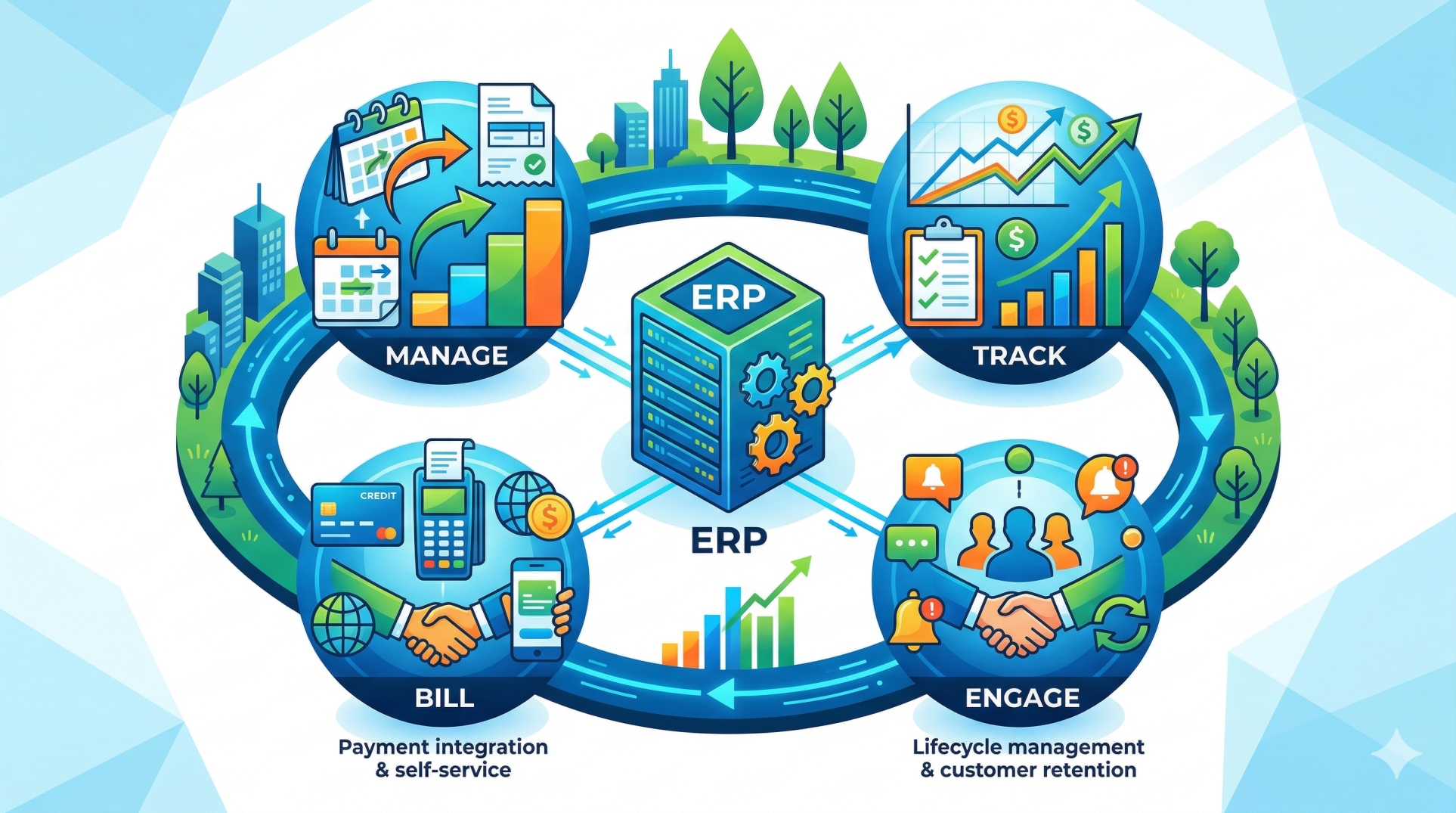
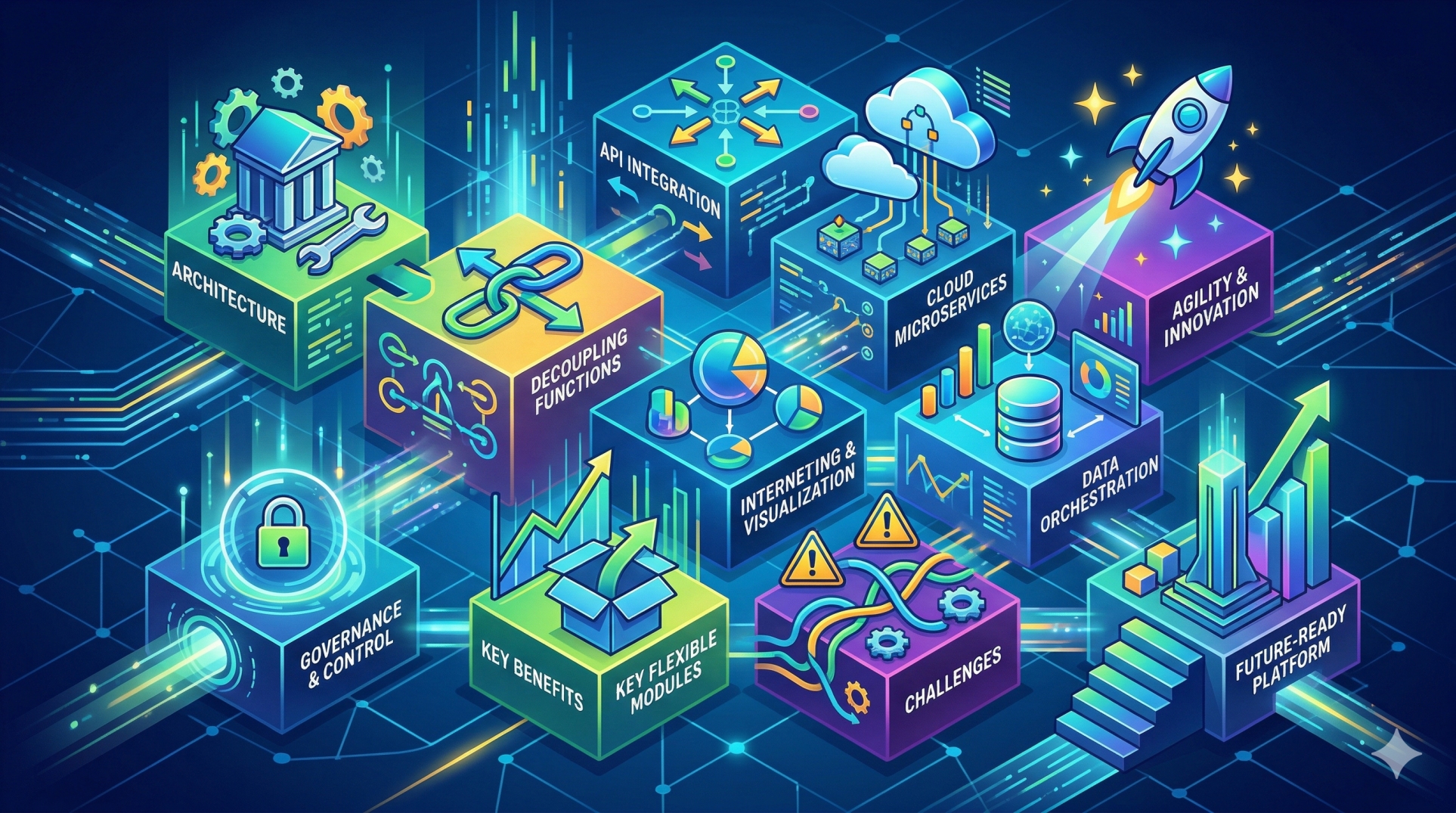
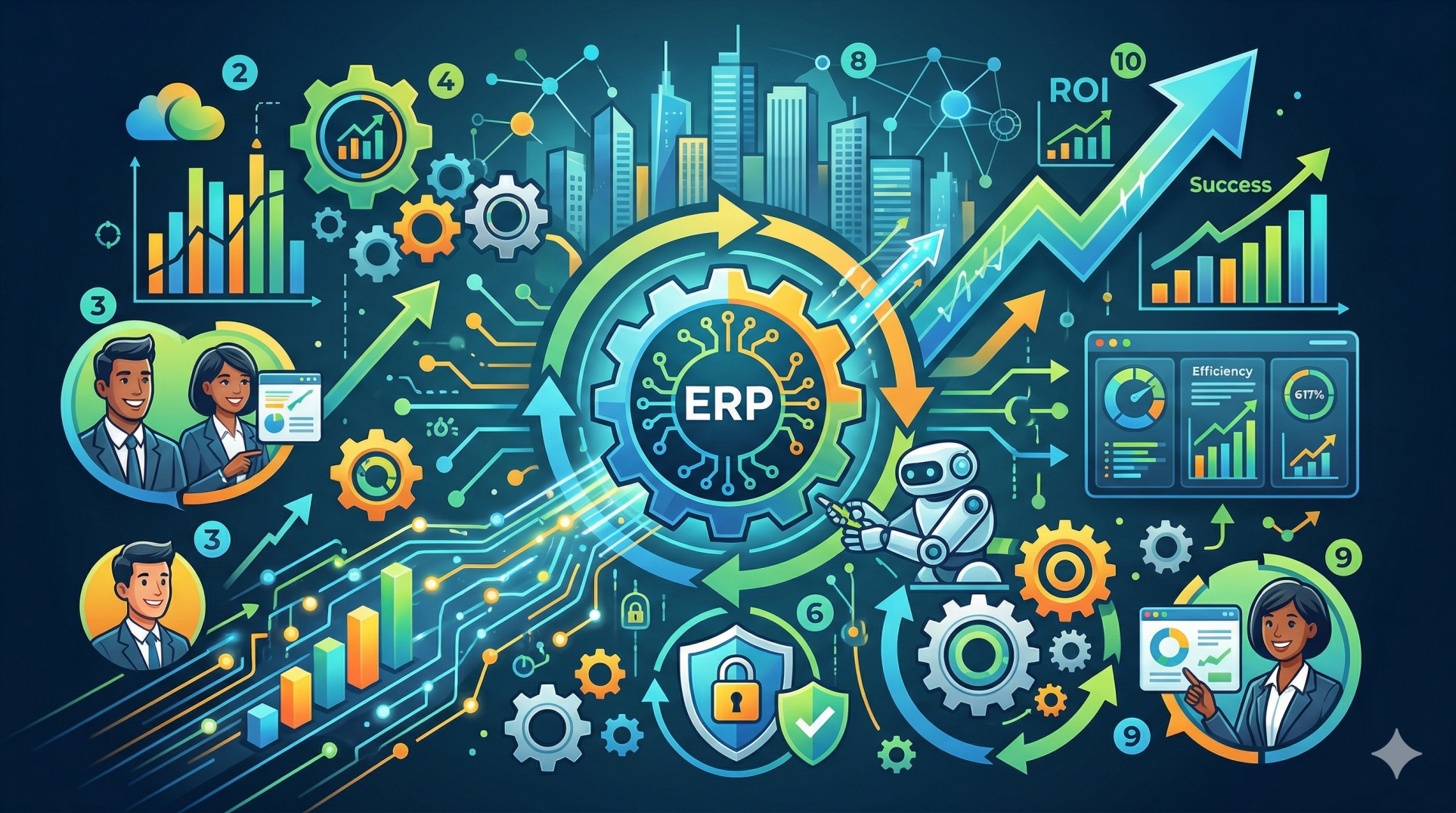
Enterprise Resource Planning platforms have moved far beyond basic data storage and transaction processing. Today’s ERP systems function as intelligence engines that collect, unify, and analyze operational data across the organization. By transforming raw data into structured insights, ERP enables faster decisions, stronger control, and more strategic business execution.
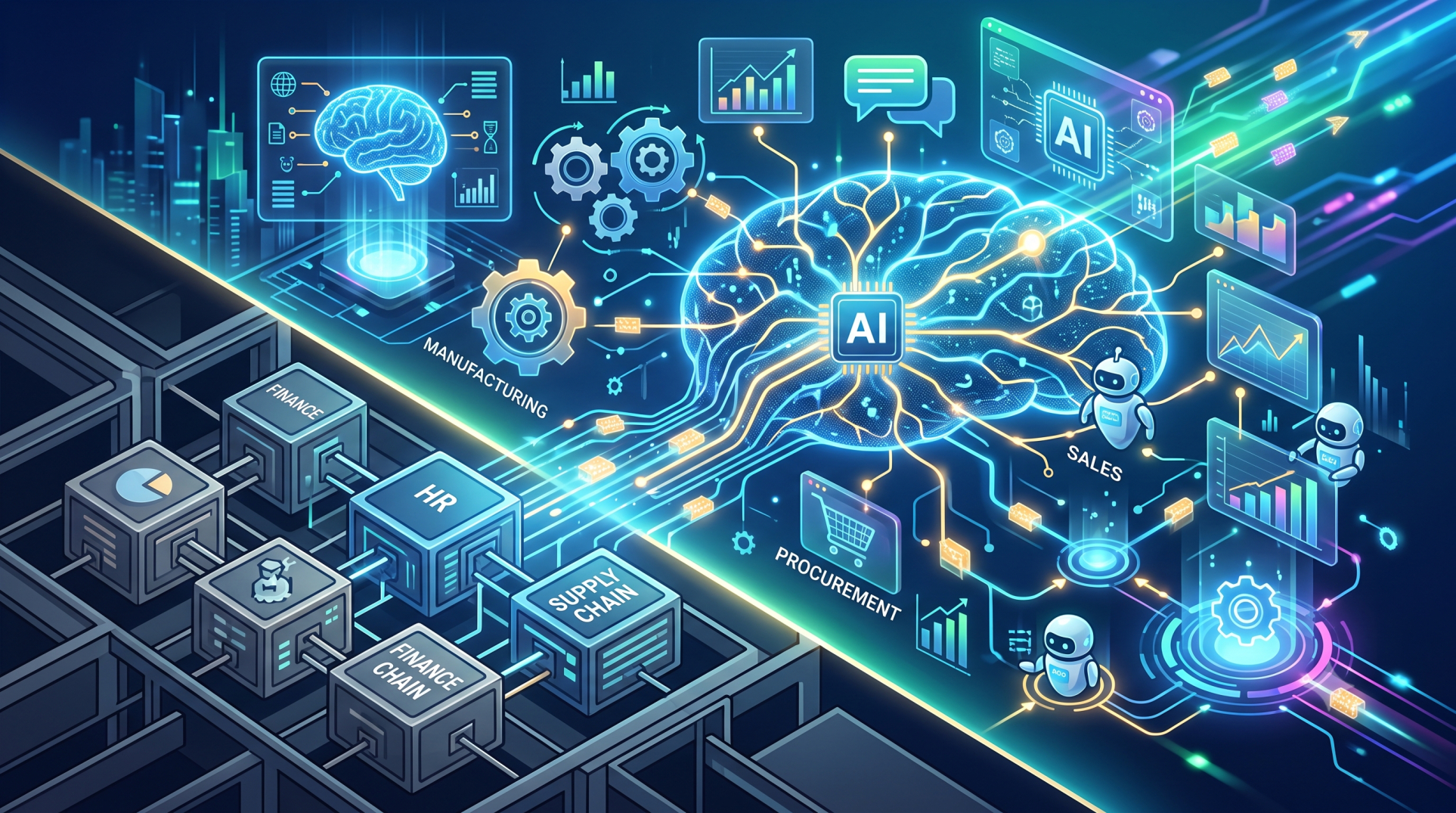
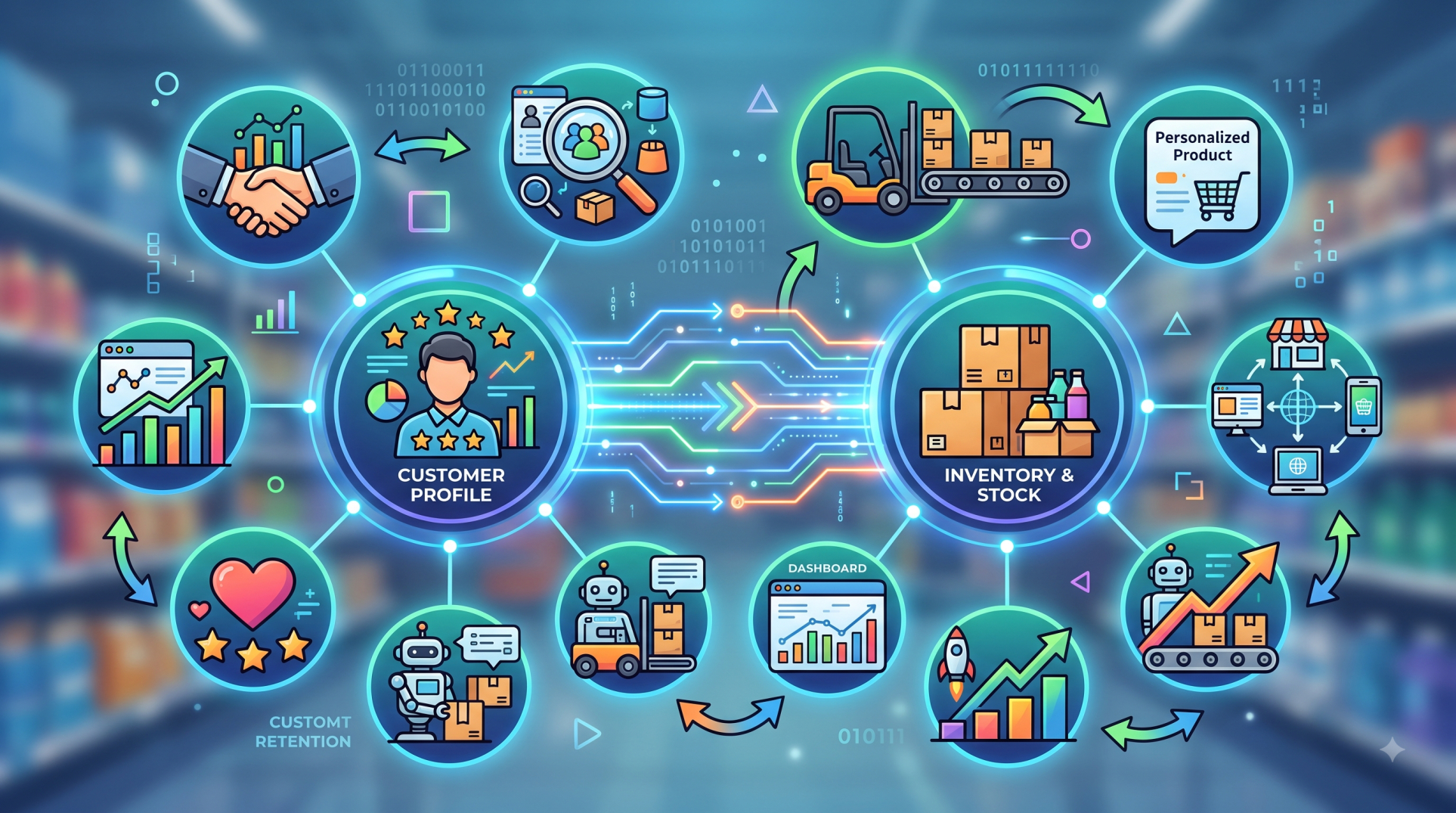
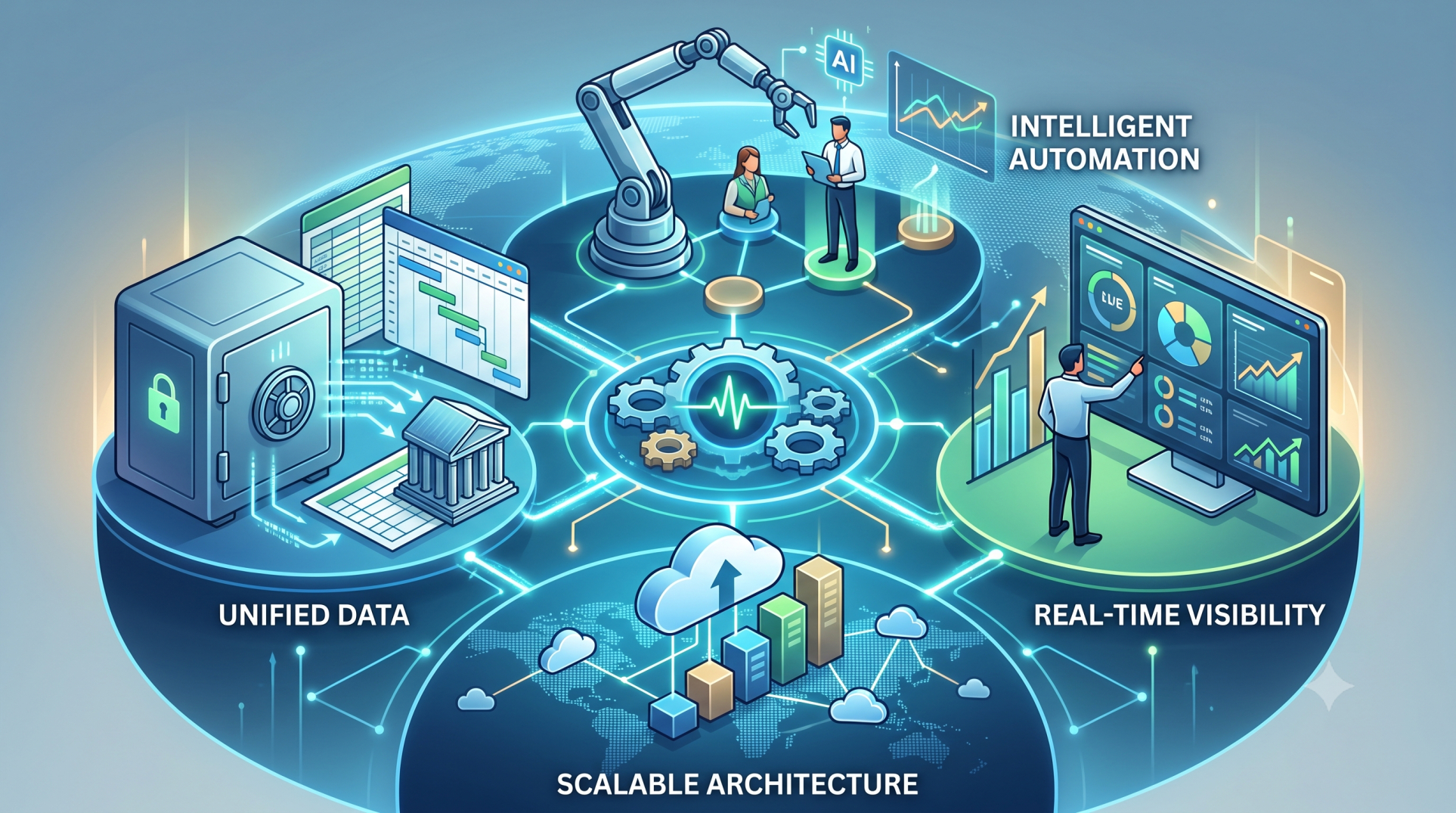
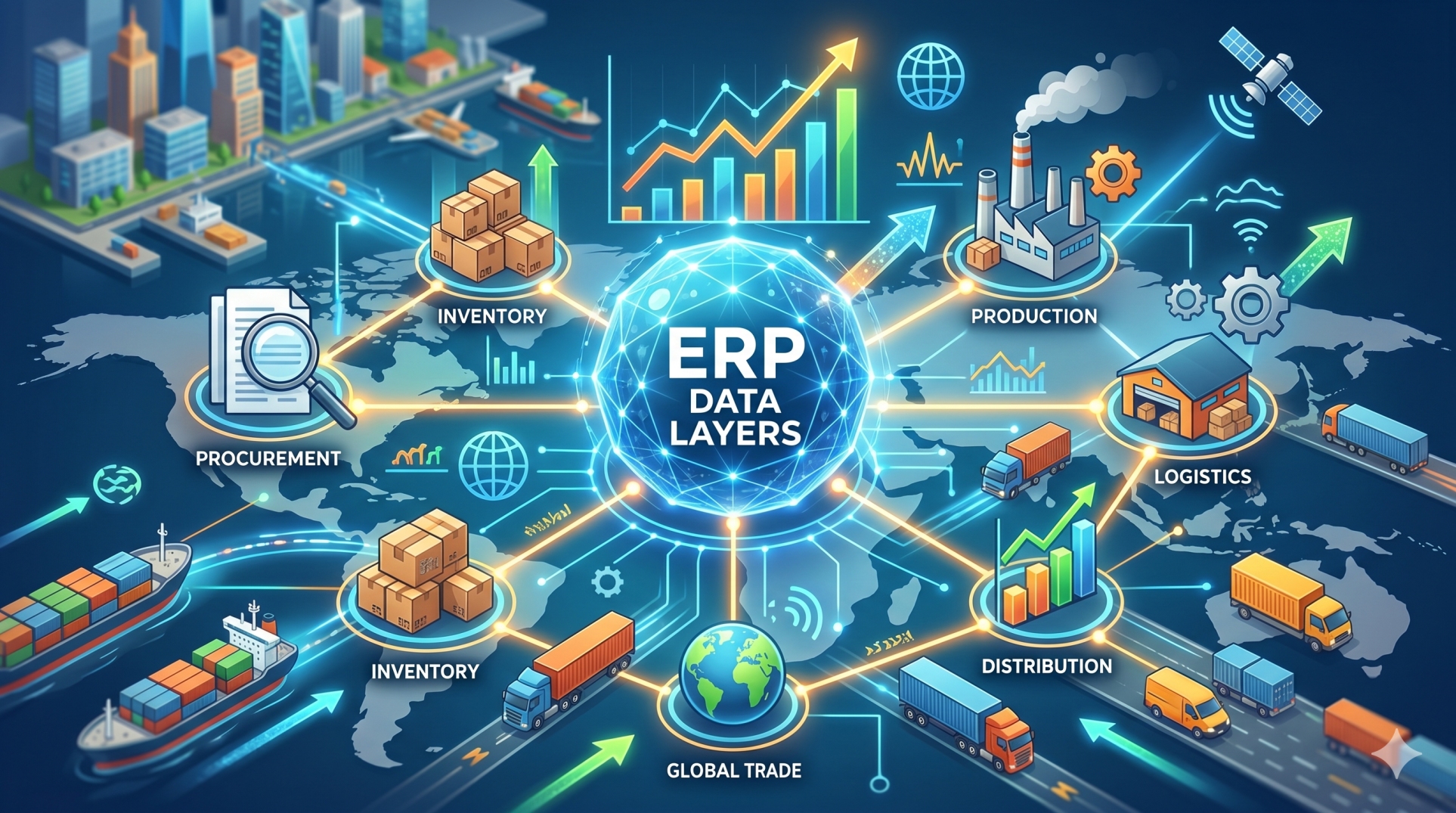
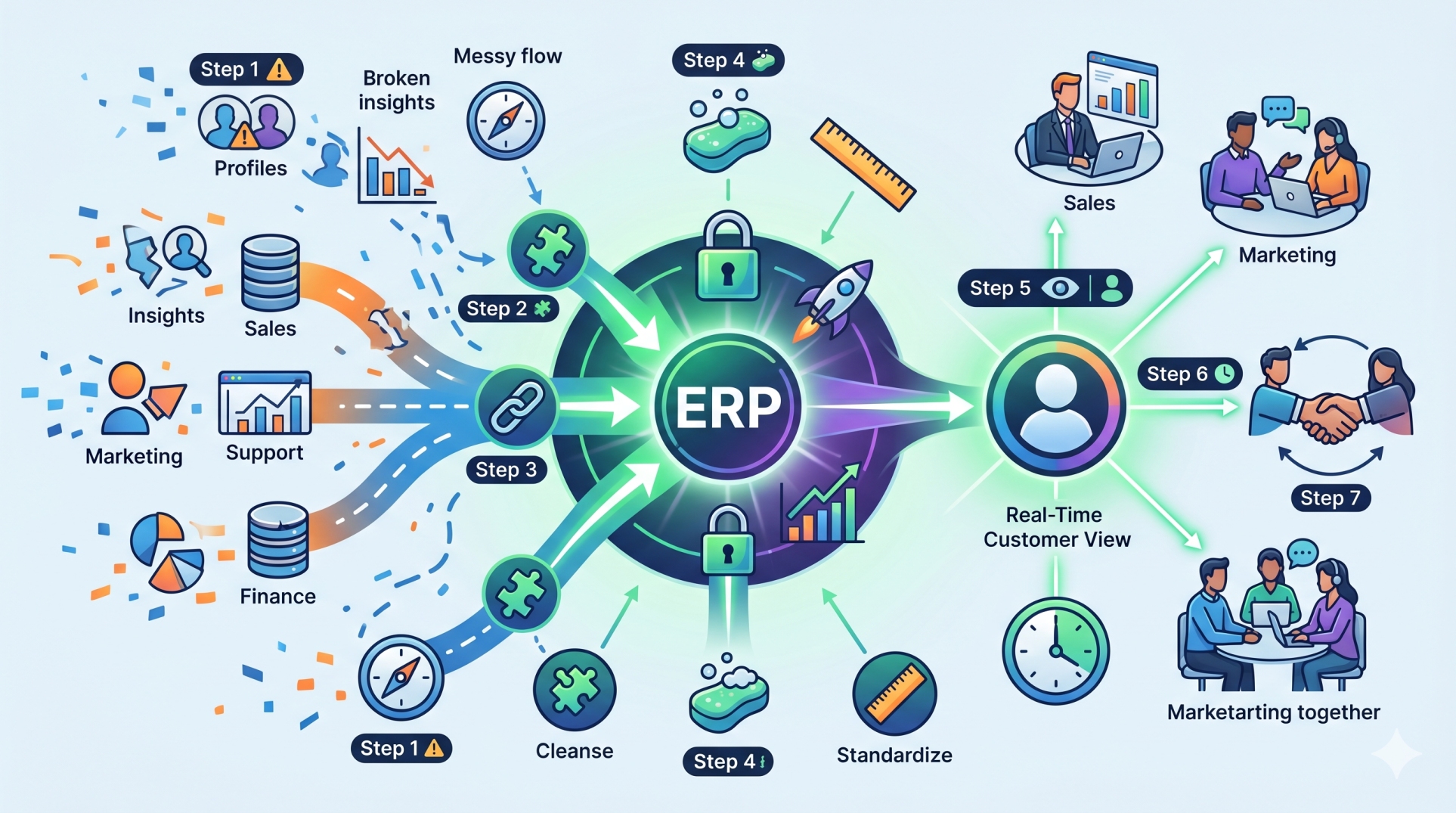
Step 1: ERP as a Unified Data Backbone 🧩
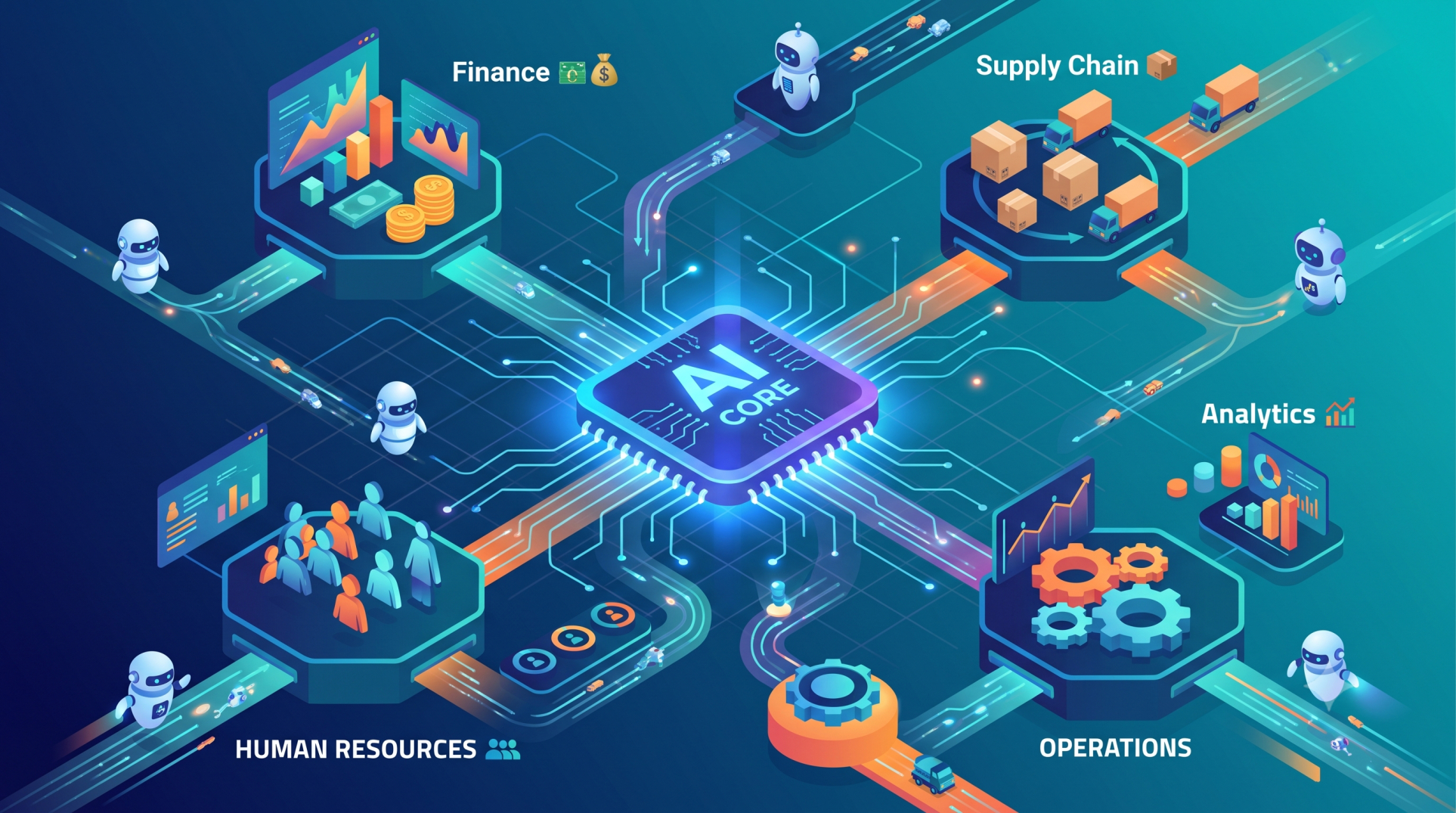
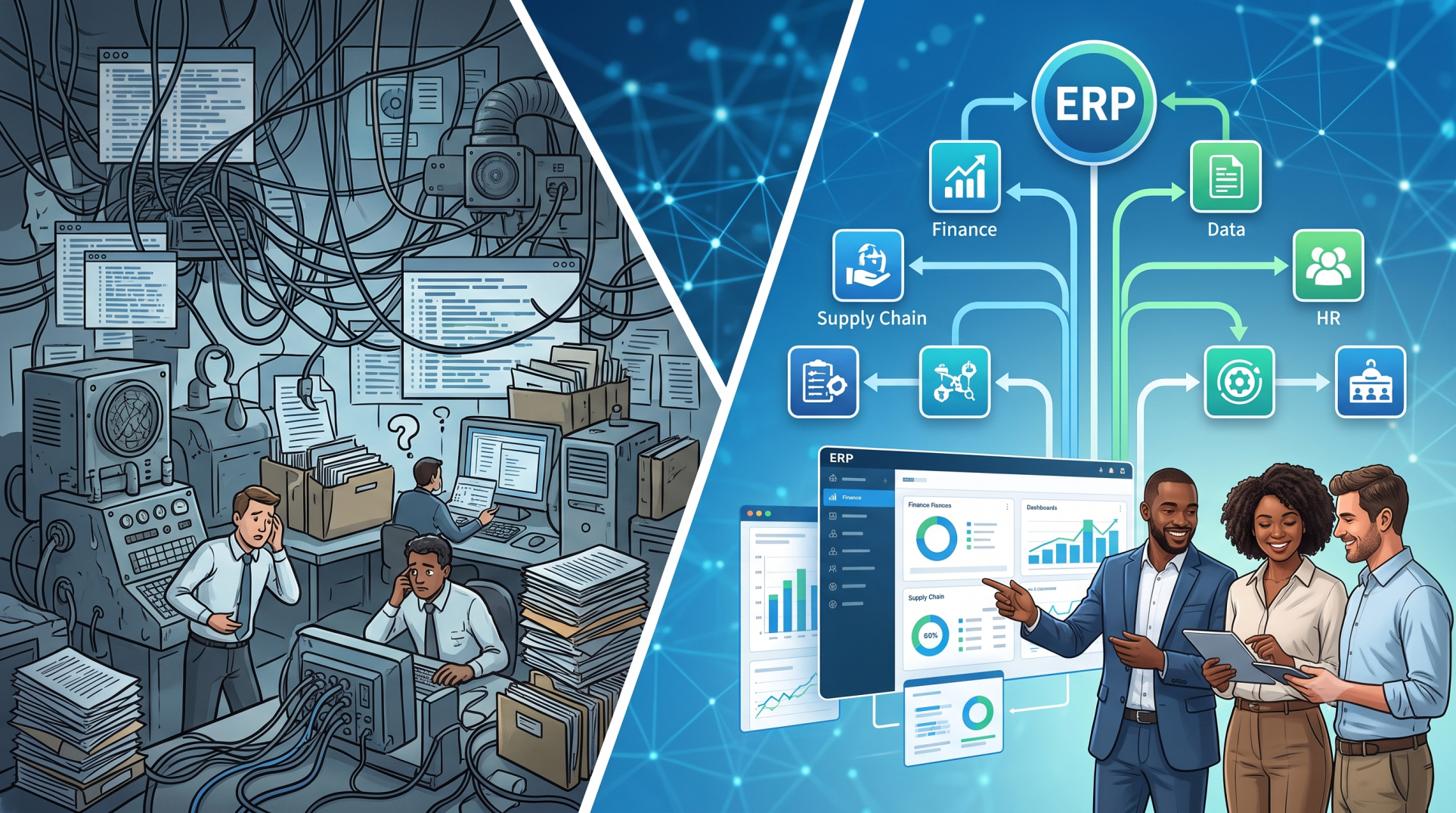
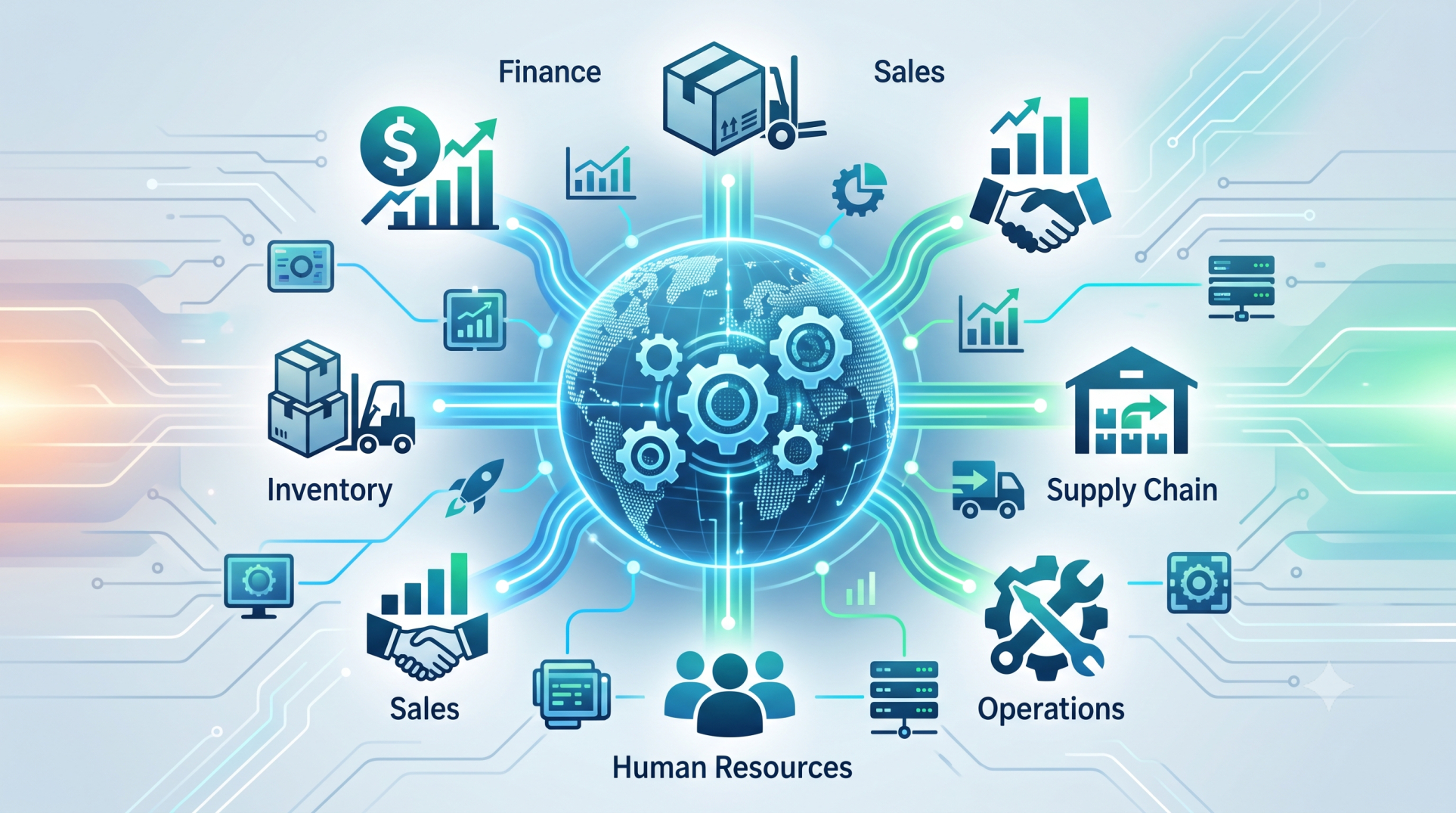
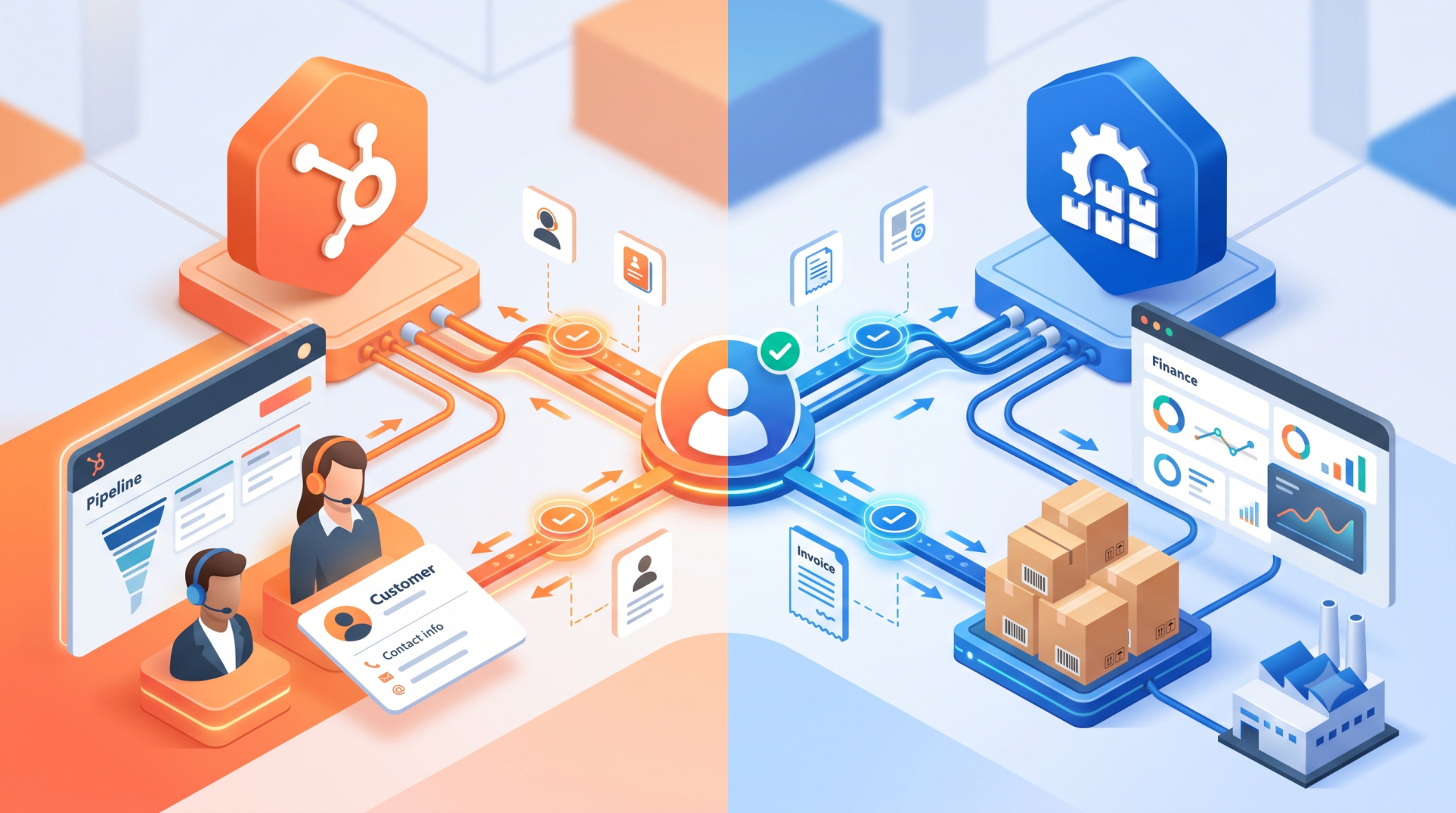
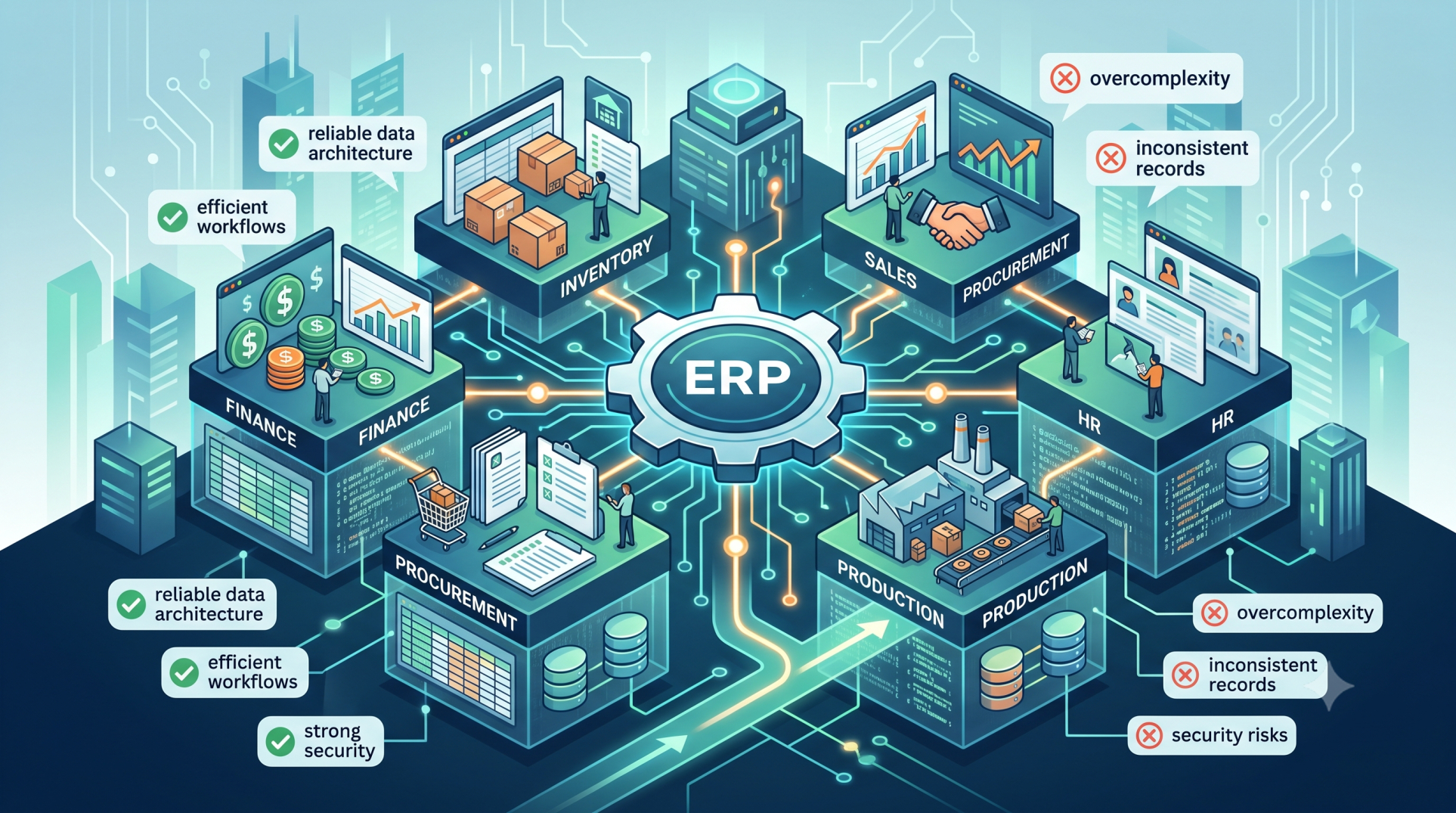
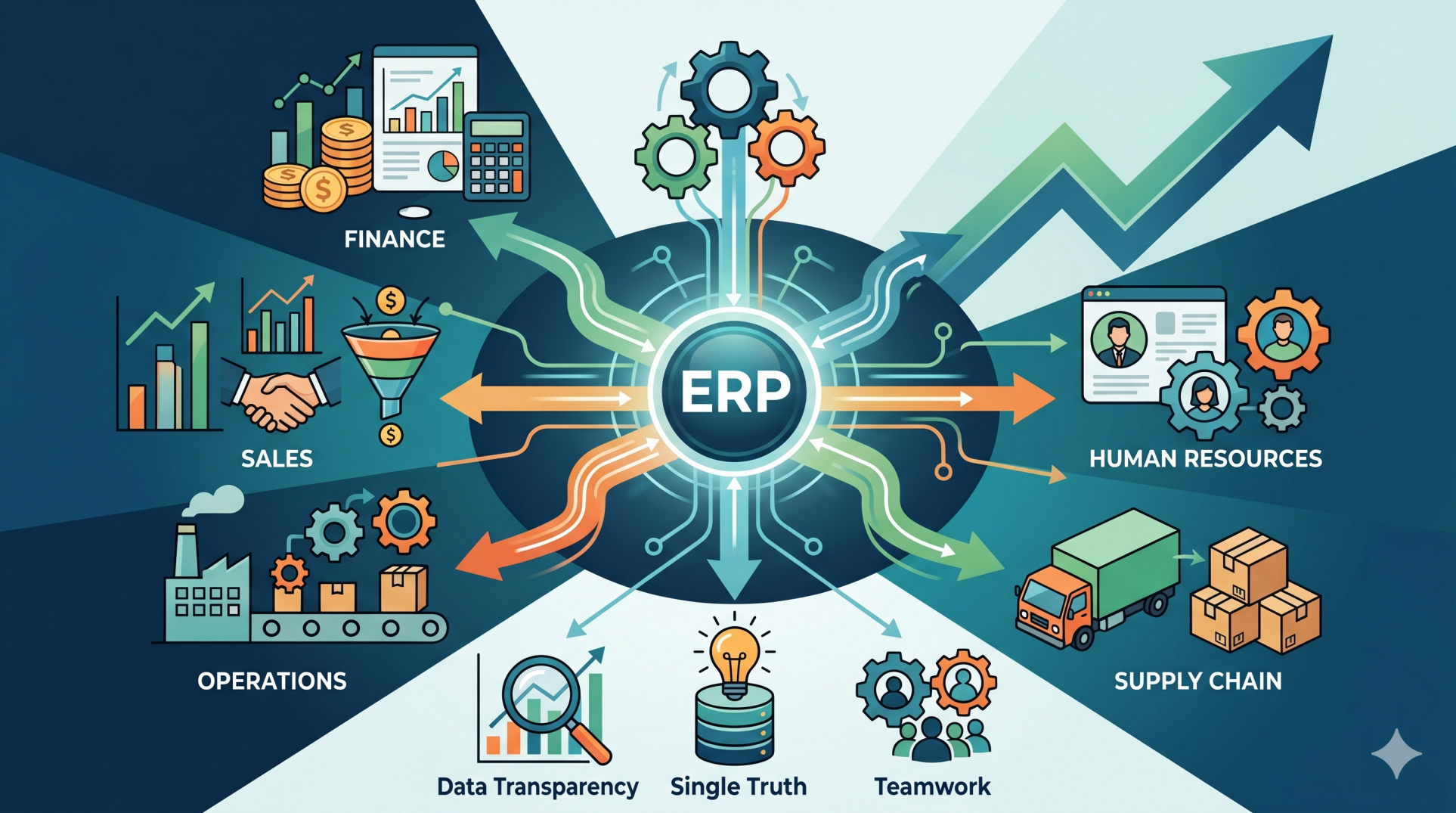
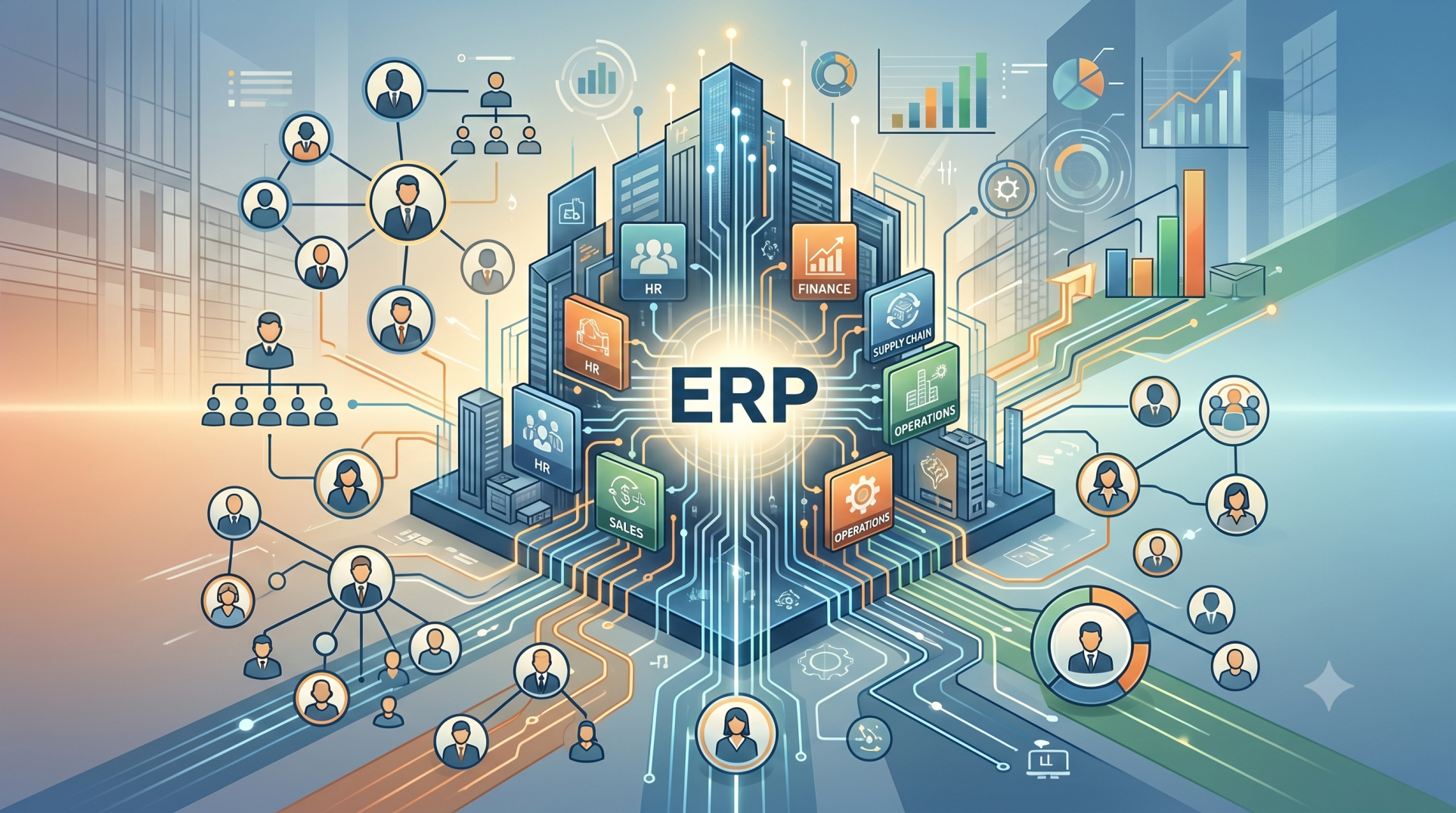
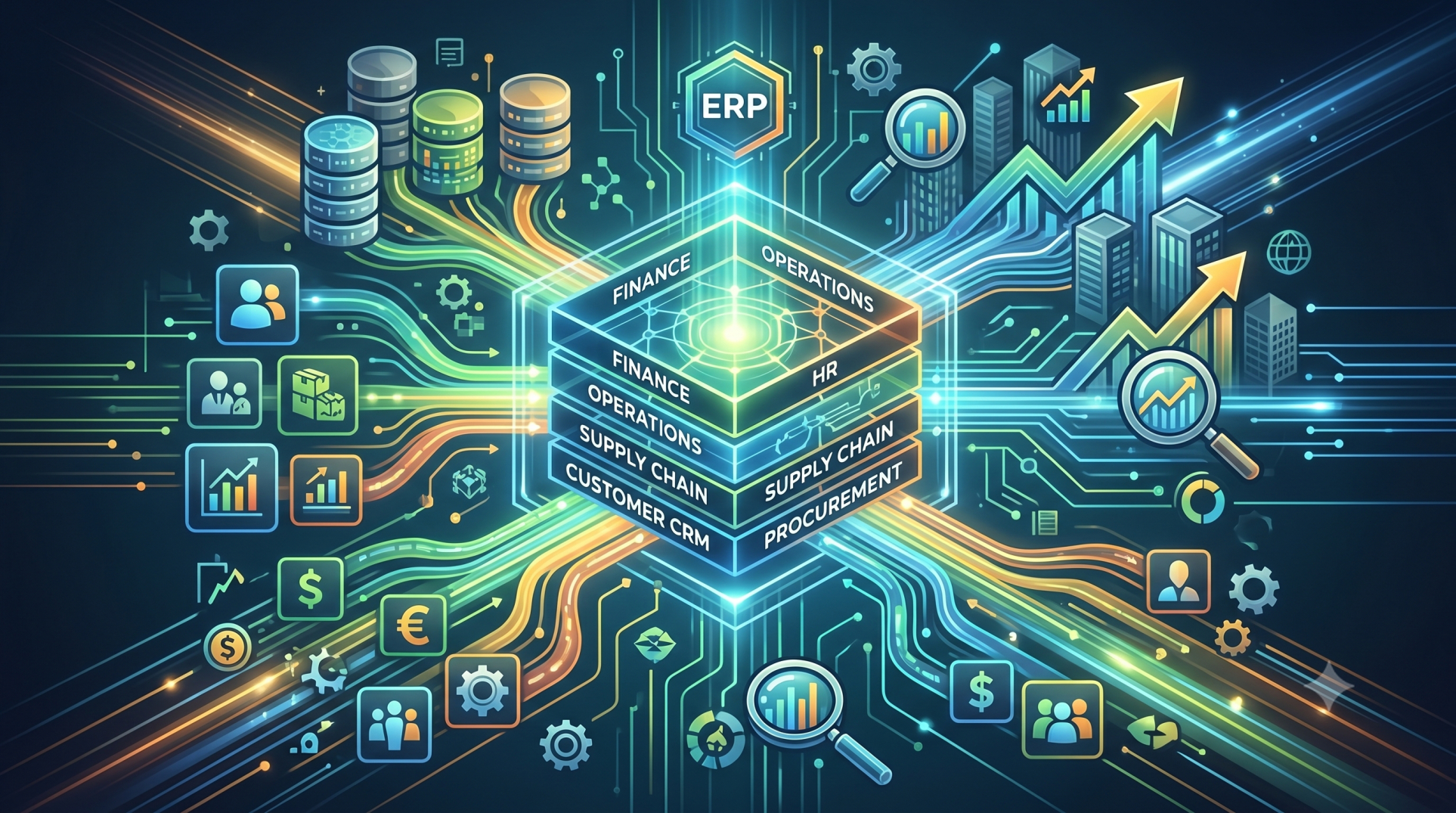
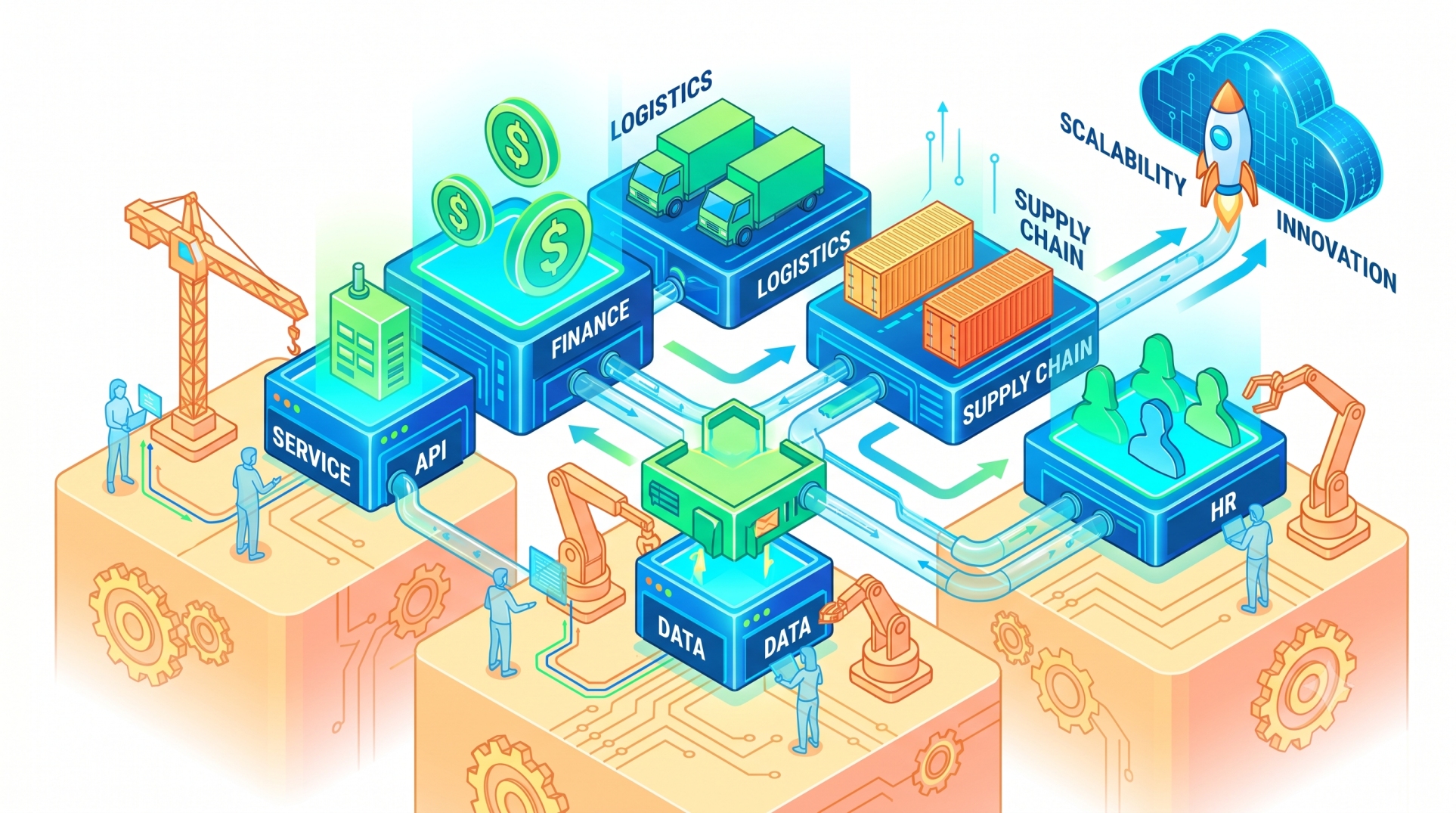
• Brings together data from finance, operations, sales, HR, and supply chain 📊
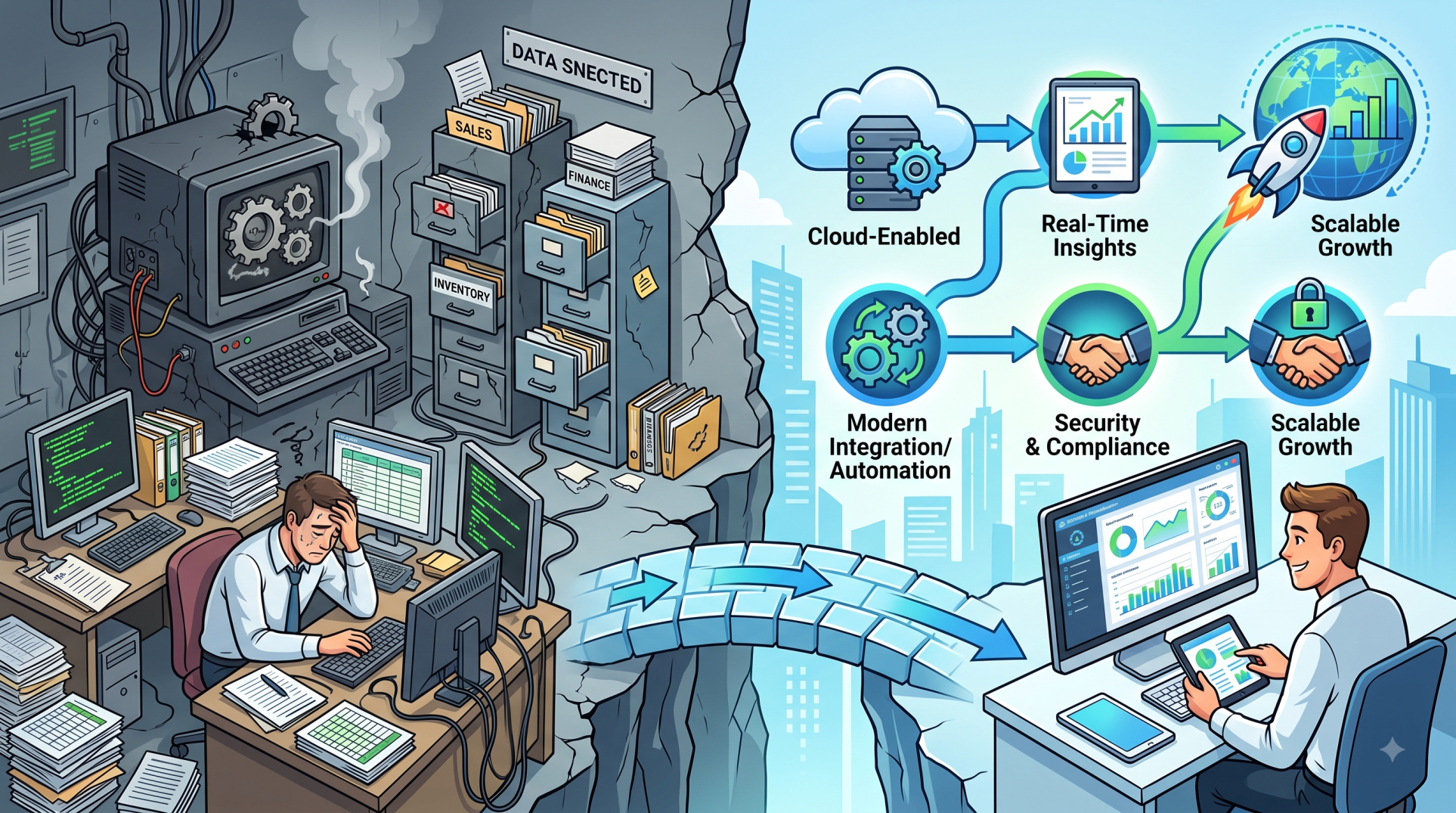
• Replaces disconnected systems with a centralized platform ⚙️
• Establishes a consistent and trusted source of business data ✔️
• Aligns data definitions across departments 🏢
• Improves accessibility and reliability of information 👀
Step 2: Converting Transactions into Analytical Data 🔄
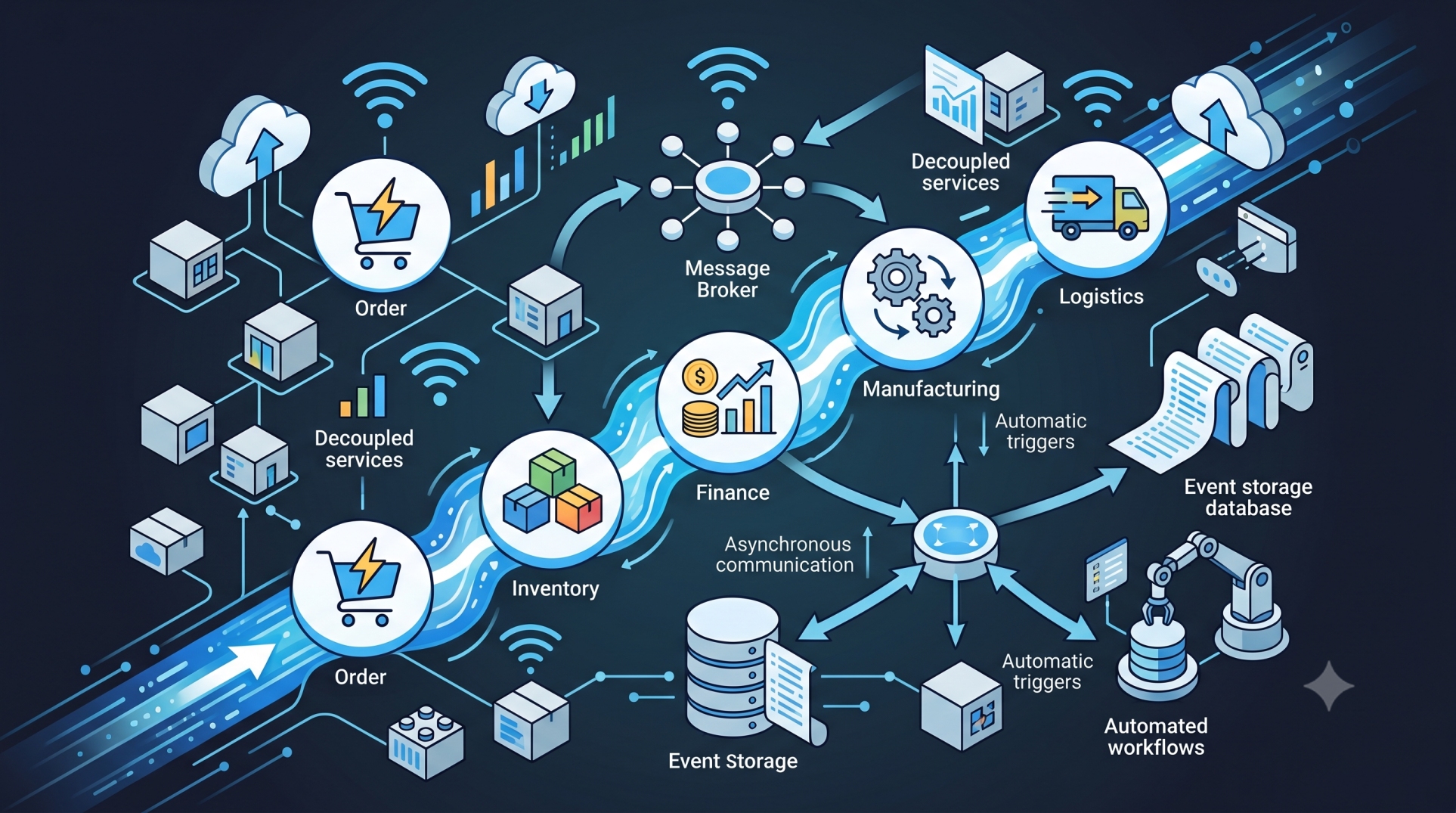
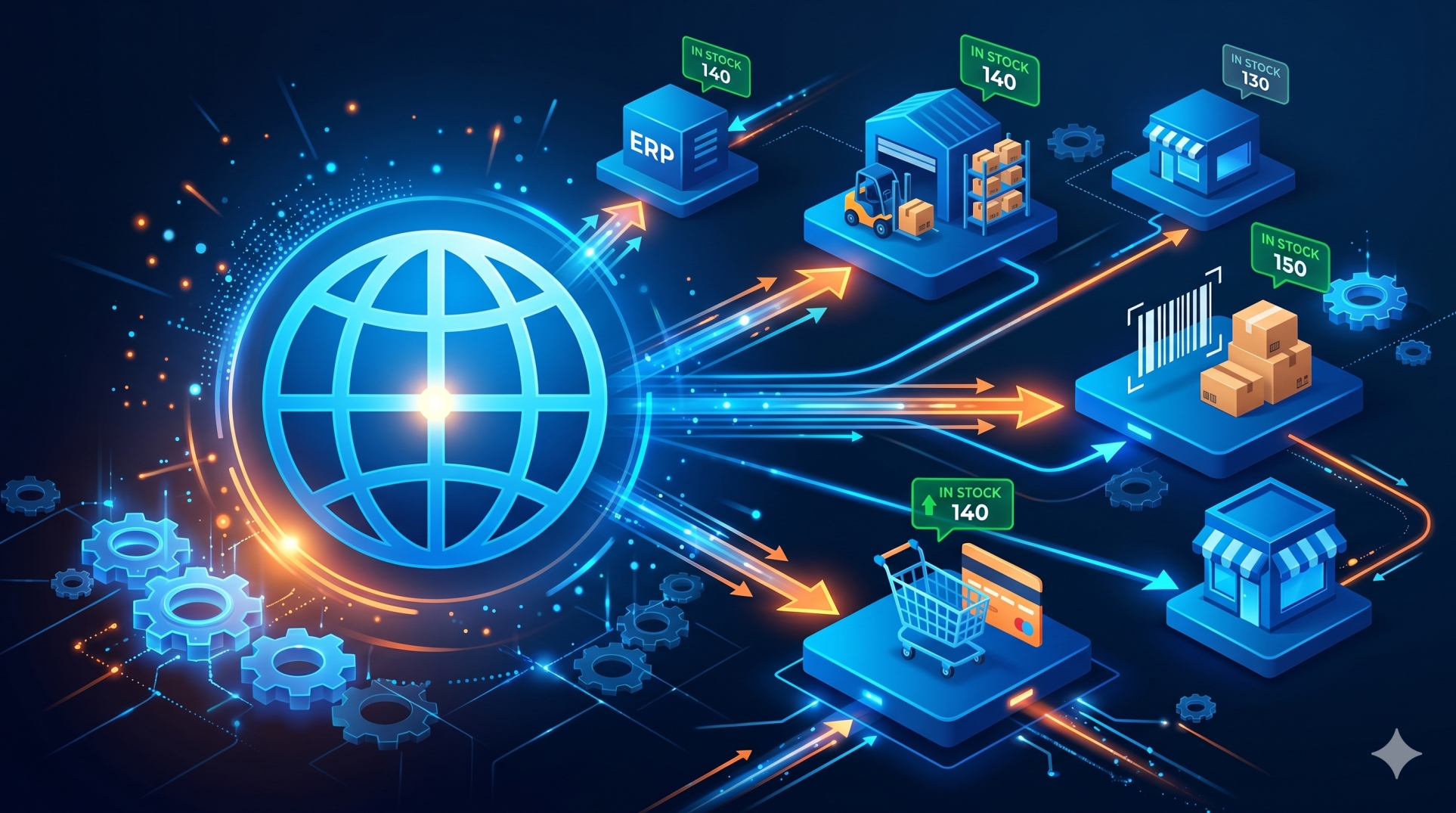
• Records operational activities in real time ⏱️
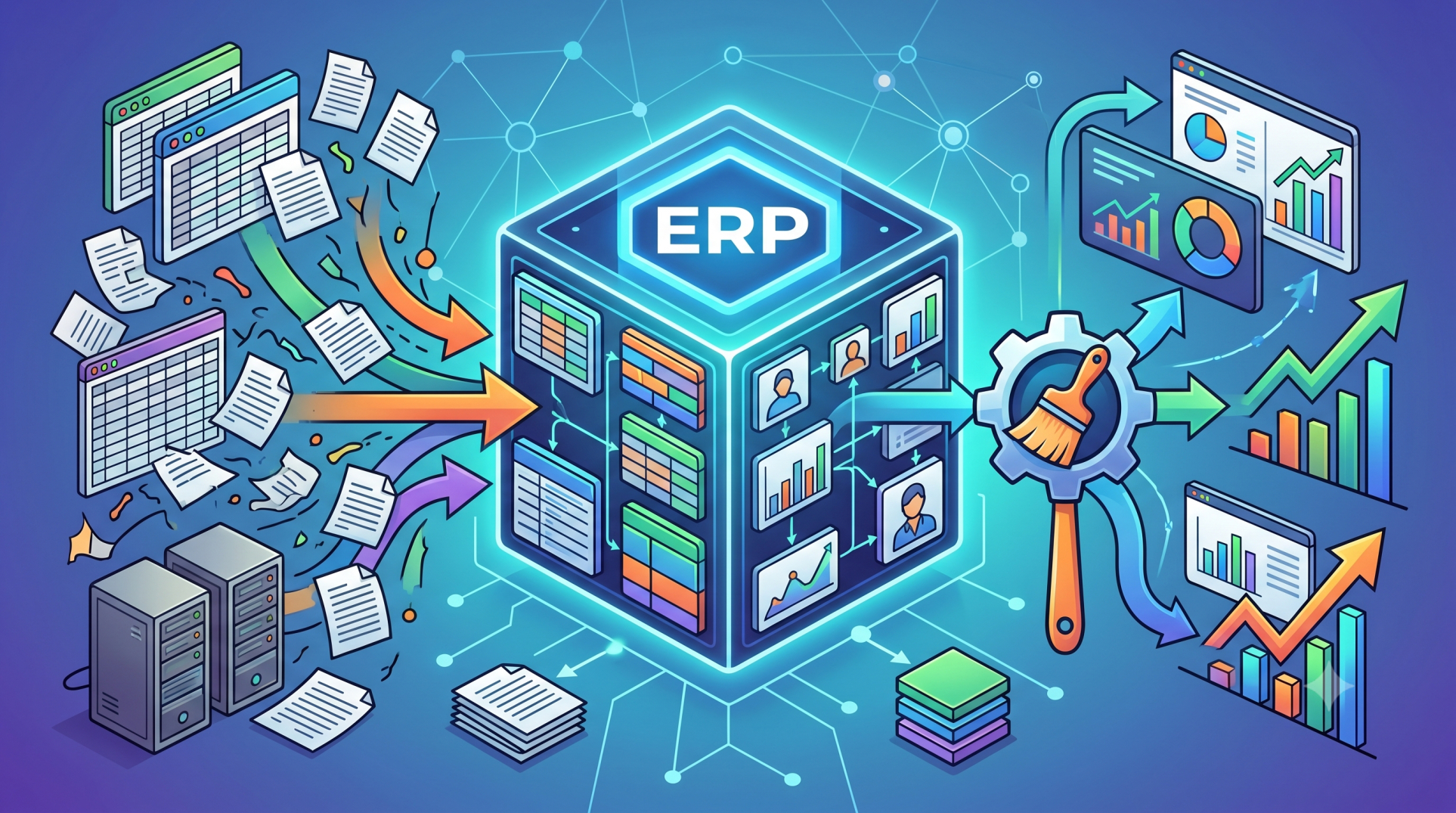
• Organizes raw transactions into structured datasets 🗂️
• Enables historical and trend-based analysis 📉
• Supports multi-dimensional reporting across teams 📐
• Creates a foundation for deeper analytics 🔍
Step 3: Delivering Real-Time Business Visibility 👀
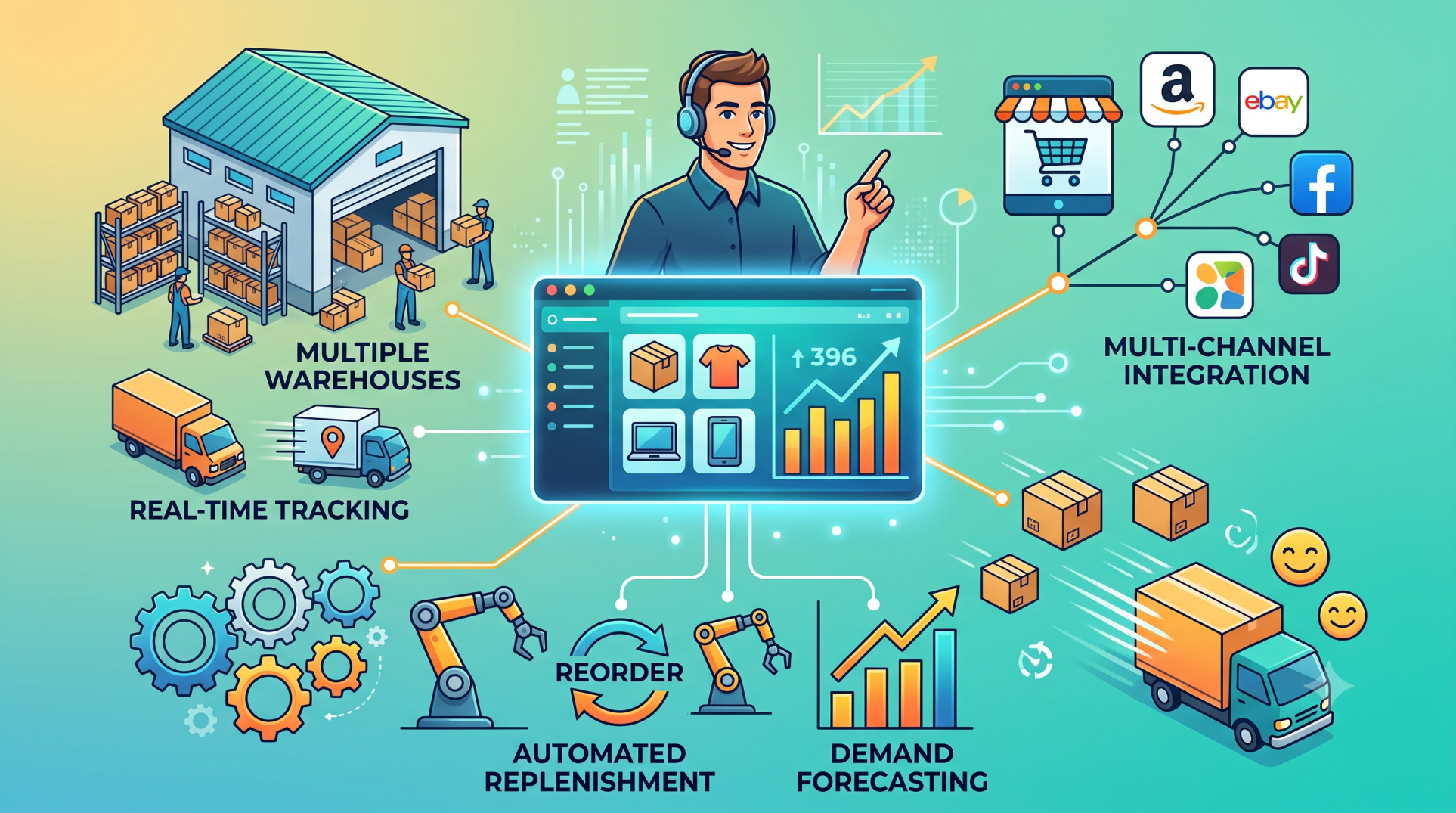
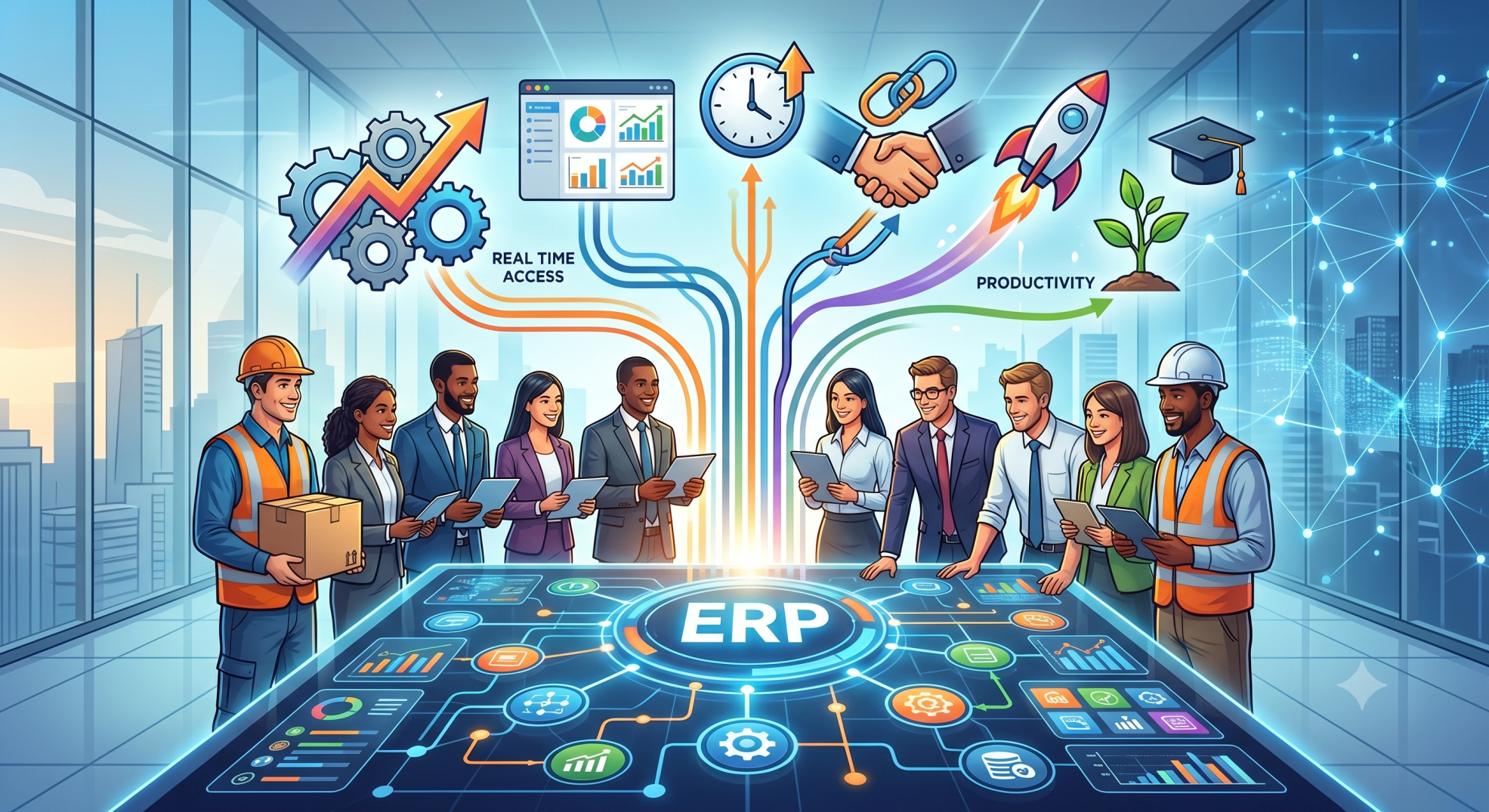
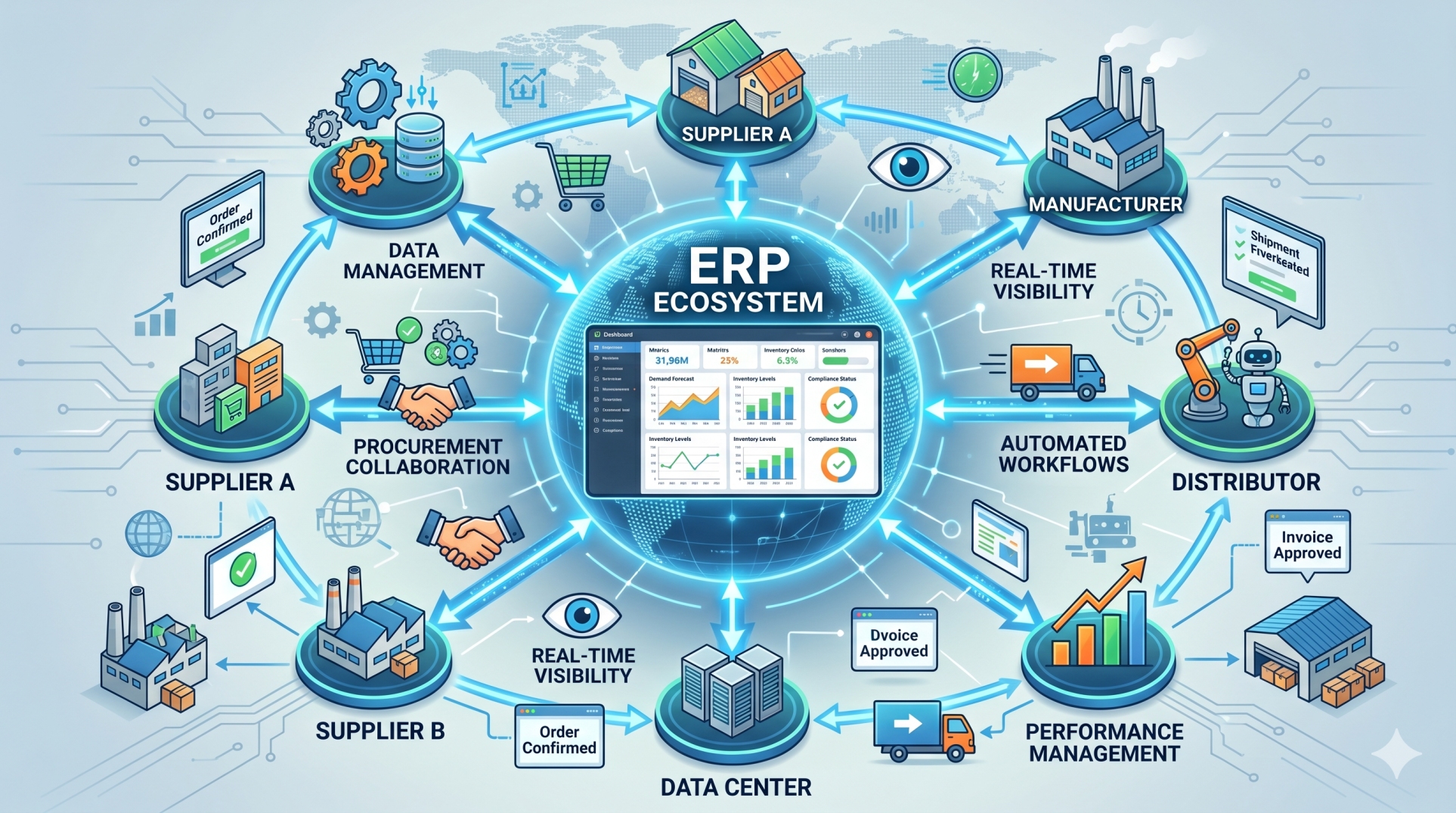
• Provides immediate insight into operational and financial health 📊
• Enables proactive decision-making instead of delayed reporting 🚀
• Surfaces emerging risks and opportunities ⚠️
• Improves alignment across business functions 🔗
• Reduces delays between events and responses ⏳
Step 4: Embedded Dashboards and Reporting 📊
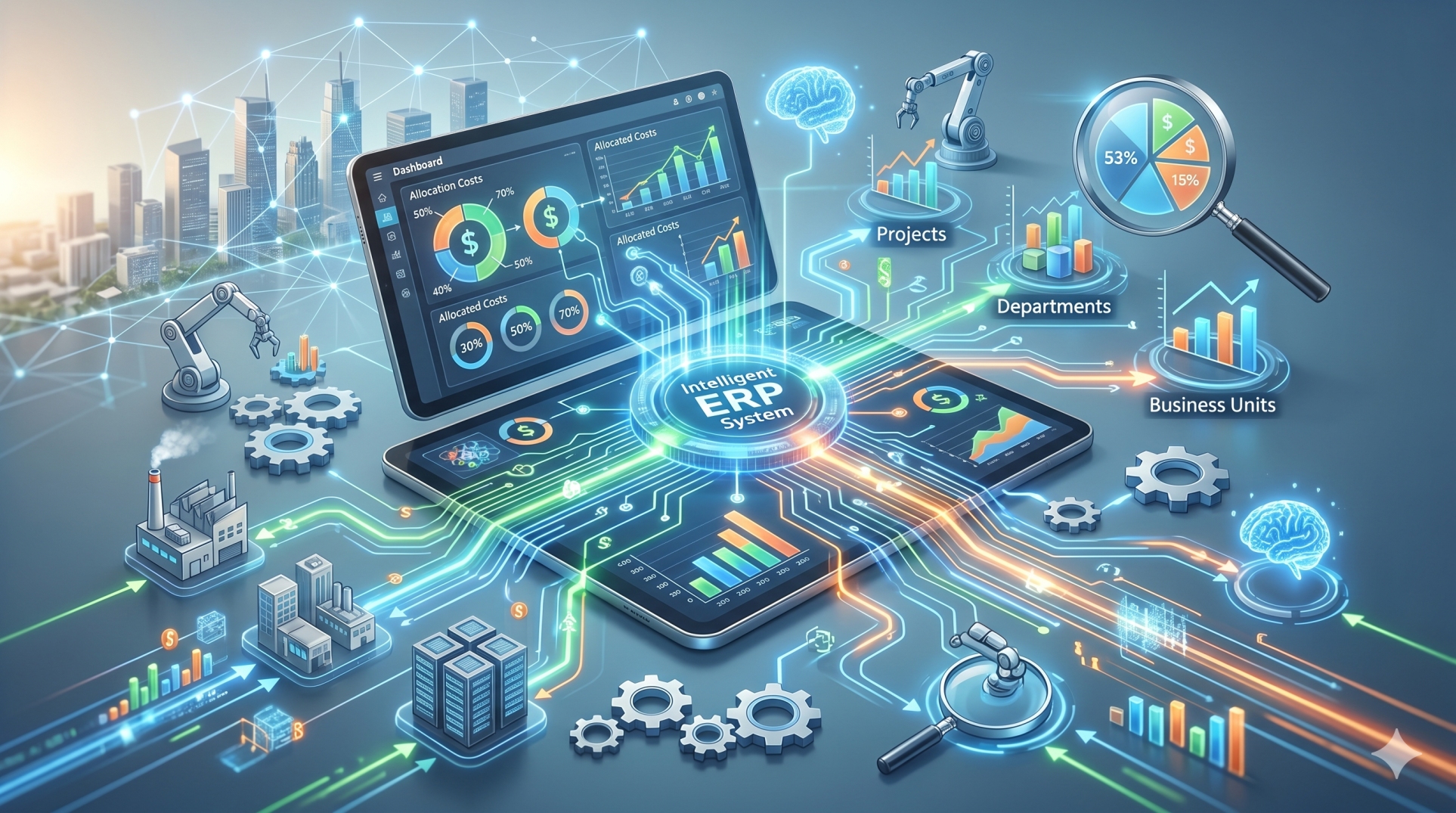
• Offers role-specific dashboards for executives and teams 👔
• Presents KPIs and metrics in a clear, visual format 📈
• Allows drill-down from summaries to detailed records 🔍
• Reduces dependency on separate reporting tools 🧰
• Makes insights usable for non-technical users 👍
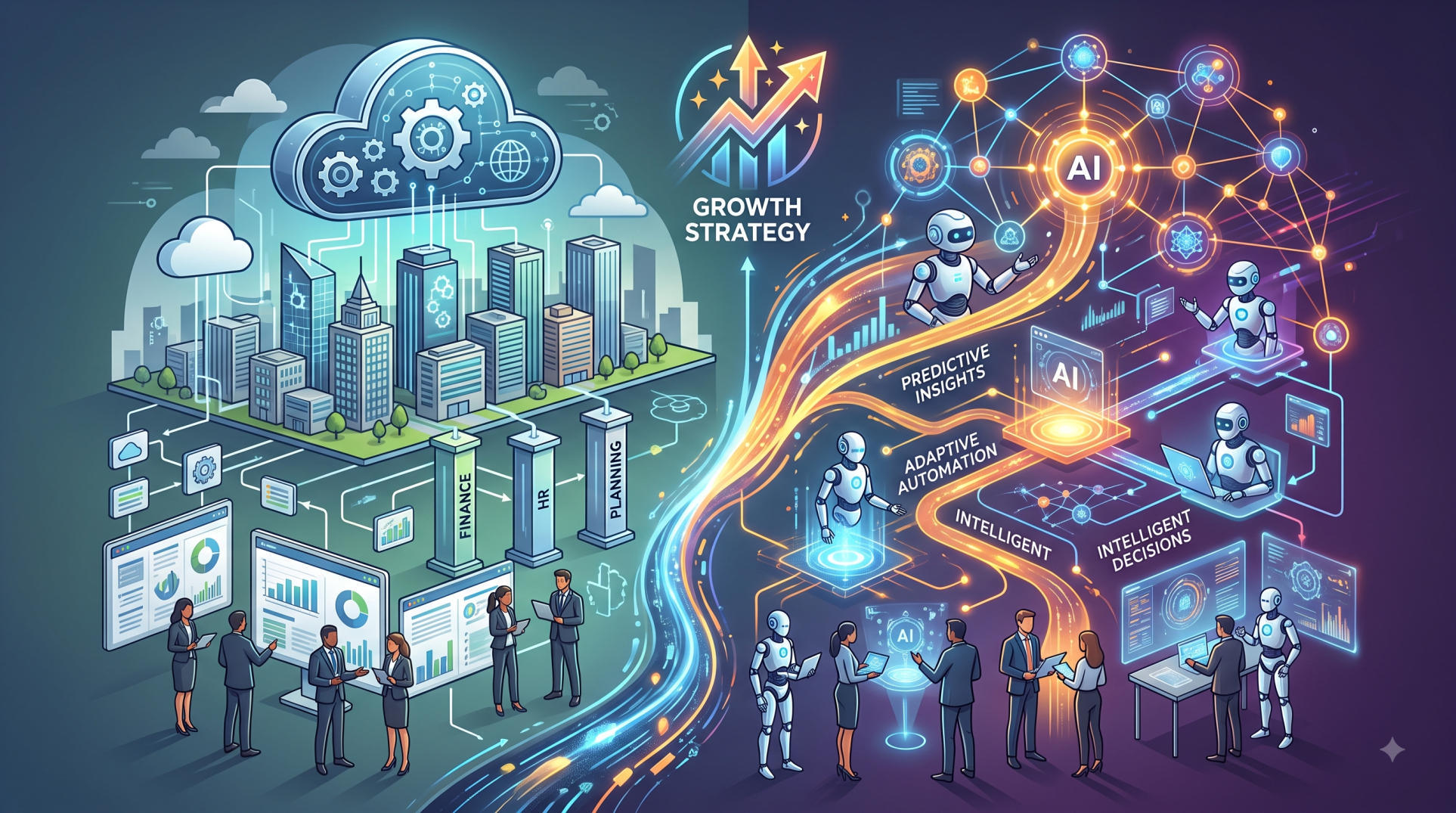
Step 5: Enabling Predictive and Forward-Looking Insights 🔮
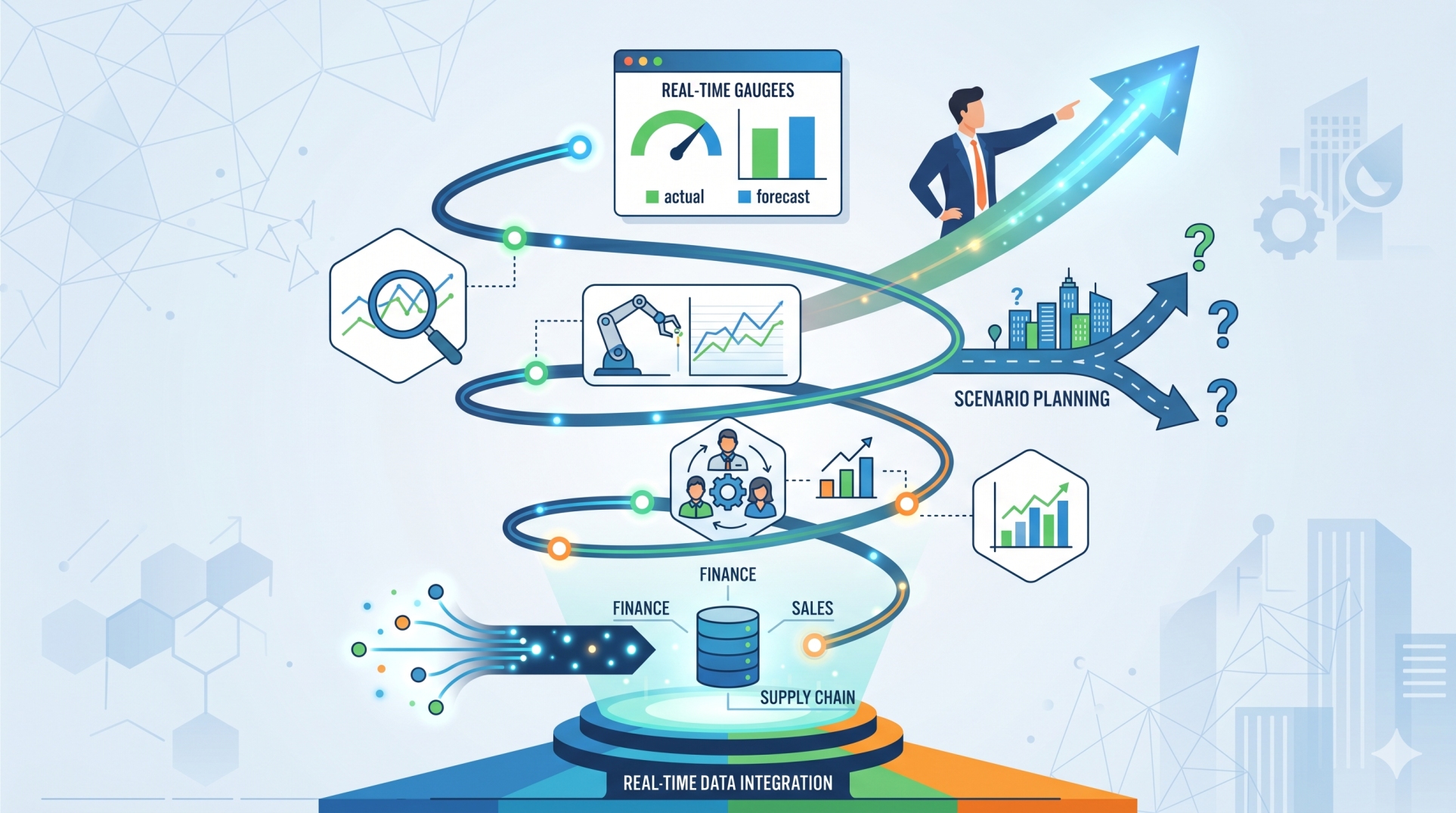
• Uses forecasting and statistical modeling 📐
• Anticipates demand, cash flow, and resource needs 💰
• Identifies patterns that signal future outcomes 📊
• Supports scenario planning and simulations 🔁
• Improves planning accuracy across the organization 🎯
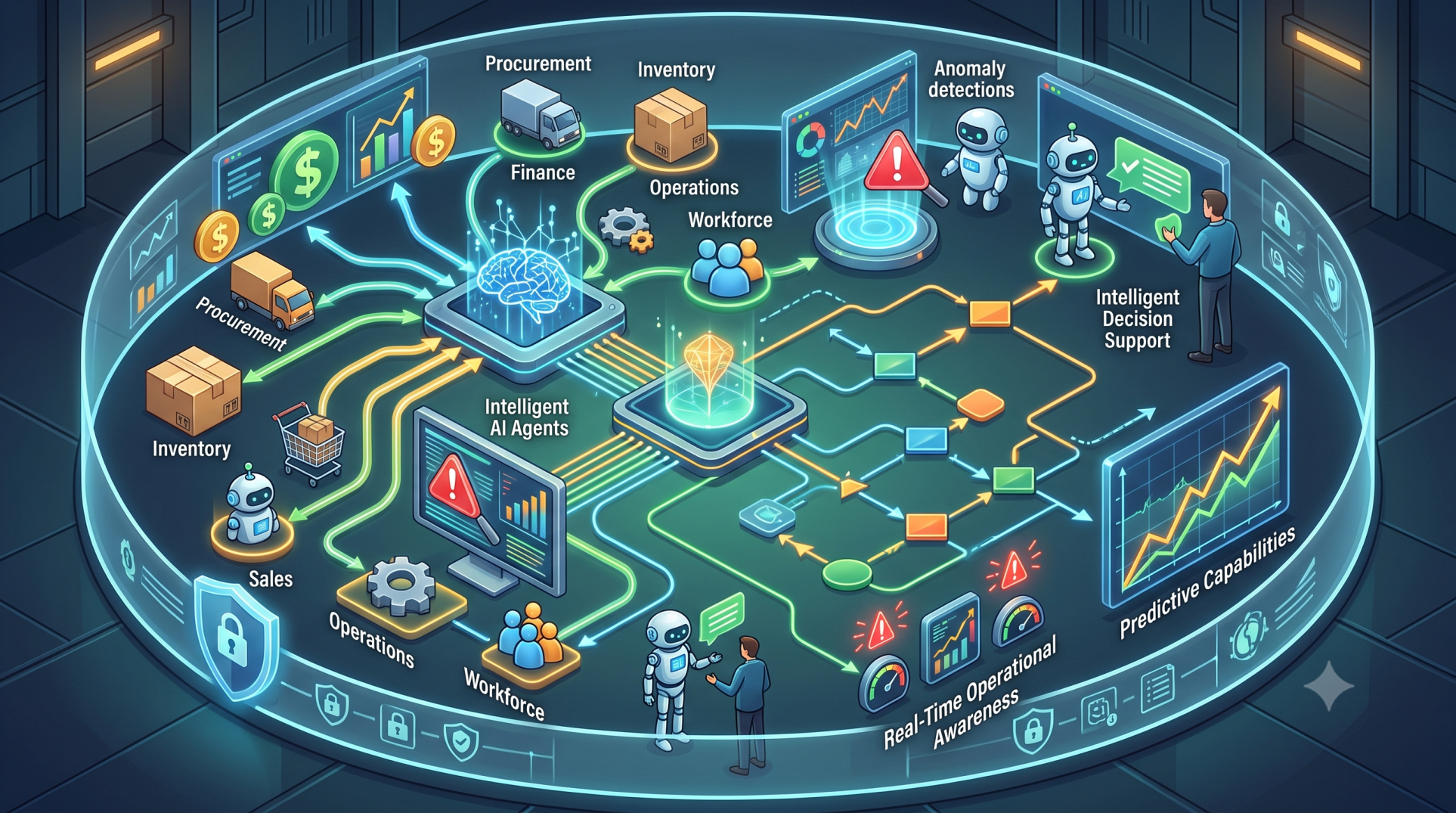
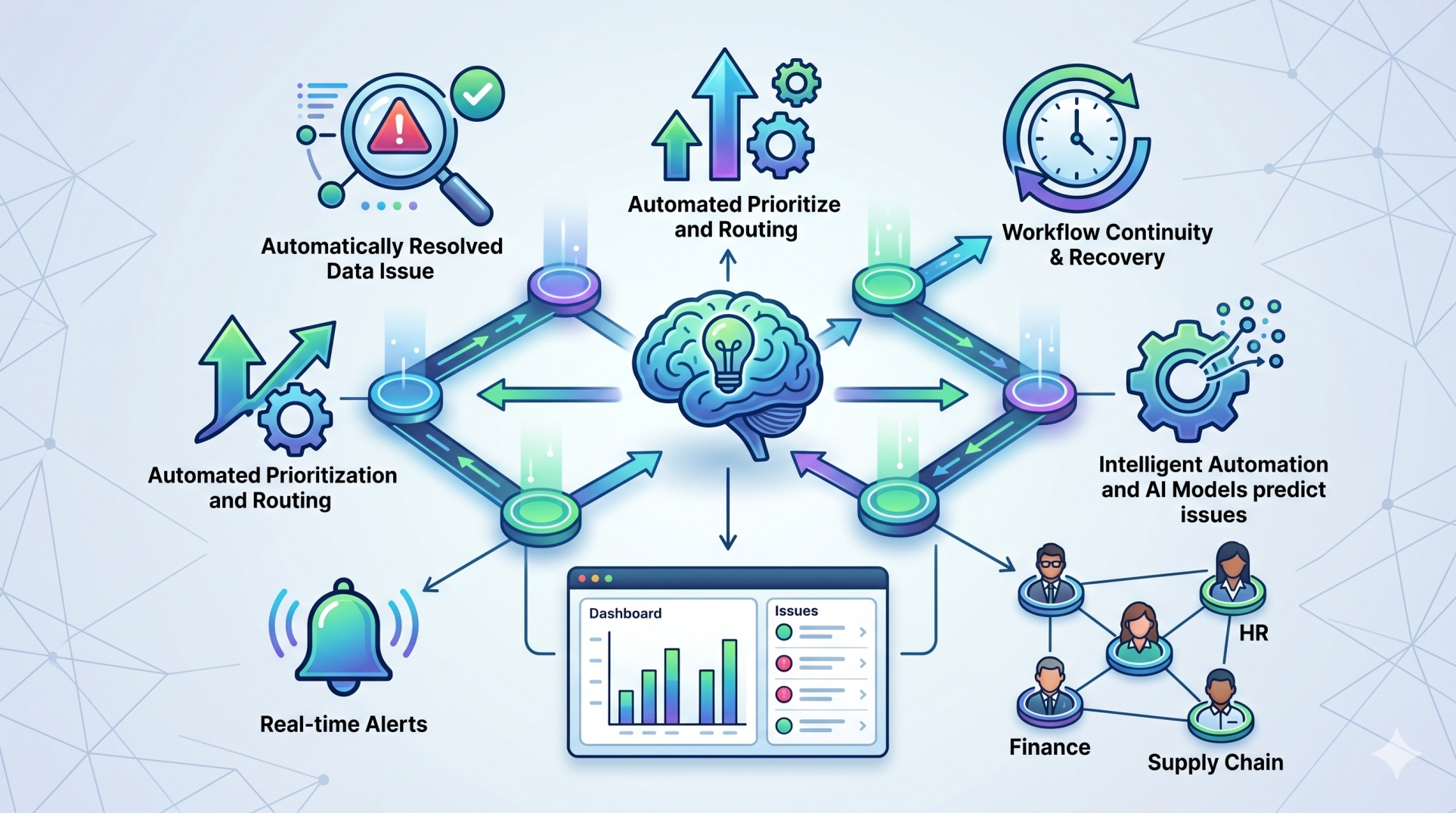
Step 6: Automation-Driven Insight Generation 🤖
• Automatically detects anomalies and exceptions 🚨
• Flags deviations from expected performance 📉
• Suggests corrective actions based on data patterns 🛠️
• Reduces manual analysis and reporting effort ✋
• Accelerates operational response times ⚡
Step 7: Extending Insights Through BI Integration 🔗
• Connects ERP data with business intelligence tools 📊
• Supports advanced analytics and visualization 🎨
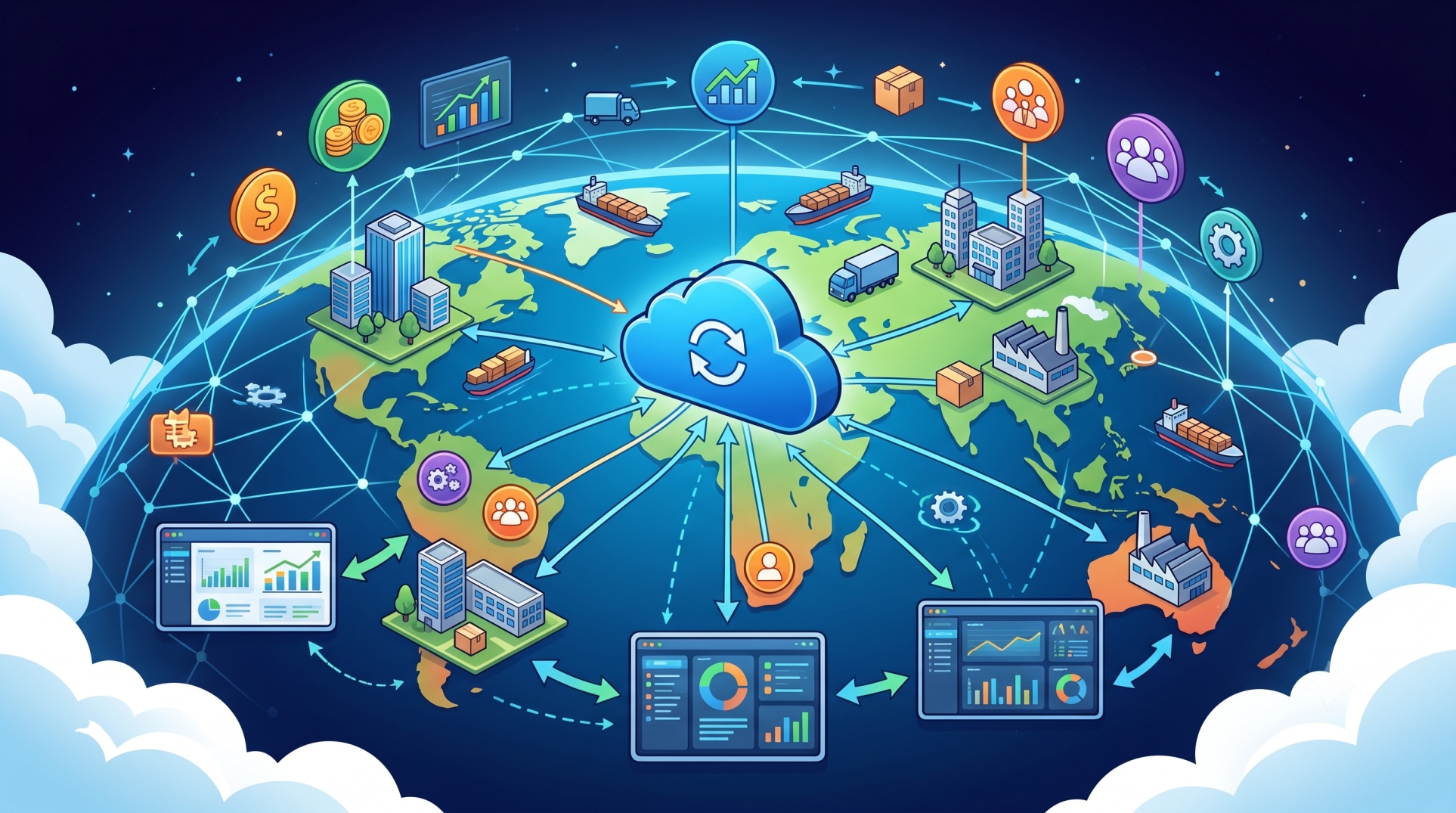
• Enables cross-system and cross-domain insights 🌐
• Extends analytical capabilities beyond core ERP modules ➕
• Strengthens the overall enterprise data strategy 🏢
Step 8: Decision-Making Enablement 🎯
• Provides executives with clear, strategic visibility 👔
• Supports managers with actionable operational insights 📈
• Aligns decisions with organizational goals 🏢
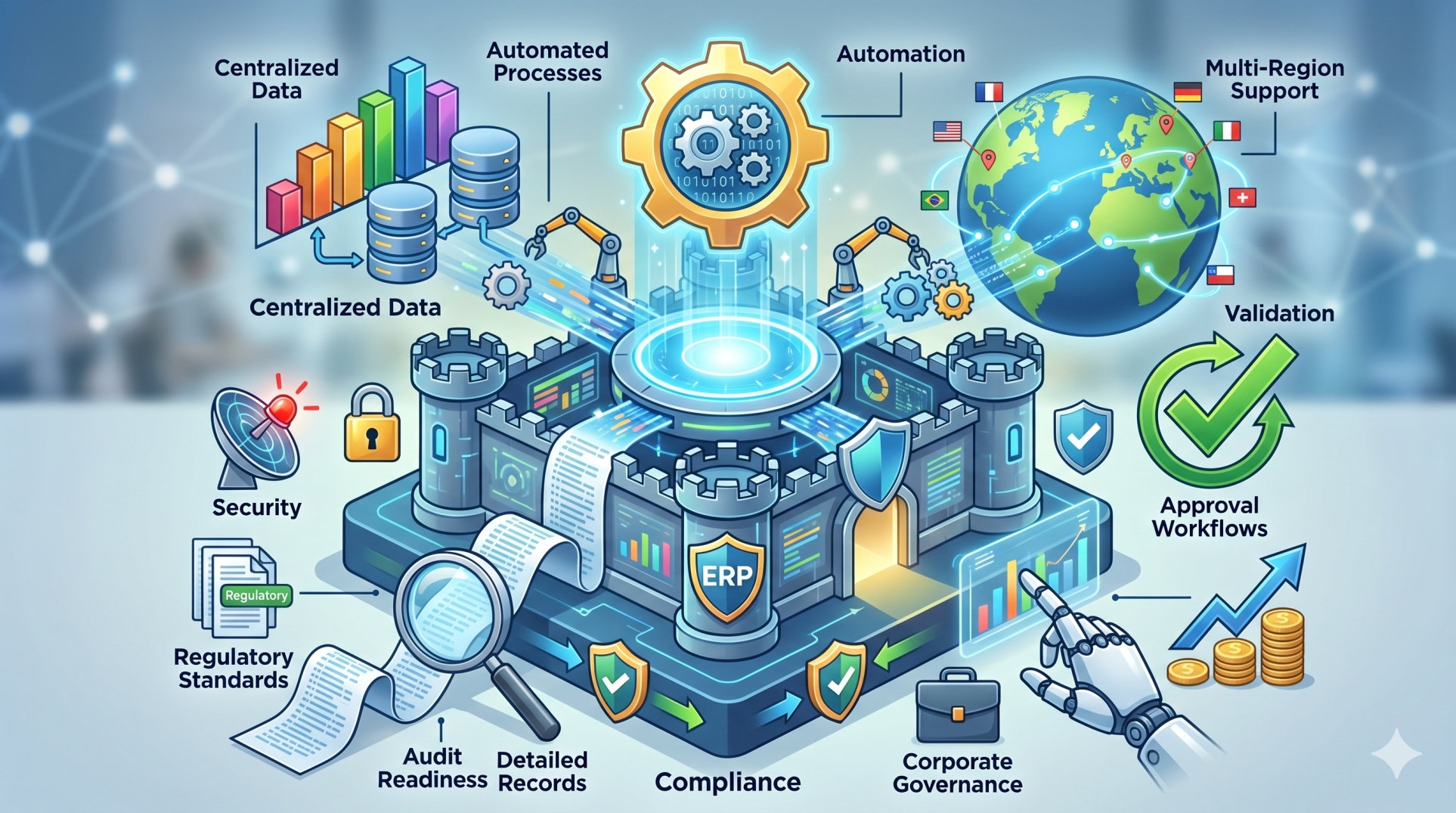
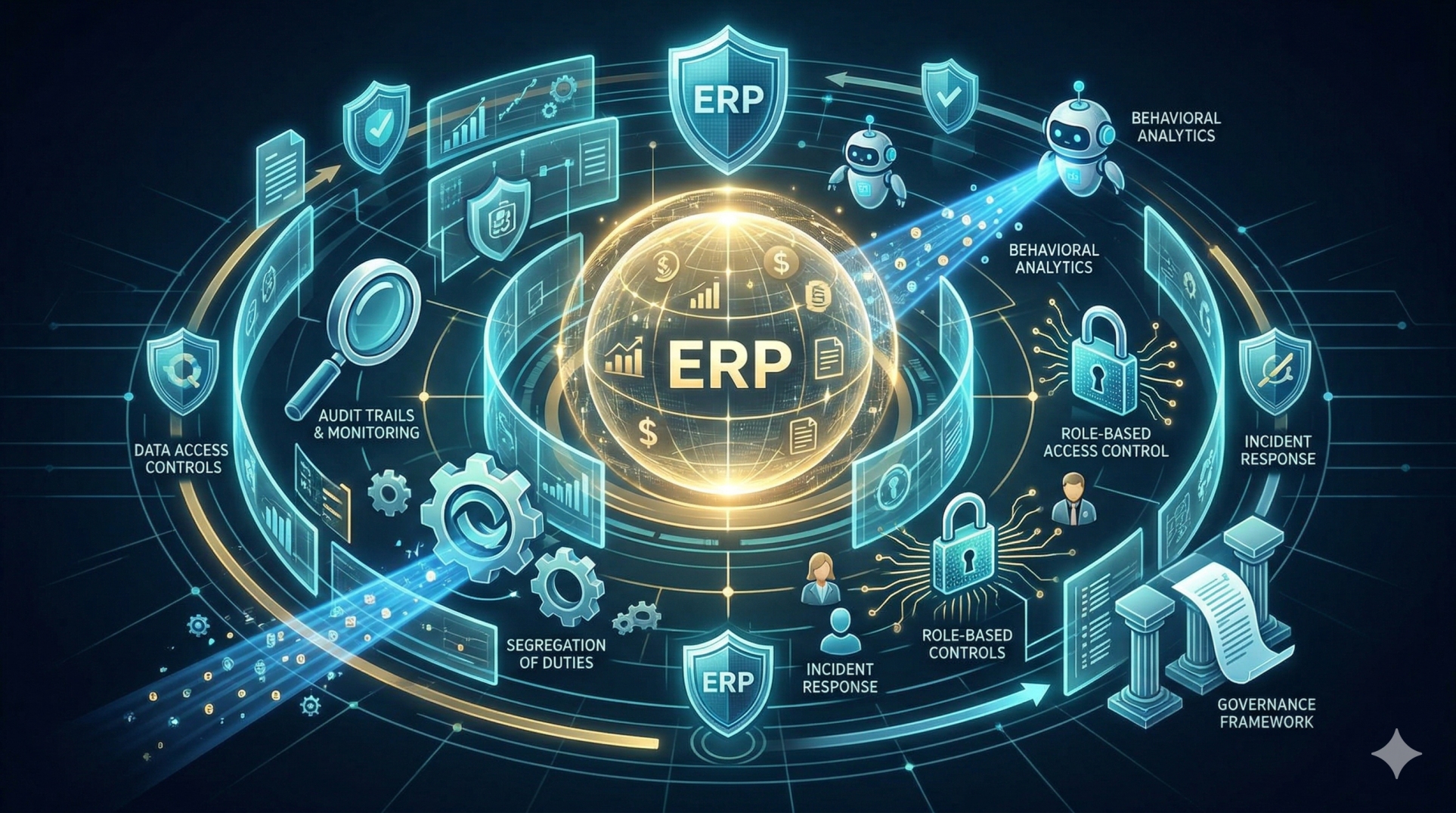
Step 9: Ensuring Data Quality and Governance 🛡️
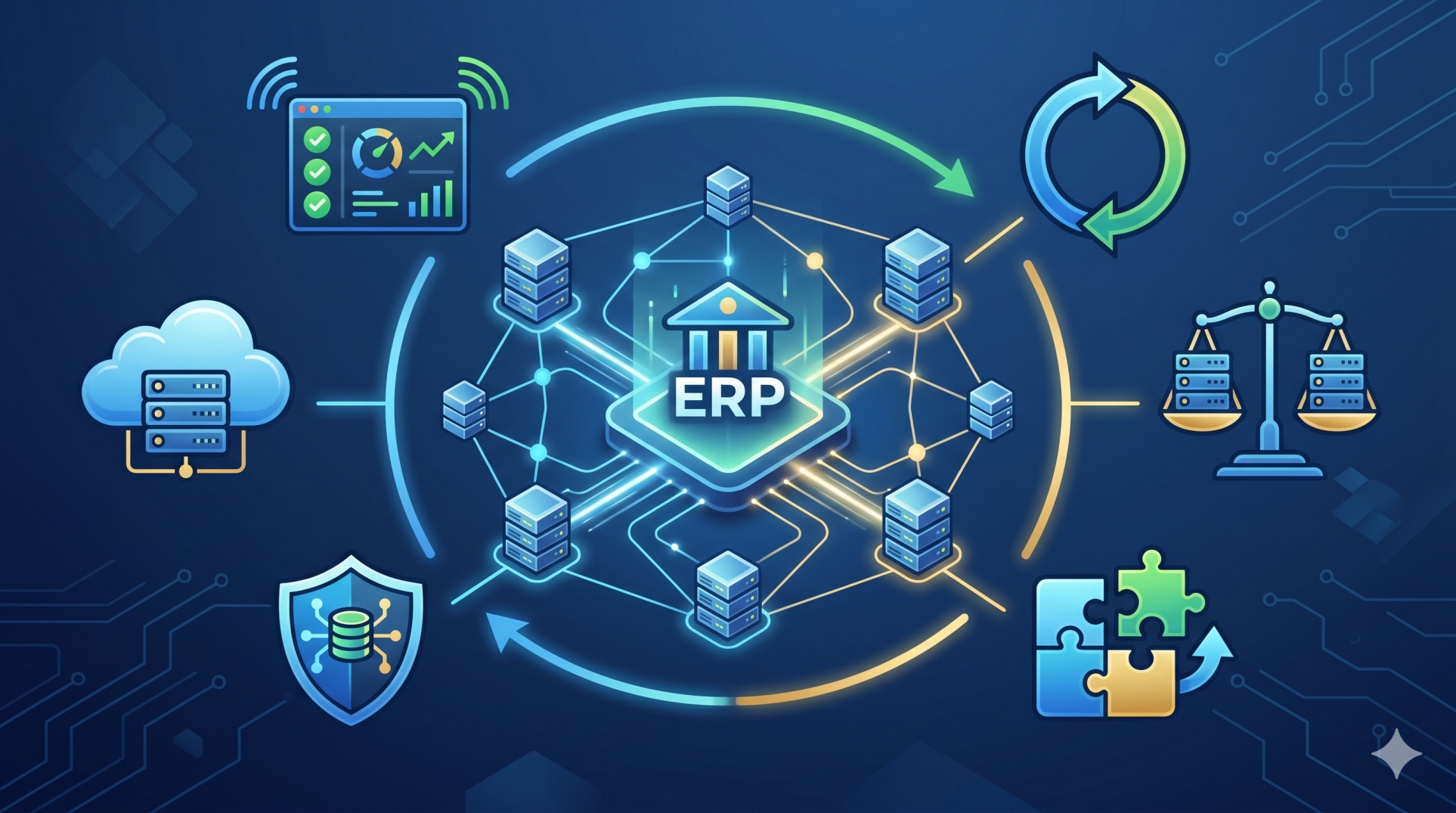
• Enforces validation and accuracy controls ✔️
• Maintains audit trails and data traceability 🧾
• Supports regulatory and compliance requirements ⚖️
• Protects sensitive and critical business data 🔐
• Builds confidence in reported insights 🤝
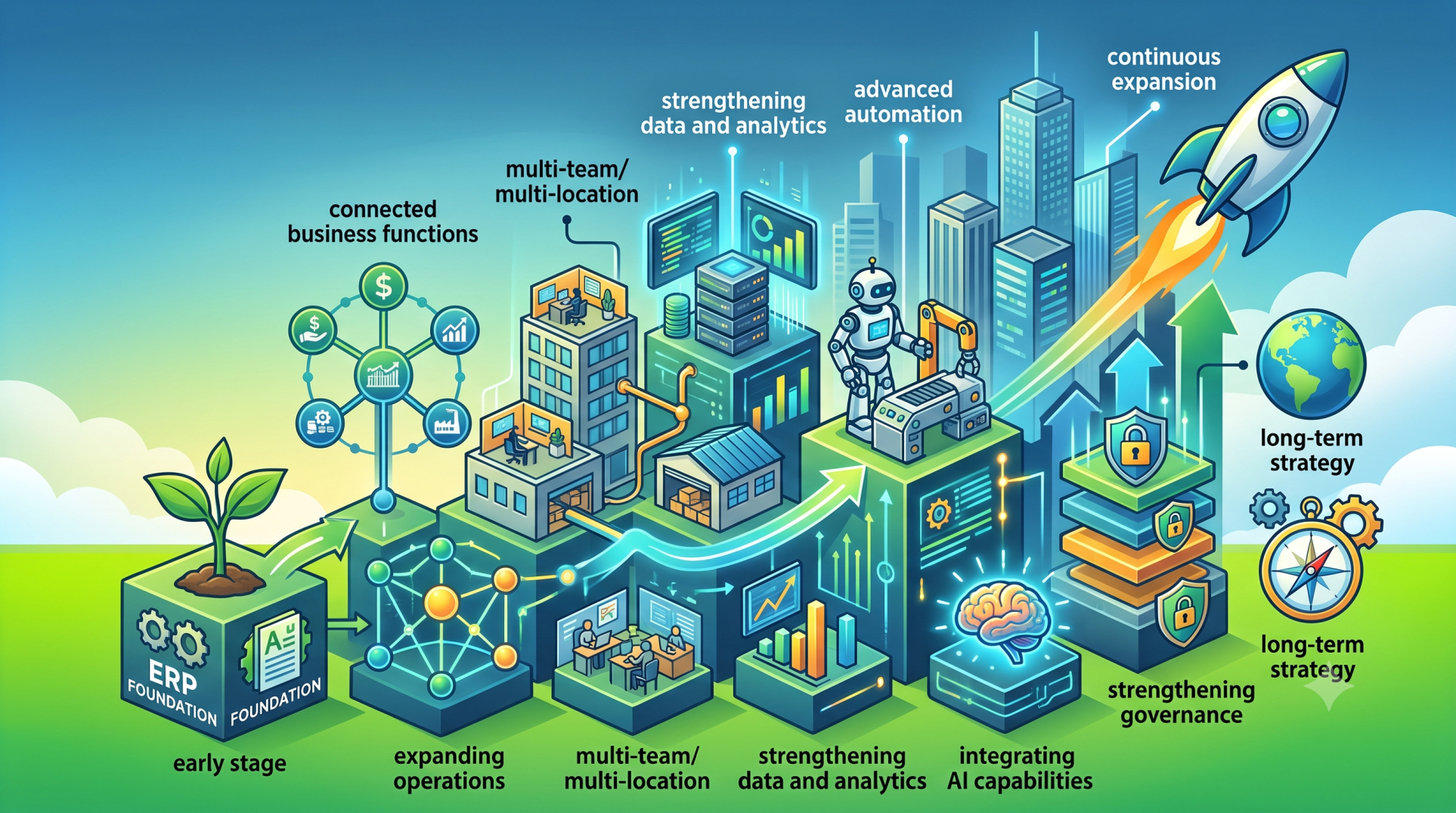
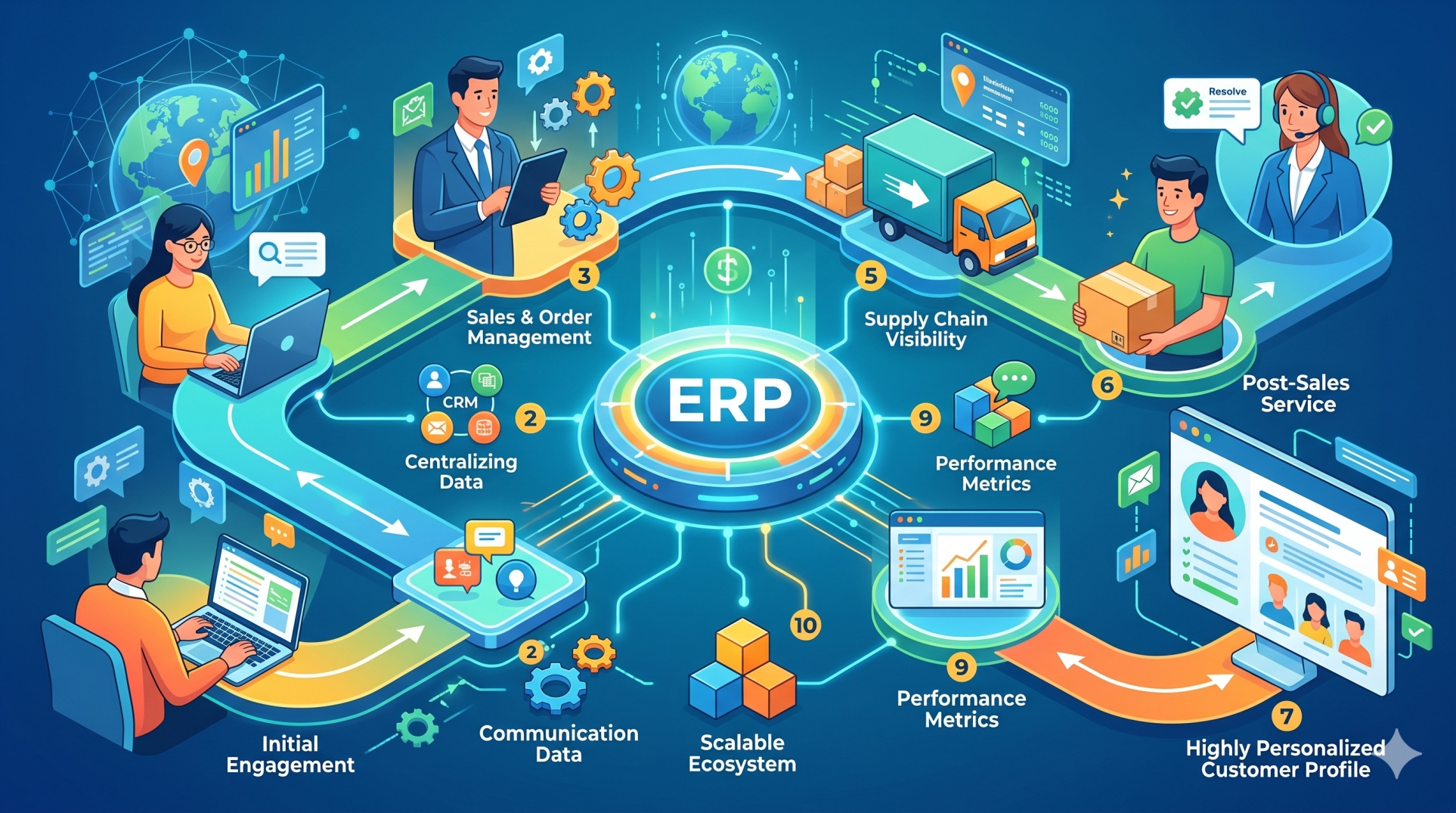
Step 10: ERP as an Insight-Centric Business Platform 🏆
• Shifts ERP from operations management to strategic enablement 🚀
• Creates continuous feedback loops for improvement 🔄
• Scales insight generation as the business grows 📈
• Adapts to evolving business models and markets 🌍
• Treats data as a core organizational asset 💎
Conclusion 🎯
Modern ERP systems play a central role in converting business data into actionable intelligence. By unifying information, embedding analytics, and enabling predictive and automated insights, ERP platforms empower organizations to operate with clarity, agility, and confidence. As data volumes and complexity increase, ERP remains the foundation for insight-driven business decision-making.
See more blogs
You can all the articles below