Blockchain Integrations in ERP Ecosystems
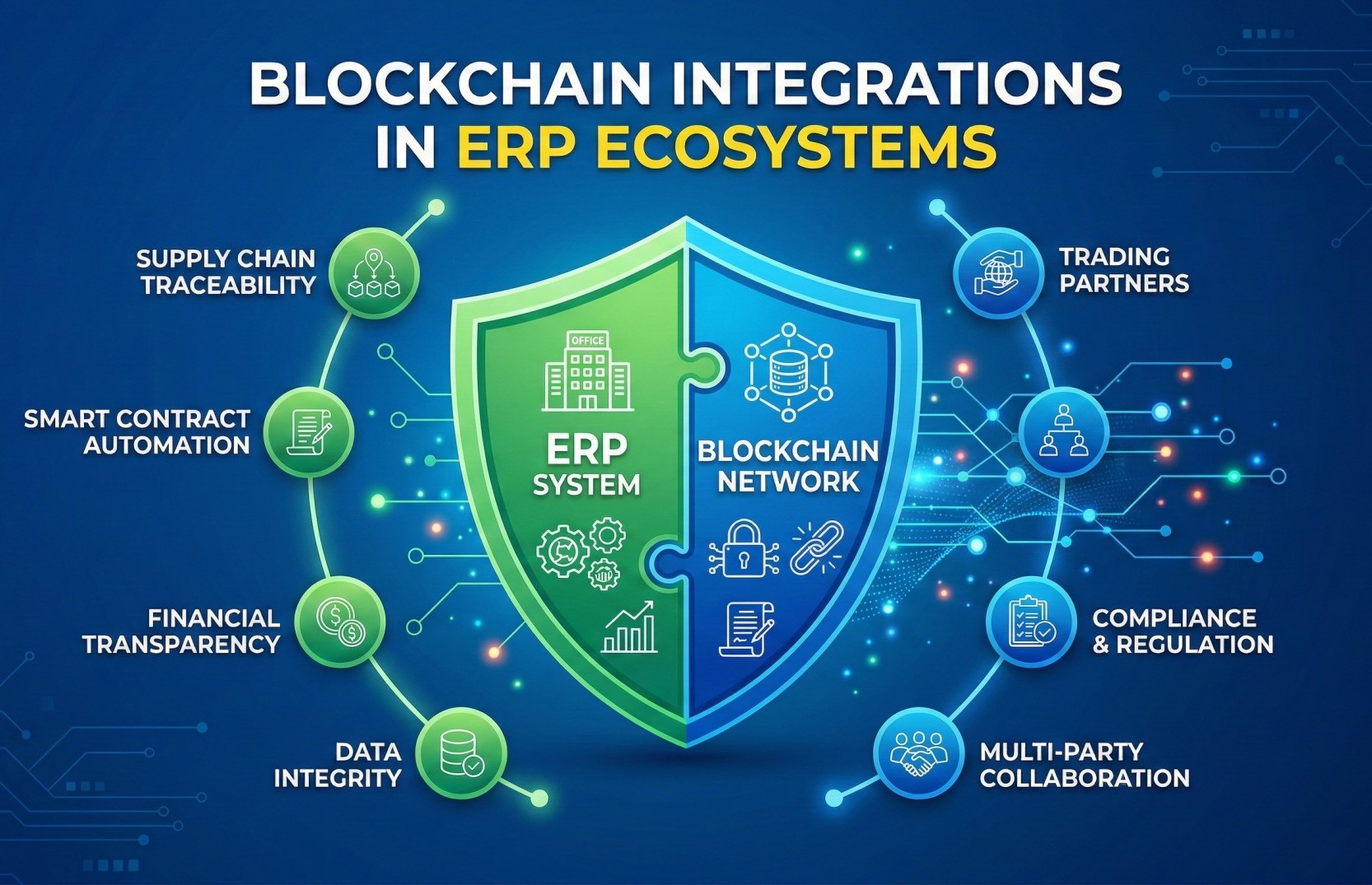
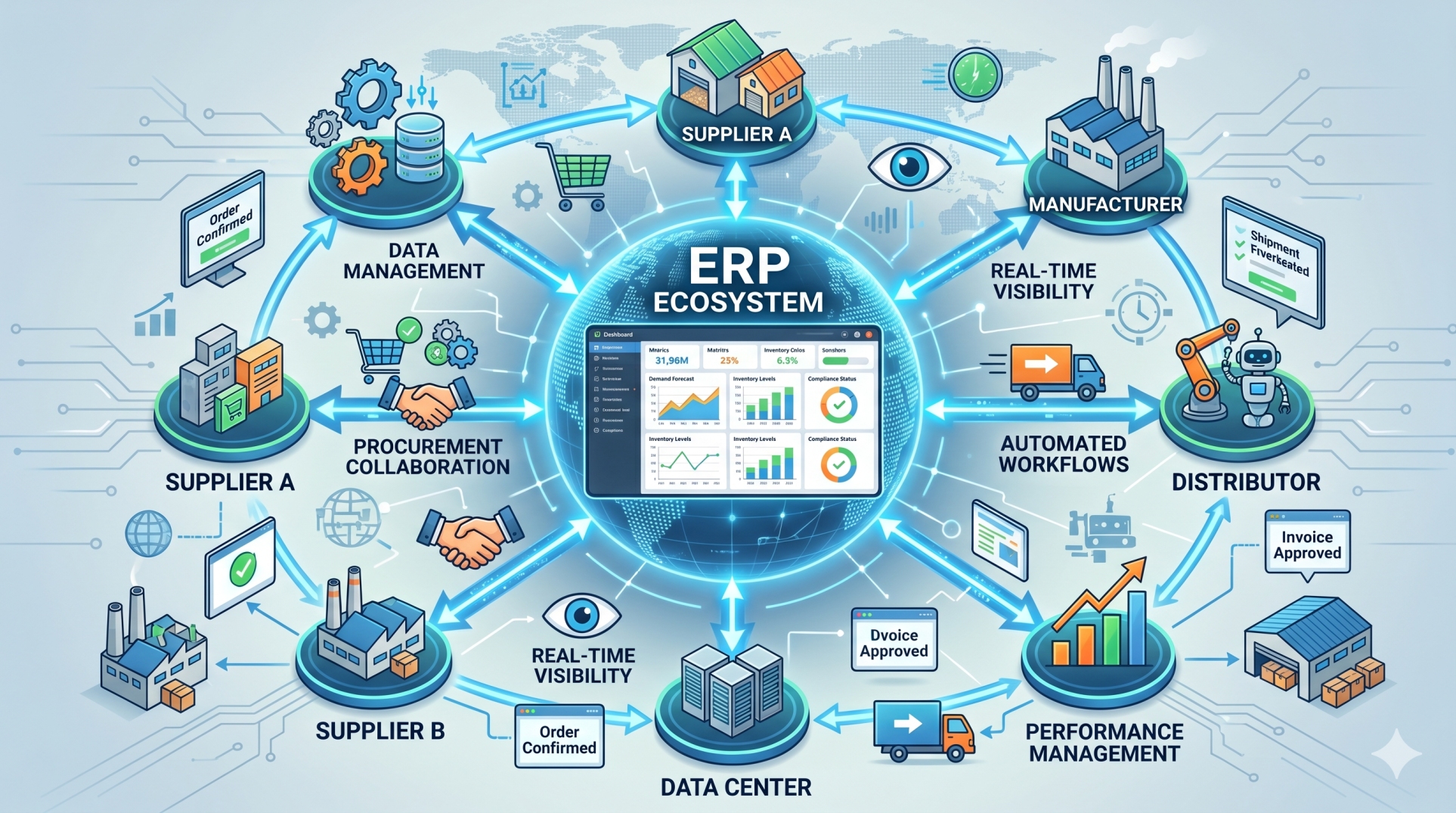
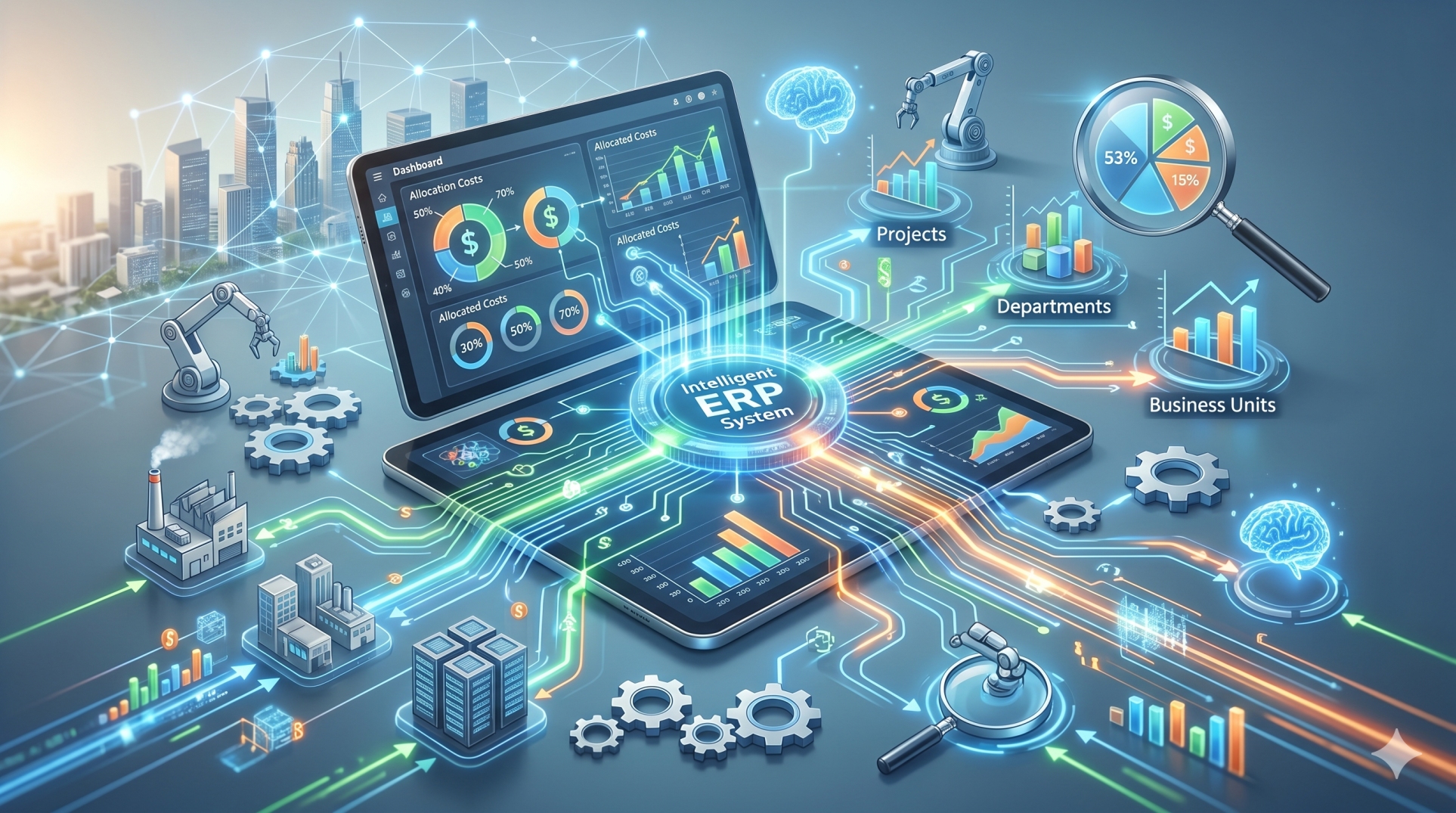
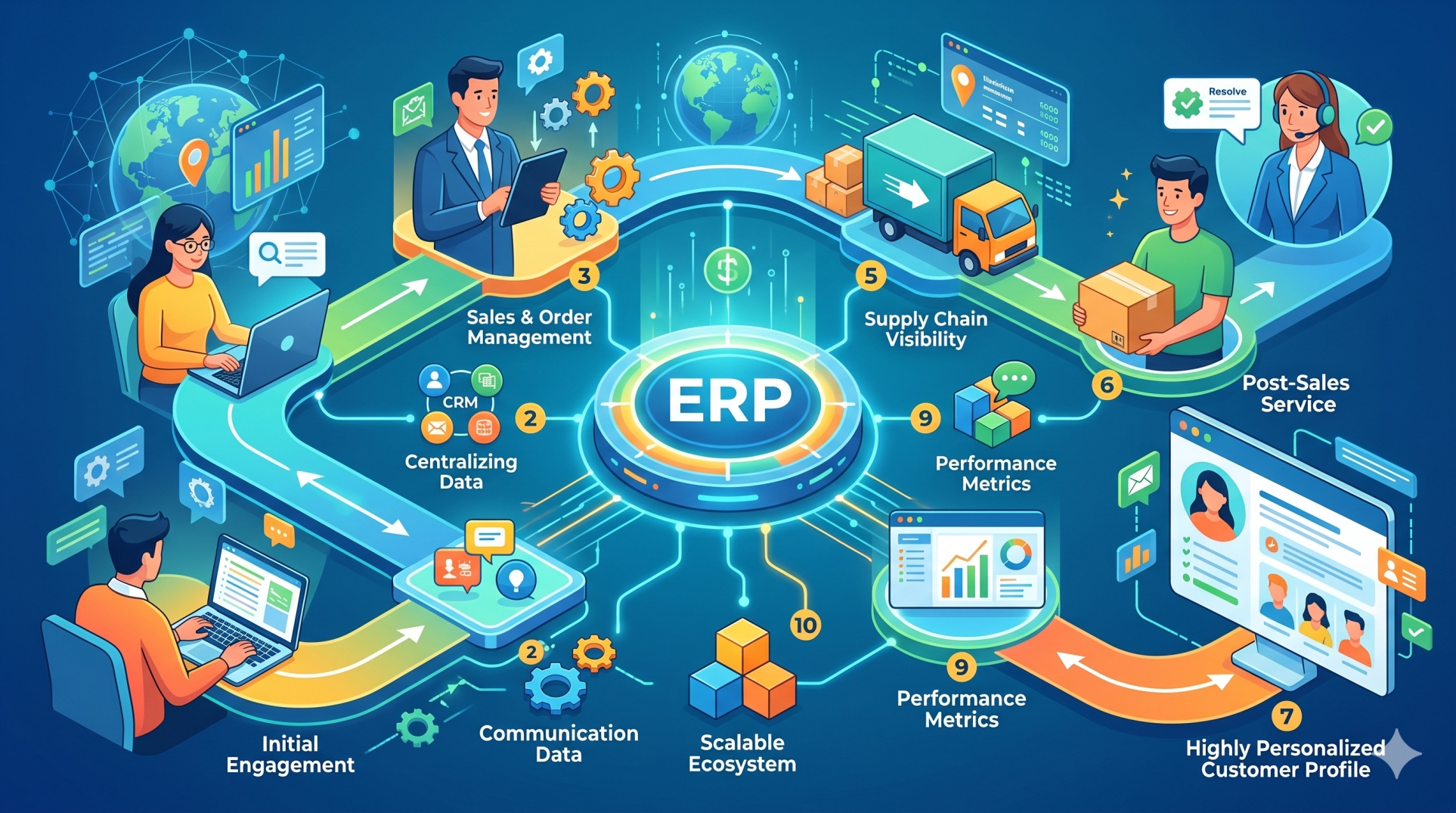
As ERP systems continue to evolve into intelligent enterprise platforms, blockchain integration is emerging as a powerful enhancement layer. By combining ERP’s structured operational control with blockchain’s decentralized trust architecture, organizations can improve transparency, traceability, automation, and security across complex business ecosystems. This integration extends ERP beyond internal process management into multi-party, trust-based collaboration environments.
Step 1: Why Blockchain Matters for Modern ERP 🔗🏢
• ERP manages structured internal transactions across departments 🧾
• Blockchain introduces decentralized, tamper-resistant record keeping 🔐
• Enables trust between multiple external stakeholders 🤝
• Reduces reliance on intermediaries in transaction validation ⚖️
• Strengthens transparency across supply and financial networks 📊
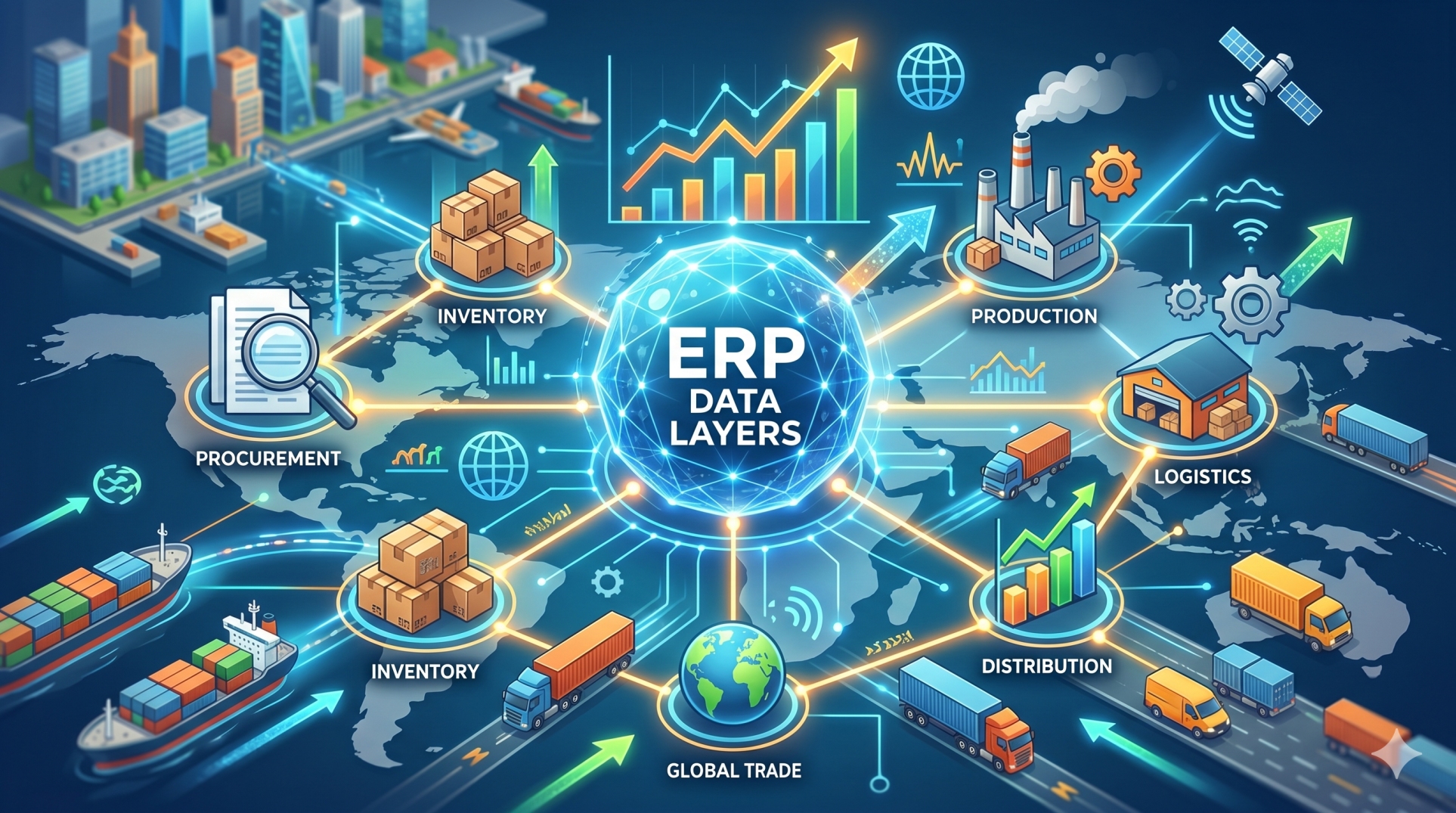
Step 2: Enhancing Supply Chain Traceability 📦🌍
• Records product origin and movement across the supply chain 📍
• Creates immutable logs for inventory transfers 🗂️
• Improves visibility across suppliers, distributors, and partners 👀
• Reduces fraud, counterfeiting, and data manipulation risks 🚫
• Strengthens compliance with regulatory requirements 📜
Step 3: Smart Contracts for Automated Workflows 📜⚙️
• Executes predefined business rules automatically 🤖
• Automates payment releases based on delivery confirmation 💰
• Reduces manual approvals and reconciliation delays ⏱️
• Improves contract enforcement across organizations 🔒
• Increases operational efficiency in cross-border transactions 🌐
Step 4: Strengthening Financial Transparency 💳📊
• Provides immutable transaction audit trails 🗂️
• Enhances inter-company accounting processes 🧮
• Improves trust in shared financial records 🤝
• Reduces disputes between trading partners ⚖️
• Supports faster financial reconciliation ⏳
Step 5: Improving Data Integrity and Security 🛡️🔐
• Prevents unauthorized modification of critical records 🚫
• Distributes data validation across multiple nodes 🌐
• Enhances cybersecurity resilience 🧠
• Protects sensitive transaction histories 🔒
• Builds stronger trust in enterprise data 📊
Step 6: Multi-Party Collaboration and Ecosystem Integration 🌐🤝
• Enables shared ledgers between suppliers and partners 📒
• Aligns distributed stakeholders through synchronized records 🔄
• Reduces data duplication across systems 📂
• Simplifies dispute resolution processes ⚖️
• Encourages ecosystem-wide transparency 👀
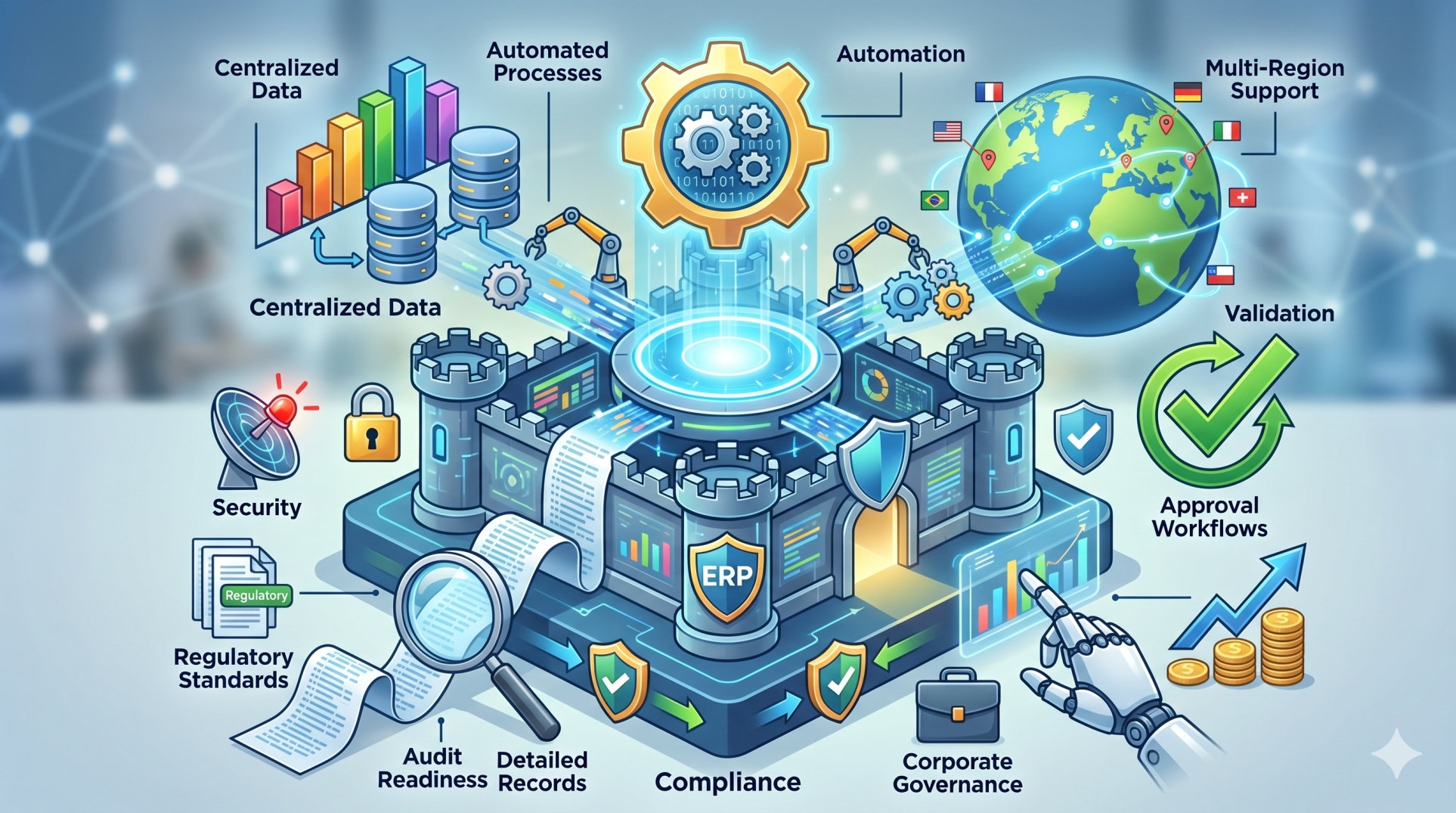
Step 7: Compliance and Regulatory Assurance 📜✔️
• Maintains permanent audit trails for inspections 🗂️
• Supports automated regulatory reporting 📊
• Improves documentation authenticity verification 🔍
• Enhances cross-border compliance management 🌍
• Reduces administrative burden in regulated industries 🏭
Step 8: Strategic Business Impact 🚀🏆
• Increases trust across complex enterprise networks 🤝
• Reduces operational friction in multi-party transactions ⚙️
• Strengthens long-term ecosystem resilience 🌱
• Positions ERP as a cross-organizational trust platform 🏢
Conclusion
Blockchain integration enhances ERP ecosystems by adding transparency, automation, and secure multi-party coordination. When implemented strategically, blockchain does not replace ERP—it extends its capabilities beyond internal operations into trusted, decentralized collaboration. As organizations increasingly operate within interconnected digital ecosystems, combining ERP with blockchain can unlock greater efficiency, accountability, and long-term strategic value.
See more blogs
You can all the articles below