Digital Core Strategies Built Around ERP Systems
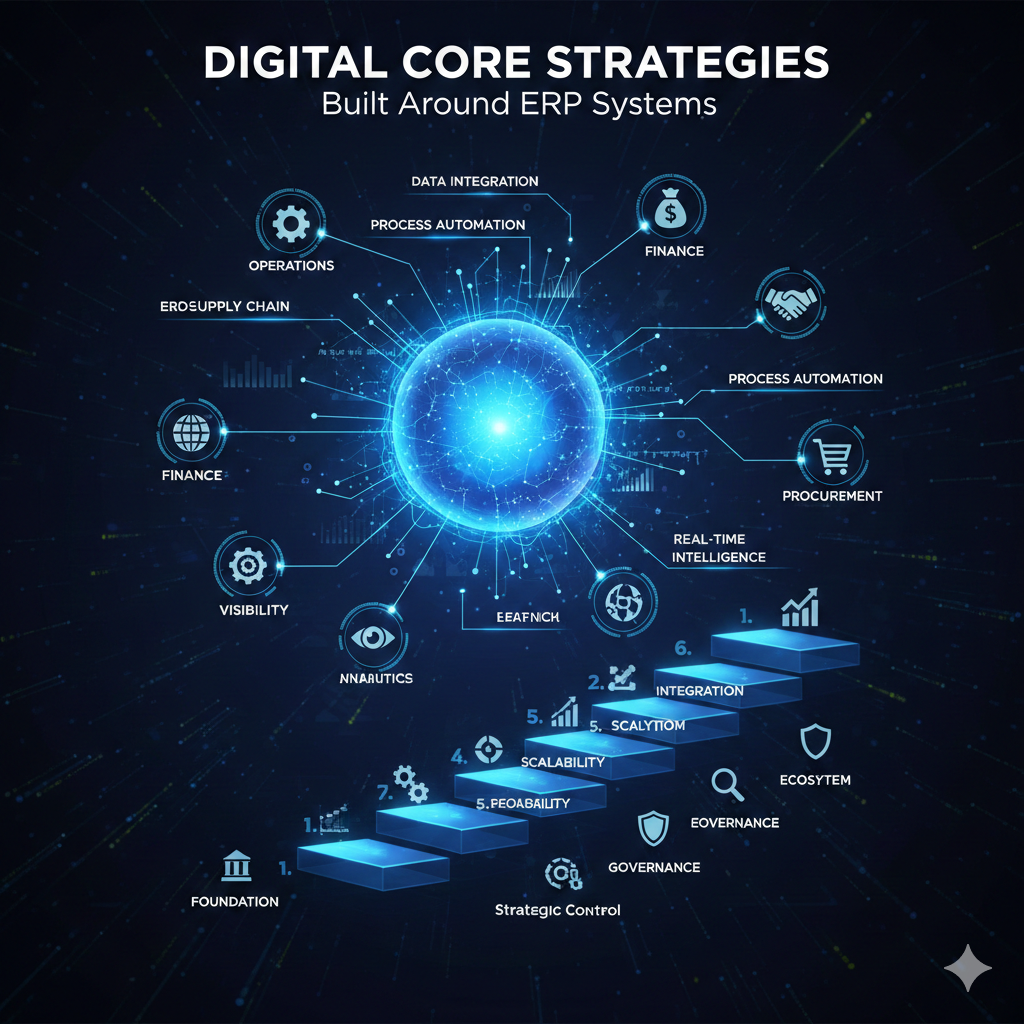
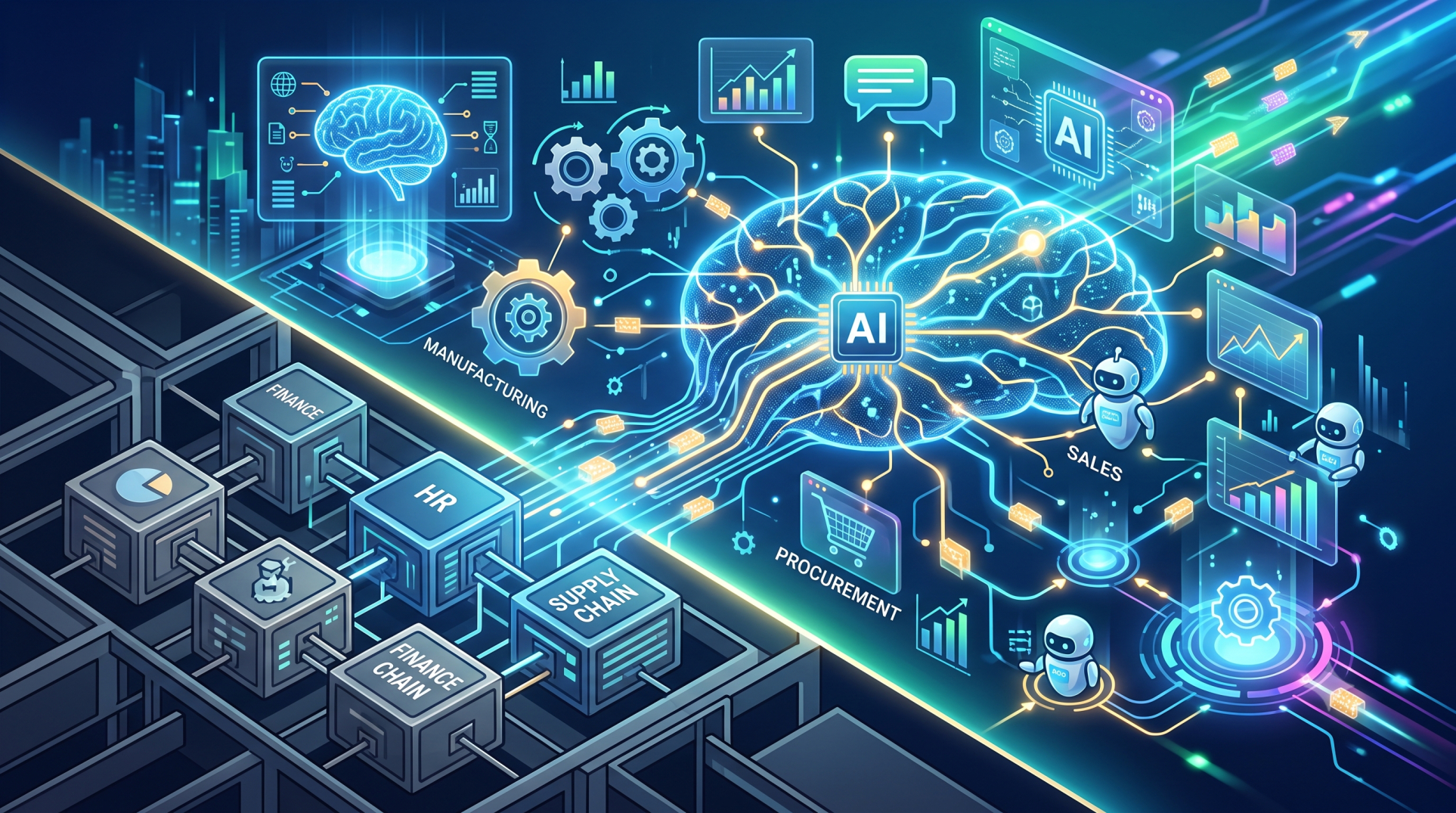
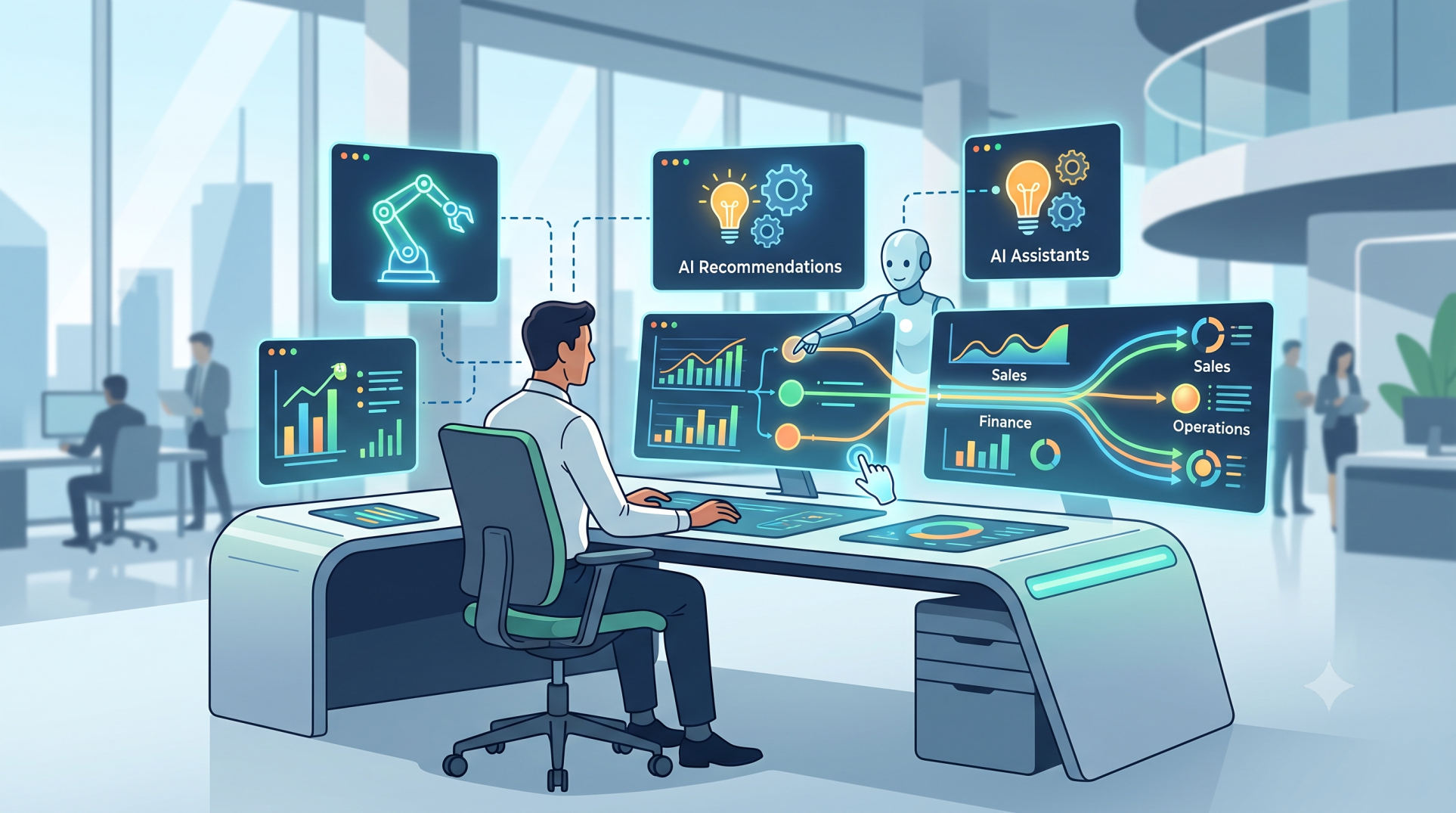
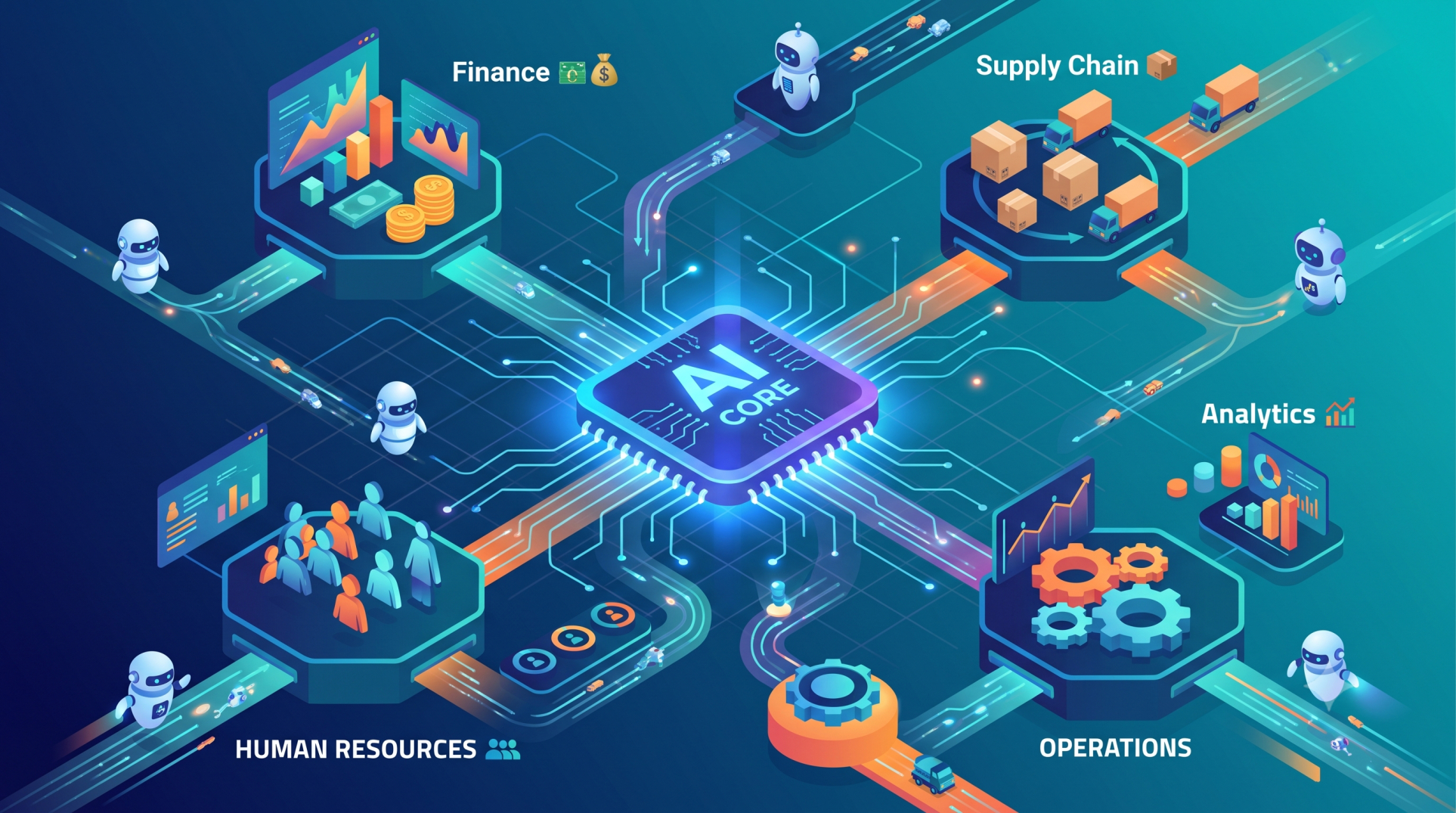
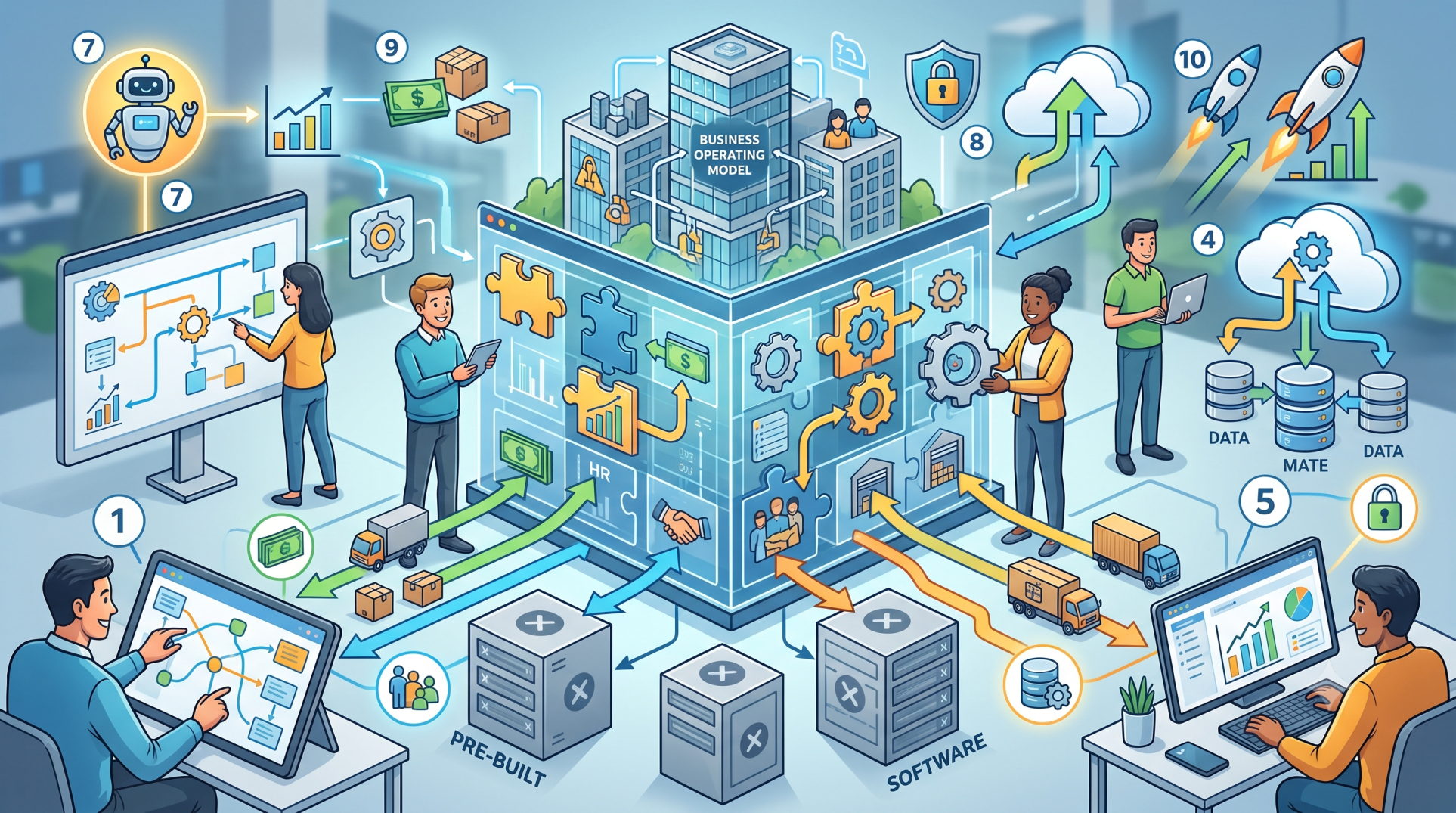
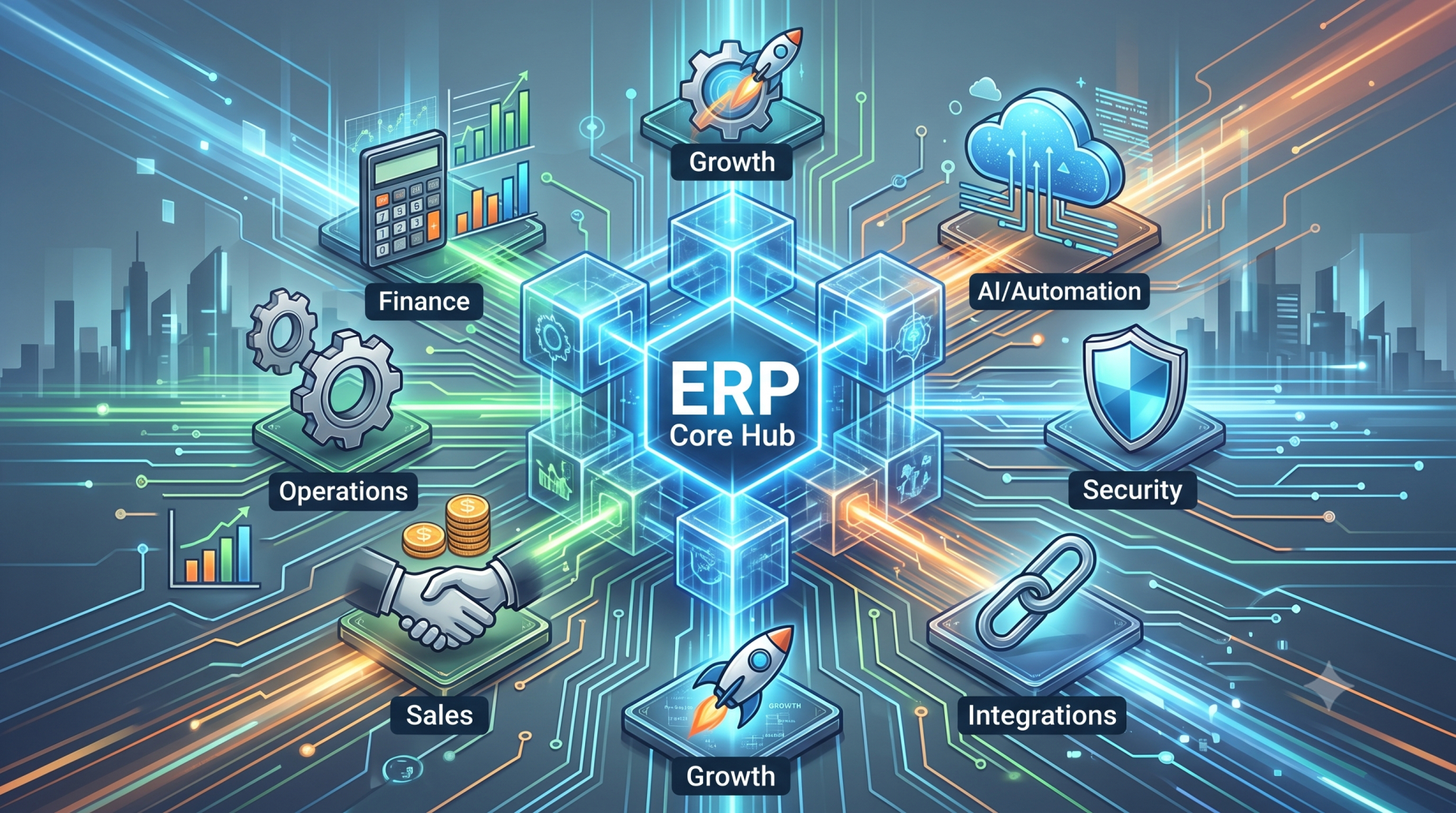
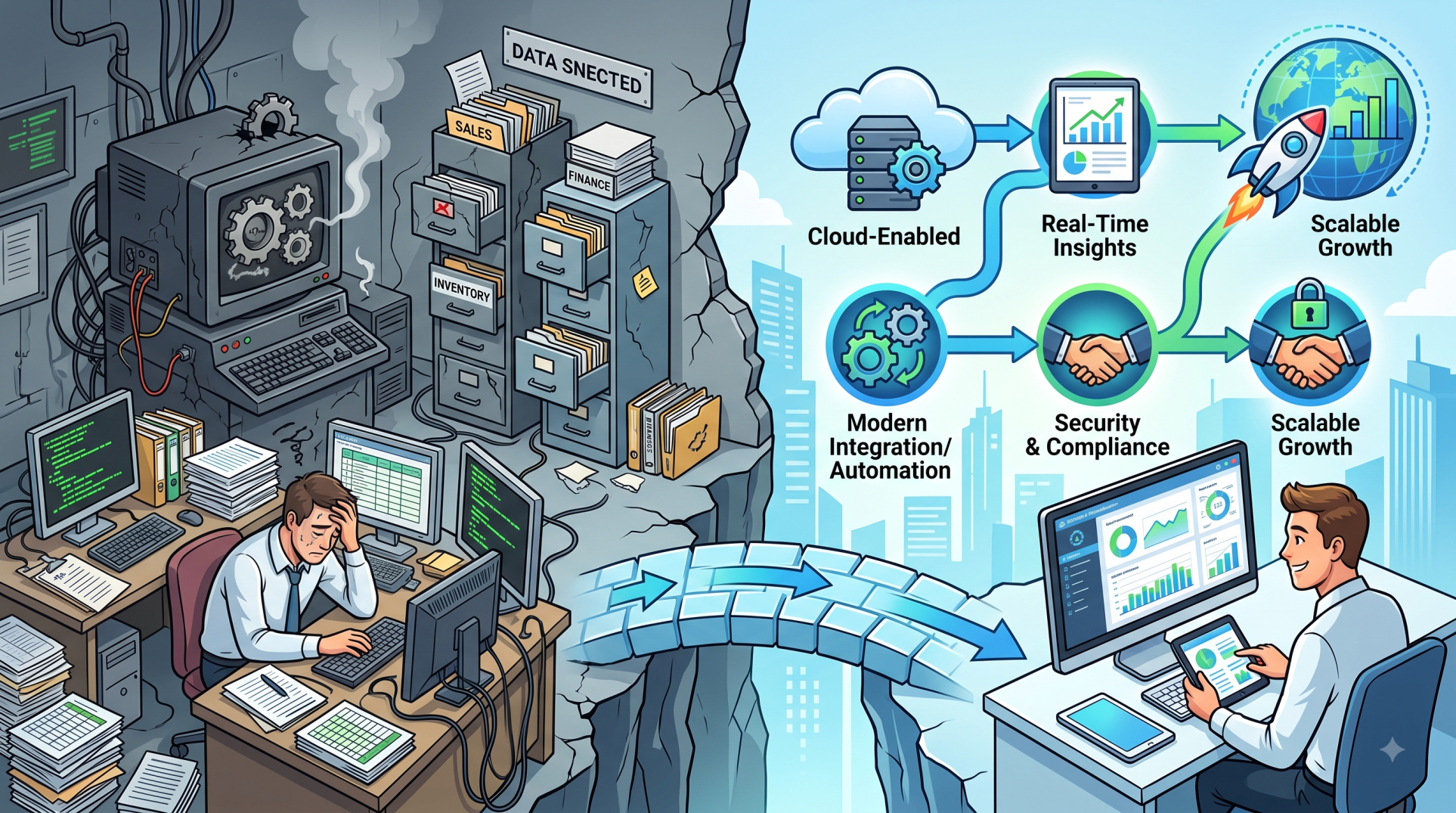
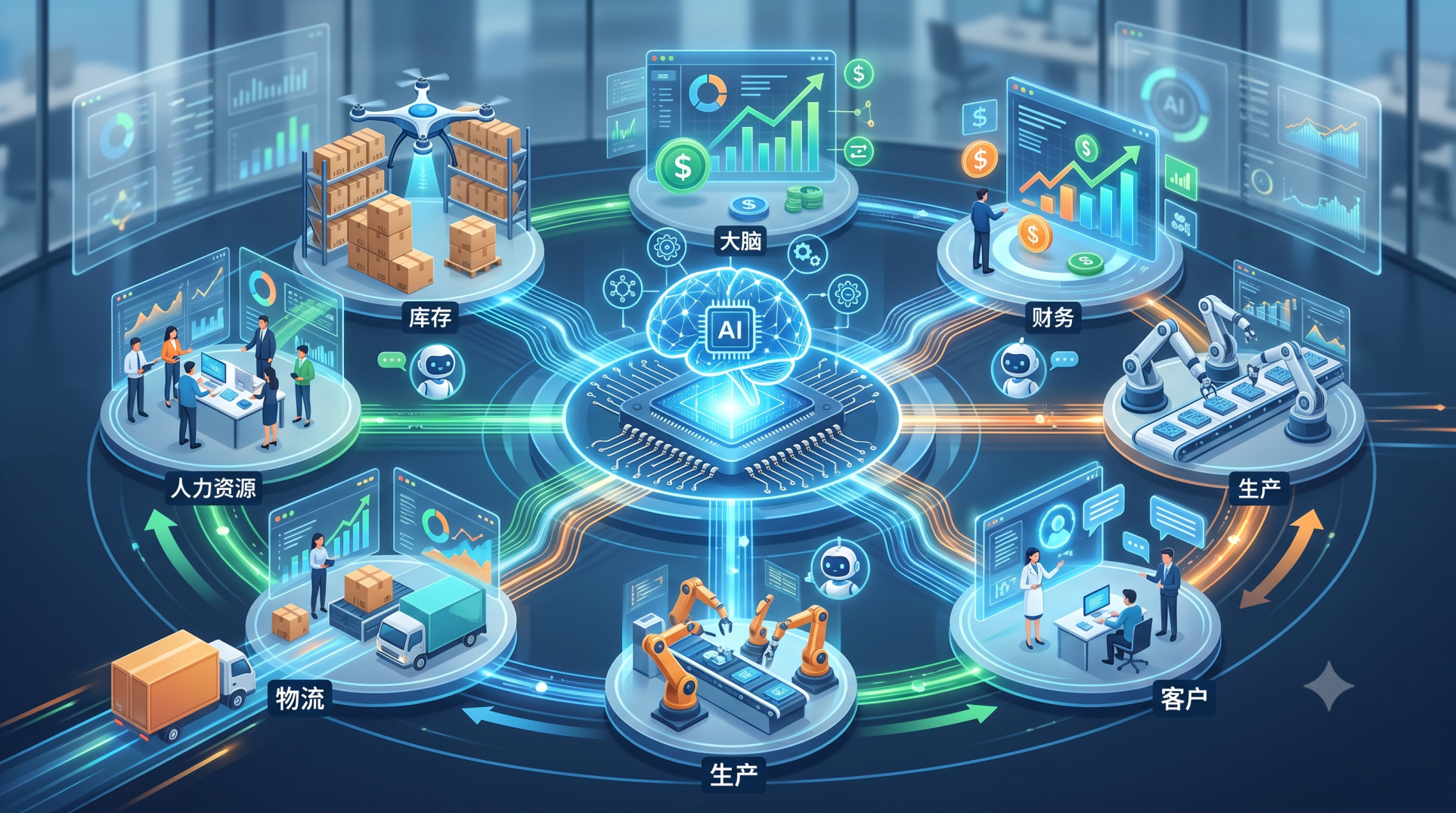
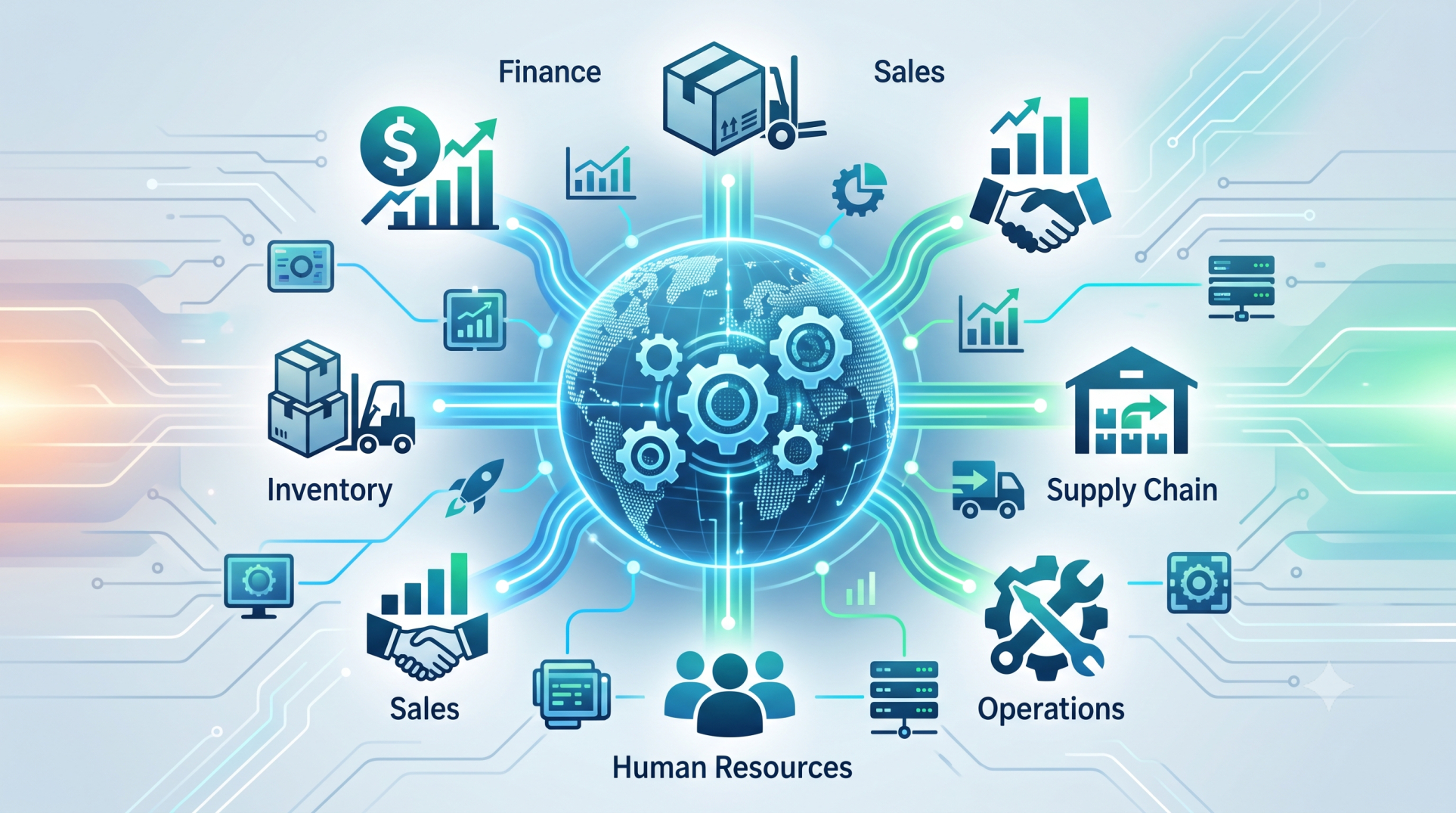
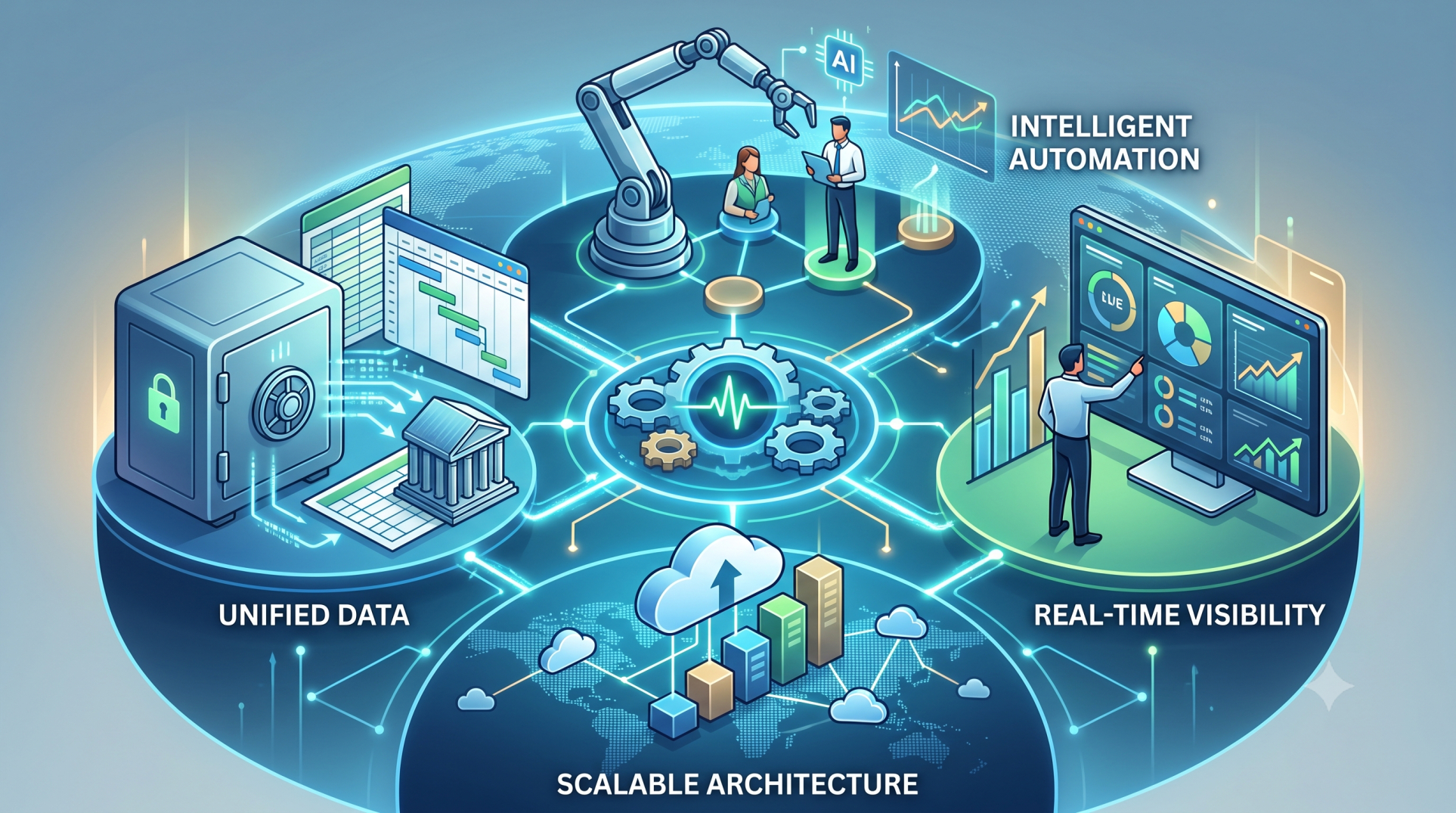
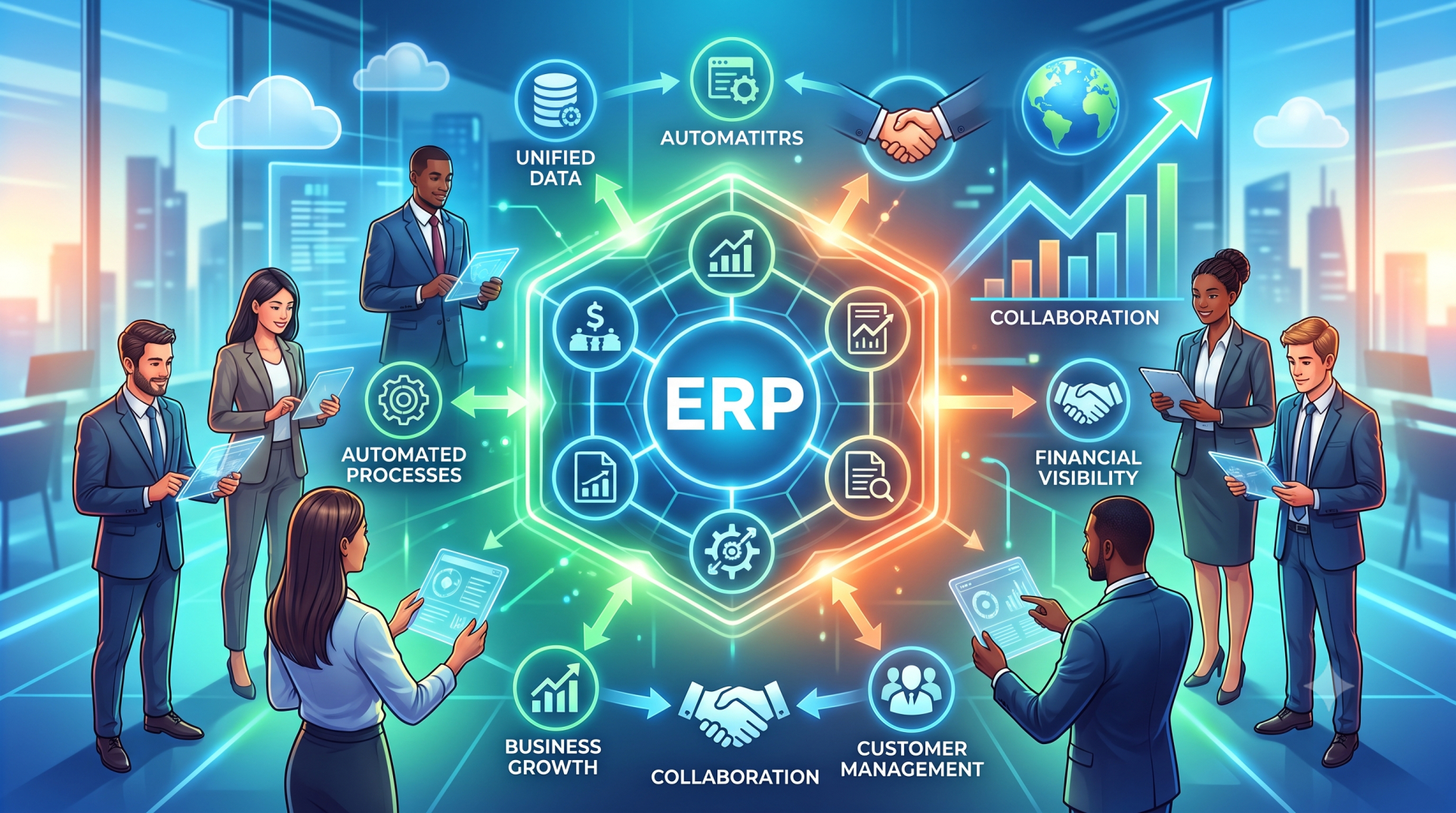
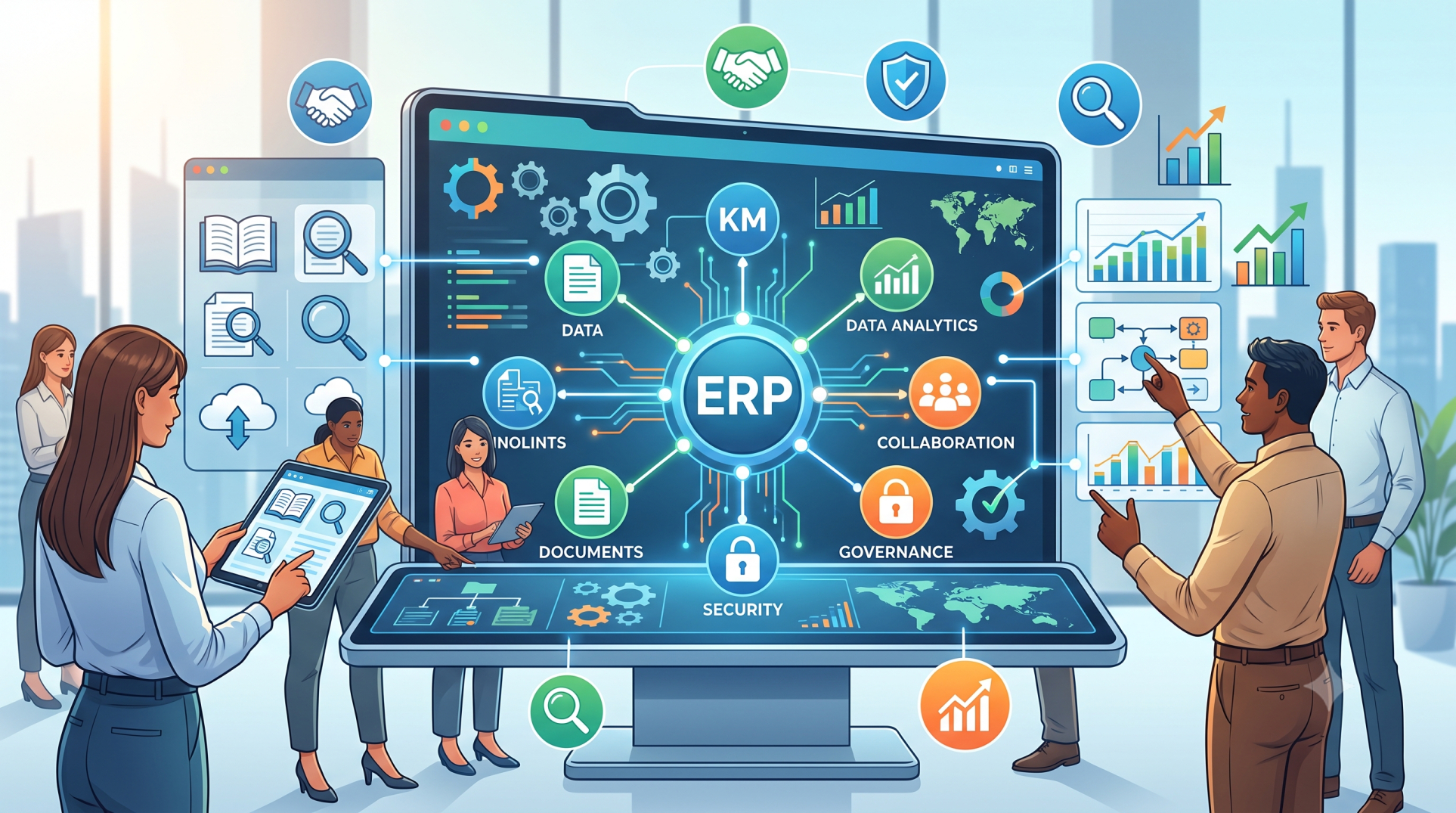
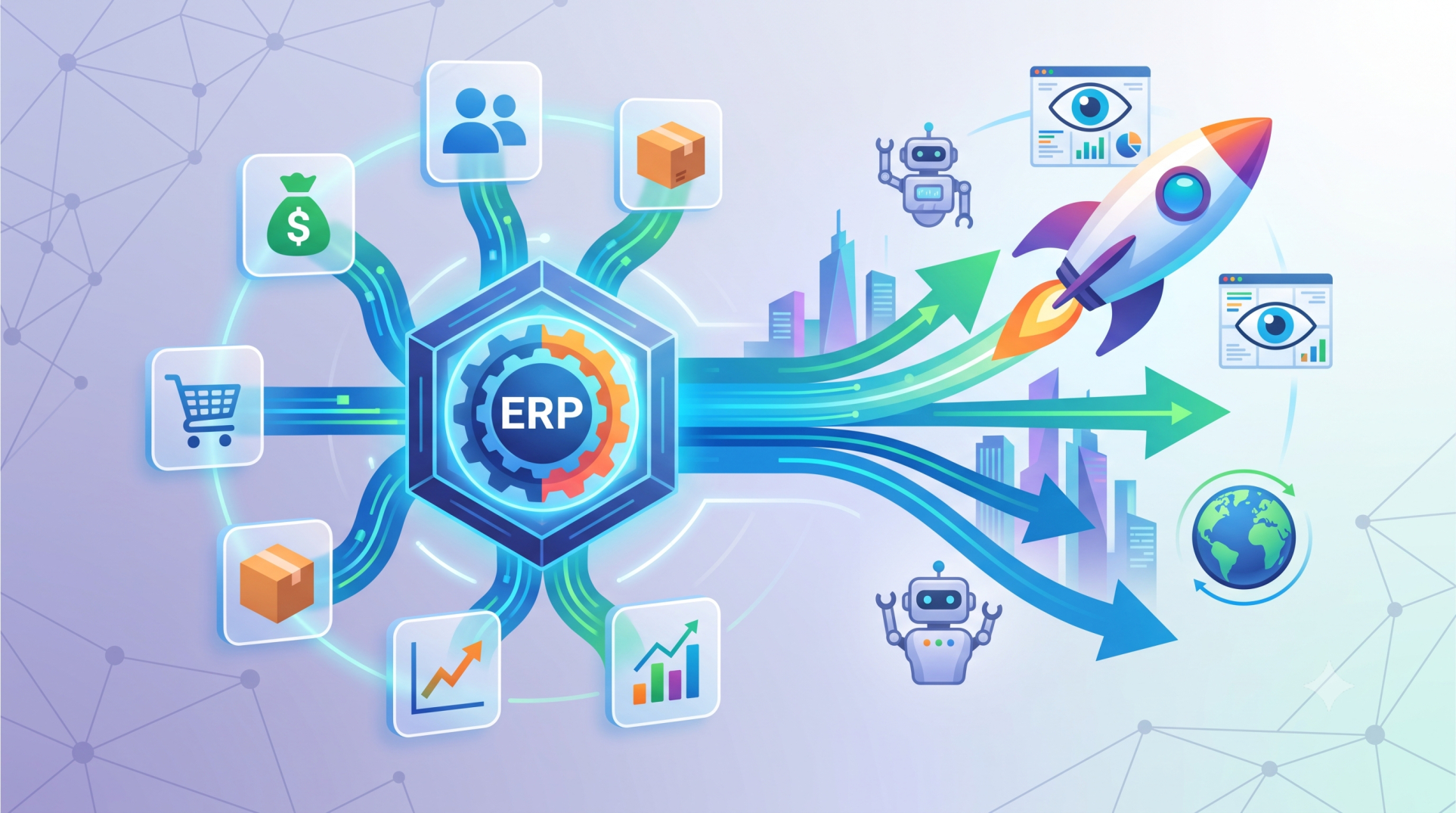
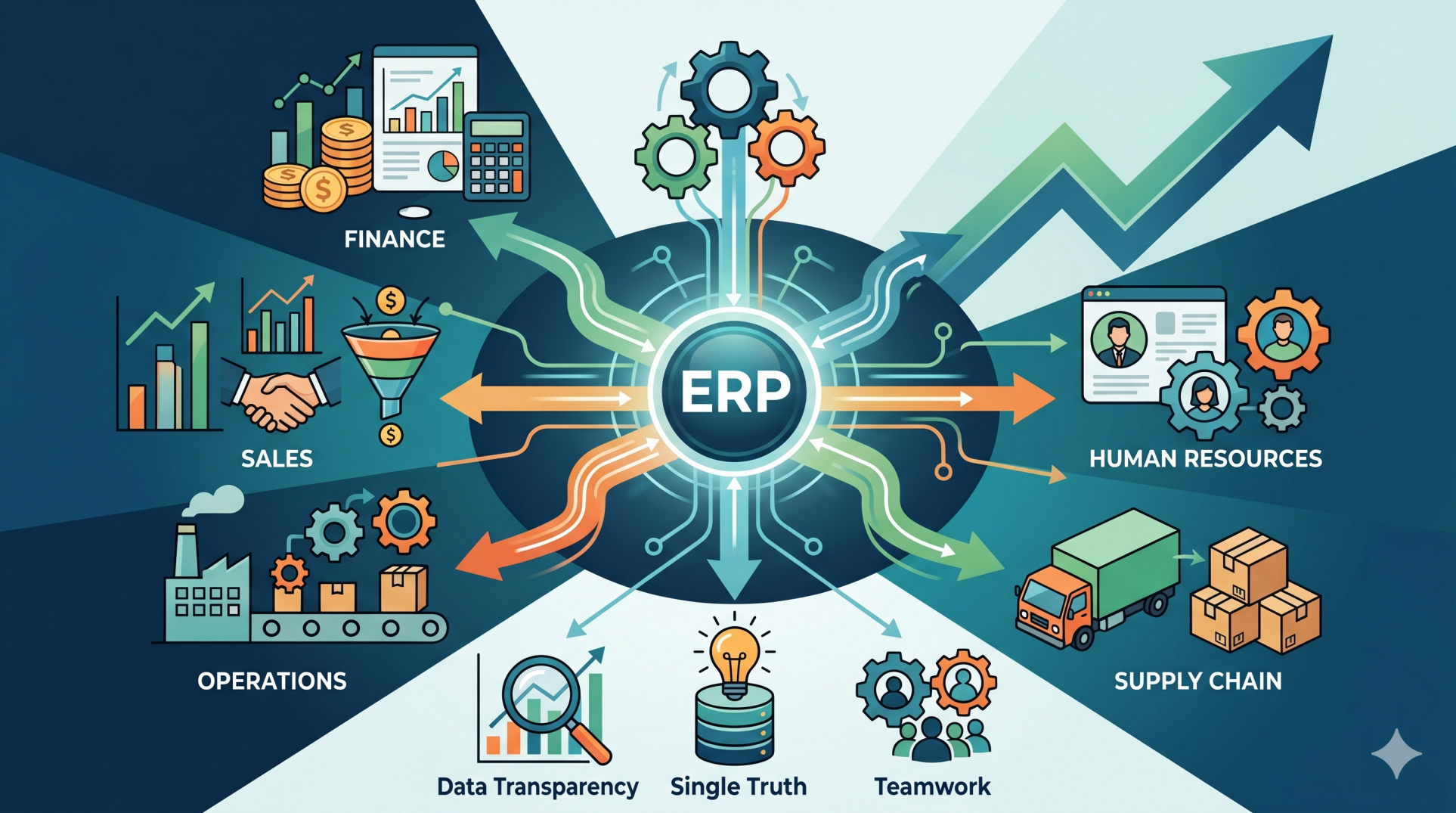
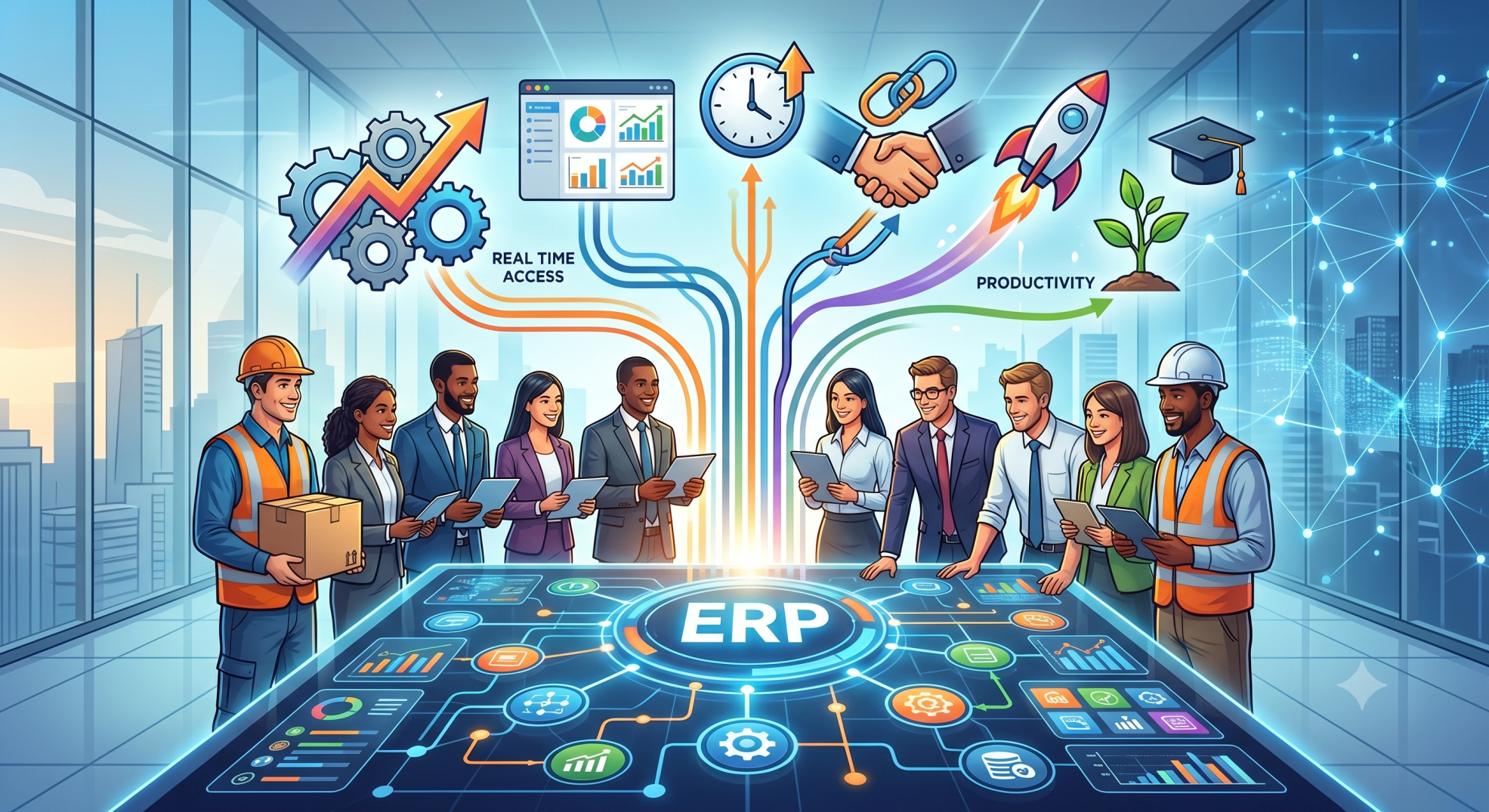
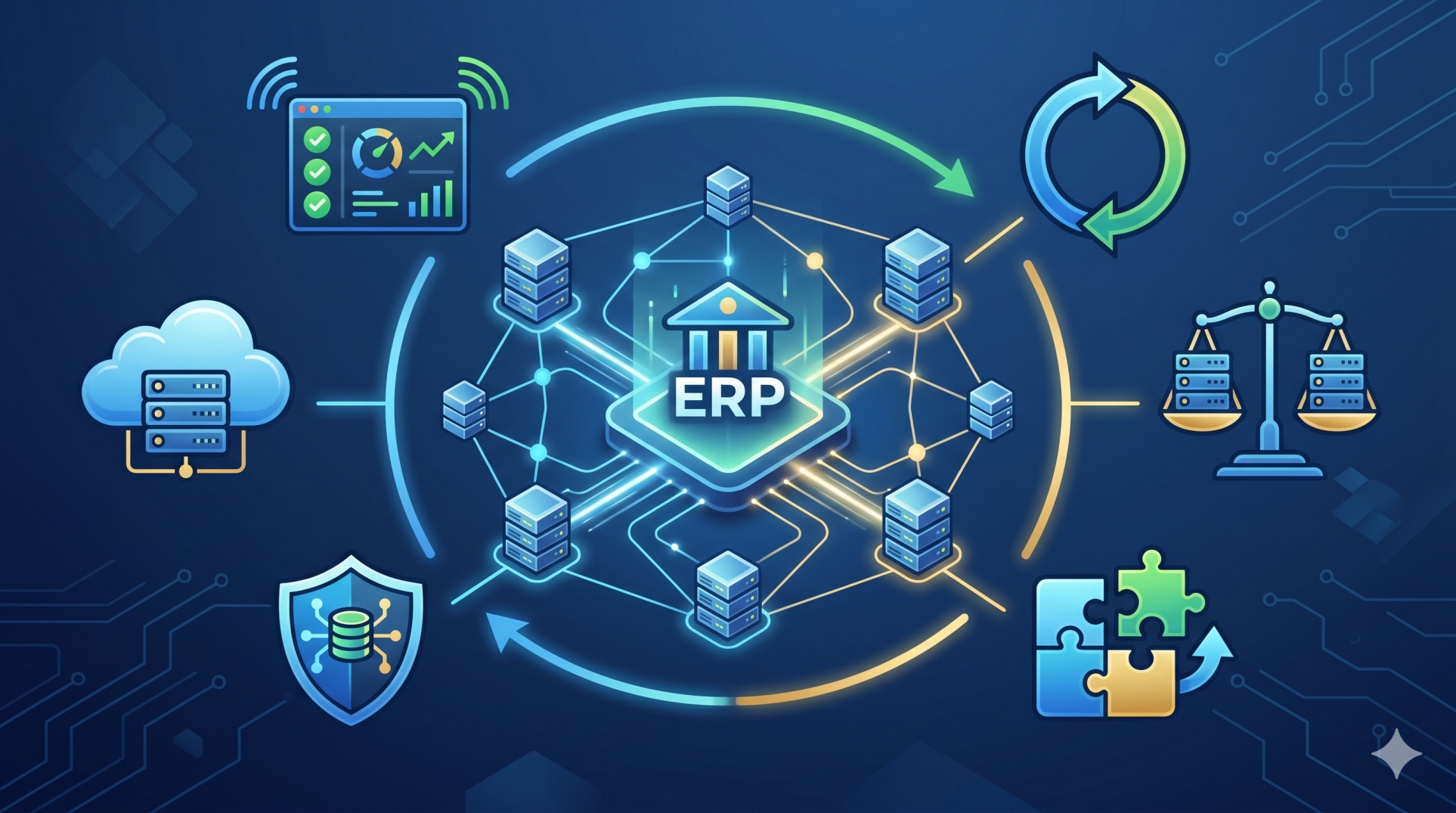
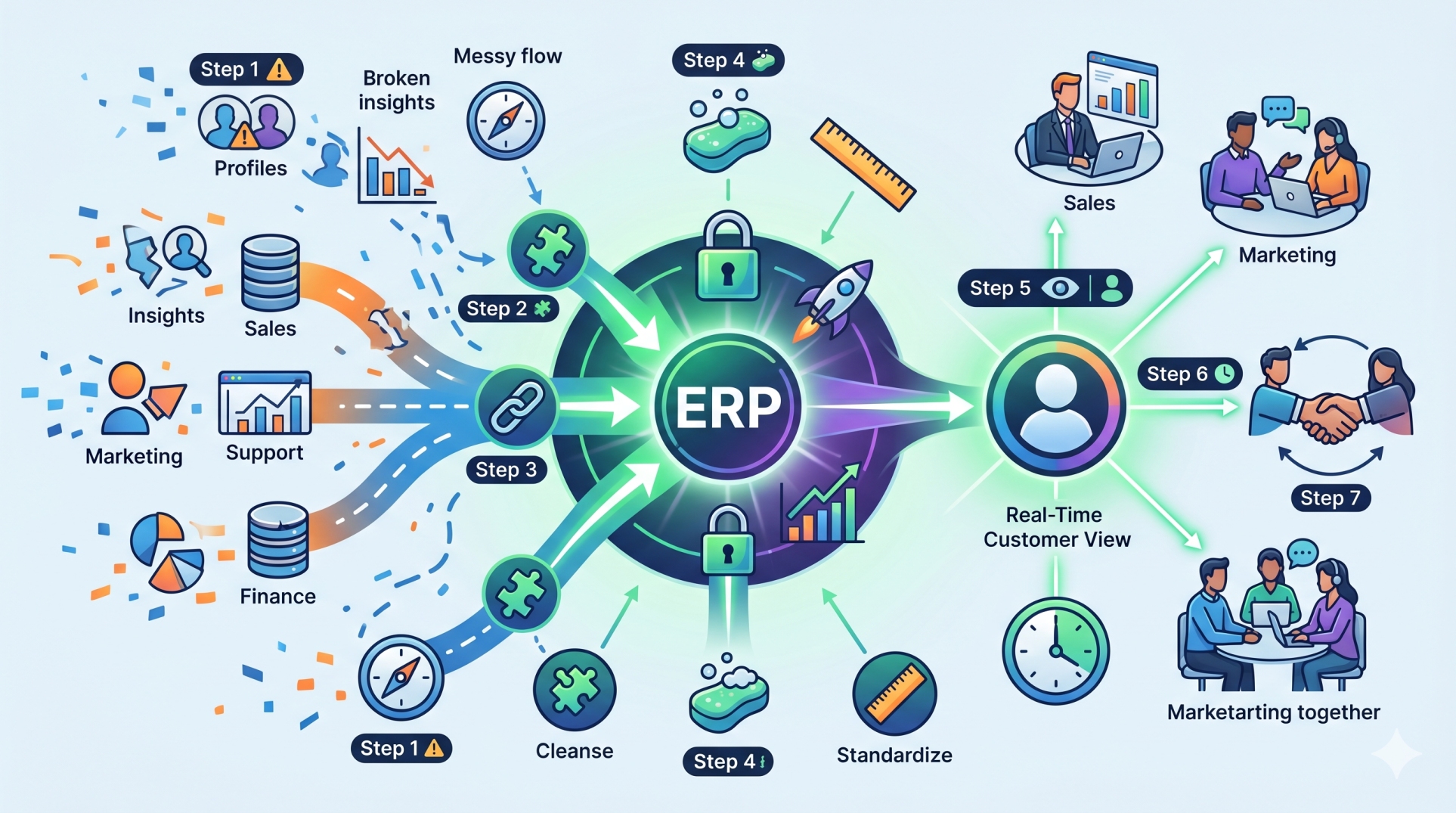
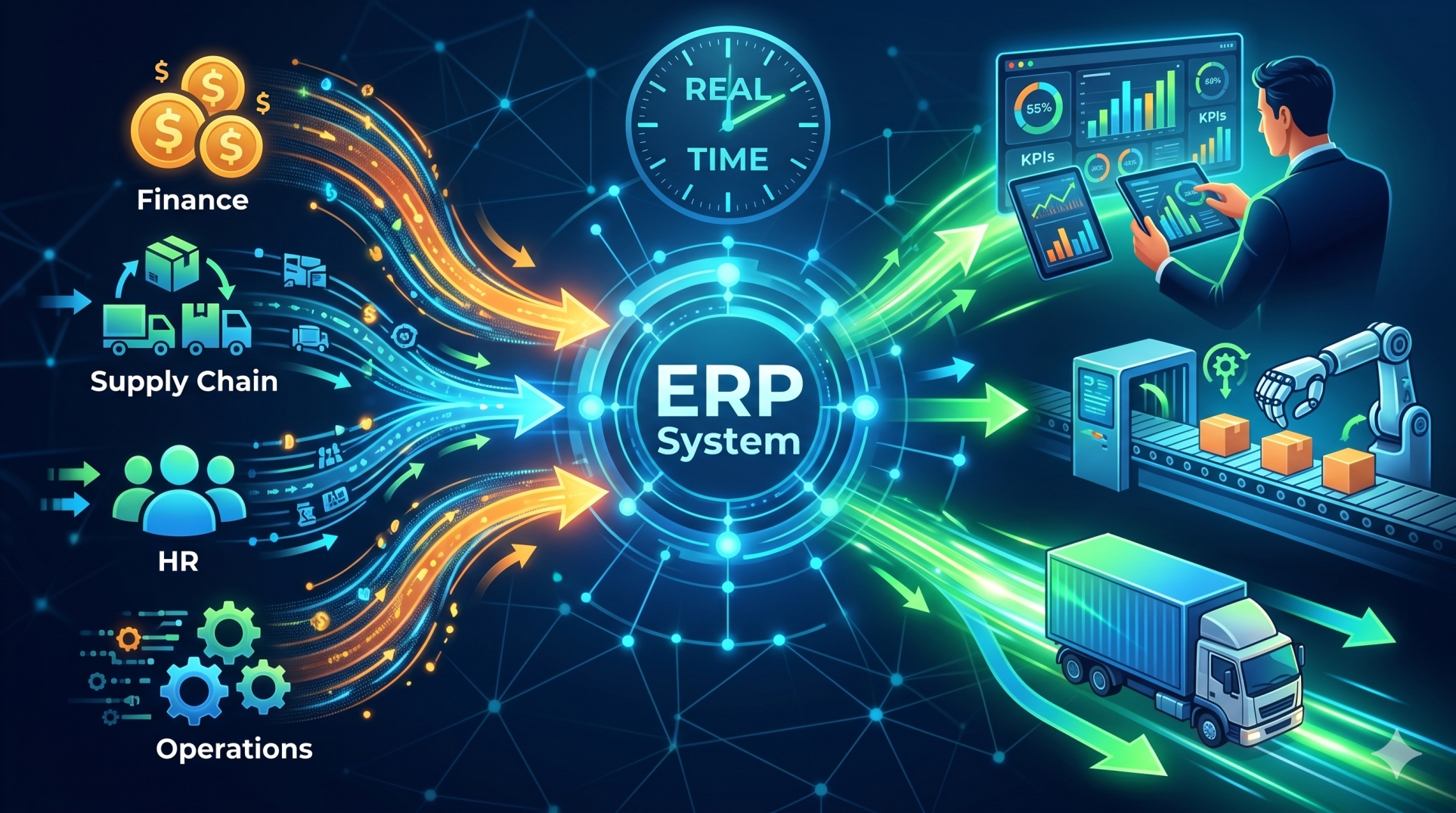
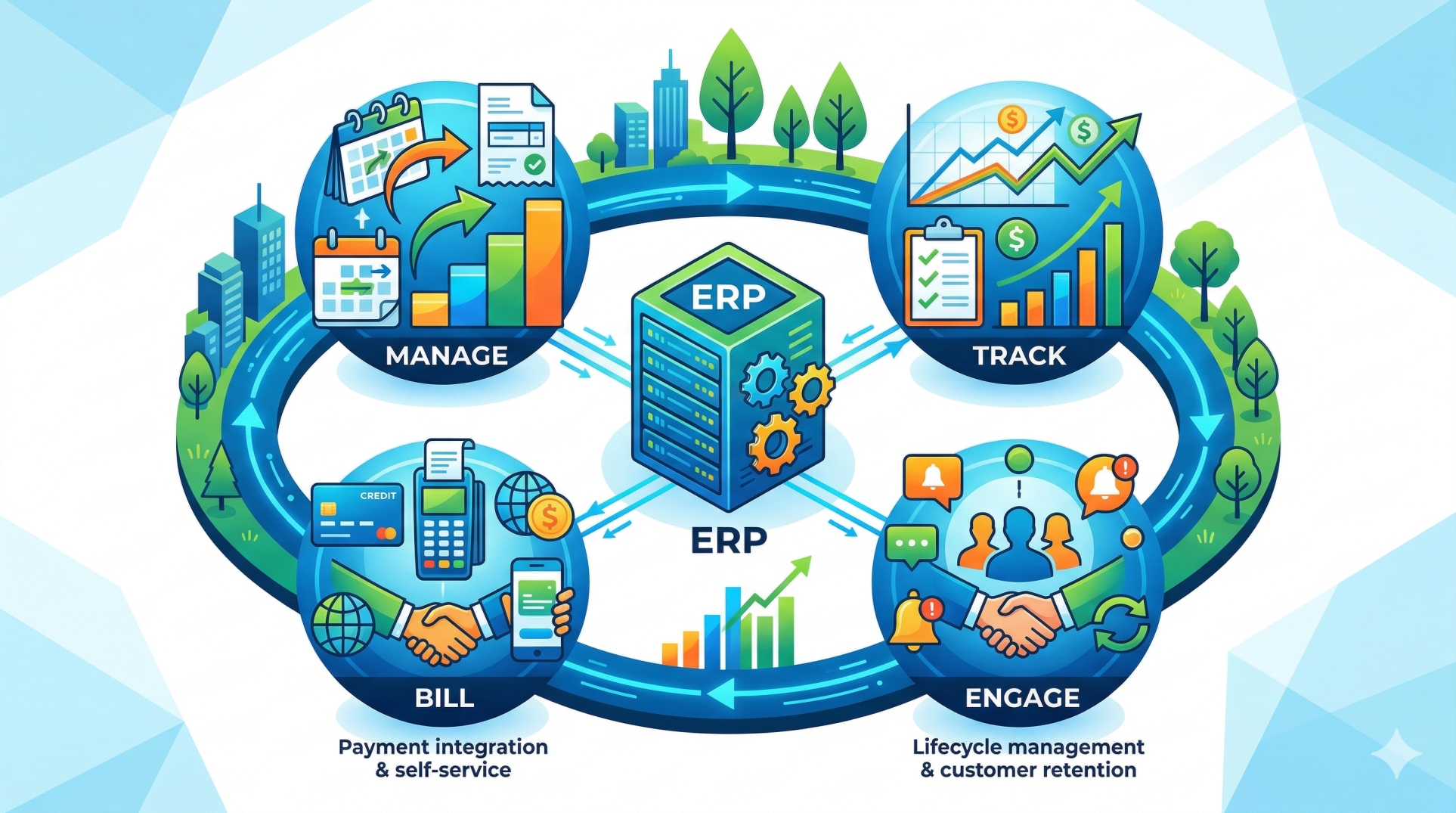
As organizations accelerate digital transformation, ERP systems are no longer limited to administrative or back-office functions. They are evolving into the digital core — the central platform that unifies enterprise data, operational processes, and strategic intelligence. A thoughtfully designed digital core strategy centered on ERP empowers organizations with agility, scalability, and insight-driven growth in an increasingly dynamic business environment.
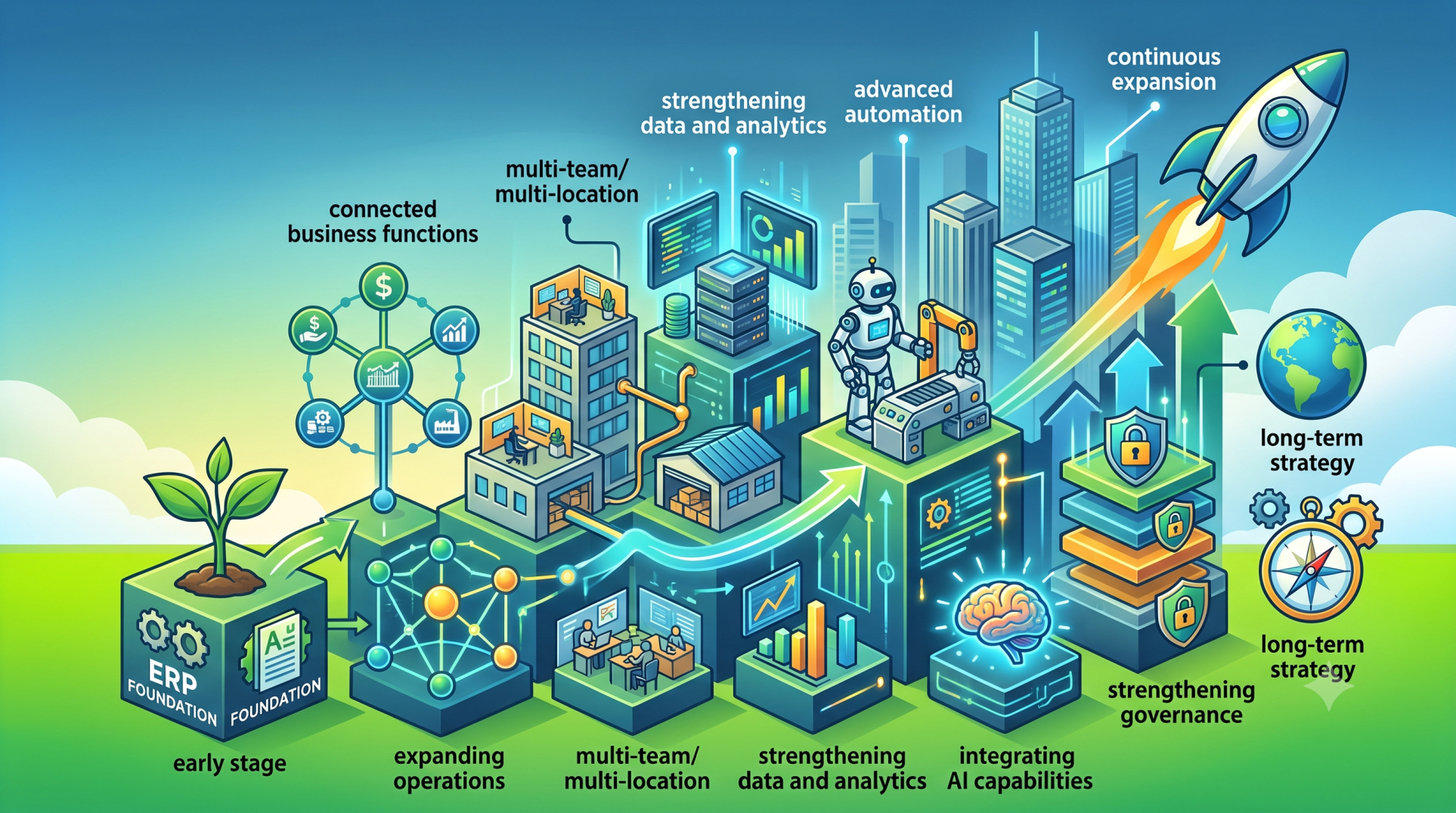
Step 1: Establishing ERP as the Enterprise Foundation 🏗️
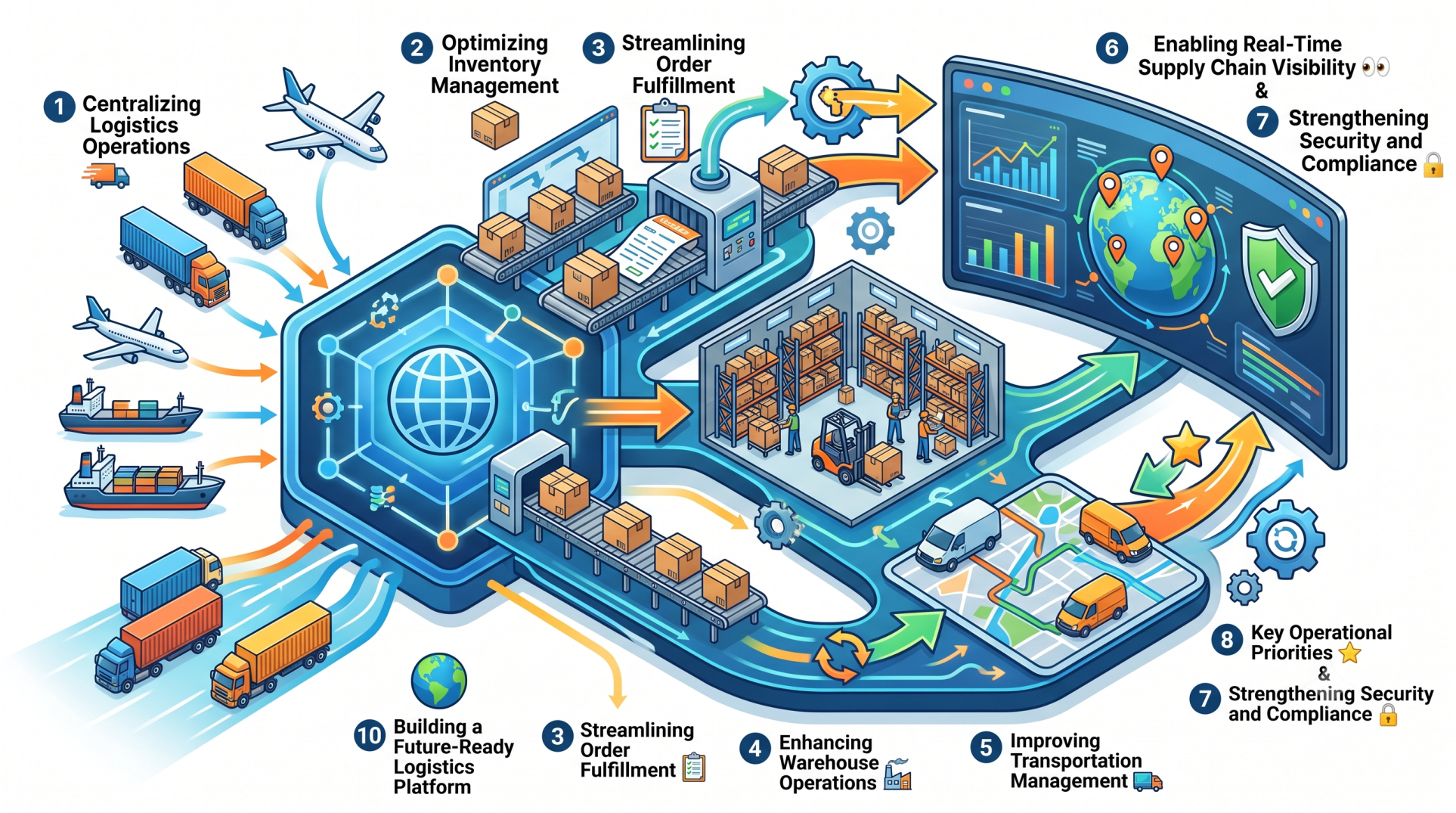
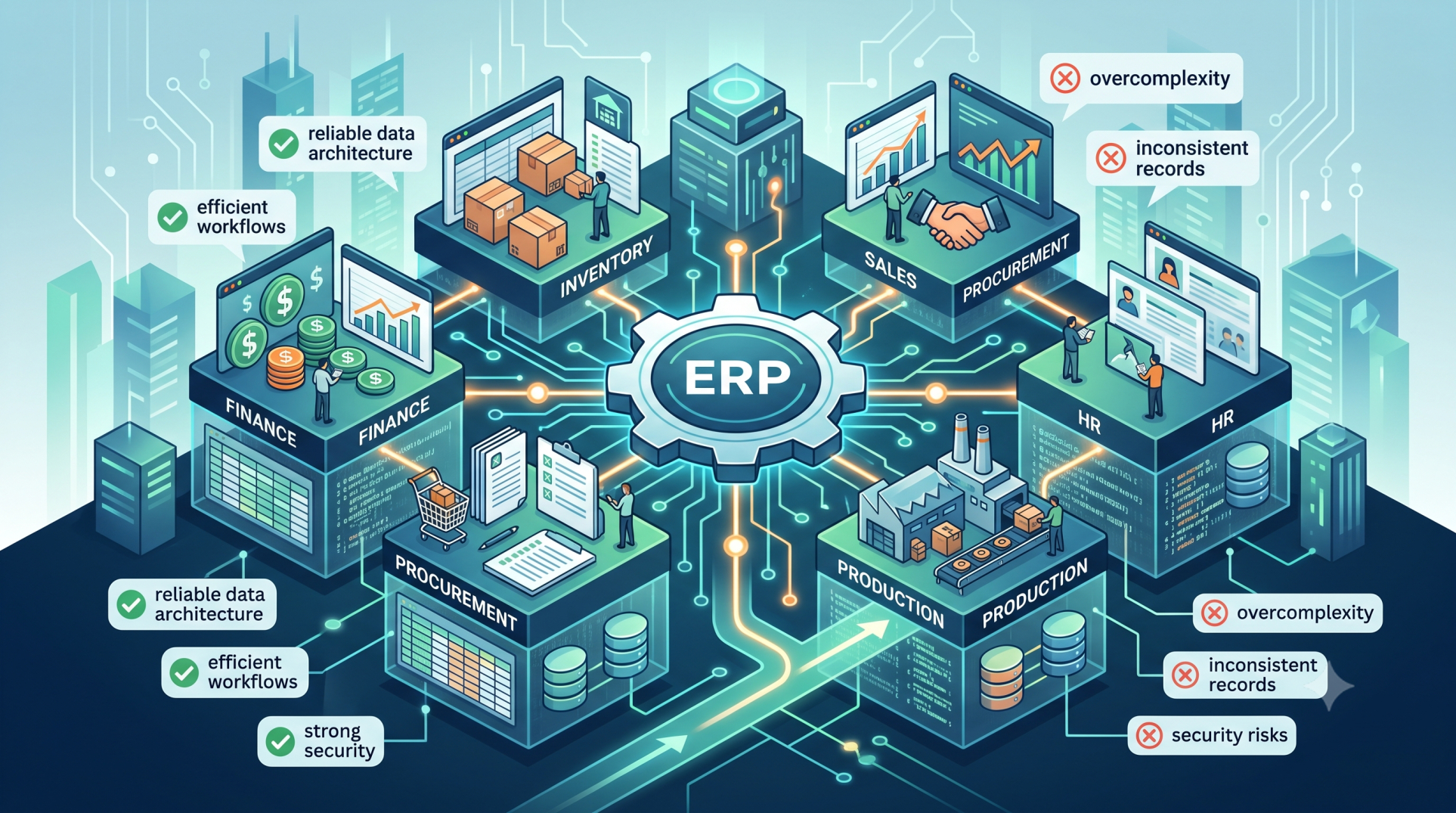
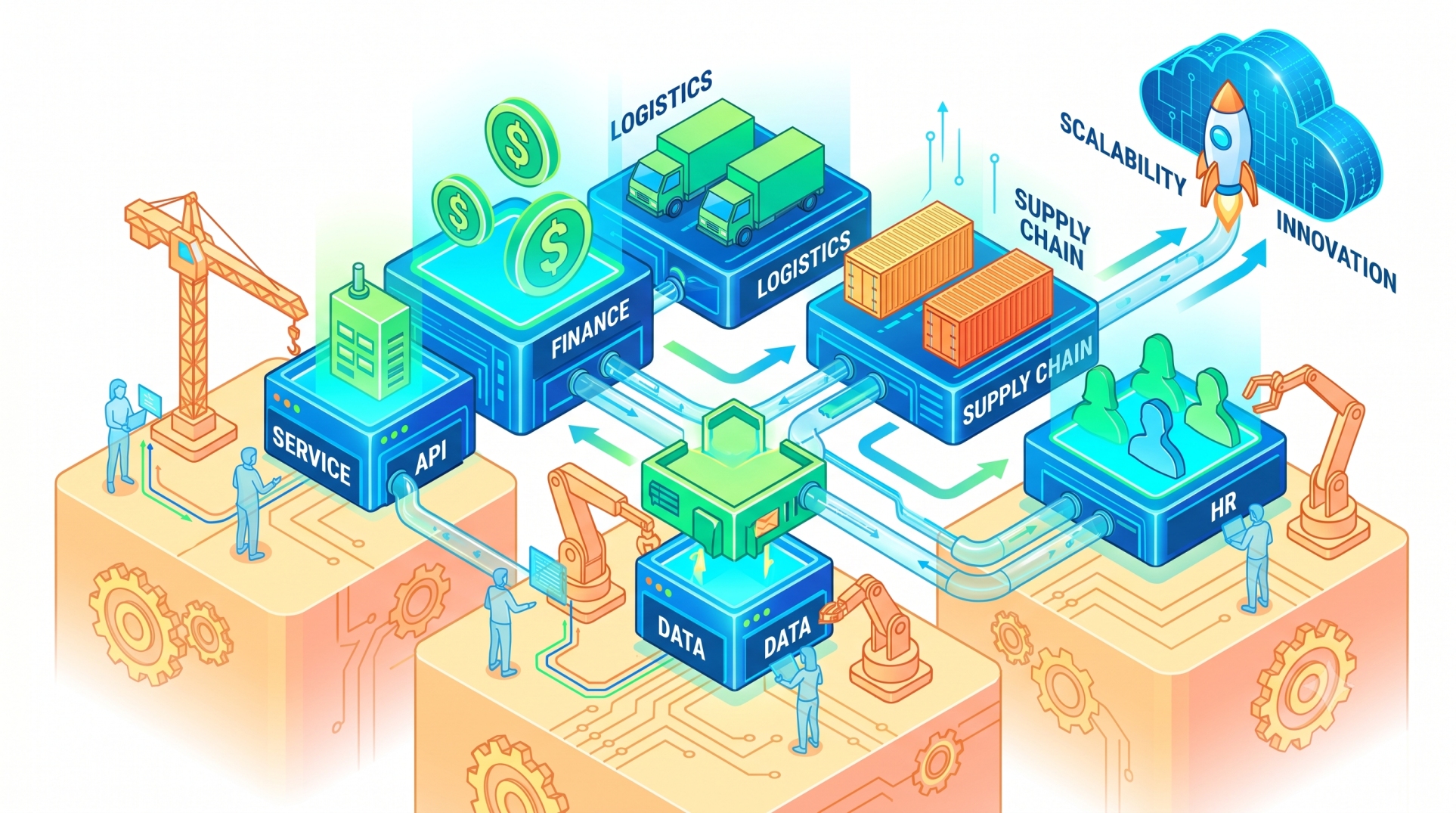
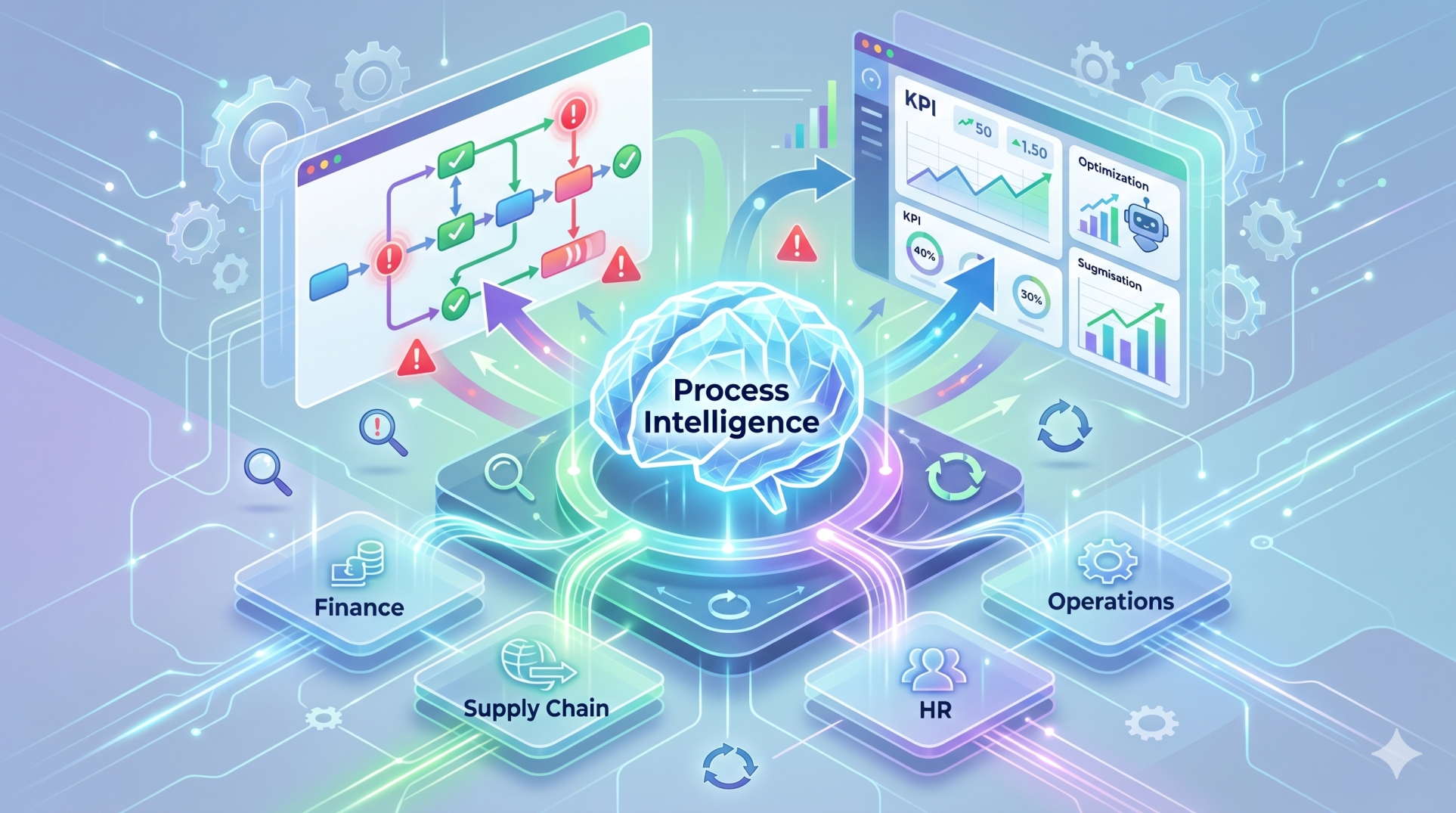
• Centralizes finance, operations, supply chain, HR, and procurement functions 🏢
• Standardizes processes across departments, regions, and business units 📊
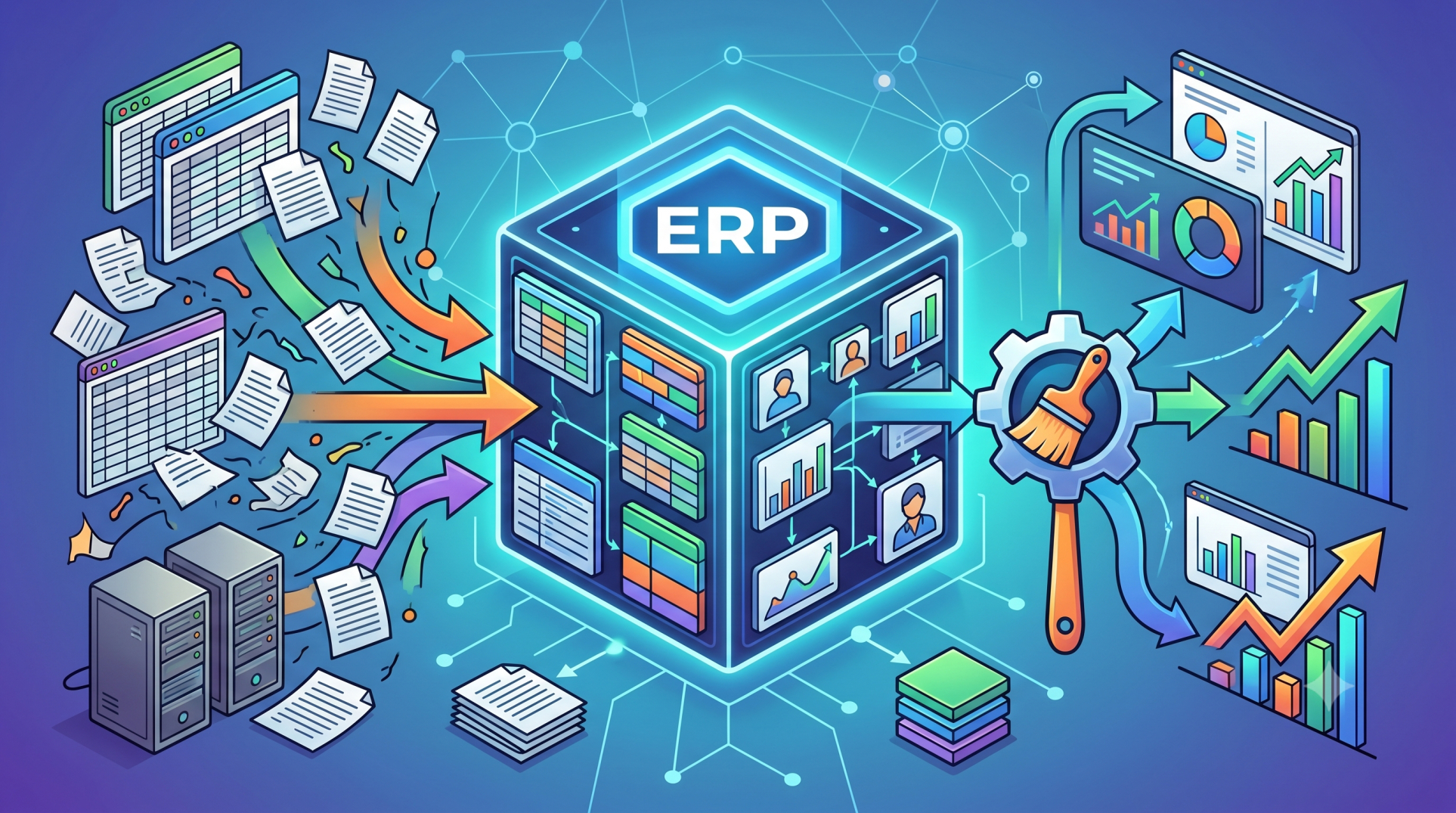
• Creates a unified and trusted source of enterprise data 🗂️
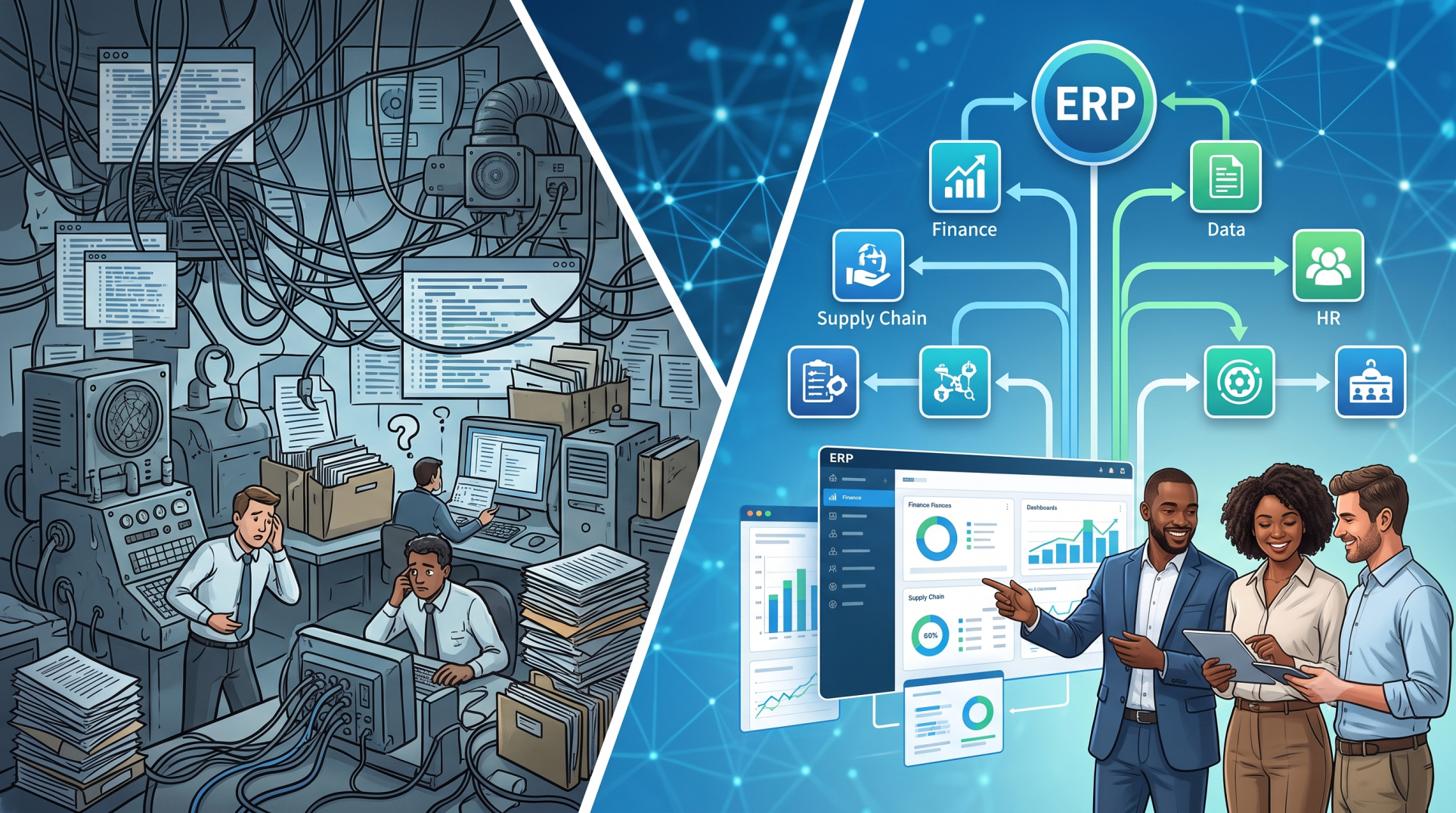
• Eliminates redundancy and fragmented legacy systems 🔄
• Provides a stable architectural base for future digital initiatives 🚀
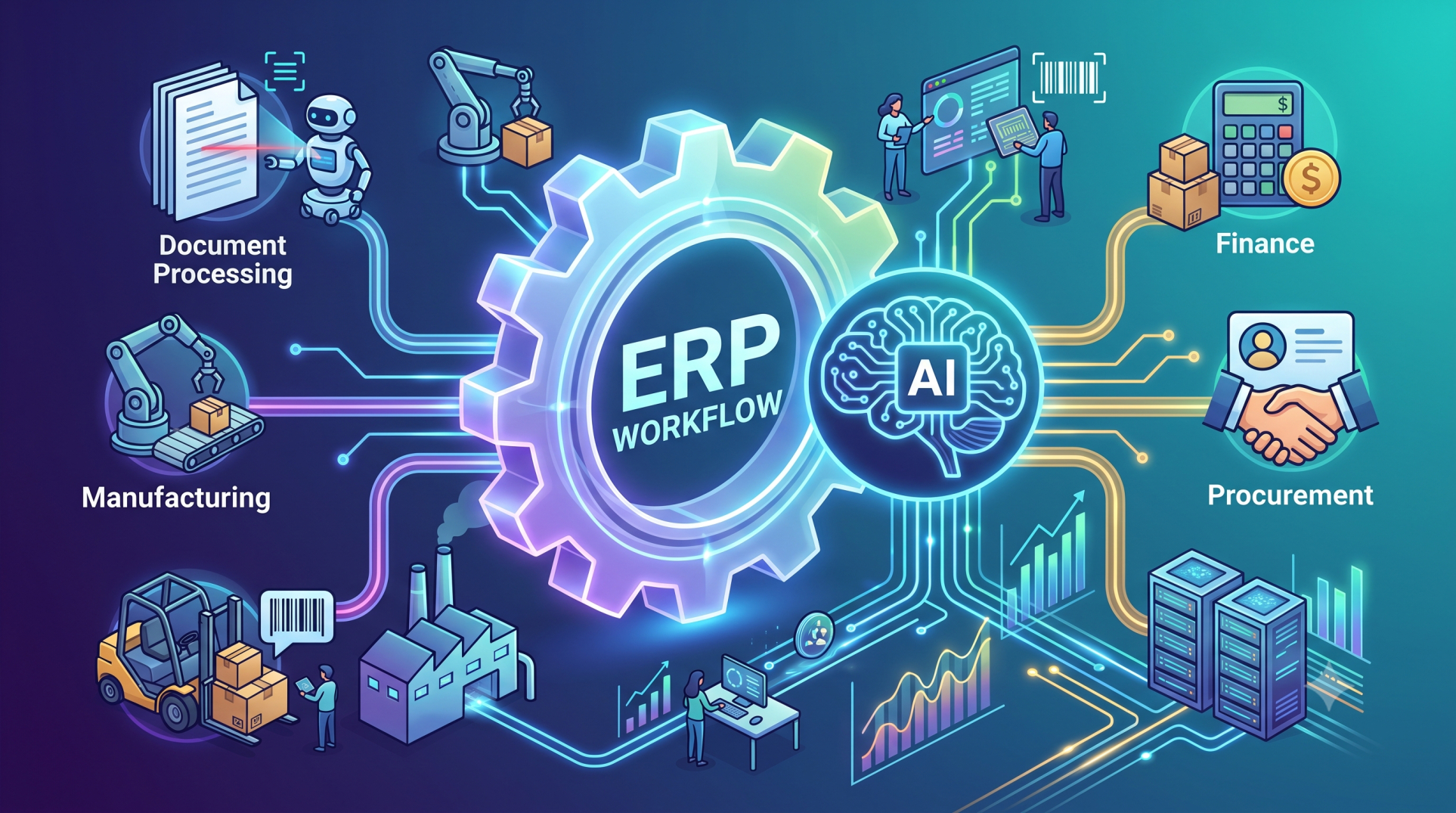
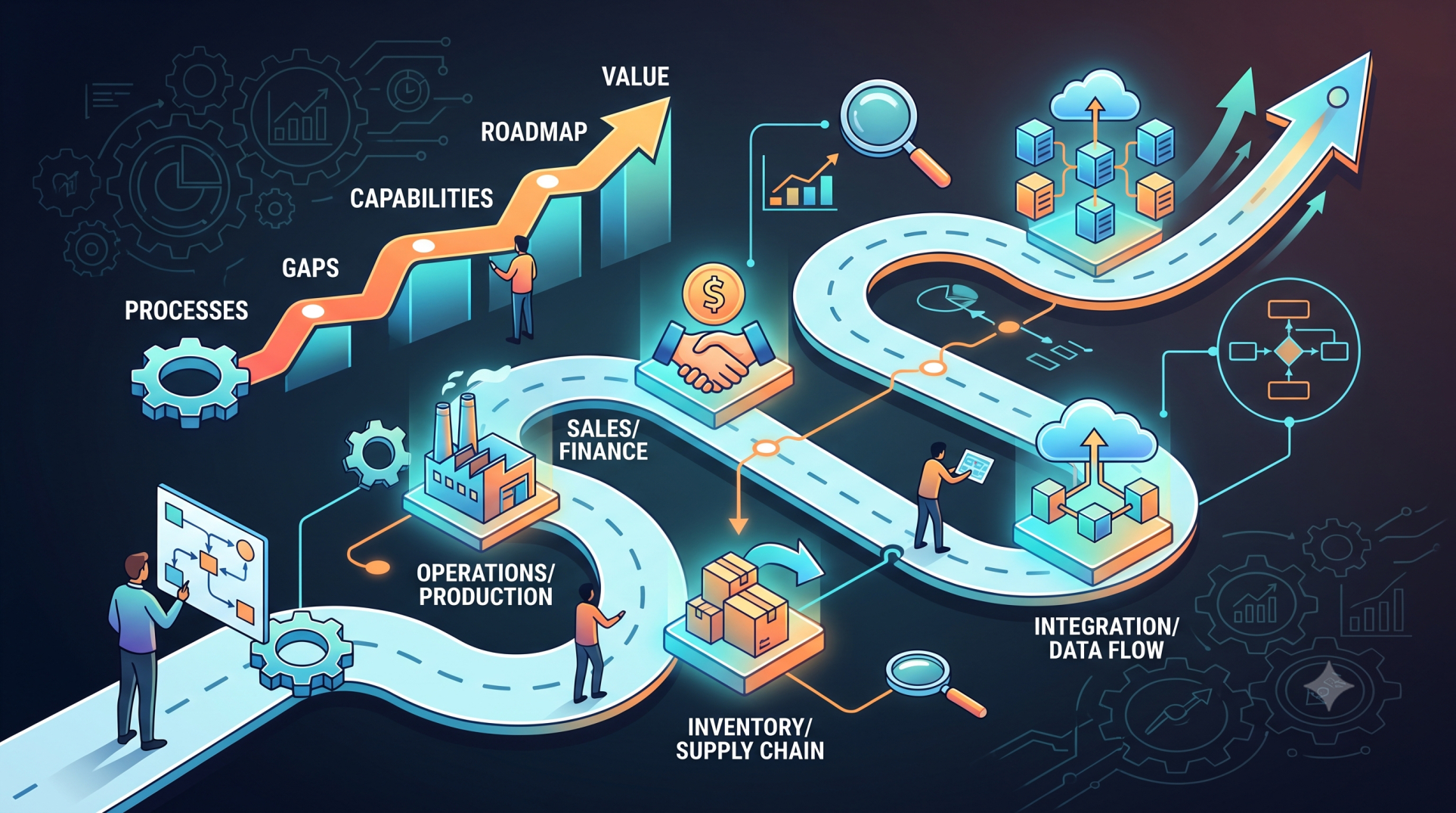
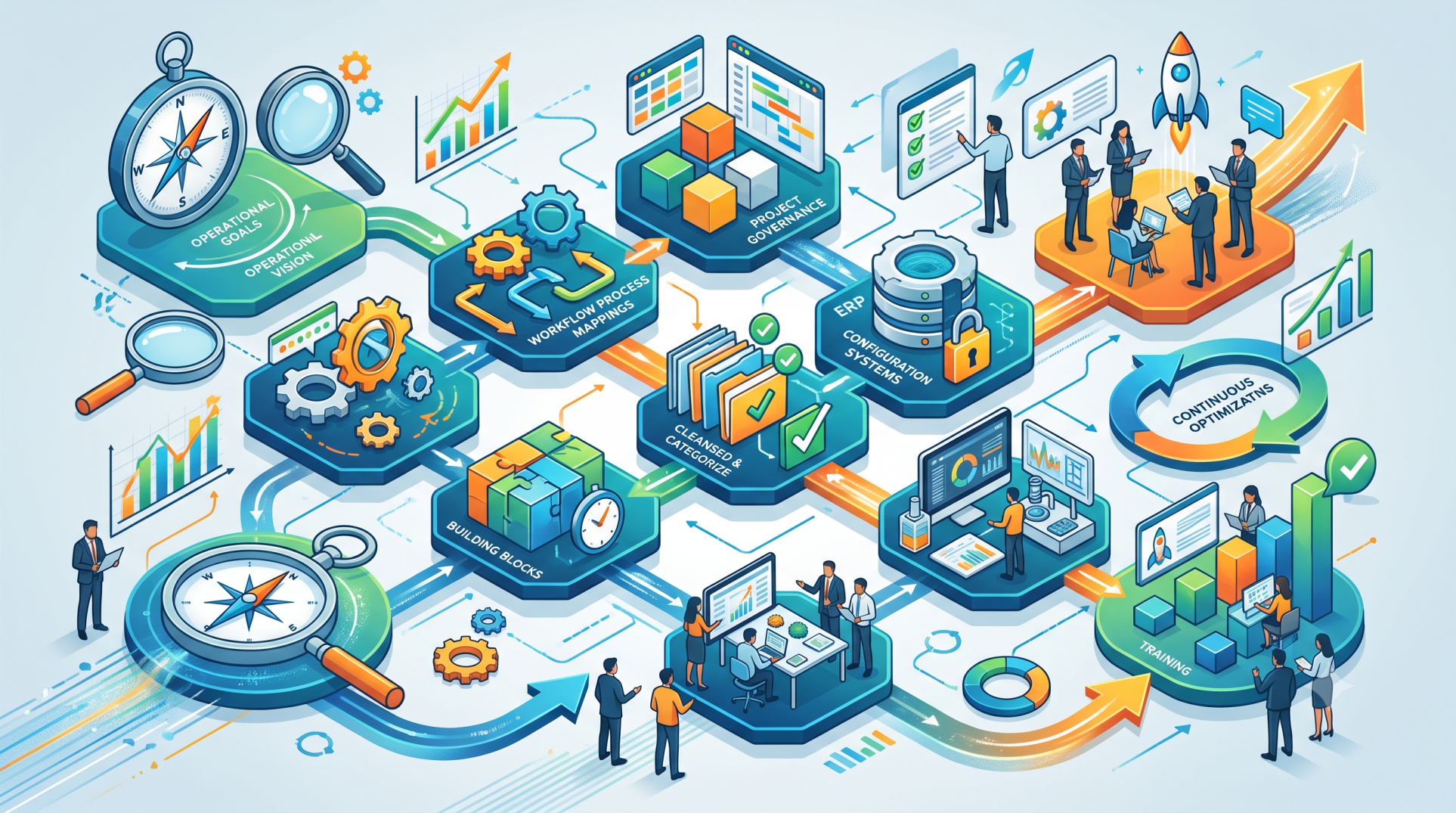
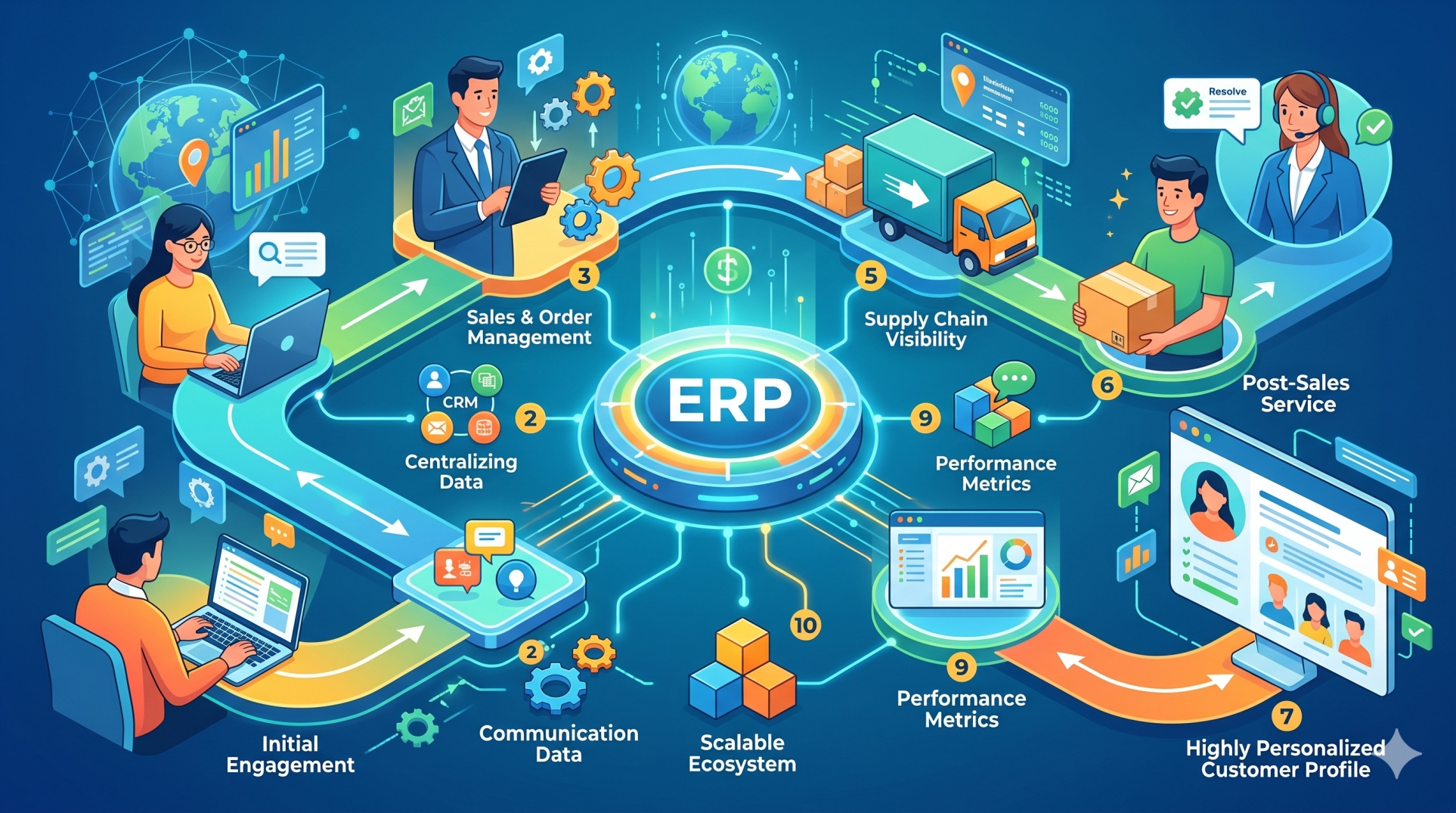
Step 2: Integrating End-to-End Business Processes 🔗
• Seamlessly connects front-office and back-office workflows 🤝
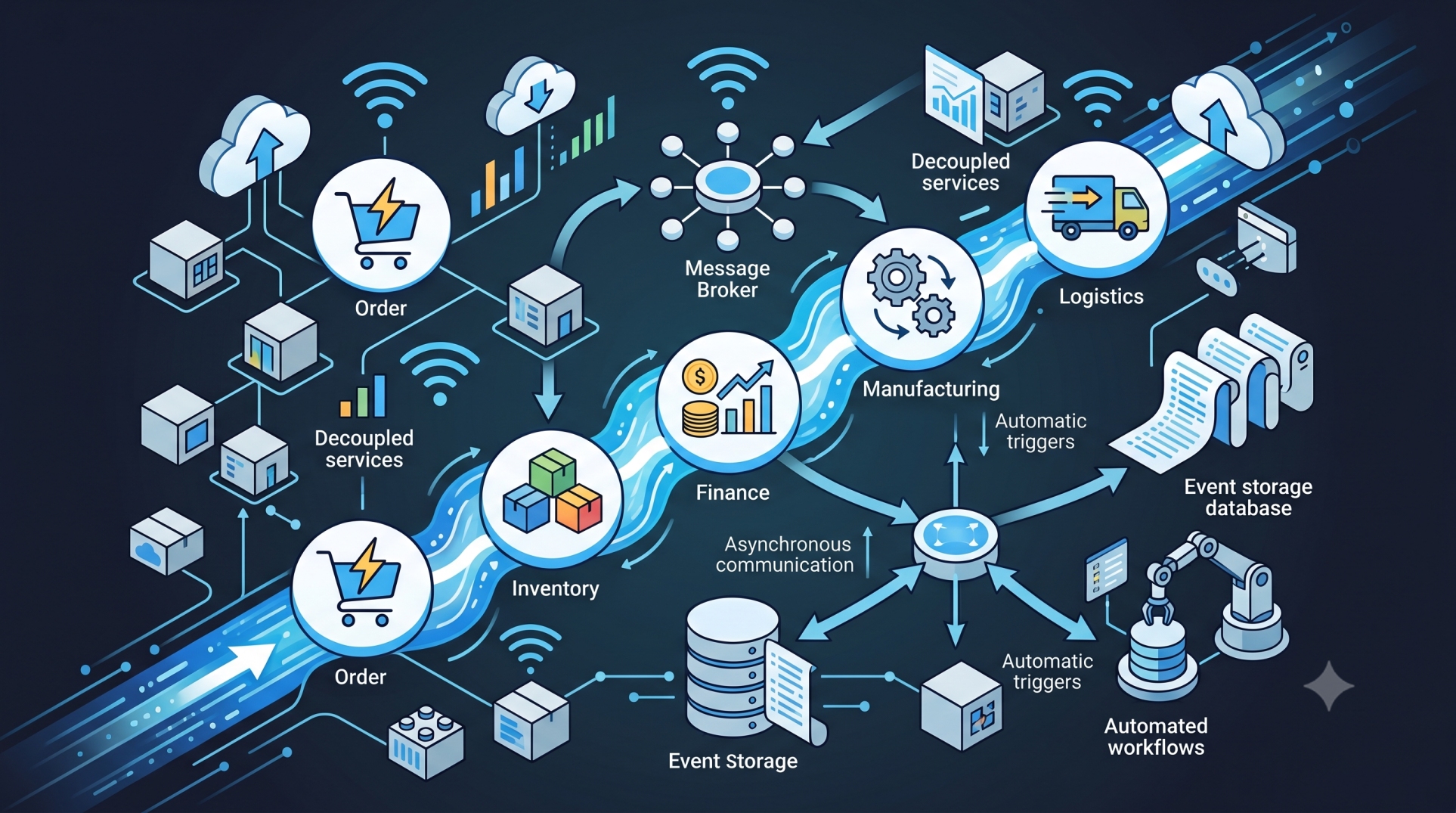
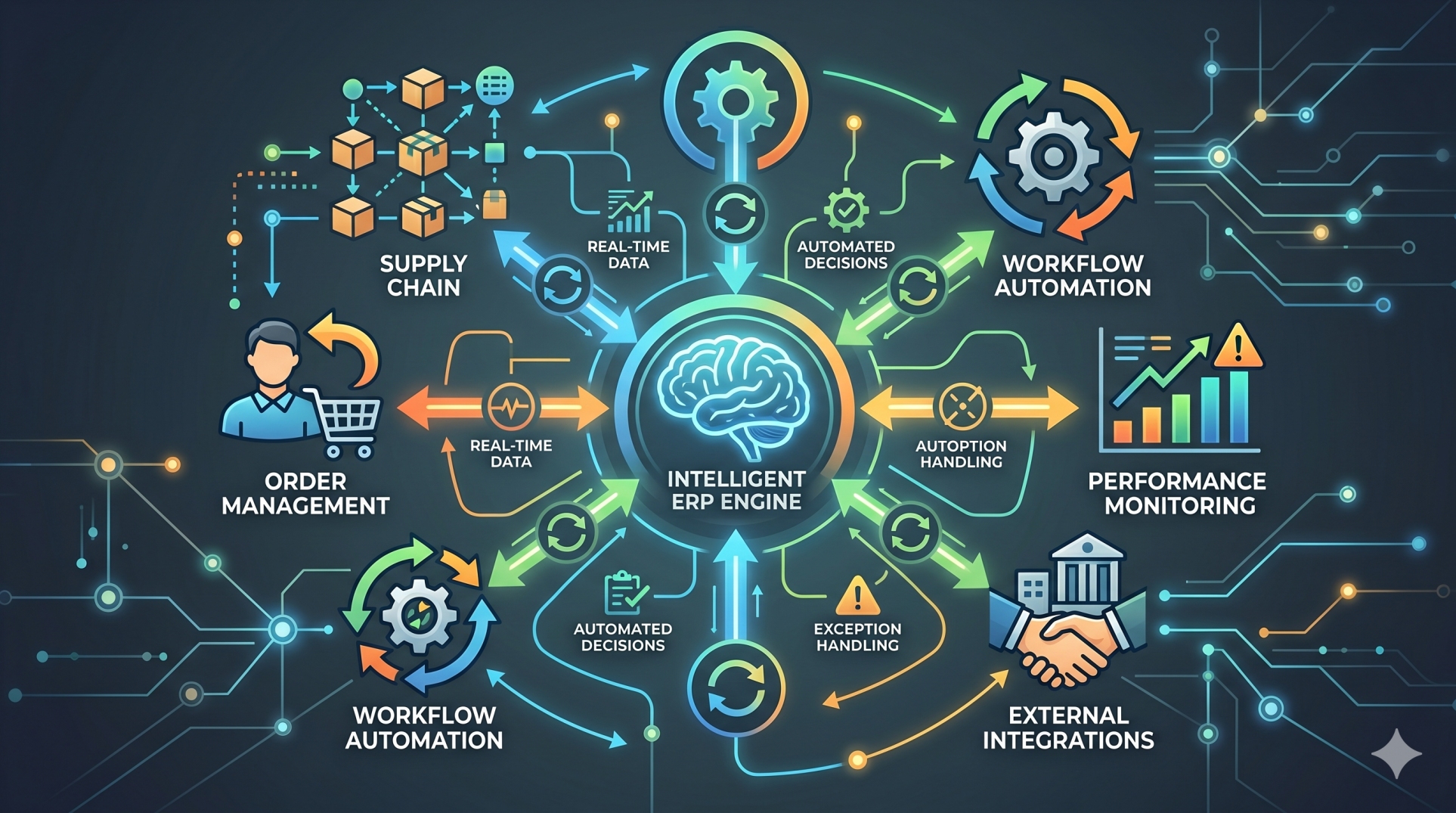
• Automates cross-functional processes to improve efficiency ⚙️
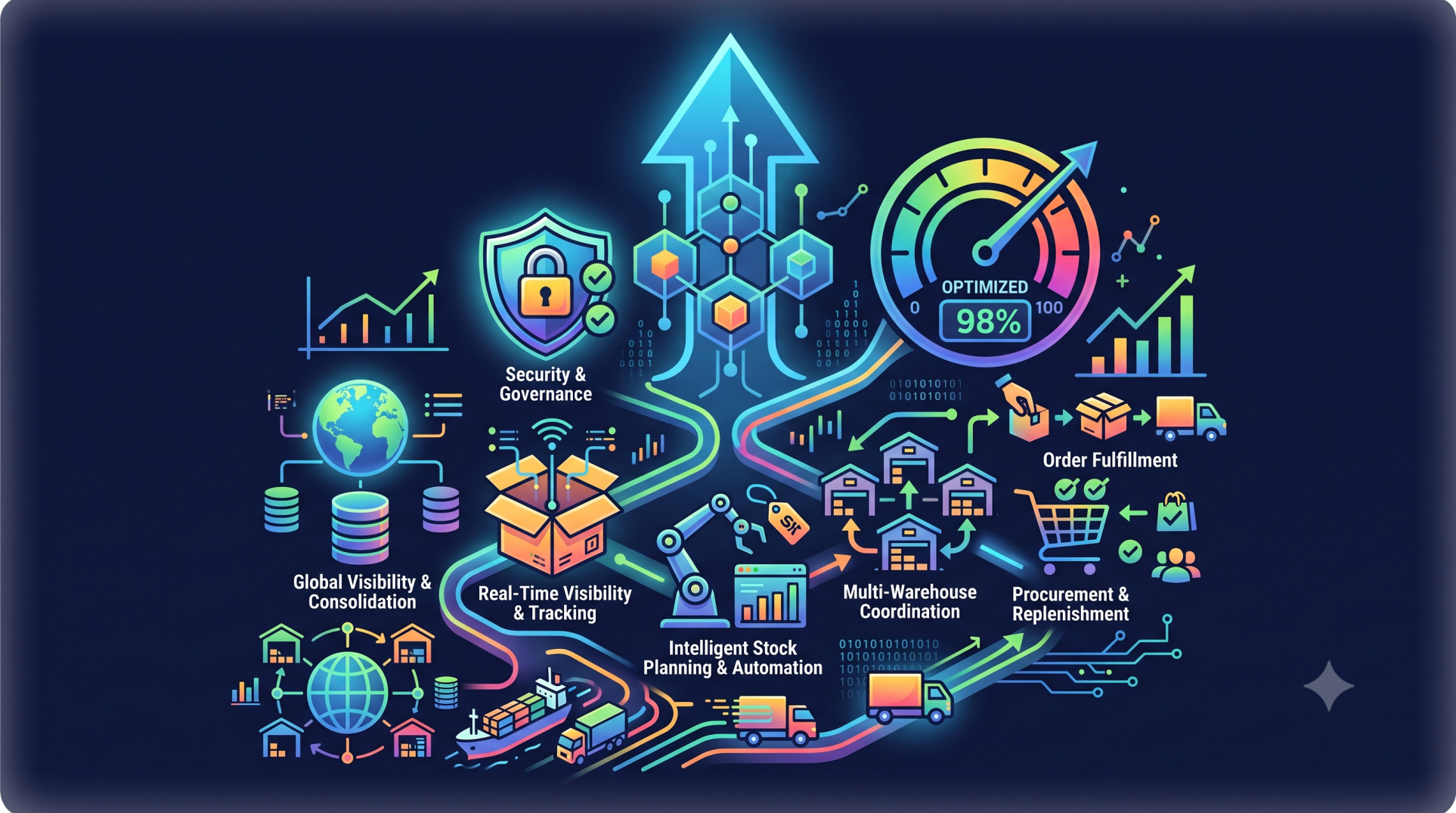
• Increases visibility from order capture to fulfillment and reporting 📈
• Reduces manual intervention and operational bottlenecks 🚦
• Aligns departmental activities with shared organizational goals 🎯
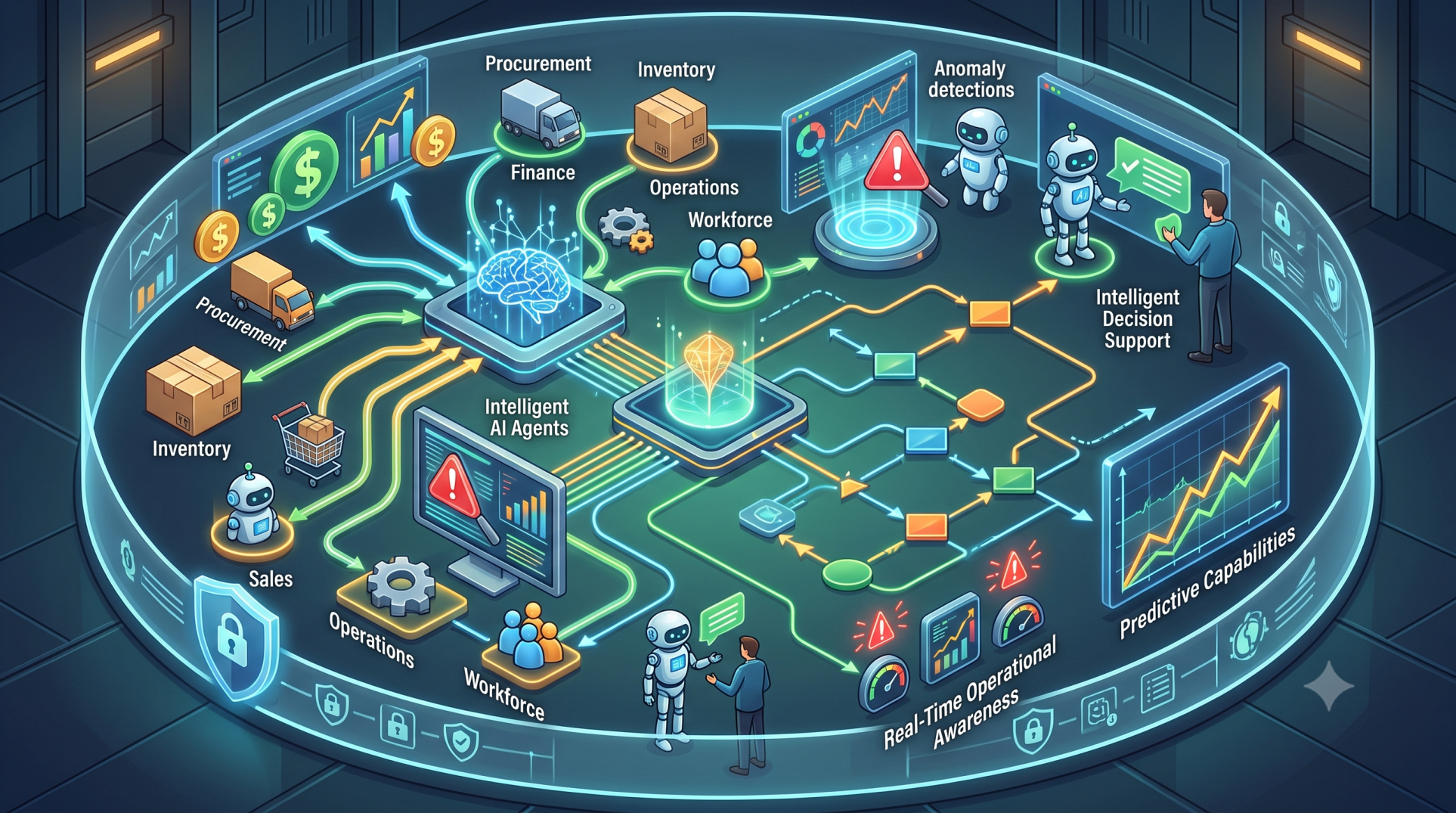
Step 3: Enabling Real-Time Enterprise Visibility 👀
• Delivers up-to-date insights into financial and operational performance 📊
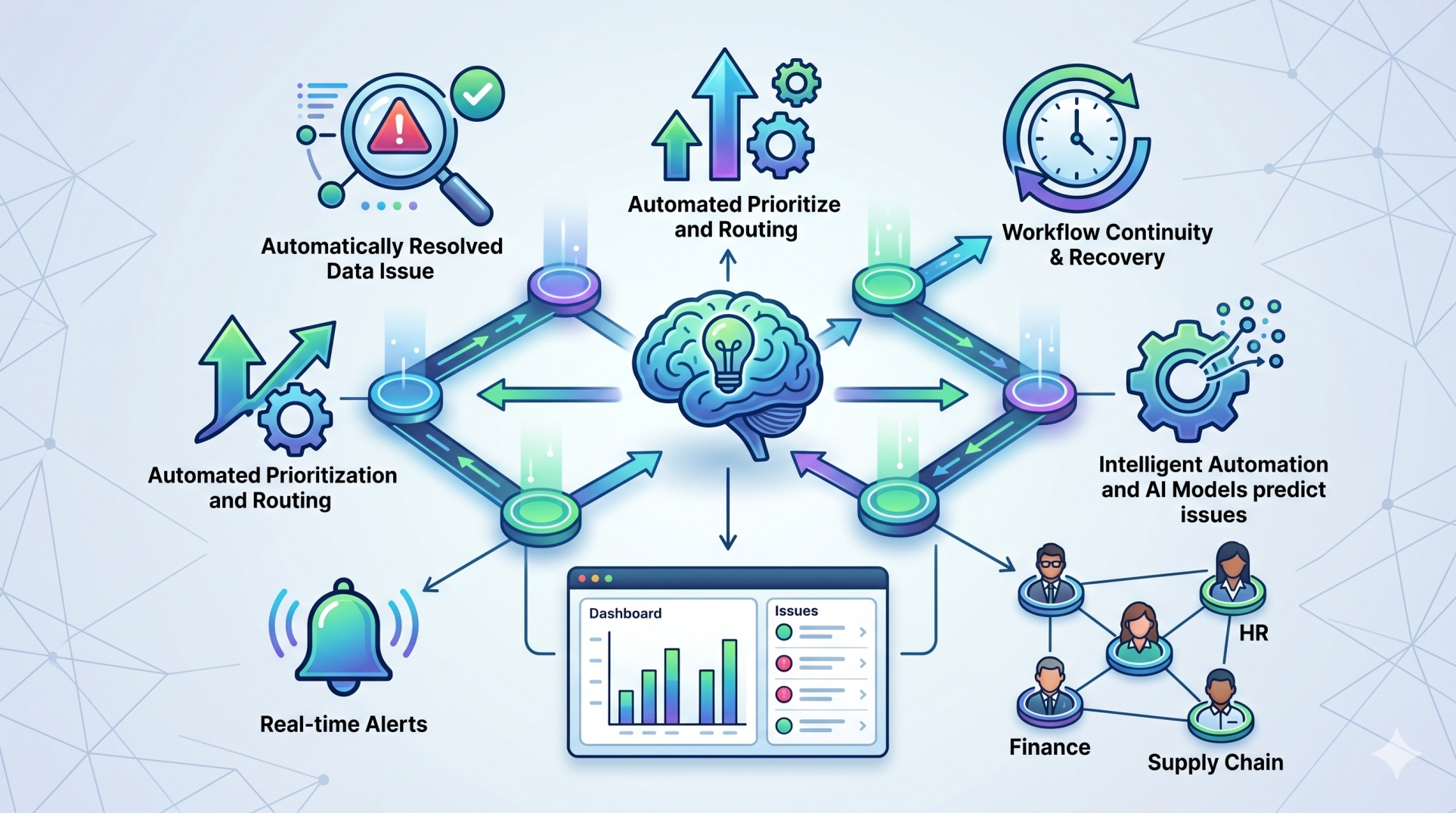
• Supports proactive management instead of reactive decision-making ⚡
• Identifies inefficiencies and risks early in the process 🔍
• Enhances collaboration through shared access to accurate data 🤝
• Accelerates confident and informed executive decisions 🧠
Step 4: Supporting Scalable Growth 📦
• Manages increasing transaction volumes without system strain 📈
• Expands across new markets, entities, and global regions 🌍
• Adapts to mergers, acquisitions, and organizational restructuring 🔄
• Supports multi-entity and multi-currency business models 💱
• Maintains performance as operational complexity increases ⚙️
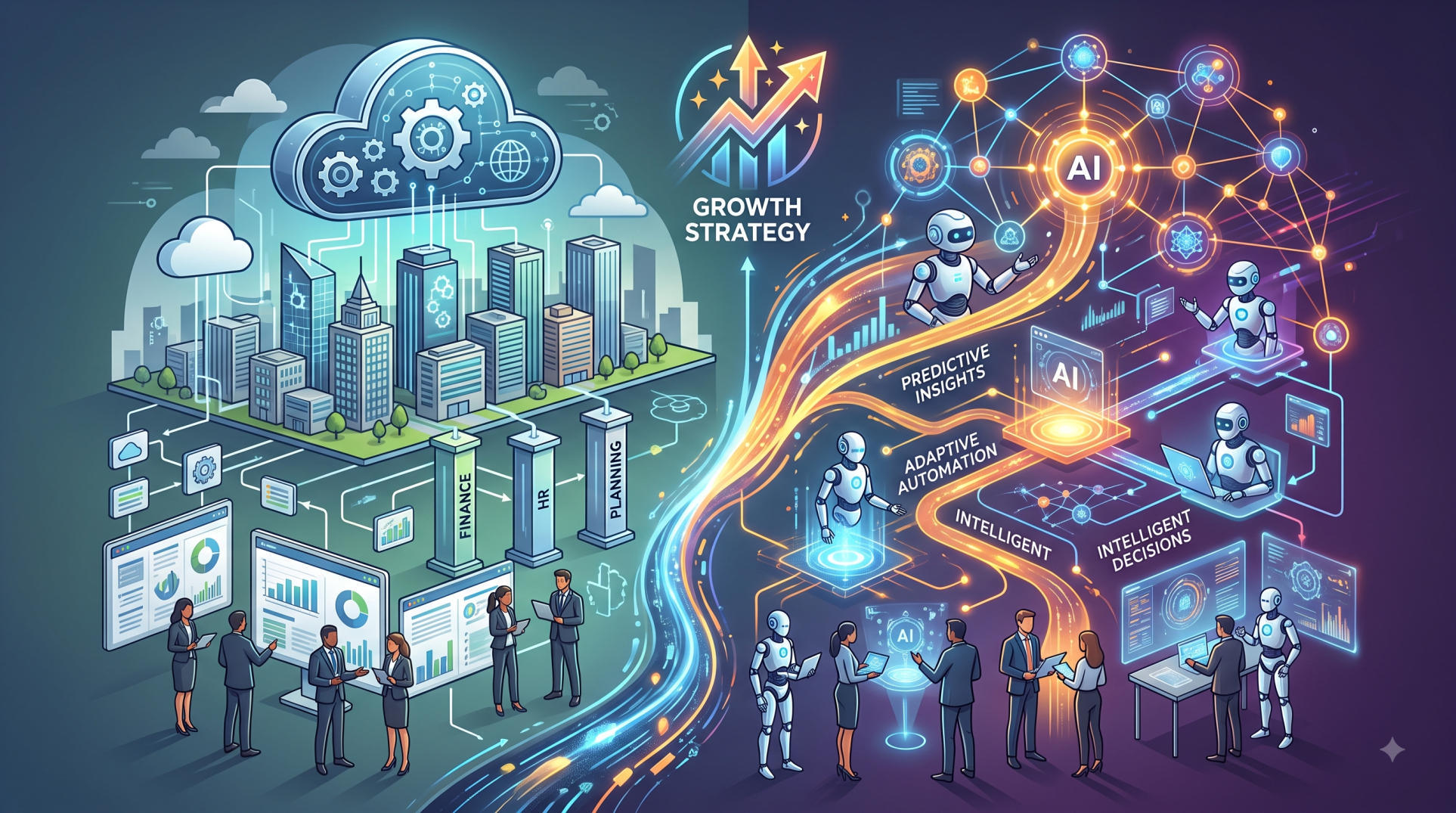
Step 5: Embedding Analytics and Intelligence 📊
• Integrates dashboards and KPI tracking directly into workflows 📈
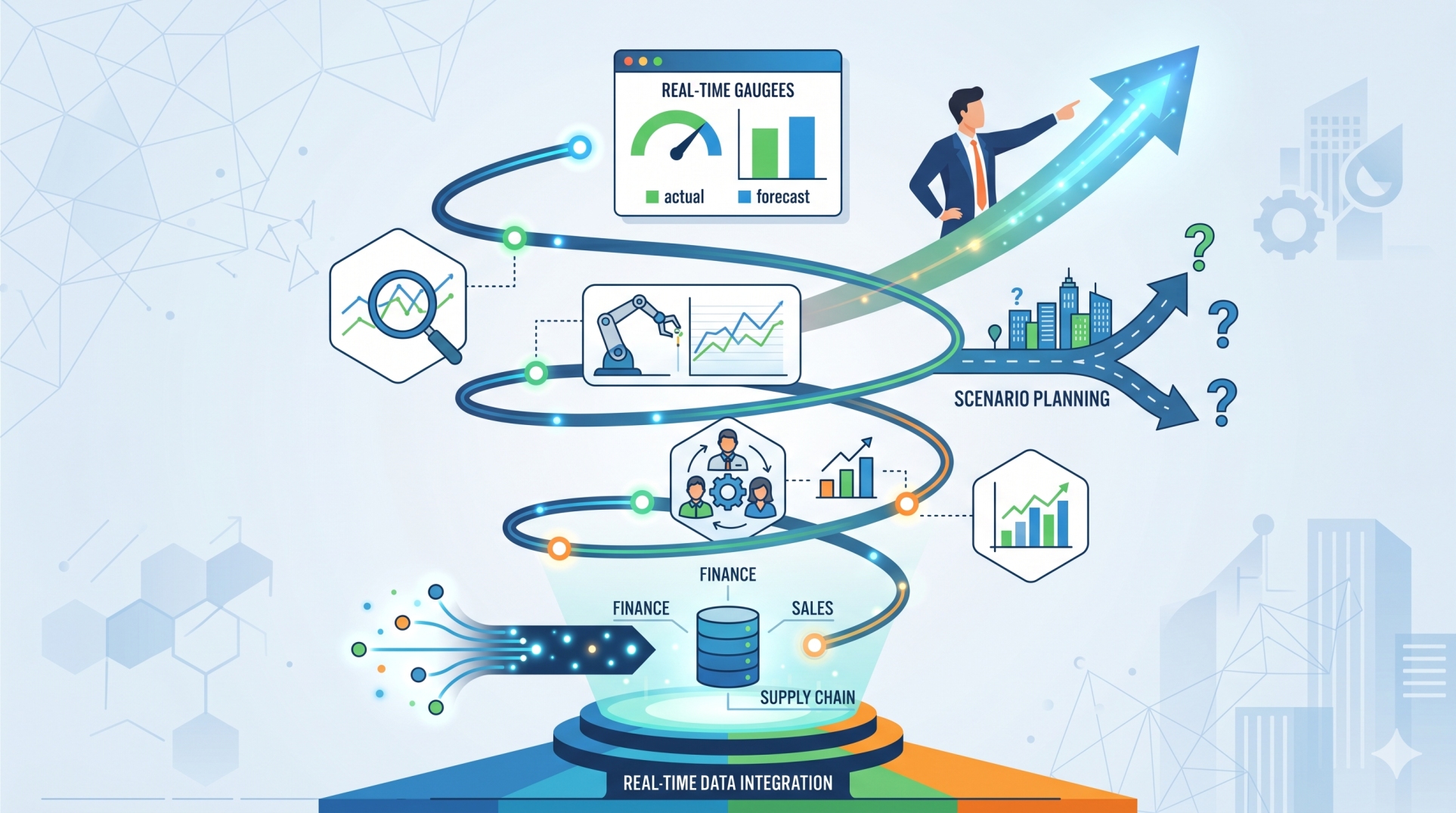
• Enables predictive forecasting and demand planning capabilities 🔮
• Converts operational data into actionable insights 💡
• Supports scenario modeling and strategic simulations 🧩
• Drives continuous performance optimization across the enterprise 🚀
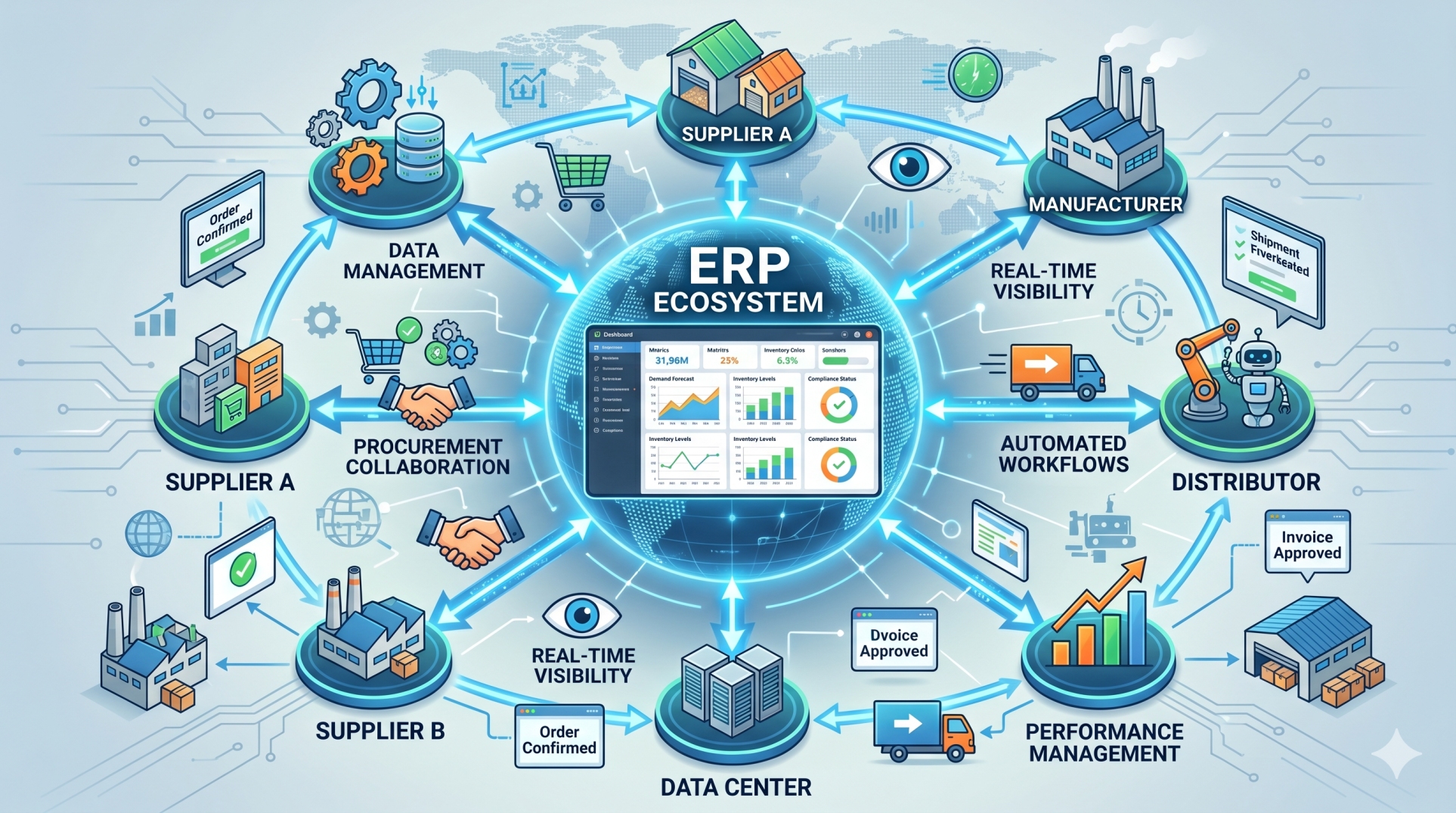
Step 6: Enabling Ecosystem Connectivity 🌐
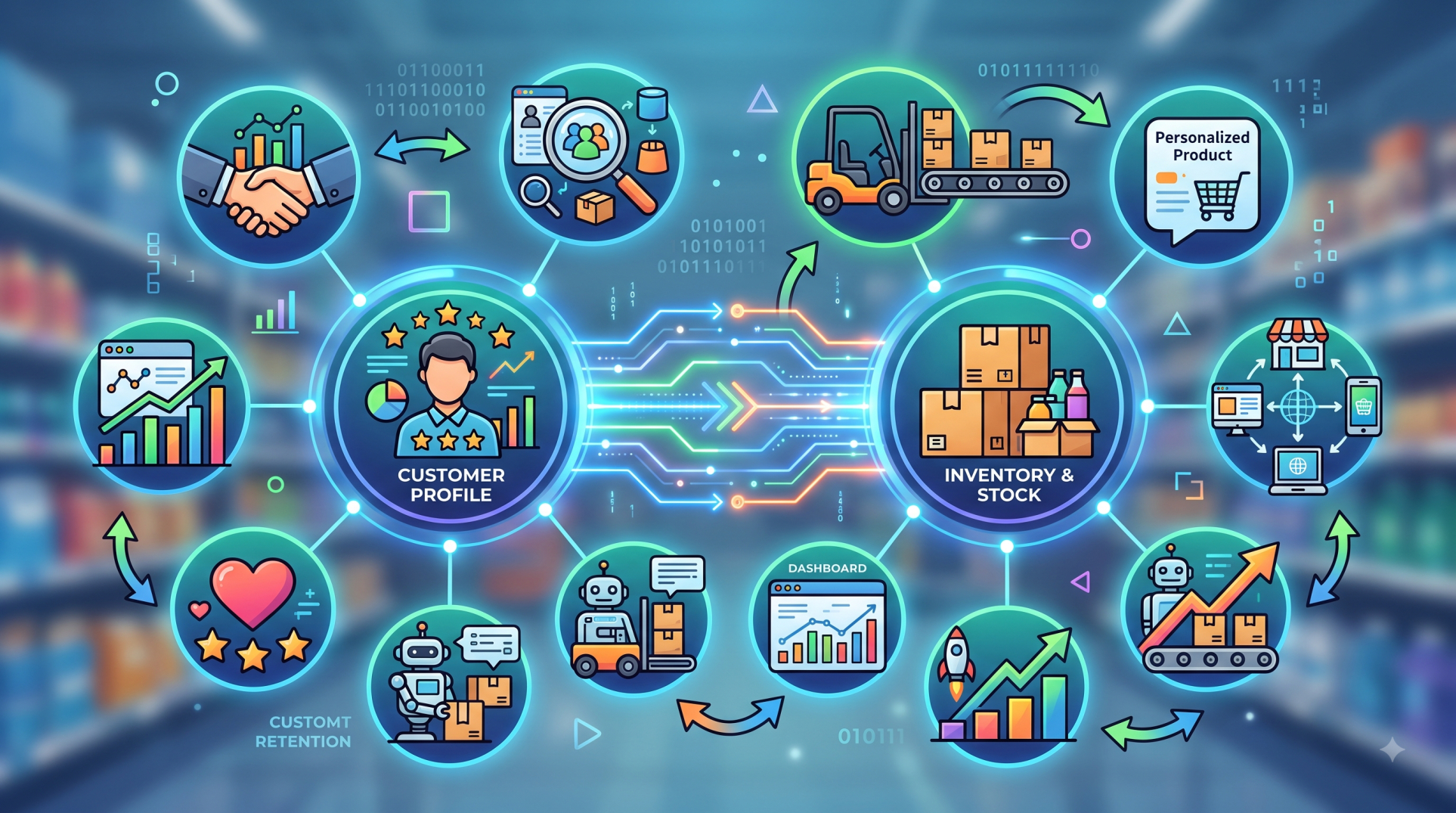
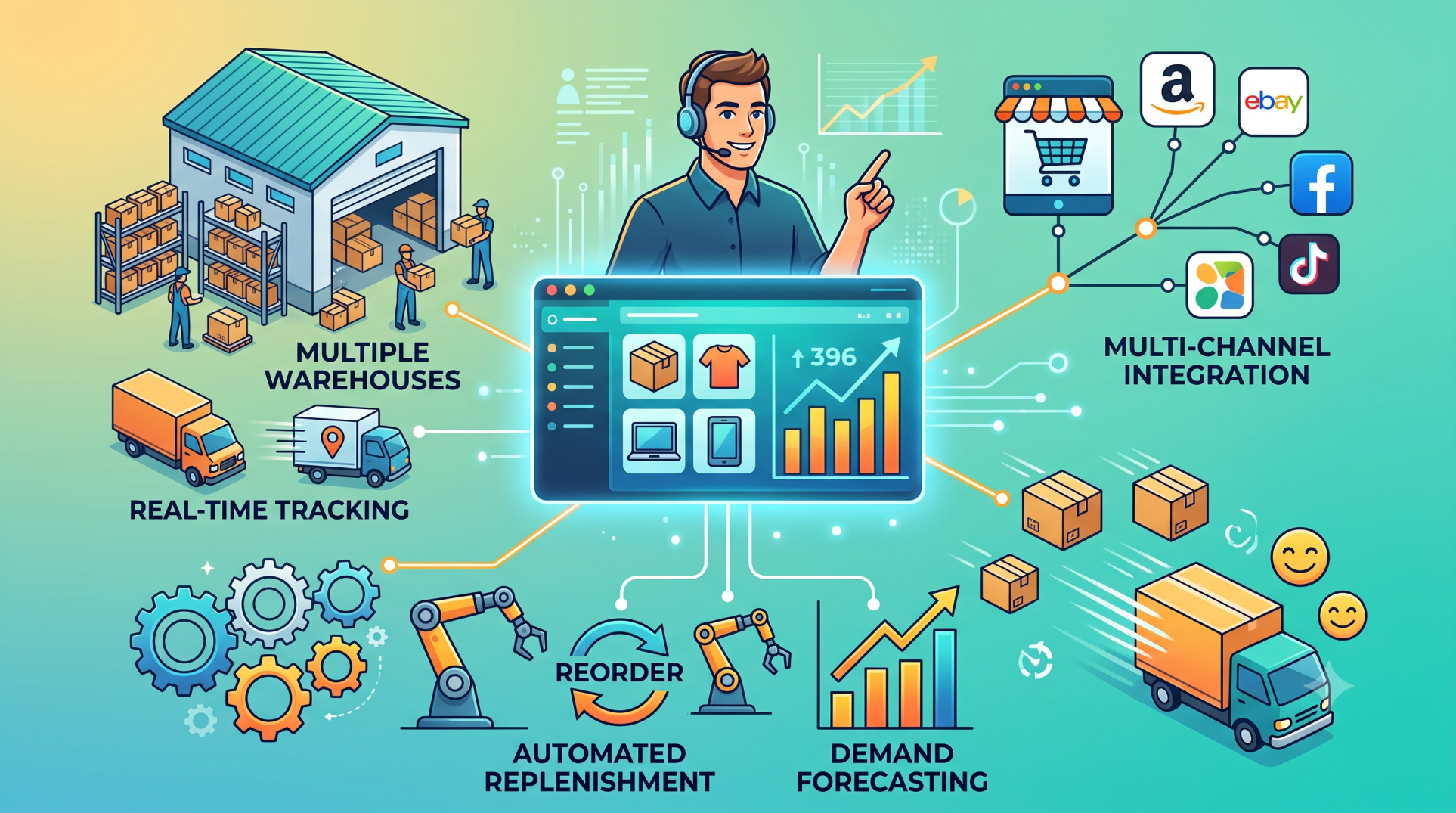
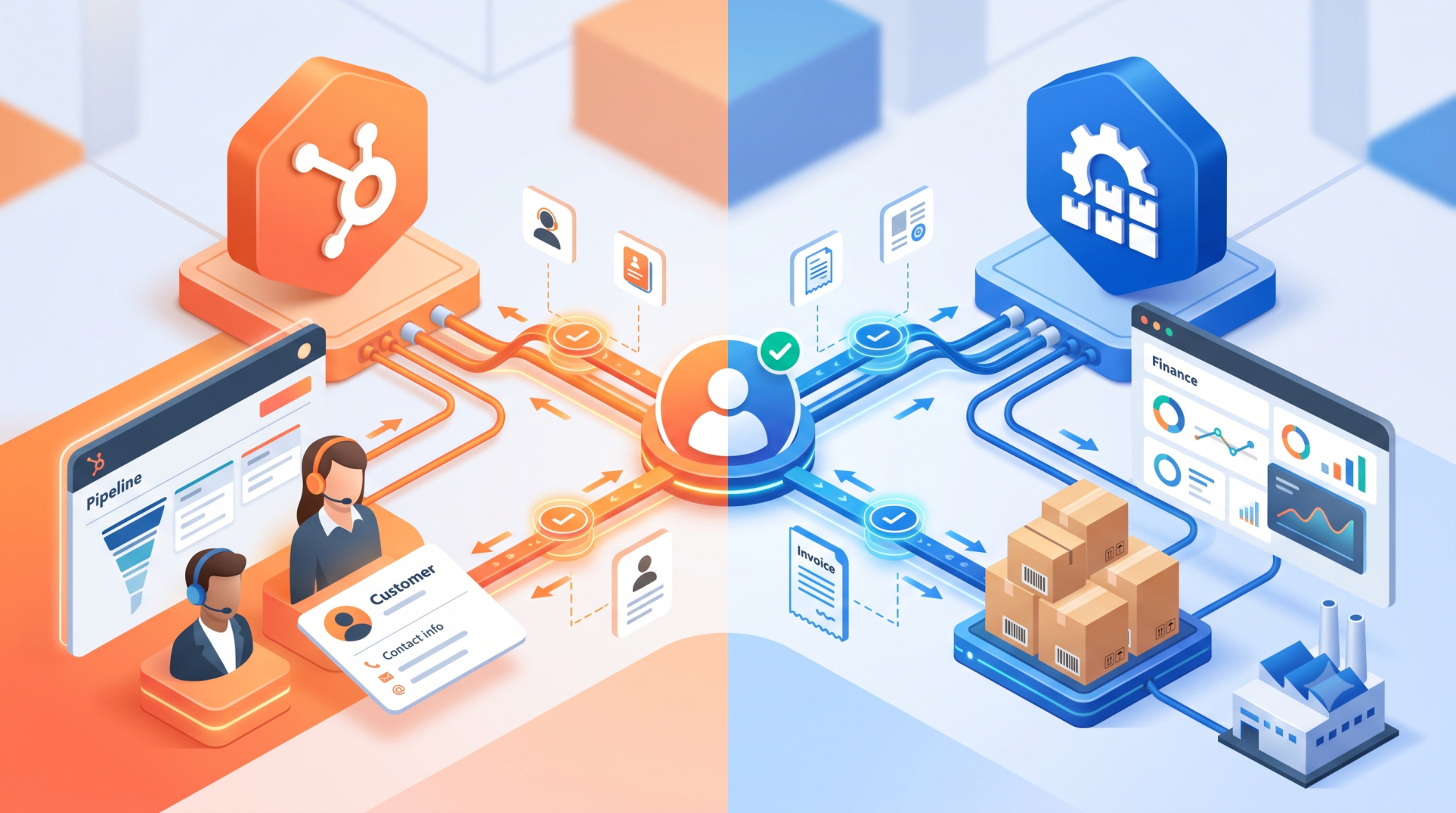
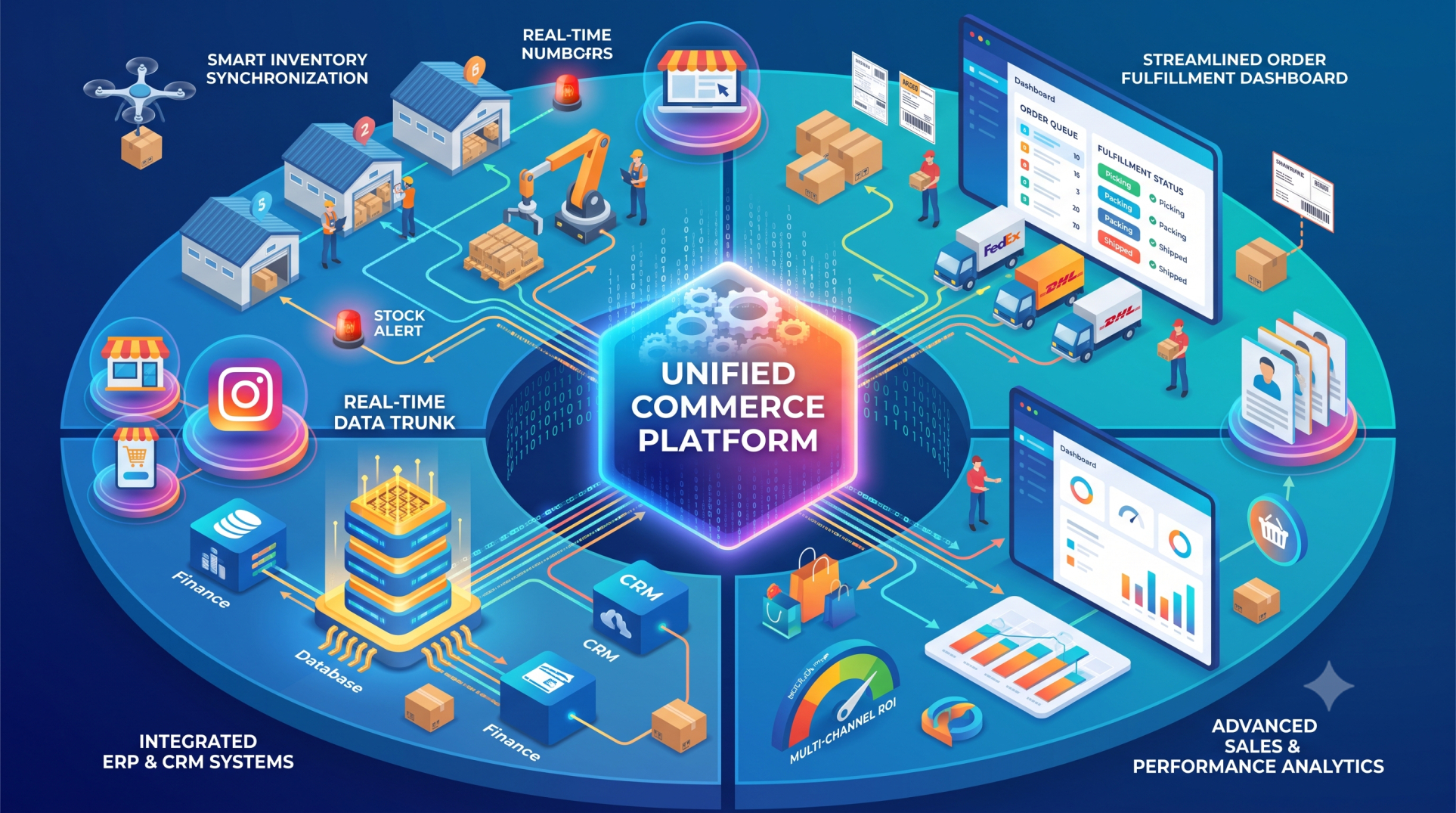
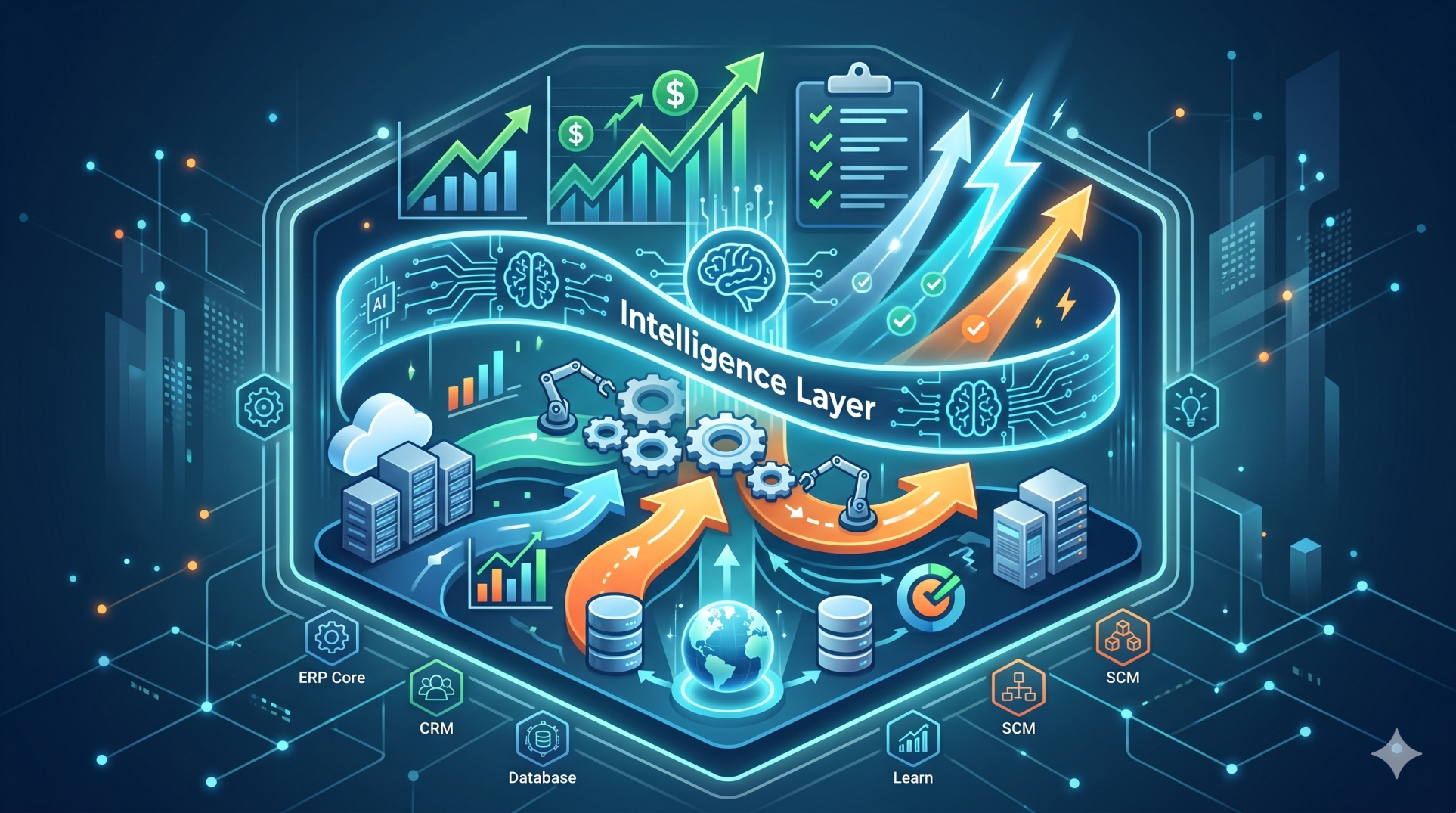
• Integrates with CRM, BI, e-commerce, and third-party platforms 🔗
• Supports API-driven architectures for adaptability and flexibility ⚙️
• Facilitates collaboration with partners and suppliers 🤝
• Enhances digital customer experiences across touchpoints 💬
• Aligns ERP with broader digital transformation strategies 🏢
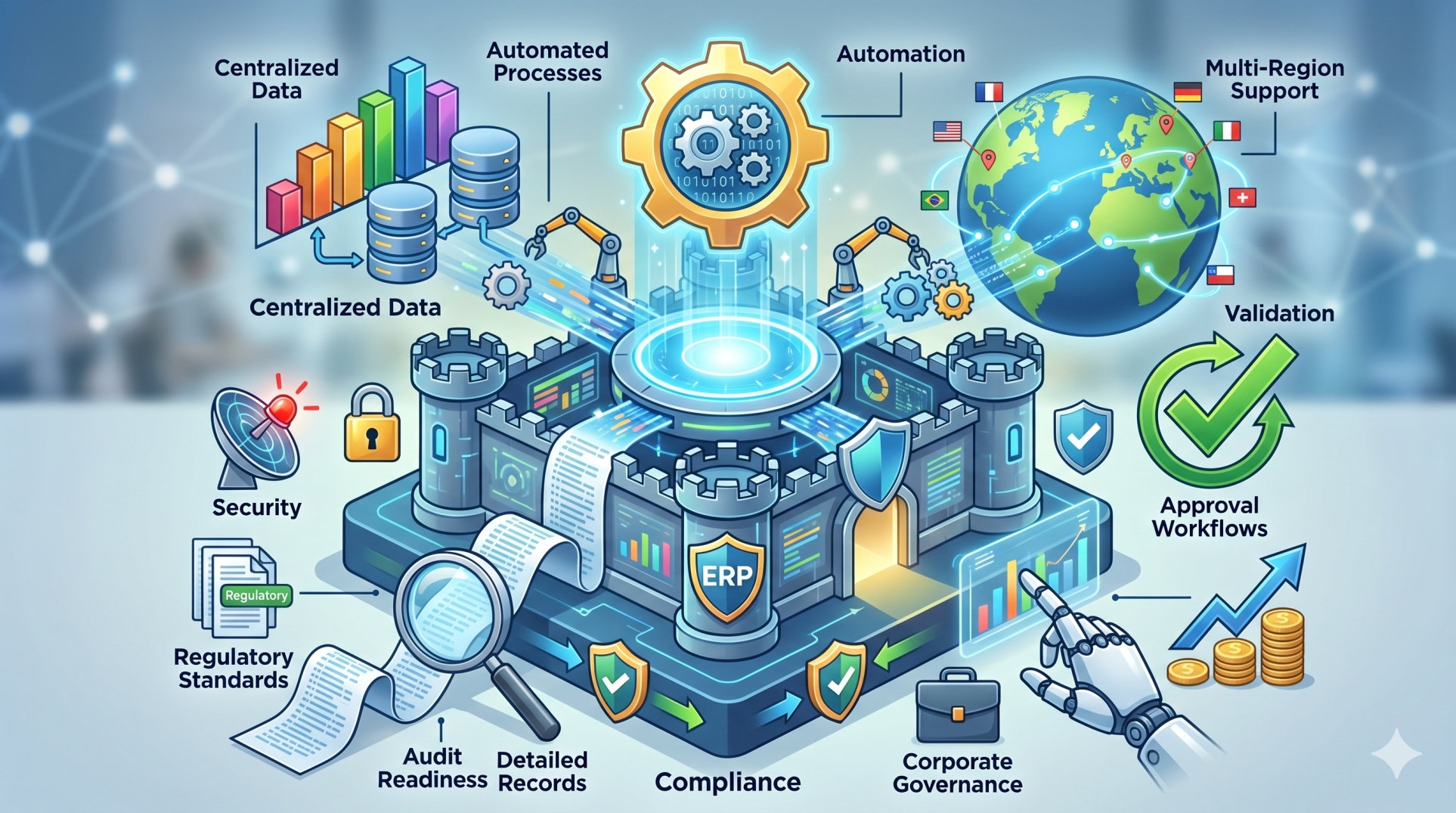
Step 7: Strengthening Governance and Compliance 🛡️
• Enforces standardized approval workflows and internal controls ✔️
• Maintains comprehensive audit trails and traceable transactions 🗂️
• Supports regulatory requirements across multiple jurisdictions ⚖️
• Safeguards sensitive enterprise and financial data 🔐
• Improves transparency and organizational accountability 👁️
Step 8: Positioning ERP as the Strategic Control Layer 🎯
• Aligns day-to-day execution with long-term corporate strategy 🏆
• Empowers leadership with enterprise-wide performance visibility 📊
• Enables faster pivots in response to evolving market conditions ⚡
• Serves as the backbone of sustained digital transformation 🔄
Conclusion
A digital core strategy built around ERP elevates the system from an operational backbone to a strategic growth engine. By integrating processes, centralizing enterprise data, embedding analytics, and enabling scalable expansion, ERP becomes the foundation for digital innovation and organizational agility. Companies that position ERP as their digital core strengthen resilience, improve decision-making, and create a platform for long-term competitive advantage.
See more blogs
You can all the articles below