Common ERP Implementation Mistakes (And How to Avoid Them)
.png)
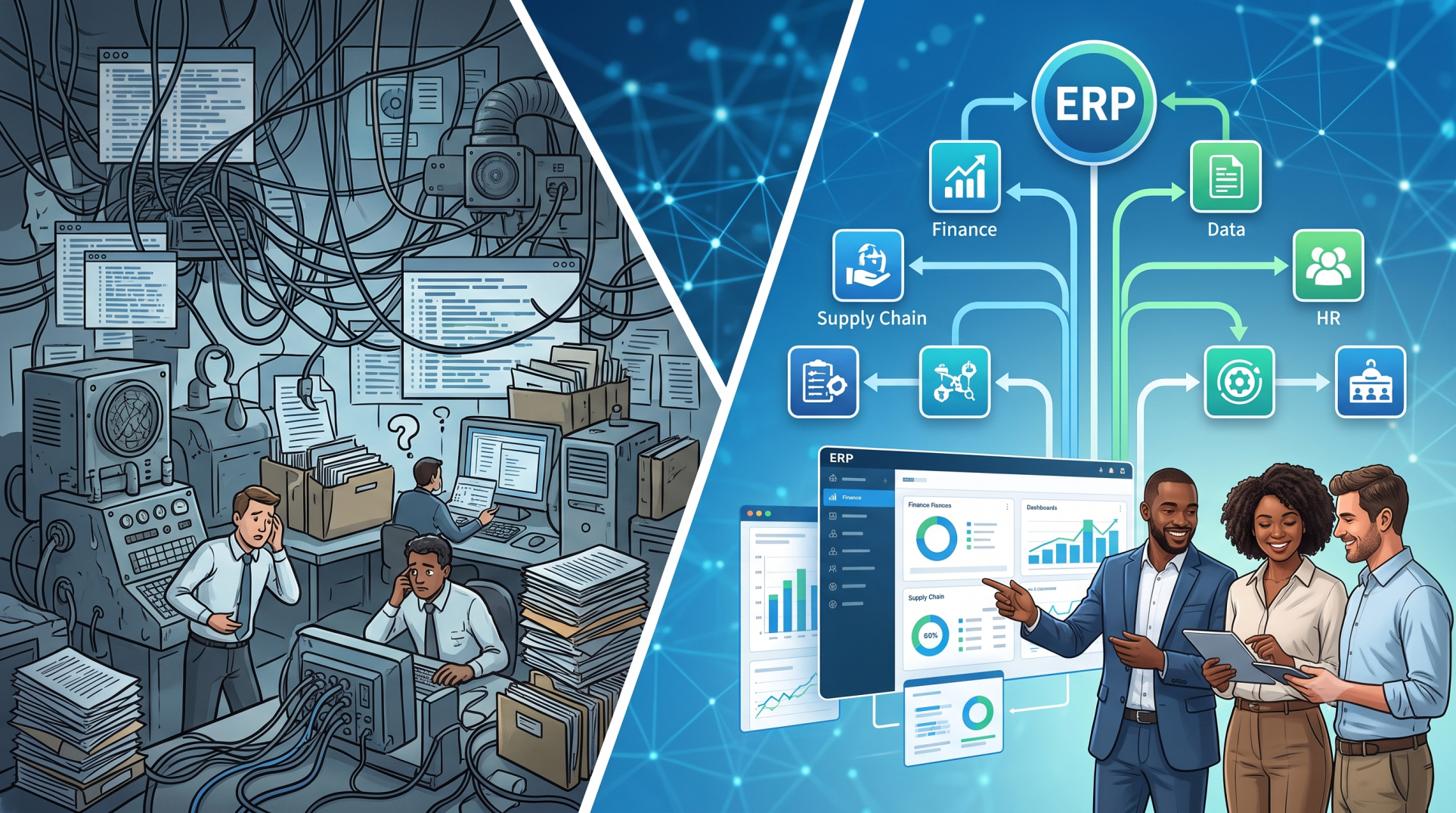
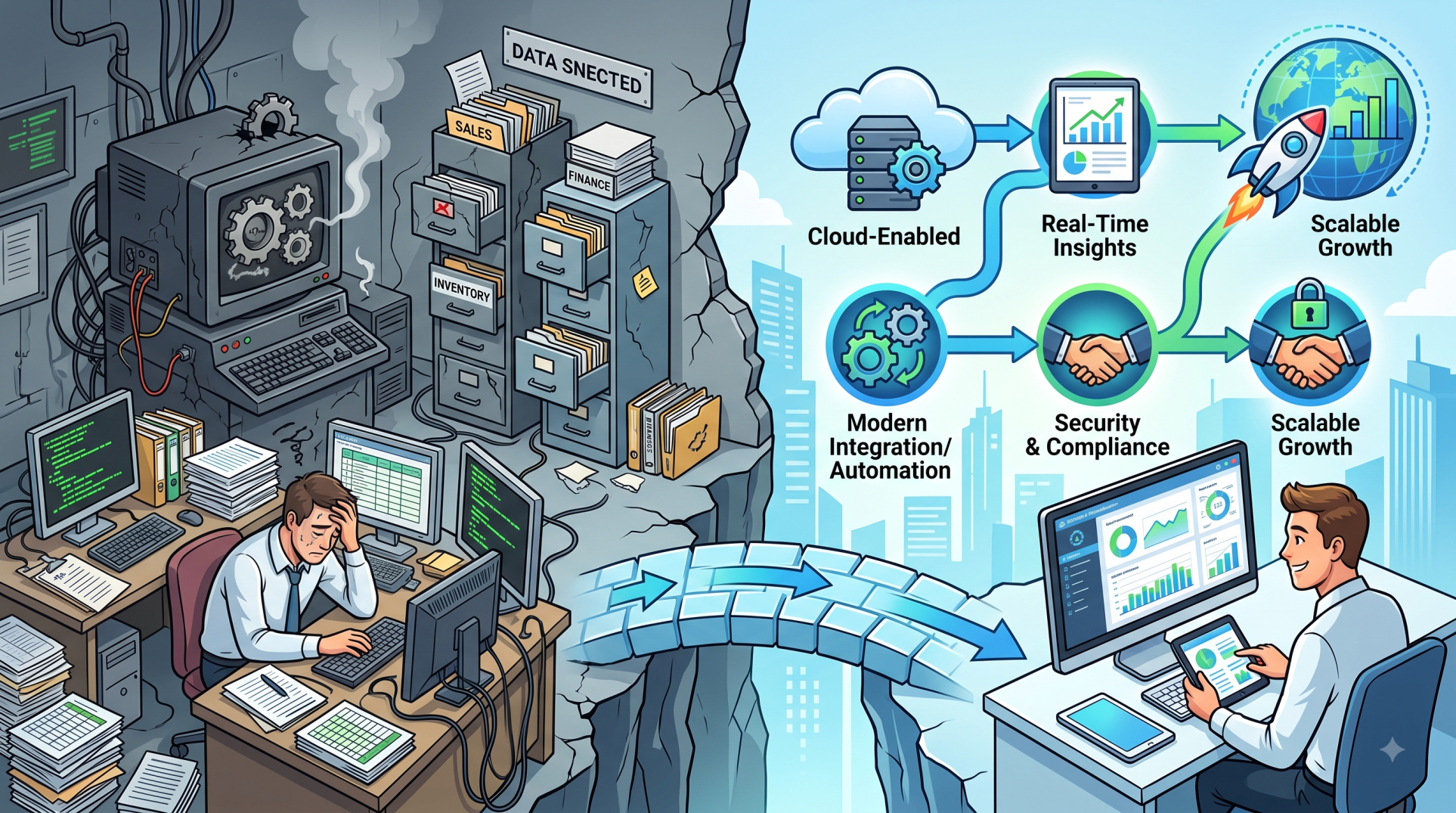
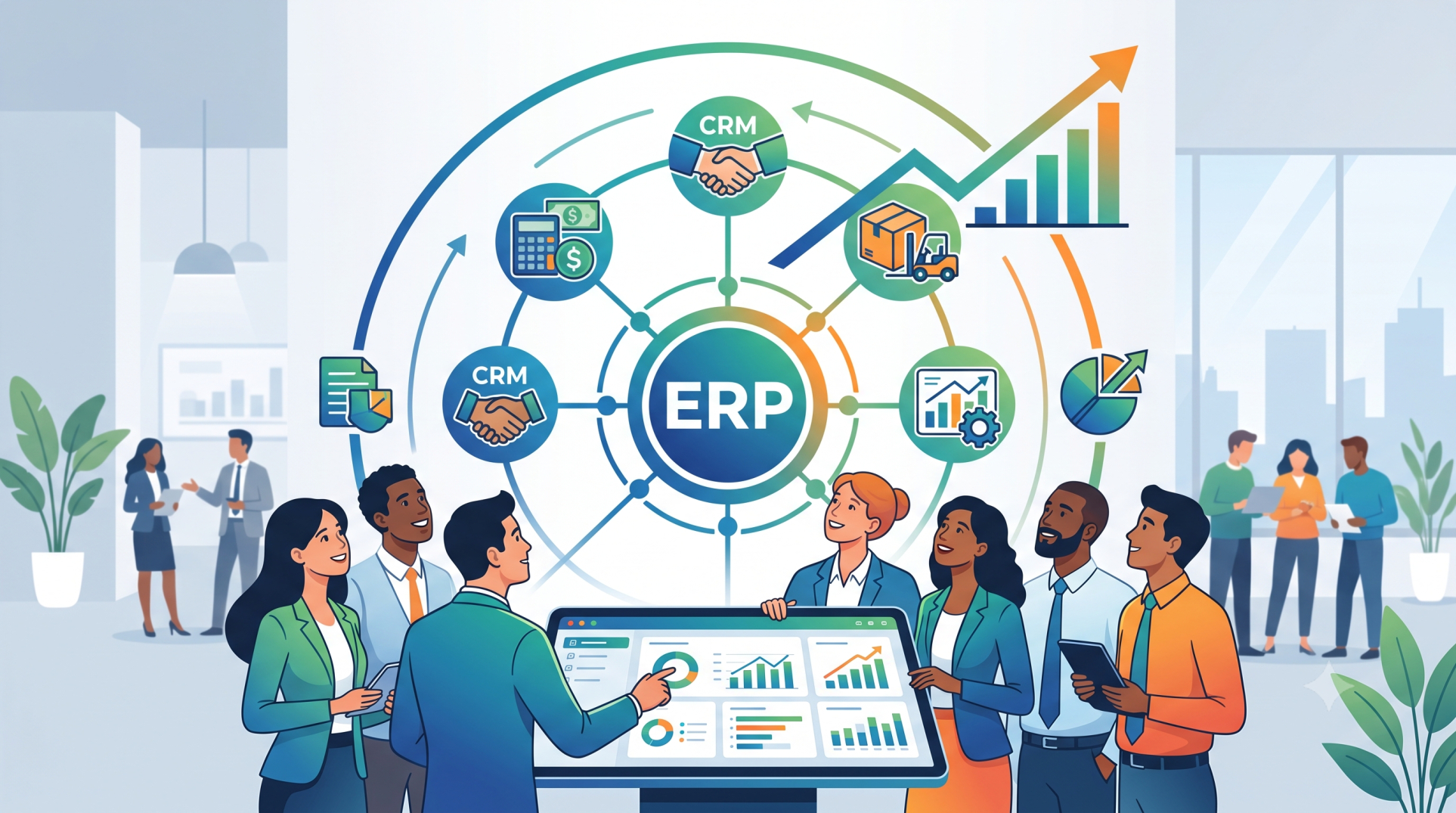
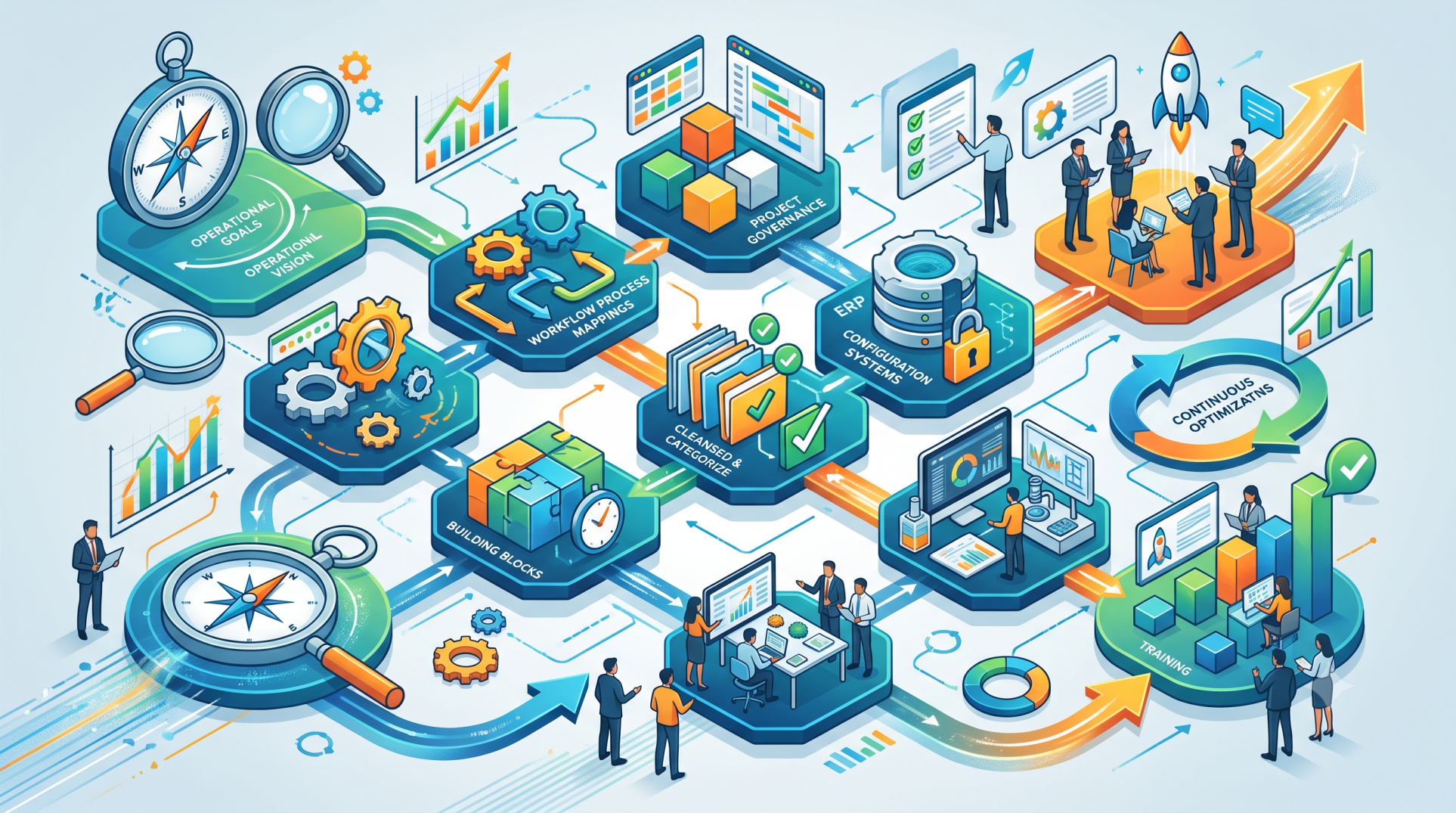
Implementing an Enterprise Resource Planning (ERP) system can significantly improve operational efficiency and business performance. However, success depends not just on selecting the right software, but on planning, execution, and people involvement. Many organizations struggle to achieve desired results due to preventable mistakes. Recognizing these challenges early can lead to a smoother and more effective ERP implementation 🚀.
🎯 1. Poorly Defined Goals and Requirements
A common ERP challenge is moving forward without clear objectives. When goals are unclear, the system may fail to align with real business needs ⚠️.
How to avoid it:
• Clearly outline business goals and expected results 🧭
• Document key workflows and processes 📝
• Involve stakeholders from all departments 🤝
• Validate requirements before implementation begins ✅
🏢 2. Limited Executive Support
ERP projects affect every part of the organization. Without strong leadership backing, initiatives can lose direction and urgency 📉.
How to avoid it:
• Secure executive sponsorship early 🏆
• Ensure leaders are involved in critical decisions 🧠
• Provide adequate resources and funding 💰
• Reinforce the strategic importance of the ERP project 🎯
🔄 3. Ineffective Change Management
Resistance to change is common when employees don’t understand the purpose or benefits of a new system 😕.
How to avoid it:
• Communicate project goals and benefits clearly 📣
• Share regular updates throughout implementation 🔔
• Explain how the ERP improves daily operations ⚙️
• Allow time for teams to adjust to new workflows ⏳
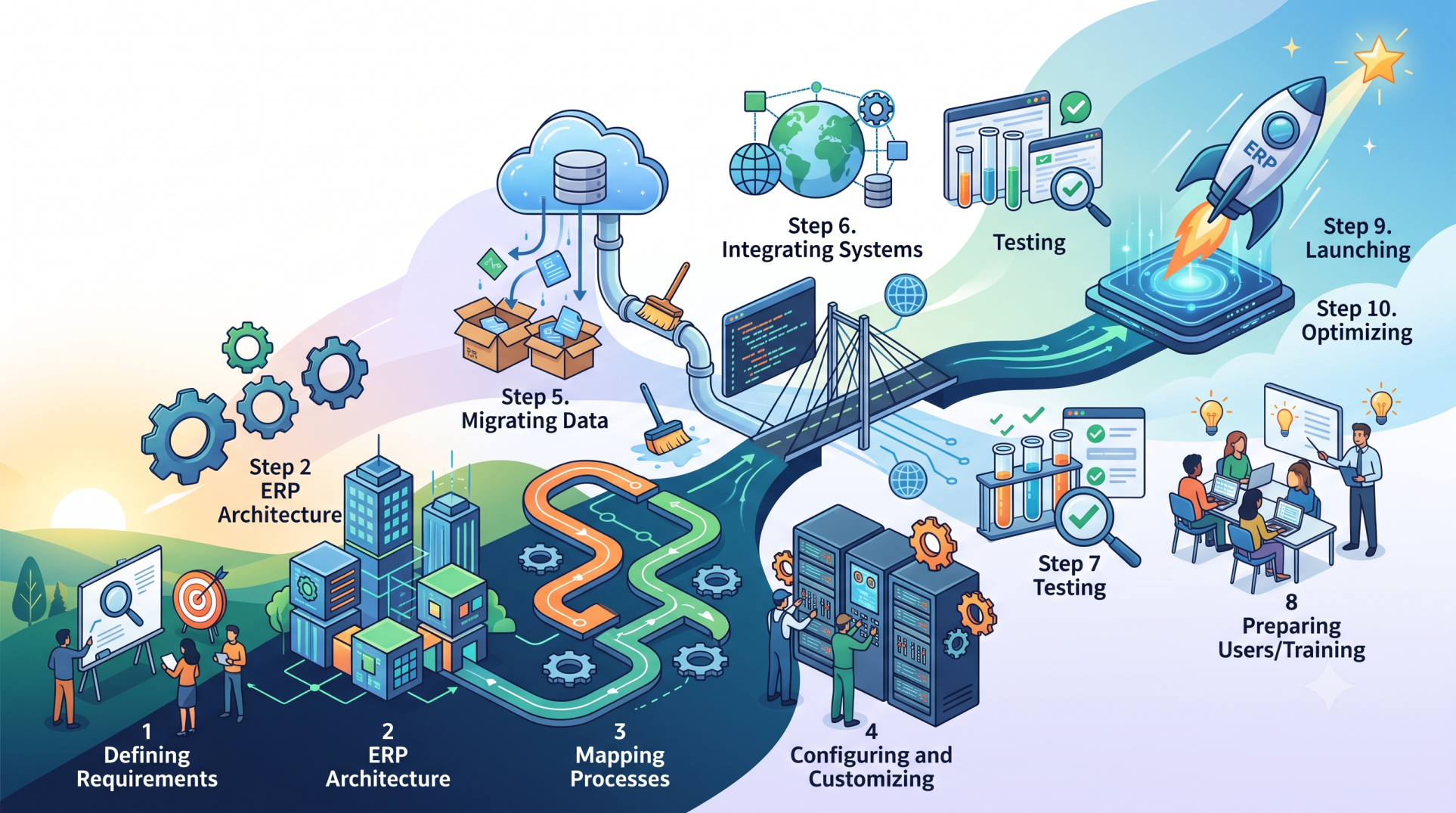
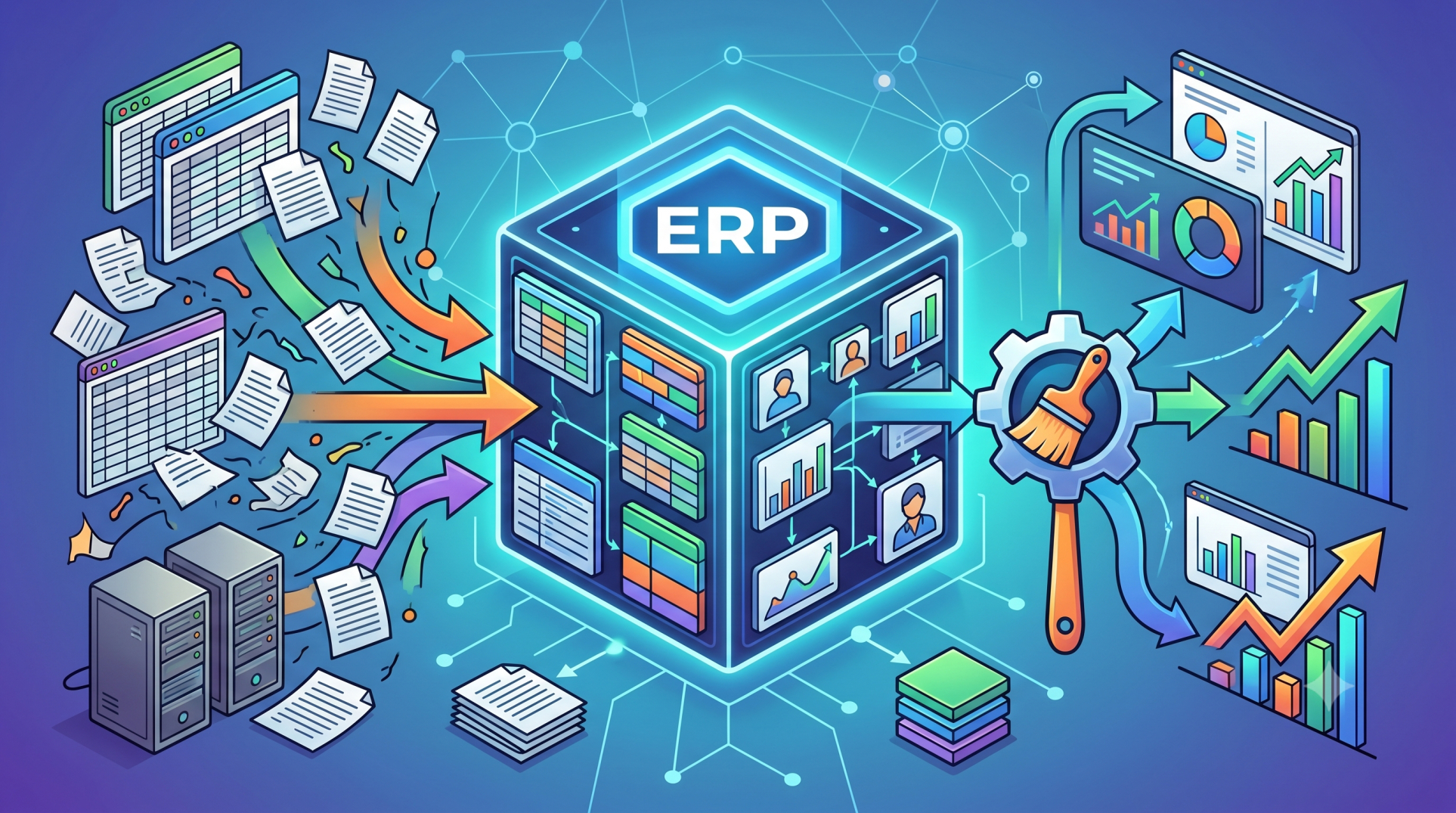
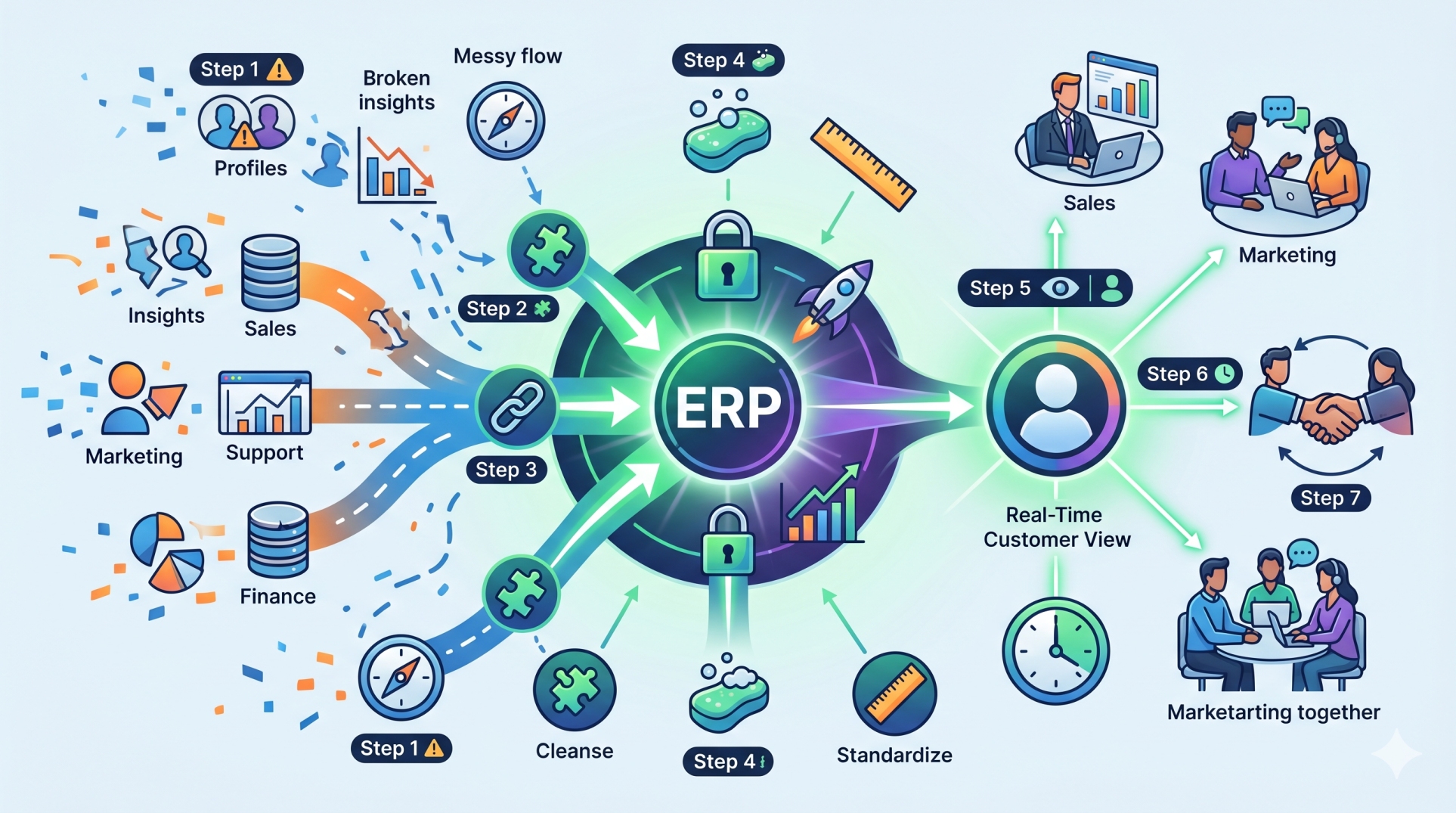
🗄️ 4. Underestimating Data Migration Complexity
Data migration is often more challenging than expected. Poor-quality data can lead to issues after go-live ⚠️.
How to avoid it:
• Clean and standardize data before migration 🧹
• Assign clear ownership for data accuracy 👤
• Conduct multiple migration tests 🧪
• Migrate only essential and accurate data ✅
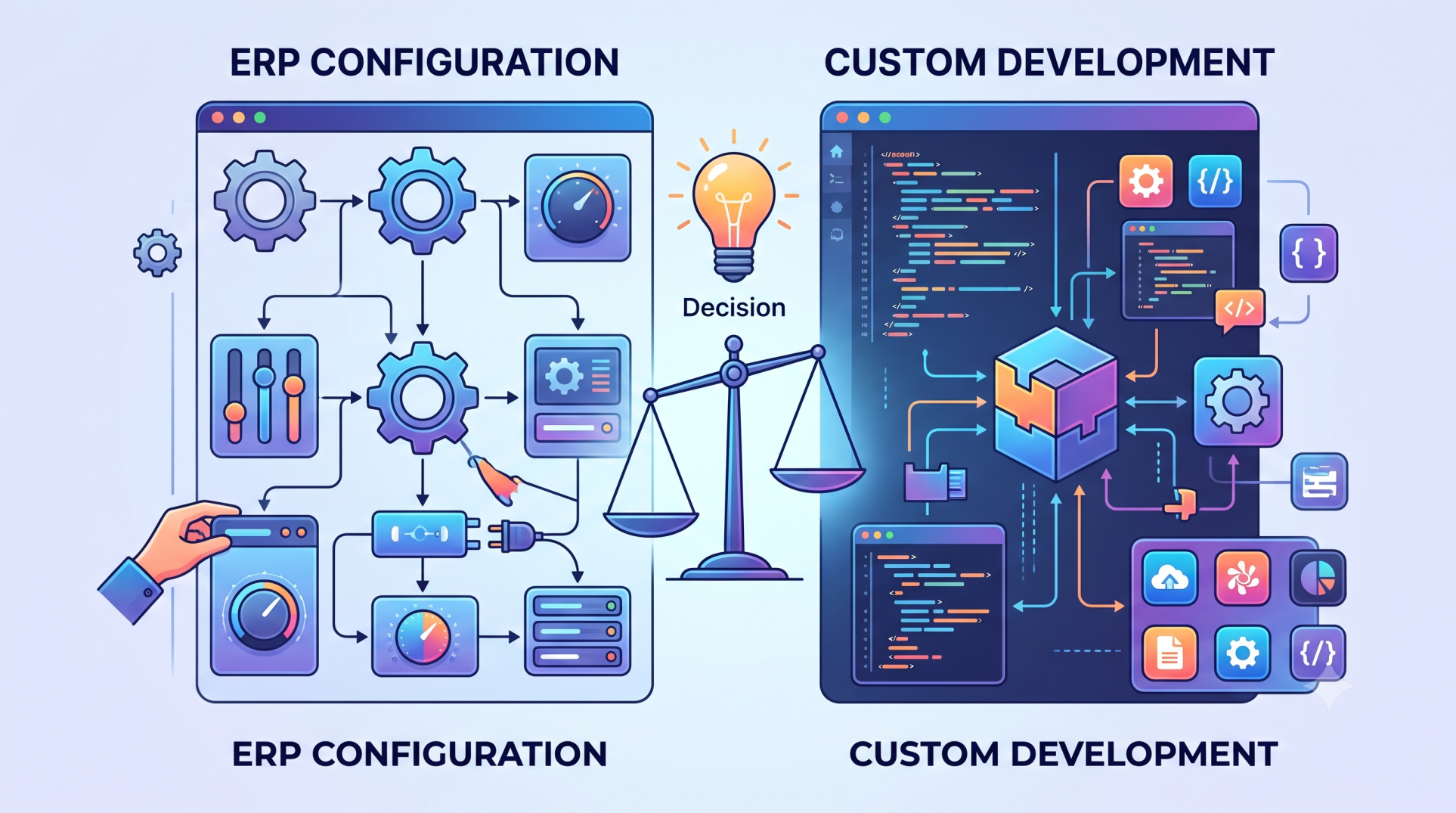
🛠️ 5. Over-Customizing the System
Excessive customization can increase costs, extend timelines, and make future upgrades difficult 💸⏱️.
How to avoid it:
• Use standard ERP features whenever possible 📦
• Customize only for critical business requirements 🎯
• Evaluate long-term maintenance impacts 🔍
• Align processes with ERP best practices 📘
🎓 6. Insufficient User Training
An ERP system is only effective when users know how to use it properly 👨💻.
How to avoid it:
• Provide role-based training for each team 🧩
• Offer hands-on learning sessions ✋
• Supply clear and accessible documentation 📚
• Continue training and support after go-live 🔄
⏱️ 7. Unrealistic Timelines and Budgets
Tight schedules and underestimated costs often result in rushed decisions and errors ⚠️.
How to avoid it:
• Set realistic project timelines 🗓️
• Include buffer time for testing and training 🧪
• Budget for integrations and change management 💼
• Track progress regularly against the plan 📊
🔧 8. Overlooking Post-Go-Live Support
Some organizations treat go-live as the end of the project rather than the beginning of optimization 🚦.
How to avoid it:
• Plan for ongoing system support and maintenance 🛠️
• Monitor ERP performance after deployment 📈
• Gather feedback from users 🗣️
• Partner with the ERP vendor for continuous improvements 🤝
🎯 Final Thoughts
A successful ERP implementation relies on thoughtful planning, strong leadership, and active user participation—not just technology. By avoiding common mistakes such as unclear goals, weak change management, and inadequate training, organizations can unlock the full value of their ERP investment. With the right approach, ERP systems become powerful tools for long-term efficiency, visibility, and business growth 🌱📈.
See more blogs
You can all the articles below