Automated Financial Compliance Through ERP Systems
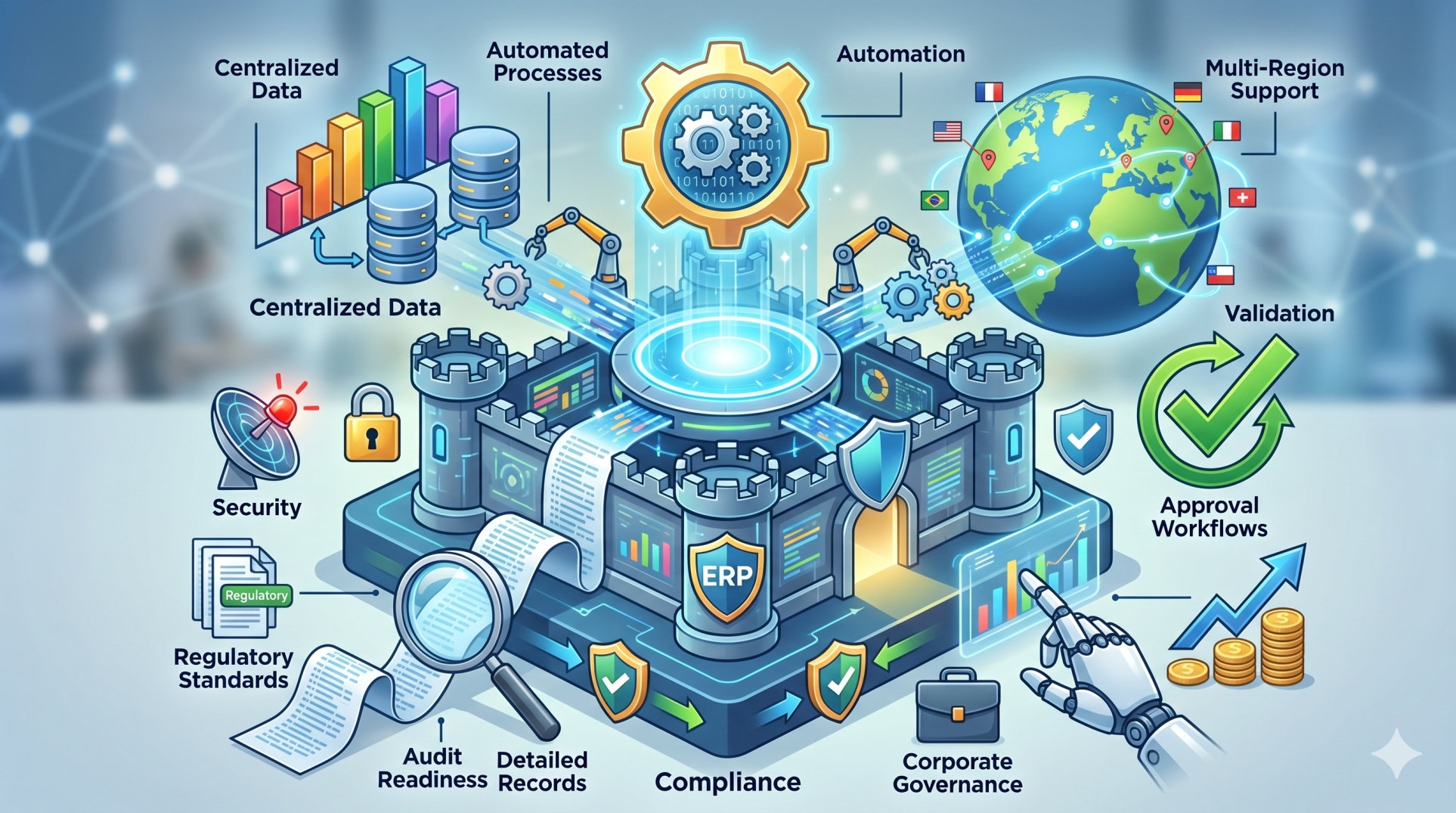
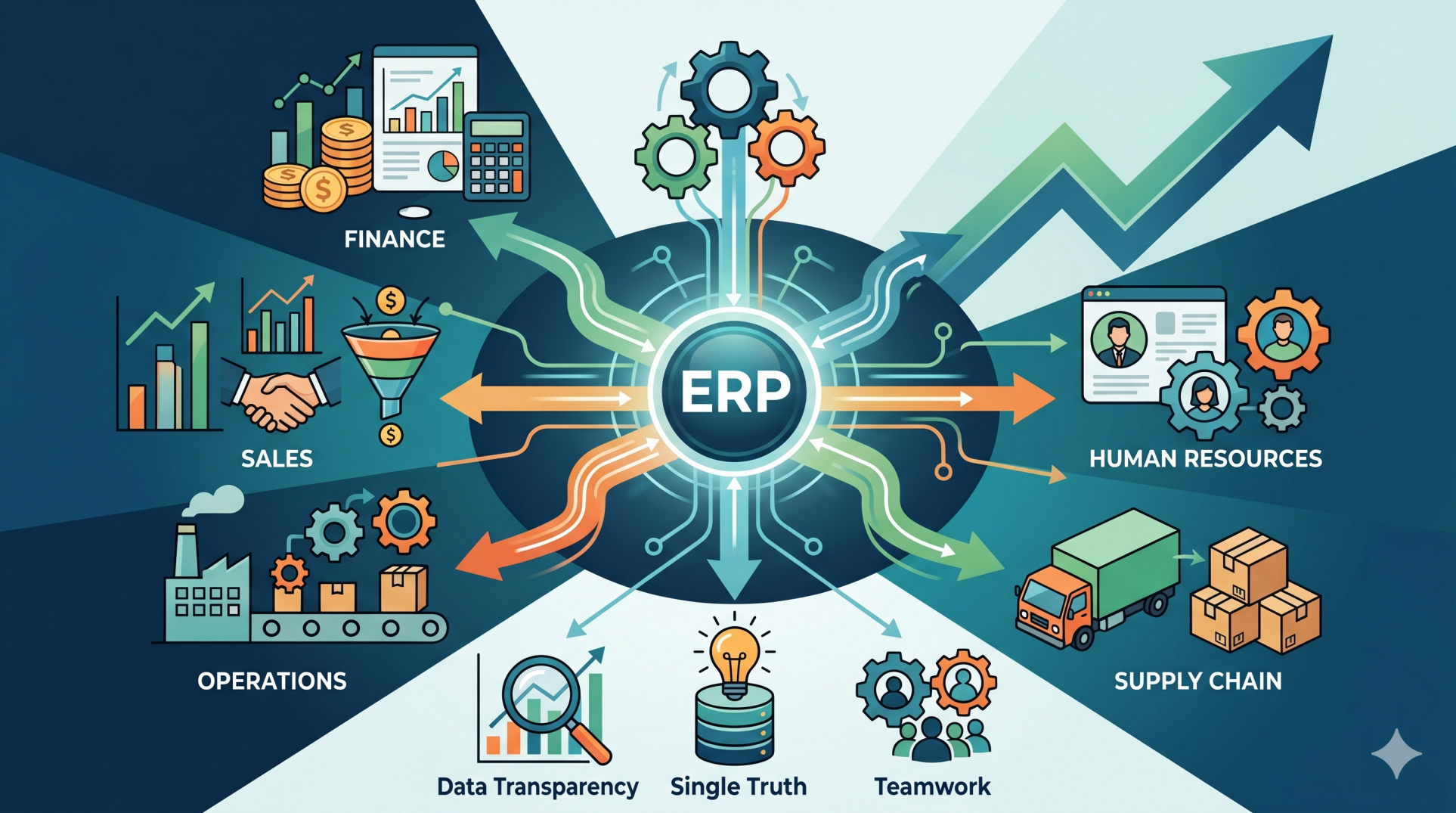
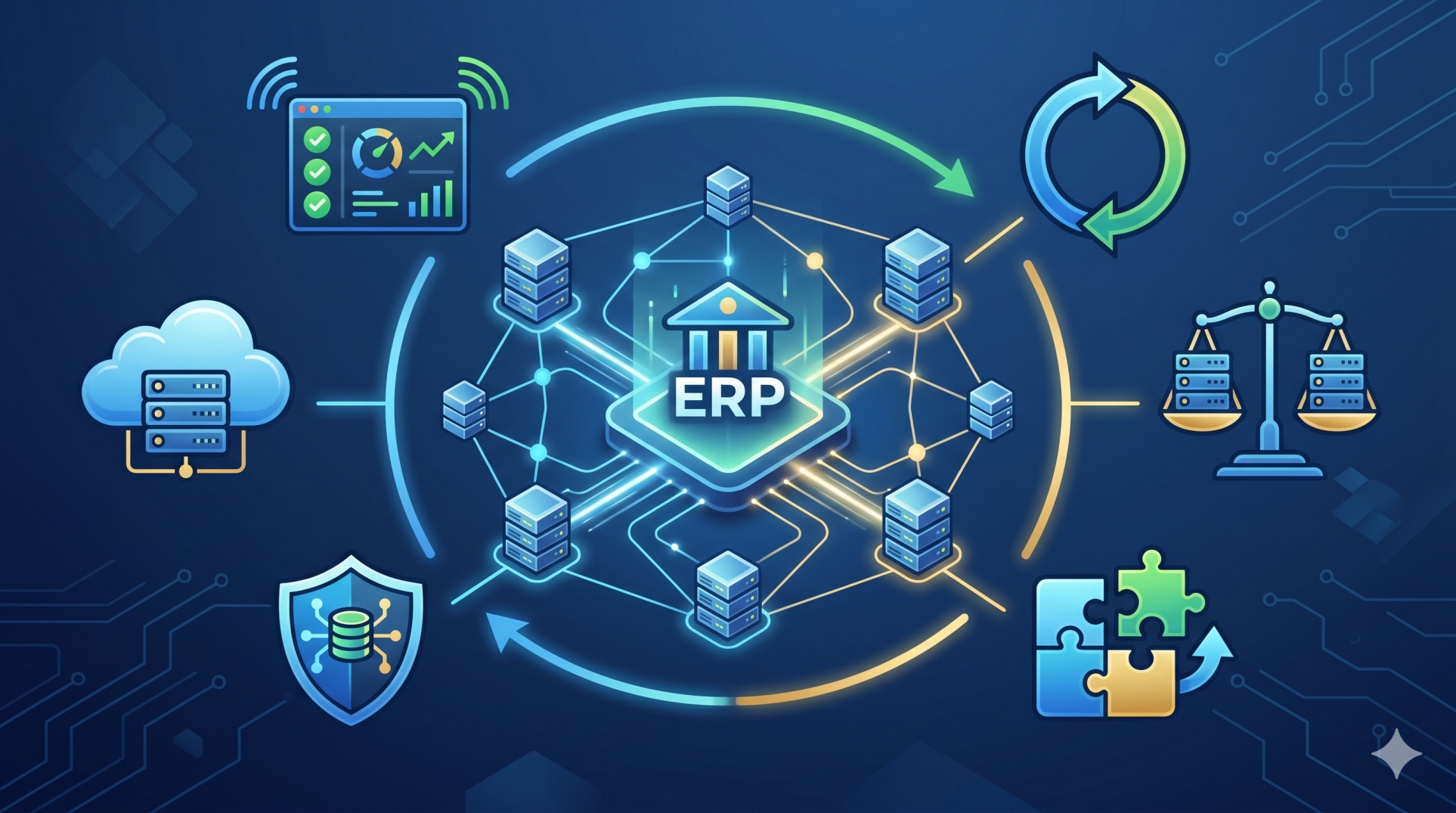
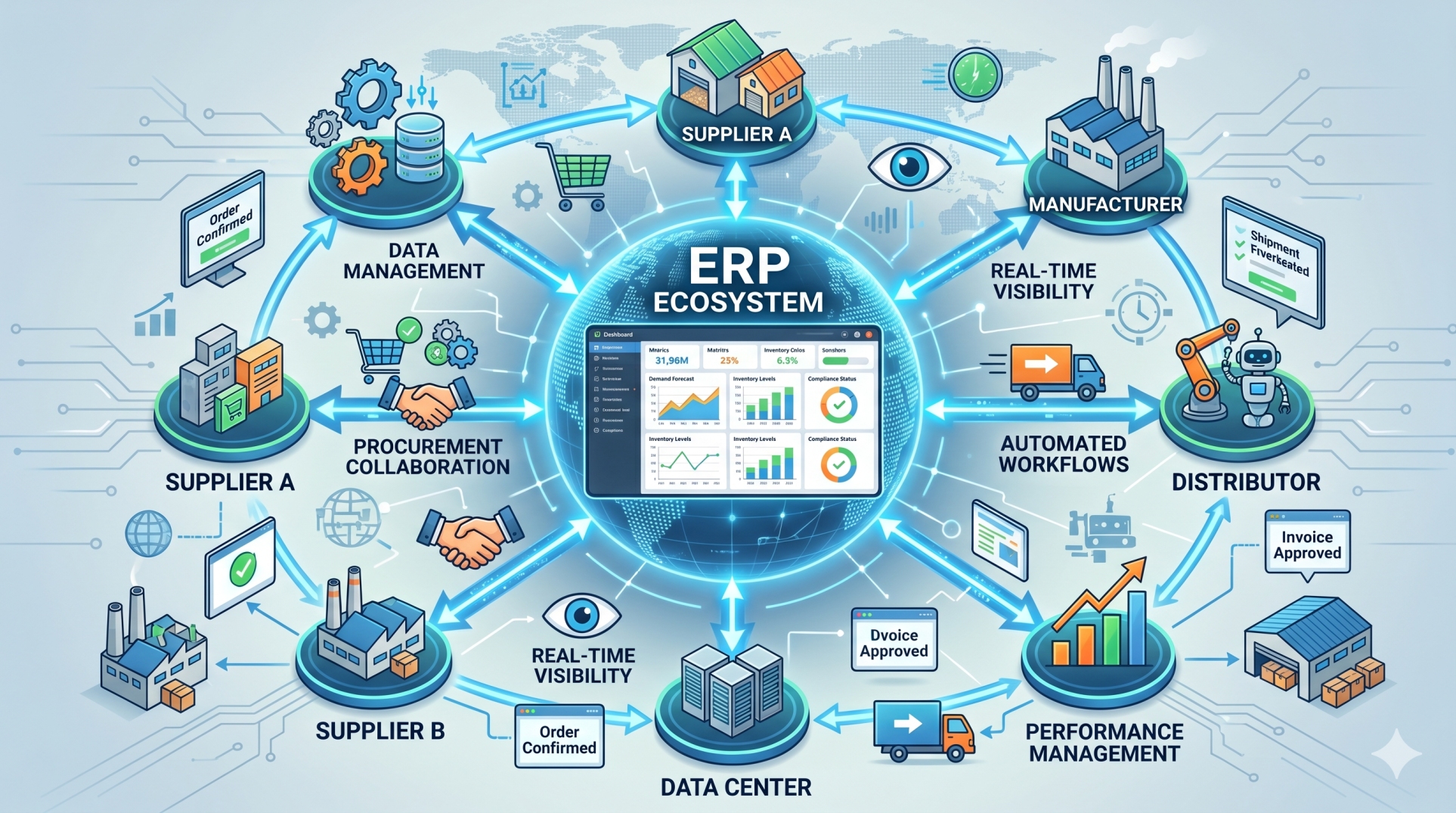
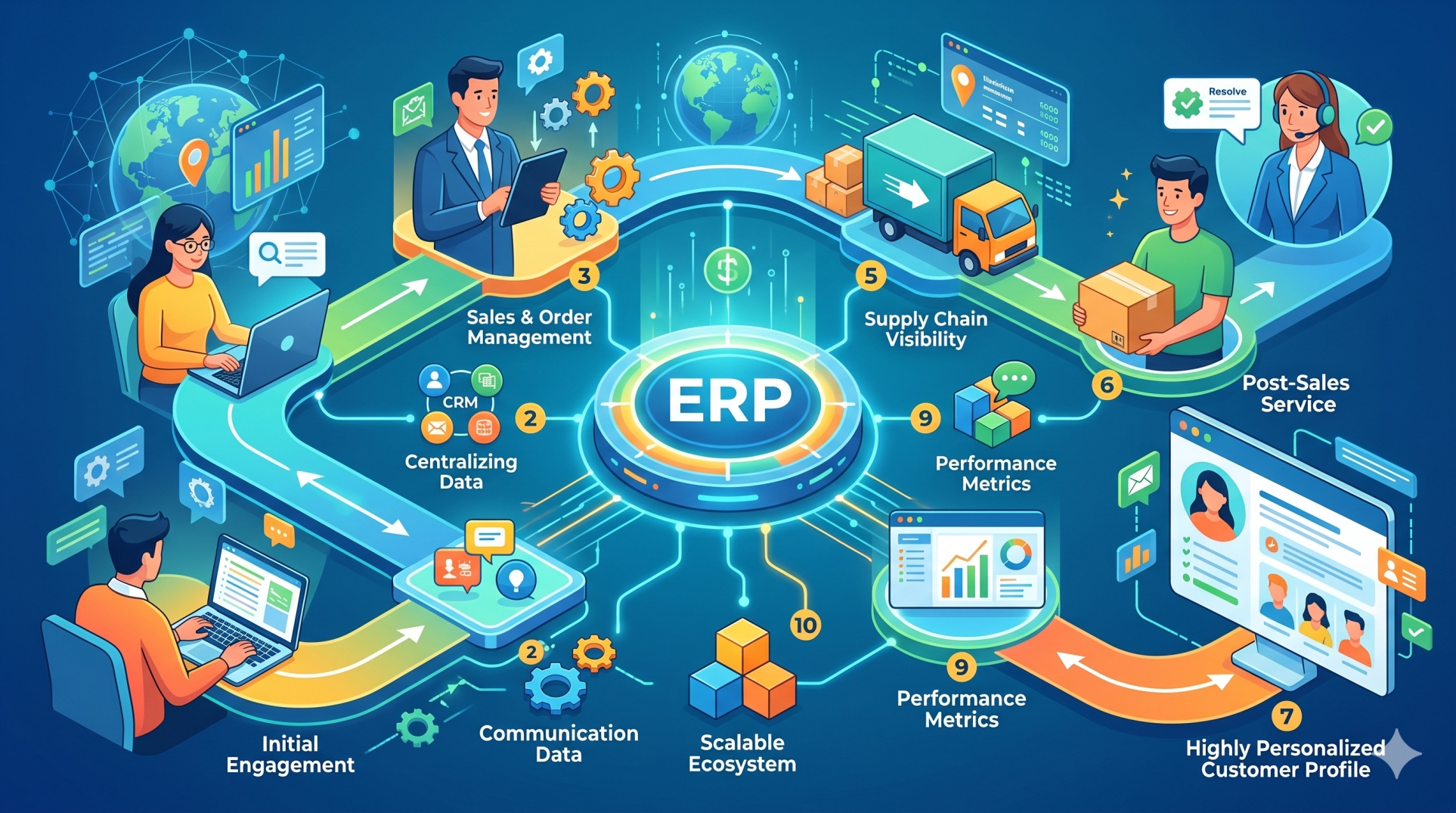
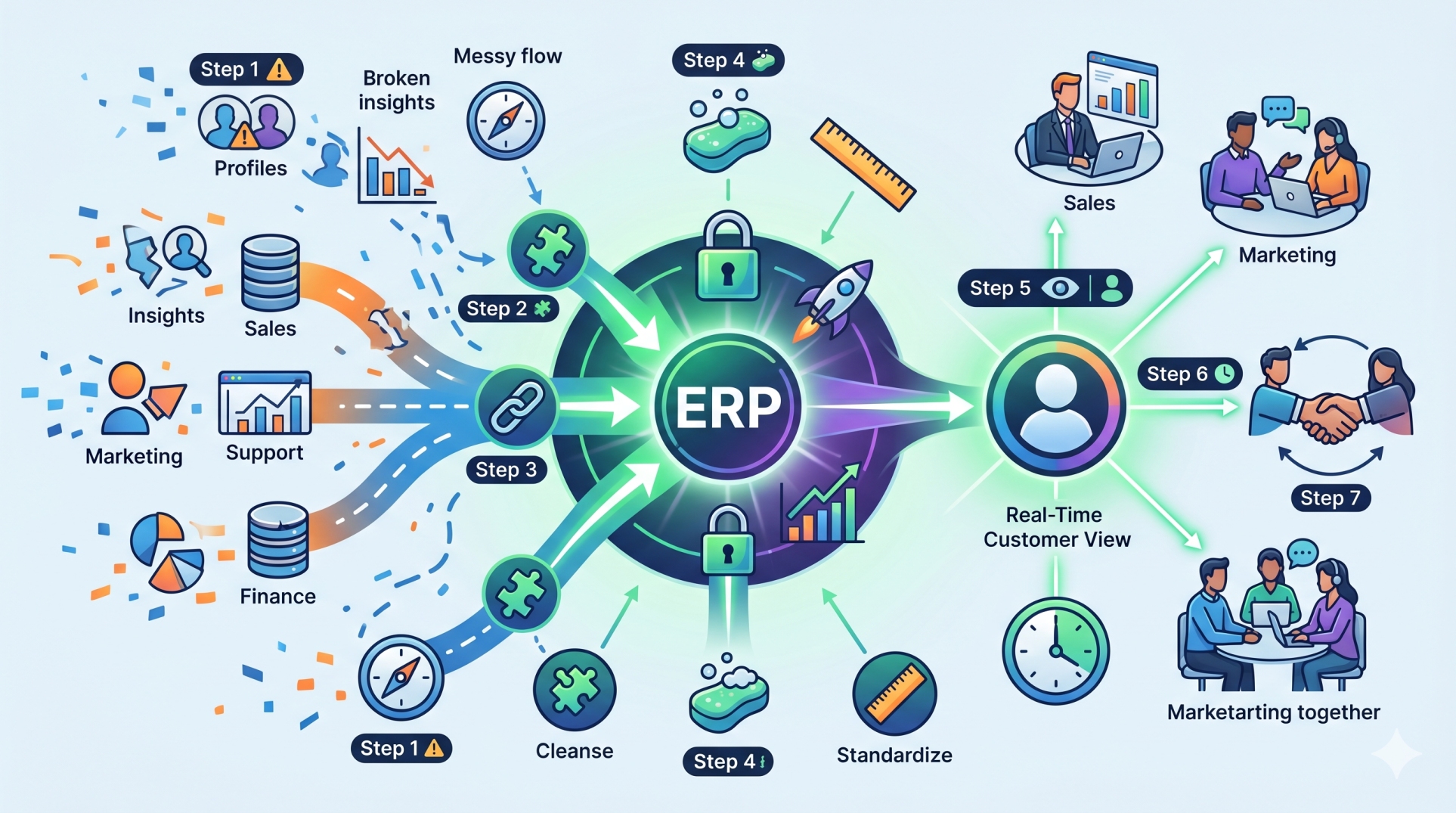
As regulatory requirements continue to evolve, organizations are under increasing pressure to maintain accurate financial records, ensure transparency, and meet compliance standards efficiently. ERP systems play a critical role in automating financial compliance by streamlining reporting, reducing manual errors, and improving visibility across financial operations. Through automation and centralized data management, businesses can strengthen compliance while improving operational efficiency.
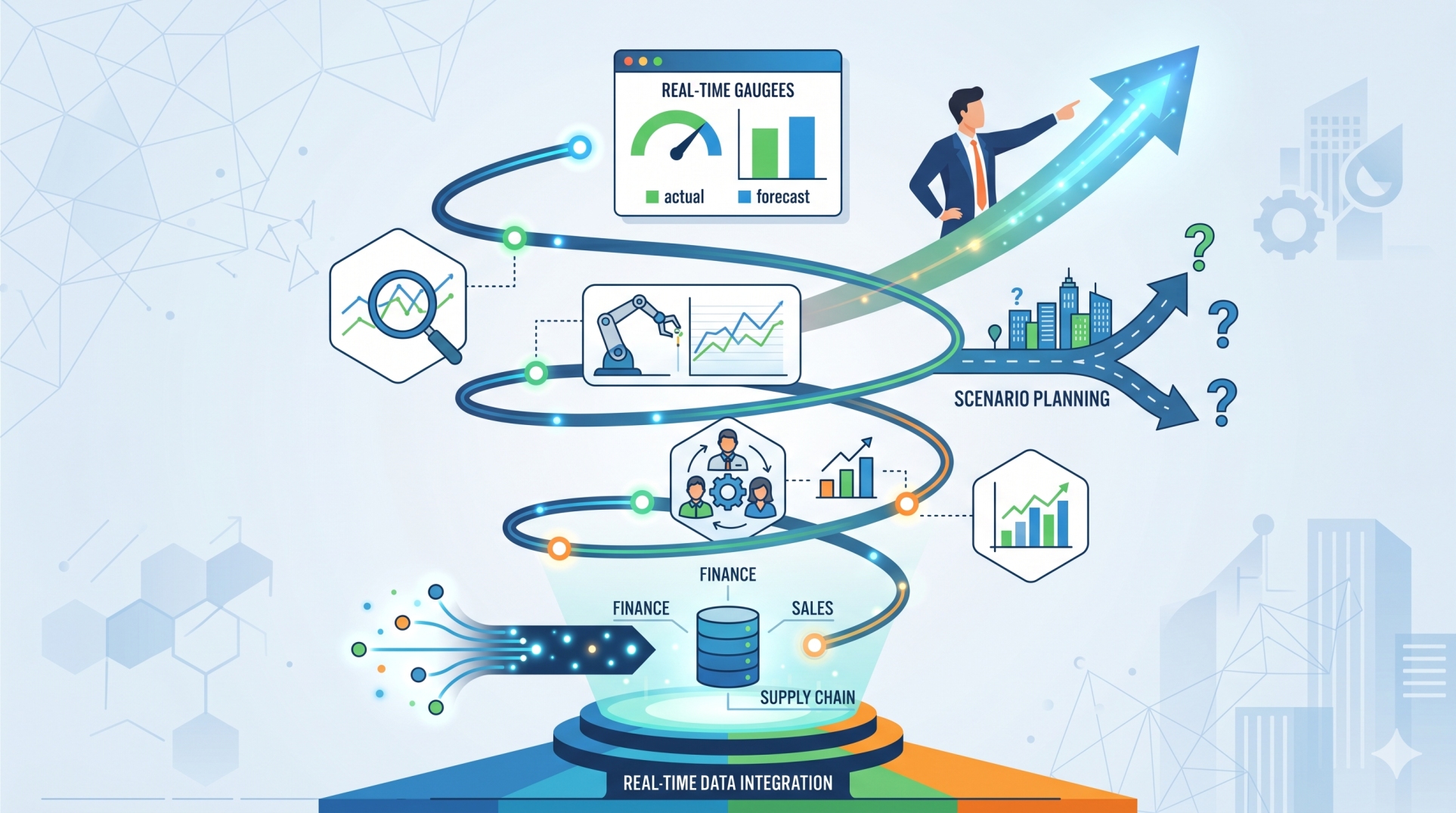
Step 1: Centralizing Financial Data Management 📊
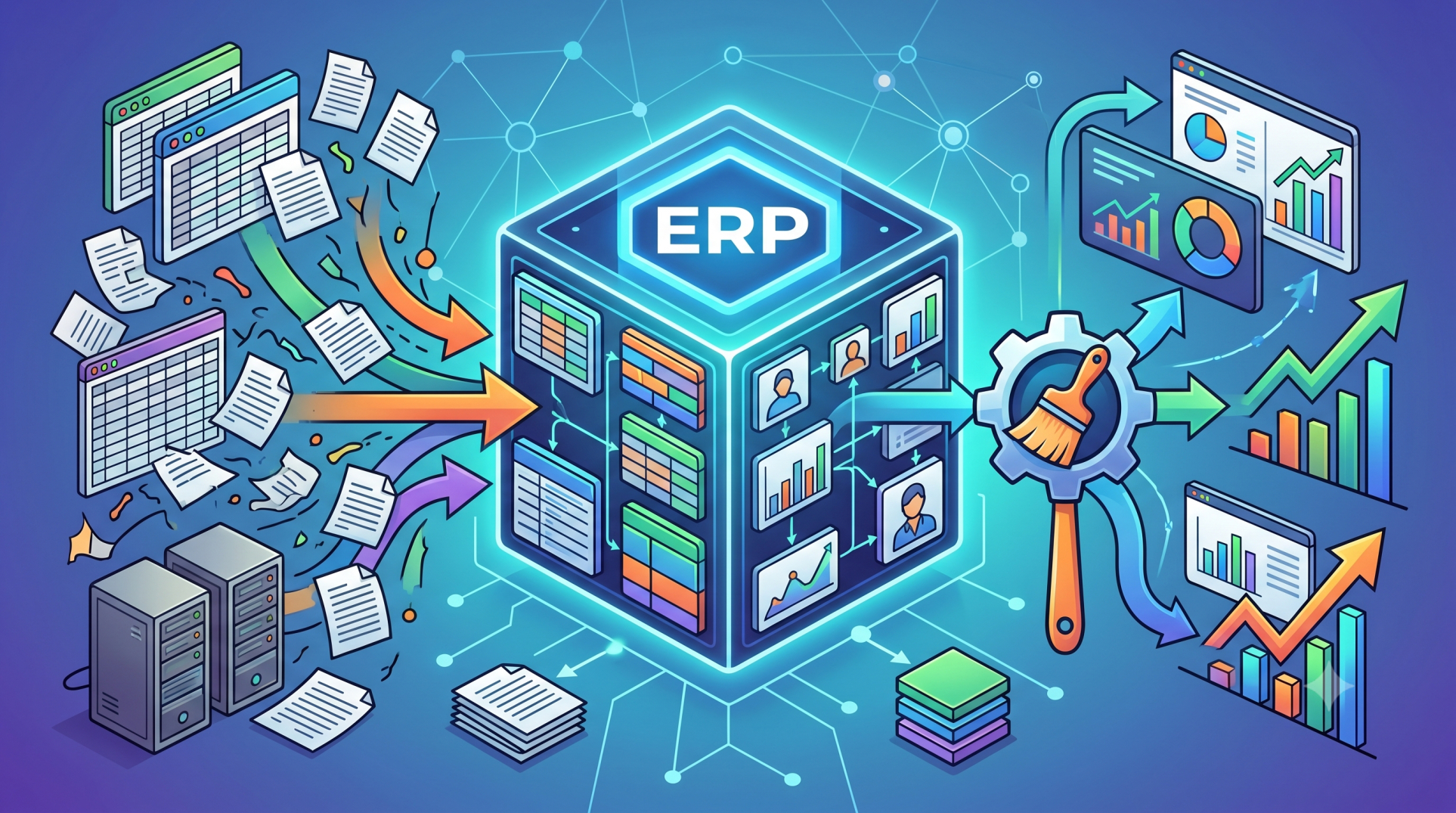
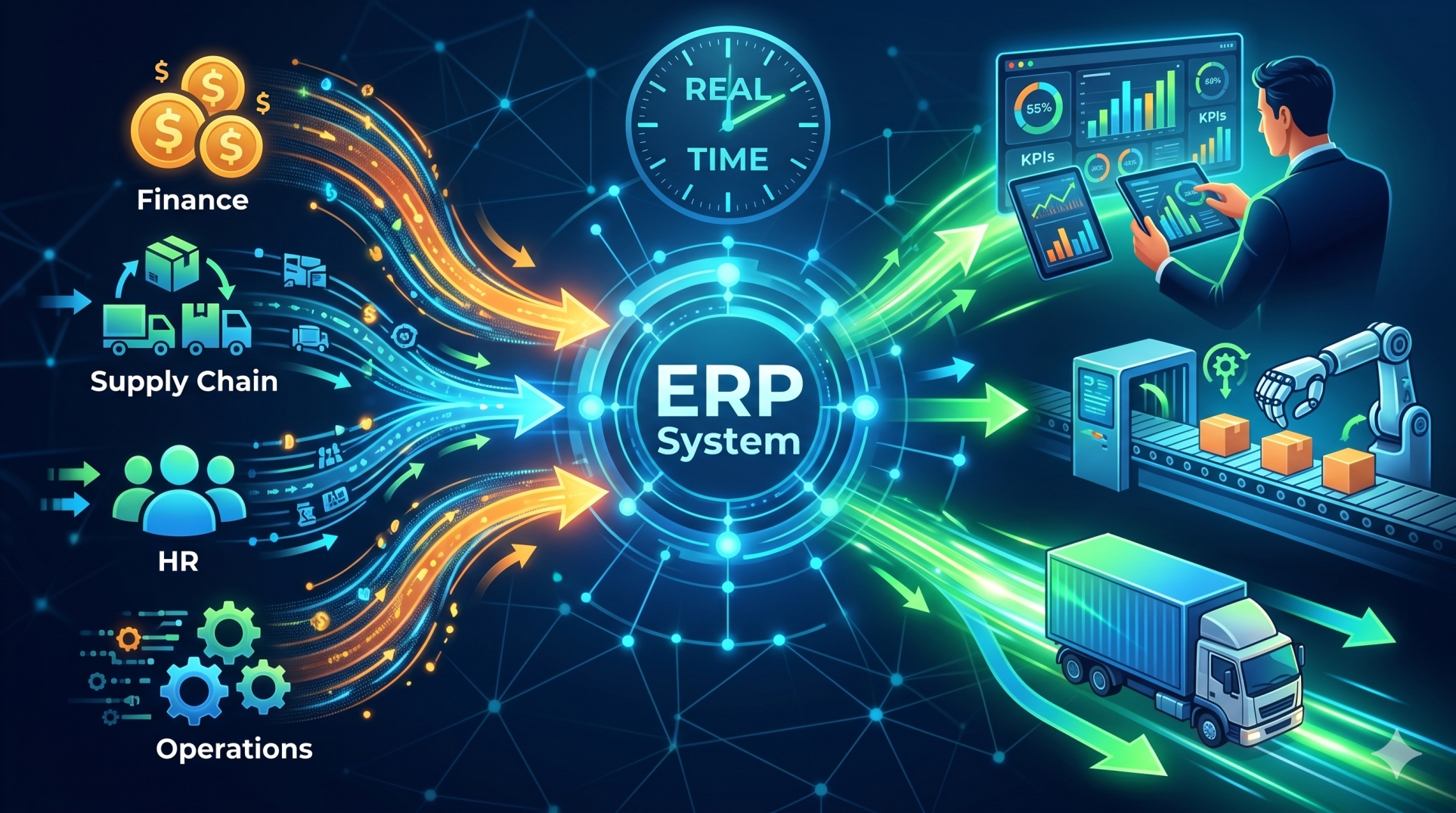
• Consolidate financial information into a unified ERP platform 🗂️
• Eliminate data silos across departments and subsidiaries 🔗
• Maintain a single source of truth for financial records ✅
• Improve consistency and accuracy in reporting 📈
• Enable real-time access to financial insights ⏱️
Step 2: Automating Regulatory Reporting 📜
• Generate compliance reports automatically based on predefined rules 🤖
• Reduce manual effort involved in financial reporting 🧾
• Ensure timely submission of regulatory documents ⏰
• Standardize reporting formats across business units 📑
• Minimize reporting inconsistencies and delays ⚙️
Step 3: Supporting Multi-Region Compliance 🌍
• Configure ERP systems for country-specific tax regulations 💱
• Handle varying accounting standards across regions 📘
• Support local statutory and financial reporting requirements 🏛️
• Automate currency conversion and tax calculations 🔄
• Adapt quickly to changing international regulations 🌐
Step 4: Enhancing Audit Readiness 🔍
• Maintain detailed audit trails for all financial transactions 🧾
• Track user activities and approval workflows securely 🔐
• Improve transparency across financial operations 👁️
• Simplify internal and external audit processes 📋
• Reduce compliance risks through accurate recordkeeping ⚠️
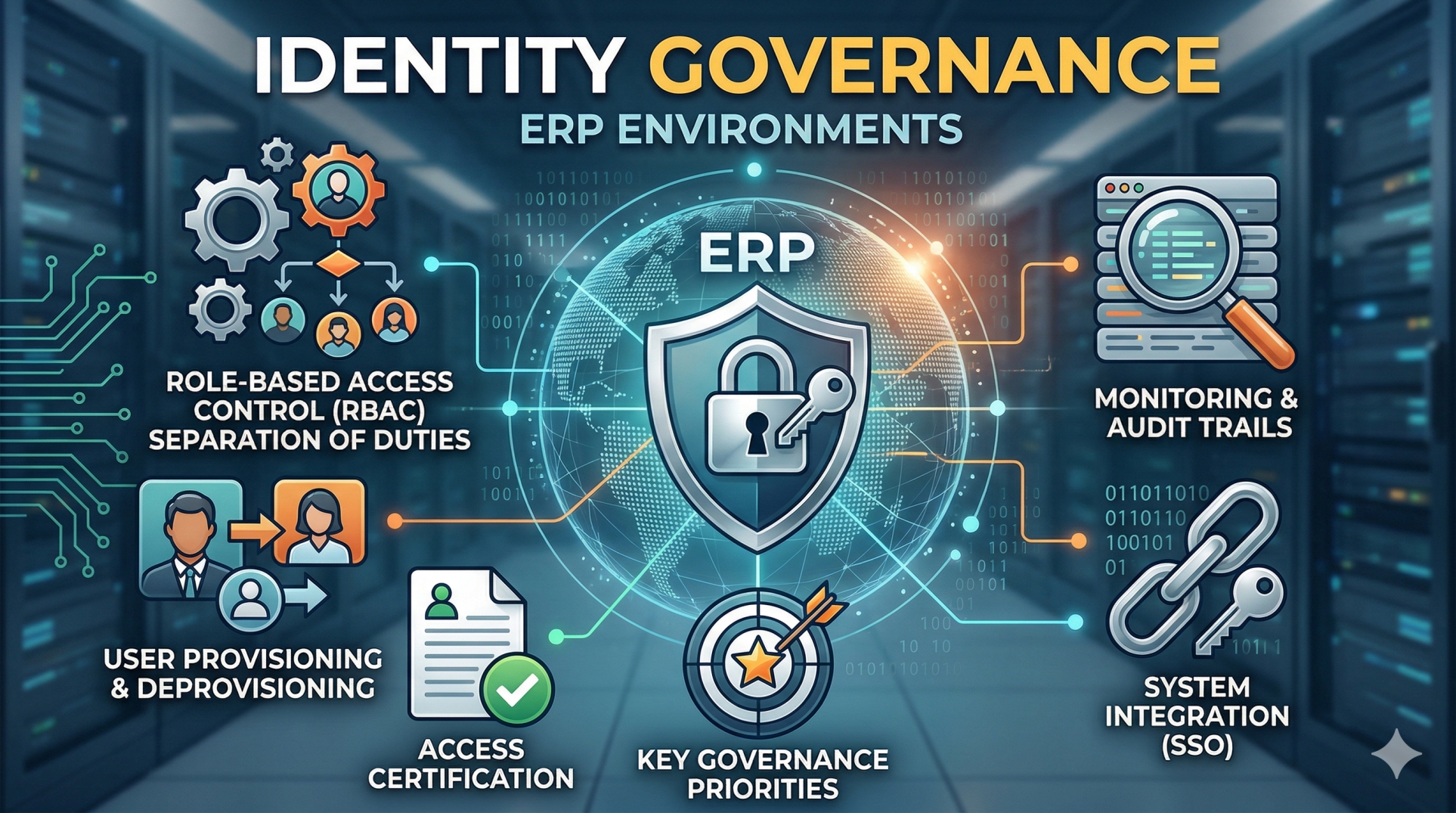
Step 5: Strengthening Internal Controls 🛡️
• Implement role-based access controls within the ERP system 🔑
• Automate approval hierarchies for financial transactions ✅
• Prevent unauthorized access to sensitive financial data 🚫
• Enforce standardized financial policies across teams 📏
• Improve accountability through system-based controls 📊
Step 6: Reducing Human Error Through Automation 🤖
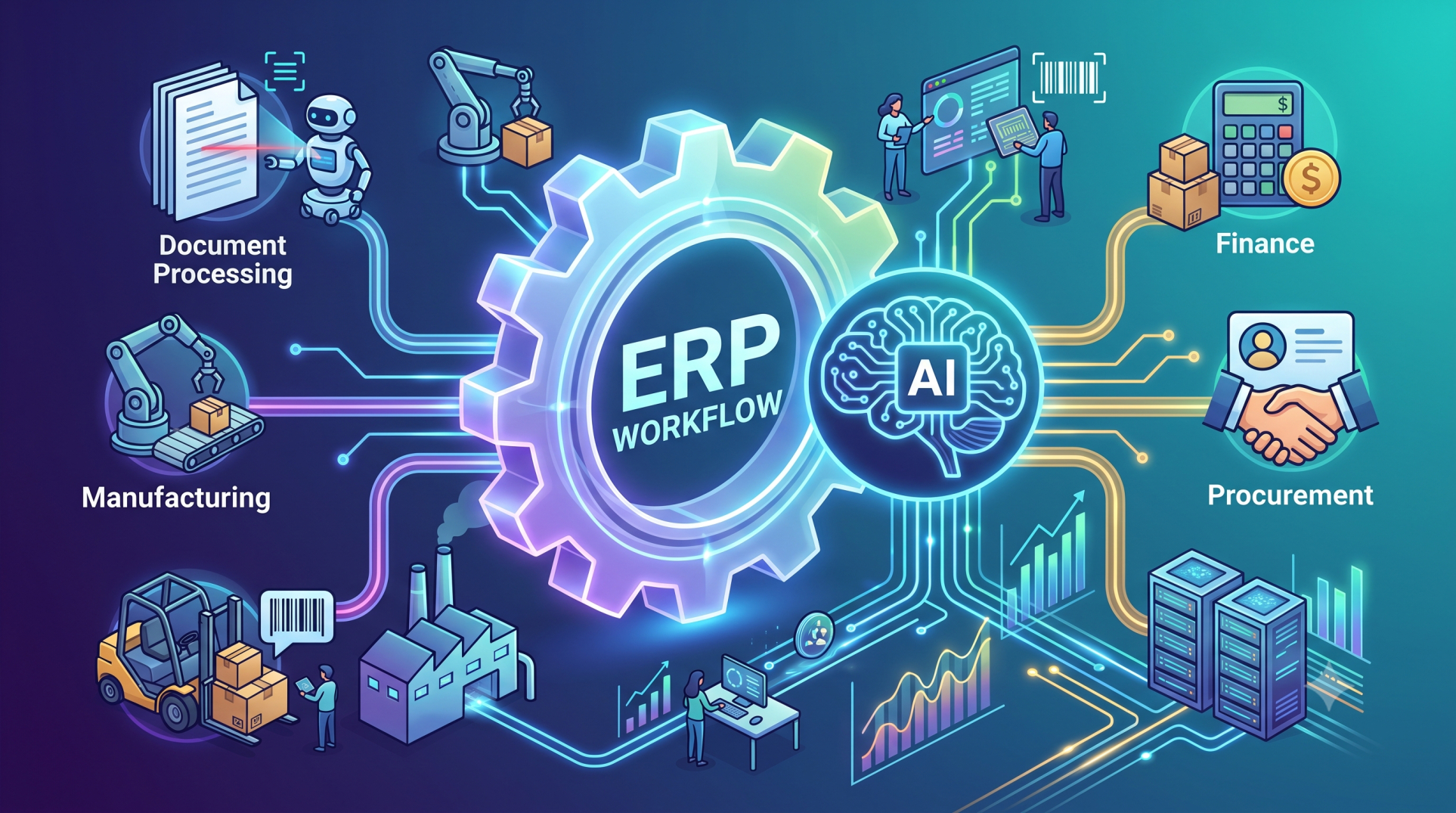
• Automate repetitive accounting and reconciliation tasks 🔄
• Minimize manual data entry errors ✍️
• Improve transaction accuracy and consistency 📈
• Reduce dependency on spreadsheets and disconnected systems 📂
• Increase operational efficiency across finance teams ⚡
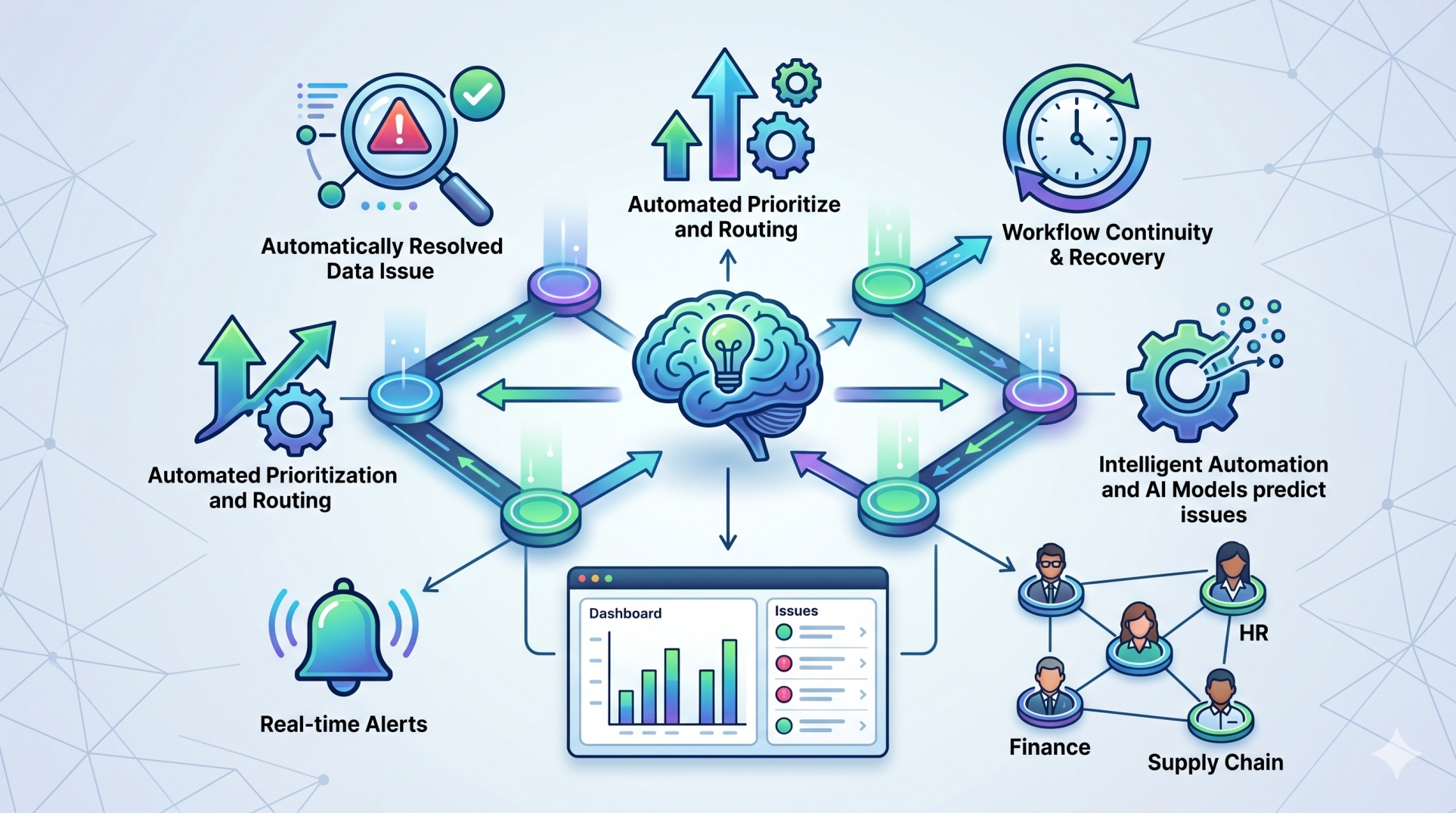
Step 7: Real-Time Monitoring and Alerts 🚨
• Monitor compliance status through centralized dashboards 📊
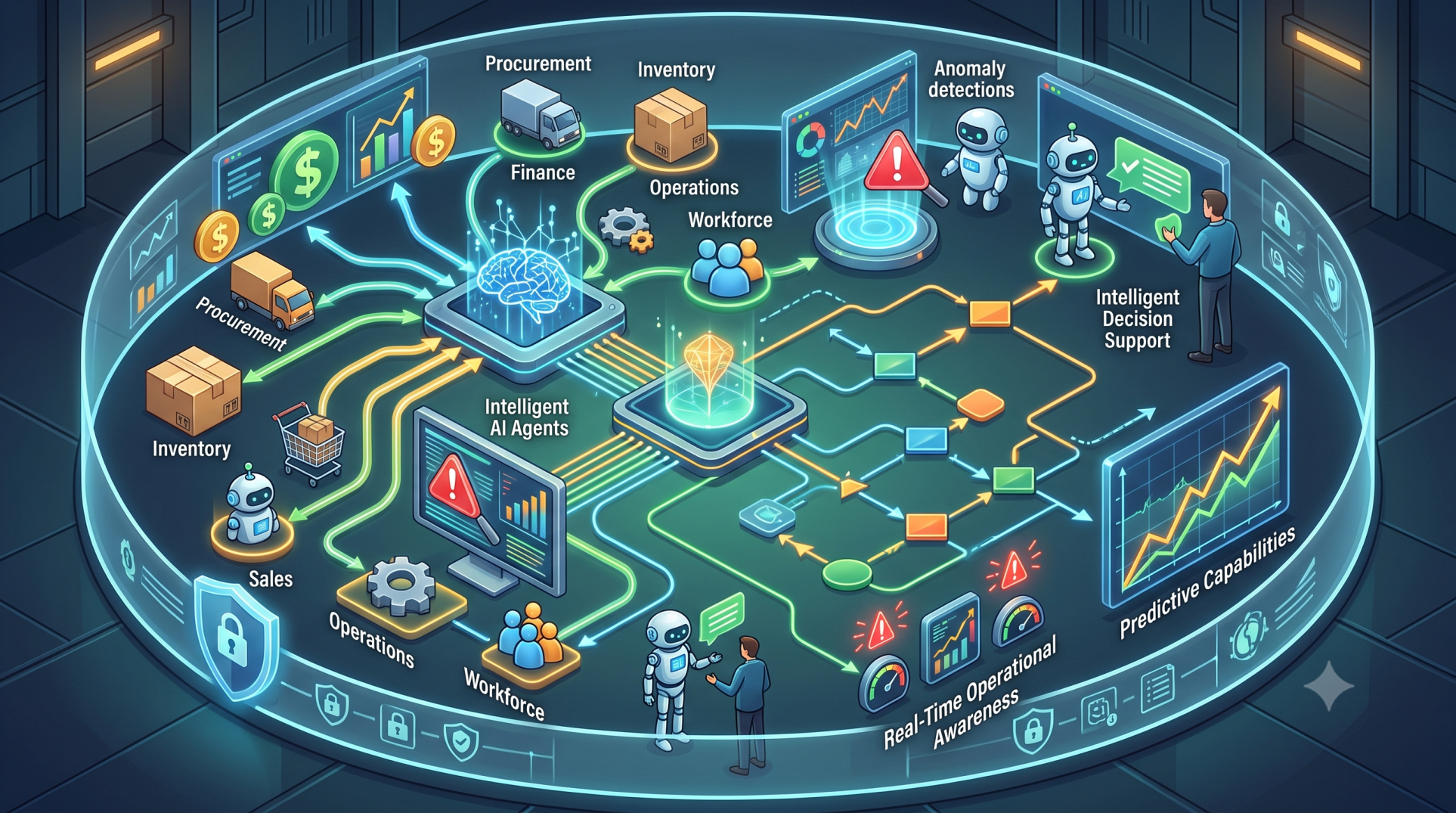
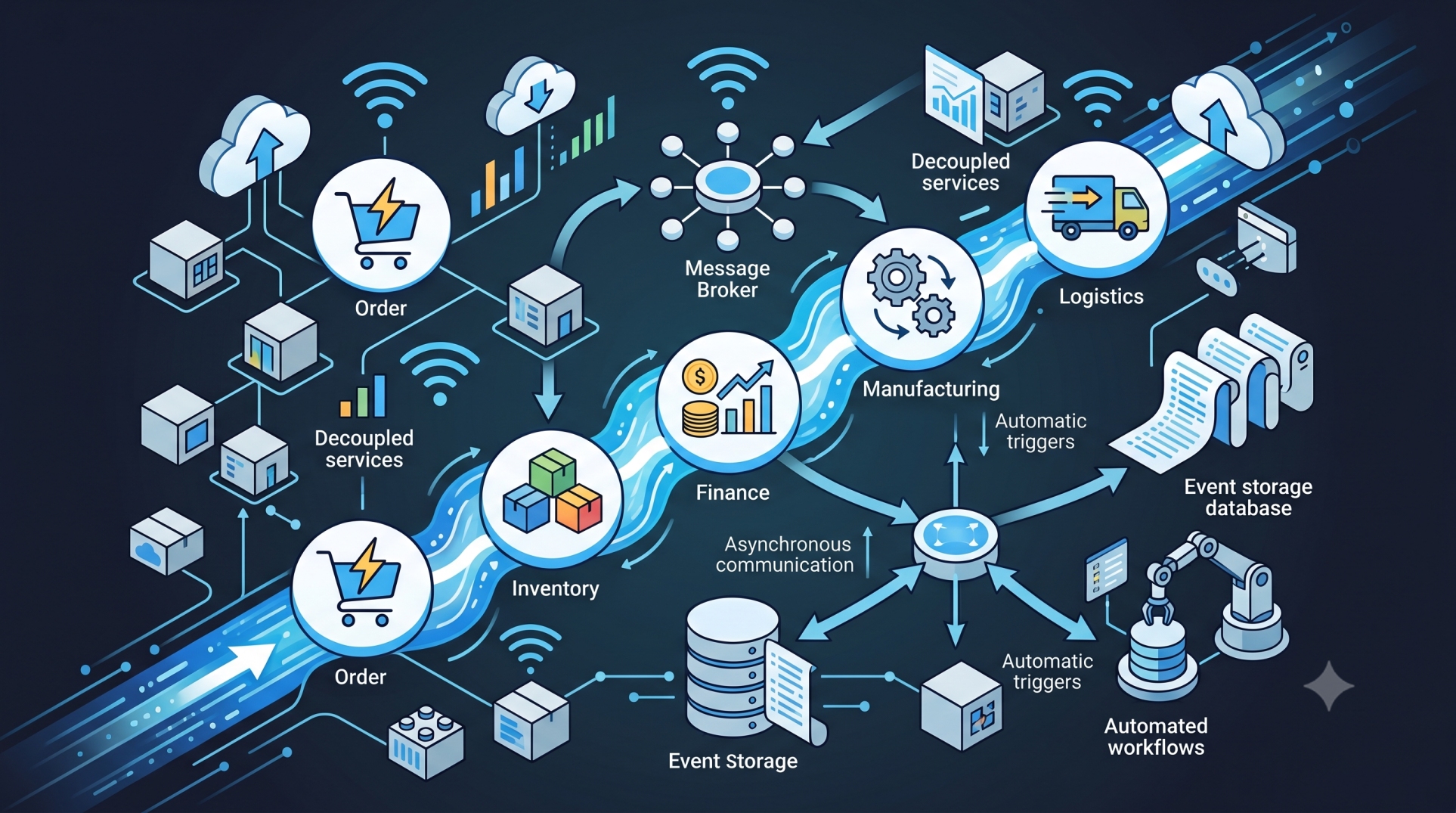
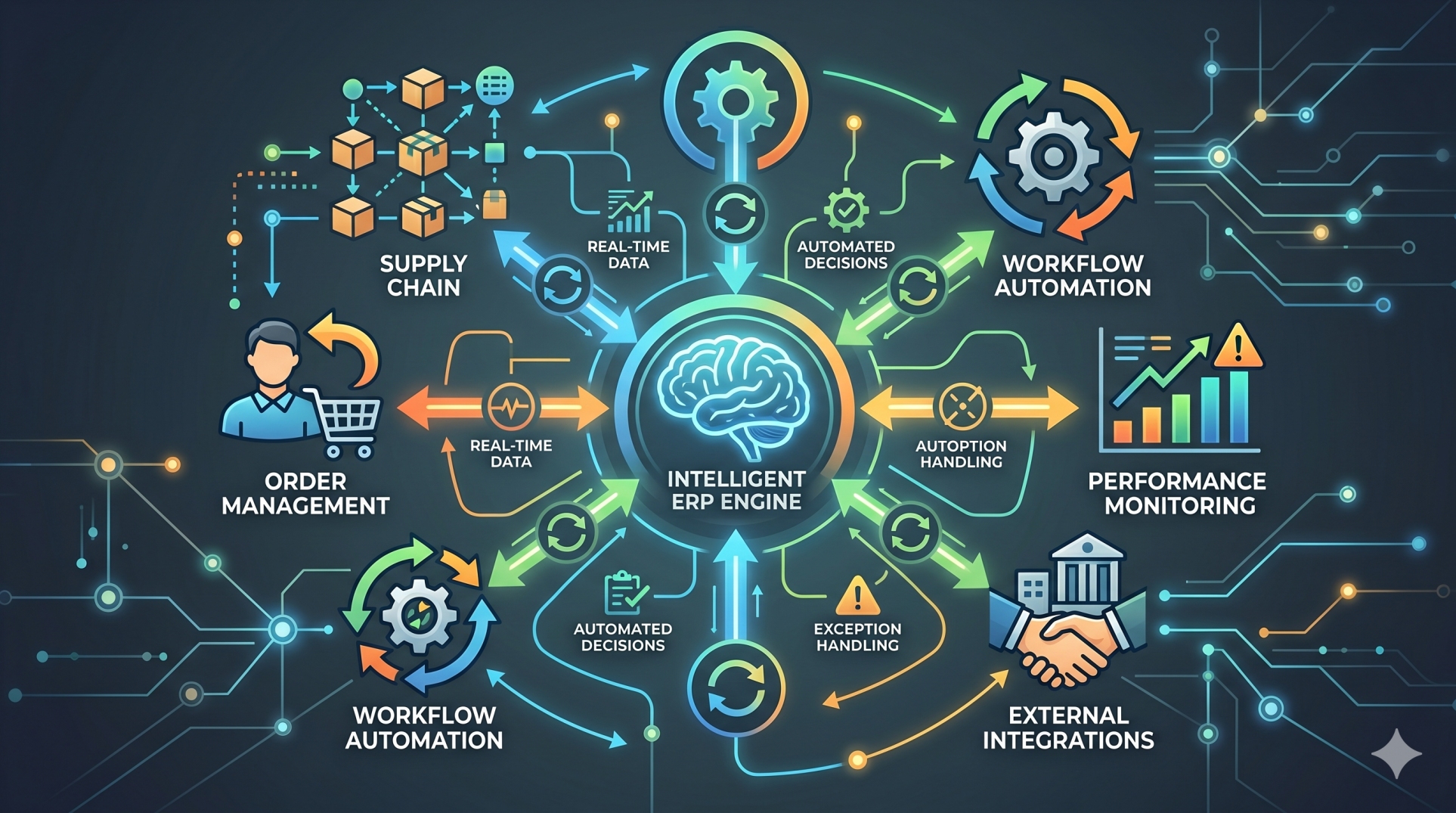
• Detect anomalies and irregular transactions automatically 🔍
• Generate alerts for compliance violations or risks ⚠️
• Improve response time to financial issues ⏱️
• Enable proactive compliance management 🧠
Step 8: Key Compliance Automation Priorities 📌
• Accurate and centralized financial reporting 📘
• Automated compliance workflows and approvals 🔄
• Real-time visibility into financial operations 👁️
• Strong governance and audit capabilities 🛡️
Step 9: Managing Regulatory Changes Efficiently 🔄
• Update ERP configurations based on evolving regulations 🌍
• Ensure rapid adaptation to new compliance requirements ⚡
• Reduce disruption caused by policy changes 📑
• Maintain consistent compliance across all business units 🏢
• Continuously optimize regulatory processes 📈
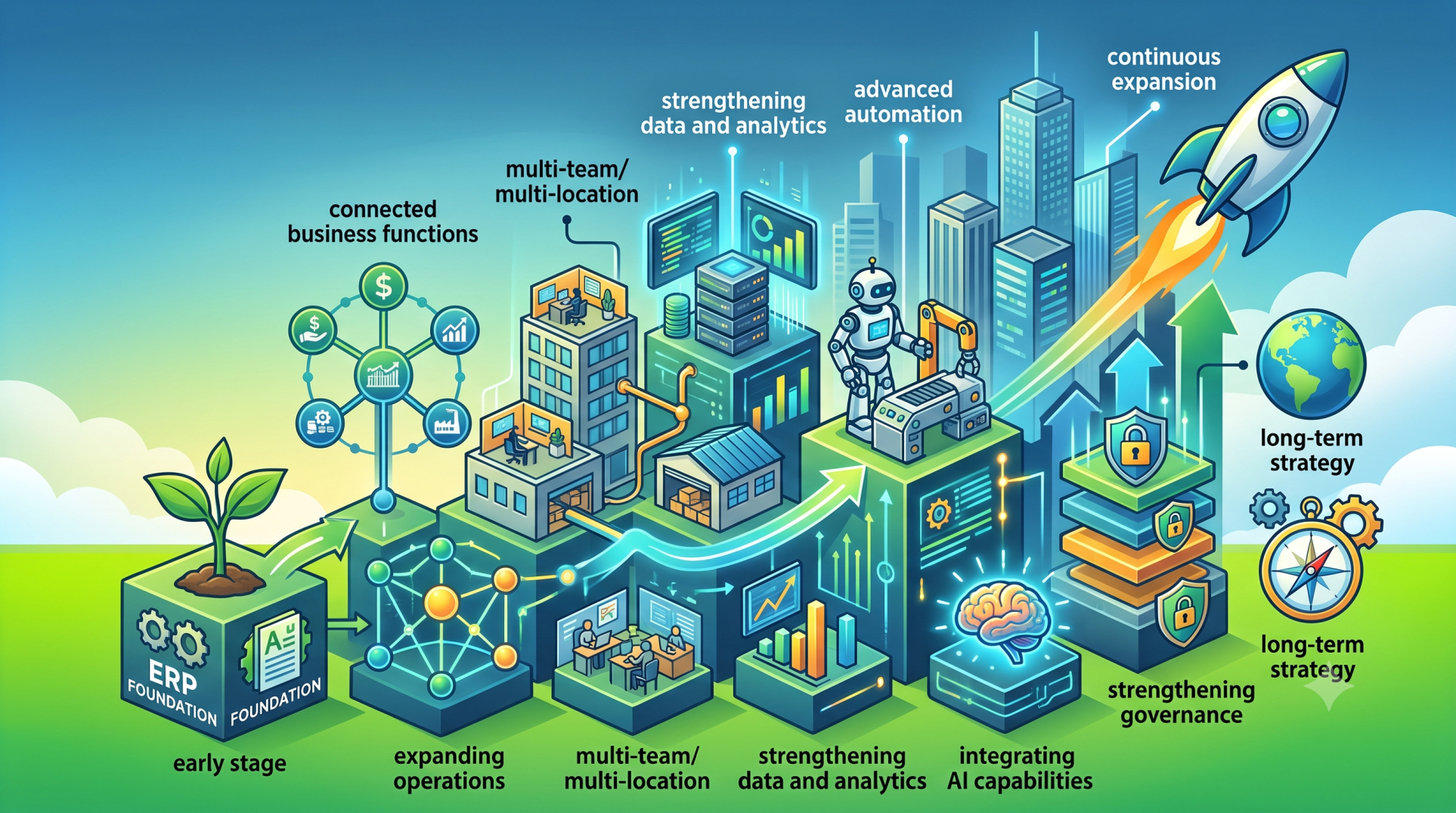
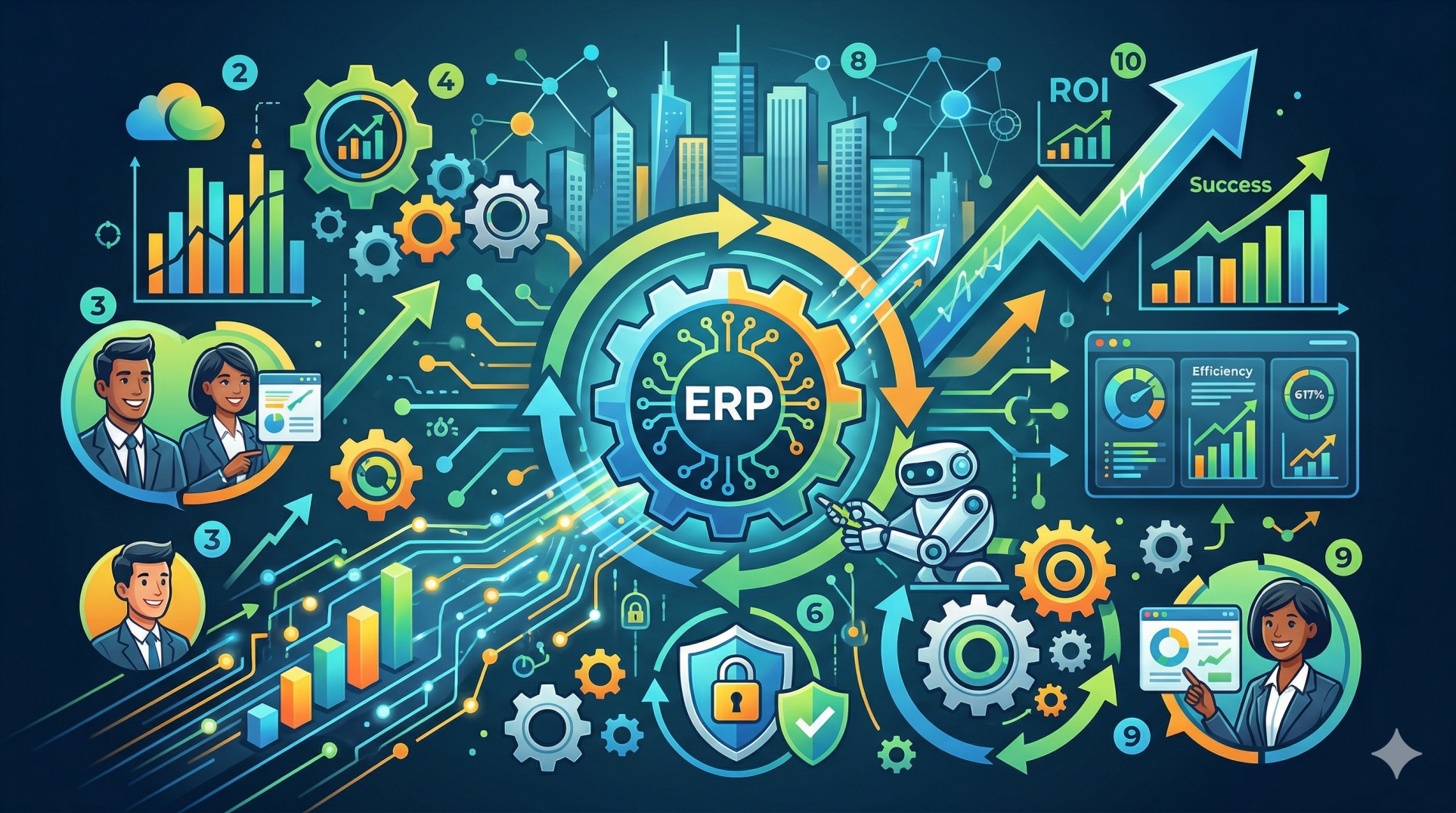
Step 10: Building a Future-Ready Compliance Framework 🚀
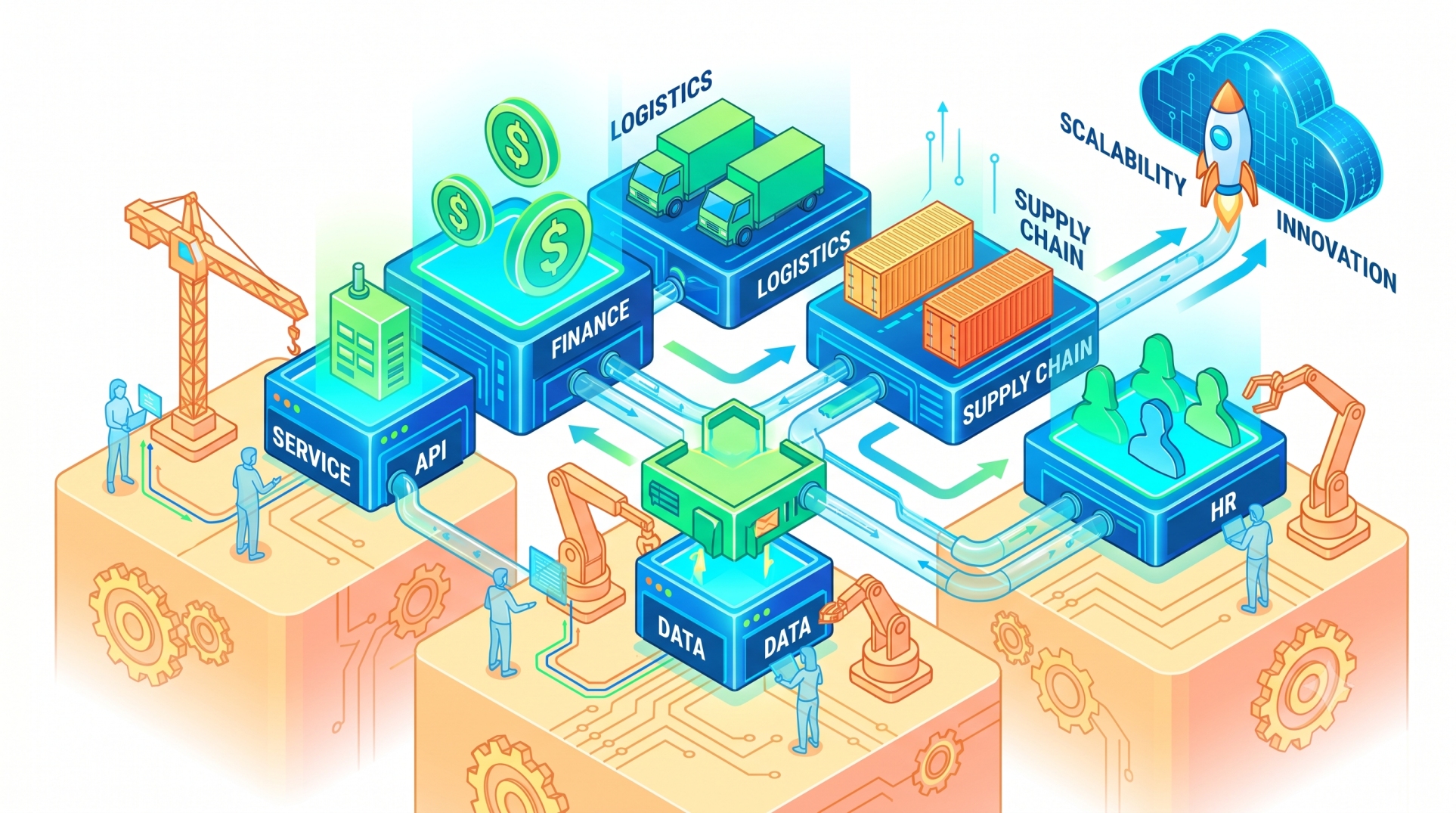
• Design scalable ERP architectures for long-term growth 🏗️
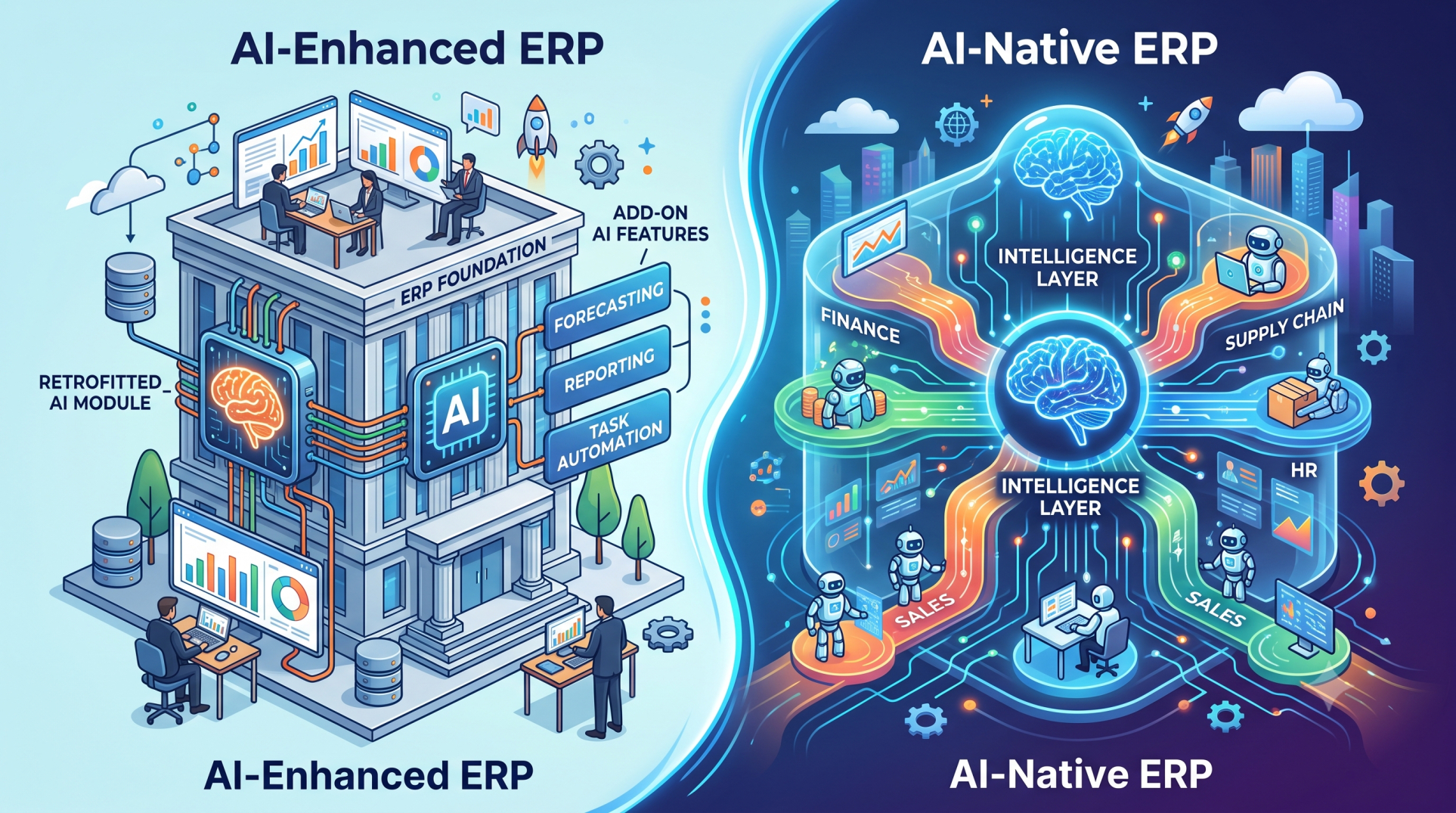
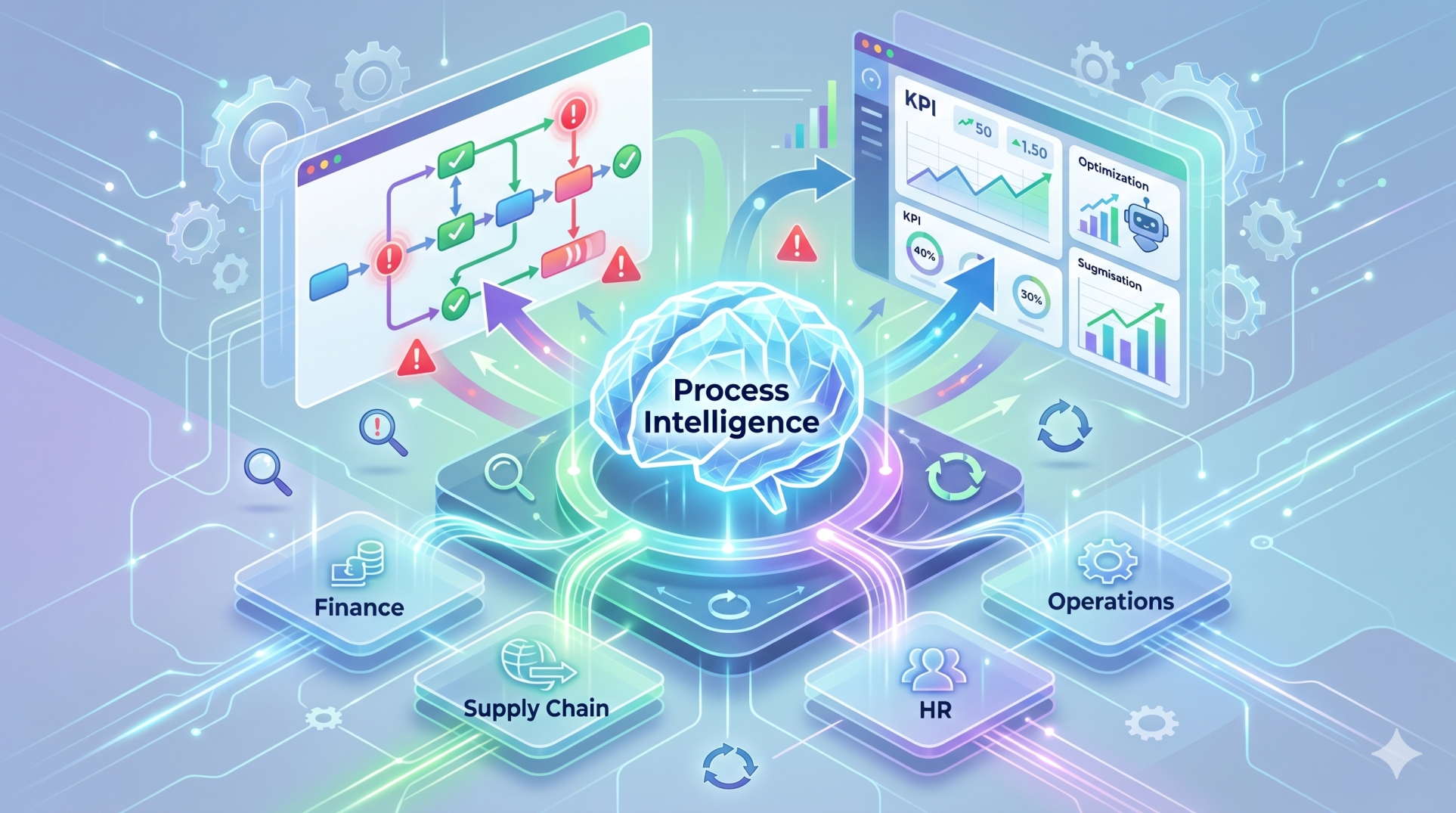
• Integrate AI and analytics into compliance monitoring 🤖
• Improve forecasting and risk assessment capabilities 📊
• Support expansion into new markets with confidence 🌐
• Future-proof financial operations through automation 🔮
Conclusion
Automated financial compliance through ERP systems enables organizations to manage regulatory obligations with greater accuracy, efficiency, and transparency. By centralizing financial operations and automating compliance processes, businesses can reduce risk, improve audit readiness, and adapt more effectively to changing regulations. A modern ERP-driven compliance strategy not only strengthens governance but also supports sustainable operational growth in an increasingly complex financial environment.
See more blogs
You can all the articles below