Automating HR Operations Through Unified ERP Systems
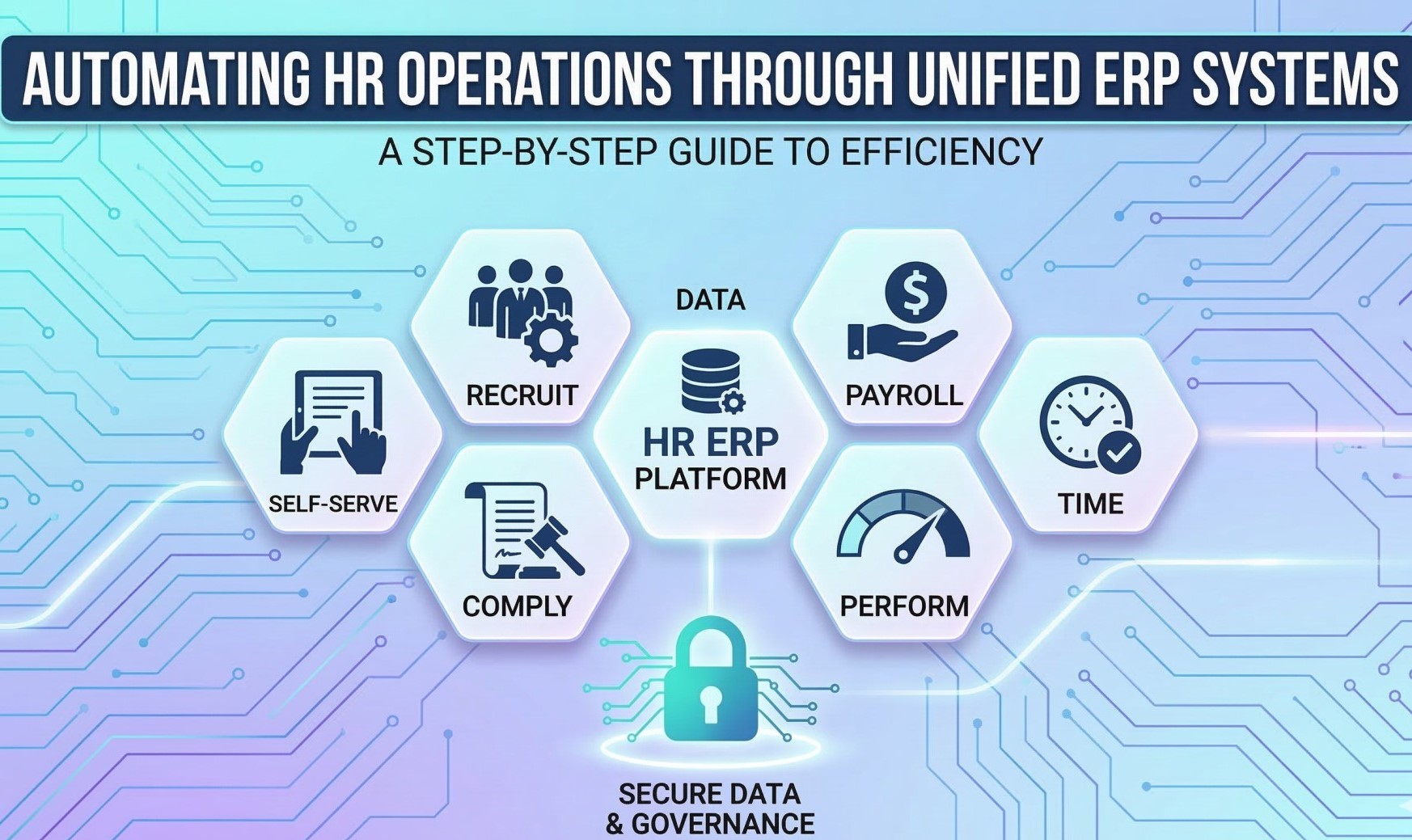
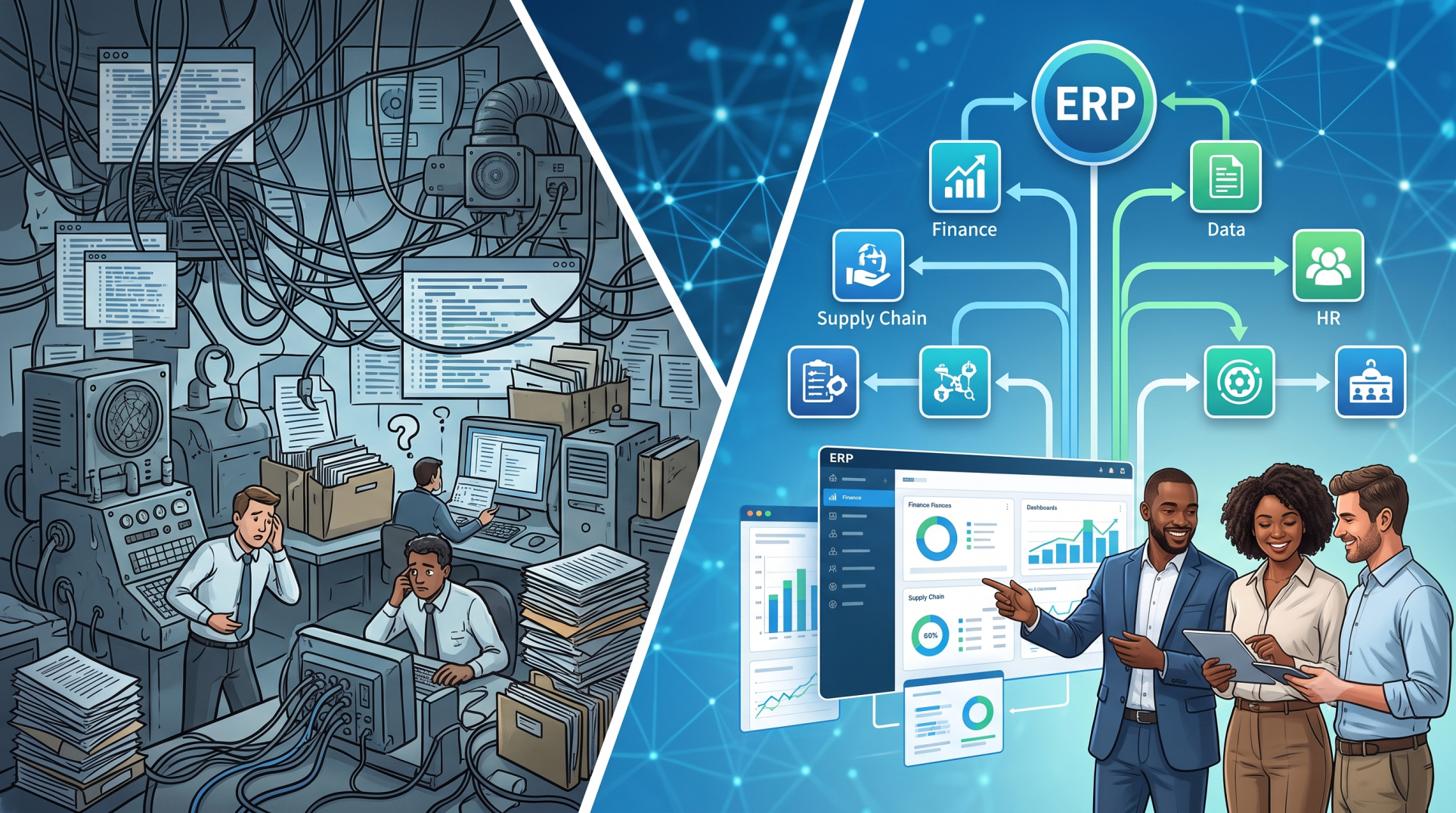
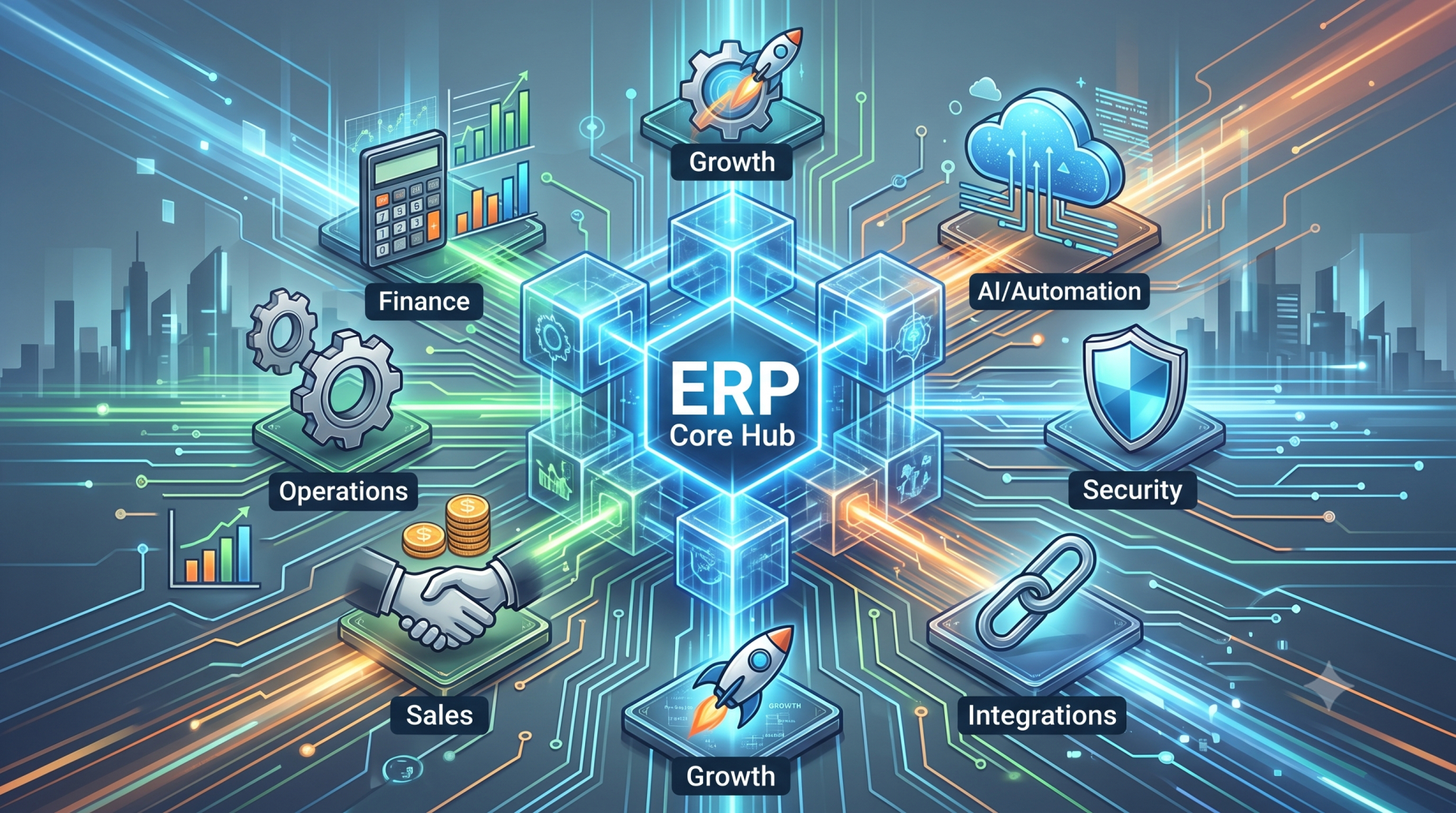
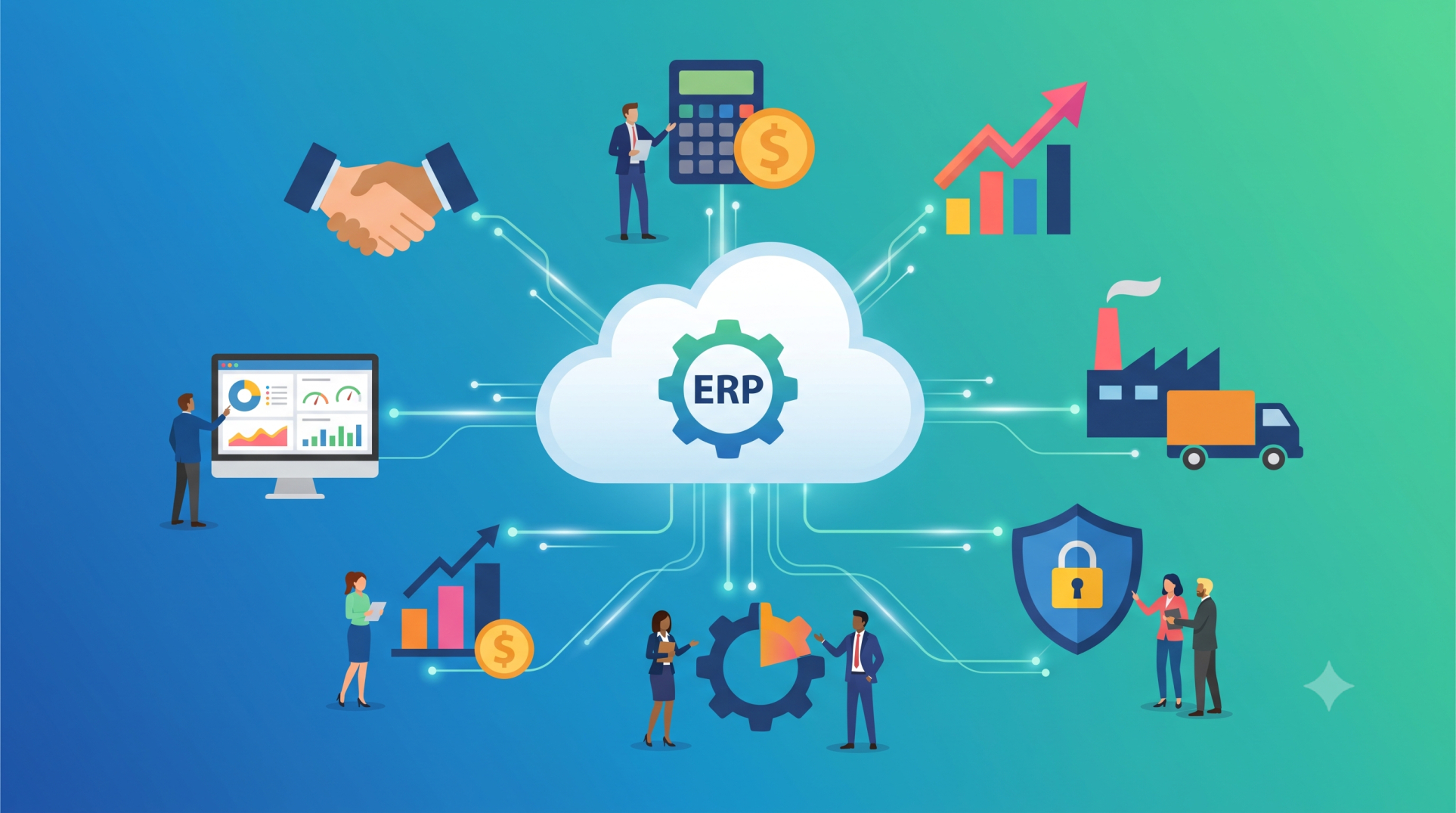
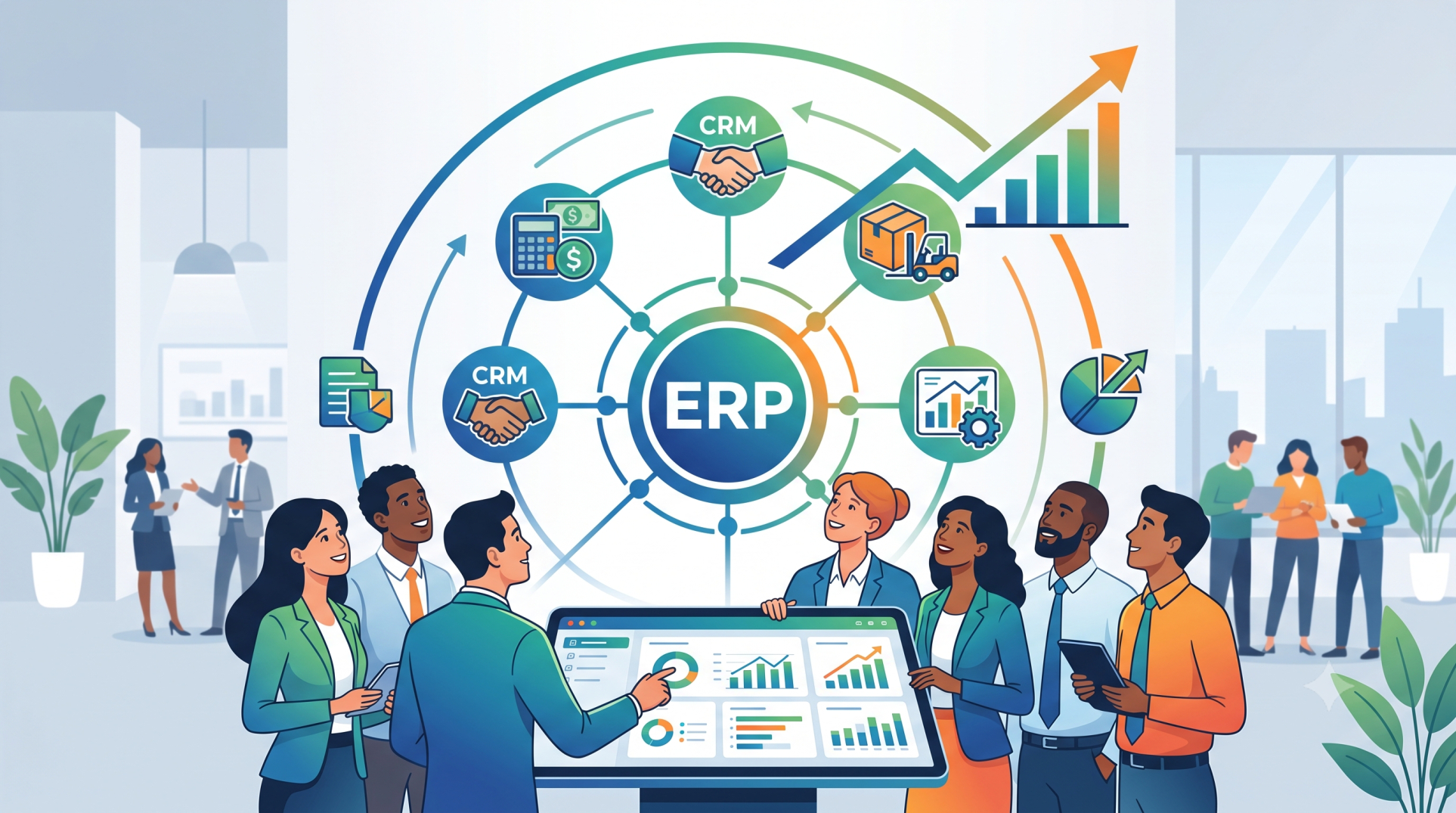
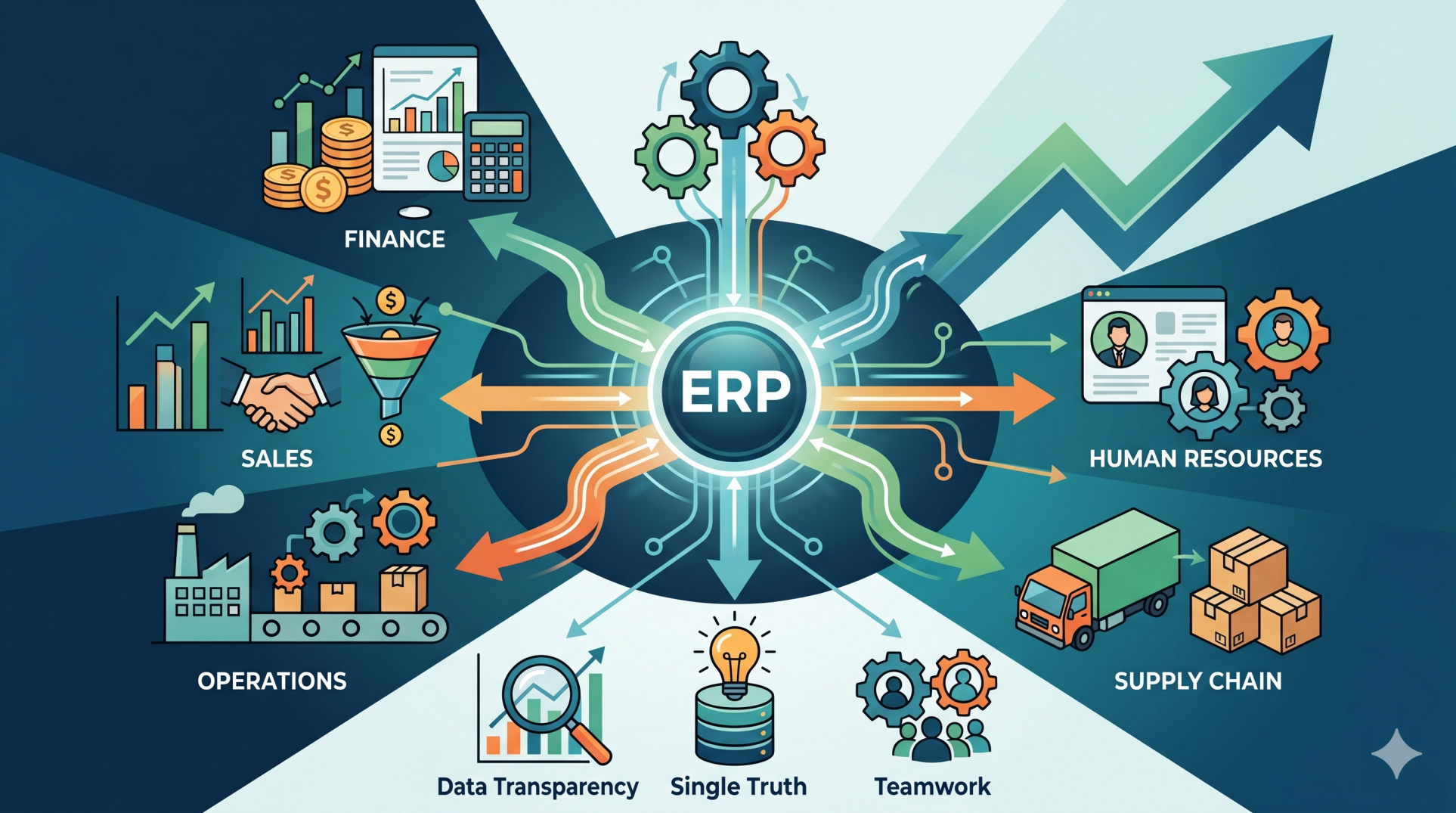
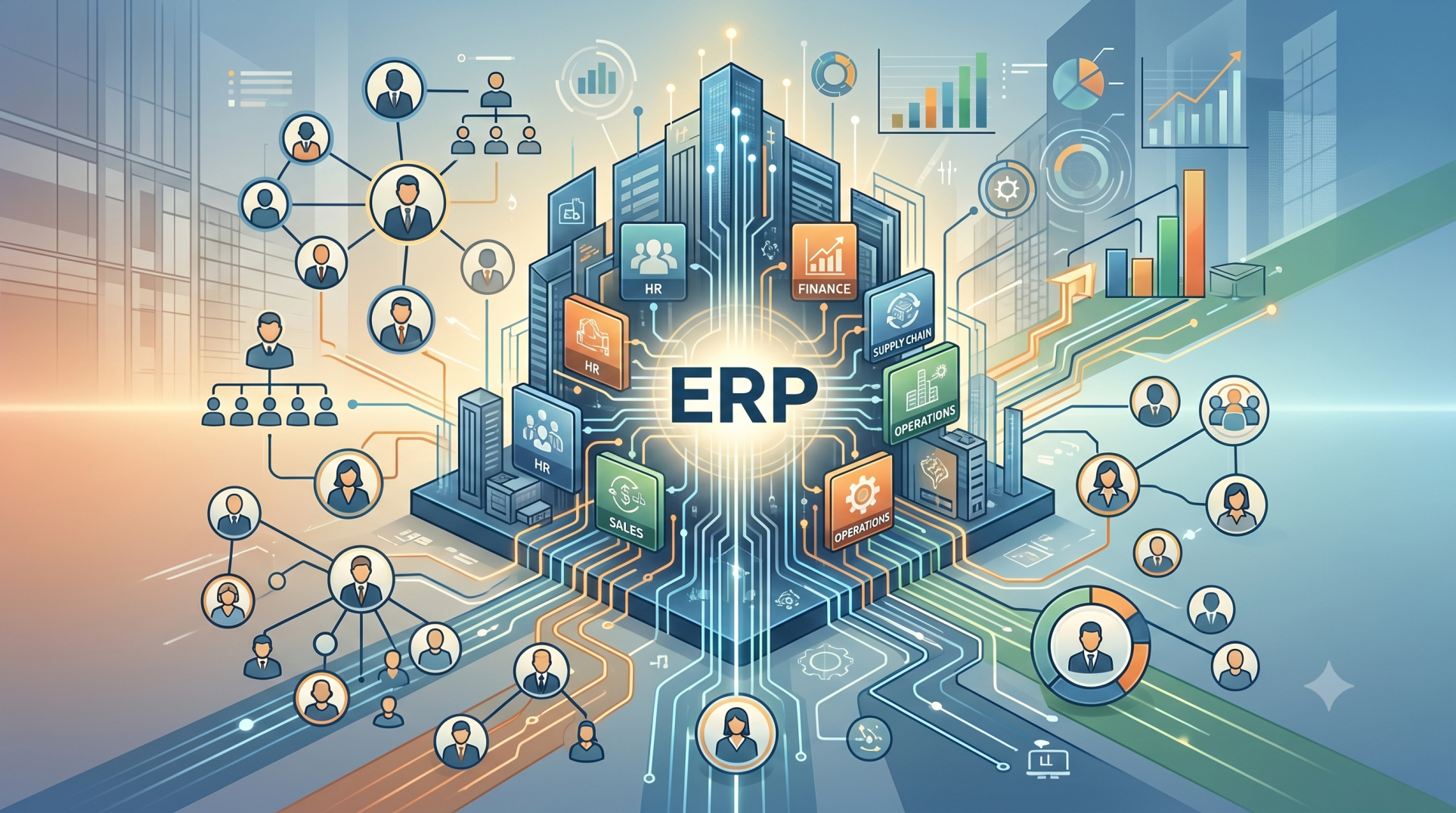
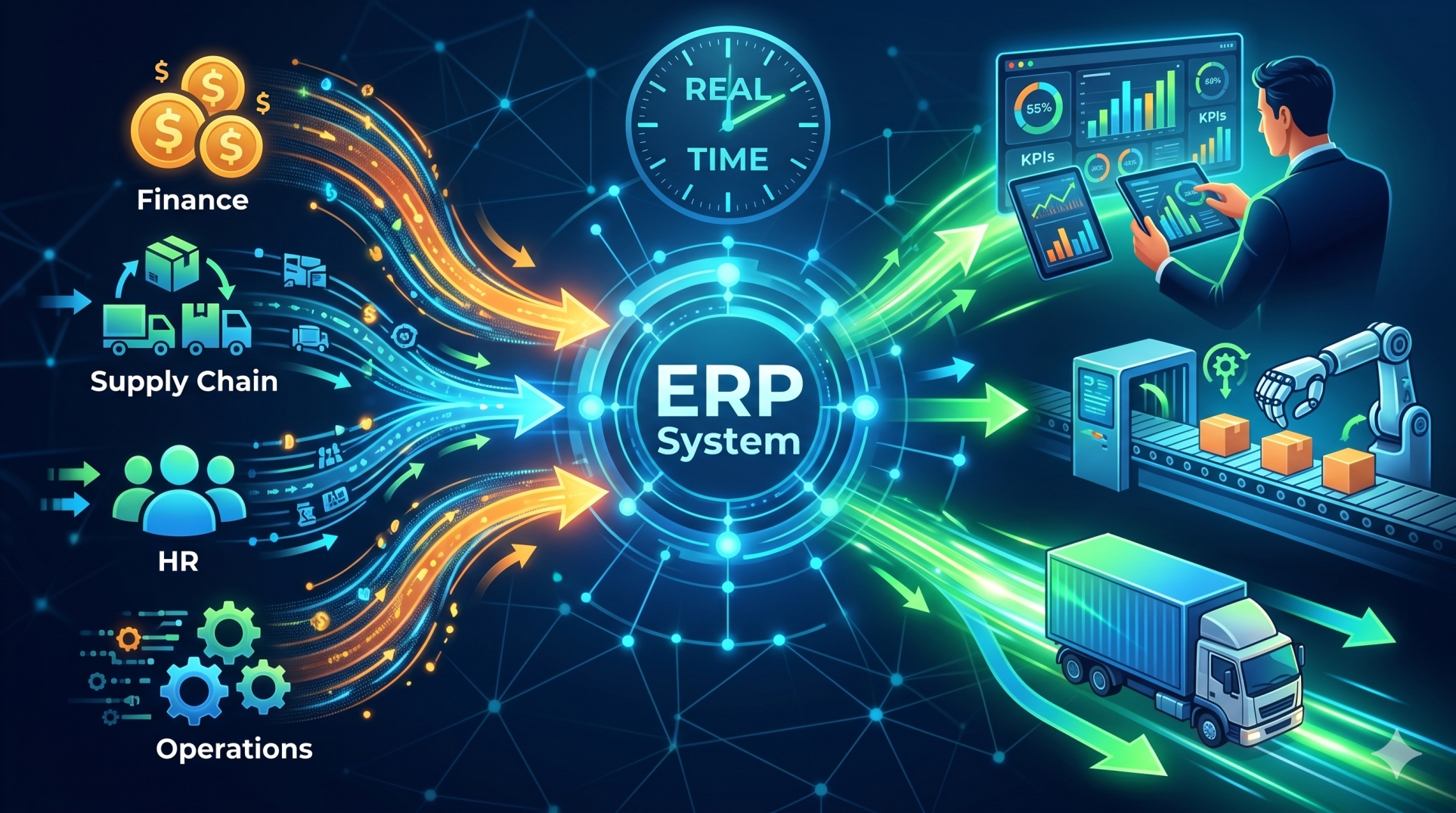
Human resource management involves numerous administrative and strategic activities, ranging from recruitment and onboarding to payroll, compliance, and performance management. When these functions are handled across disconnected systems, organizations often face inefficiencies, data inconsistencies, and delays in decision-making. Unified ERP systems help automate HR operations by integrating all workforce-related processes into a single platform, enabling greater accuracy, transparency, and operational efficiency.
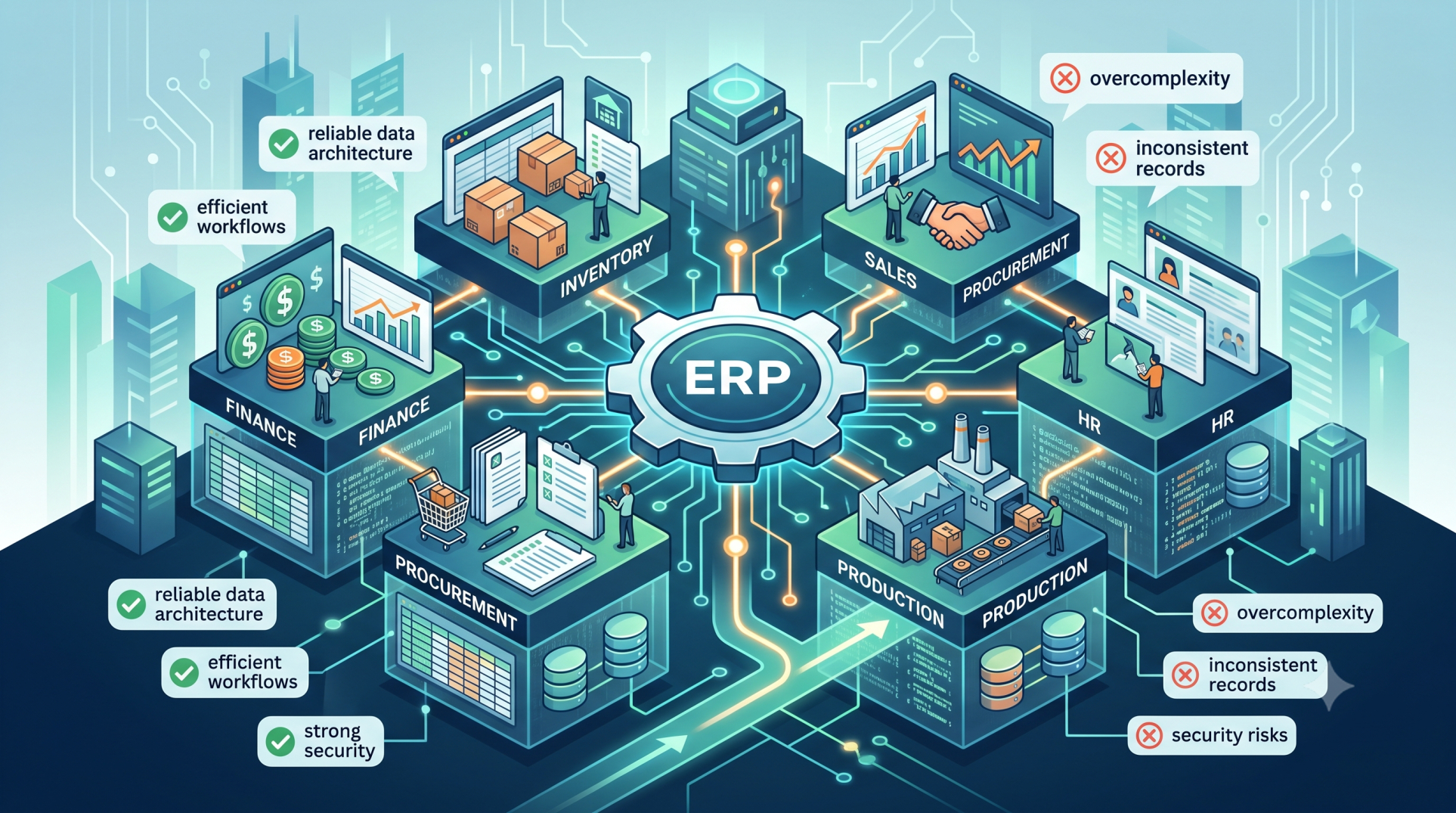
Step 1: Centralizing HR Data Across the Organization 🗂️
• Consolidates employee records, payroll information, and performance data in one system 📊
• Eliminates duplicate data entry across multiple HR tools 🔄
• Provides a single, reliable source of employee information 👤
• Improves visibility for HR teams and leadership 👀
• Simplifies data management and reporting 📈
Step 2: Streamlining Recruitment and Onboarding 🎯
• Automates job postings and applicant tracking 🤖
• Standardizes candidate evaluation and interview workflows 🧩
• Simplifies document collection and employee record creation 📑
• Accelerates onboarding processes for new hires 🚀
• Ensures compliance with hiring policies and documentation requirements ✔️
Step 3: Automating Payroll and Compensation Management 💰
• Calculates salaries, deductions, and tax obligations automatically ⚙️
• Reduces payroll errors through system-based validation ✔️
• Integrates compensation data with attendance and leave records 🔗
• Supports compliance with regional payroll regulations 📜
• Improves payroll transparency and reporting 📊
Step 4: Managing Attendance and Workforce Scheduling ⏱️
• Tracks employee attendance through integrated systems 📍
• Automates leave management and approval workflows 🔄
• Supports flexible scheduling and workforce planning 📅
• Reduces manual record keeping and administrative tasks 🗂️
• Improves operational visibility for managers 👀
Step 5: Performance and Talent Management 🧠
• Supports structured performance evaluations and feedback cycles 📋
• Tracks employee goals and development plans 🎯
• Identifies skill gaps and training requirements 📚
• Aligns individual performance with organizational objectives 🏢
• Provides data-driven insights for talent development 📊
Step 6: Compliance and Regulatory Management ⚖️
• Maintains accurate records for audits and regulatory requirements 📑
• Automates documentation related to labor laws and policies 📜
• Reduces compliance risks through standardized workflows 🛡️
• Ensures consistent policy enforcement across departments 🏢
• Simplifies reporting for regulatory authorities 📊
Step 7: Employee Self-Service Capabilities 👥
• Allows employees to update personal information independently ✏️
• Enables self-service access to payslips, leave requests, and benefits 📄
• Reduces administrative workload for HR teams ⚙️
• Improves transparency in HR processes 🔍
• Enhances employee experience and engagement 😊
Step 8: Strategic Value of HR Automation 📈
• Provides leadership with real-time workforce insights 📊
• Improves workforce planning and talent allocation 🧩
• Connects HR performance with overall business outcomes 🔗
• Enables data-driven decisions at the organizational level 🧠
Conclusion
Unified ERP systems transform HR operations by automating administrative tasks, integrating workforce data, and improving organizational visibility. By centralizing HR functions within a single platform, organizations can reduce operational complexity, enhance compliance, and enable more strategic workforce management. As businesses continue to grow and evolve, ERP-driven HR automation becomes an essential foundation for efficient and insight-driven human resource management.
See more blogs
You can all the articles below