Intelligent Exception Handling in ERP Workflows
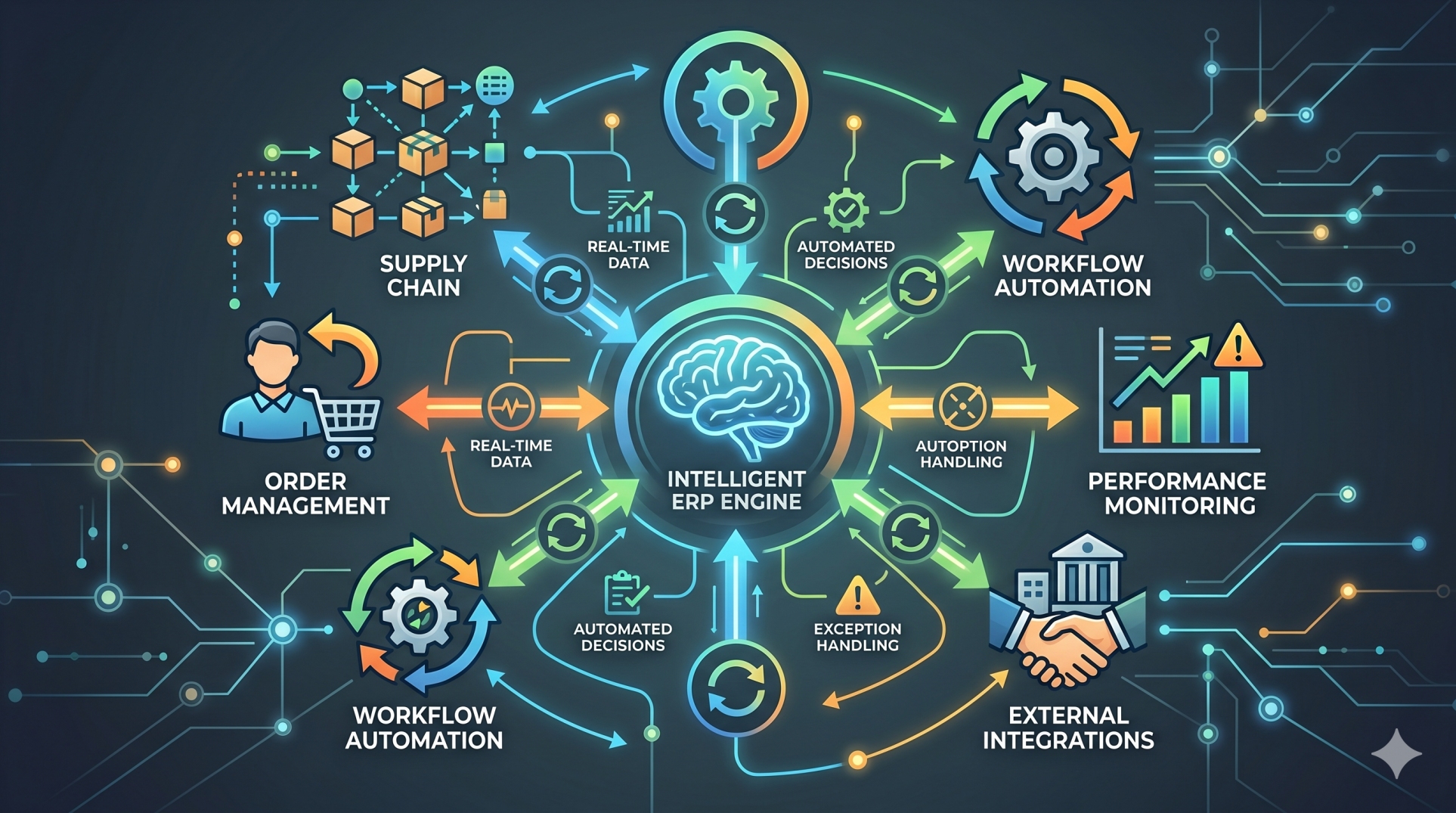
As ERP systems manage increasingly complex business operations, exceptions such as missing data, delayed approvals, failed transactions, and process bottlenecks can disrupt productivity. Intelligent exception handling helps organizations detect, prioritize, and resolve workflow issues faster through automation, analytics, and smart decision-making. By improving how exceptions are managed, businesses can maintain continuity, reduce delays, and enhance operational efficiency.
Step 1: Understanding Workflow Exceptions 🧠
• Identify common exceptions such as approval delays, data mismatches, and failed transactions ⚠️
• Classify issues based on severity, urgency, and business impact 📊
• Recognize patterns that repeatedly interrupt workflows 🔄
• Understand root causes across departments and processes 🔍
• Build visibility into where exceptions occur most often 👁️
Step 2: Real-Time Exception Detection ⏱️
• Monitor ERP workflows continuously for anomalies and disruptions 📡
• Detect missing inputs, stalled approvals, or system errors instantly 🚨
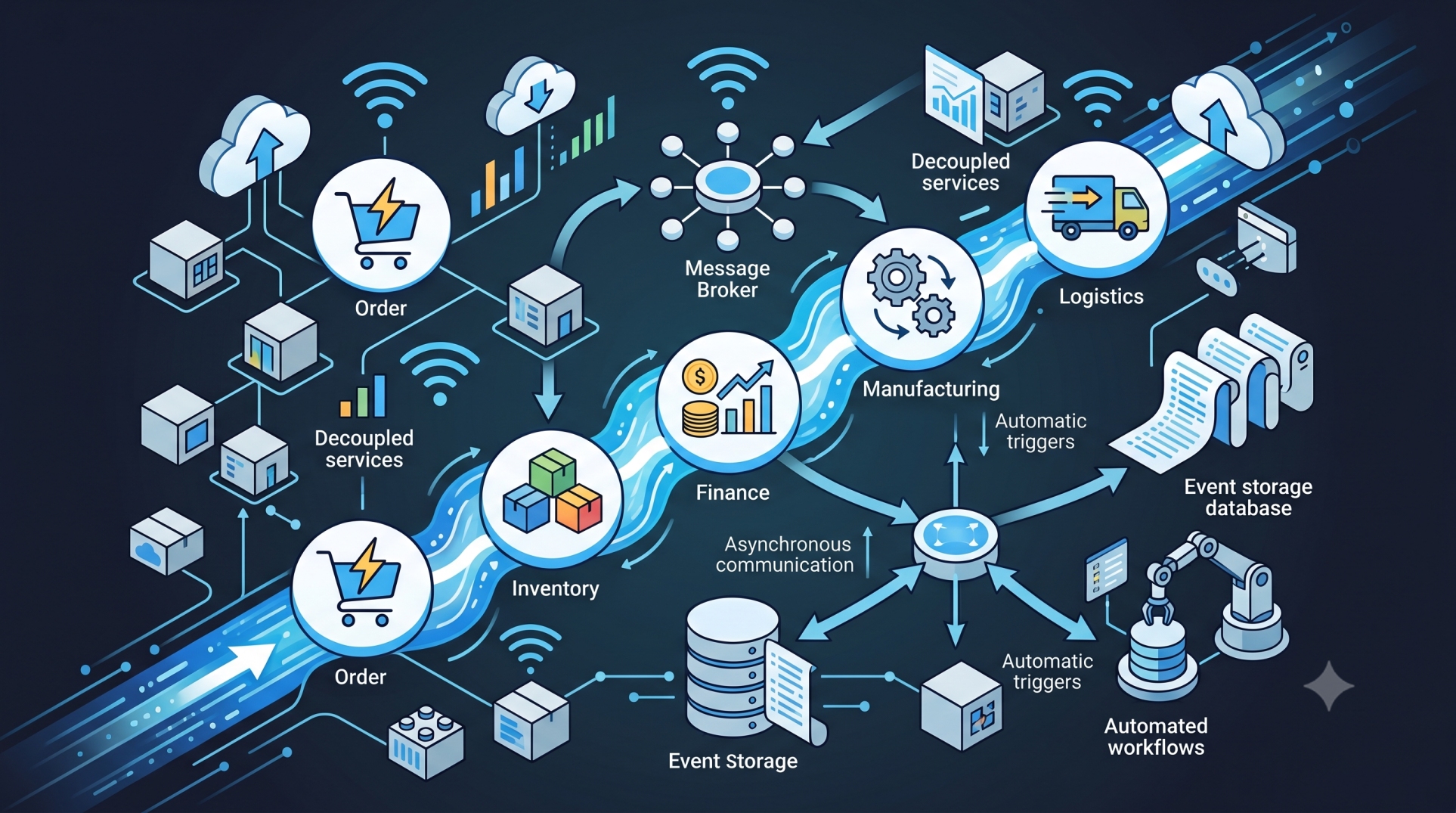
• Use automated triggers to flag unusual process behavior 🤖
• Reduce dependency on manual issue discovery 🛠️
• Improve response speed through proactive alerts ⚡
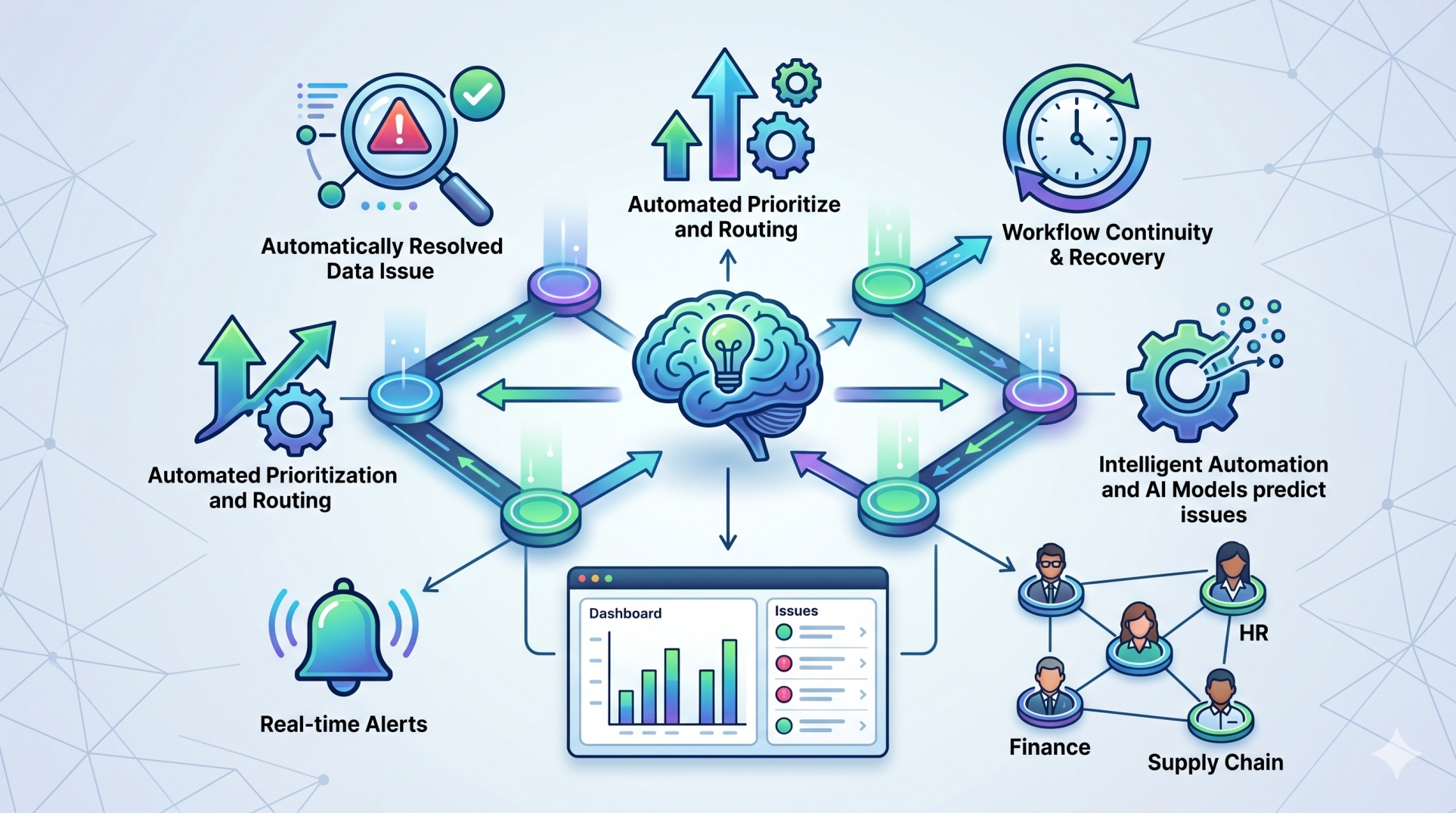
Step 3: Automated Prioritization and Routing 📬
• Rank exceptions based on business impact and urgency 📈
• Route issues automatically to the right team or stakeholder 👥
• Escalate critical workflow failures immediately 🚀
• Reduce delays caused by unclear ownership ⌛
• Ensure accountability through structured assignment rules ✅
Step 4: Smart Root Cause Analysis 🔍
• Analyze historical data to identify recurring failure points 📚
• Detect whether issues stem from users, systems, or integrations 🔗
• Use AI models to predict likely causes faster 🤖
• Shorten troubleshooting cycles with guided diagnostics ⚙️
• Improve long-term workflow stability through insights 📉
Step 5: Automated Resolution Actions ⚙️
• Trigger predefined corrective actions for known exceptions 🔄
• Reprocess failed transactions automatically when possible 🤖
• Request missing approvals or data through reminders 📩
• Update records based on validation rules 🧾
• Minimize manual intervention for repetitive issues ⏳
Step 6: Workflow Continuity and Recovery 🔄
• Prevent one exception from halting entire workflows 🛡️
• Enable alternate approval paths during delays 🔀
• Reroute dependent tasks when blockages occur 🚚
• Maintain business continuity during disruptions 📈
• Recover faster through intelligent fallback processes ⚡
Step 7: User Alerts and Visibility 👁️
• Provide dashboards showing open exceptions and status 📊
• Notify teams through email, chat, or ERP alerts 🔔
• Offer real-time tracking of issue resolution progress ⏱️
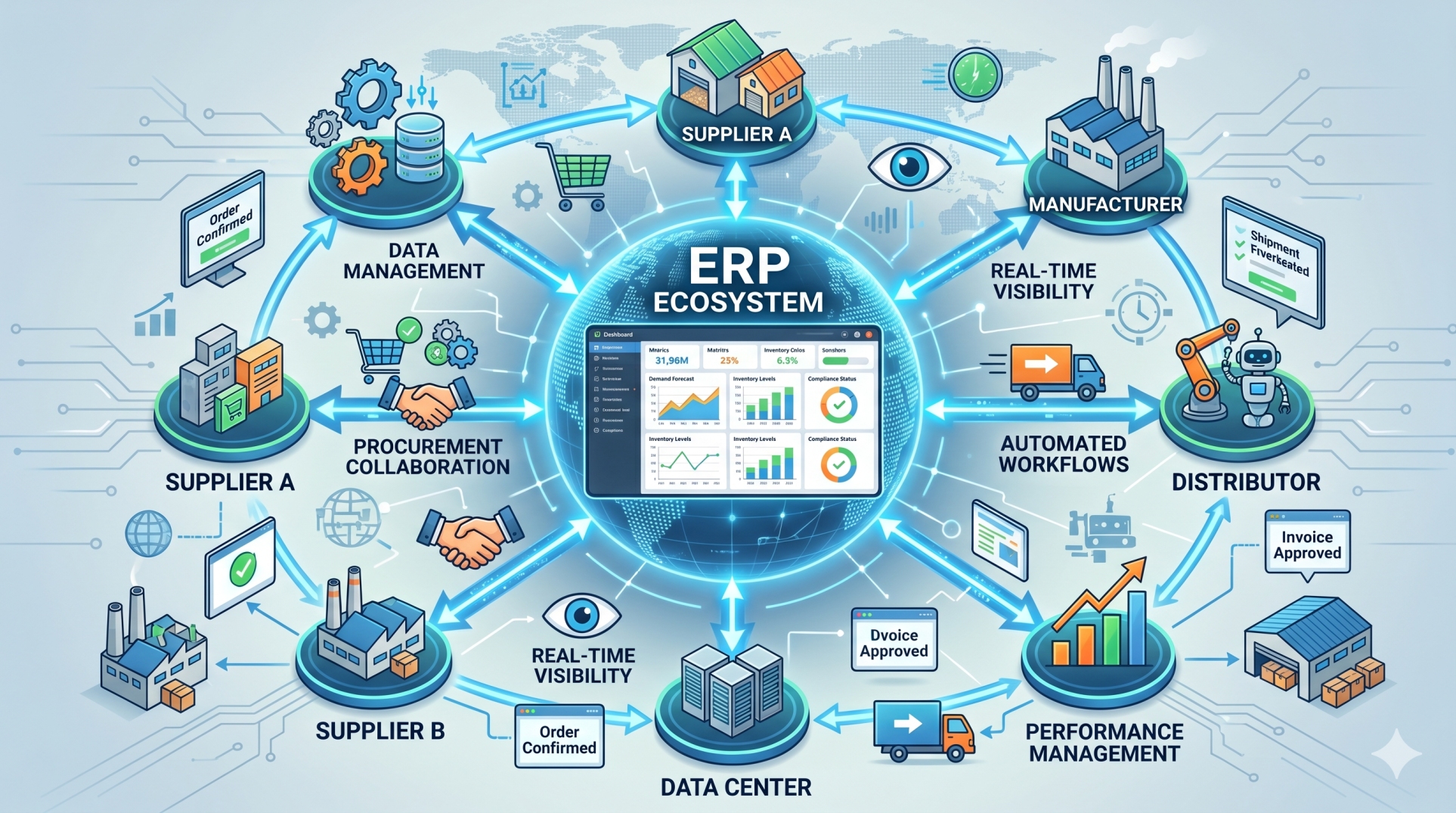
• Improve collaboration across departments 🤝
• Increase transparency in operational performance 🌐
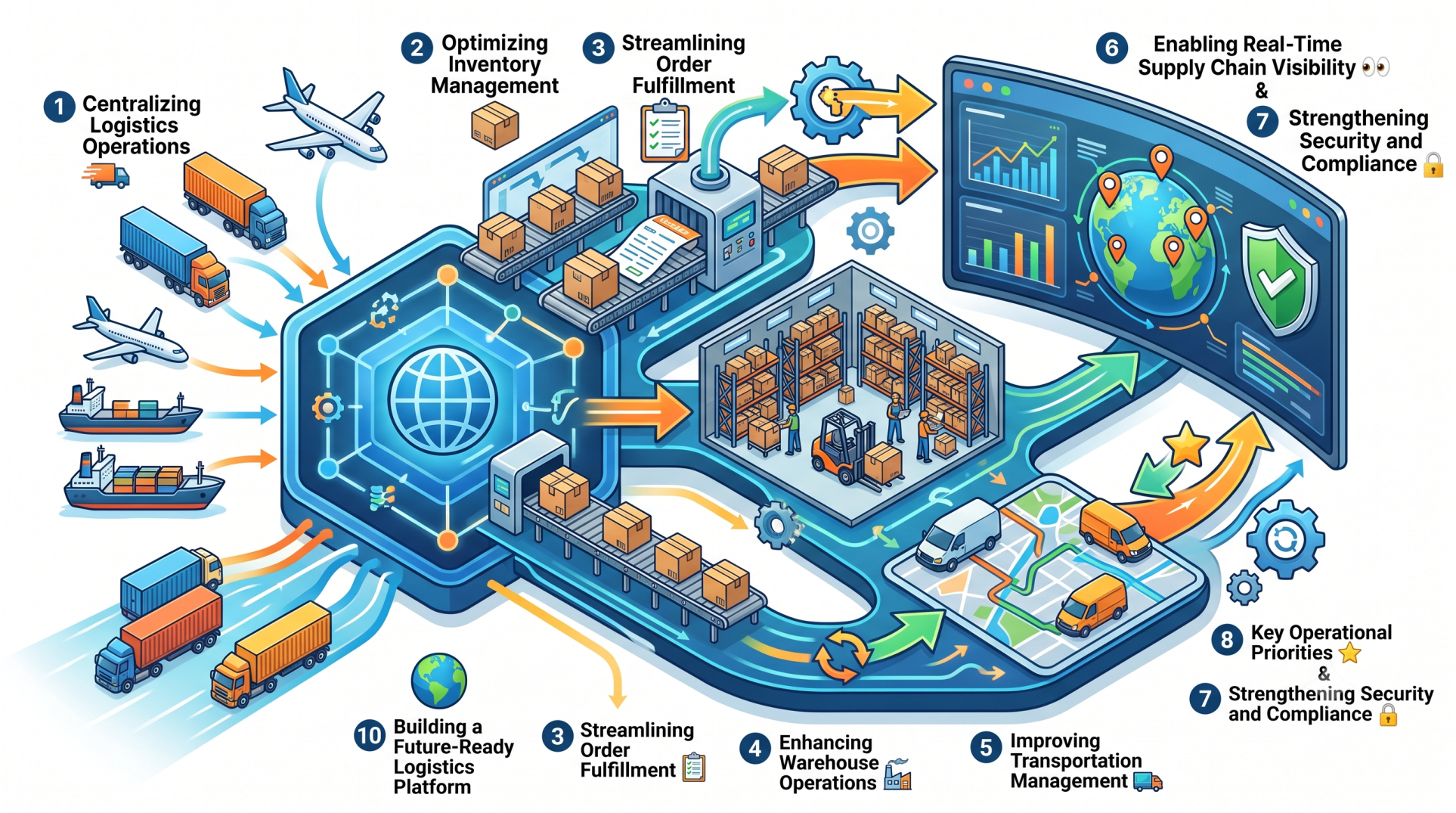
Step 8: Key Exception Handling Priorities 🎯
• Faster detection and response times ⚡
• Reduced manual workload through automation 🤖
• Better workflow continuity during disruptions 🔄
• Continuous improvement through actionable insights 📈
Step 9: Compliance and Audit Readiness 📜
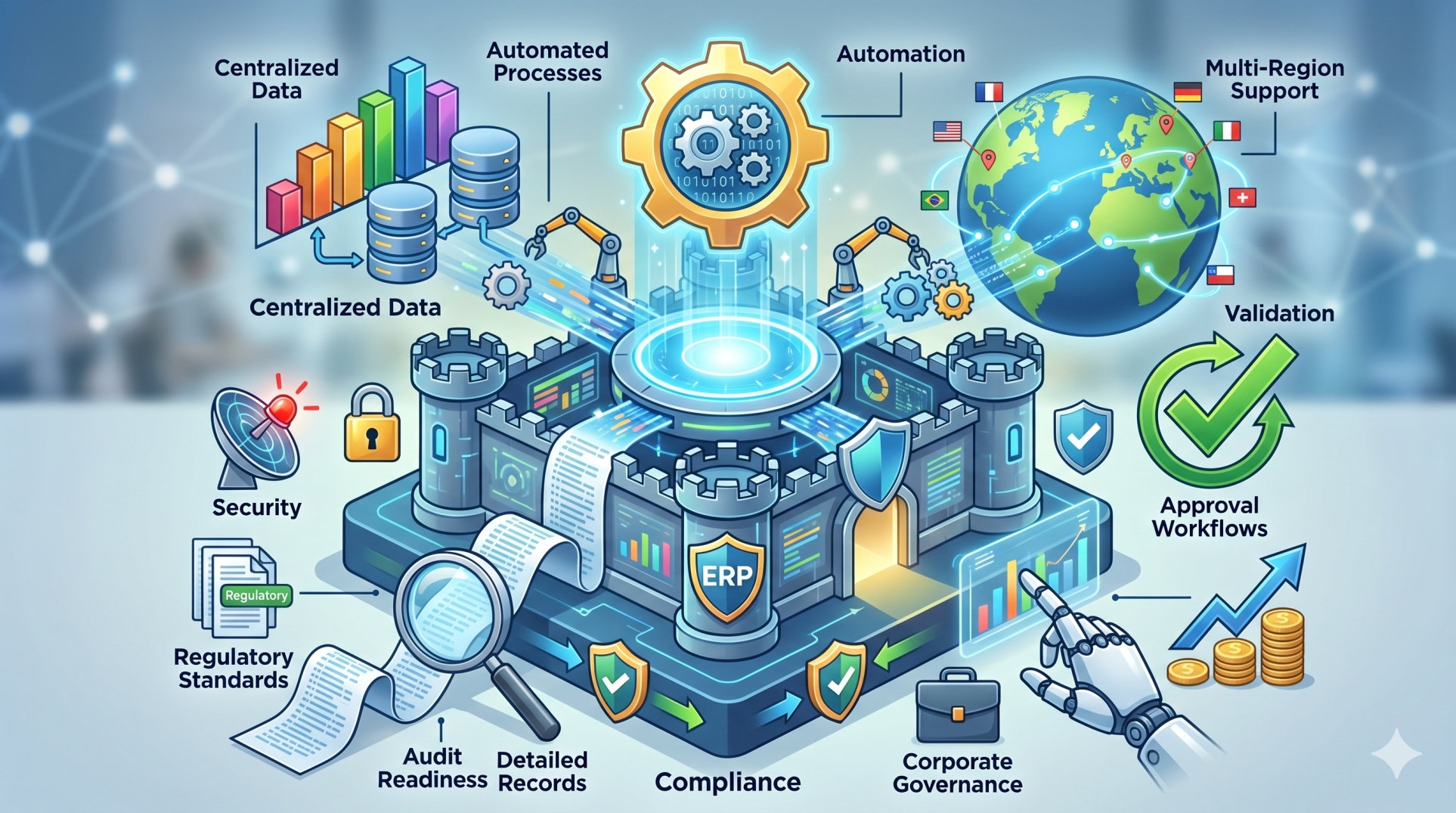
• Maintain logs of detected issues and corrective actions 🧾
• Track approvals, escalations, and resolution timelines ⏰
• Support internal controls and audit requirements 🏛️
• Ensure policy-based handling of sensitive exceptions 🔐
• Improve governance across ERP operations ✅
Step 10: Building a Smarter ERP Workflow Ecosystem 🚀
• Use AI to predict and prevent exceptions before they occur 🤖
• Continuously refine workflows based on issue trends 📊
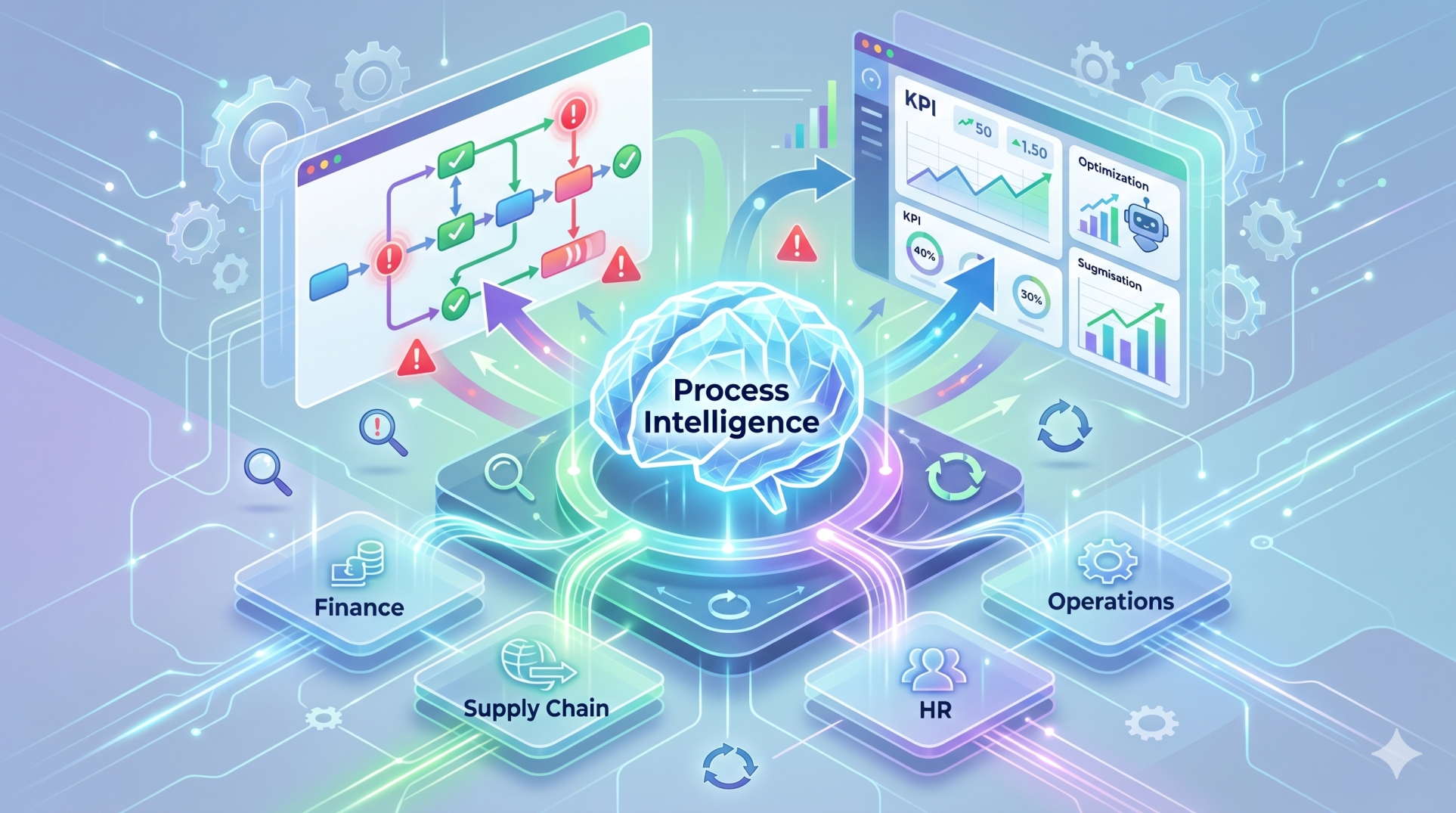
• Integrate exception handling across finance, HR, and supply chain 🔗
• Scale automation as transaction volumes grow 📦
• Create resilient, future-ready ERP operations 🌍
Conclusion
Intelligent exception handling in ERP workflows is essential for maintaining smooth and efficient business operations. By combining automation, analytics, and proactive monitoring, organizations can resolve disruptions faster while reducing manual effort. A smarter approach to exception management not only improves daily workflow performance but also strengthens long-term agility, control, and operational resilience.
See more blogs
You can all the articles below