ERP Adoption Metrics That Matter

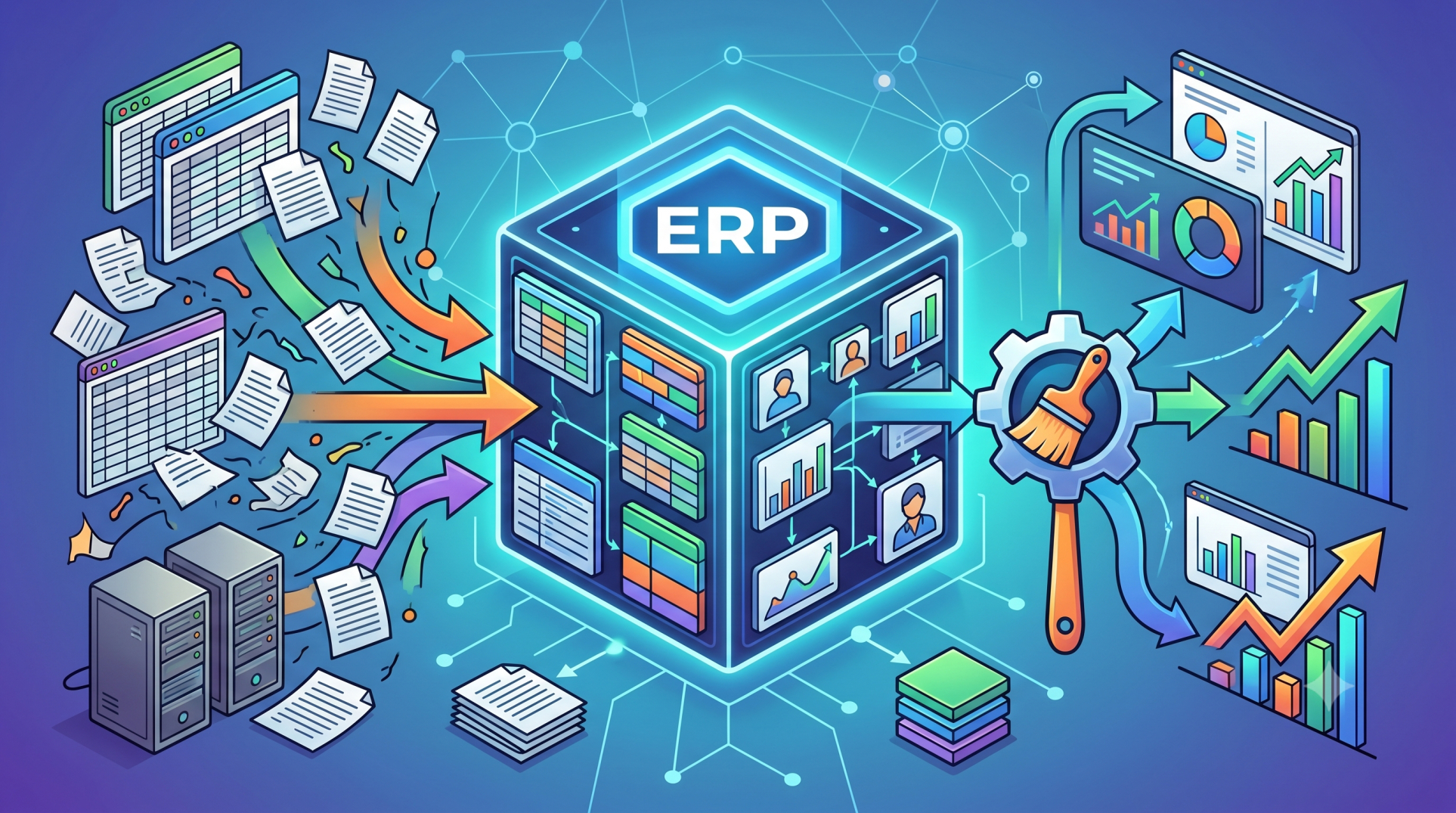
ERP success is not determined by system deployment alone, but by how effectively it is embraced and utilized across the organization. Tracking the right adoption metrics enables businesses to understand usage behavior, uncover inefficiencies, and ensure that ERP investments deliver both operational improvements and strategic value.
Step 1: User Adoption Rate 👥
• Measures the proportion of employees actively using the ERP system 📊
• Compares active users with the total intended user base ⚖️
• Identifies adoption gaps across departments and roles 🔍
• Reflects overall acceptance of the system within the organization ✔️
• Serves as a key indicator of implementation success 🎯
Step 2: Feature Utilization ⚙️
• Evaluates how frequently different modules and features are used 📈
• Identifies functionalities that remain underutilized 🔎
• Highlights opportunities for training or process refinement 🎓
• Aligns system capabilities with real-world business usage 🧩
• Prevents unnecessary investment in unused features 💡
Step 3: Process Completion Rate 🔄
• Measures how many business workflows are fully executed within the ERP 📊
• Tracks processes such as order-to-cash and procure-to-pay 📦
• Identifies dependence on manual or external systems 🚫
• Ensures end-to-end utilization of the platform ✔️
• Reflects the level of operational integration 🏗️
Step 4: Data Entry Accuracy and Timeliness 📝
• Assesses the quality and completeness of data entered into the system ✔️
• Monitors delays in updating critical business information ⏱️
• Detects inconsistencies across teams and departments 🔍
• Ensures reliability of reporting and analytics outputs 📊
• Supports better decision-making through accurate data 🧠
Step 5: Reduction in Manual Work 🤖
• Tracks the decline in spreadsheets and offline processes 📉
• Measures the automation of repetitive and time-consuming tasks ⚙️
• Evaluates efficiency improvements across teams 📈
• Identifies areas still reliant on manual intervention 🔍
• Reflects the true productivity gains from ERP adoption 🚀
Step 6: Training Effectiveness 🎓
• Assesses user readiness following onboarding and training programs 📘
• Measures time required for users to achieve proficiency ⏱️
• Tracks support requests and knowledge gaps 📩
• Identifies the need for additional training resources 🔄
• Strengthens long-term adoption through continuous learning 📈
Step 7: System Usage Frequency and Depth 📊
• Tracks how often users engage with the ERP system 🔁
• Measures depth of interaction across modules and workflows 📦
• Distinguishes between superficial and meaningful usage 🔍
• Identifies power users and underutilized roles 👥
• Indicates overall reliance on the system ⚙️
Step 8: Business Impact Metrics 📈
• Connects ERP usage to efficiency gains and cost reduction 💰
• Measures impact on revenue, cycle time, and decision speed ⚡
• Evaluates return on investment from ERP adoption 📊
Step 9: User Satisfaction and Feedback 💬
• Gathers qualitative insights from system users 🧠
• Measures usability and perceived value of the platform ⭐
• Identifies friction points within workflows 🔍
• Supports continuous improvement of the system 🔄
• Enhances user experience and engagement 🤝
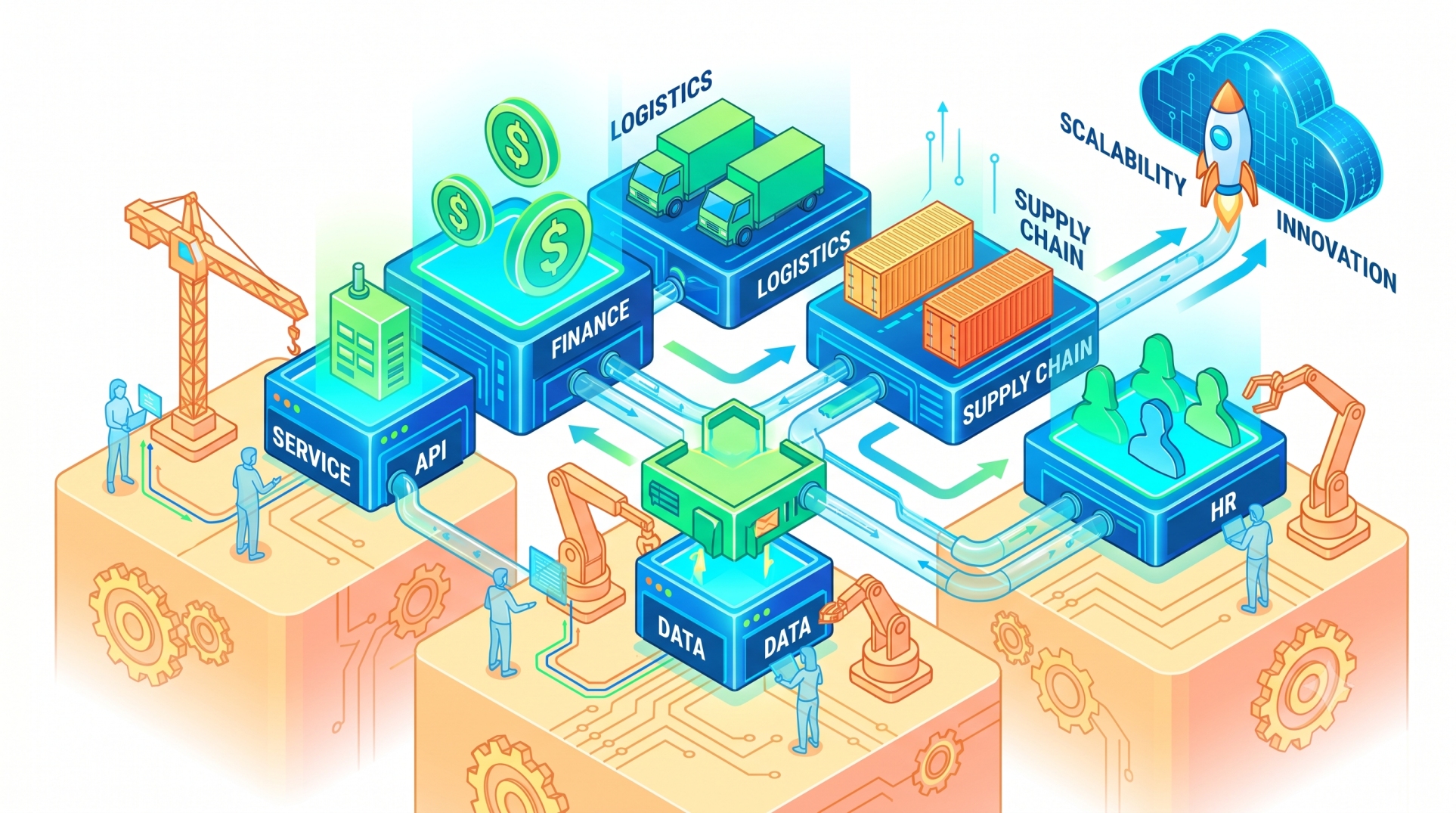
Step 10: Cross-Department Integration 🔗
• Evaluates collaboration across different business functions 🏢
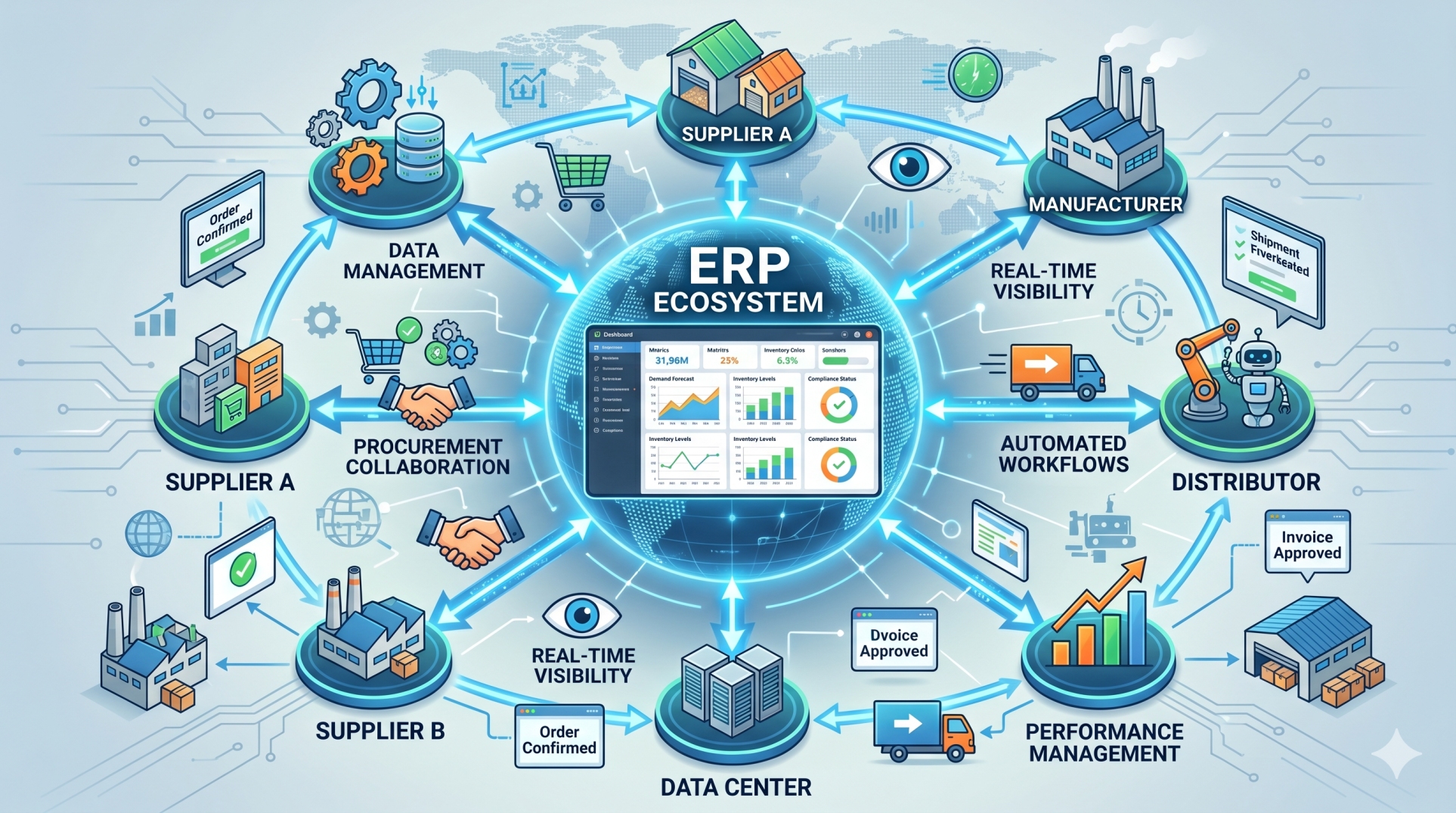
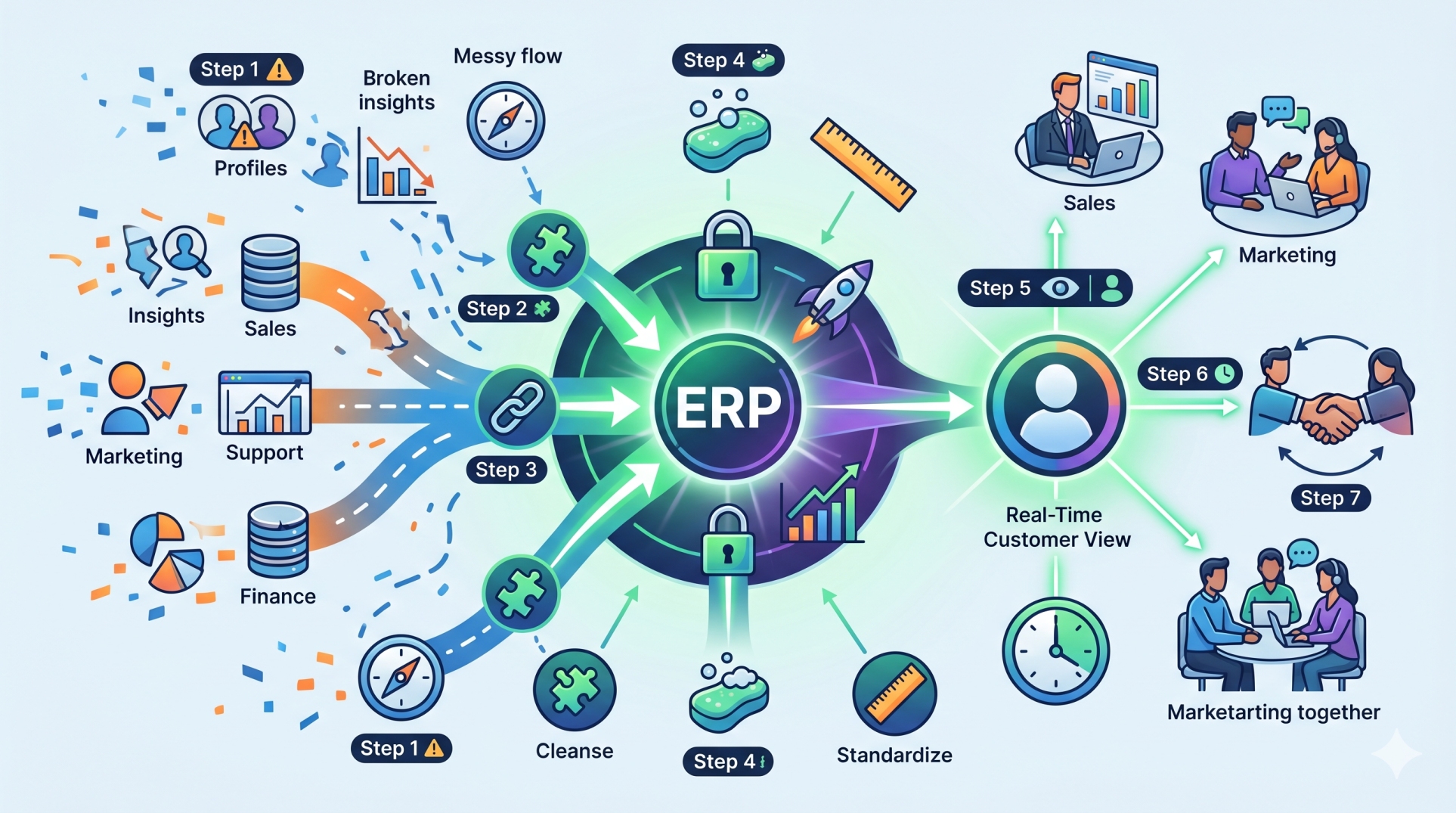
• Measures data flow between finance, sales, and operations 📊
• Identifies silos that persist despite ERP implementation 🚫
• Ensures alignment of processes across departments ✔️
• Strengthens overall system effectiveness 📈
Conclusion
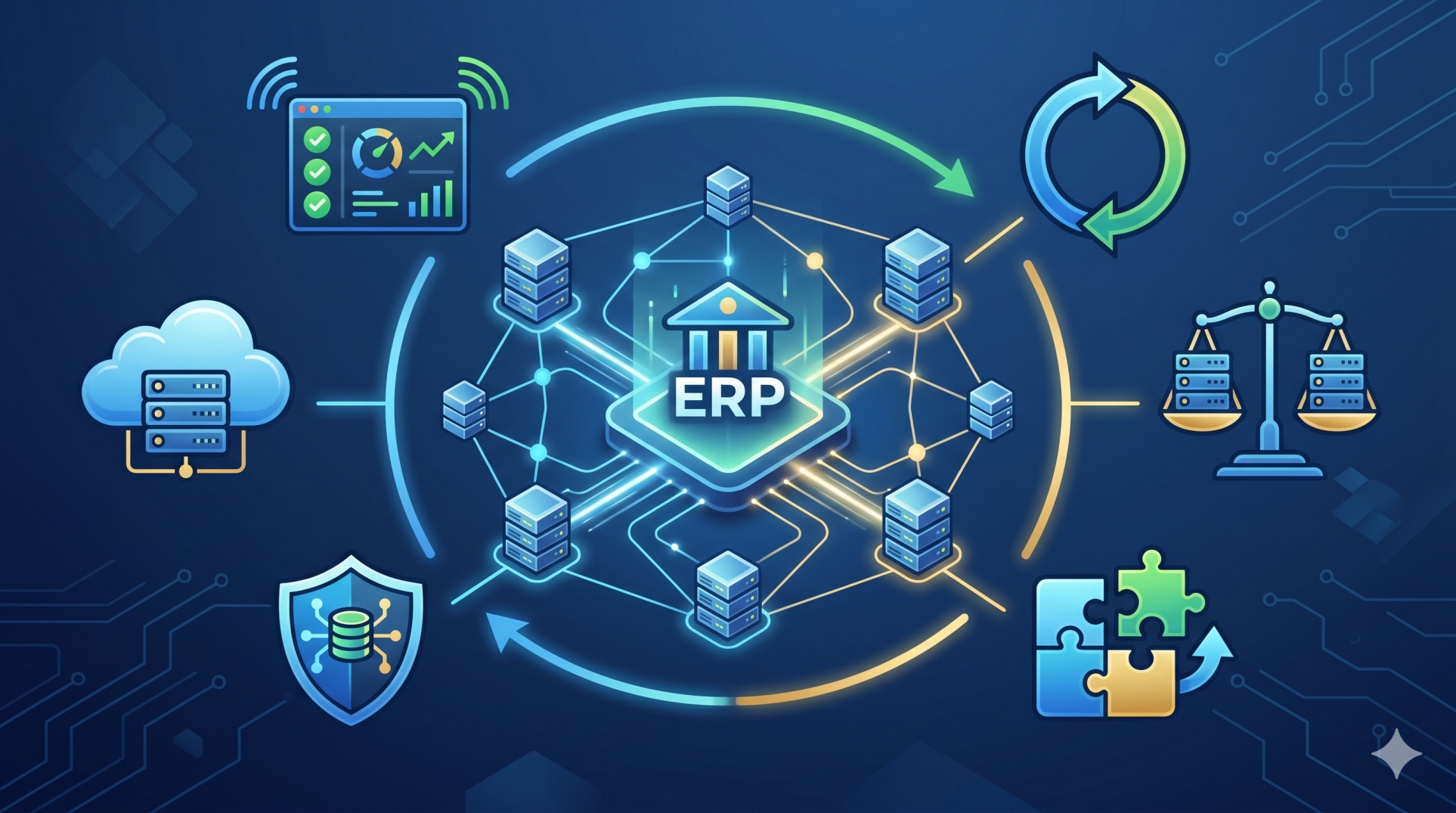
Measuring the right ERP adoption metrics is critical to unlocking the full value of an ERP system. By focusing on user engagement, process integration, data quality, and business outcomes, organizations can move beyond basic implementation toward meaningful transformation. Well-defined metrics provide the visibility needed to optimize performance, drive adoption, and sustain long-term success.
See more blogs
You can all the articles below