ERP-Driven Performance Tracking Across Departments

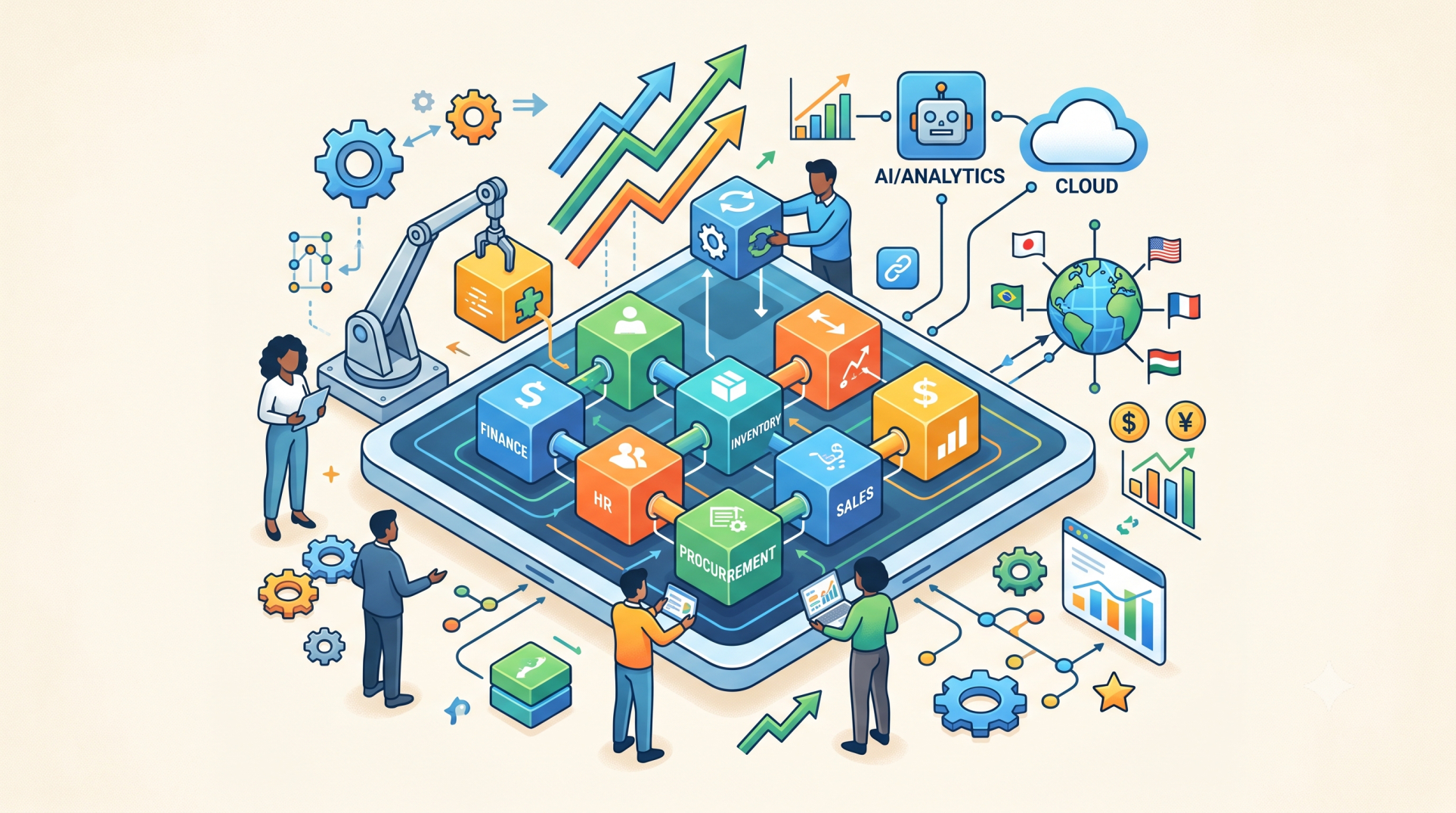
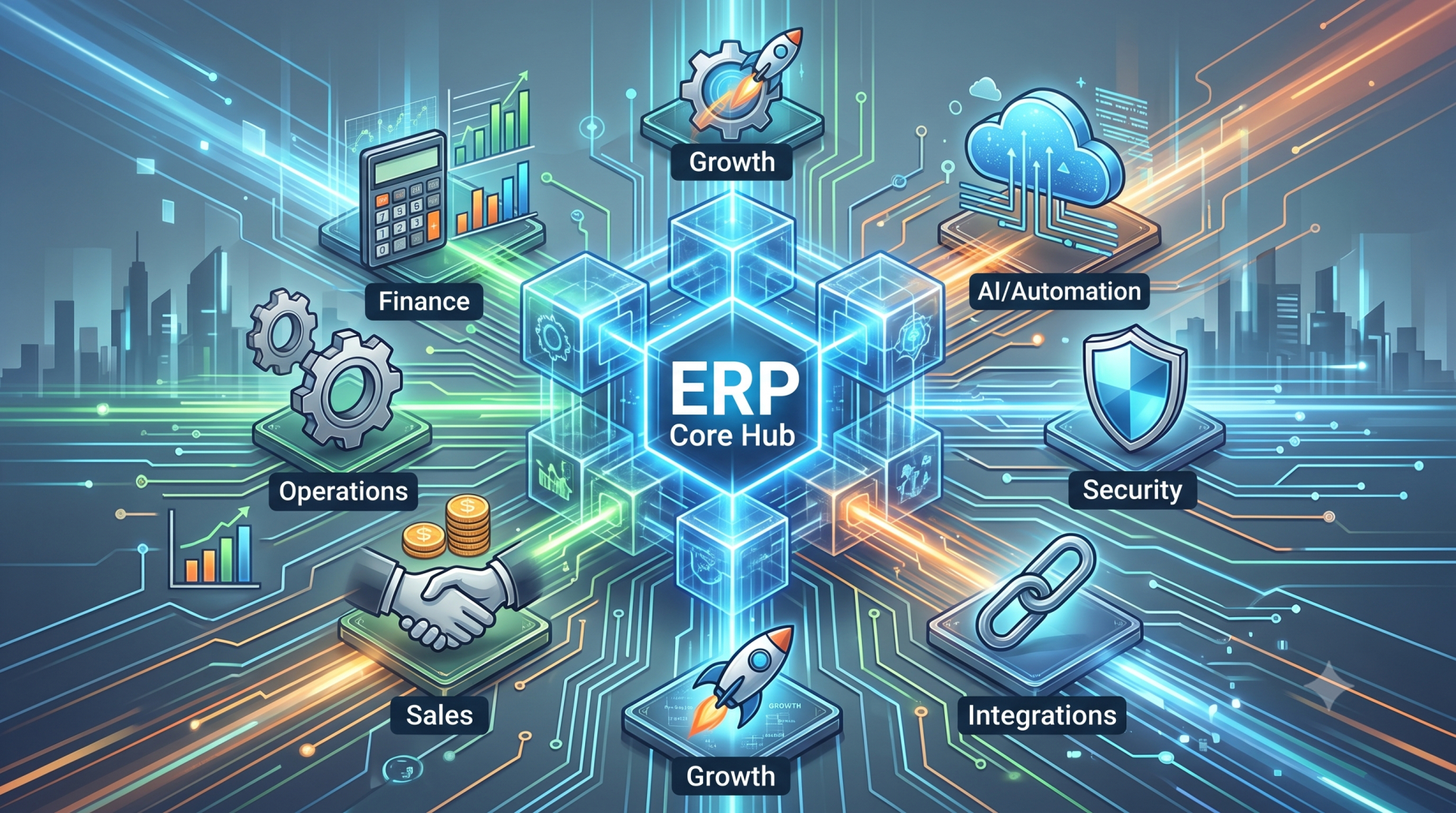
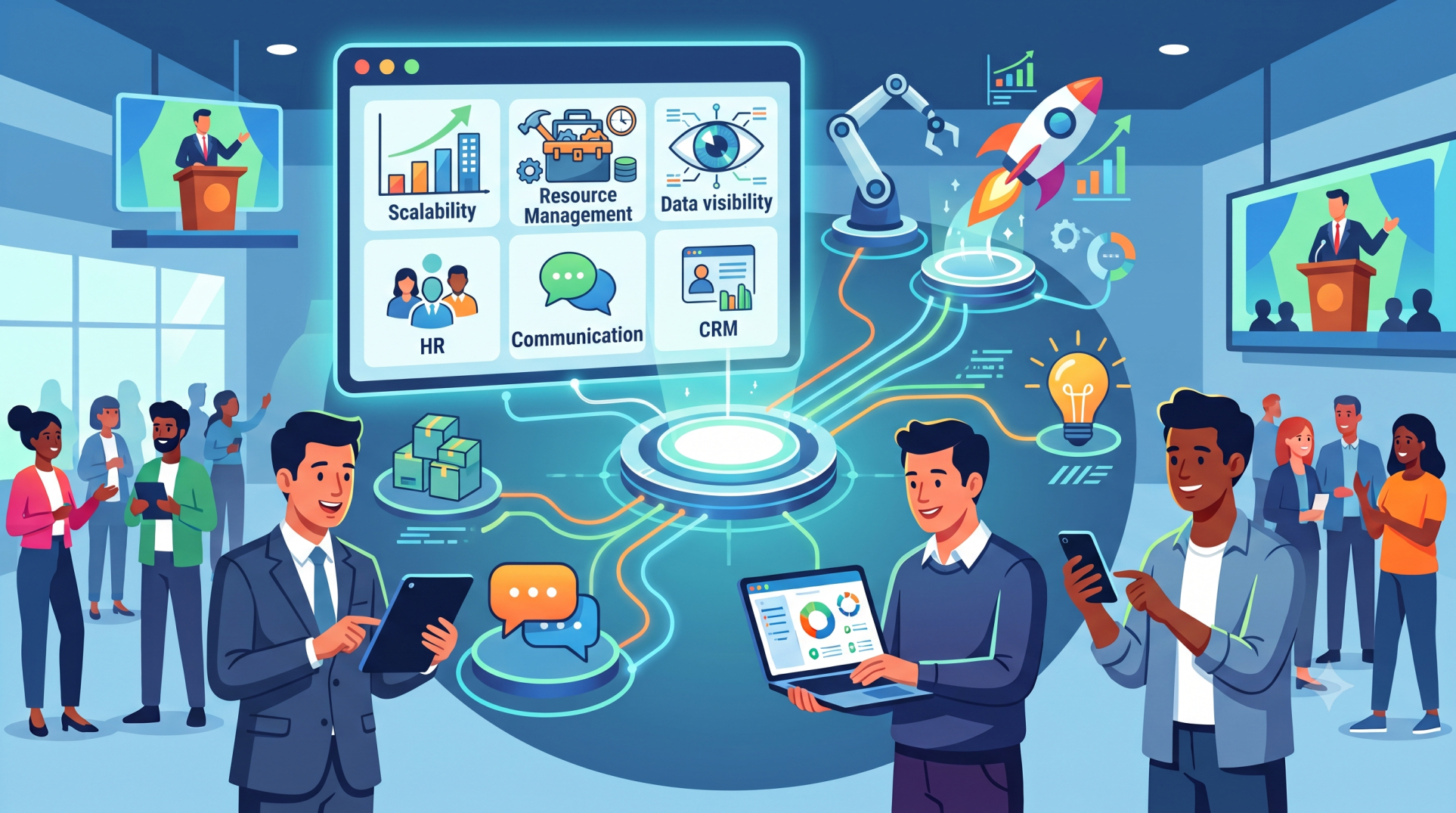
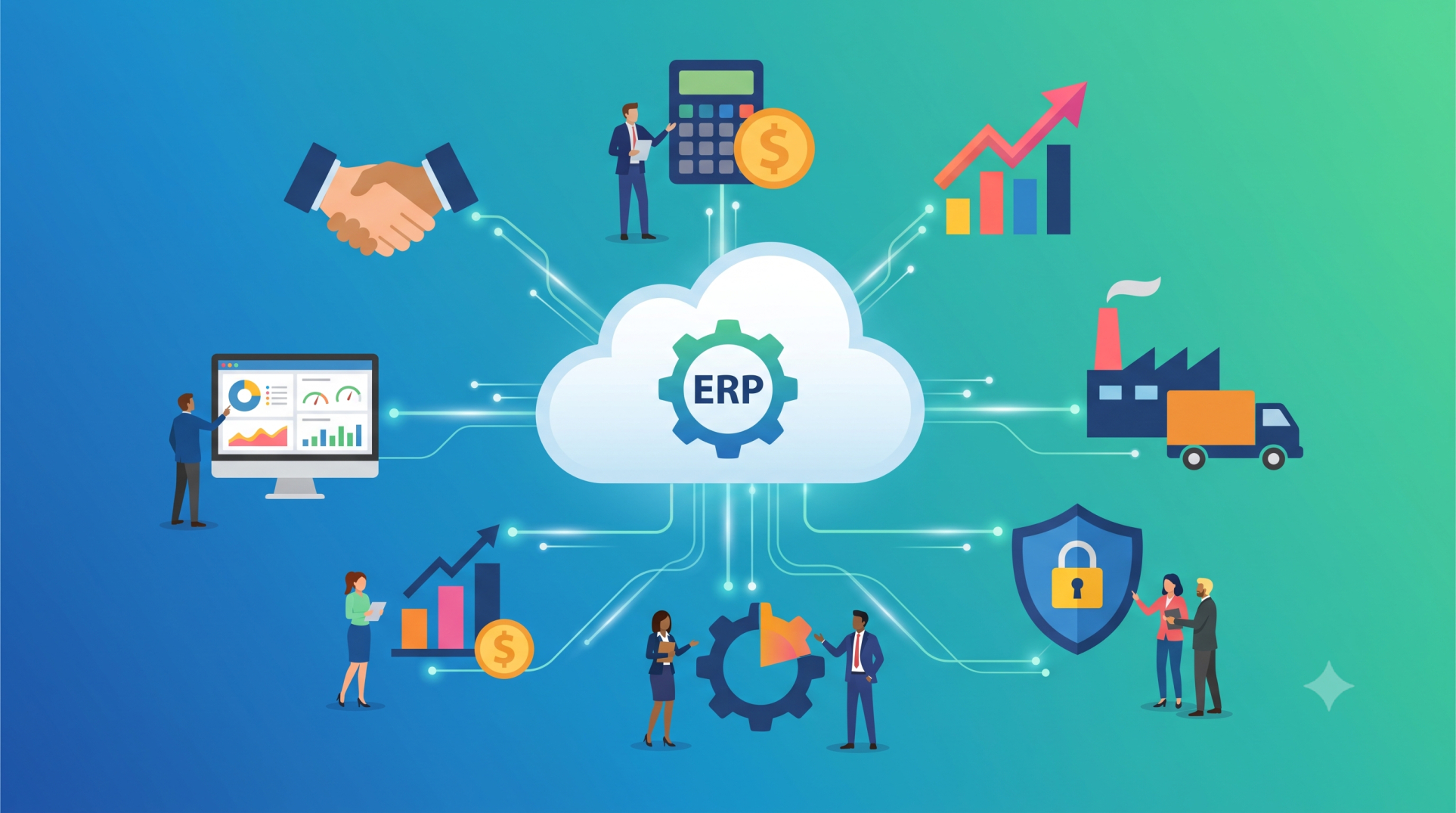
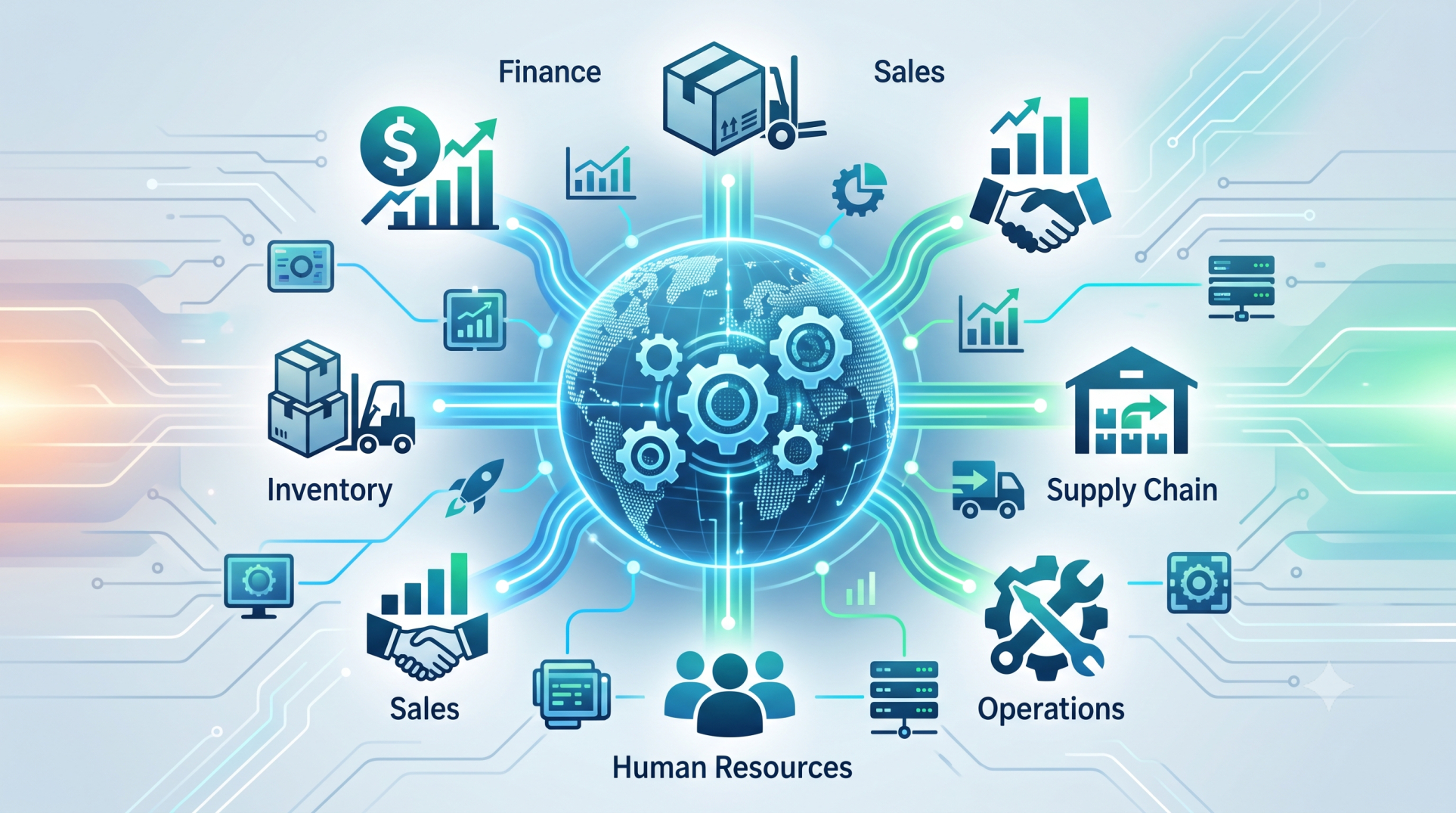
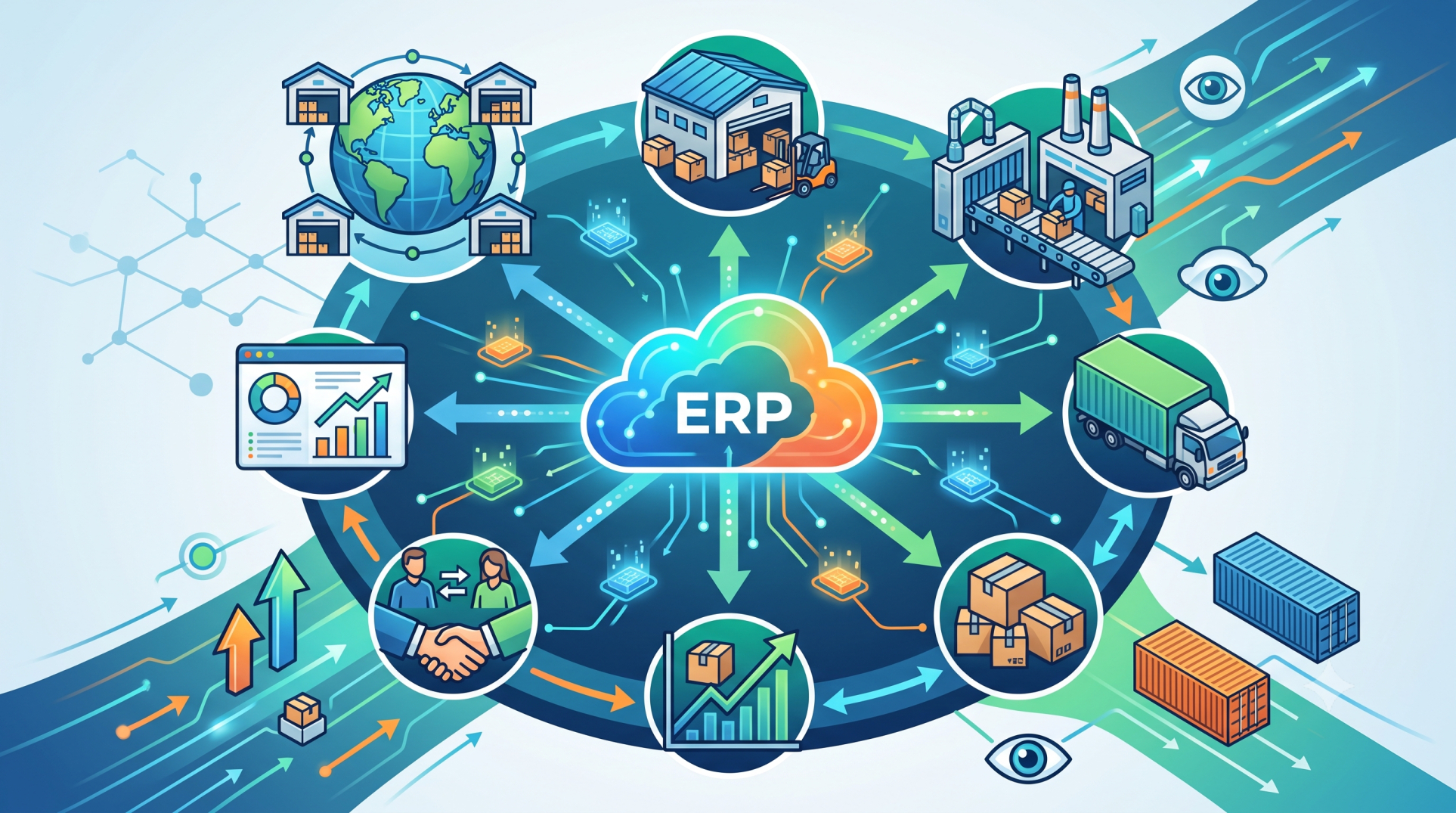
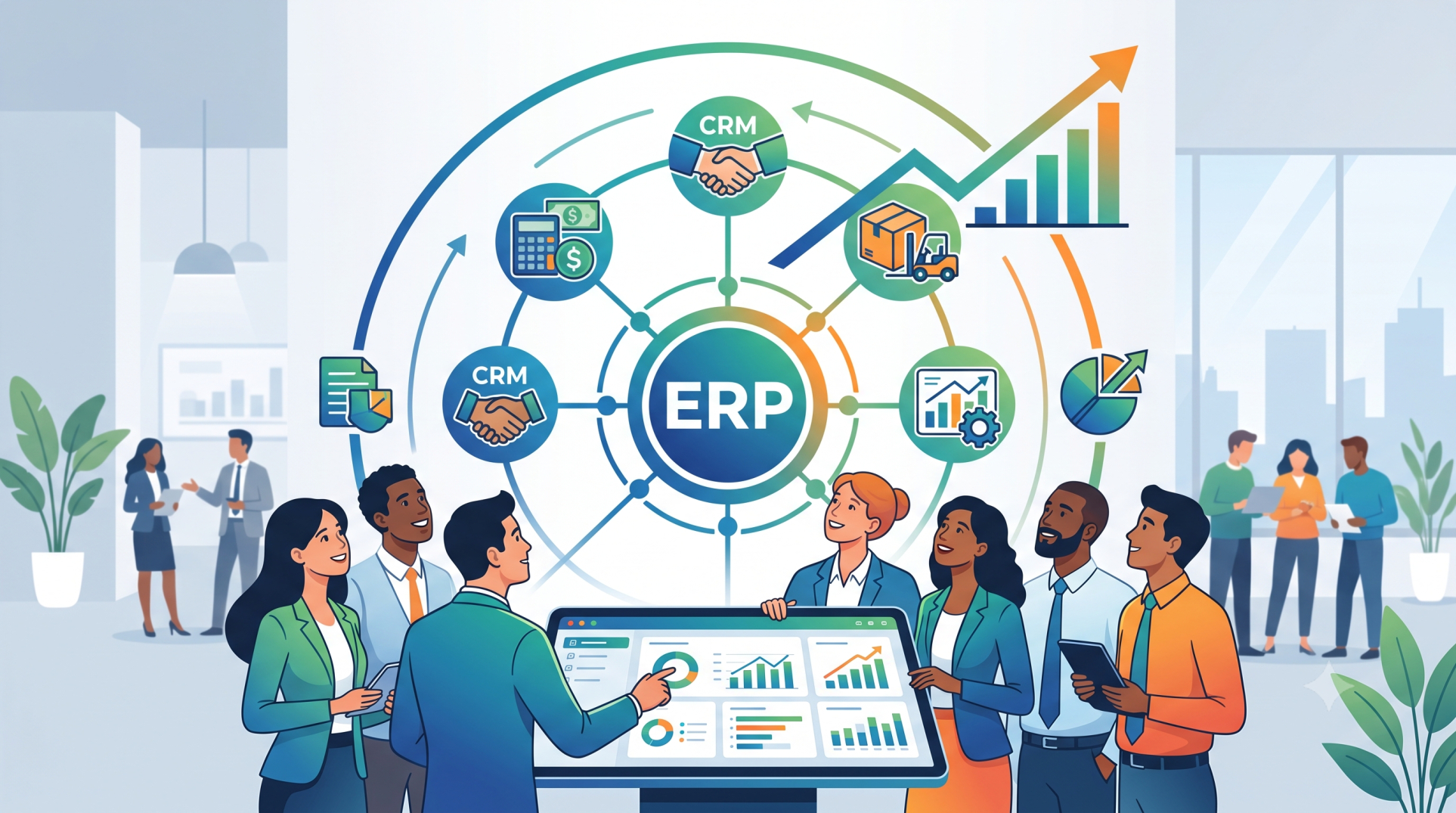
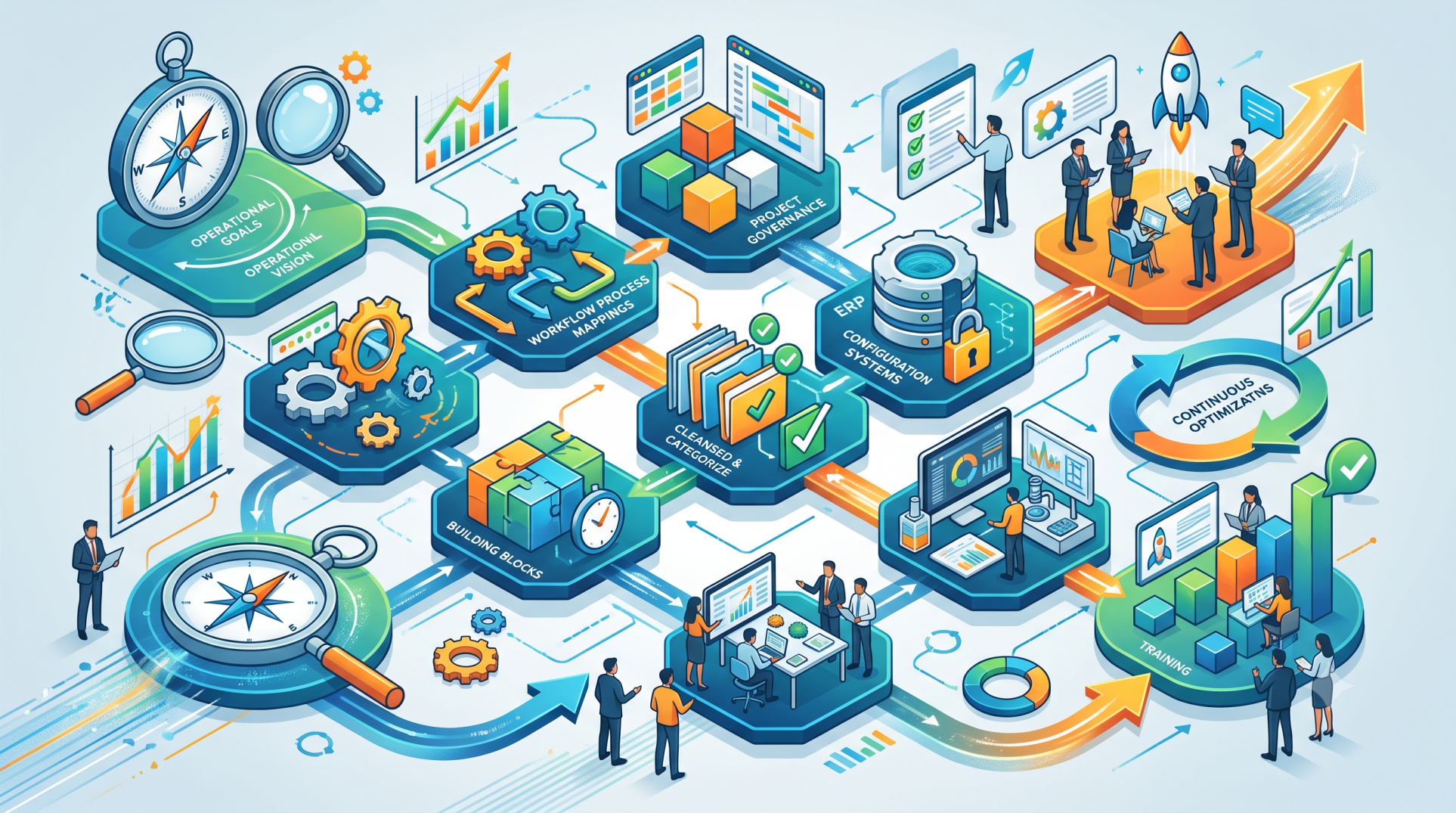
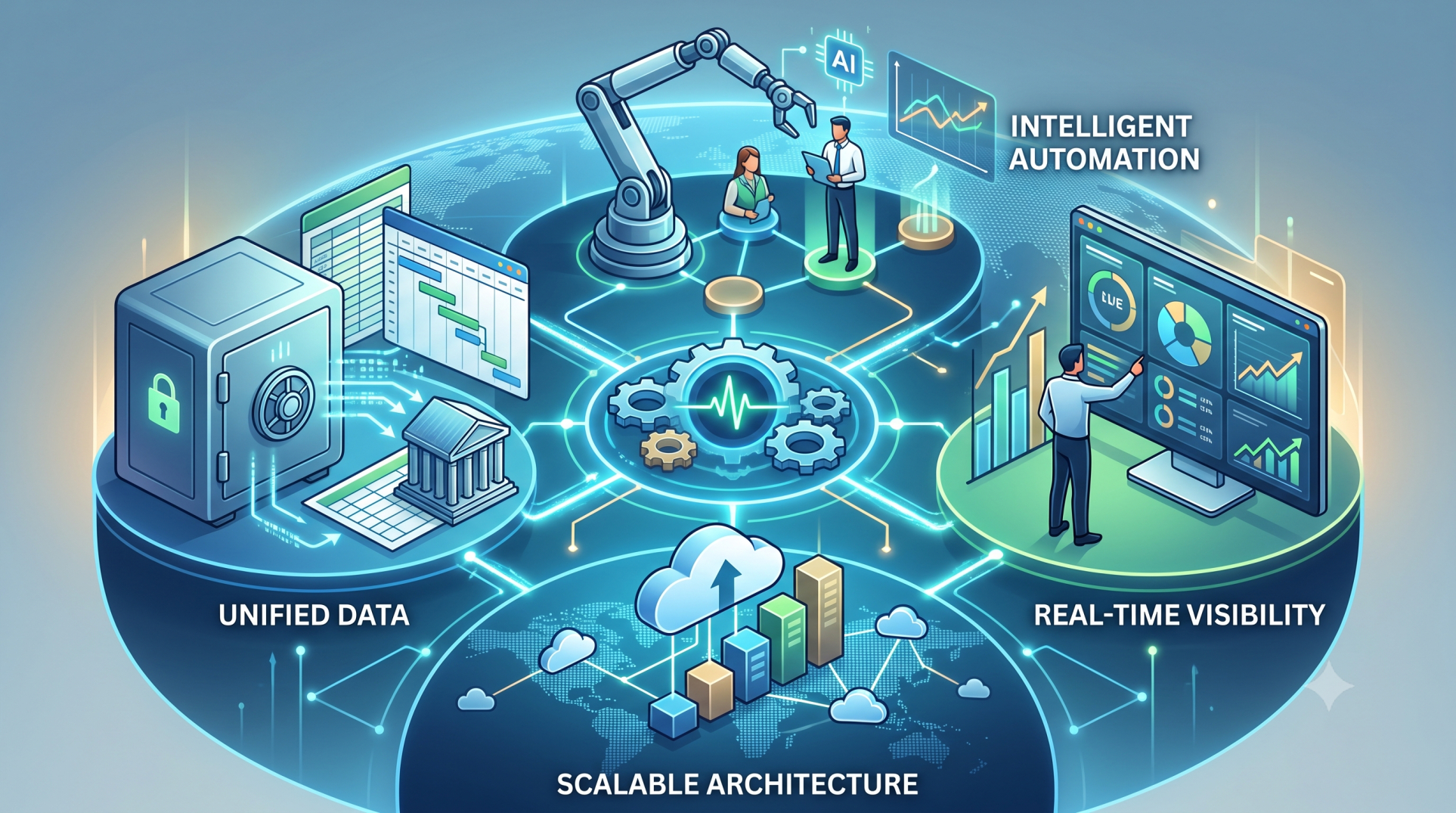
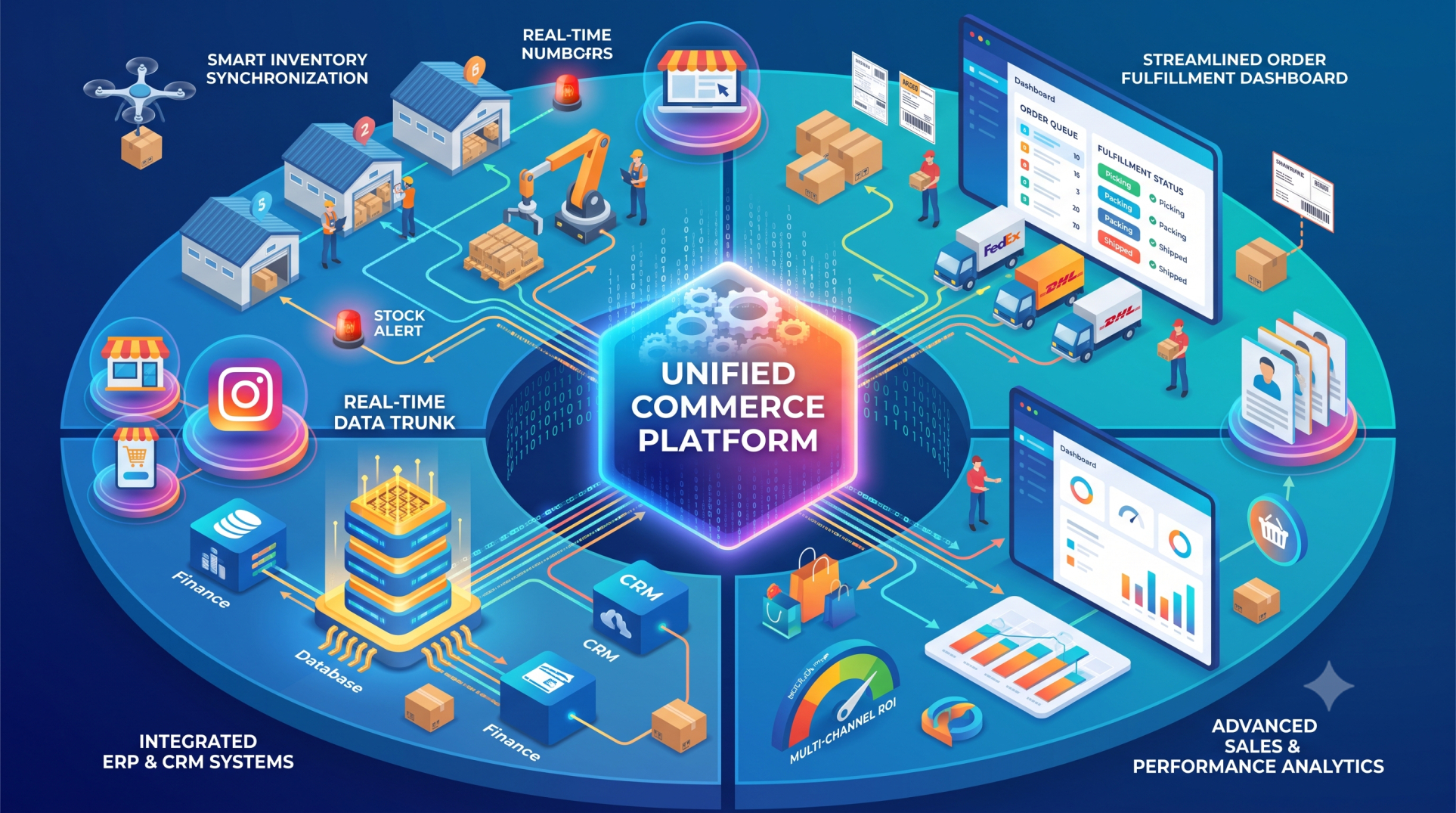
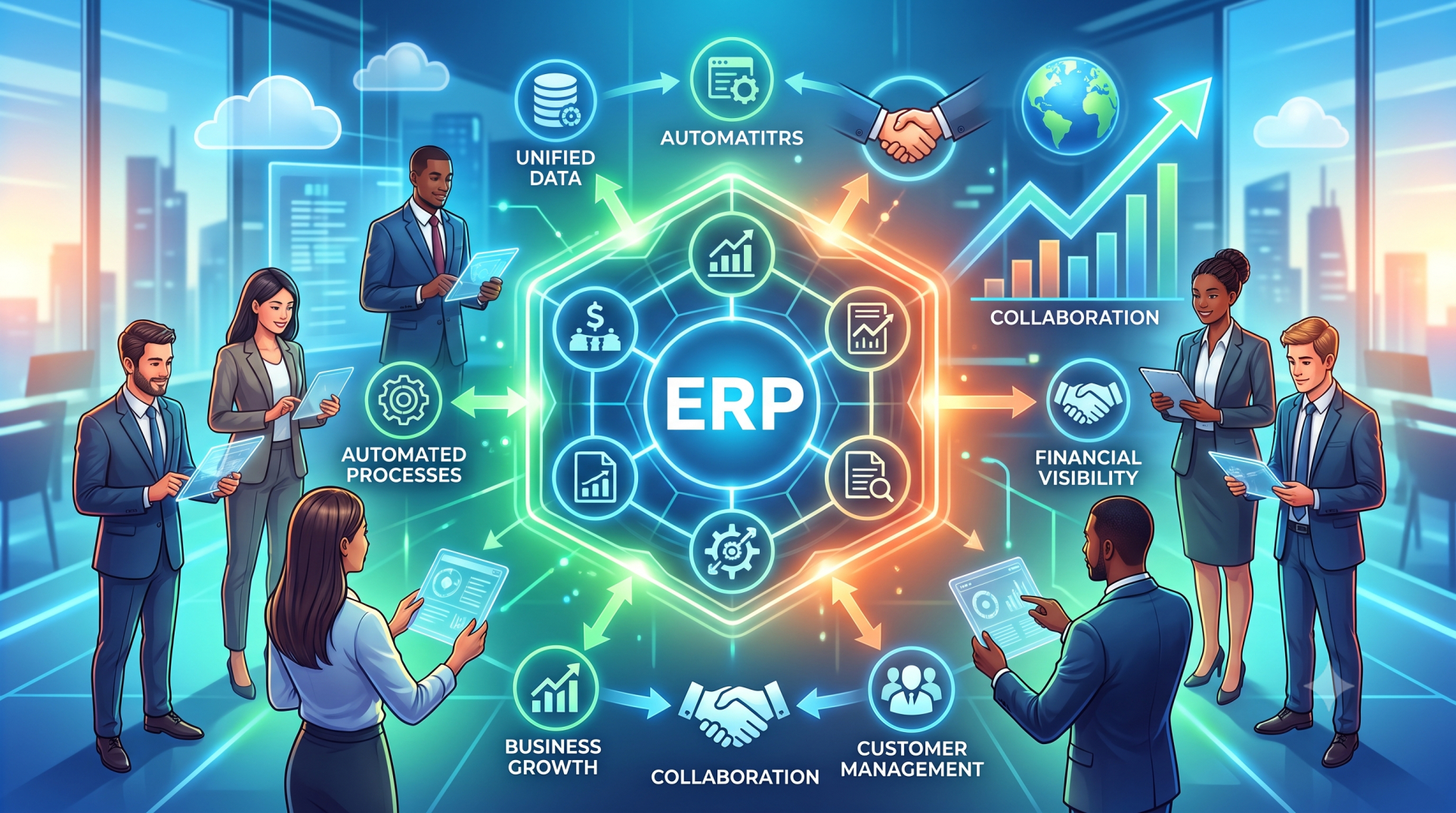
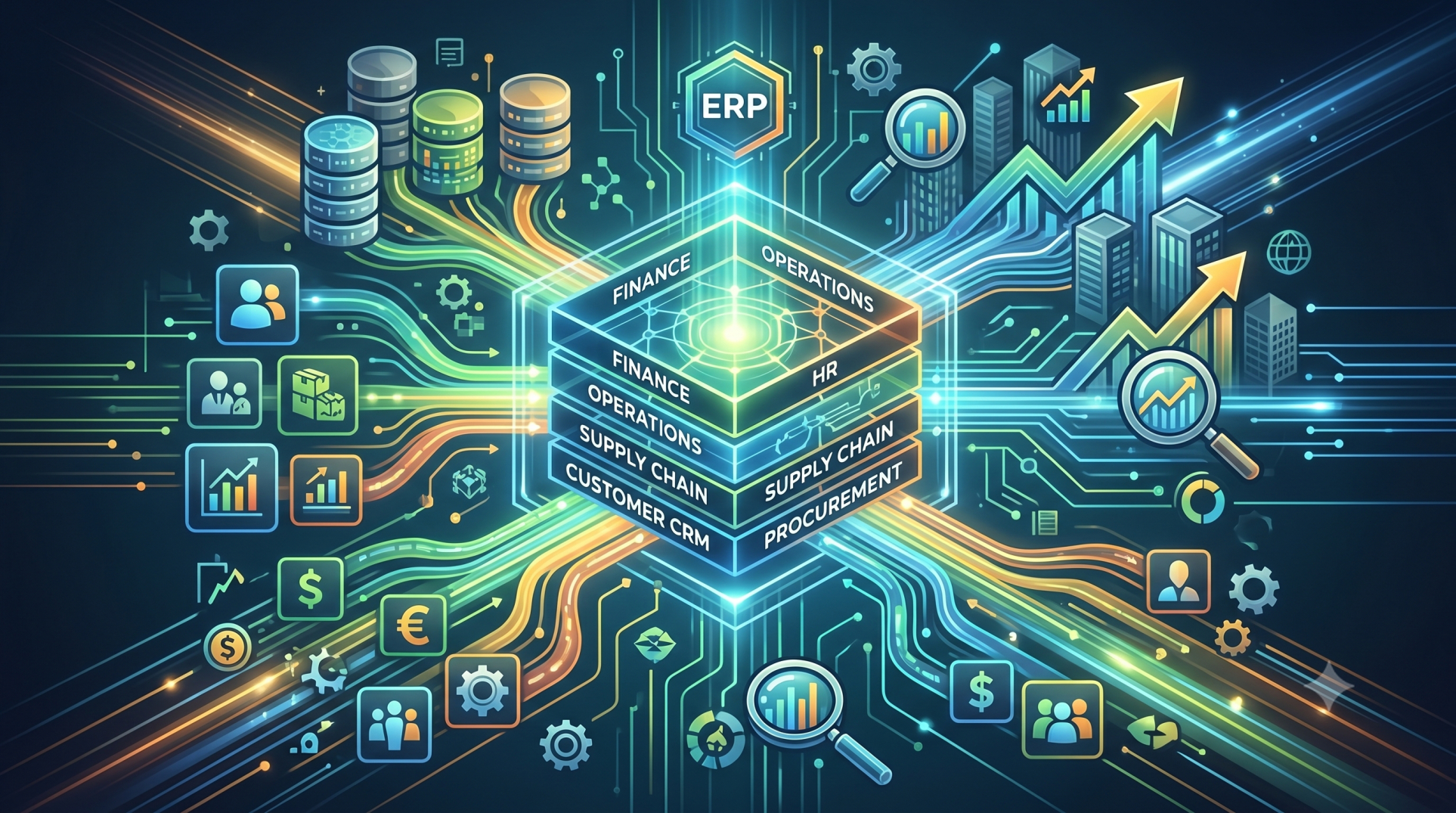
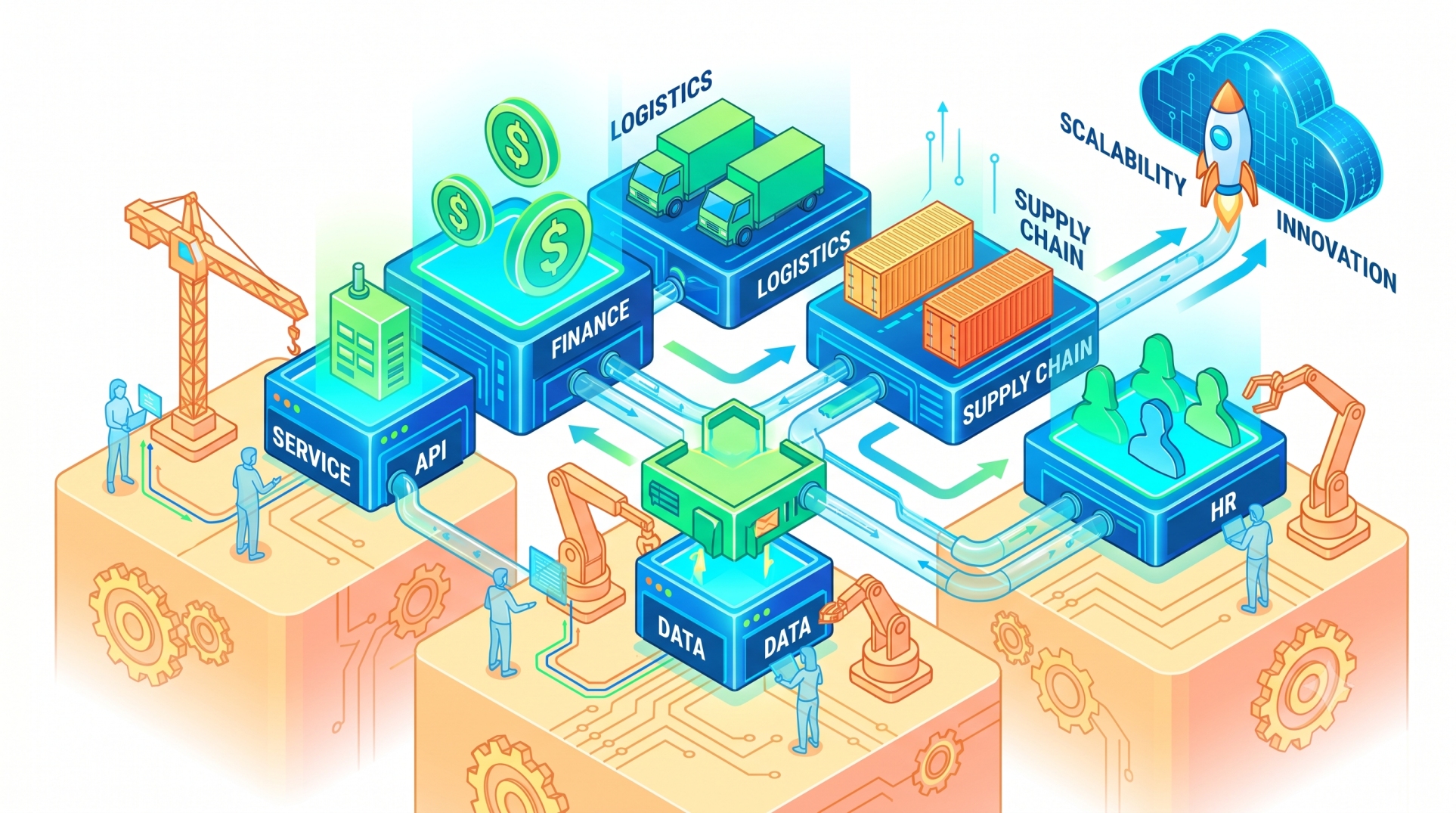
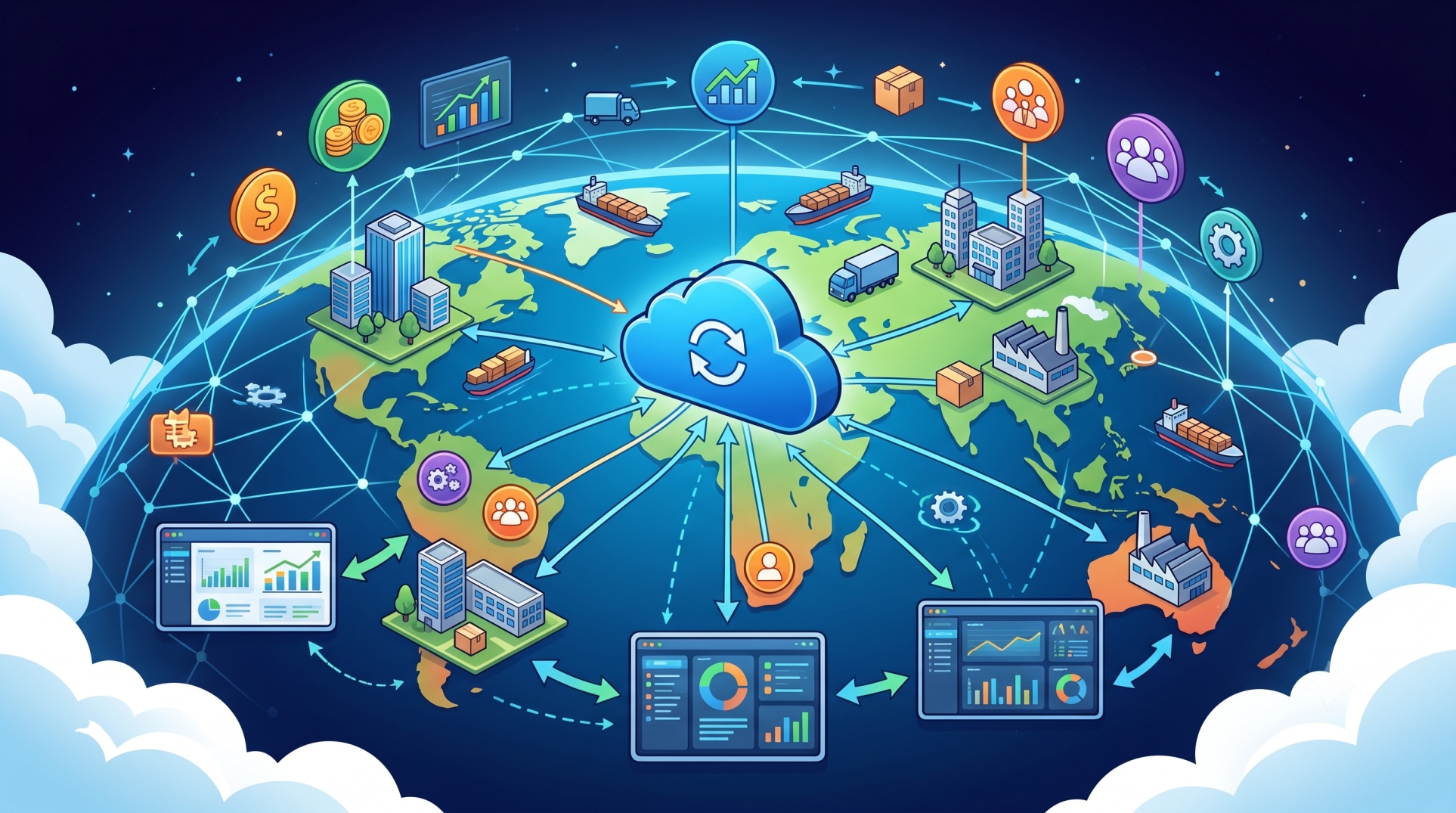
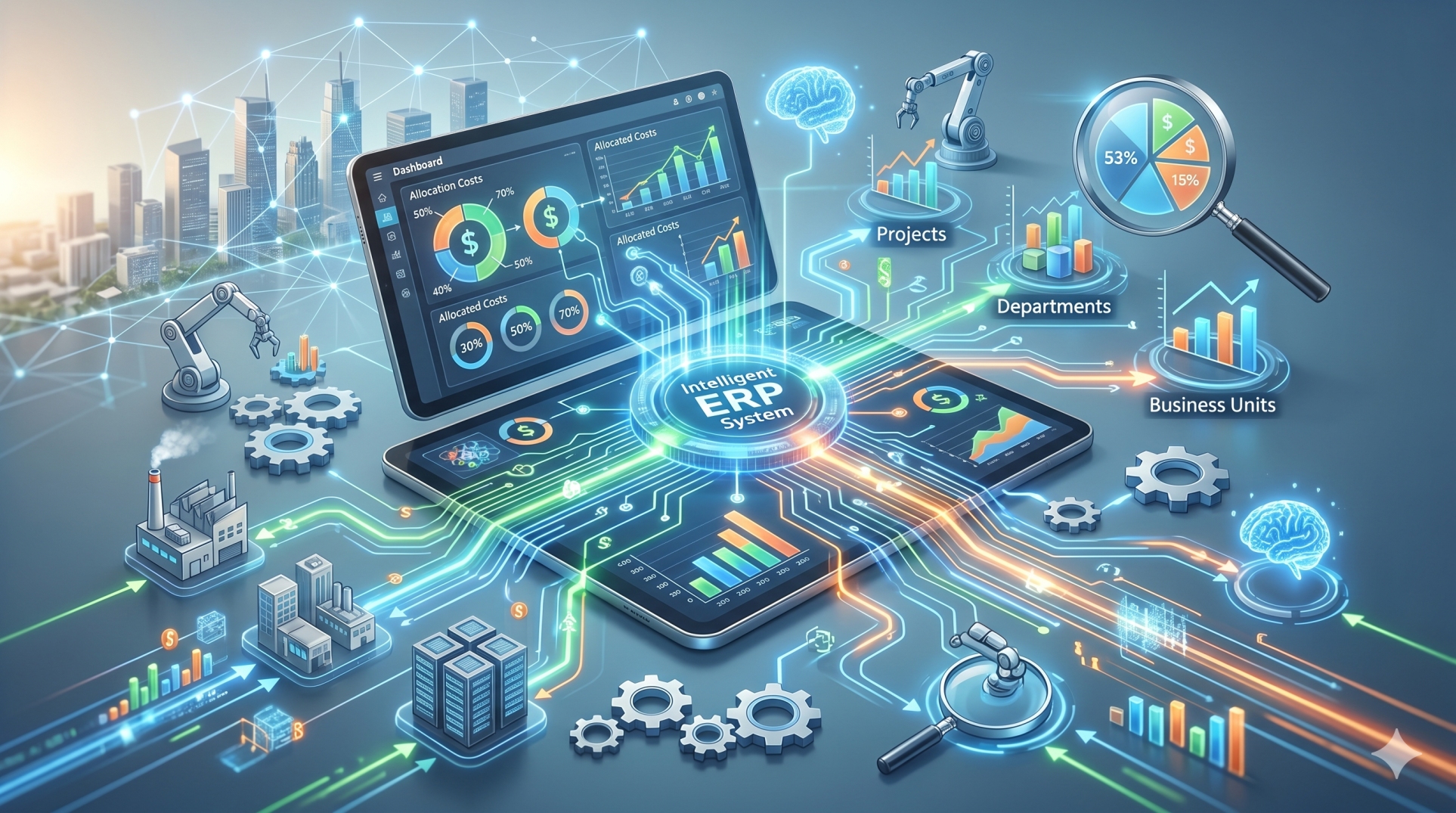
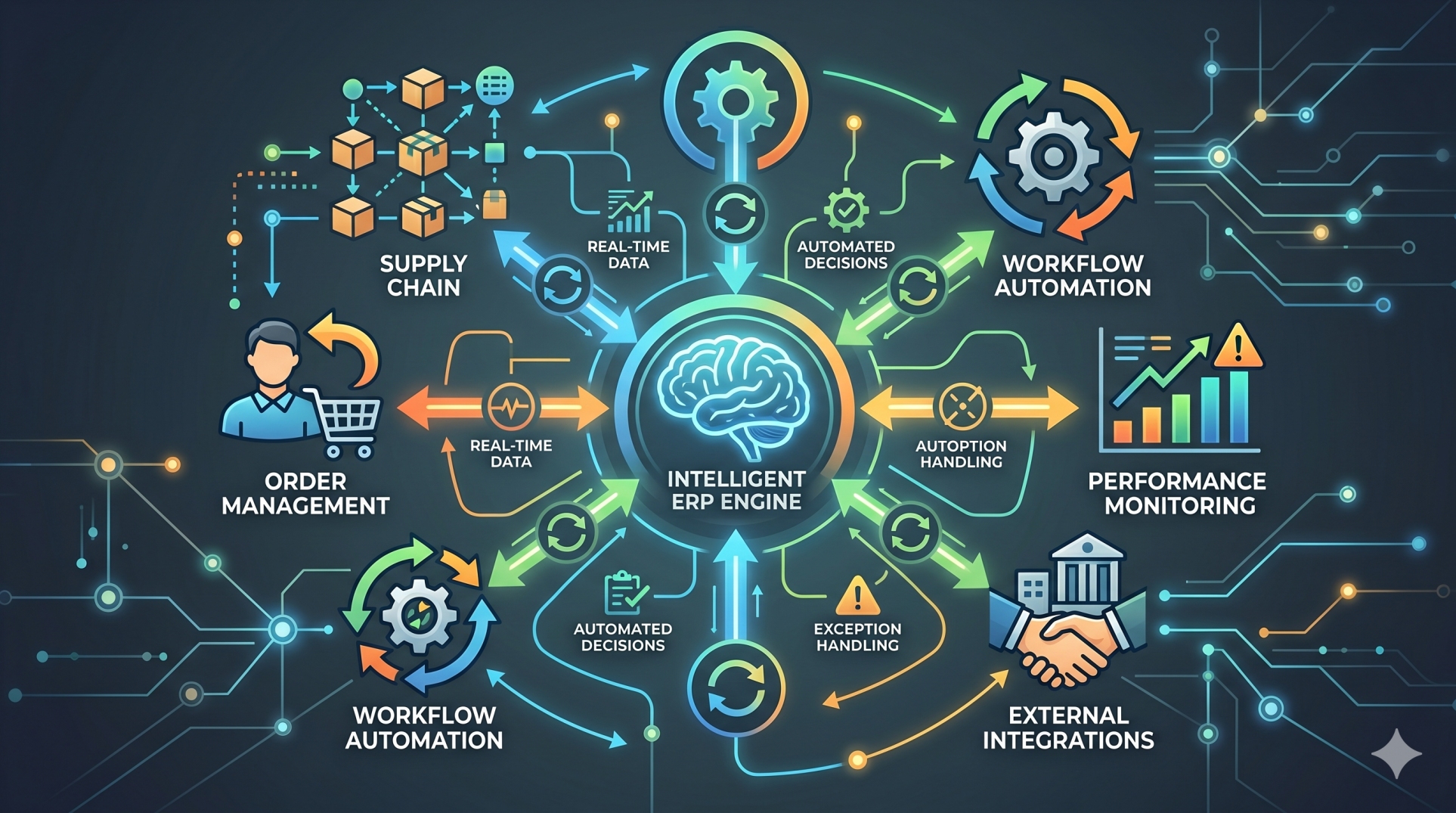
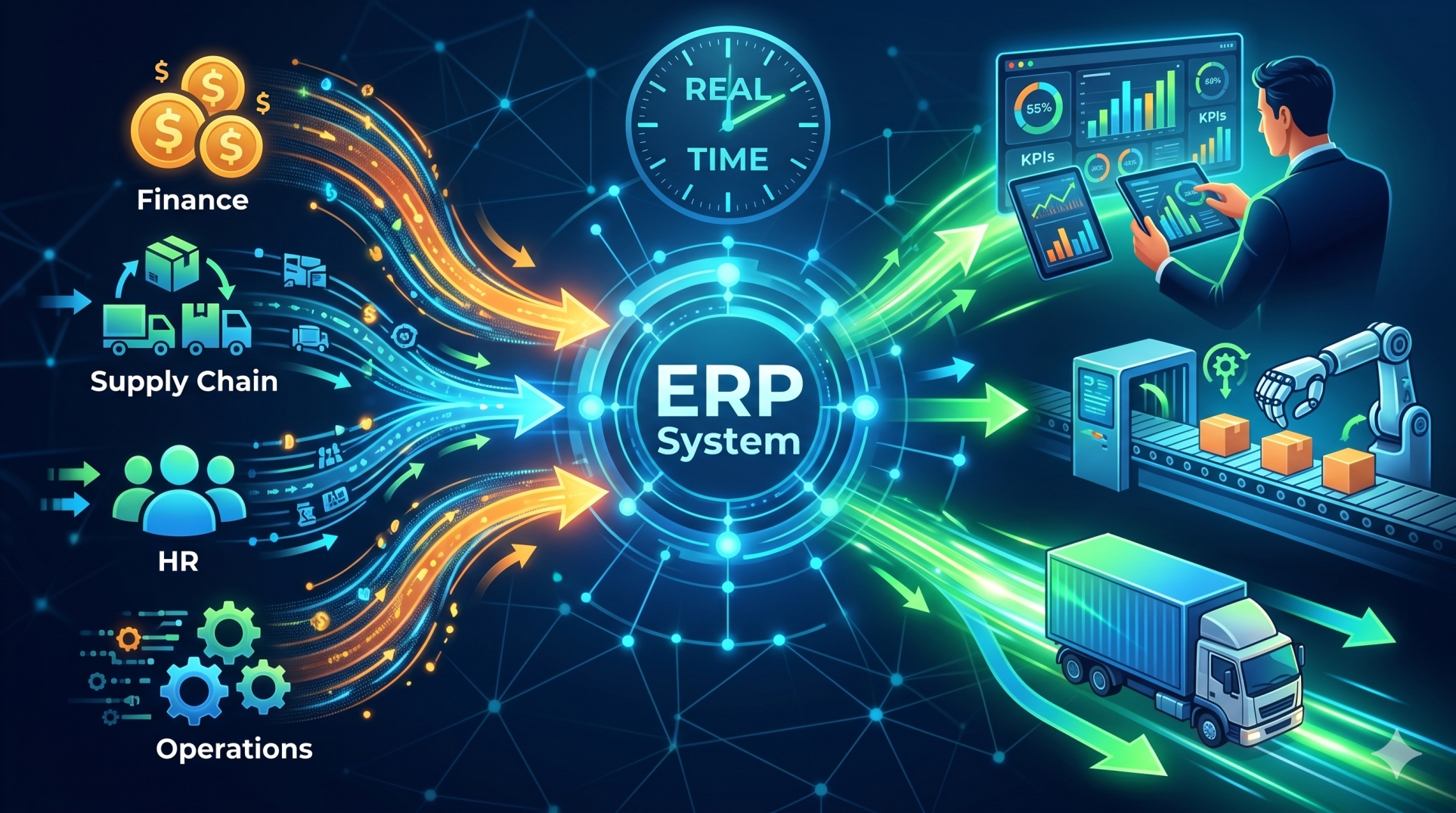
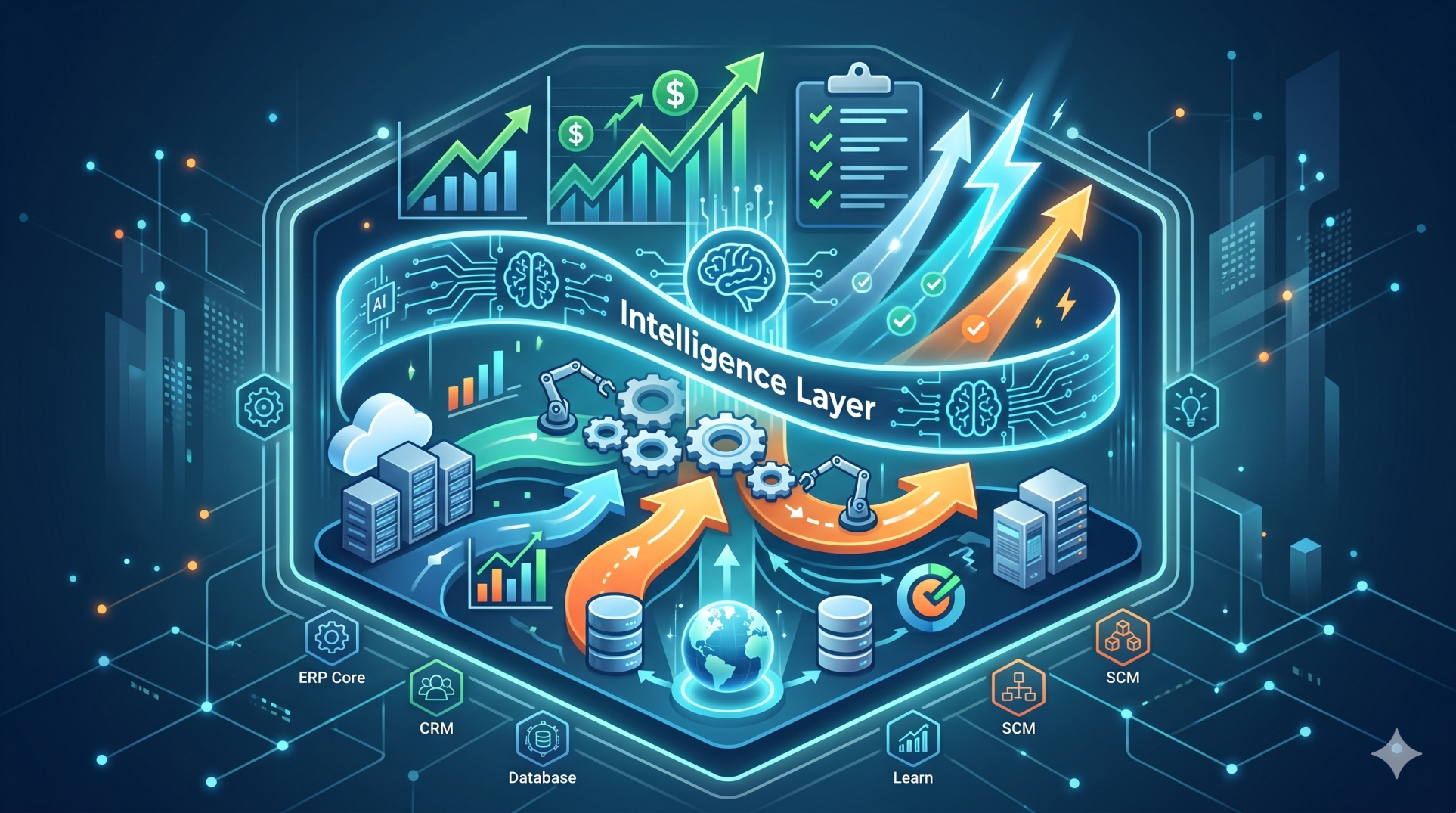
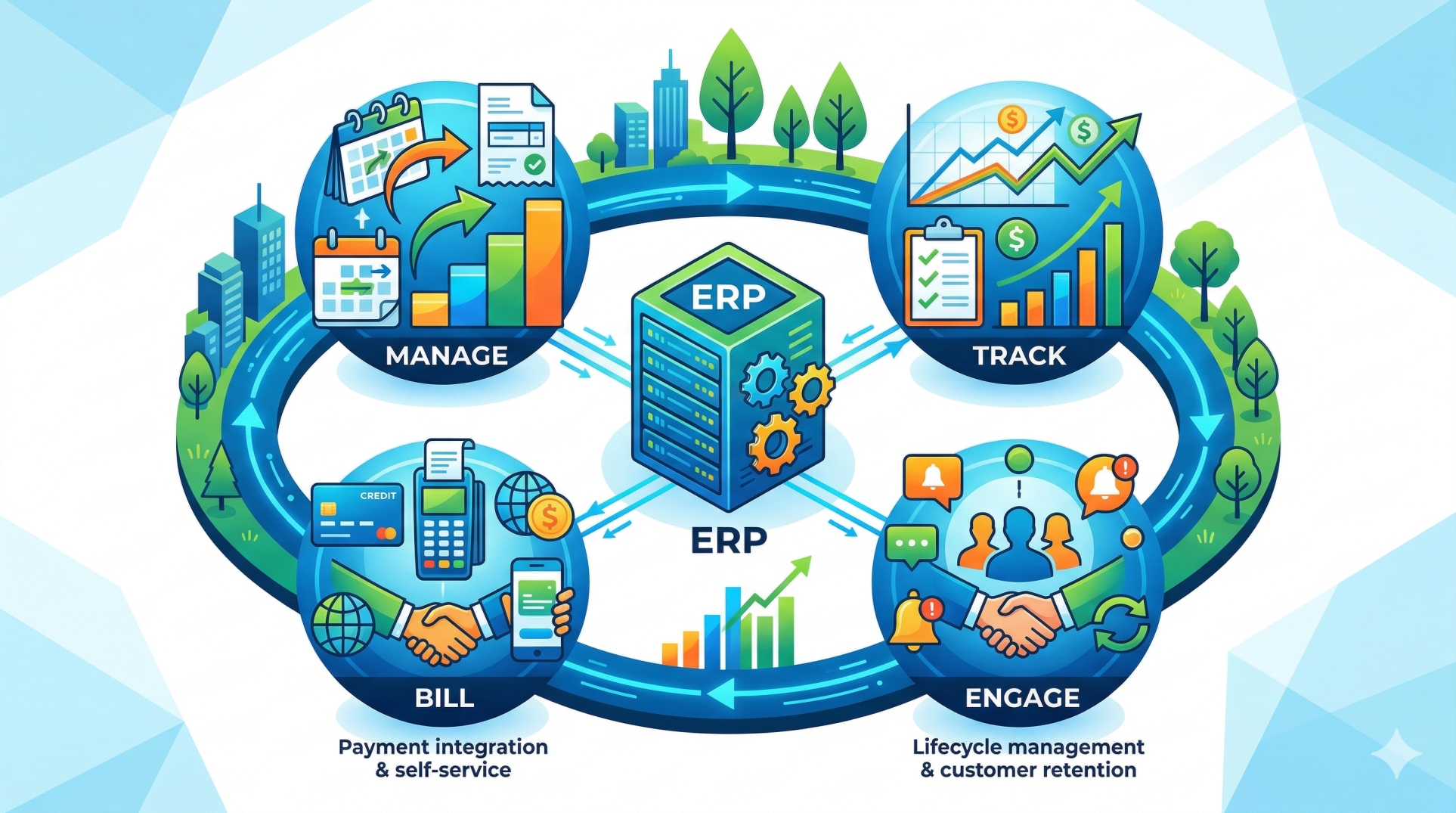
Enterprise Resource Planning systems enable organizations to monitor and evaluate performance across multiple departments through a single integrated platform. By consolidating operational data and standardizing reporting processes, ERP solutions allow leaders to measure key performance indicators, compare departmental outcomes, and uncover opportunities for improvement. This unified visibility promotes stronger coordination, accountability, and data-informed management throughout the organization.
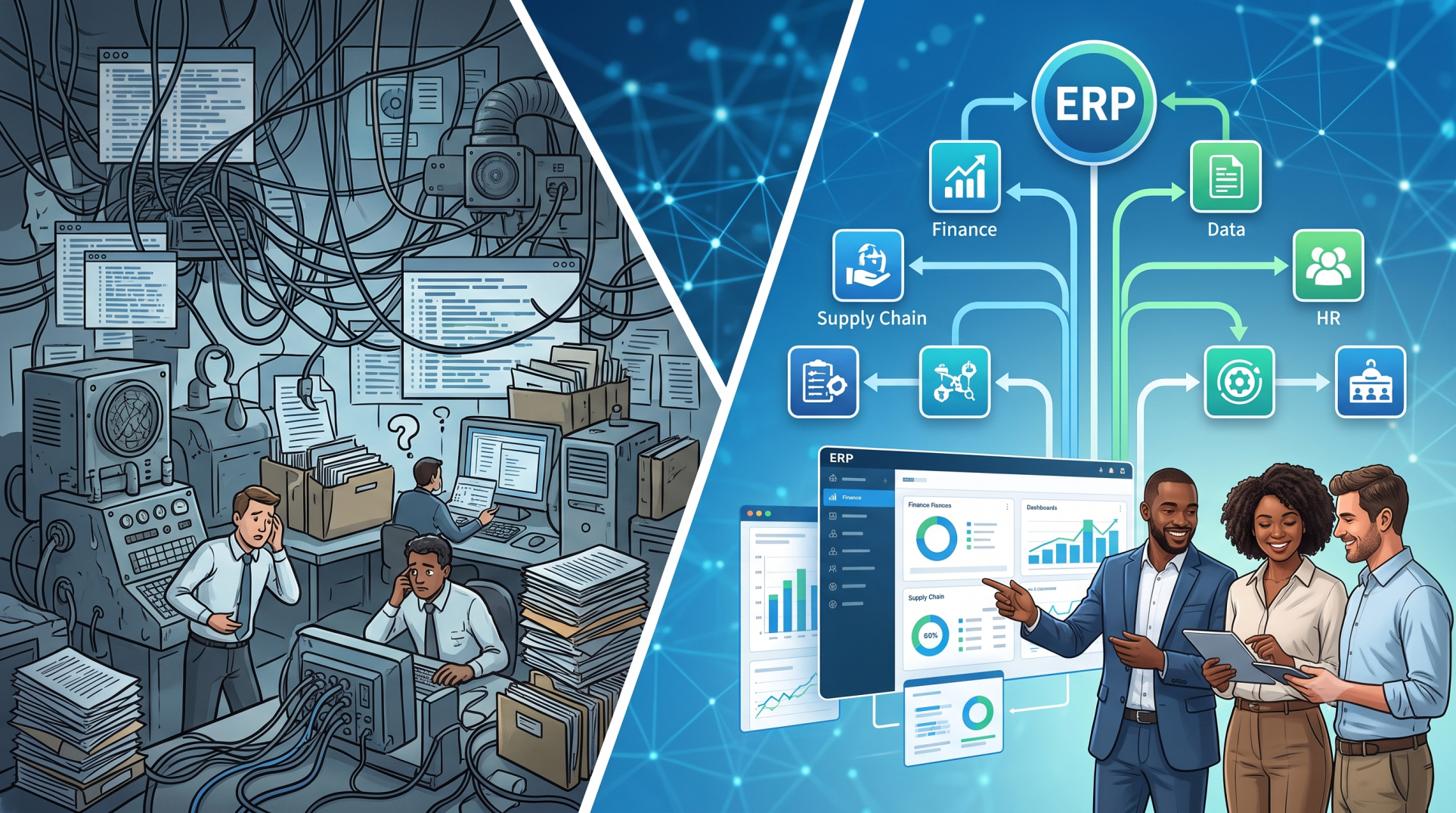
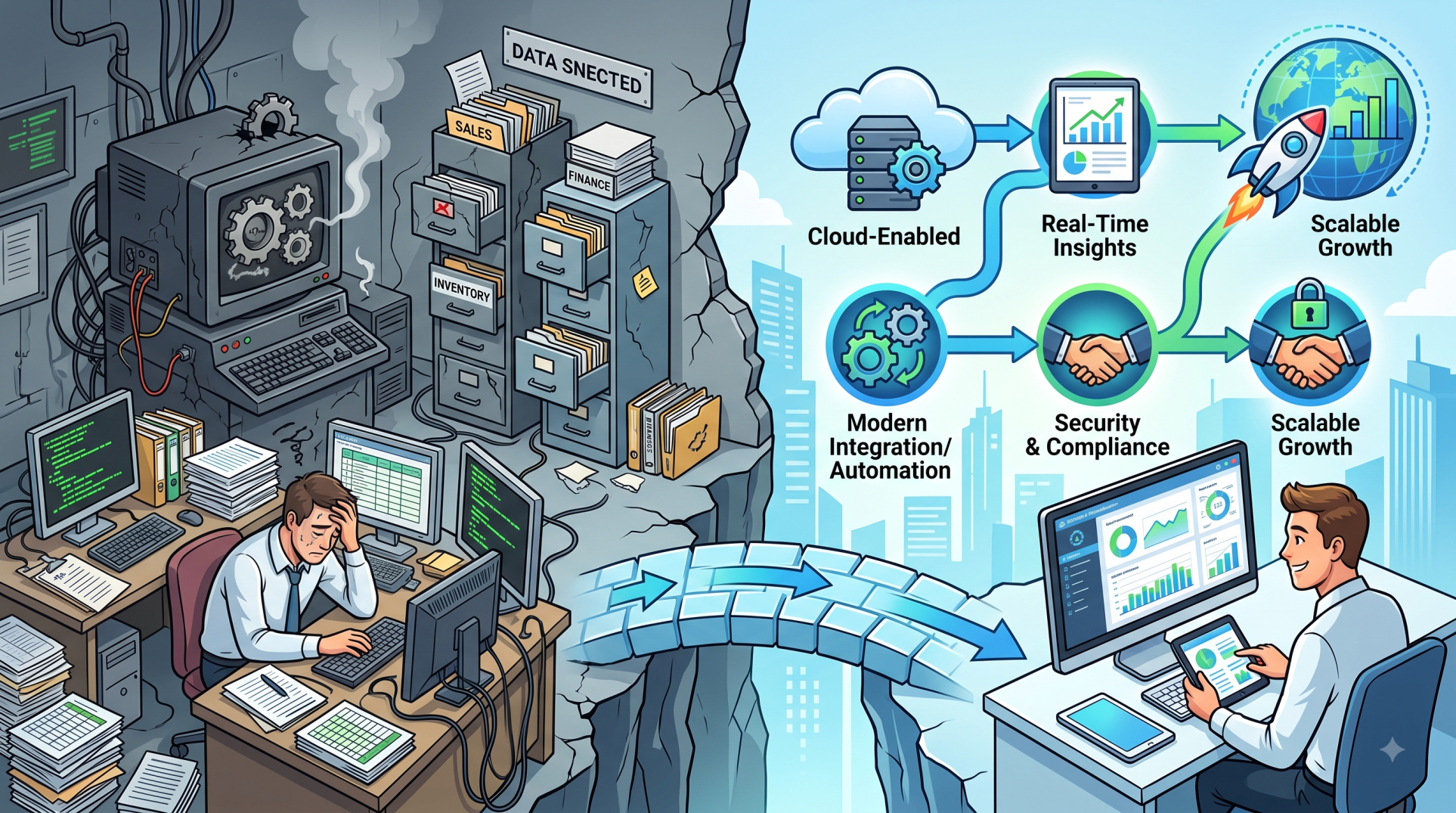
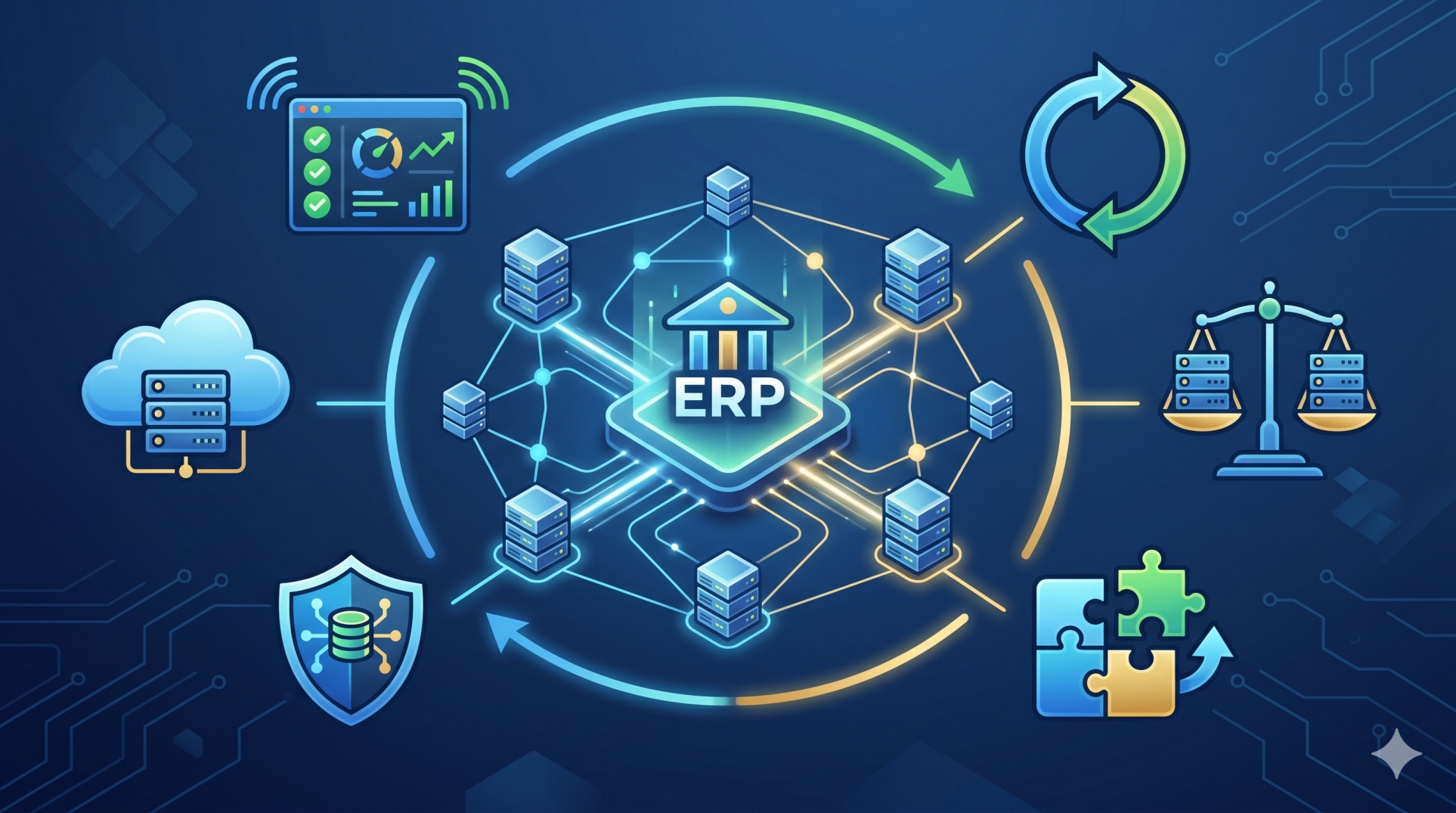
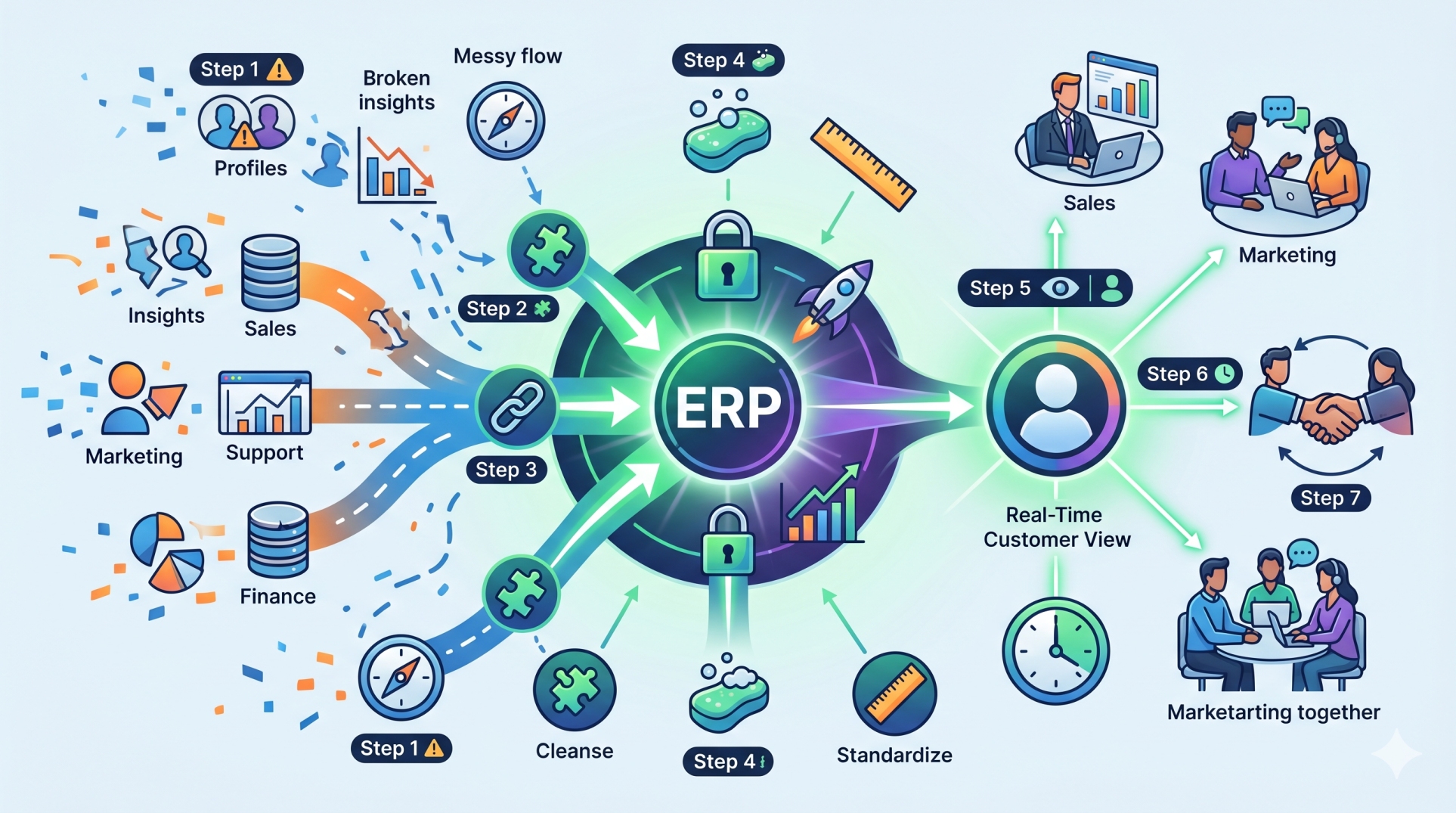
Step 1: Creating a Unified Performance Data Environment 🗂️
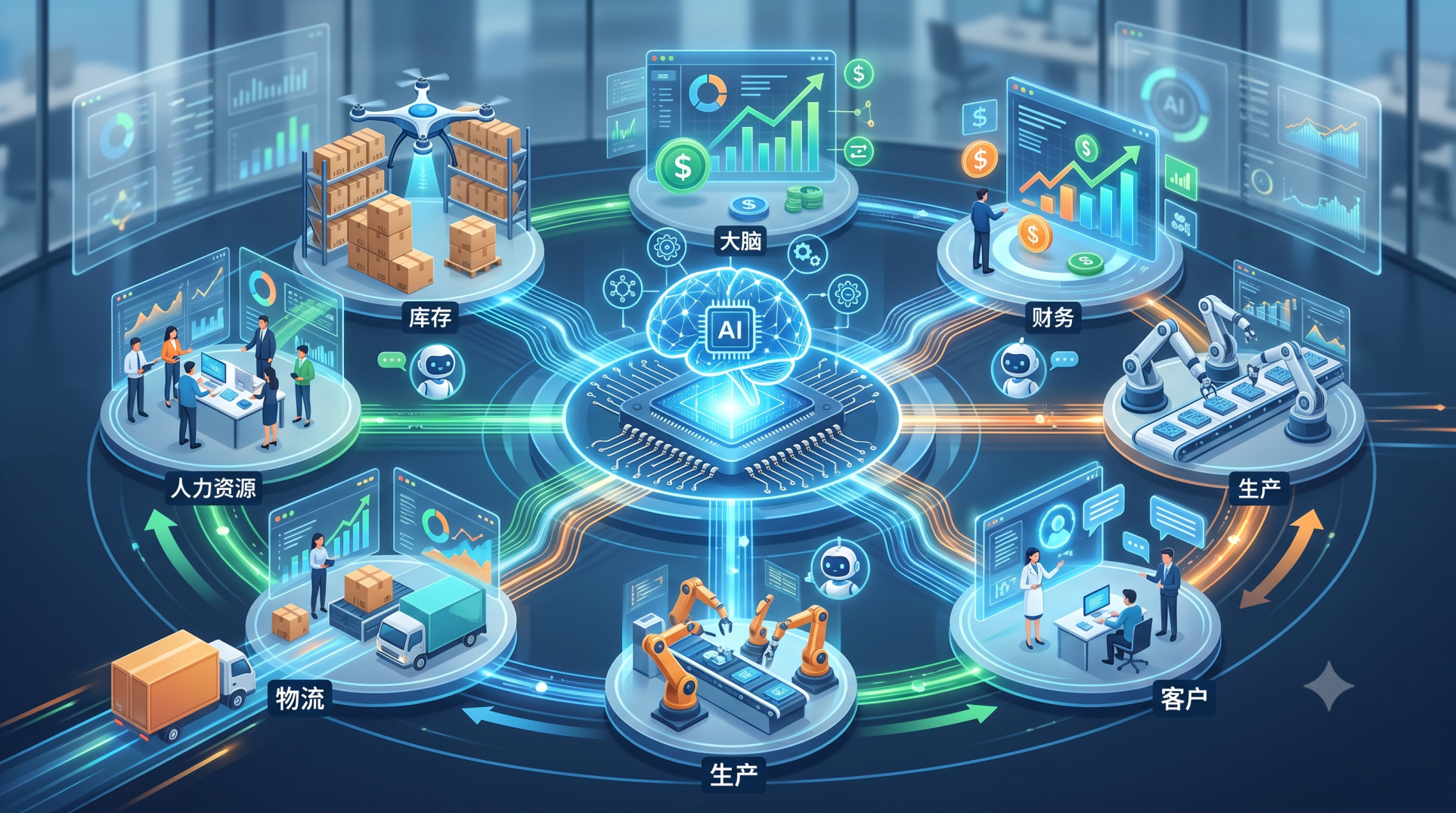
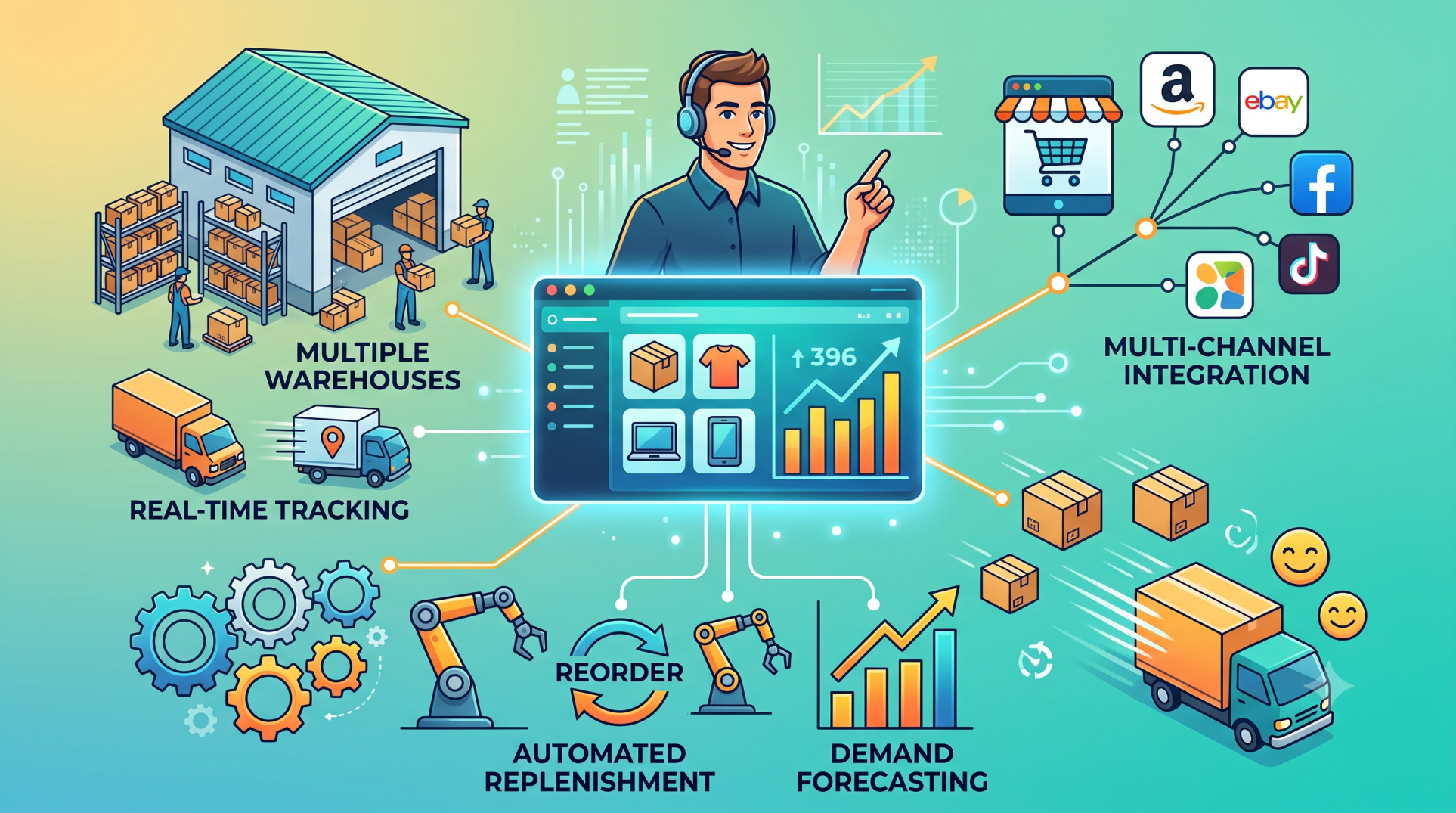
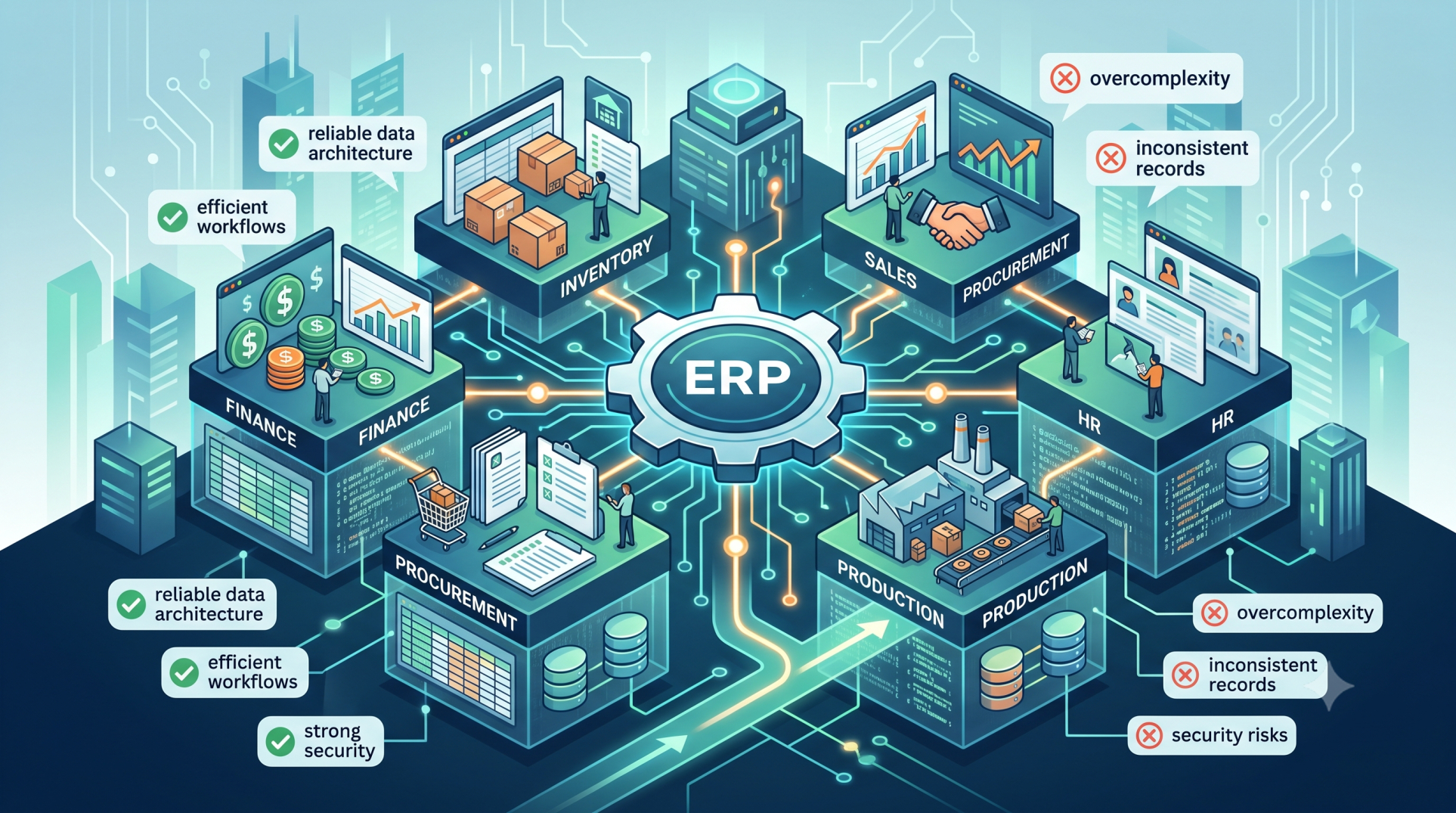
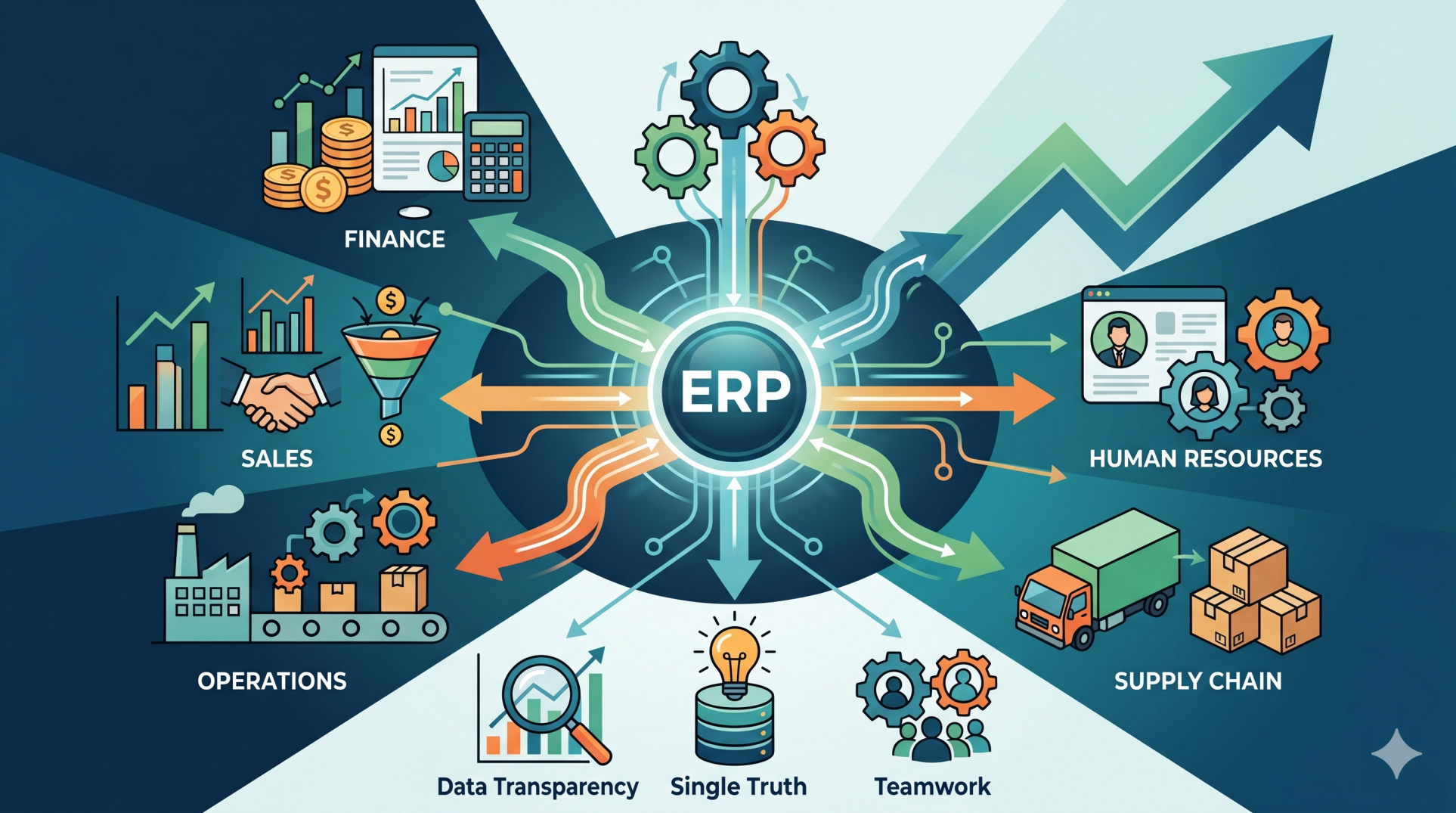
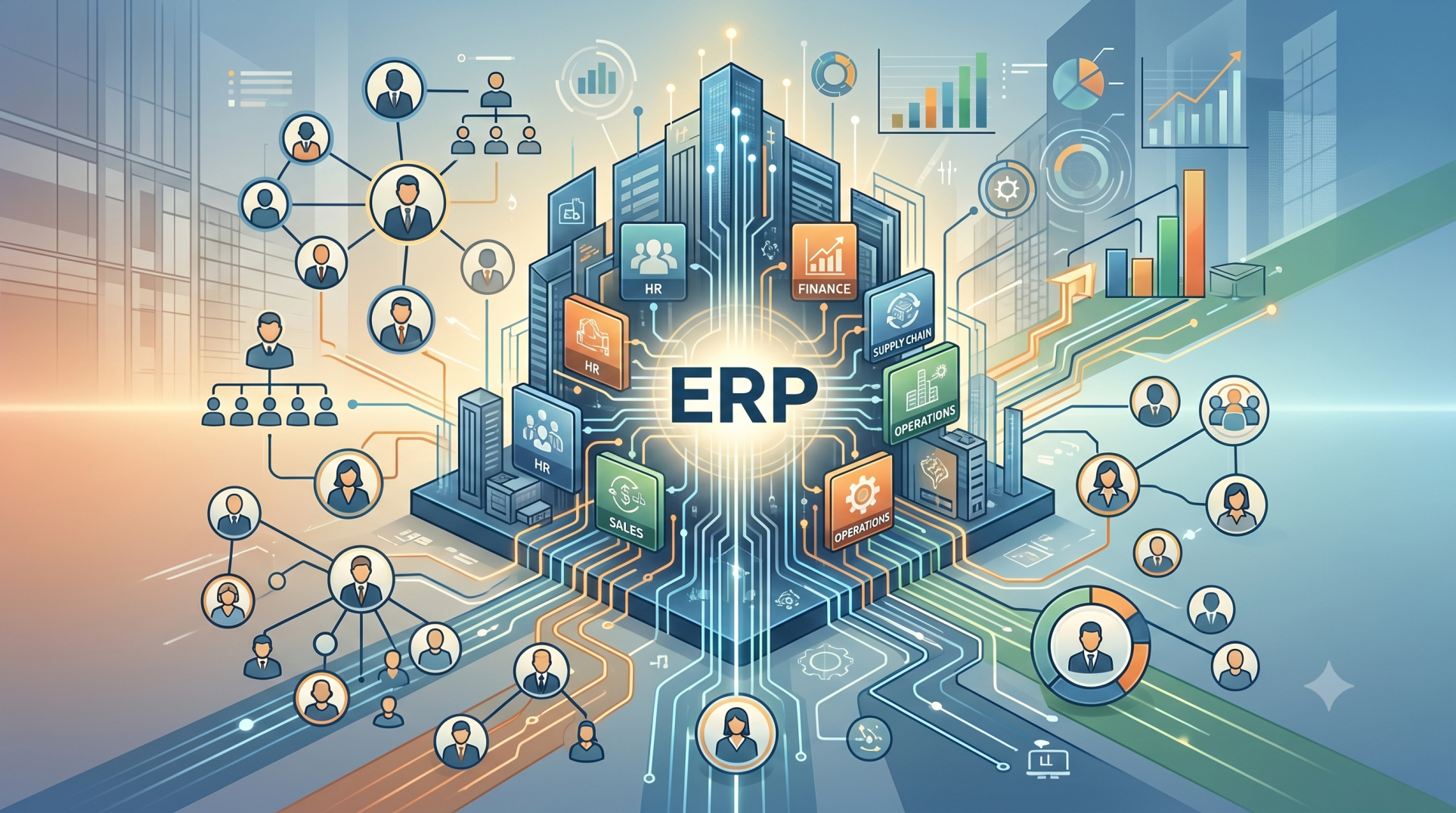
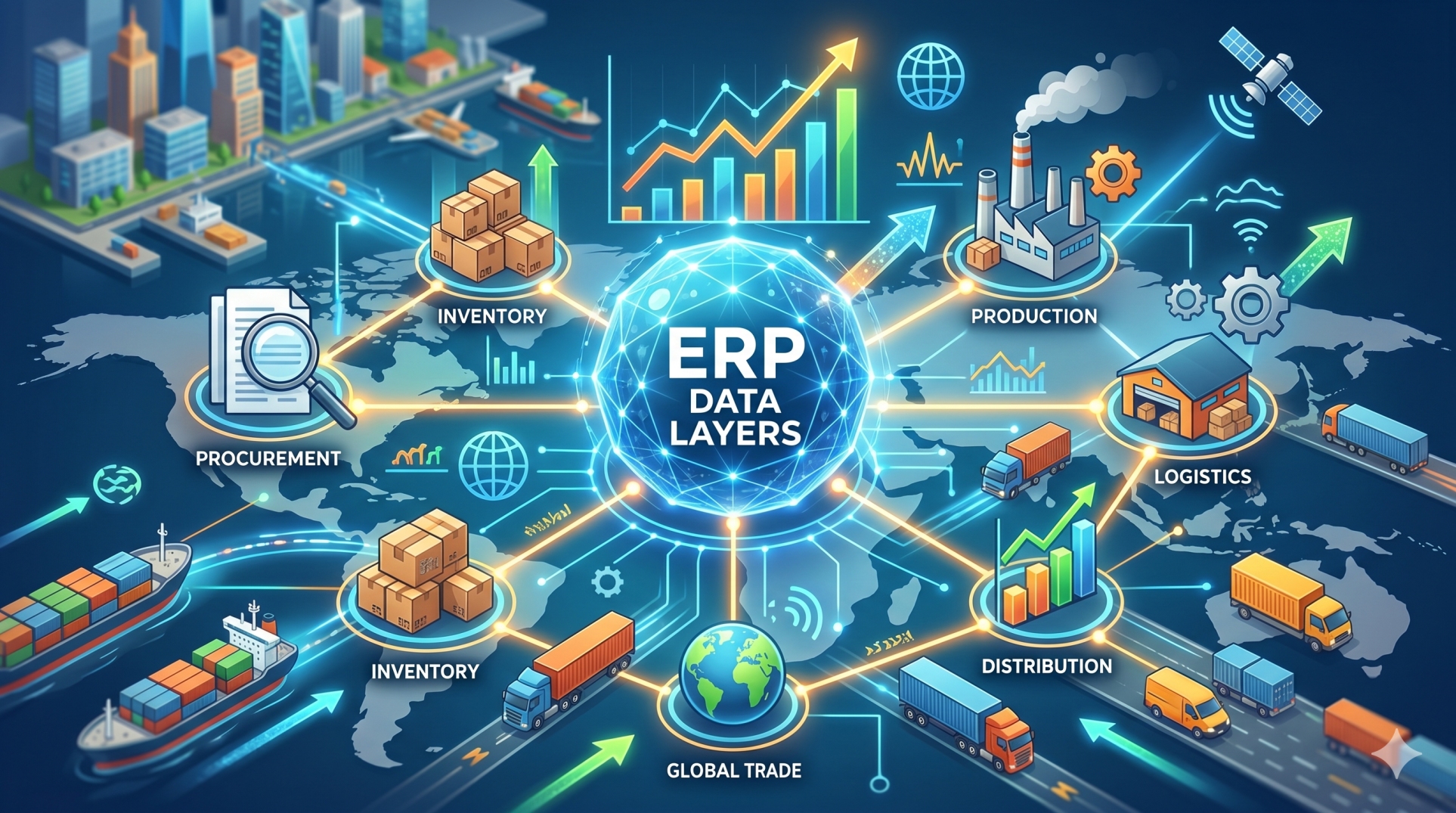
• Consolidates operational data from finance, sales, HR, supply chain, and production 🔗
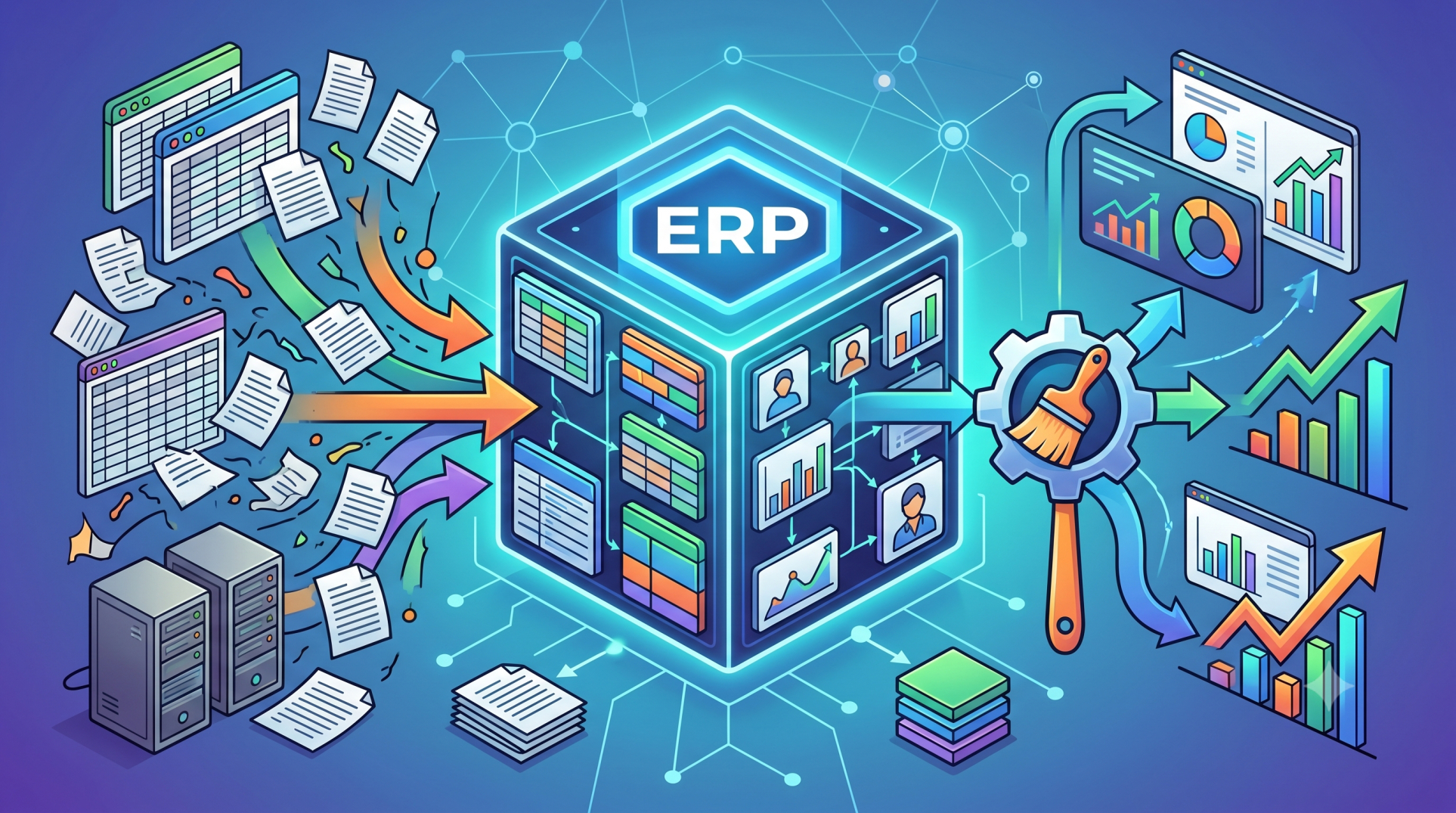
• Eliminates fragmented spreadsheets and disconnected reporting tools 📄
• Ensures consistent metrics and reporting standards across all departments 📊
• Establishes a centralized platform for tracking organizational performance 🏢
• Improves accessibility of performance data for leadership and decision-makers 👀
Step 2: Standardizing Key Performance Indicators 📏
• Defines measurable KPIs tailored to each department 🎯
• Aligns departmental metrics with broader organizational objectives 🏢
• Enables consistent performance evaluation across teams ⚖️
• Reduces confusion about how success and progress are measured 🔍
• Supports transparent and objective monitoring of outcomes 📊
Step 3: Real-Time Visibility into Departmental Operations ⏱️
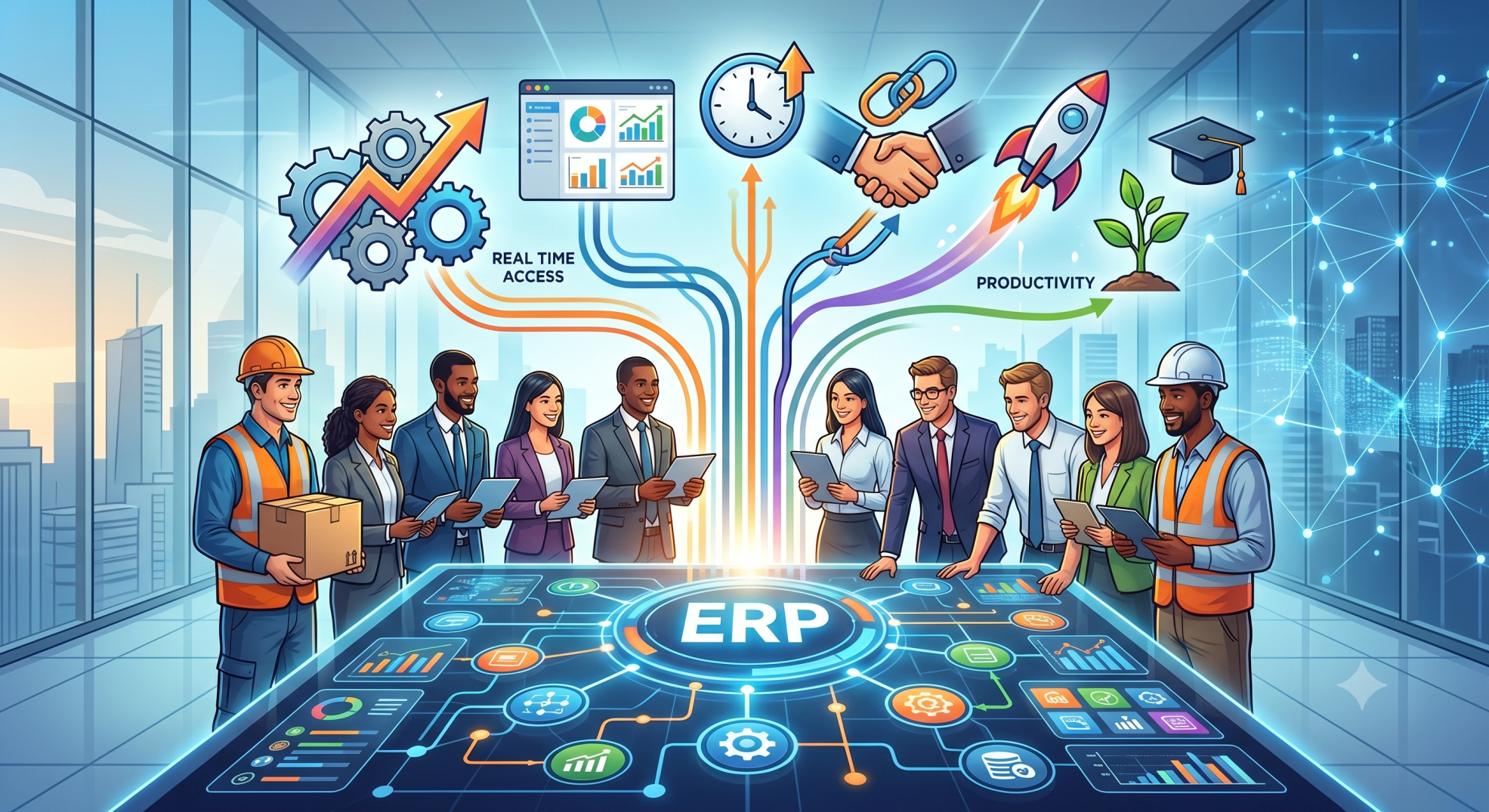
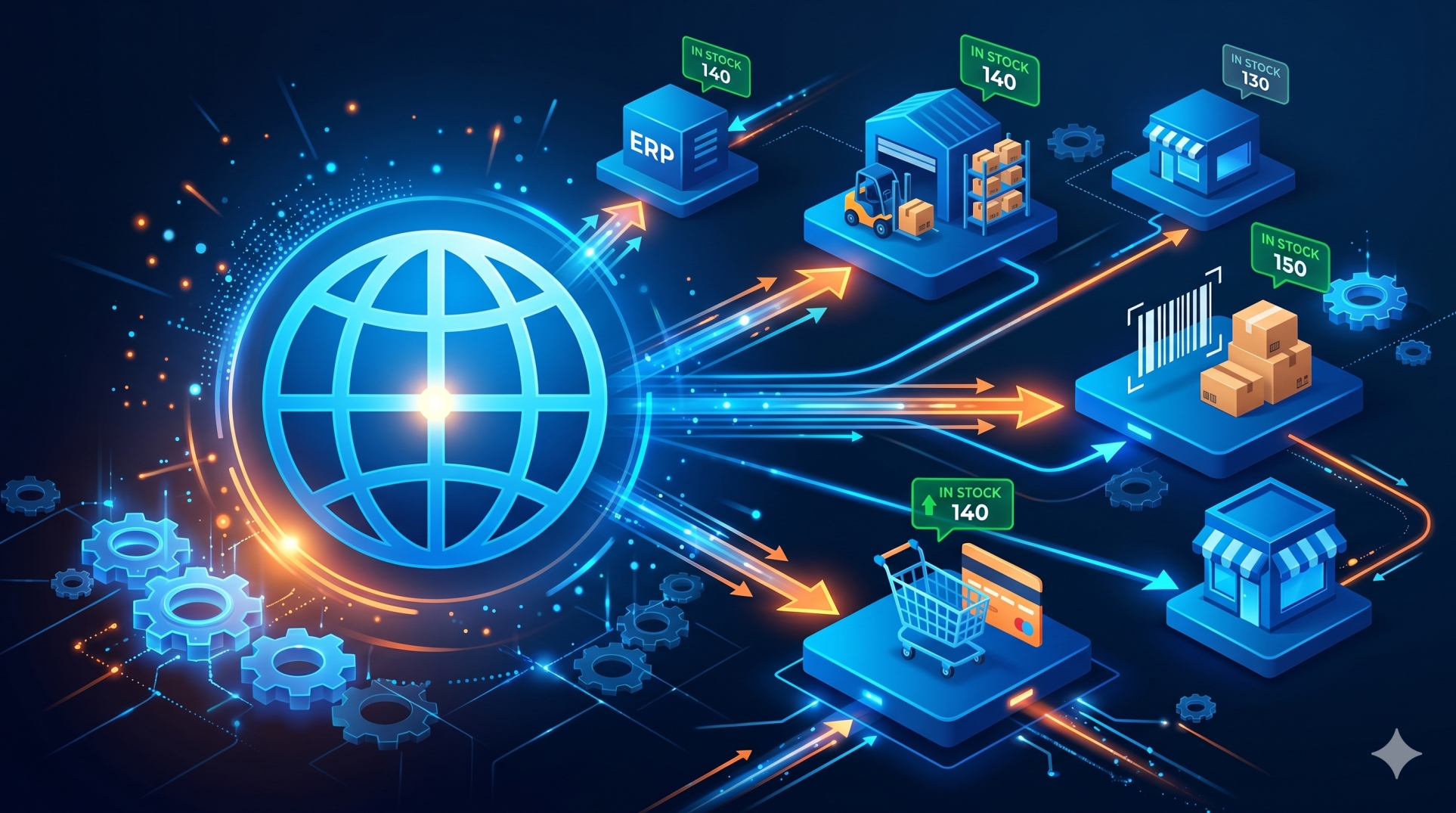
• Provides up-to-date insights into operational performance 📈
• Highlights trends, inefficiencies, and deviations as they emerge ⚠️
• Allows managers to respond quickly to operational challenges 🚀
• Improves coordination among interconnected departments 🤝
• Reduces delays caused by outdated or periodic reporting cycles 📉
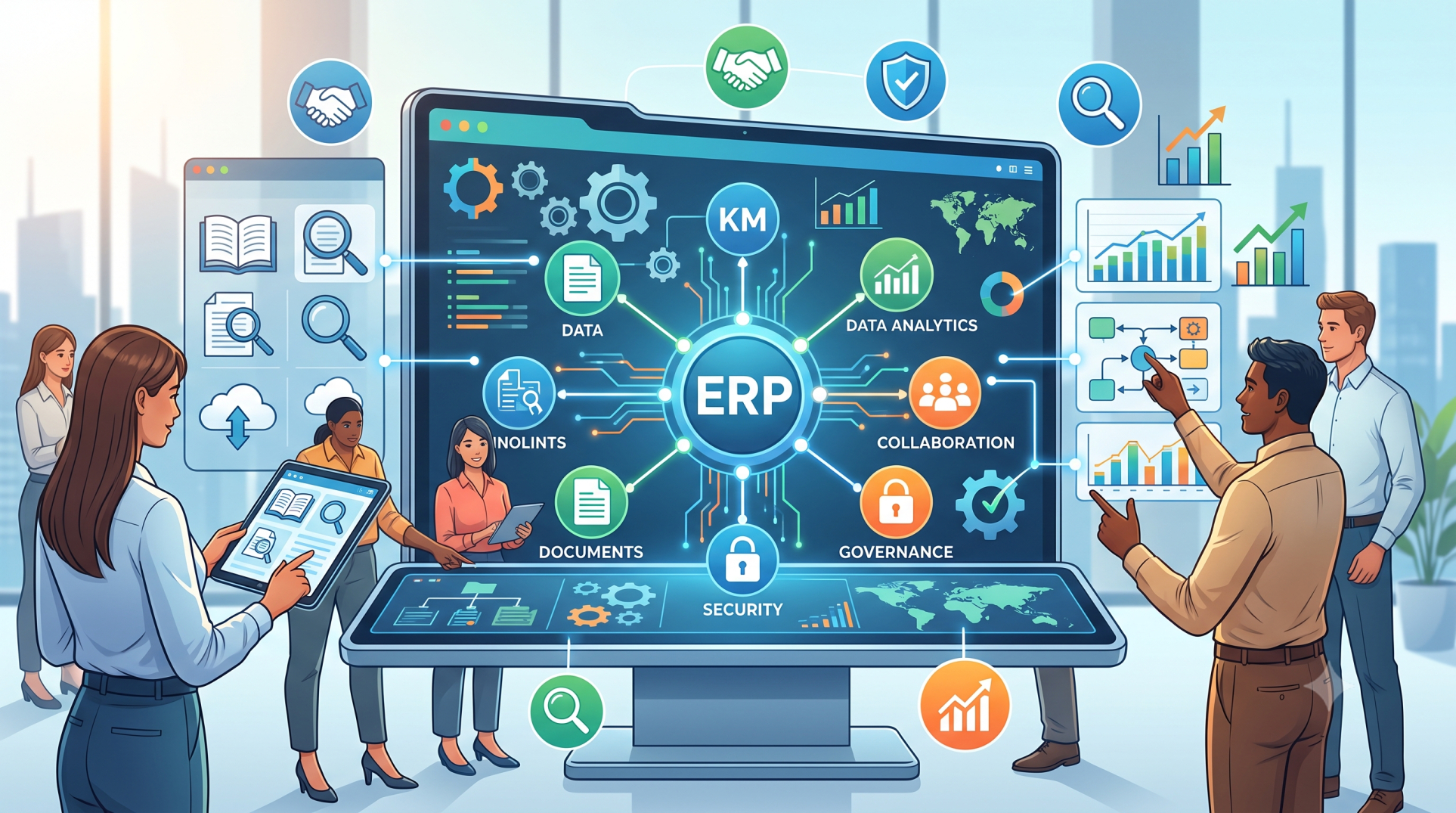
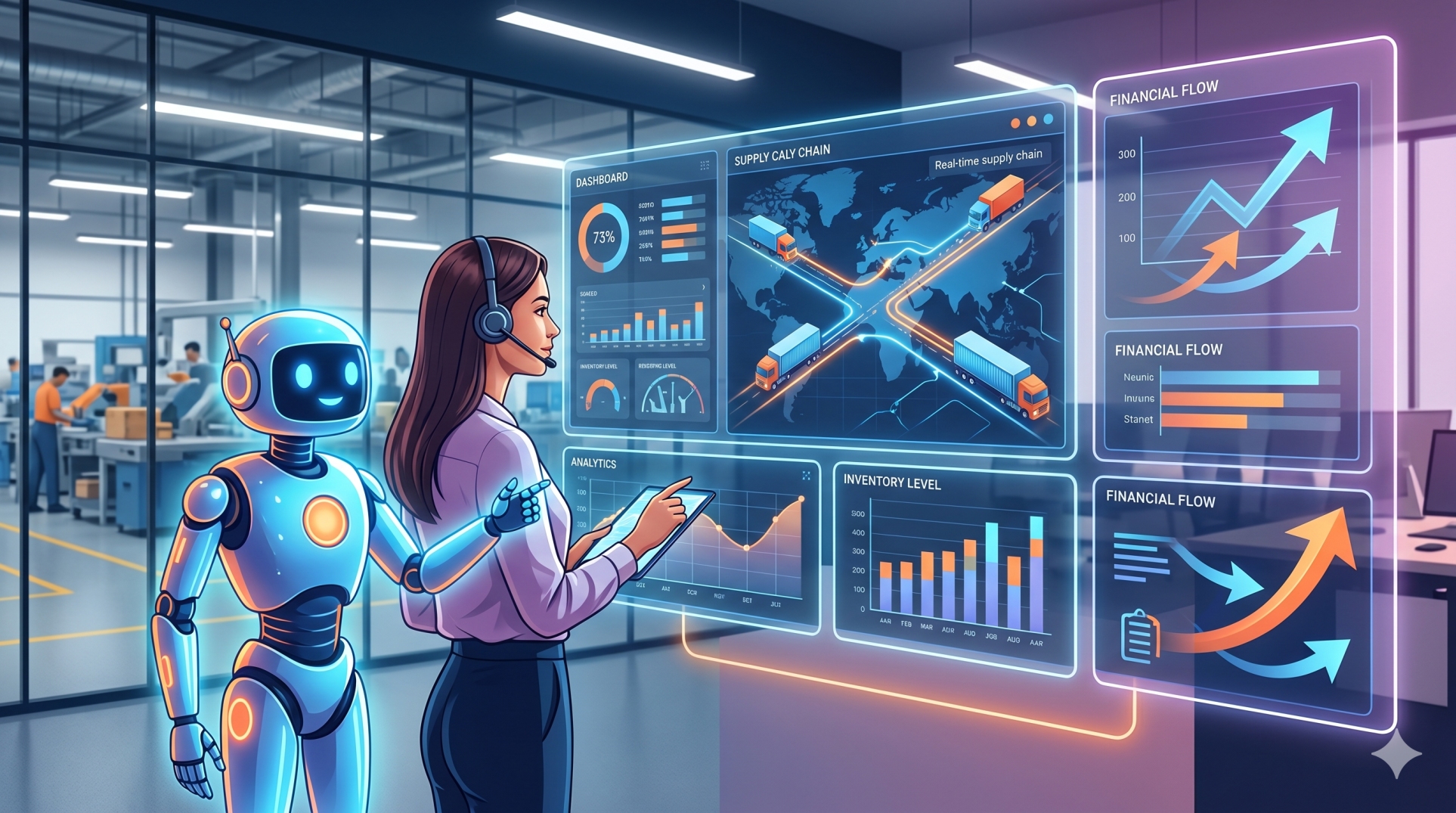
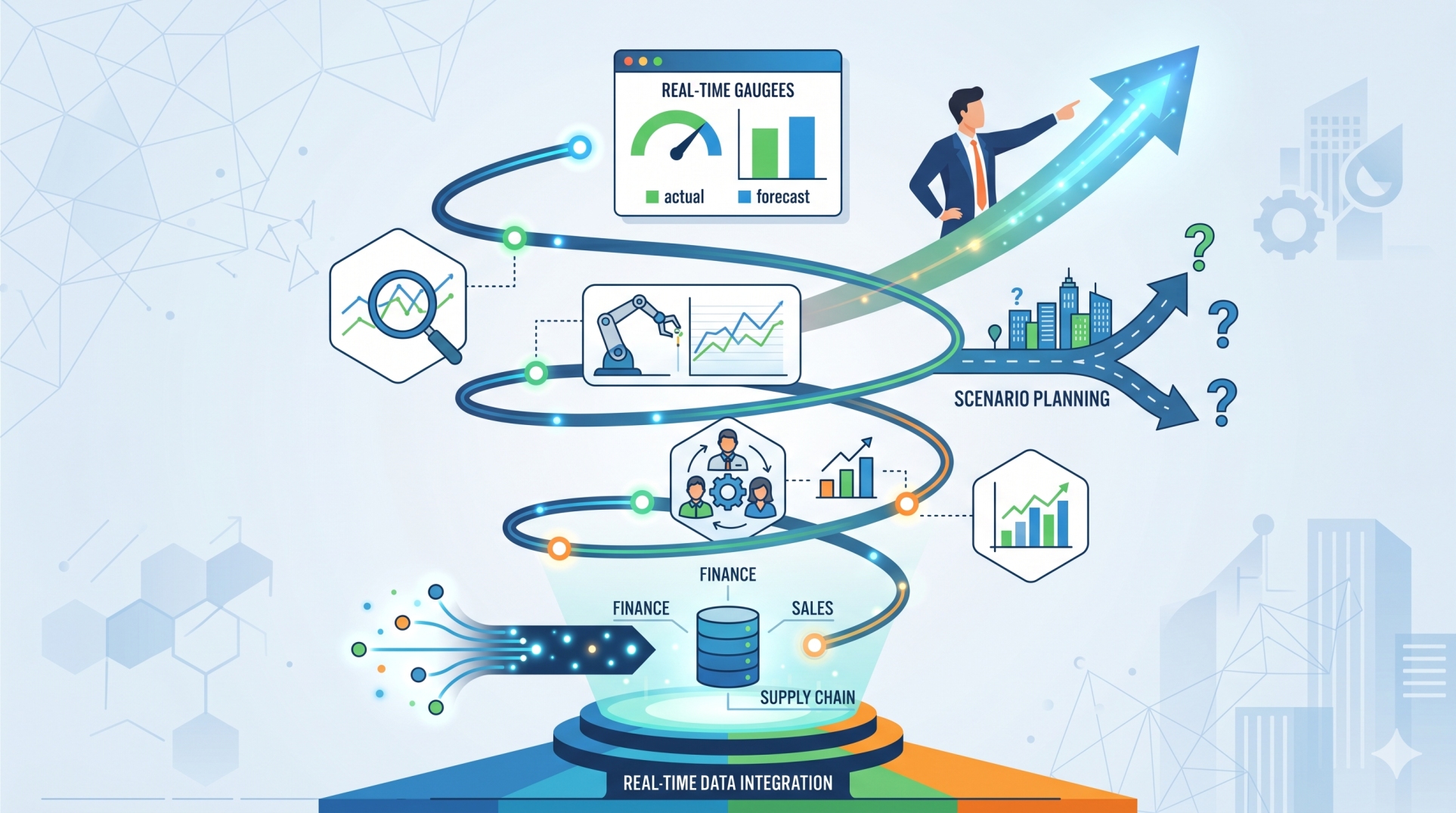
Step 4: Department-Specific Performance Dashboards 📊
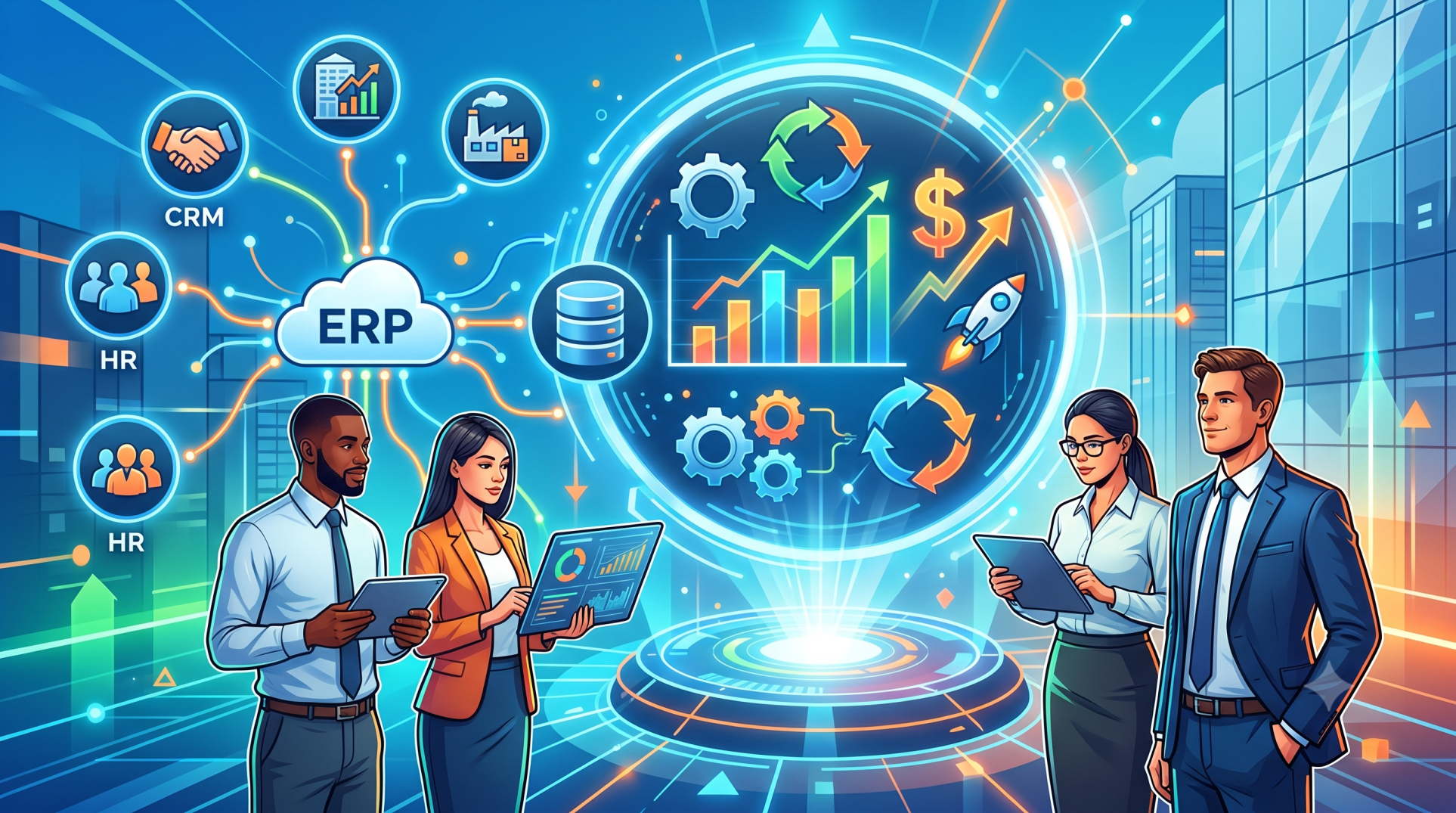
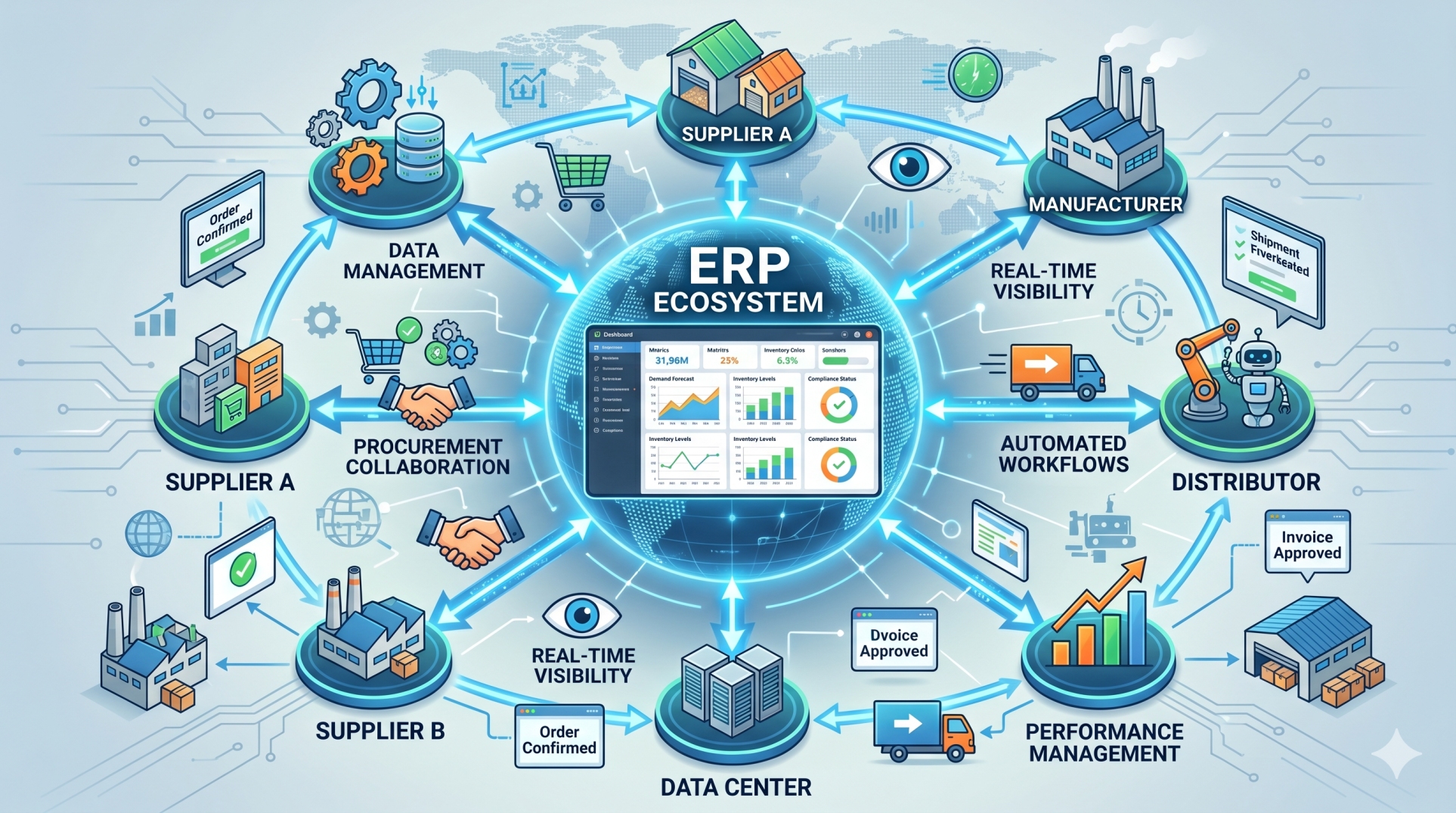
• Presents role-based dashboards customized for different departments 🧑💼
• Visualizes KPIs and operational metrics in a clear format 📉
• Enables managers to drill down from summary metrics to detailed records 🔍
• Simplifies monitoring of both daily performance and long-term results 📆
• Expands access to performance insights throughout the organization 🌐
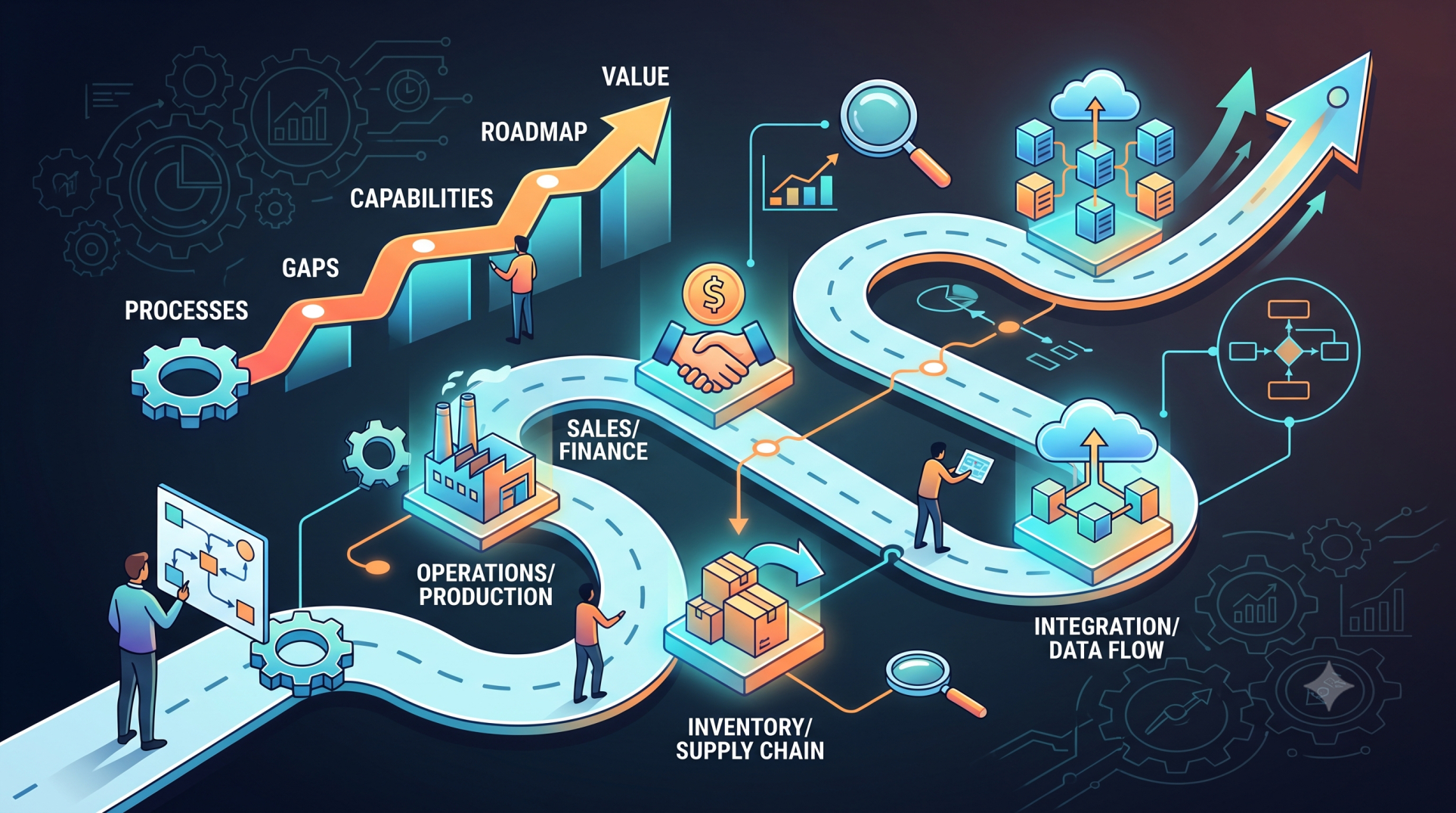
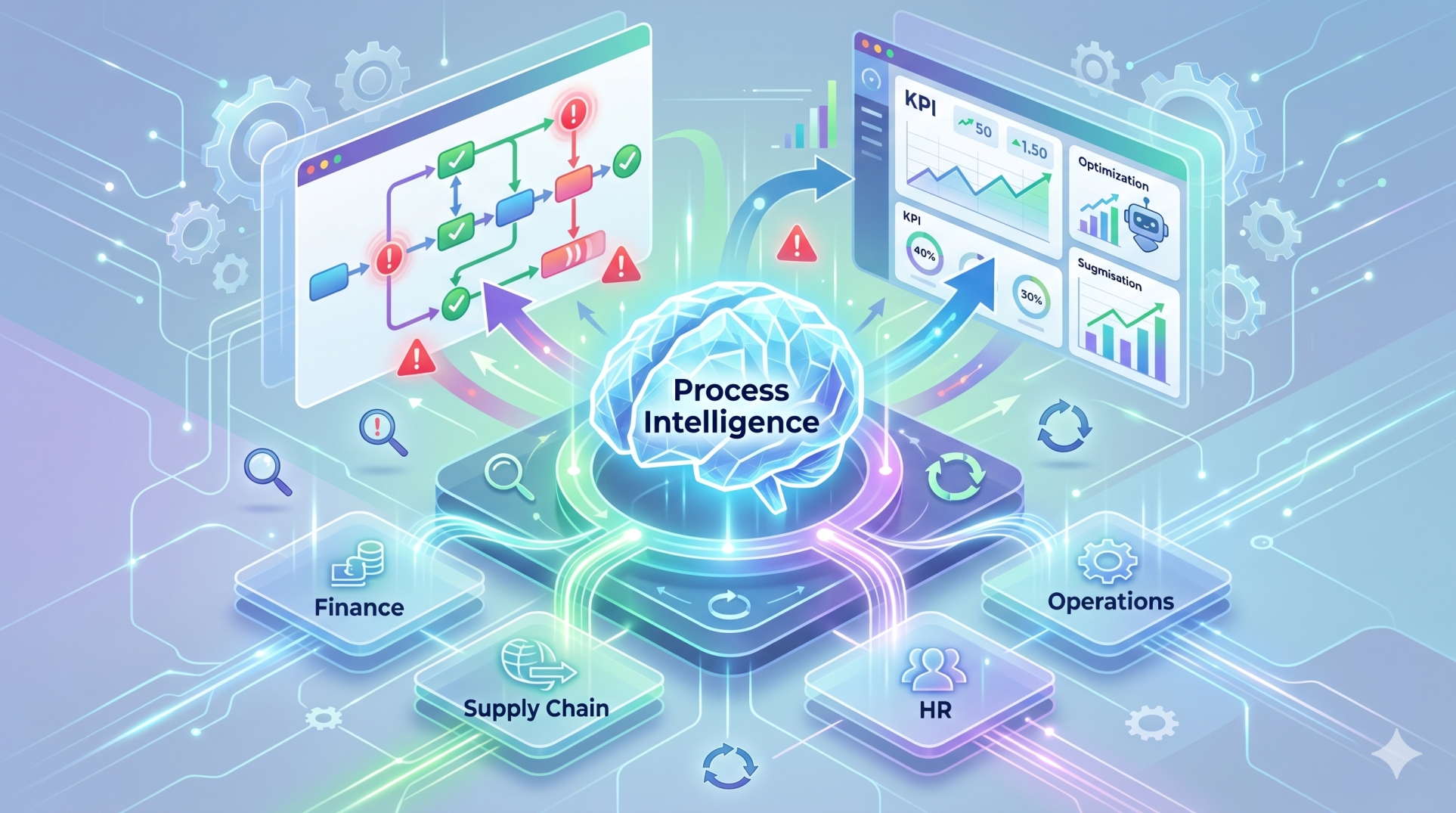
Step 5: Cross-Departmental Performance Analysis 🔗
• Compares performance results across departments and functional areas 📊
• Identifies operational dependencies and bottlenecks between teams ⚙️
• Reveals how results in one department impact others 🔄
• Supports coordinated planning and resource distribution 🧭
• Strengthens collaboration between departments and leadership 🤝
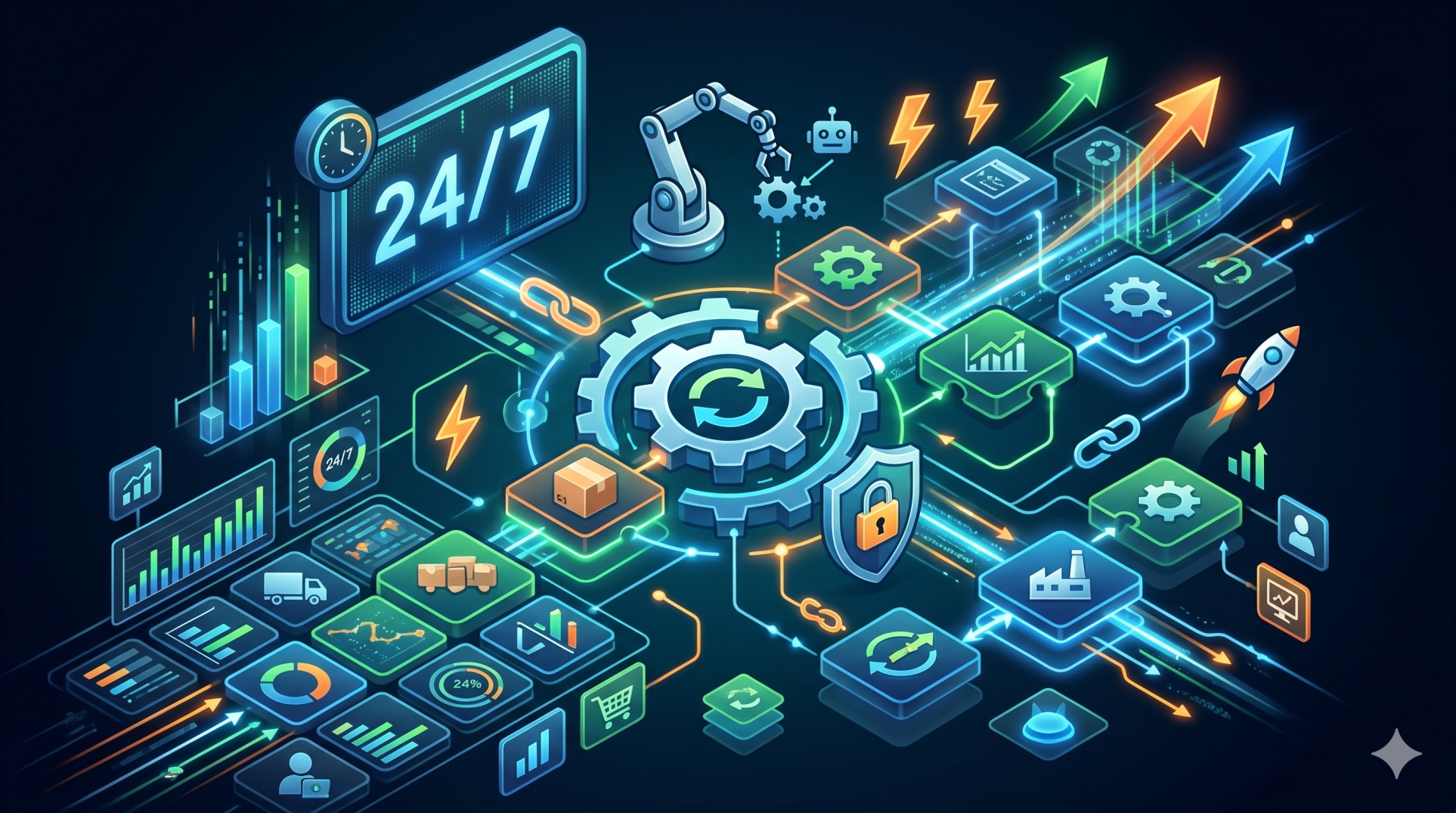
Step 6: Continuous Performance Monitoring 🔄
• Tracks operational metrics consistently over time 📈
• Identifies patterns that signal improvement or decline 📉
• Enables proactive adjustments to sustain operational efficiency ⚙️
• Supports long-term process optimization and refinement 🛠️
• Encourages a culture of continuous performance accountability 🧠
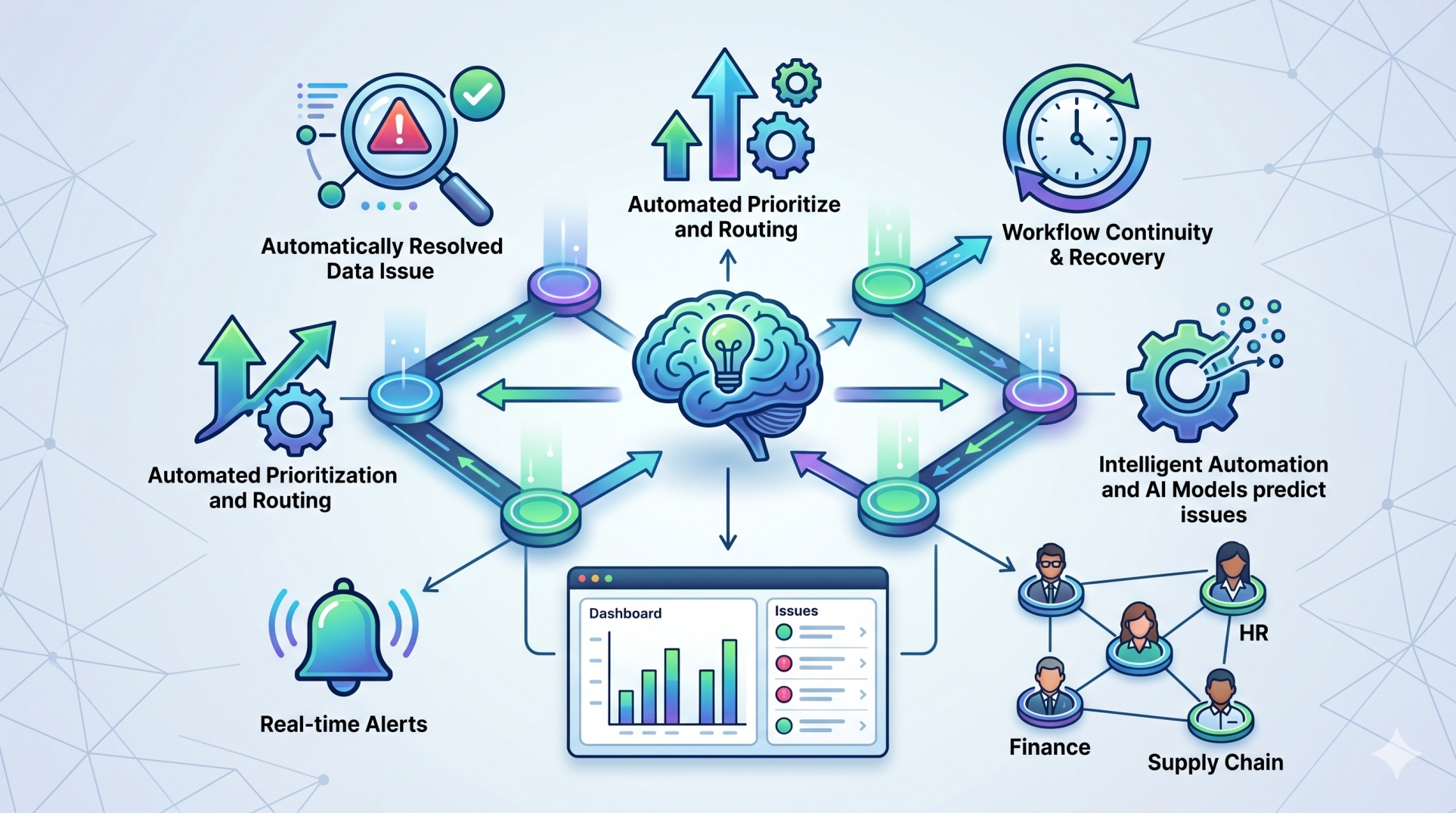
Step 7: Automated Reporting and Alerts 🚨
• Generates scheduled performance reports automatically 📑
• Notifies managers when KPIs fall outside acceptable thresholds ⚠️
• Reduces manual reporting effort across departments 🧑💻
• Ensures critical performance issues receive timely attention ⏱️
• Improves the organization’s responsiveness to operational changes ⚡
Step 8: Strategic Impact of ERP Performance Tracking 🎯
• Aligns departmental performance with overall organizational strategy 🏢
• Helps leadership identify high-impact opportunities for improvement 📈
• Supports informed decision-making at the executive level 🧠
Conclusion
ERP-driven performance tracking enables organizations to move beyond isolated departmental reporting toward a unified and transparent view of business operations. By centralizing data, standardizing KPIs, and providing real-time insights, ERP systems allow managers and executives to monitor performance effectively, coordinate across teams, and continuously enhance operational outcomes.
See more blogs
You can all the articles below