ERP Systems in Subscription-Based Economies
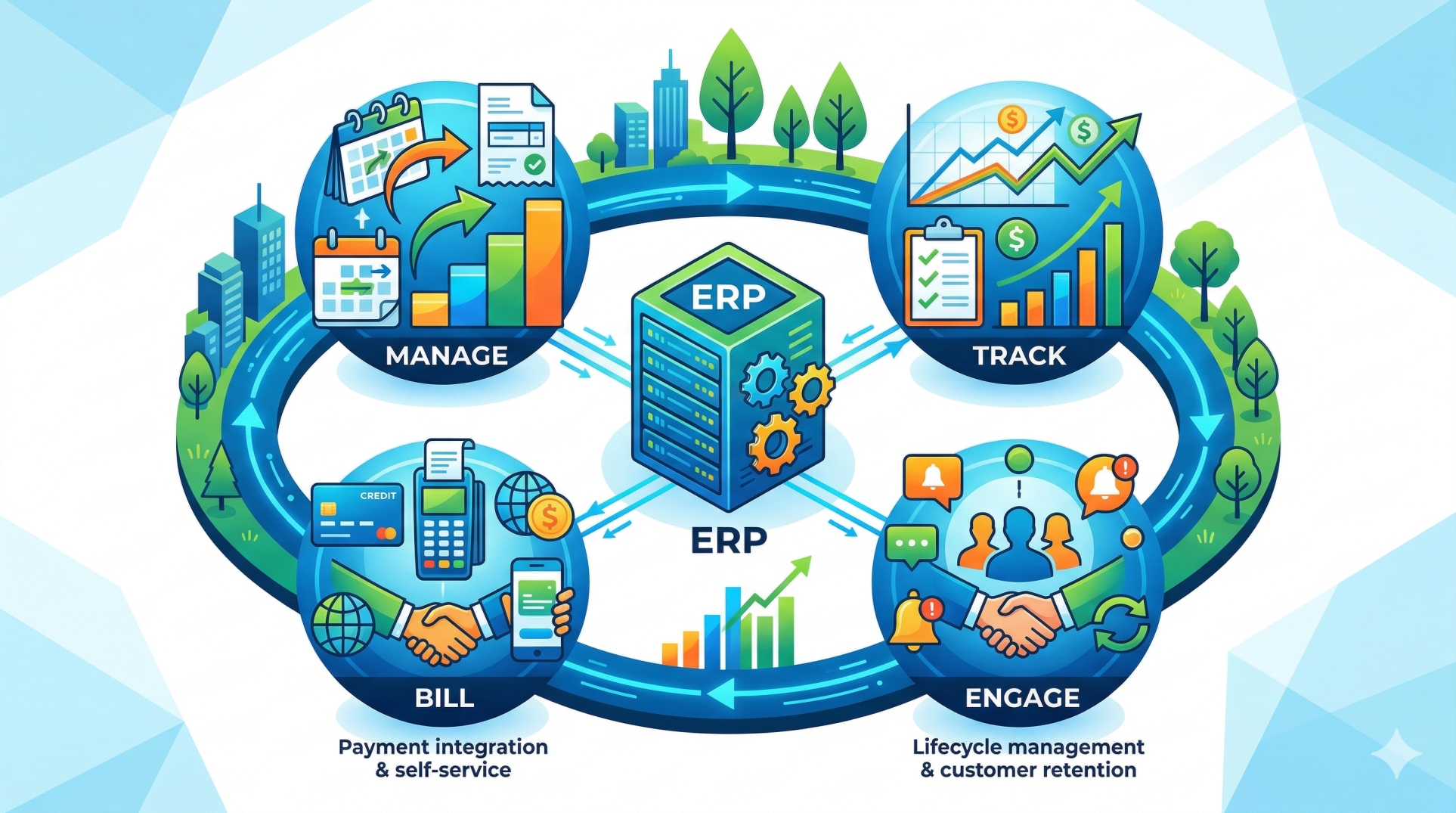
The rise of subscription-based business models has transformed how organizations generate revenue, shifting from one-time transactions to recurring income streams. This evolution introduces new operational complexities in billing, revenue recognition, customer lifecycle management, and analytics. ERP systems designed for subscription economies enable businesses to manage recurring processes efficiently, ensuring accuracy, scalability, and customer-centric operations.
Step 1: Managing Recurring Billing and Invoicing 🔁
• Automate recurring billing cycles for subscriptions 📅
• Support flexible pricing models such as tiered, usage-based, or hybrid 💰
• Generate invoices dynamically based on subscription terms 🧾
• Handle upgrades, downgrades, and plan changes seamlessly 🔄
• Reduce manual intervention in billing operations 🤖
Step 2: Revenue Recognition and Financial Compliance 📊
• Recognize revenue over time based on subscription periods 📈
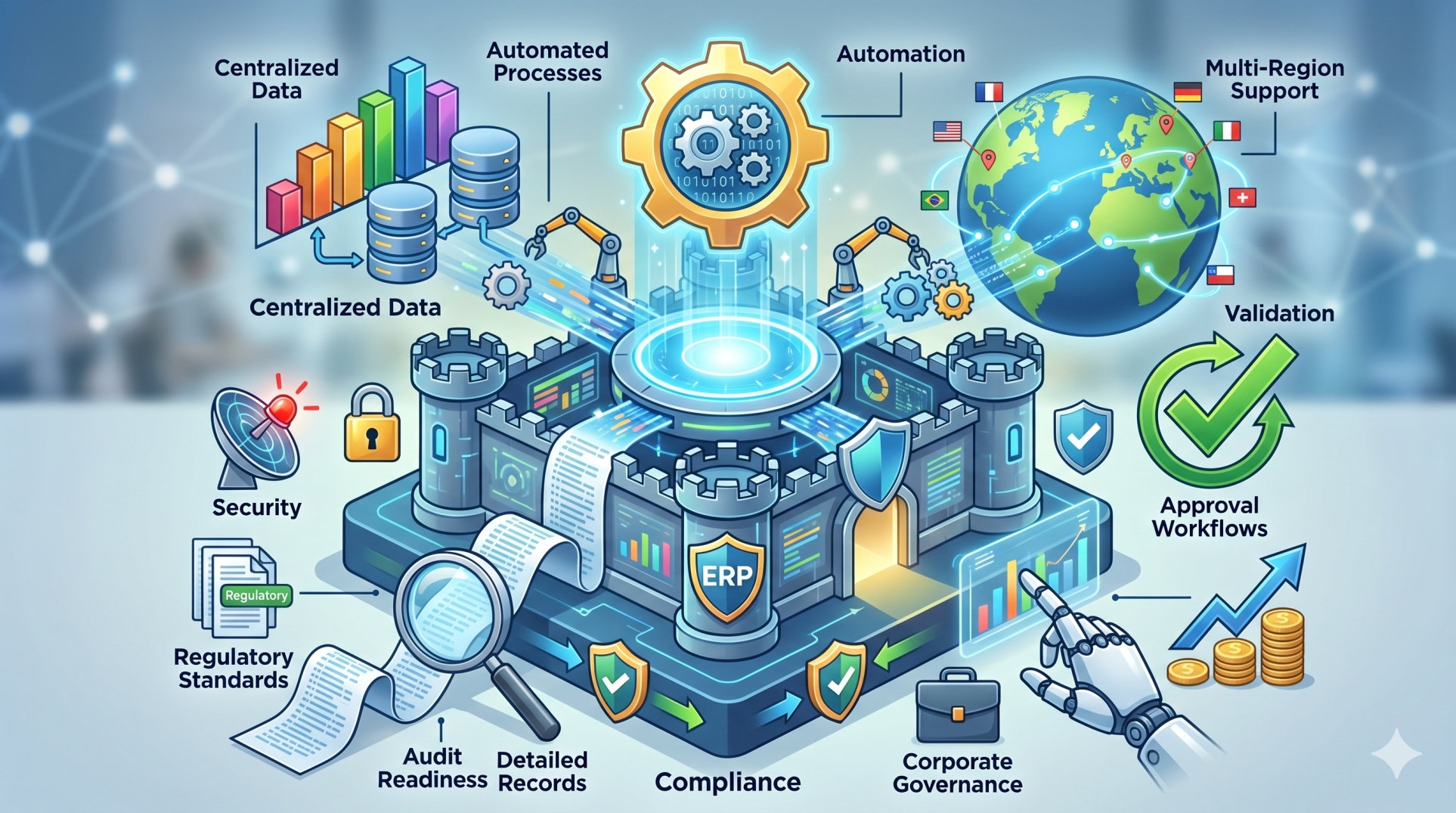
• Ensure compliance with accounting standards like IFRS 15 and ASC 606 📜
• Automate deferred revenue tracking and adjustments 🔄
• Maintain accurate financial reporting across billing cycles 📑
• Reduce risk of compliance errors and audit issues 🔍
Step 3: Subscription Lifecycle Management 🔄
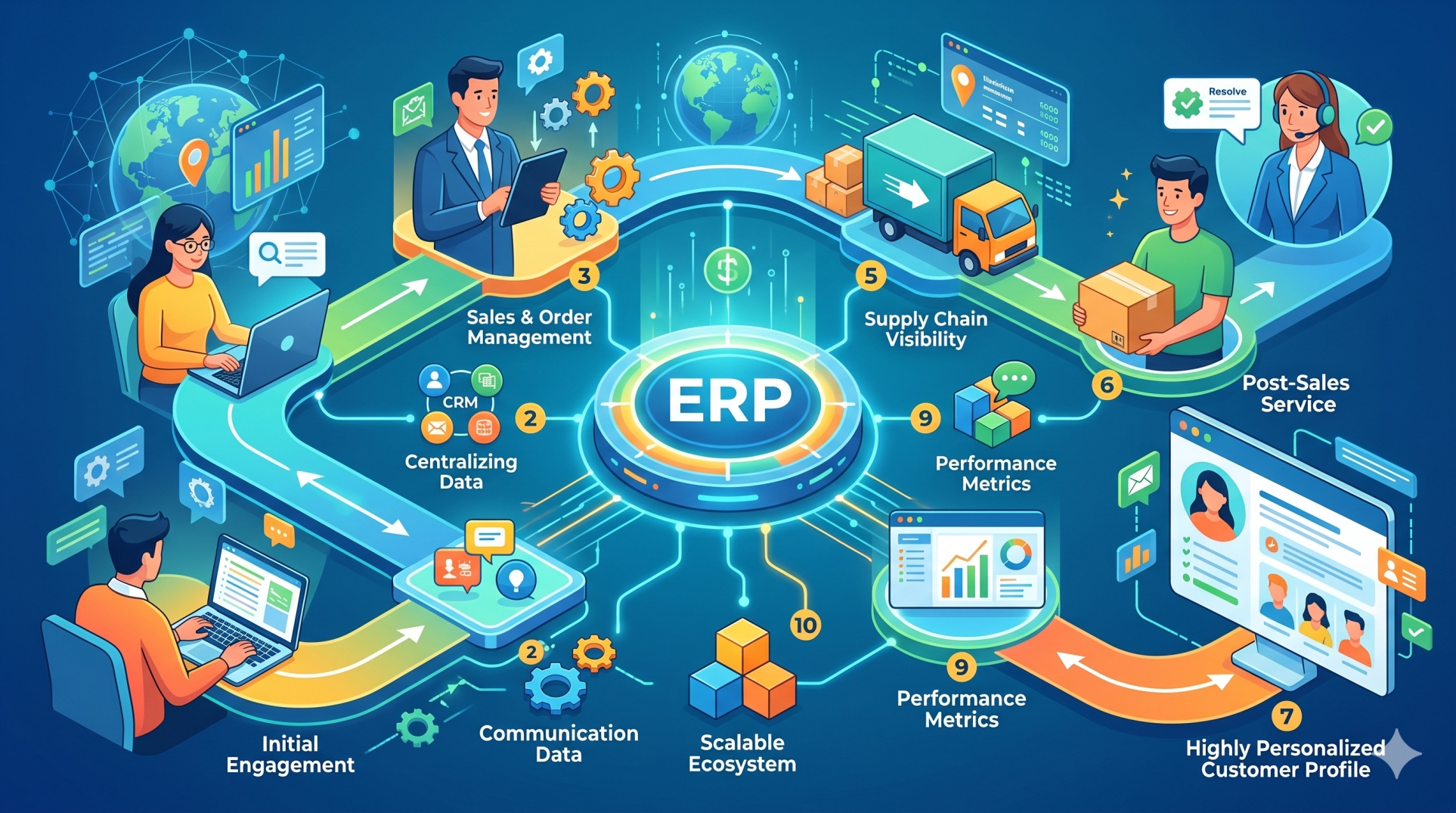
• Manage the entire customer lifecycle from onboarding to renewal 👥
• Track subscription status, renewals, and cancellations 📊
• Enable seamless plan modifications and contract updates ✏️
• Support automated renewal reminders and notifications 🔔
• Improve customer retention through proactive lifecycle management 💡
Step 4: Usage Tracking and Dynamic Pricing 📡
• Monitor customer usage for metered billing models 📊
• Support real-time pricing adjustments based on consumption ⚡
• Enable transparent billing aligned with actual usage 🔍
• Integrate with operational systems to capture usage data 🔗
• Provide detailed usage reports for customers and internal teams 📑
Step 5: Customer Experience and Self-Service Portals 🌐
• Offer self-service portals for subscription management 🖥️
• Allow customers to upgrade, downgrade, or cancel plans easily 🔄
• Provide real-time access to billing history and invoices 📂
• Enhance transparency and user control over subscriptions 👍
• Improve overall customer satisfaction and engagement 💬
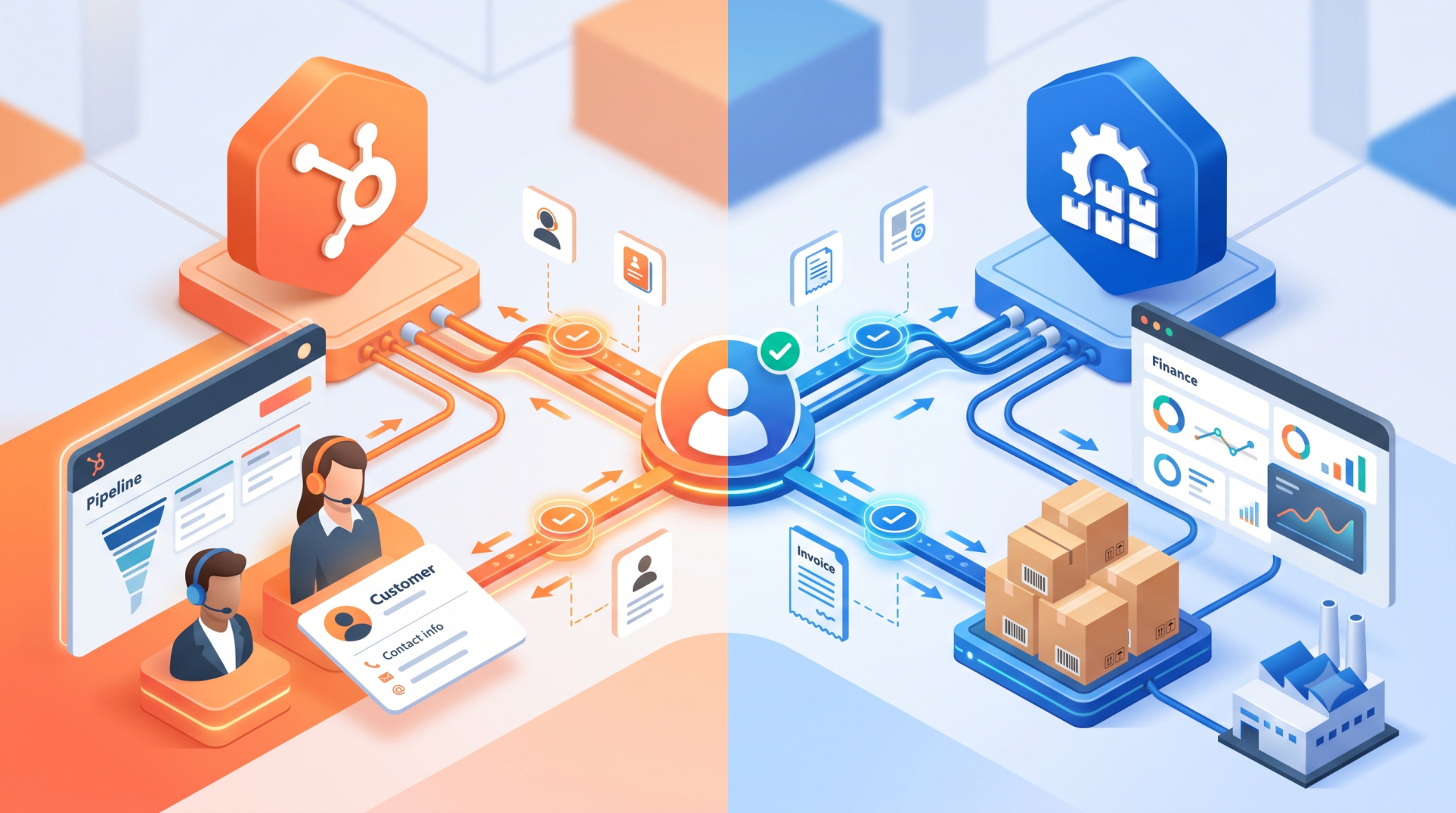
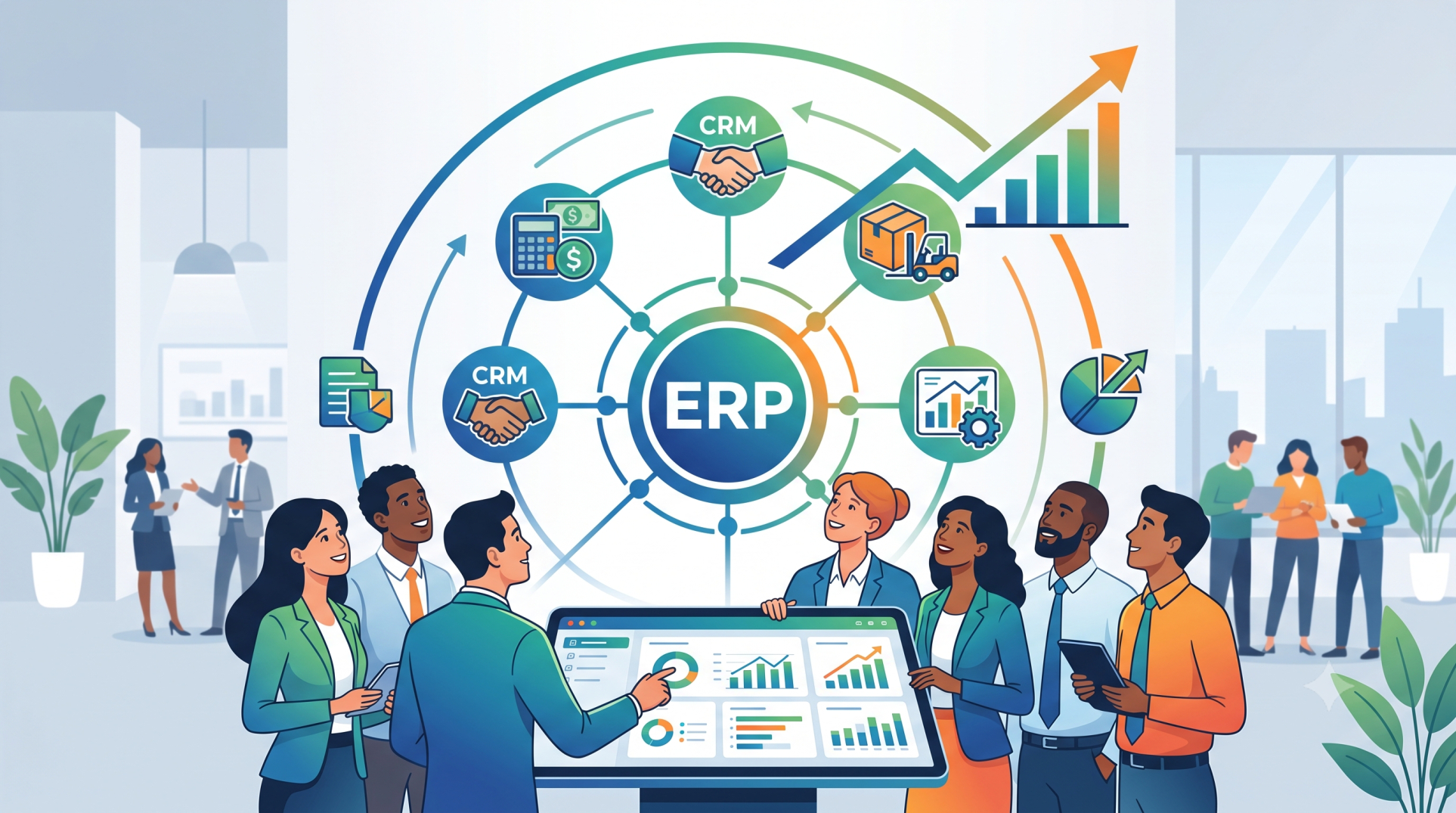
Step 6: Integration with CRM and Payment Systems 🔗
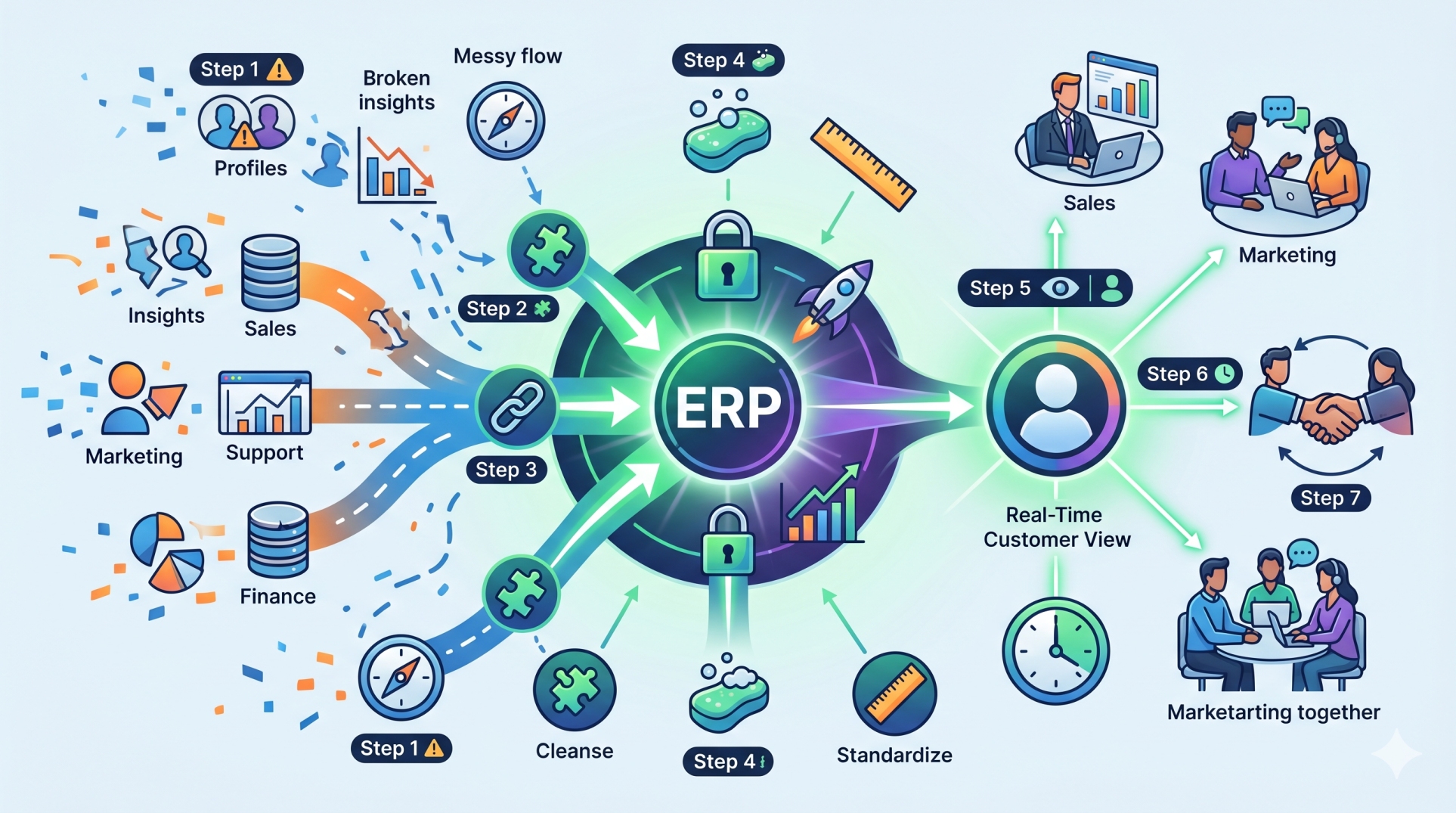
• Integrate ERP with CRM platforms for unified customer data 📊
• Connect with payment gateways for automated transactions 💳
• Ensure seamless data flow between sales, billing, and finance 🔄
• Support multiple payment methods and global transactions 🌍
• Eliminate data silos across systems 🧠
Step 7: Analytics and Subscription Insights 📈
• Track key metrics such as churn rate, MRR, and ARR 📊
• Analyze customer behavior and subscription trends 🔍
• Identify opportunities for upselling and cross-selling 💡
• Generate forecasts based on recurring revenue streams 📈
• Enable data-driven decision-making across the business 🧠
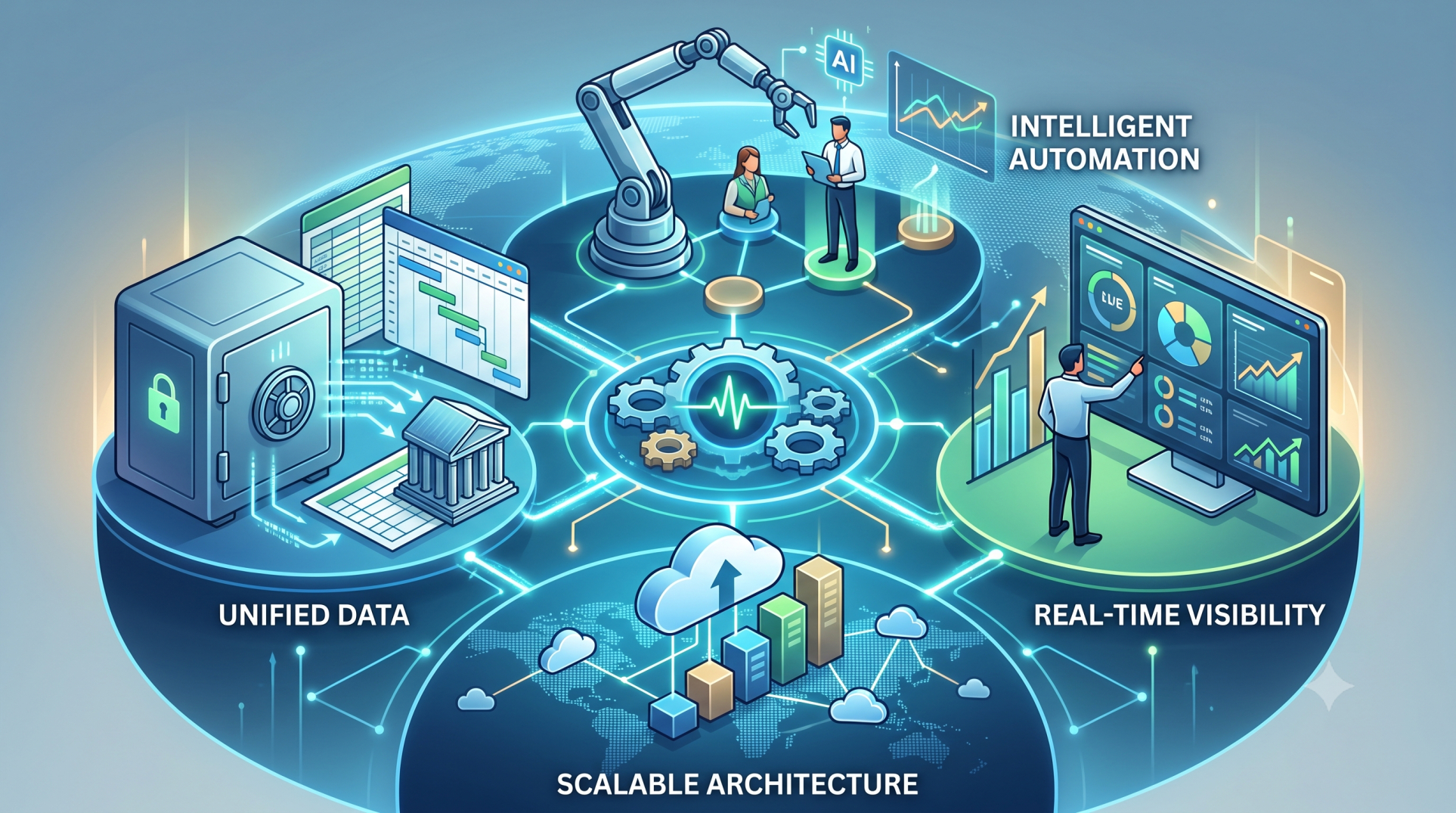
Step 8: Key System Priorities 🎯
• Accurate and automated recurring billing processes 🔁
• Compliance with financial and accounting standards 📜
• Real-time visibility into subscription performance 👁️
• Scalable architecture to support growth 📦
Step 9: Handling Exceptions and Billing Complexity ⚠️
• Manage failed payments and retry mechanisms 💳
• Handle proration during plan changes 🔄
• Address billing disputes and adjustments 📑
• Ensure system resilience during peak billing cycles 📶
• Maintain consistency across complex billing scenarios 🔧
Step 10: Building a Scalable Subscription ERP Ecosystem 🚀
• Design systems to support rapid growth in subscribers 📈
• Enable flexible pricing and packaging strategies 💰
• Integrate with evolving digital business models 🌐
• Continuously optimize based on customer and financial insights 🔄
• Future-proof ERP systems for long-term subscription success 🏗️
Conclusion
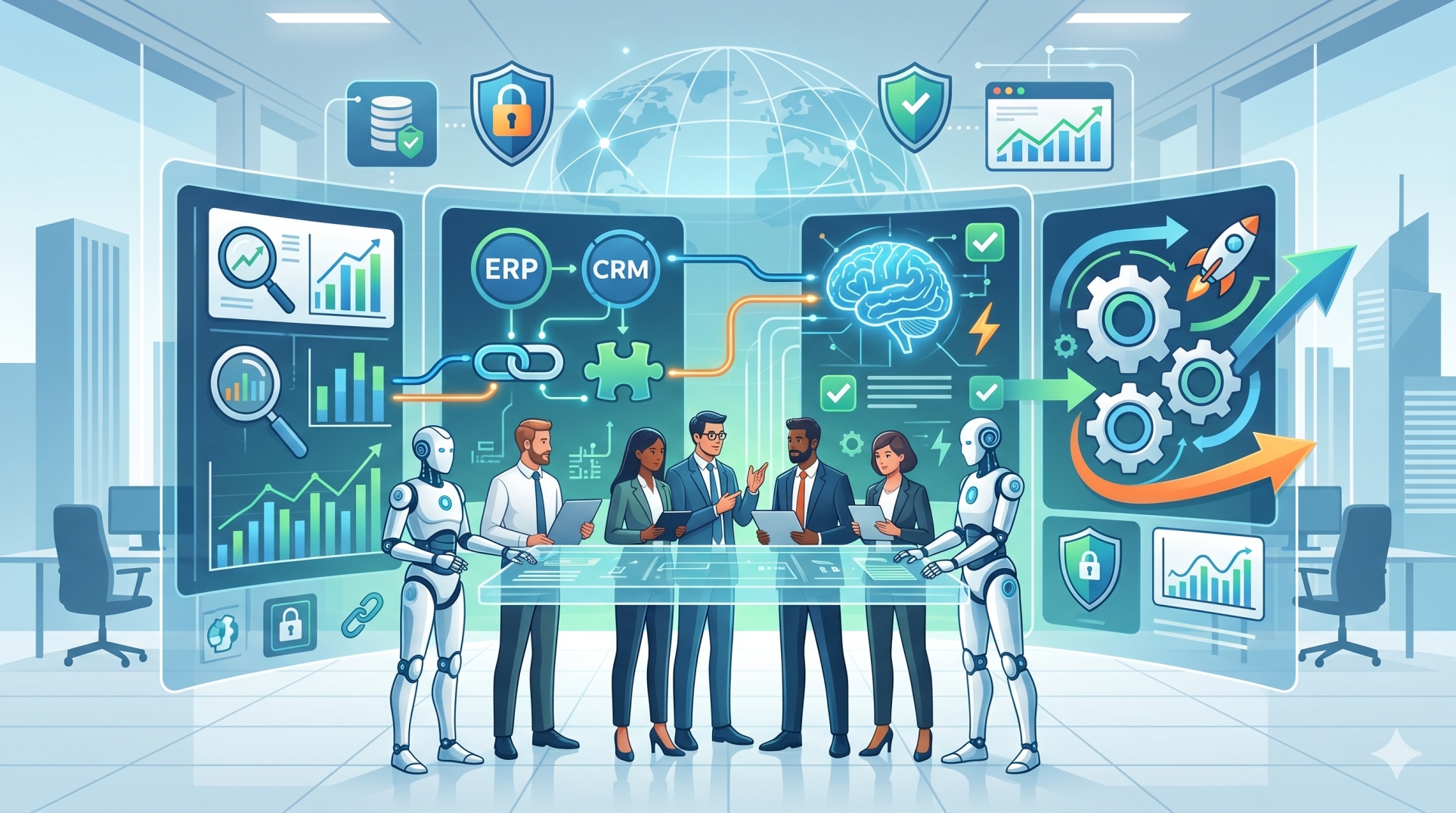
ERP systems in subscription-based economies are essential for managing the complexity of recurring revenue models. By automating billing, ensuring compliance, and providing real-time insights, these systems enable businesses to operate efficiently while delivering a seamless customer experience. As subscription models continue to grow across industries, ERP platforms will play a critical role in driving scalability, accuracy, and long-term profitability.
See more blogs
You can all the articles below