The Convergence of ERP and Enterprise Platforms

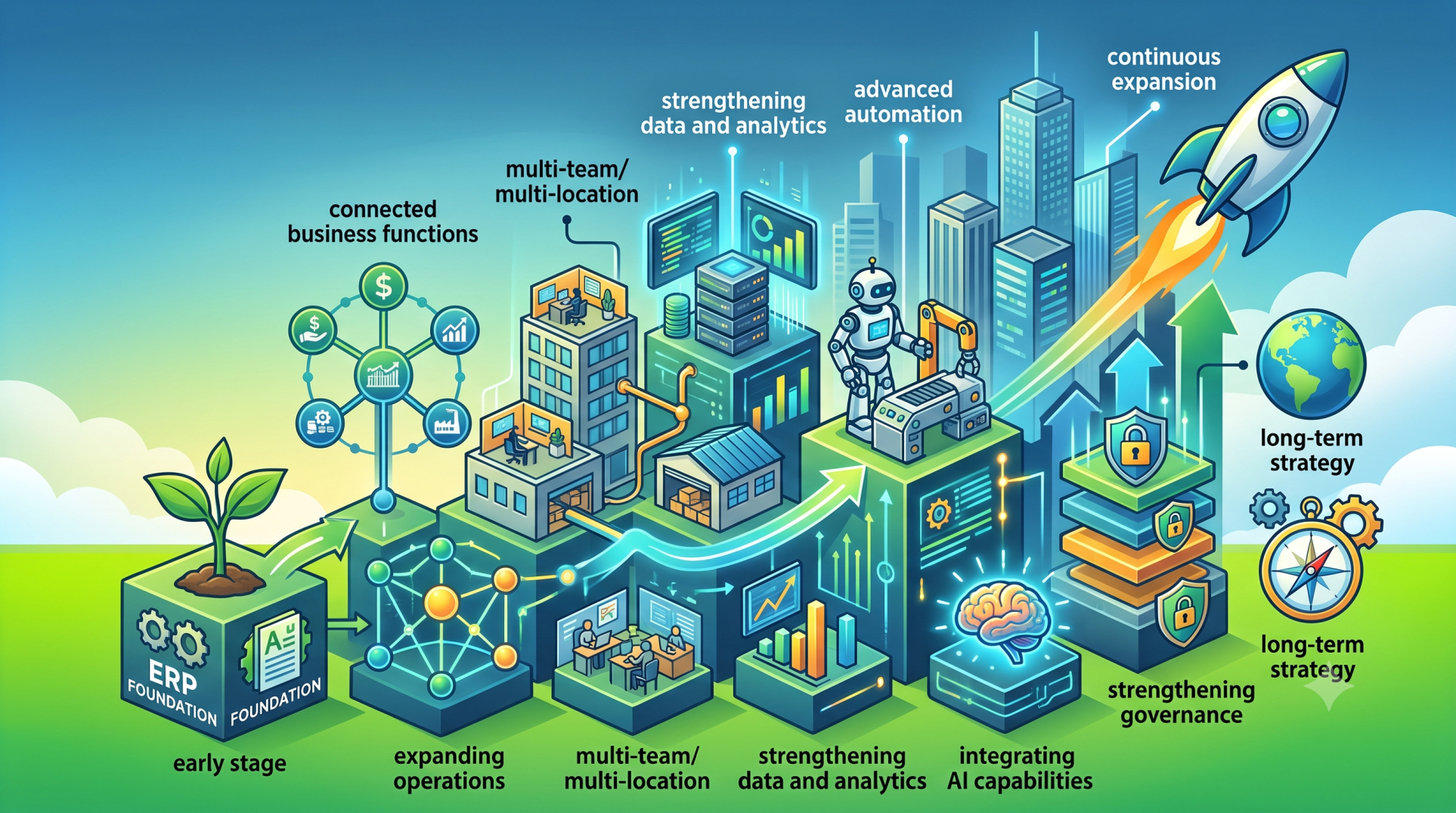
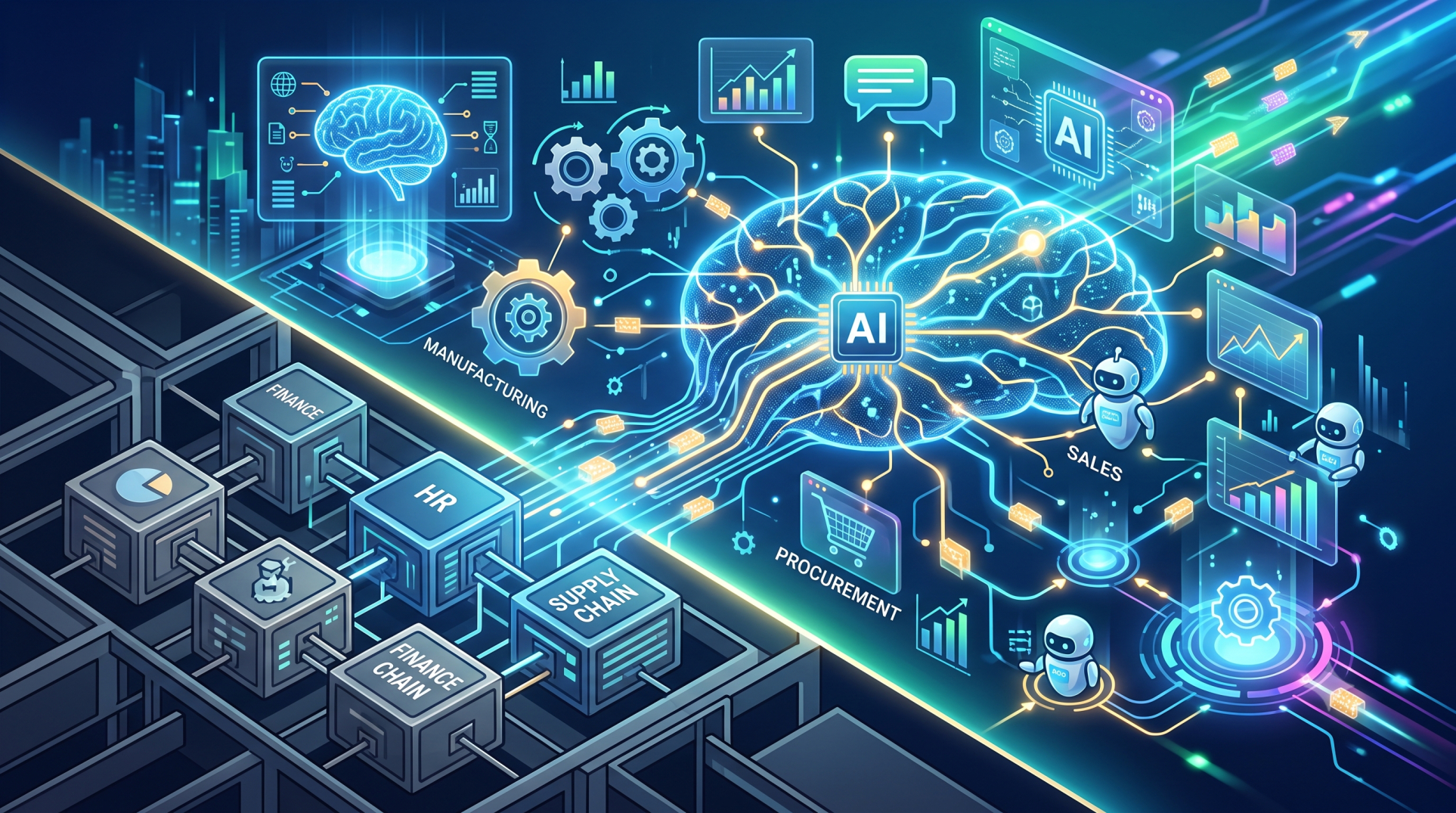
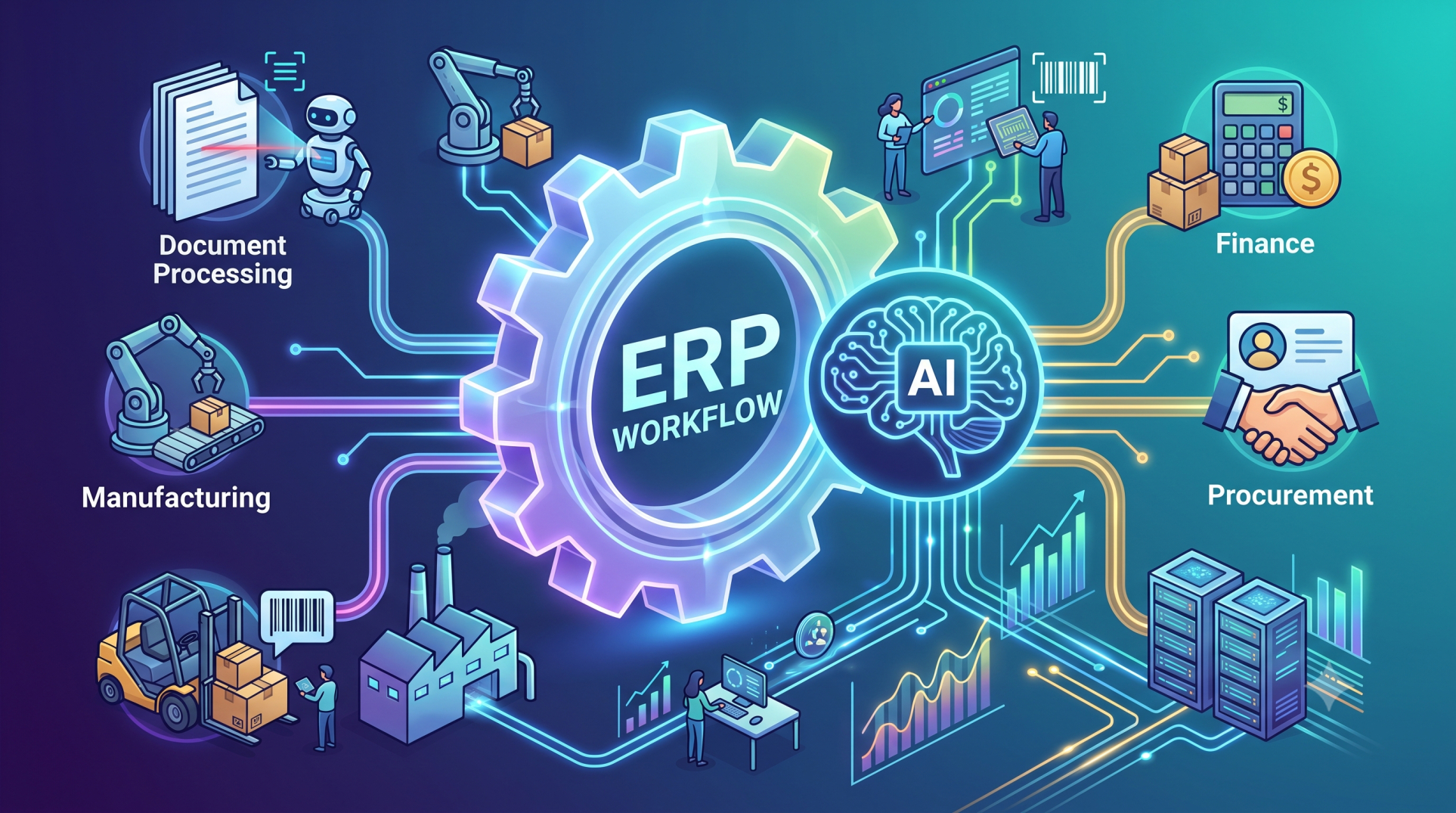
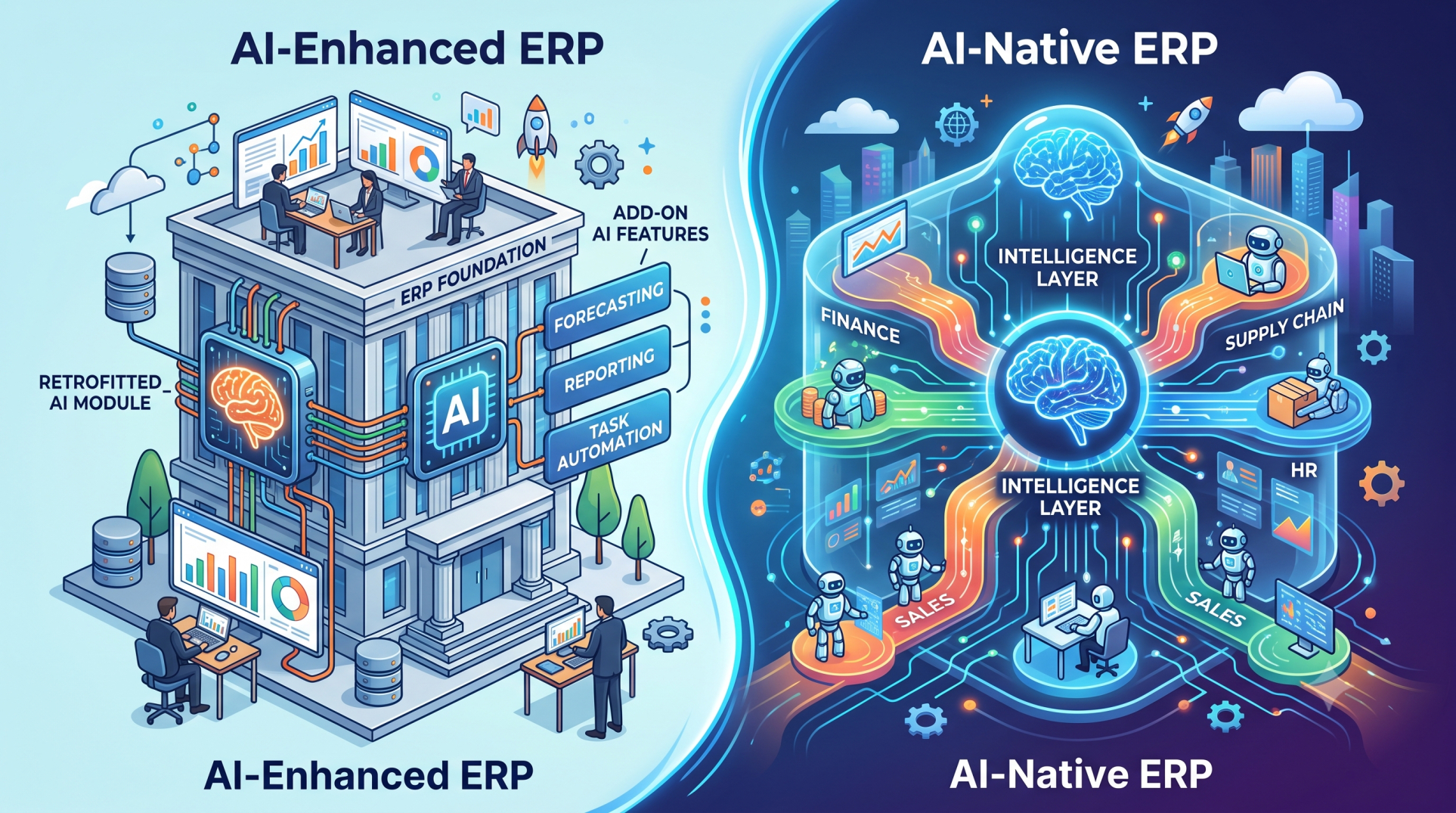
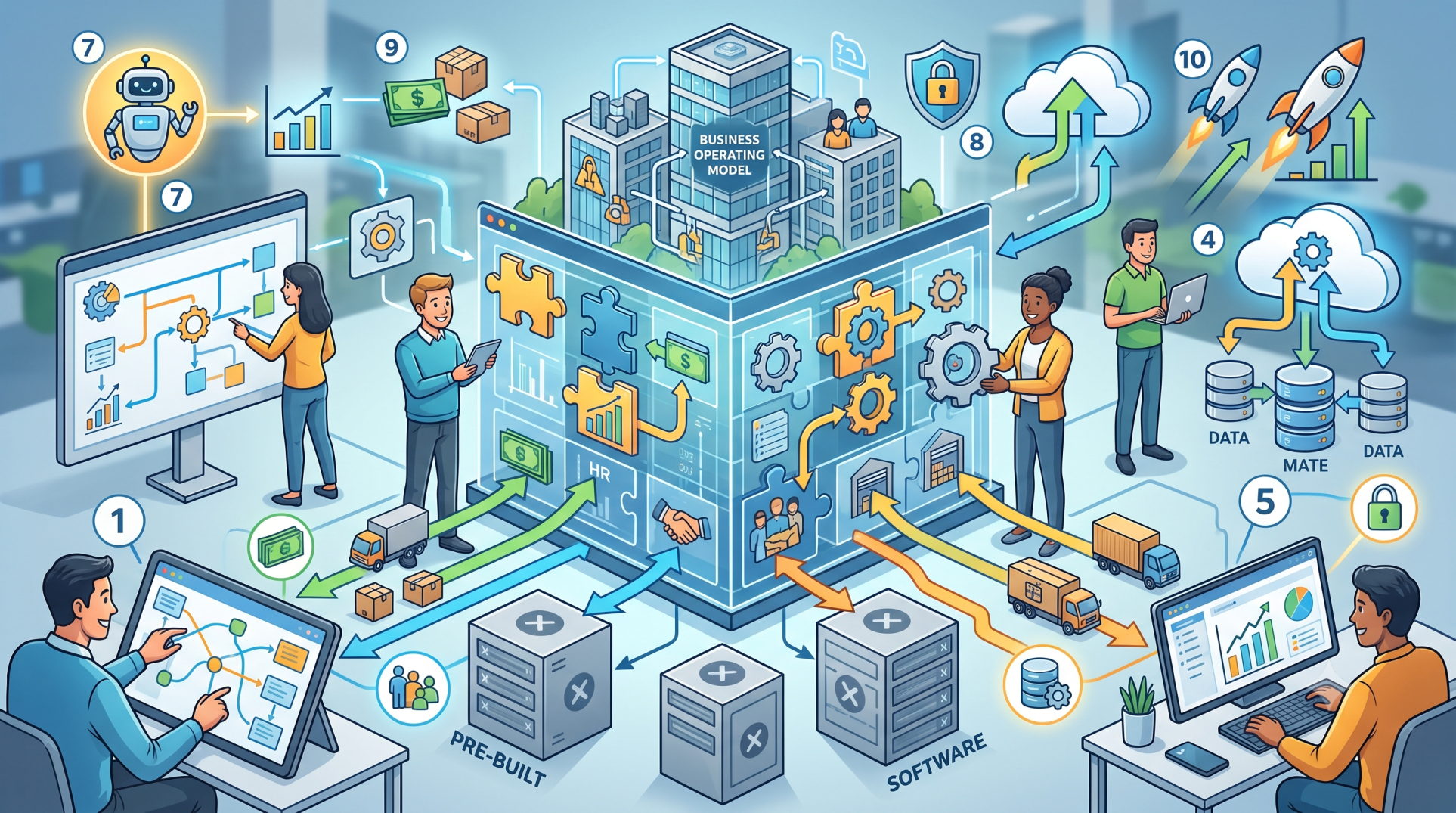
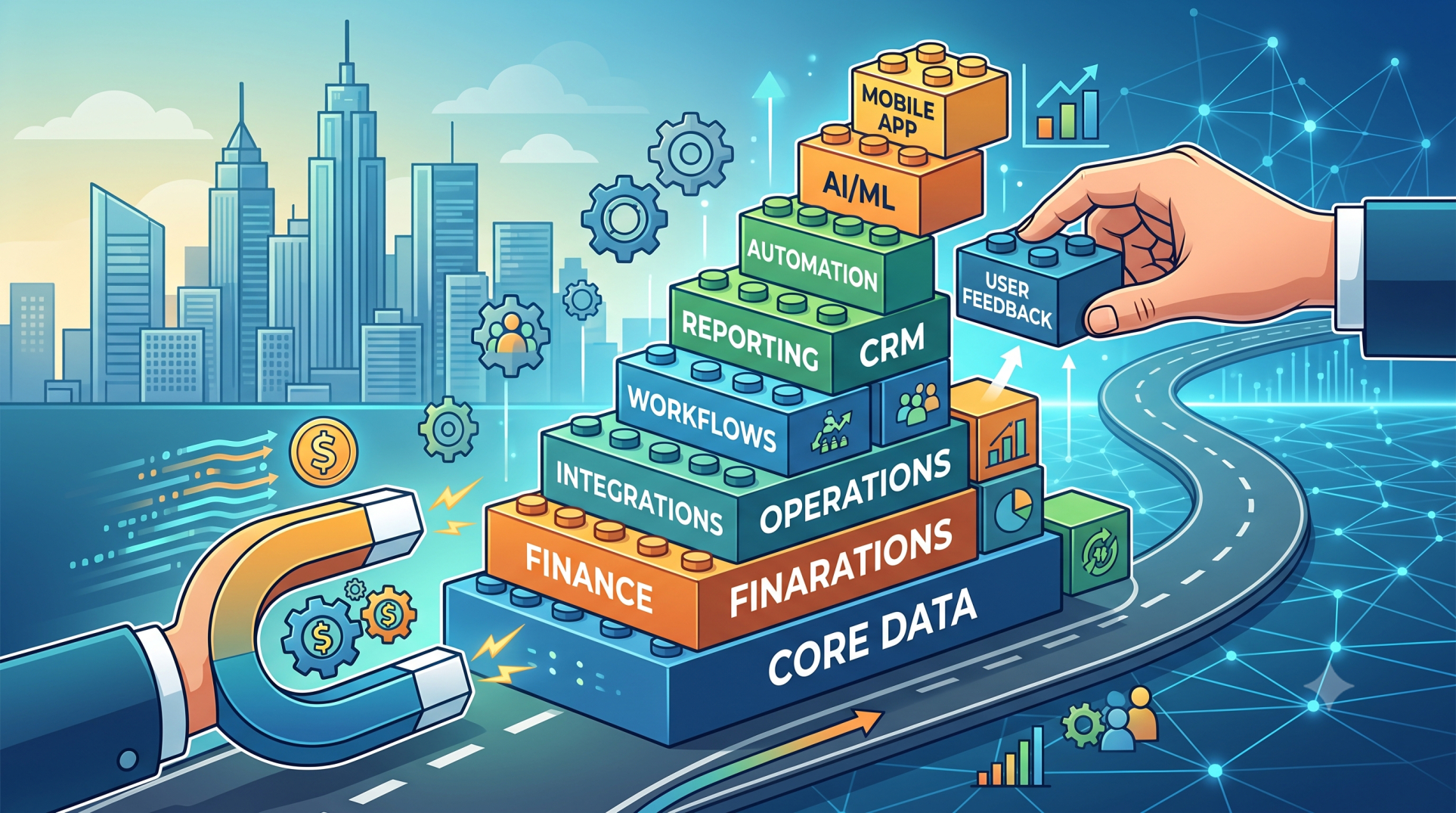
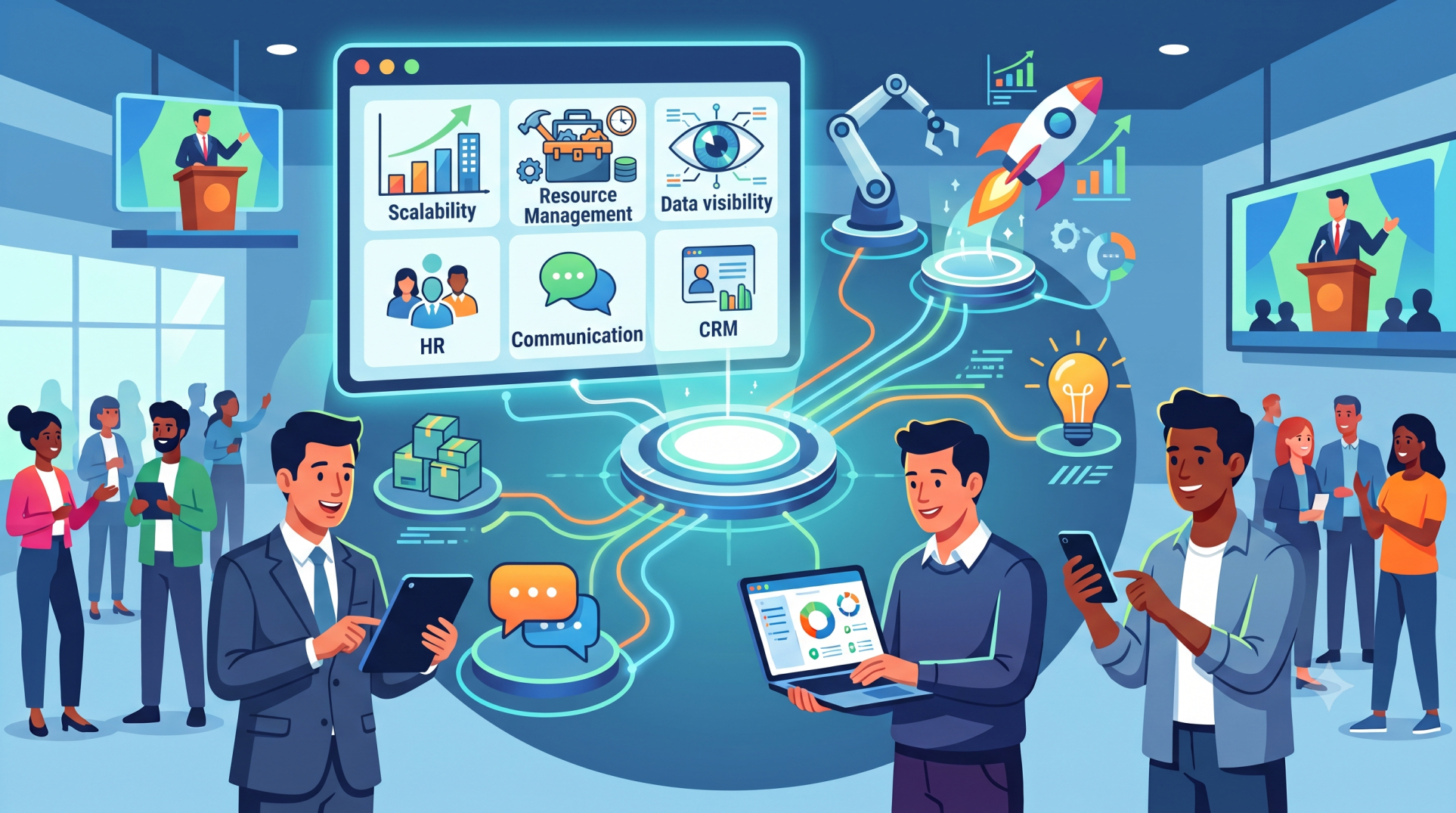
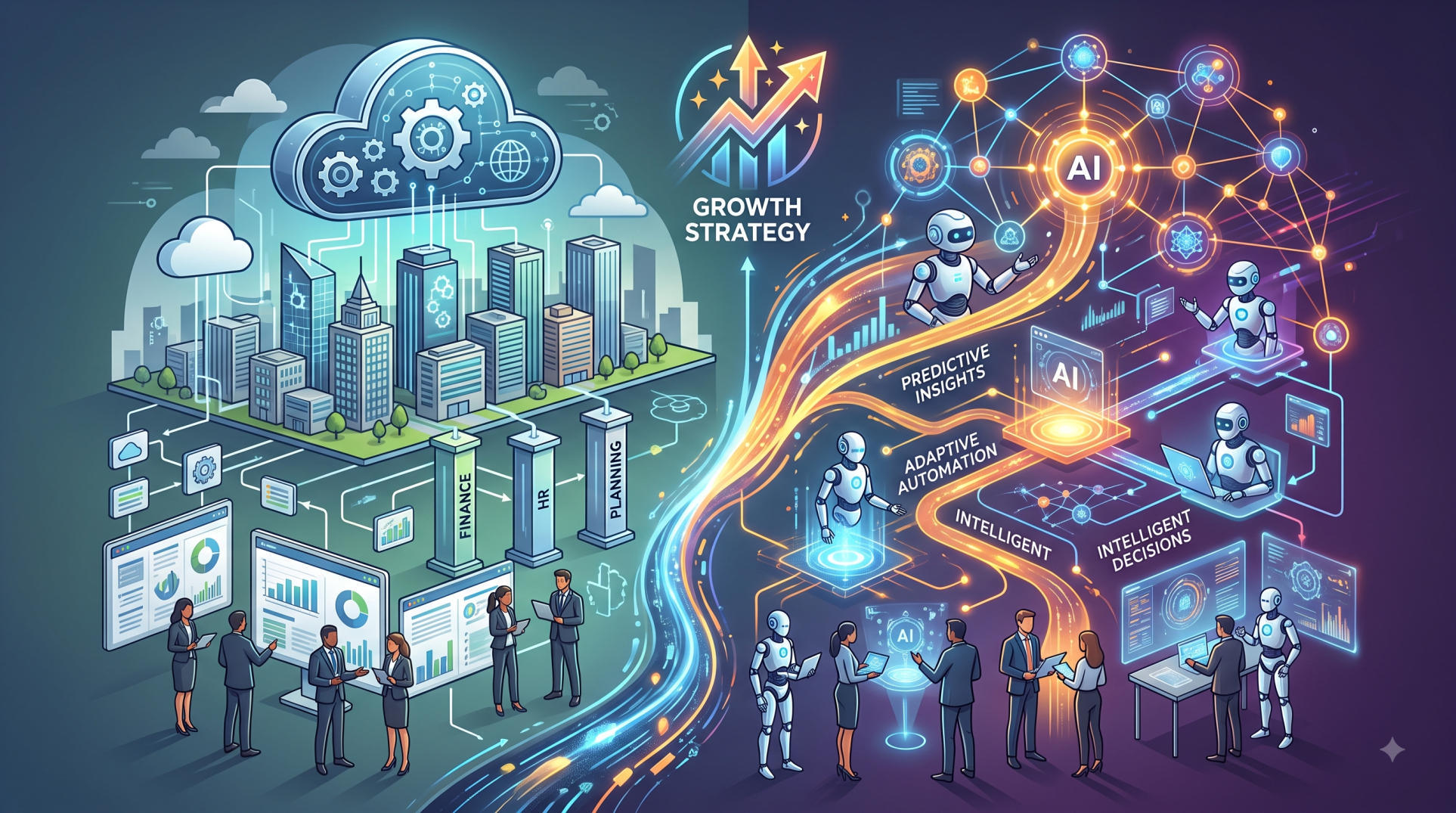
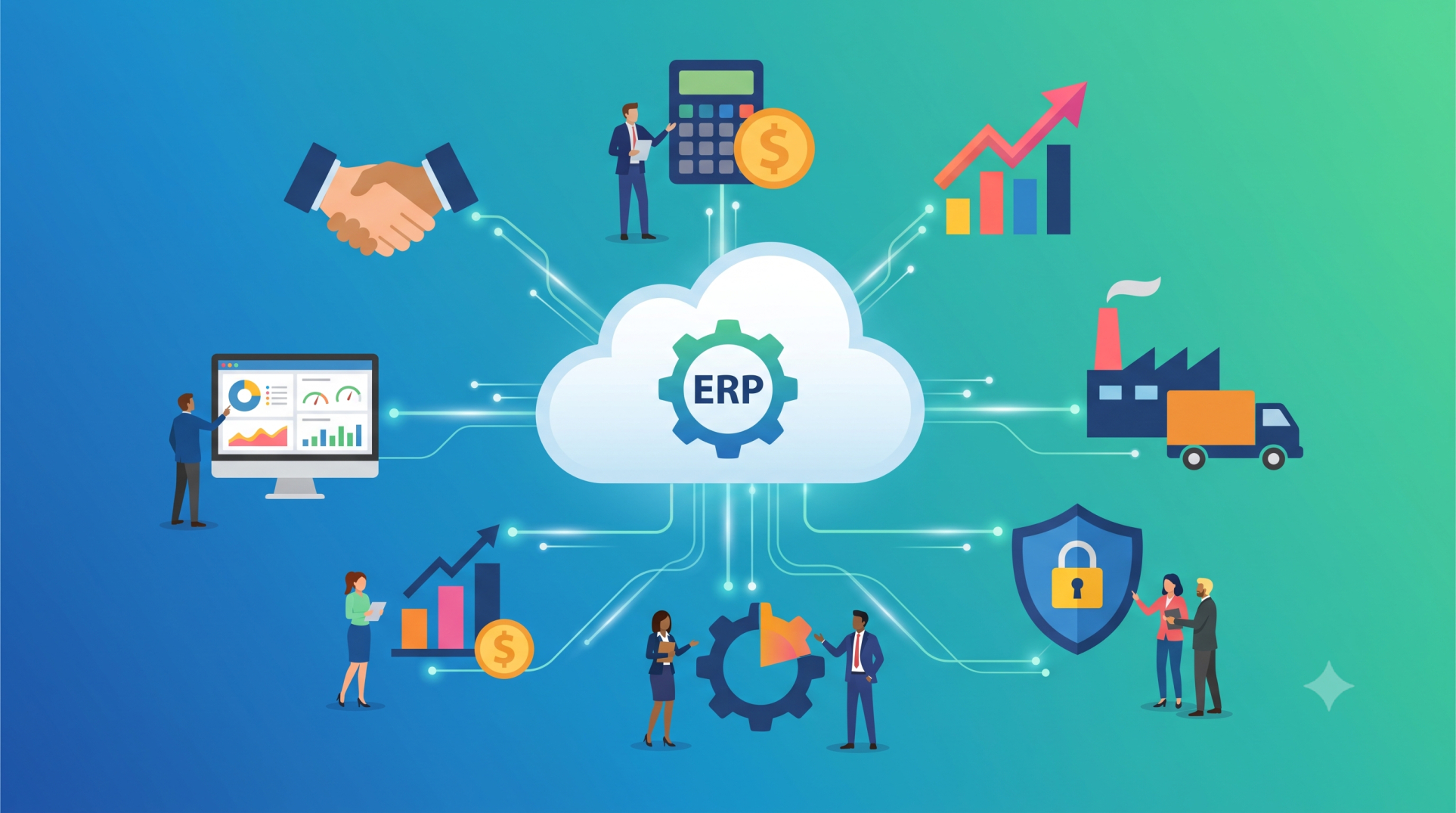
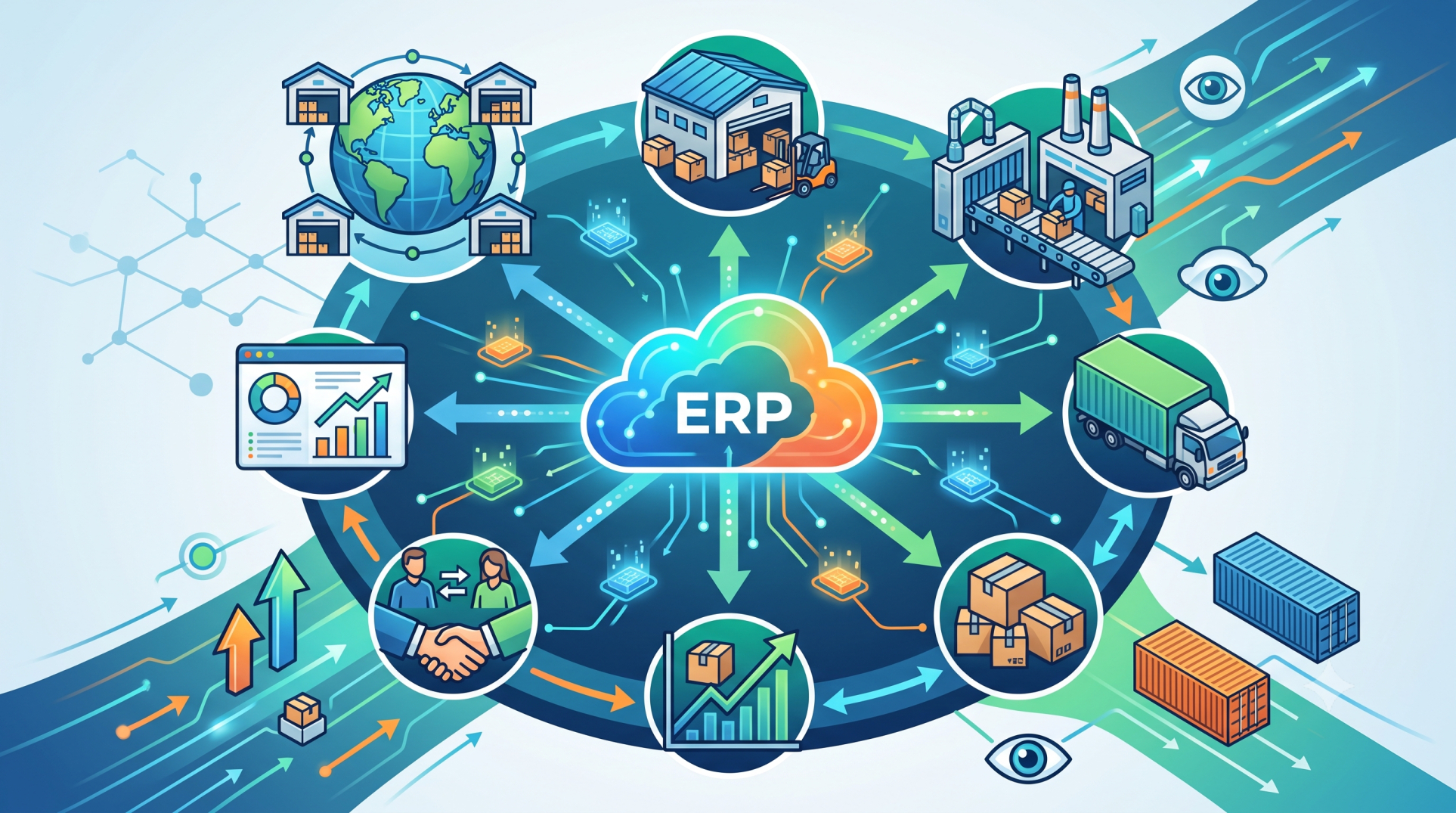
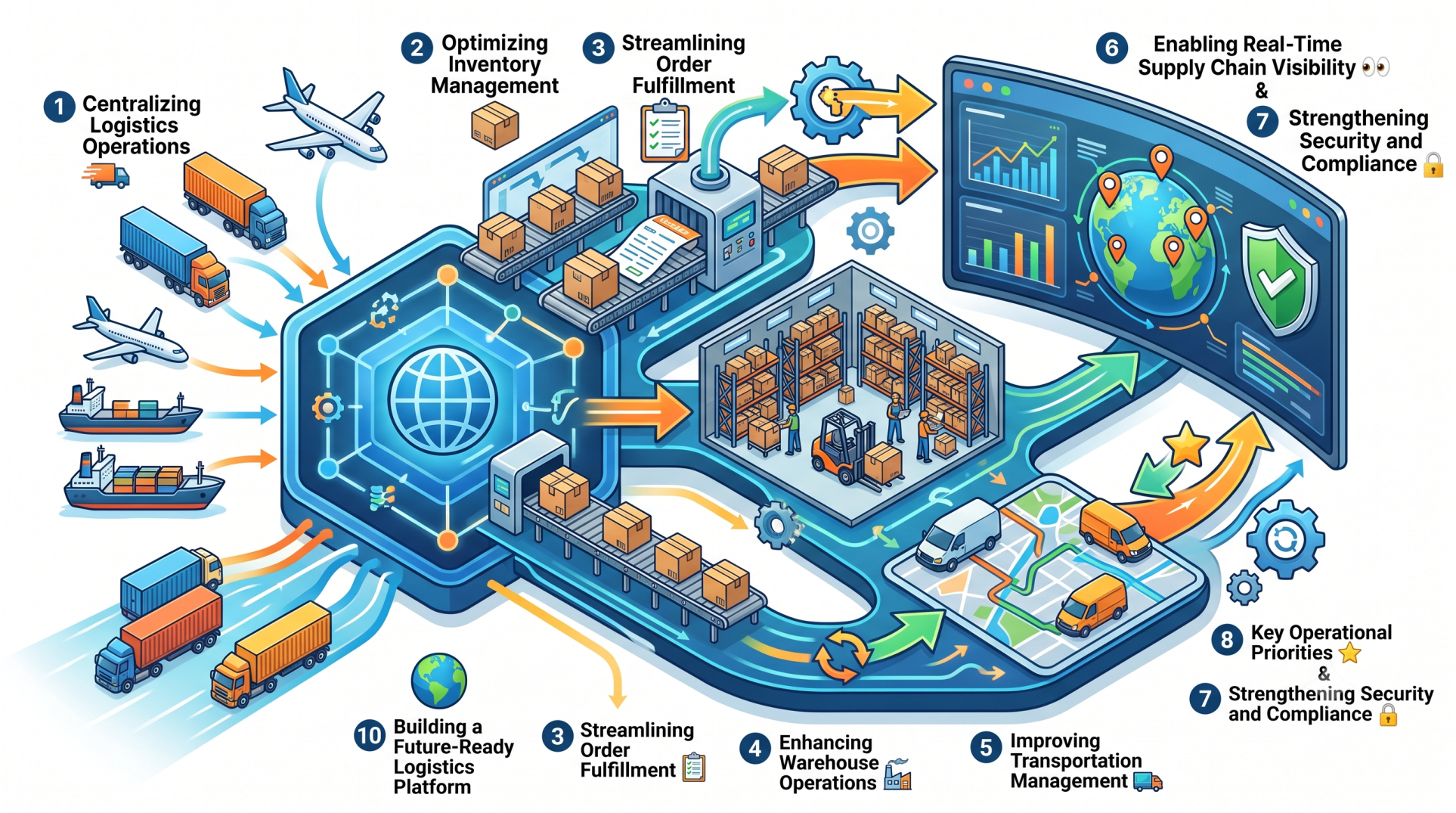
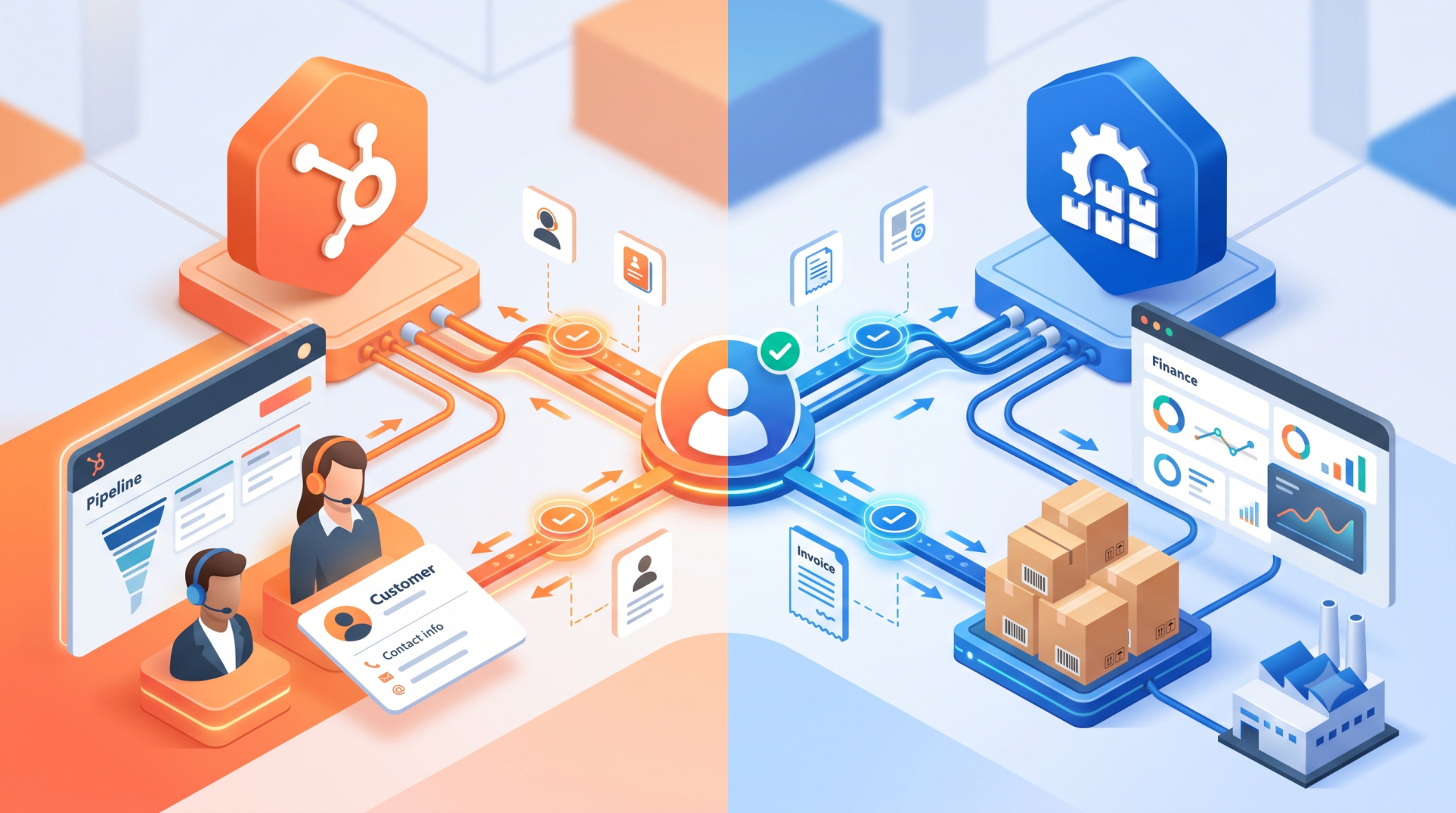
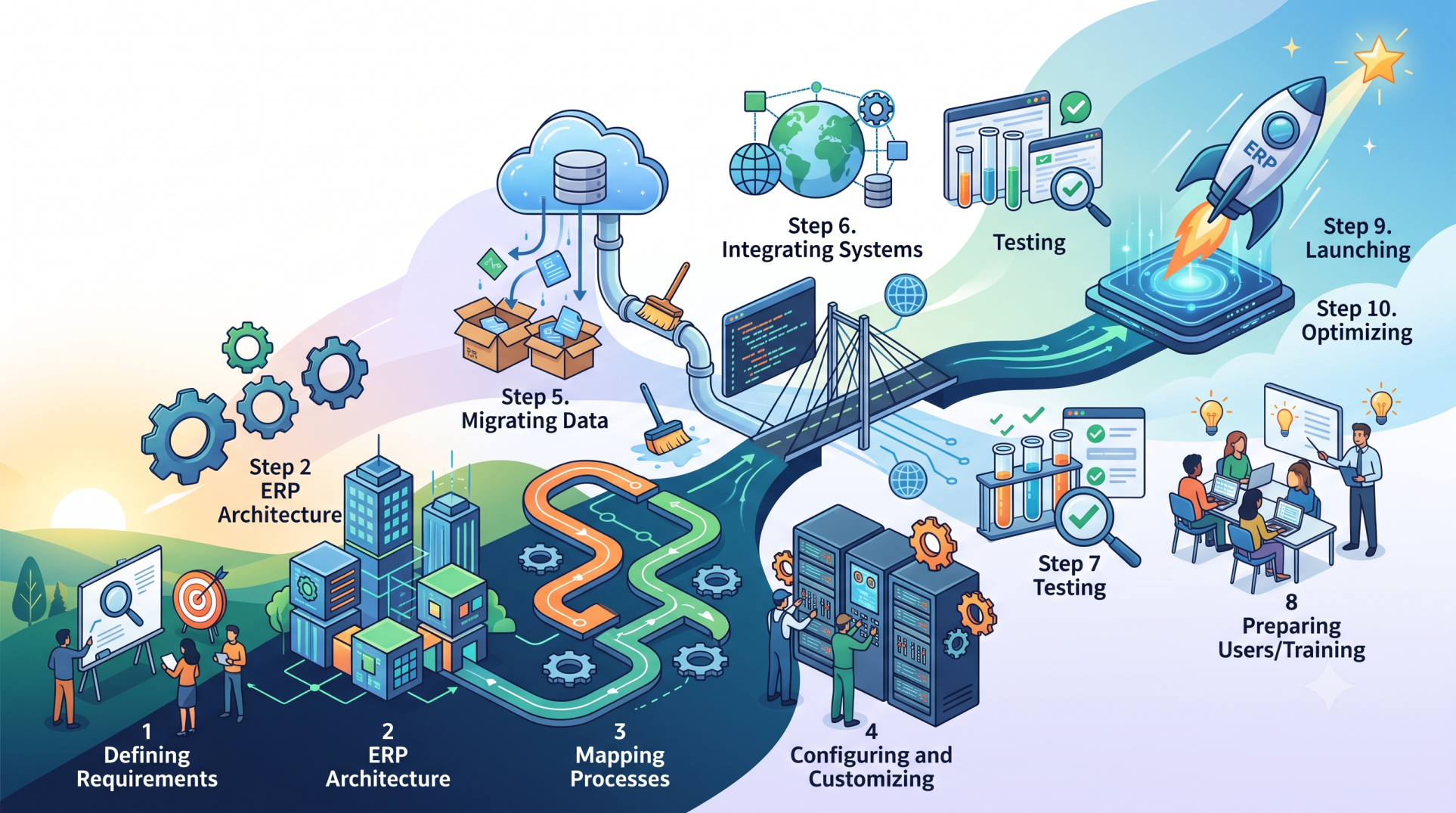
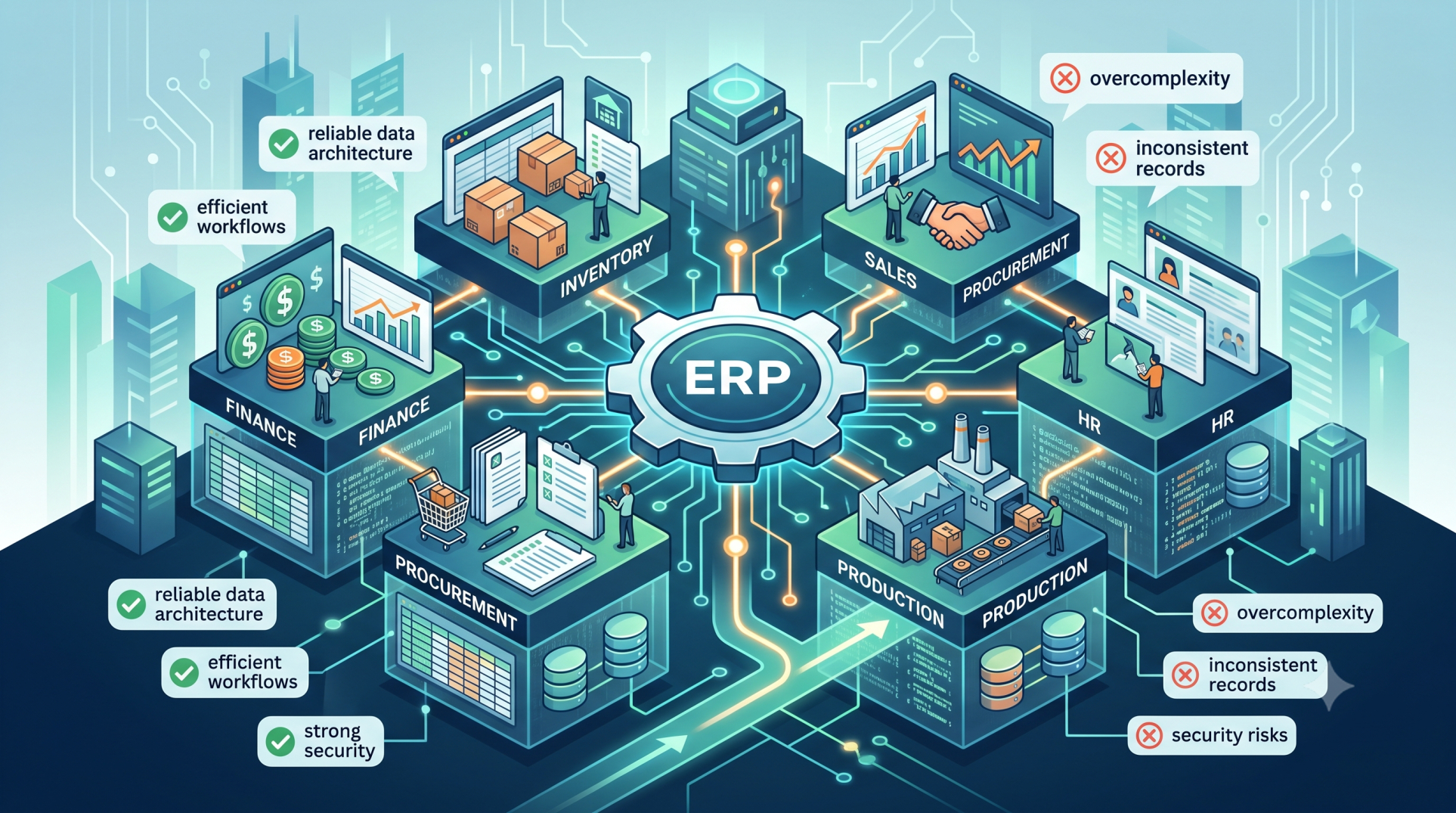
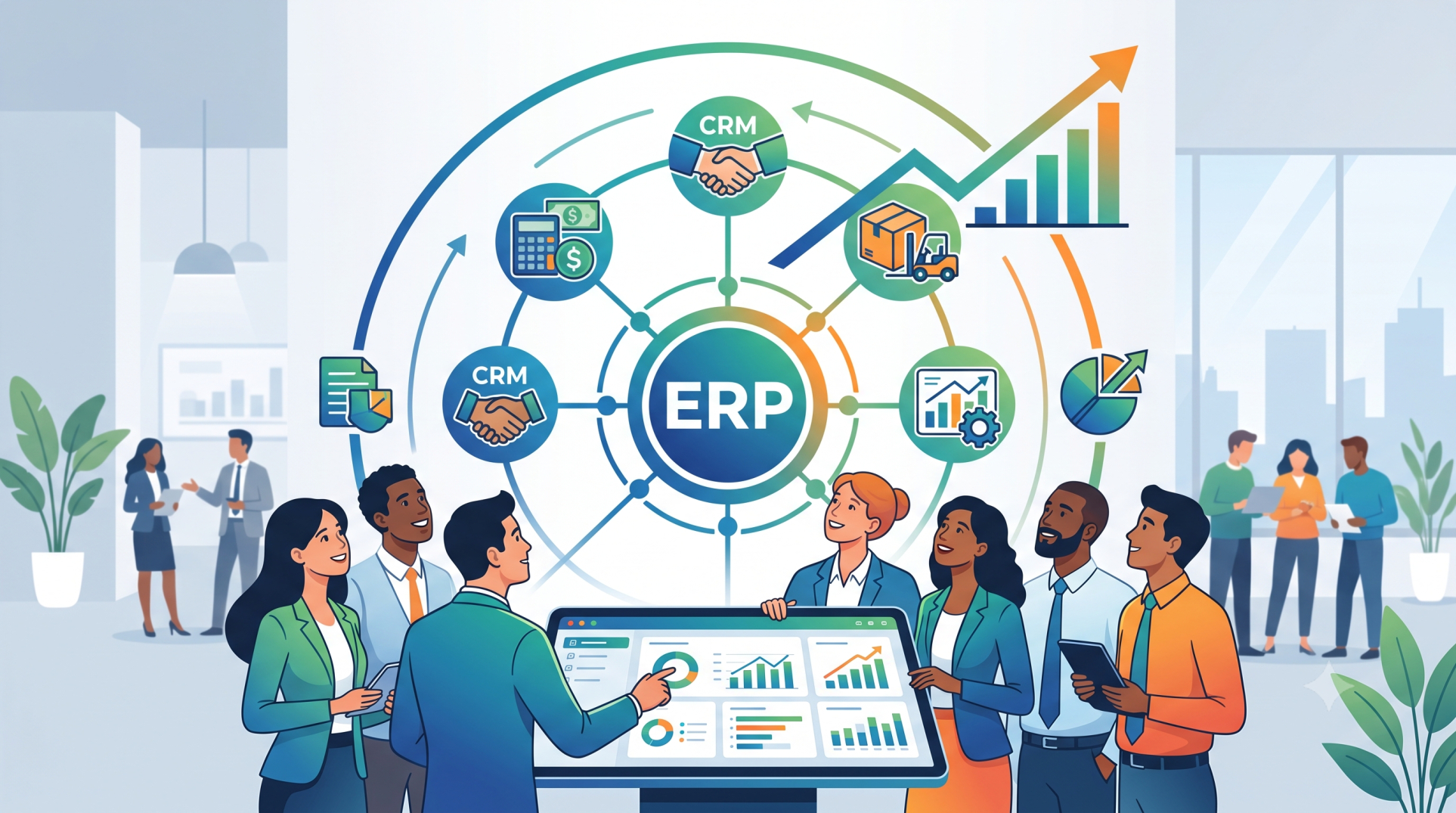
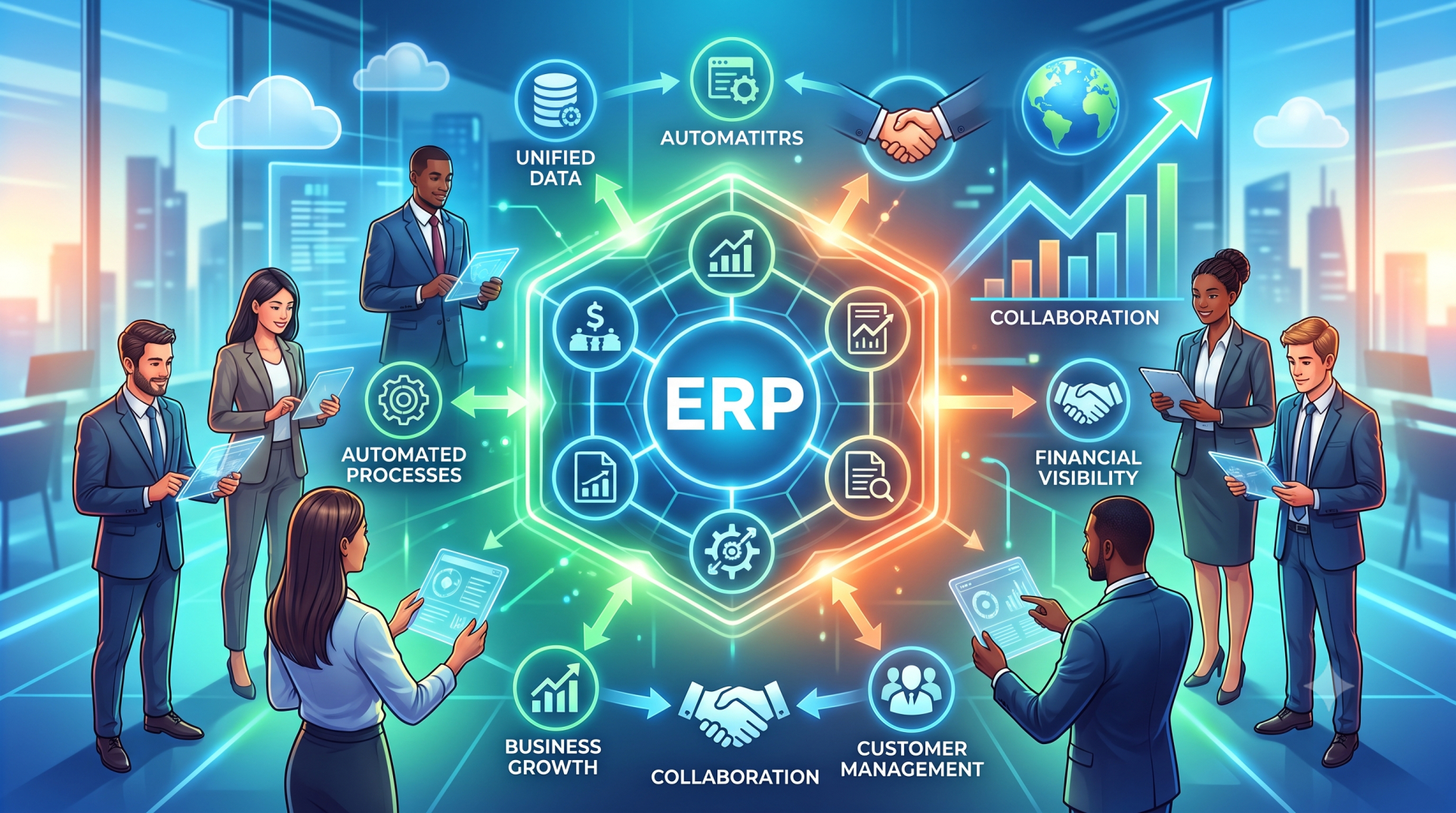
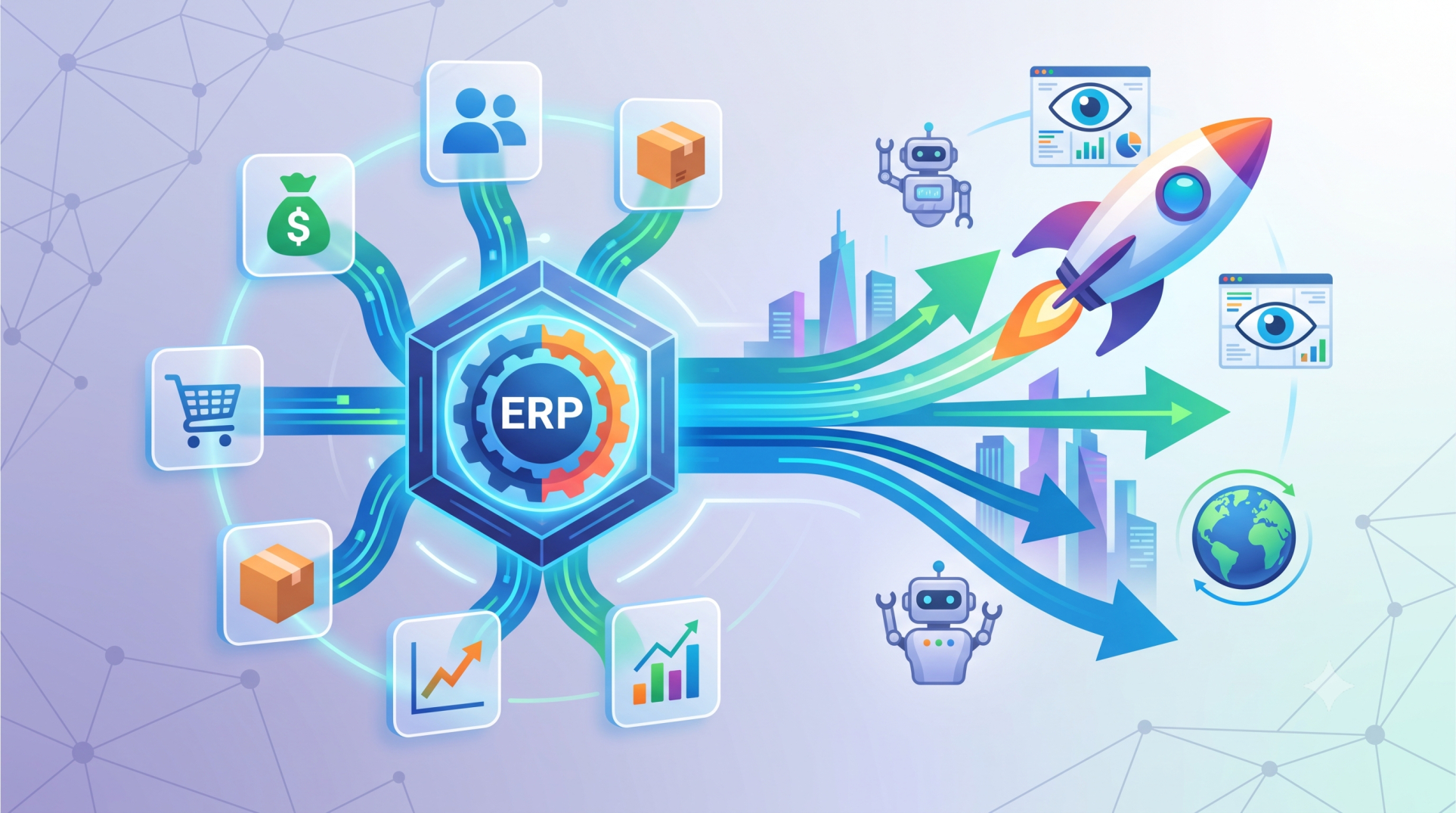
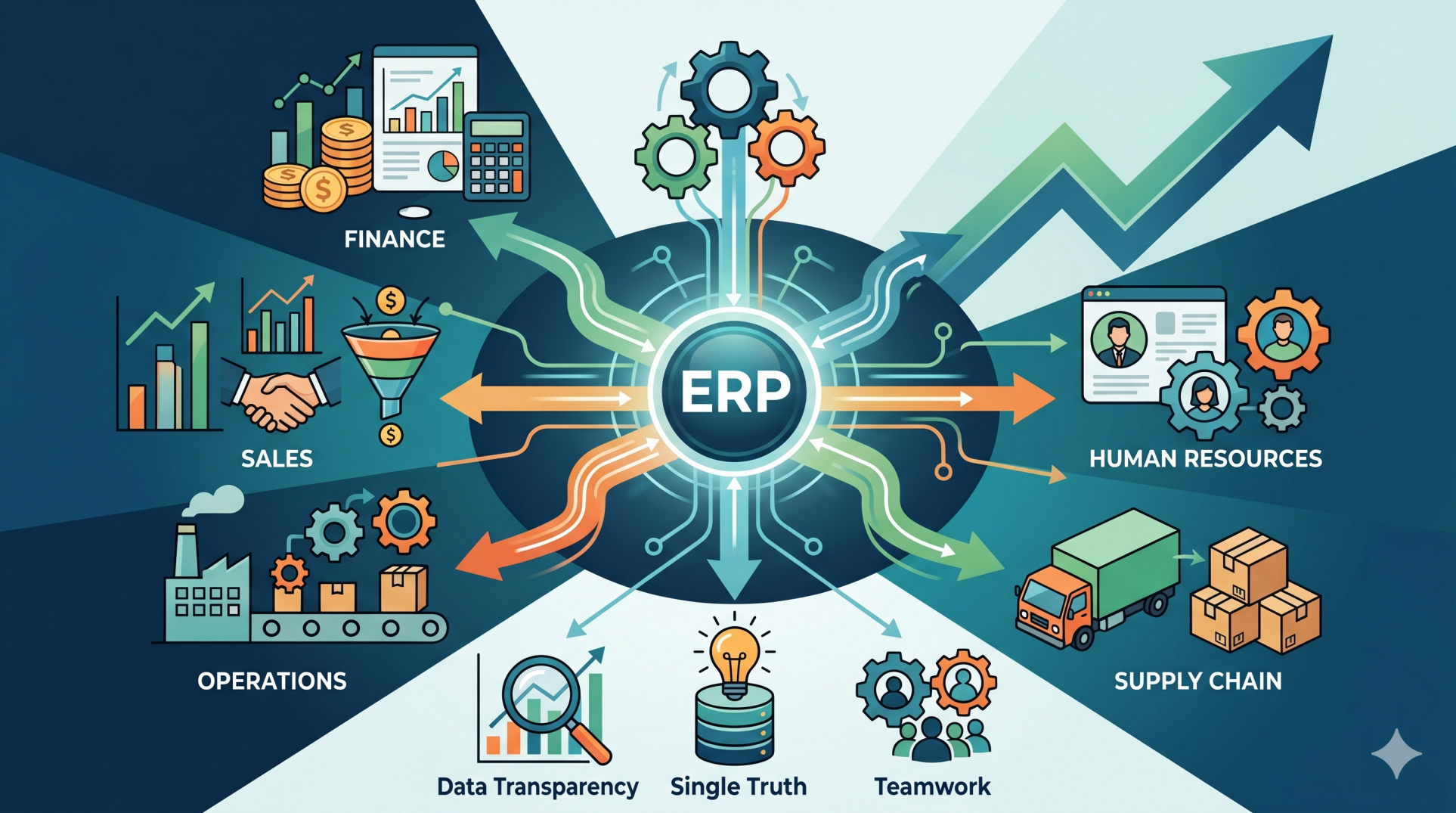
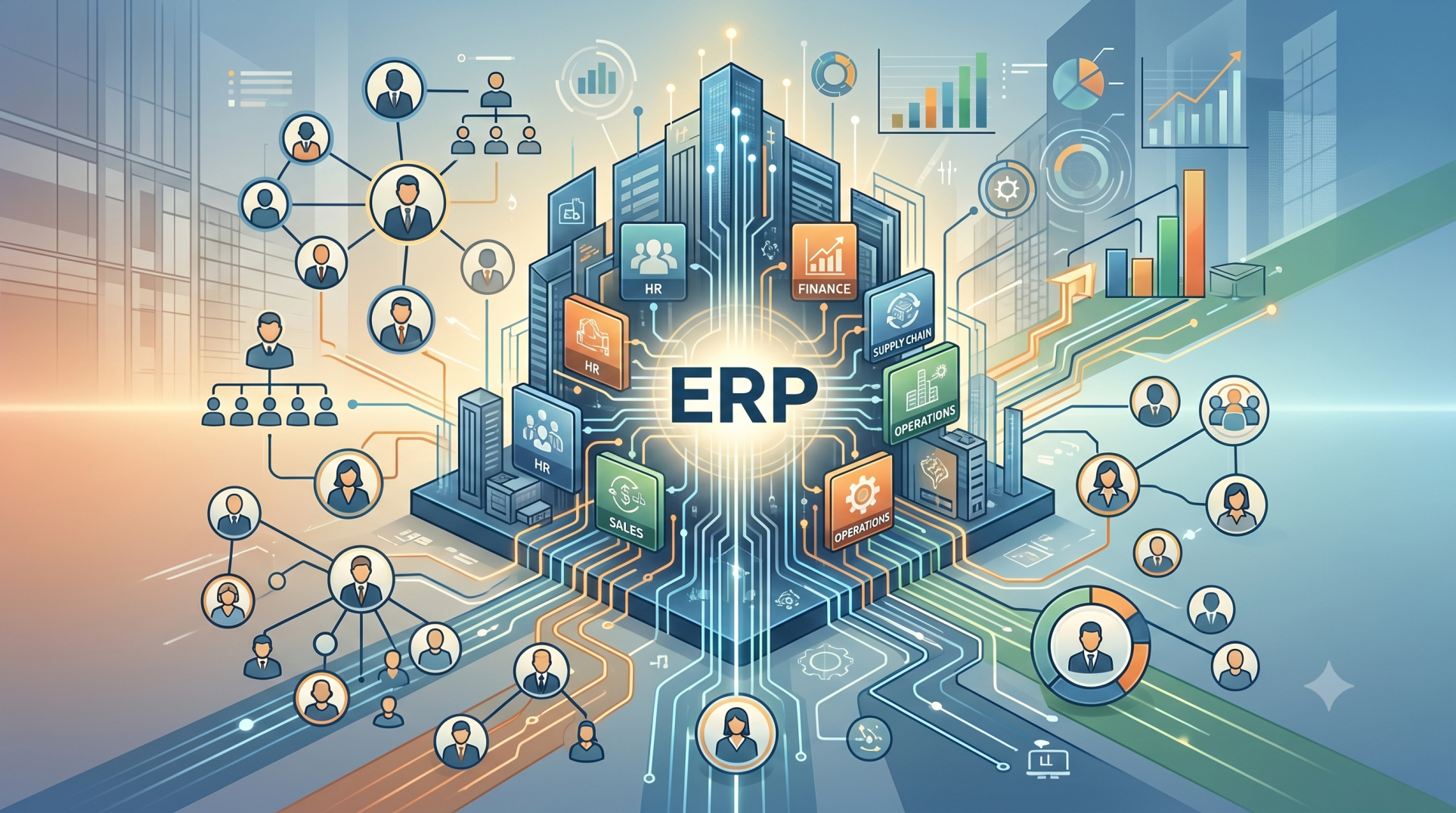
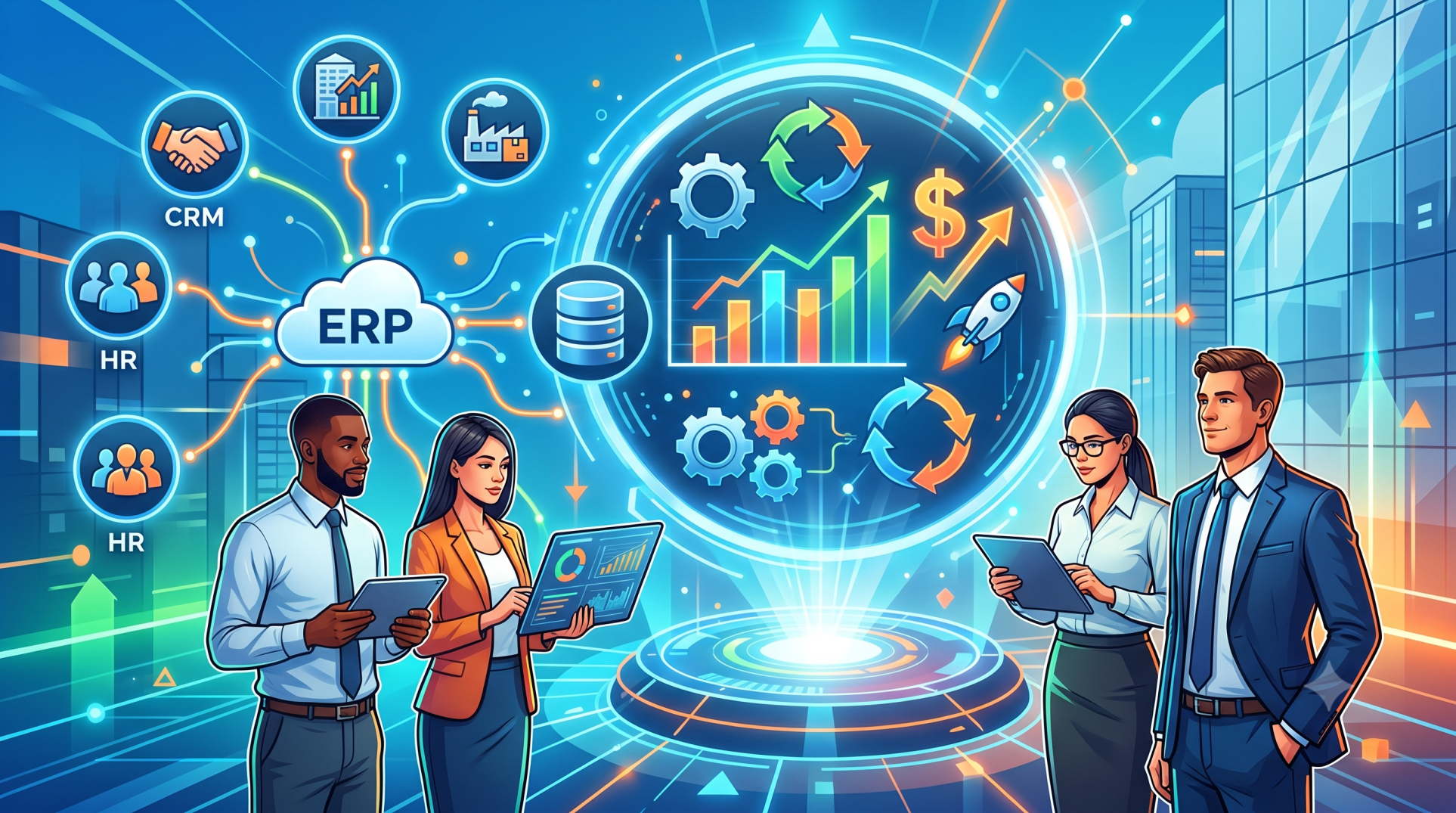
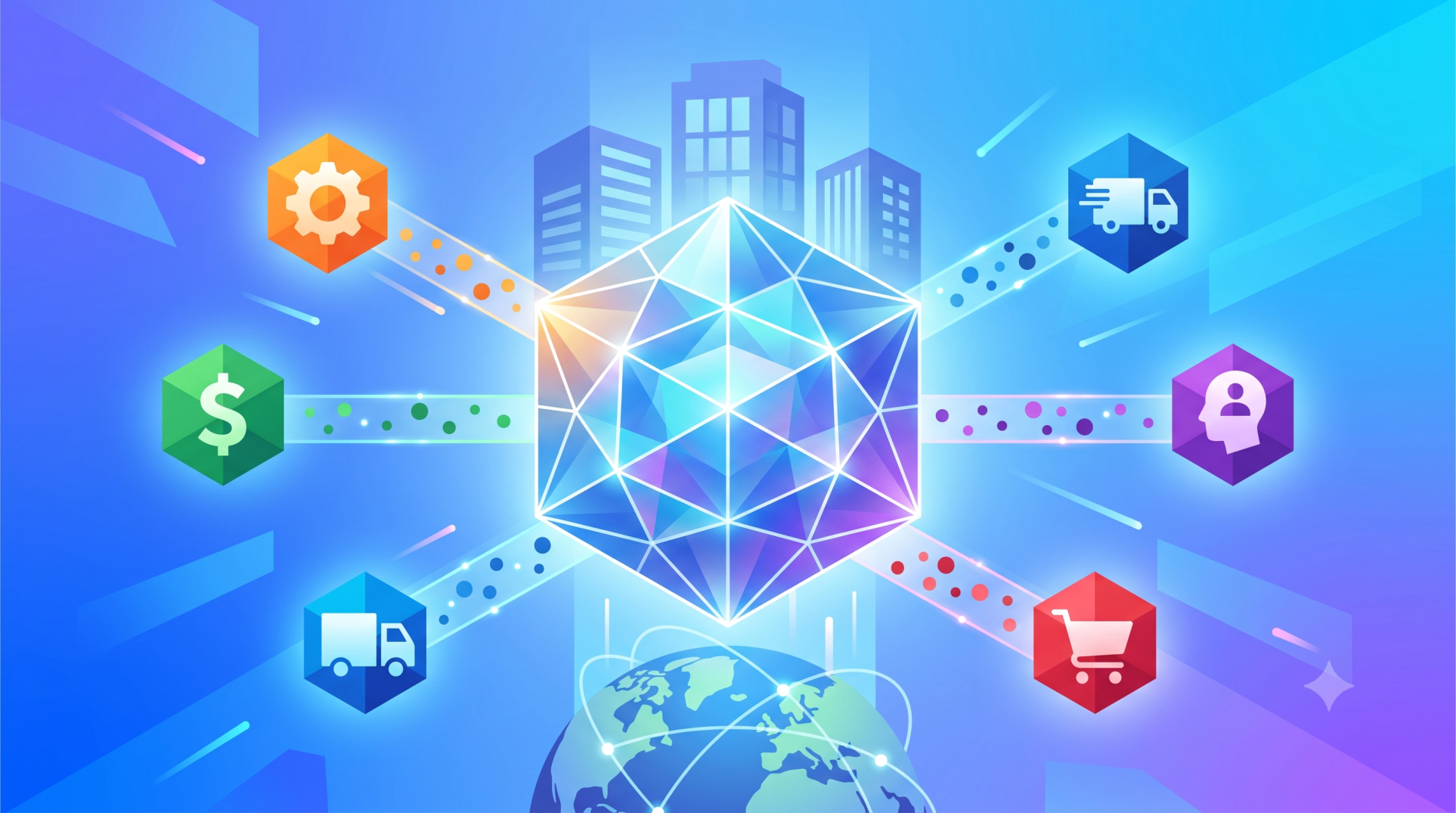
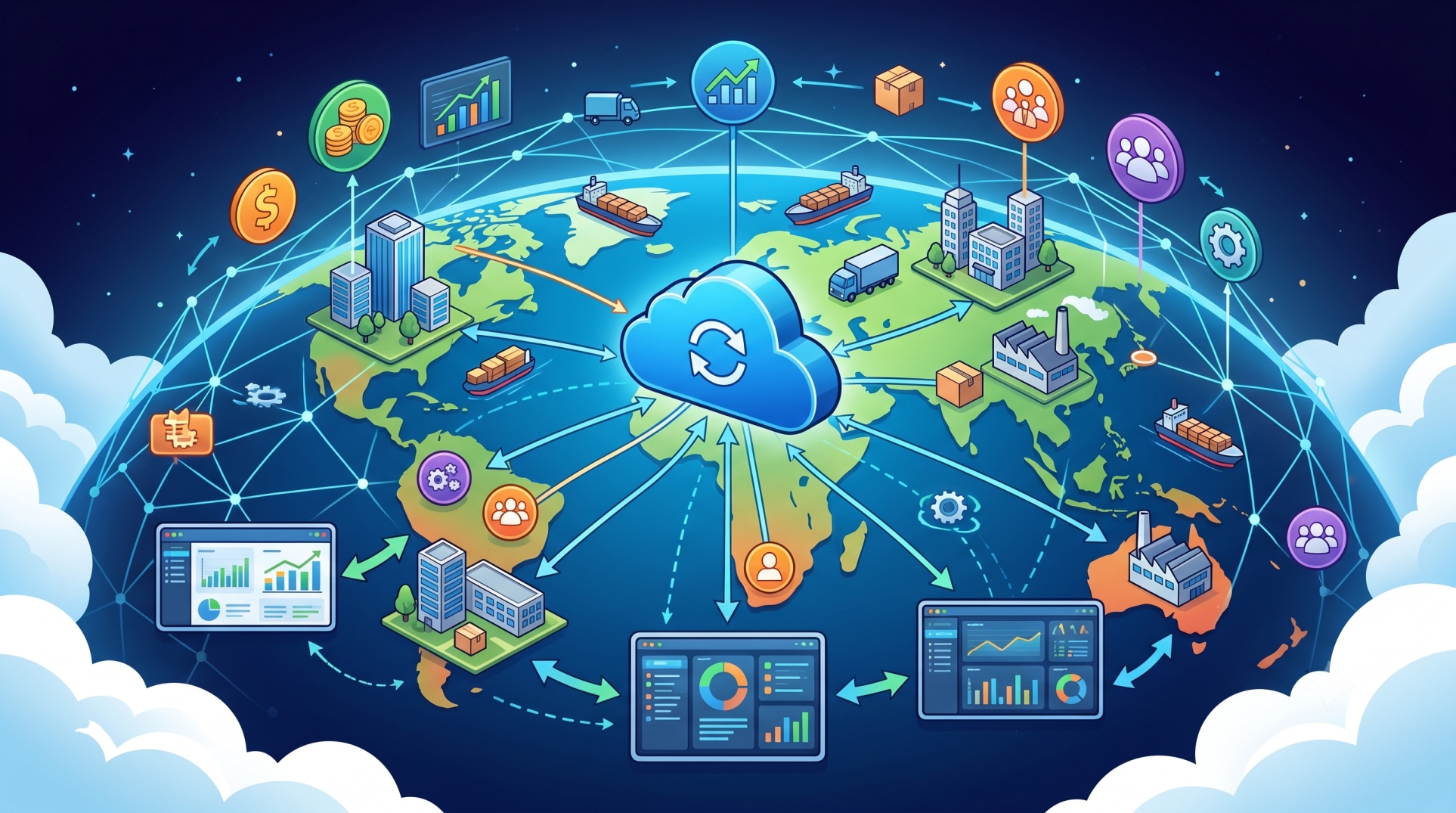
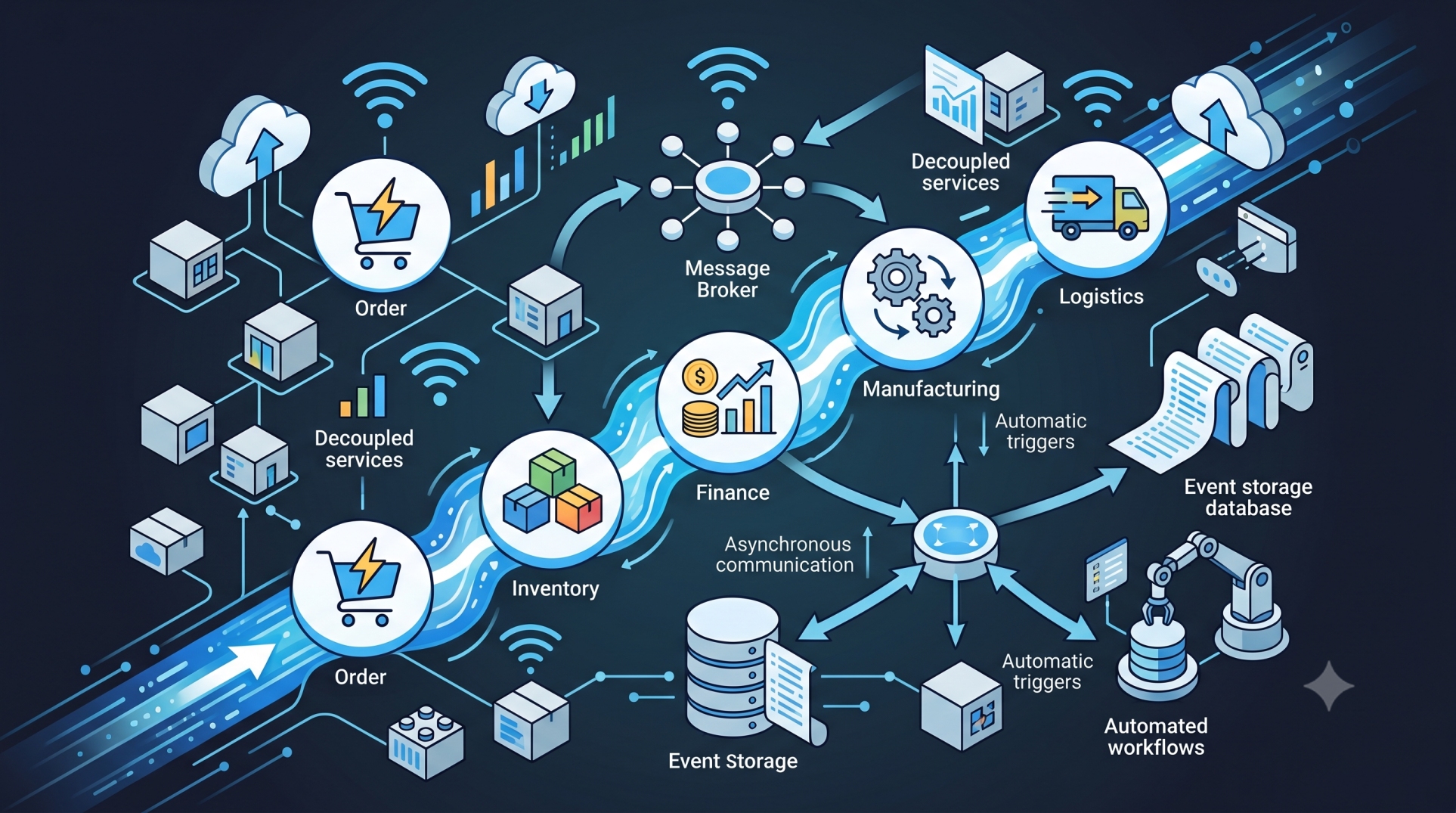
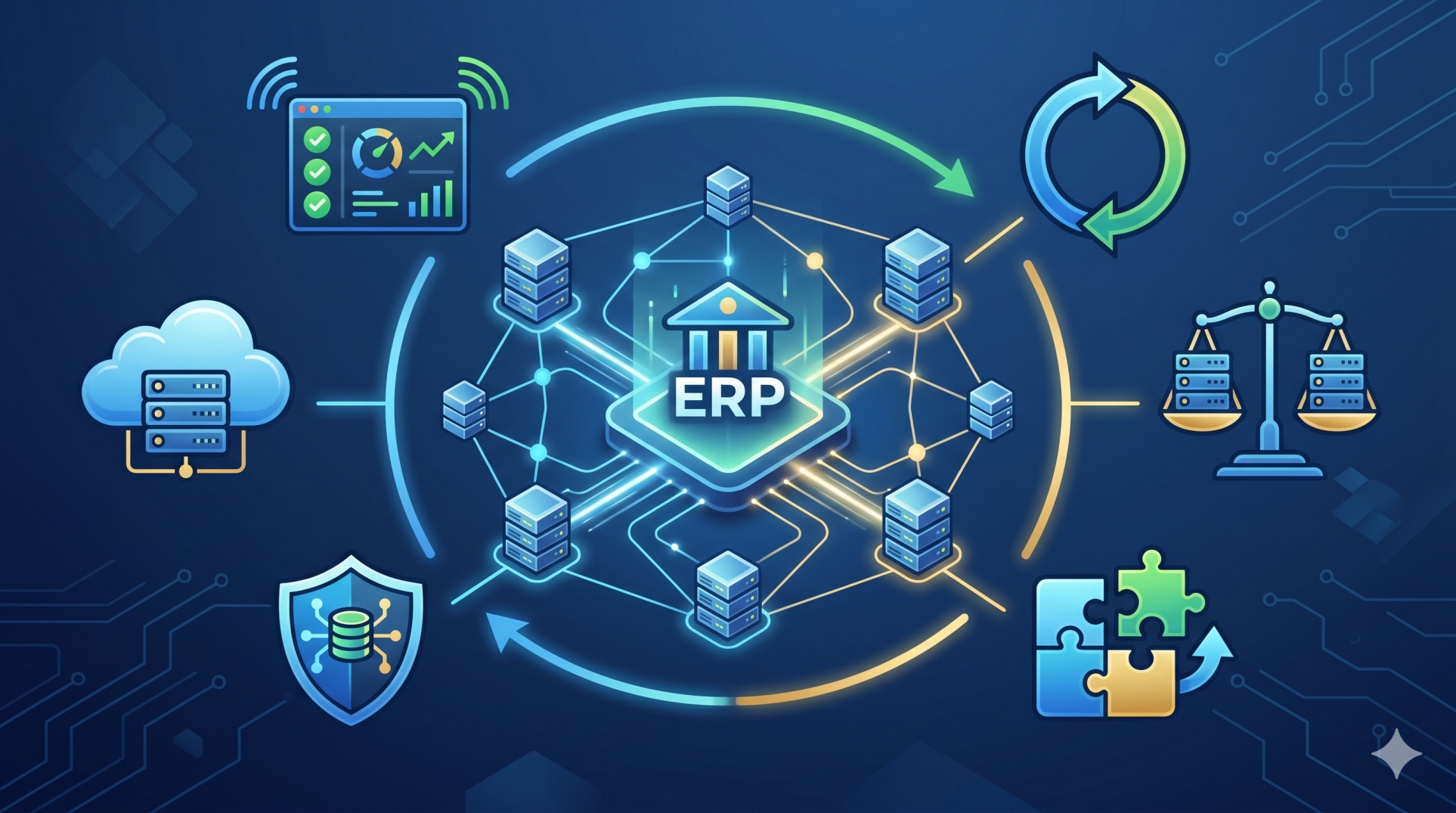
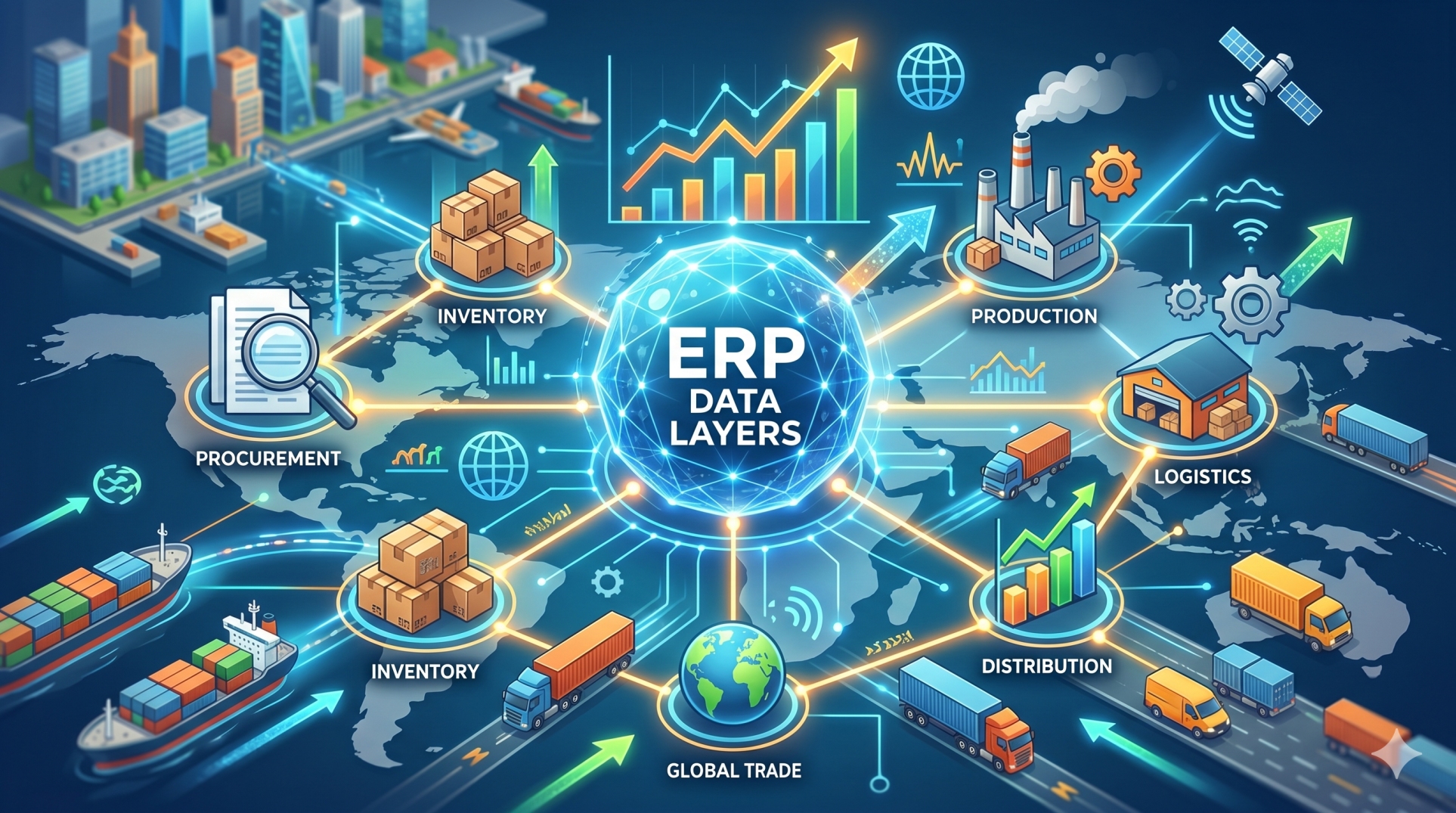
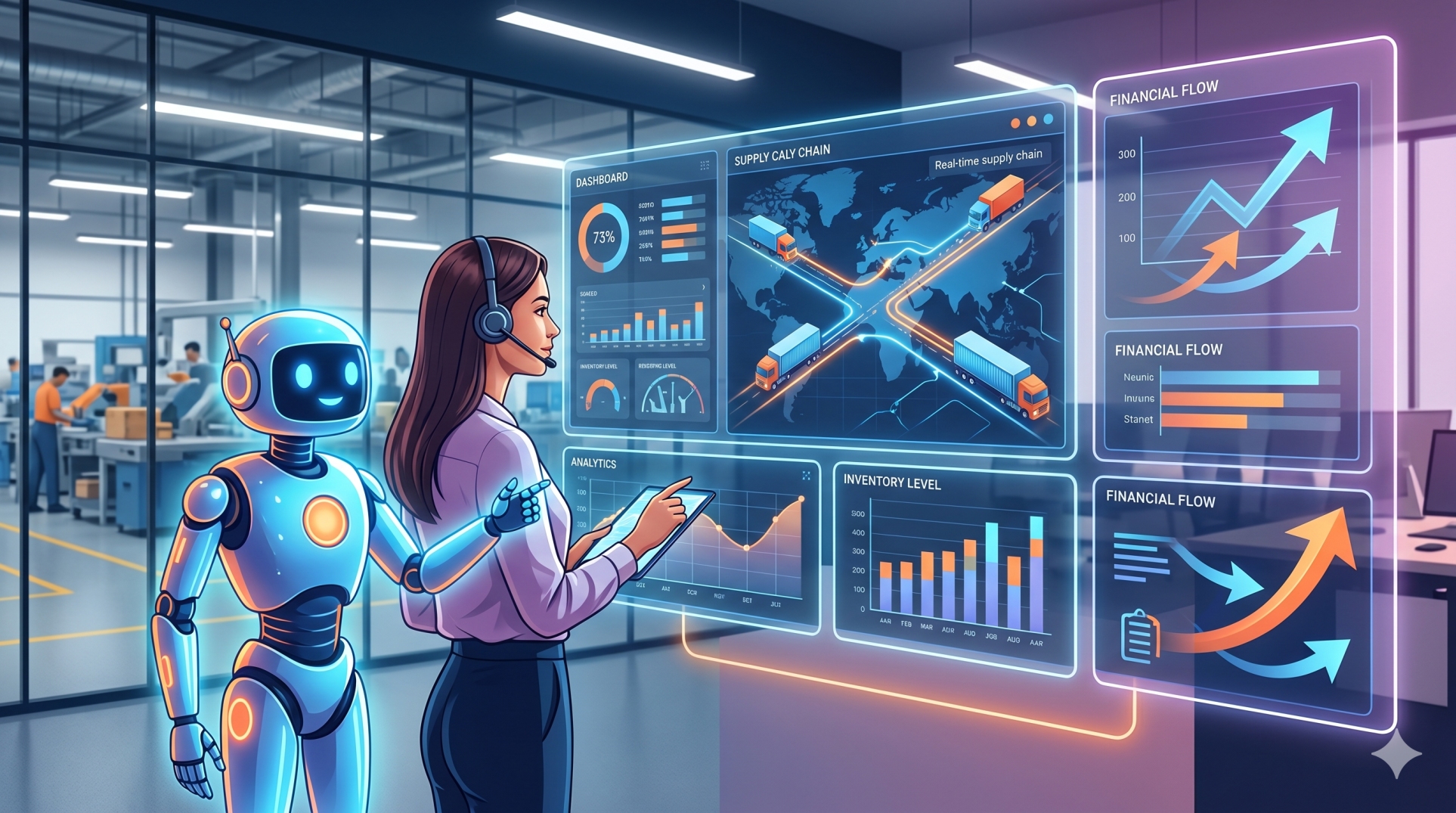
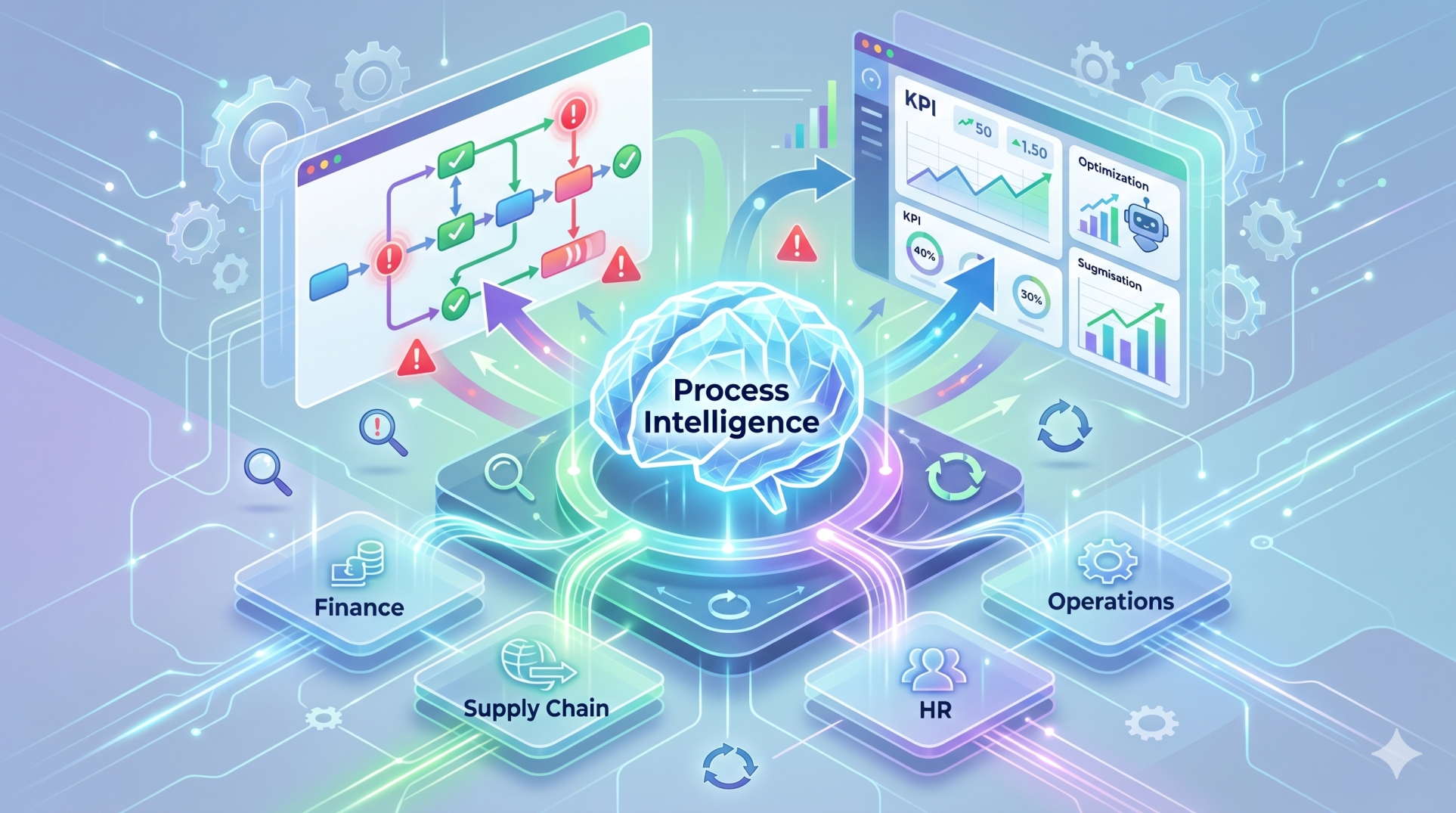
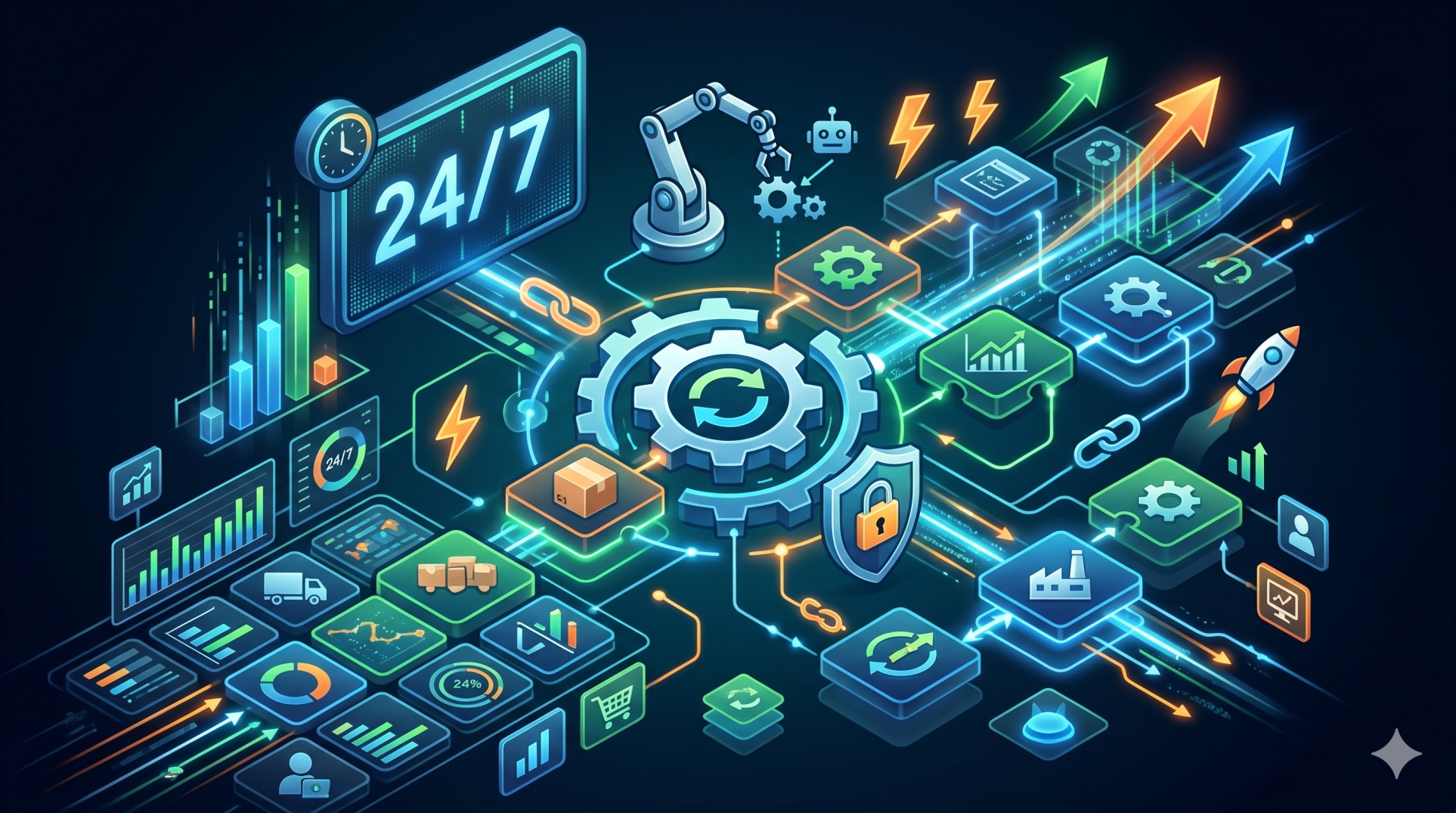
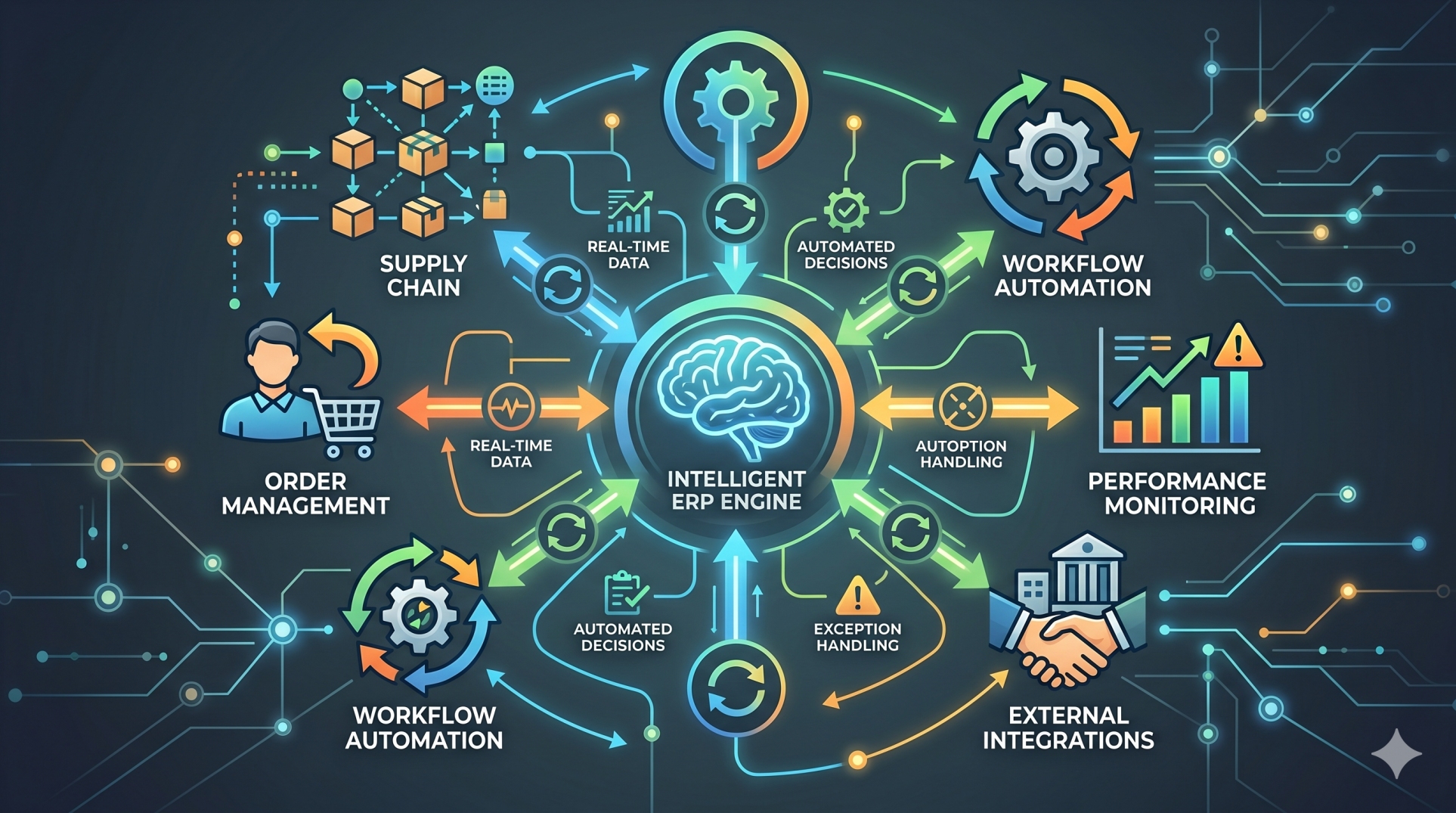
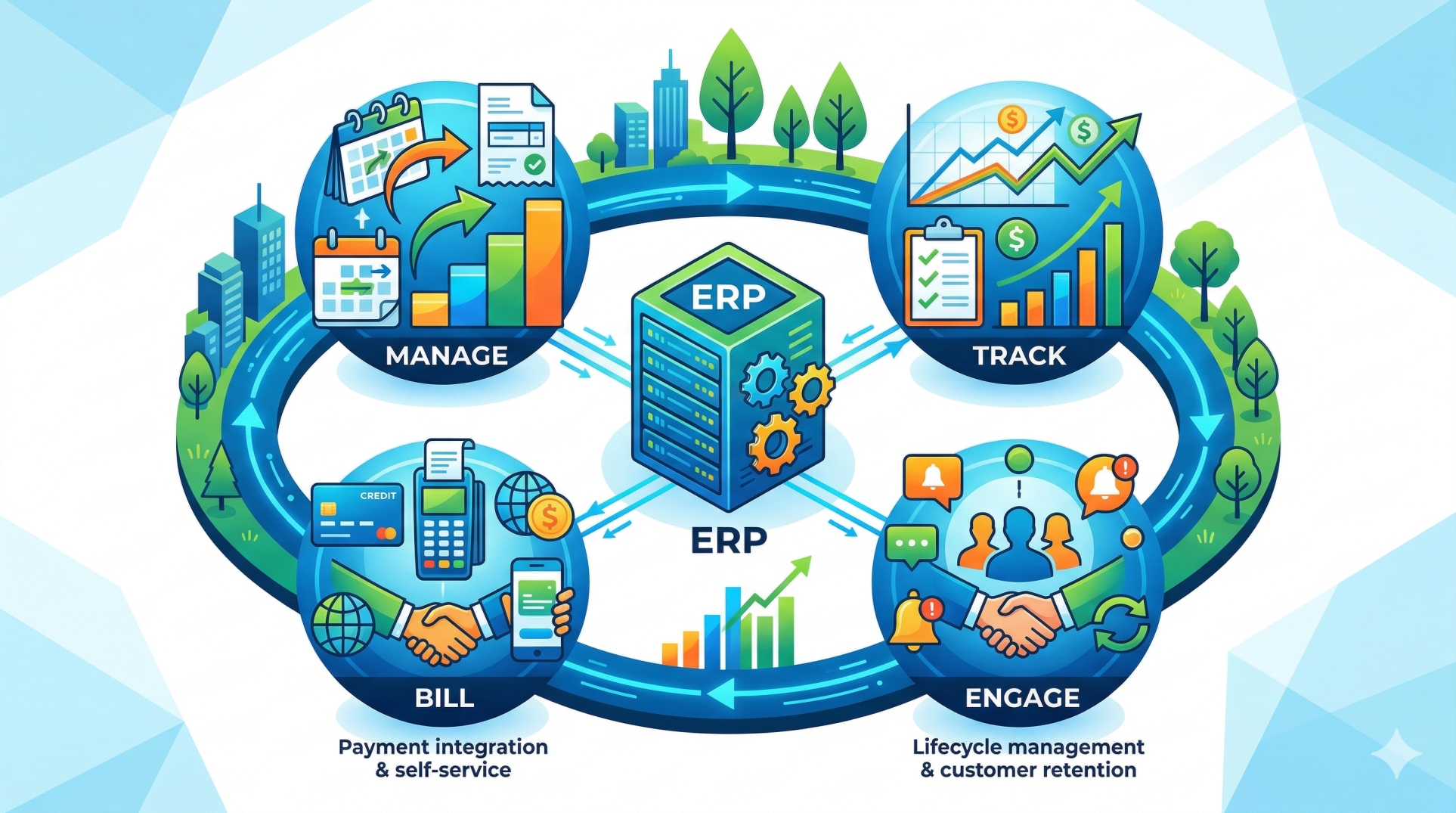
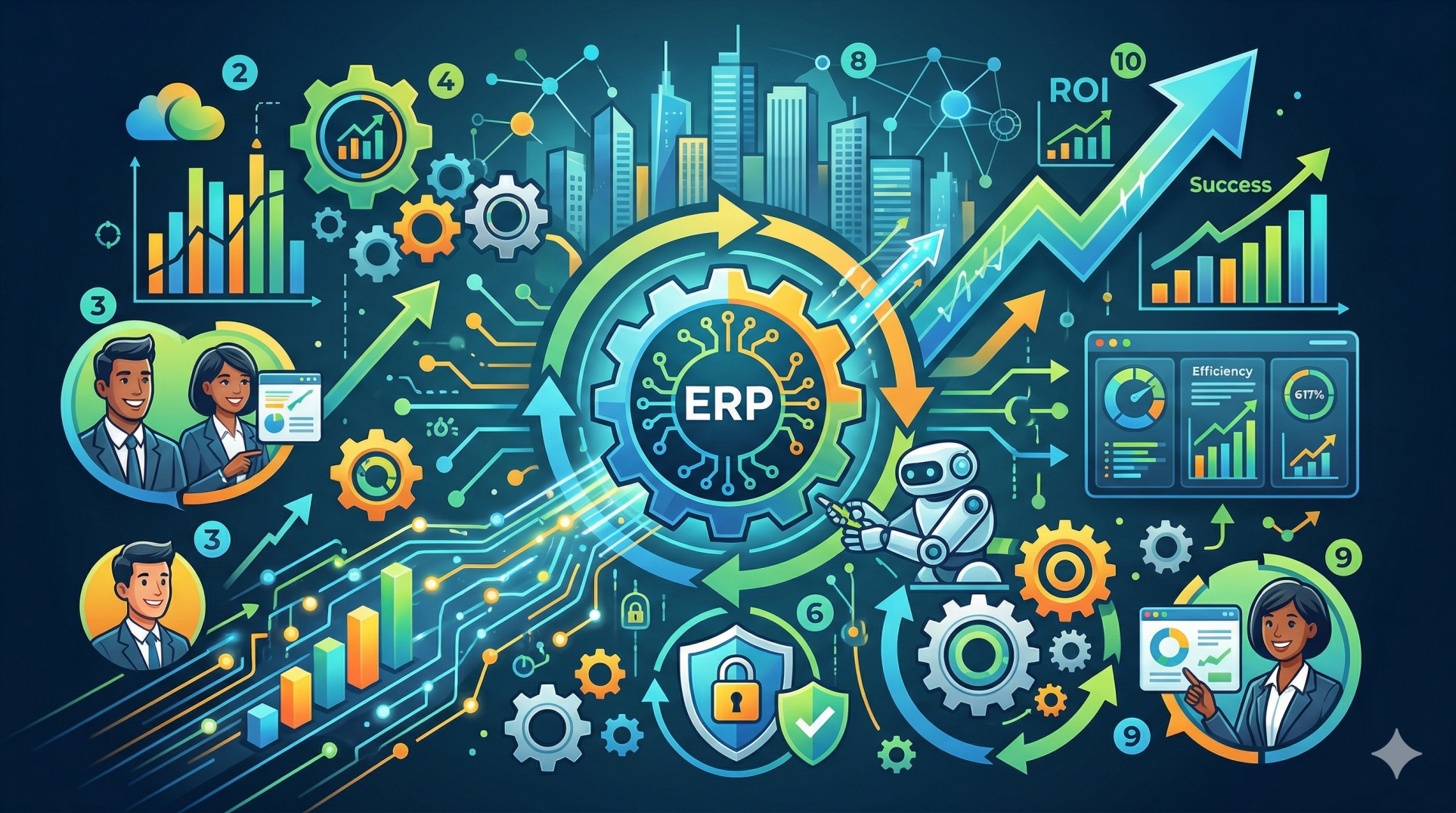
Enterprise technology is undergoing a significant transformation as traditional ERP systems evolve into broader enterprise platforms. Instead of serving solely as back-office systems, modern ERP solutions are becoming central hubs that integrate operations, data, and digital services across the organization. This convergence enables businesses to unify workflows, enhance visibility, and drive innovation through a connected ecosystem of applications and services.
Step 1: Understanding the Shift from ERP to Enterprise Platforms 🔄
• Traditional ERP systems focused on core transactional processes 📊
• Enterprise platforms extend beyond ERP to include broader capabilities 🌐
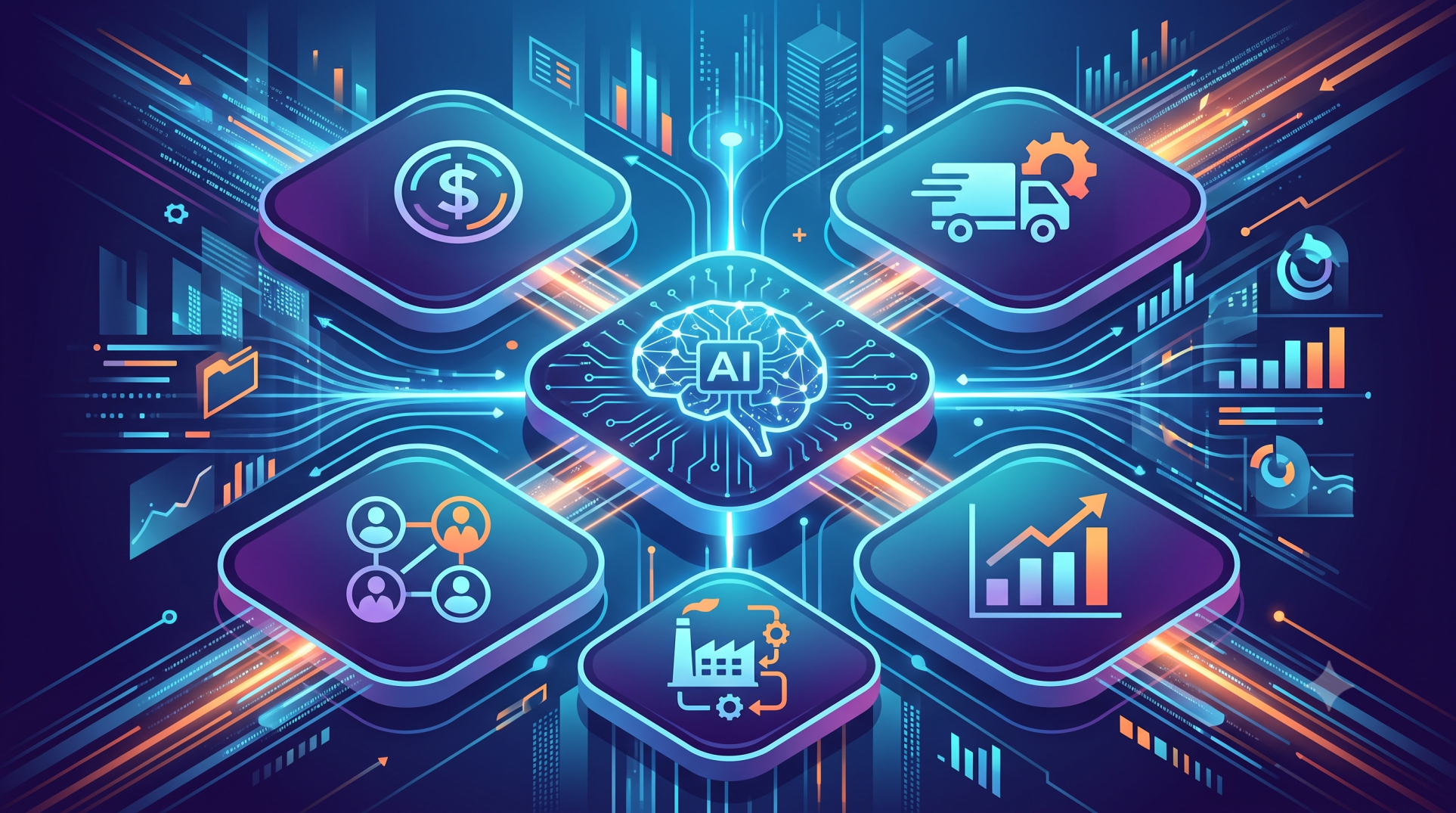
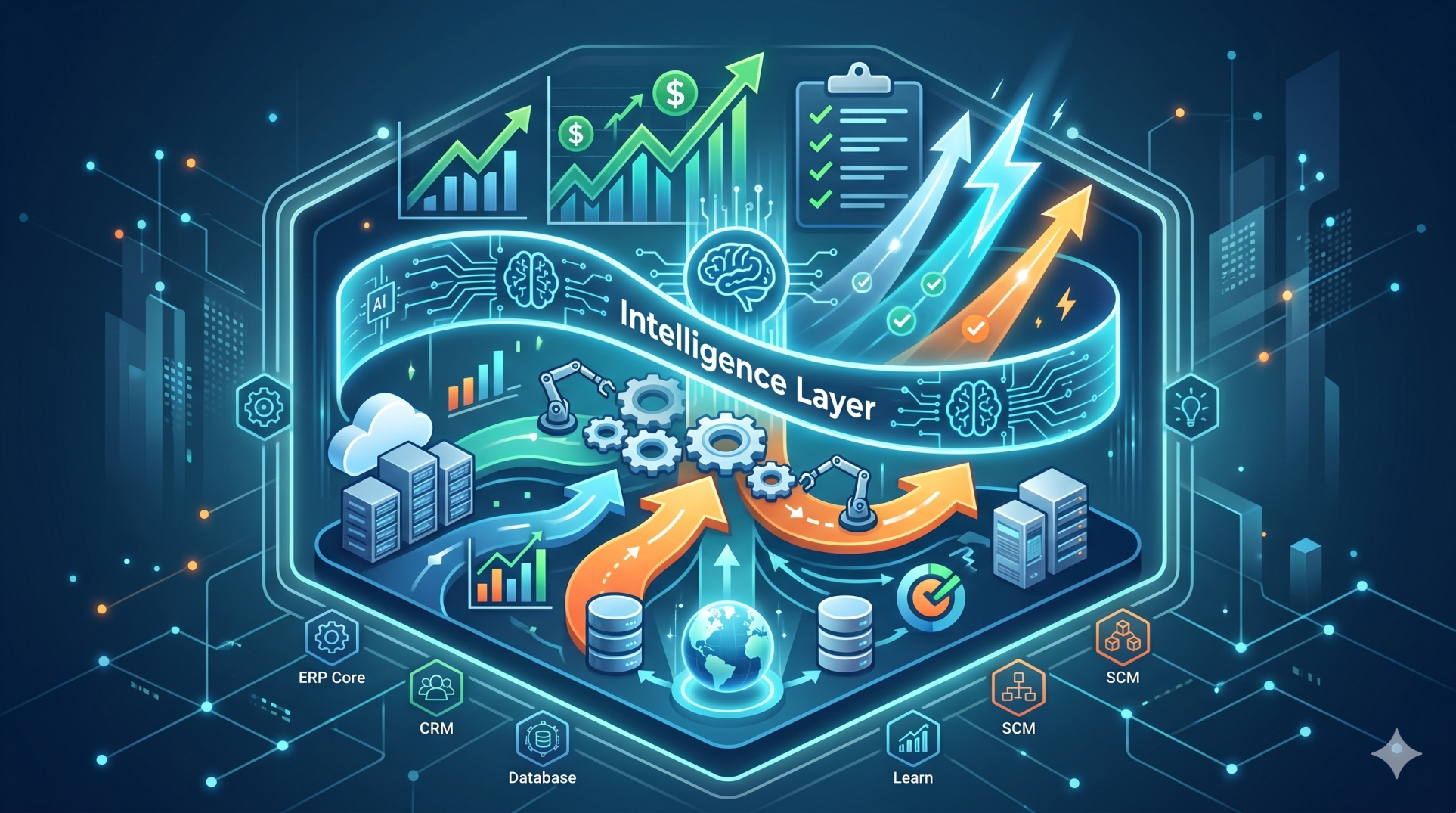
• Combine operational systems with analytics, collaboration, and automation 🧠
• Shift from system-of-record to system-of-engagement 🤝
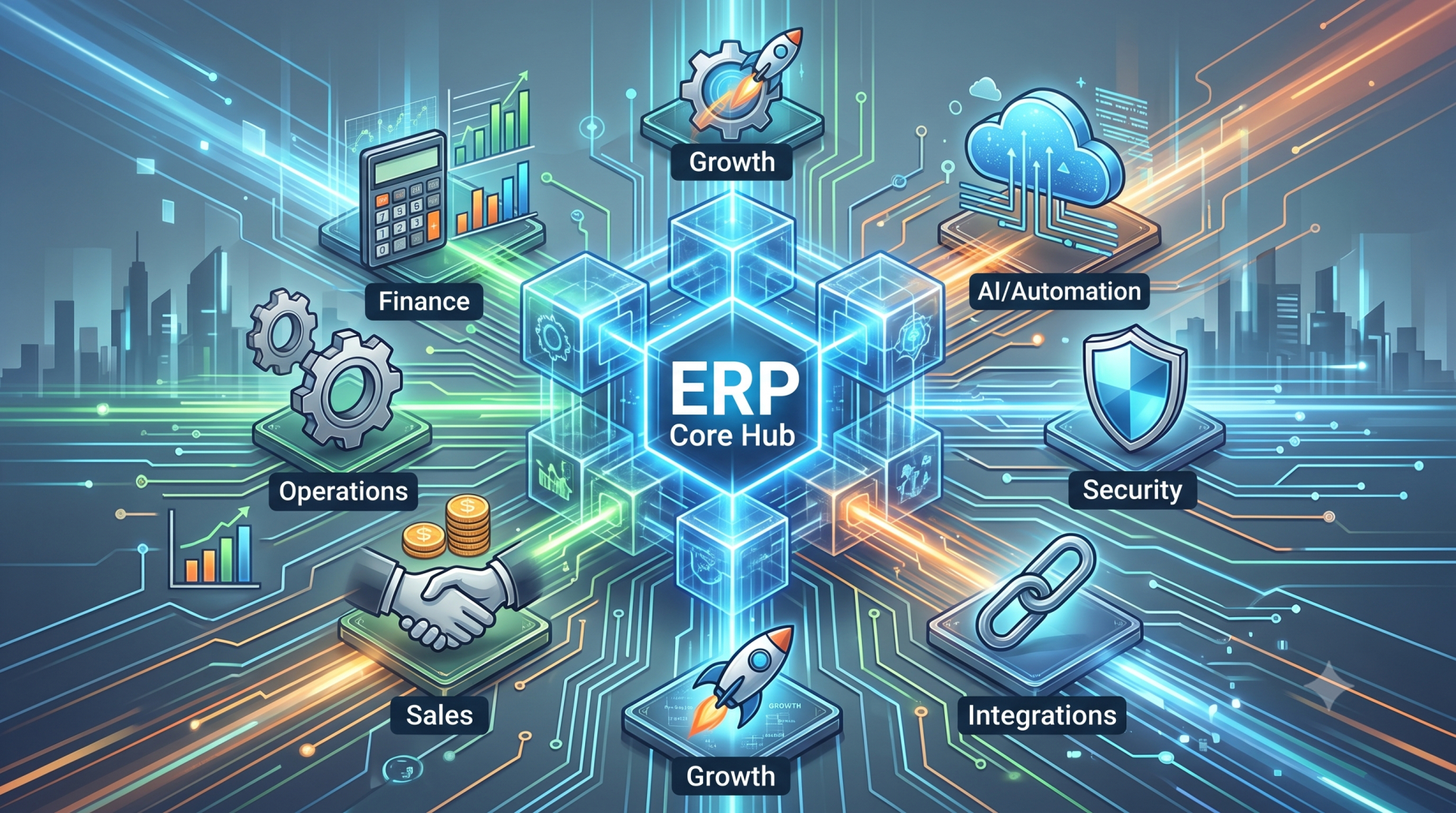
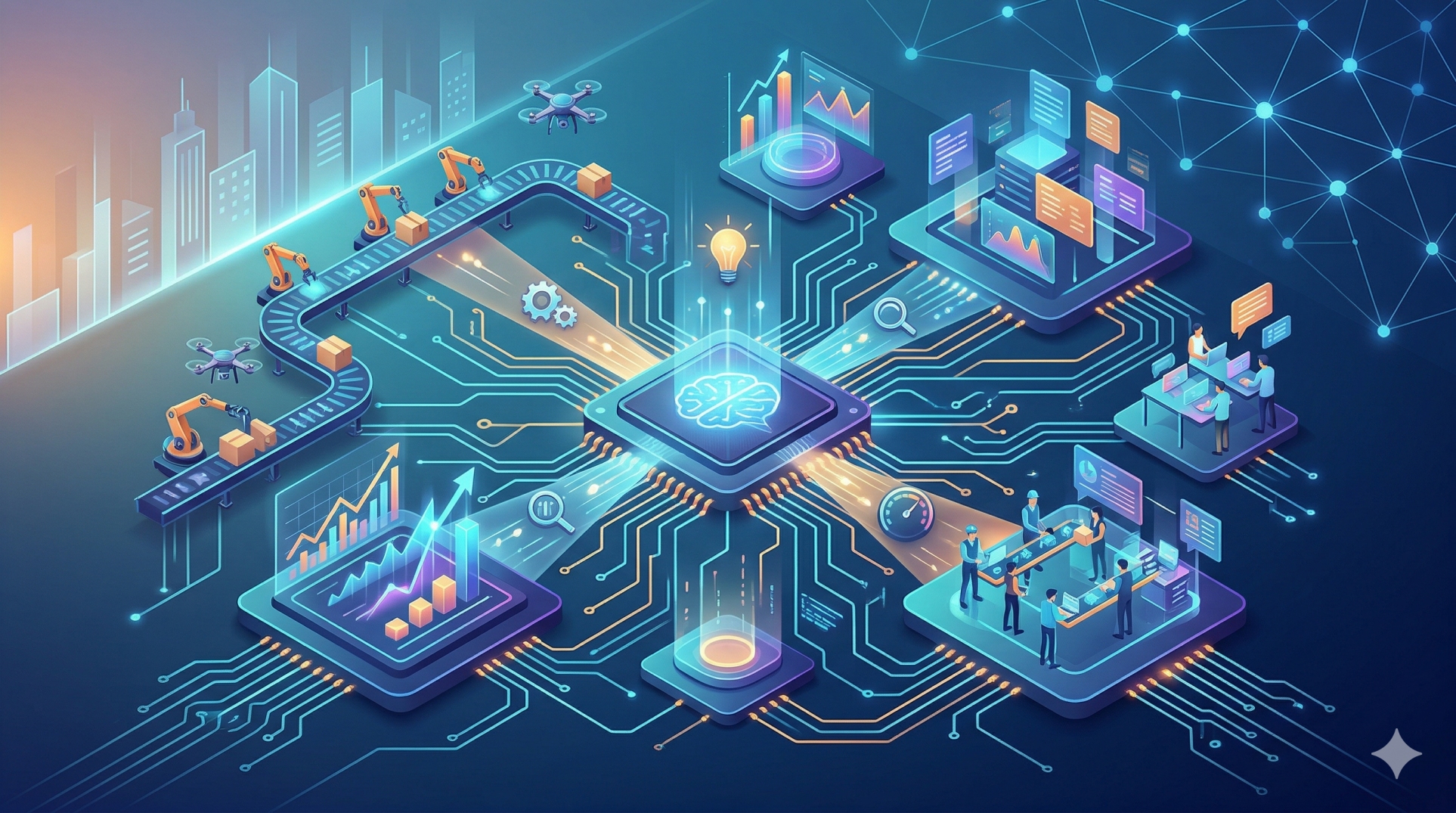
• Enable a unified digital backbone across the organization 🏗️
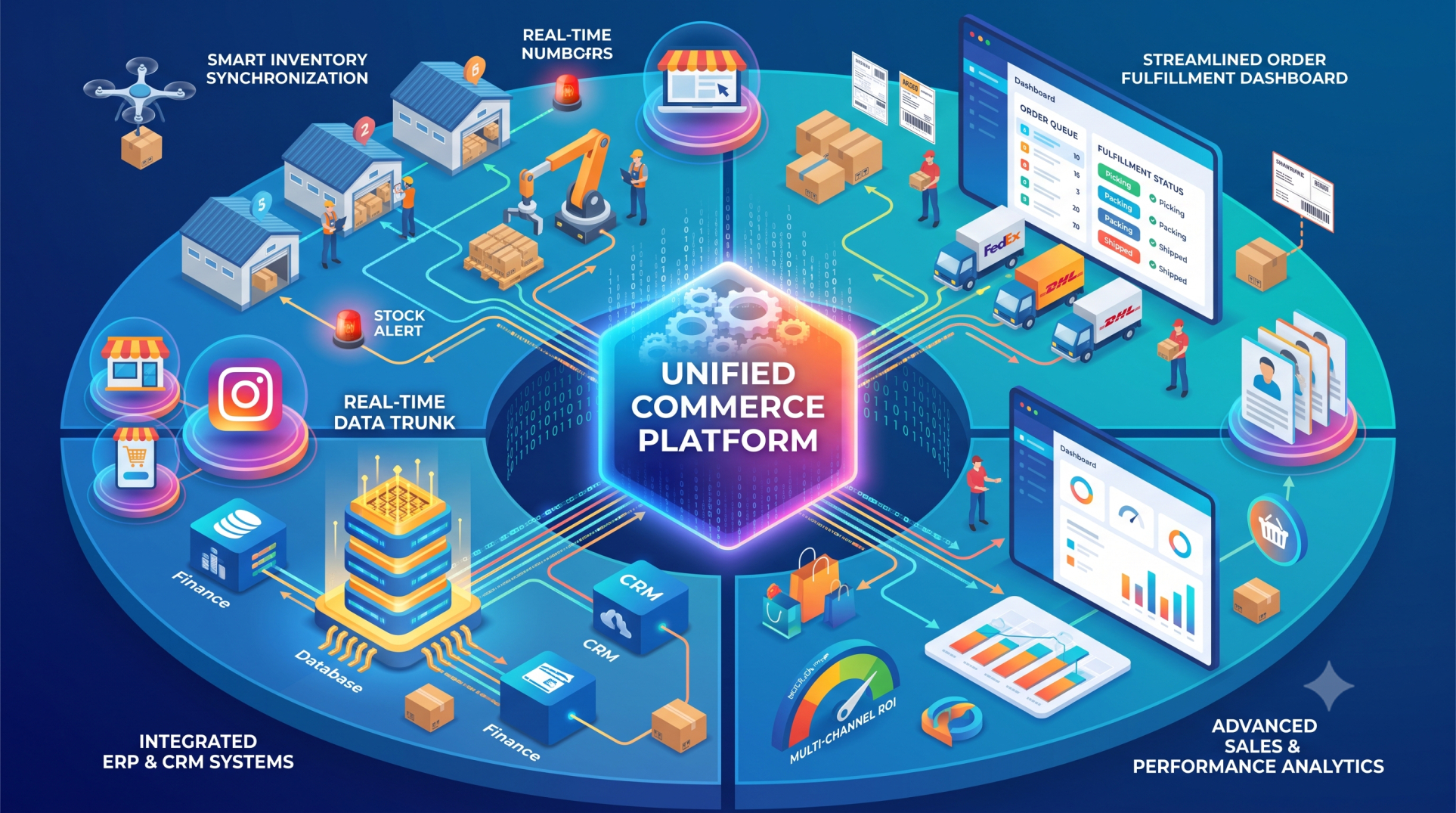
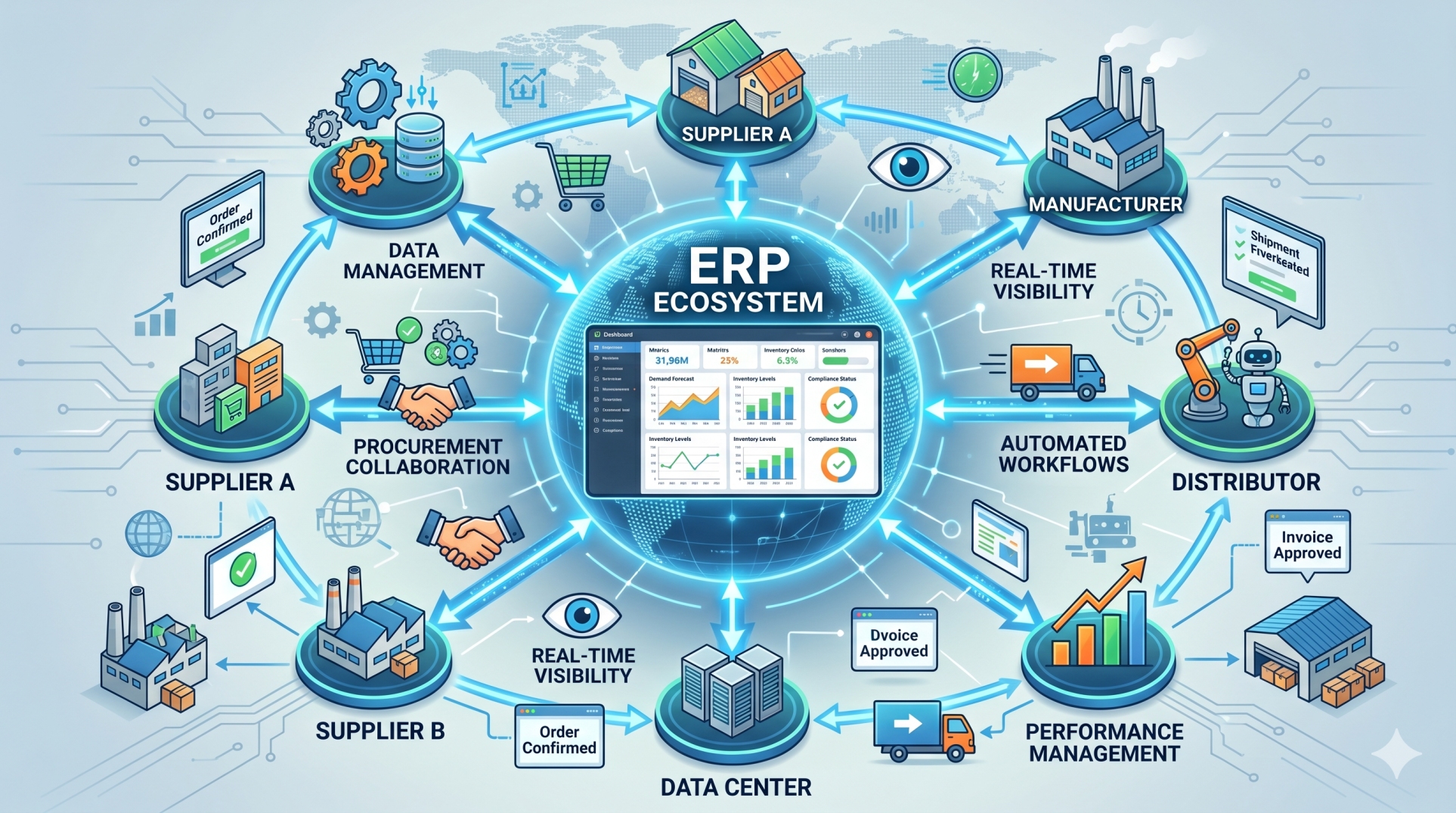
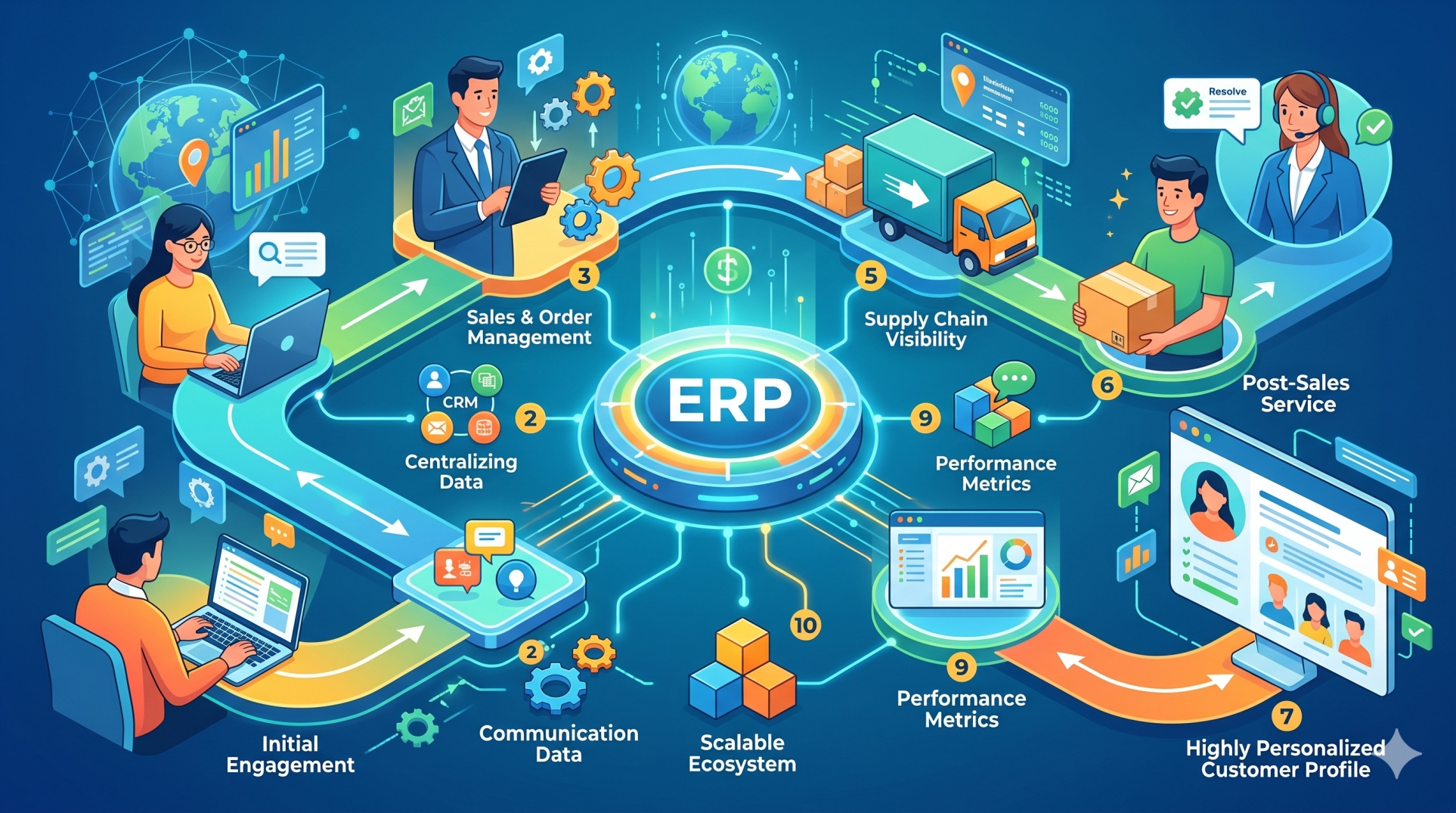
Step 2: Integrating Business Functions Across the Enterprise 🔗
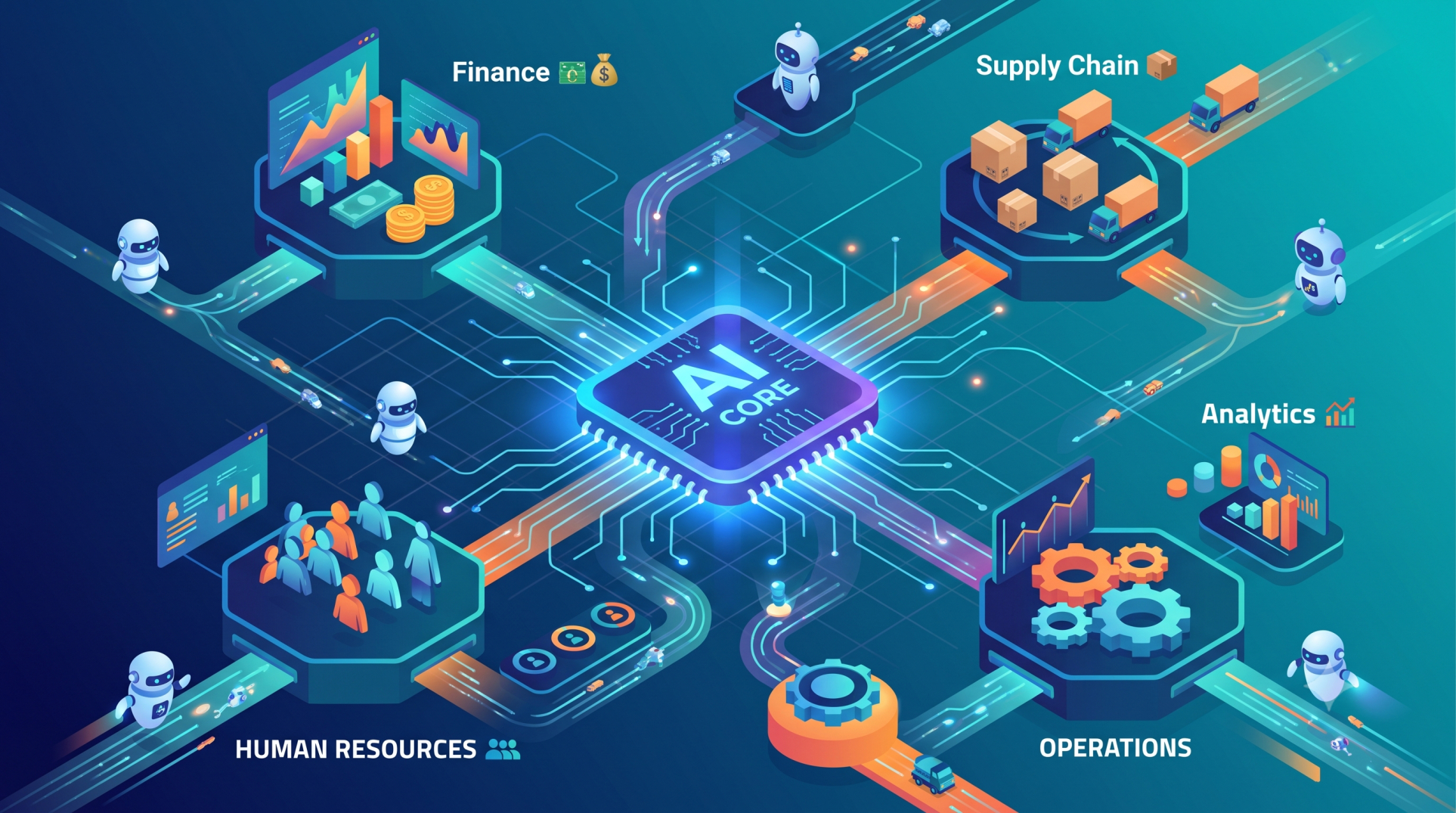
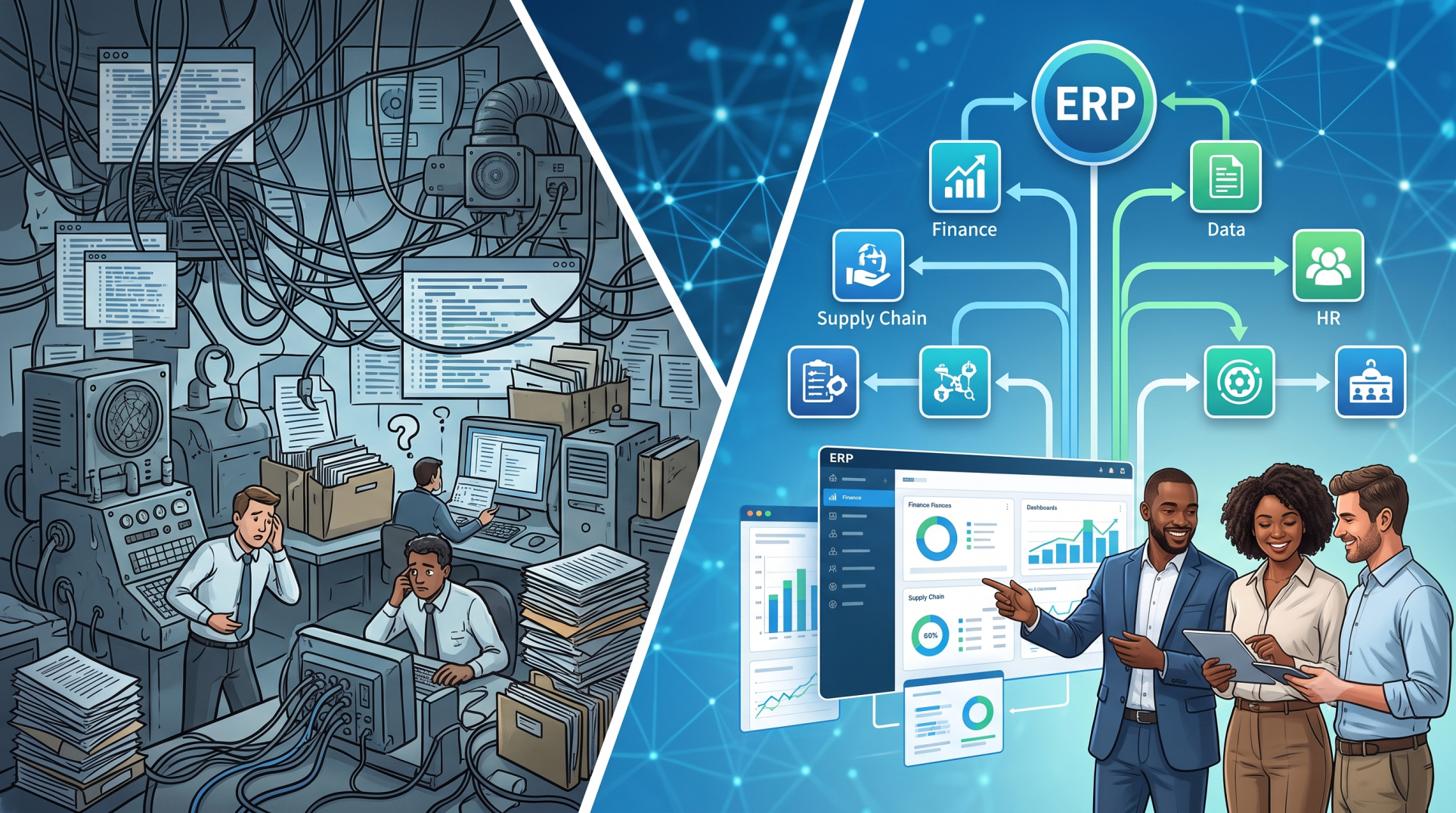
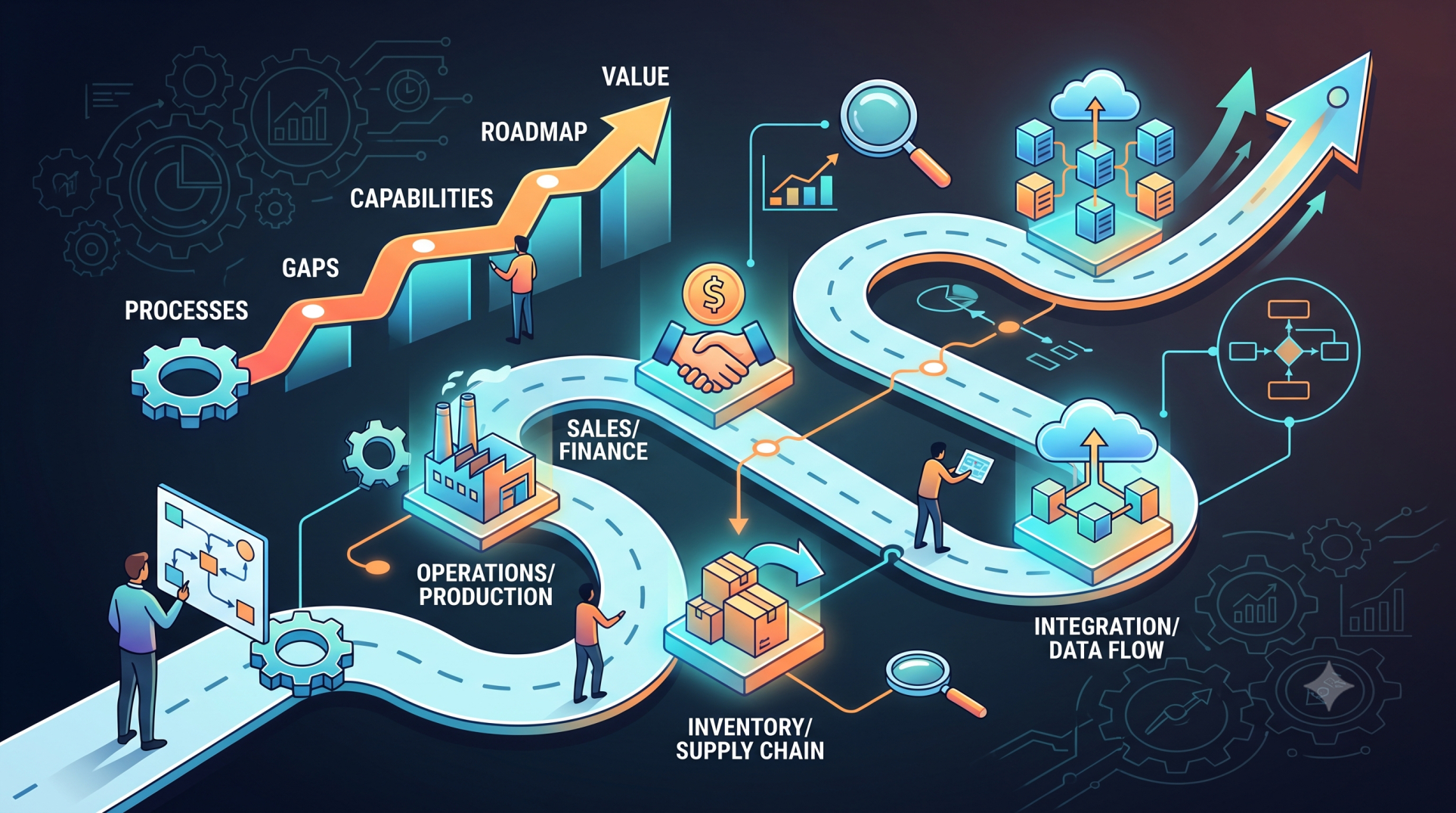
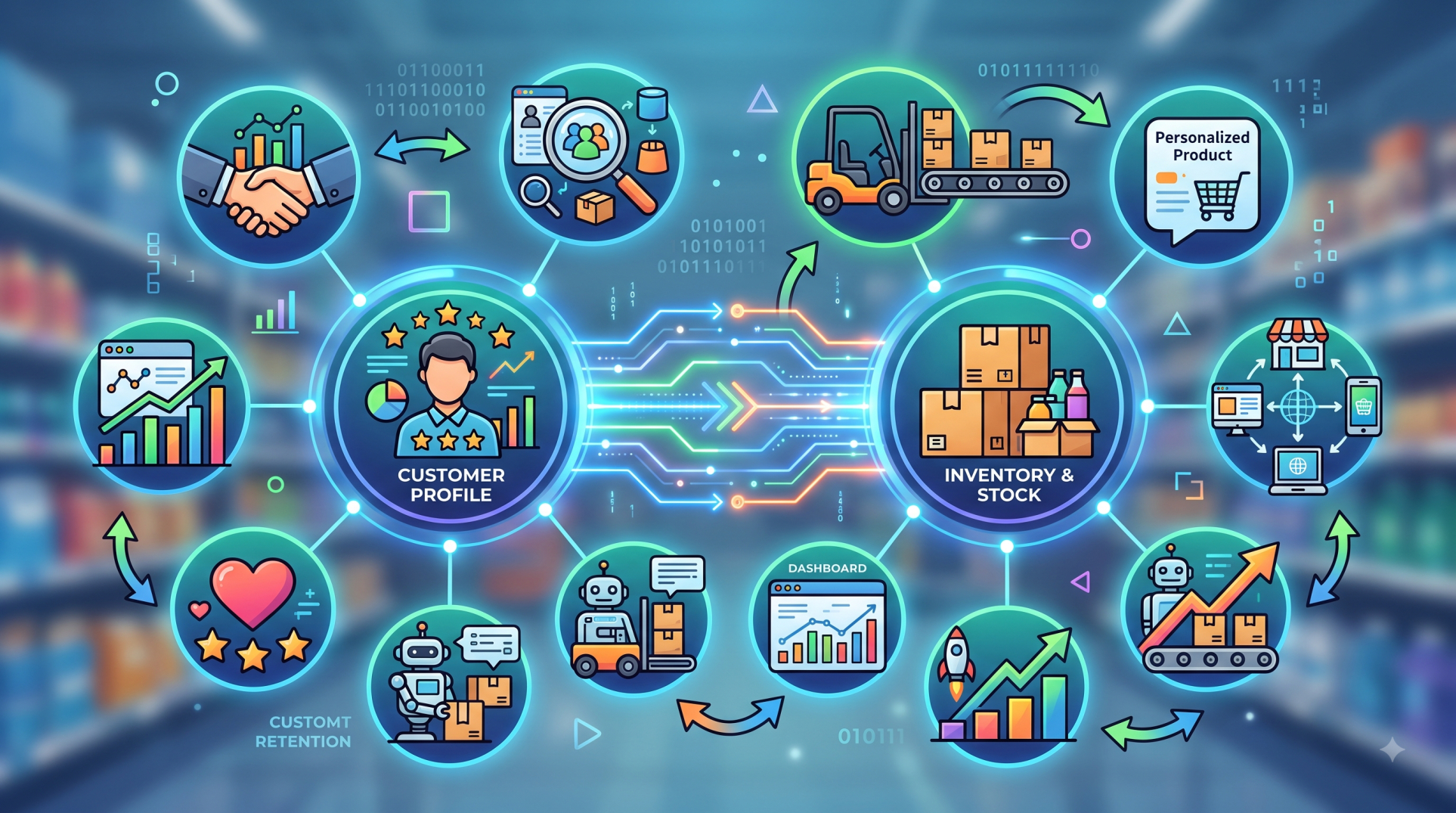
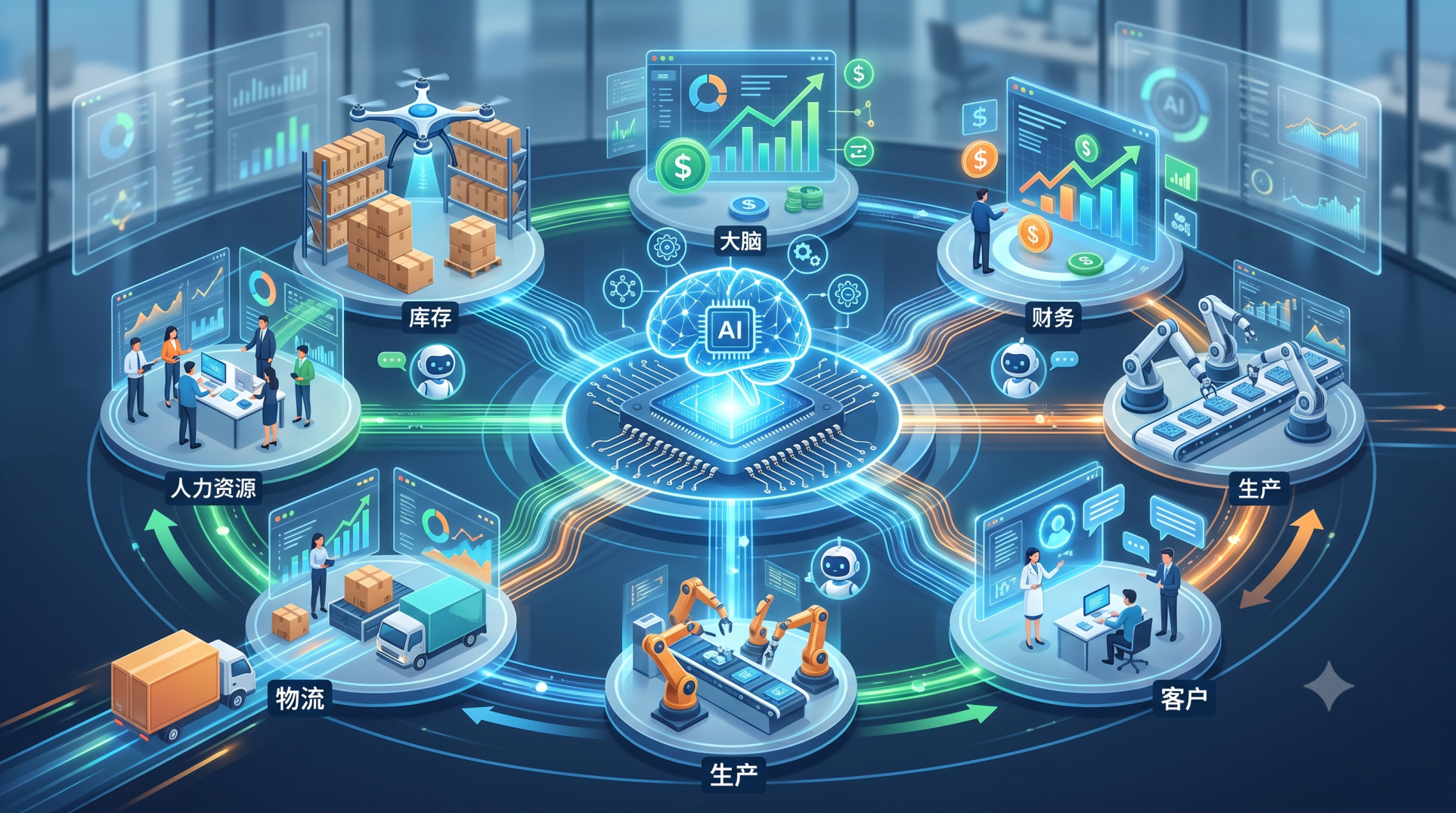
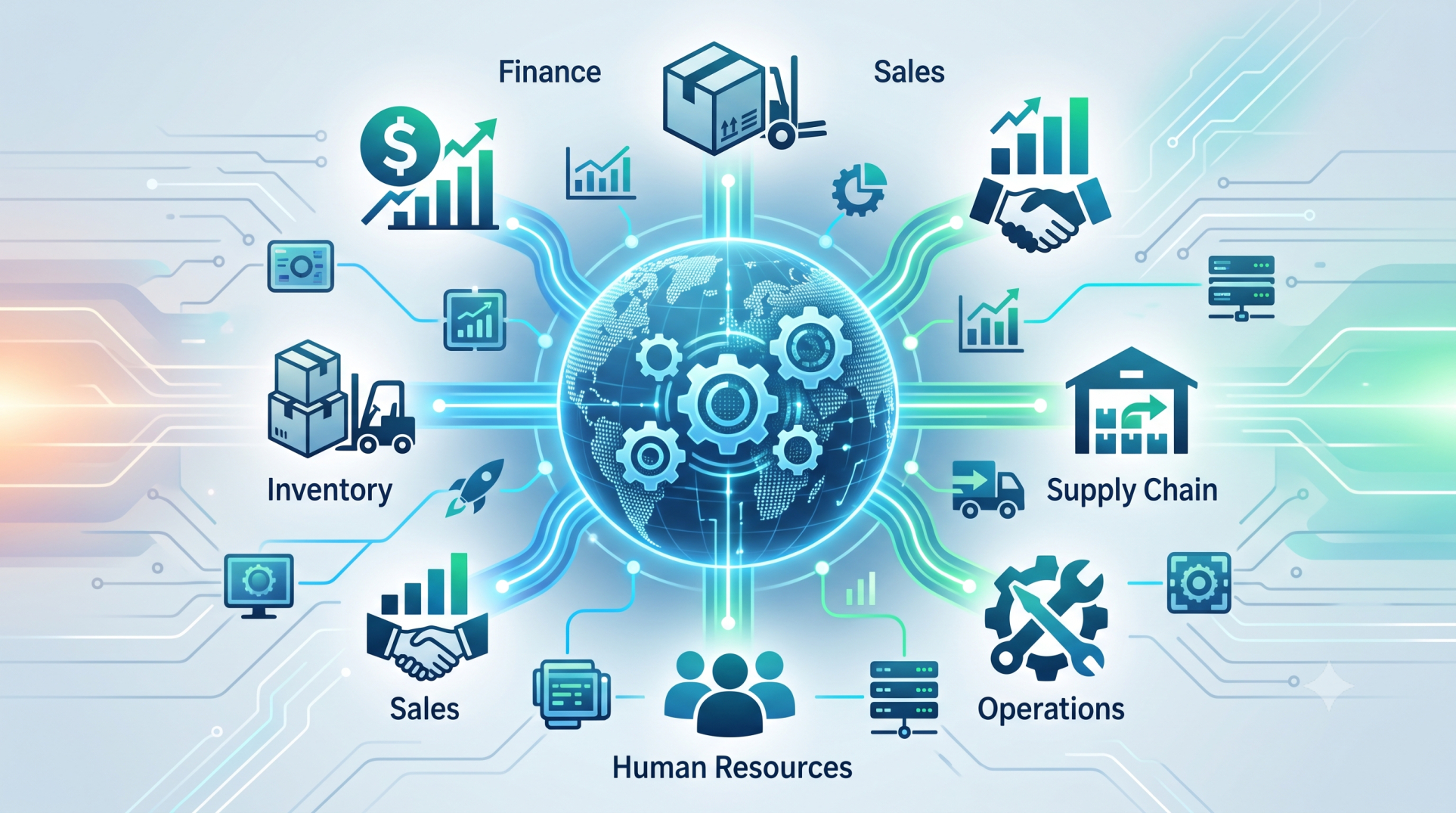
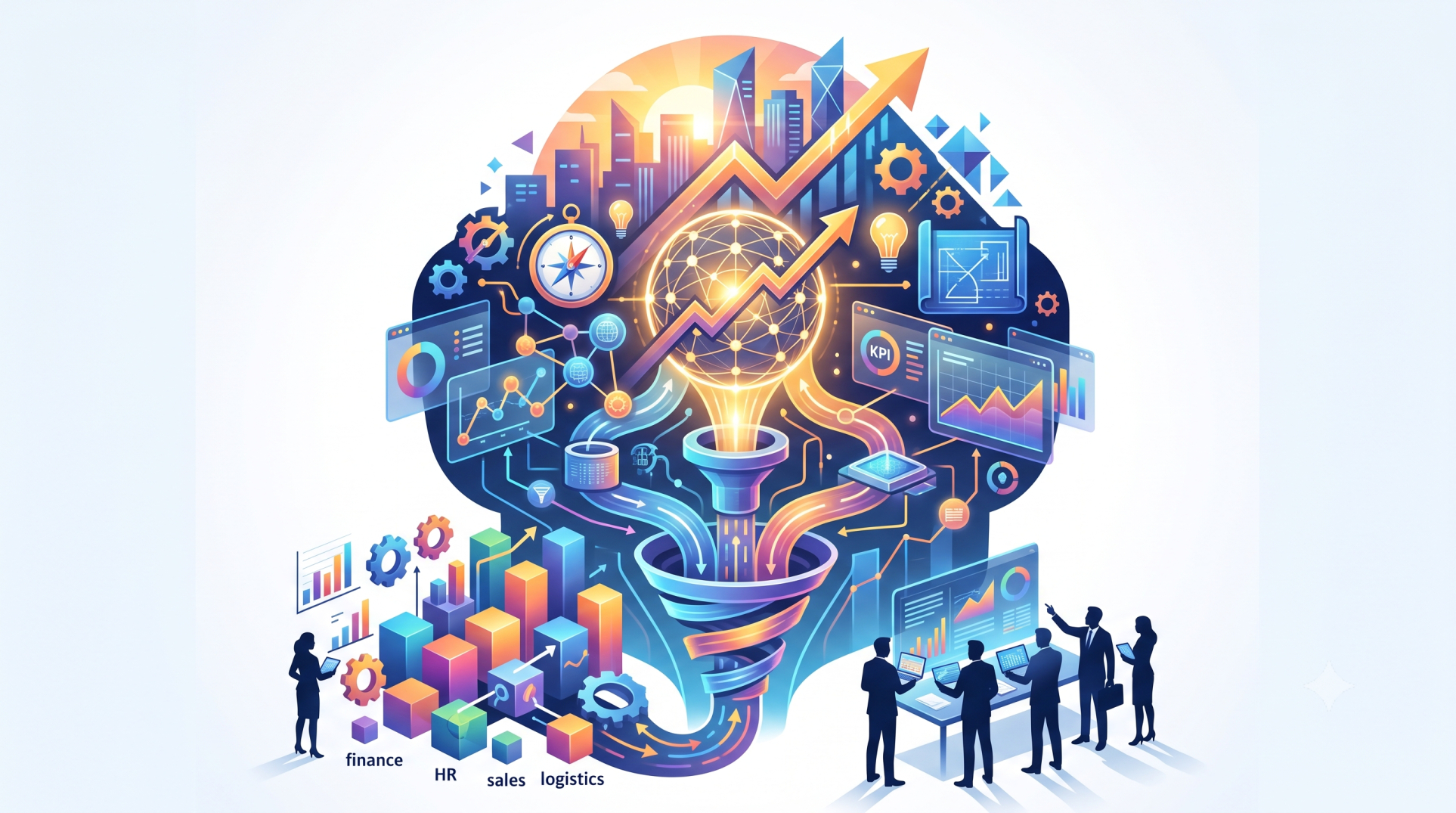
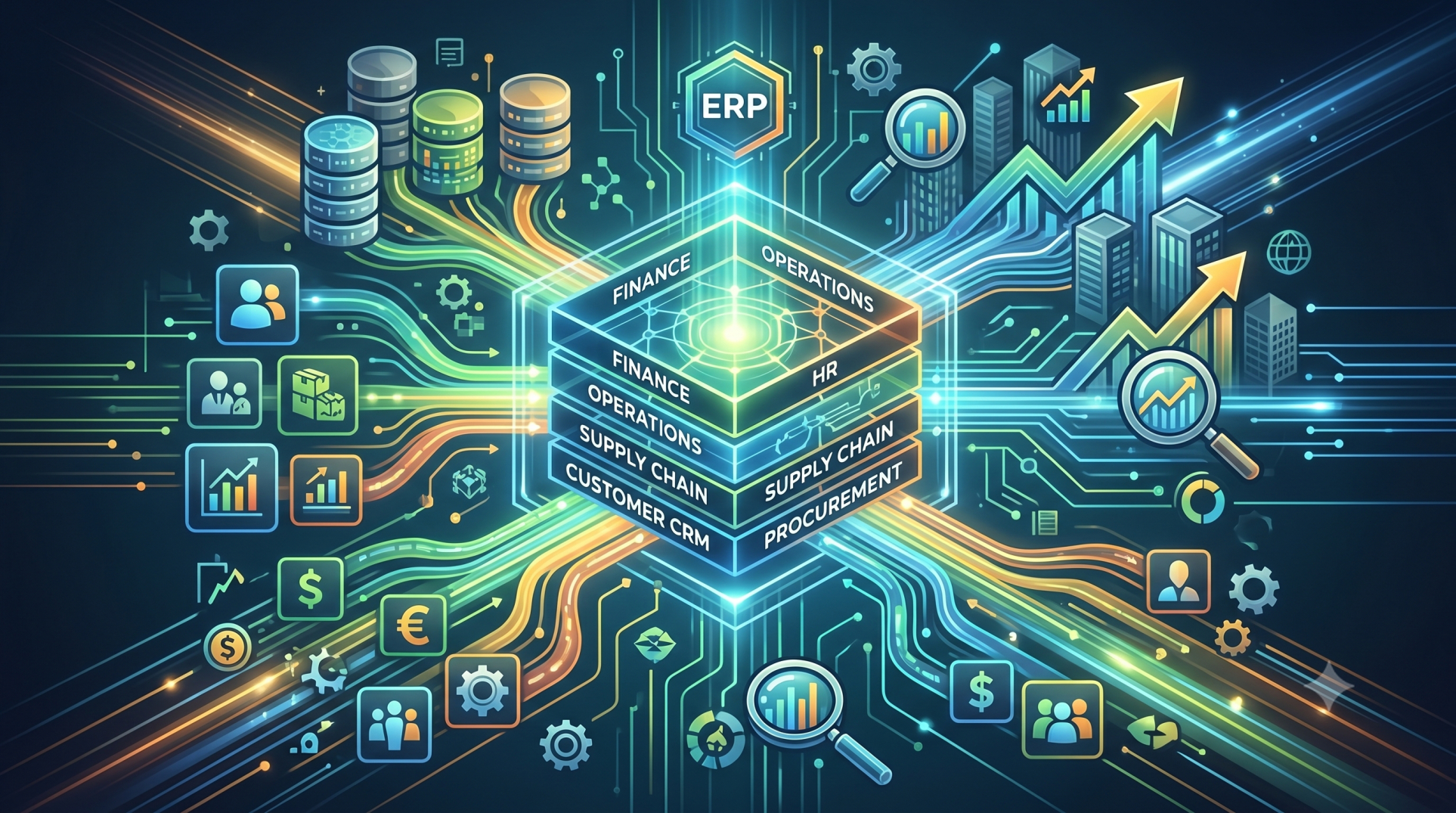
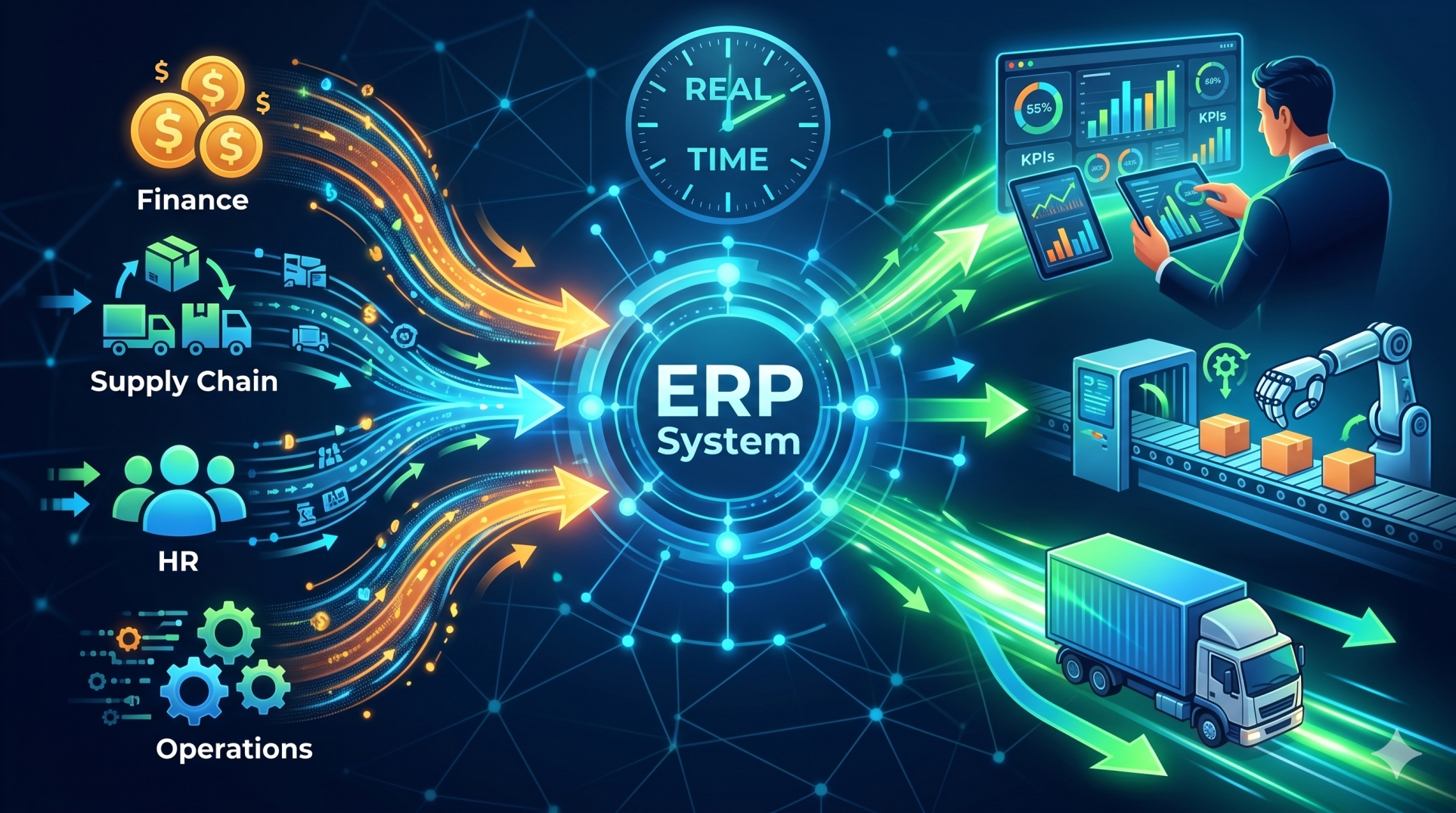
• Connect finance, HR, supply chain, and customer operations 📊
• Break down silos between departments and systems 🚫
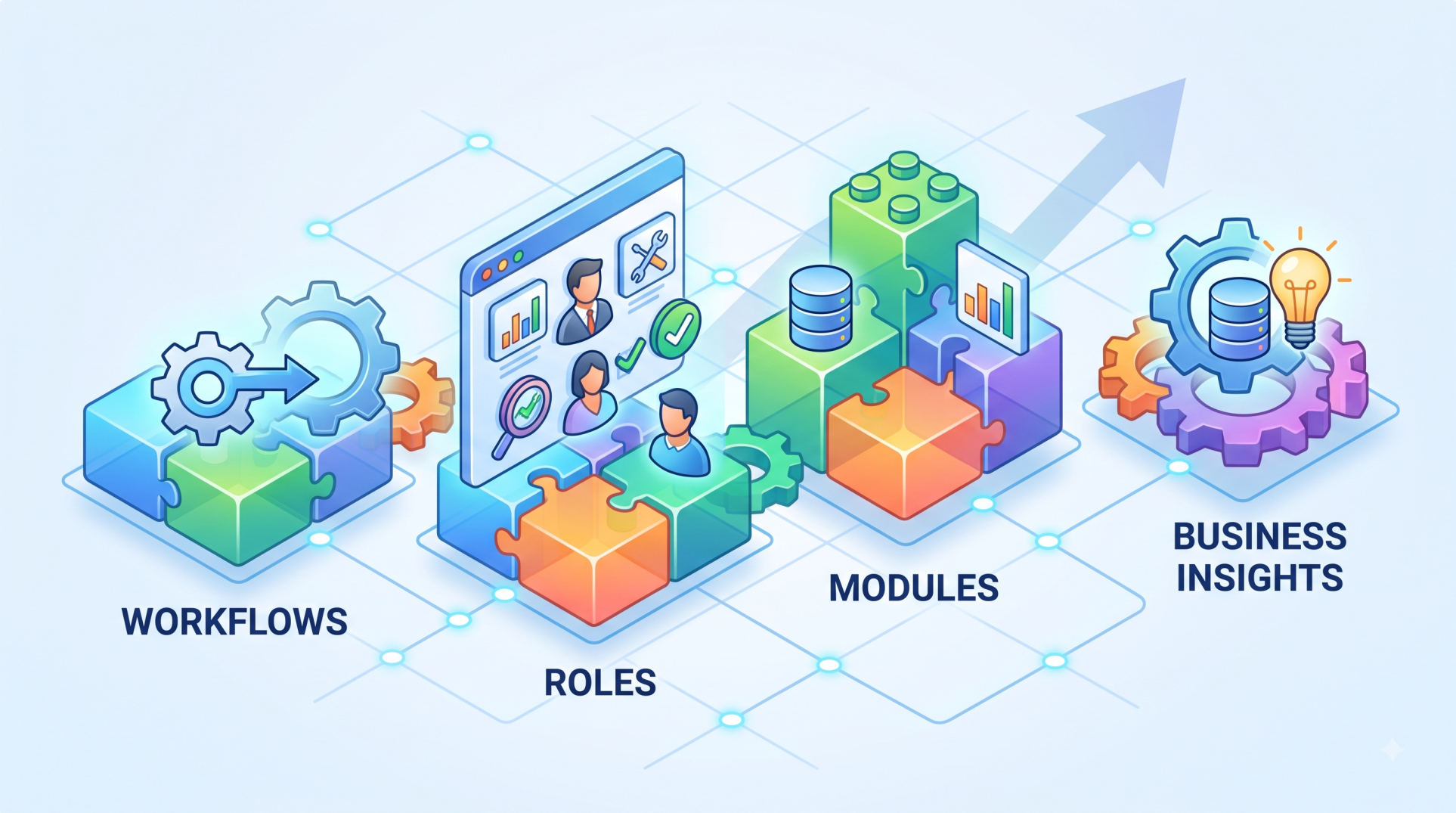
• Enable seamless workflows across business units 🔄
• Provide end-to-end visibility into operations 👁️
• Improve coordination and decision-making across teams 🤝
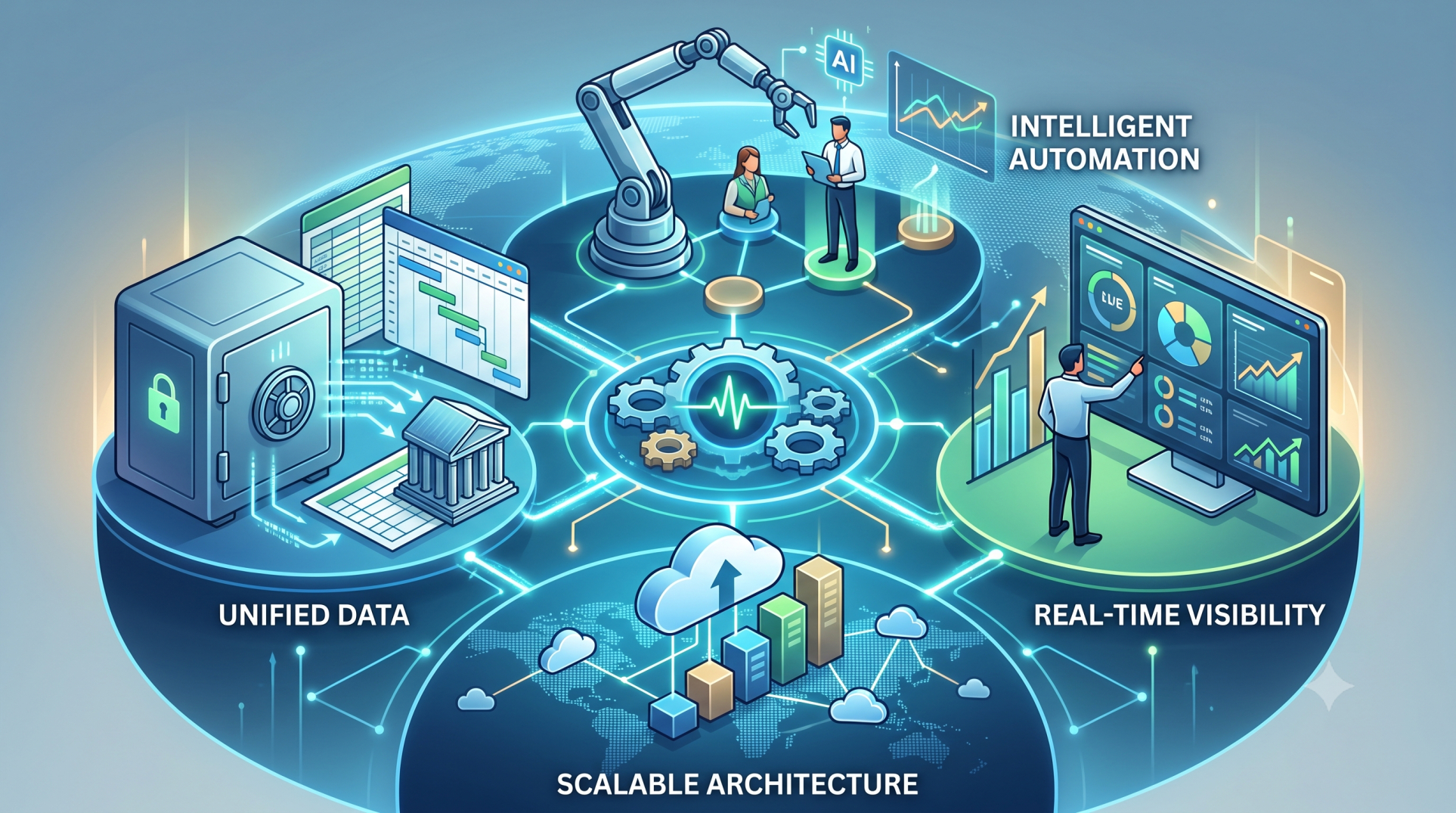
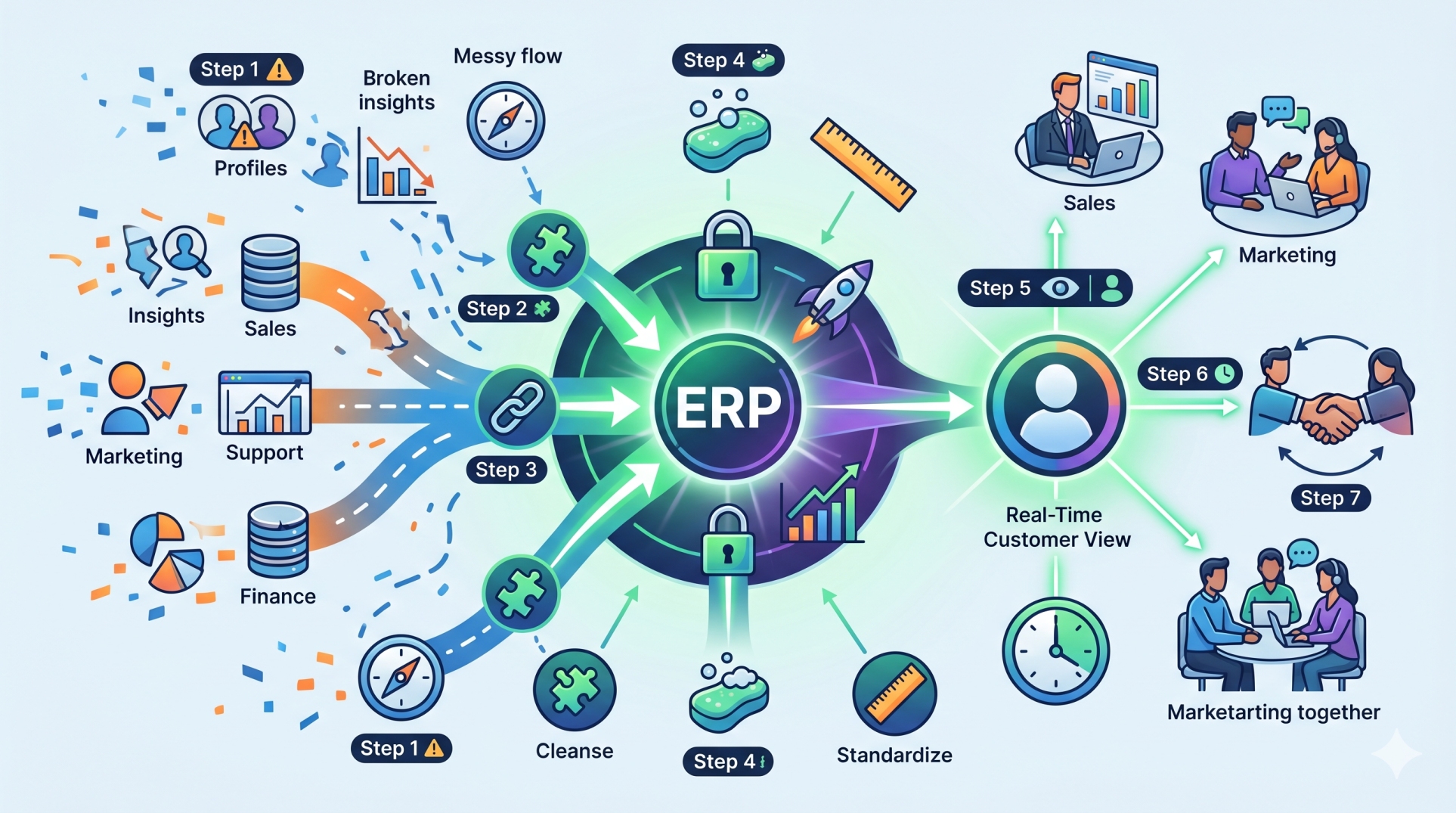
Step 3: Data as the Core of the Platform 📊
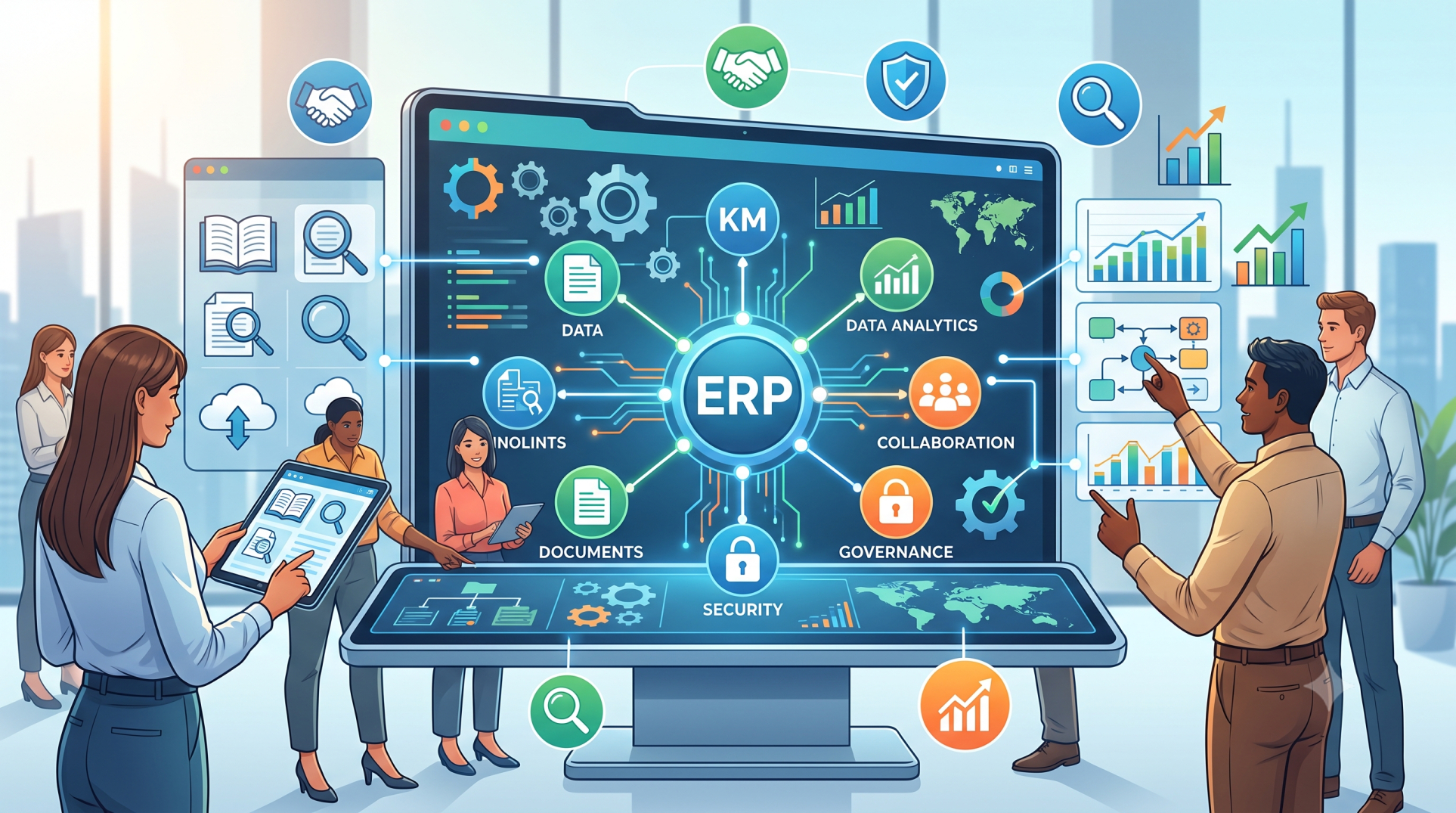
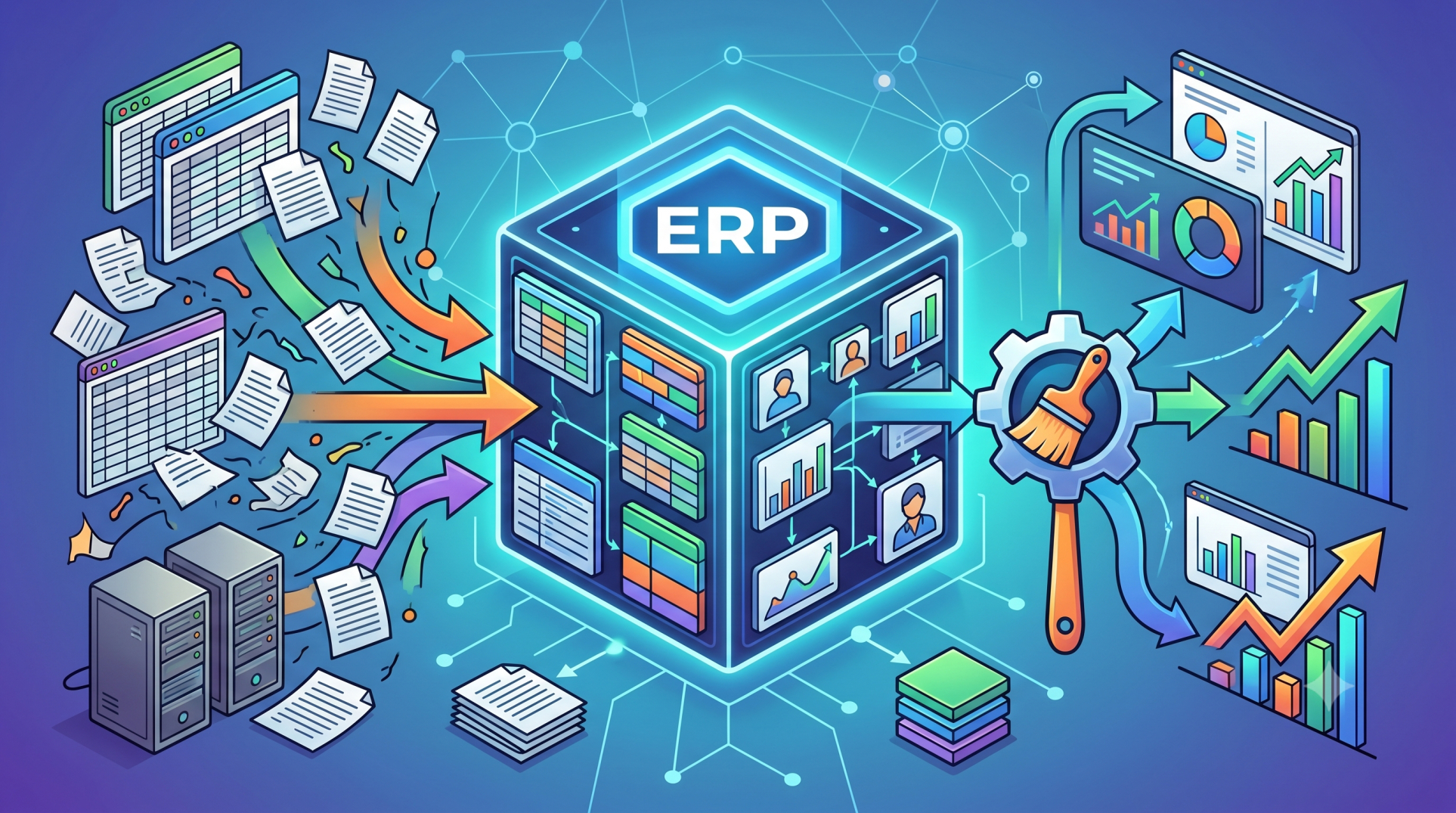
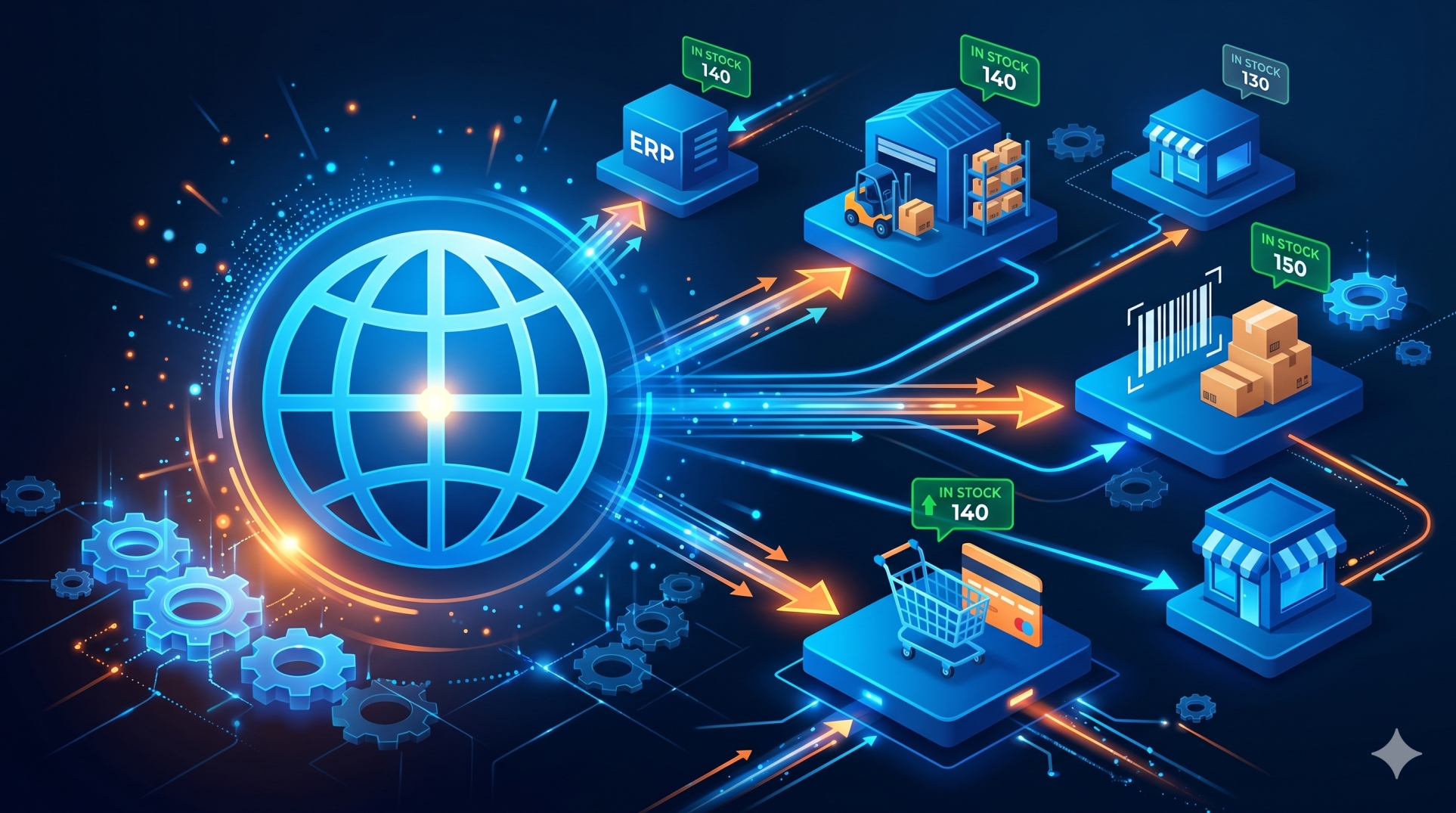
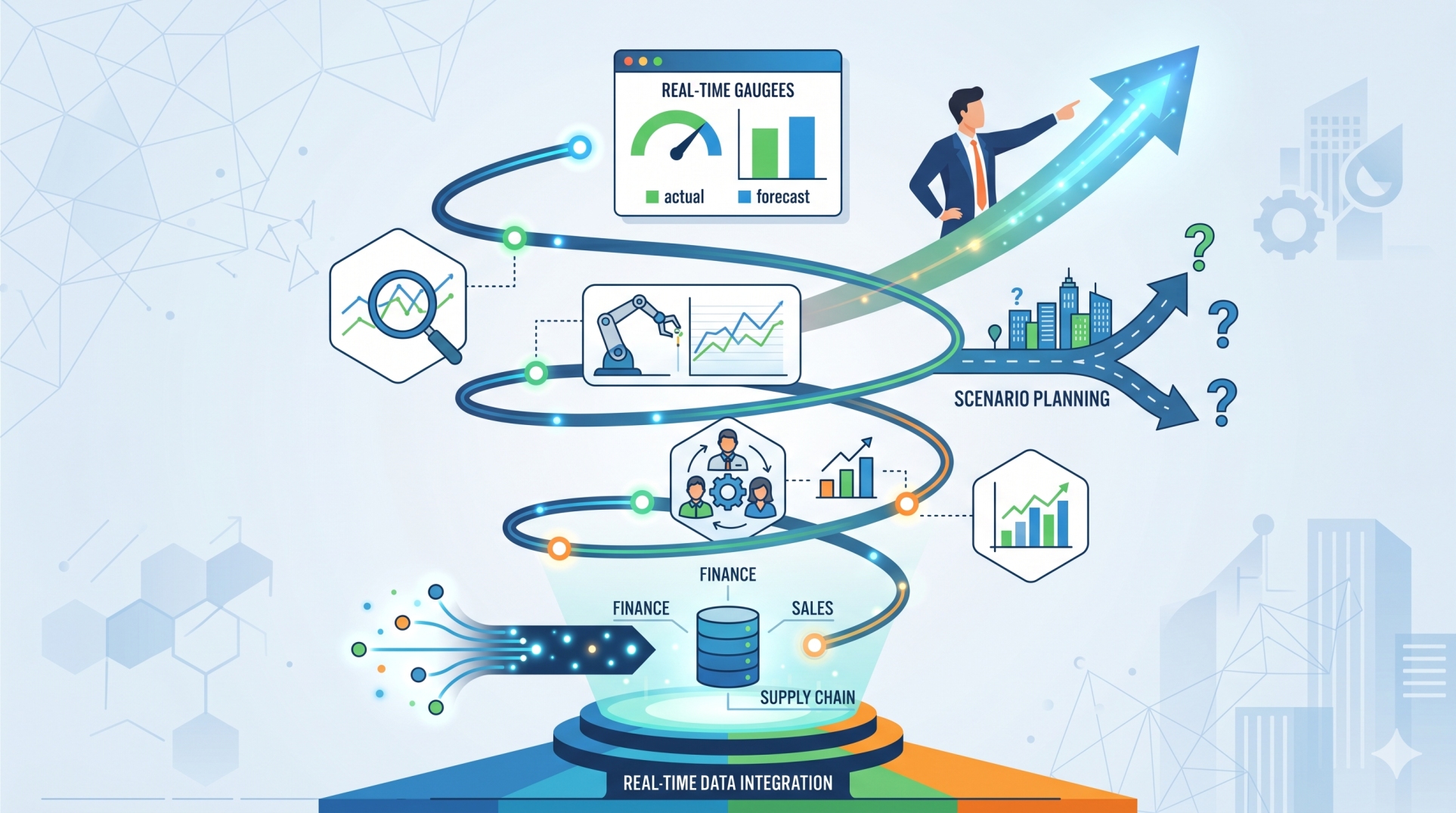
• Centralize data from multiple systems into a unified layer 📂
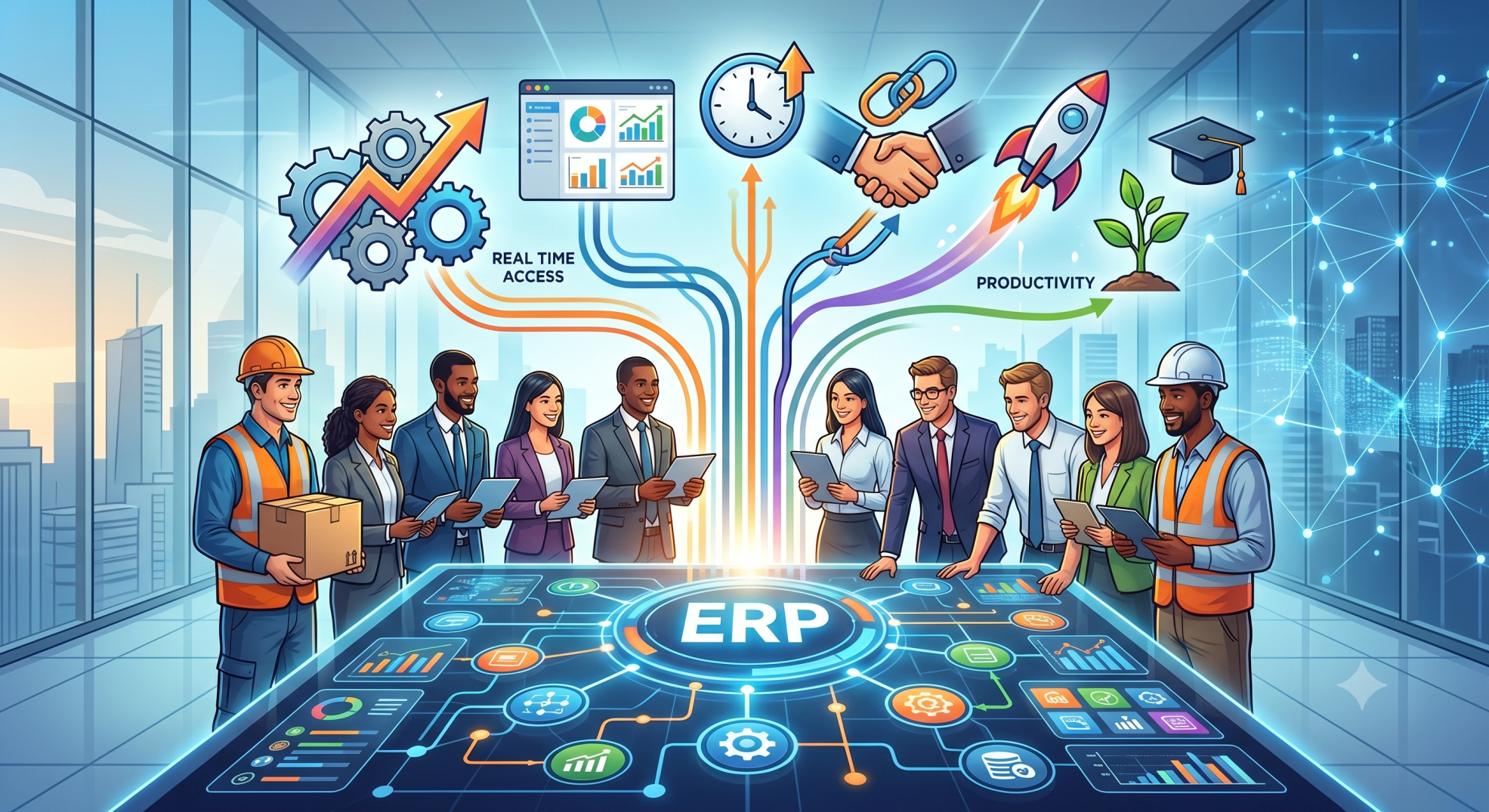
• Enable real-time access to accurate and consistent data ⏱️
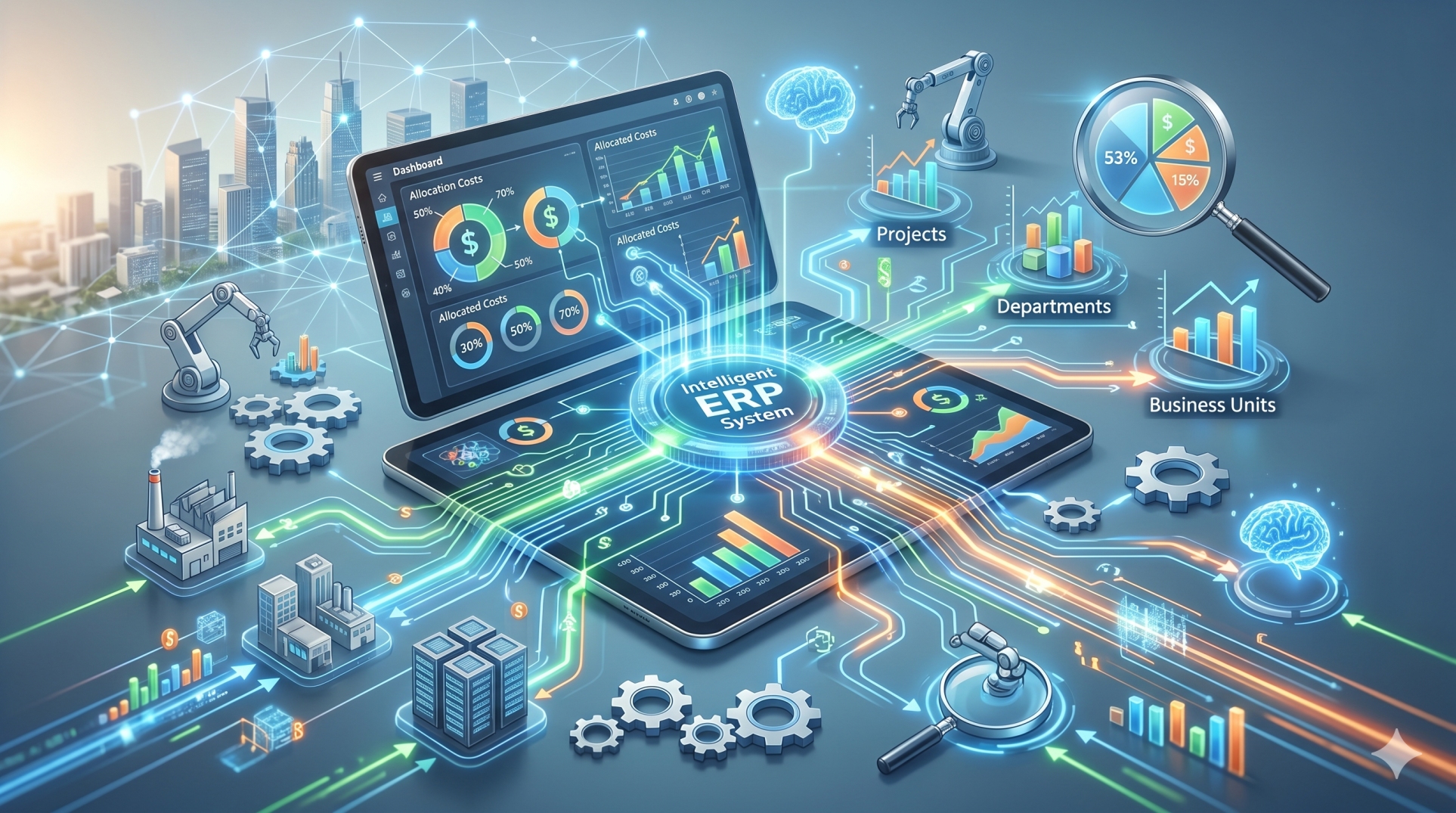
• Support advanced analytics and business intelligence 📈
• Drive data-informed decision-making across the organization 🧠
• Maintain data governance and quality standards 🔐
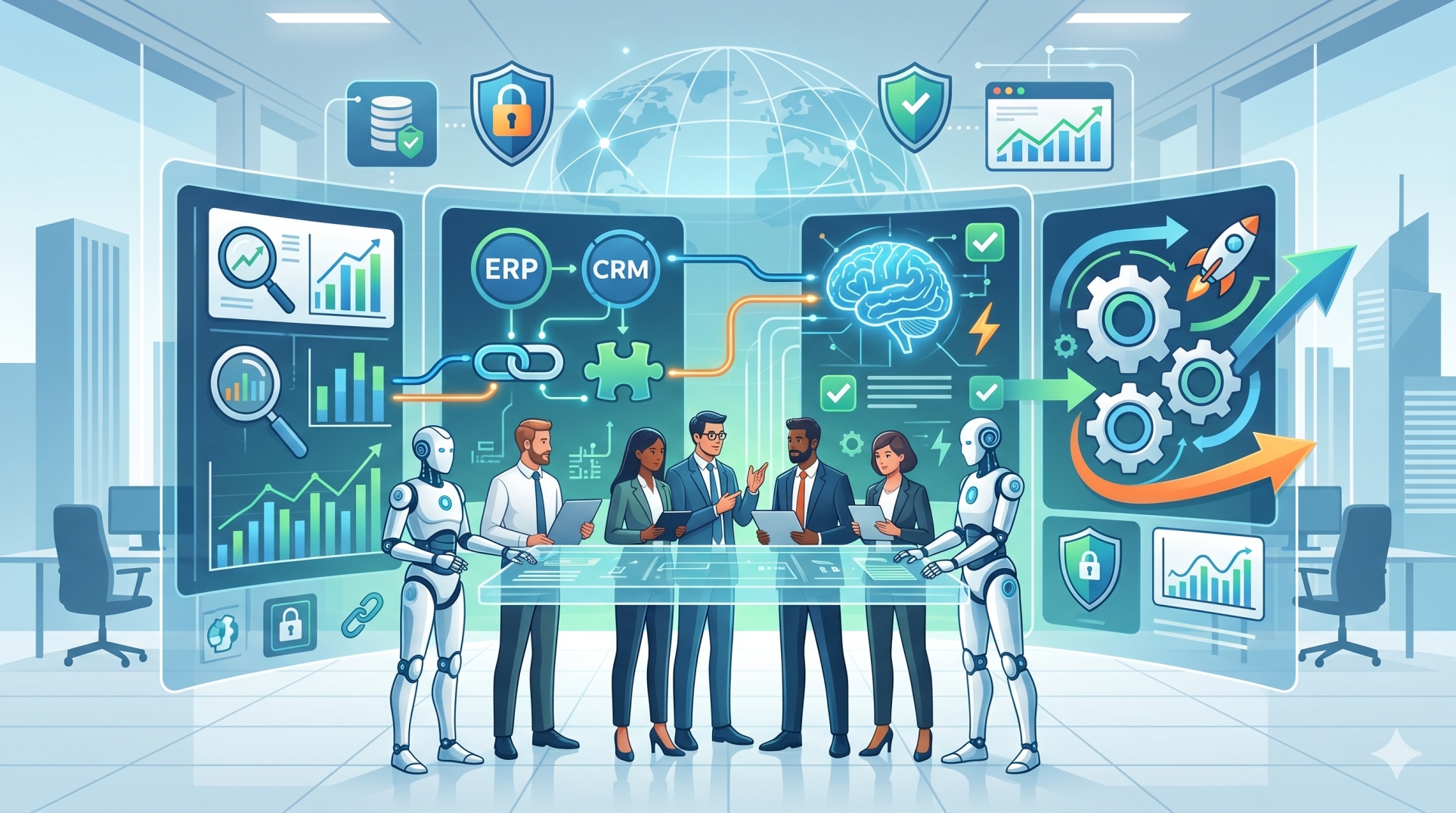
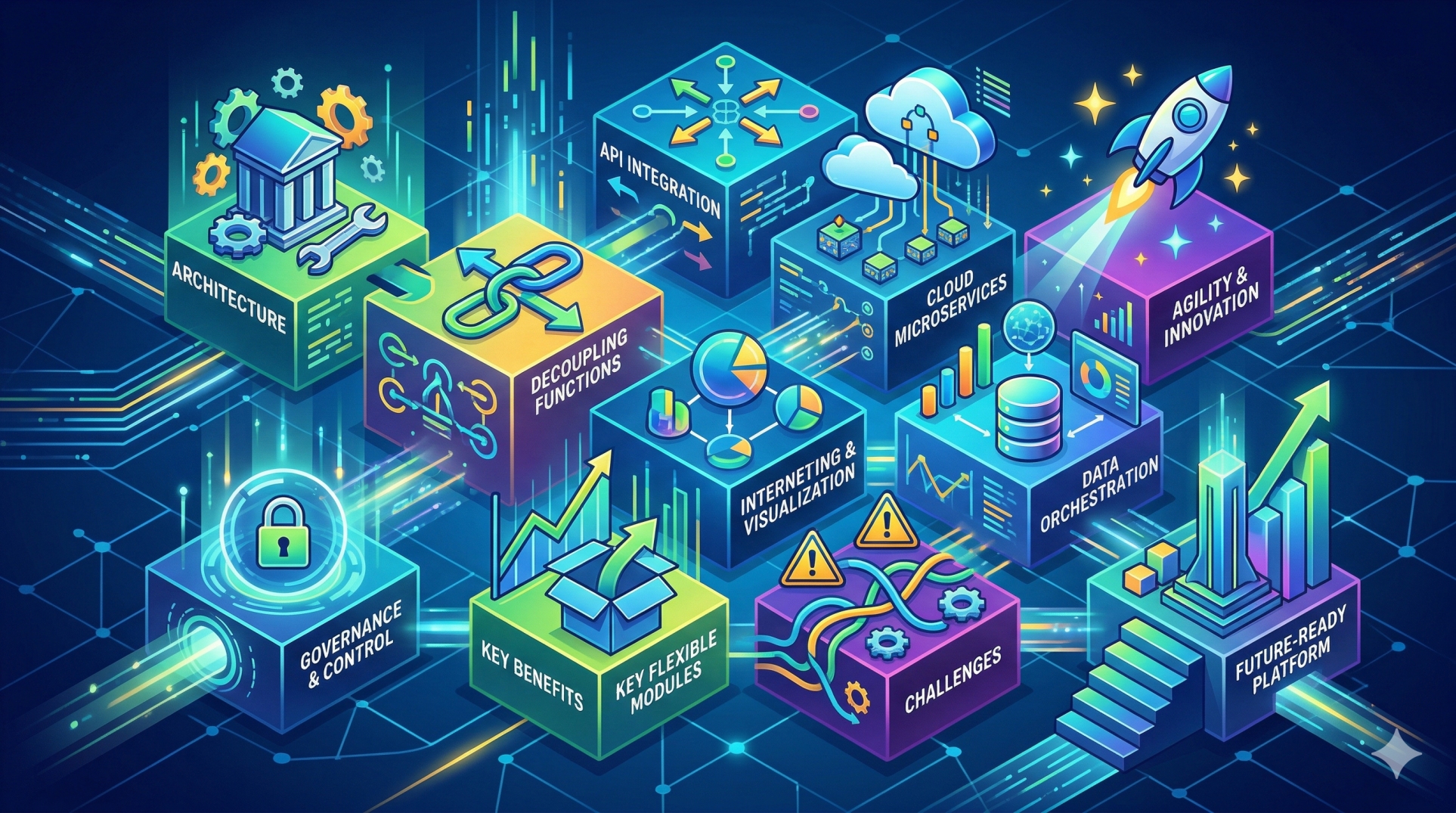
Step 4: API-Driven Ecosystem and Integration 🌐
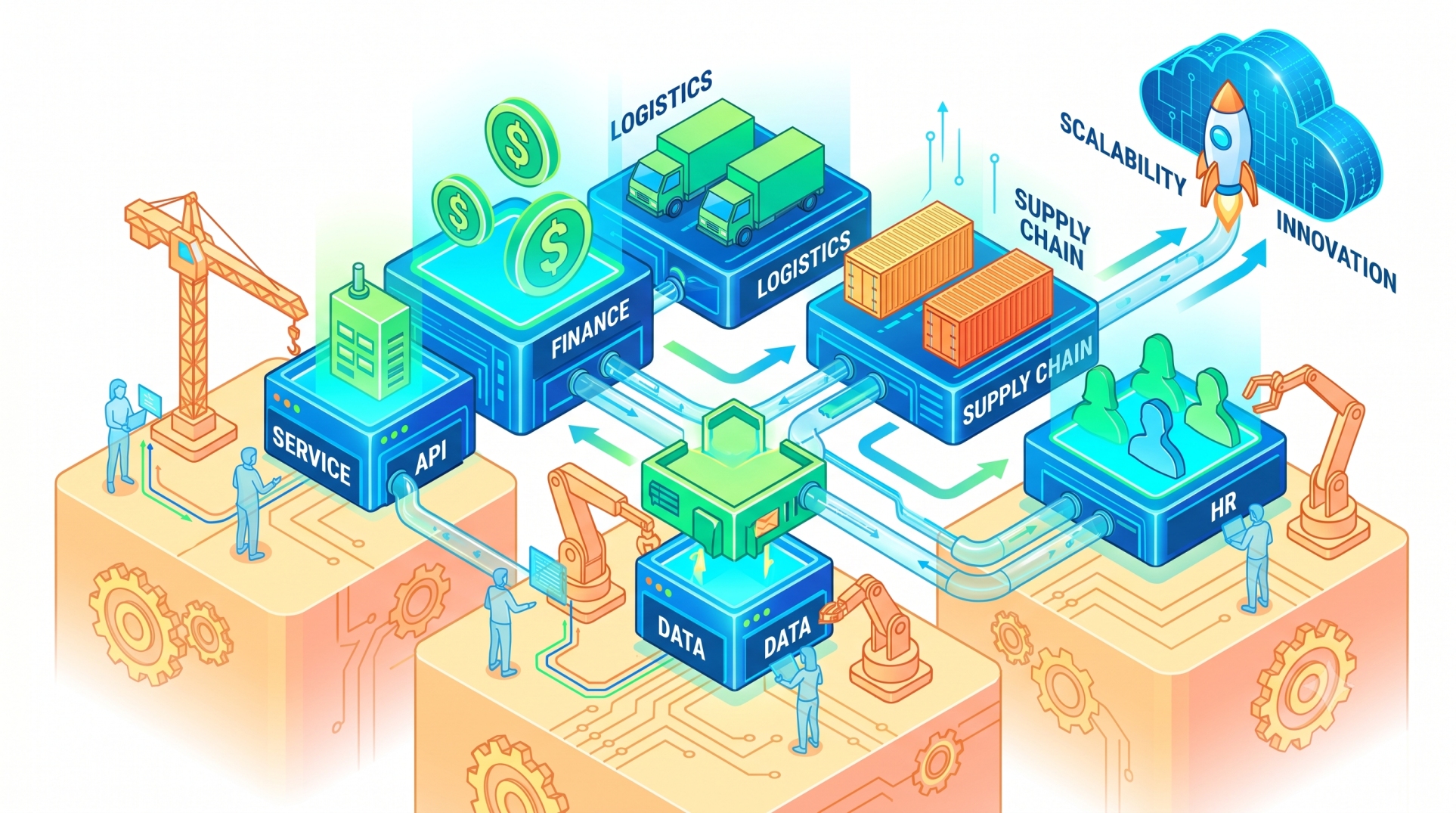
• Use APIs to connect ERP with external applications and services 🔗
• Enable interoperability across diverse technology stacks 🧩
• Support integration with third-party and legacy systems 🔄
• Build a flexible and extensible enterprise architecture 🏗️
• Accelerate innovation through open connectivity 🚀
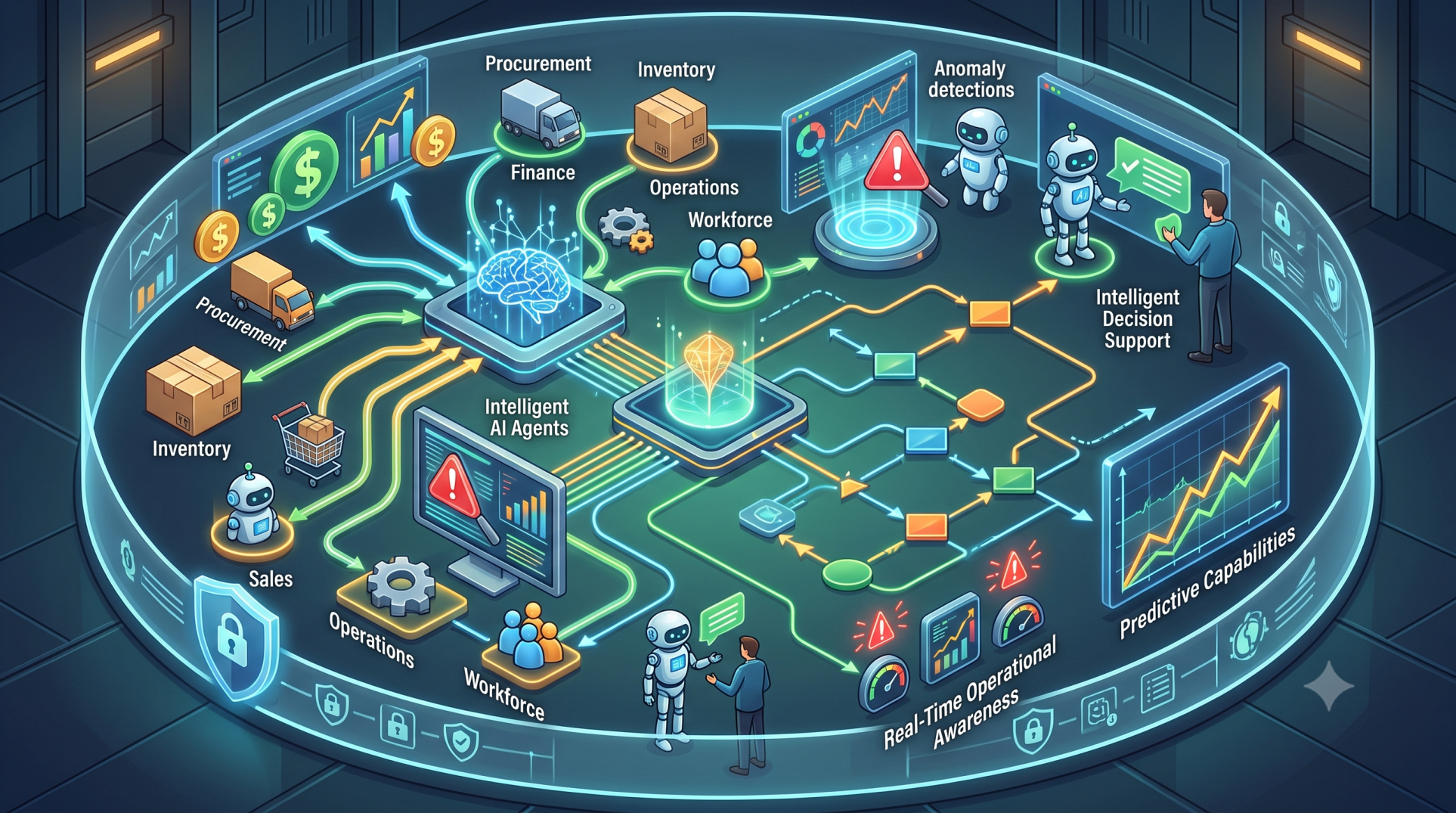
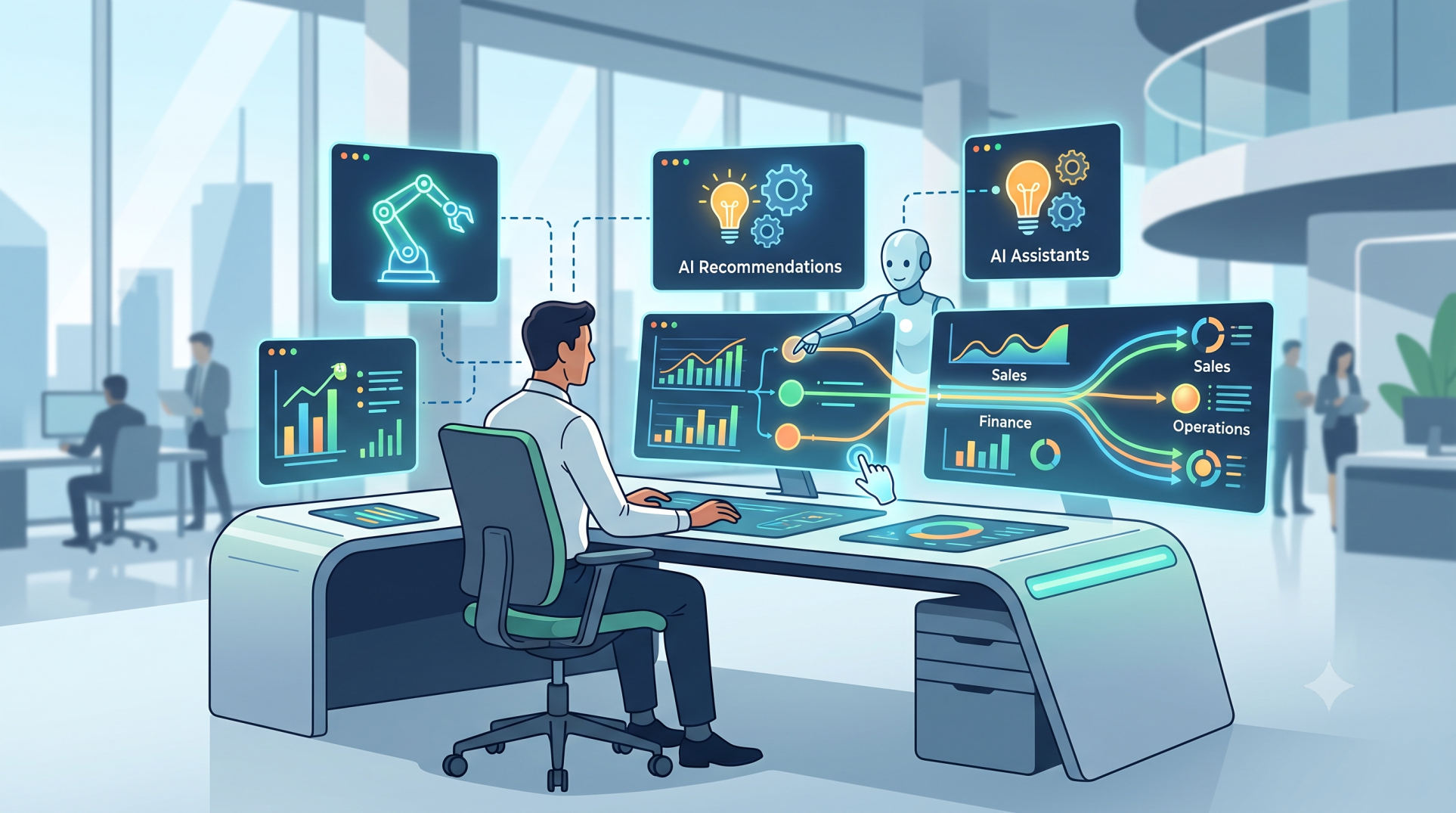
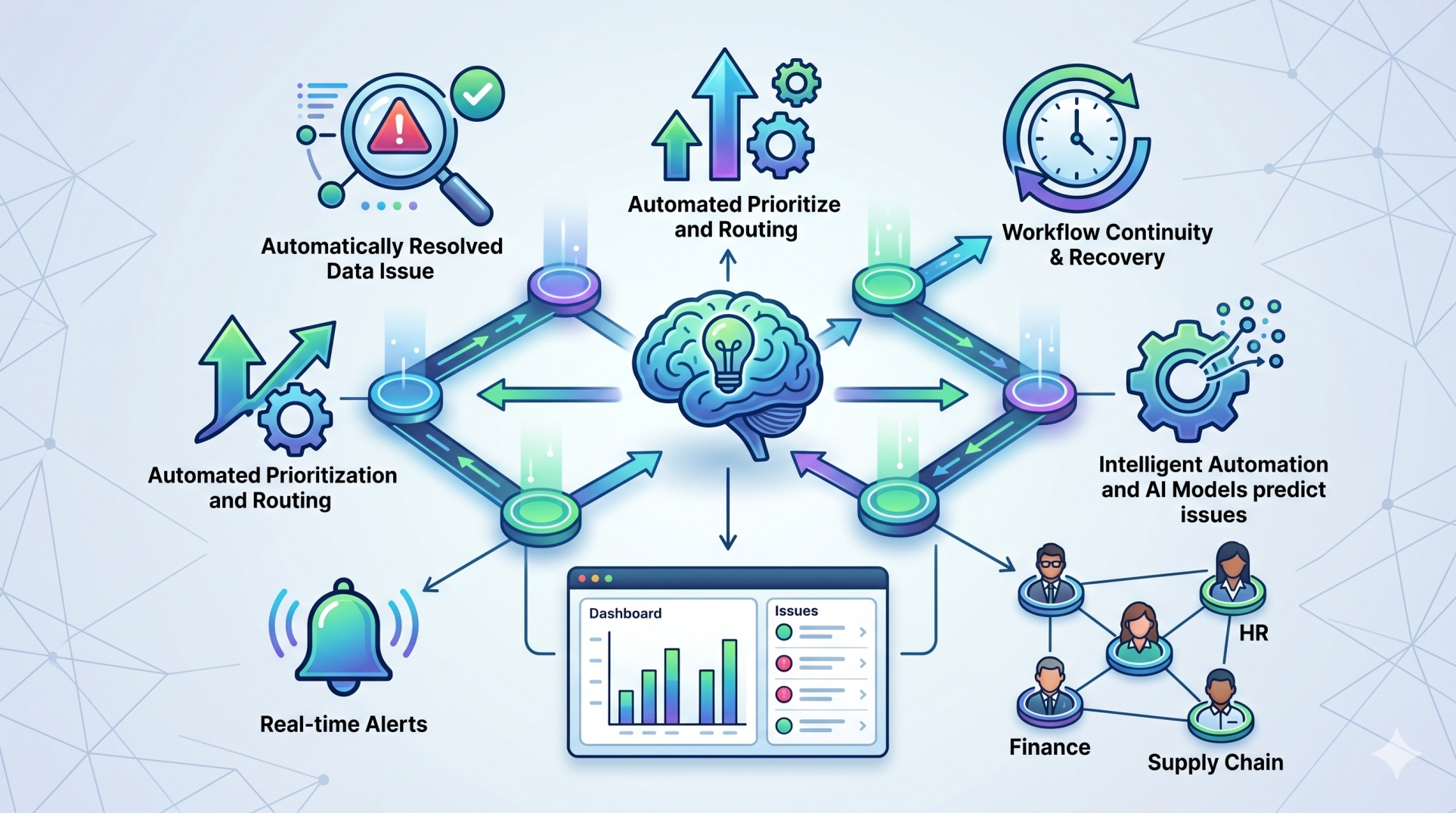
Step 5: Embedding Automation and AI 🤖
• Automate repetitive processes across departments ⚙️
• Use AI for predictive insights and intelligent decision-making 📊
• Enhance operational efficiency and reduce manual effort ⏱️
• Enable intelligent workflows and process optimization 🔄
• Continuously improve performance through data-driven automation 📈
Step 6: Enhancing User Experience and Collaboration 👥
• Provide intuitive interfaces for diverse user roles 🎯
• Enable collaboration across teams and departments 🤝
• Deliver personalized dashboards and insights 📊
• Support mobile and remote access to enterprise systems 📱
• Improve user adoption and productivity 👍
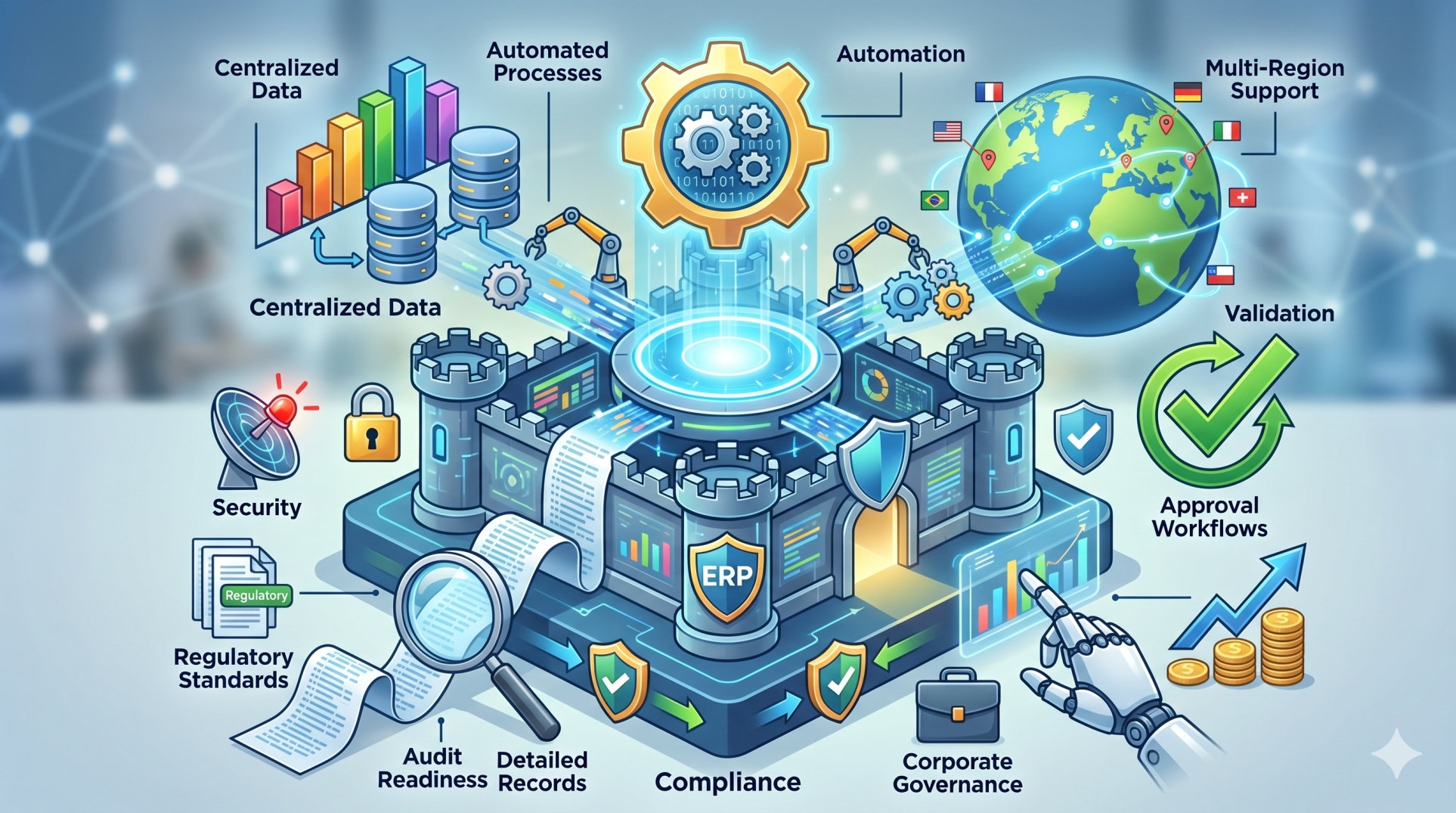
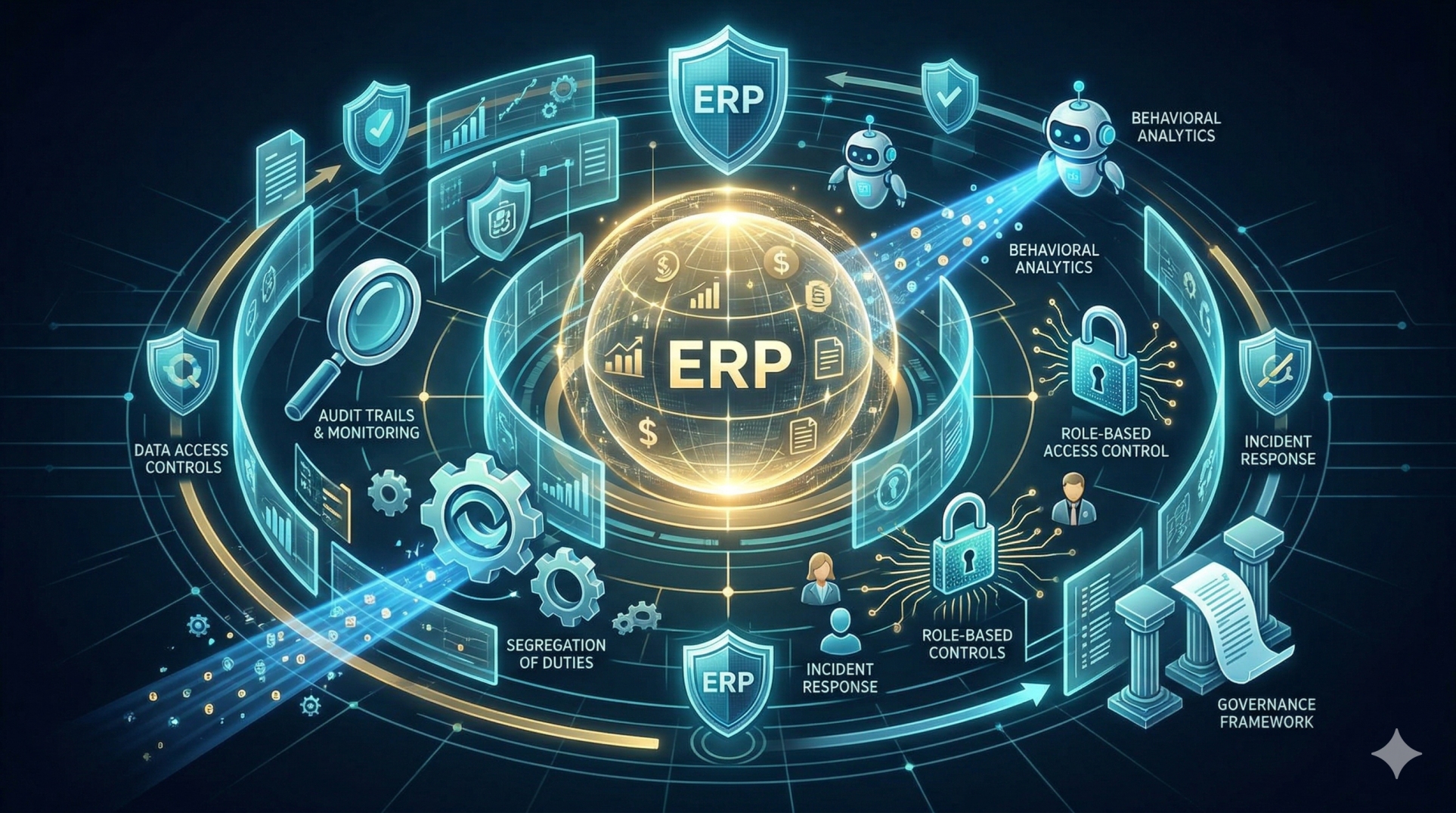
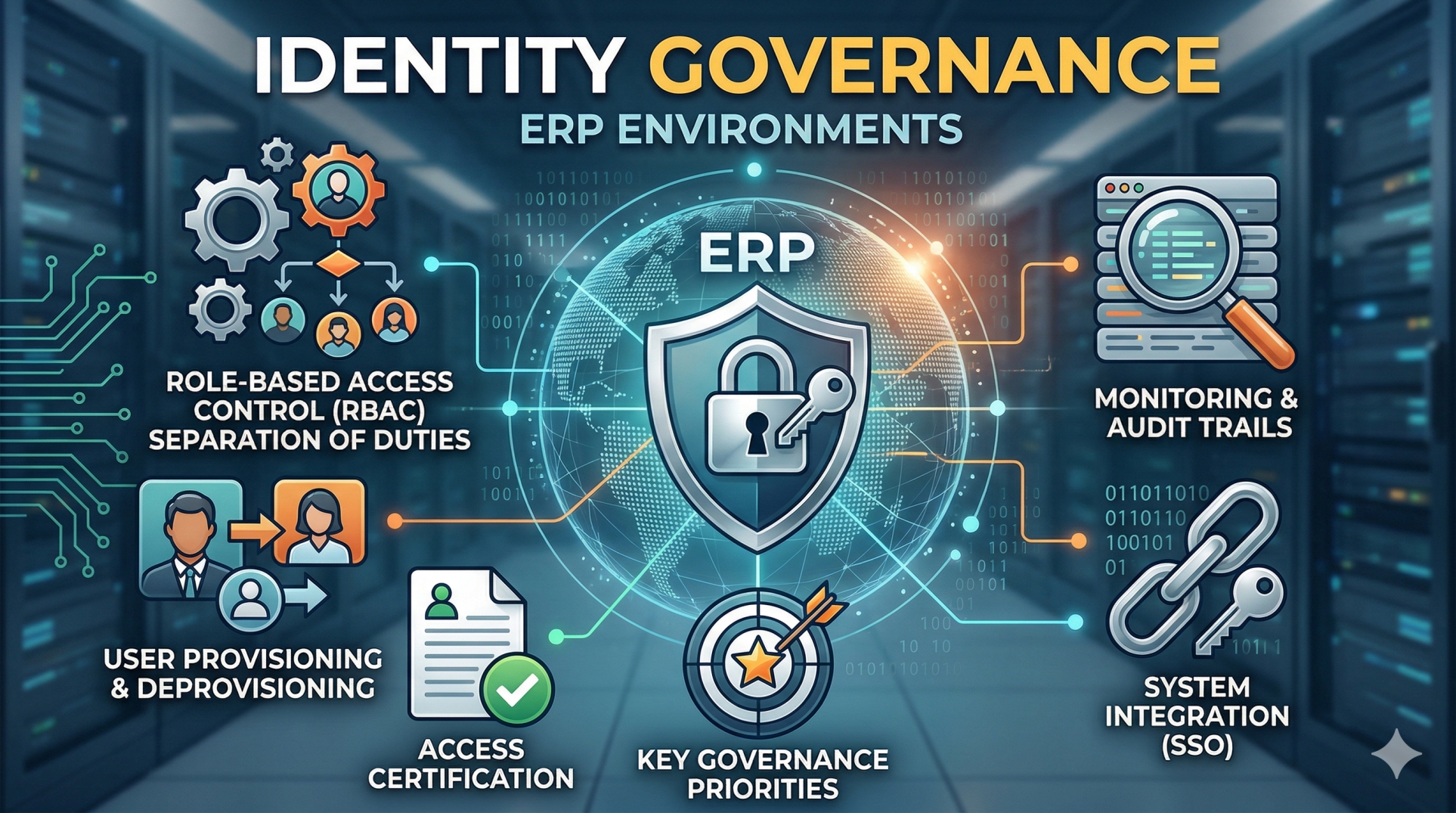
Step 7: Governance, Security, and Compliance 🔐
• Implement robust security frameworks across the platform 🛡️
• Ensure compliance with industry and regional regulations 📜
• Define role-based access and data control policies 👥
• Monitor system activity and enforce governance standards 🔍
• Protect sensitive business and customer data 🔒
Step 8: Key Benefits of Convergence 📌
• Unified platform for enterprise-wide operations 🌐
• Improved visibility and decision-making 📊
• Increased agility and scalability 🚀
• Enhanced collaboration and efficiency 🤝
Step 9: Overcoming Integration and Transformation Challenges ⚠️
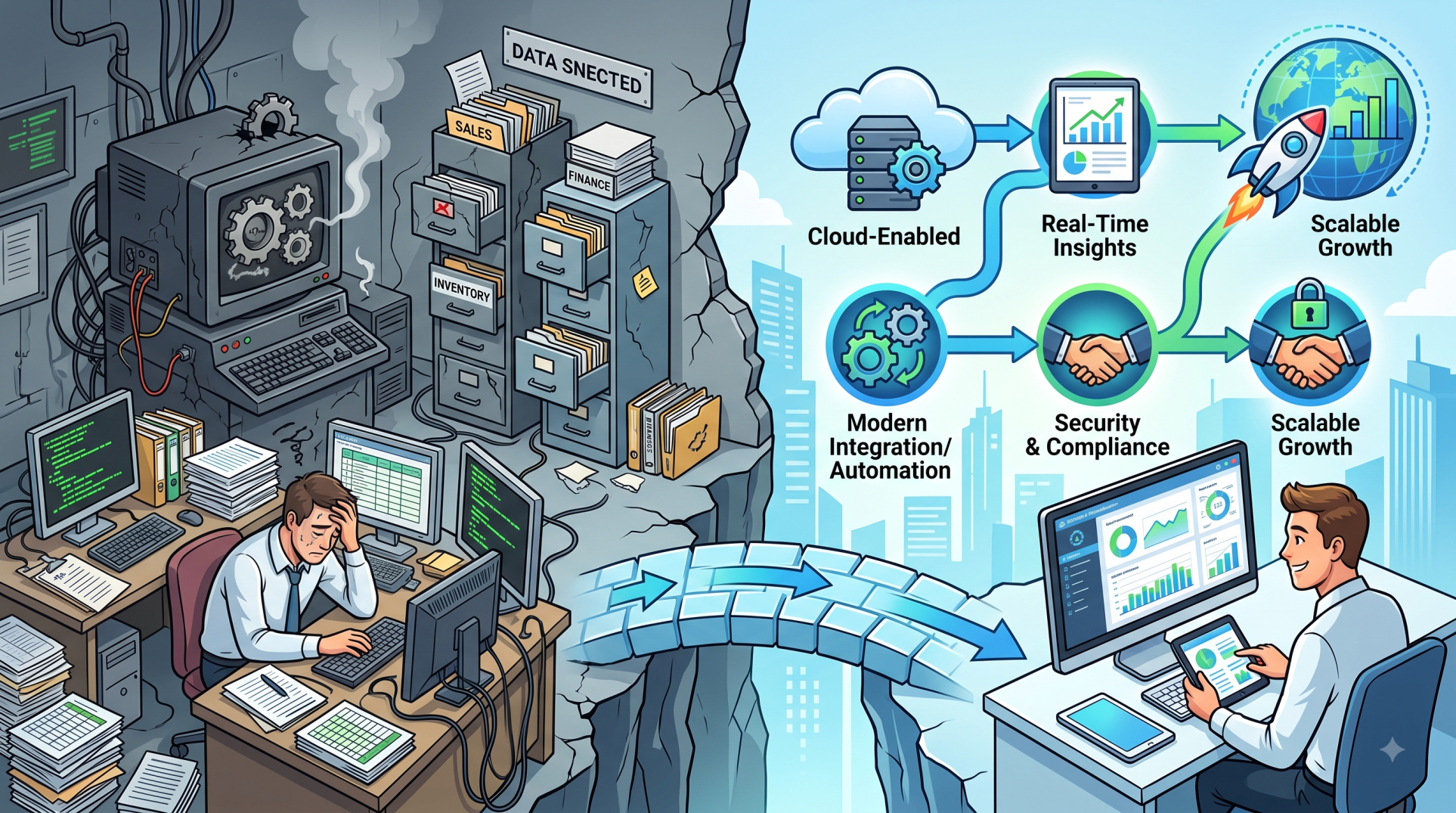
• Manage complexity in integrating legacy and modern systems 🔗
• Align stakeholders across business and IT teams 🤝
• Ensure smooth transition from traditional ERP systems 🔄
• Address data migration and system compatibility issues 📂
• Maintain operational continuity during transformation 🔧
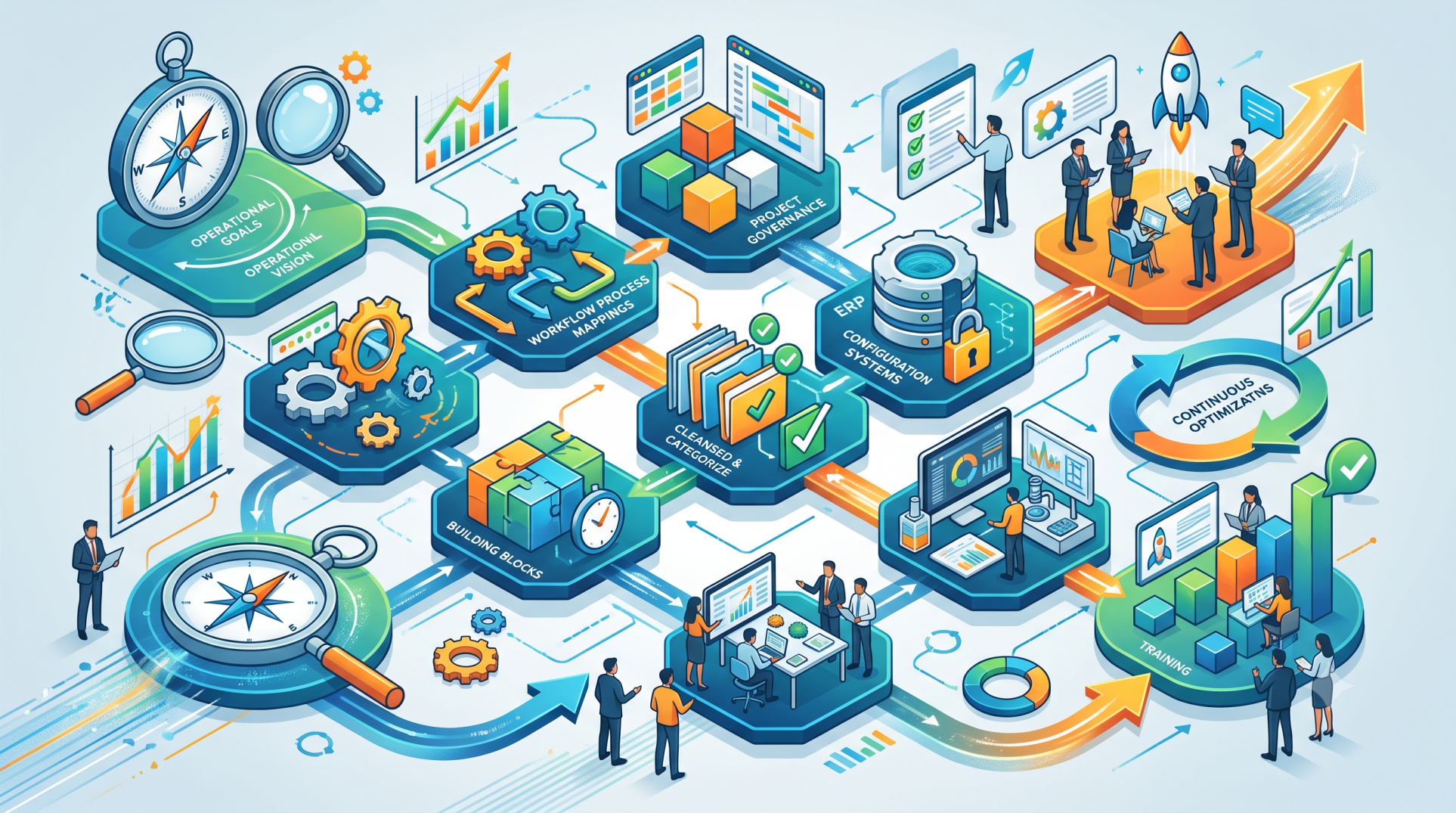
Step 10: Building the Future Enterprise Platform 🏗️
• Adopt a platform-first approach to enterprise technology 🌐
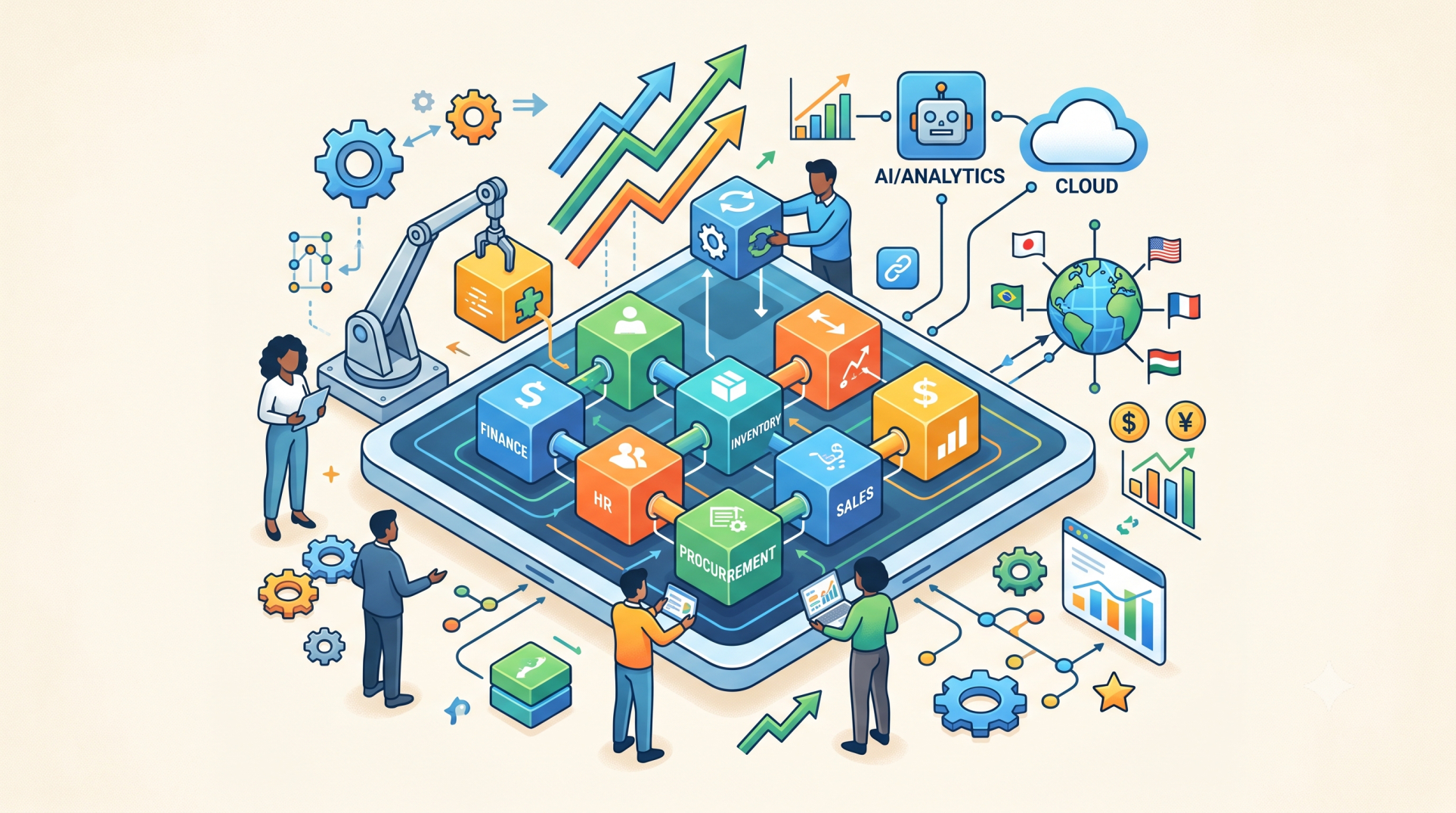
• Design systems for scalability and continuous evolution 🔄
• Leverage cloud and modular architectures ☁️
• Encourage innovation through open ecosystems 🚀
• Continuously optimize based on performance insights 📈
Conclusion
The convergence of ERP and enterprise platforms marks a pivotal shift in how organizations manage operations and drive innovation. By integrating systems, data, and processes into a unified platform, businesses can achieve greater visibility, agility, and efficiency. This evolution transforms ERP from a transactional system into a strategic foundation for digital transformation and long-term enterprise success.
See more blogs
You can all the articles below