Adaptive Process Design Using ERP Systems
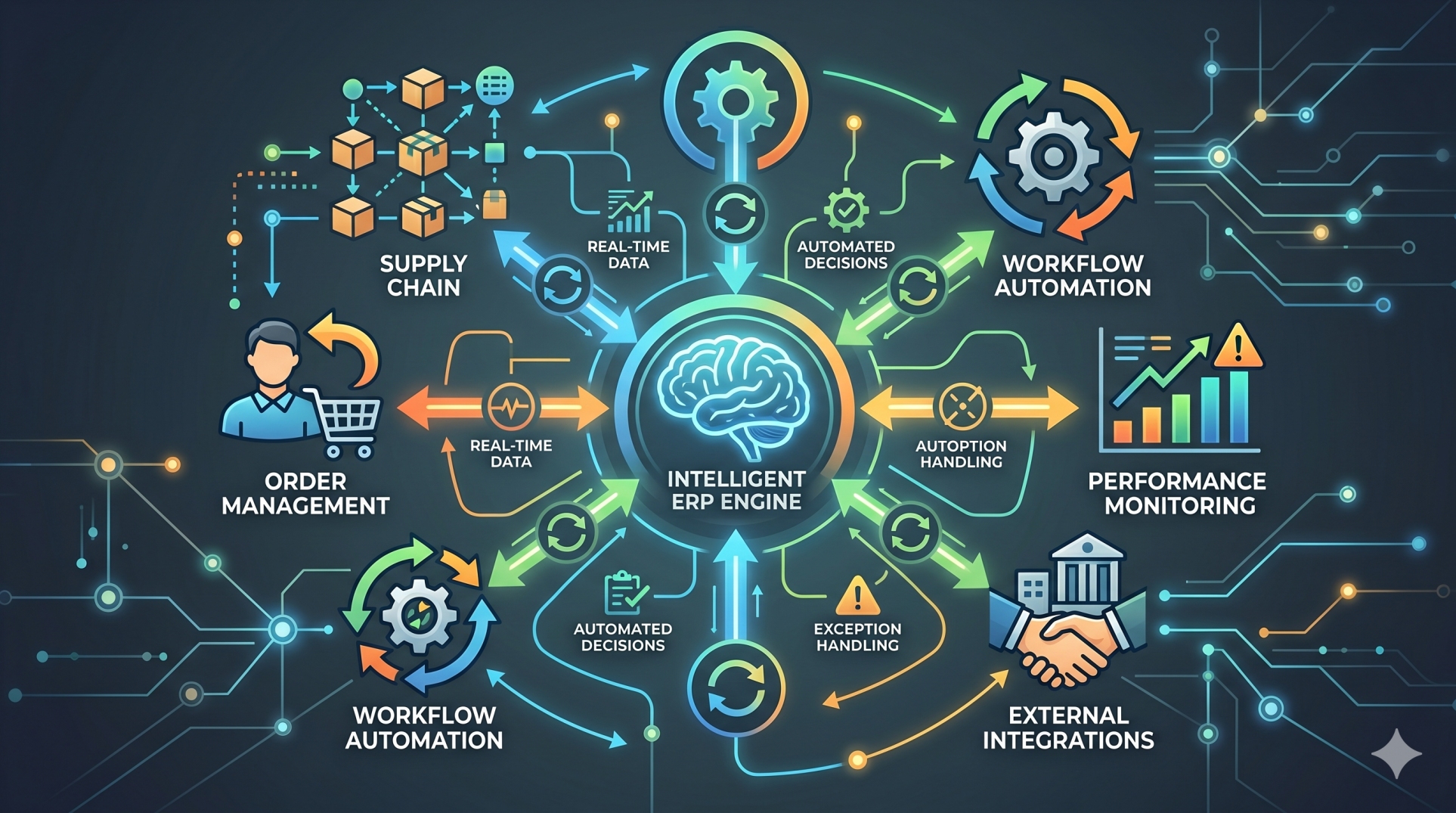
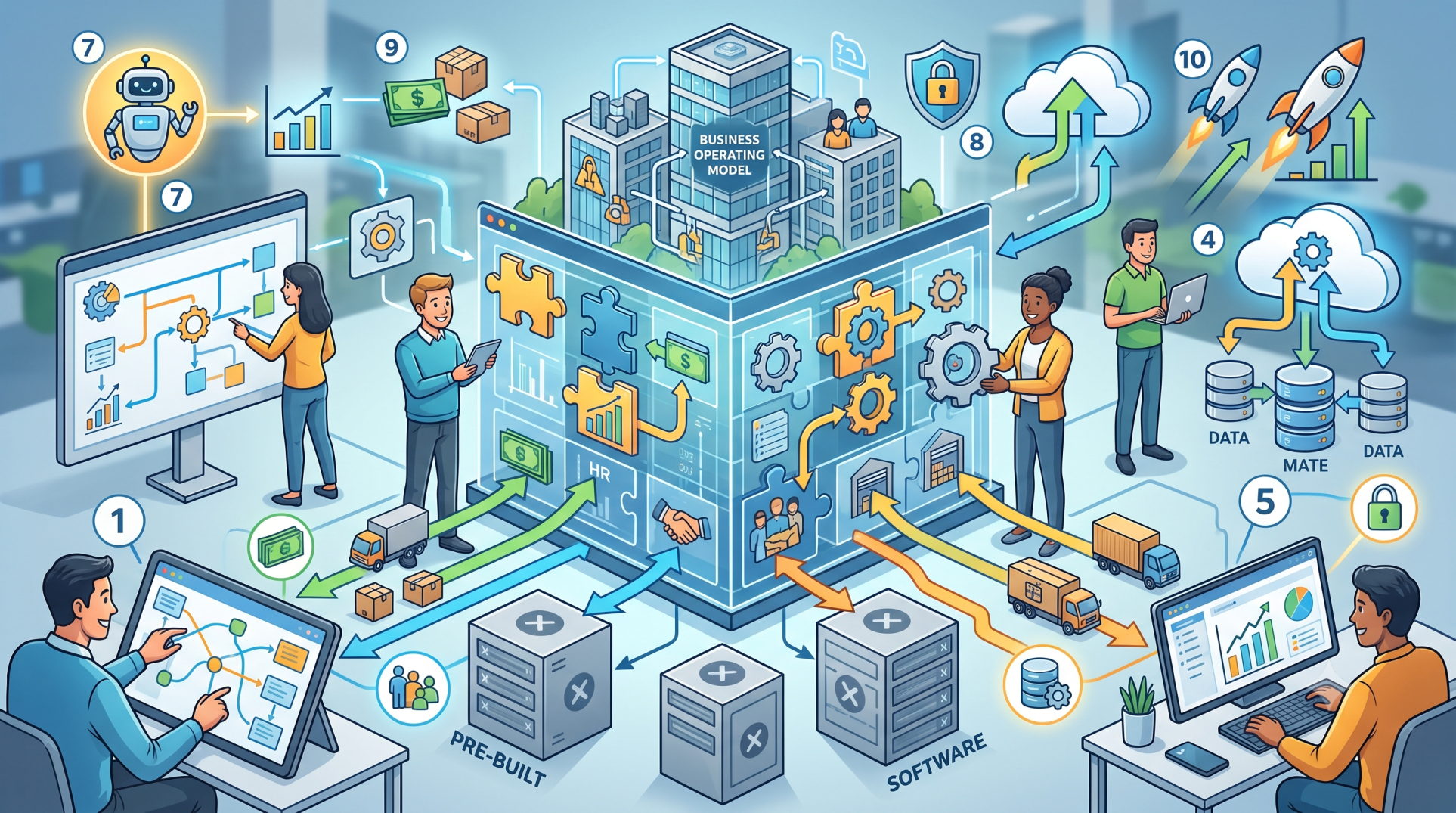
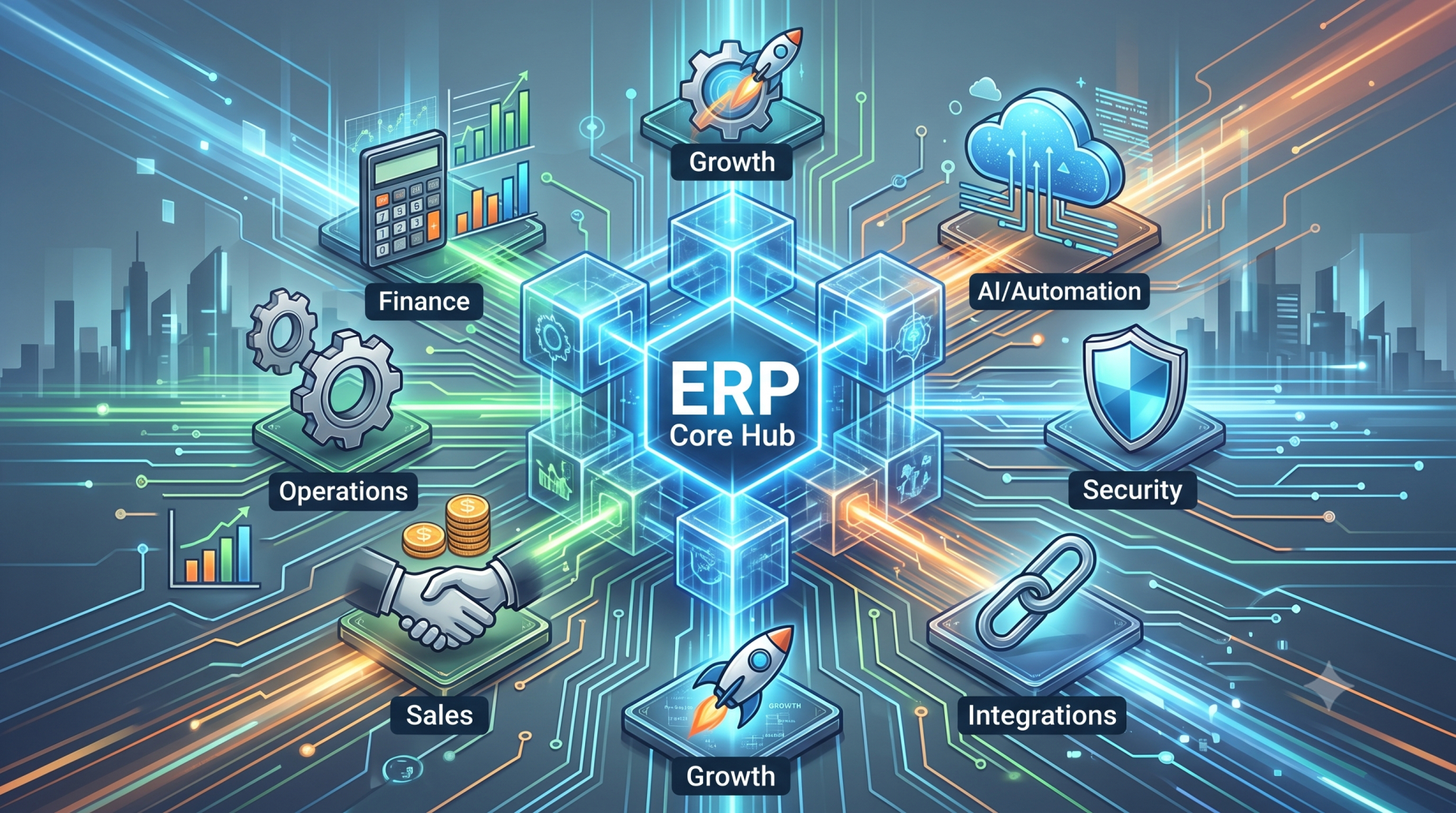
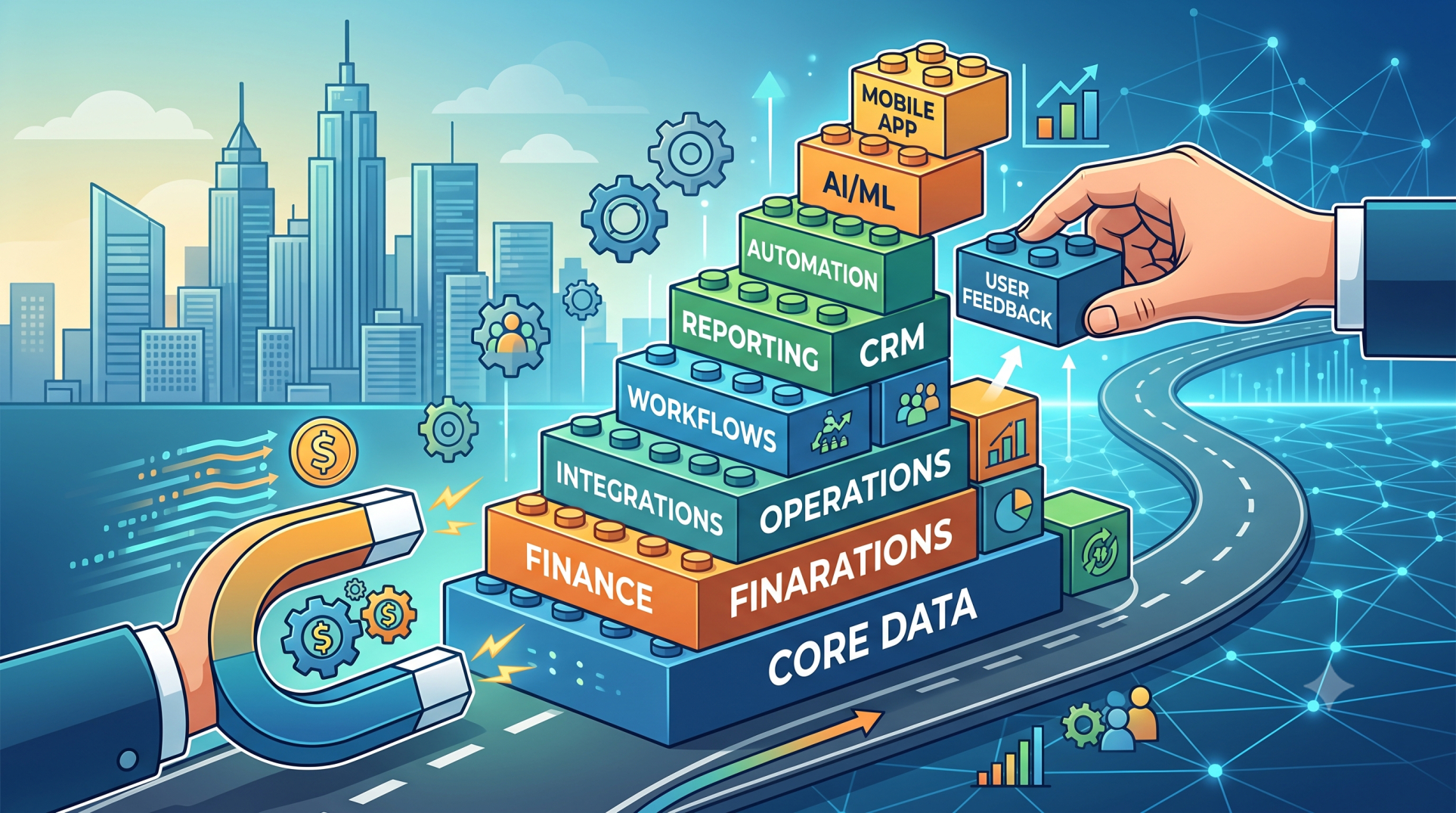
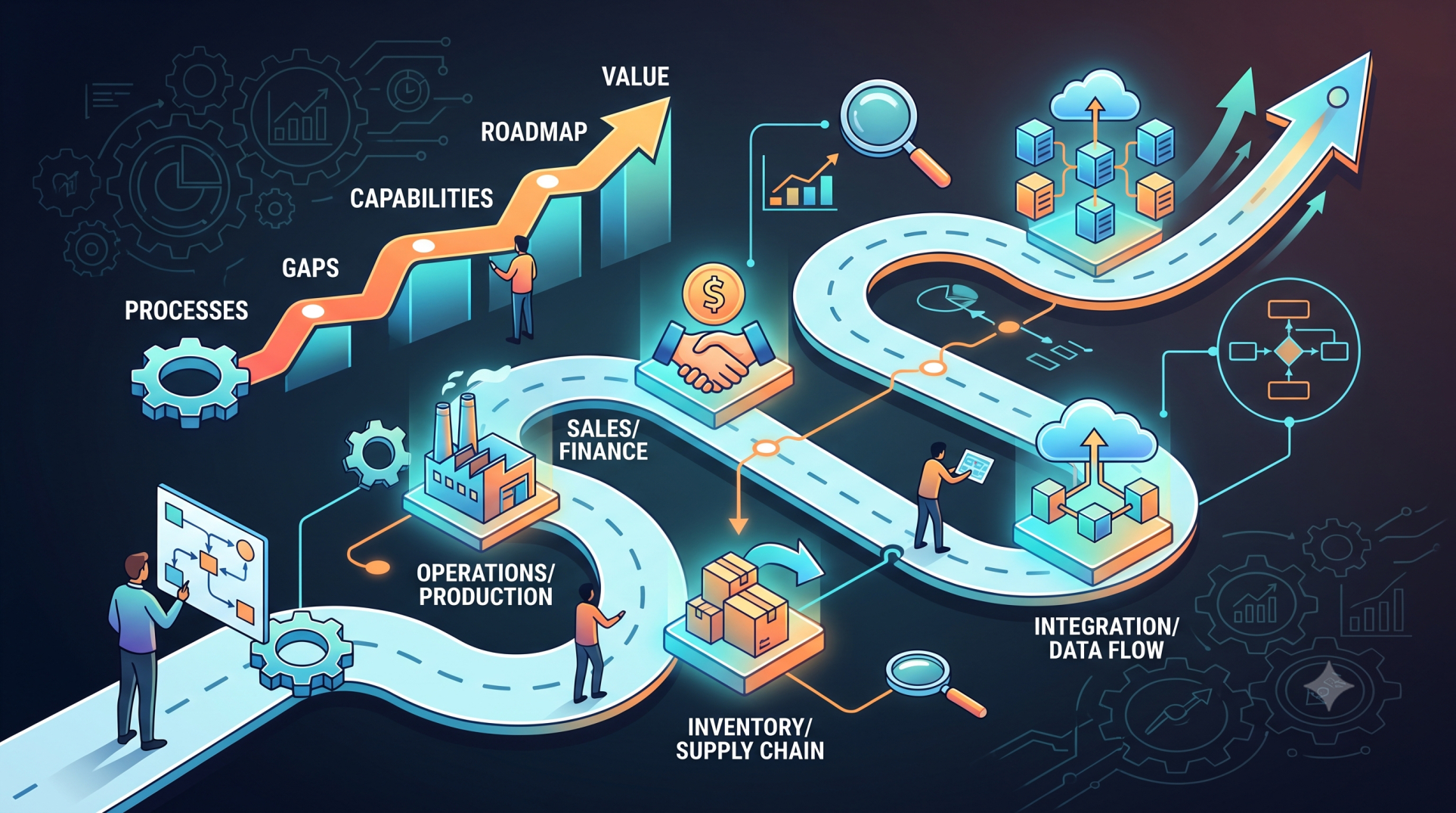
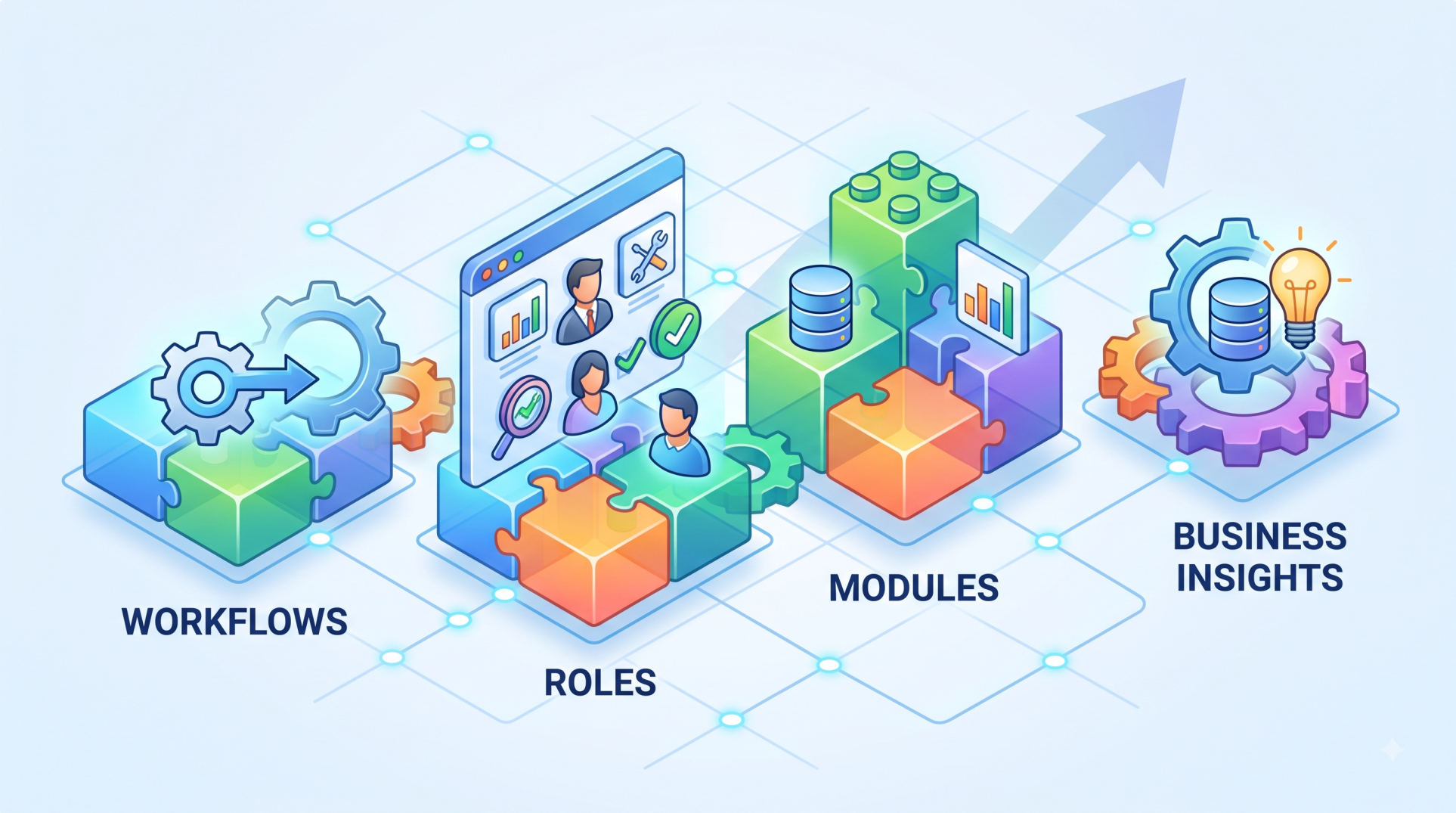
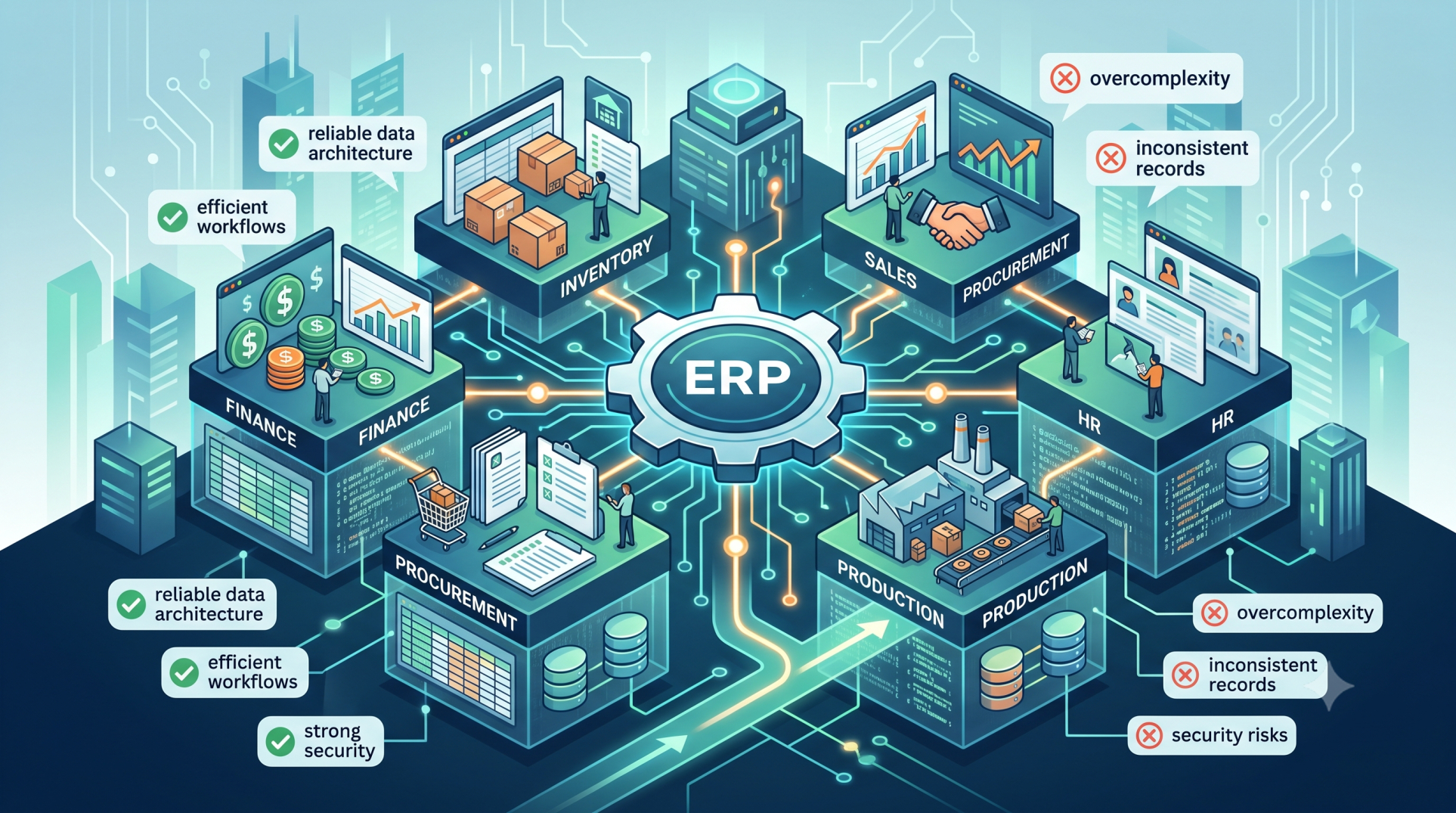
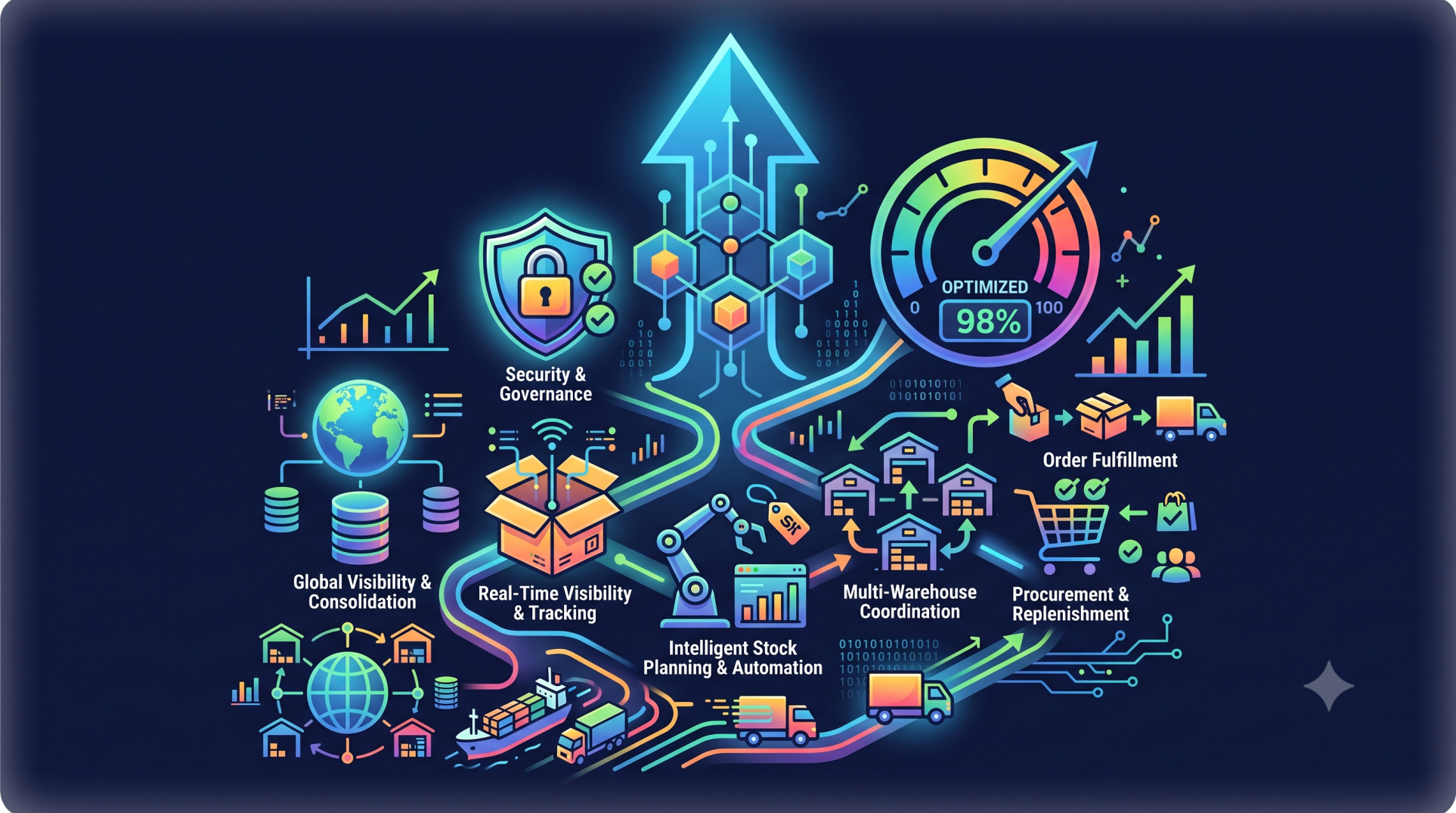
In rapidly changing business environments, static workflows are no longer sufficient. Organizations need processes that can evolve in real time based on demand, data, and operational conditions. Adaptive process design within Enterprise Resource Planning (ERP) systems enables businesses to respond dynamically, improve efficiency, and maintain resilience. By leveraging ERP as a flexible process engine, companies can continuously optimize operations without disrupting core systems.
Step 1: Understanding Adaptive Process Design 🔄
• Adaptive processes adjust dynamically based on real-time inputs and conditions 🔄
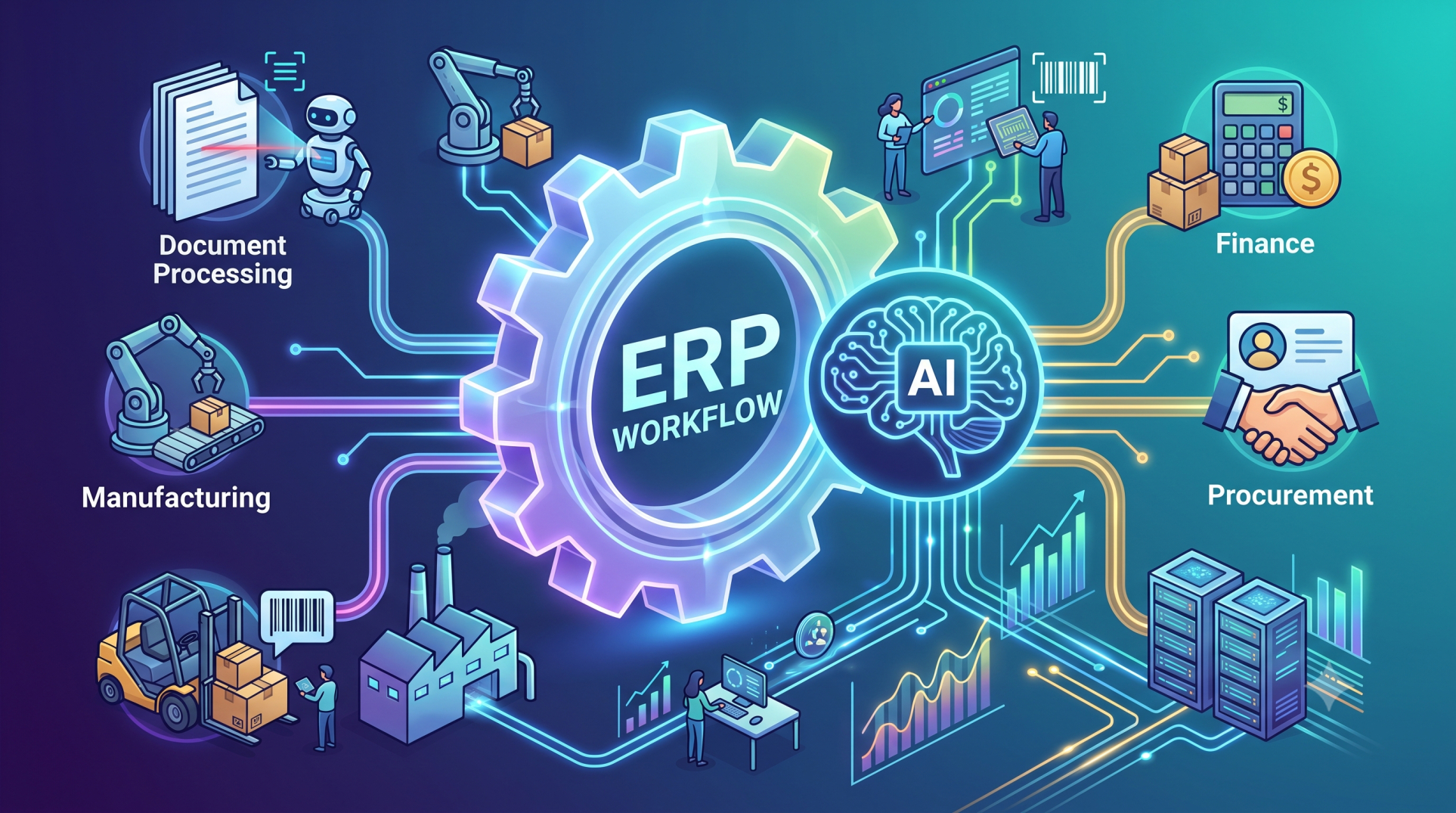
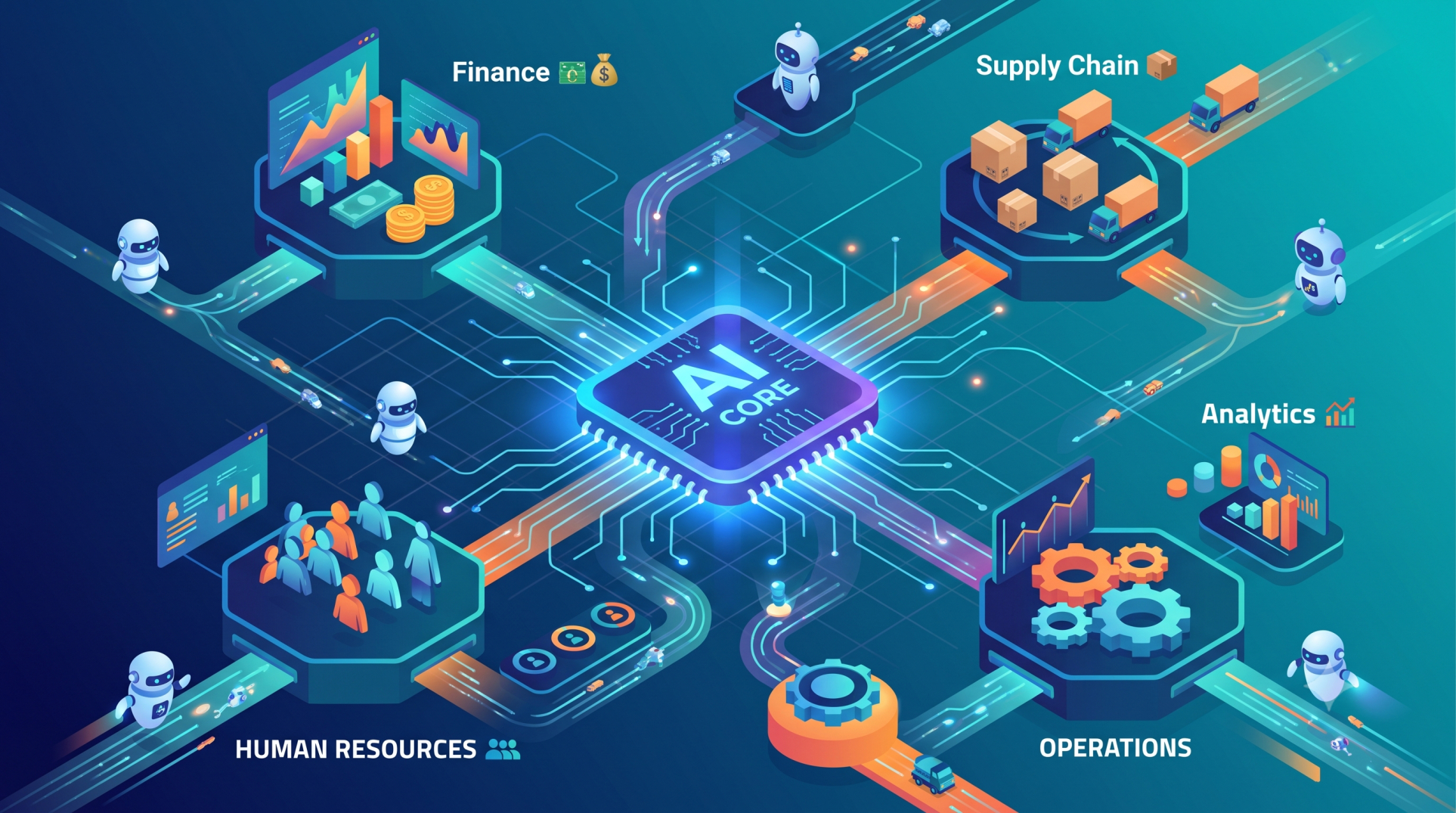
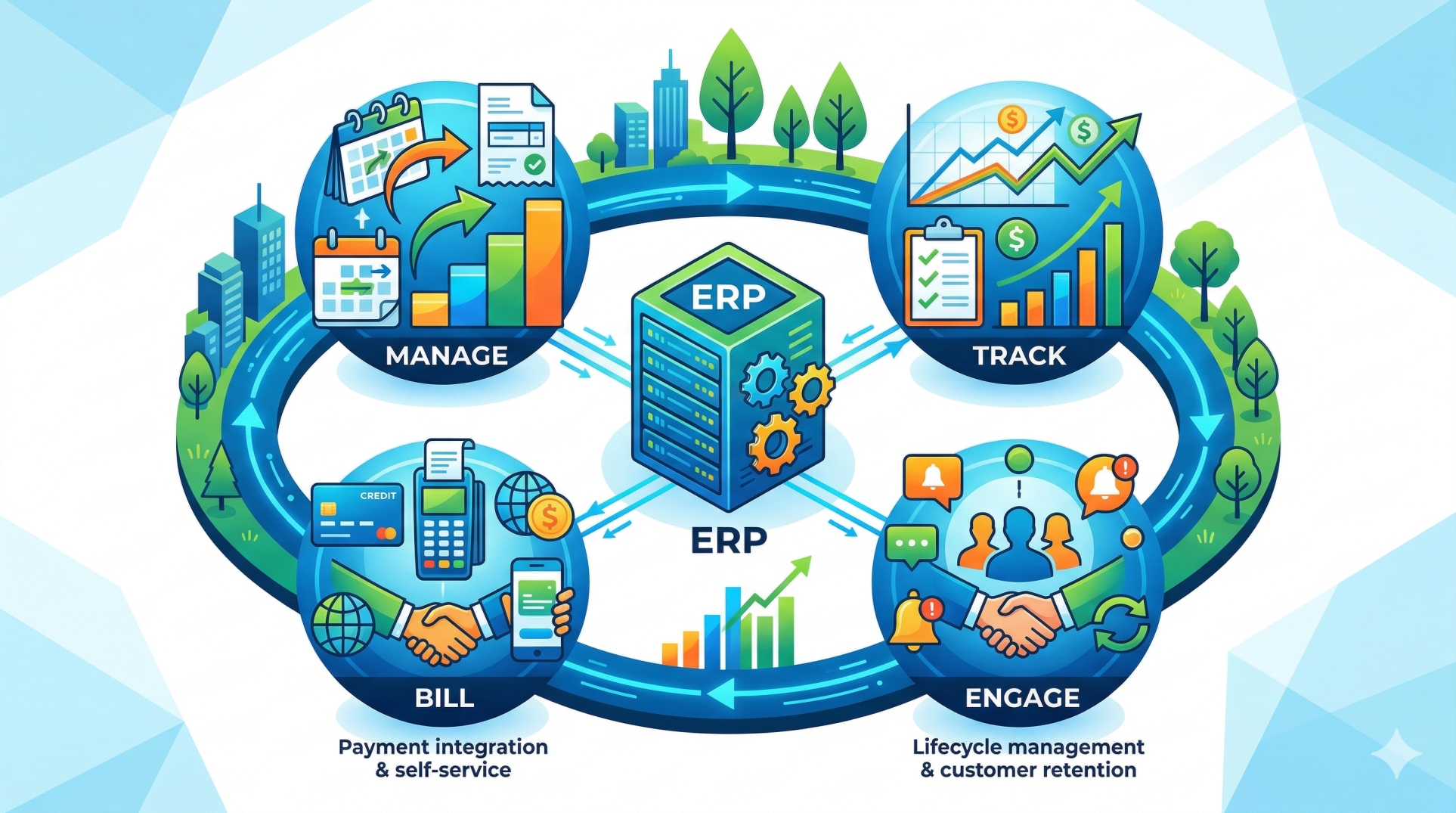
• ERP systems act as the central platform for orchestrating these changes 🧠
• Focus shifts from rigid workflows to flexible, rule-driven operations ⚙️
• Enables faster response to market and operational changes ⚡
• Supports continuous improvement rather than static optimization 📈
Step 2: Identifying Processes That Require Flexibility 🎯
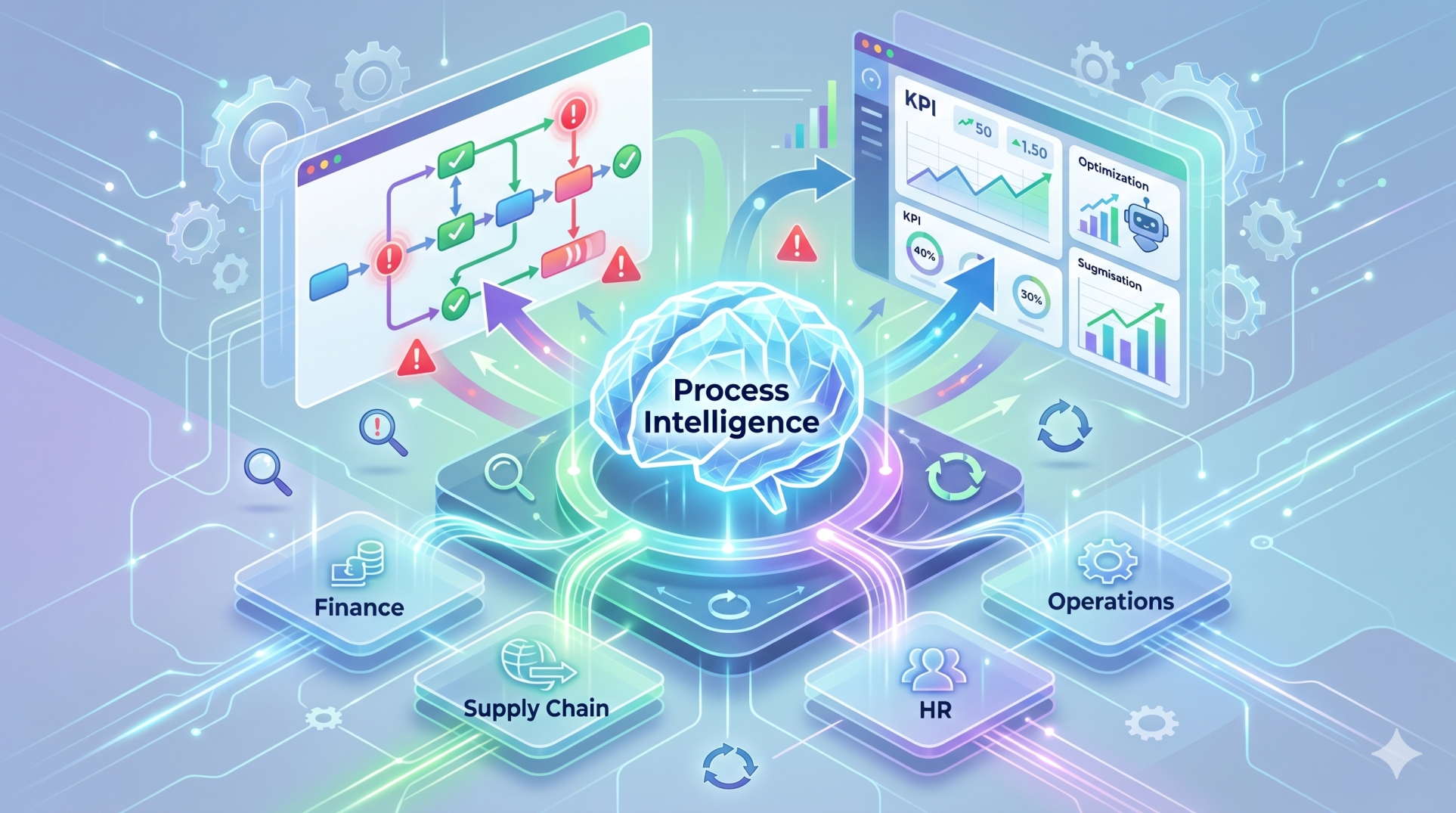
• Analyze workflows with high variability or frequent exceptions 🔍
• Focus on areas like supply chain, procurement, and order management 📦
• Identify bottlenecks caused by rigid process structures 🚧
• Prioritize processes that impact customer experience and efficiency 😊
• Map dependencies between interconnected workflows 🔗
Step 3: Designing Rule-Based Process Logic 📜
• Define business rules that guide process decisions dynamically 📜
• Use conditional logic to adapt workflows based on real-time data ⚙️
• Enable automated decision-making within ERP systems 🤖
• Ensure rules are transparent and easy to modify 🧩
• Maintain consistency while allowing controlled flexibility ⚖️
Step 4: Leveraging Real-Time Data for Adaptation 📊
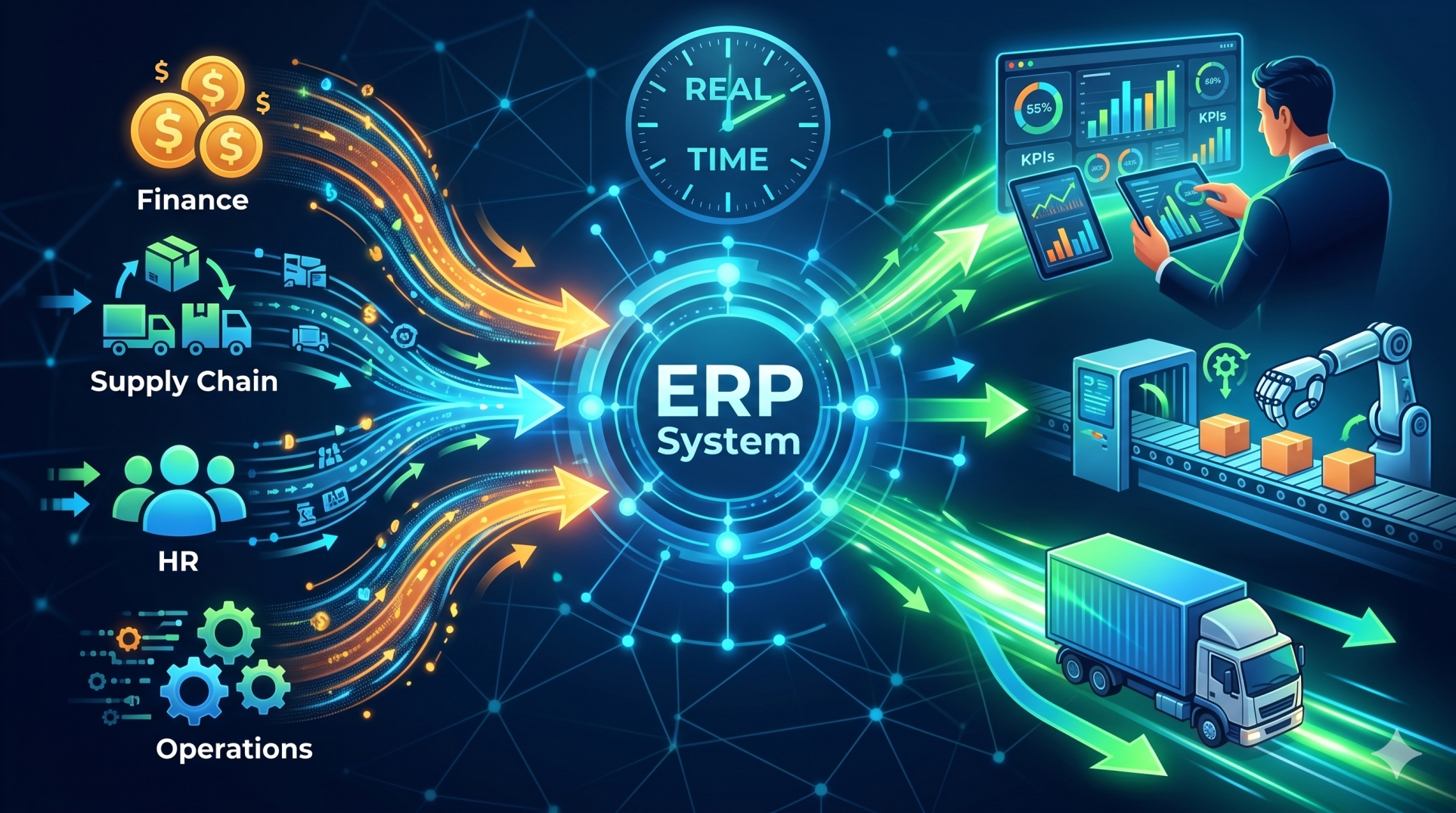
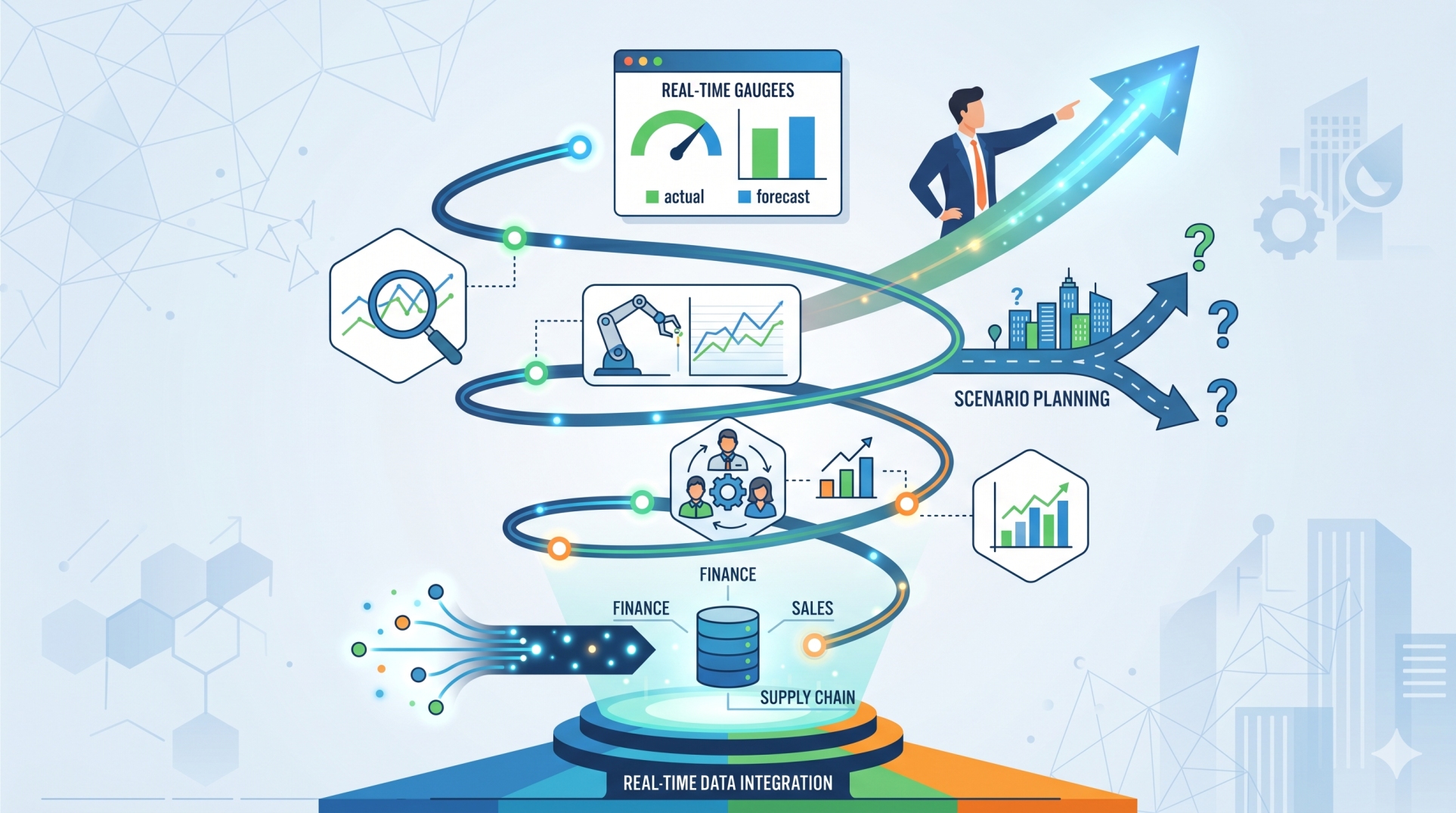
• Integrate live data from across departments and systems 📊
• Use ERP dashboards for immediate operational visibility 👁️
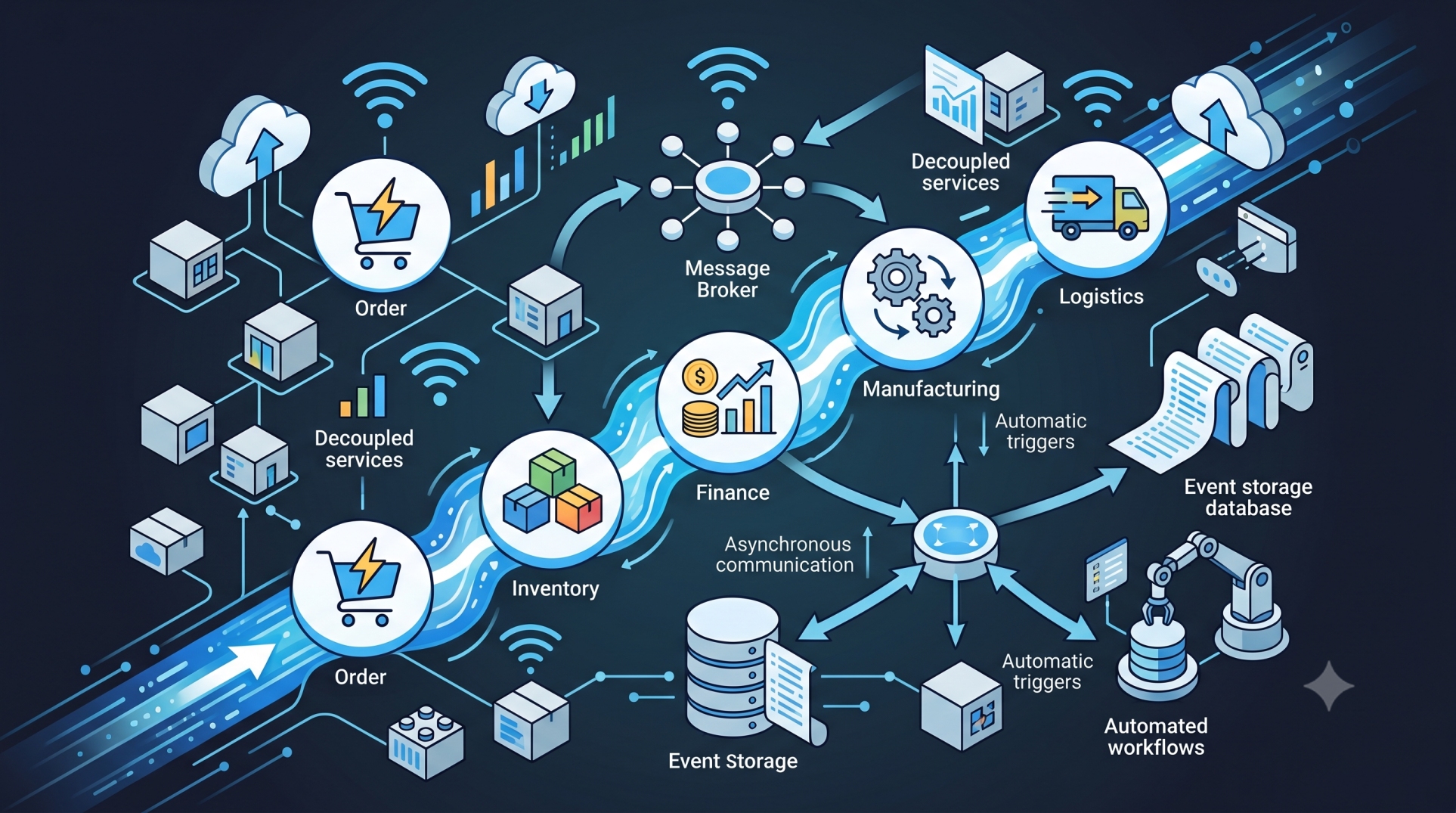
• Trigger process changes based on real-time events ⏱️
• Improve responsiveness to demand fluctuations 📉📈
• Reduce delays caused by manual interventions 🚀
Step 5: Workflow Automation and Orchestration 🤖
• Automate repetitive tasks while enabling dynamic decision points 🤖
• Orchestrate workflows across departments seamlessly 🔄
• Reduce dependency on manual coordination 🧑💻
• Improve process speed and accuracy ⚡
• Enable end-to-end visibility of process execution 🔍
Step 6: Integration with External Systems 🔗
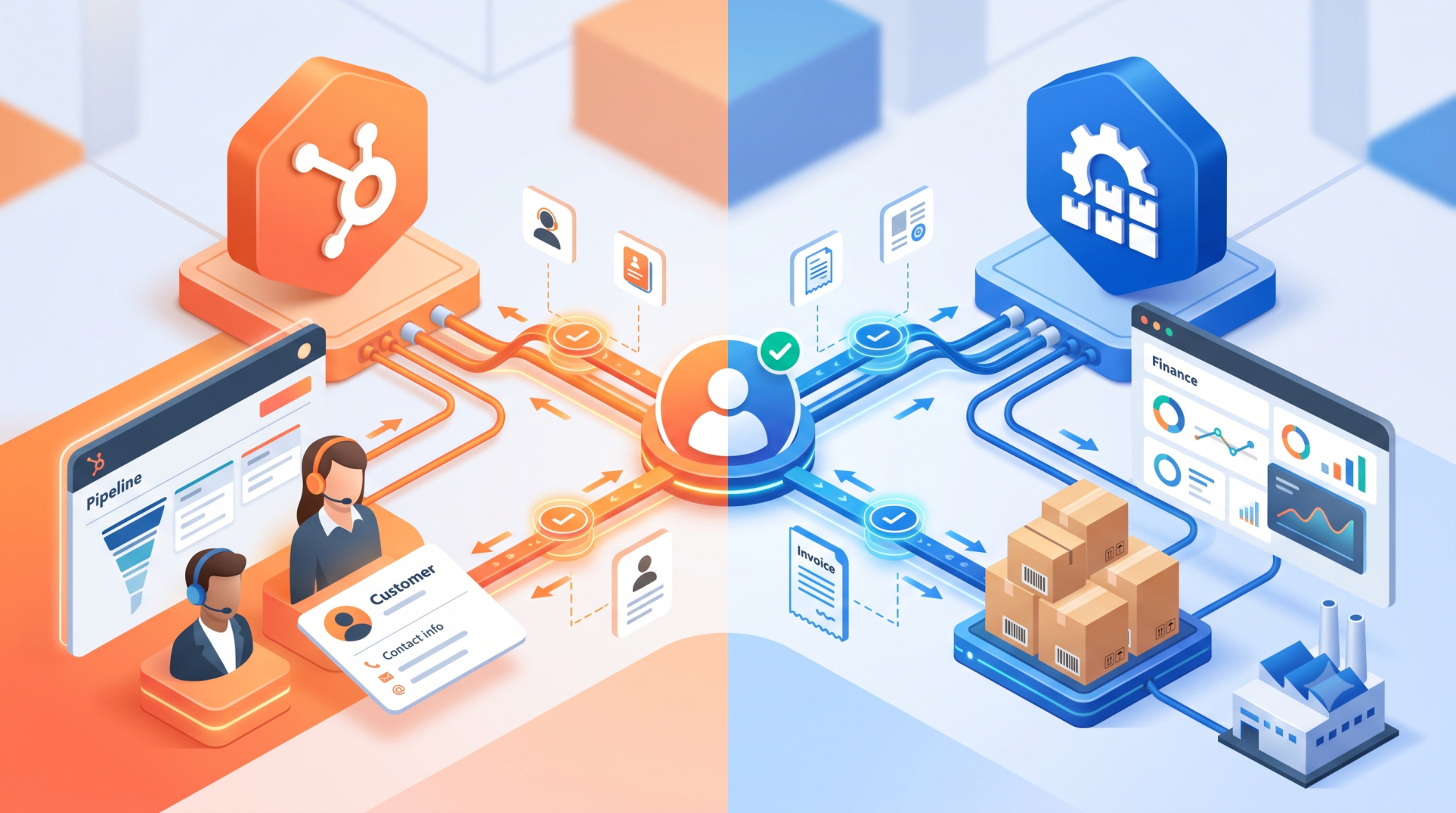
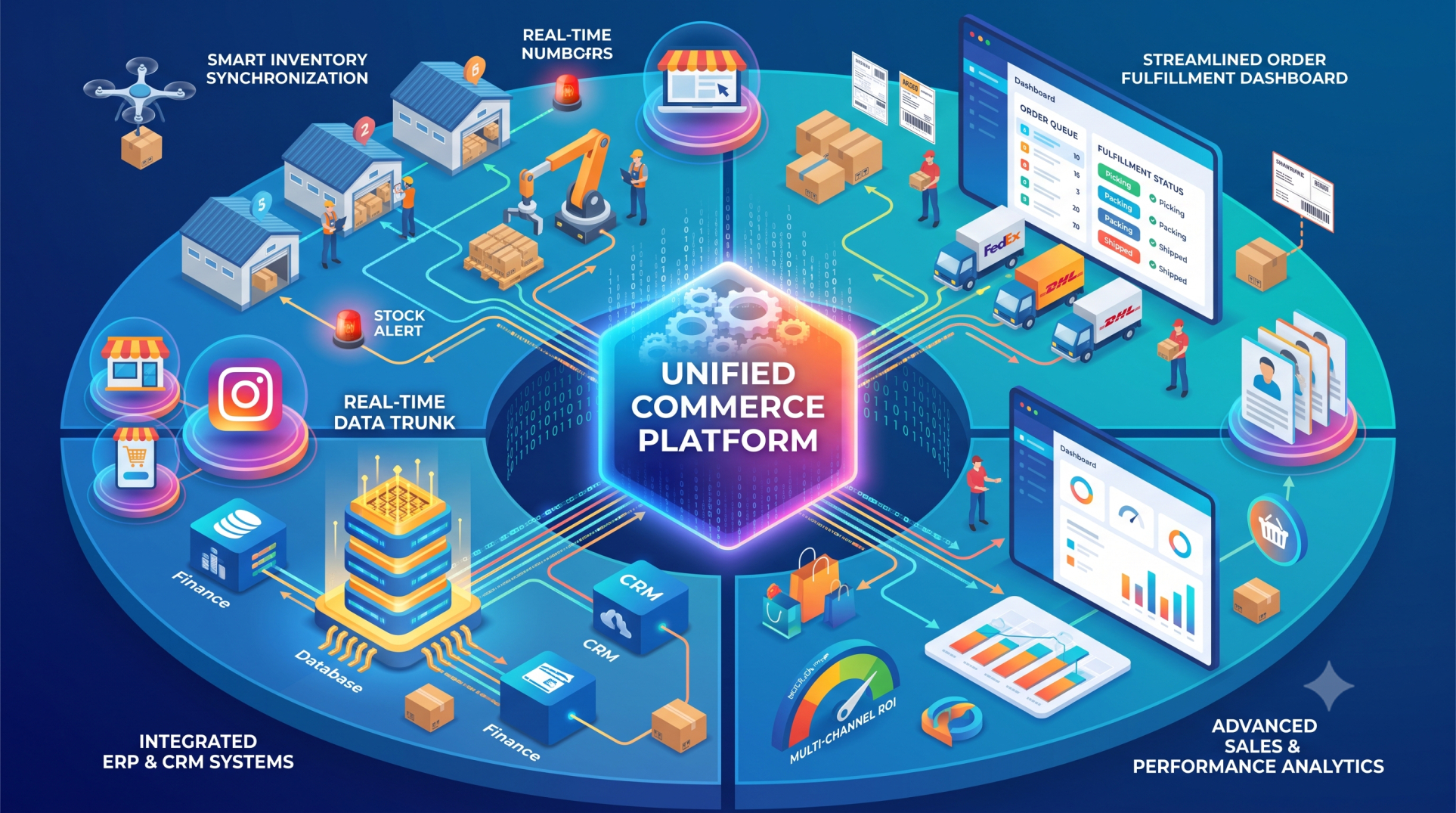
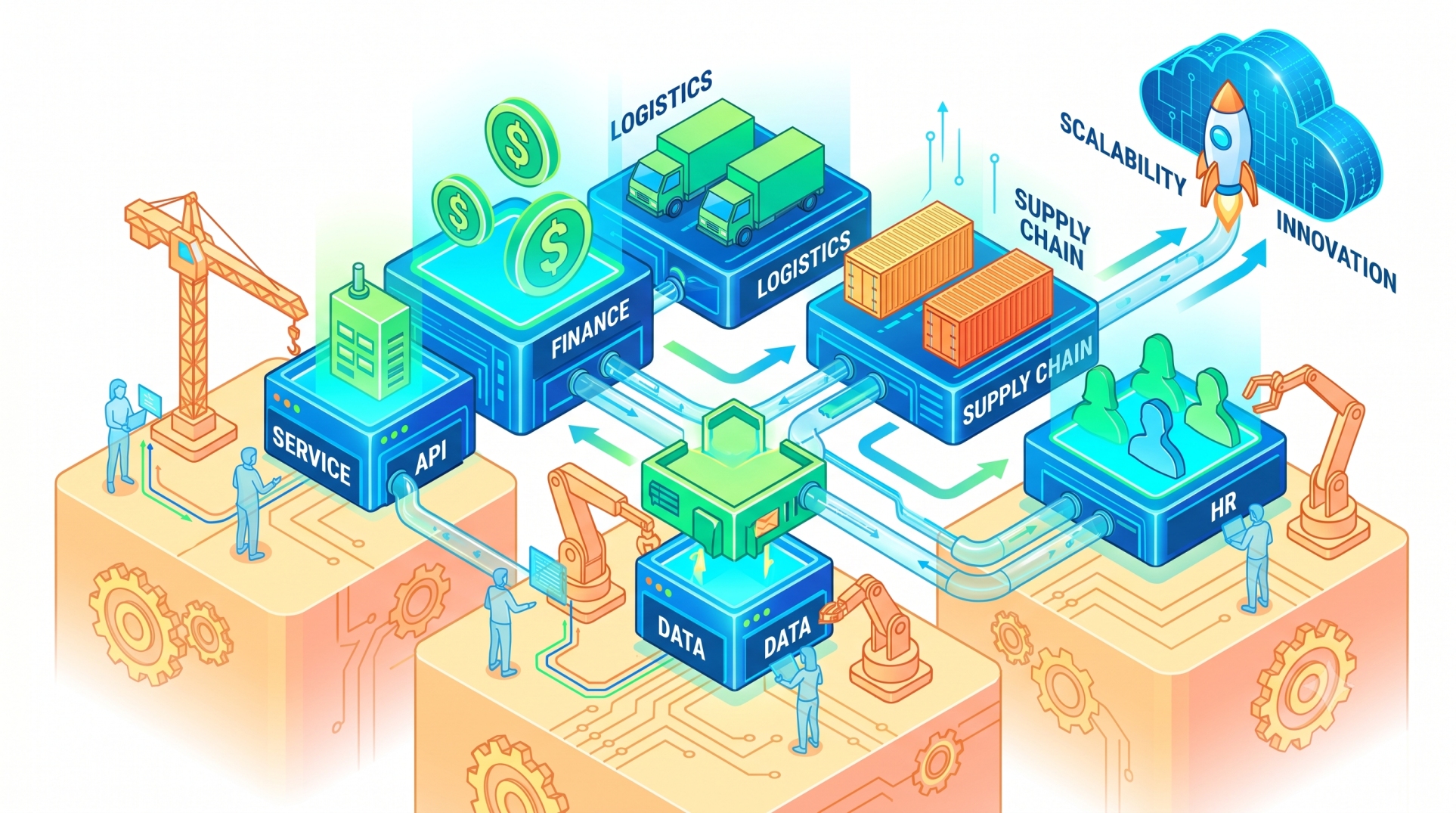
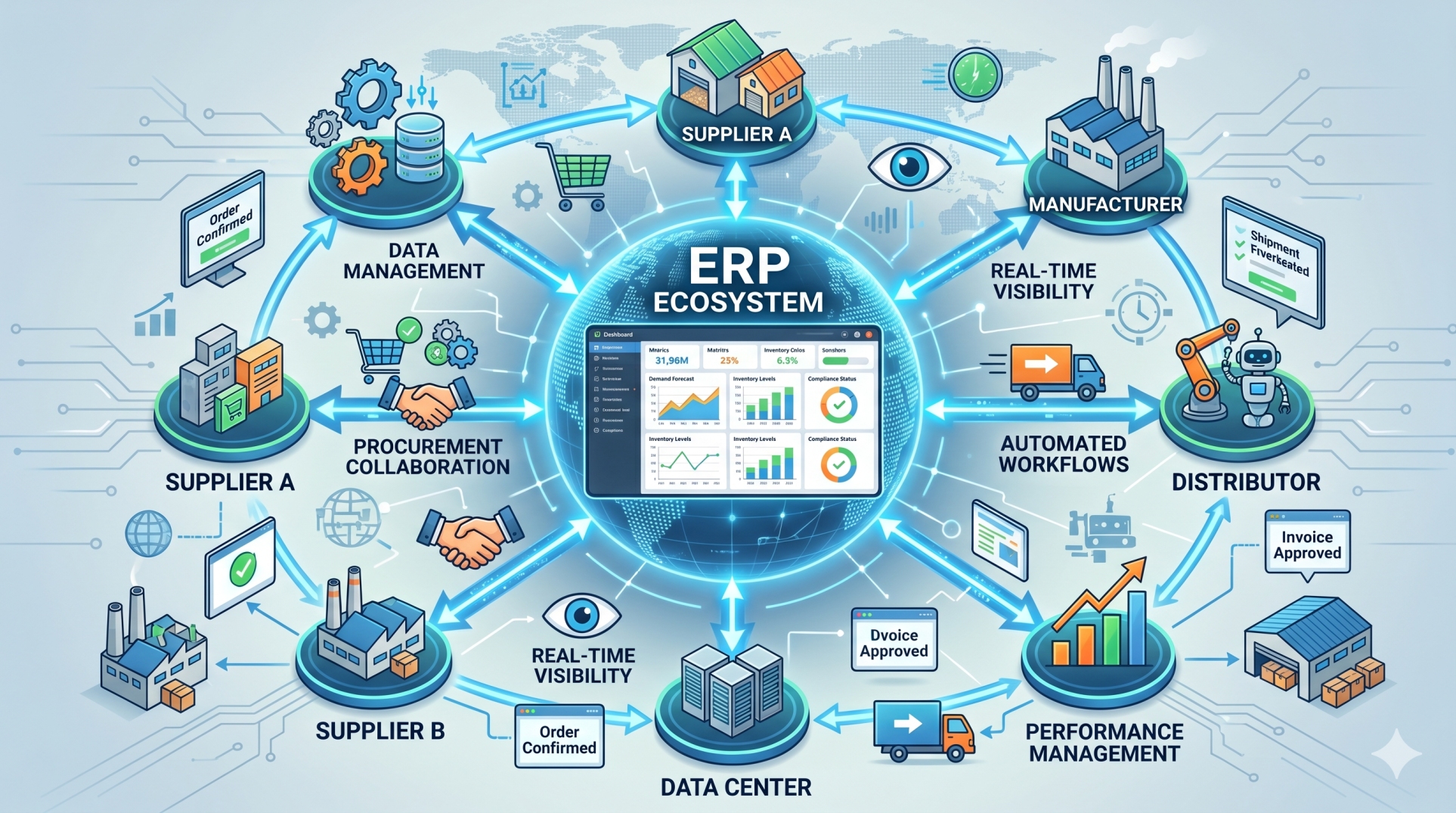
• Connect ERP with external platforms like CRM, logistics, and suppliers 🔗
• Enable cross-system data flow for better decision-making 🌐
• Support real-time synchronization across ecosystems ⏱️
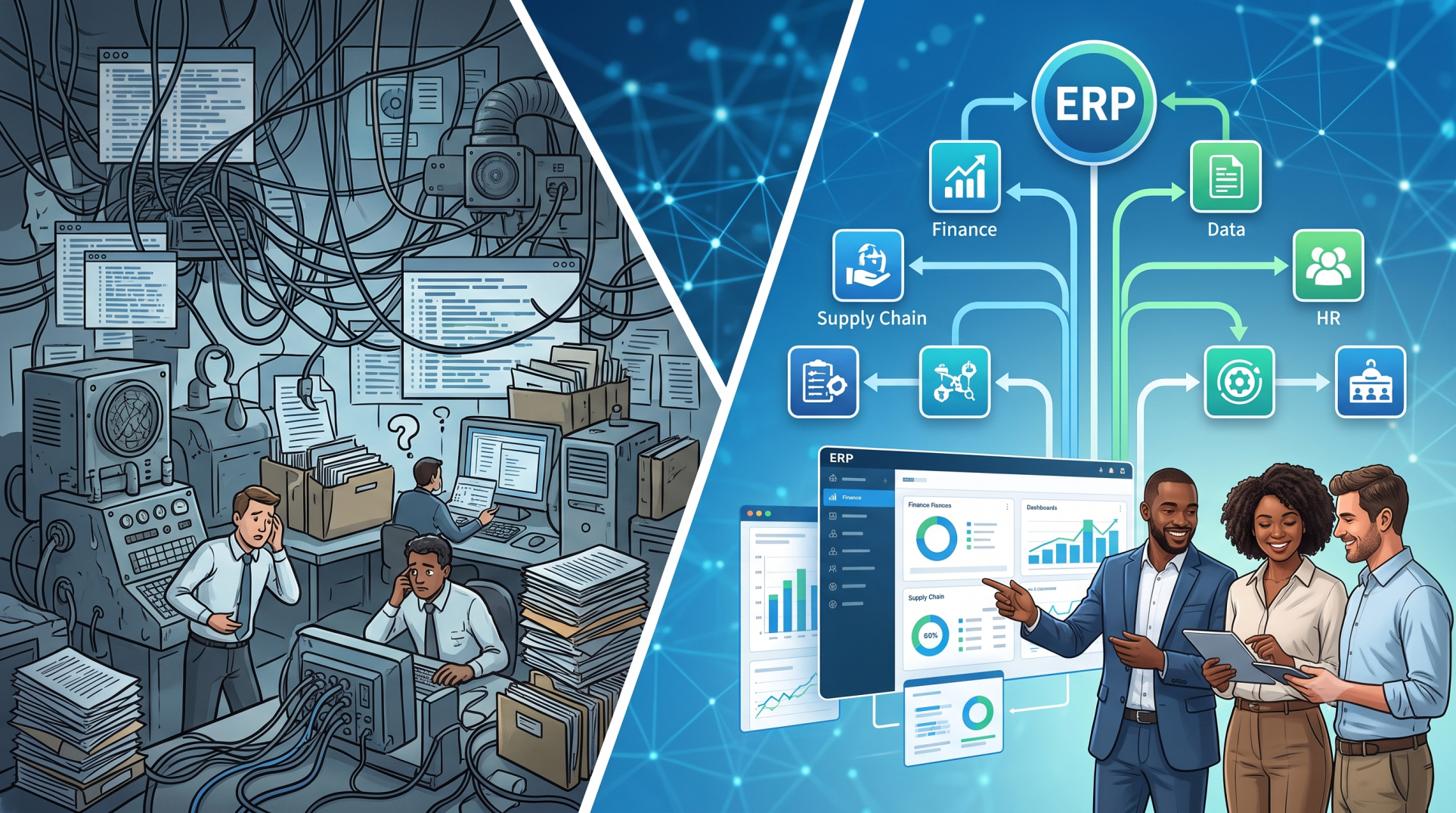
• Avoid silos by creating a unified operational environment 🧠
• Ensure scalability as new integrations are added 📦
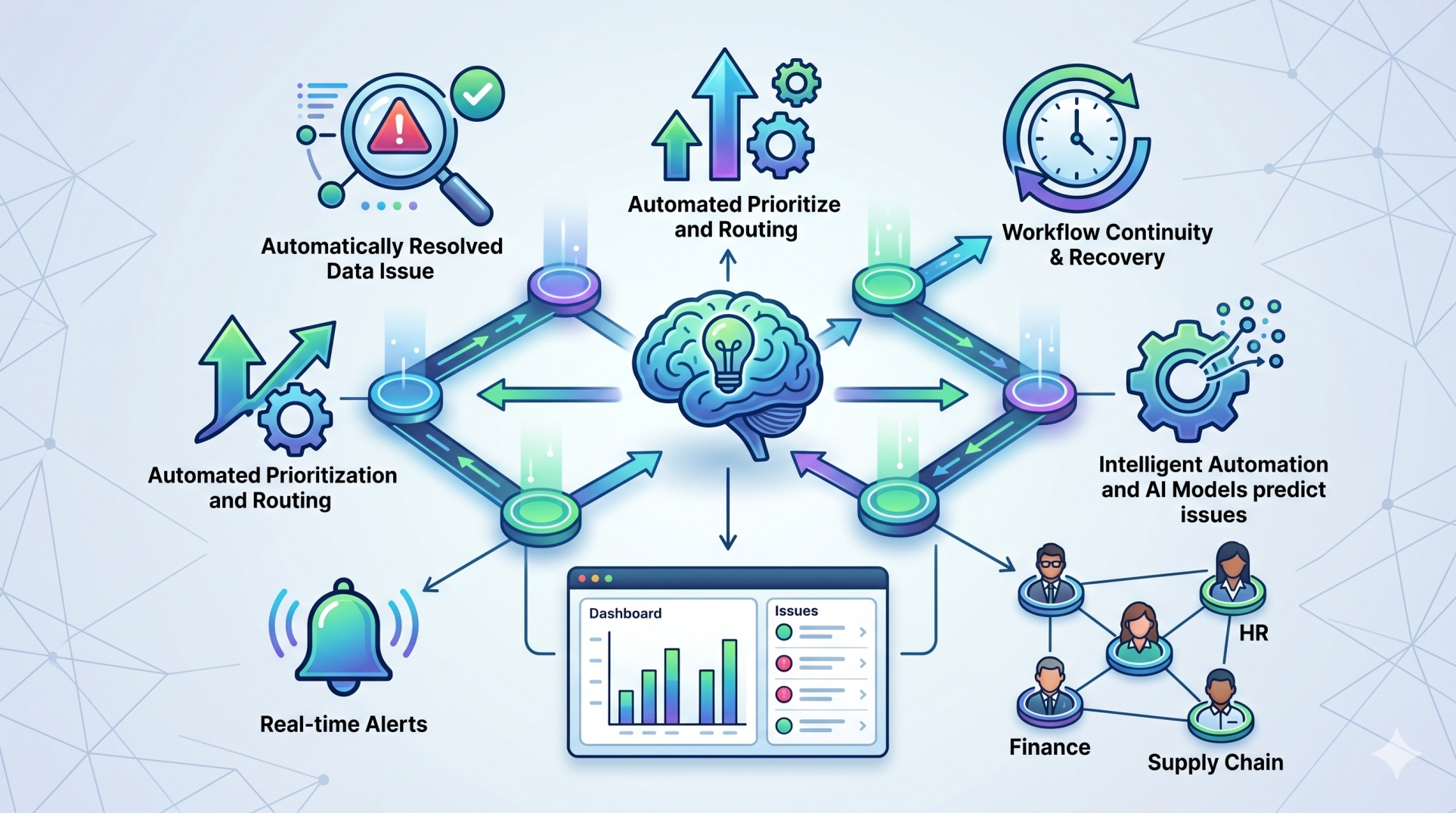
Step 7: Exception Handling and Process Resilience ⚠️
• Design workflows to handle unexpected scenarios gracefully ⚠️
• Automatically reroute or adjust processes during disruptions 🔄
• Implement fallback rules for critical operations 🛡️
• Minimize downtime and operational risks 🚫
• Ensure continuity even under uncertain conditions 🔁
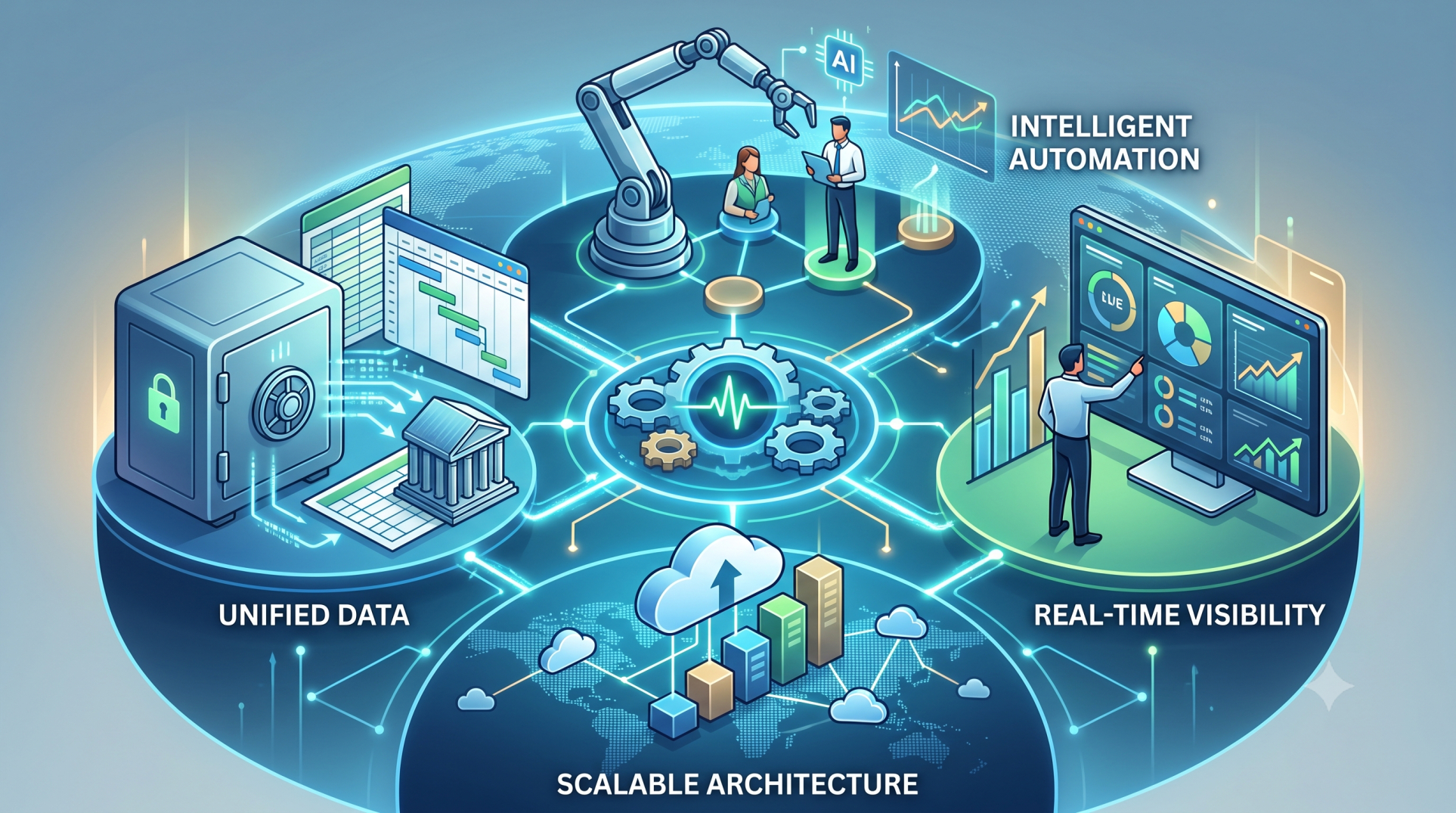
Step 8: Key Design Priorities 📌
• Flexibility without compromising control ⚖️
• Real-time responsiveness to operational changes ⏱️
• Clear visibility into process performance 👁️
• Scalable architecture for evolving business needs 🚀
Step 9: Continuous Monitoring and Optimization 📈
• Track process performance using ERP analytics 📊
• Identify inefficiencies and improvement opportunities 🔍
• Refine rules and workflows based on insights 🧩
• Enable iterative improvements over time 🔄
• Align processes with changing business goals 🎯
Step 10: Building an Intelligent ERP-Driven Process Ecosystem 🧠
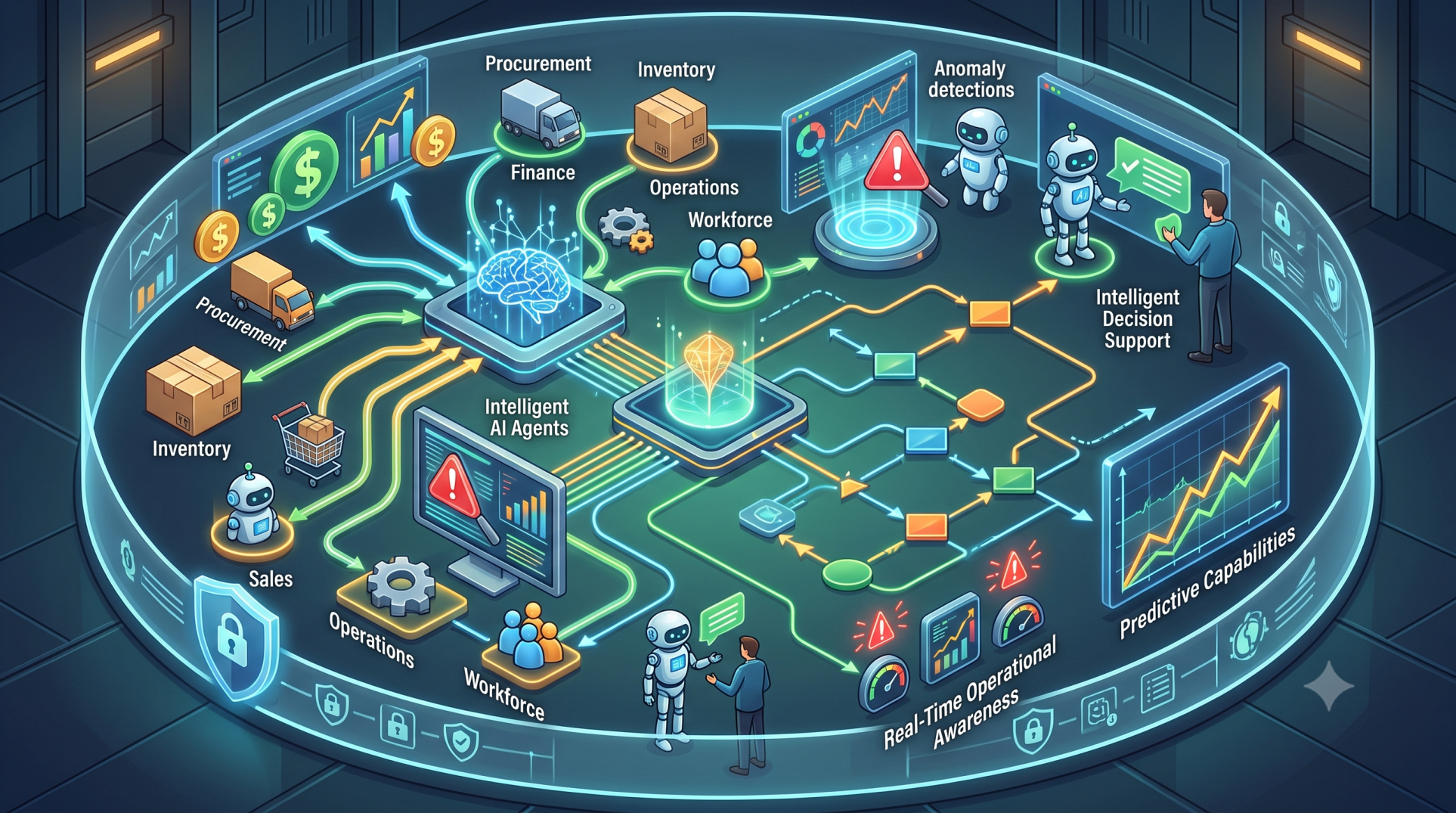
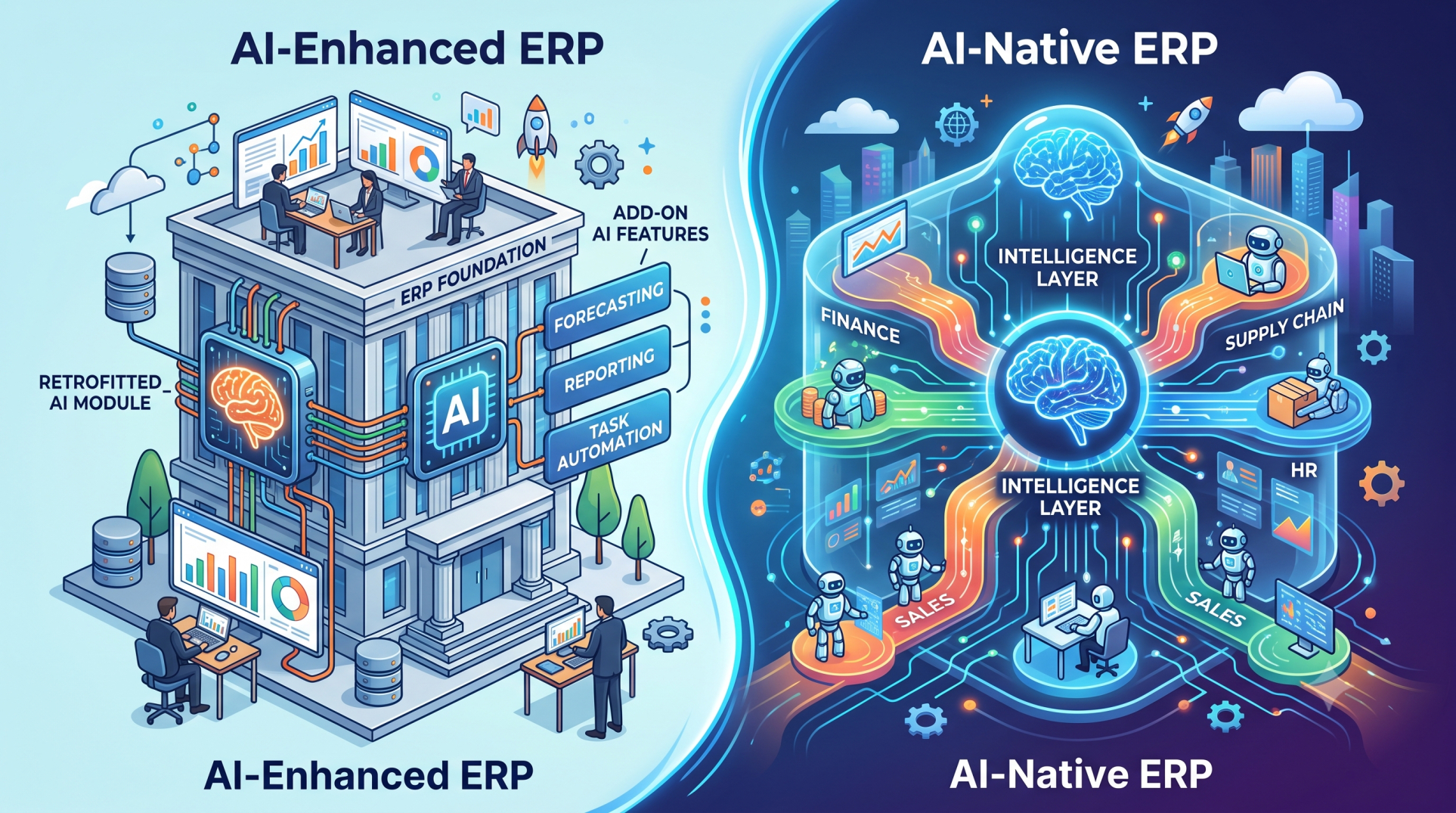
• Incorporate AI and predictive analytics for smarter decisions 🤖
• Enable self-adjusting workflows based on historical patterns 📚
• Support proactive rather than reactive process management ⚡
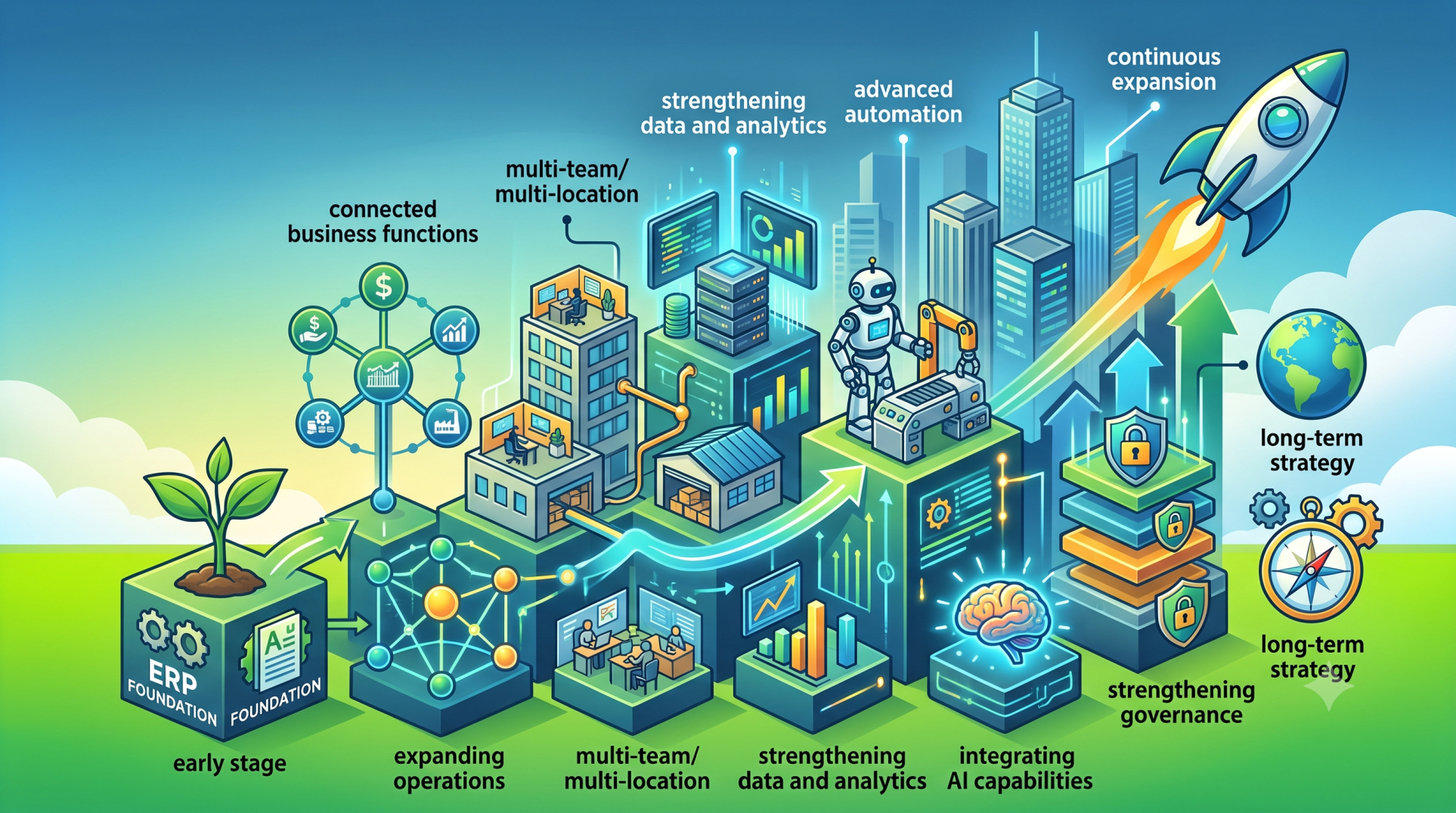
• Design systems that evolve with business growth 🌱
• Future-proof operations through continuous innovation 🚀
Conclusion
Adaptive process design using ERP systems empowers organizations to move beyond rigid workflows and embrace dynamic, data-driven operations. By combining automation, real-time insights, and flexible rule-based logic, businesses can enhance efficiency, resilience, and responsiveness. An adaptive ERP environment not only improves current performance but also prepares organizations to thrive in an ever-changing business landscape.
See more blogs
You can all the articles below