Workforce Planning Integrated Within ERP Platforms
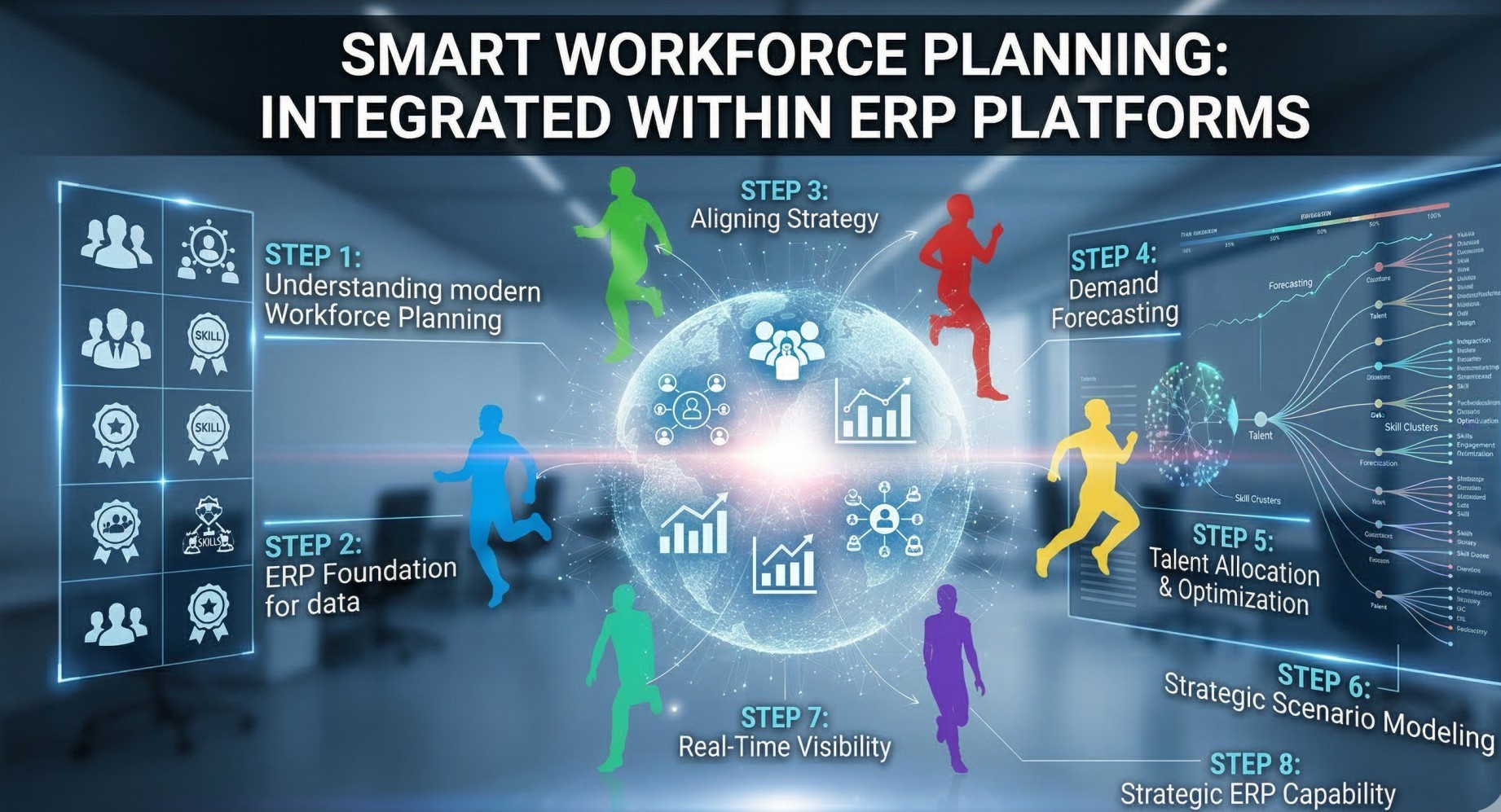
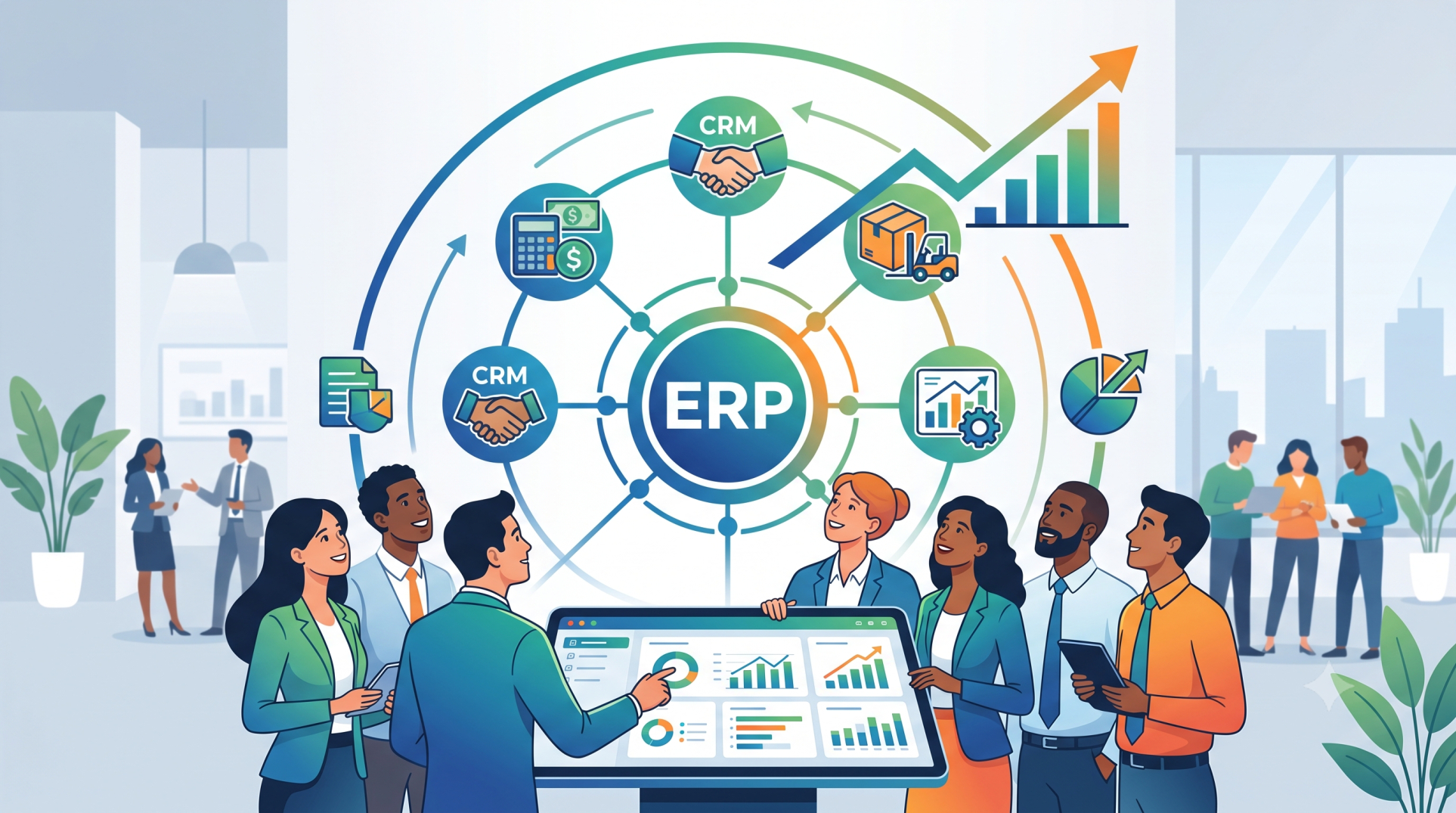
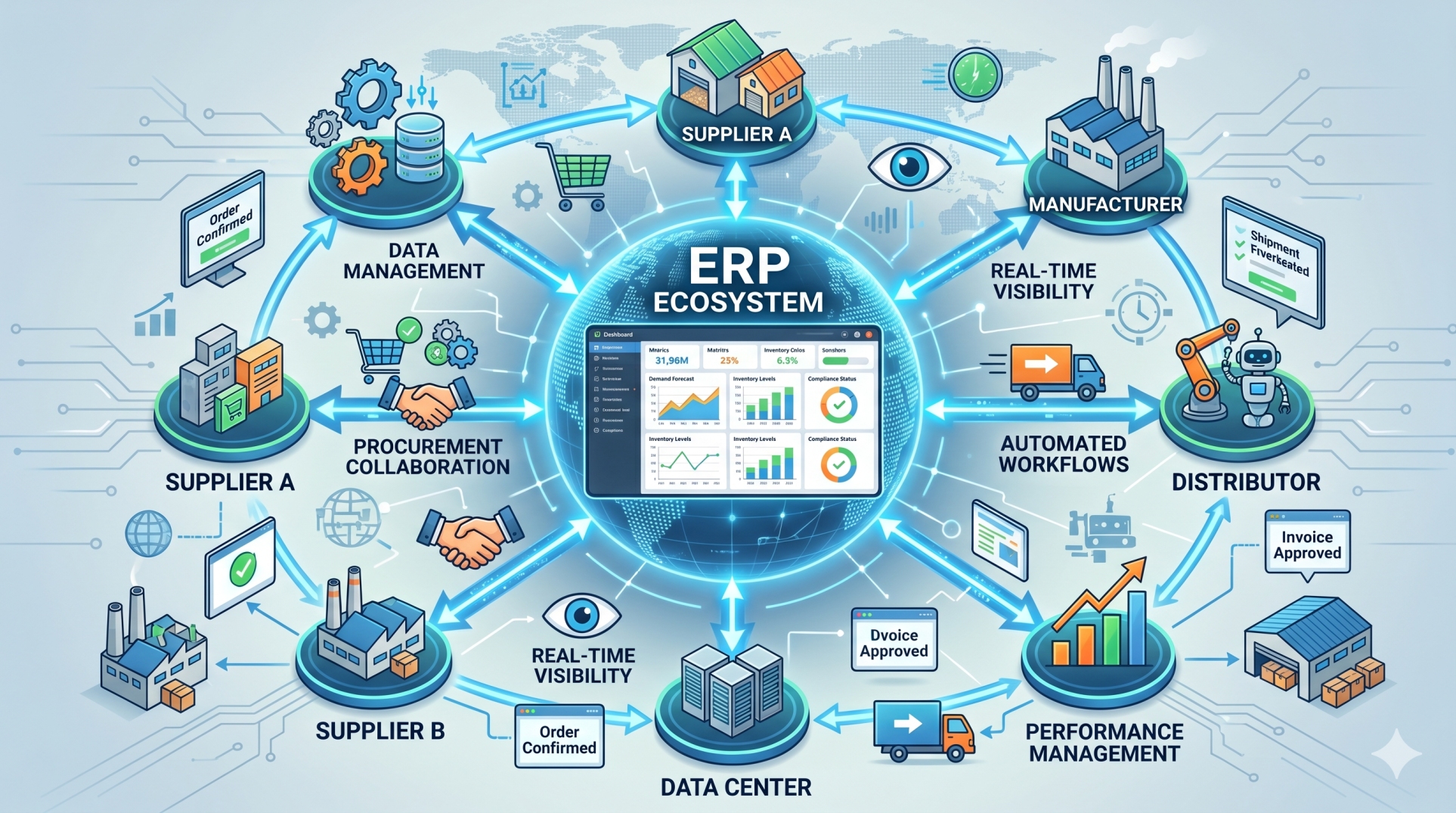
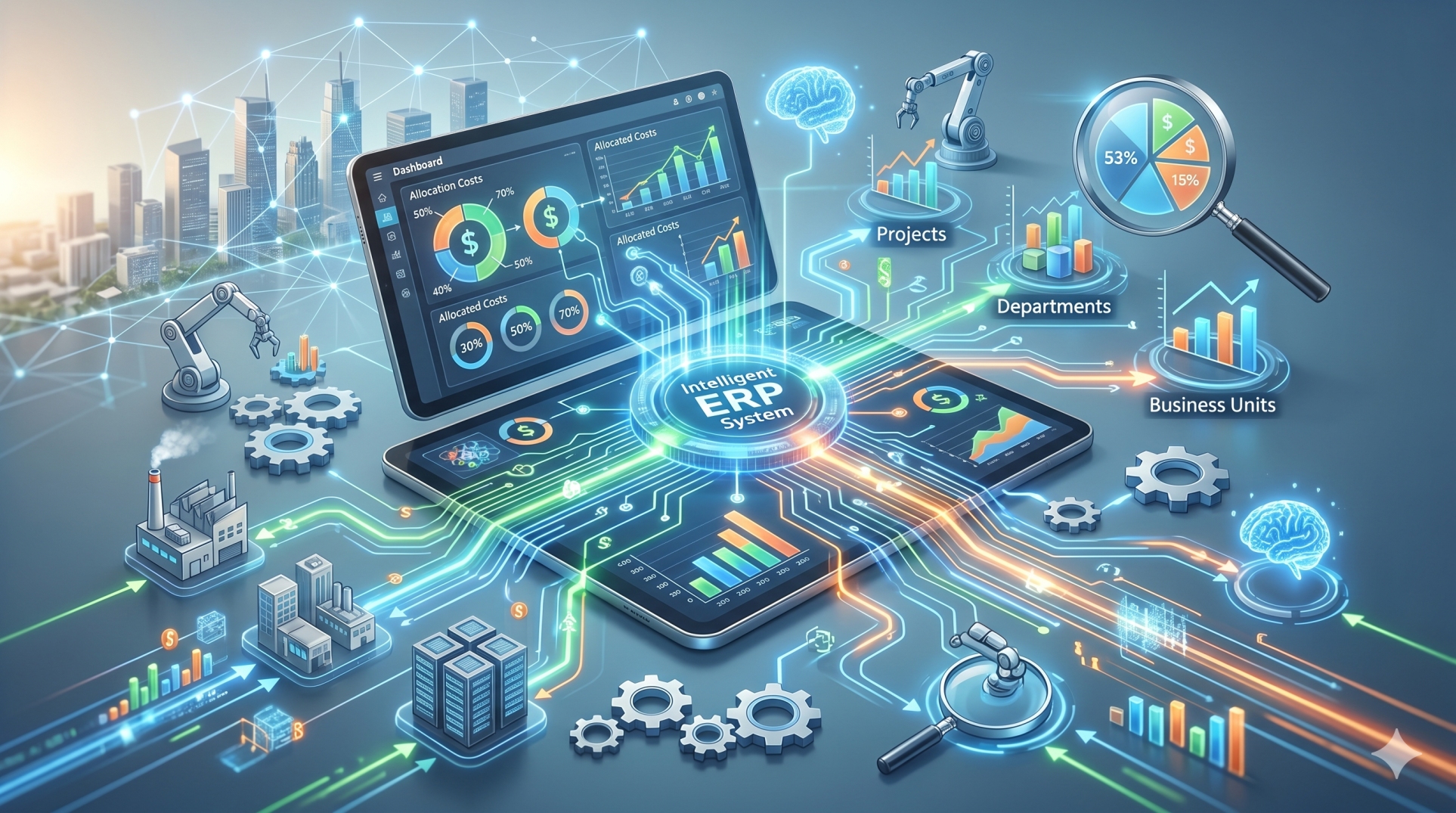
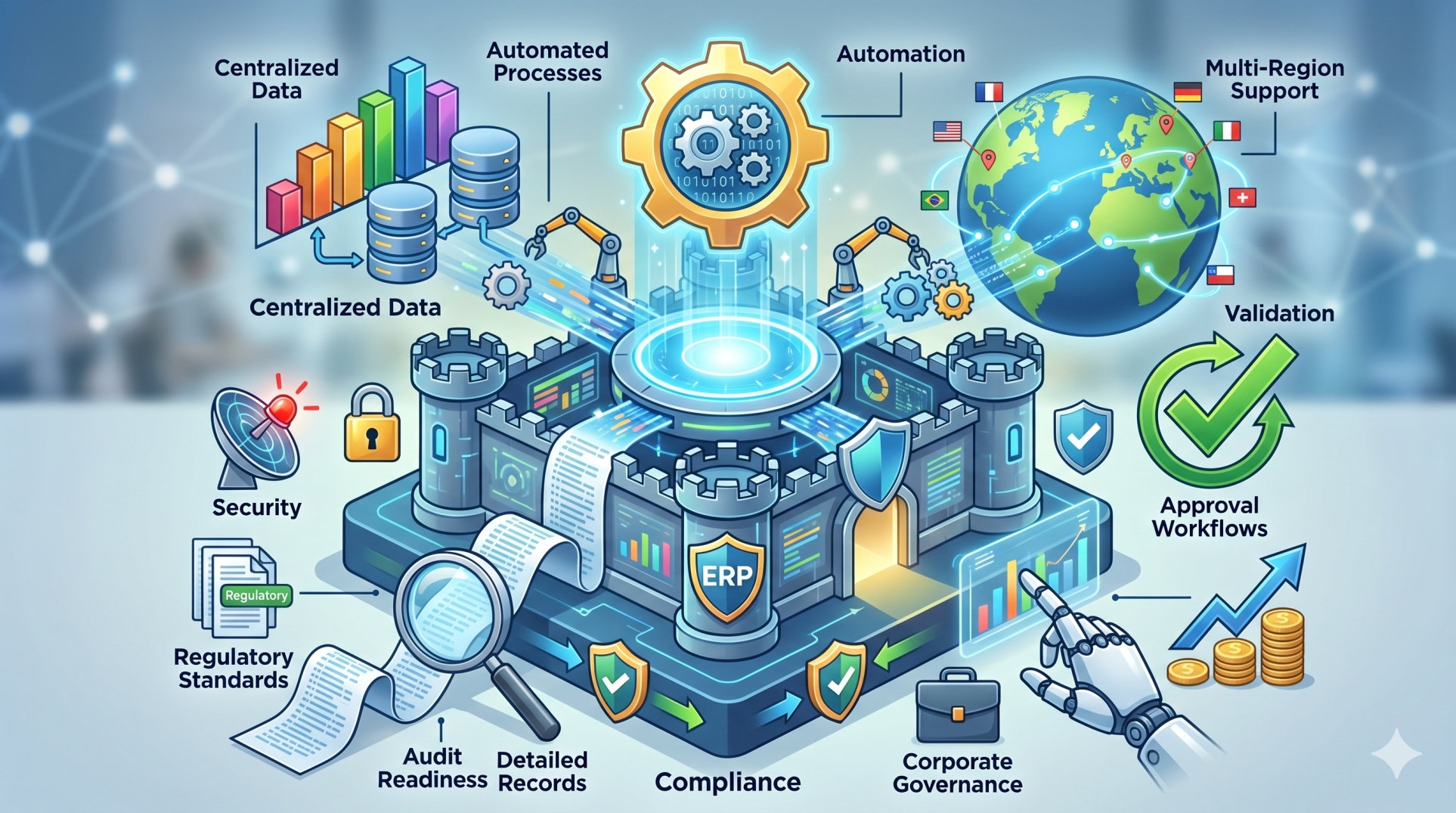
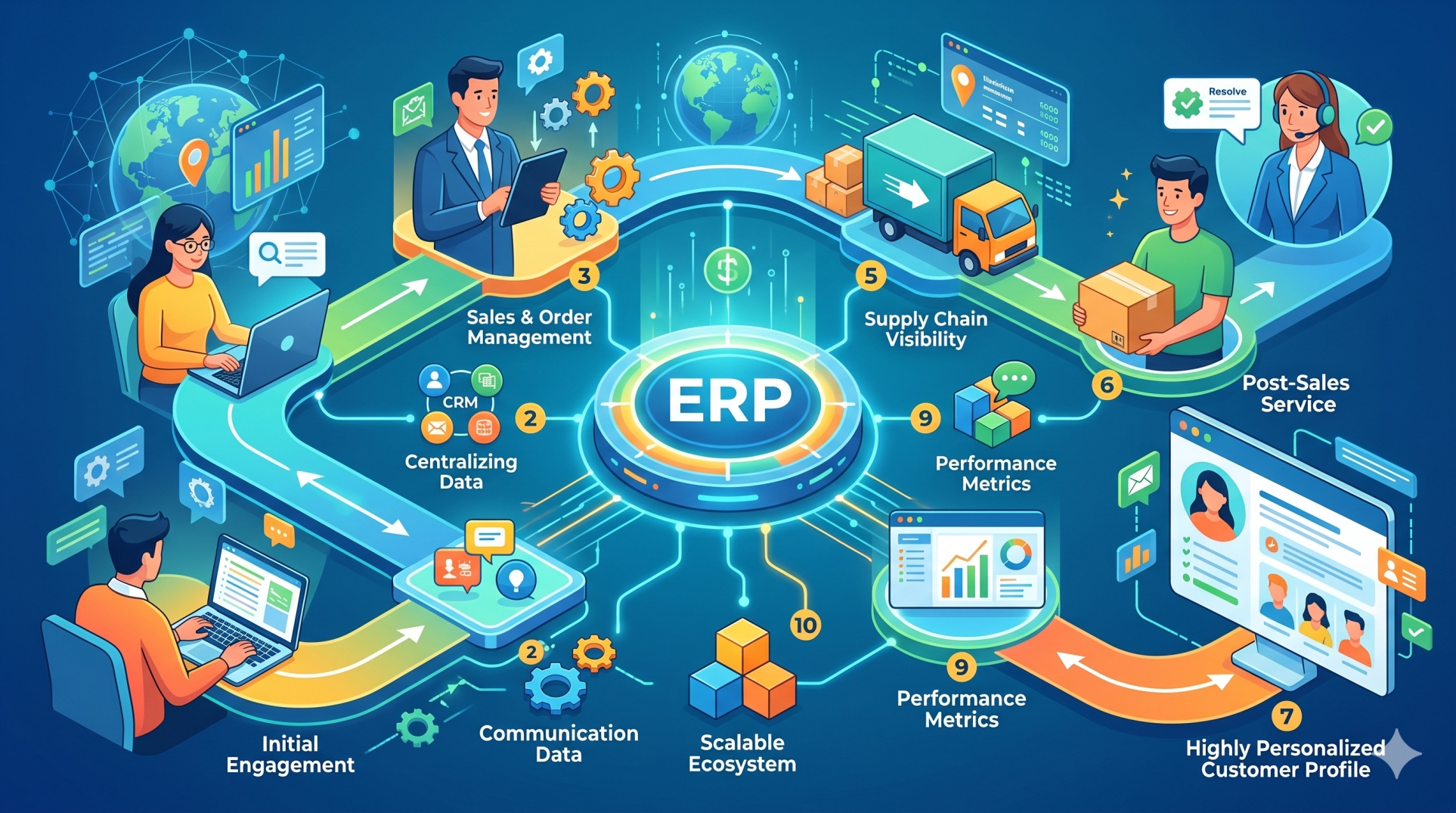
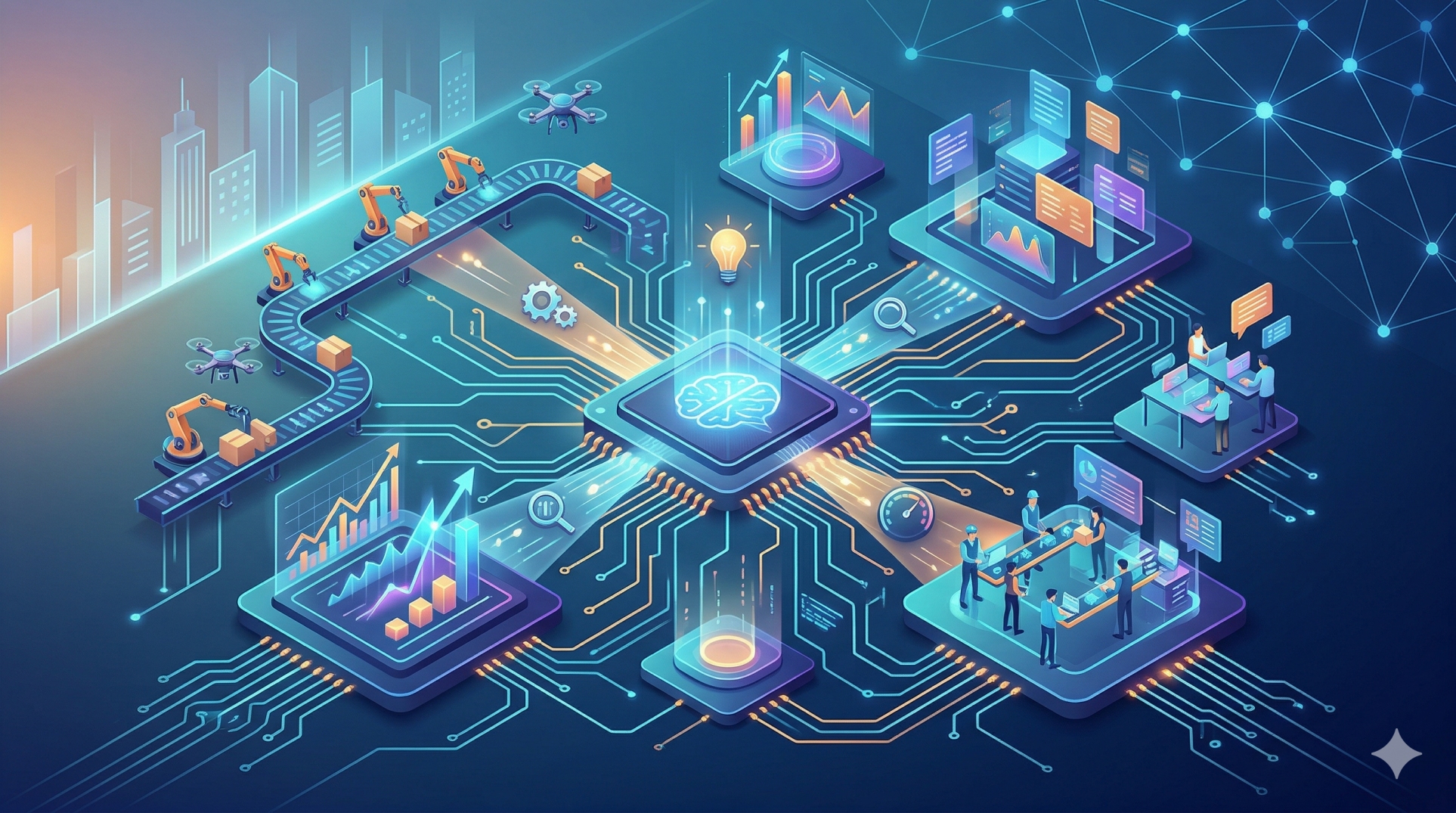
Workforce planning is becoming an essential component of modern enterprise management. As organizations grow more complex, aligning human resources with operational goals requires real-time visibility, accurate forecasting, and cross-department coordination. Integrating workforce planning directly within ERP platforms enables organizations to connect people, processes, and performance data—supporting more strategic and informed decision-making.
Step 1: Understanding Workforce Planning in Modern Organizations 👥📊
• Workforce planning ensures the right people are available for the right roles at the right time ⏱️👤
• Aligns staffing levels with operational and strategic objectives 🎯🏢
• Anticipates future talent requirements based on business growth 📈🧠
• Balances labor costs with productivity and performance goals ⚖️💰
• Helps organizations respond effectively to changing market demands 🌍🔄
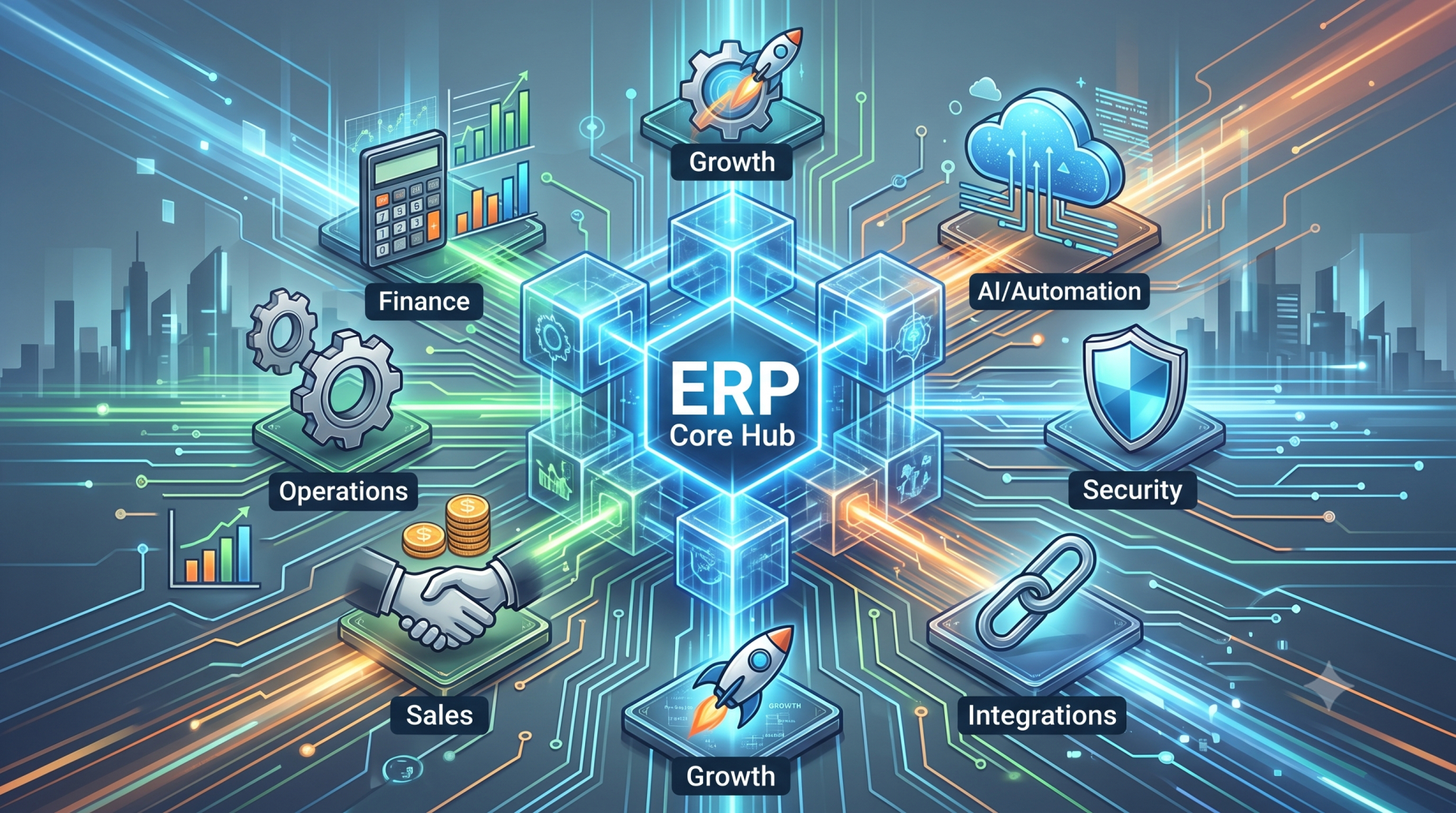
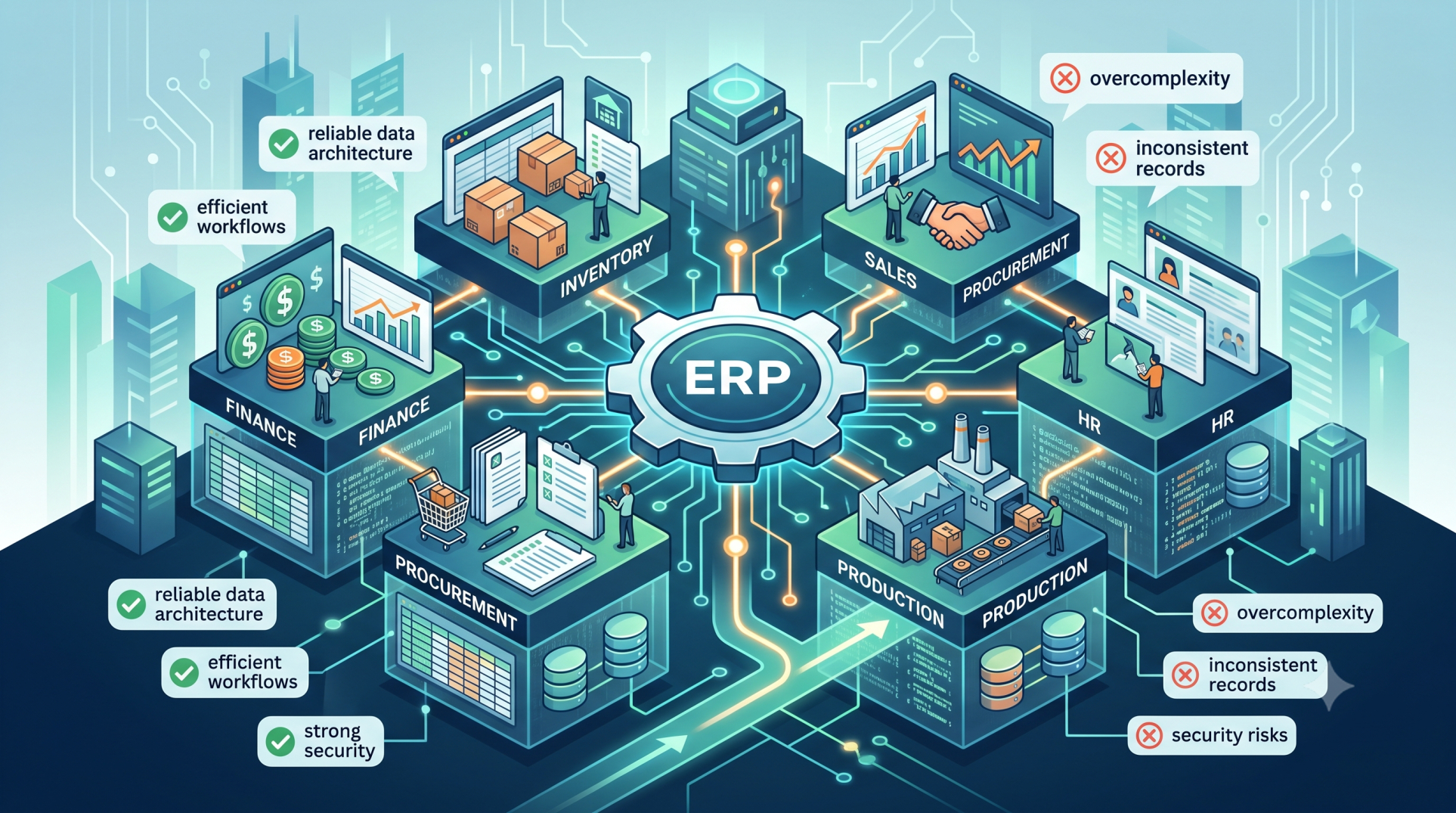
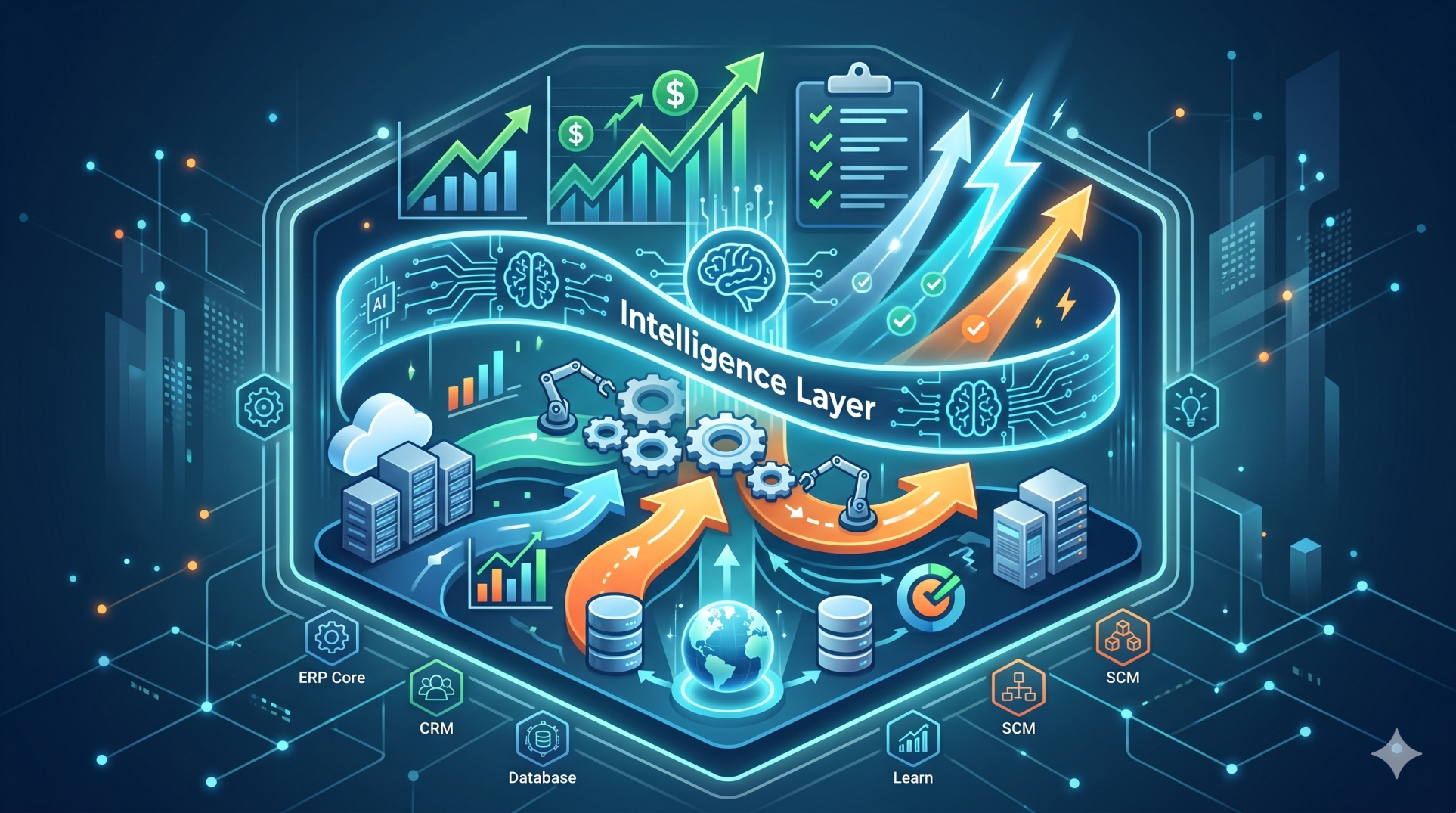
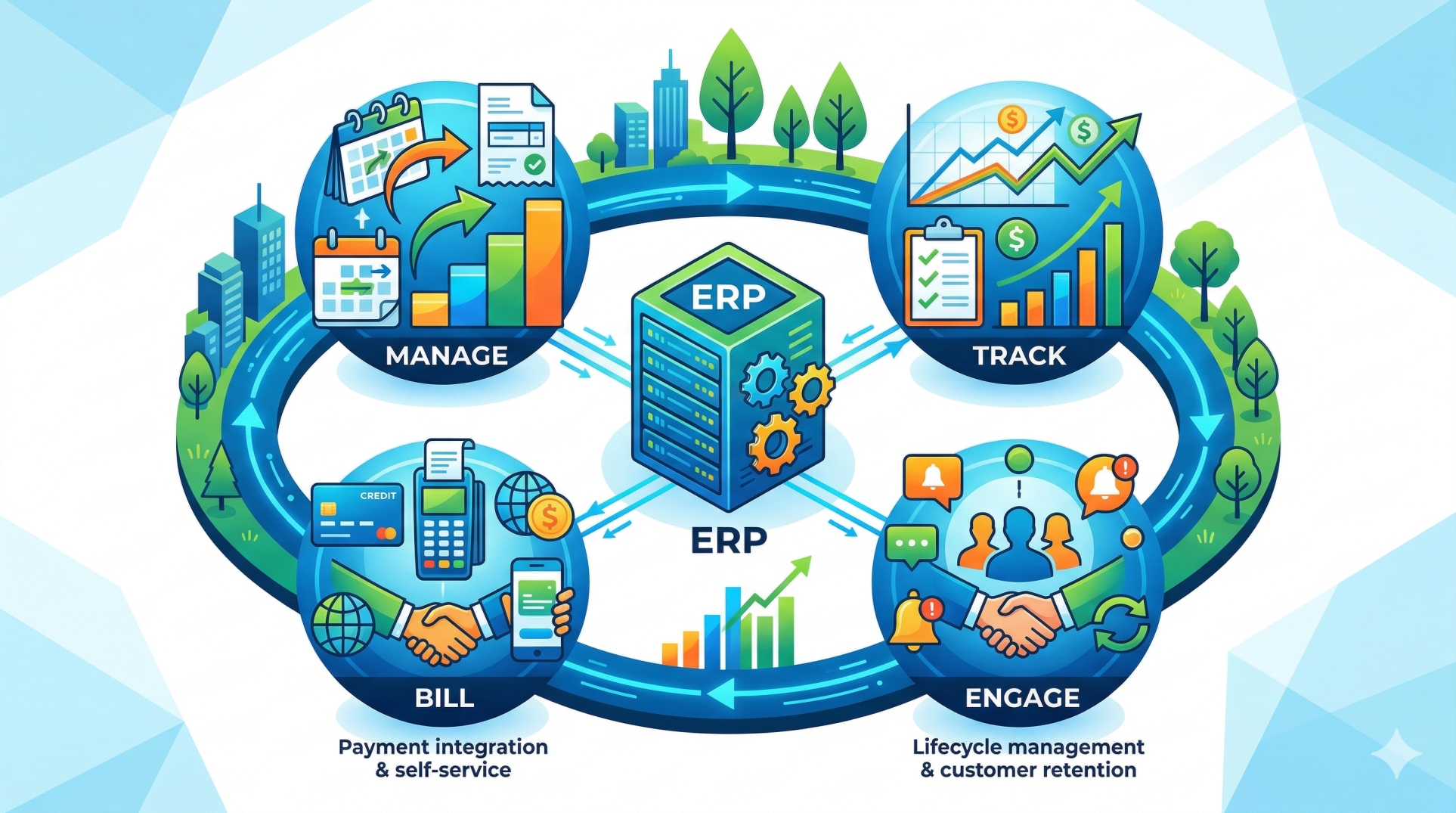
Step 2: ERP as the Foundation for Workforce Data 🗂️⚙️
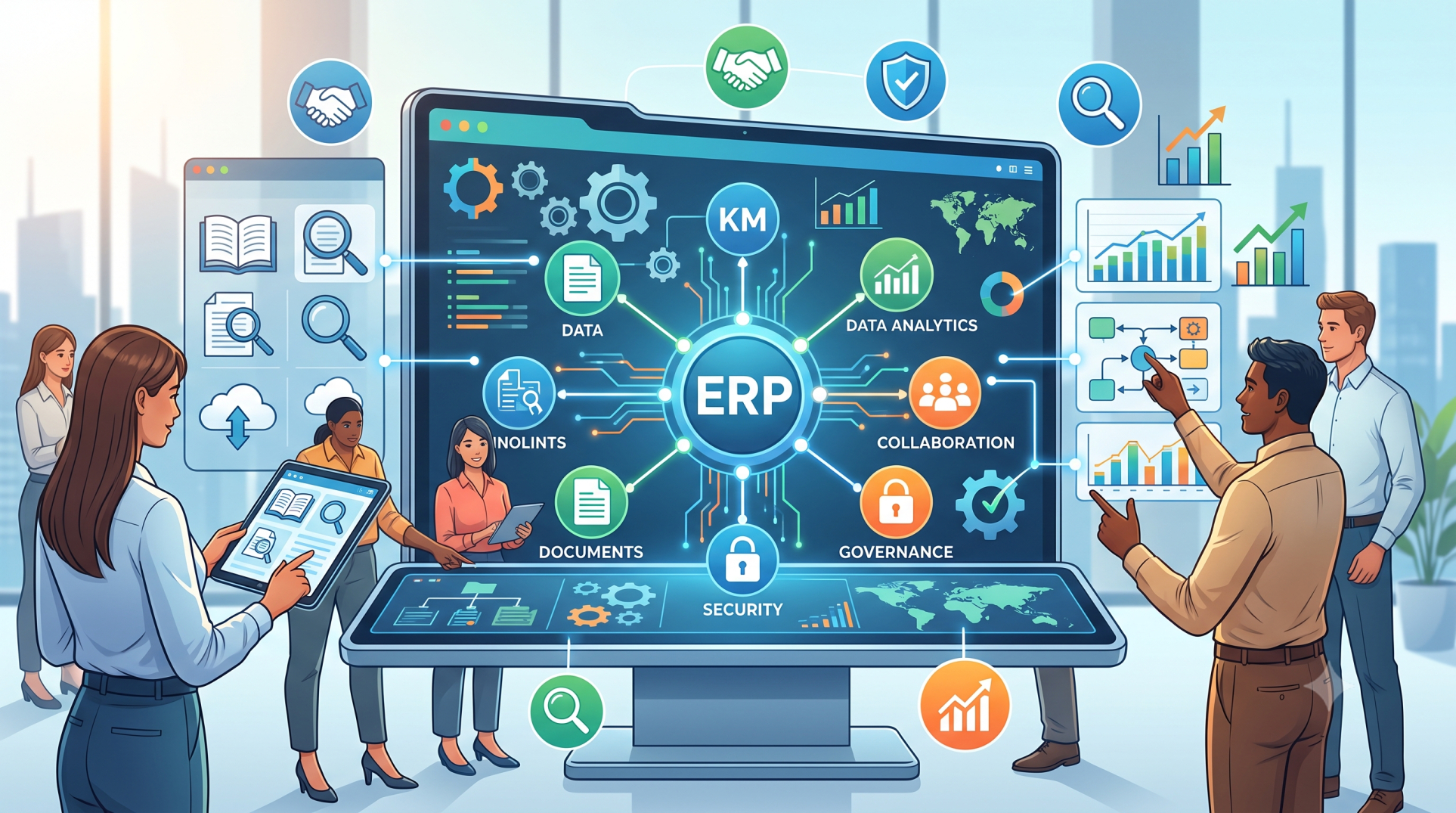
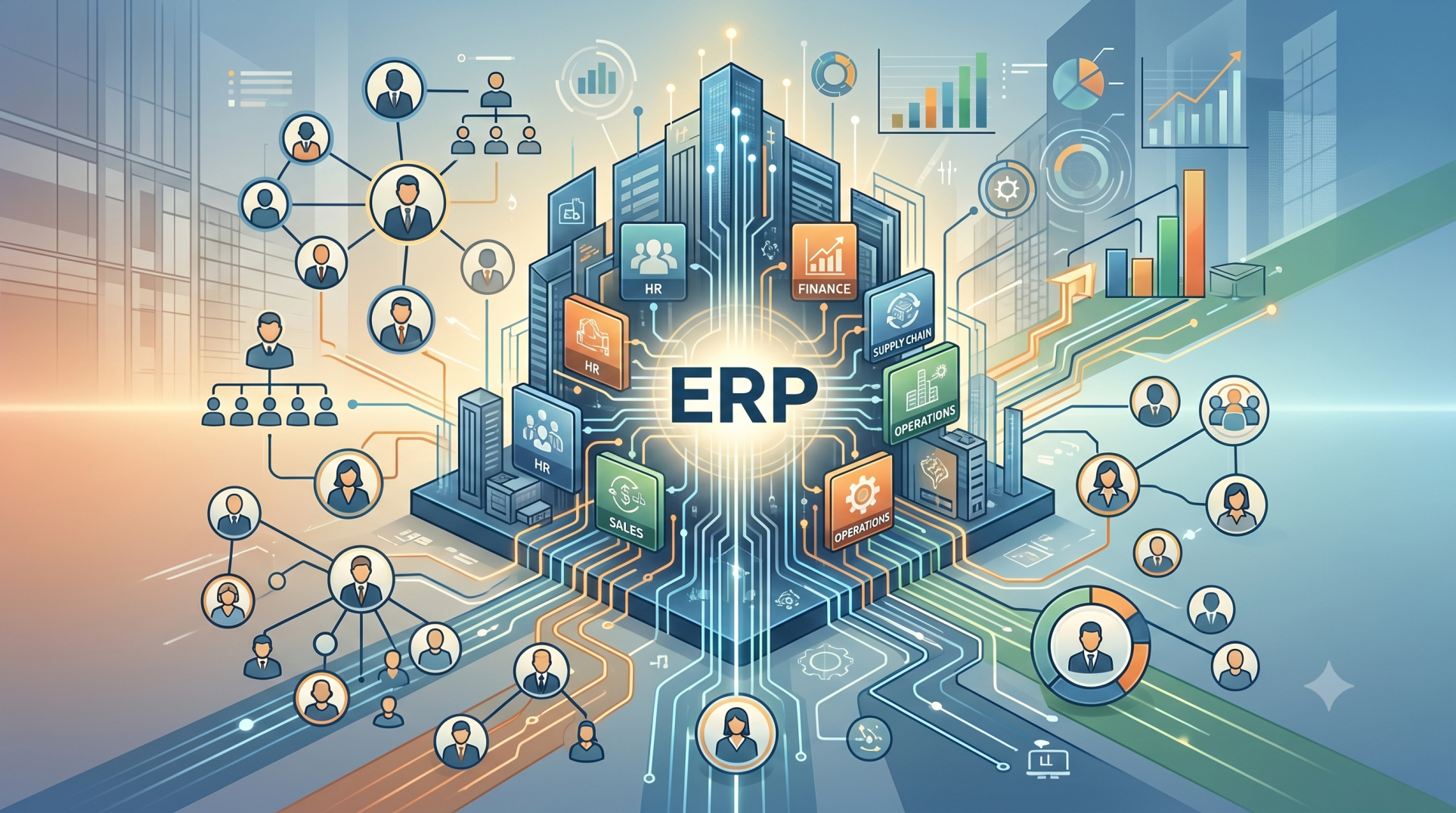
• Centralizes employee information, roles, and organizational structures 👤📋
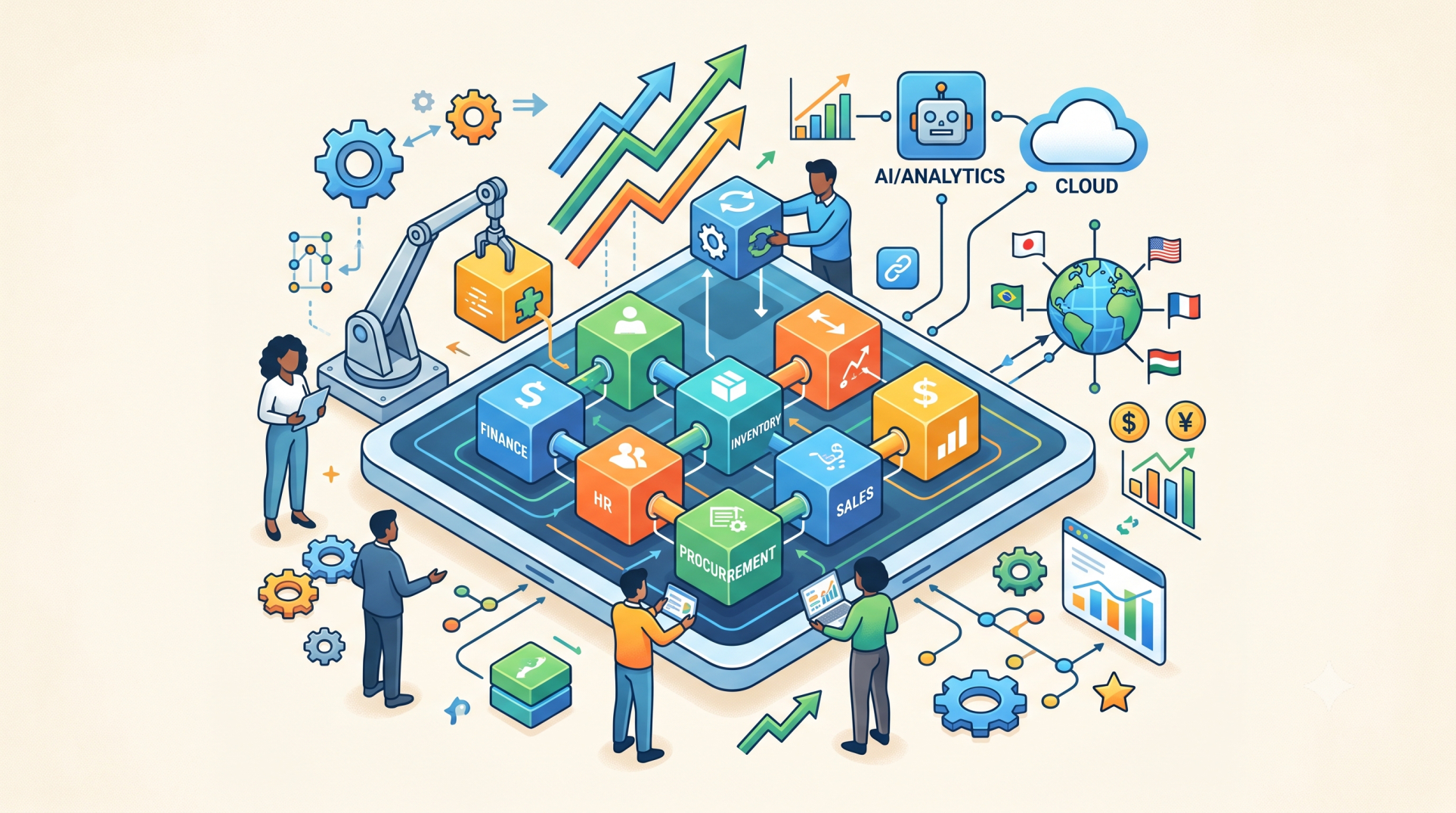
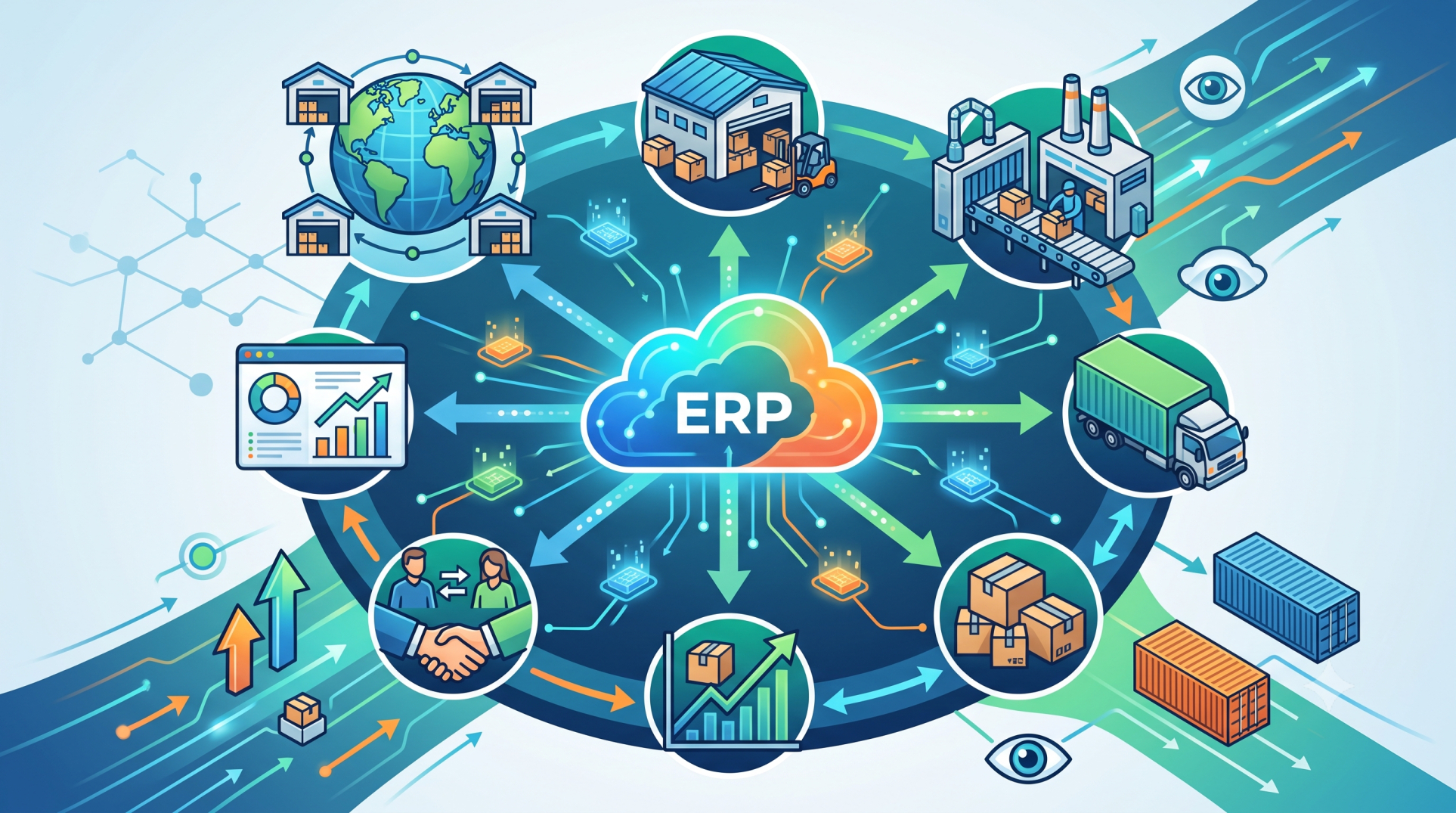
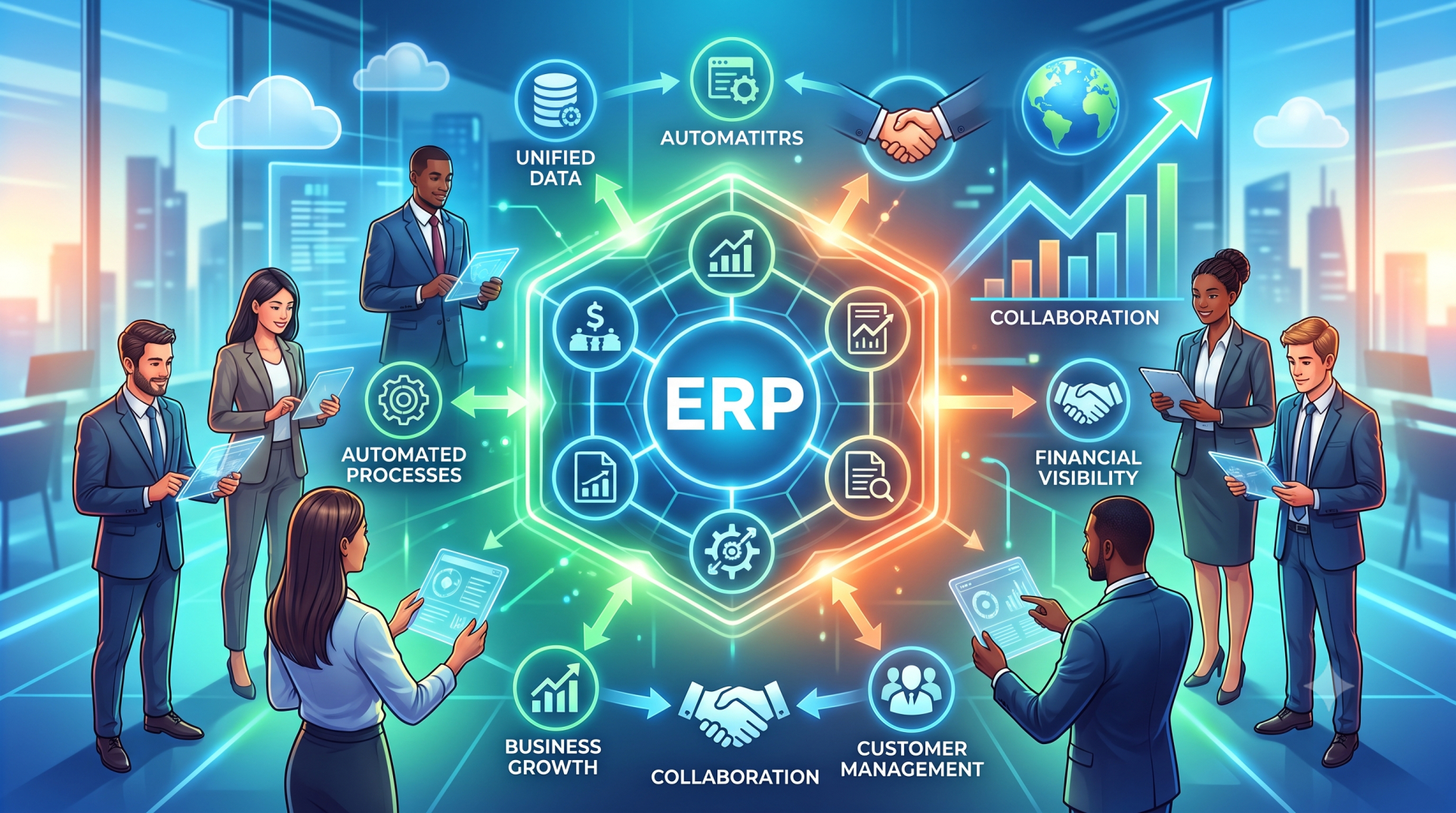
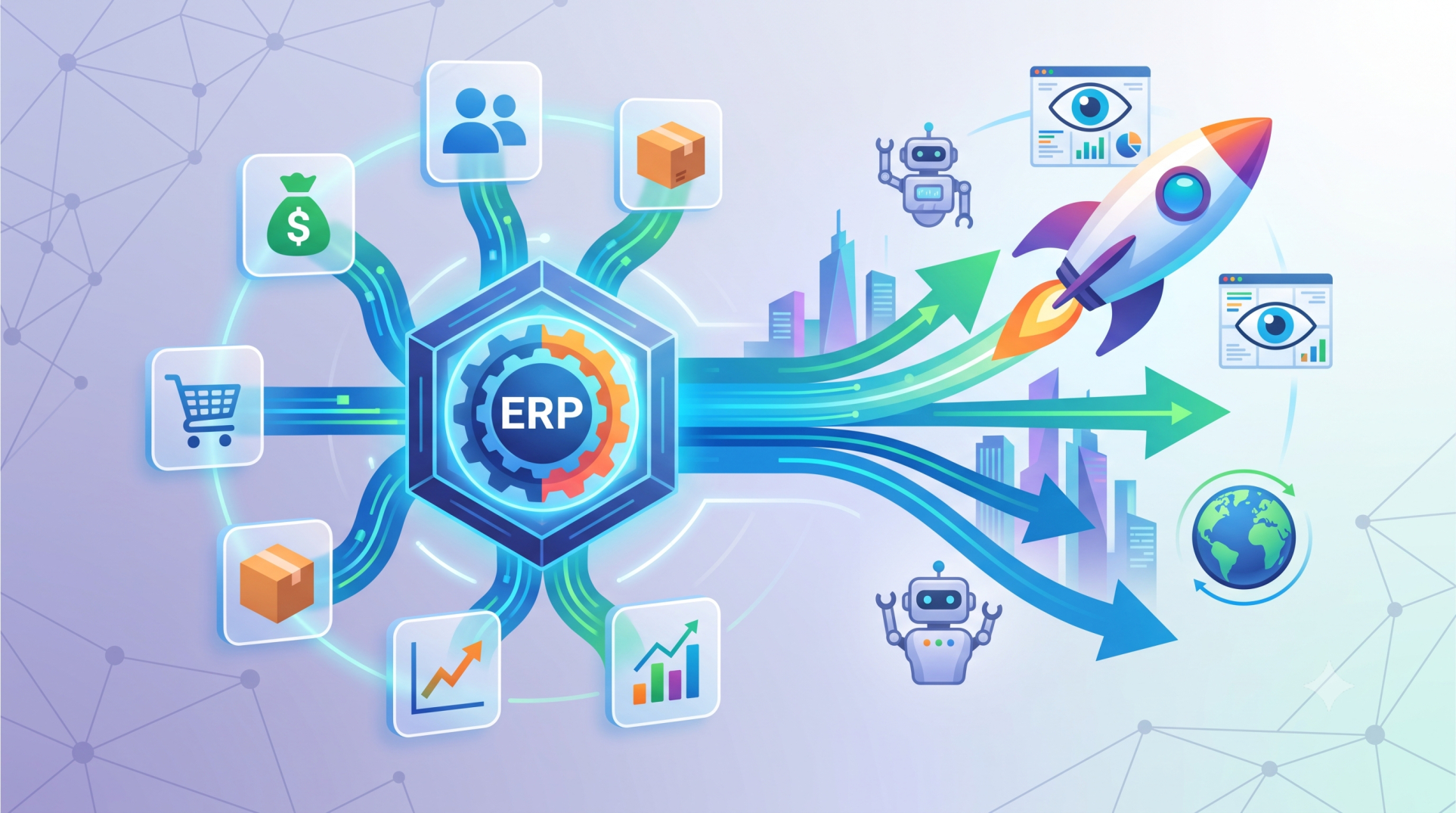
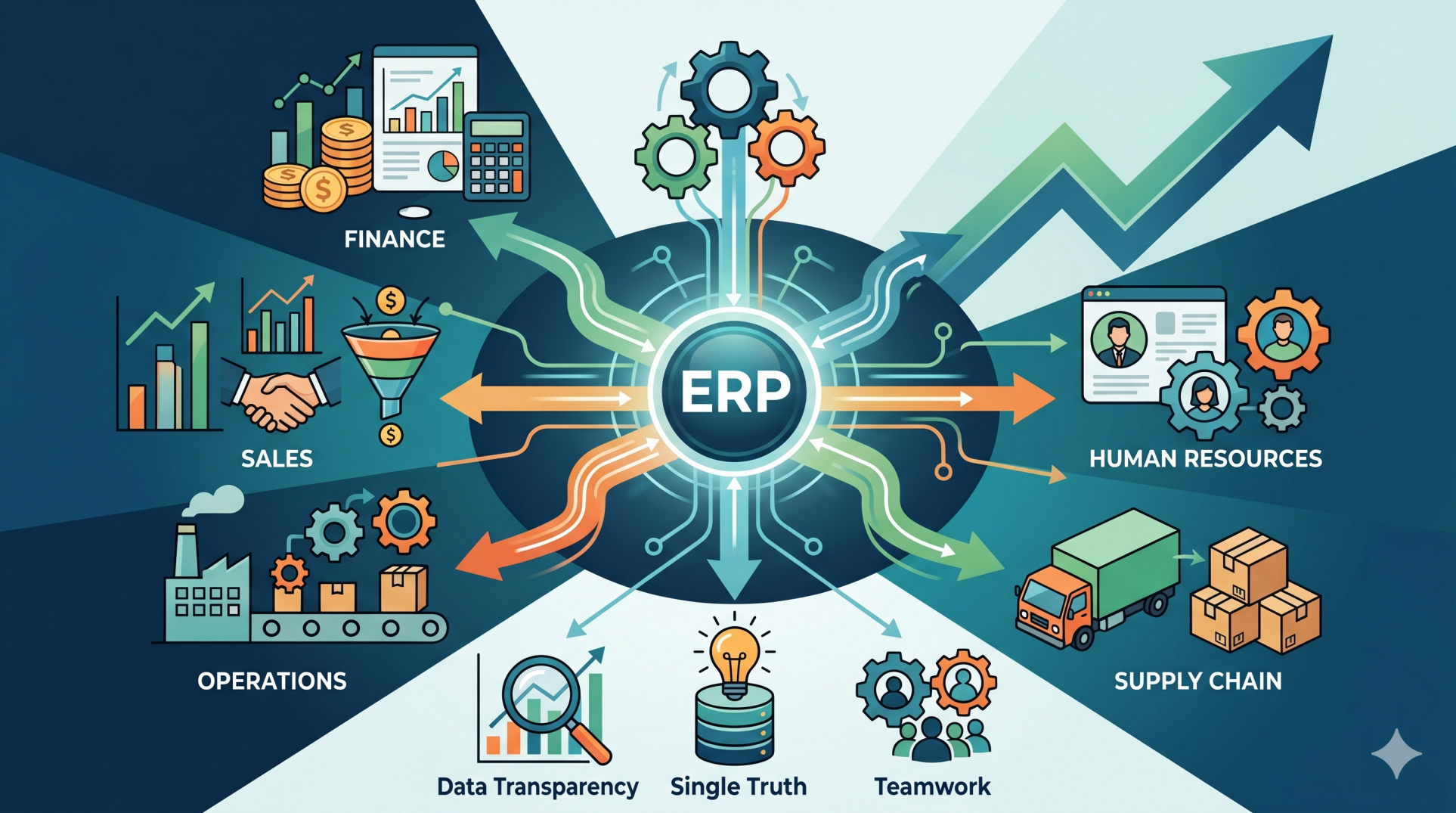
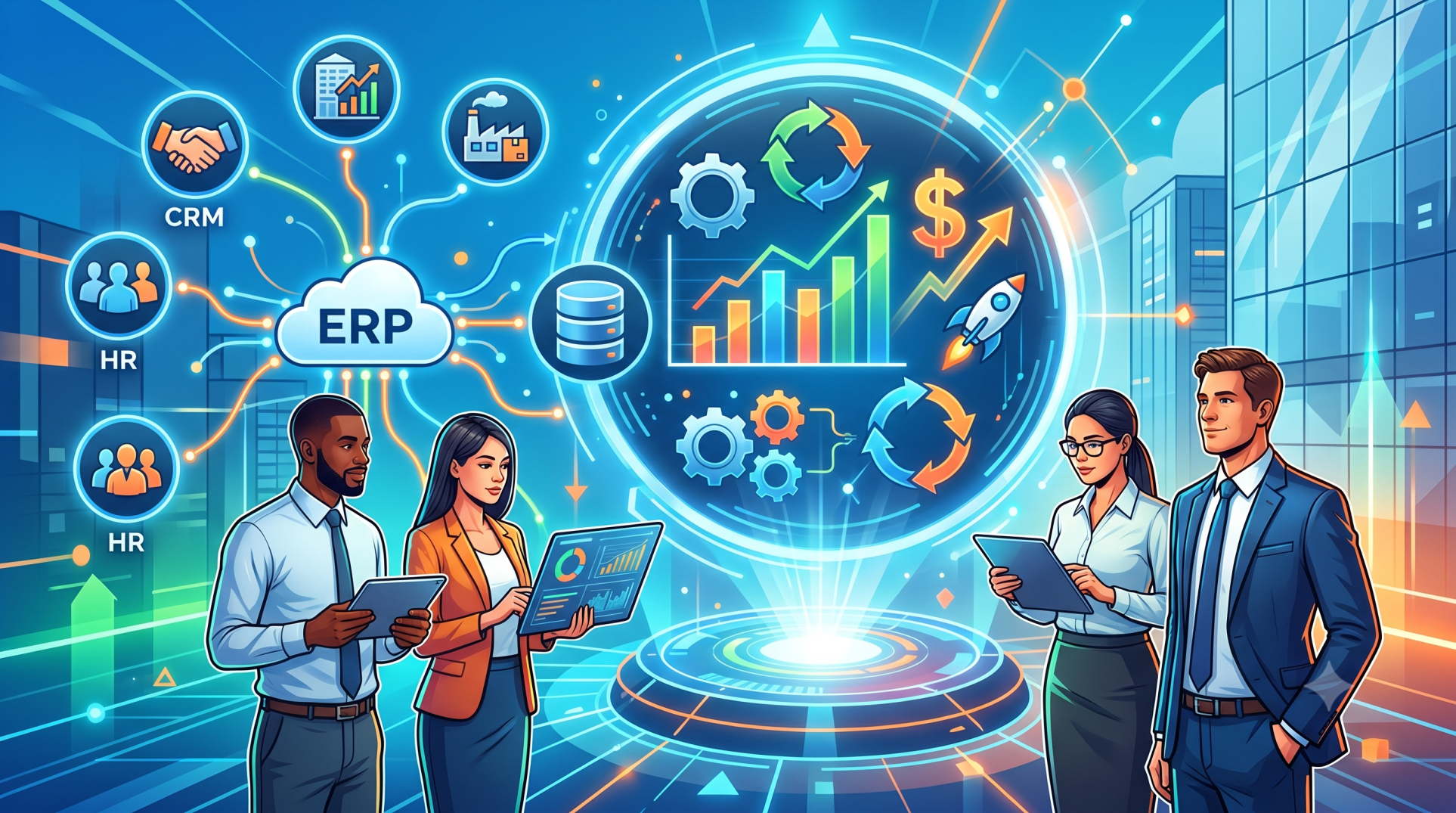
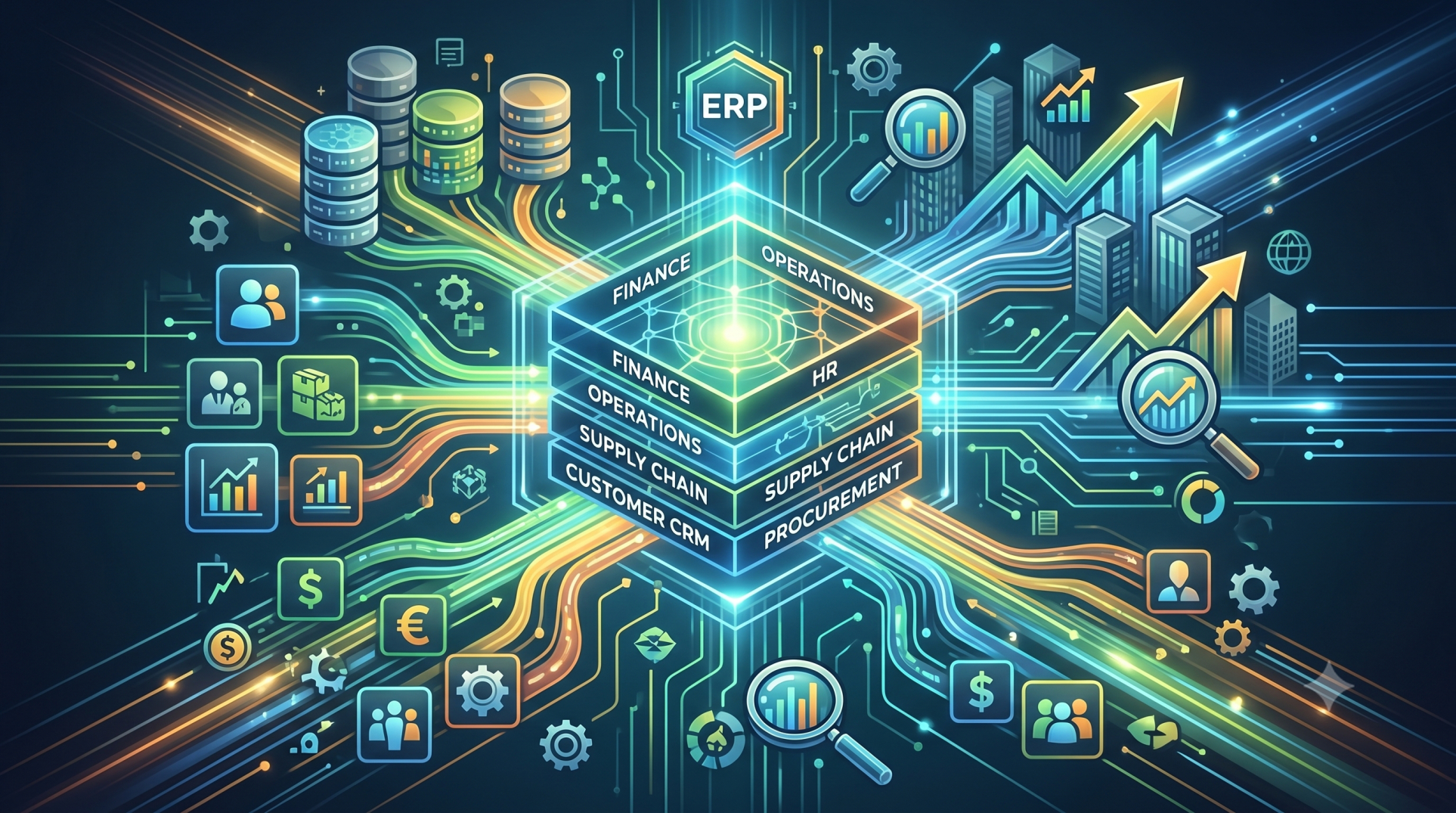
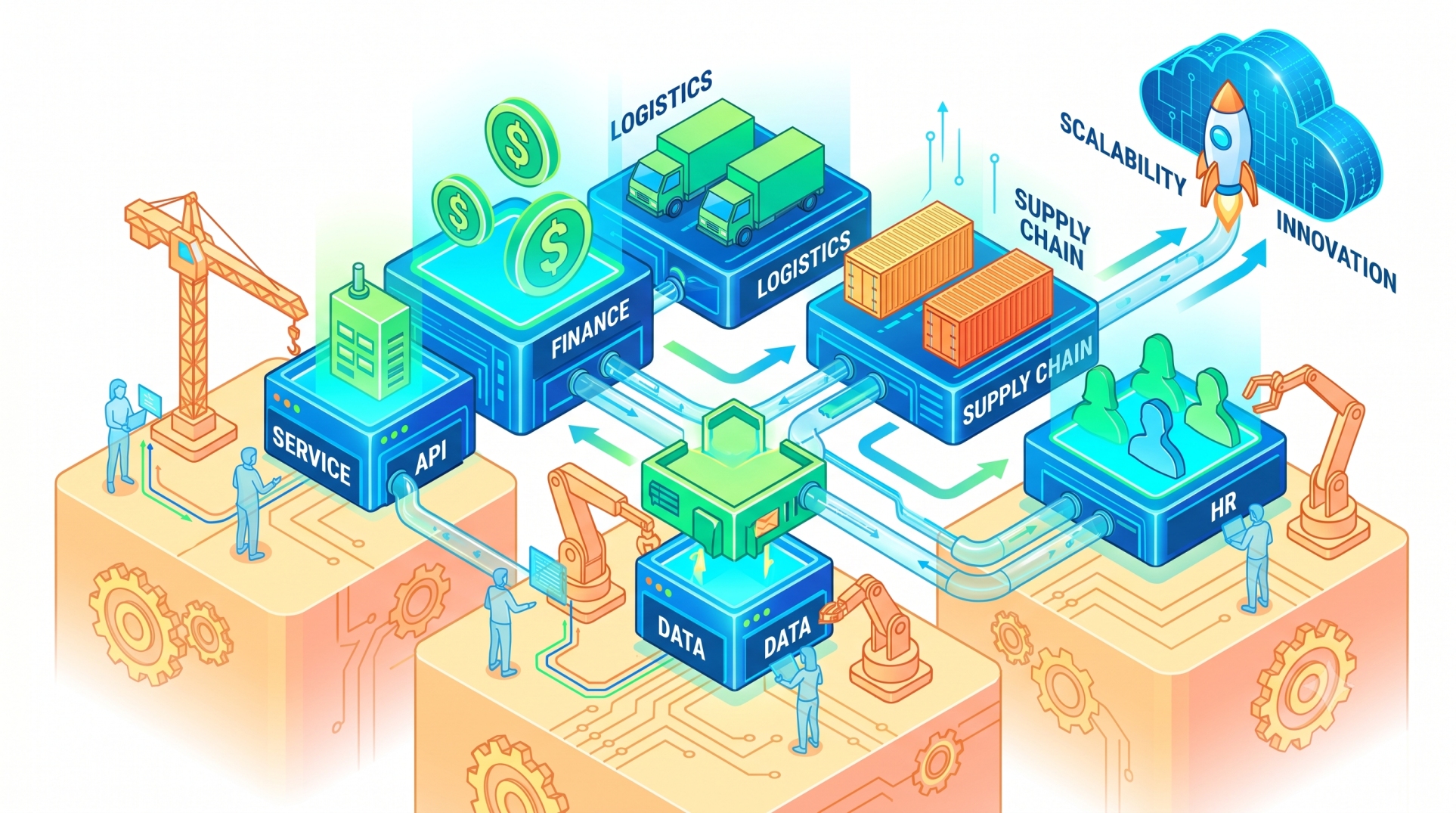
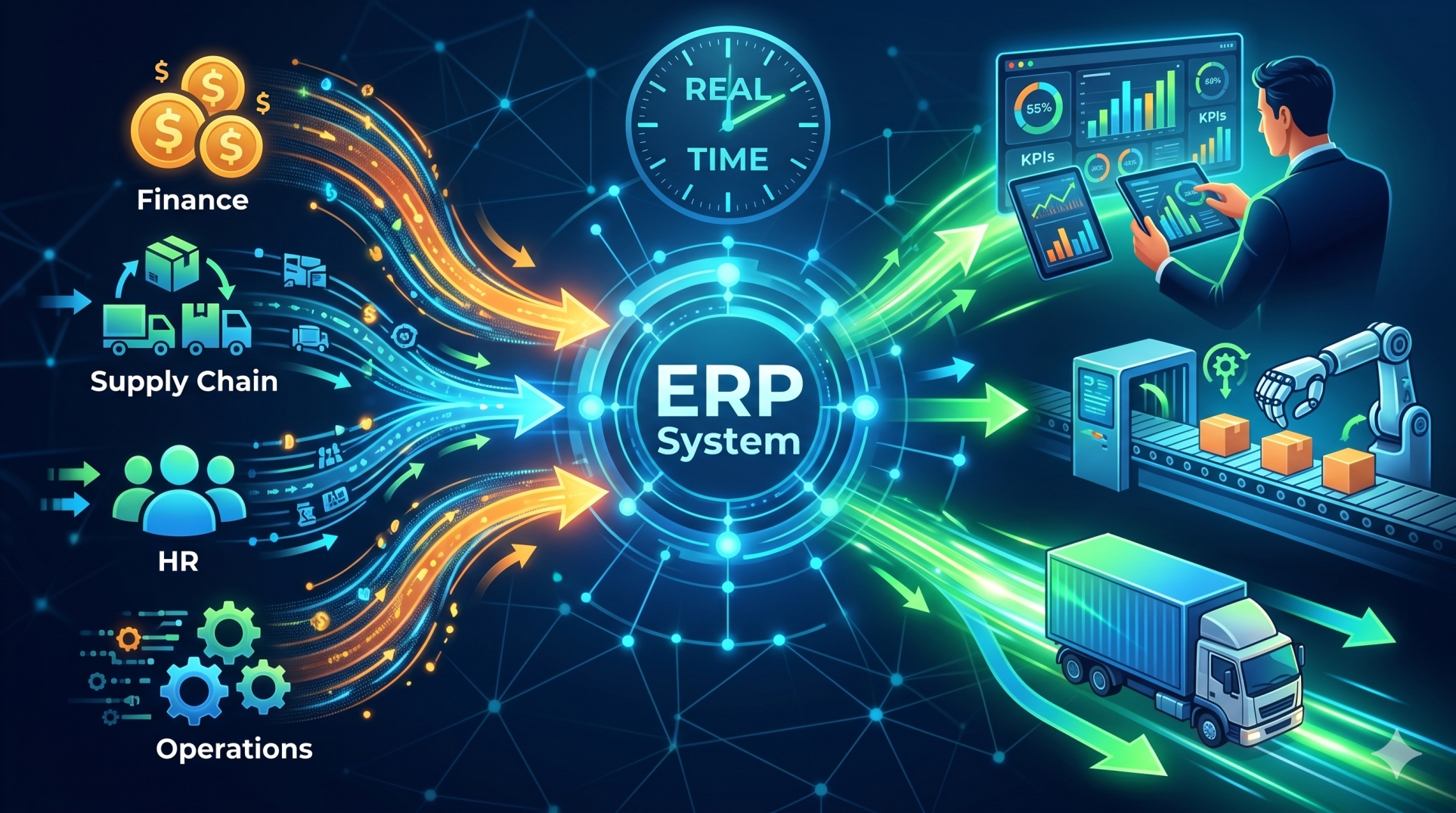
• Integrates HR data with finance, operations, and project management modules 🔗📊
• Provides consistent and reliable workforce records across departments 🏢✔️
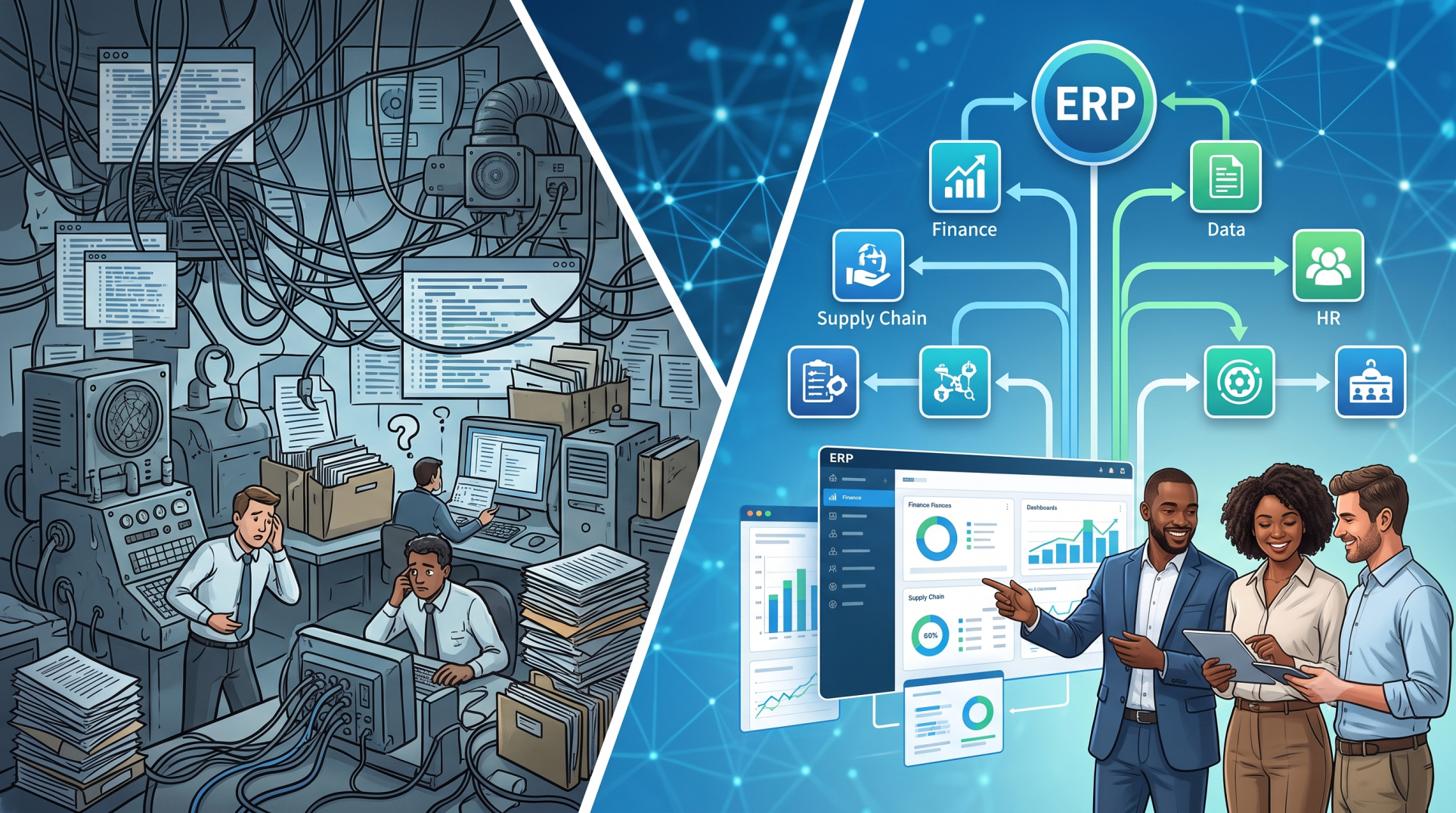
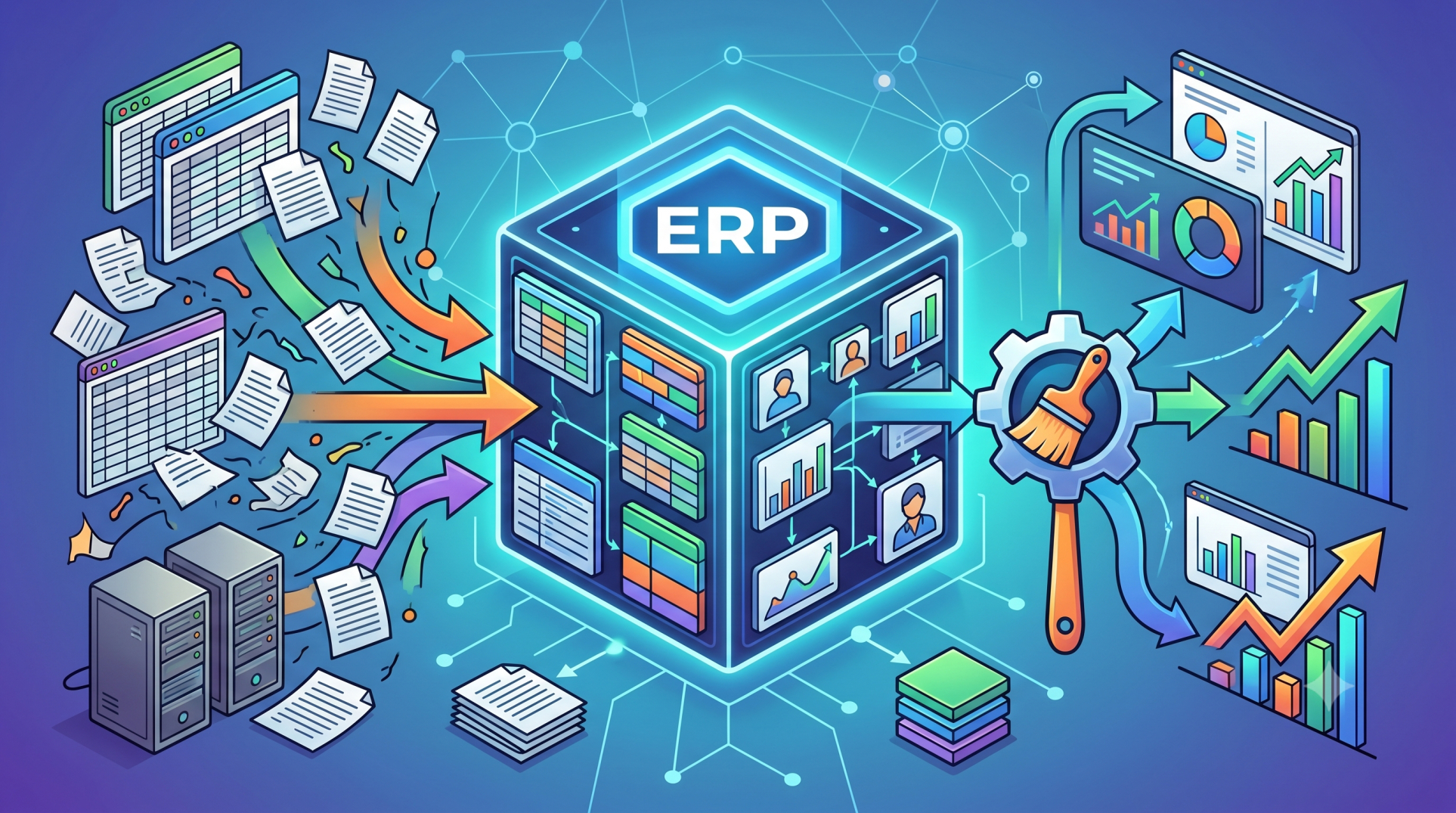
• Eliminates fragmented systems and duplicated employee data 🚫📑
• Creates a unified view of workforce capacity and allocation 📈👥
Step 3: Aligning Workforce Planning with Business Strategy 🎯📊
• Links staffing decisions directly to business objectives 🔗🏢
• Supports long-term planning for expansion, restructuring, or new initiatives 🚀📋
• Enables leadership to evaluate workforce readiness for strategic goals 🧠📈
• Ensures human capital planning supports organizational priorities 👥🎯
• Improves coordination between HR and operational leadership 🤝🏢
Step 4: Forecasting Workforce Demand 🔮📊
• Uses historical and operational data to predict staffing needs 📚📈
• Anticipates workforce requirements based on project pipelines or production levels 🏗️📊
• Helps identify future talent gaps before they impact operations ⚠️👥
• Supports proactive recruitment and training initiatives 🎓📋
• Improves preparedness for growth or seasonal demand shifts 📈🌱
Step 5: Workforce Allocation and Resource Optimization ⚙️👥
• Assigns employees to projects or departments based on skills and availability 🧠📌
• Improves utilization of internal talent across the organization 📈🏢
• Reduces underutilization or overstaffing in specific areas ⚖️📊
• Balances workloads to maintain productivity and employee well-being 😊📋
• Enables dynamic adjustments as operational priorities change 🔄⚙️
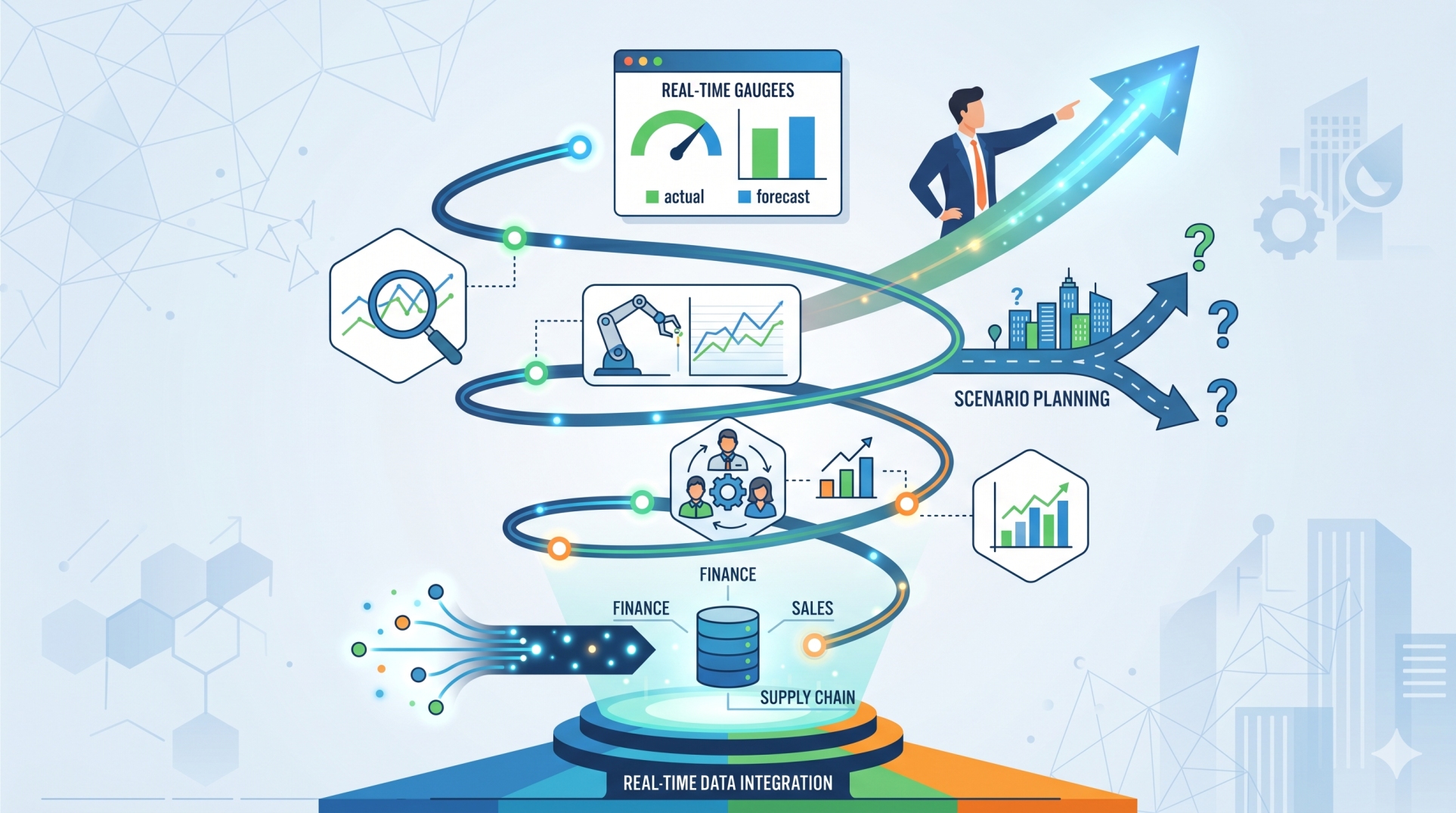
Step 6: Scenario Planning and Strategic Modeling 📊🧠
• Evaluates the impact of hiring, restructuring, or automation decisions ⚙️👥
• Simulates workforce changes under different business conditions 🔄📈
• Helps leaders compare staffing strategies before implementation 🧠📋
• Supports budgeting and financial planning for workforce costs 💰📊
• Reduces risk through data-driven workforce decisions ✔️⚠️
Step 7: Real-Time Workforce Visibility 👀📊
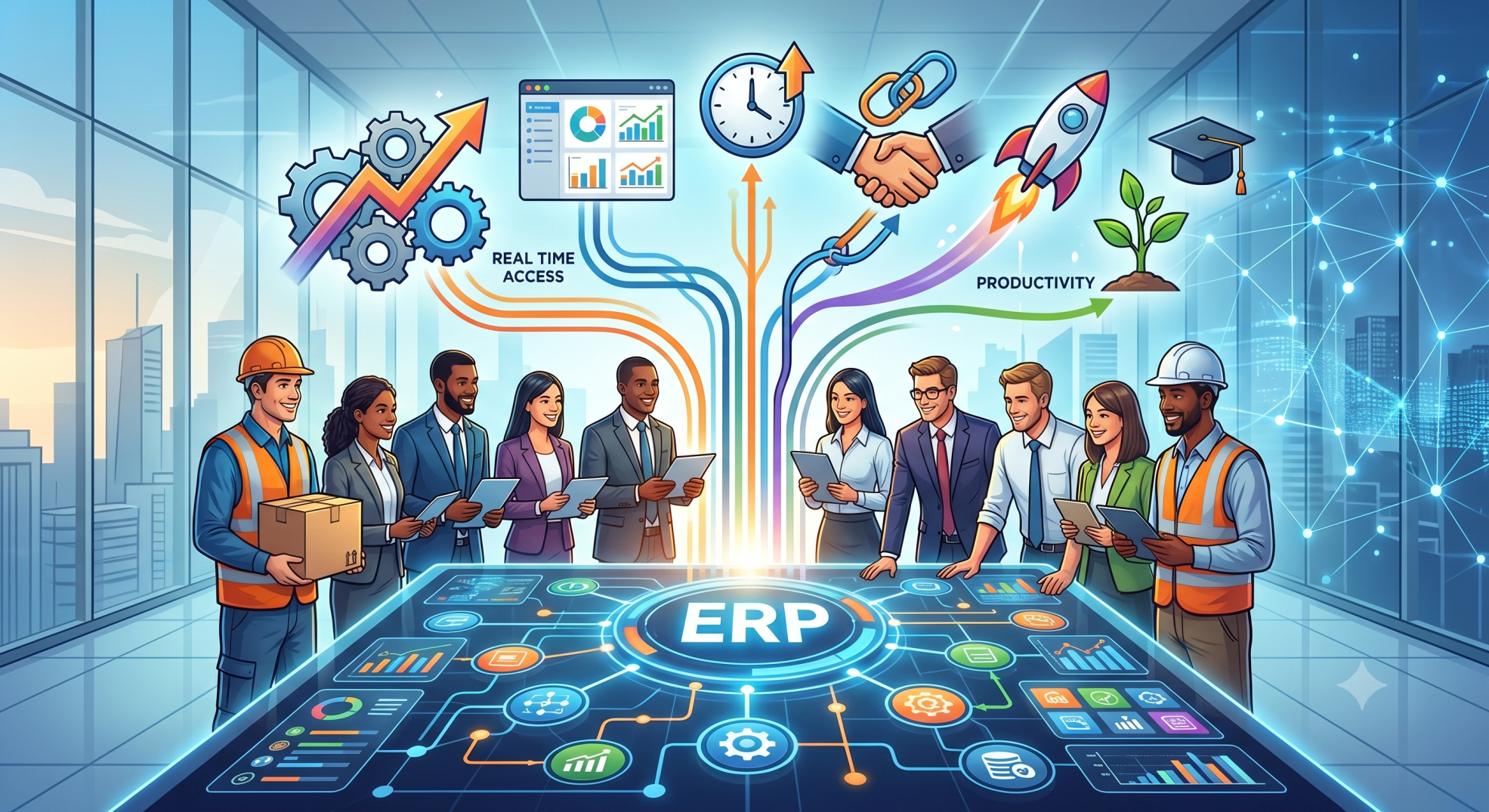
• Provides leadership with live insights into workforce availability 📡👥
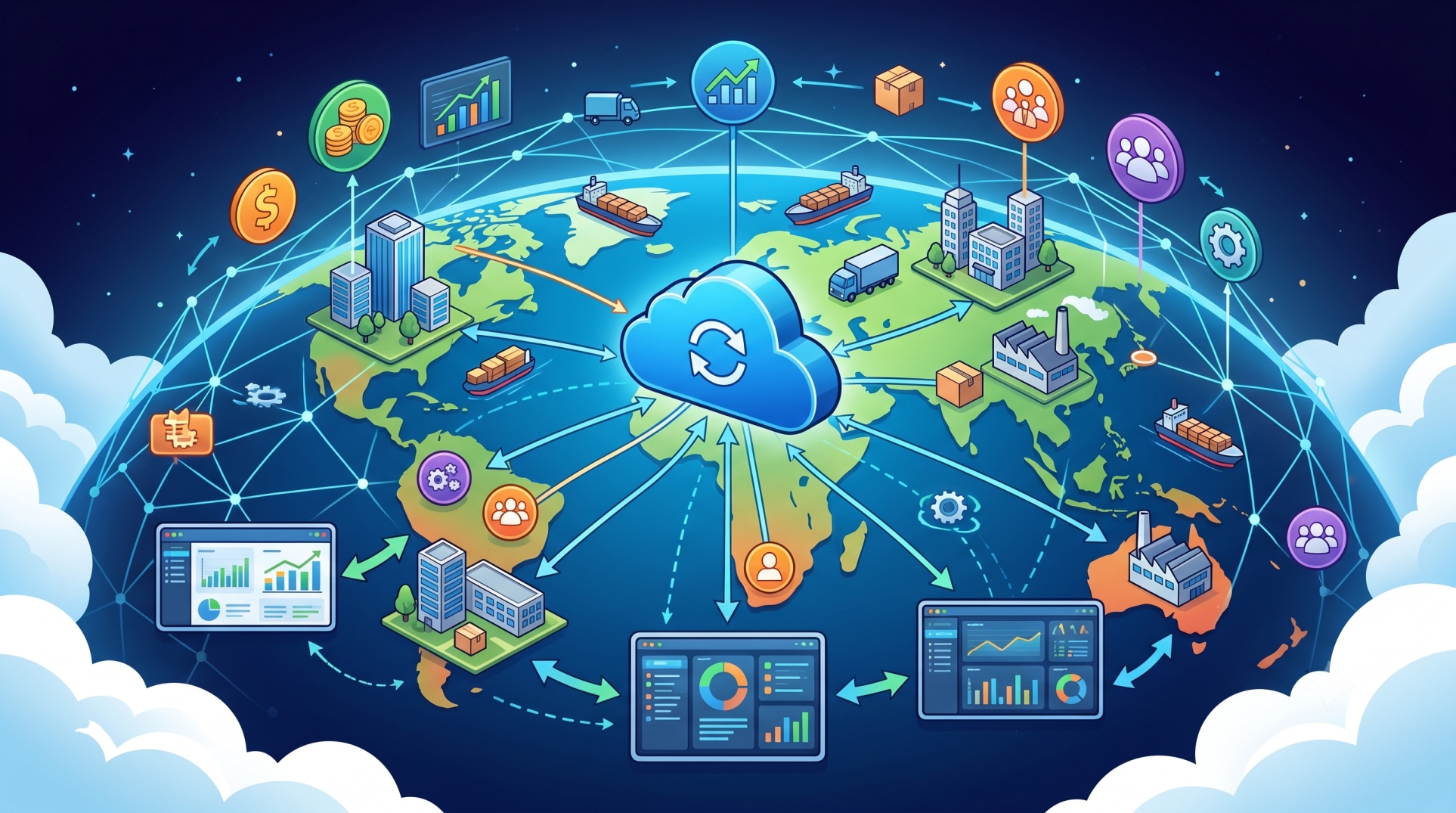
• Tracks staffing levels across departments, locations, and projects 🏢📍
• Monitors workforce costs alongside operational performance 💰📈
• Enables faster responses to unexpected staffing challenges ⚡👥
• Improves coordination across teams and management layers 🤝📊
Step 8: Workforce Planning as a Strategic ERP Capability 🧠🏢
• Connects workforce strategy with financial and operational planning 🔗📊
• Enables executives to align talent capacity with long-term business goals 🎯📈
• Supports data-driven decisions about hiring, development, and resource allocation 📋👥
Conclusion
Integrating workforce planning within ERP platforms transforms human resource management into a strategic capability. By combining workforce data with operational and financial insights, organizations gain a comprehensive view of how talent supports business performance. This integration enables proactive planning, efficient resource allocation, and informed decision-making—ensuring that the workforce evolves in alignment with organizational growth and change.
See more blogs
You can all the articles below