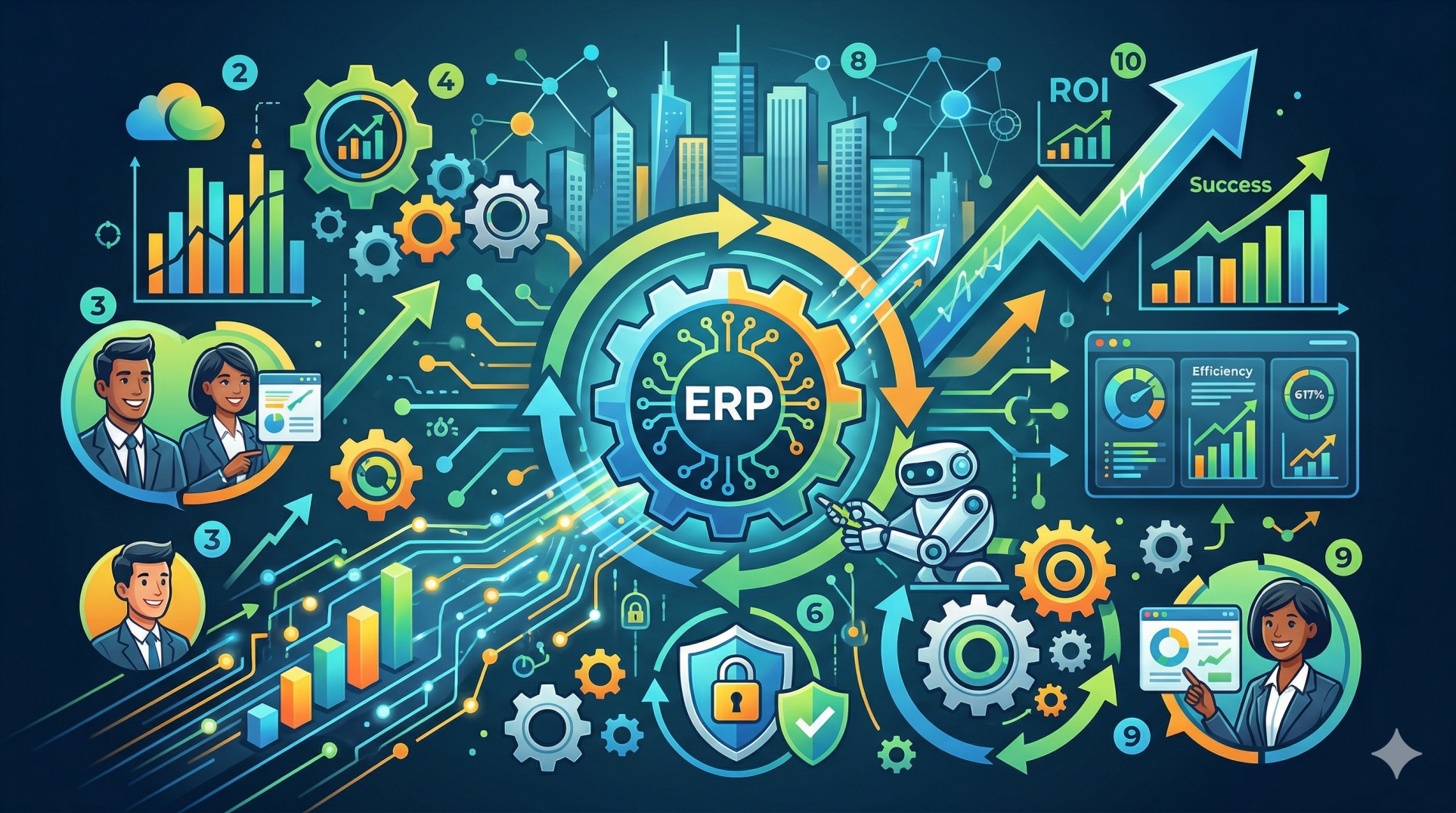
Linking Sales, Service, and Operations via ERP

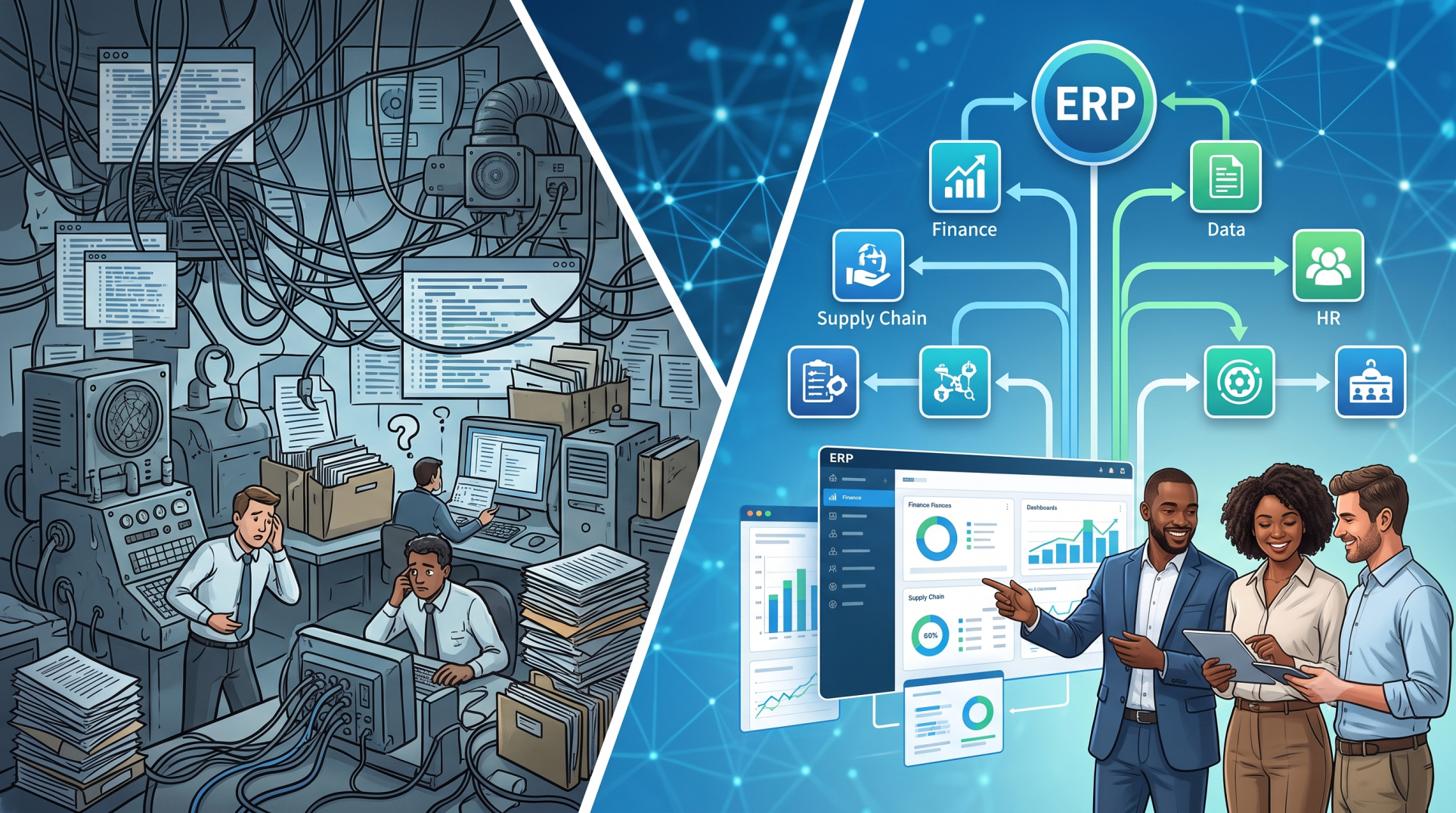
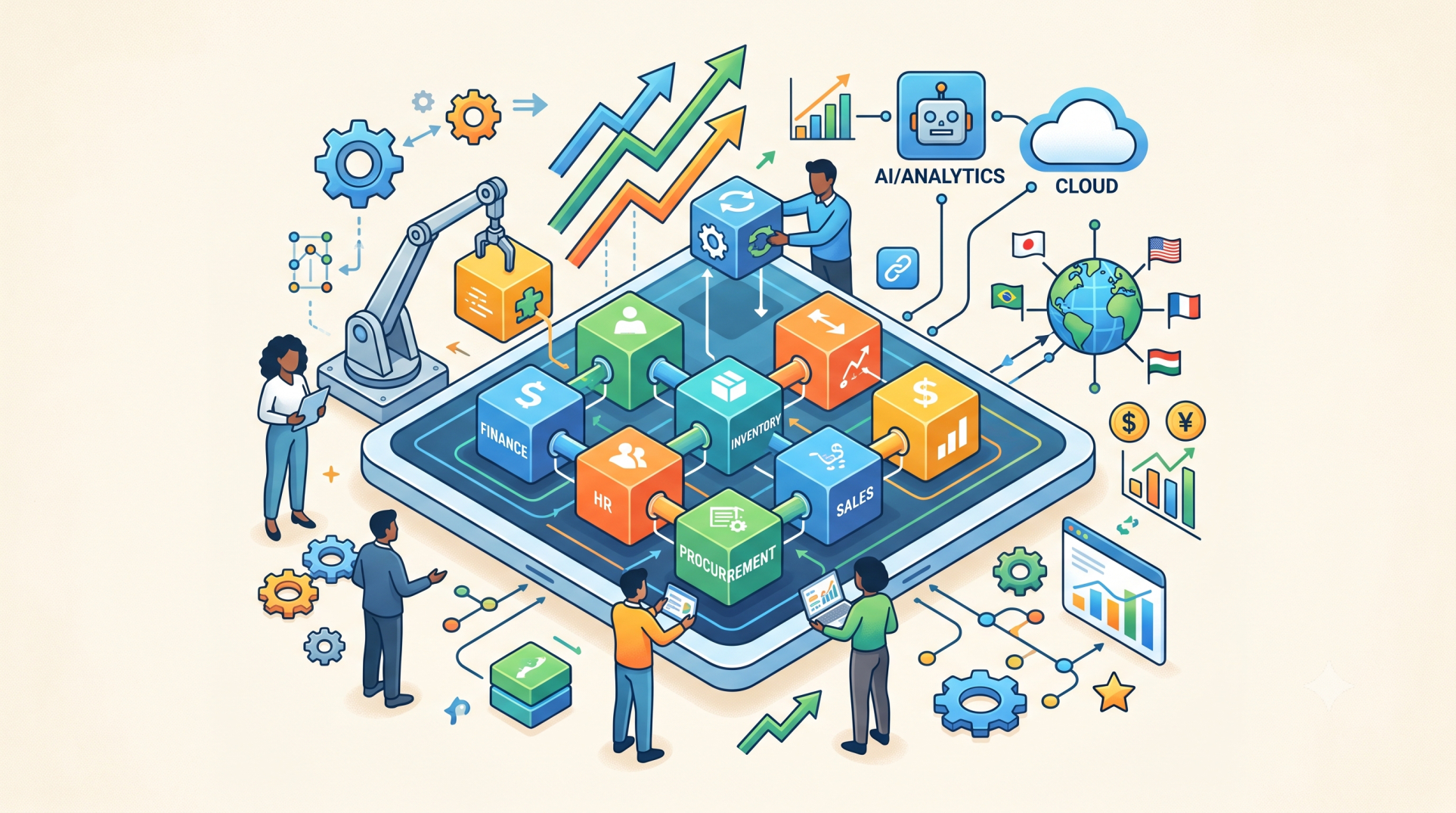
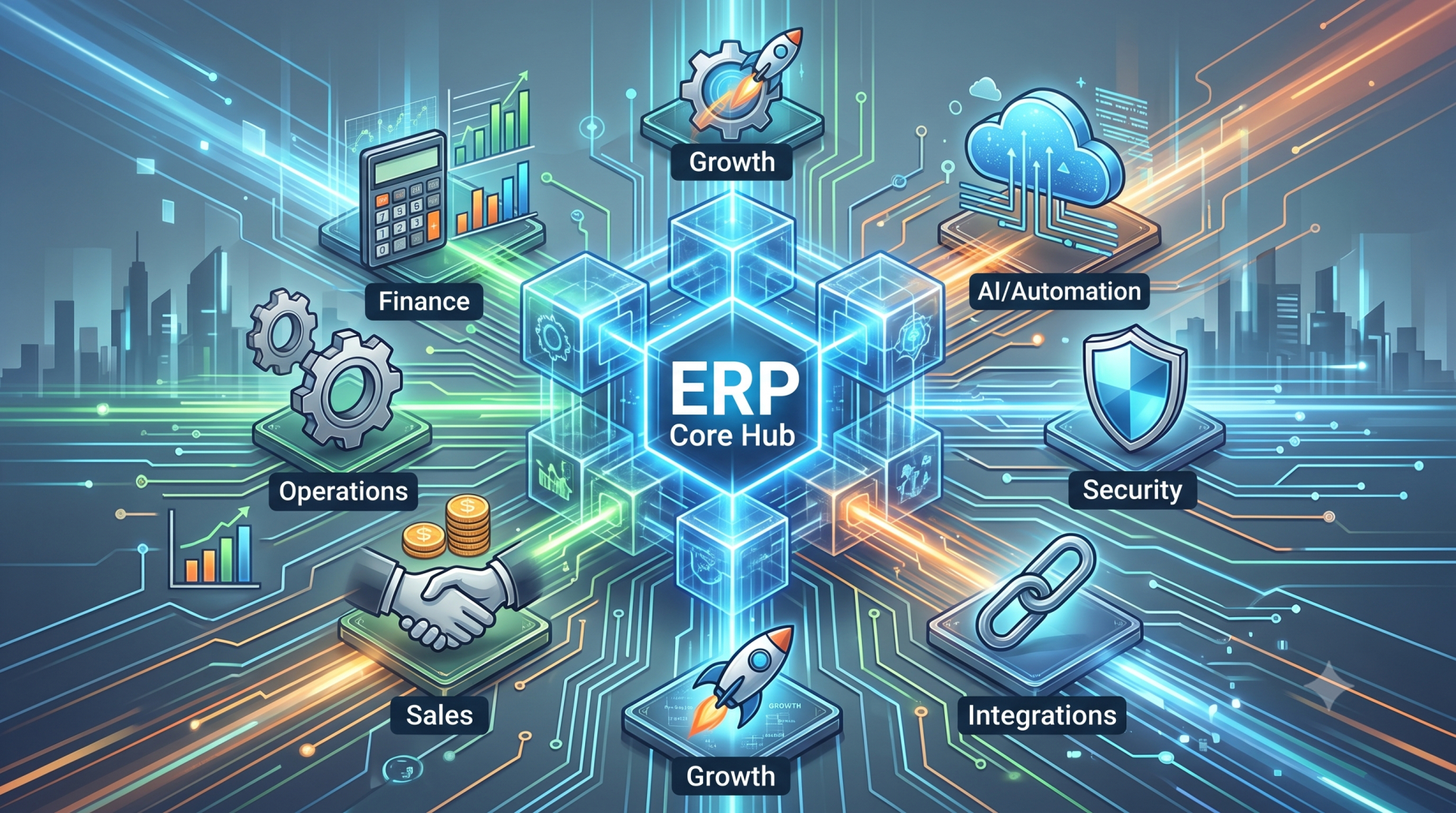
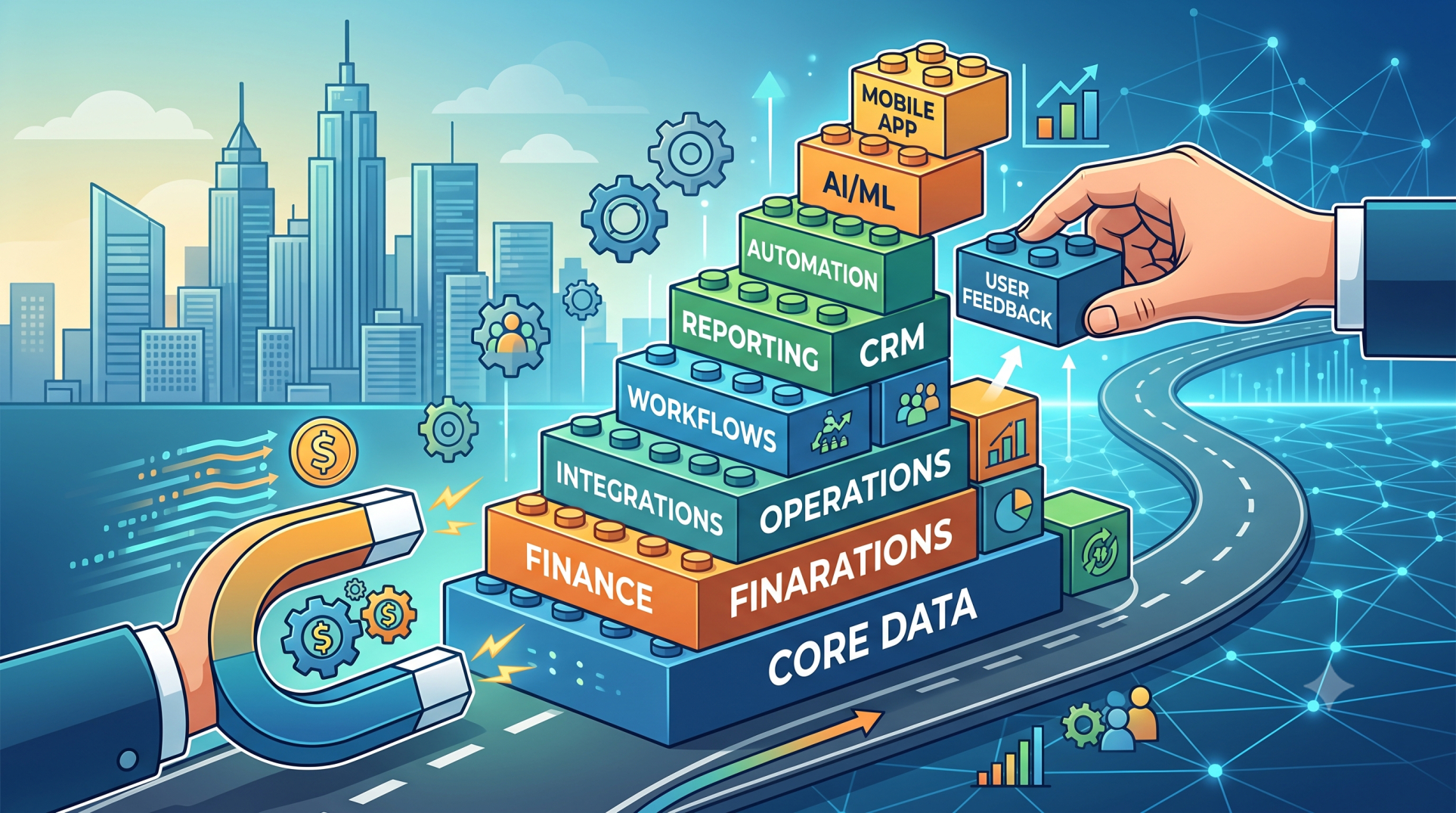
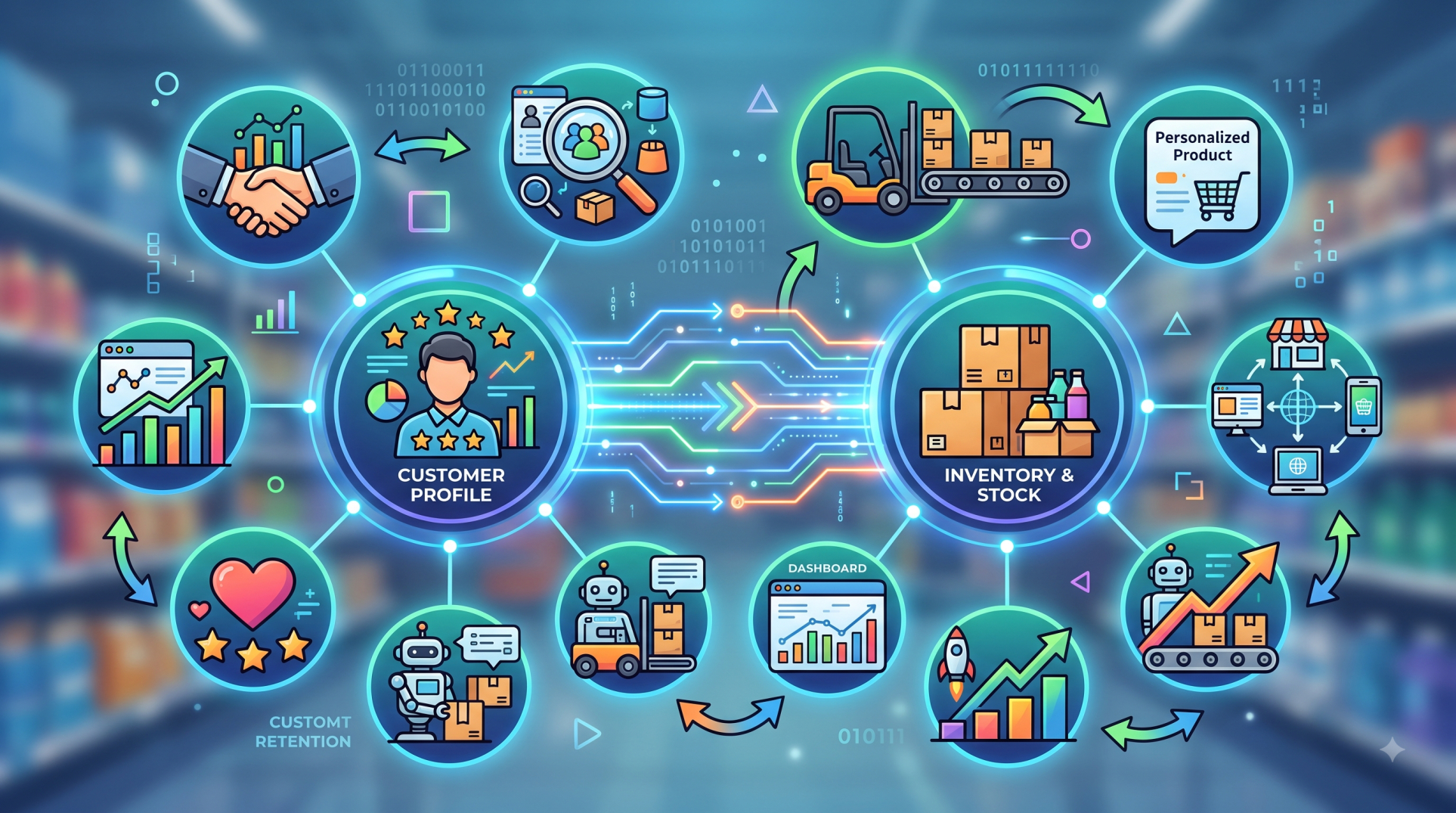
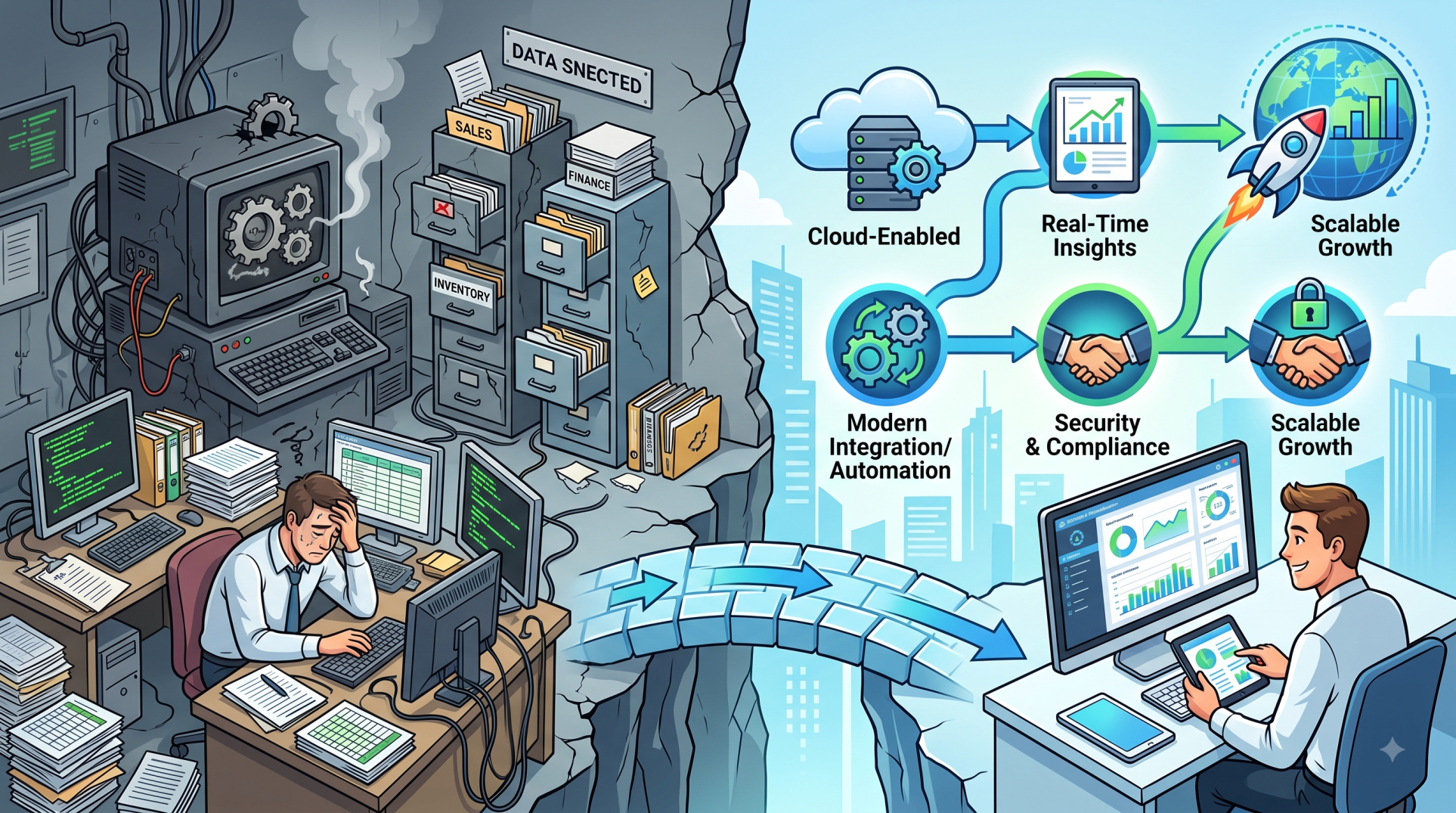
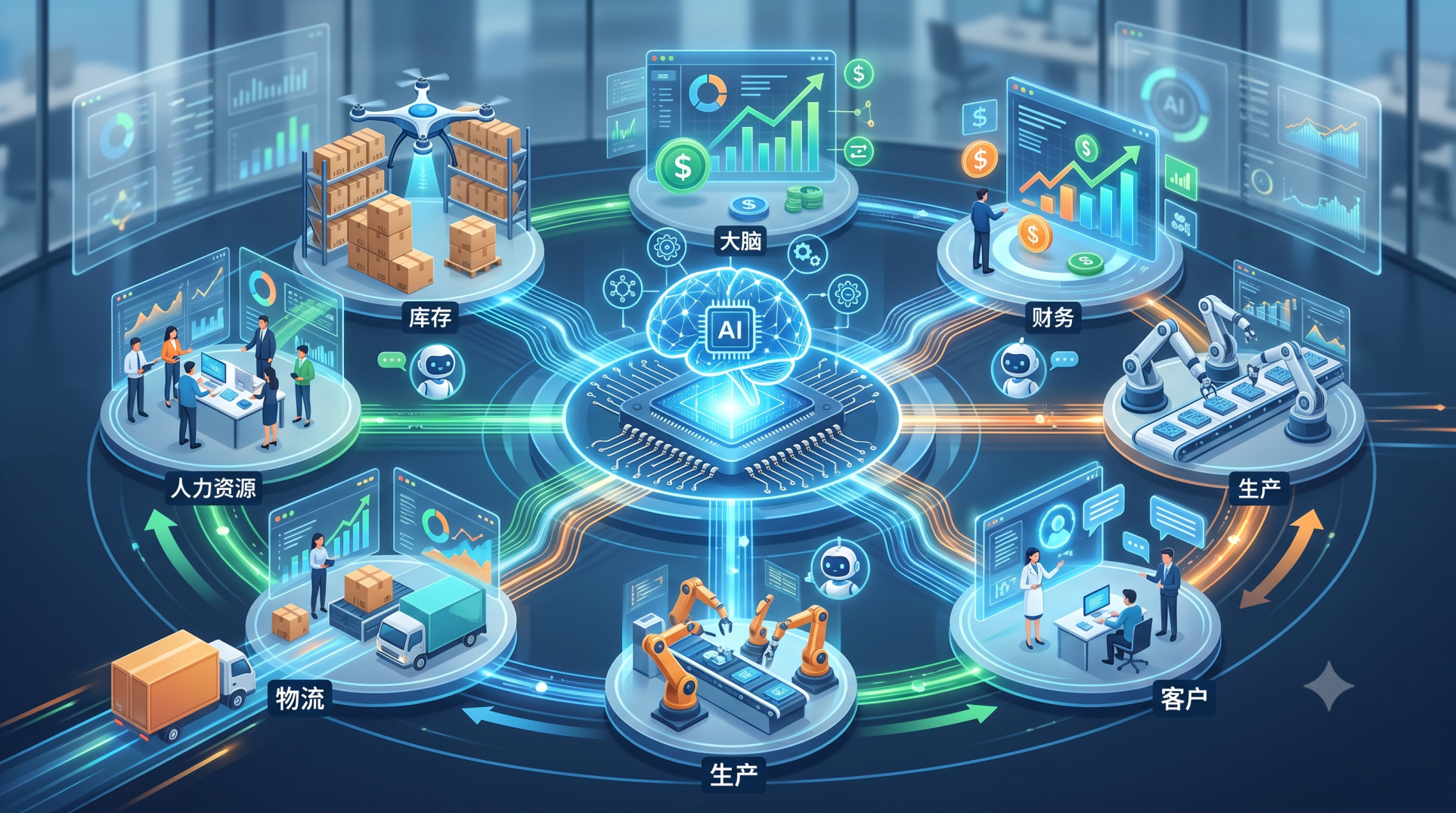
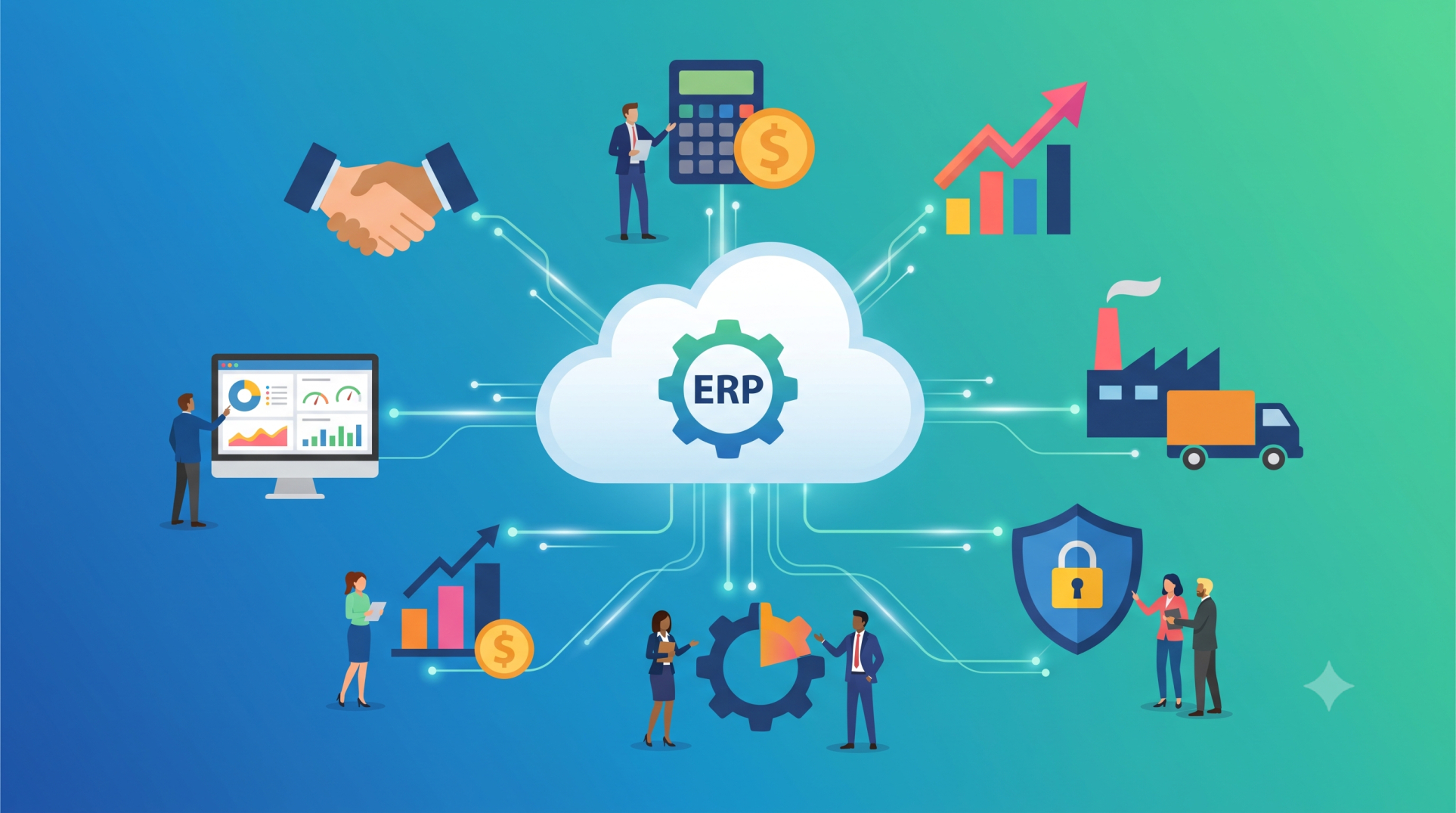
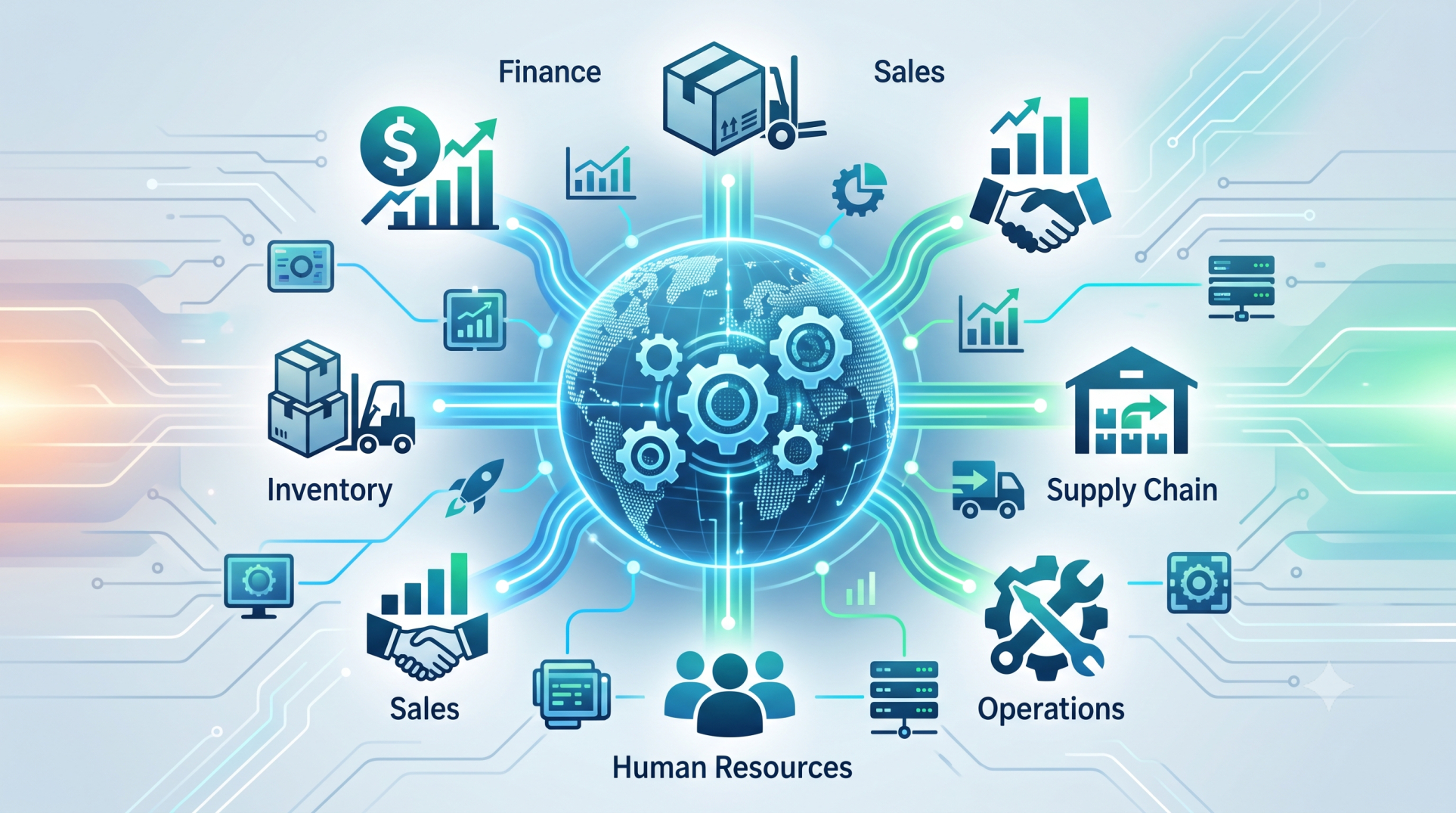
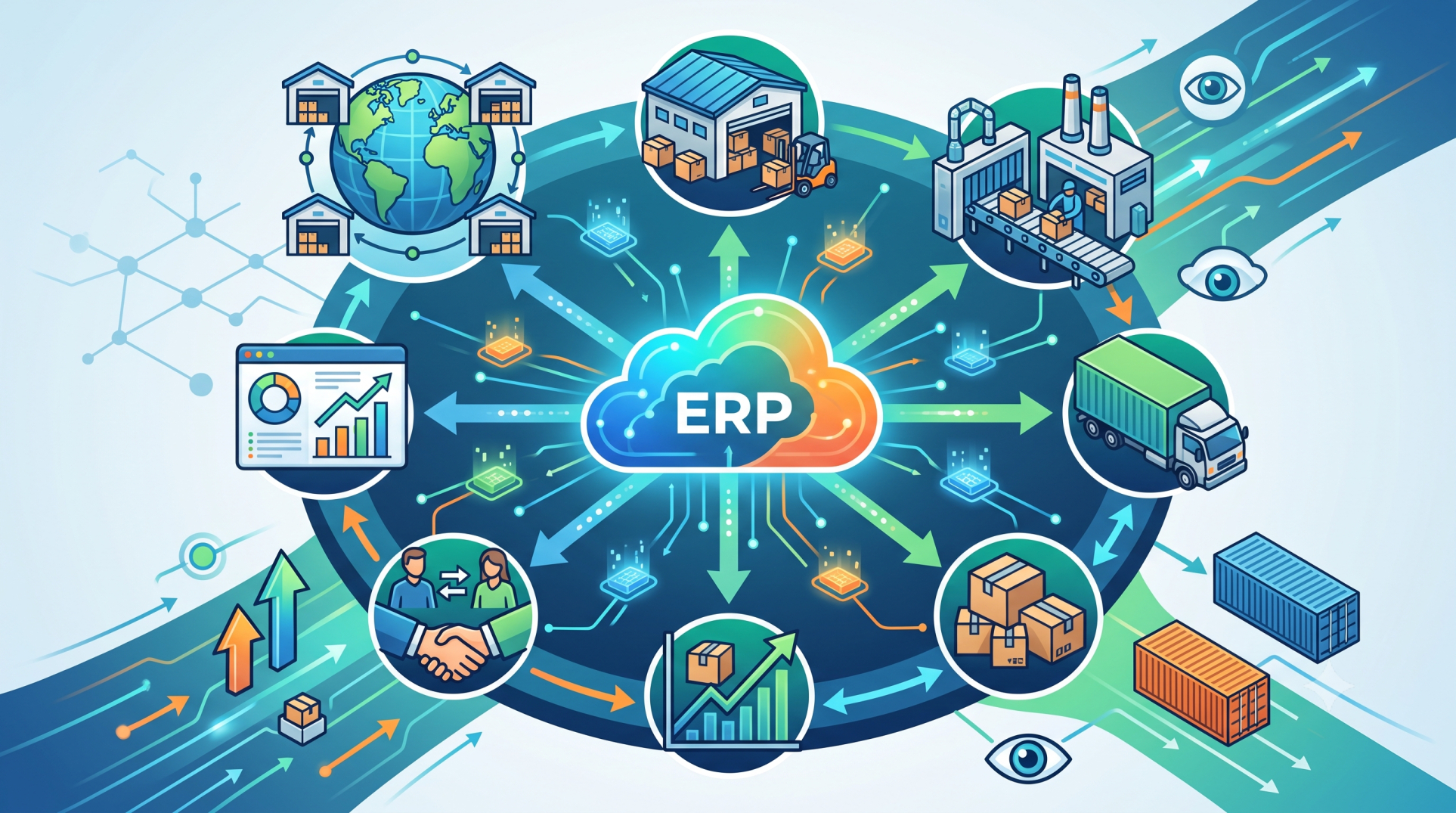
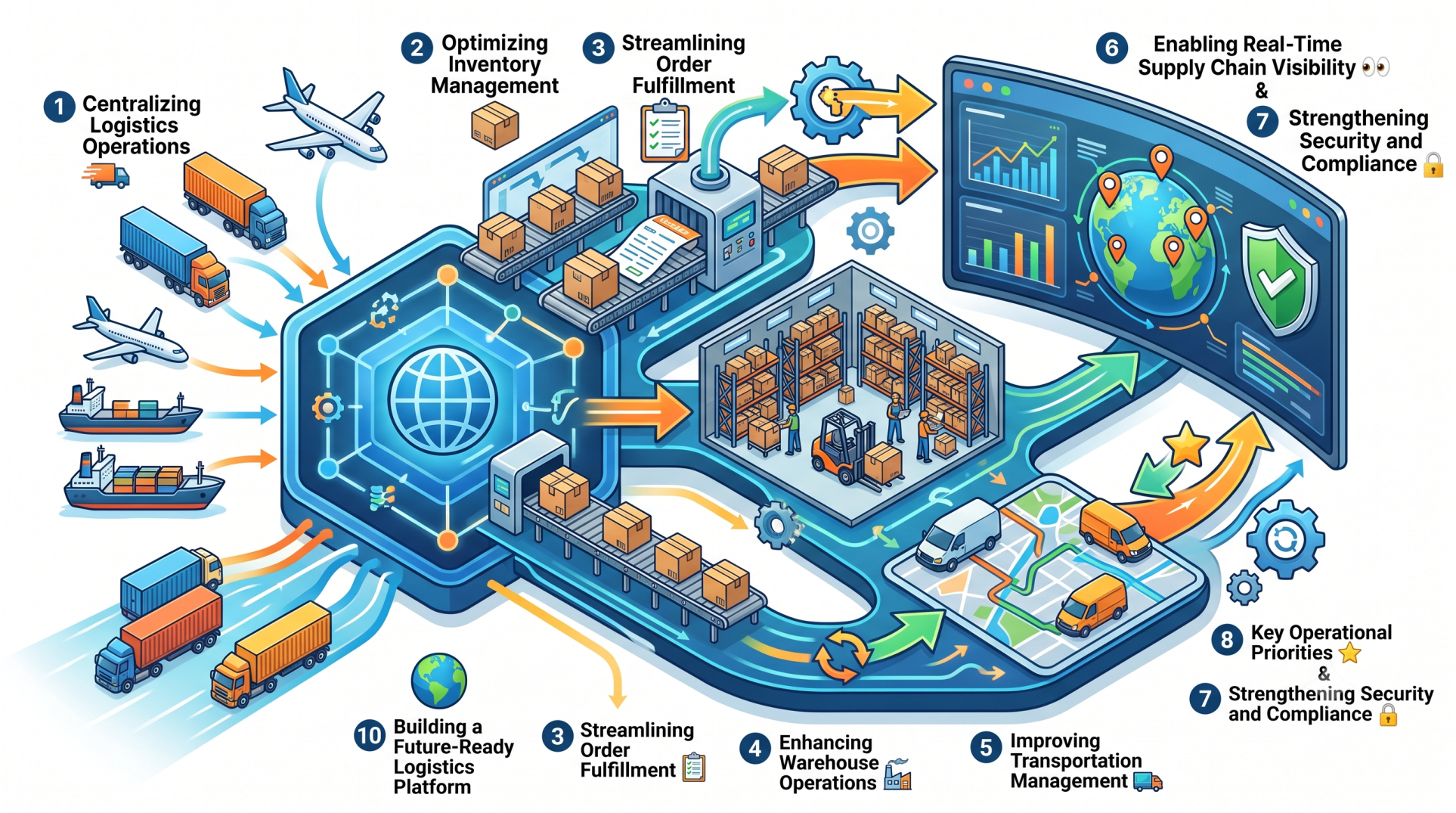
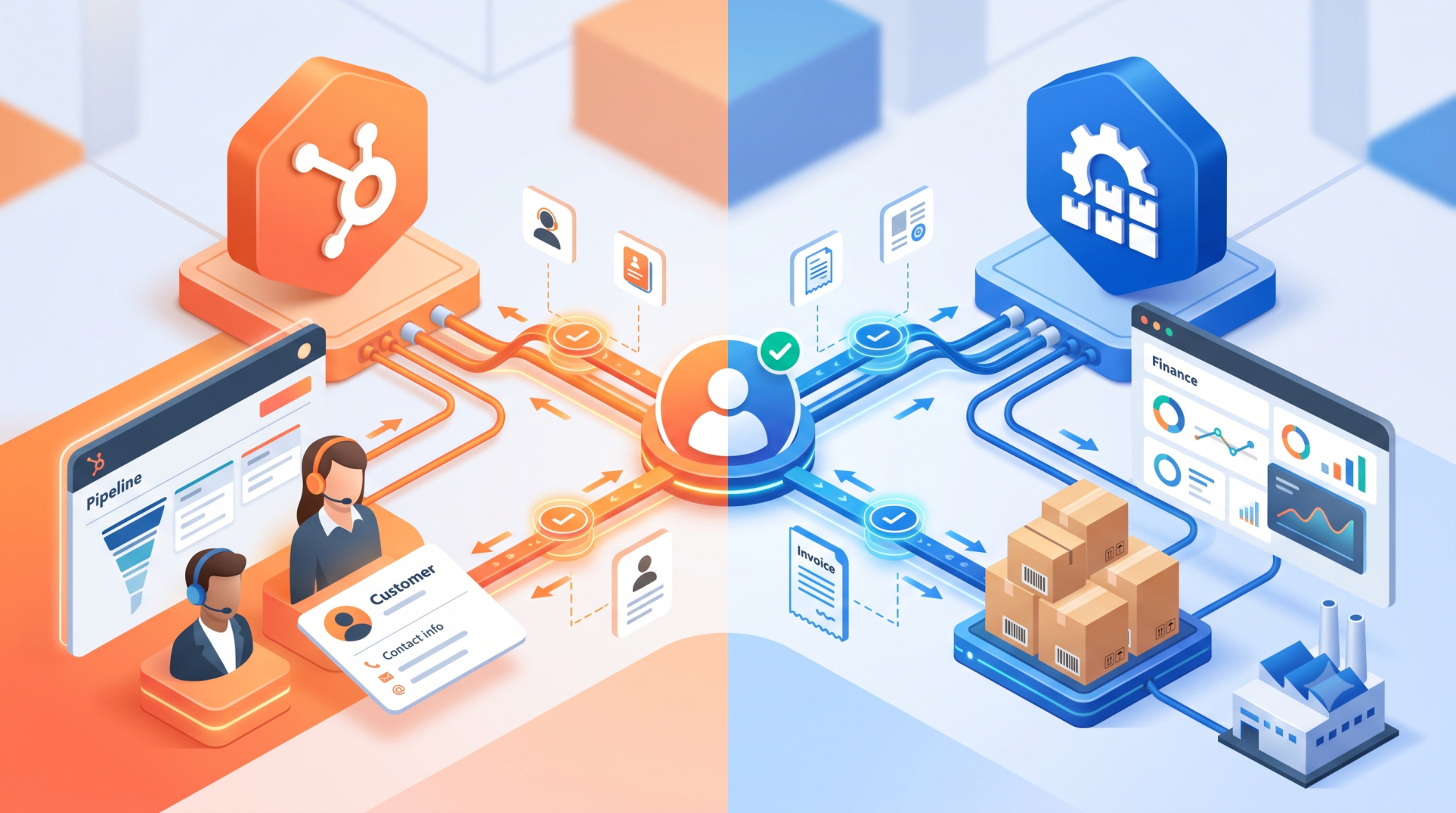
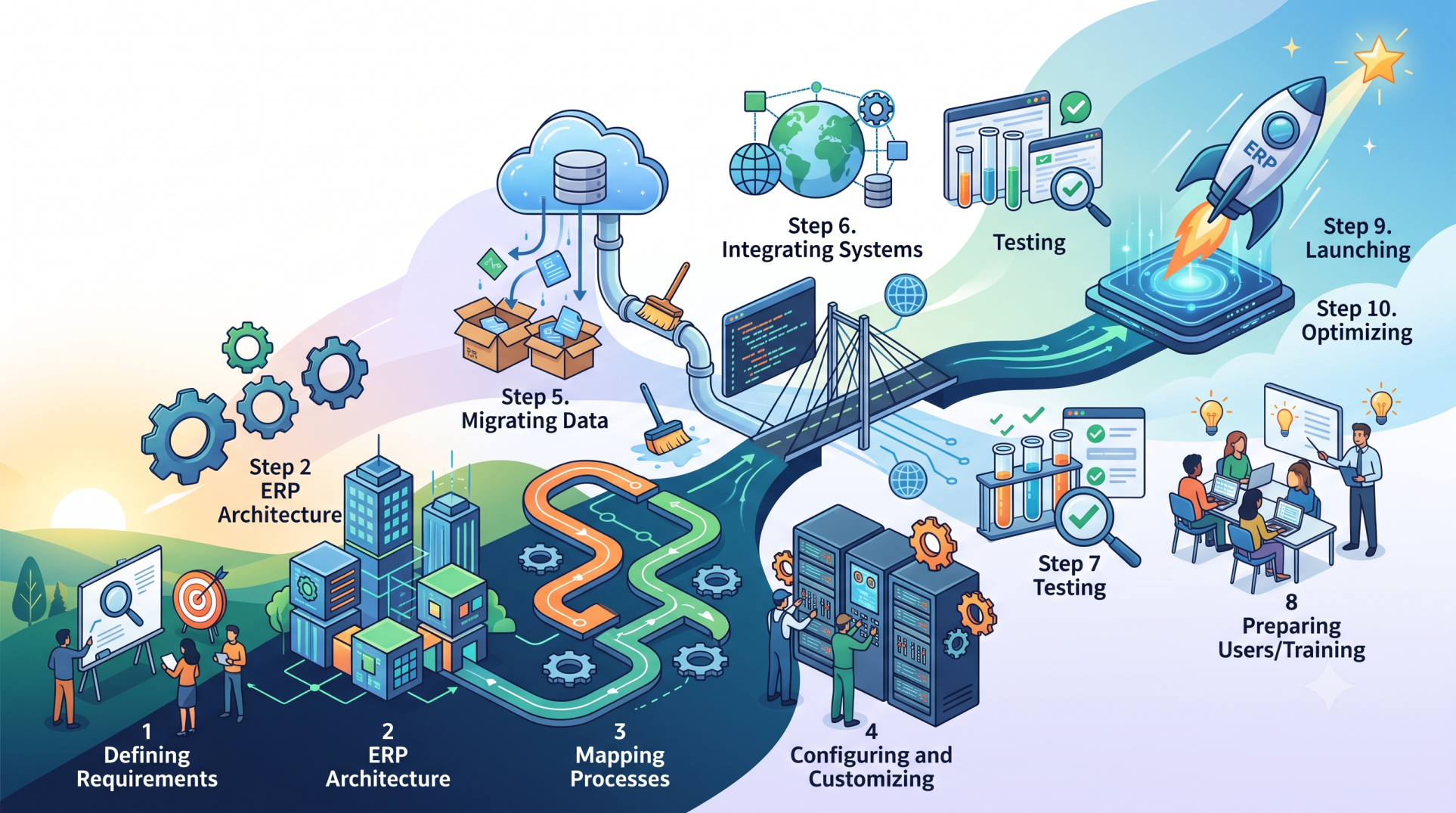
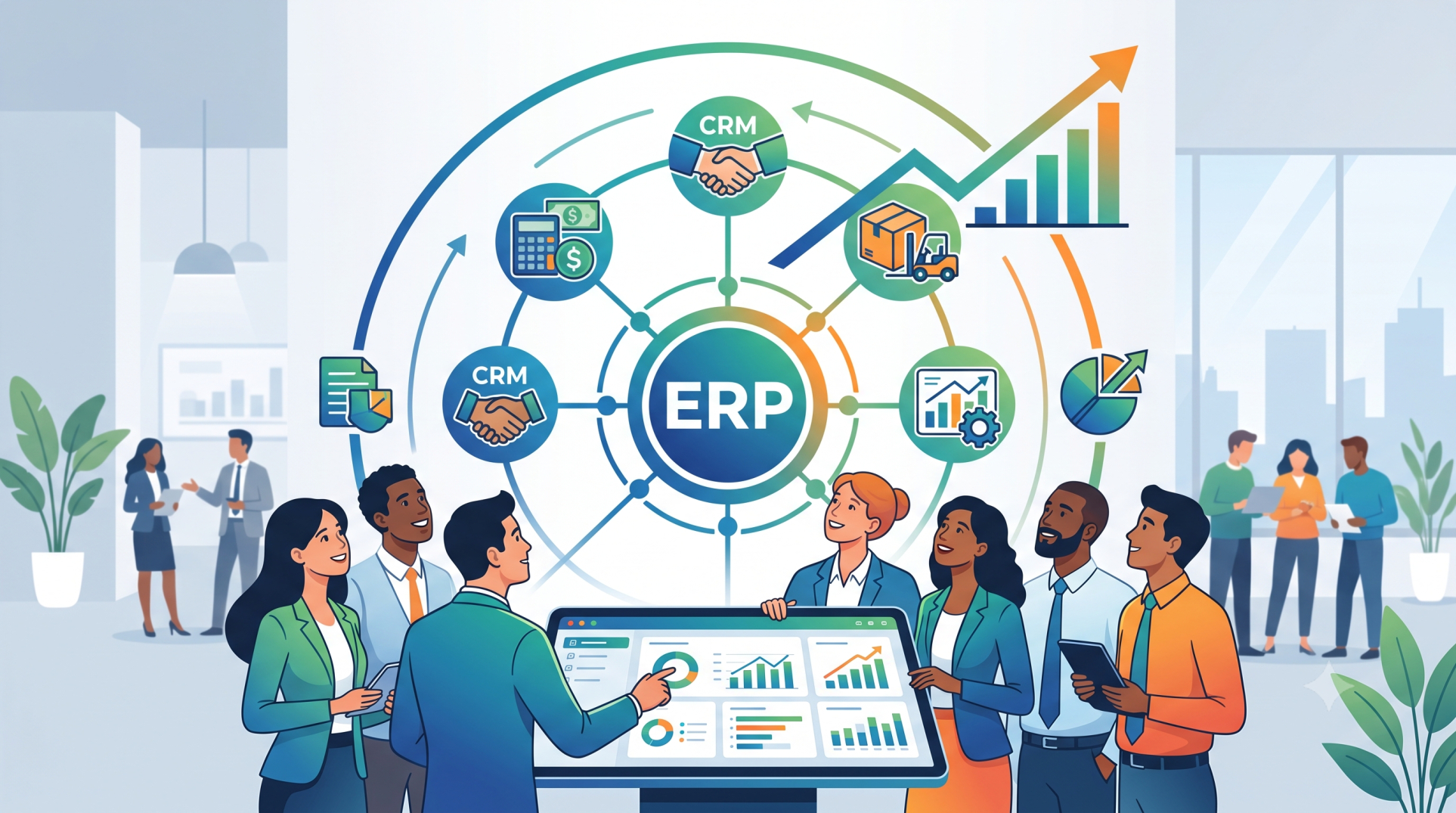
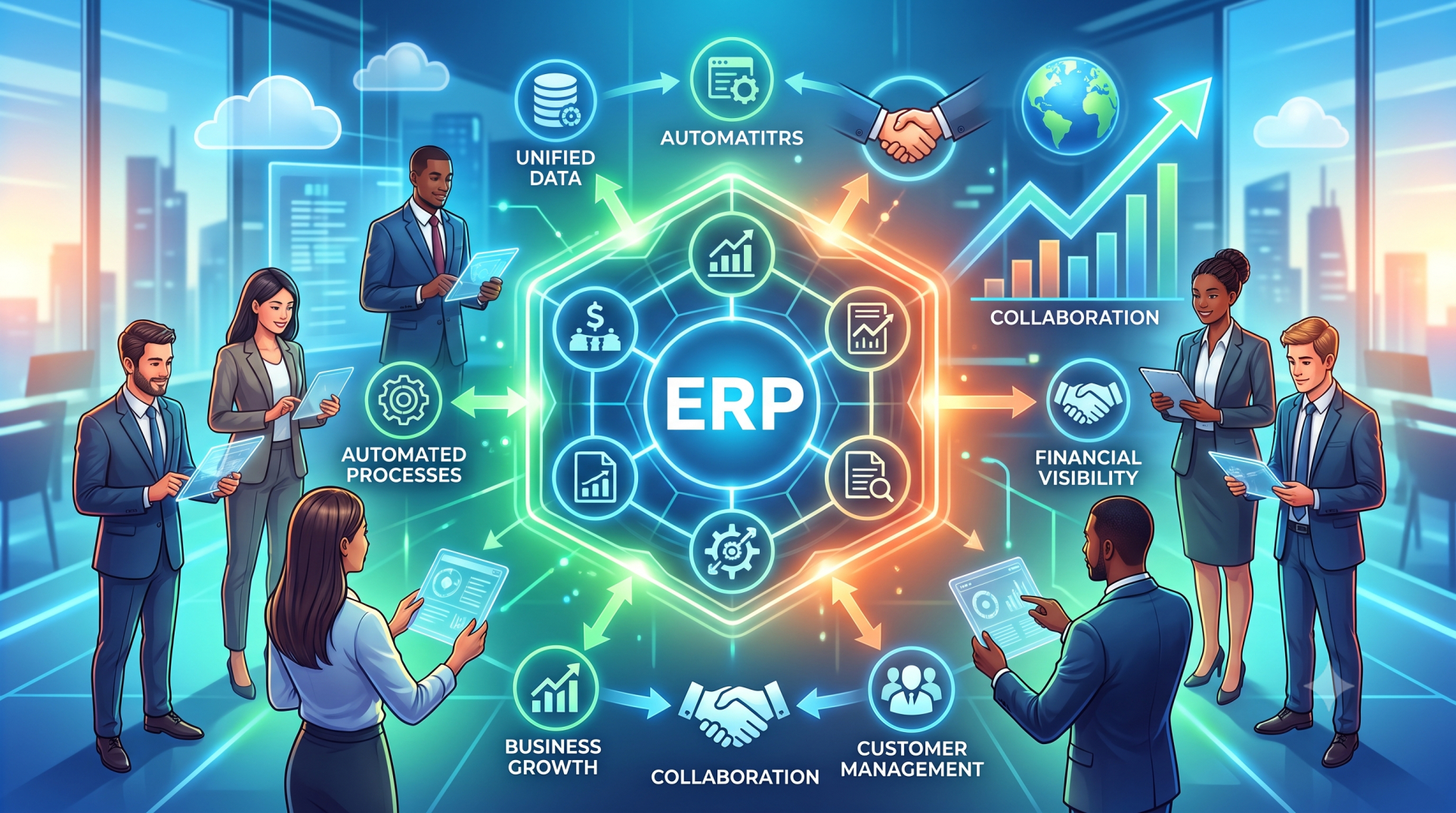
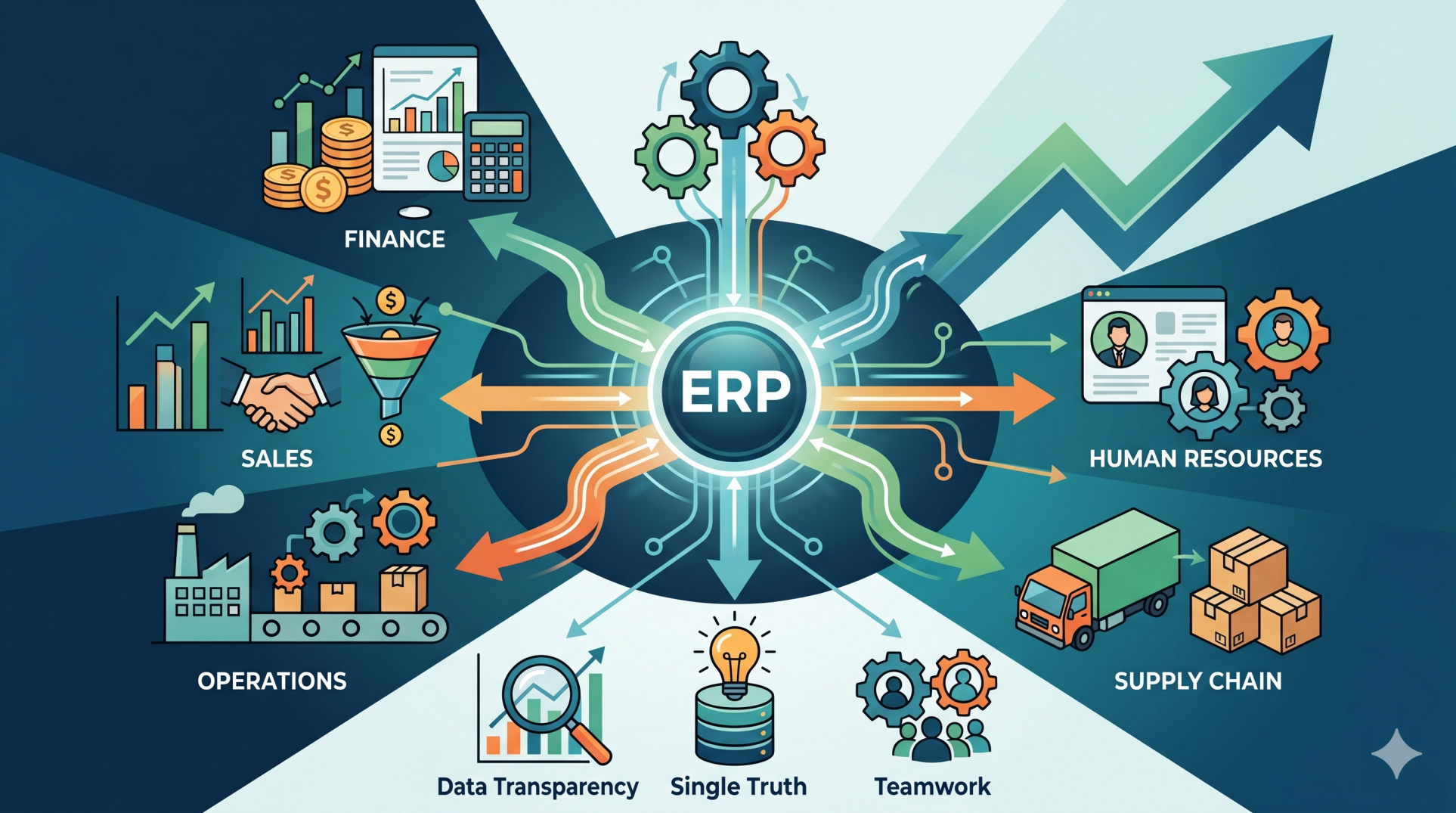
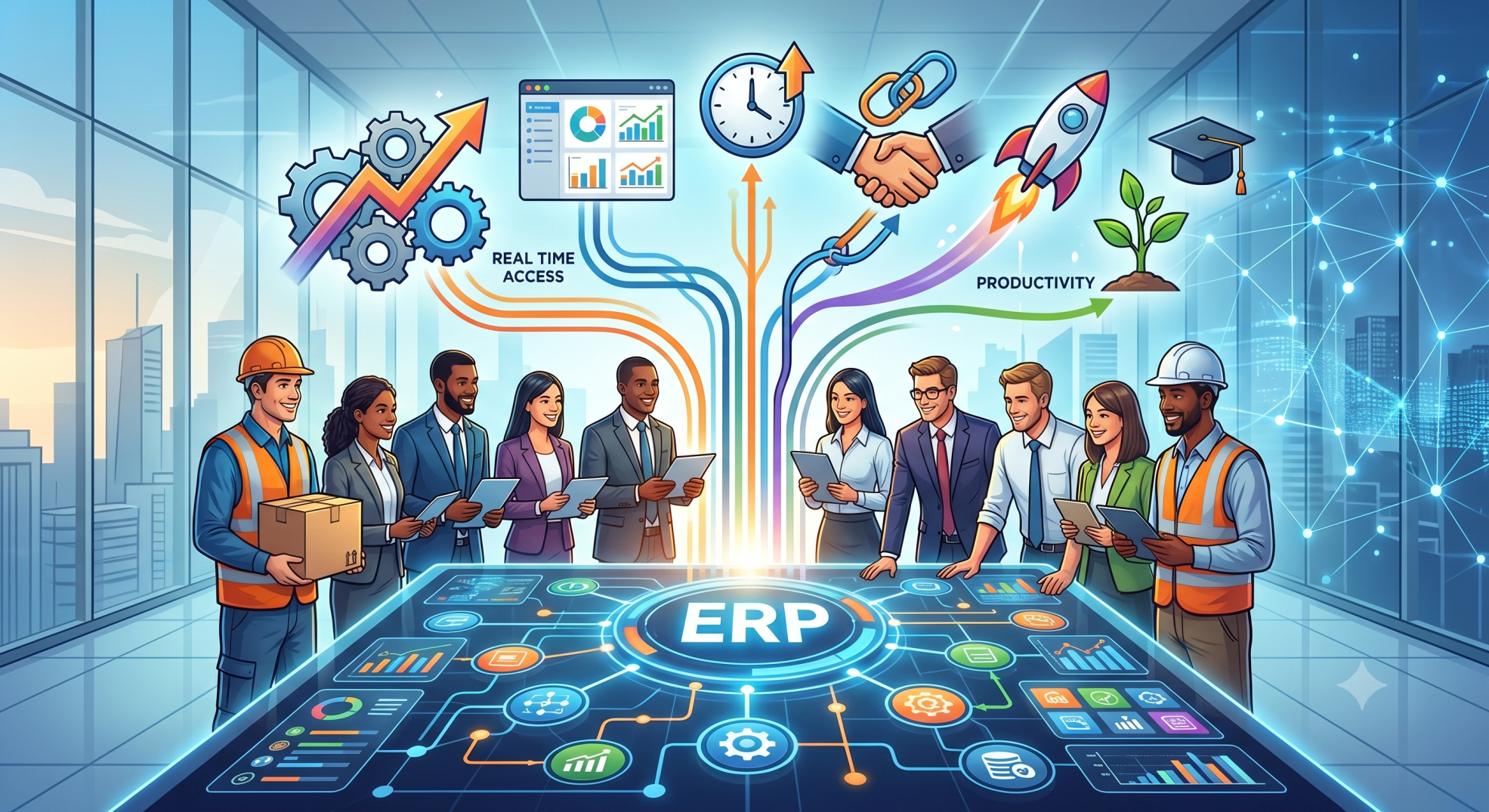
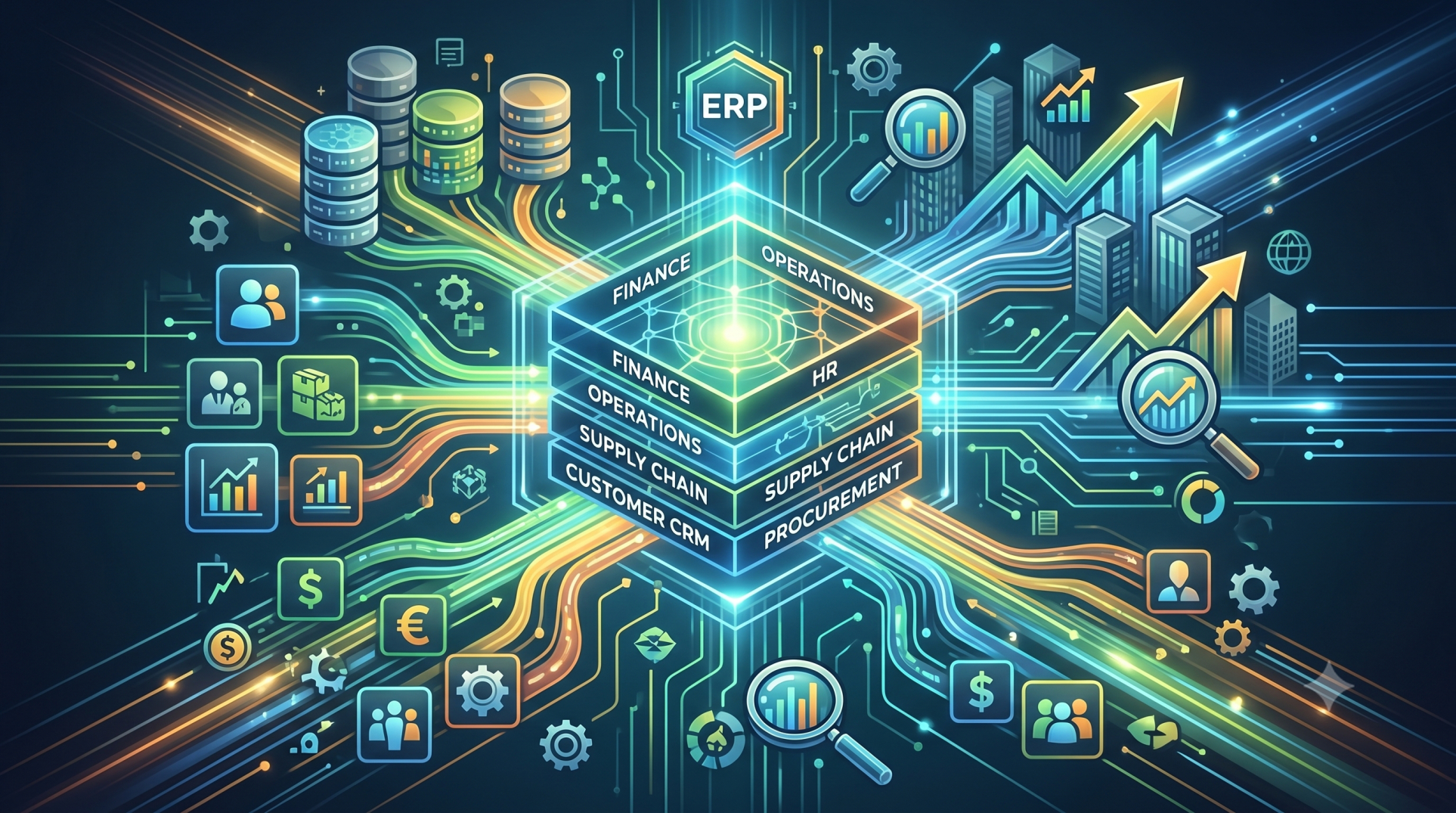
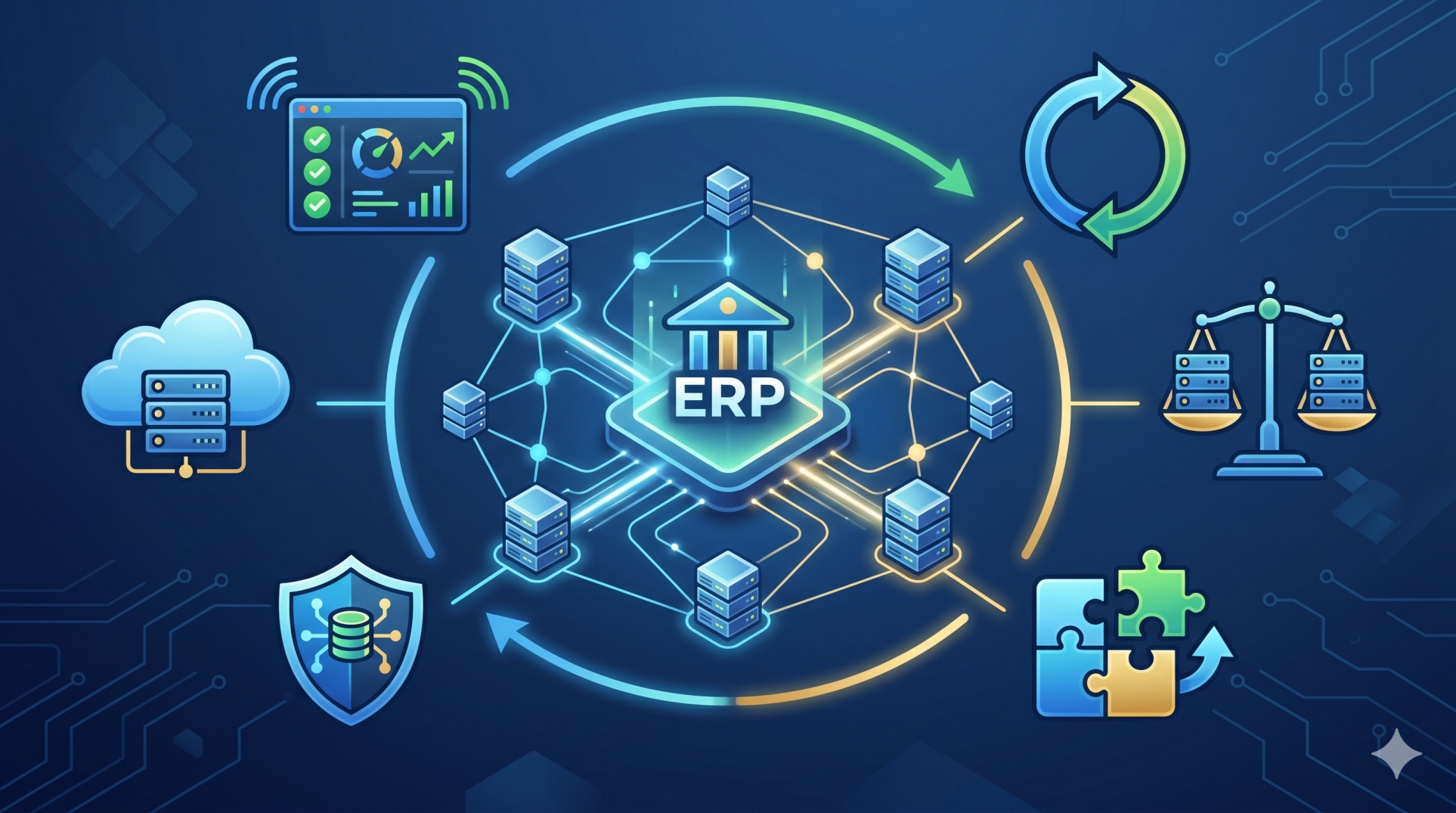
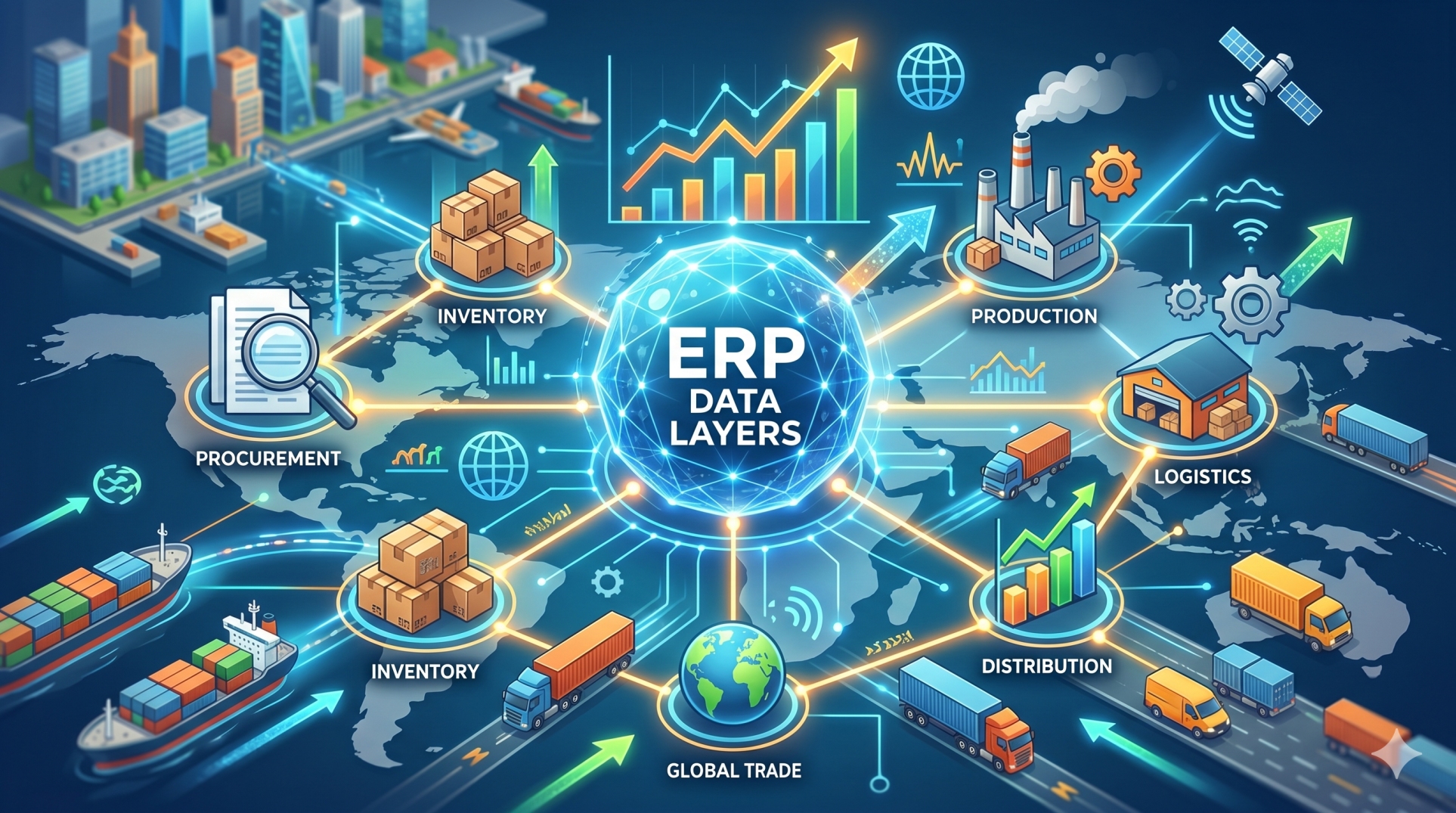
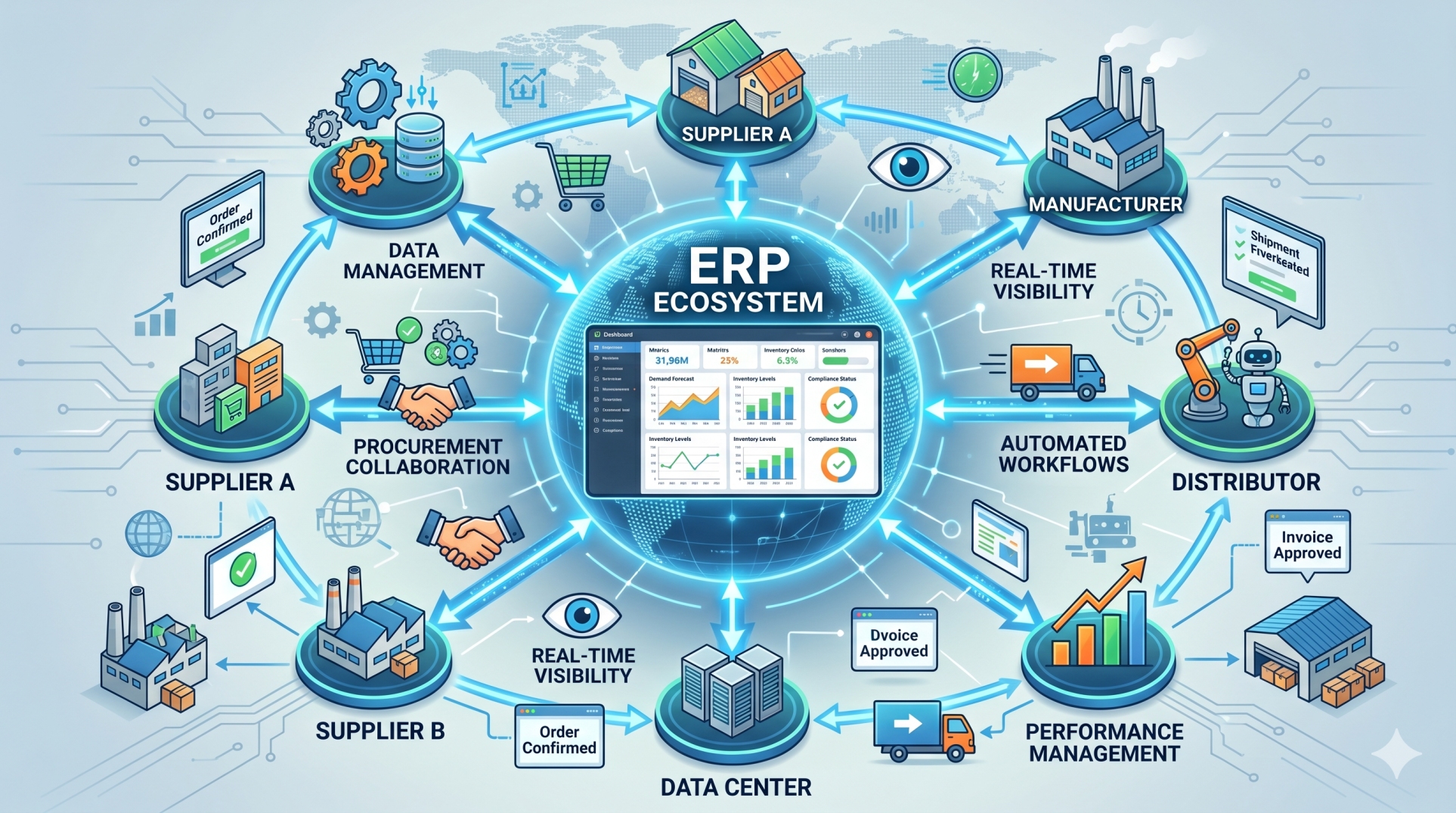
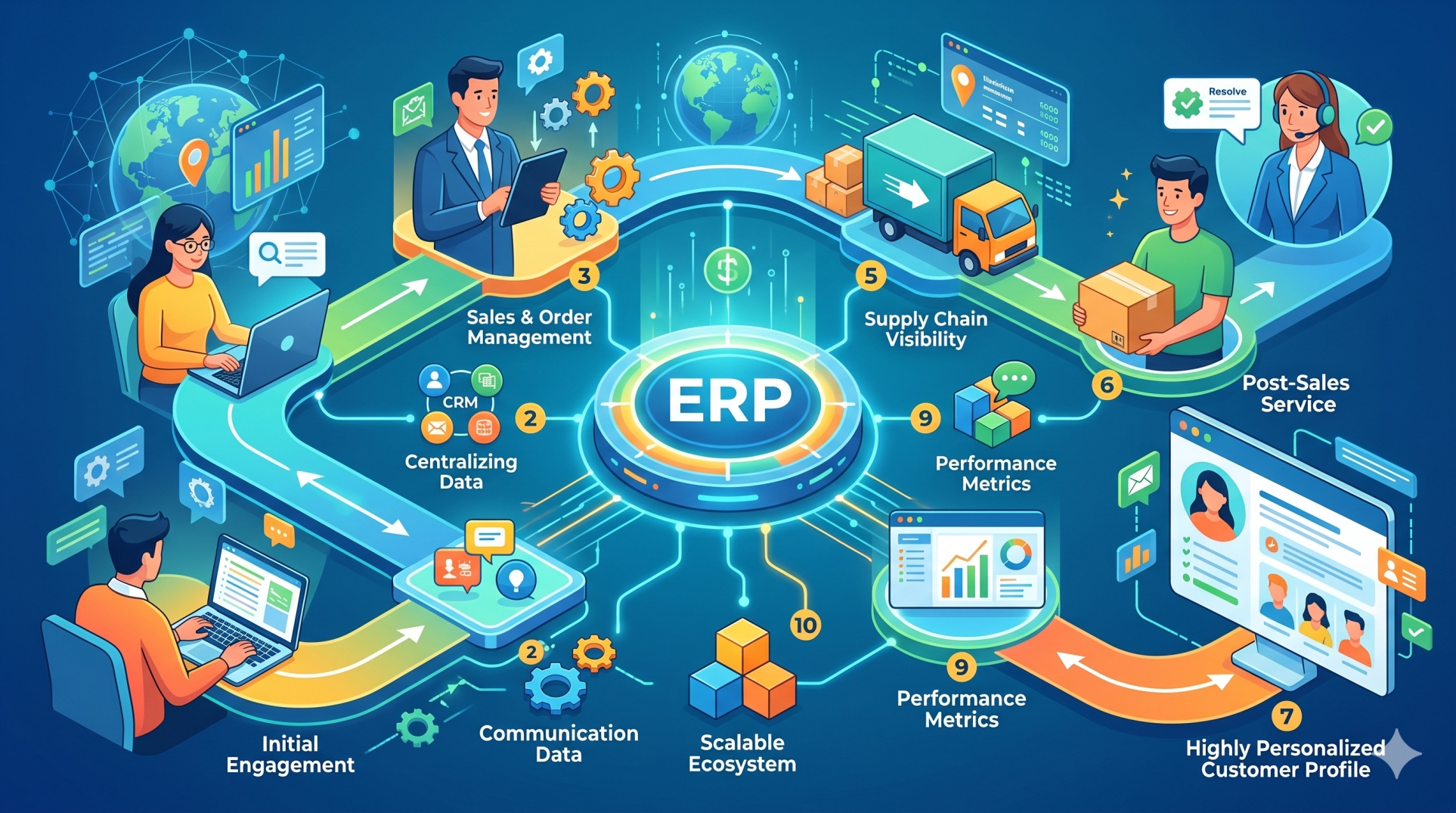
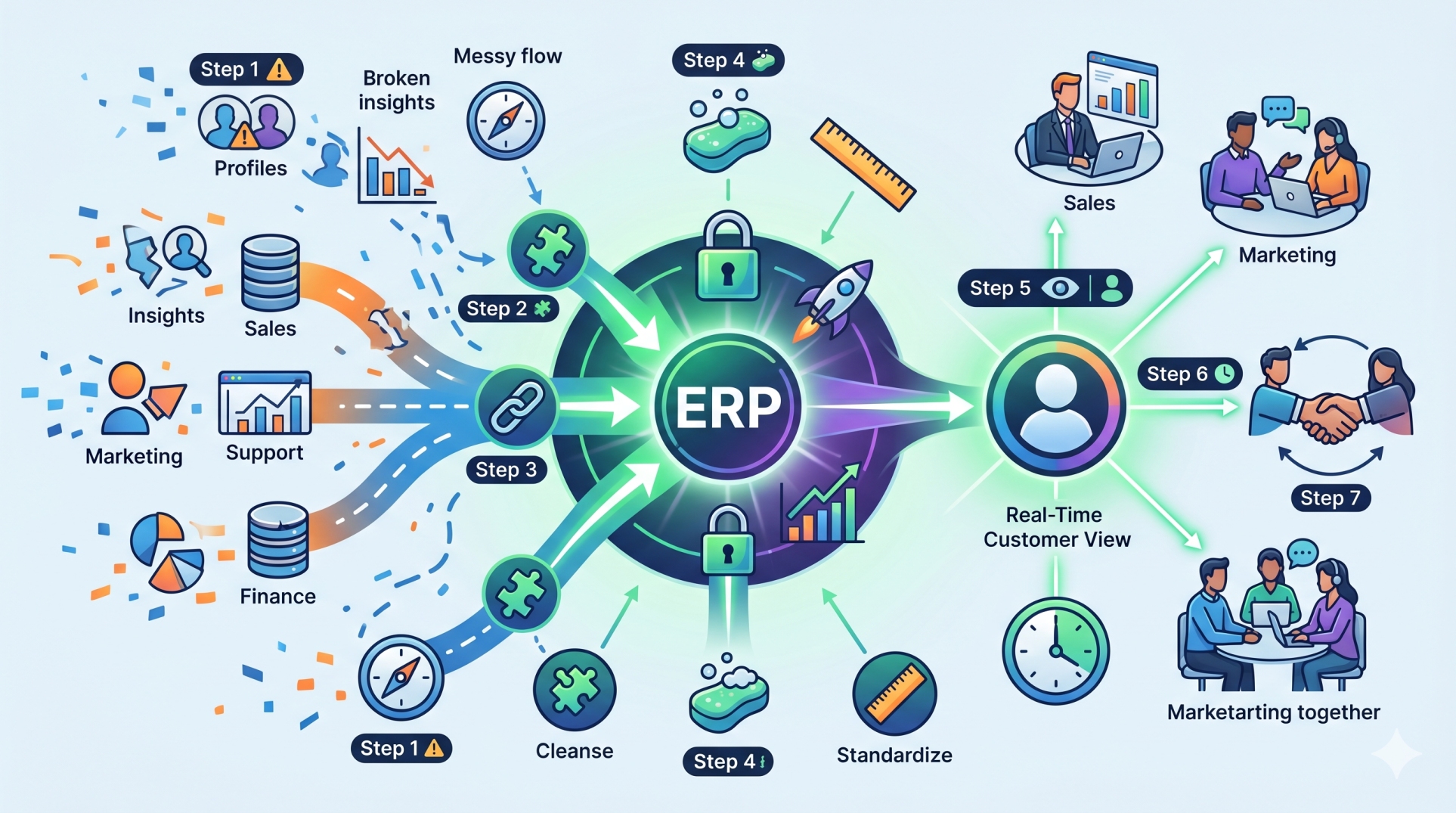
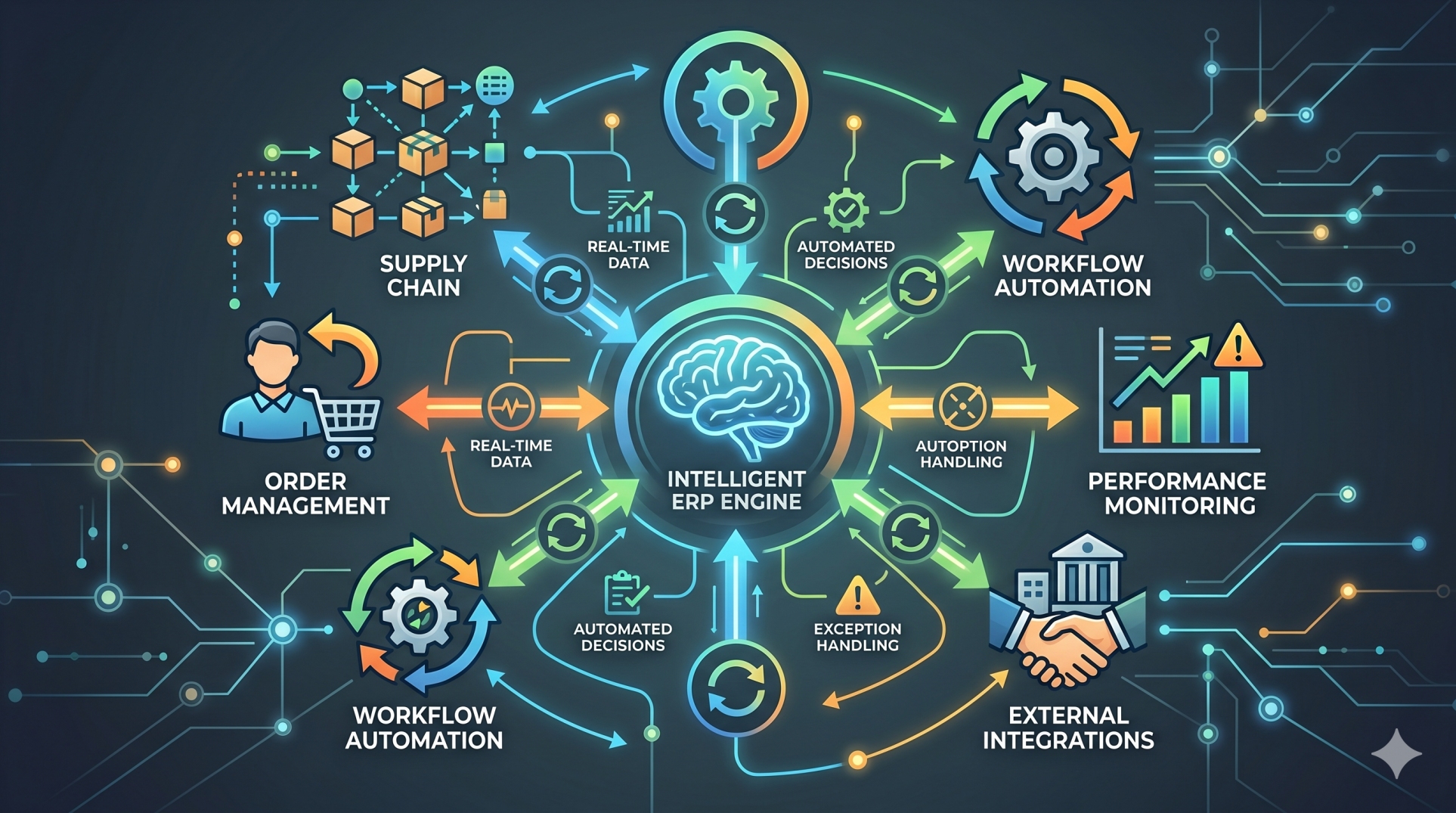
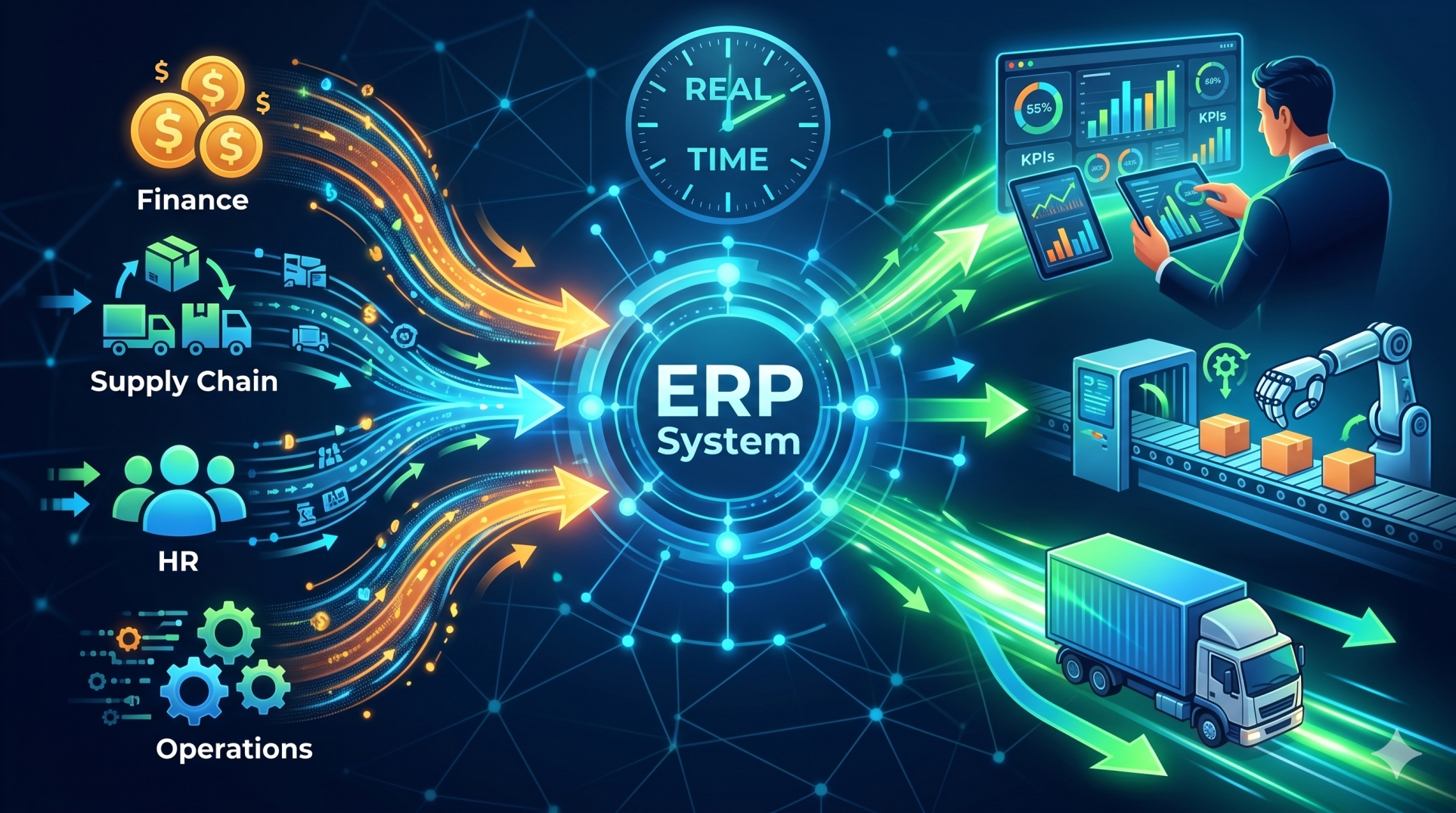
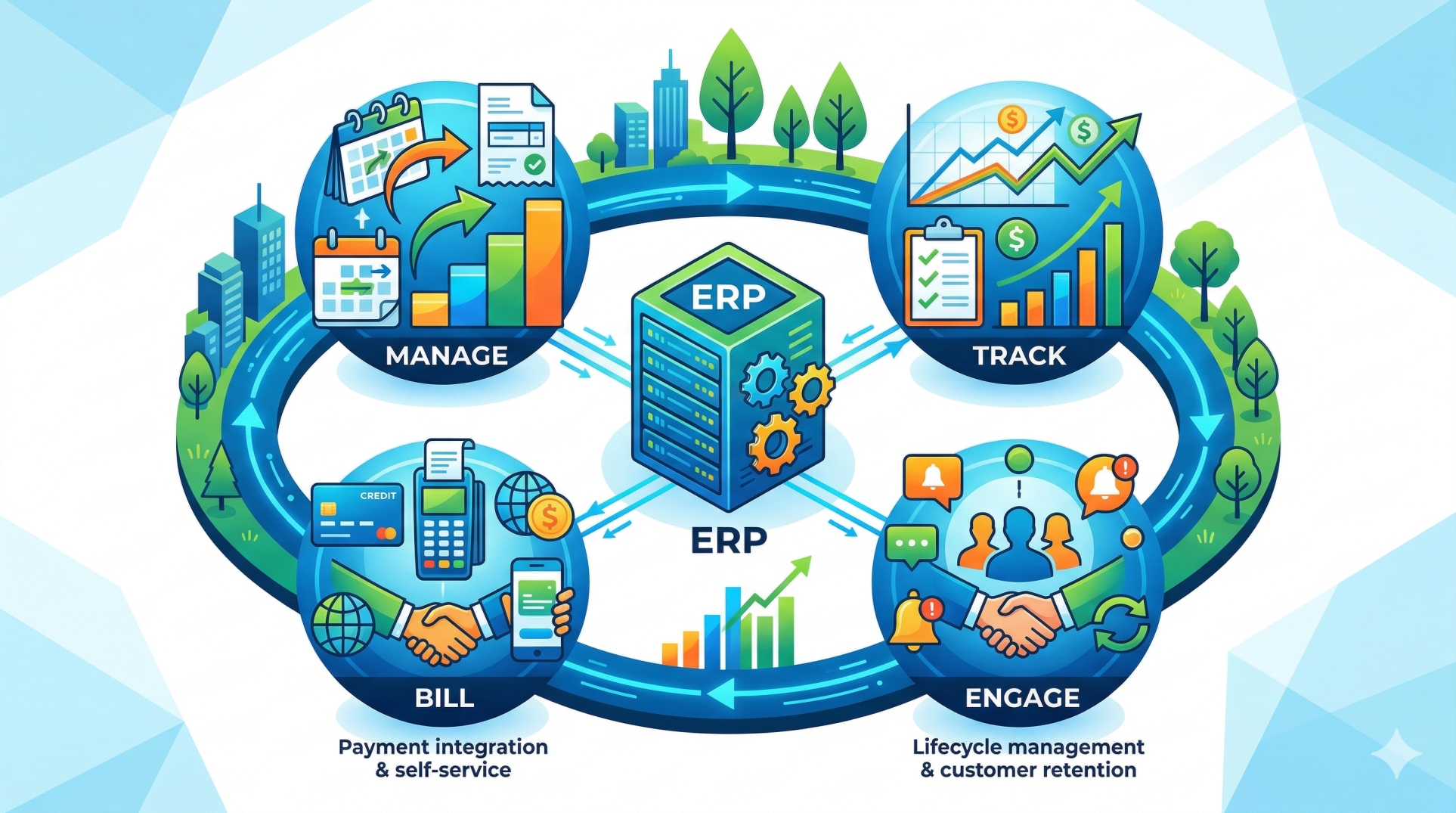
Modern businesses rely on seamless coordination between sales, customer service, and operational teams to deliver consistent customer experiences and maintain efficiency. Enterprise Resource Planning (ERP) systems act as a centralized platform that connects these departments through shared data, automated workflows, and real-time visibility. By linking sales, service, and operations through ERP, organizations can improve collaboration, accelerate decision-making, and create a more responsive business environment.
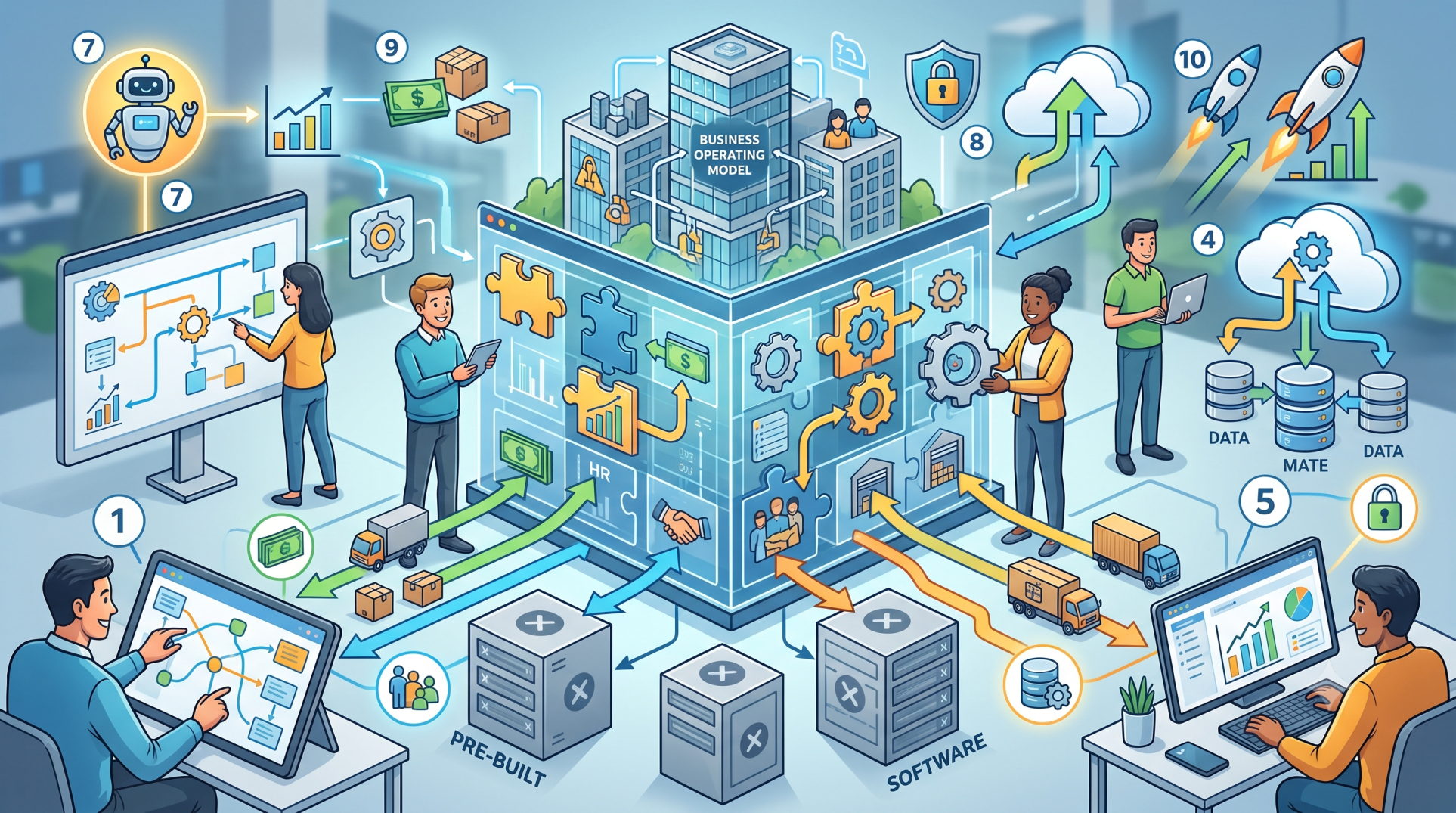
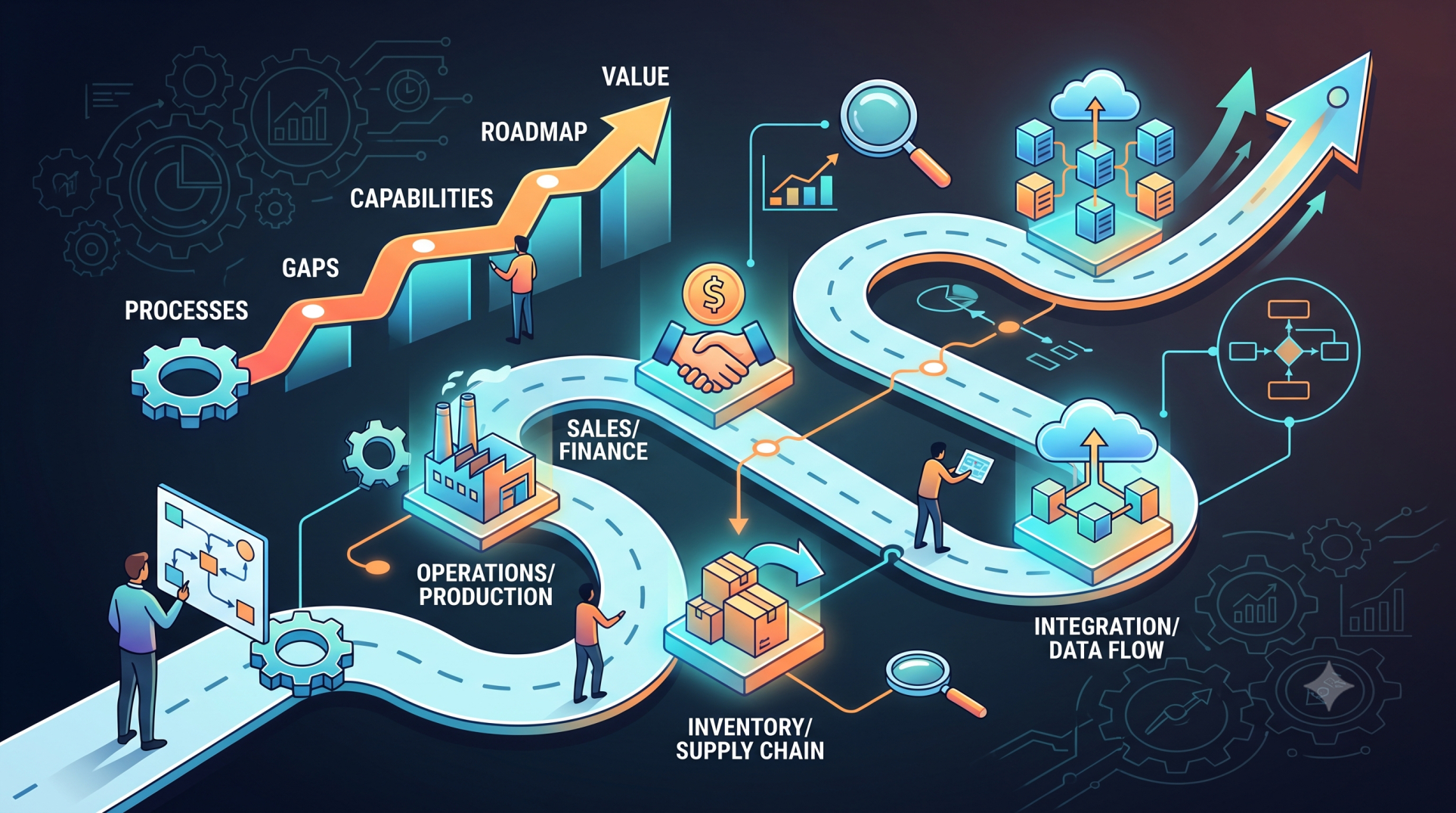
Step 1: Establishing a Unified Business Platform 🔗
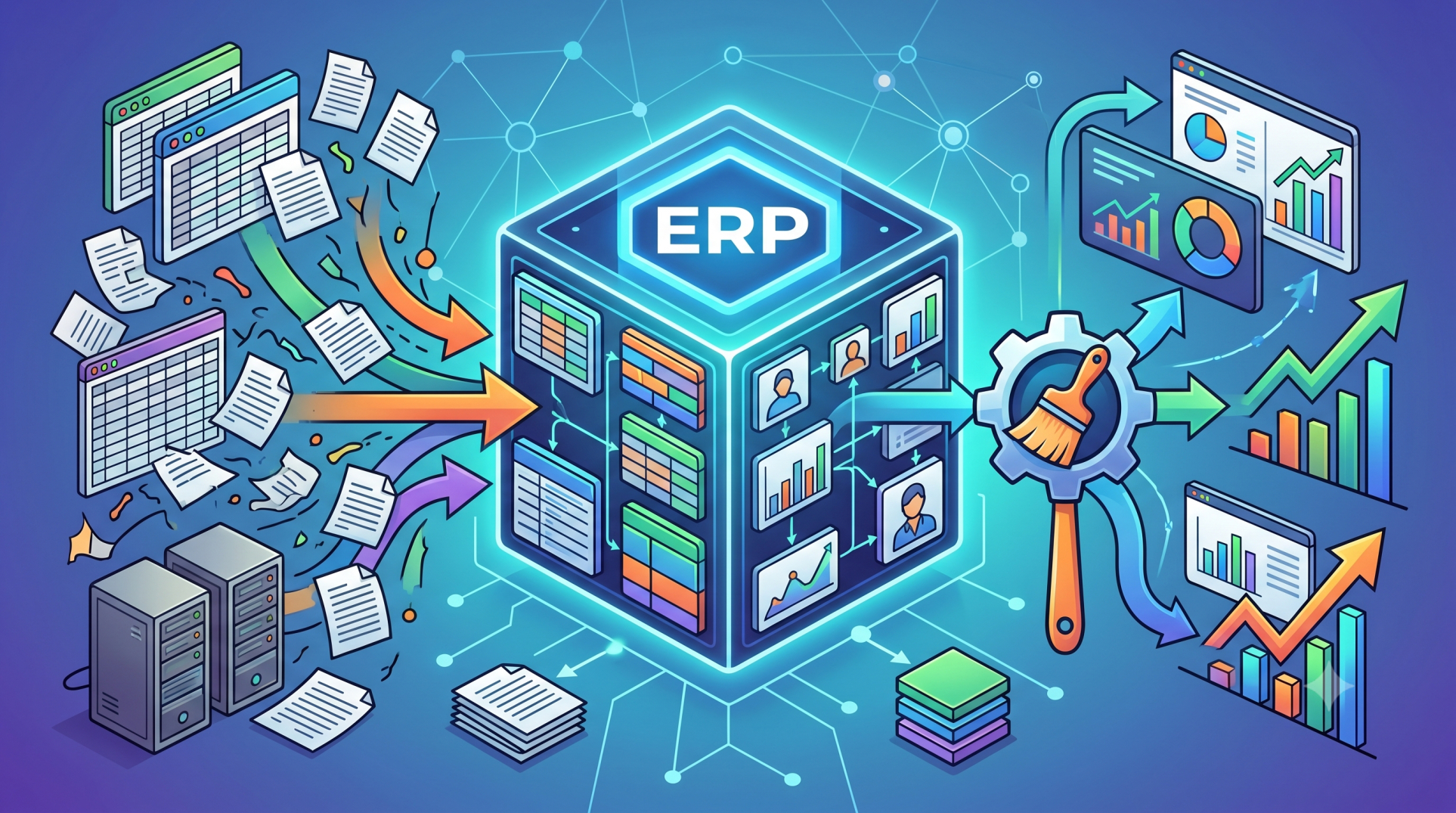
• Centralize sales, service, and operational data within a single ERP environment 🗂️
• Eliminate disconnected systems and manual data transfers 🔄
• Create a unified workflow across departments 🤝
• Improve visibility into business activities in real time 👁️
• Enable consistent communication throughout the organization 📡
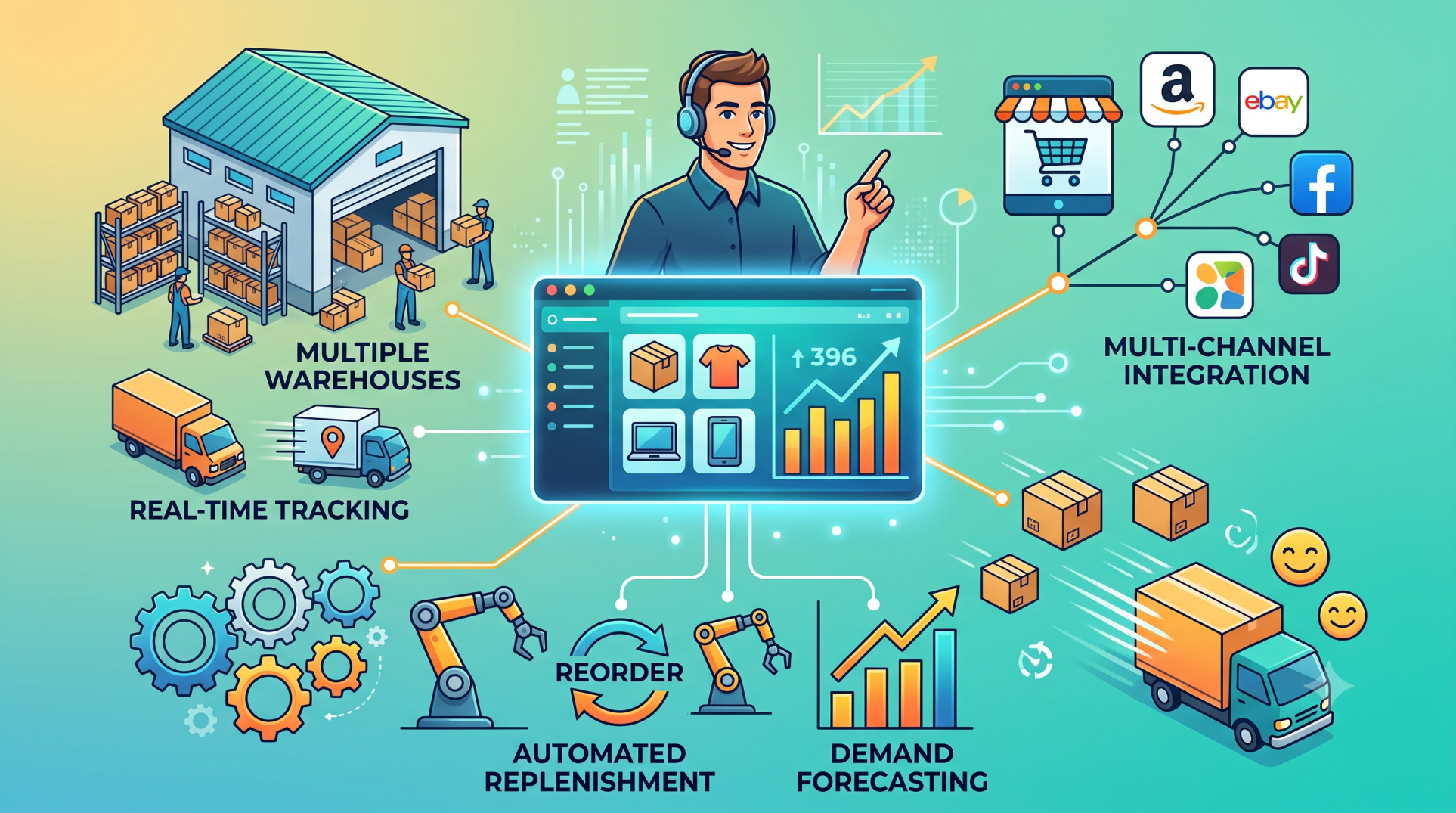
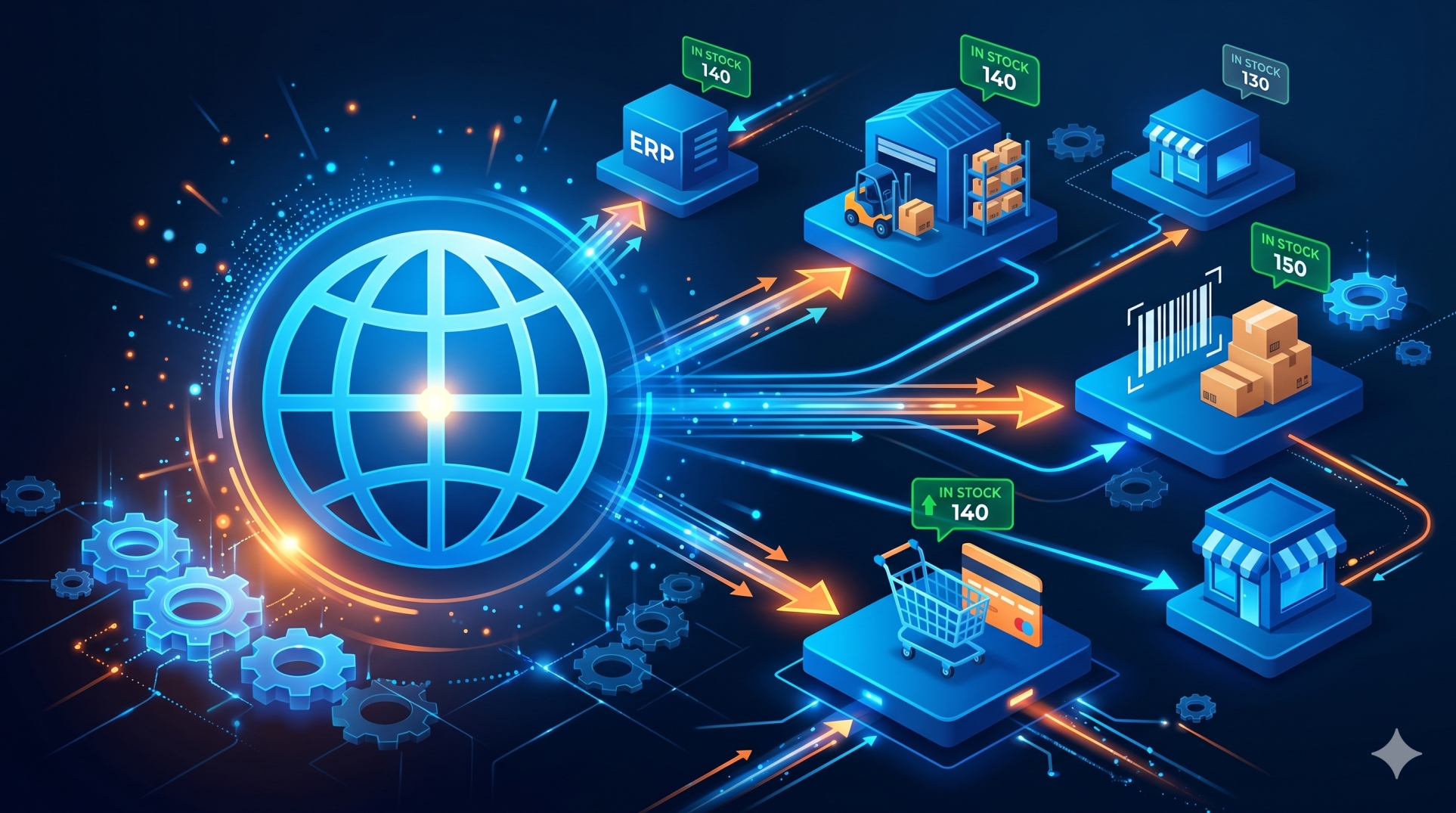
Step 2: Connecting Sales and Inventory Management 📦
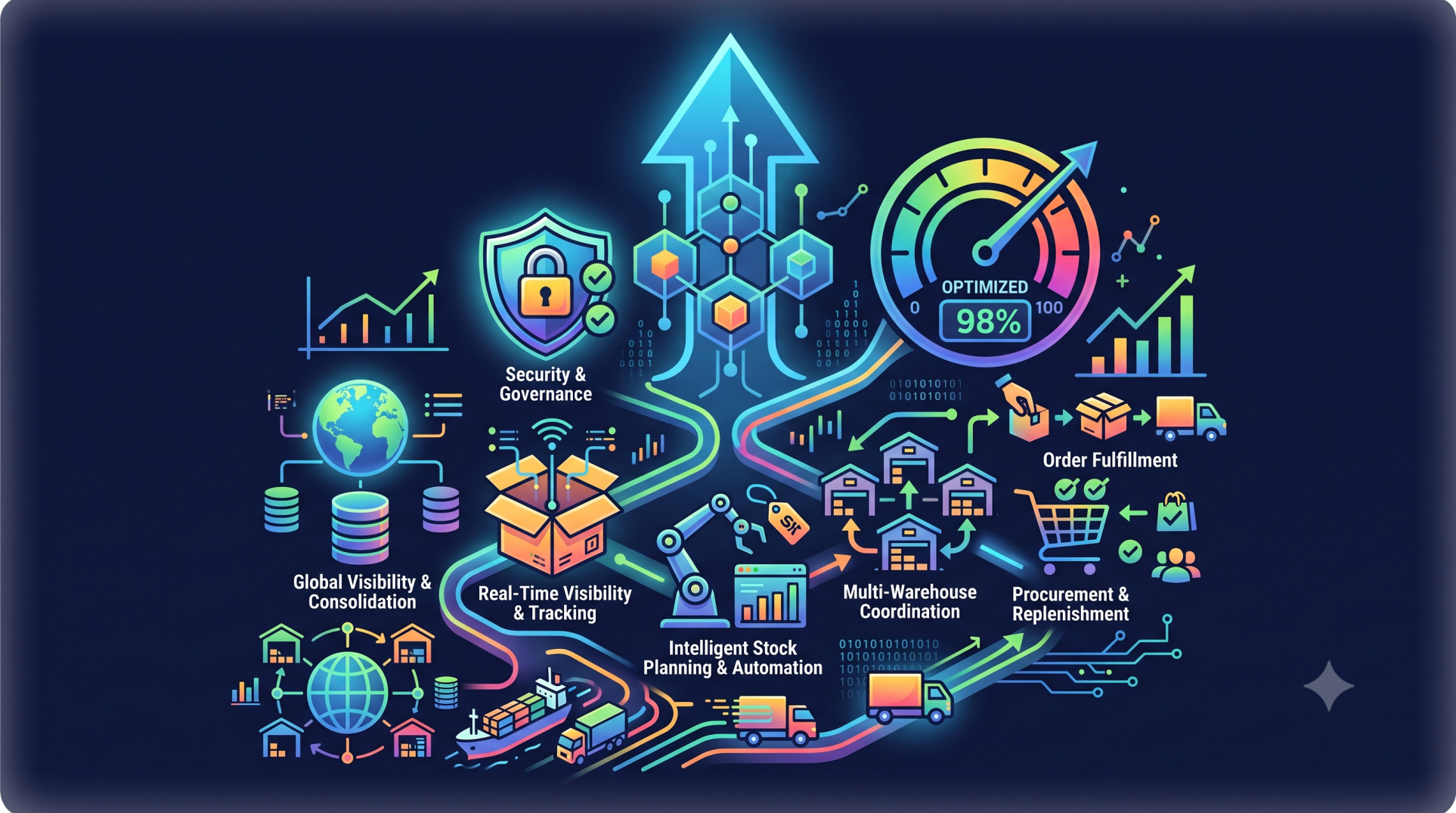
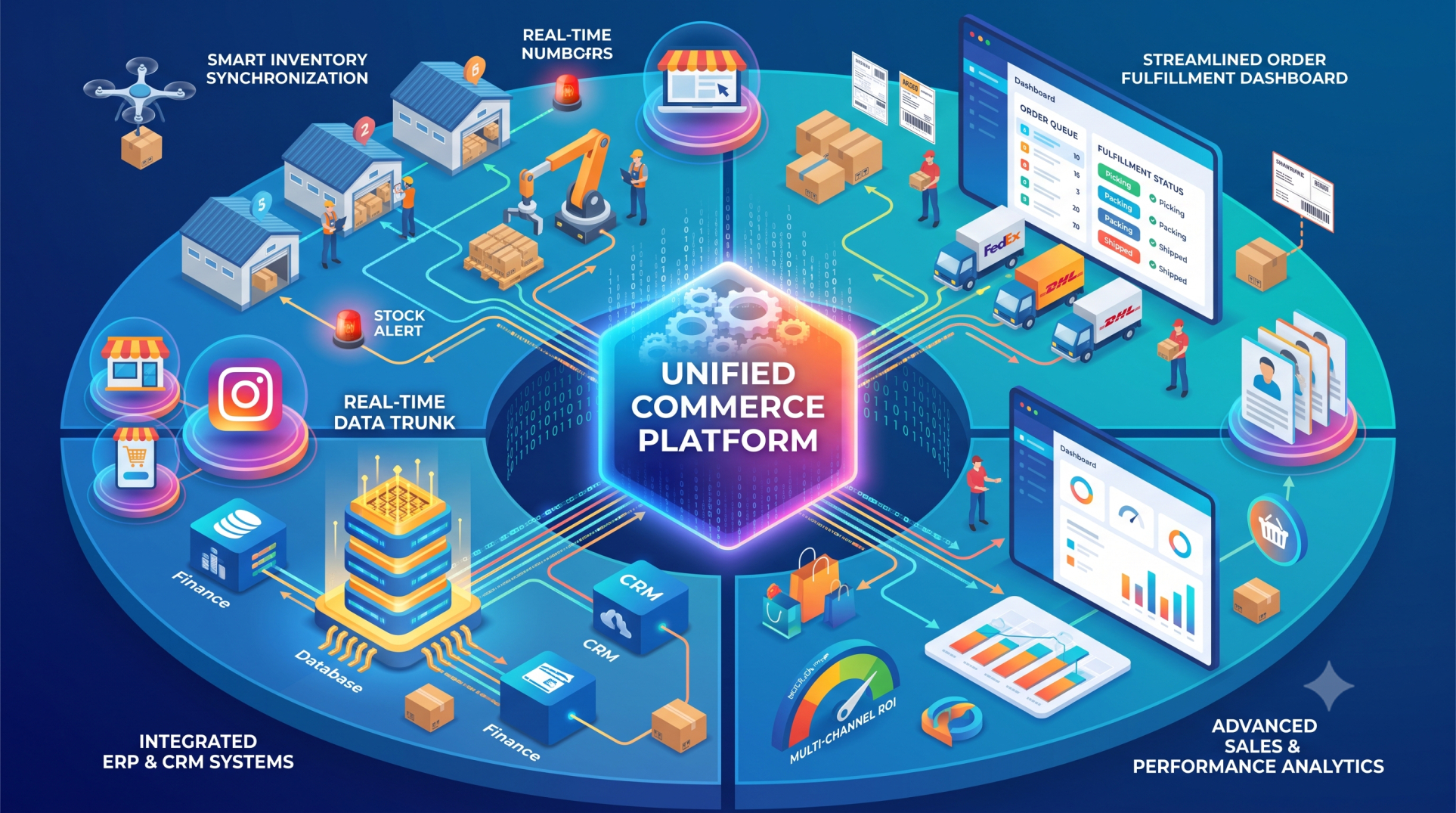
• Provide sales teams with real-time inventory visibility 📊
• Reduce stock shortages and order fulfillment delays ⏱️
• Align sales forecasts with operational capacity 📈
• Enable accurate product availability information 🛒
• Improve order accuracy and customer satisfaction ✅
Step 3: Enhancing Customer Service Coordination 🎧
• Give service teams access to customer order and account history 📂
• Improve issue resolution through centralized information 🔍
• Coordinate service requests with operational teams efficiently ⚙️
• Enable faster response times for customer inquiries ⚡
• Deliver more personalized customer experiences 😊
Step 4: Streamlining Operational Planning ⚙️
• Align production and operations with sales demand forecasts 📊
• Improve resource allocation across departments 🏗️
• Reduce operational bottlenecks through real-time insights 🚦
• Coordinate procurement and supply chain activities effectively 🔗
• Enhance workflow efficiency across the organization 🚀
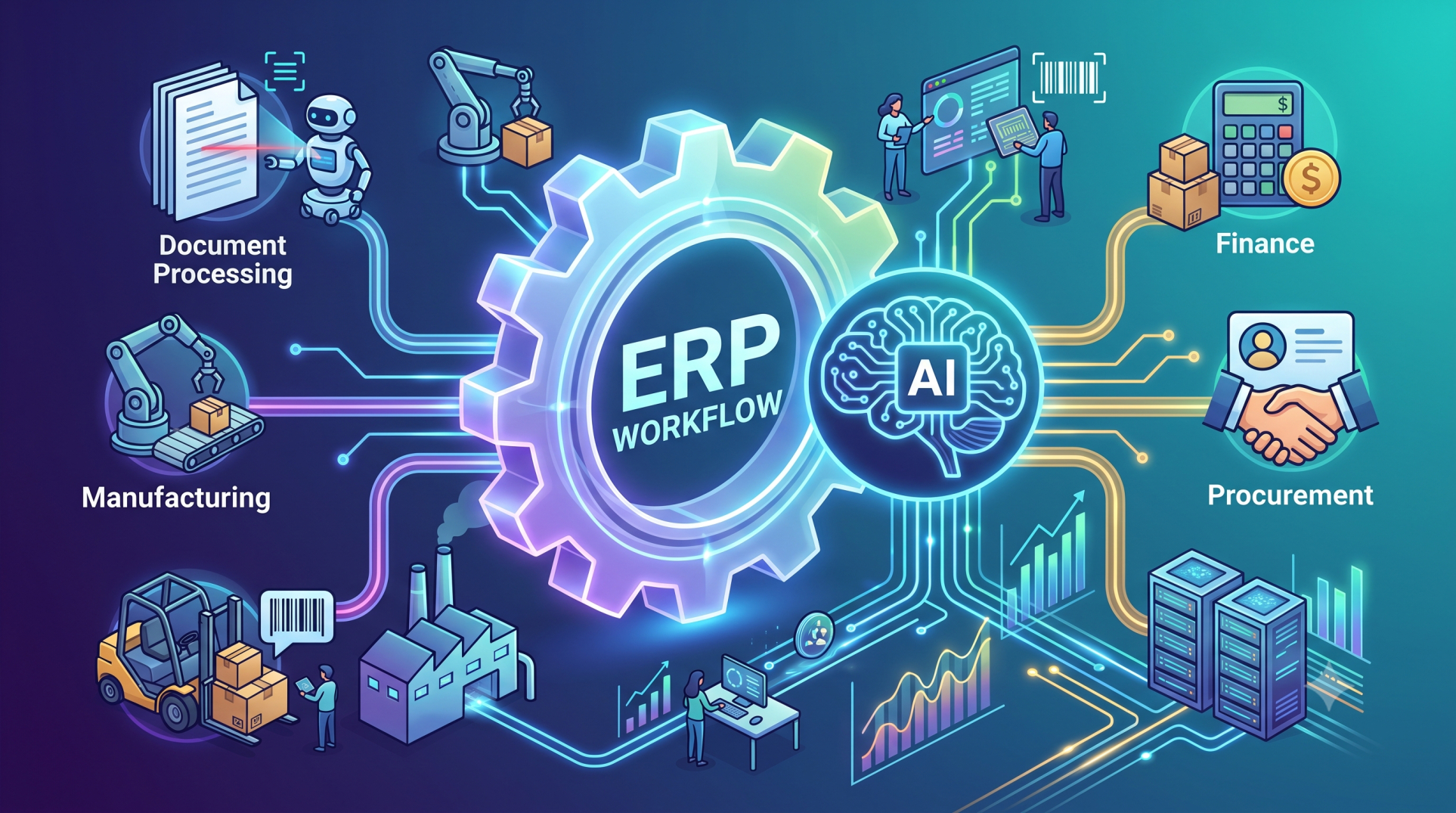
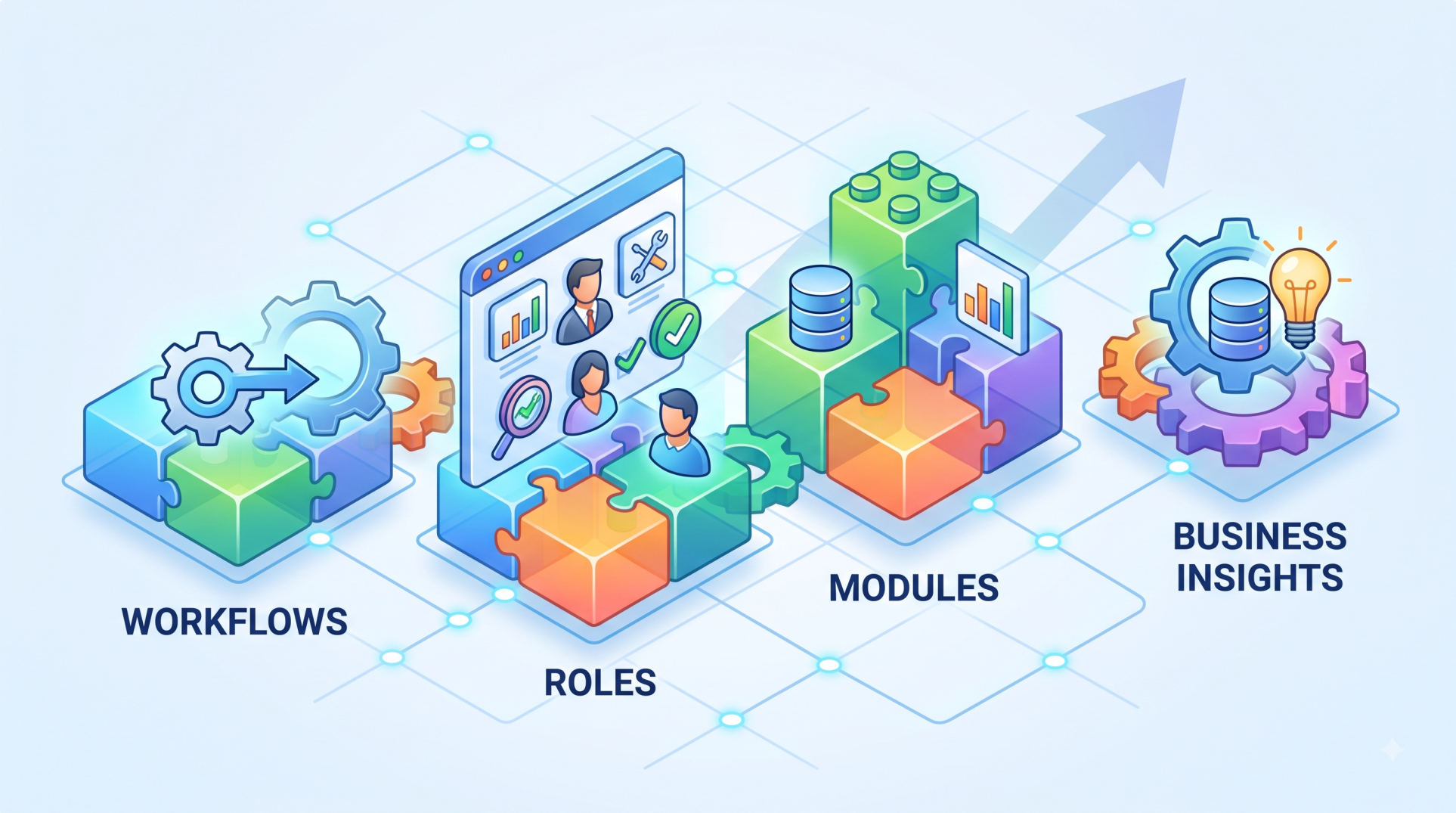
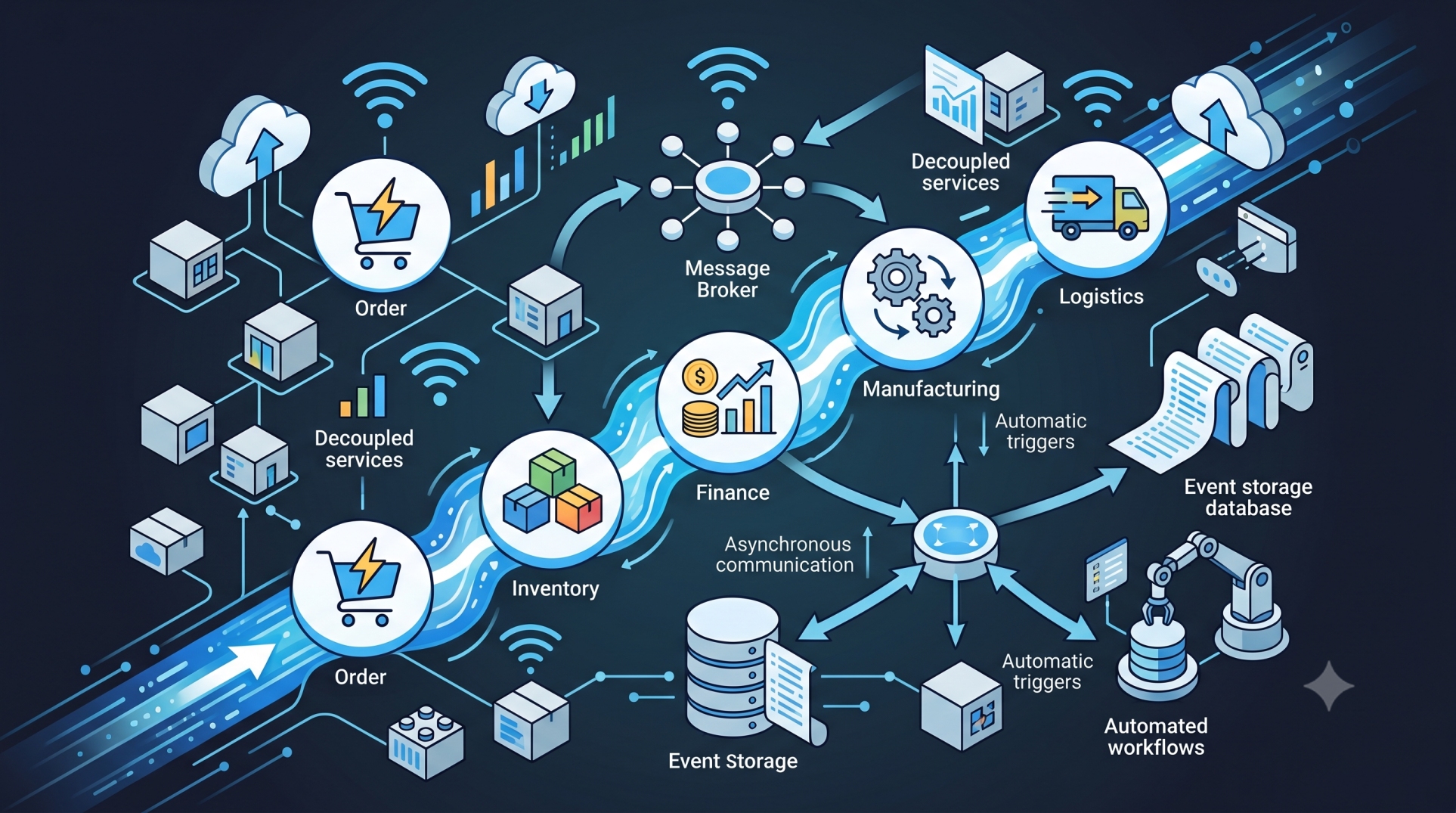
Step 5: Automating Cross-Department Workflows 🤖
• Trigger operational tasks automatically from sales activities 🔄
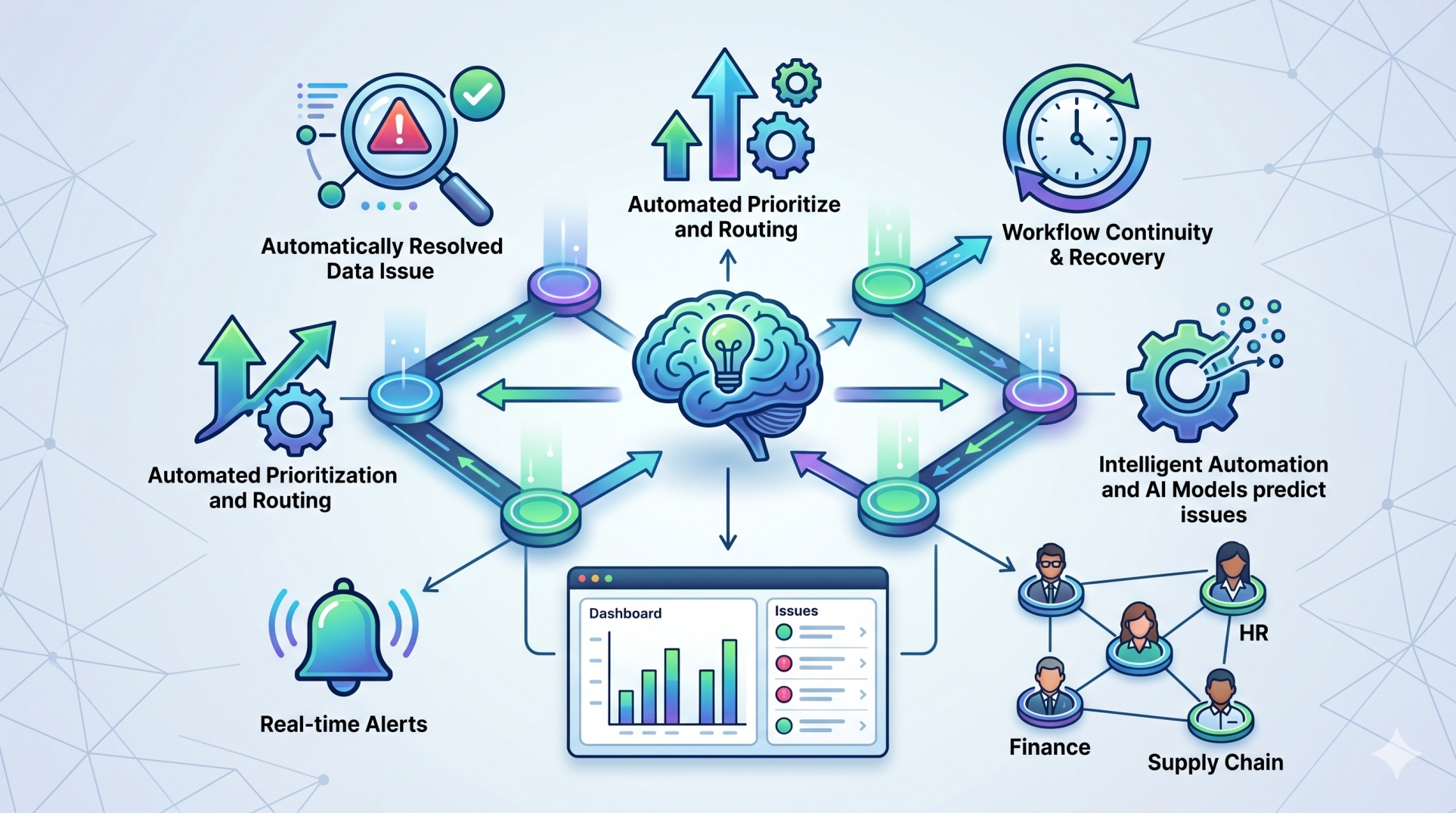
• Route service requests to the appropriate teams instantly 📨
• Reduce manual intervention through workflow automation ⚡
• Improve process consistency across departments ✅
• Accelerate order processing and fulfillment cycles 📦
Step 6: Improving Data Accuracy and Visibility 👁️
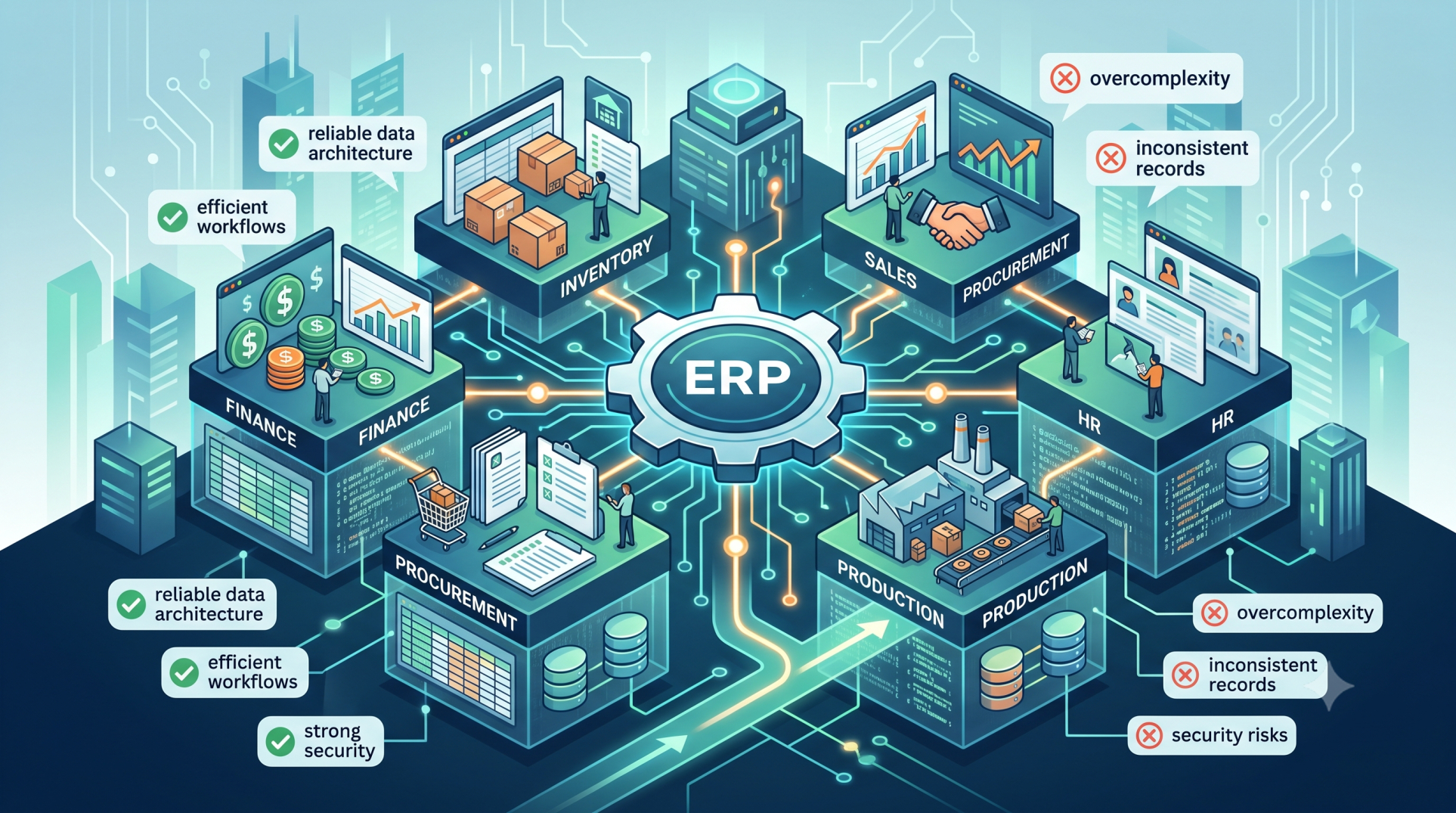
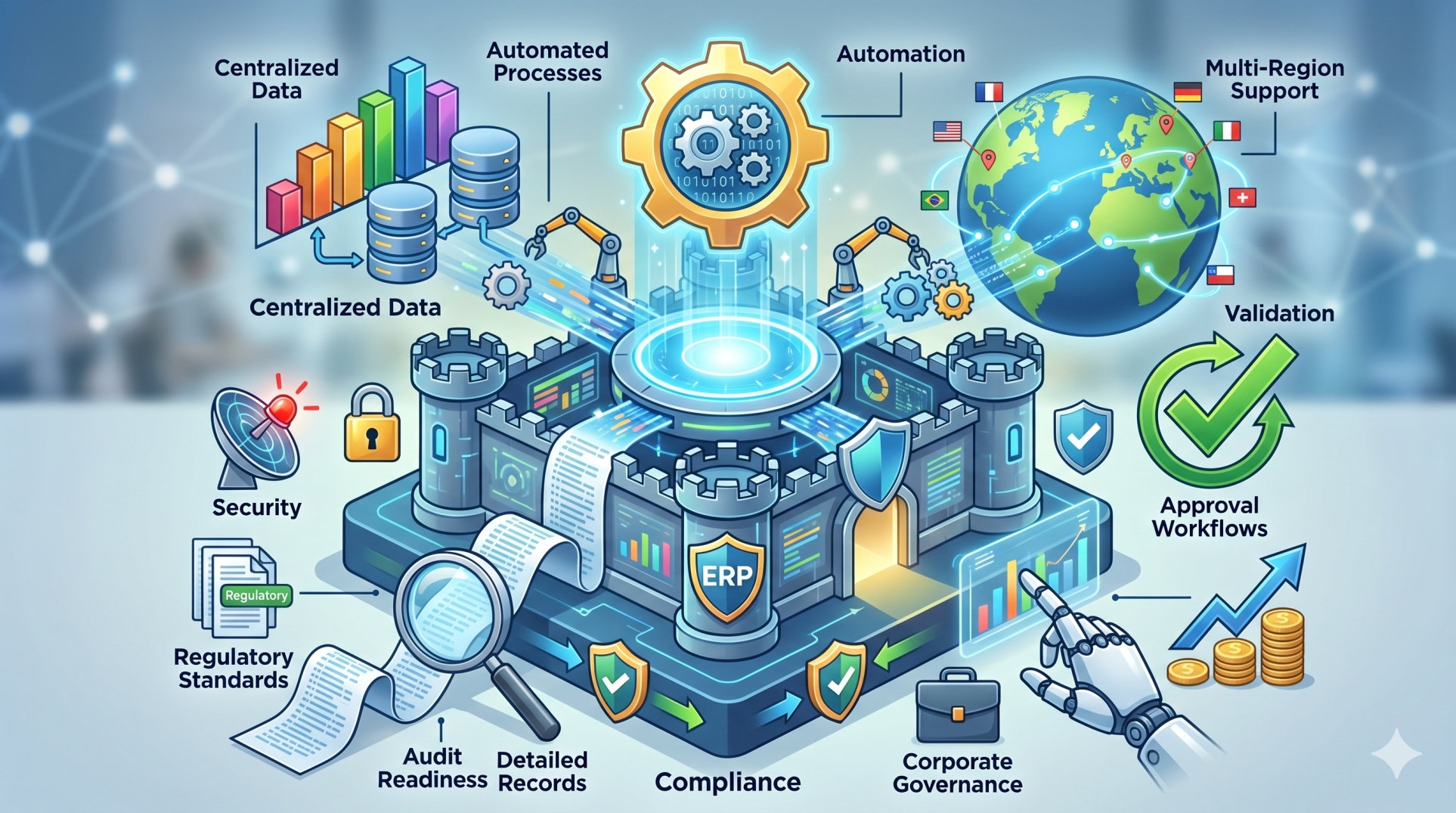
• Maintain a single source of truth for business data 📂
• Eliminate duplicate records and inconsistent reporting 🚫
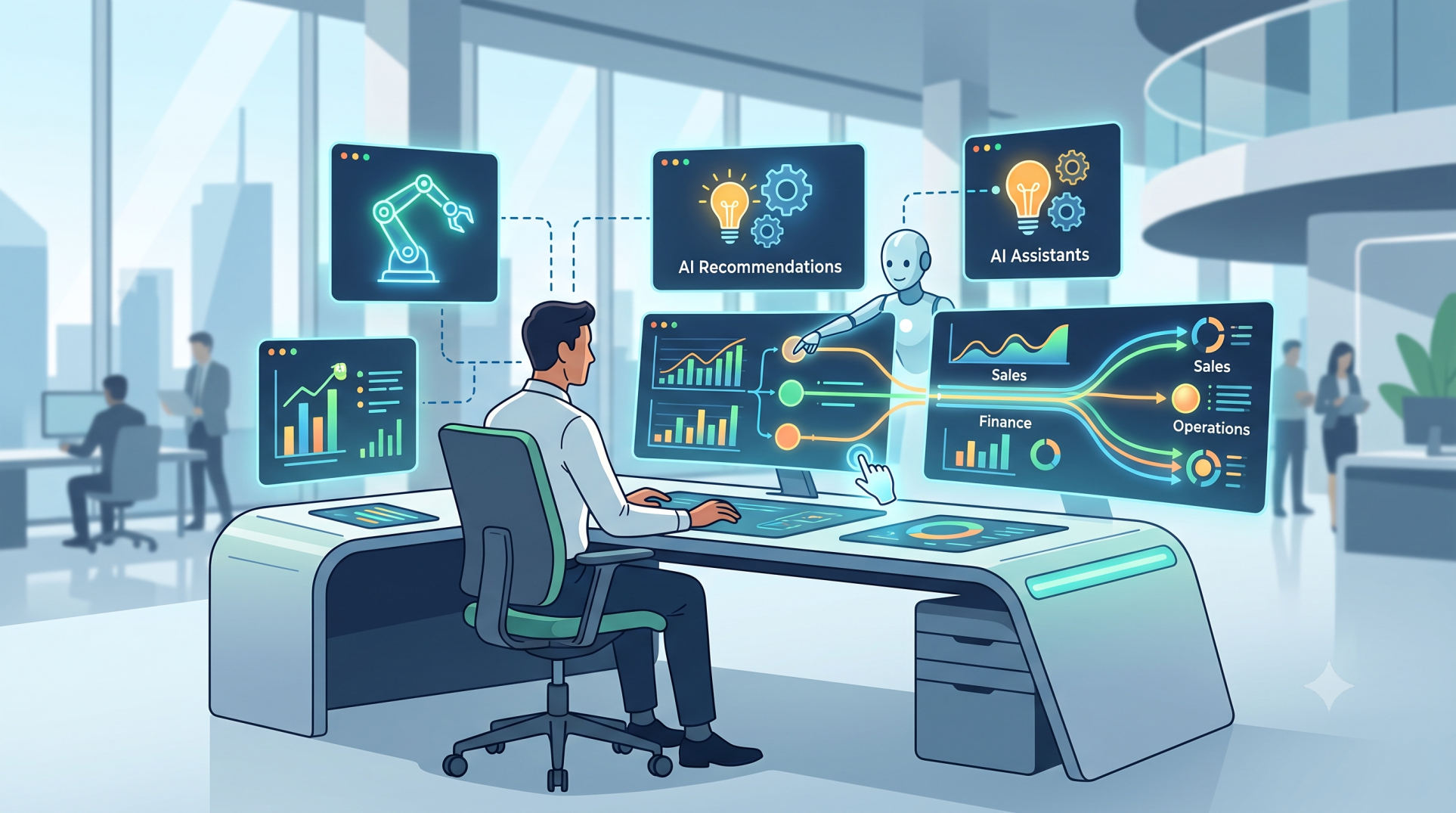
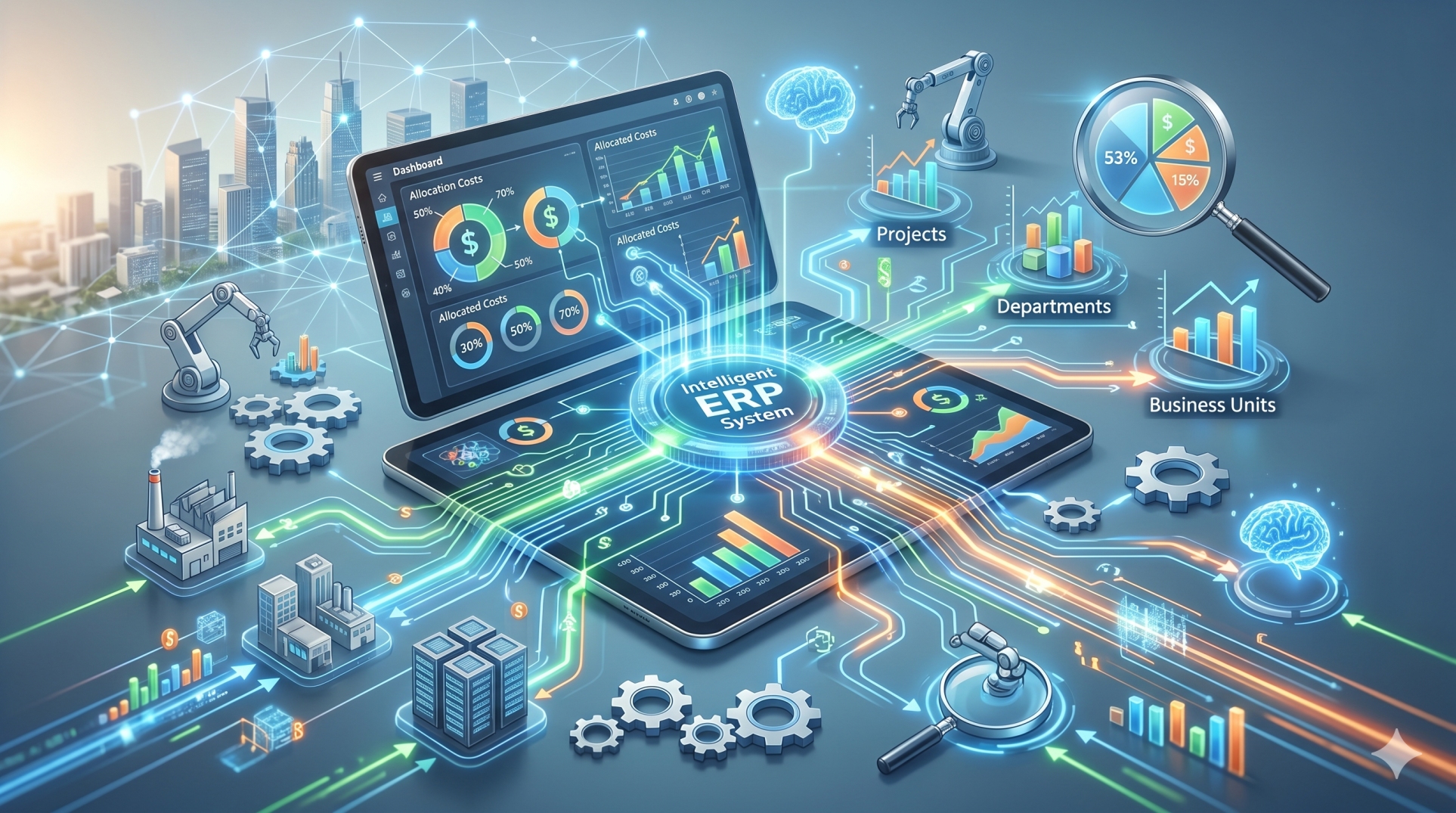
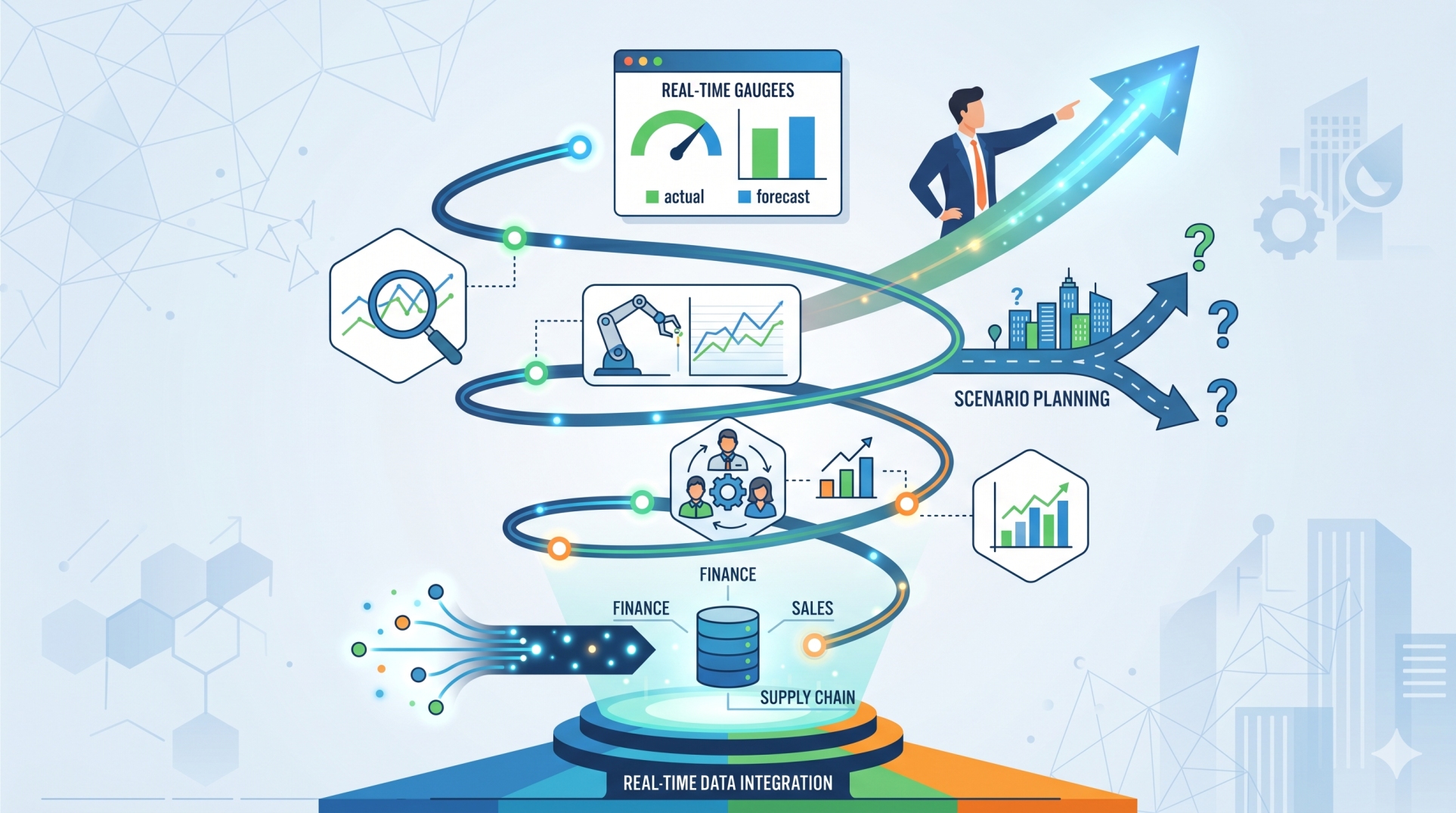
• Enable real-time dashboards for decision-makers 📊
• Improve forecasting accuracy through connected data 🔍
• Support faster and more informed business decisions 🧠
Step 7: Strengthening Collaboration Across Teams 🤝
• Encourage seamless communication between departments 💬
• Improve coordination between sales, service, and operations 🔗
• Reduce information silos that slow business processes 🚧
• Create shared performance objectives across teams 🎯
• Foster a more connected organizational culture 🌐
Step 8: Key ERP Integration Priorities 📌
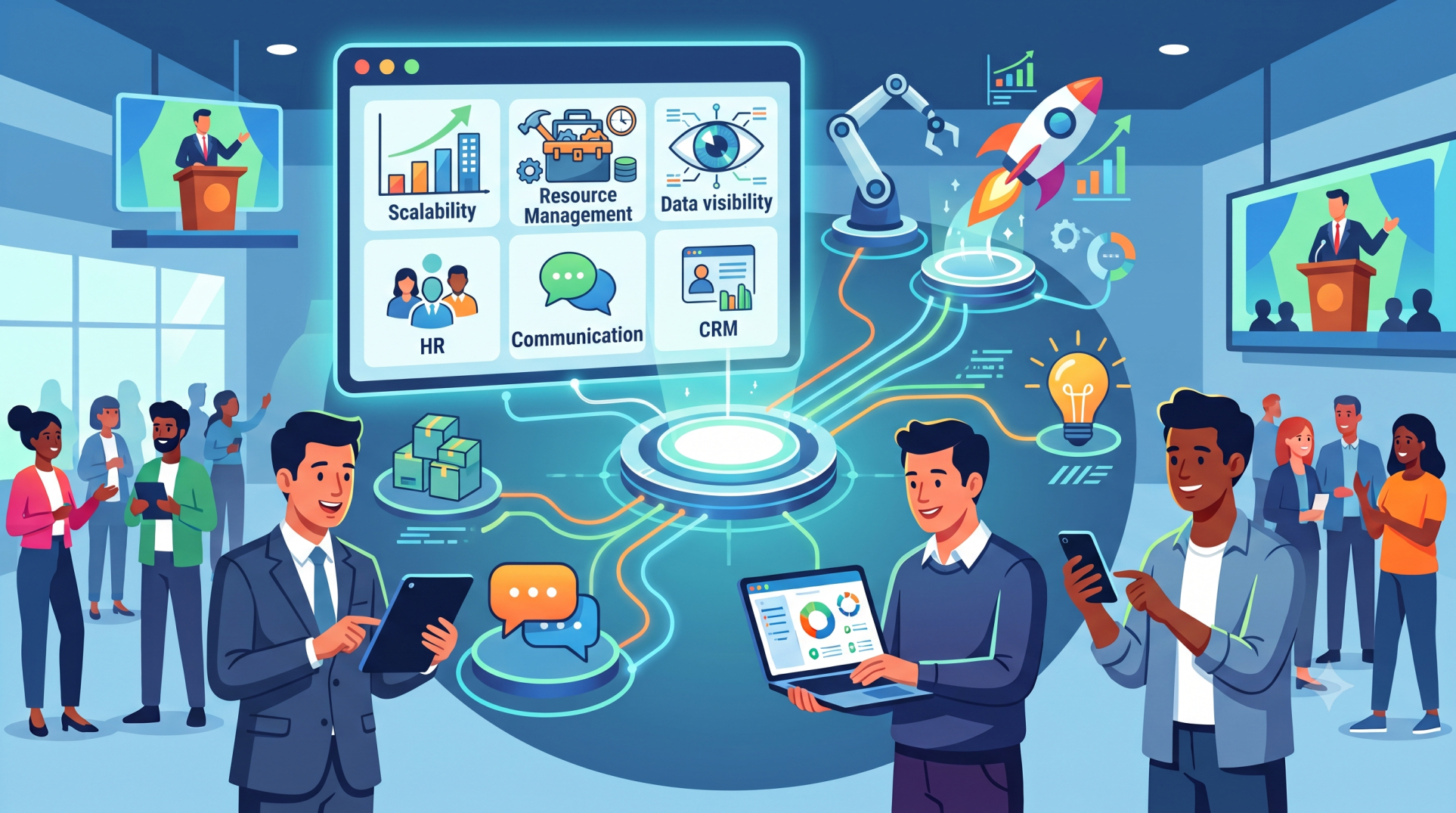
• Unified access to customer and operational data 🗂️
• Real-time process visibility across departments 👀
• Automated workflows for improved efficiency ⚡
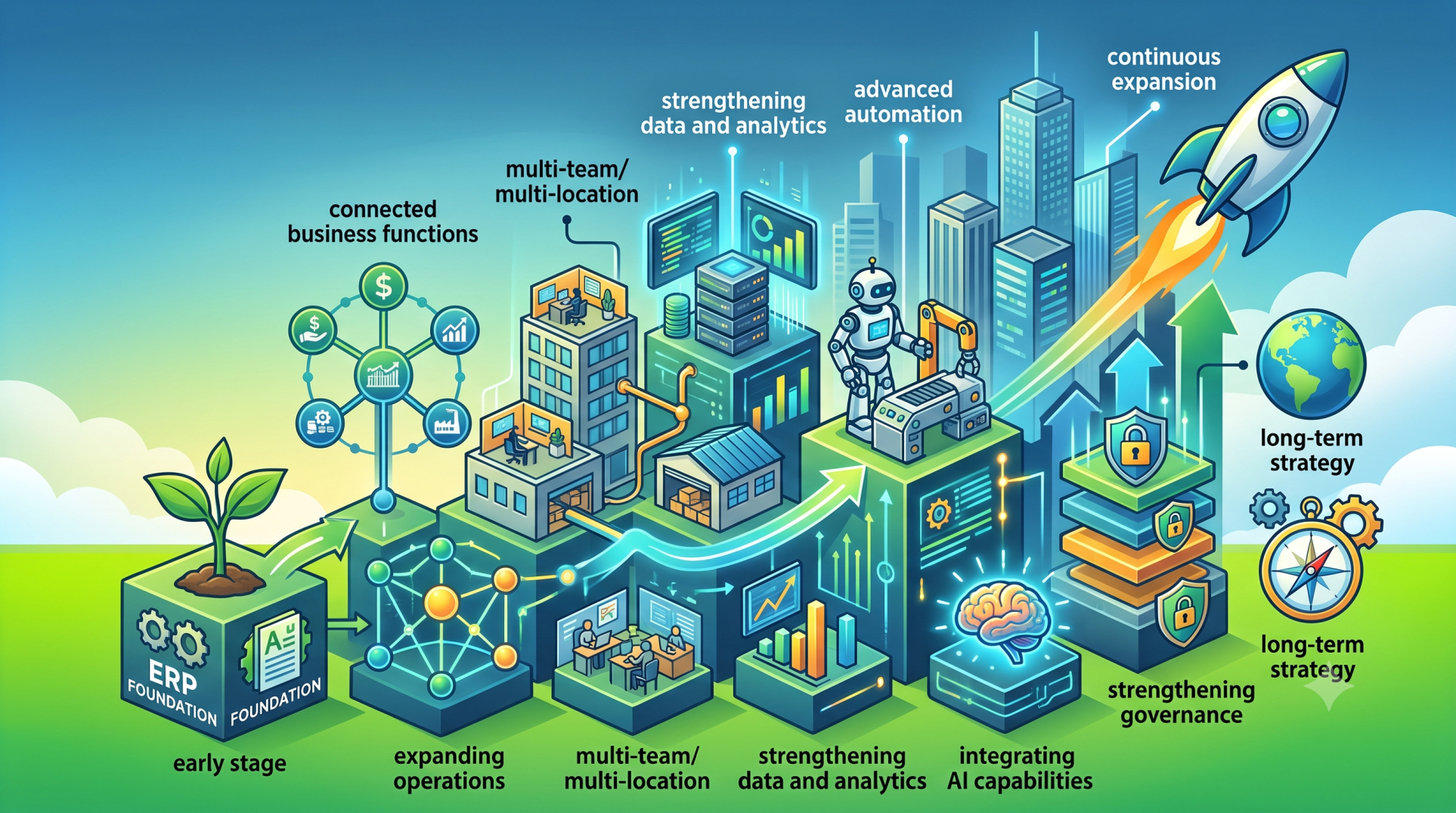
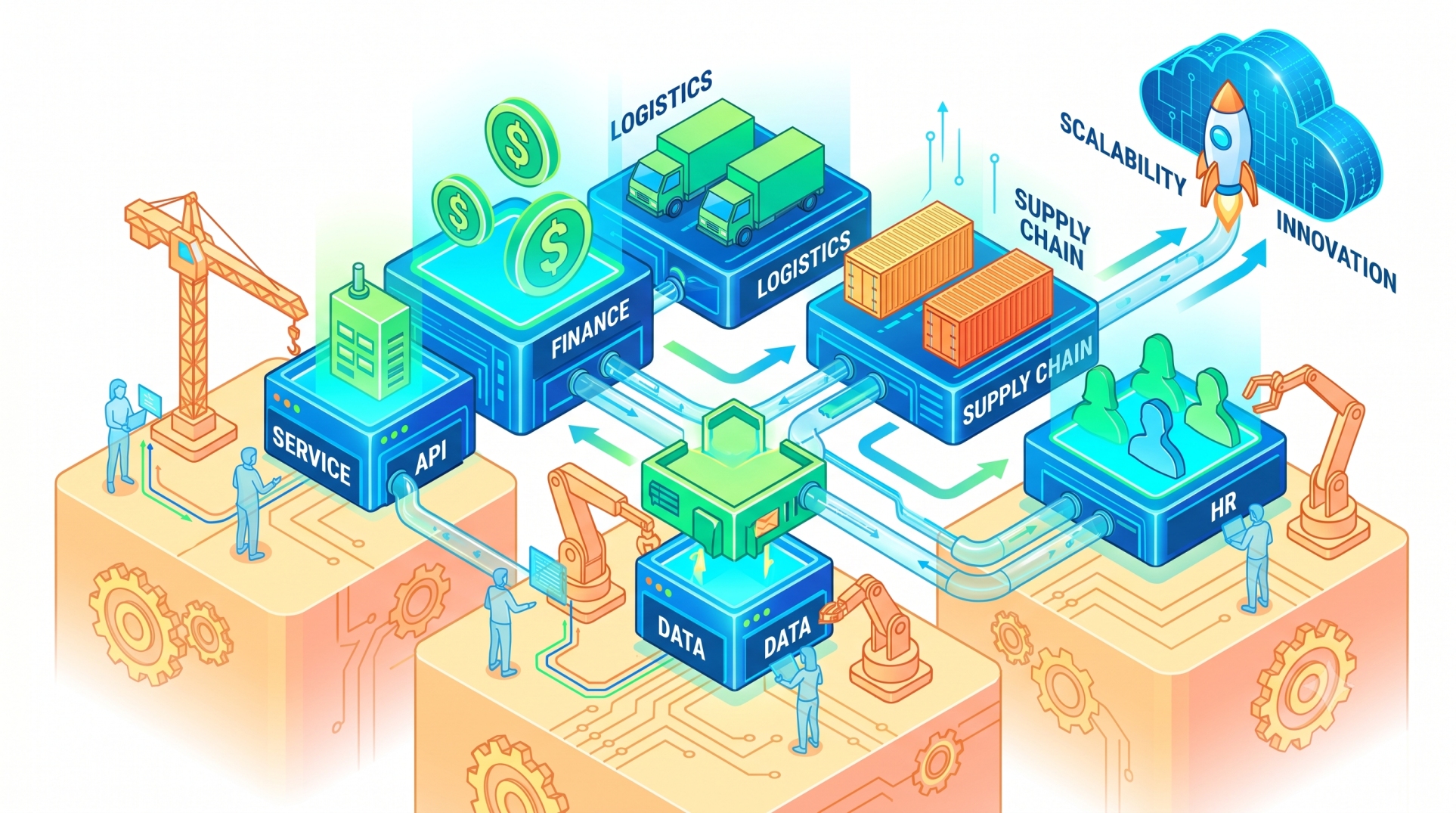
• Scalable ERP infrastructure to support growth 🚀
Step 9: Managing Performance and Continuous Improvement 📈
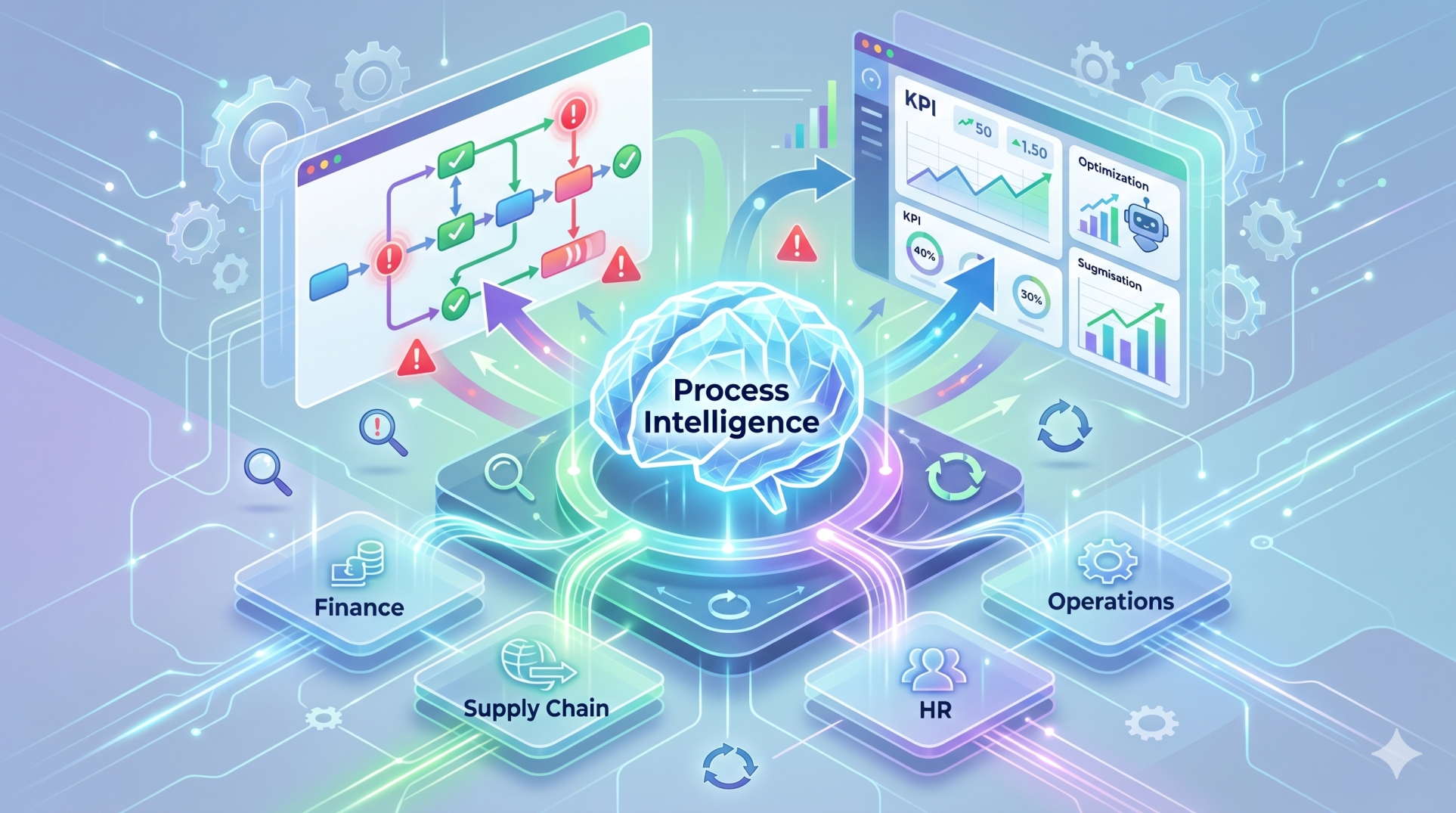
• Monitor KPIs across sales, service, and operations 📊
• Identify workflow inefficiencies and process gaps 🔍
• Optimize resource utilization continuously ⚙️
• Improve service quality and operational responsiveness 😊
• Use ERP analytics to support ongoing improvement 🧠
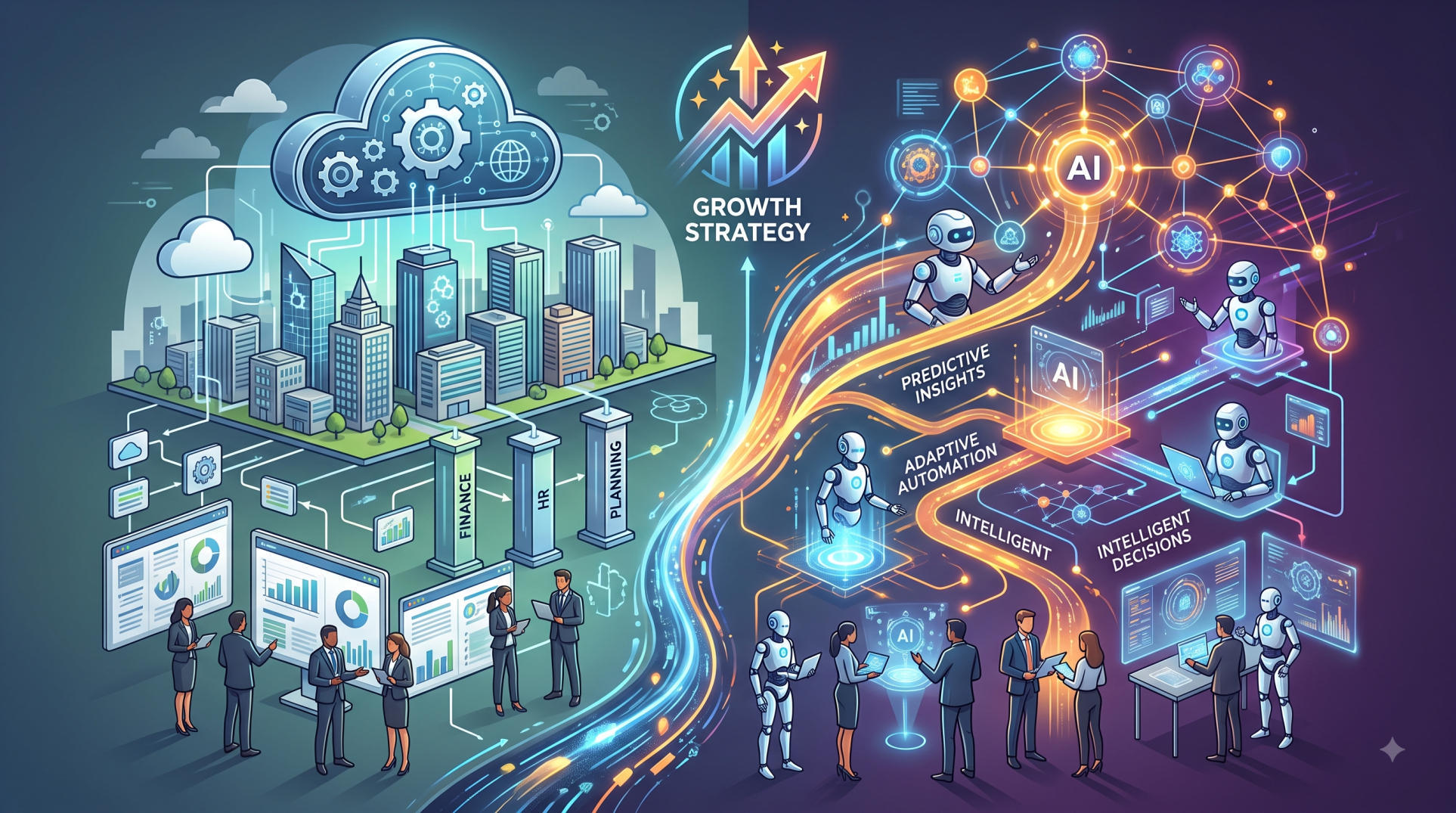
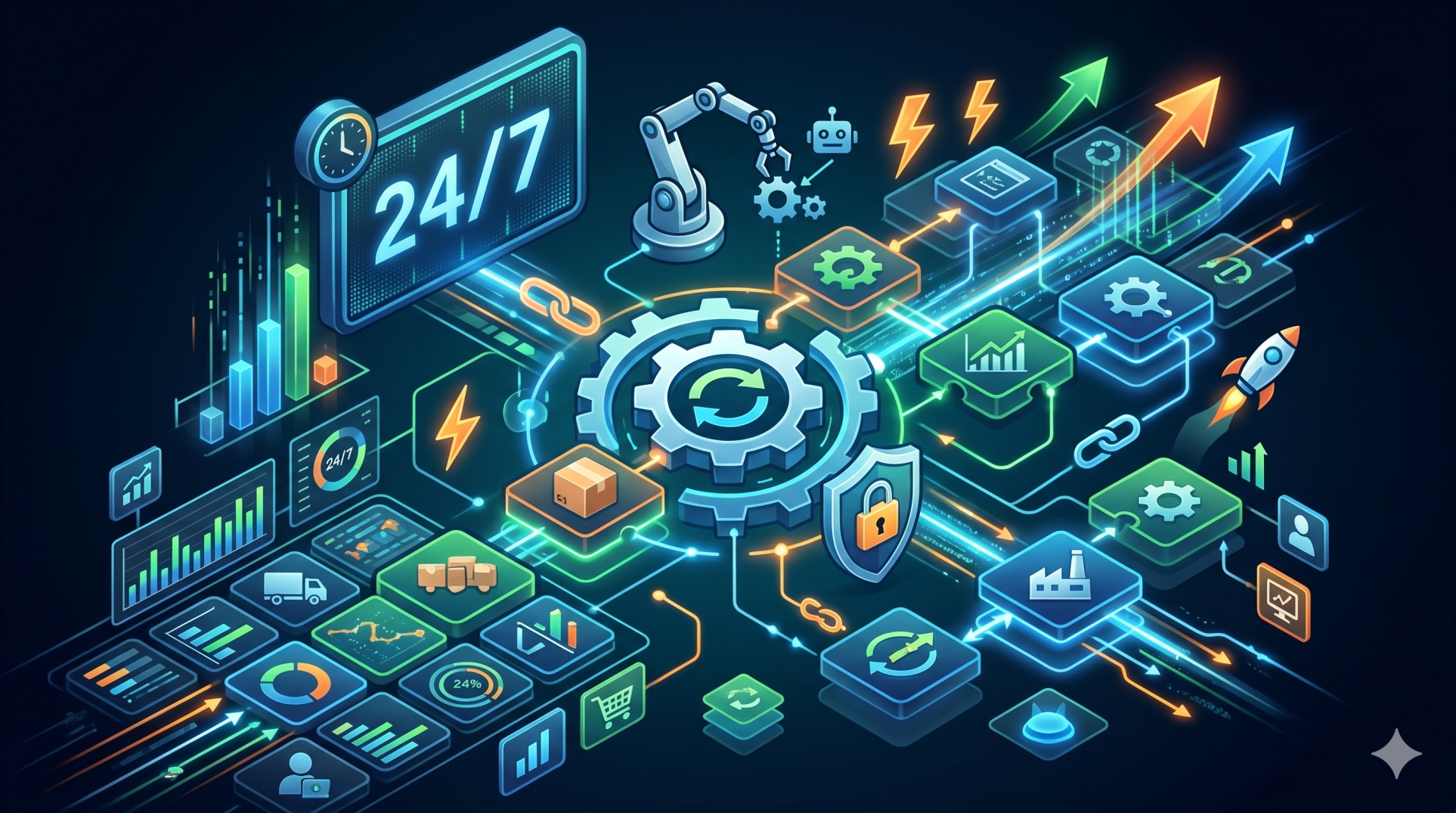
Step 10: Building a Connected Enterprise Ecosystem 🌍
• Expand ERP integration across additional business functions 🔗
• Support long-term digital transformation initiatives 🚀
• Enable adaptability to evolving customer expectations 🔄
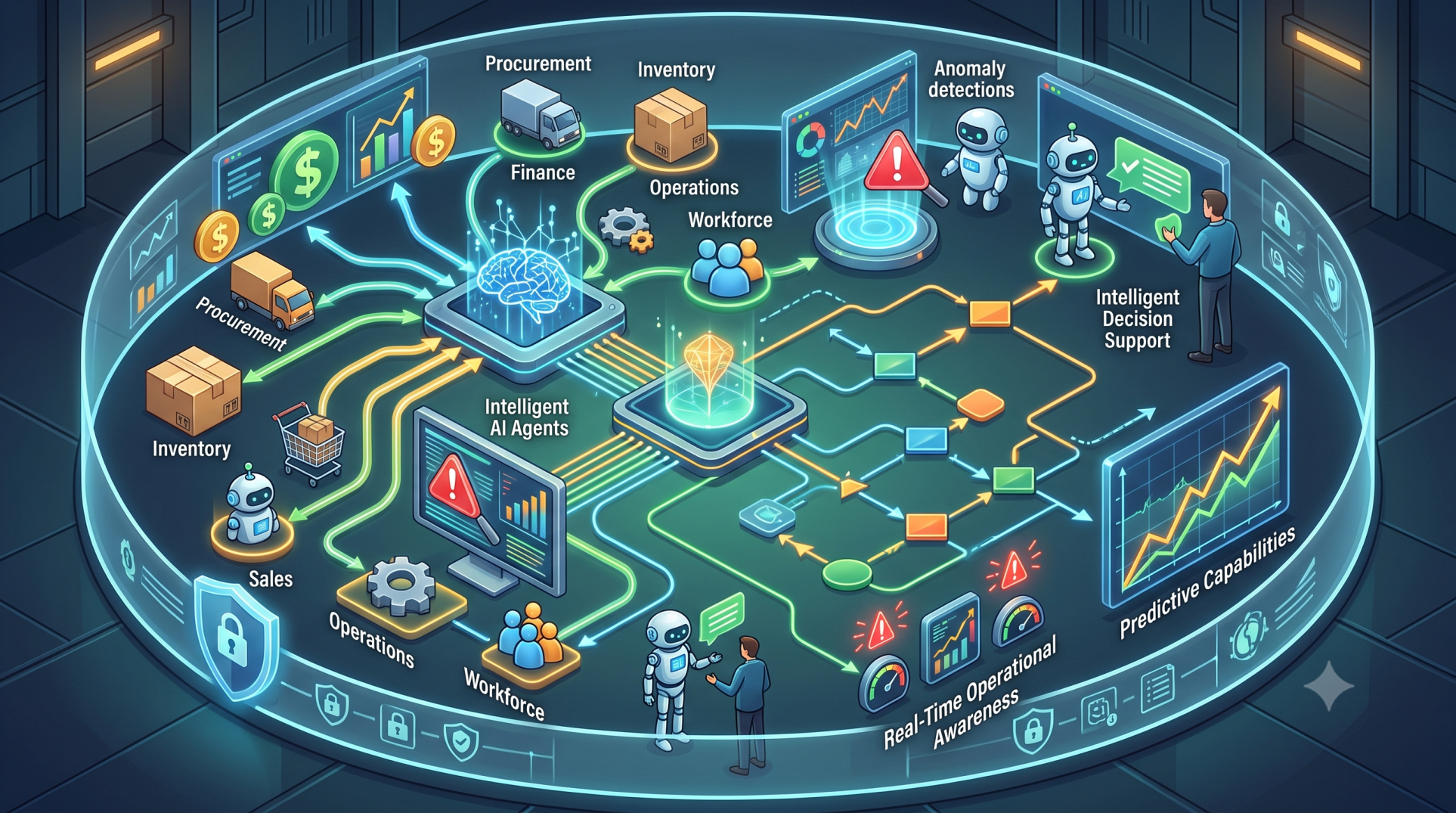
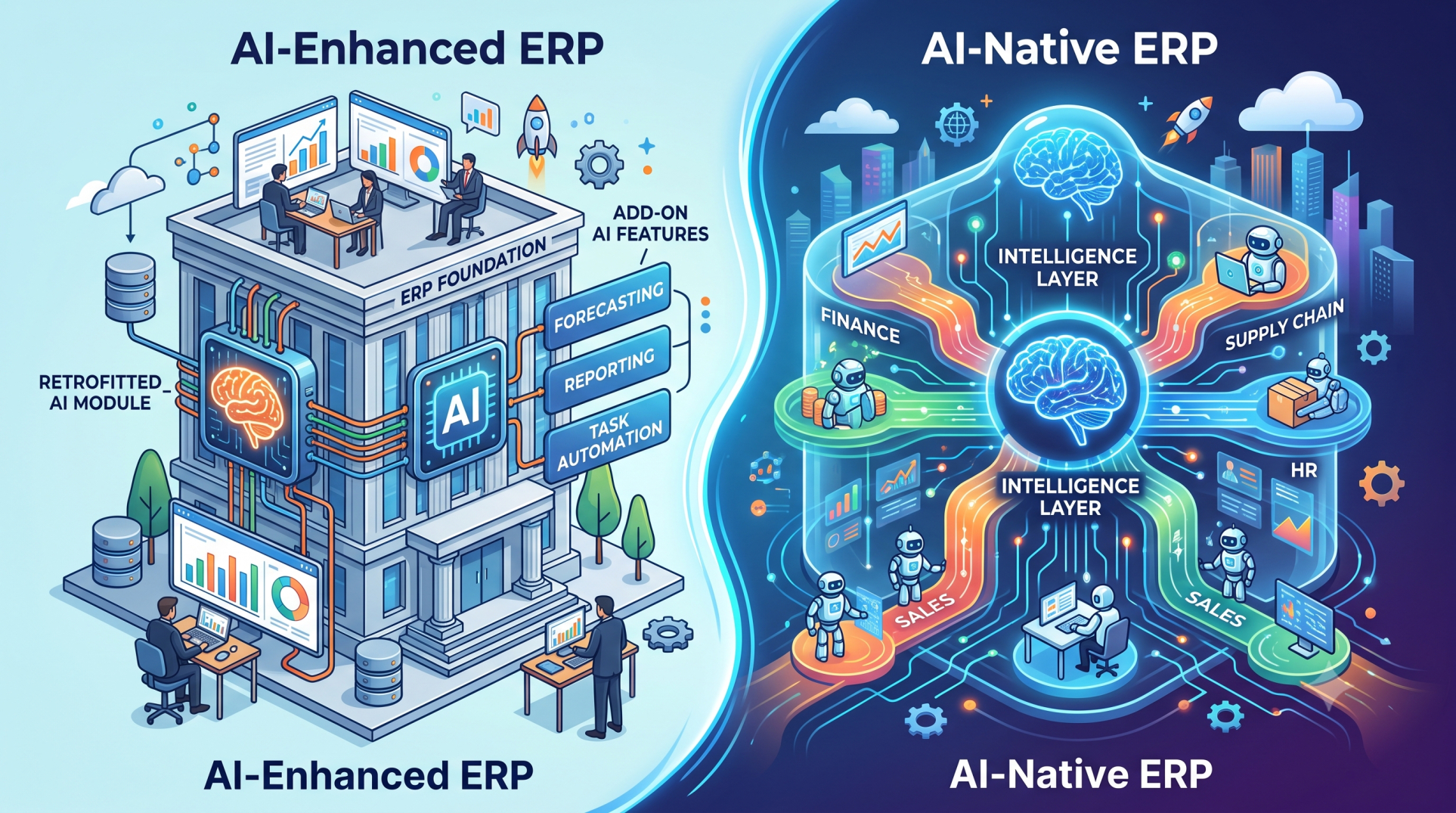
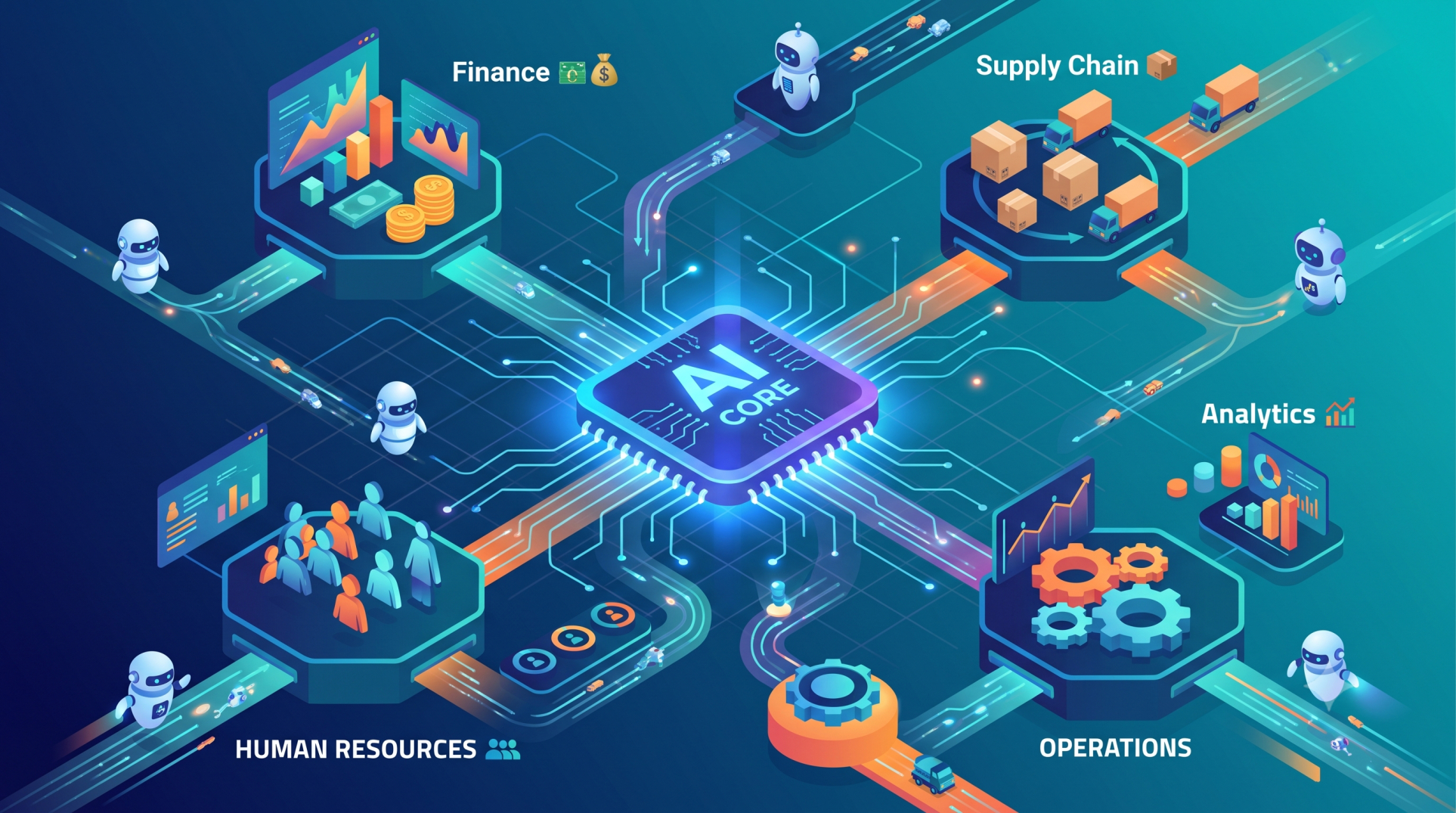
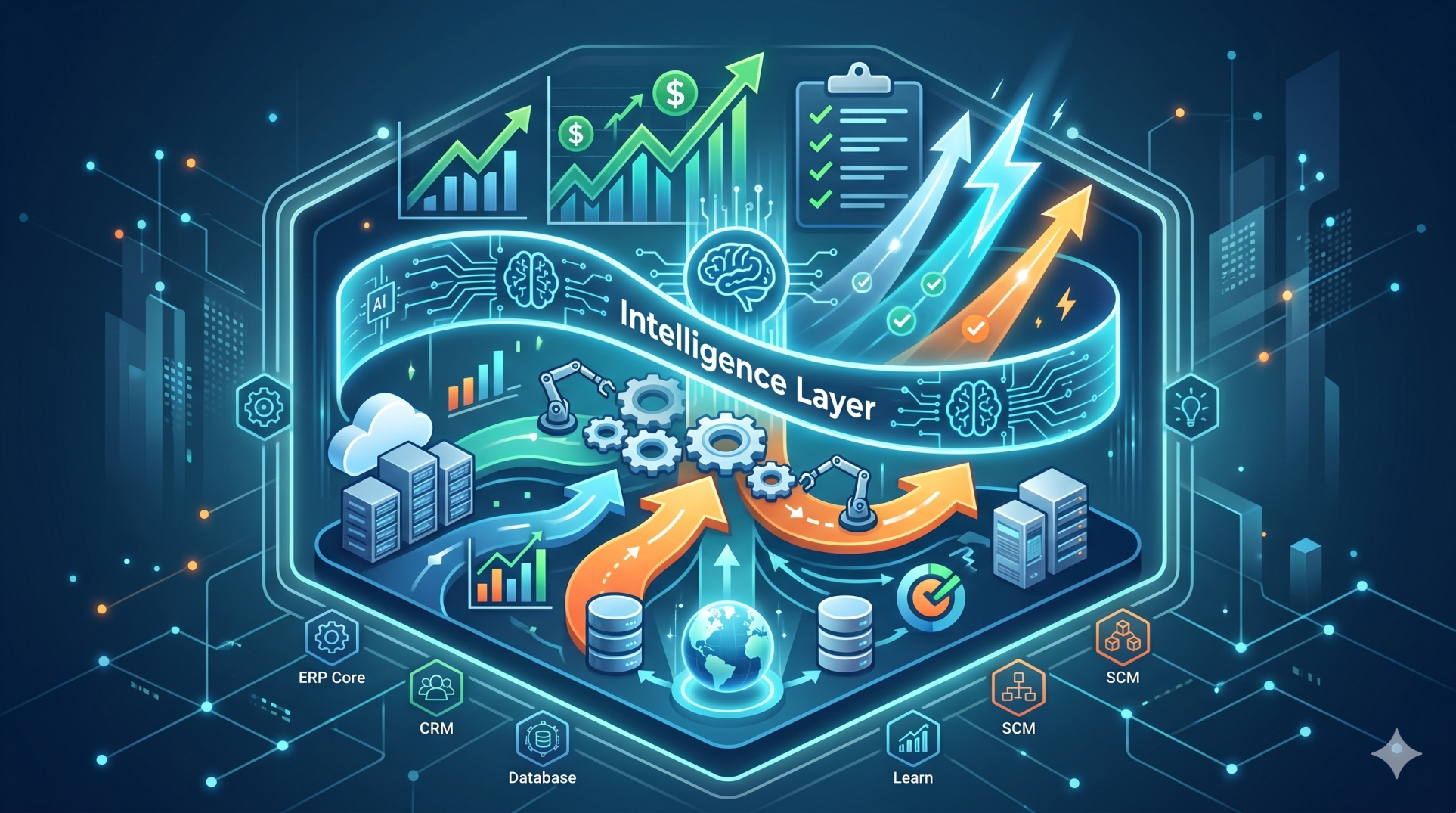
• Incorporate AI and automation for smarter operations 🤖
• Future-proof business processes through scalable architecture 🏗️
Conclusion
Linking sales, service, and operations through ERP creates a connected business environment that improves efficiency, collaboration, and customer satisfaction. By centralizing data and automating workflows, organizations can eliminate silos, streamline operations, and respond more effectively to changing business demands. A fully integrated ERP ecosystem not only enhances daily operations but also supports long-term scalability and business growth.
See more blogs
You can all the articles below