ERP Systems for End-to-End Customer Journey Management
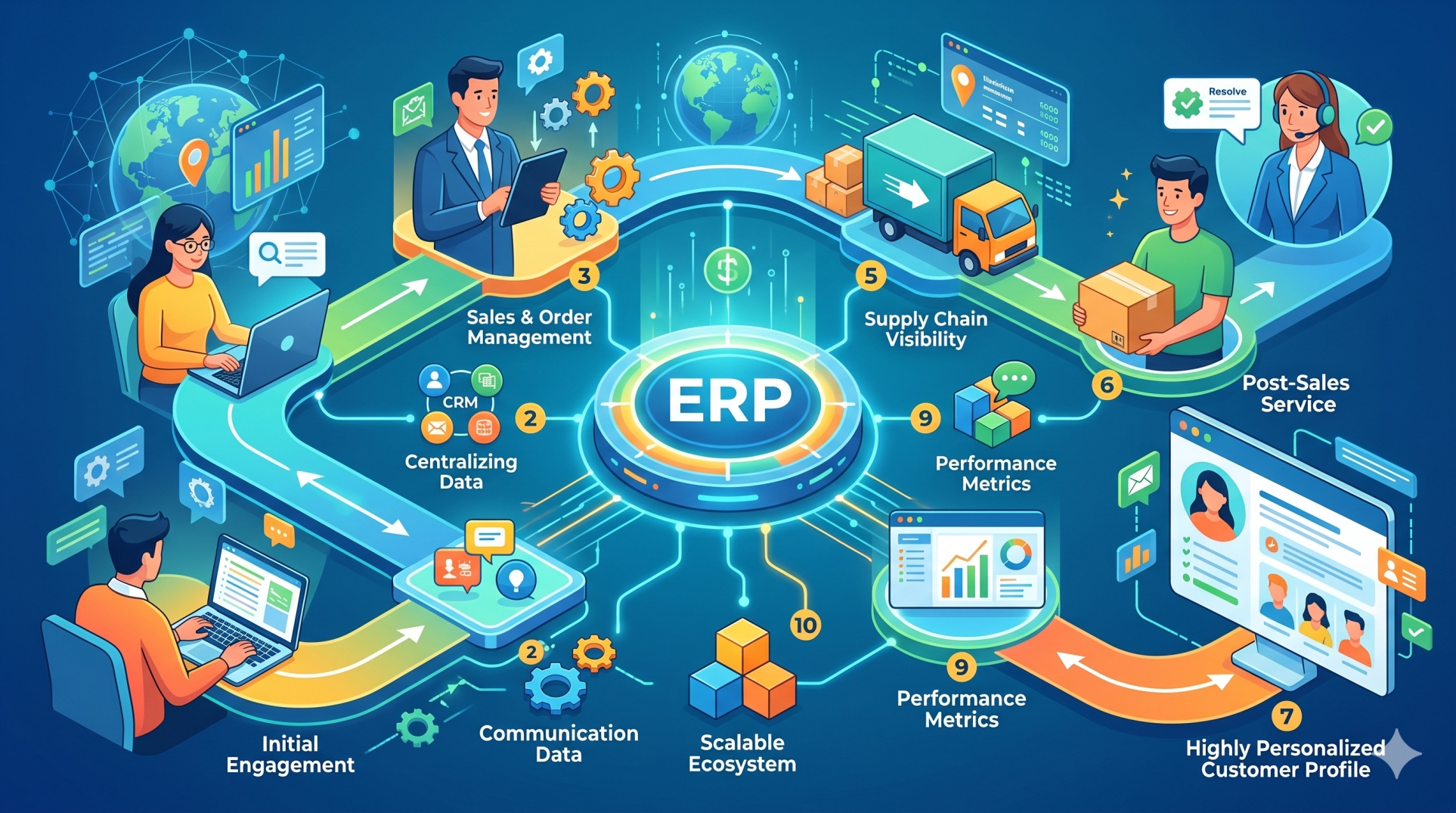
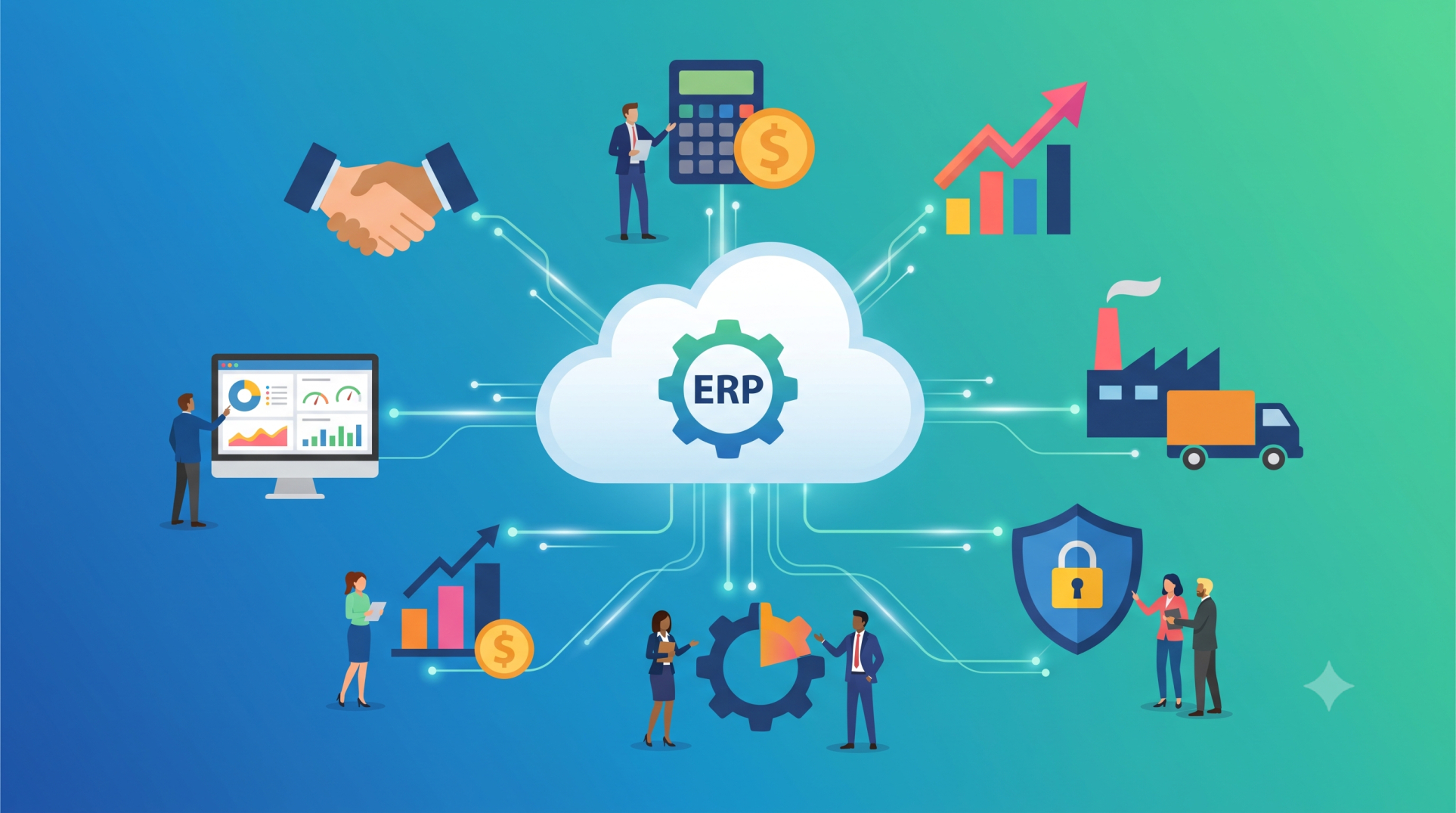
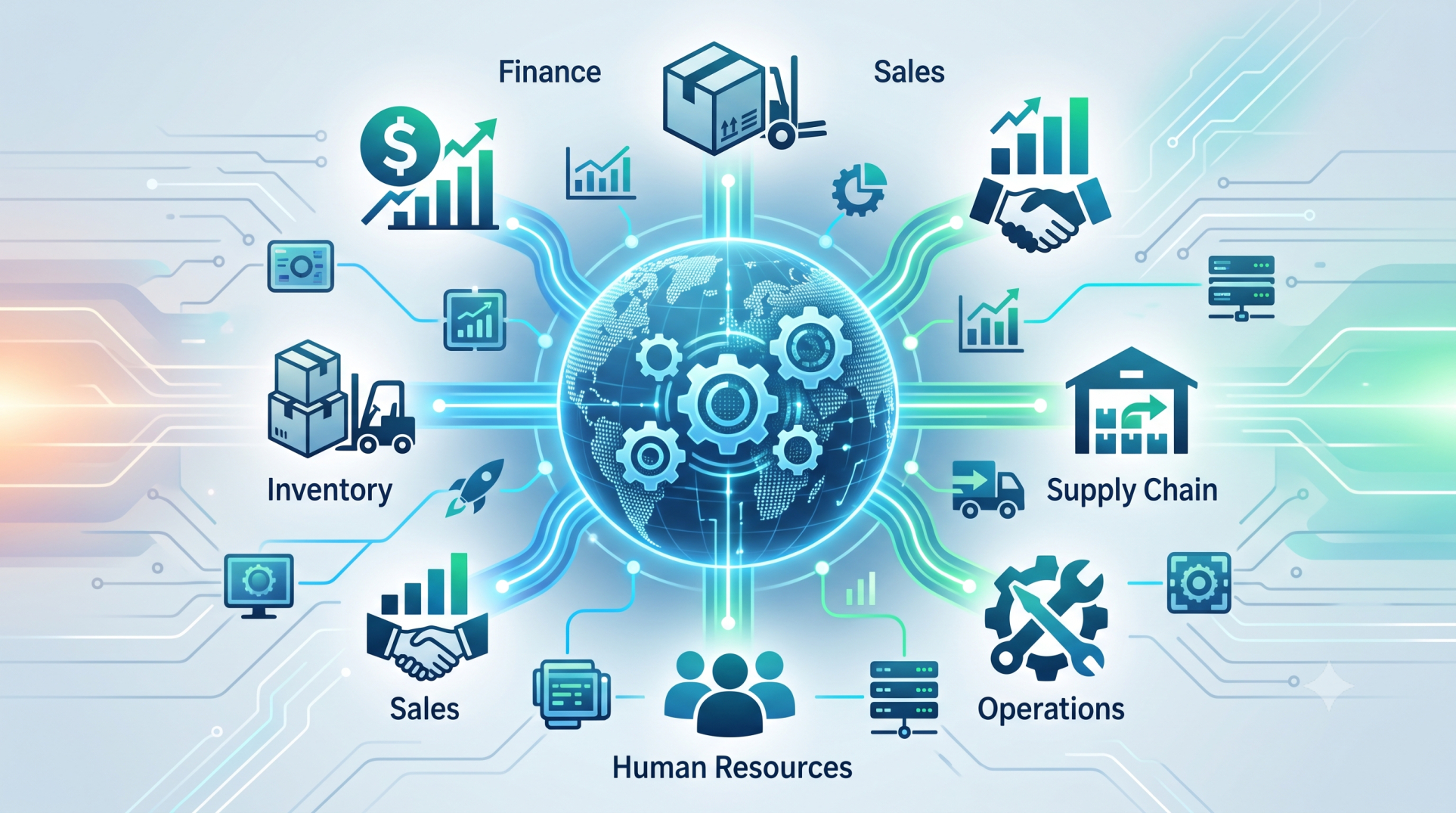
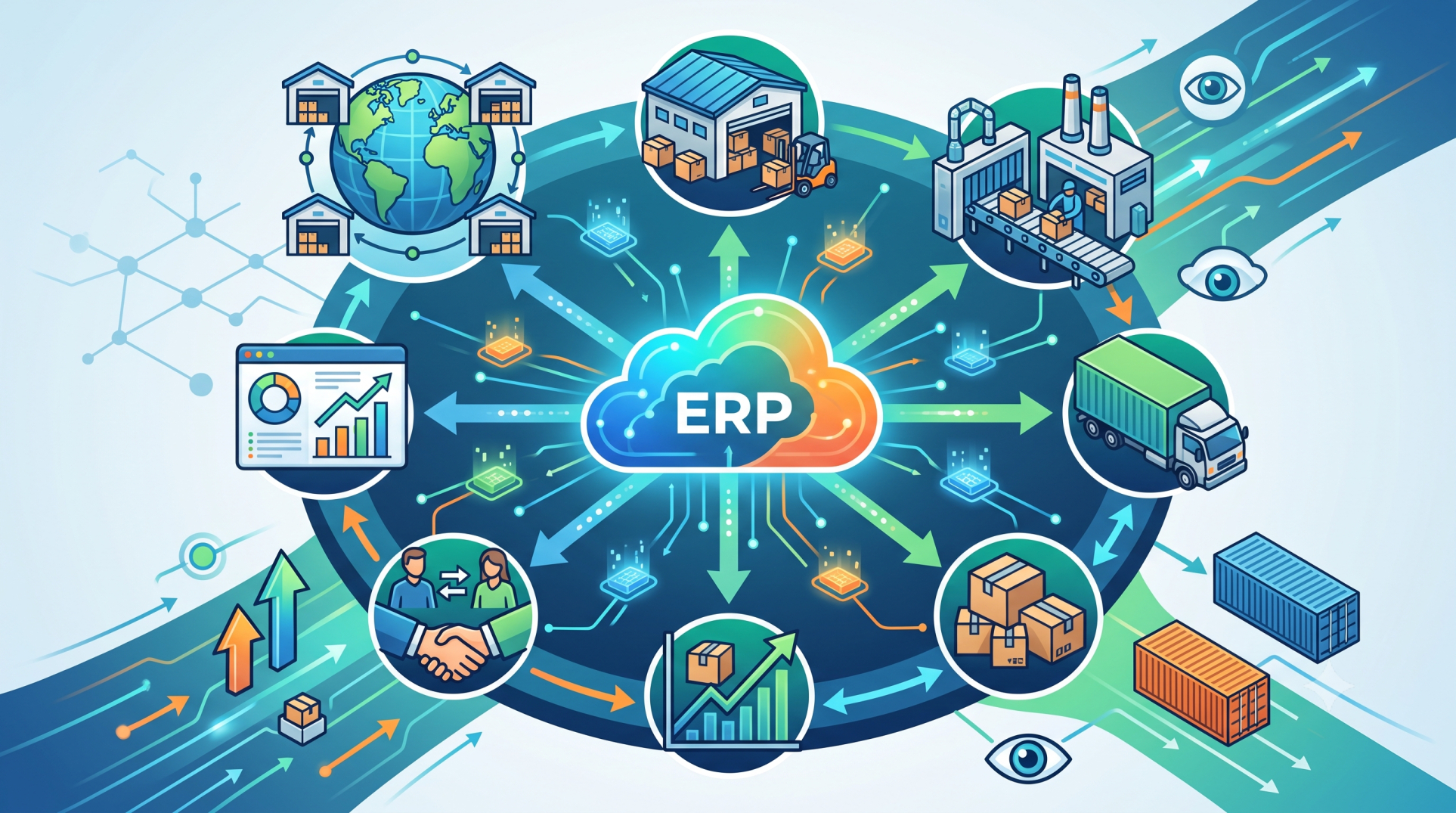
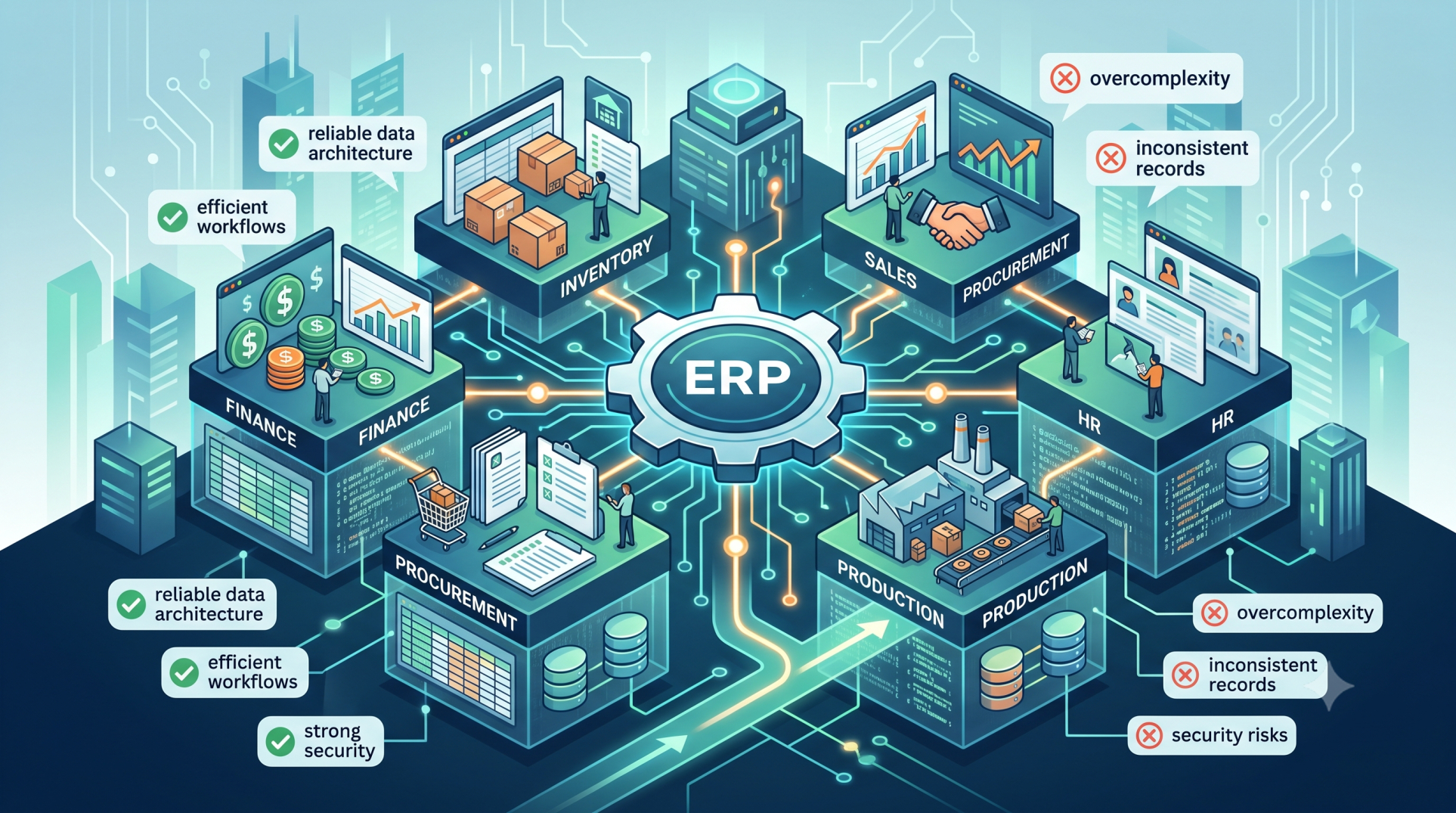
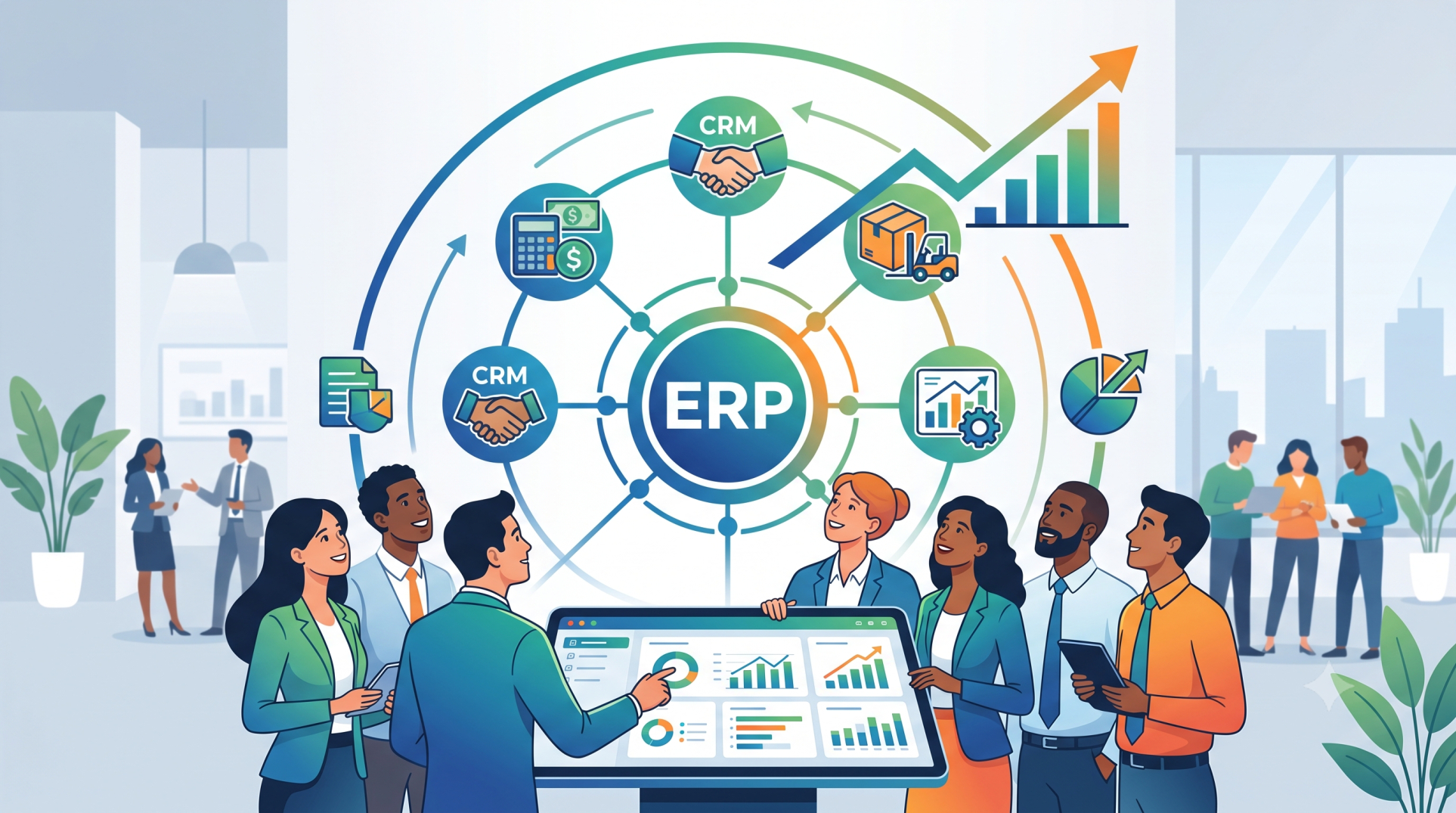
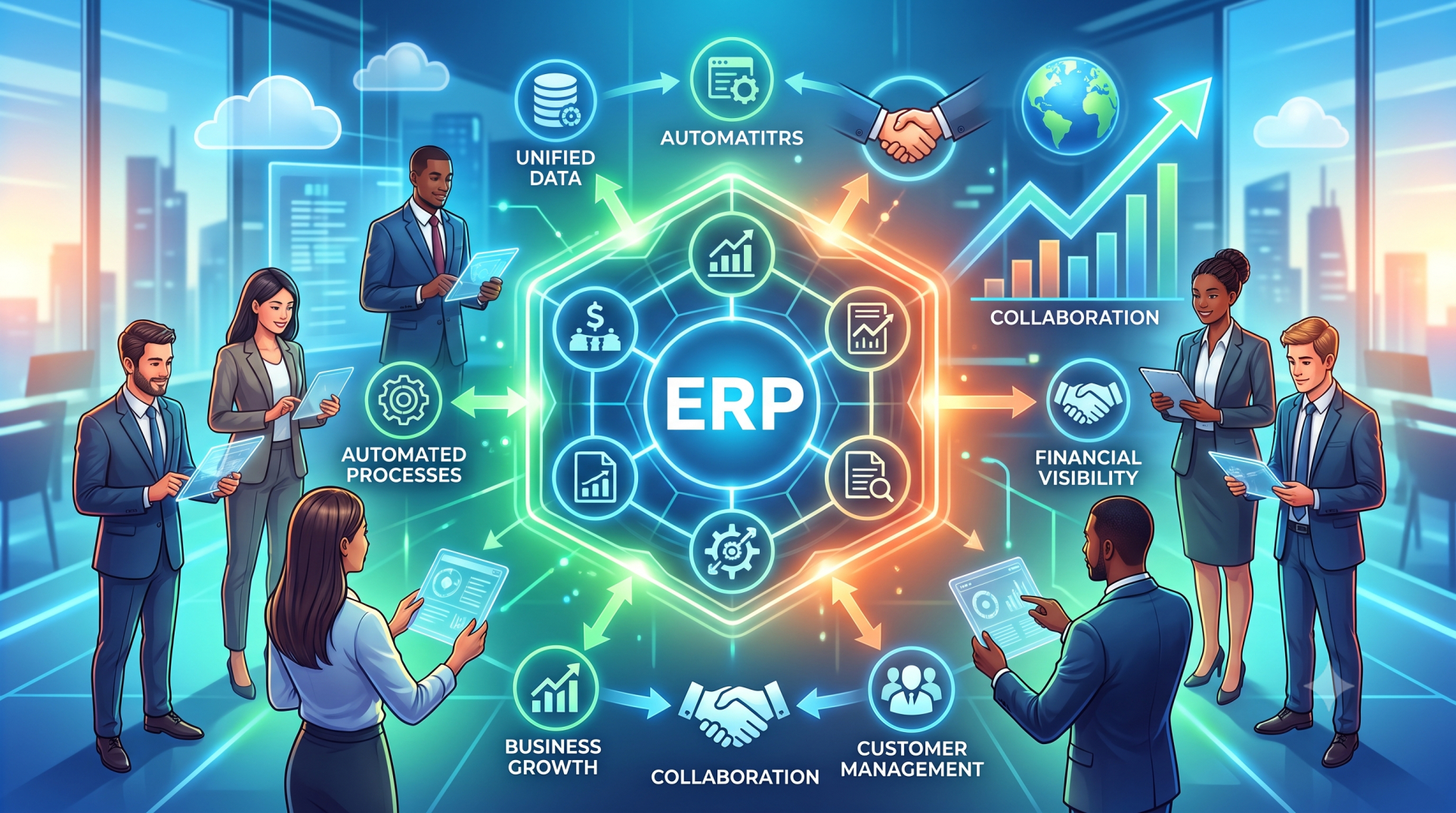
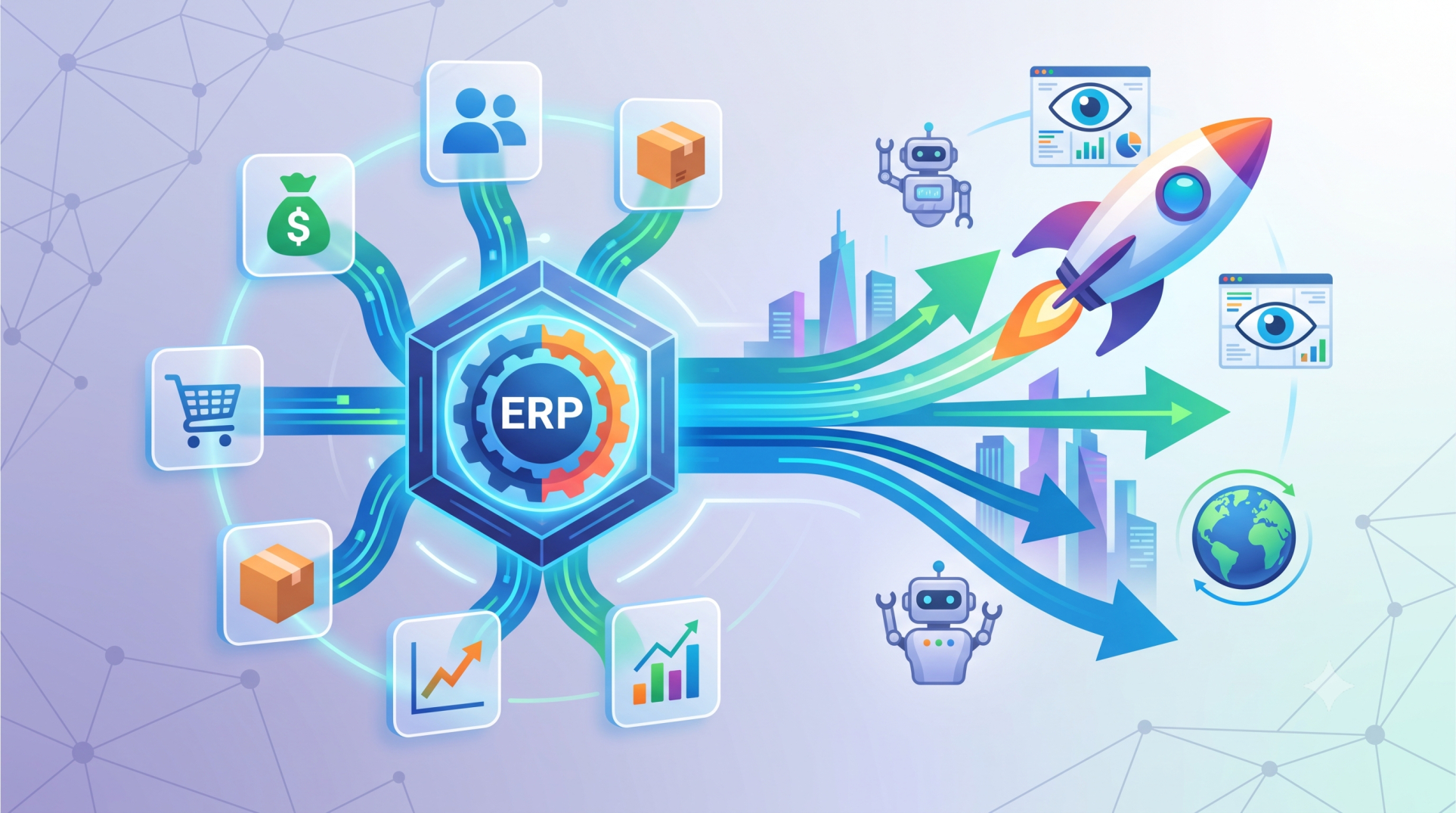
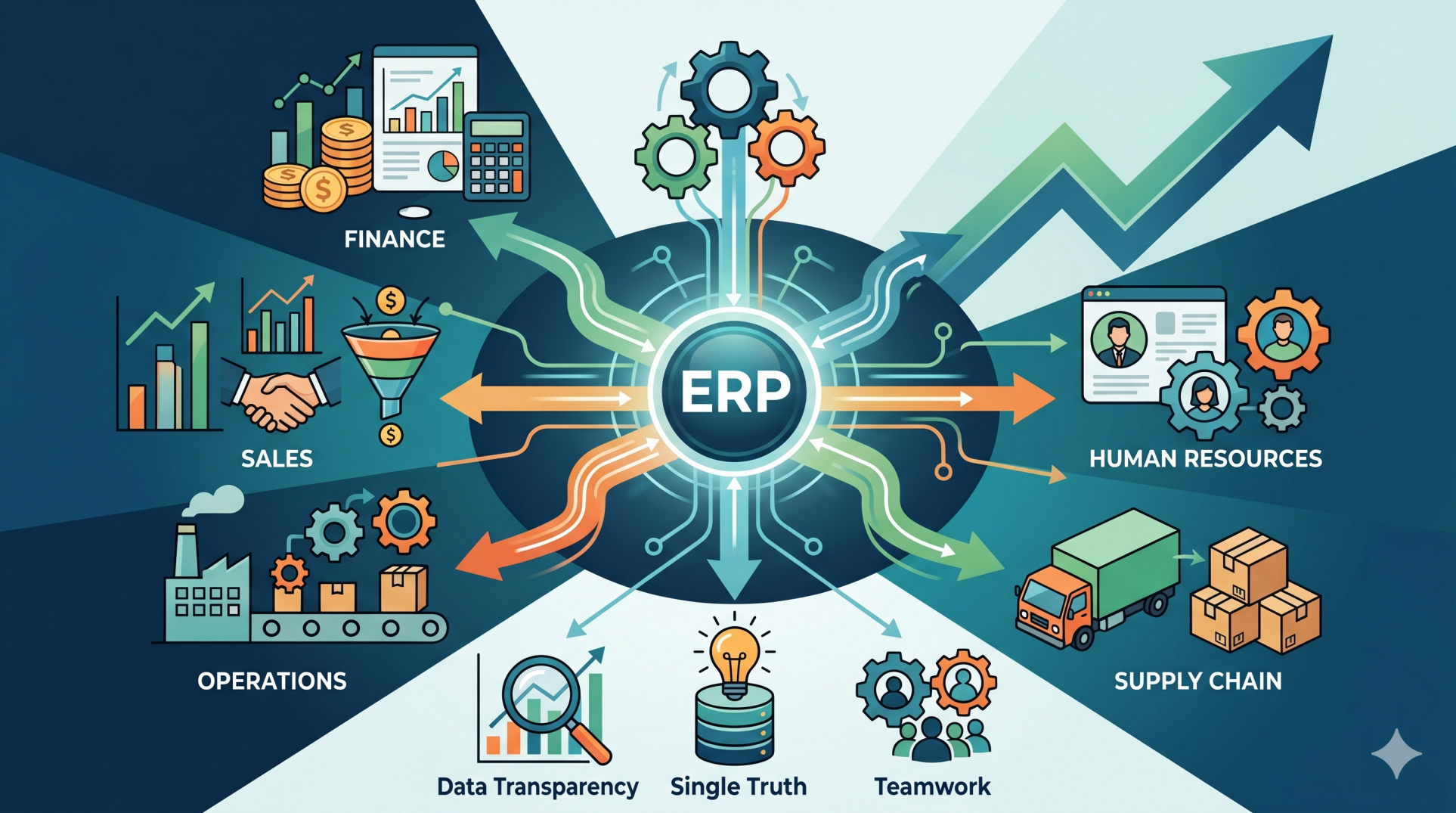
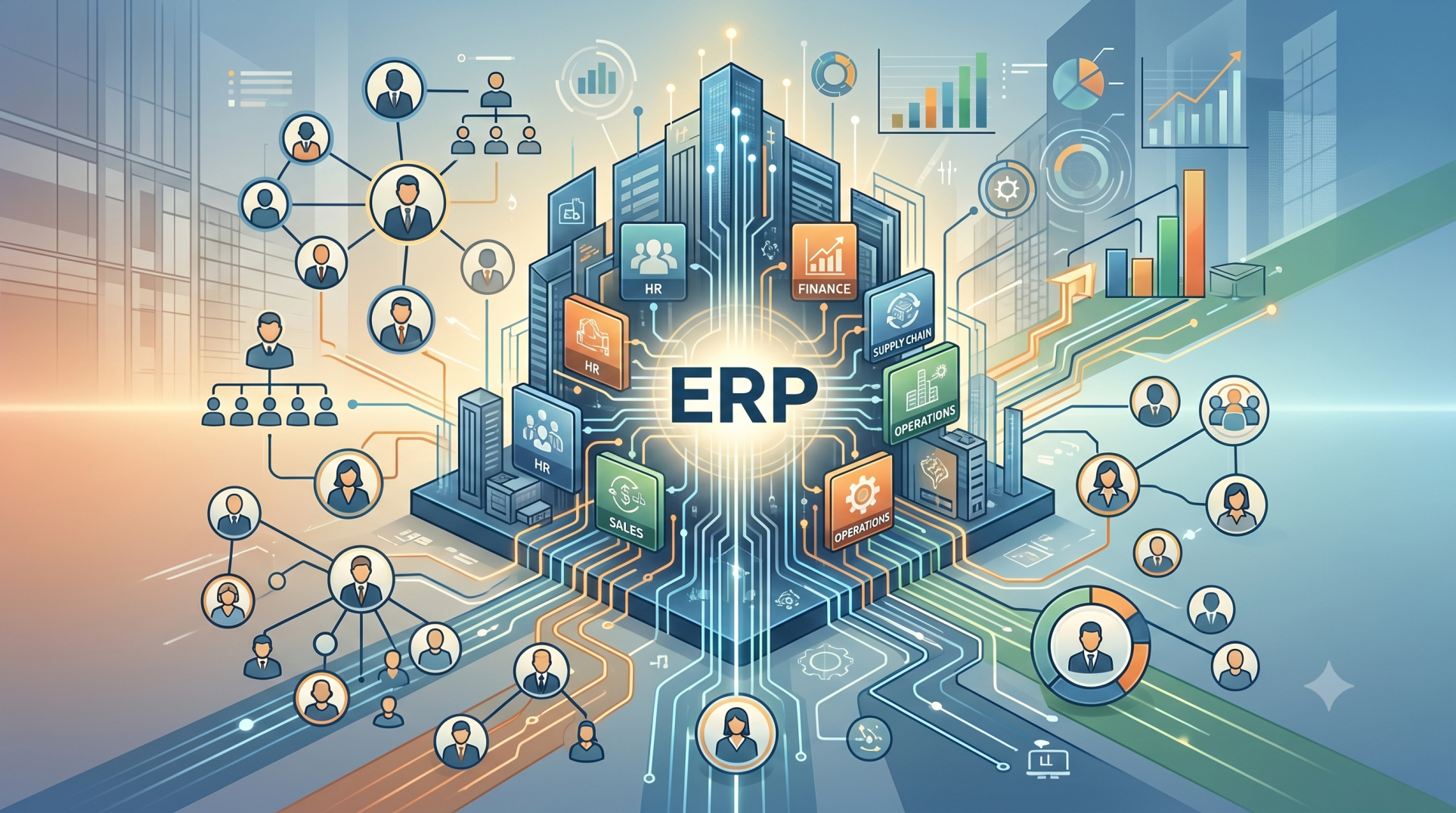
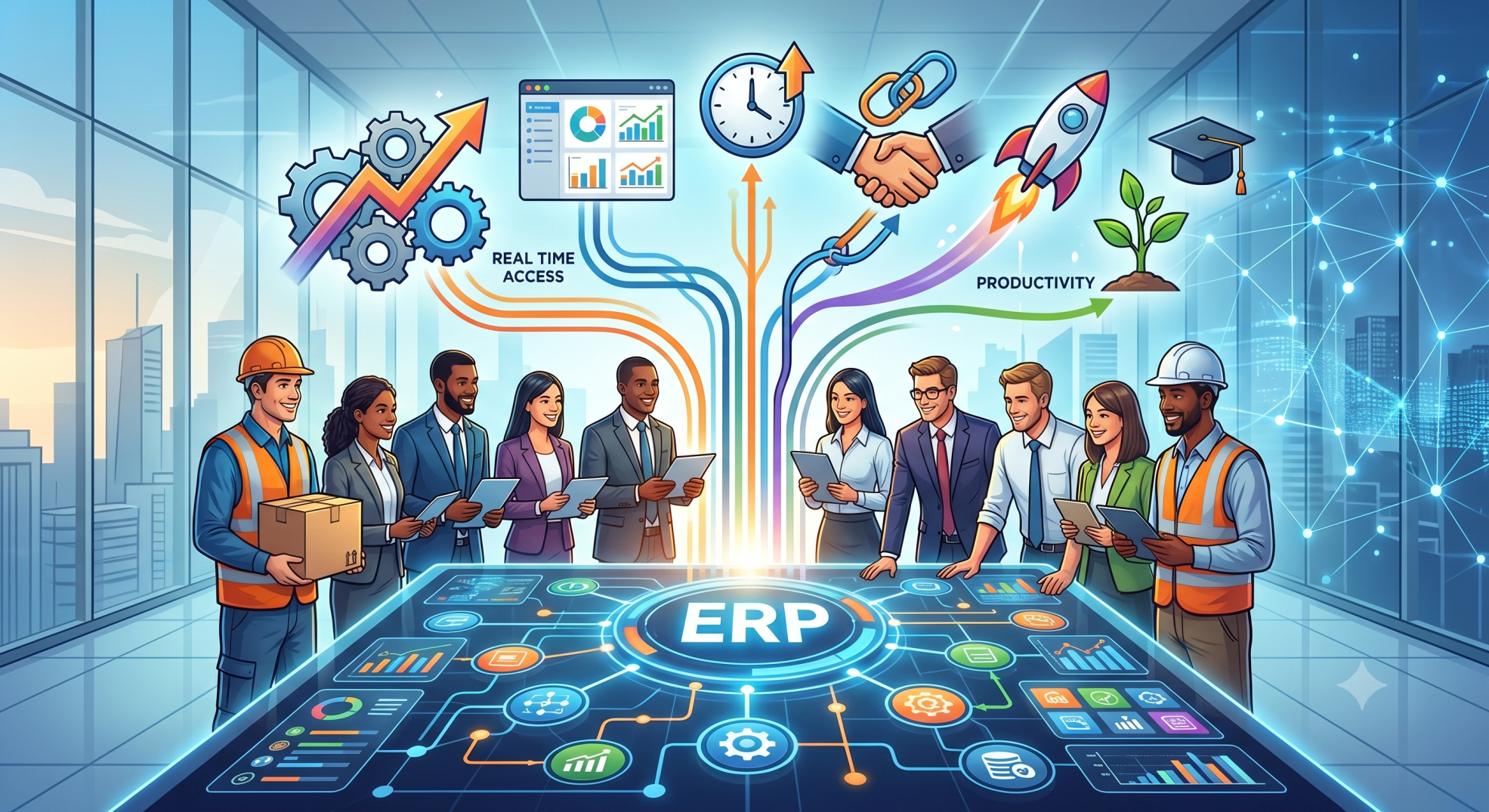
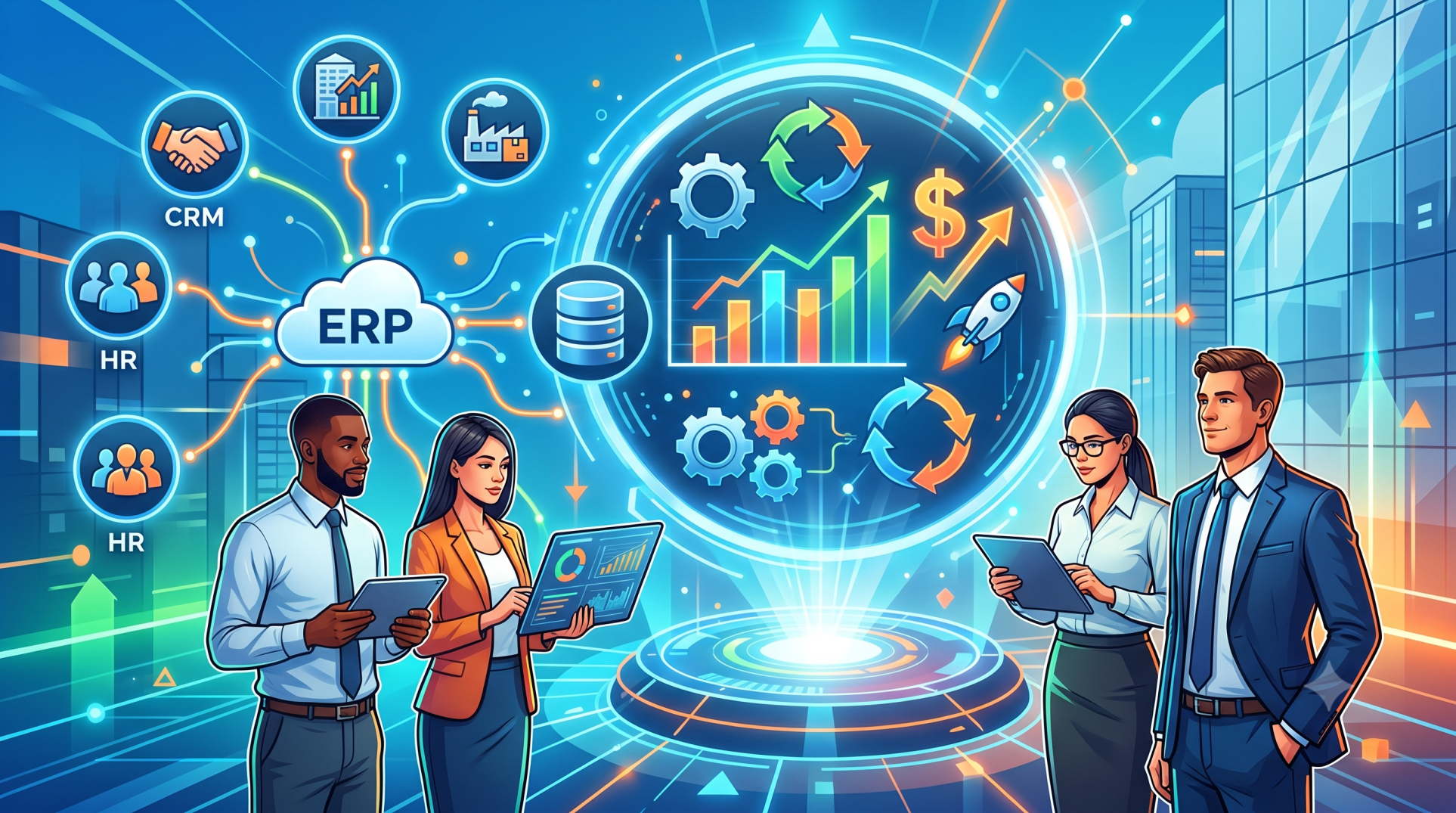
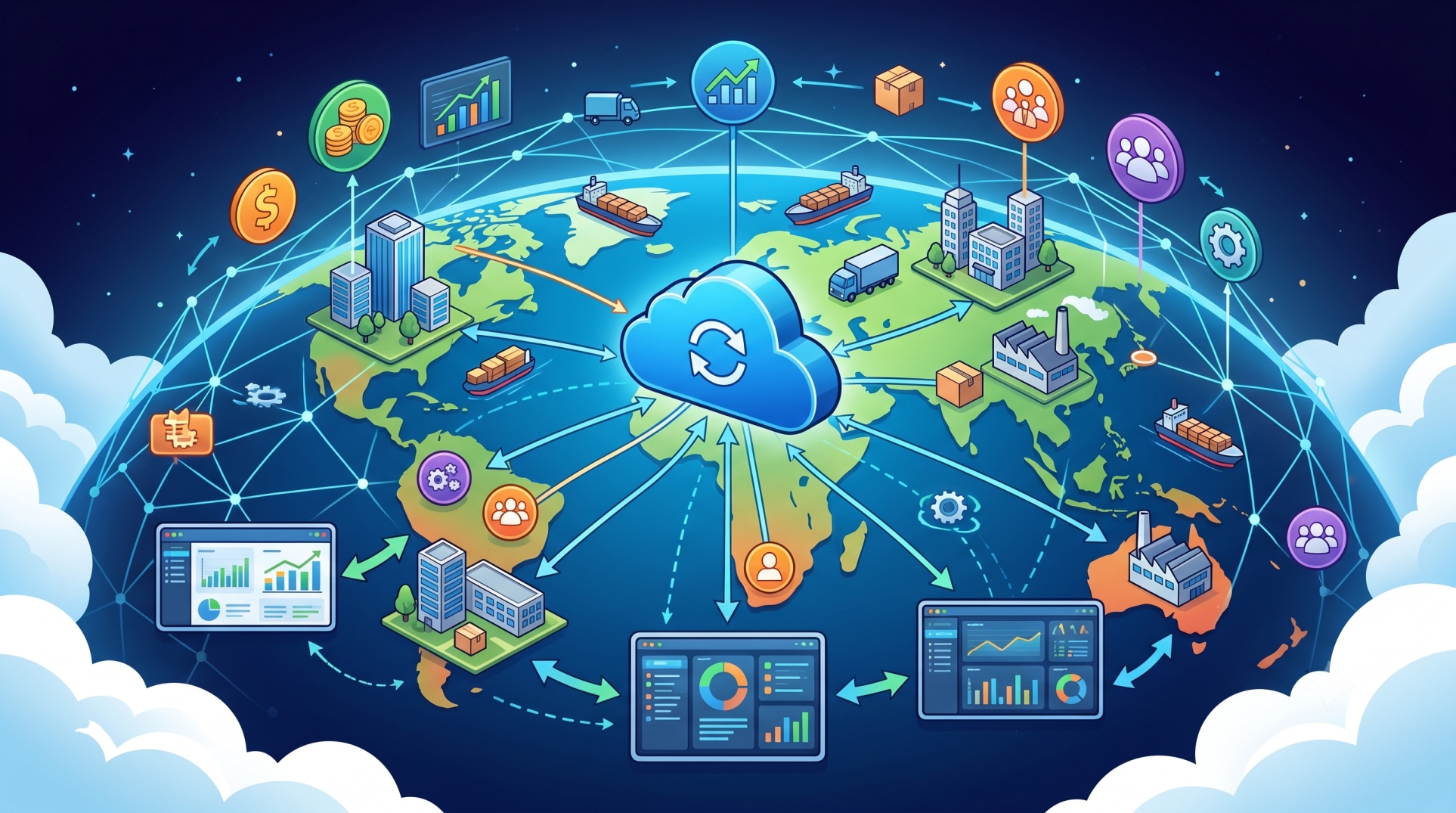
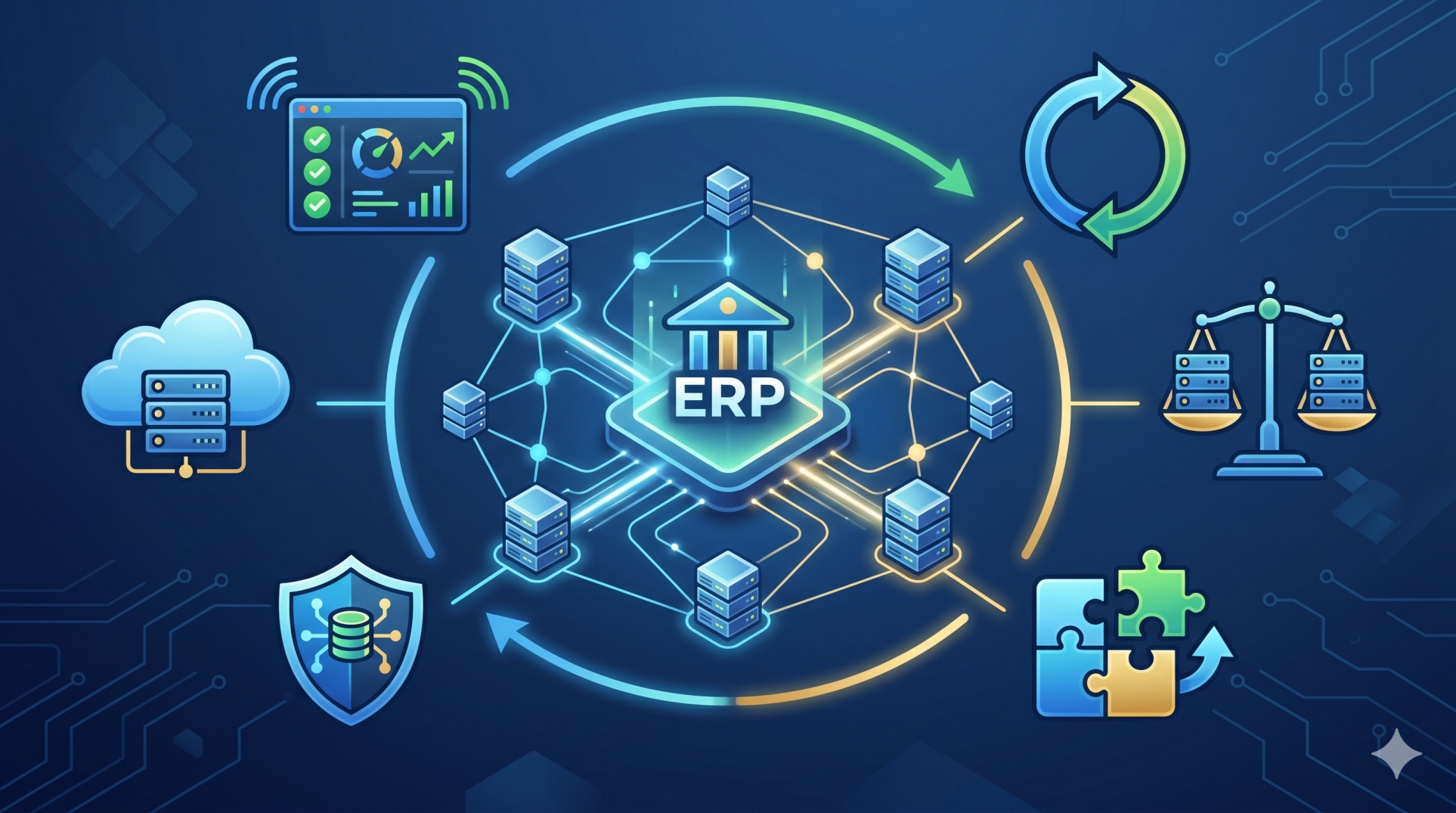
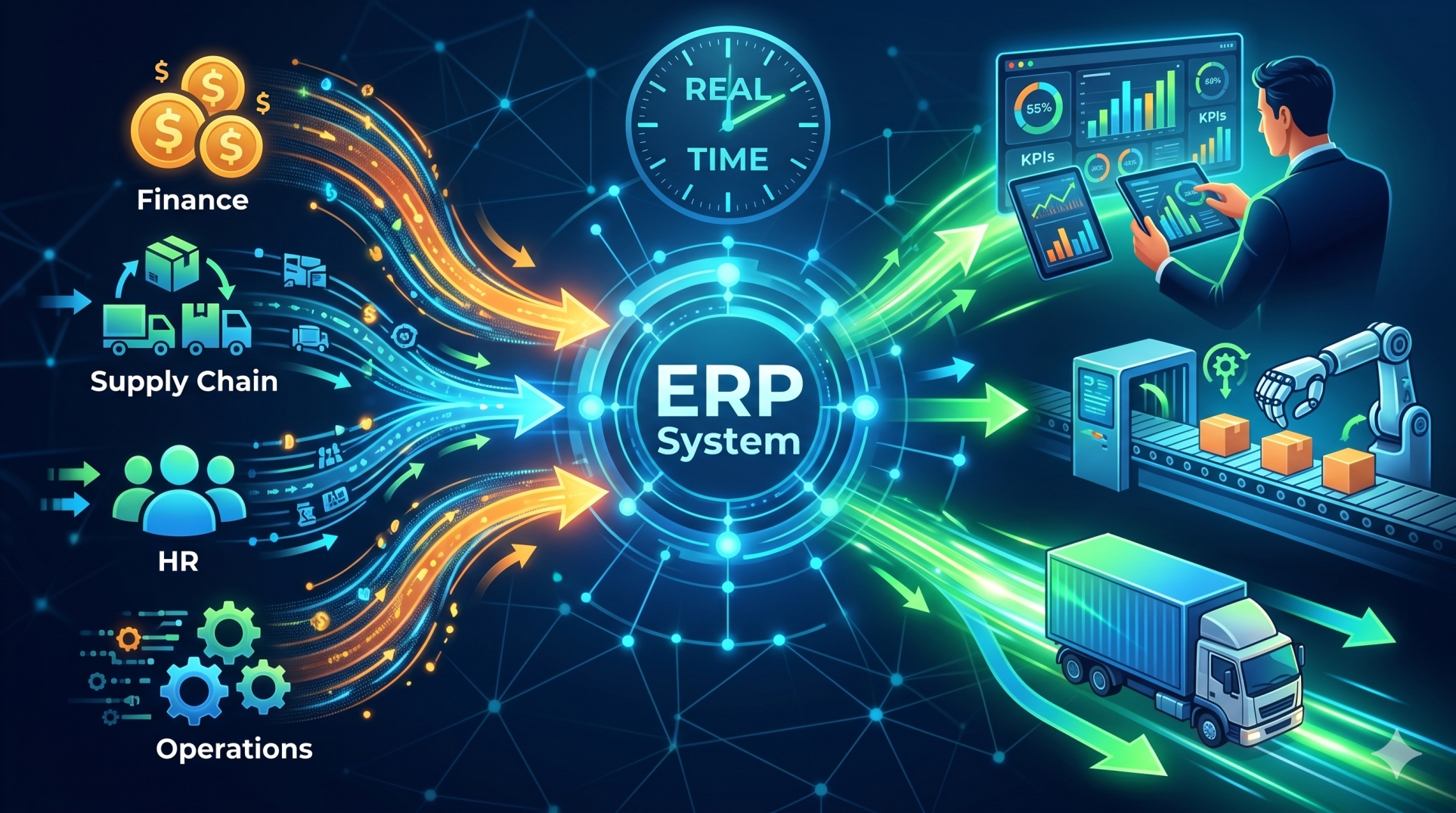
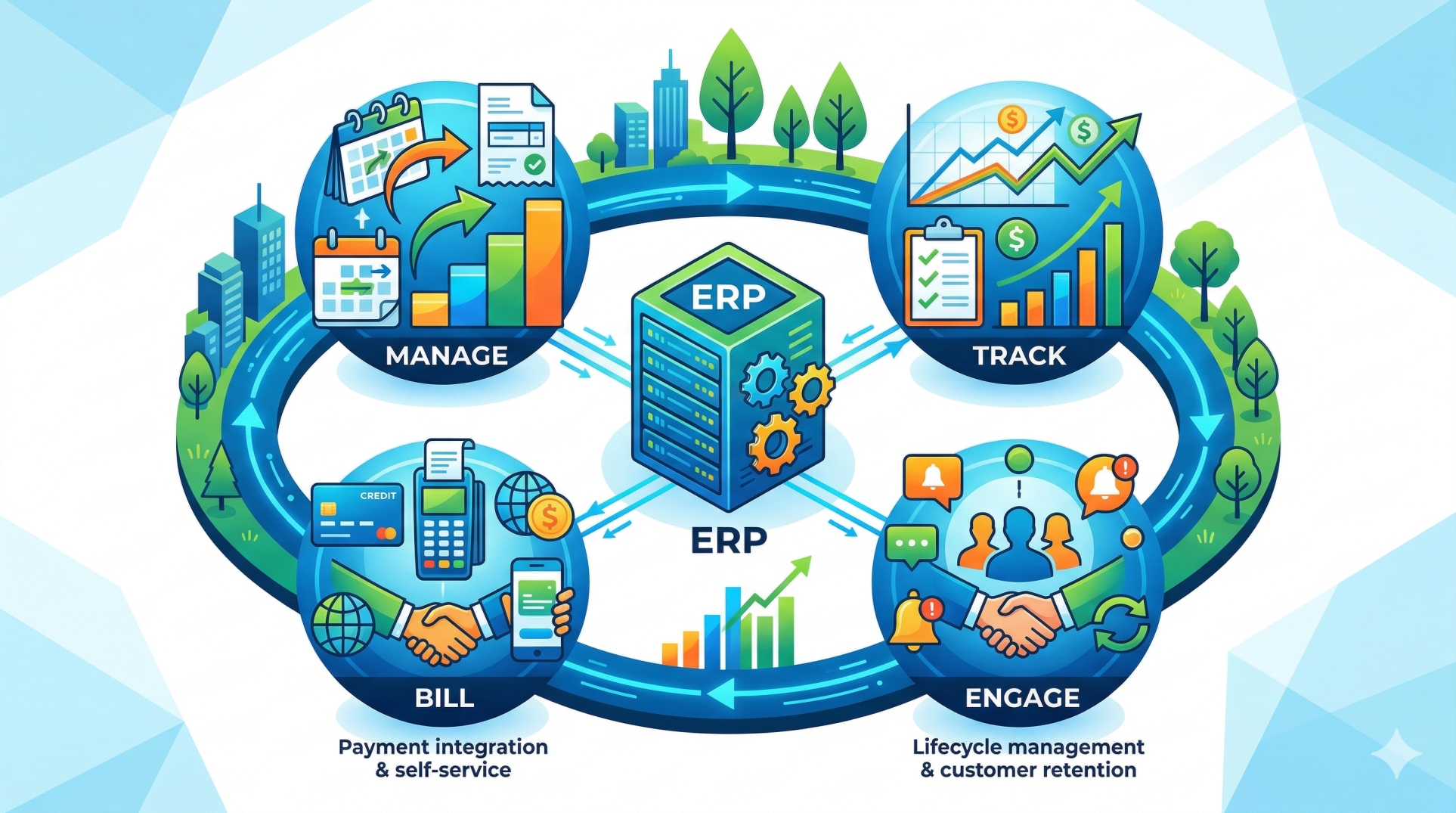
Modern businesses are no longer focused solely on internal operations. Customer expectations now demand seamless experiences across every interaction, from initial engagement to post-sale support. ERP systems play a critical role in managing the entire customer journey by connecting sales, operations, service, finance, and supply chain data into a unified platform. An integrated ERP environment helps organizations improve responsiveness, personalization, and long-term customer satisfaction.
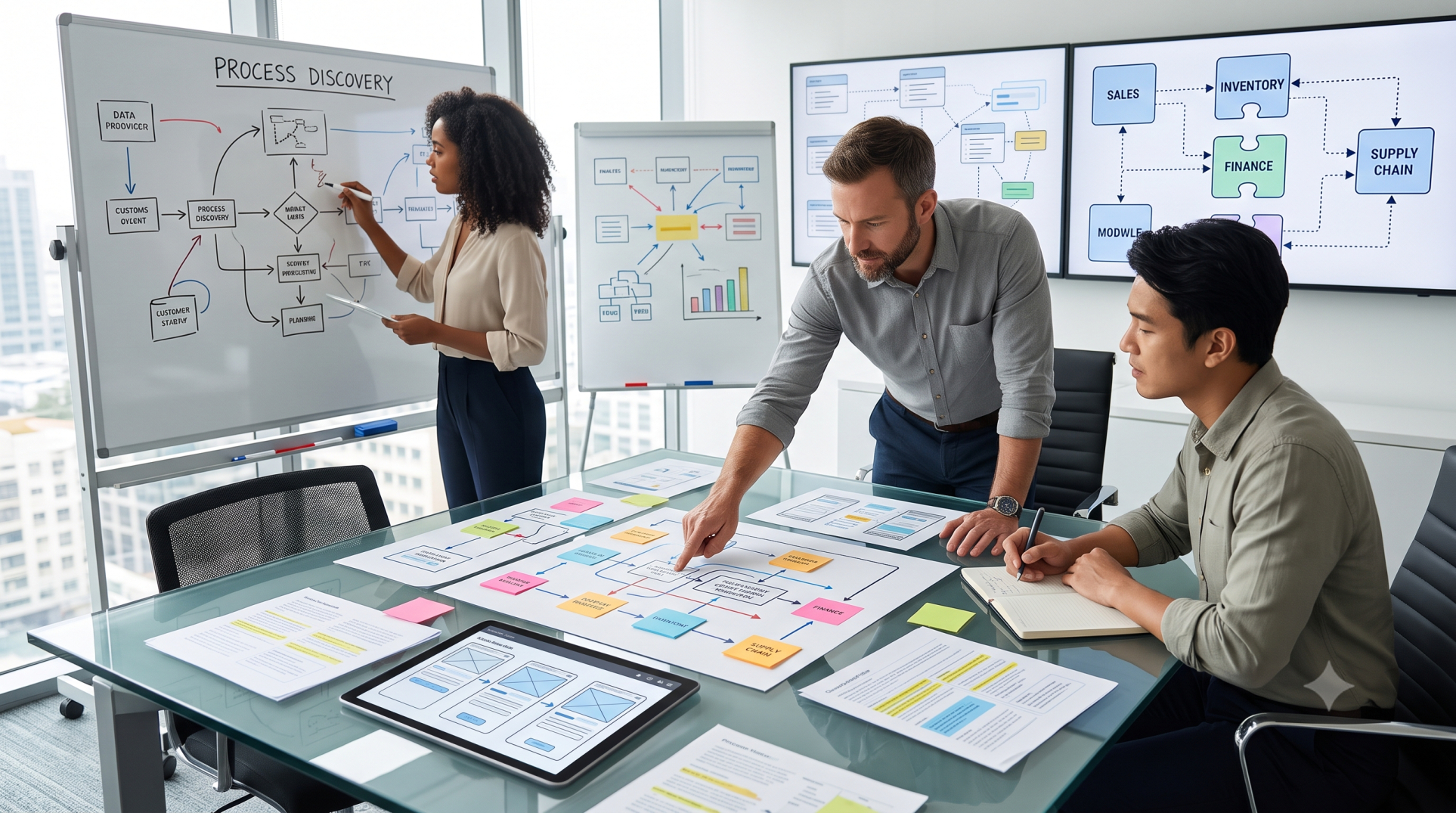
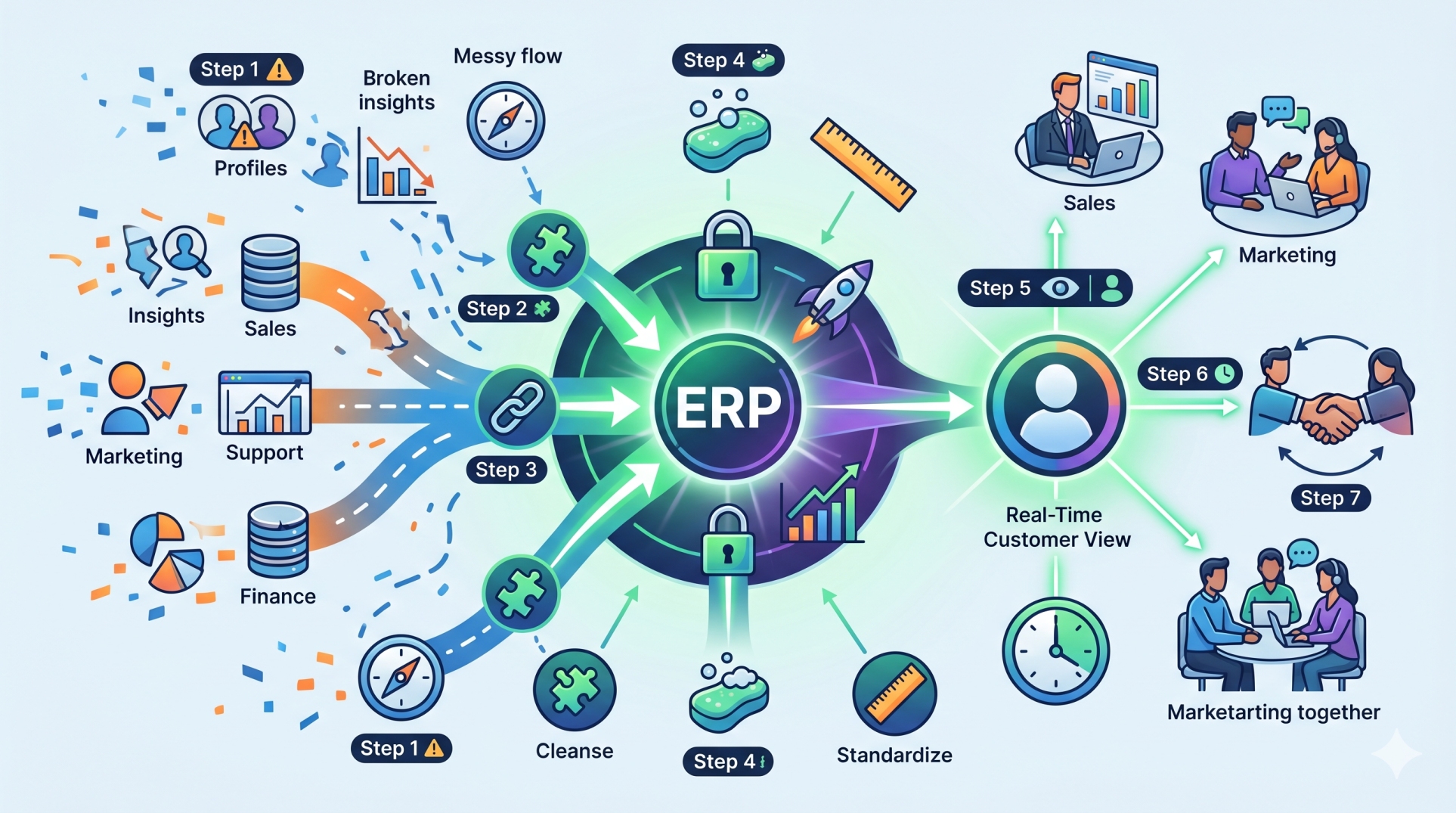
Step 1: Understanding the Customer Journey 🌍
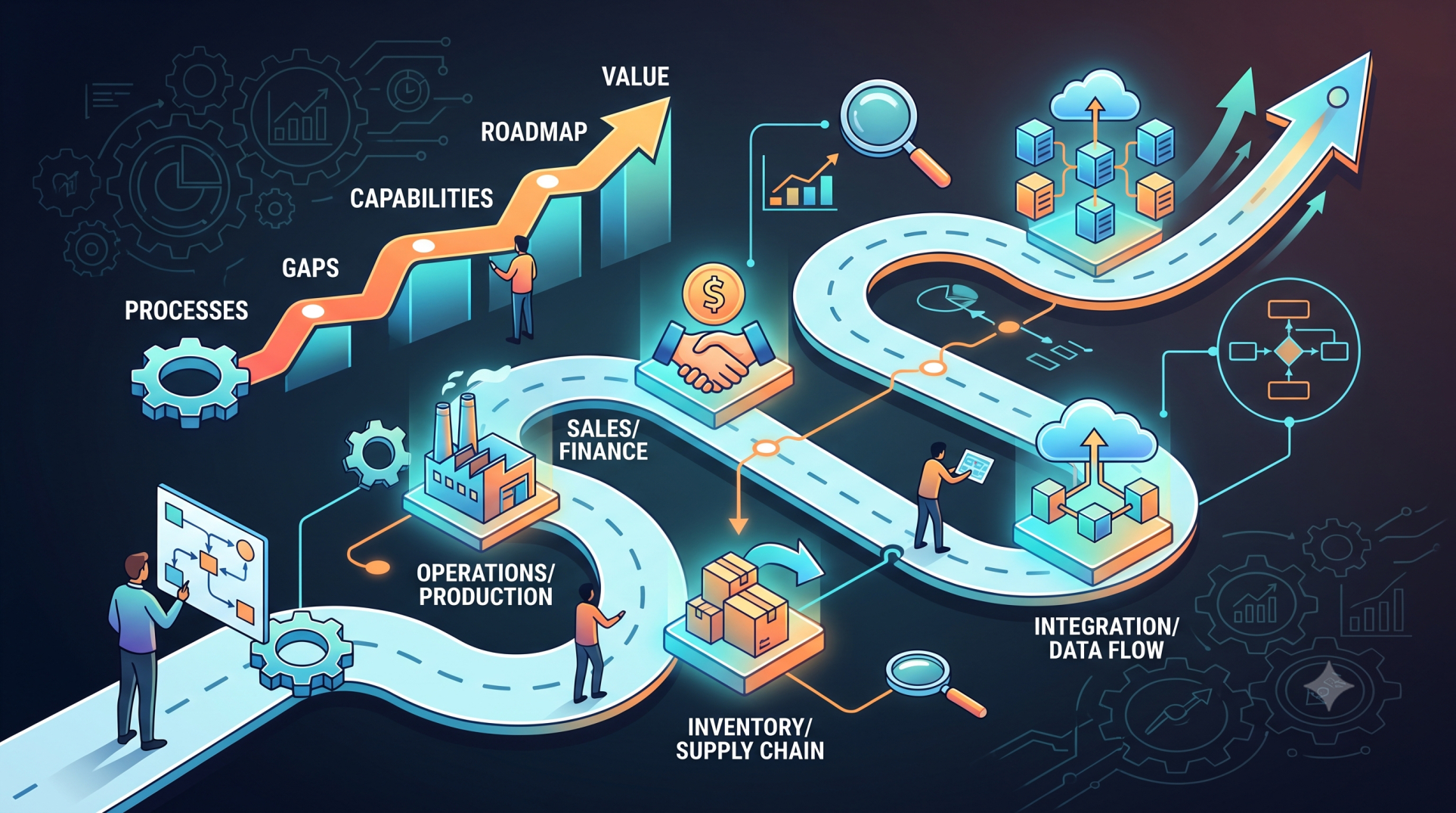
• Map every customer interaction across sales, service, and support channels 🗺️
• Identify pain points that affect customer experience and retention ⚠️
• Align ERP workflows with customer lifecycle stages 🔄
• Create visibility across departments involved in customer interactions 👁️
• Build a customer-centric operational strategy 🤝
Step 2: Centralizing Customer Data 📊
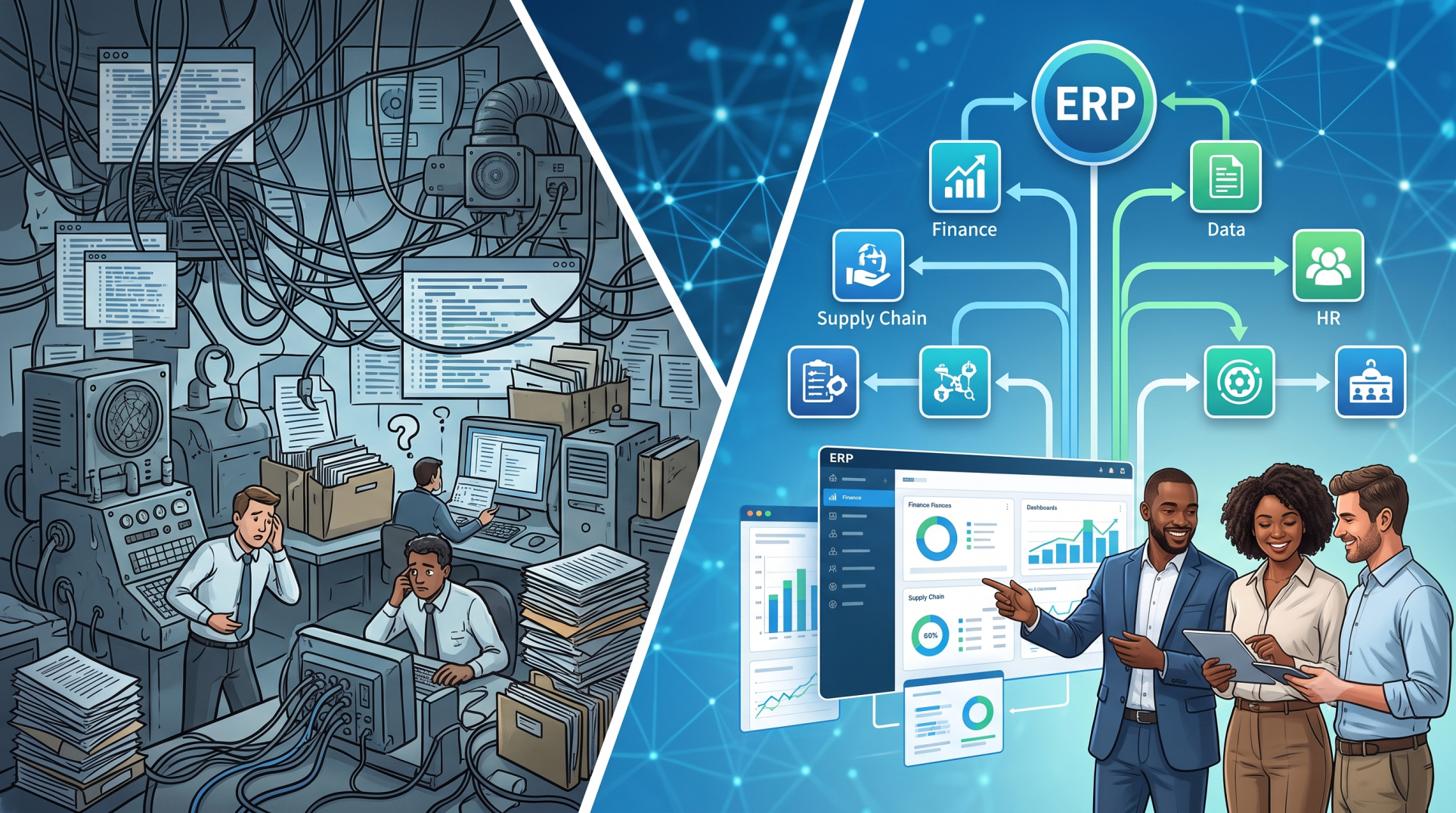
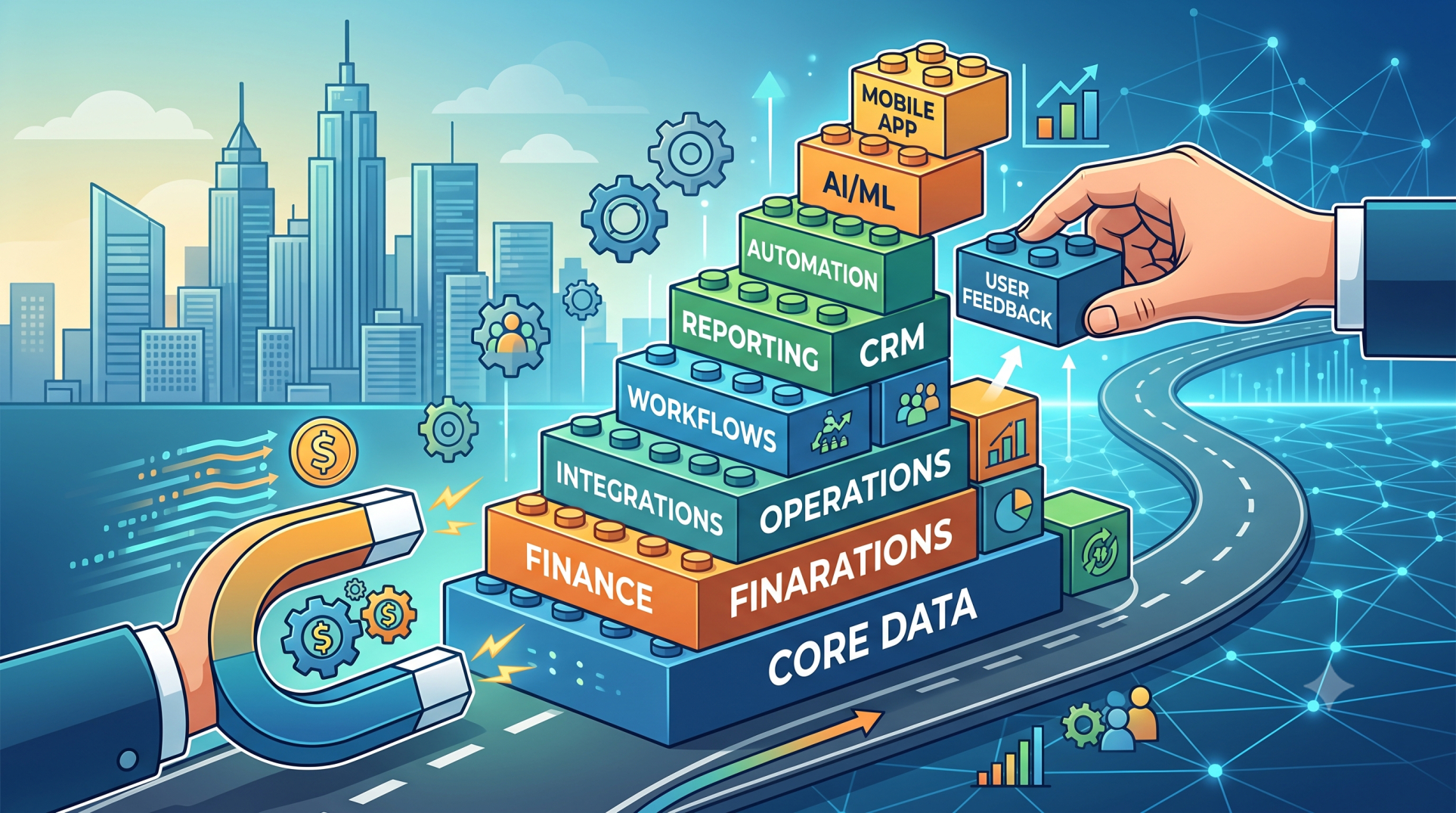
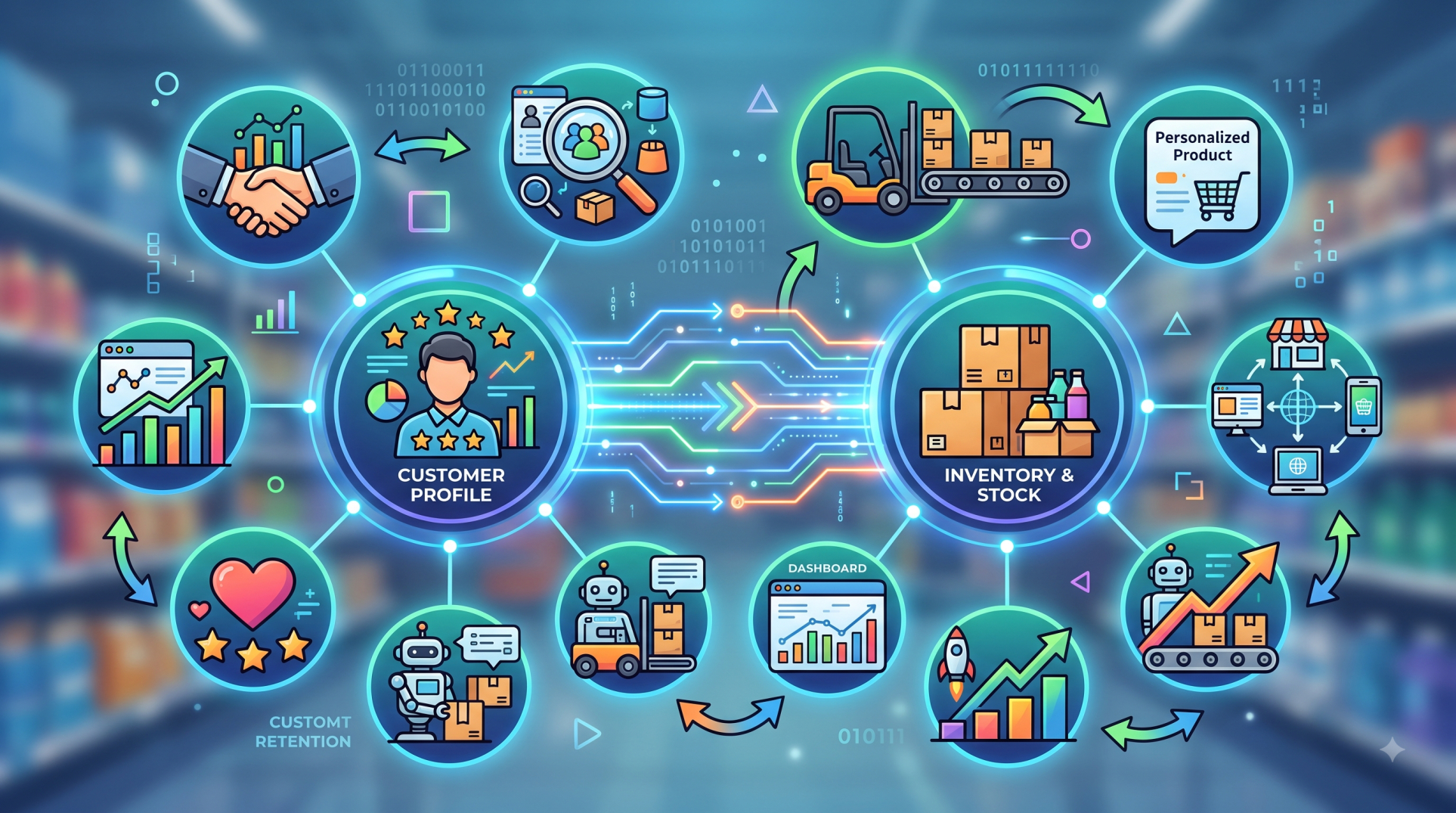
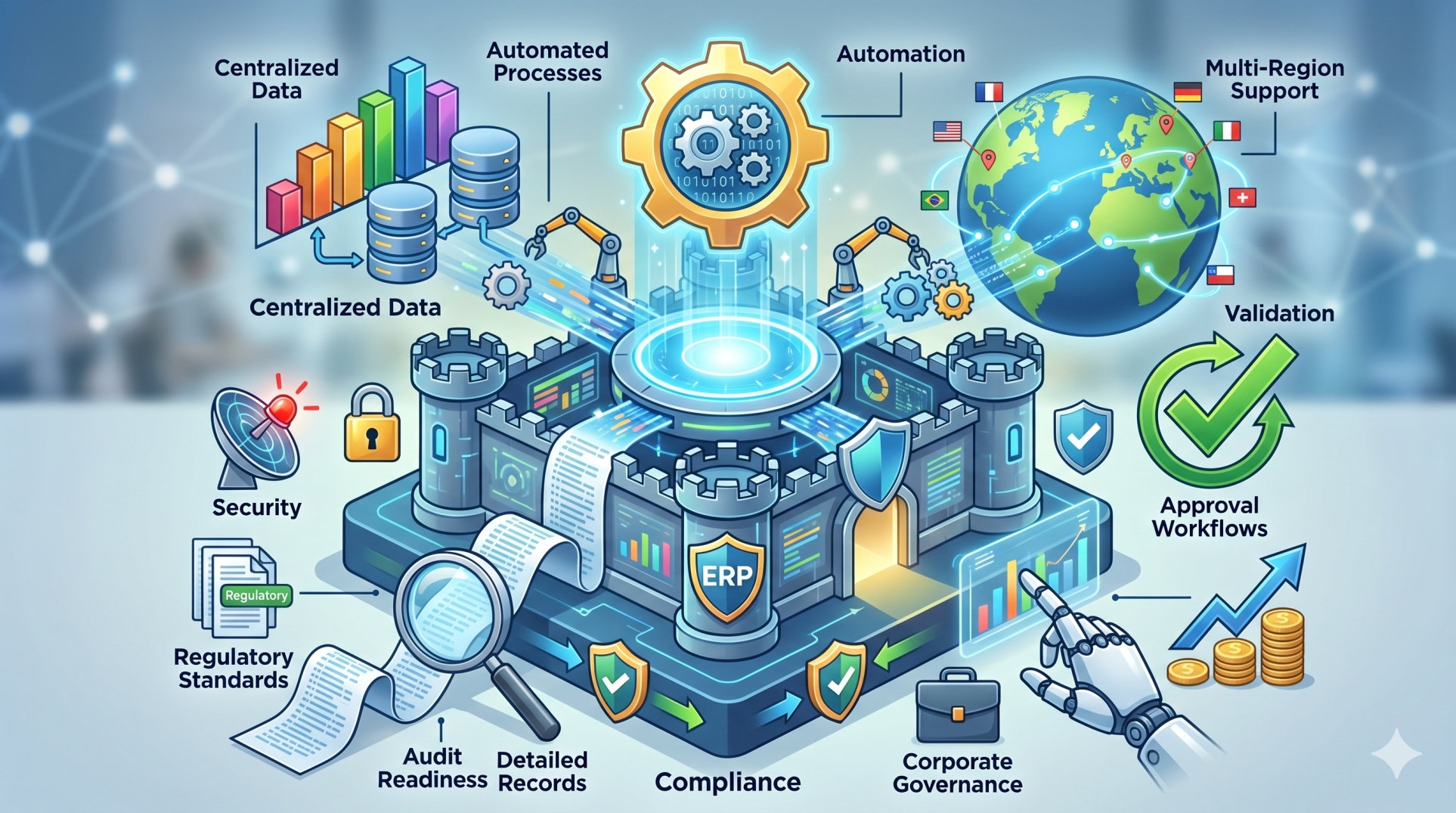
• Consolidate customer information into a unified ERP platform 🗂️
• Maintain accurate records for orders, communication, and service history 📝
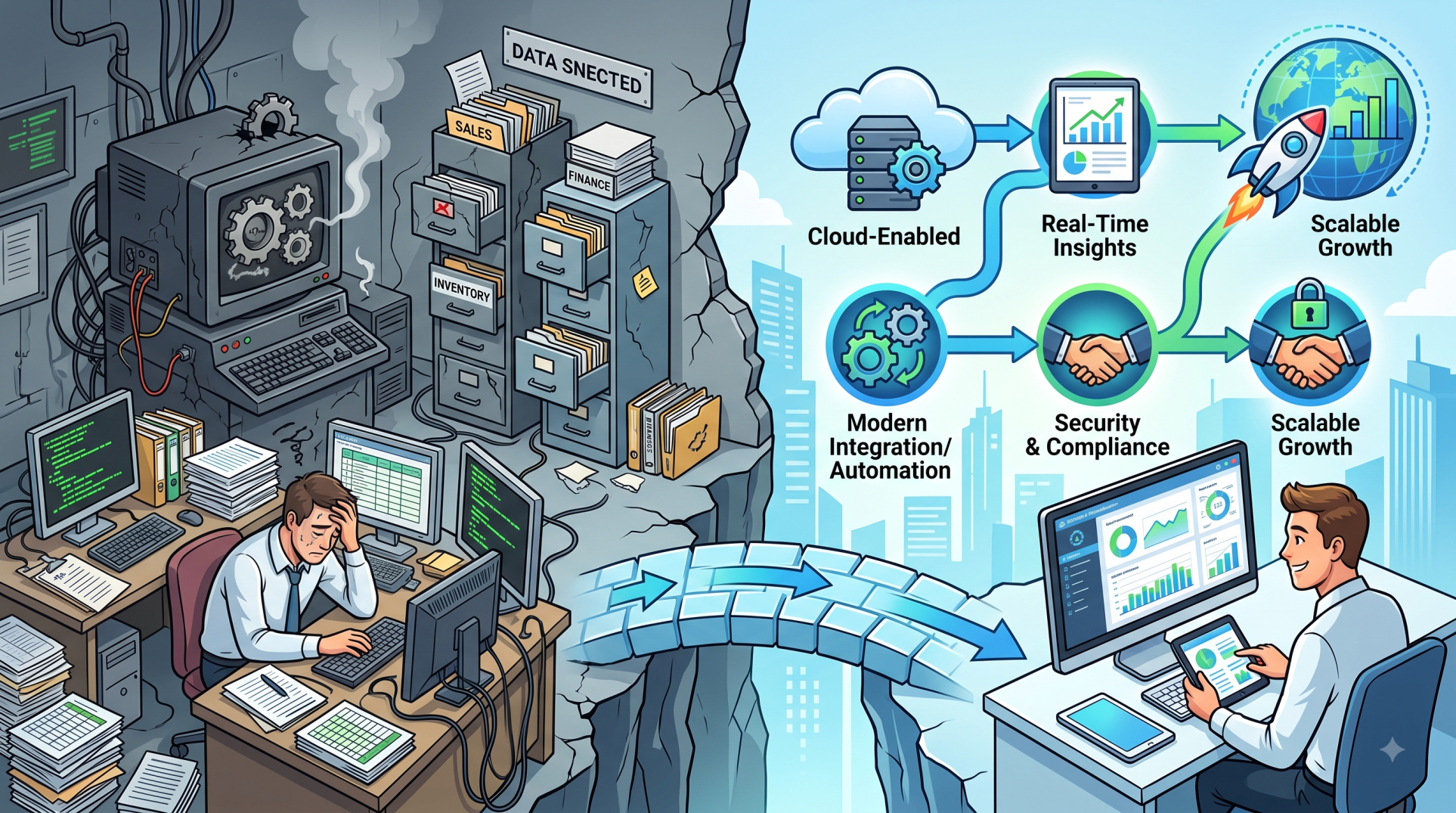
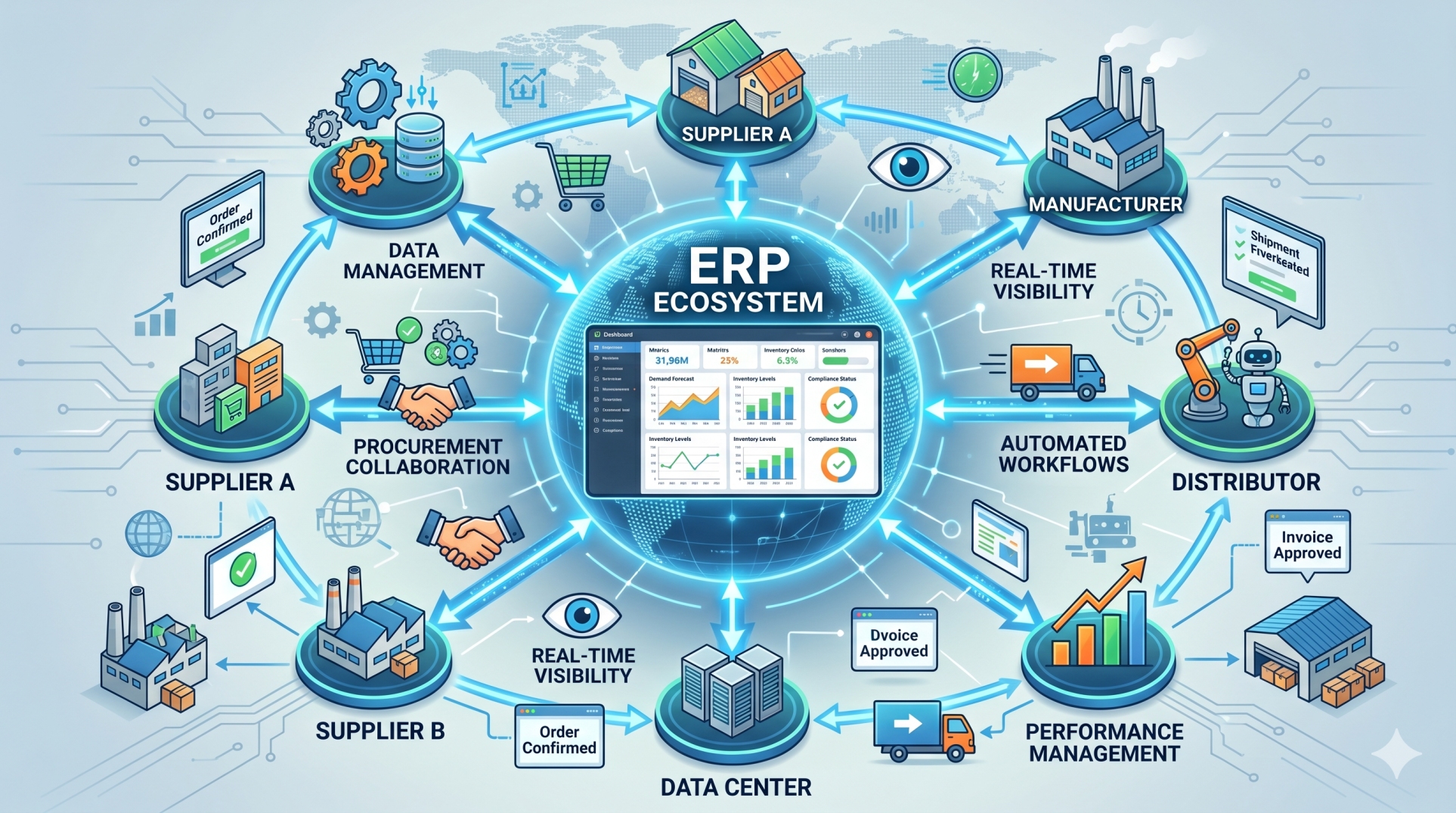
• Eliminate data silos between departments 🔗
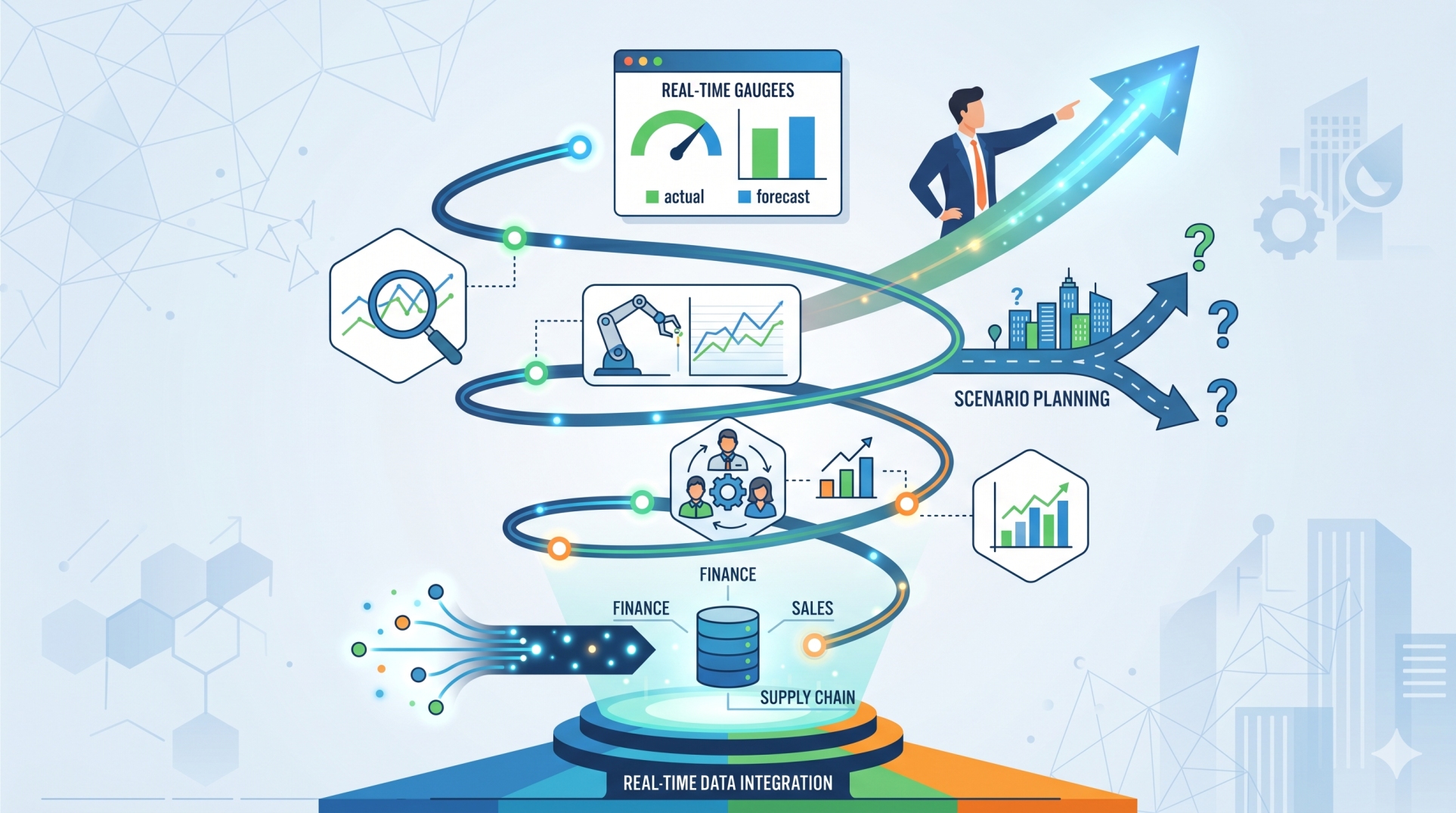
• Enable real-time access to customer insights ⏱️
• Improve consistency across all customer touchpoints ✅
Step 3: Streamlining Sales and Order Management 🛒
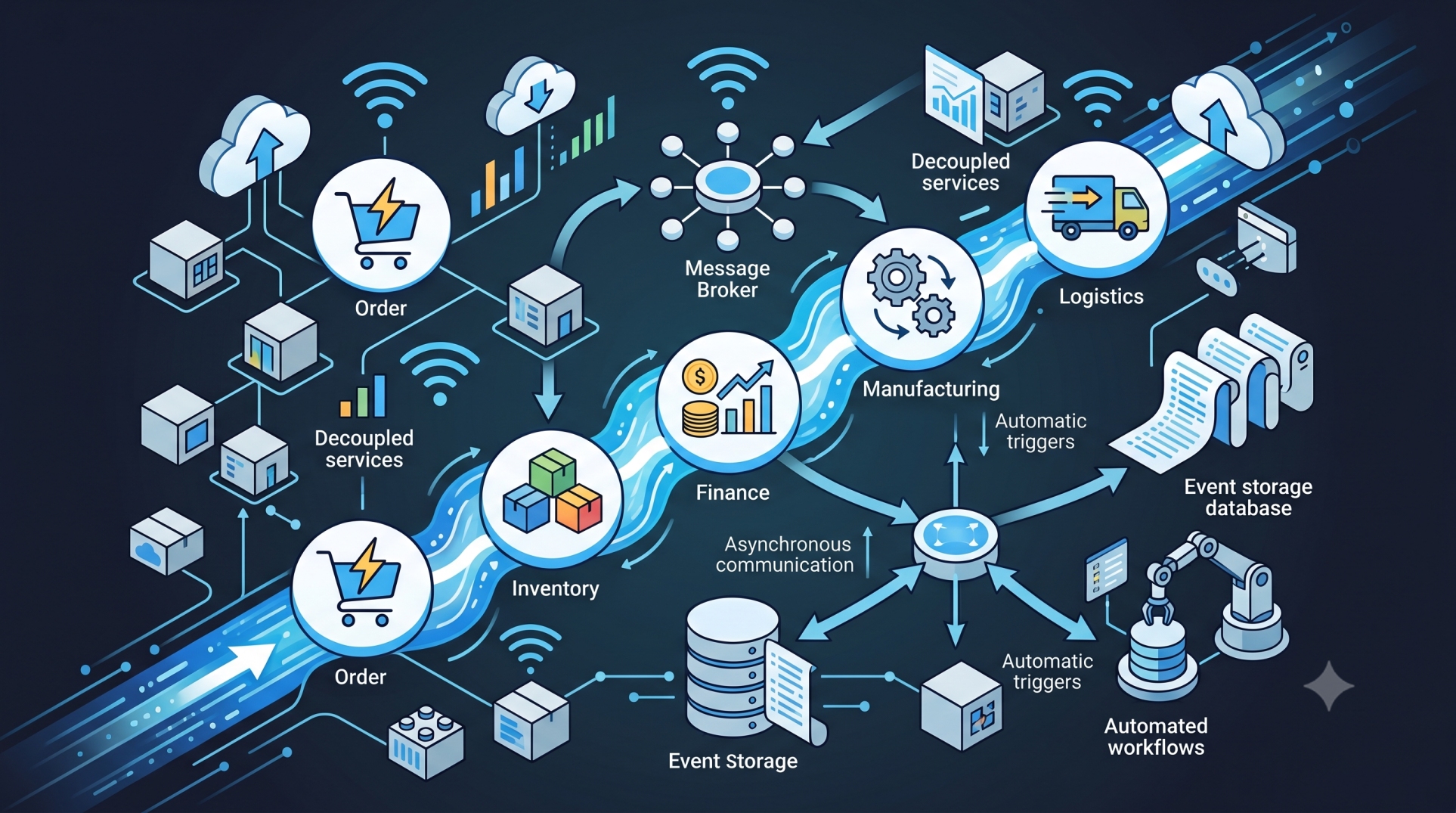
• Automate quote generation, approvals, and order processing ⚙️
• Track customer orders from placement to fulfillment 📦
• Reduce delays through integrated workflows 🚀
• Improve sales forecasting with real-time ERP data 📈
• Enhance coordination between sales and operations 🤝
Step 4: Enhancing Customer Communication 📞
• Enable timely communication throughout the customer lifecycle 📩
• Provide automated updates on orders, deliveries, and support requests 🔔
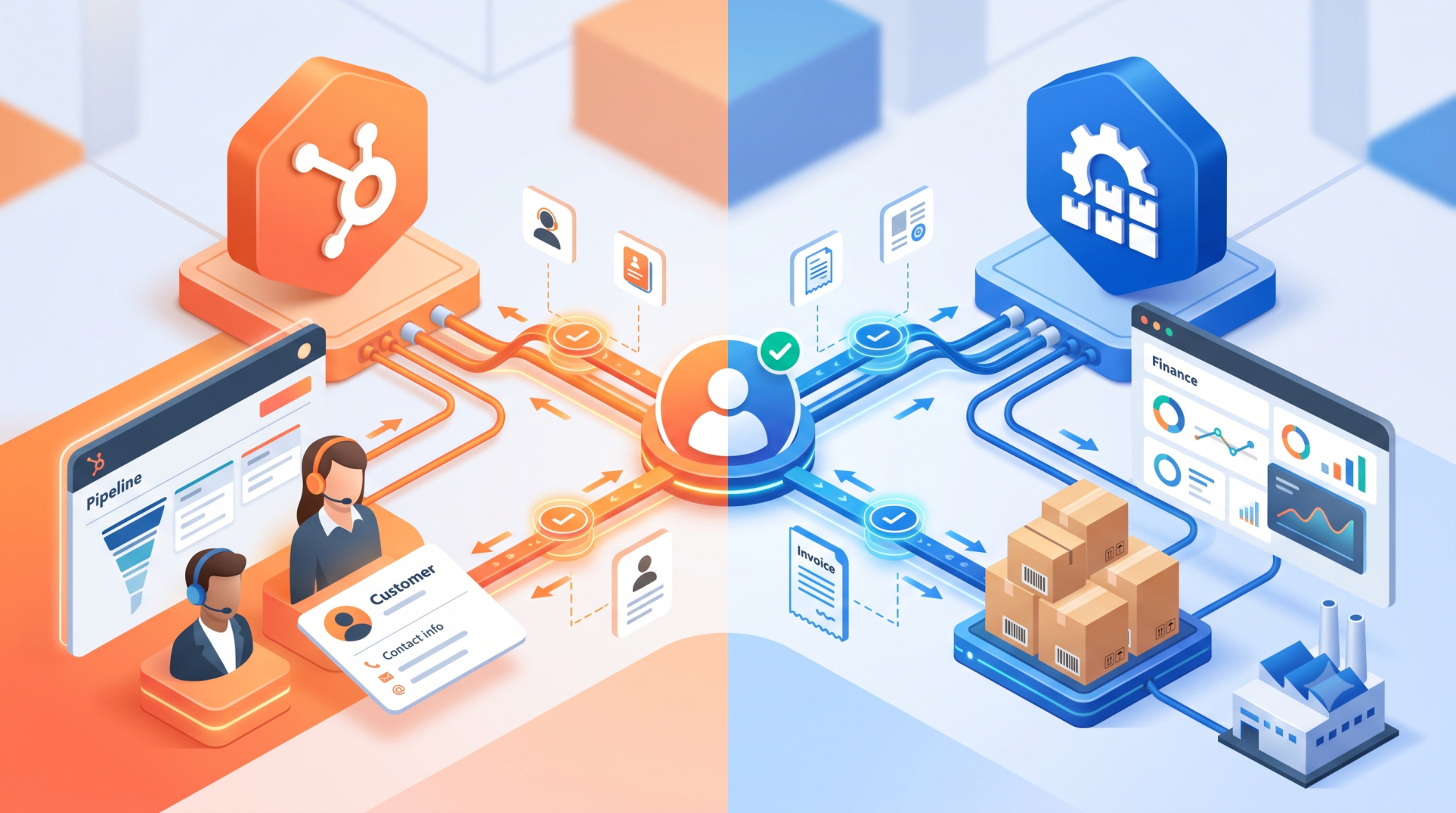
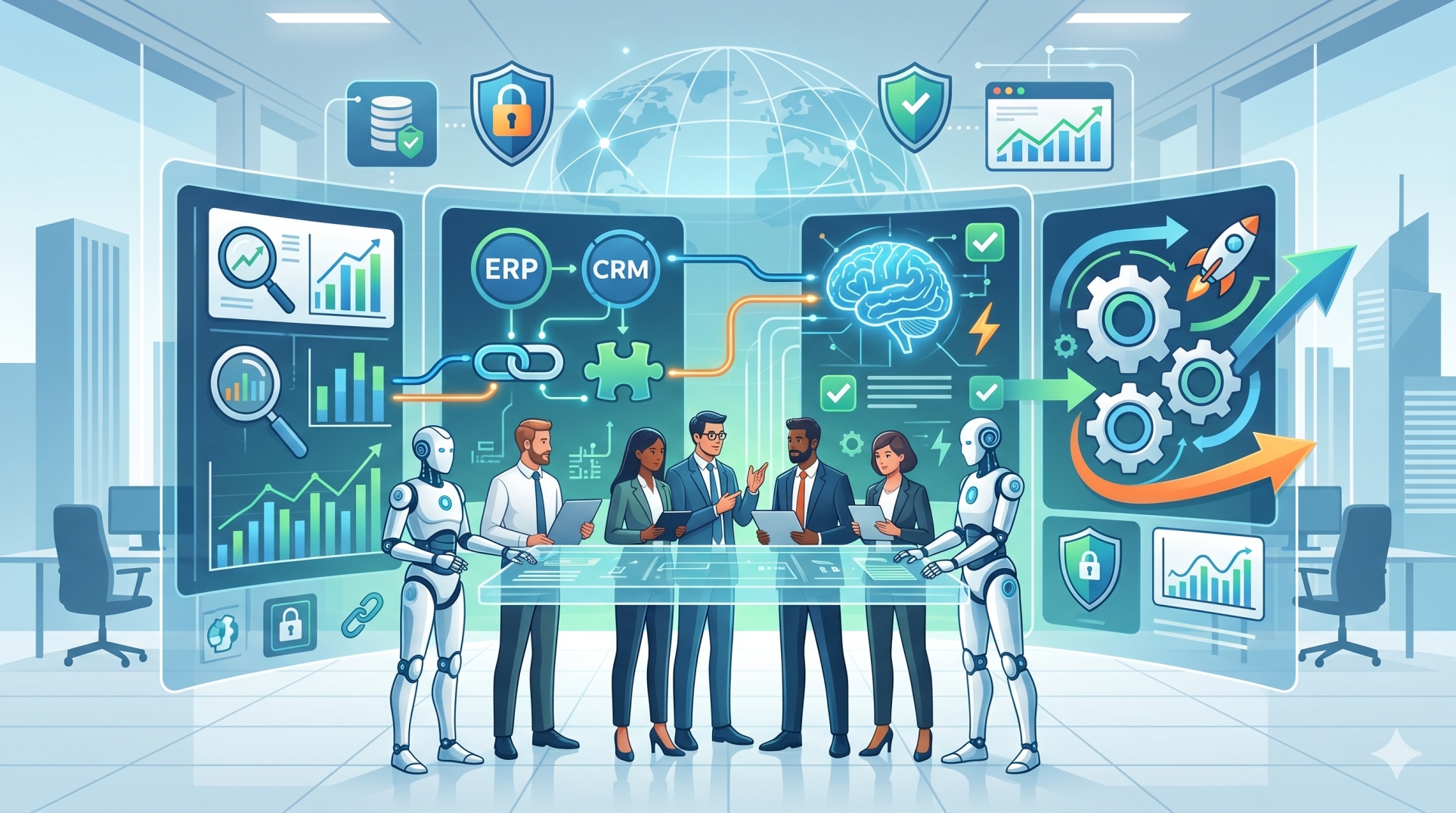
• Integrate ERP with CRM and communication platforms 🔗
• Ensure consistent messaging across all channels 🌐
• Improve customer engagement through personalized interactions 😊
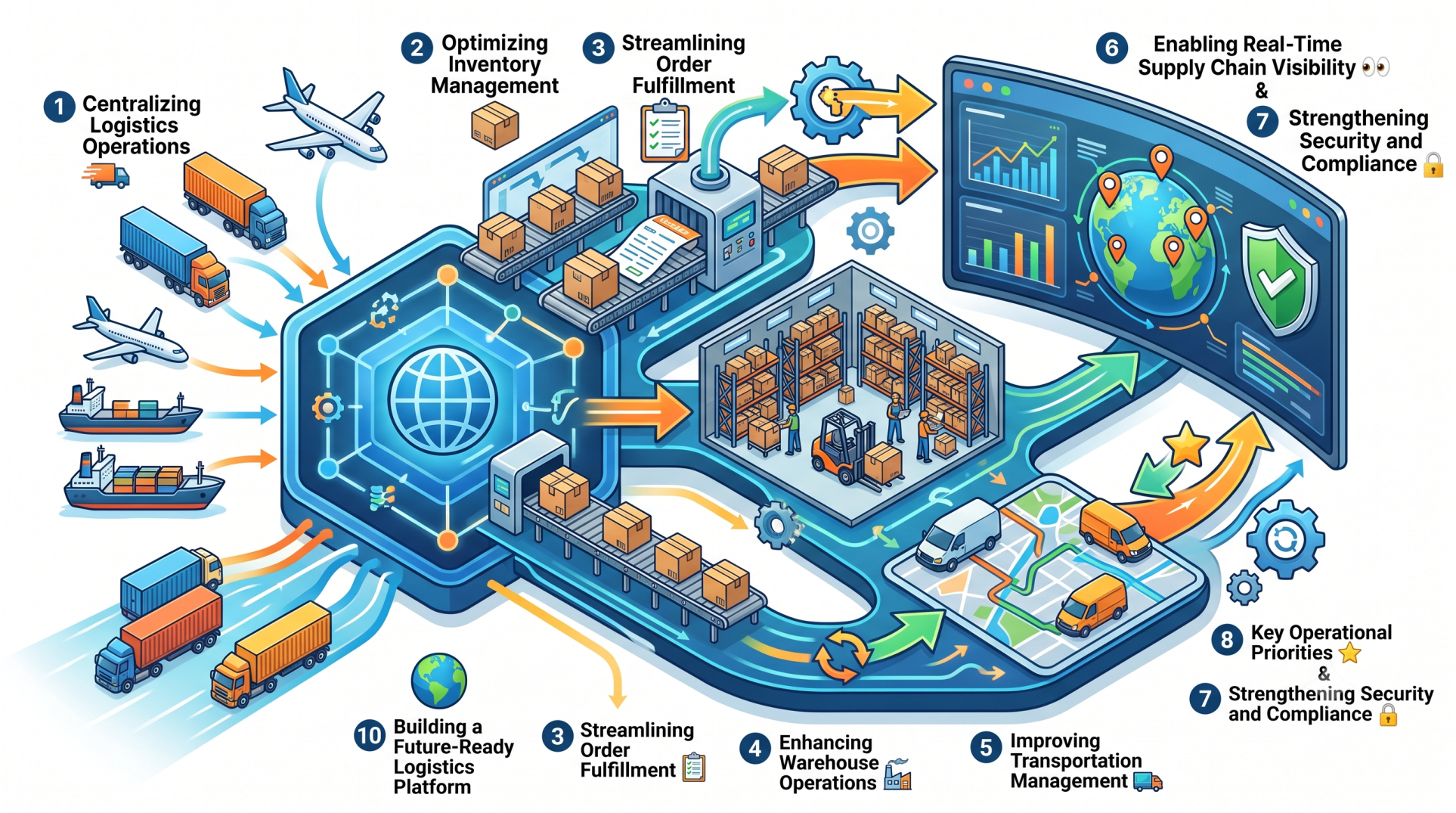
Step 5: Integrating Supply Chain Visibility 🚚
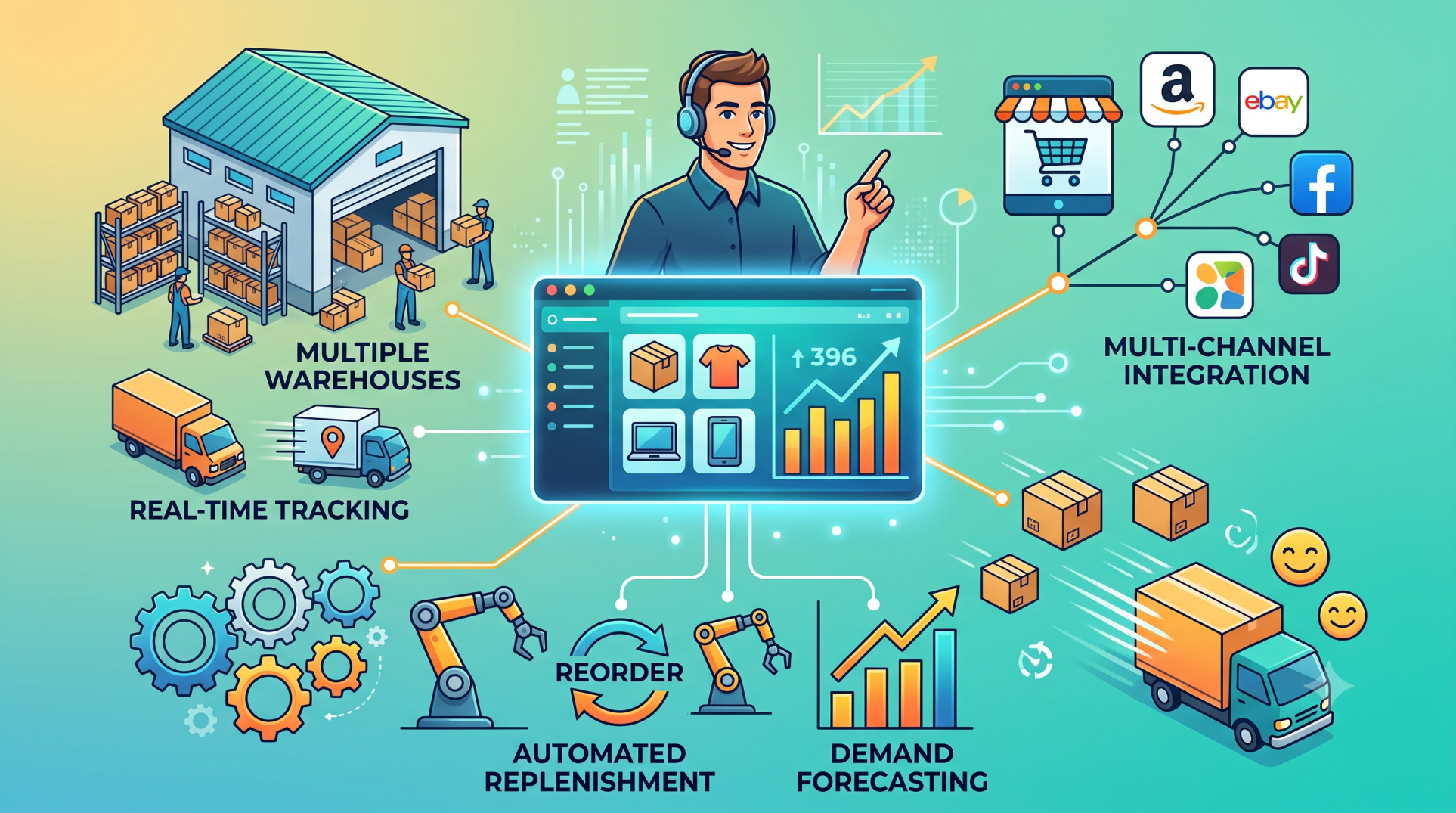
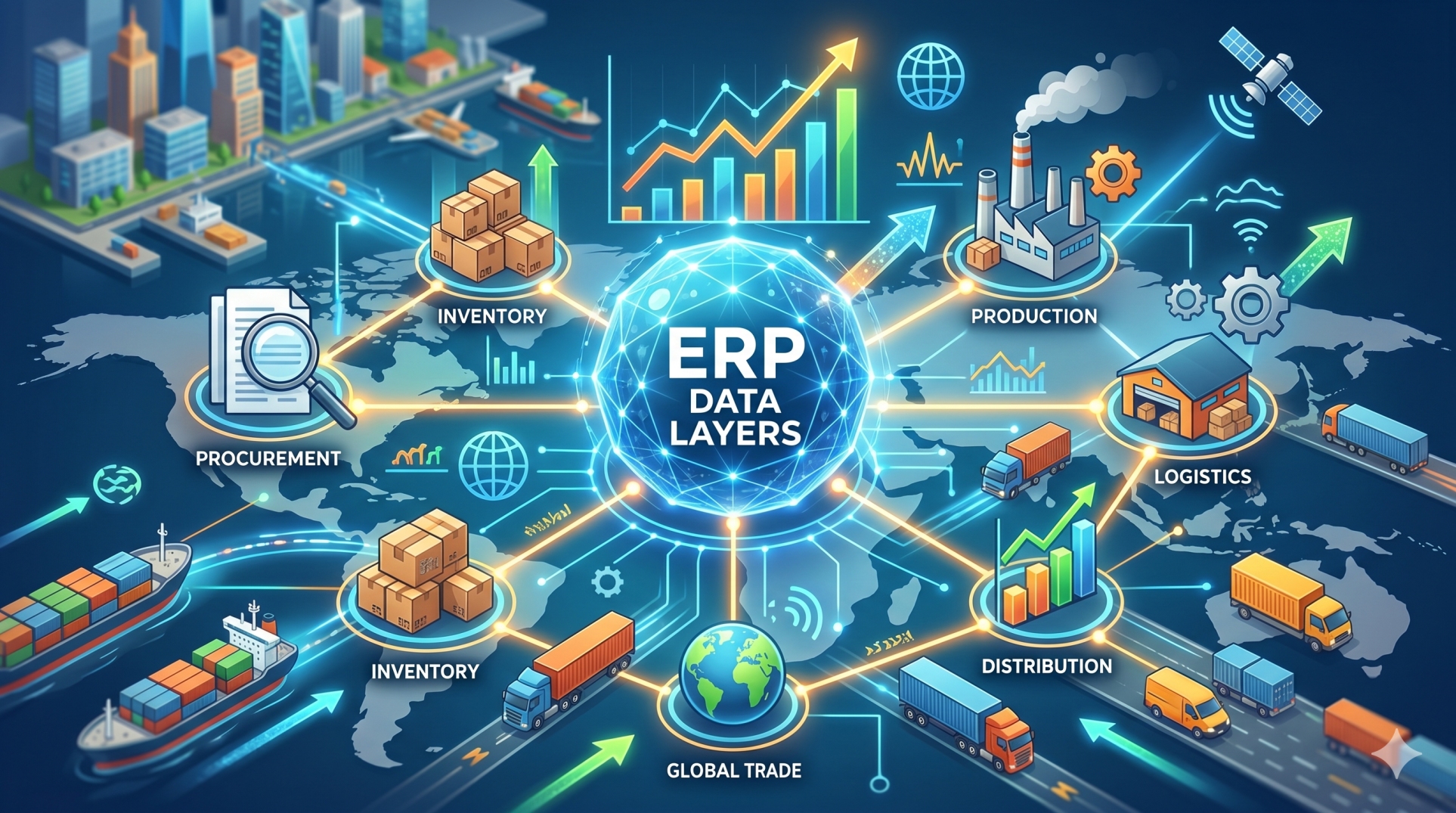
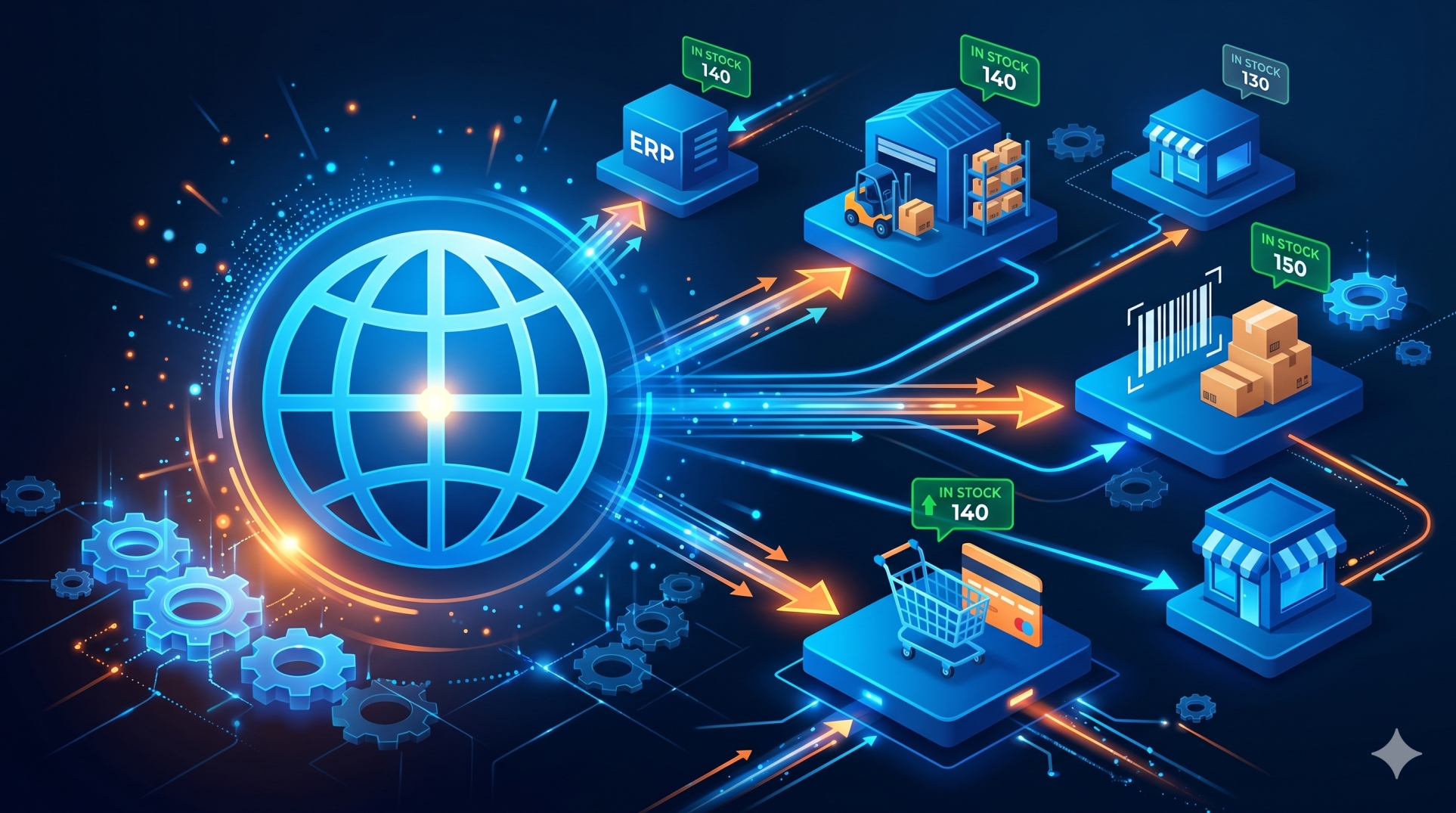
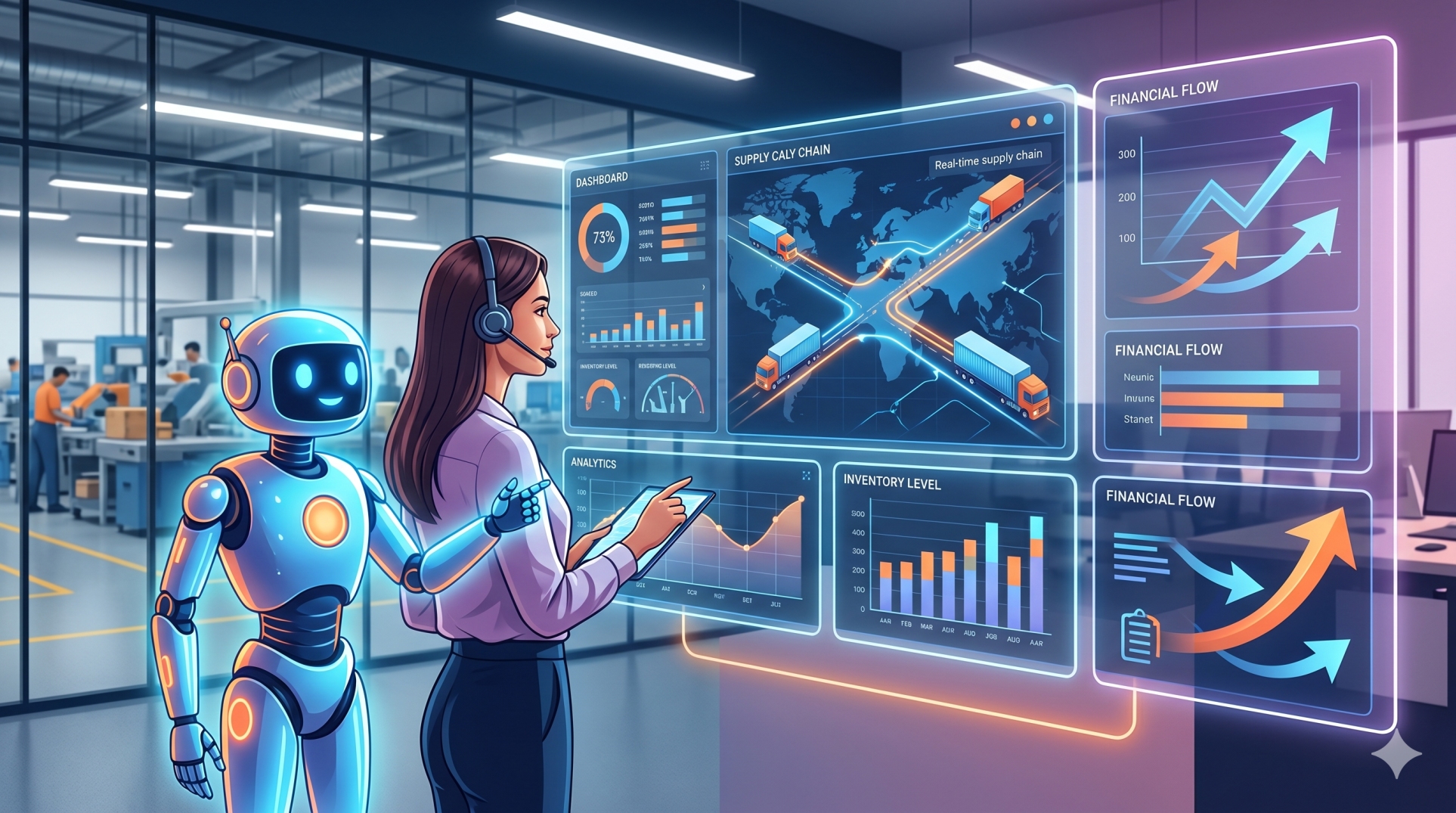
• Connect customer demand directly with inventory and logistics systems 📦
• Provide accurate delivery timelines and stock availability ⏳
• Reduce fulfillment errors through synchronized operations ✅
• Improve responsiveness during supply chain disruptions 🔄
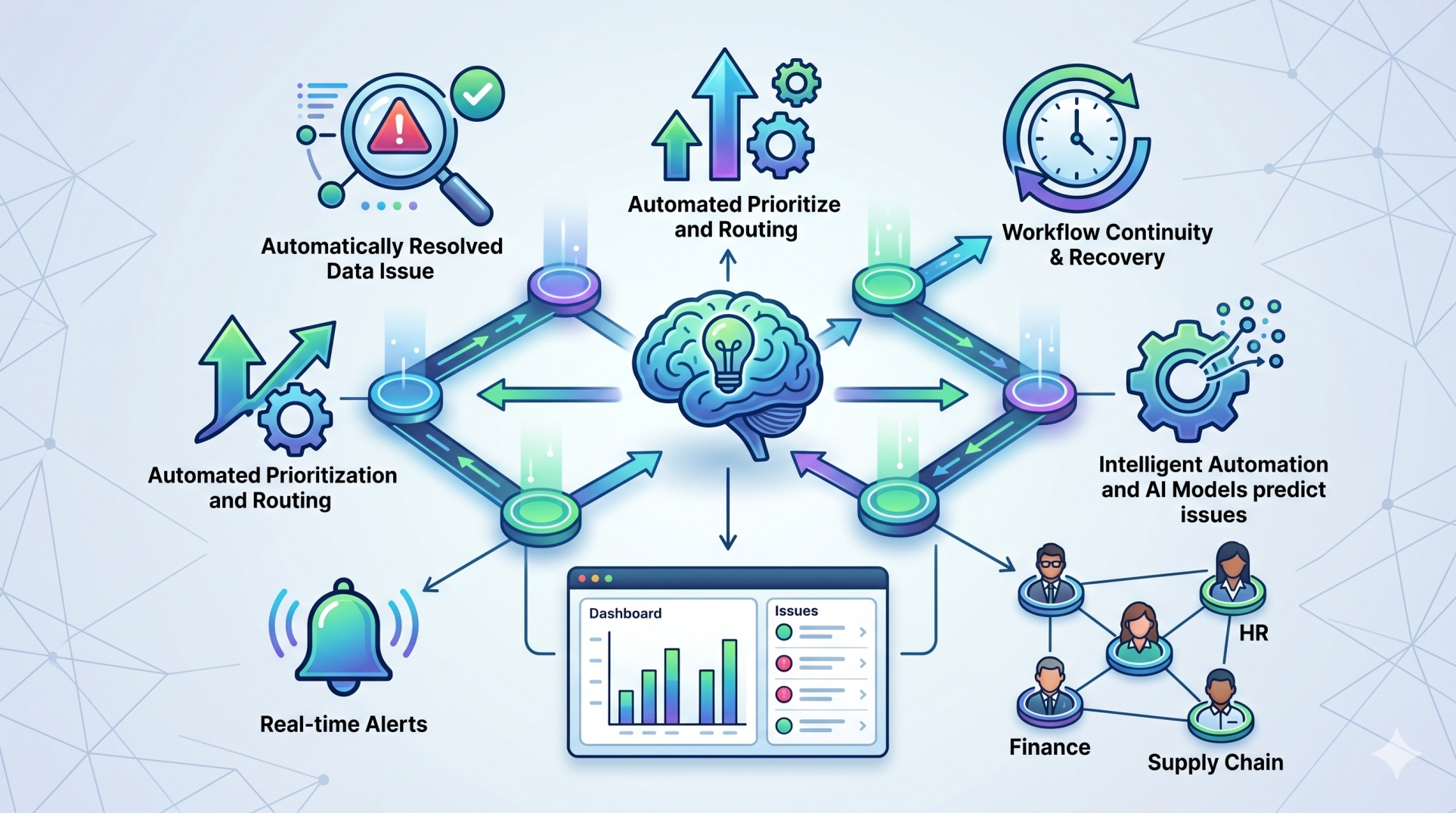
• Enable proactive issue resolution before customer impact ⚡
Step 6: Supporting Post-Sales Service 🛠️
• Manage warranties, returns, and service requests within ERP 🔧
• Track support tickets and resolution timelines 📋
• Improve coordination between support and operations teams 🤝
• Maintain complete service history for each customer 🗂️
• Increase customer satisfaction through faster support response 😊
Step 7: Personalizing Customer Experiences 🎯
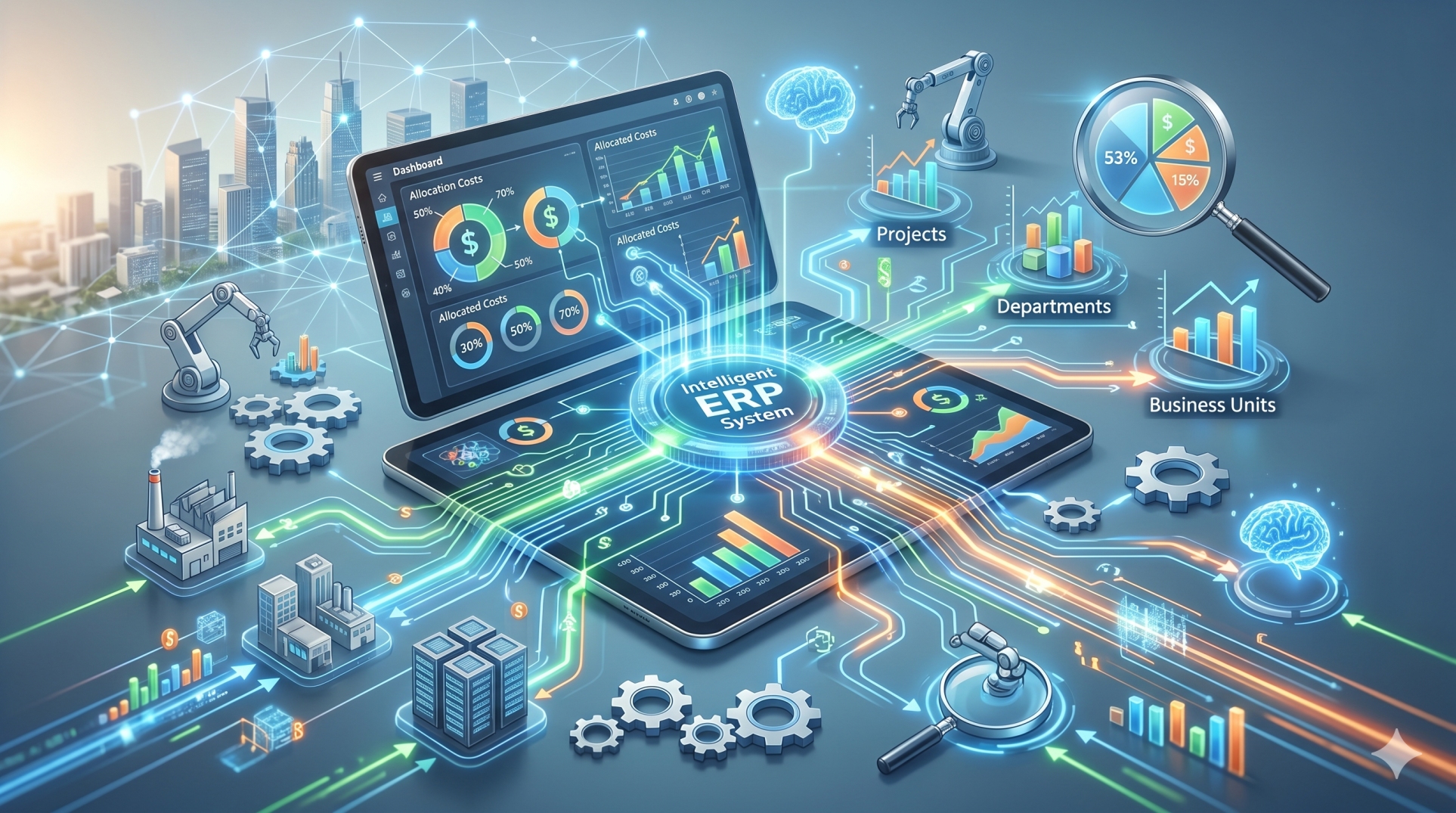
• Use ERP insights to understand customer preferences 📊
• Deliver tailored recommendations and service experiences ✨
• Support targeted promotions and loyalty initiatives 🎁
• Analyze buying behavior and engagement trends 📈
• Strengthen long-term customer relationships 🤝
Step 8: Key Customer Journey Priorities 📌
• Unified visibility across customer interactions 👁️
• Faster response times and improved communication ⚡
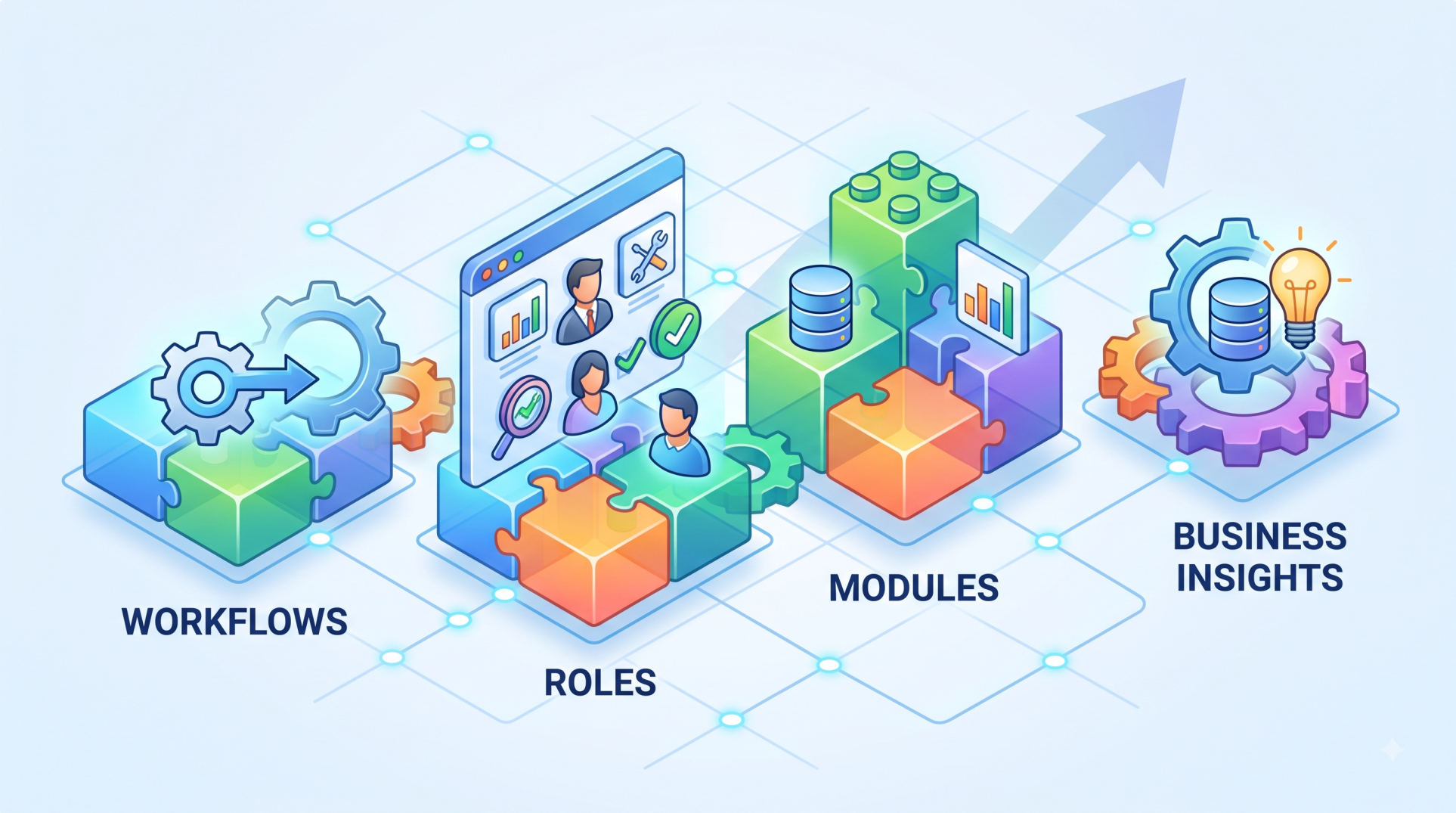
• Integrated sales, service, and operational workflows 🔄
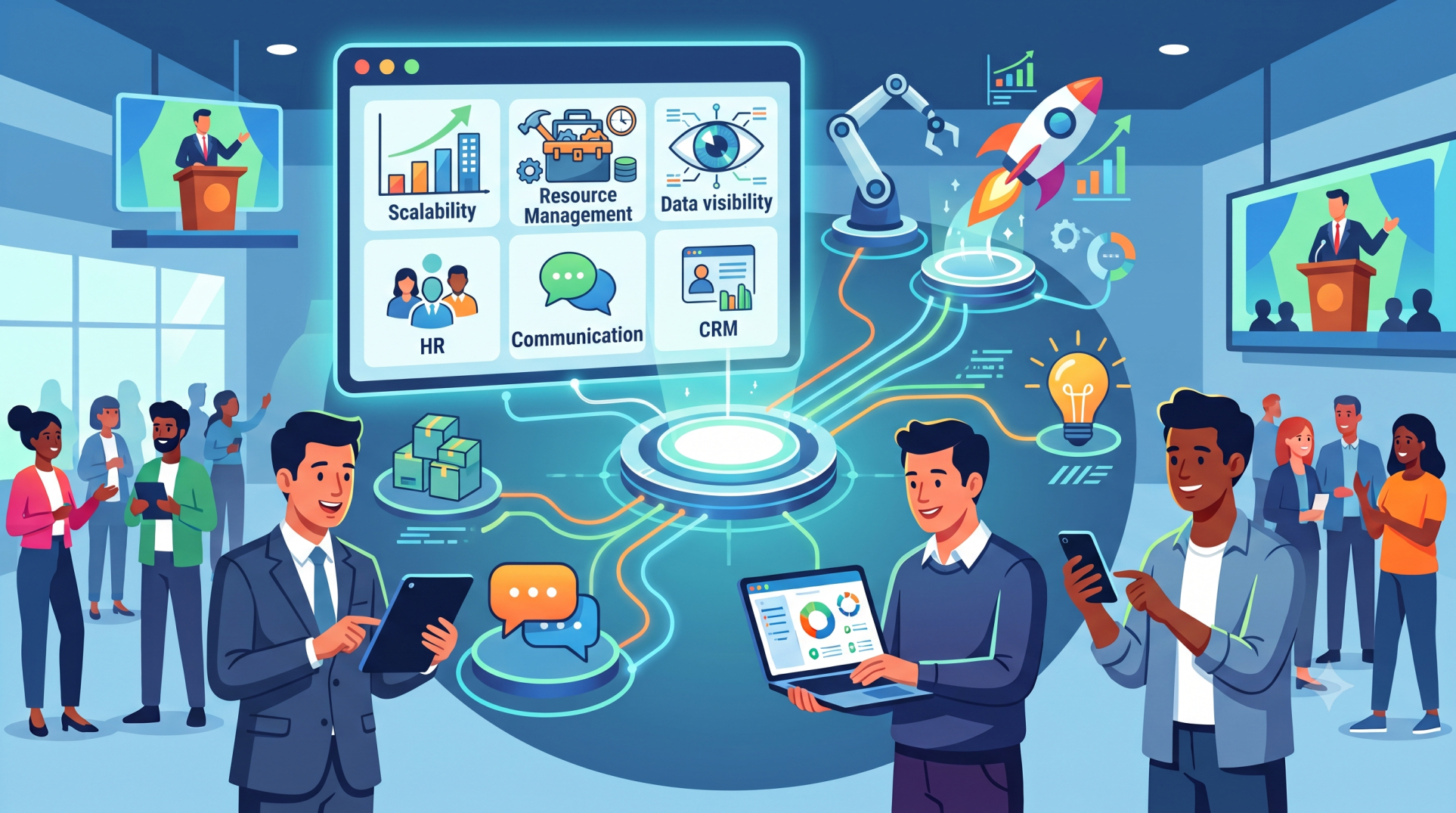
• Scalable systems to support evolving customer expectations 🚀
Step 9: Measuring Customer Experience Performance 📉
• Monitor customer satisfaction and service performance metrics 📊
• Track fulfillment accuracy and delivery efficiency 🚚
• Identify recurring service issues and operational bottlenecks ⚠️
• Analyze customer retention and engagement trends 📈
• Continuously improve processes based on customer feedback 🔄
Step 10: Building a Customer-Centric ERP Ecosystem 🚀
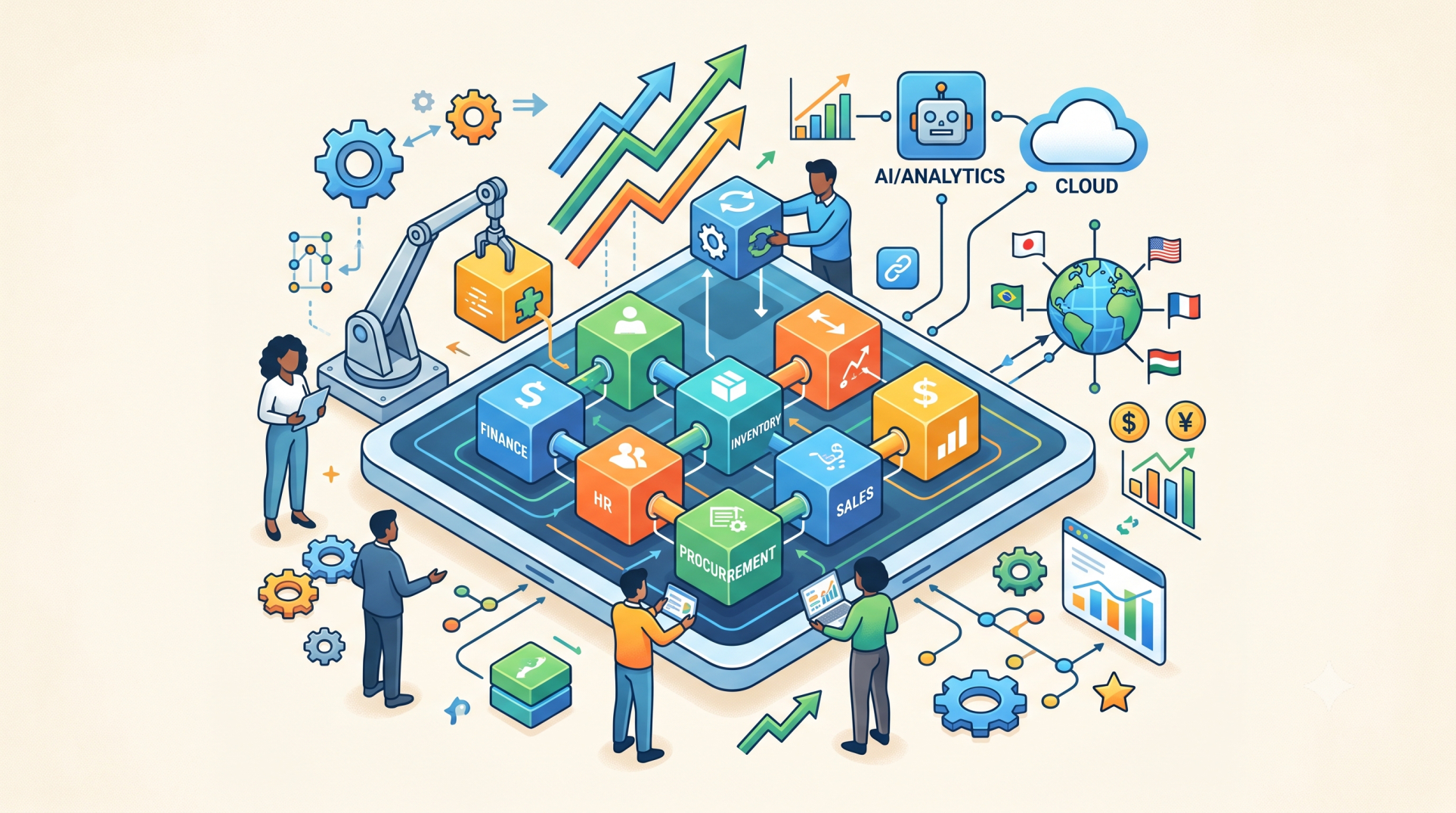
• Design ERP systems around customer experience objectives 🌍
• Enable scalability as customer demand grows 📦
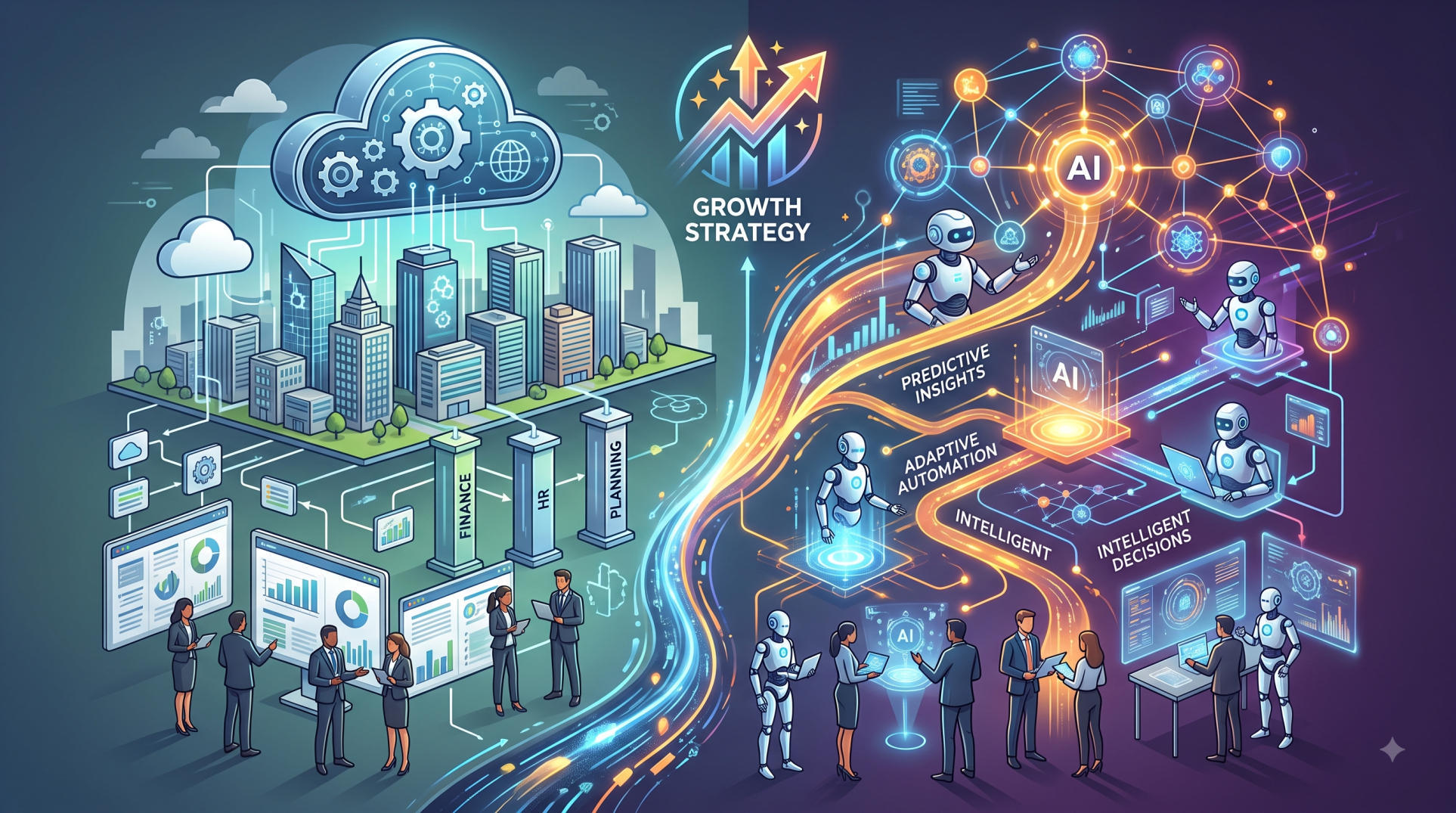
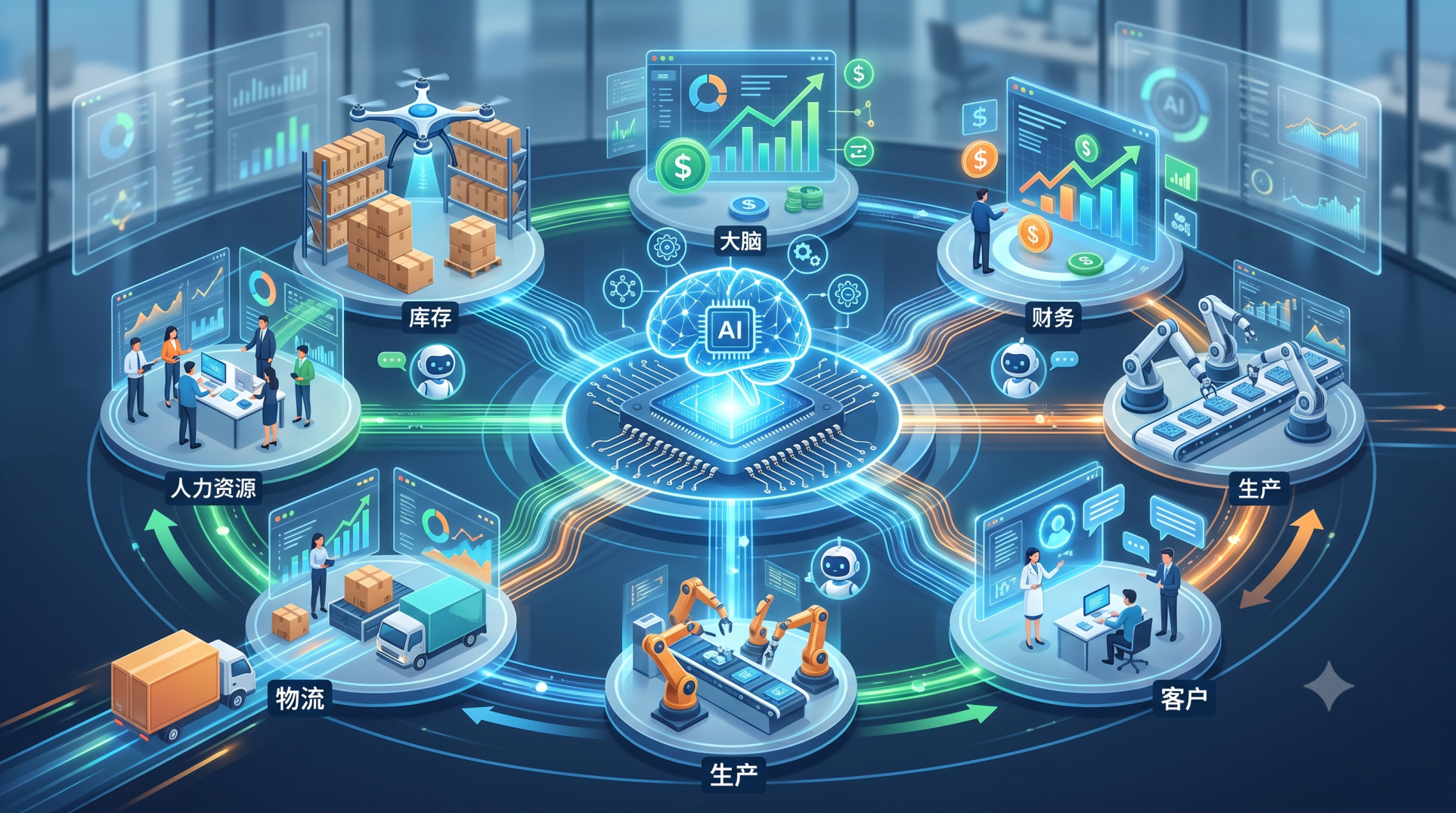
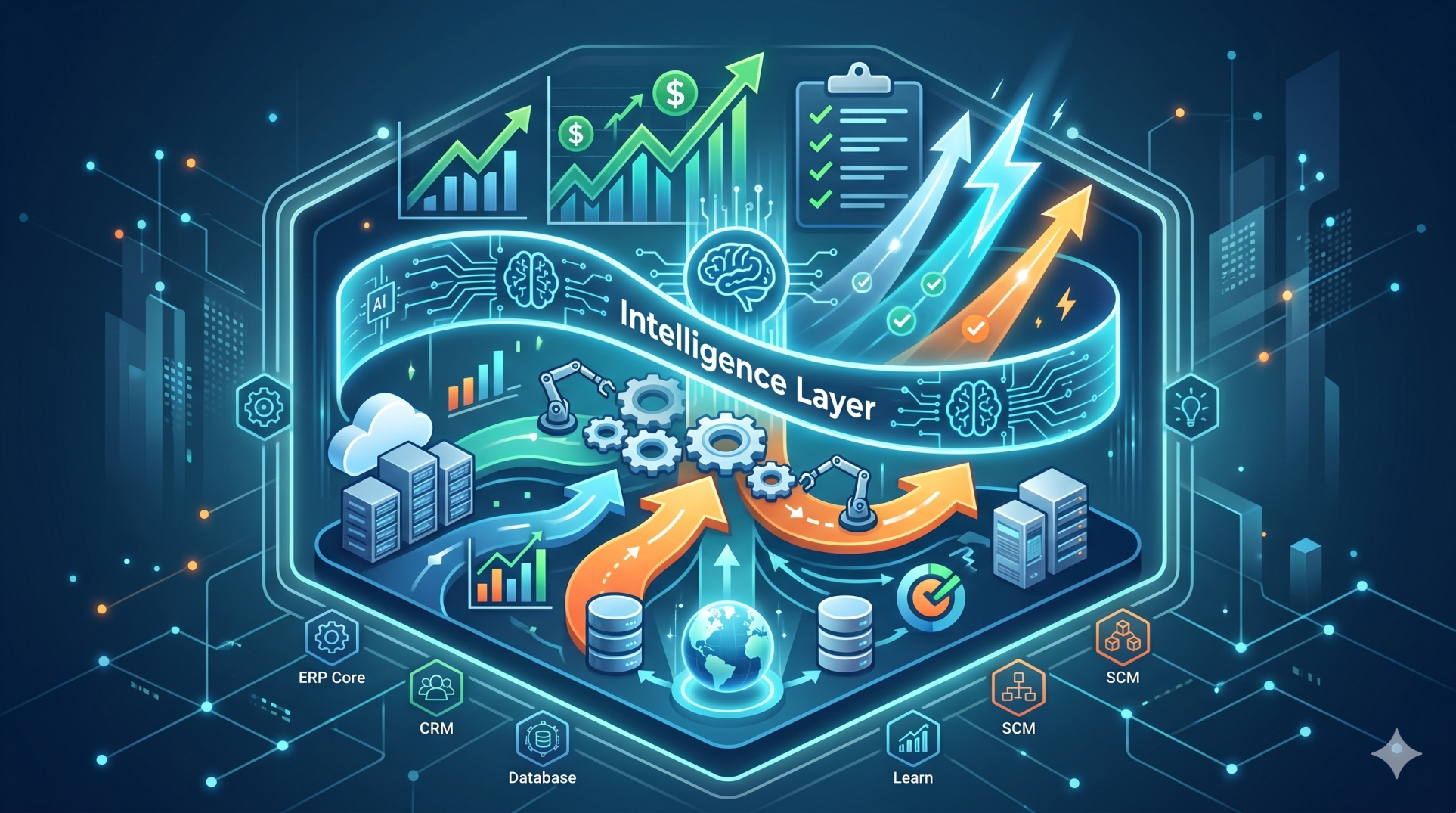
• Integrate AI and automation for predictive service capabilities 🤖
• Maintain flexibility to support changing market expectations 🔄
• Continuously optimize customer journey workflows for long-term success 📈
Conclusion
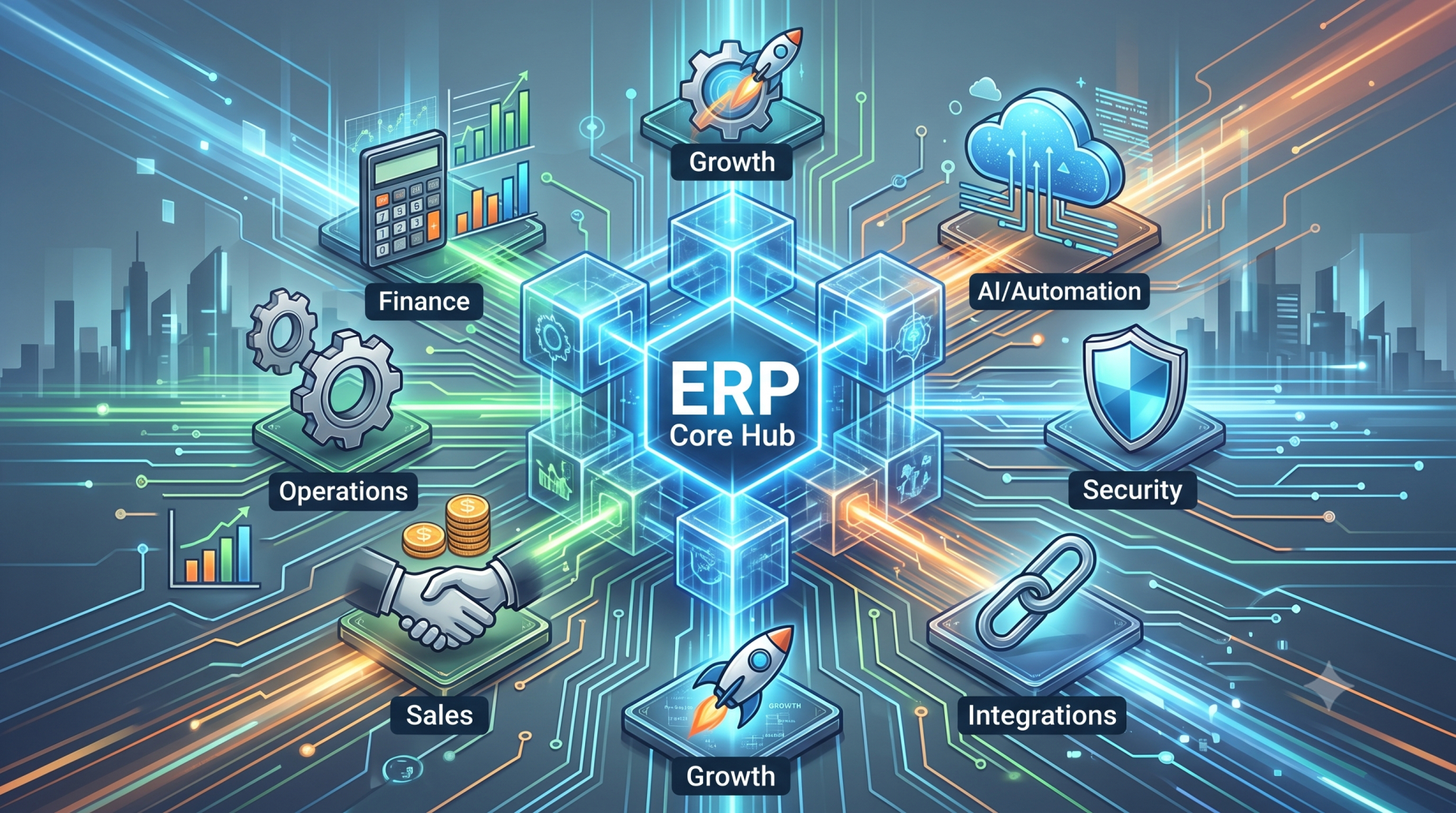
ERP systems play a vital role in managing the end-to-end customer journey by connecting every stage of customer interaction within a unified operational framework. By integrating sales, operations, service, and supply chain processes, businesses can deliver faster, more personalized, and more reliable experiences. A customer-centric ERP strategy not only improves operational efficiency but also strengthens loyalty and long-term business growth.
See more blogs
You can all the articles below