Intelligent Revenue Recognition Through ERP Automation
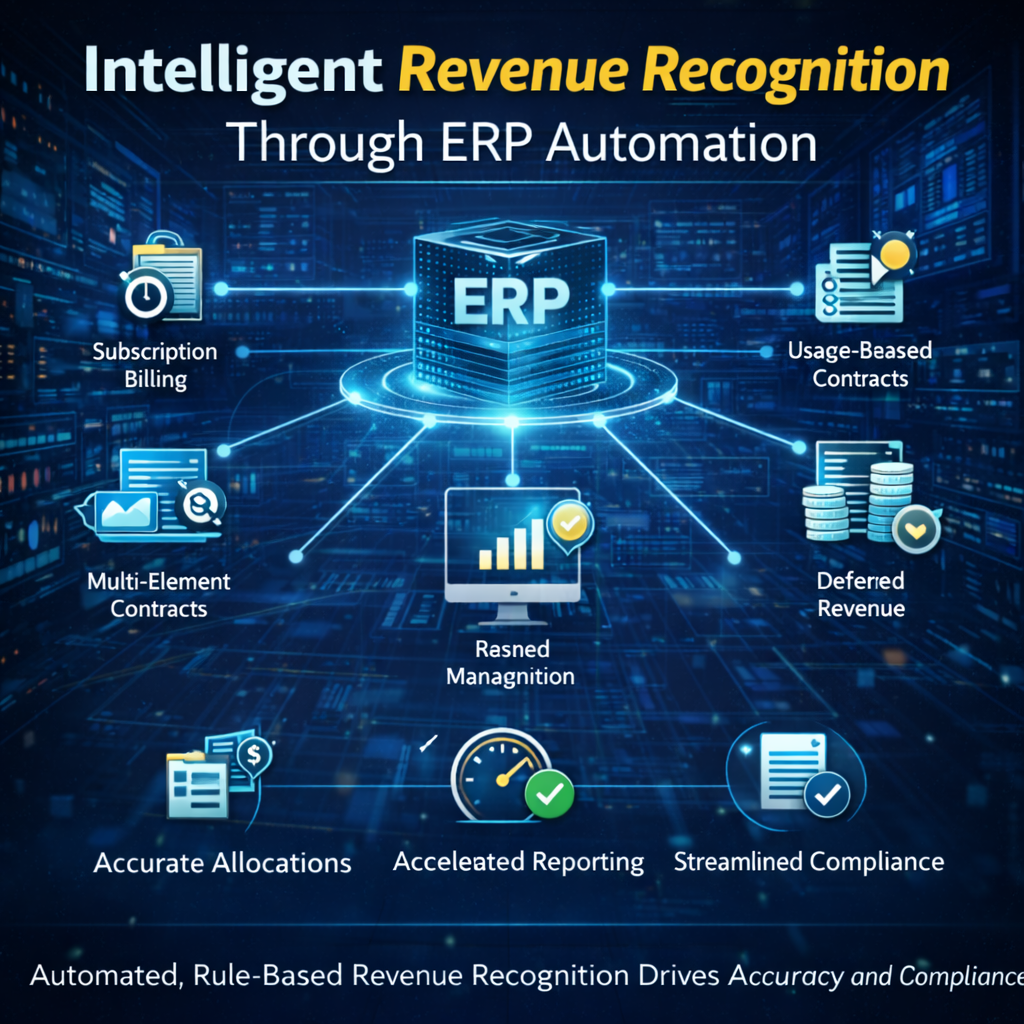
Revenue recognition remains one of the most sensitive and technically demanding areas in financial management. As companies adopt subscription models, usage-based billing, bundled offerings, and long-term service agreements, manual accounting approaches introduce operational risk and reporting delays. Modern ERP platforms modernize revenue recognition through automation, structured rules, and real-time visibility—ensuring compliance while improving financial precision and efficiency.
Step 1: The Rising Complexity of Revenue Structures 📊
• Subscription and recurring revenue models increase recognition challenges 🔁
• Bundled contracts require structured allocation across deliverables 📦
• Usage-based pricing introduces variability in revenue timing ⏳
• Deferred revenue demands disciplined tracking and reconciliation 📘
• Global expansion requires adherence to multiple accounting frameworks 🌍
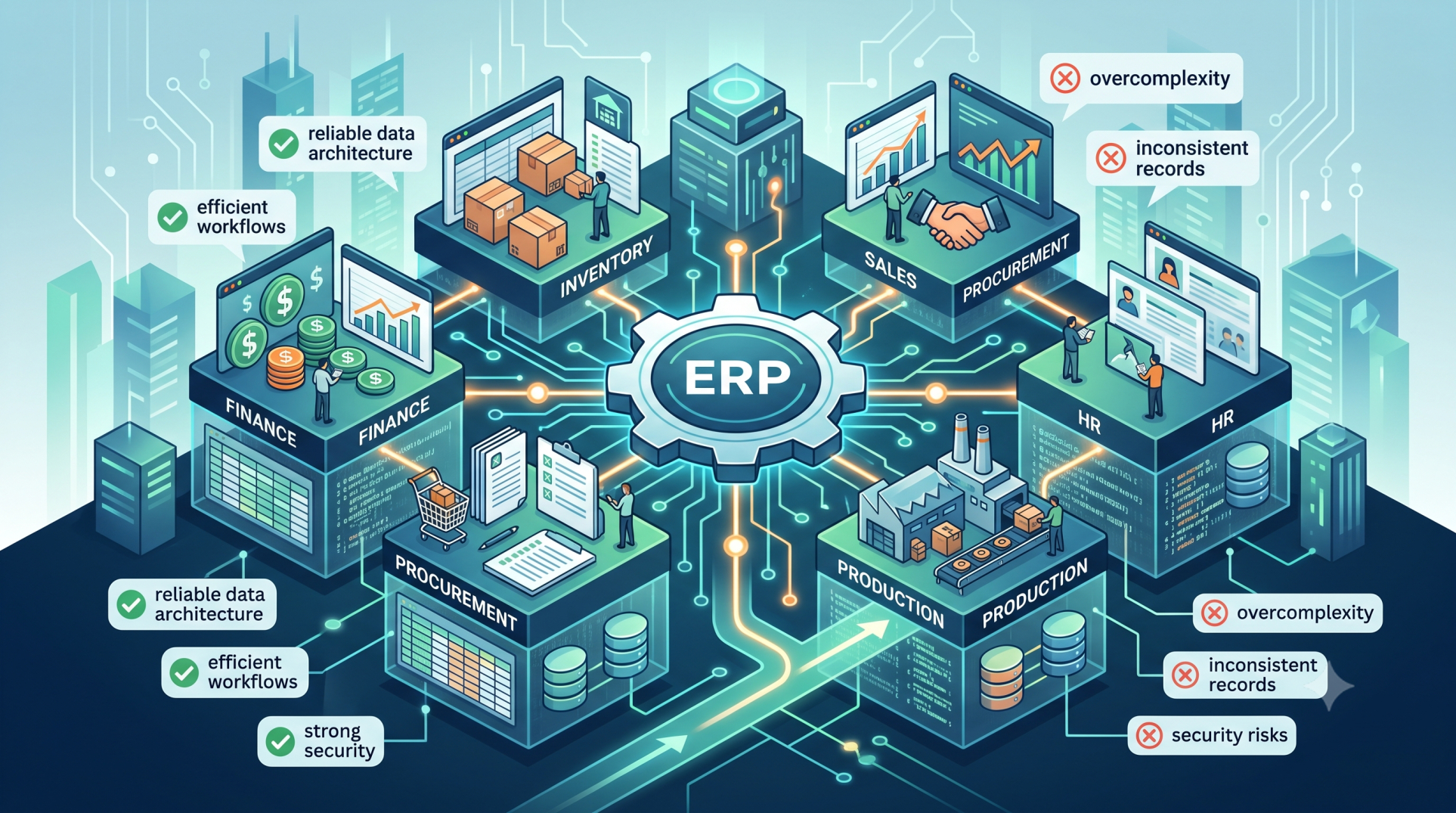
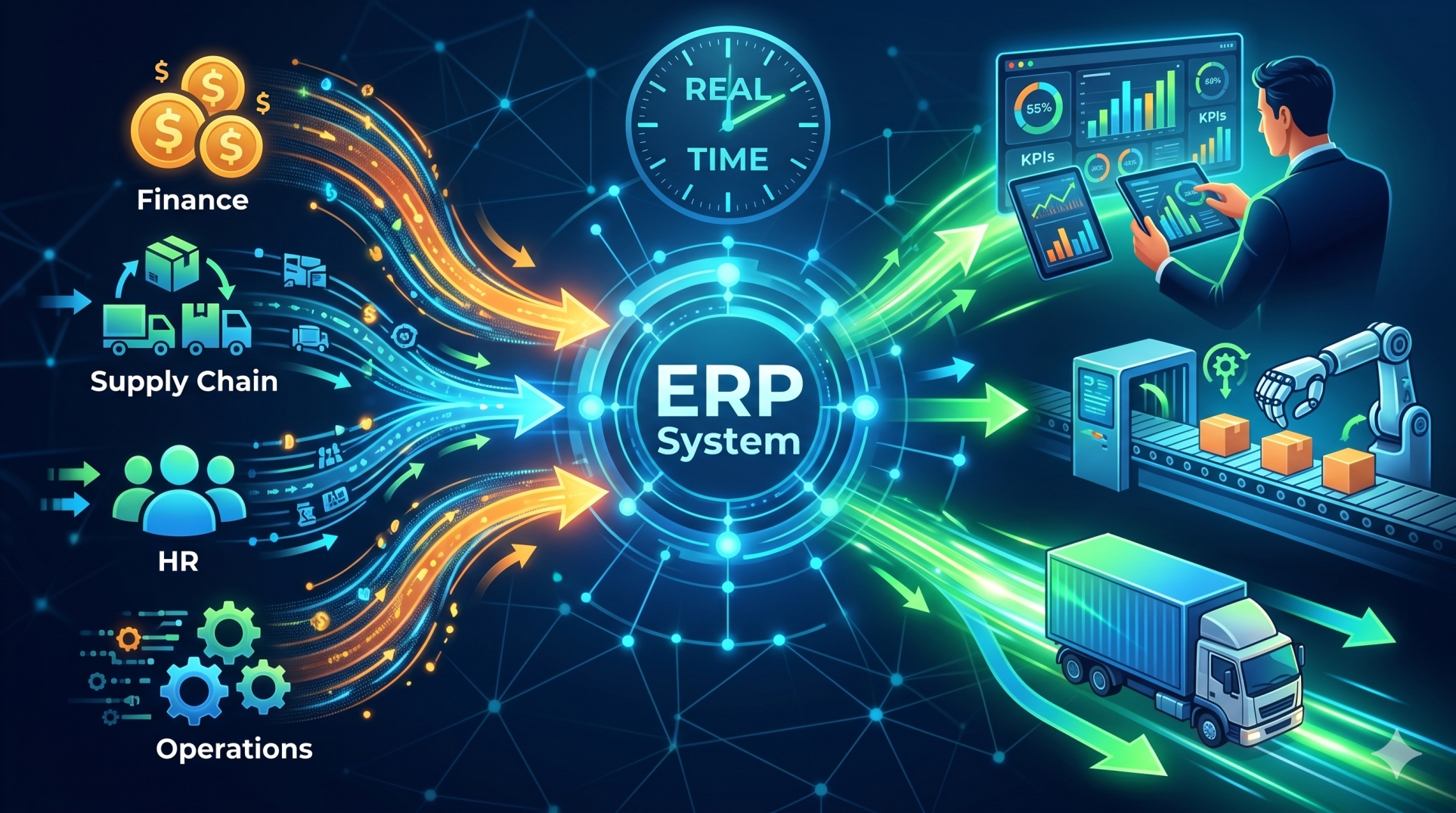
Step 2: ERP as the Core Revenue Processing Hub ⚙️
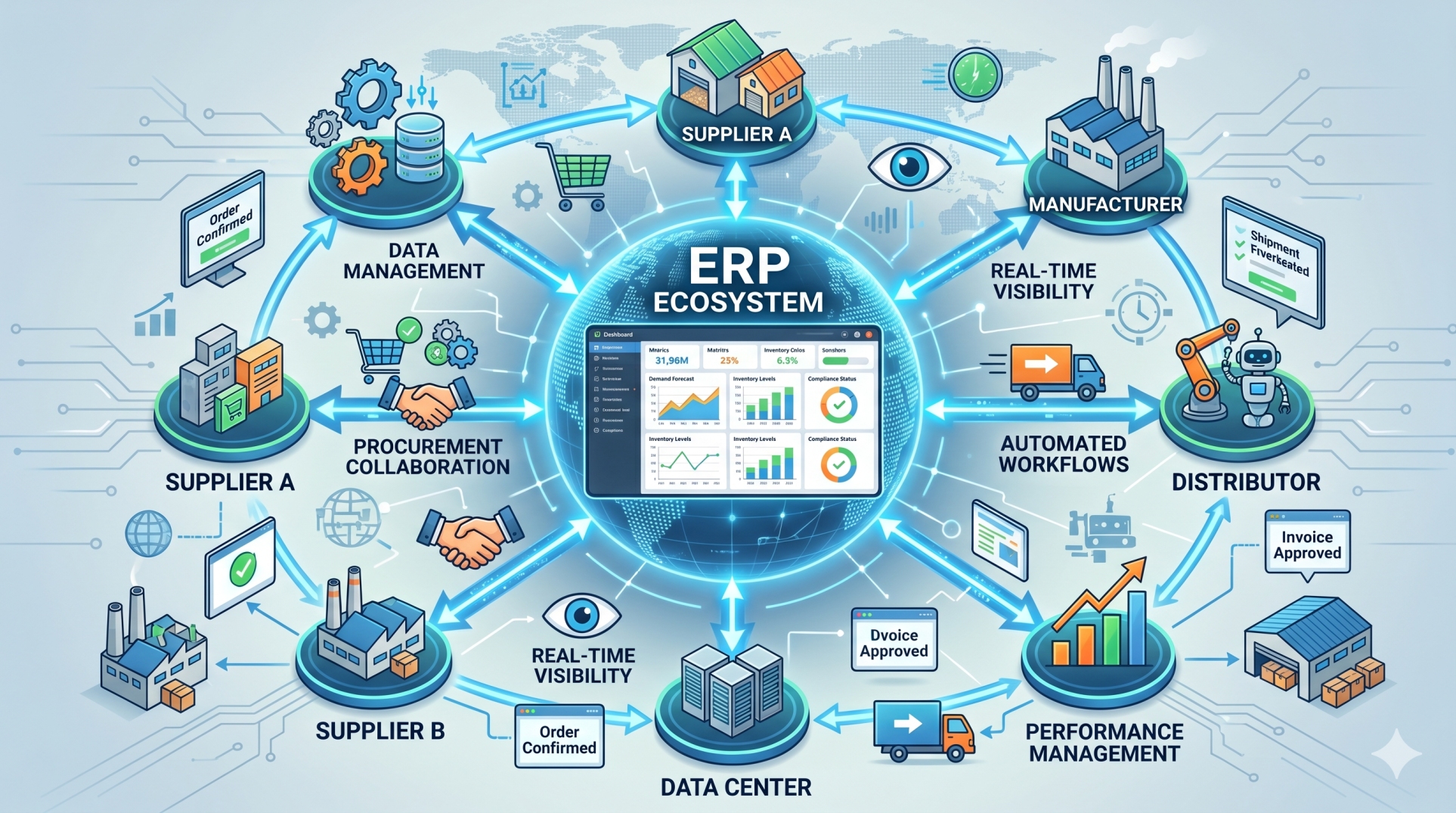
• Centralizes contract, billing, and financial data within a unified system 🗂️
• Aligns recognition policies directly with accounting standards 📐
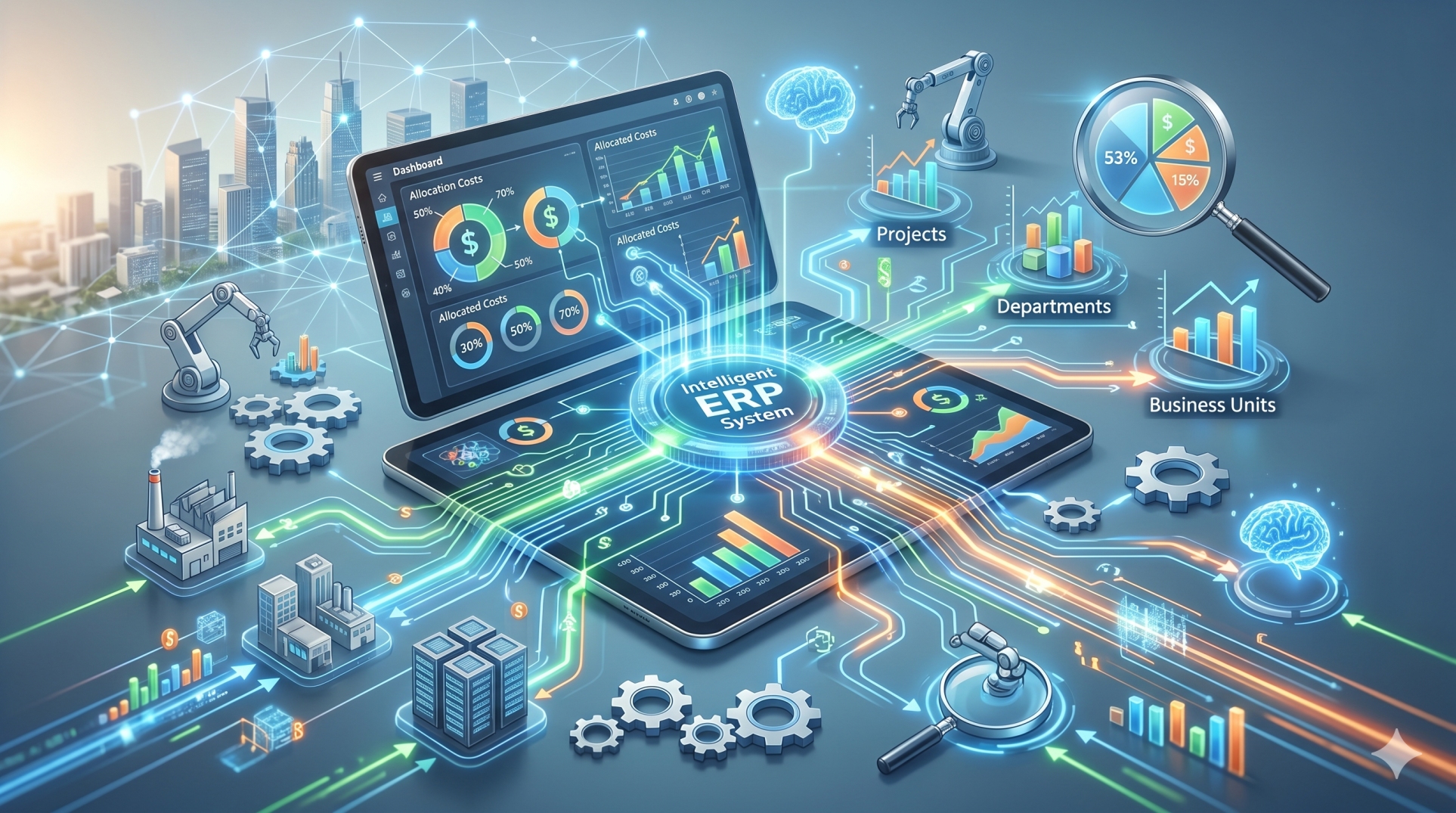
• Automates allocation across performance obligations 🧮
• Integrates sales transactions with financial postings seamlessly 🔗
• Eliminates spreadsheet dependency and manual rework 🧾
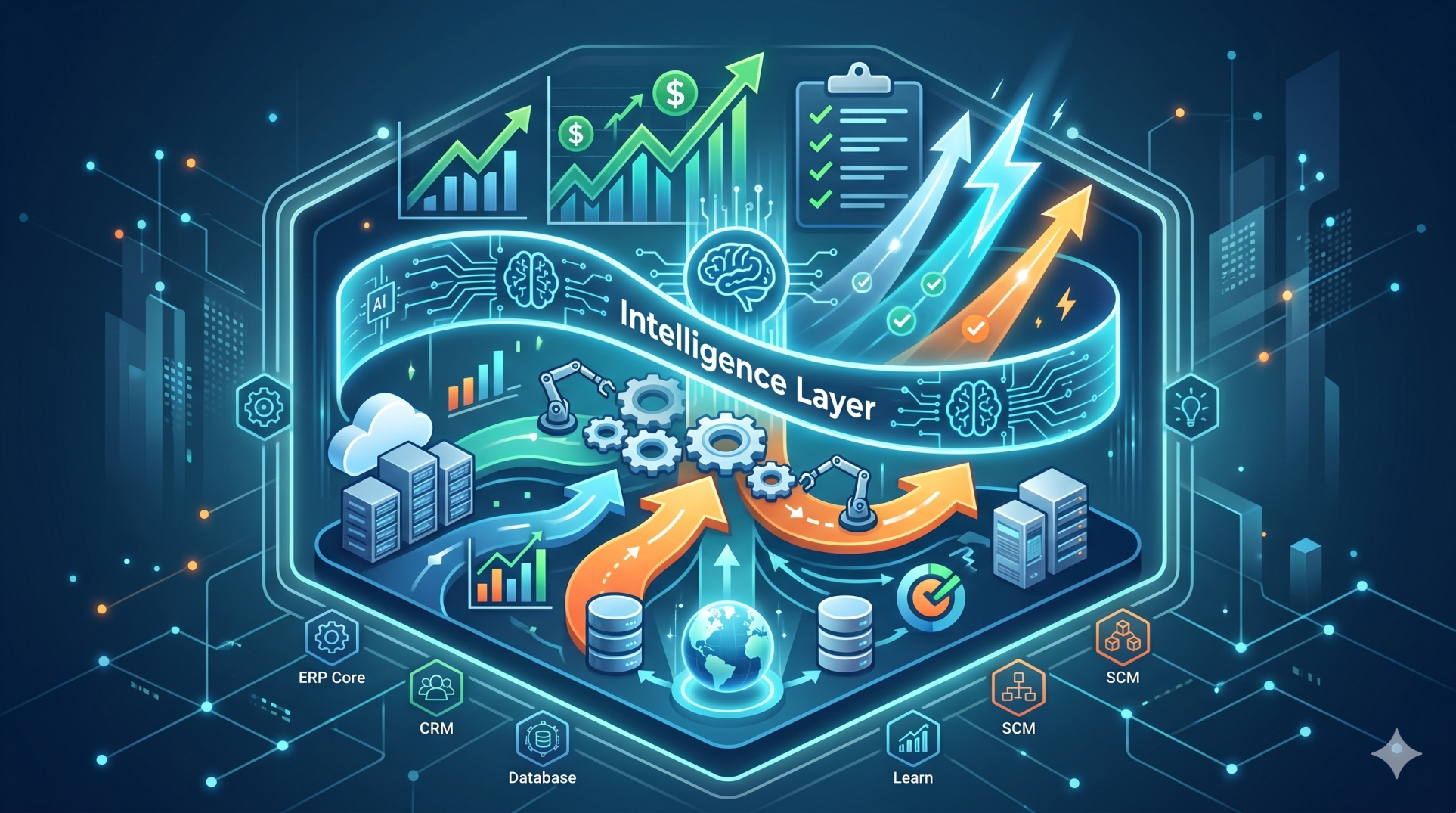
Step 3: Rule-Driven Automated Revenue Recognition 🤖
• Executes predefined recognition schedules without manual intervention 📅
• Distributes transaction values using configured allocation logic 📊
• Recognizes revenue over time or at delivery based on contract terms ⏱️
• Manages contract amendments, renewals, and modifications systematically 🔄
• Reduces recurring operational workload for finance teams ✔️
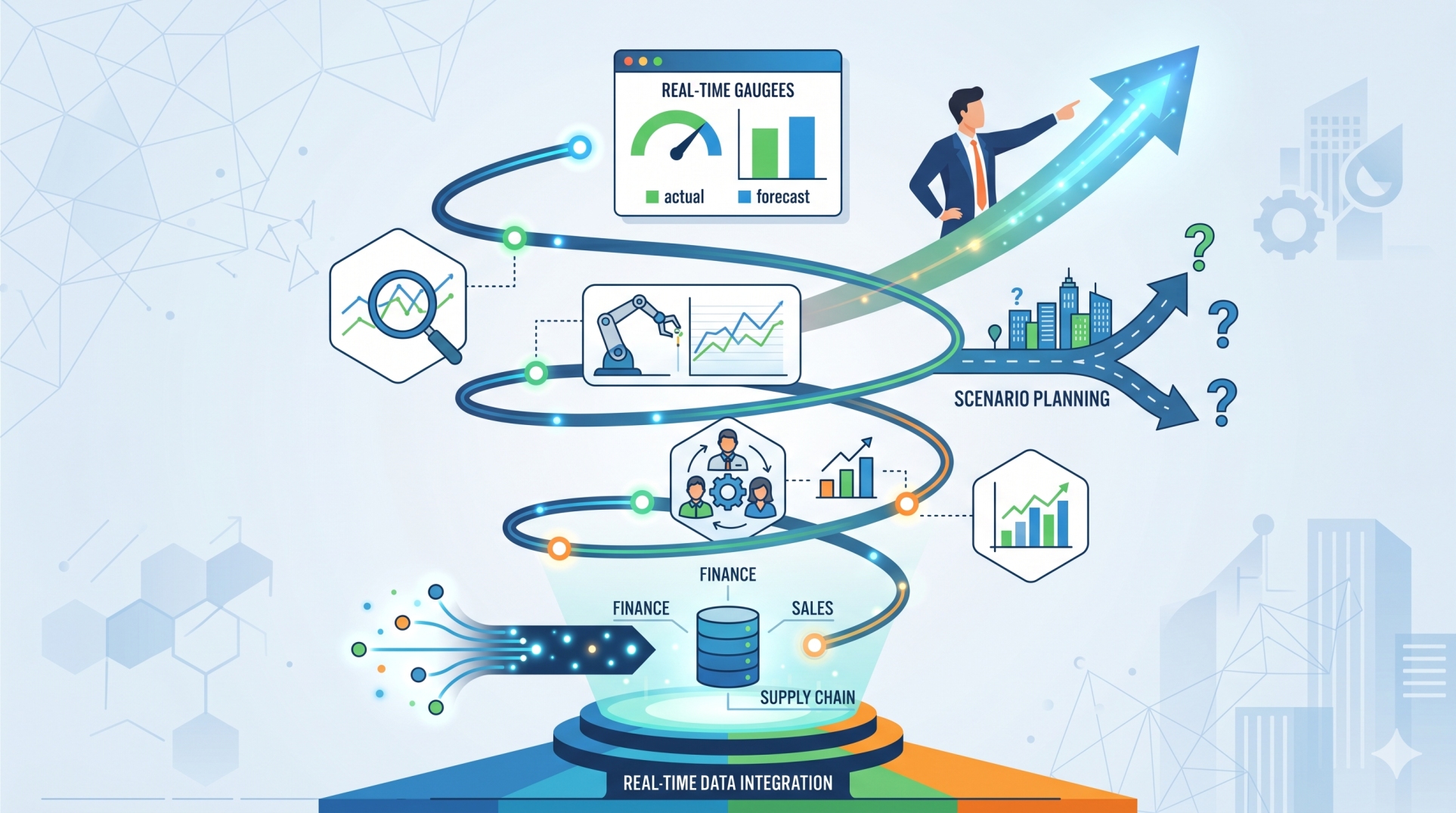
Step 4: Real-Time Revenue Intelligence 📈
• Delivers instant visibility into earned and deferred revenue balances 👀
• Connects revenue data with pipeline and booking information 🔍
• Improves forecasting with continuously updated financial inputs 📊
• Shortens month-end close cycles ⏳
• Enhances transparency across finance and leadership teams 🏢
Step 5: Compliance and Regulatory Assurance 🛡️
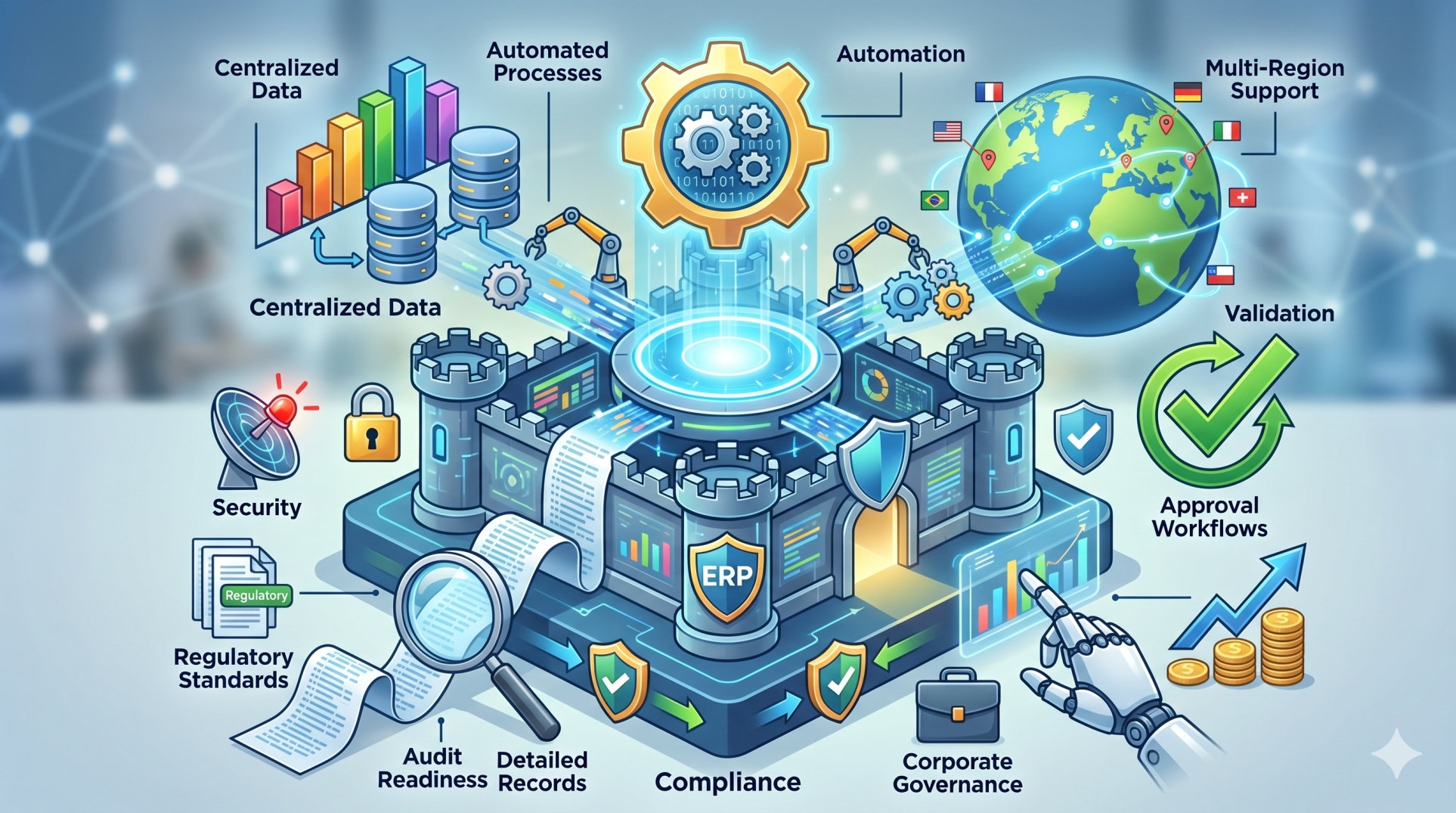
• Supports global standards including ASC 606 and IFRS 15 📘
• Maintains detailed transaction-level audit trails 🧾
• Enforces uniform accounting policies across entities 📏
• Minimizes exposure to compliance errors and financial misstatements ⚖️
• Streamlines internal and external audit readiness 🔍
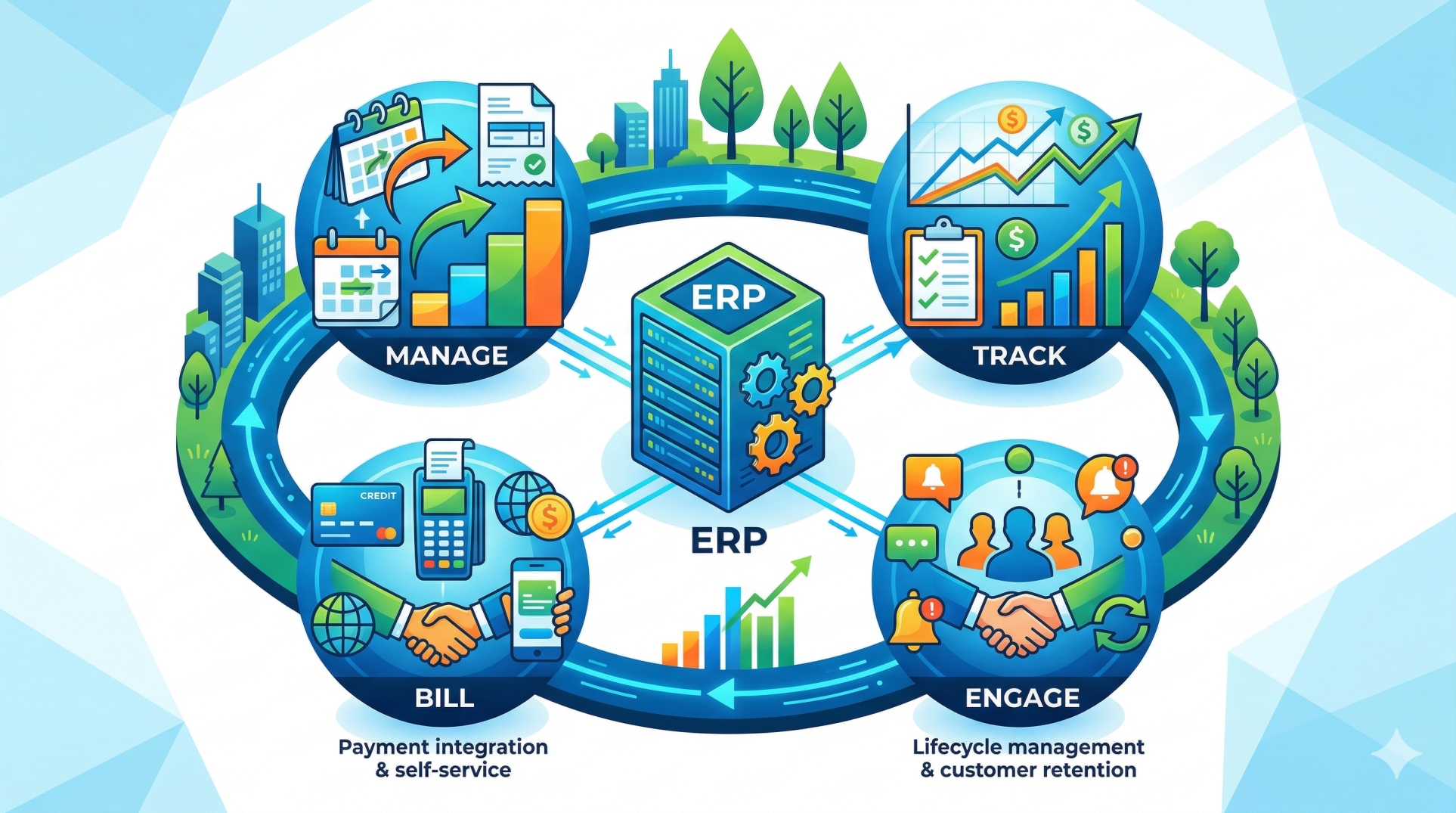
Step 6: Efficient Management of Deferred and Recurring Revenue 🔁
• Automatically tracks and updates deferred revenue balances 📊
• Schedules recognition according to contractual timelines 📅
• Handles renewals and recurring billing cycles efficiently 🔄
• Adjusts revenue timing for service upgrades or plan changes ⬆️⬇️
• Ensures alignment between revenue reporting and service fulfillment ✔️
Step 7: Advanced Forecasting and Predictive Visibility 🔮
• Projects forward revenue based on active agreements 📈
• Identifies renewal patterns and churn indicators 📉
• Enables scenario modeling for financial planning 🧠
• Links operational metrics to revenue performance 📊
• Strengthens long-term strategic forecasting capabilities 🏗️
Step 8: Strategic Value for Financial Leadership 🏆
• Equips CFOs with reliable, real-time revenue insight 📊
• Reduces financial exposure through automated controls 🛡️
• Speeds reporting cycles and improves confidence in disclosures ⏱️
• Reinforces trust among investors and stakeholders 🤝
Conclusion
Intelligent revenue recognition powered by ERP automation elevates finance from a reactive compliance function to a proactive strategic driver. By embedding accounting logic directly into operational workflows, ERP systems deliver consistency, transparency, and control across increasingly complex revenue models. As organizations grow and diversify, automated revenue recognition becomes indispensable for maintaining regulatory compliance, improving forecast accuracy, and empowering confident financial leadership.
See more blogs
You can all the articles below