Real-Time Customer Experience Management Using ERP

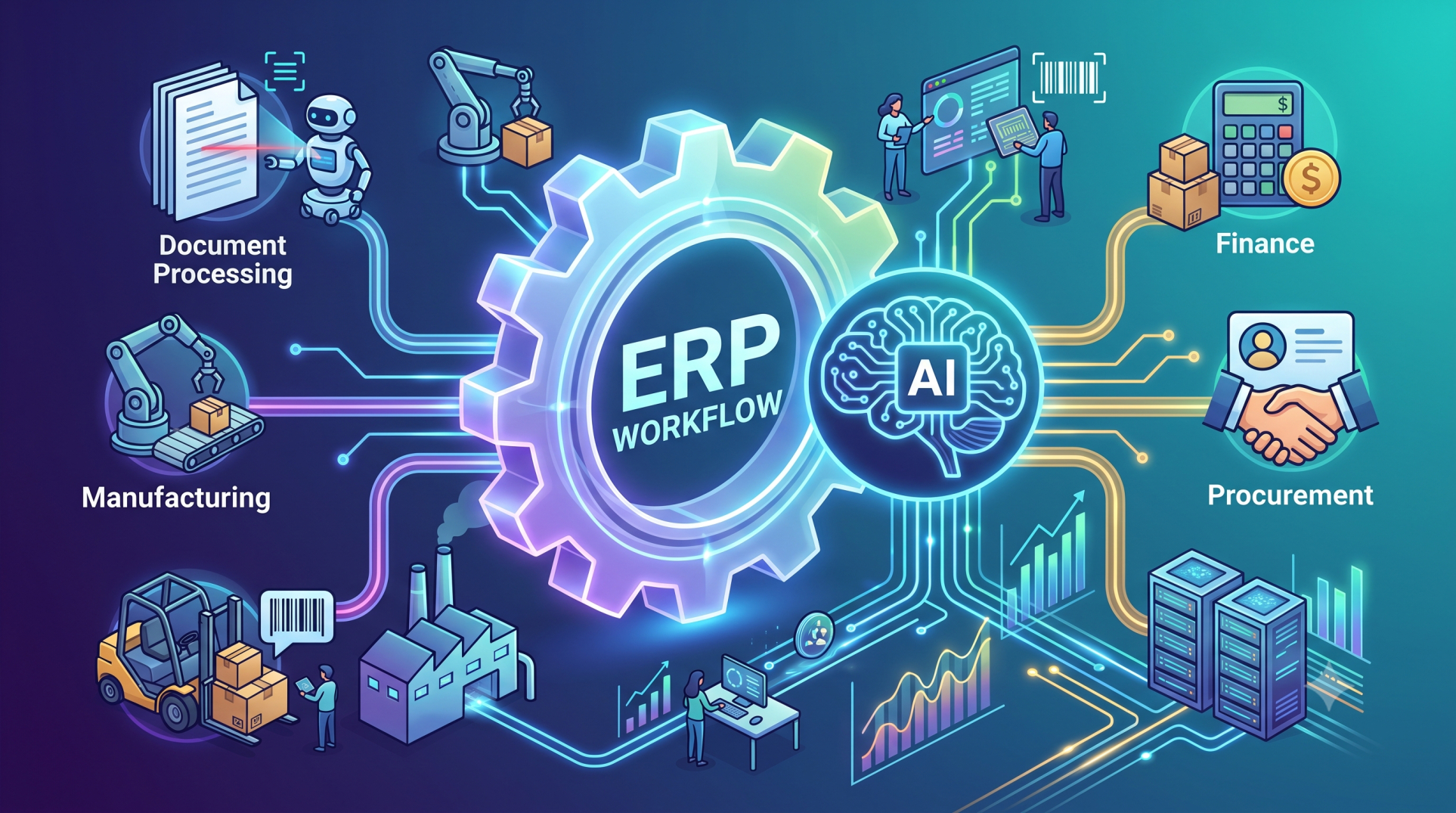
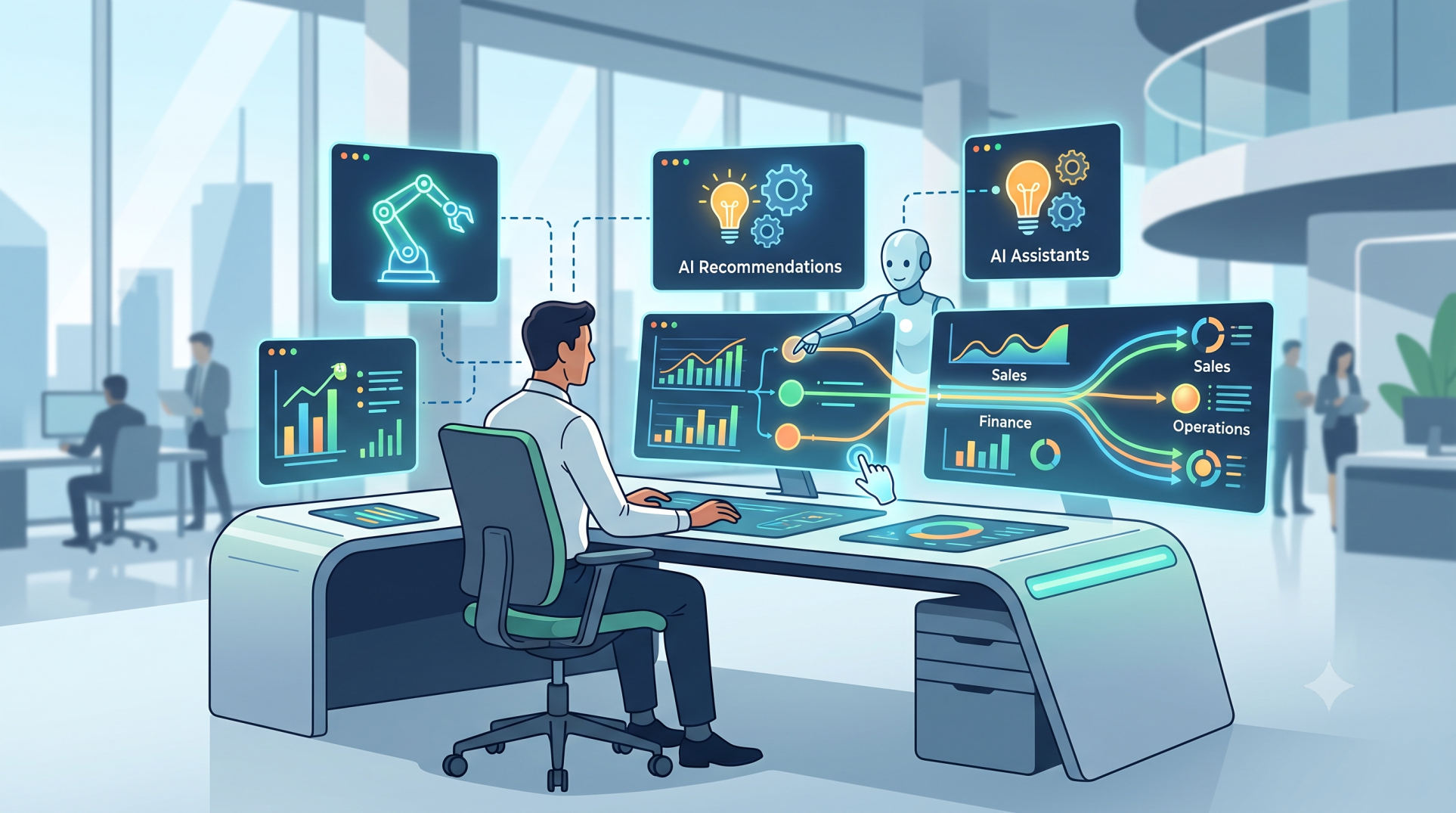
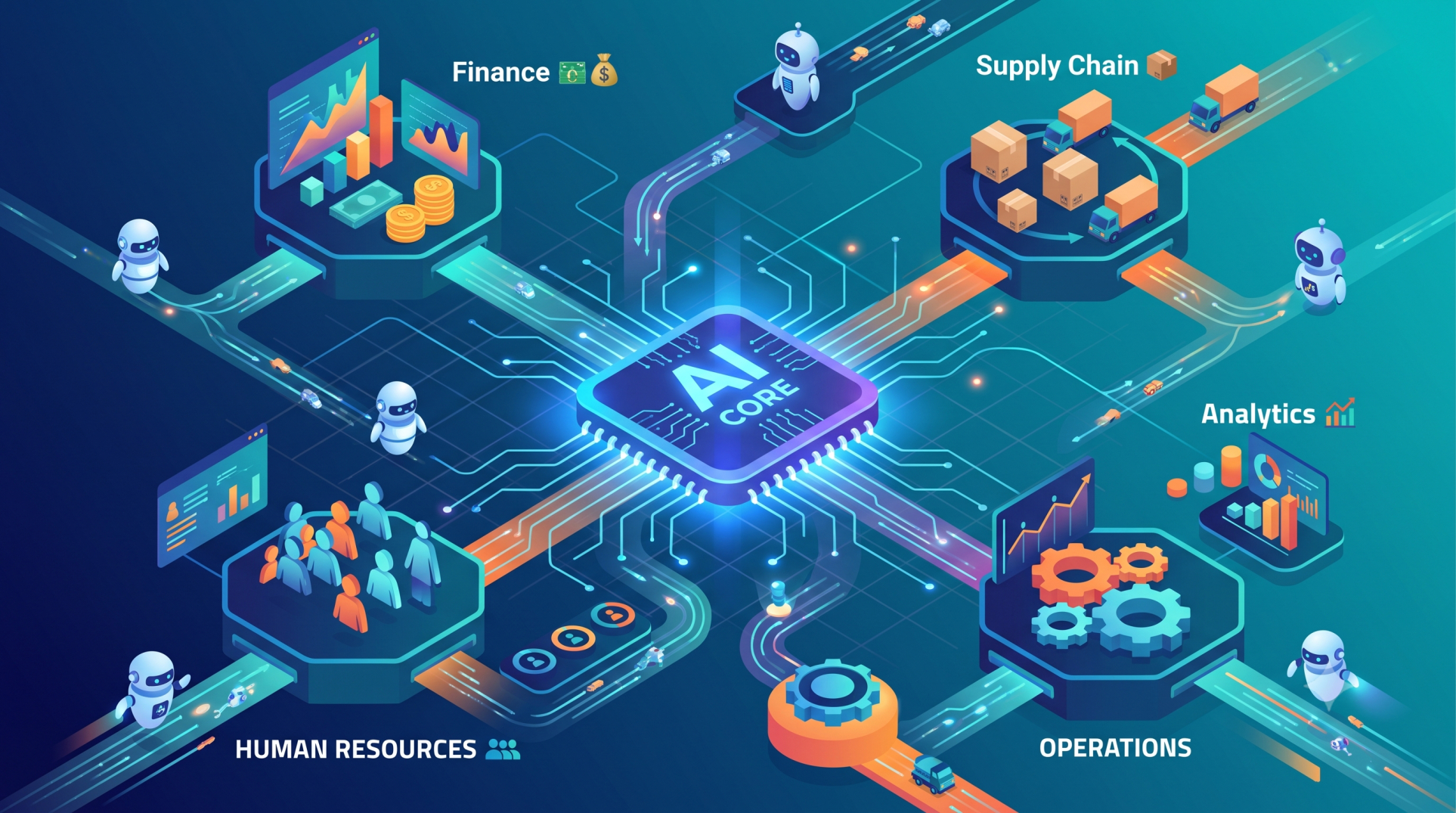
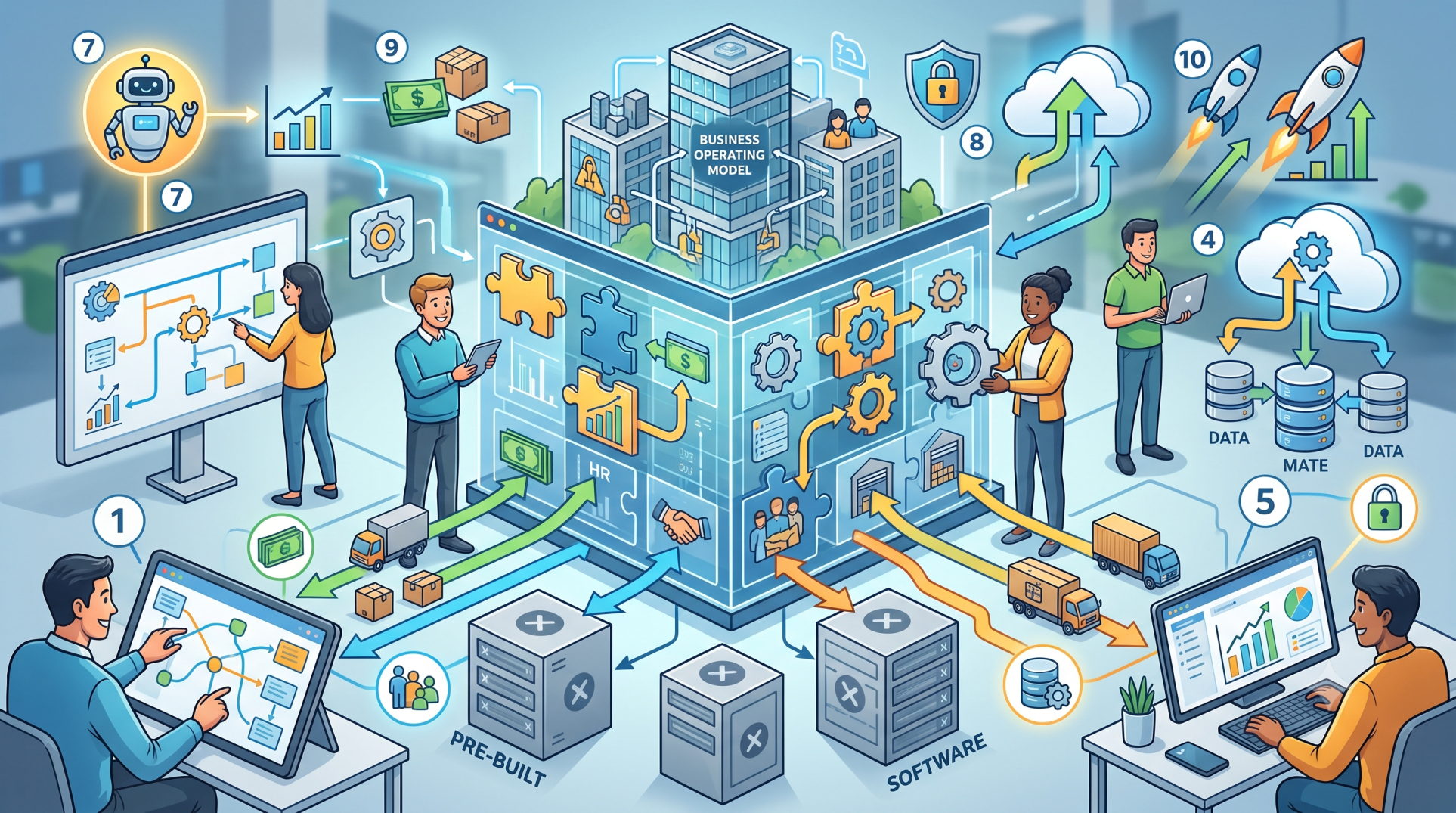
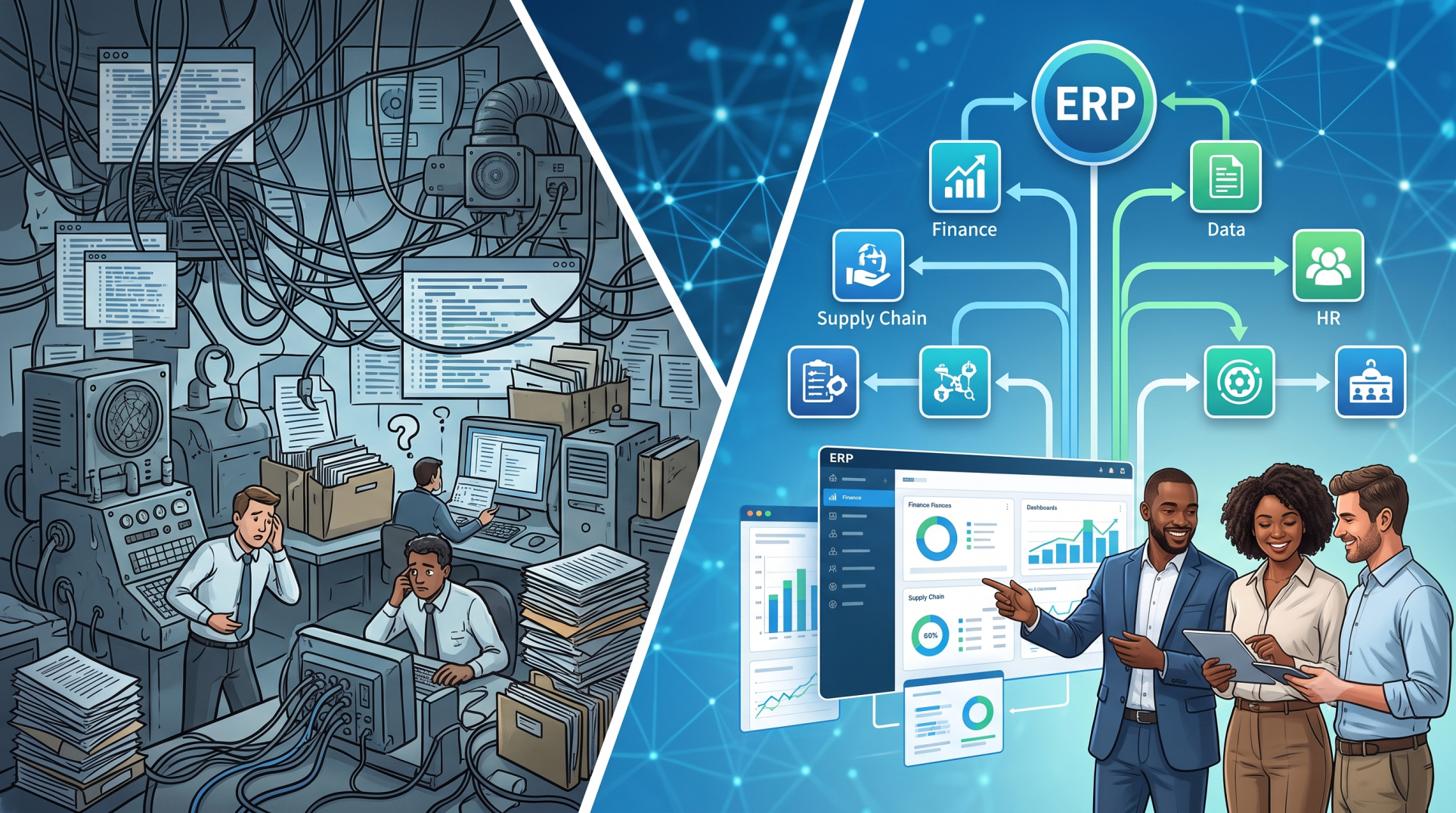
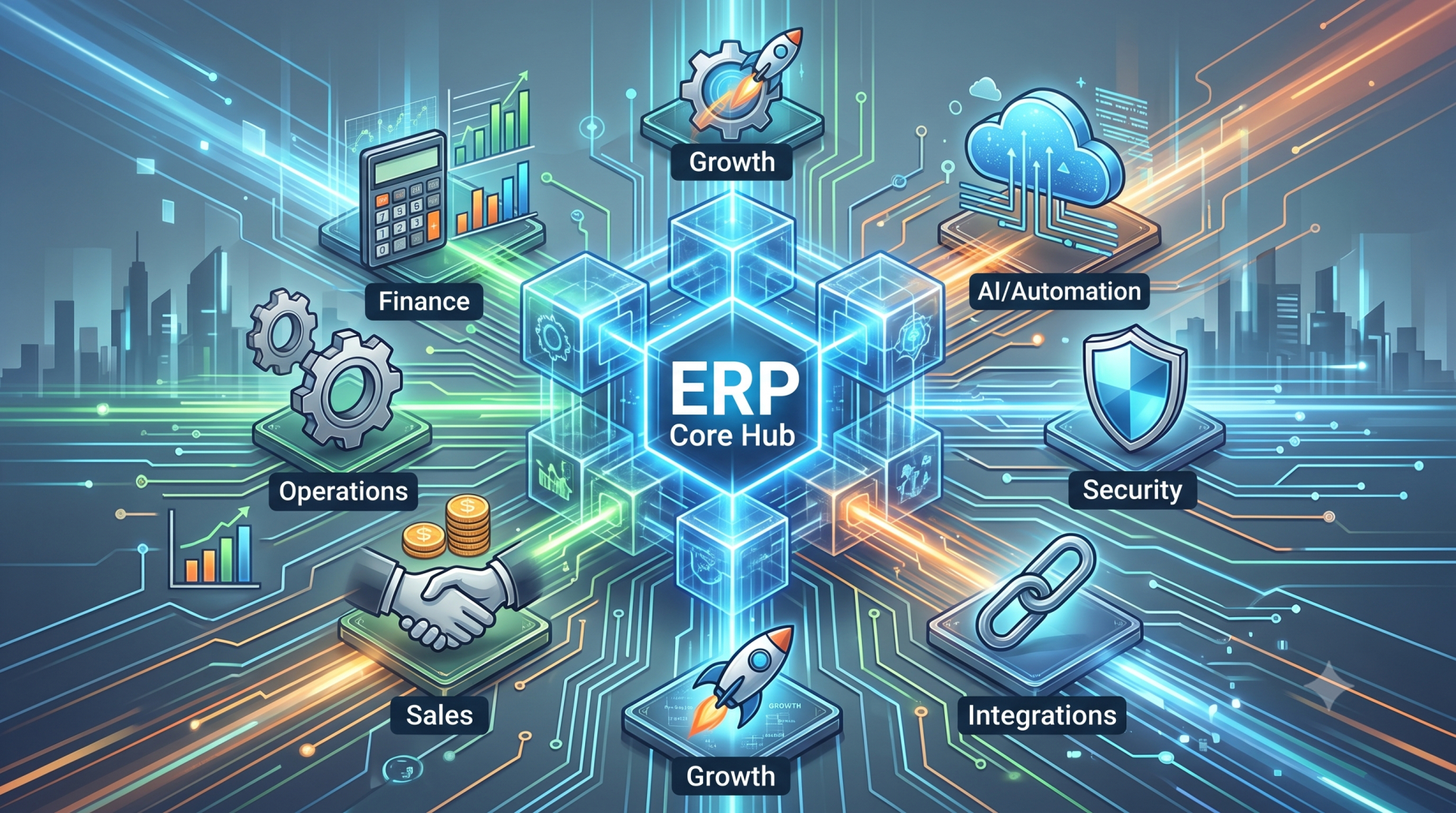
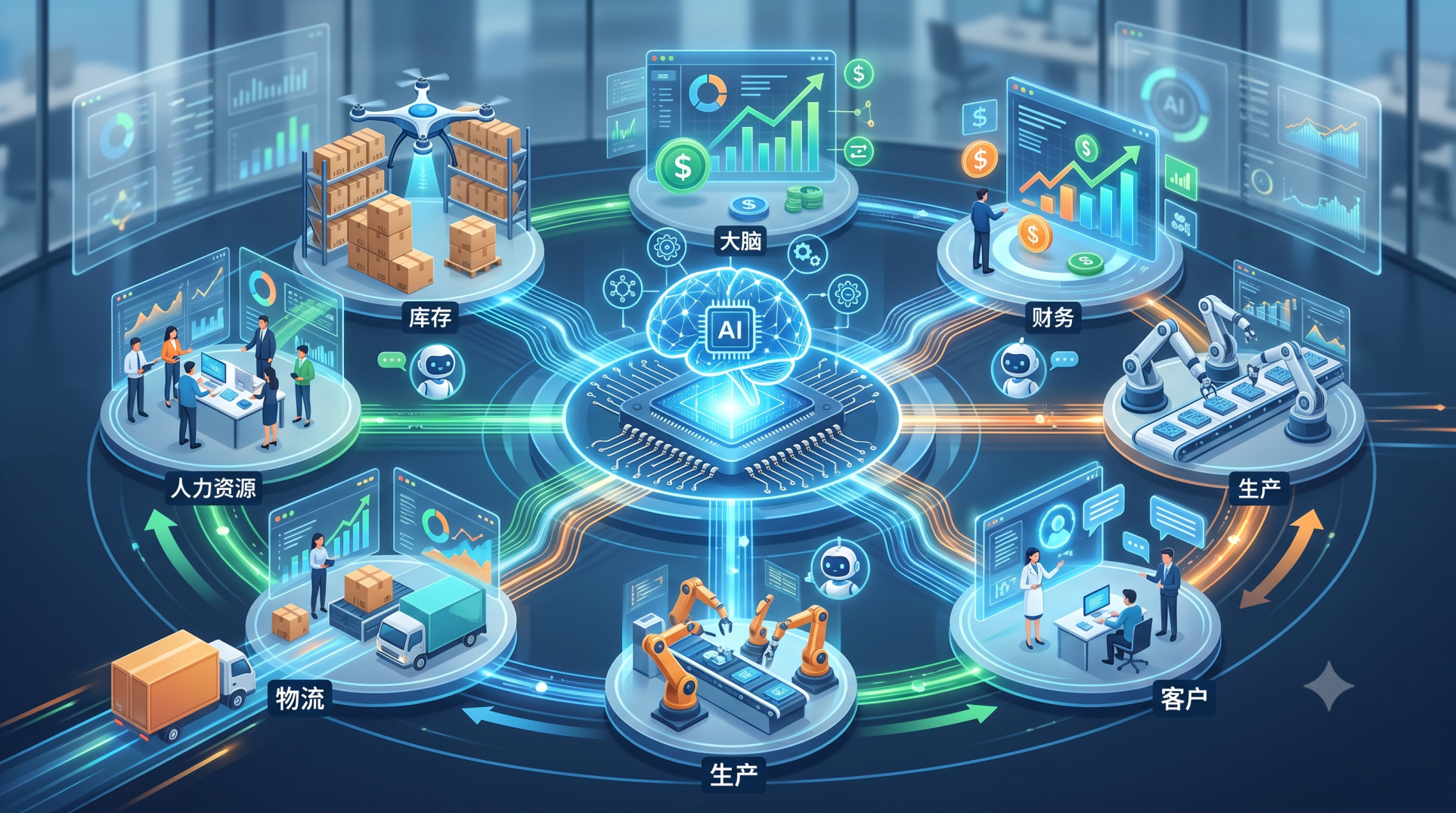
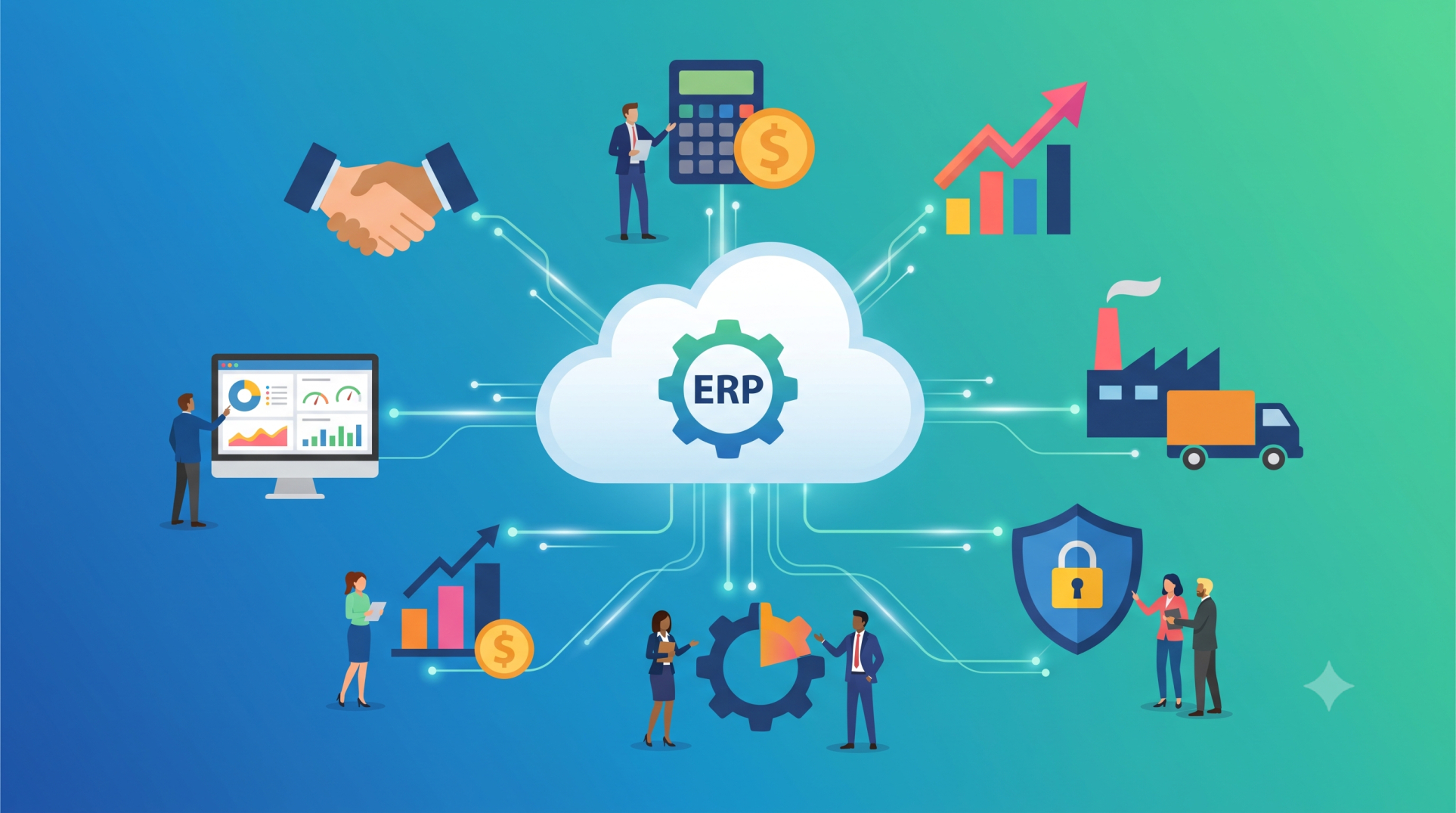
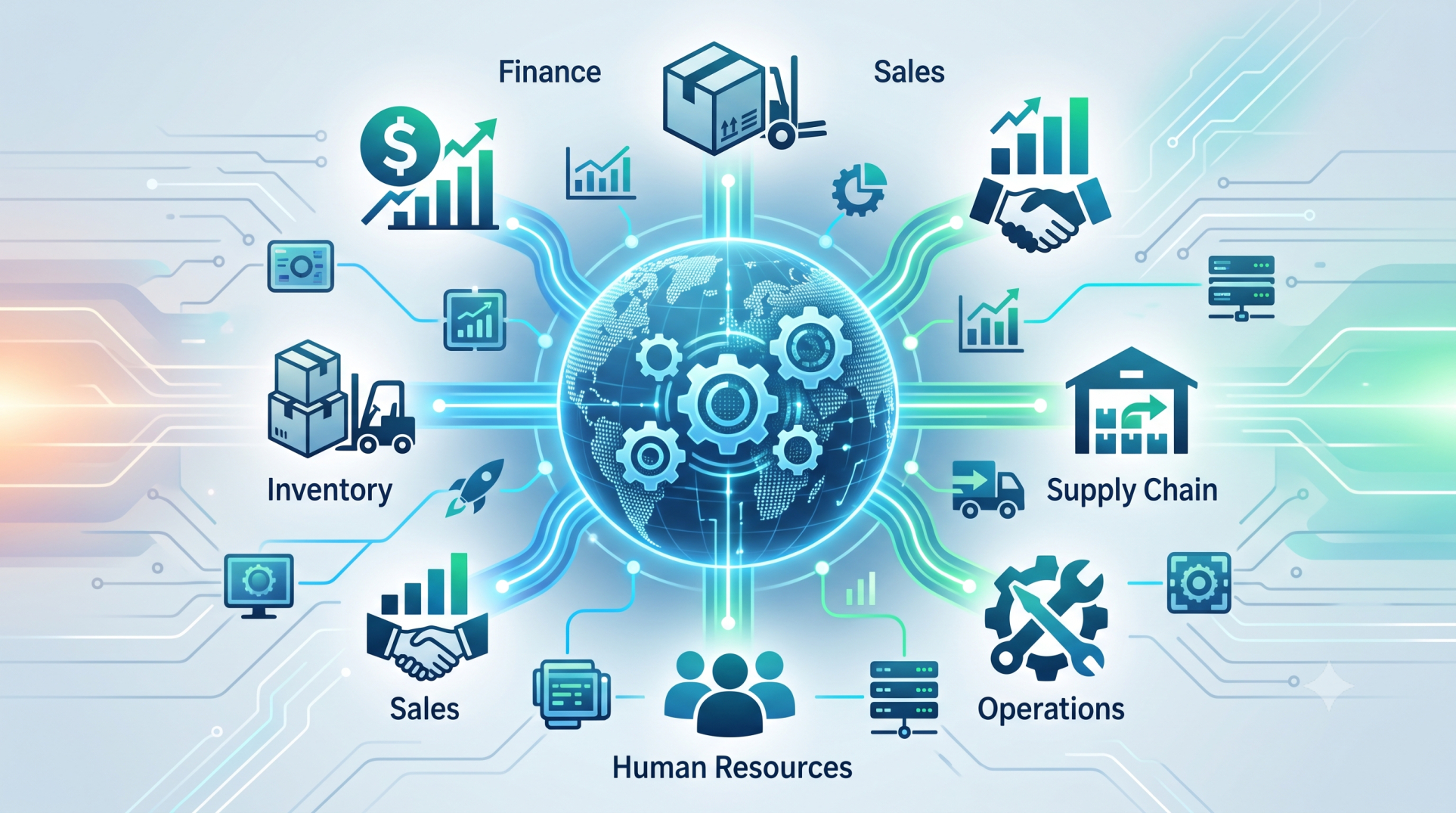
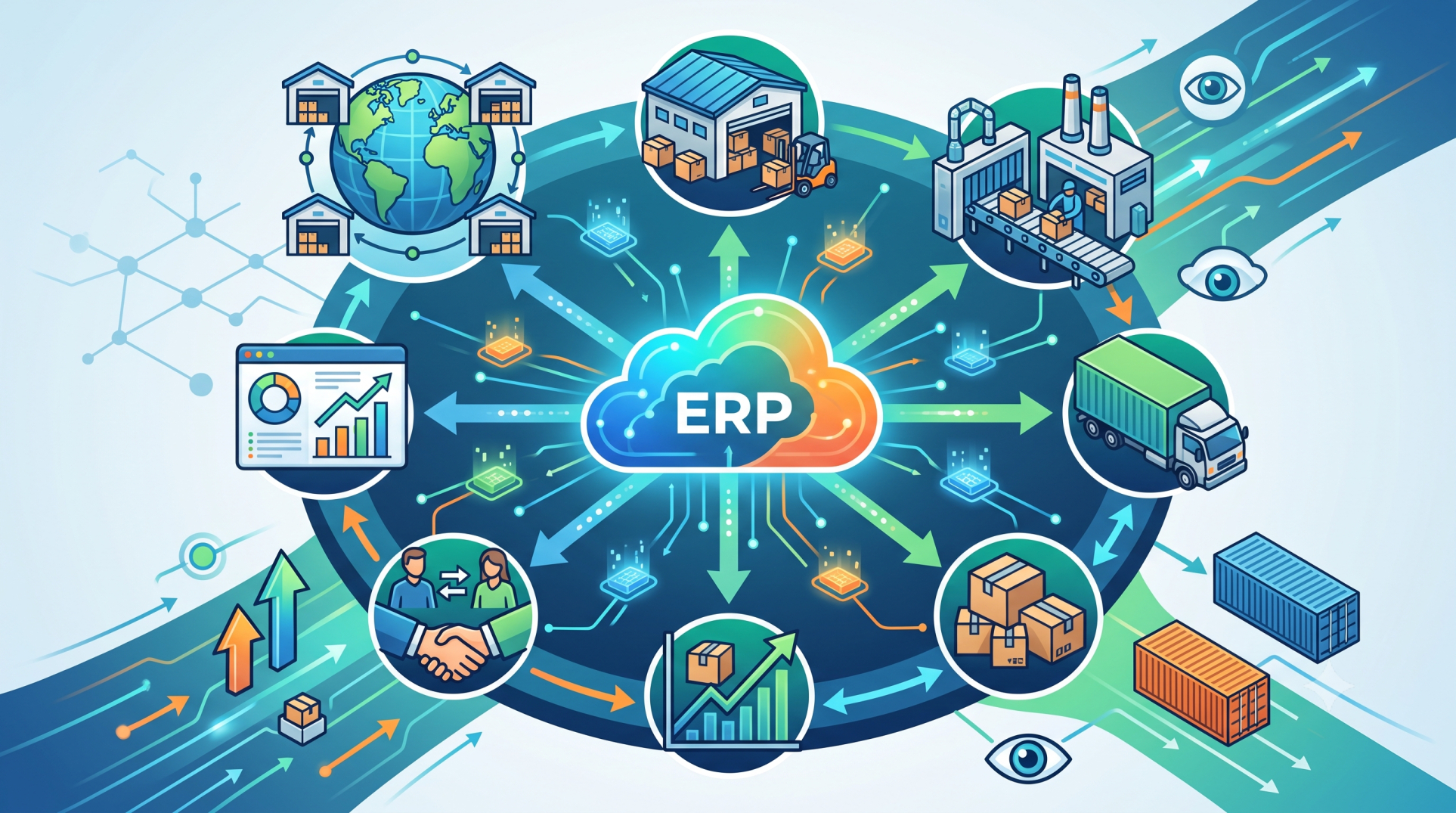
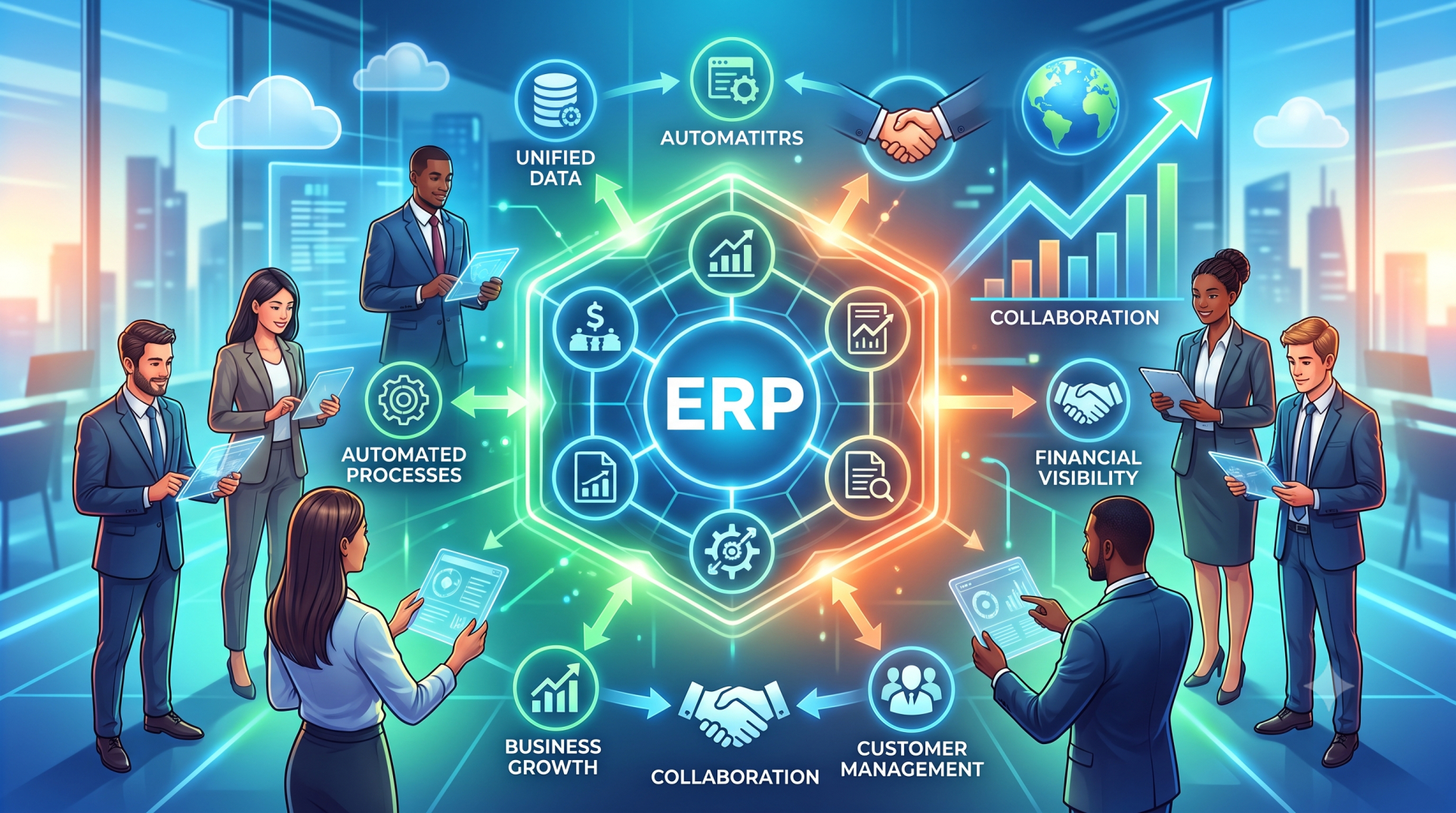
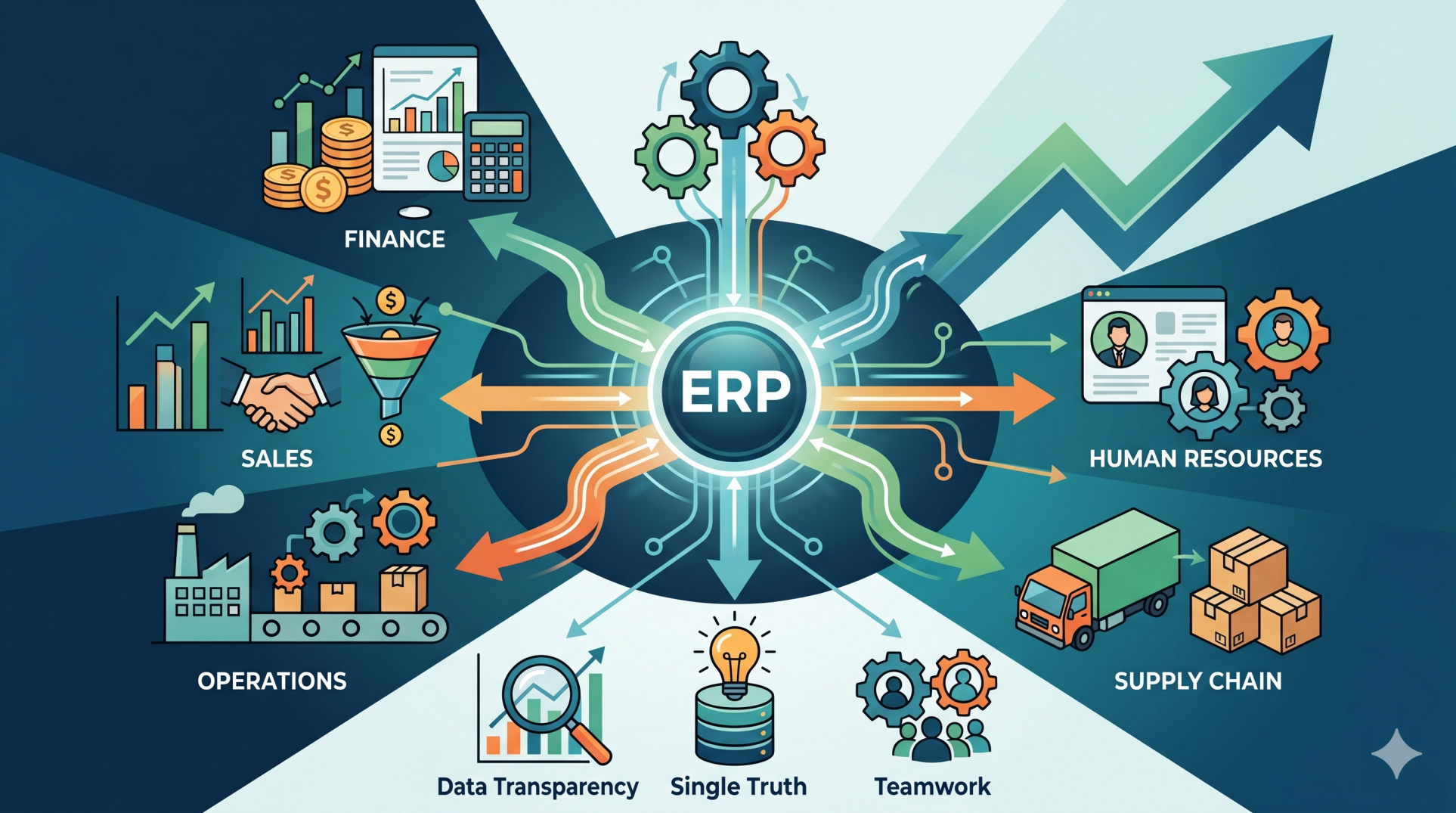
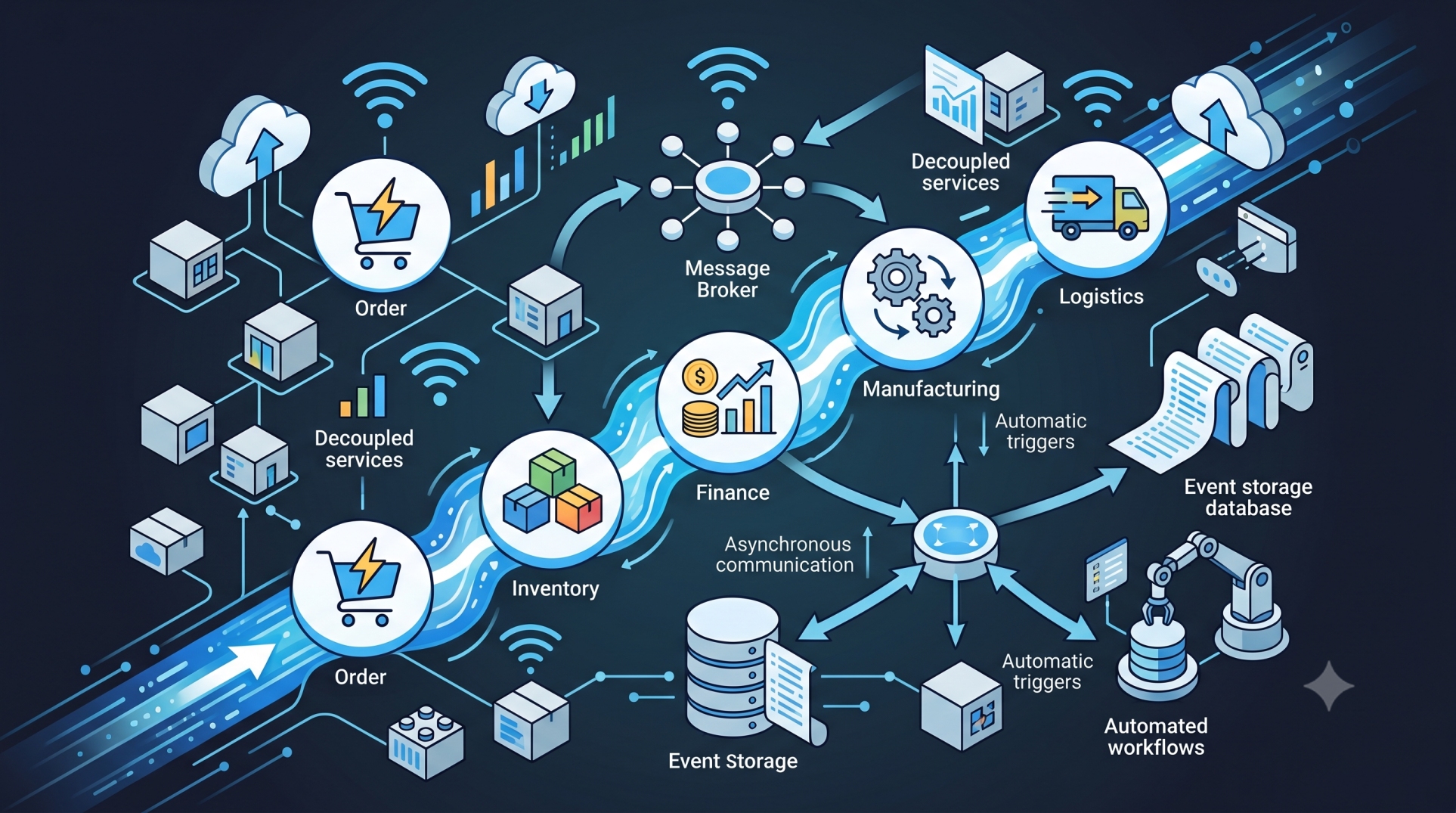
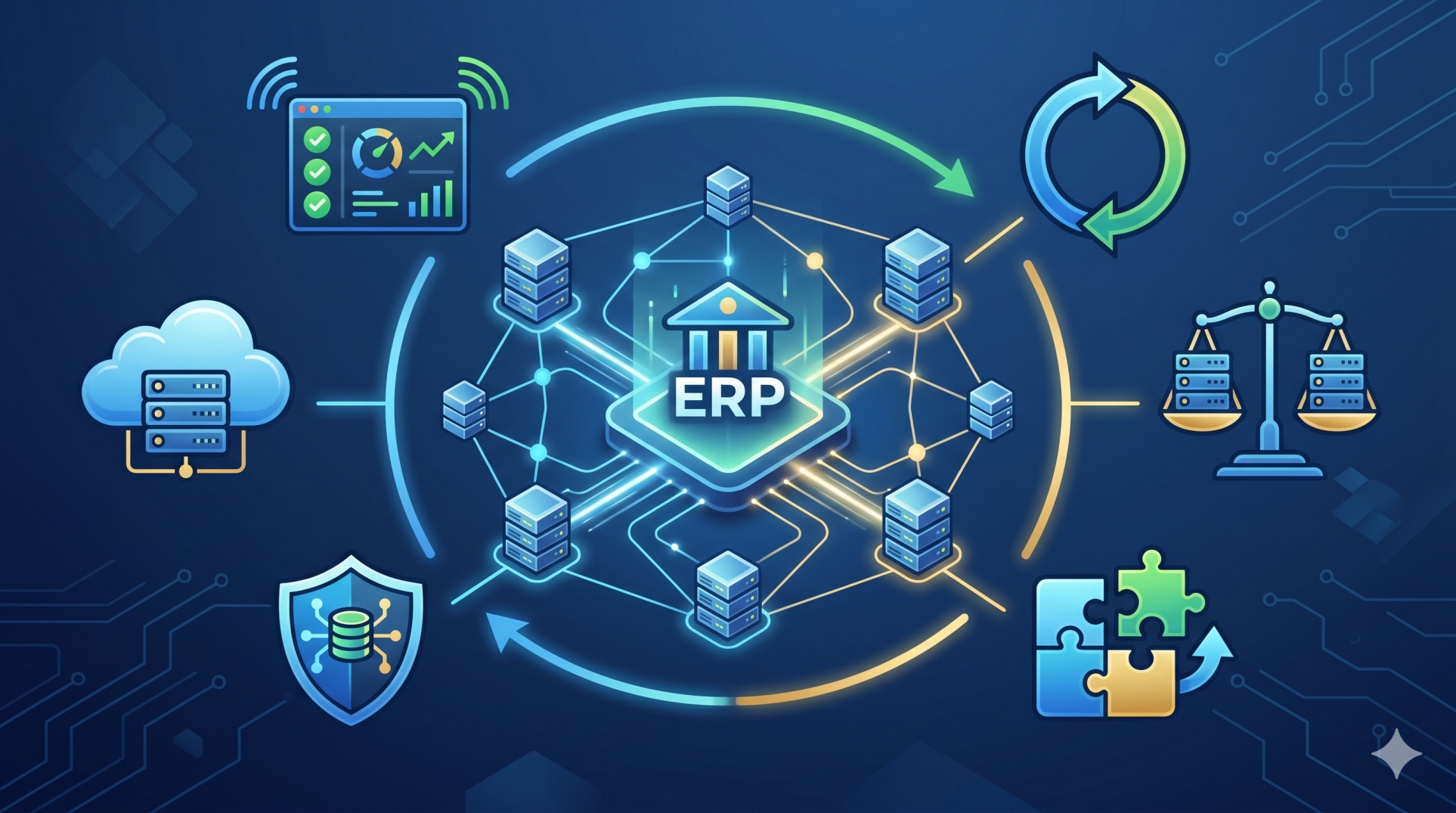
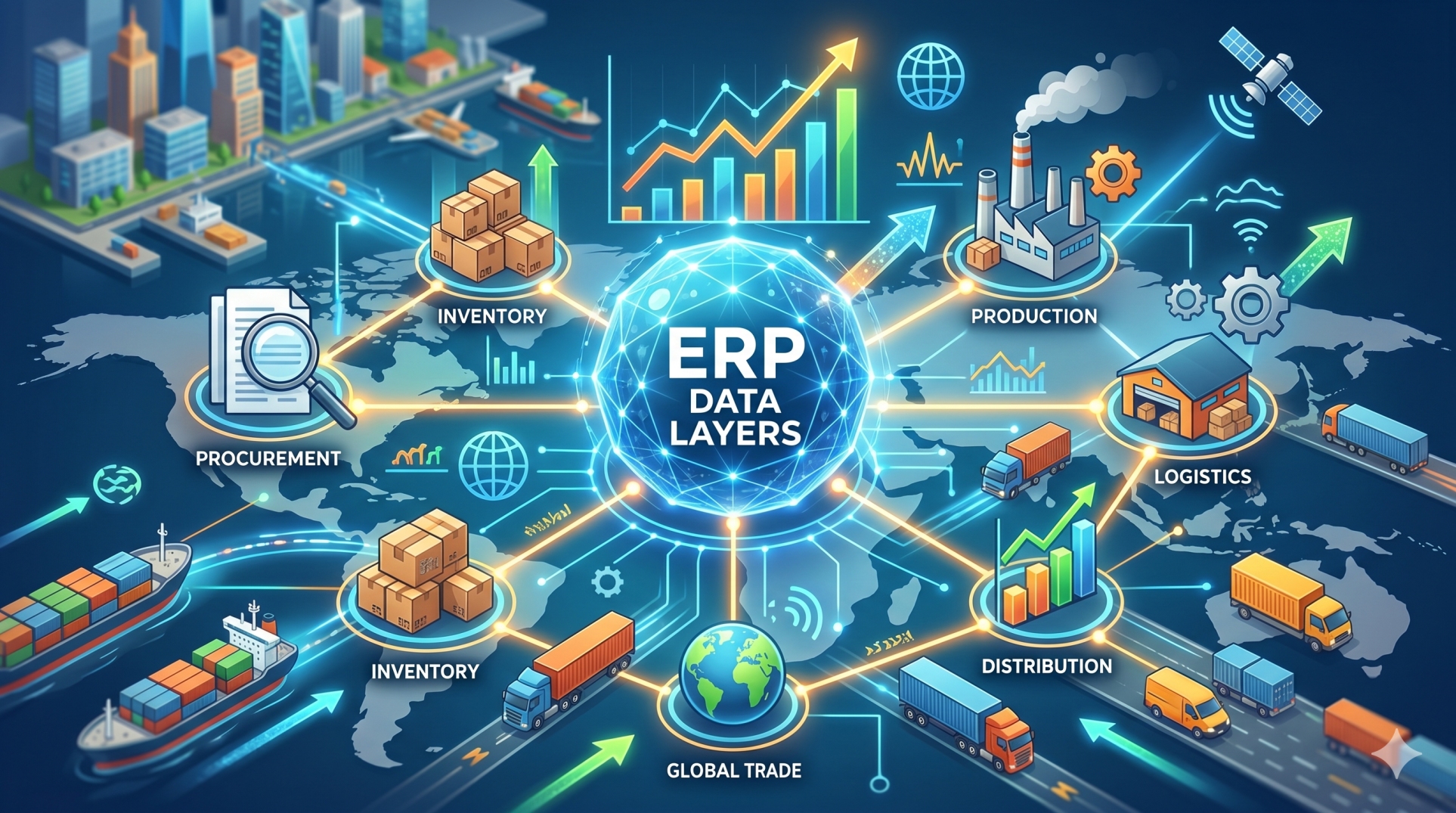
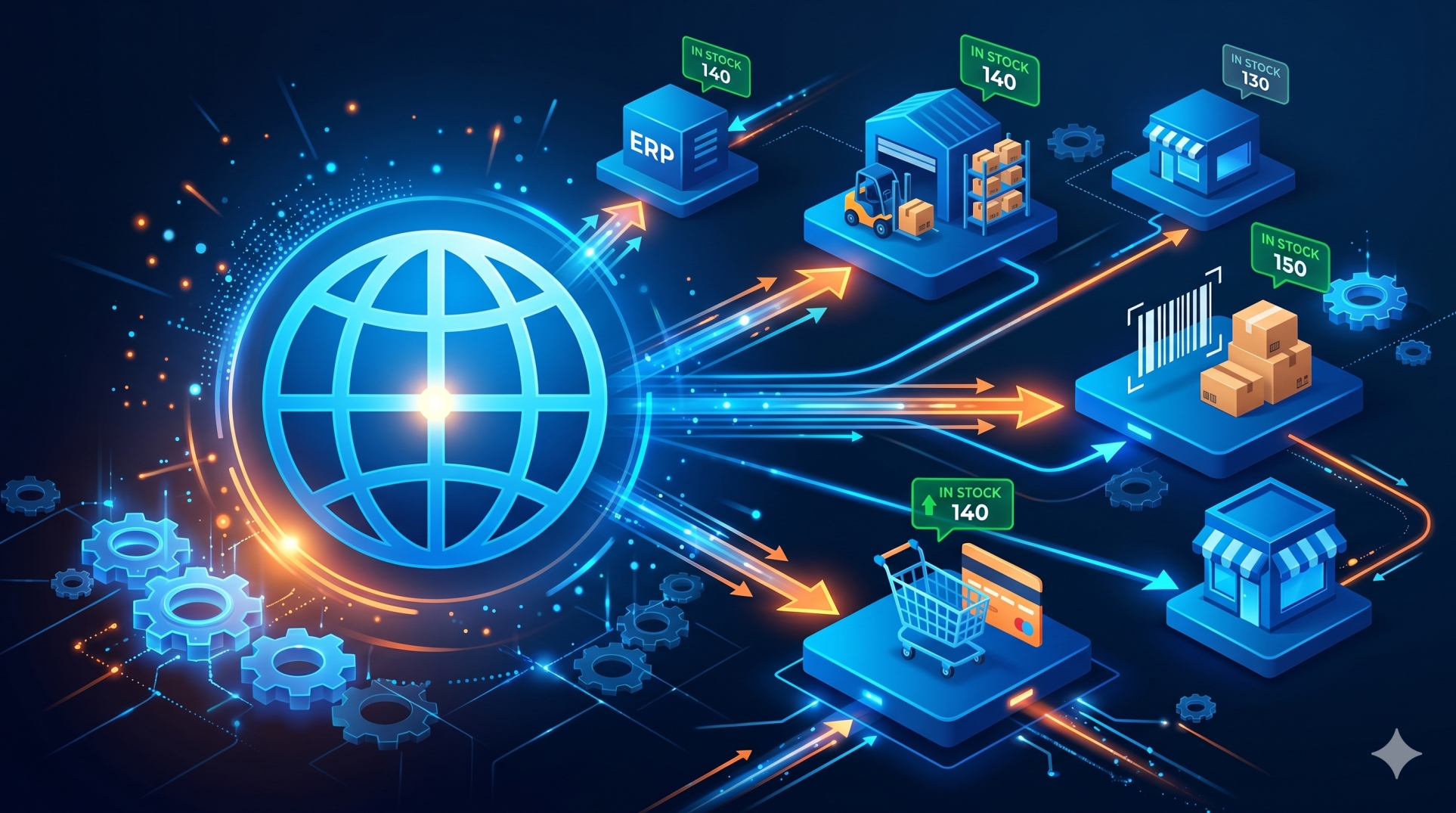
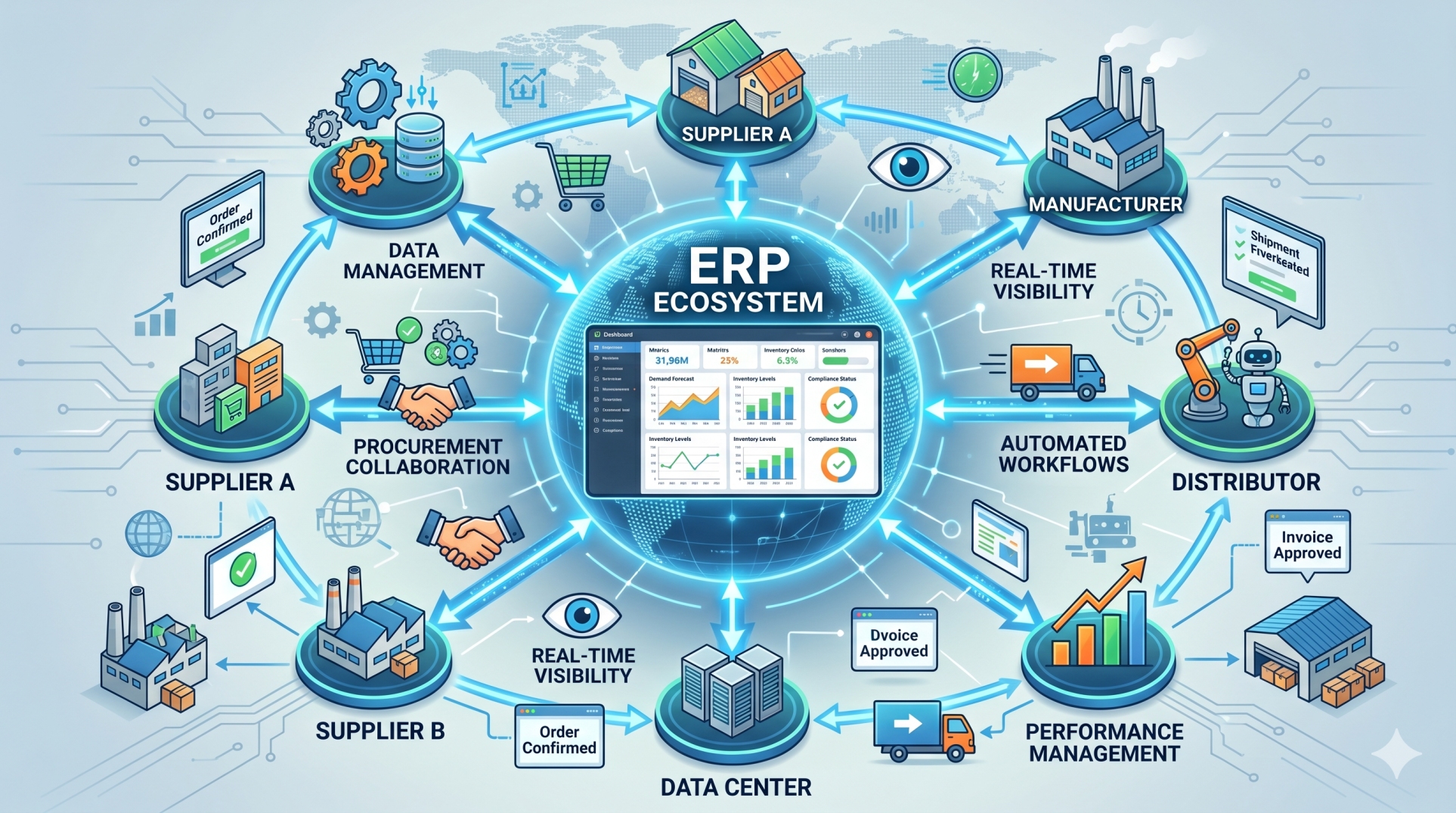
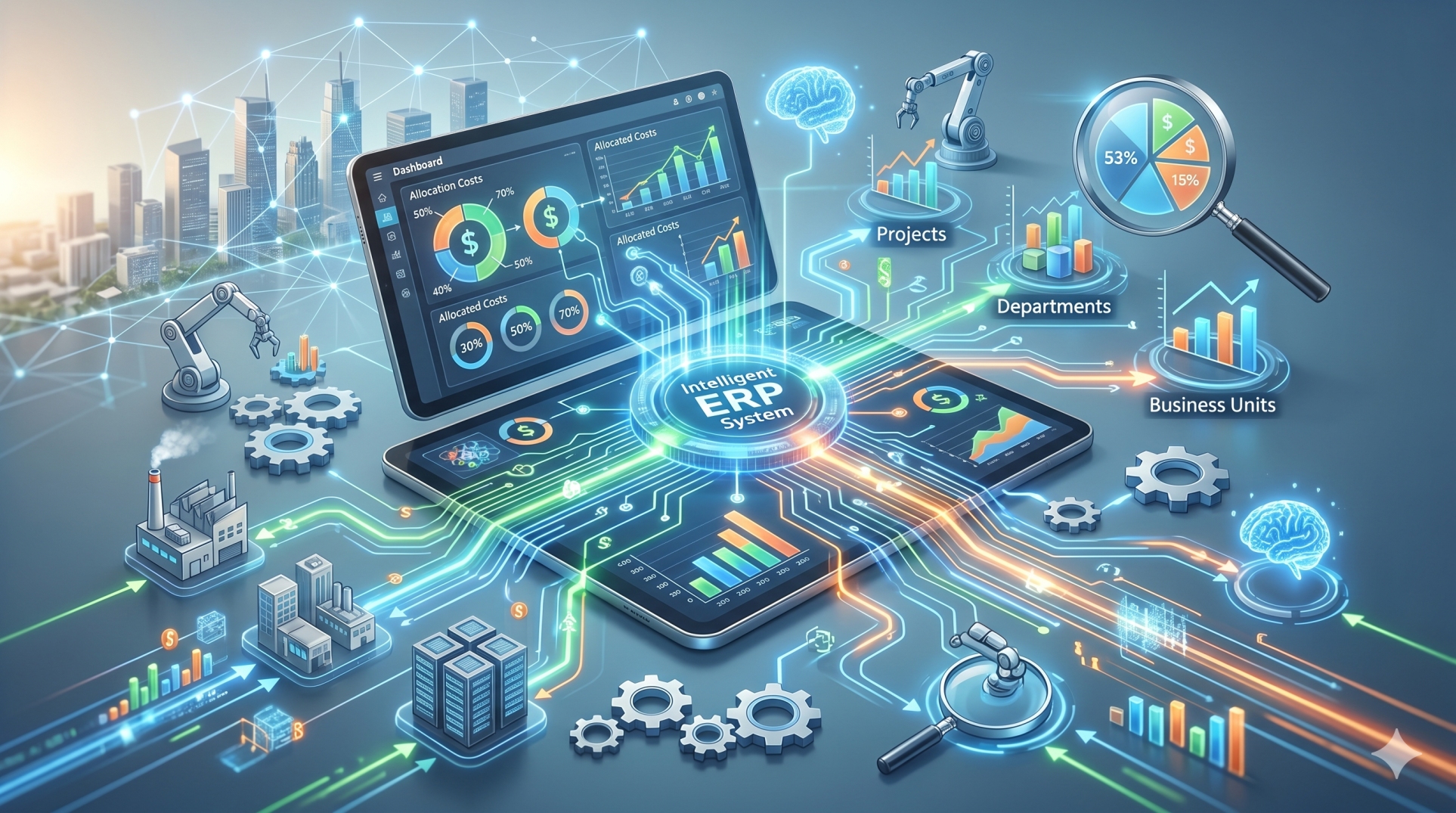
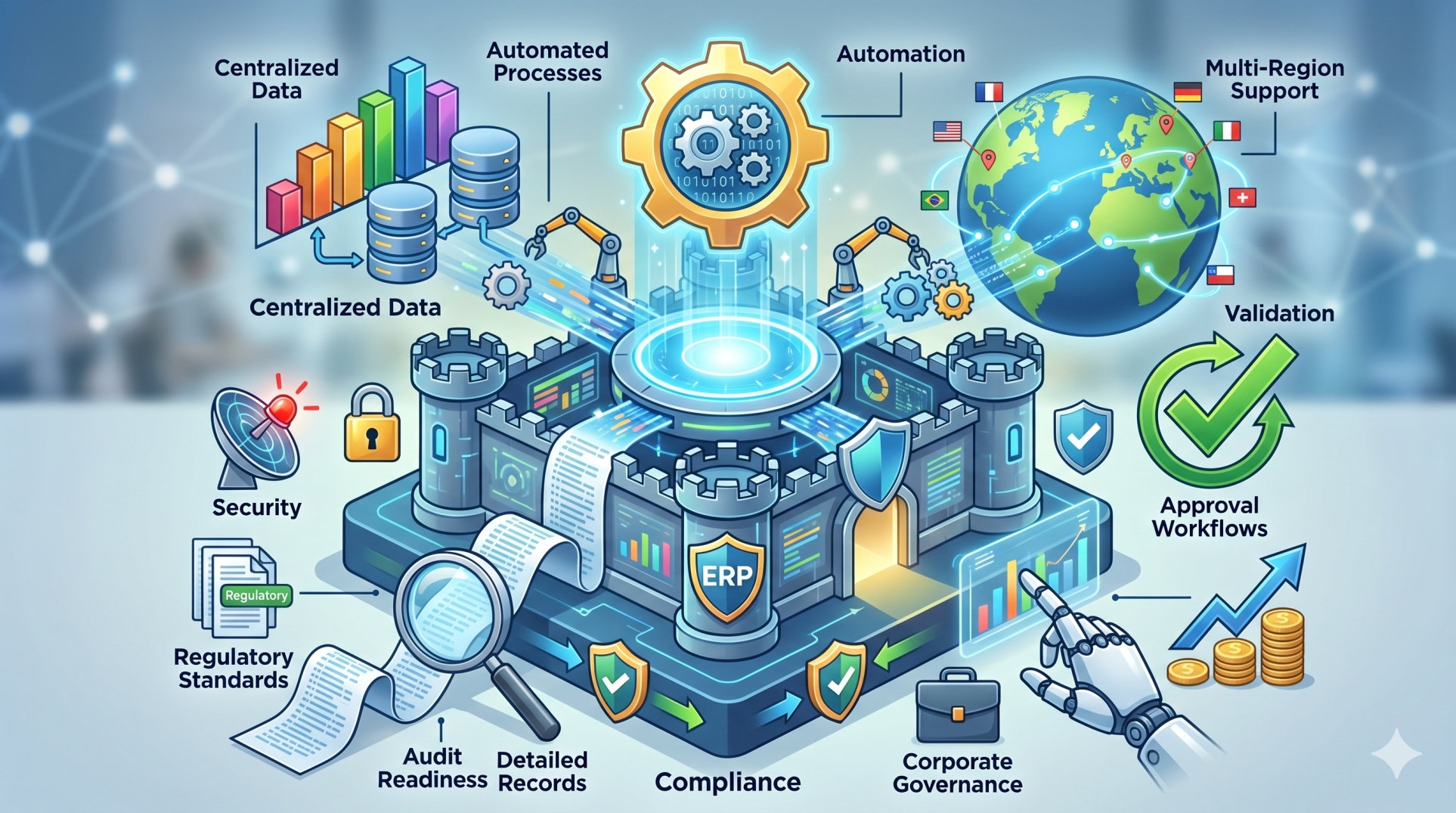
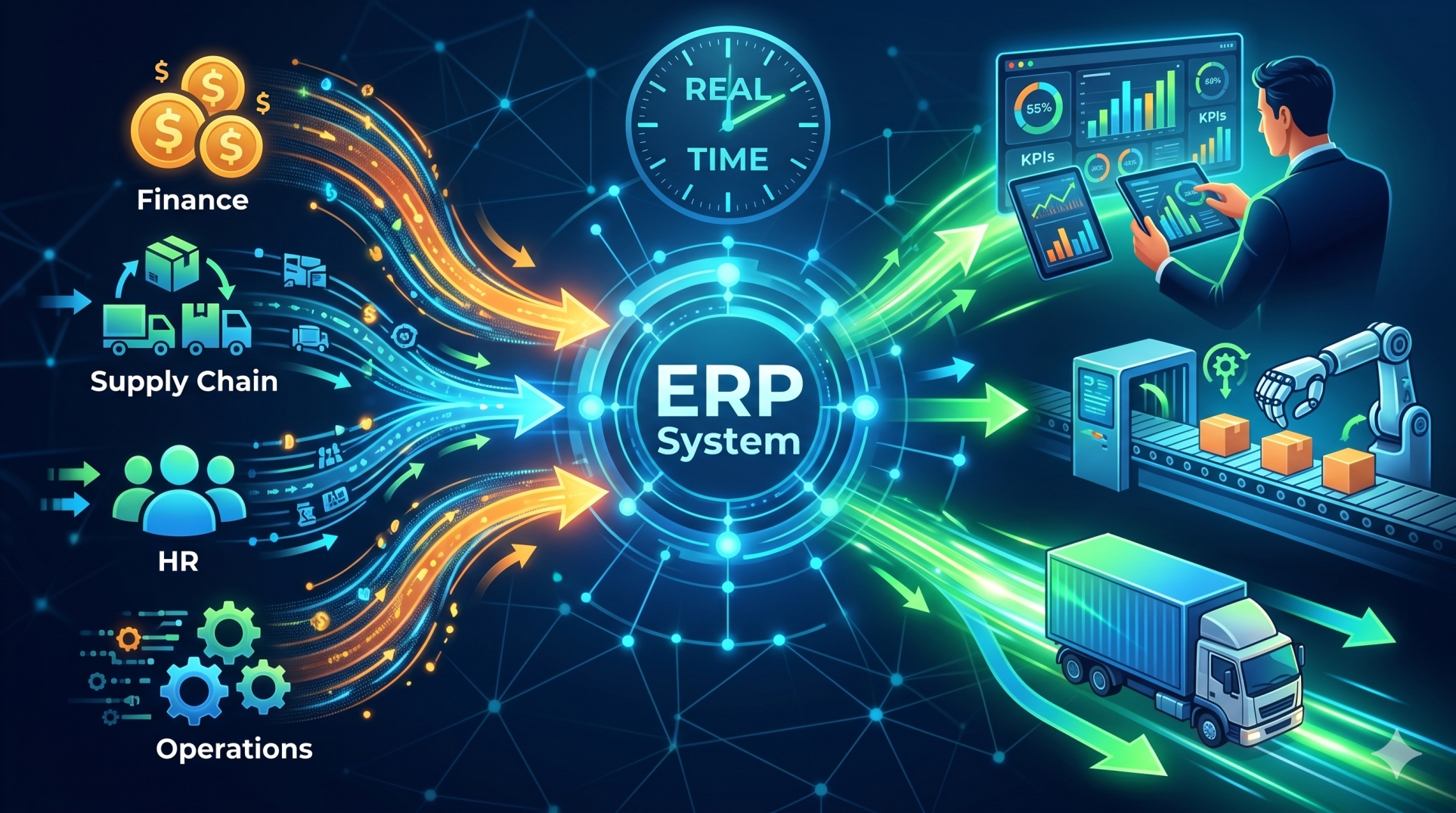
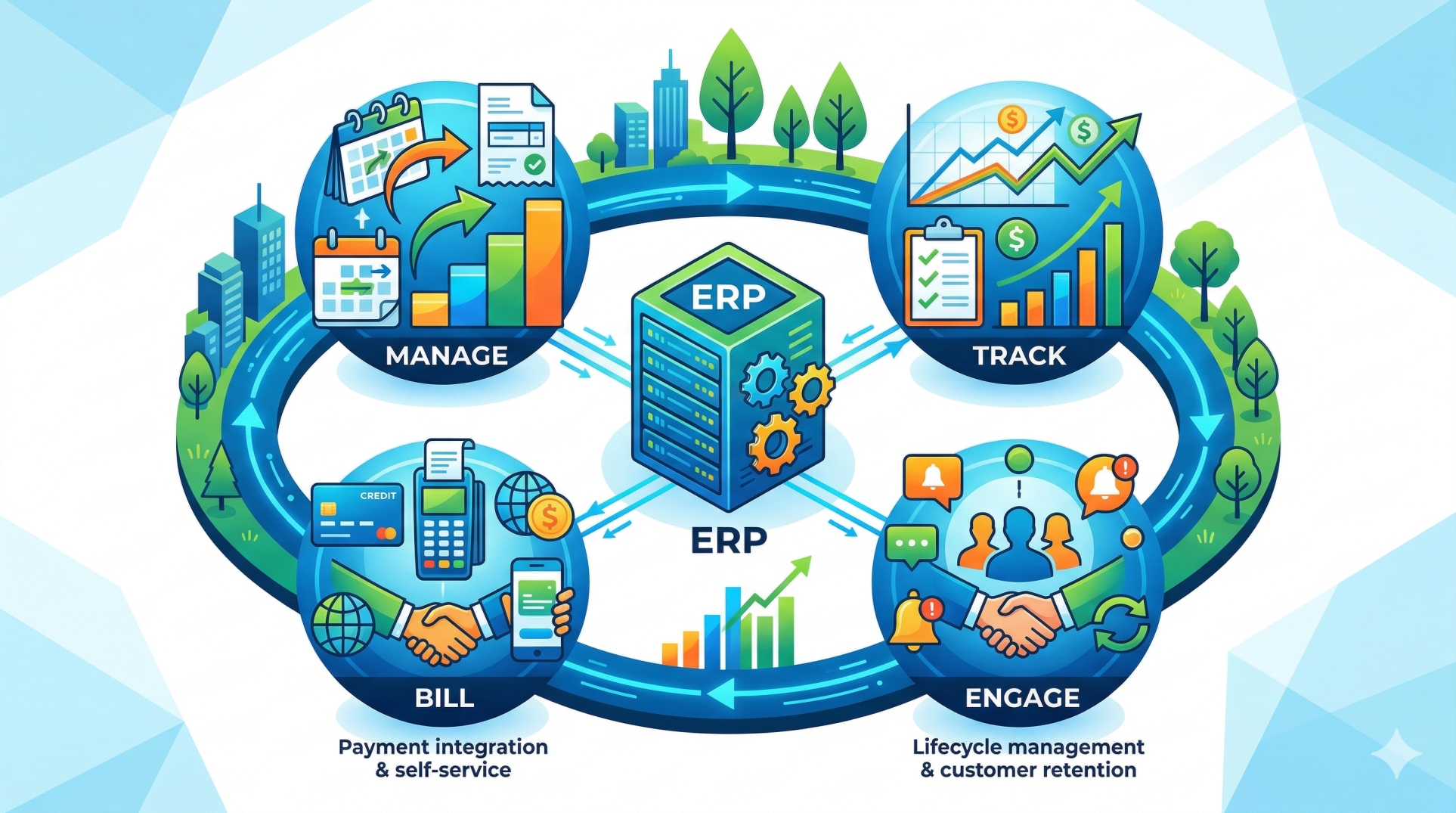
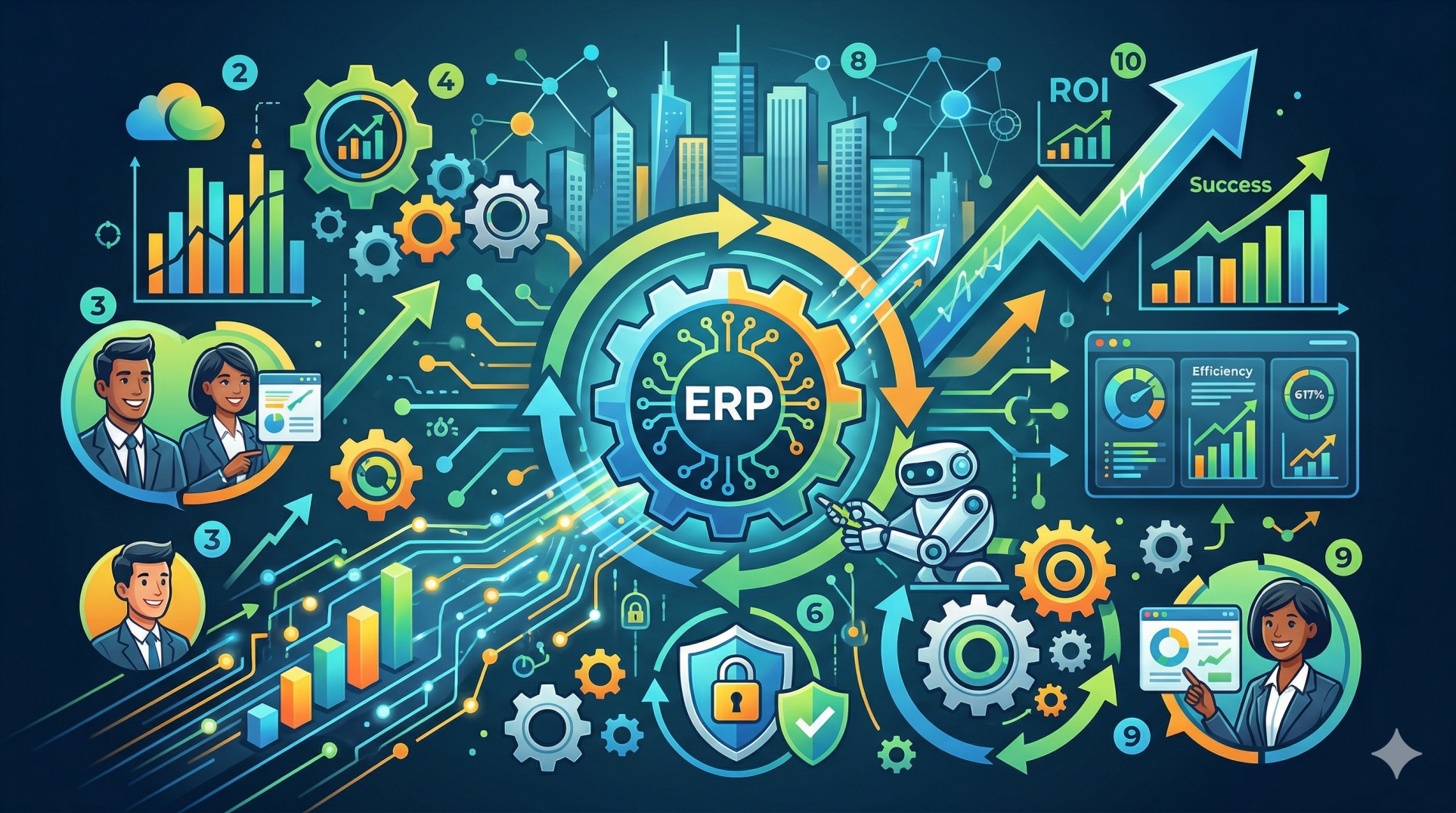
In today’s competitive business environment, delivering exceptional customer experiences requires more than traditional service models. Modern ERP systems enable organizations to manage customer interactions, operational workflows, and business data in real time. By connecting departments, automating processes, and providing instant visibility into customer activities, ERP platforms help businesses deliver faster, more personalized, and more consistent customer experiences.
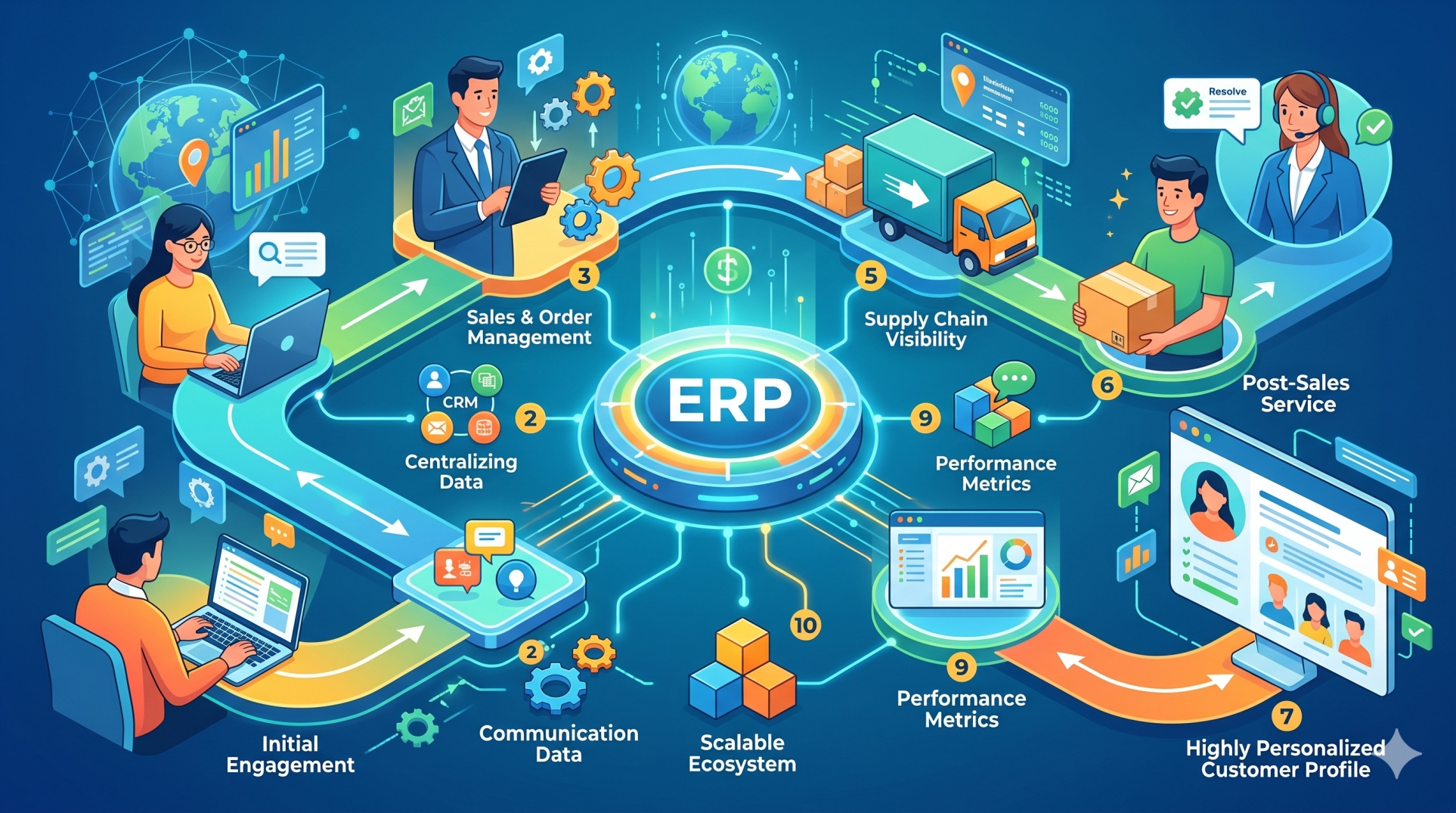
Step 1: Establishing a Customer-Centric ERP Strategy 🎯
• Align ERP capabilities with customer experience objectives 🤝
• Create a unified view of customer interactions across departments 🌐
• Prioritize responsiveness, personalization, and service quality ⭐
• Ensure all business functions support customer-focused operations 🔄
• Build processes around real-time customer engagement 📡
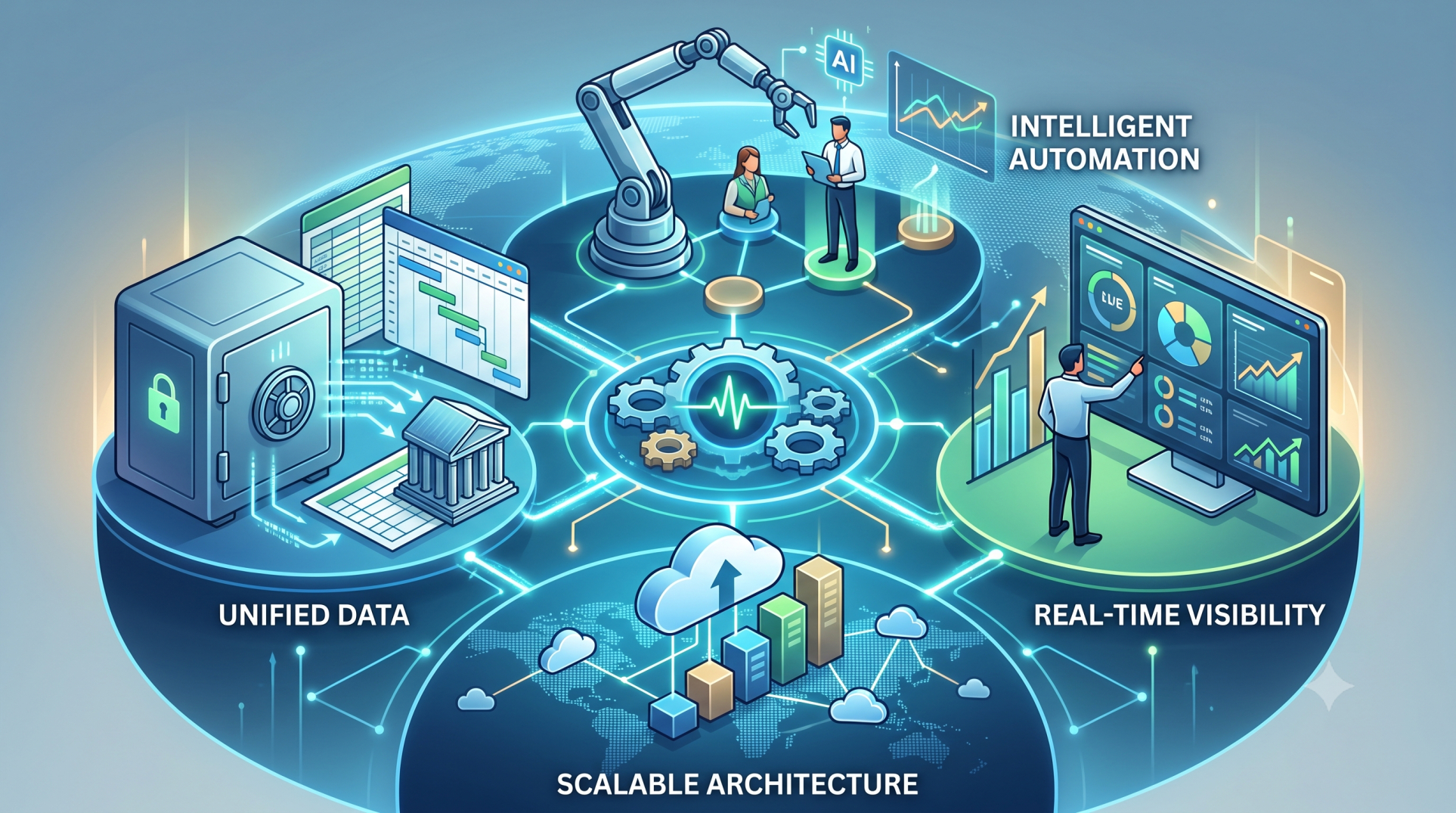
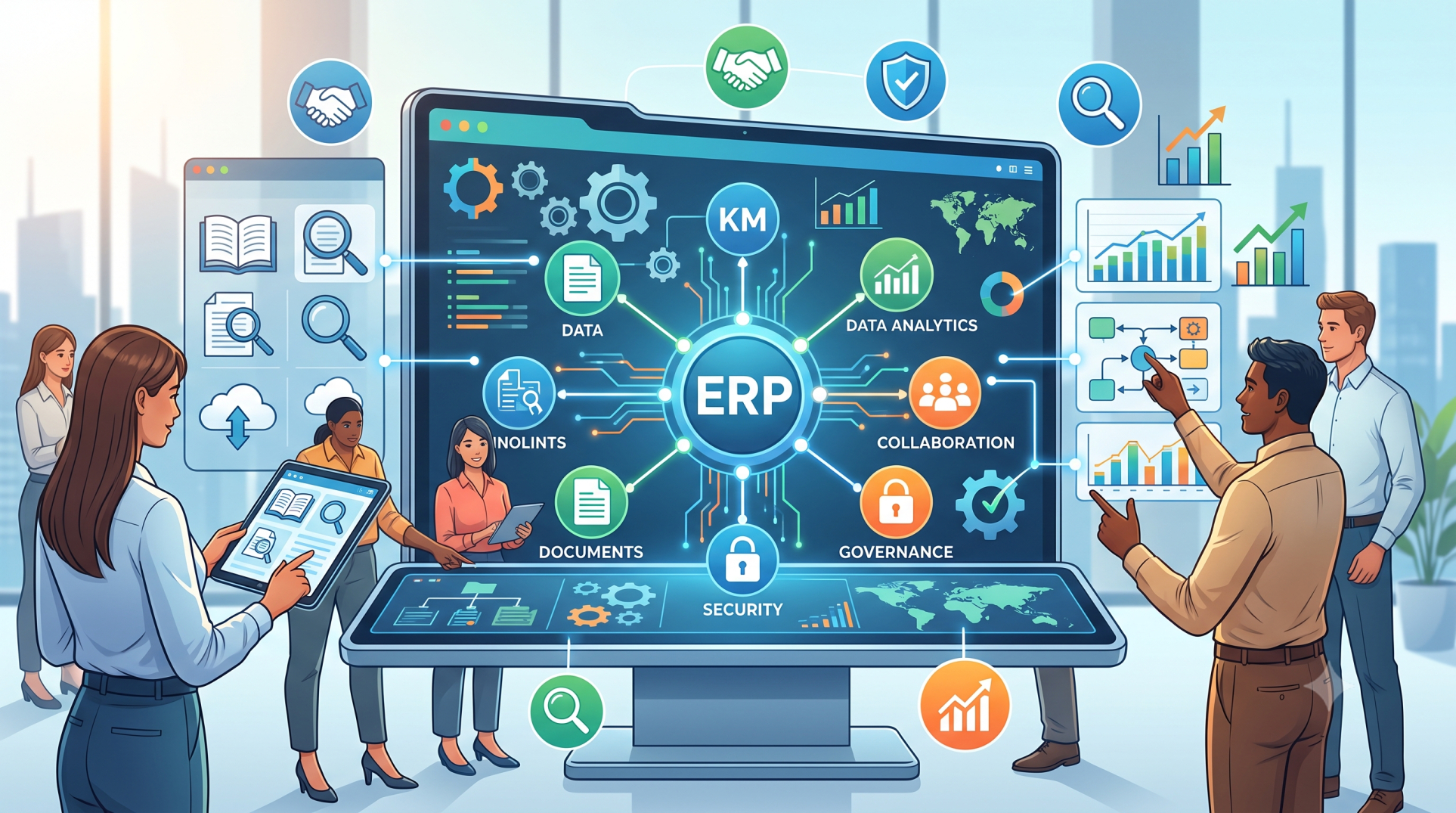
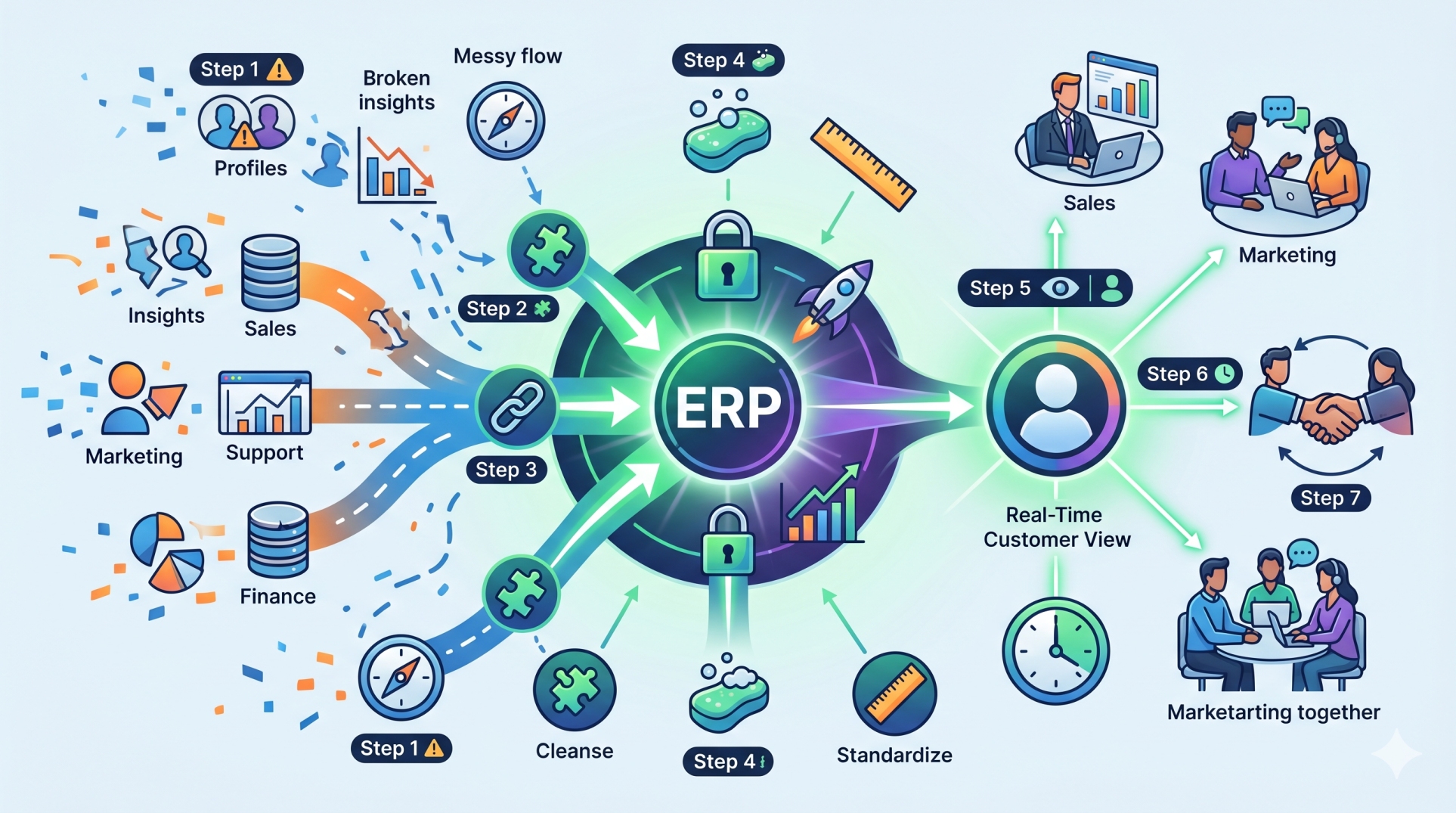
Step 2: Centralizing Customer Data 📂
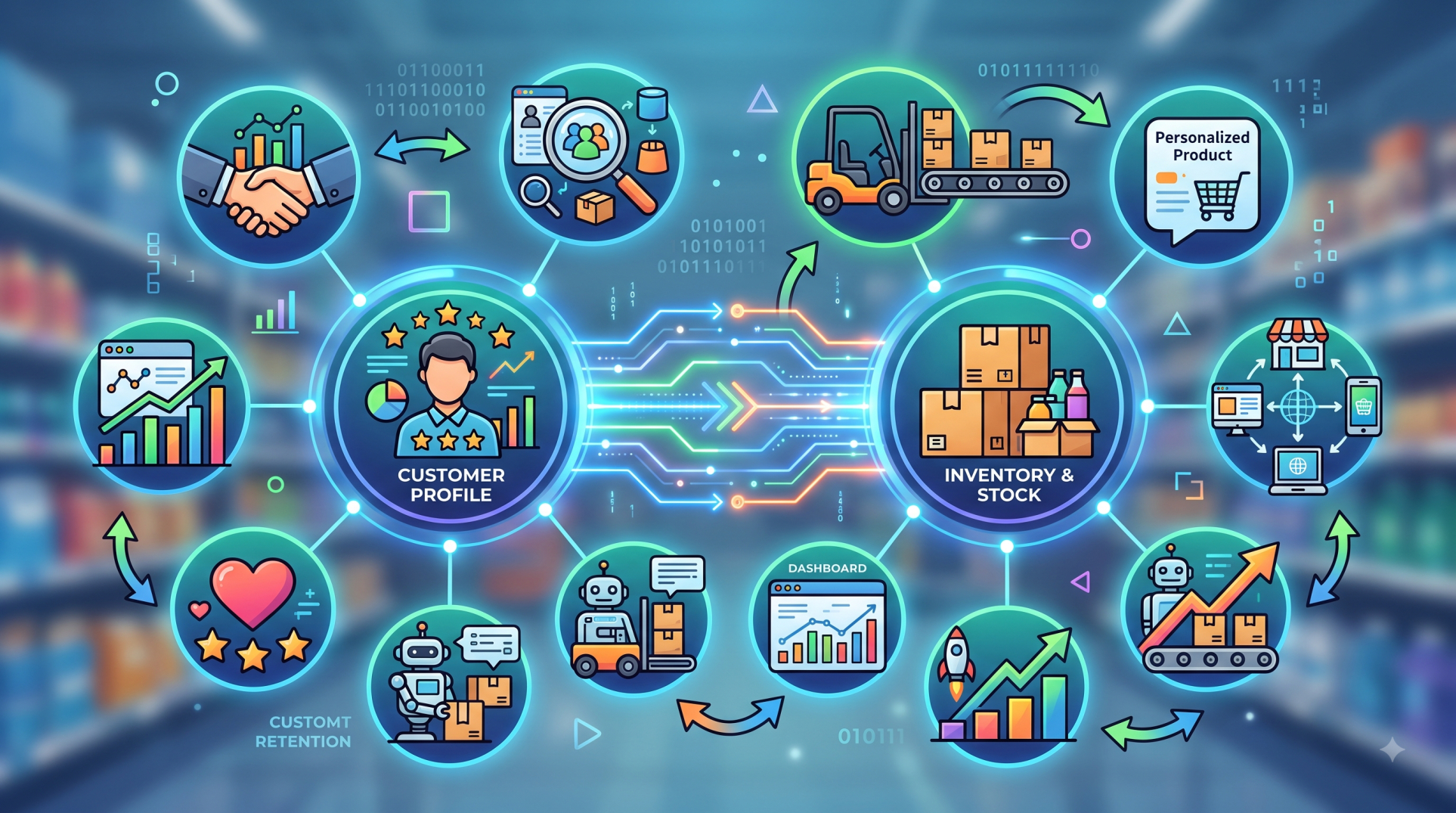
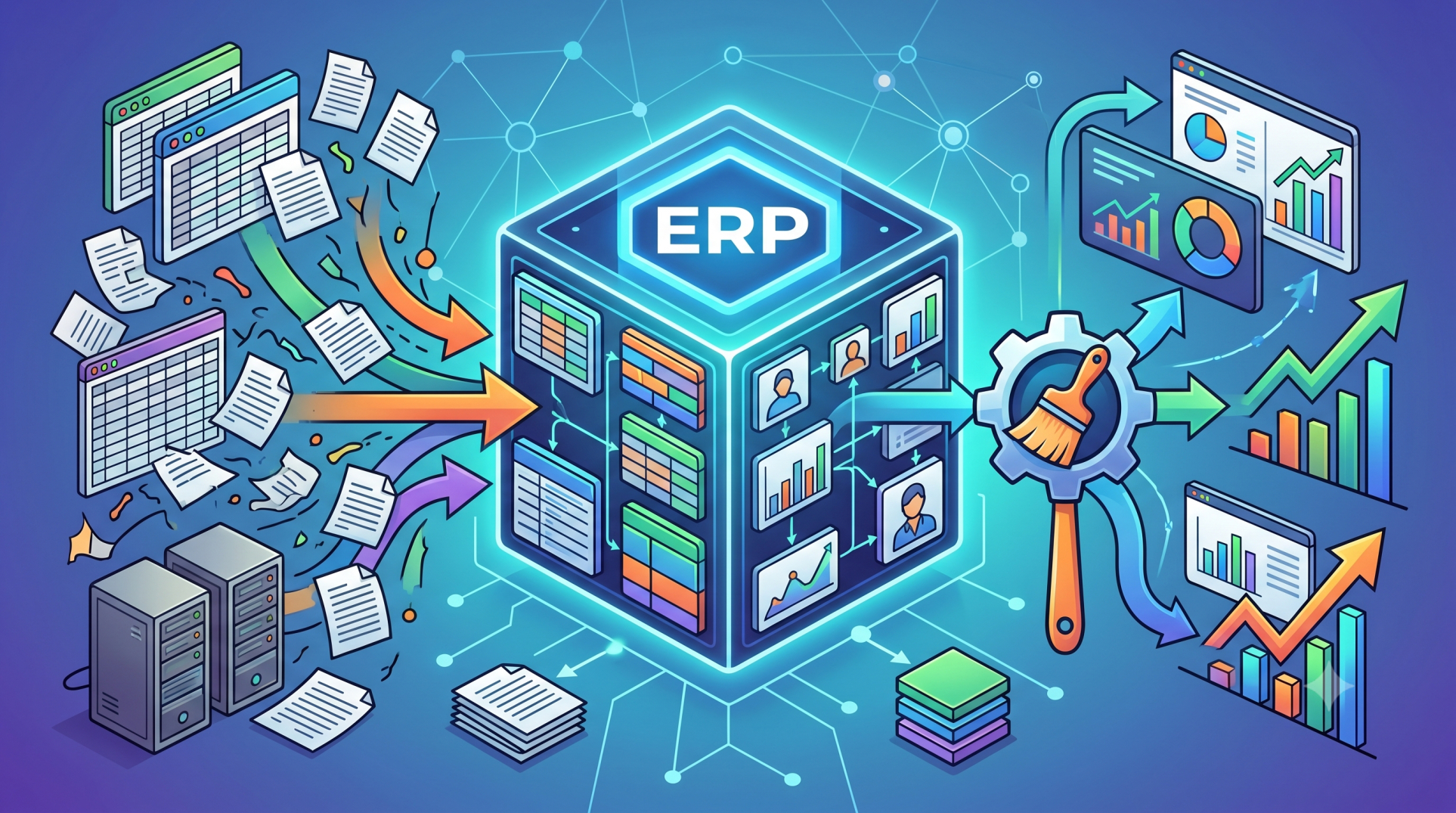
• Consolidate customer information into a single ERP platform 🗂️
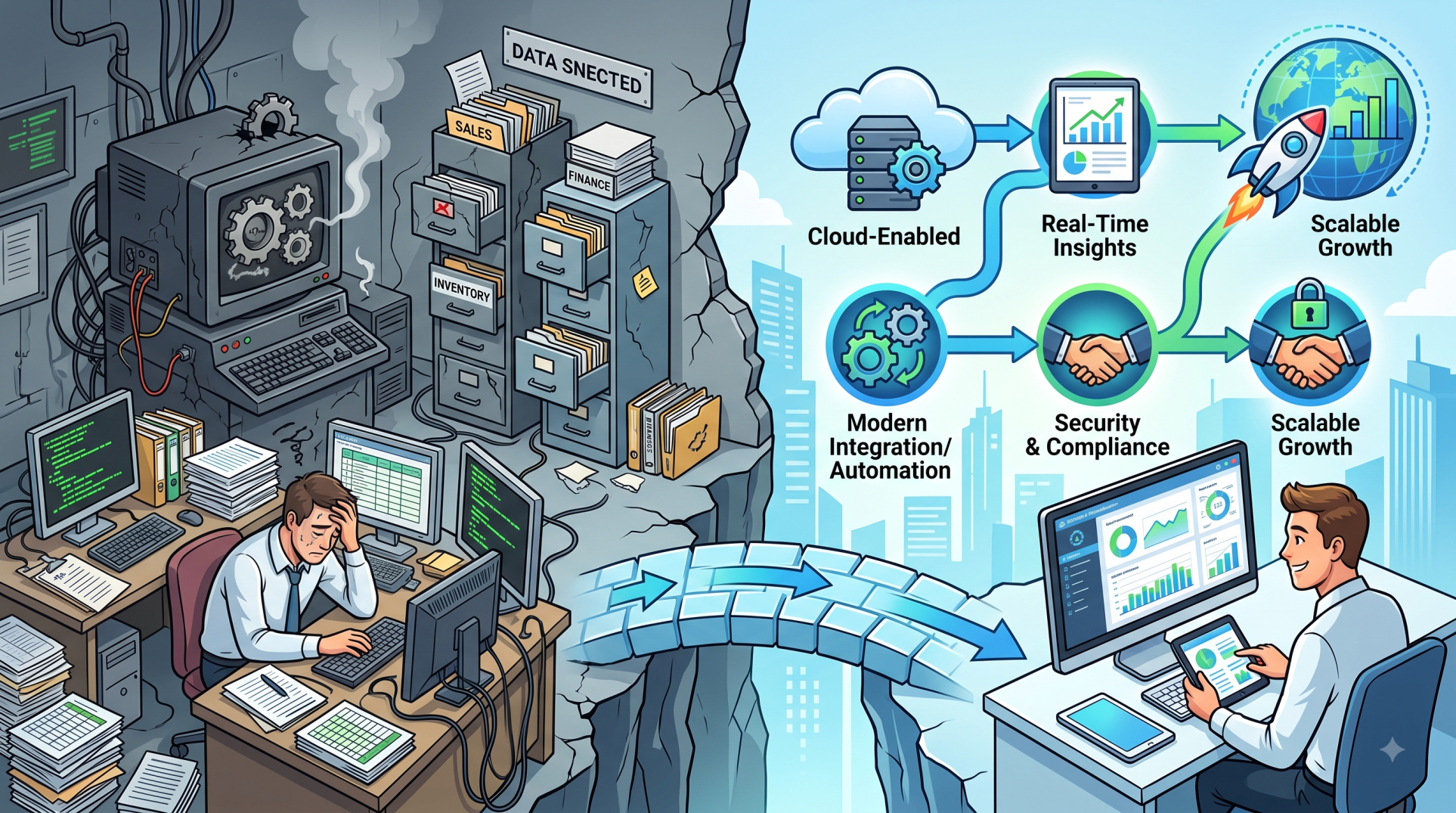
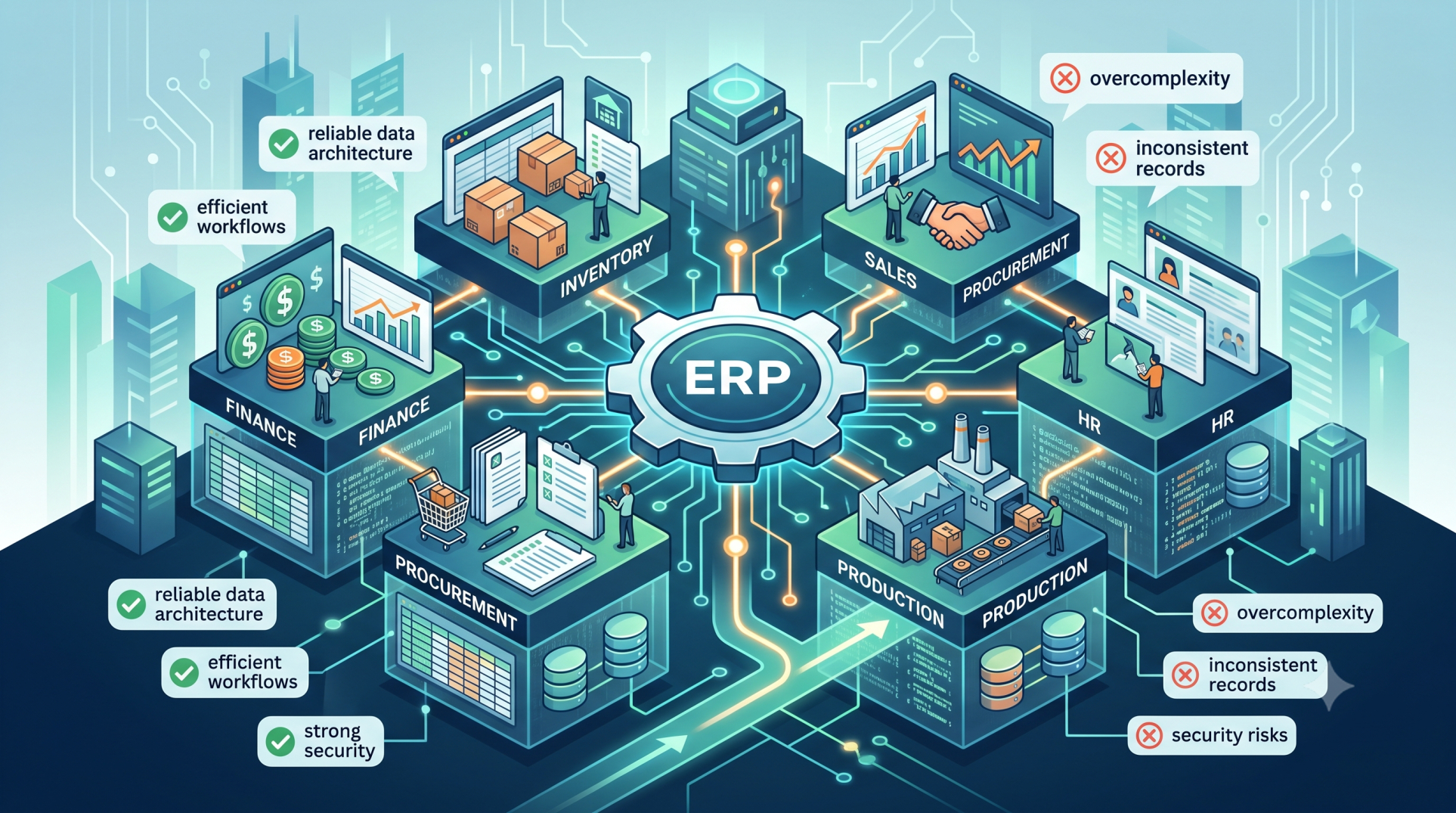
• Eliminate disconnected systems and data silos 🔗
• Enable real-time access to customer history and preferences 👁️
• Improve accuracy and consistency across departments ✅
• Support better decision-making through centralized visibility 📊
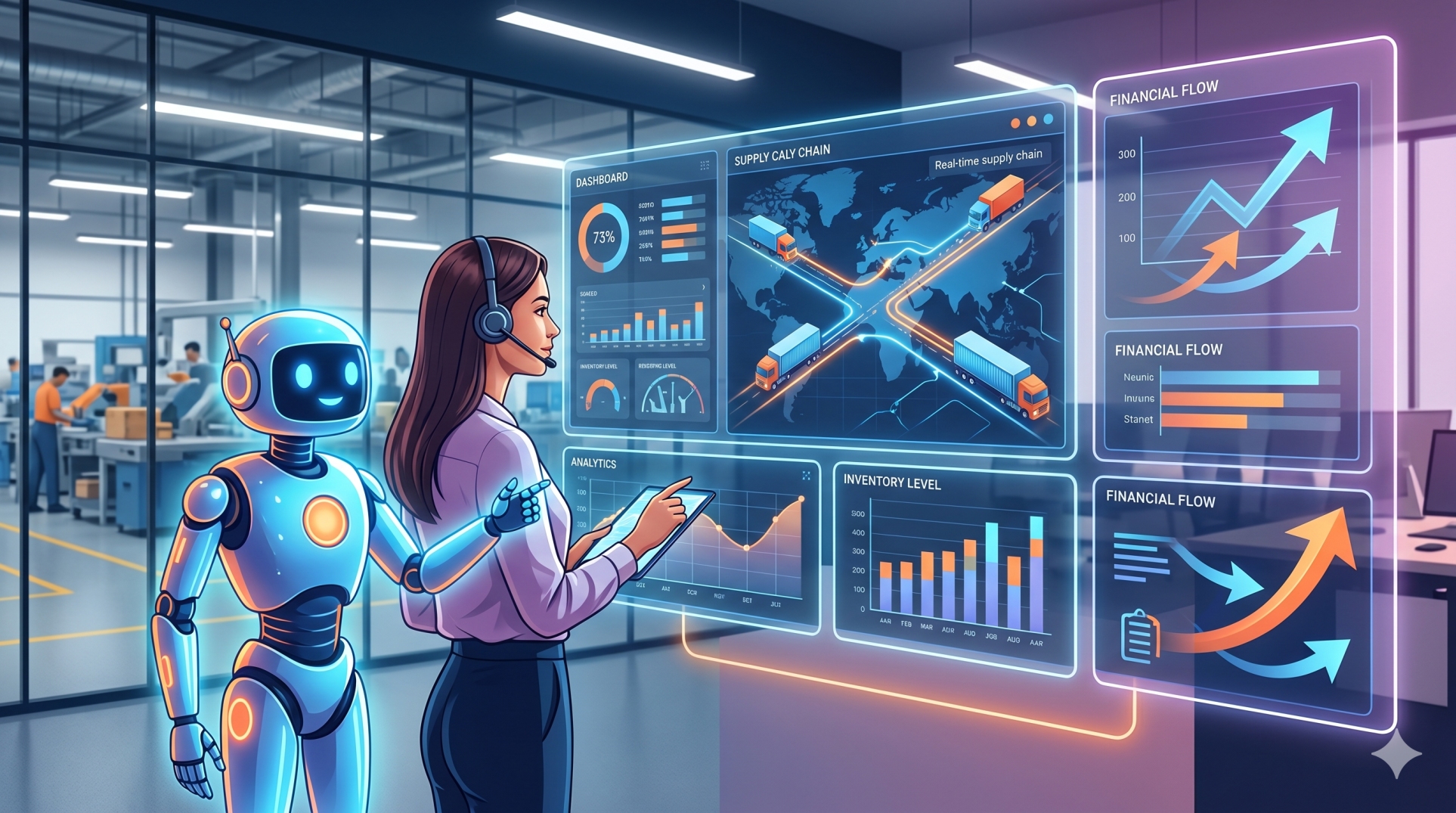
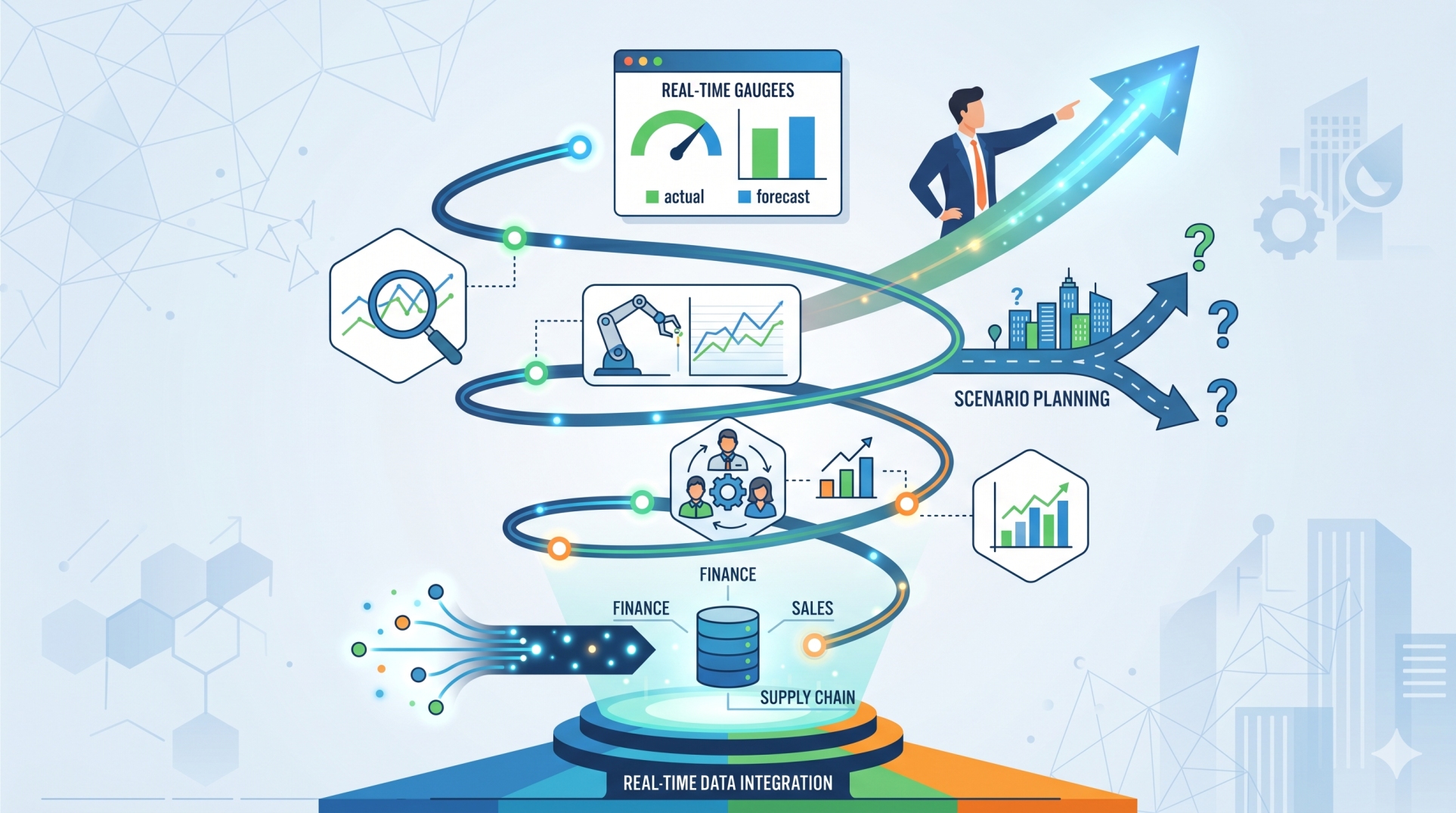
Step 3: Real-Time Order and Service Tracking 🚚
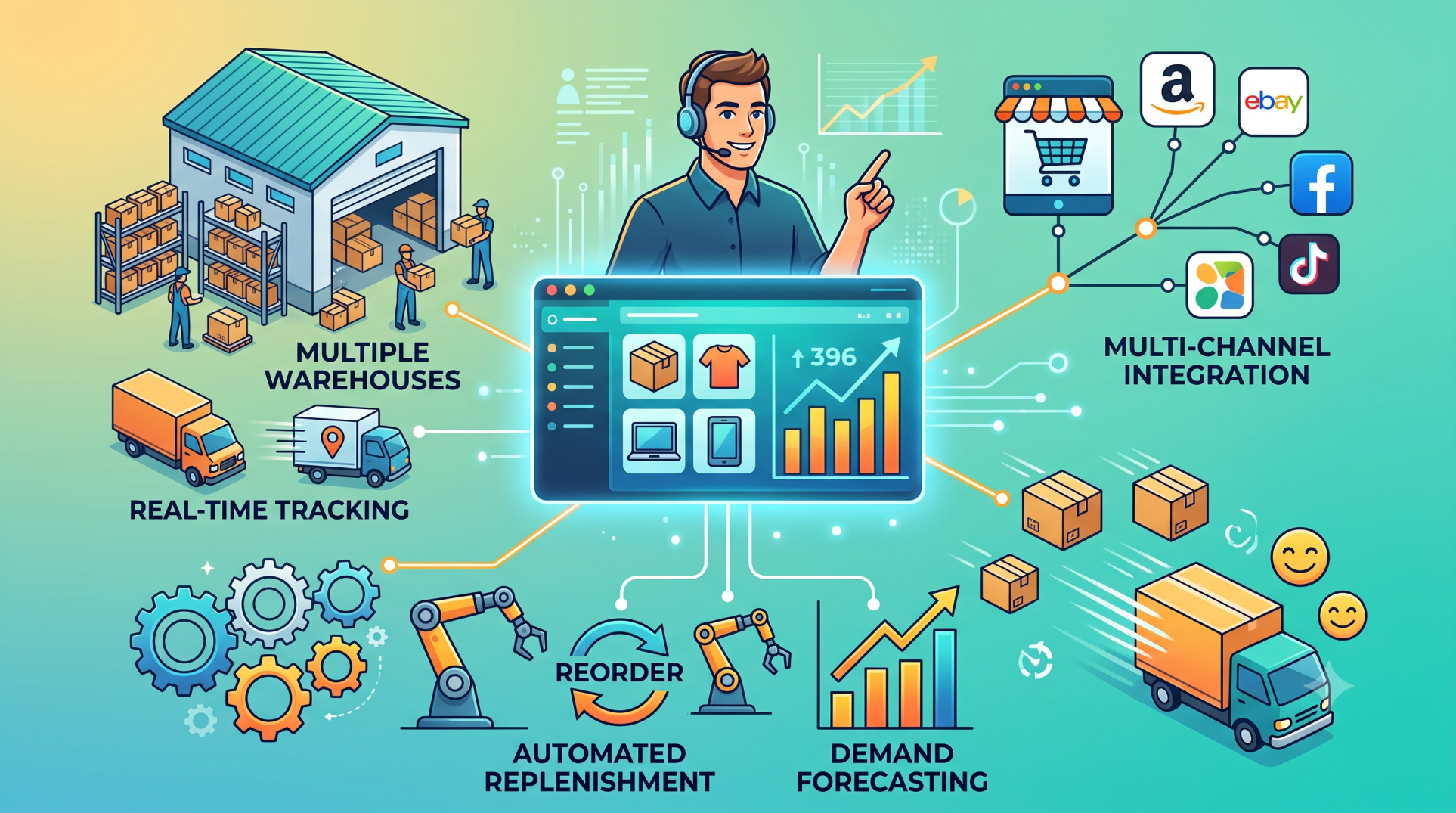
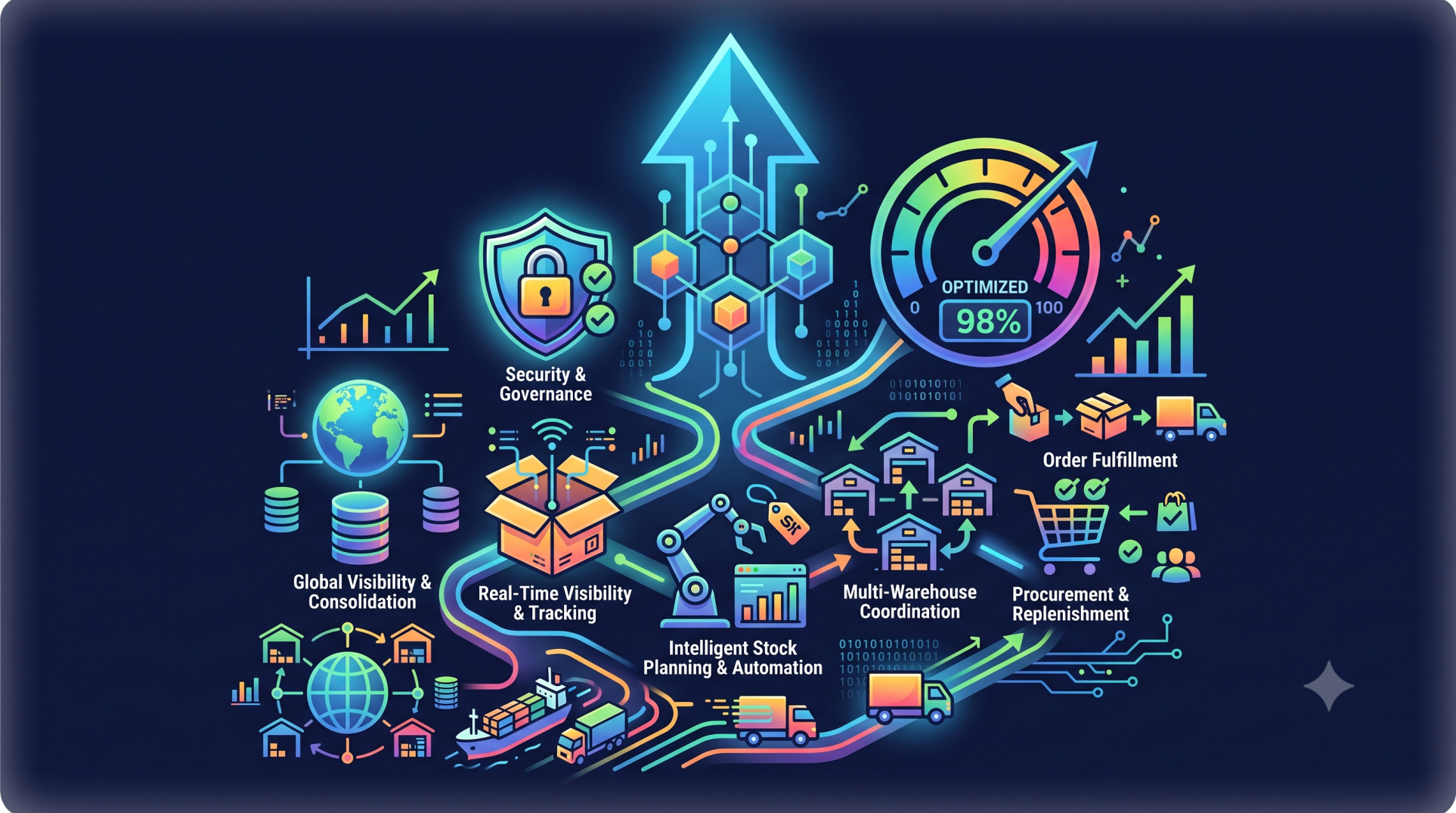
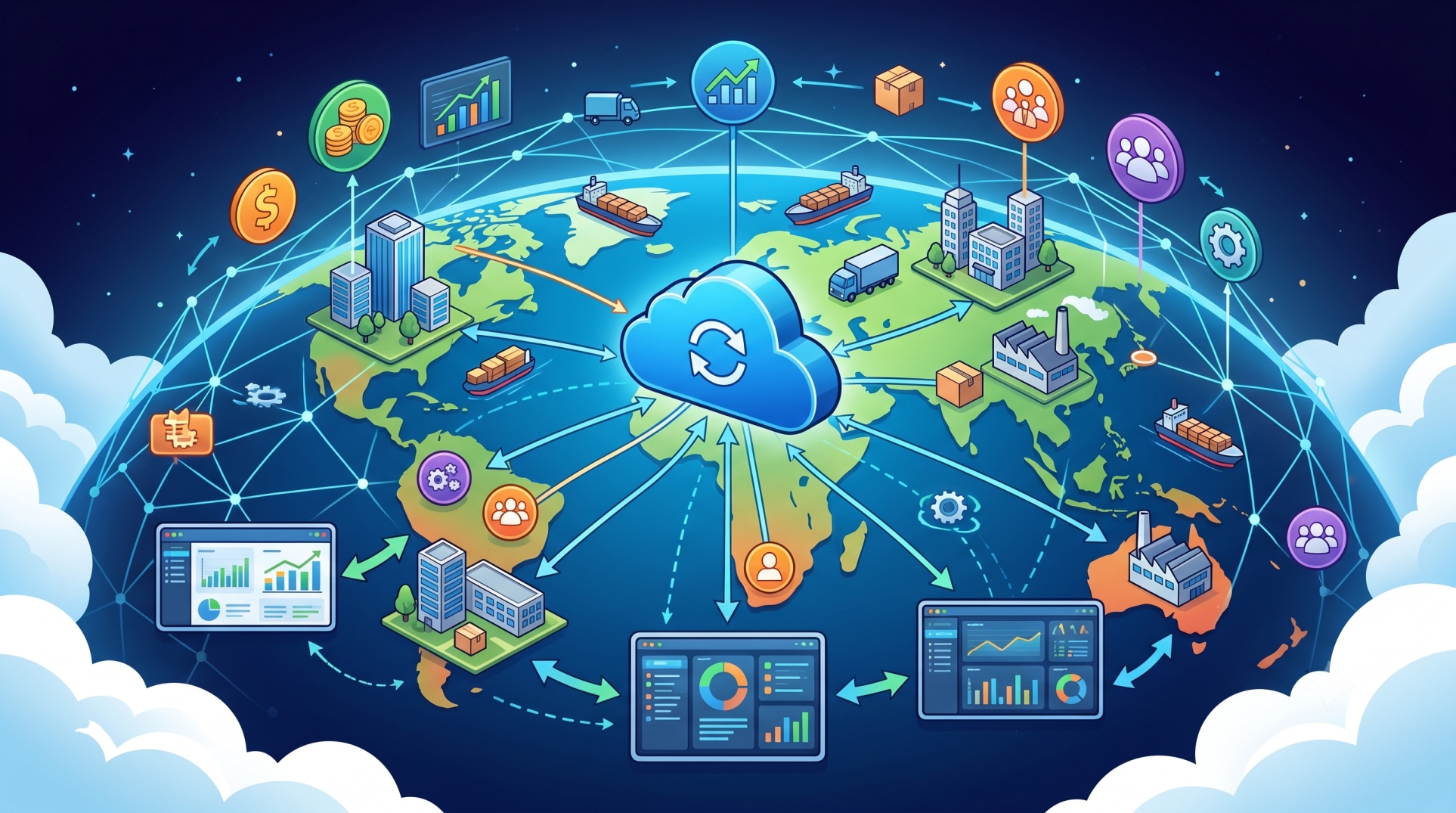
• Monitor customer orders and service requests instantly ⏱️
• Provide live status updates across fulfillment processes 📦
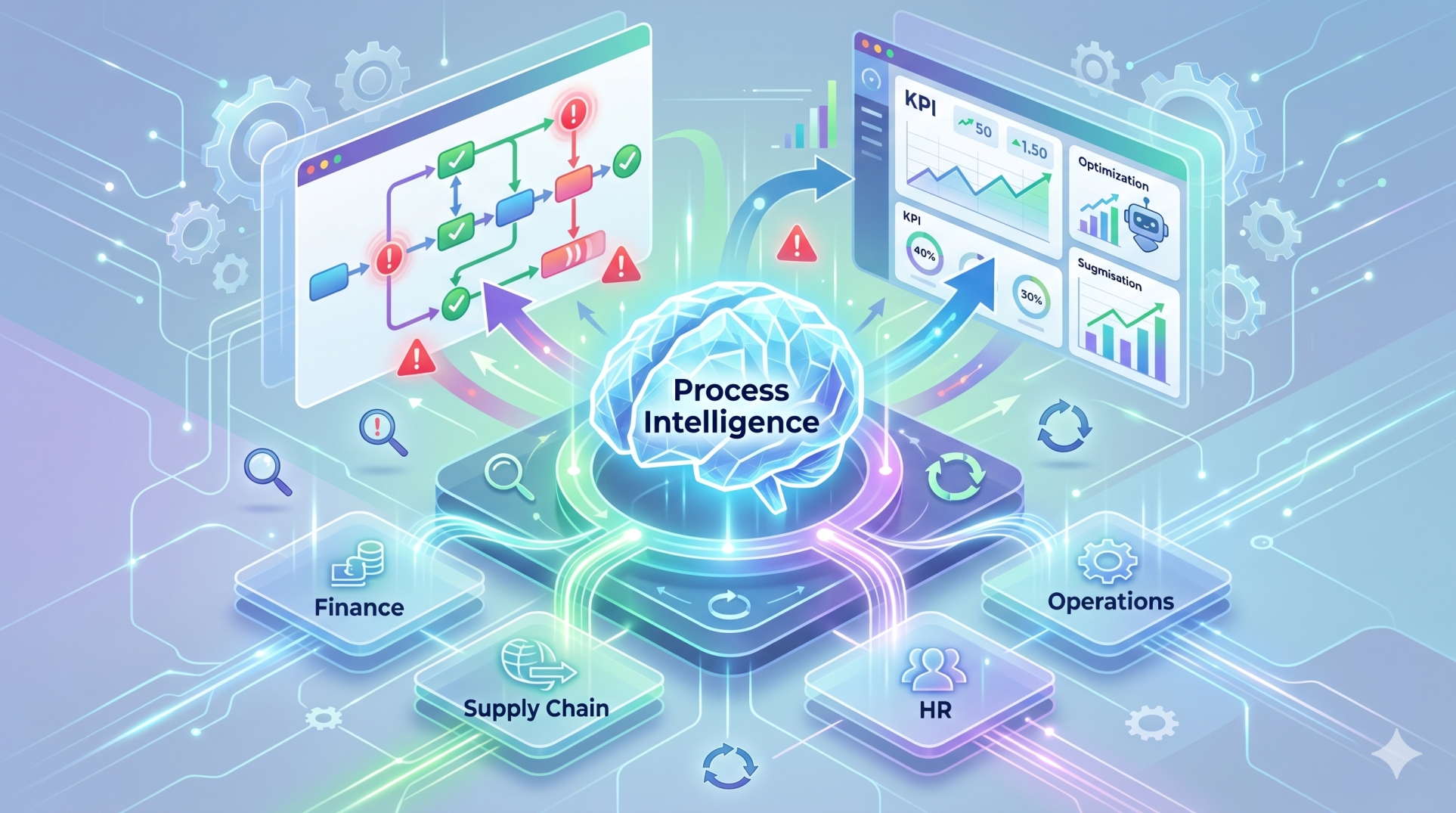
• Reduce delays through proactive issue identification ⚠️
• Enable faster response times for customer inquiries 💬
• Improve transparency throughout the customer journey 🌍
Step 4: Enhancing Communication and Engagement 📢
• Automate customer notifications and updates 🔔
• Deliver personalized communication based on customer activity ✉️
• Coordinate interactions across sales, support, and operations 🤝
• Maintain consistent messaging across all channels 🌐
• Improve engagement through timely and relevant interactions 📈
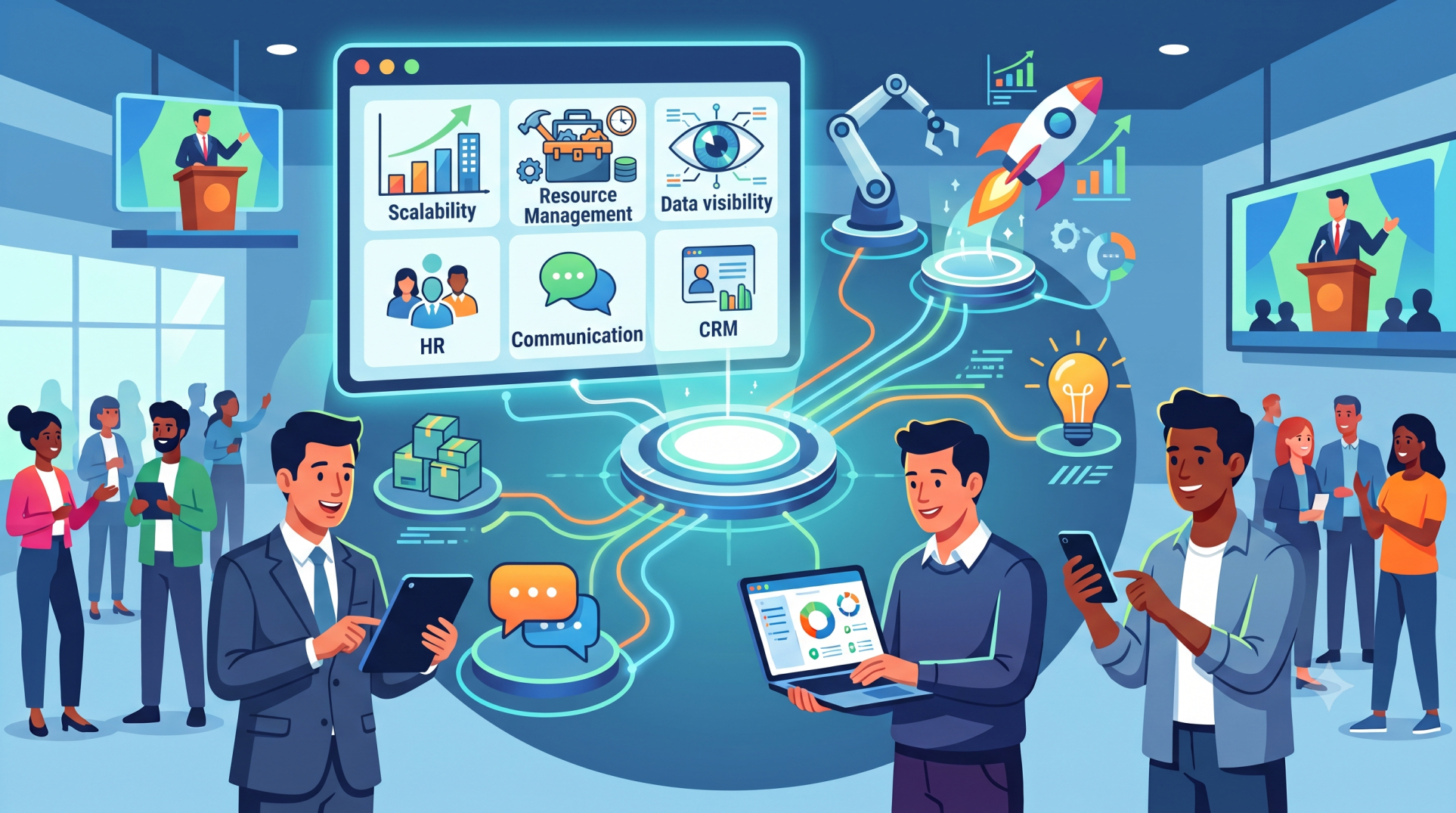
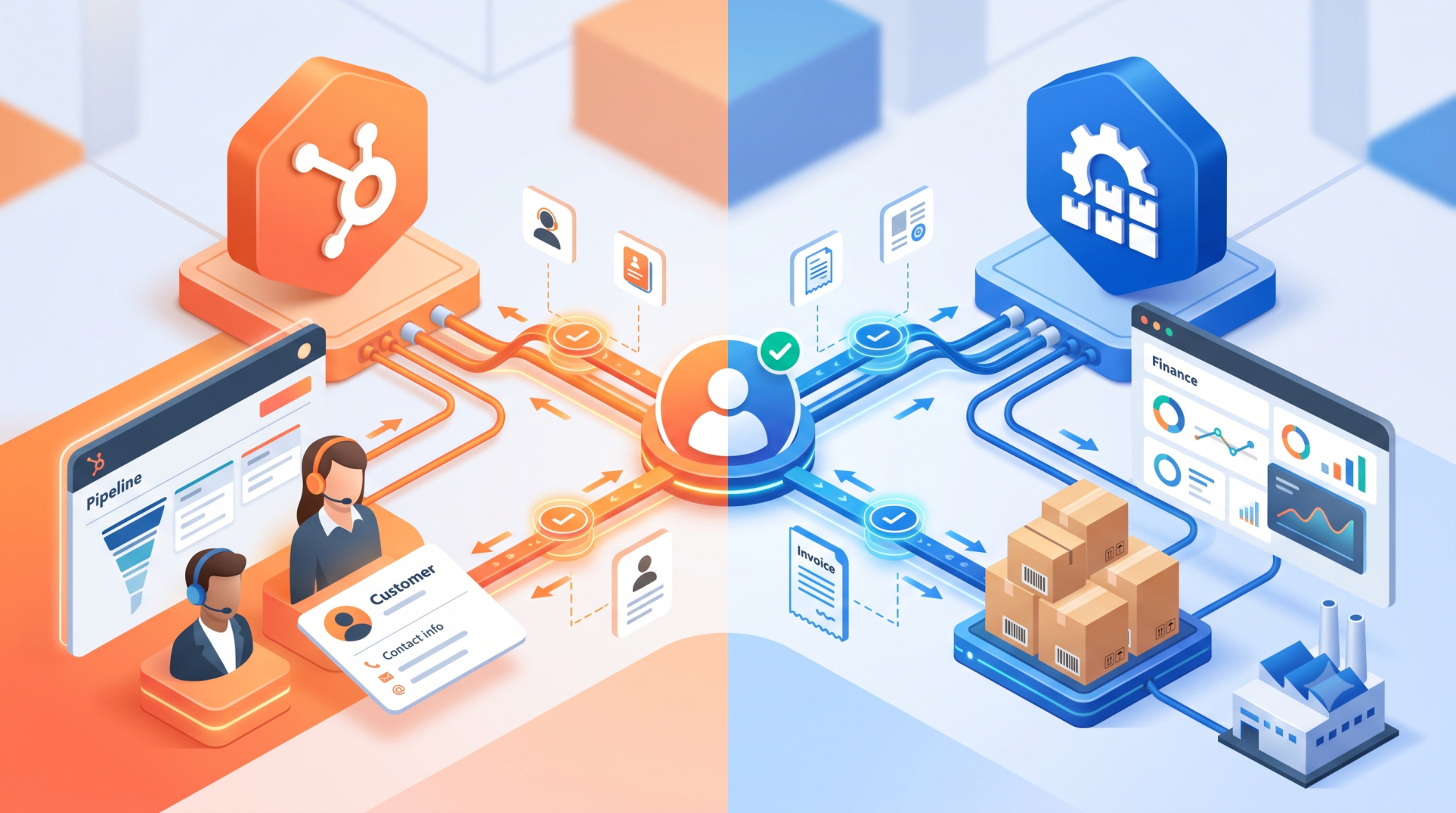
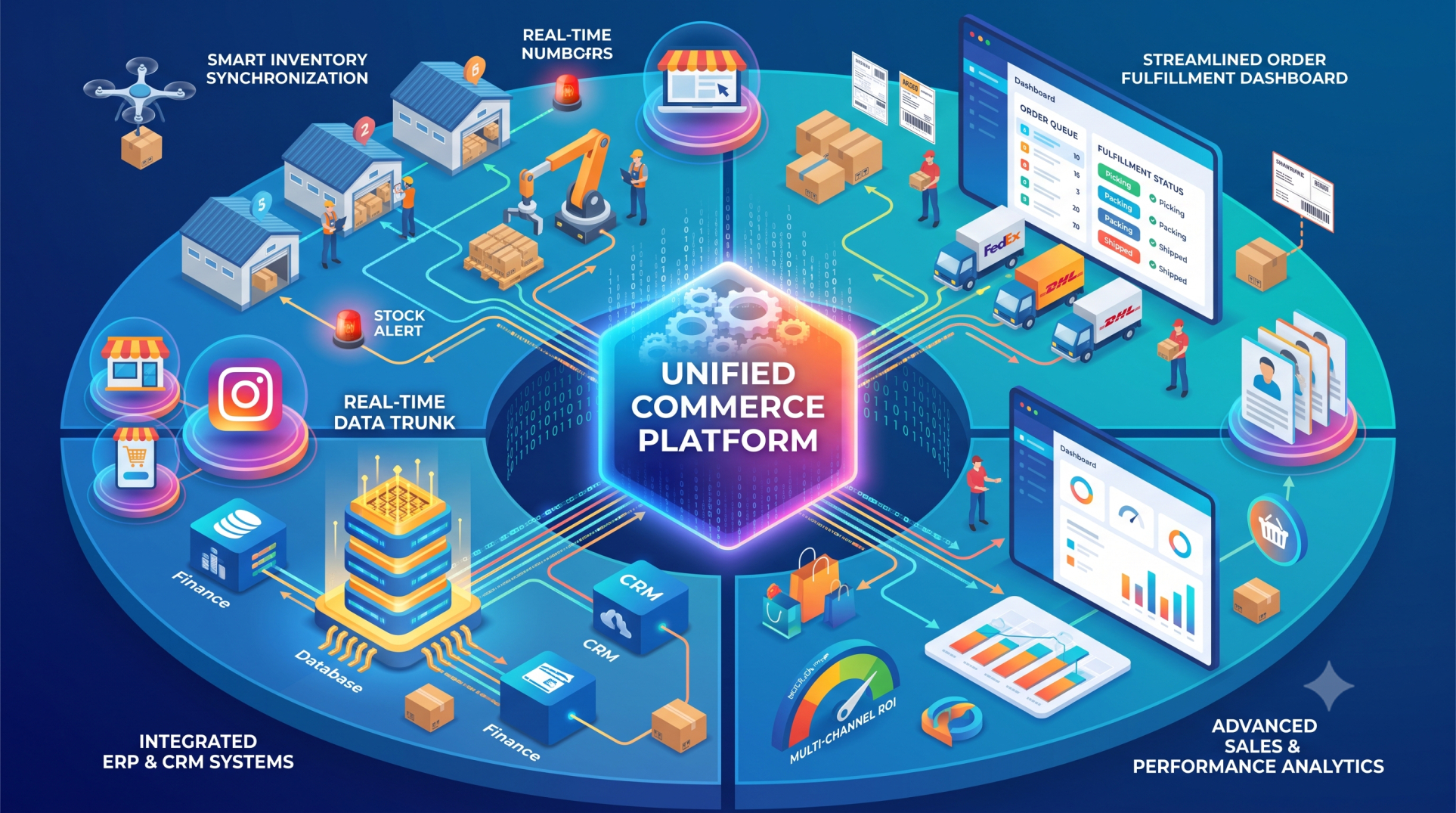
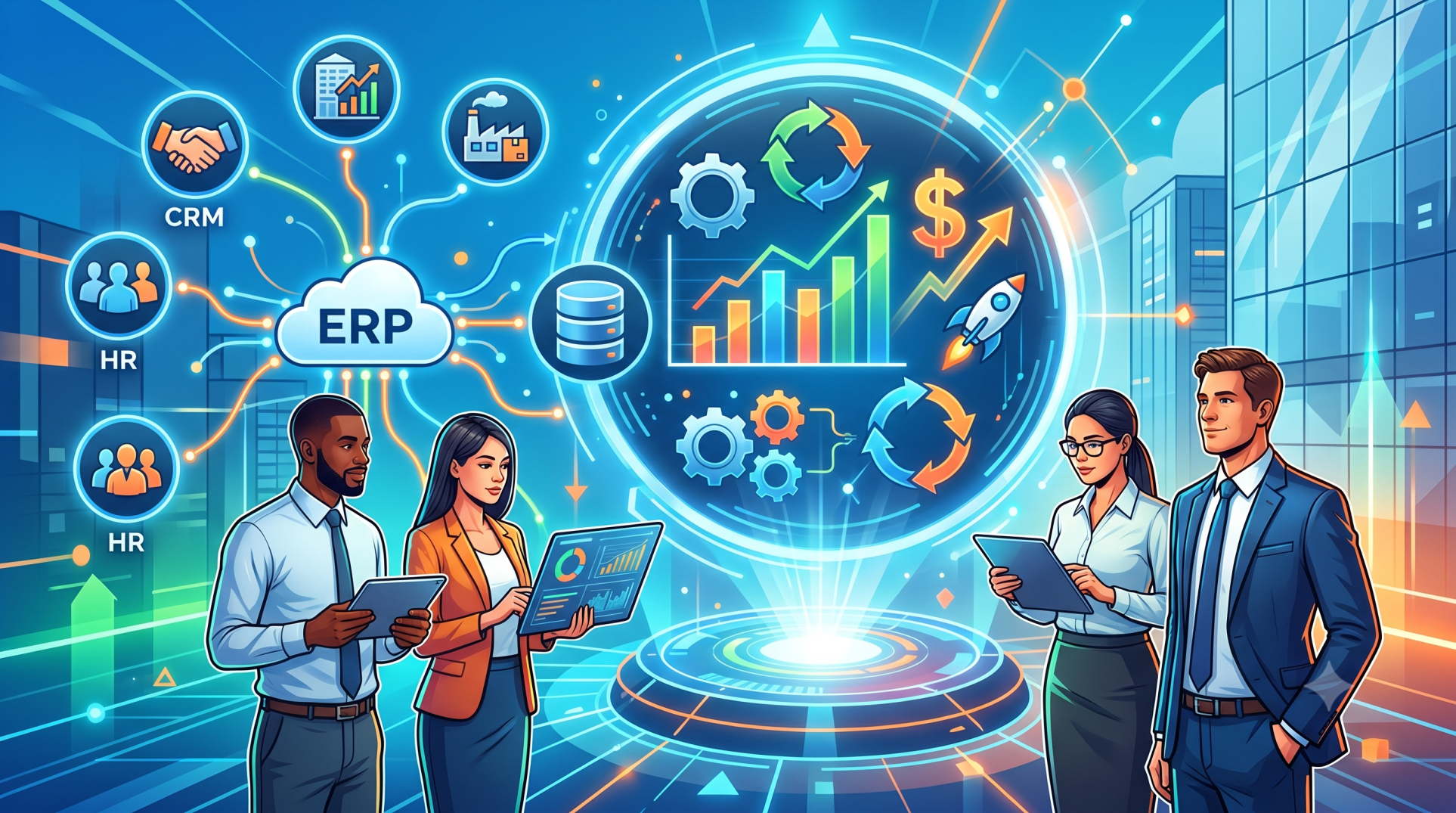
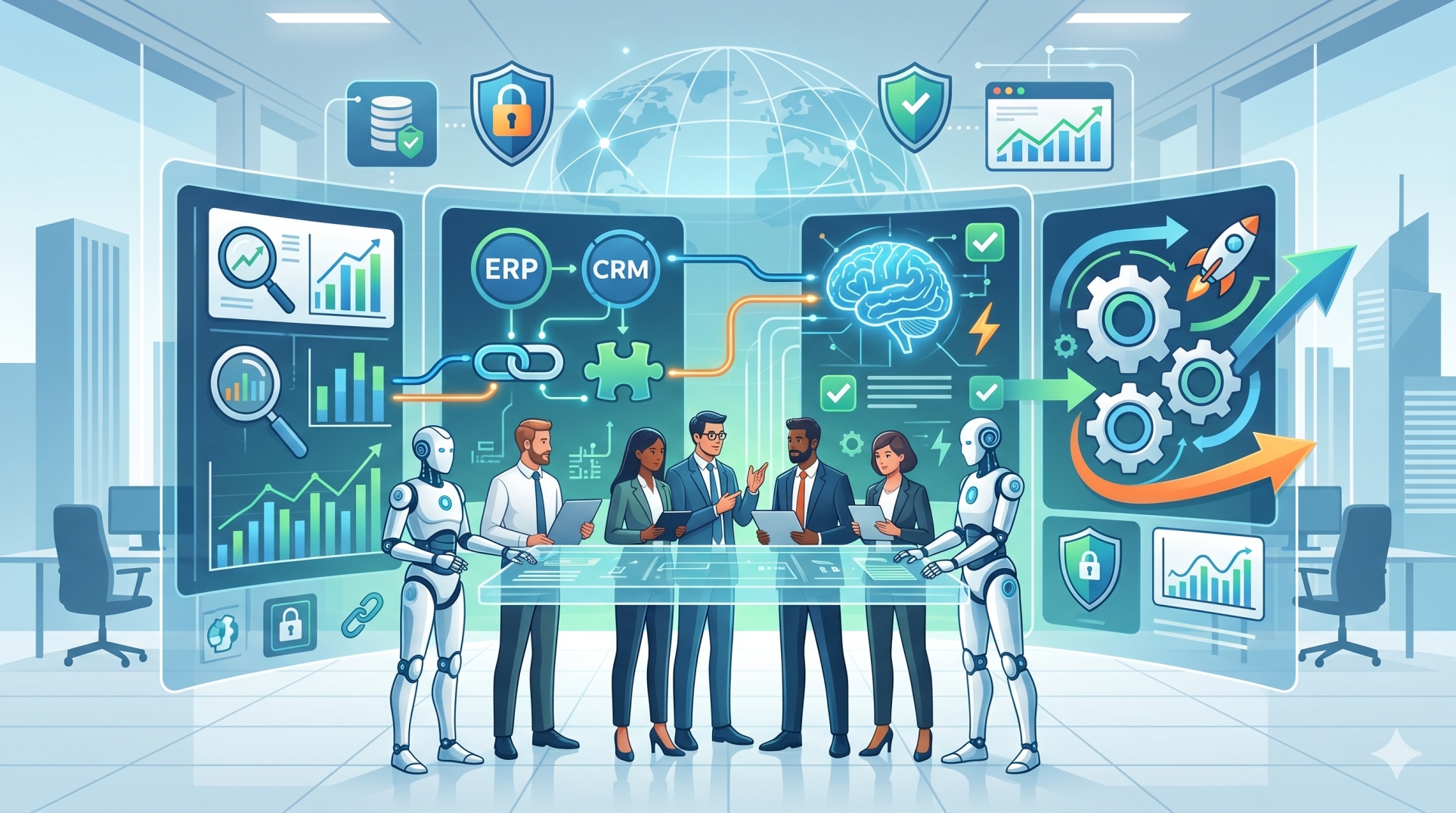
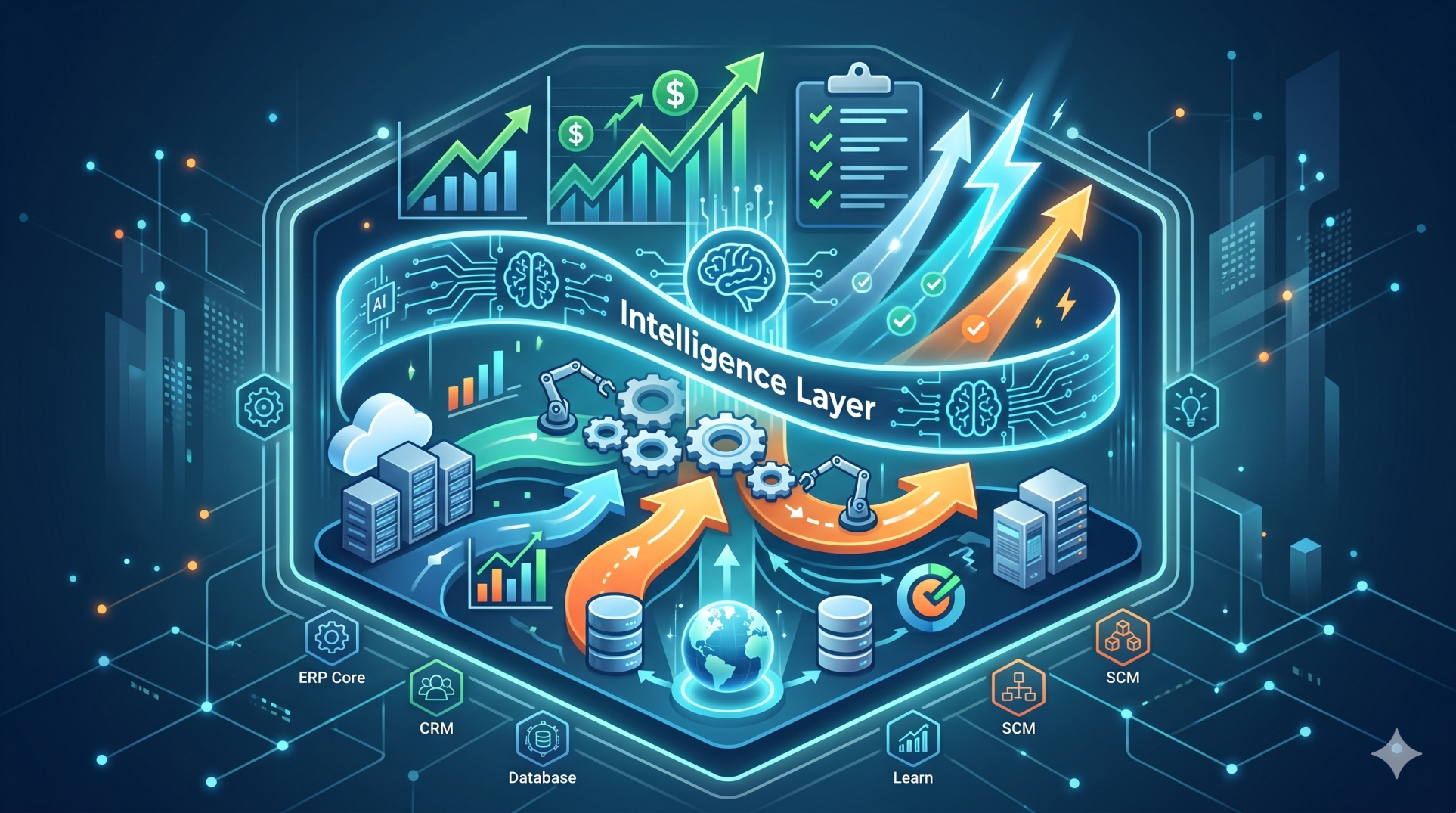
Step 5: Integrating CRM and ERP Systems 🔗
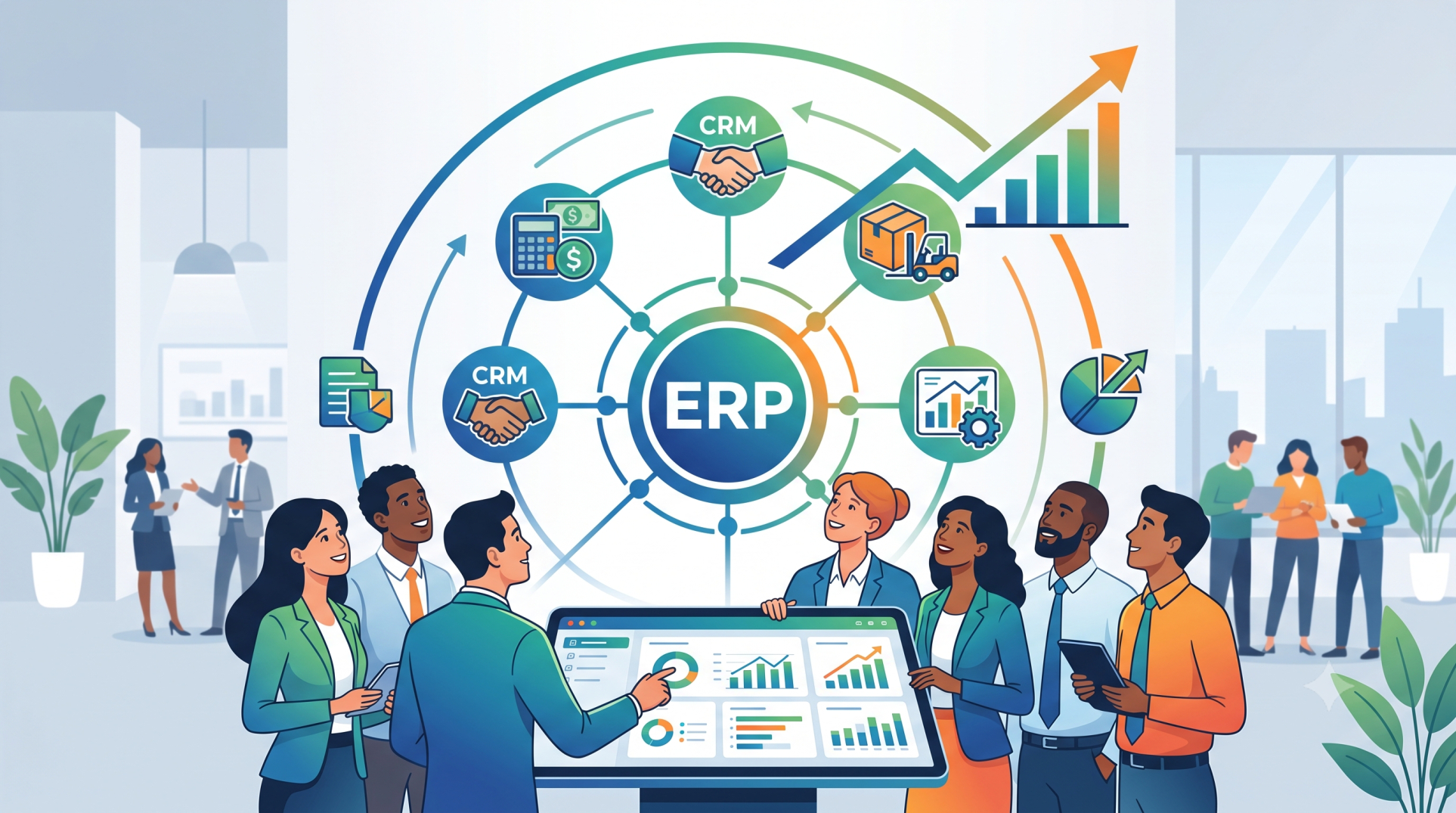
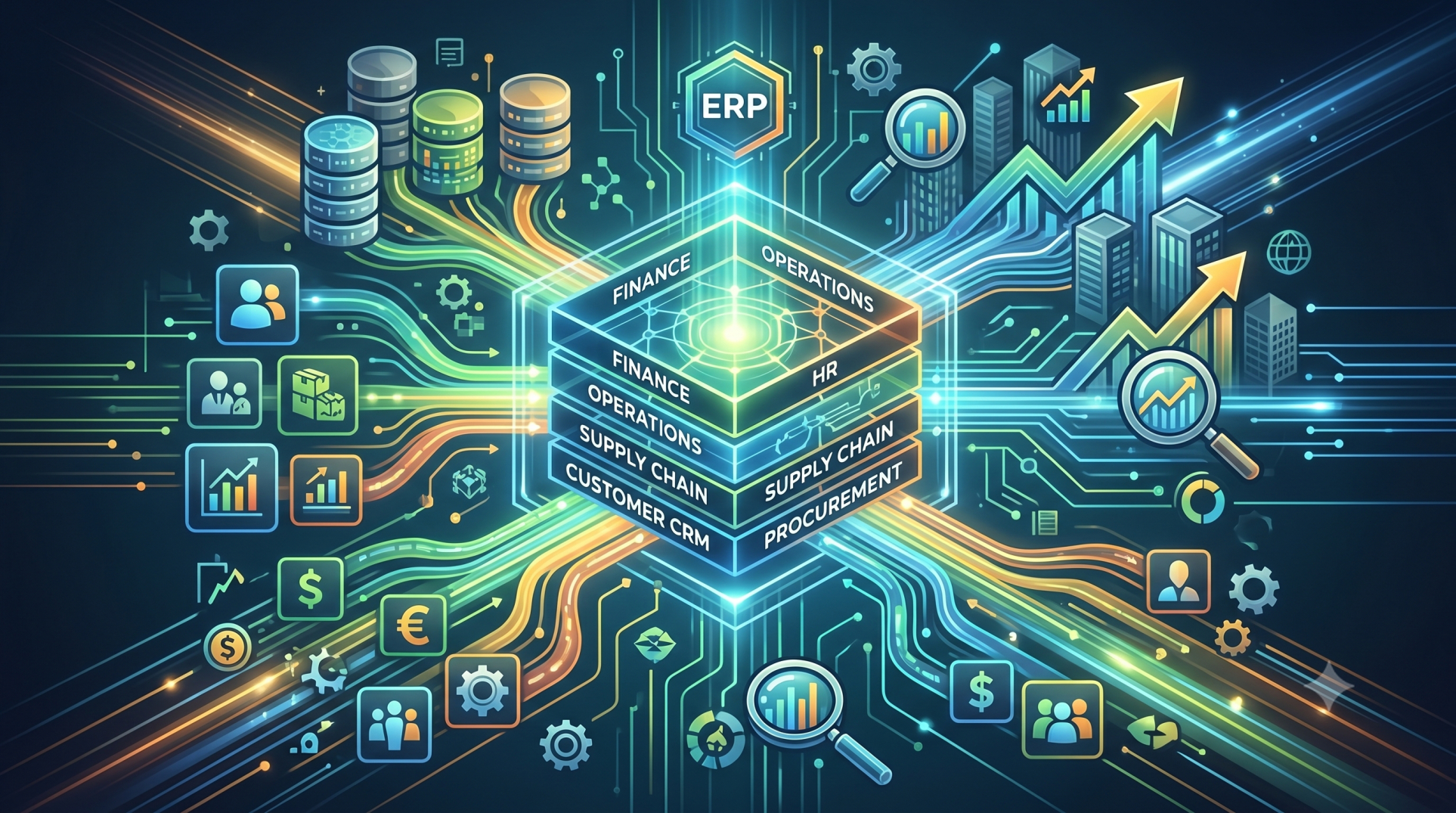
• Connect customer relationship management with ERP operations 🔄
• Synchronize customer, sales, and operational data in real time 📊
• Improve collaboration between customer-facing and backend teams 👥
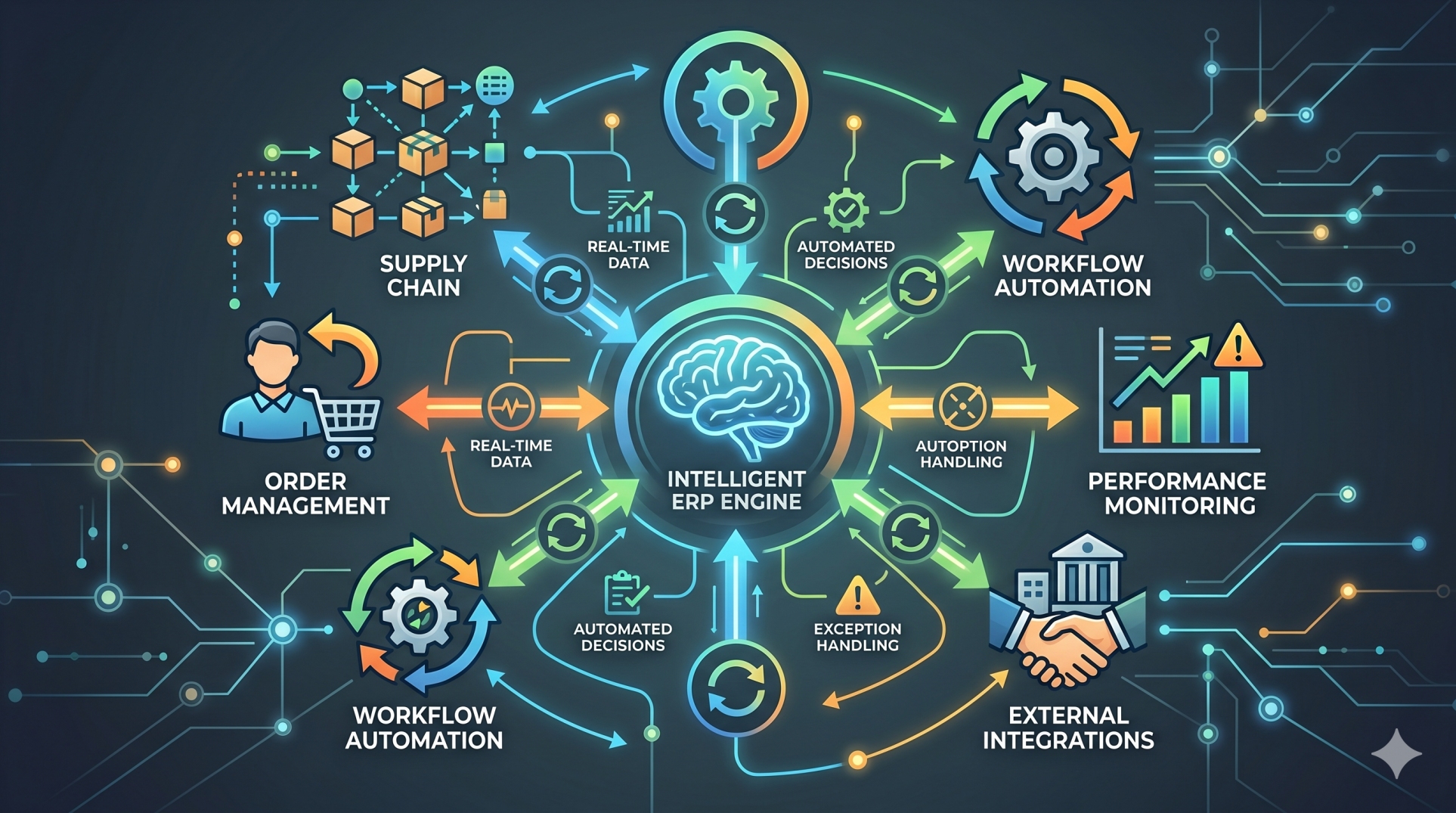
• Enable seamless workflows across the organization ⚙️
• Deliver a unified customer experience across all touchpoints 🌟
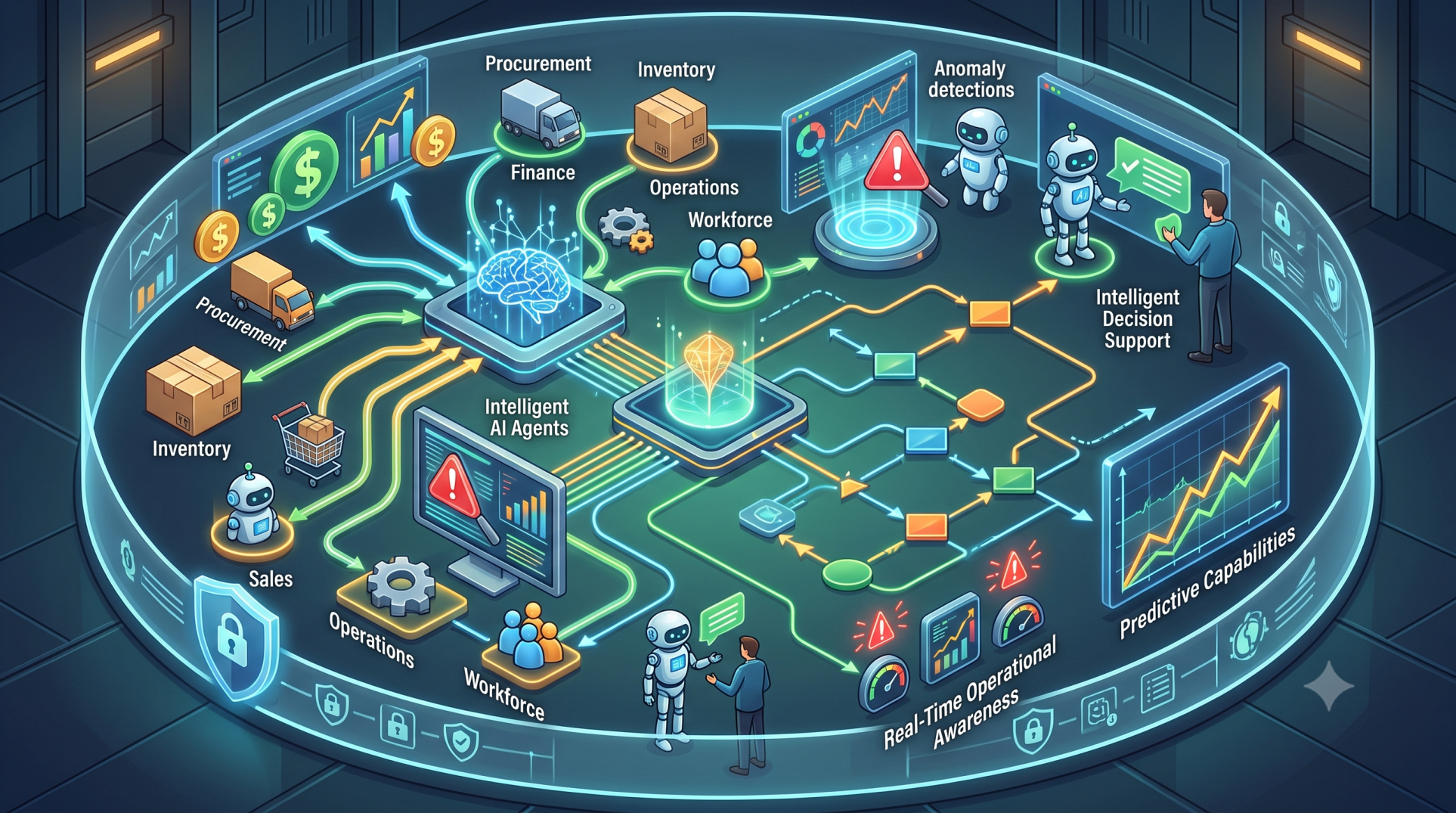
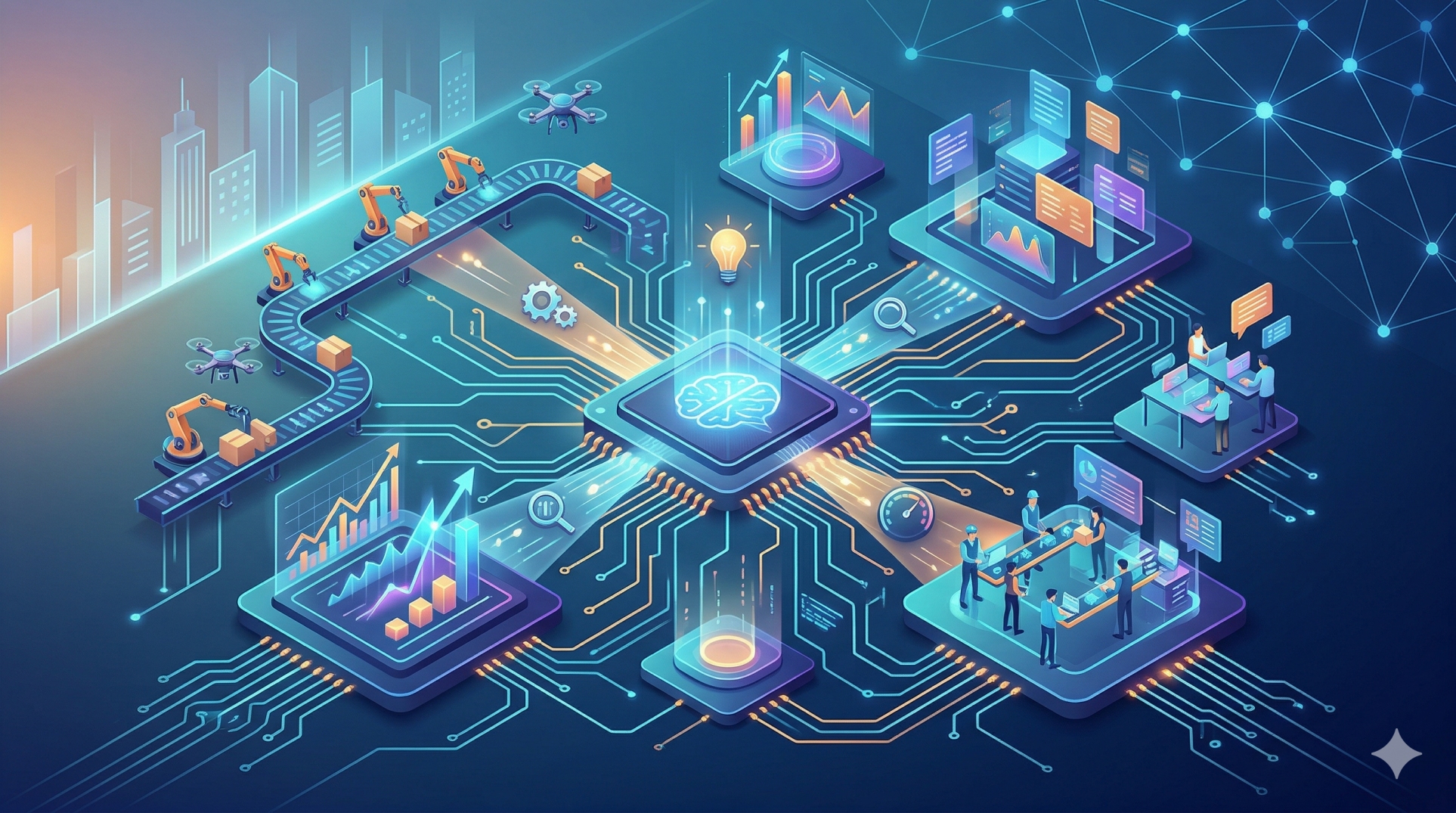
Step 6: Leveraging Automation for Faster Service 🤖
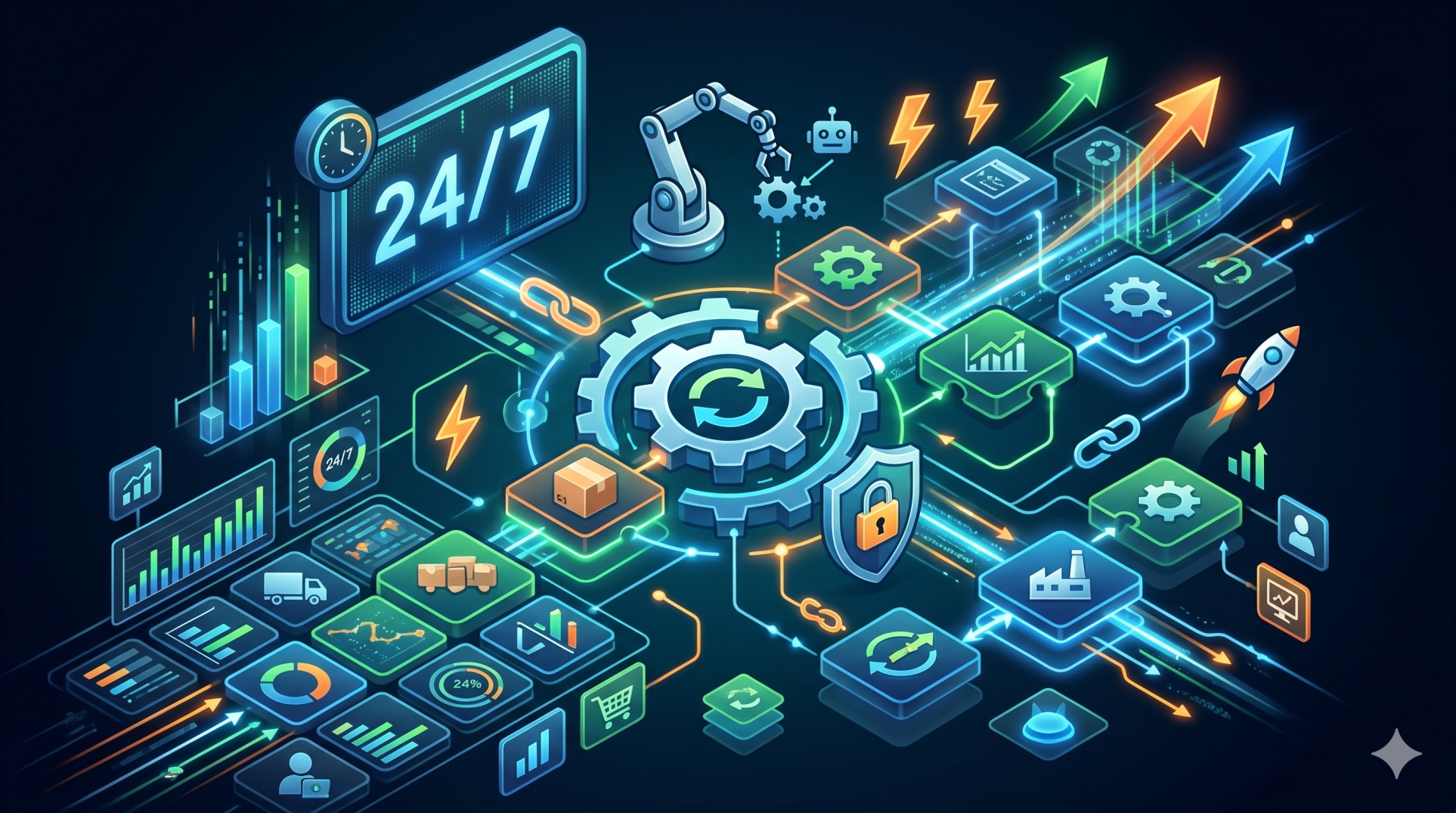
• Automate repetitive customer service and operational tasks ⚡
• Reduce manual processing delays and errors 🛠️
• Accelerate approvals, order handling, and issue resolution ⏳
• Improve efficiency through workflow automation 🔄
• Free teams to focus on high-value customer interactions 💡
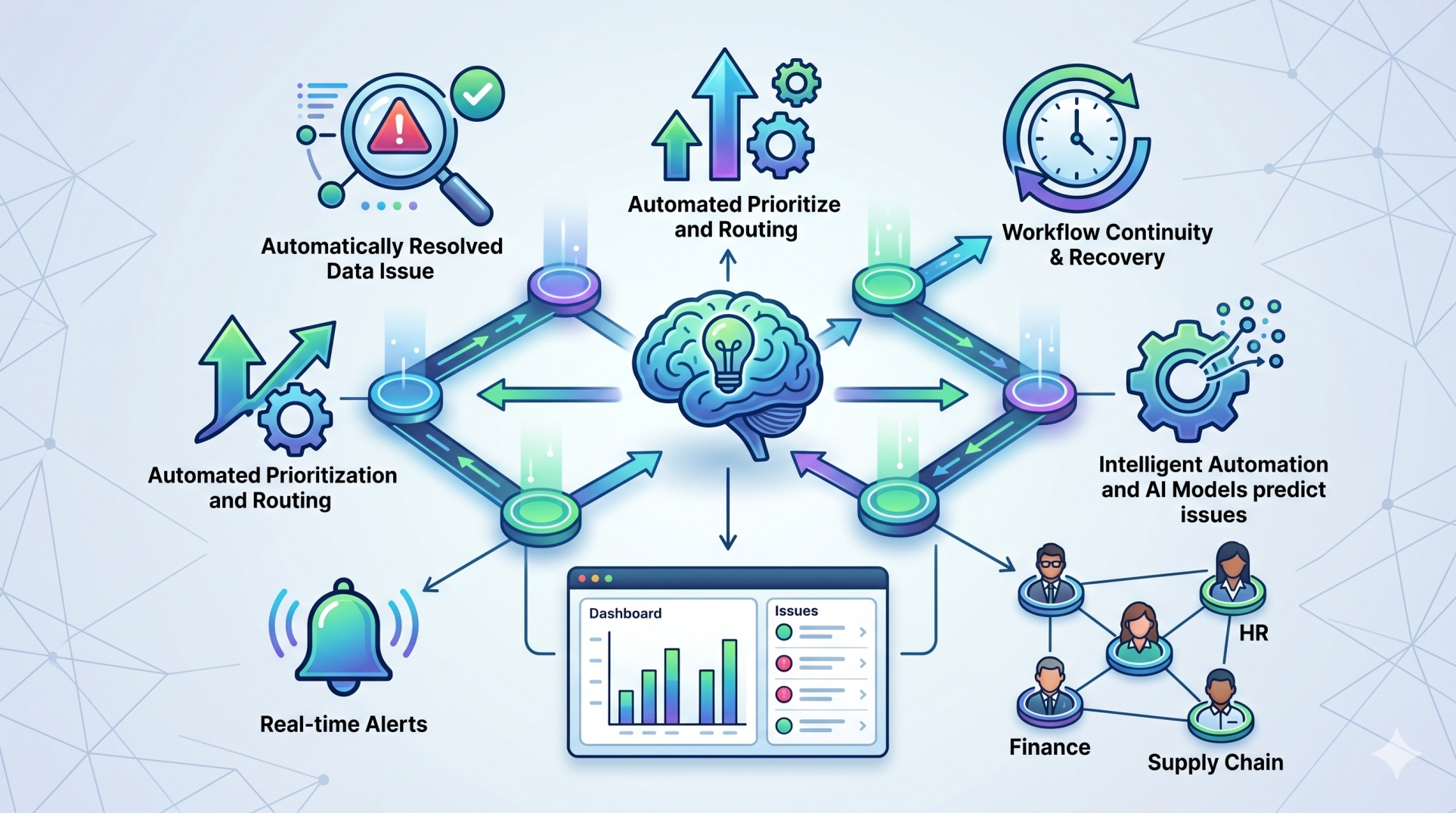
Step 7: Enabling Predictive and Proactive Support 📈
• Analyze customer behavior and operational trends 📊
• Anticipate customer needs before issues arise 🔍
• Use ERP insights to improve service planning 🧠
• Detect service bottlenecks and operational risks early 🚨
• Enhance customer satisfaction through proactive support 😊
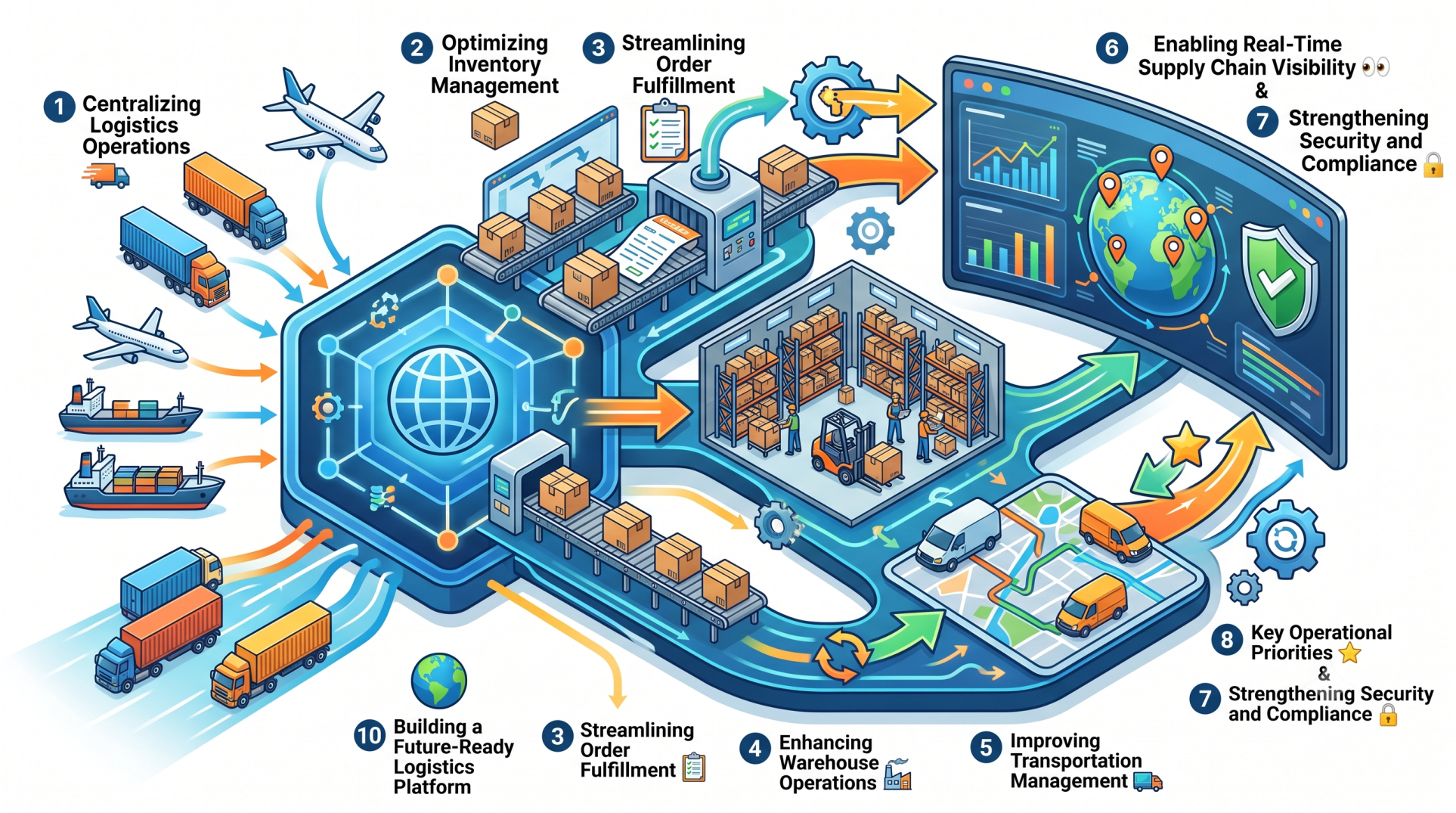
Step 8: Key Customer Experience Priorities 🌟
• Real-time visibility into customer interactions 👁️
• Faster response and resolution times ⚡
• Personalized and consistent customer engagement 🤝
• Integrated operations supporting seamless experiences 🔗
Step 9: Monitoring Performance and Customer Satisfaction 📋
• Track customer experience metrics in real time 📈
• Measure response times, service quality, and fulfillment accuracy ⏱️
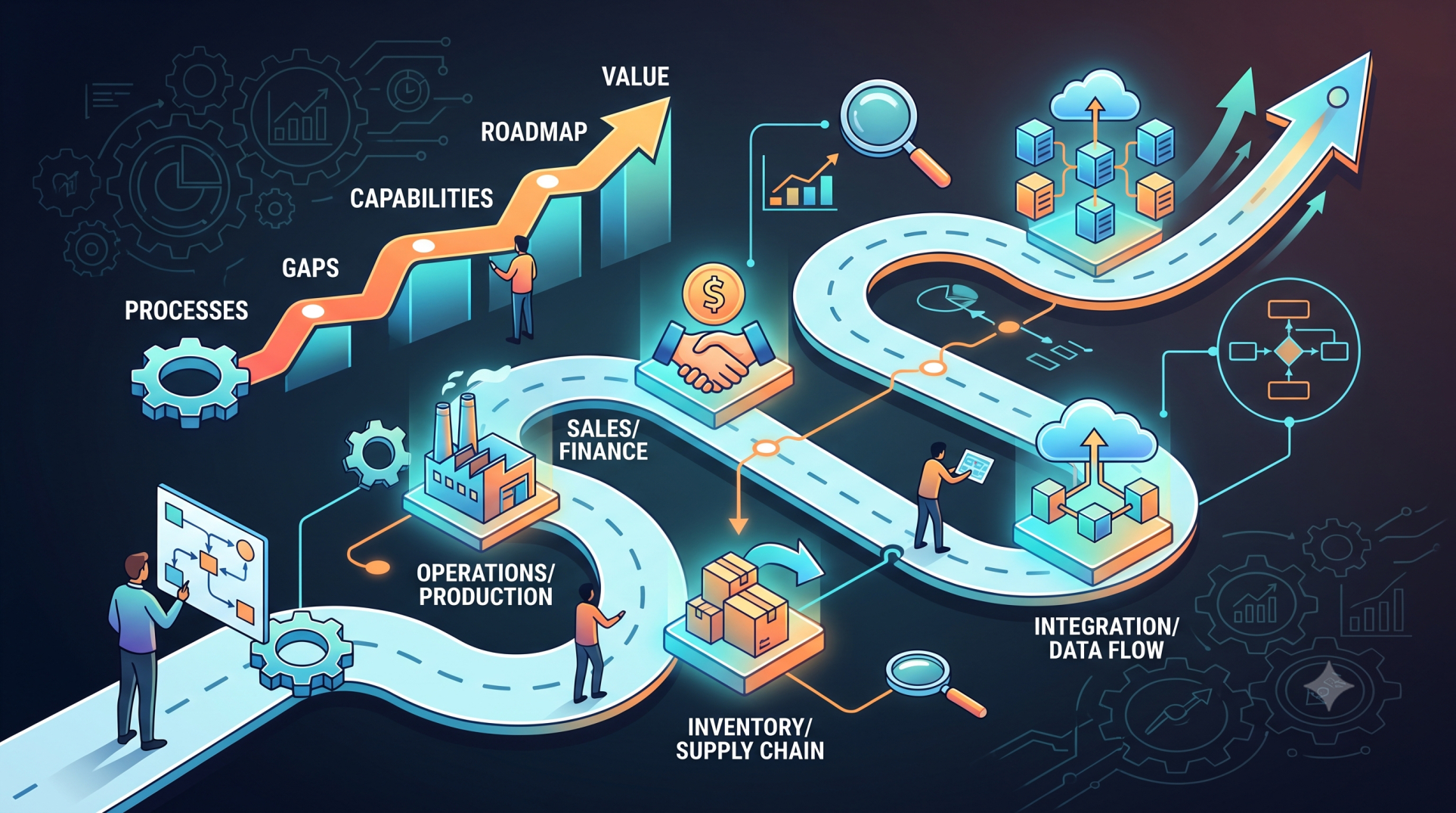
• Identify gaps in customer service processes 🔍
• Use dashboards and analytics for continuous improvement 📊
• Align operational performance with customer expectations 🎯
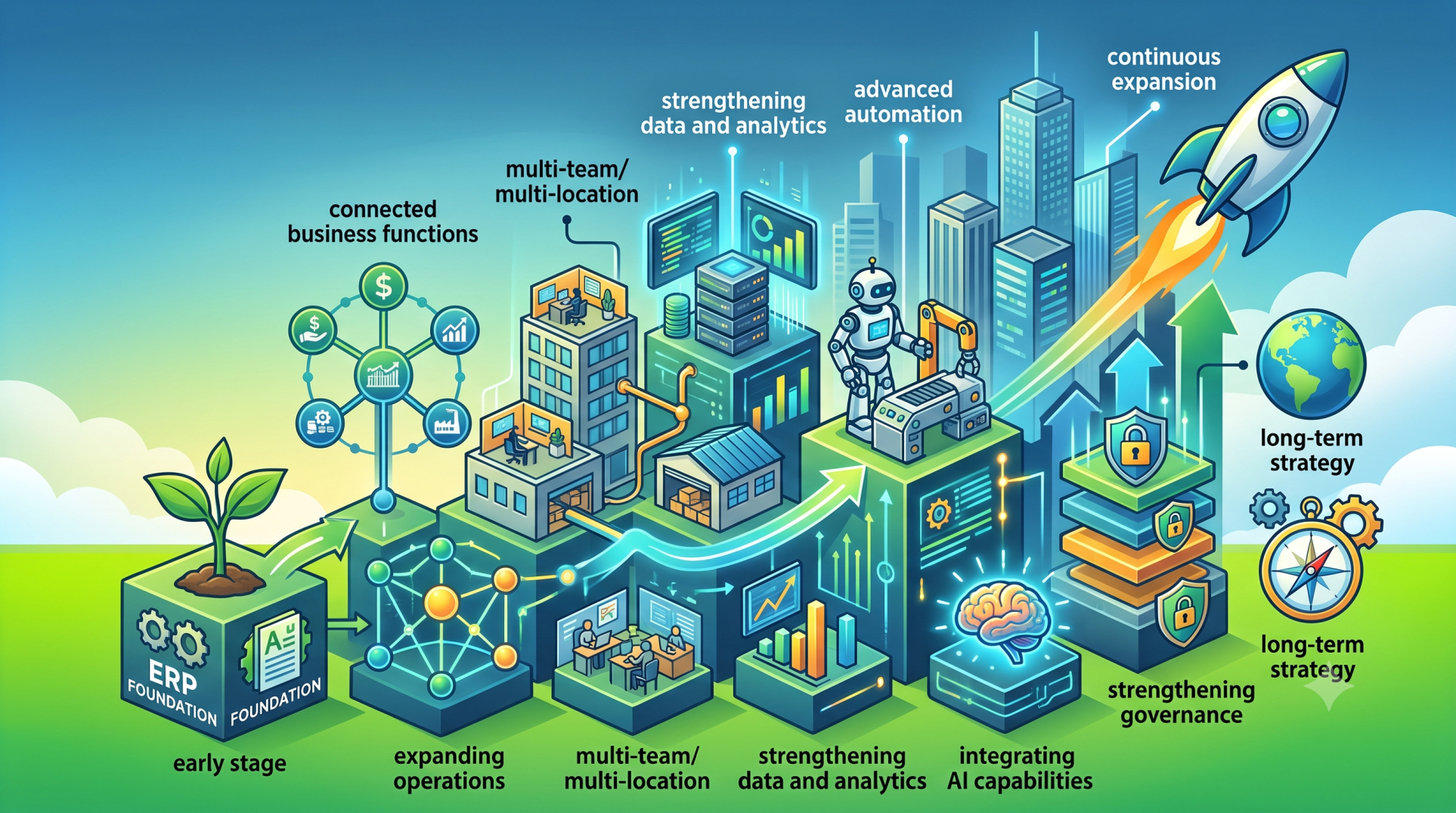
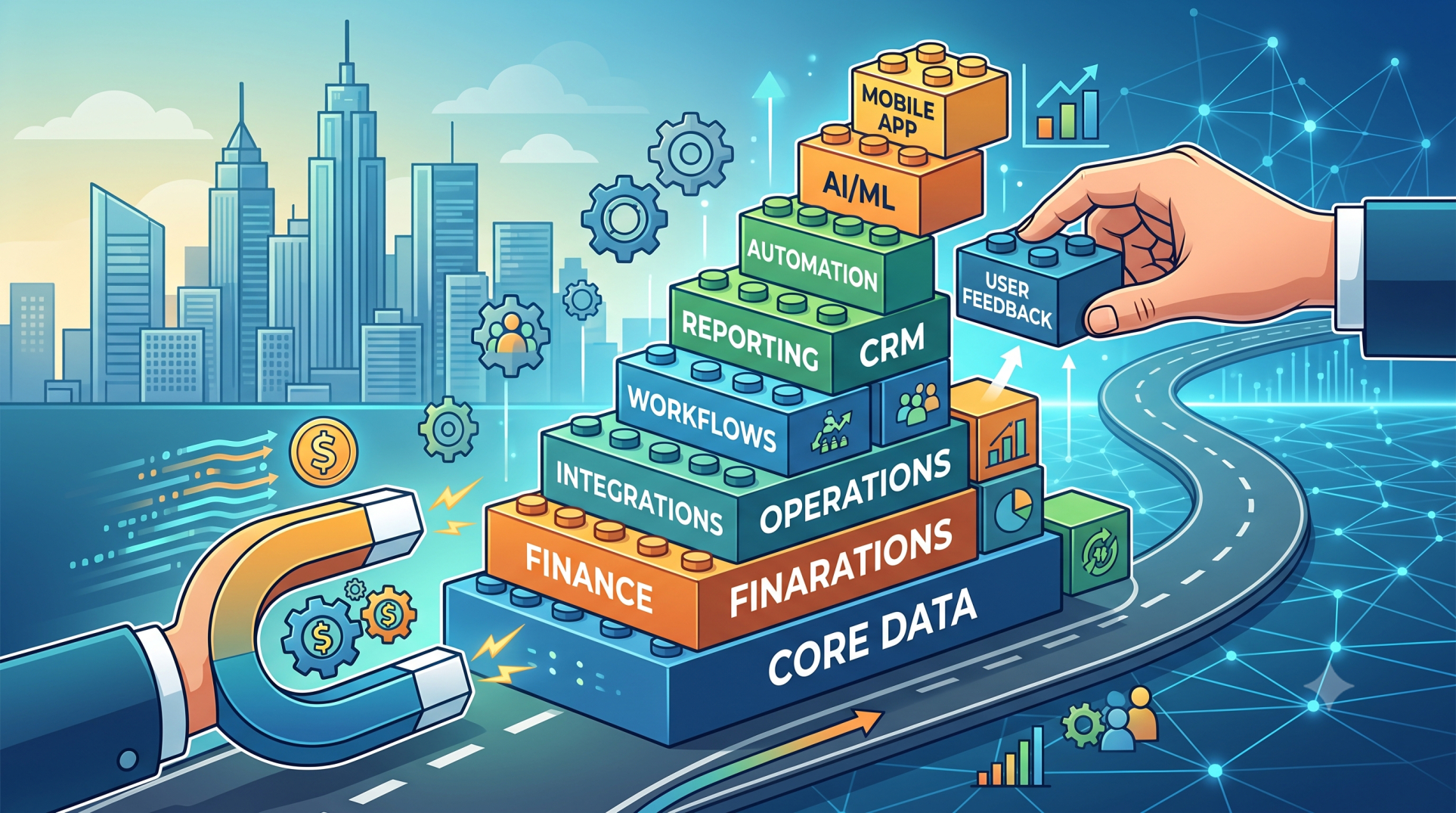
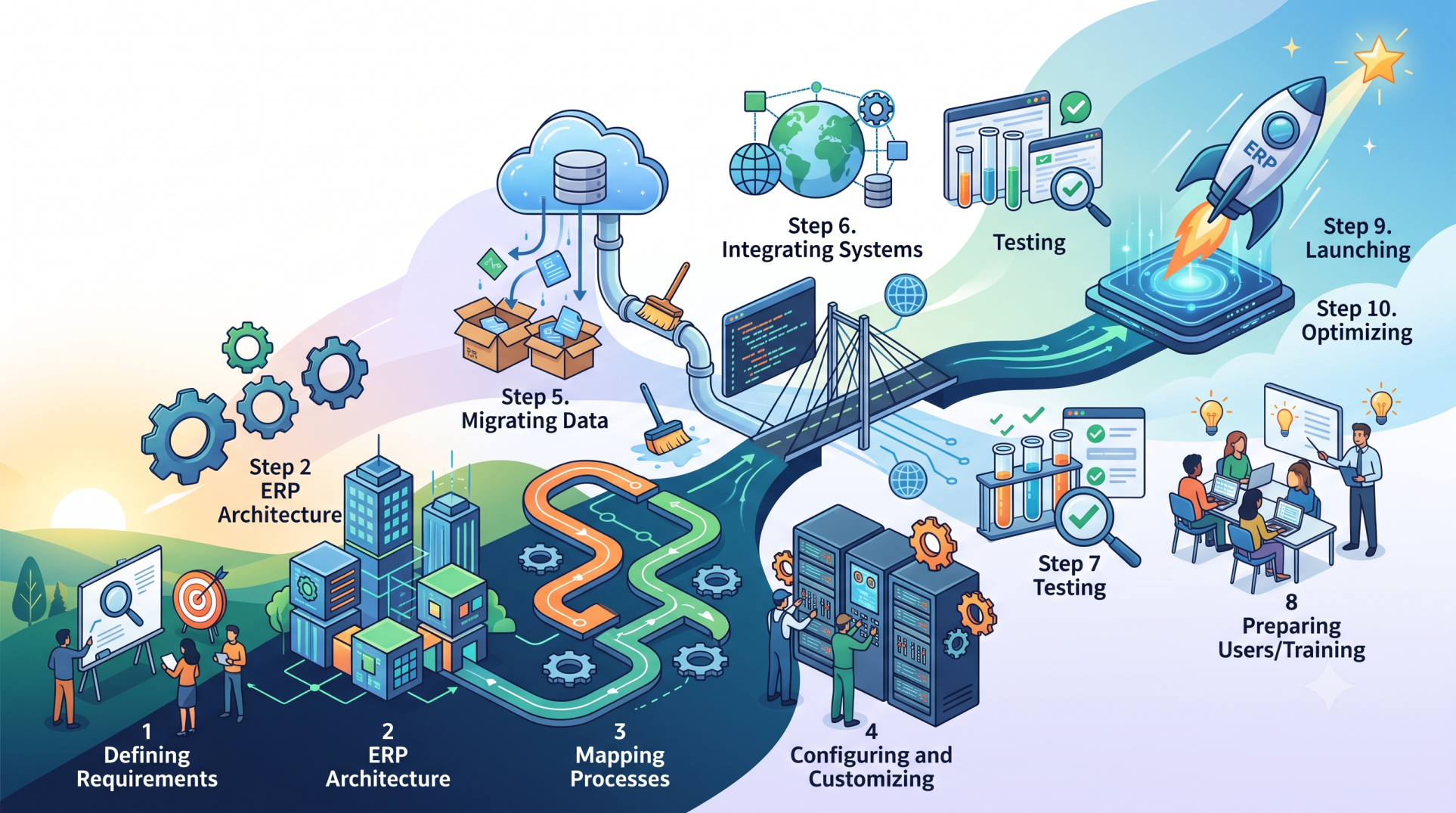
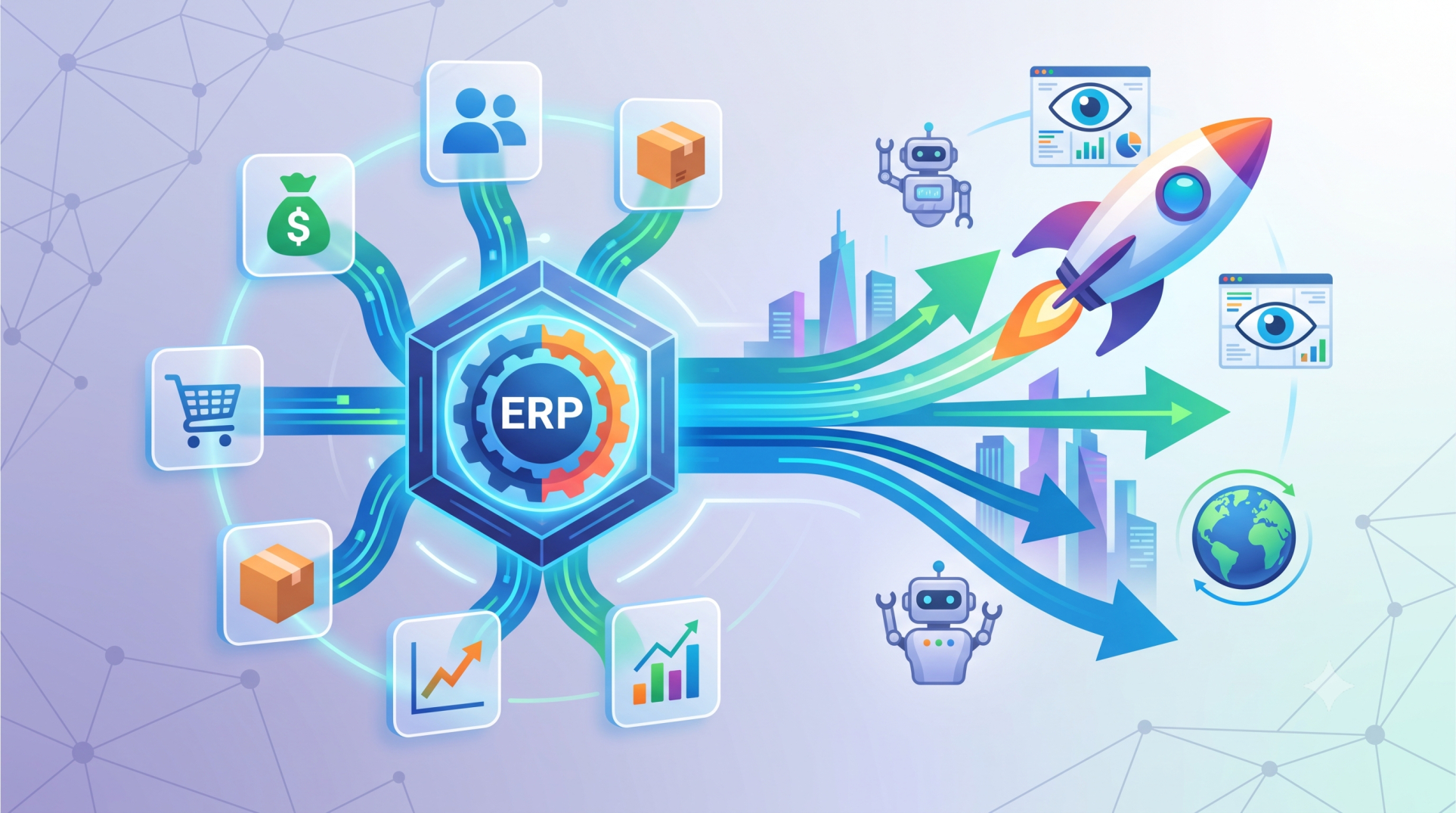
Step 10: Building a Scalable Customer Experience Ecosystem 🚀
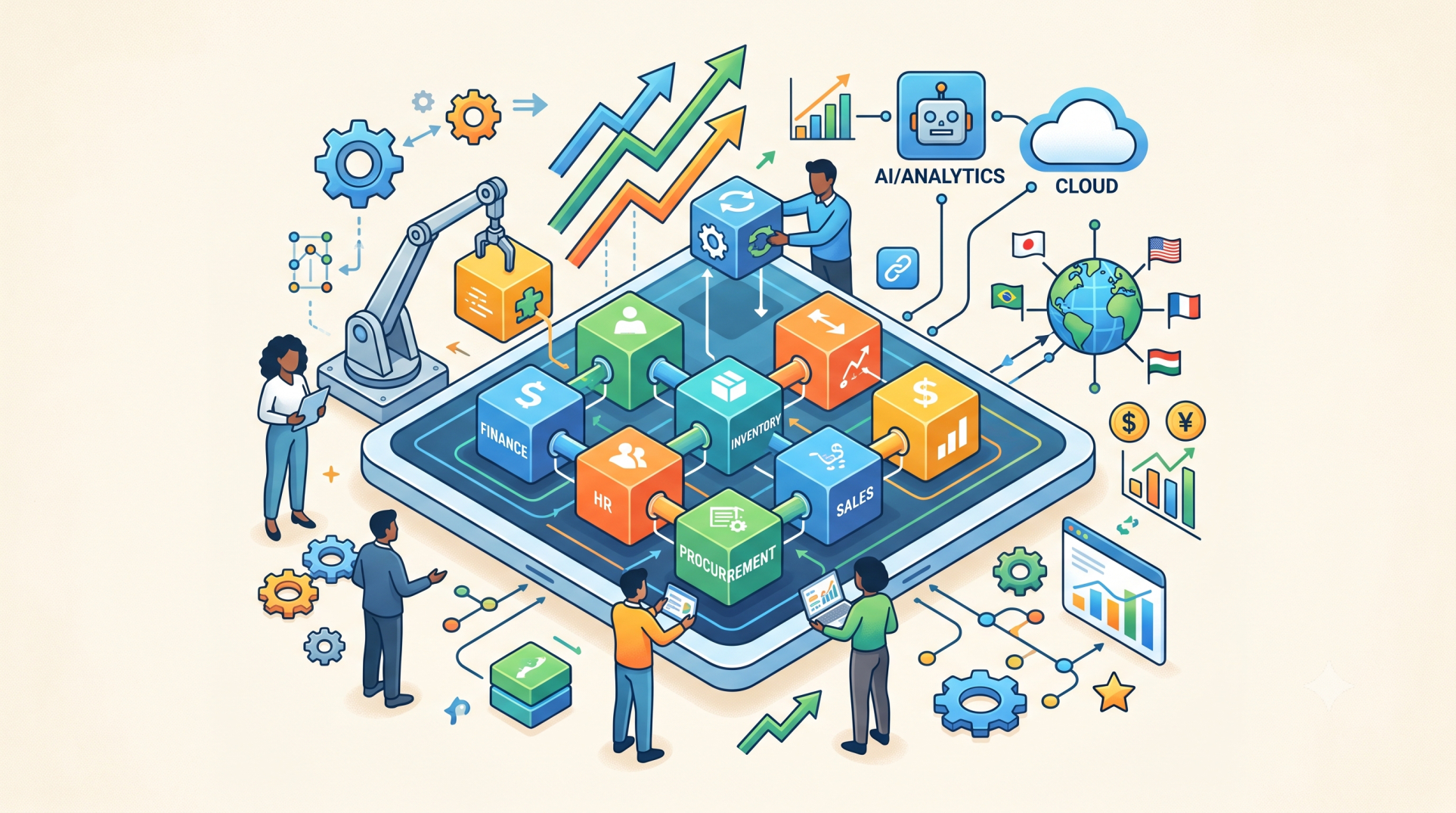
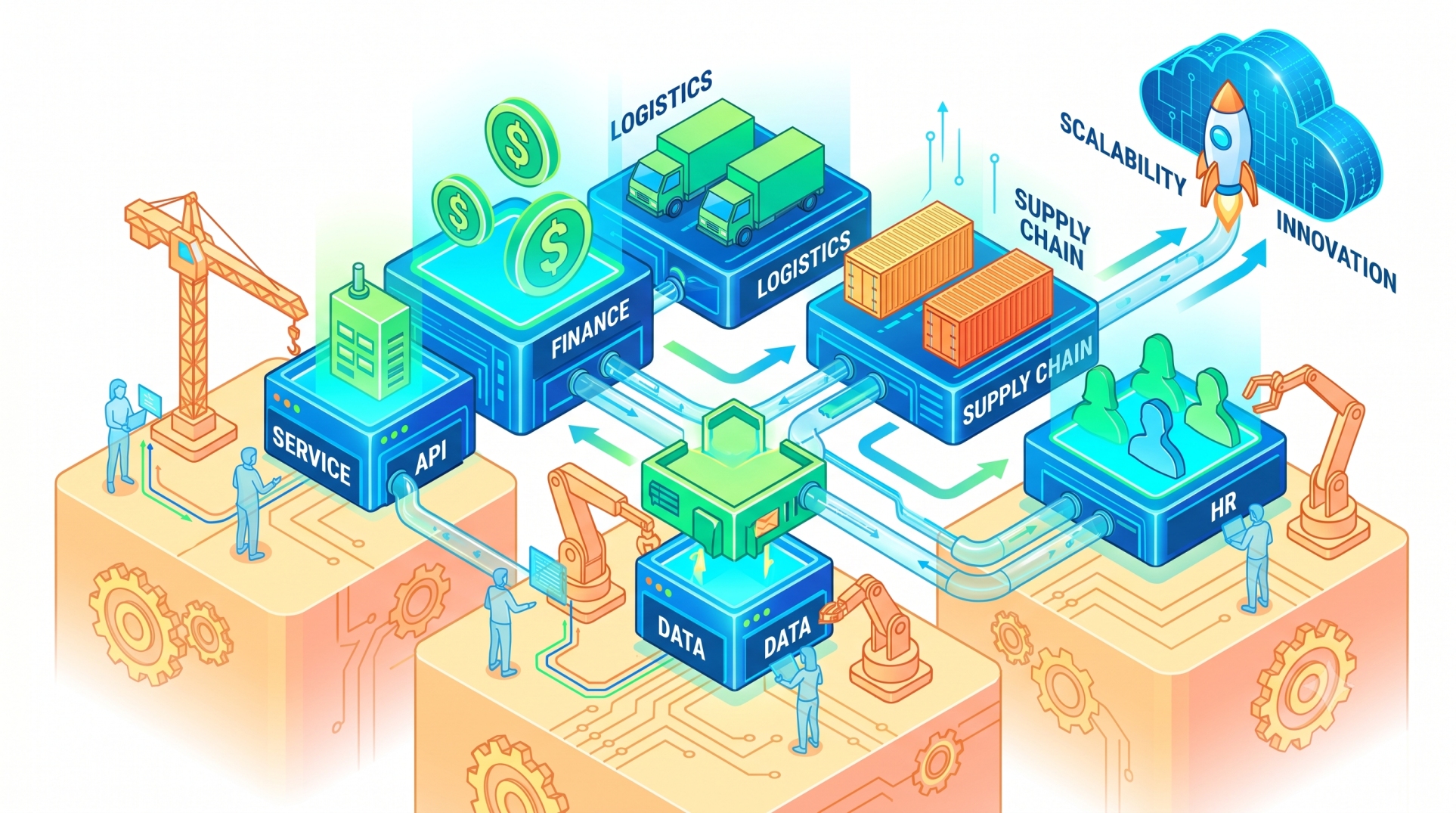
• Design ERP systems that support evolving customer demands 🌍
• Scale operations without compromising service quality 📦
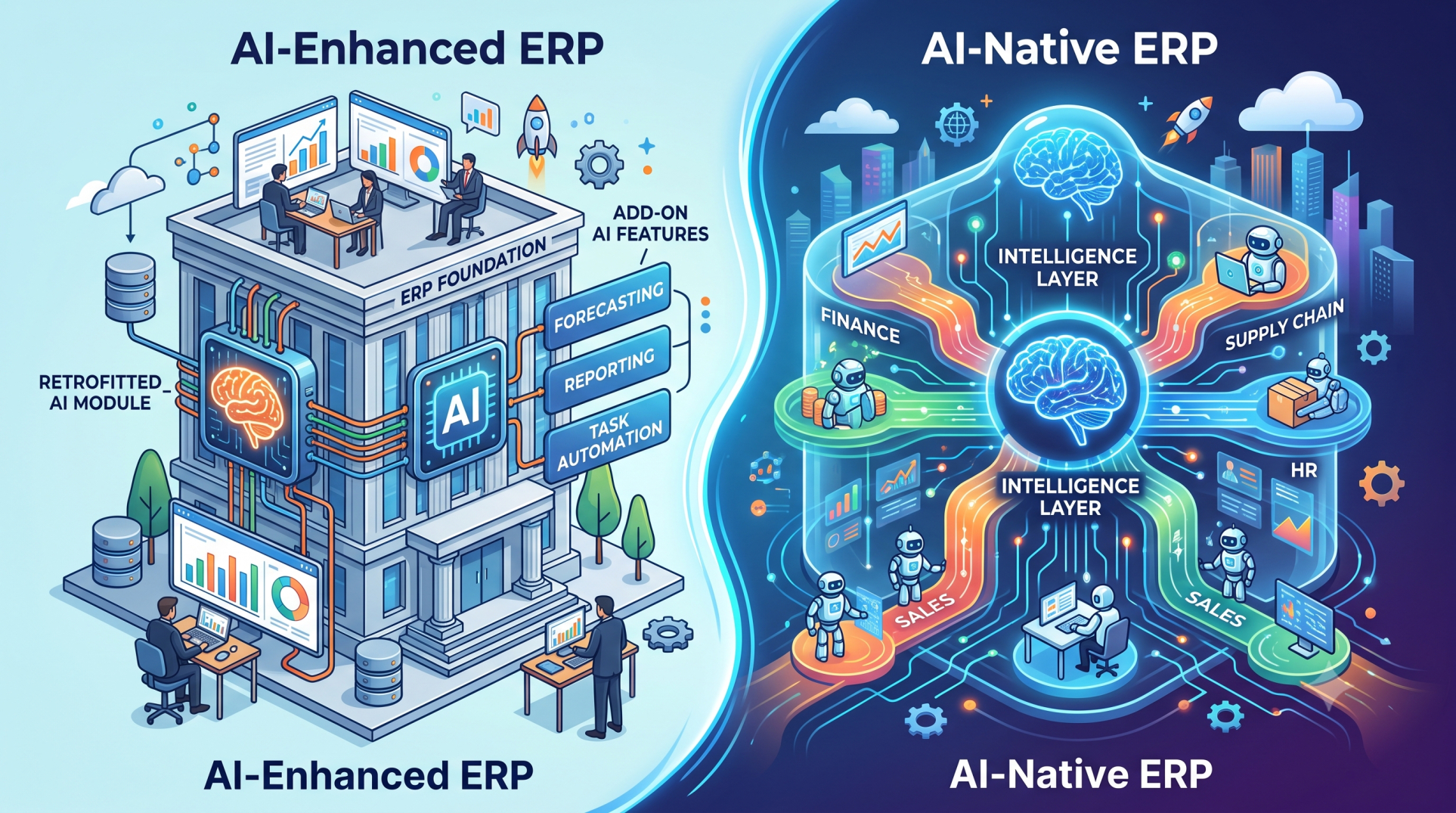
• Integrate emerging technologies like AI and analytics 🤖
• Maintain flexibility for changing customer expectations 🔄
• Continuously optimize customer experience strategies 📈
Conclusion
Real-time customer experience management using ERP enables organizations to deliver faster, smarter, and more personalized service across every interaction. By integrating customer data, operational workflows, and automation into a unified platform, businesses can improve responsiveness, enhance customer satisfaction, and strengthen long-term relationships. A well-implemented ERP strategy not only improves operational efficiency but also creates a strong foundation for sustainable customer-centric growth.
See more blogs
You can all the articles below