ERP-Driven Cash Flow Optimization Strategies
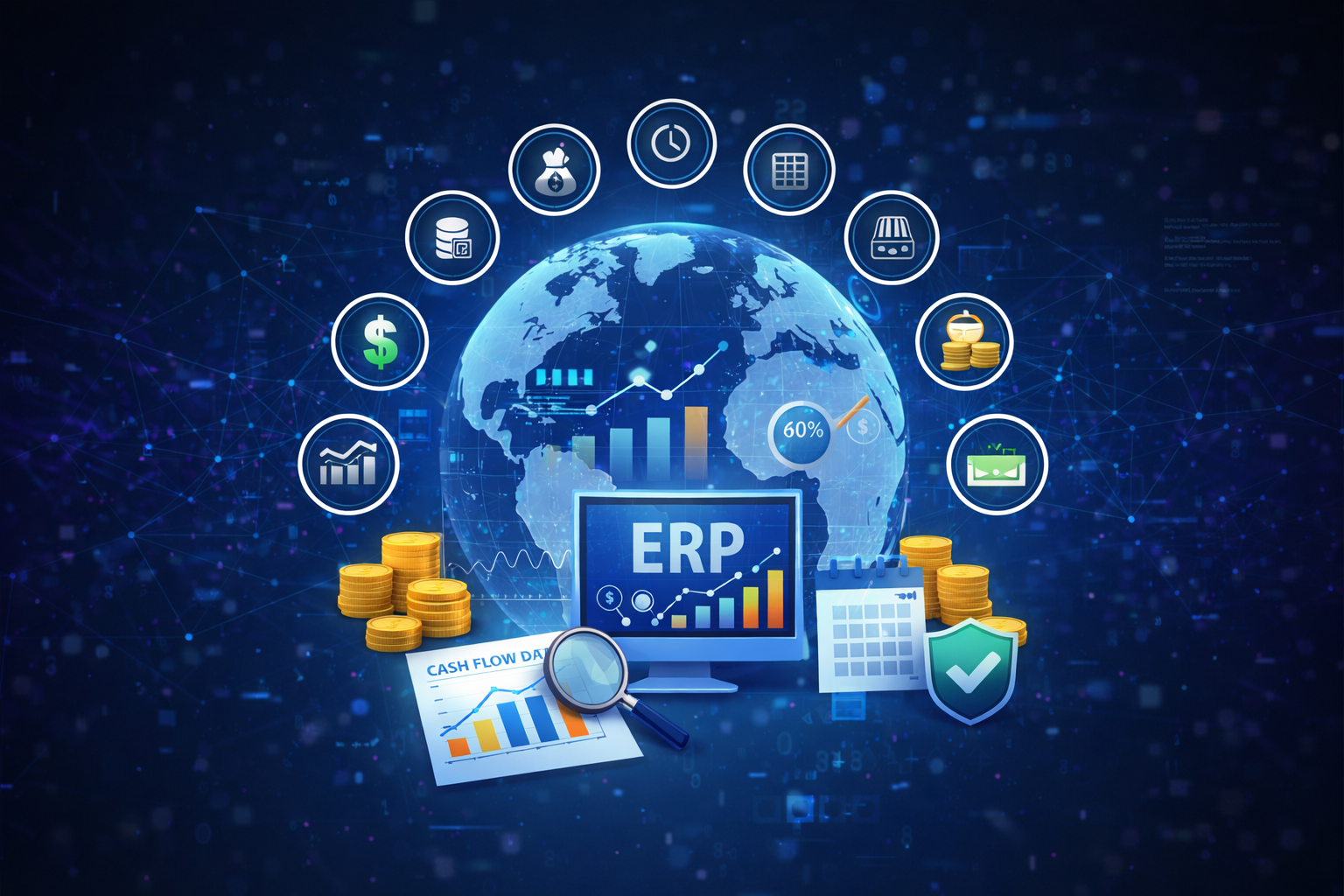
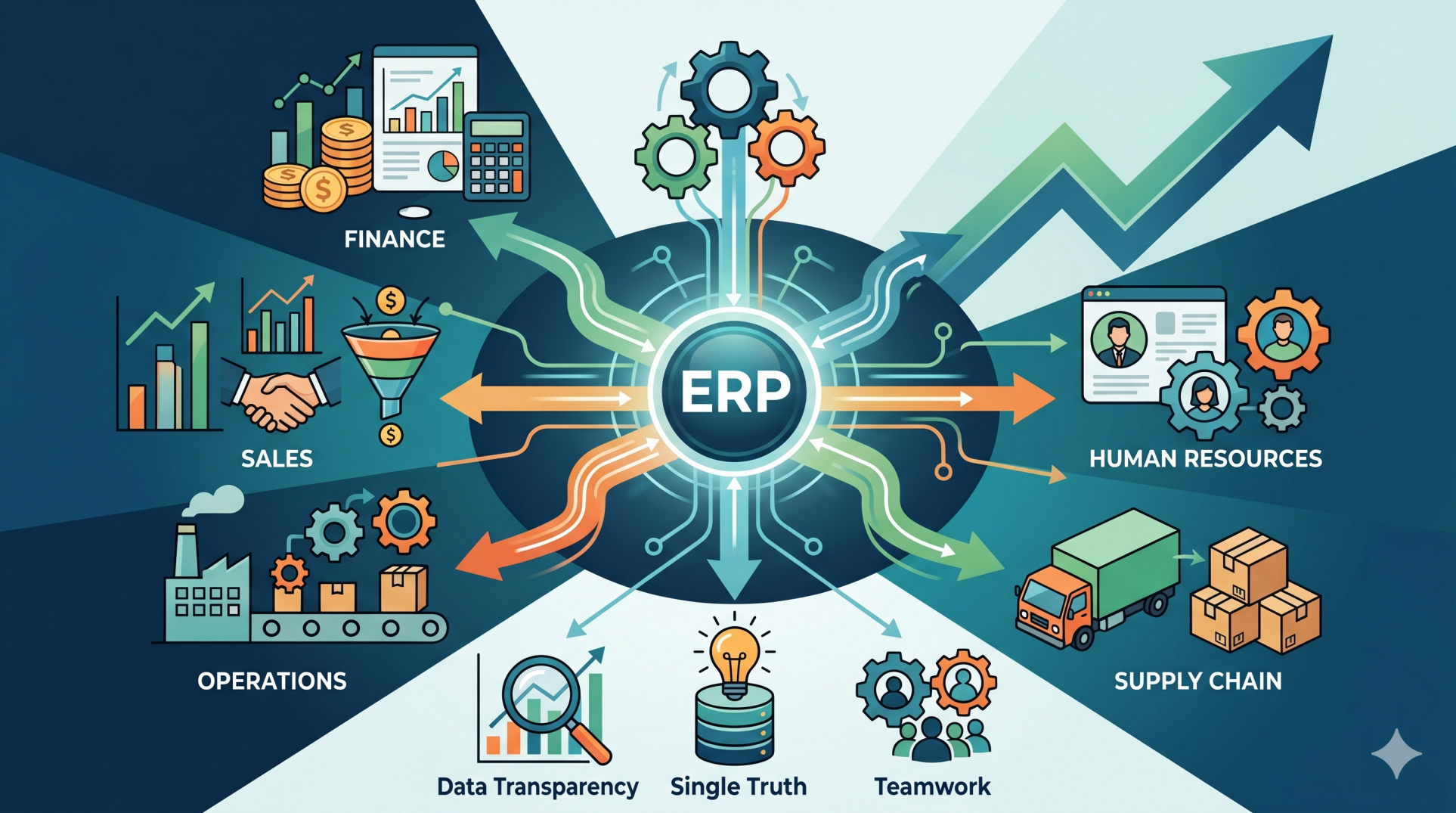
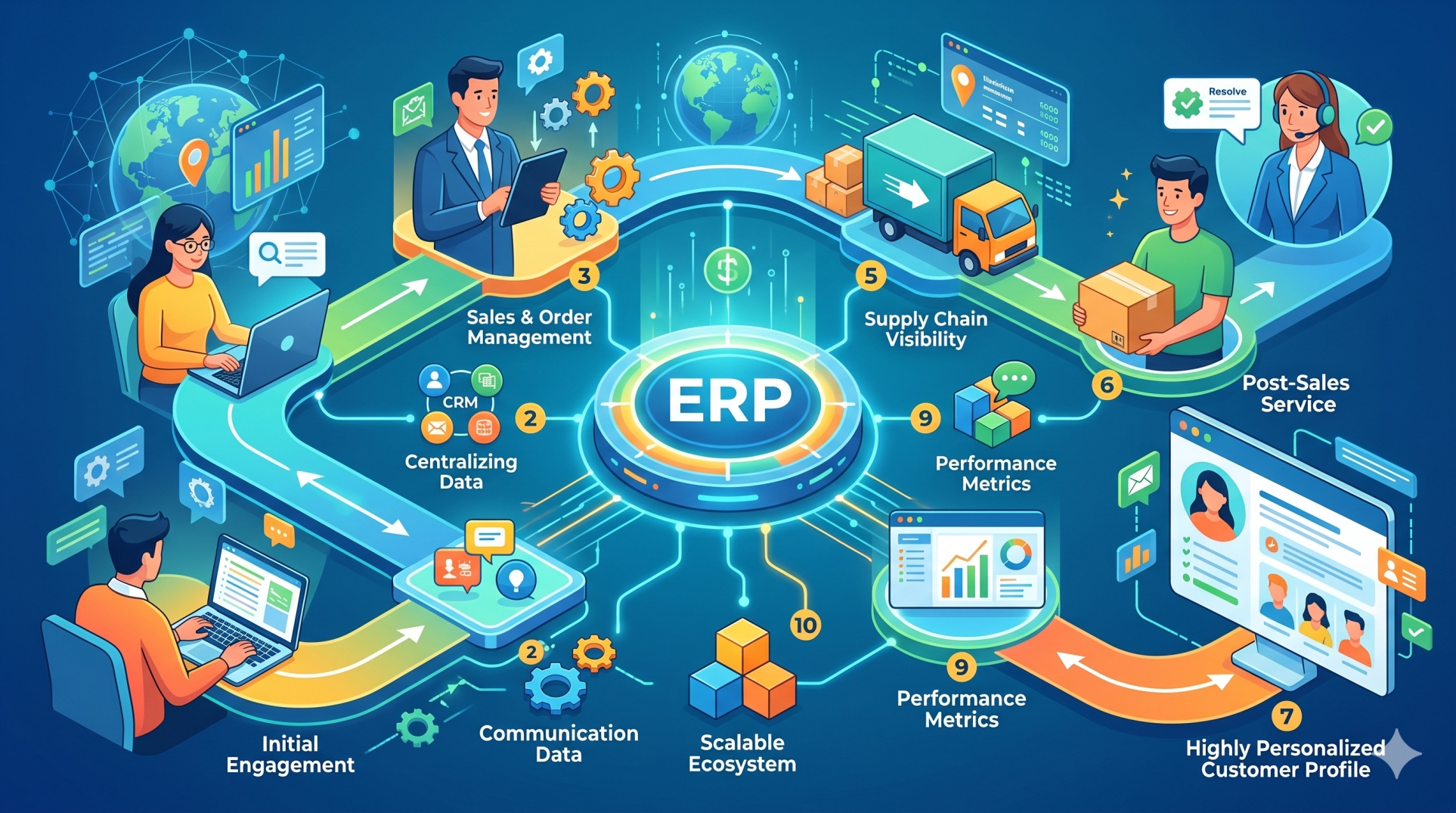
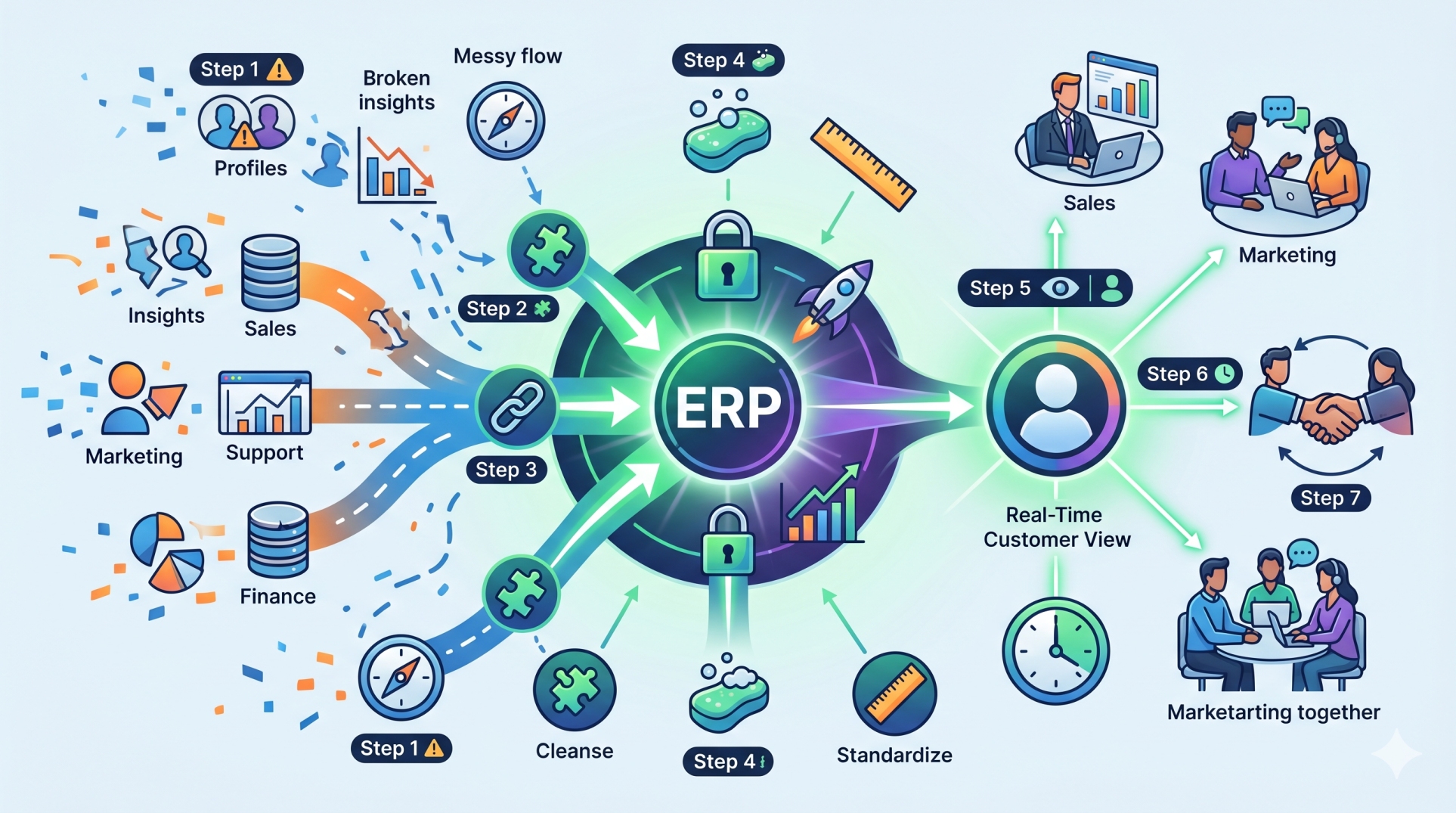
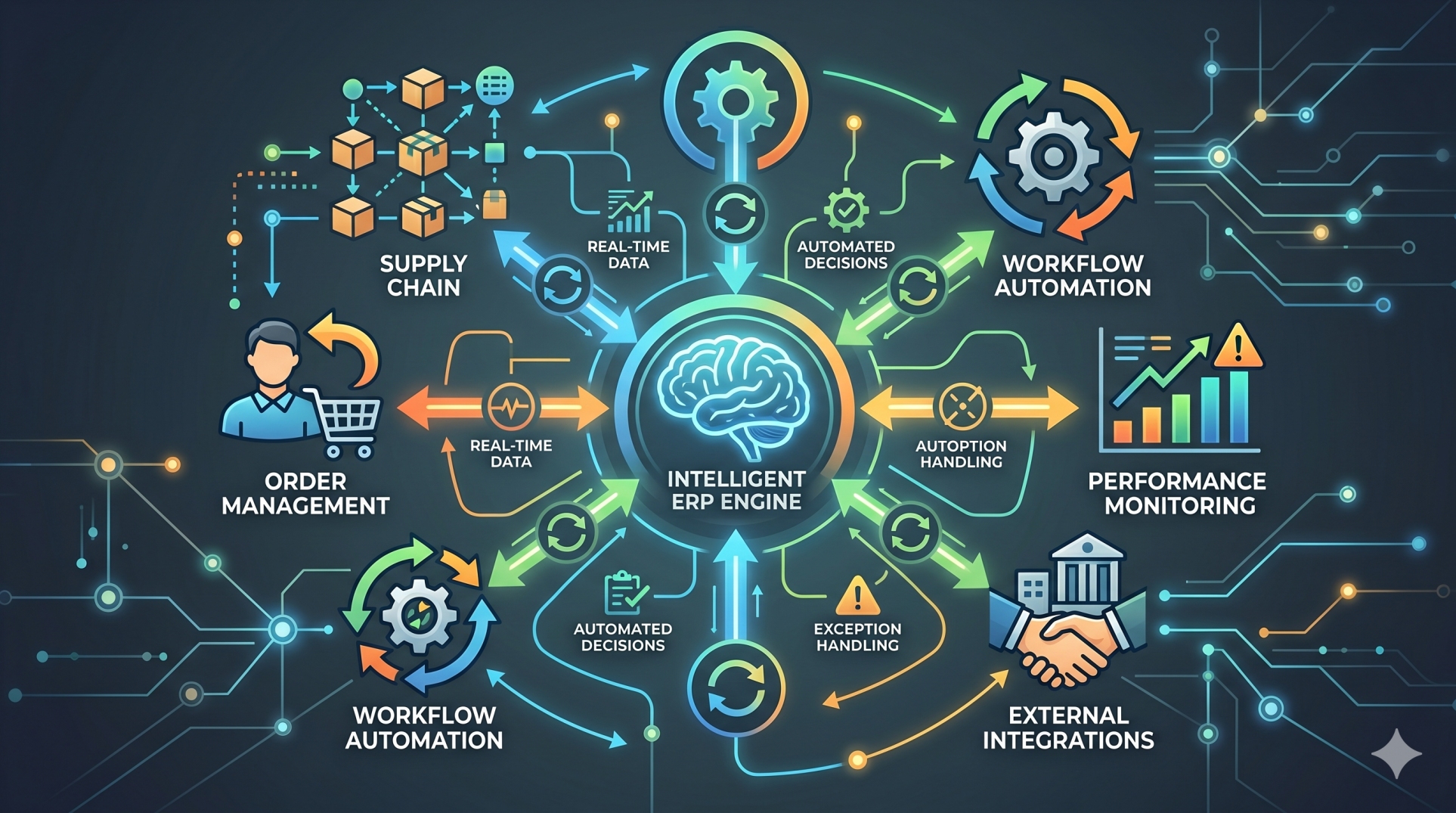
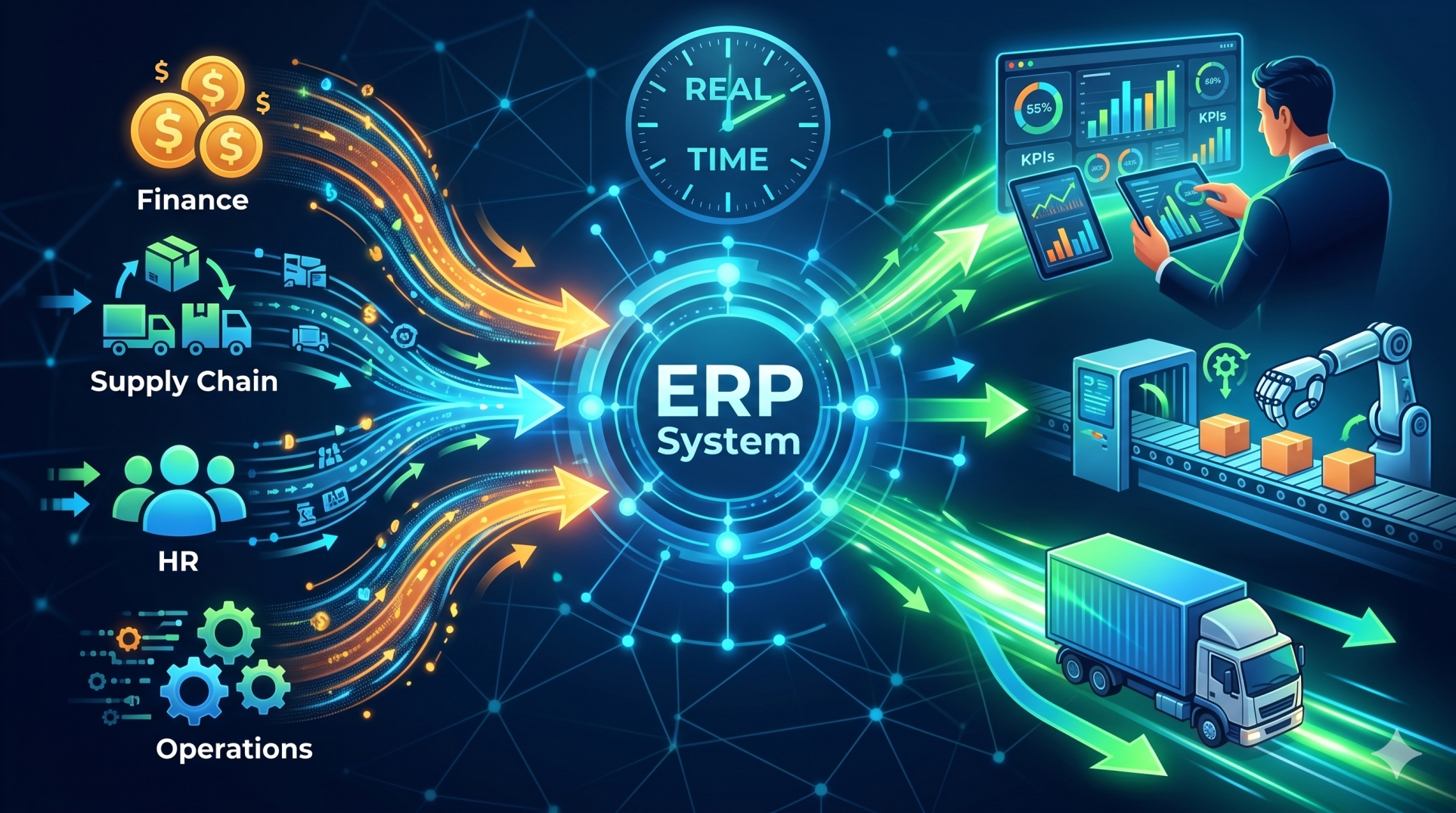
Enterprise Resource Planning systems play a crucial role in strengthening financial management by providing visibility, control, and automation across financial operations. Cash flow optimization is one of the most valuable outcomes of a a well-implemented ERP system. By consolidating financial data, streamlining processes, and enabling real-time monitoring, ERP platforms help organizations maintain liquidity, reduce financial risk, and make informed financial decisions.
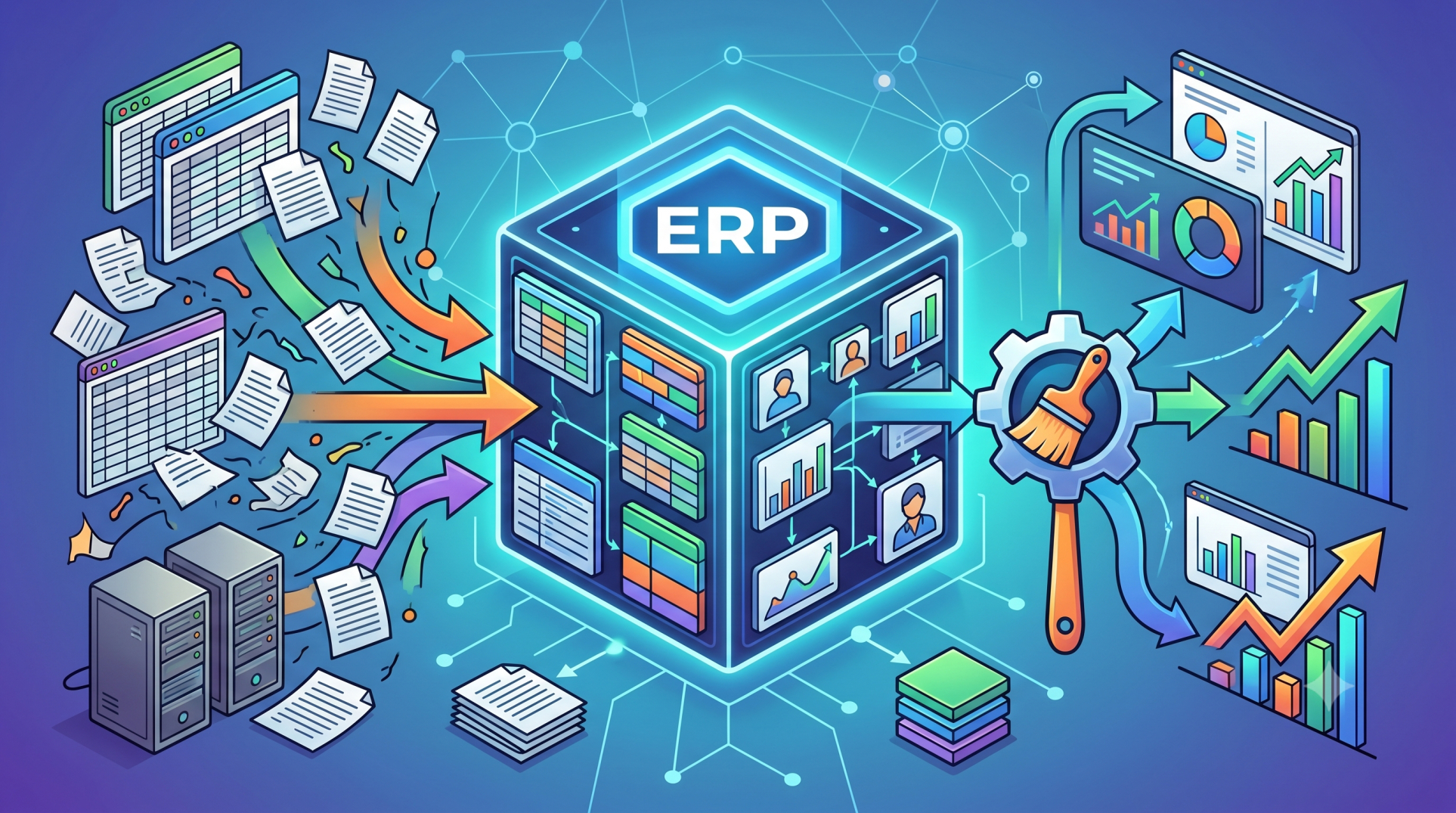
1. Centralizing Financial Data for Clear Visibility 📊
• Consolidates accounts receivable, accounts payable, and treasury data in one system 🔗
• Eliminates fragmented financial records across departments 🗂️
• Provides a unified and accurate view of cash positions 👀
• Reduces reconciliation errors between systems ✔️
• Supports faster financial analysis and reporting ⚡
2. Improving Accounts Receivable Efficiency 💰
• Tracks customer invoices and payment timelines in real time ⏱️
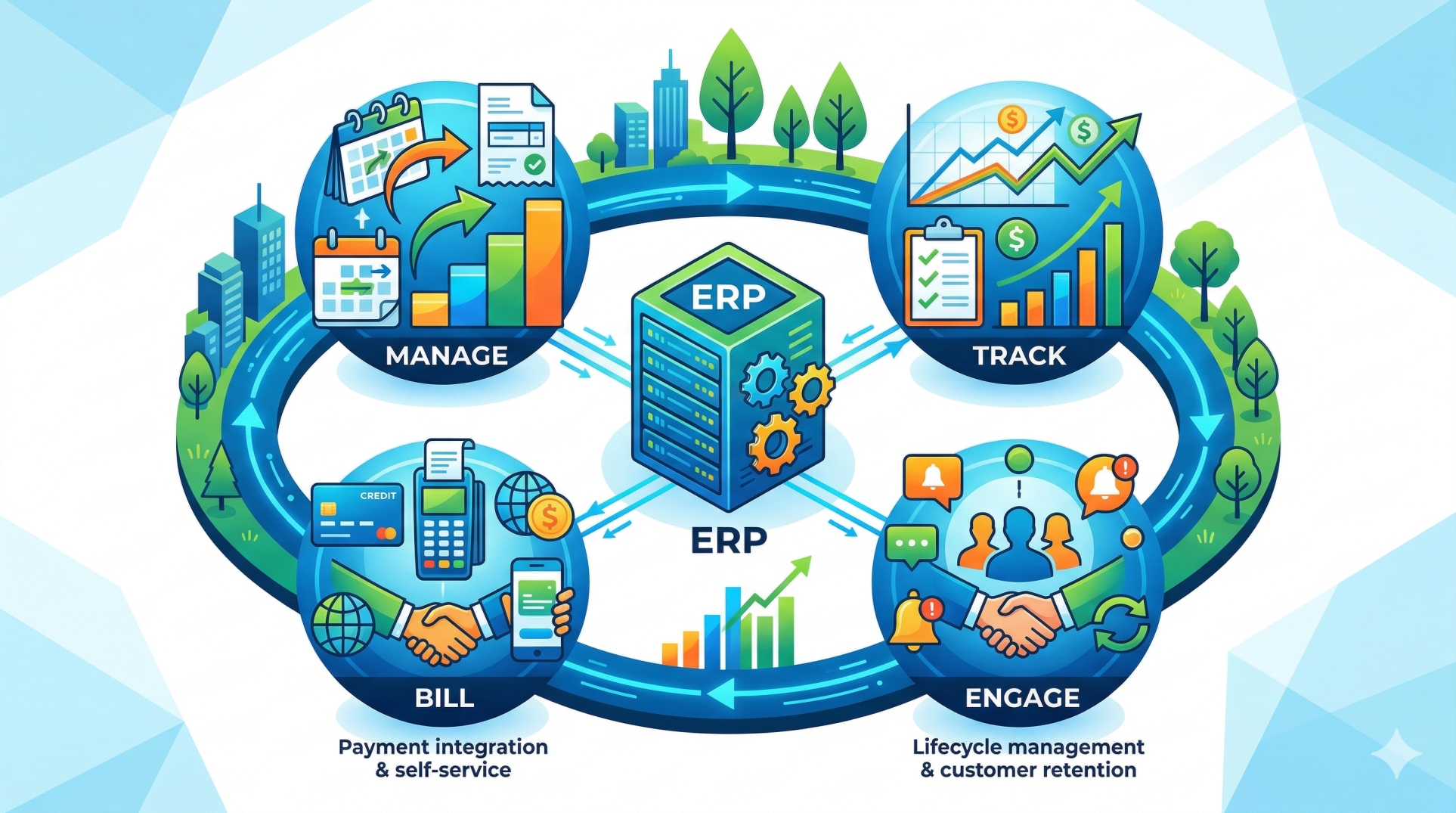
• Automates billing and payment reminders 🔔
• Reduces delays caused by manual invoicing processes 🧾
• Provides visibility into overdue payments and collection risks ⚠️
• Shortens the cash conversion cycle 🔄
3. Optimizing Accounts Payable Management 📑
• Schedules supplier payments based on cash availability 🗓️
• Prevents early or duplicate payments 🚫
• Maintains healthy supplier relationships through predictable payments 🤝
• Provides visibility into upcoming payment obligations 📊
• Improves working capital management 📈
4. Real-Time Cash Flow Monitoring 📉
• Tracks incoming and outgoing cash transactions continuously 🔄
• Provides dashboards showing current liquidity status 📊
• Enables rapid response to unexpected financial changes ⚡
• Identifies cash shortages or surpluses early 🔍
• Improves financial planning accuracy 📑
5. Forecasting Future Cash Requirements 🔮
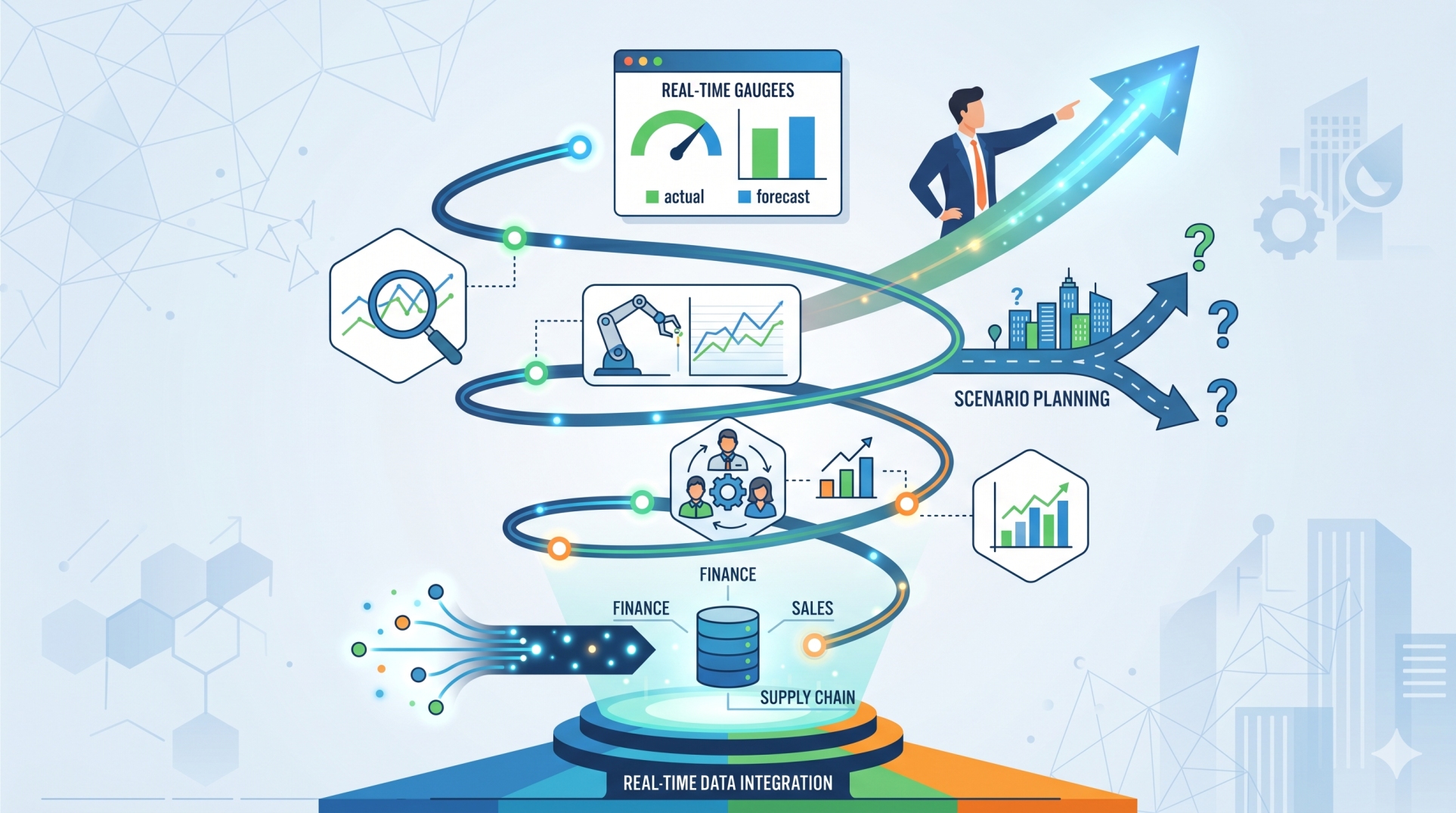
• Uses historical financial data to project future cash flow trends 📈
• Anticipates seasonal fluctuations in revenue and expenses 📅
• Supports scenario planning for different financial outcomes 🧠
• Helps businesses prepare for investment or expansion decisions 🚀
• Improves long-term financial stability 🏢
6. Automating Financial Processes ⚙️
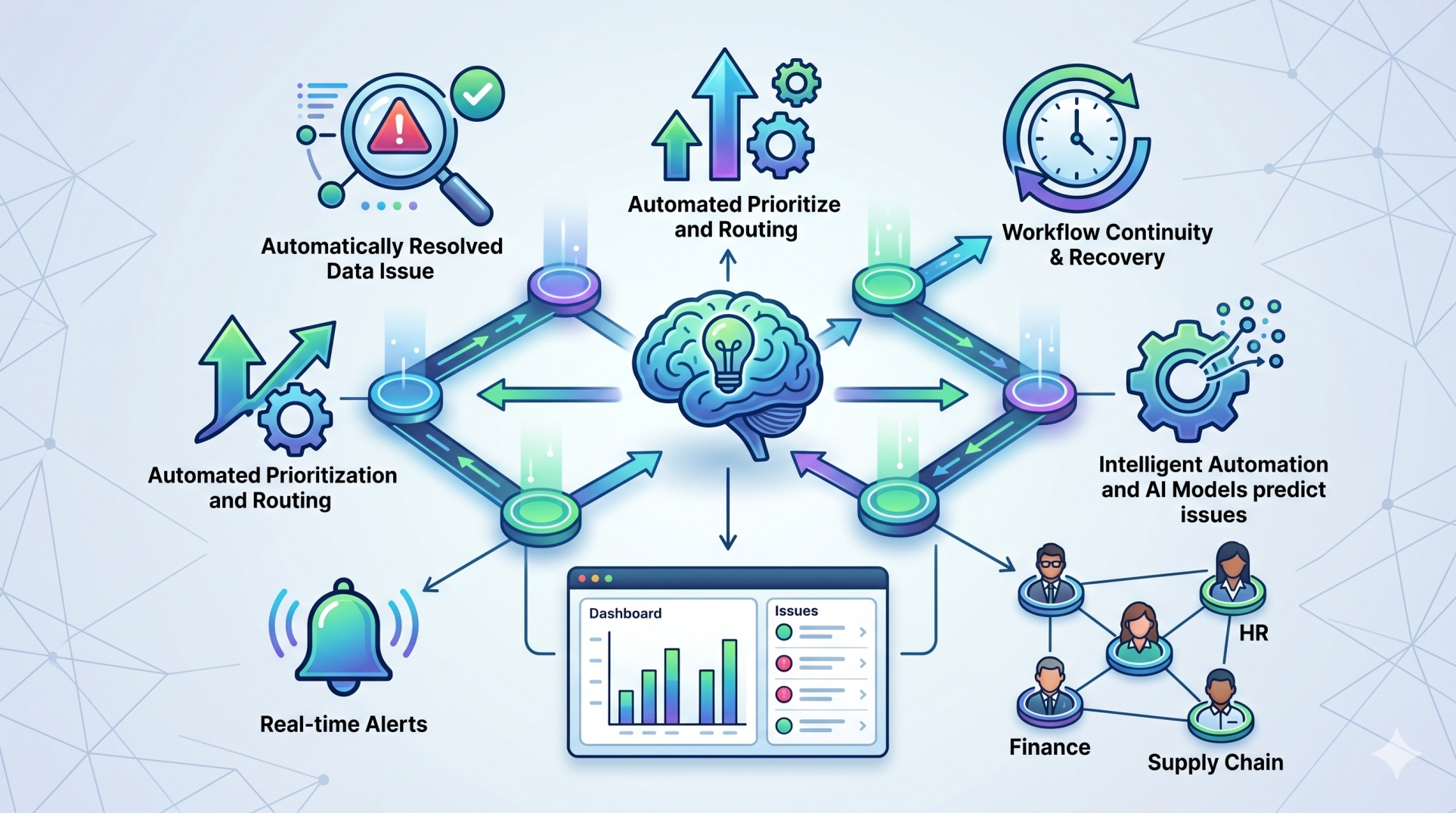
• Automates invoice generation, payment approvals, and reconciliations 🤖
• Reduces manual data entry and operational errors ✍️
• Accelerates financial workflows across departments 🔄
• Improves efficiency in routine accounting tasks 📊
• Frees finance teams to focus on strategic analysis 🧠
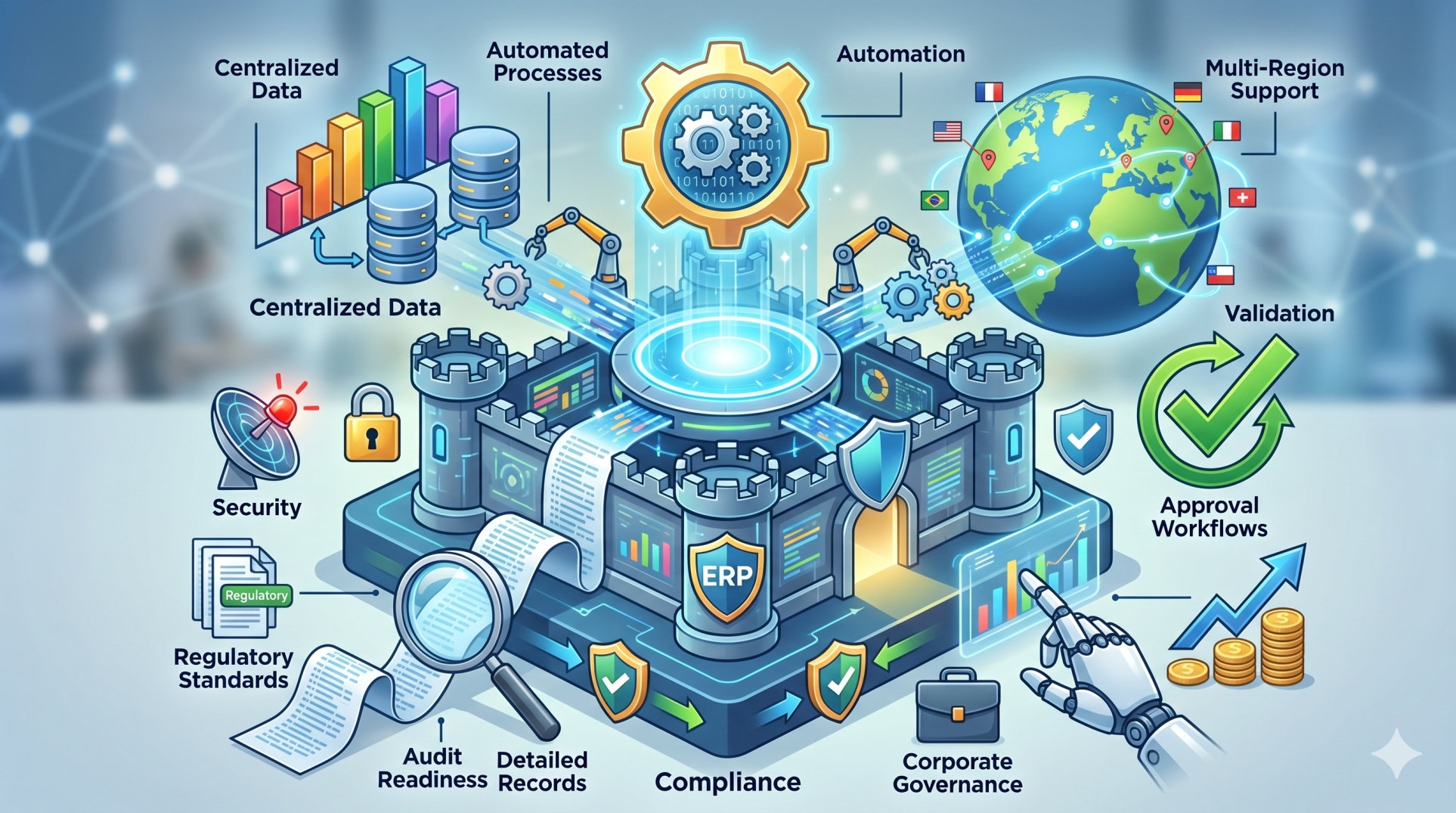
7. Strengthening Financial Control and Compliance 🛡️
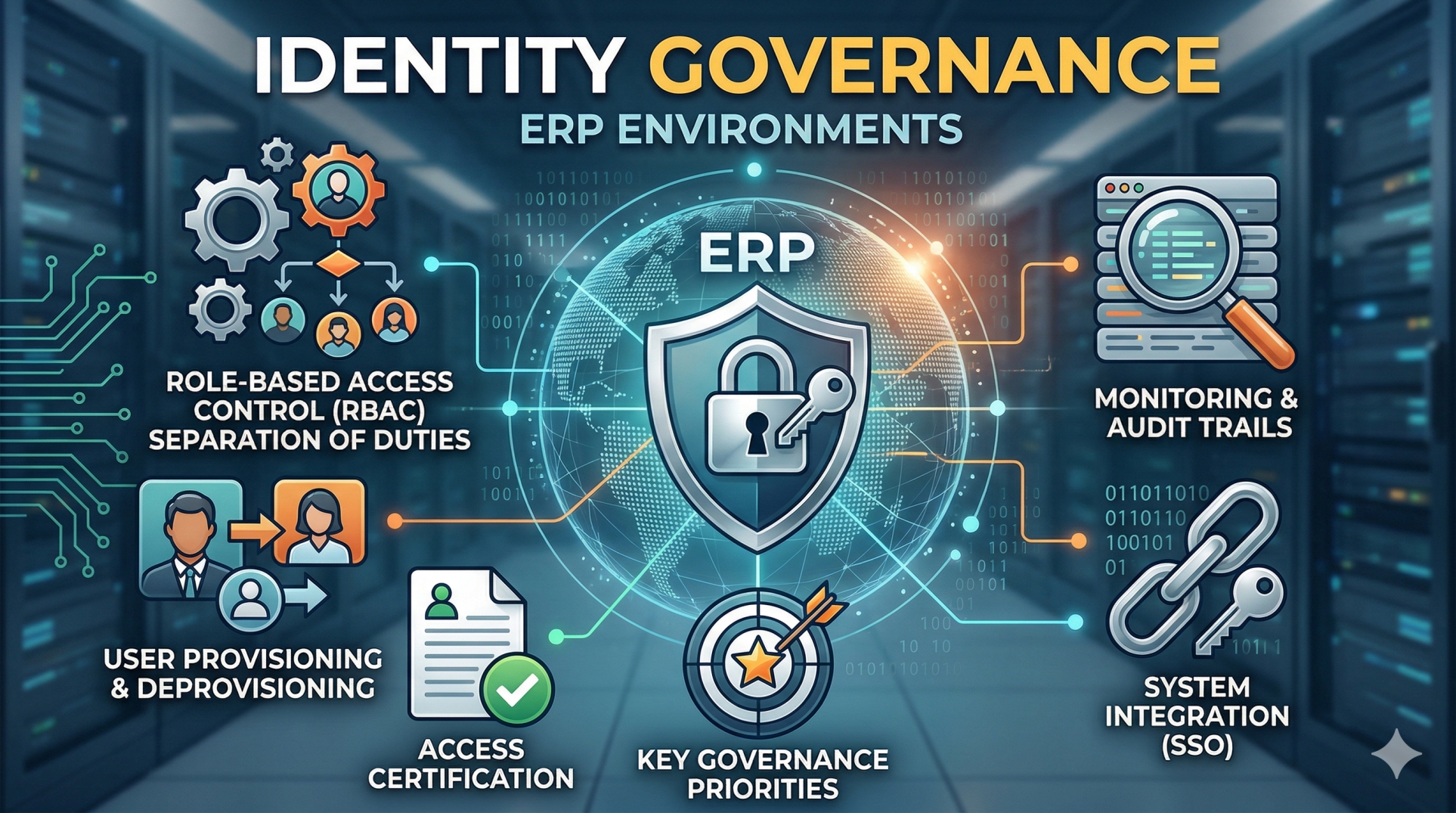
• Maintains detailed audit trails for financial transactions 📑
• Enforces approval workflows and financial policies ✔️
• Ensures compliance with accounting standards and regulations ⚖️
• Reduces risk of fraud and financial discrepancies 🚨
• Improves transparency in financial operations 👀
8. Key Strategic Outcomes of ERP-Driven Cash Flow Optimization 🎯
• Faster conversion of receivables into cash 💰
• Better control over outgoing payments 📤
• Improved liquidity and working capital visibility 📊
• Data-driven financial planning and forecasting 📈
Conclusion
ERP systems provide the financial infrastructure necessary for effective cash flow optimization. By centralizing financial information, automating processes, and enabling real-time monitoring, ERP platforms help organizations maintain financial stability and operational efficiency. With improved visibility and predictive insights, businesses can manage liquidity more effectively and support sustainable growth.
See more blogs
You can all the articles below