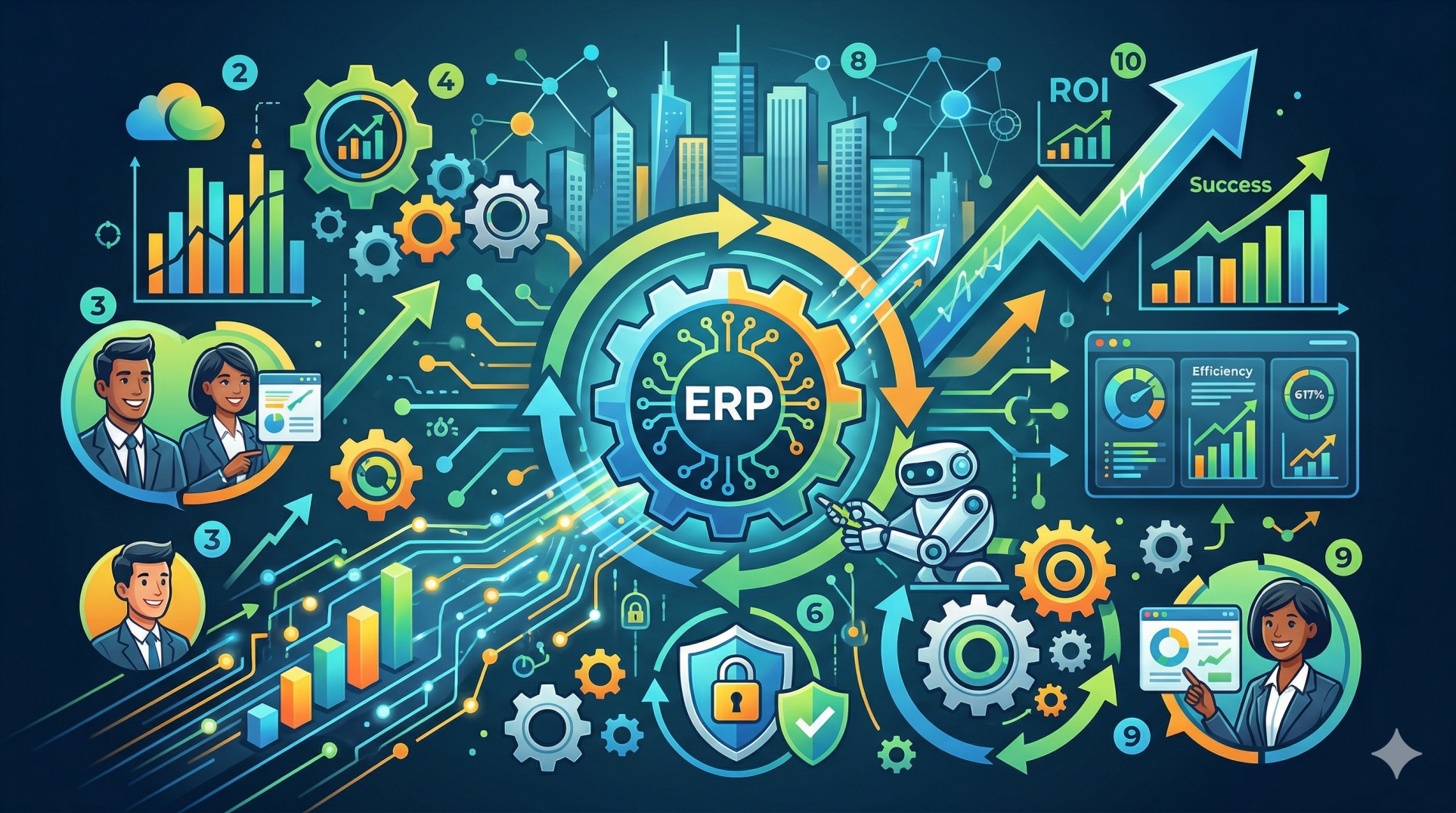
Dynamic Process Reconfiguration in ERP Environments
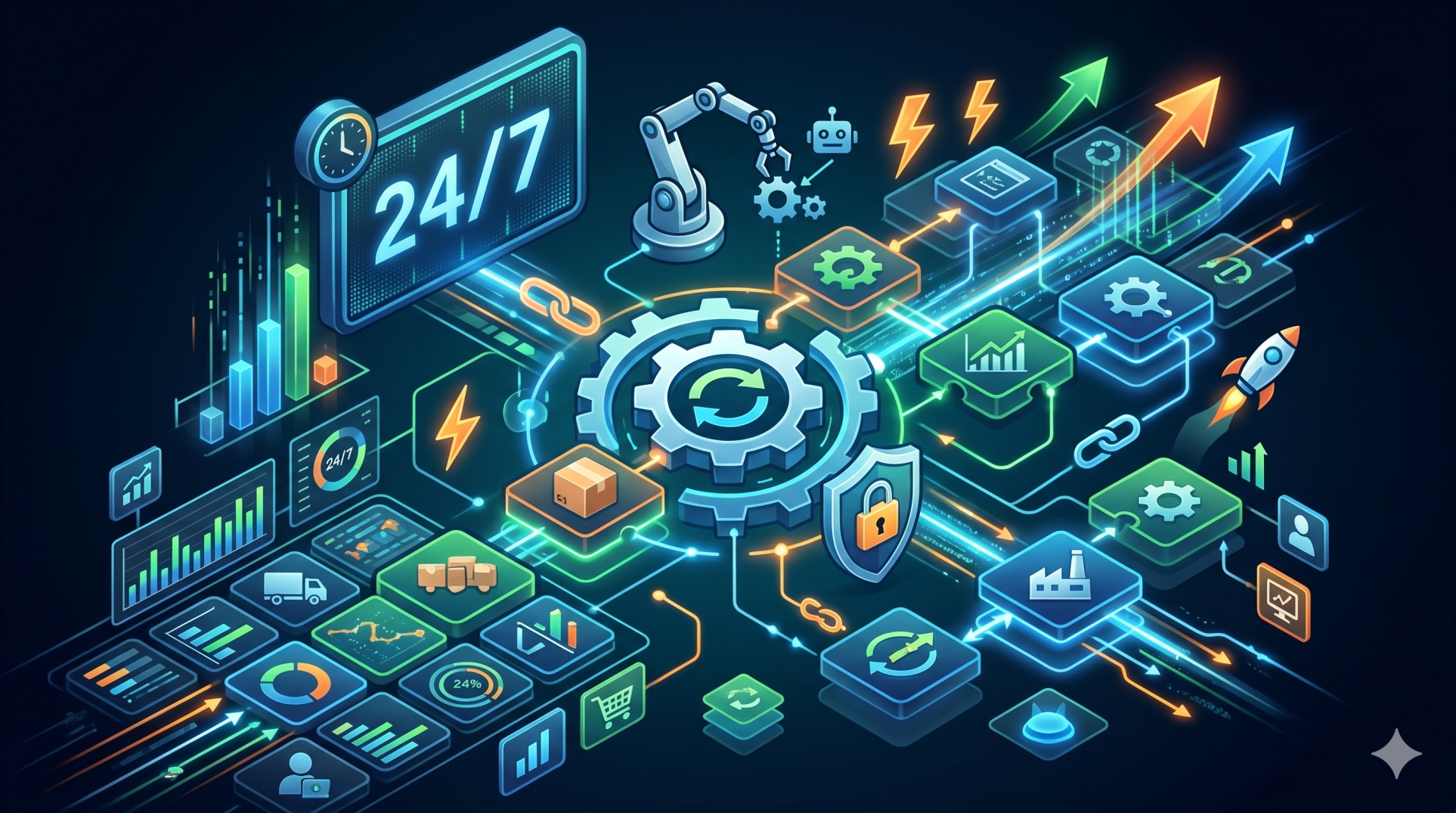
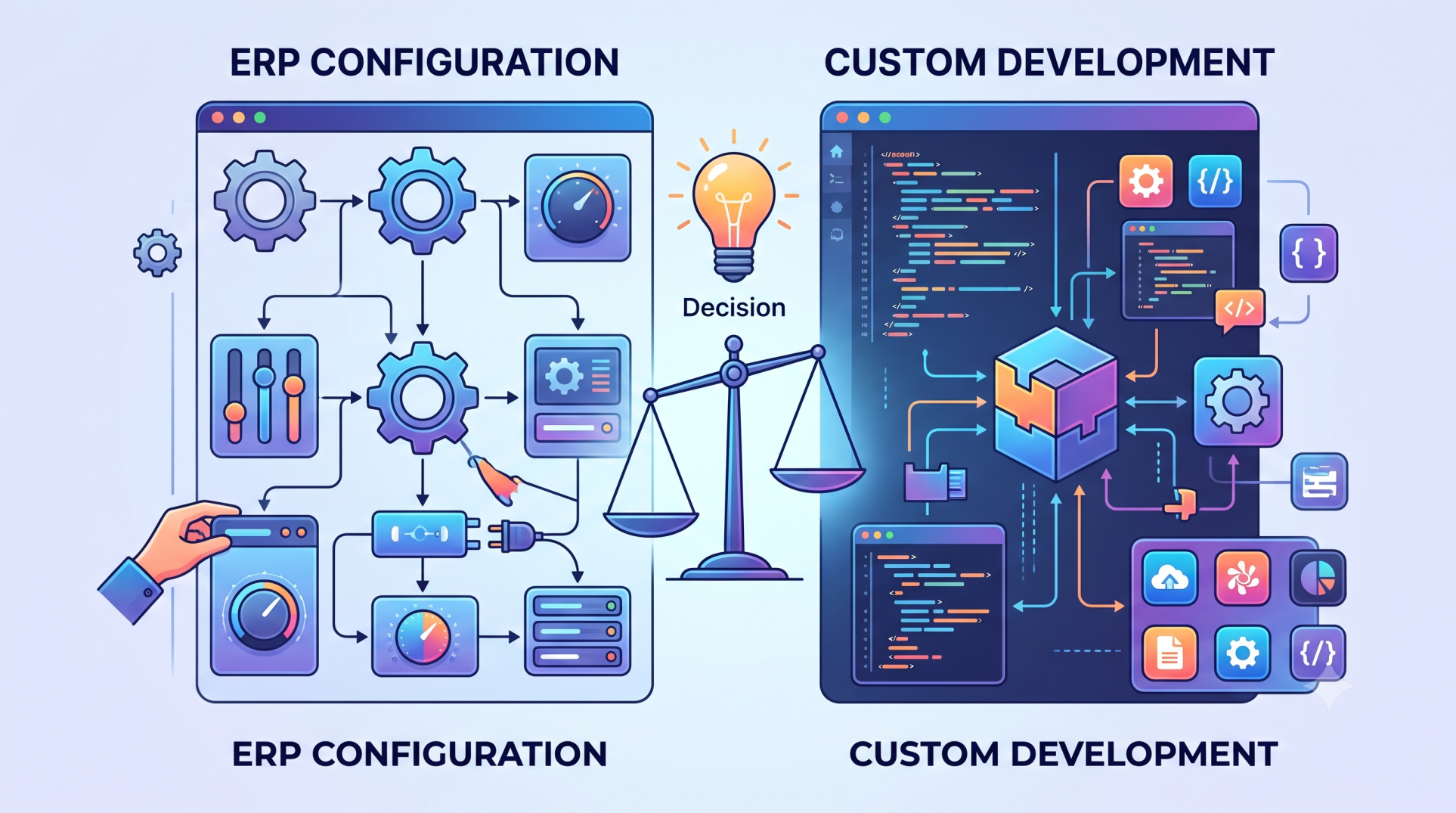
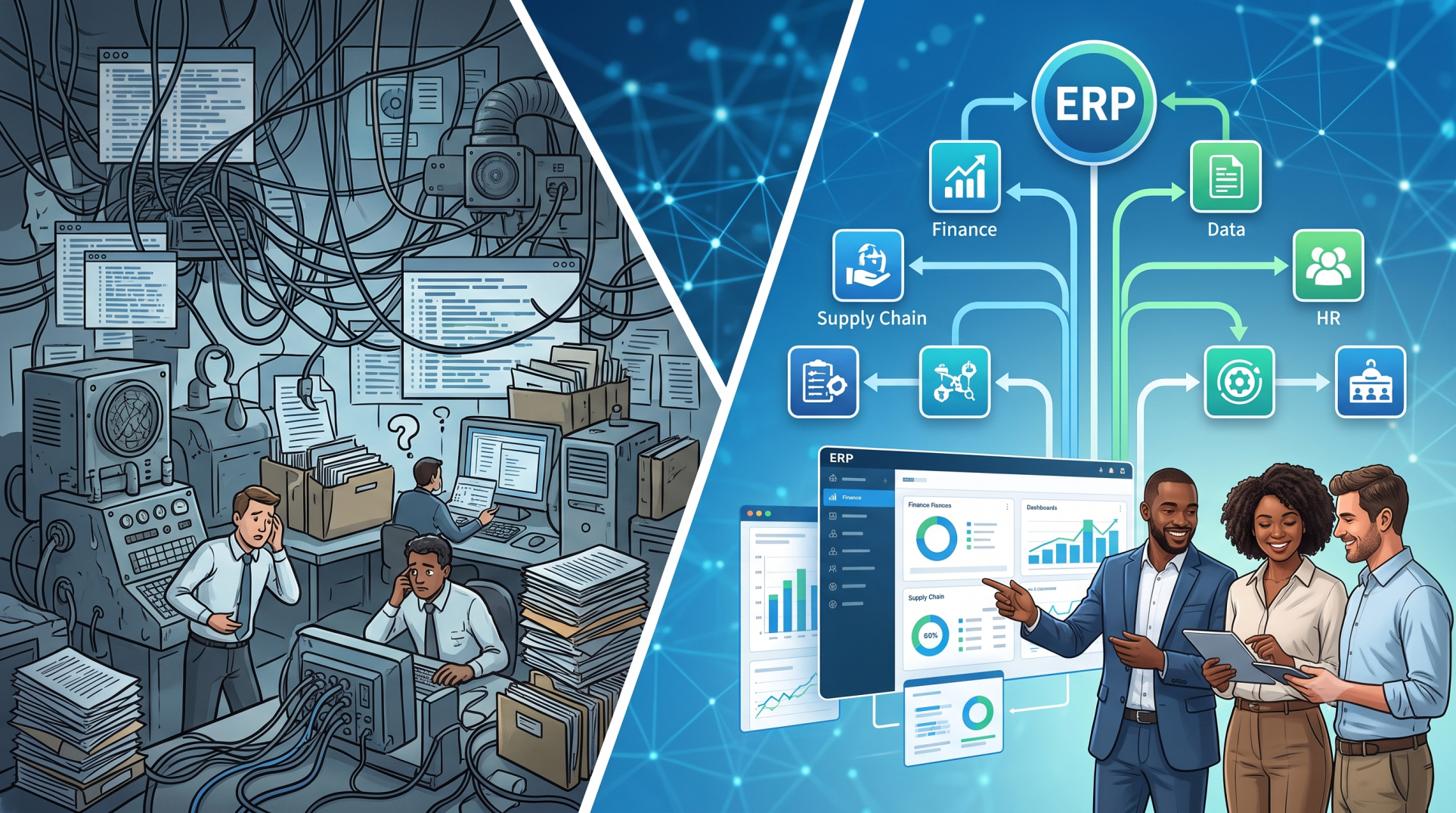
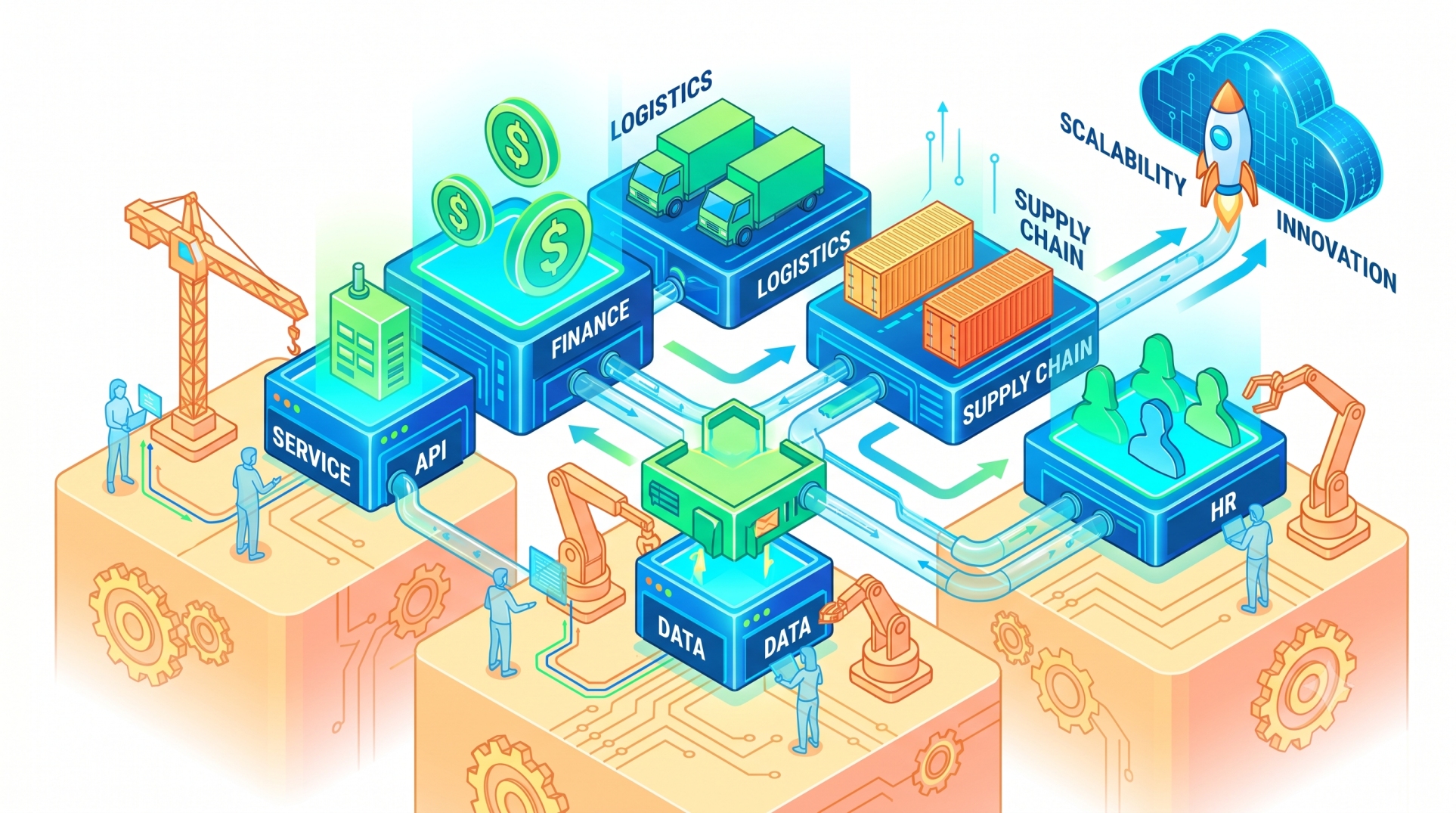
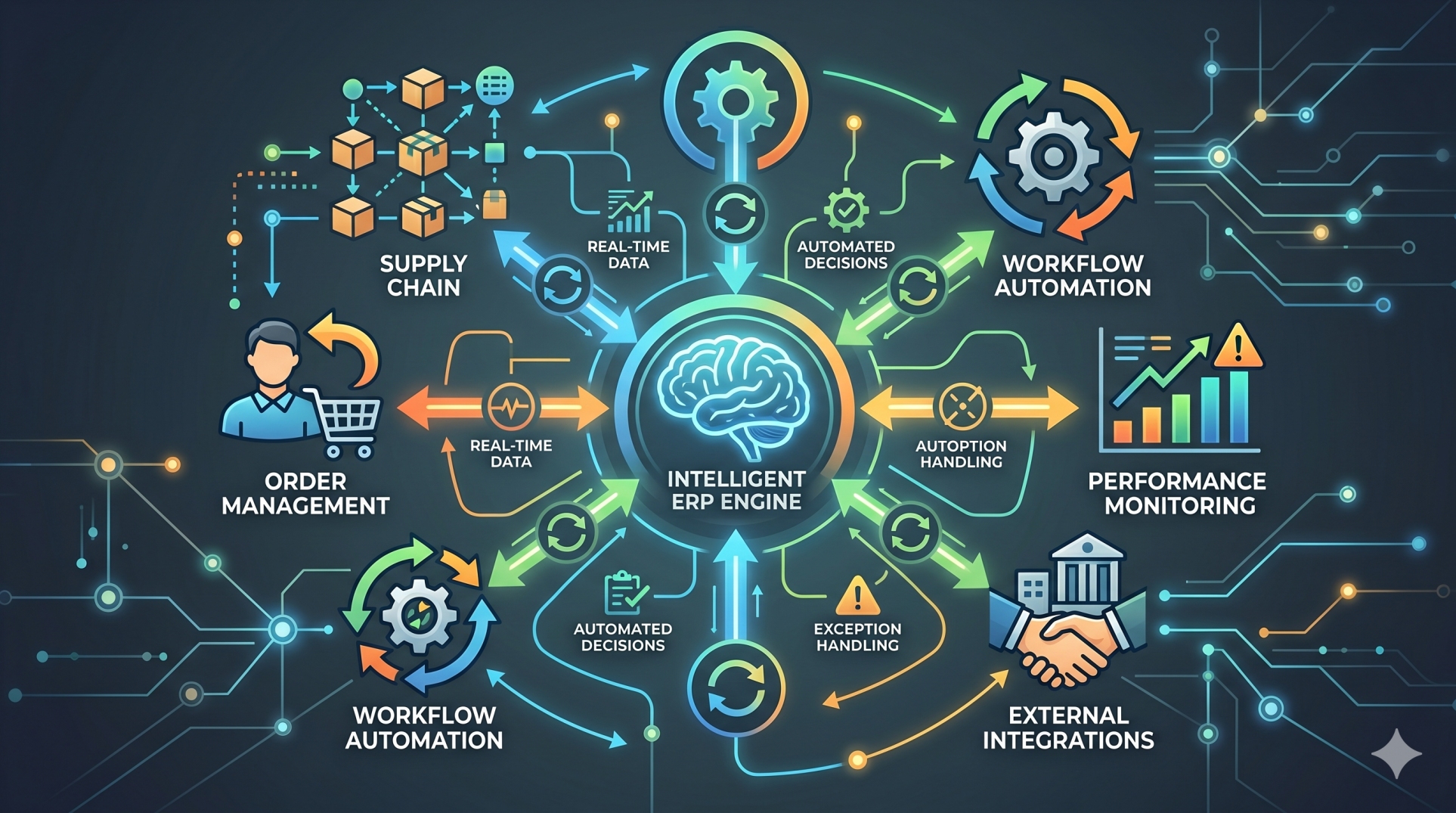
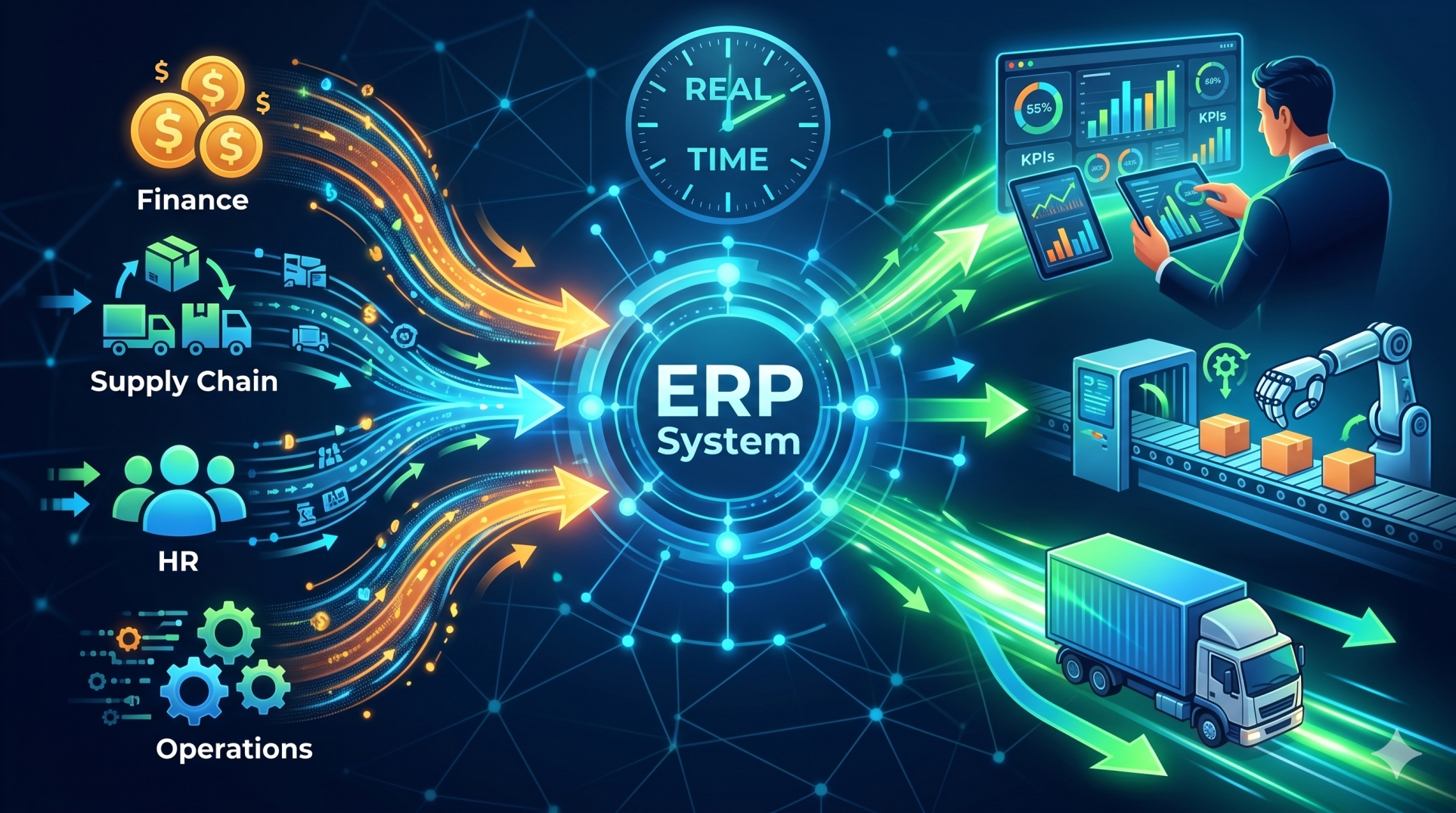
In fast-evolving business environments, static workflows can quickly become a limitation. Modern Enterprise Resource Planning (ERP) systems must support dynamic process reconfiguration to adapt to changing operational needs, market conditions, and organizational priorities. By enabling real-time adjustments to workflows, businesses can improve agility, reduce disruptions, and maintain optimal performance across functions.
Step 1: Understanding Dynamic Process Reconfiguration 🔄
• Enables real-time modification of workflows without system downtime 🔄
• Supports rapid adaptation to business and operational changes ⚡
• Reduces dependency on rigid, pre-defined process structures 🧩
• Allows continuous improvement of workflows based on performance insights 📊
• Enhances overall system flexibility and responsiveness 🚀
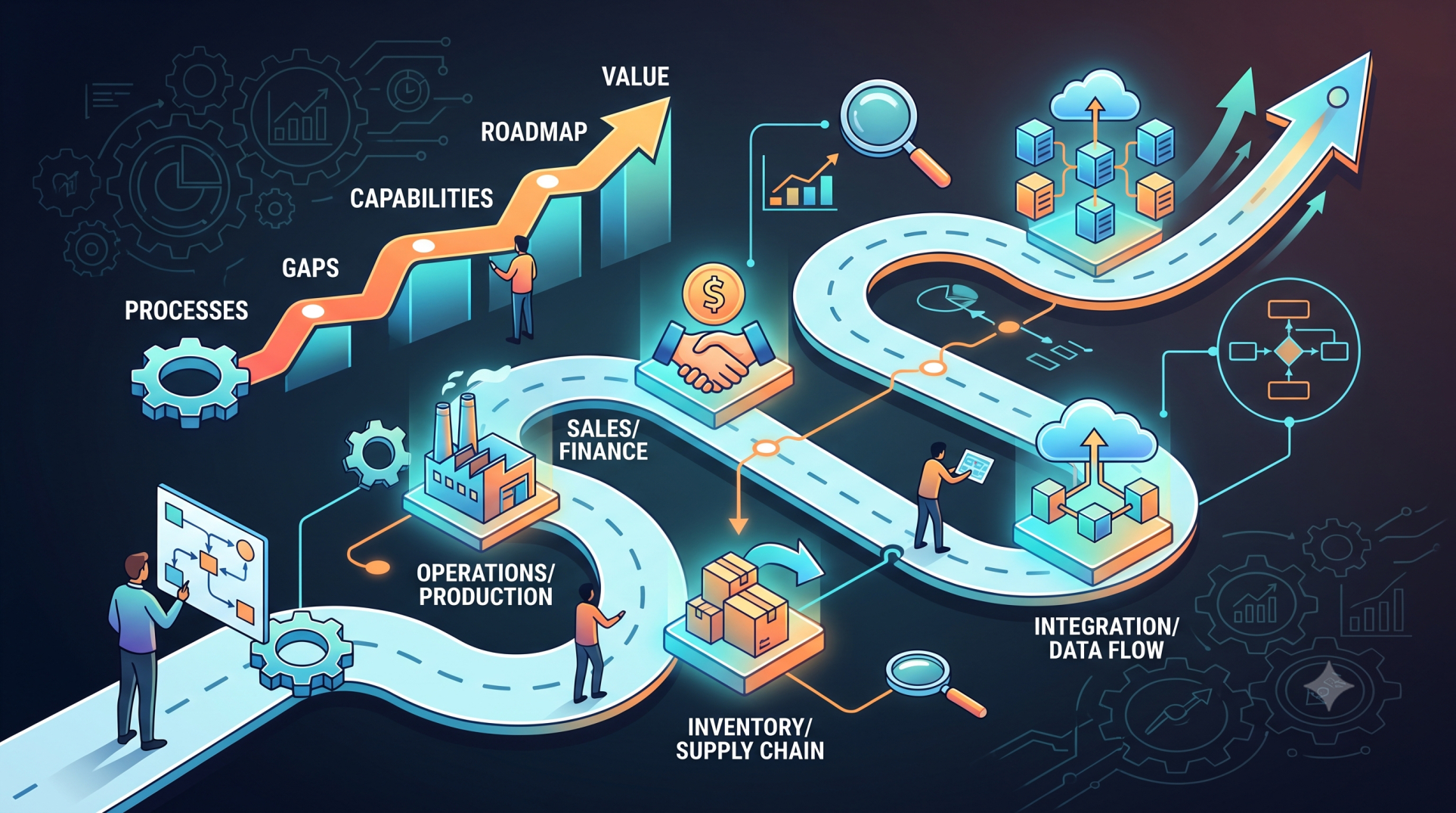
Step 2: Identifying Reconfigurable Processes 🔍
• Analyze which workflows require frequent adjustments 🔍
• Focus on high-variability areas such as supply chain and operations 📦
• Identify bottlenecks that benefit from dynamic changes 🚧
• Prioritize processes with high business impact 📈
• Ensure critical workflows remain stable while enabling flexibility ⚖️
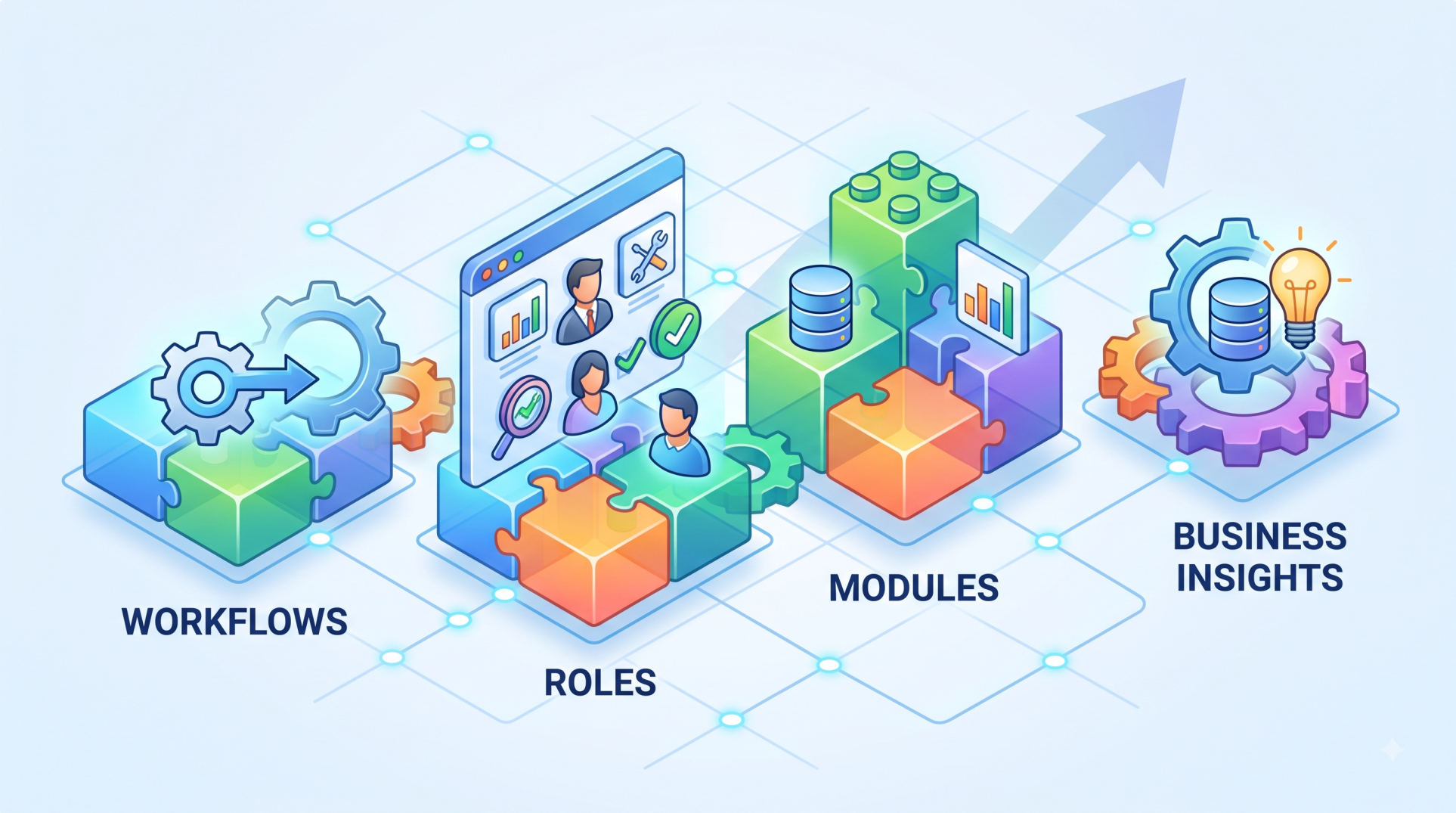
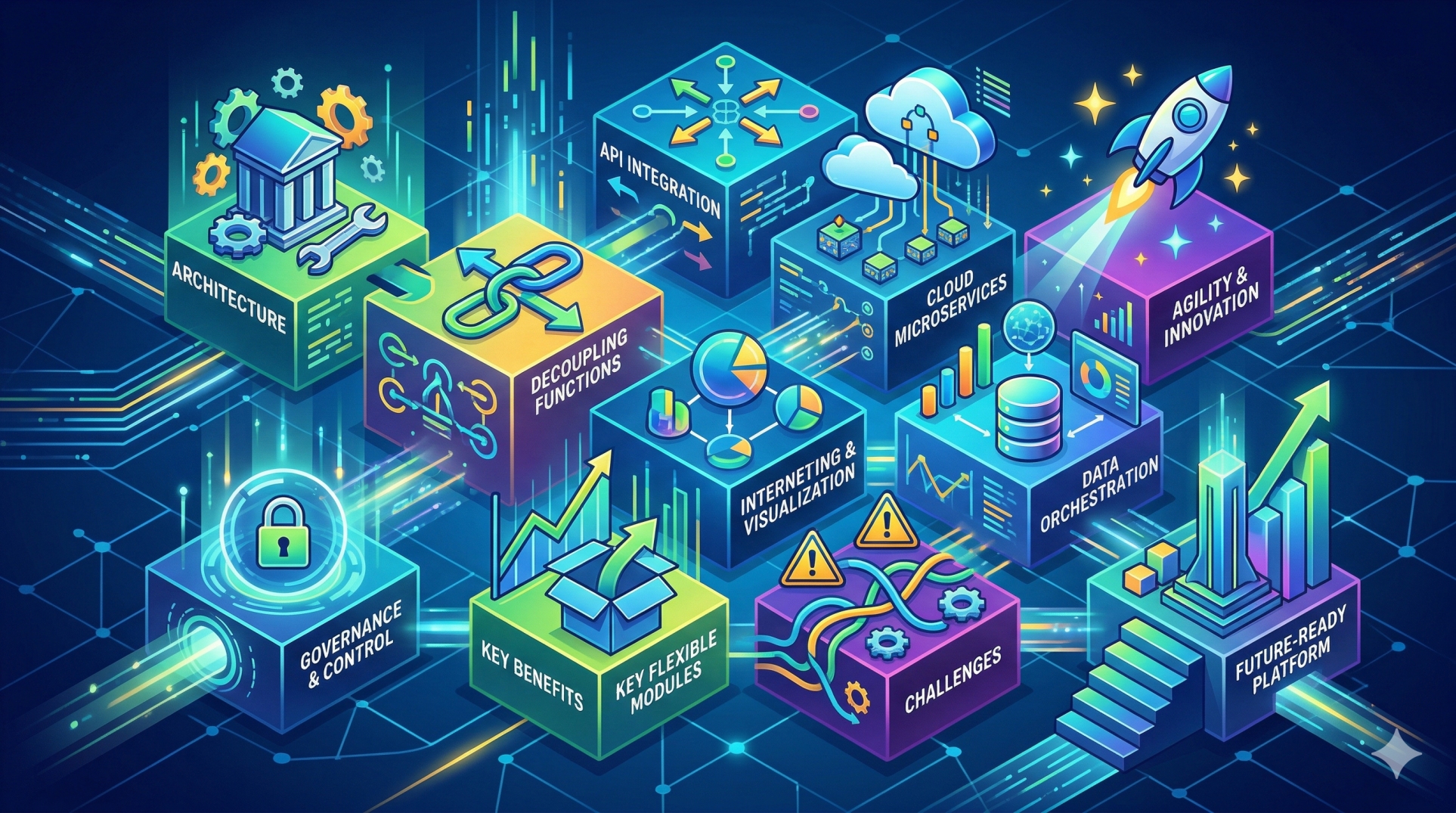
Step 3: Designing Modular Workflow Architecture 🧱
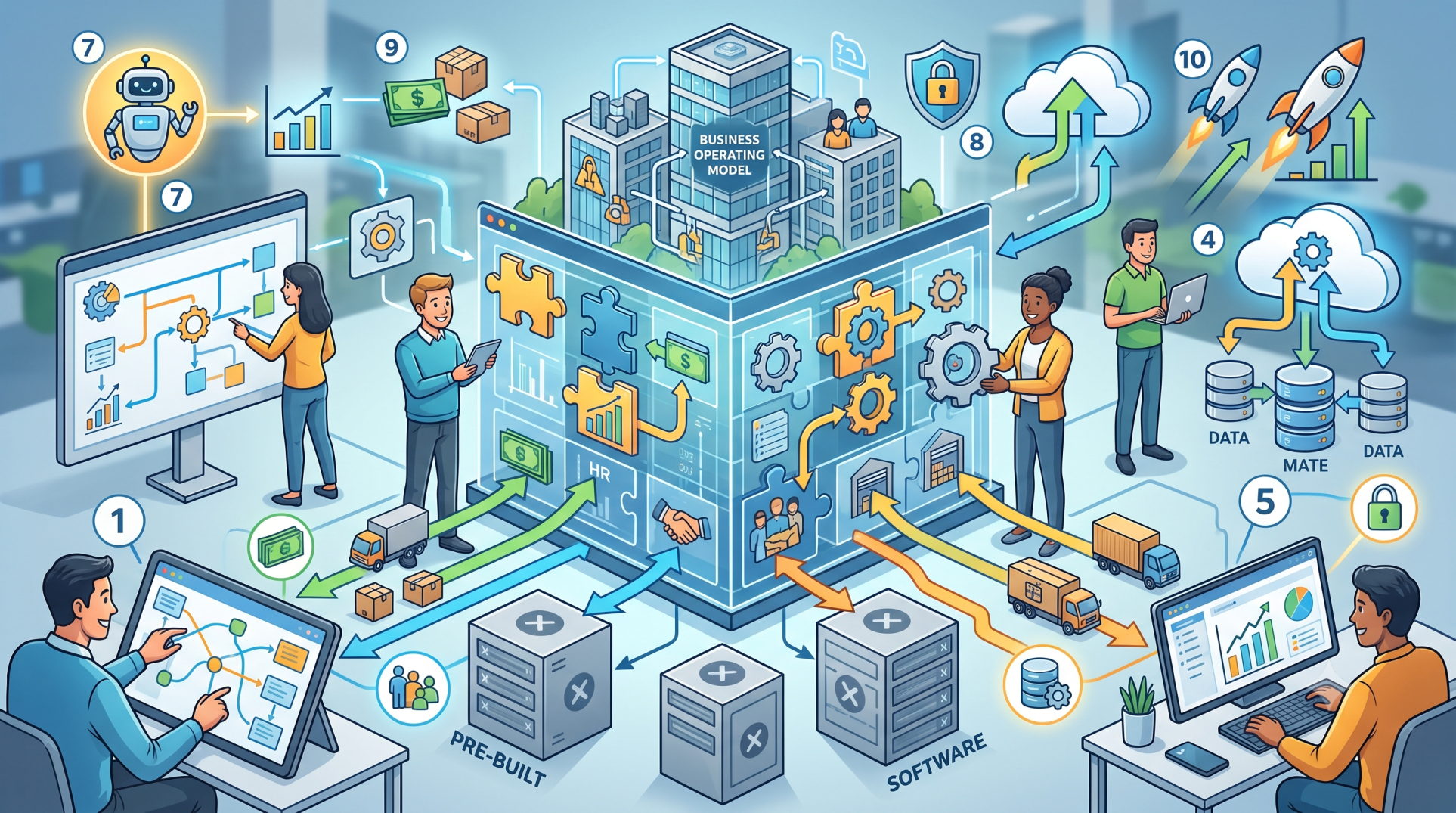
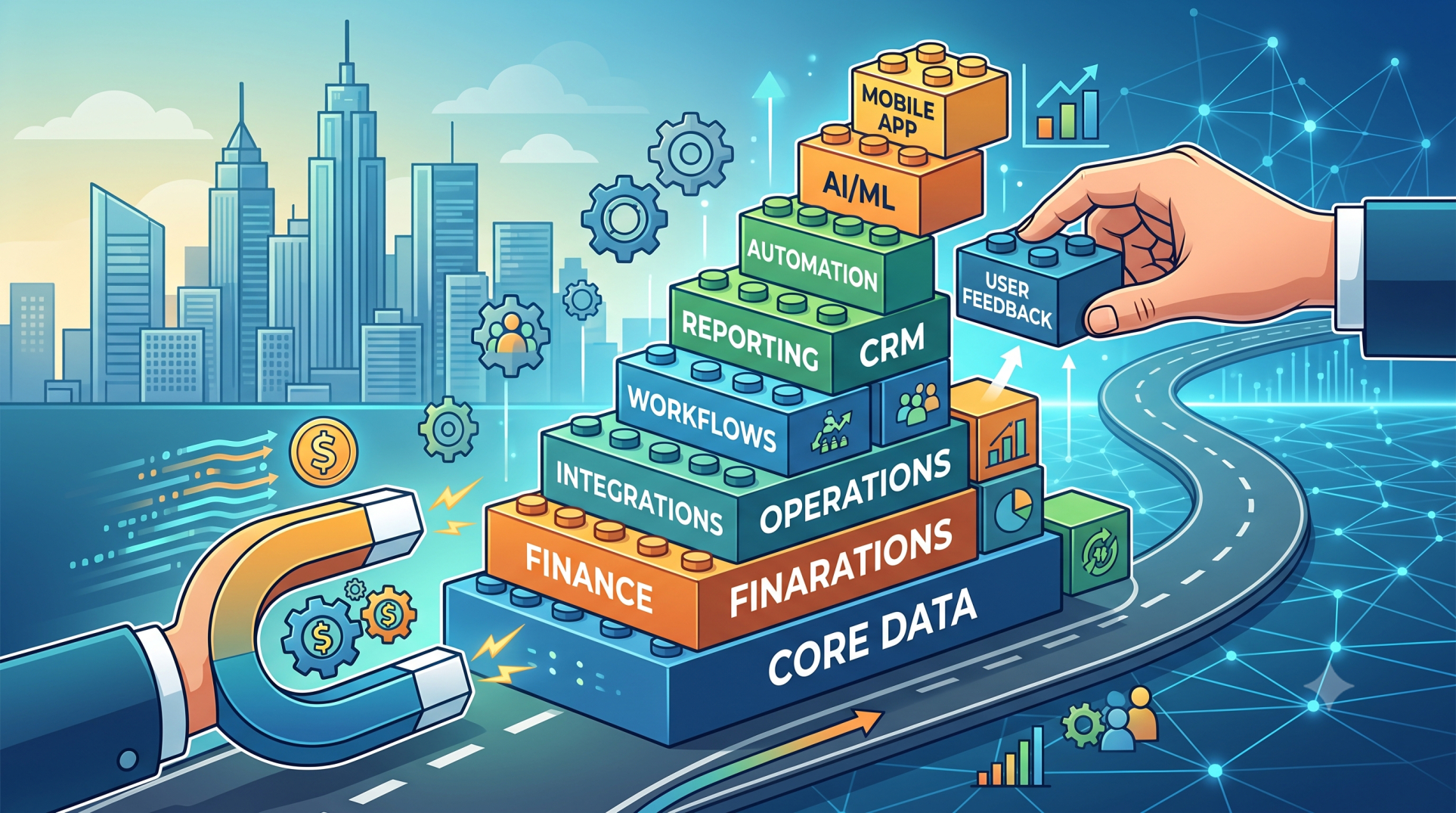
• Break down processes into smaller, reusable components 🧱
• Enable plug-and-play workflow configurations 🔌
• Support easy modification without affecting the entire system 🔄
• Maintain clear dependencies between process components 🔗
• Ensure scalability through modular design principles 📦
Step 4: Leveraging Workflow Engines and Rules ⚙️
• Use configurable workflow engines within ERP platforms ⚙️
• Define business rules that can be updated dynamically 📜
• Enable rule-based automation for decision-making 🤖
• Allow non-technical users to modify workflows when needed 👨💻
• Ensure governance over rule changes to prevent inconsistencies 🔐
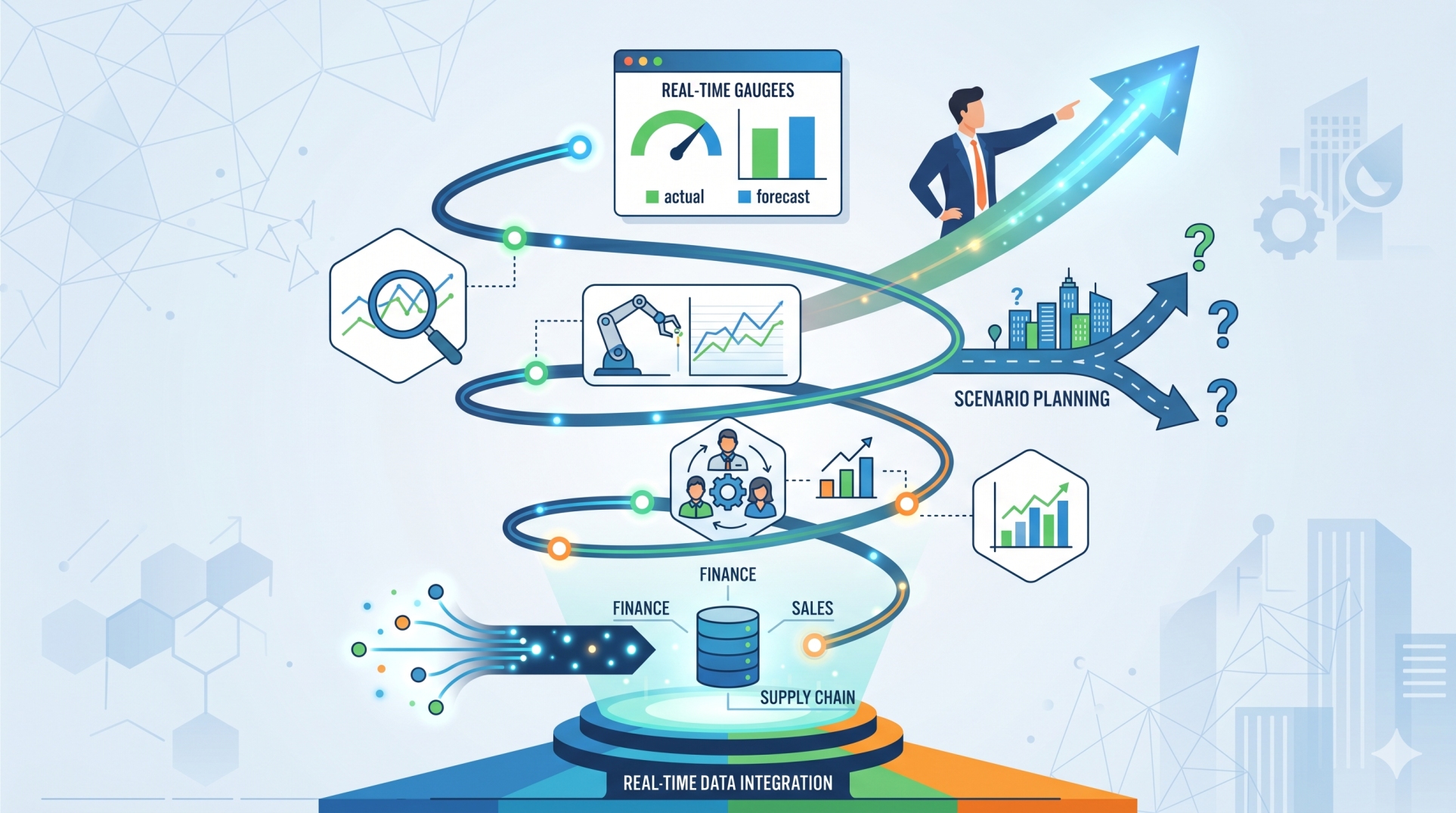
Step 5: Real-Time Data-Driven Adjustments 📊
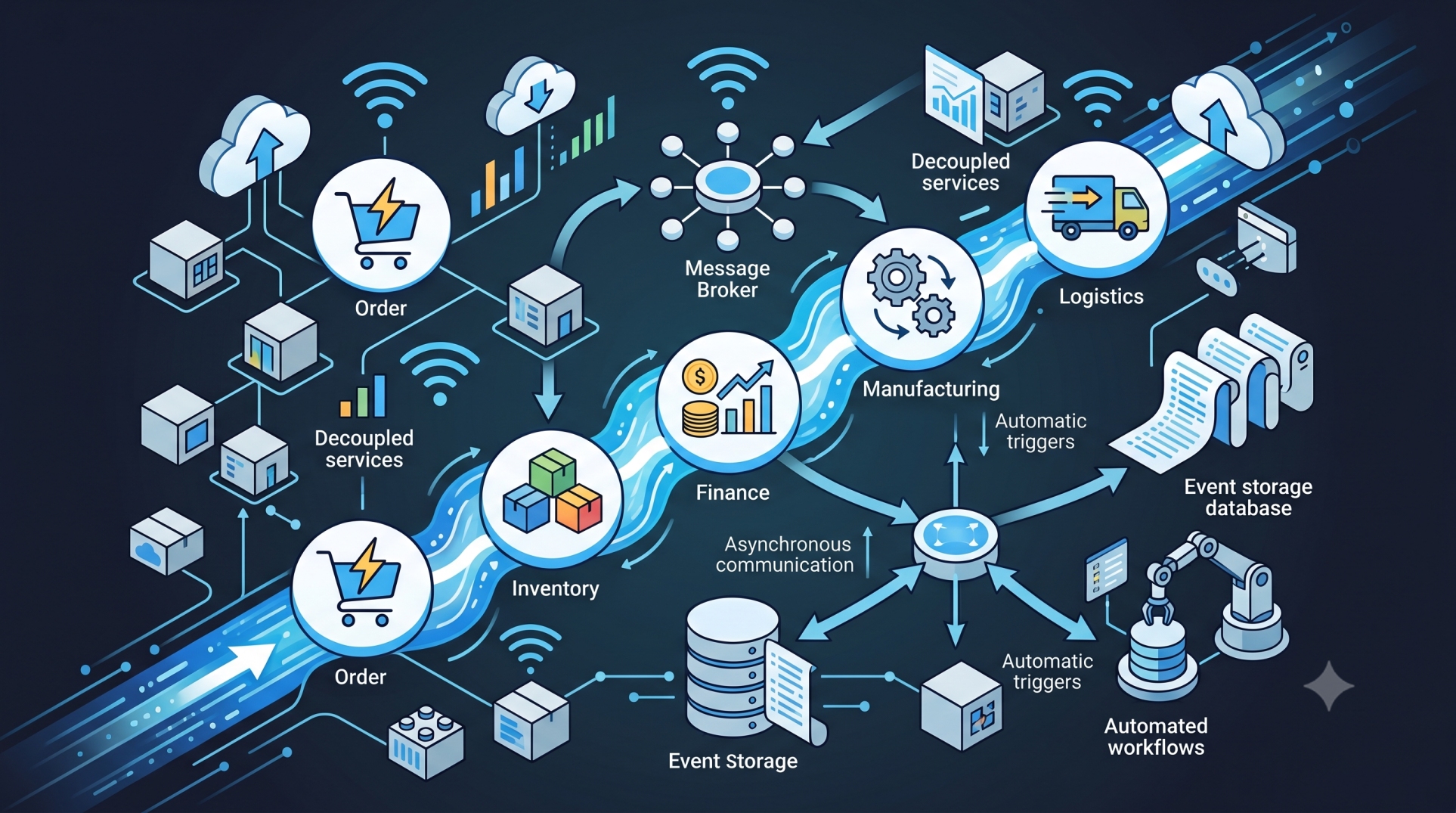
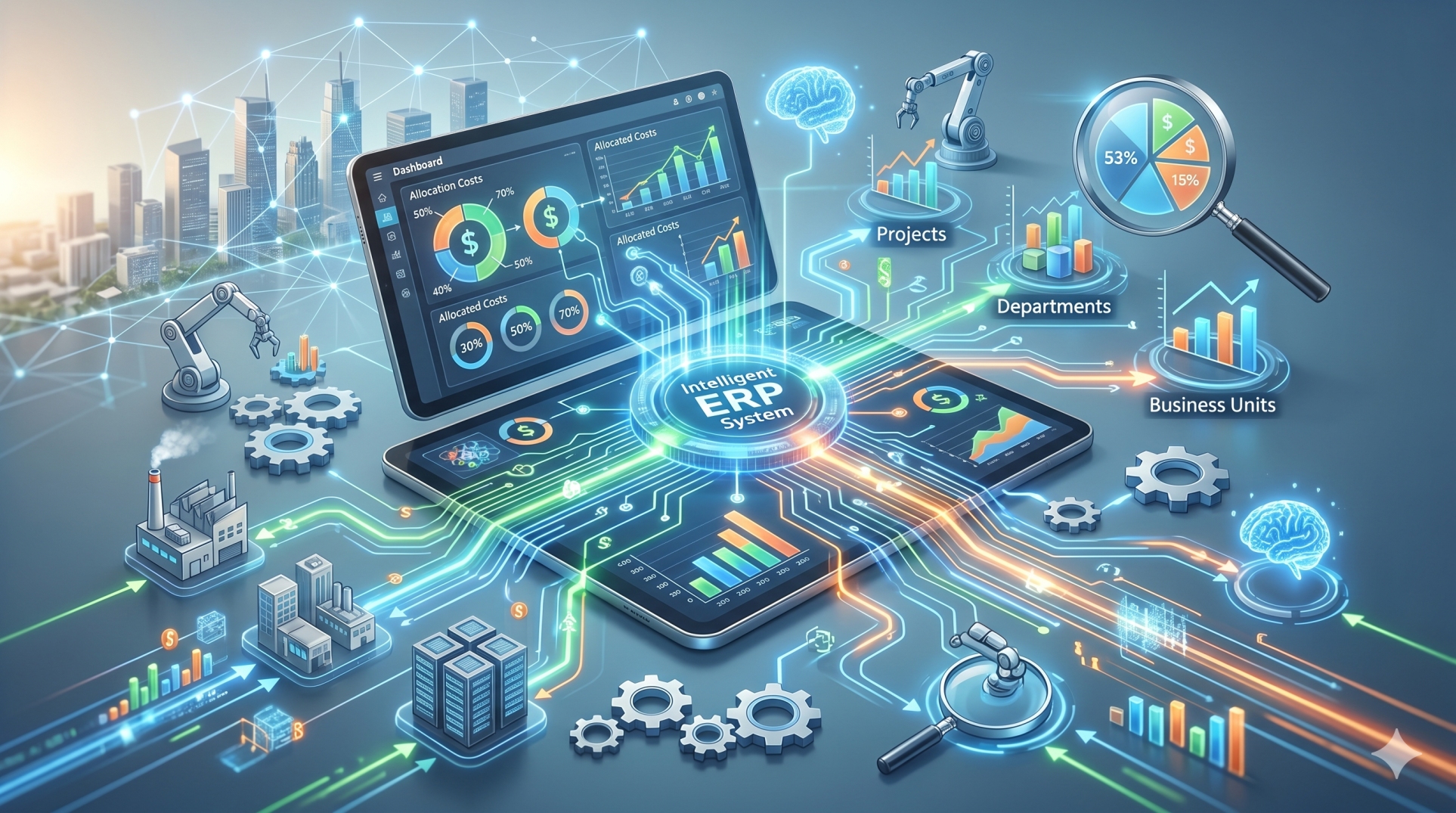
• Use real-time data to trigger workflow changes 📊
• Monitor operational metrics to guide reconfiguration decisions 📈
• Enable event-driven process updates 🔔
• Improve responsiveness to demand fluctuations ⚡
• Align workflows with current business conditions dynamically 🔄
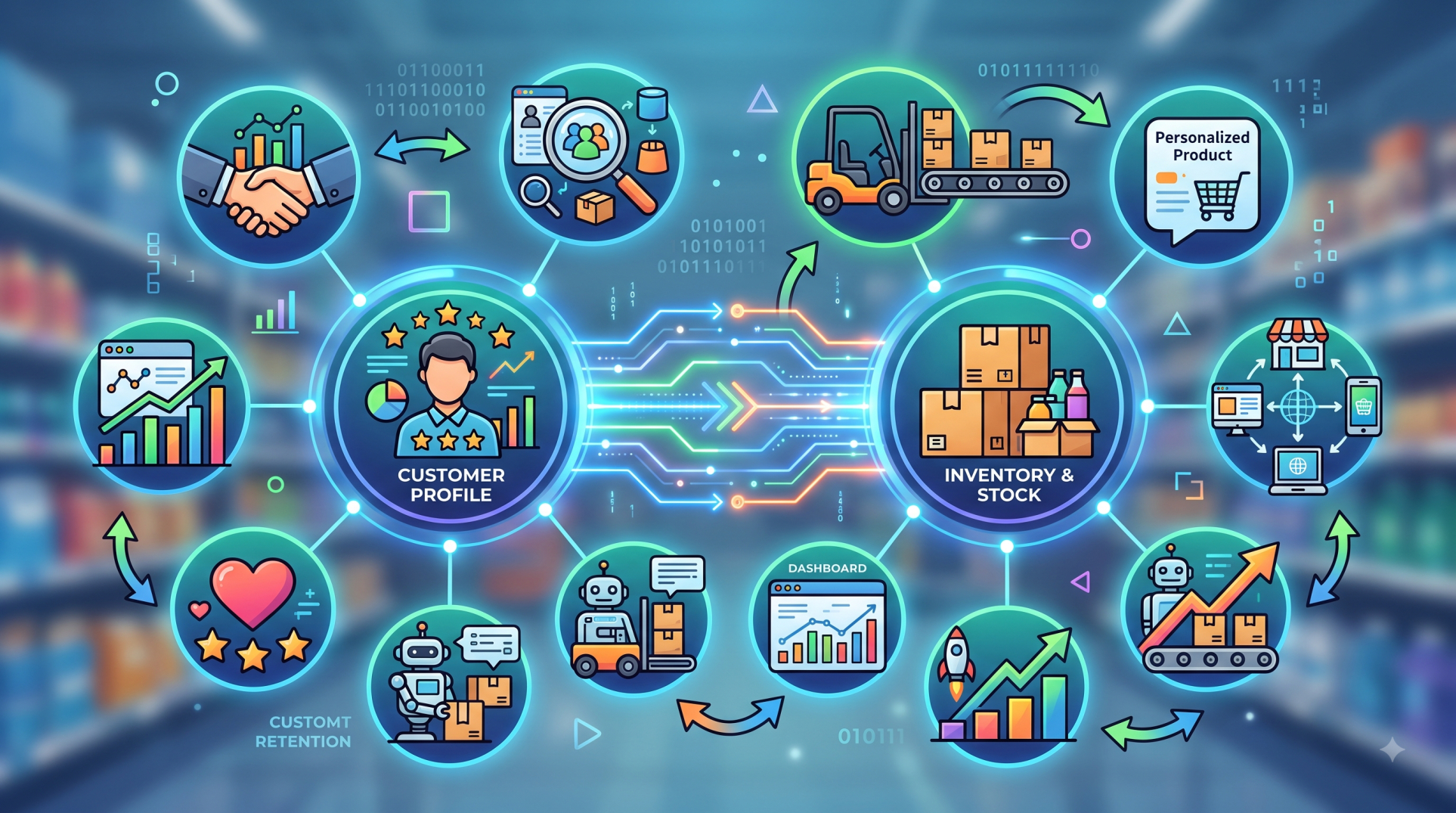
Step 6: Integration with External Systems 🔗
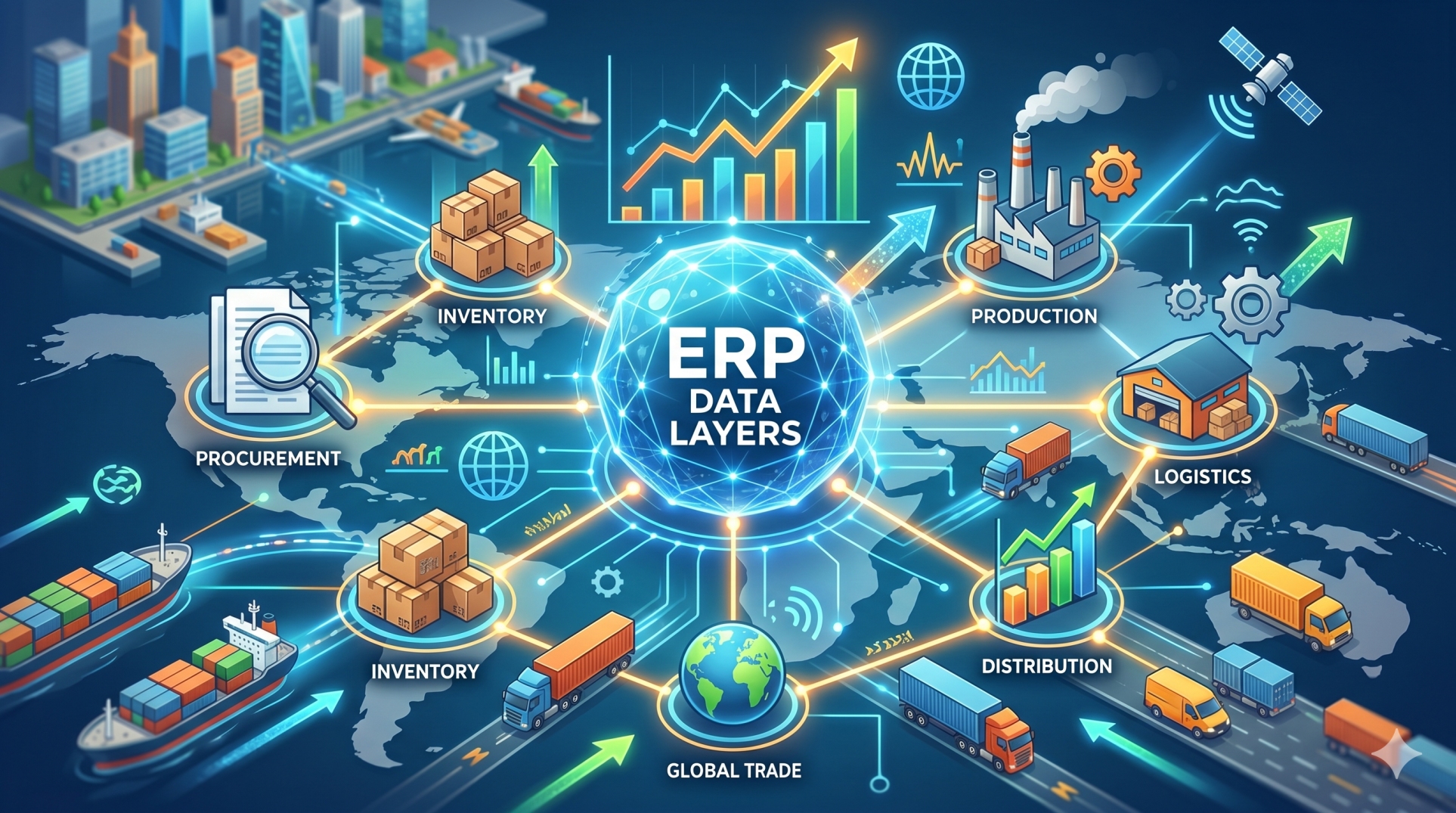
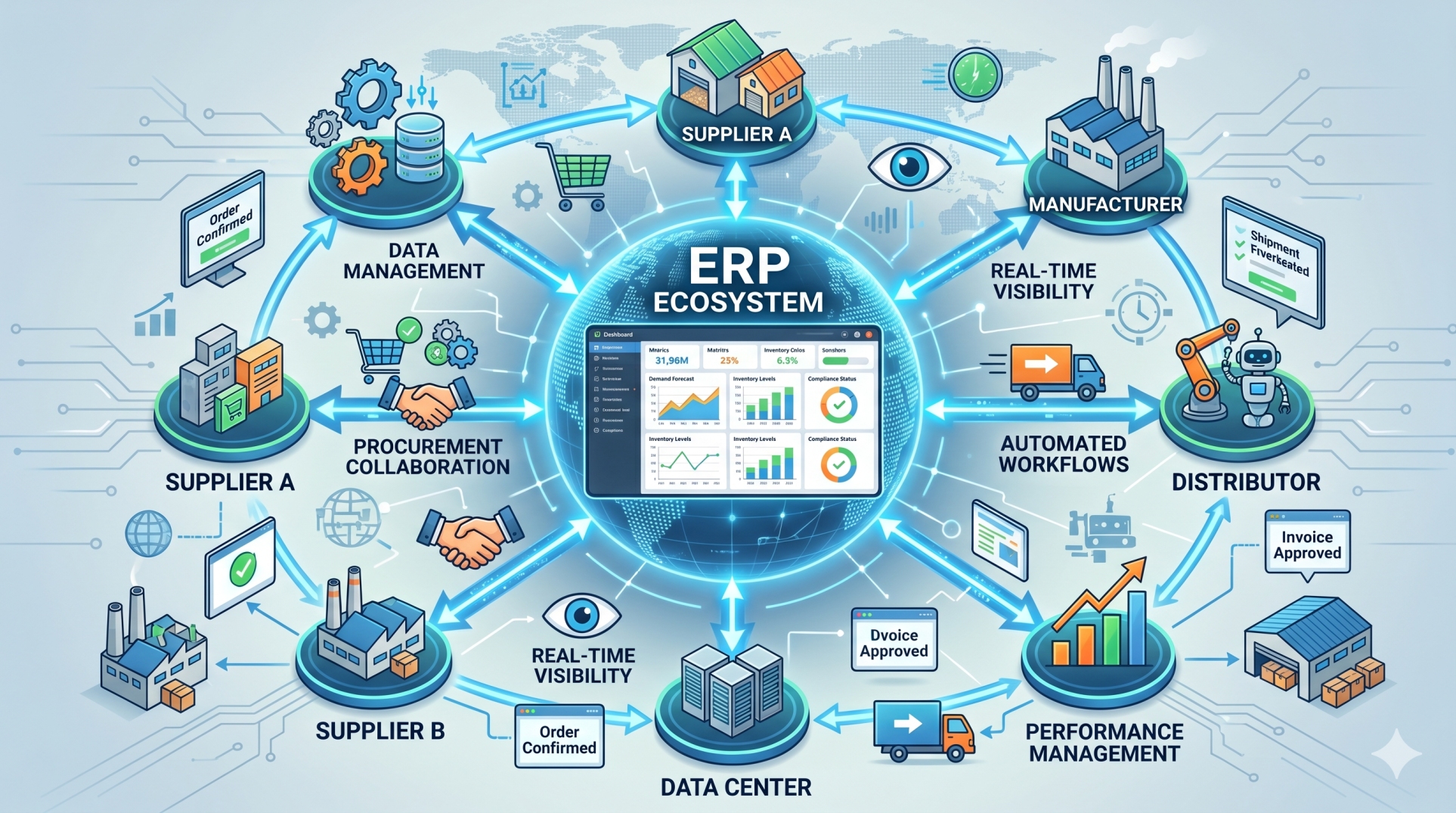
• Connect ERP with external systems for seamless data flow 🔗
• Incorporate inputs from IoT, CRM, and supply chain platforms 🌐
• Ensure reconfiguration reflects changes across integrated systems 🔄
• Avoid data silos through unified integration architecture 🧠
• Maintain consistency across all connected processes 📂
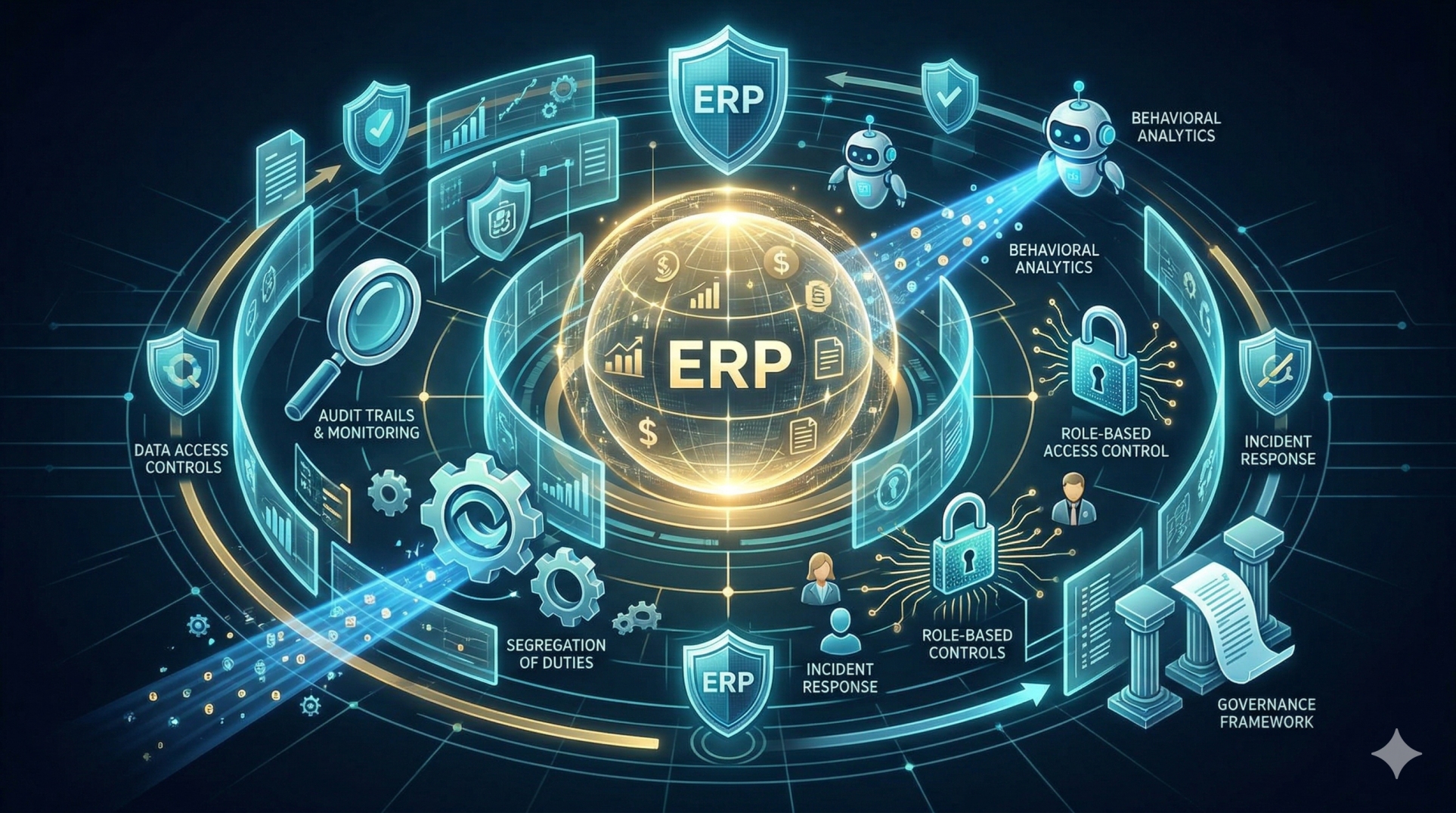
Step 7: Ensuring System Stability and Governance 🛡️
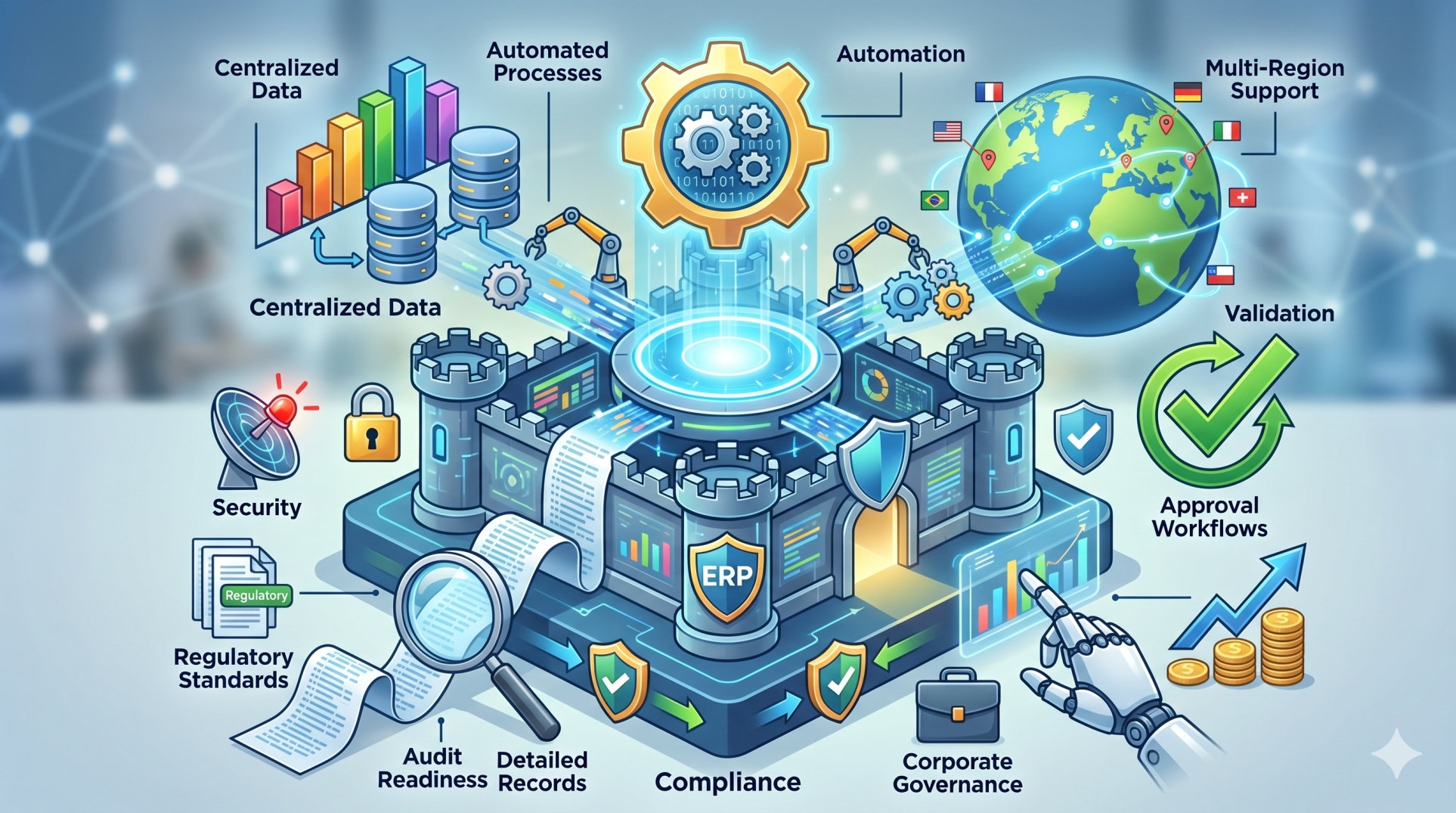
• Implement approval workflows for process changes 🛡️
• Maintain version control for workflow configurations 📌
• Test changes in controlled environments before deployment 🧪
• Ensure compliance with business and regulatory requirements 📜
• Prevent unintended disruptions during reconfiguration 🚫
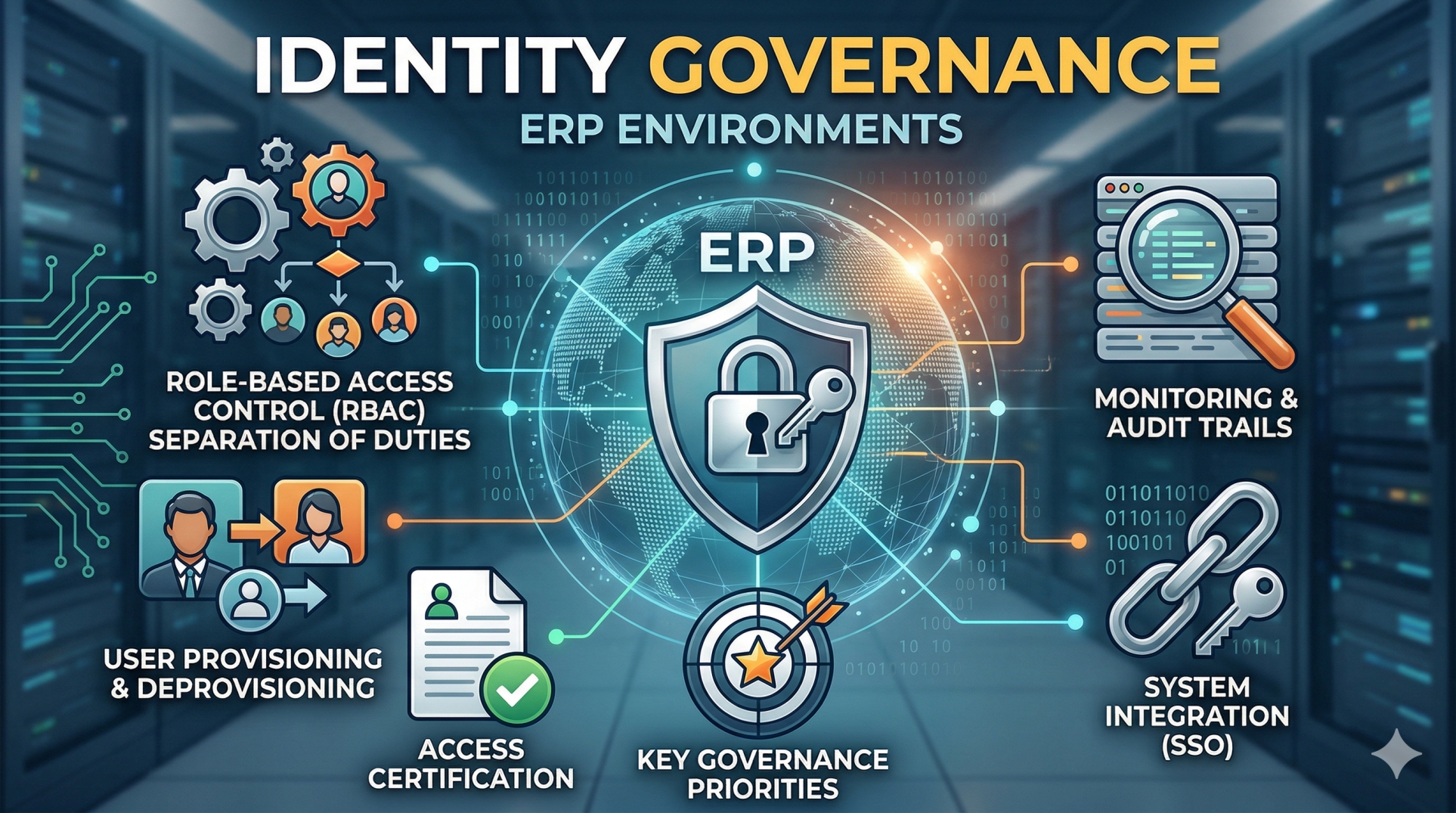
Step 8: Key Reconfiguration Priorities 📌
• Flexibility without compromising system stability ⚖️
• Real-time responsiveness to operational changes ⚡
• Clear governance and control over workflow updates 🔐
• Scalable architecture for evolving business needs 📦
Step 9: Handling Exceptions and Process Variability ⚠️
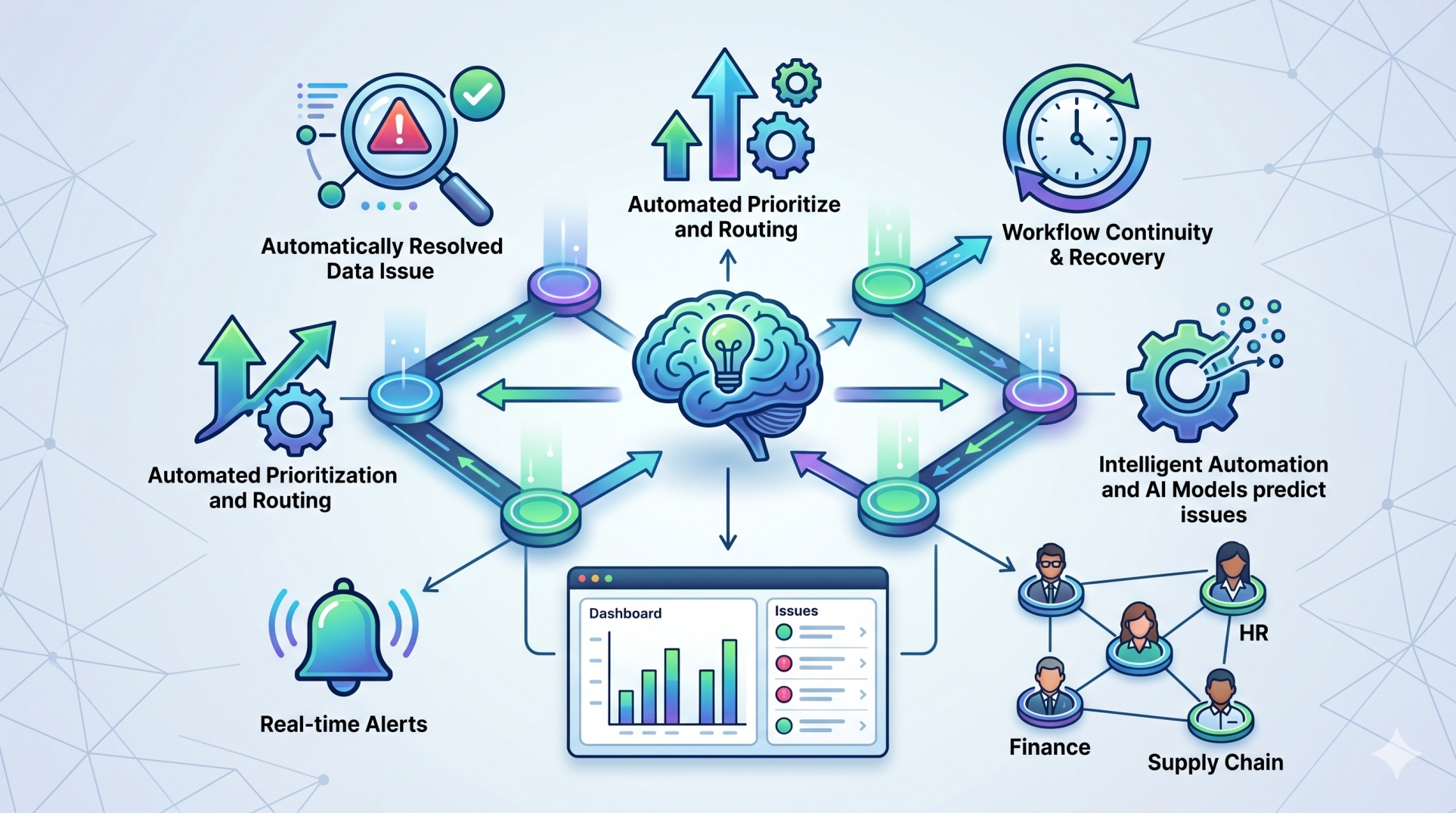
• Detect anomalies and trigger alternative workflows ⚠️
• Enable fallback processes for unexpected scenarios 🔄
• Adjust workflows to handle peak demand variations 📊
• Maintain continuity during disruptions or system changes 🔧
• Ensure rapid resolution of process exceptions ⏱️
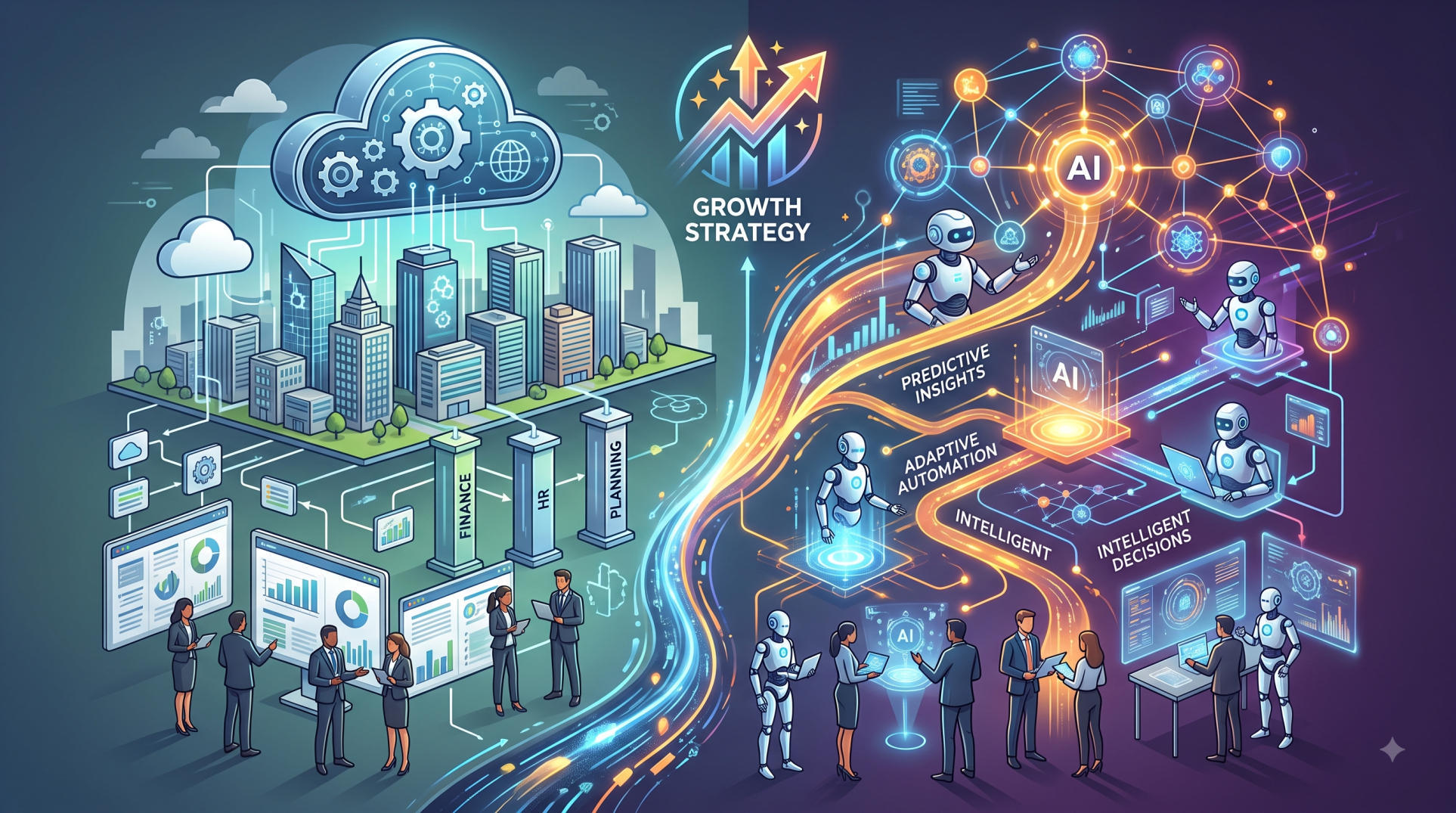
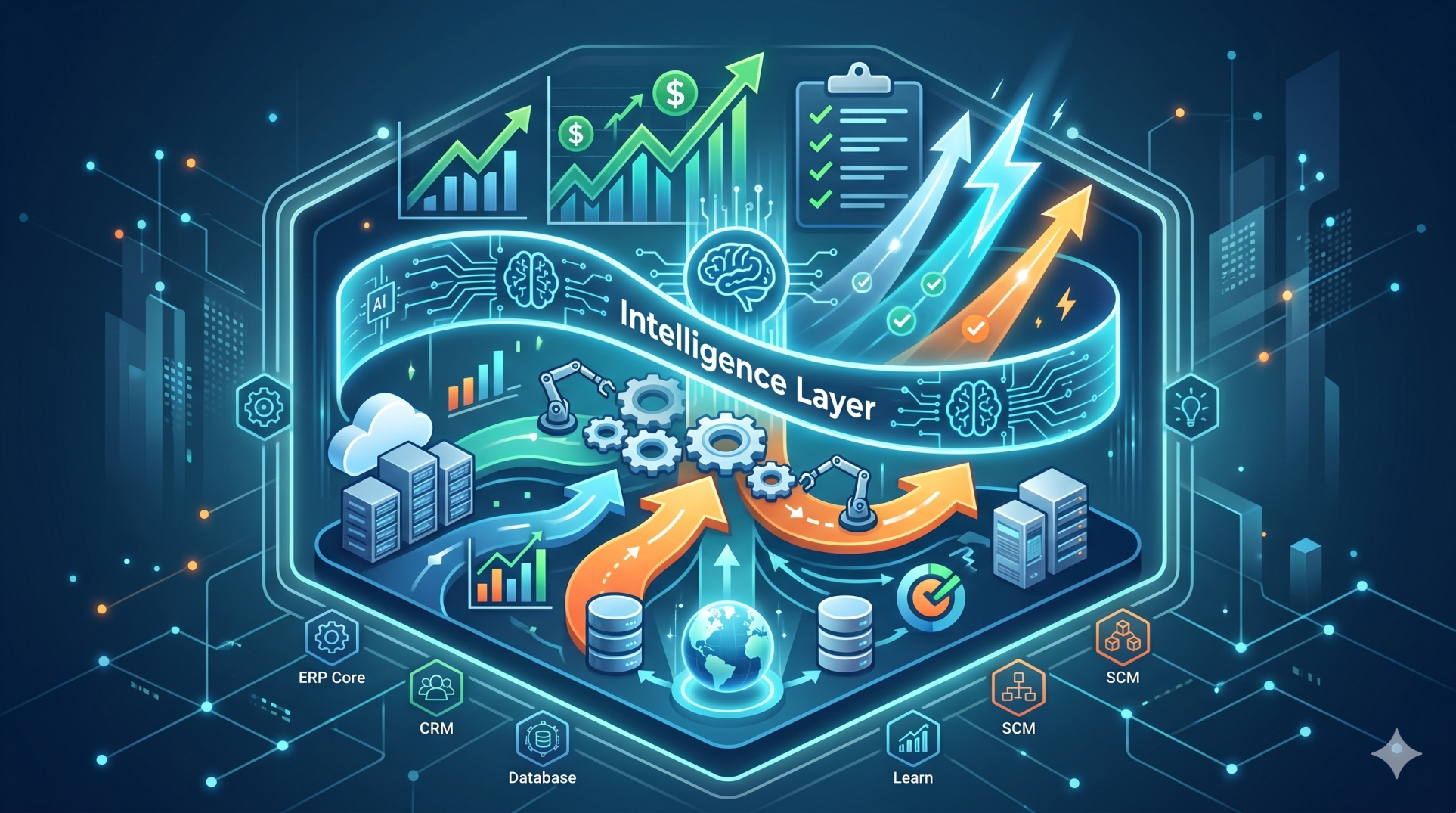
Step 10: Building an Adaptive ERP Ecosystem 🚀
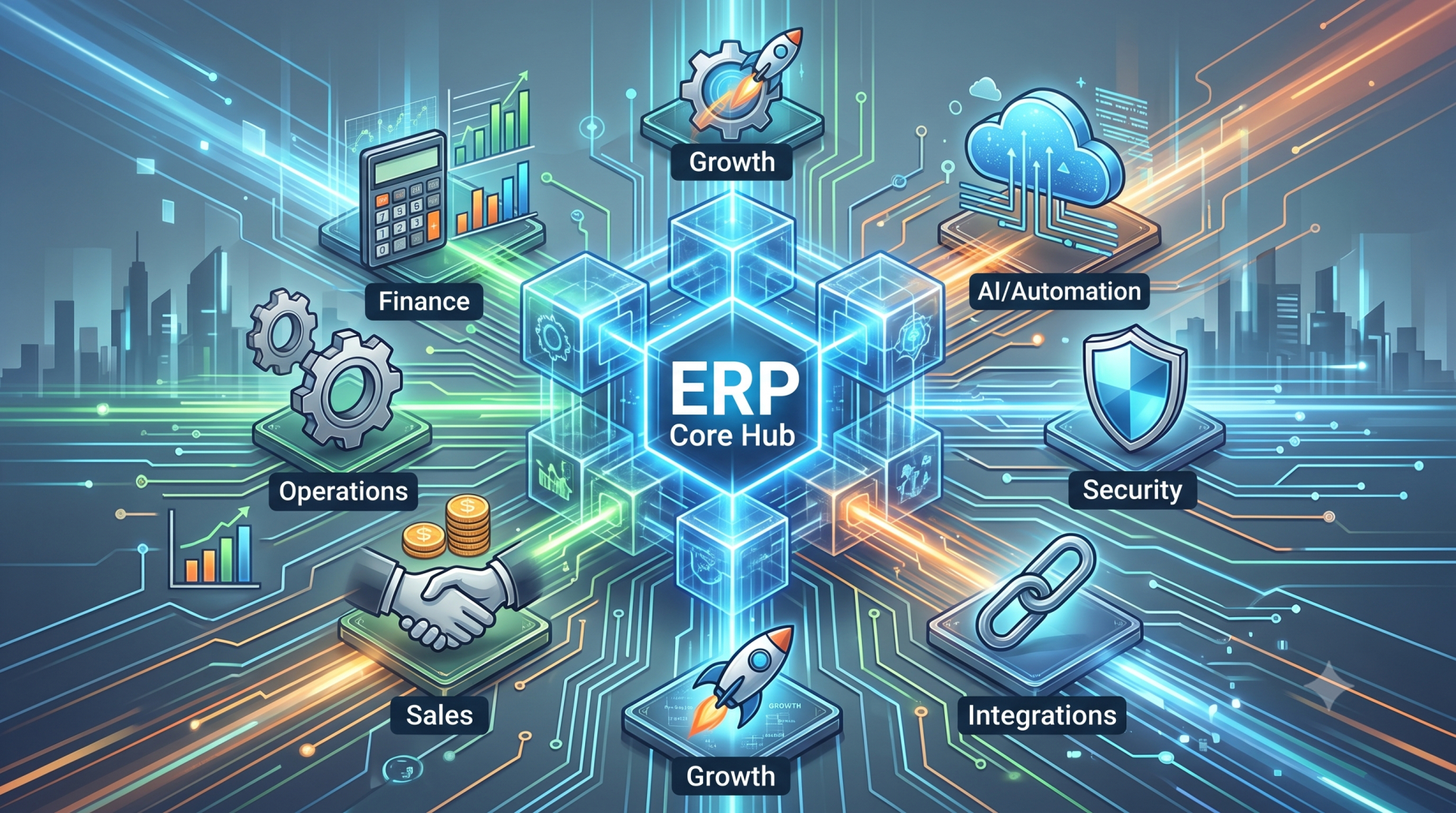
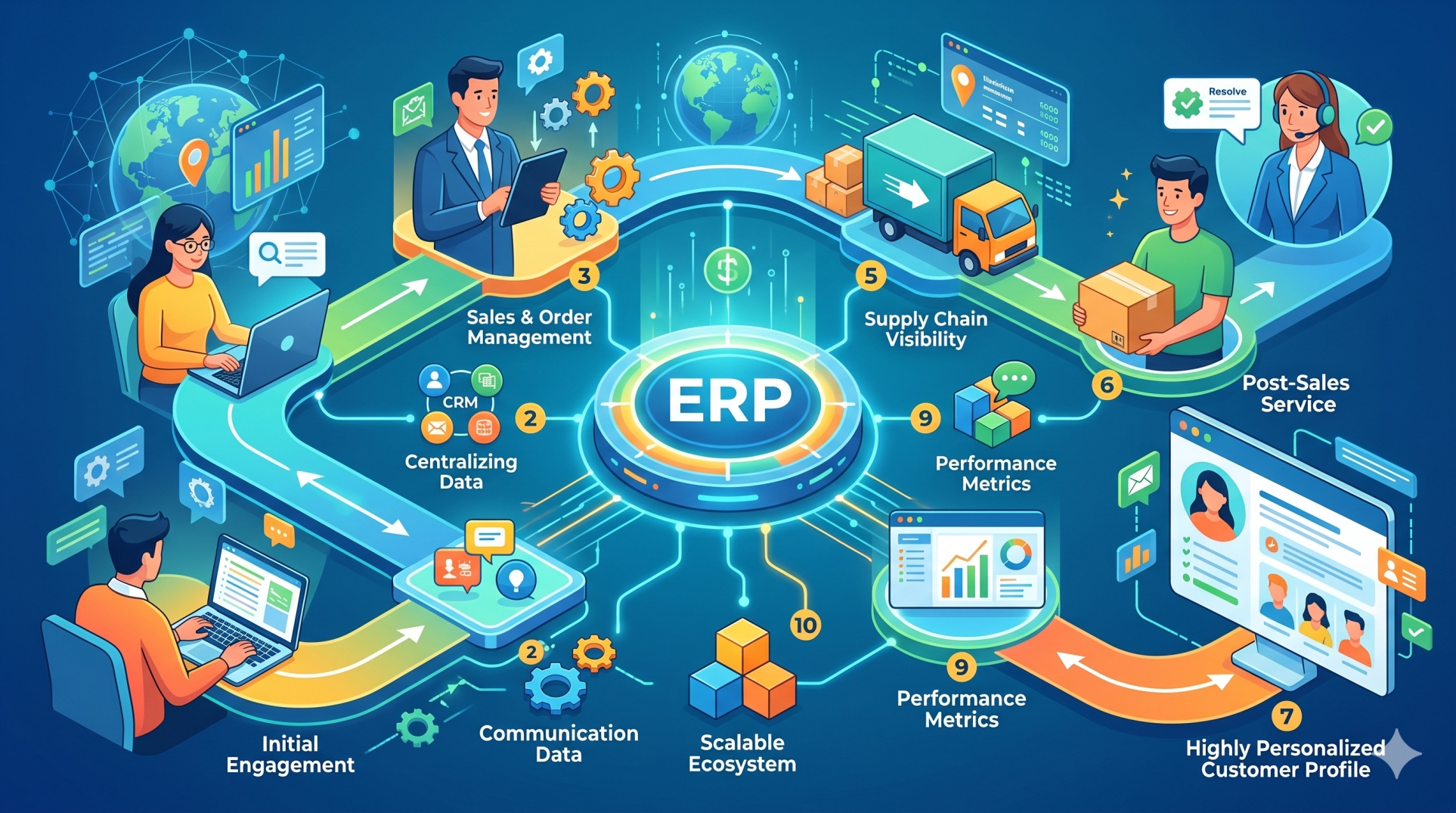
• Design ERP systems to continuously evolve with business needs 🚀
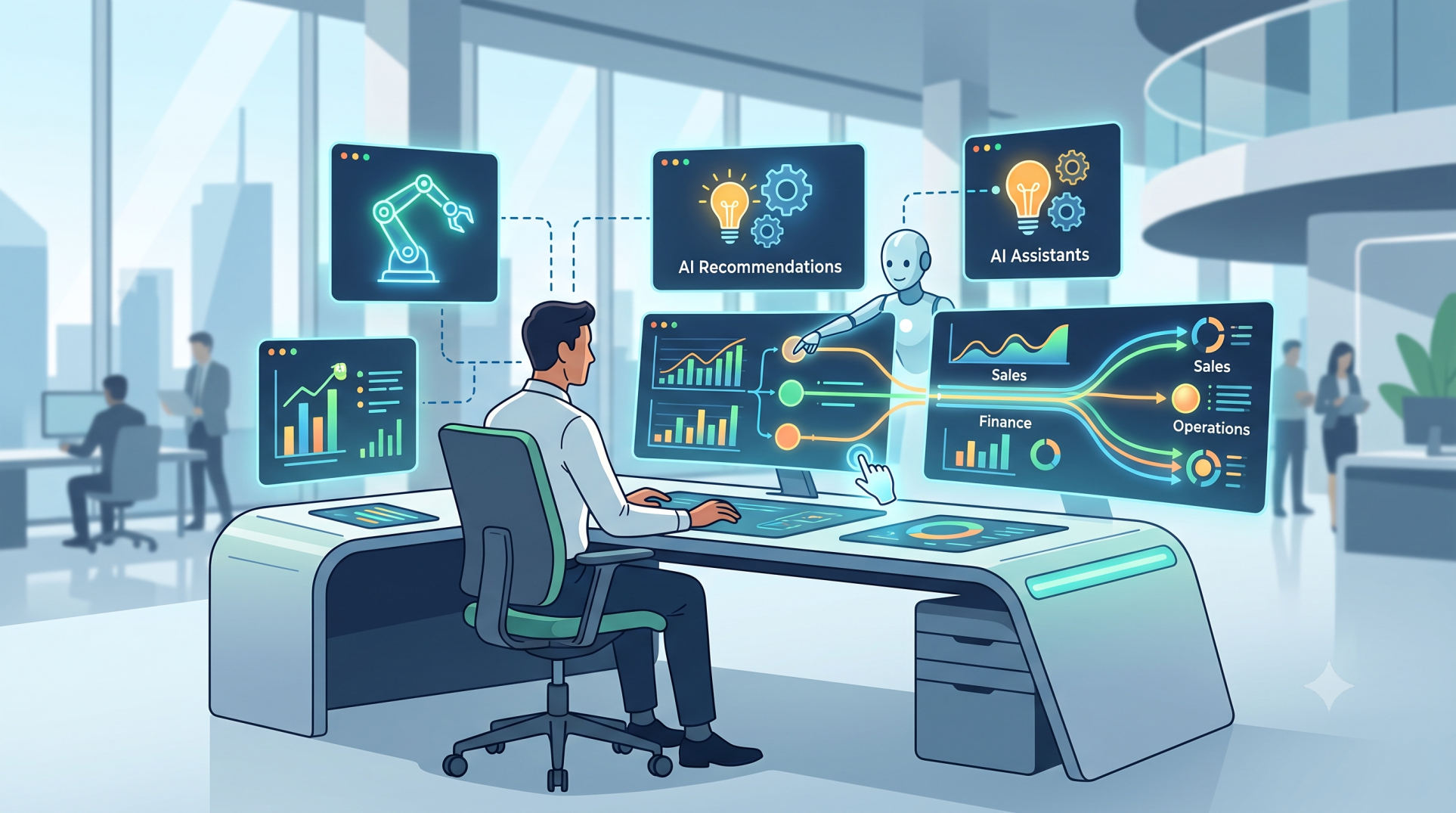
• Enable AI-driven recommendations for process optimization 🤖
• Support ongoing innovation and workflow experimentation 💡
• Ensure flexibility for future operational models 🔄
• Continuously refine processes based on performance insights 📈
Conclusion
Dynamic process reconfiguration in ERP environments is essential for organizations seeking agility and resilience in a rapidly changing landscape. By enabling real-time workflow adjustments, leveraging data-driven insights, and maintaining strong governance, businesses can optimize operations without sacrificing stability. A flexible ERP system empowers organizations to adapt quickly, innovate continuously, and sustain long-term growth.
See more blogs
You can all the articles below