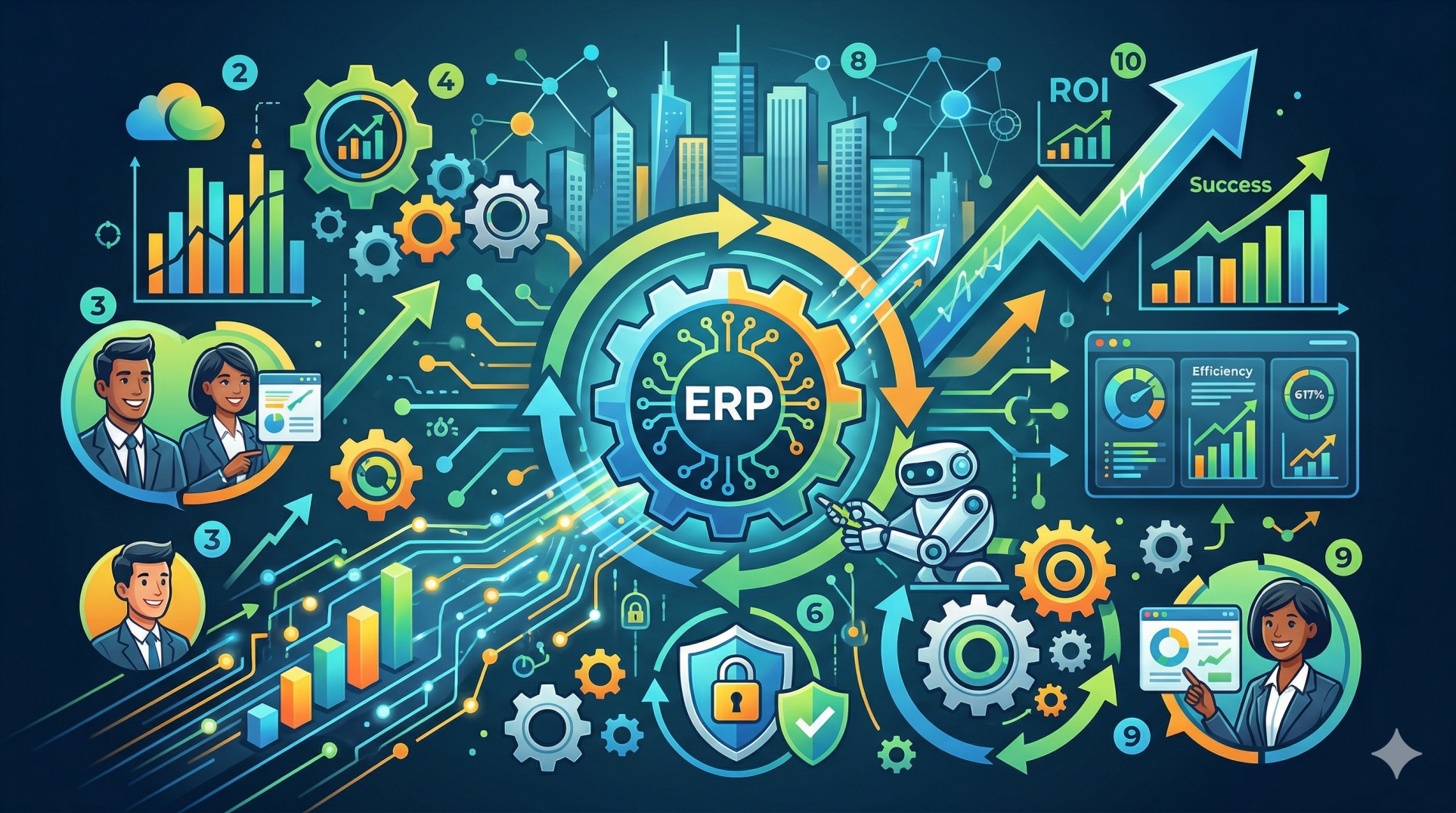
ERP as a Platform for Autonomous Business Processes

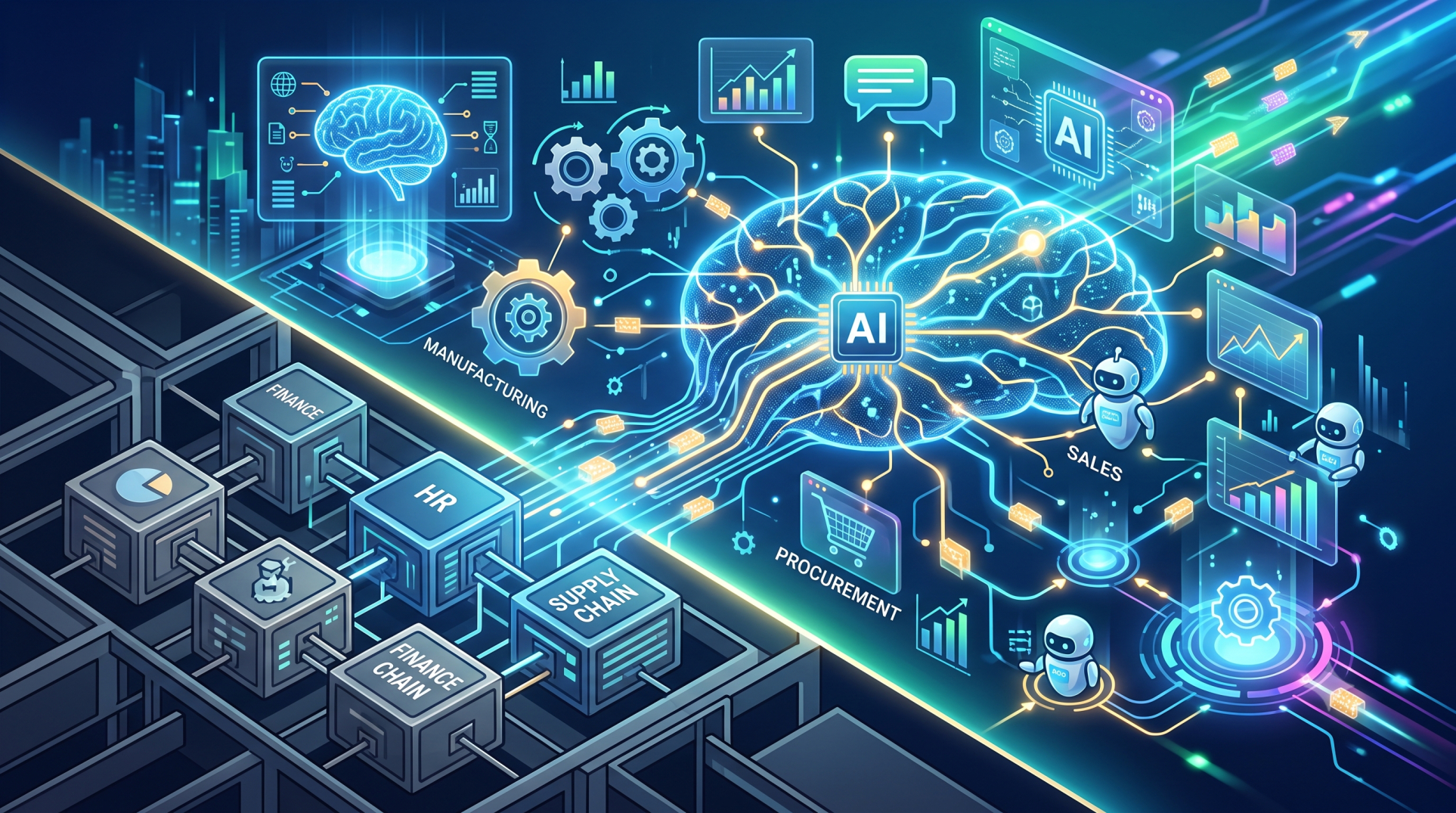
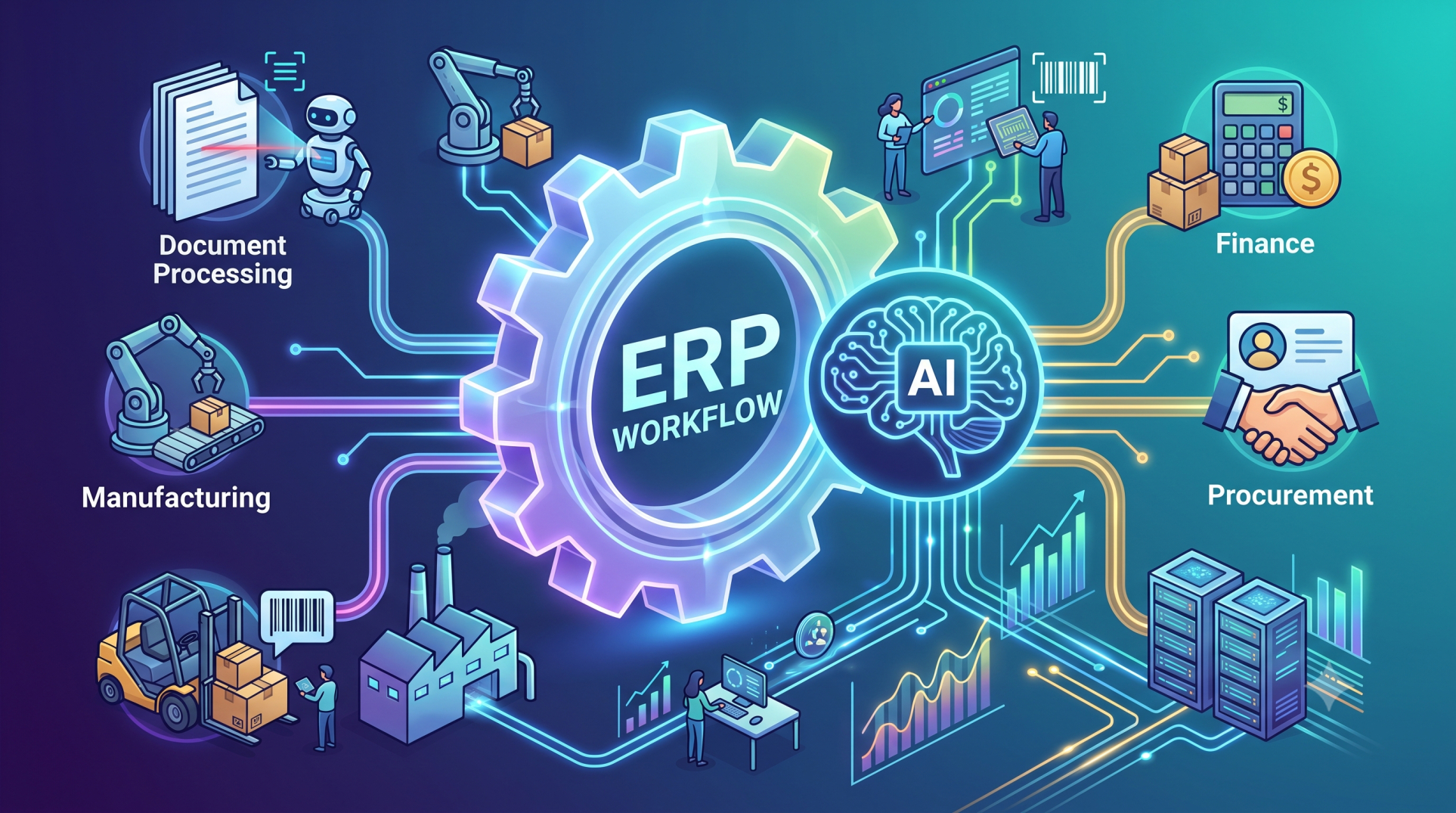
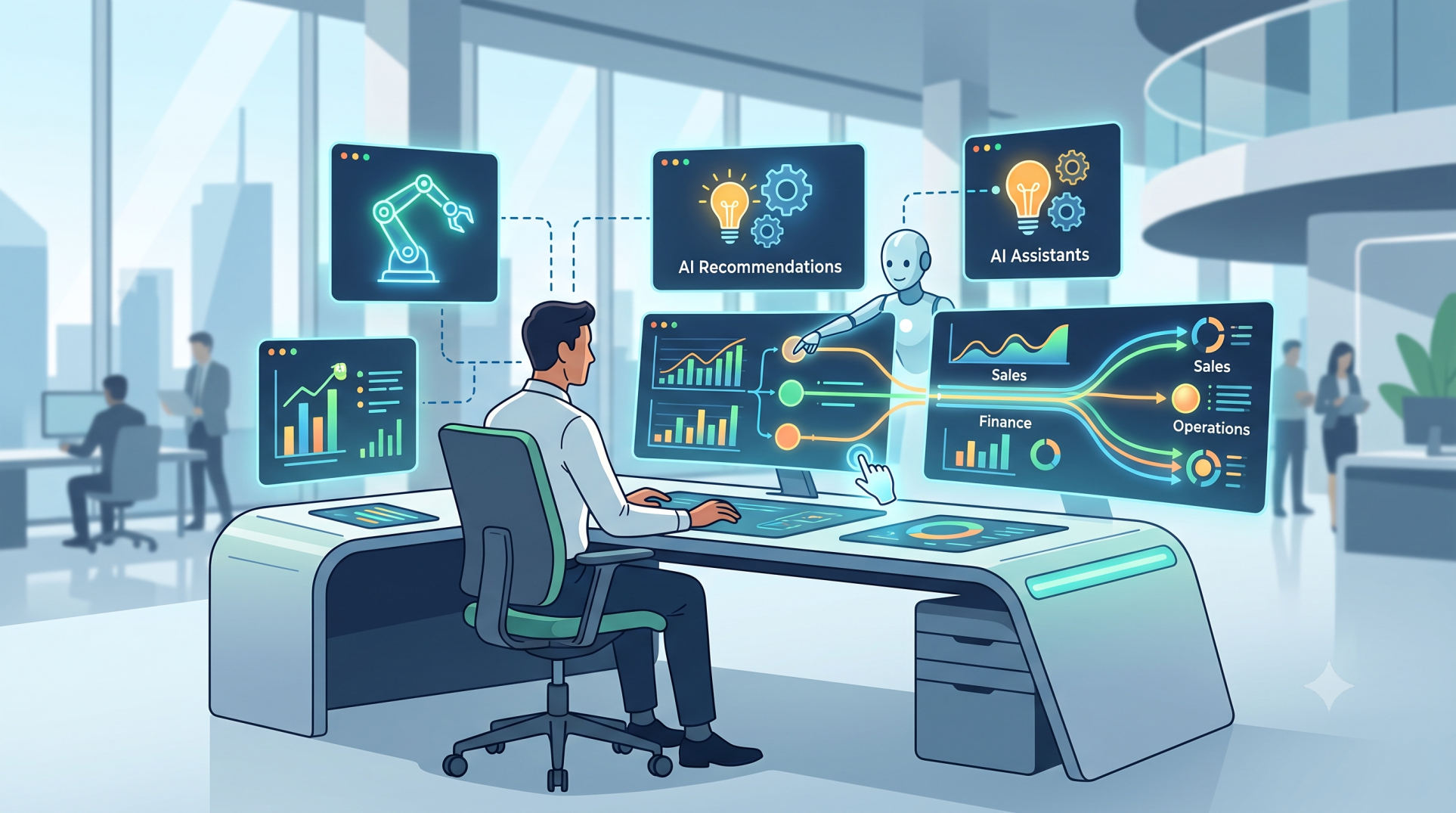
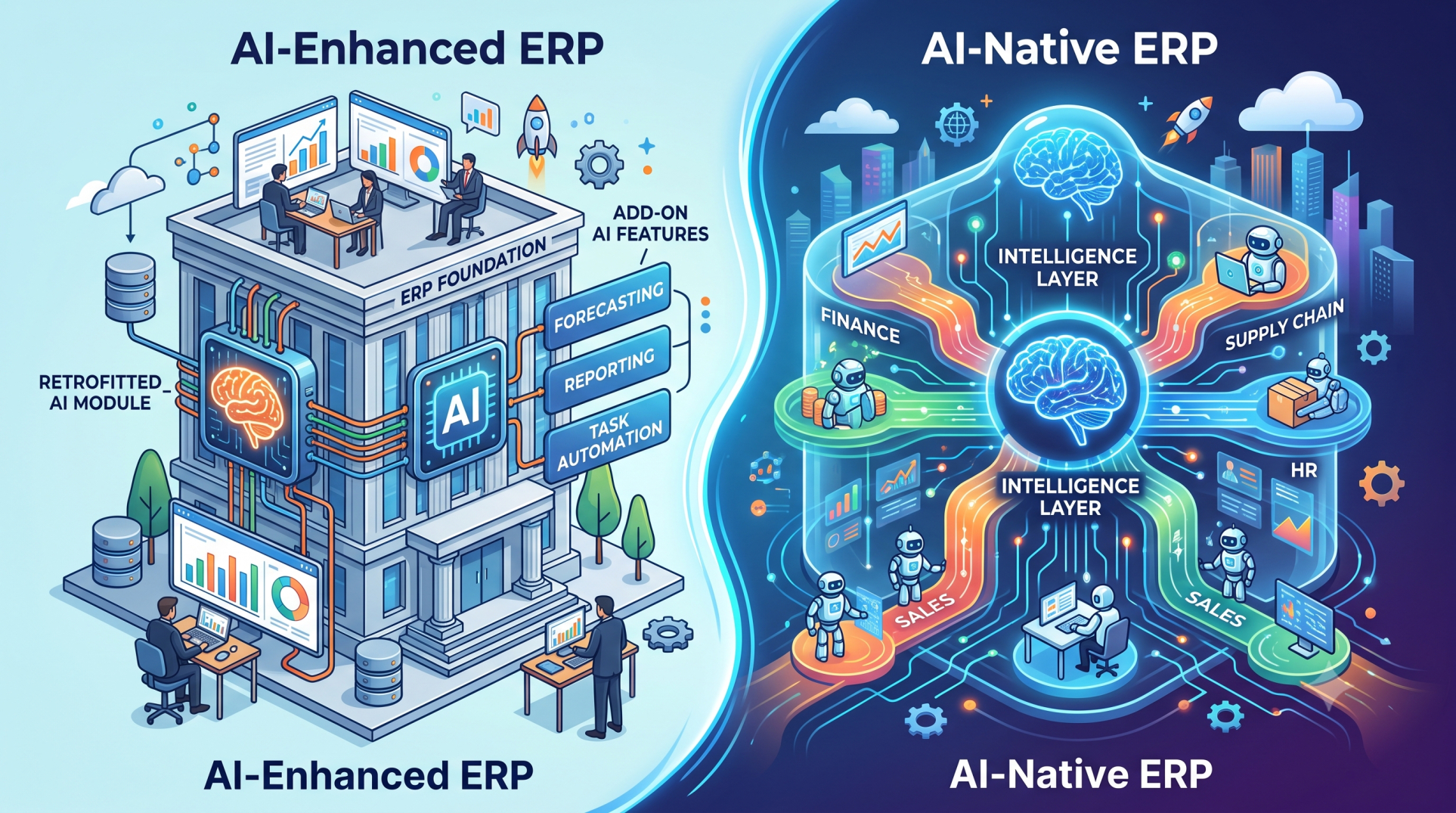
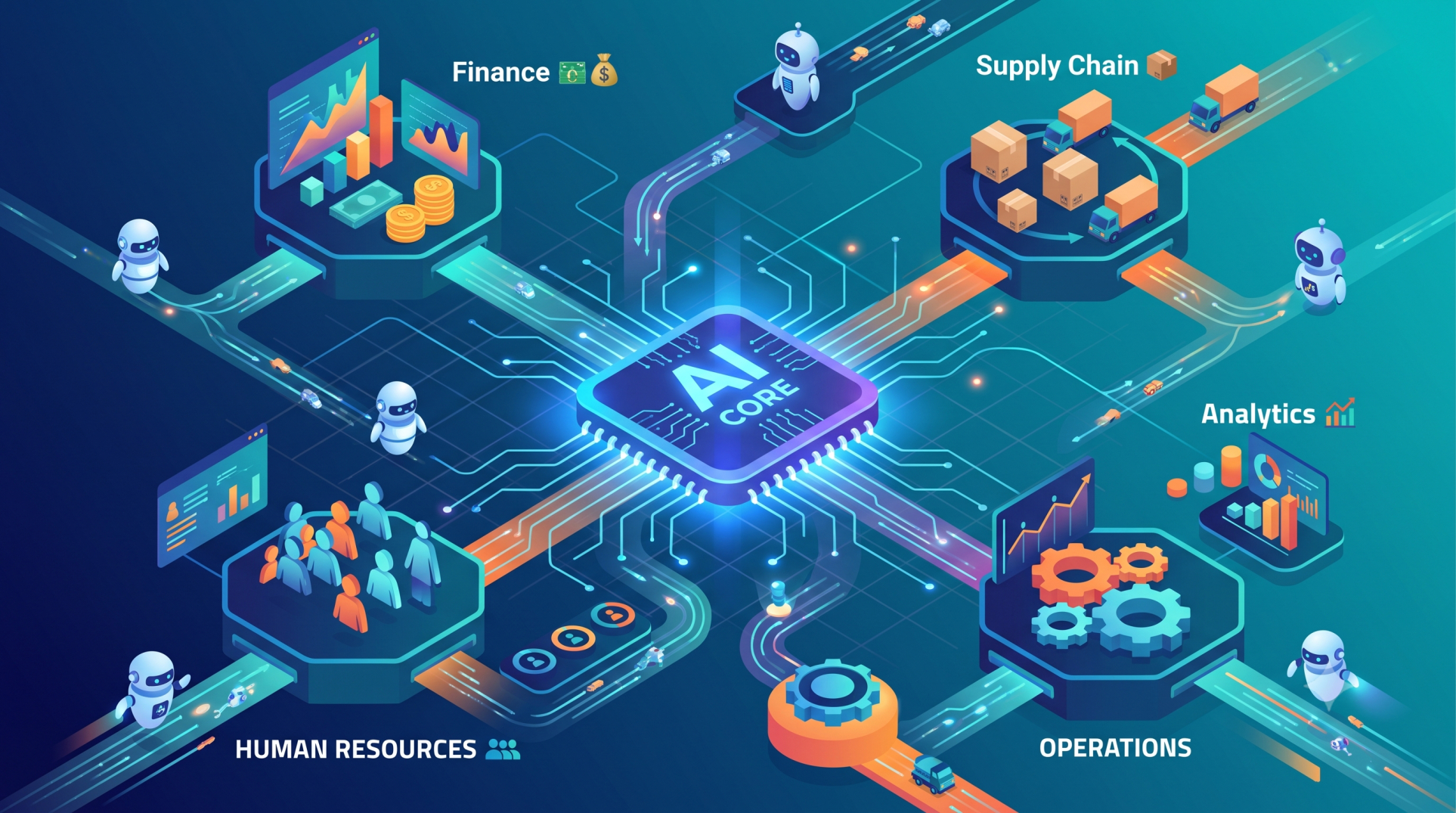
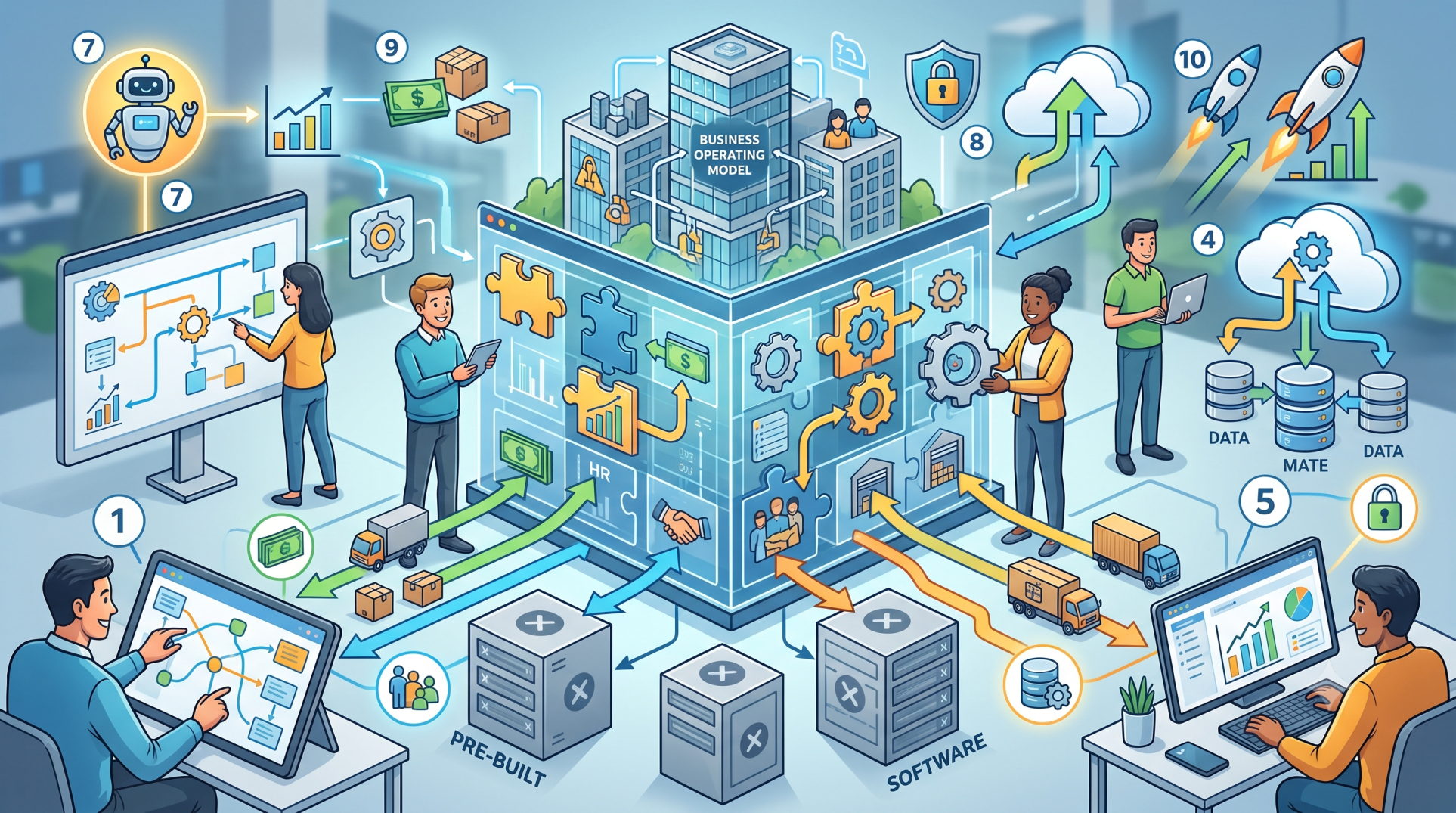
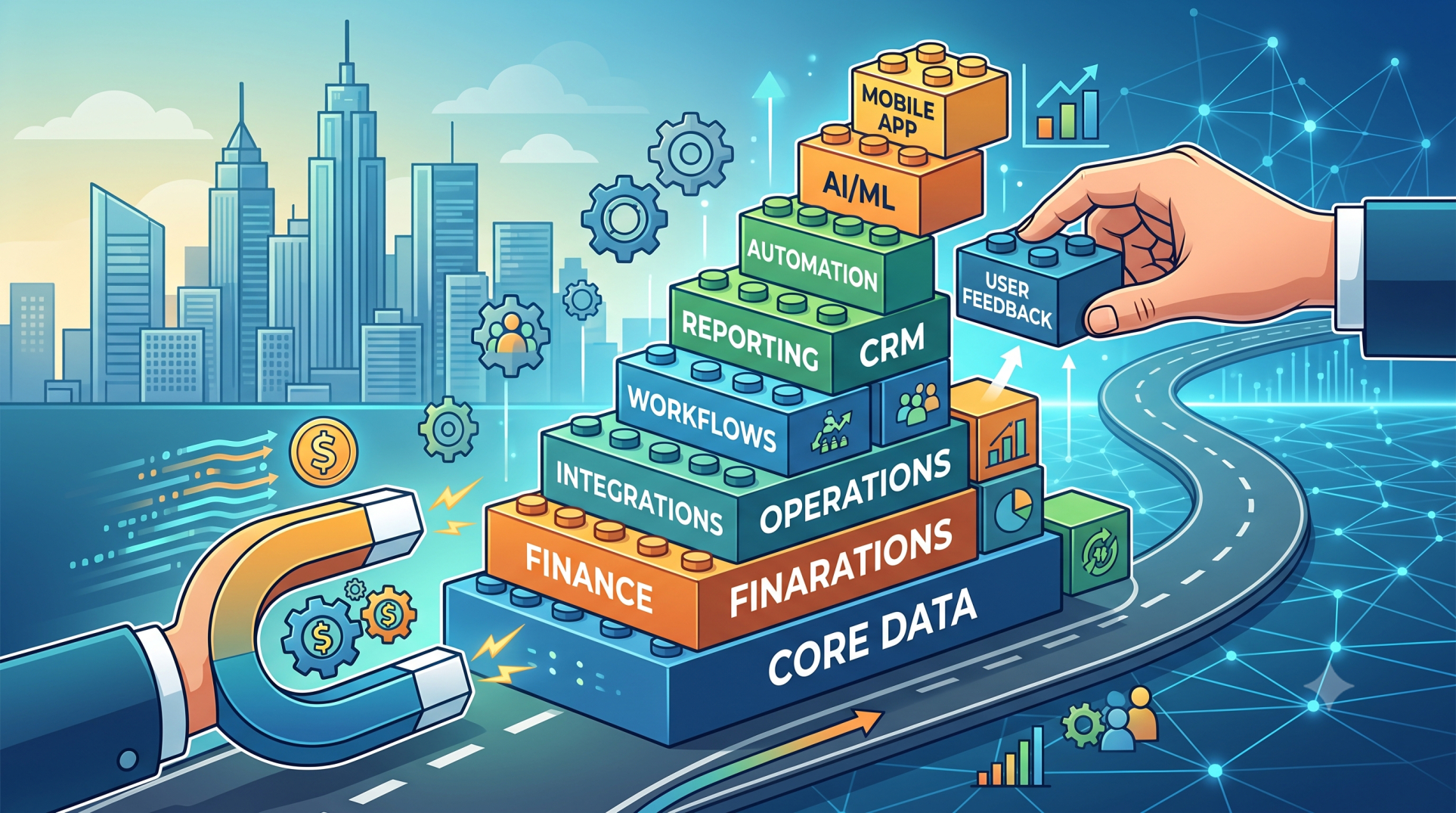
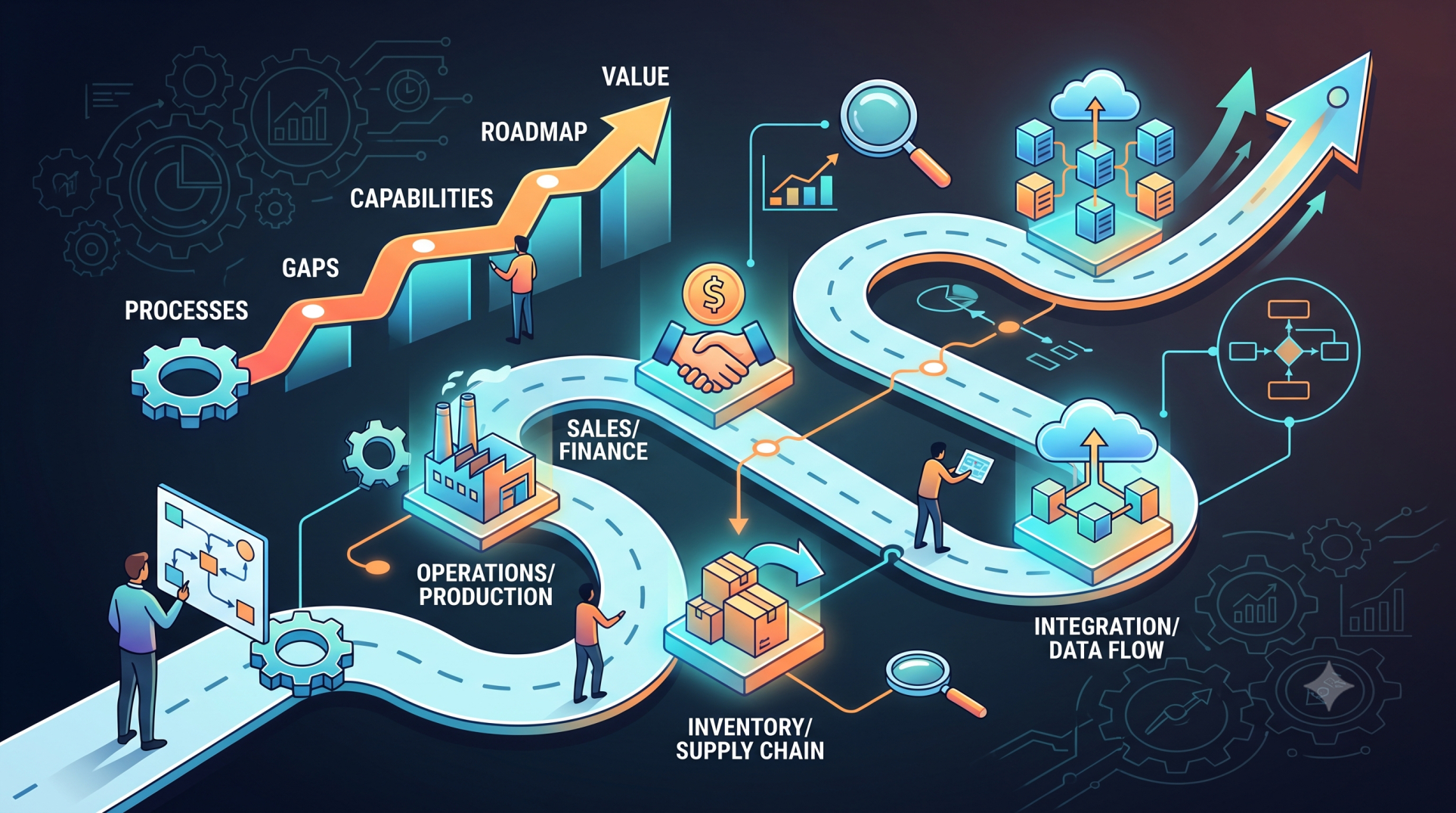
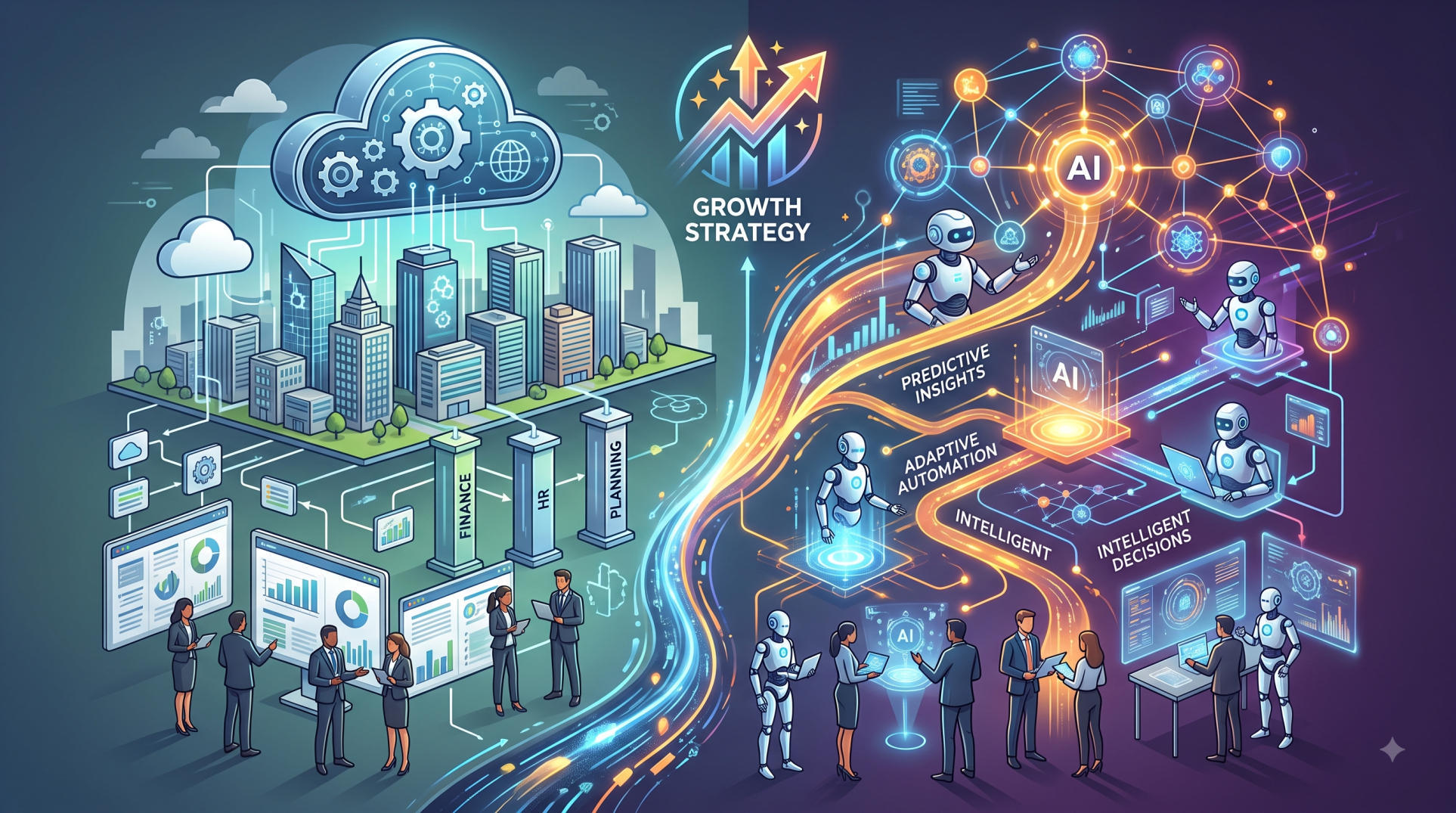
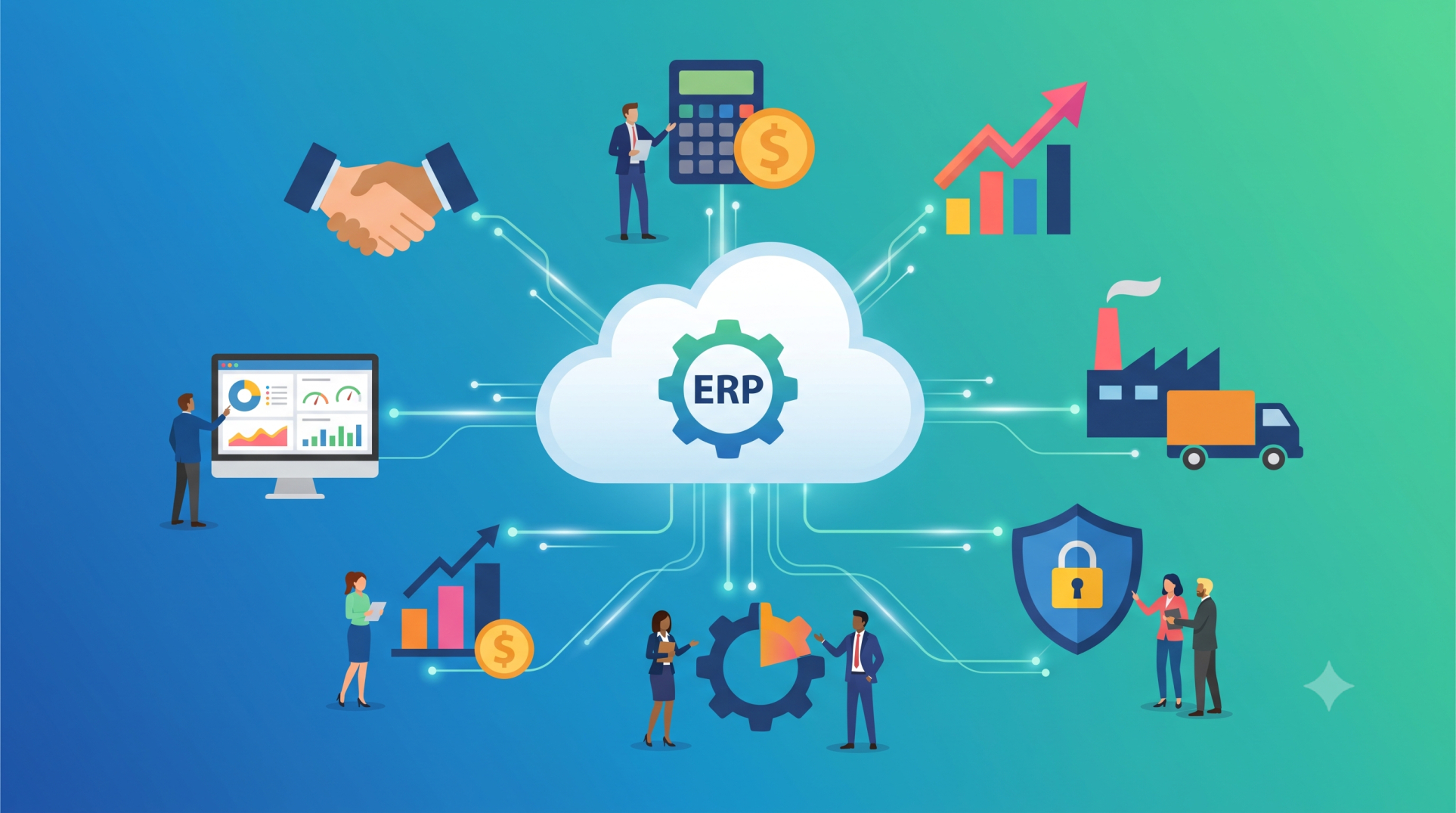
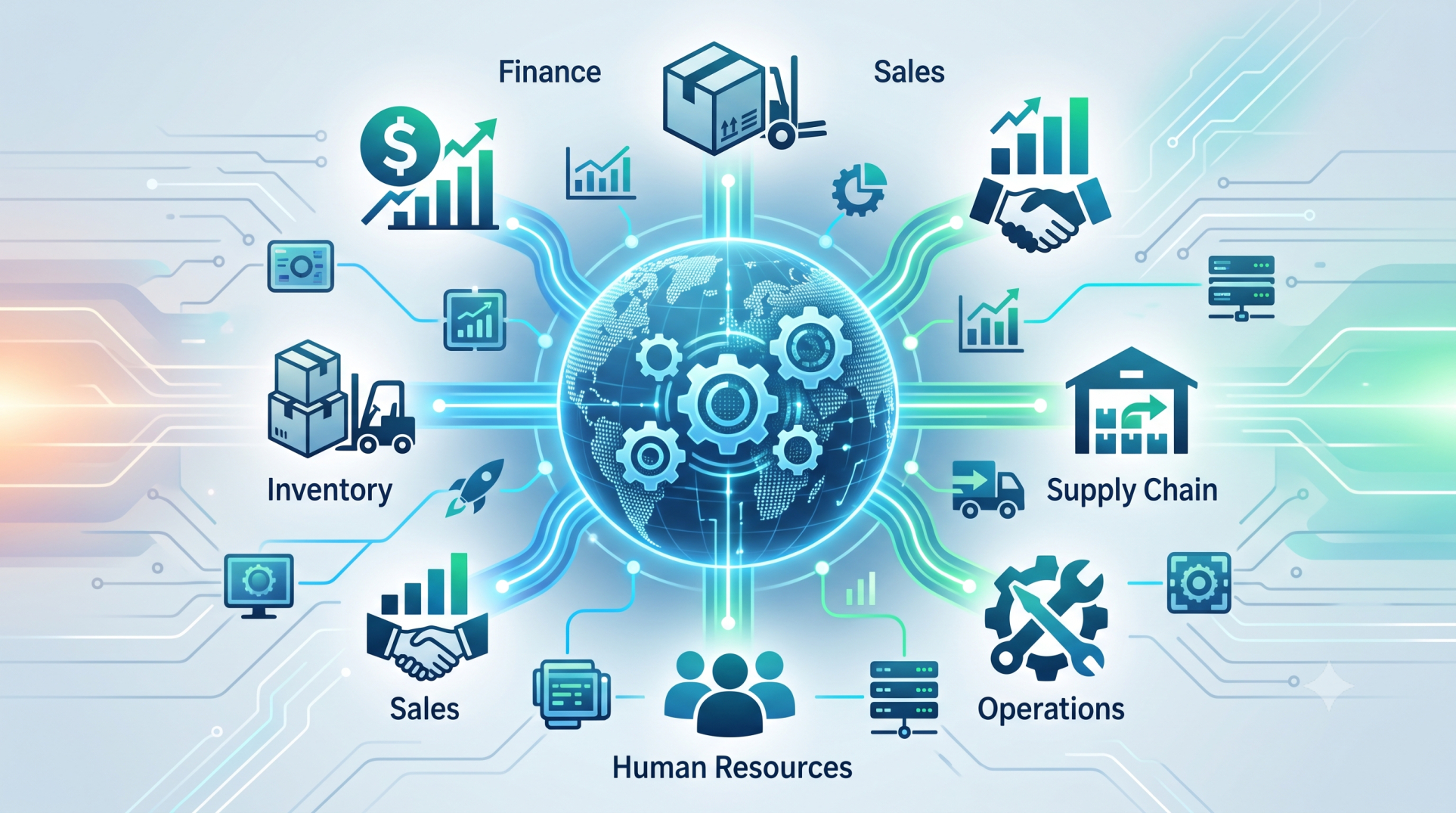
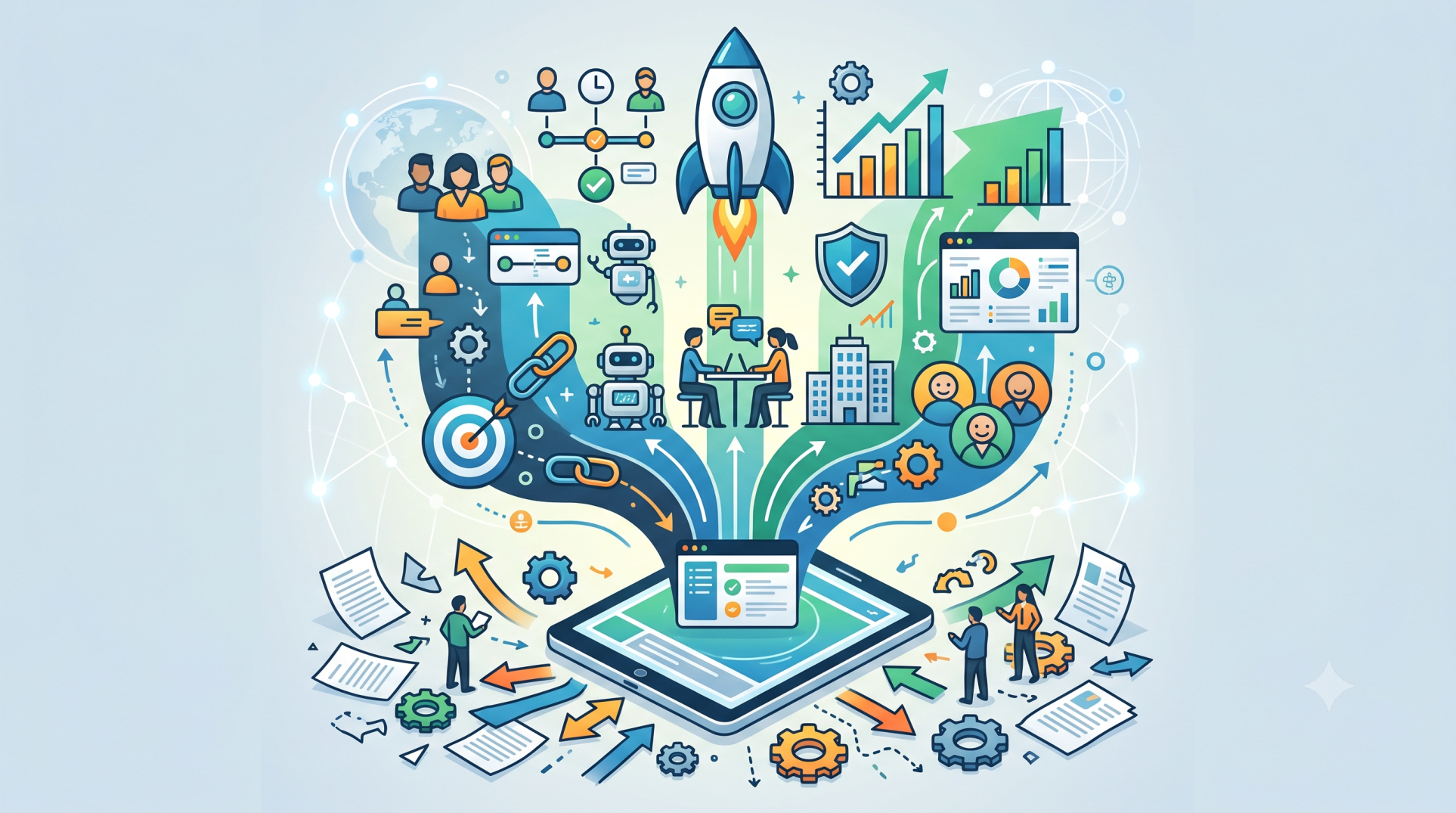
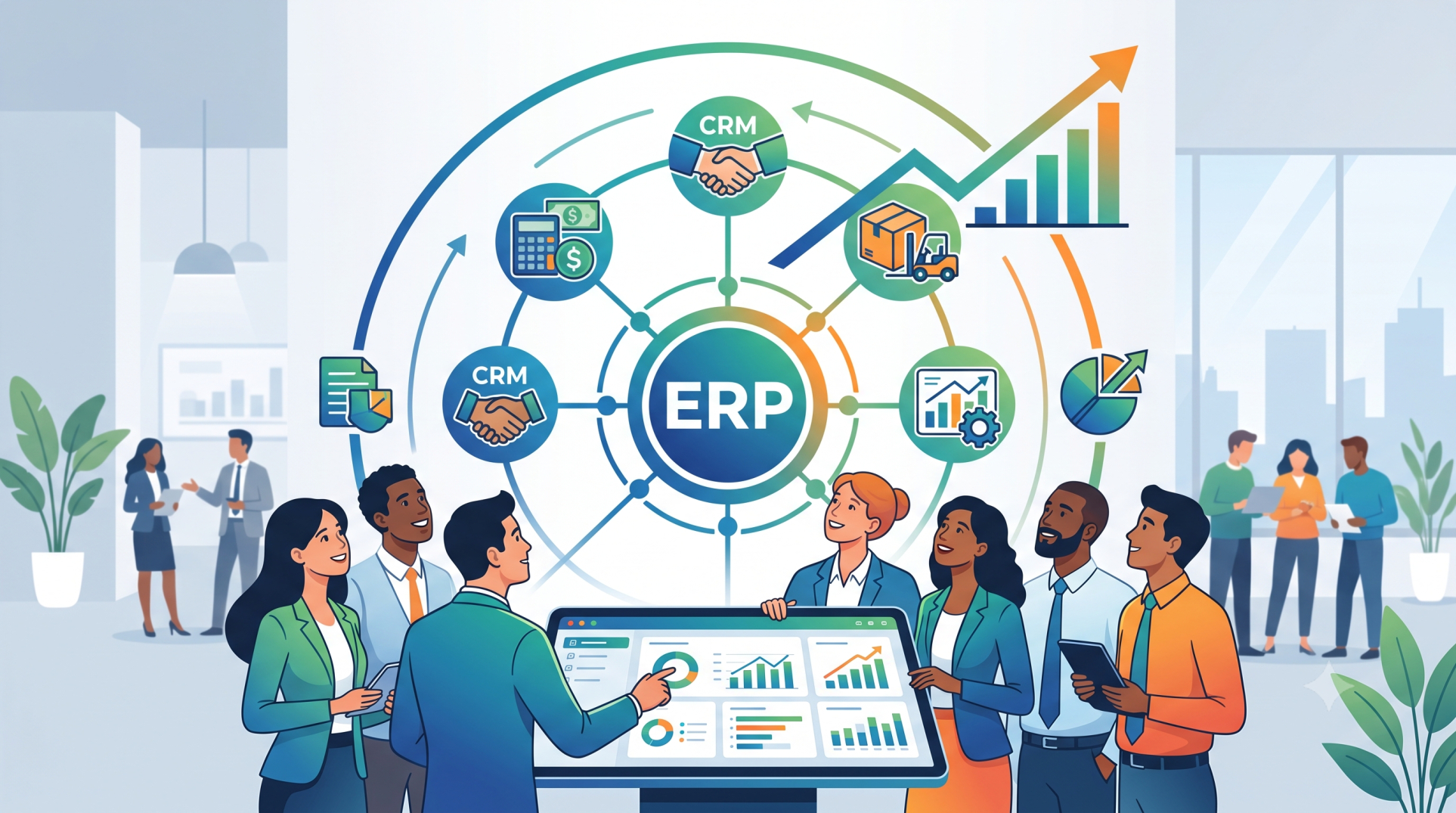
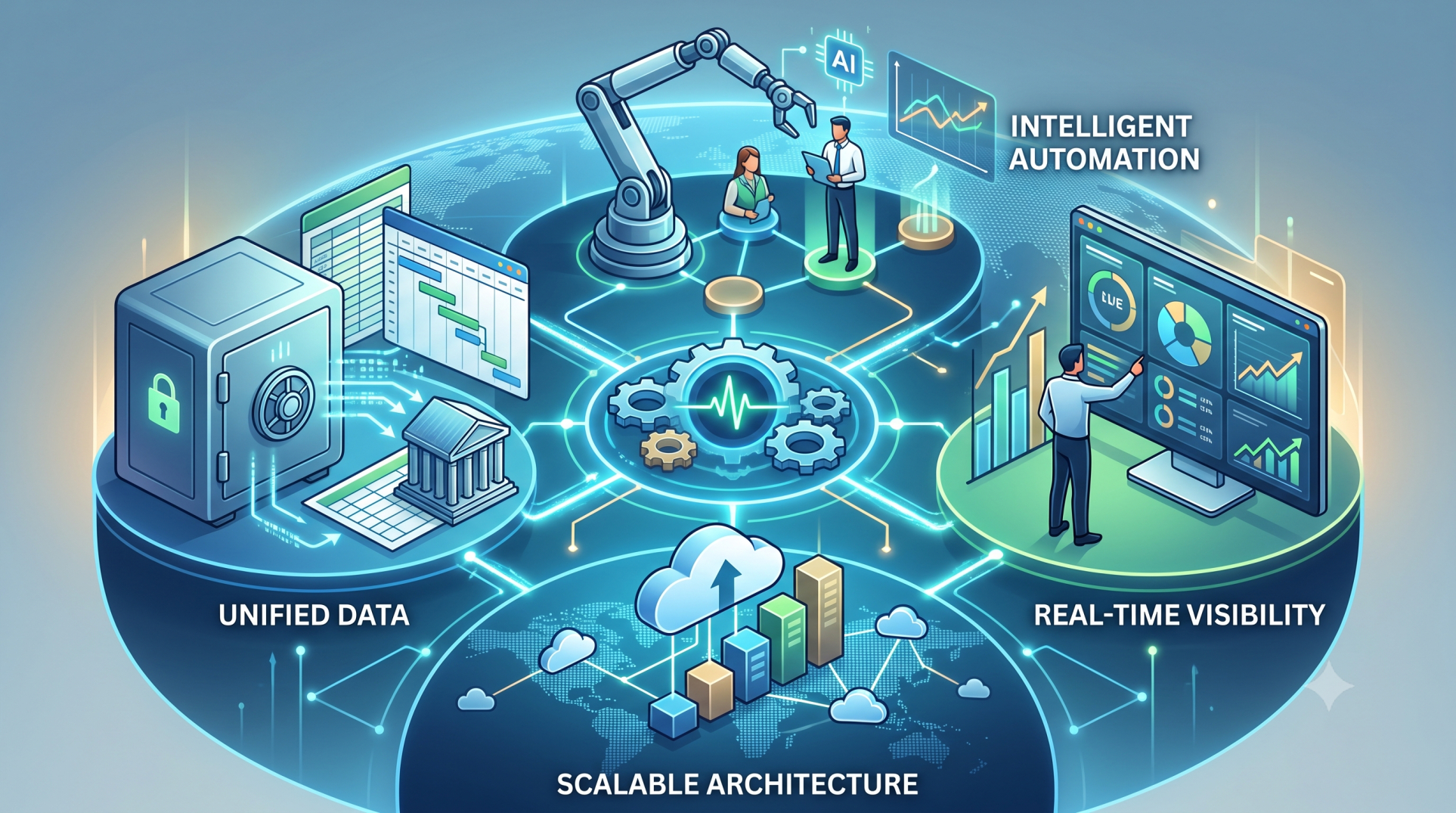
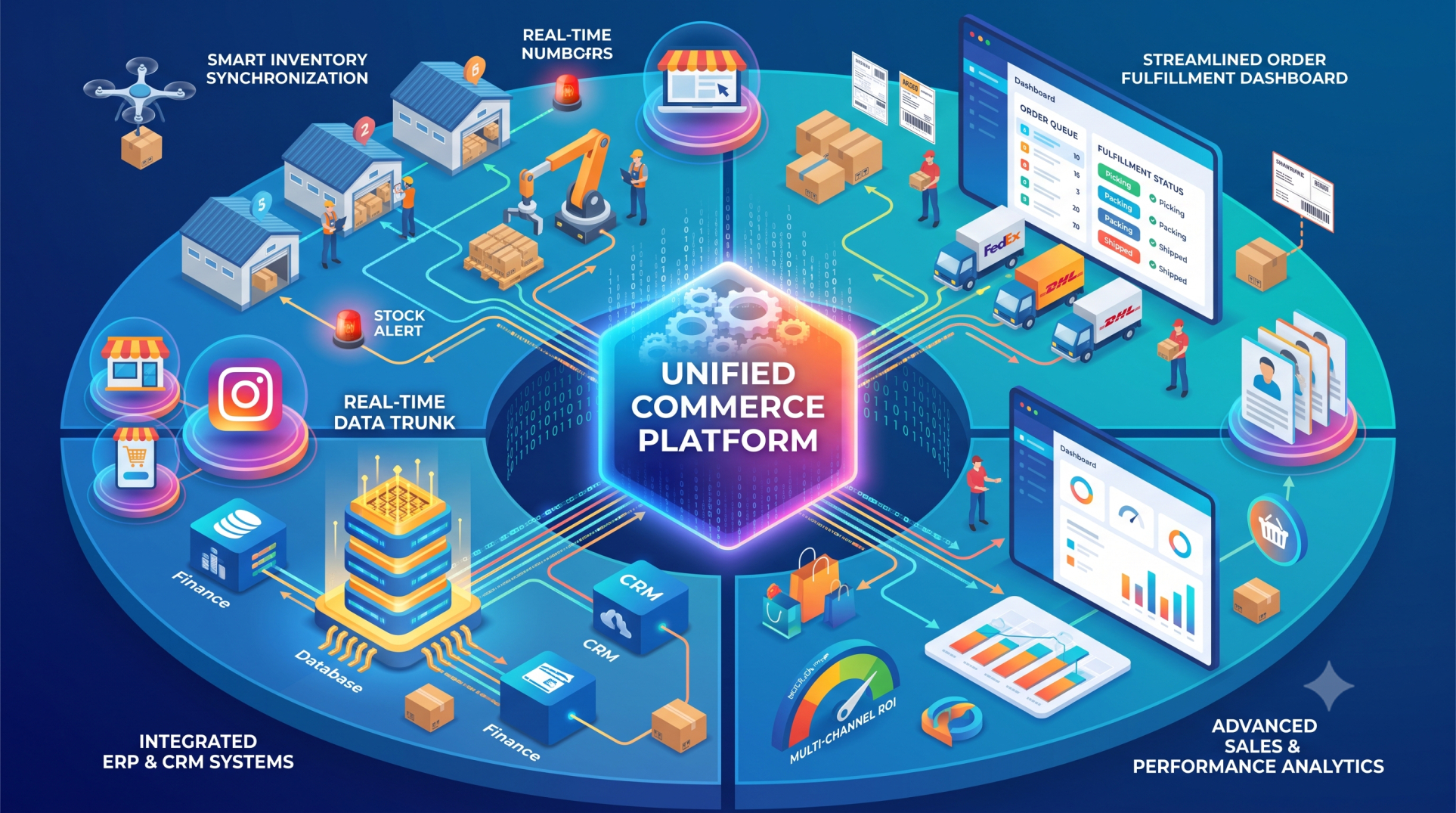
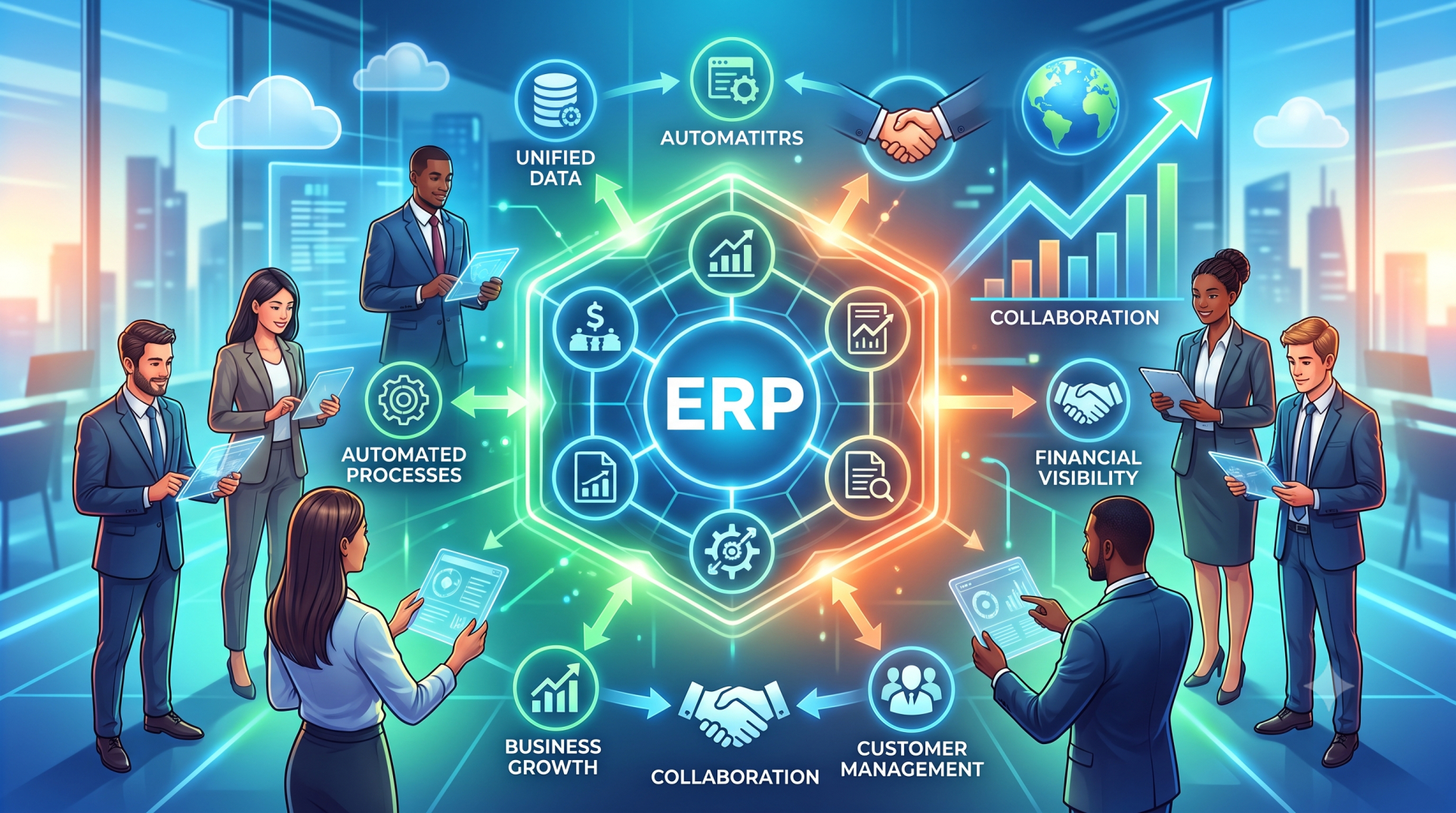
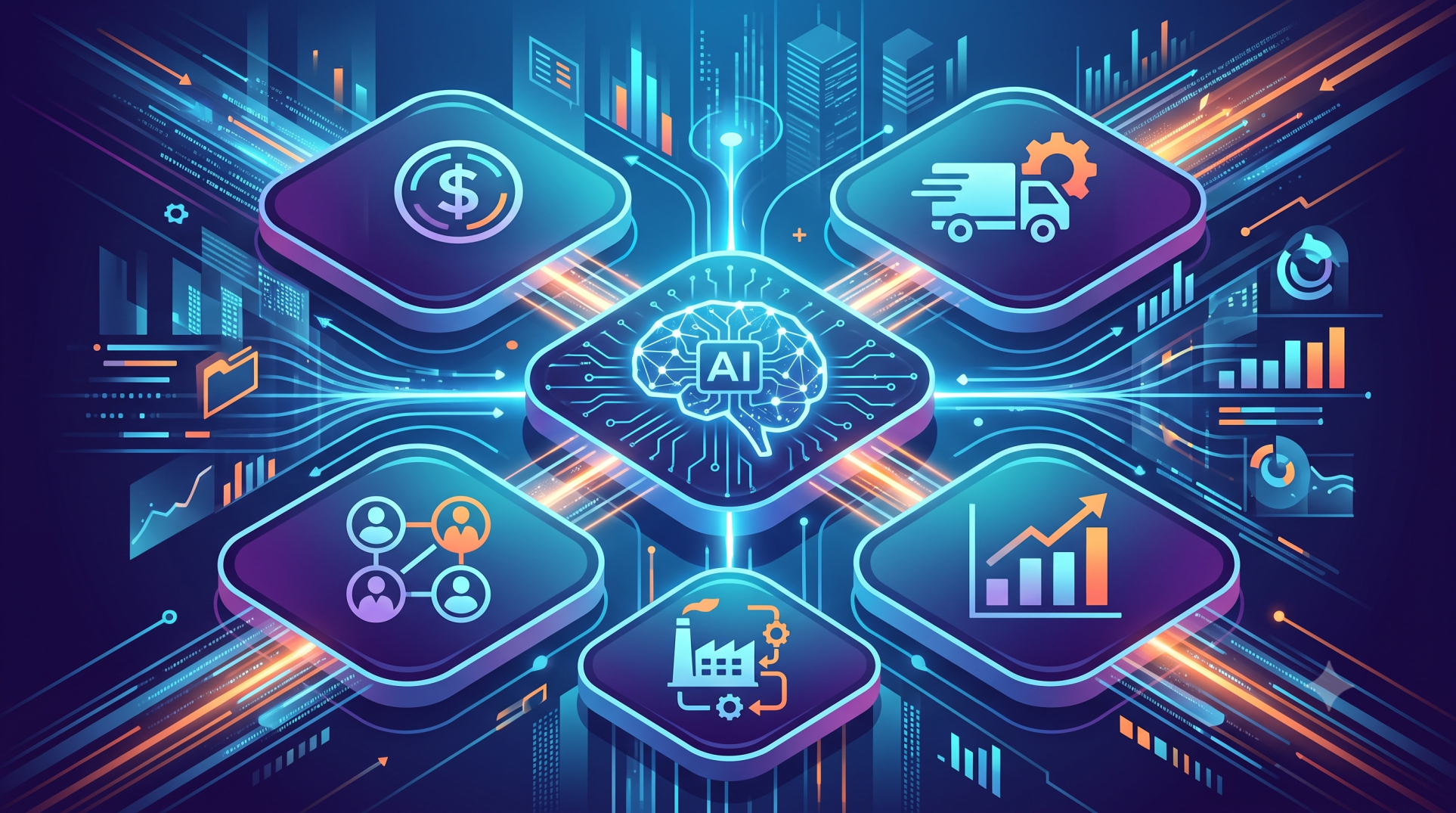
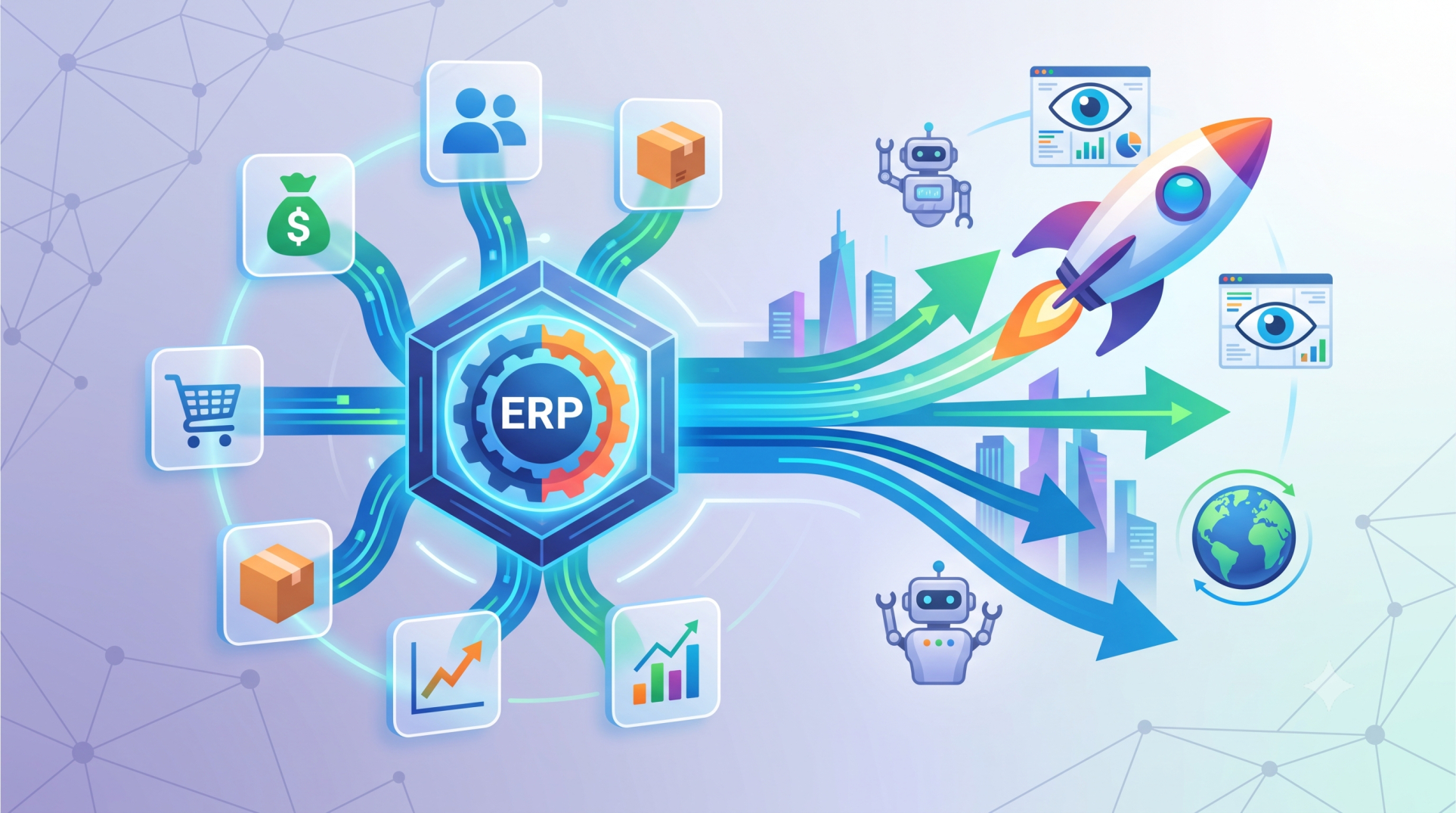
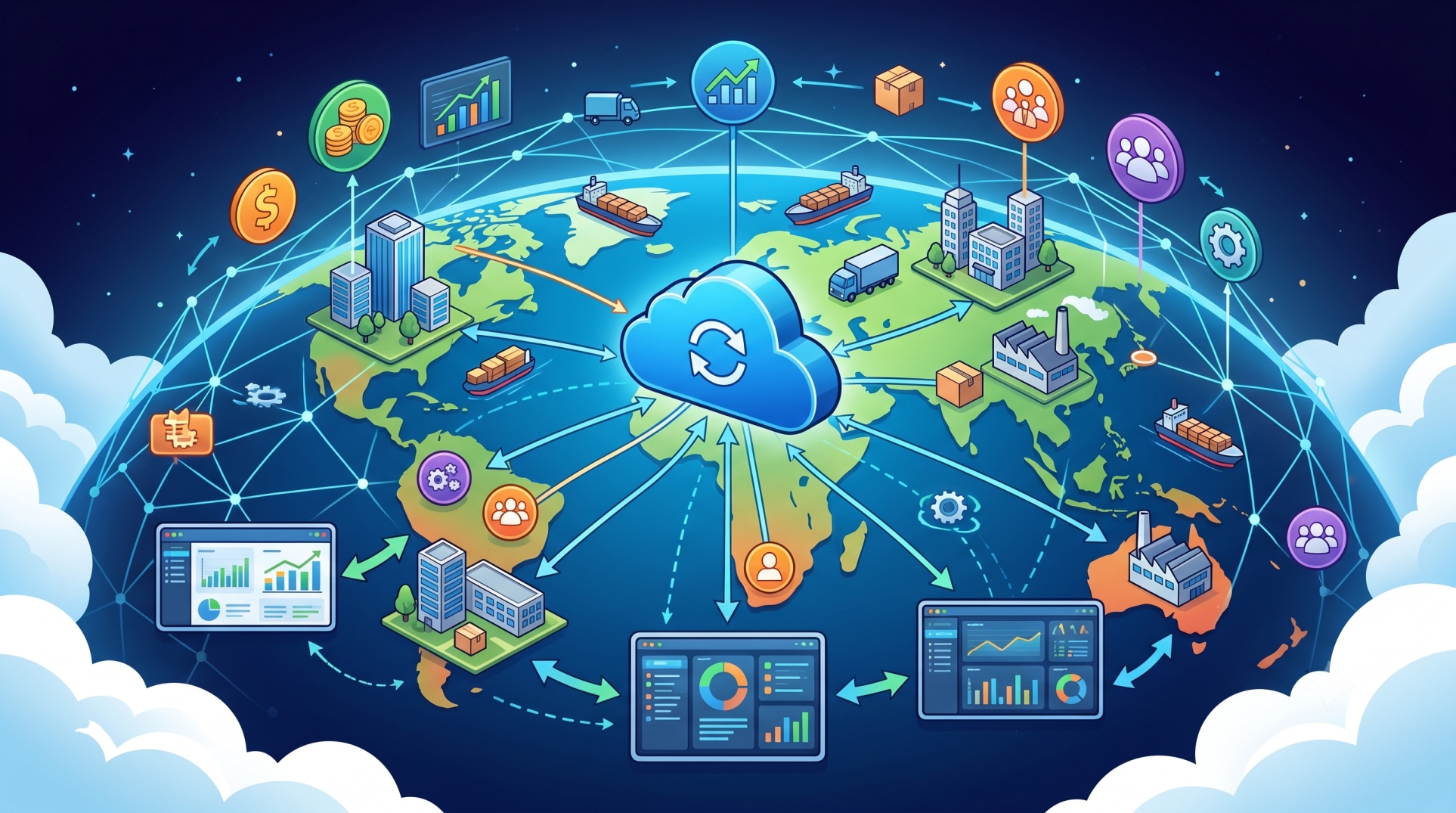
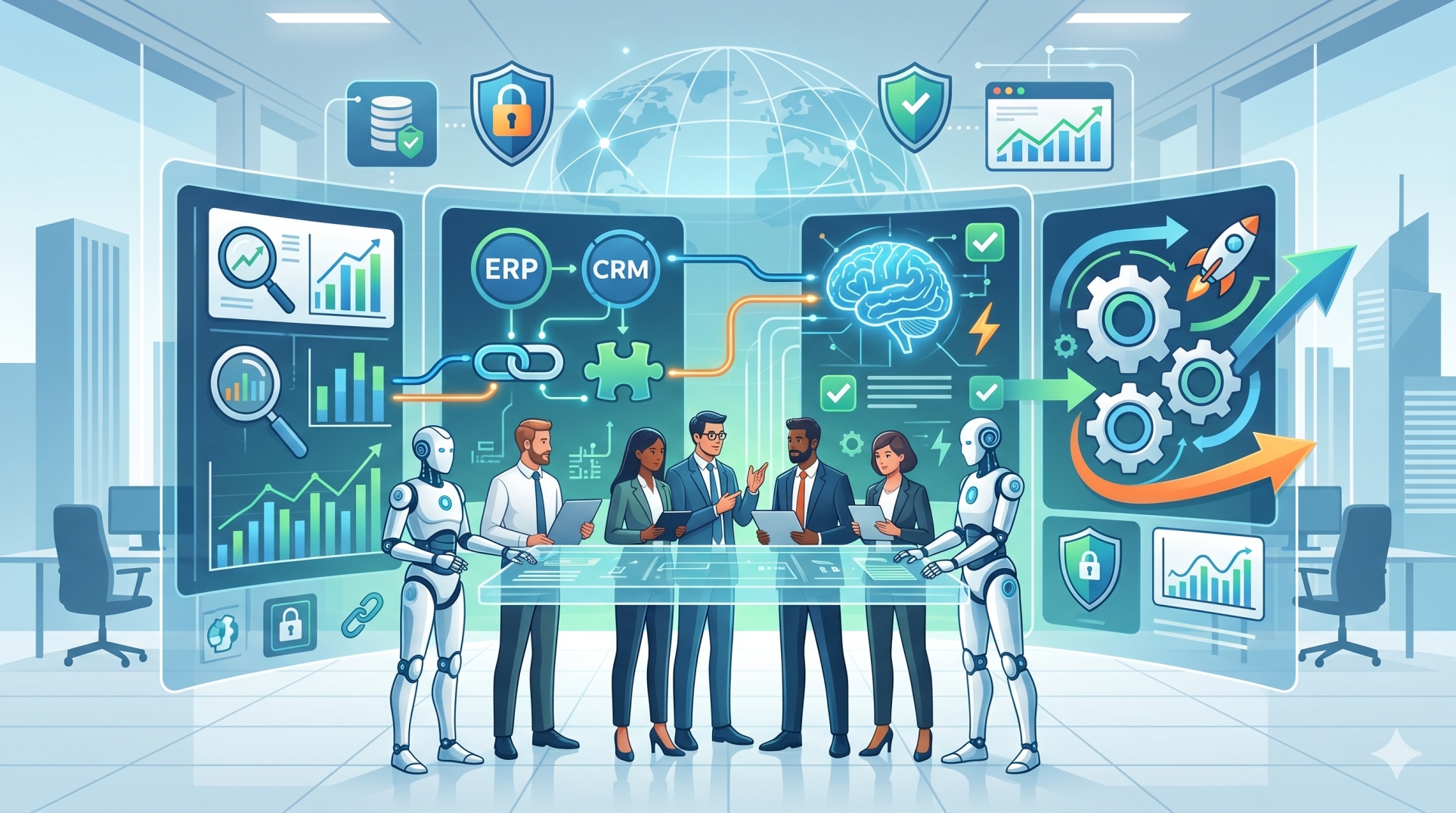
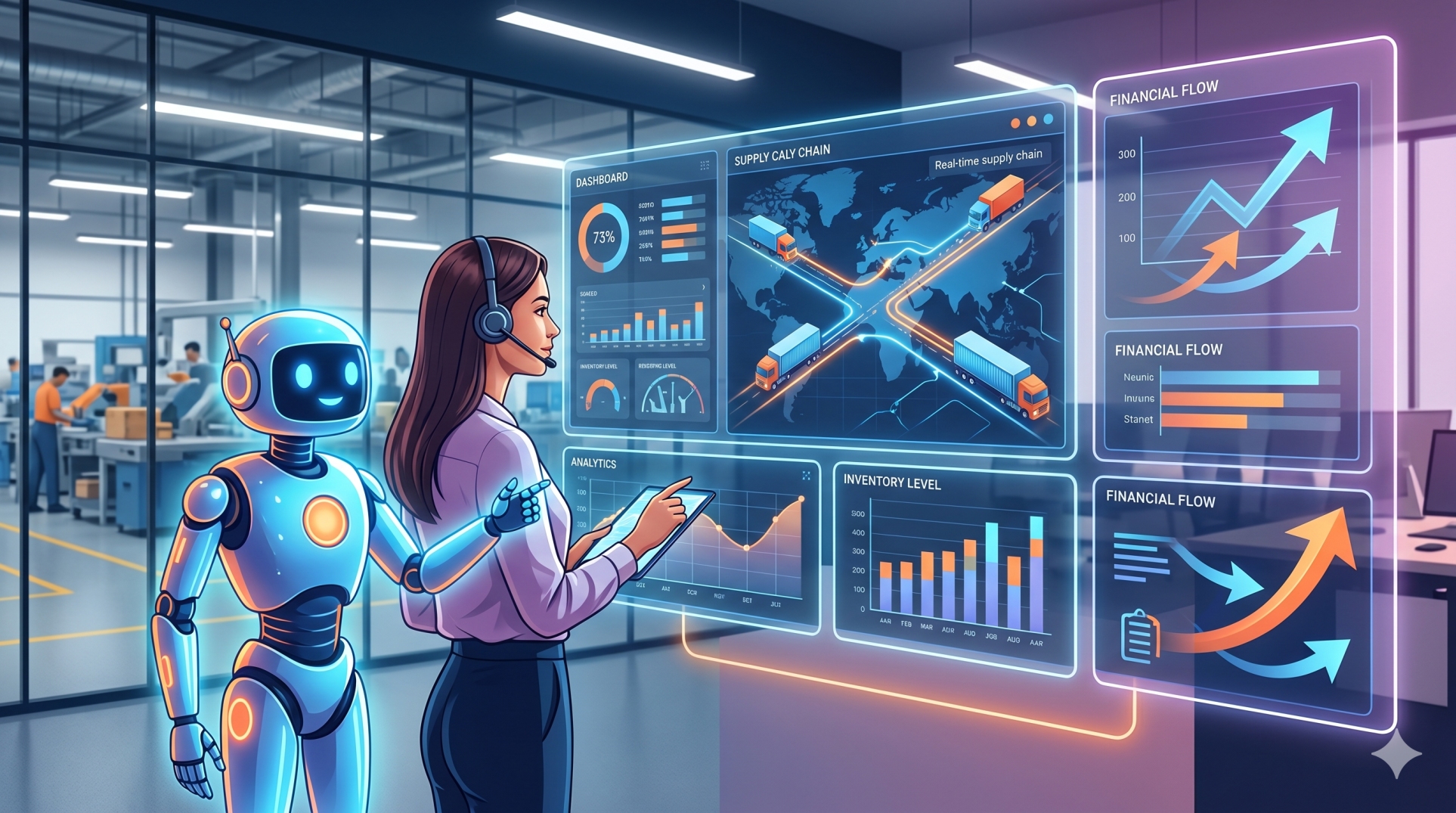
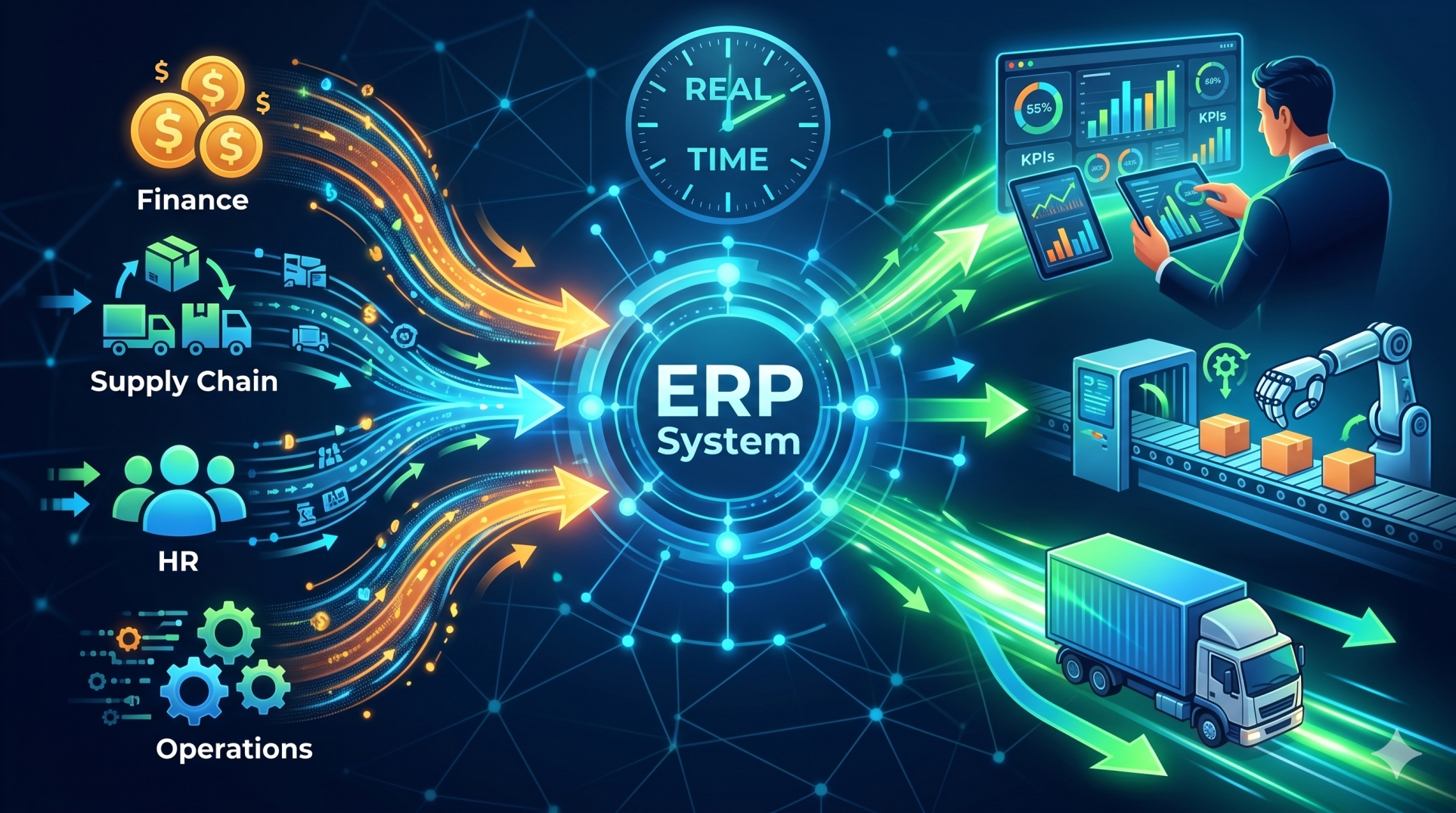
As enterprises evolve toward intelligent and self-operating systems, ERP is no longer just a system of record—it is becoming a platform for autonomous business processes. By integrating AI, automation, and real-time data, modern ERP systems can execute decisions, trigger workflows, and adapt operations with minimal human intervention. This shift enables organizations to move from manual control to intelligent, self-optimizing operations.
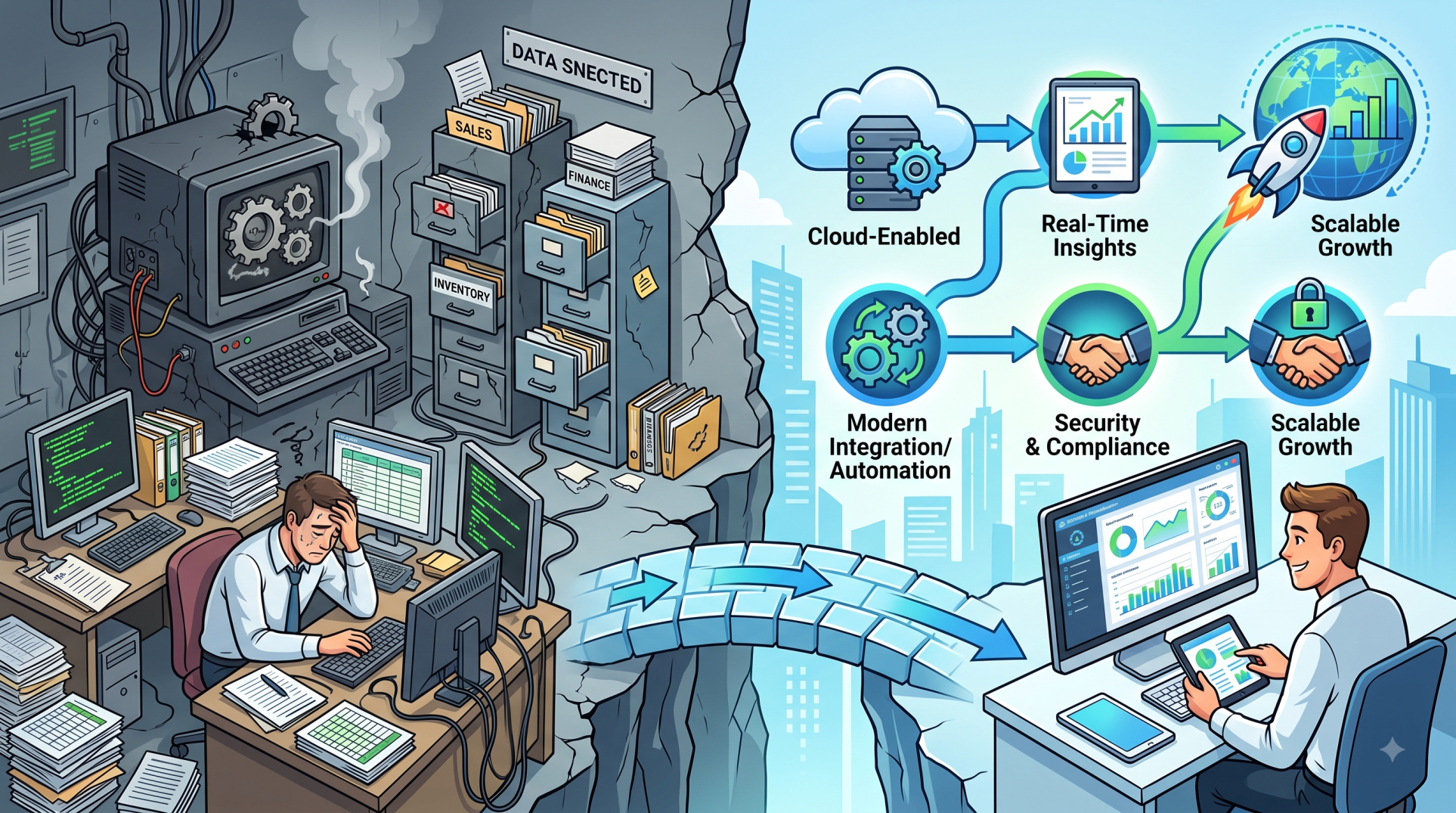
Step 1: From System of Record to System of Action 🤖
• Traditional ERP systems focus on data storage and transaction processing 📊
• Modern ERP platforms enable automated decision-making and execution ⚙️
• Shift from passive reporting to proactive operational control 🔄
• Enable systems to trigger actions based on real-time events ⏱️
• Transform ERP into an active participant in business processes 🚀
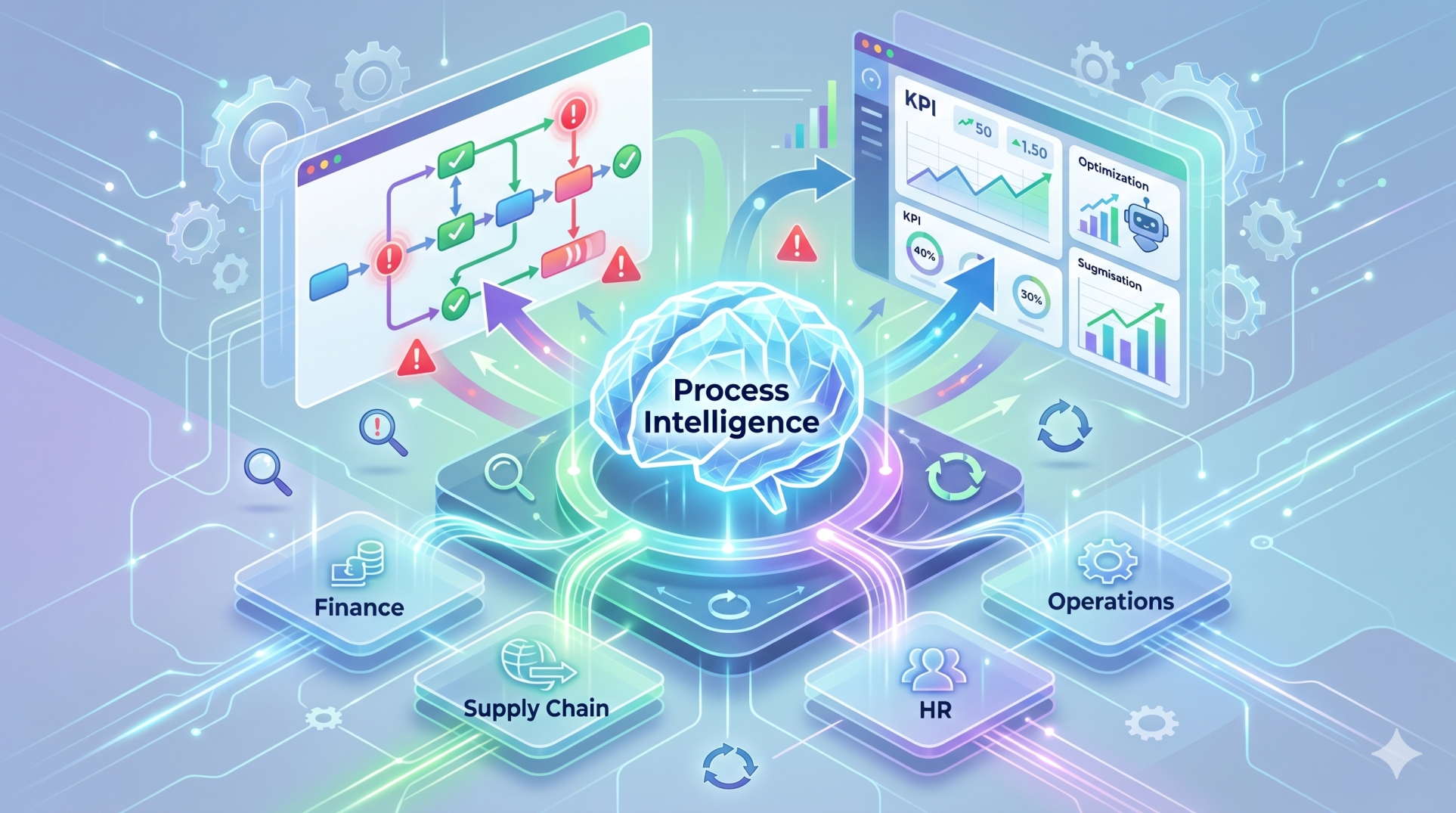
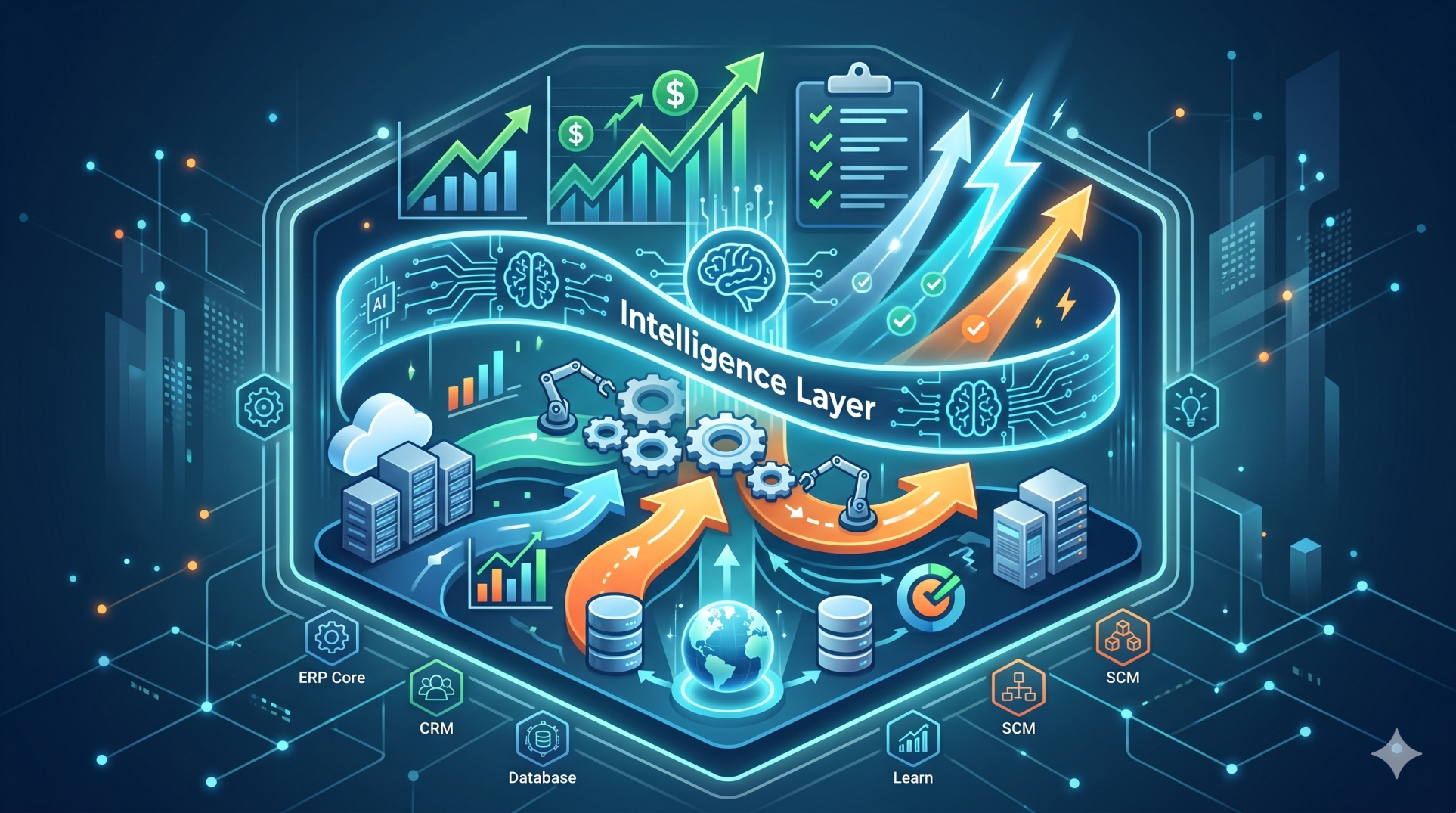
Step 2: Embedding Intelligence into Workflows 🧠
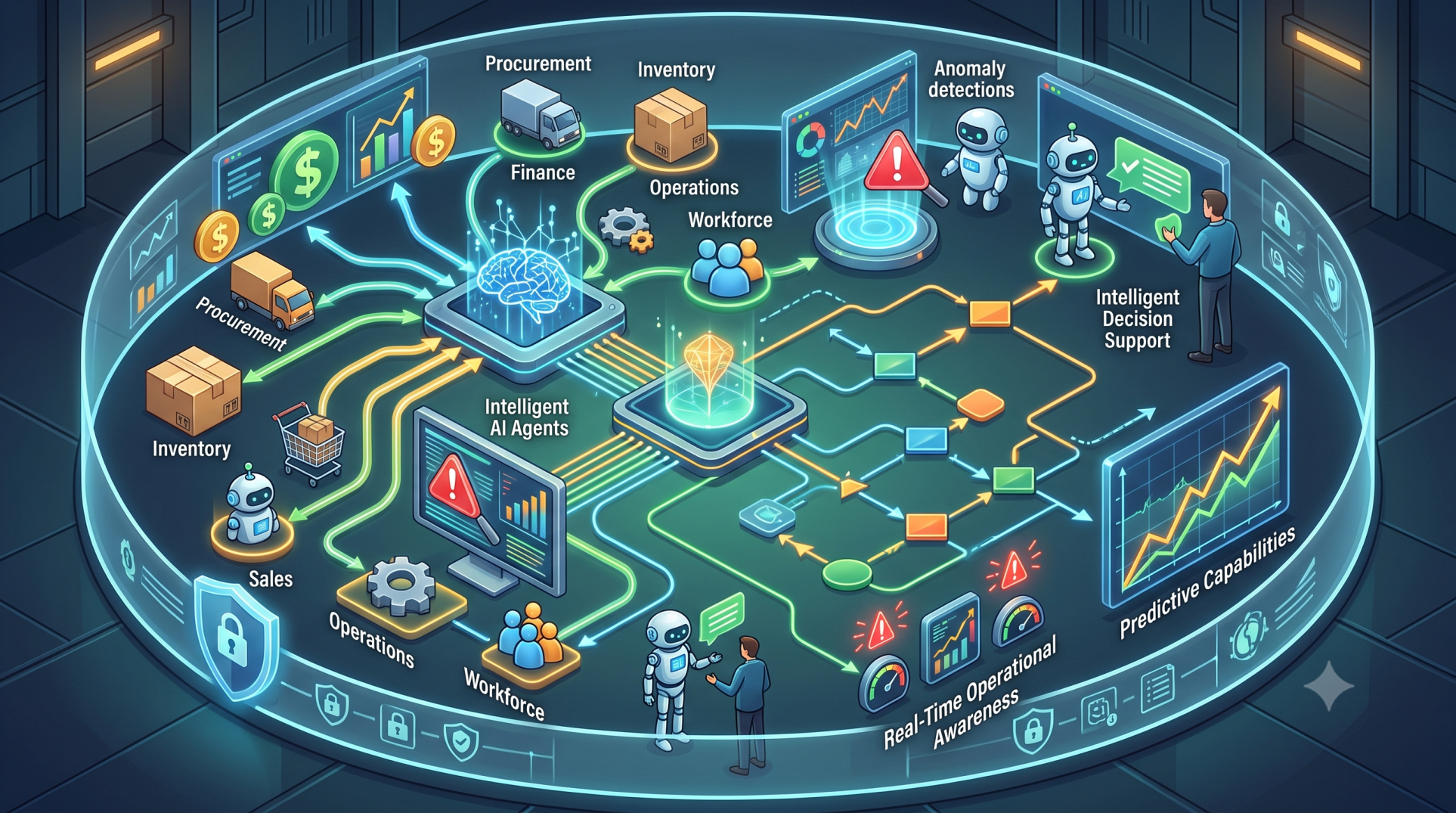
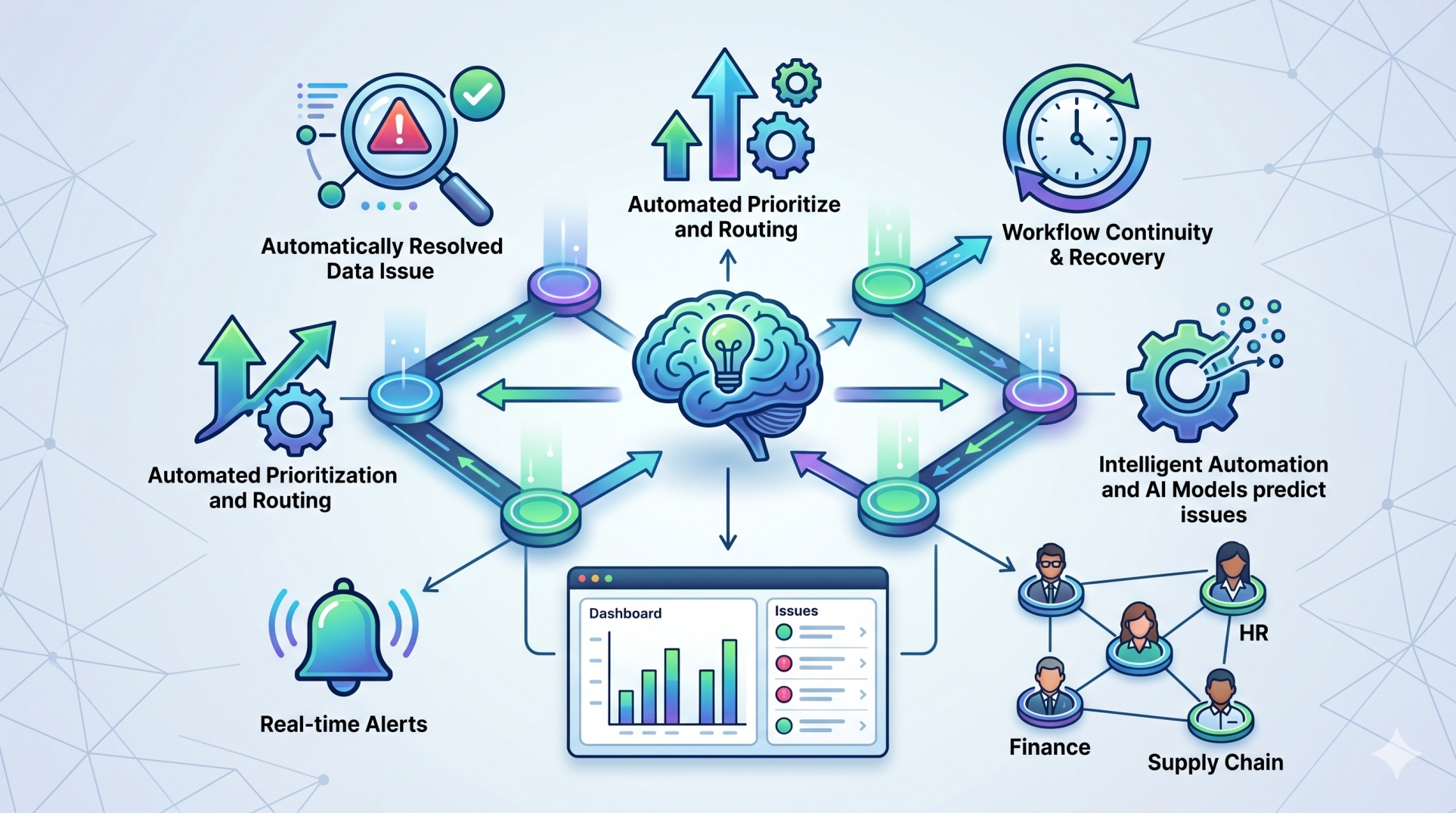
• Integrate AI models to analyze patterns and predict outcomes 📈
• Automate routine decisions such as approvals and routing 🔁
• Use machine learning to continuously improve process efficiency 🤖
• Enable context-aware workflows that adapt to changing conditions 🌐
• Reduce dependency on manual intervention in repetitive tasks
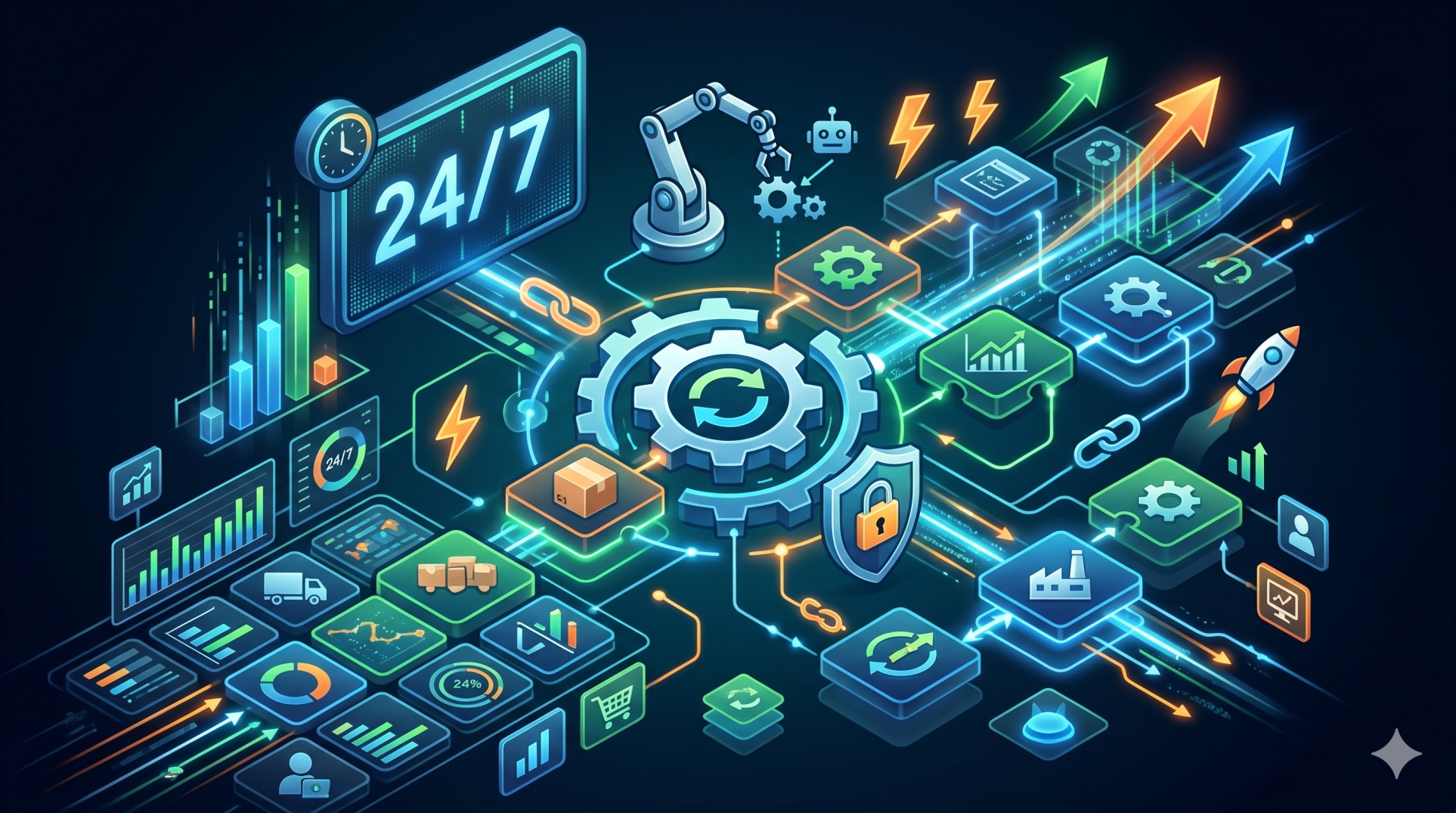
Step 3: Event-Driven Process Automation ⚡
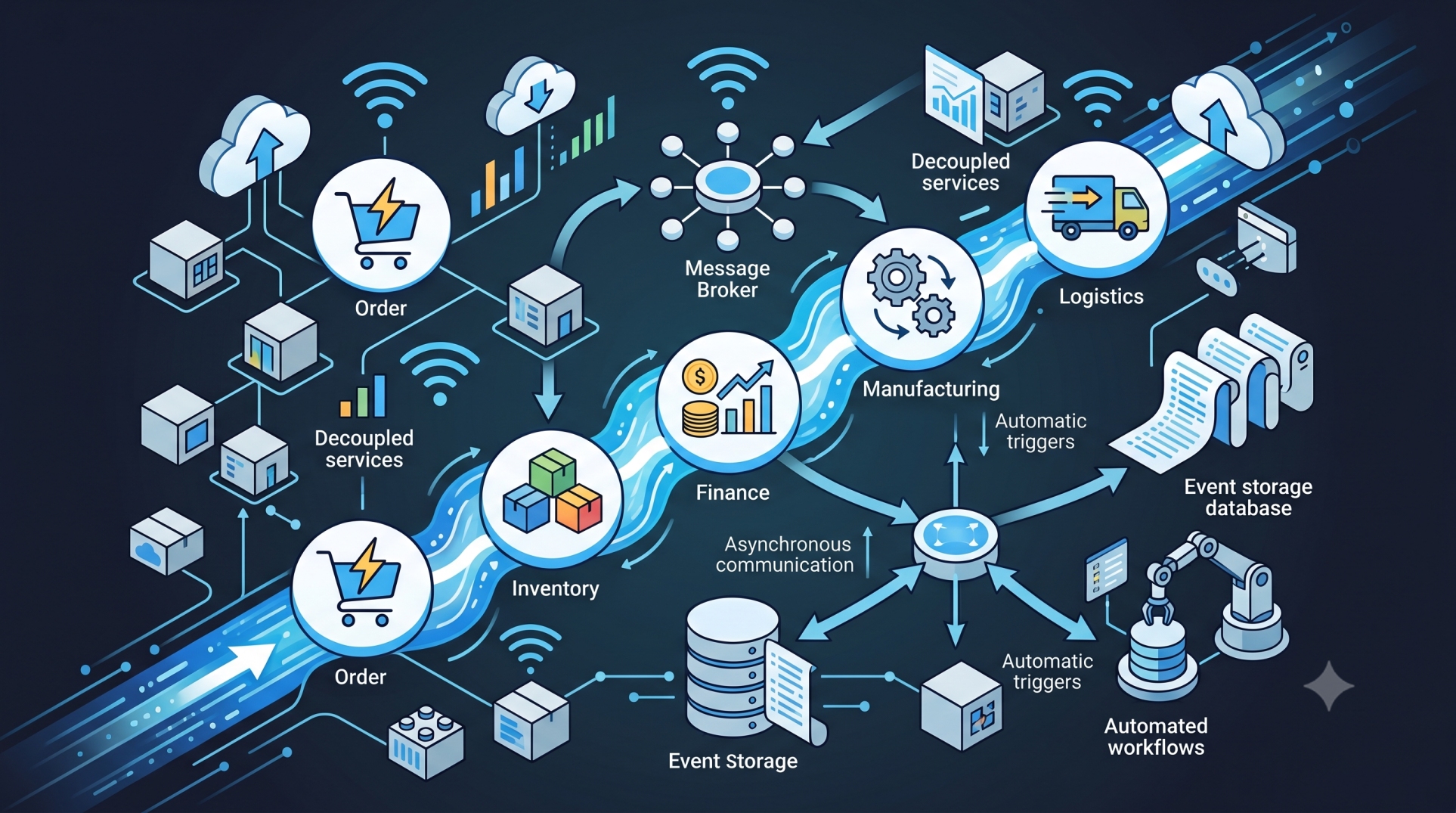
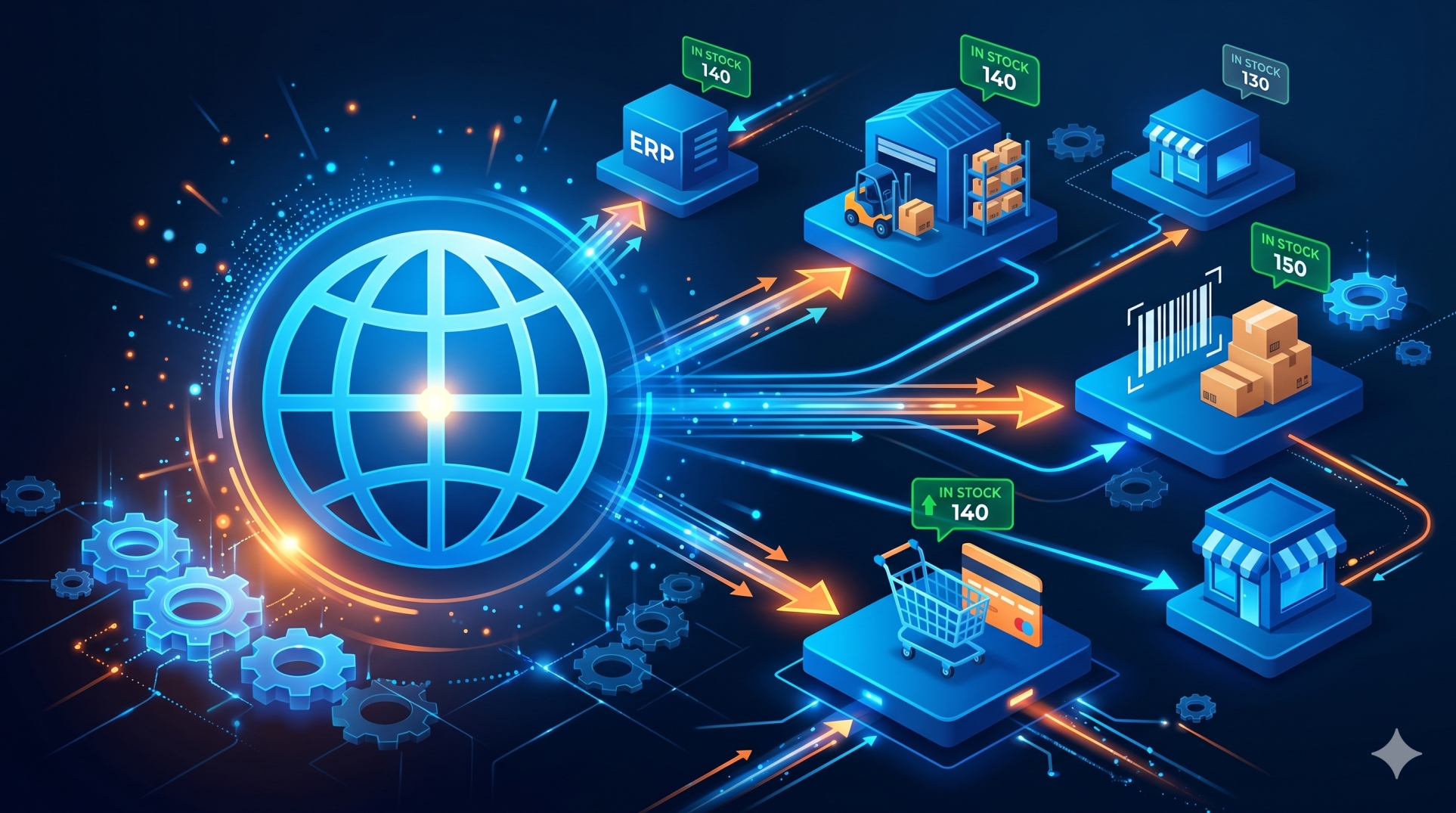
• Trigger workflows based on real-time business events 📡
• Respond instantly to changes in demand, supply, or operations 🔄
• Enable seamless coordination across departments and systems 🔗
• Reduce delays by eliminating manual checkpoints ⏳
• Build responsive and adaptive process pipelines
Step 4: Autonomous Financial Operations 💱
• Automate invoicing, reconciliation, and financial reporting 📊
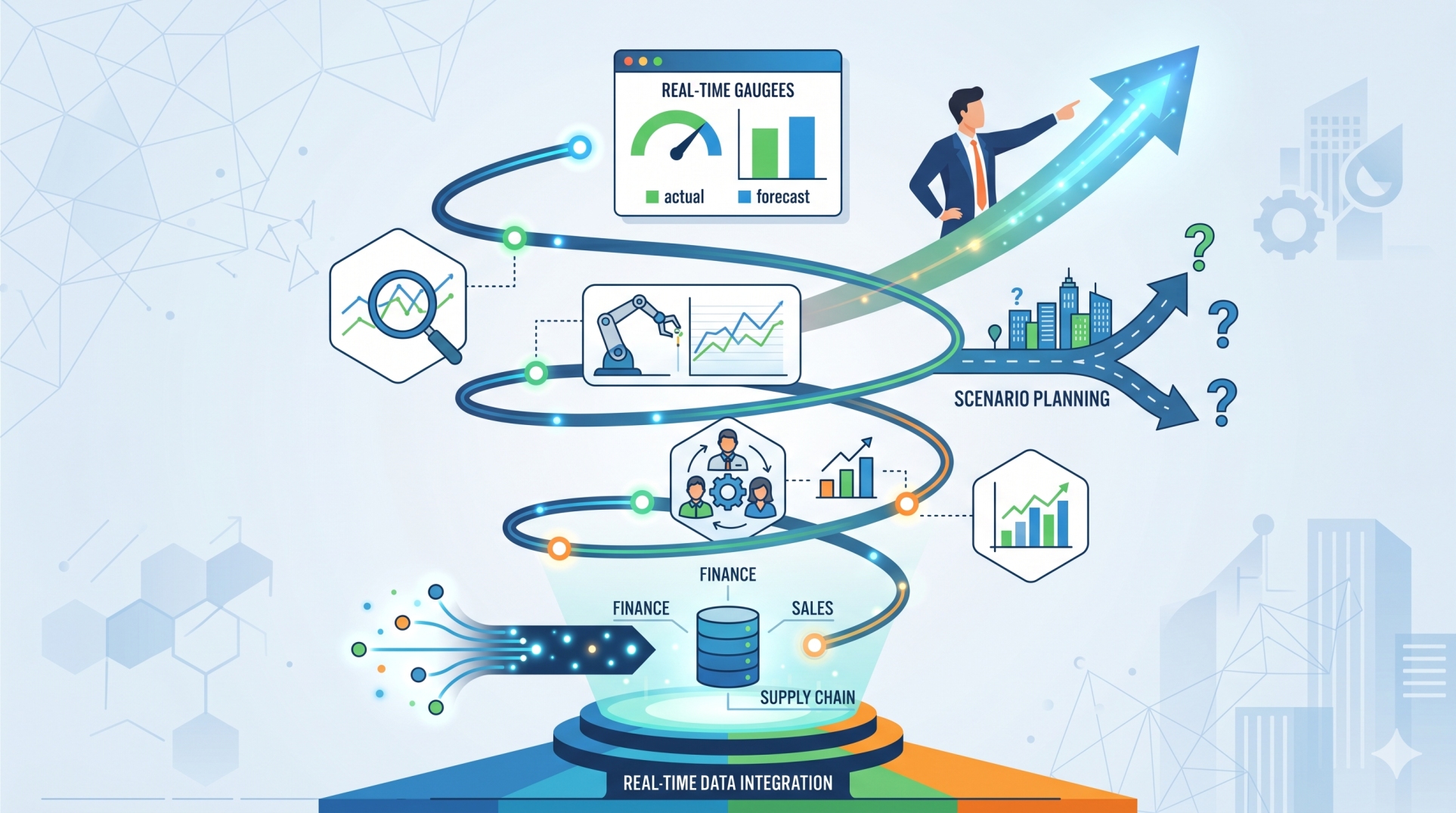
• Enable real-time financial insights and anomaly detection 🔍
• Reduce human errors in accounting and compliance processes ✅
• Support continuous close and real-time financial consolidation
• Enhance accuracy and speed in financial decision-making
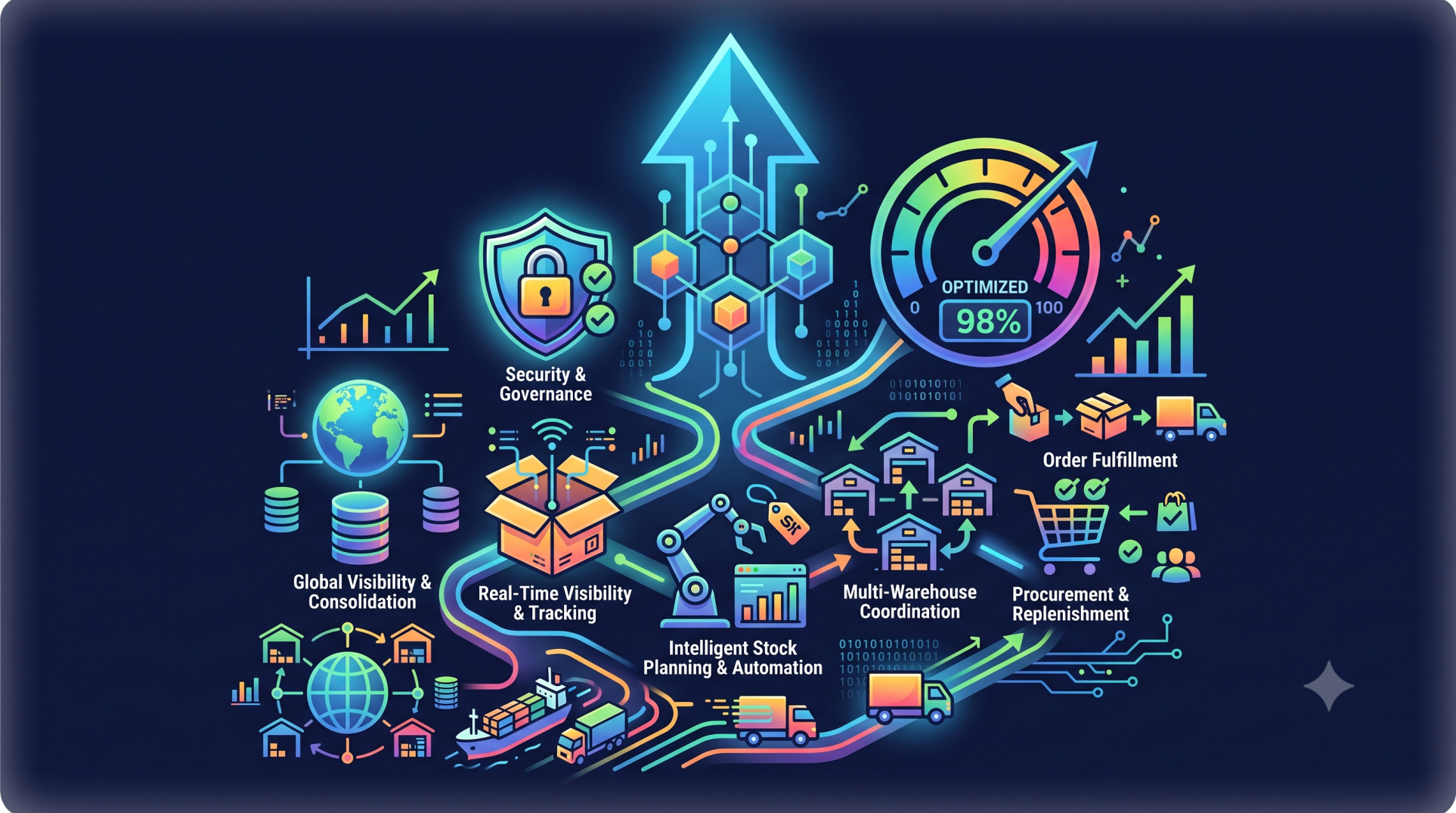
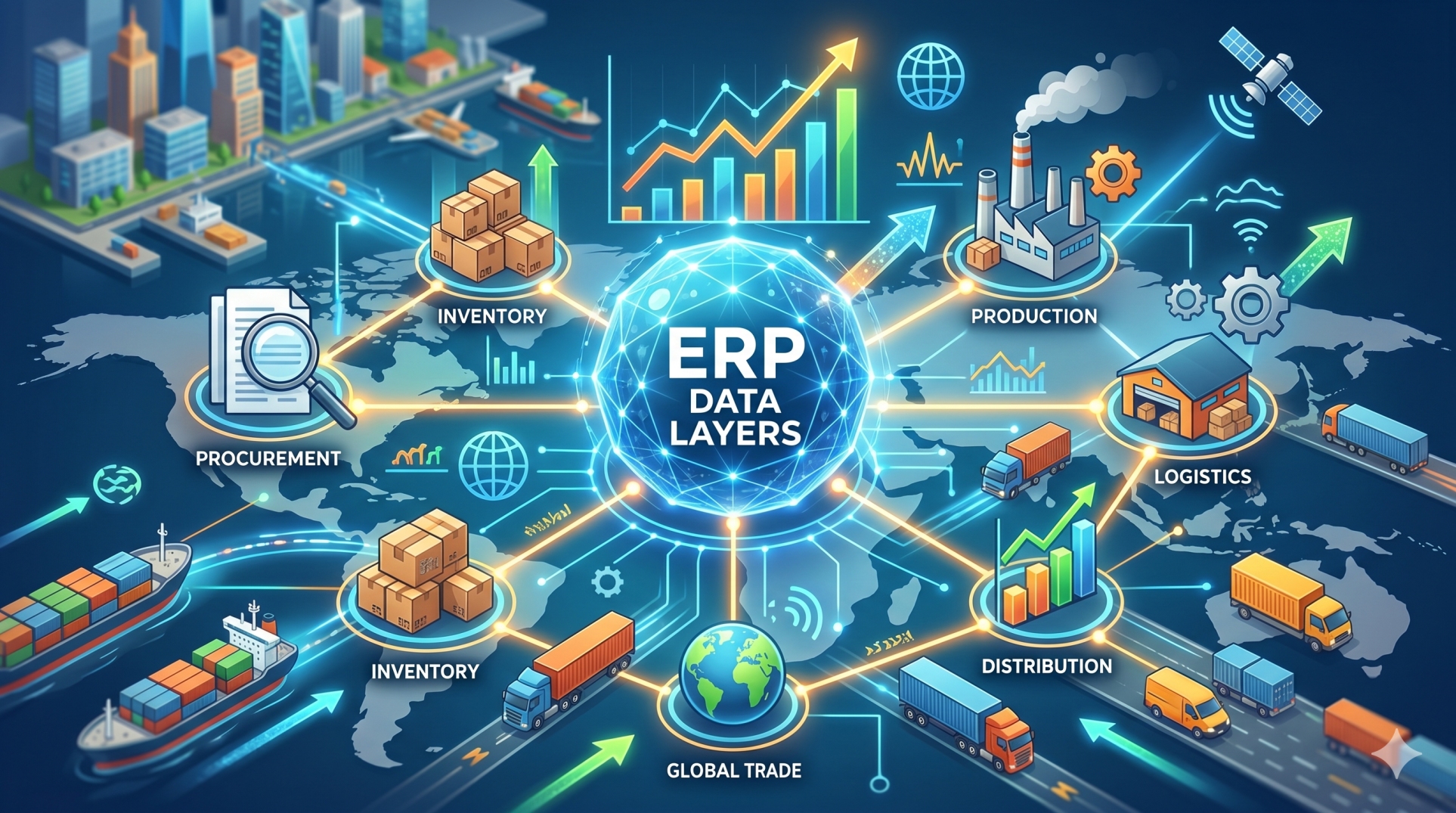
Step 5: Intelligent Supply Chain Execution 📦
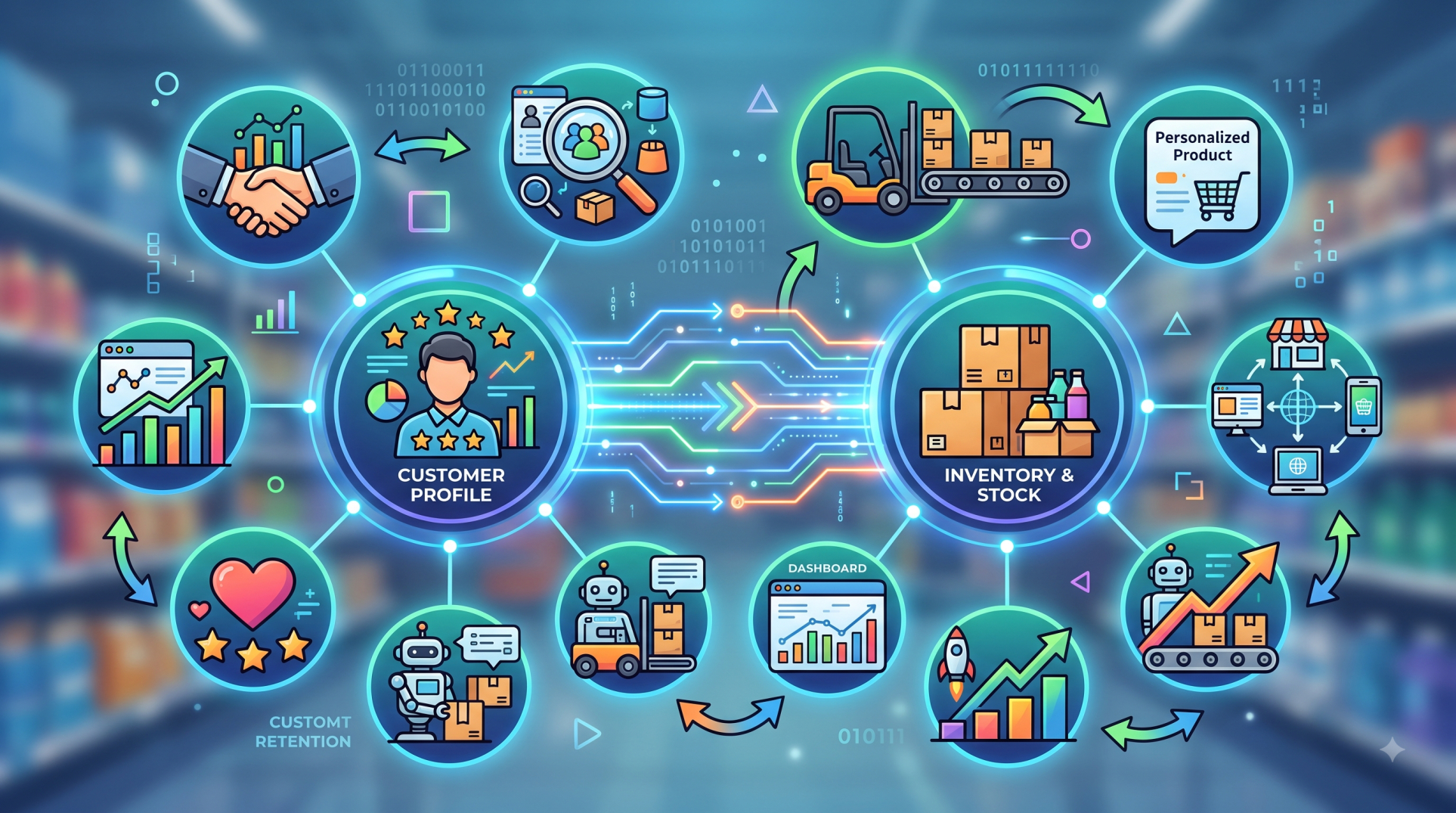
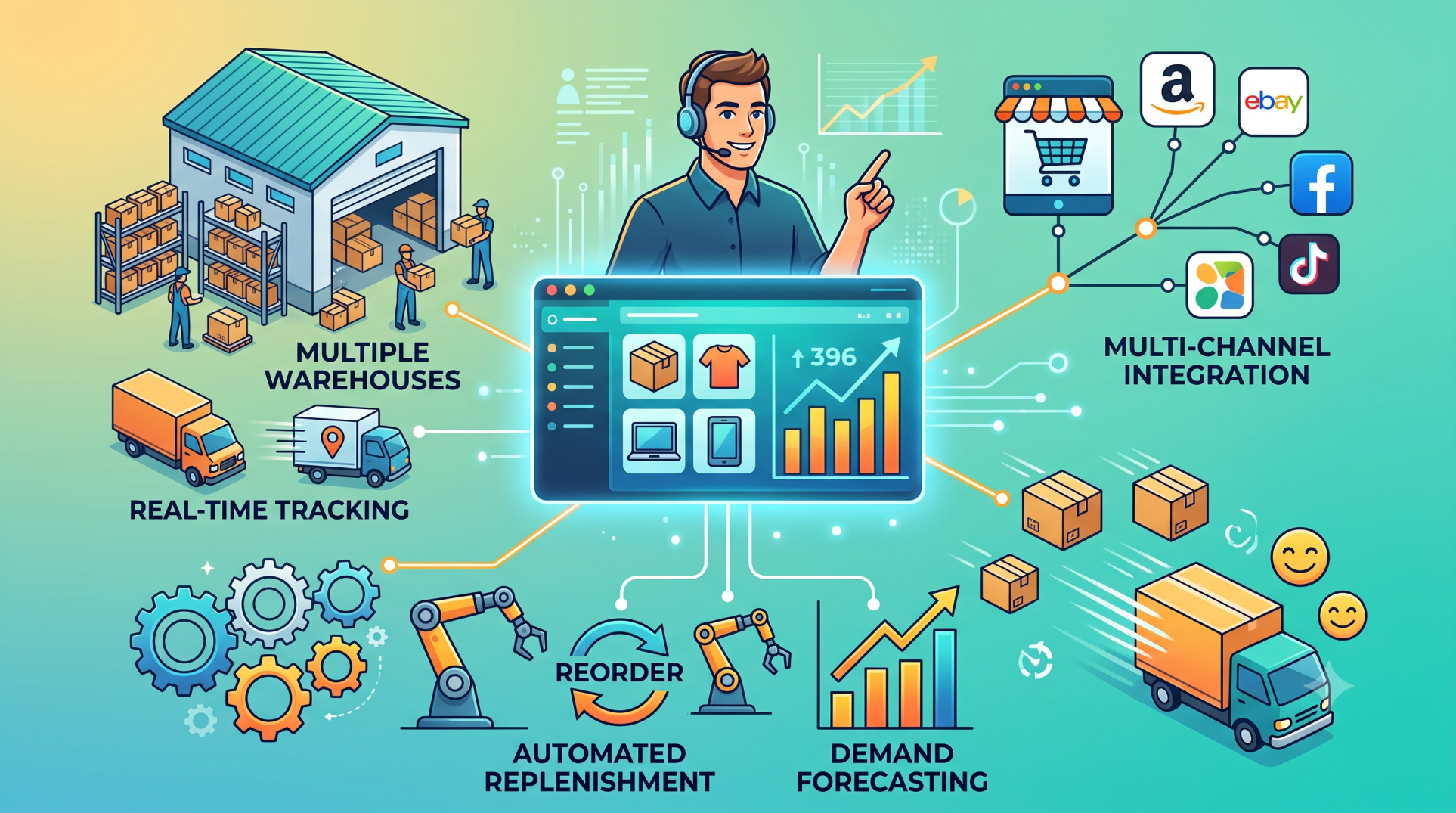
• Automate inventory replenishment based on demand signals 📊
• Optimize procurement and supplier selection dynamically 🔄
• Enable real-time tracking and adaptive logistics planning 🚚
• Reduce stockouts and overstock situations ⚖️
• Improve overall supply chain responsiveness
Step 6: Self-Optimizing Resource Management 🏭
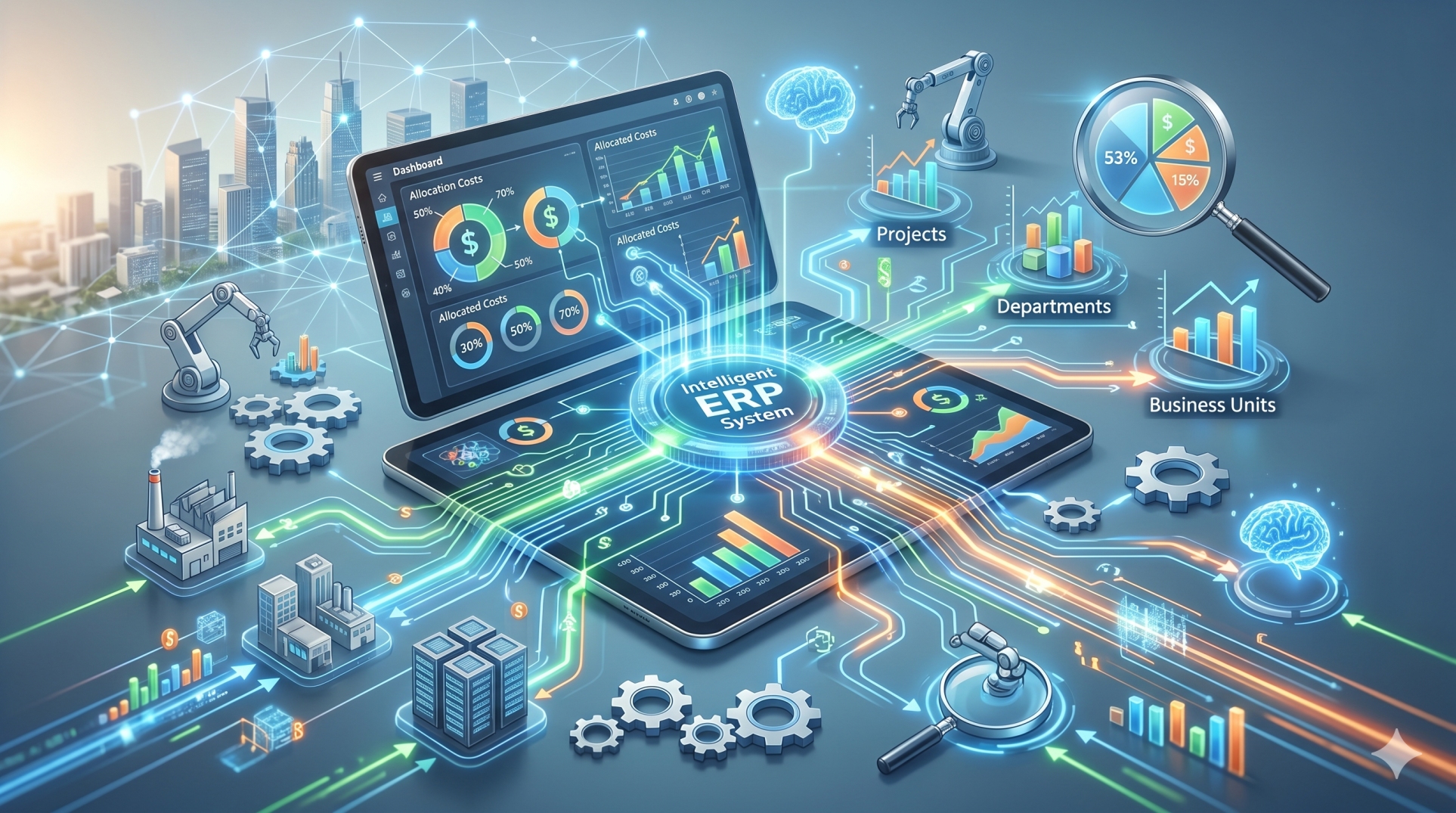
• Allocate resources dynamically based on real-time needs 📊
• Optimize workforce, equipment, and production schedules 🔧
• Reduce idle time and improve asset utilization 📈
• Enable predictive maintenance and automated adjustments 🔍
• Support continuous operational optimization
Step 7: Integration with Intelligent Ecosystems 🔗
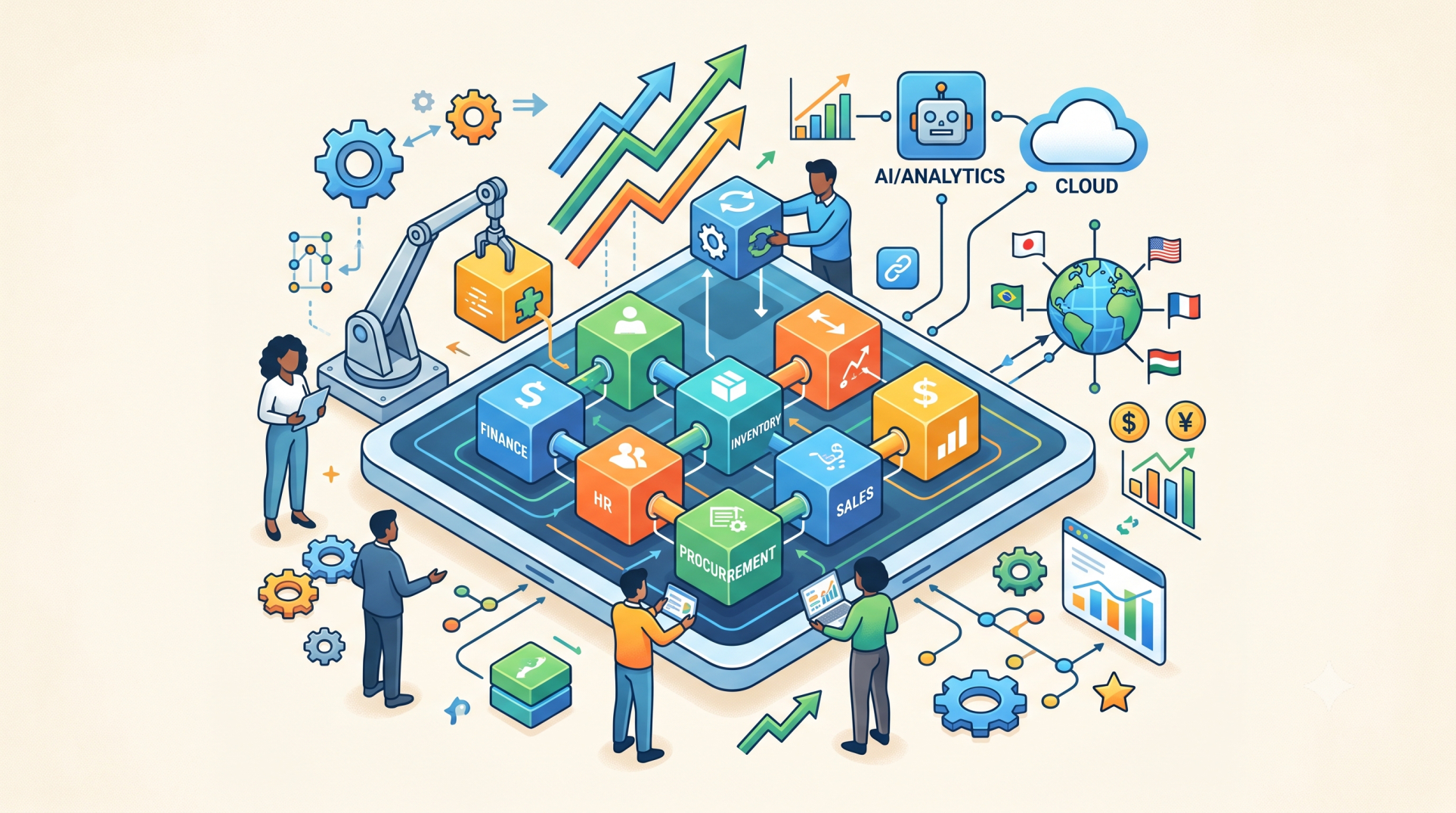
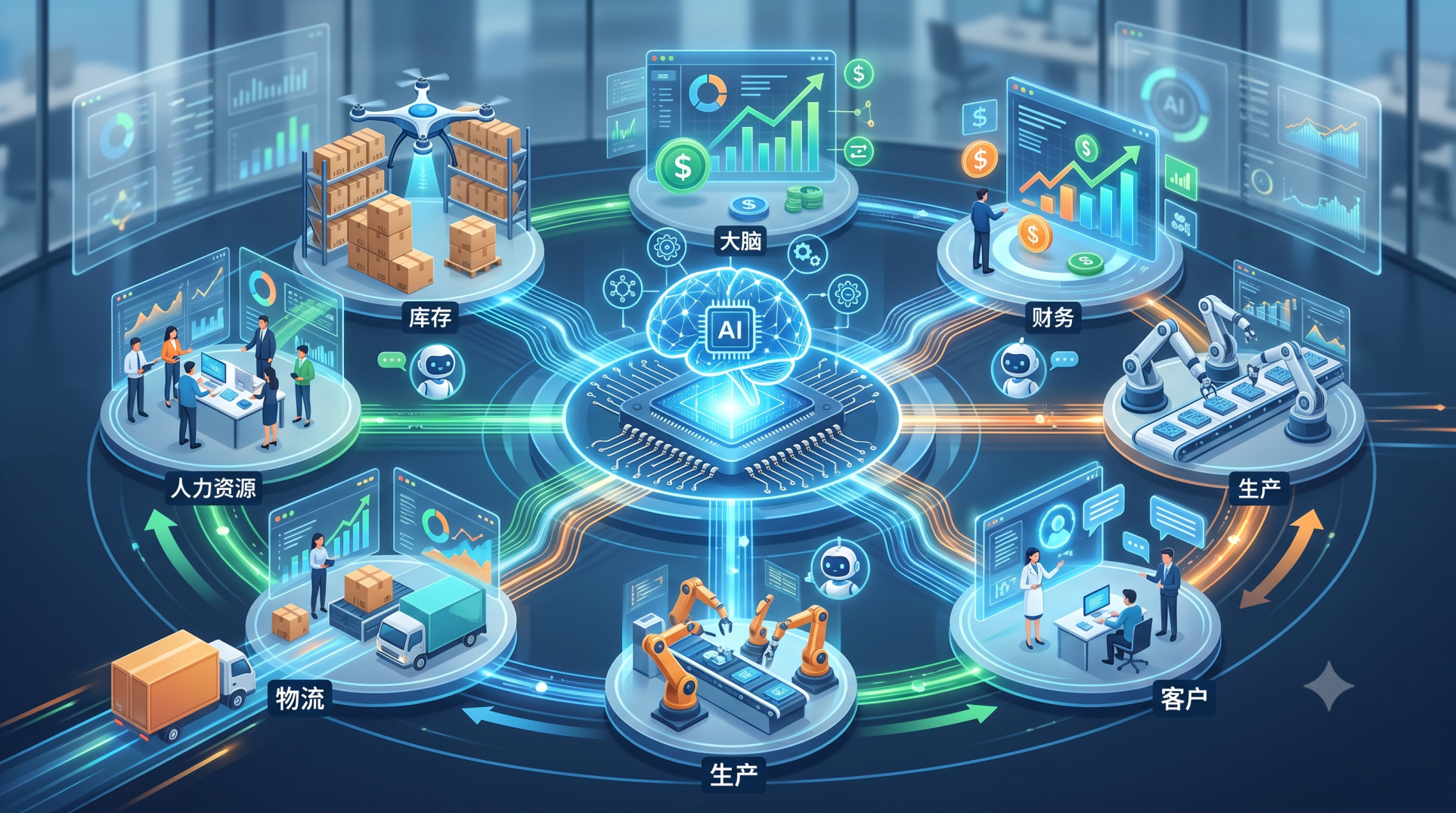
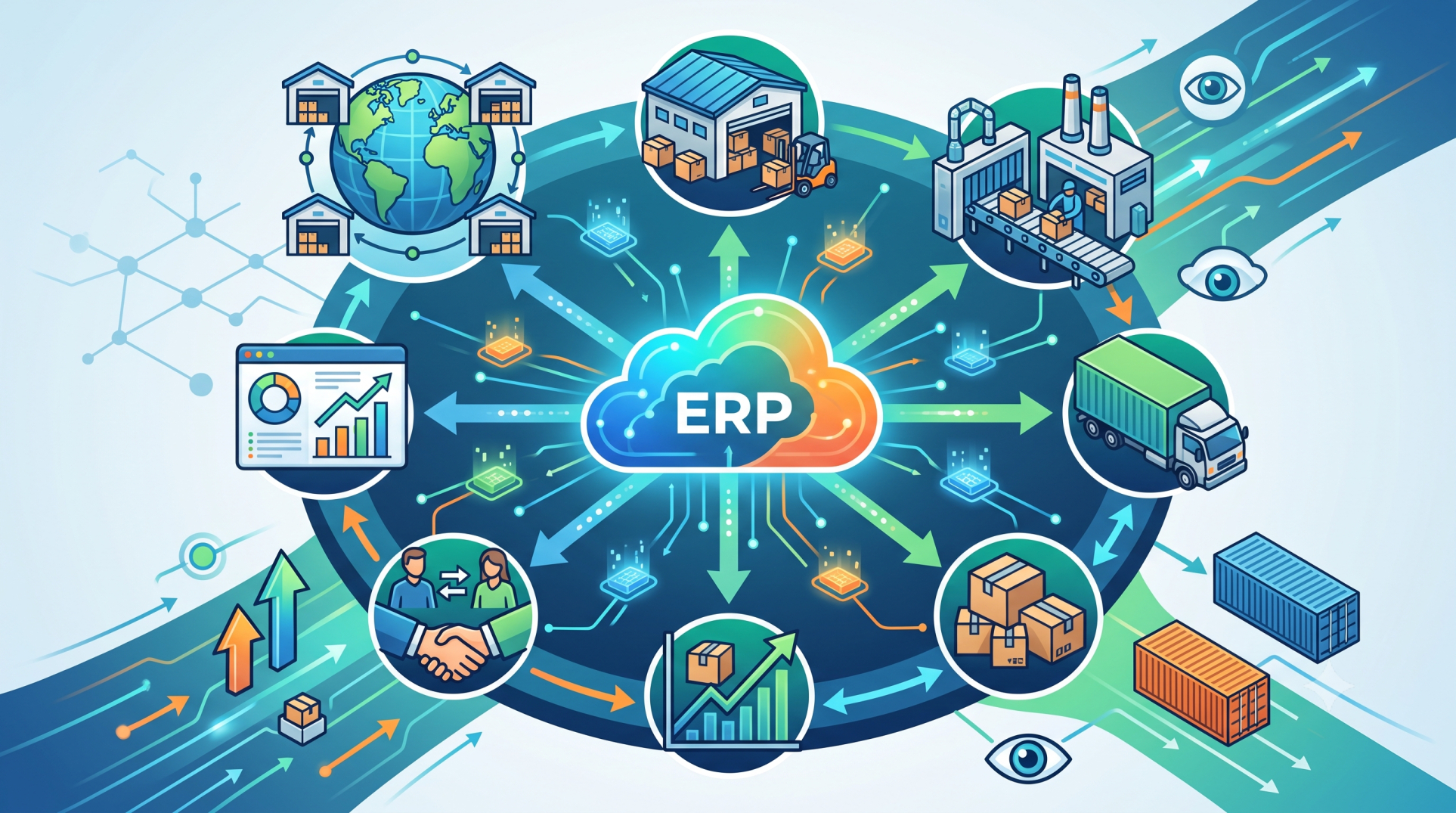
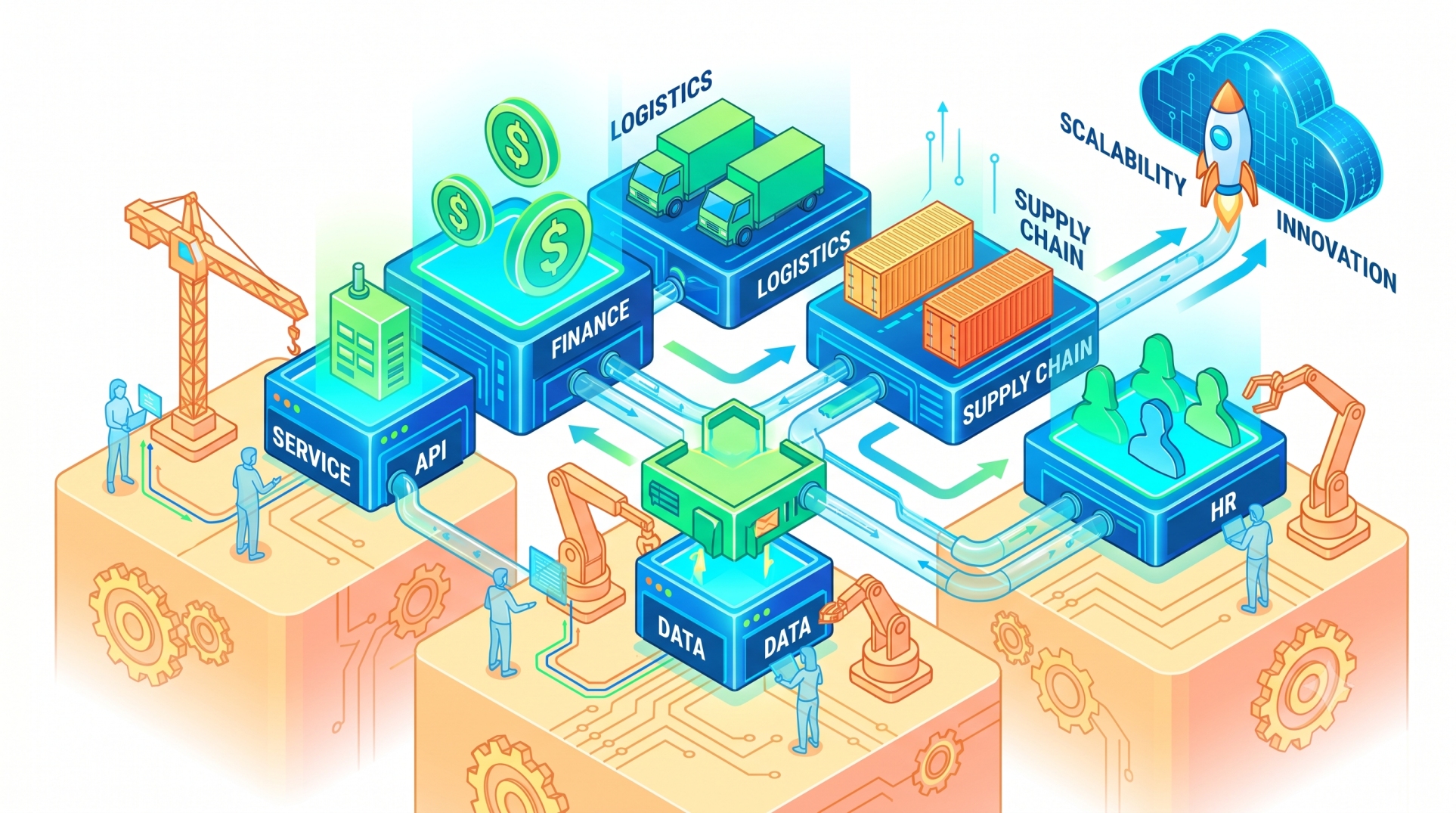
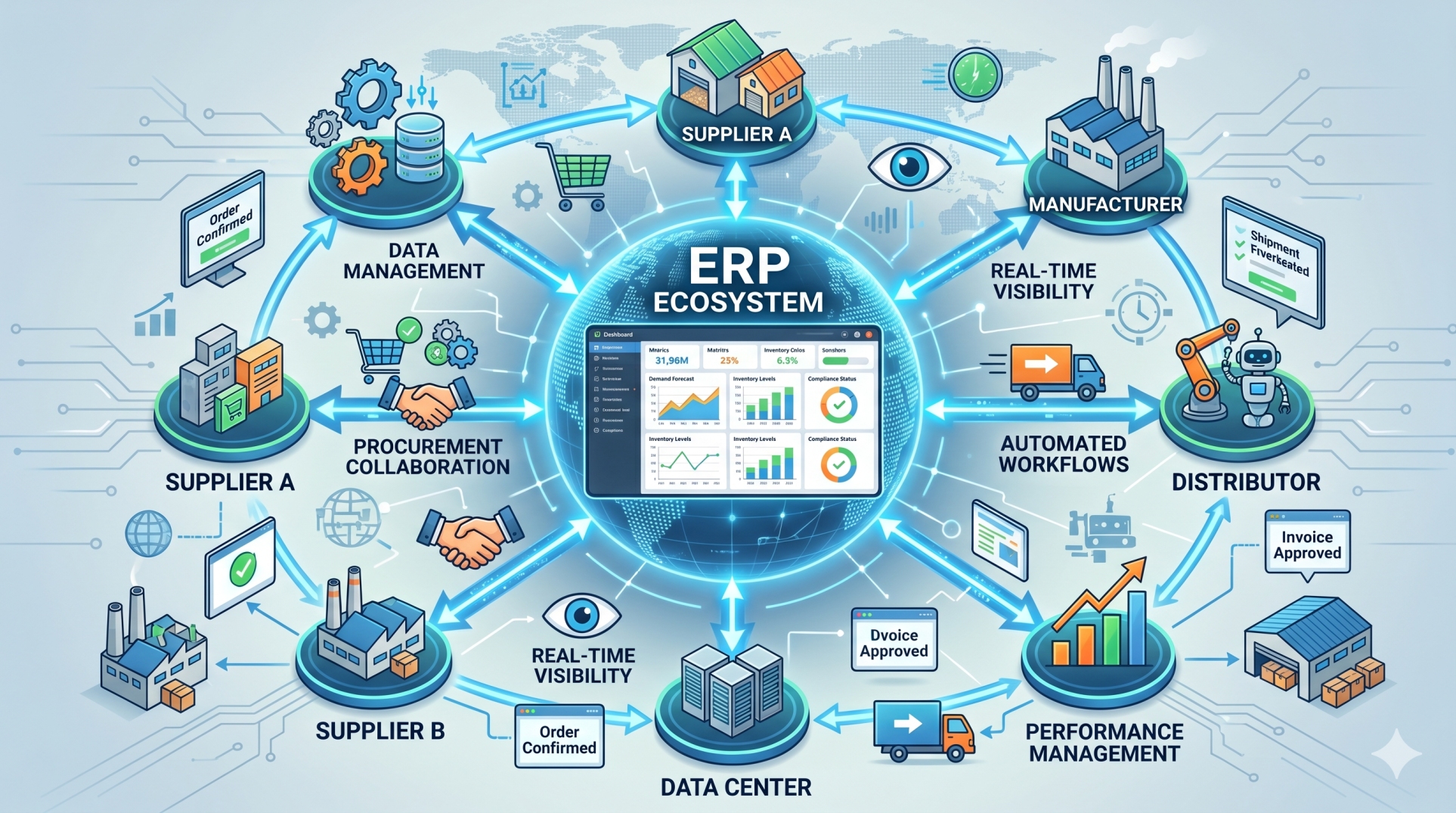
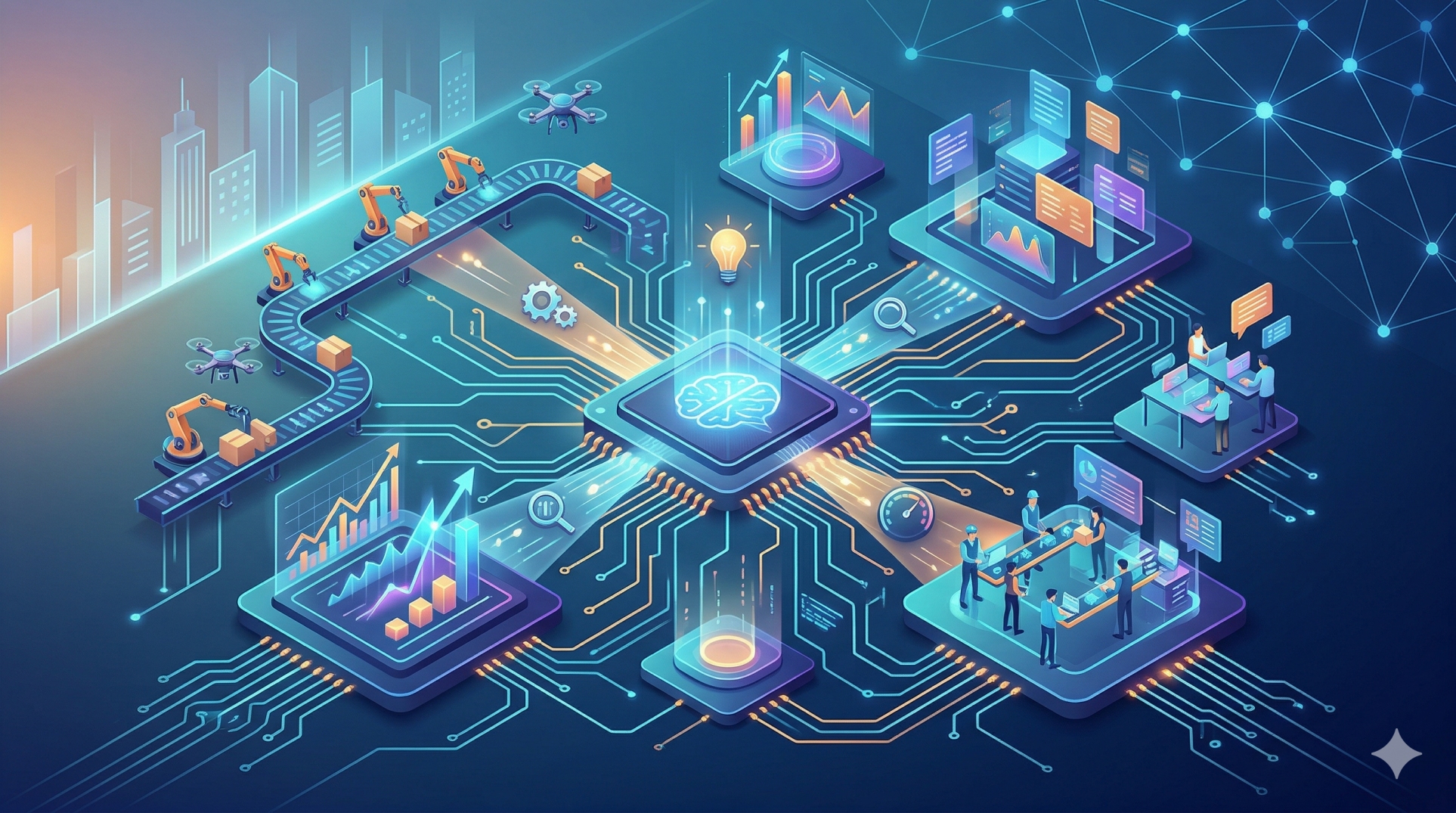
• Connect ERP with IoT devices, robotics, and external platforms 🌐
• Enable seamless data flow across the enterprise ecosystem 🔄
• Support interoperability with AI and analytics tools 🧠
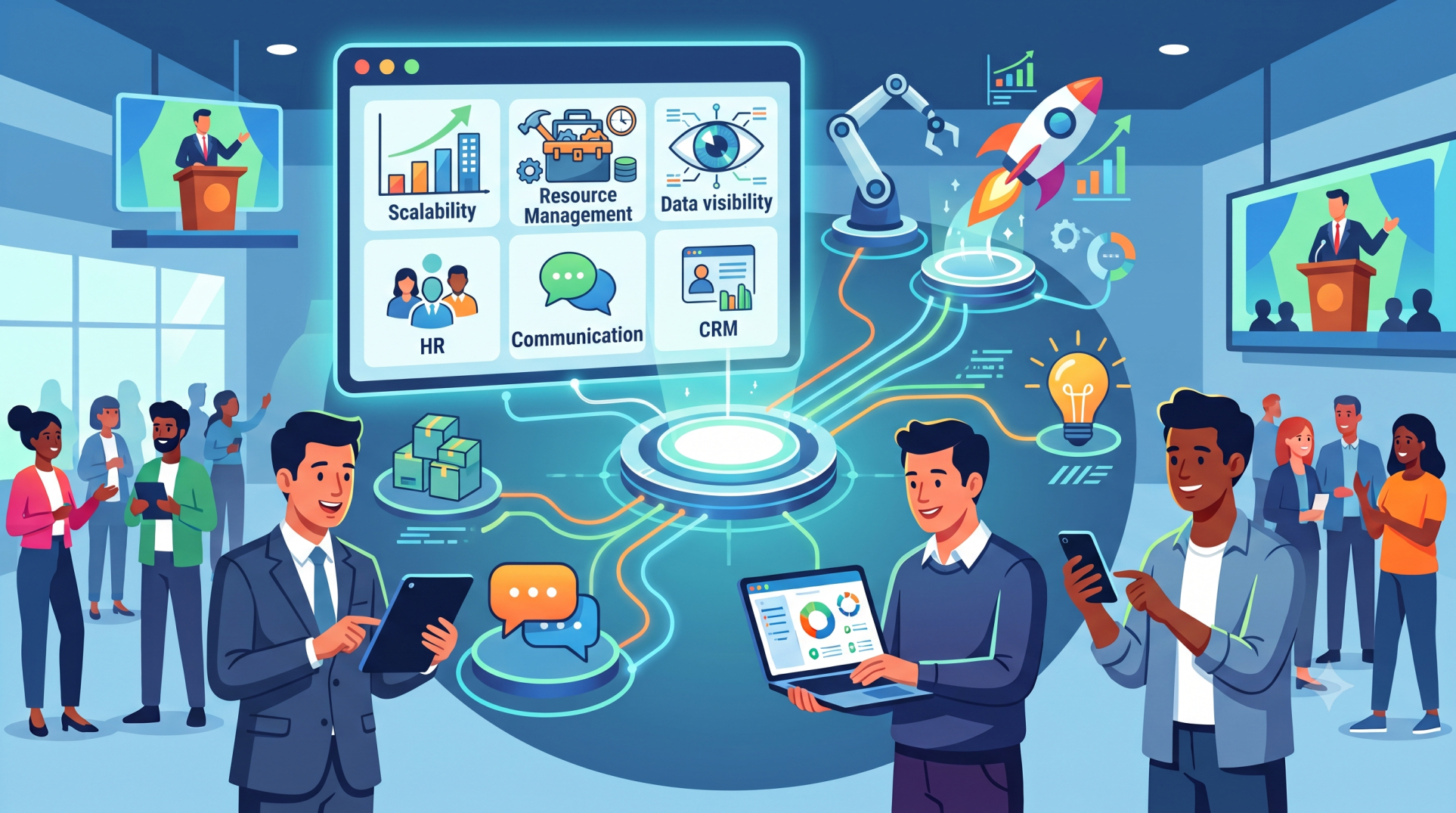
• Build a unified platform for end-to-end automation
• Ensure scalability across diverse operational environments
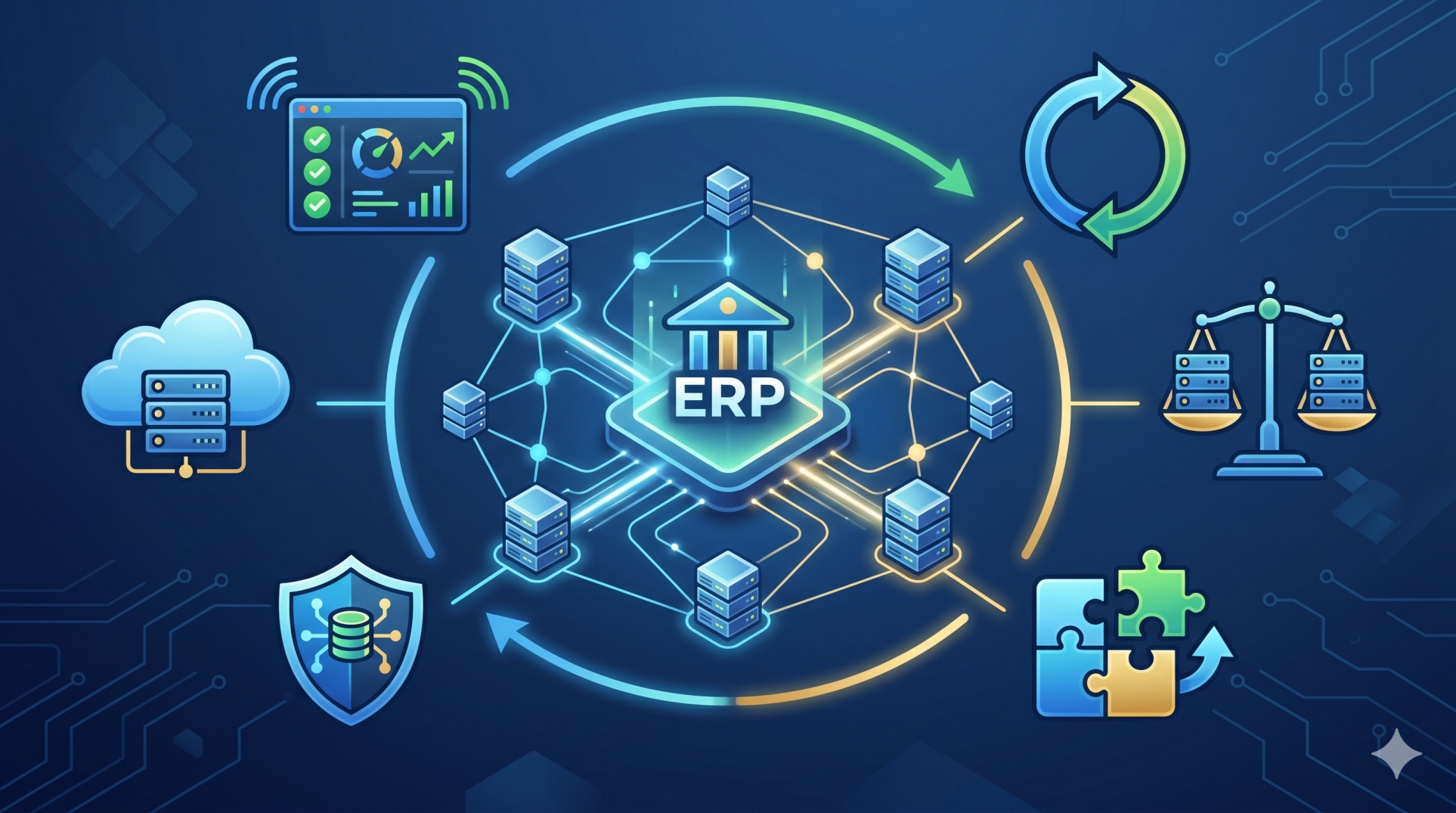
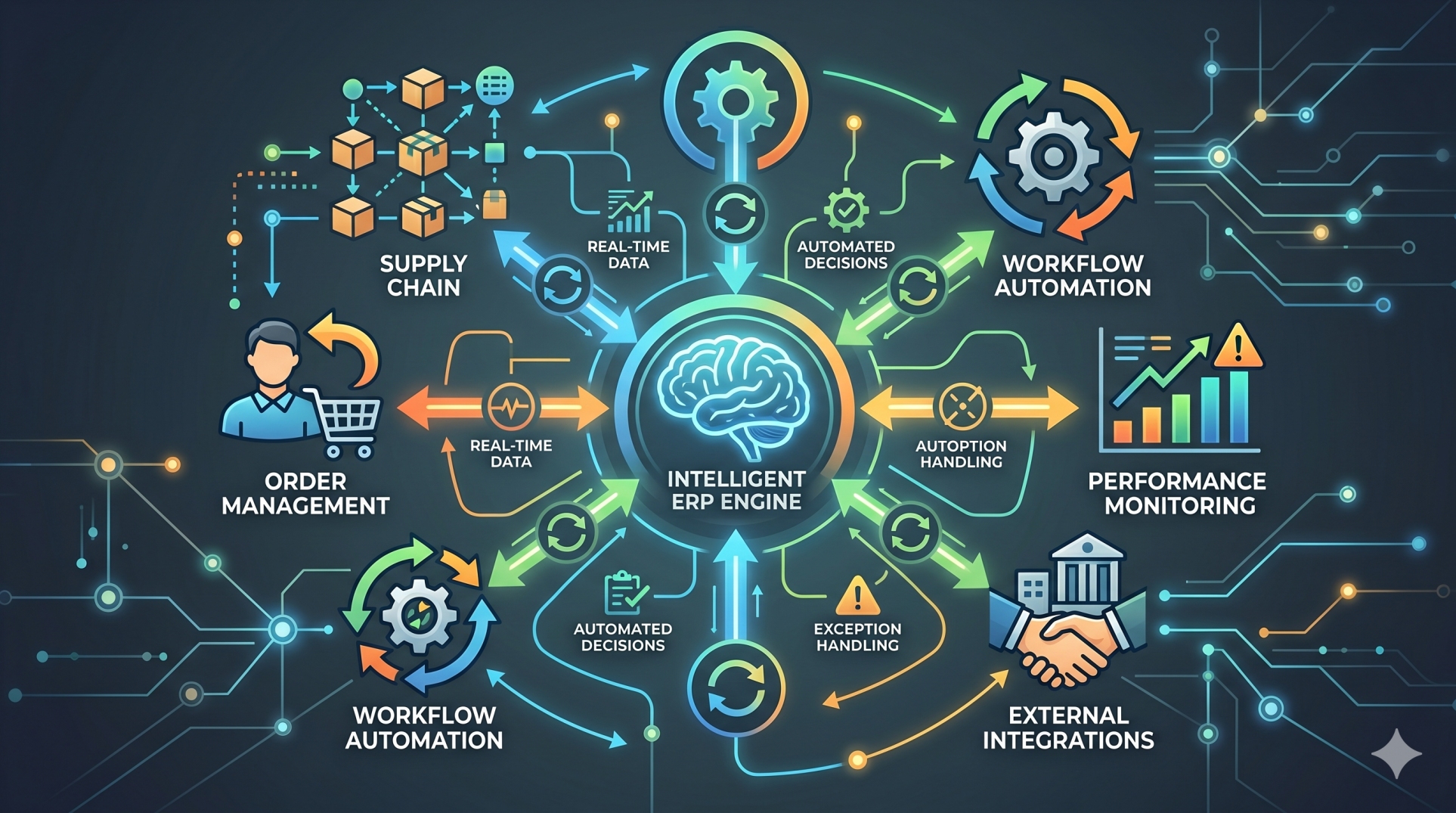
Step 8: Key Platform Capabilities 📊
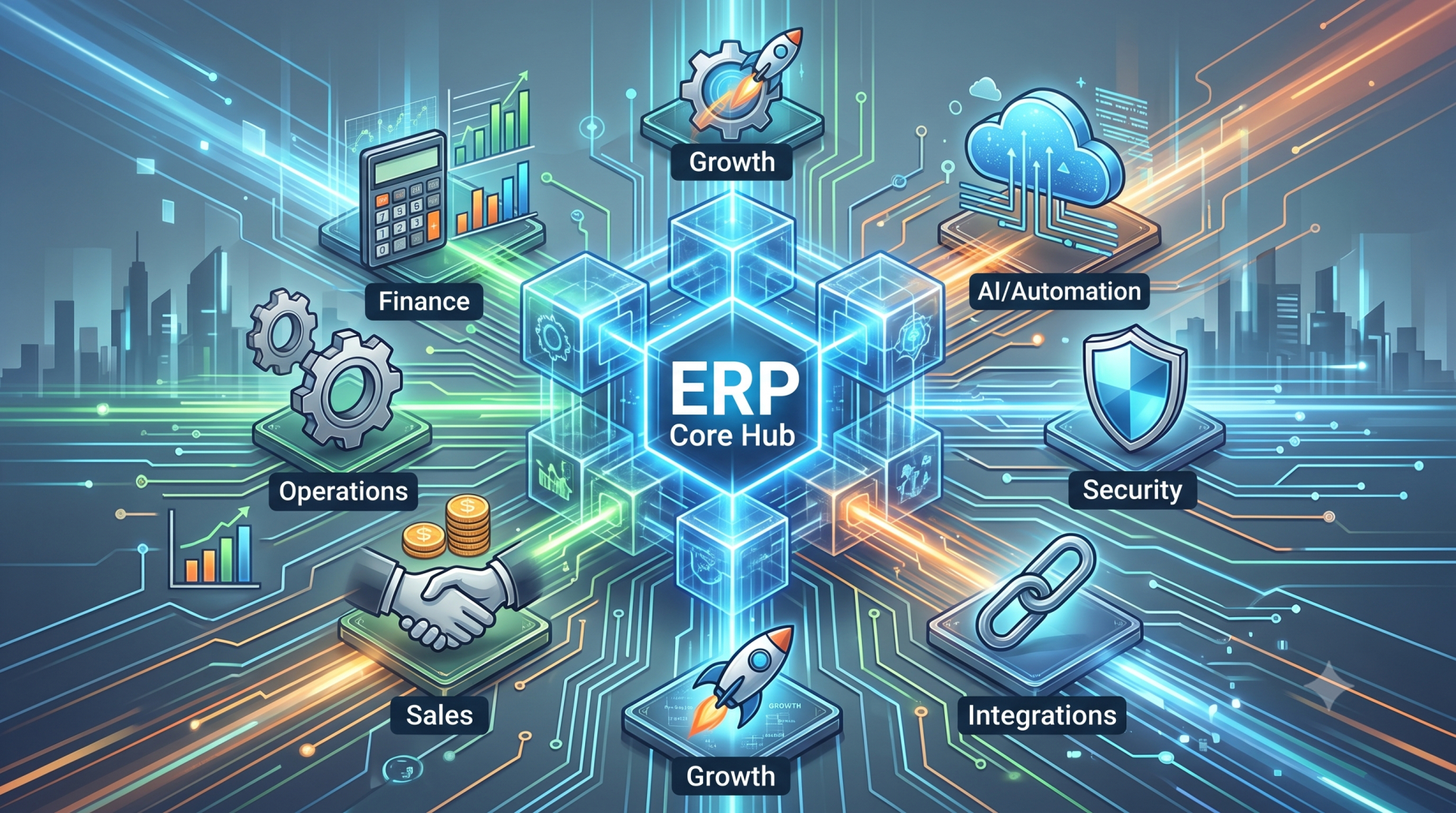
• Real-time data processing and decision-making ⏱️
• Embedded AI and automation capabilities 🤖
• Event-driven architecture for responsiveness ⚡
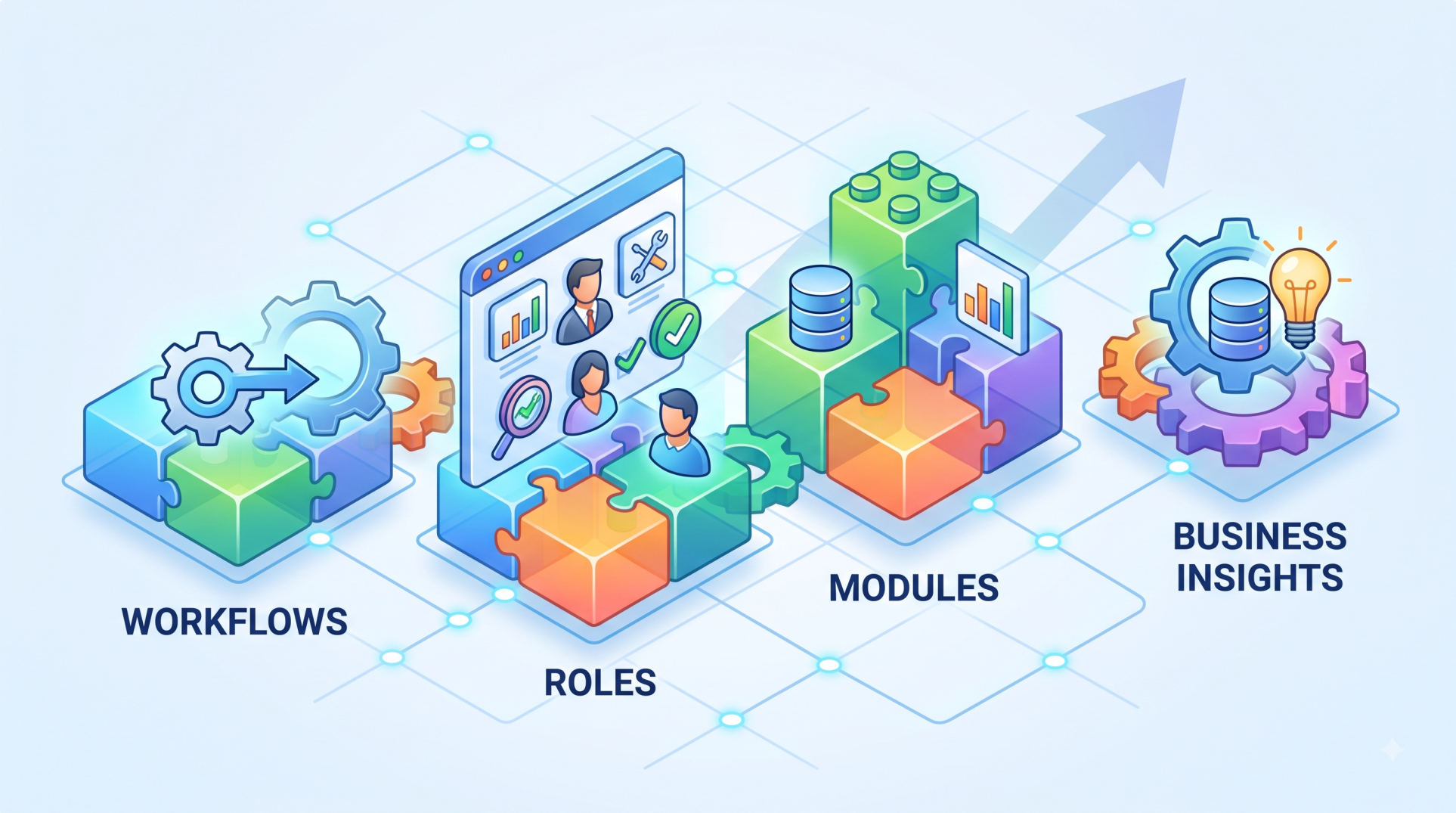
• Scalable and modular system design 🧩
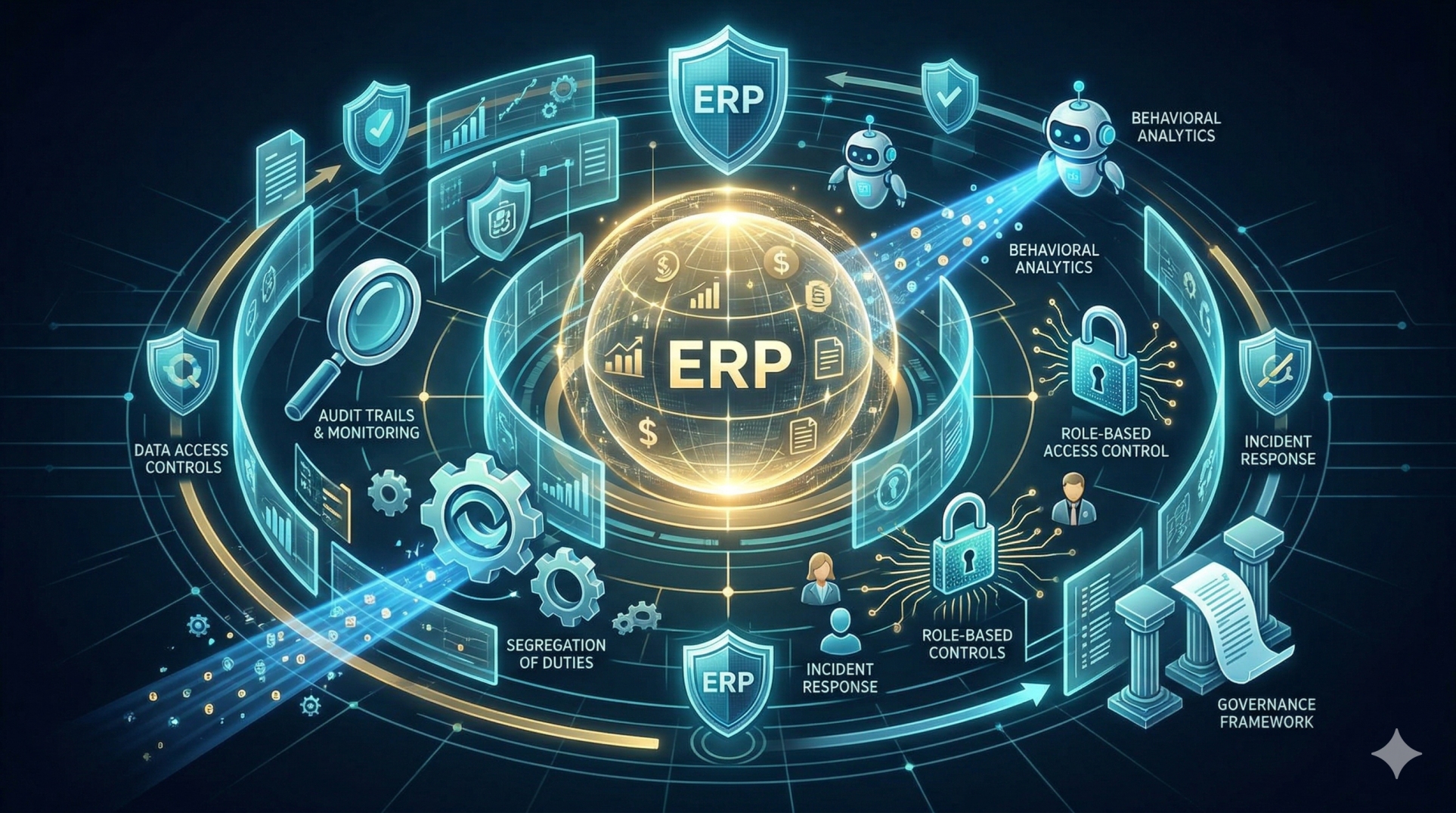
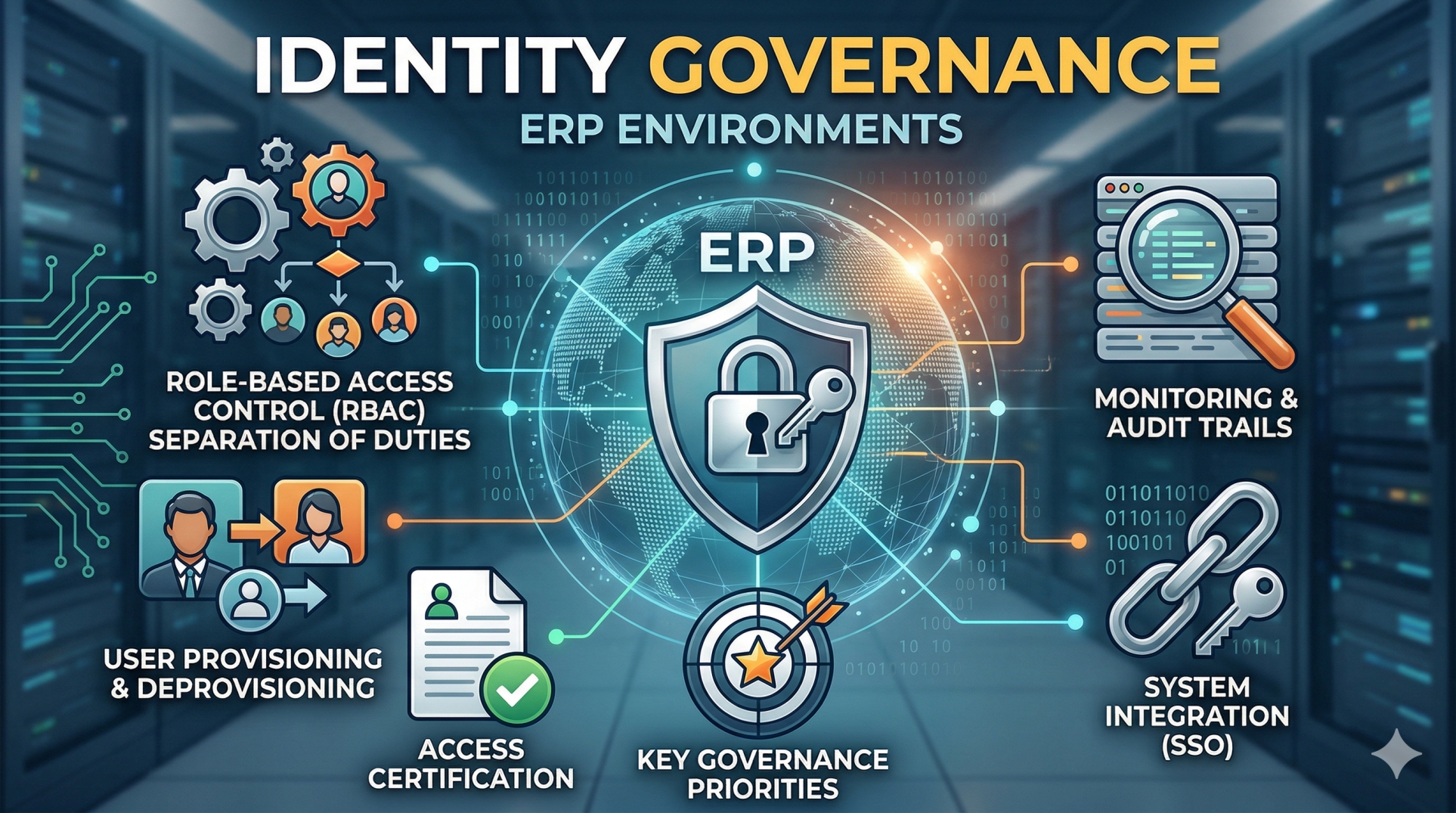
Step 9: Governance and Control in Autonomous Systems 🔐
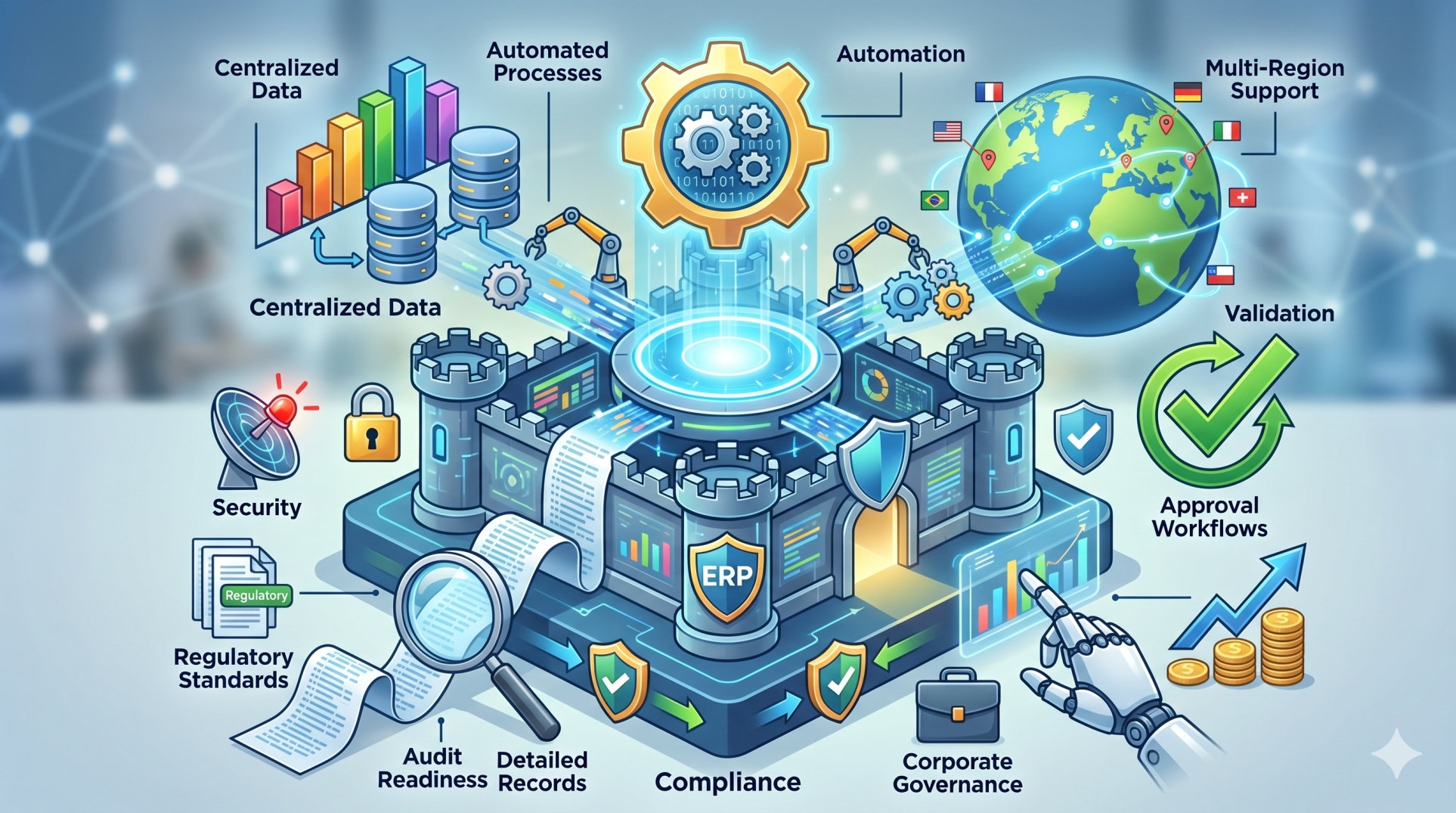
• Define rules and policies for automated decision-making 📜
• Ensure transparency and auditability of system actions 🔍
• Maintain human oversight for critical processes 👥
• Implement safeguards to prevent unintended outcomes ⚠️
• Balance autonomy with accountability
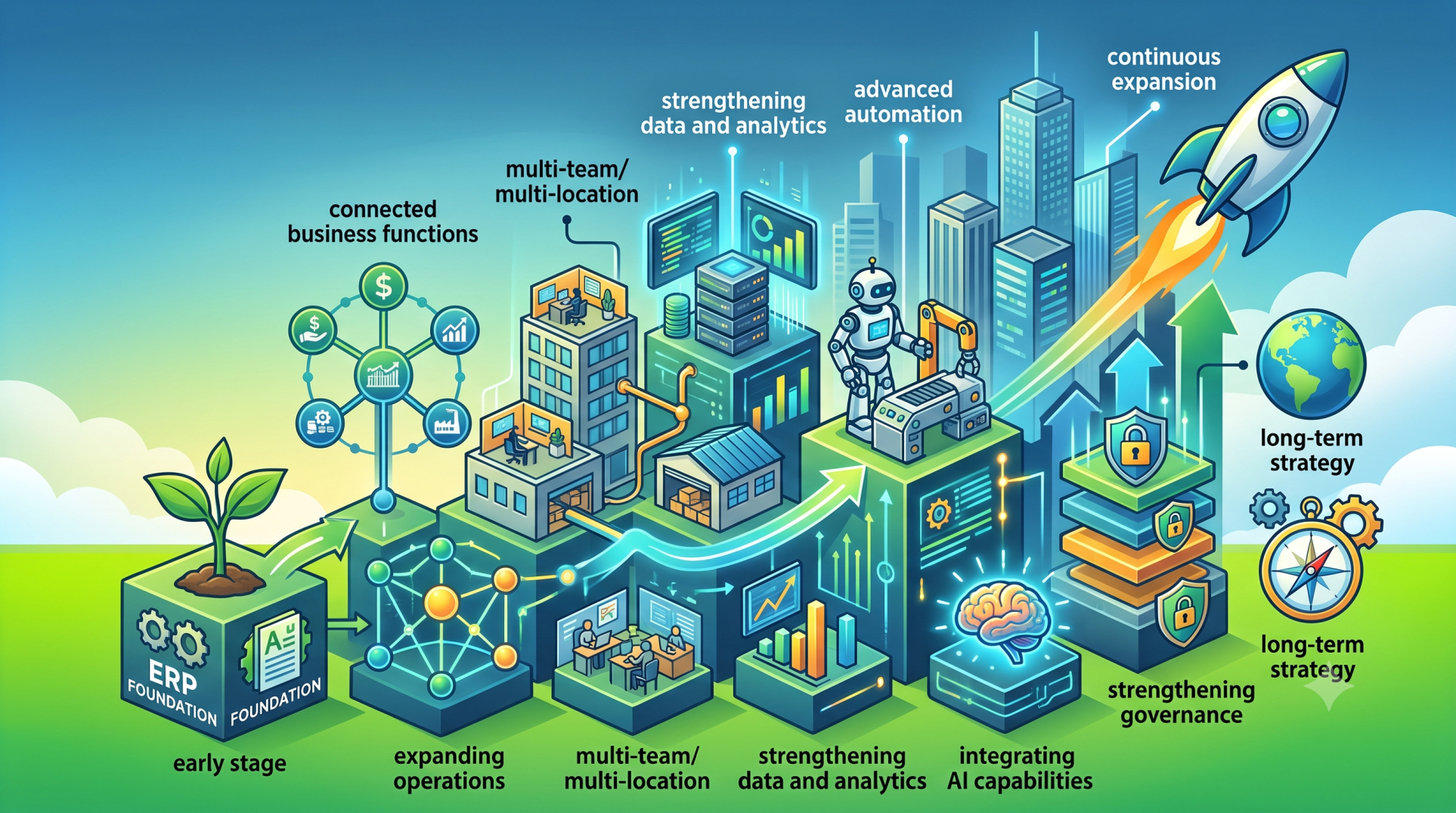
Step 10: Building a Future-Ready Autonomous Enterprise 🚀
• Design ERP systems to support increasing levels of autonomy 🌐
• Continuously refine automation strategies based on insights 📈
• Enable rapid adaptation to changing business environments 🔄
• Invest in scalable infrastructure and intelligent technologies 🧠
• Prepare organizations for fully autonomous operations
Conclusion
ERP as a platform for autonomous business processes represents a fundamental shift in how organizations operate. By embedding intelligence, automation, and real-time responsiveness into core systems, businesses can achieve higher efficiency, accuracy, and agility. This transformation enables enterprises to move beyond traditional management approaches and embrace a future of self-driven, adaptive operations.
See more blogs
You can all the articles below