Intelligent Cost Allocation Models in ERP

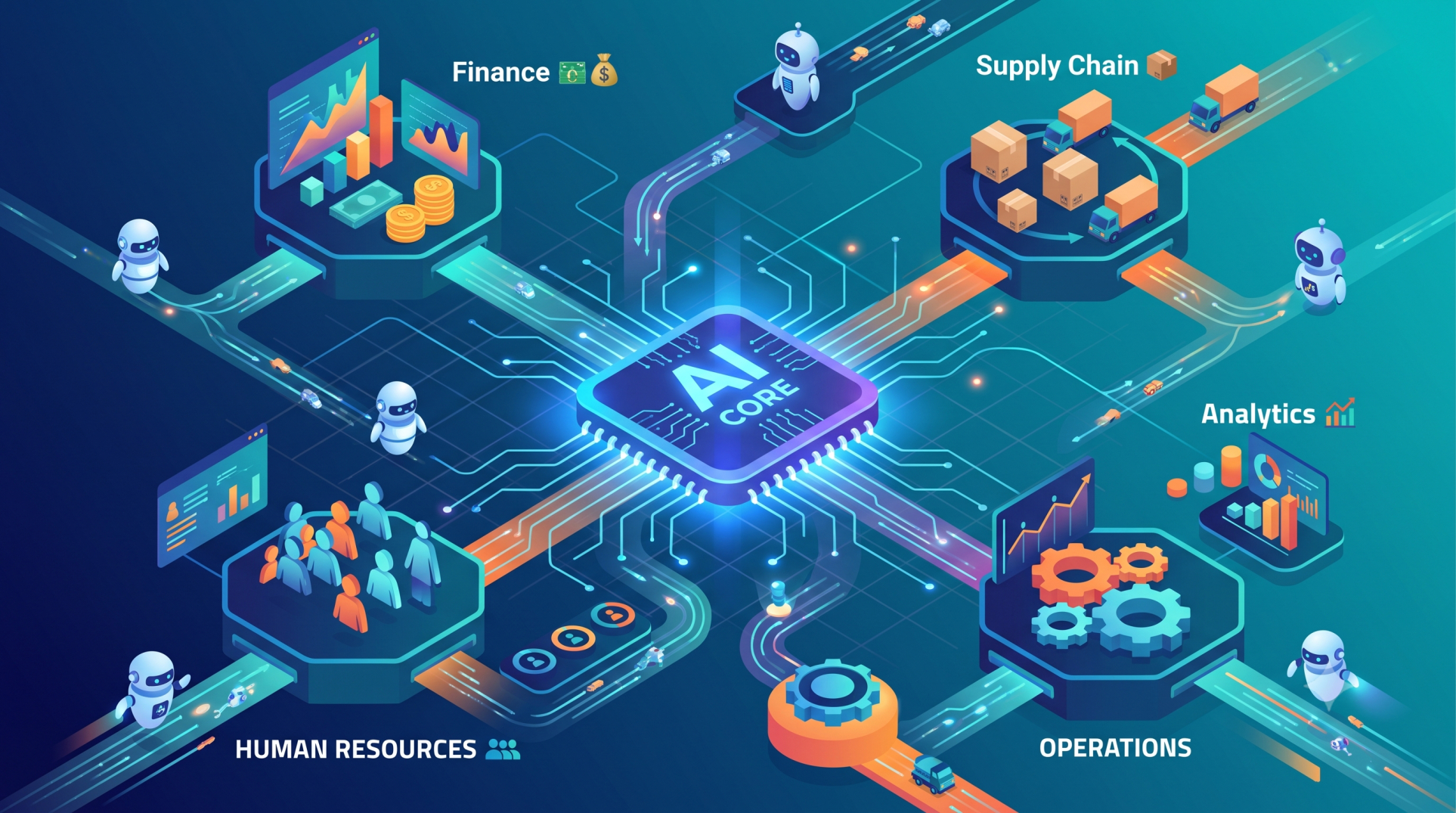
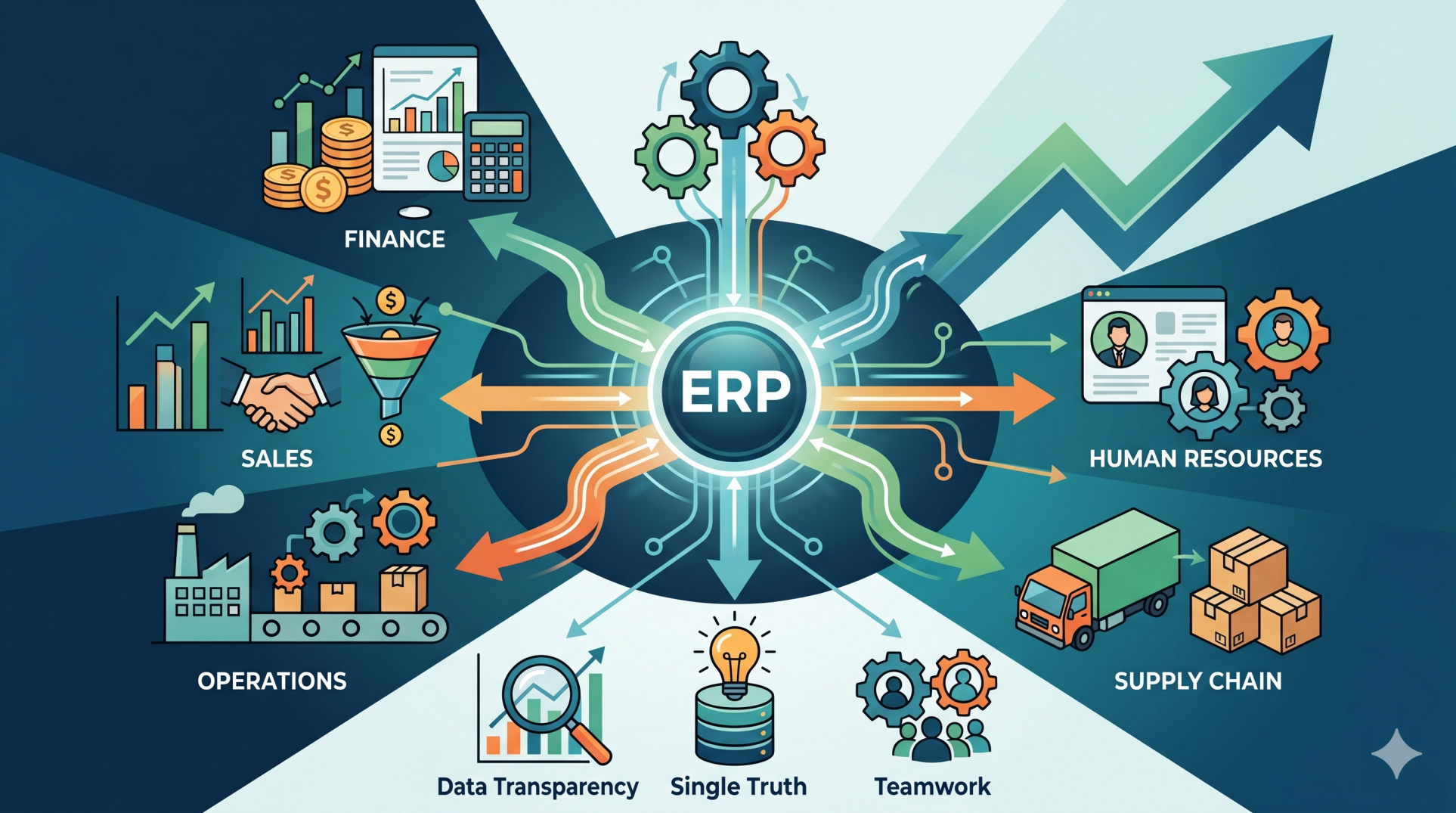
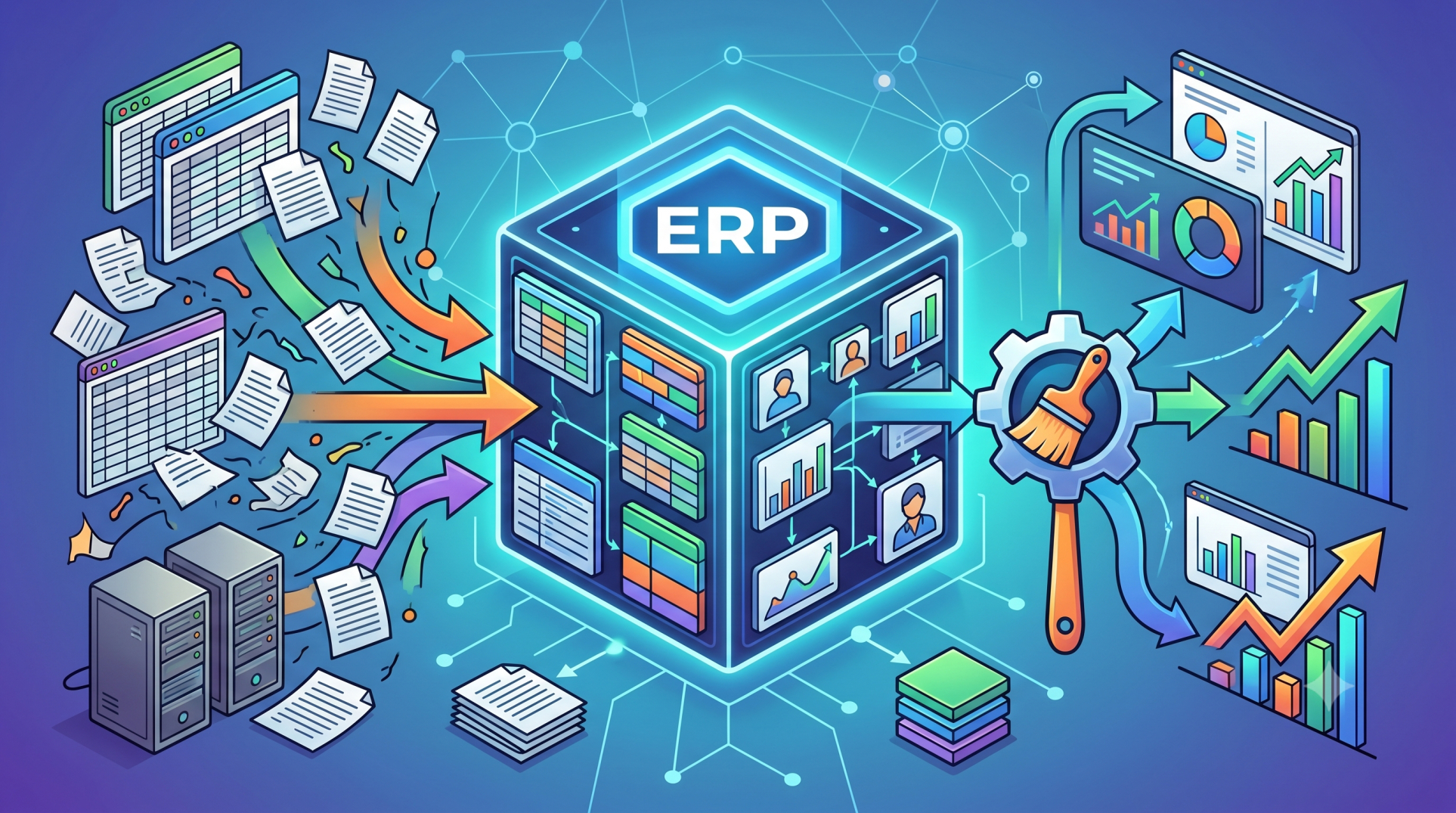
Modern enterprises require accurate and transparent cost allocation to improve financial control, operational efficiency, and strategic decision-making. Traditional allocation methods often rely on static rules that fail to reflect real-time business complexity. Intelligent cost allocation models within ERP systems use automation, analytics, and data-driven logic to distribute costs more accurately across departments, projects, products, and business units. These advanced approaches help organizations gain deeper financial visibility while improving profitability management.
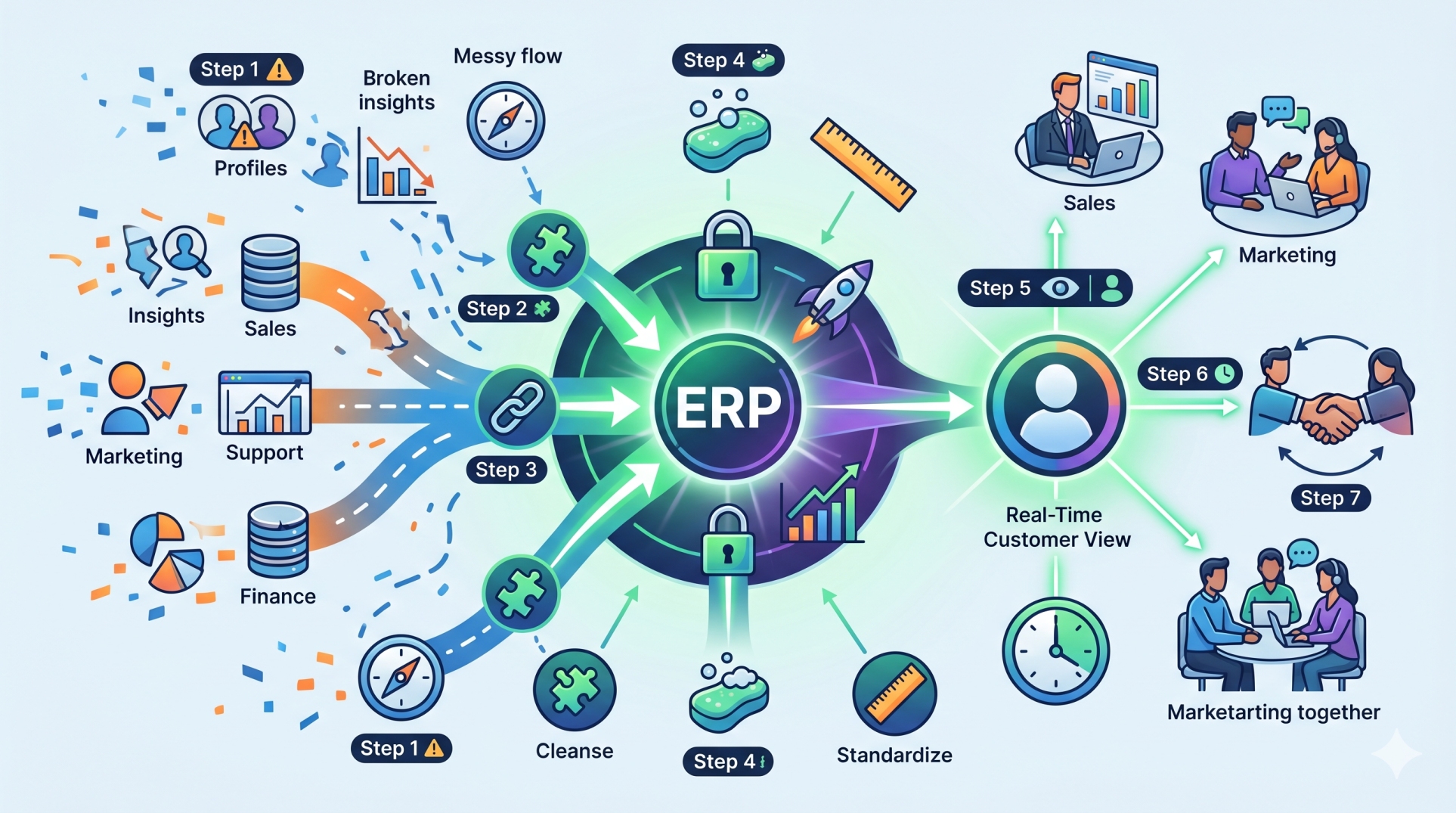
Step 1: Understanding Intelligent Cost Allocation 💡
• Intelligent cost allocation uses dynamic, data-driven allocation methods 📊
• ERP systems automate the distribution of indirect and shared costs ⚙️
• Allocation models adapt to changing operational conditions 🔄
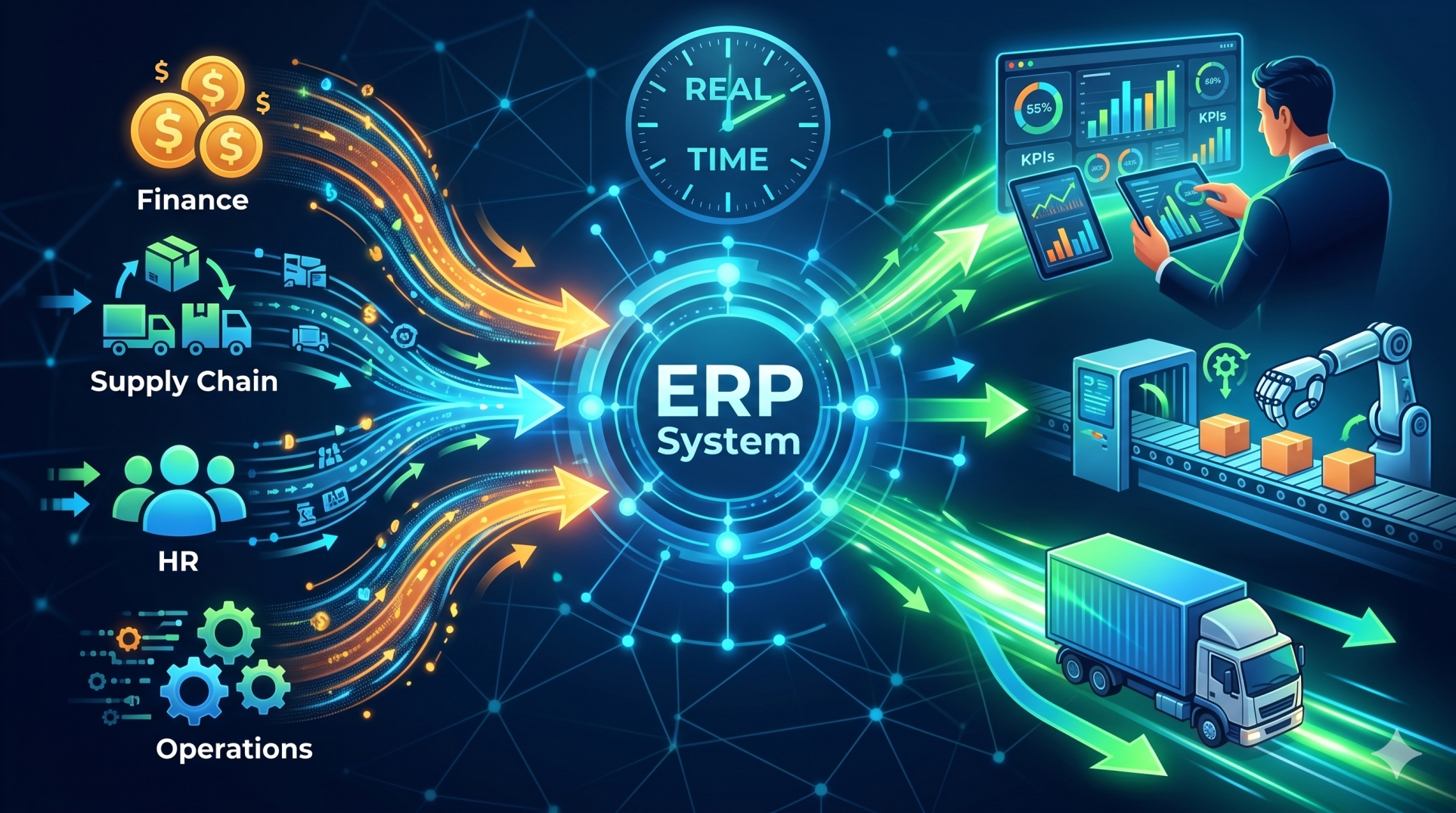
• Real-time data improves allocation accuracy and transparency 👁️
• Advanced models support strategic financial planning 📈
Step 2: Identifying Cost Drivers 🎯
• Define operational activities that influence cost distribution 🏭
• Use metrics such as labor hours, machine usage, or transaction volume 📏
• Align allocation logic with actual resource consumption 🔍
• Continuously monitor cost driver relevance and accuracy 🔄
• Improve fairness and precision in financial reporting ✅
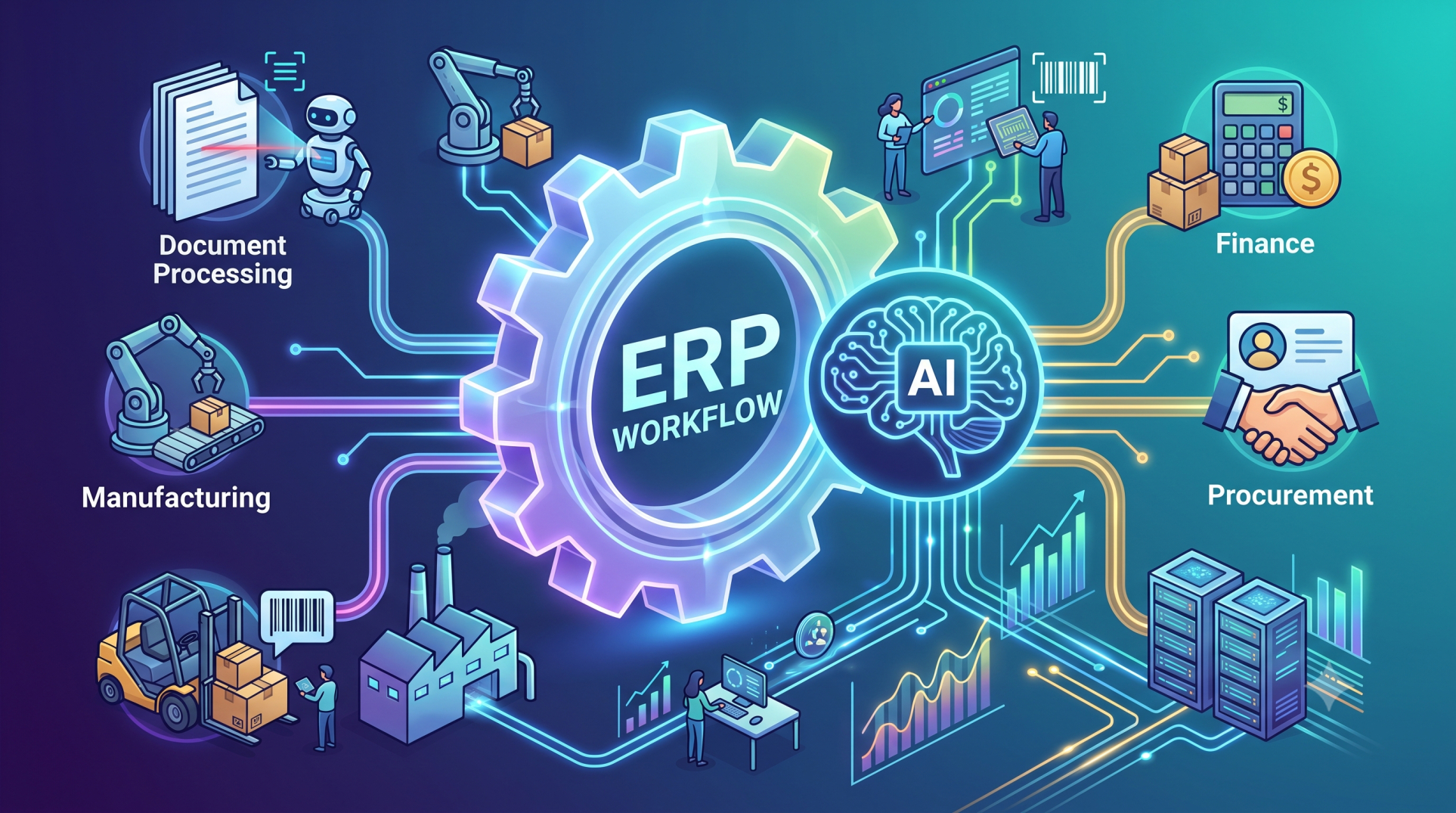
Step 3: Automating Allocation Rules 🤖
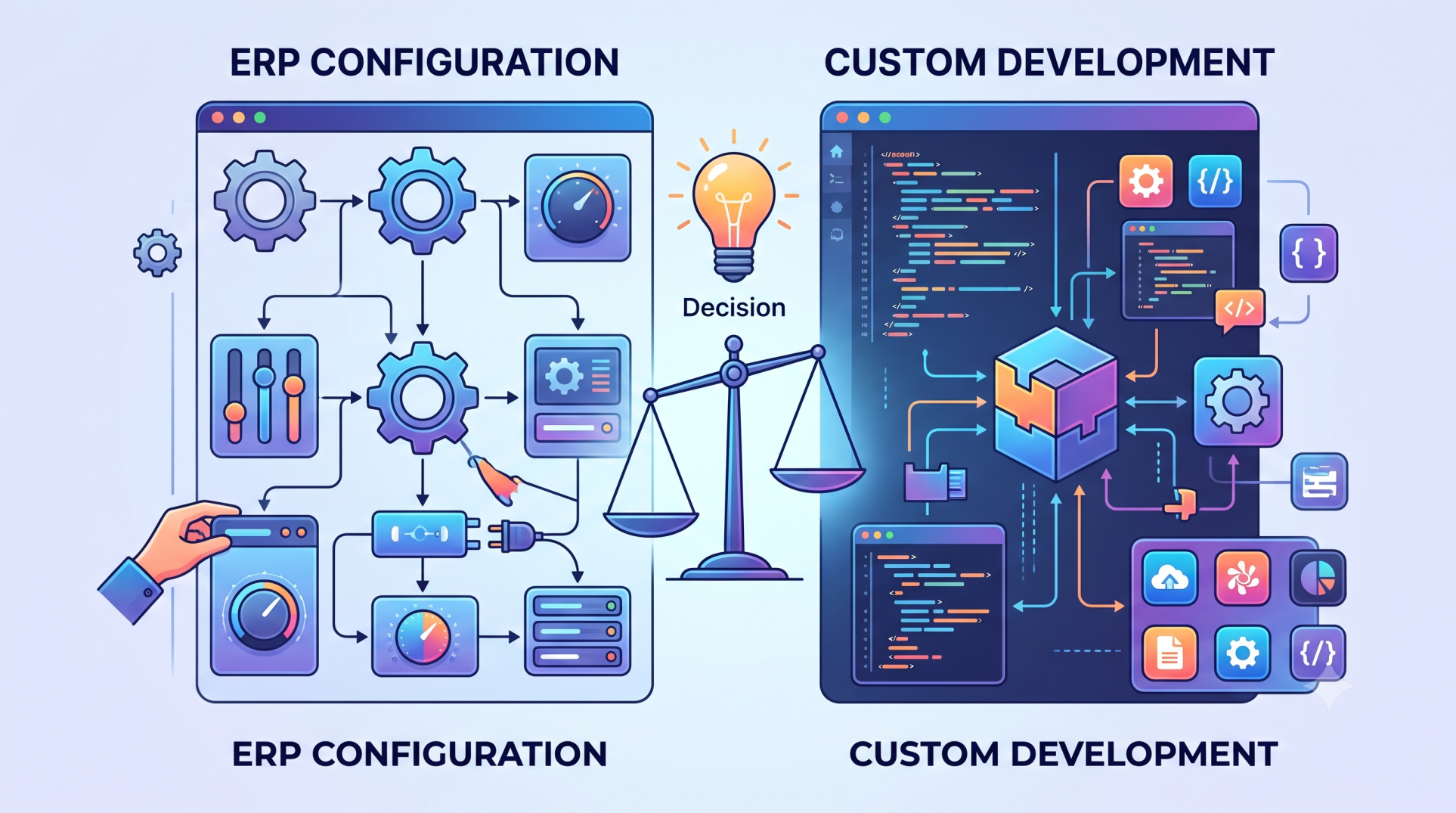
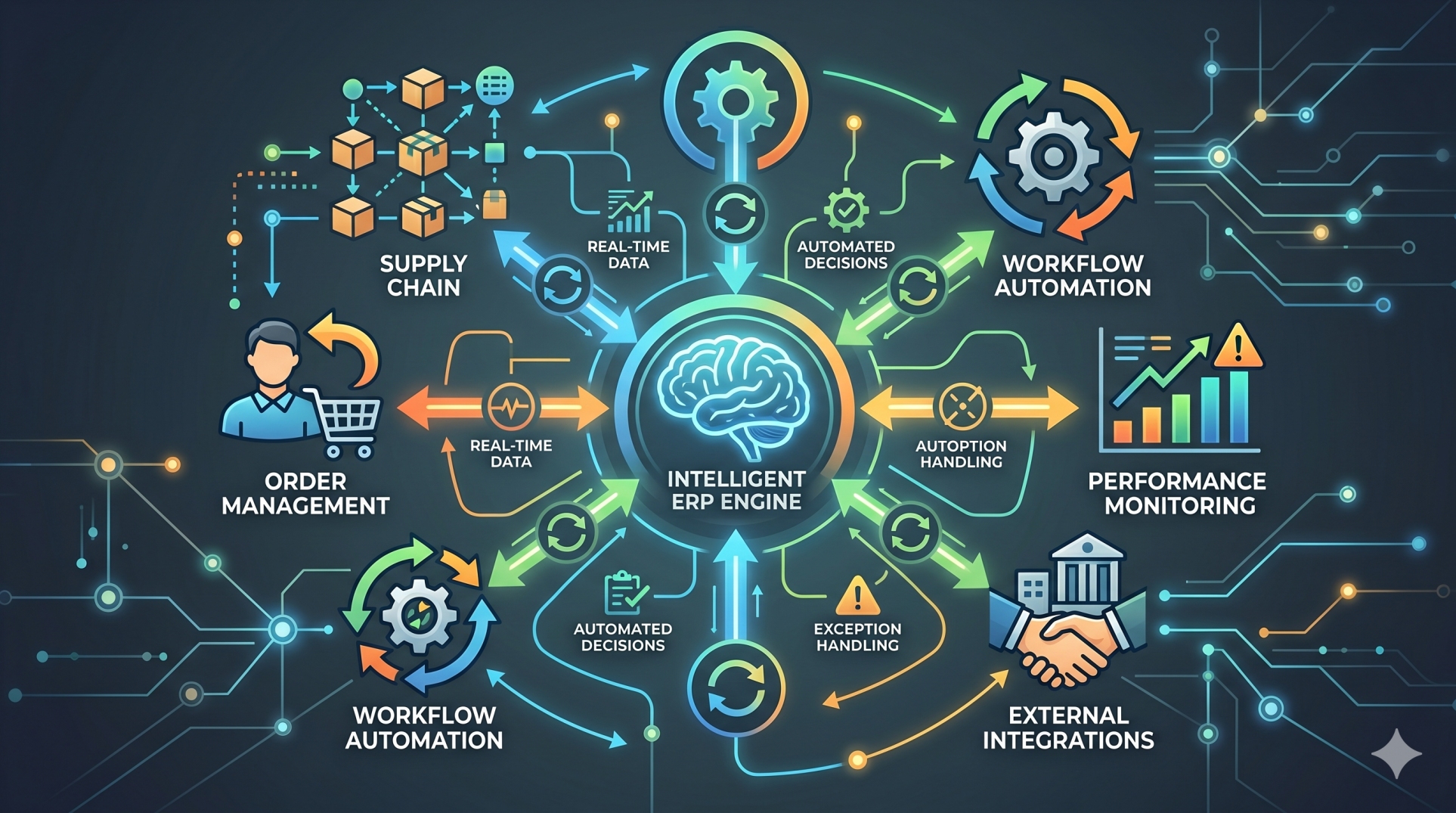
• Configure ERP workflows to automate recurring cost allocations ⚙️
• Reduce manual intervention and calculation errors ❌
• Apply predefined logic across departments and business units 🧩
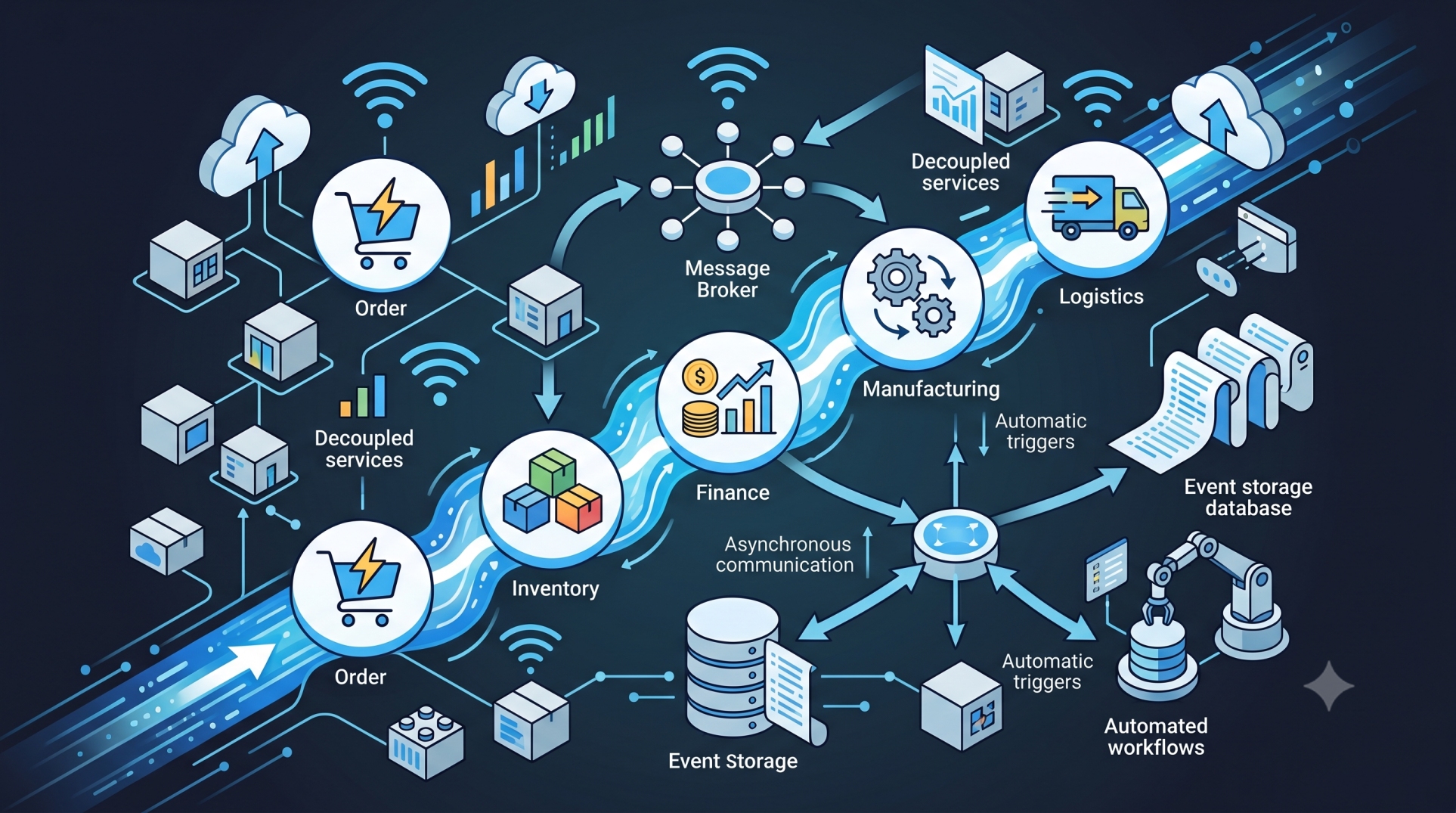
• Enable real-time processing of allocation transactions ⏱️
• Improve consistency across financial operations 📘
Step 4: Supporting Multi-Dimensional Allocation 🌐
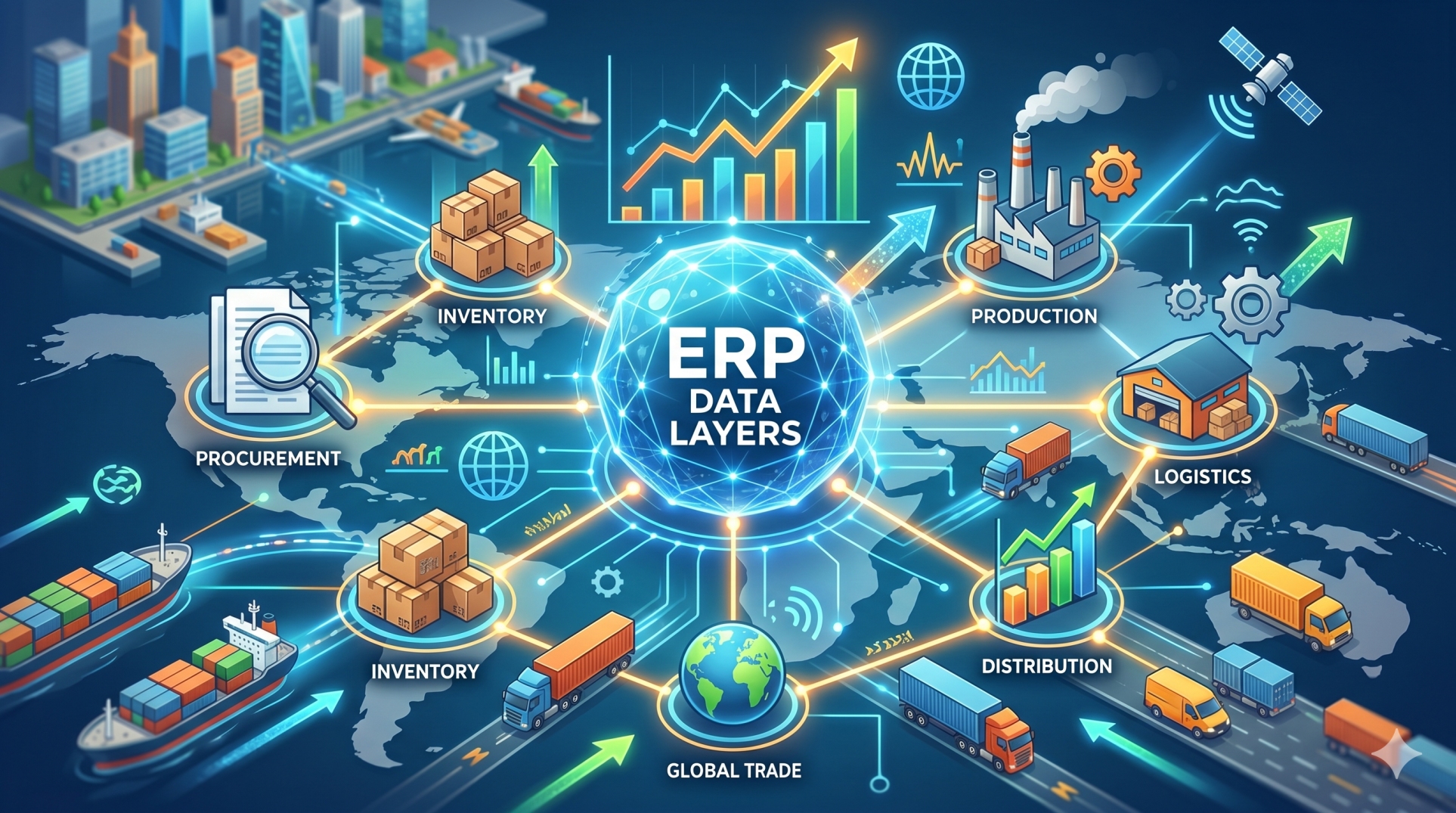
• Allocate costs across projects, locations, products, and teams 🏢
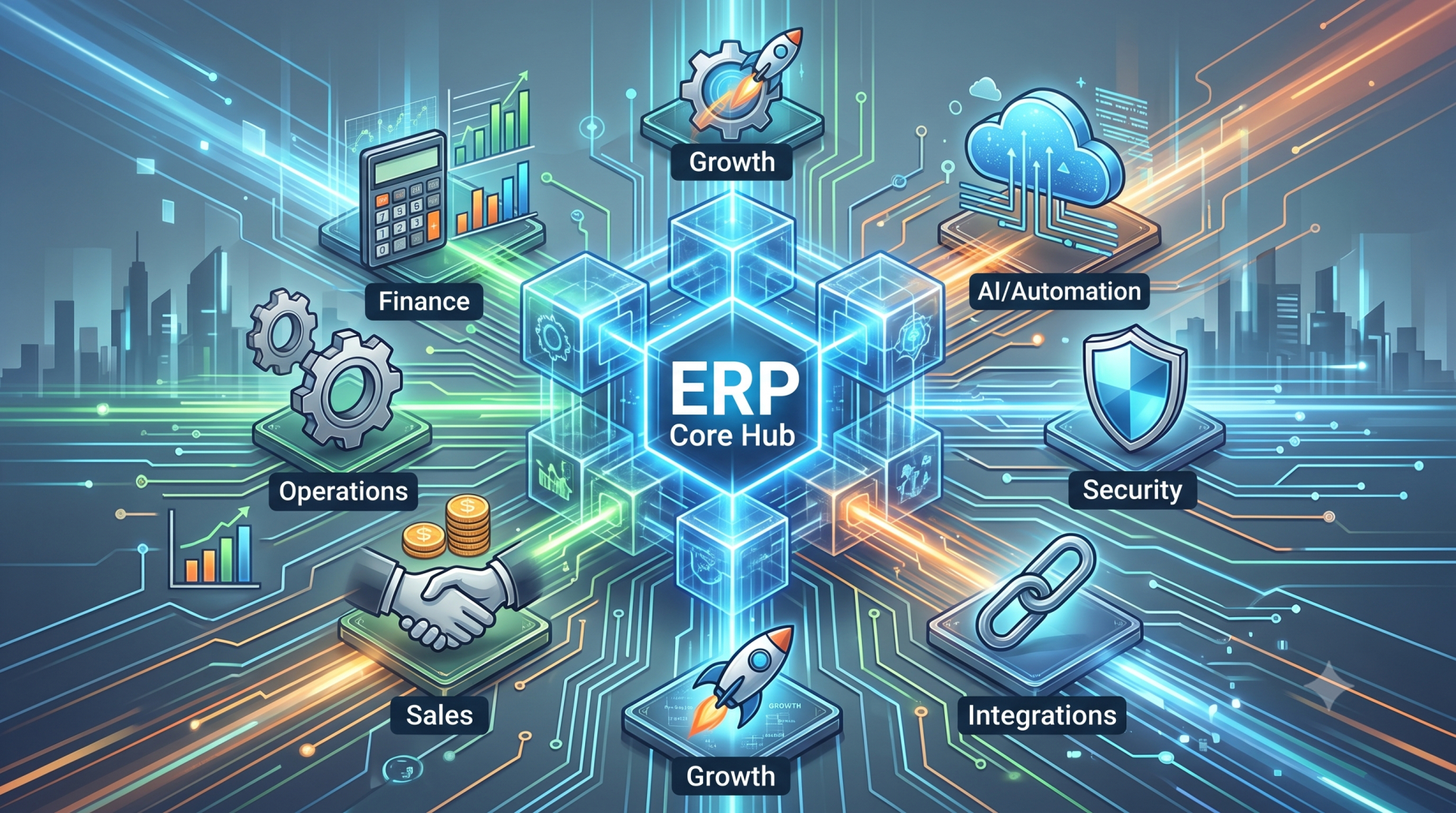
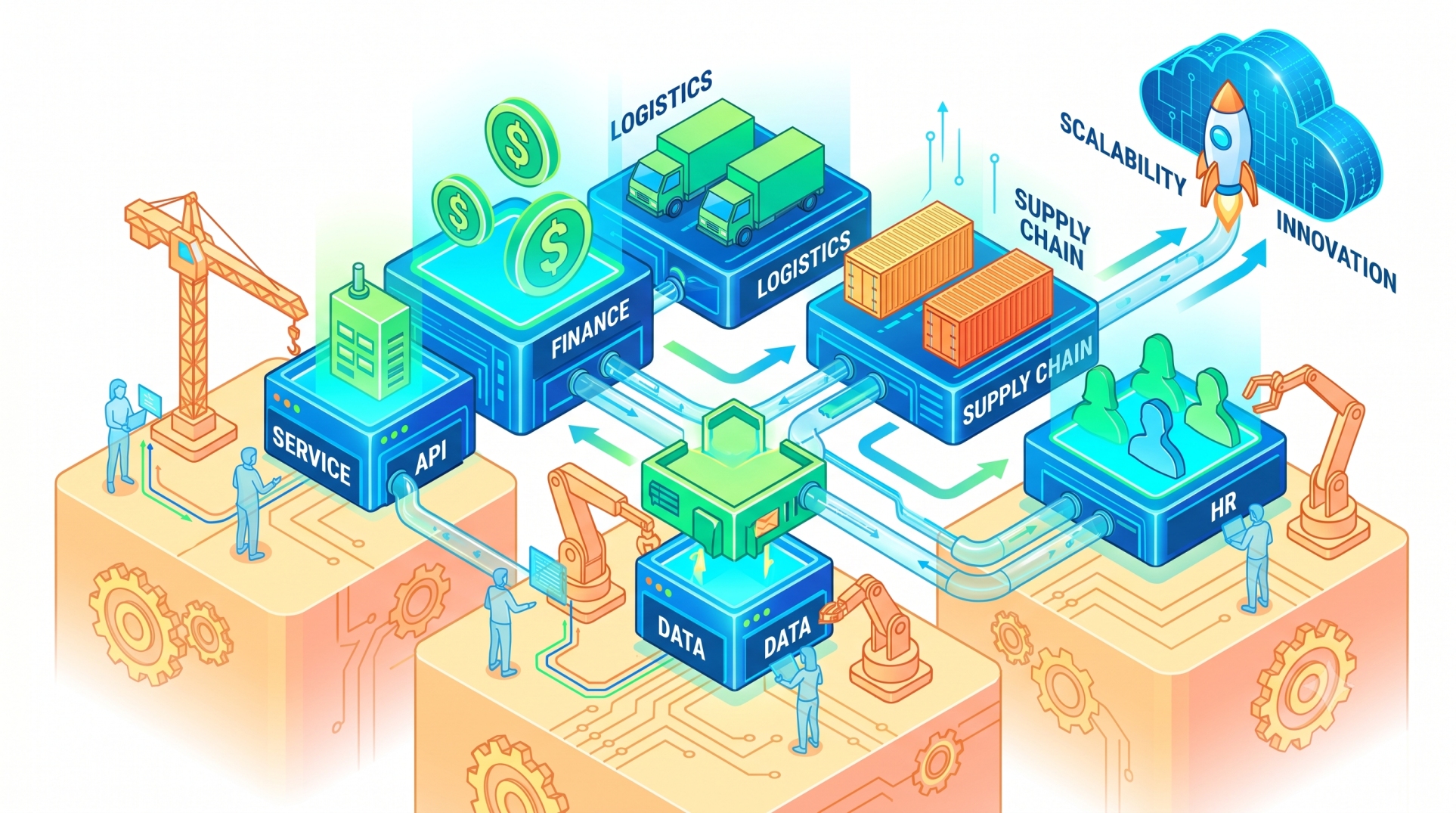
• Support complex organizational structures within ERP systems 🔗
• Enable flexible allocation hierarchies and reporting structures 📊
• Improve visibility into operational profitability 💰
• Enhance cross-functional financial analysis 📈
Step 5: Leveraging Real-Time Data Analytics 📡
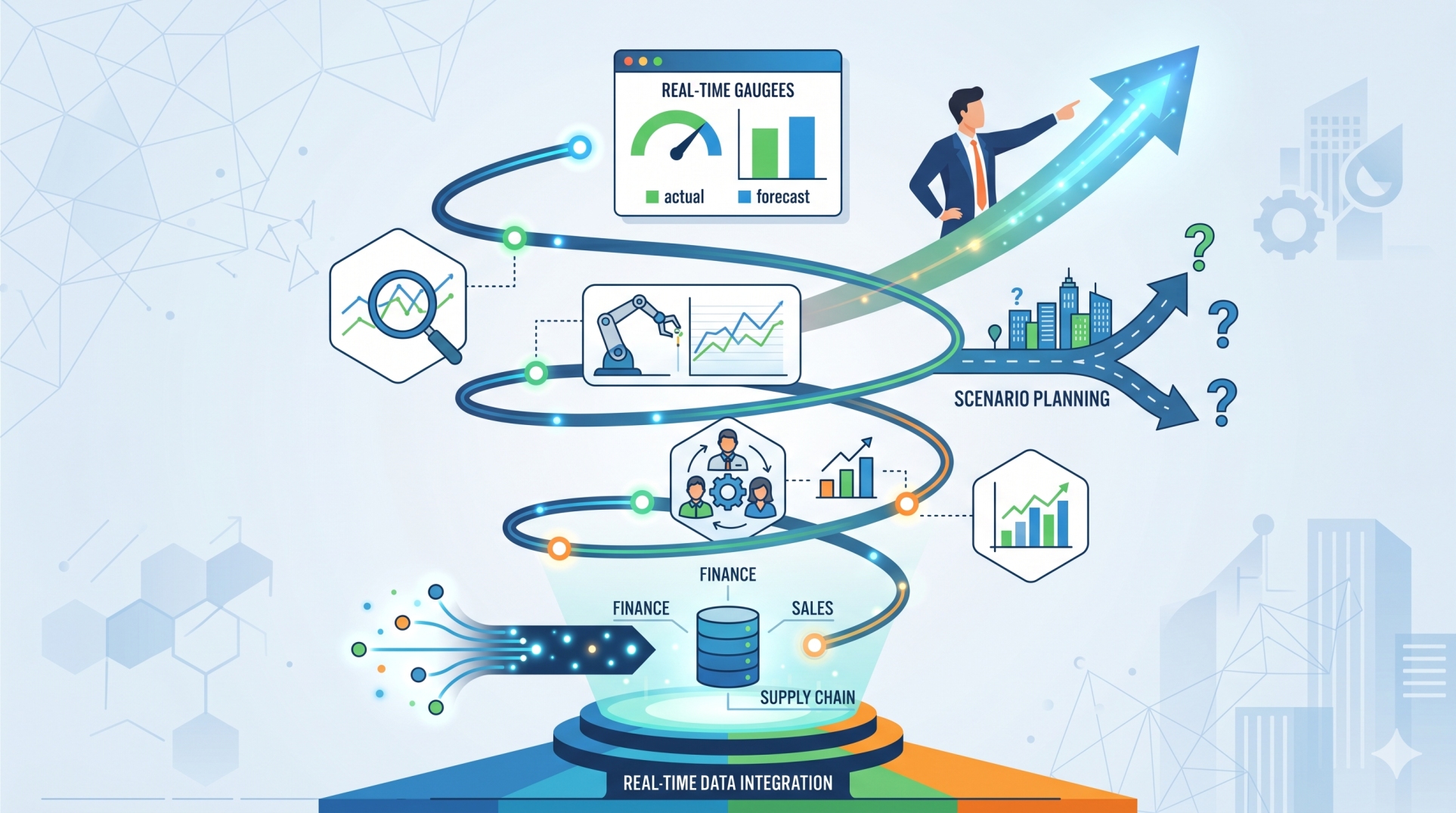
• Use live operational data to drive allocation accuracy 📡
• Analyze spending trends and resource utilization patterns 🔍
• Adjust allocation models dynamically based on business activity 🔄
• Improve forecasting and budgeting capabilities 📊
• Support faster and more informed decision-making 🚀
Step 6: Enhancing Transparency and Auditability 🔐
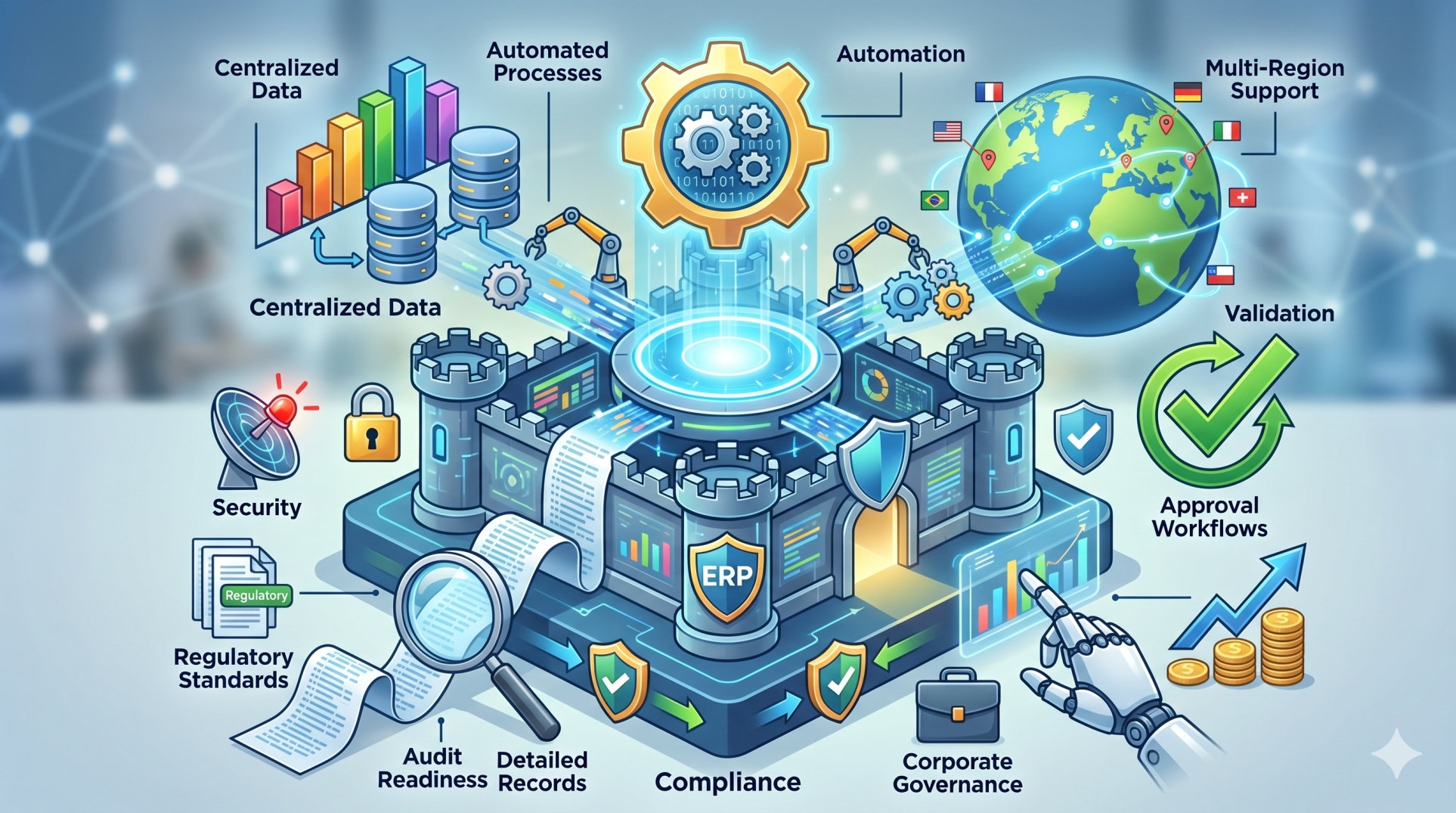
• Maintain detailed audit trails for all allocation activities 📜
• Ensure transparency in cost distribution methodologies 👁️
• Simplify compliance with financial reporting standards 🏛️
• Provide traceability for internal and external audits 🔍
• Strengthen financial governance across the organization 🛡️
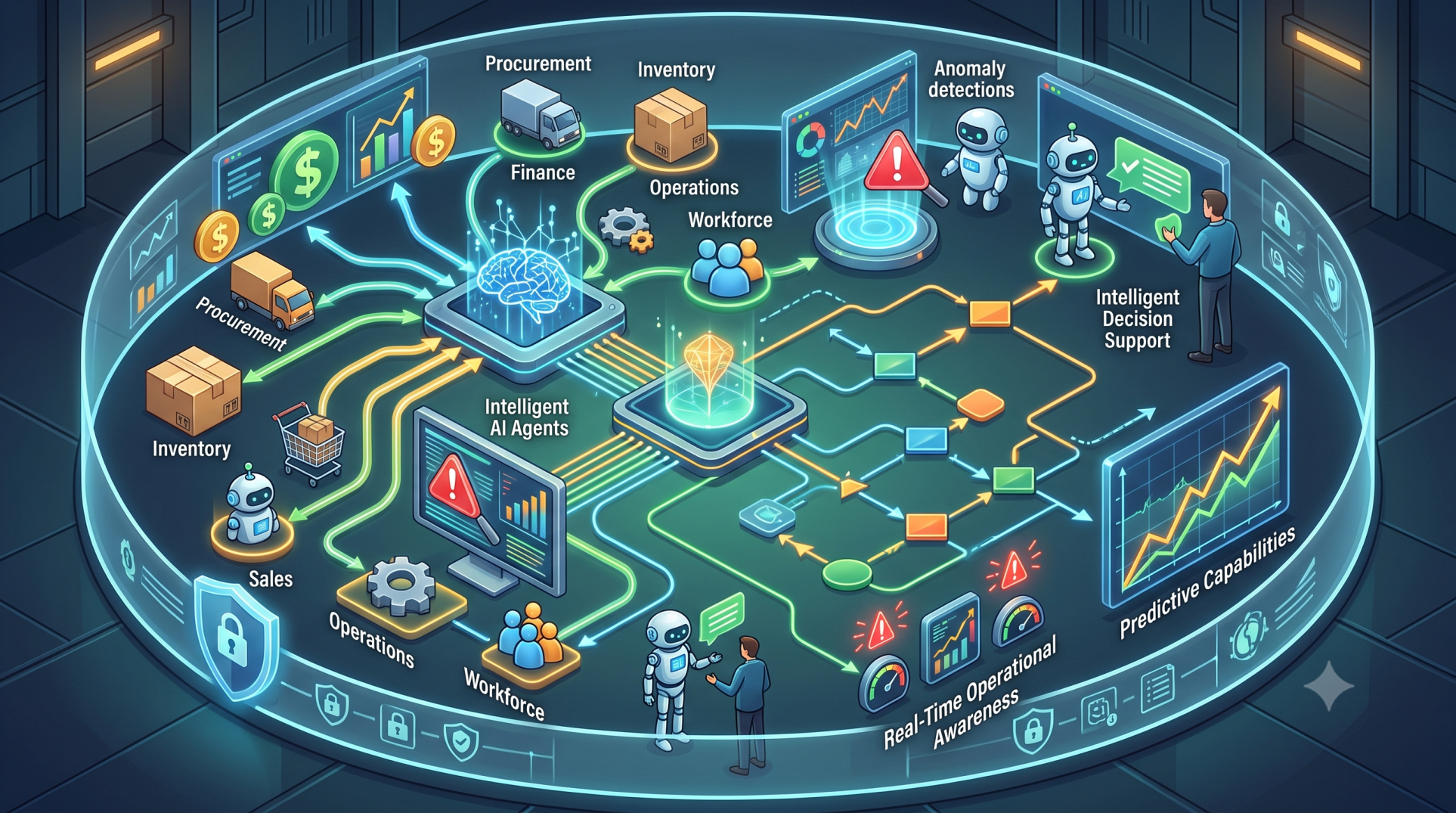
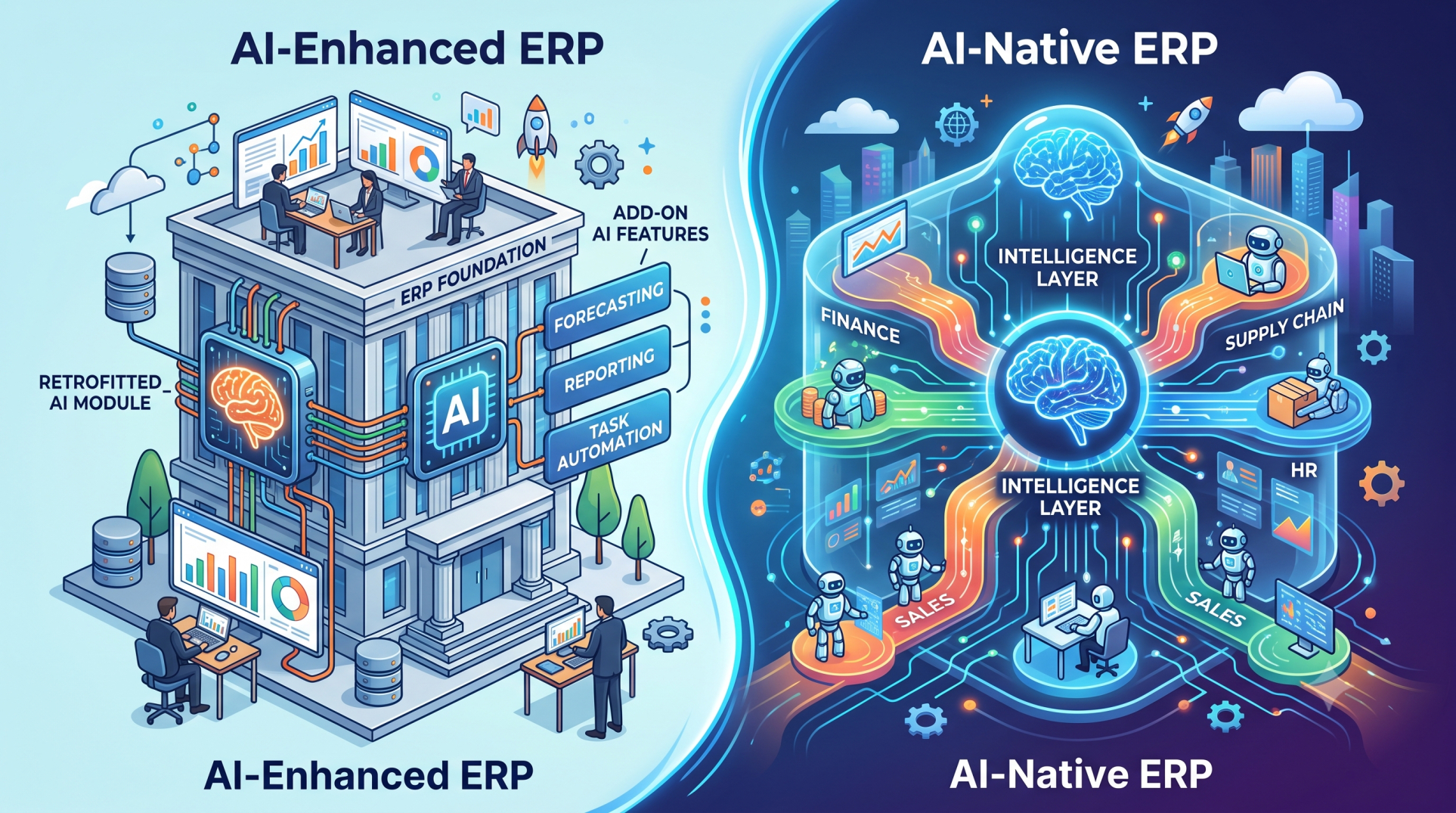
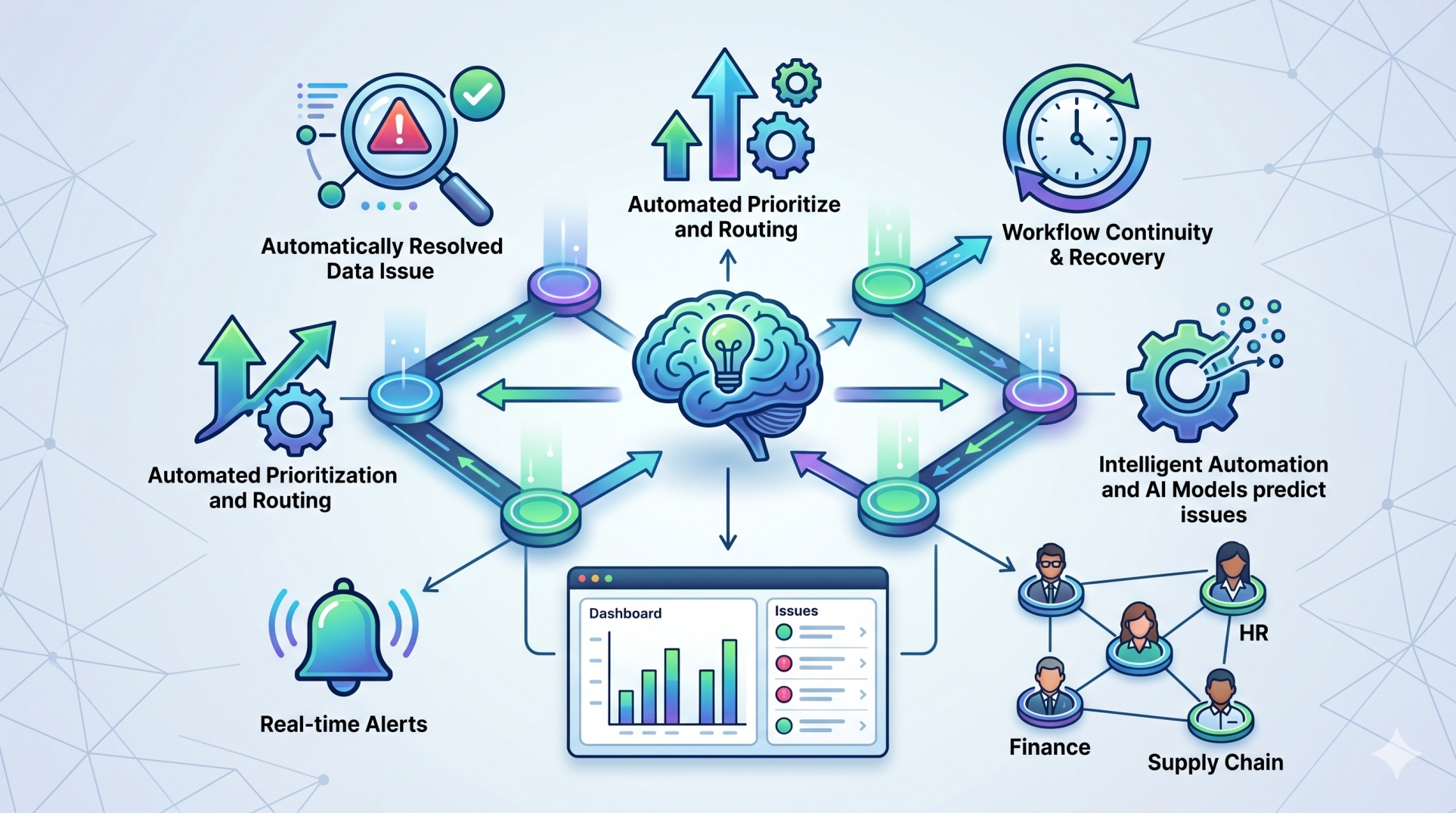
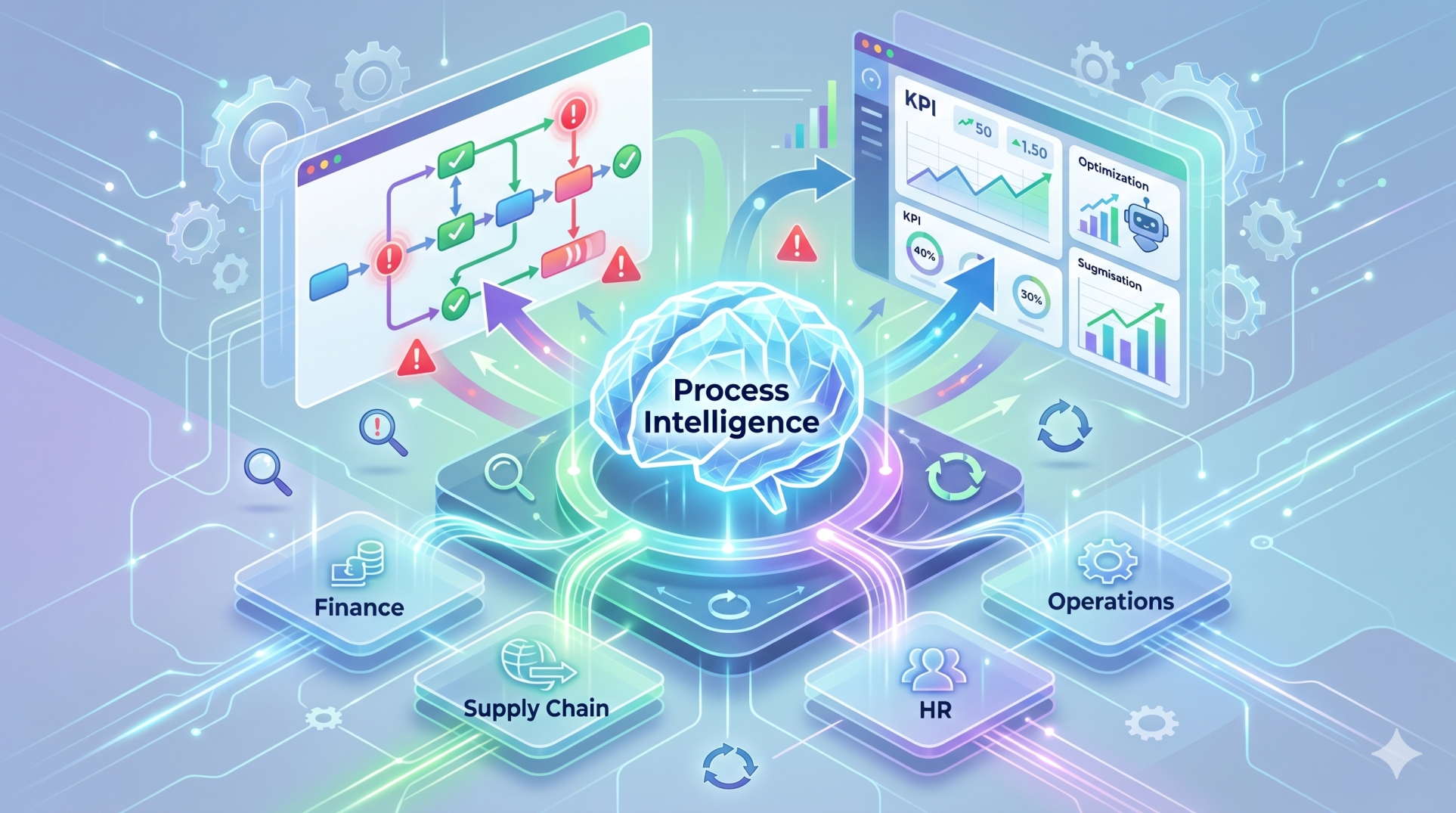
Step 7: Integrating AI and Predictive Intelligence 🤖
• Use AI to identify allocation inefficiencies automatically 🧠
• Predict future cost patterns using historical data 📈
• Recommend optimized allocation strategies dynamically 🔄
• Detect anomalies or unusual cost behaviors early 🚨
• Improve long-term financial planning and optimization 💡
Step 8: Key ERP Cost Allocation Priorities 📊
• Accurate and data-driven cost distribution 🎯
• Automated and scalable financial workflows ⚙️
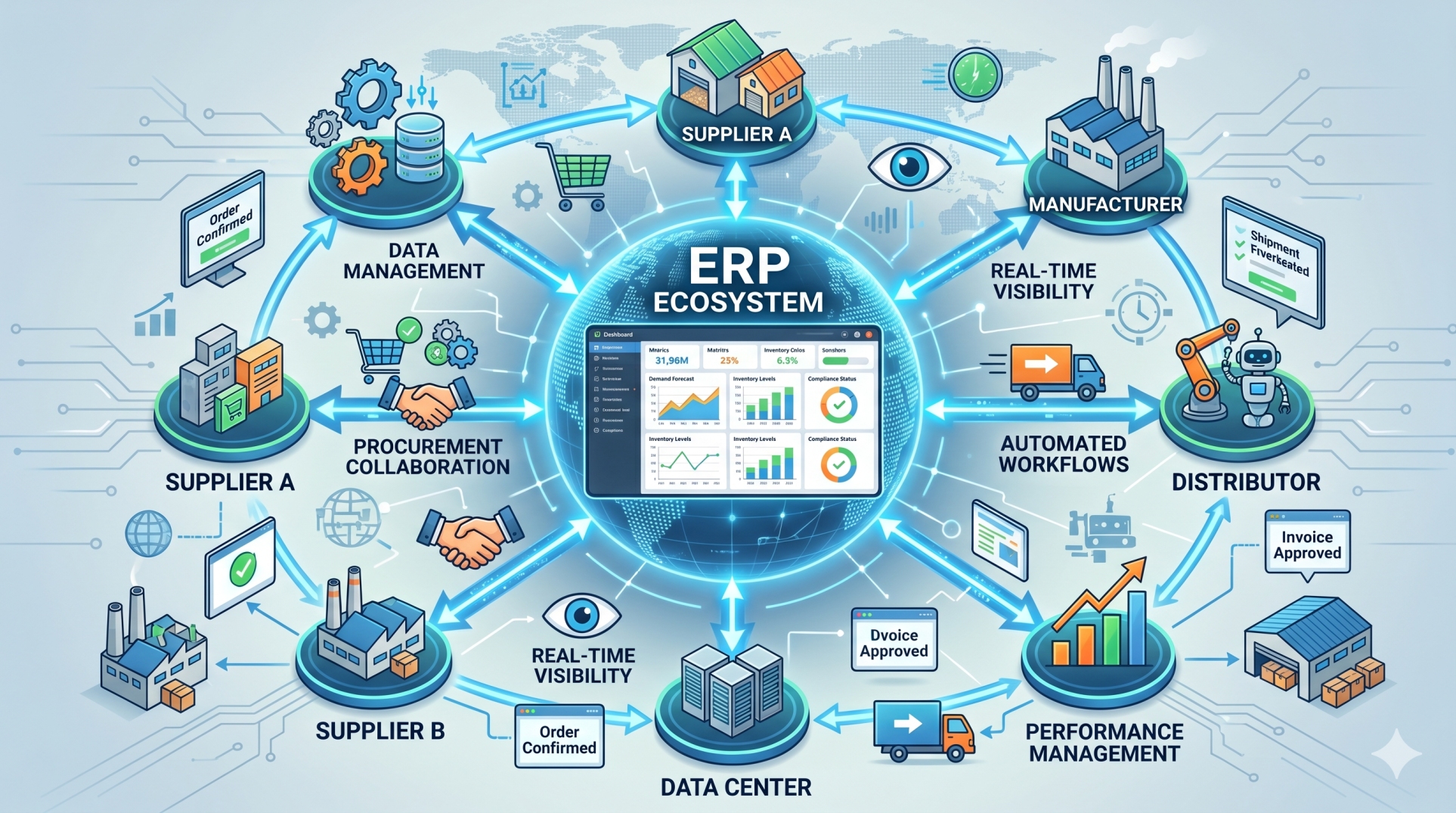
• Real-time financial visibility across operations 👁️
• Flexible allocation structures for evolving business models 🚀
Step 9: Managing Exceptions and Allocation Variability ⚠️
• Handle irregular costs and one-time expenses efficiently 🔄
• Adjust allocation rules for seasonal or operational changes 📅
• Minimize disruptions caused by inaccurate cost assignments ❌
• Enable rapid correction of allocation discrepancies 🛠️
• Maintain financial stability during organizational changes 🏢
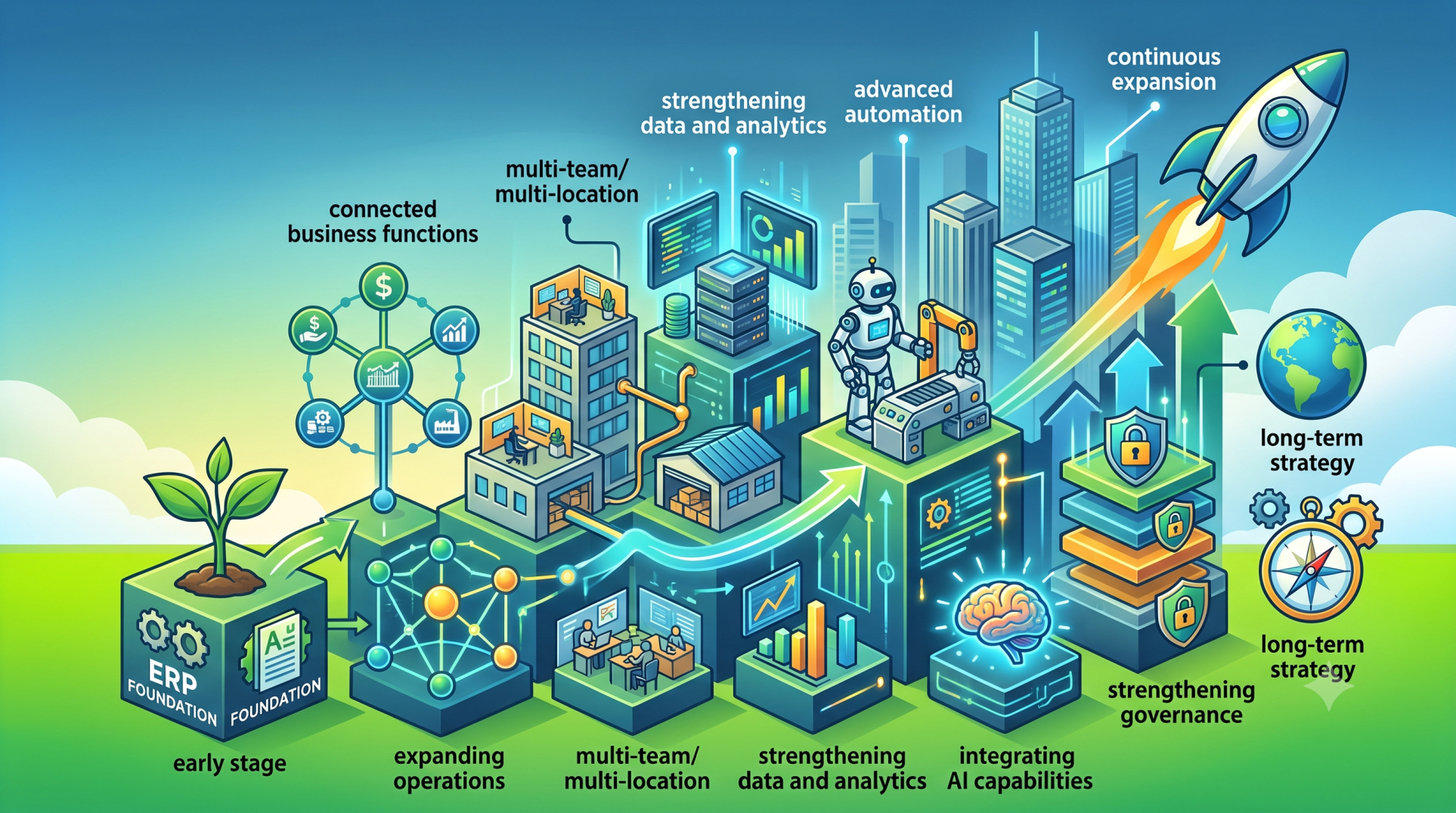
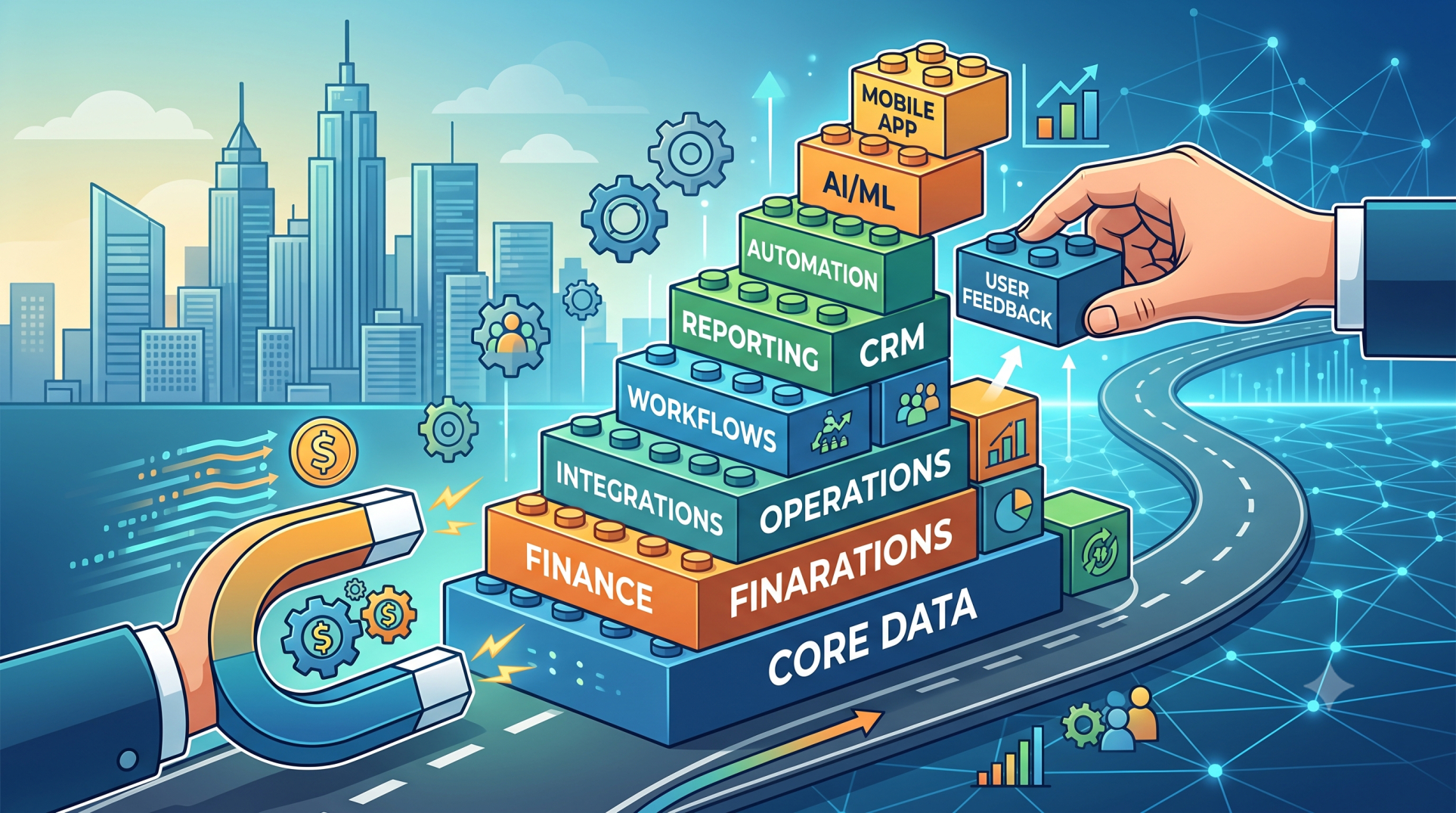
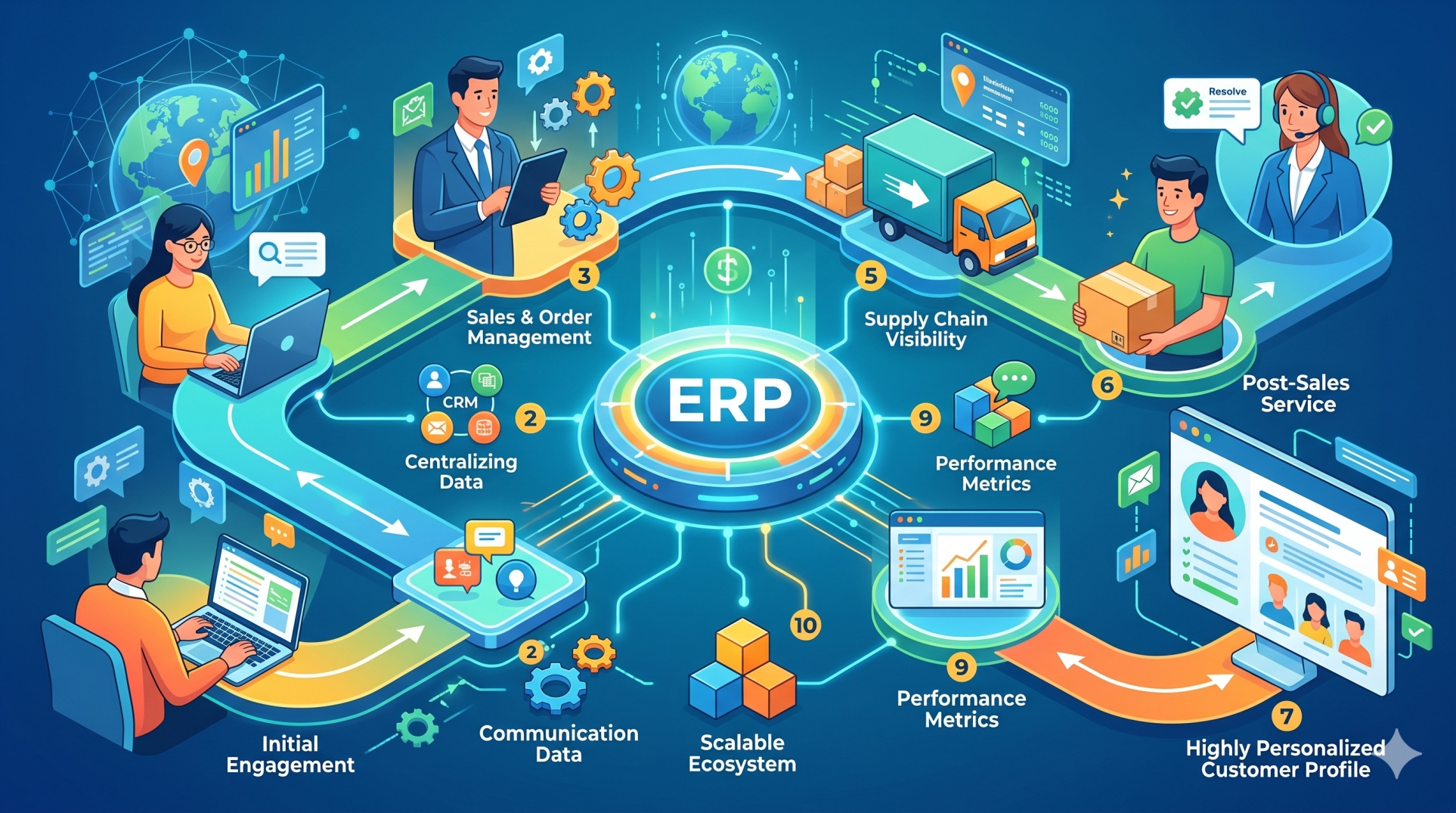
Step 10: Building a Scalable Financial Management Framework 🚀
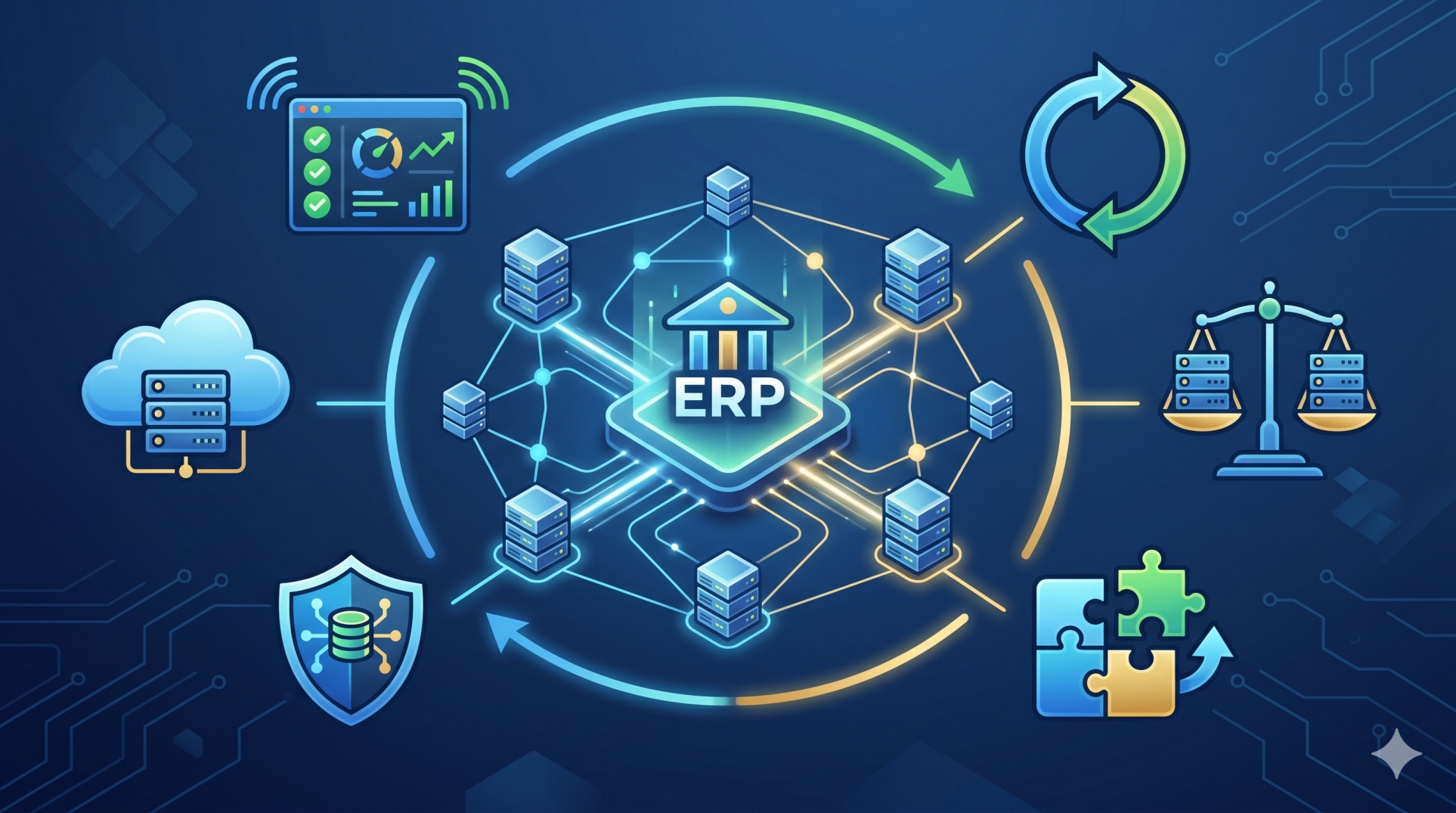
• Design ERP allocation models that scale with business growth 📈
• Support expansion into new departments, regions, and entities 🌍
• Maintain flexibility for future operational requirements 🔄
• Enable modular enhancements without major system disruption 🧩
• Future-proof financial operations with intelligent automation 🤖
Conclusion
Intelligent cost allocation models in ERP systems enable organizations to move beyond static financial processes toward more accurate, automated, and strategic cost management. By leveraging real-time analytics, automation, and AI-driven insights, businesses can improve transparency, optimize resource utilization, and strengthen profitability analysis. A scalable and intelligent allocation framework not only enhances financial control today but also supports long-term operational growth and adaptability.
See more blogs
You can all the articles below