Embedding Scenario Planning into ERP Platforms

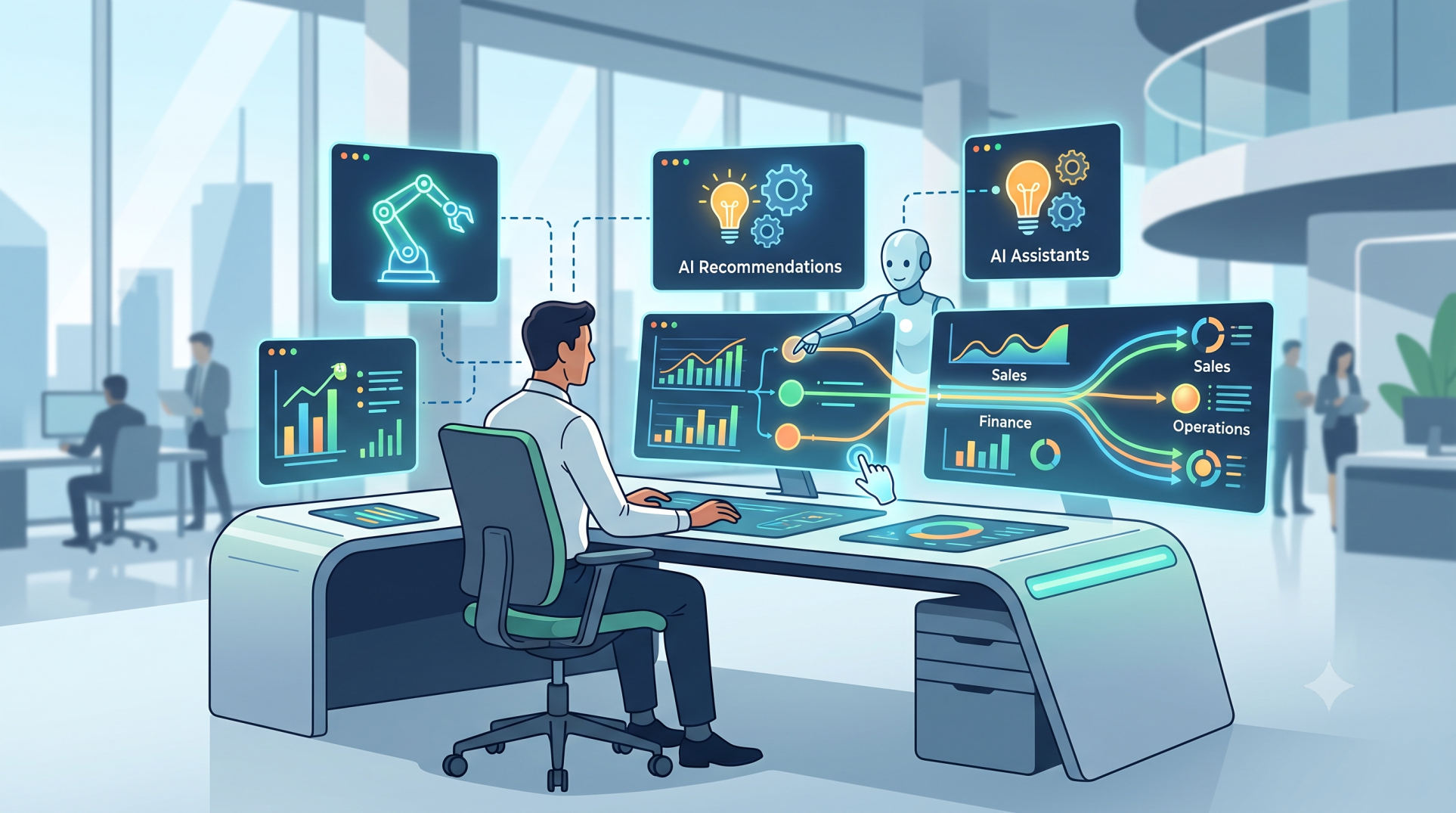
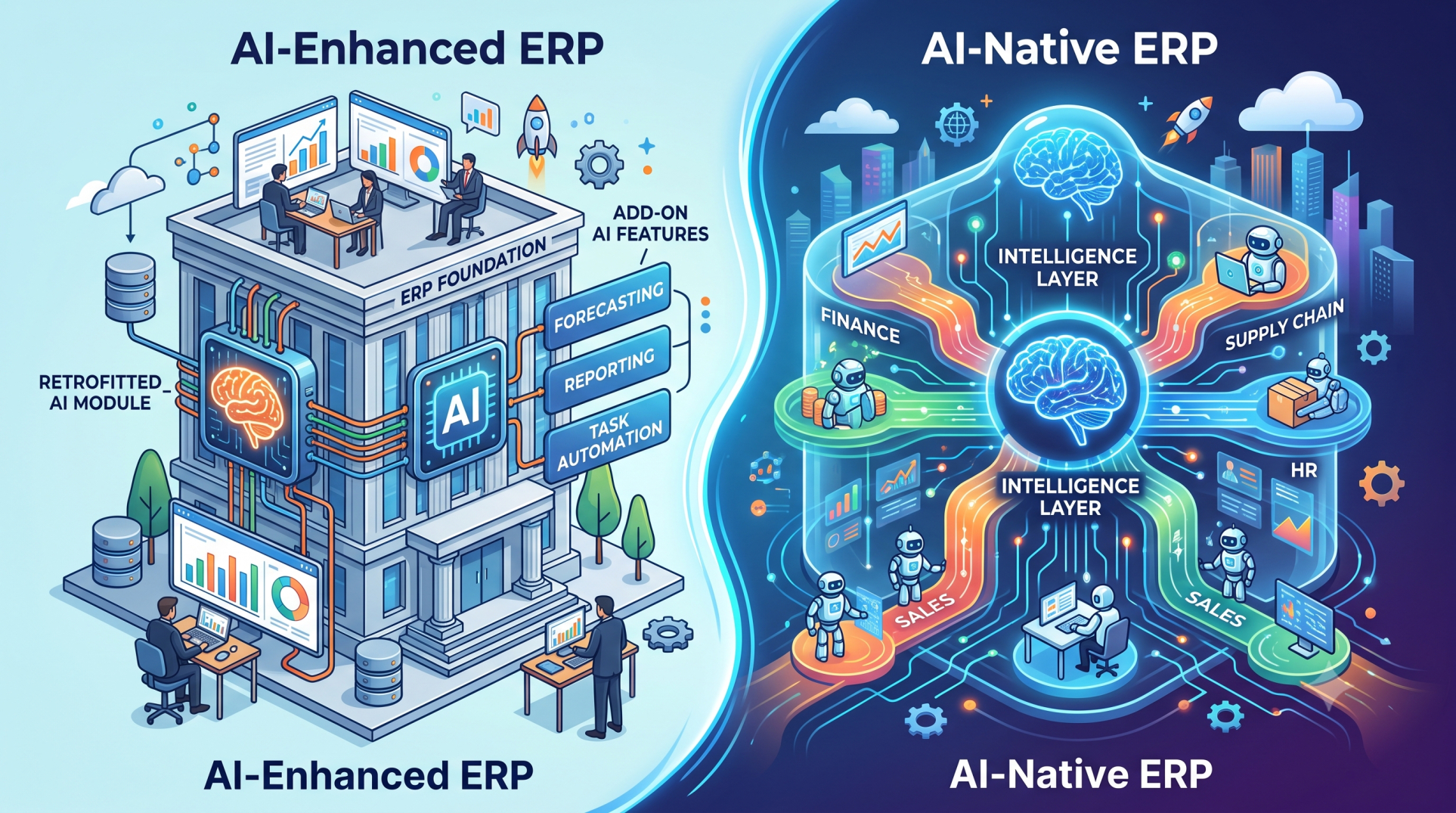
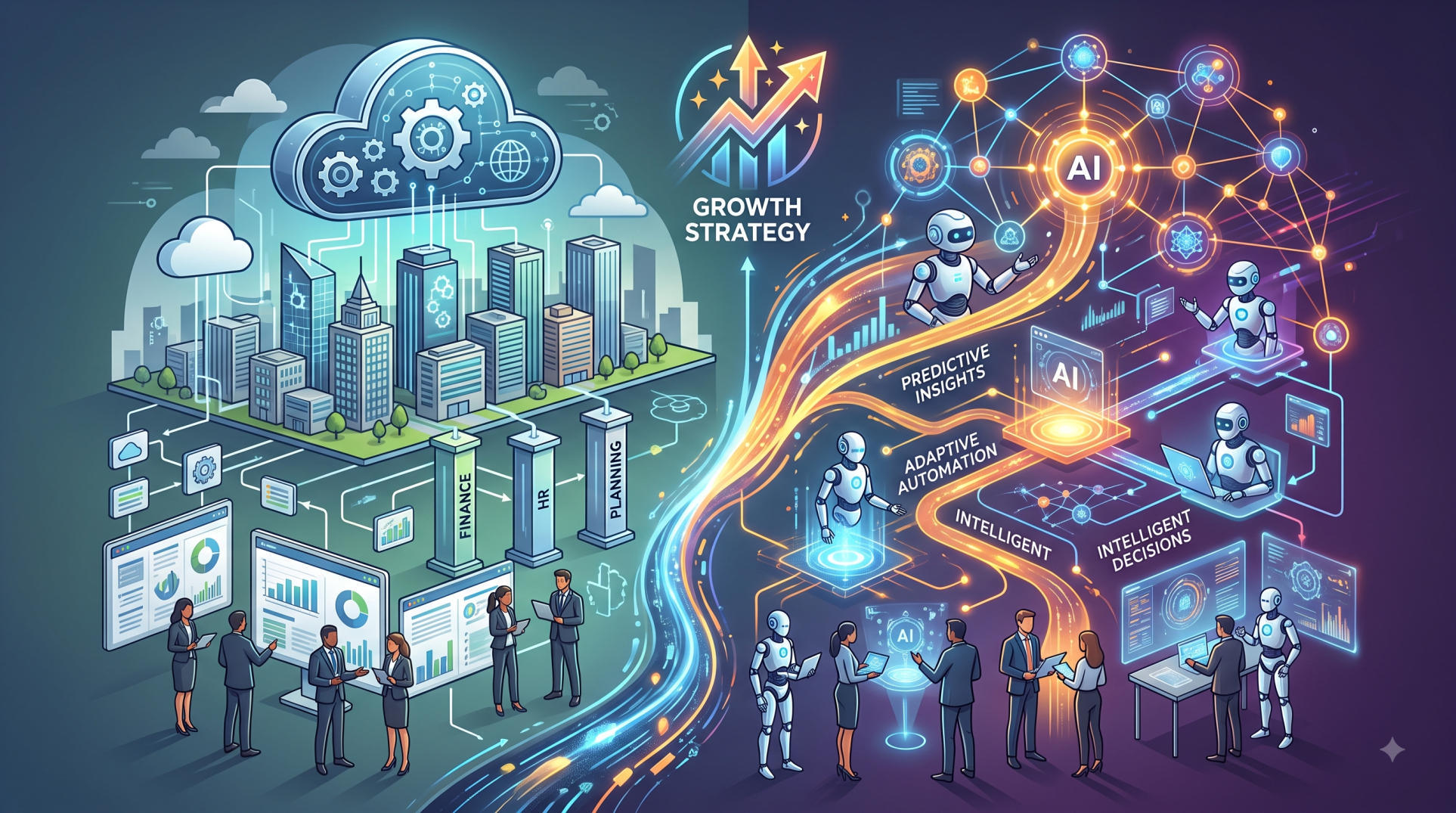
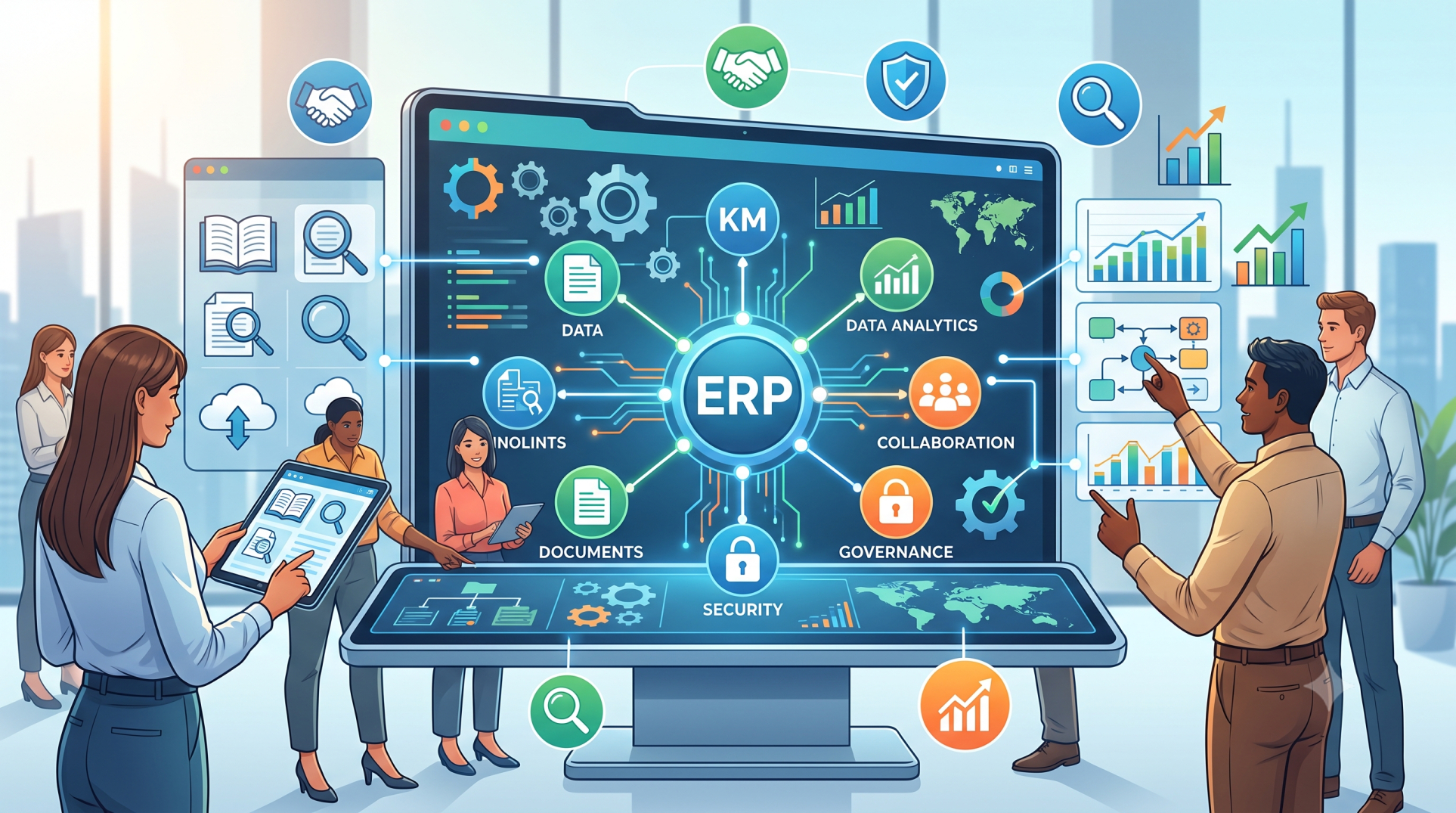
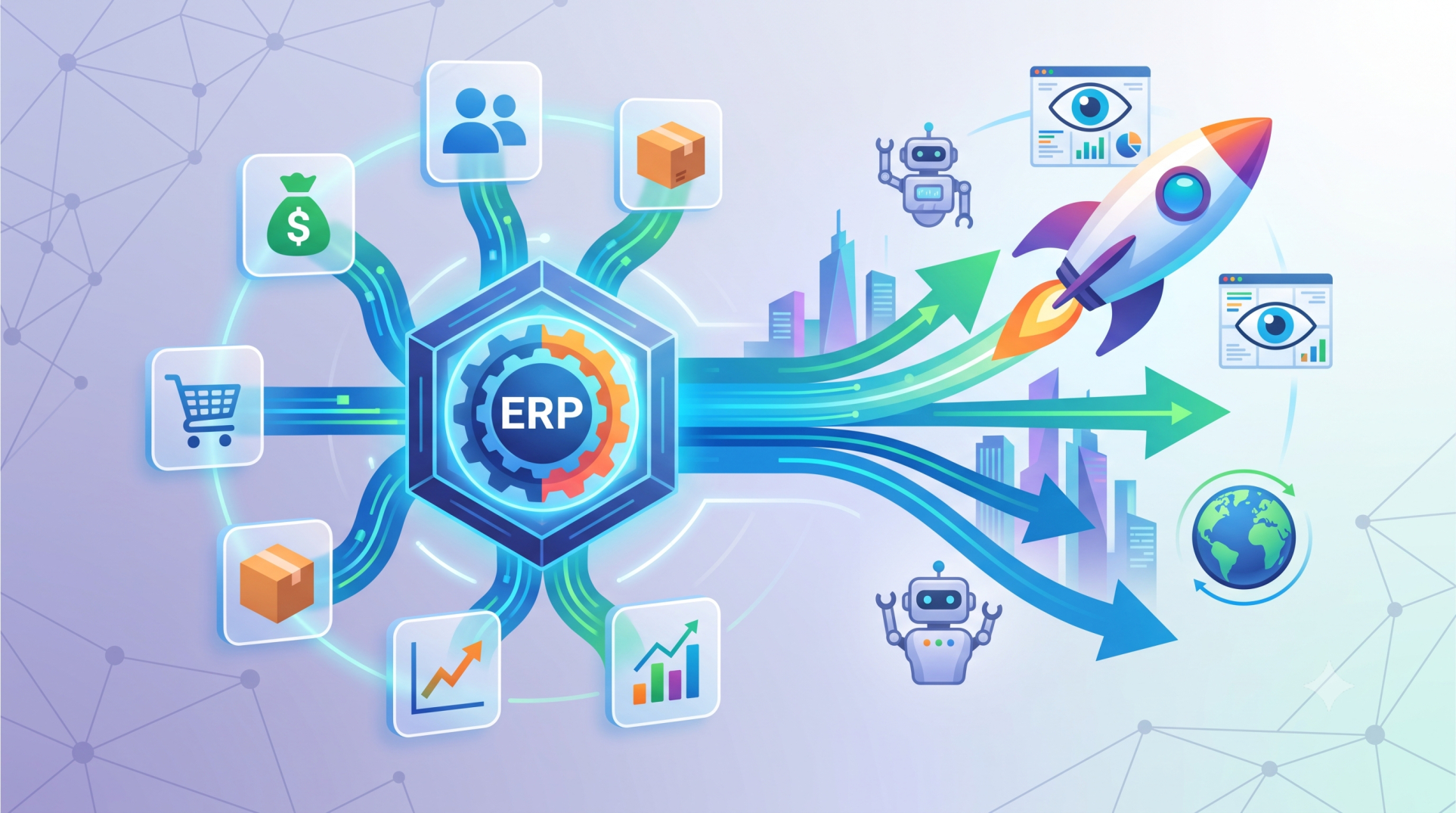
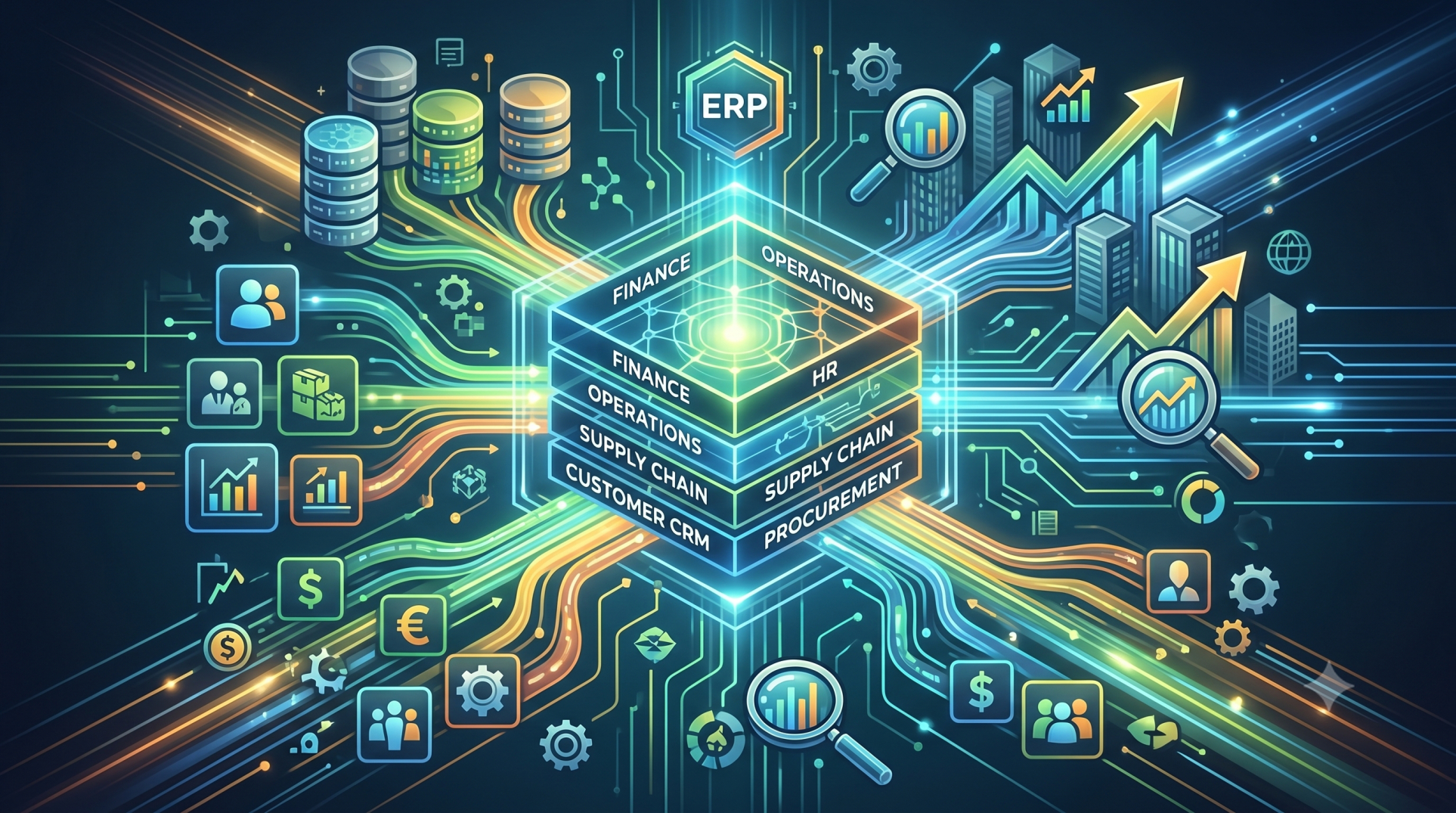
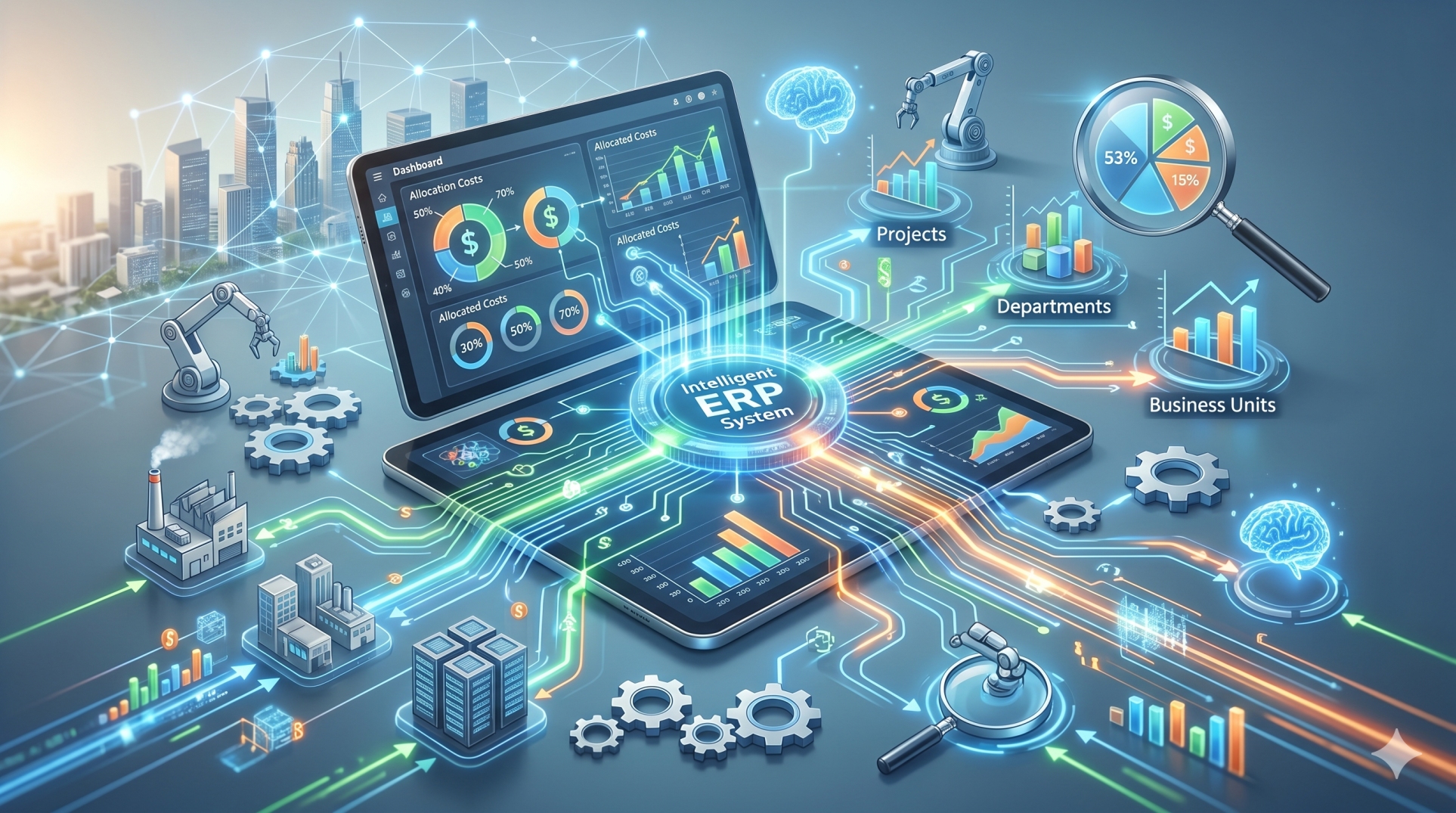
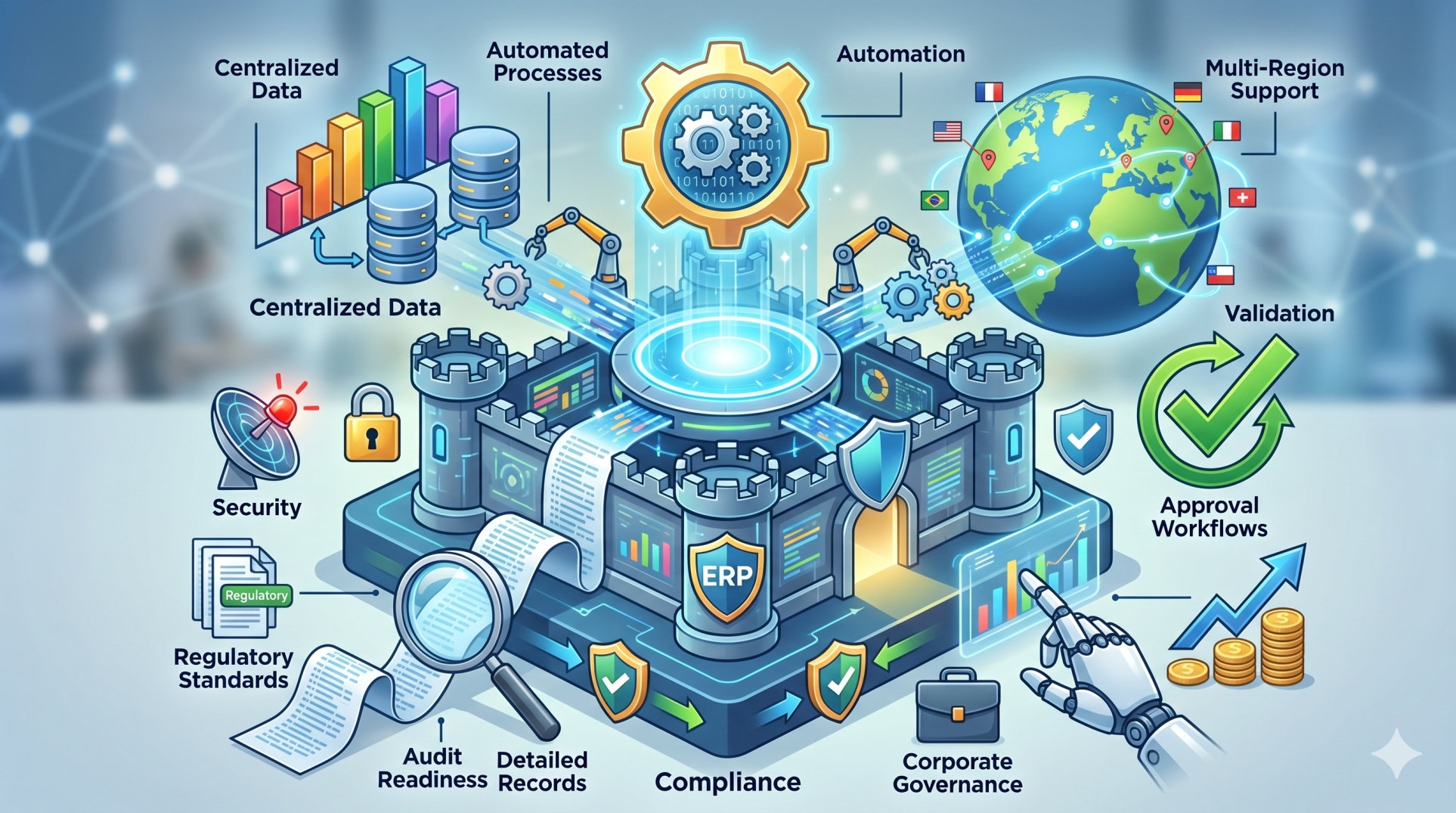
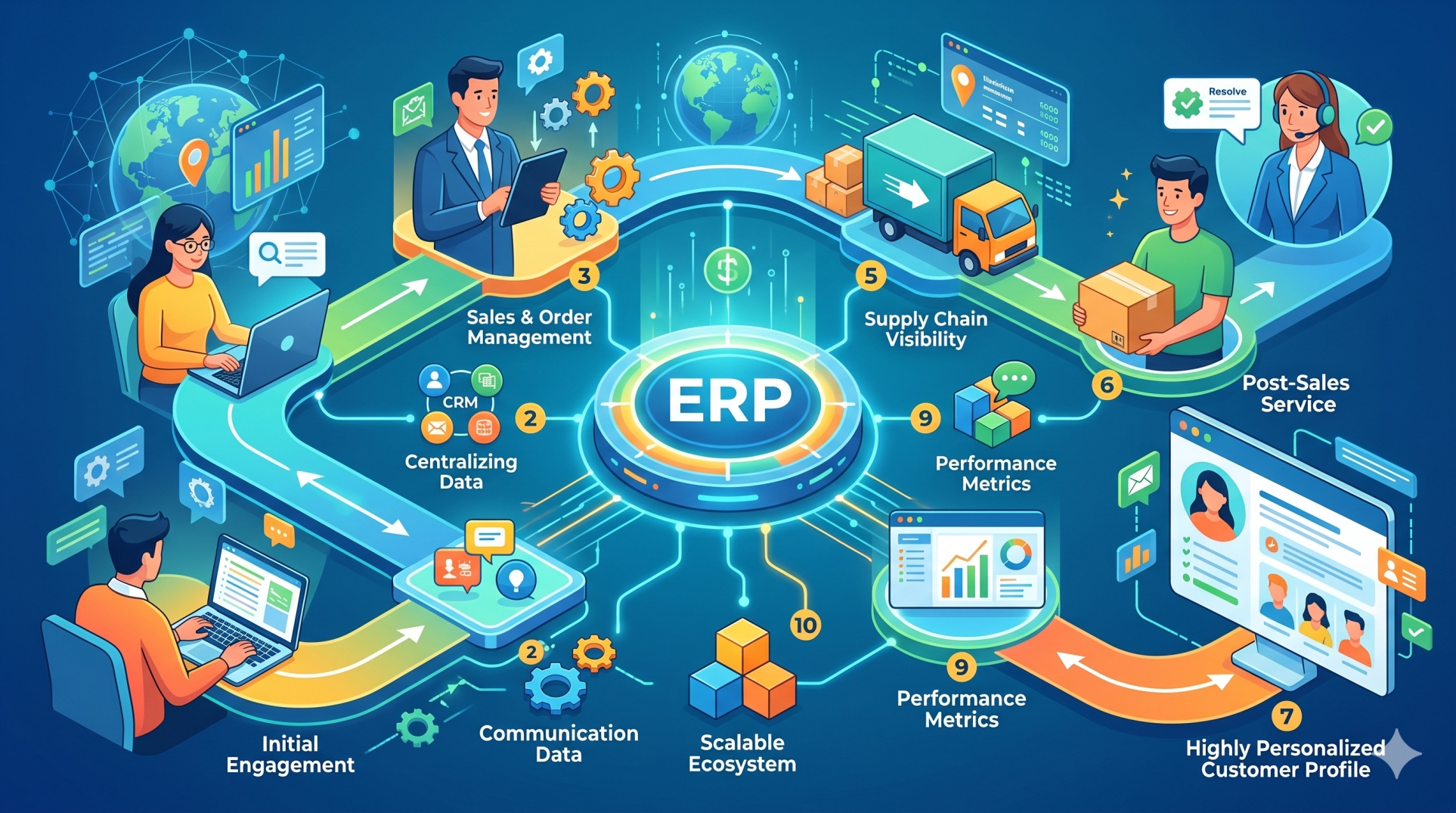
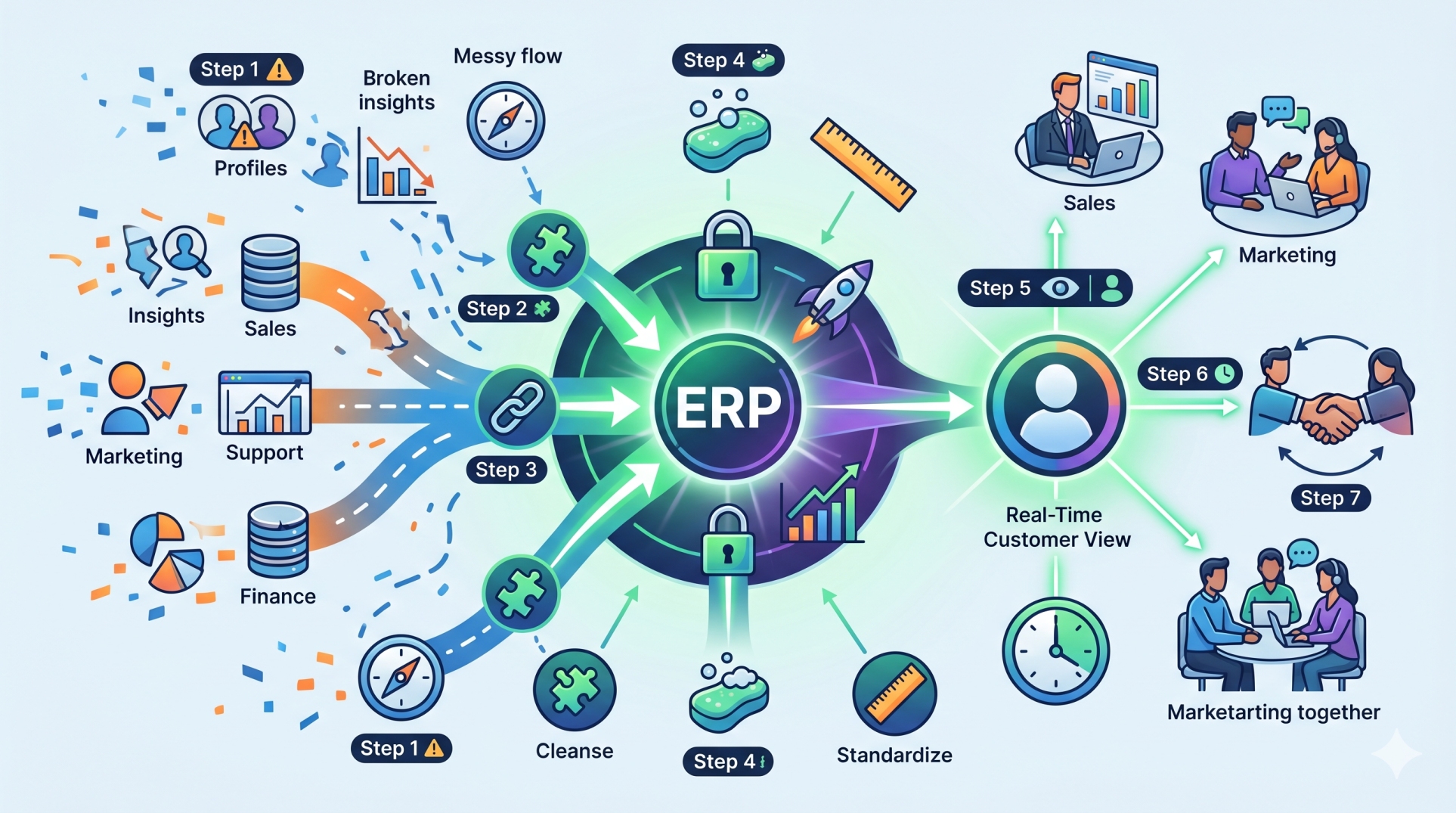
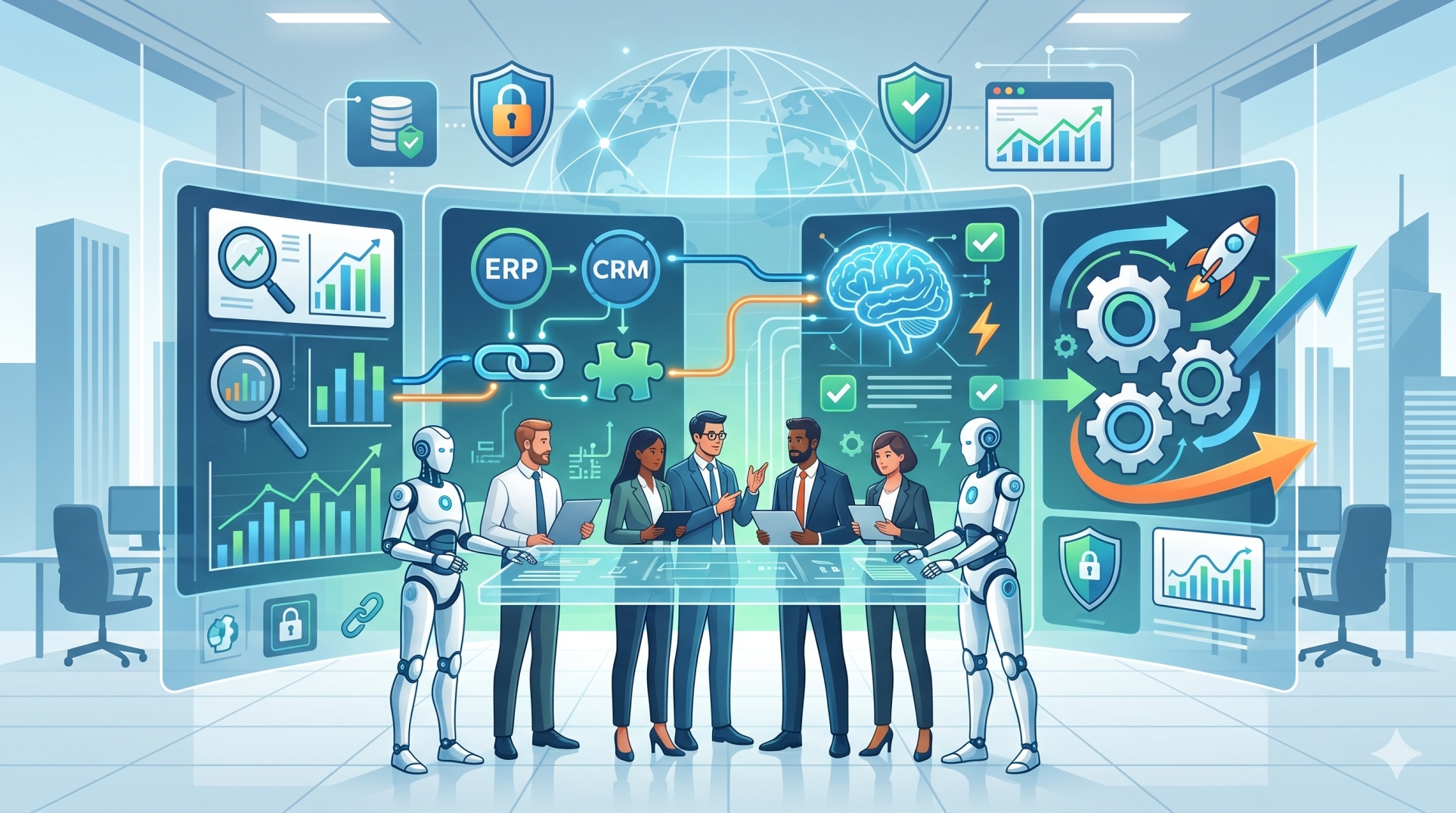
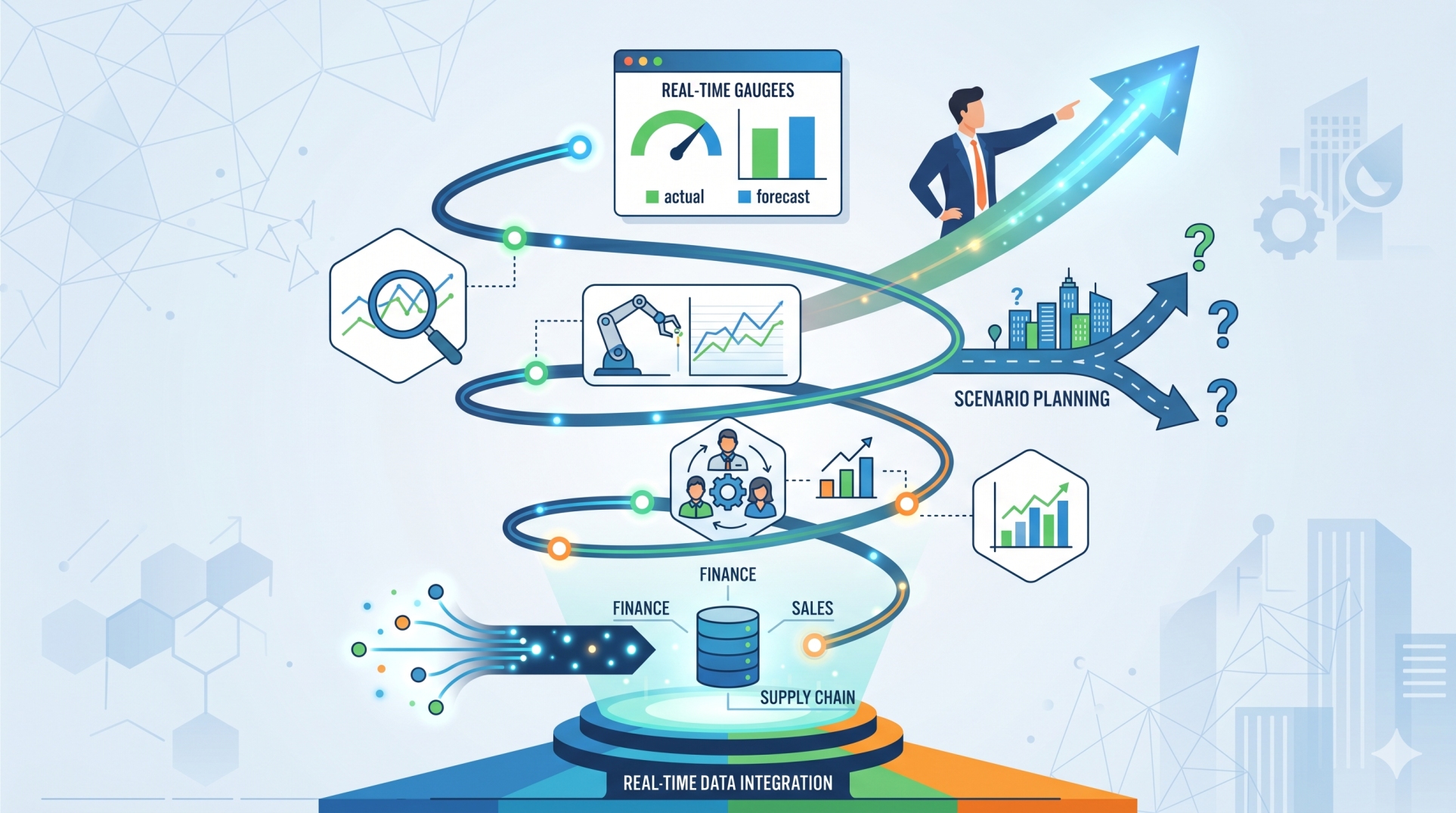
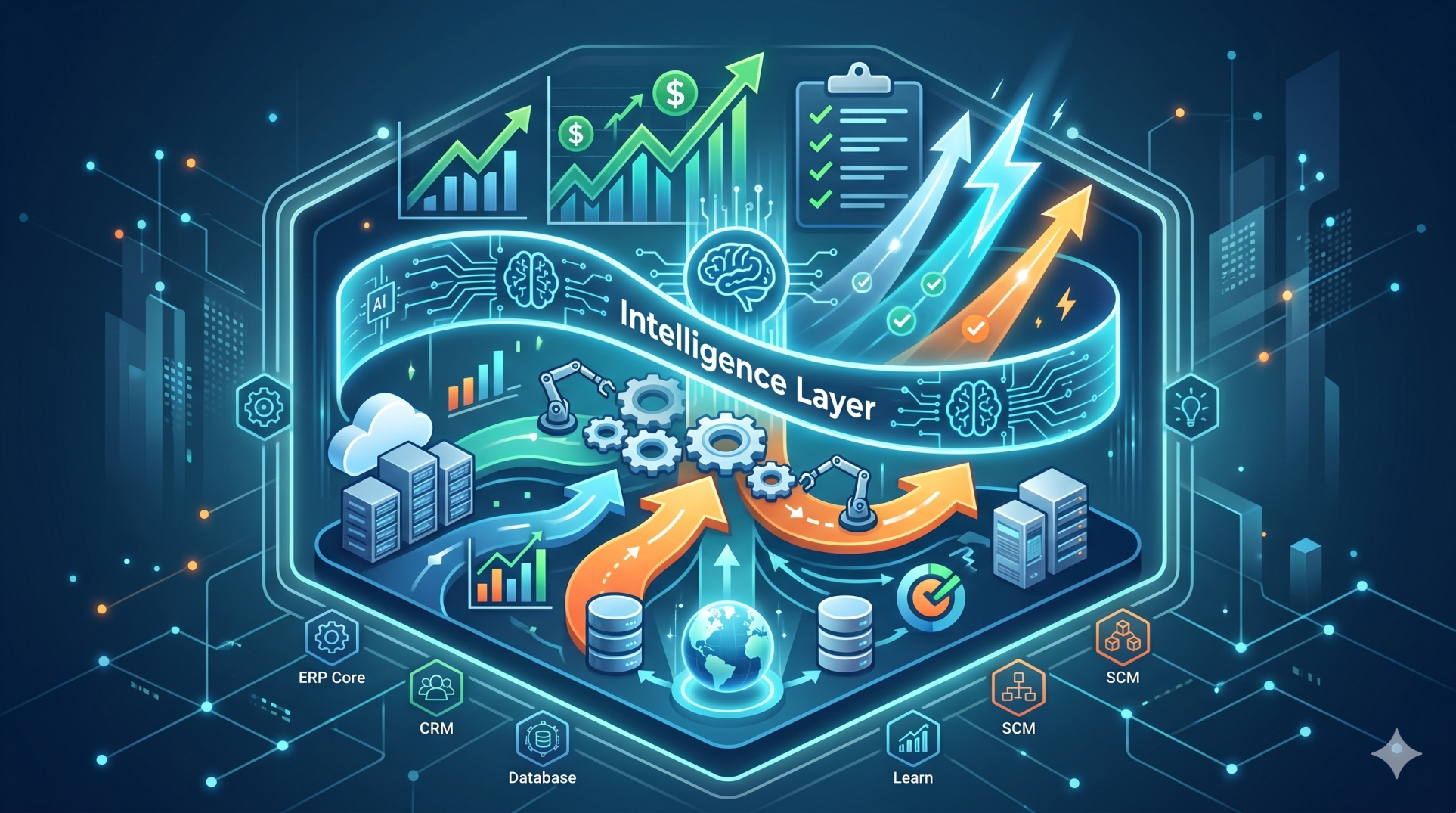
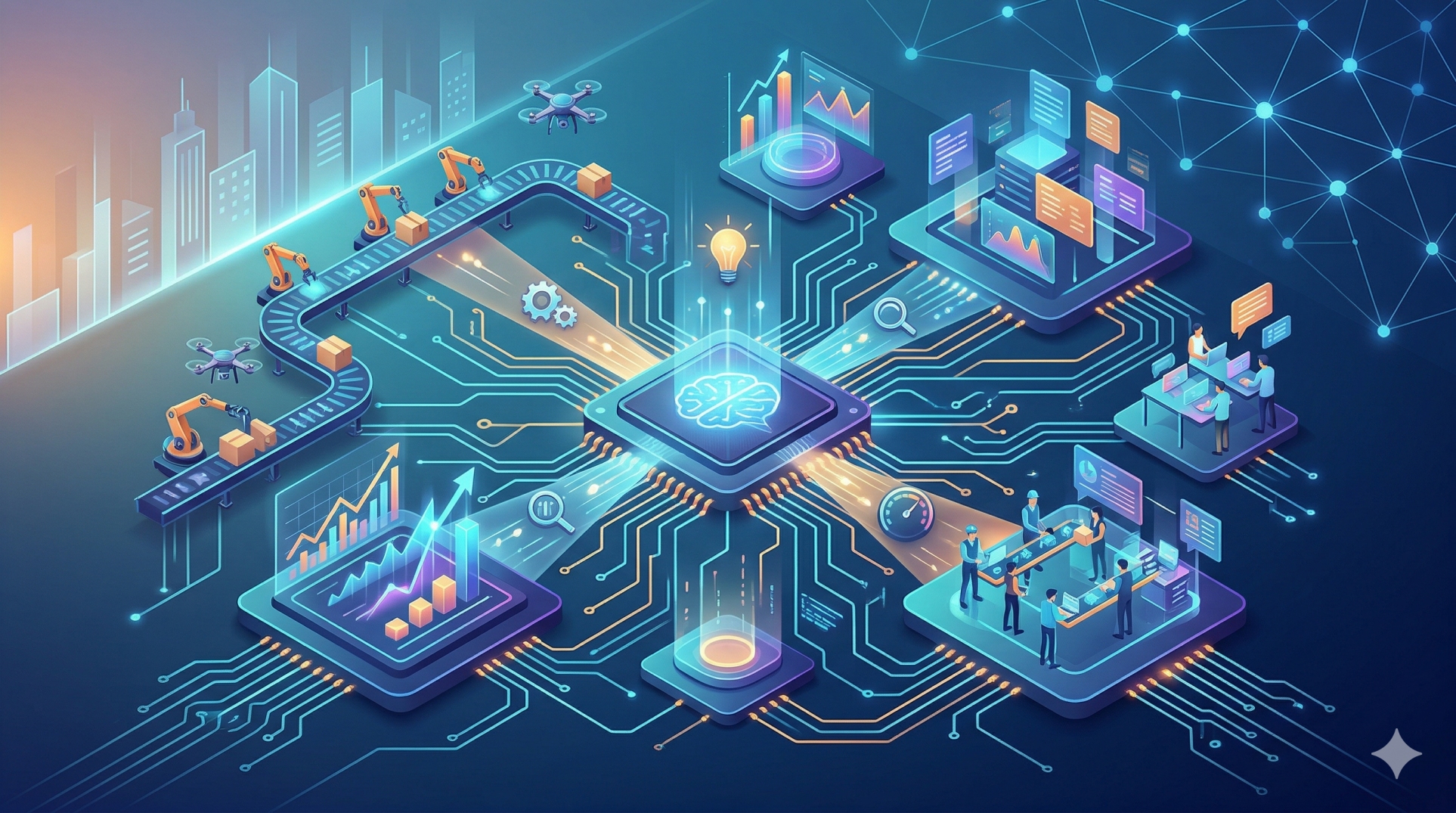
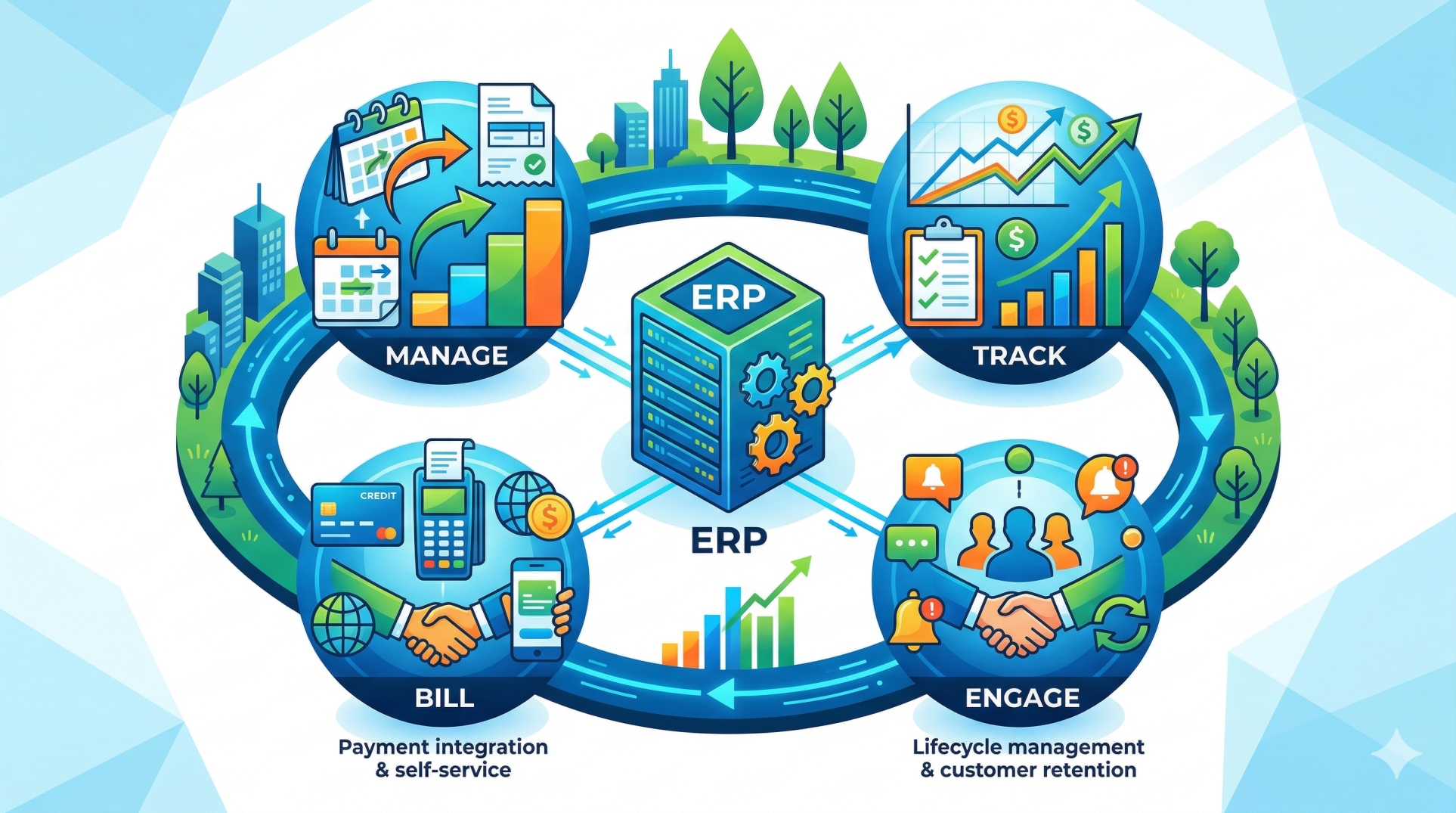
In an increasingly uncertain business environment, organizations must be prepared to evaluate multiple future outcomes and respond proactively. Embedding scenario planning into ERP platforms enables businesses to simulate different operational, financial, and strategic conditions within a unified system. This integration transforms ERP from a transactional system into a predictive and decision-support platform, helping leaders make informed, forward-looking choices.
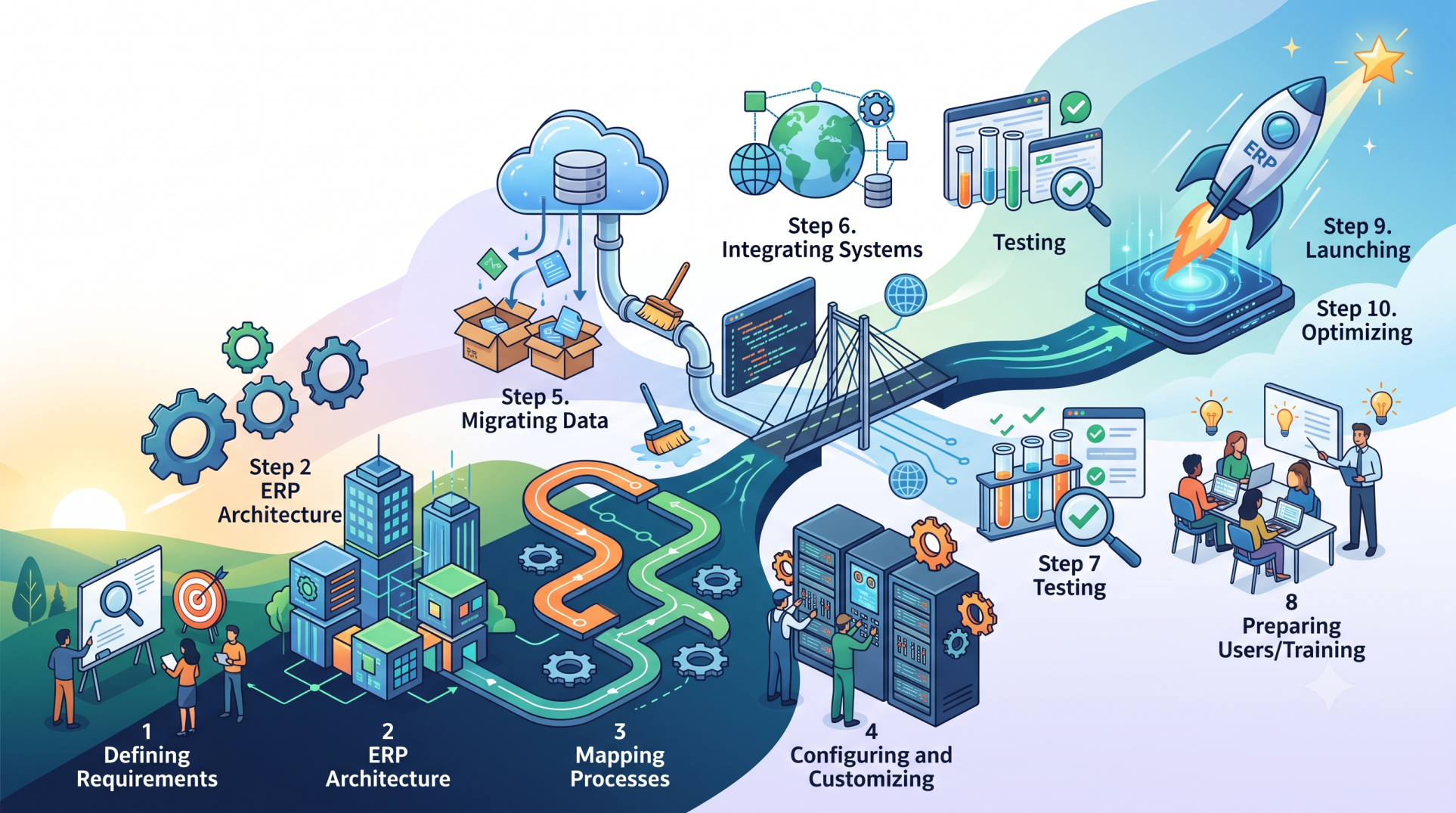
Step 1: Understanding Scenario Planning in ERP Context 🔍
• Scenario planning involves modeling multiple possible future outcomes 📊
• ERP systems provide the data foundation for accurate simulations 🧠
• Combines historical data with predictive assumptions 🔄
• Supports strategic, financial, and operational decision-making 📈
• Enhances preparedness for uncertainty and change ⚡
Step 2: Building a Data-Driven Foundation 📂
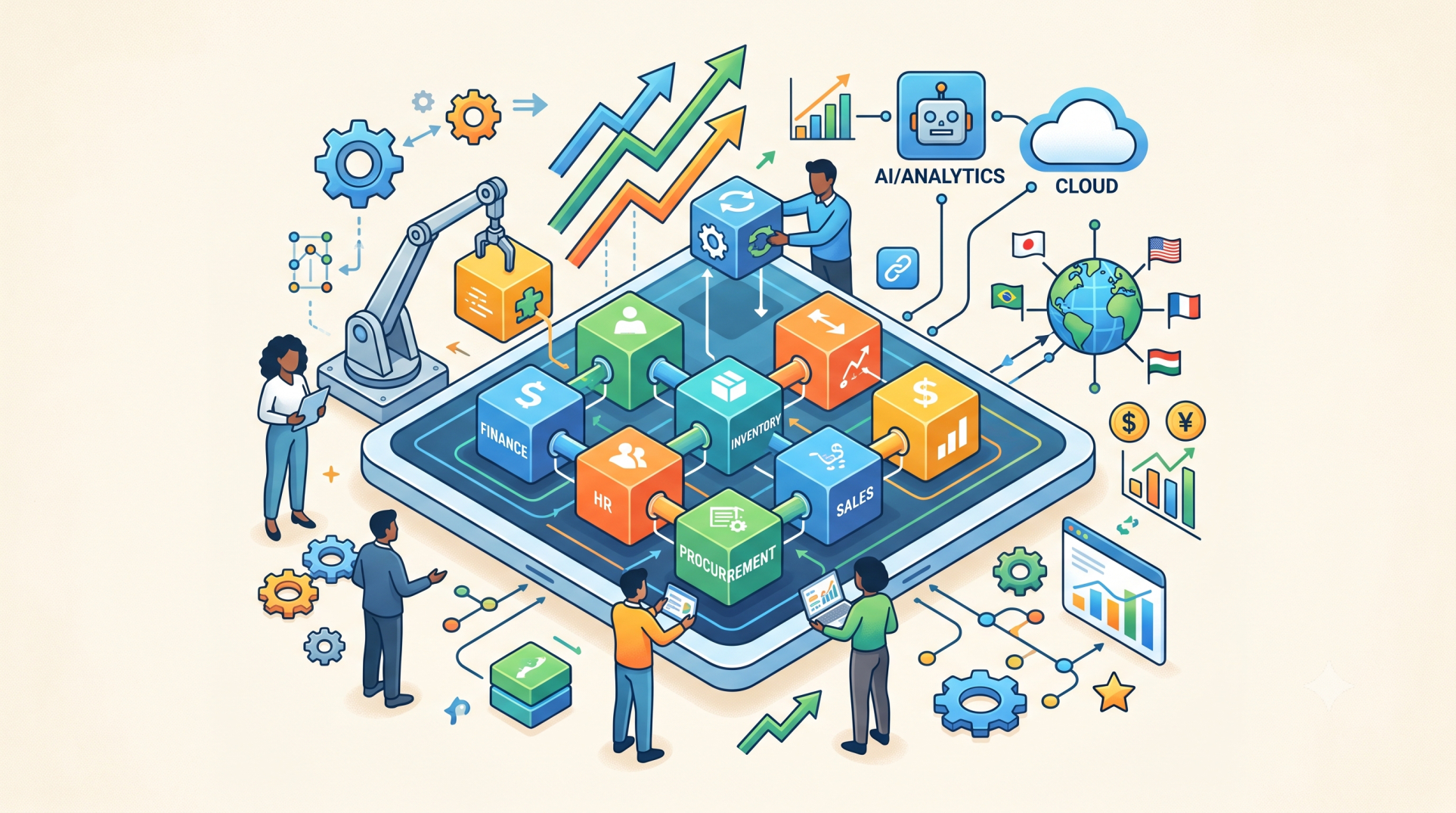
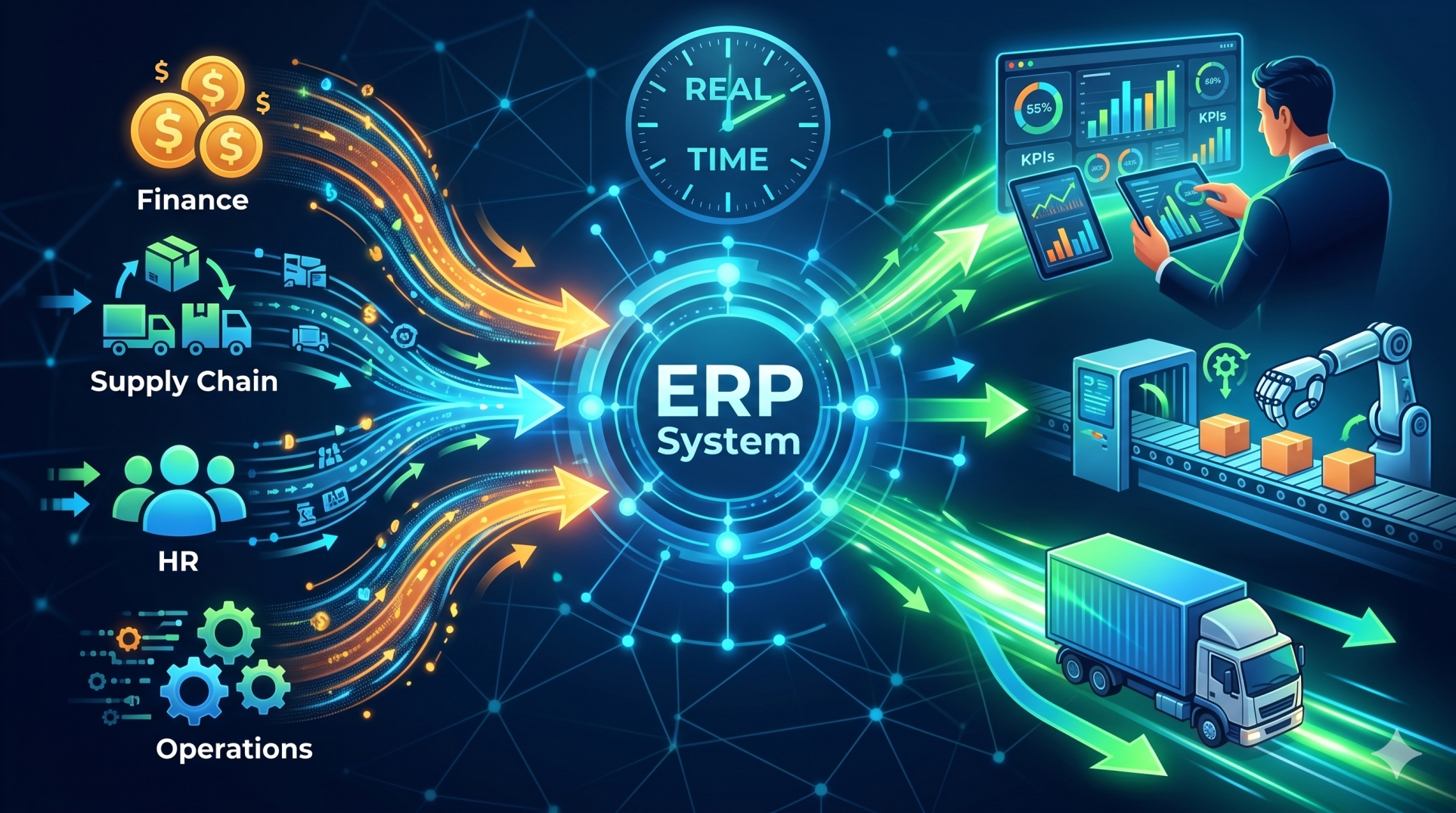
• Consolidate data from finance, supply chain, and operations 📊
• Ensure data accuracy, consistency, and completeness ✅
• Enable real-time data updates for dynamic modeling ⏱️
• Integrate internal and external data sources 🌐
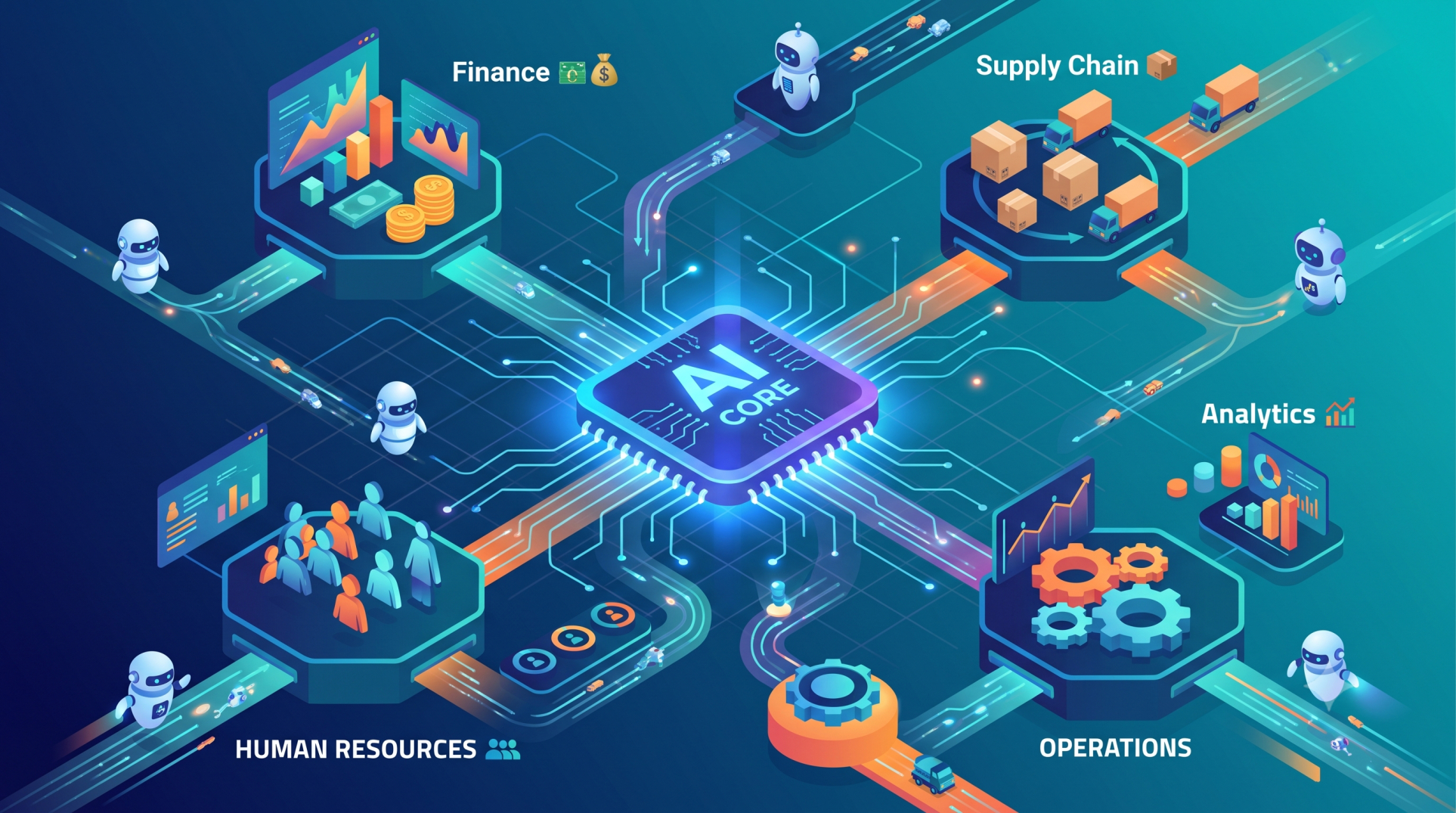
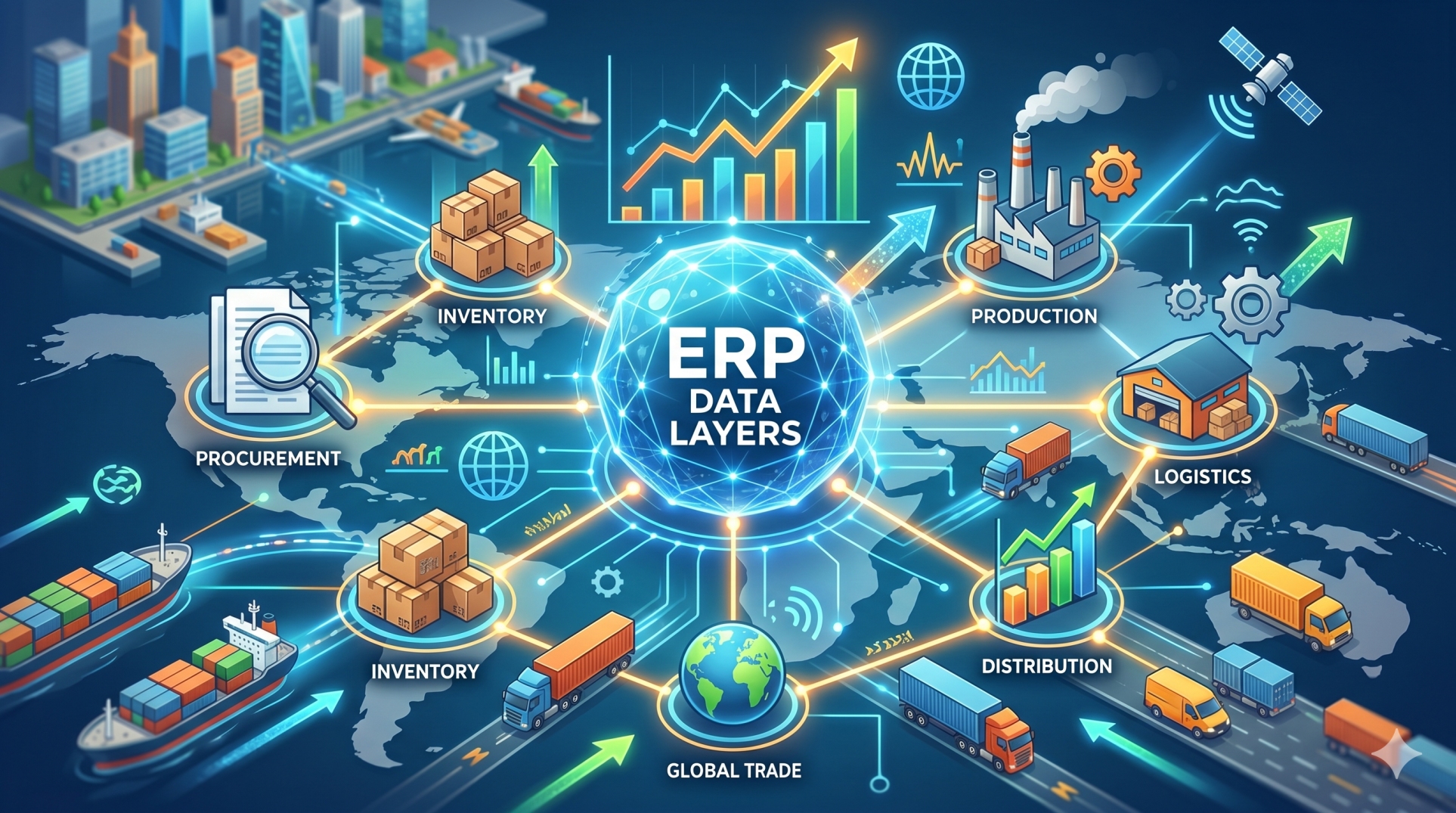
• Create a unified data layer for scenario simulations 🧩
Step 3: Defining Key Business Variables ⚙️
• Identify critical drivers such as demand, costs, and supply 📦
• Model variables like pricing, workforce, and production levels 💰
• Establish assumptions for different business conditions 🔄
• Define best-case, worst-case, and baseline scenarios 📊
• Align variables with strategic business objectives 🎯
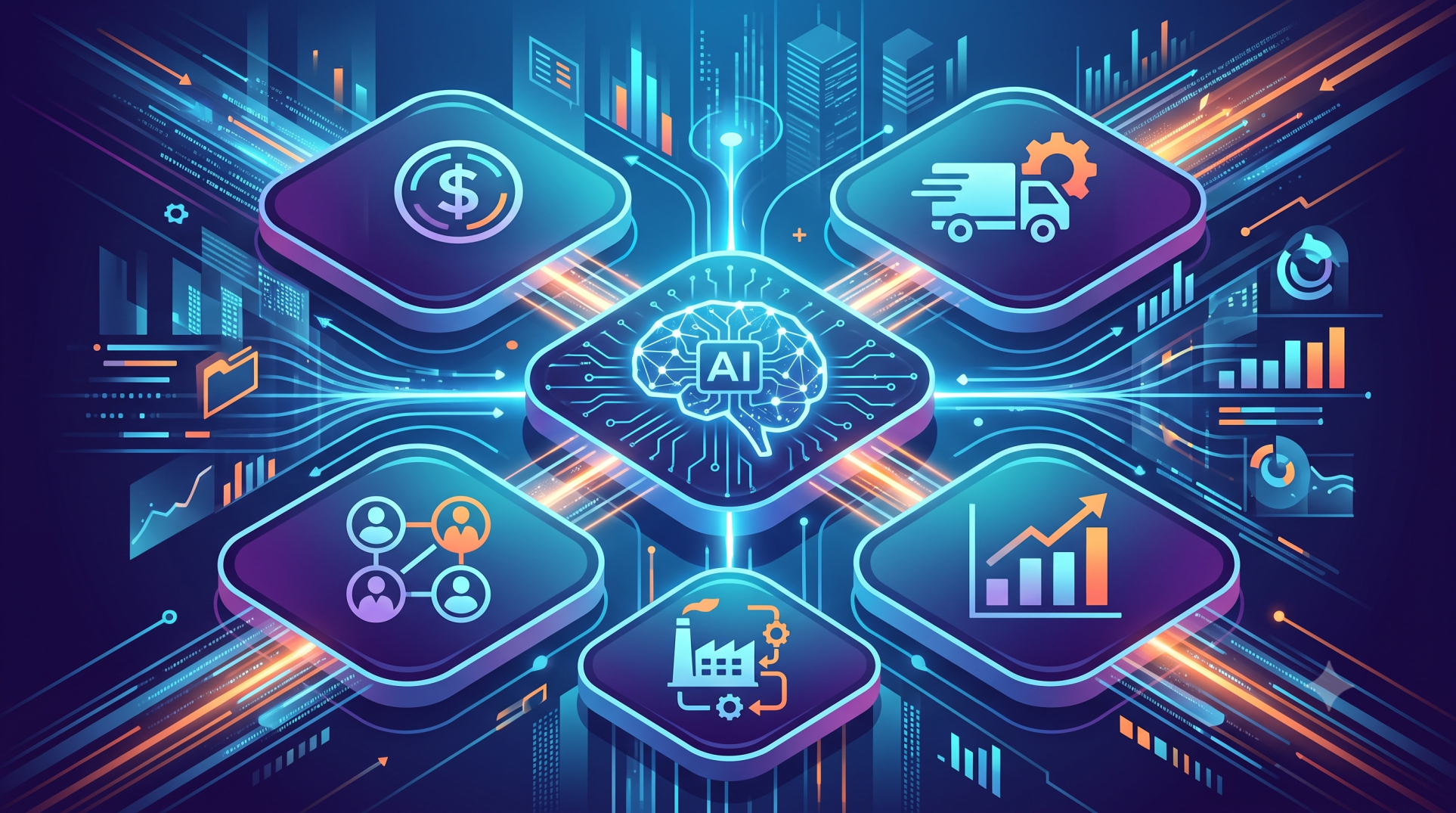
Step 4: Integrating Predictive Analytics and AI 🤖
• Use AI models to forecast trends and outcomes 📈
• Apply machine learning for demand and risk prediction 🔍
• Automate scenario generation based on real-time data ⚡
• Improve accuracy through continuous model learning 🧠
• Enable proactive decision-making with predictive insights 🚀
Step 5: Real-Time Simulation and What-If Analysis ⏱️
• Run simulations directly within the ERP environment 📊
• Evaluate the impact of changes across multiple functions 🔄
• Perform what-if analysis for rapid decision-making ⚡
• Adjust variables dynamically and observe outcomes instantly 👁️
• Support agile and responsive business strategies 🧭
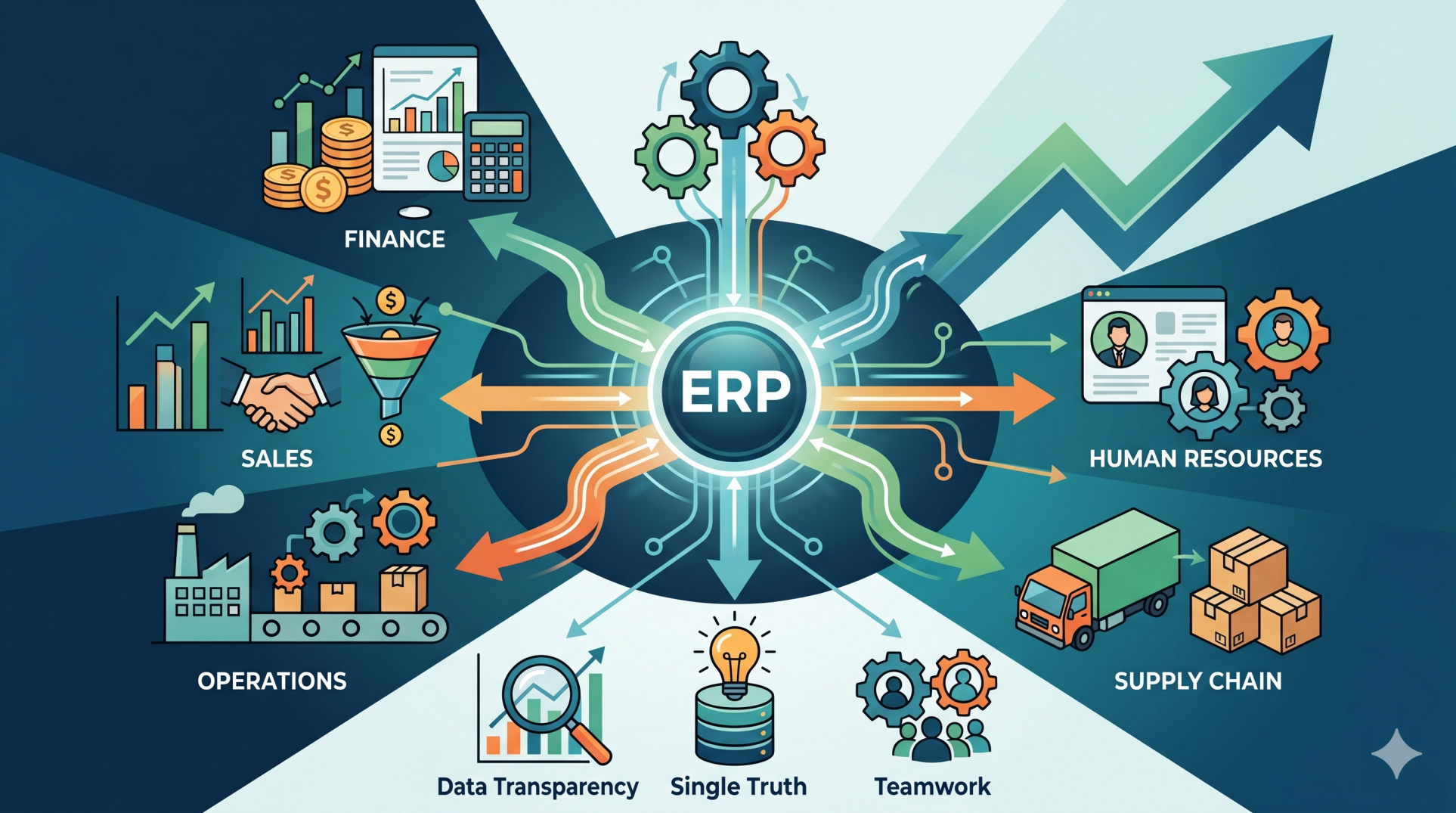
Step 6: Cross-Functional Impact Analysis 🔗
• Analyze how changes in one area affect others 🔄
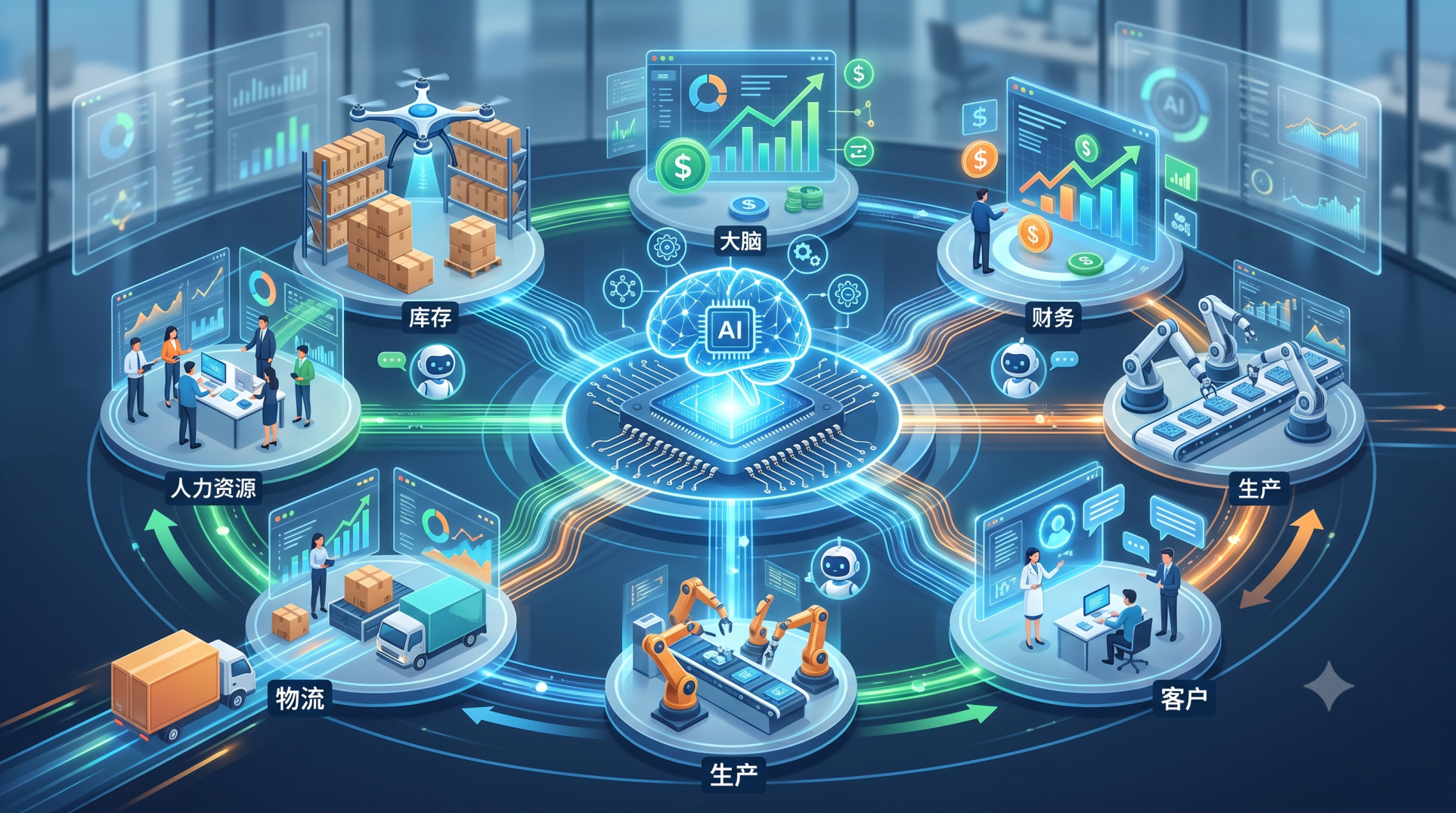
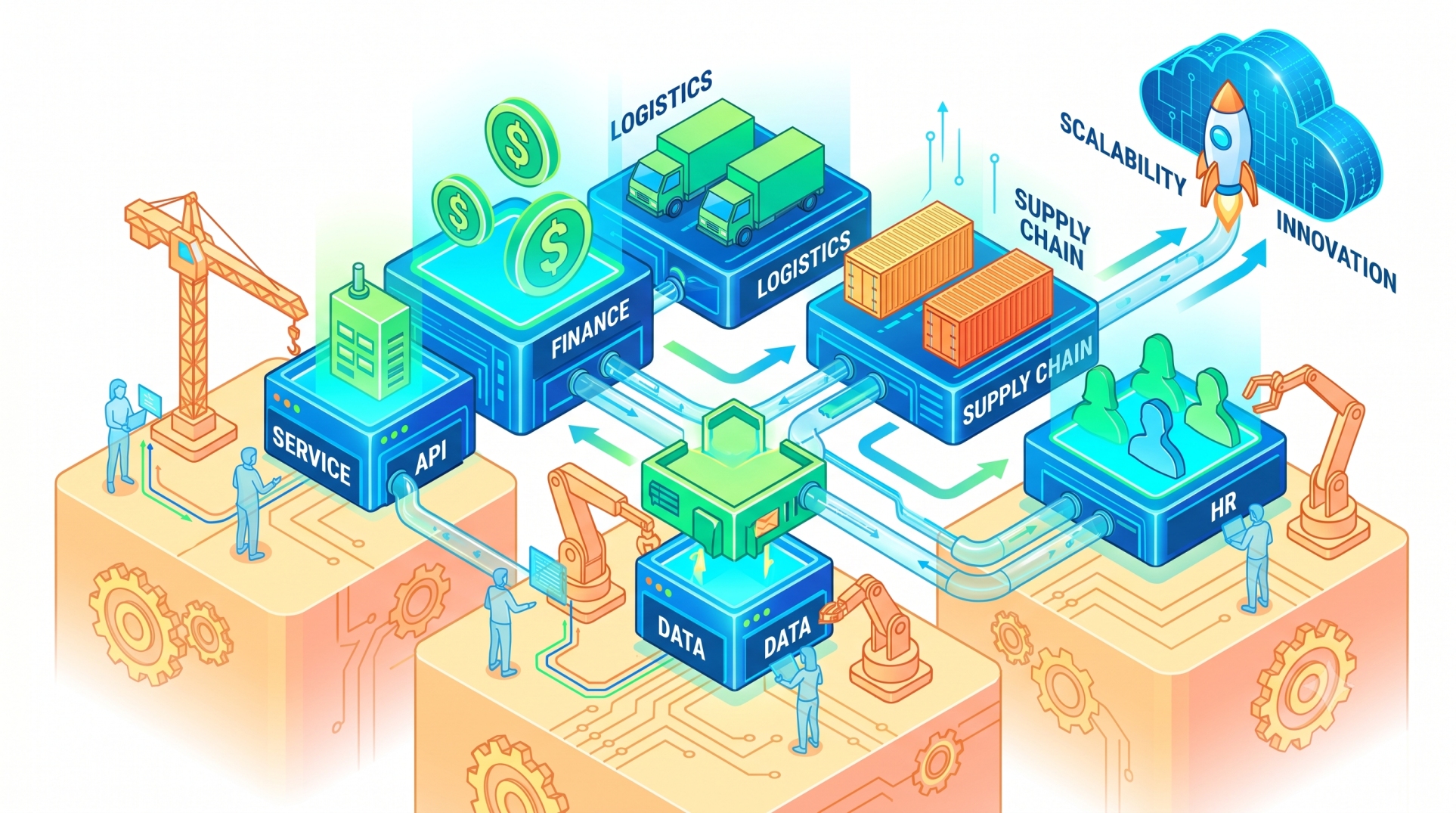
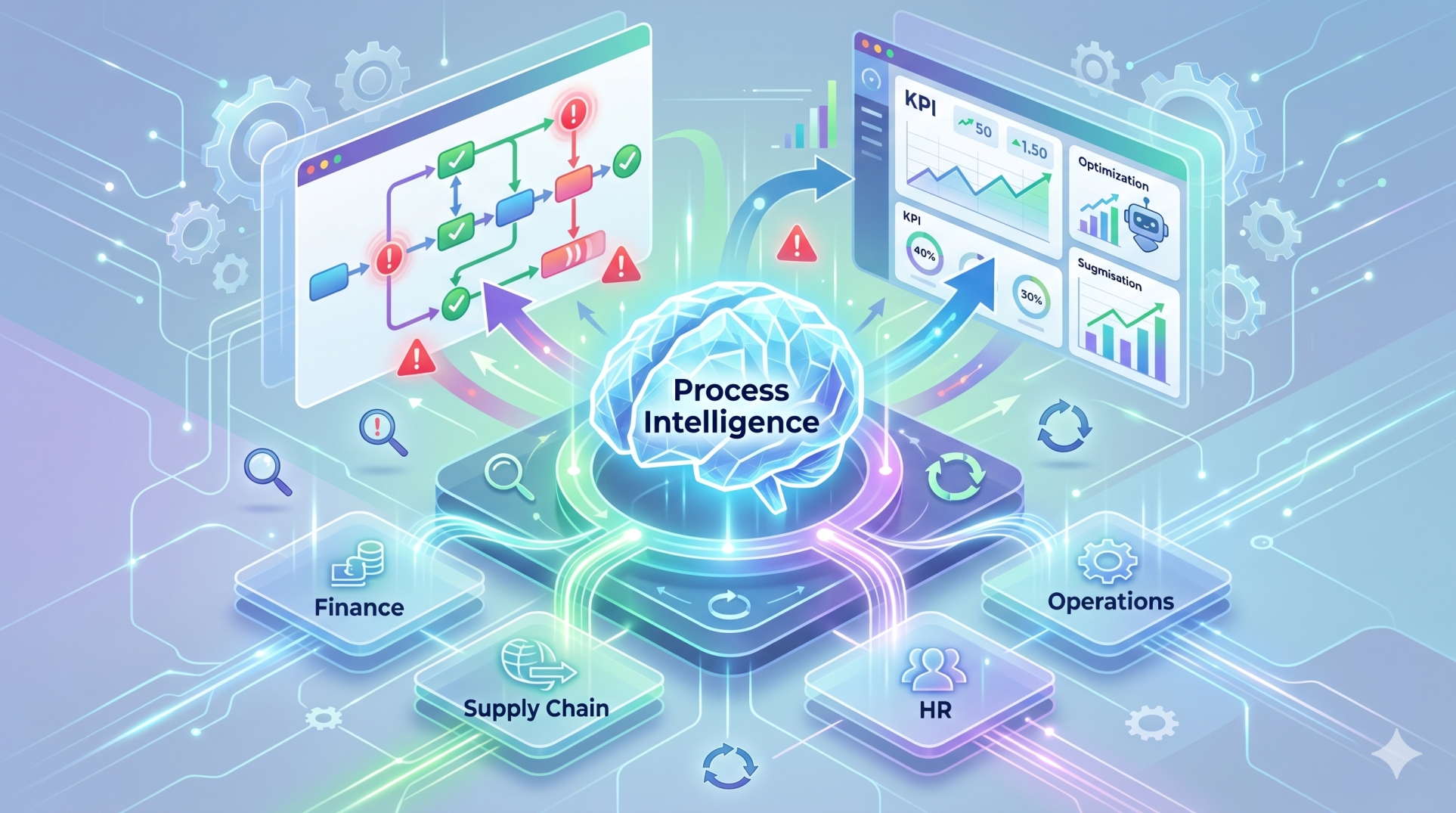
• Connect finance, operations, and supply chain models 📦
• Identify dependencies and cascading effects ⚙️
• Enable holistic decision-making across departments 🧠
• Reduce siloed planning approaches 🚫
Step 7: Visualization and Decision Support 📊
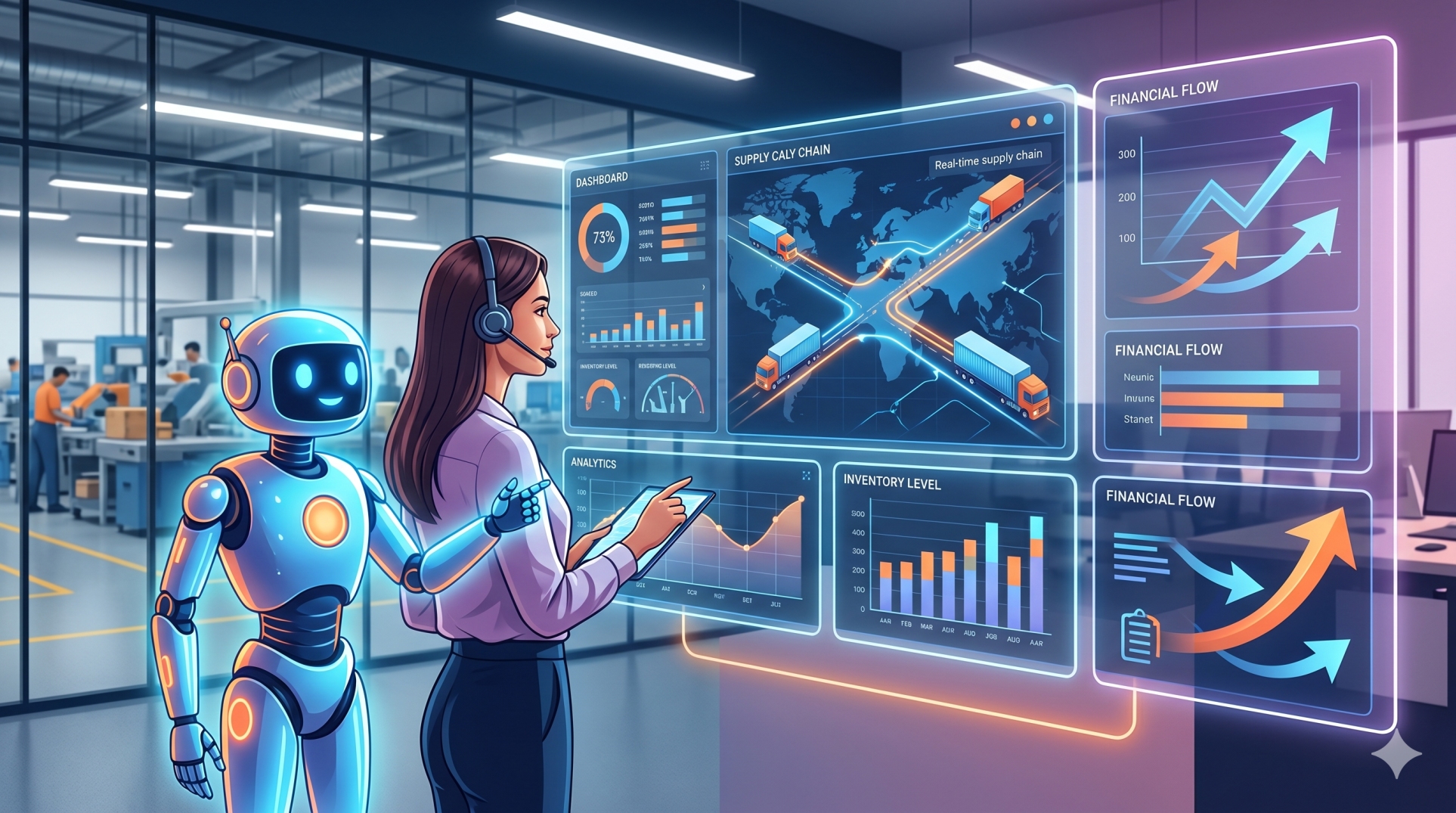
• Present scenarios through intuitive dashboards and reports 📈
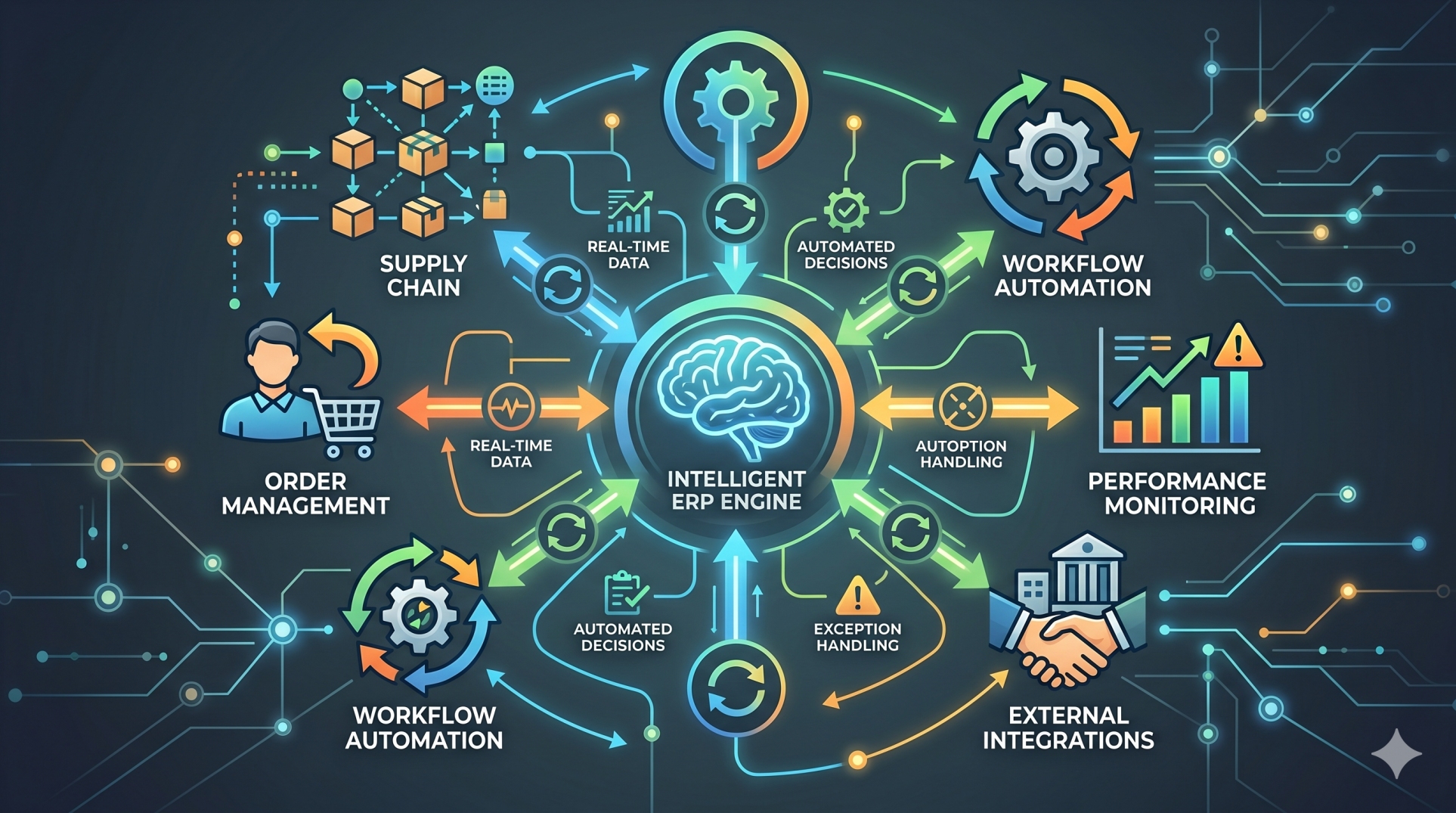
• Highlight risks, opportunities, and trade-offs clearly 🔍
• Enable executives to compare multiple scenarios easily ⚖️
• Provide actionable insights for strategic planning 🧭
• Improve stakeholder alignment and communication 🤝
Step 8: Key Implementation Priorities 📌
• Seamless integration with existing ERP modules 🔗
• Real-time data processing and simulation capabilities ⏱️
• High accuracy in predictive models 📊
• User-friendly interfaces for decision-makers 🎯
Step 9: Managing Uncertainty and Exceptions ⚠️
• Continuously update scenarios based on new data 🔄
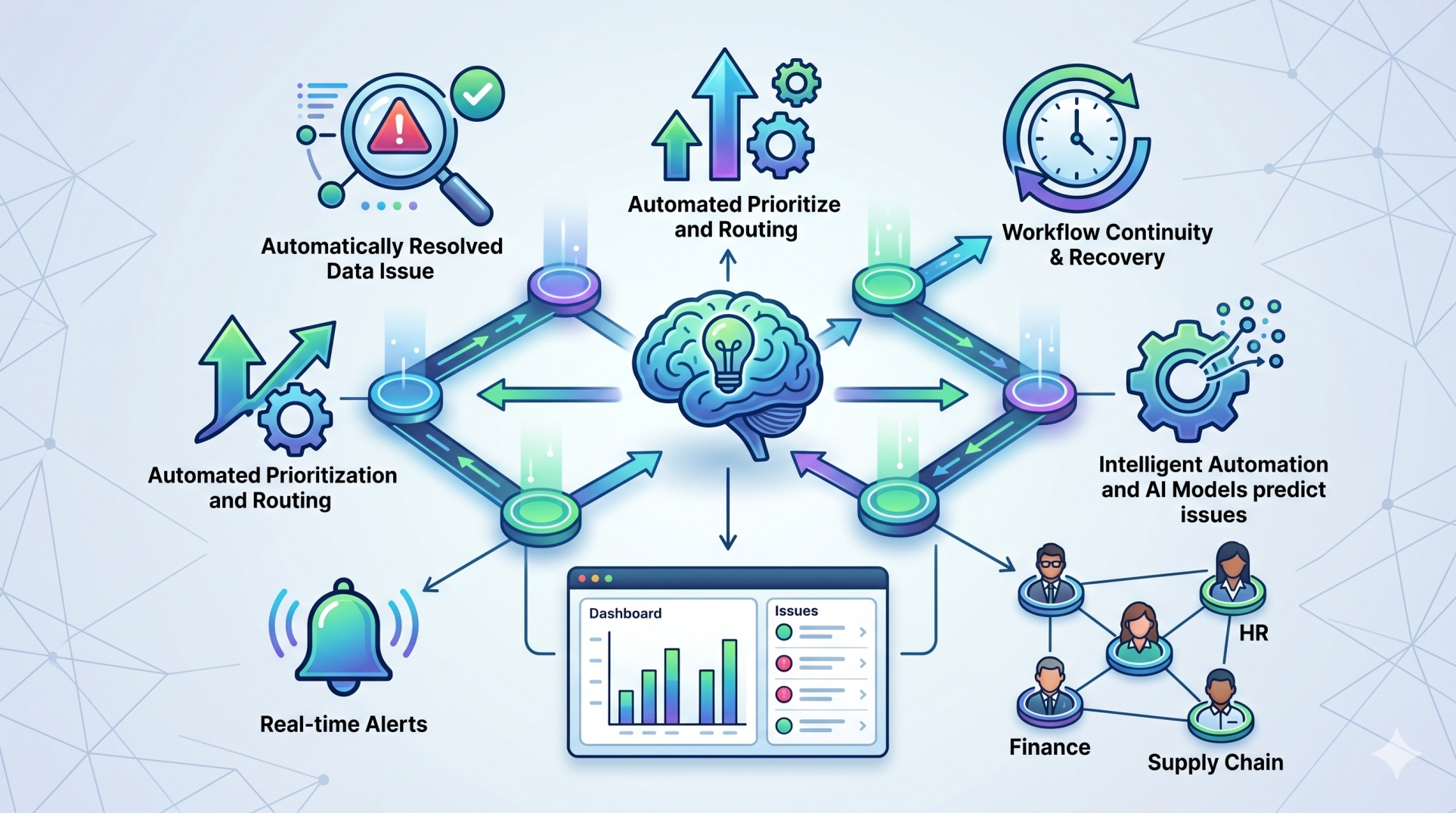
• Detect deviations from expected outcomes early 🔍
• Adjust plans dynamically in response to disruptions ⚡
• Maintain flexibility in modeling assumptions 🧩
• Ensure resilience in volatile environments 🛡️
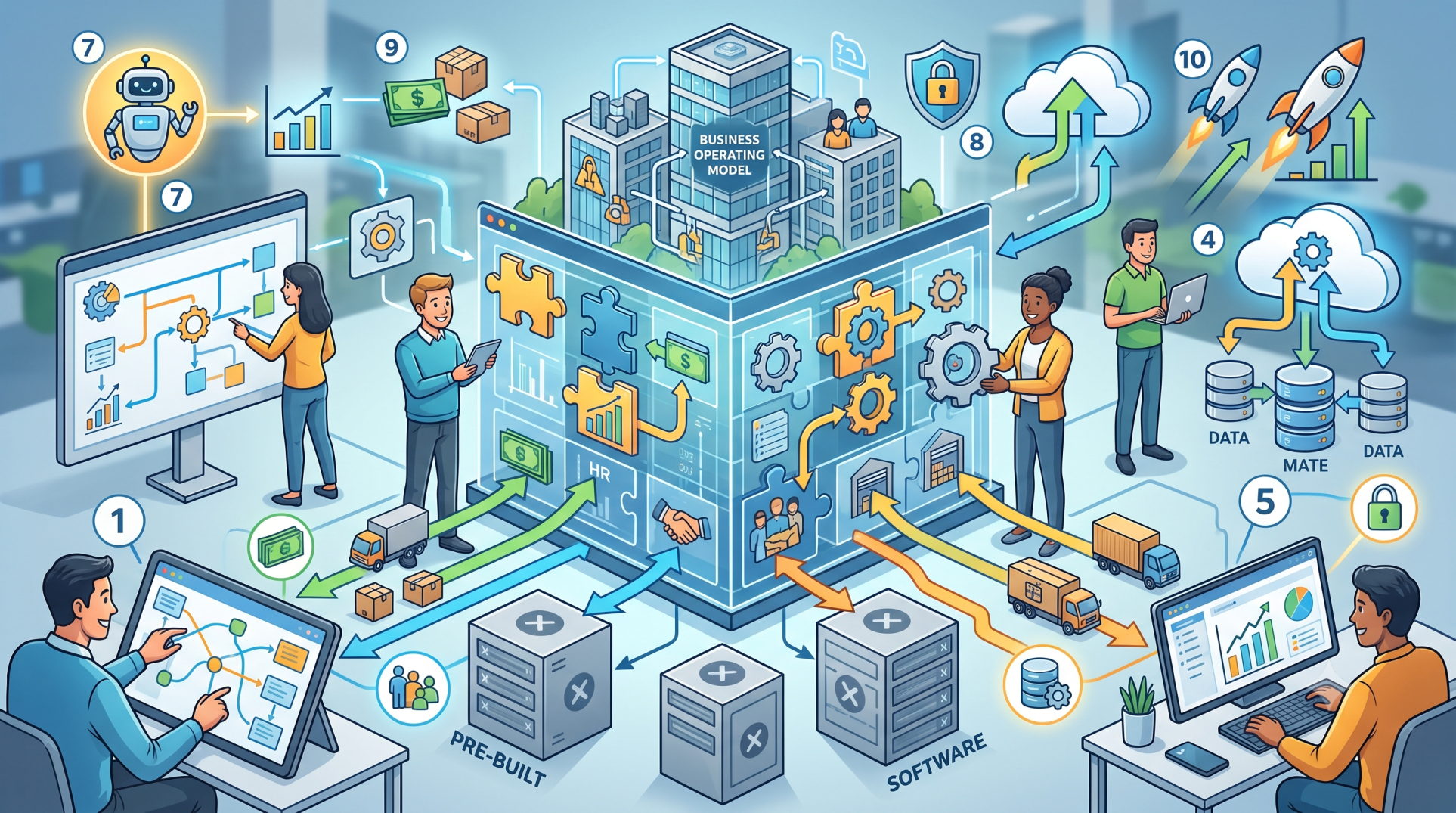
Step 10: Building a Future-Ready Planning Ecosystem 🚀
• Integrate scenario planning into everyday business workflows 🔄
• Enable continuous planning instead of periodic forecasting 📅
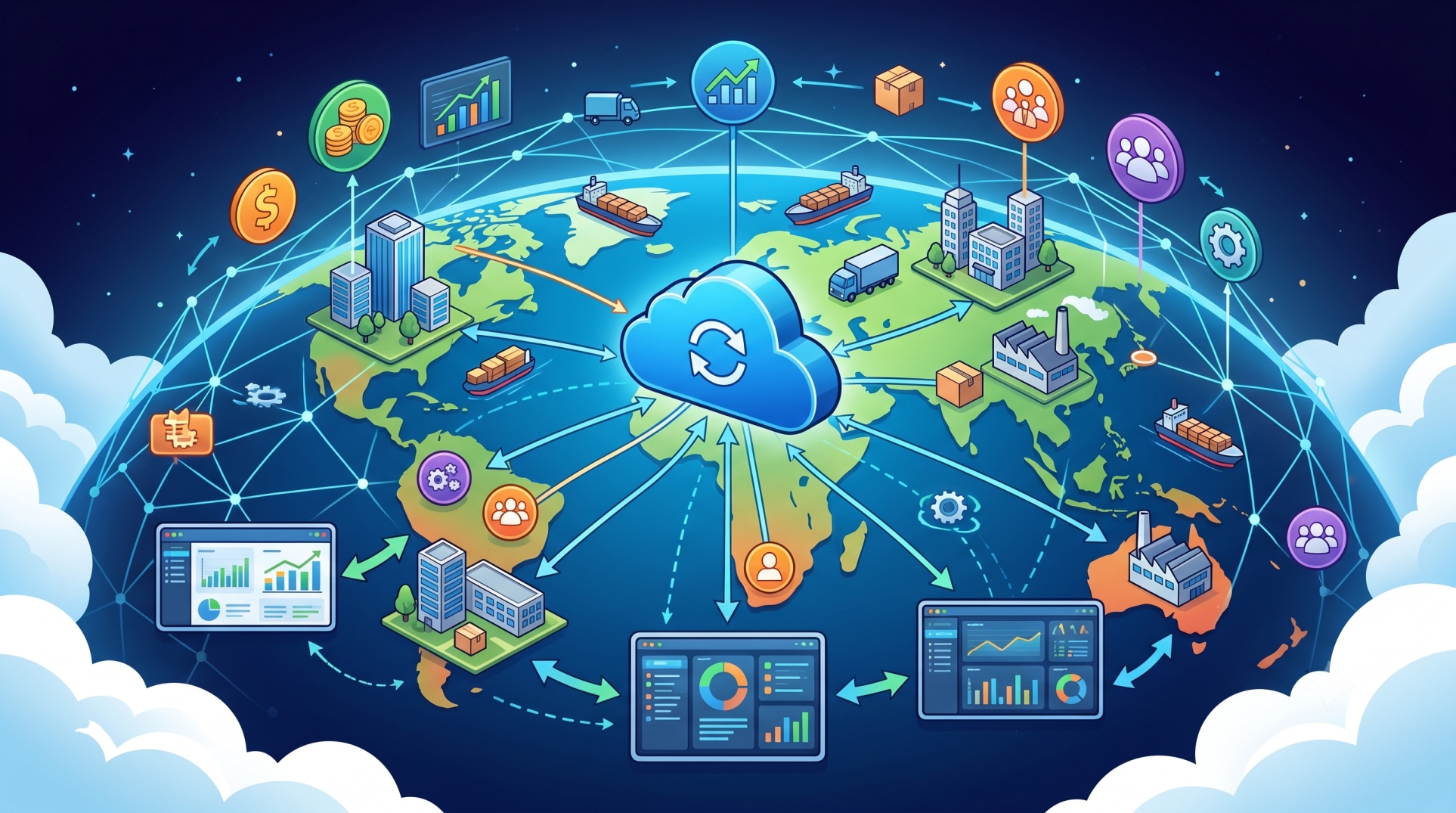
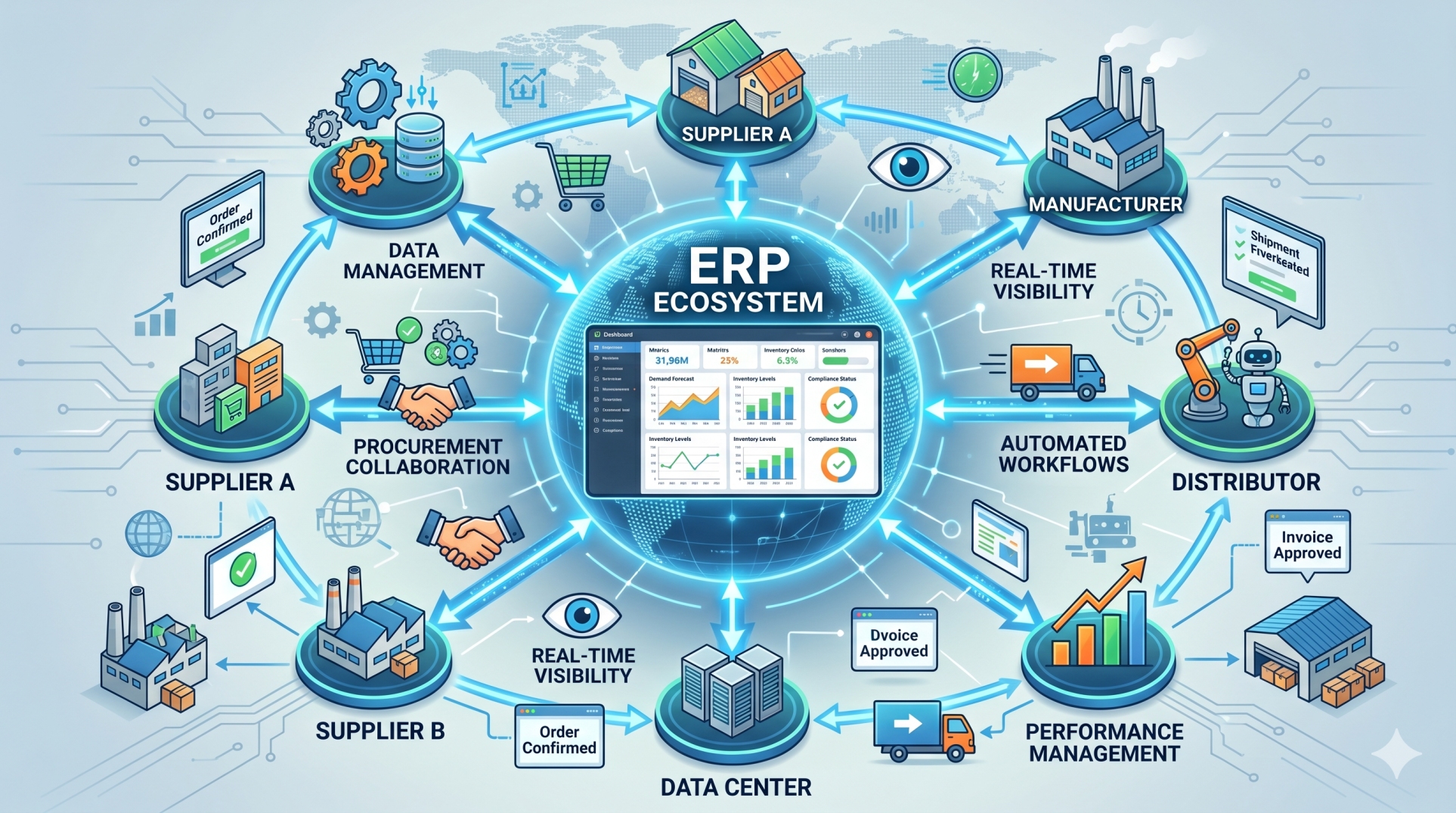
• Support collaboration across global teams 🌍
• Leverage advanced analytics and cloud technologies ☁️
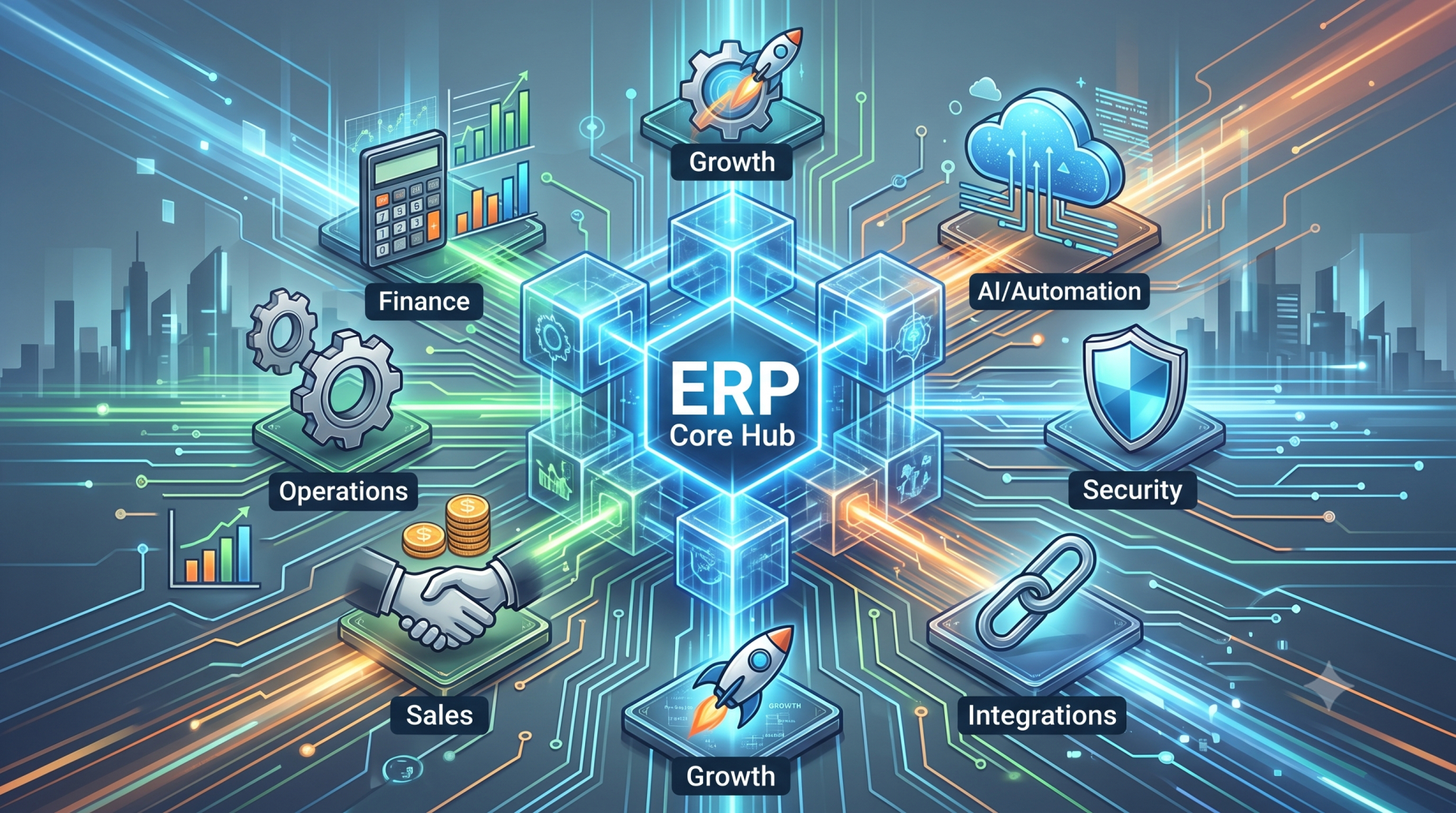
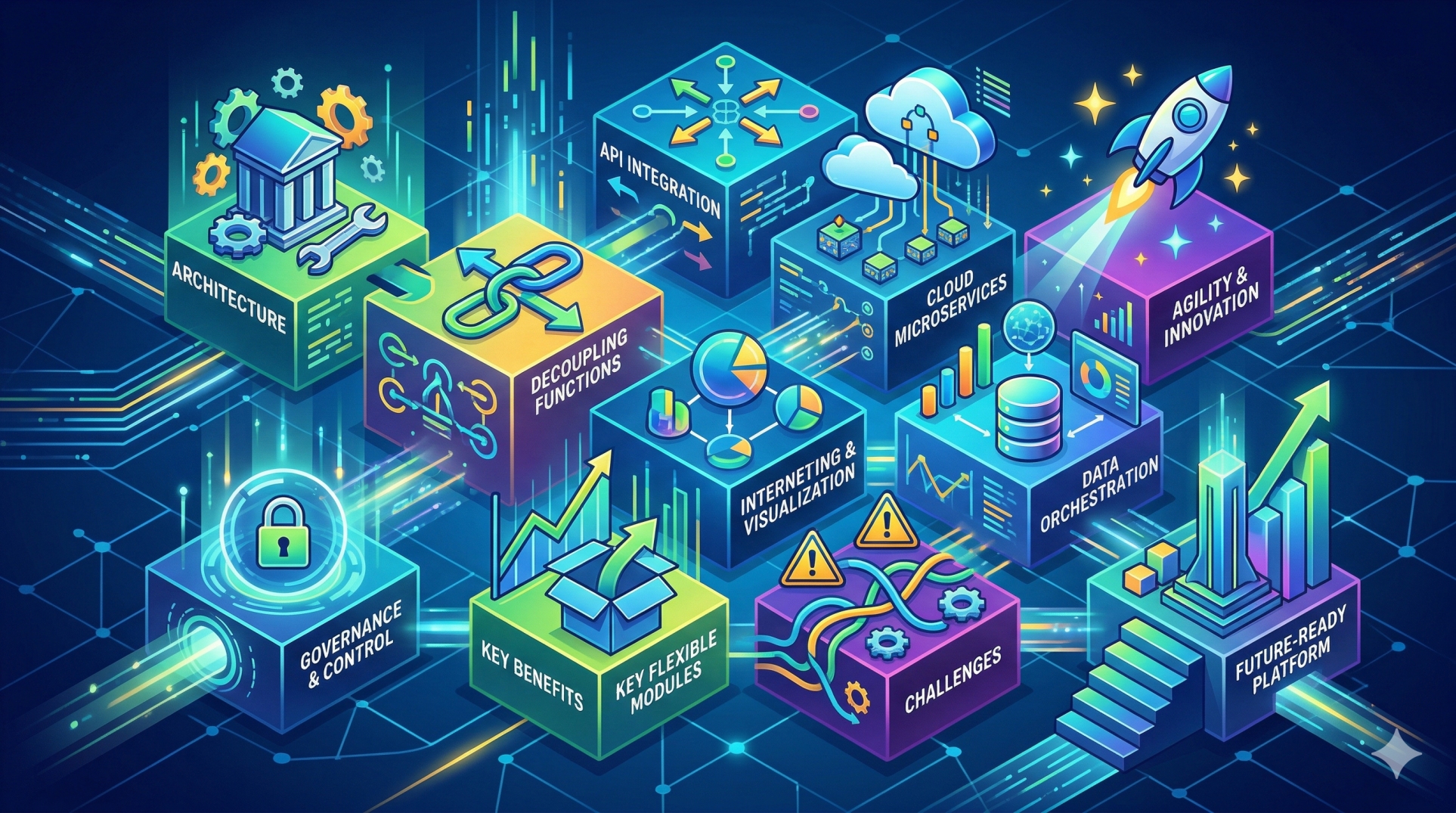
• Evolve ERP into a strategic decision intelligence platform 🧠
Conclusion
Embedding scenario planning into ERP platforms empowers organizations to move beyond reactive decision-making toward proactive, data-driven strategies. By integrating predictive analytics, real-time simulations, and cross-functional insights, ERP systems become powerful tools for navigating uncertainty. This transformation not only enhances operational resilience but also enables businesses to capitalize on opportunities in an ever-changing landscape.
See more blogs
You can all the articles below