Continuous Accounting with Modern ERP Systems
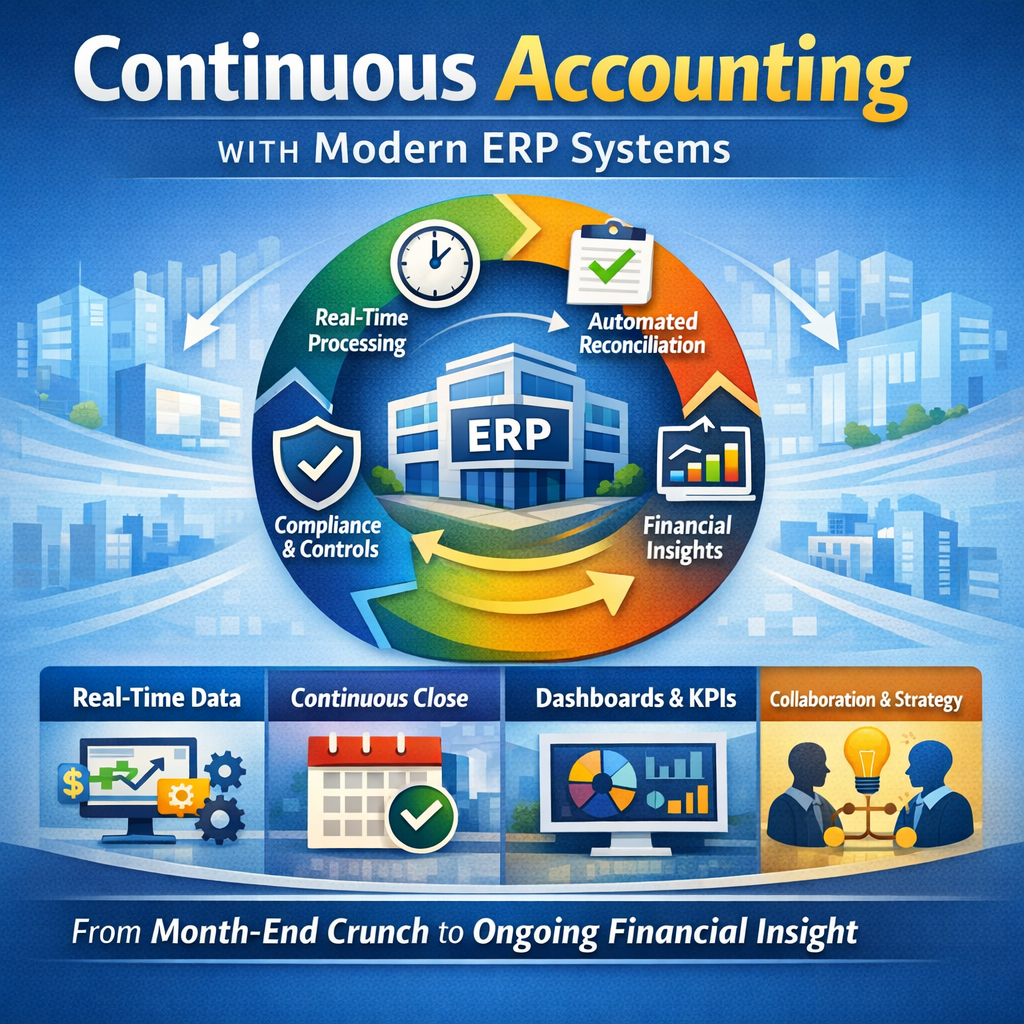
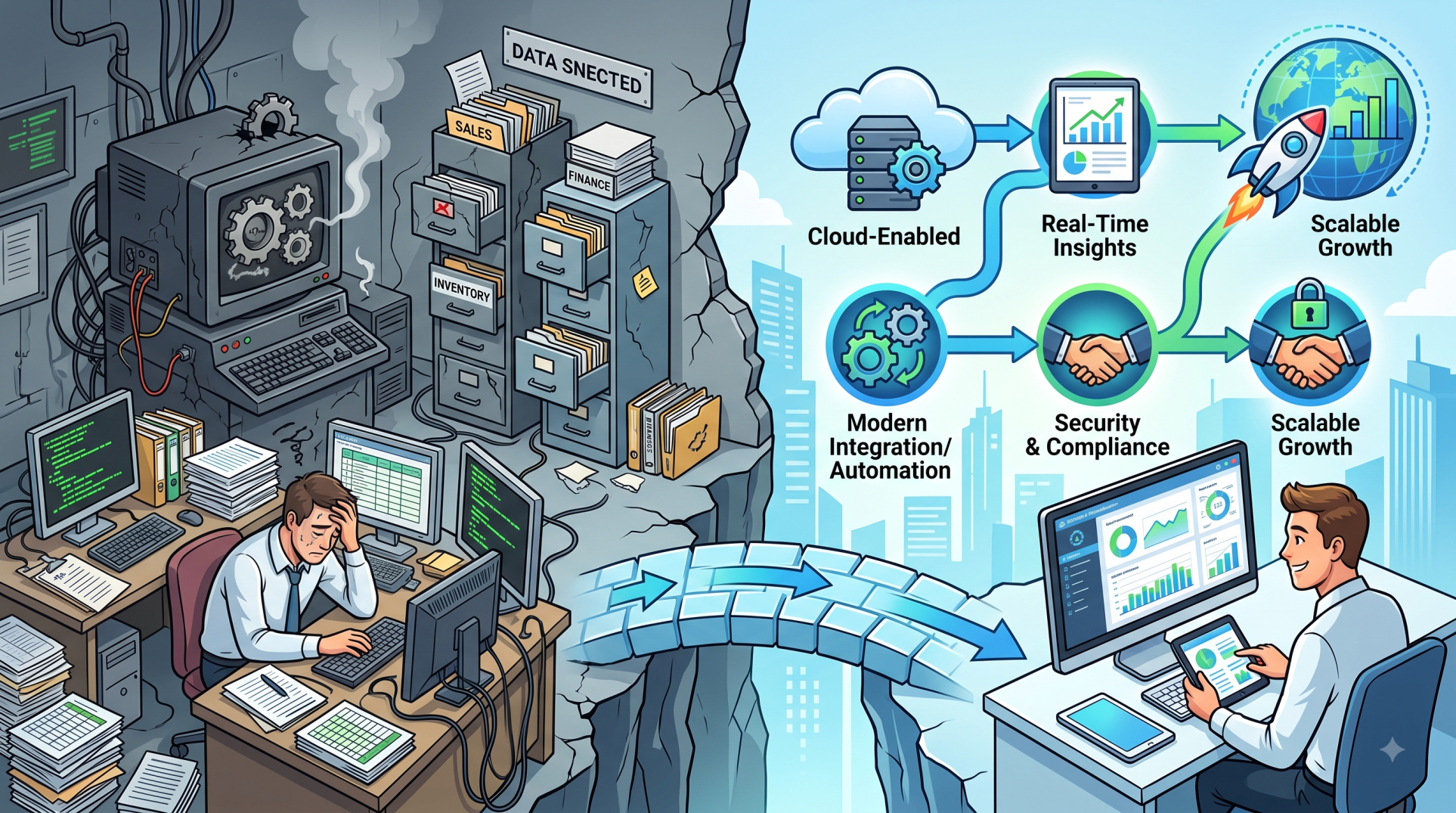
Continuous accounting represents a fundamental transformation in how finance teams manage reporting cycles. Rather than concentrating reconciliations, validations, and adjustments into intense month-end close periods, modern ERP platforms enable financial activities to run continuously throughout the reporting cycle. This shift enhances accuracy, reduces closing pressure, and gives leadership consistent access to real-time financial insight.
Step 1: Transitioning from Period-End Accounting to Continuous Workflows 🔄
• Shifts away from compressed month-end closing workloads 📅
• Spreads accounting tasks evenly across the reporting cycle ⚖️
• Minimizes bottlenecks and last-minute adjustments 🚦
• Enables ongoing financial data updates 📊
• Shortens overall close timelines ⏱️
Step 2: Real-Time Transaction Capture ⚡
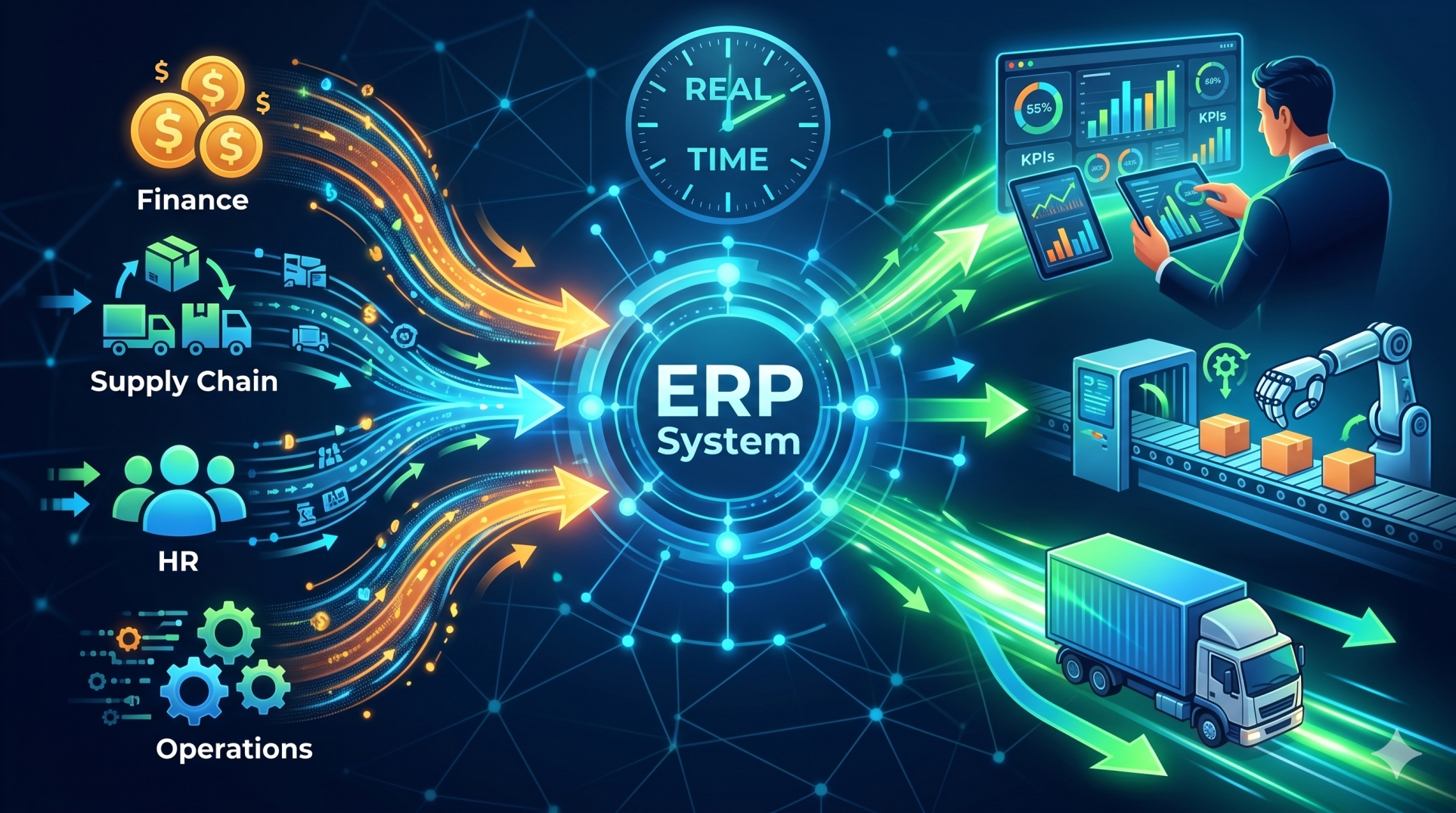
• Records financial transactions instantly across ERP modules 🧾
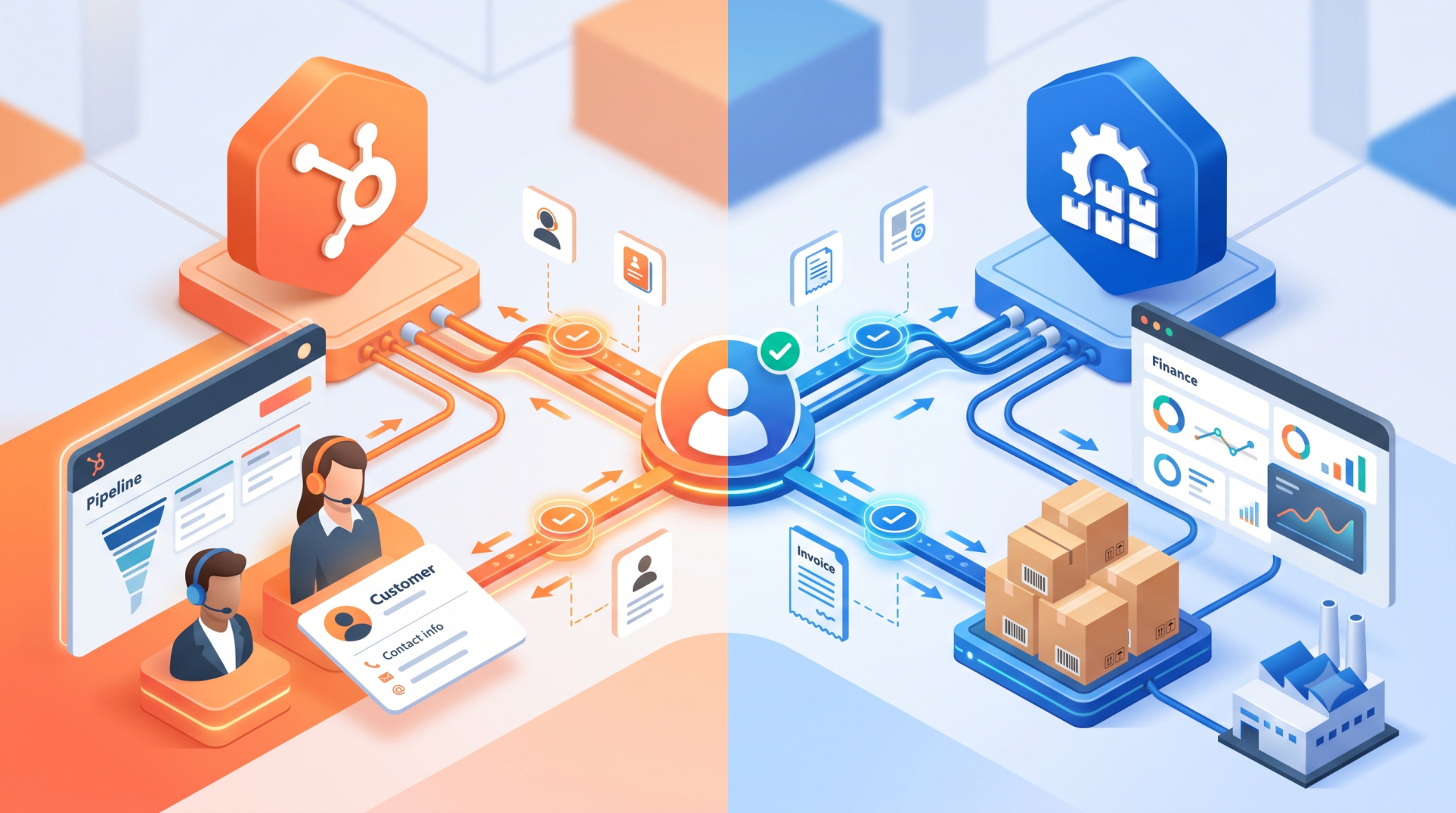
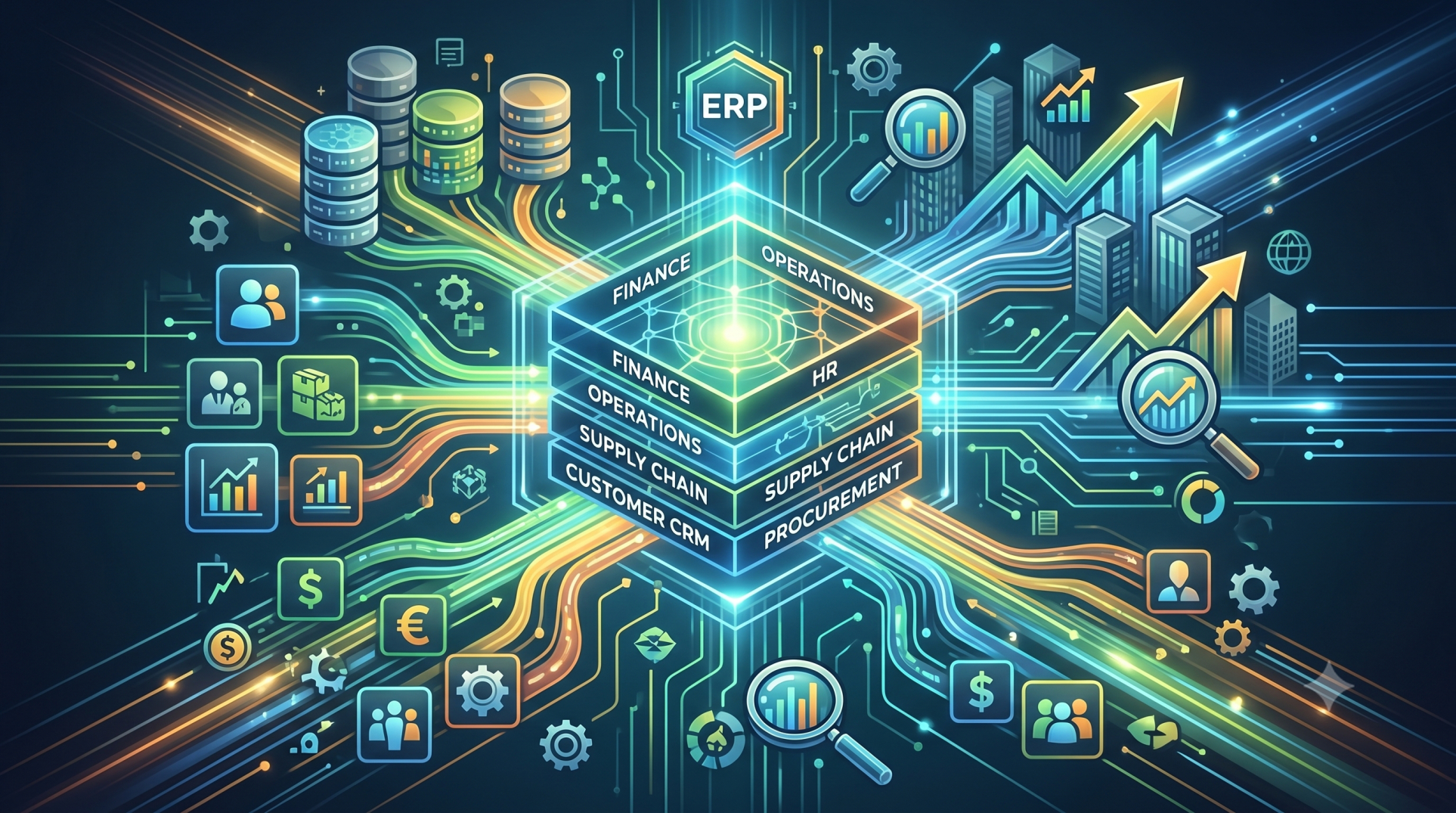
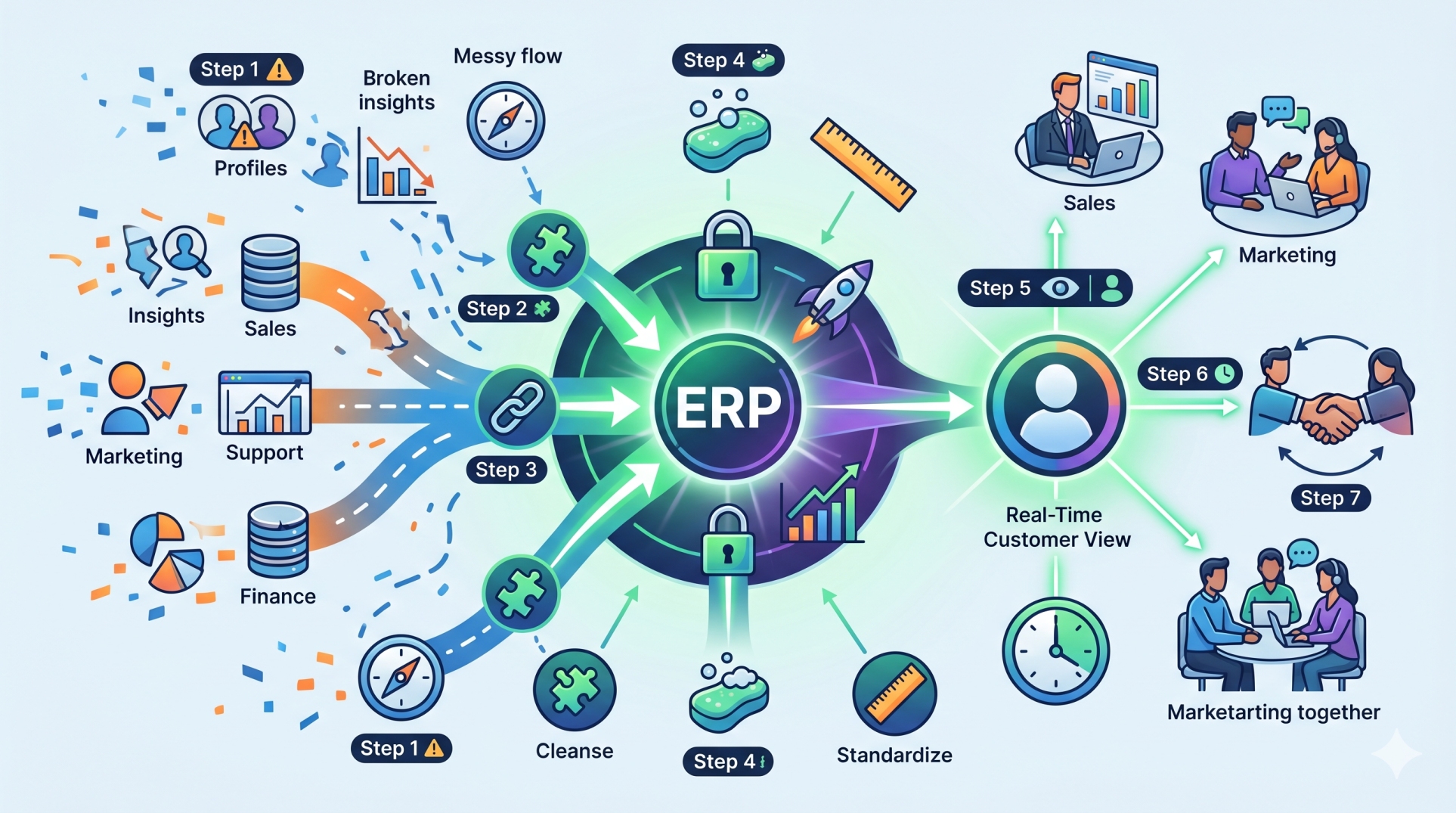
• Synchronizes data from sales, procurement, payroll, and operations 🔗
• Reduces dependency on manual journal entries ✍️
• Eliminates delays between operational and financial reporting ⌛
• Keeps financial positions continuously up to date 📈
Step 3: Automated Reconciliation Processes 🤖
• Matches transactions using predefined system rules 📋
• Flags discrepancies for immediate review 🚨
• Lowers manual reconciliation effort 🛠️
• Enhances accuracy and audit preparedness ✔️
• Accelerates account verification cycles 📑
Step 4: Continuous Close Capabilities 📘
• Runs validations and checks throughout the reporting period 🔍
• Detects anomalies before reporting deadlines ⚠️
• Reduces reliance on end-of-period corrections 🔄
• Supports rolling and dynamic financial statements 📊
• Enables faster management reporting cycles 🚀
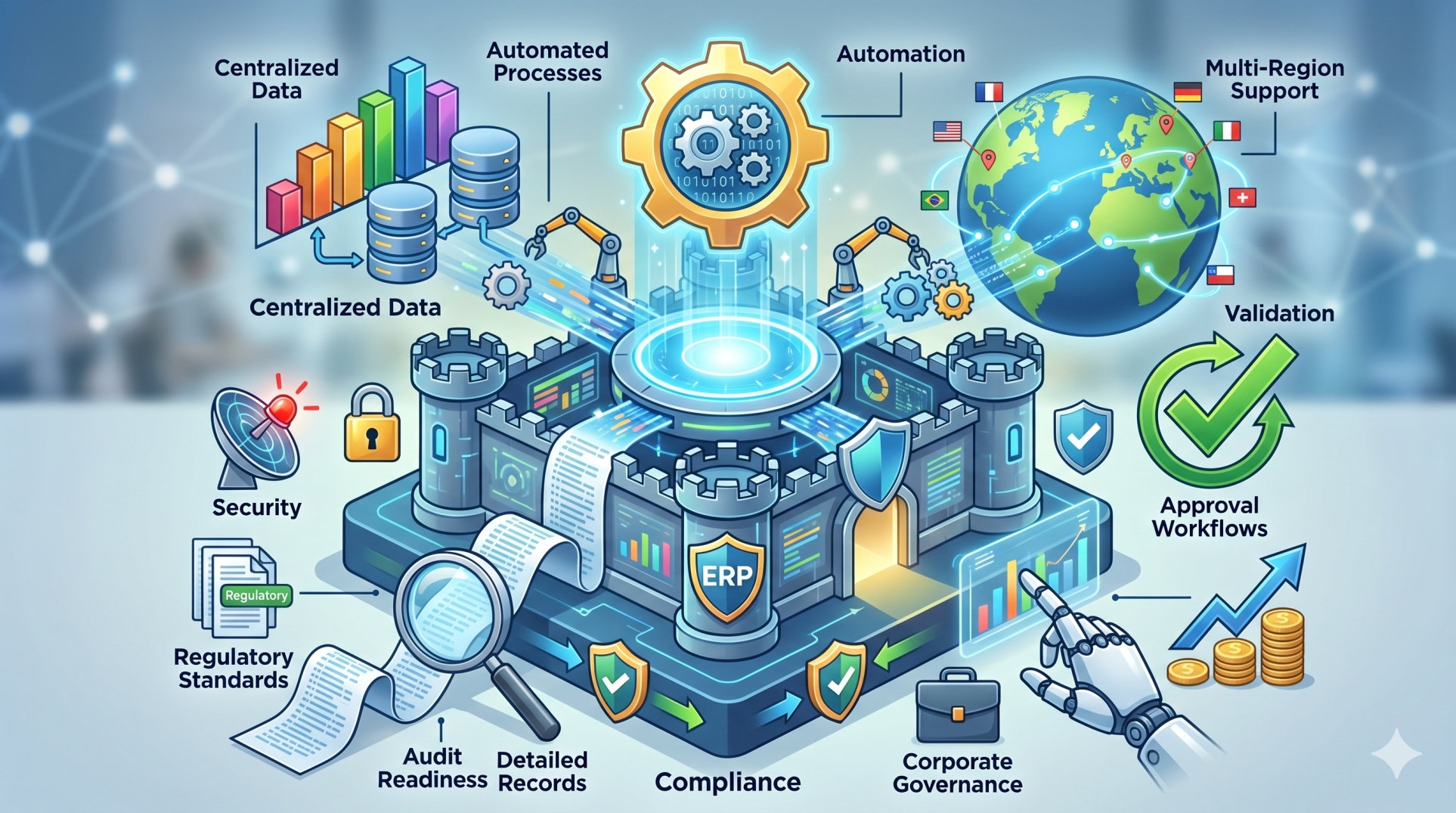
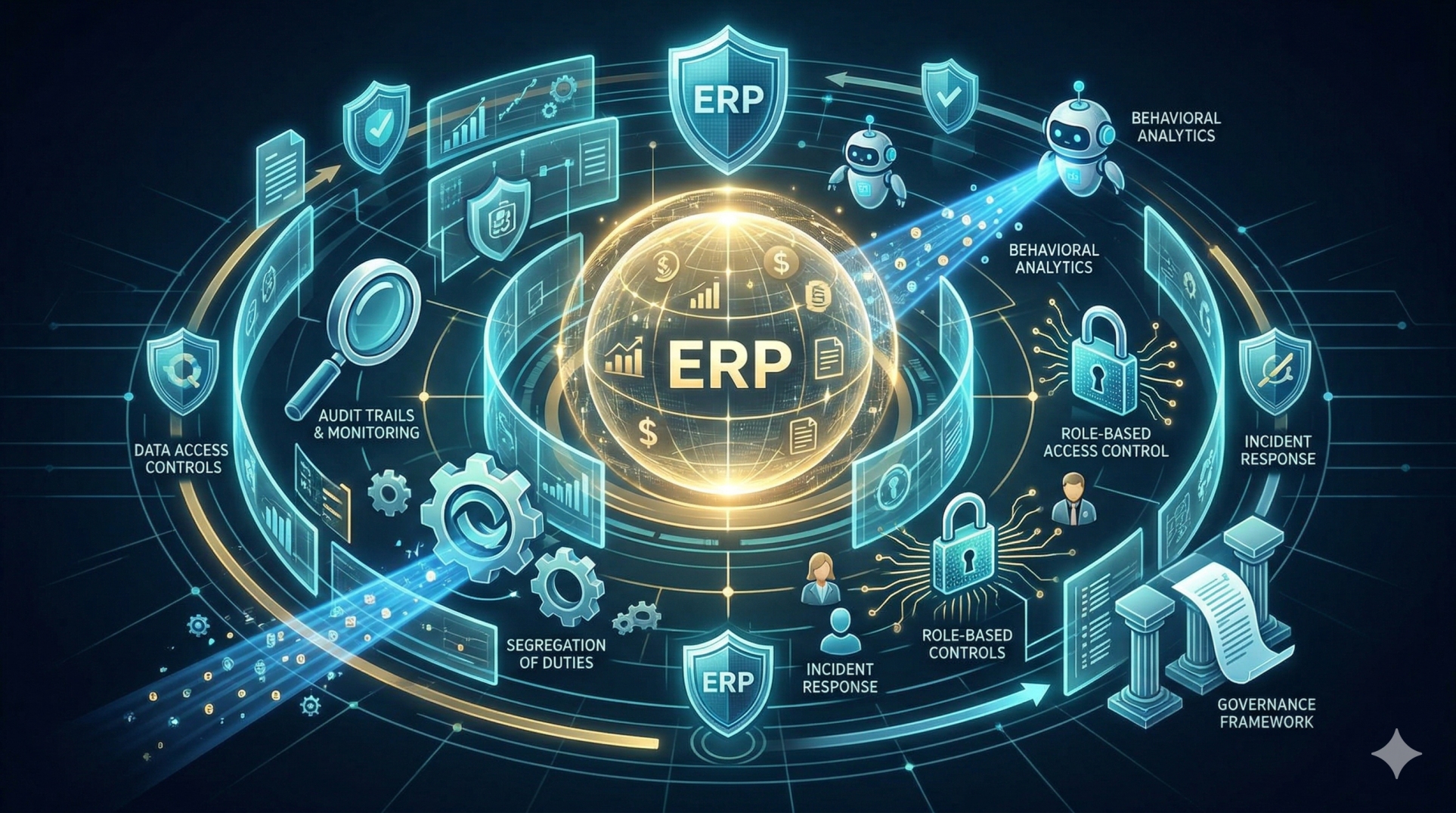
Step 5: Embedded Controls and Compliance 🛡️
• Integrates internal controls directly into workflows 🔐
• Automates approval hierarchies and authorization paths 🏢
• Maintains comprehensive audit trails 📂
• Mitigates compliance risks ⚖️
• Strengthens governance across finance operations 🧩
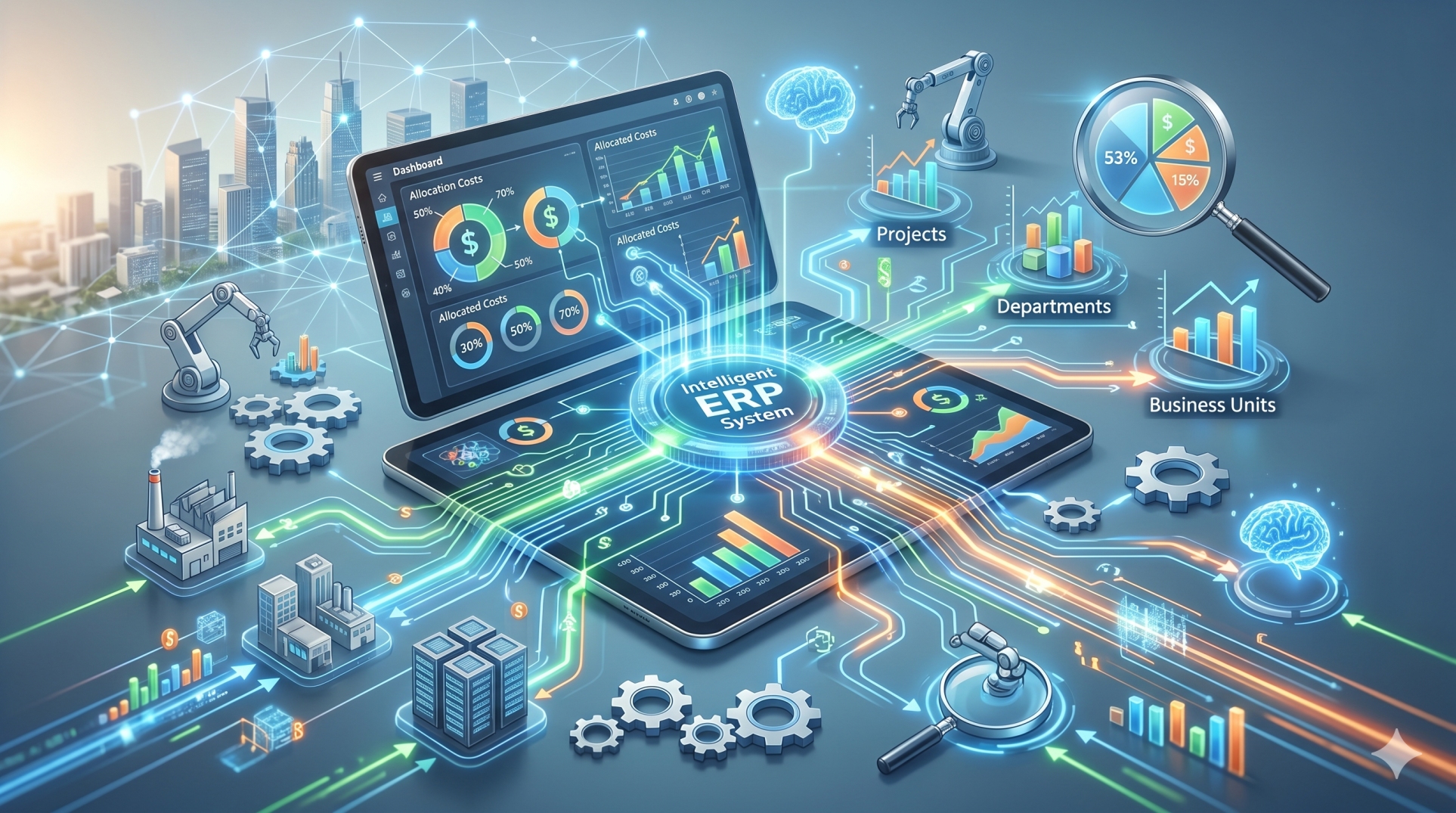
Step 6: Real-Time Financial Dashboards 📊
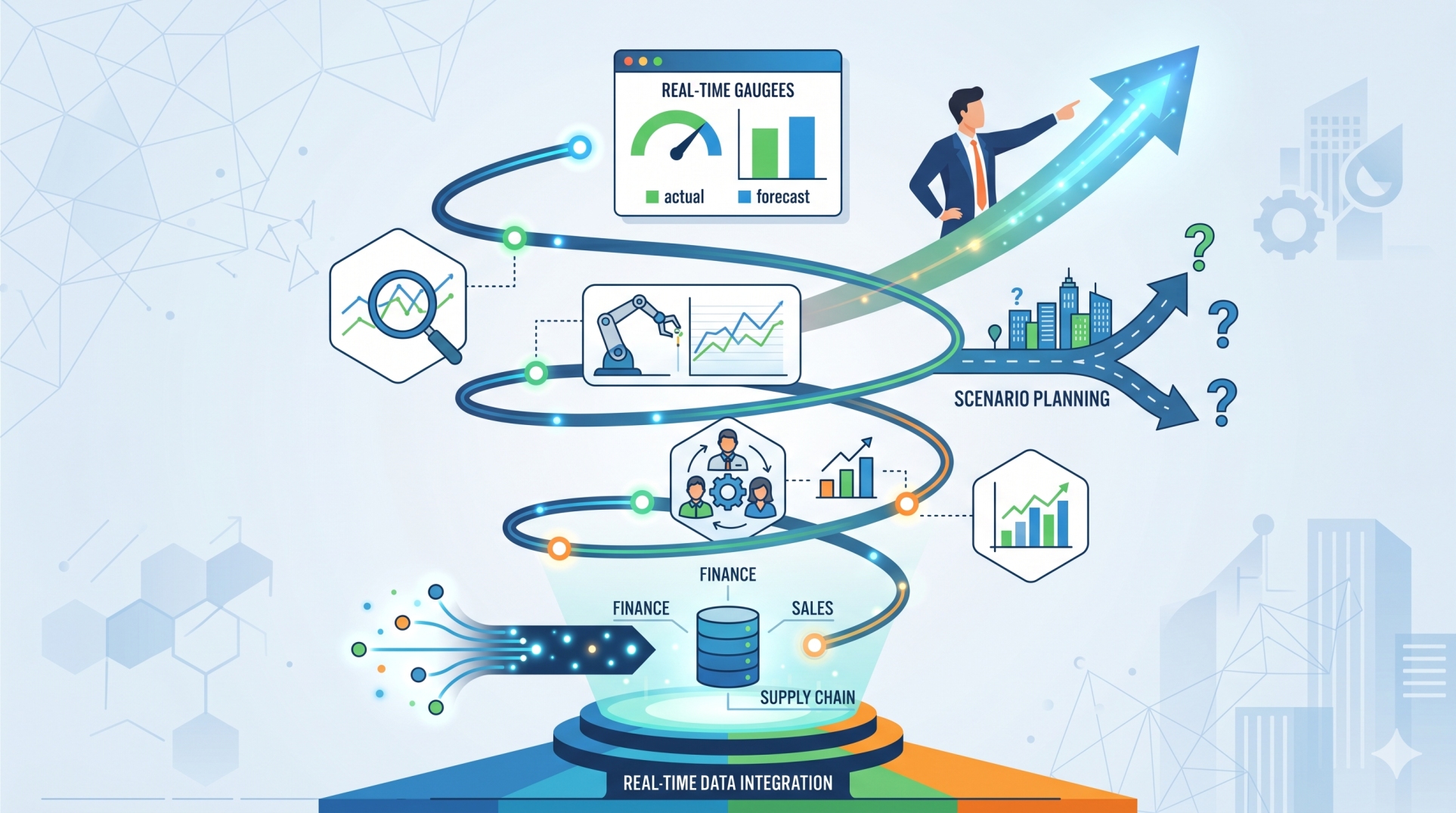
• Delivers up-to-date visibility into revenue and expenses 💰
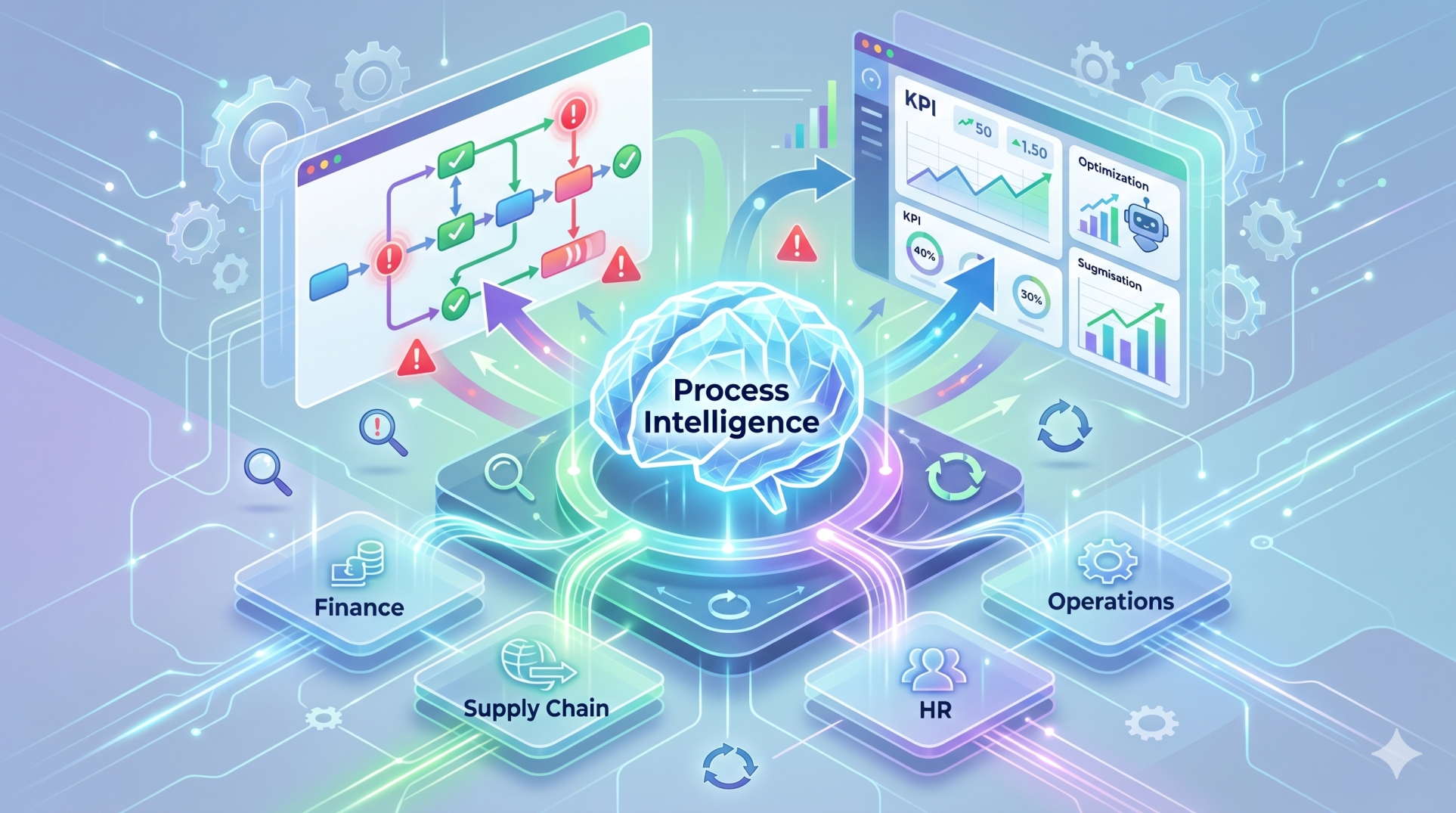
• Tracks KPIs across departments and business units 📈
• Supports proactive, data-driven decision-making 🧠
• Reduces reliance on static month-end reports 📄
• Aligns finance performance with operational metrics 🔄
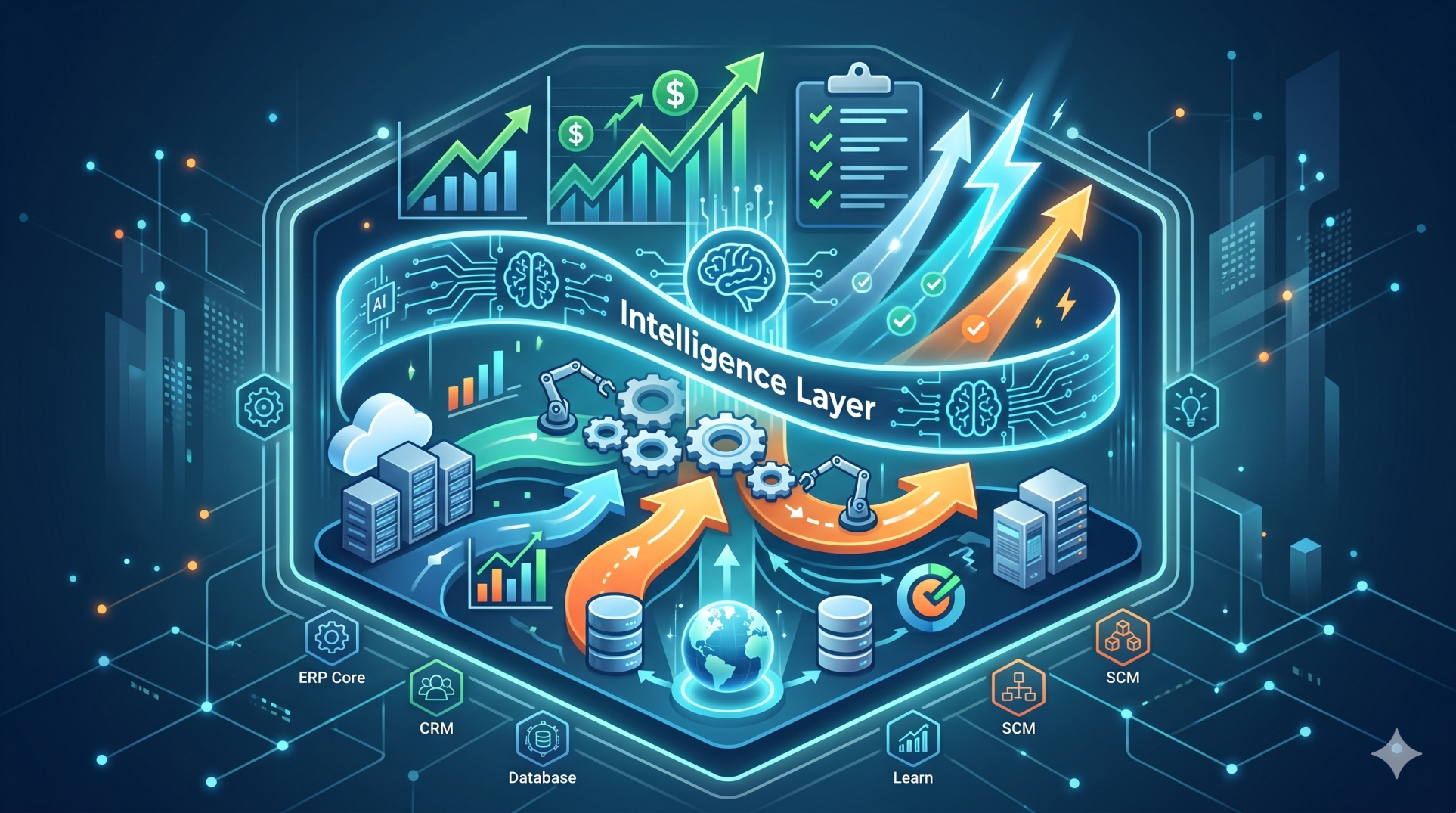
Step 7: Intelligent Automation and Exception Management 🧠
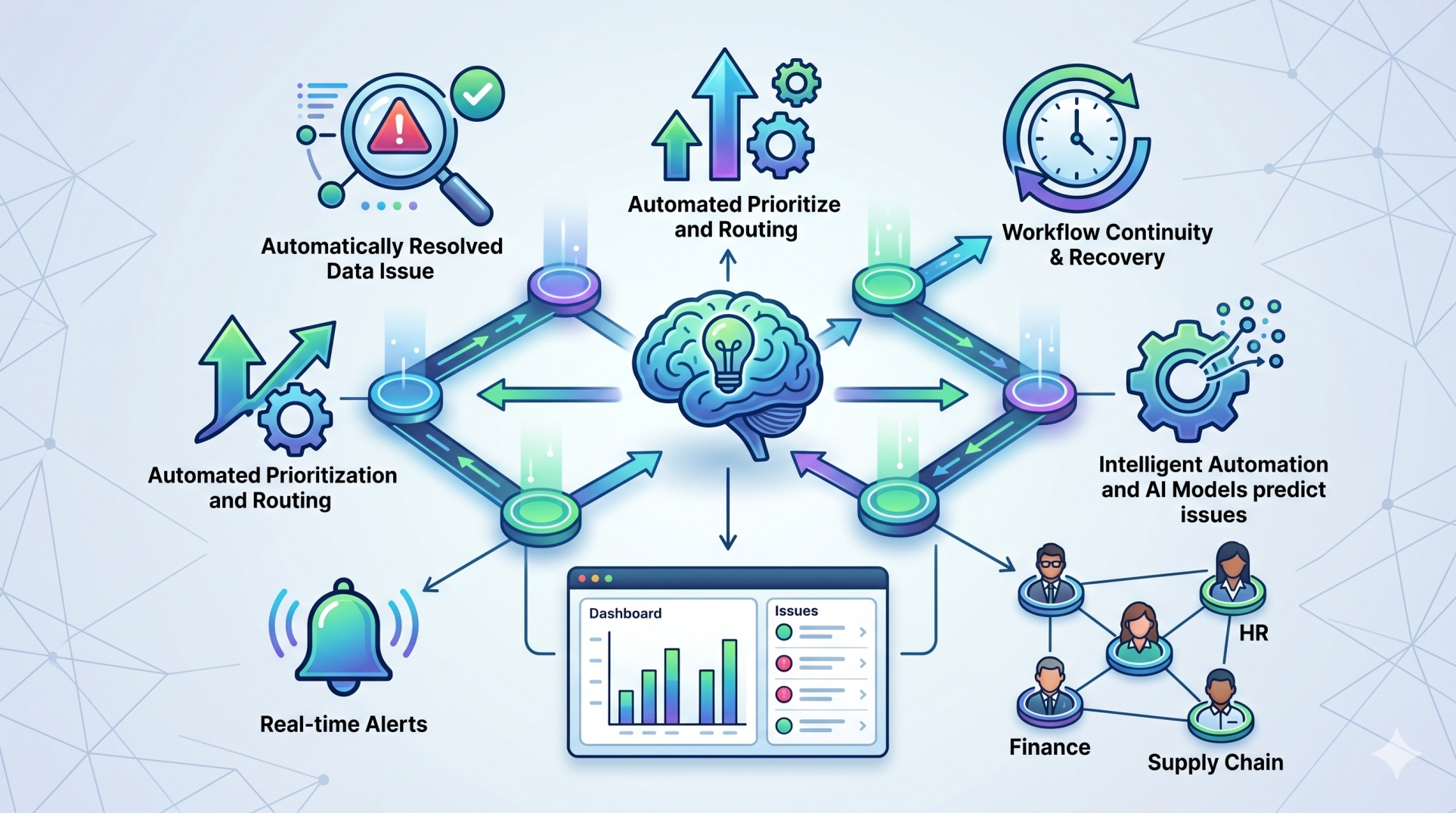
• Identifies unusual transactions using predefined logic 🔎
• Triggers alerts for policy exceptions 🚨
• Automates recurring journal entries 🔁
• Minimizes repetitive manual accounting tasks 🛠️
• Enhances finance team productivity and focus ⚡
Step 8: Strategic Advantages of Continuous Accounting 🎯
• Provides leadership with near real-time financial visibility 📊
• Speeds up strategic and operational decision-making 🚀
• Improves forecasting precision with current data 📈
• Reduces risk through early detection of issues ⚠️
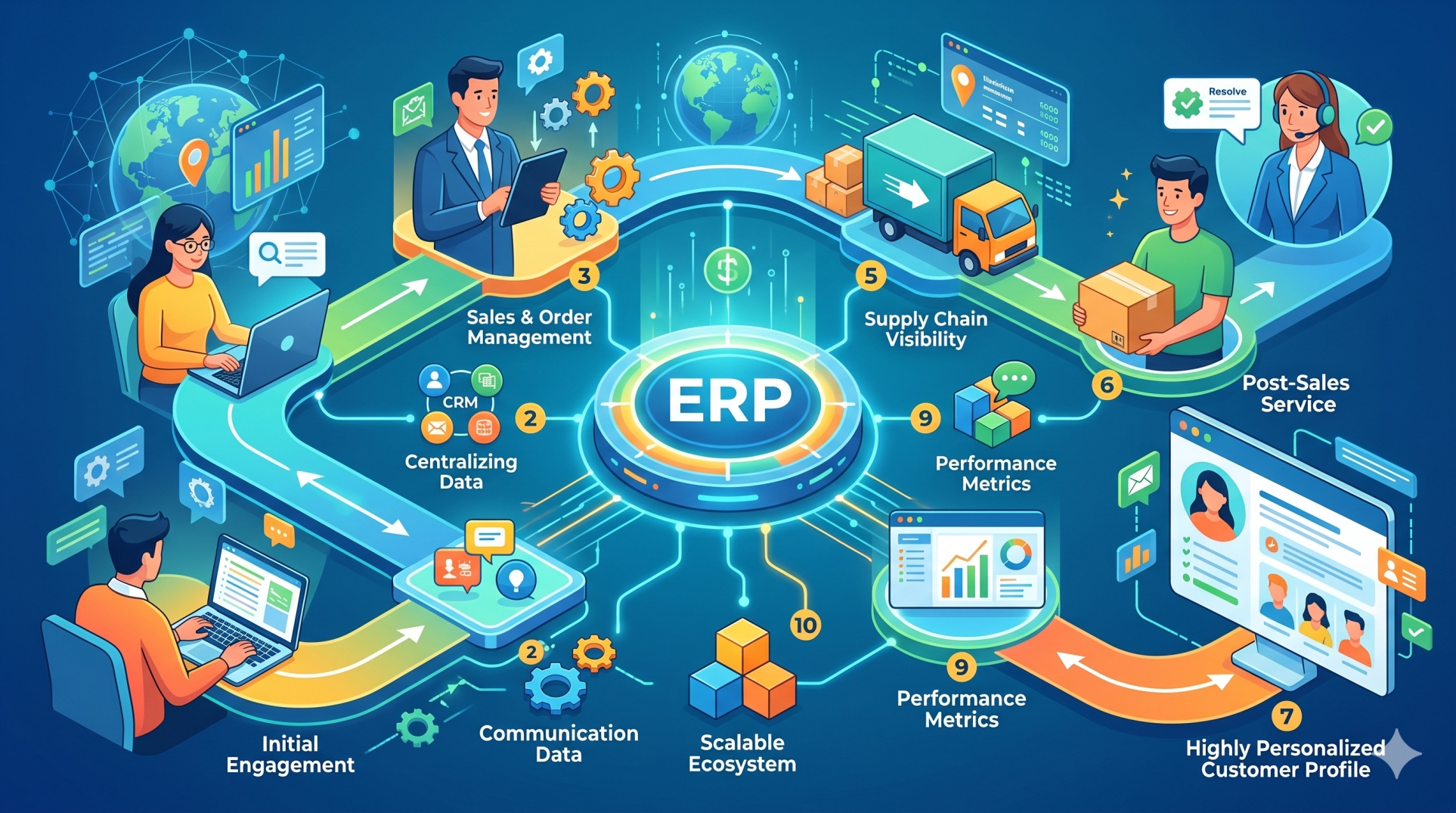
Step 9: Strengthening Cross-Department Collaboration 🤝
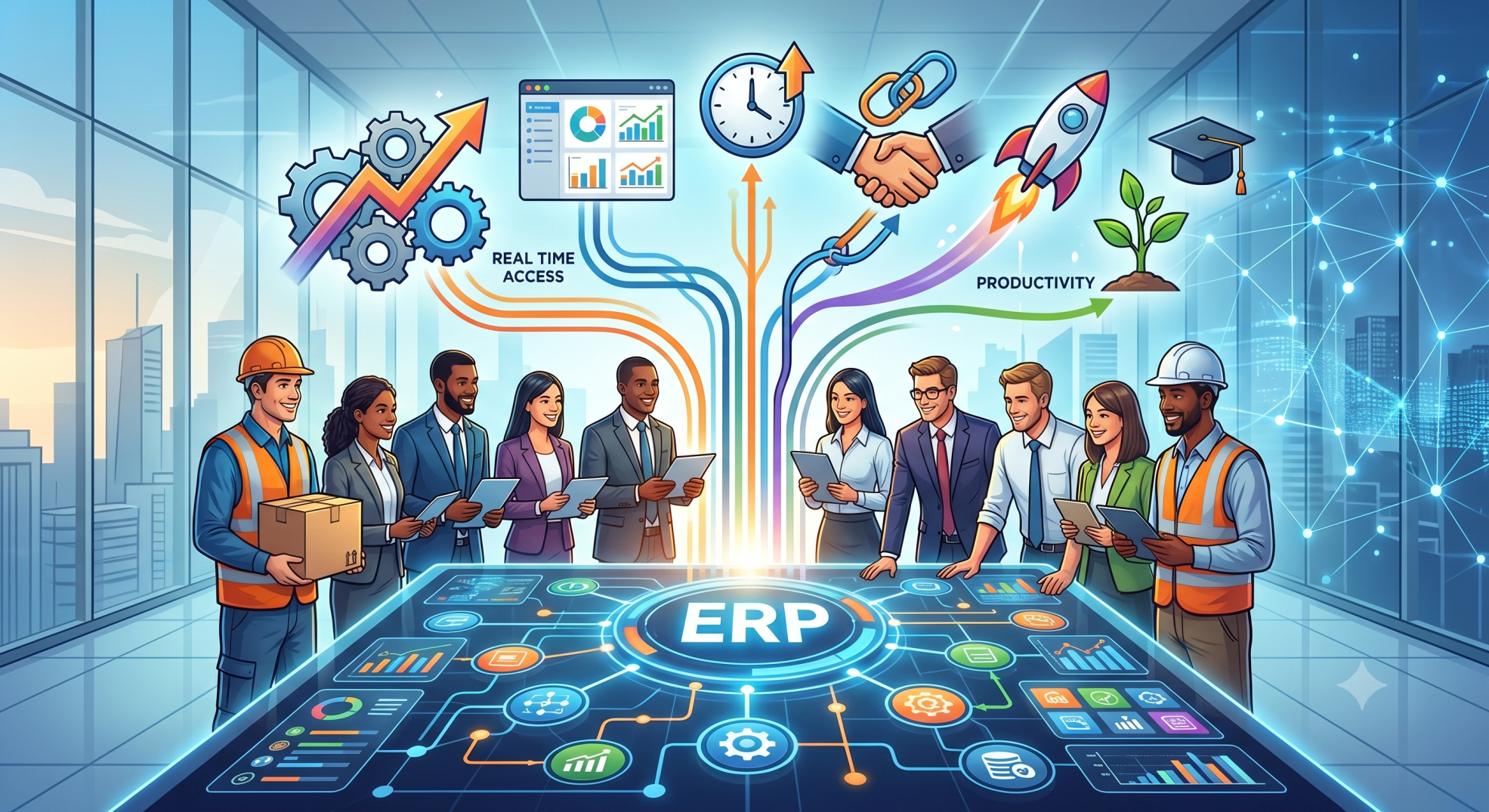
• Connects finance with operations, sales, and procurement 🔗
• Enhances transparency across business units 👀
• Promotes shared accountability for financial outcomes 📌
• Minimizes miscommunication between departments 📢
• Aligns operational execution with financial strategy 🎯
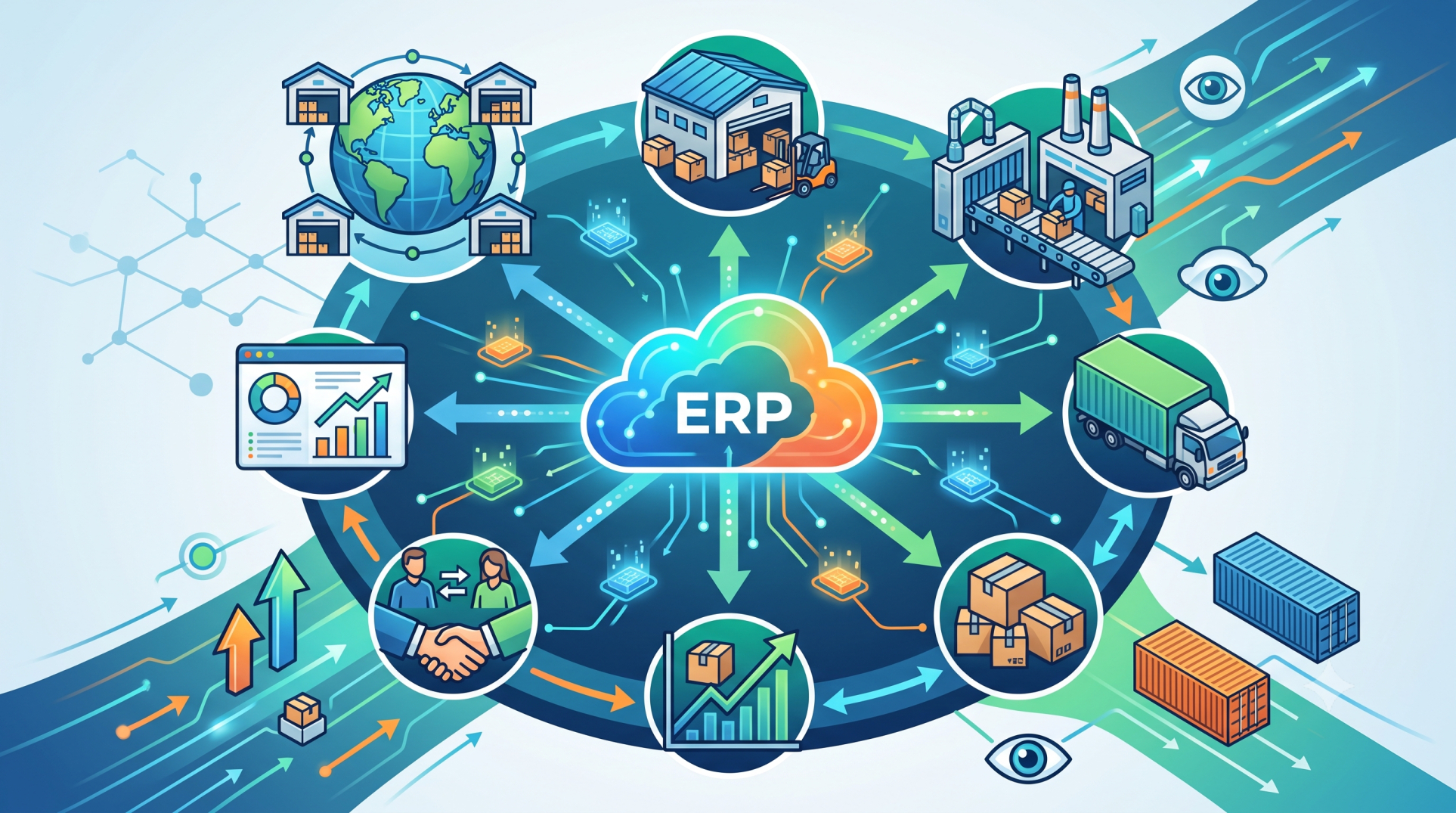
Step 10: ERP as the Backbone of Modern Finance 🏗️
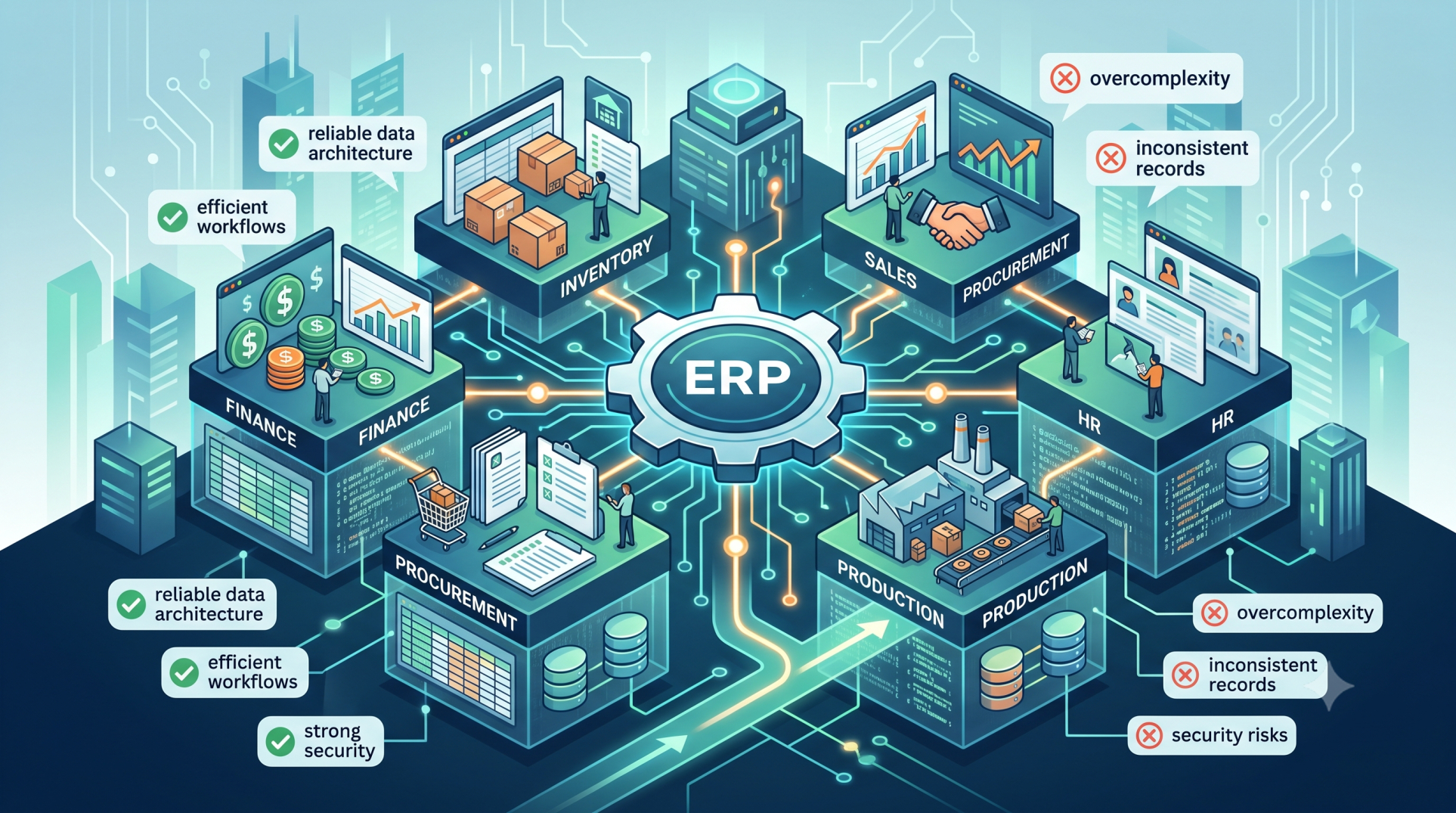
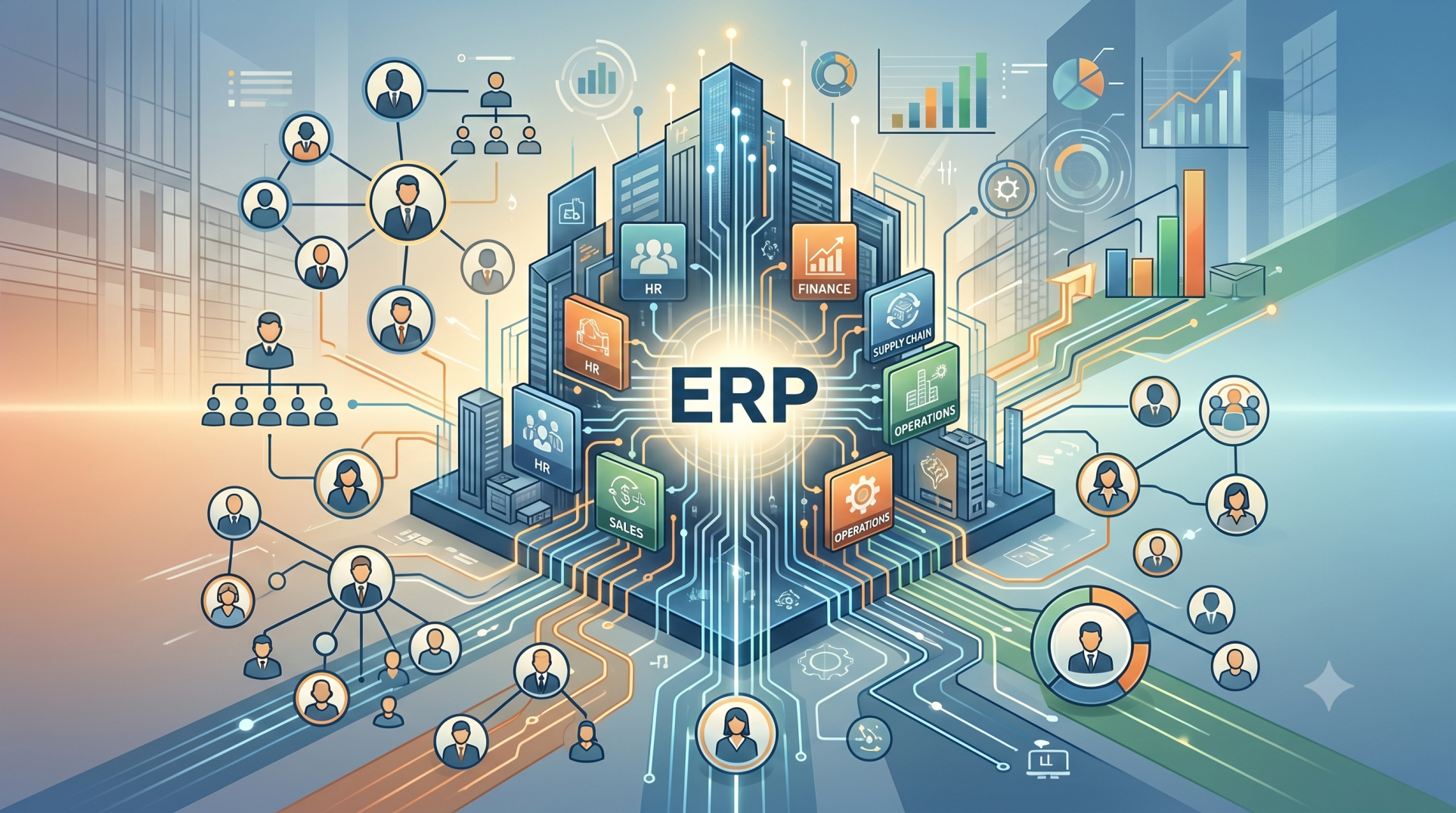
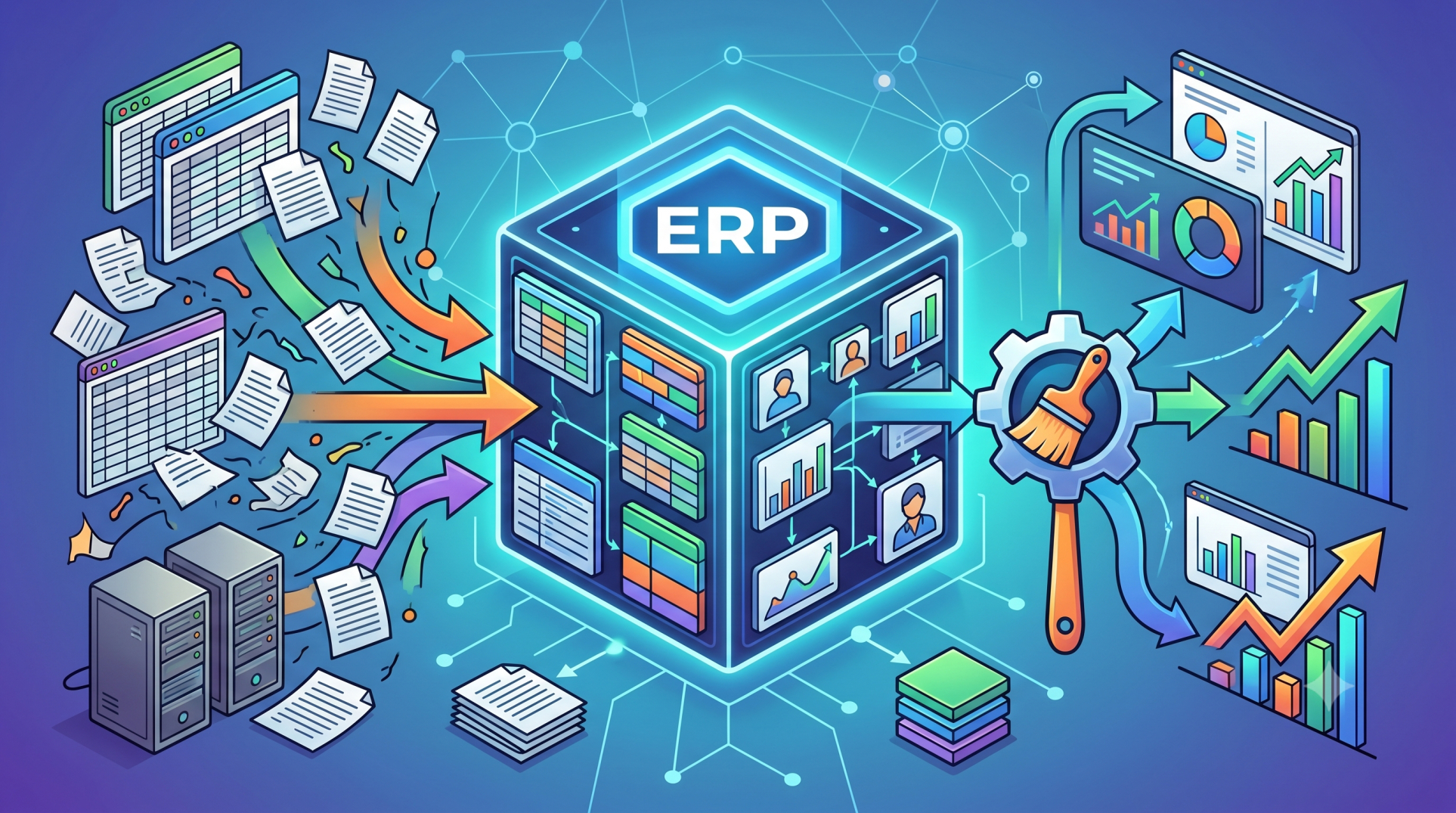
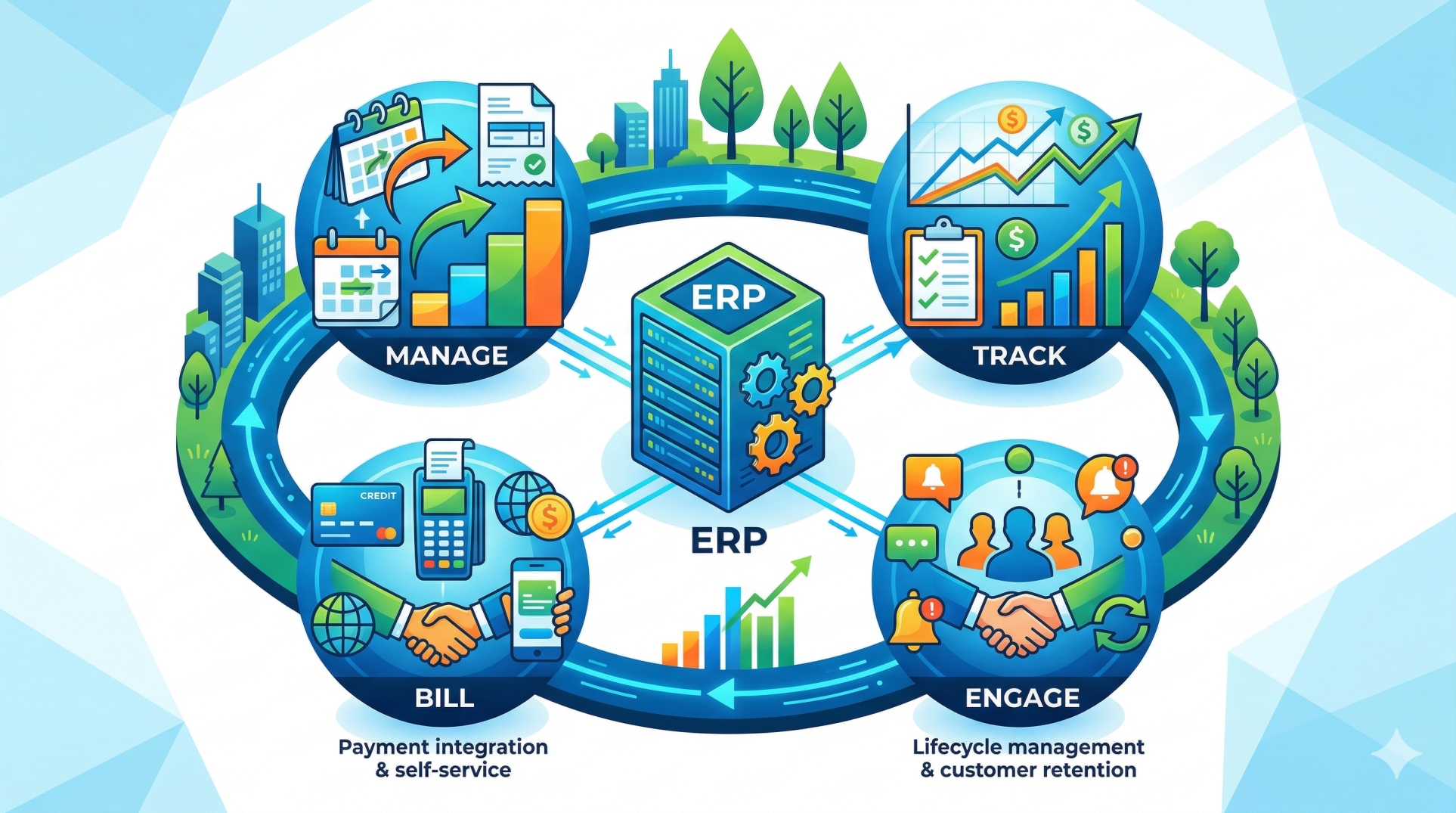
• Centralizes financial and operational information 📂
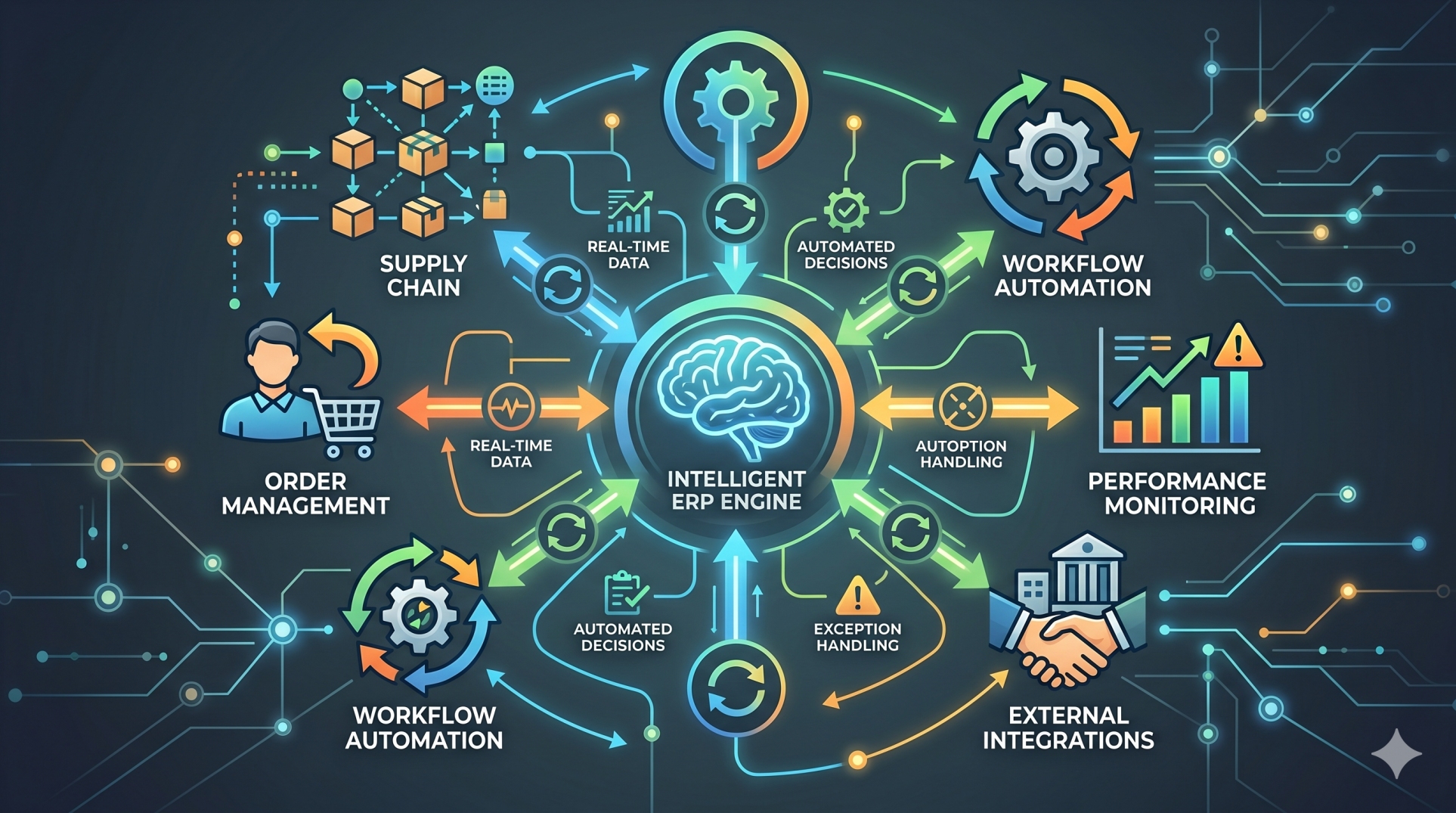
• Automates workflows across accounting functions ⚙️
• Scales alongside business expansion and complexity 📈
• Supports broader digital transformation goals 🌐
• Positions finance as a strategic business partner 🤝
Conclusion
Continuous accounting powered by modern ERP systems transforms finance from a reactive, period-end function into a proactive and continuously optimized process. By embedding automation, real-time visibility, and integrated controls into daily operations, organizations gain higher accuracy, faster reporting cycles, and improved strategic responsiveness. As businesses prioritize agility and transparency, continuous accounting becomes an essential capability of modern financial management.
See more blogs
You can all the articles below