Process Intelligence Layers Inside Modern ERP Systems
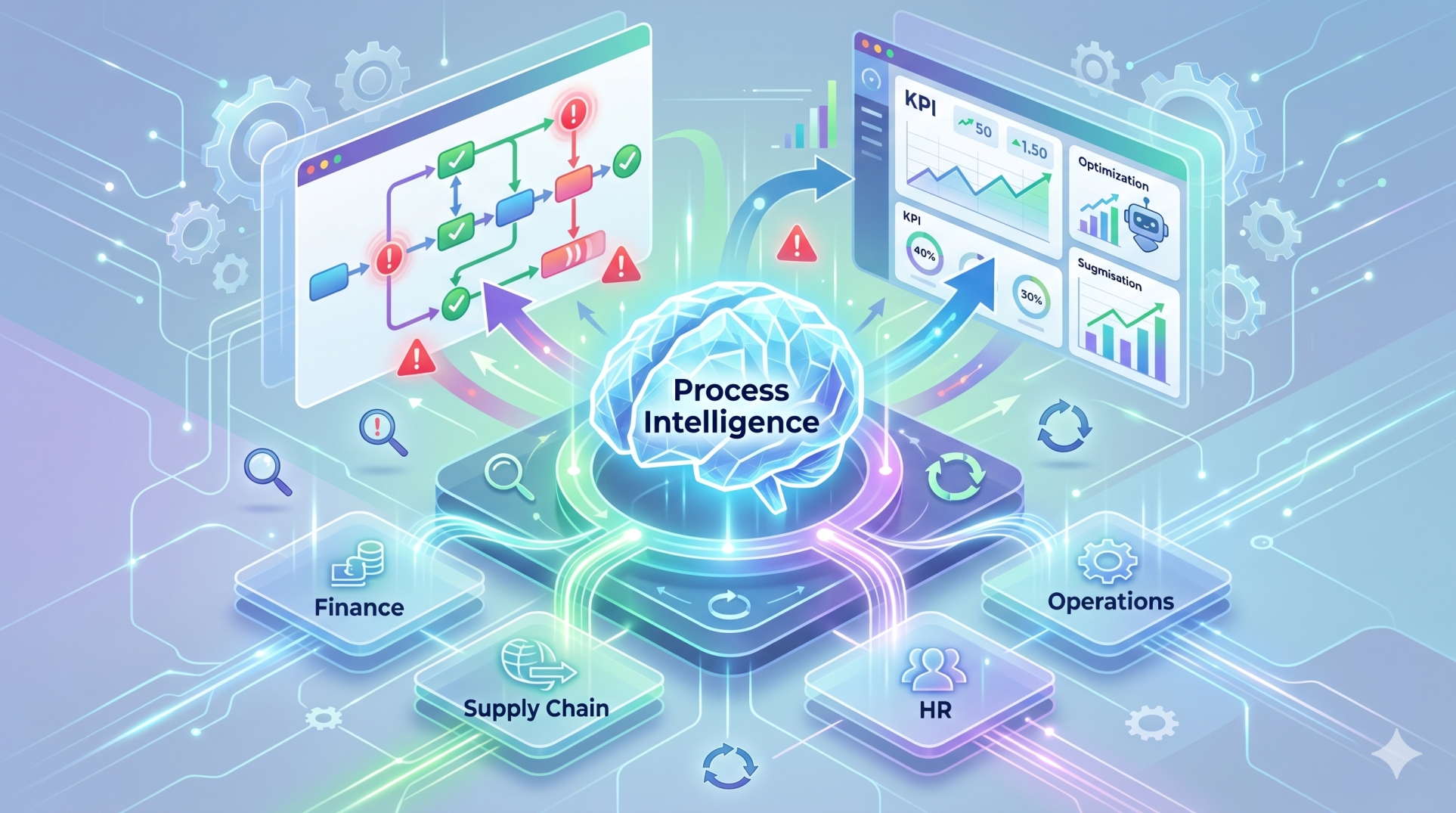
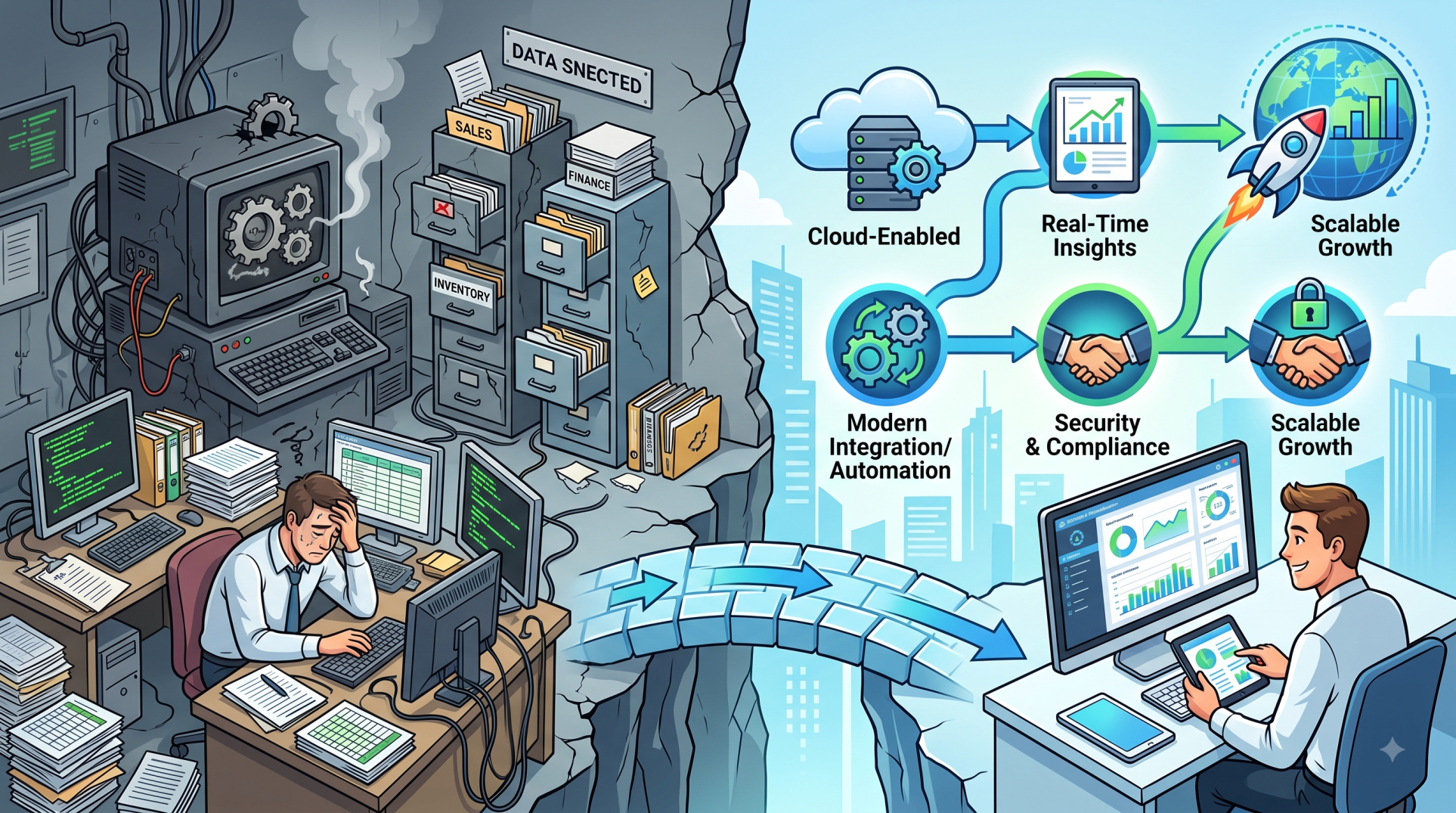
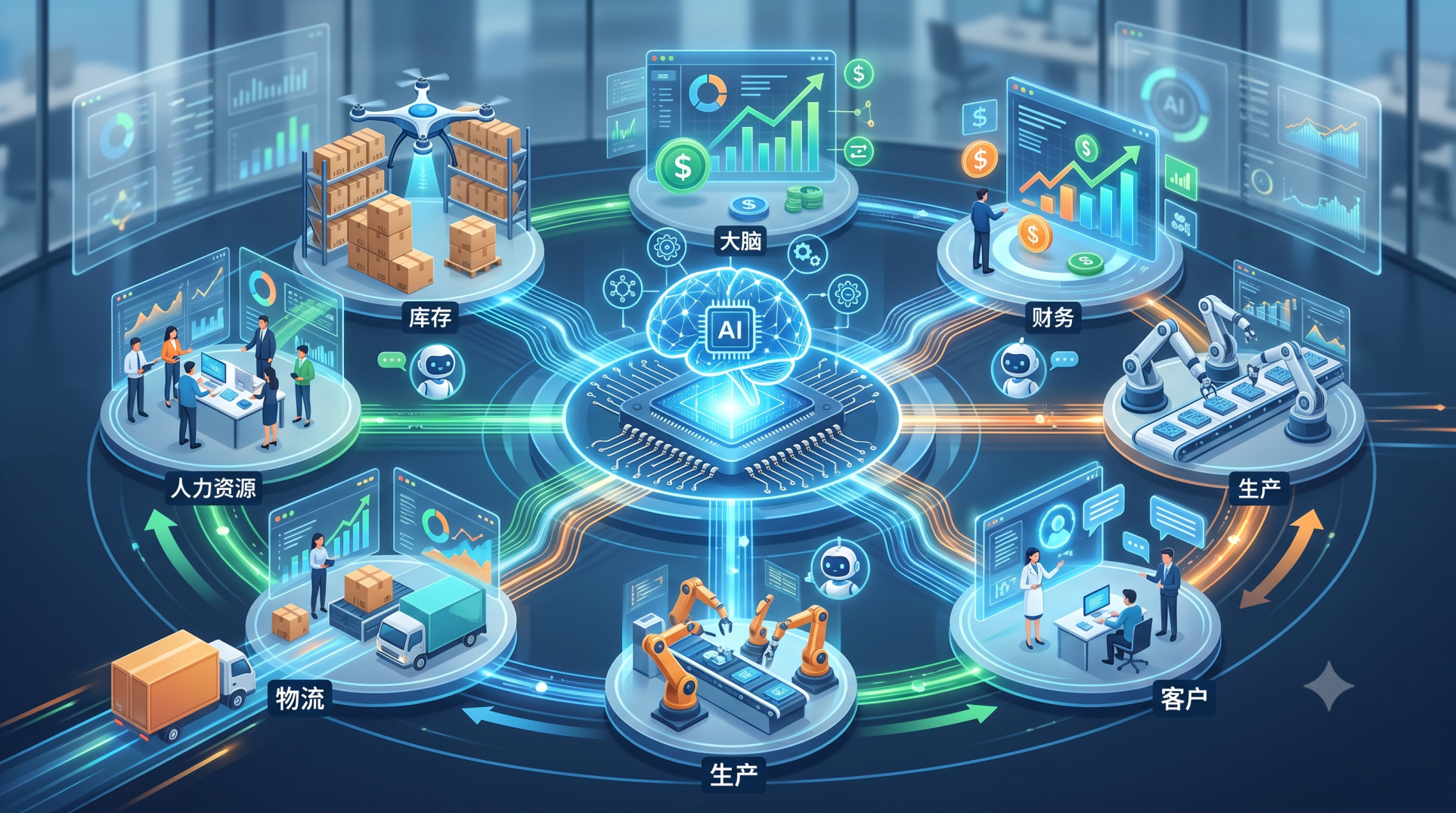
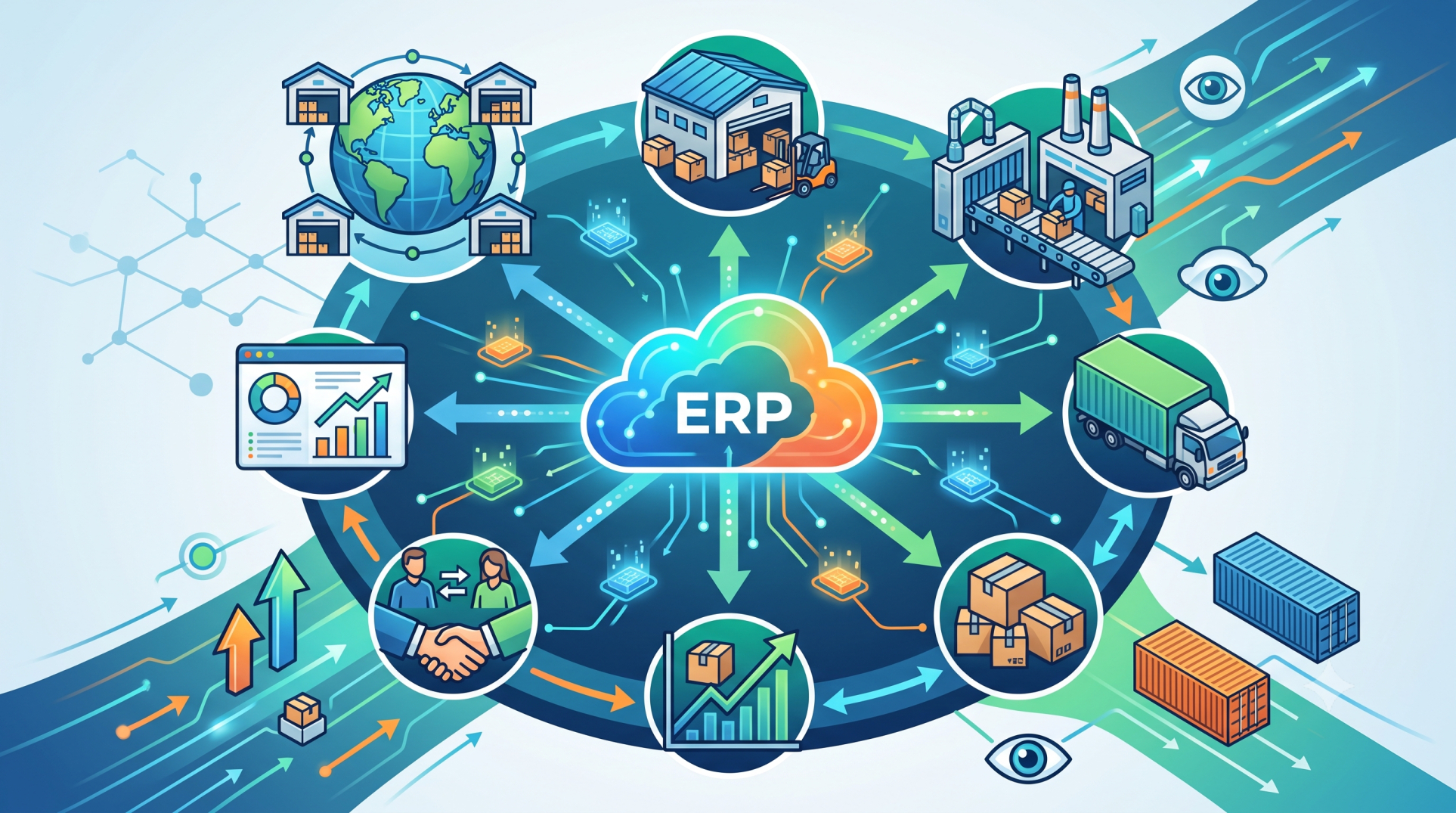
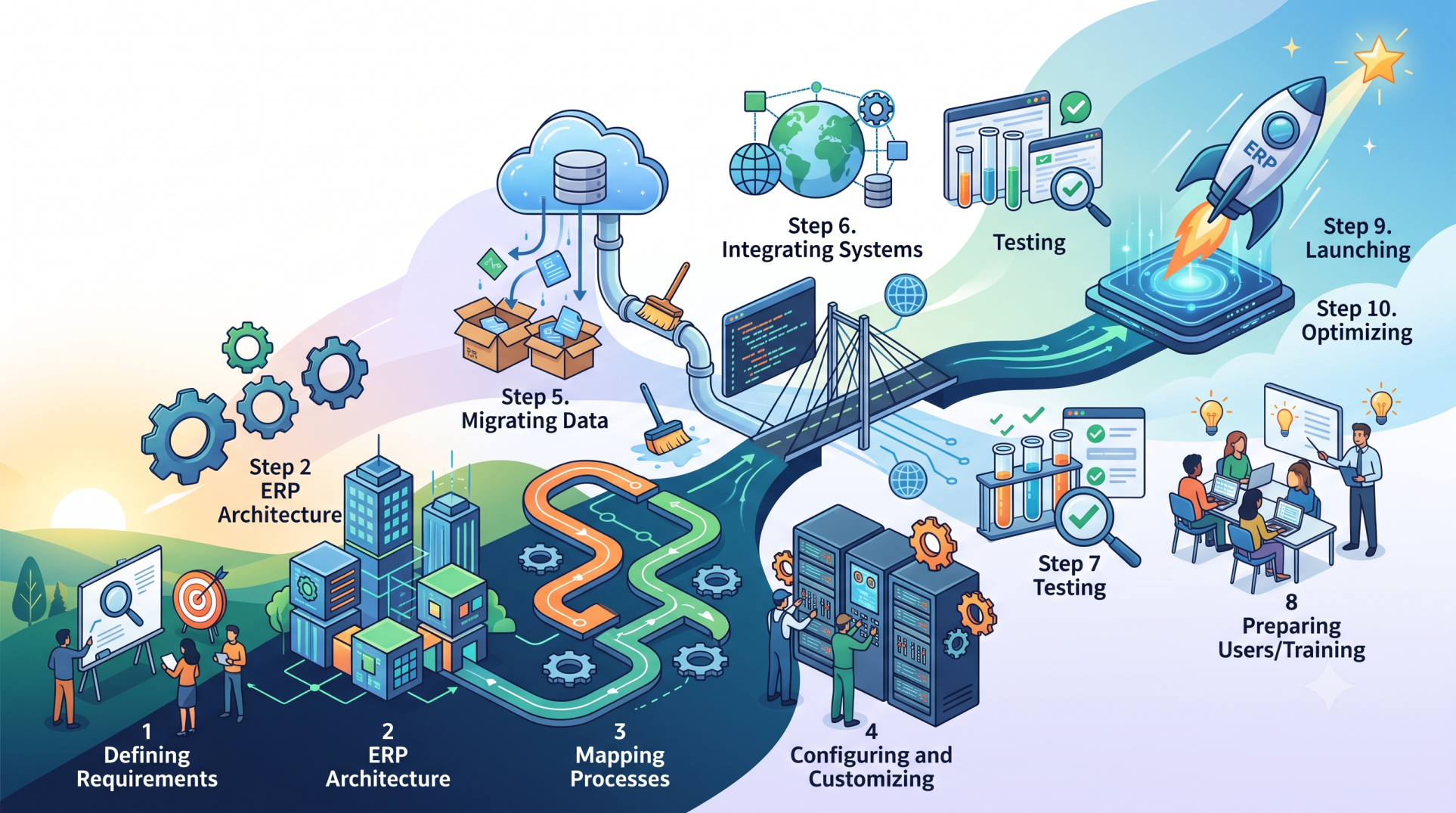
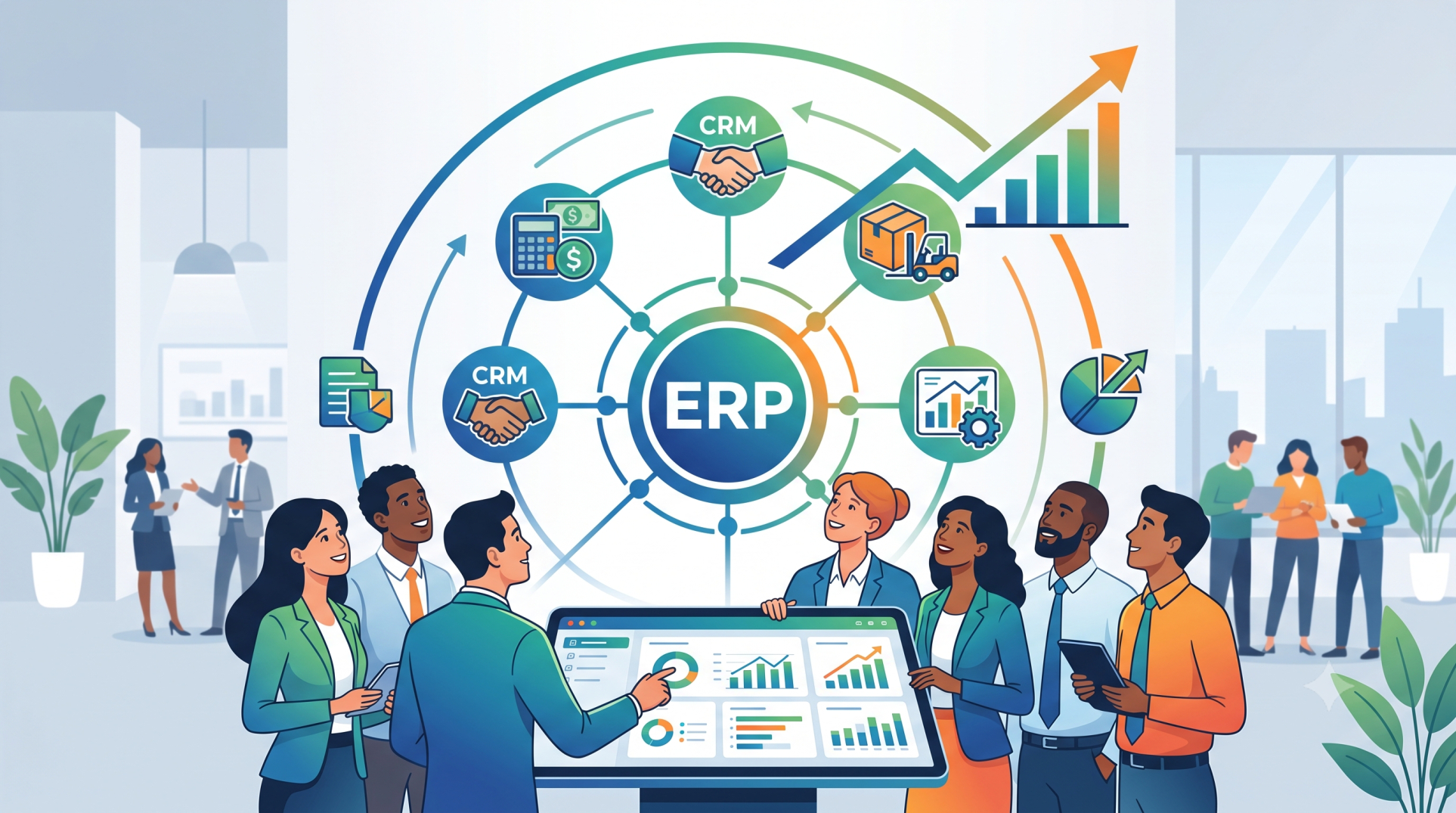
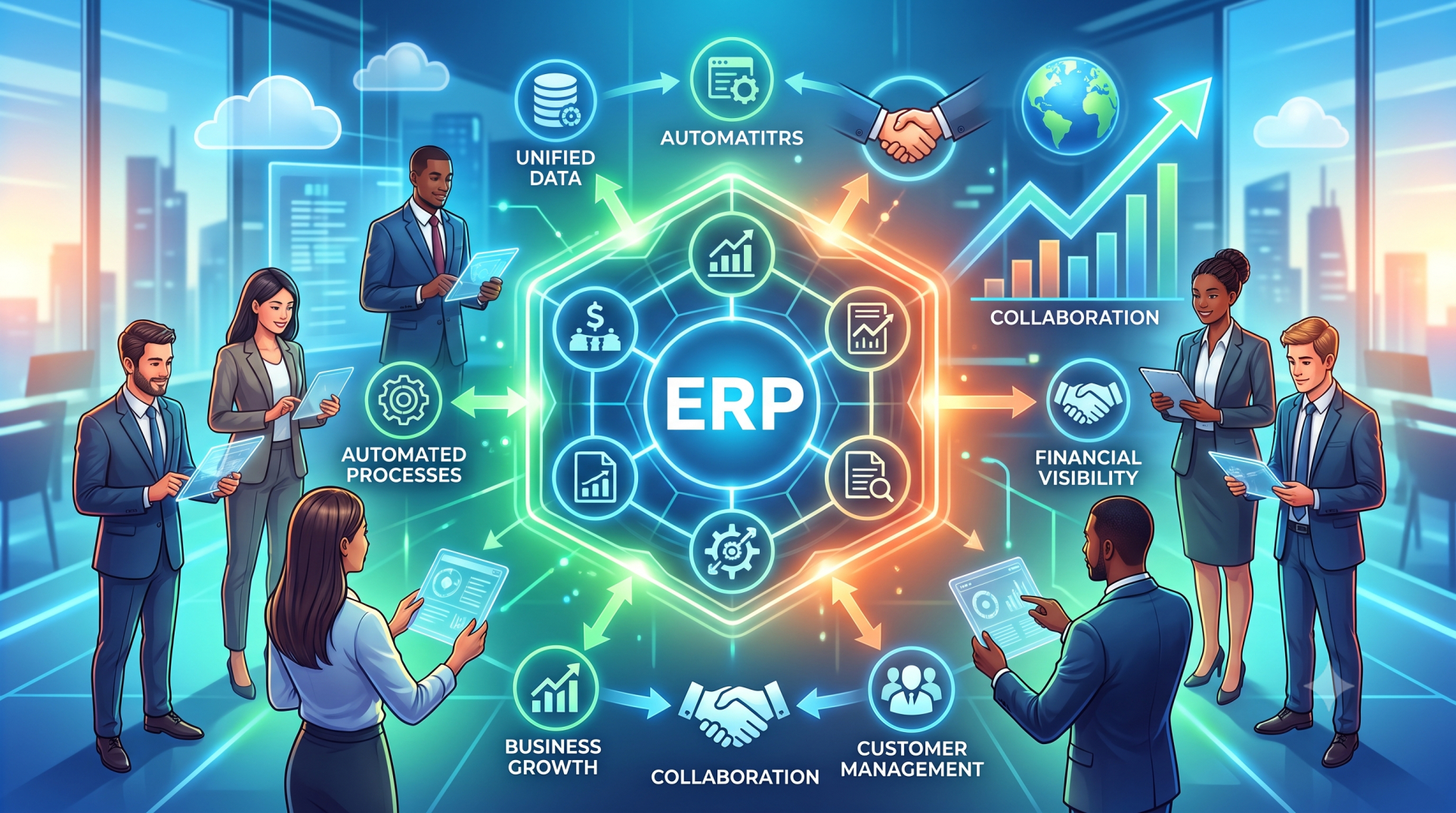
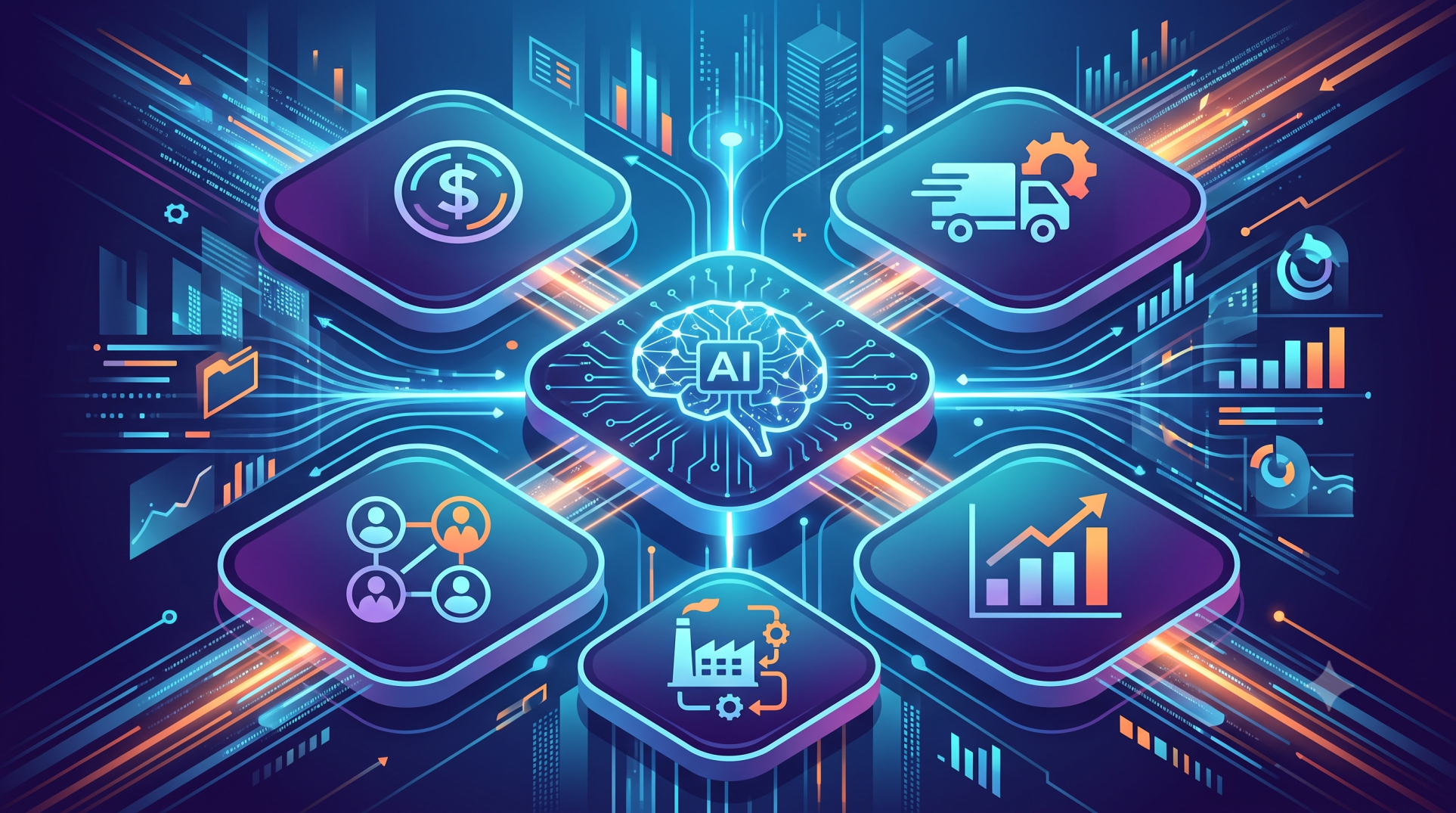
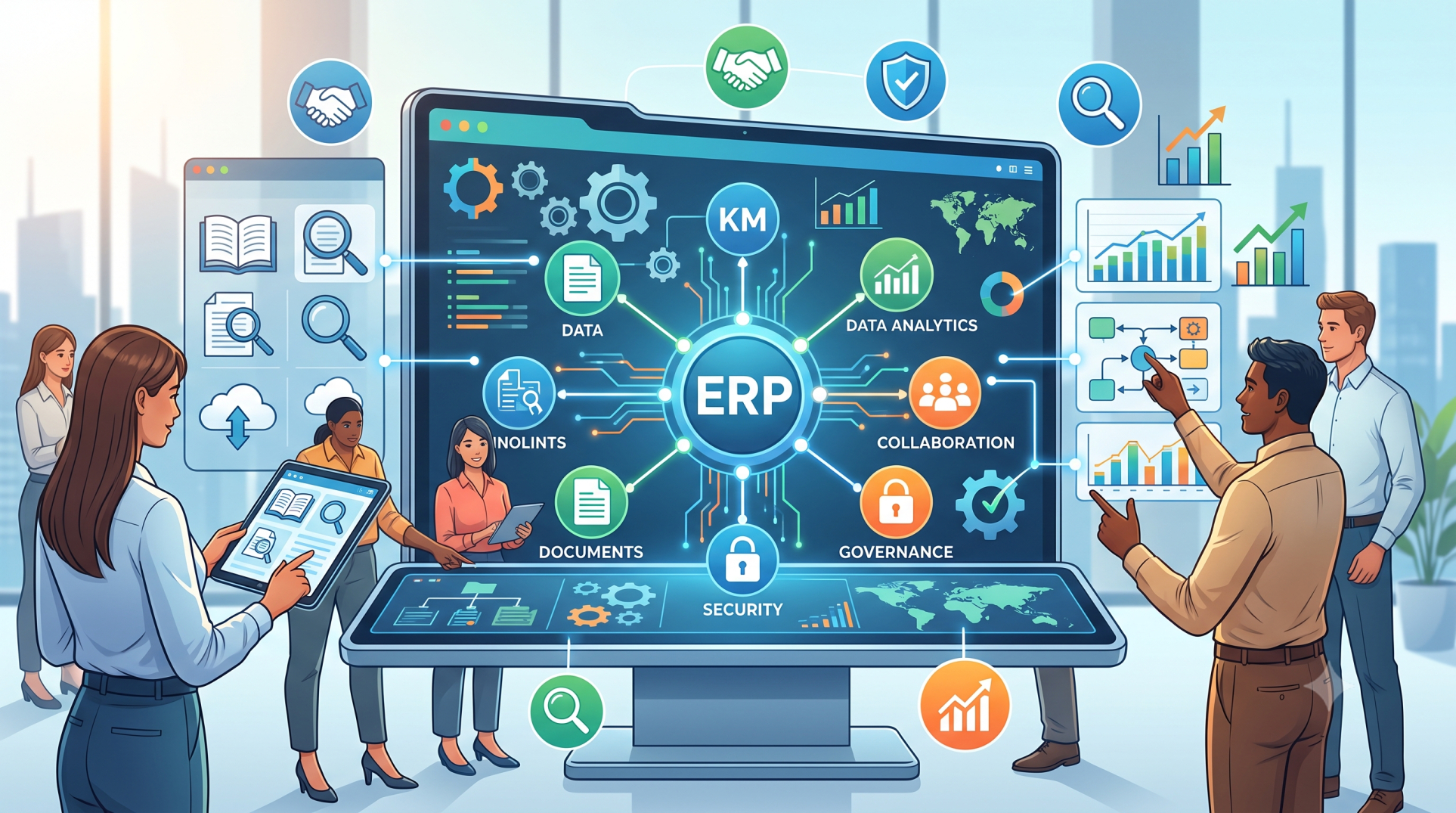
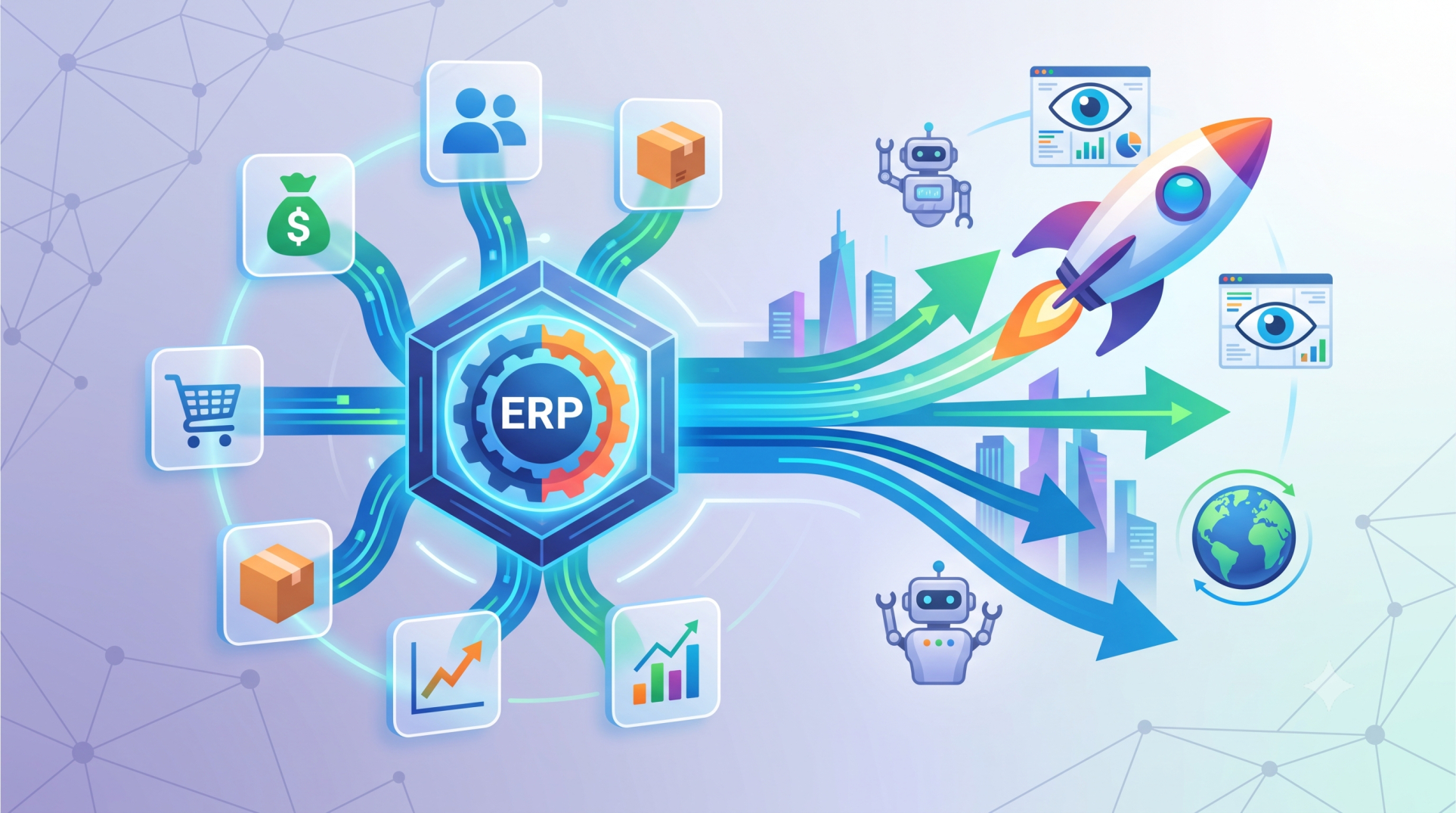
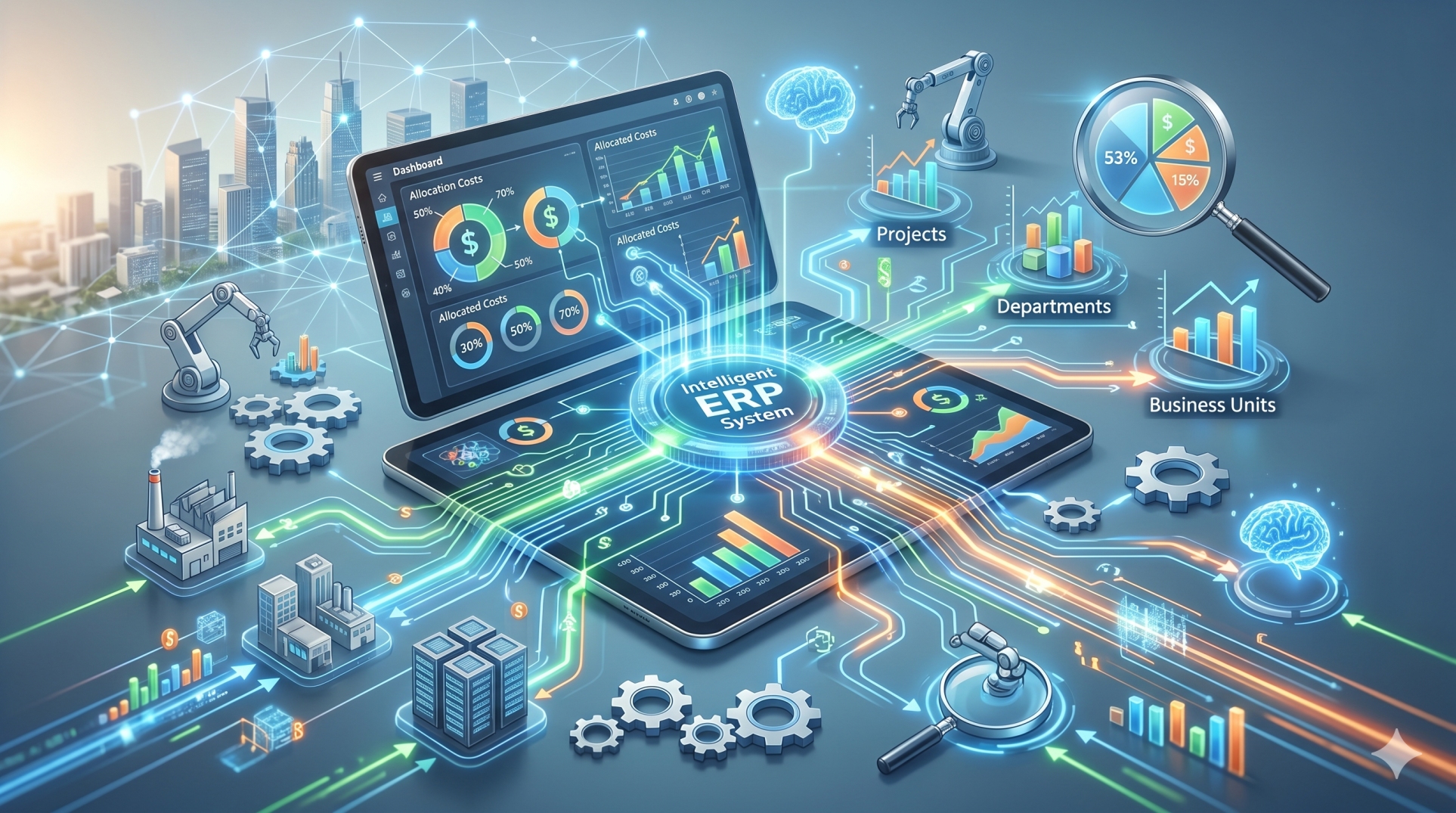
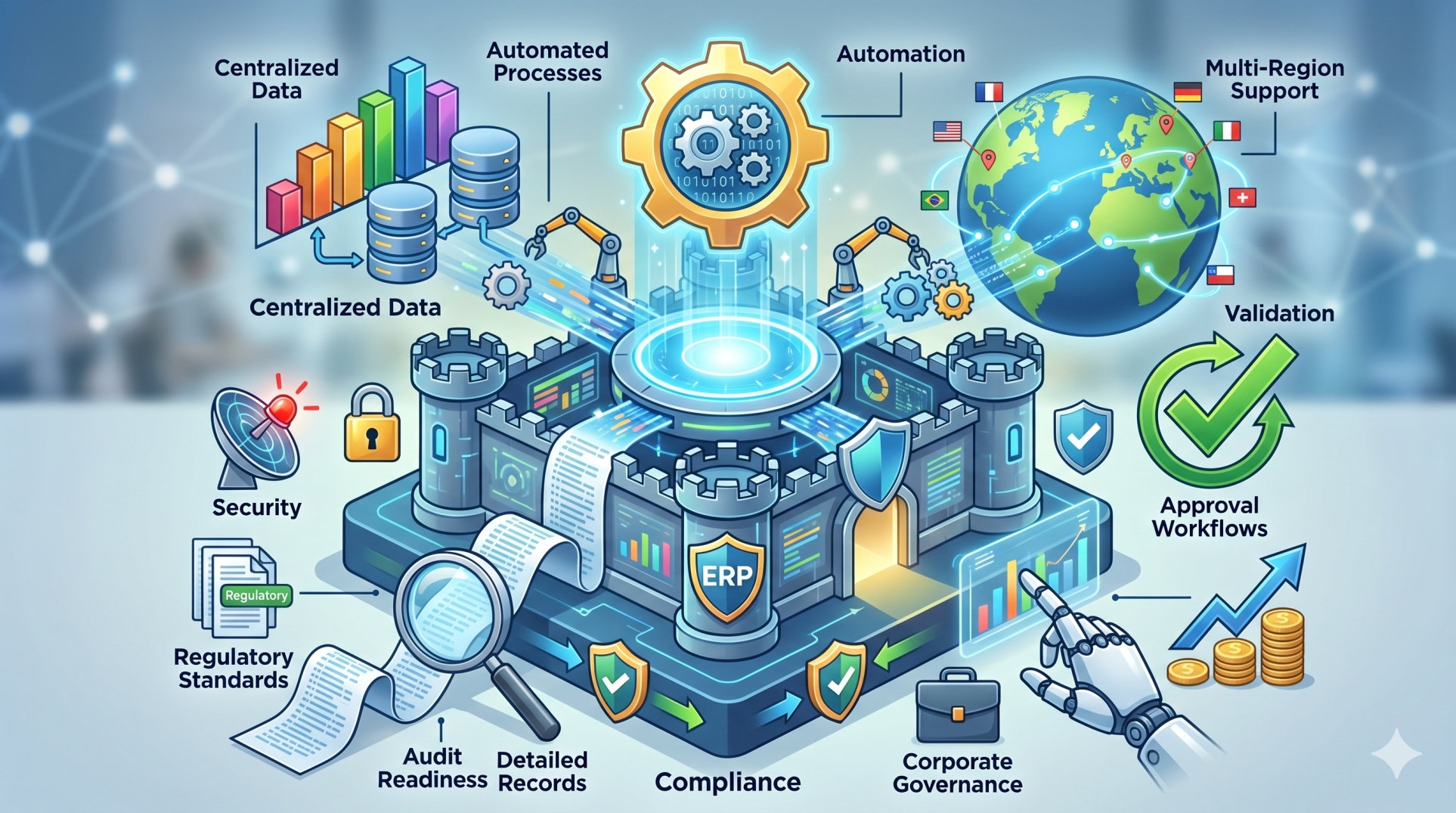
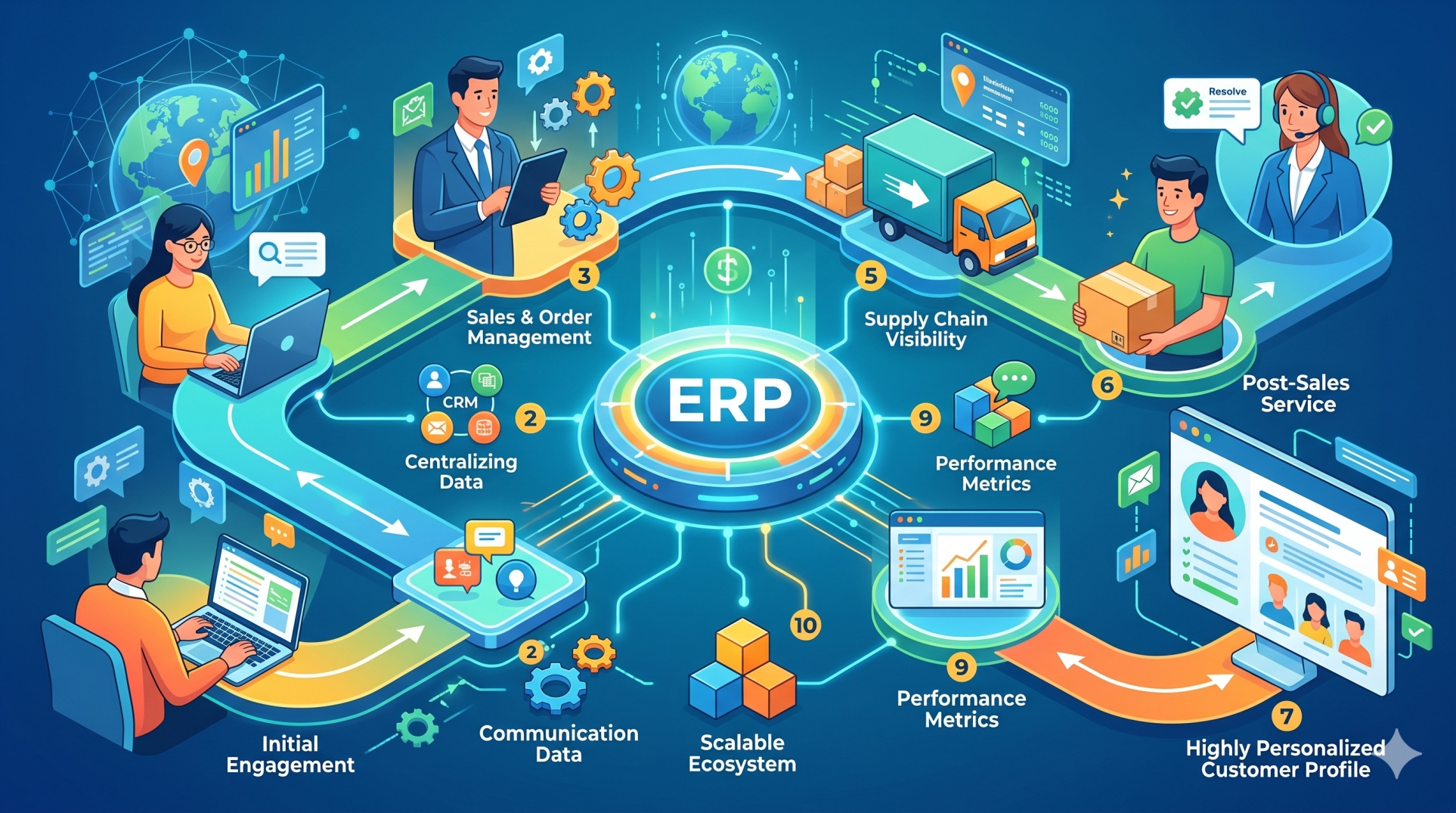
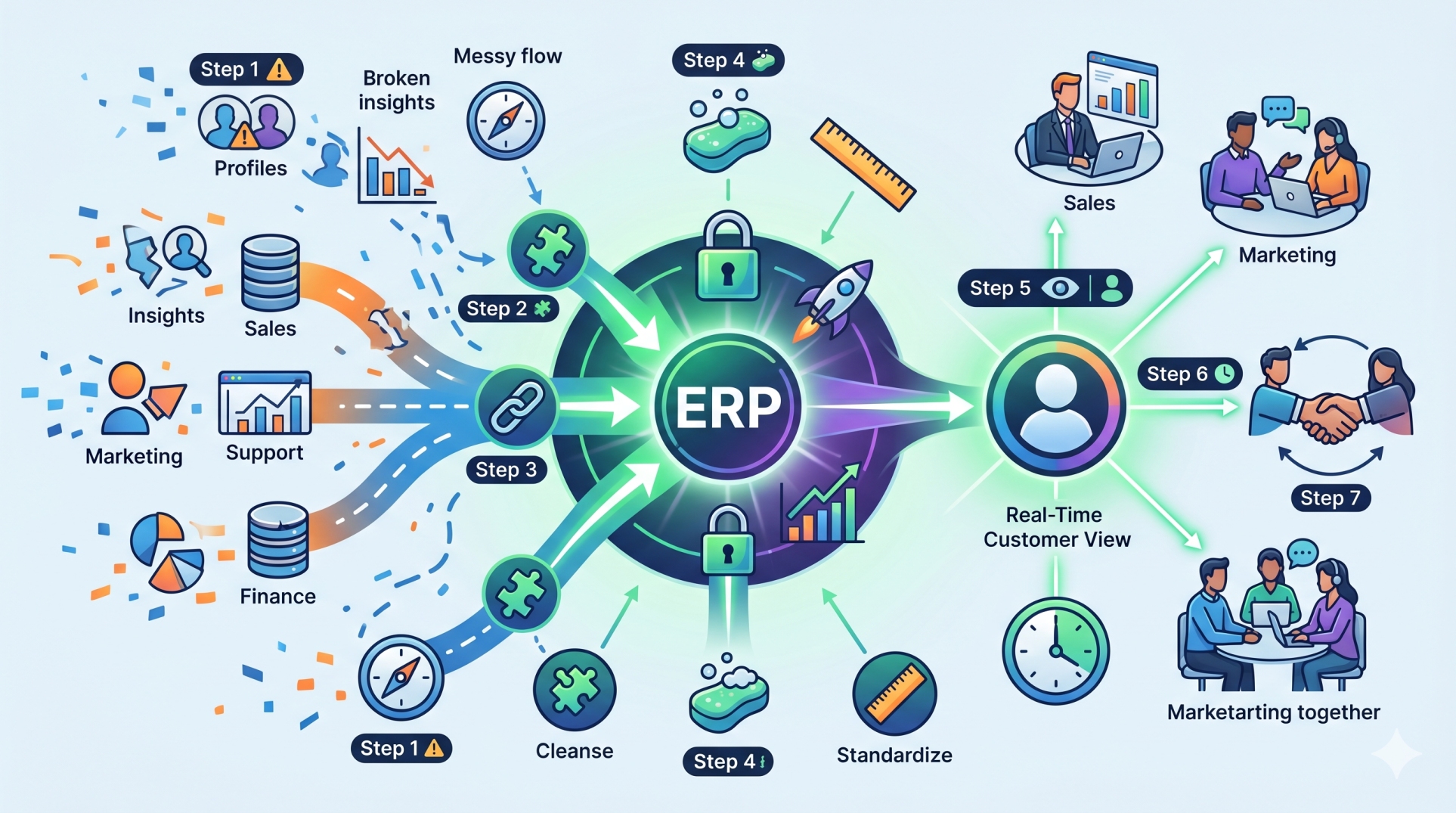
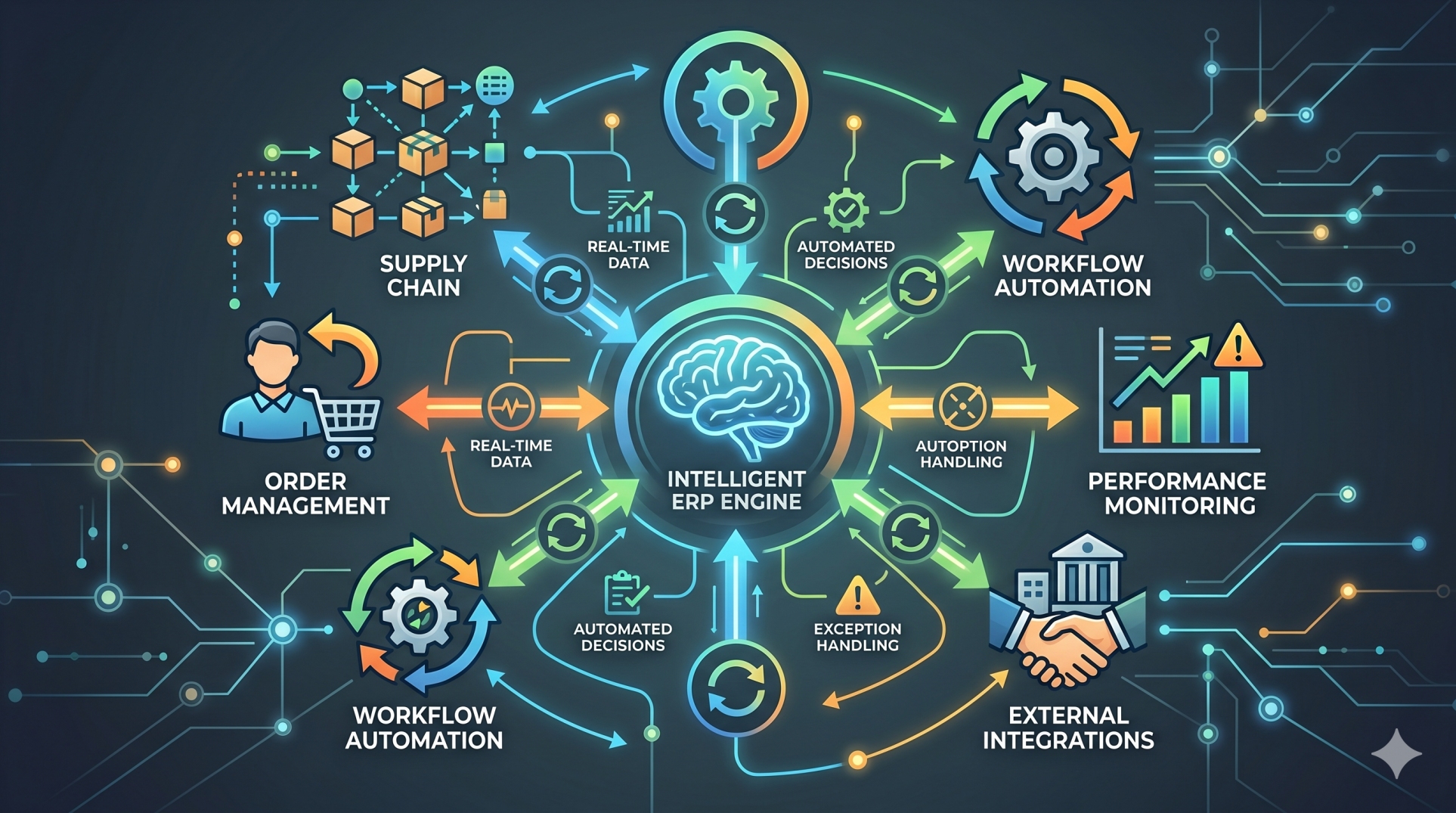
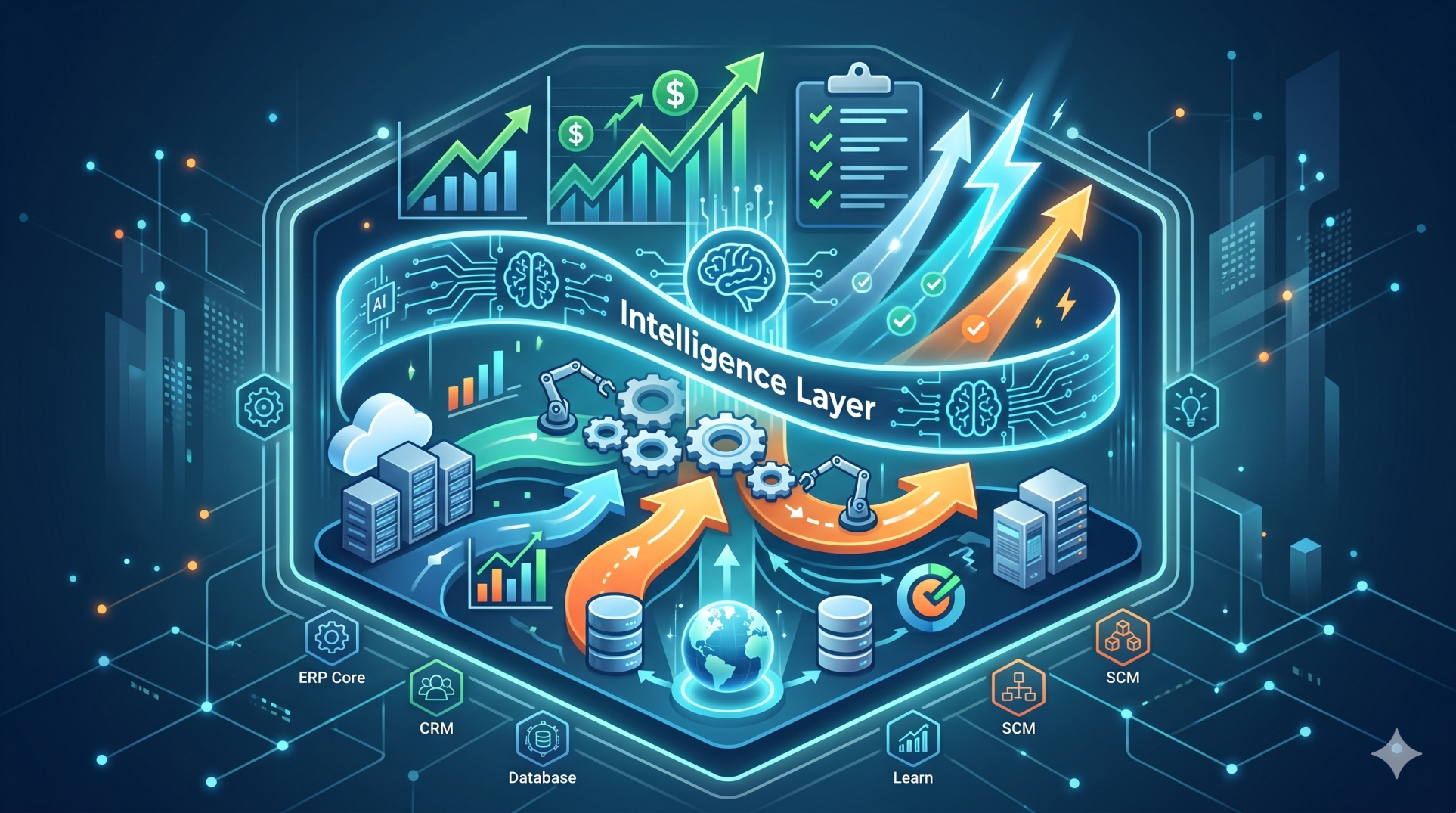
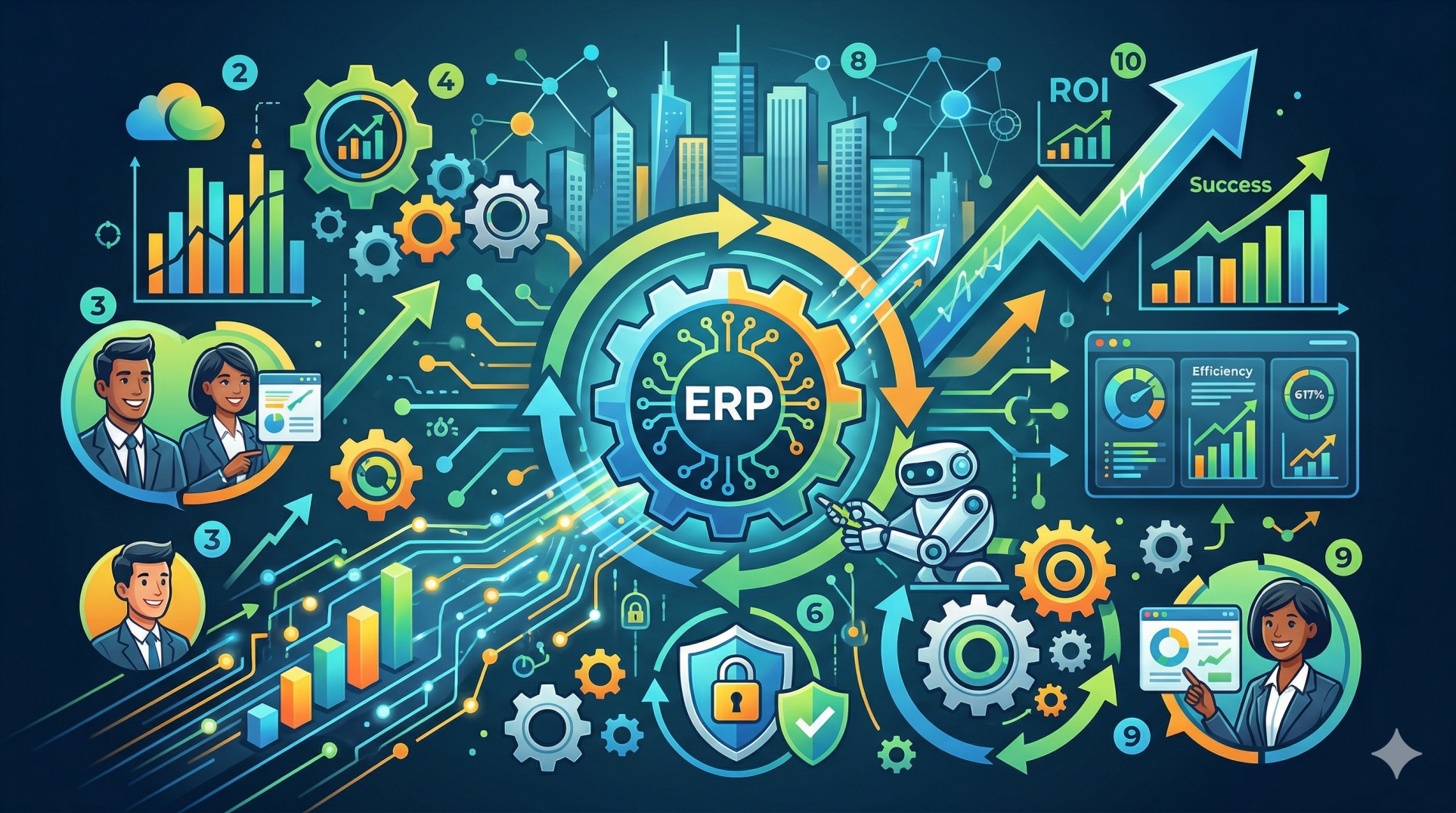
Modern Enterprise Resource Planning (ERP) systems are no longer just transactional backbones—they are evolving into intelligent platforms that actively analyze, optimize, and guide business operations. Process intelligence layers sit on top of core ERP systems, transforming raw operational data into actionable insights. These layers enable organizations to monitor workflows, detect inefficiencies, and continuously improve performance in real time.
Step 1: Understanding Process Intelligence in ERP 🧠
• Process intelligence captures and analyzes end-to-end business workflows 🔍
• It transforms ERP data into meaningful operational insights 📊
• Provides visibility into how processes actually execute vs. how they are designed ⚙️
• Identifies inefficiencies, delays, and deviations in workflows ⏱️
• Acts as a decision-support layer for continuous improvement 💡
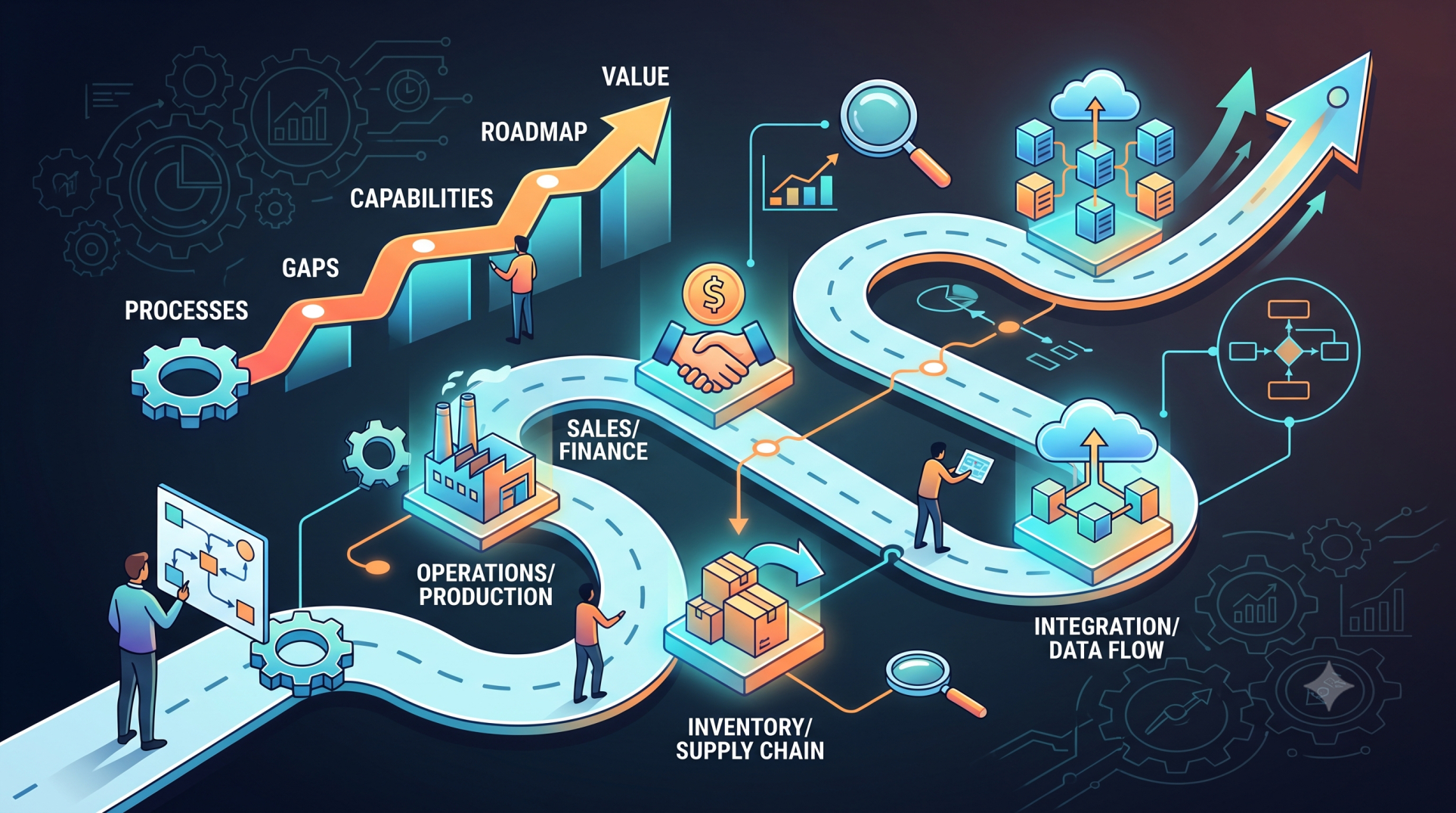
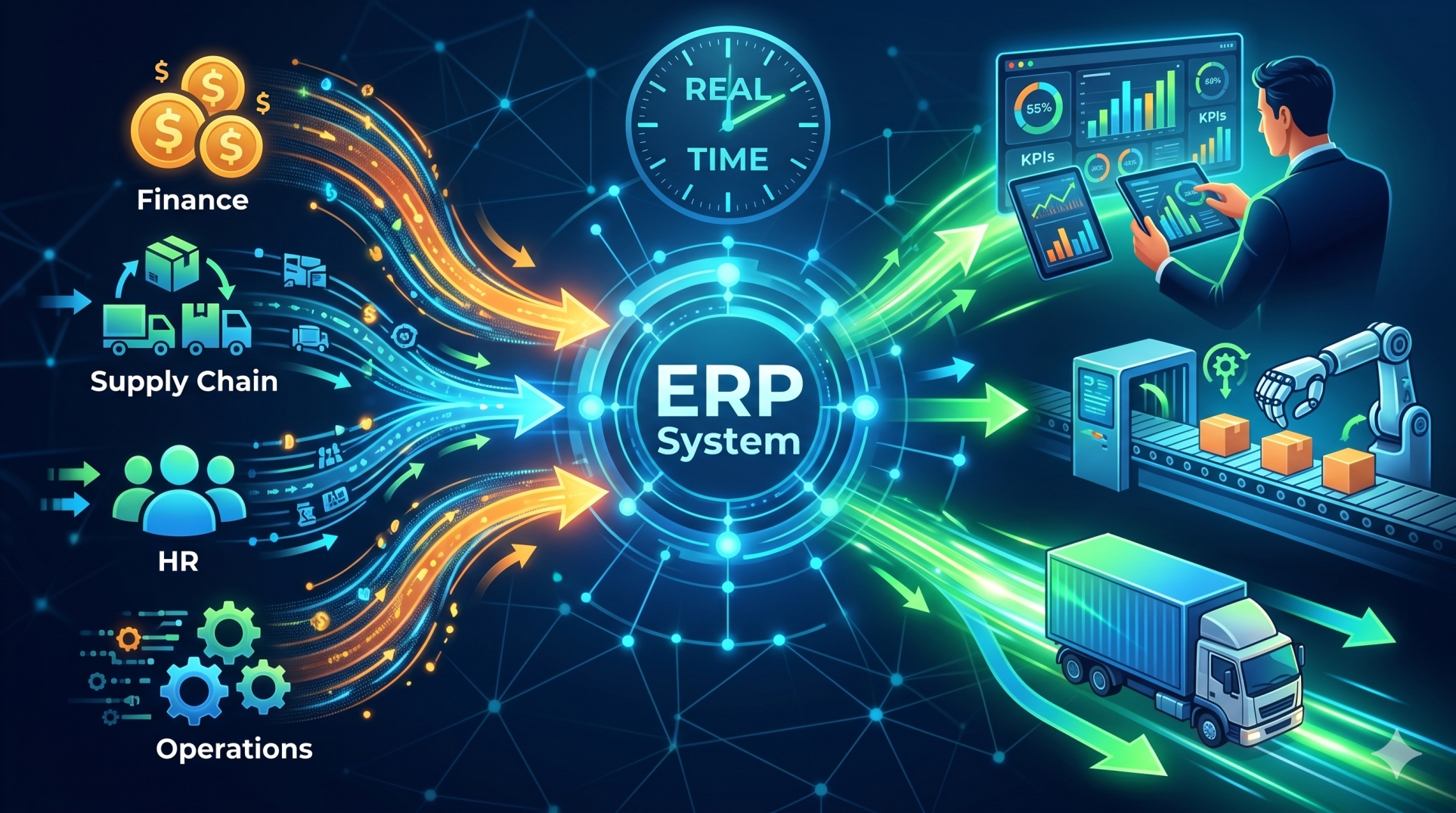
Step 2: Data Collection Across ERP Modules 📥
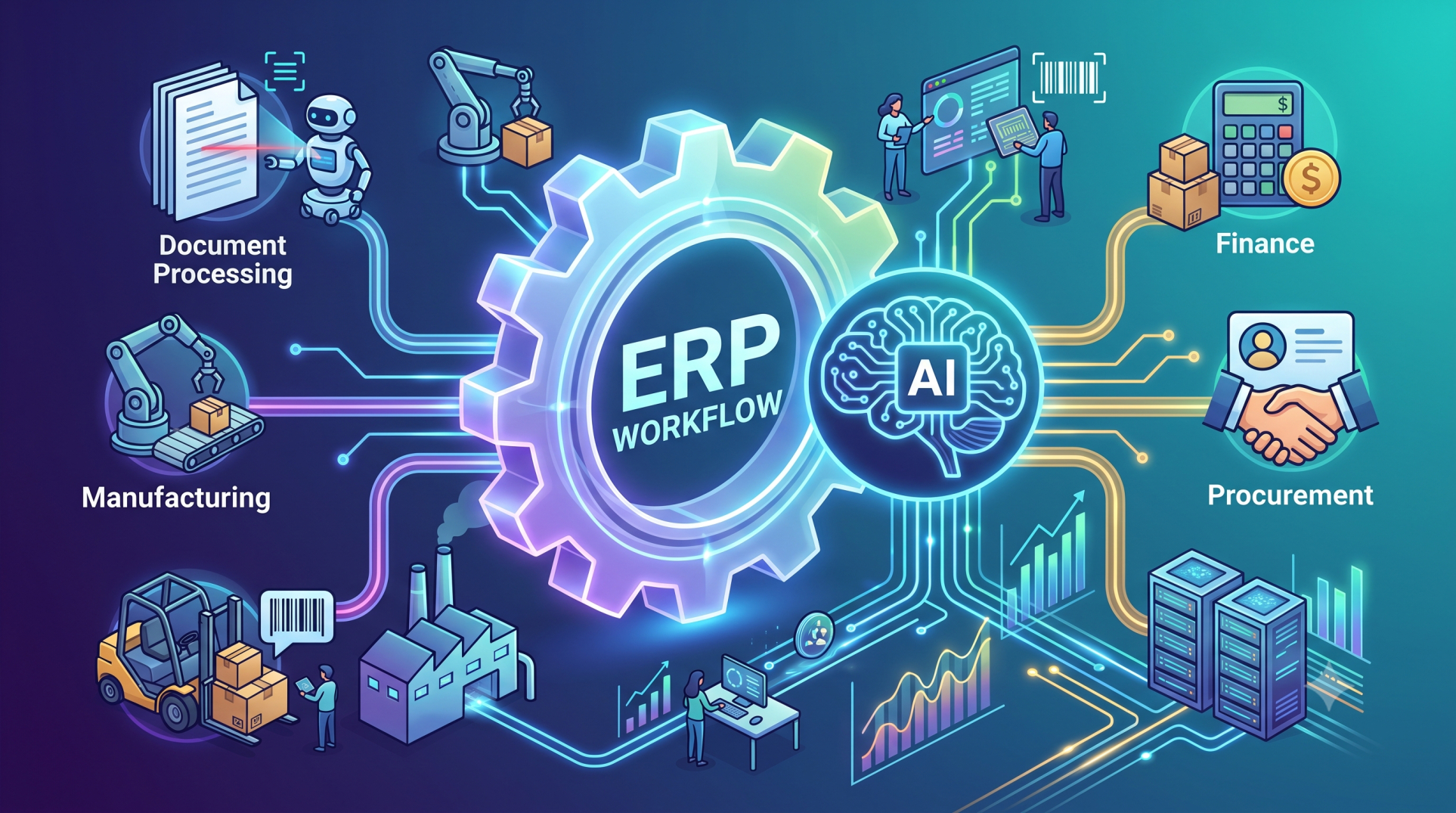
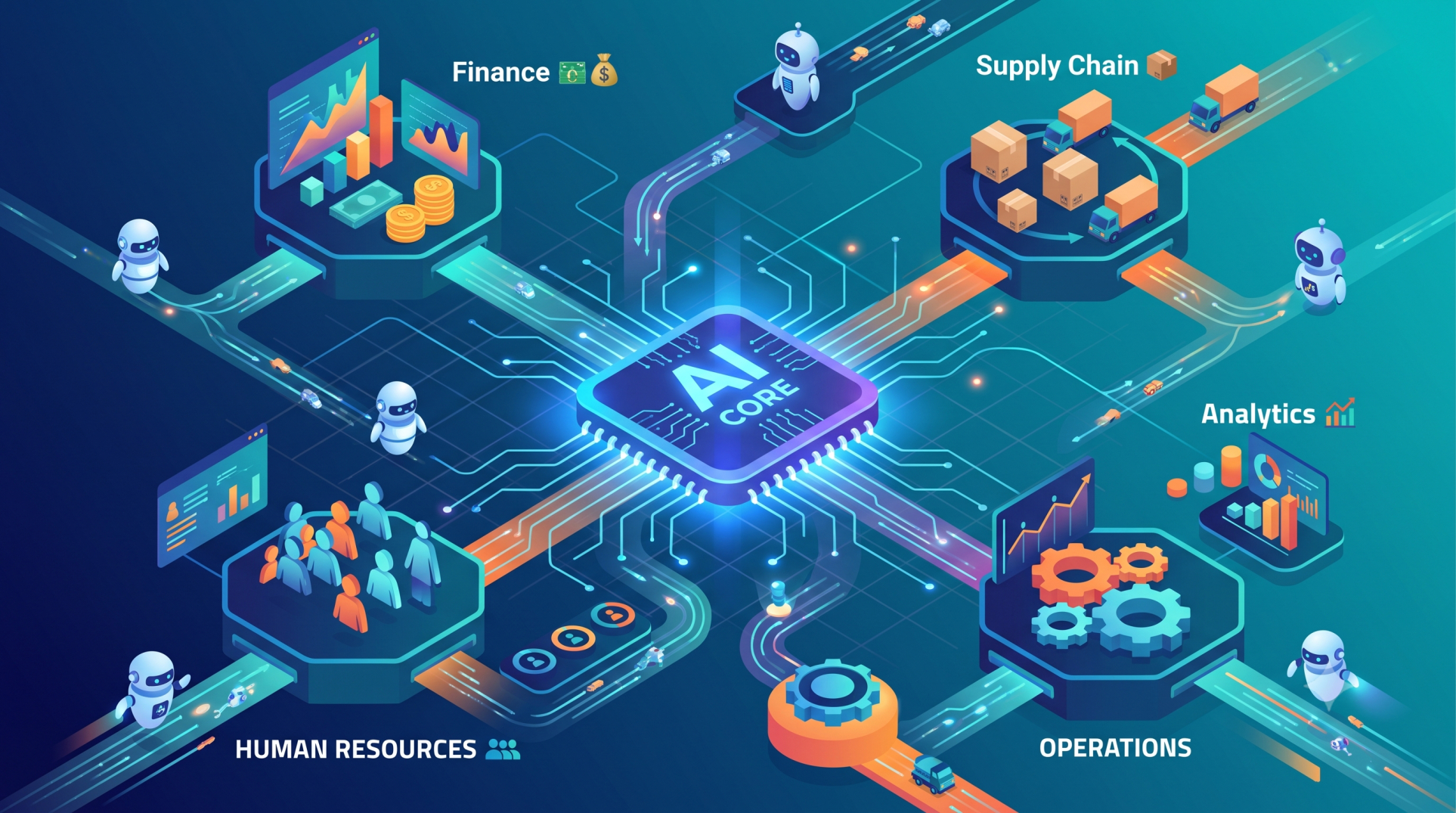
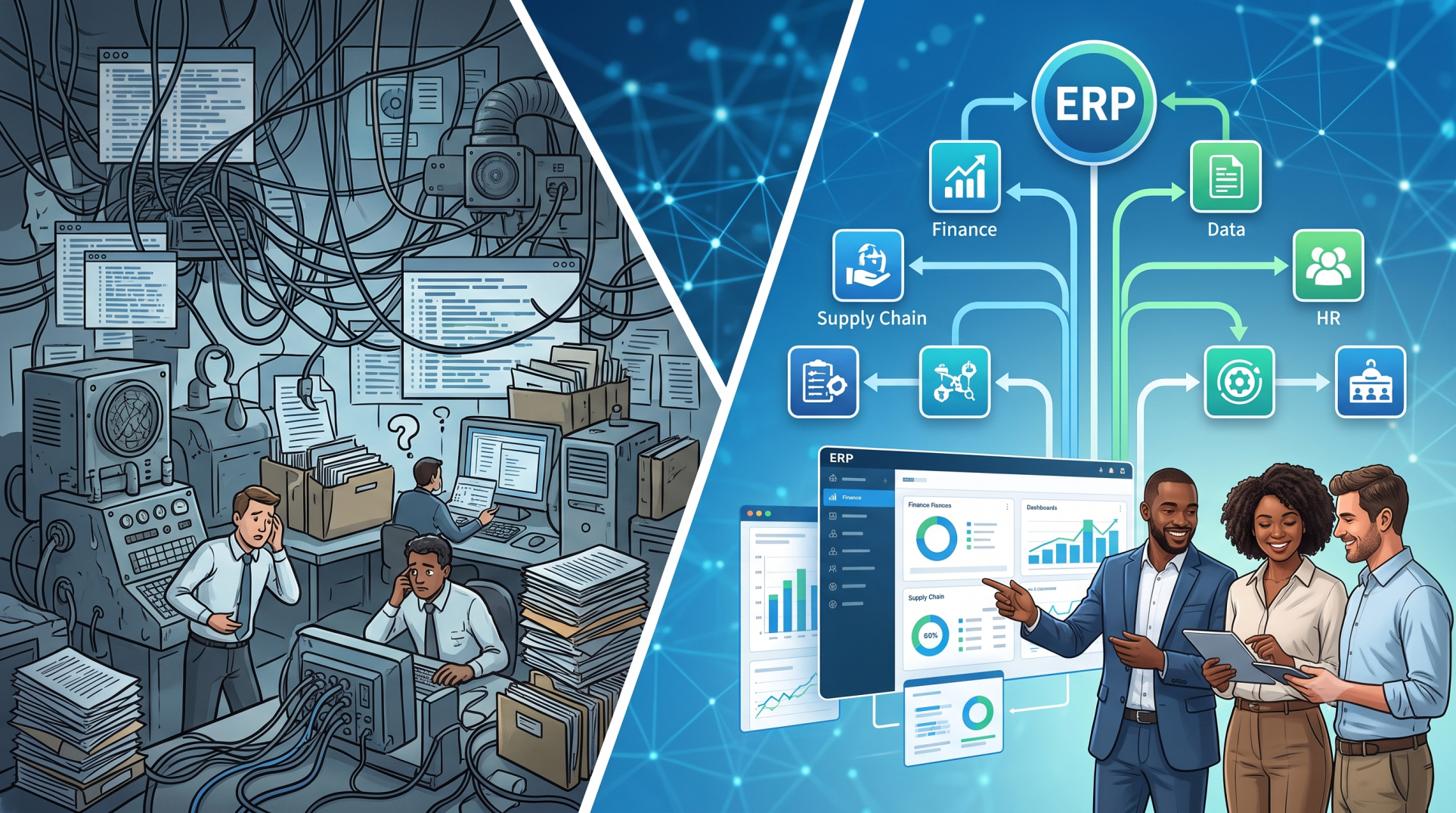
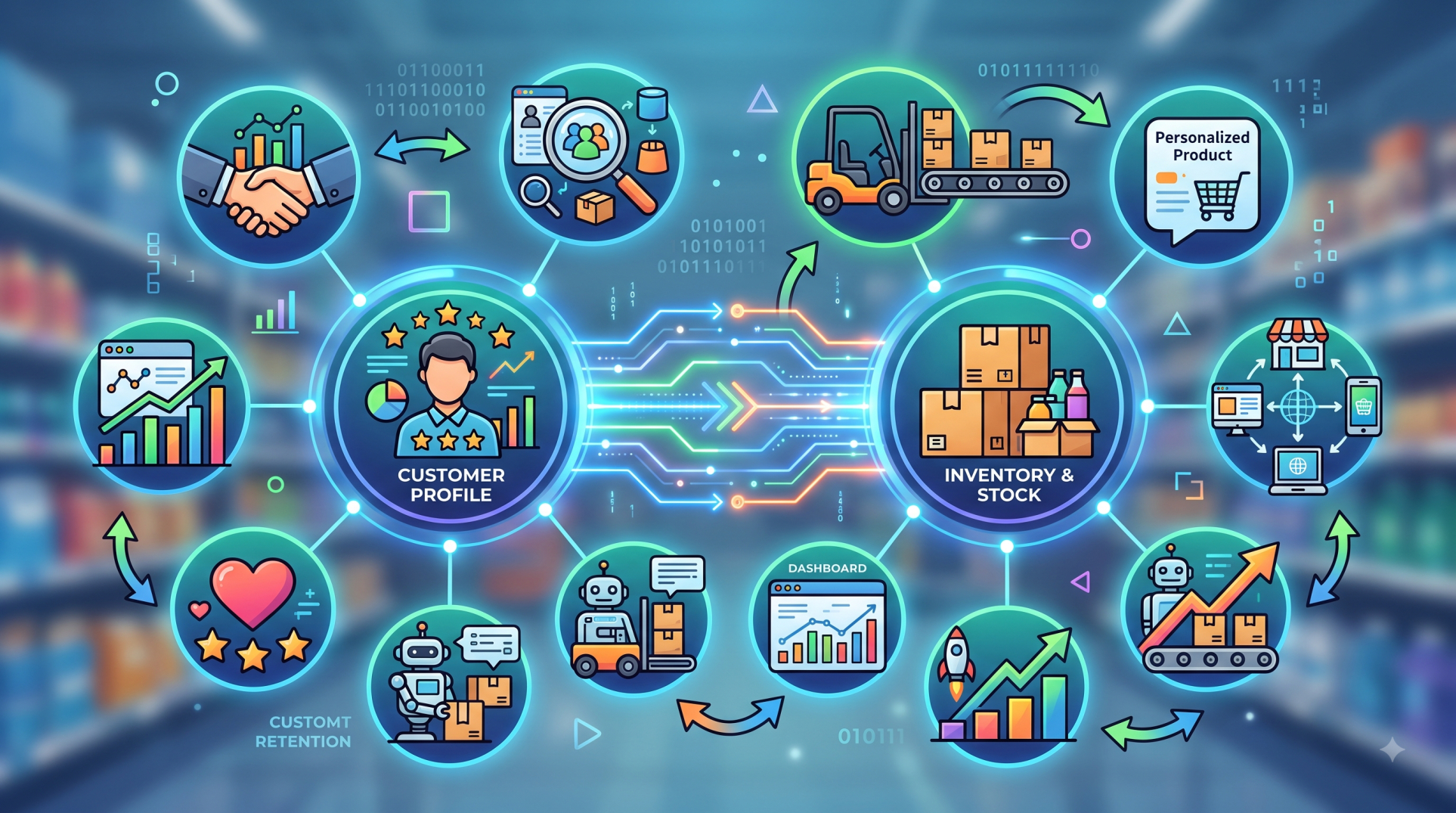
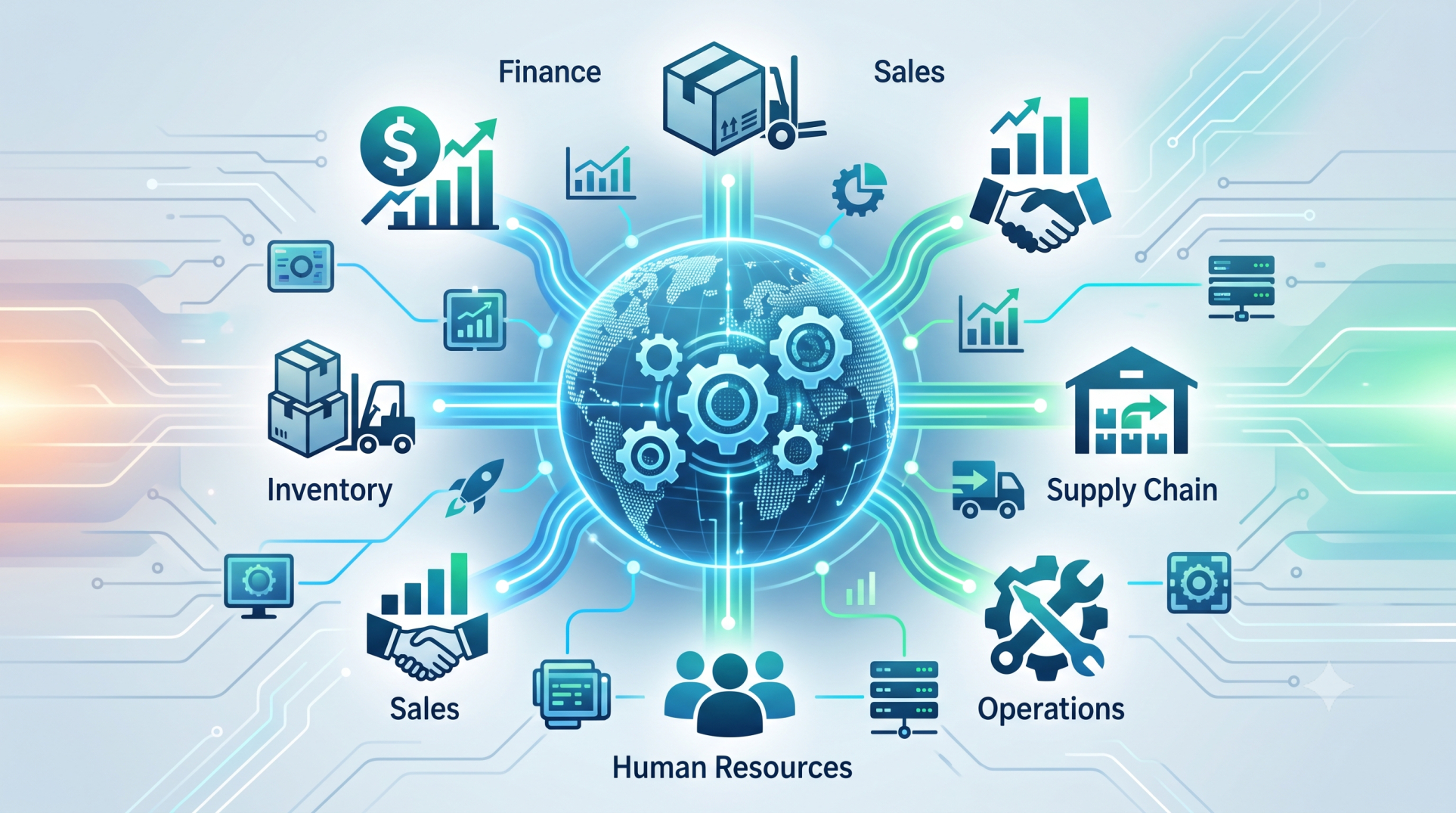
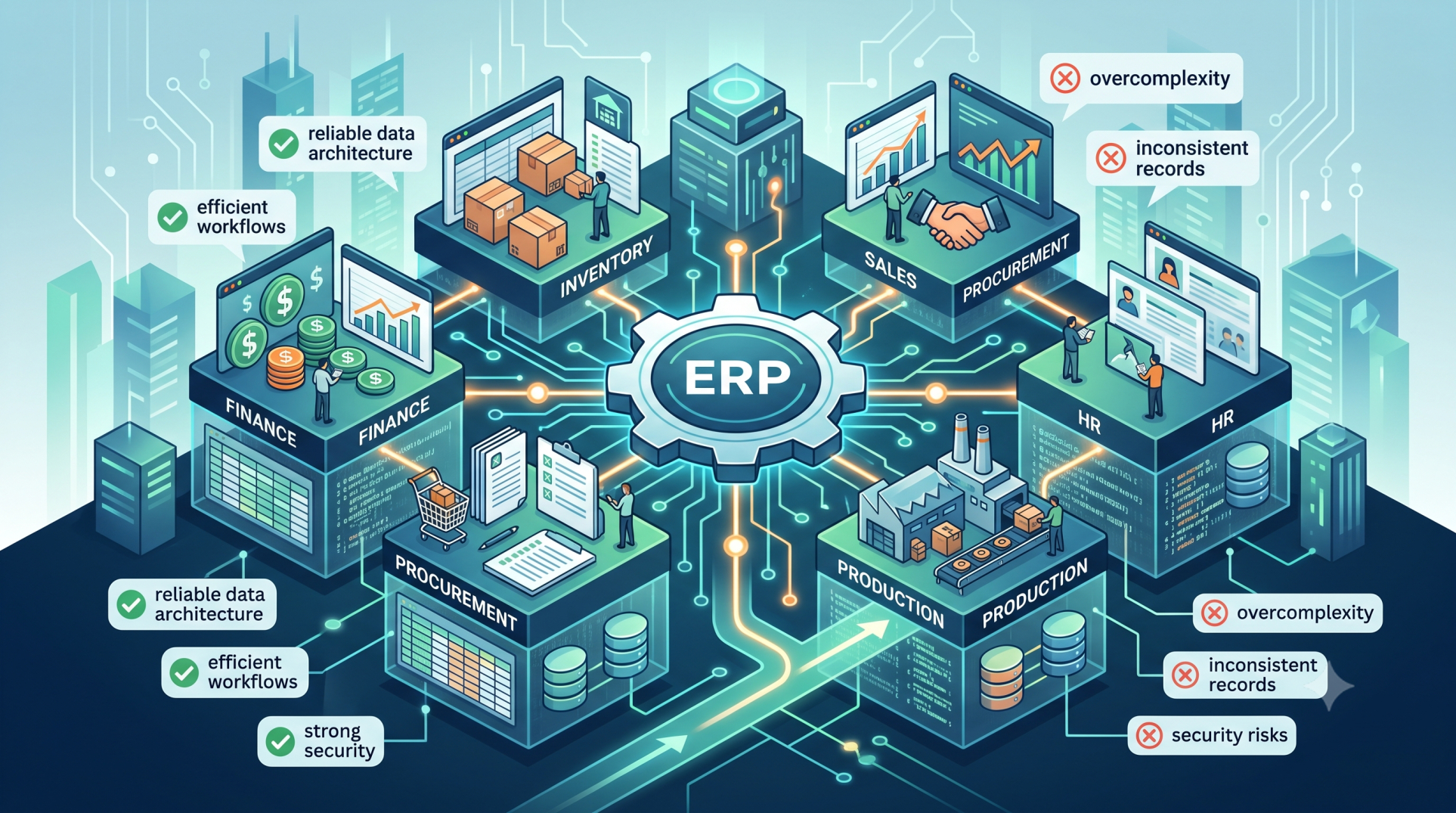
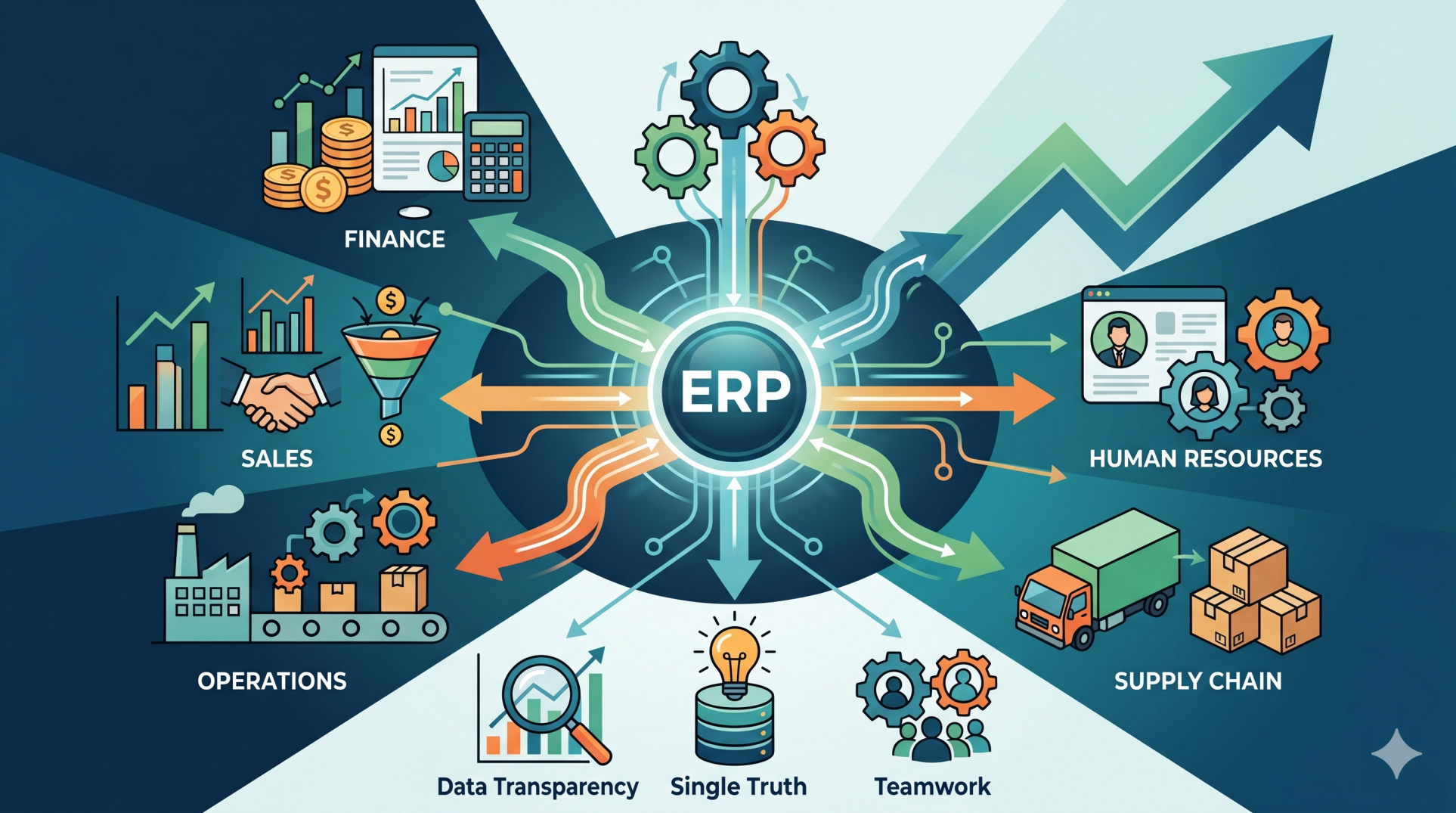
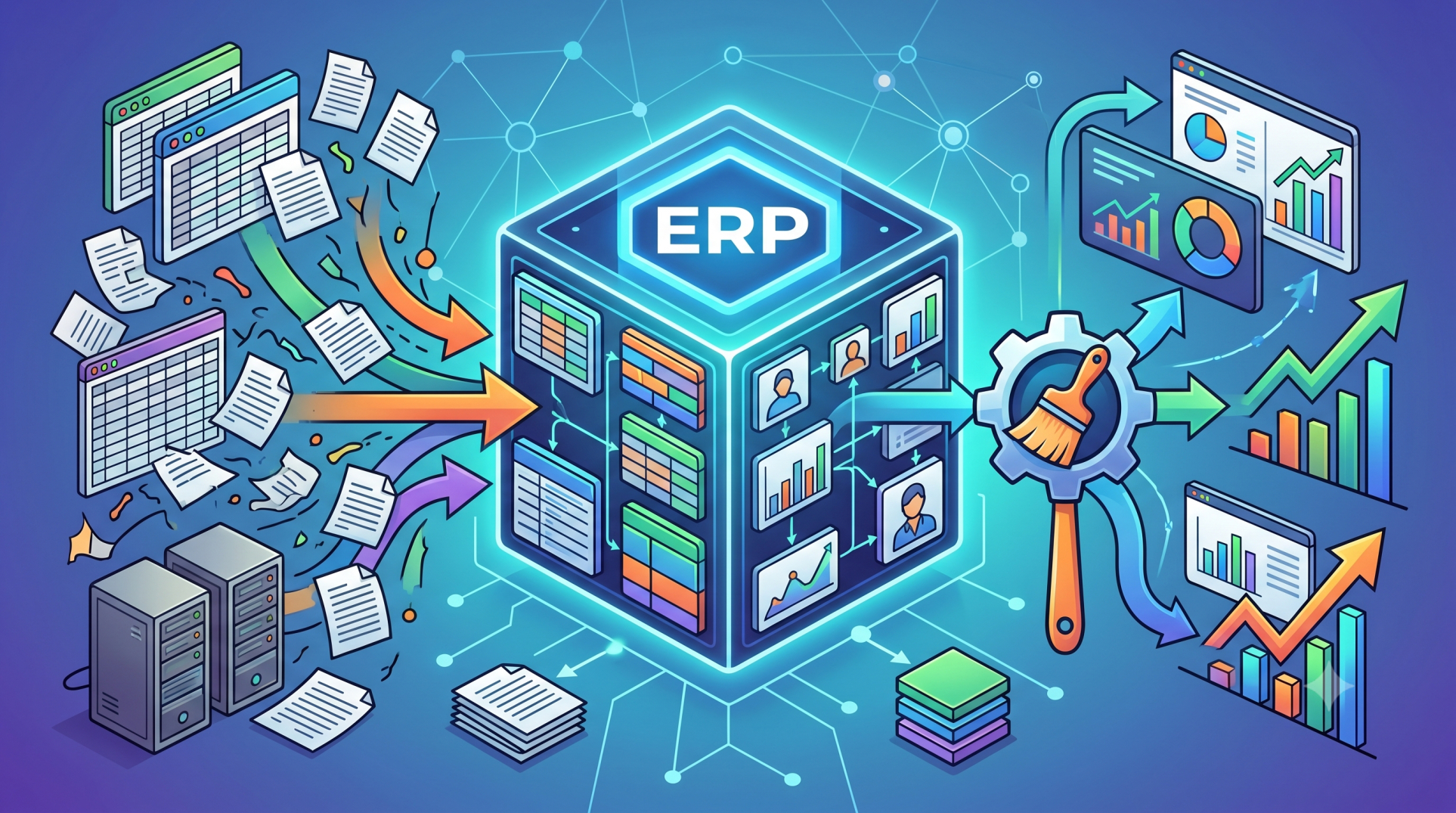
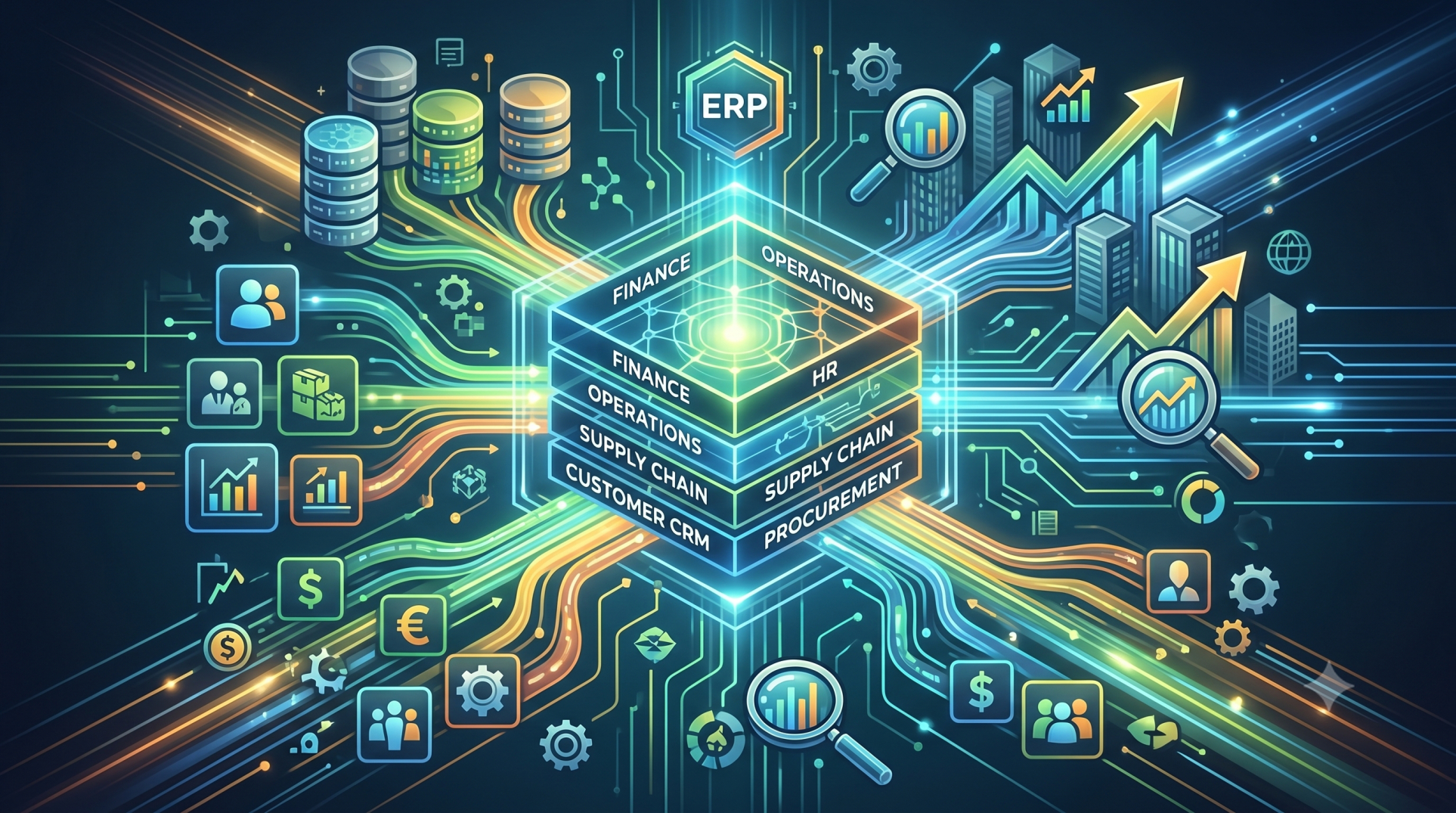
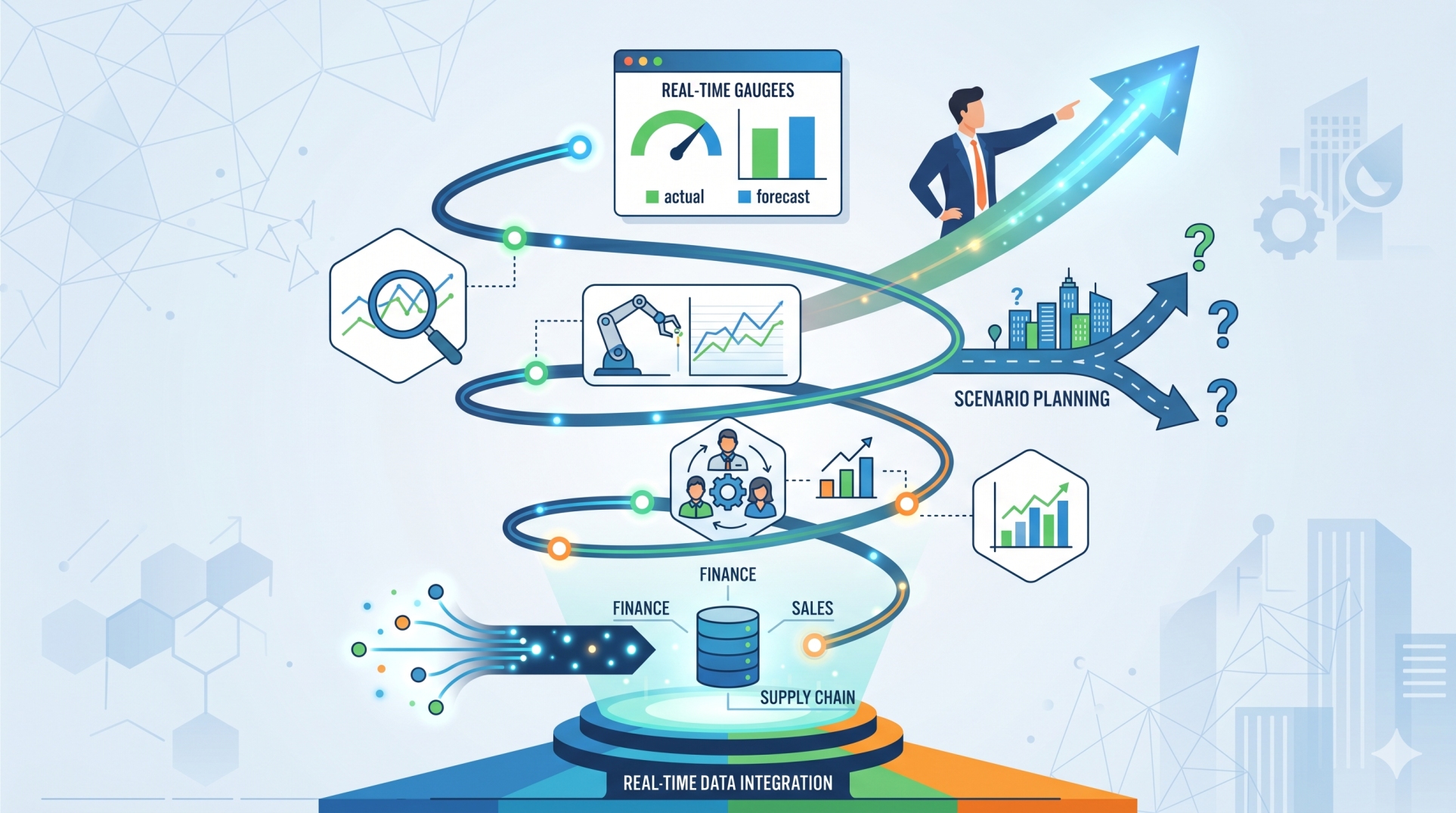
• Gather data from finance, supply chain, HR, and operations modules 📊
• Capture event logs and transaction records in real time ⏱️
• Ensure data consistency across integrated ERP components 🔗
• Eliminate data silos through centralized data pipelines 🧩
• Enable comprehensive process tracking across departments 🏢
Step 3: Process Mining and Visualization 🔍
• Reconstruct actual workflows using process mining techniques 🧠
• Visualize process flows to identify bottlenecks and variations 📈
• Compare expected vs. actual execution paths ⚖️
• Highlight inefficiencies and redundant steps 🚧
• Provide clear, data-driven process maps for analysis 🗺️
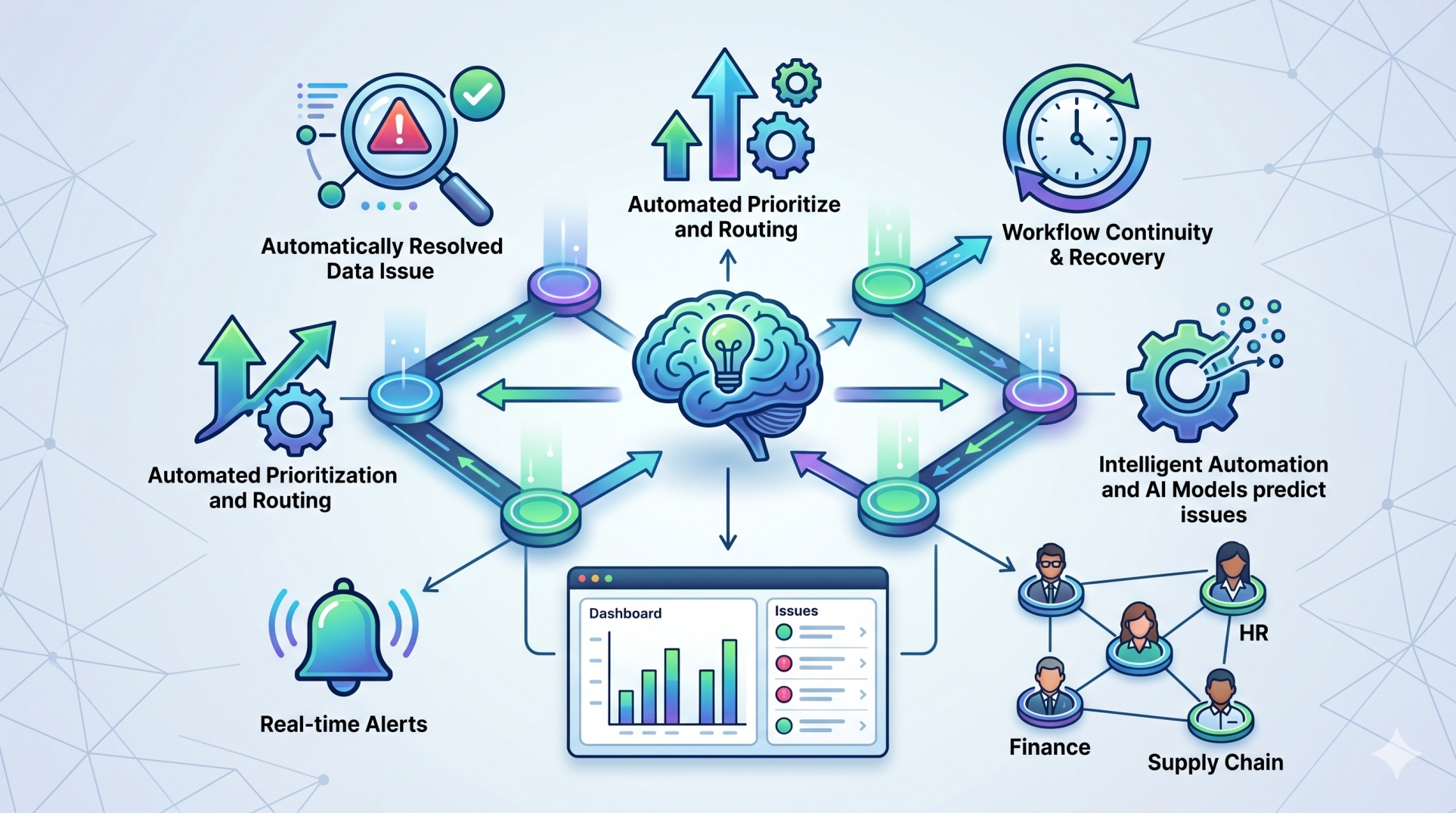
Step 4: Real-Time Monitoring and Alerts 🚨
• Track process performance as it happens ⏱️
• Set thresholds for delays, exceptions, and anomalies 🚨
• Trigger alerts for deviations from expected workflows 📢
• Enable proactive intervention before issues escalate ⚡
• Improve responsiveness across operational teams 🤝
Step 5: Performance Analytics and KPIs 📊
• Measure cycle times, throughput, and resource utilization 📈
• Define KPIs aligned with business objectives 🎯
• Analyze trends and patterns across processes 🔍
• Benchmark performance across departments or regions 🌍
• Drive data-informed decision-making at all levels 🧠
Step 6: Automation and Optimization Opportunities 🤖
• Identify repetitive and rule-based tasks for automation 🤖
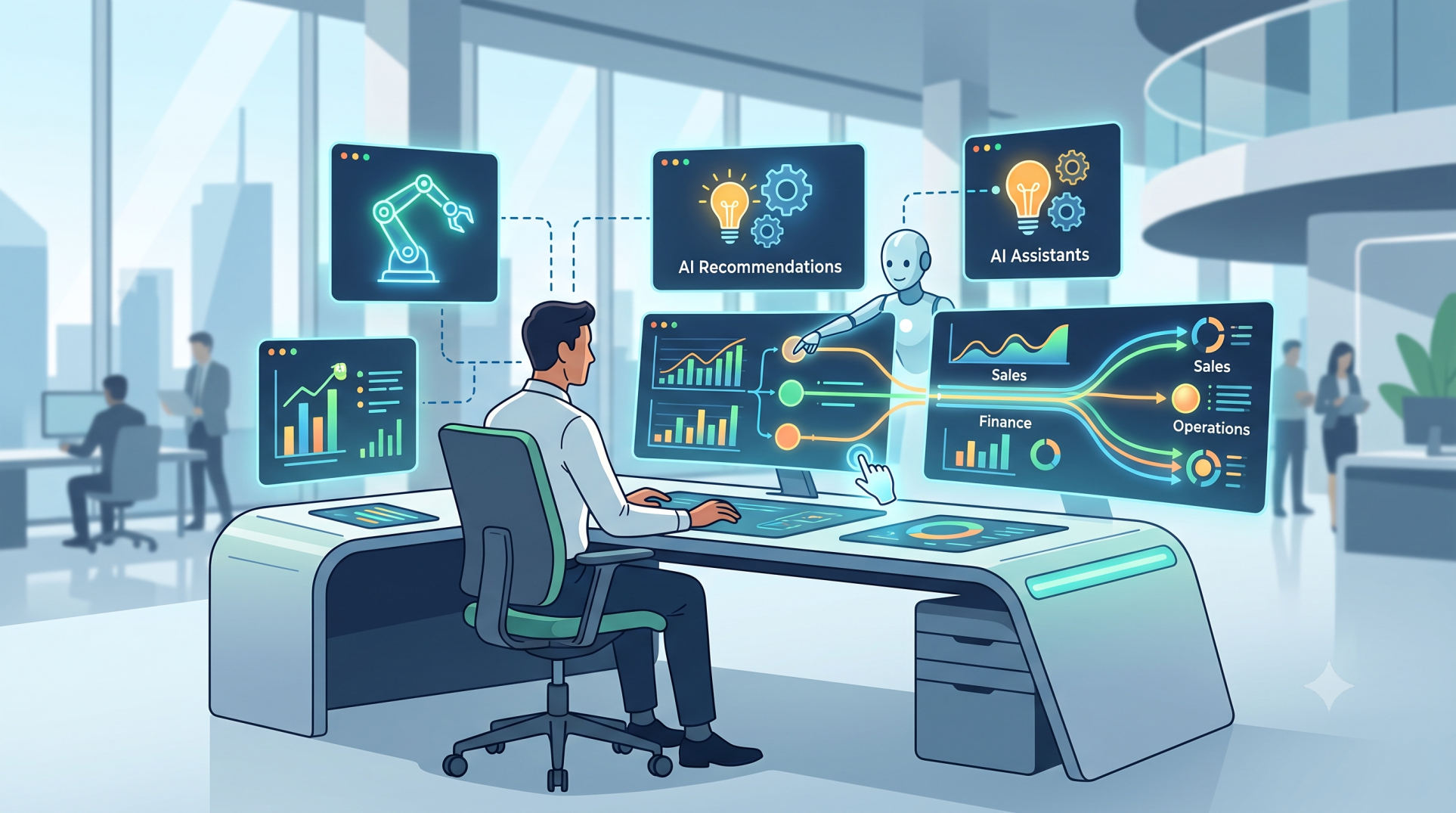
• Recommend workflow optimizations based on data insights 💡
• Reduce manual intervention and operational delays ⏳
• Enhance efficiency through intelligent process redesign ⚙️
• Support continuous improvement initiatives 🔄
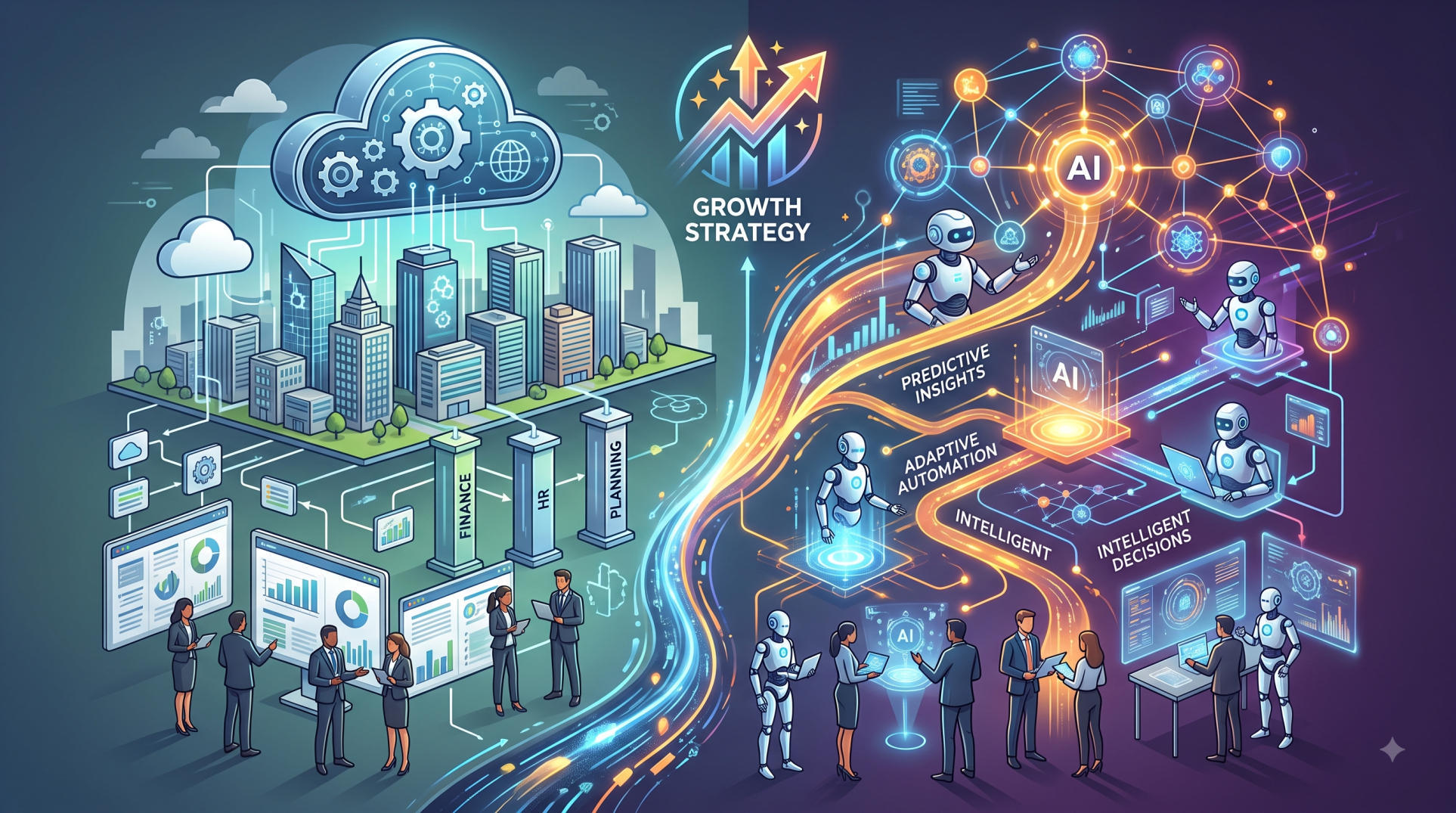
Step 7: Integration with AI and Predictive Models 🔮
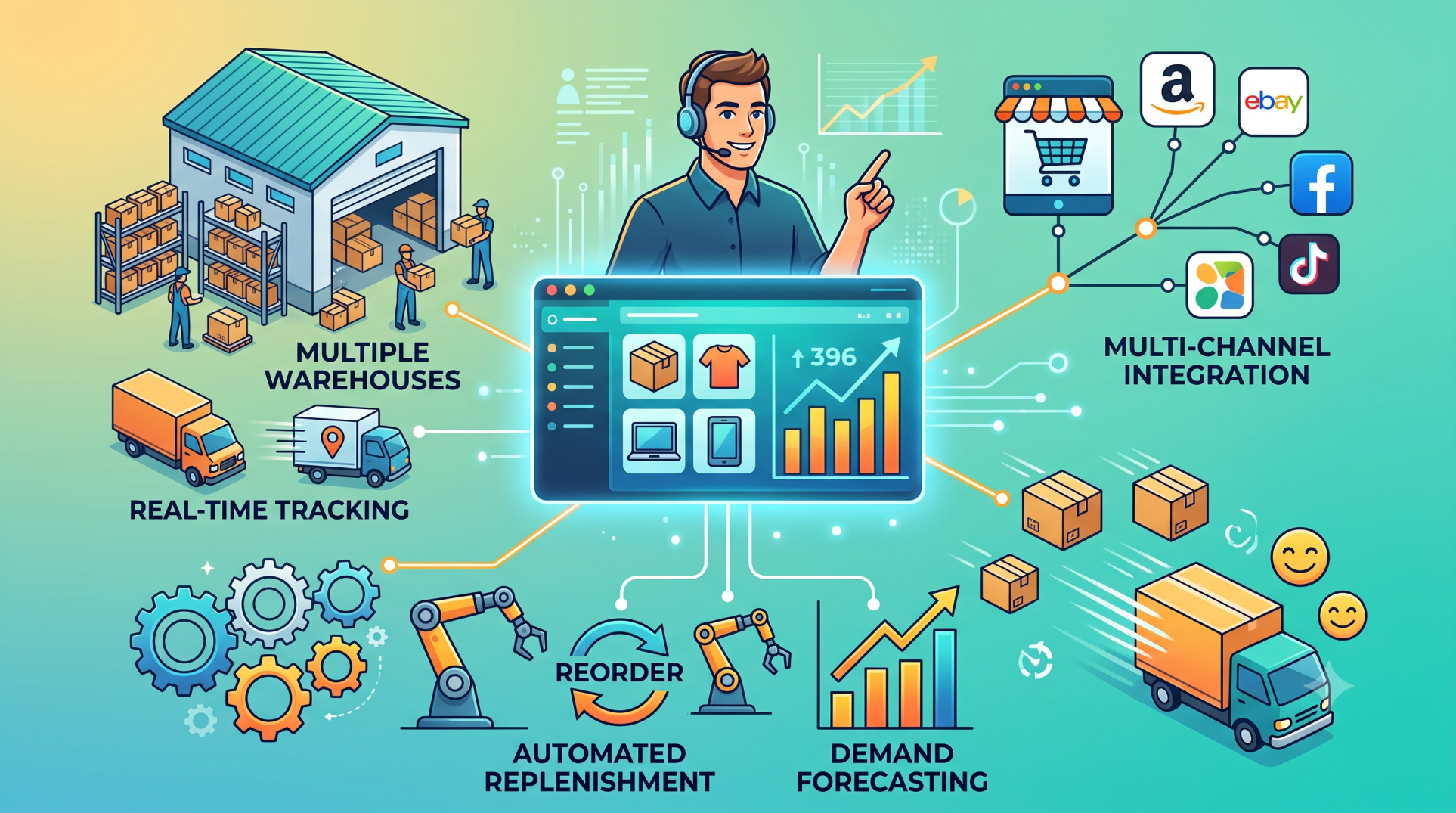
• Use machine learning to predict process outcomes 📊
• Forecast delays, demand fluctuations, or system bottlenecks ⏱️
• Enable intelligent decision-making with predictive insights 🧠
• Continuously refine models using historical ERP data 🔄
• Improve planning and risk mitigation strategies ⚡
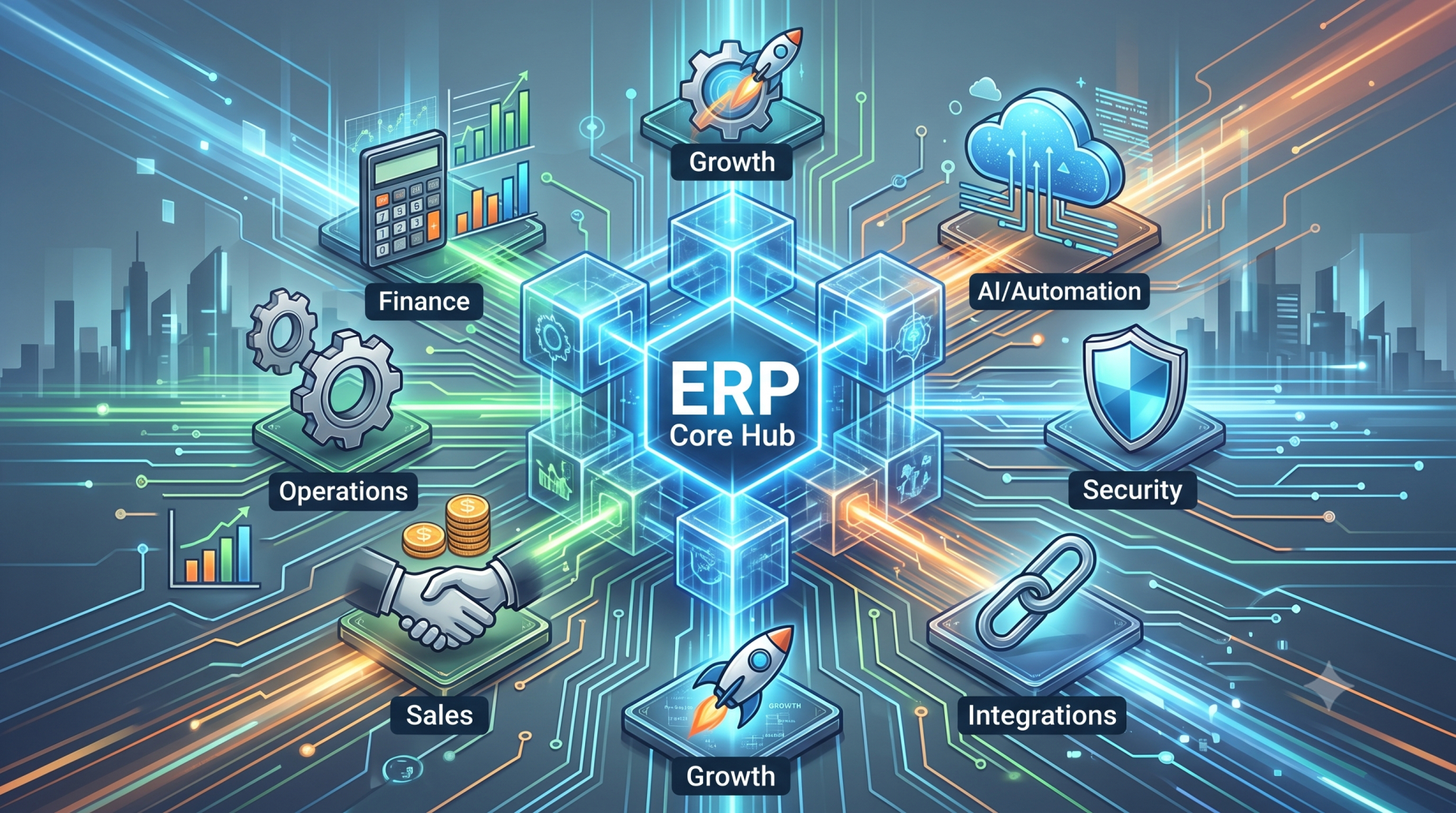
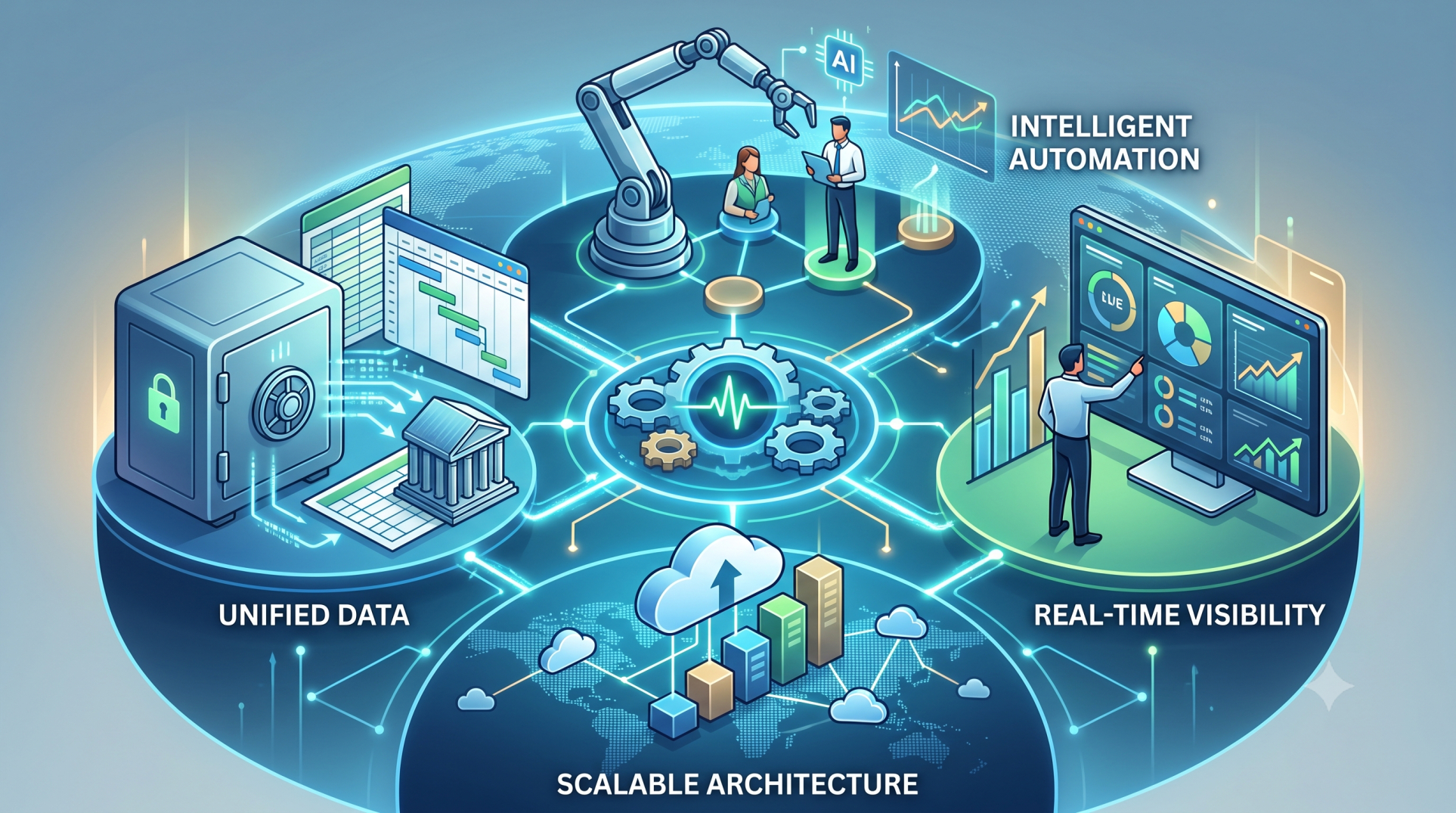
Step 8: Key Capabilities of Process Intelligence Layers 📊
• End-to-end process visibility across ERP systems 👁️
• Real-time monitoring and anomaly detection 🚨
• Data-driven insights for optimization 💡
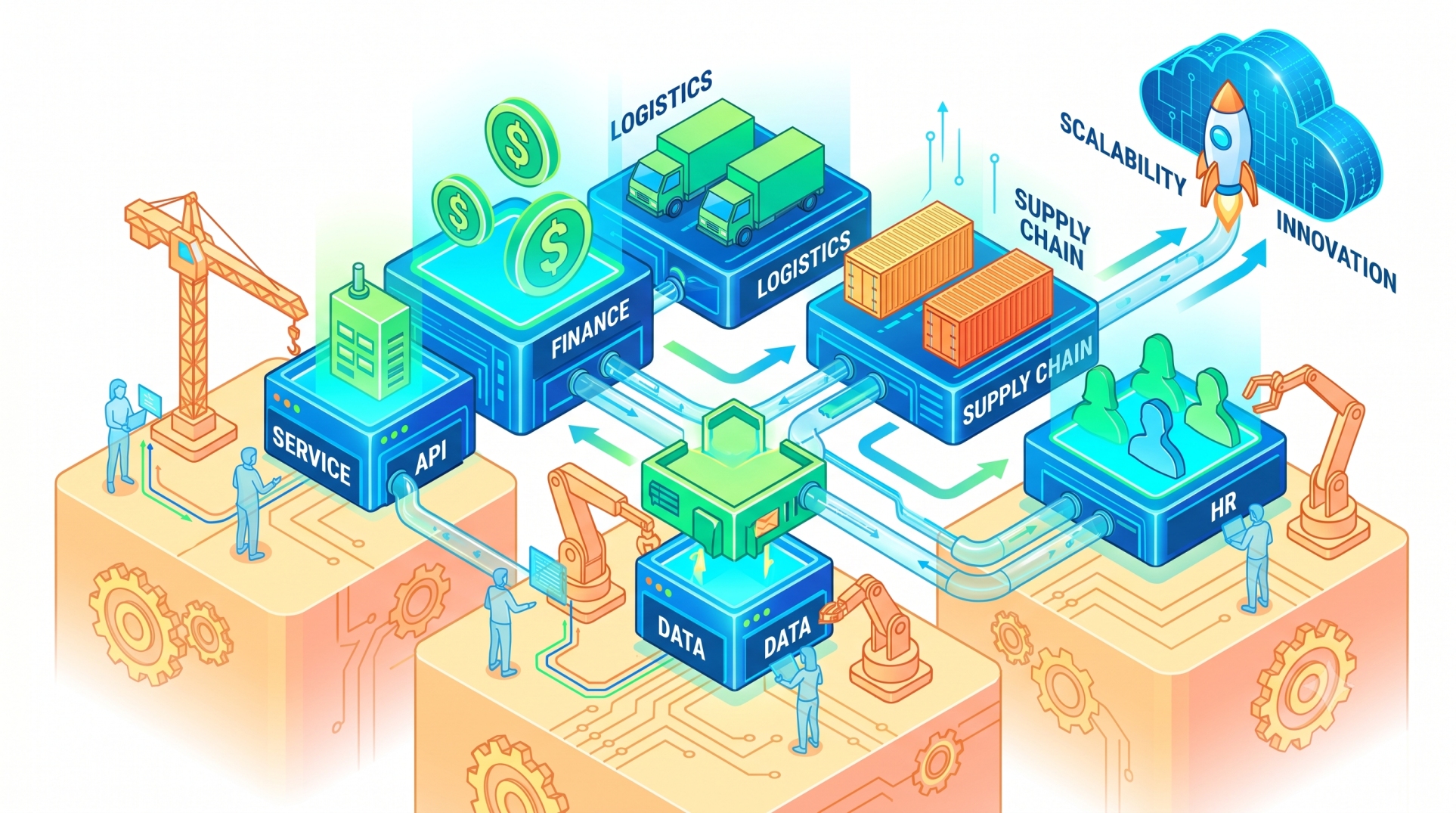
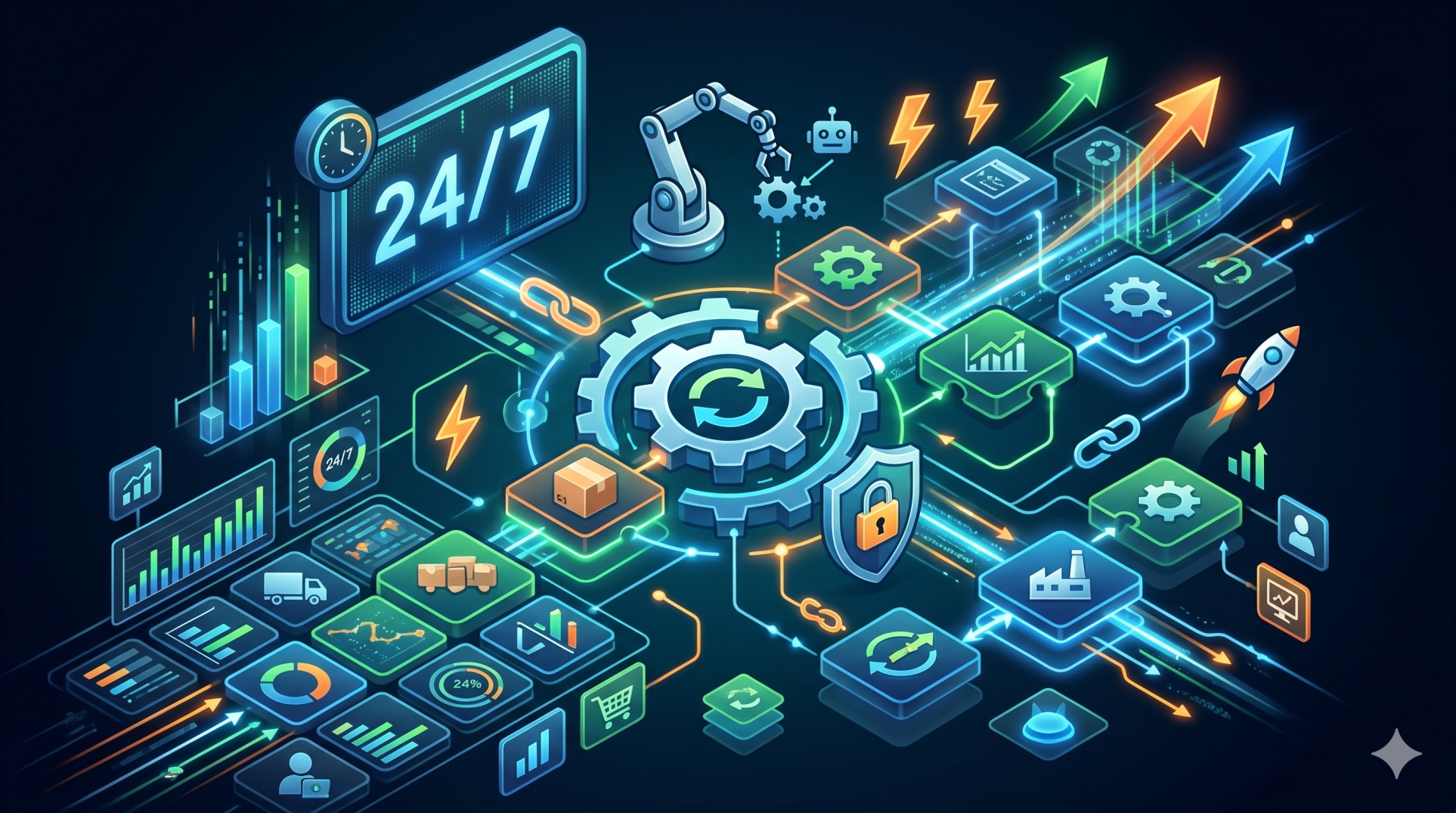
• Scalable architecture for enterprise-wide deployment 🚀
Step 9: Handling Exceptions and Variability ⚠️
• Detect deviations from standard workflows 🔍
• Analyze root causes of process disruptions 🧠
• Enable dynamic adjustments to workflows 🔄
• Reduce operational risks and inefficiencies ⚡
• Maintain consistency in complex environments 🏗️
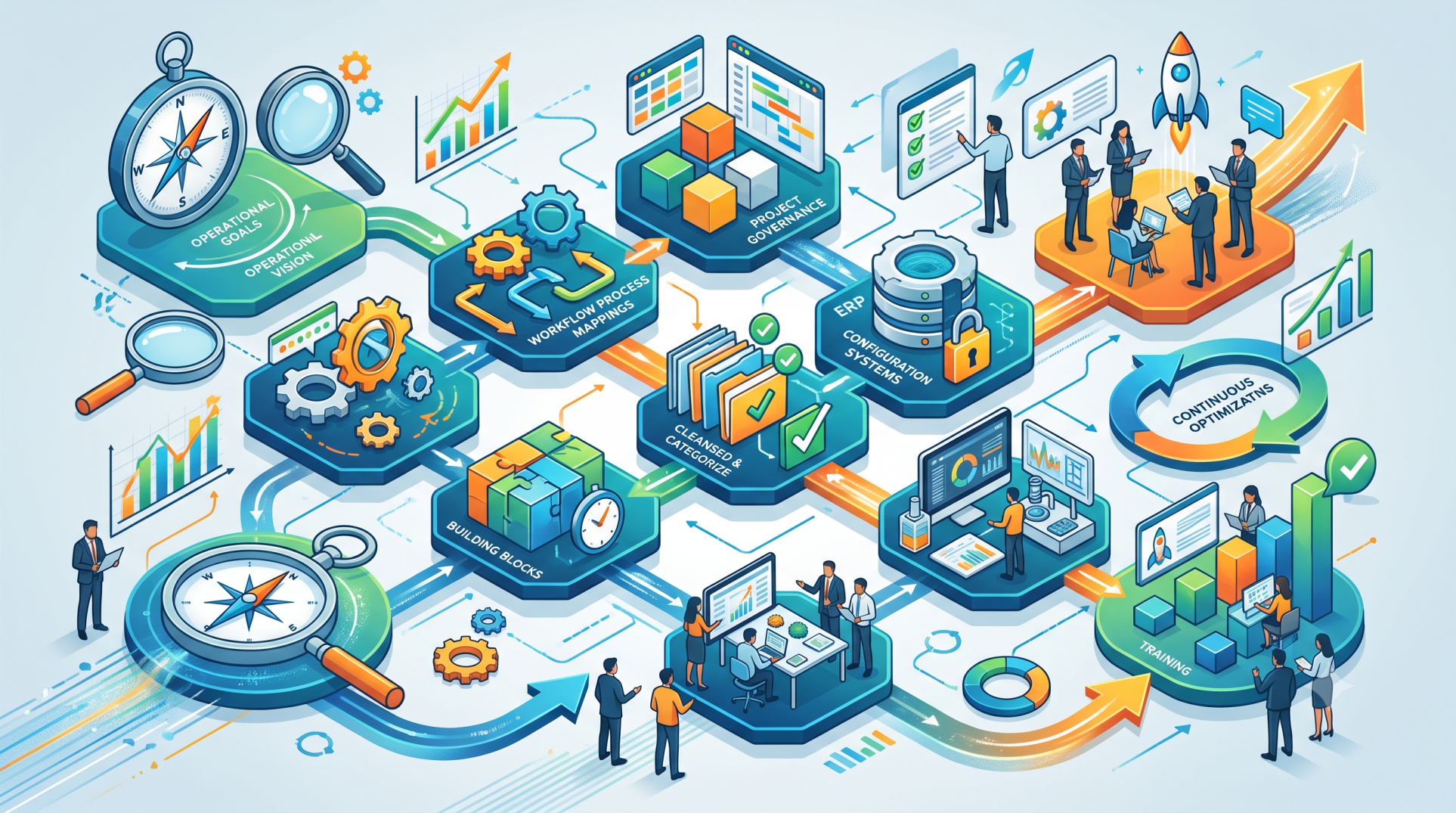
Step 10: Building a Continuous Improvement Framework 🔄
• Establish feedback loops for ongoing process optimization 🔁
• Align process improvements with business goals 🎯
• Encourage data-driven culture across teams 📊
• Continuously monitor, analyze, and refine workflows 🧠
• Scale improvements across the entire organization 🌍
Conclusion
Process intelligence layers are transforming modern ERP systems into proactive, insight-driven platforms. By providing deep visibility into workflows and enabling continuous optimization, these layers help organizations move beyond reactive operations to predictive and adaptive decision-making. As ERP systems evolve, process intelligence will play a central role in driving efficiency, agility, and long-term business success.
See more blogs
You can all the articles below