Operational Decision-Making Powered by ERP Data Streams
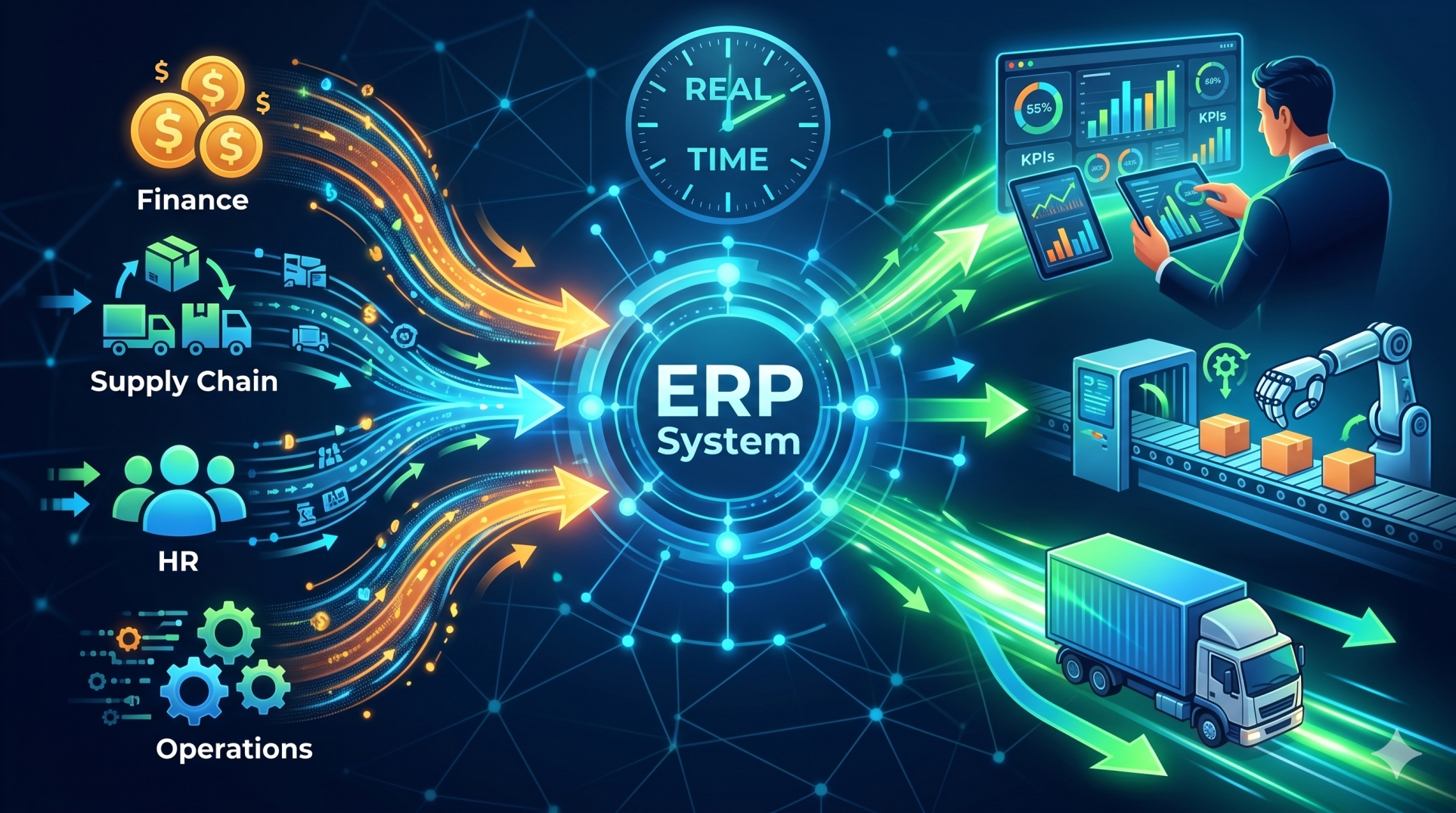
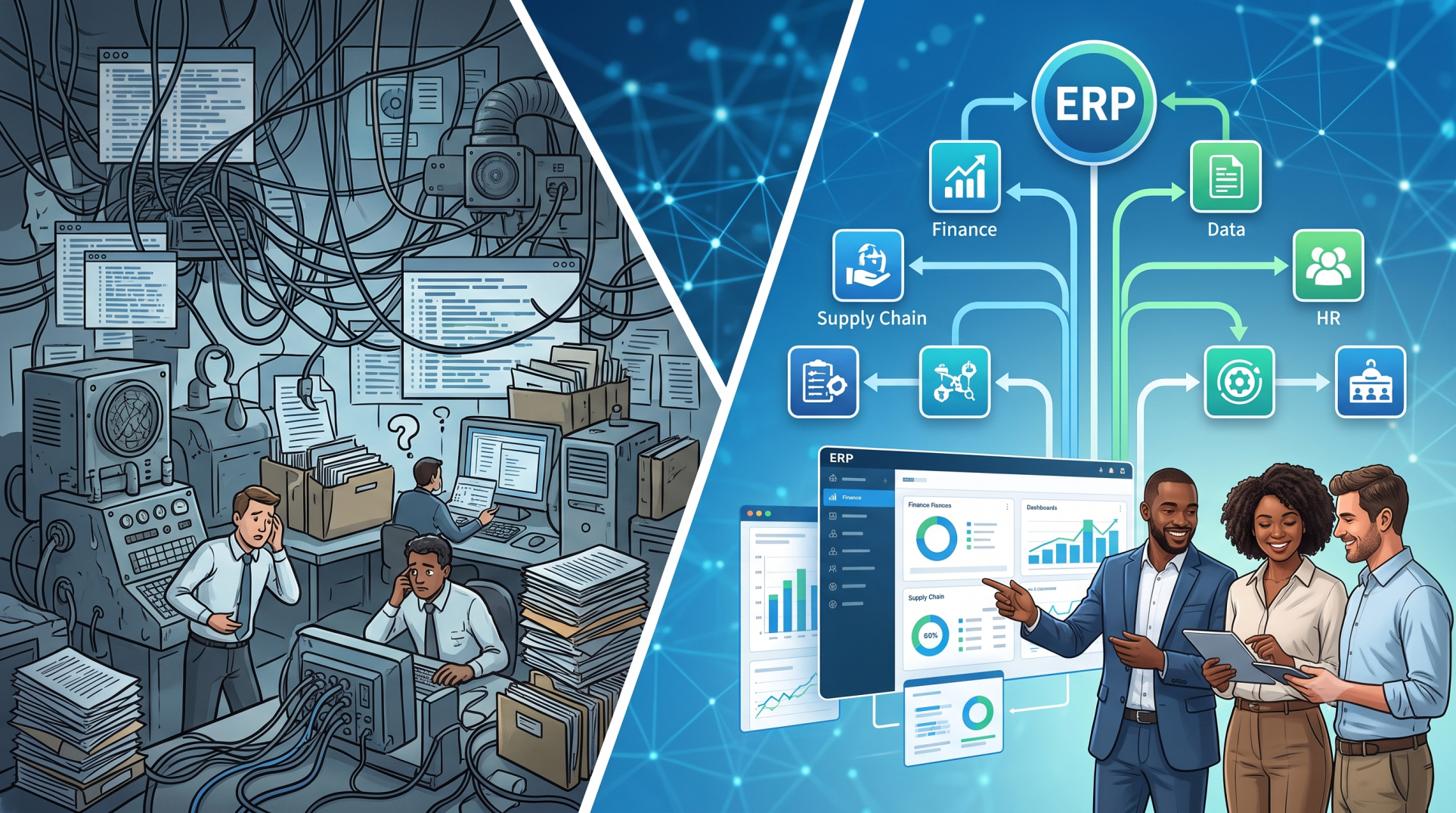
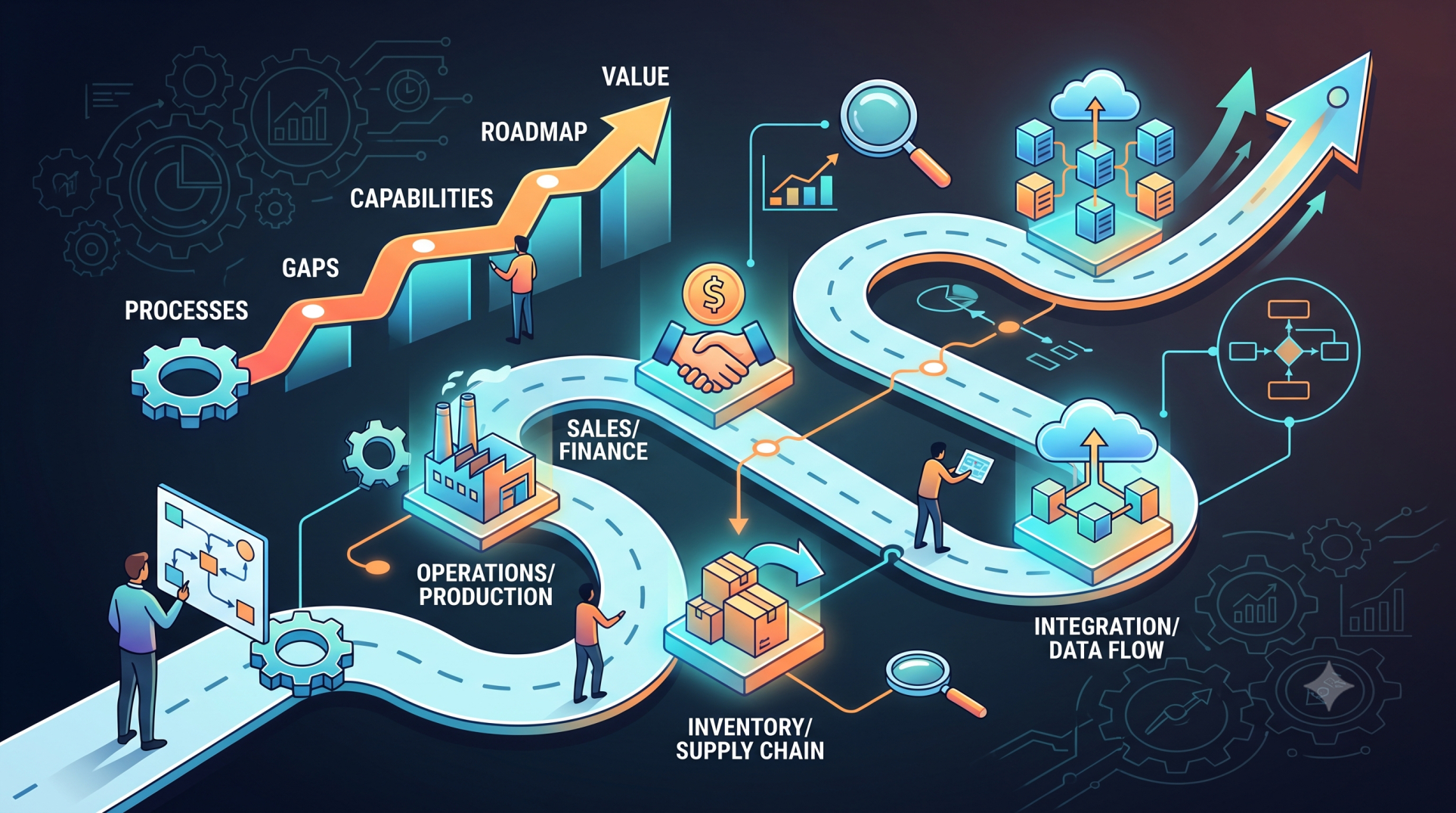
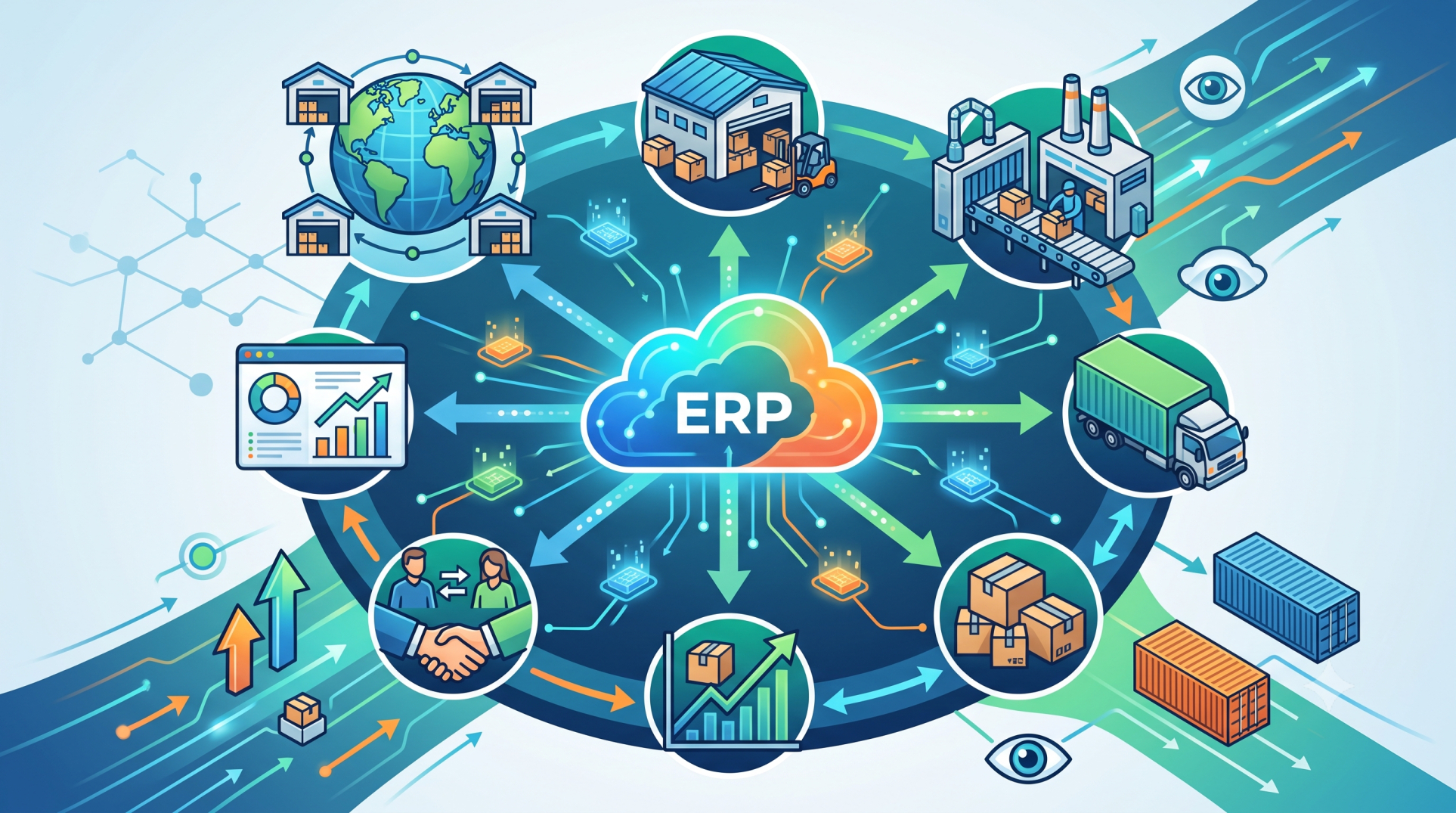
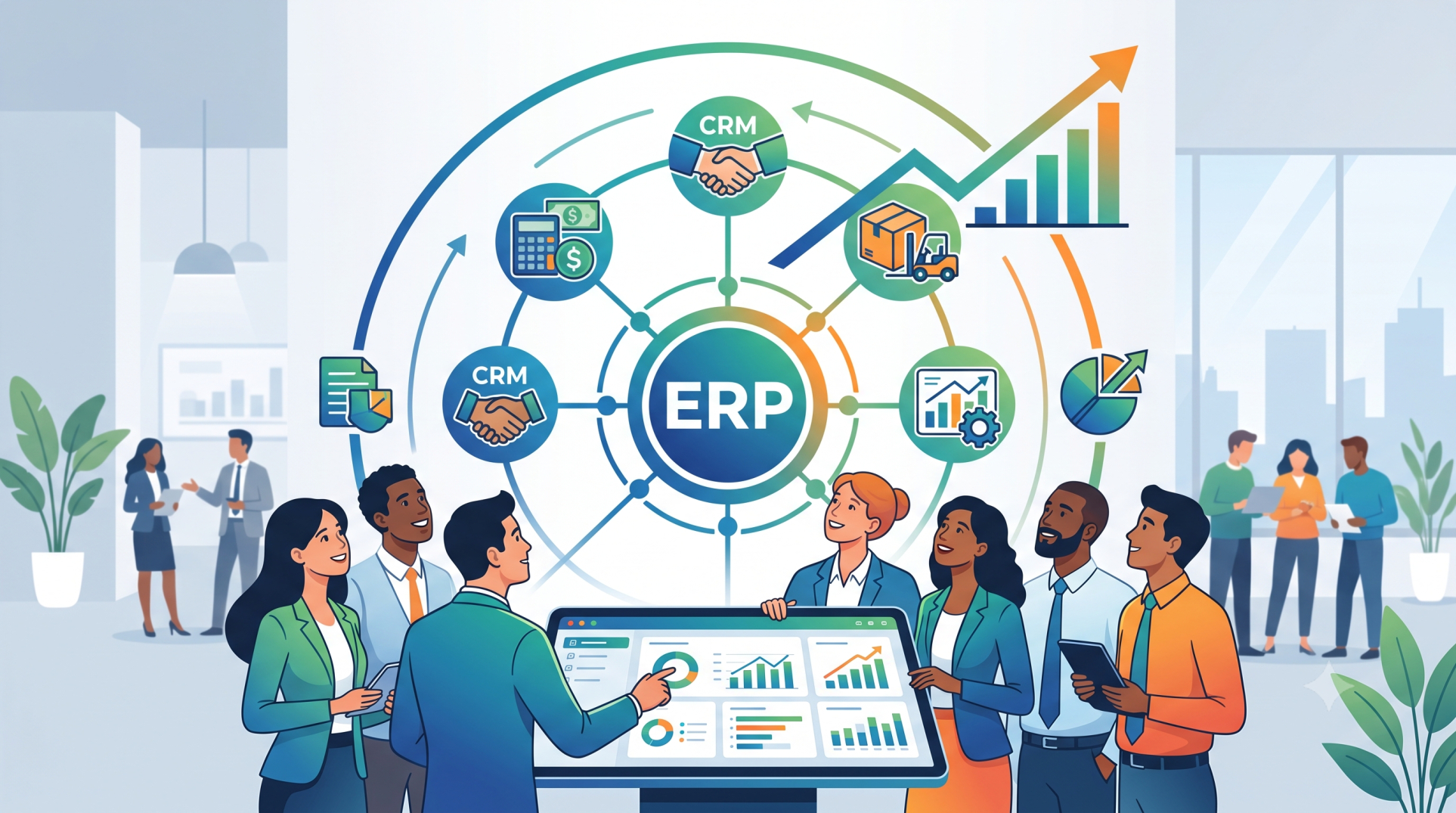
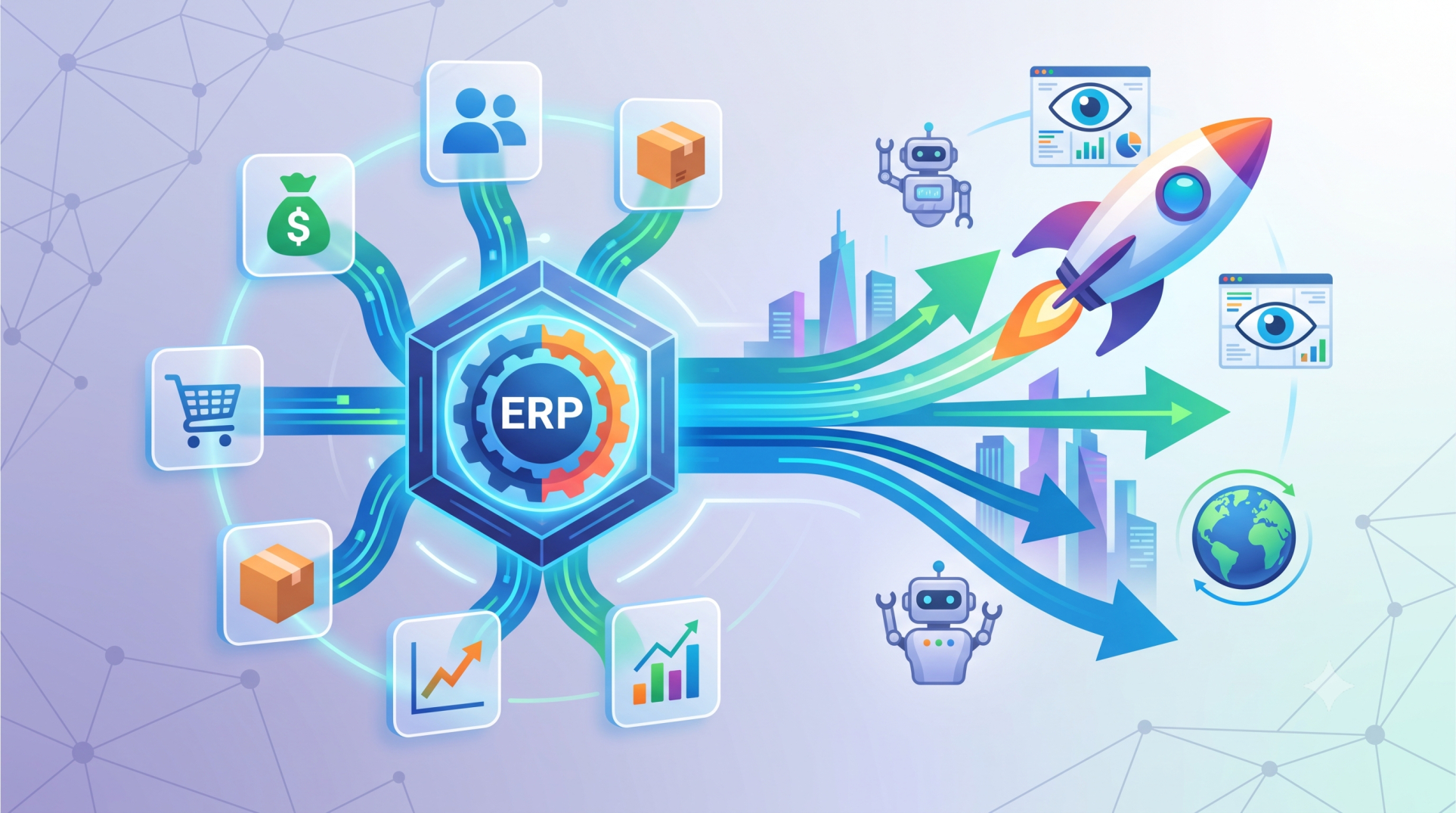
In modern enterprises, decision-making is no longer a periodic activity driven by static reports. Instead, it is a continuous, real-time process fueled by dynamic data streams flowing through ERP systems. By leveraging ERP data streams, organizations can gain immediate insights into operations, respond faster to changes, and make more informed decisions that drive efficiency and performance.
Step 1: Understanding ERP Data Streams 📡
• ERP systems generate continuous data from transactions and processes 📊
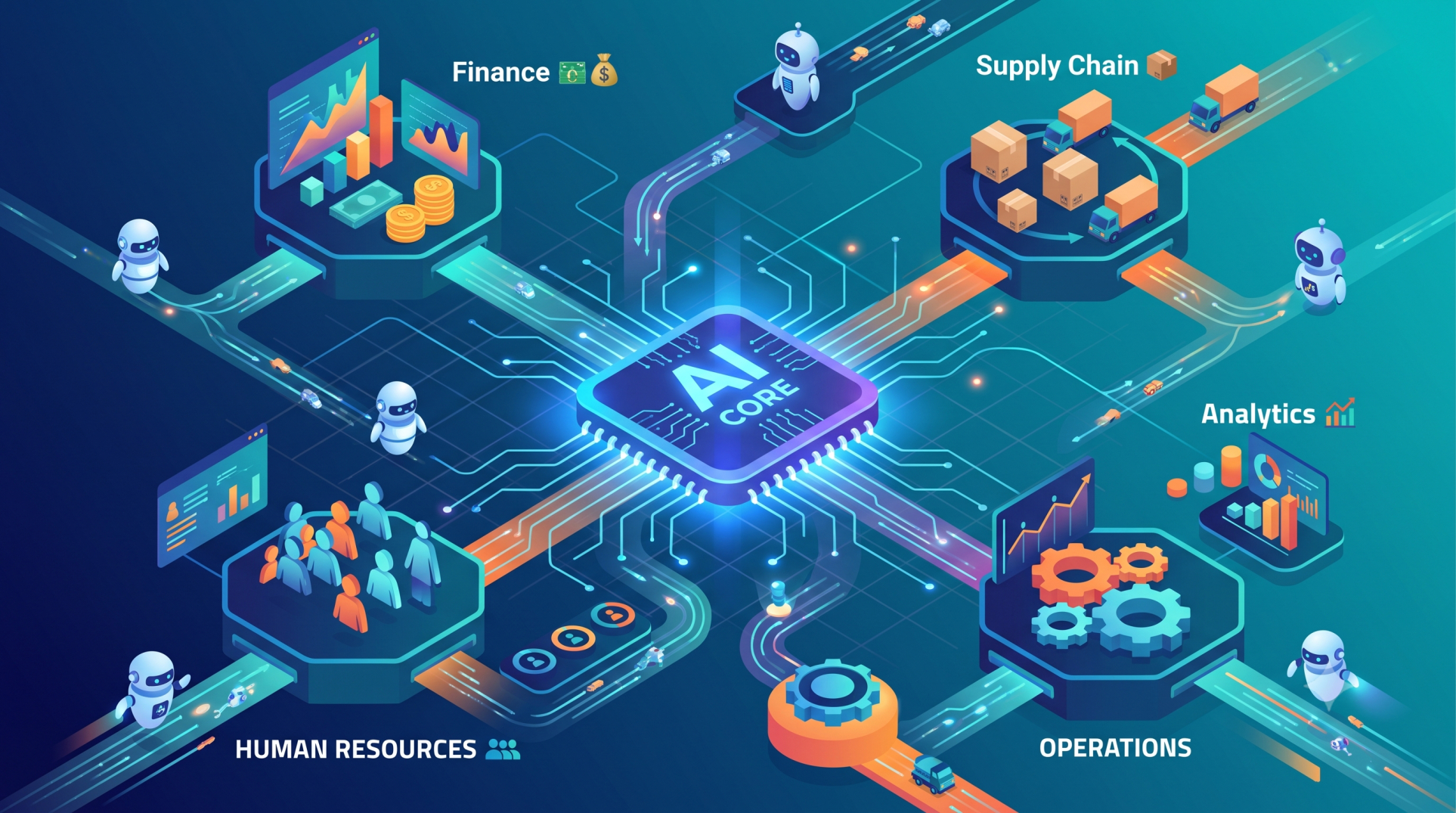
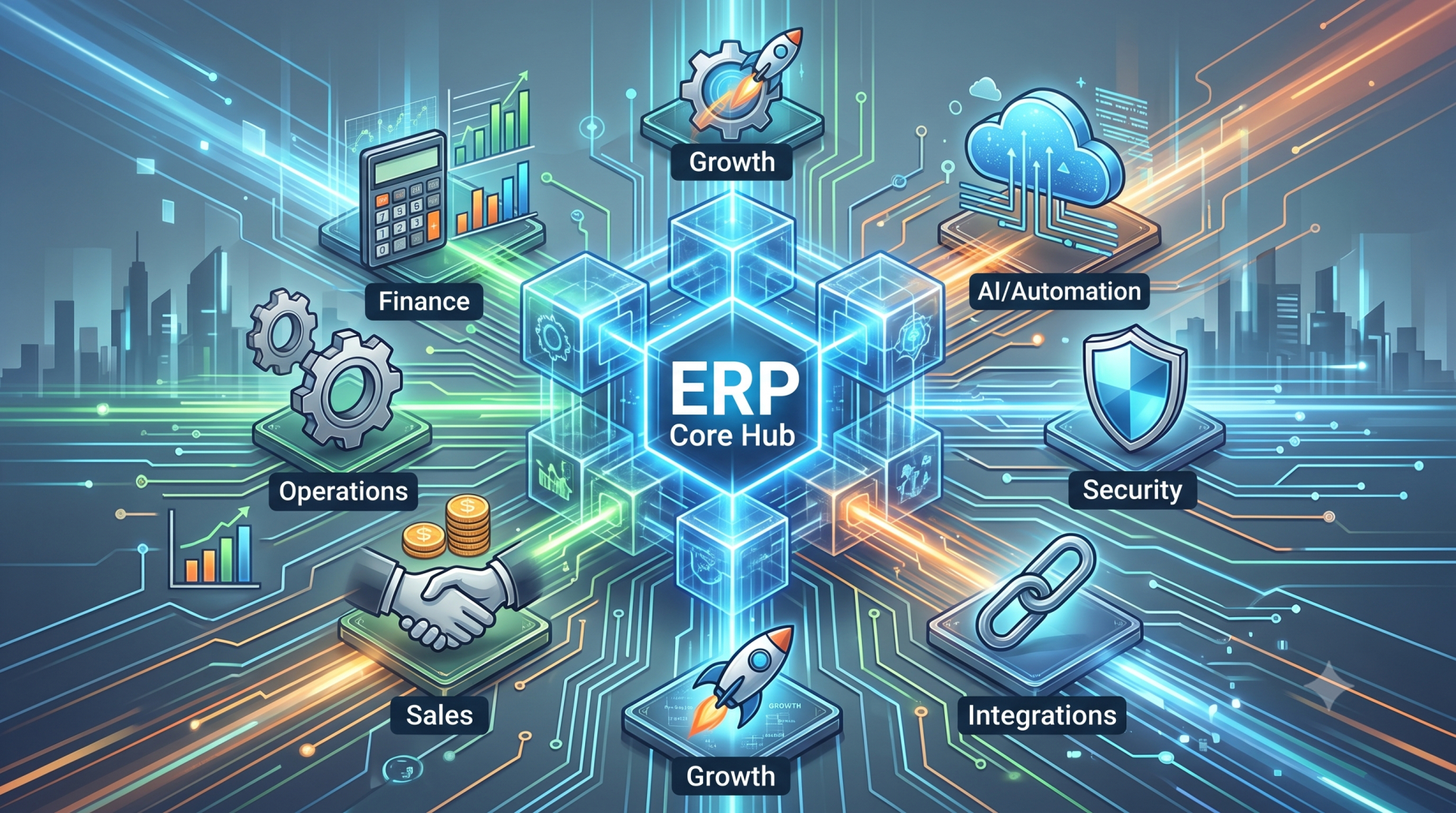
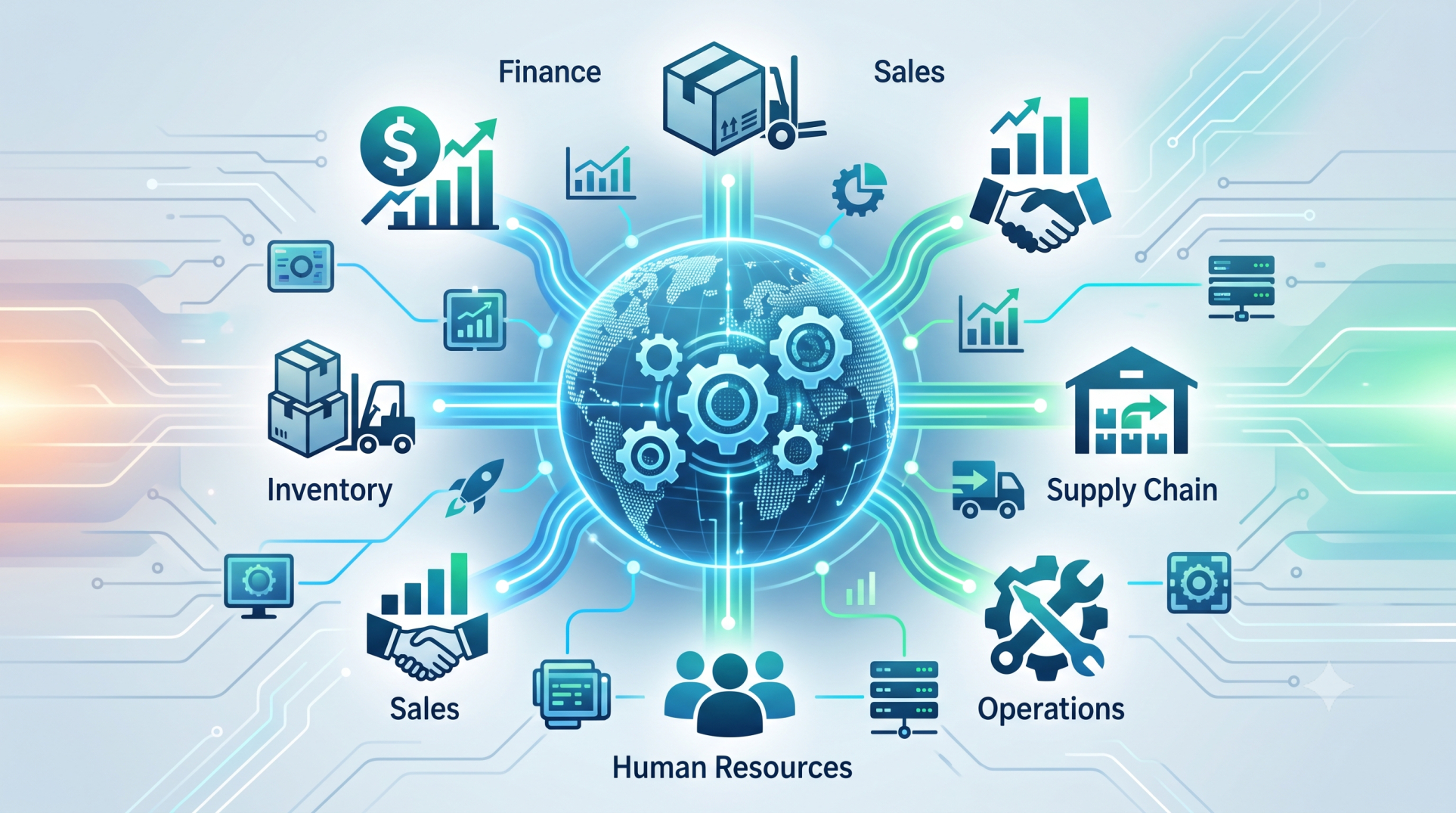
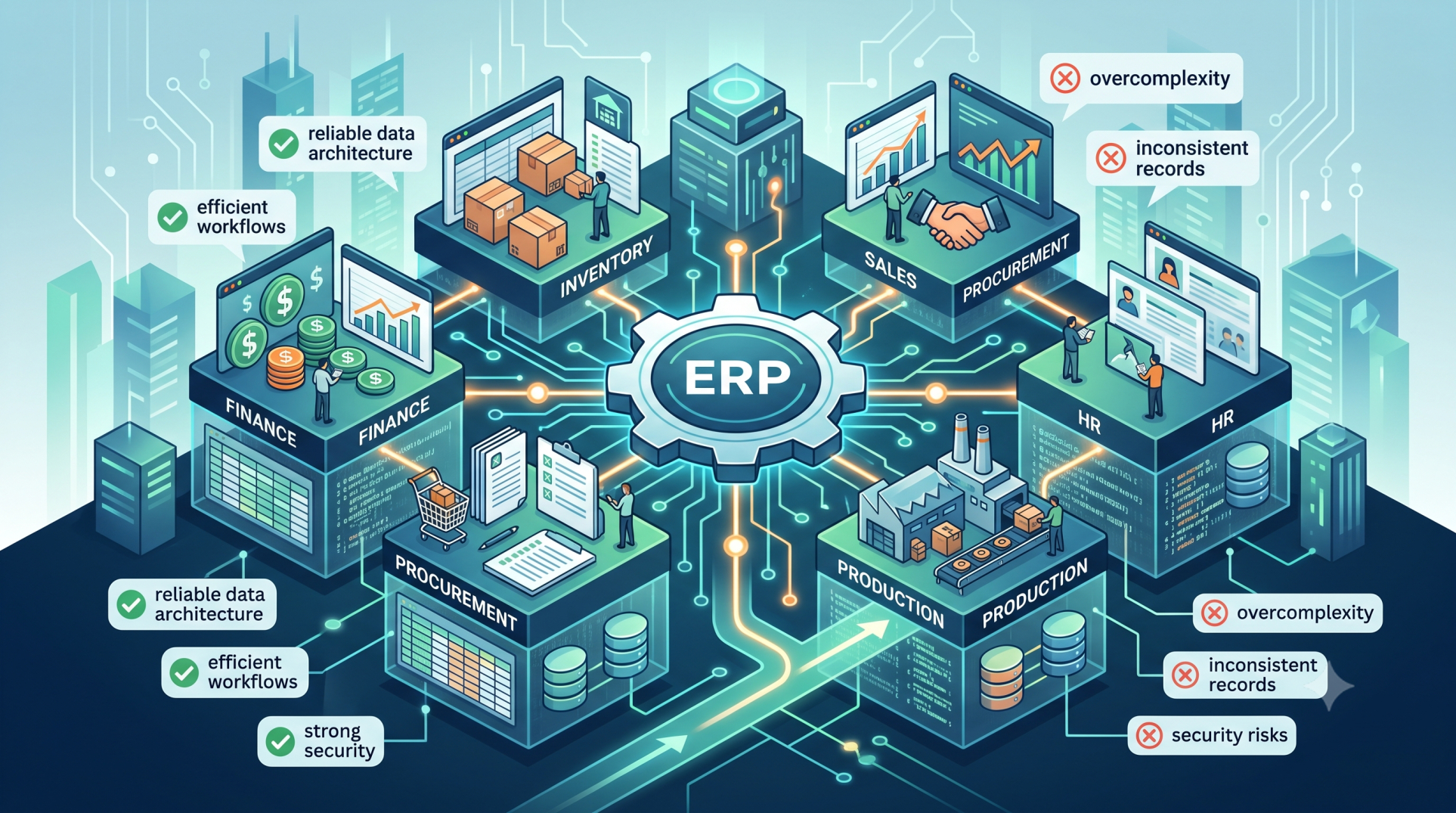
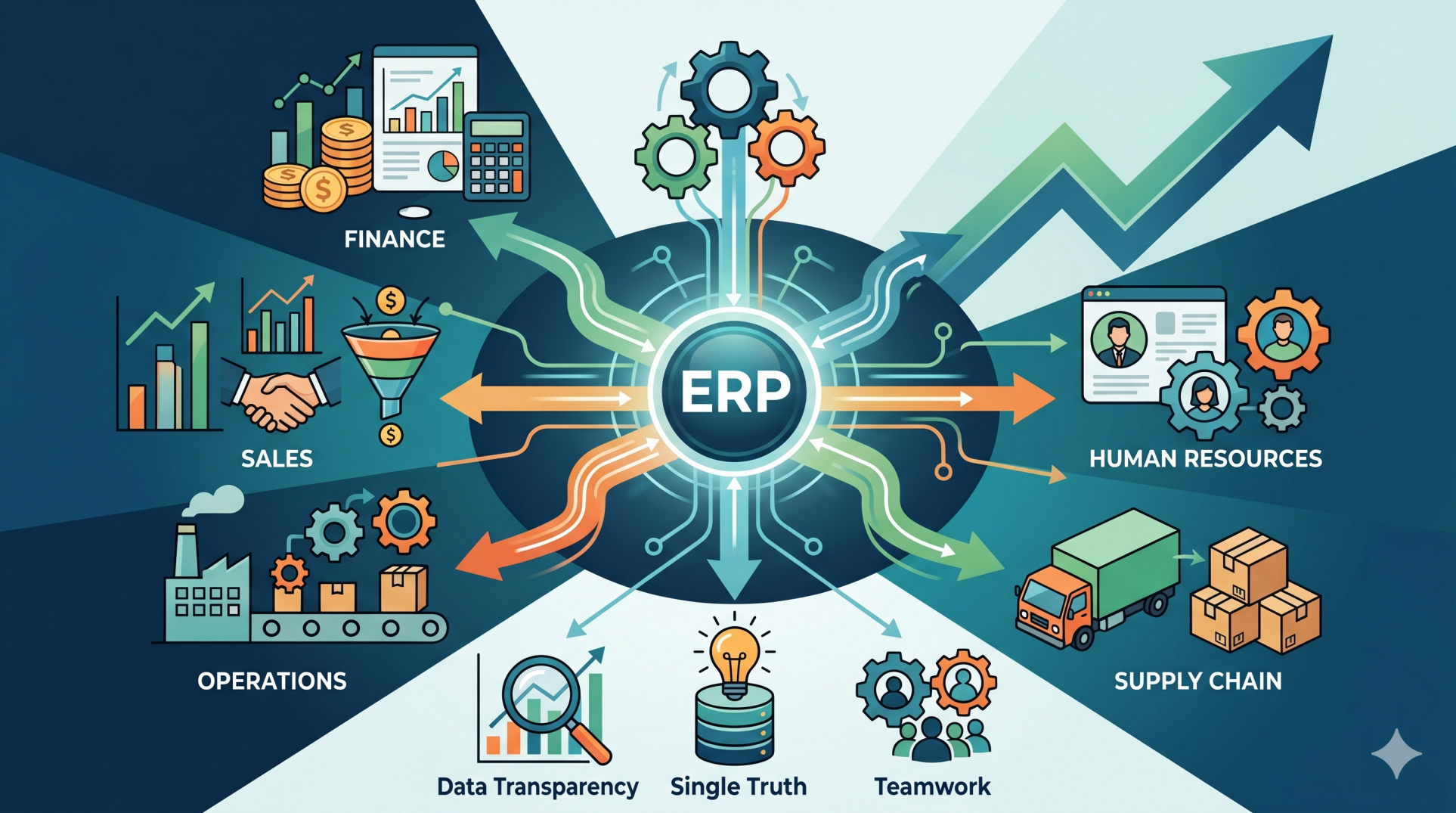
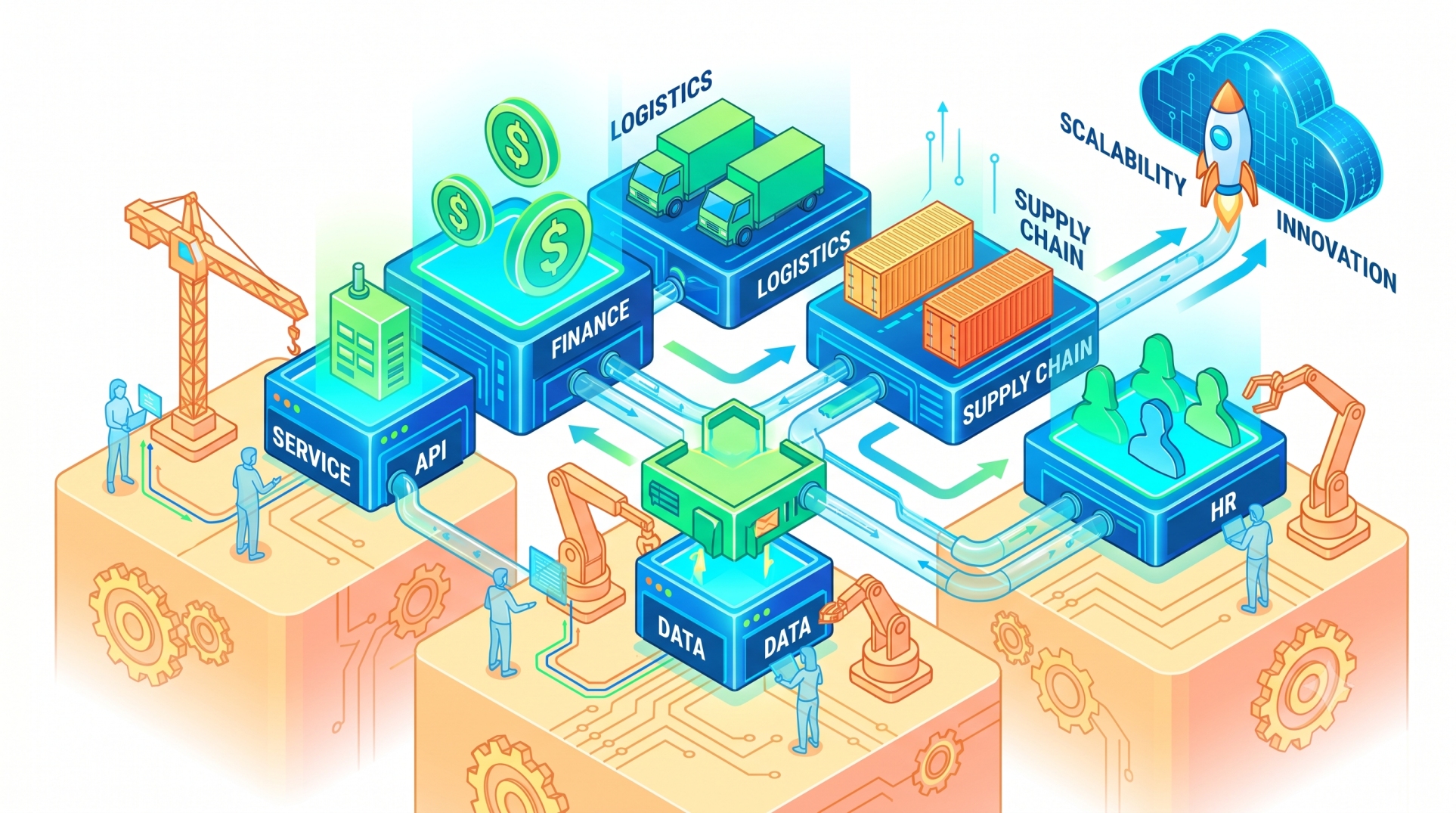
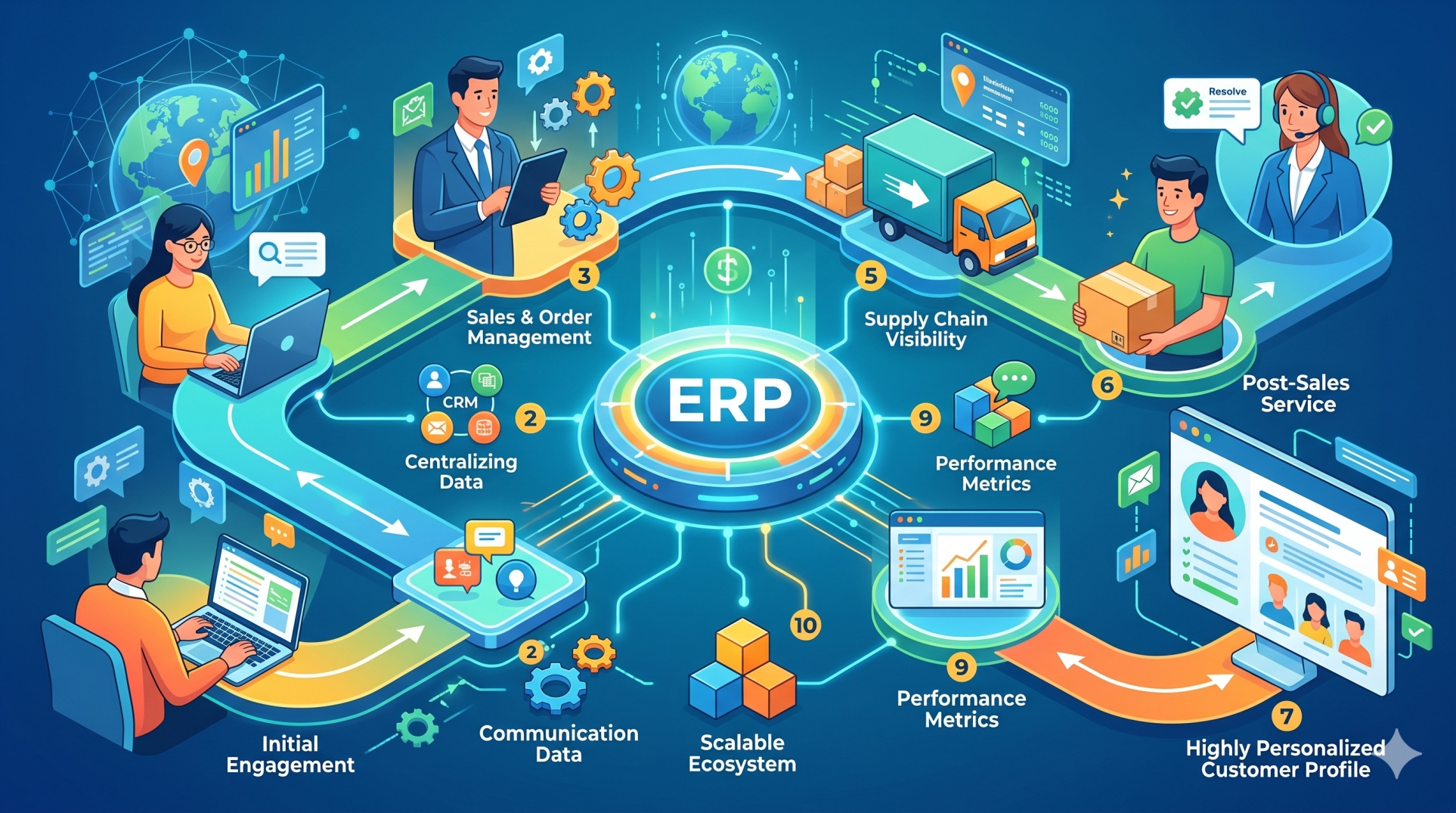
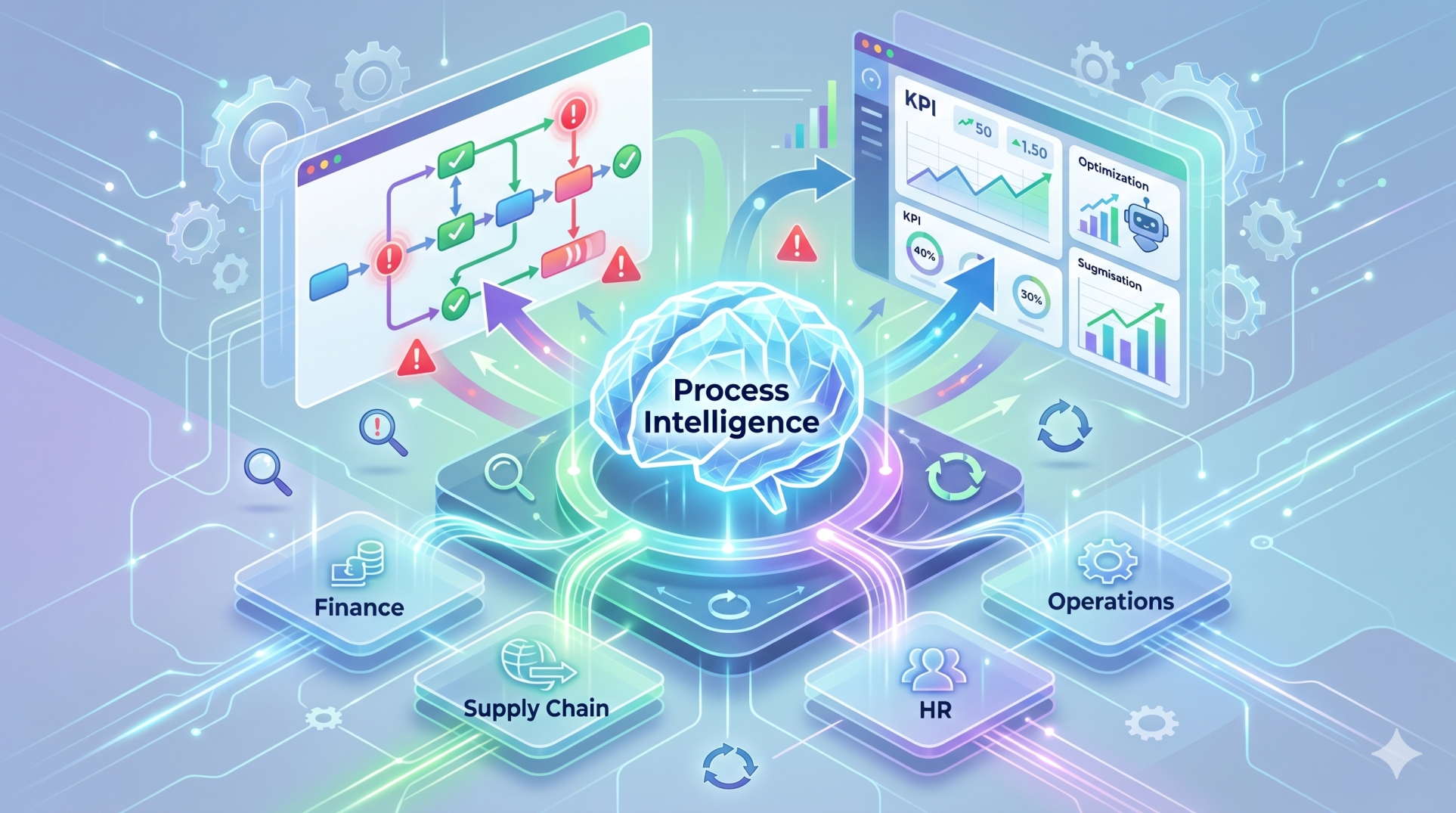
• Data flows from finance, supply chain, HR, and operations systems 🔄
• Streams provide real-time visibility into business activities ⏱️
• Enable shift from batch processing to continuous intelligence ⚡
• Form the foundation for data-driven decision-making 🧠
Step 2: Capturing Real-Time Operational Data ⏱️
• Collect data from transactions, sensors, and system events 📥
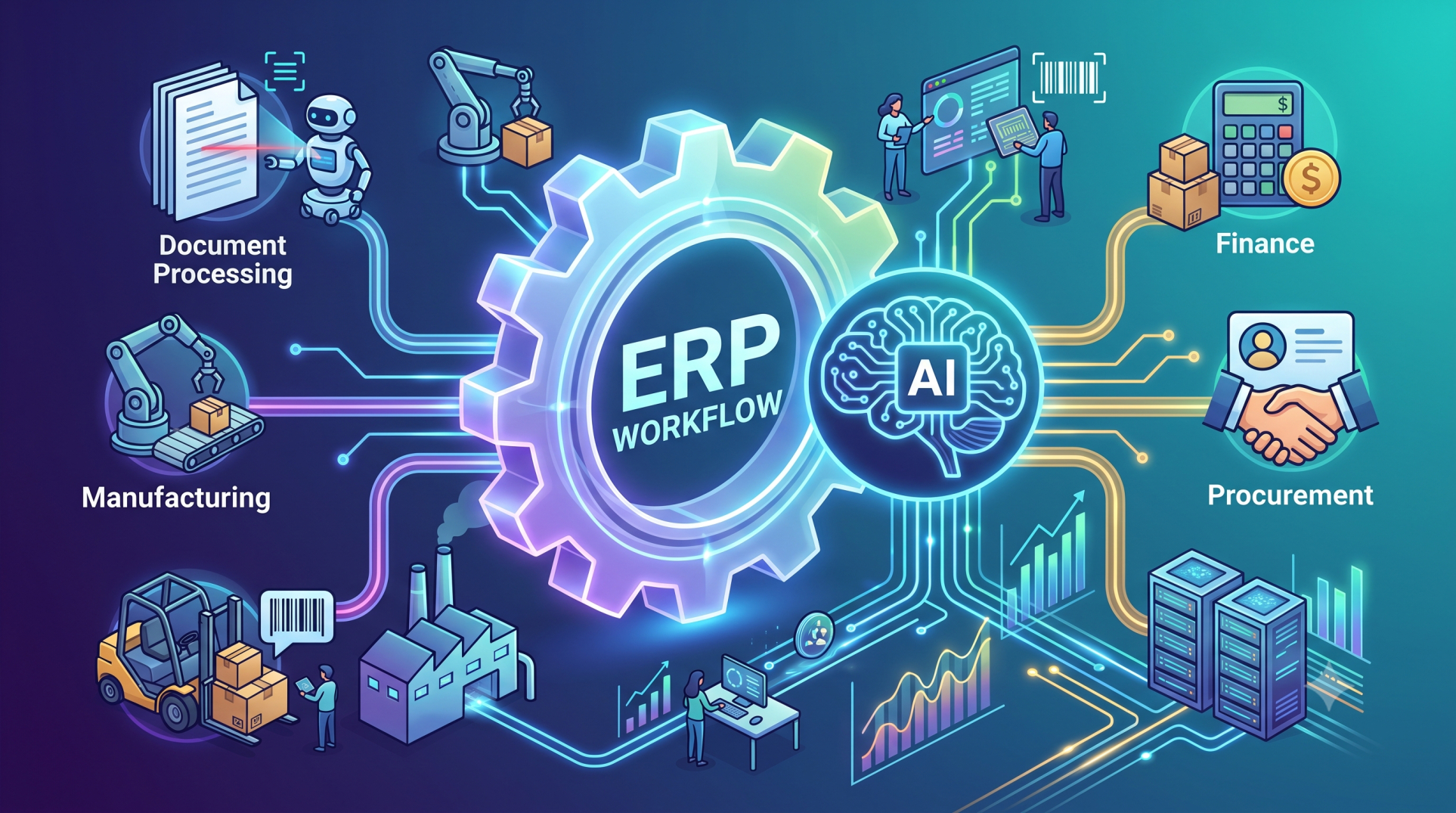
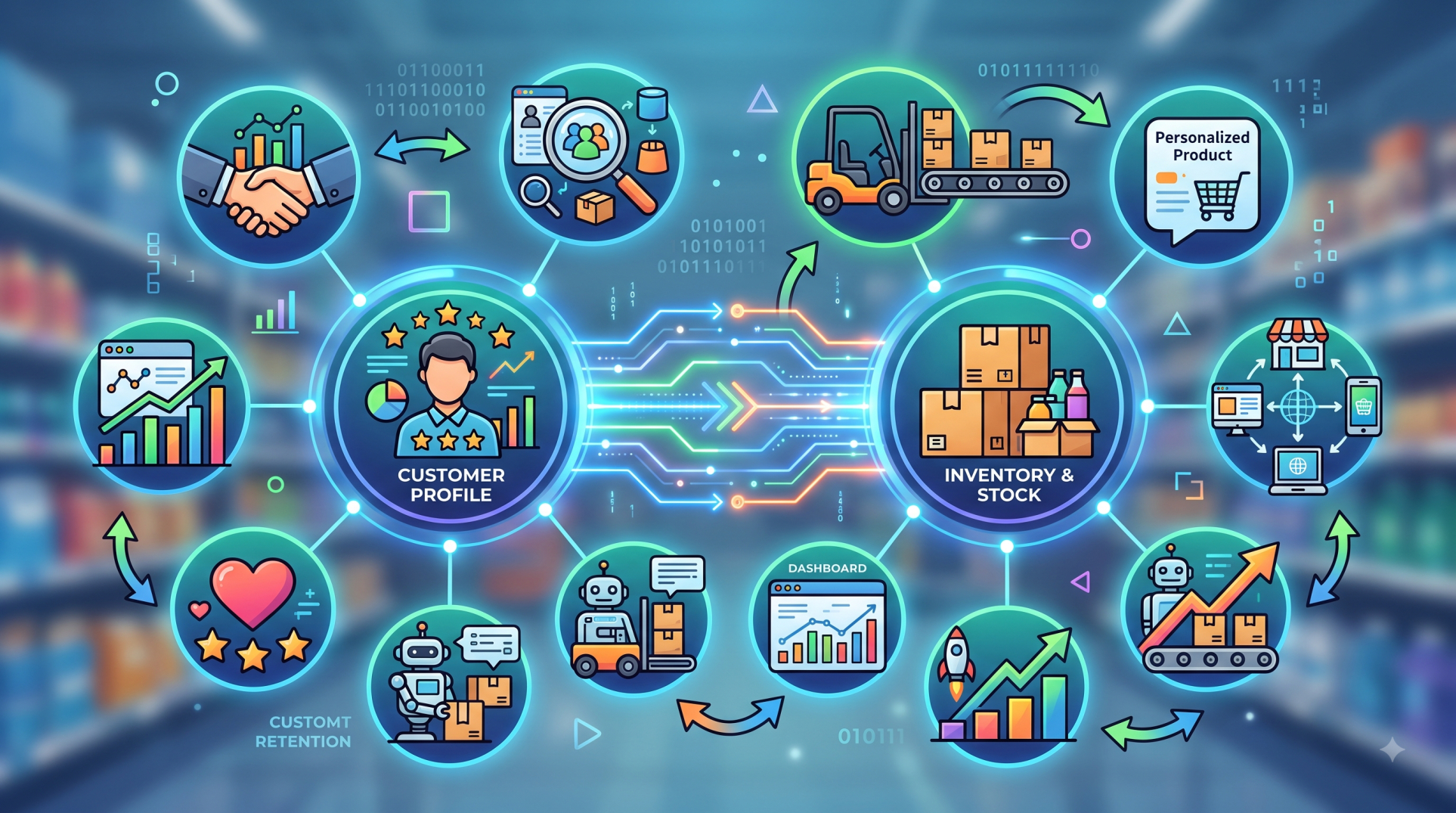
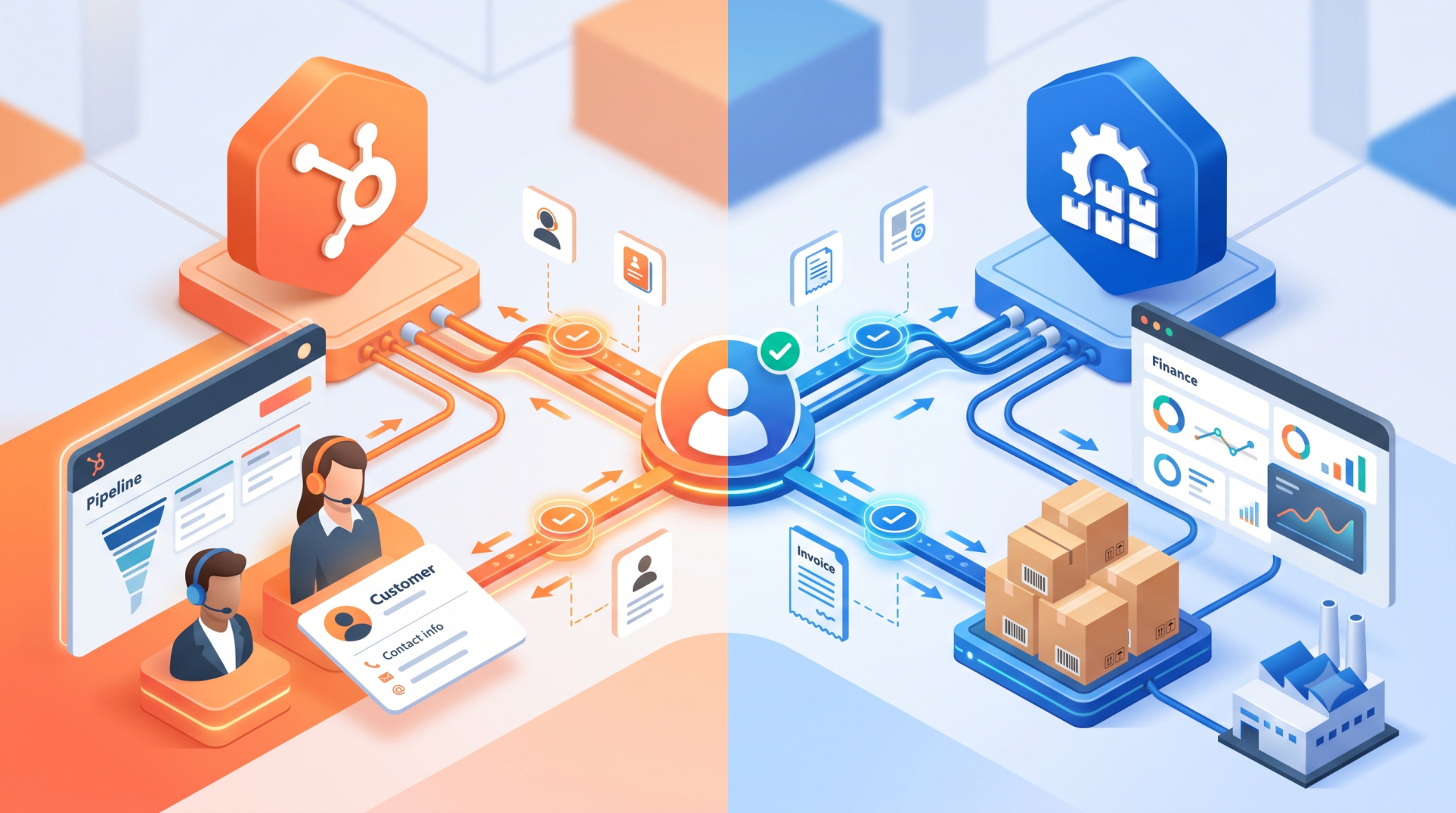
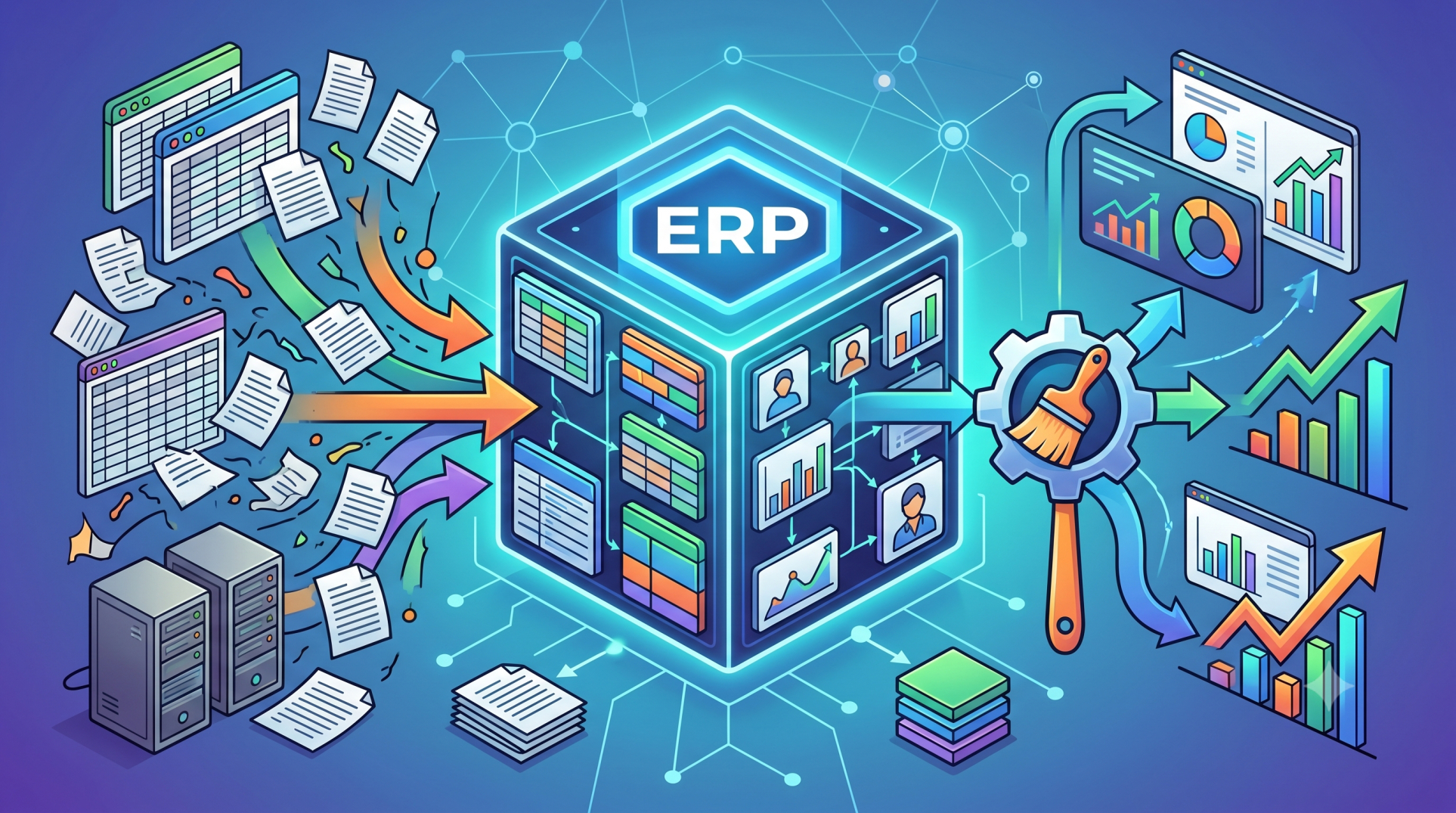
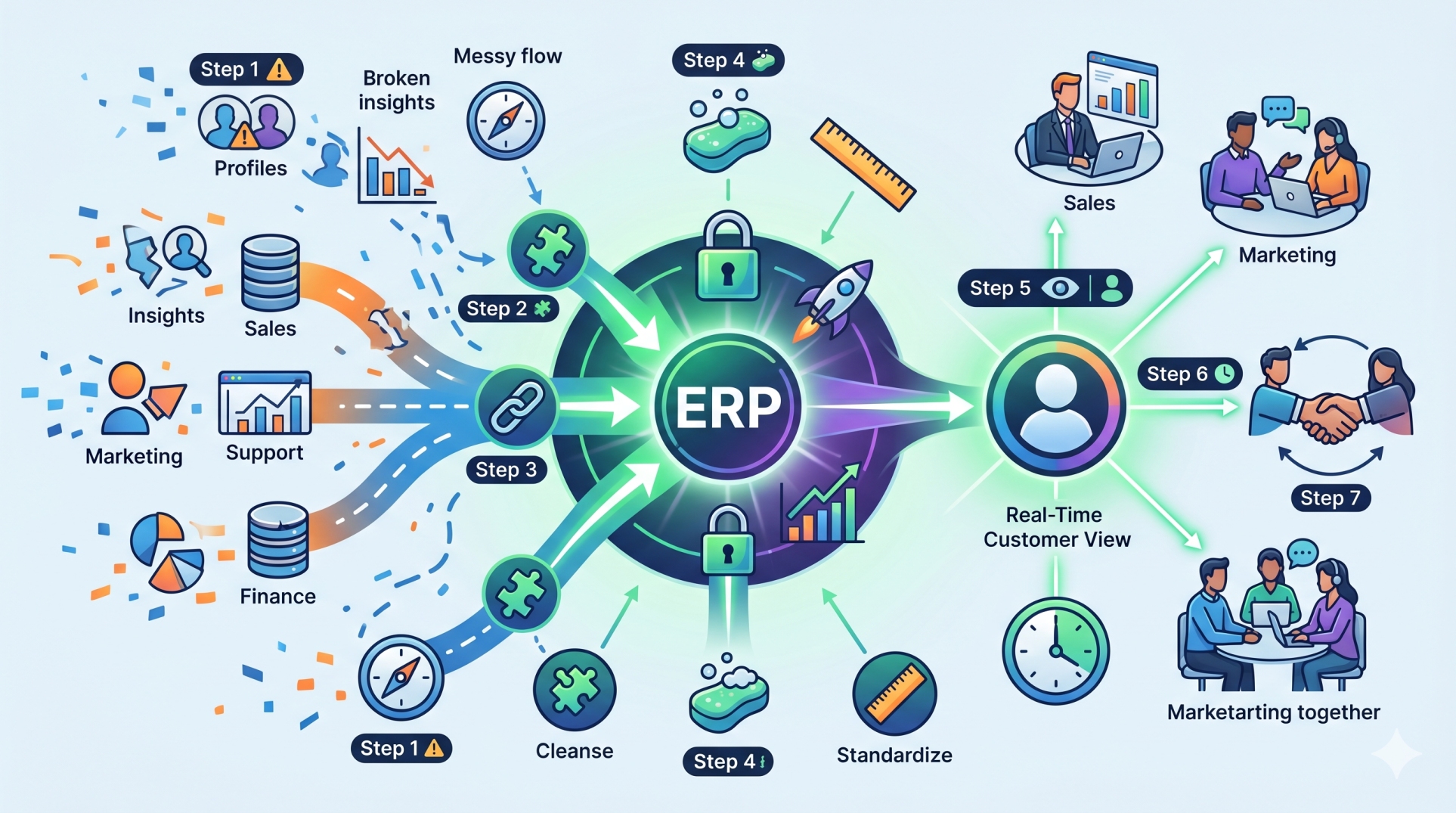
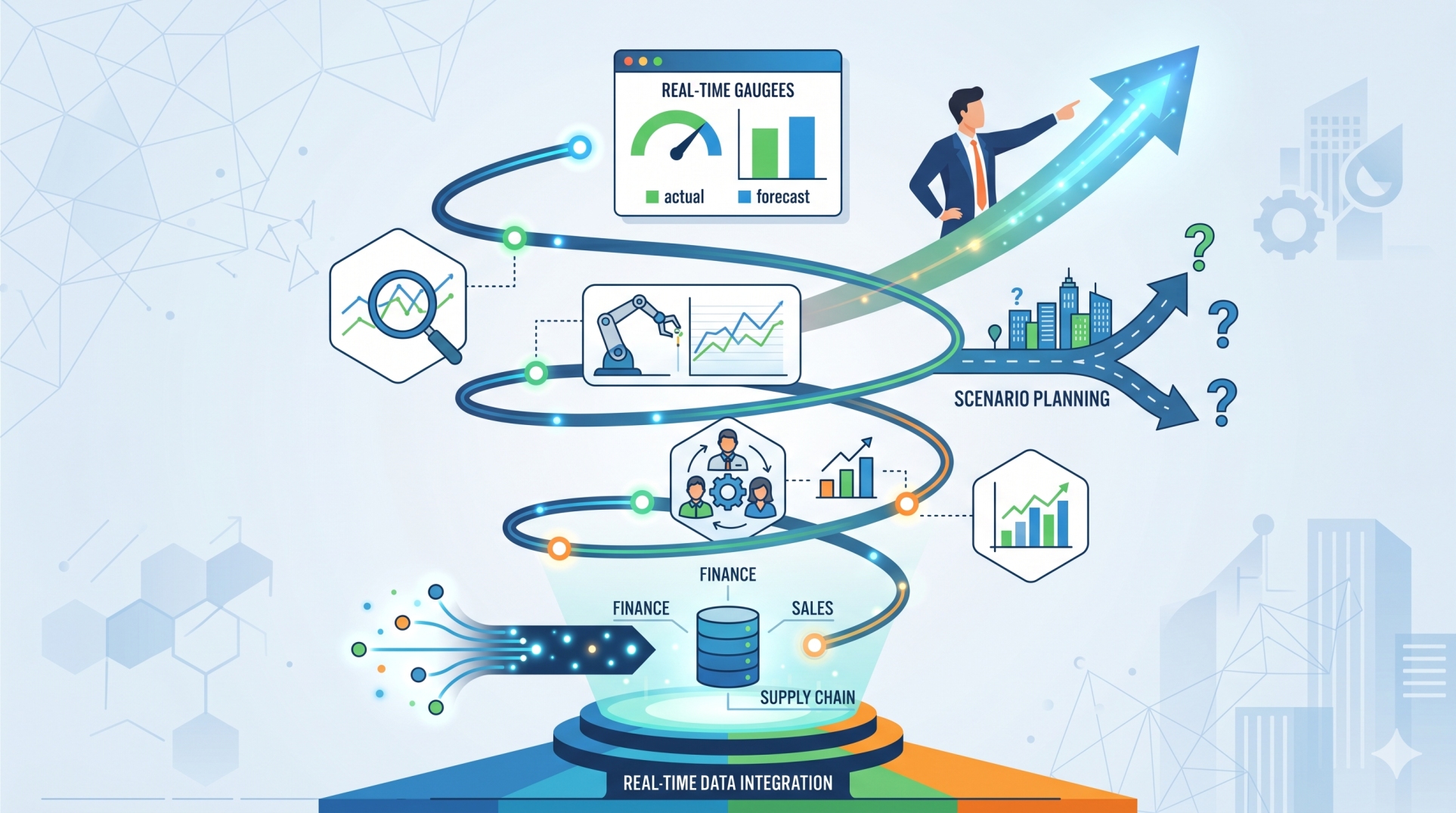
• Integrate data from multiple departments into a unified stream 🔗
• Ensure minimal latency in data capture and processing ⚡
• Maintain data accuracy and consistency across sources ✅
• Enable instant access to operational metrics 📊
Step 3: Processing and Analyzing Data Streams ⚙️
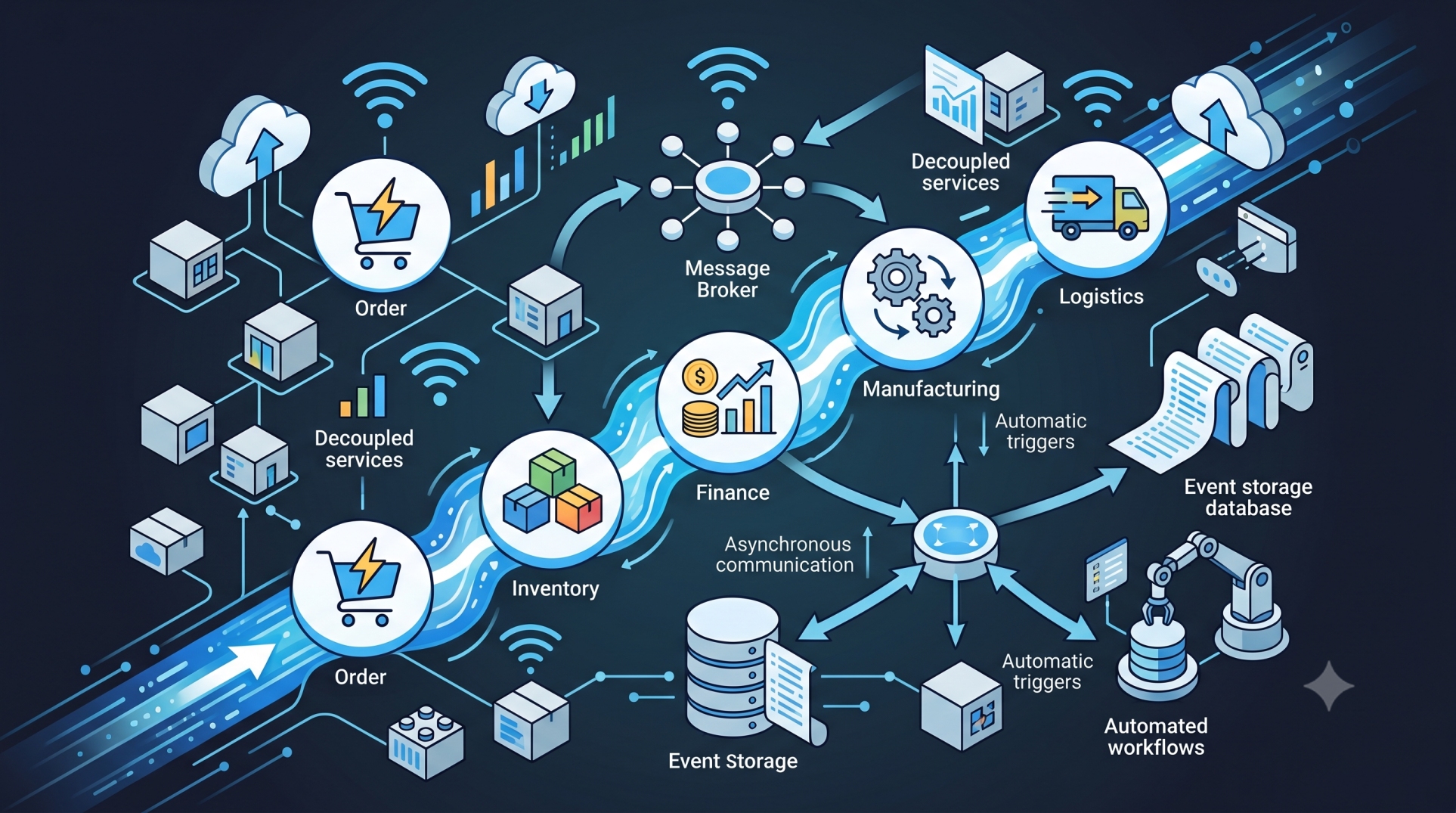
• Use stream processing technologies to analyze data in motion 🔄
• Apply business rules and analytics in real time 📈
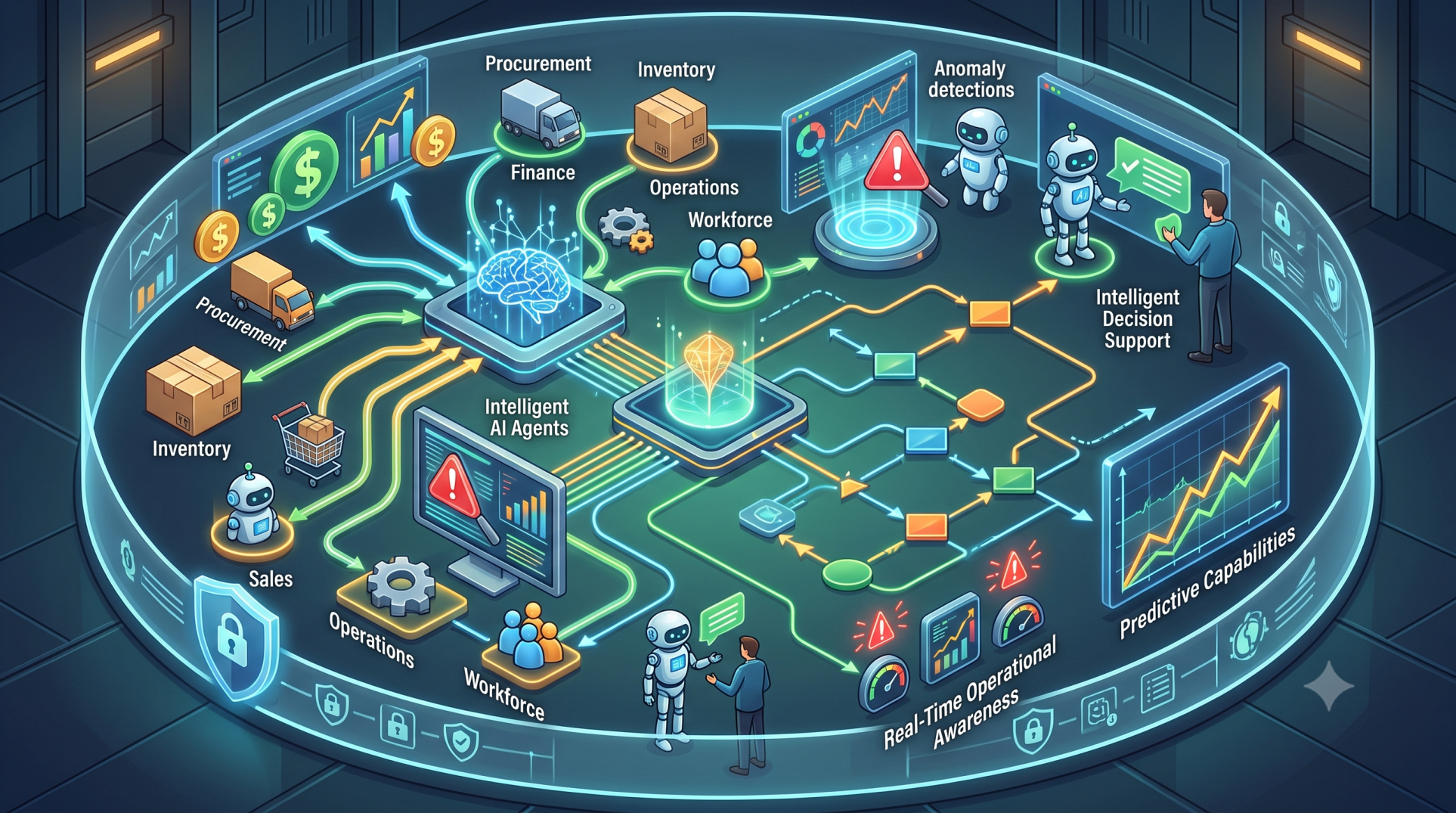
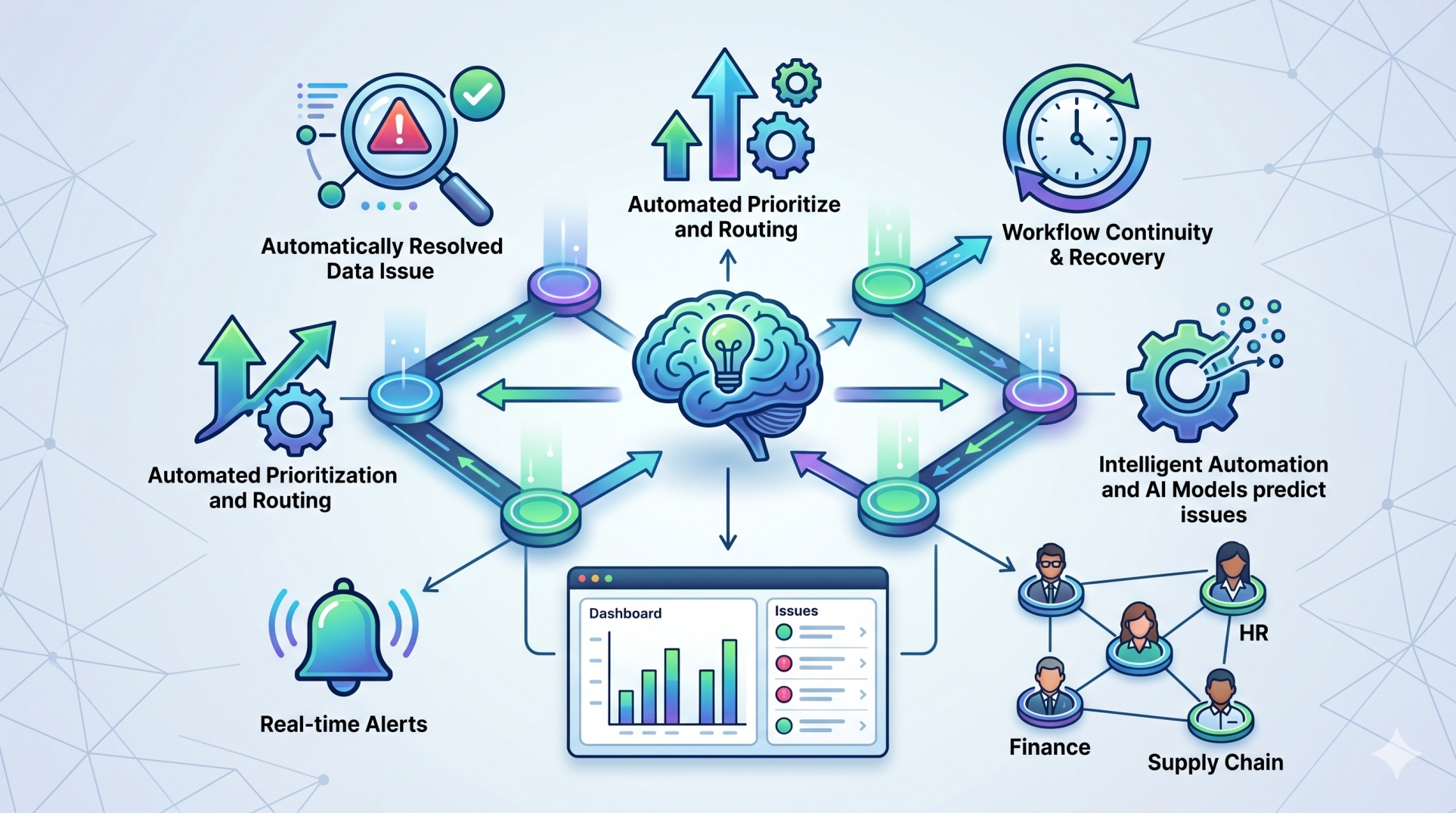
• Detect patterns, anomalies, and trends instantly 🔍
• Enable automated alerts and triggers for critical events 🚨
• Support continuous monitoring of operations 👁️
Step 4: Enabling Real-Time Decision Frameworks 🧠
• Provide decision-makers with up-to-date operational insights 📊
• Enable faster responses to disruptions and opportunities ⚡
• Support both automated and human-driven decisions 🤝
• Reduce reliance on delayed reports and manual analysis 📉
• Improve accuracy and timeliness of decisions ⏱️
Step 5: Integrating Predictive and Prescriptive Analytics 📈
• Use historical and real-time data for predictive modeling 🔮
• Forecast demand, risks, and operational outcomes 📊
• Recommend optimal actions through prescriptive analytics 🧠
• Enhance proactive decision-making capabilities ⚡
• Continuously refine models based on new data 🔄
Step 6: Automating Operational Responses 🤖
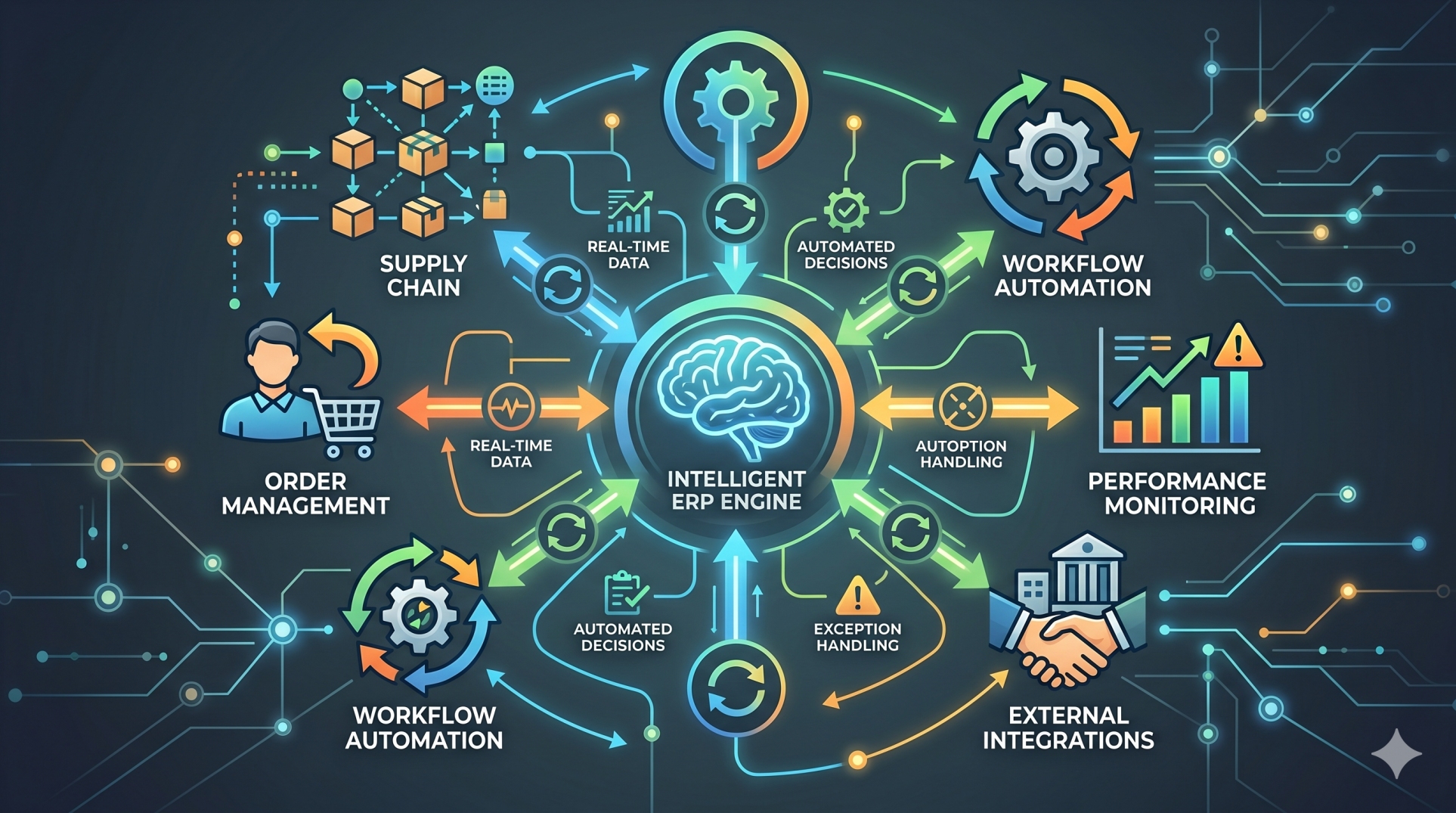
• Trigger automated workflows based on real-time insights ⚙️
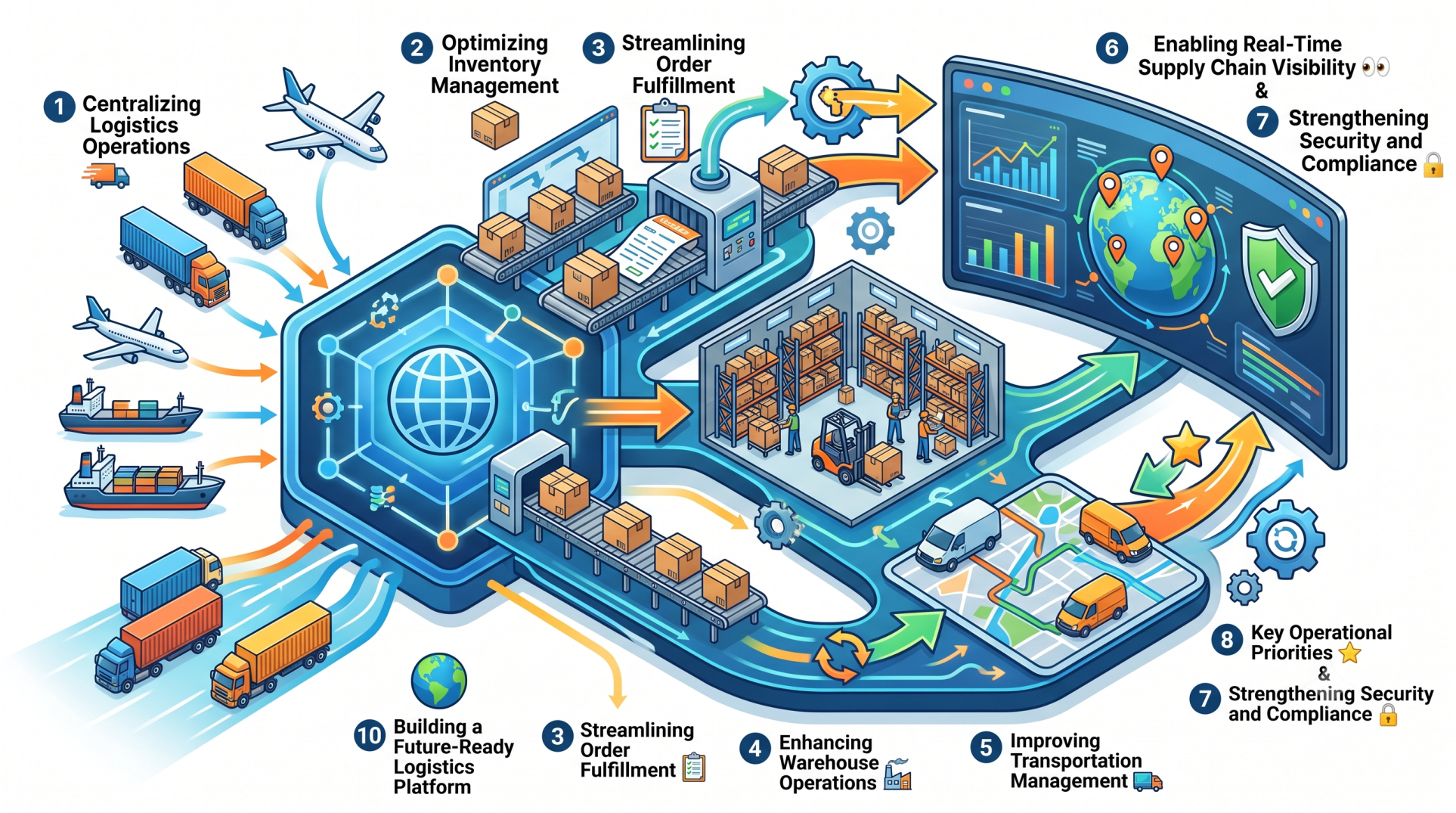
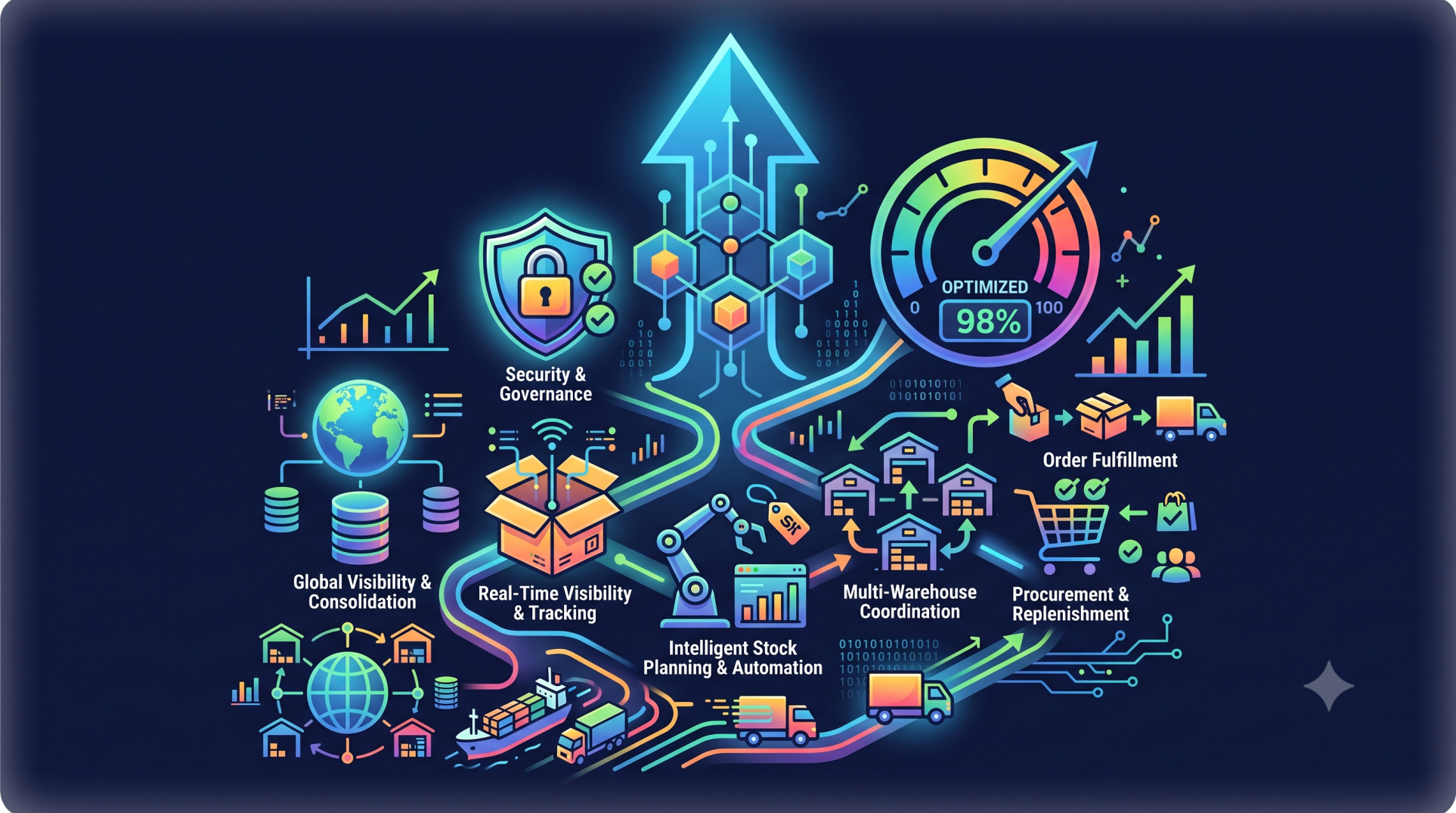
• Adjust inventory, production, or logistics dynamically 📦
• Reduce manual intervention in routine decision processes 🧩
• Improve operational efficiency and responsiveness ⚡
• Enable closed-loop decision systems 🔄
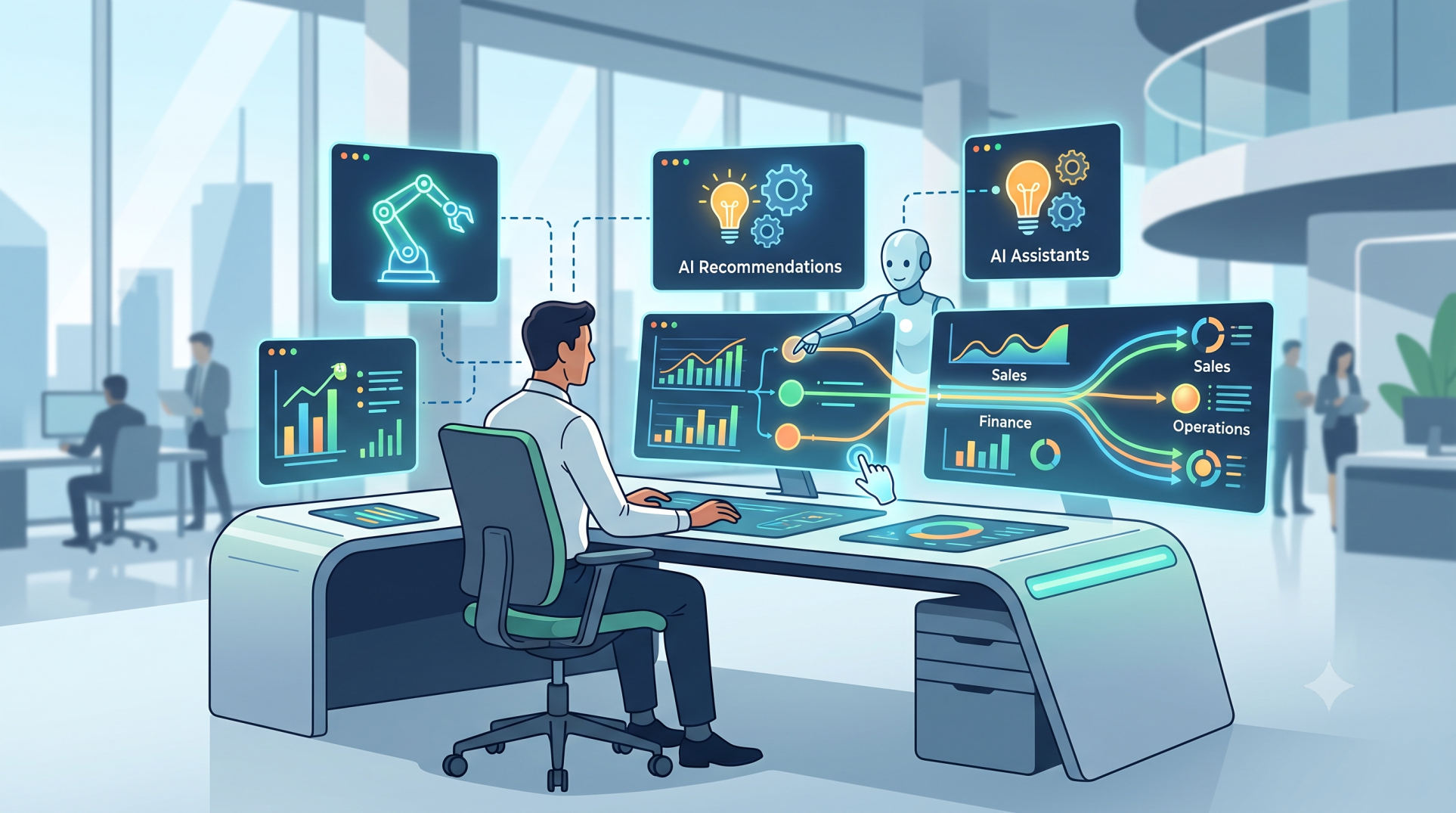
Step 7: Visualization and Decision Support Dashboards 📊
• Provide interactive dashboards for real-time monitoring 👁️
• Visualize key performance indicators and trends 📈
• Enable drill-down analysis for deeper insights 🔍
• Support role-based views for different stakeholders 👥
• Enhance clarity and usability of complex data 🧠
Step 8: Key Decision-Making Advantages 🚀
• Faster and more informed operational decisions ⚡
• Improved responsiveness to market and operational changes 🔄
• Enhanced visibility across all business functions 👁️
• Reduced risks through early detection of issues 🛡️
Step 9: Managing Data Quality and Governance ⚠️
• Ensure accuracy, completeness, and consistency of data ✅
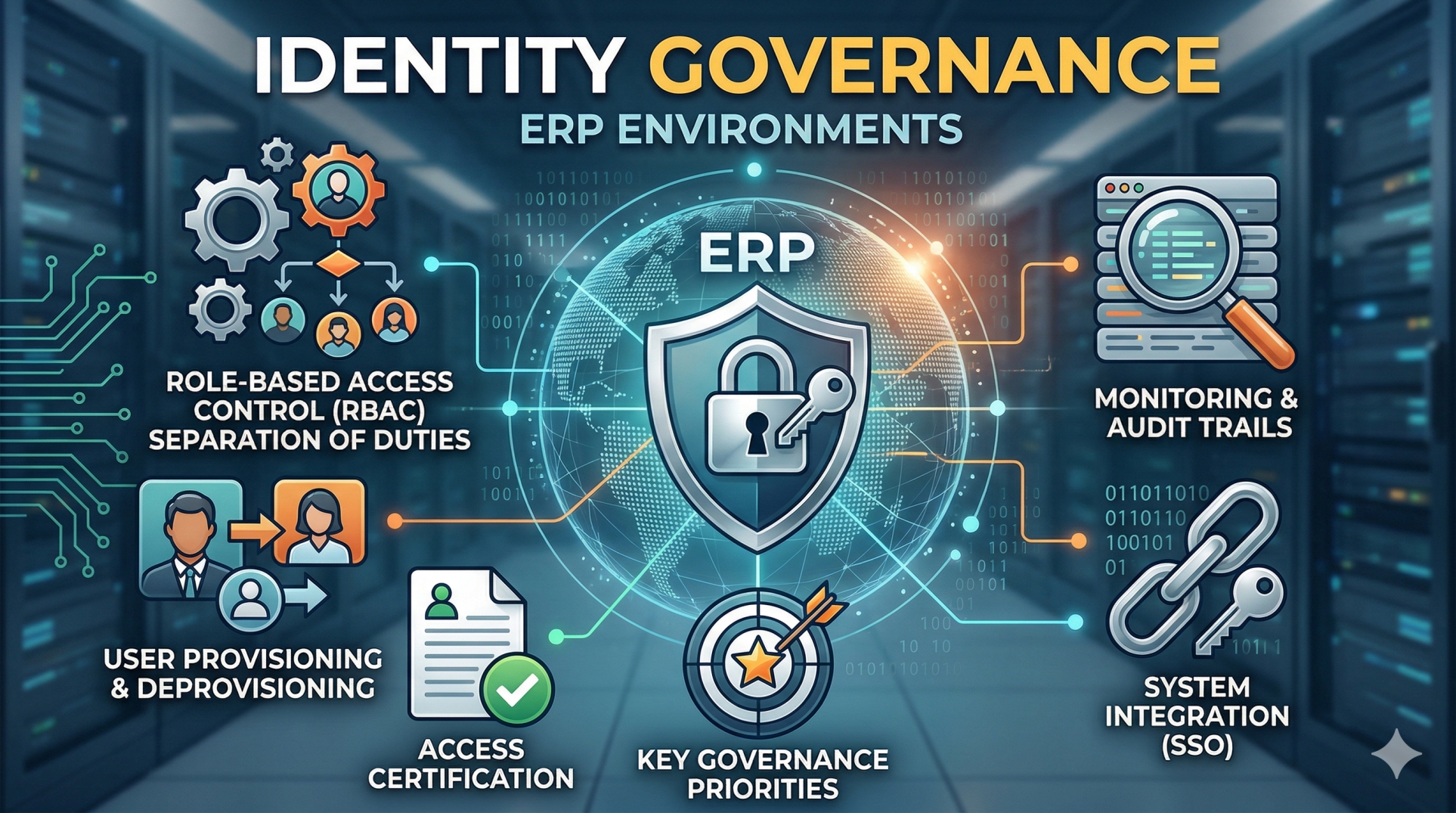
• Implement governance policies for data access and usage 🔐
• Monitor data pipelines for errors or delays 🔍
• Maintain compliance with data regulations 📜
• Build trust in data-driven decision systems 🤝
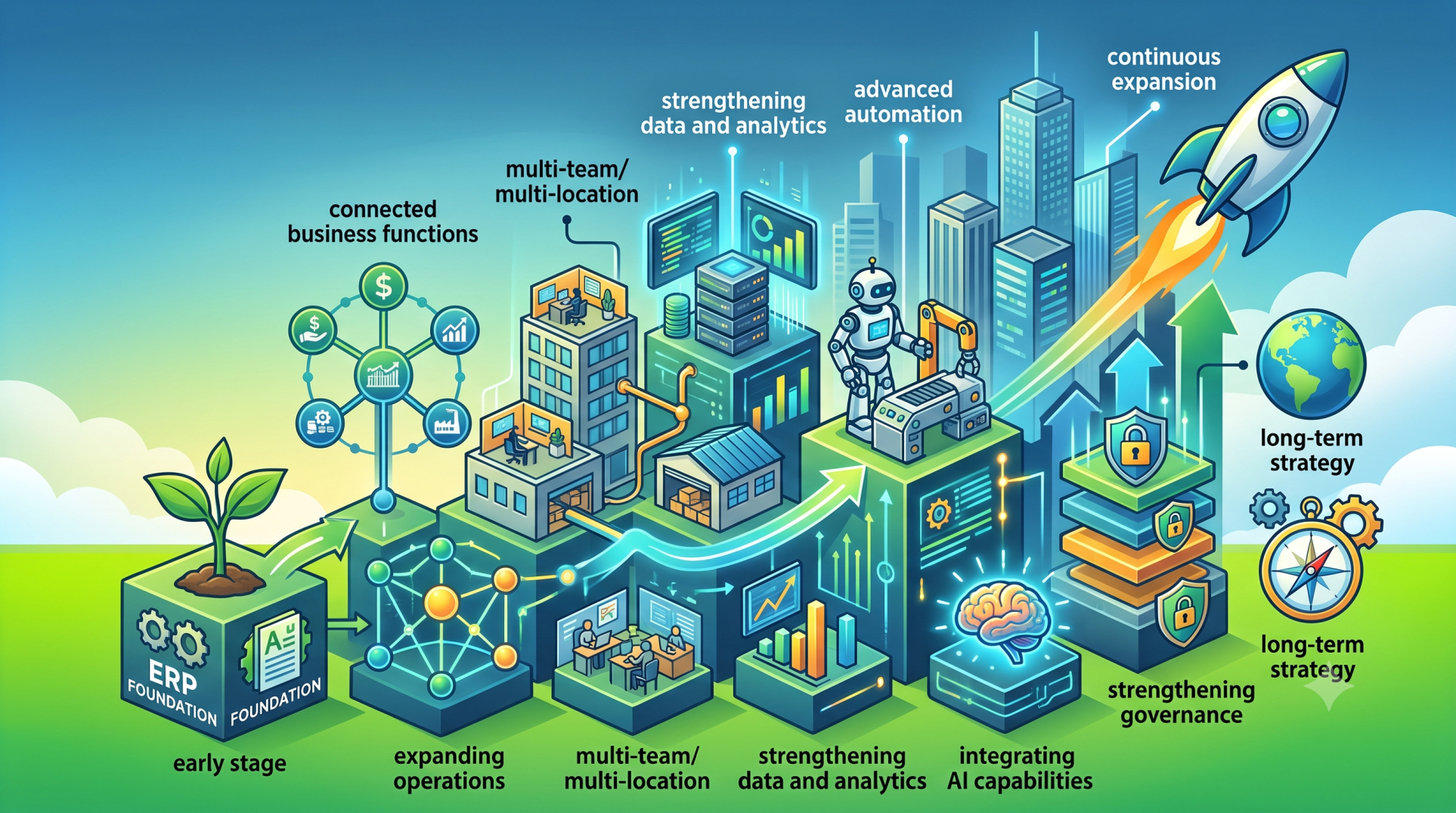
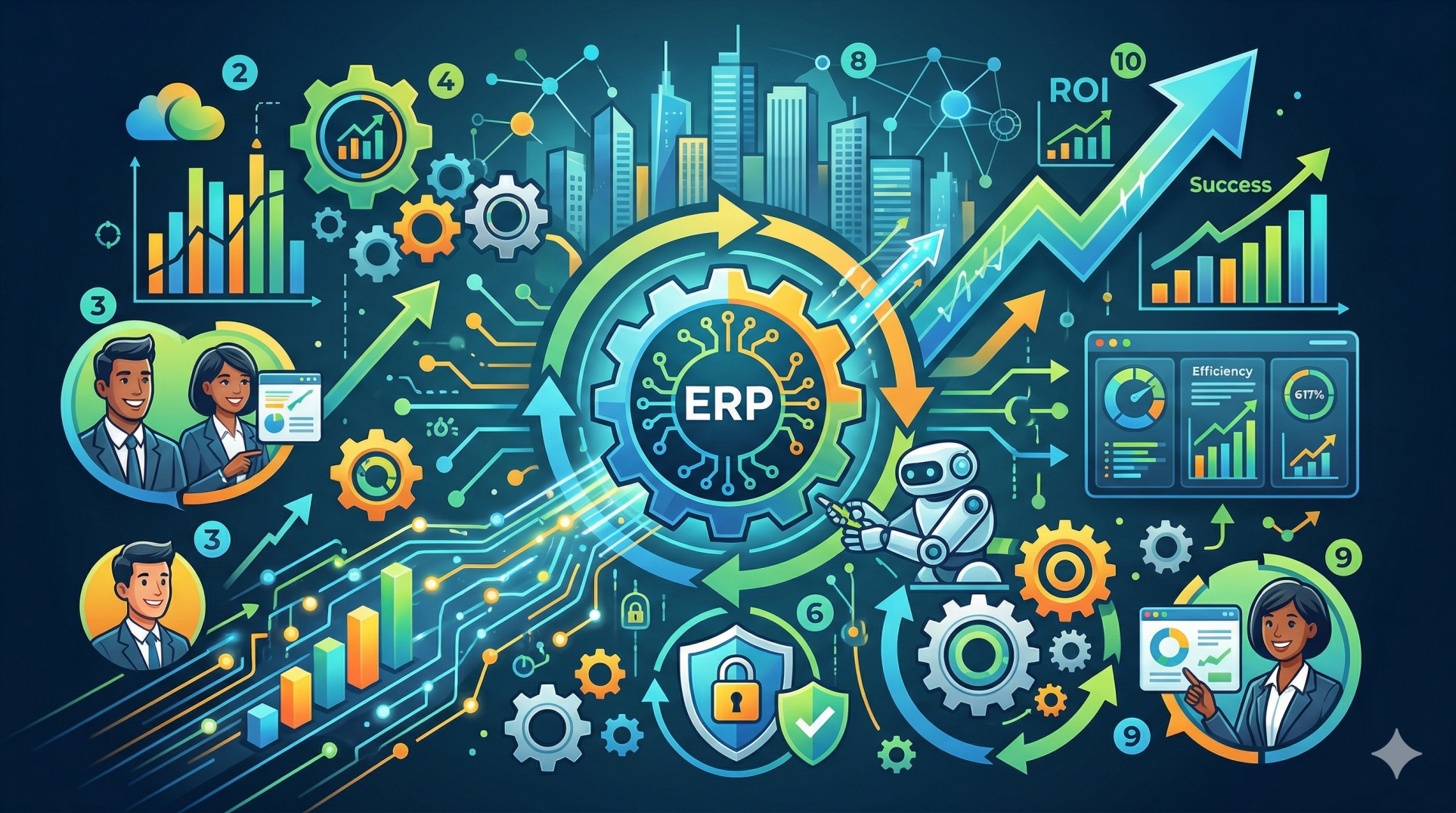
Step 10: Building a Continuous Intelligence Ecosystem 🔄
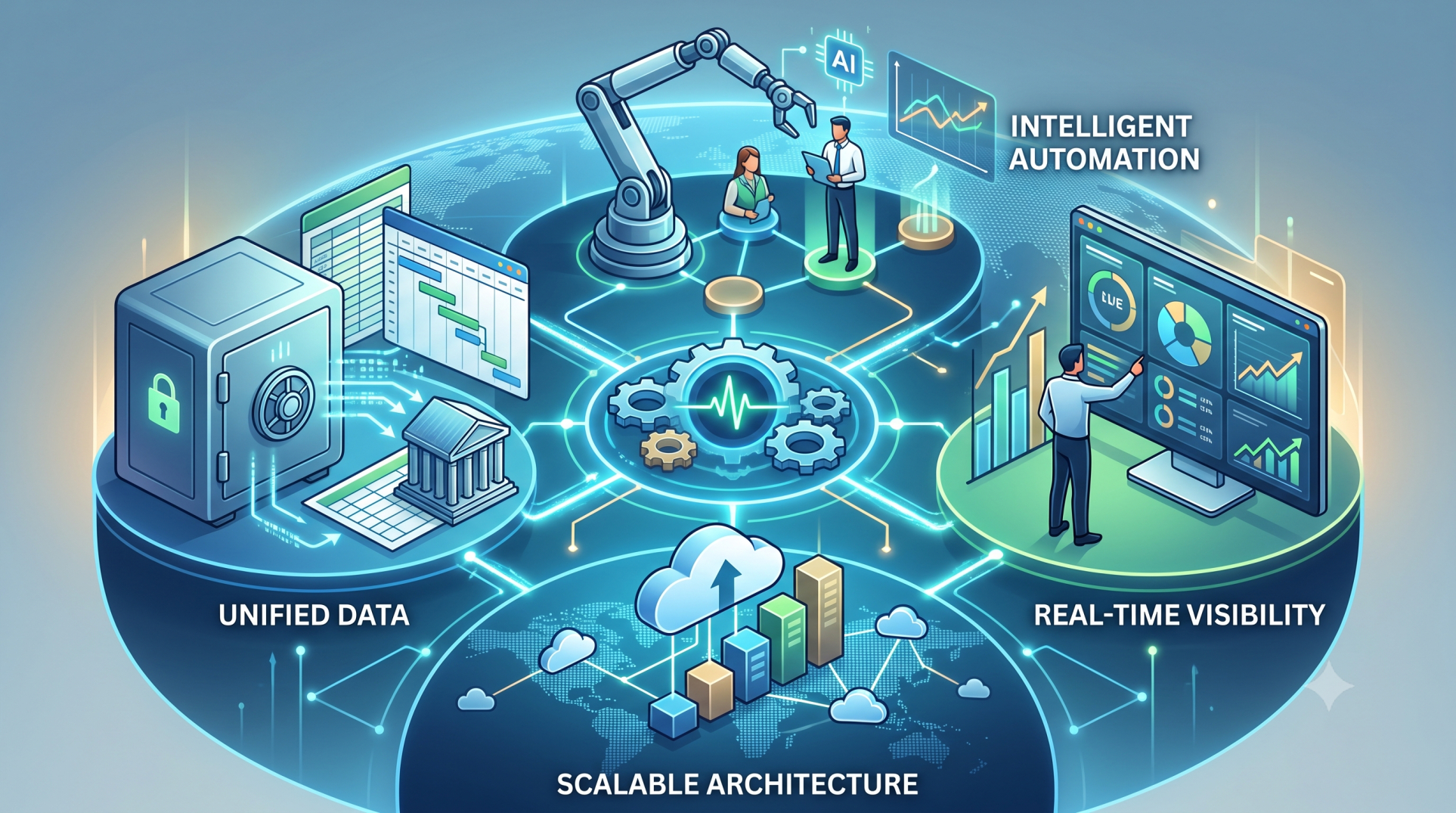
• Design systems for ongoing data collection and analysis 📡
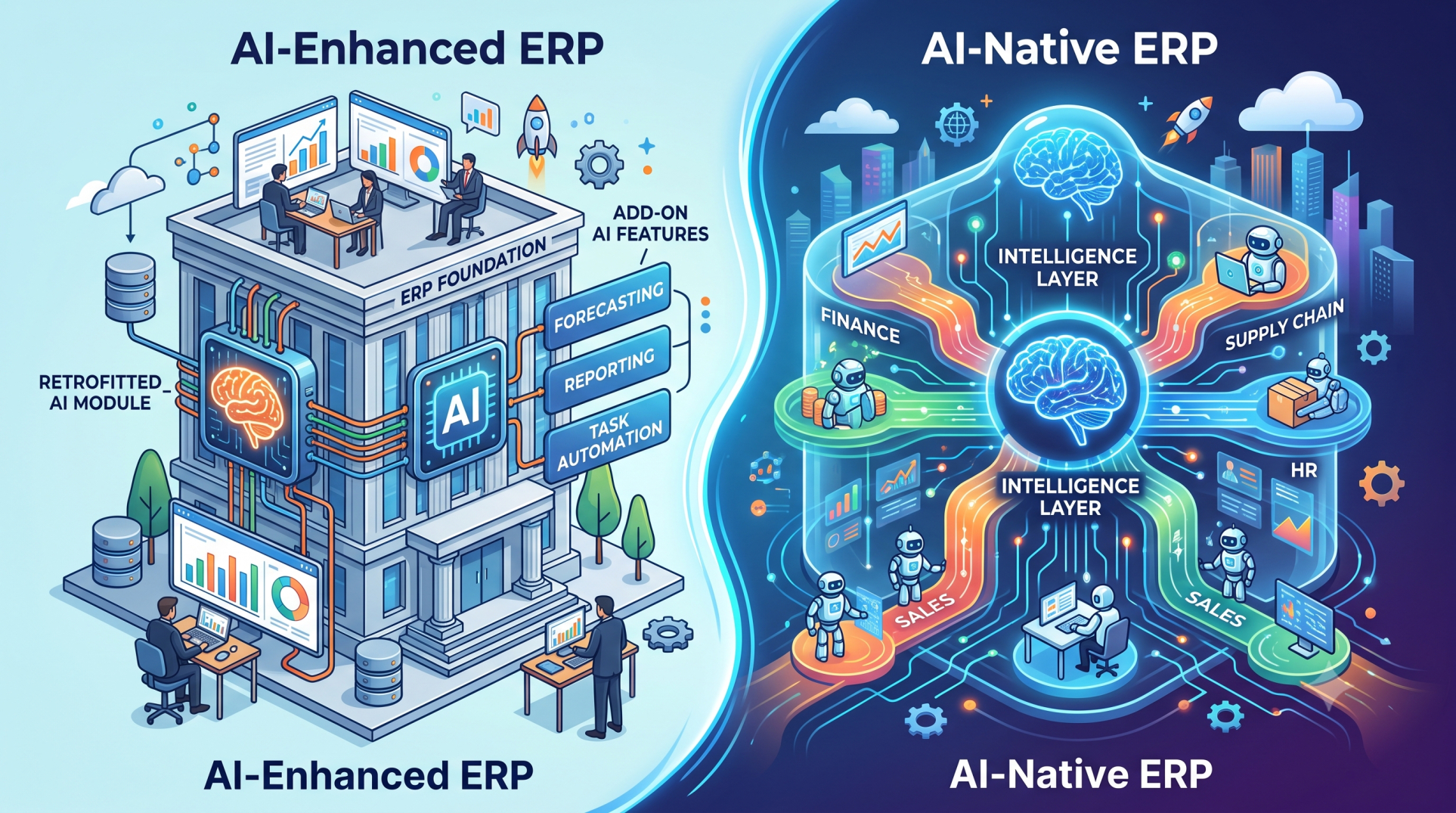
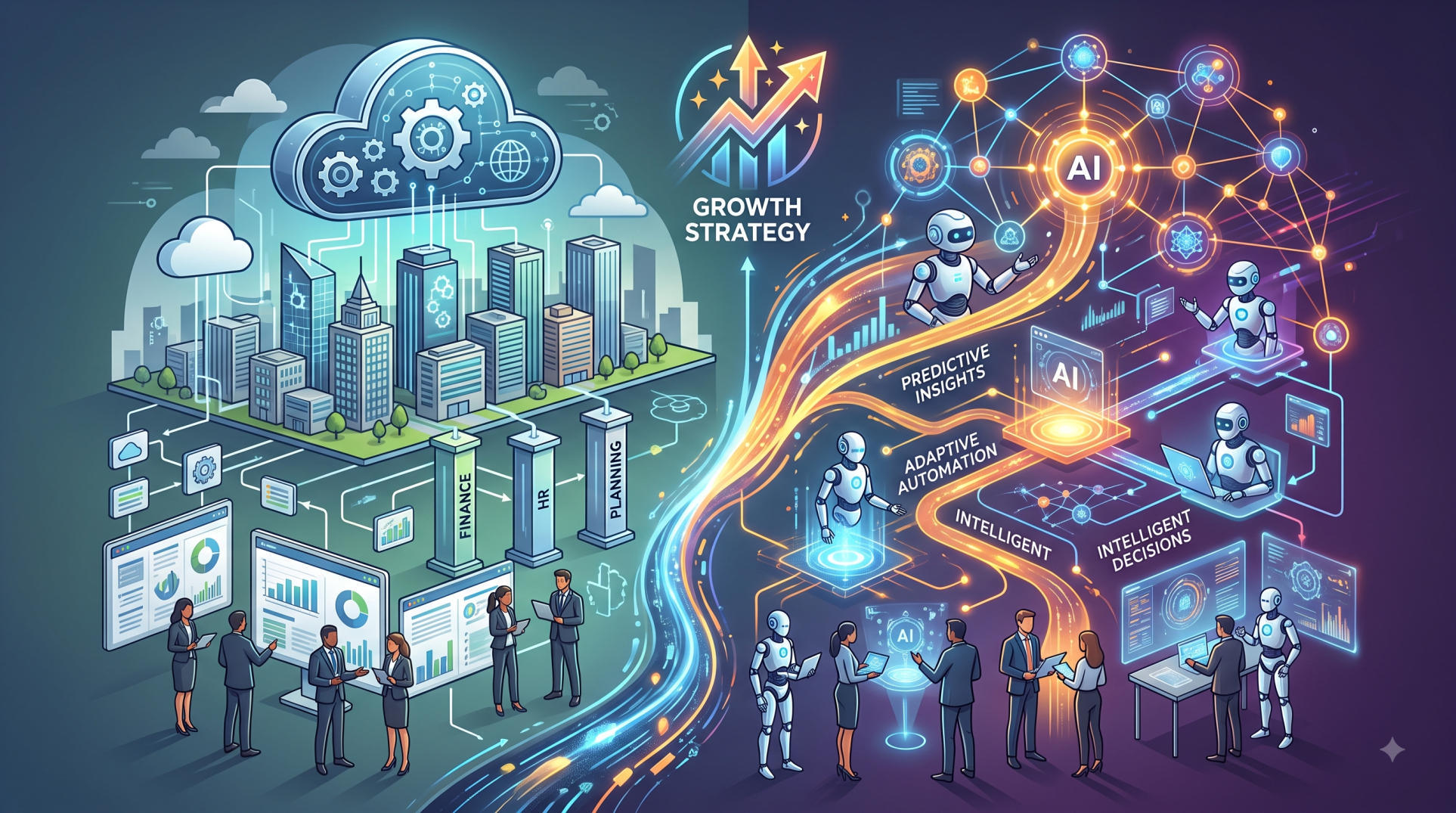
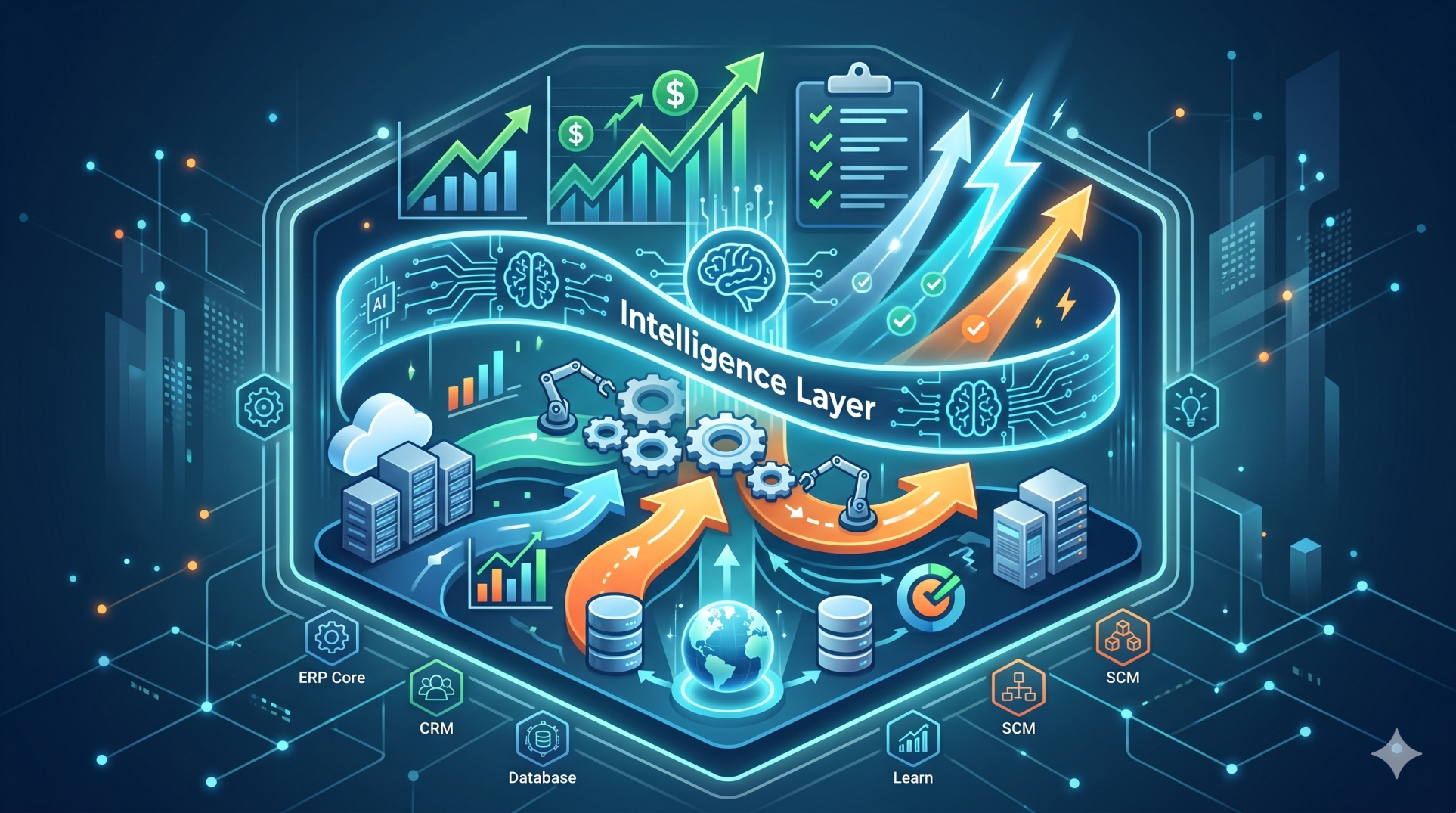
• Integrate ERP with AI and machine learning platforms 🤖
• Enable adaptive decision-making across the organization 🧠
• Support scalability as data volumes grow 📈
• Continuously optimize based on feedback and insights 🔍
Conclusion
Operational decision-making powered by ERP data streams transforms how organizations respond to change and manage performance. By enabling real-time insights, predictive analytics, and automated actions, businesses can move from reactive to proactive operations. This approach not only enhances efficiency but also creates a foundation for continuous intelligence, allowing organizations to stay competitive in an increasingly data-driven world.
See more blogs
You can all the articles below