Financial Transparency Enabled by ERP Data Systems

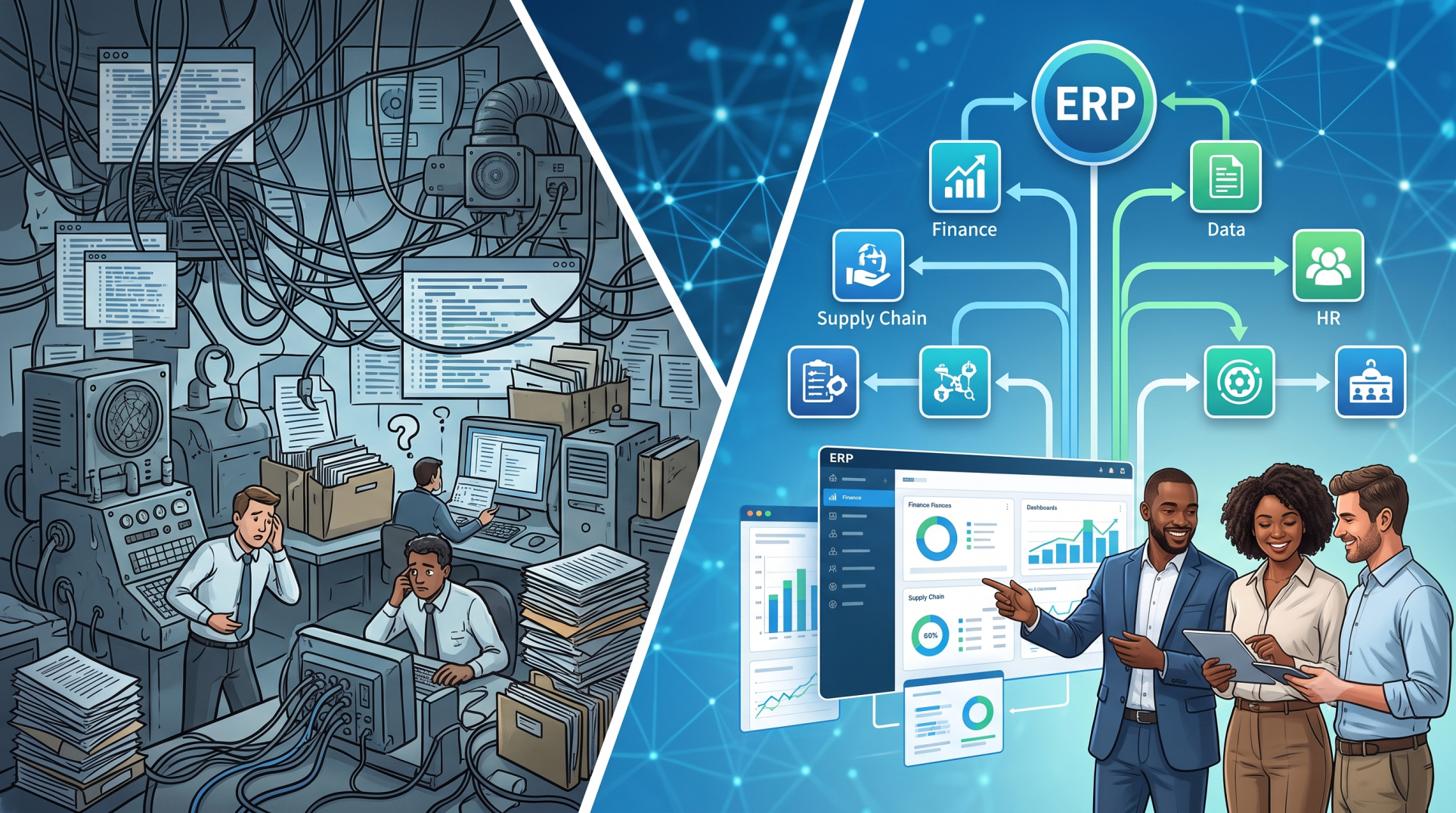
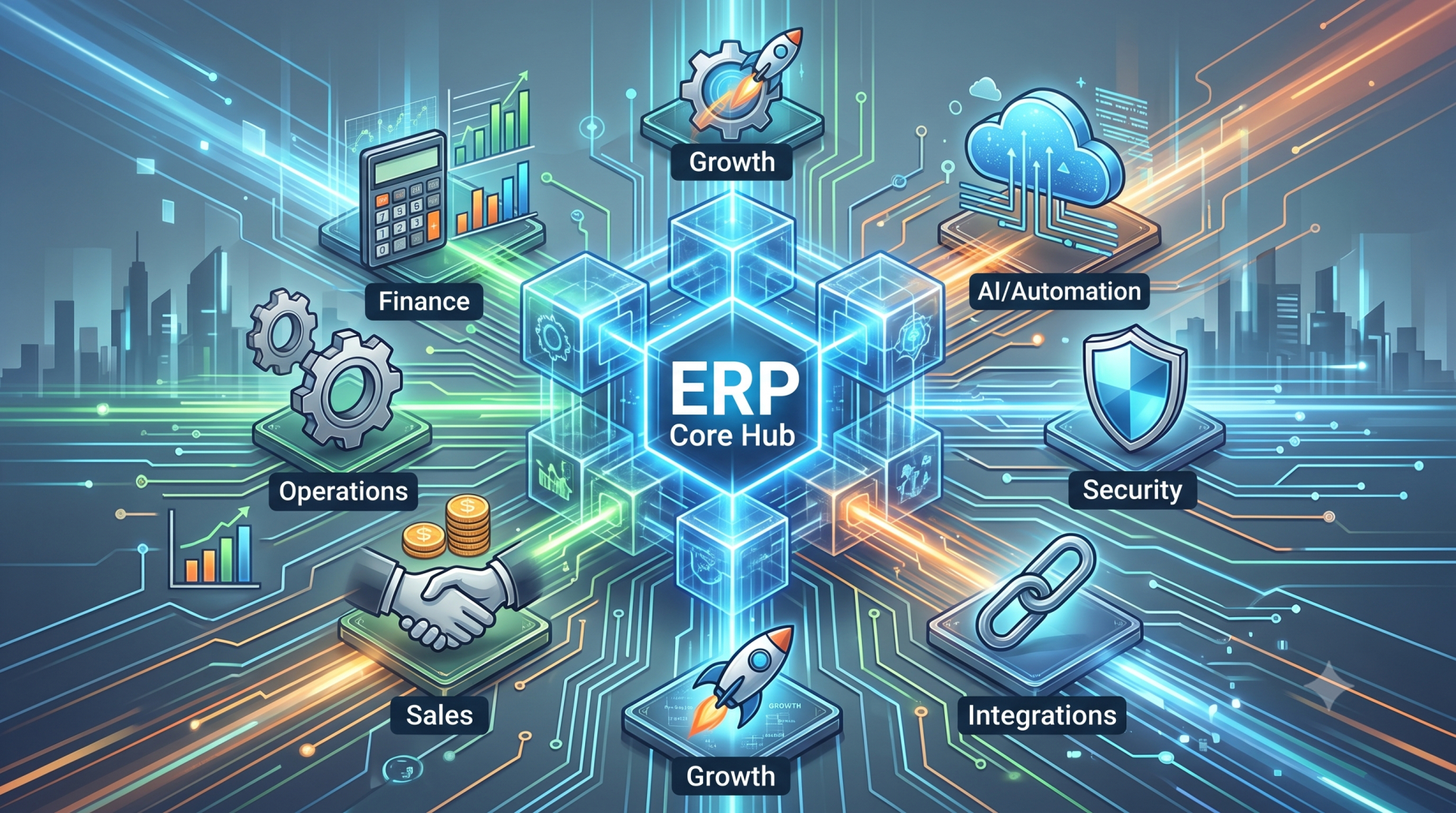
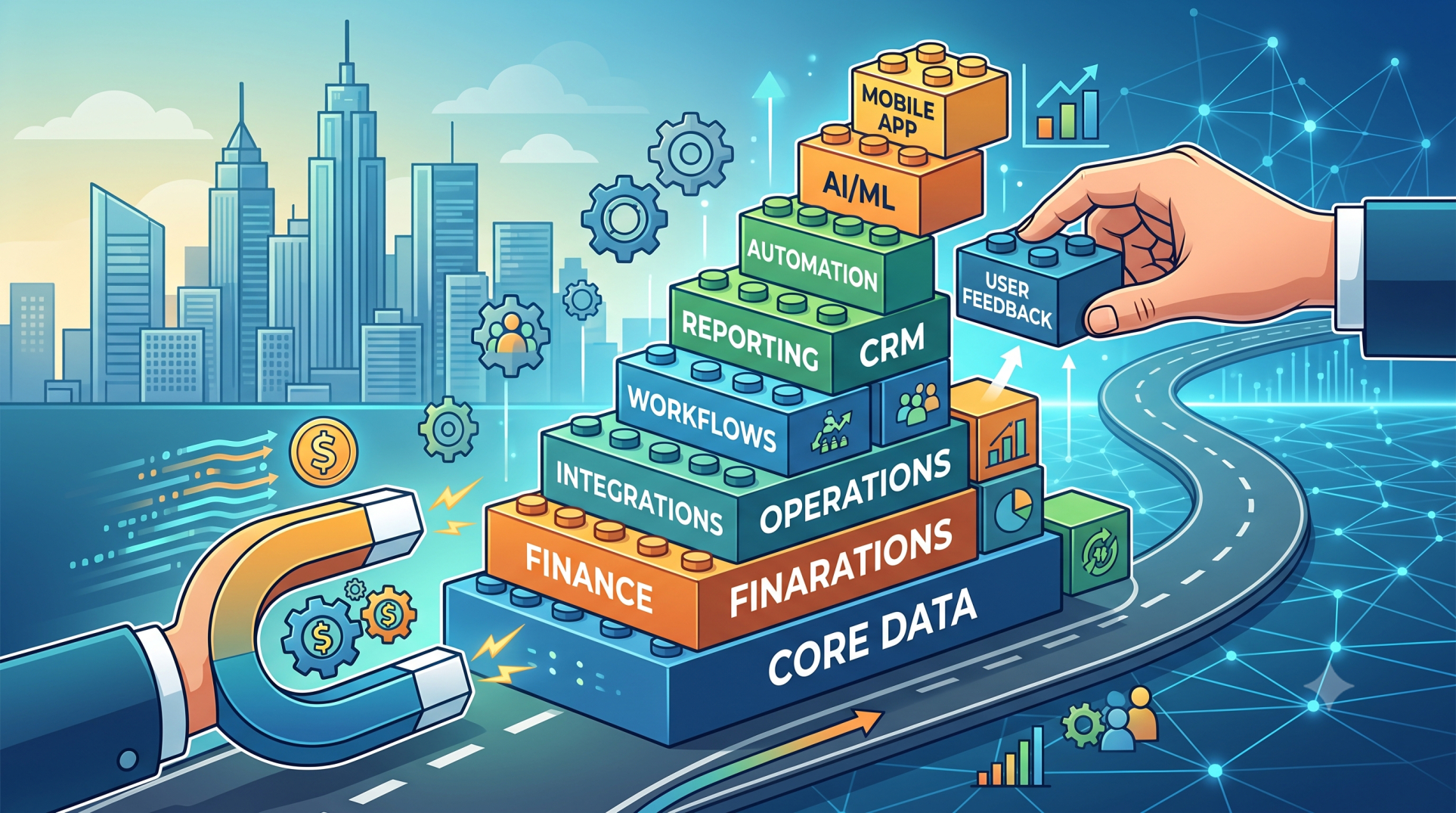
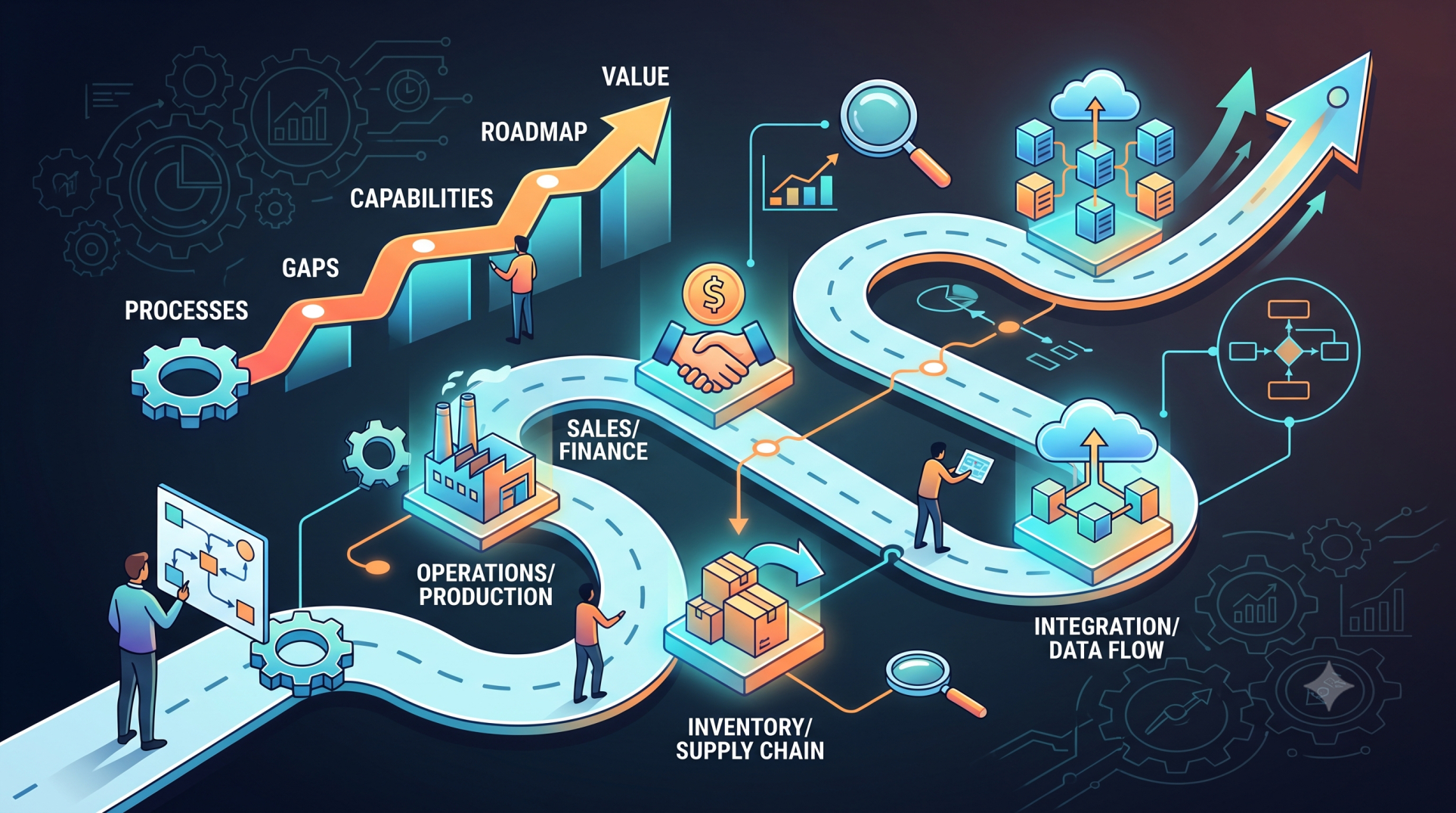
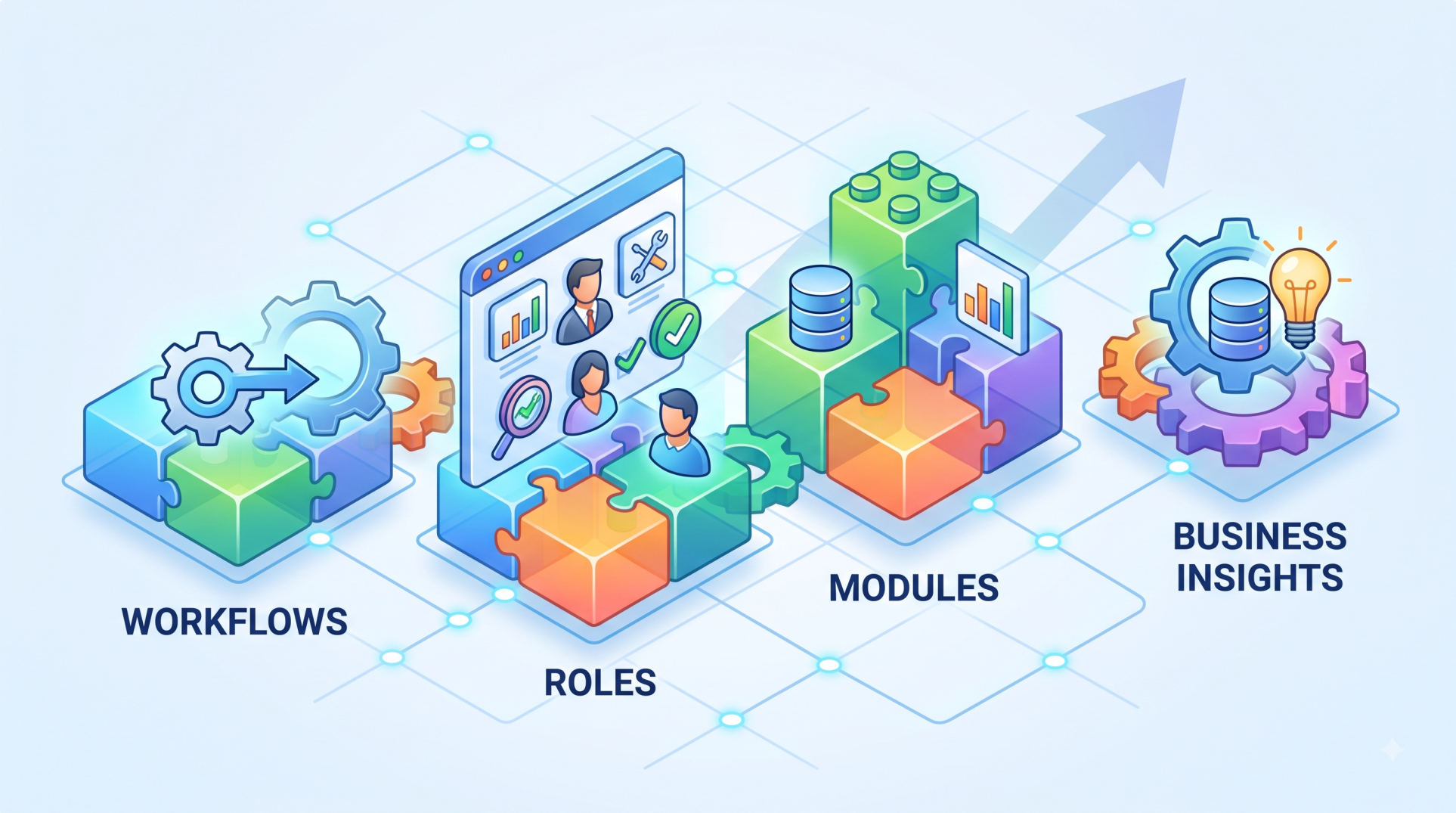
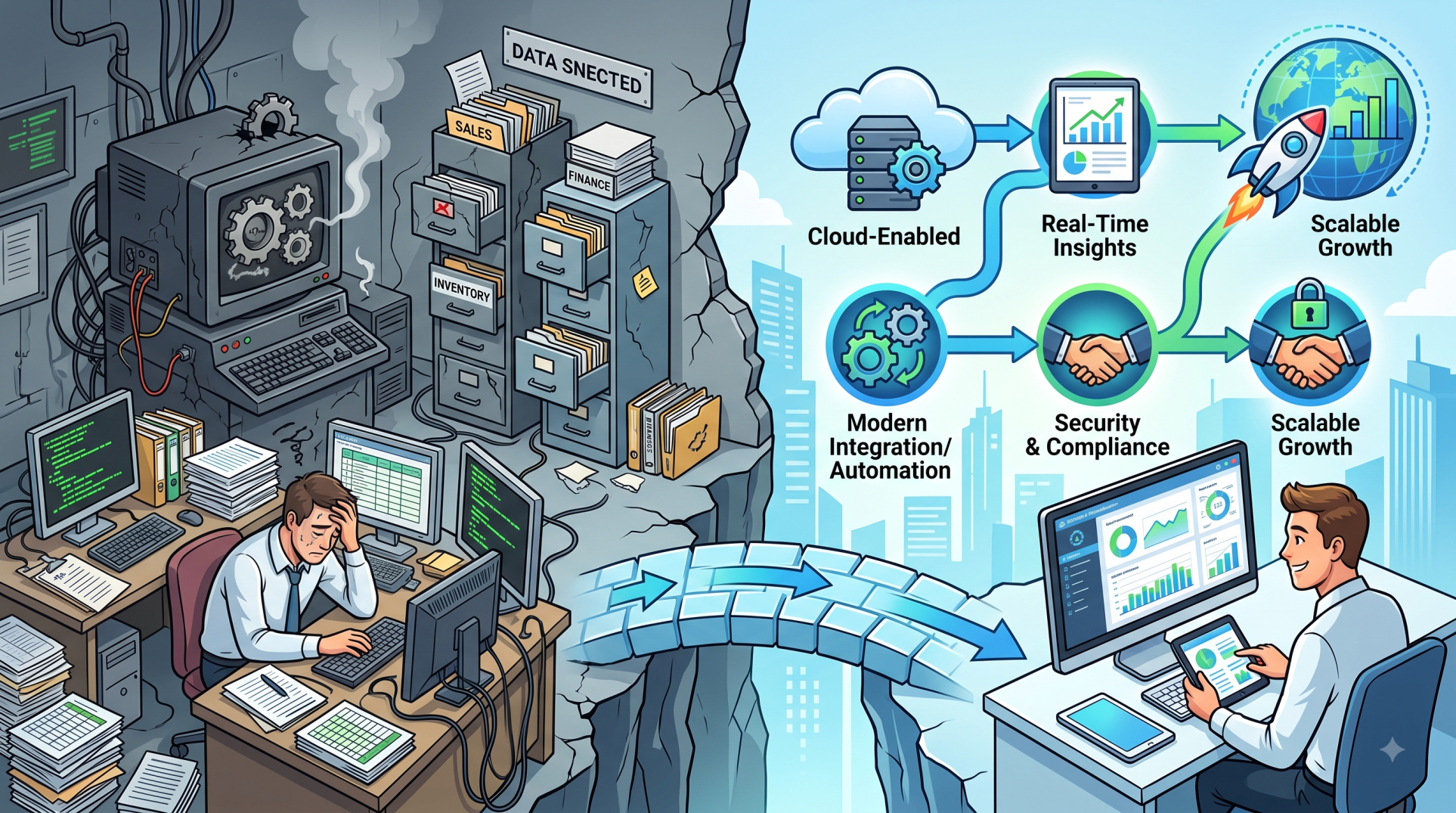
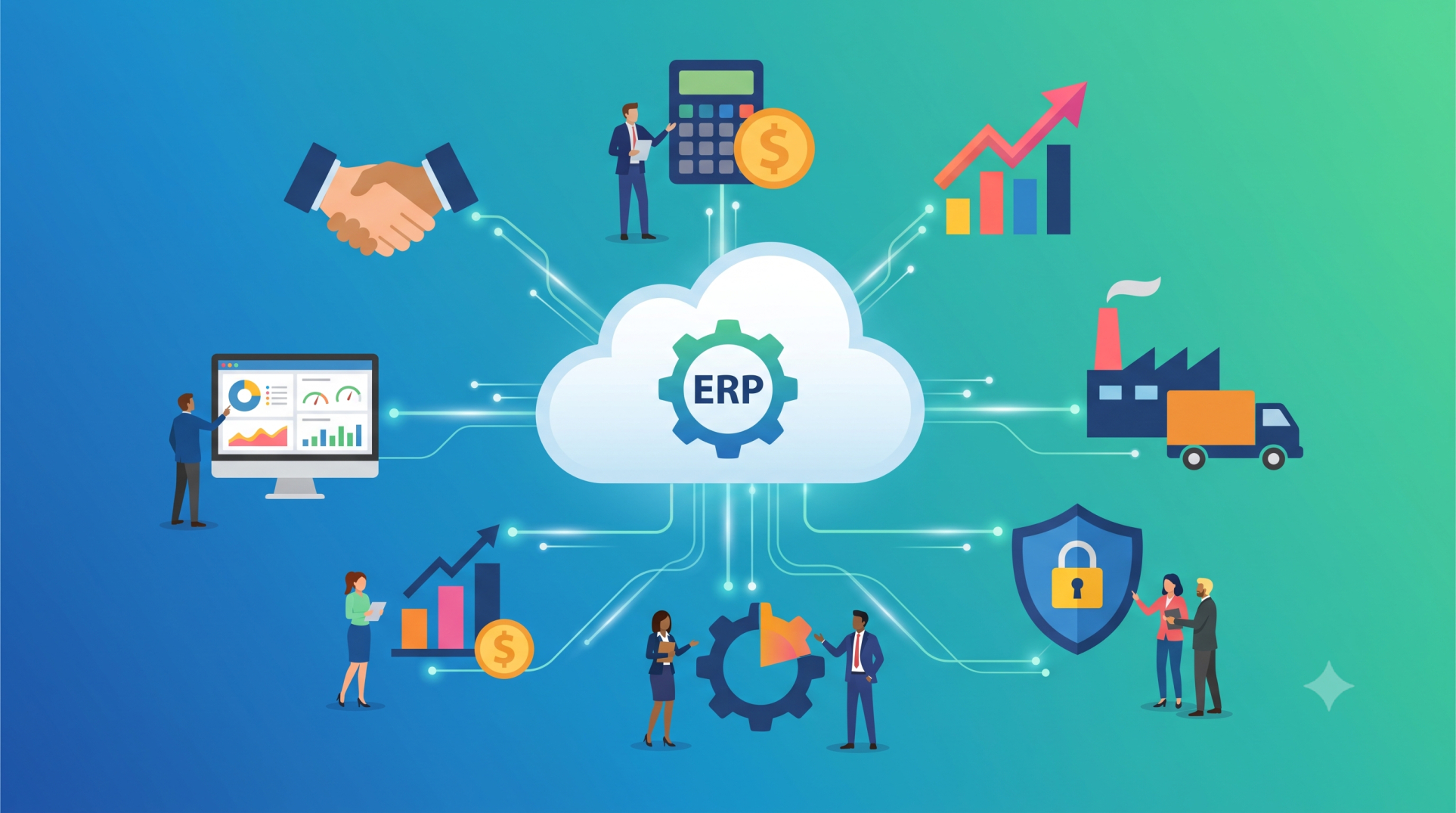
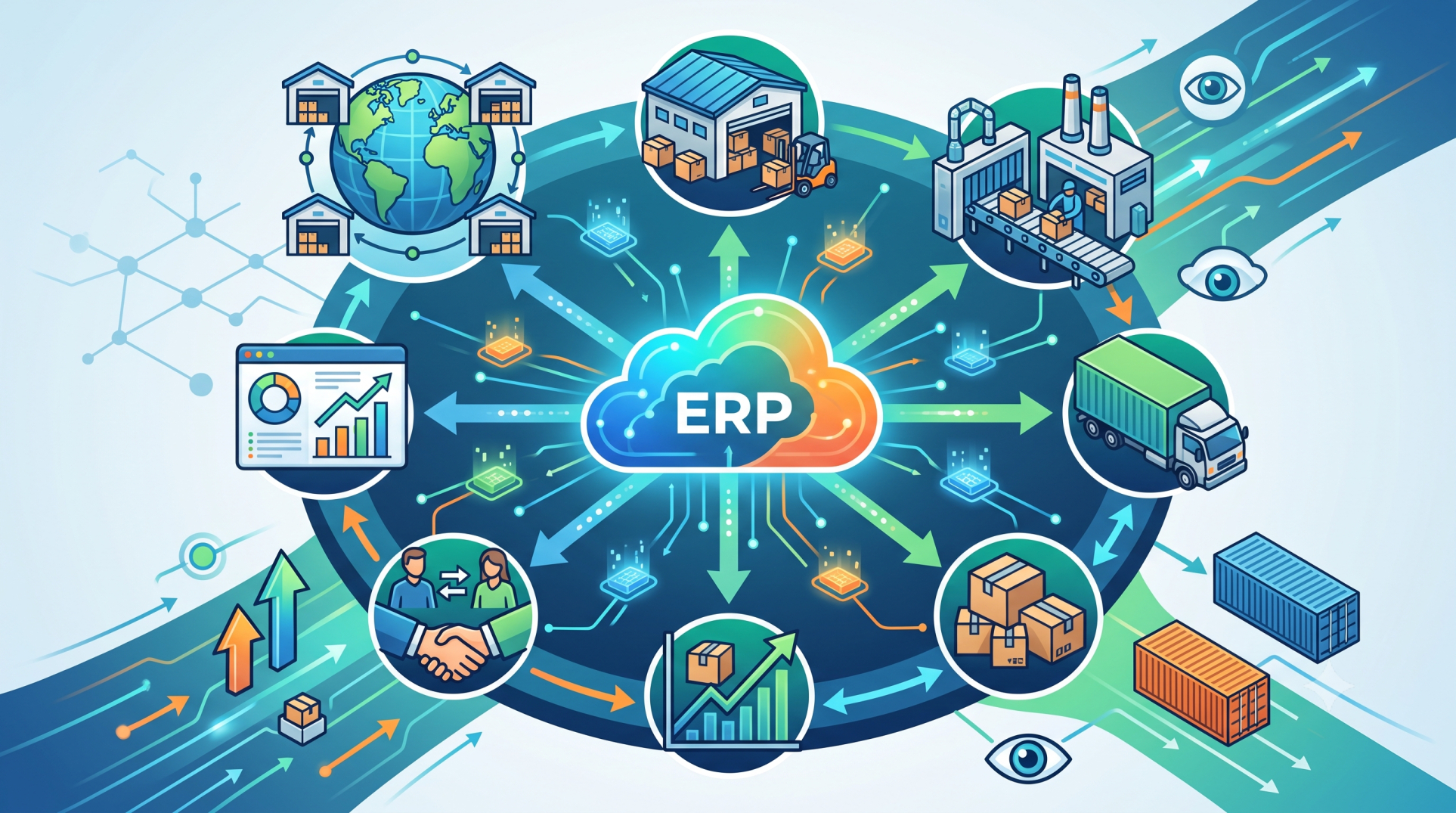
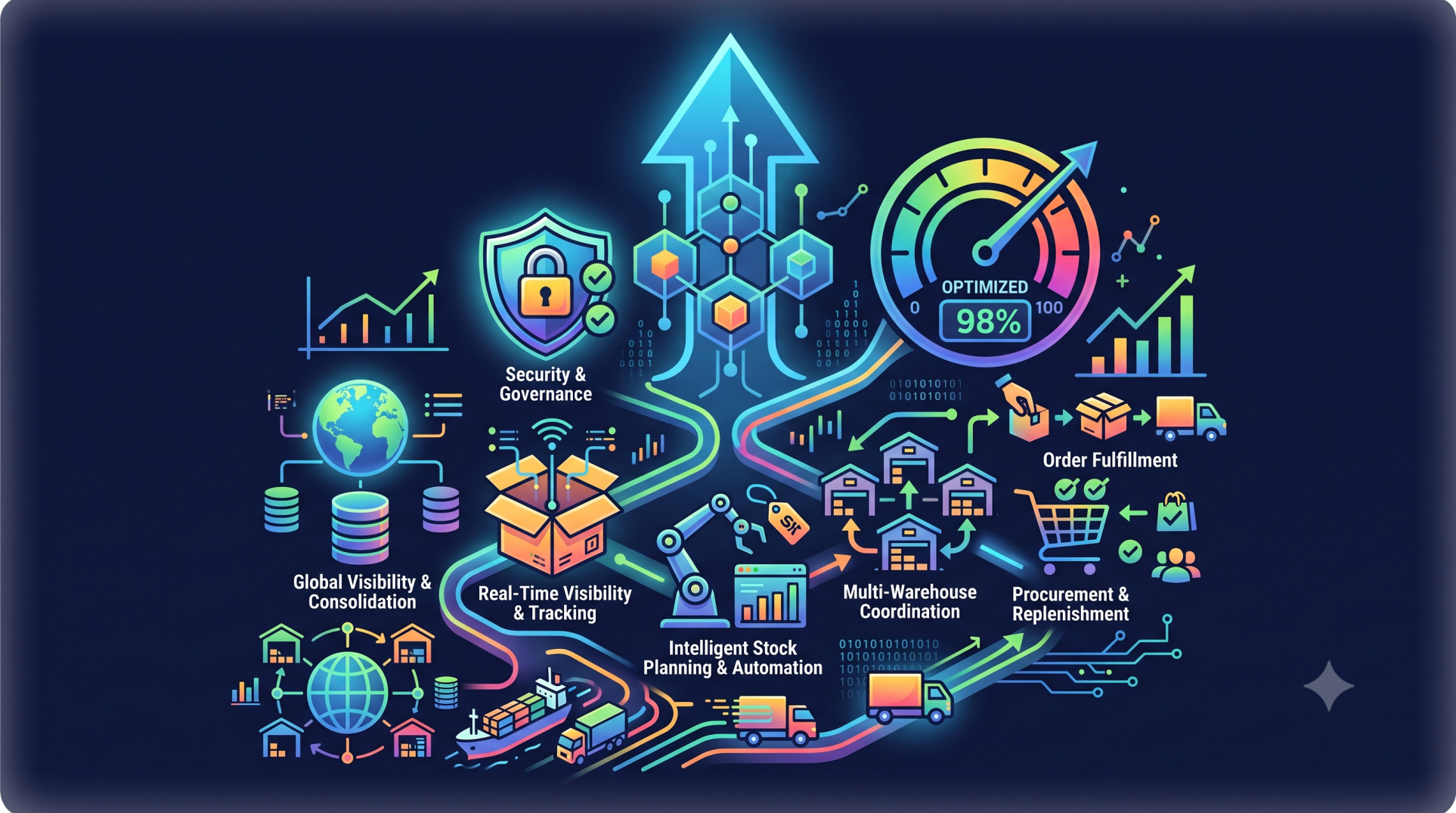
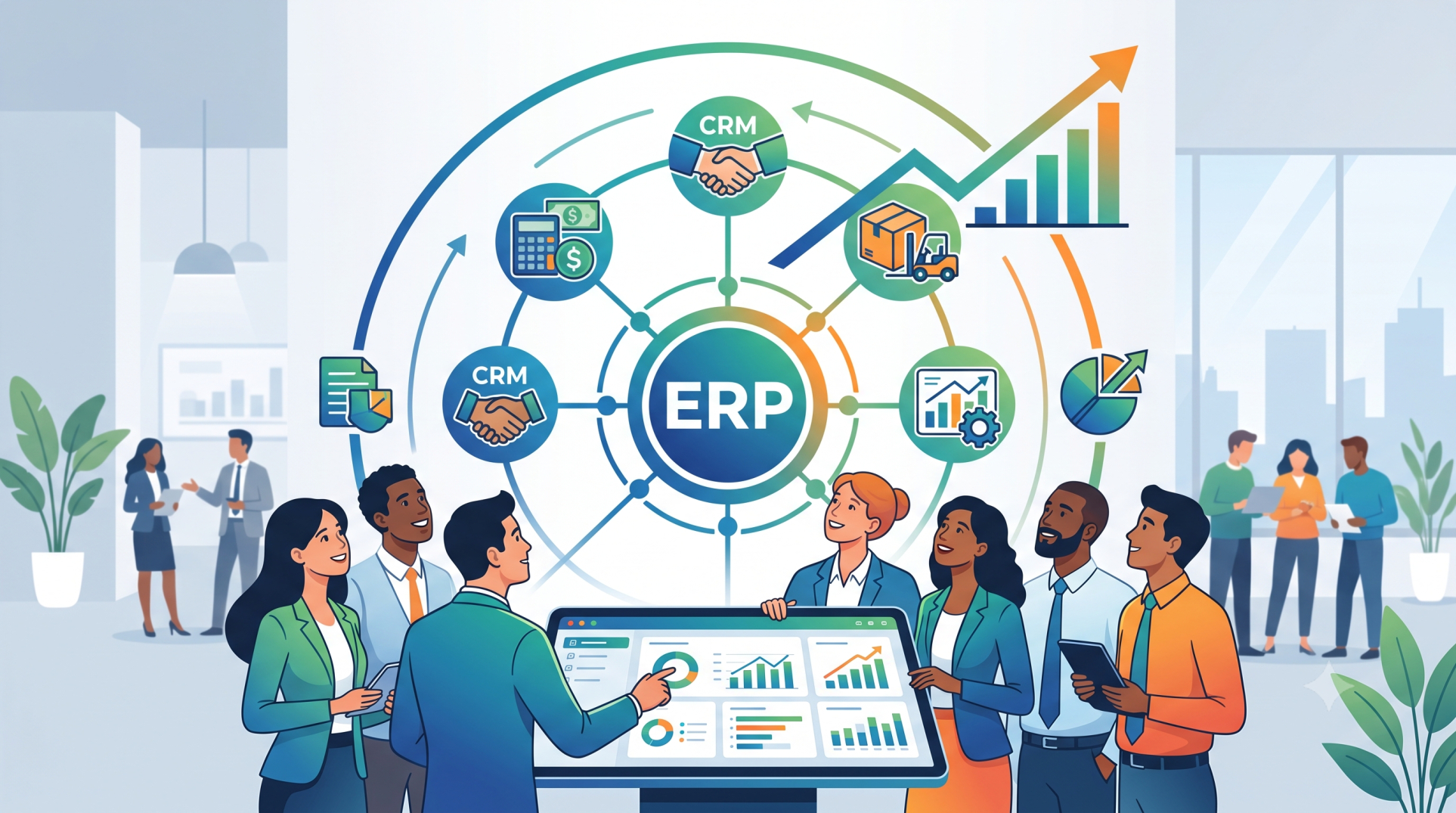
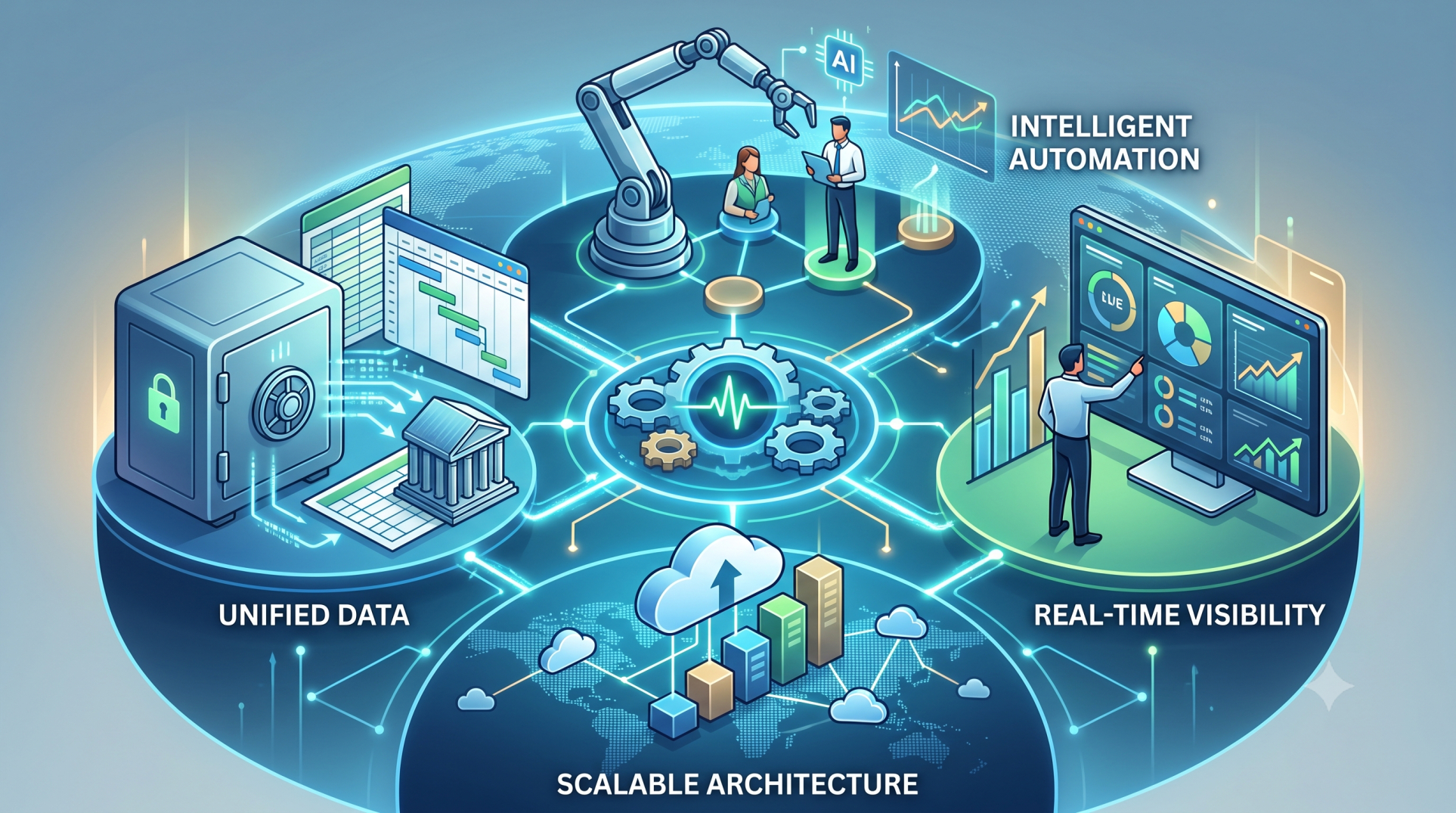
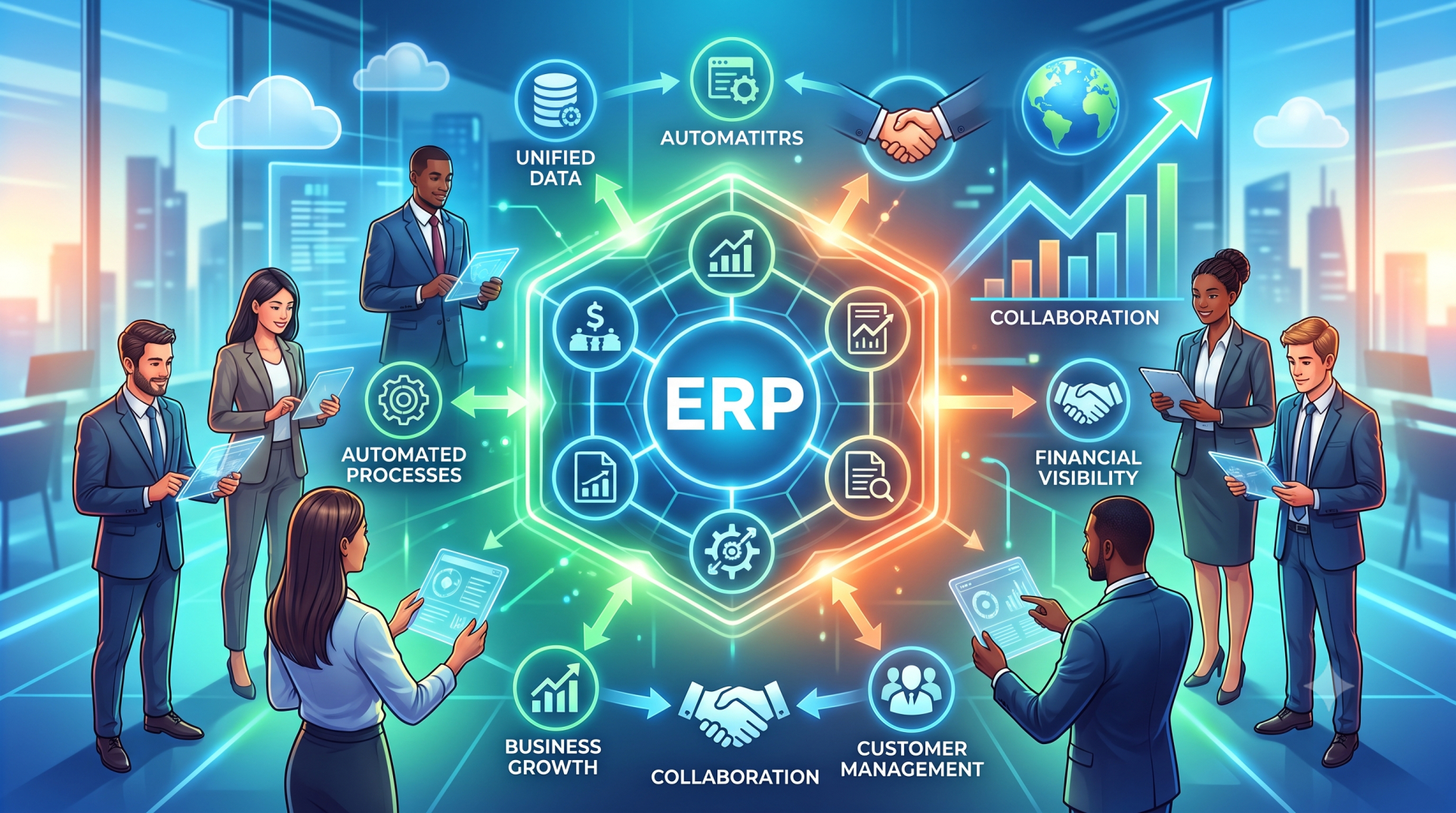
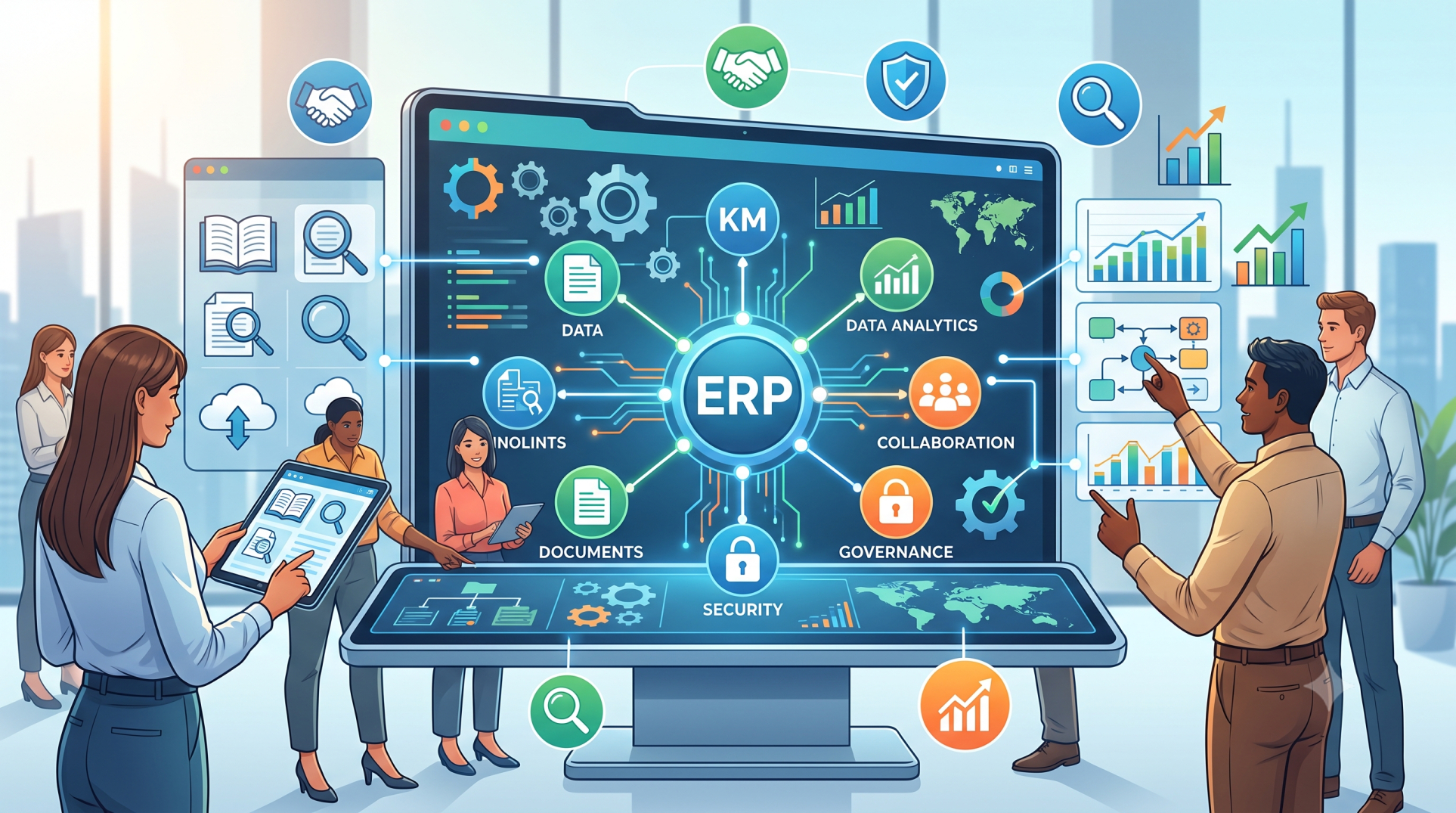
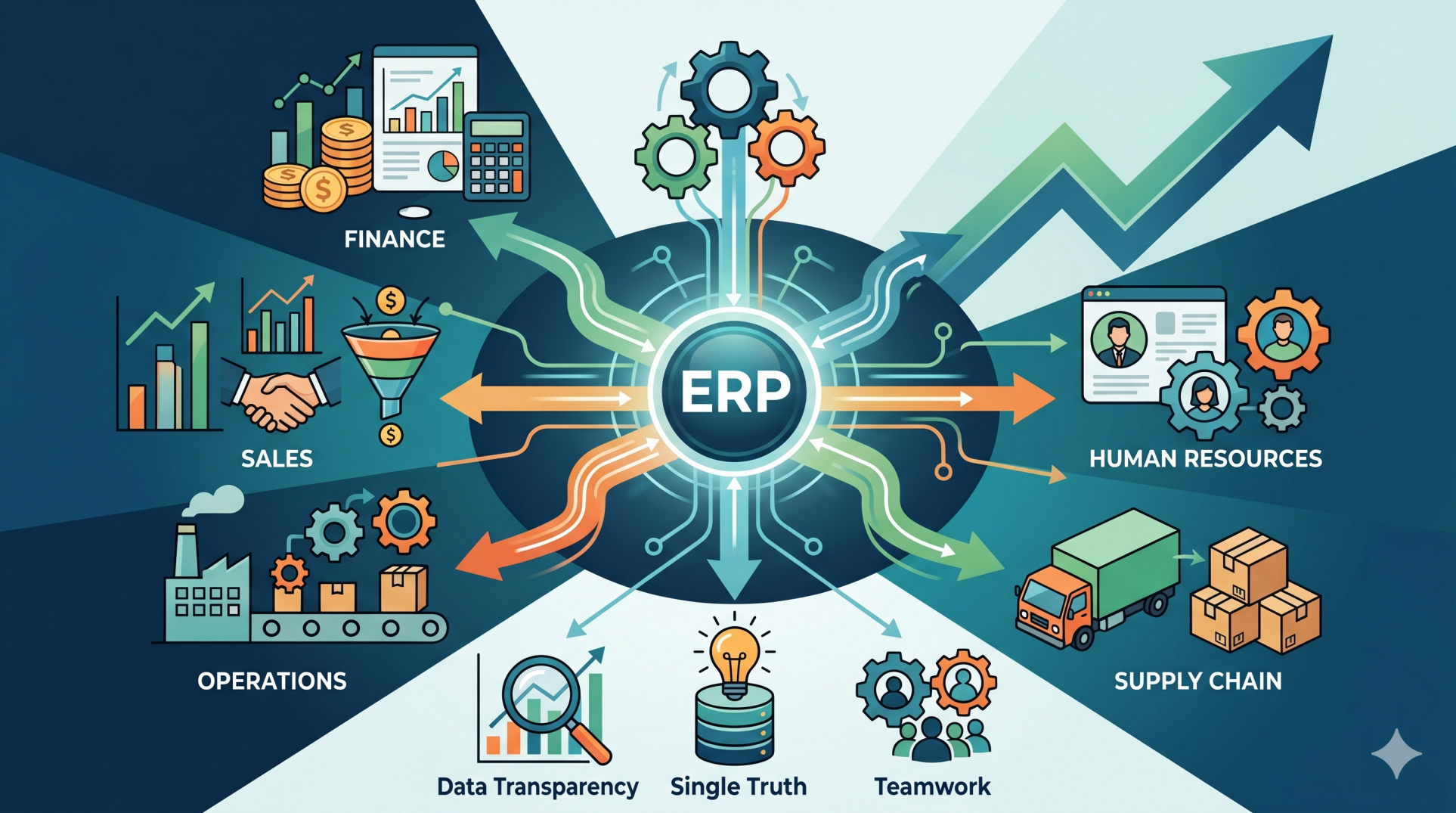
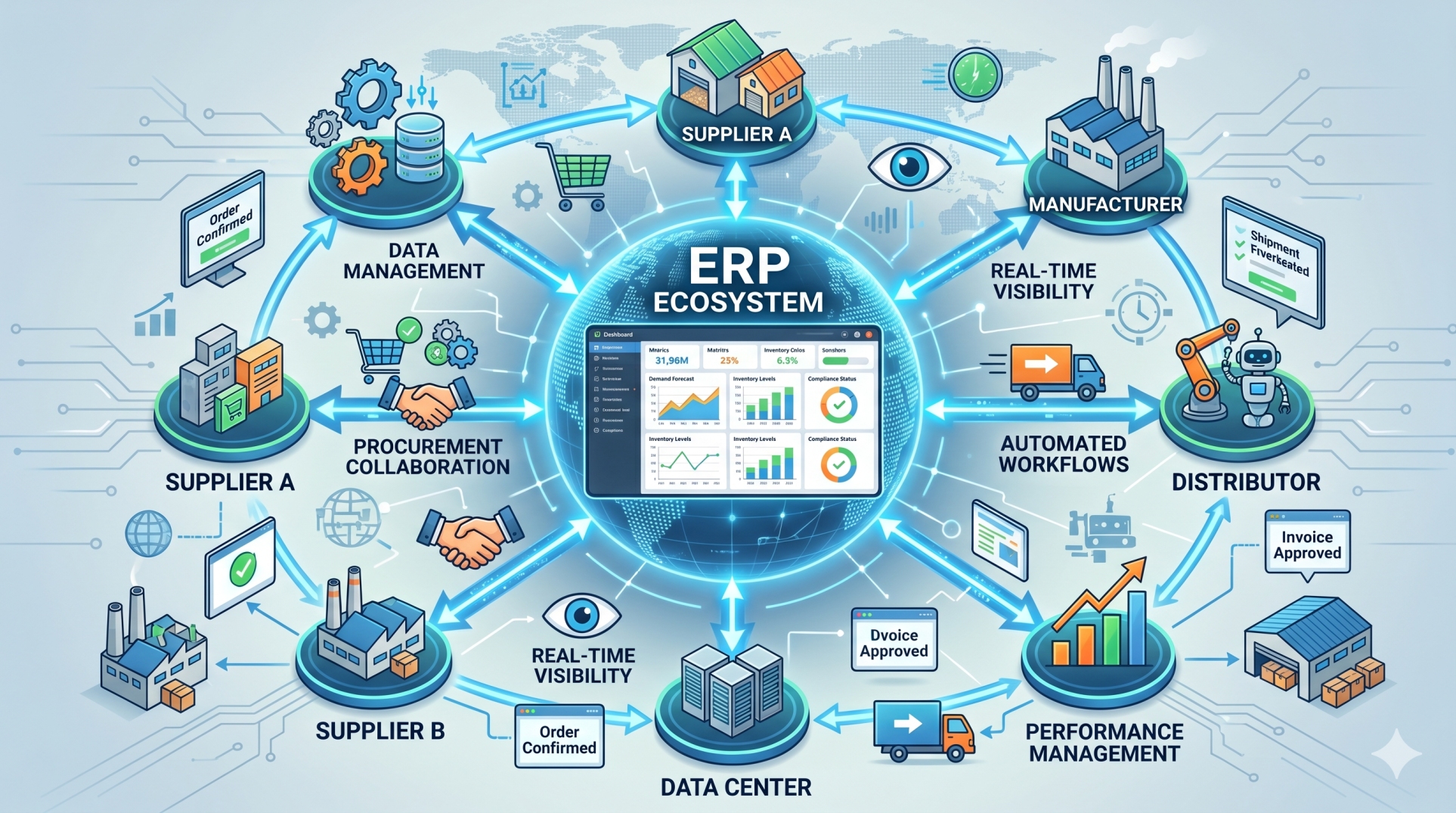
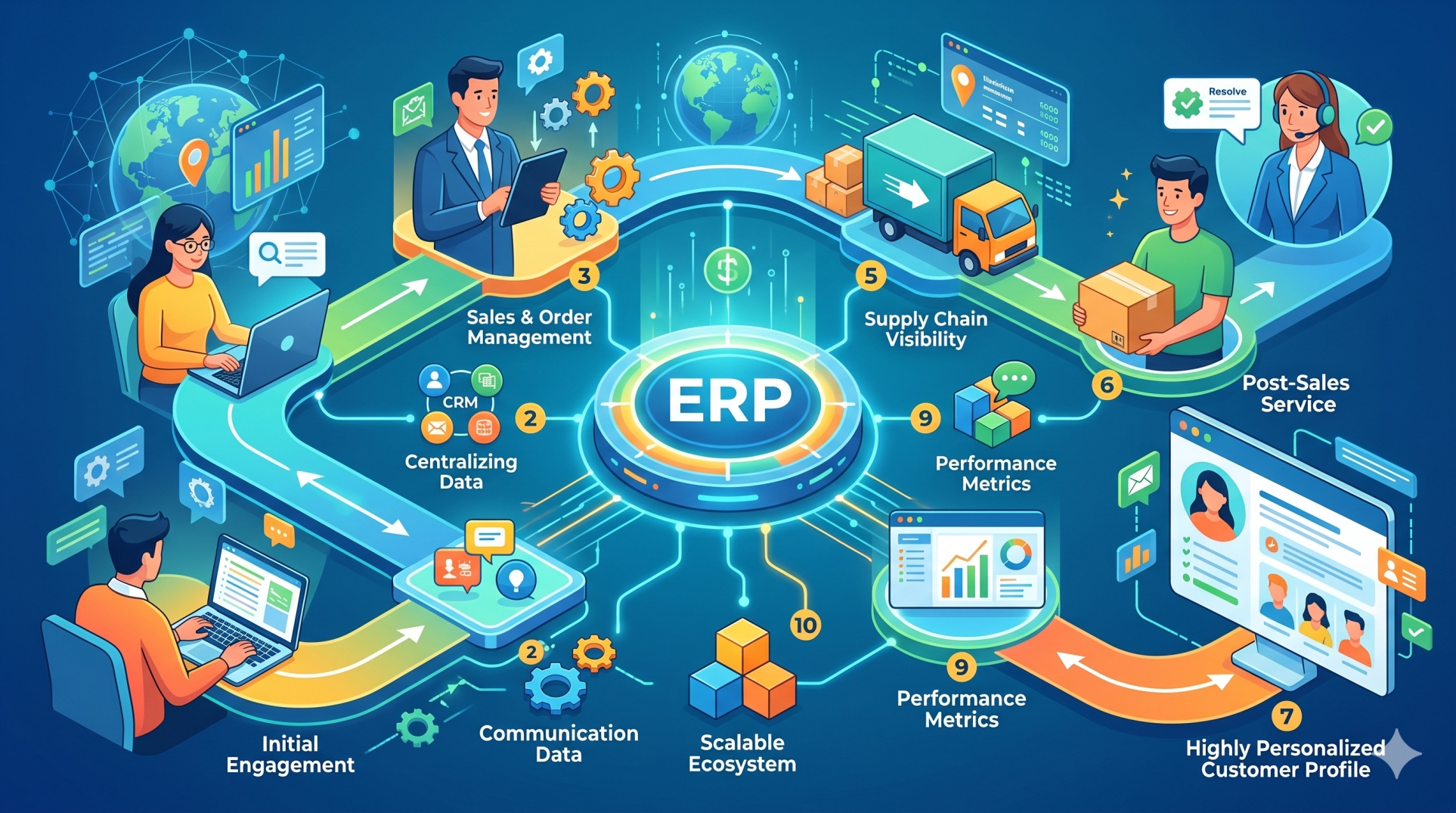
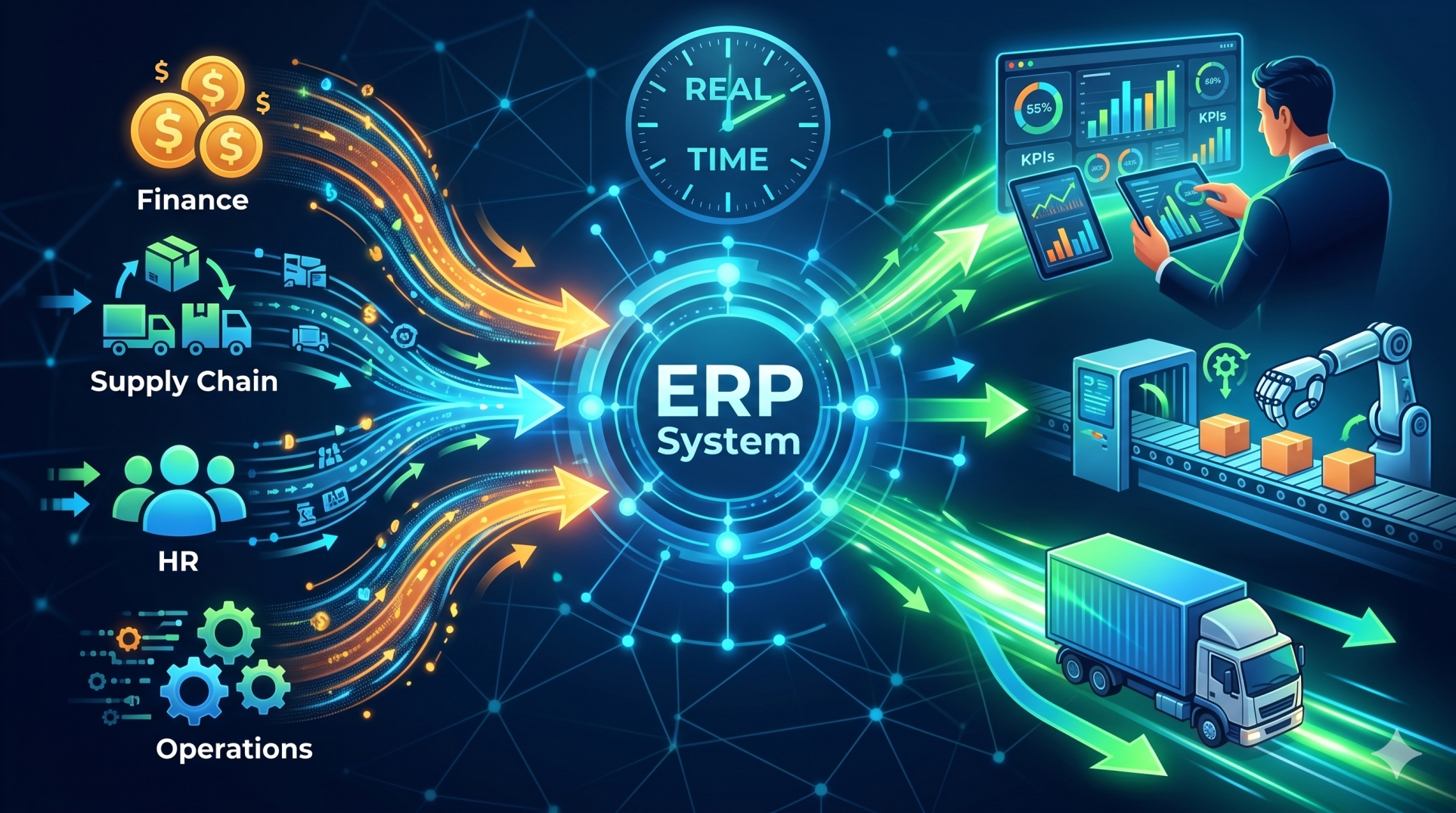
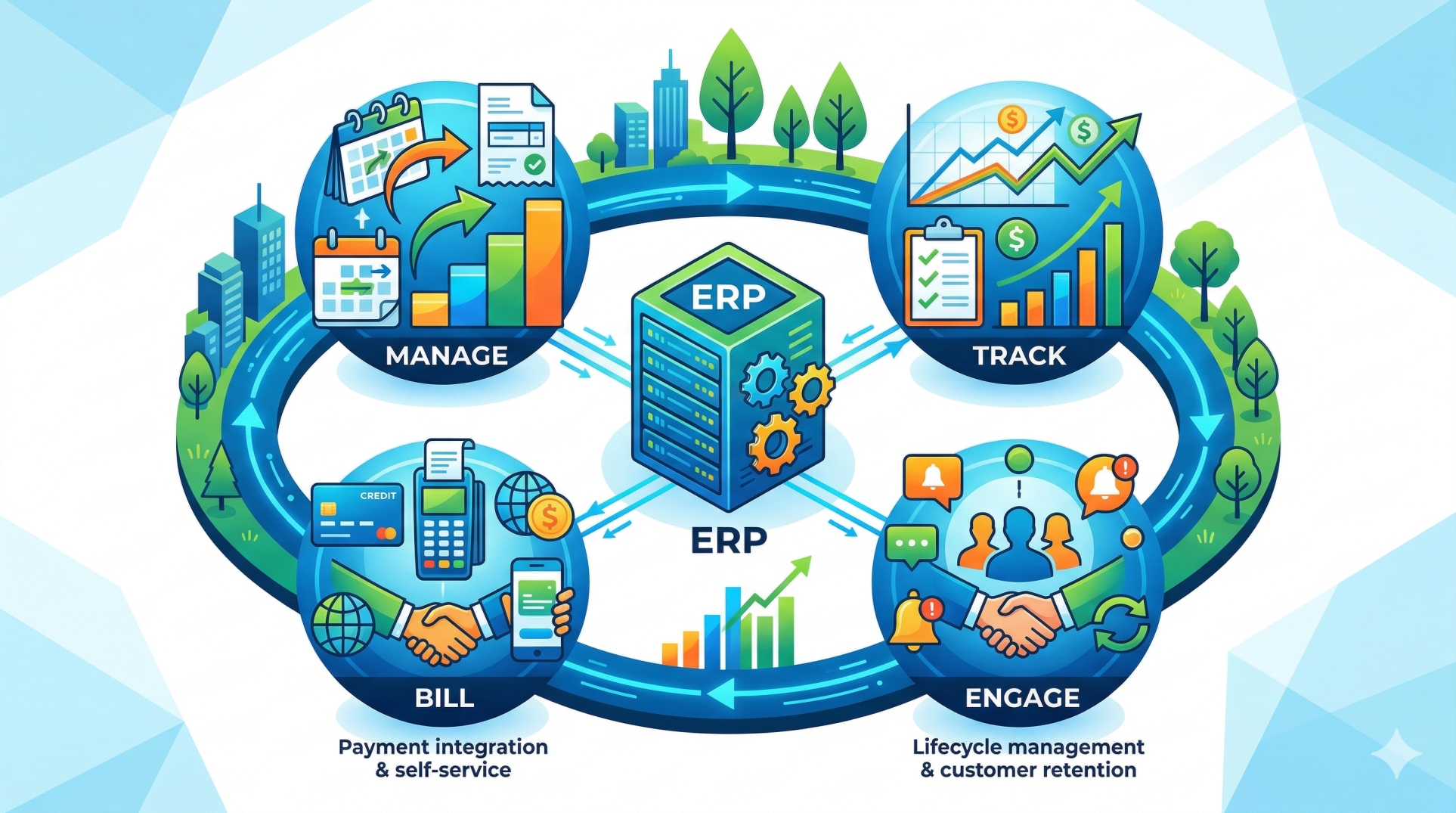
In today’s fast-moving business environment, financial transparency is essential for maintaining operational control, ensuring compliance, and supporting strategic decision-making. ERP data systems provide organizations with centralized financial visibility by connecting departments, standardizing reporting, and delivering real-time insights. By integrating financial data across the enterprise, businesses can improve accuracy, reduce risk, and strengthen overall financial governance.
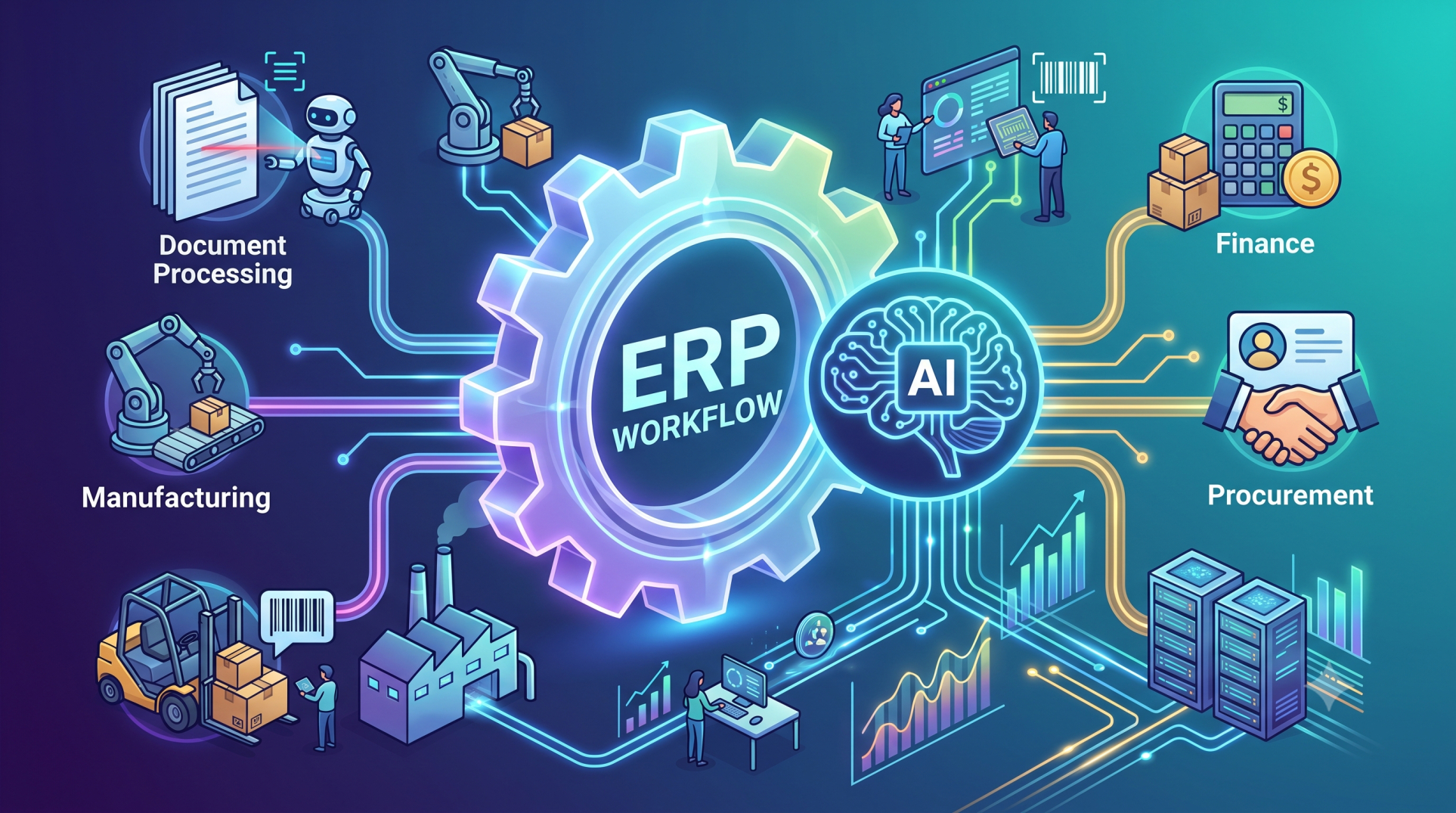
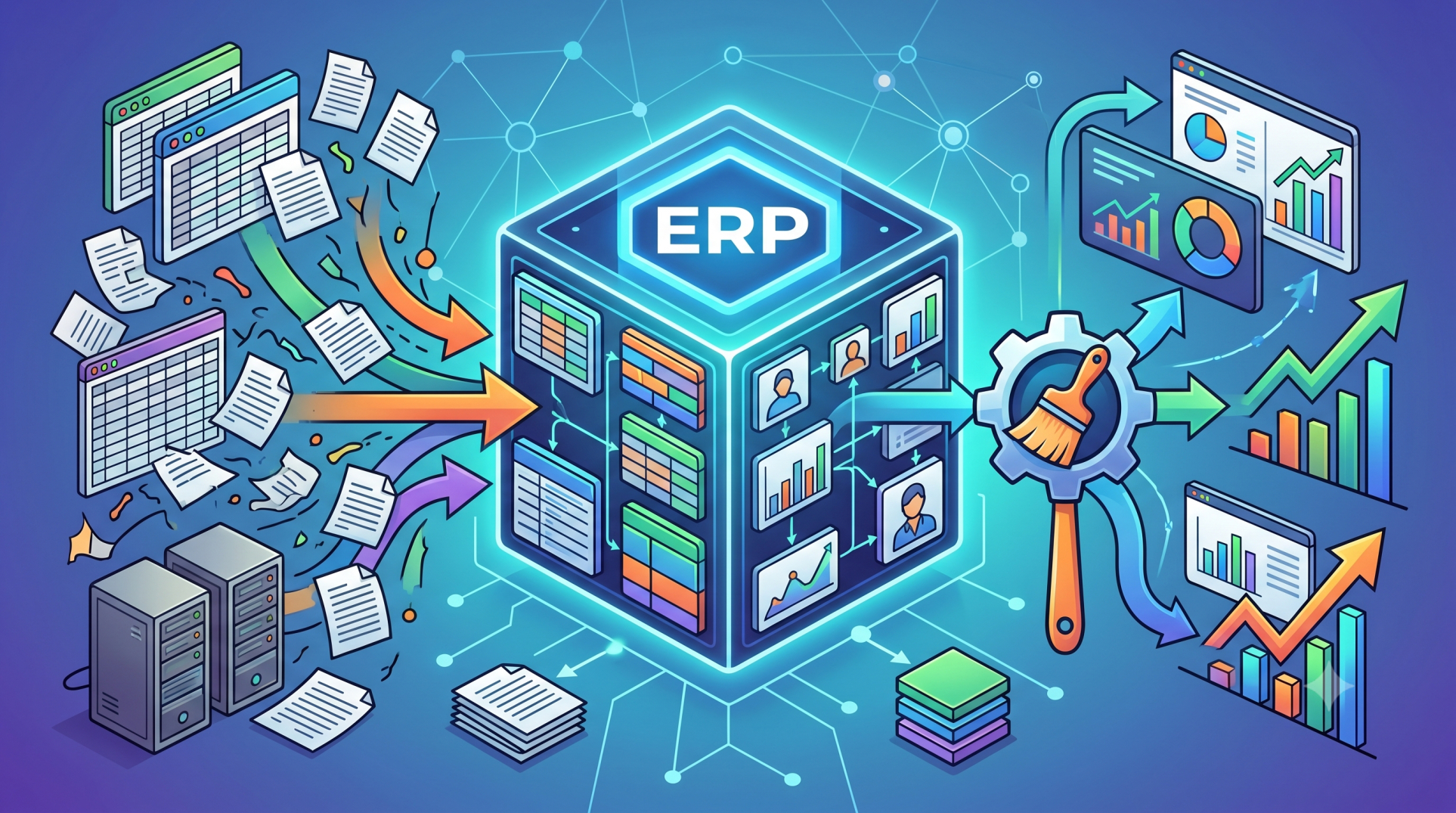
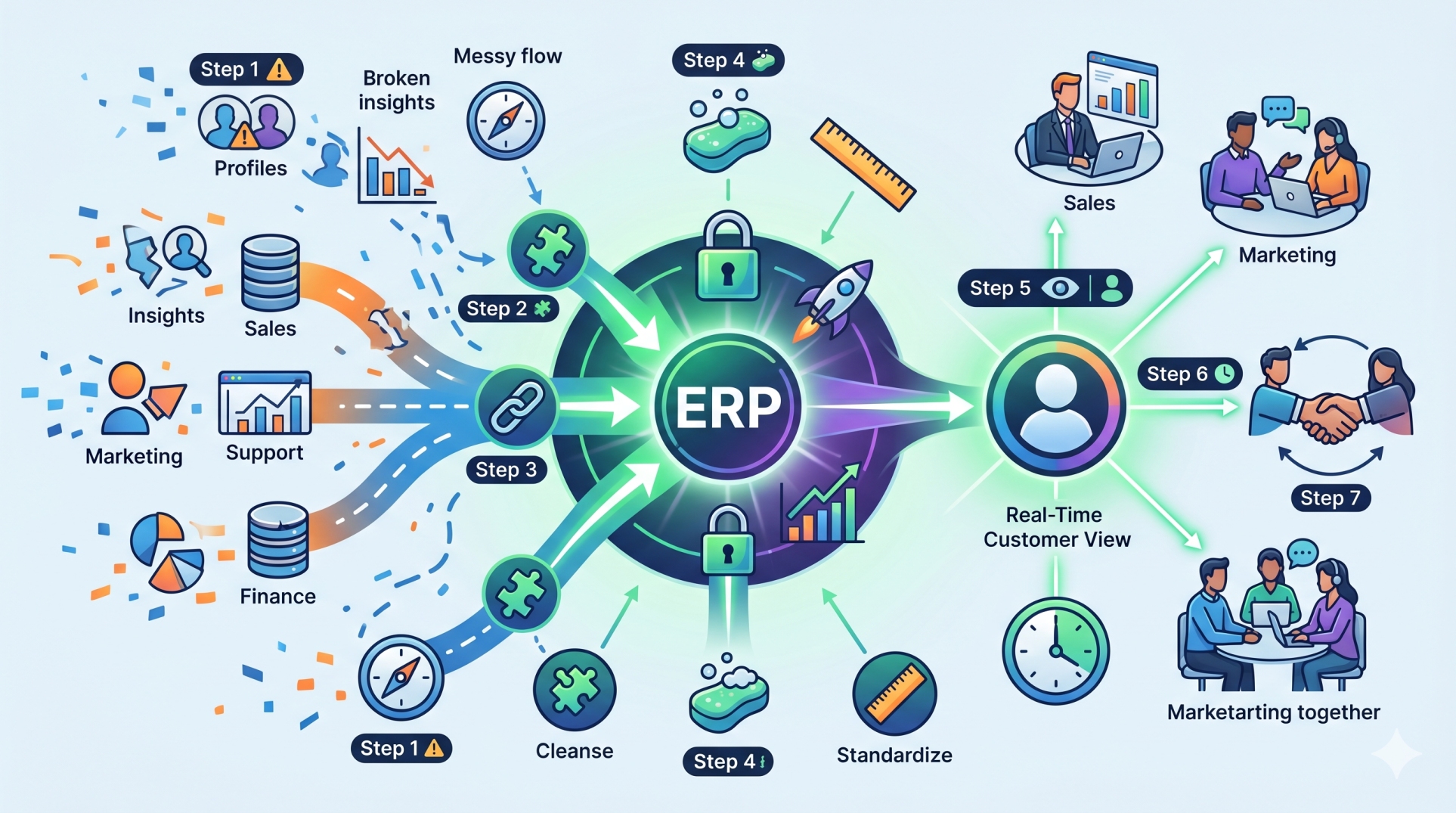
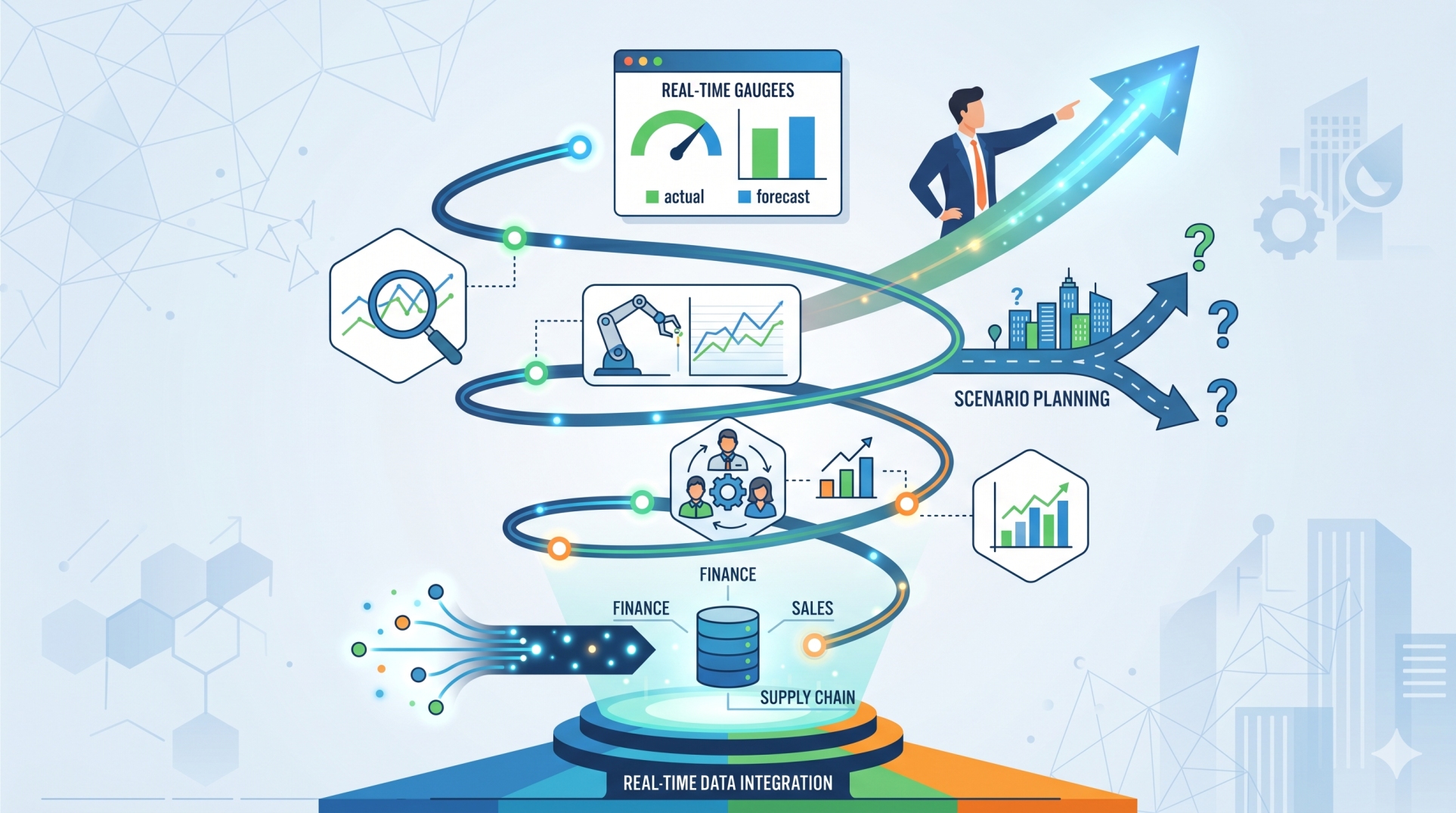
Step 1: Centralizing Financial Data 💼
• Consolidate financial information from multiple departments into one system 📊
• Eliminate disconnected spreadsheets and manual reporting processes 🧩
• Create a single source of truth for financial operations 🔍
• Improve consistency across accounting and reporting functions ✅
• Enable faster access to critical financial information ⏱️
Step 2: Improving Real-Time Financial Visibility 👁️
• Monitor financial performance through real-time dashboards 📈
• Track revenue, expenses, and cash flow continuously 💰
• Enable instant access to operational and financial metrics ⚡
• Support faster decision-making with live data insights 🧠
• Reduce delays caused by manual reporting cycles 🔄
Step 3: Enhancing Accuracy and Data Integrity 🔐
• Automate financial calculations and transaction recording 🤖
• Reduce human errors associated with manual data entry ✍️
• Standardize financial workflows across the organization ⚙️
• Ensure consistent reporting structures and validation rules 📑
• Maintain reliable and accurate financial records 🏛️
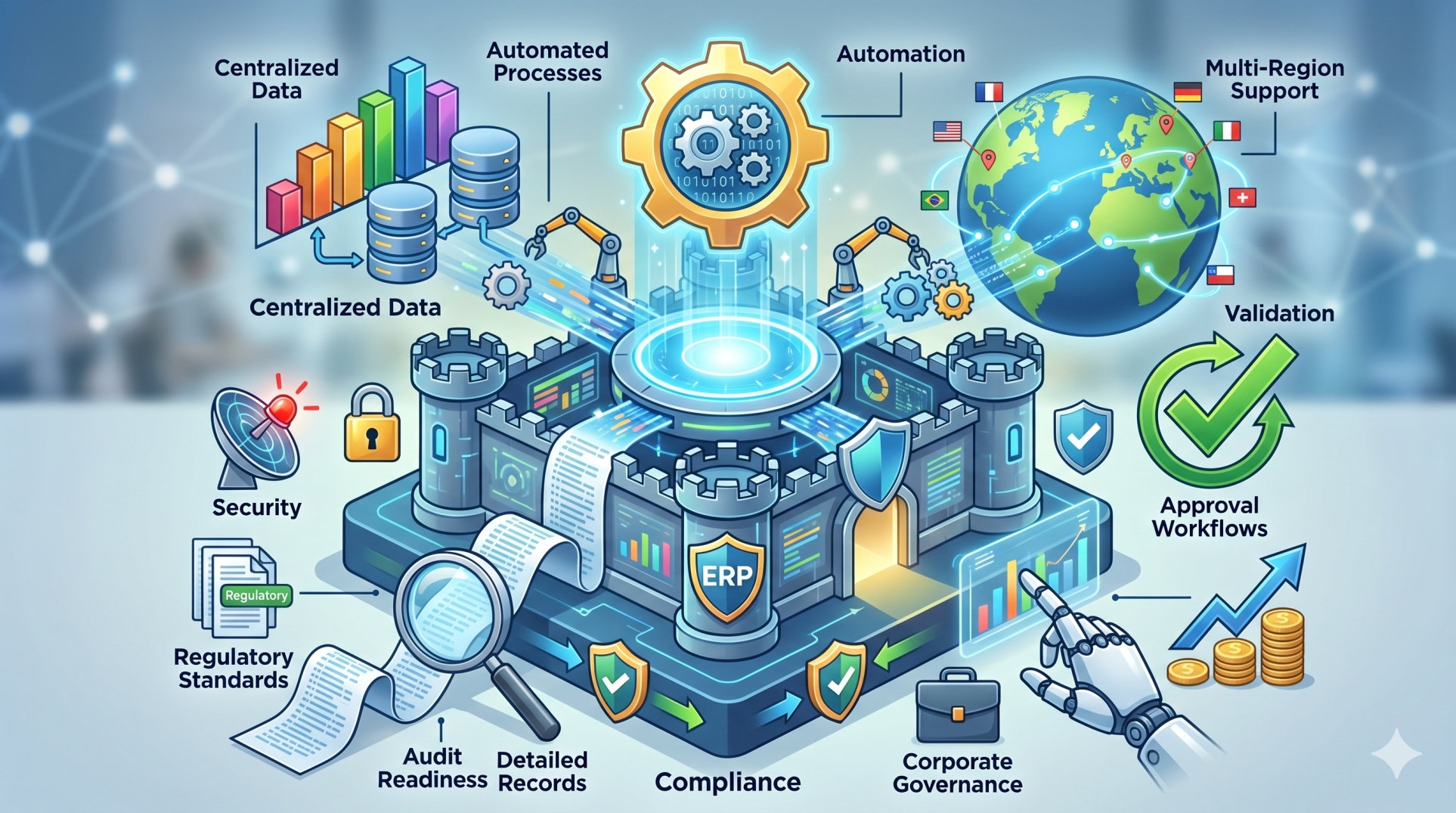
Step 4: Strengthening Compliance and Audit Readiness 📜
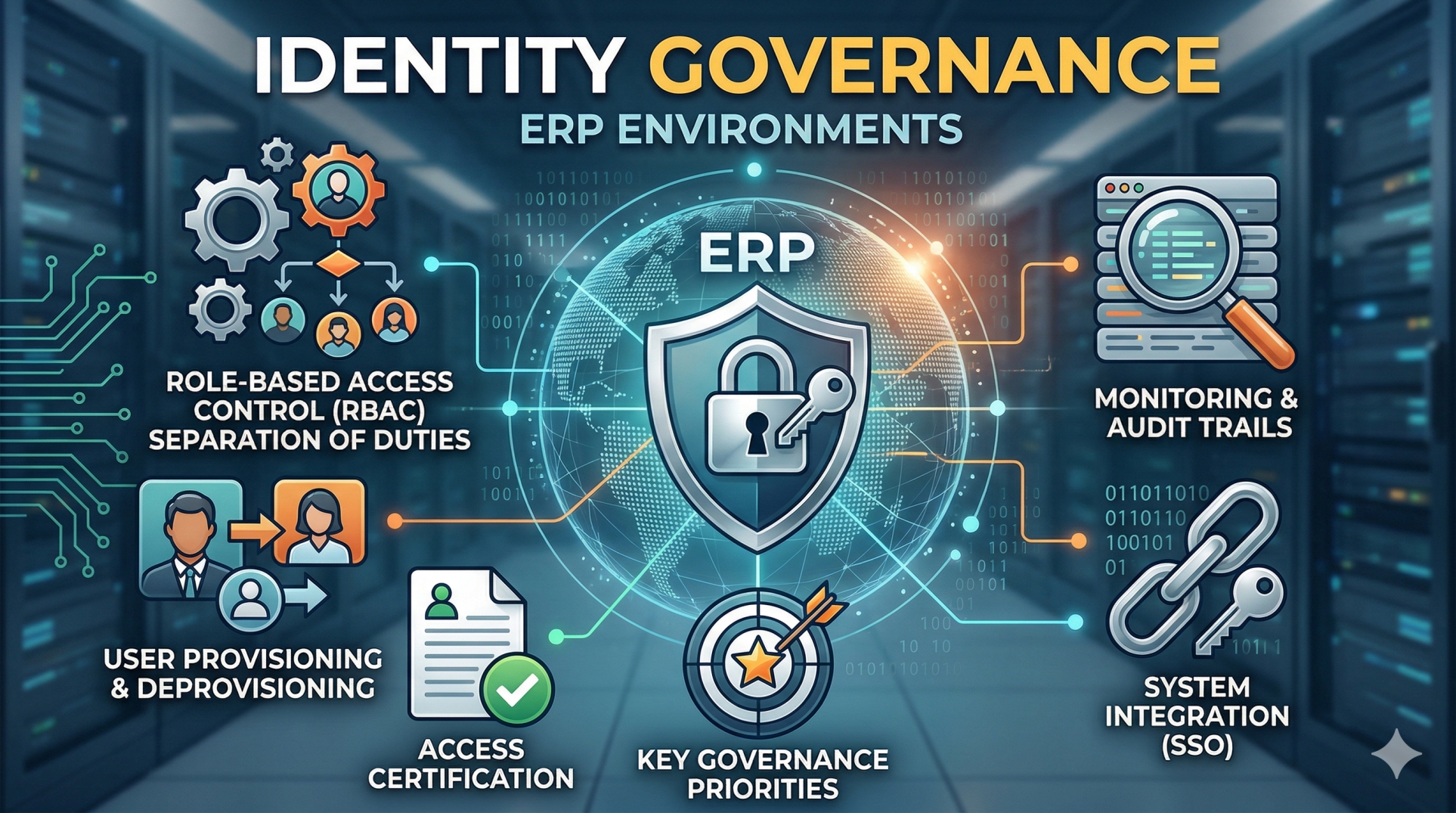
• Maintain detailed audit trails for all financial transactions 🔍
• Support regulatory compliance through standardized reporting 🏢
• Improve transparency for internal and external audits 📂
• Monitor financial controls and approval processes 🛡️
• Adapt reporting frameworks to changing regulations 🔄
Step 5: Streamlining Financial Reporting 📊
• Generate automated financial statements and reports 📈
• Reduce reporting preparation time significantly ⏳
• Enable customized reporting for executives and departments 🧠
• Consolidate financial data across business units 🌐
• Improve reporting accuracy and consistency 📑
Step 6: Supporting Budgeting and Forecasting 💡
• Use historical and real-time data for financial planning 📊
• Improve forecasting accuracy with integrated analytics 🔮
• Track budget performance against actual spending 💰
• Identify financial trends and operational risks early 🚨
• Support proactive financial decision-making 🧭
Step 7: Increasing Operational Accountability 👥
• Provide visibility into departmental spending and performance 👁️
• Track approvals and financial responsibilities clearly 📋
• Improve accountability across teams and business units 🤝
• Enable role-based access to financial information 🔐
• Encourage disciplined financial management practices 📘
Step 8: Key Financial Transparency Priorities 📌
• Centralized and accurate financial data 📊
• Real-time visibility into financial operations ⚡
• Strong compliance and audit capabilities 🏛️
• Reliable reporting and forecasting processes 📈
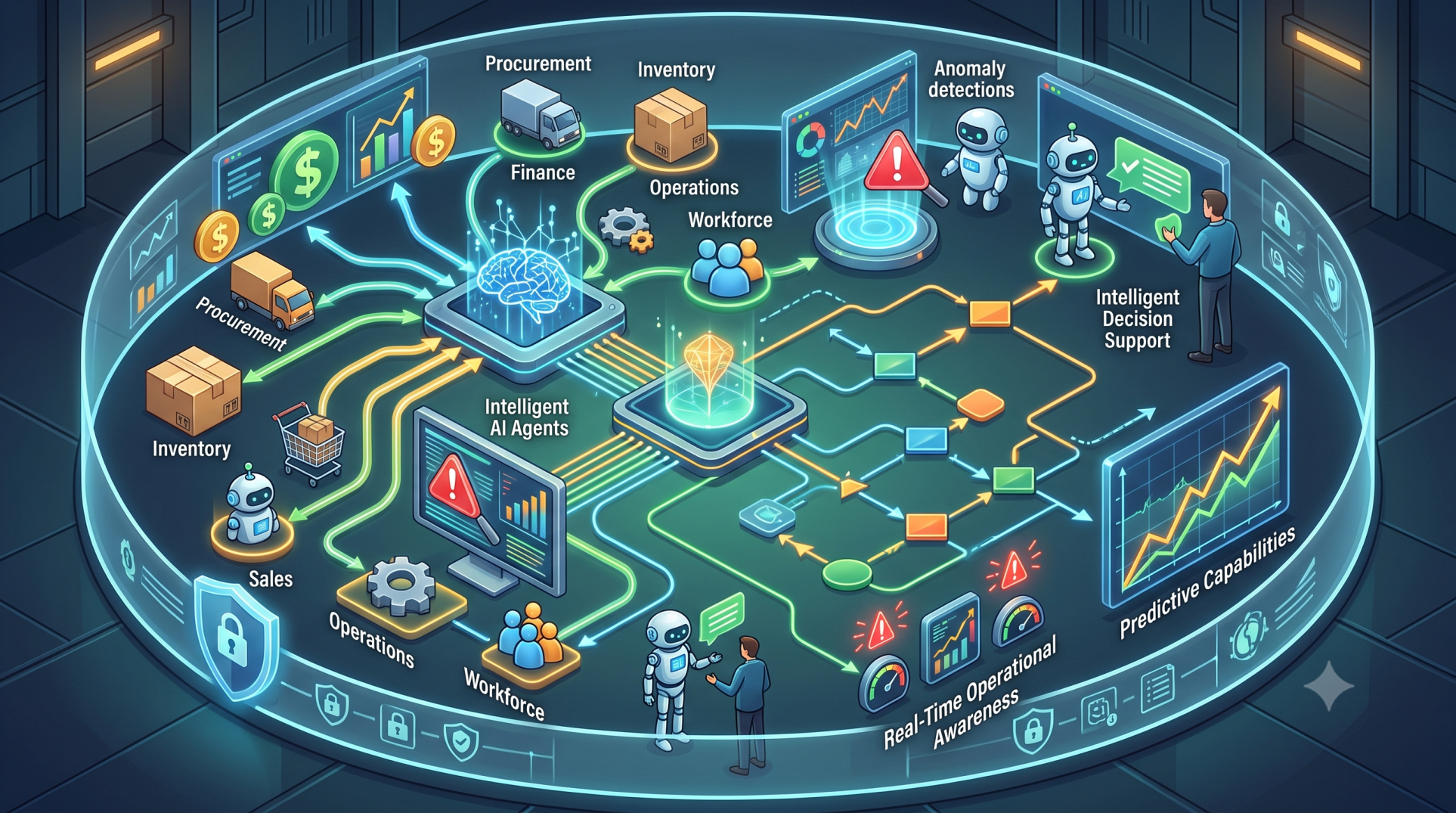
Step 9: Reducing Financial Risks ⚠️
• Detect anomalies and inconsistencies through automated monitoring 🔍
• Minimize fraud risks with controlled workflows 🛡️
• Improve oversight of financial transactions and approvals 📑
• Strengthen internal controls across the organization 🔐
• Enable faster response to financial issues 🚀
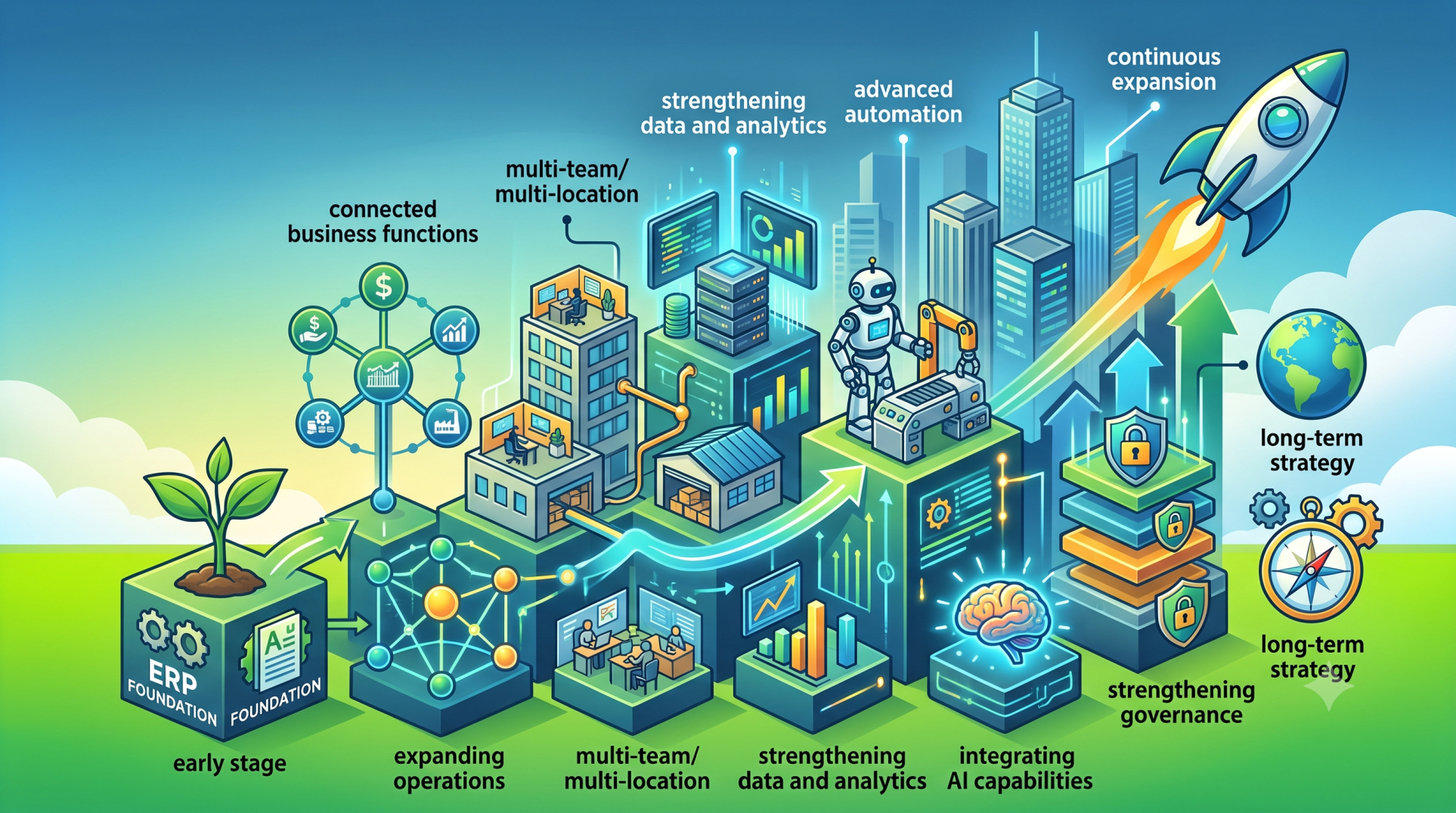
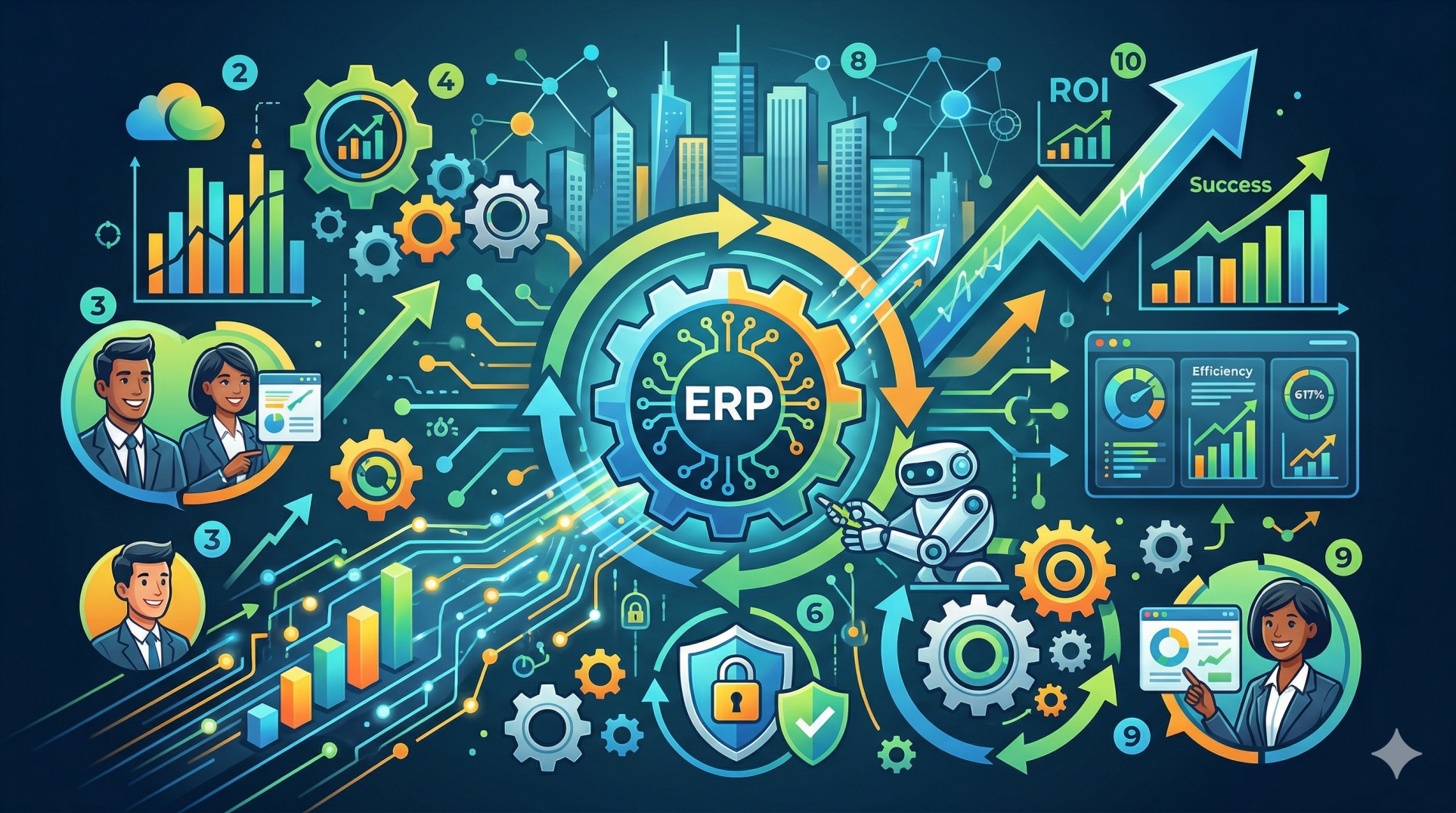
Step 10: Building a Data-Driven Financial Ecosystem 🚀
• Integrate ERP financial systems with analytics platforms 📊
• Support scalable financial operations as the business grows 🌍
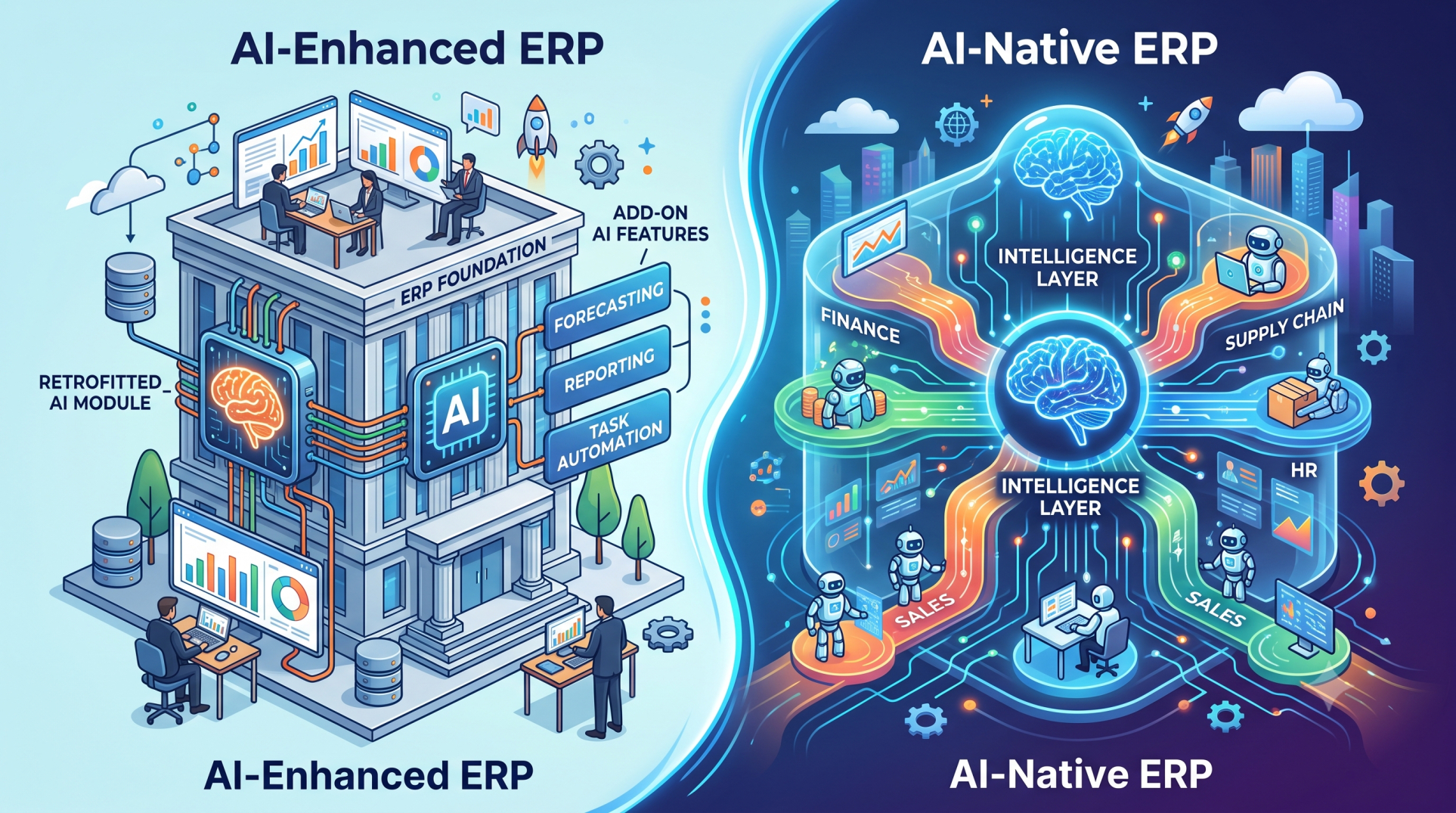
• Enable AI-driven financial insights and automation 🤖
• Improve collaboration between finance and operational teams 🤝
• Continuously optimize financial processes using data intelligence 🧠
Conclusion
Financial transparency enabled by ERP data systems allows organizations to gain greater control, improve compliance, and make more informed business decisions. By centralizing financial information and automating reporting processes, businesses can strengthen governance while increasing operational efficiency. A modern ERP-driven financial ecosystem not only improves visibility today but also supports long-term scalability and sustainable growth.
See more blogs
You can all the articles below