Customer Data Unification Through ERP Platforms
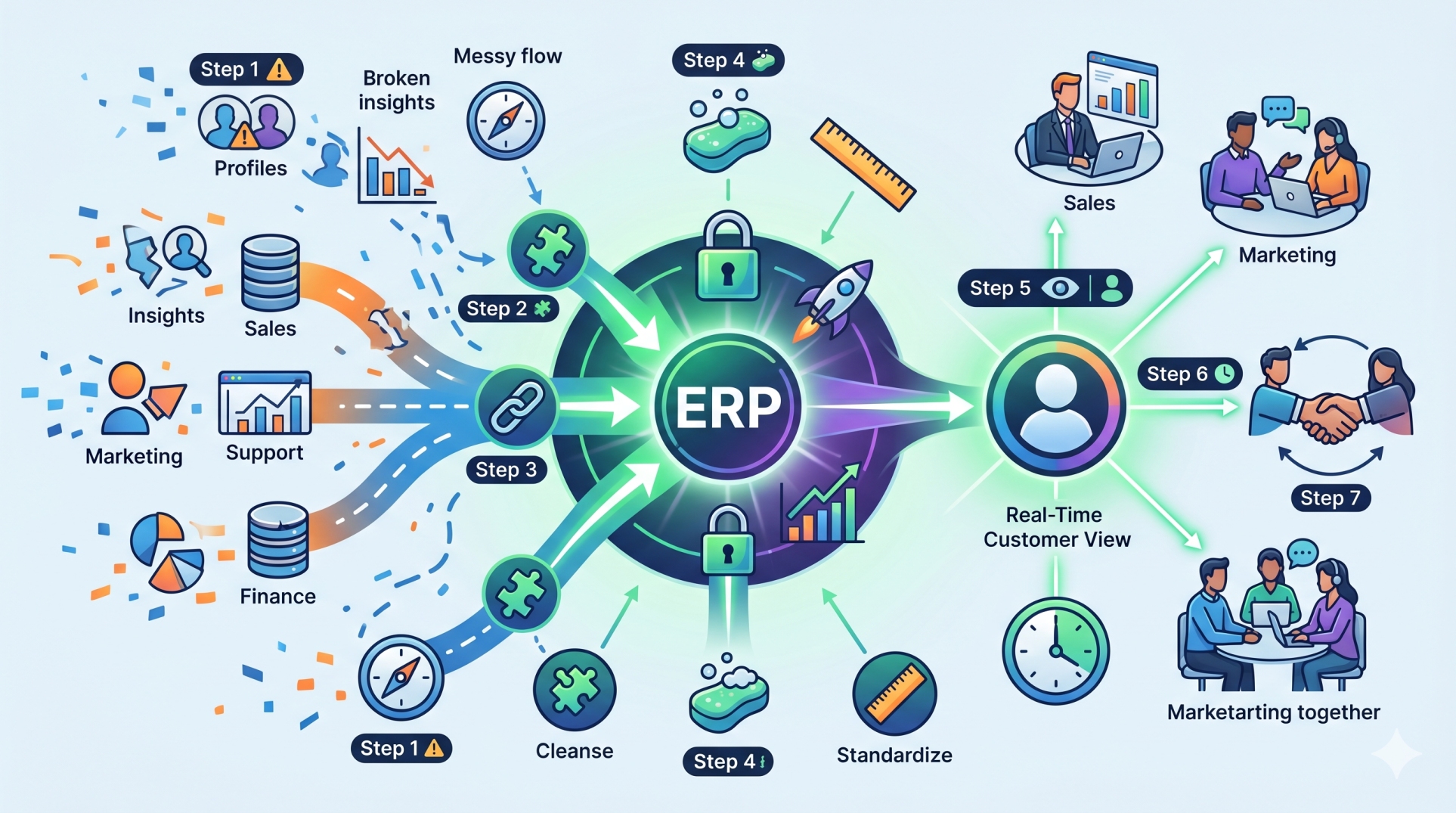
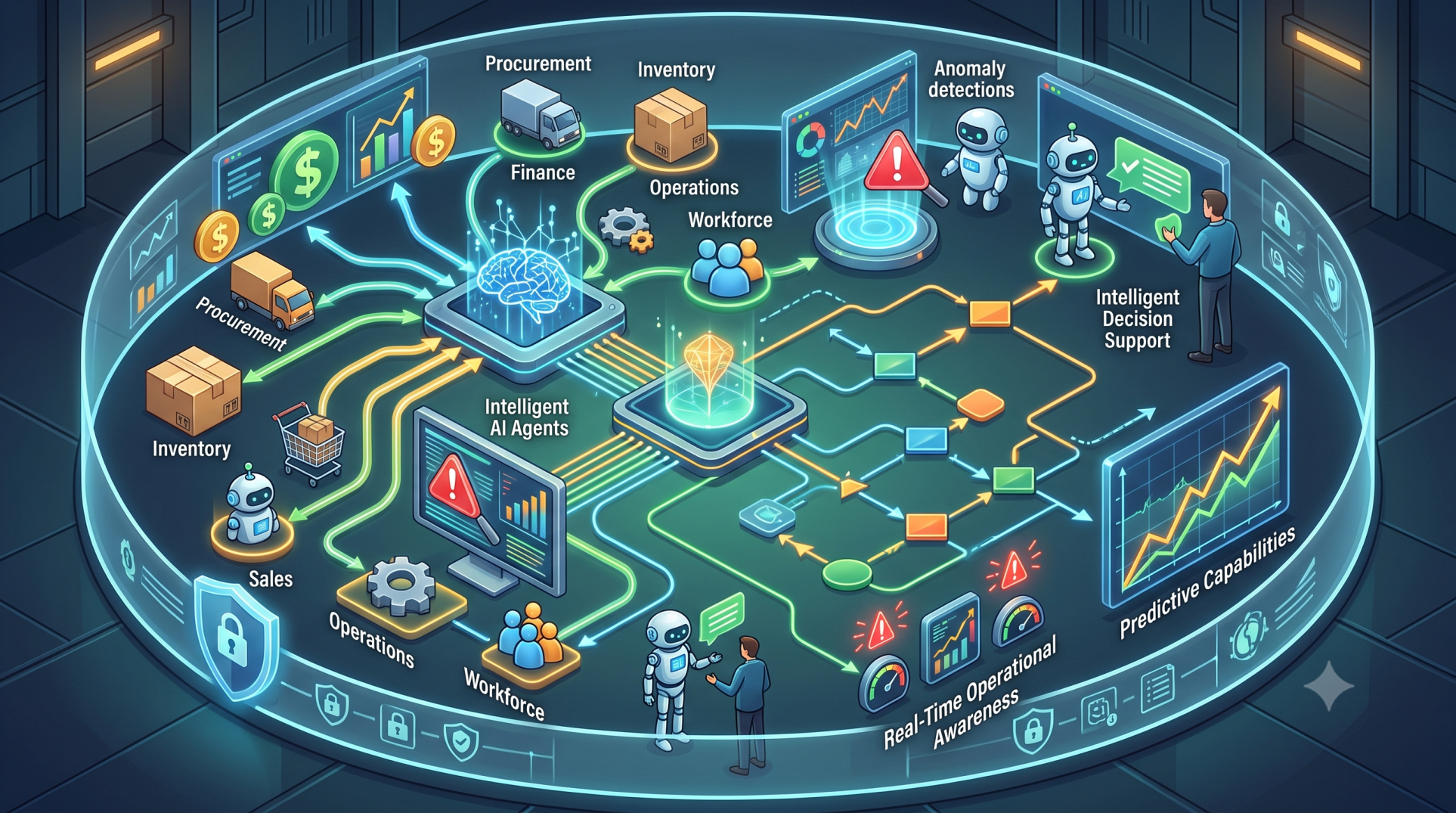
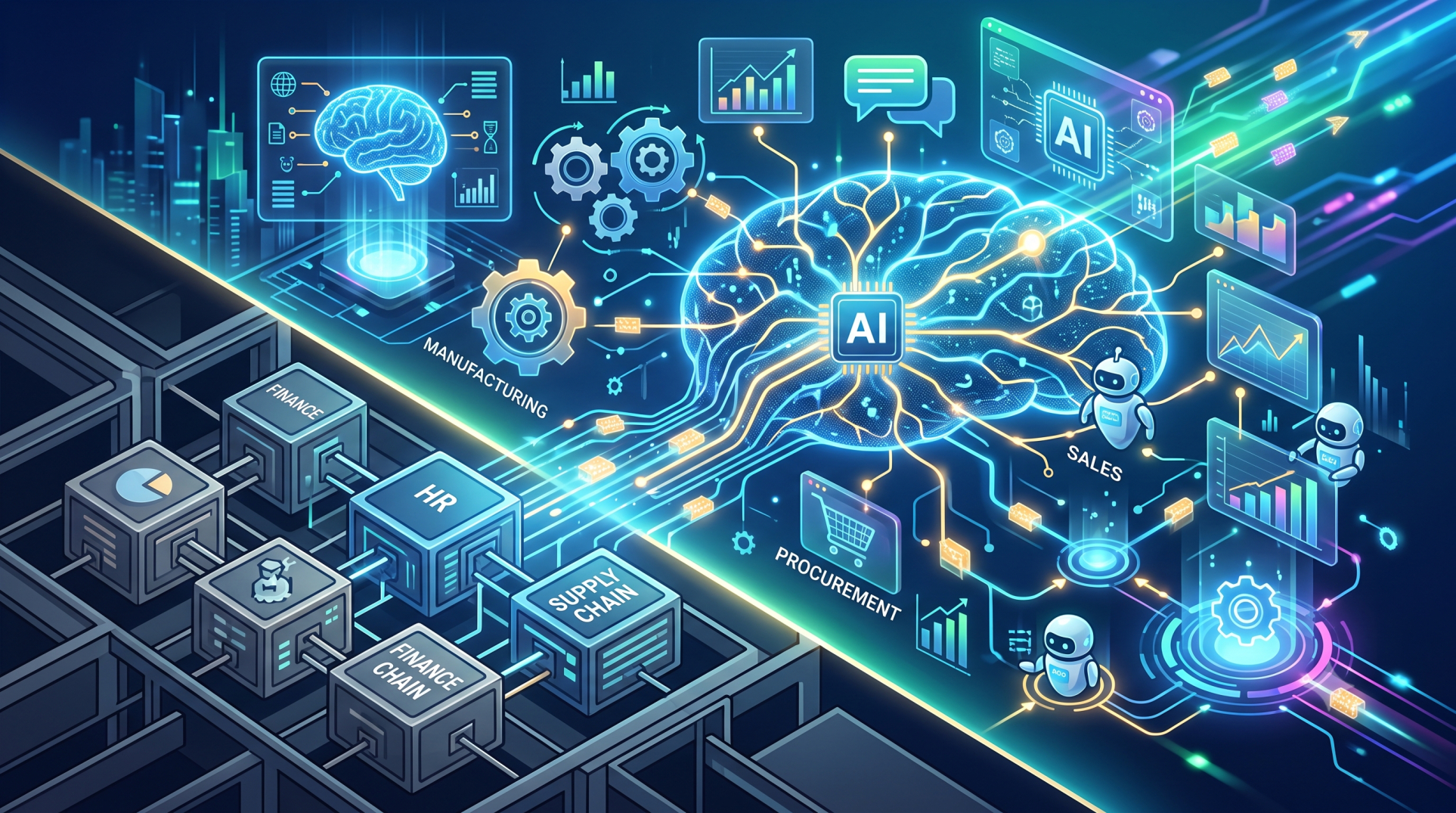
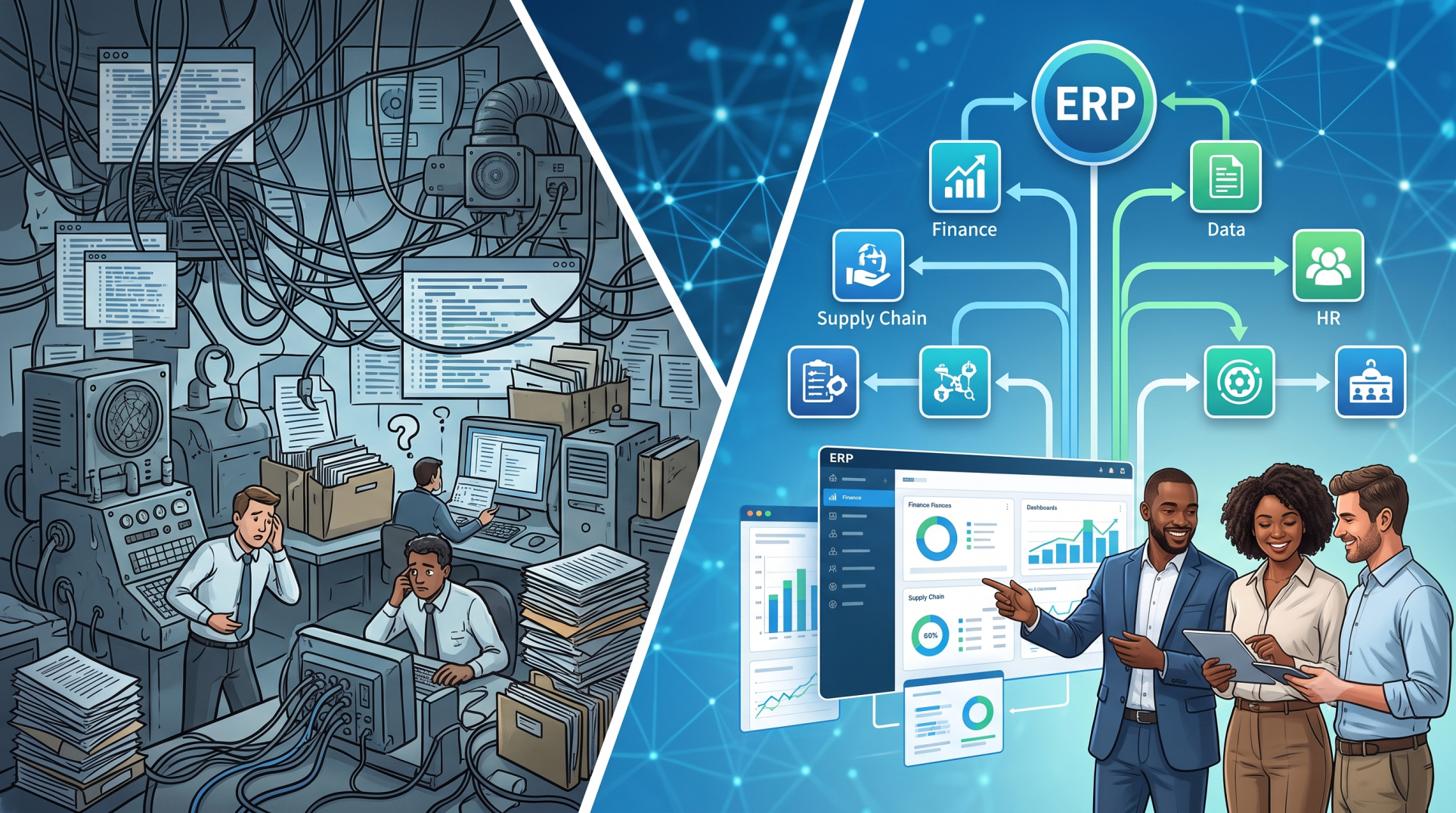
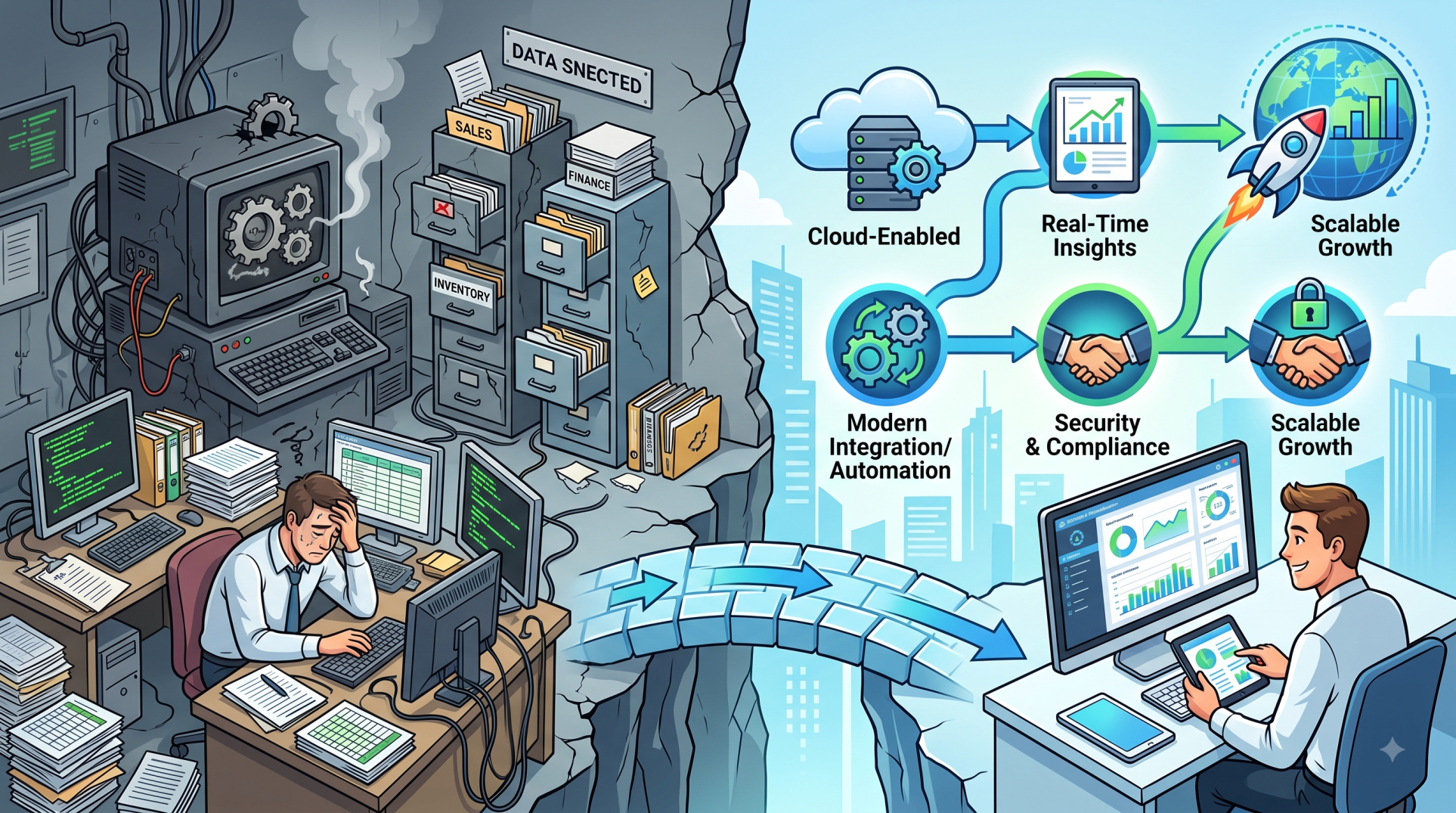
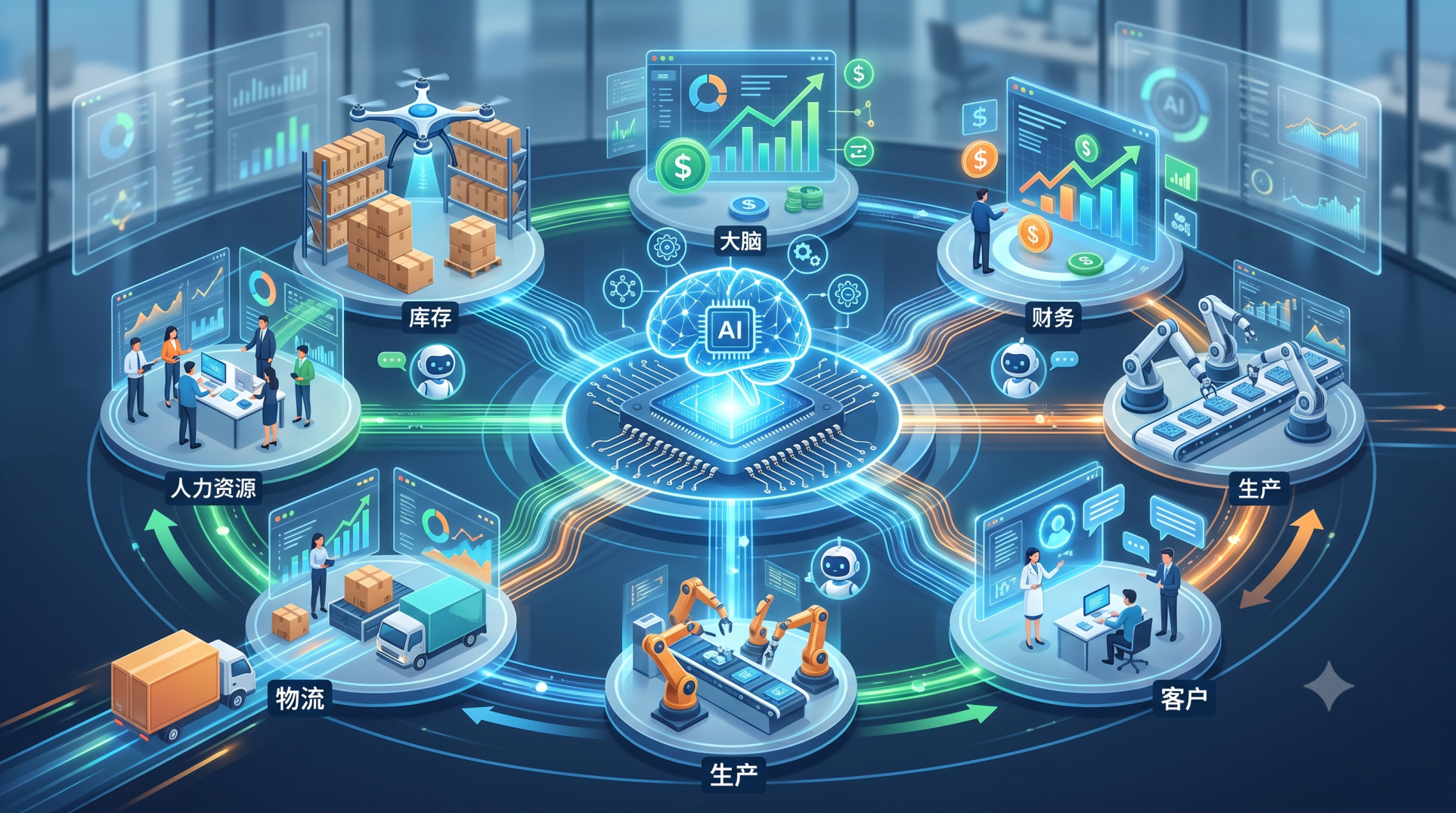
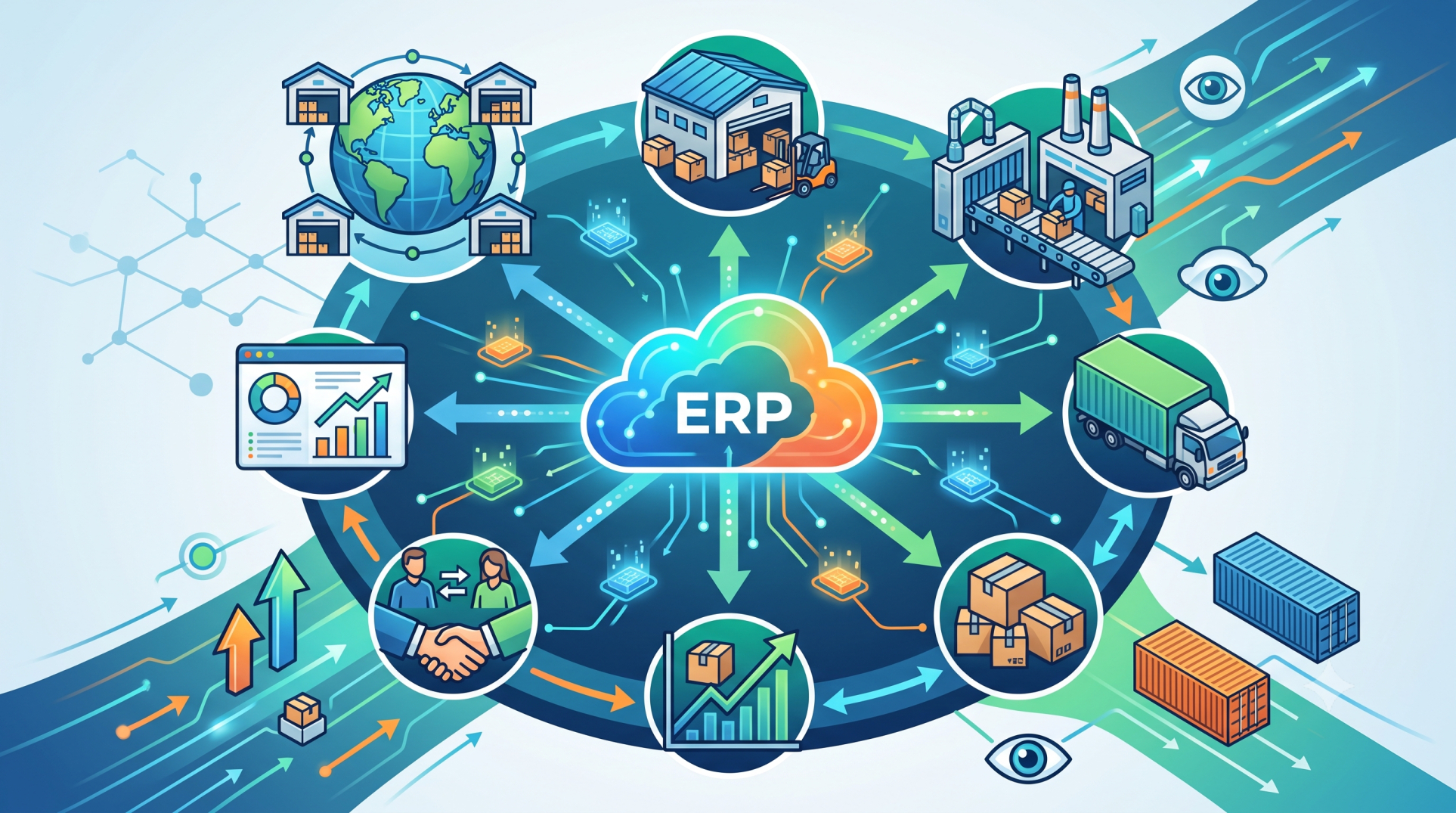
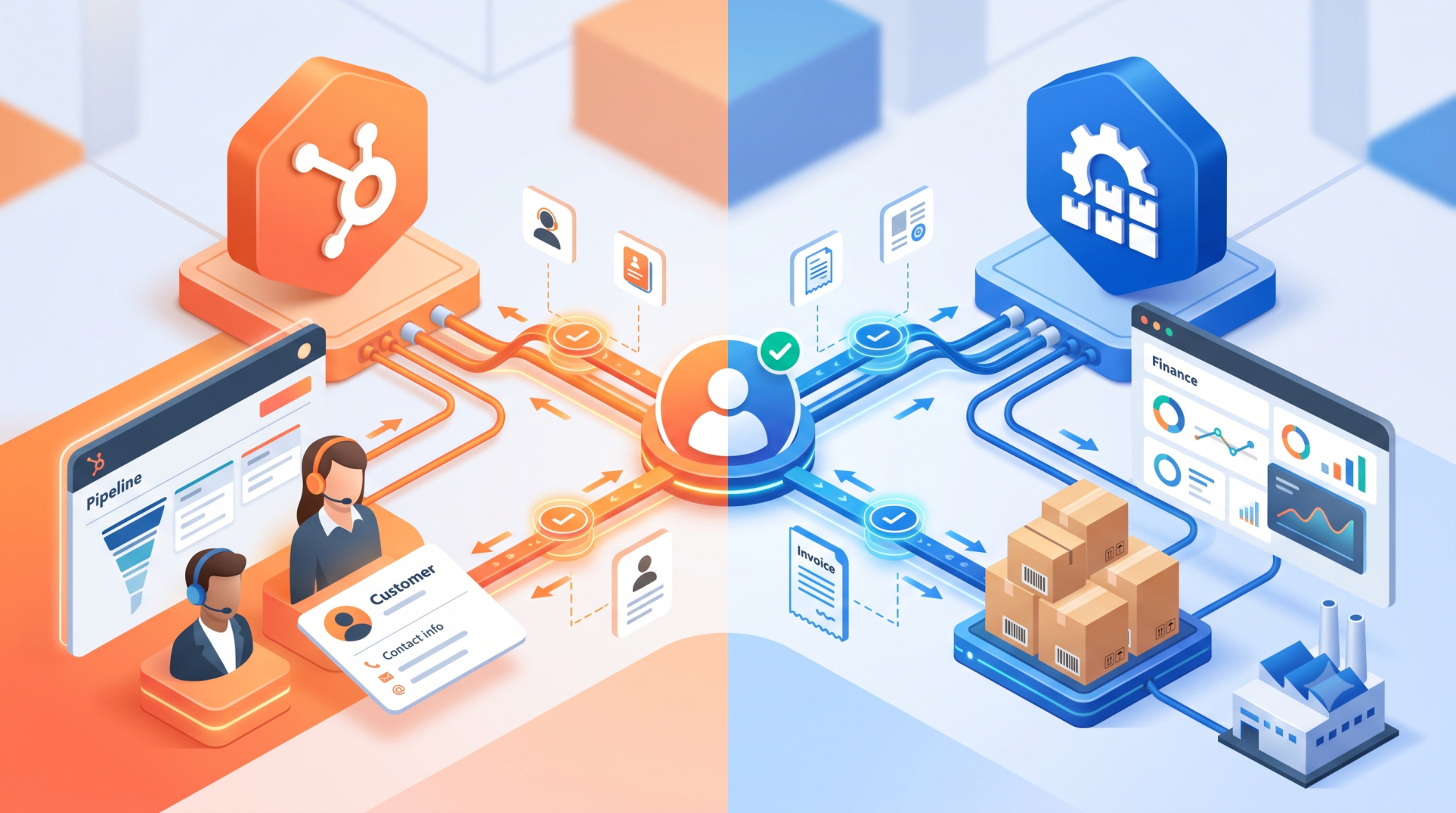
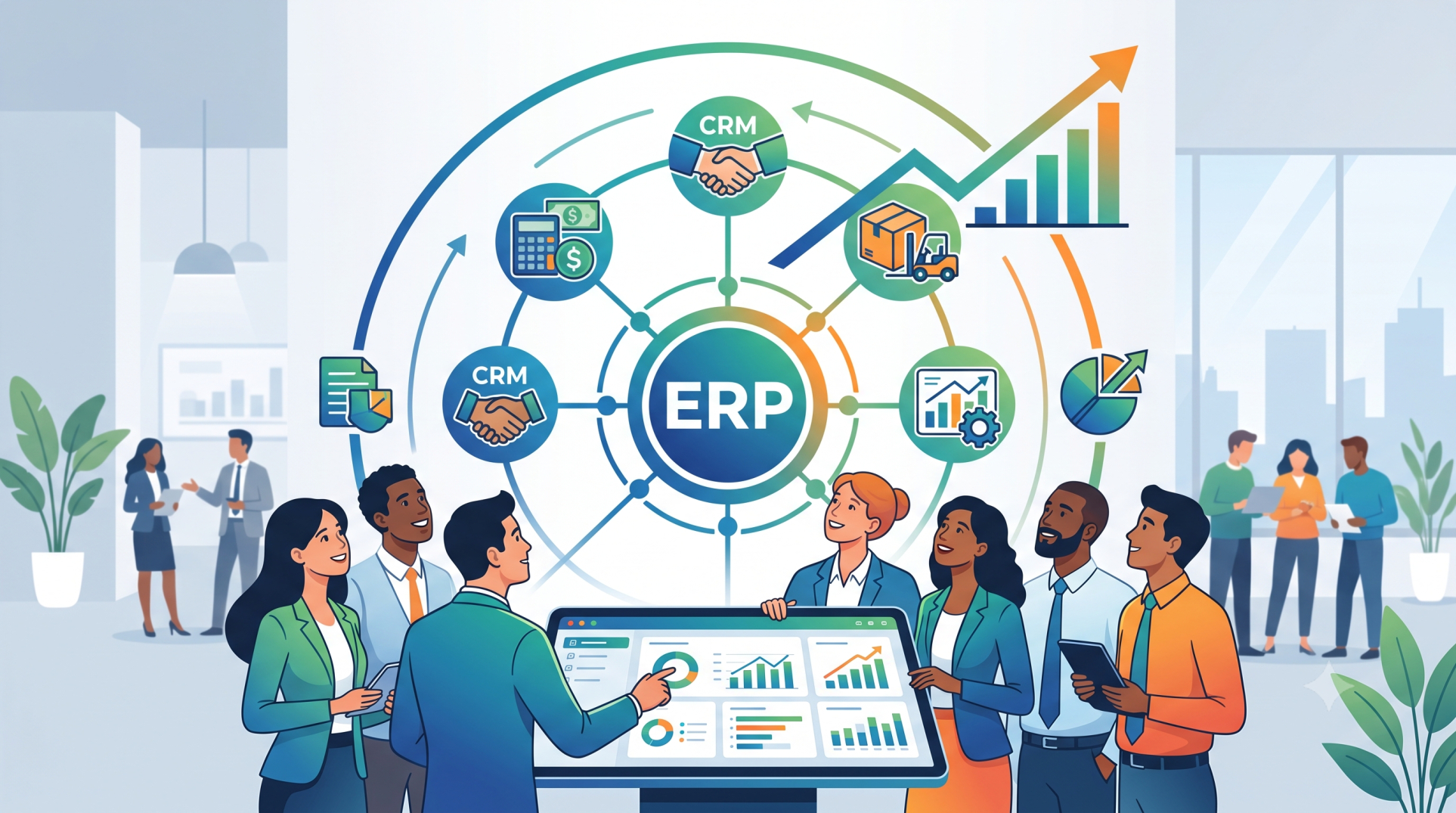
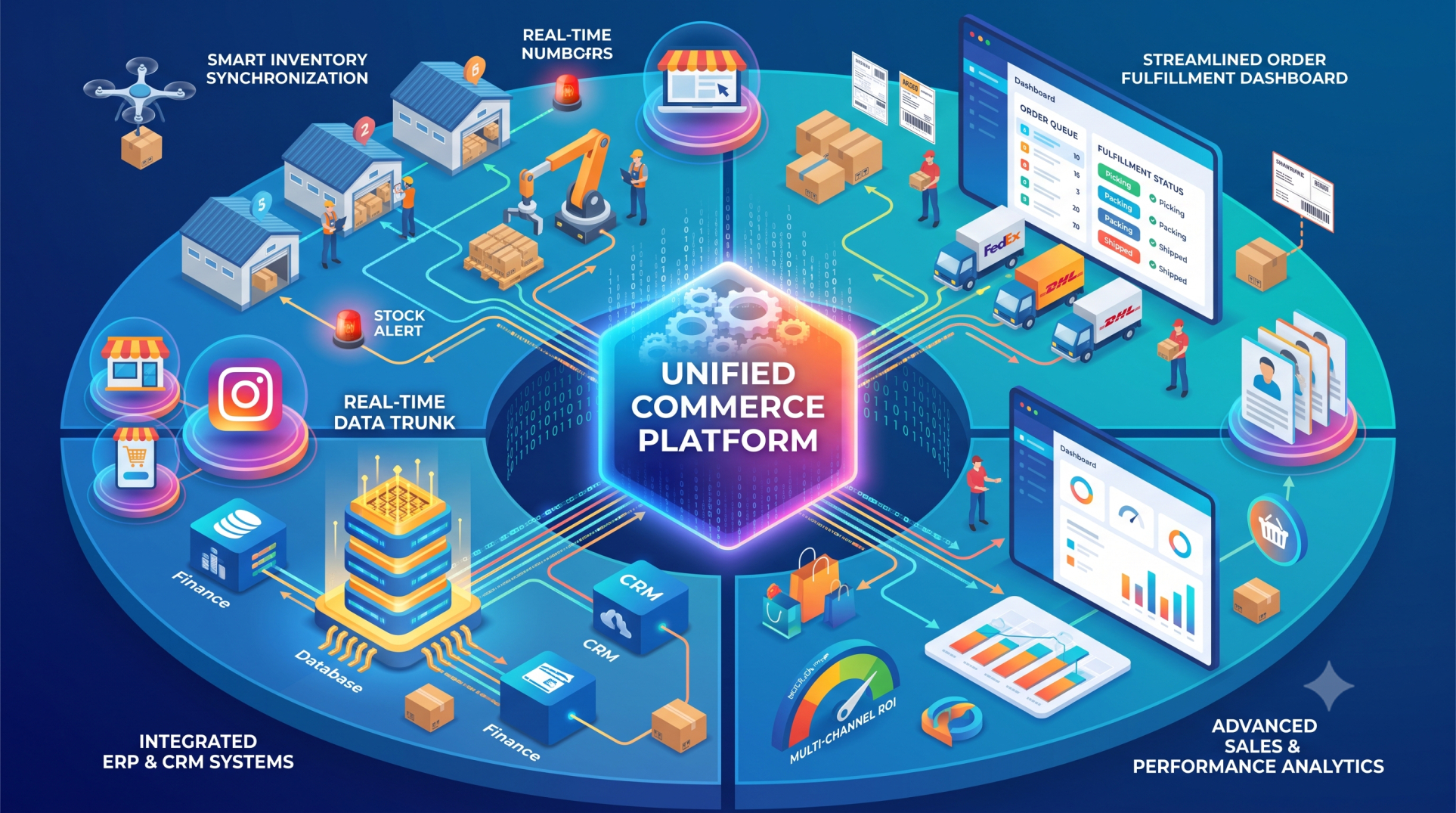
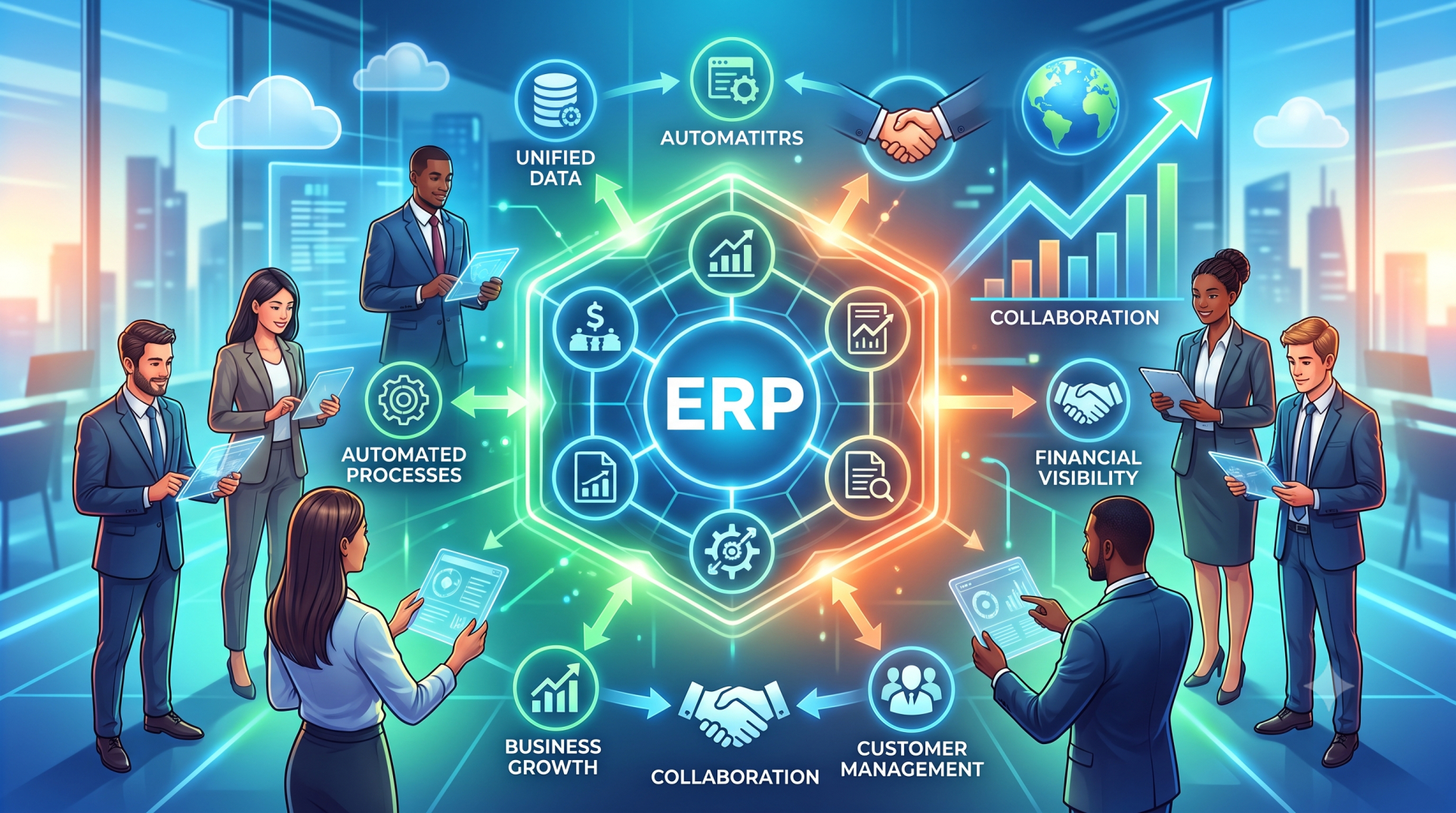
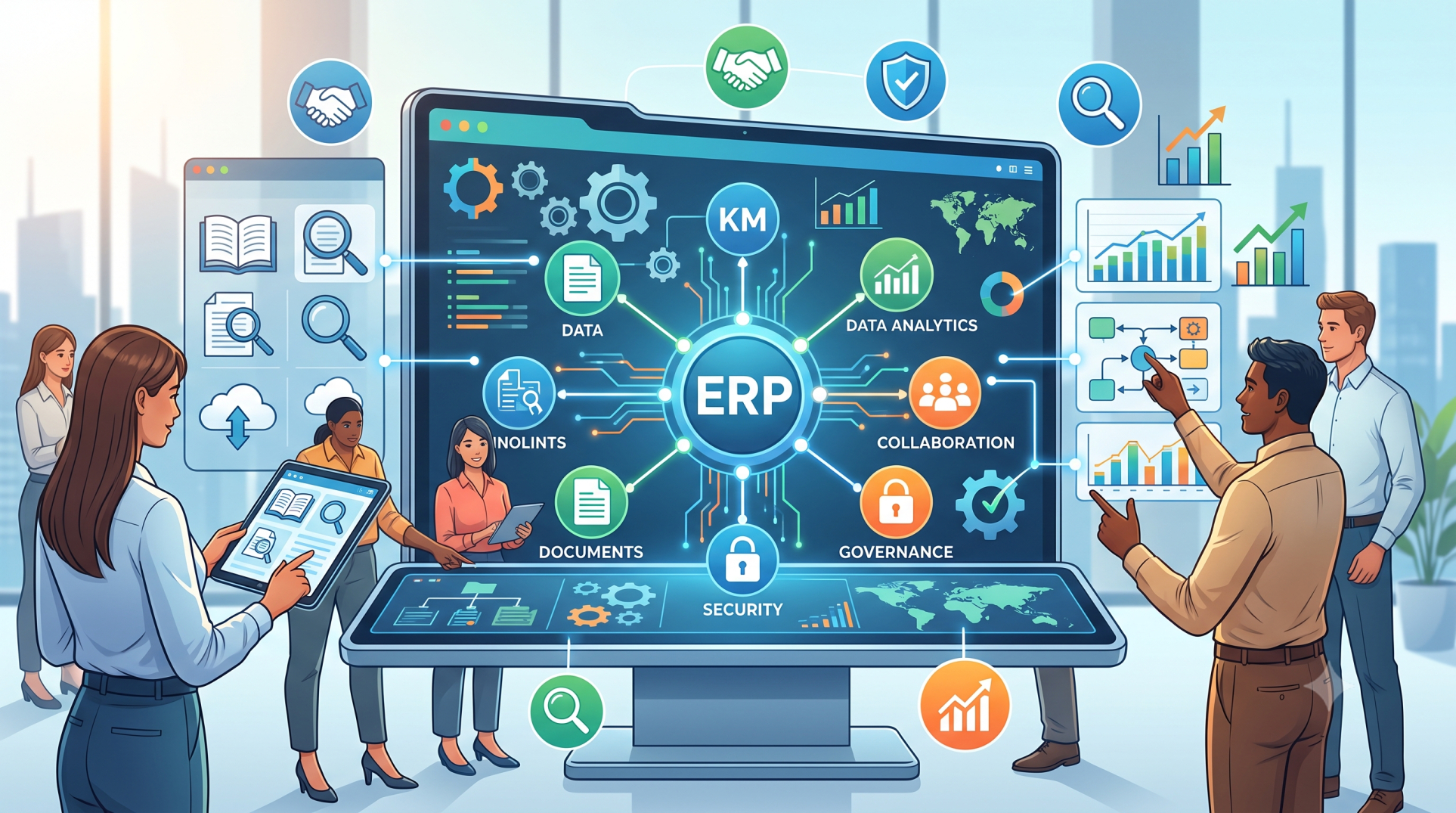
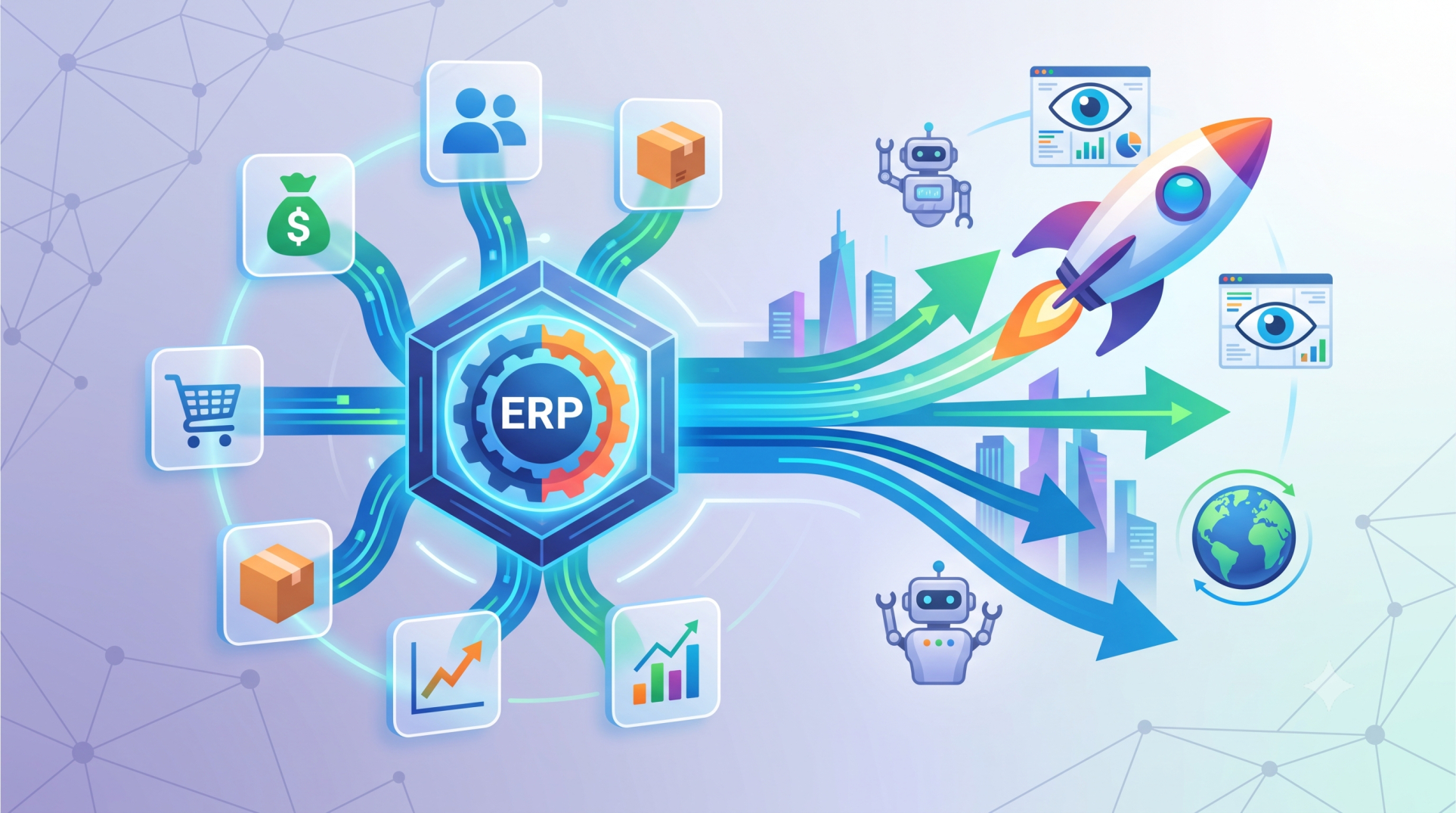
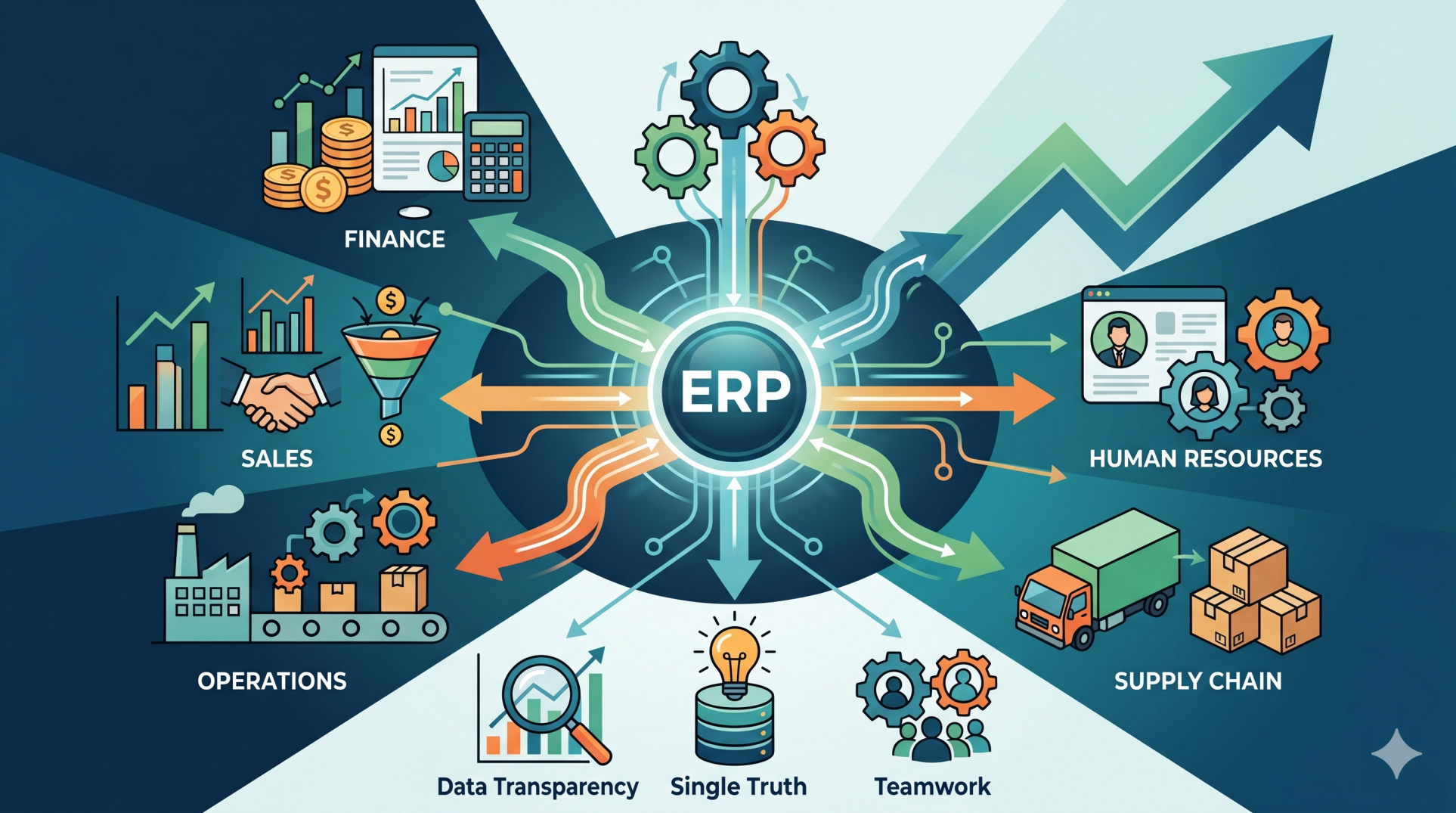
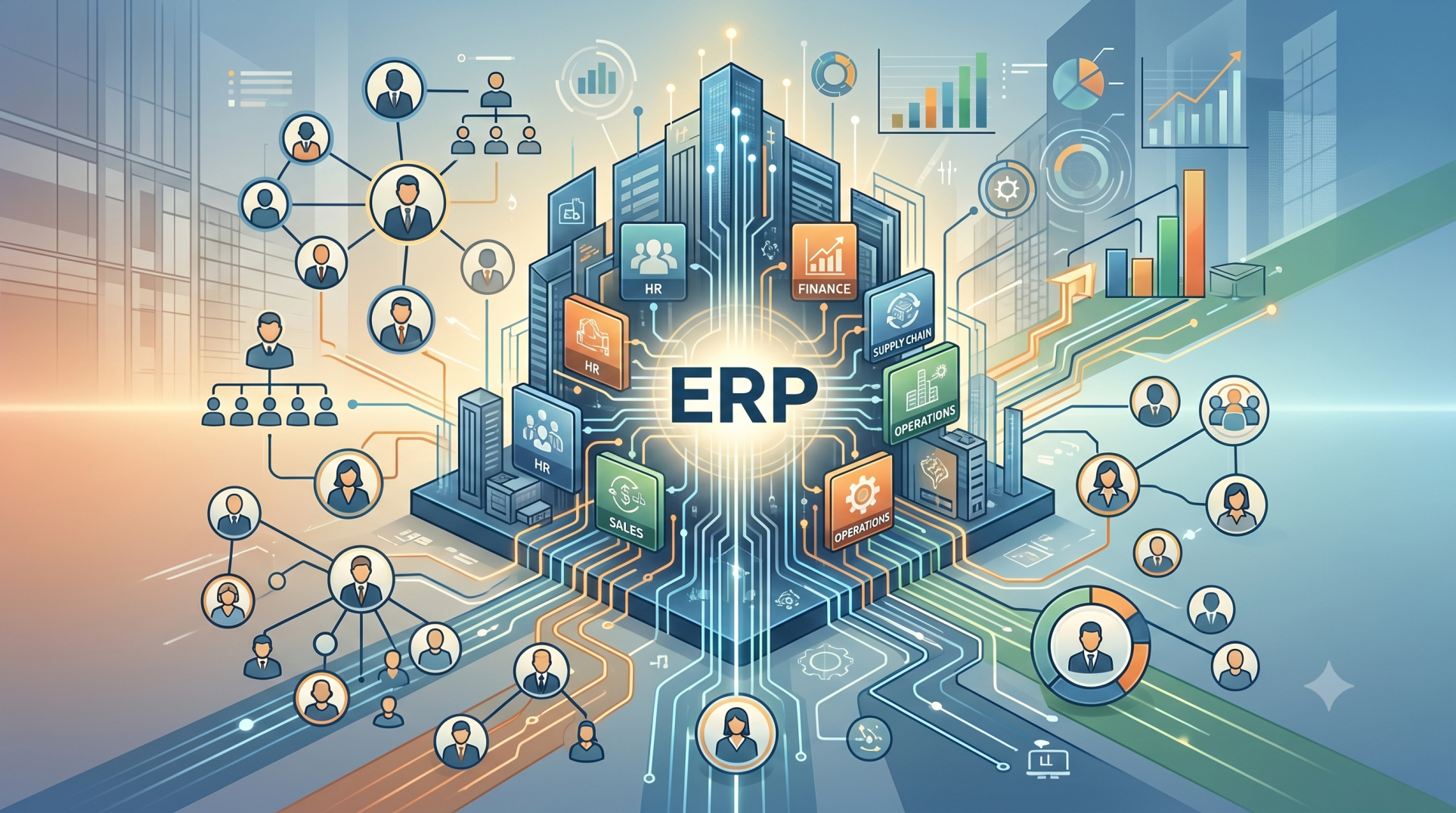
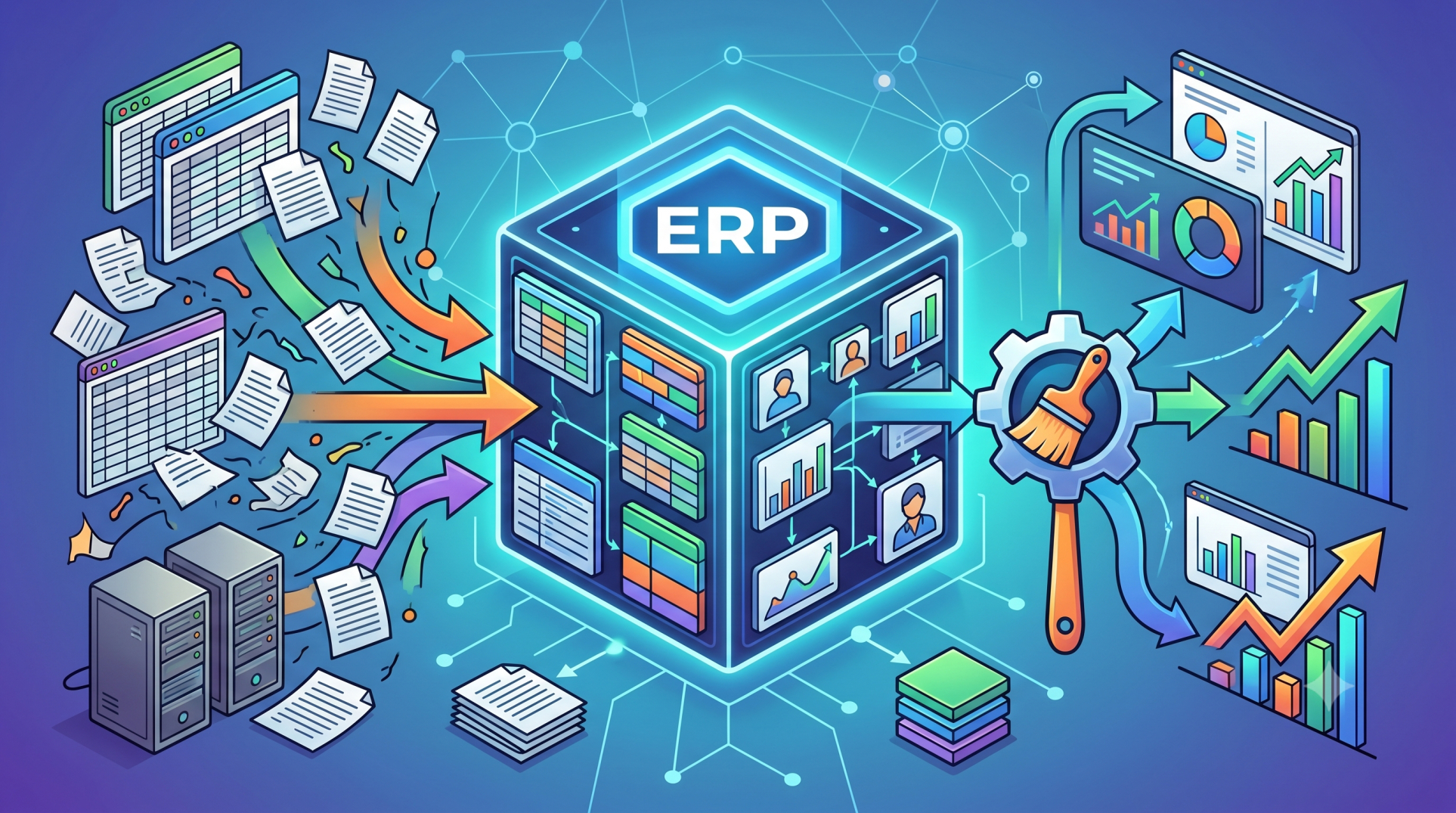
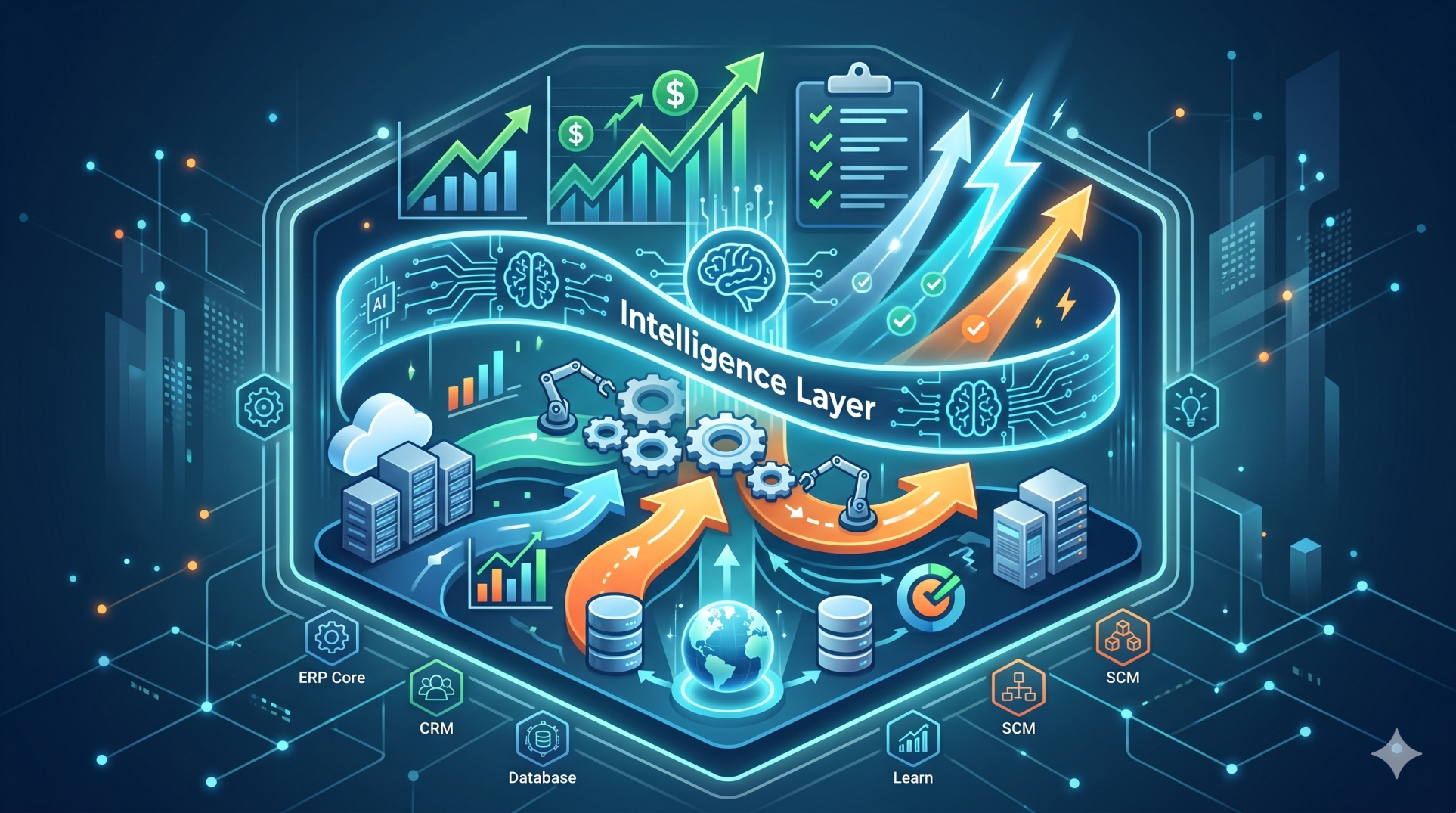
In today’s data-driven business landscape, customer information is often scattered across multiple systems—CRM tools, sales platforms, support systems, and marketing applications. This fragmentation leads to inconsistent insights, duplicated records, and missed opportunities. Unifying customer data through an ERP platform creates a single, reliable source of truth that enhances visibility, improves decision-making, and delivers a seamless customer experience across all touchpoints.
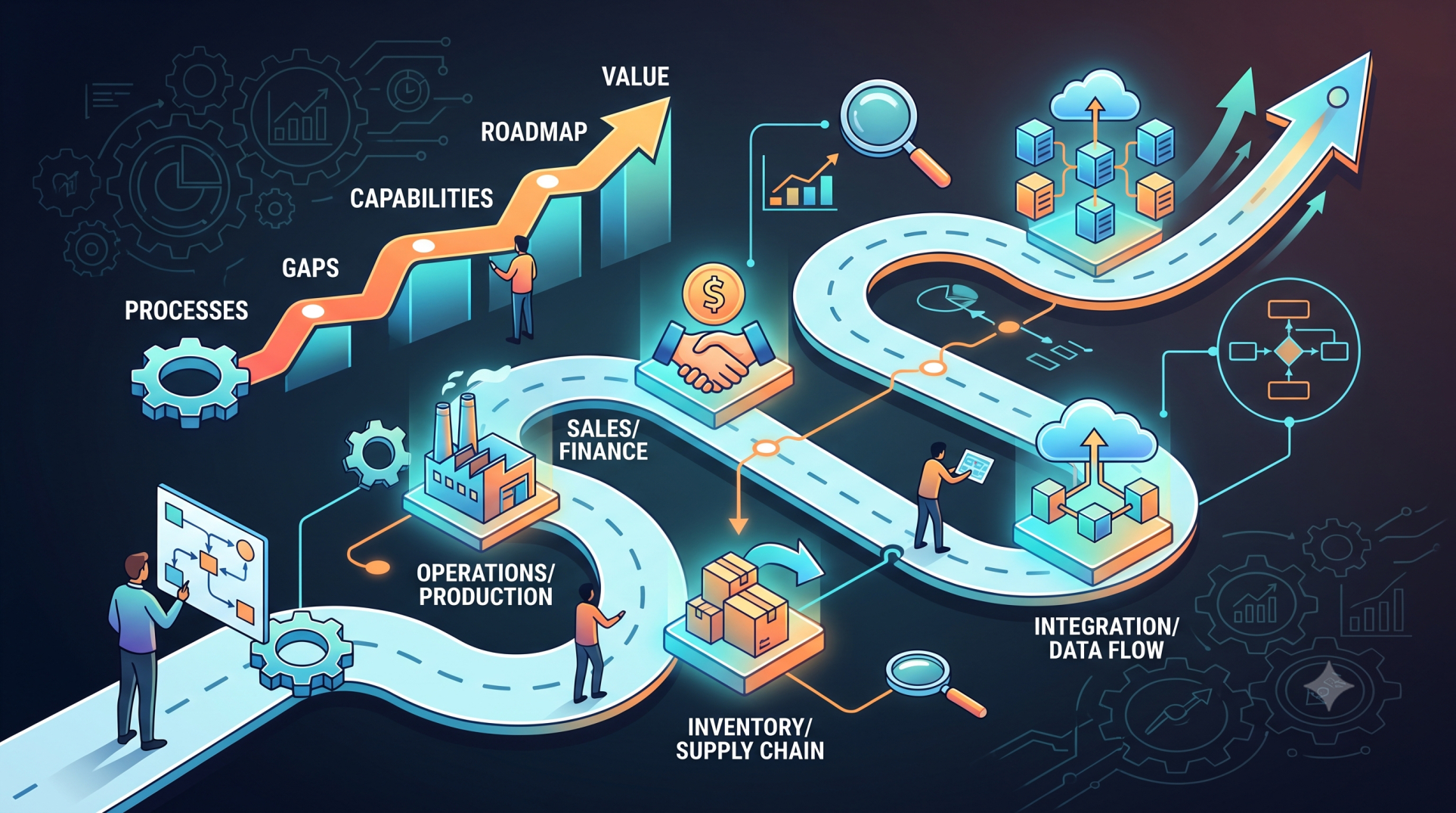
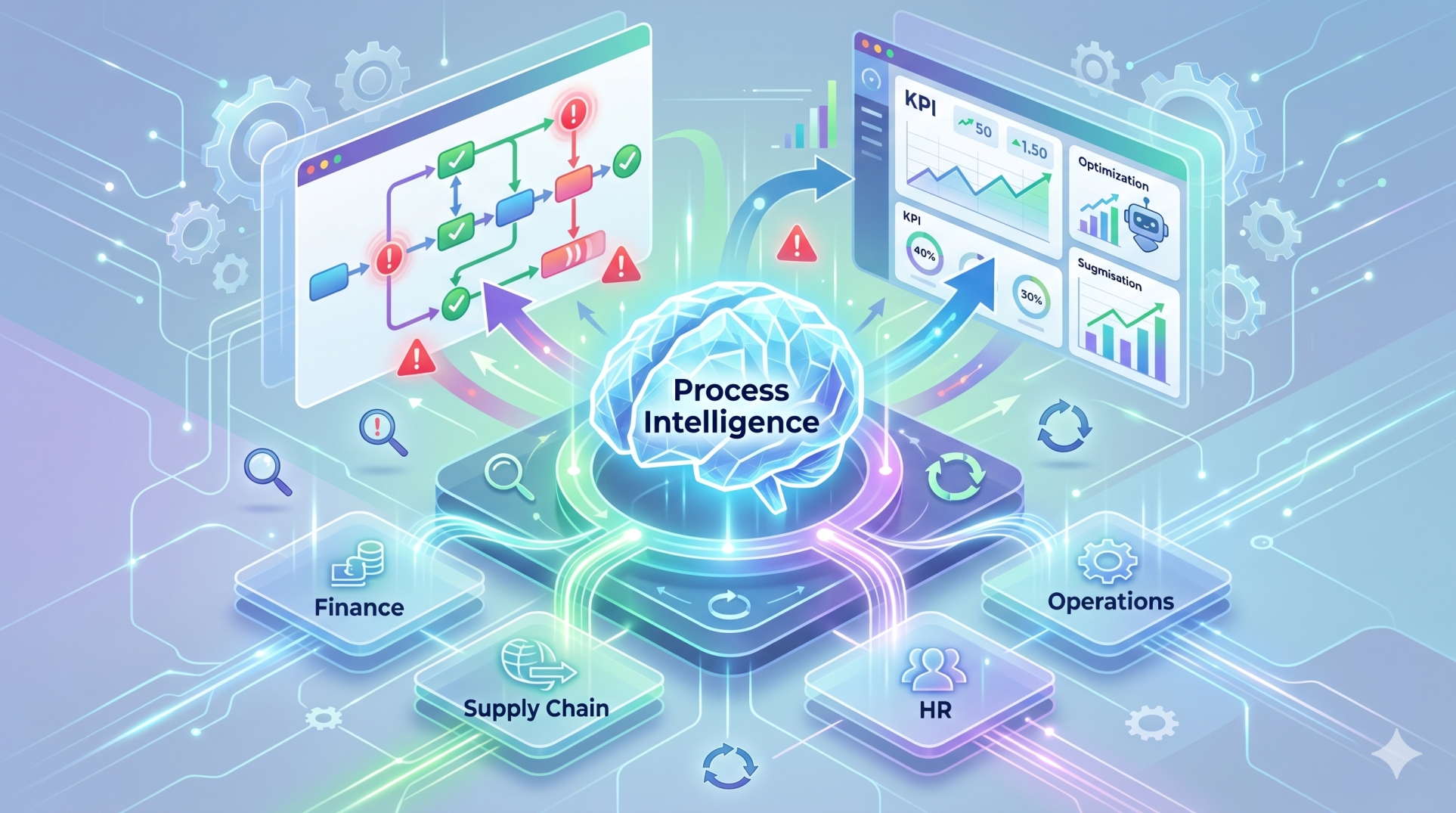
Step 1: Identifying Data Silos 🔍
• Locate customer data across CRM, sales, support, and marketing systems 🔍
• Identify inconsistencies and duplicate records ⚠️
• Analyze how fragmented data impacts business decisions 📉
• Map data flows between disconnected systems 🧭
• Establish the need for a unified data strategy 📌
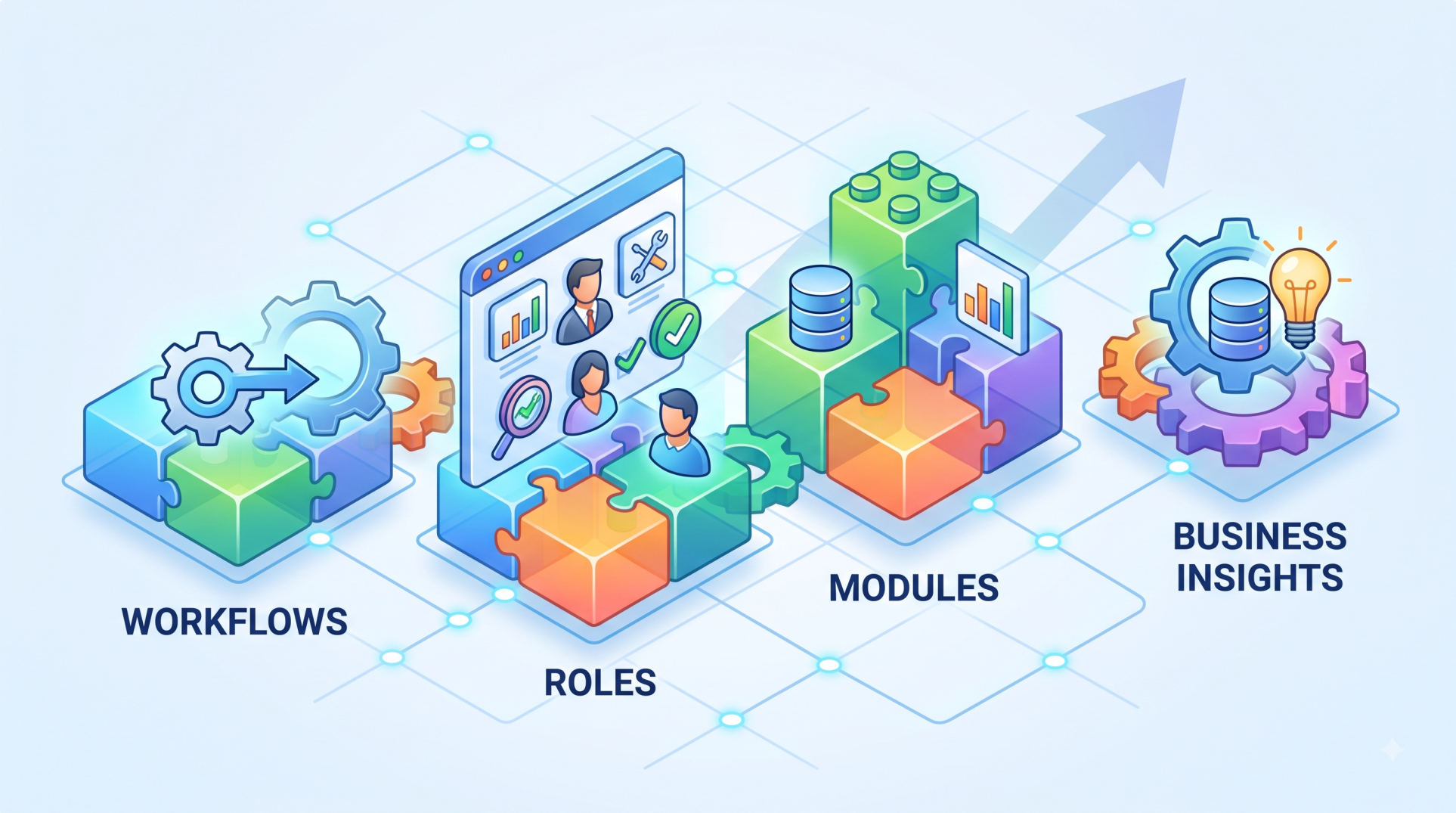
Step 2: Establishing a Centralized Data Model 🧩
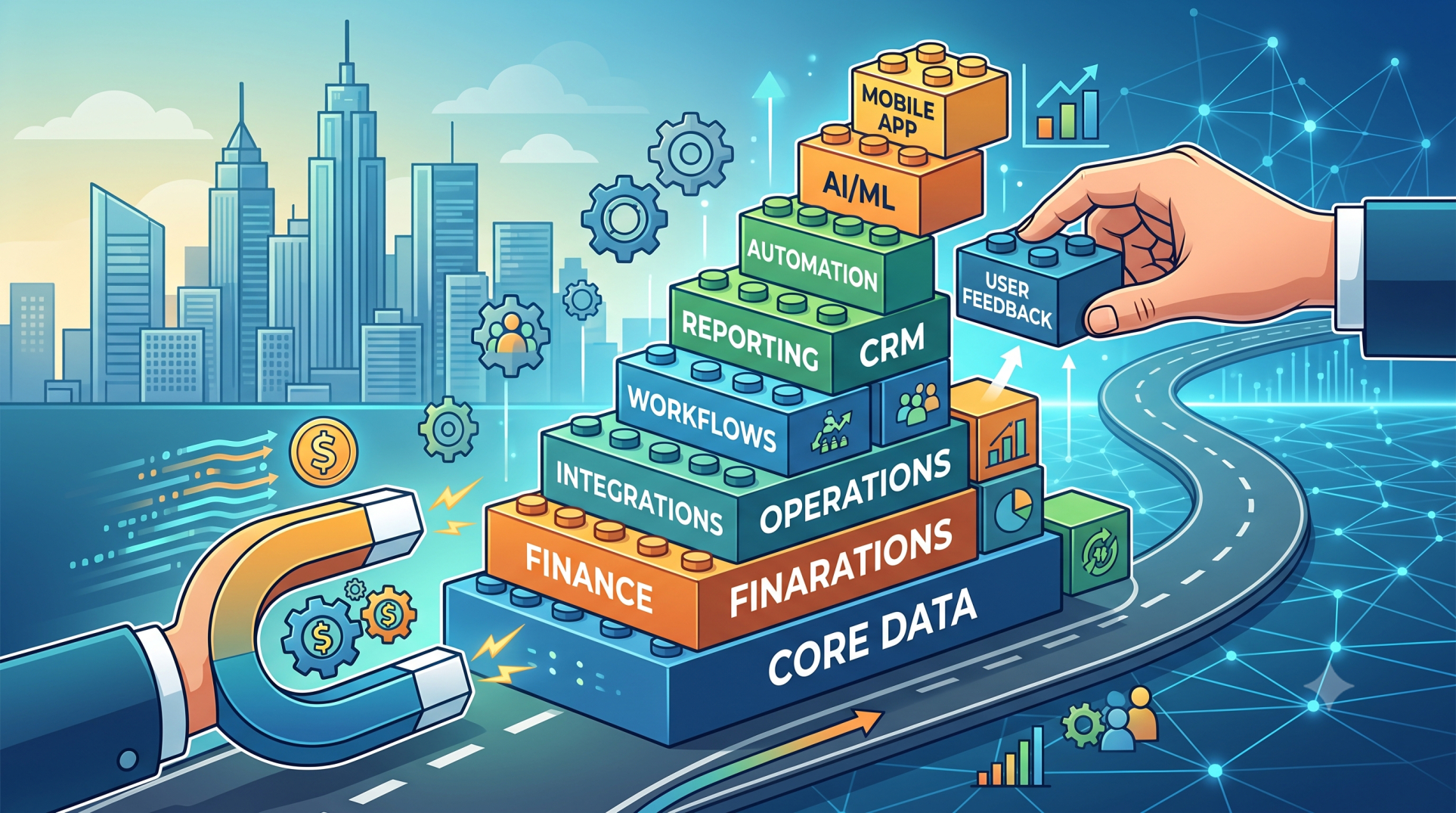
• Define a unified structure for customer data within the ERP 🧩
• Standardize data fields such as names, contacts, and transactions 📋
• Create consistent data definitions across departments 📖
• Eliminate redundancy by consolidating records 🧹
• Ensure scalability of the data model for future growth 📈
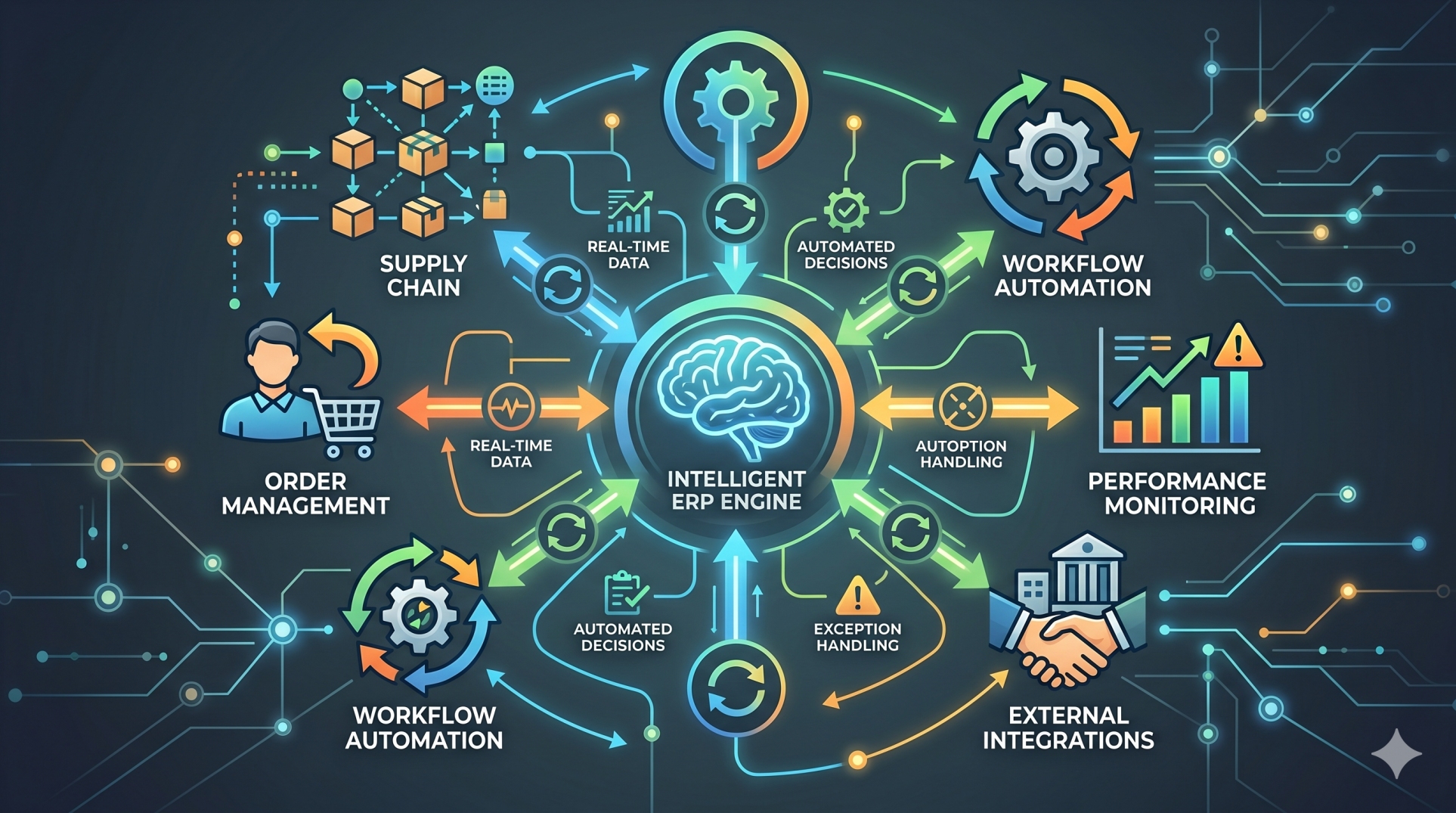
Step 3: Integrating Multiple Data Sources 🔗
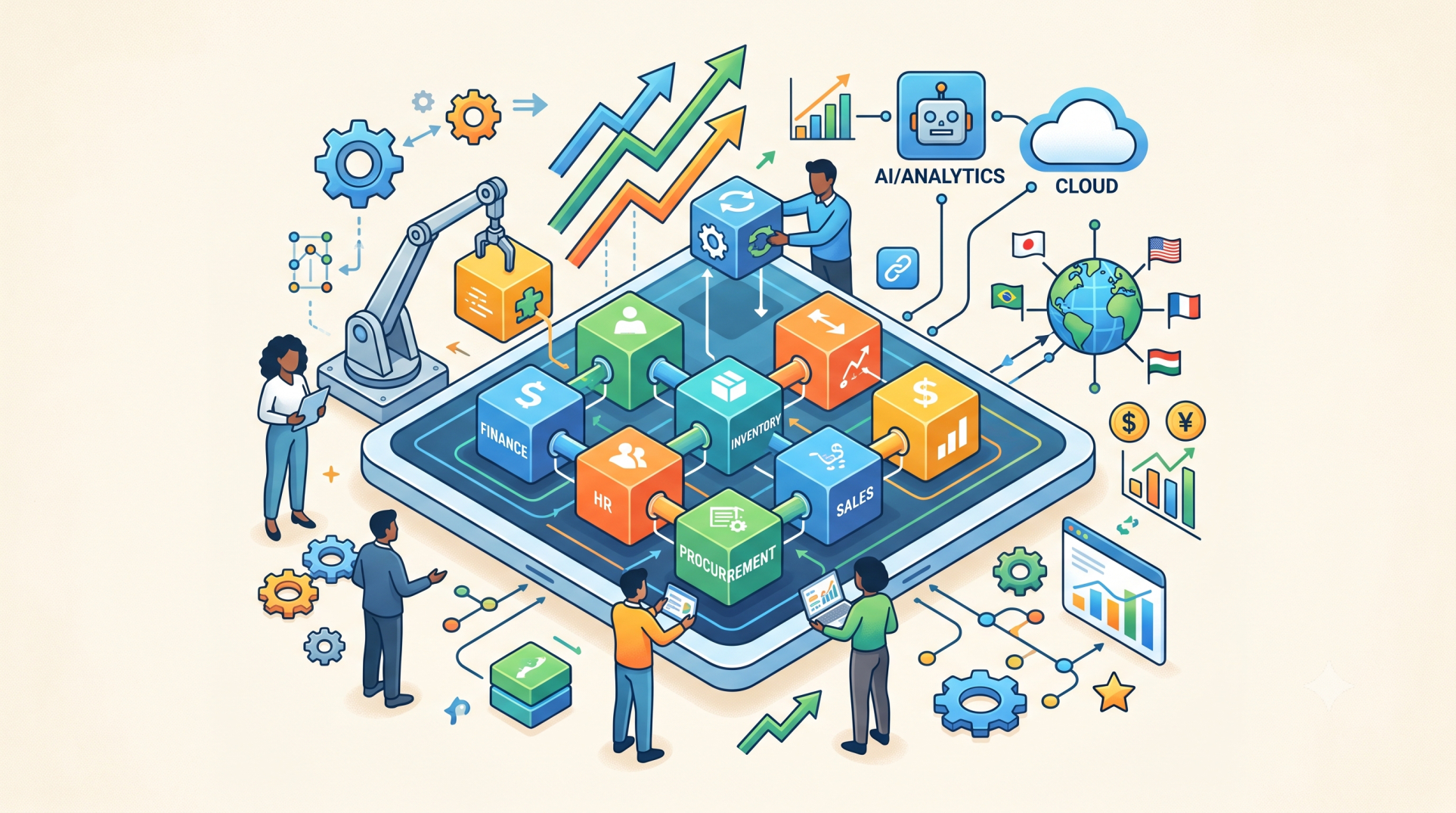
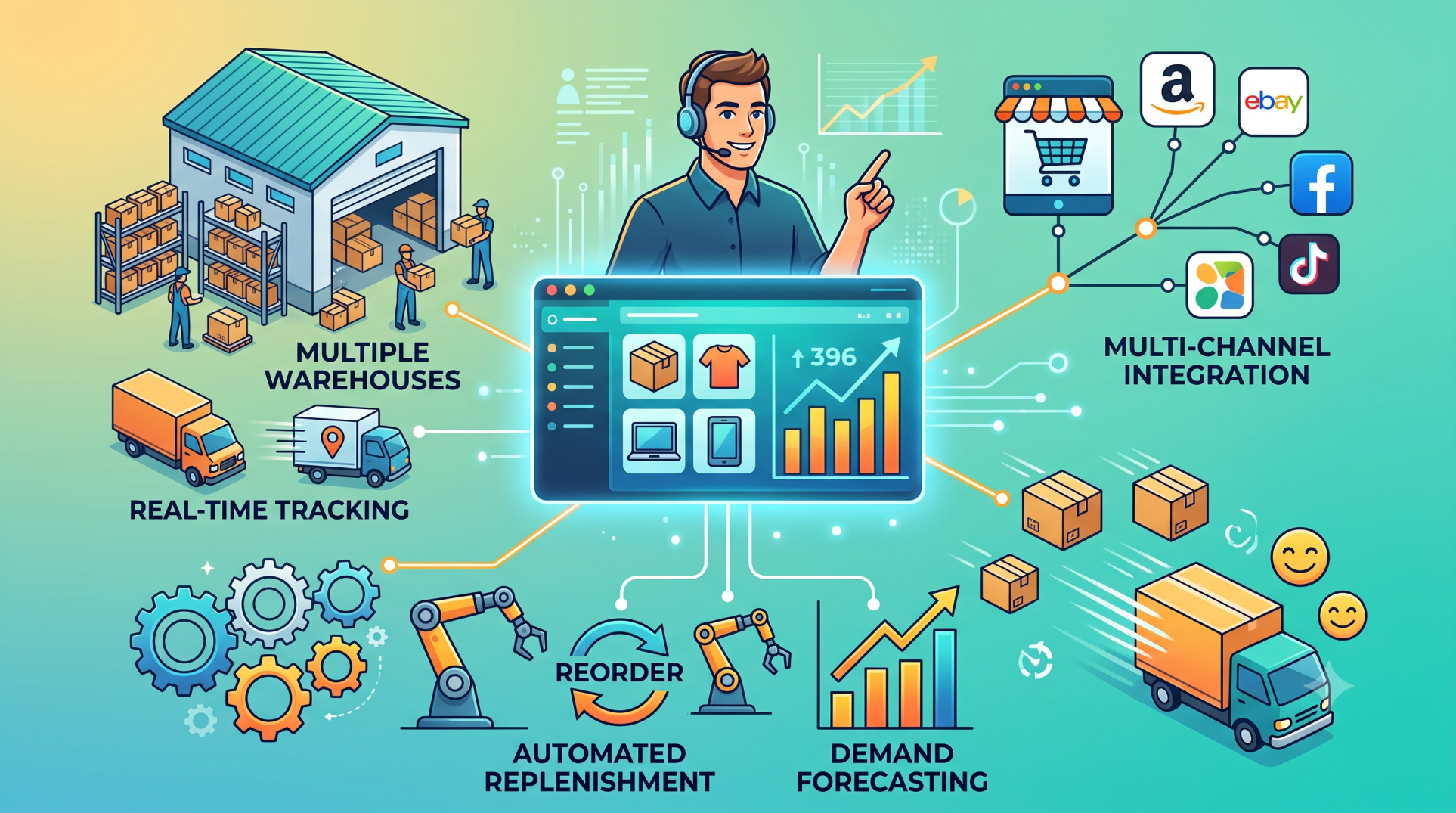
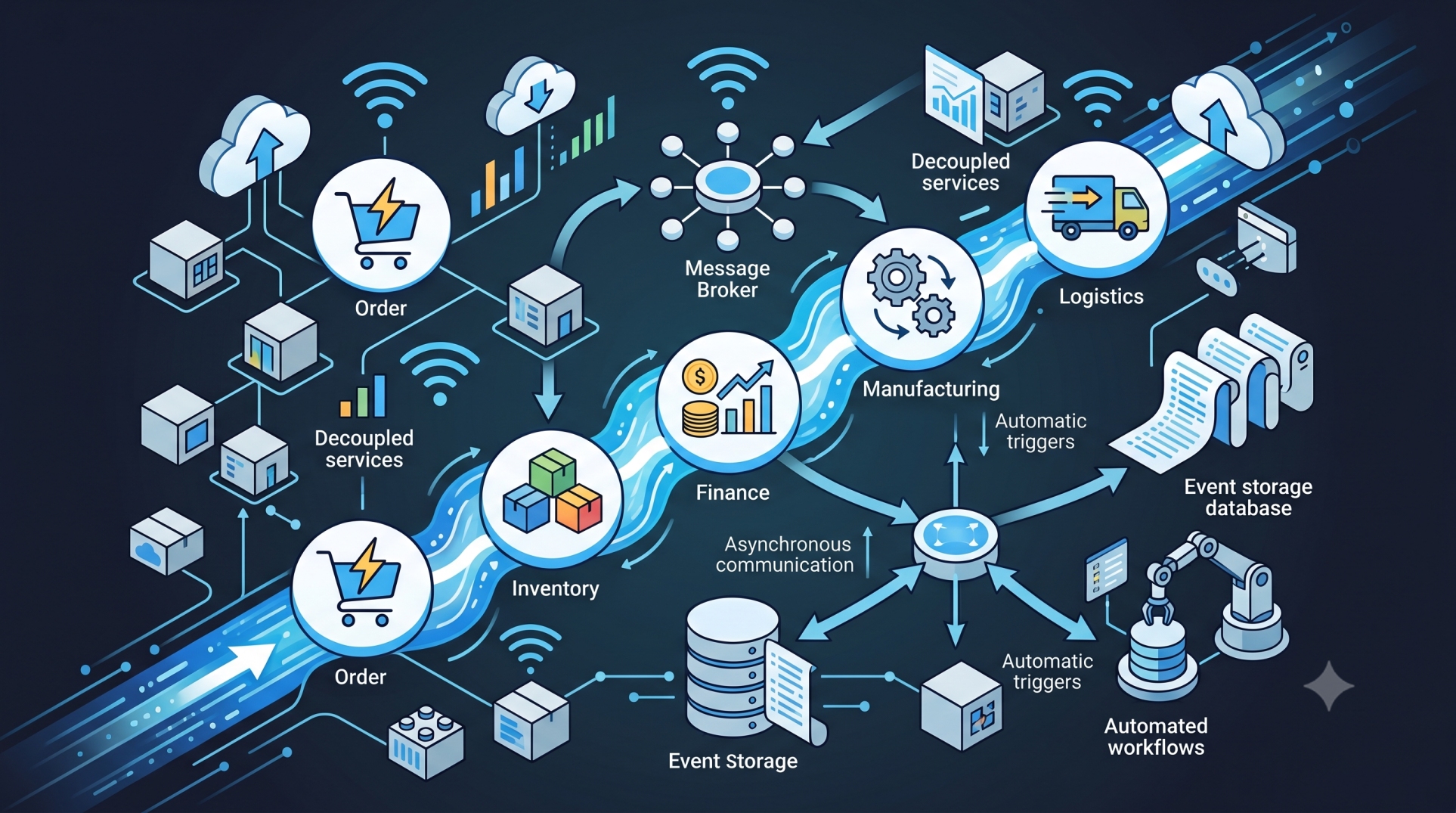
• Connect CRM, marketing, sales, and support systems to ERP 🔗
• Enable seamless data flow across platforms 🔄
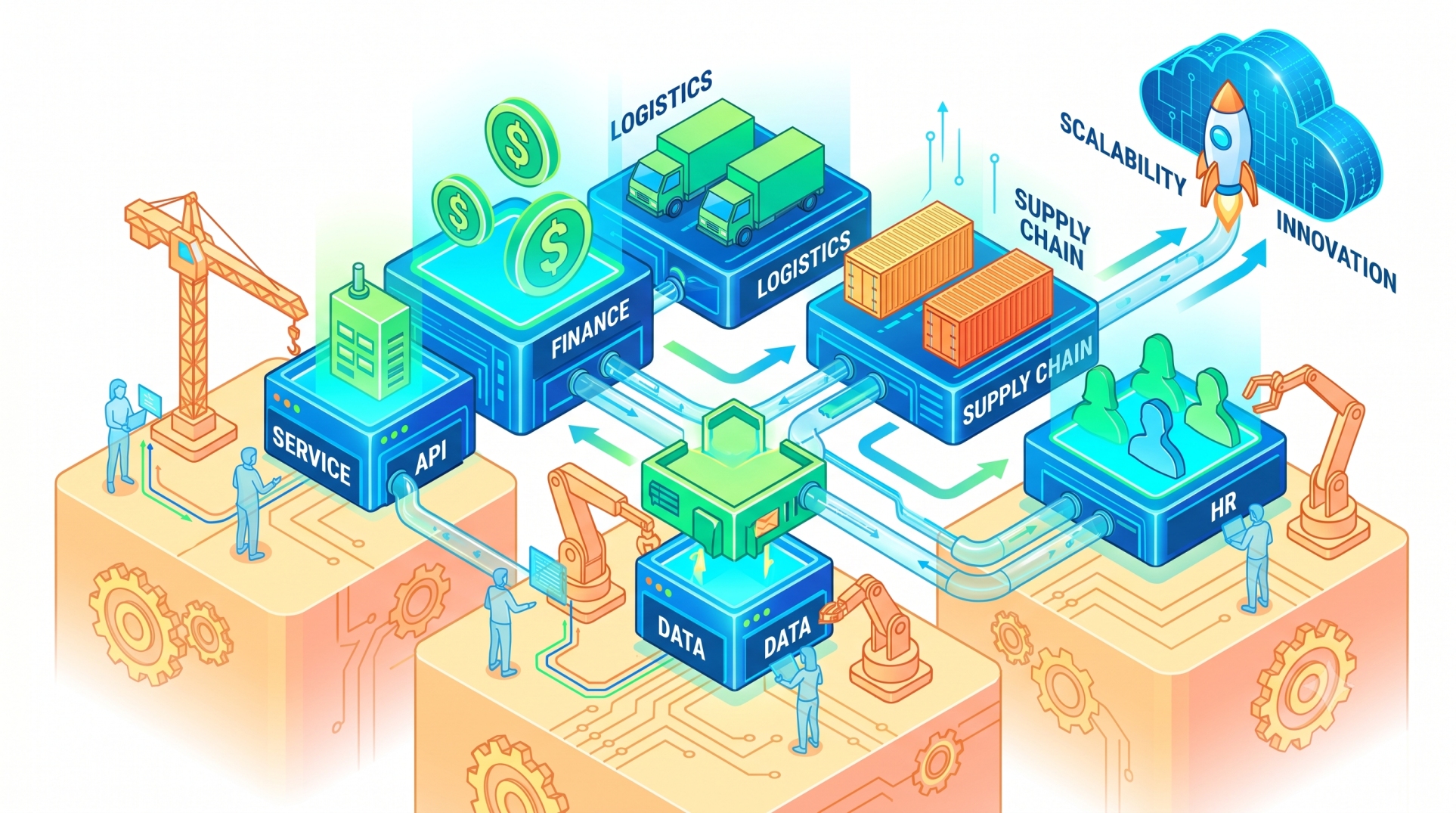
• Use APIs or middleware for integration efficiency ⚙️
• Synchronize data in real time or near real time ⏱️
• Avoid data silos through unified connectivity 🌐
Step 4: Data Cleansing and Deduplication 🧼
• Remove duplicate customer records across systems 🧼
• Standardize formats for accurate data consistency 📏
• Validate and enrich incomplete customer profiles 🧠
• Implement automated cleansing processes 🤖
• Maintain high-quality, reliable customer data ✅
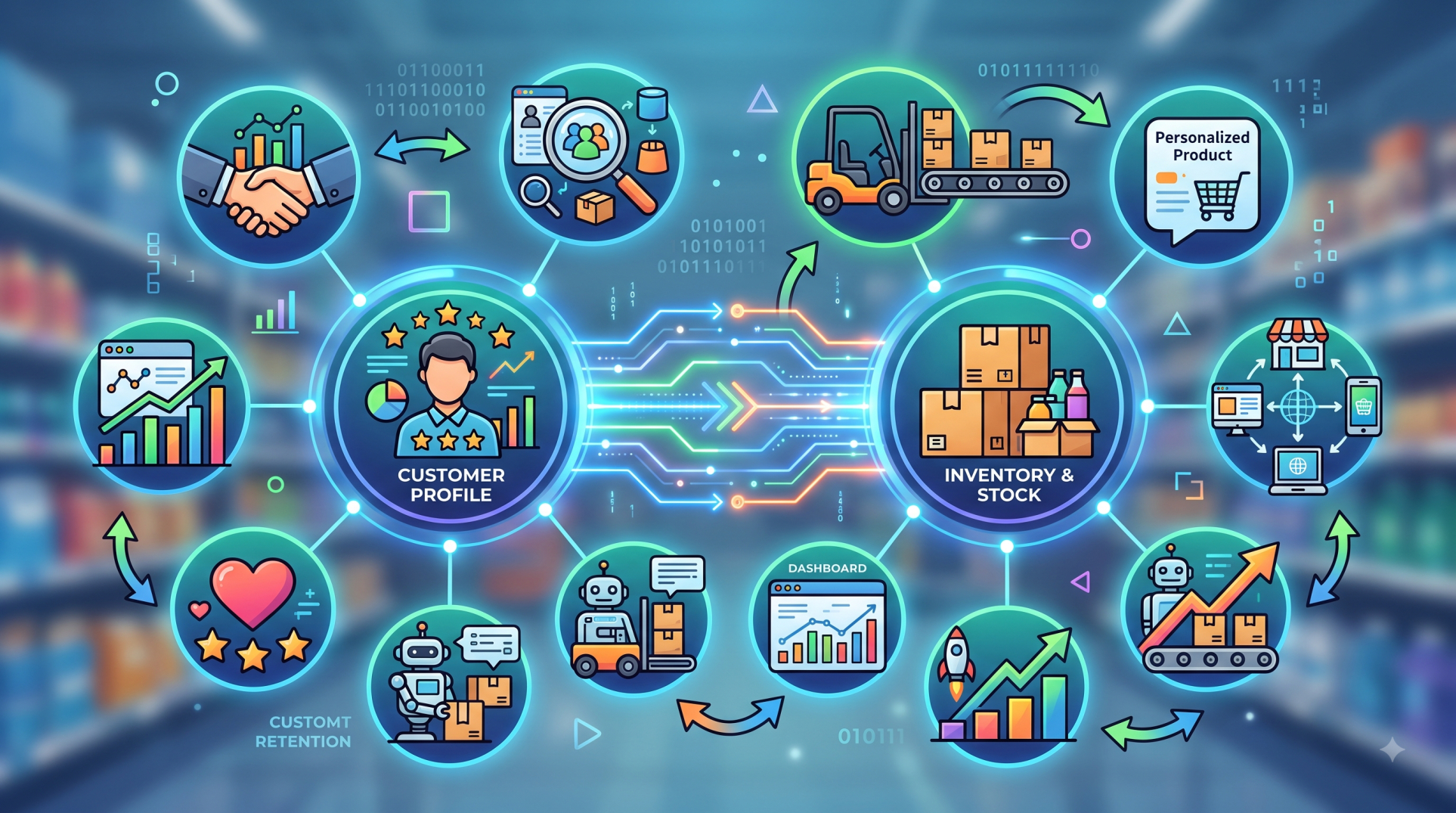
Step 5: Creating a Single Customer View 👁️
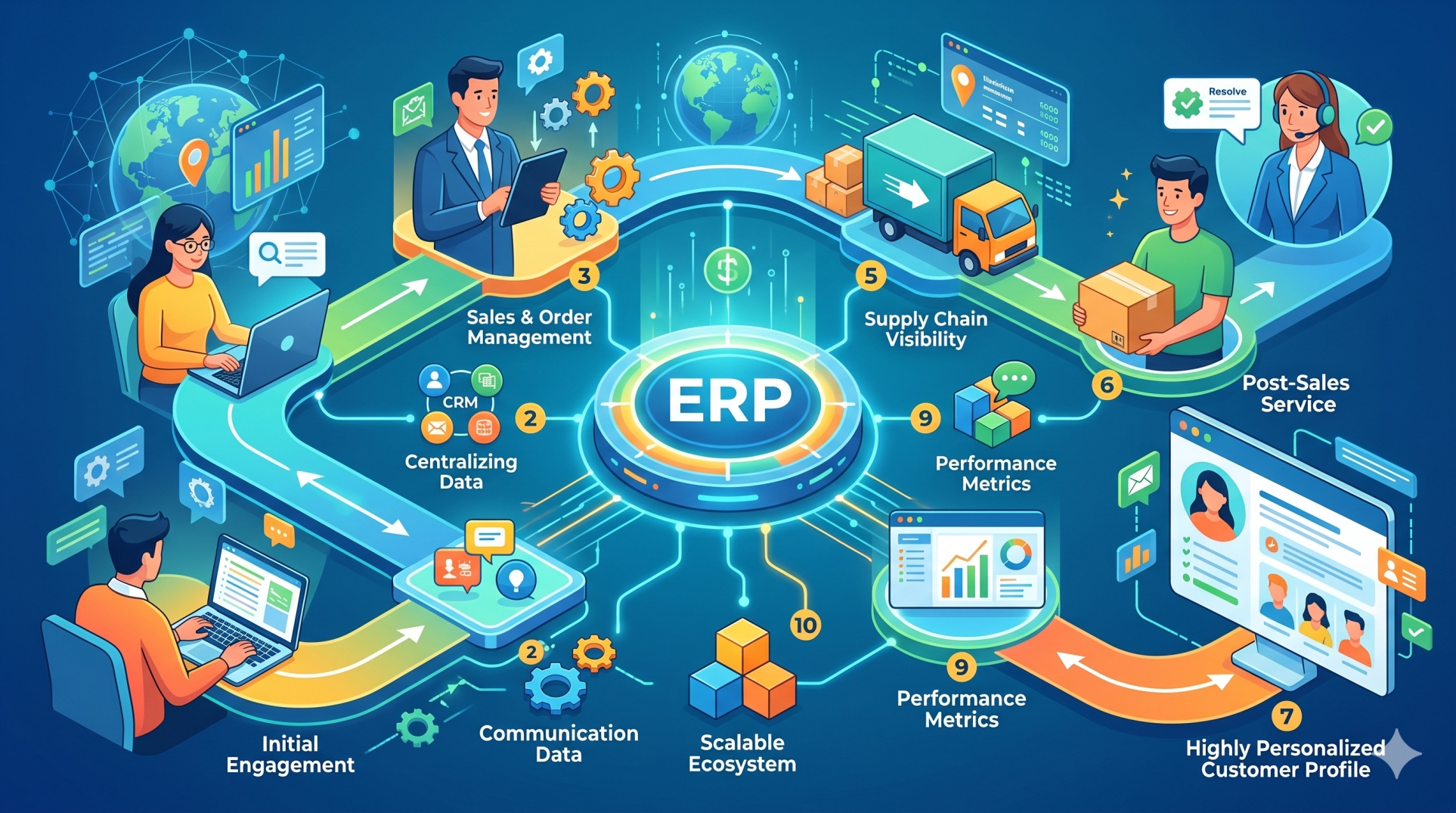
• Consolidate all customer interactions into one profile 👤
• Track purchase history, support interactions, and preferences 📊
• Enable a 360-degree view of each customer 🔄
• Improve personalization and customer engagement 💬
• Empower teams with complete customer insights 📈
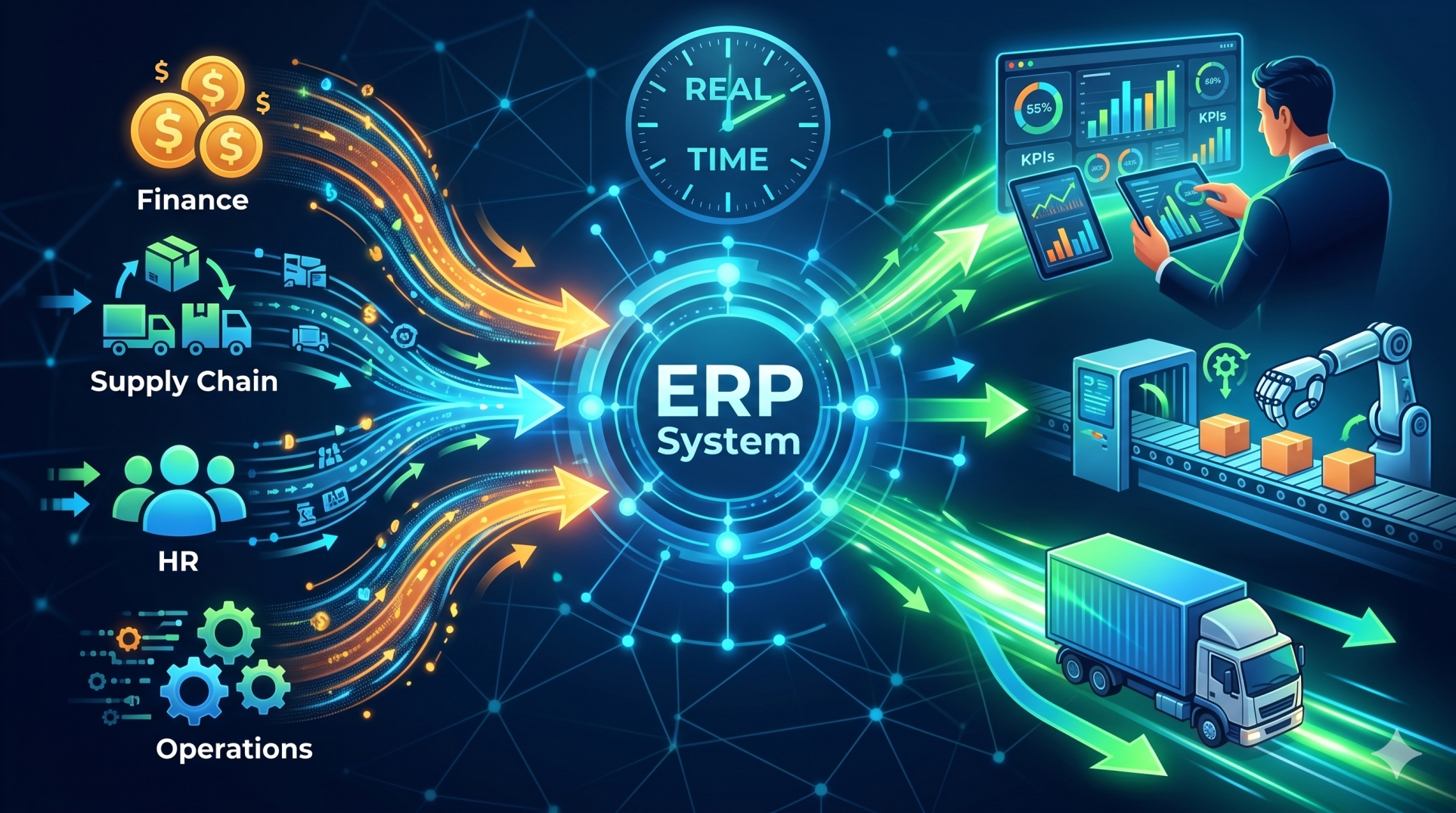
Step 6: Real-Time Data Synchronization ⏱️
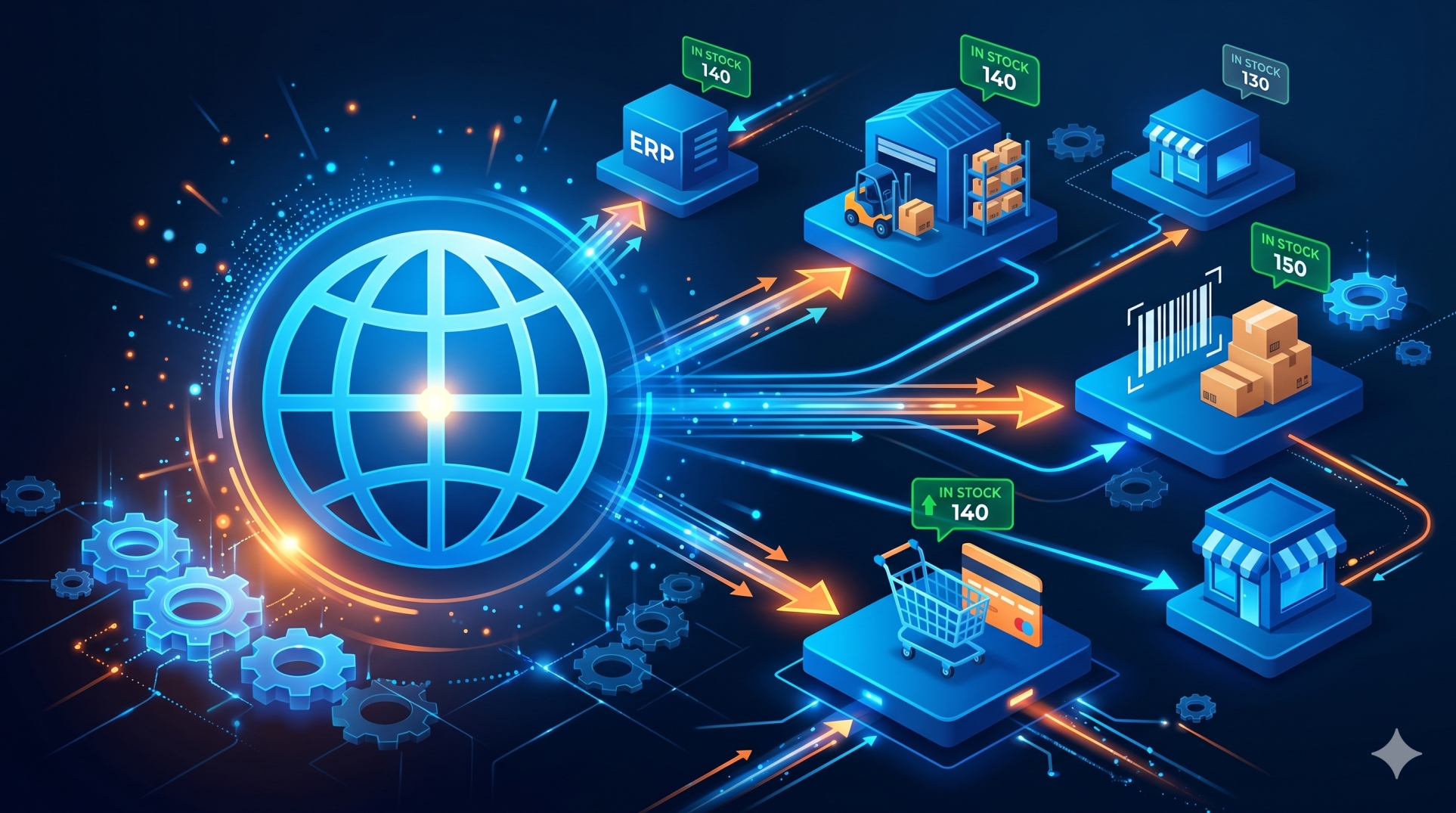
• Ensure updates reflect instantly across all systems ⏱️
• Enable real-time access to accurate customer data 📡
• Support faster decision-making across departments ⚡
• Prevent outdated or conflicting information 🚫
• Maintain consistency across all customer touchpoints 🔁
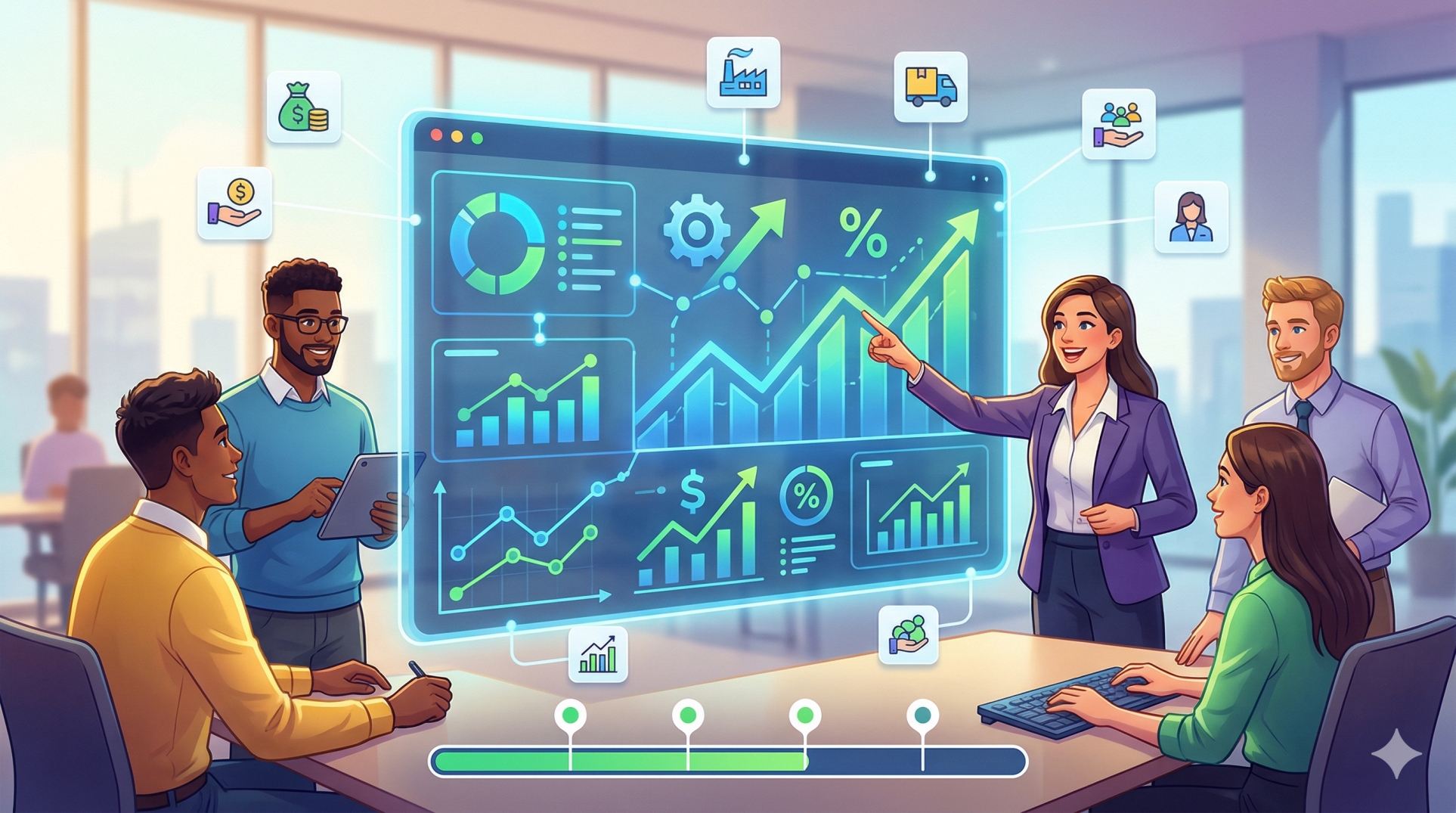
Step 7: Enhancing Cross-Department Collaboration 🤝
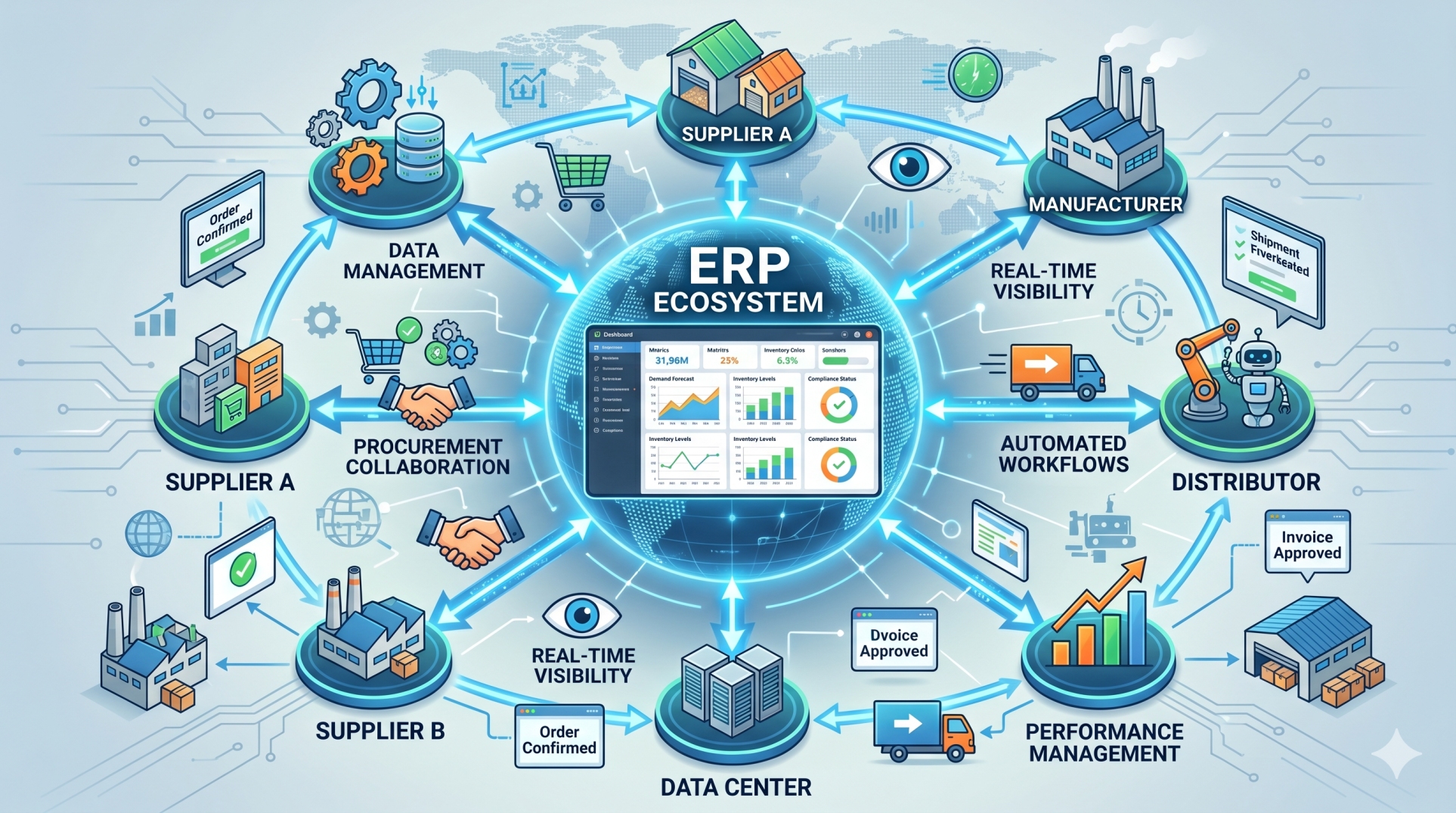
• Enable sales, marketing, and support teams to access shared data 🤝
• Improve coordination across departments 📊
• Reduce miscommunication caused by fragmented data ❌
• Align teams around a unified customer strategy 🎯
• Increase overall operational efficiency 🚀
Step 8: Key Unification Priorities 📊
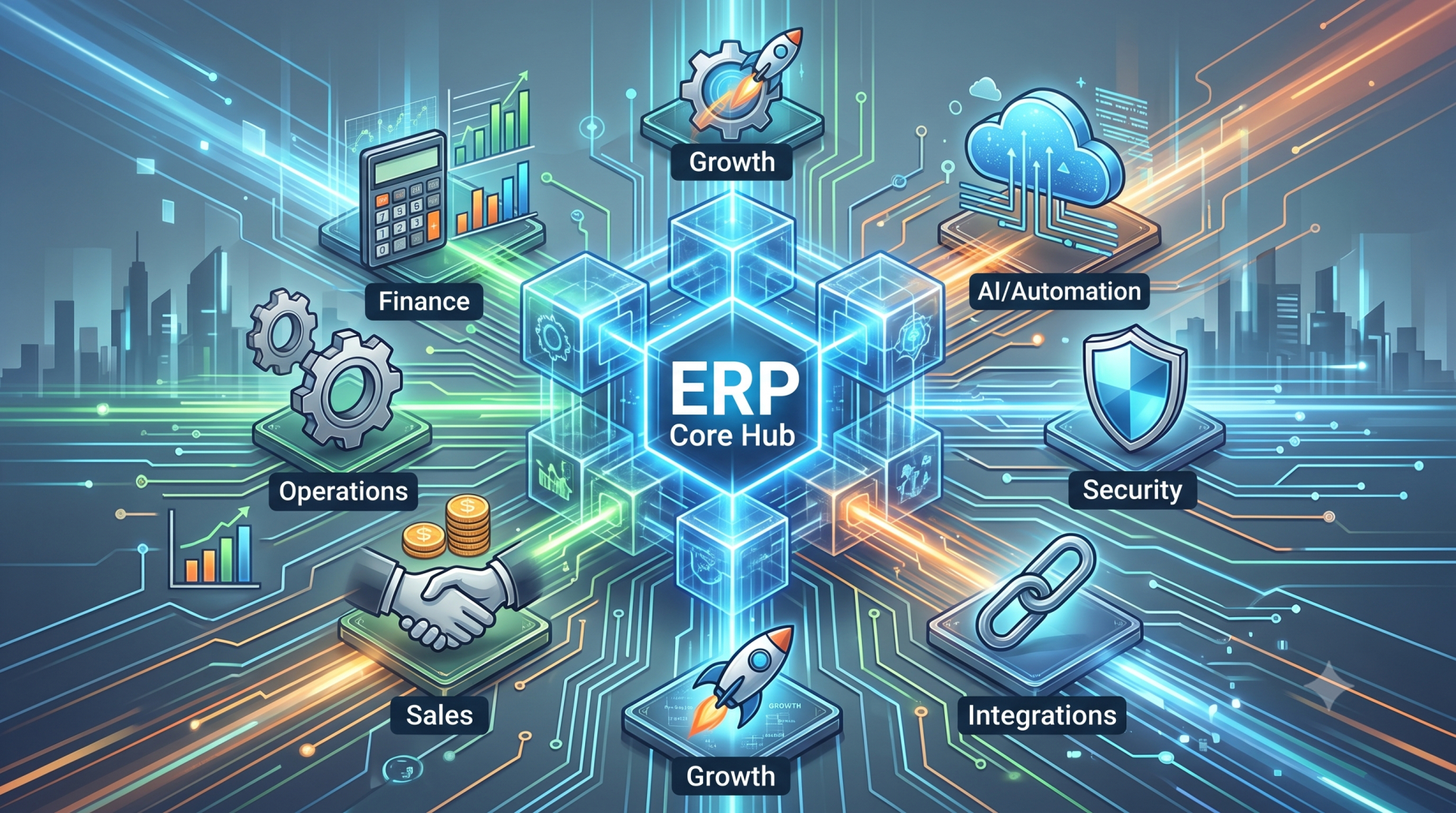
• Single source of truth for all customer data 📌
• High data accuracy and consistency ✅
• Seamless integration across systems 🔗
• Real-time visibility into customer interactions 👁️
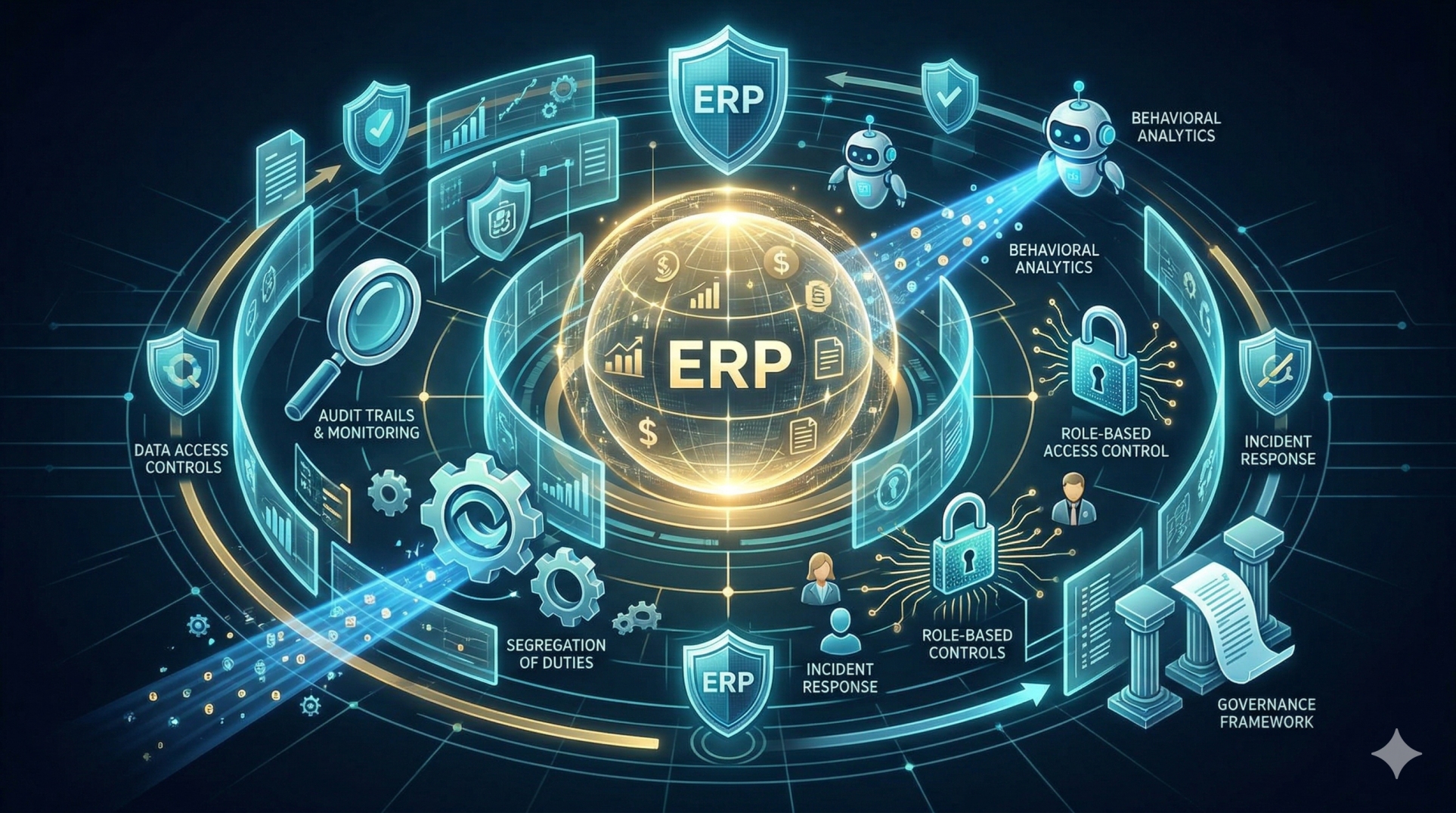
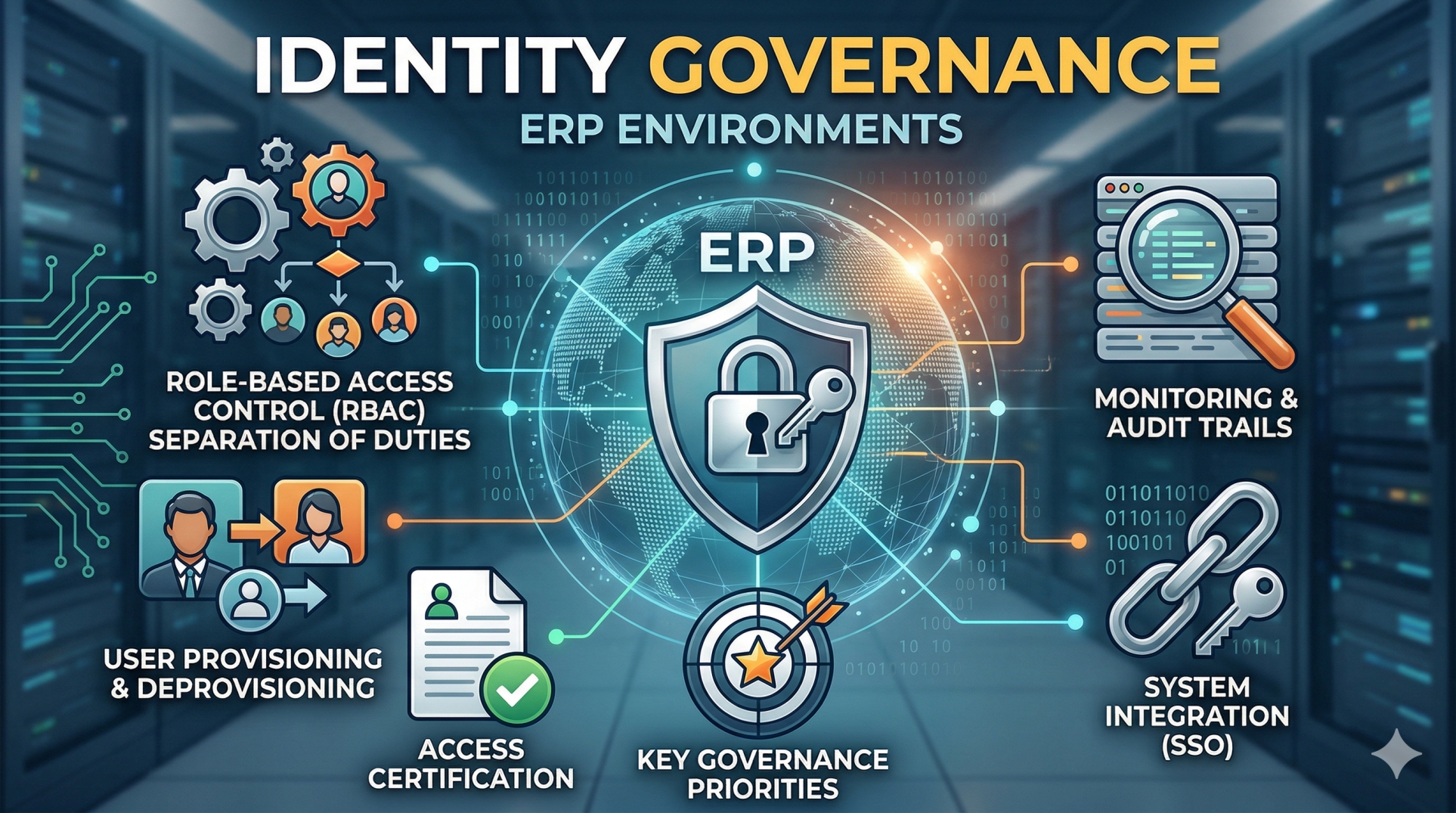
Step 9: Ensuring Data Security and Compliance 🔐
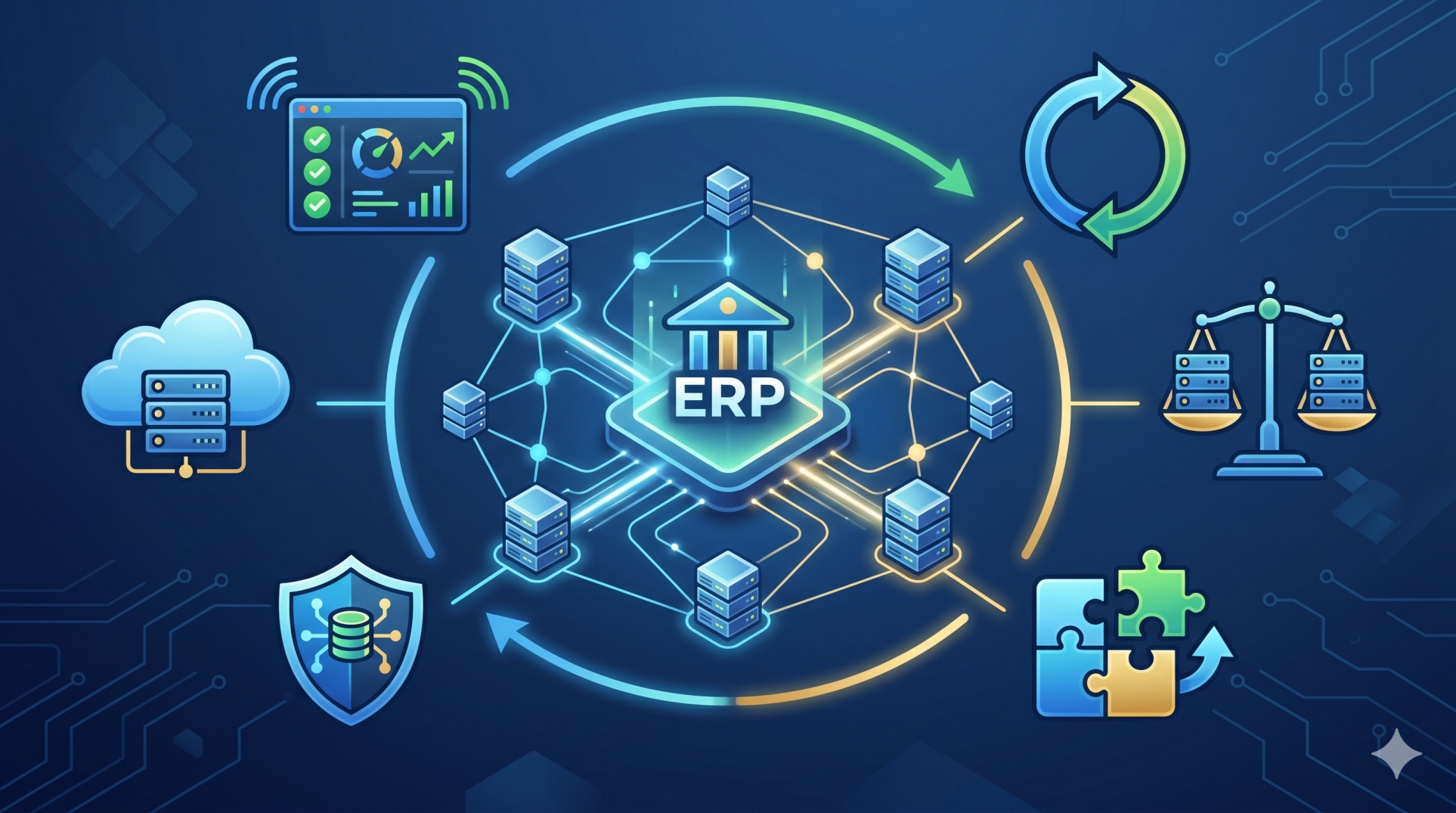
• Implement role-based access control for sensitive data 🔐
• Ensure compliance with data privacy regulations 🛡️
• Protect customer information from unauthorized access 🚫
• Maintain audit trails for transparency 🔍
• Continuously monitor data security practices 🔄
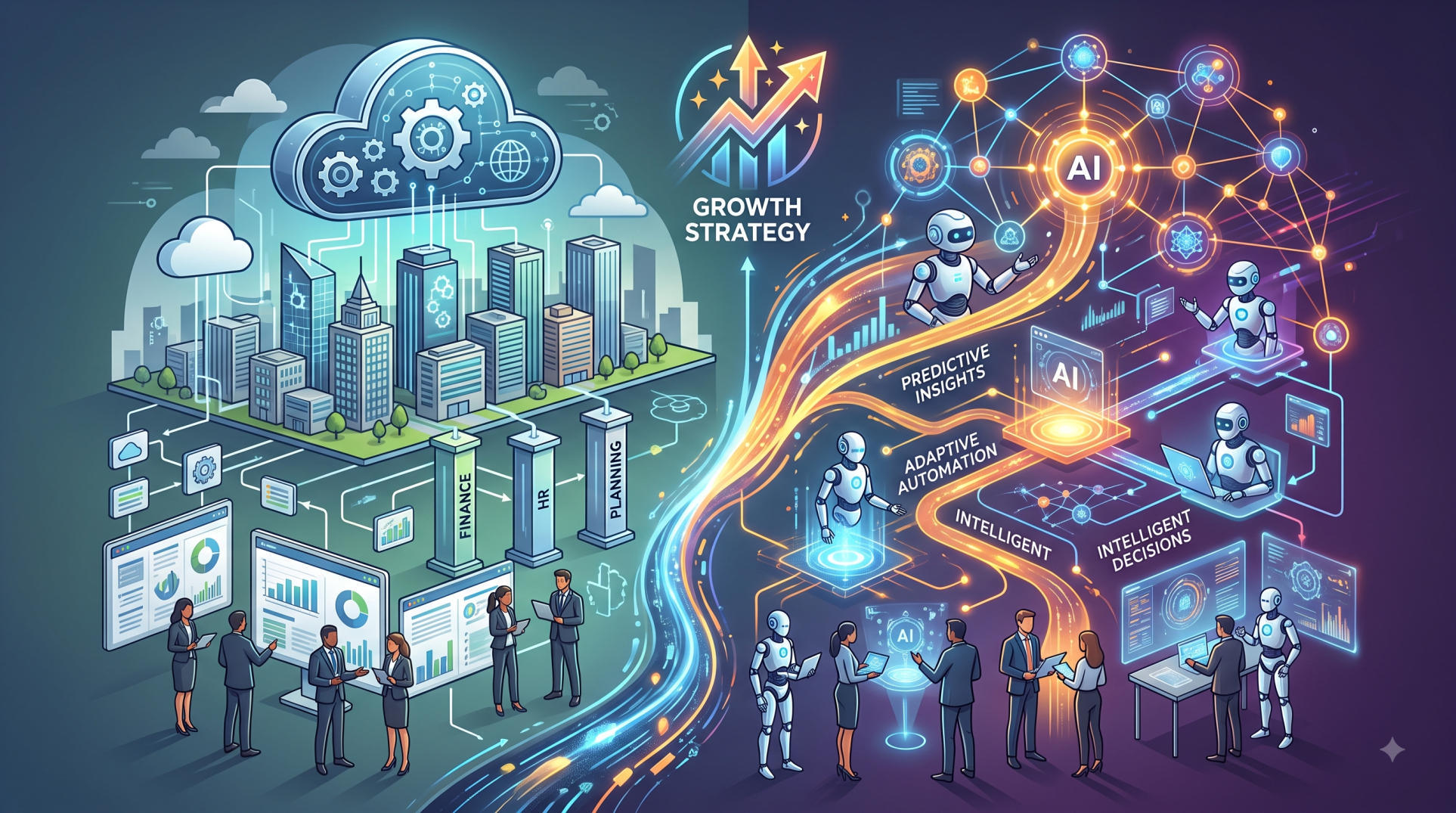
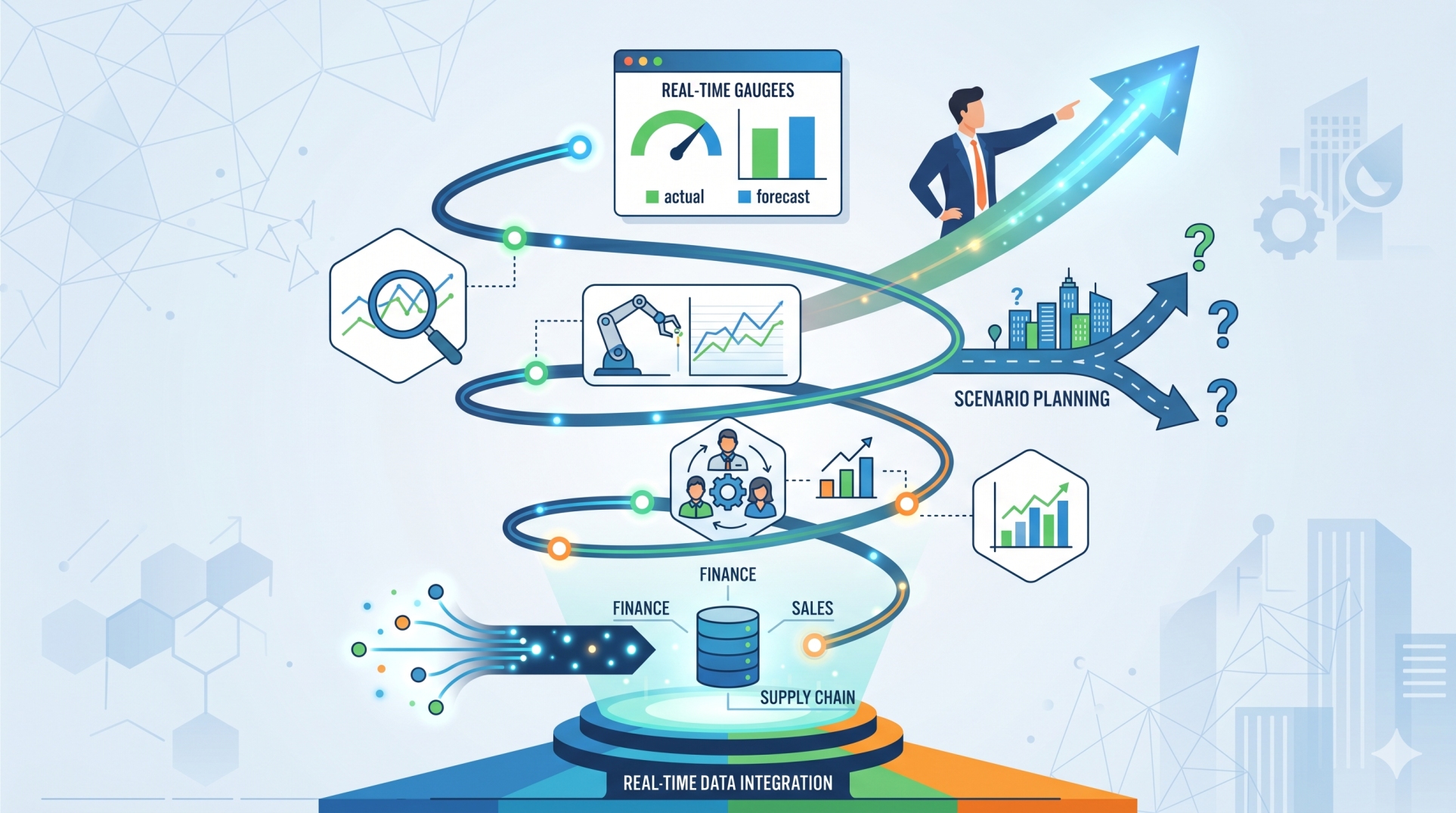
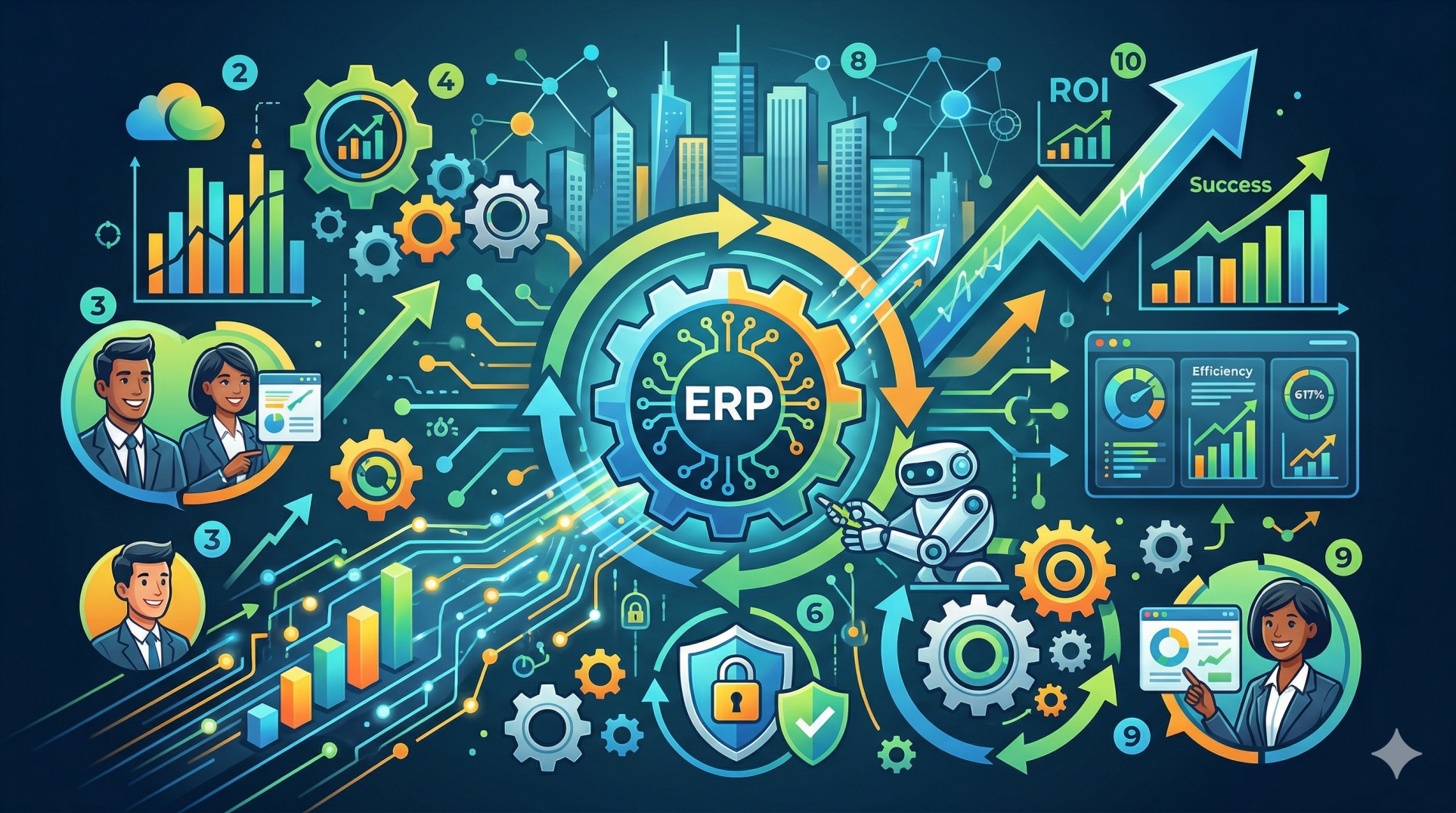
Step 10: Scaling Customer Data Strategy 🚀
• Design ERP systems to handle growing customer data volumes 📈
• Support expansion into new markets and channels 🌍
• Enable advanced analytics and AI-driven insights 🤖
• Continuously refine data models and integration strategies 🔄
• Future-proof customer data management processes 🧠
Conclusion
Customer data unification through ERP platforms is essential for organizations seeking to deliver consistent and personalized customer experiences. By consolidating data into a centralized system, businesses can eliminate silos, improve collaboration, and gain actionable insights. A unified approach not only enhances operational efficiency but also strengthens customer relationships and supports long-term growth.
See more blogs
You can all the articles below