Demand Volatility Management with ERP Insights

Demand volatility is a constant challenge for modern businesses. Sudden shifts in customer demand, supply disruptions, seasonal patterns, and market uncertainty can make planning difficult. Enterprise Resource Planning (ERP) systems help organizations manage these fluctuations by turning operational data into actionable insights. With real-time visibility, predictive analytics, and integrated planning tools, ERP enables businesses to respond quickly and maintain operational stability.
Step 1: Understanding Demand Volatility in Modern Markets 📊🌍
• Customer demand can change rapidly due to economic, seasonal, or competitive factors ⚡📈
• Market uncertainty creates planning challenges for production and inventory 🏭📦
• Supply chain disruptions amplify fluctuations in demand signals 🔗⚠️
• Businesses must adapt quickly to avoid stockouts or overproduction 🔄📉
• Accurate data visibility is essential for responding to demand changes 👀📊
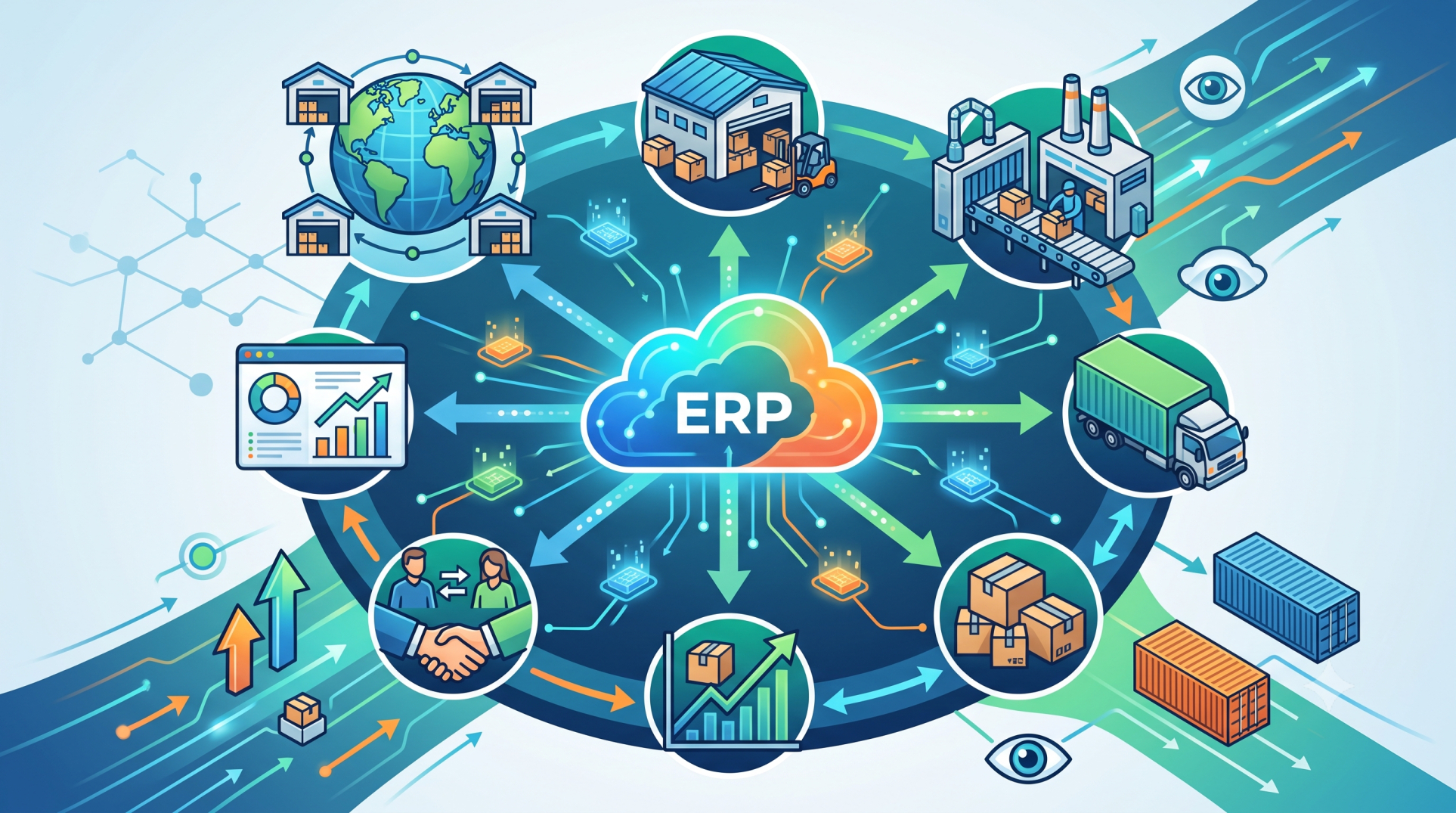
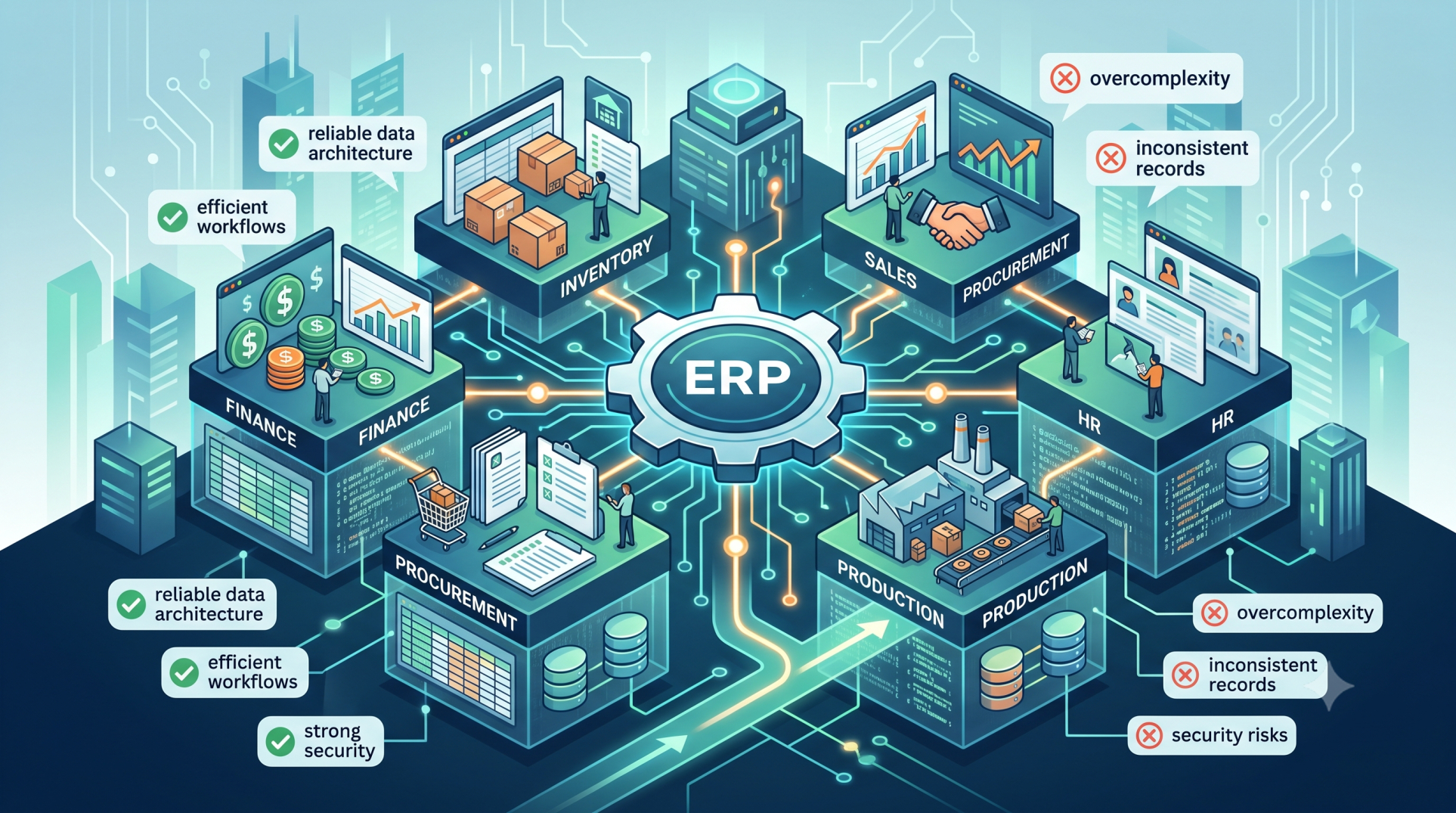
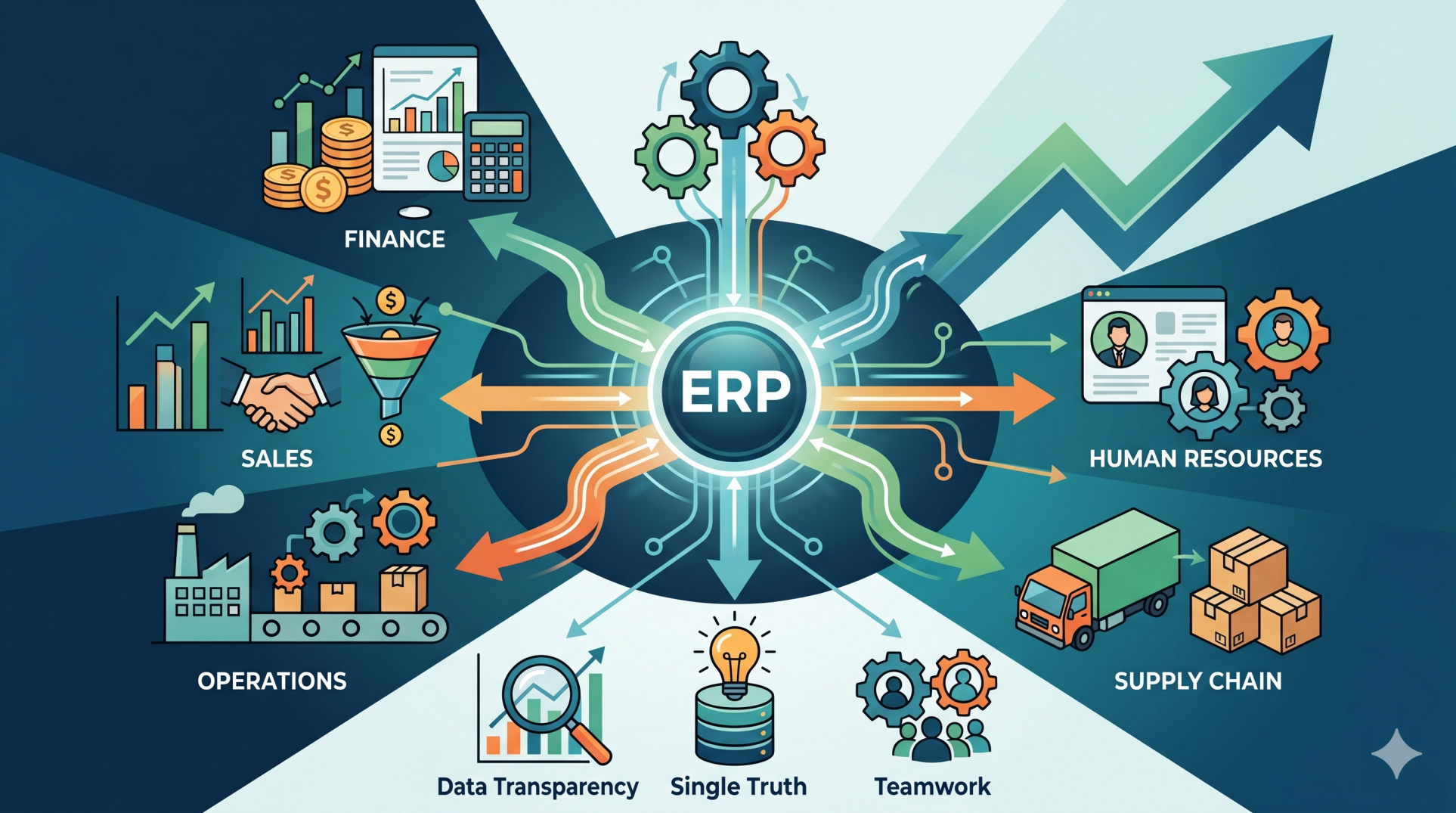
Step 2: ERP as a Central Source of Demand Data 🗂️🧠
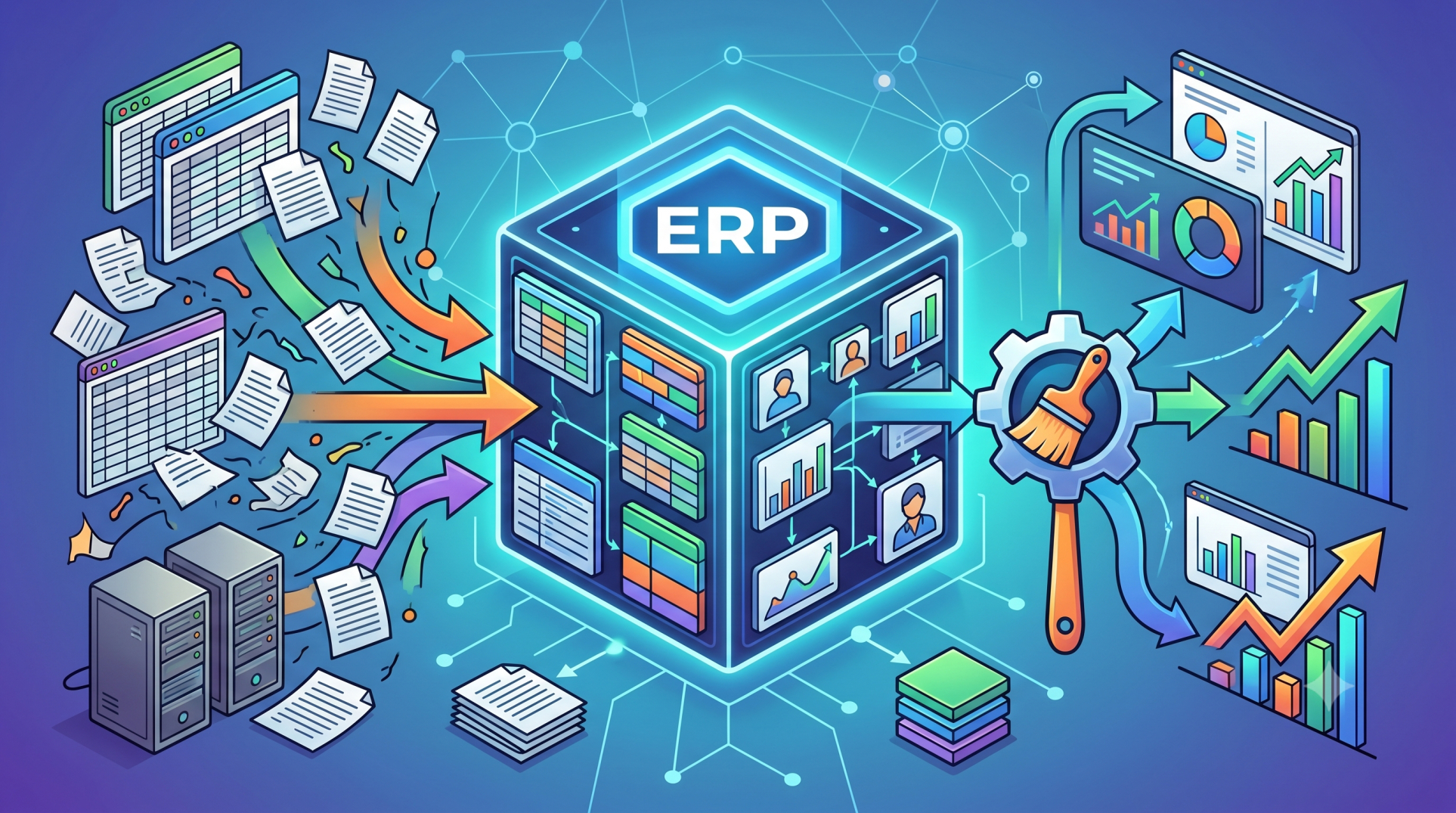
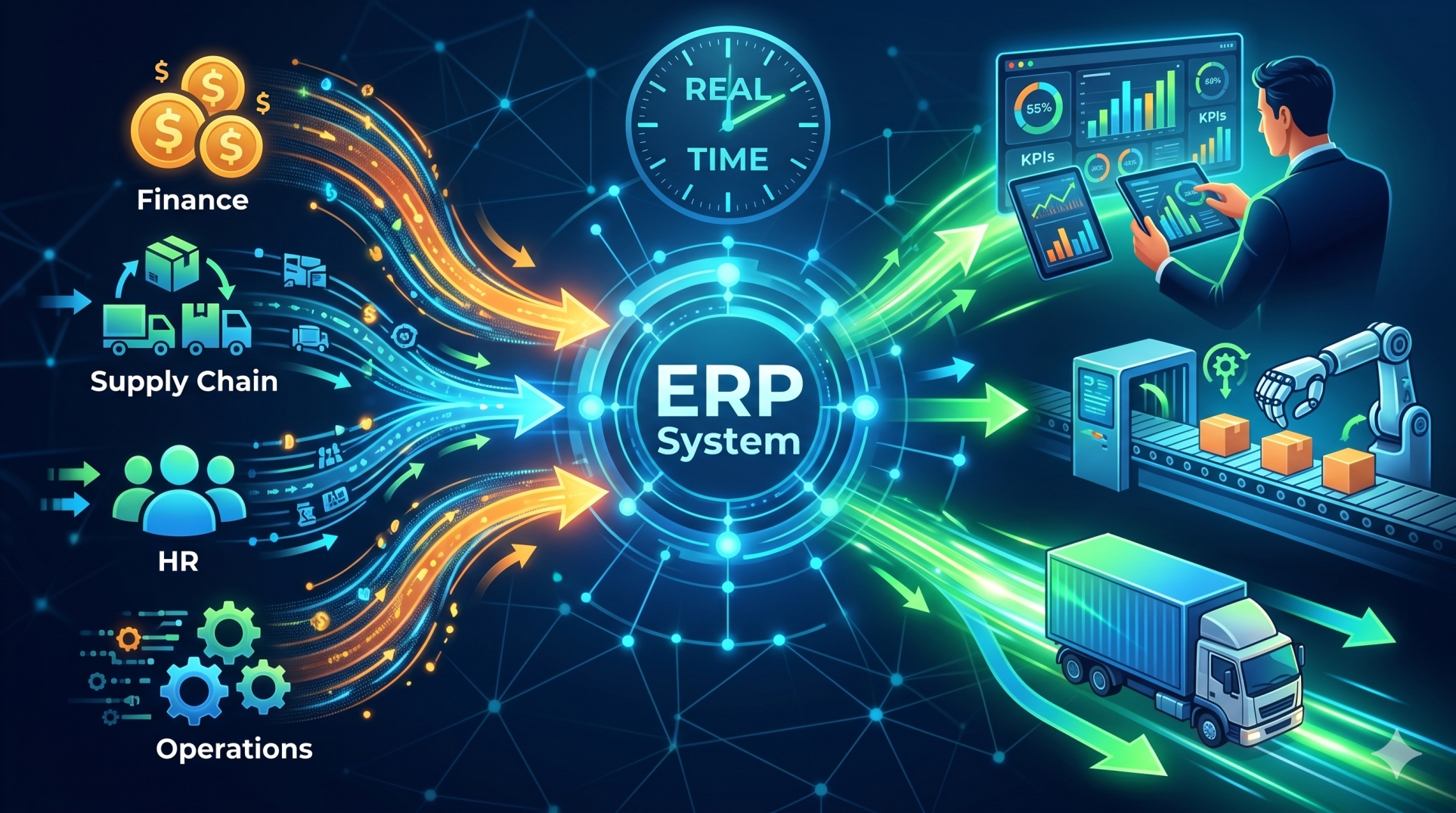
• Consolidates sales, order history, and market data in one system 📥📊
• Eliminates fragmented spreadsheets and disconnected forecasting tools 🚫📄
• Provides a unified view of demand patterns across regions and products 🌐📦
• Improves data accuracy through standardized processes ✔️⚙️
• Enables consistent analysis across departments 🏢🔍
Step 3: Real-Time Monitoring of Demand Signals ⏱️📈
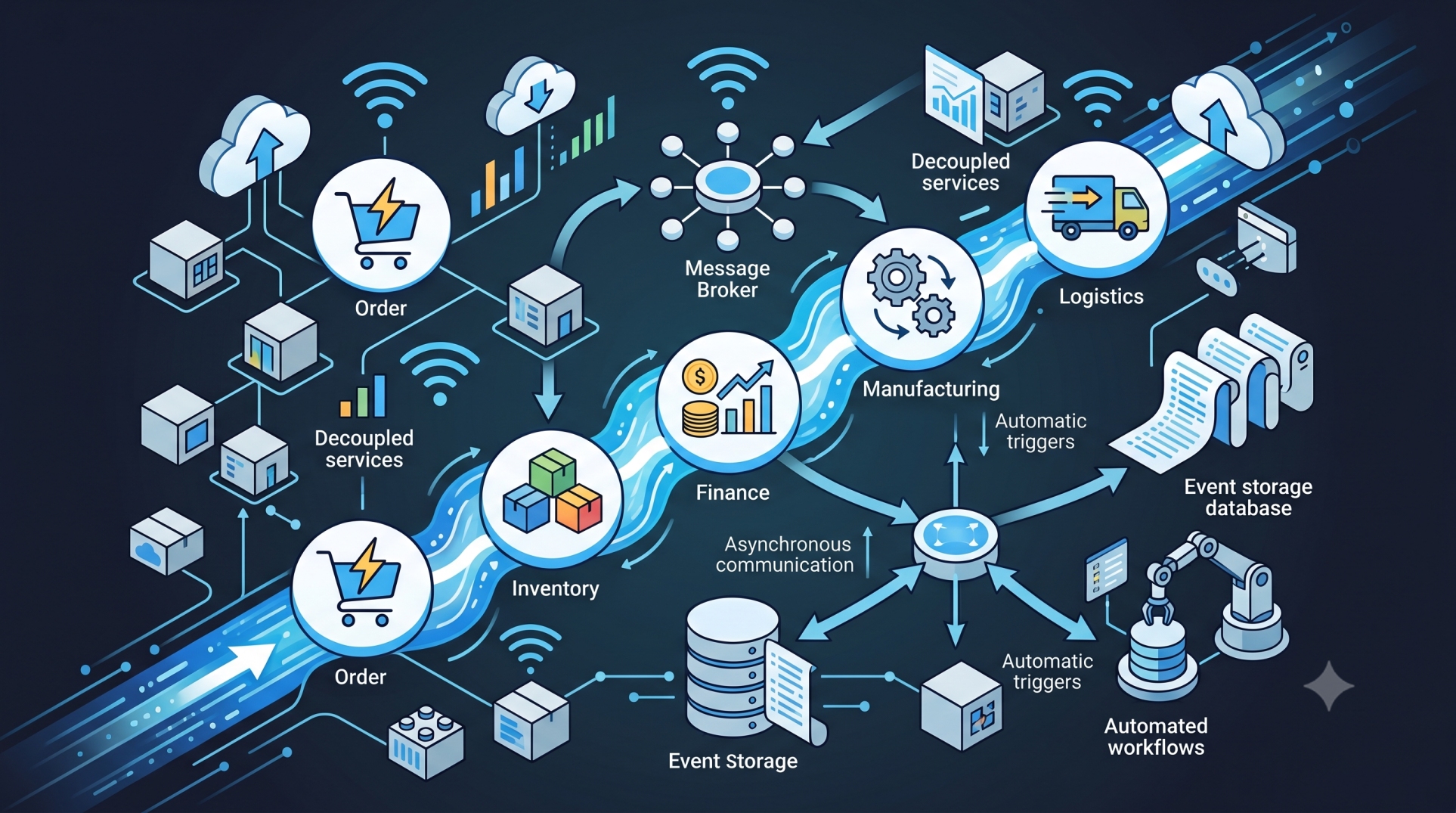
• Tracks order volumes, sales trends, and customer activity continuously 🔄📊
• Identifies early indicators of demand spikes or slowdowns 🚨📉
• Enables immediate visibility for operations and planning teams 👥👀
• Supports faster response to unexpected market changes ⚡🌍
• Reduces delays between demand signals and operational action ⏳⚙️
Step 4: Forecasting and Predictive Demand Planning 🔮📊
• Uses historical data and analytics to generate demand forecasts 📚📈
• Identifies seasonal patterns and recurring demand cycles 🔁🌤️
• Supports predictive modeling for future market behavior 🧠📉
• Improves planning accuracy for procurement and production 🏭🛒
• Reduces uncertainty in supply chain planning 🔗📊
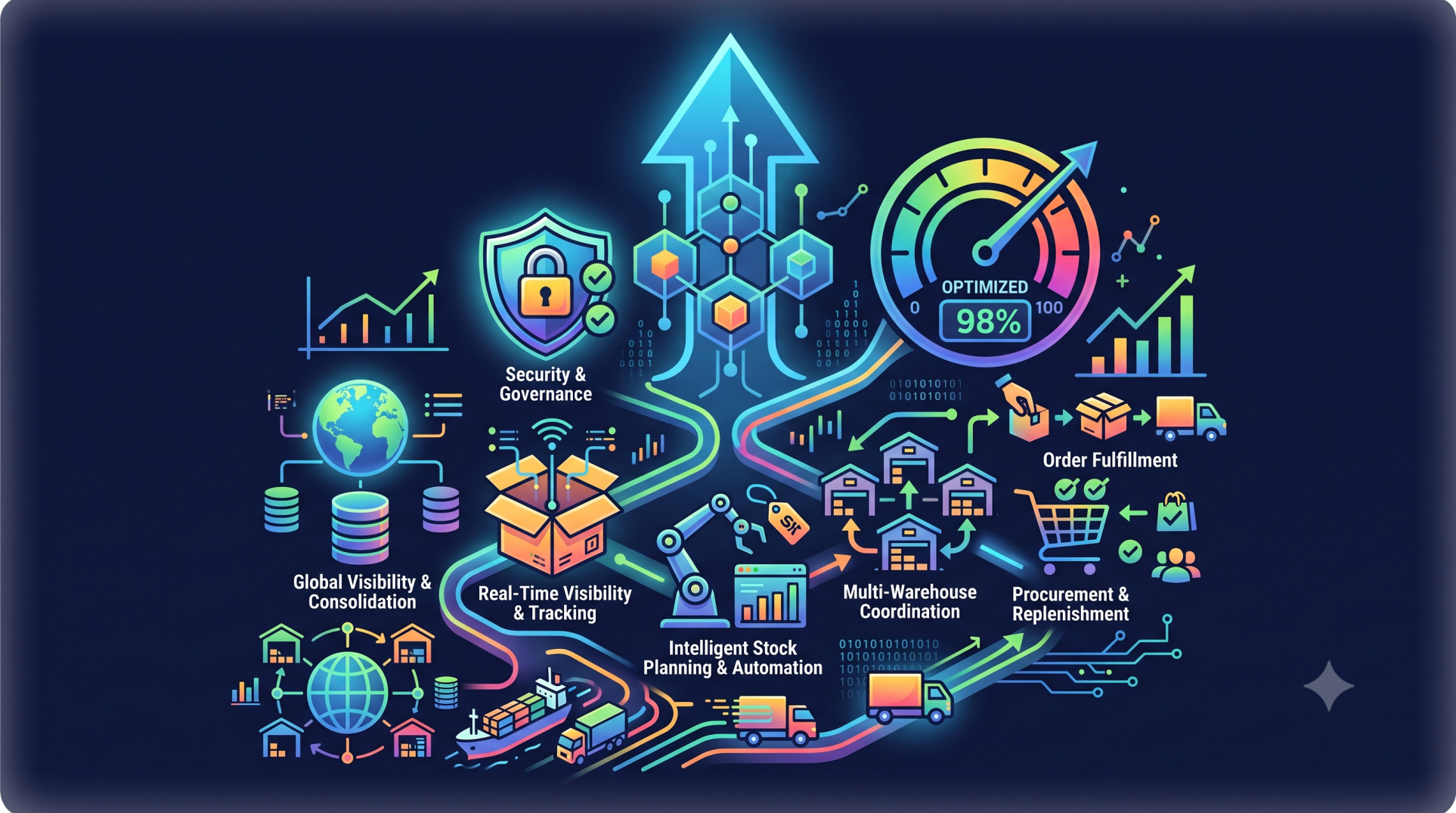
Step 5: Aligning Inventory with Demand Variability 📦⚖️
• Adjusts inventory levels based on forecasted demand fluctuations 🔄📦
• Prevents overstocking that increases holding costs 💰📉
• Reduces the risk of stock shortages during demand surges 🚫📦
• Enables dynamic safety stock calculations 📊⚙️
• Improves overall inventory efficiency 📈🏭
Step 6: Coordinating Supply Chain and Production Planning 🔗🏭
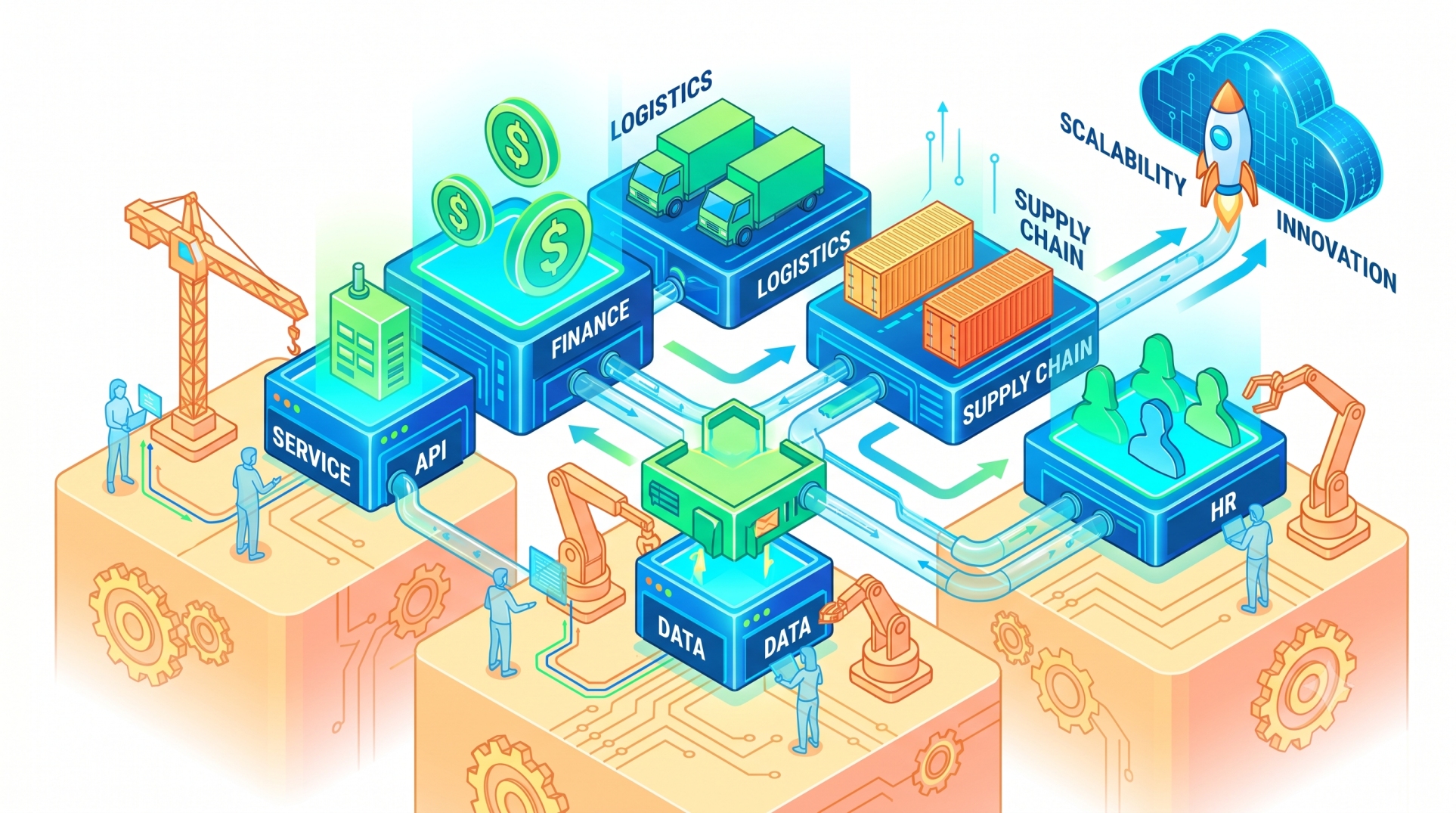
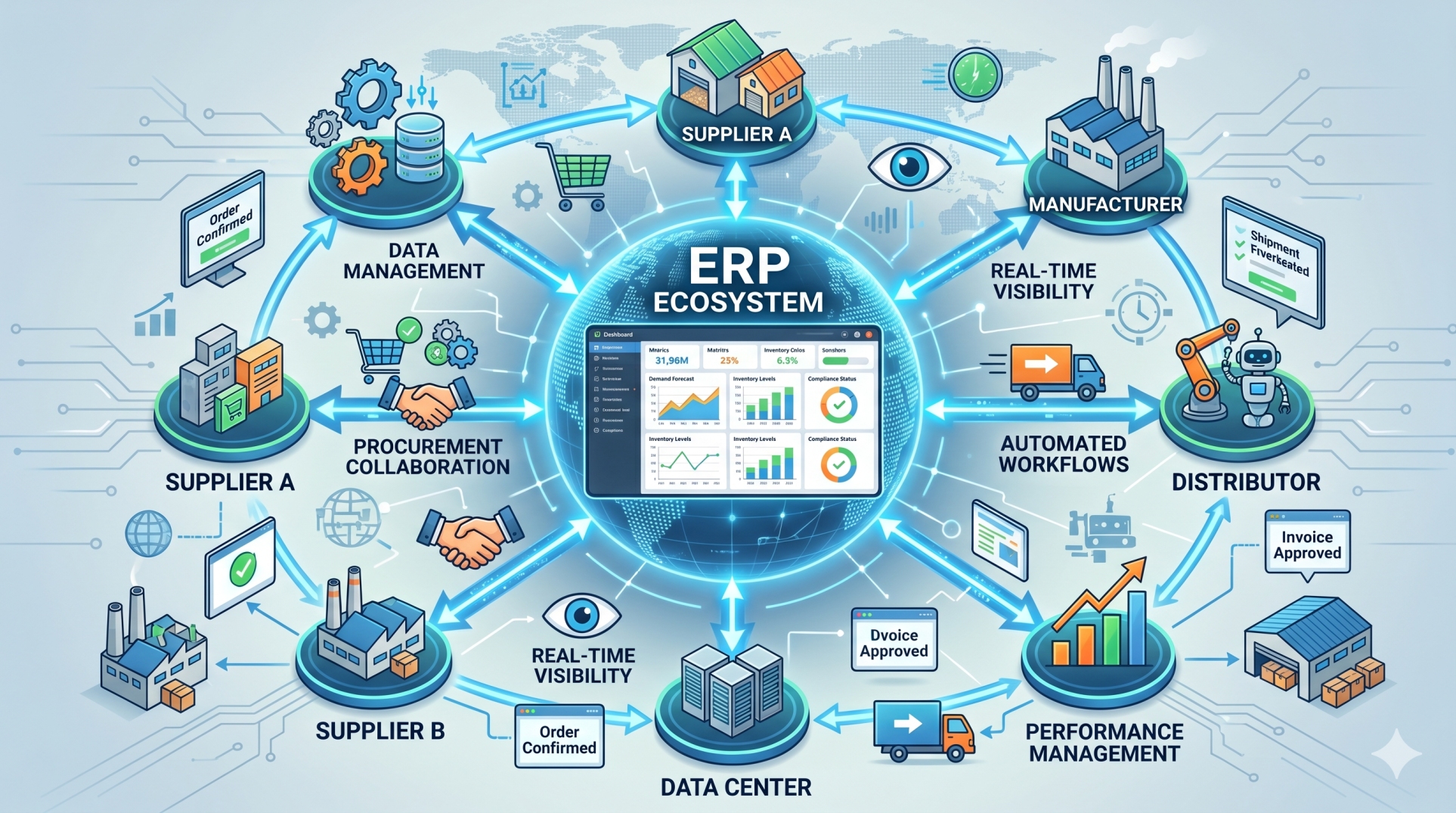
• Connects demand forecasts with procurement and production schedules 📊⚙️
• Aligns supplier orders with expected demand levels 🤝📦
• Improves manufacturing capacity planning 🏭📈
• Reduces operational disruptions caused by demand swings ⚠️🔄
• Enhances coordination across supply chain partners 🌐🤝
Step 7: Scenario Planning and Risk Management 🧠⚠️
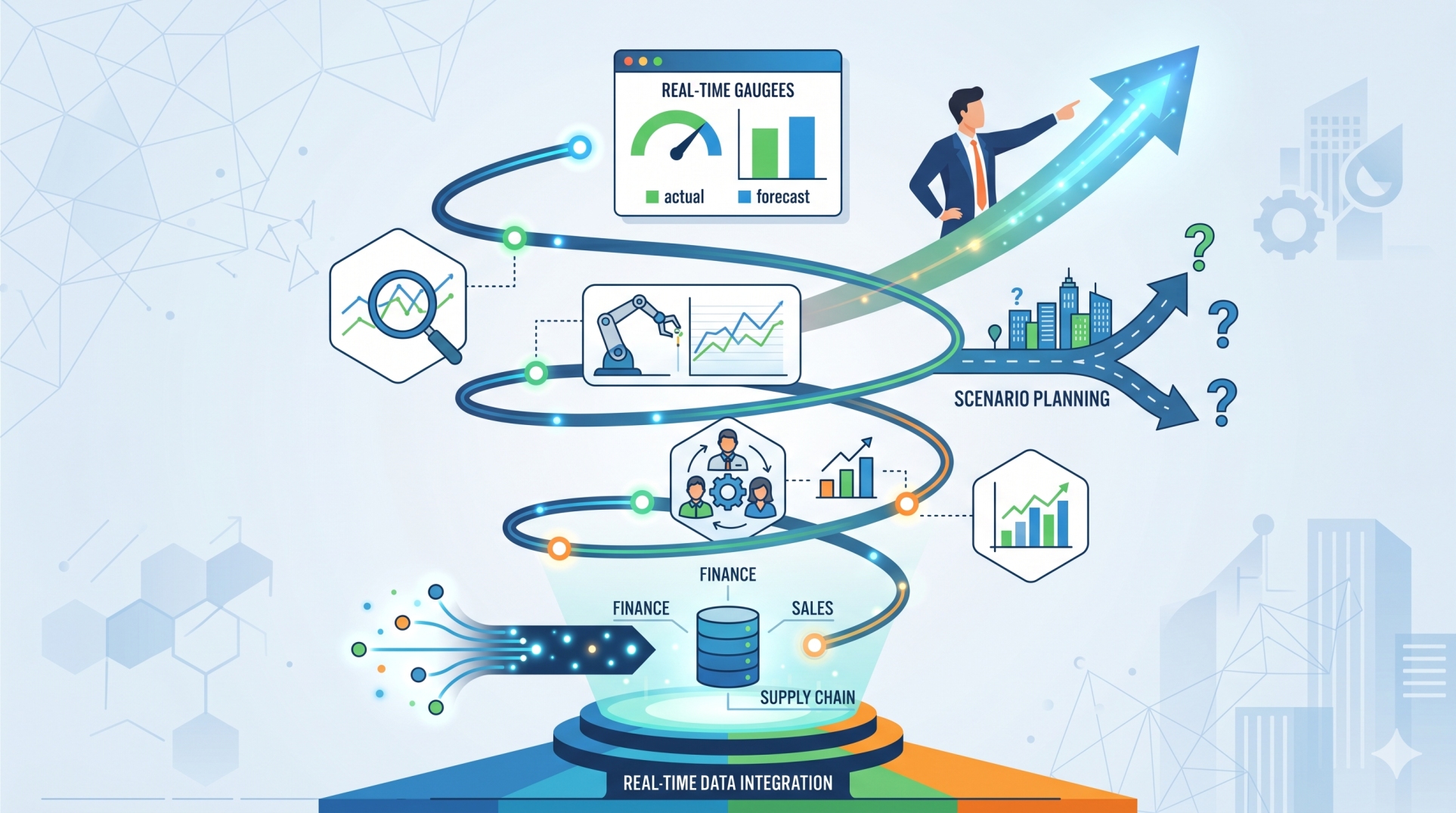
• Simulates potential demand fluctuations and market scenarios 🔮📊
• Evaluates operational impact before decisions are made 📈🧩
• Enables contingency planning for supply disruptions 🔄⚠️
• Helps leadership prepare for both demand surges and declines 📉📈
• Improves resilience across business operations 🛡️🏢
Step 8: Strategic Value of ERP Insights in Demand Management 🎯📊
• Provides leadership with clear visibility into demand trends 👀📈
• Enables faster strategic decisions during market uncertainty ⚡🧠
• Aligns planning, inventory, and supply chain strategies 🔗📦
• Strengthens the organization’s ability to adapt to demand changes 🔄🏢
Conclusion
Managing demand volatility requires more than reactive planning. ERP systems enable organizations to anticipate change, analyze demand patterns, and coordinate operations across the entire business. By combining real-time data, predictive forecasting, and integrated planning capabilities, ERP platforms help companies maintain stability and respond effectively to market fluctuations. As demand environments become increasingly unpredictable, ERP-driven insights play a critical role in building resilient and adaptable business operations.
See more blogs
You can all the articles below