Building ERP Extensions Without Breaking Core Stability
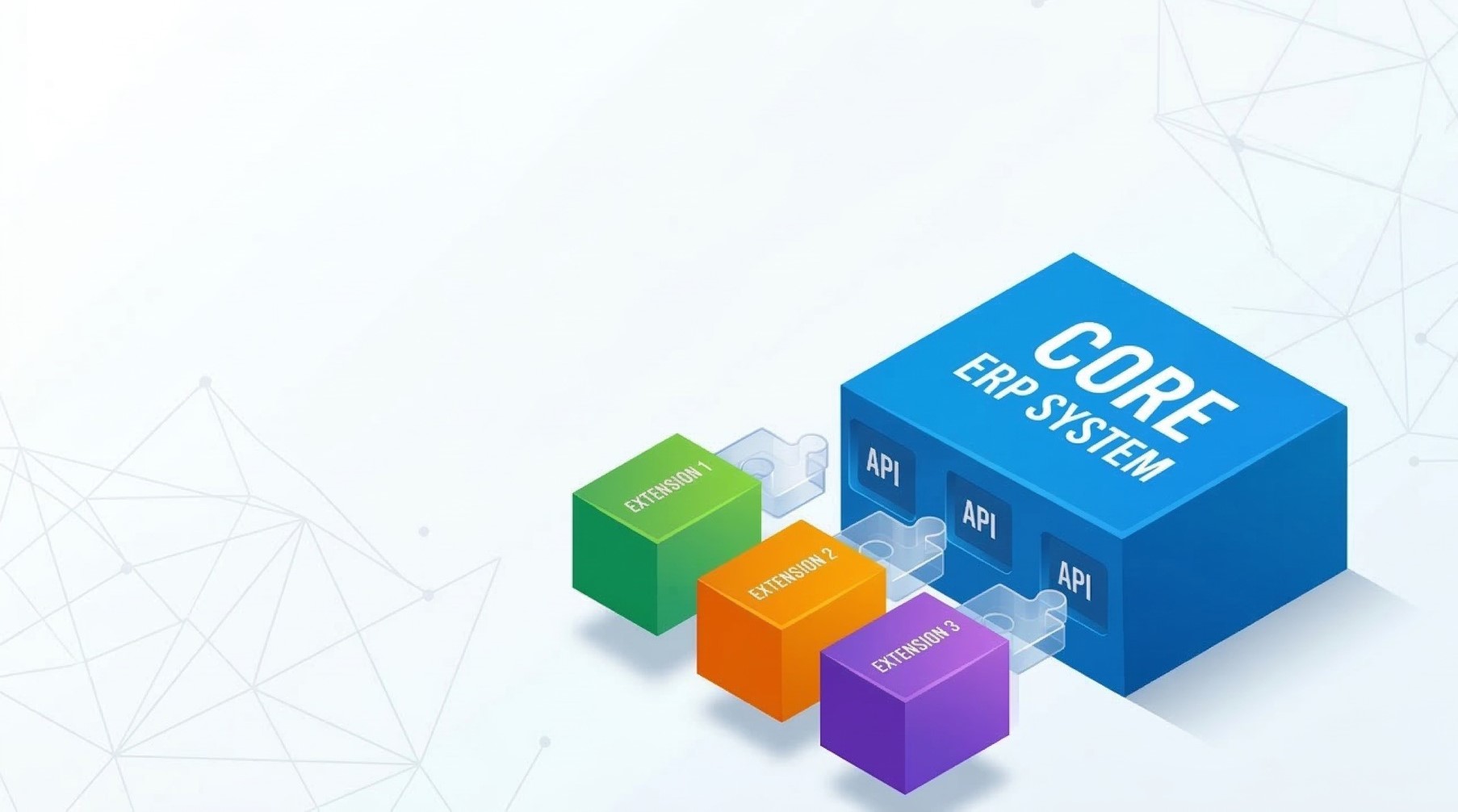
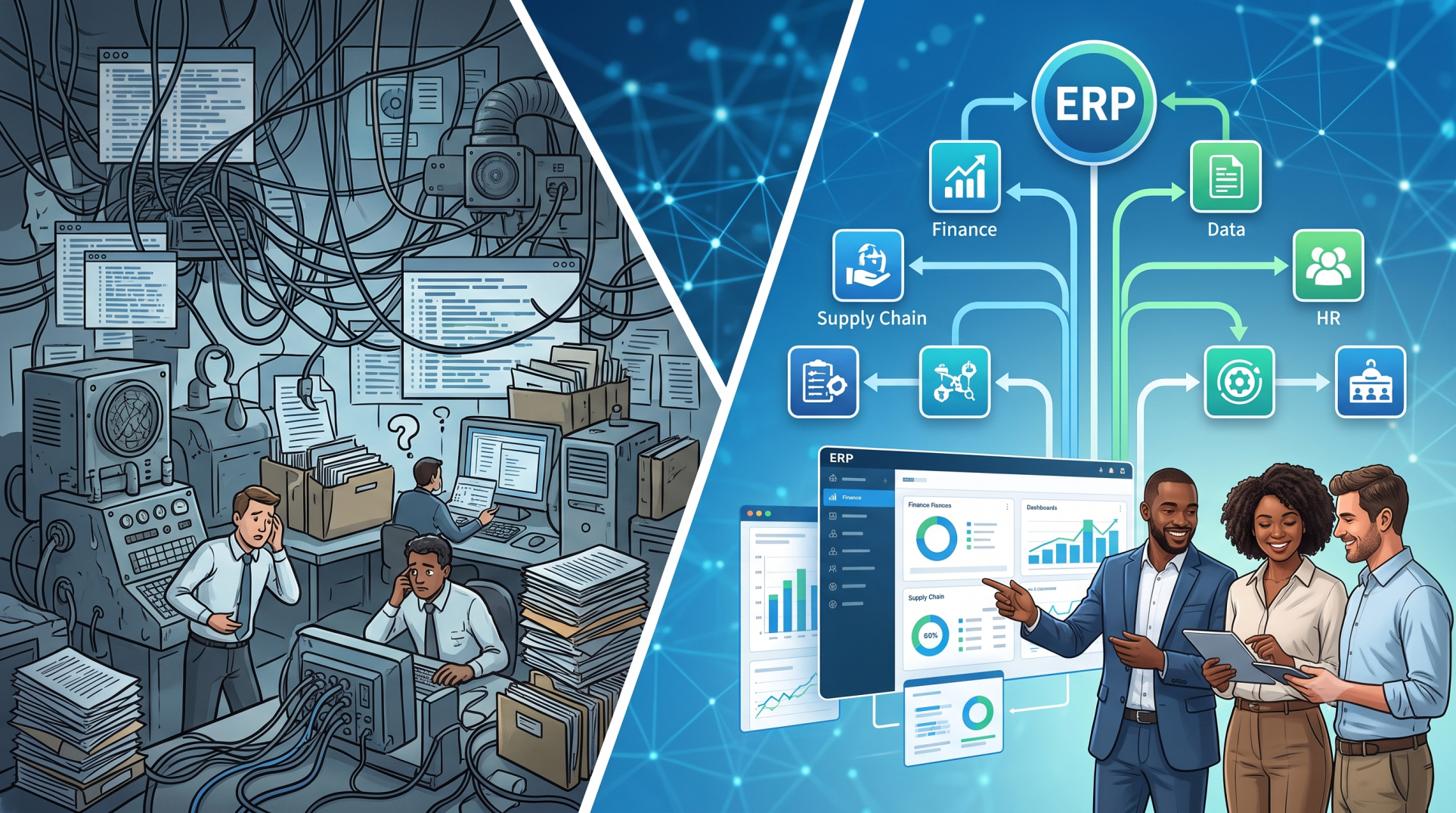
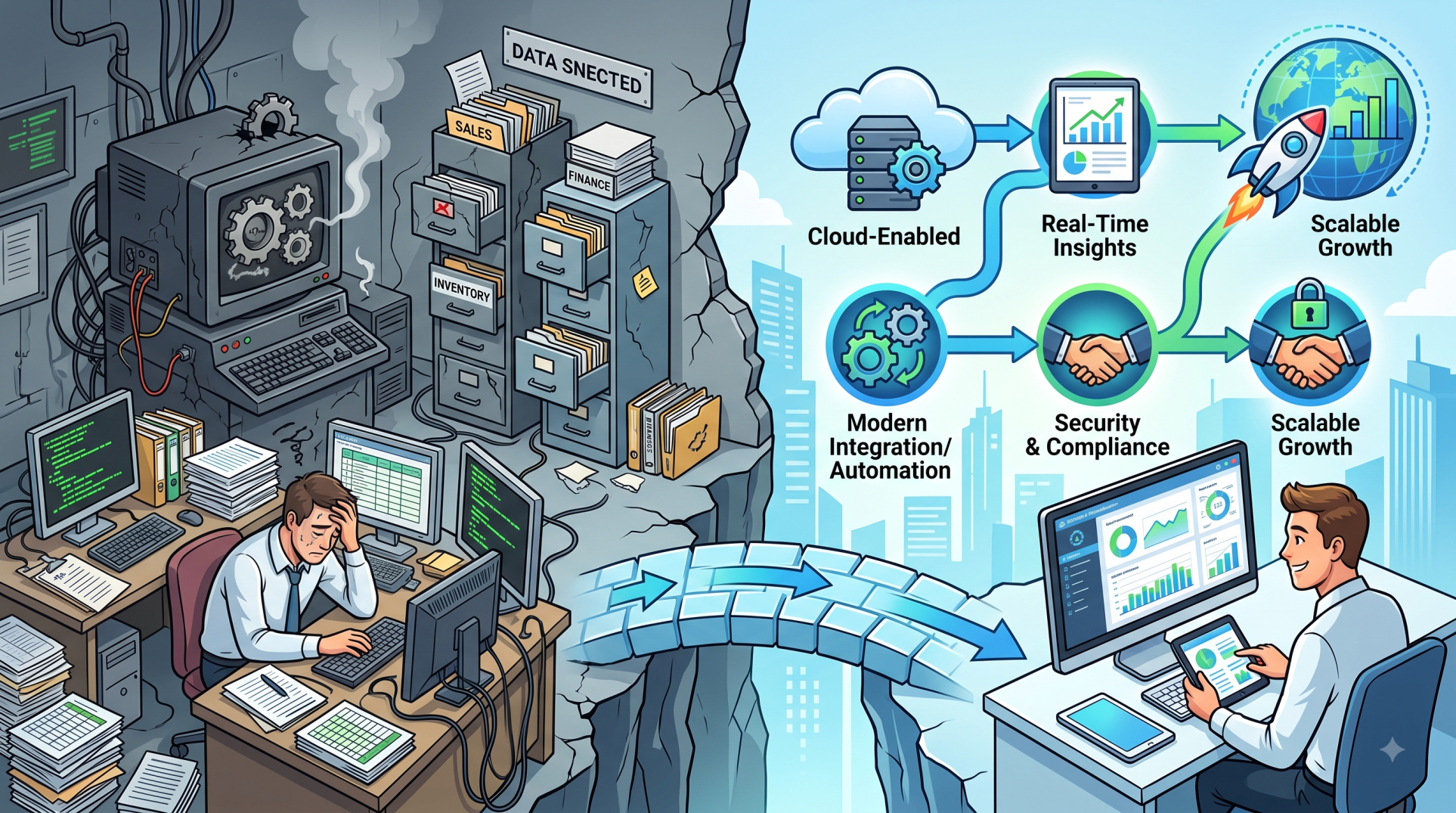
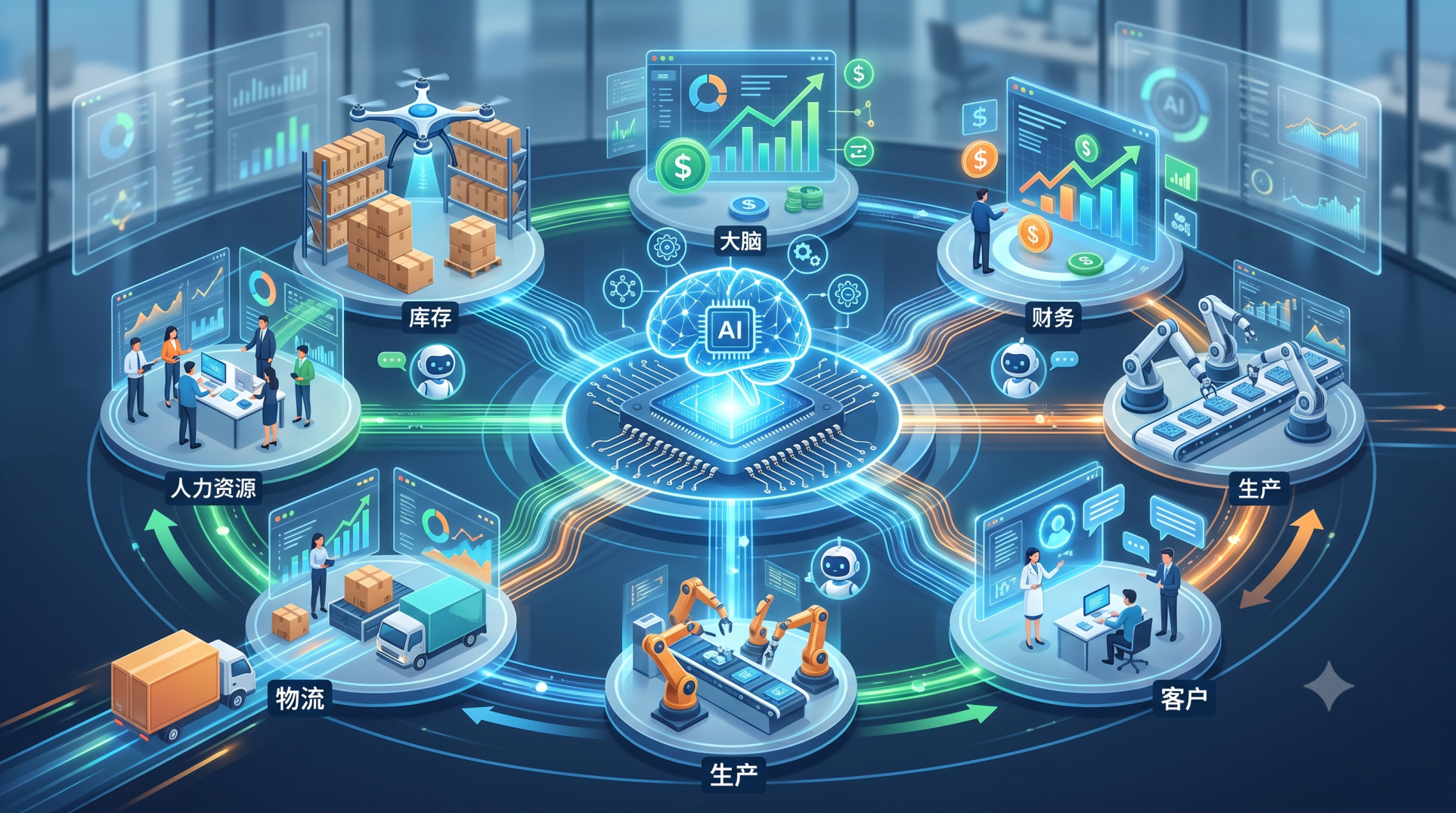
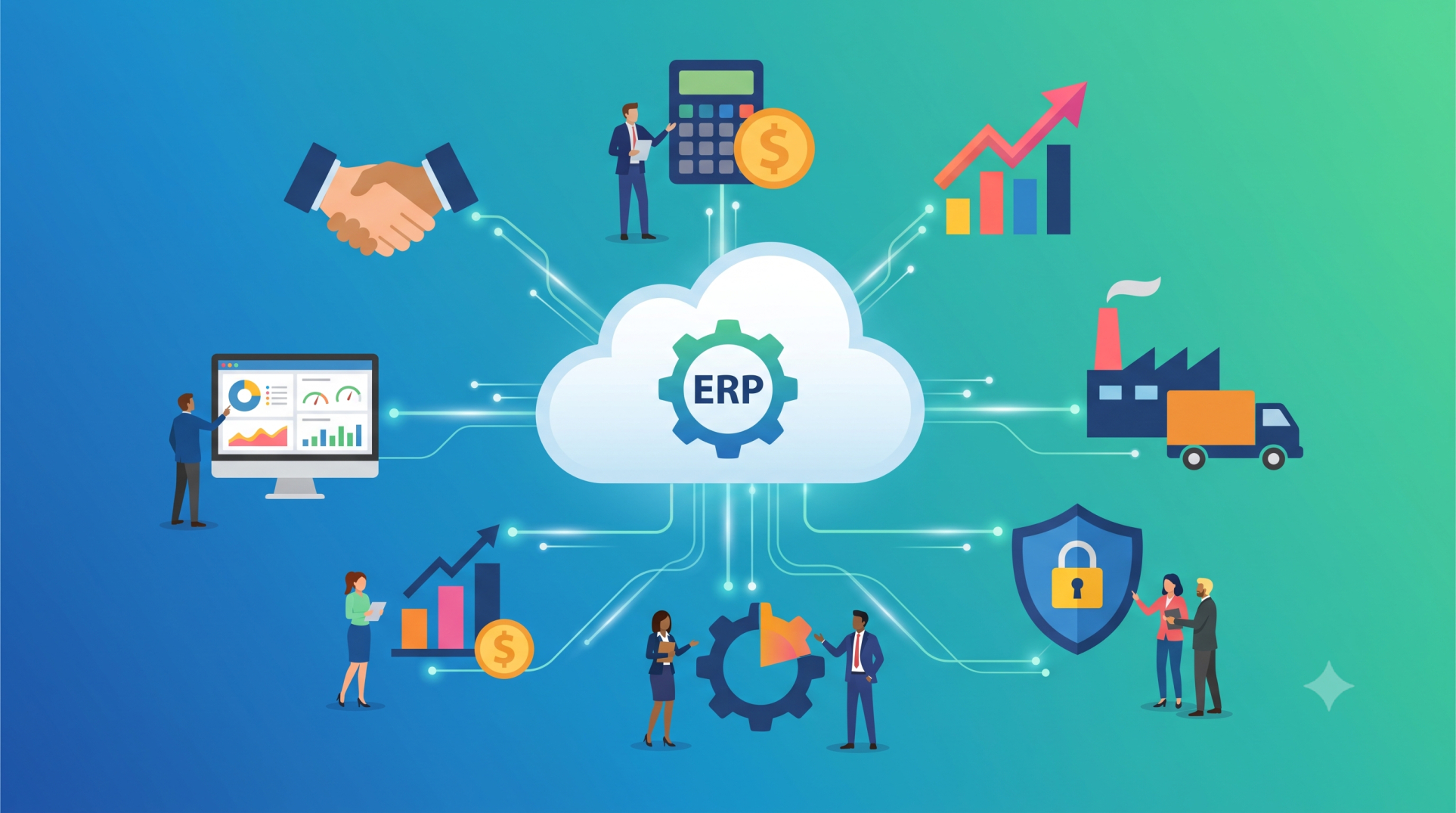
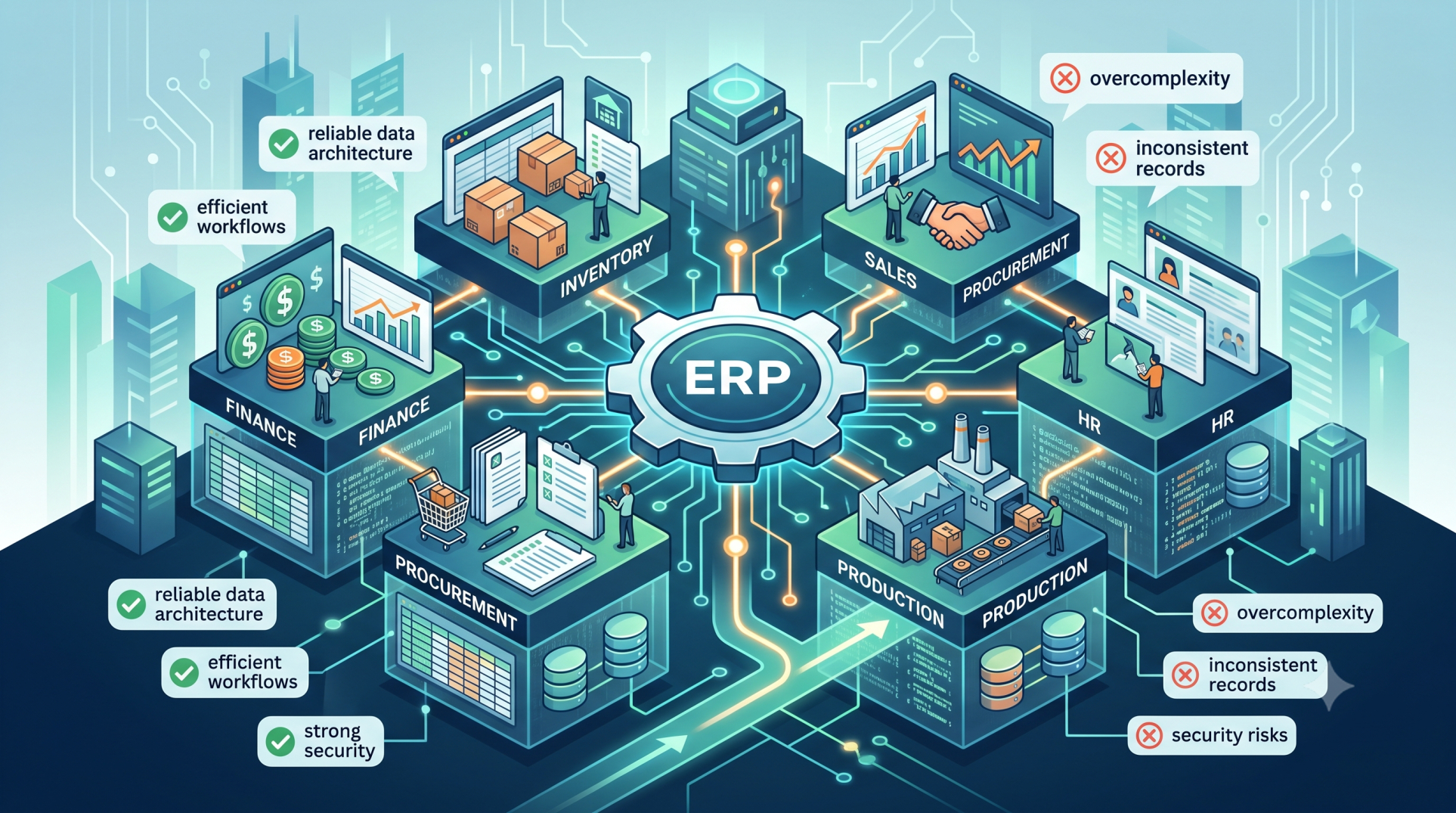
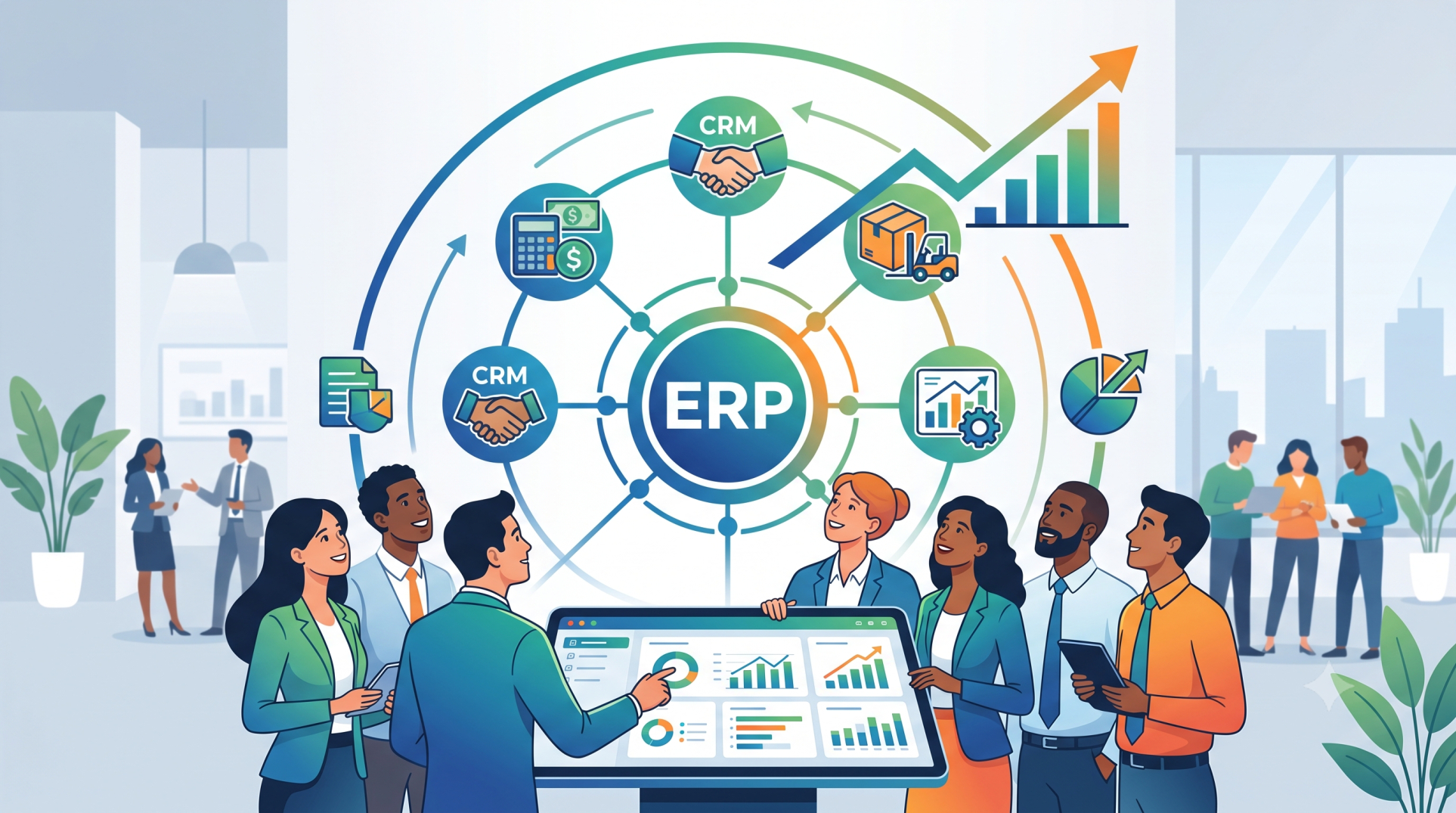
As organizations grow and processes become more complex, ERP systems must continuously adapt to new requirements, integrations, and industry-specific workflows. While extending ERP functionality is often necessary, poorly implemented customizations can negatively impact system stability, upgrade paths, and overall performance. The key is to enhance capabilities without disrupting the integrity of the core system.
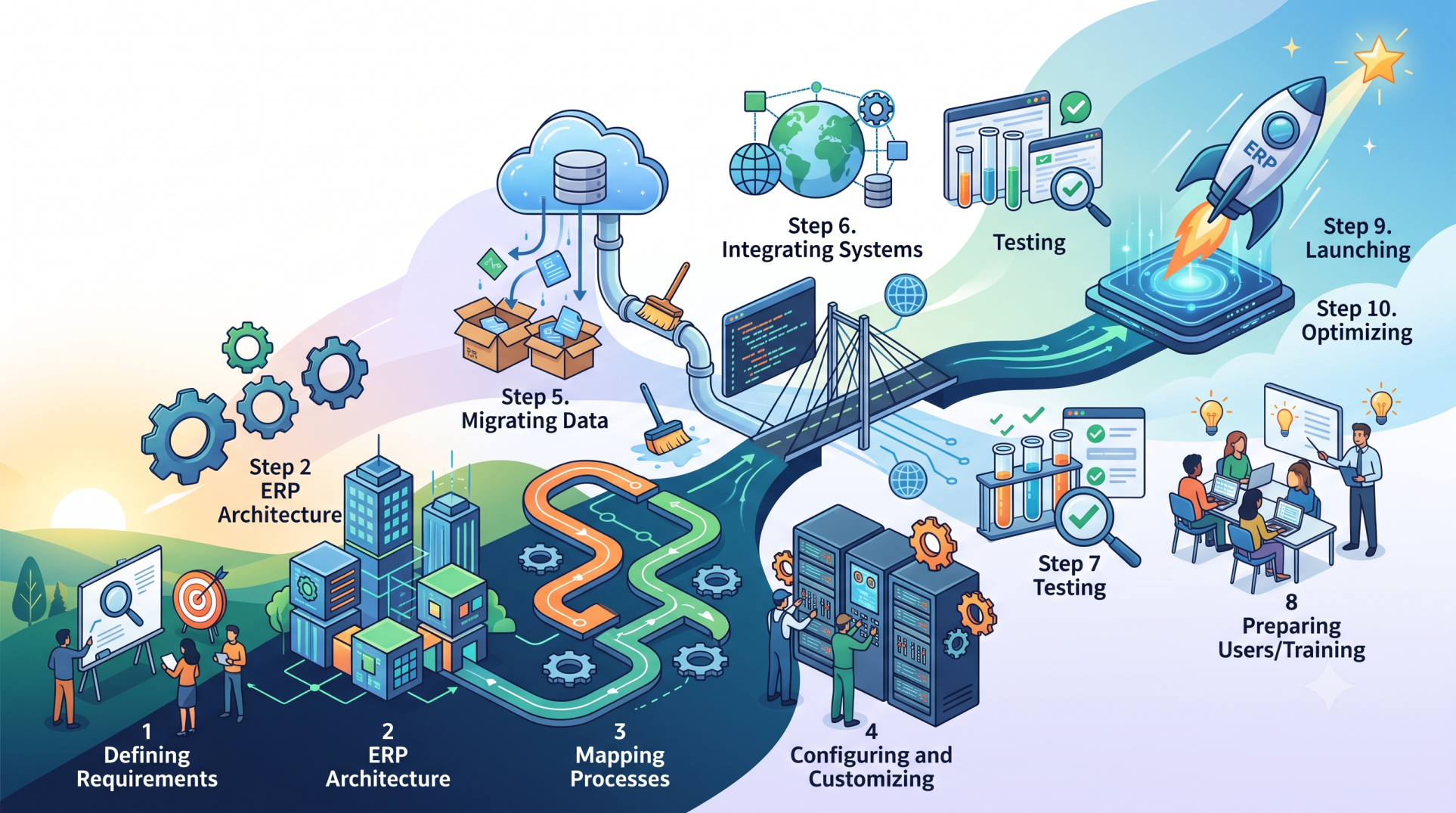
Step 1: Recognizing the Risks of Core Modifications ⚠️🧩
• Directly altering core ERP code increases system vulnerability 🧠❌
• Custom changes may break during updates or patches 🔄⚠️
• Troubleshooting becomes more difficult when core logic is modified 🔍🧱
• Vendor support may be restricted for heavily customized systems 🏢🚫
• Deeper modifications raise the risk of instability 📉
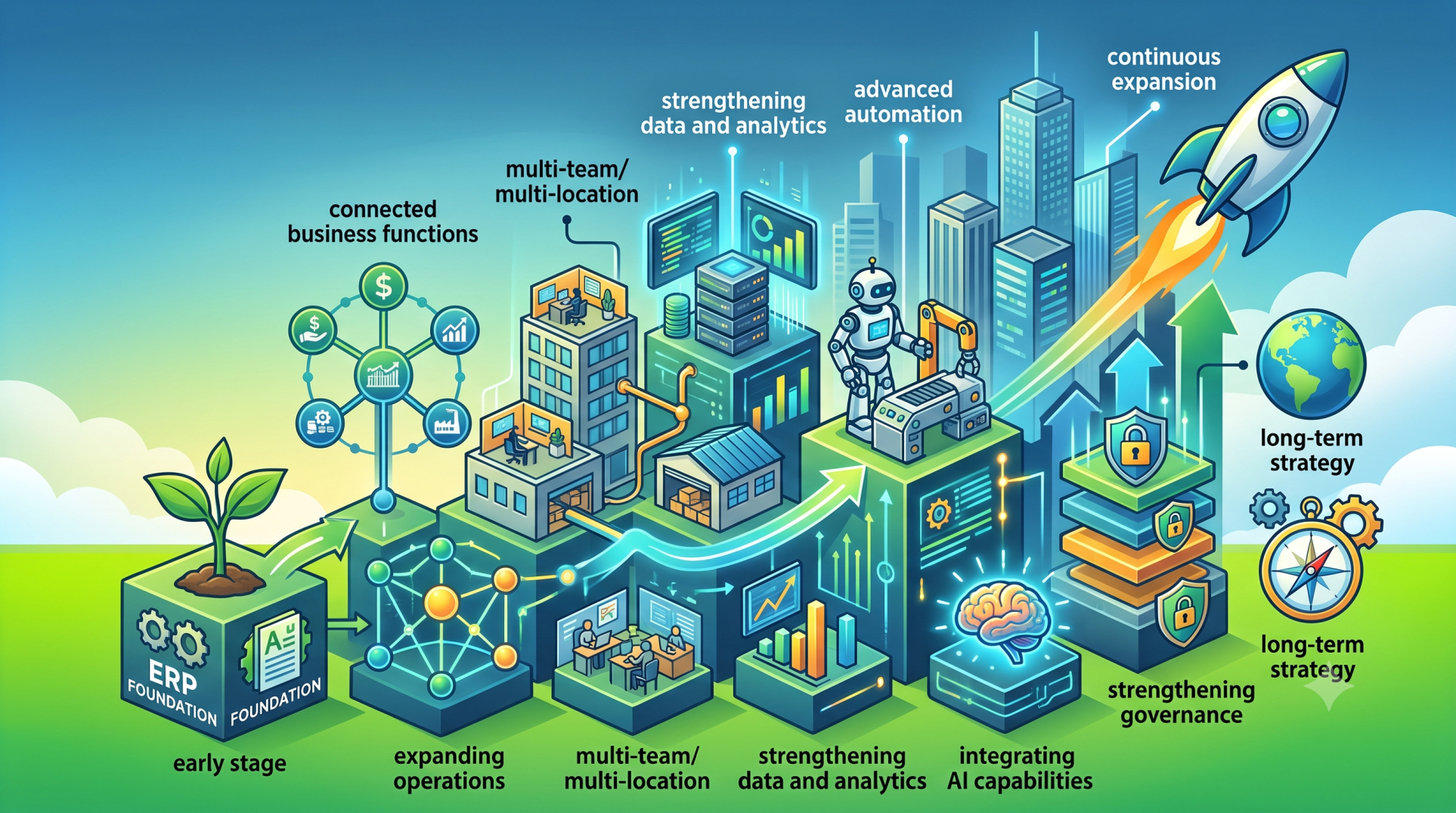
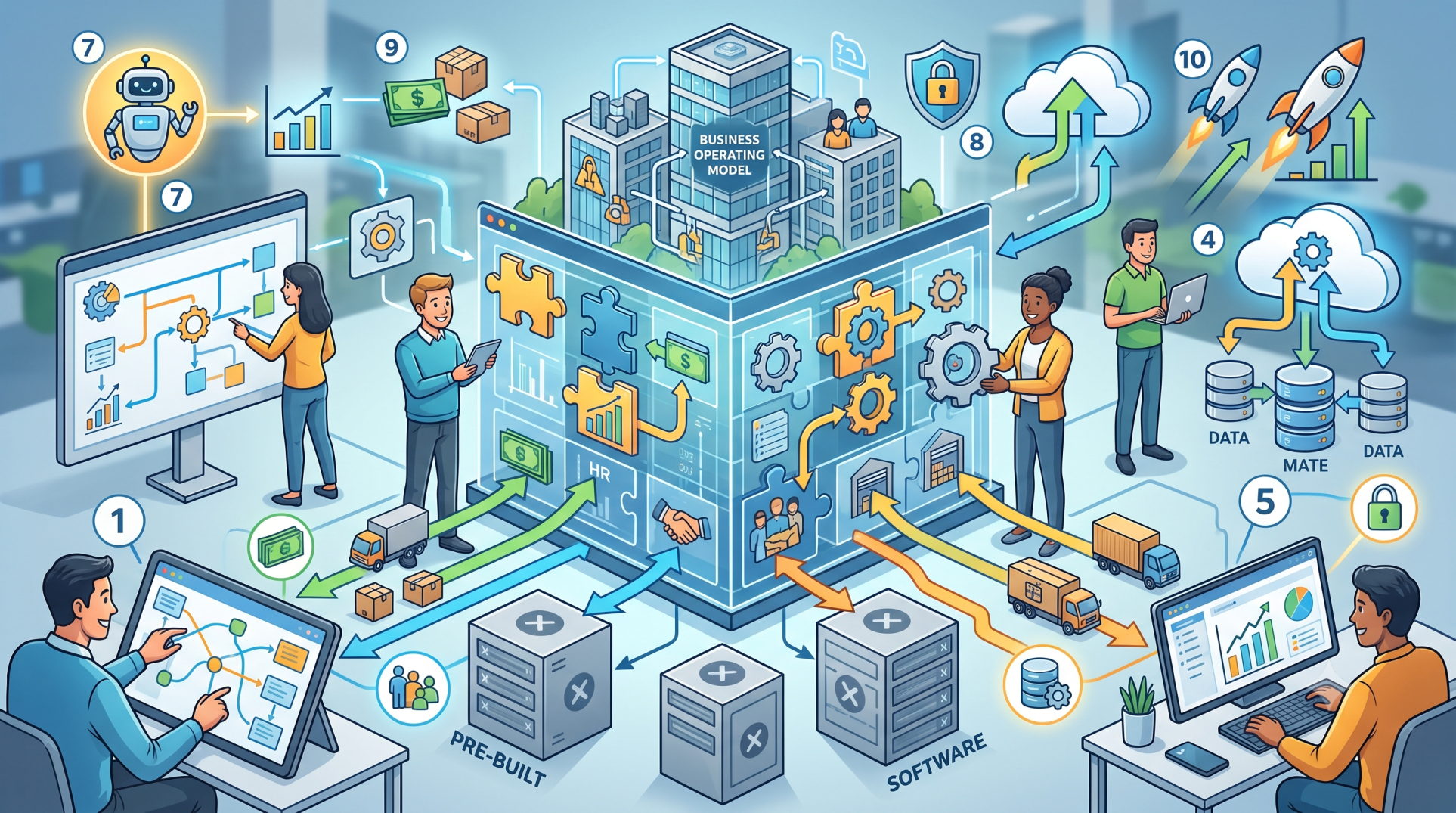
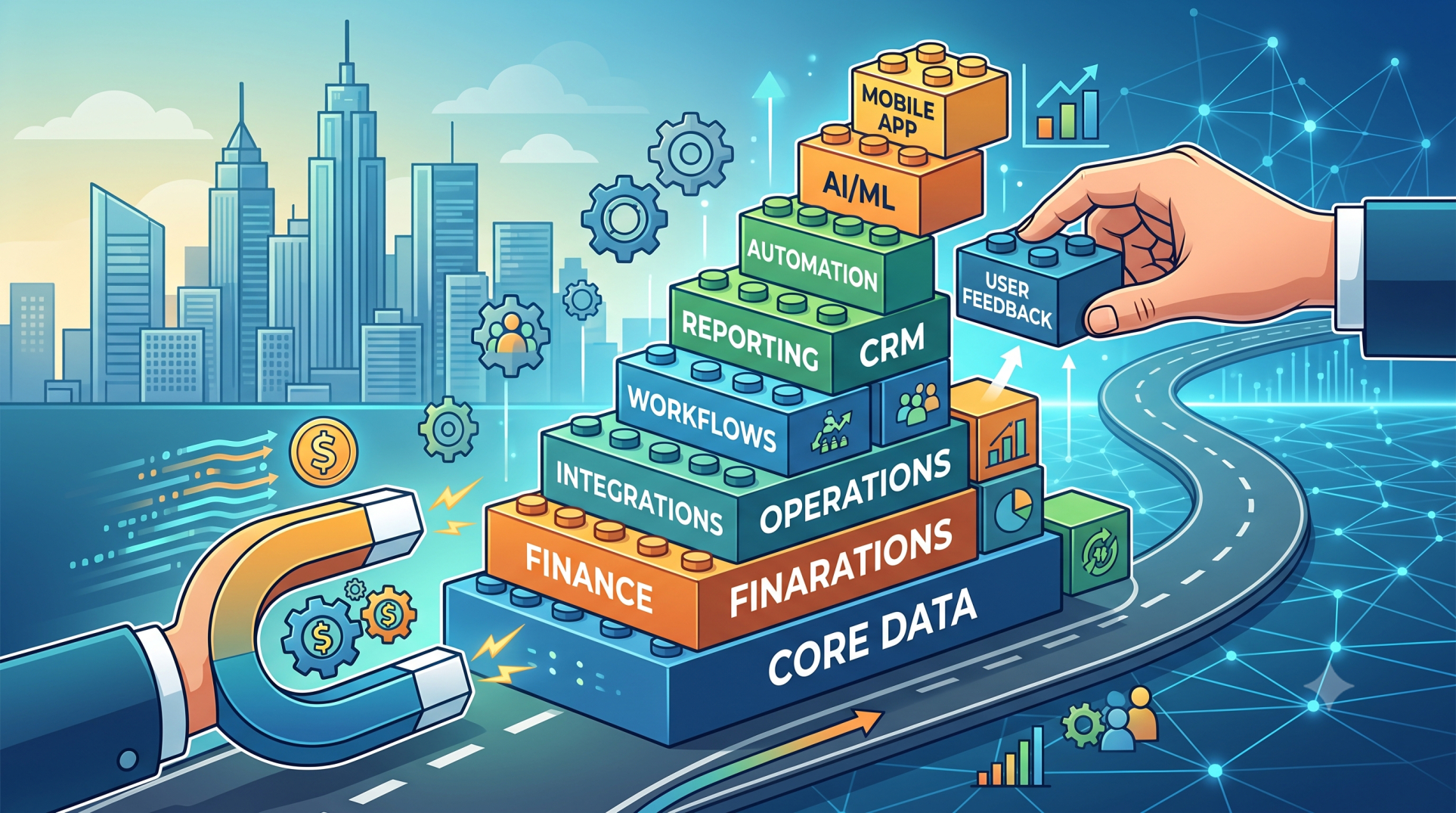
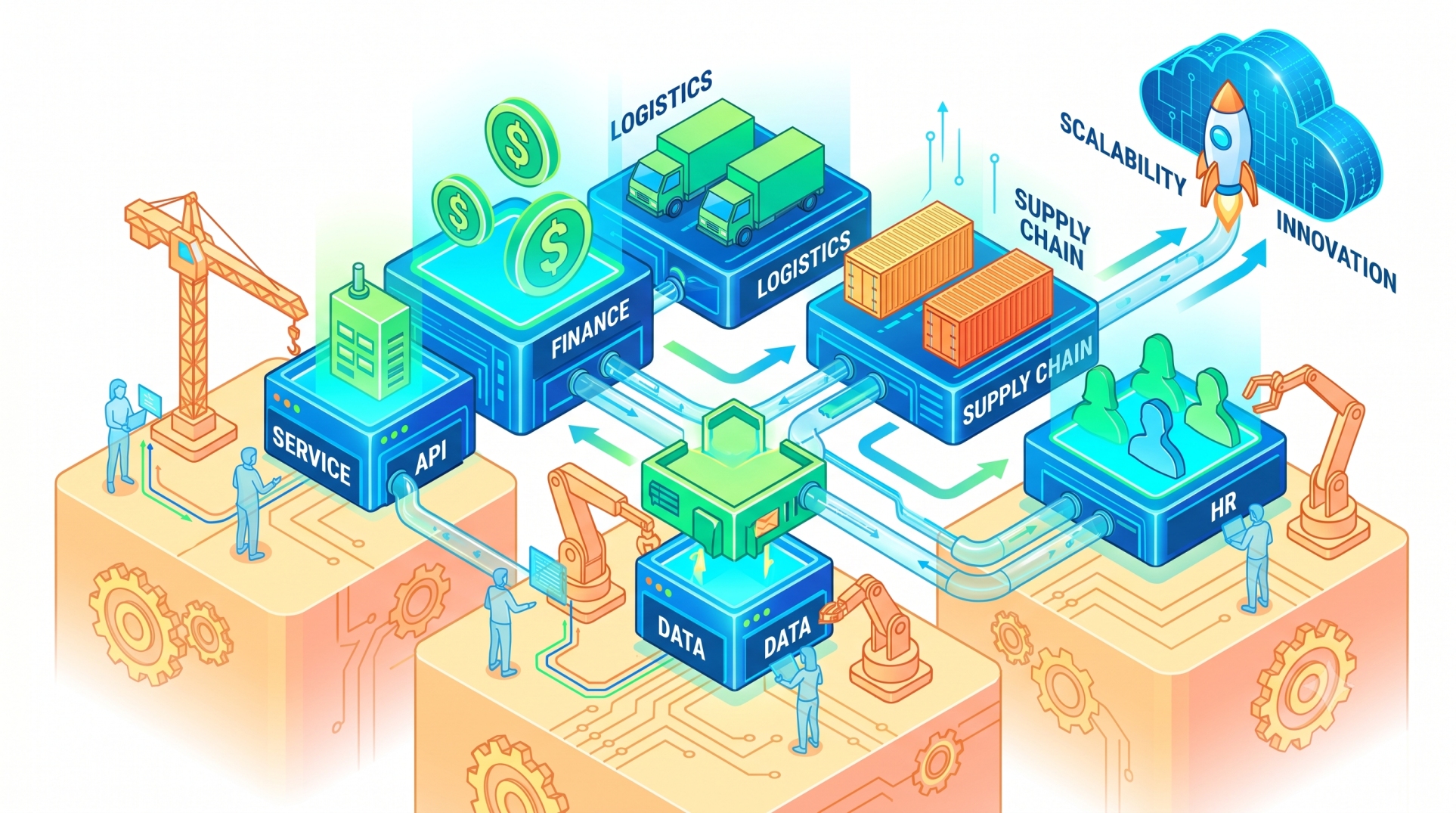
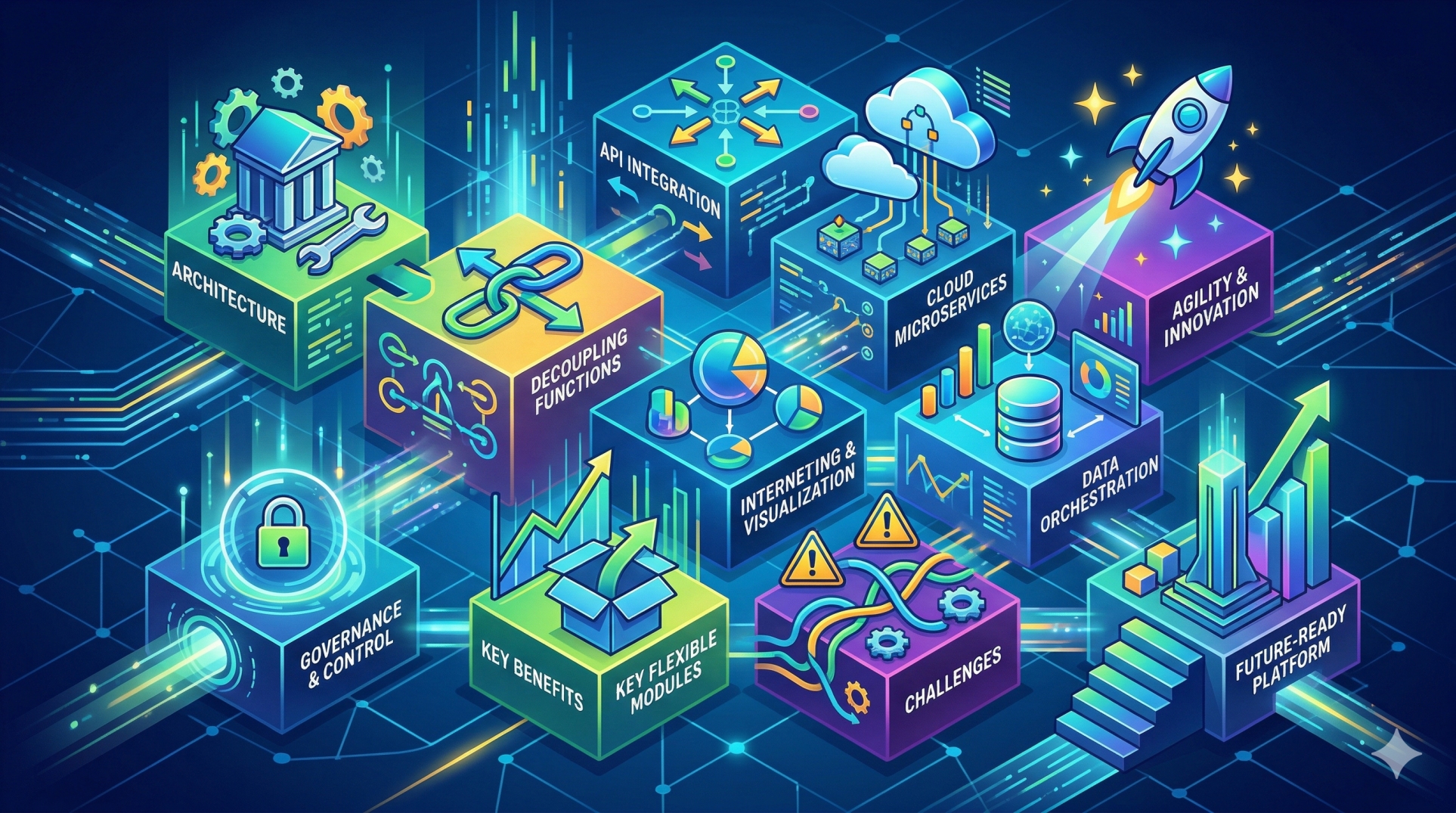
Step 2: Adopting an Extension-First Architecture 🏗️🔗
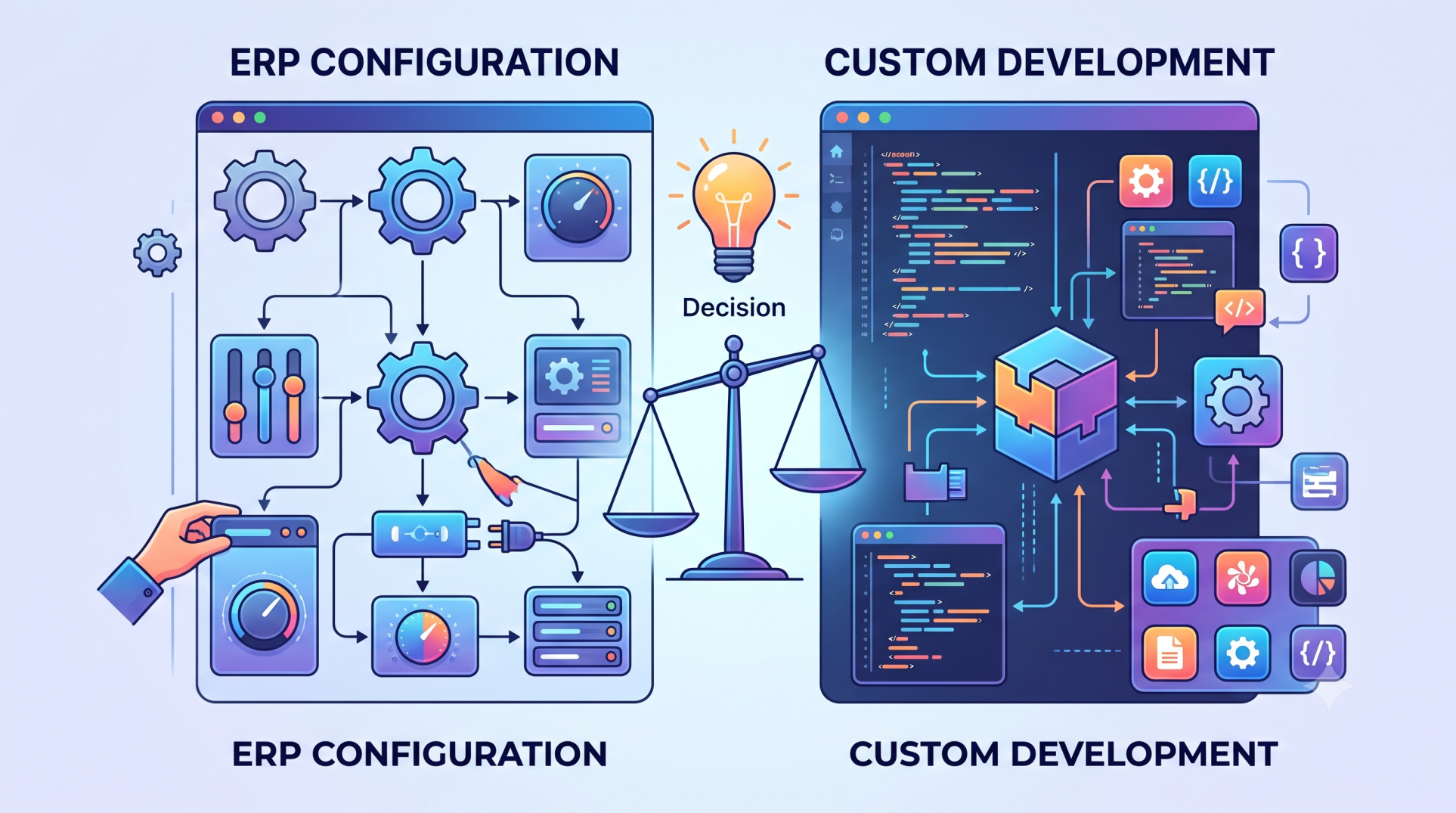
• Focus on extending functionality without modifying the core 🔄📦
• Keep custom logic separate from the main ERP system 🧩🚧
• Design loosely coupled components for flexibility 🔗⚙️
• Use standardized interfaces for communication 📡
• Ensure extensions can be independently deployed or removed 🔄
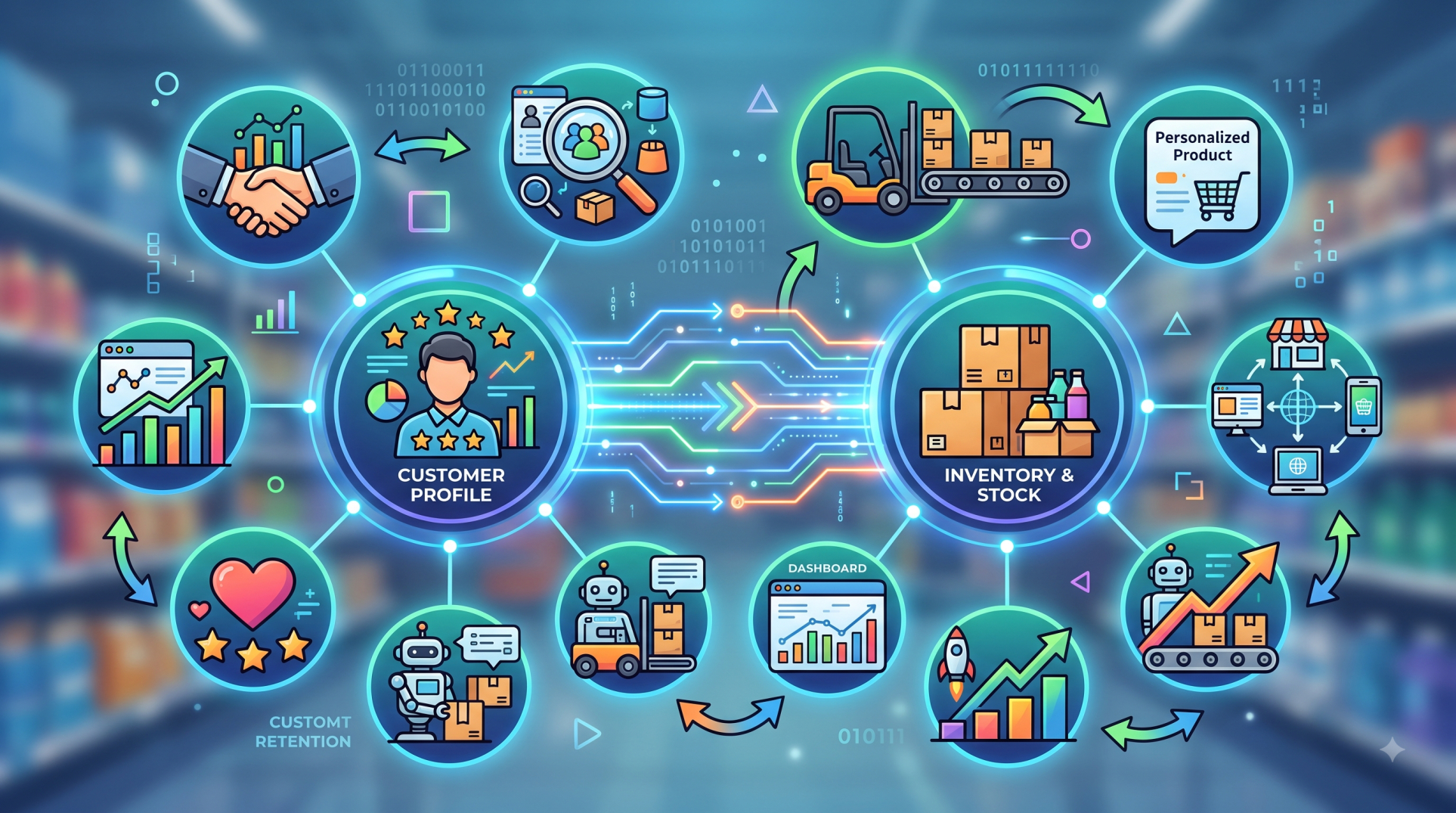
Step 3: Using APIs for Controlled Integration 🔌📊
• Interact with ERP features through well-defined APIs 🧠🔗
• Avoid direct database manipulation ❌🗄️
• Enable secure and structured data exchange 🔐📥
• Maintain clear separation between systems ⚙️📏
• Support scalability with consistent integration layers 📈
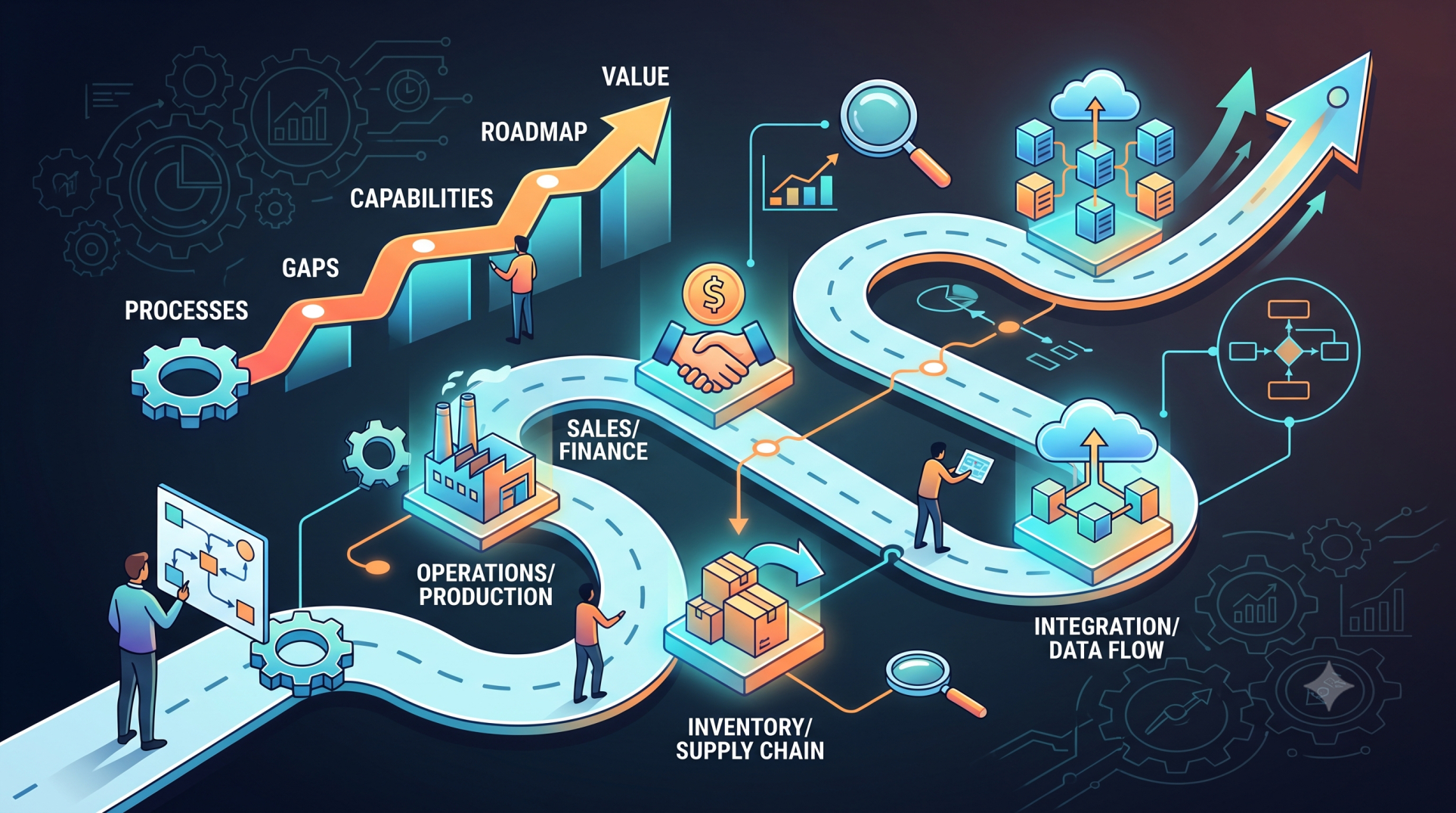
Step 4: Implementing Middleware and Integration Layers 🔄🌐
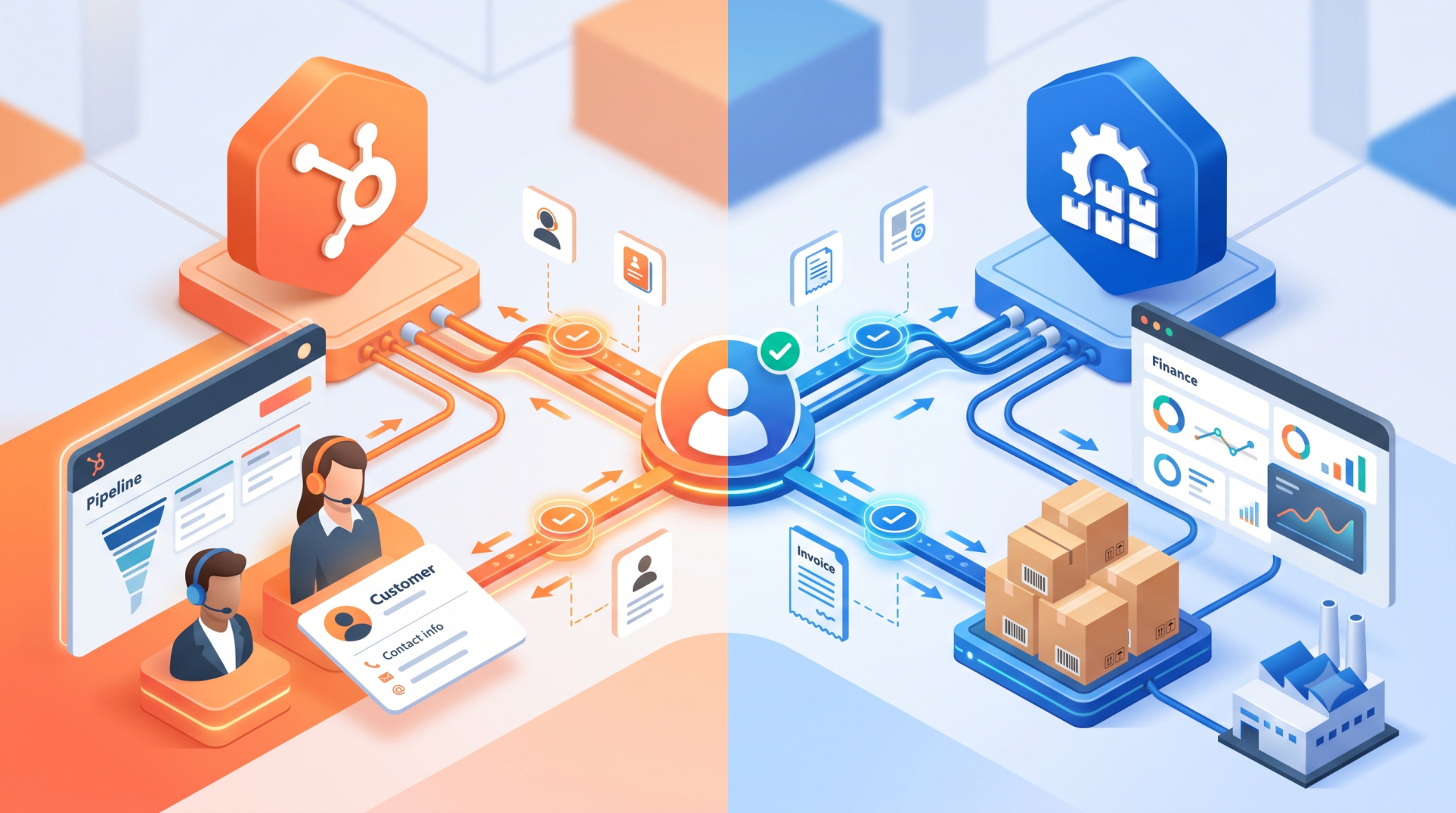
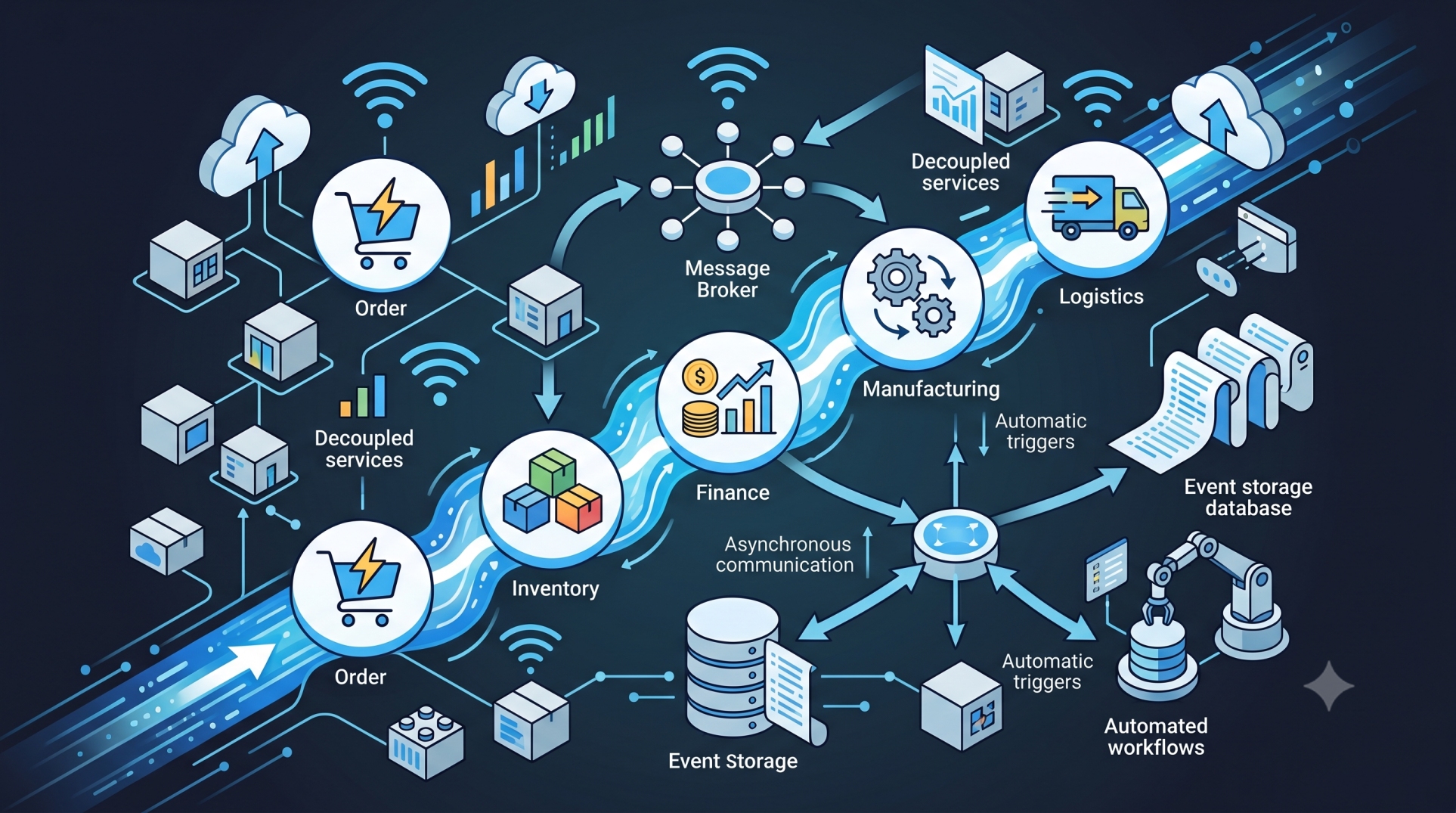
• Use middleware to manage communication between systems 🧩📡
• Decouple external applications from ERP internals 🔗🚫
• Handle transformations and business rules outside the core 🔄📊
• Improve resilience through abstraction layers 🛡️
• Simplify future integrations and system evolution 🔧
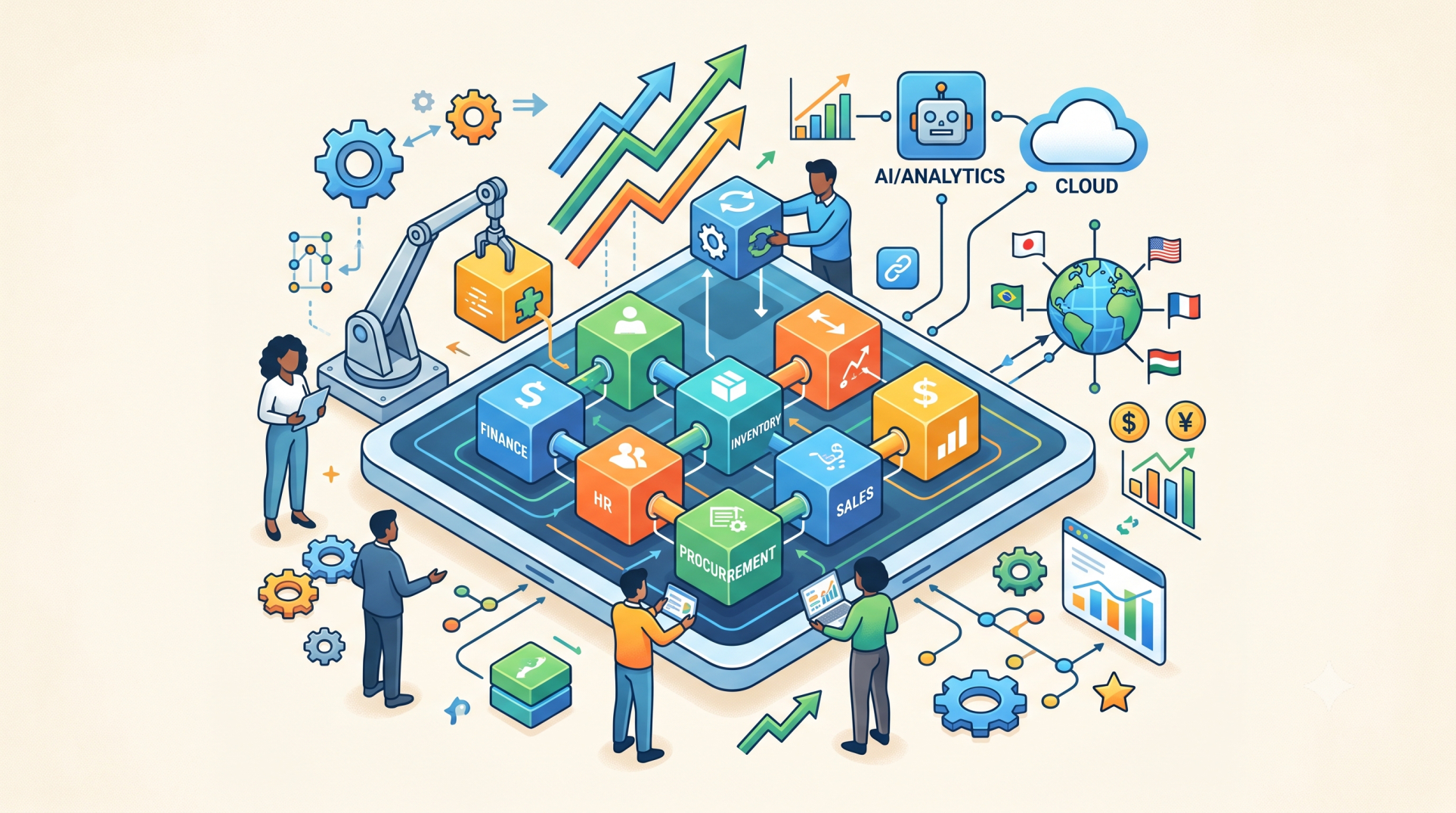
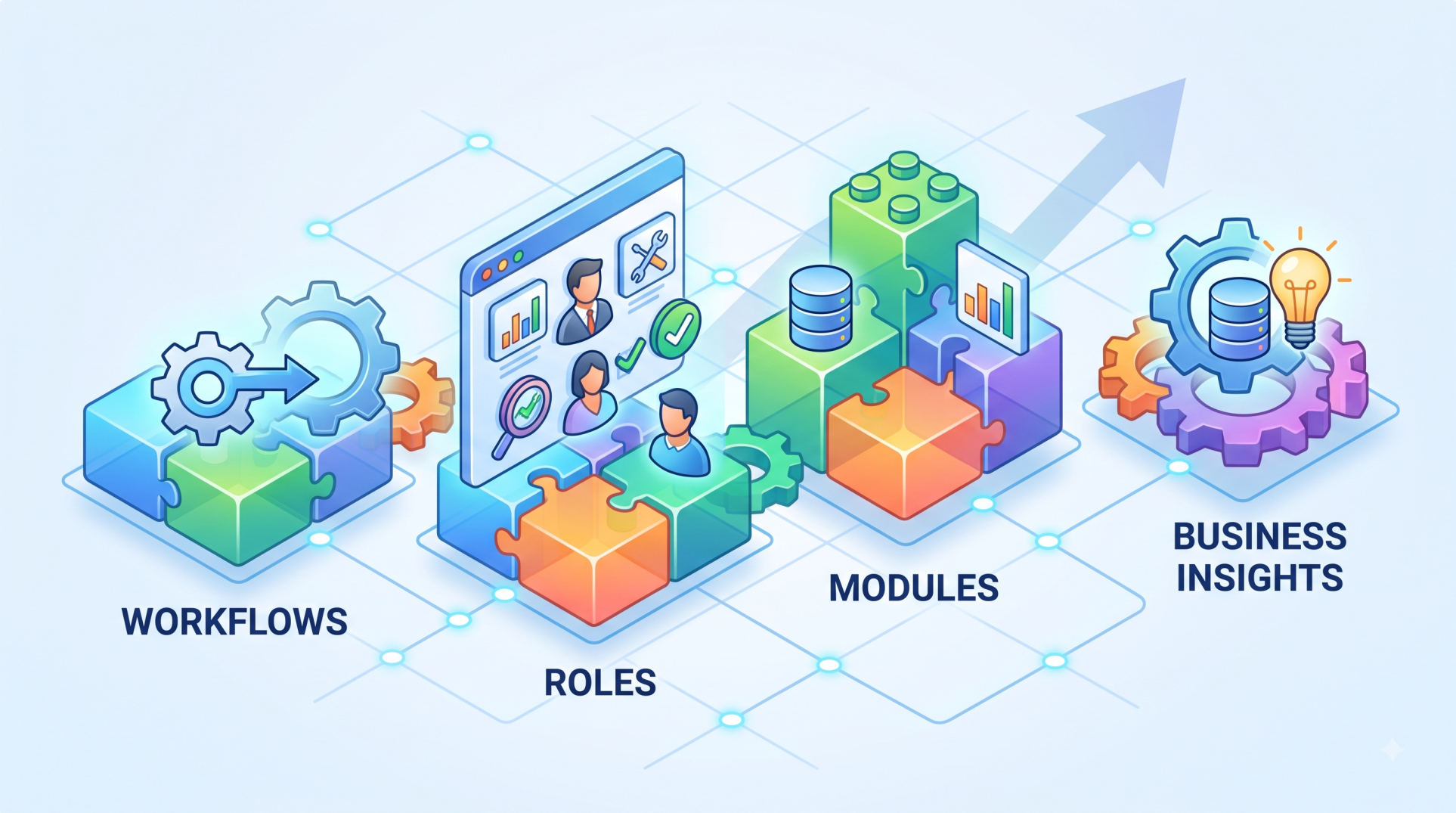
Step 5: Designing Modular ERP Extensions 🧱📦
• Develop extensions as independent, self-contained modules 🧩
• Ensure modules function without impacting others 🔄
• Allow selective deployment and updates ⚙️📤
• Minimize the risk of system-wide failures 🚫📉
• Enhance maintainability and testing efficiency 🧪
Step 6: Handling Upgrades and Version Compatibility 🔄📅
• Ensure extensions remain compatible across ERP versions 🔗
• Avoid reliance on undocumented internal behaviors 🚫📜
• Test thoroughly before rolling out updates 🧪✔️
• Maintain version control and backward compatibility 📦
• Reduce downtime and upgrade complexity ⏱️
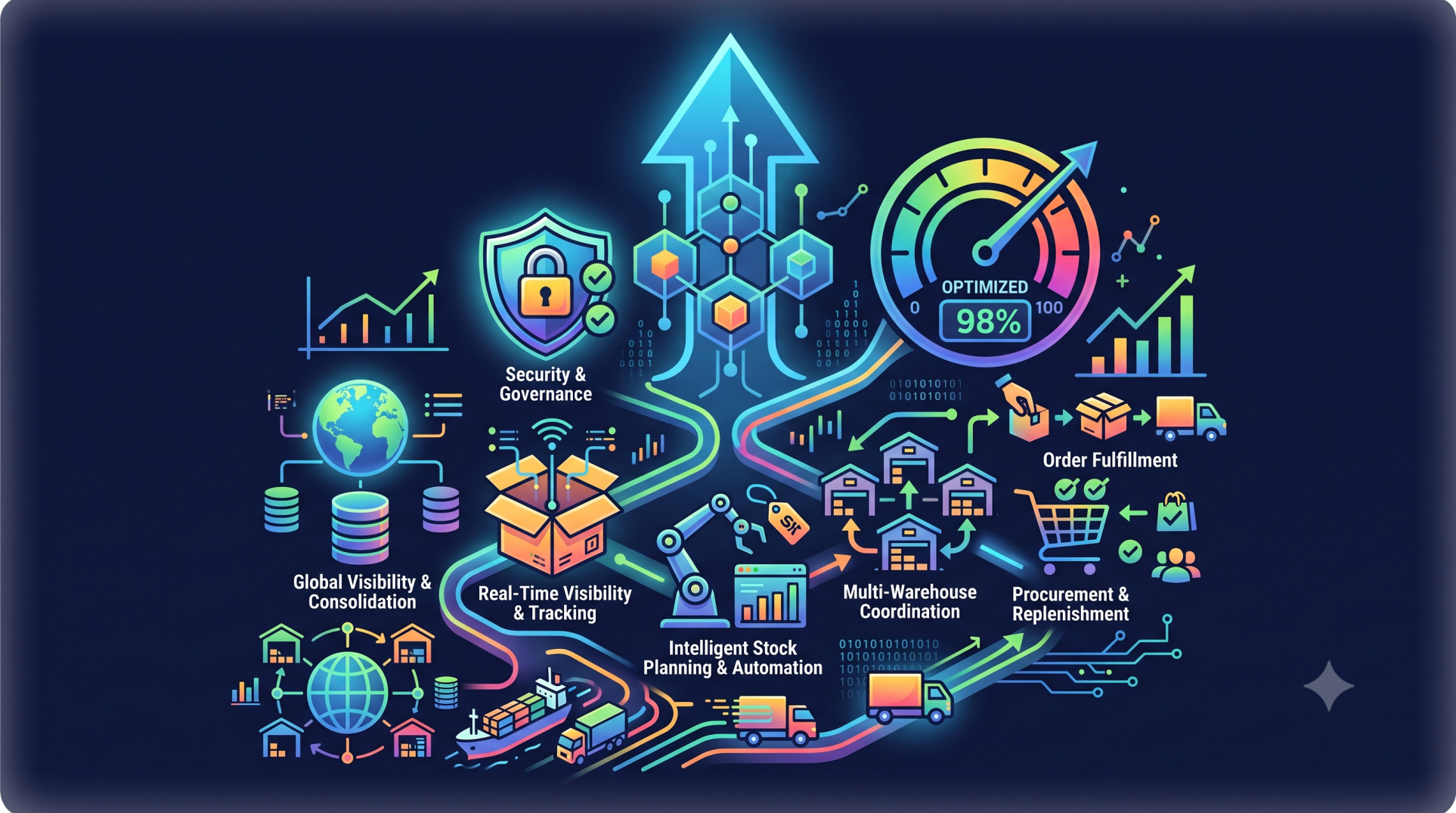
Step 7: Maintaining Performance and Stability ⚡🛠️
• Monitor the performance impact of each extension 📊
• Avoid heavy processes that strain core operations 🚫⚙️
• Optimize data access and processing flows 📈
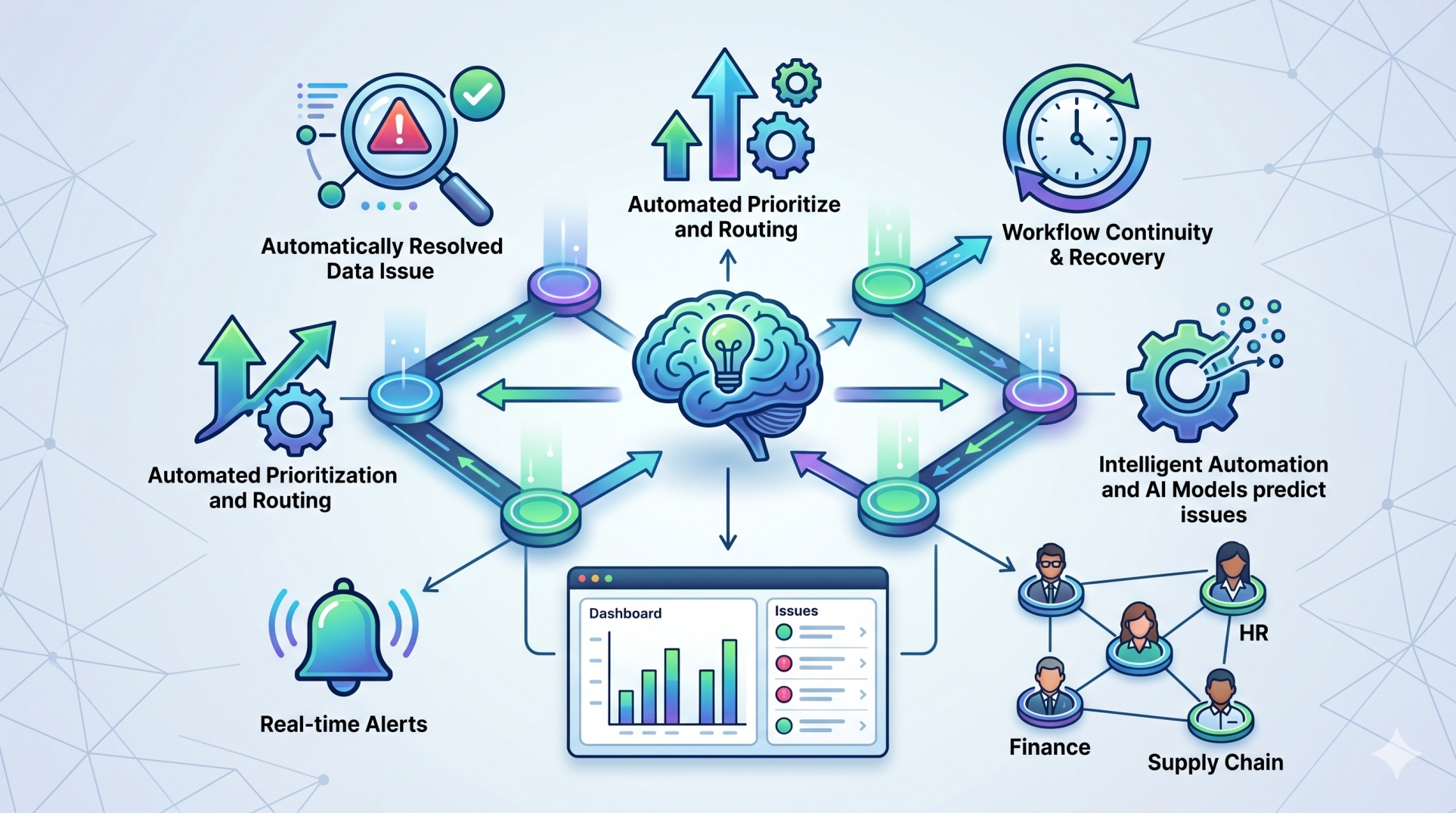
• Implement robust error handling and fallback strategies 🔁
• Ensure consistent system responsiveness under load 🚀
Step 8: Best Practices for Safe ERP Extensions ✅📌
• Keep all custom logic outside the core system 🧩
• Rely on APIs and middleware for integration 🔗
• Build extensions to be modular and loosely connected ⚙️
• Validate compatibility before every upgrade 🔄
• Continuously monitor system performance and health 📊
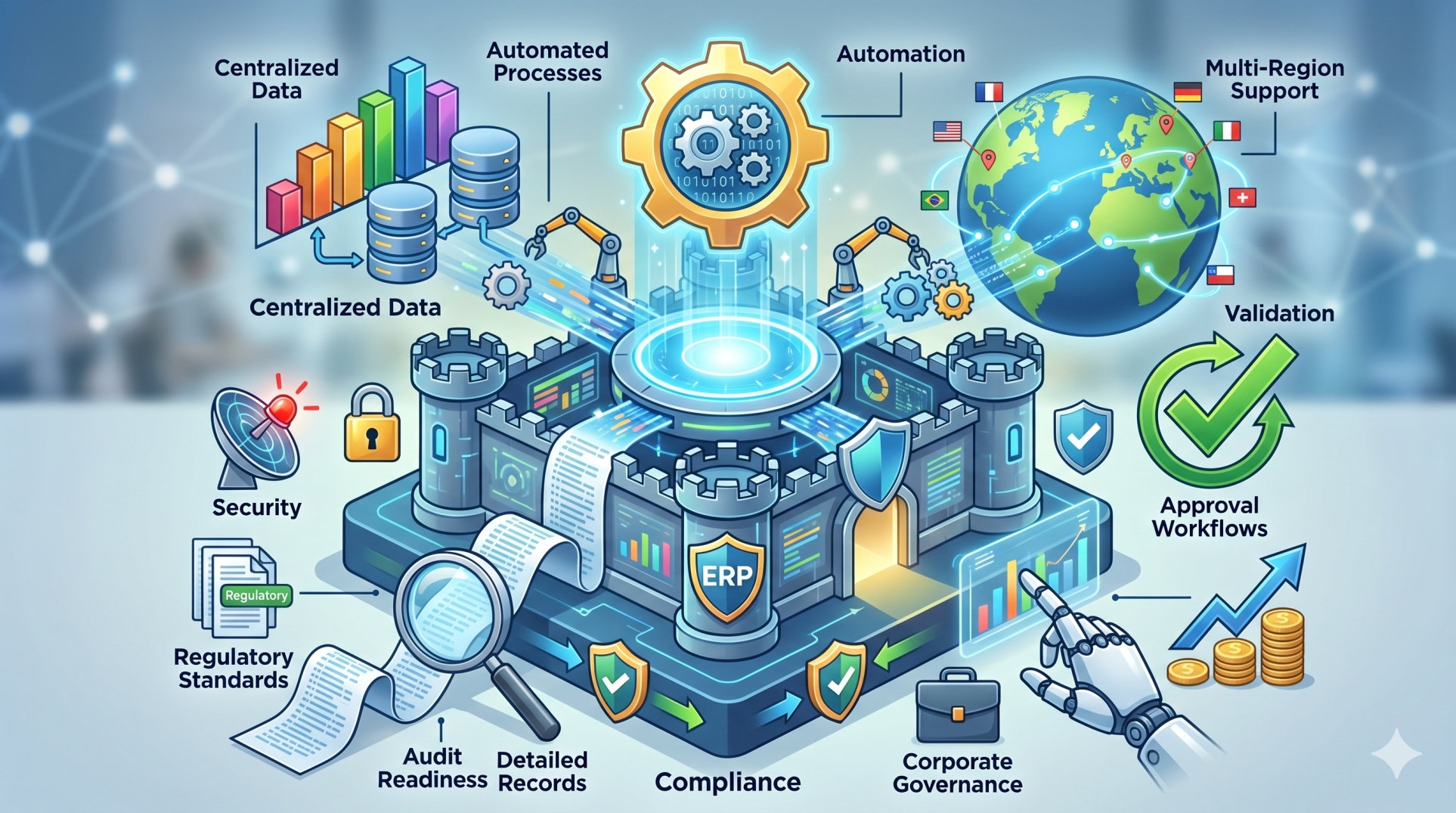
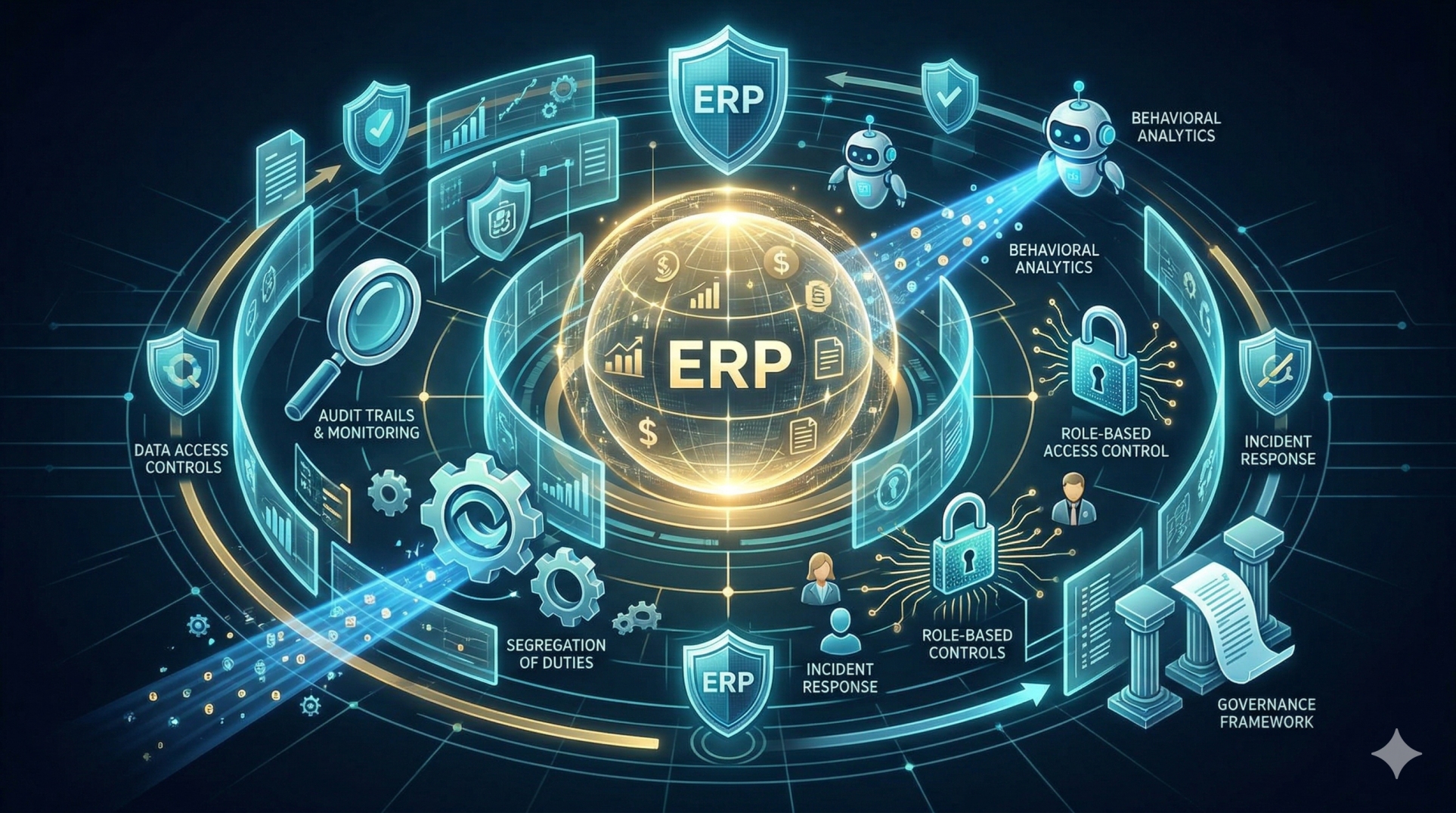
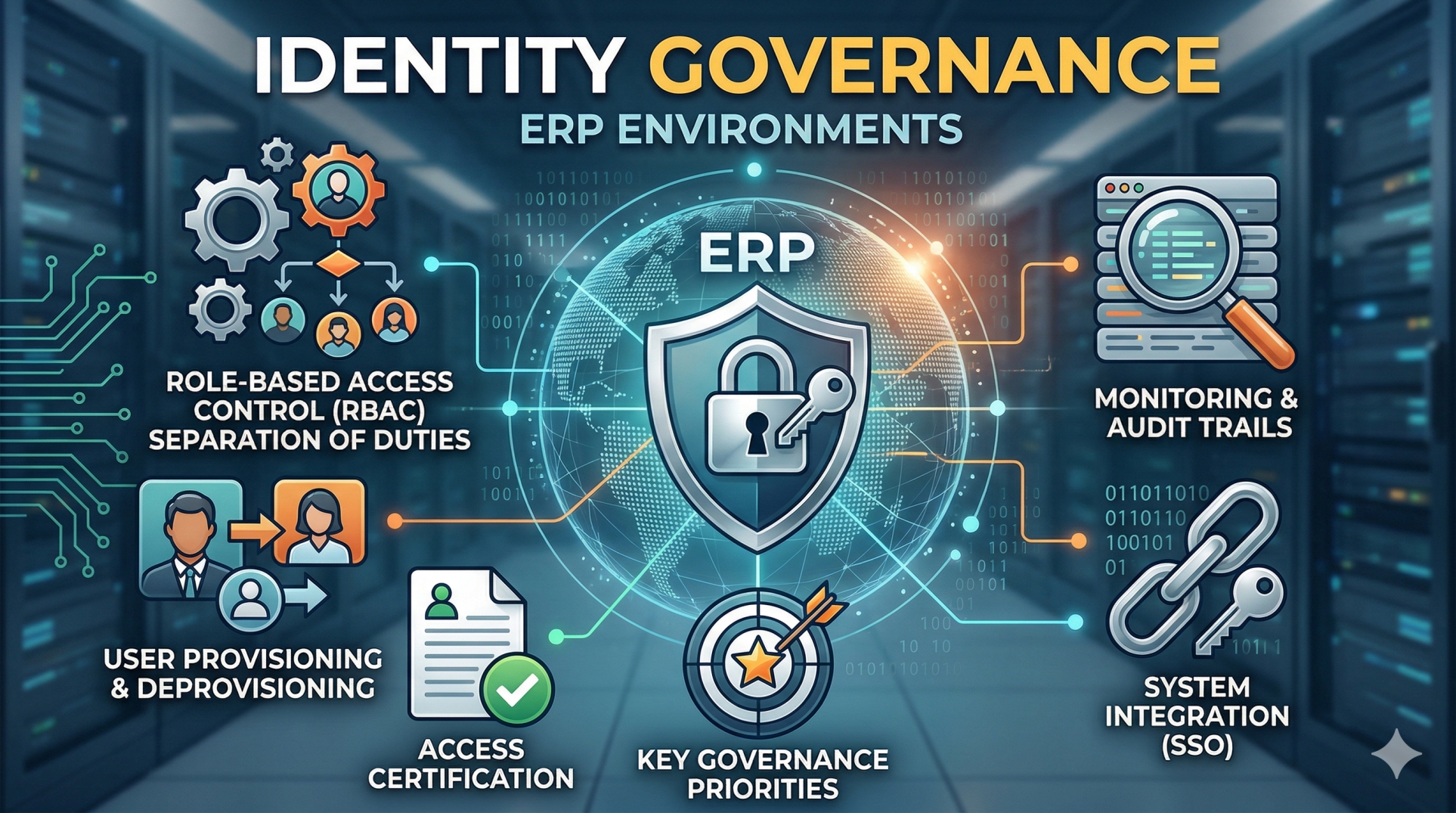
Step 9: Security and Access Control Considerations 🔐🛡️
• Enforce strict authentication and authorization 🔑
• Protect sensitive ERP data during integrations 🗂️🔒
• Apply role-based access controls consistently 👥
• Monitor for vulnerabilities introduced by extensions 🚨
• Ensure compliance with internal and external security standards 📜
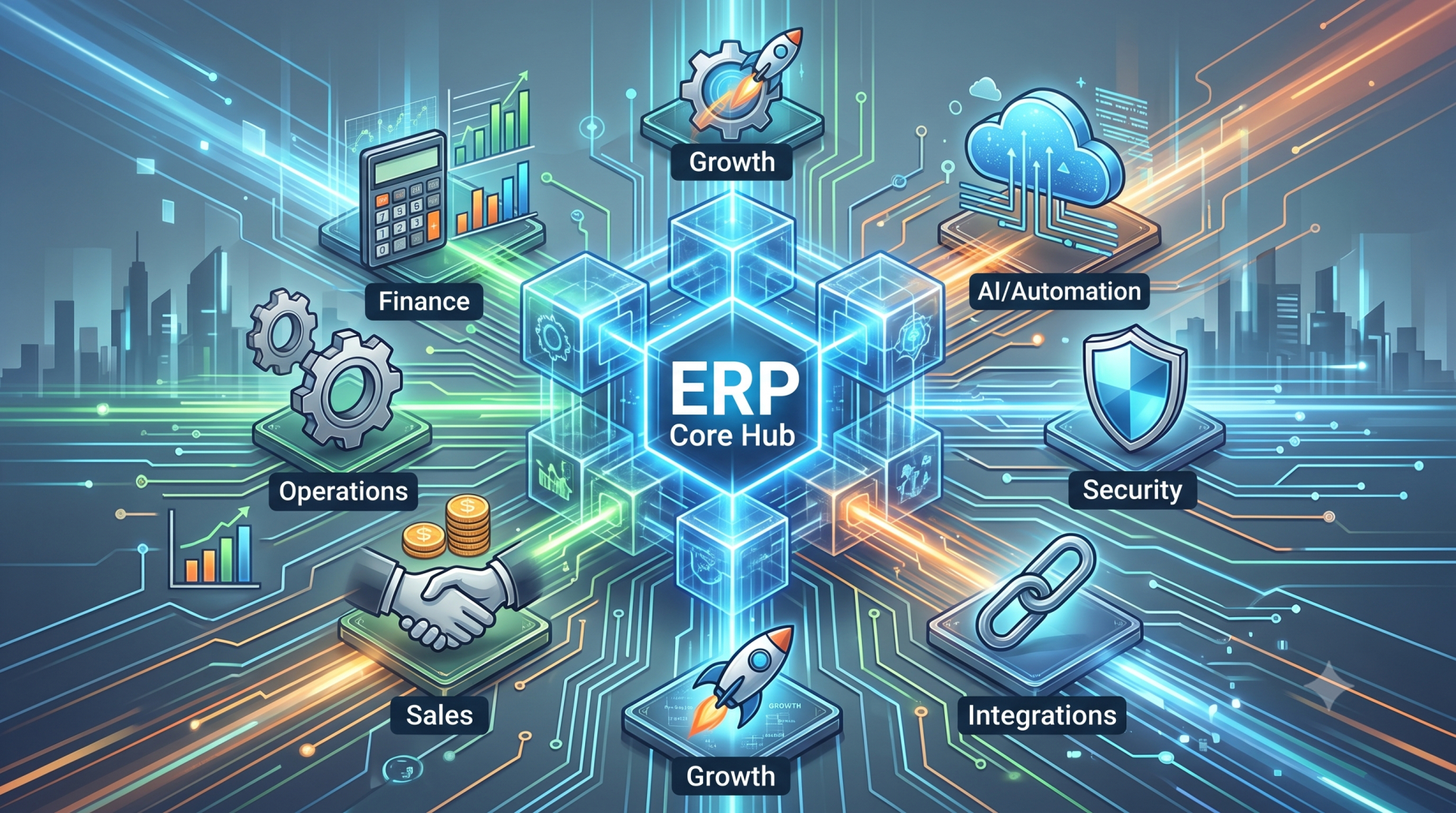
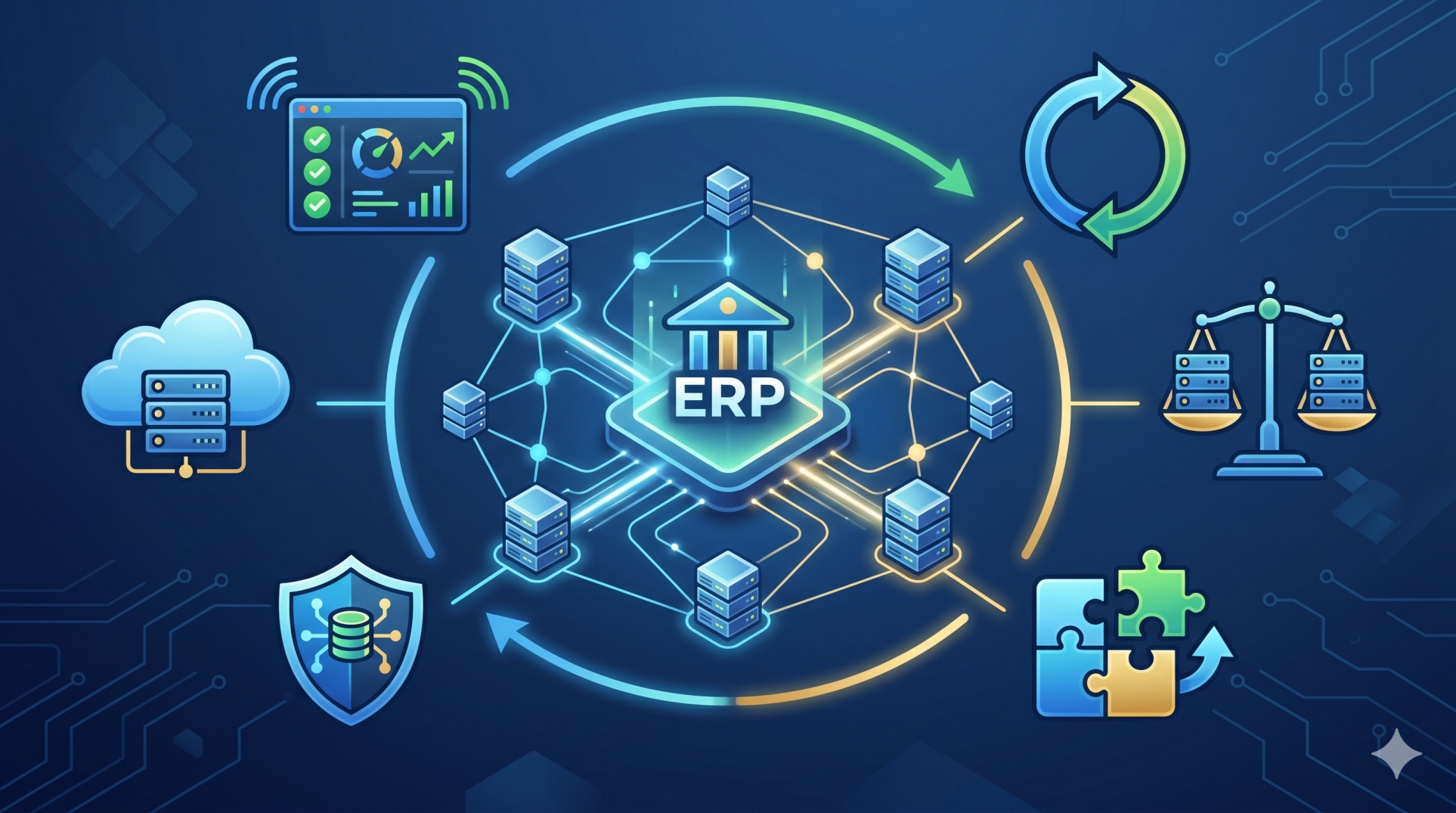
Step 10: ERP as a Stable and Extensible Platform 🏆⚙️
• Balance flexibility with system reliability ⚖️
• Enable innovation without compromising stability 🚀
• Support evolving business needs through controlled extensions 🔄
• Maintain long-term sustainability of the ERP system ⏳
• Position ERP as a scalable and future-ready foundation 📈
Conclusion
Extending ERP systems is essential for supporting modern business requirements, but it must be approached with clear architectural discipline. By following an extension-first strategy, leveraging APIs, and maintaining strict separation from the core system, organizations can expand functionality without introducing risk. Well-designed ERP extensions allow continuous innovation while preserving system stability, performance, and long-term sustainability.
See more blogs
You can all the articles below