Self-Adjusting ERP Processes Based on Data Patterns

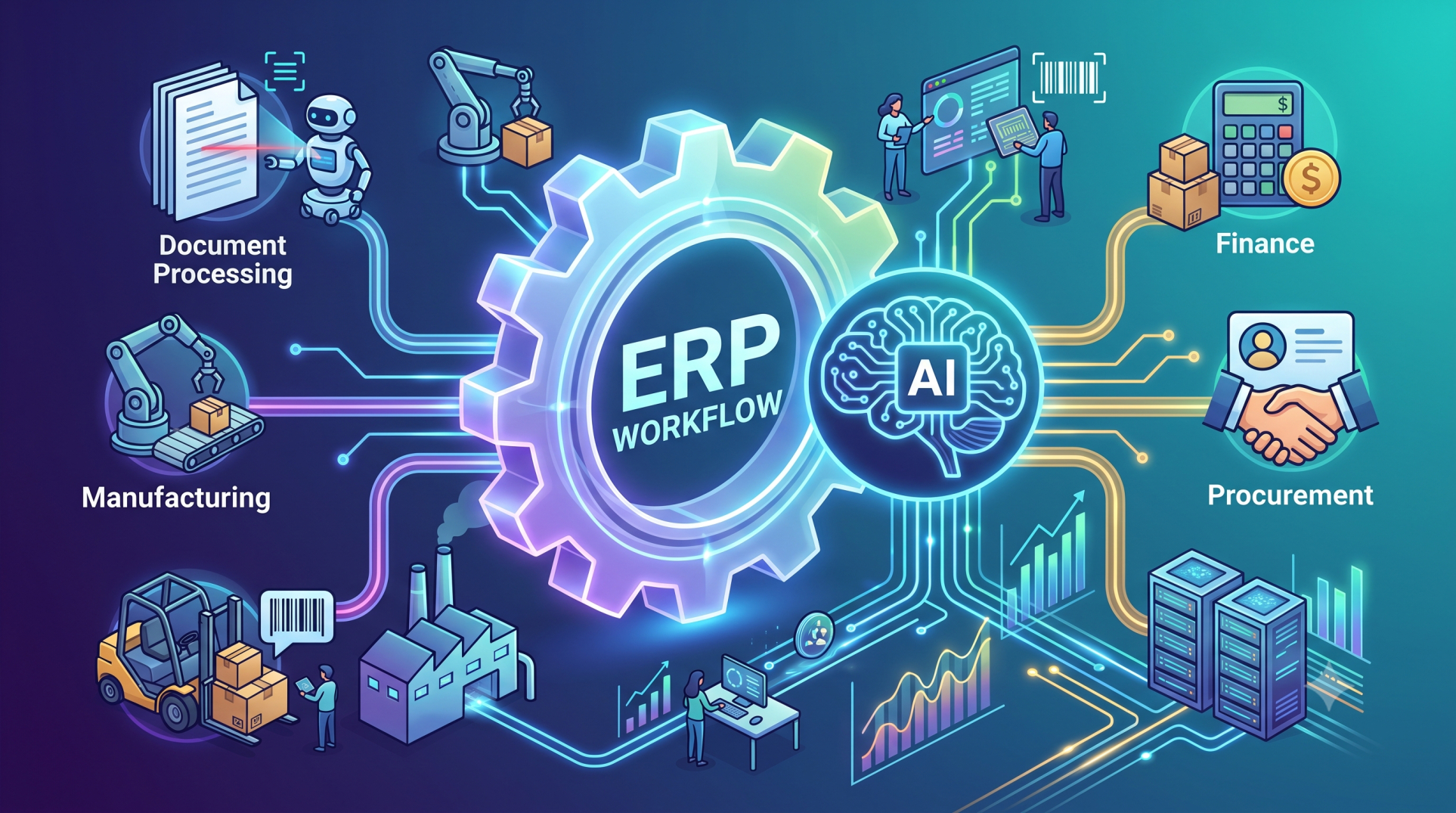
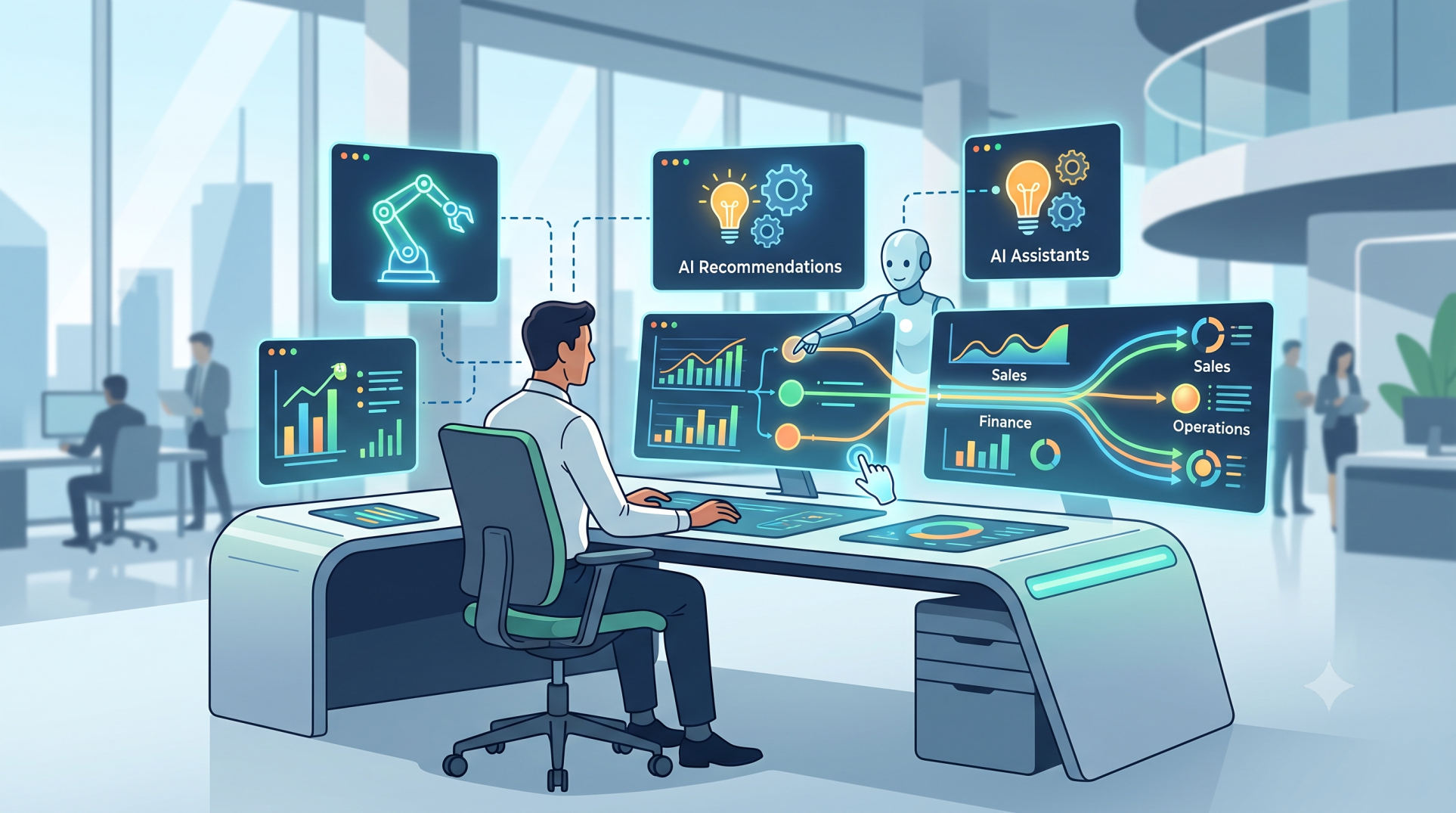
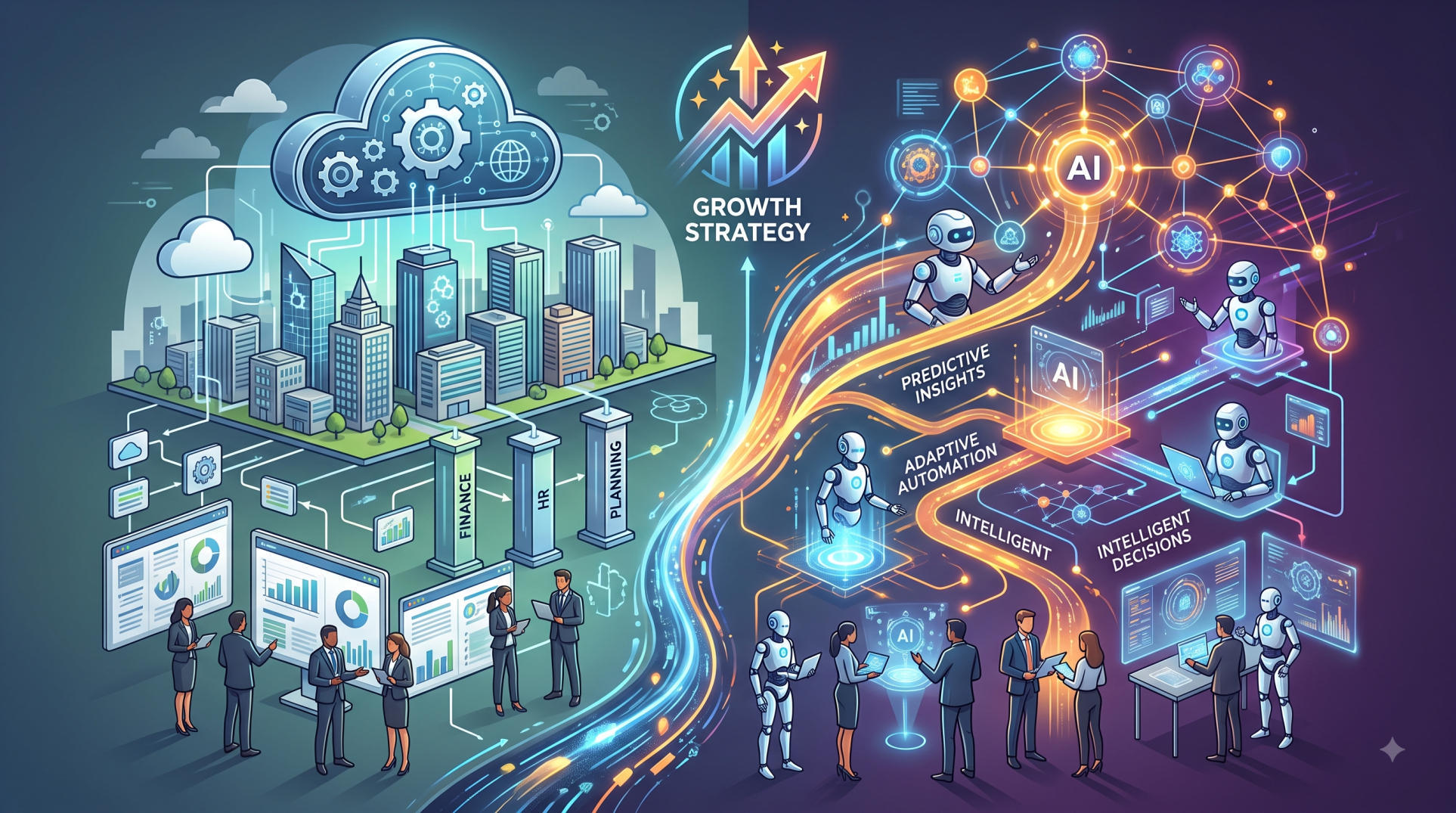
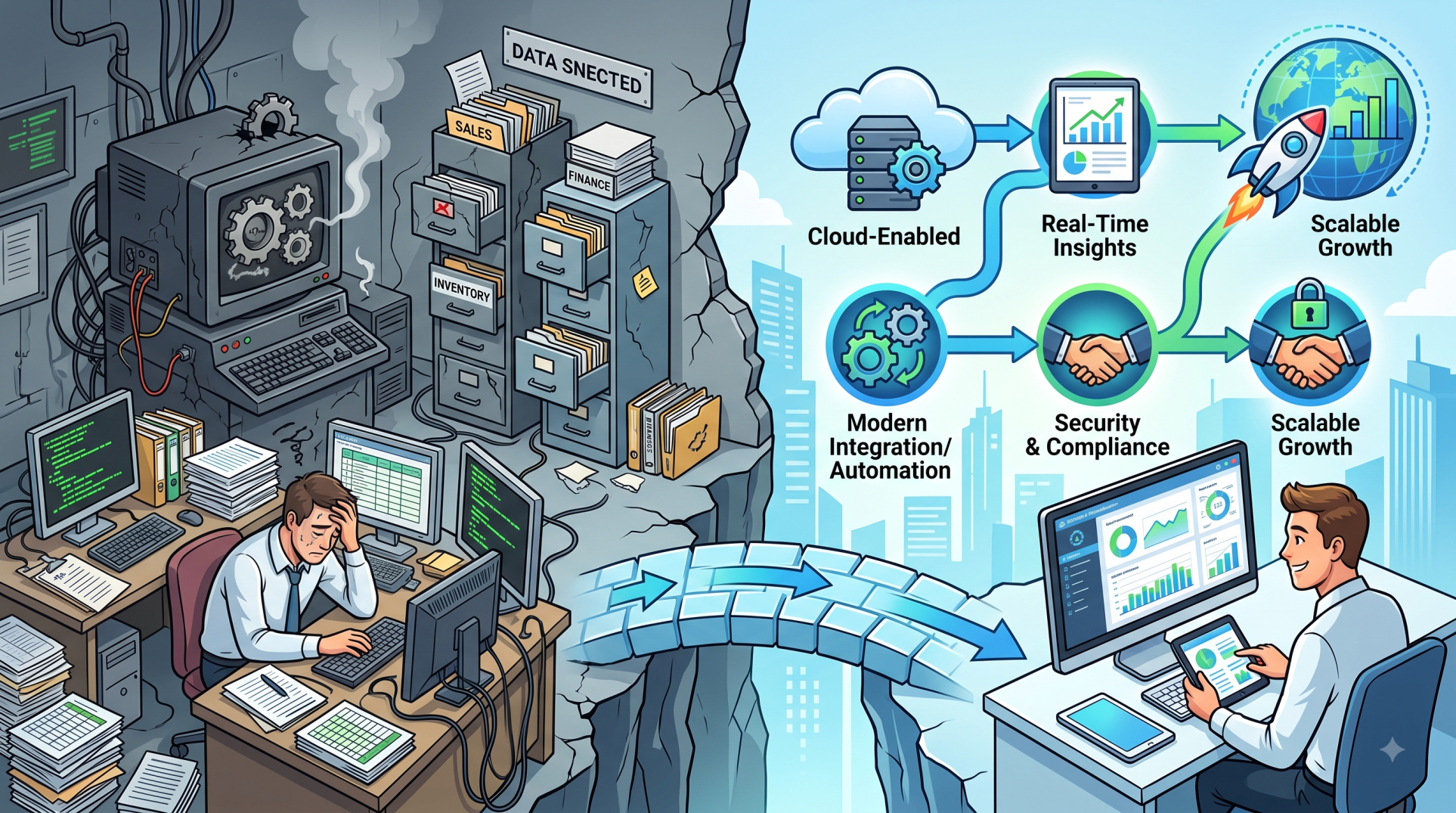
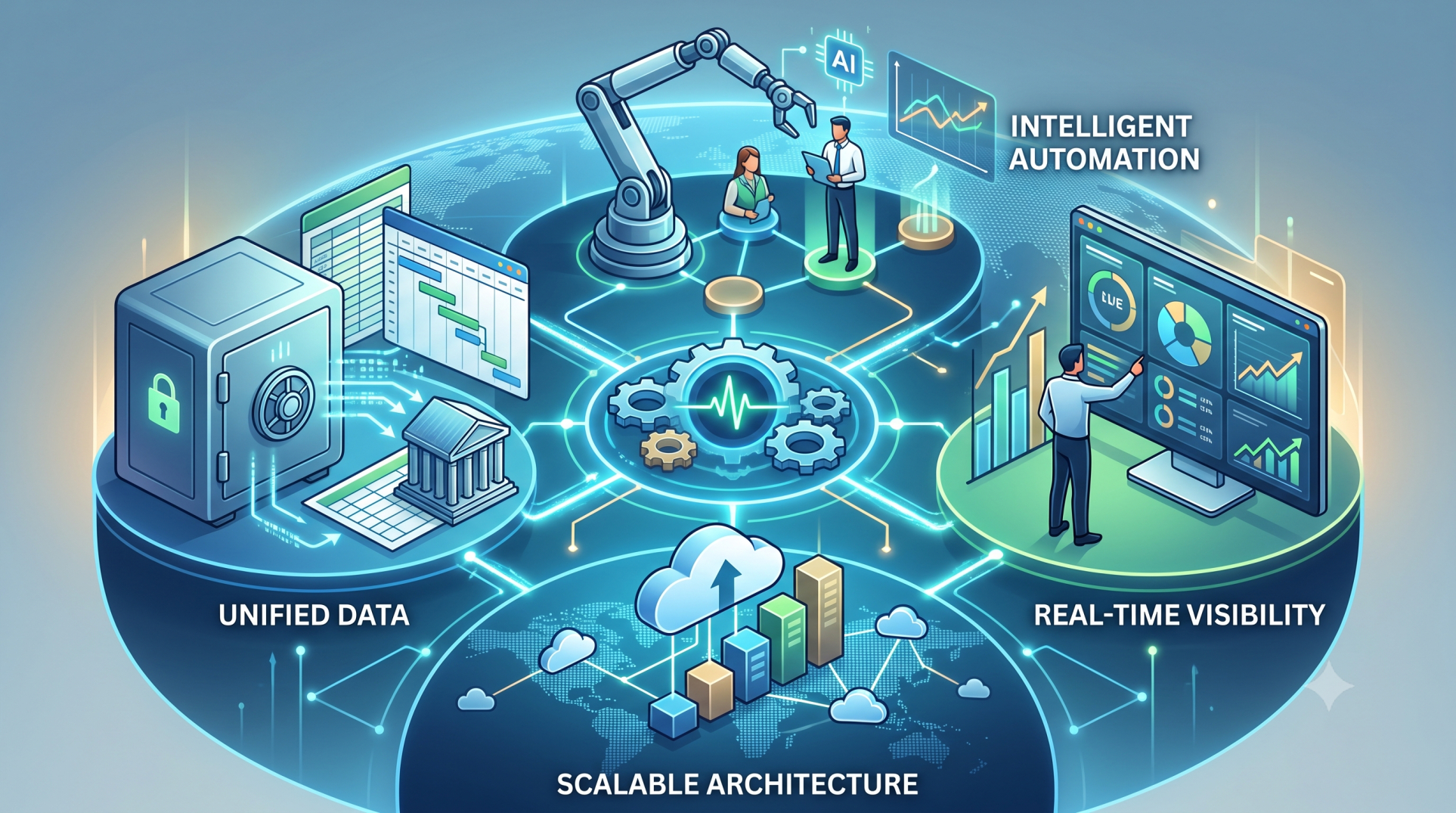
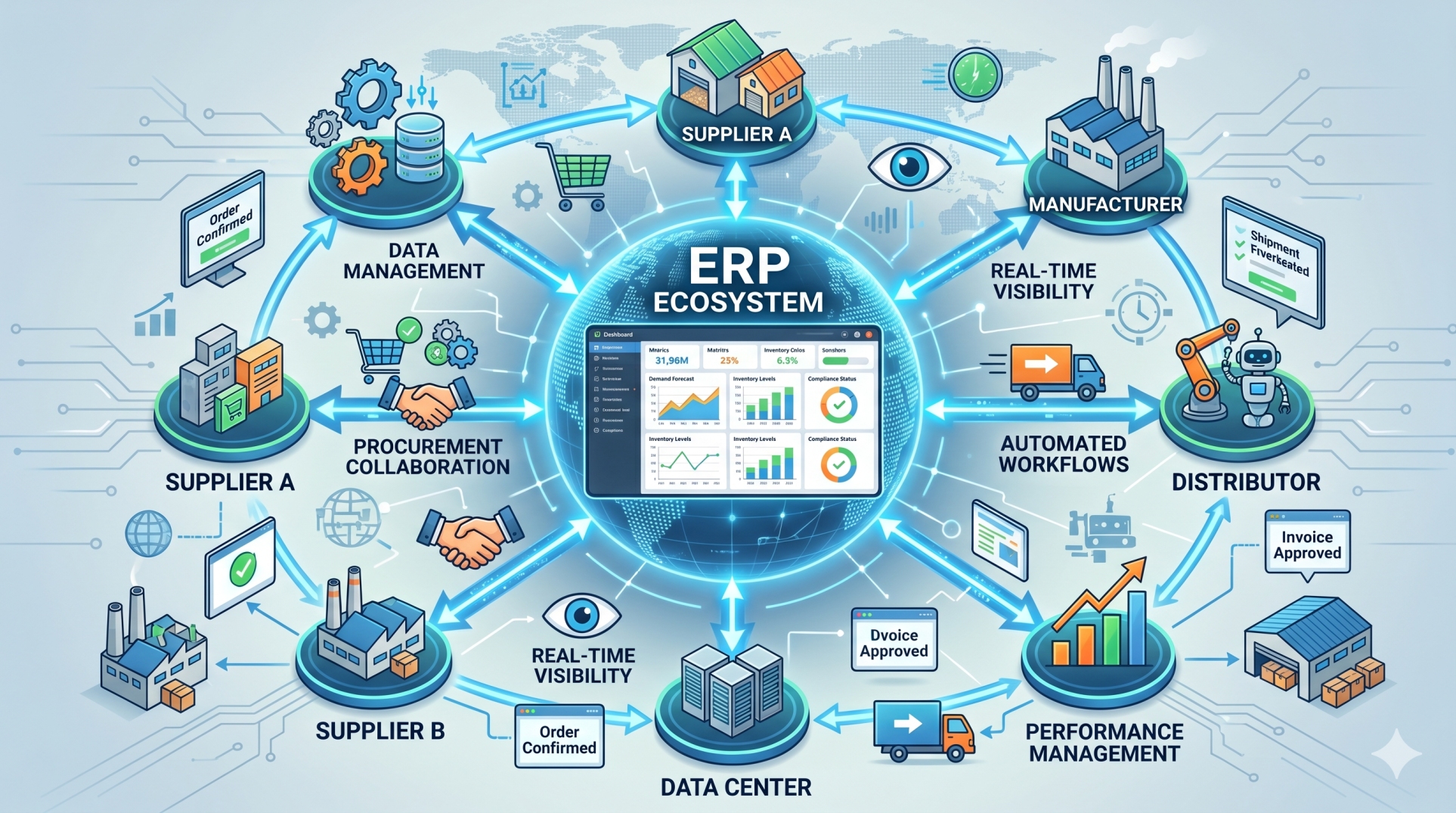
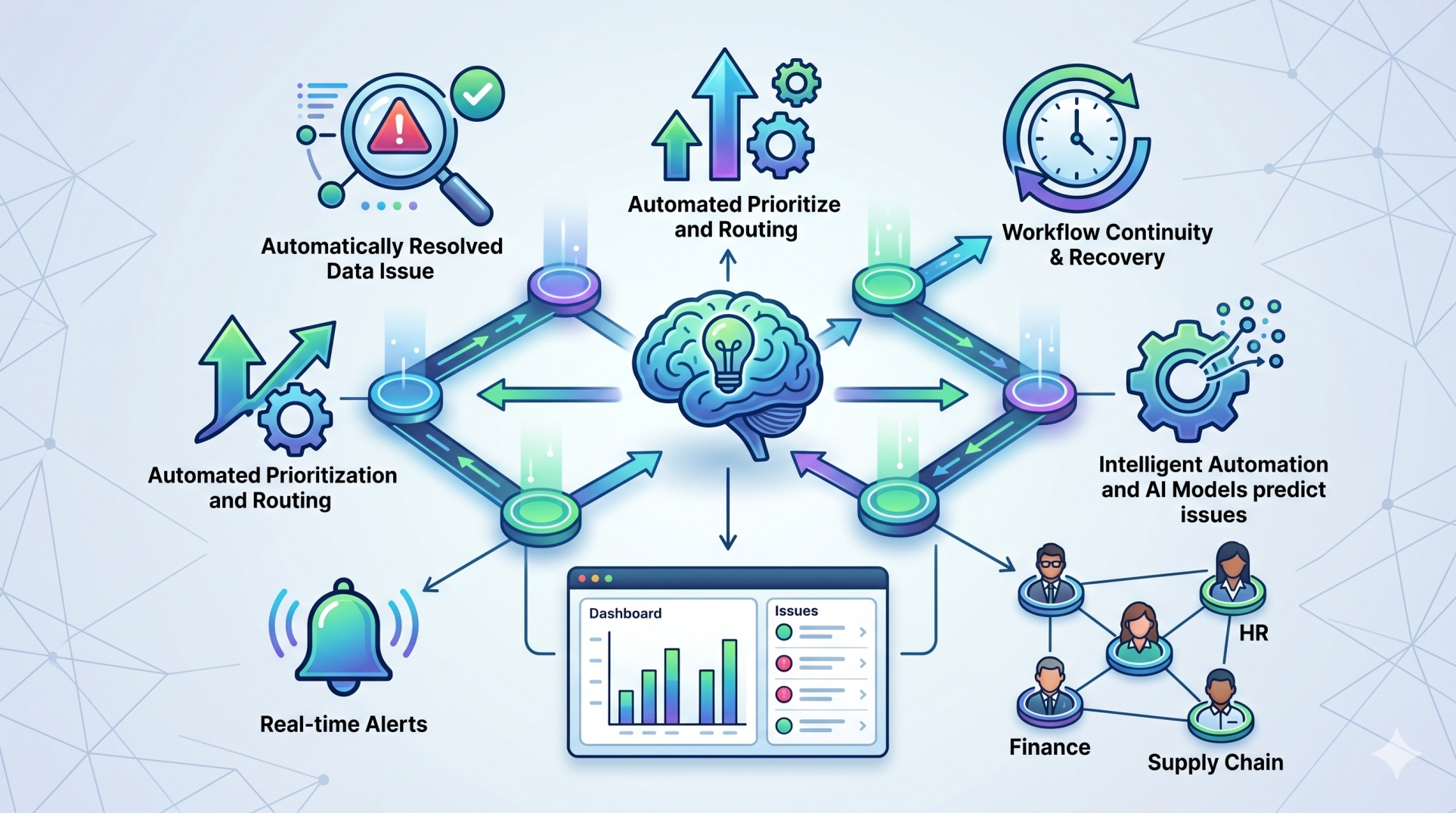
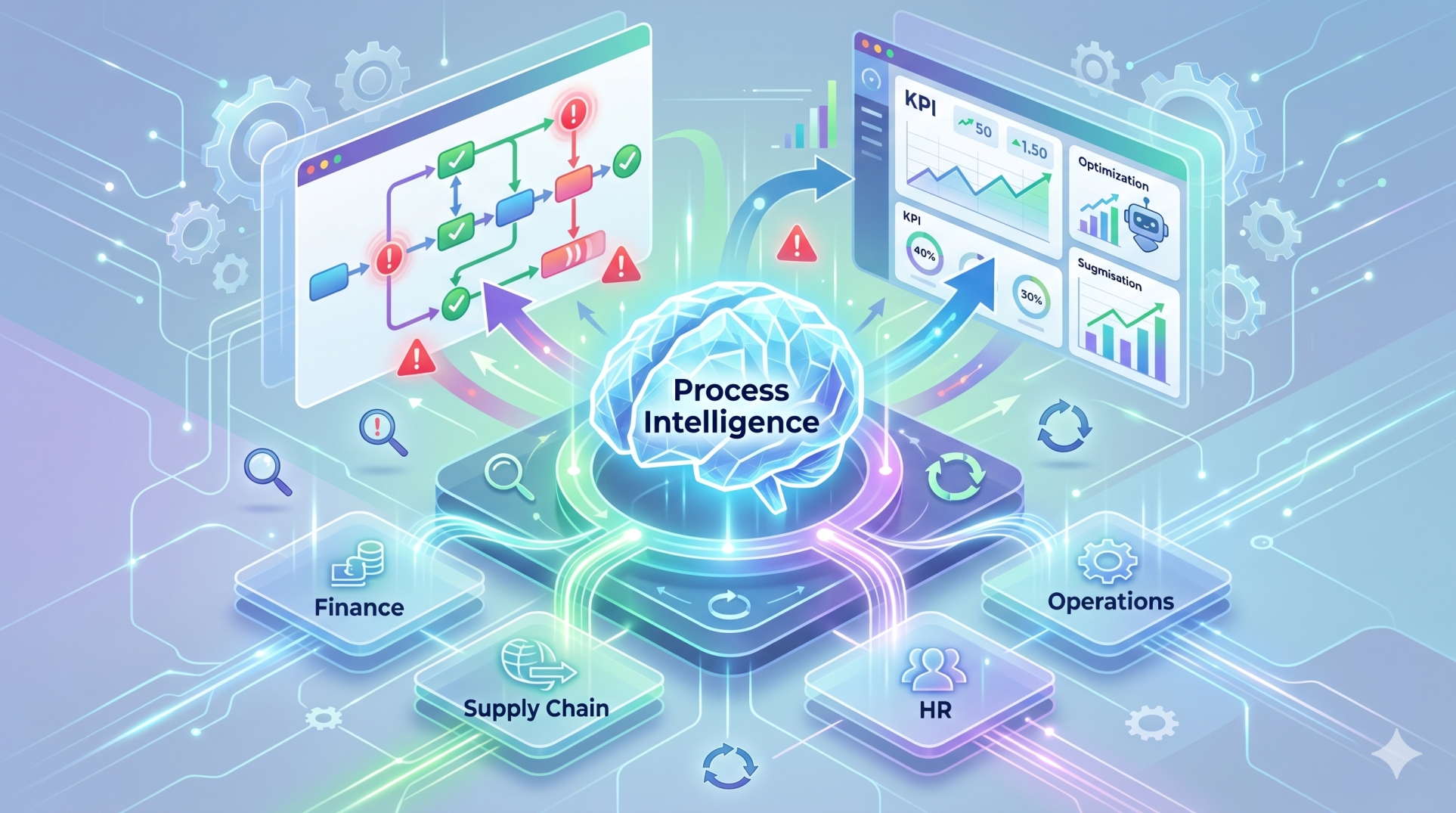
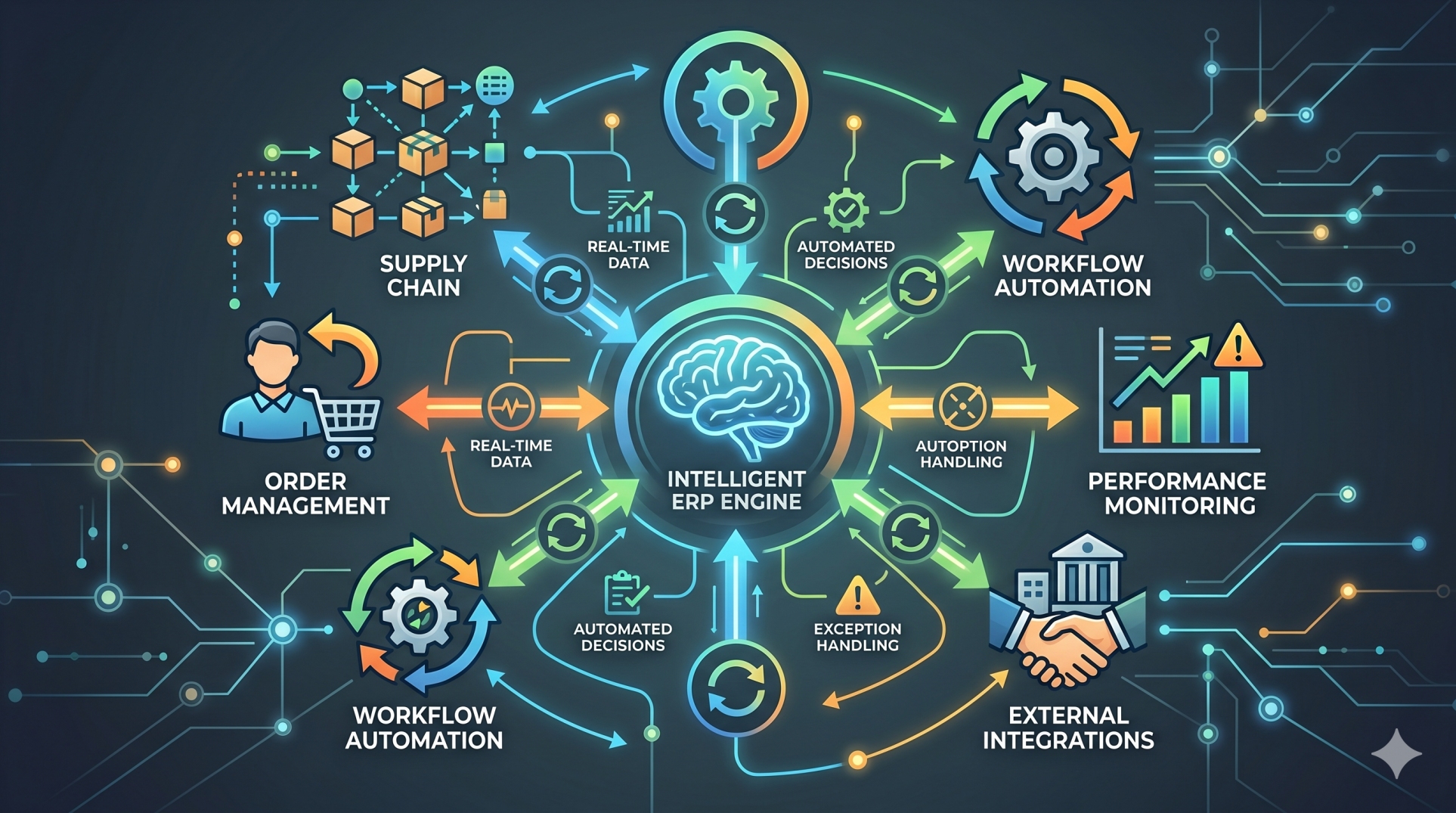
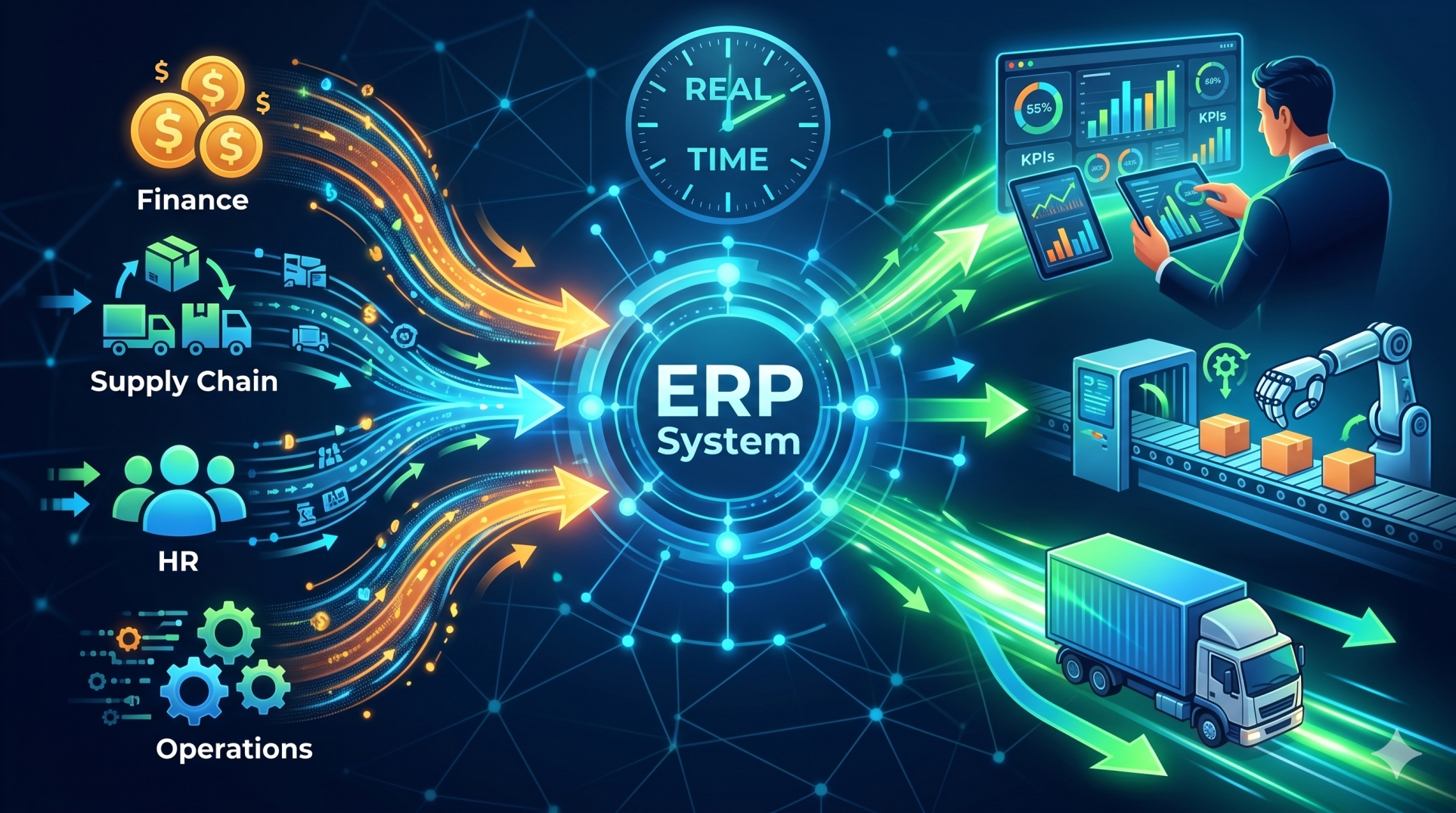
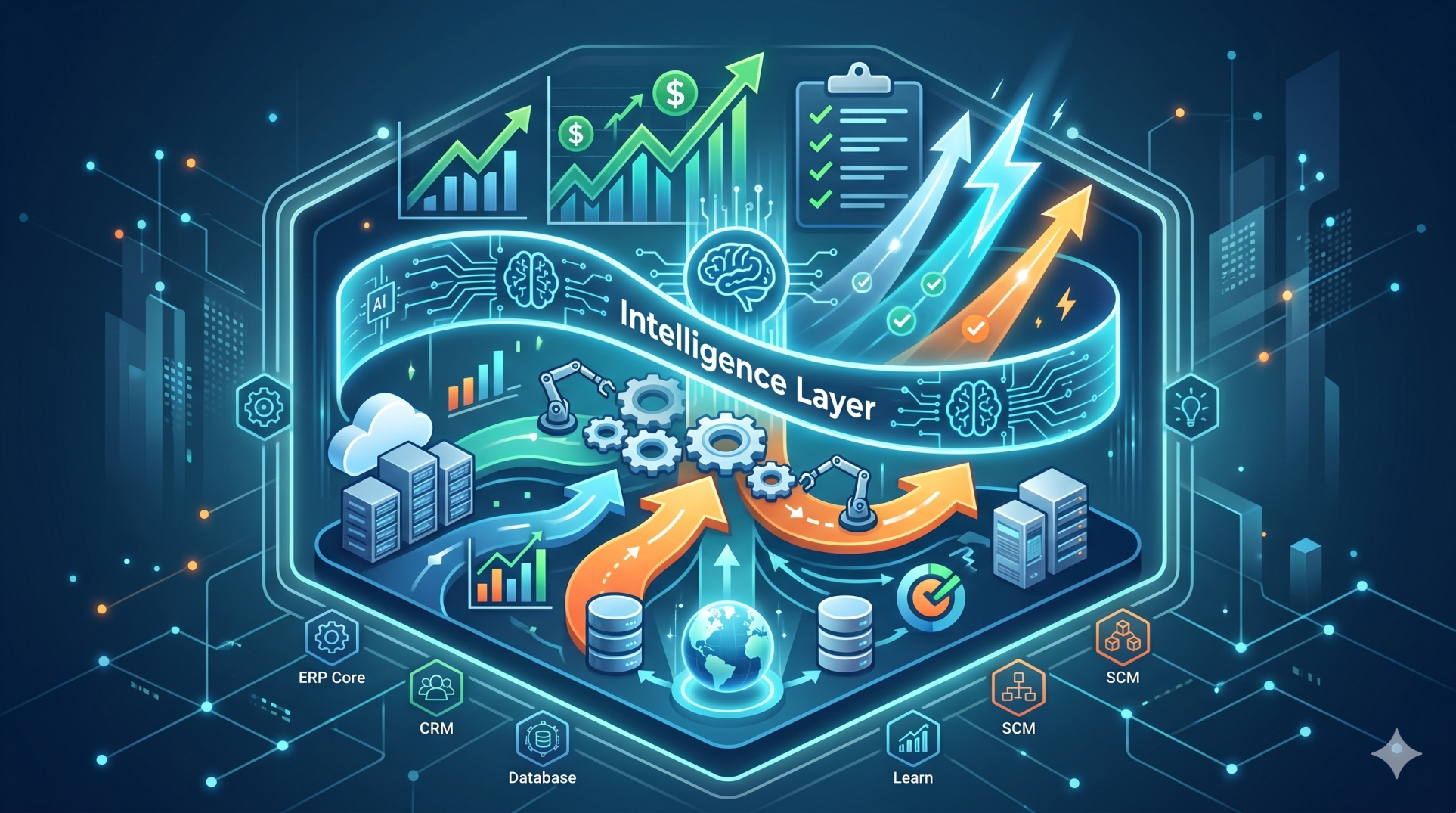
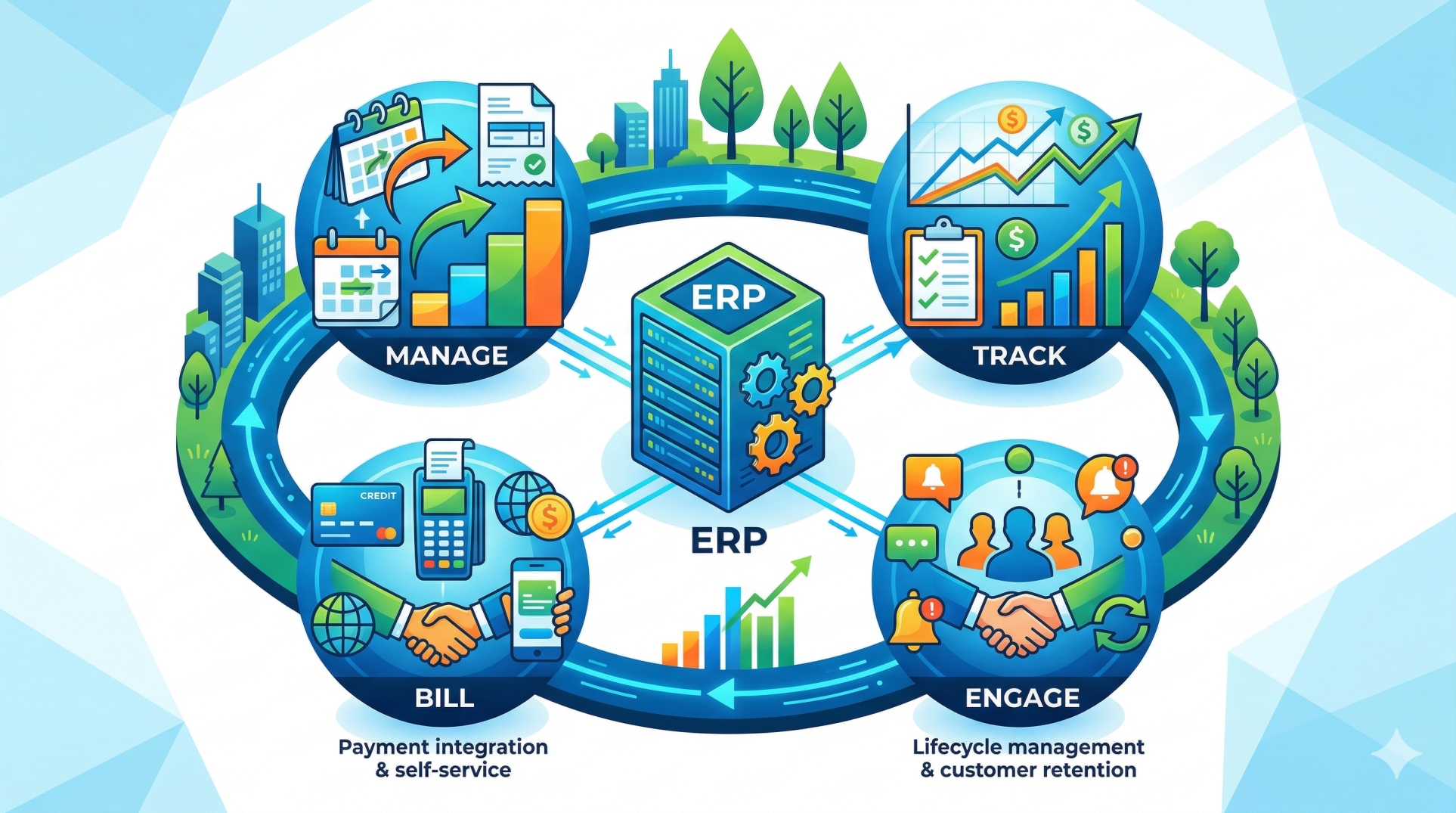
Modern businesses generate large volumes of operational data every day. Traditional ERP systems often rely on fixed workflows and manual adjustments, which can slow responsiveness when business conditions change. Self-adjusting ERP processes use data patterns, automation, and intelligent rules to optimize workflows in real time. This approach helps organizations improve efficiency, reduce delays, and respond faster to shifting demands.
Step 1: Understanding Adaptive ERP Processes 🤖
• Self-adjusting ERP systems modify workflows based on real-time data trends 🤖
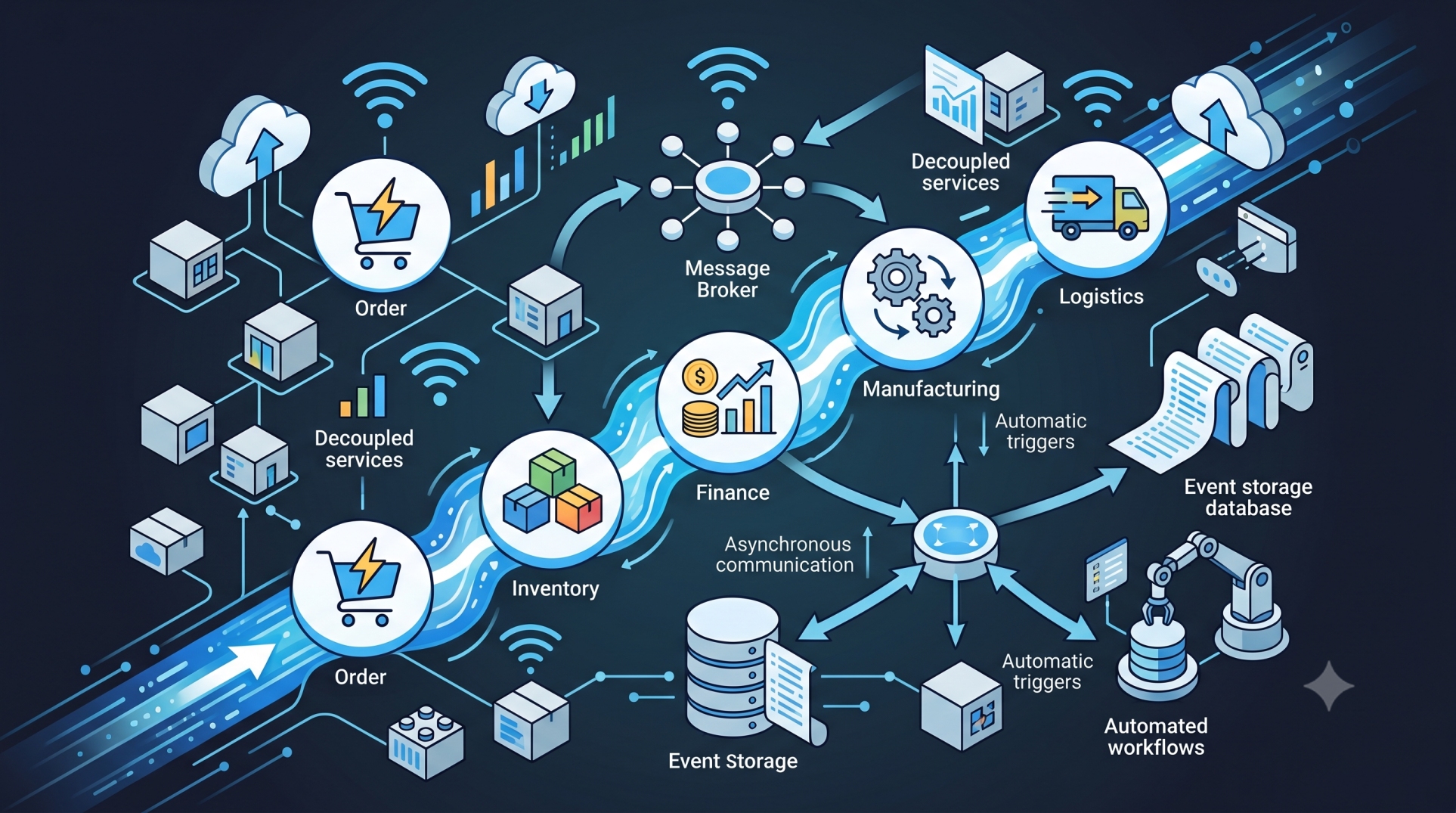
• Processes respond automatically to operational changes and exceptions 🔄
• Manual intervention is reduced through intelligent automation ⚙️
• Systems become more agile and responsive to business needs 📈
• Continuous adaptation improves long-term efficiency 🚀
Step 2: Collecting and Analyzing Data Patterns 📊
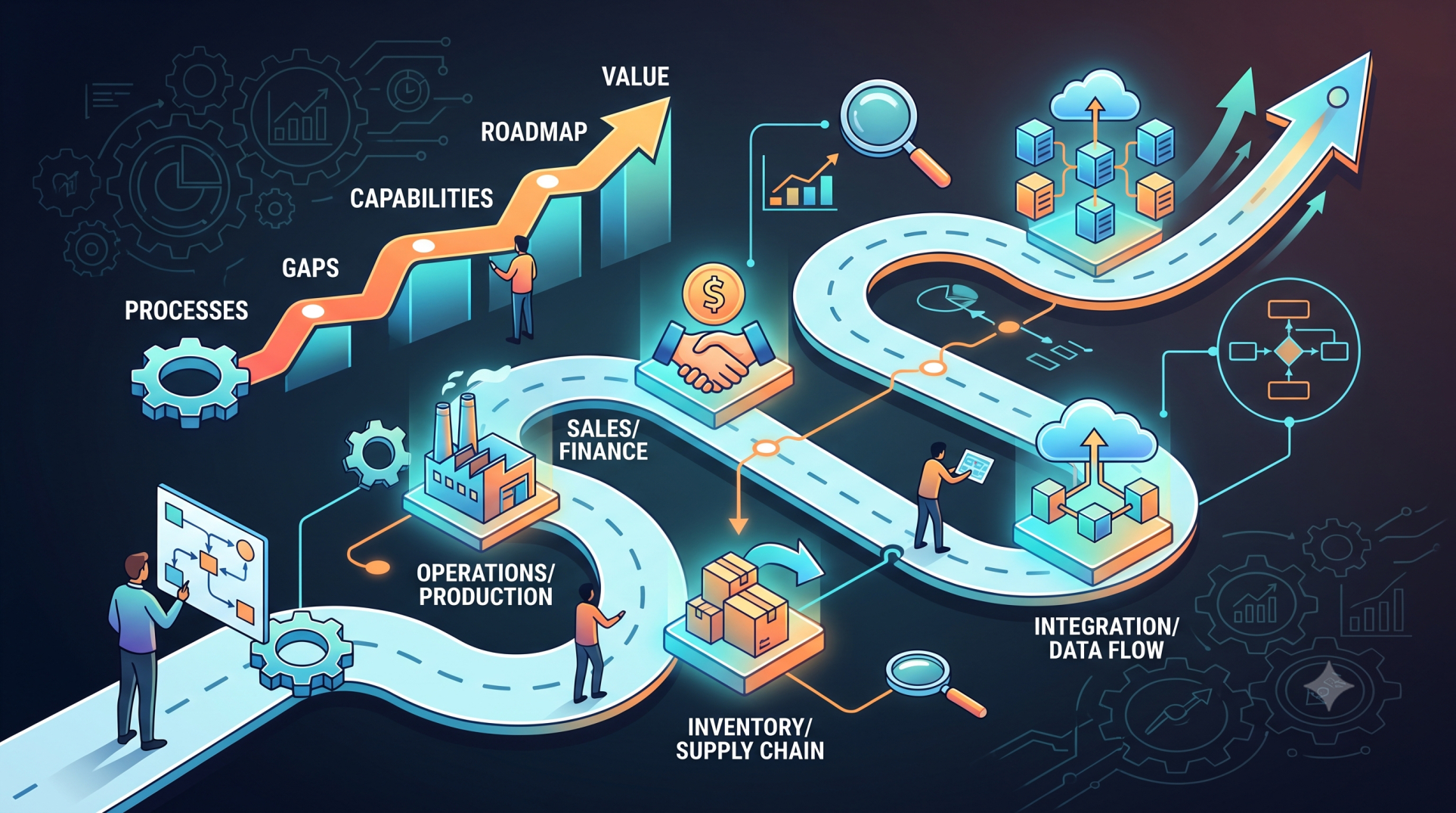
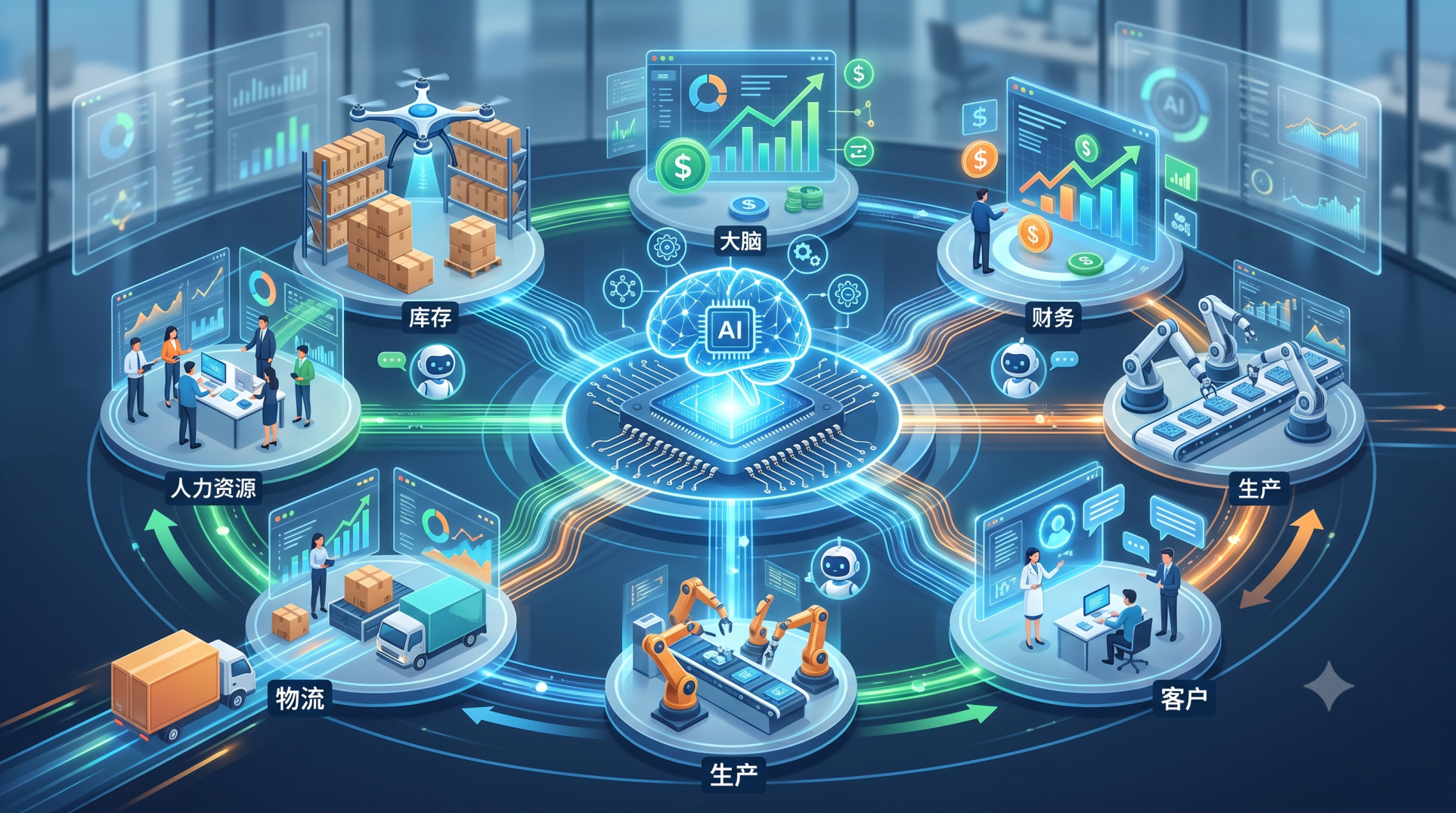
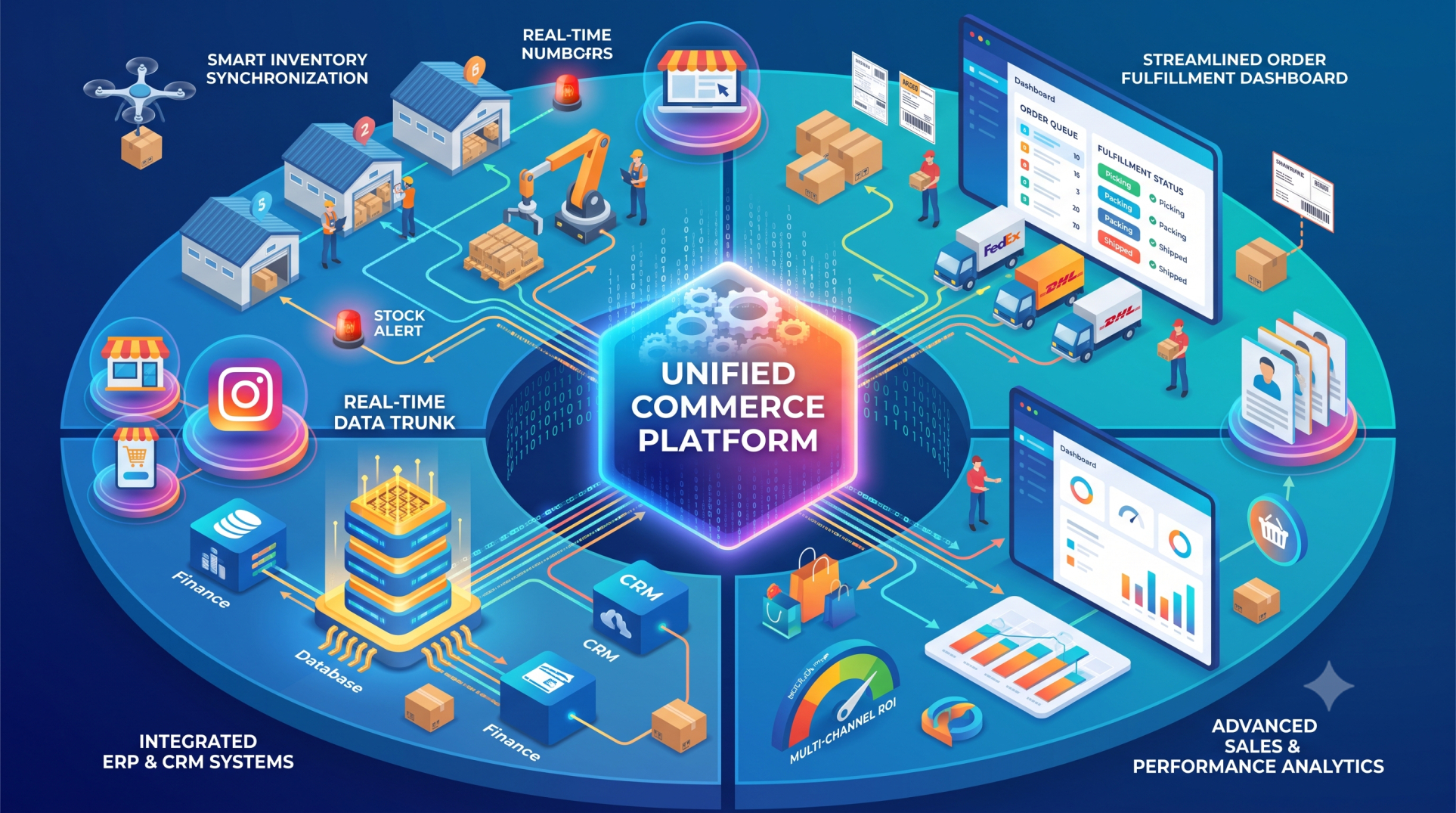
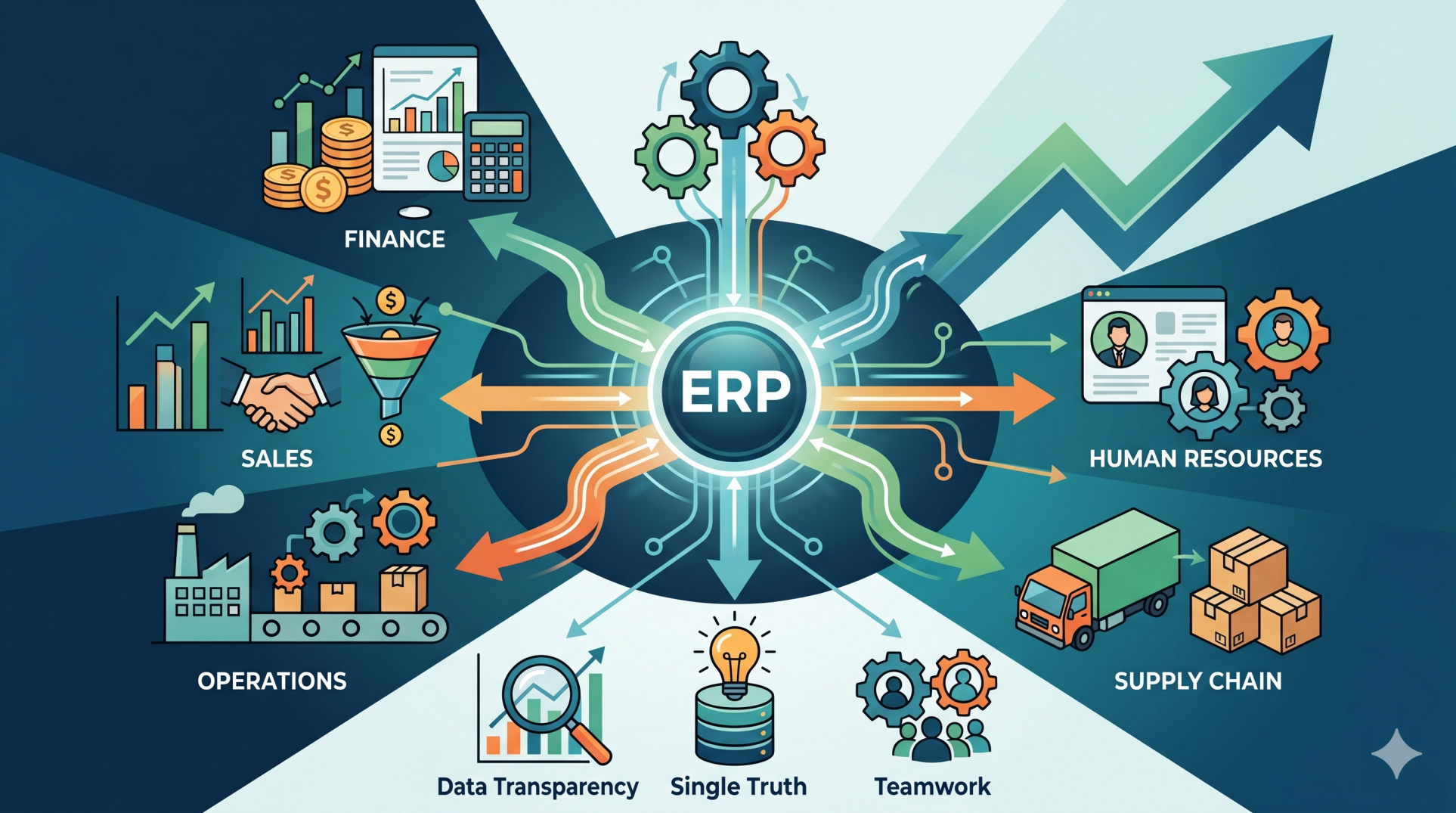
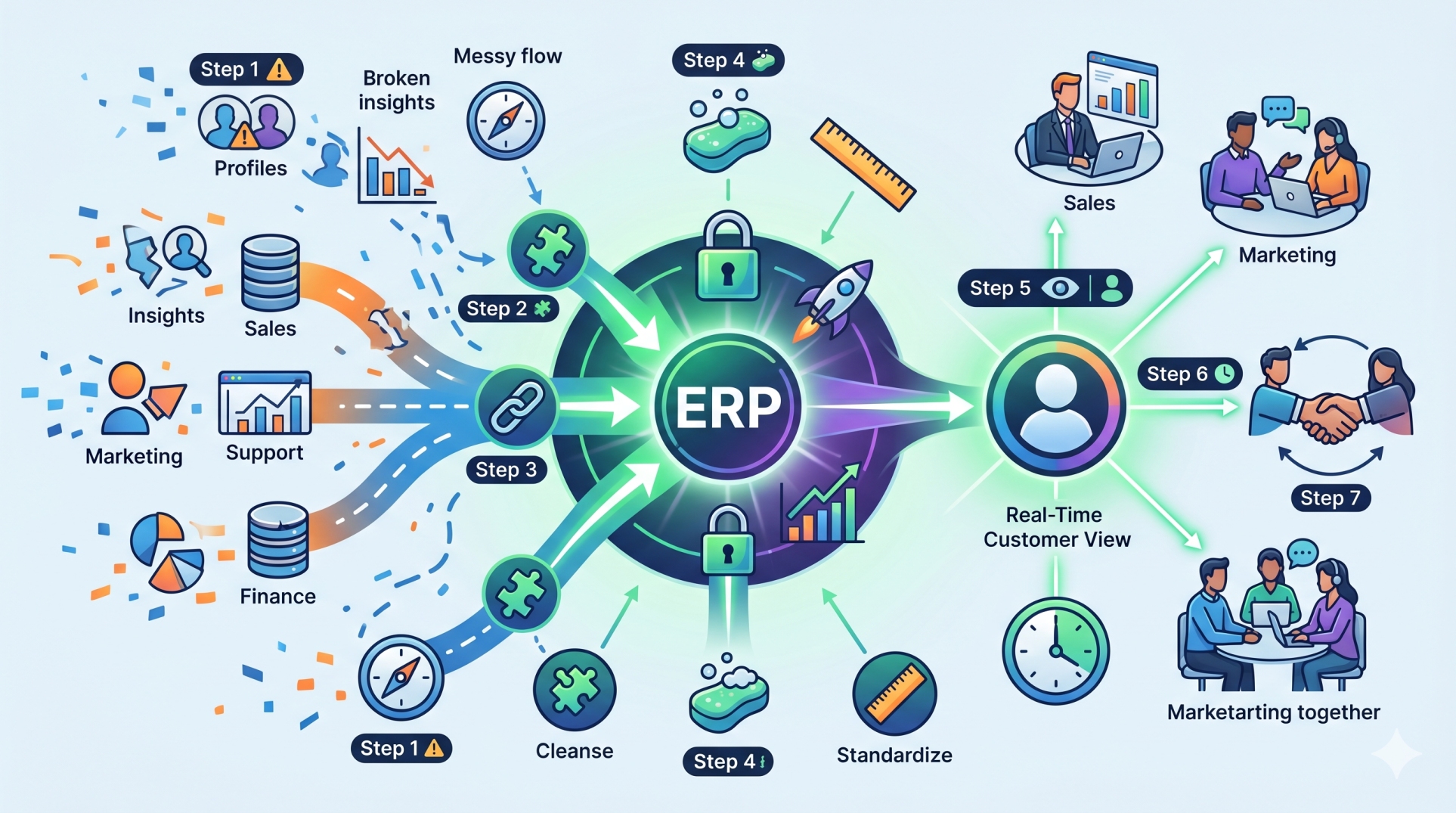
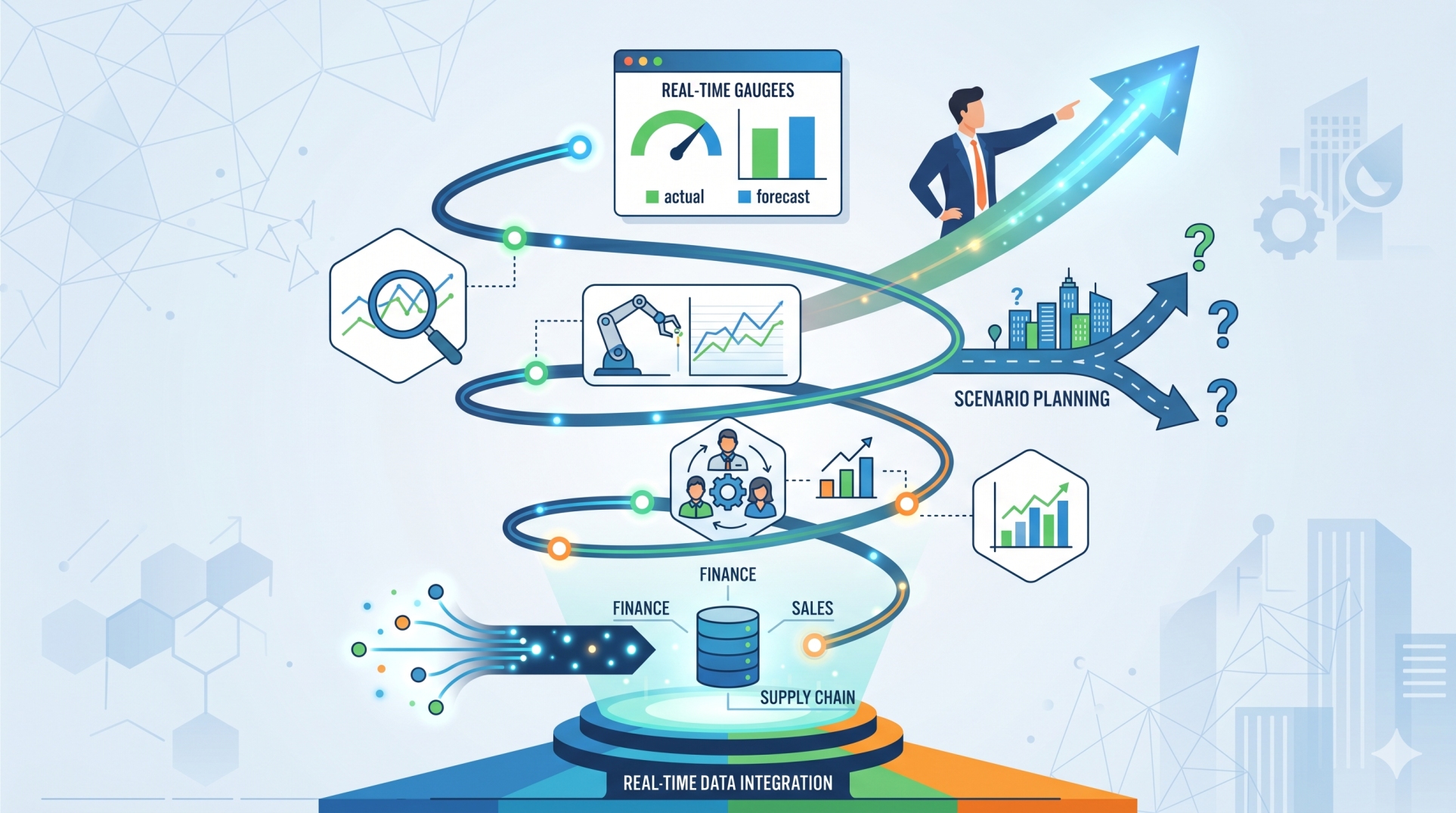
• Capture data from finance, sales, inventory, and operations 📊
• Identify recurring trends, anomalies, and seasonal behaviors 🔍
• Use historical data to improve future process decisions 📚
• Detect inefficiencies before they create delays ⚠️
• Turn raw data into actionable operational insights 💡
Step 3: Automating Workflow Adjustments ⚙️
• Reassign tasks automatically based on workload levels ⚙️
• Adjust approval flows when urgency increases ⏱️
• Trigger replenishment processes when stock patterns change 📦
• Optimize procurement timing using demand signals 🛒
• Streamline repetitive processes without manual input 🔁
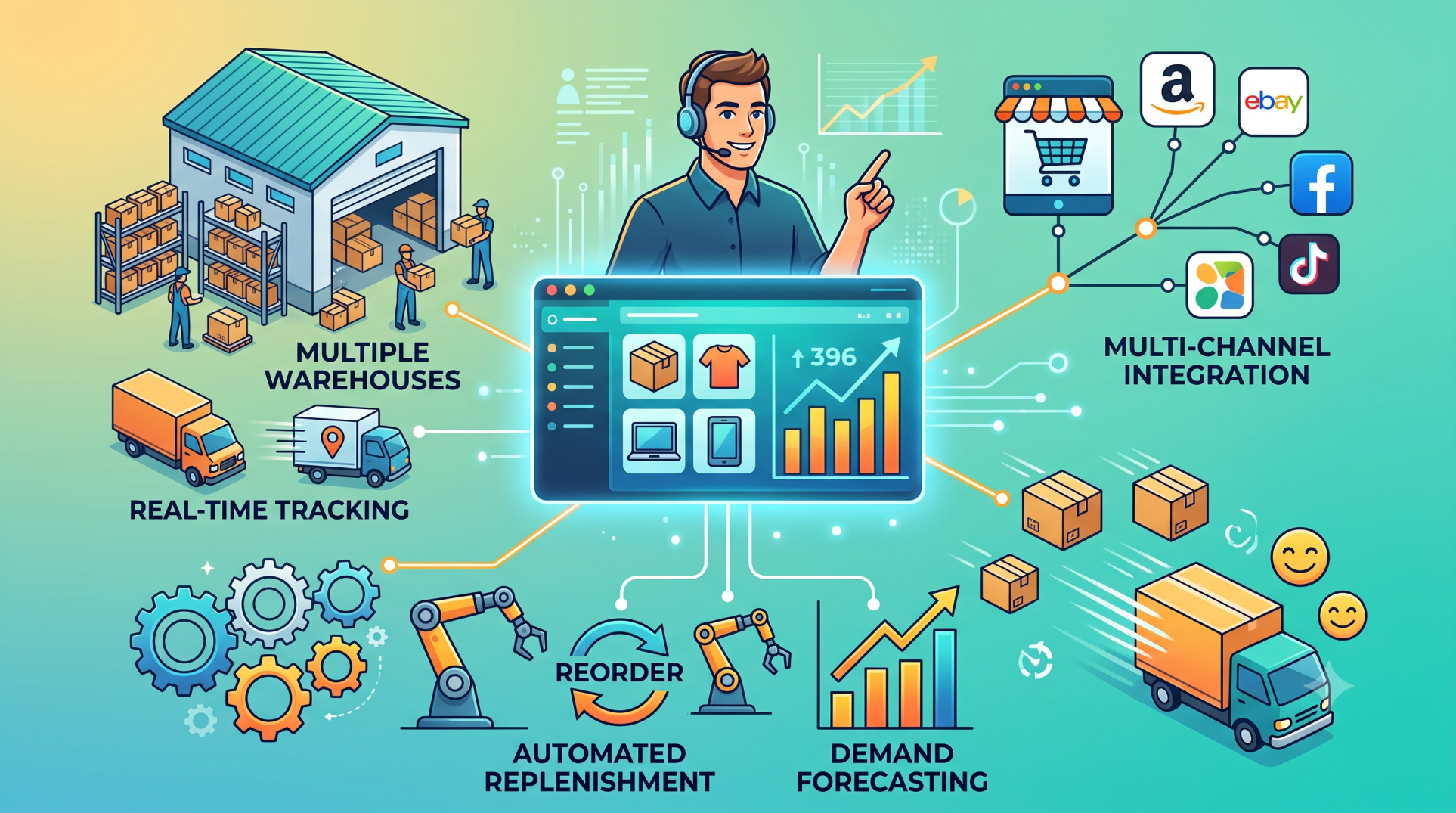
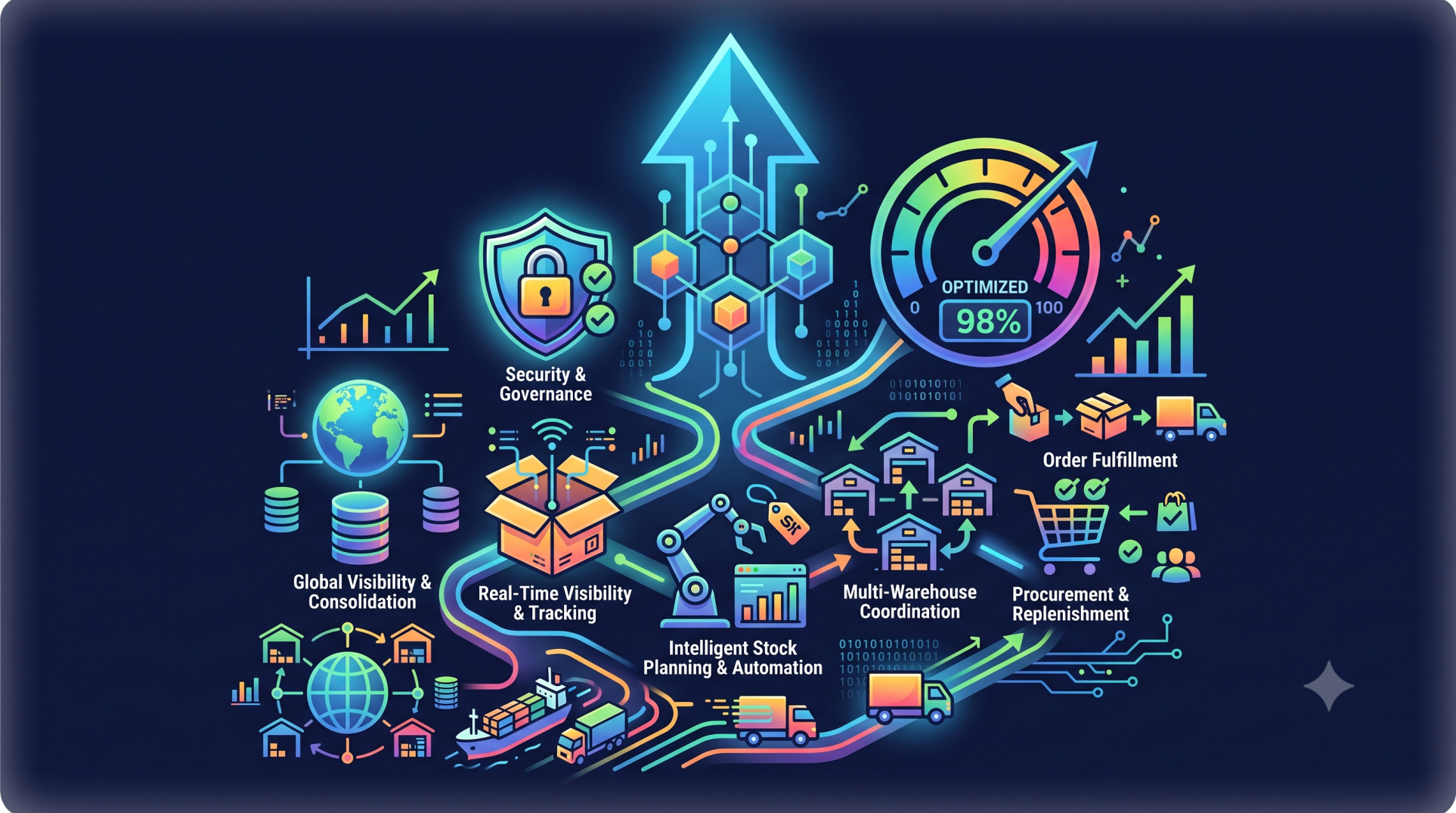
Step 4: Intelligent Inventory Optimization 📦
• Increase stock levels during forecasted demand spikes 📈
• Reduce excess inventory when movement slows 📉
• Rebalance inventory across locations automatically 🔄
• Prevent stockouts through predictive adjustments 🚚
• Improve warehouse efficiency with smarter planning 🏭
Step 5: Financial Process Adaptation 💱
• Adjust payment reminders based on customer behavior 💱
• Prioritize collections using payment history insights 📄
• Update budgeting models when spending trends shift 📊
• Detect unusual transactions for rapid review 🚨
• Improve cash flow planning with adaptive controls 💰
Step 6: Dynamic Resource Allocation 👥
• Reallocate staff based on workload changes 👥
• Shift production schedules according to demand trends 🏗️
• Assign service teams based on ticket volume 📞
• Optimize machine usage across facilities ⚙️
• Balance resources to maximize productivity 📈
Step 7: Continuous Learning and Improvement 🧠
• Learn from past decisions to improve future responses 🧠
• Refine rules and automation over time 🔄
• Increase accuracy through ongoing data feedback 📊
• Adapt faster as more business data becomes available 🚀
• Build smarter ERP operations continuously 💡
Step 8: Key Self-Adjusting Priorities 📌
• Real-time responsiveness to operational changes ⚡
• Reduced manual intervention across workflows 🤖
• Better forecasting and decision-making 📈
• Scalable automation for business growth 🚀
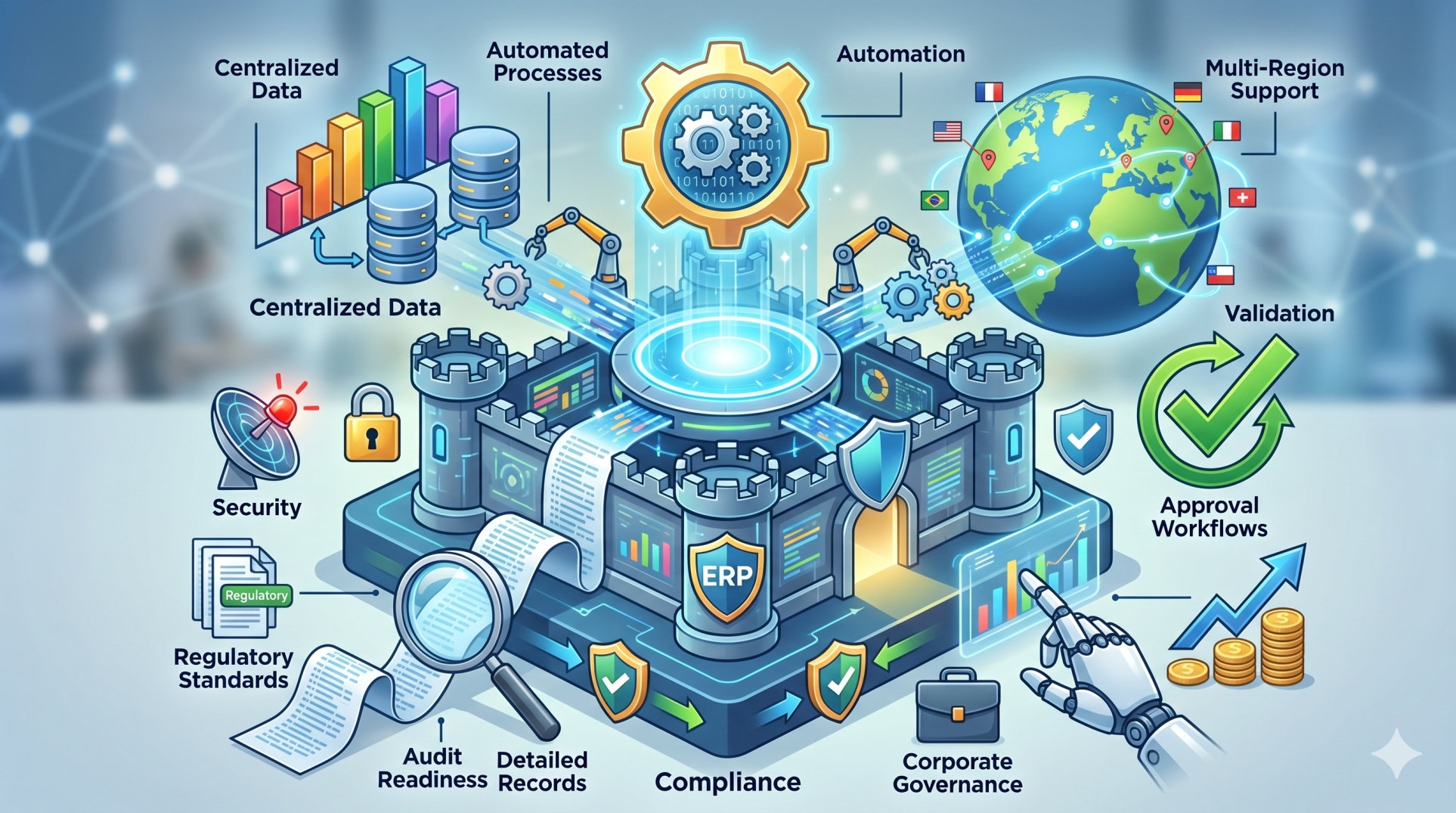
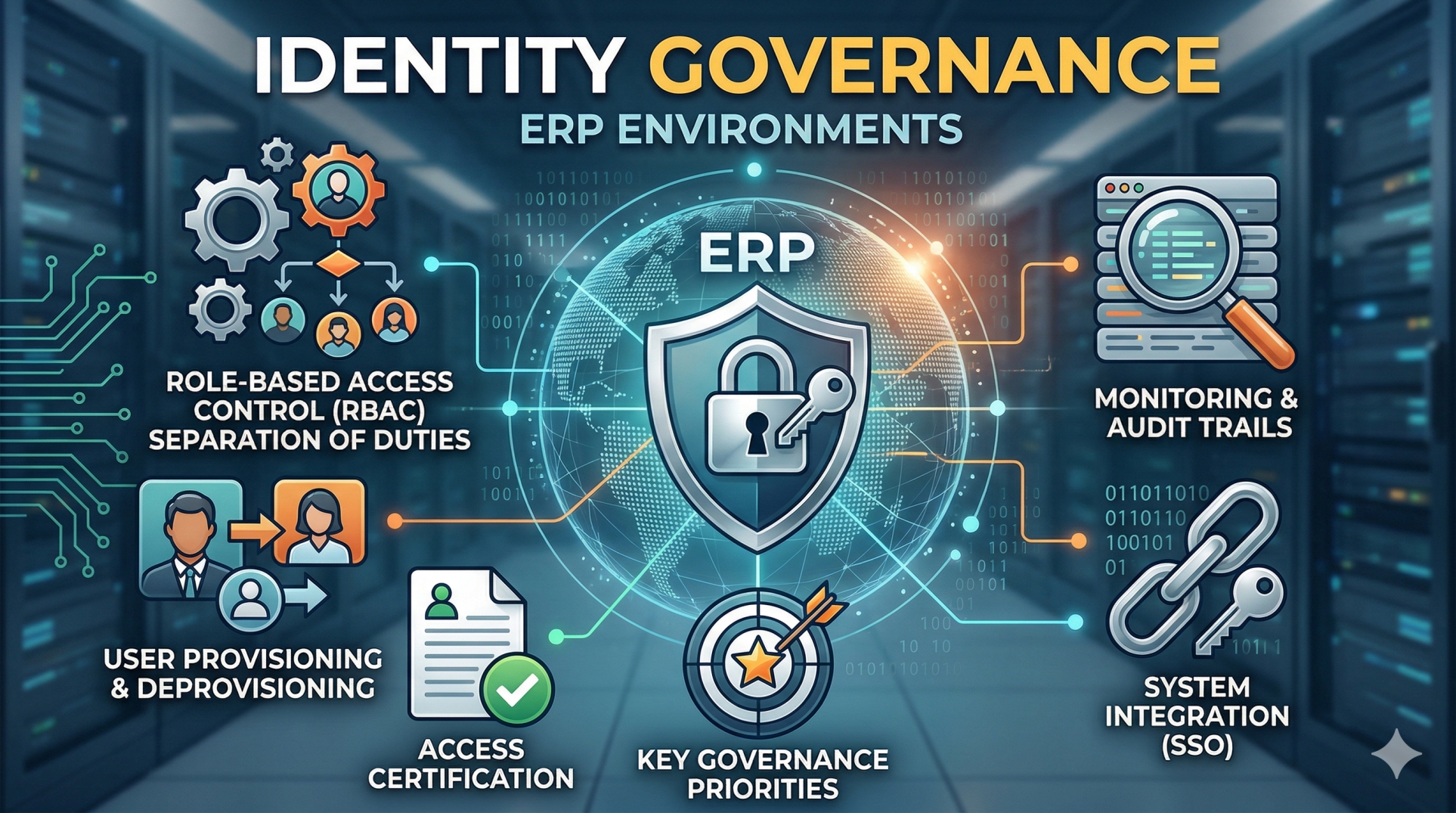
Step 9: Managing Exceptions and Controls 🛡️
• Set approval limits for automated decisions 🛡️
• Flag unusual patterns for human review 🔍
• Maintain audit trails for all system changes 📜
• Prevent overcorrection through governance rules ⚖️
• Combine automation with oversight for reliability ✅
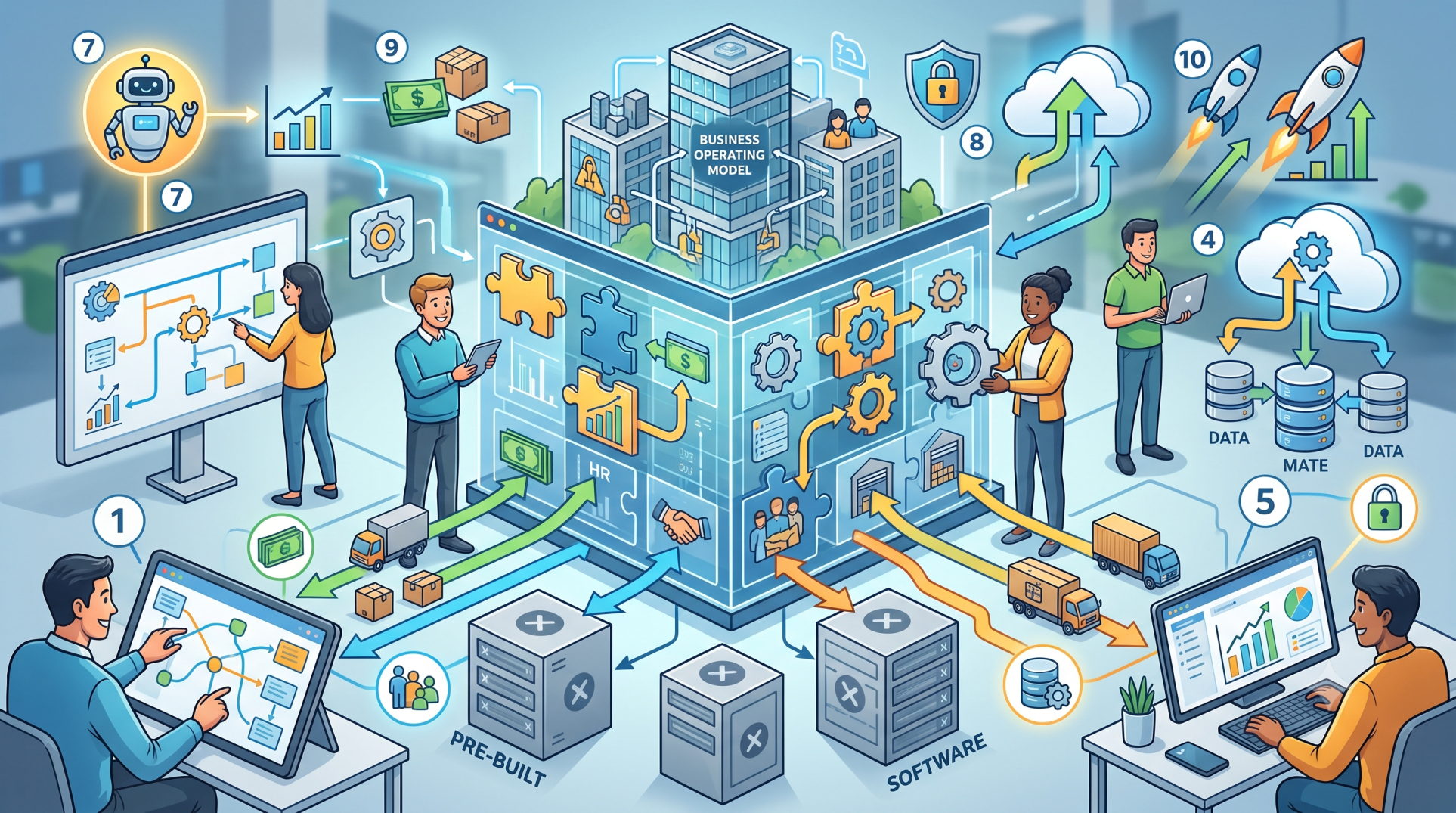
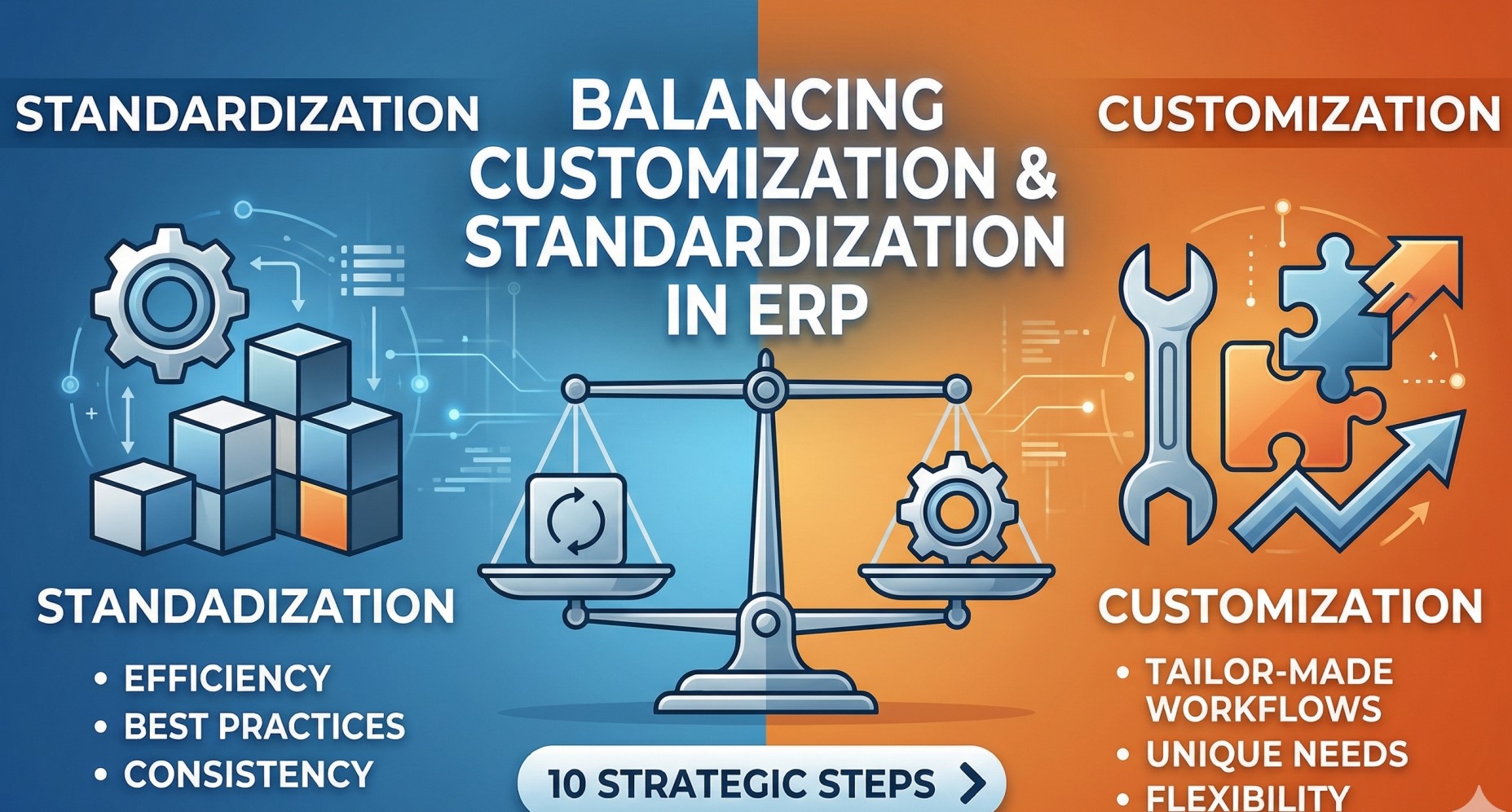
Step 10: Building a Future-Ready ERP Environment 🚀
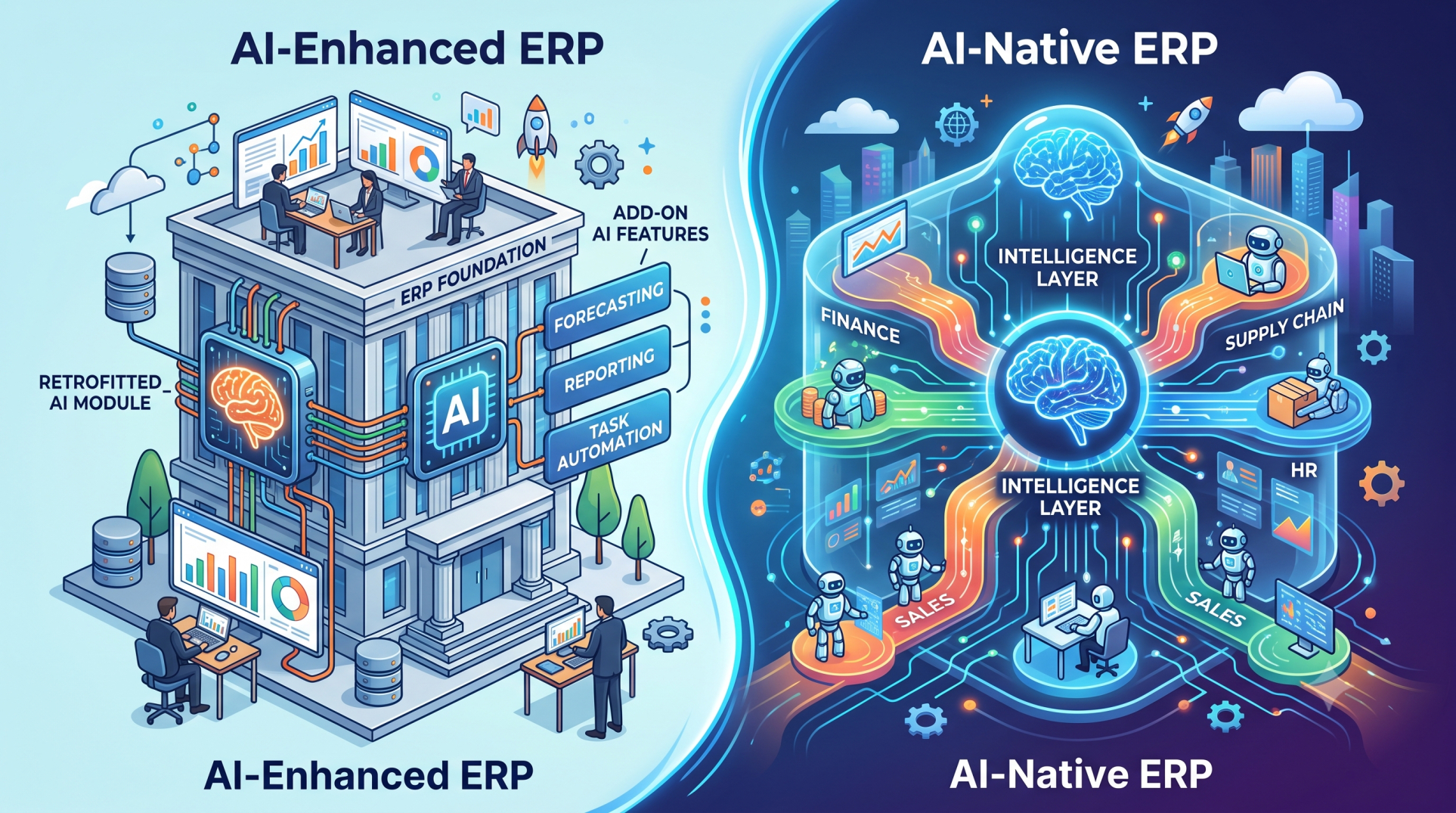
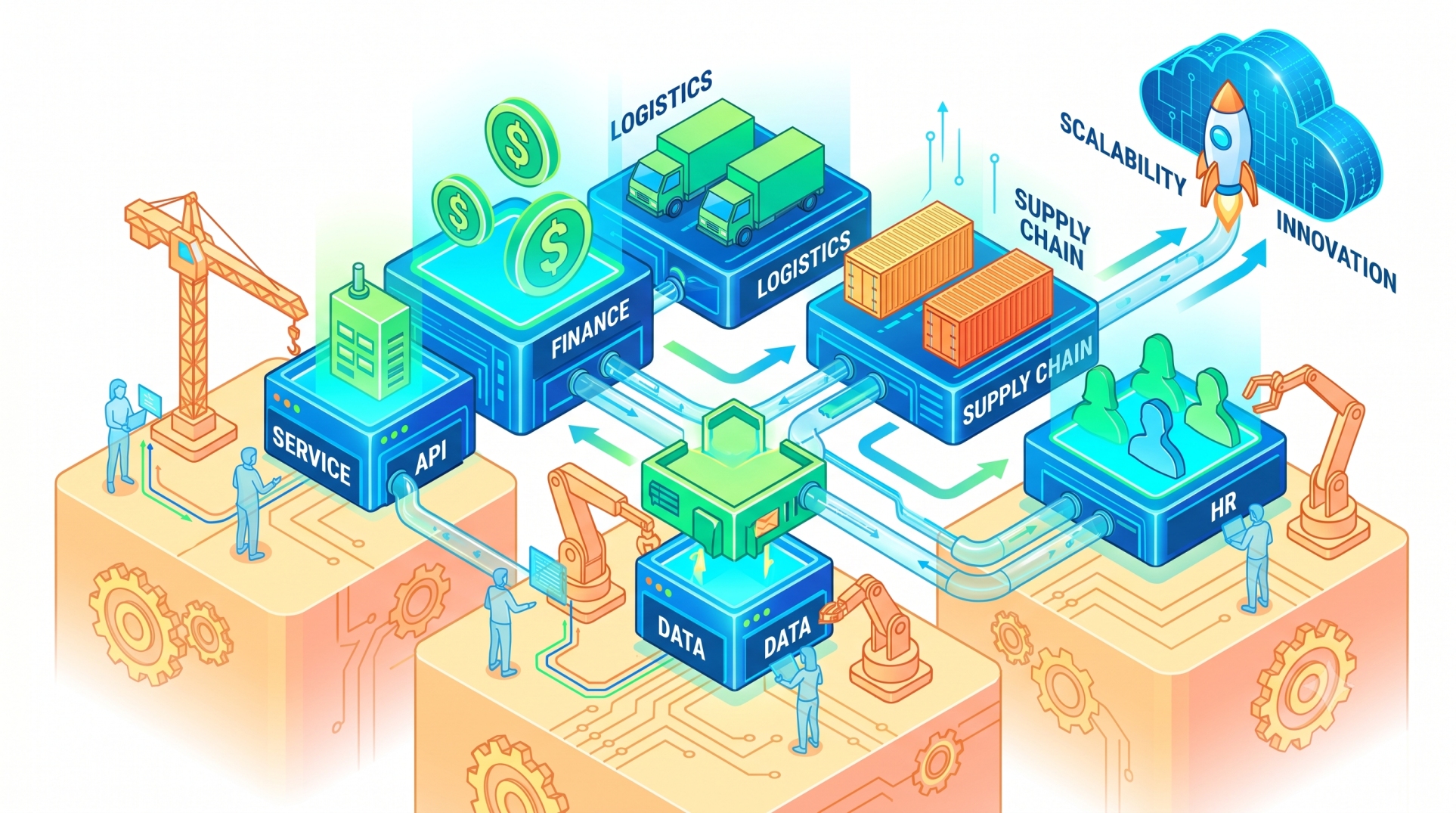
• Integrate AI, analytics, and automation into ERP strategy 🤖
• Create flexible workflows that evolve with the business 🔄
• Support expansion without increasing complexity 🌍
• Improve resilience during market changes 📉
• Position ERP as an intelligent growth platform 📈
Conclusion
Self-adjusting ERP processes based on data patterns represent the next stage of intelligent business operations. By using real-time insights to optimize workflows automatically, organizations can improve efficiency, reduce manual effort, and respond quickly to changing demands. A smart ERP environment not only supports daily operations but also drives continuous improvement and long-term competitiveness.
See more blogs
You can all the articles below