ERP Systems as Real-Time Decision Engines for Enterprises

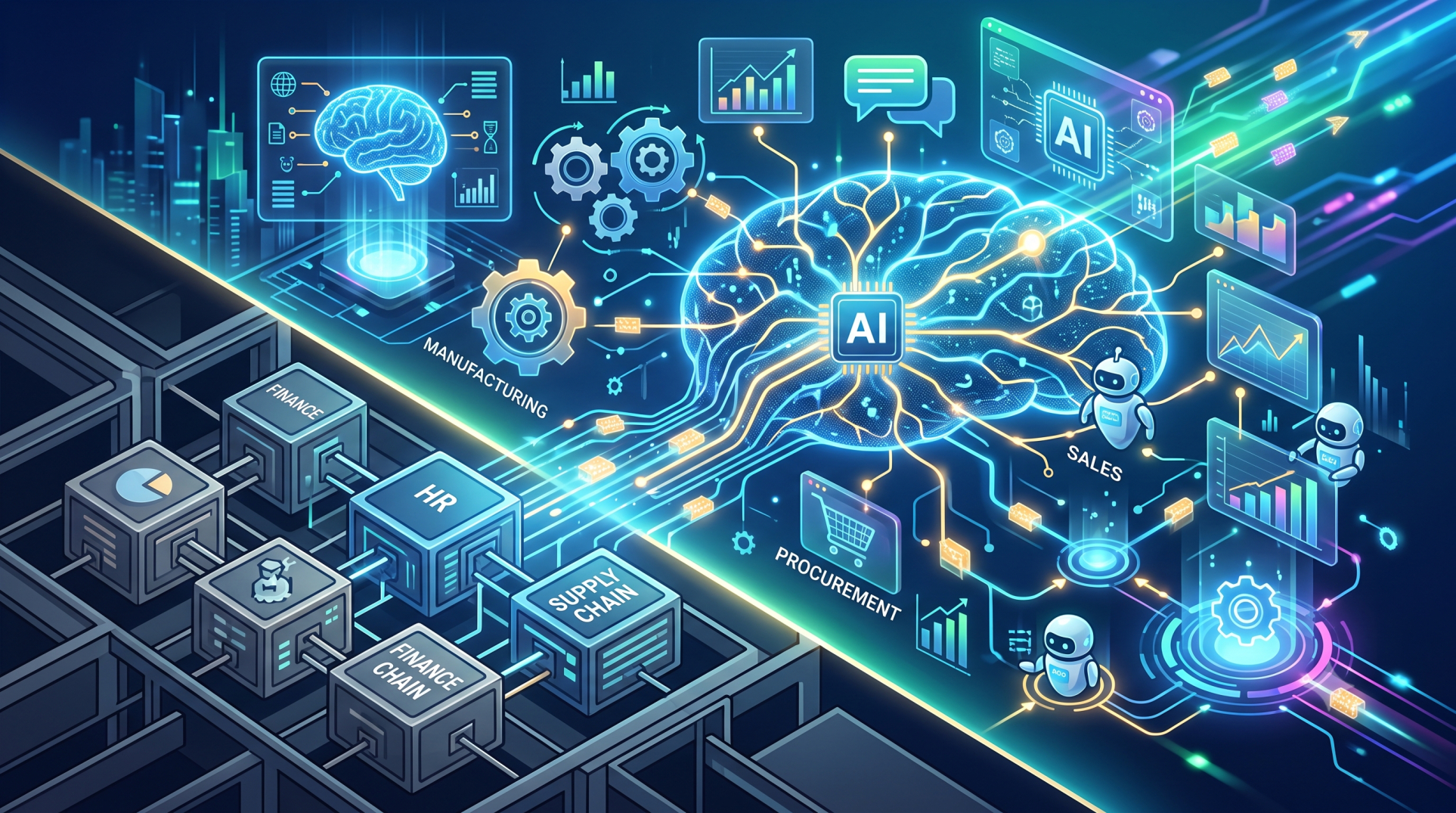
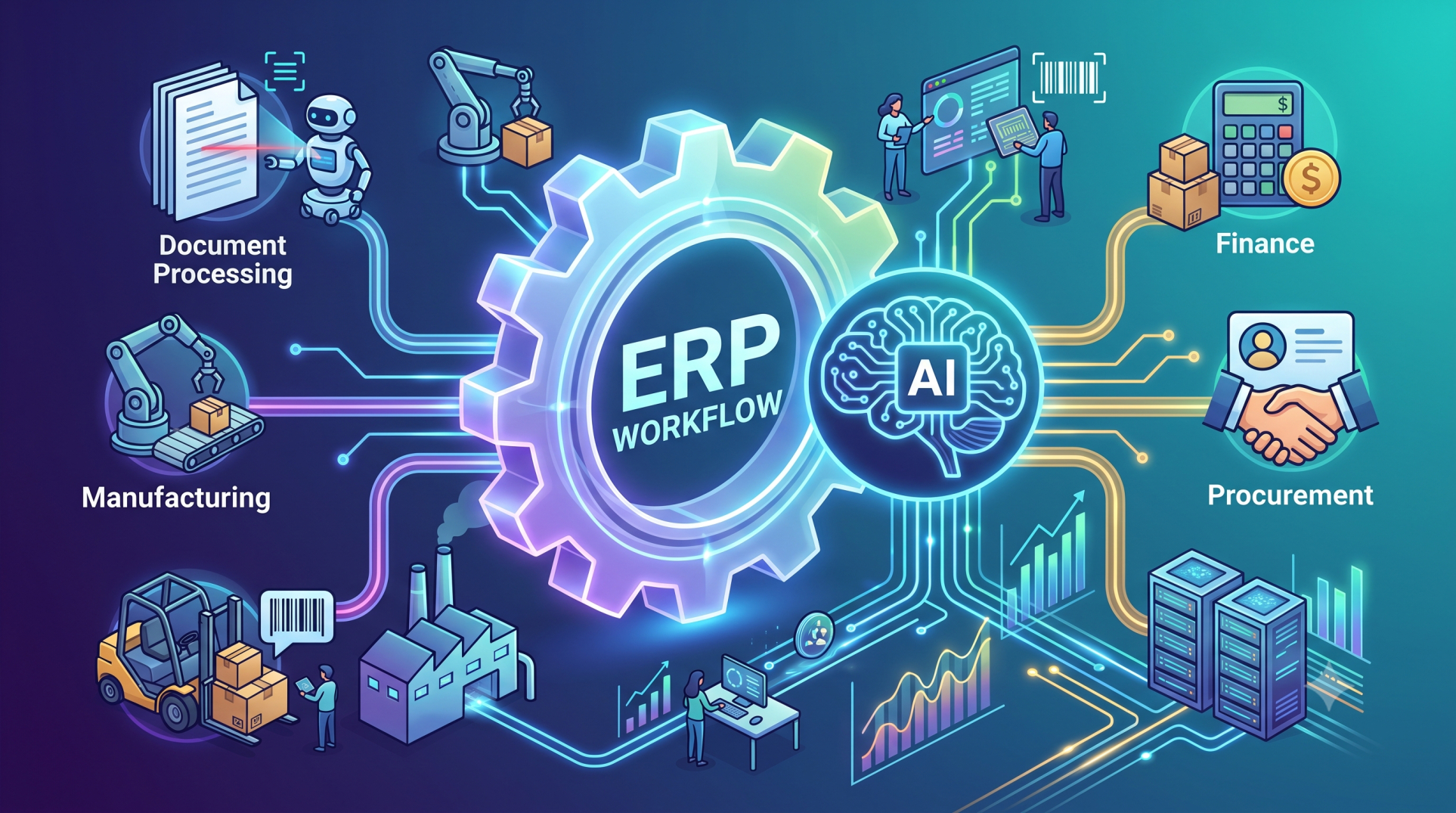
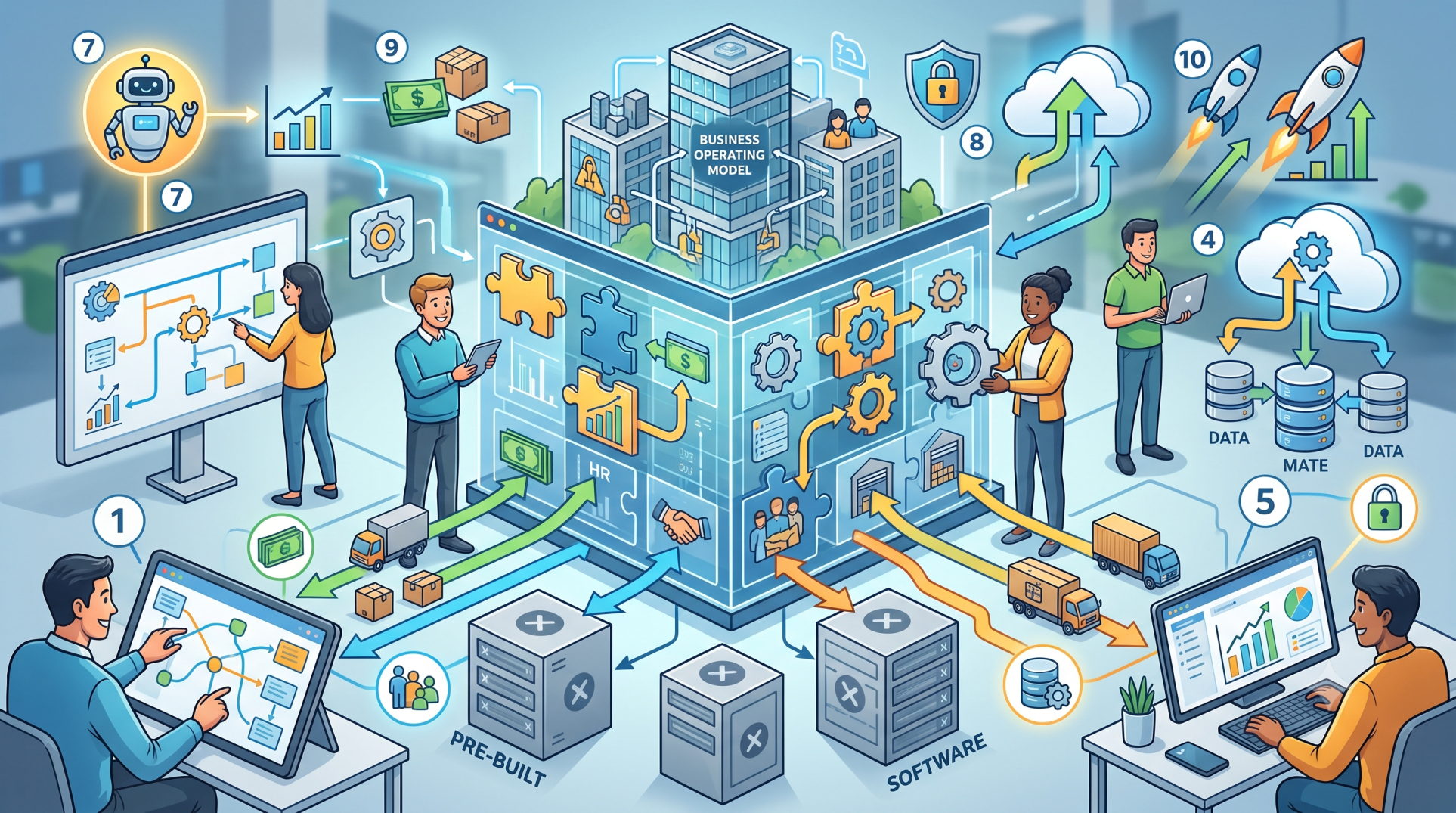
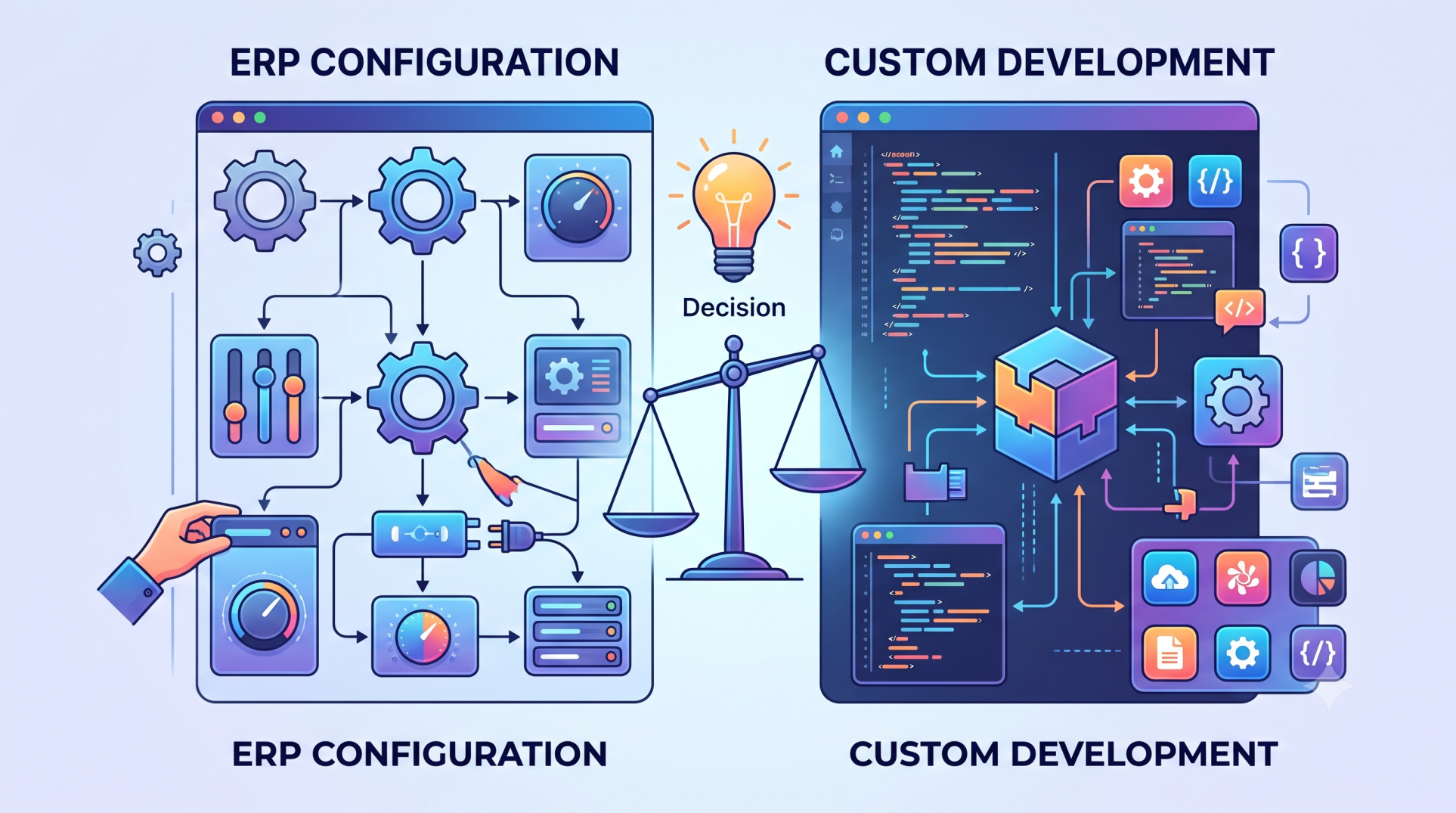
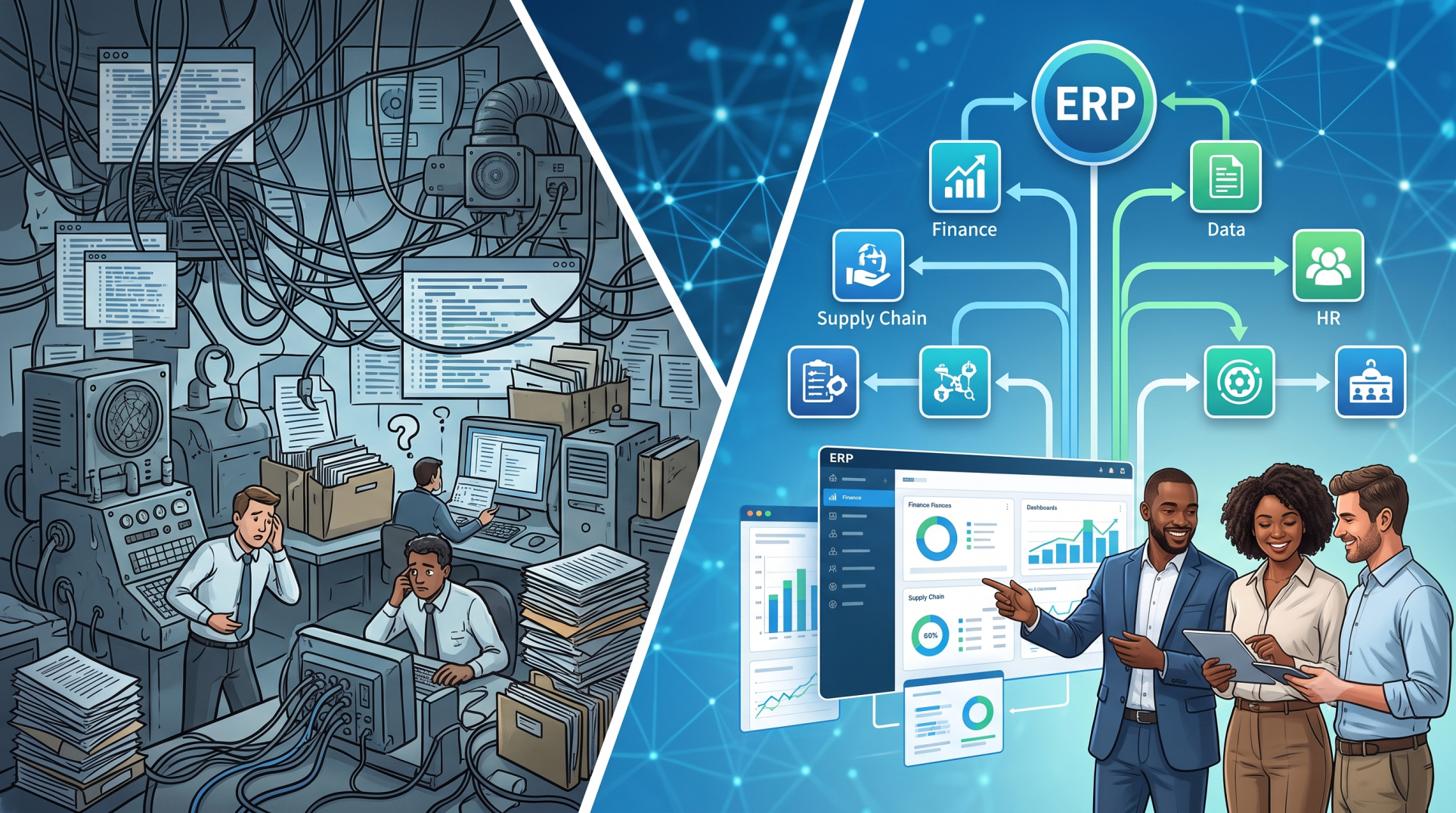
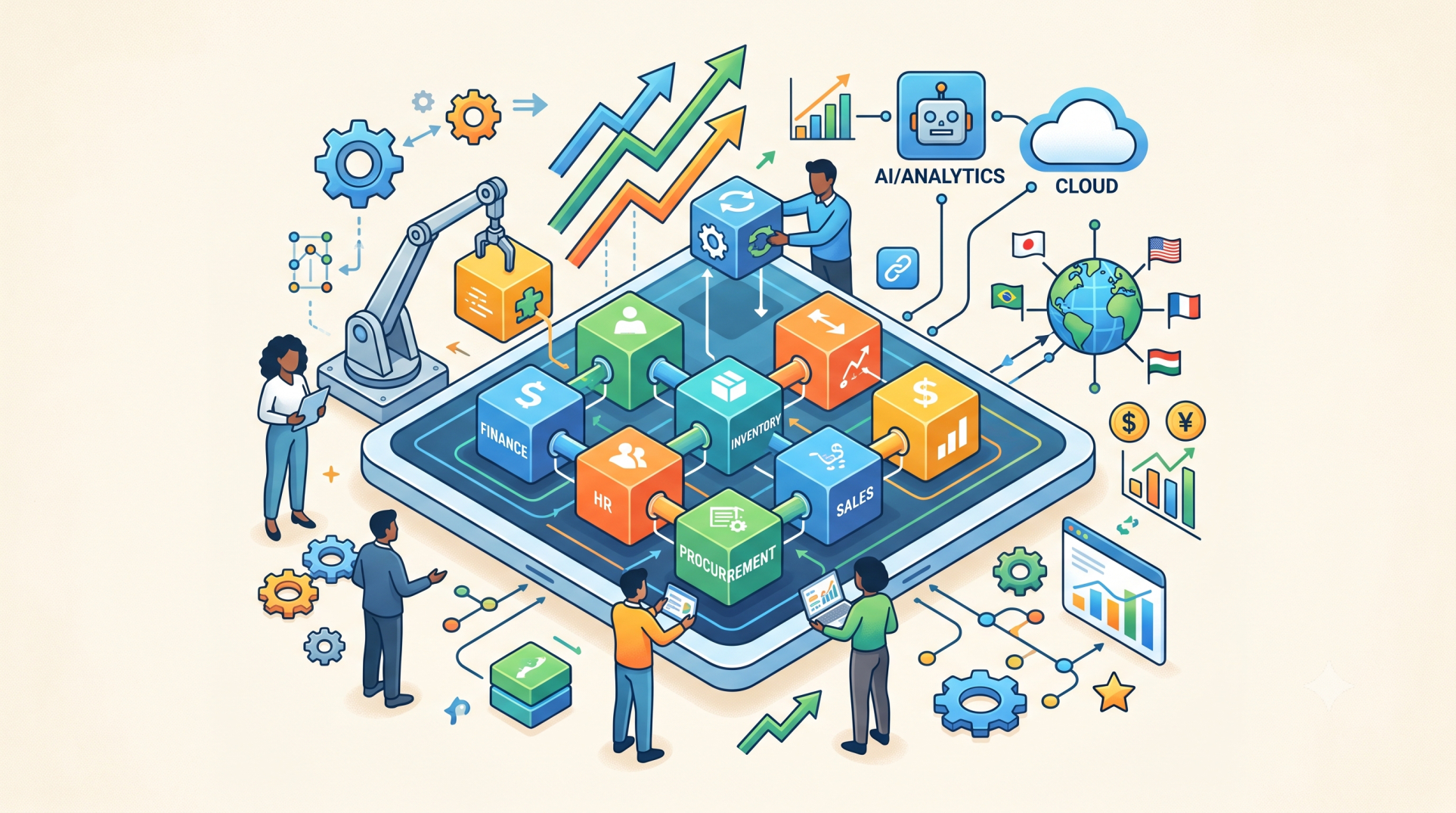
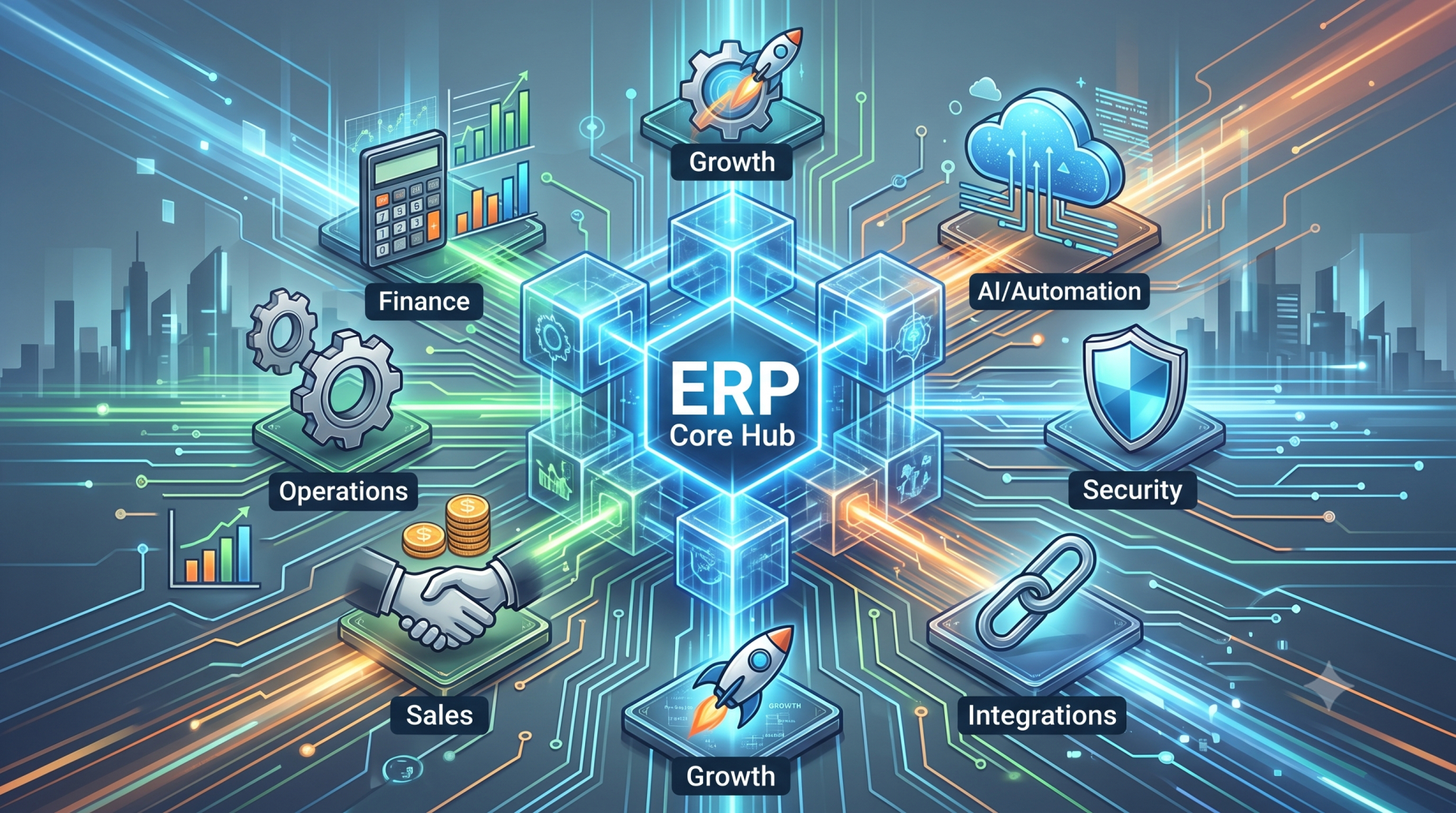
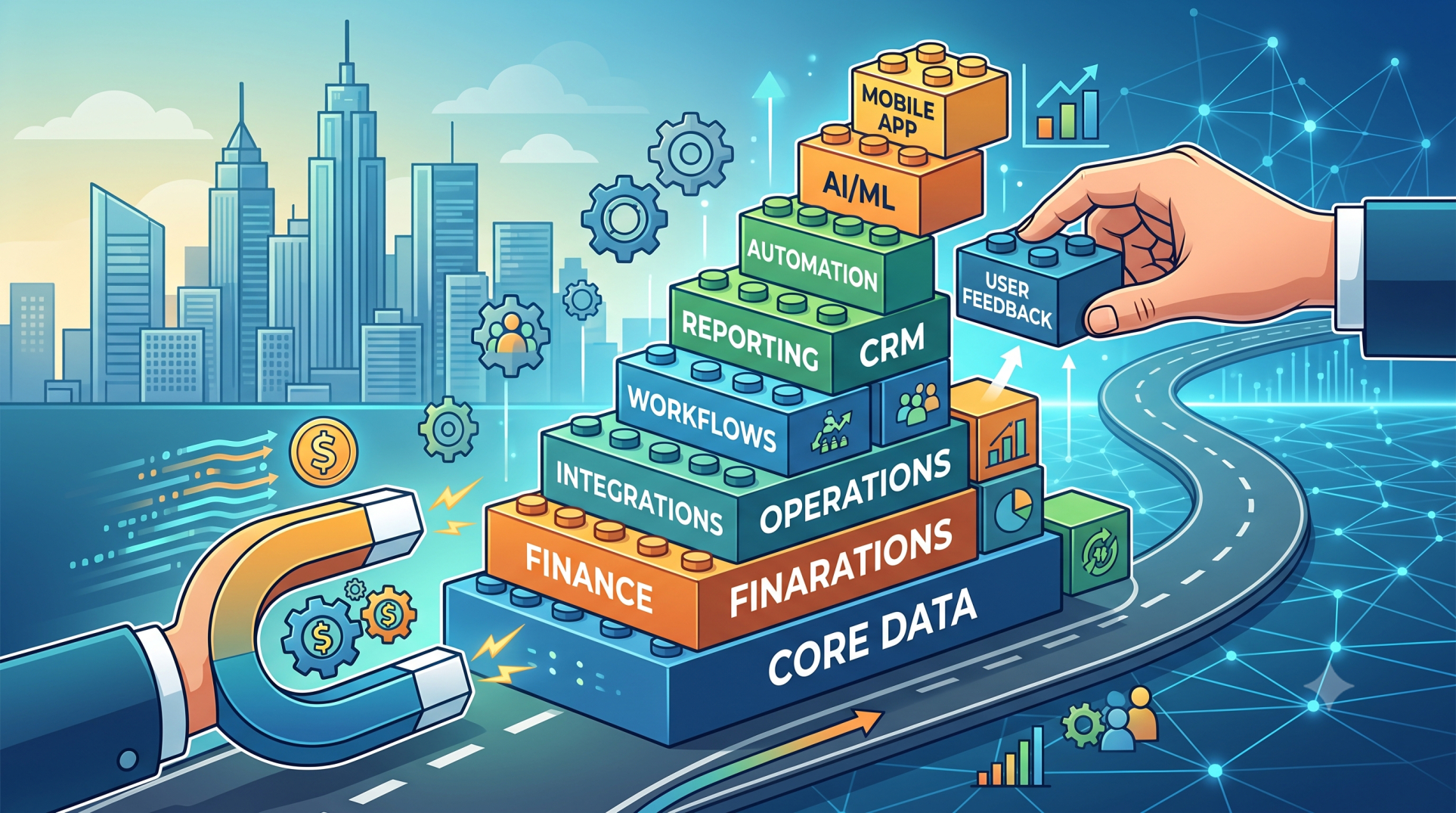
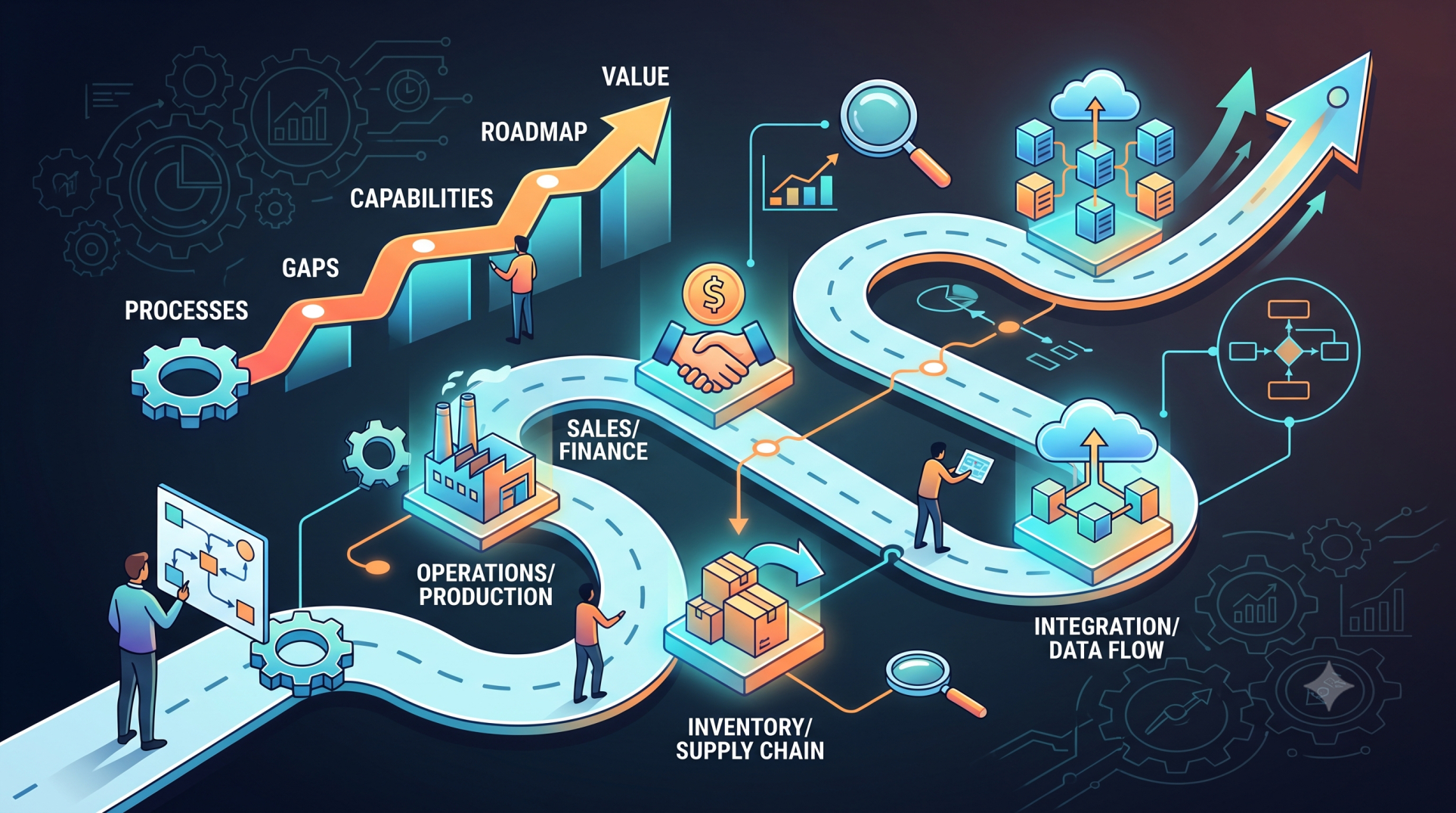
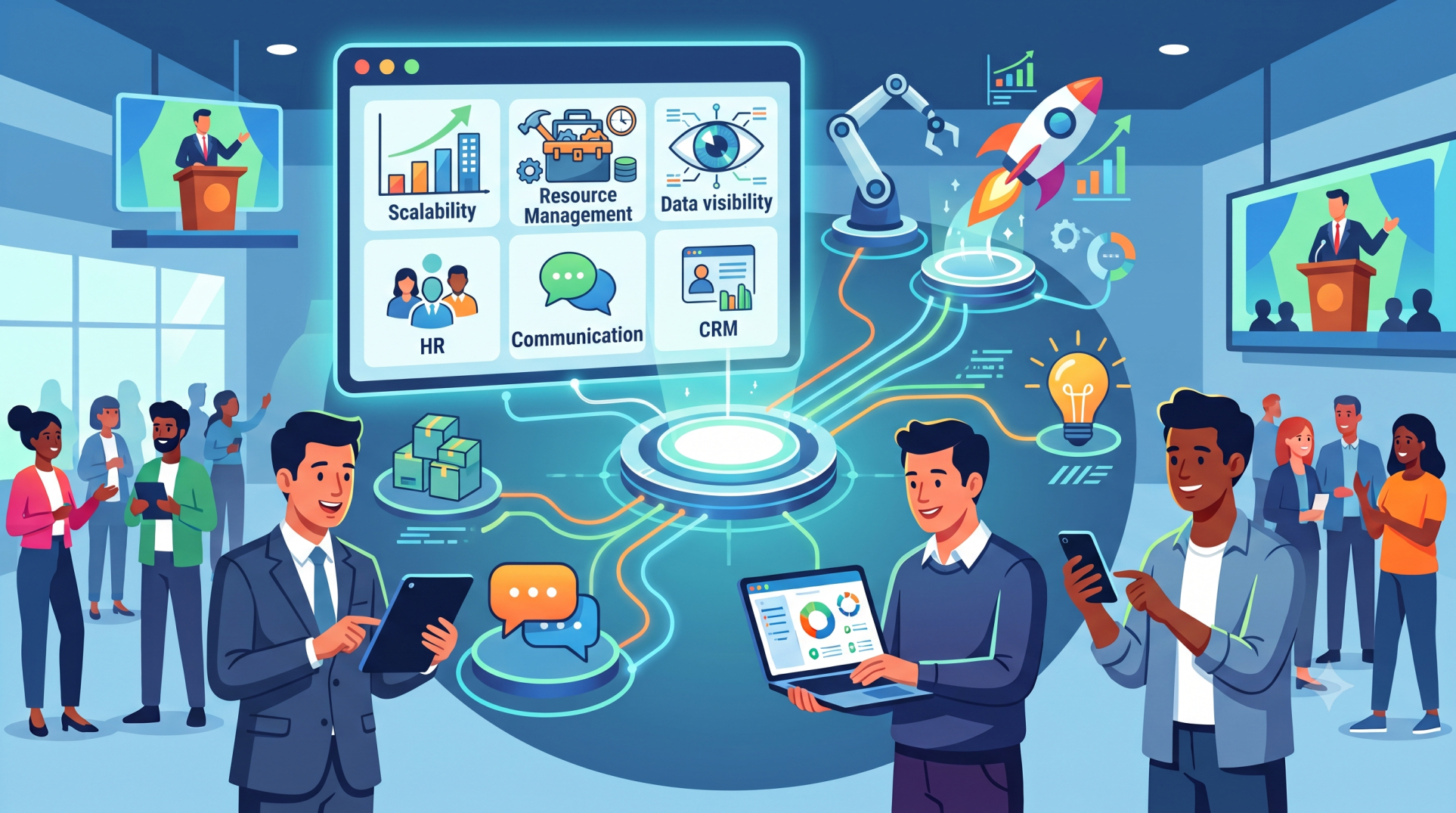
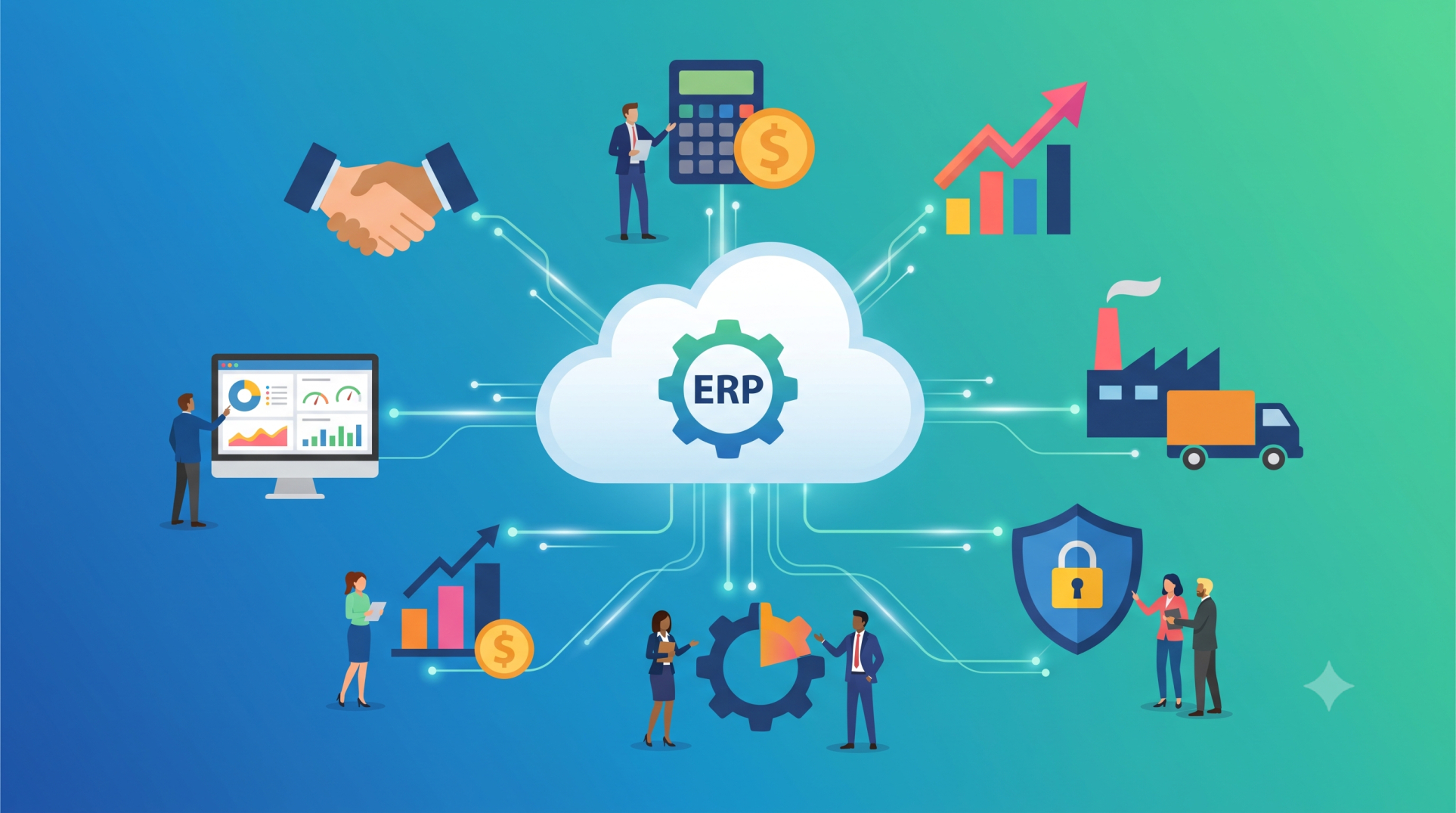
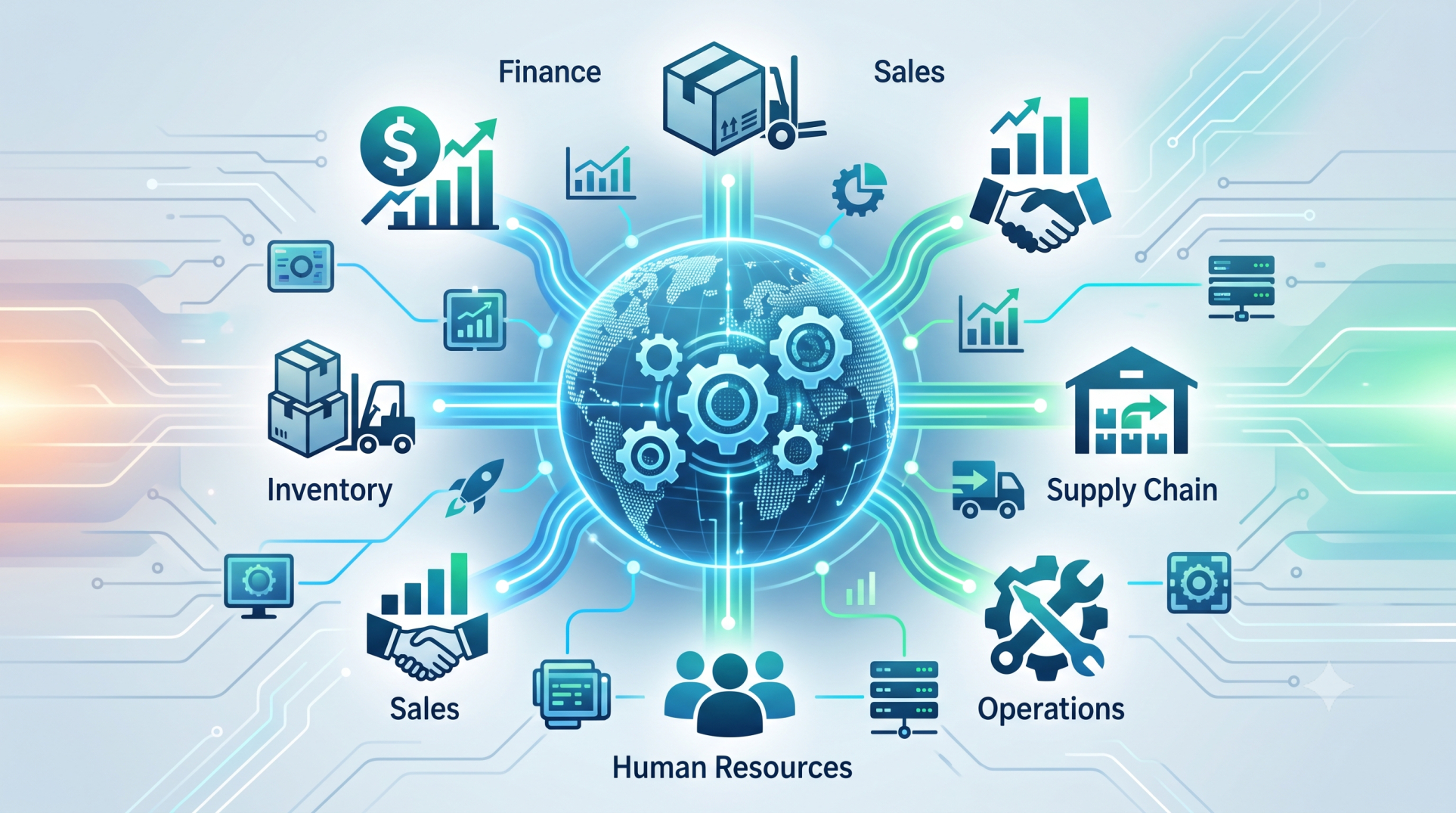
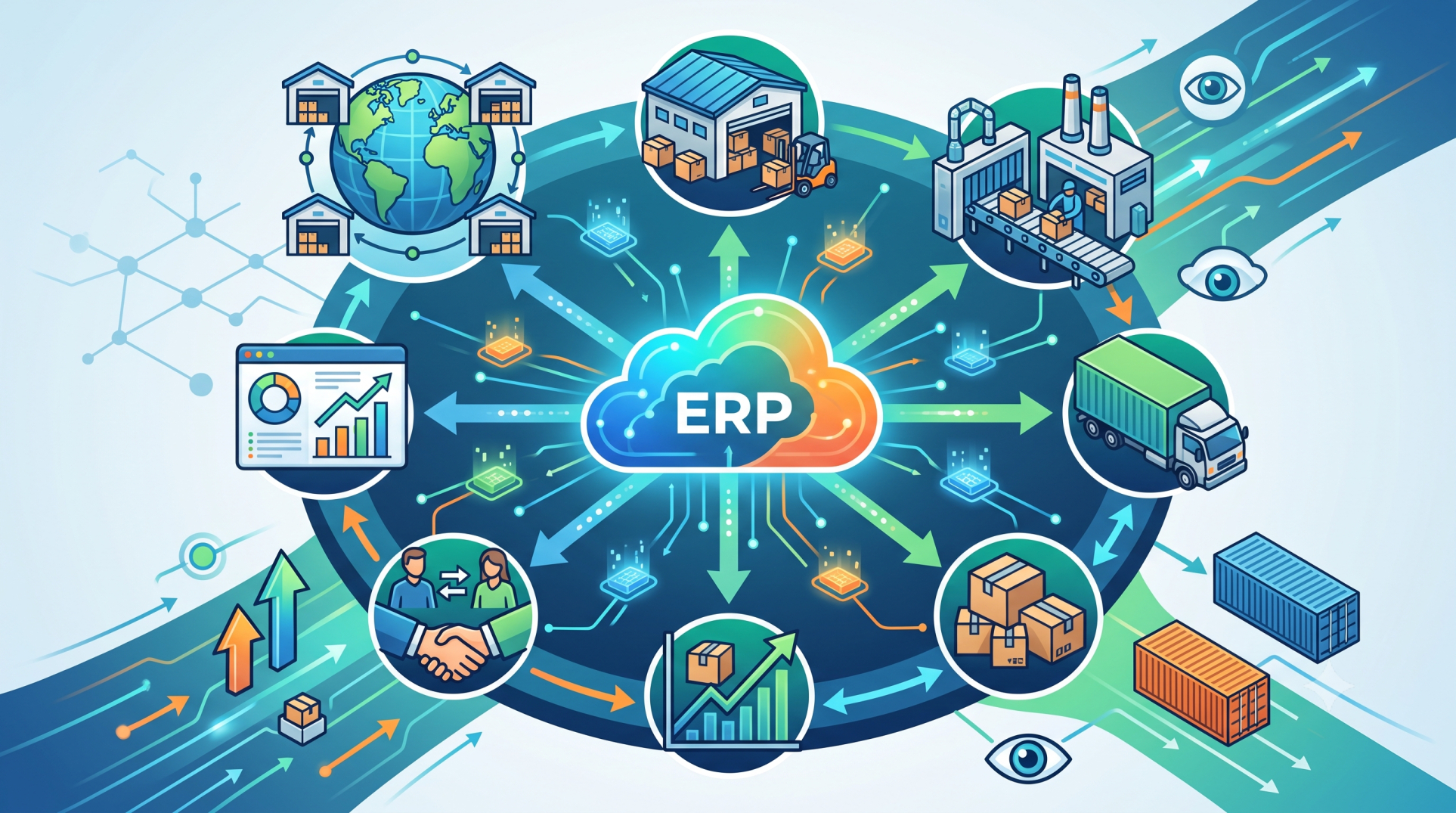
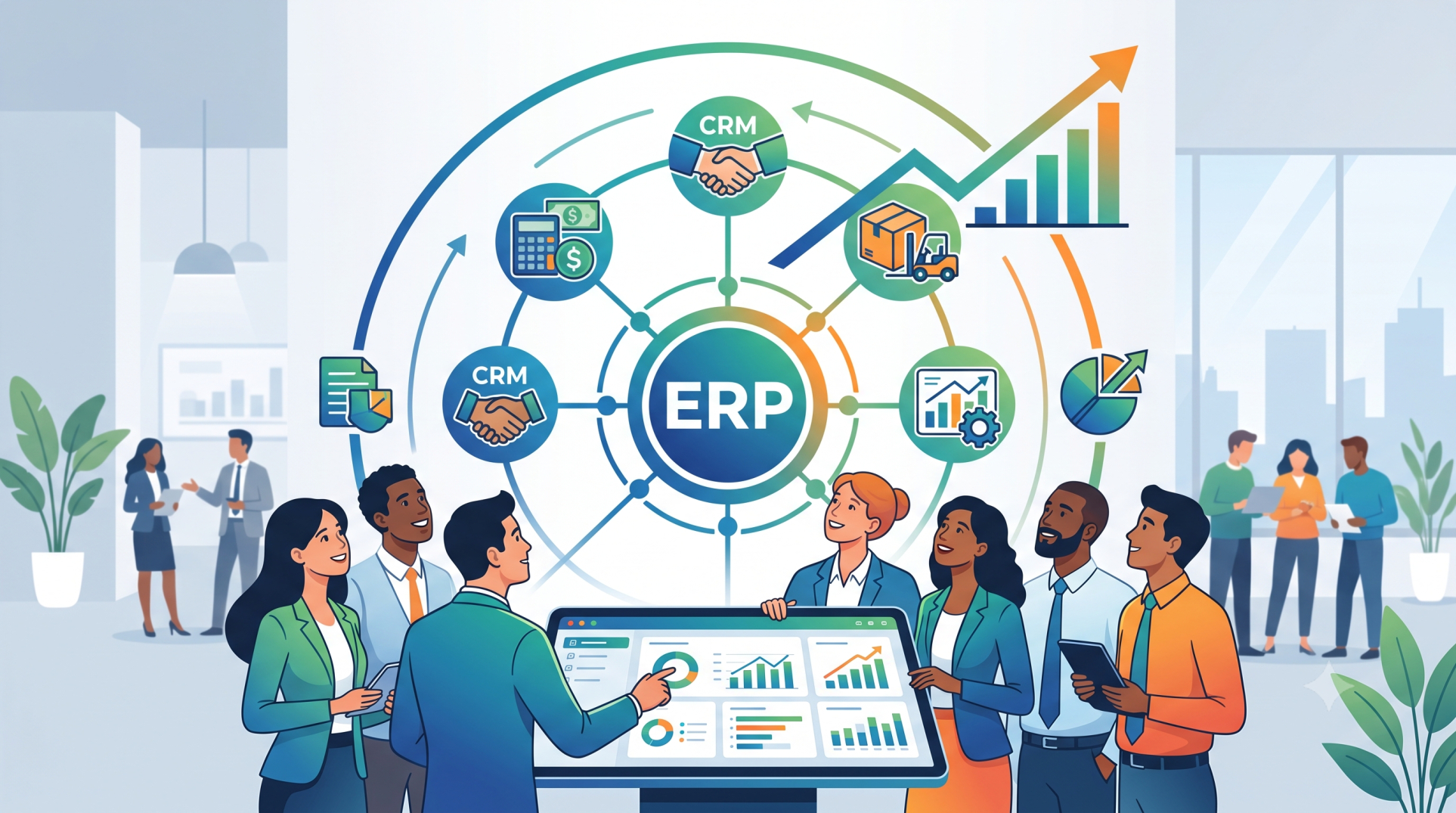
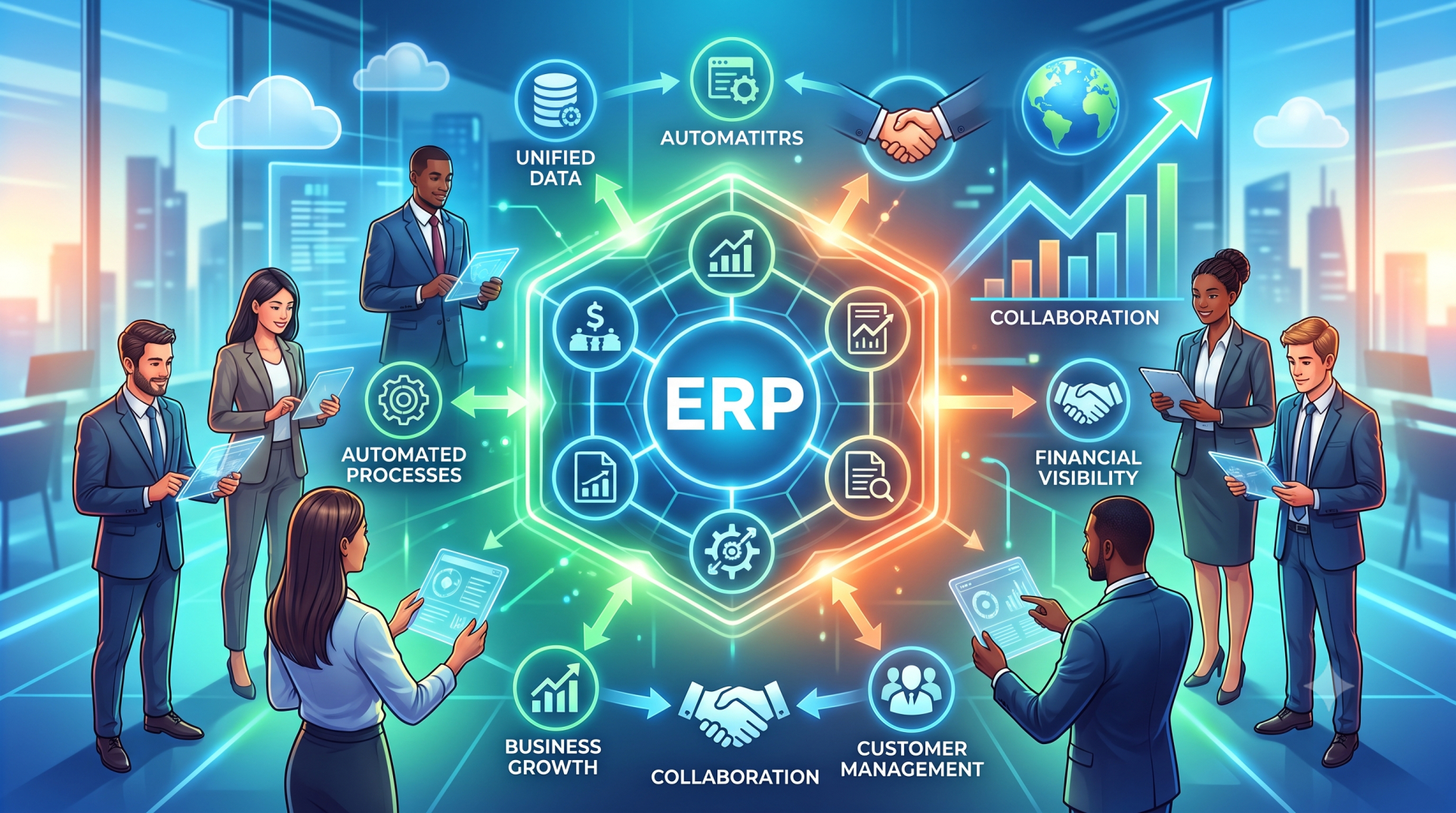
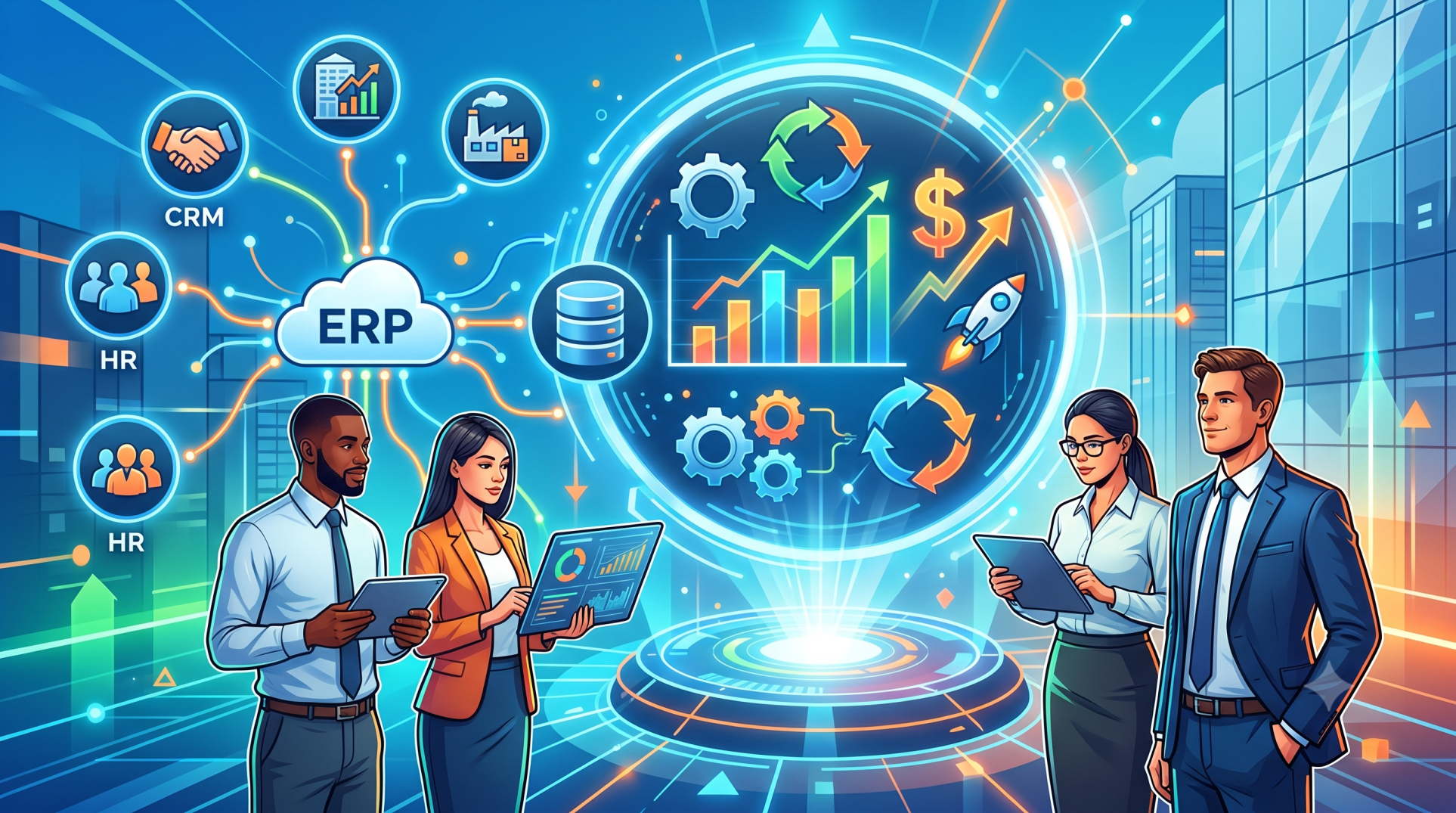
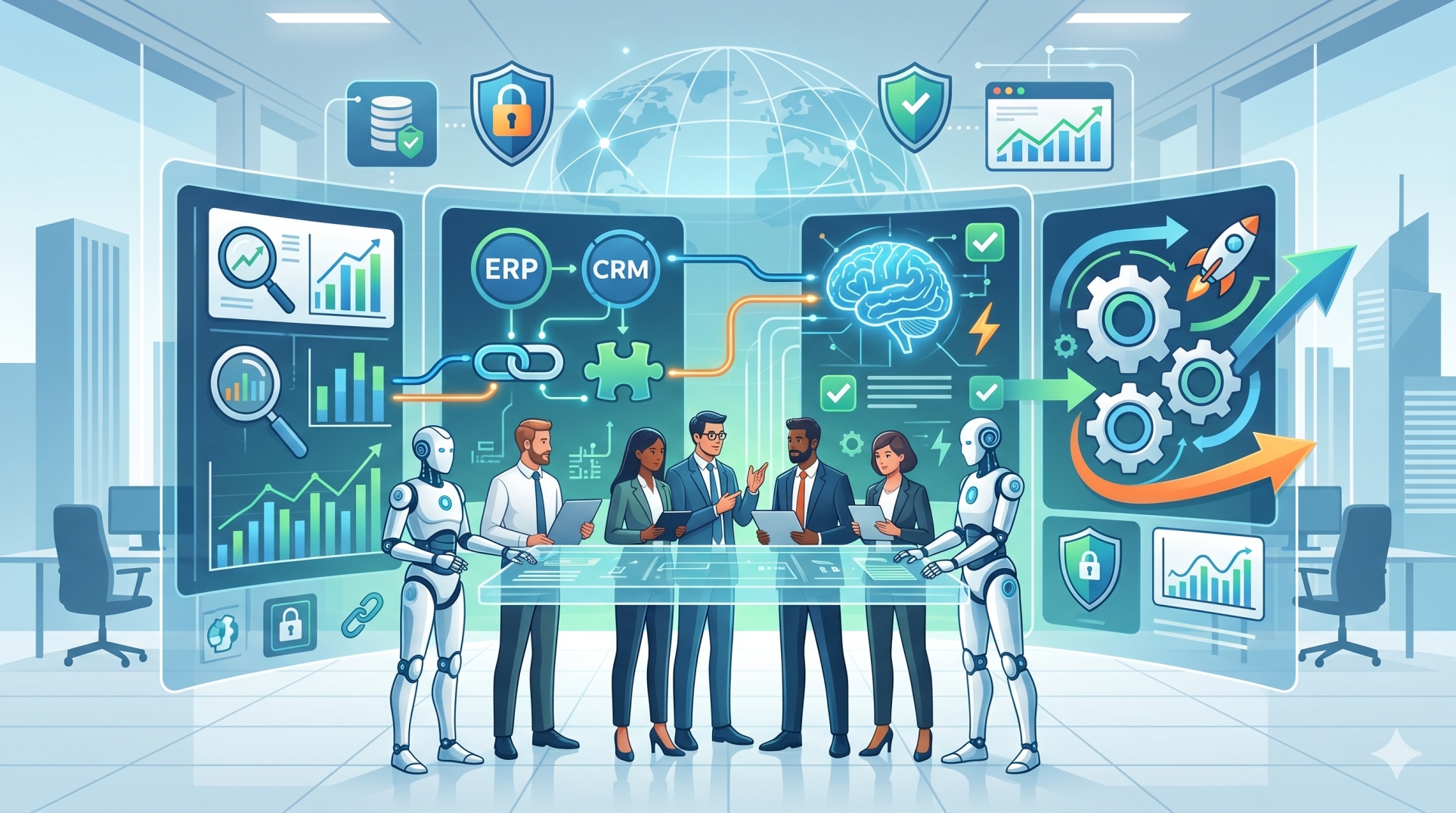
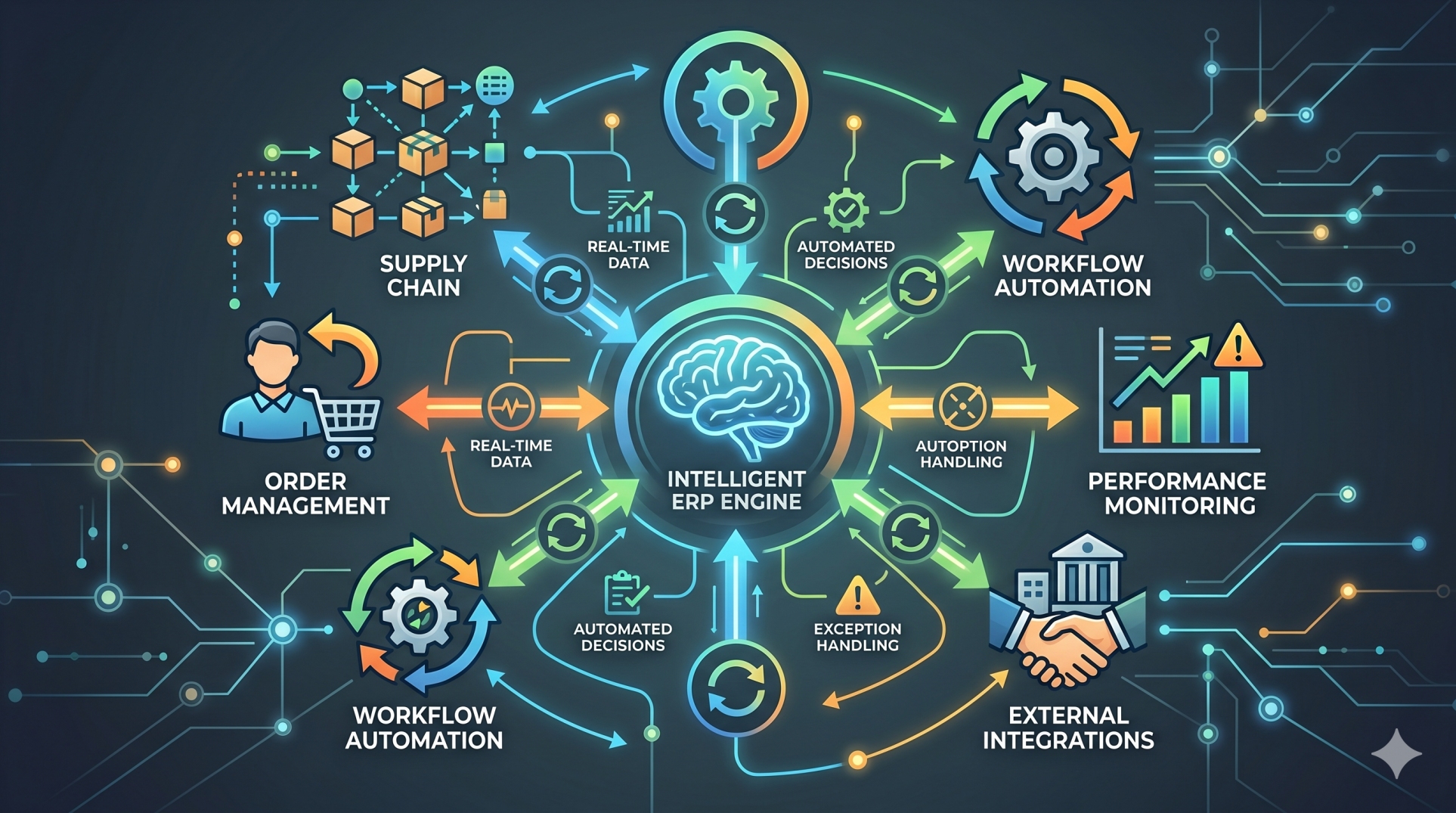
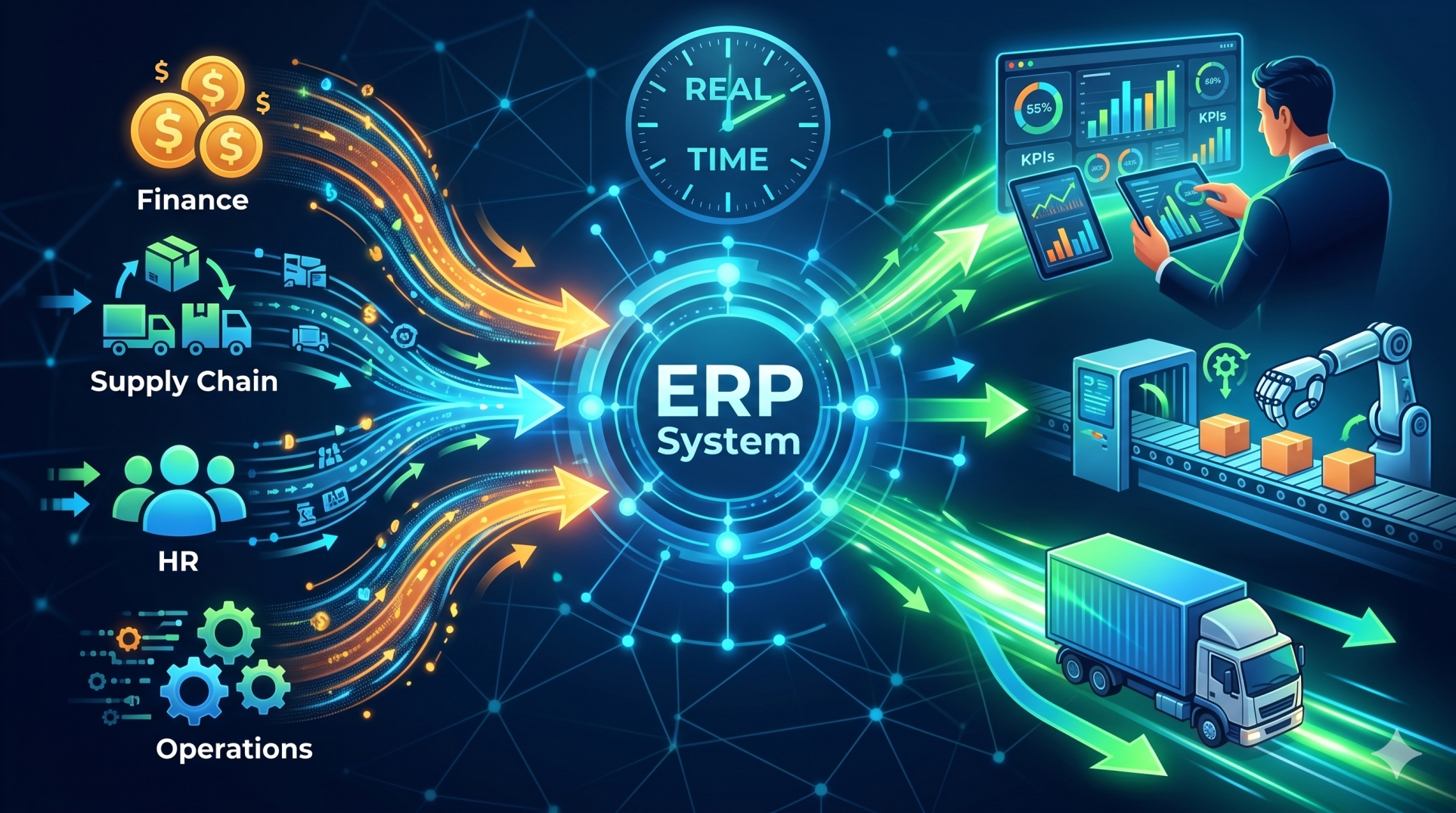
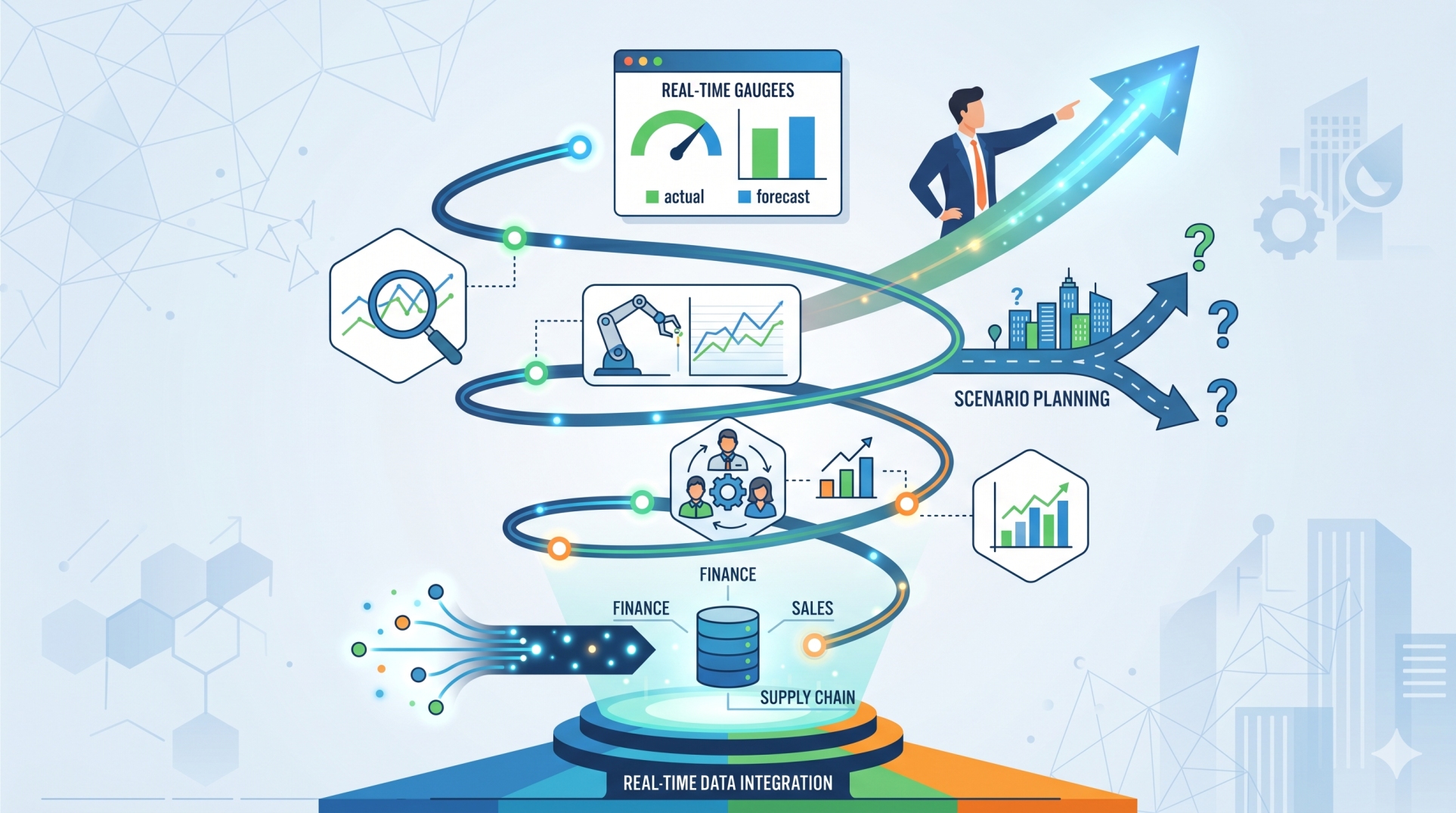
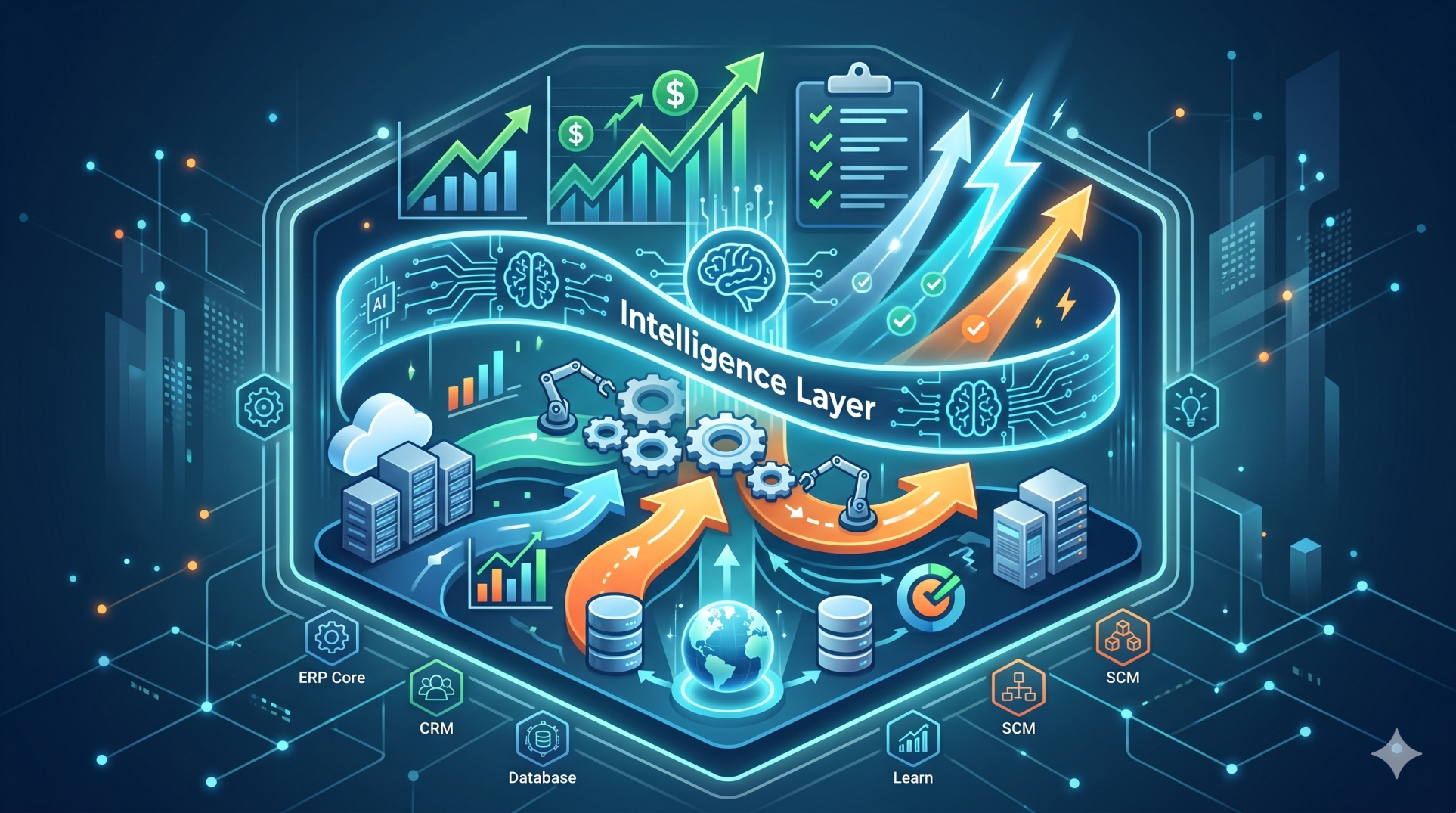
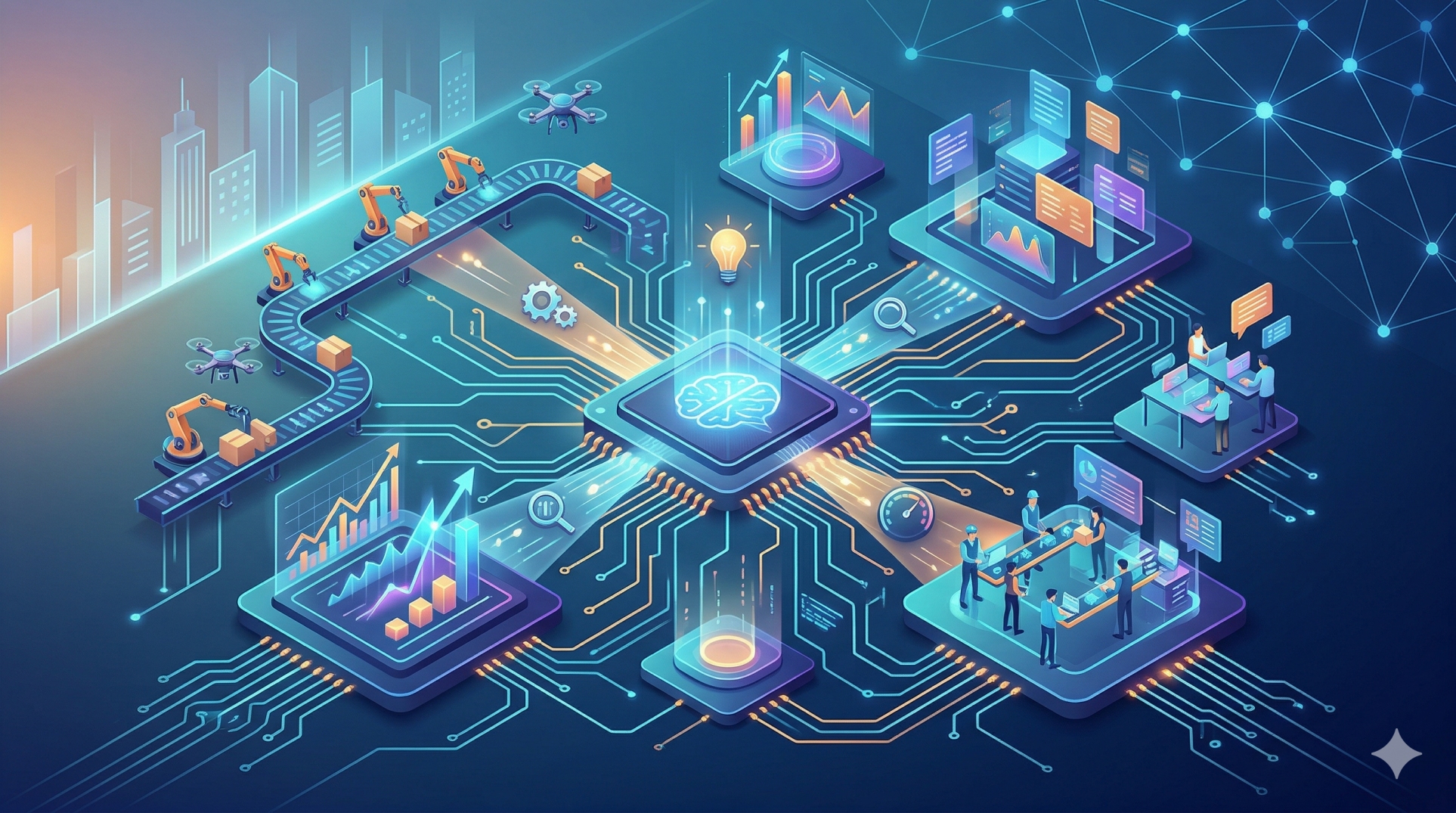
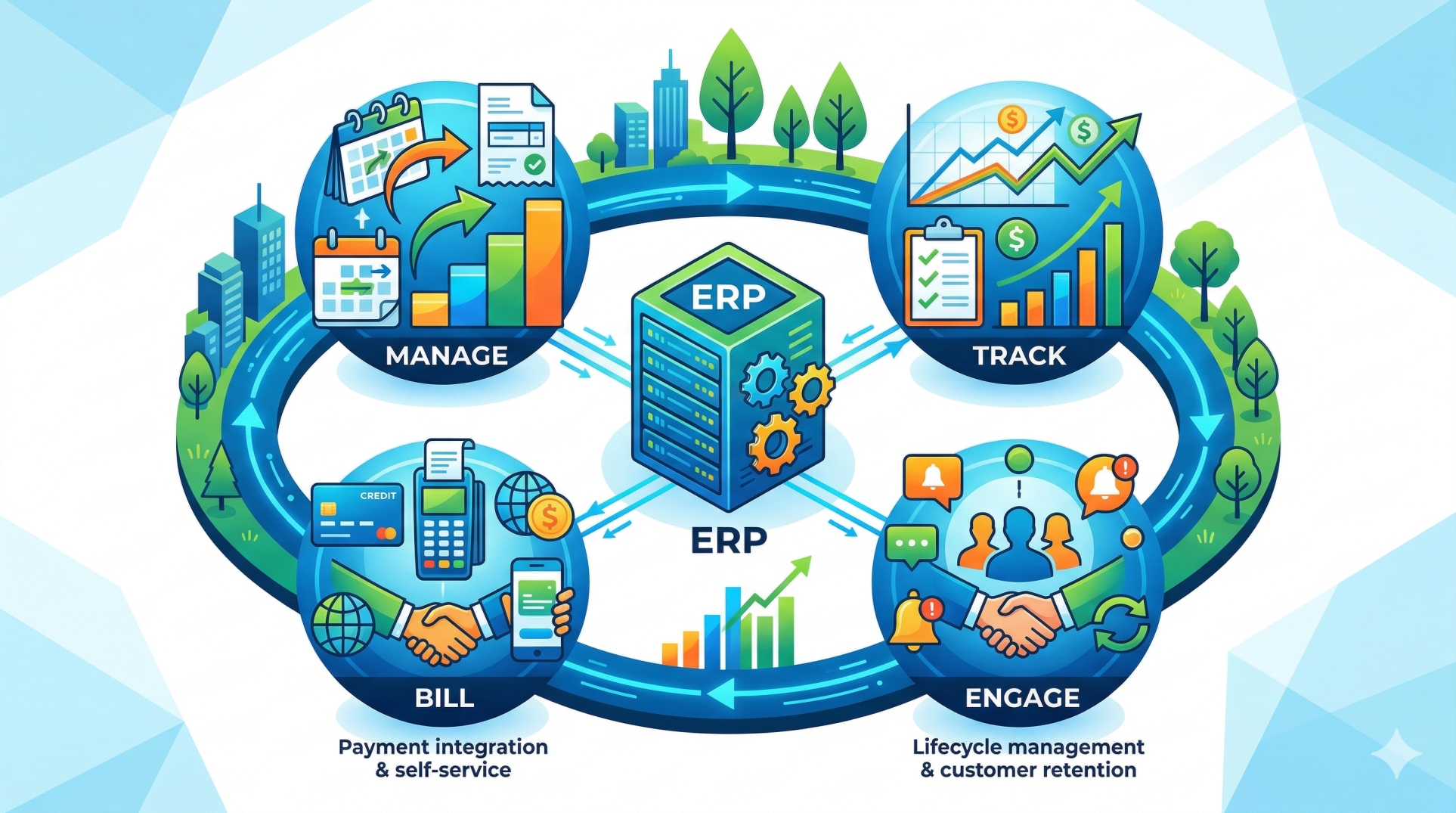
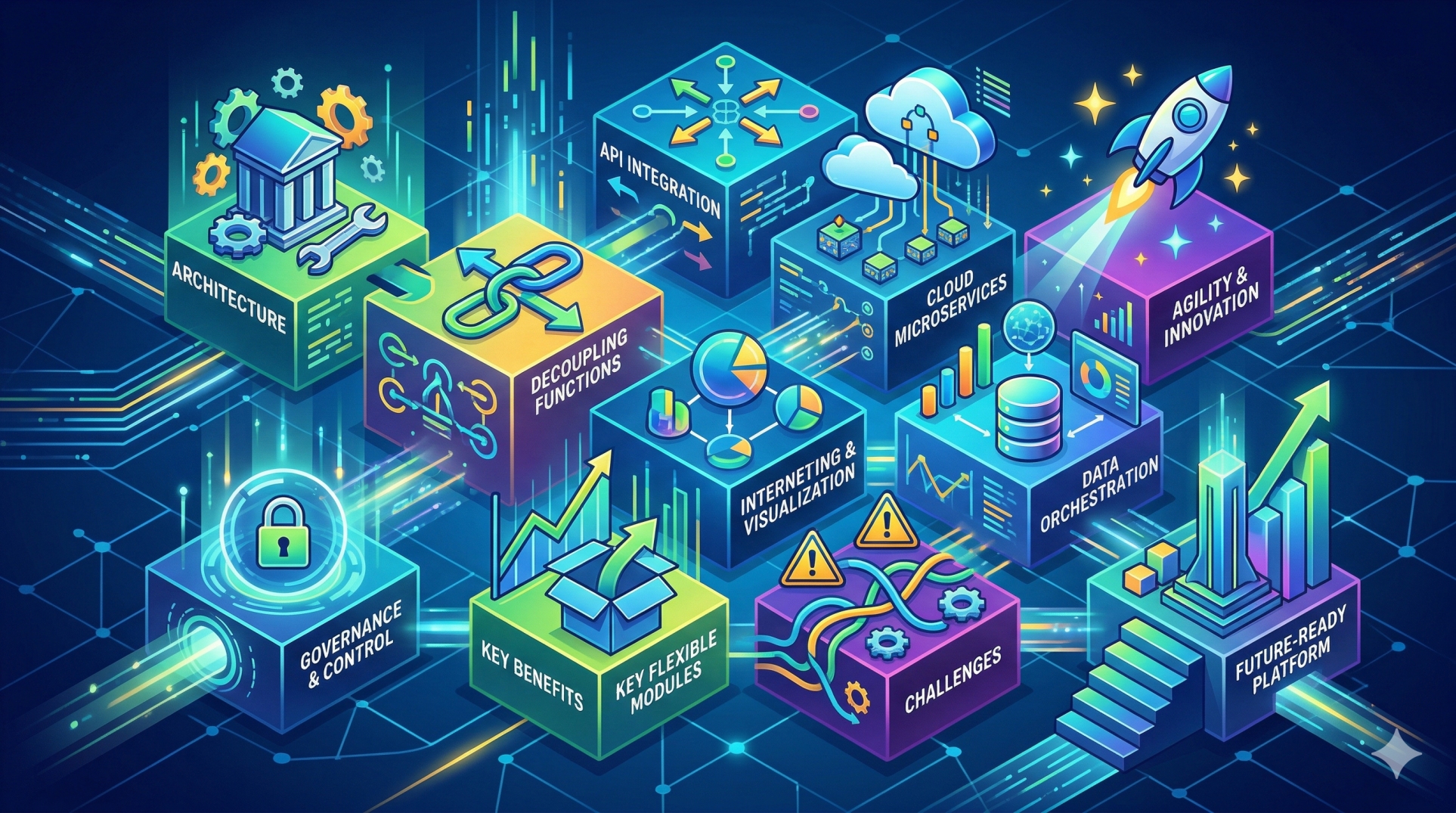
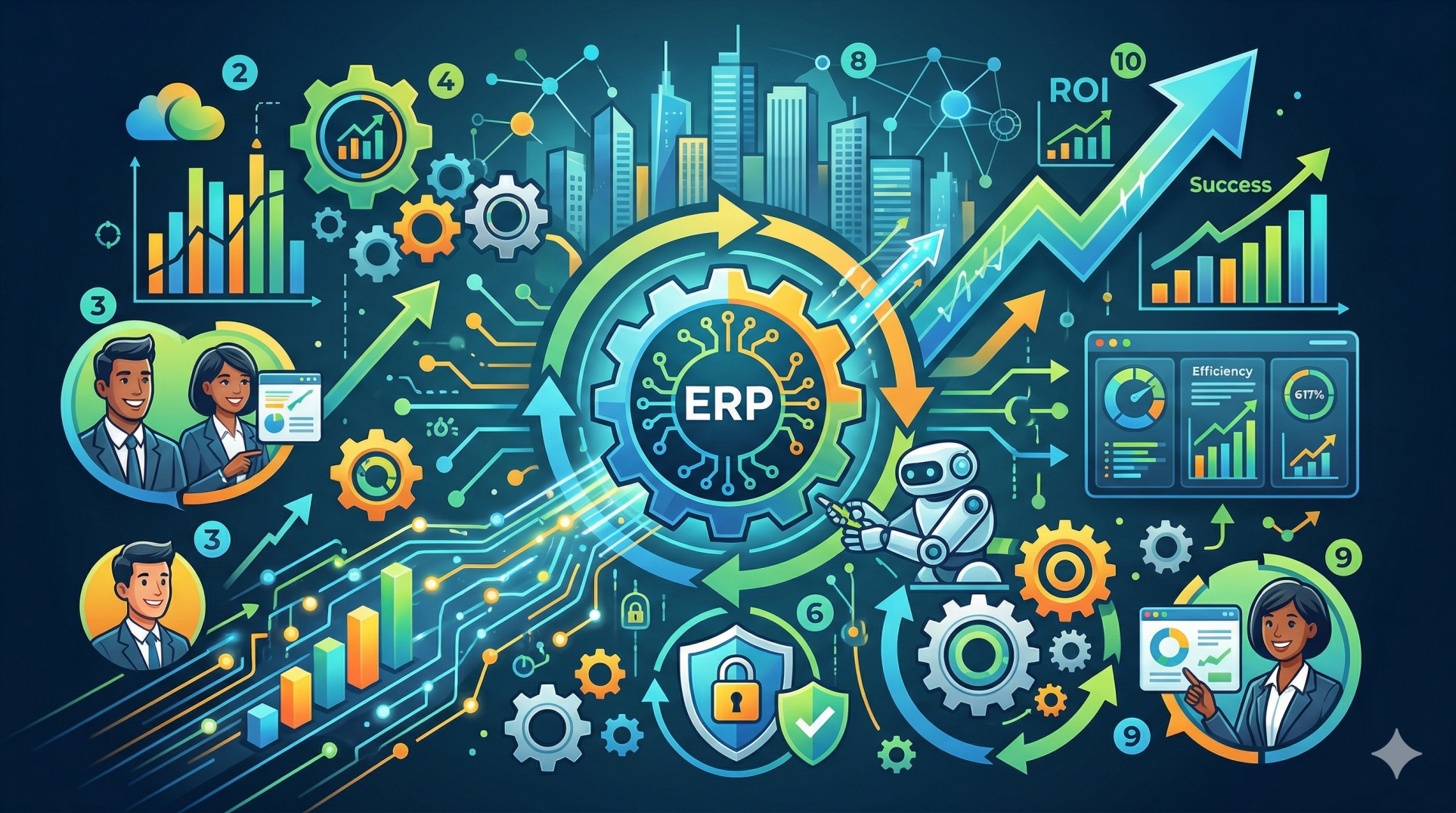
Modern enterprises operate in environments where speed, accuracy, and adaptability are critical. Traditional ERP systems were primarily designed for record-keeping and process management, but today they are evolving into real-time decision engines. By leveraging live data, advanced analytics, and intelligent automation, ERP systems now empower organizations to make faster, data-driven decisions across all business functions.
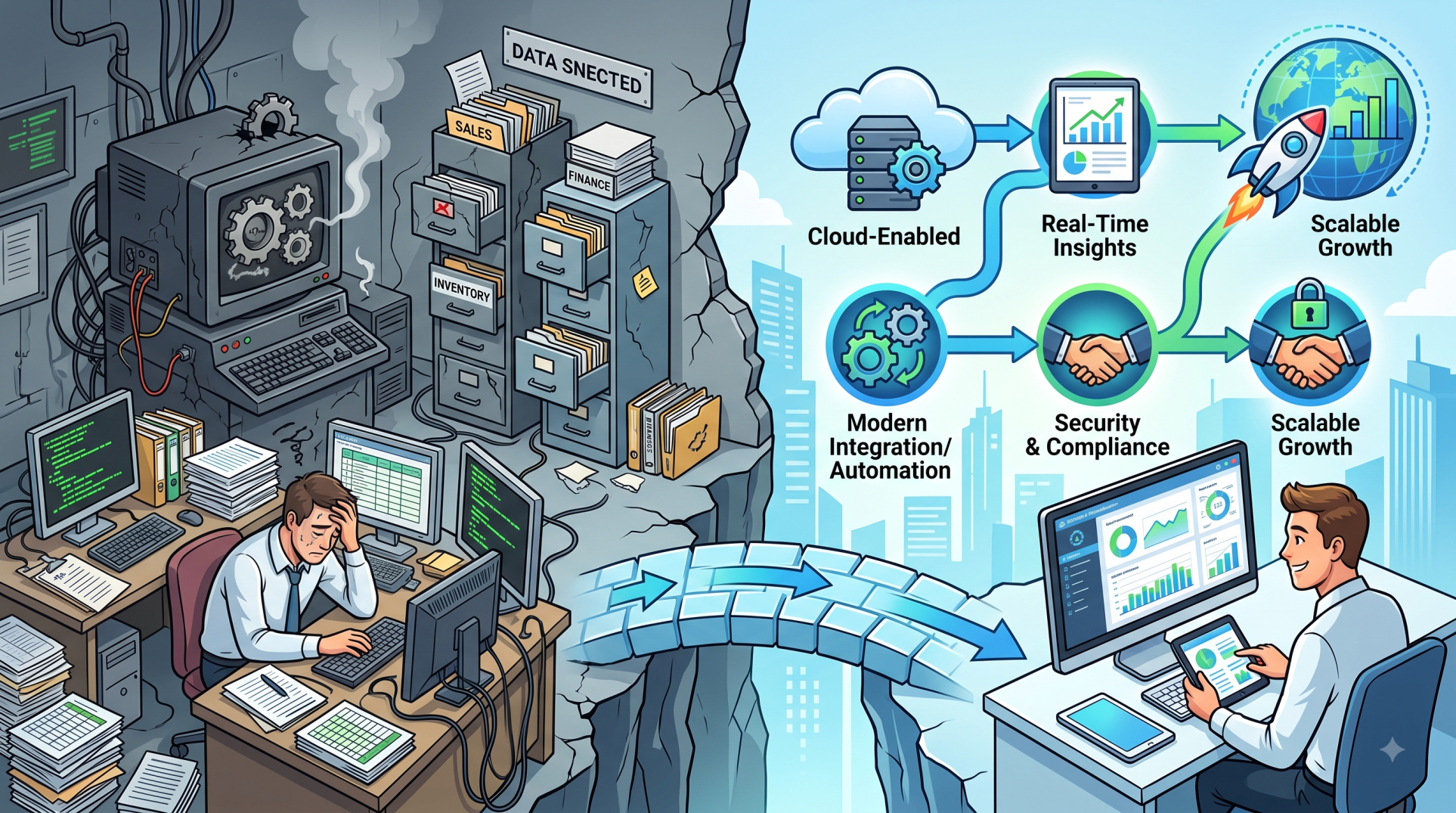
Step 1: Transitioning from Static to Real-Time ERP ⚡
• Move from batch processing to real-time data processing ⏱️
• Enable instant access to operational and financial data 📊
• Reduce delays in reporting and decision-making 🚀
• Support continuous updates across all business functions 🔄
• Shift ERP from passive systems to active decision platforms 🧠
Step 2: Integrating Real-Time Data Streams 🌐
• Capture live data from IoT devices, applications, and systems 📡
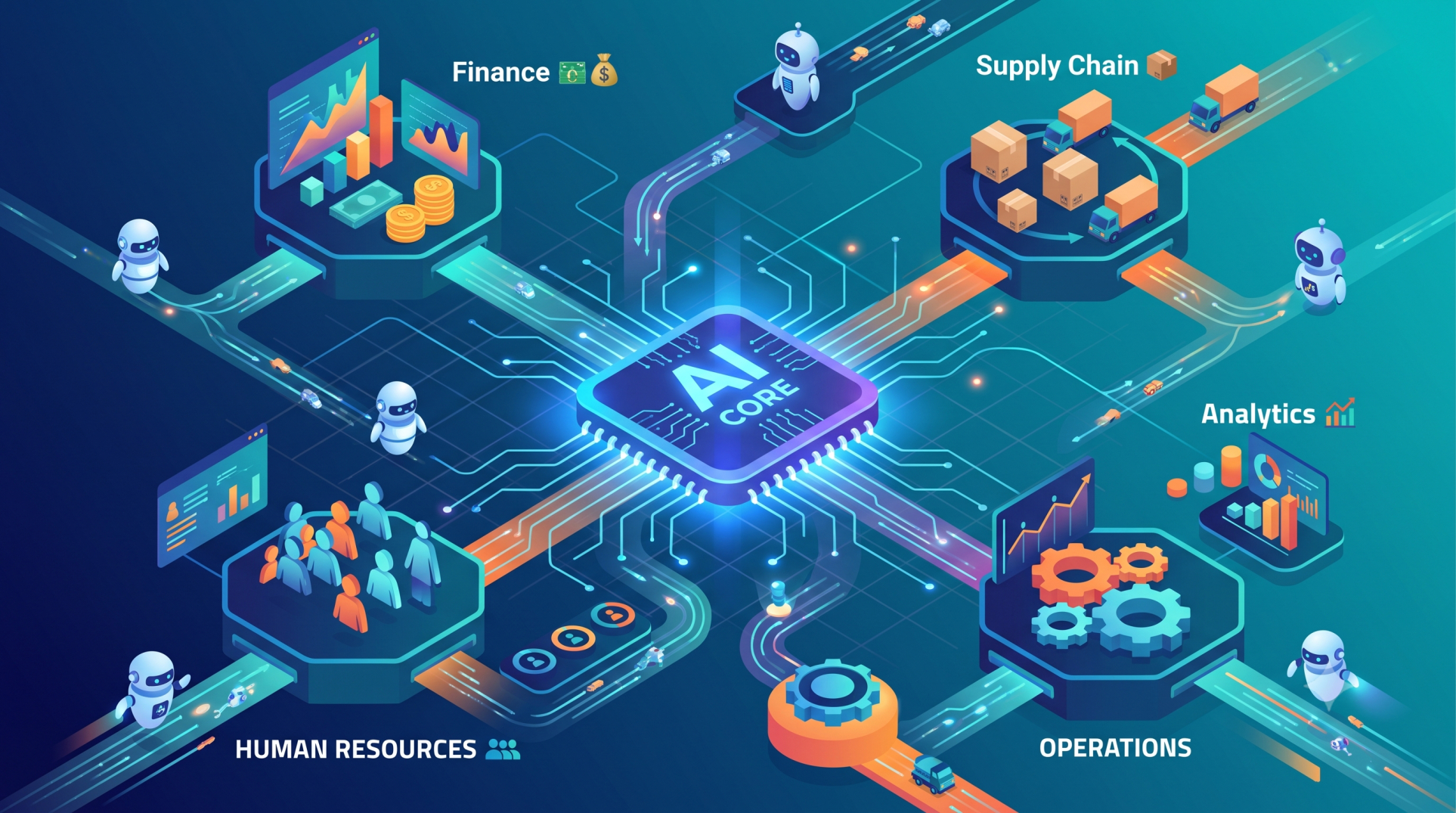
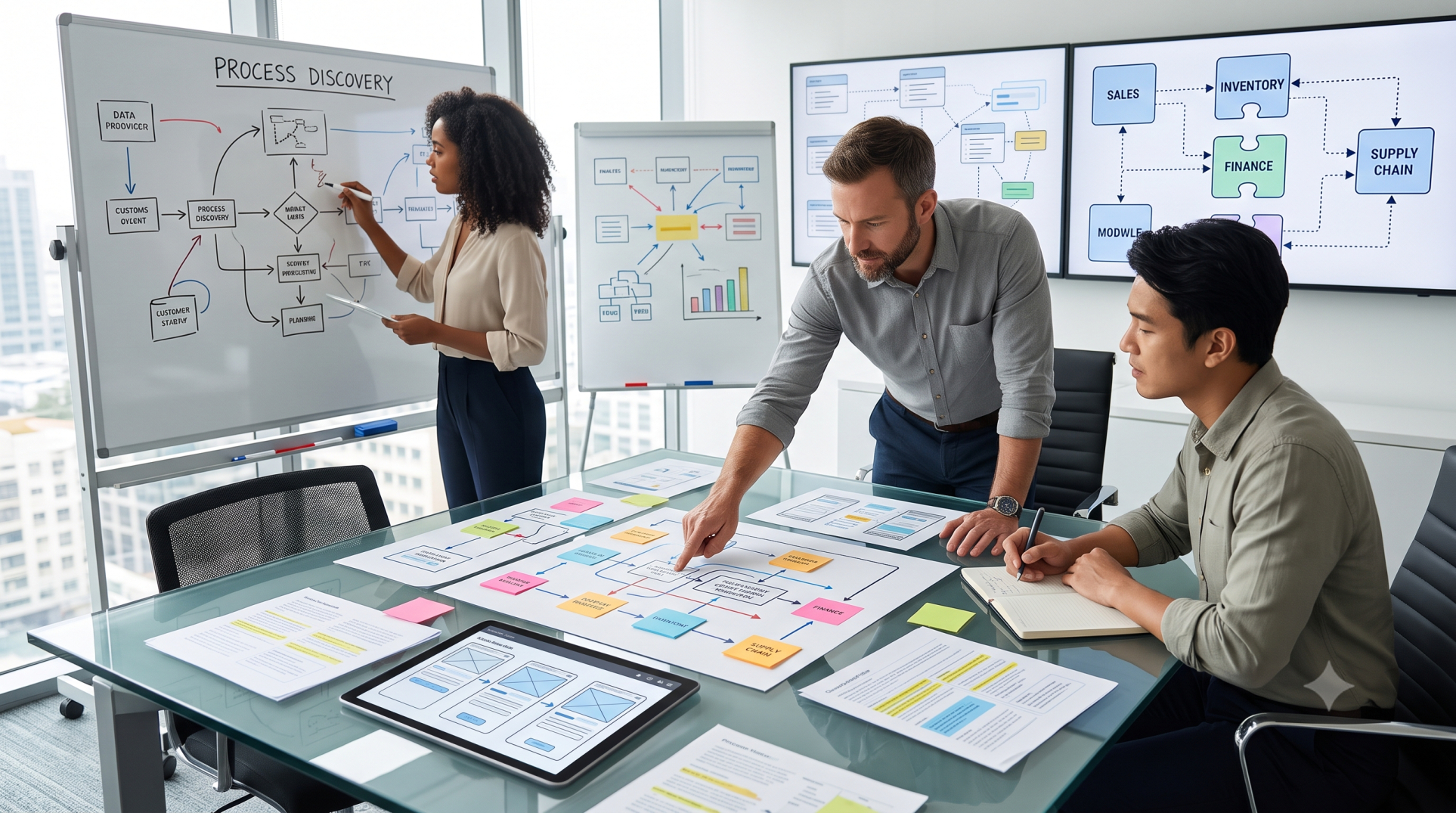
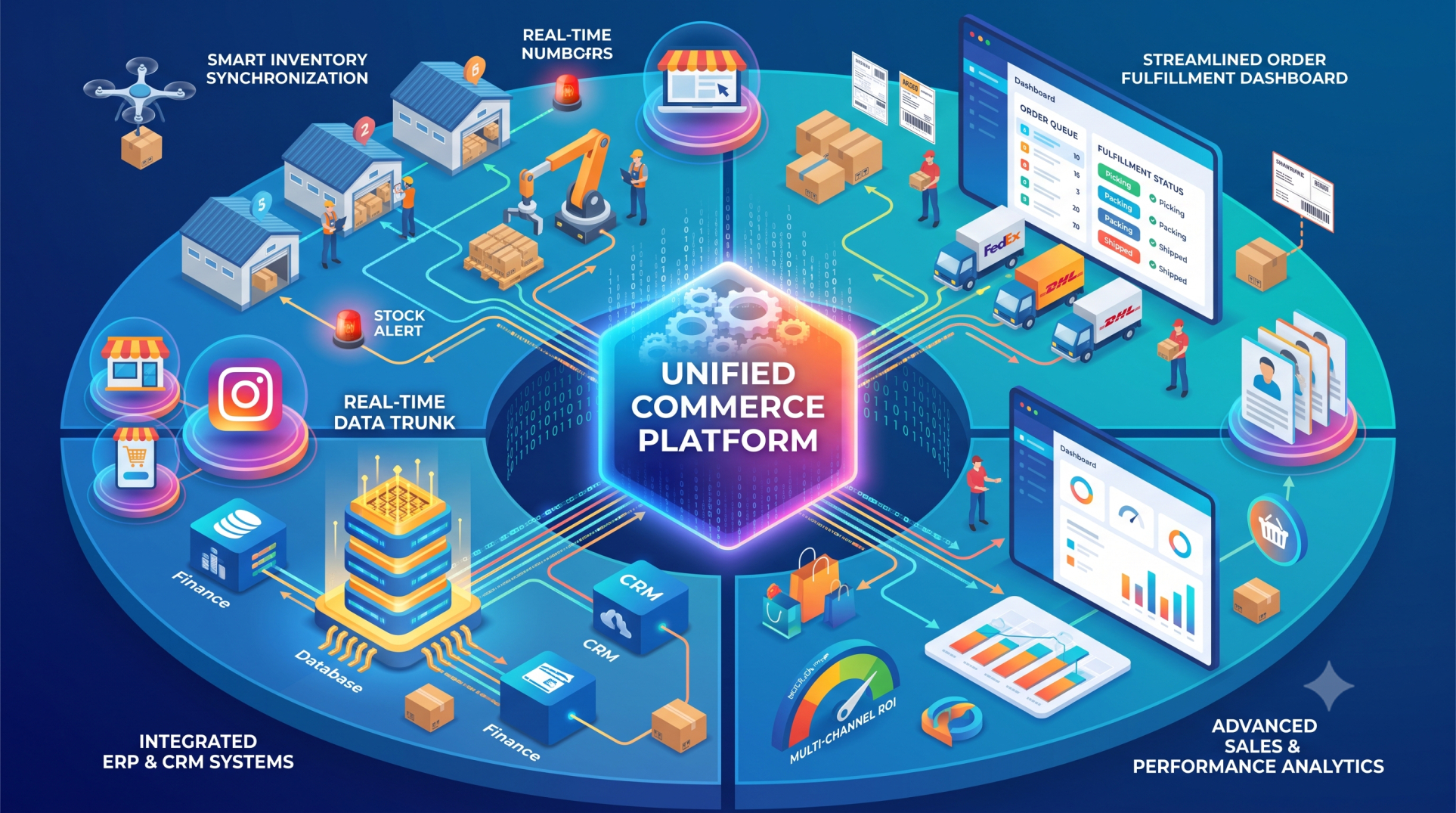
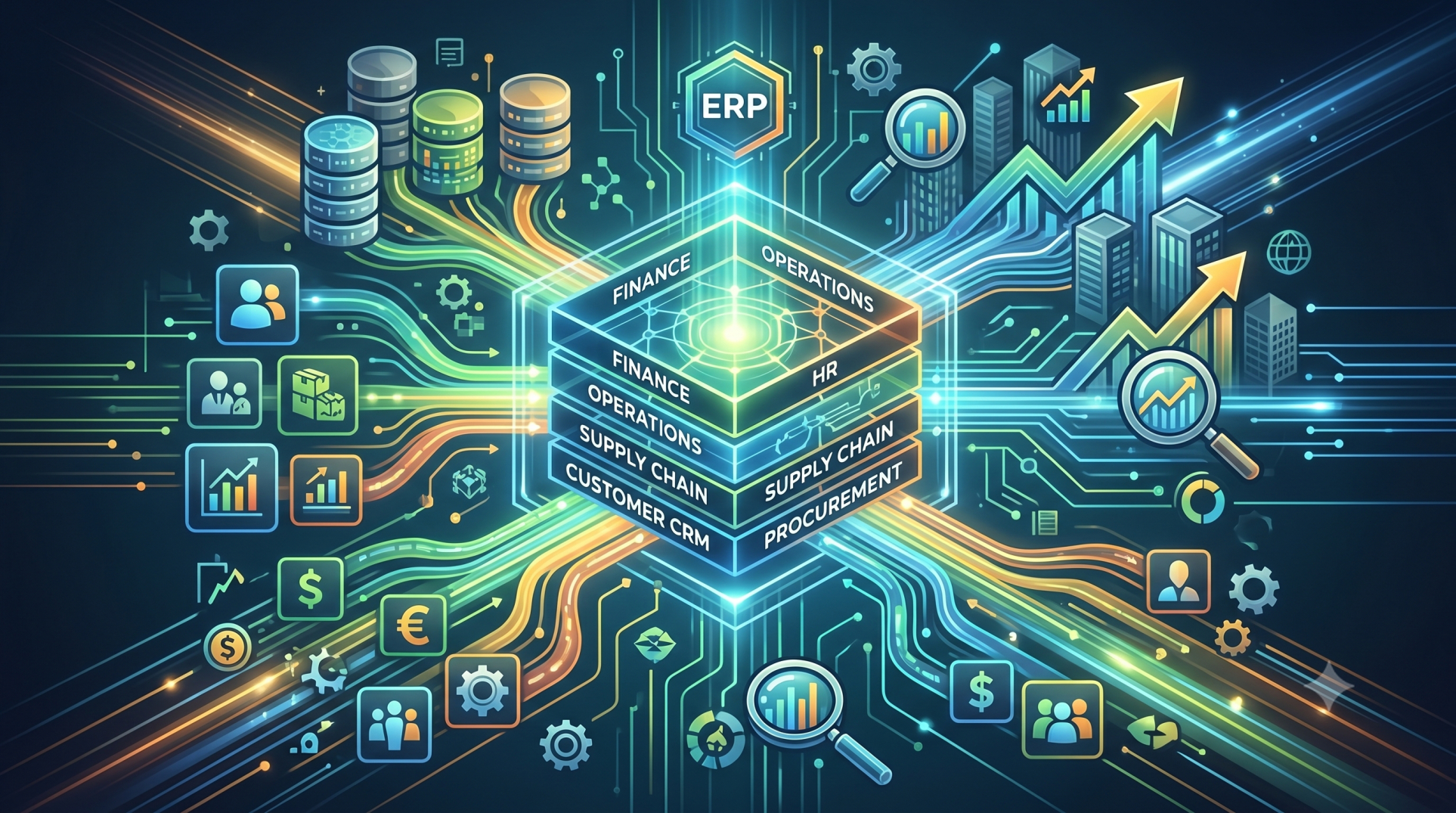
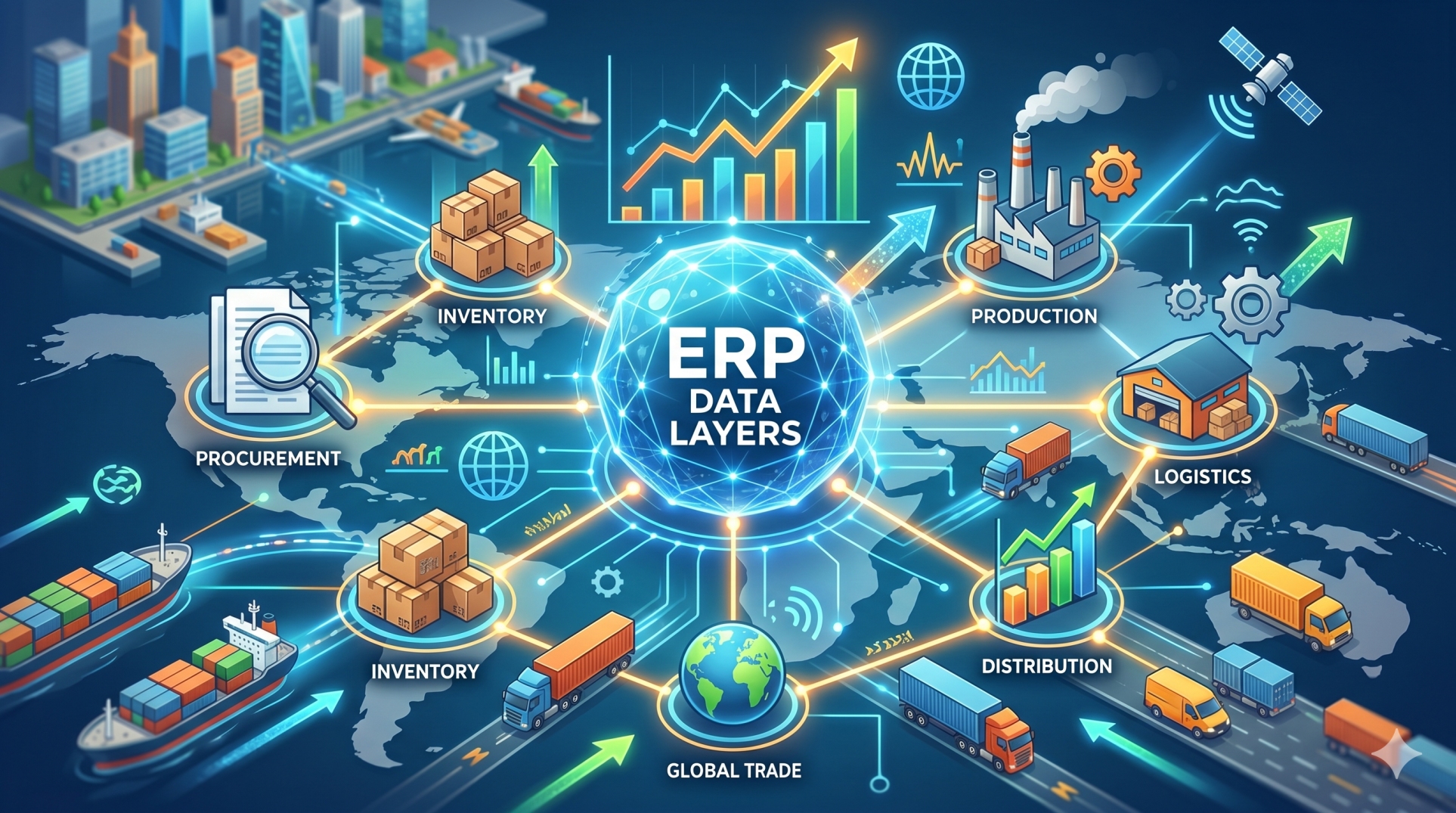
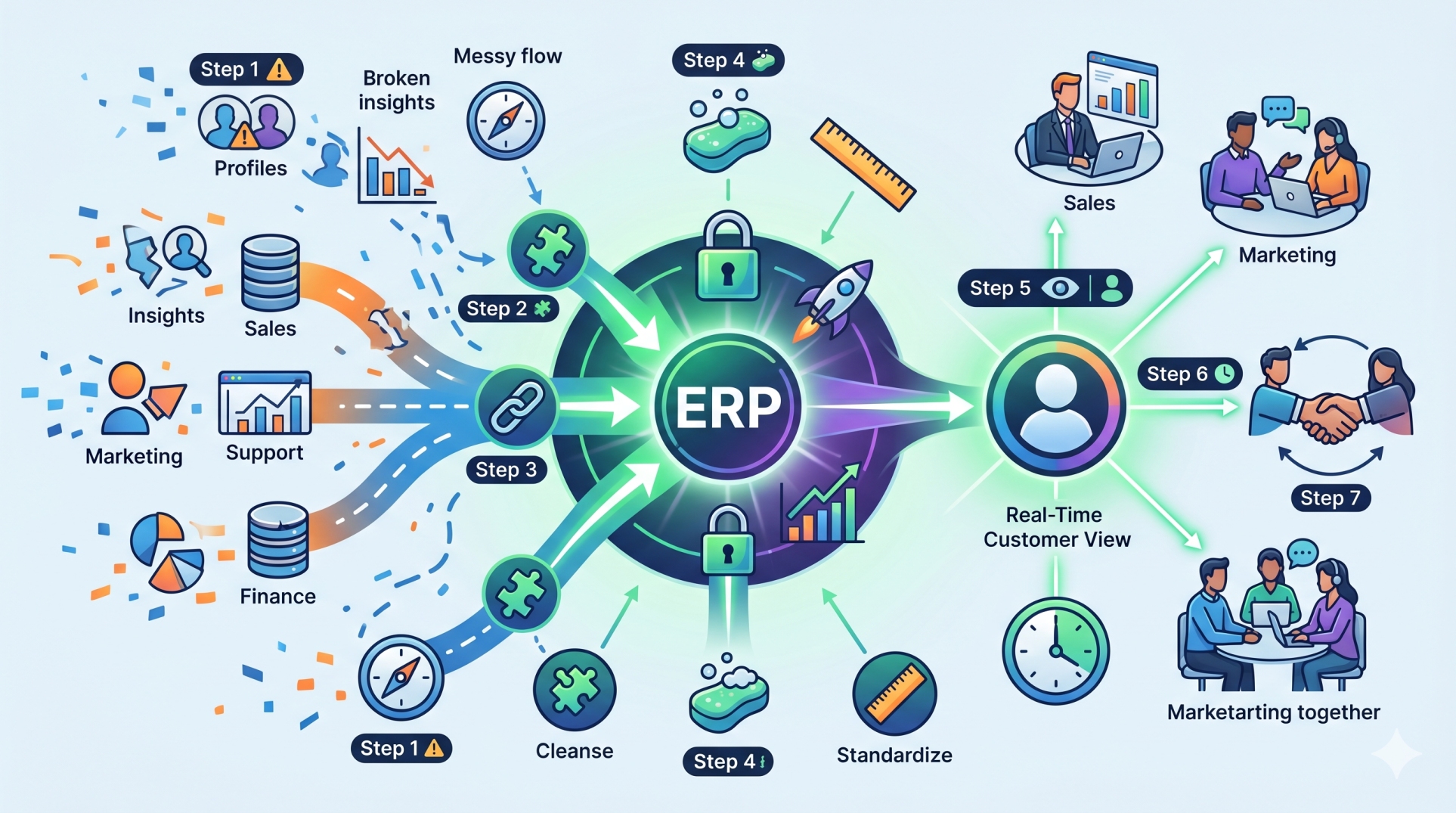
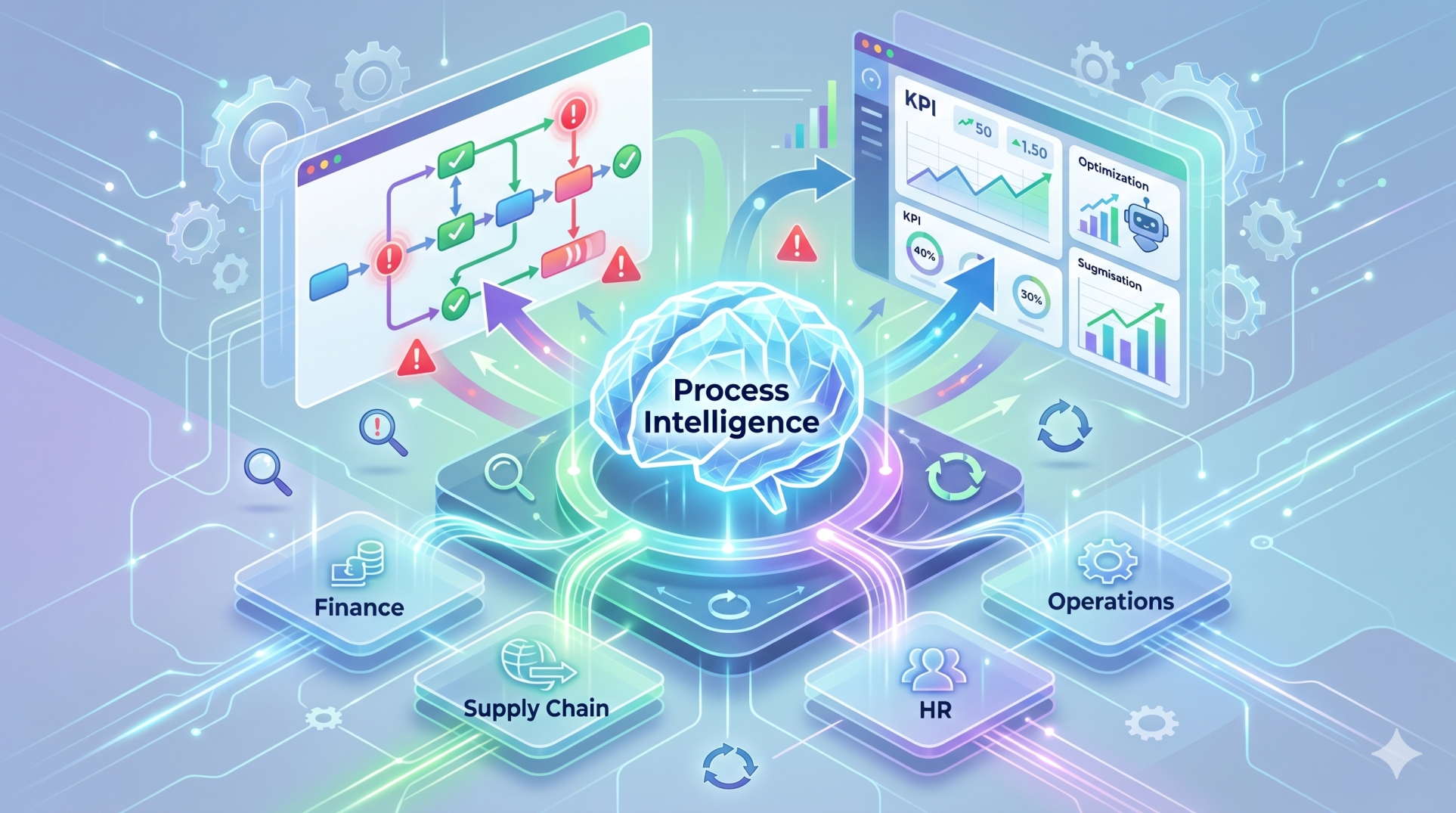
• Integrate data across supply chain, finance, and operations 🔗
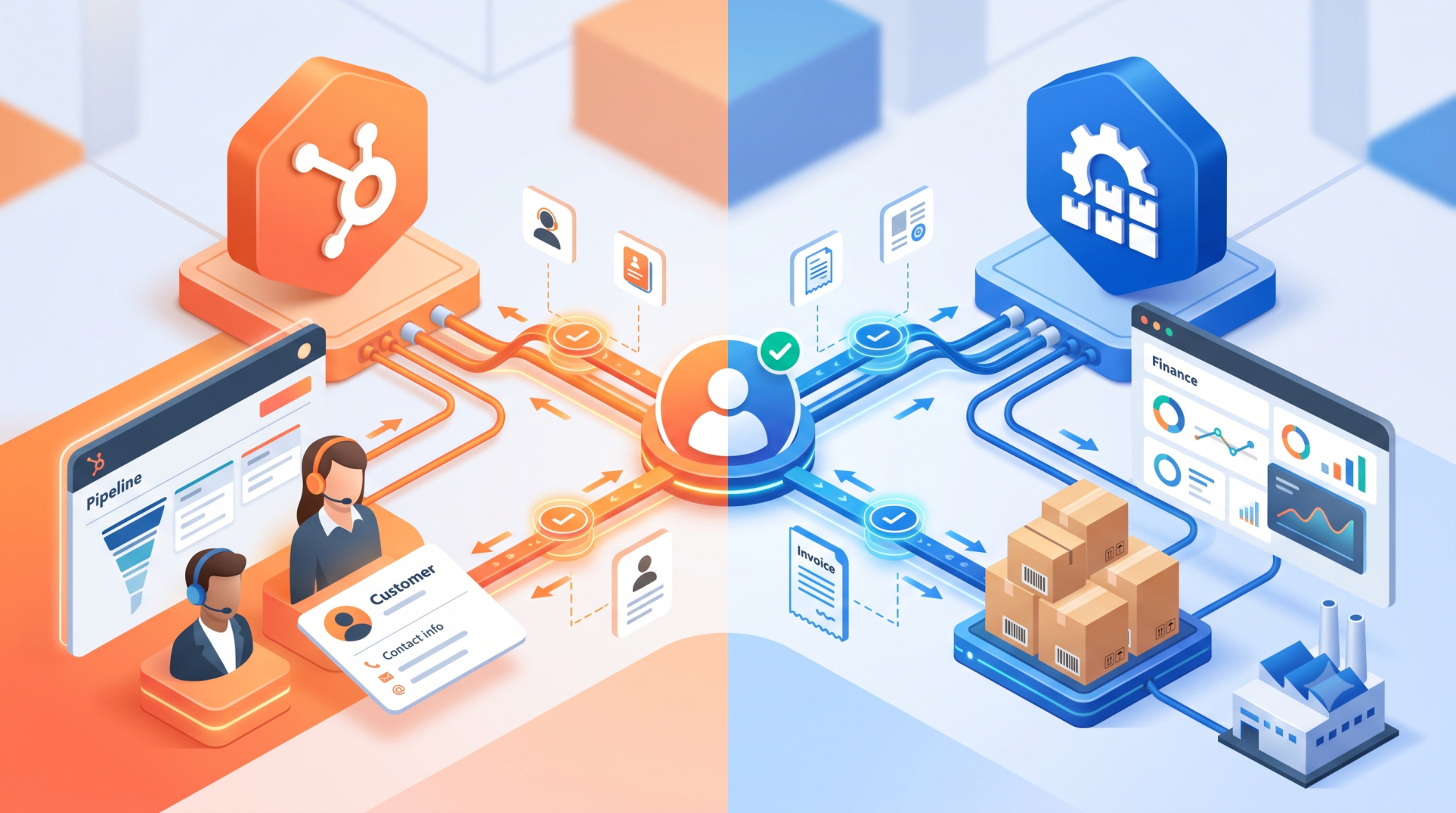
• Ensure seamless data flow between internal and external sources 🌍
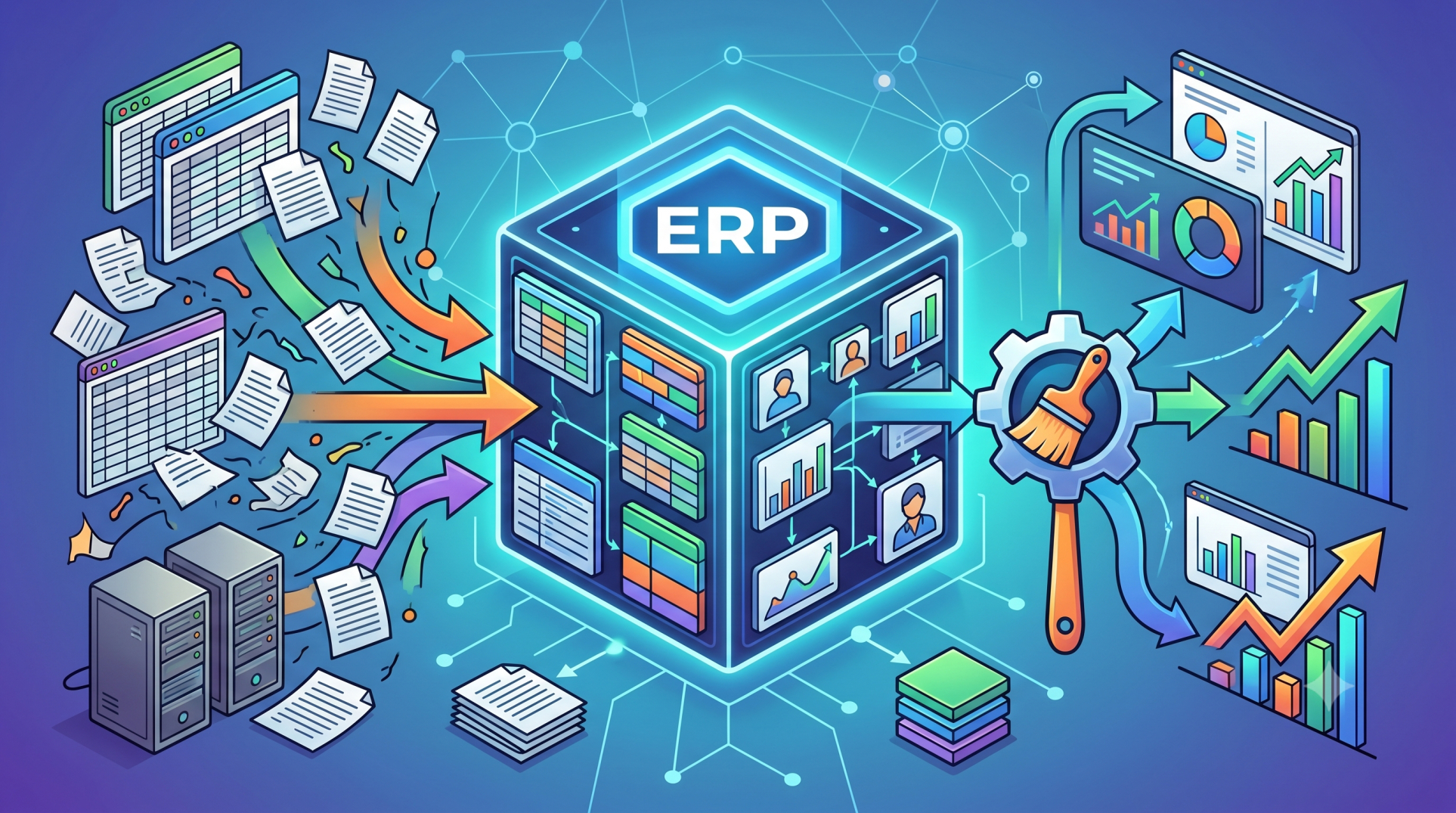
• Eliminate data silos for unified visibility 🚫
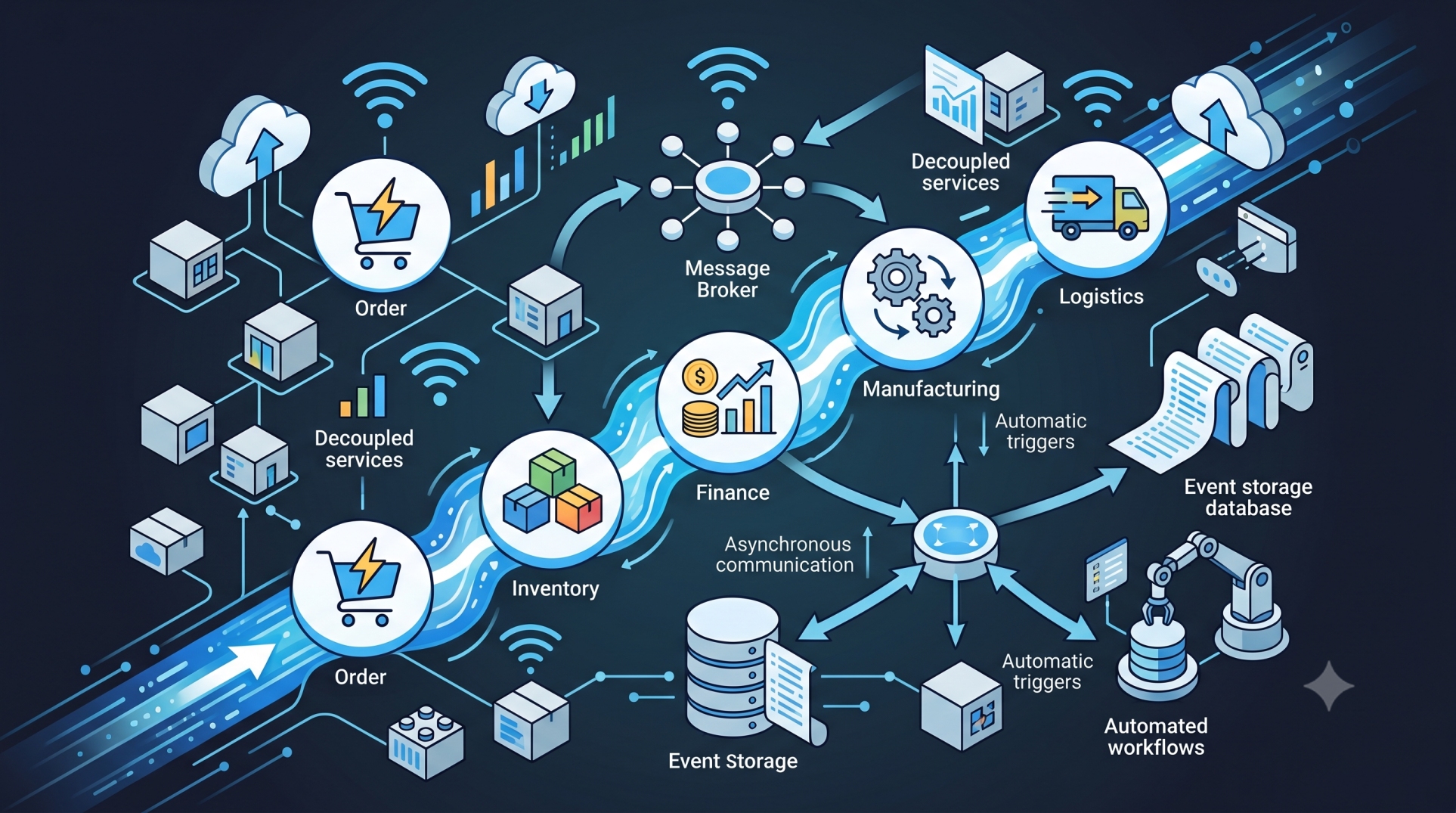
• Enable event-driven data processing for immediate insights ⚡
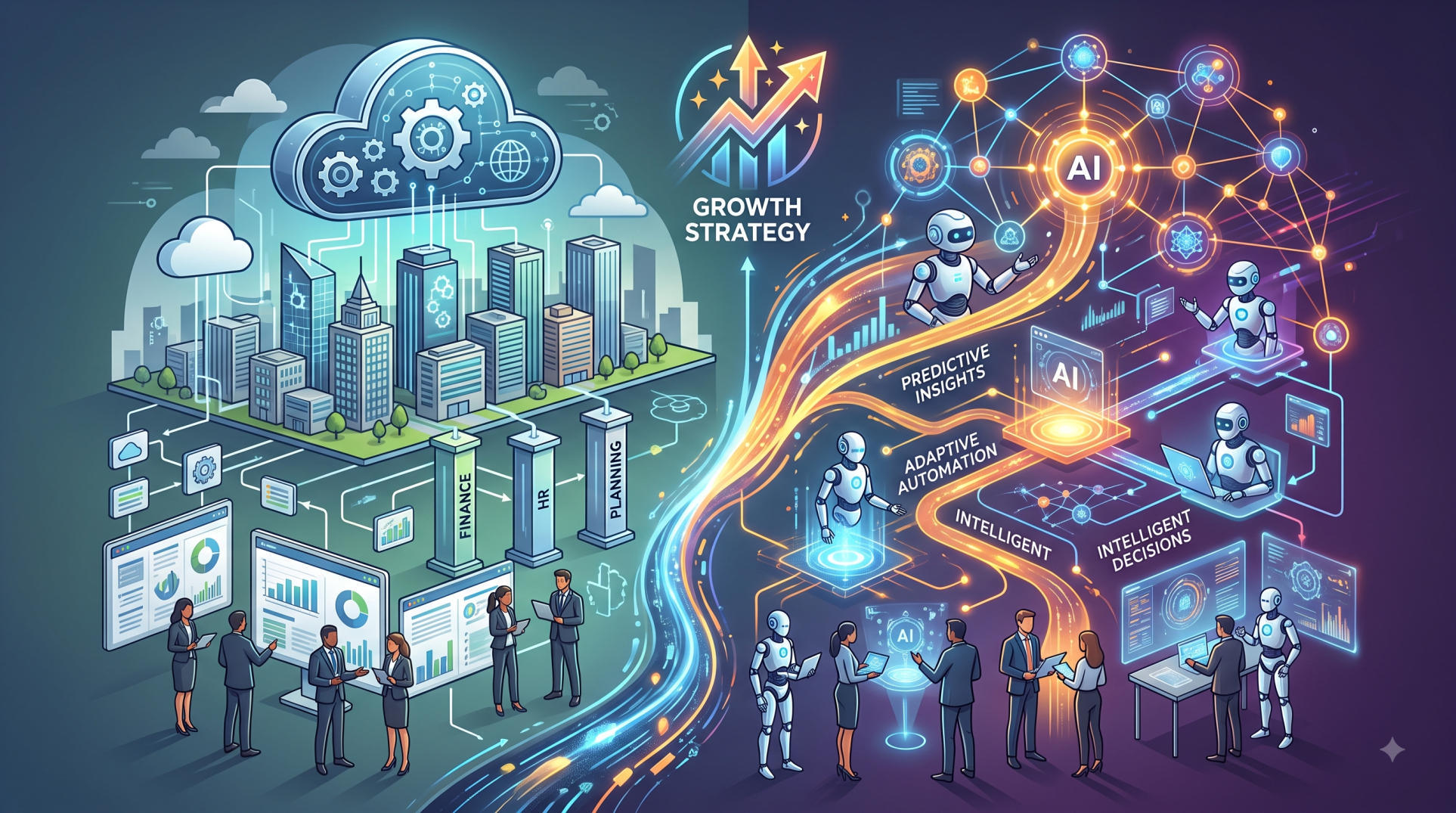
Step 3: Embedding Advanced Analytics and AI 🤖
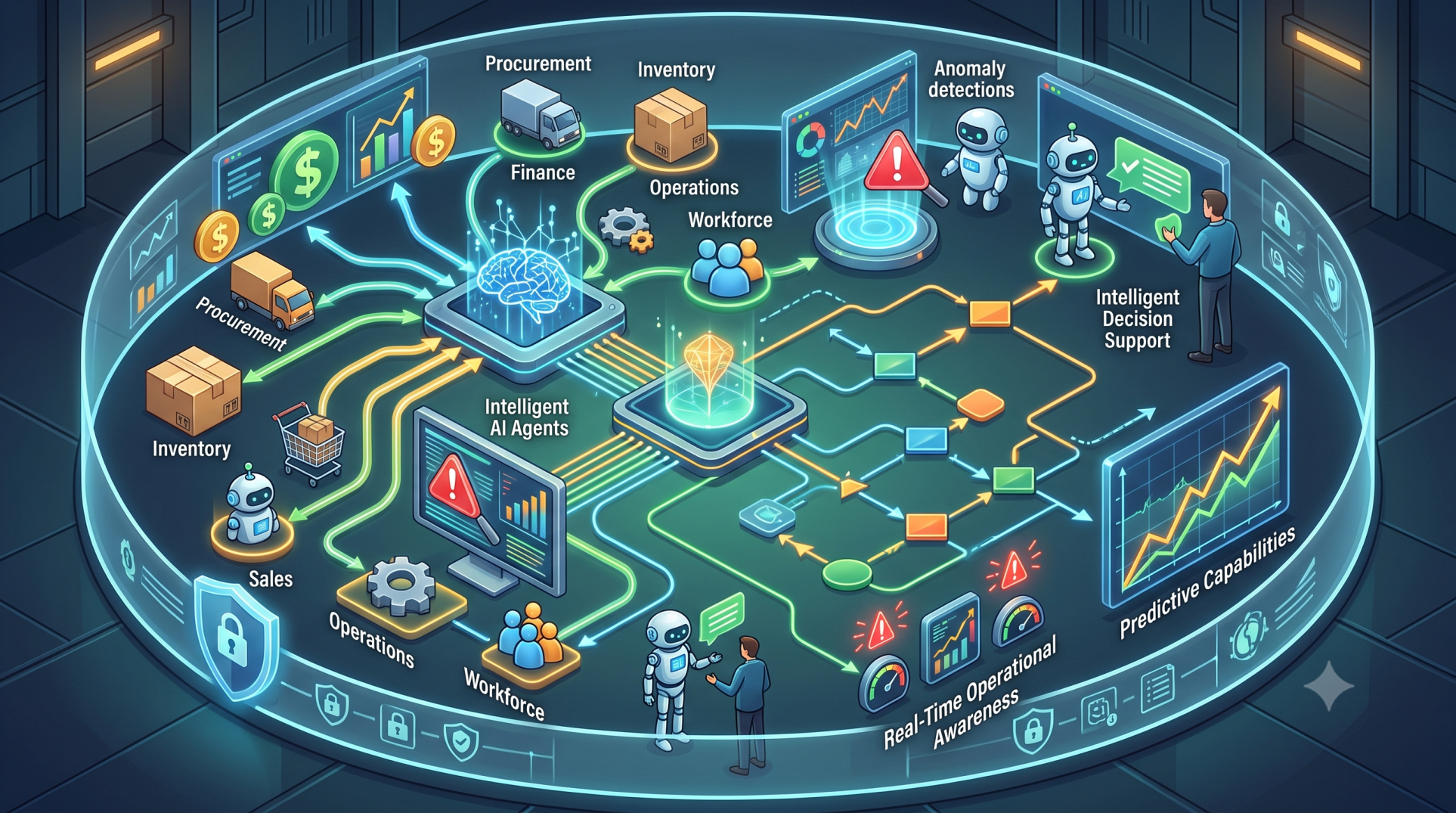
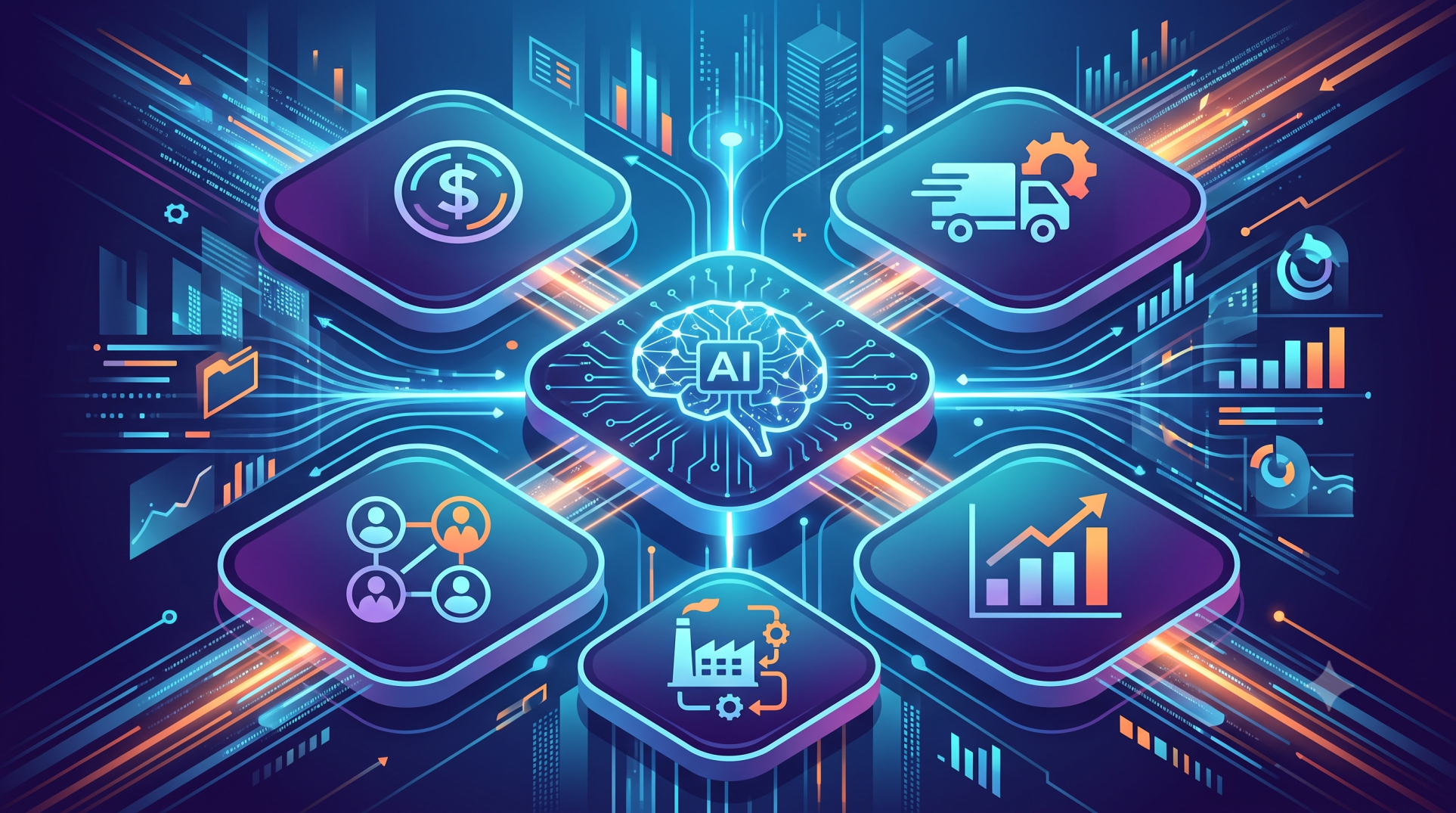
• Use AI models to predict trends and outcomes 📈
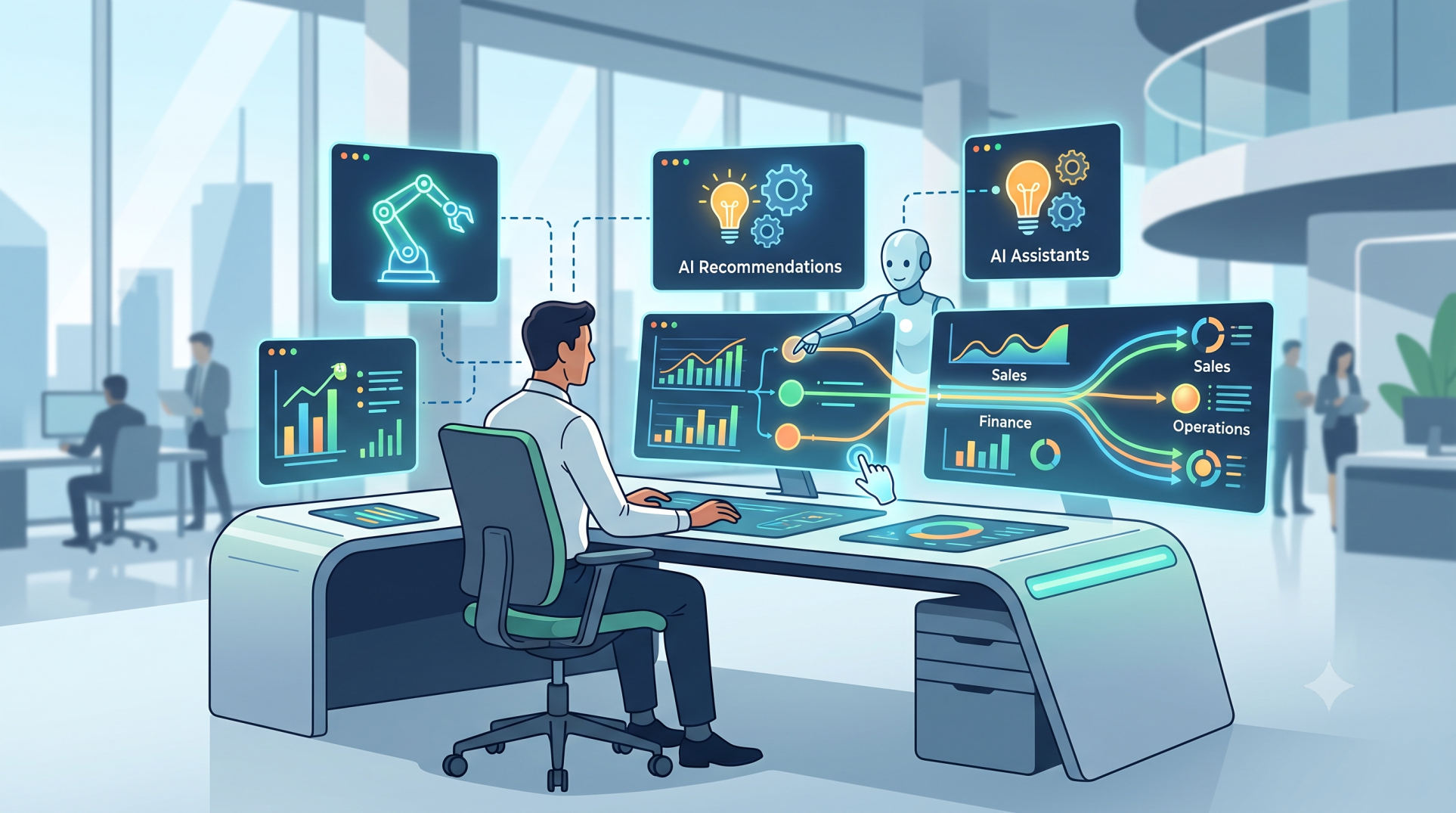
• Enable real-time dashboards with actionable insights 📊
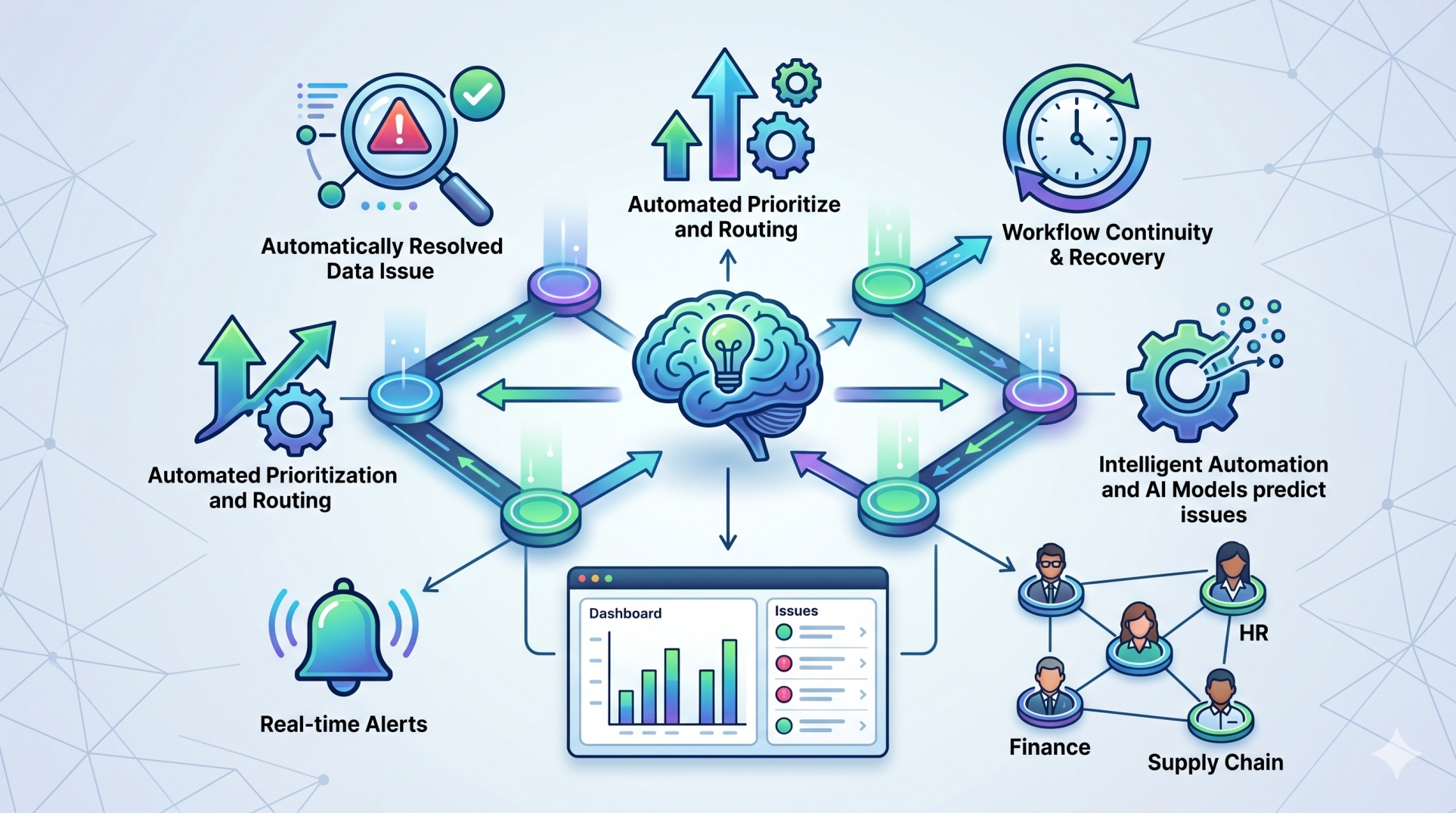
• Automate anomaly detection and alerts 🚨
• Support predictive and prescriptive decision-making 🧠
• Continuously learn and improve from operational data 🔄
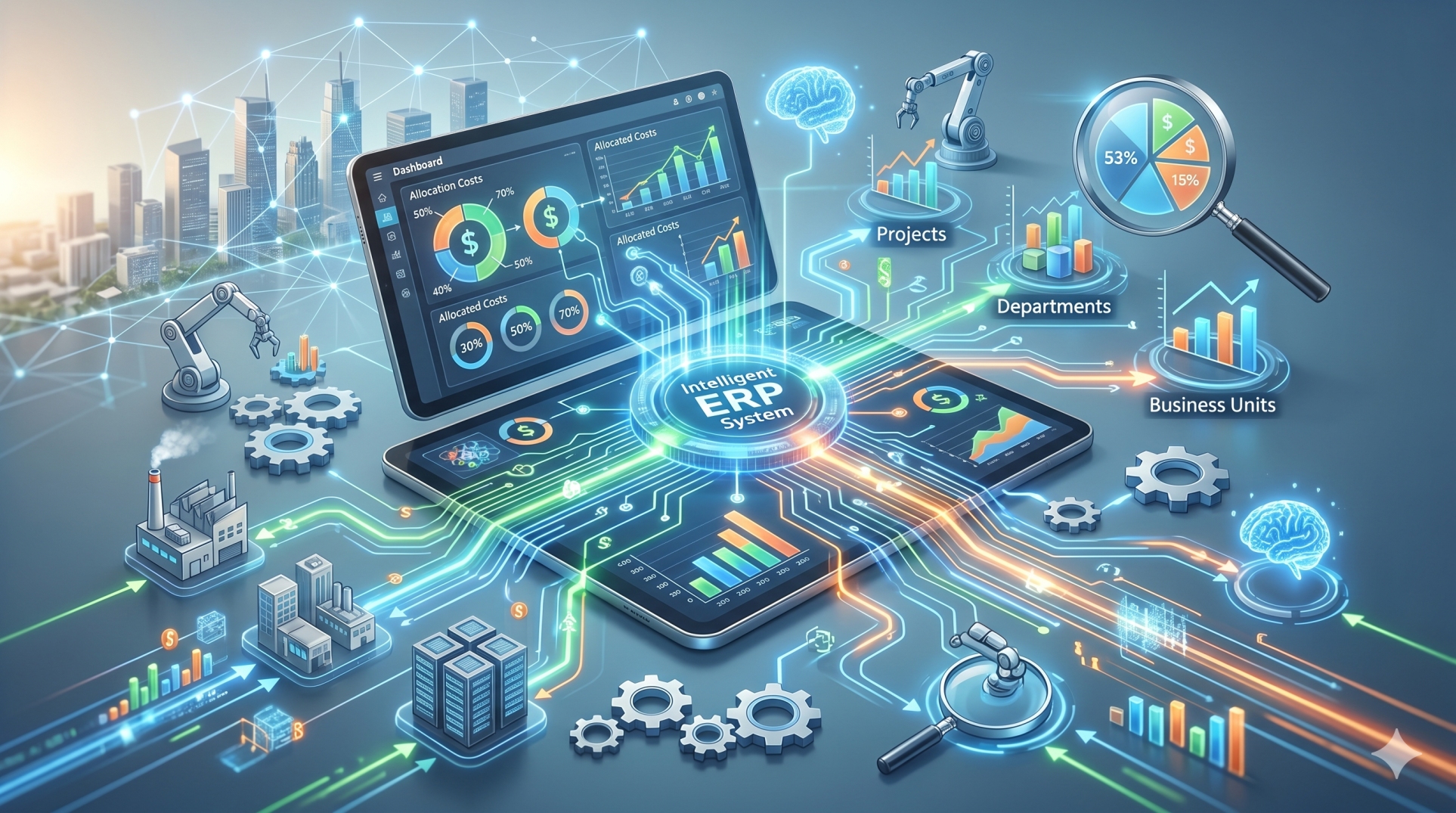
Step 4: Enabling Real-Time Financial Intelligence 💰
• Monitor cash flow, revenue, and expenses in real time 💱
• Provide instant financial reporting and forecasting 📊
• Enable dynamic budgeting and financial planning 📈
• Reduce reliance on manual reconciliation processes 🤖
• Improve financial transparency and control 🔍
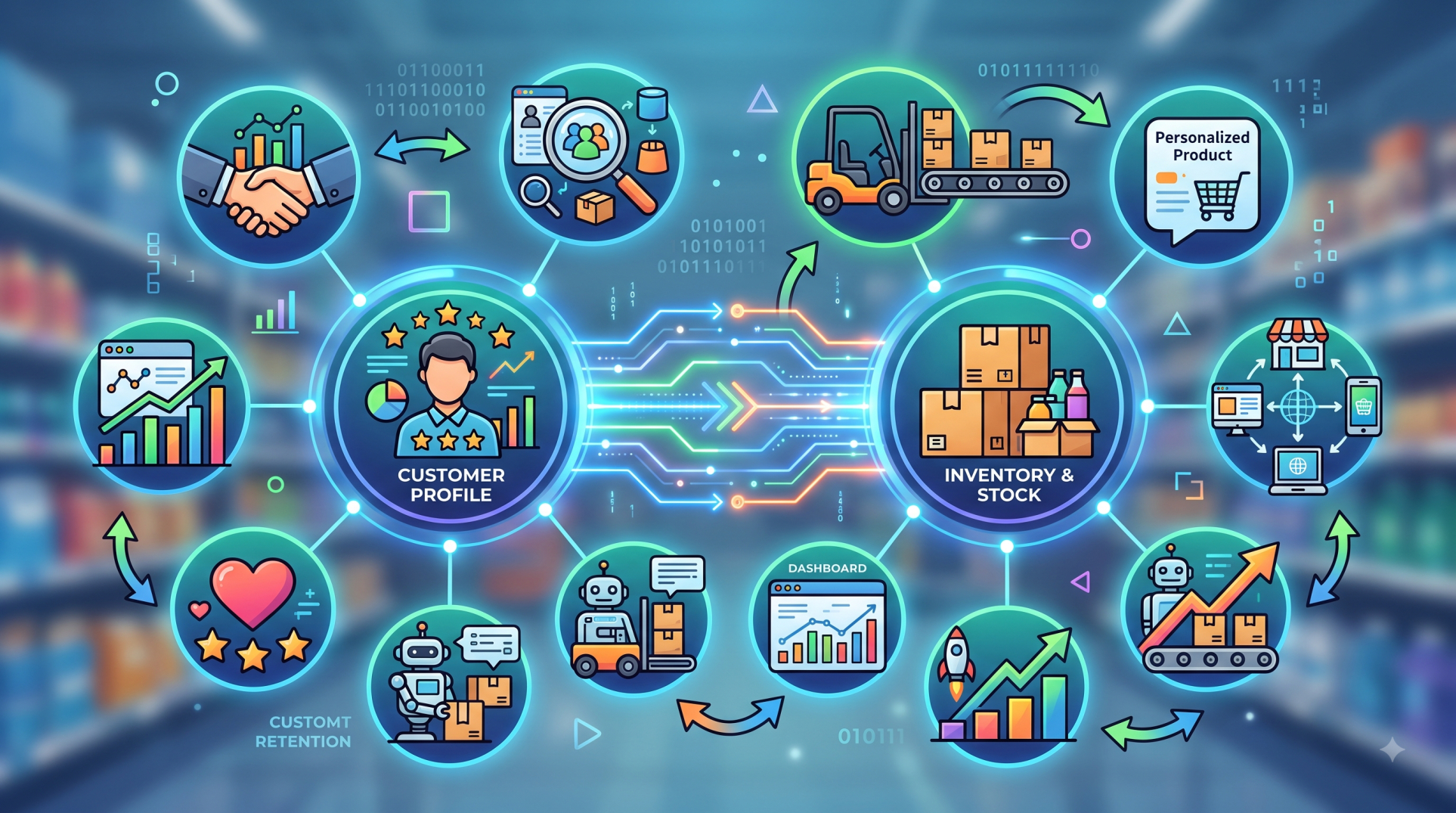
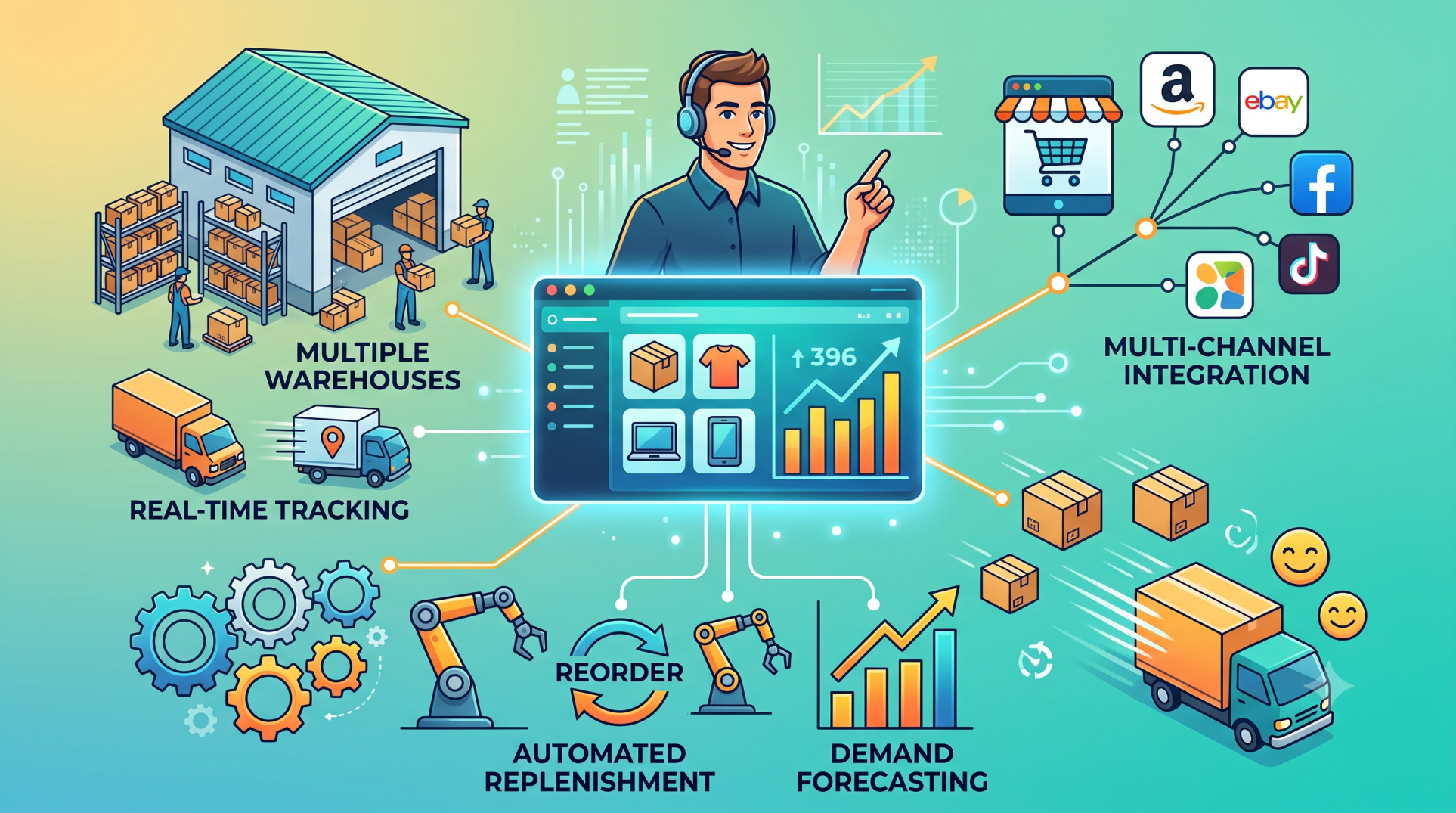
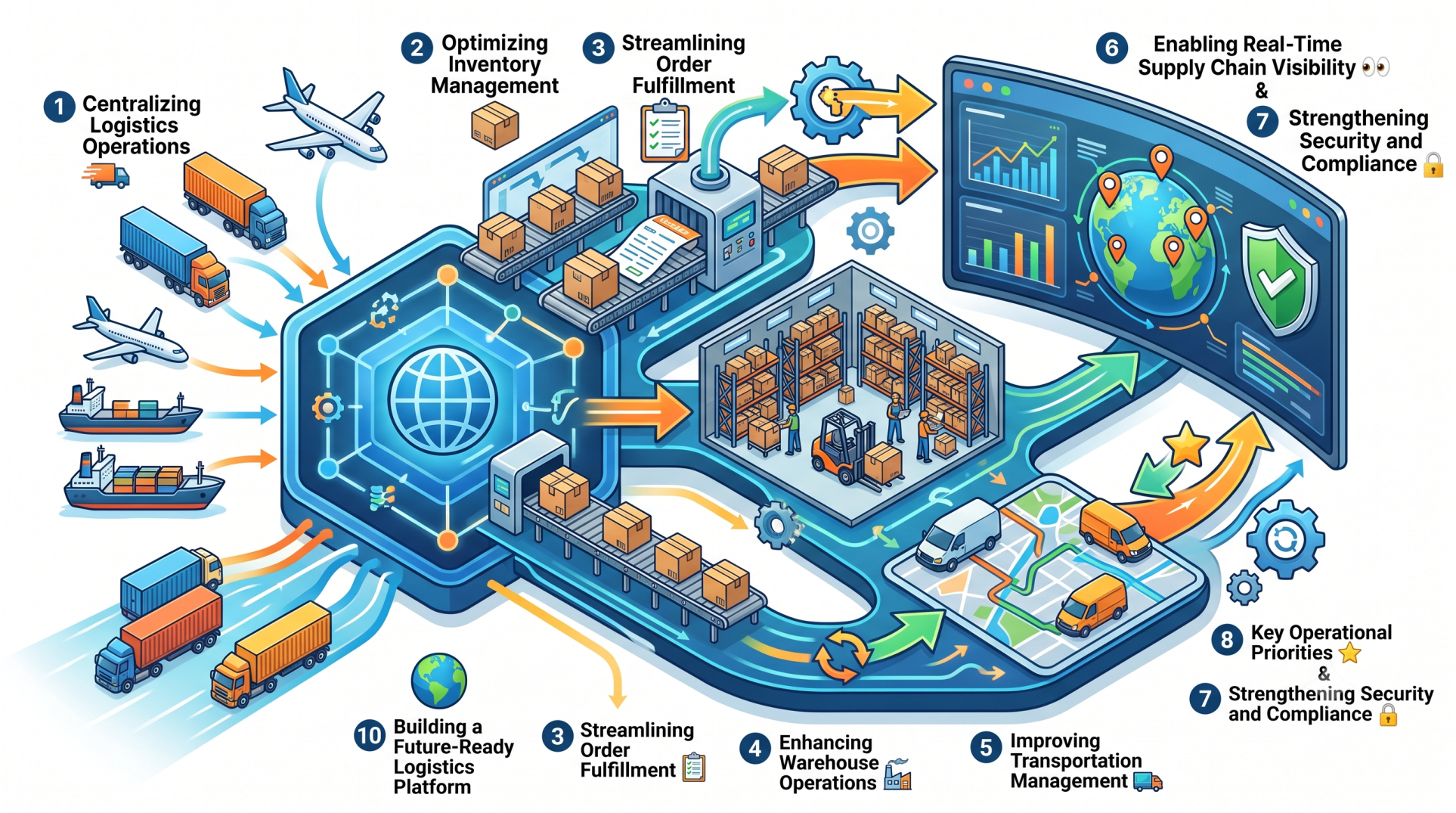
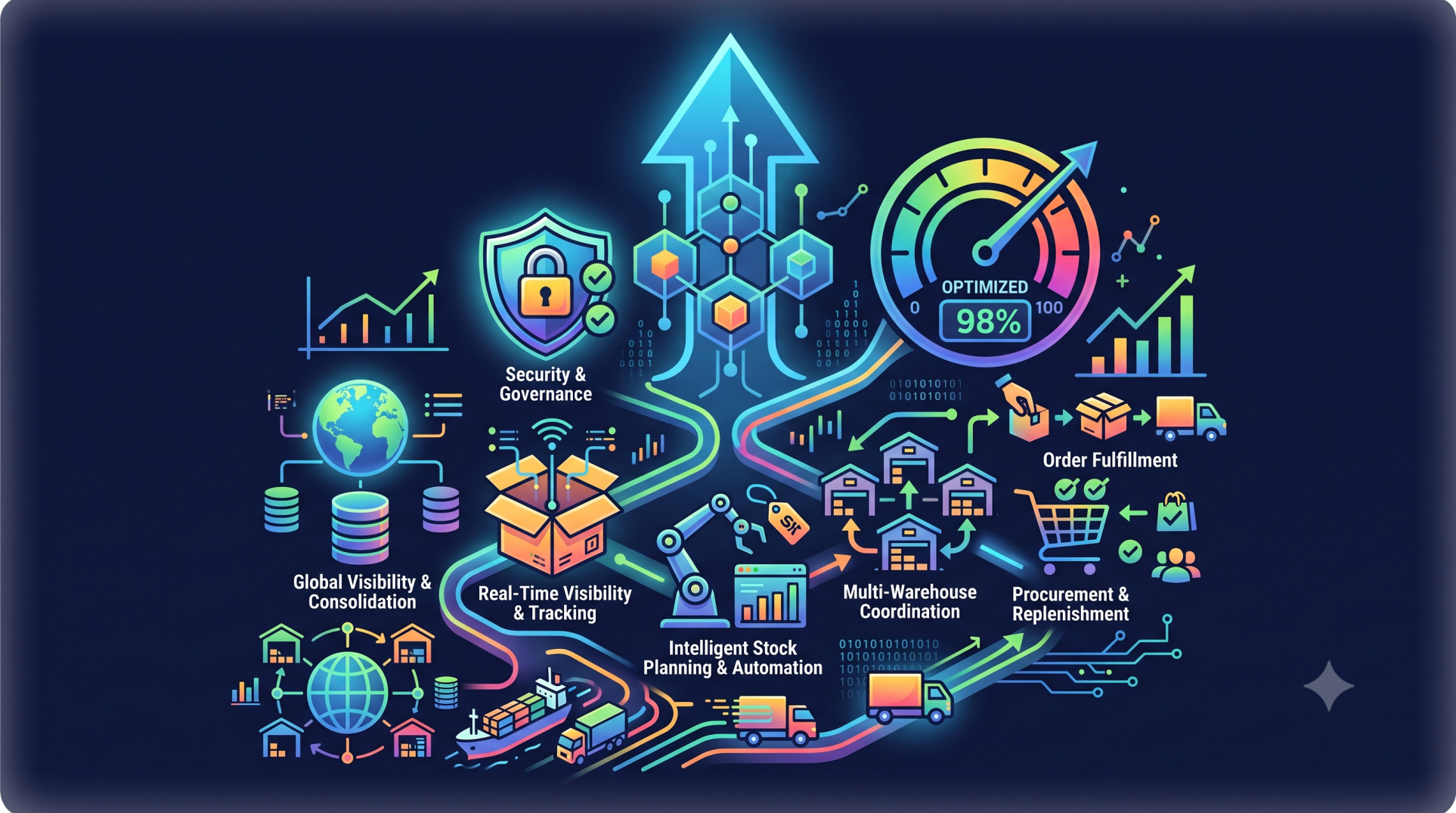
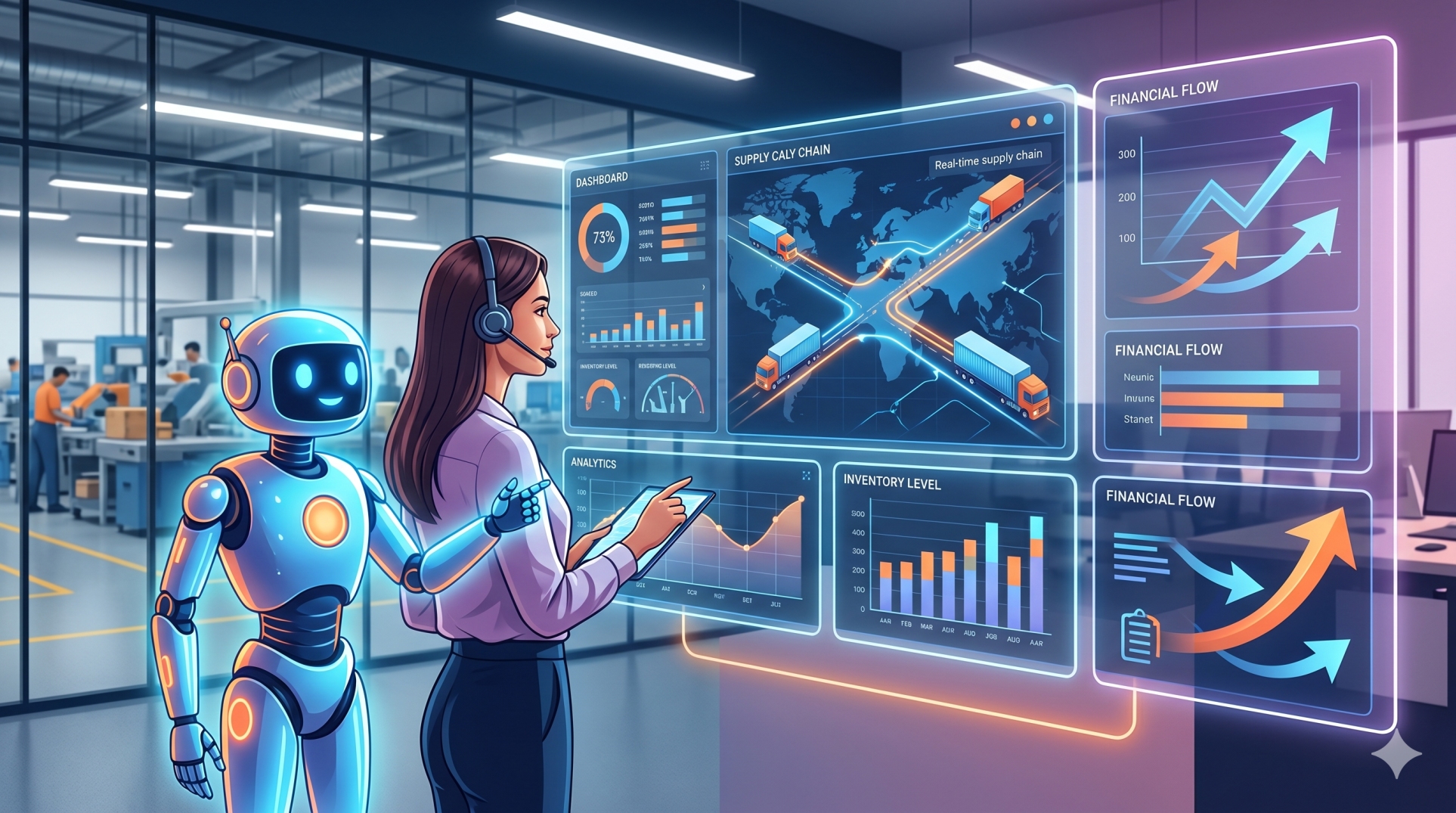
Step 5: Optimizing Supply Chain Decisions 🚚
• Track inventory levels and movement in real time 📦
• Adjust procurement and production plans dynamically 🔄
• Identify disruptions and respond तुरंत ⚠️
• Optimize logistics and distribution strategies 🚛
• Improve demand forecasting accuracy 📊
Step 6: Enhancing Operational Agility ⚙️
• Enable quick decision-making across departments ⚡
• Automate workflows based on real-time triggers 🔔
• Adapt processes dynamically to changing conditions 🔄
• Reduce operational delays and inefficiencies ⏱️
• Improve coordination between teams and systems 🤝
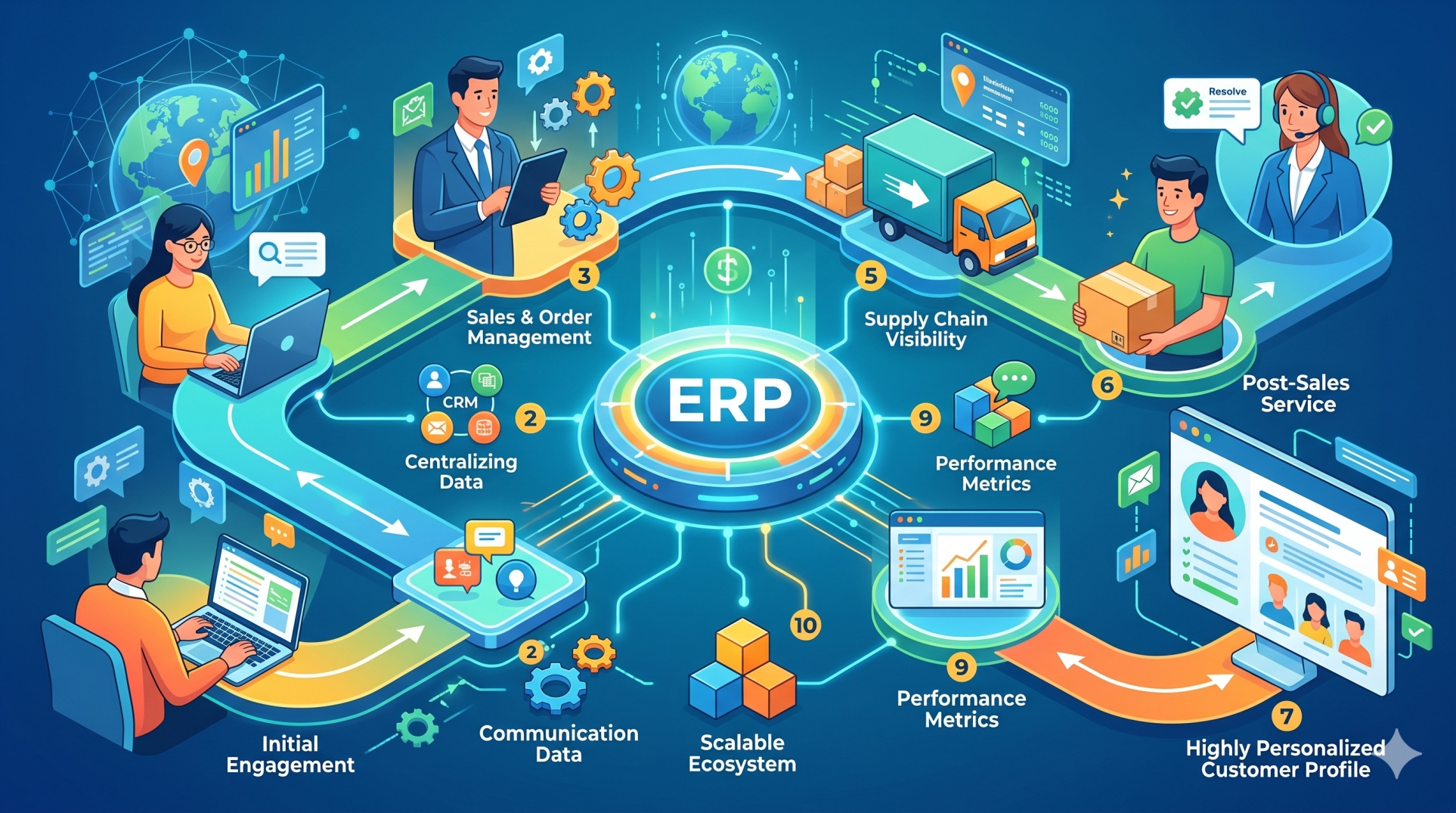
Step 7: Real-Time Visibility and Control 👁️
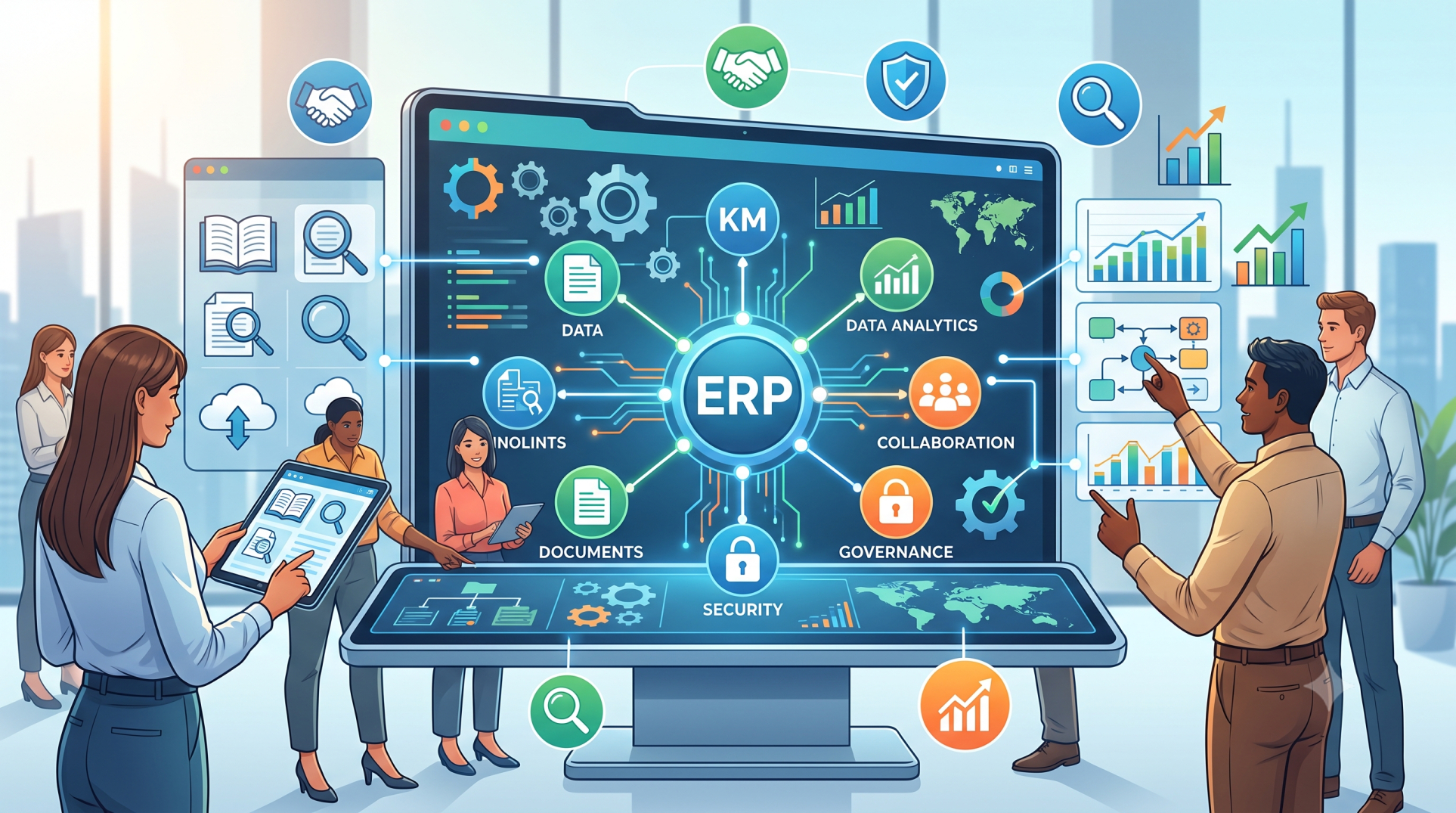
• Provide unified dashboards across all business units 📊
• Monitor KPIs and performance metrics continuously 📈
• Enable role-based access to real-time insights 🔐
• Improve situational awareness across the enterprise 🌐
• Support faster and more informed decisions 🧠
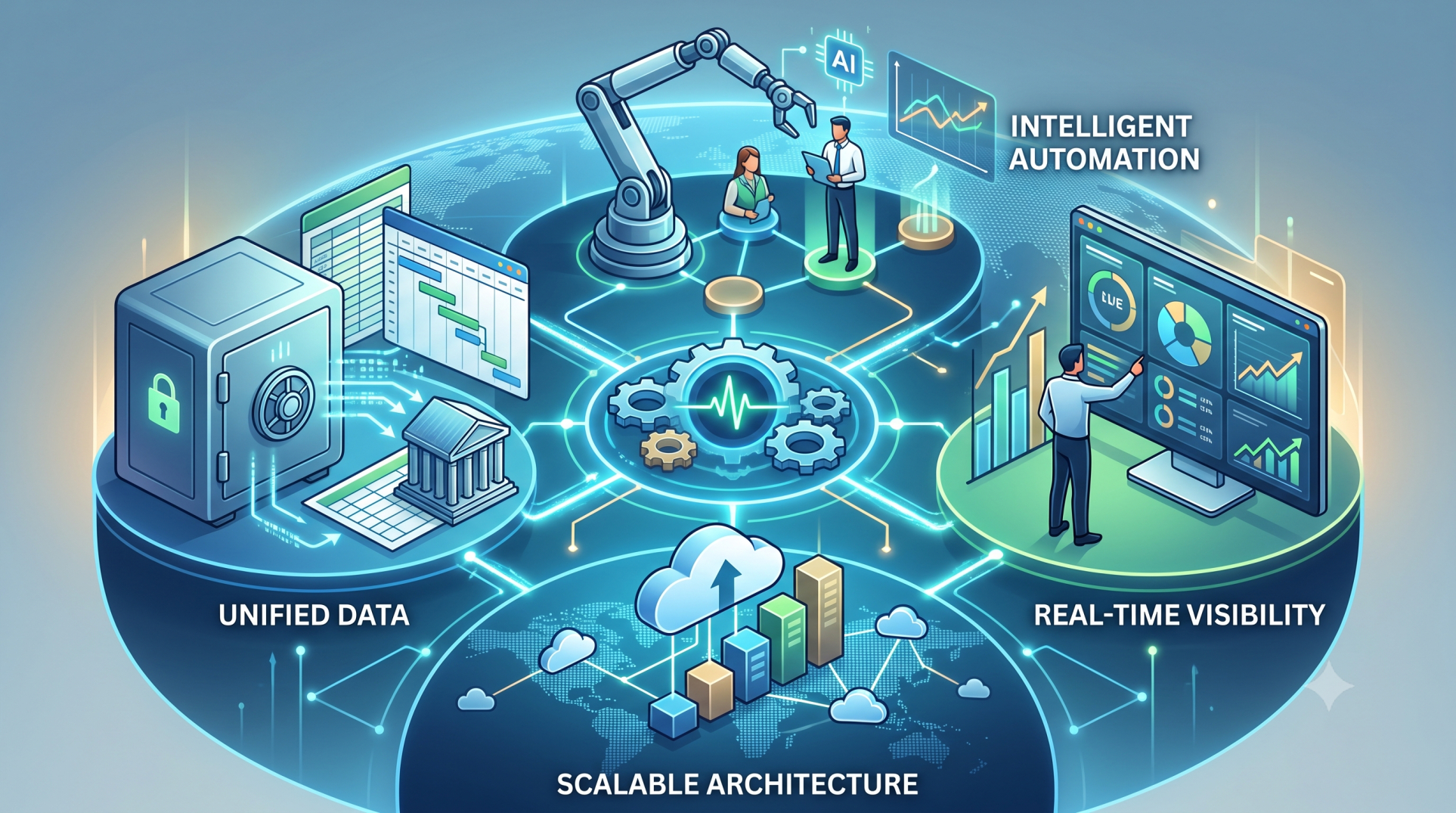
Step 8: Key Capabilities of Real-Time ERP 📌
• Continuous data processing and instant insights ⚡
• Integrated analytics and AI-driven recommendations 🤖
• Real-time monitoring of operations and performance 👁️
• Scalable infrastructure for high-speed data handling 🚀
Step 9: Managing Challenges in Real-Time Systems ⚠️
• Handle large volumes of streaming data efficiently 📡
• Ensure data accuracy and consistency in real time 🔍
• Maintain system performance under high load ⚙️
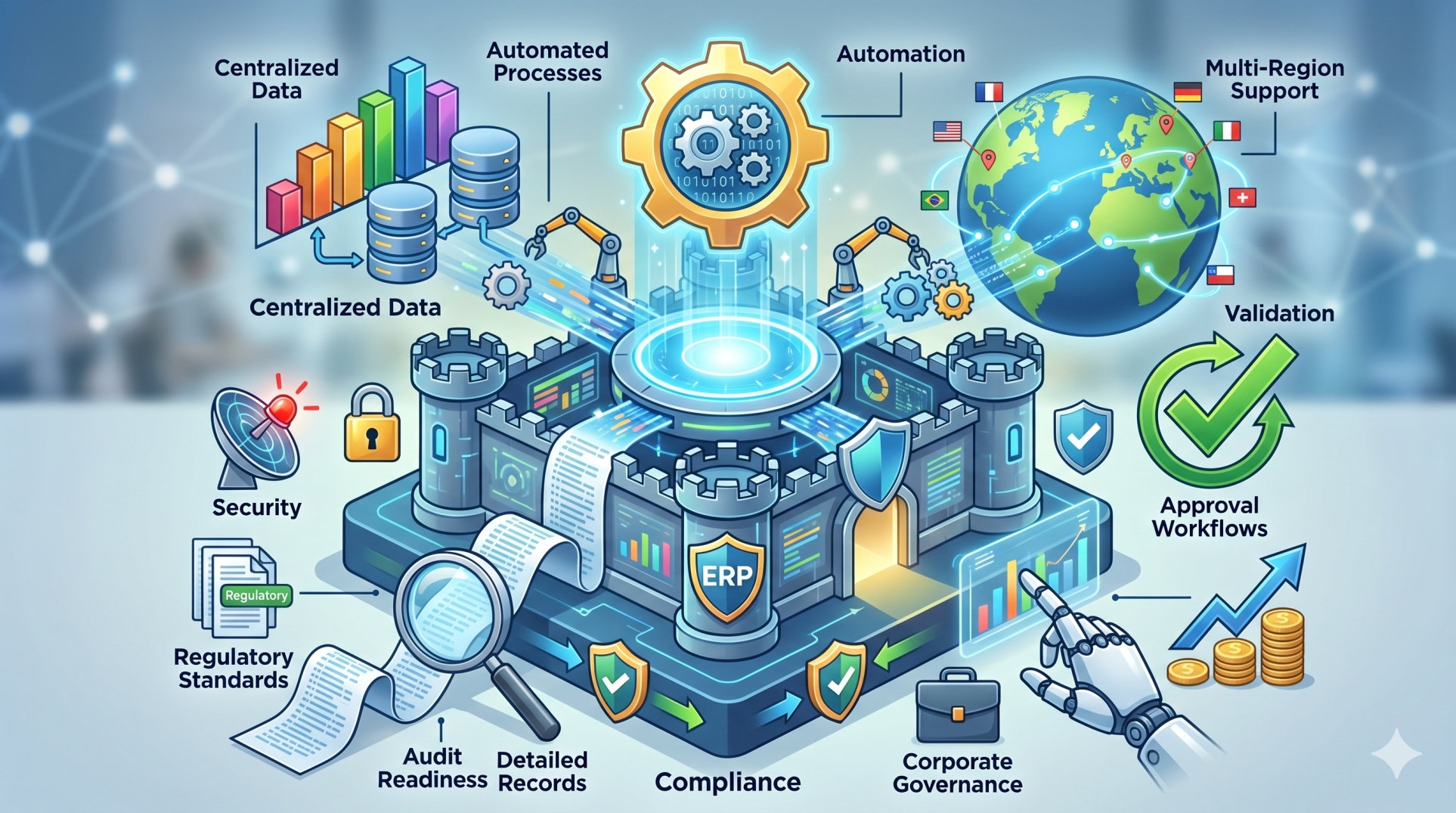
• Address security and privacy concerns 🔐
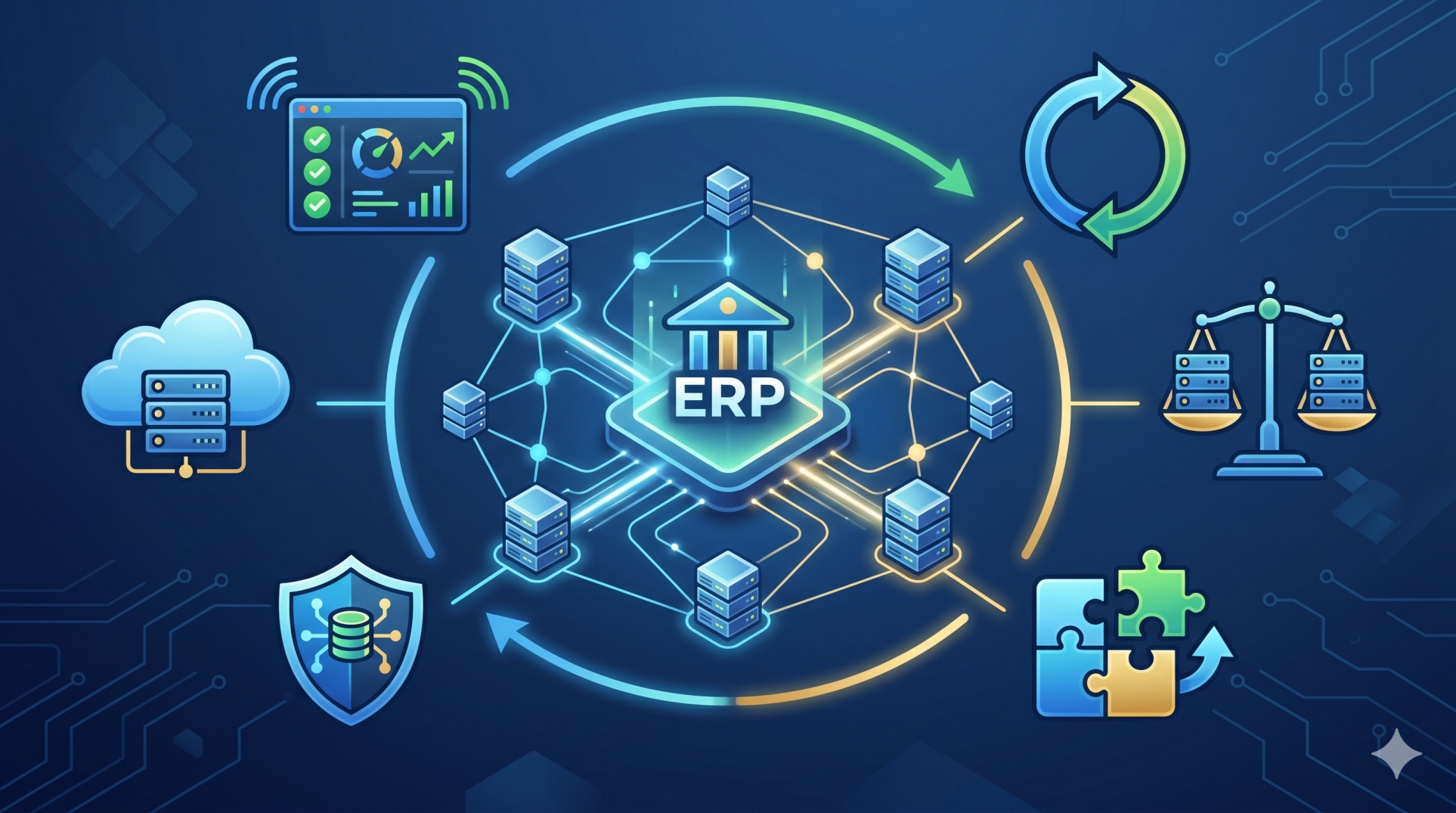
• Balance speed with reliability and governance ⚖️
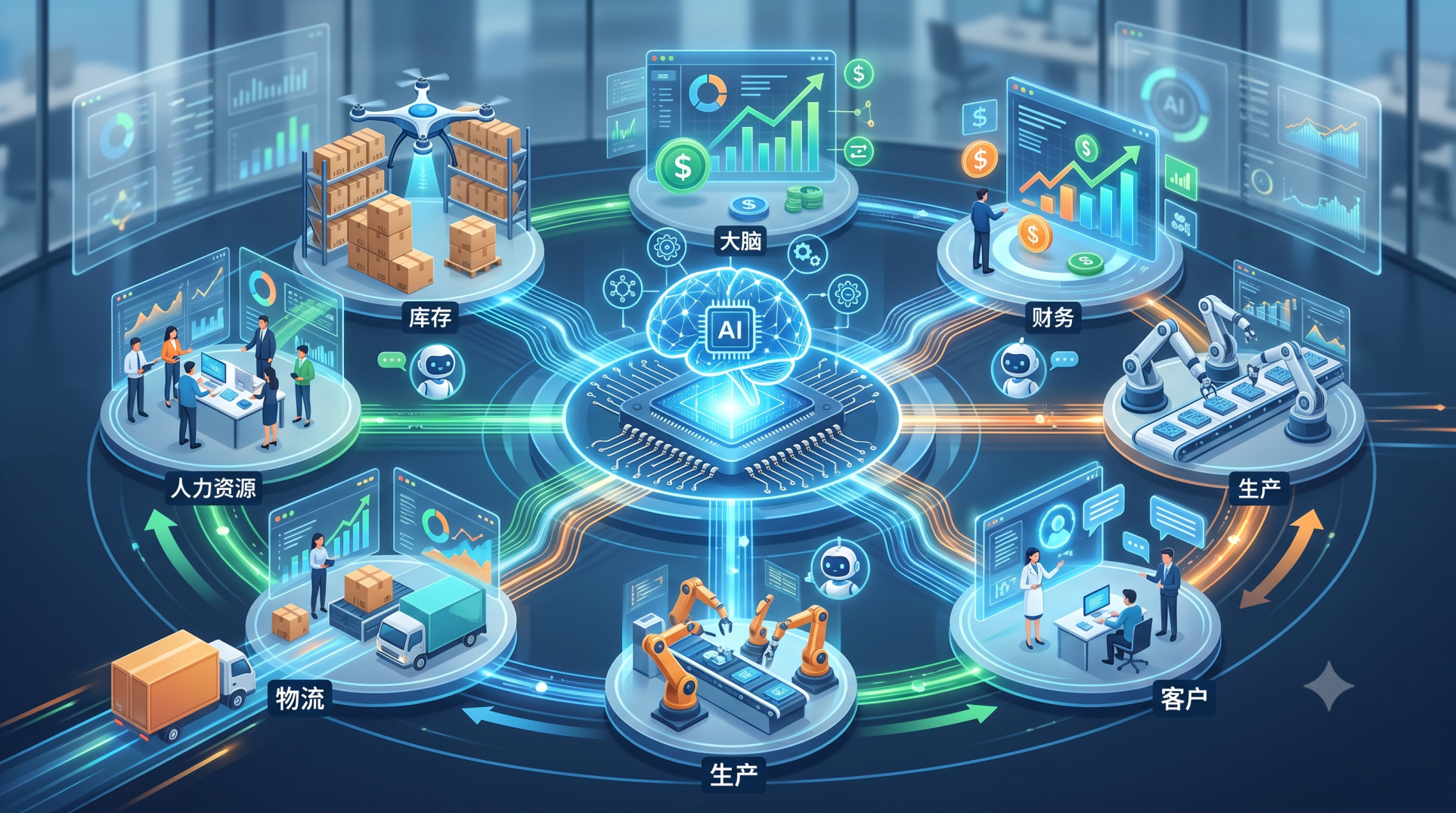
Step 10: Building an Intelligent Enterprise Ecosystem 🚀
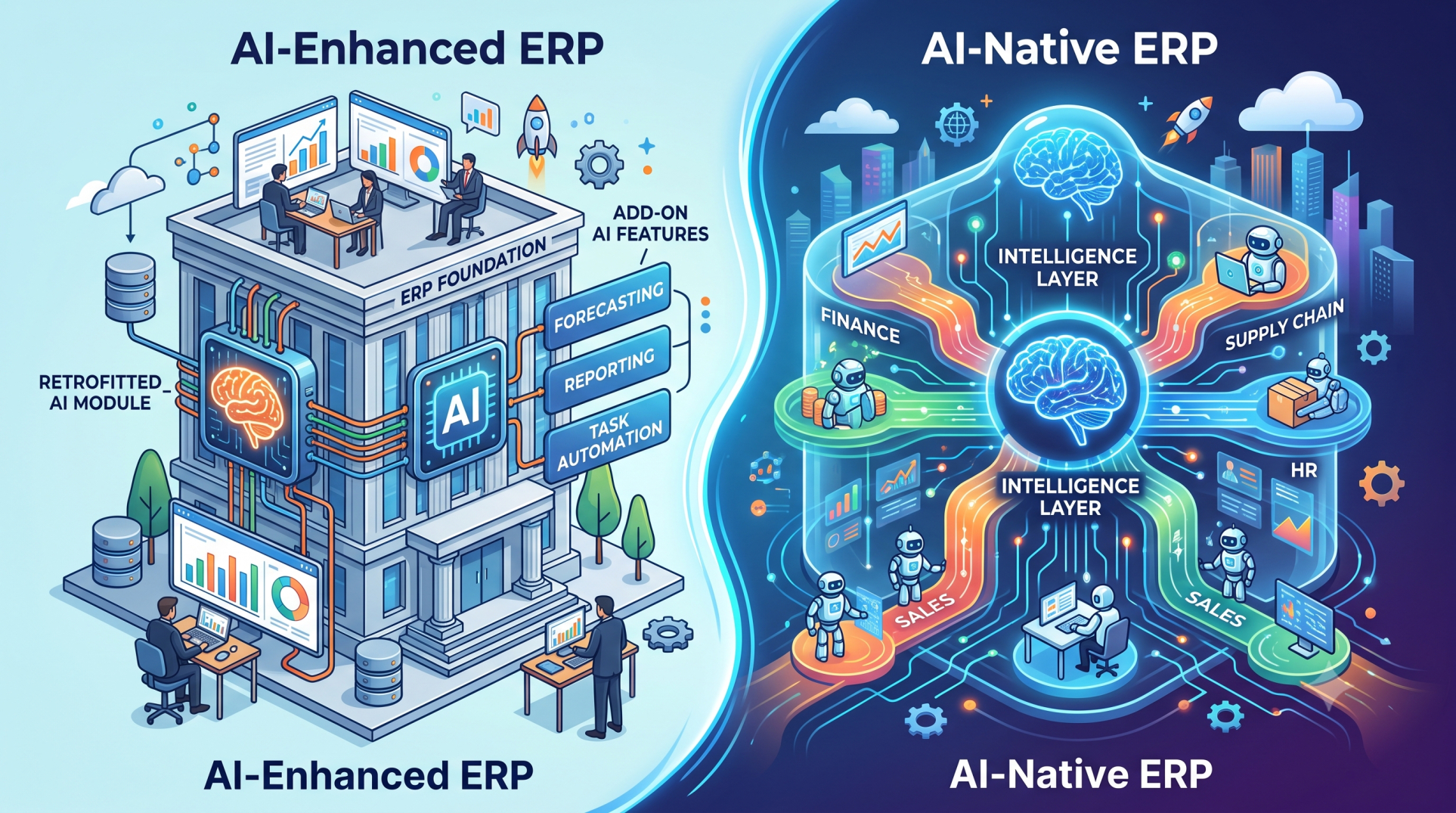
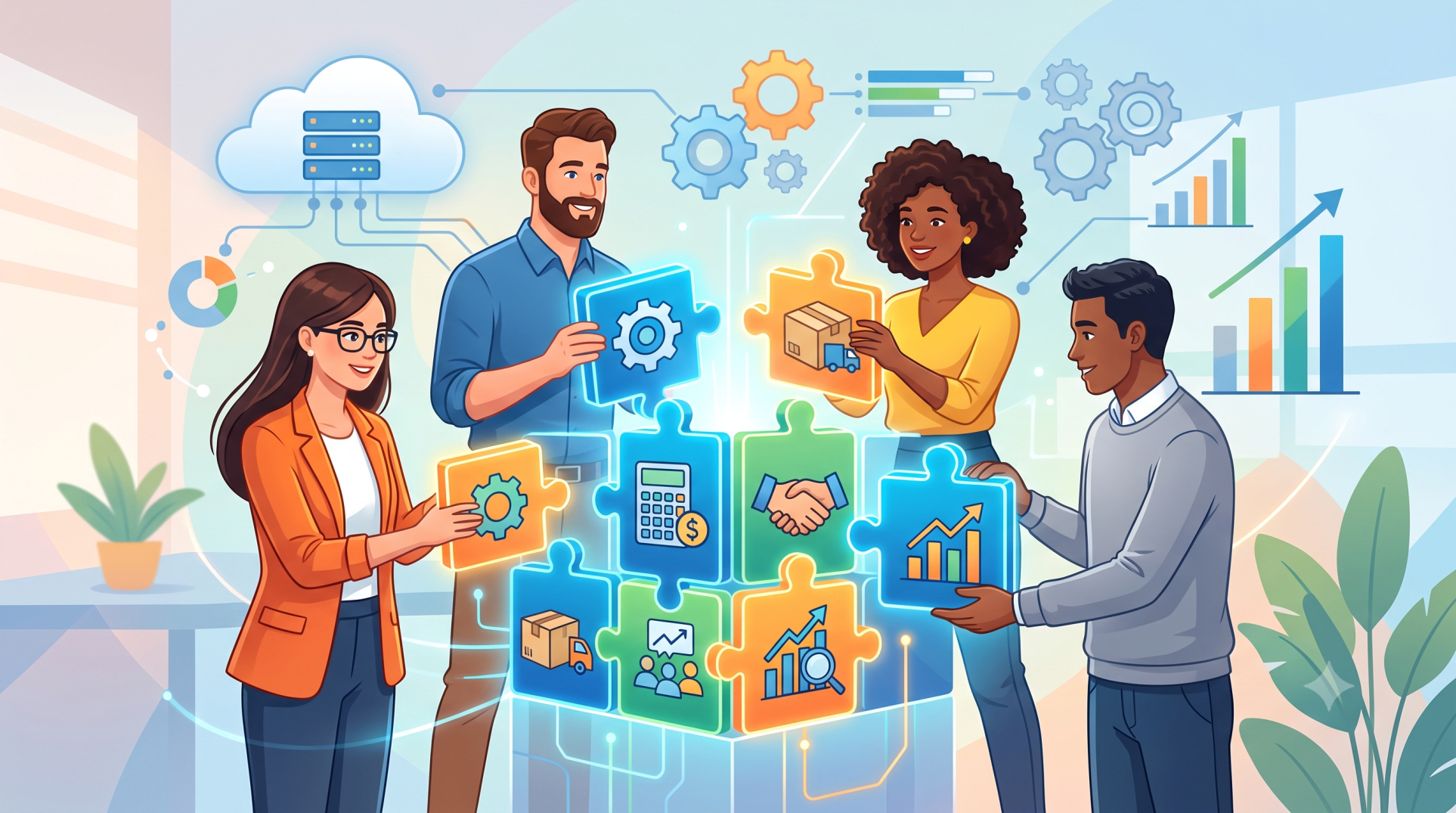
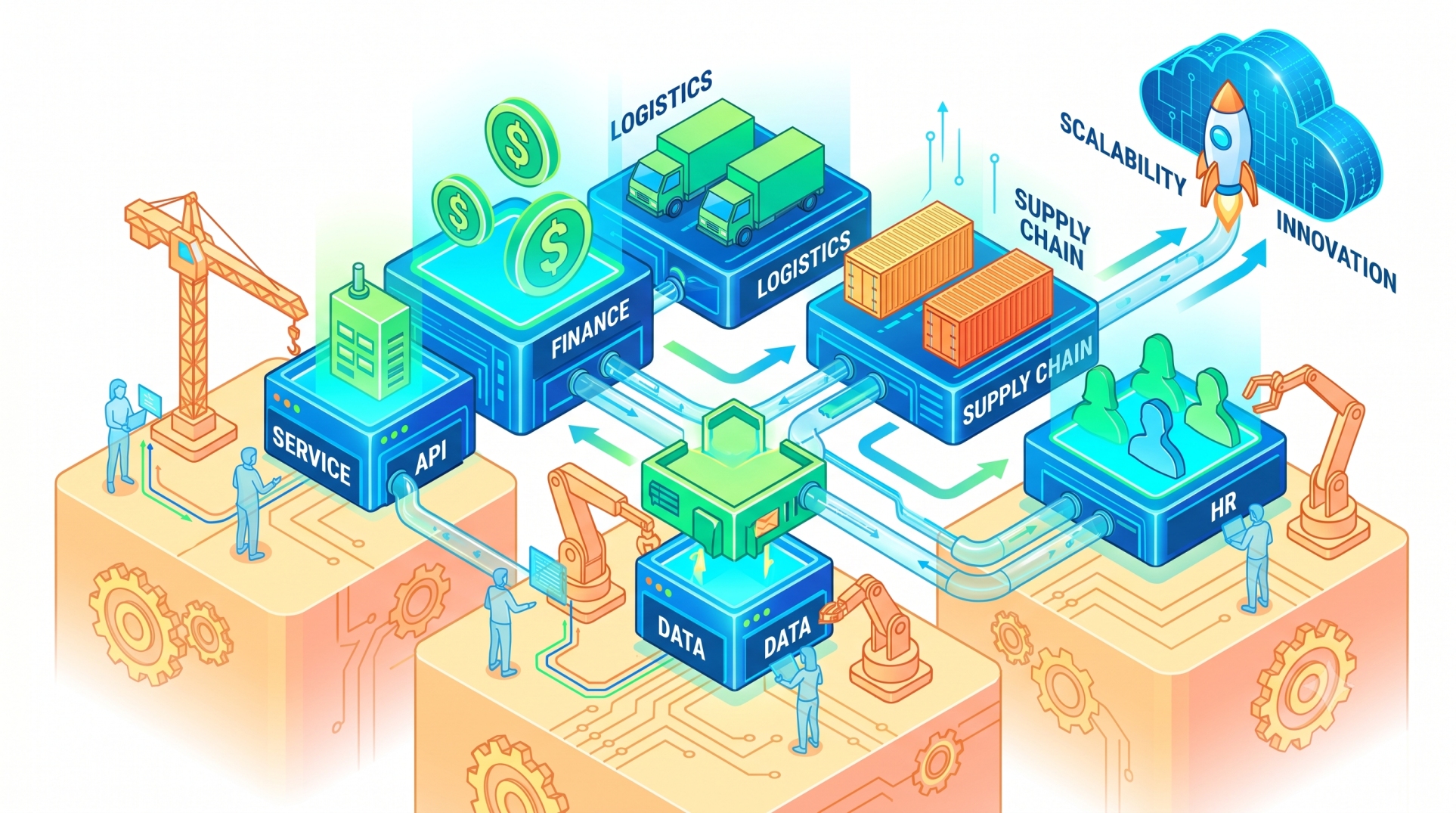
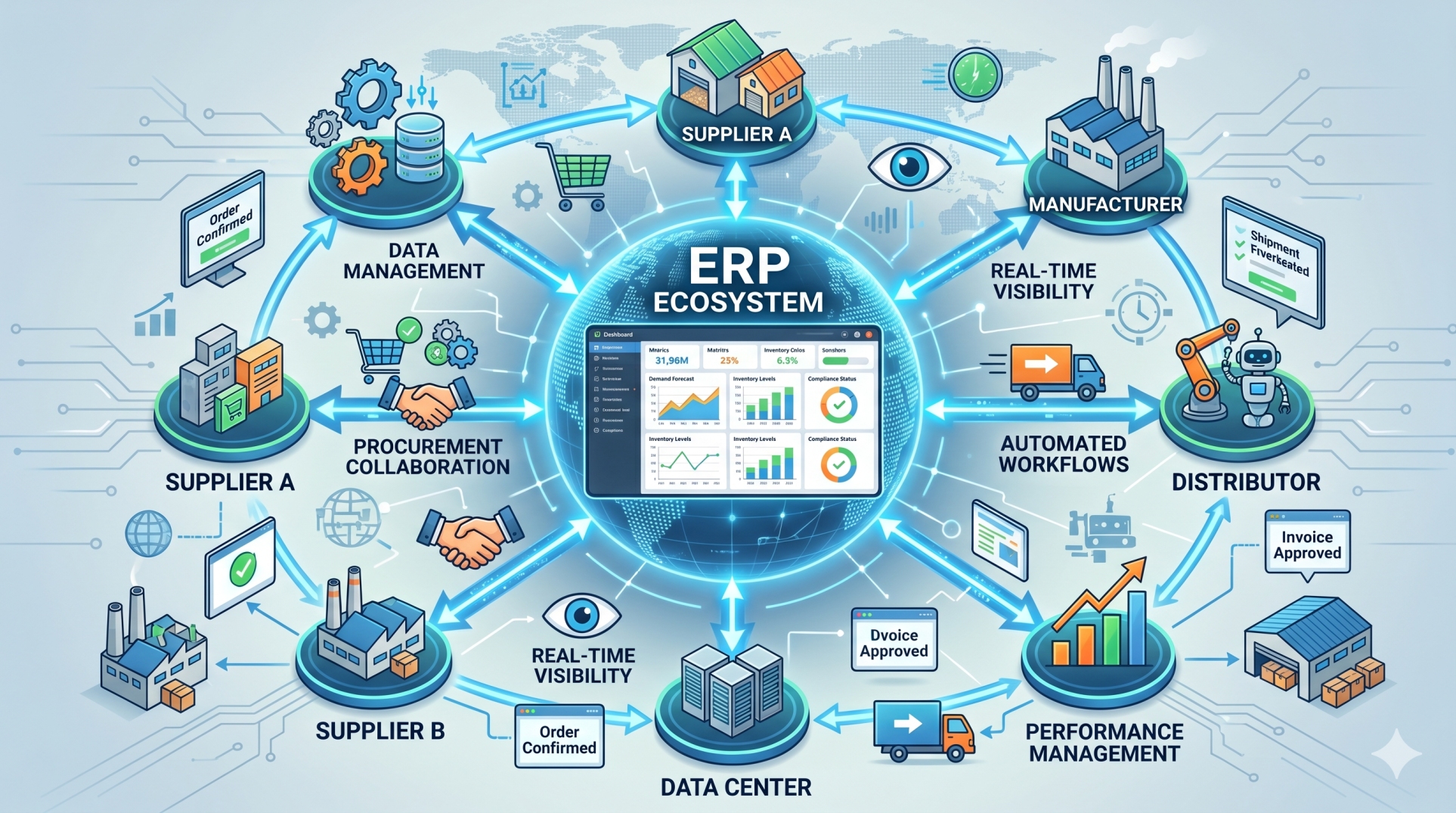
• Integrate ERP with AI, IoT, and automation platforms 🤖
• Enable cross-functional decision-making frameworks 🔗
• Design systems for continuous optimization and learning 🔄
• Support scalability as data and operations grow 📈
• Future-proof ERP for next-generation enterprise needs 🌍
Conclusion
ERP systems are no longer just operational backbones—they are becoming real-time decision engines that drive enterprise agility and performance. By integrating live data, advanced analytics, and intelligent automation, organizations can move from reactive to proactive decision-making. This transformation empowers businesses to respond instantly to changing conditions, optimize operations continuously, and maintain a competitive edge in an increasingly dynamic landscape.
See more blogs
You can all the articles below