Master Data Management in Enterprise ERP Systems

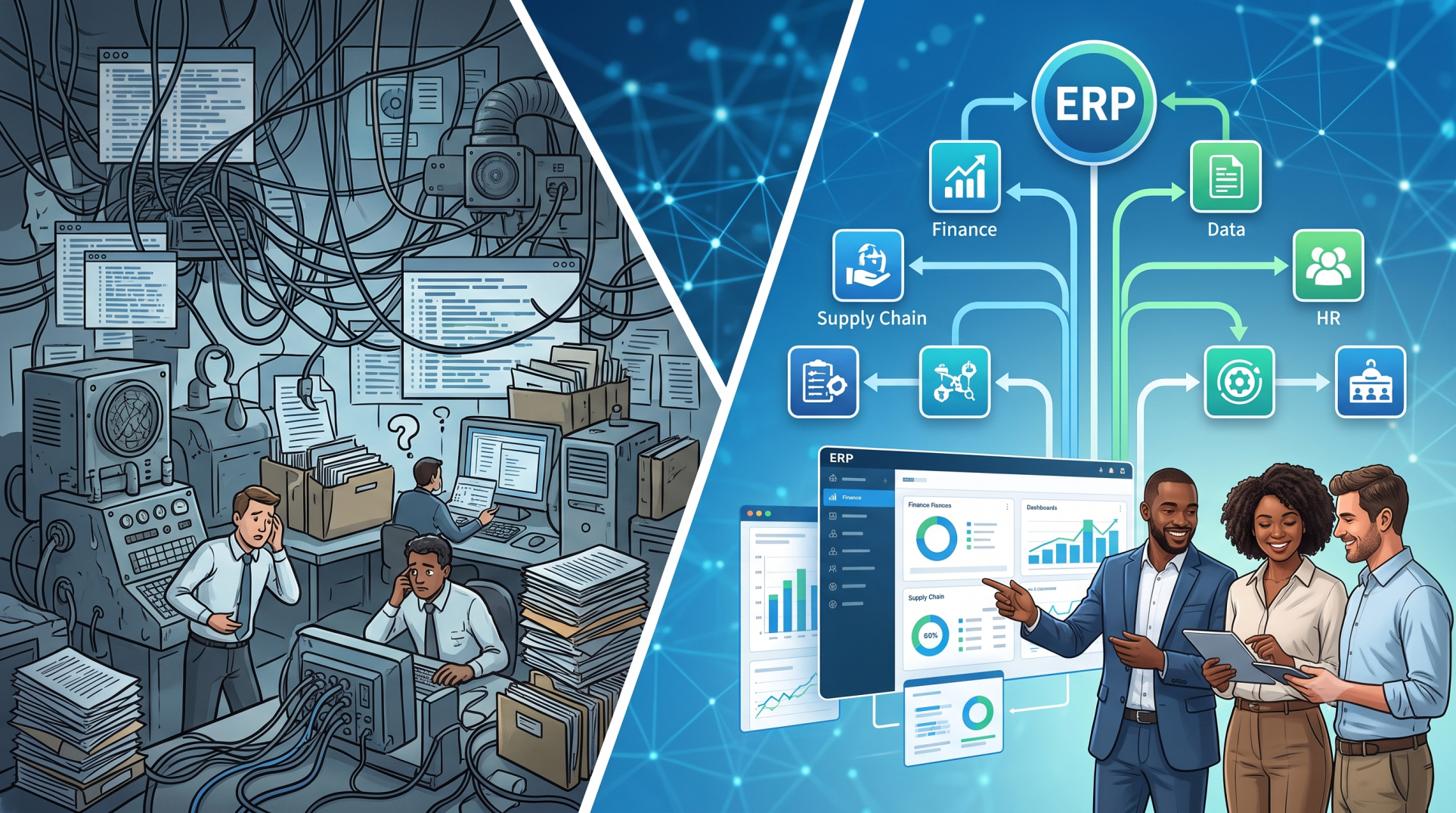
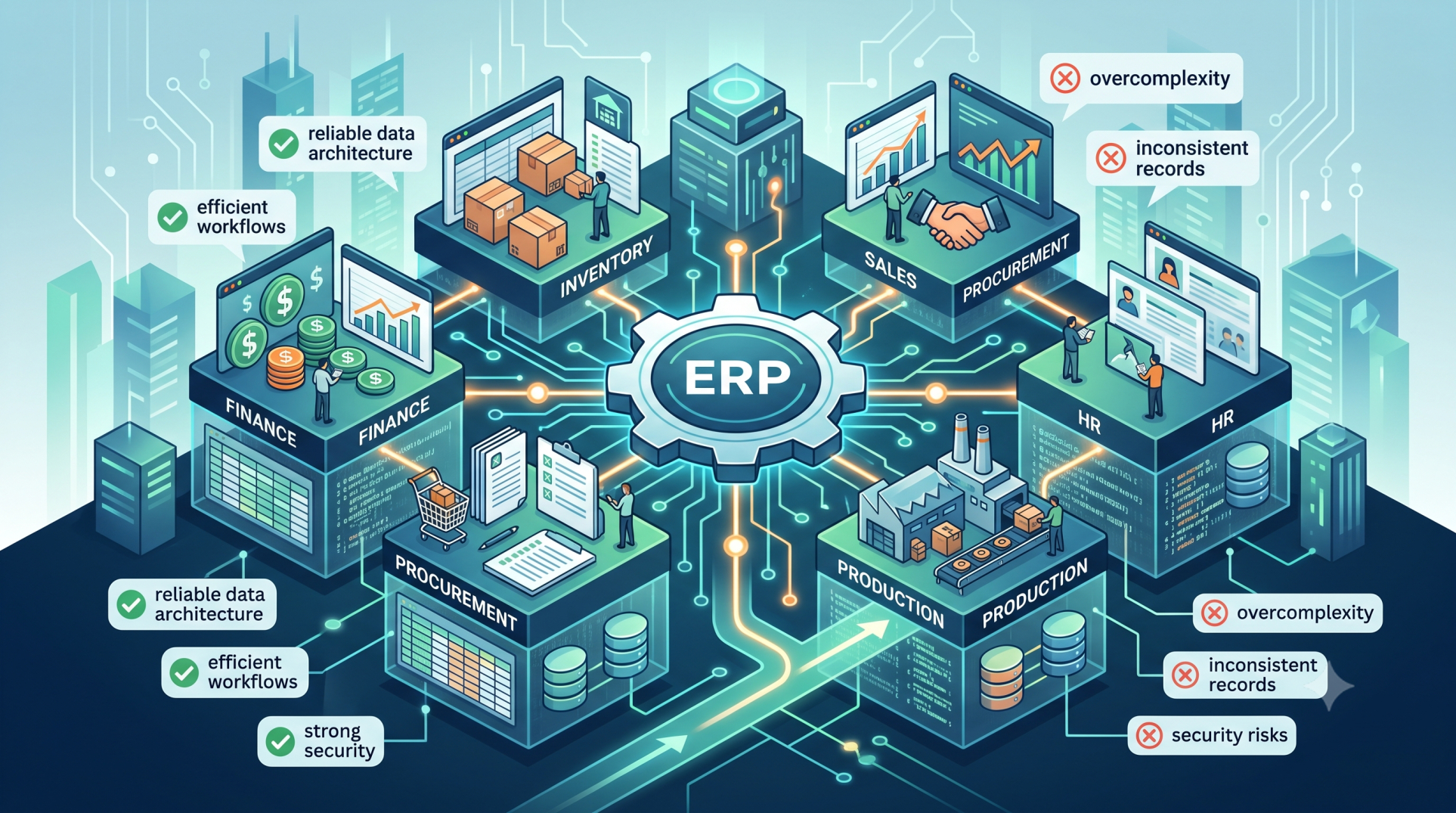
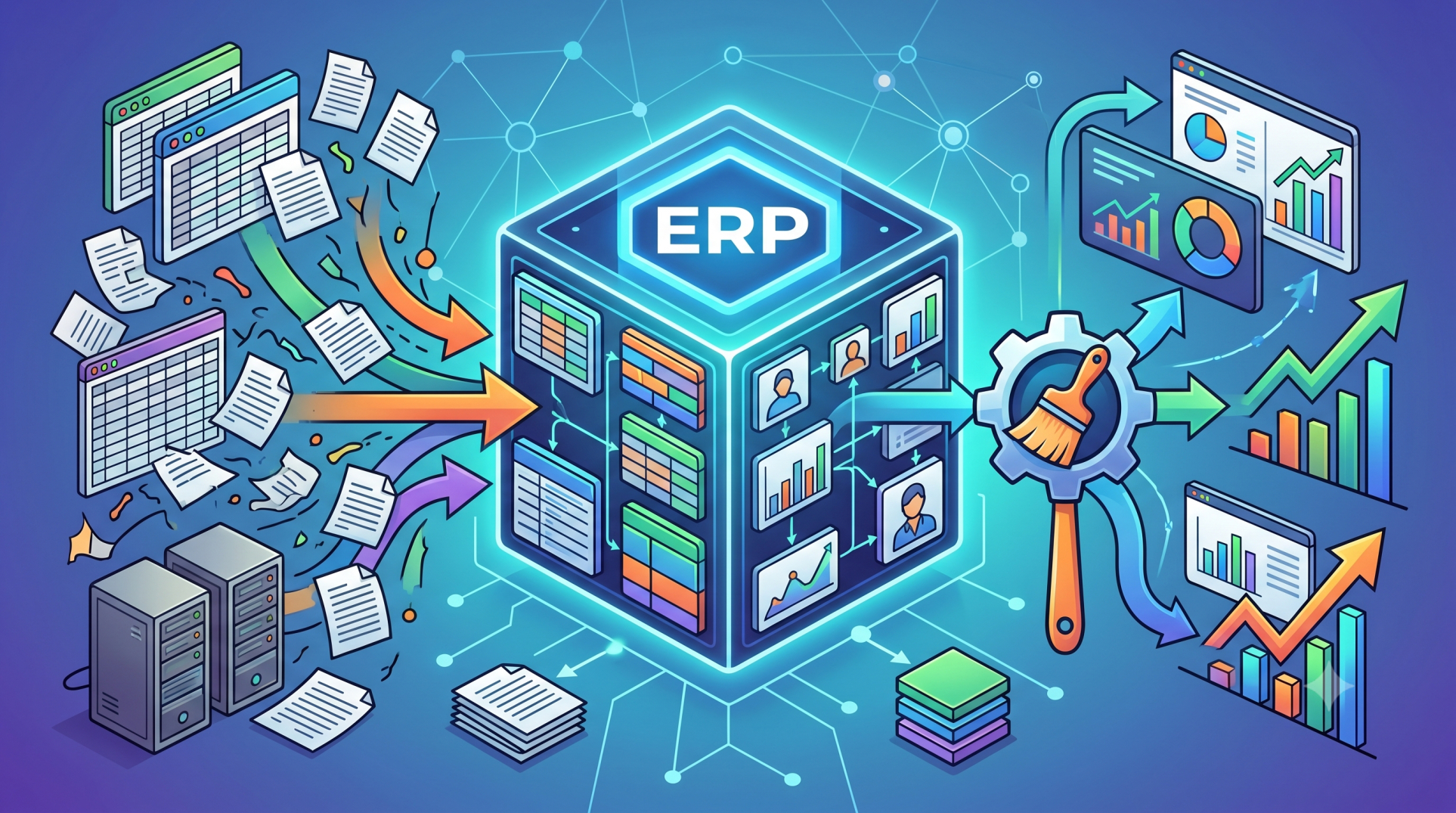
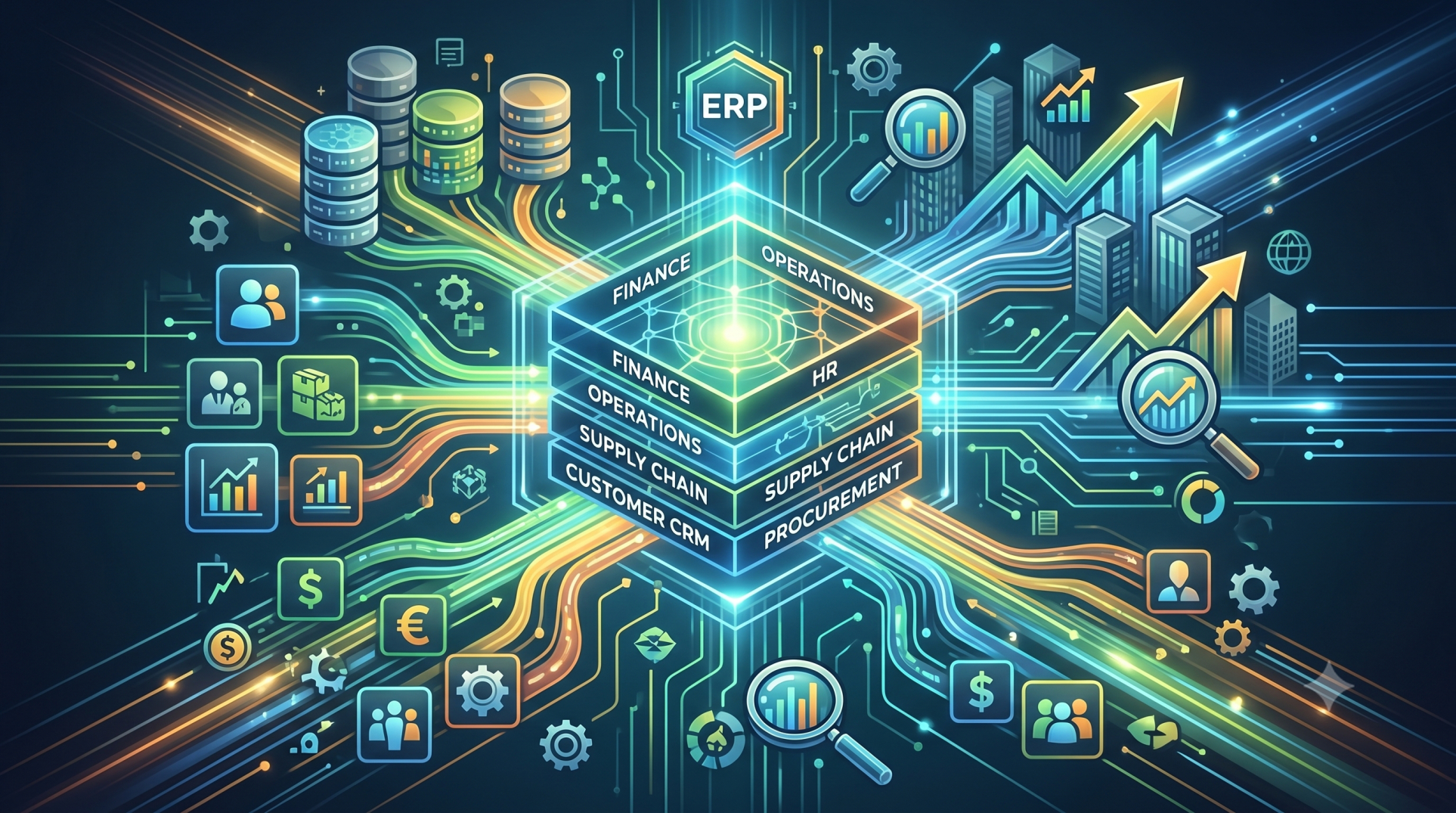
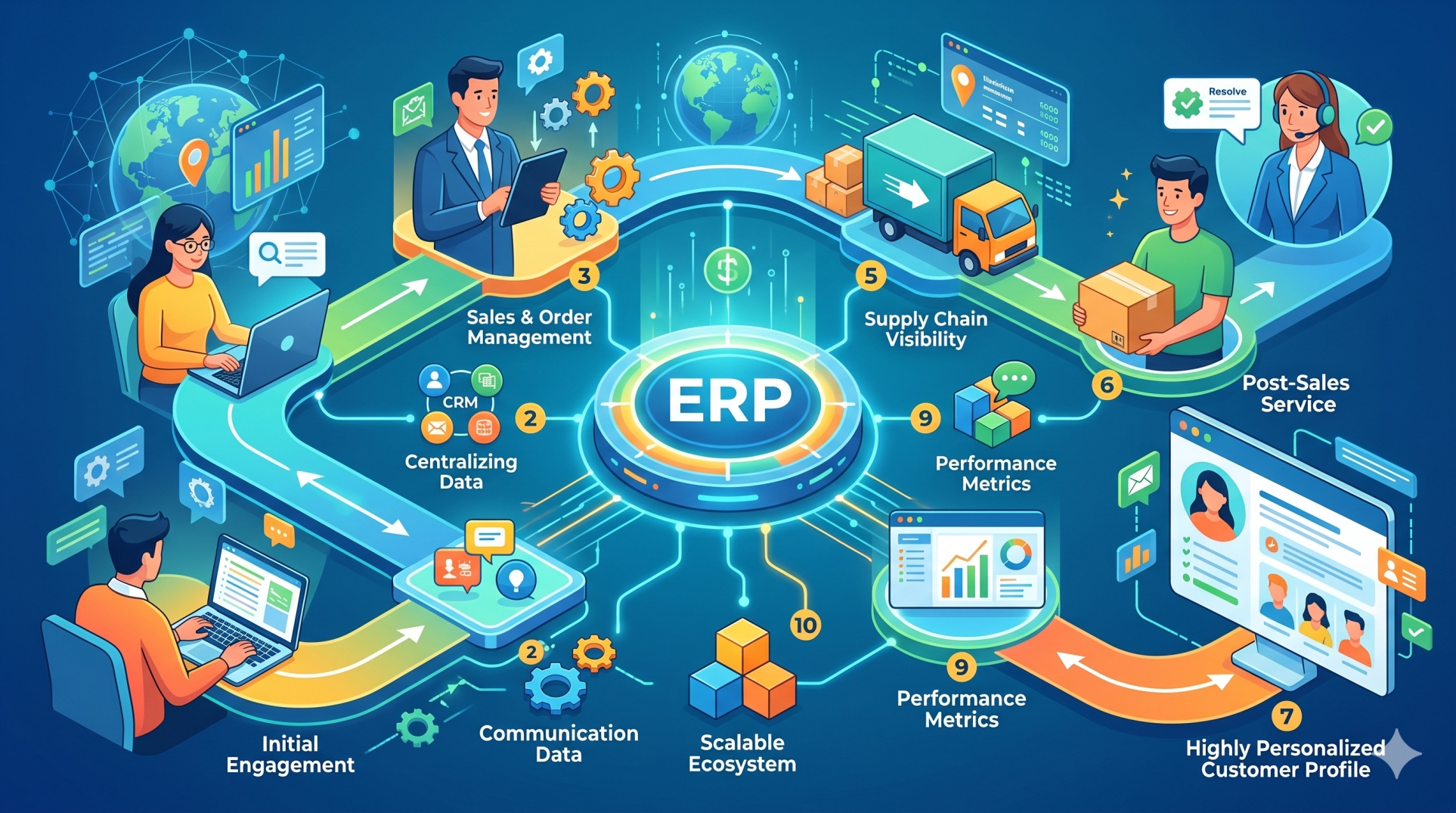
Master Data Management (MDM) plays a critical role in ensuring that enterprise ERP systems operate with accurate, consistent, and reliable information. Master data represents the core business entities—such as customers, suppliers, products, and employees—that are used across multiple processes and departments. Effective MDM enables organizations to maintain a unified view of critical business data while improving operational efficiency and decision-making.
1. Understanding Master Data in ERP
• Master data represents the core entities used across enterprise operations
• Includes records such as customers, vendors, products, locations, and employees
• Serves as the foundational data used by multiple ERP modules
• Remains relatively stable compared to transactional data
• Supports consistent business processes across departments
2. Why Master Data Consistency Matters
• Ensures accurate reporting and analytics across the organization
• Prevents duplication and conflicting records
• Improves coordination between departments and systems
• Reduces operational errors caused by incorrect data
• Strengthens trust in enterprise data assets
3. Key Categories of Master Data
• Customer data including profiles, contacts, and account details
• Product data such as specifications, pricing, and classifications
• Supplier and vendor records used for procurement operations
• Employee data used in HR and organizational management
• Location and asset data supporting logistics and operations
4. Master Data Governance Framework
• Establishes policies for creating and modifying master records
• Defines ownership and stewardship responsibilities
• Standardizes naming conventions and classification structures
• Ensures accountability for data accuracy and maintenance
• Aligns data governance with enterprise compliance requirements
5. Data Quality Management
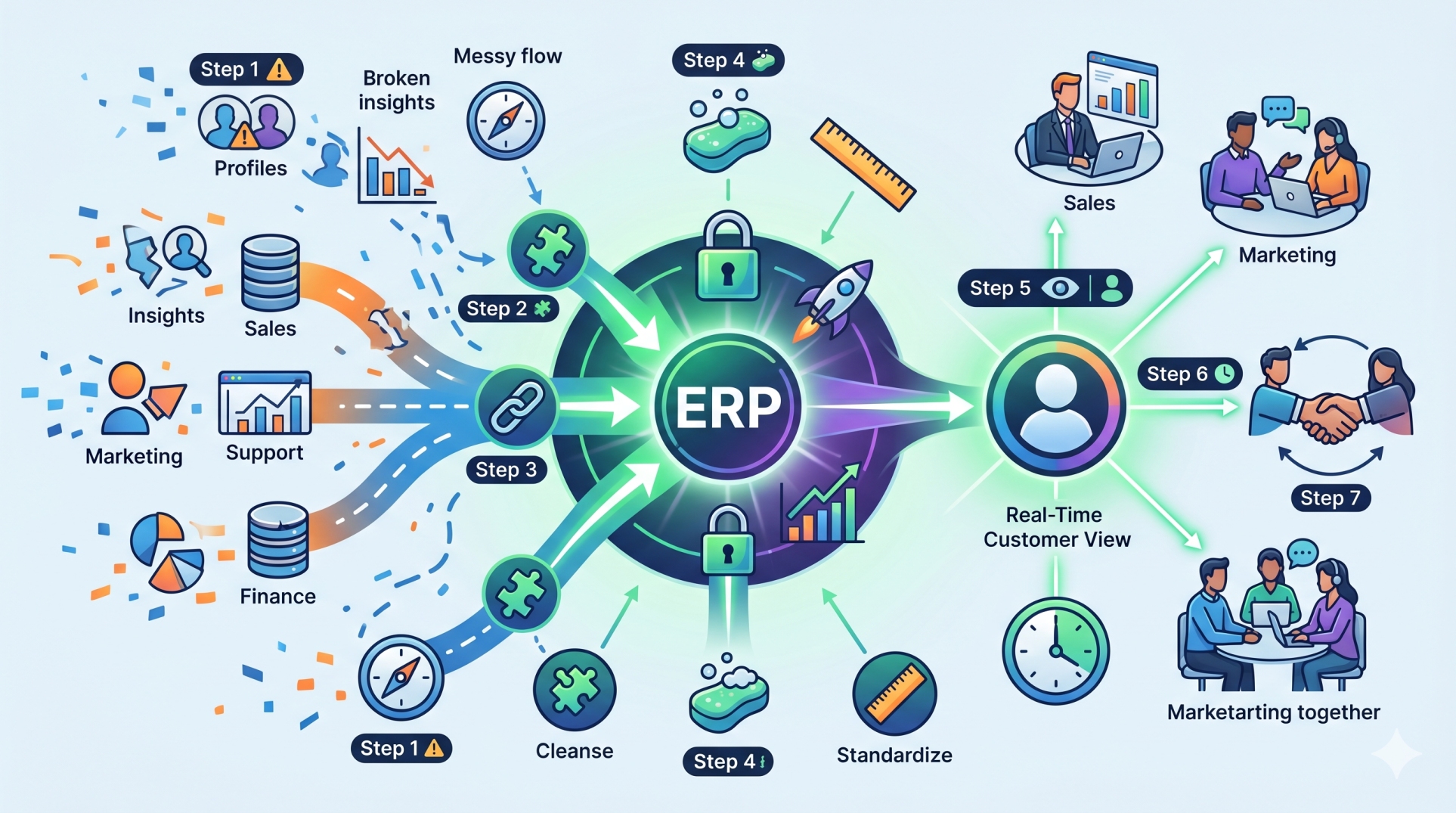
• Detects duplicate or inconsistent records across systems
• Validates data during entry and updates
• Applies cleansing and enrichment processes
• Maintains standardized formats and validation rules
• Improves reliability of ERP-driven operations
6. Integration Across Enterprise Systems
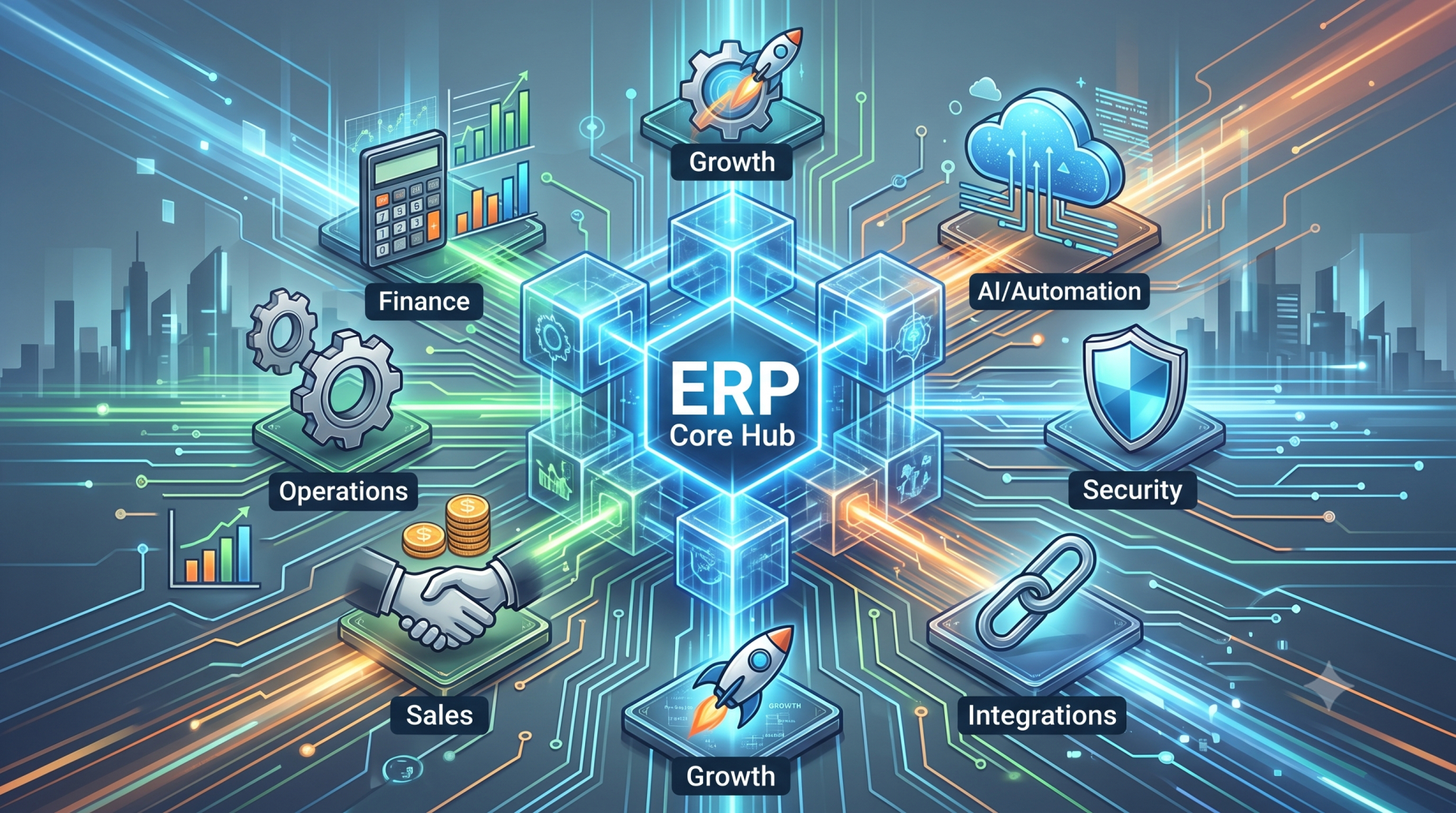
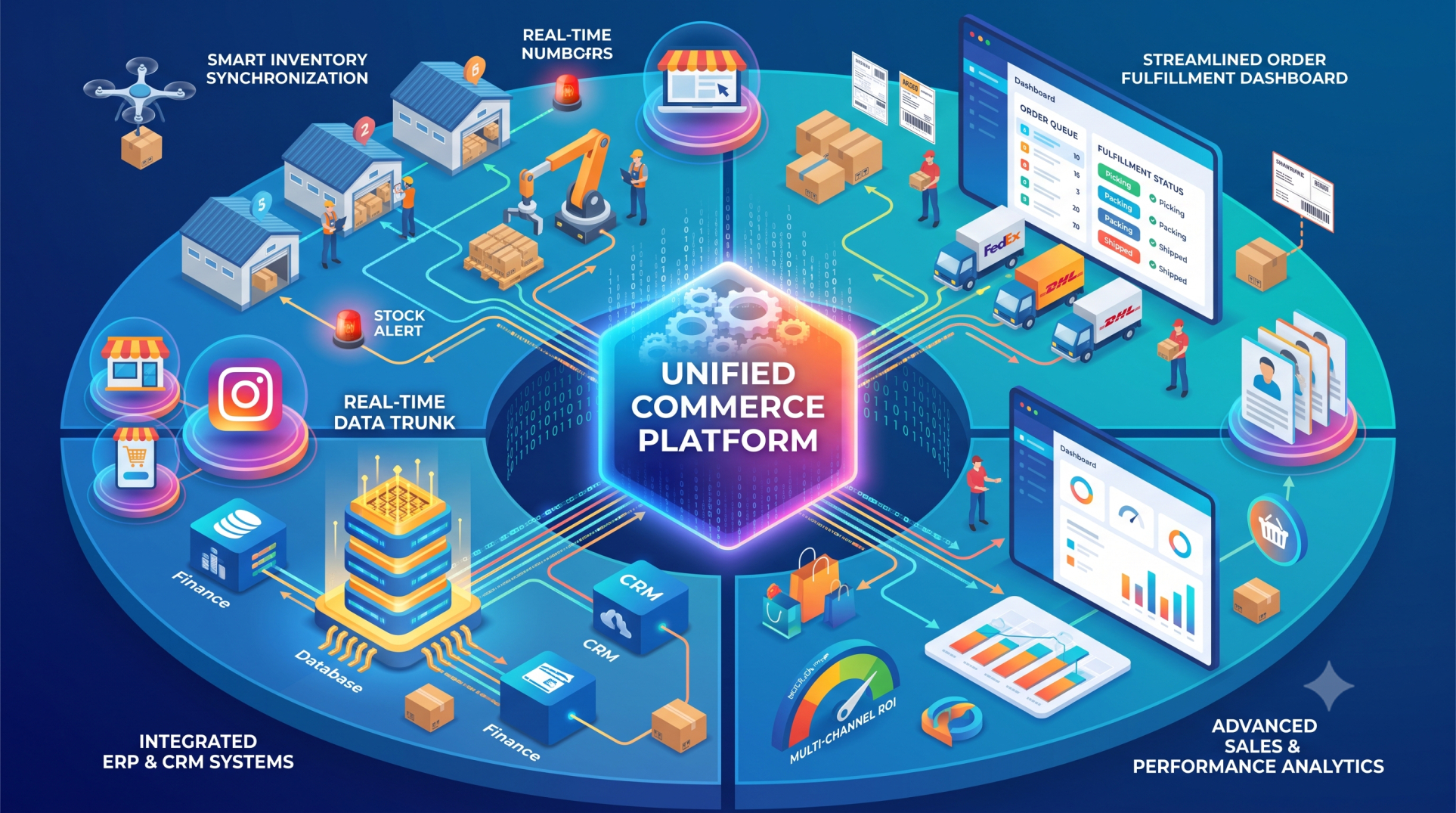
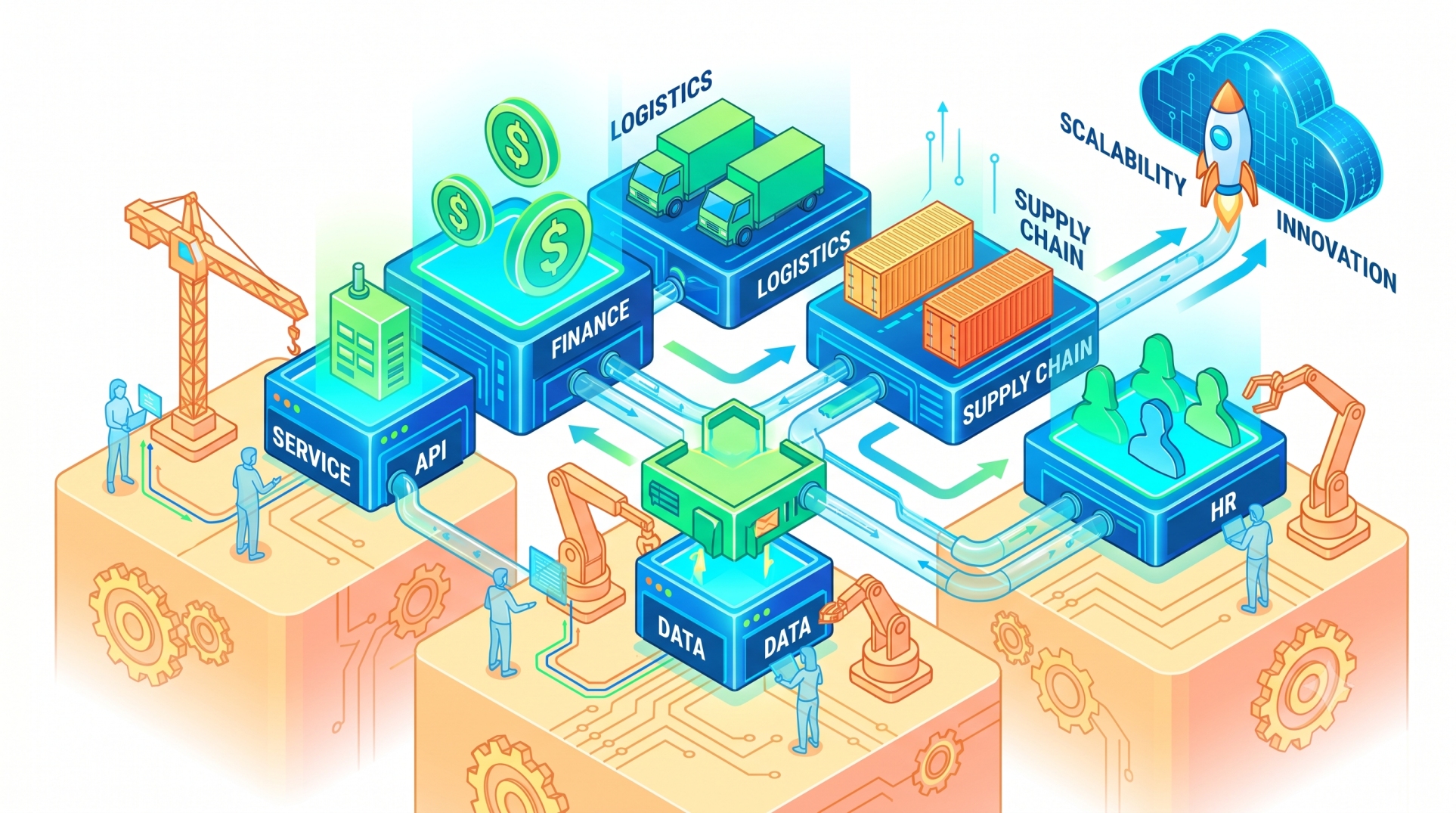
• Synchronizes master data between ERP and other enterprise platforms
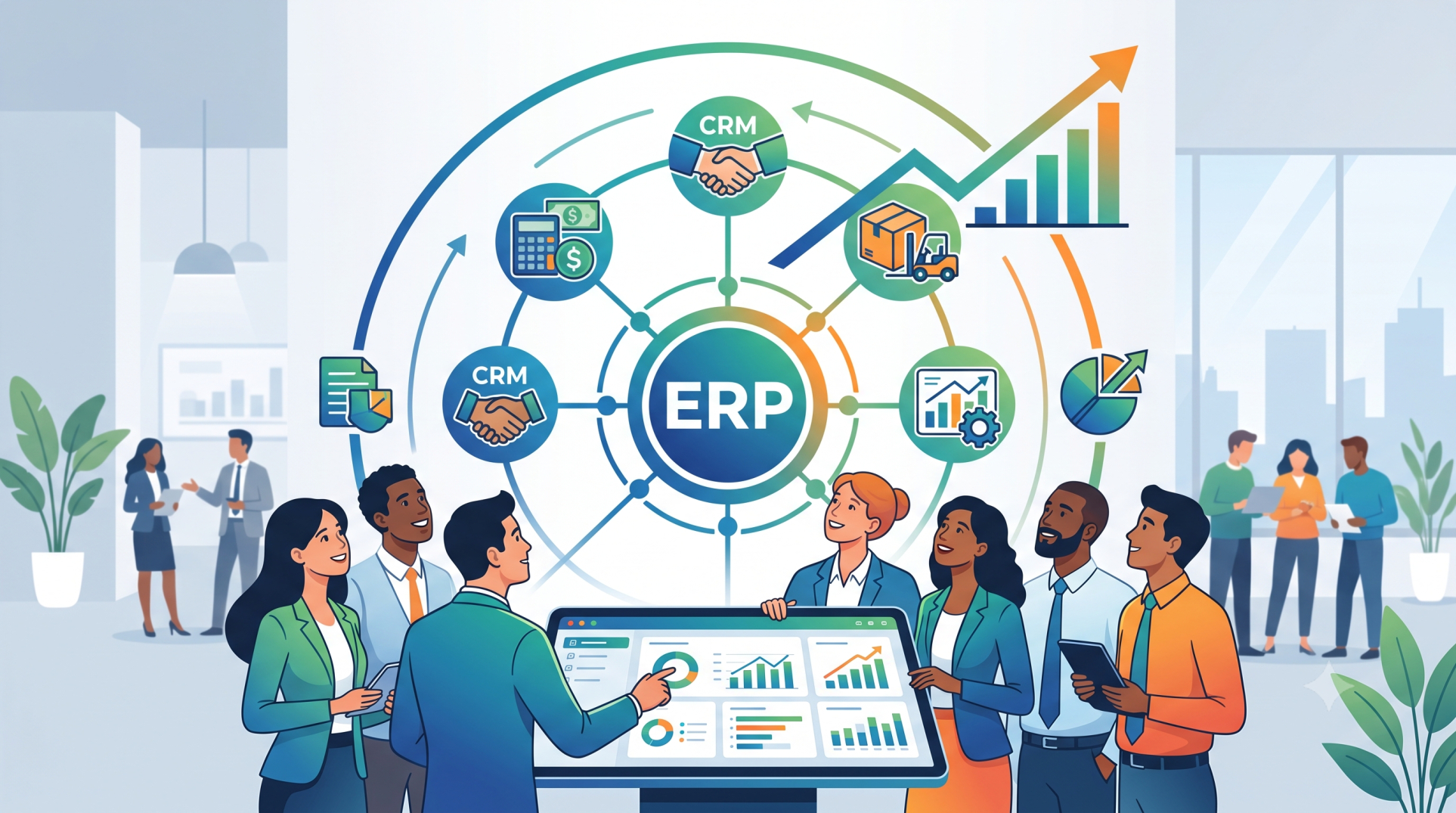
• Supports CRM, supply chain, and financial system integrations
• Maintains consistency across distributed applications
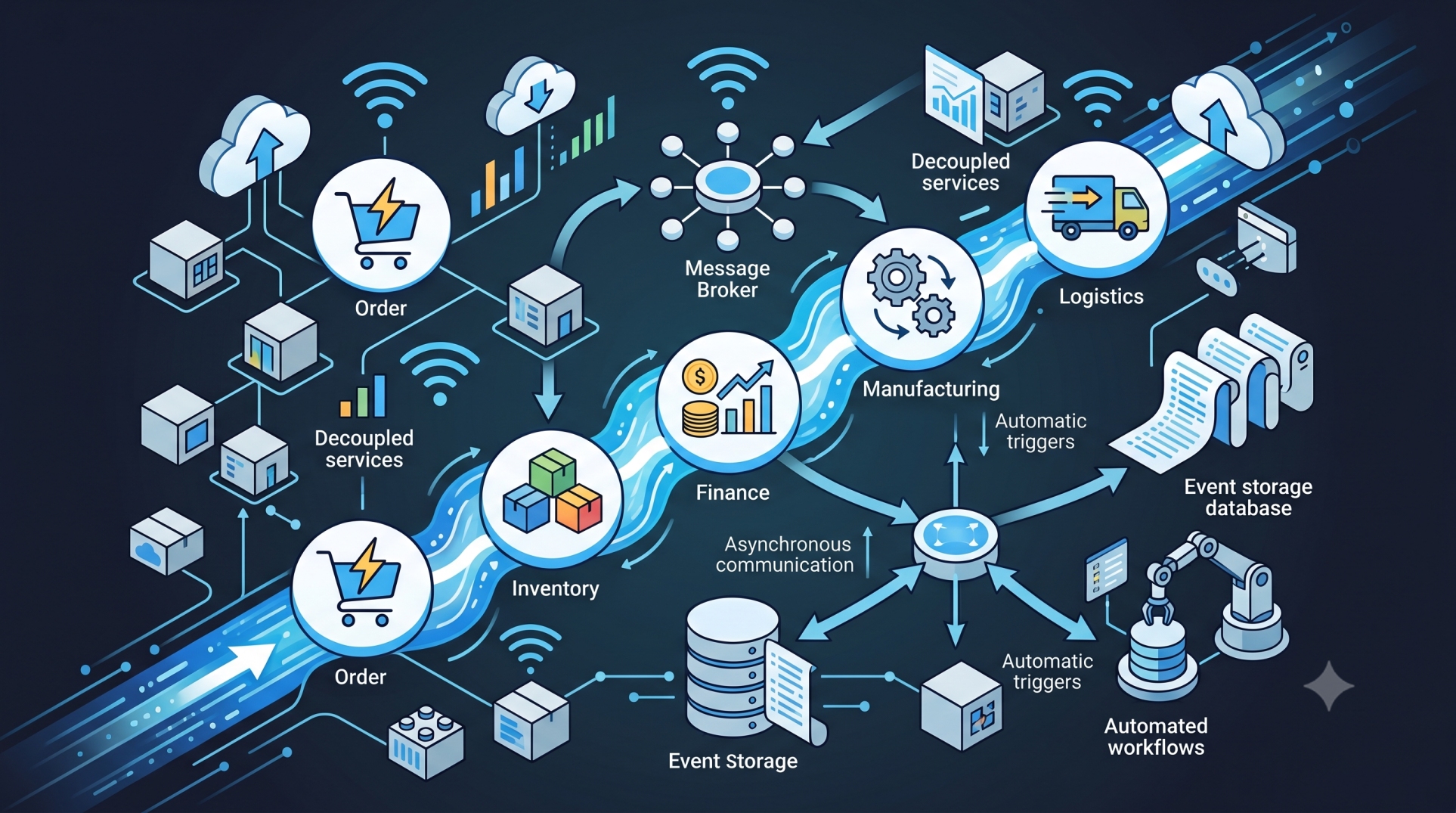
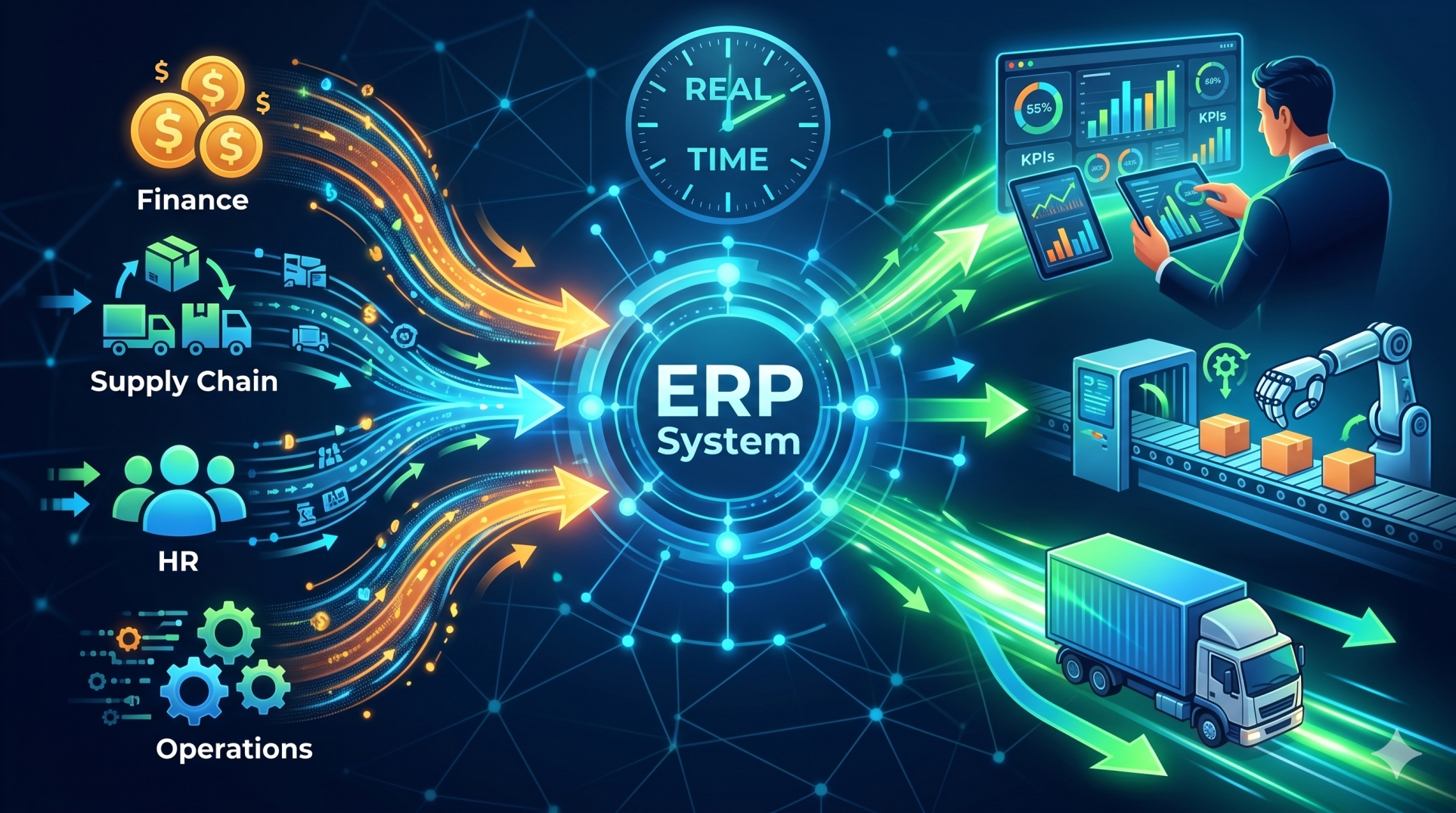
• Enables real-time data sharing across departments
• Reduces fragmentation across the technology ecosystem
7. Lifecycle Management of Master Data
• Controls creation, modification, and retirement of records
• Maintains version control and historical traceability
• Ensures data remains current and relevant
• Supports auditing and regulatory compliance
• Preserves long-term data integrity
8. Strategic Value of Master Data Management
• Provides a reliable foundation for analytics and reporting
• Enables consistent operations across departments
• Supports enterprise-wide digital transformation initiatives
Conclusion
Master Data Management is essential for maintaining data integrity within enterprise ERP environments. By establishing governance frameworks, ensuring data quality, and integrating information across systems, organizations can maintain a reliable and unified data foundation. Effective MDM allows ERP systems to operate more efficiently while supporting accurate insights and strategic decision-making across the enterprise.
See more blogs
You can all the articles below