Continuous Close Processes in Modern ERP Platforms

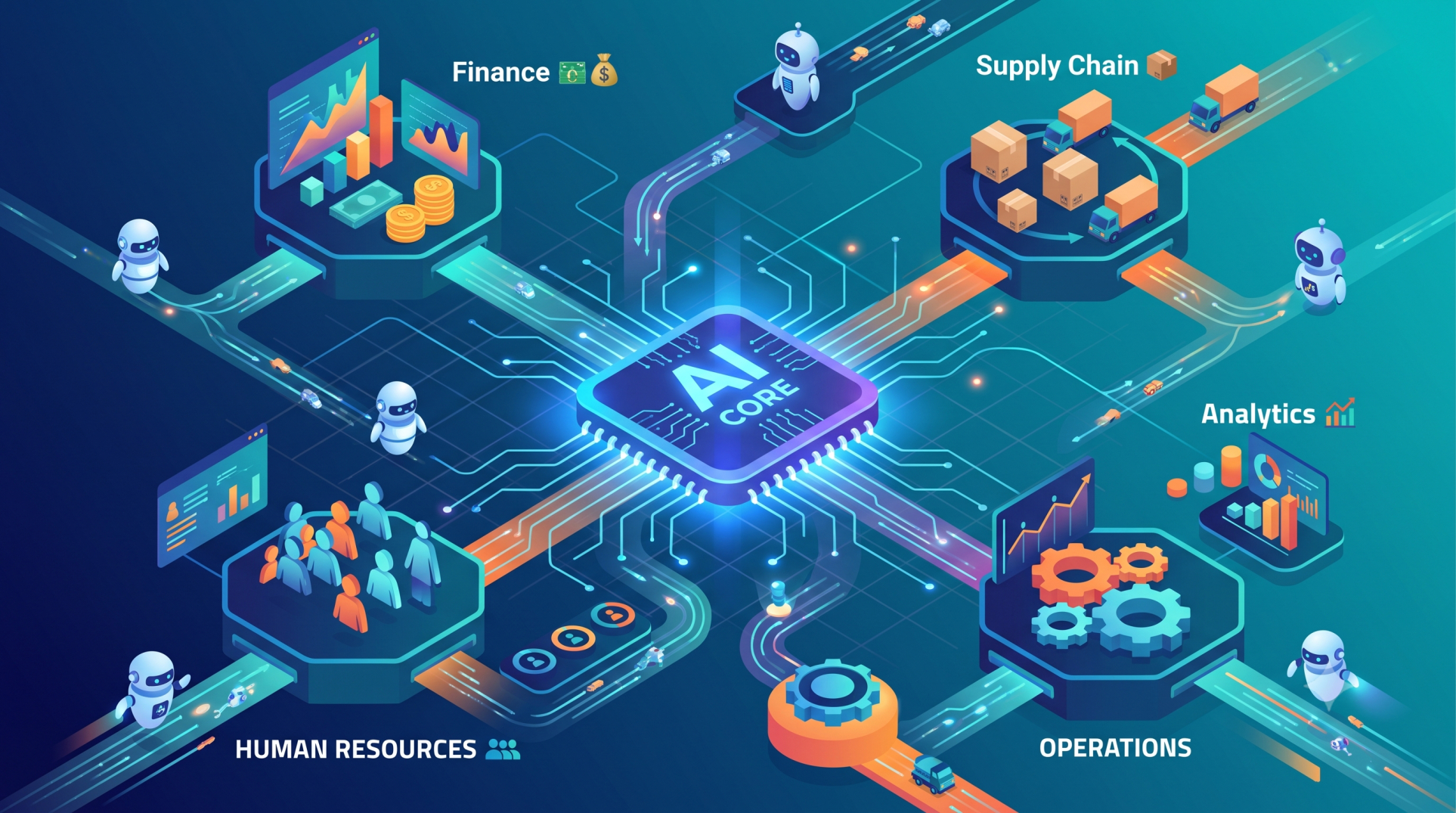
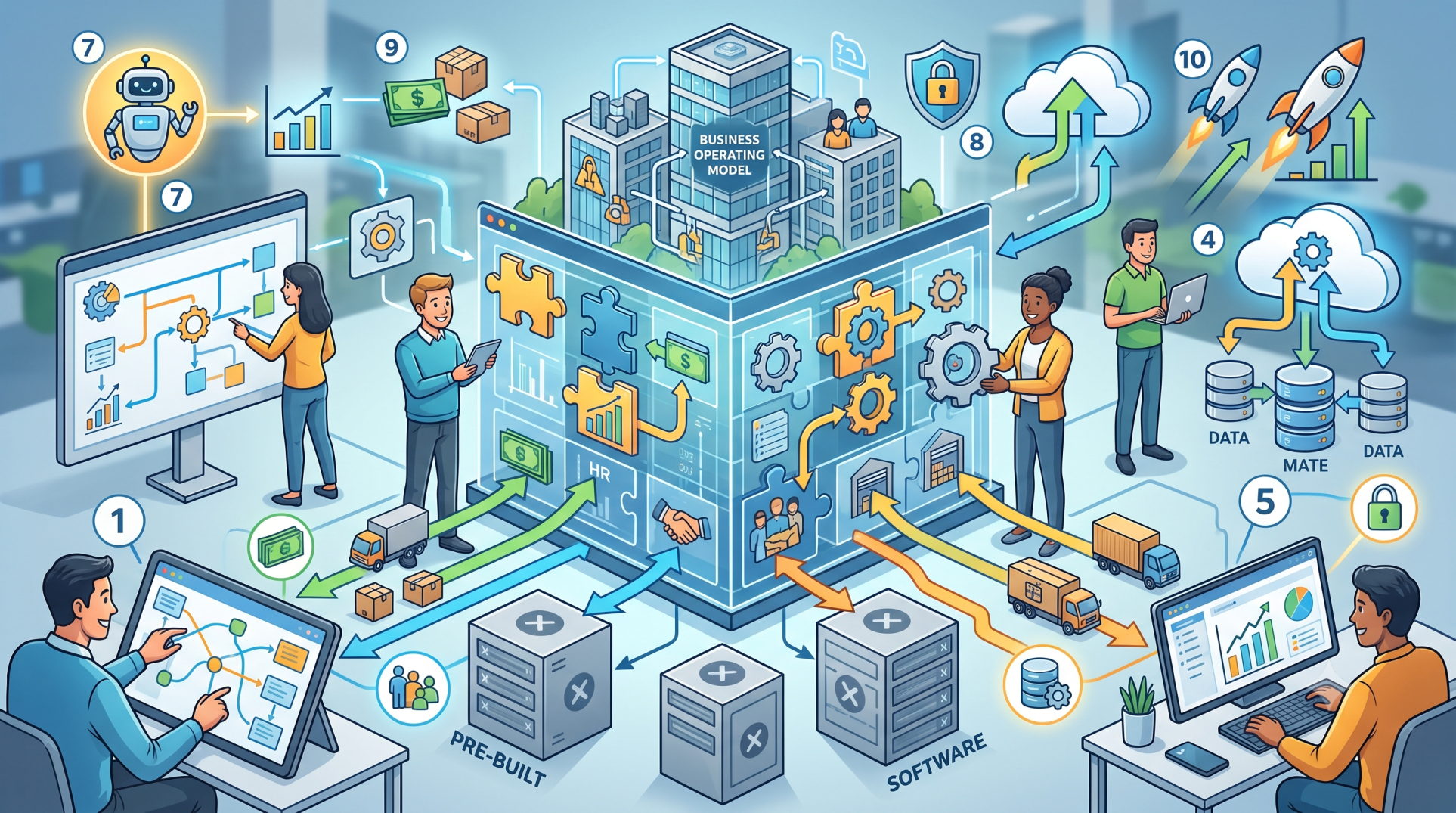
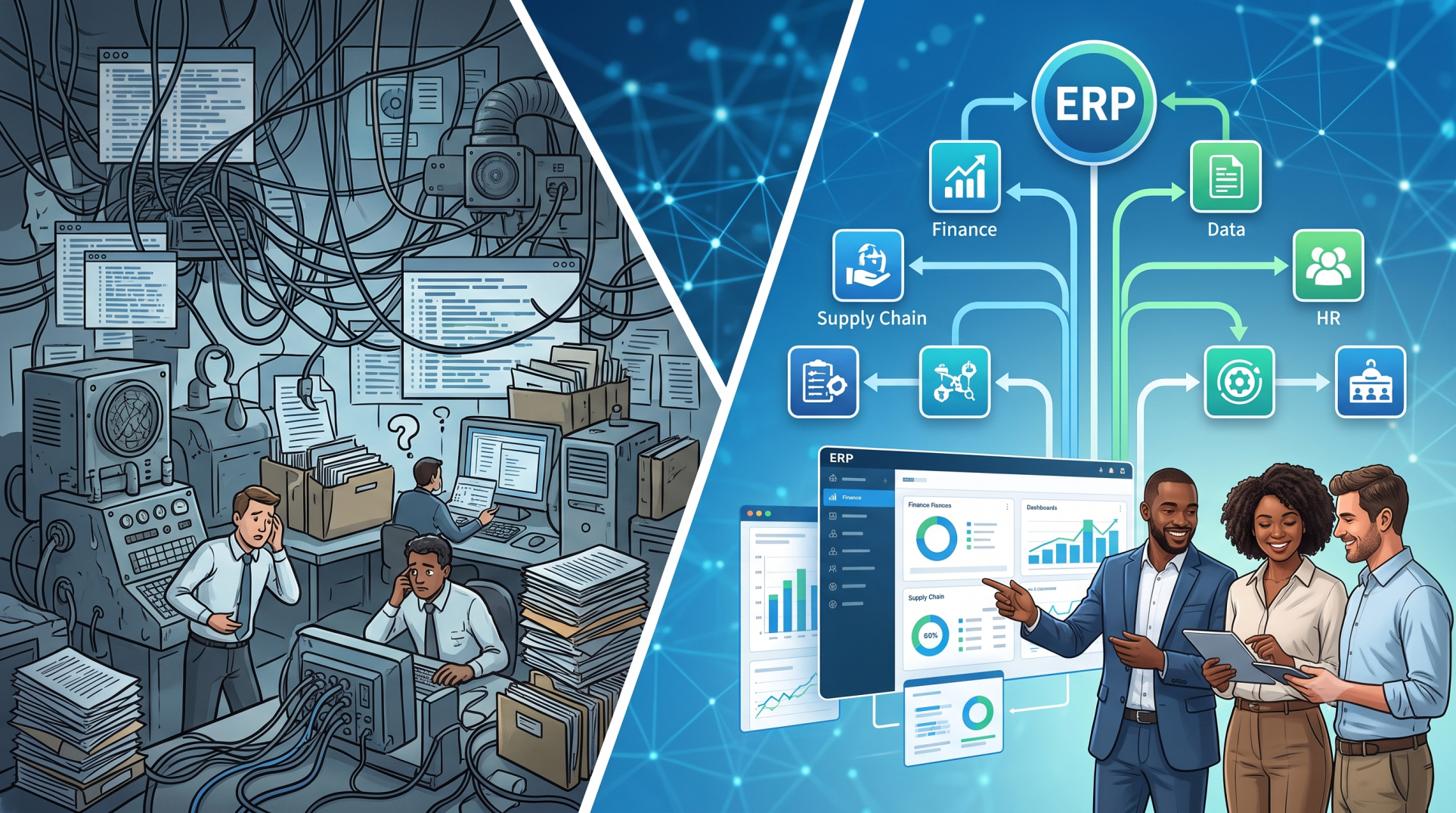
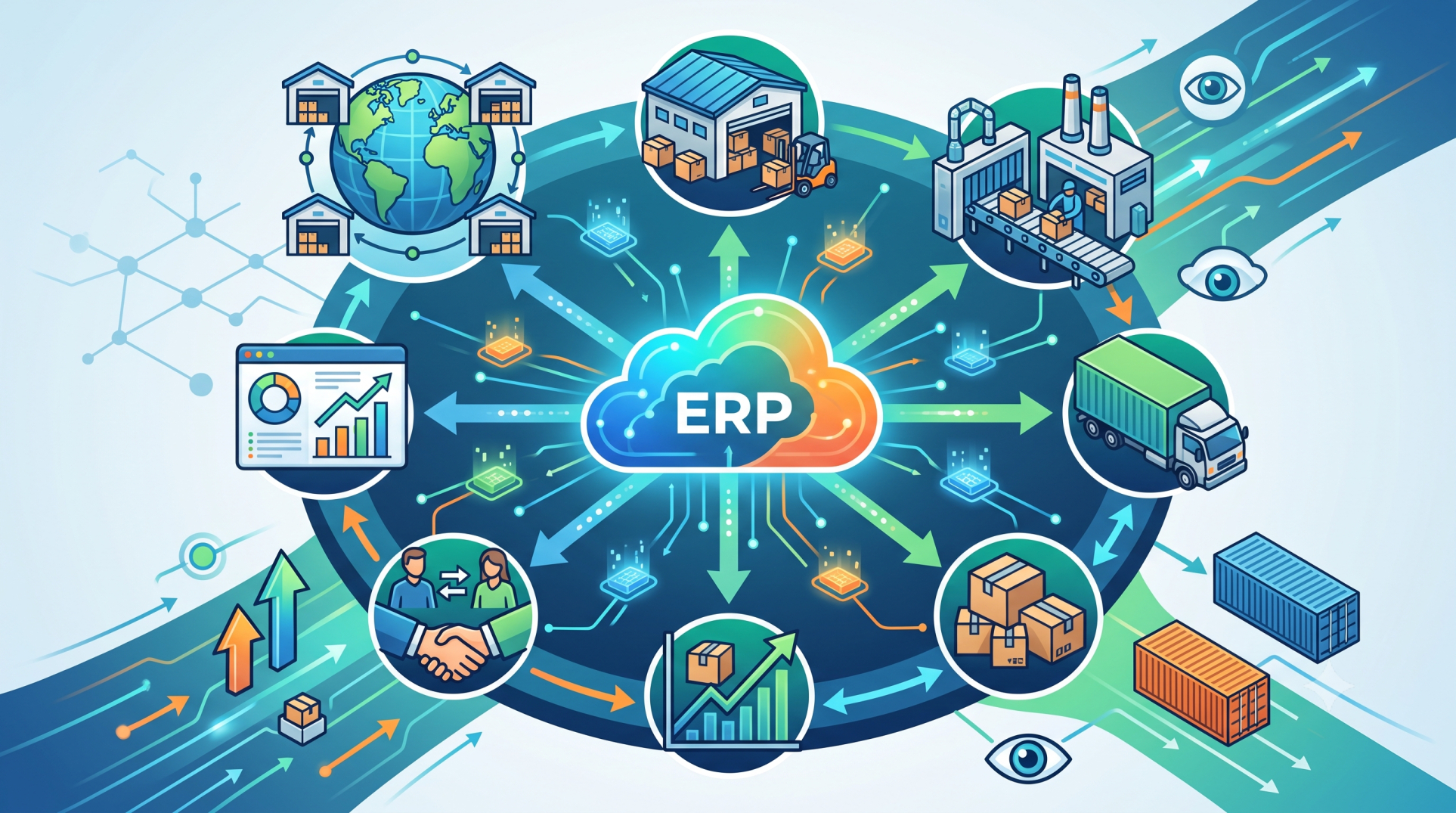
Traditional financial closing cycles often involve manual reconciliation, delayed reporting, and time-consuming validation processes. Modern ERP platforms are transforming this approach through continuous close methodologies that enable real-time financial visibility, automation, and faster decision-making. By shifting from periodic closing activities to ongoing financial synchronization, organizations can improve accuracy, reduce operational pressure, and accelerate financial reporting cycles.
Step 1: Understanding the Continuous Close Concept 🔄
• Continuous close replaces periodic financial closing with ongoing reconciliation processes 📊
• Financial data is validated and updated in real time ⏱️
• Automation reduces dependency on end-of-period manual tasks 🤖
• Organizations gain faster access to accurate financial insights 📈
• Continuous close improves agility in financial operations ⚡
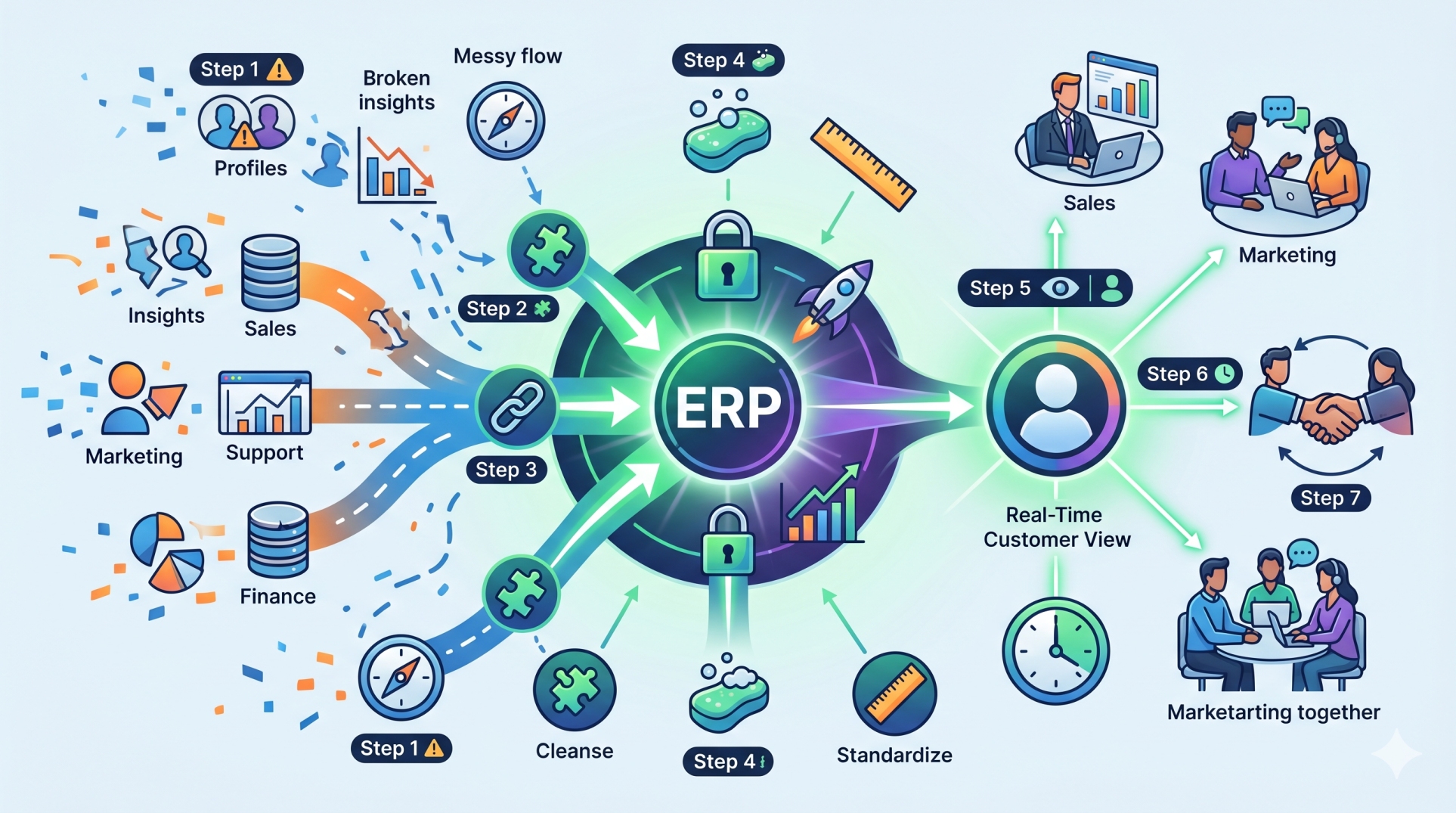
Step 2: Automating Financial Data Collection 🤖
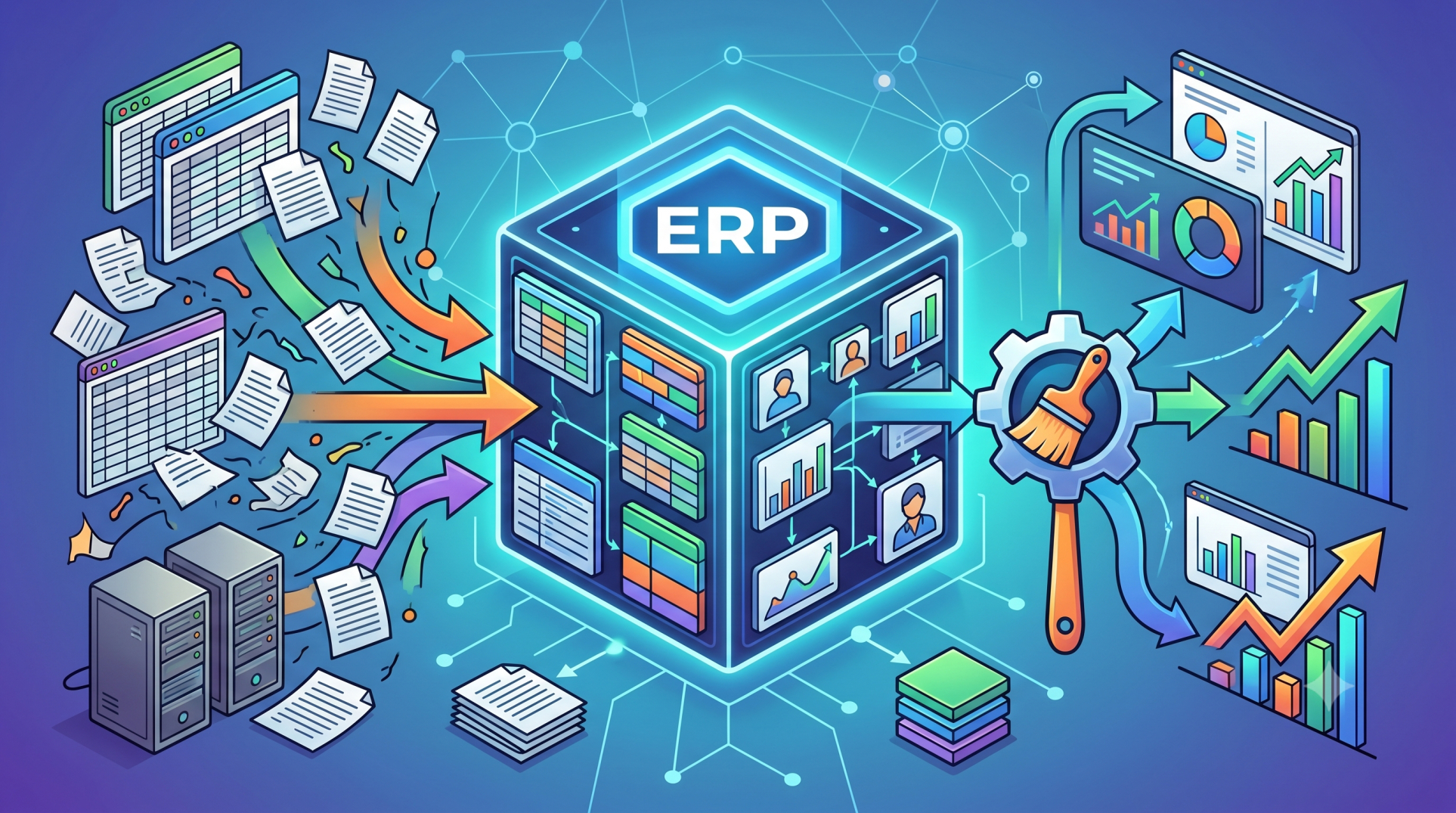
• Capture transactions automatically from integrated business systems 🔗
• Reduce manual journal entries and spreadsheet dependency 📄
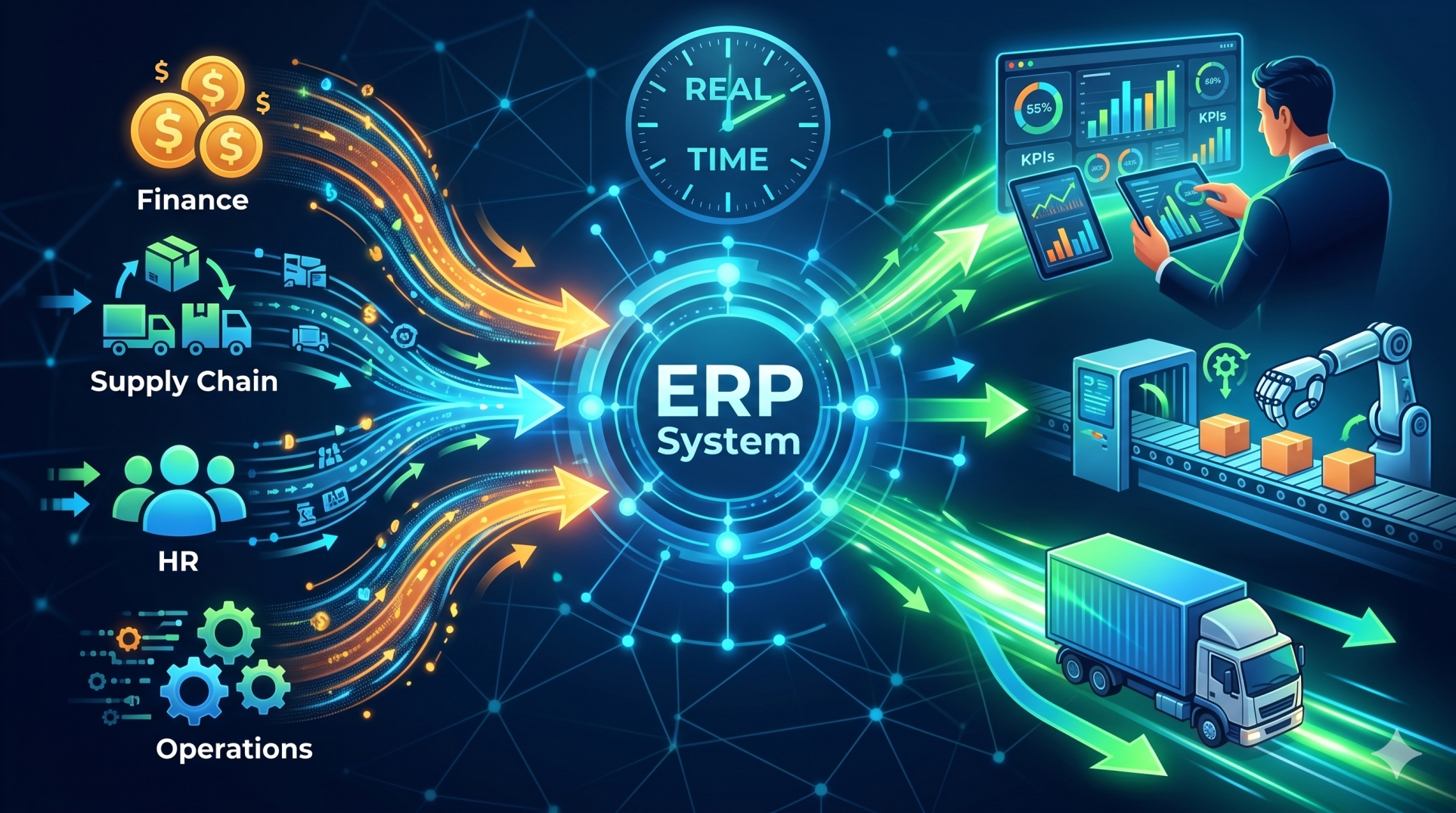
• Synchronize financial data continuously across departments 🔄
• Eliminate delays caused by disconnected systems 🚫
• Improve consistency in financial record management ✅
Step 3: Real-Time Account Reconciliation 📑
• Reconcile accounts continuously instead of waiting for month-end 🕒
• Detect discrepancies and anomalies earlier in the process 🔍
• Improve accuracy through automated matching rules ⚙️
• Reduce financial risk caused by delayed corrections 🛡️
• Accelerate audit readiness with real-time validation 📘
Step 4: Enhancing Financial Visibility 👁️
• Provide finance teams with real-time access to financial performance 📊
• Enable faster reporting for executives and stakeholders 🧭
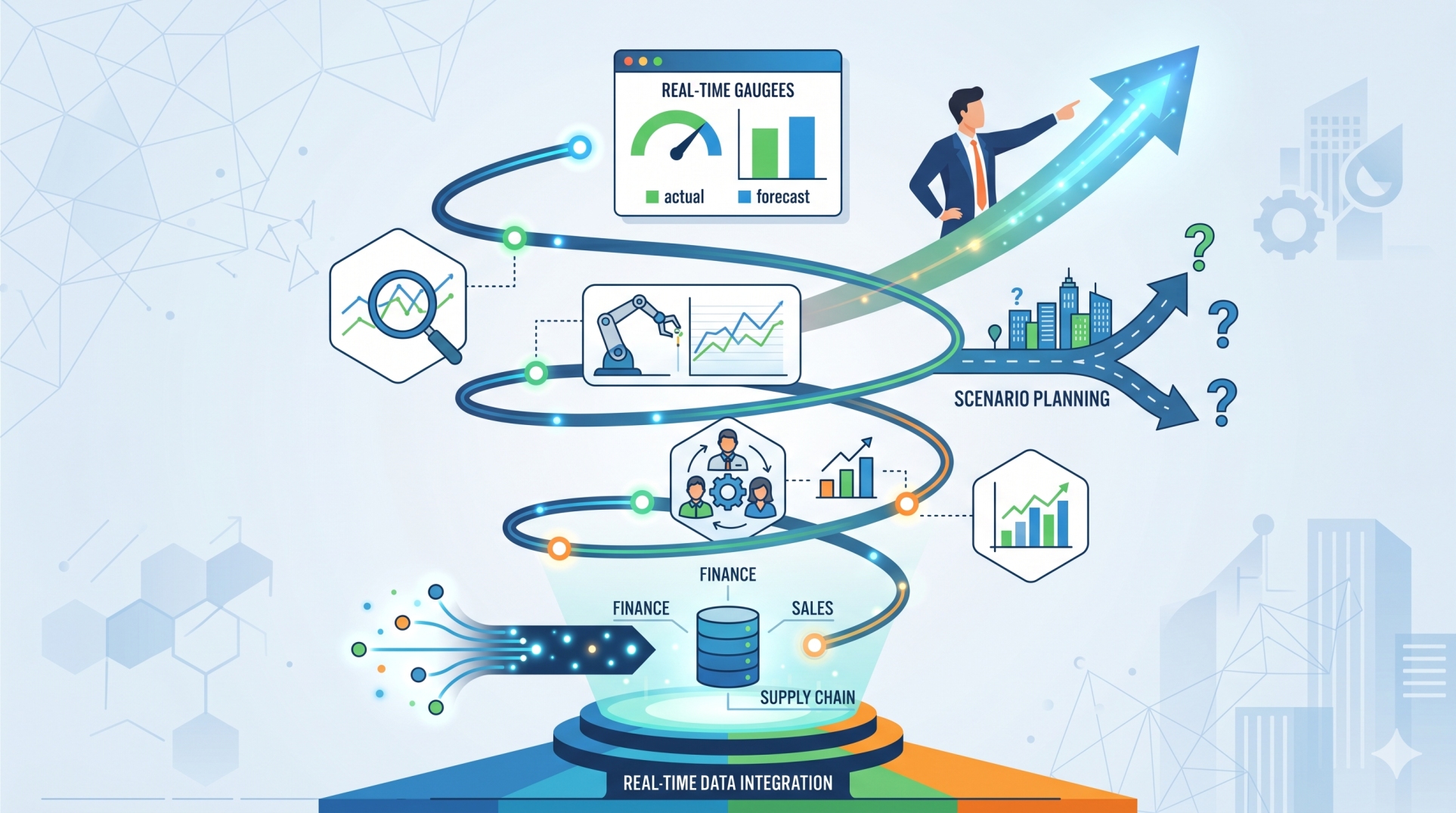
• Improve forecasting through continuously updated financial data 📈
• Support proactive decision-making with current insights ⚡
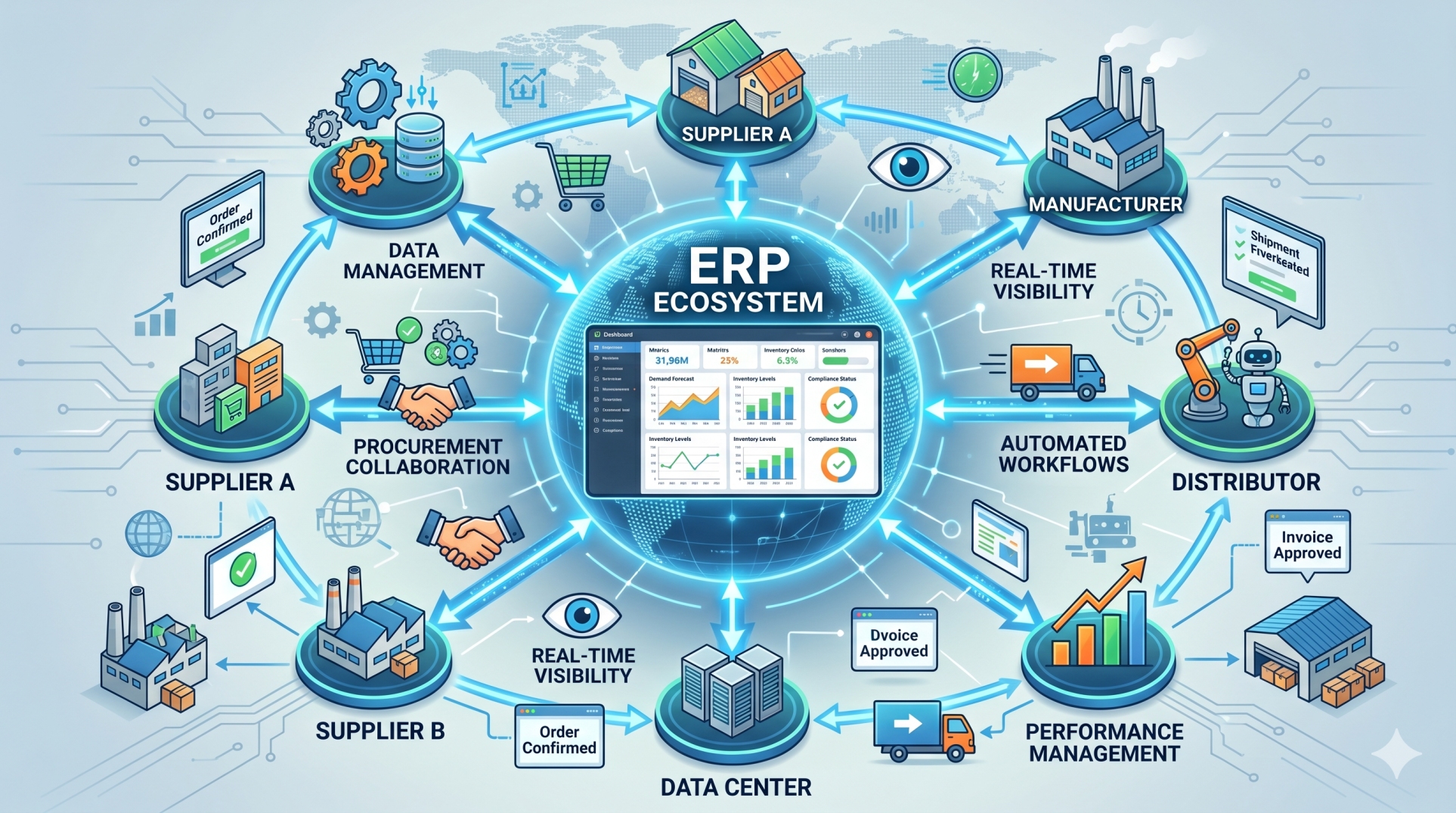
• Increase transparency across the organization 🌐
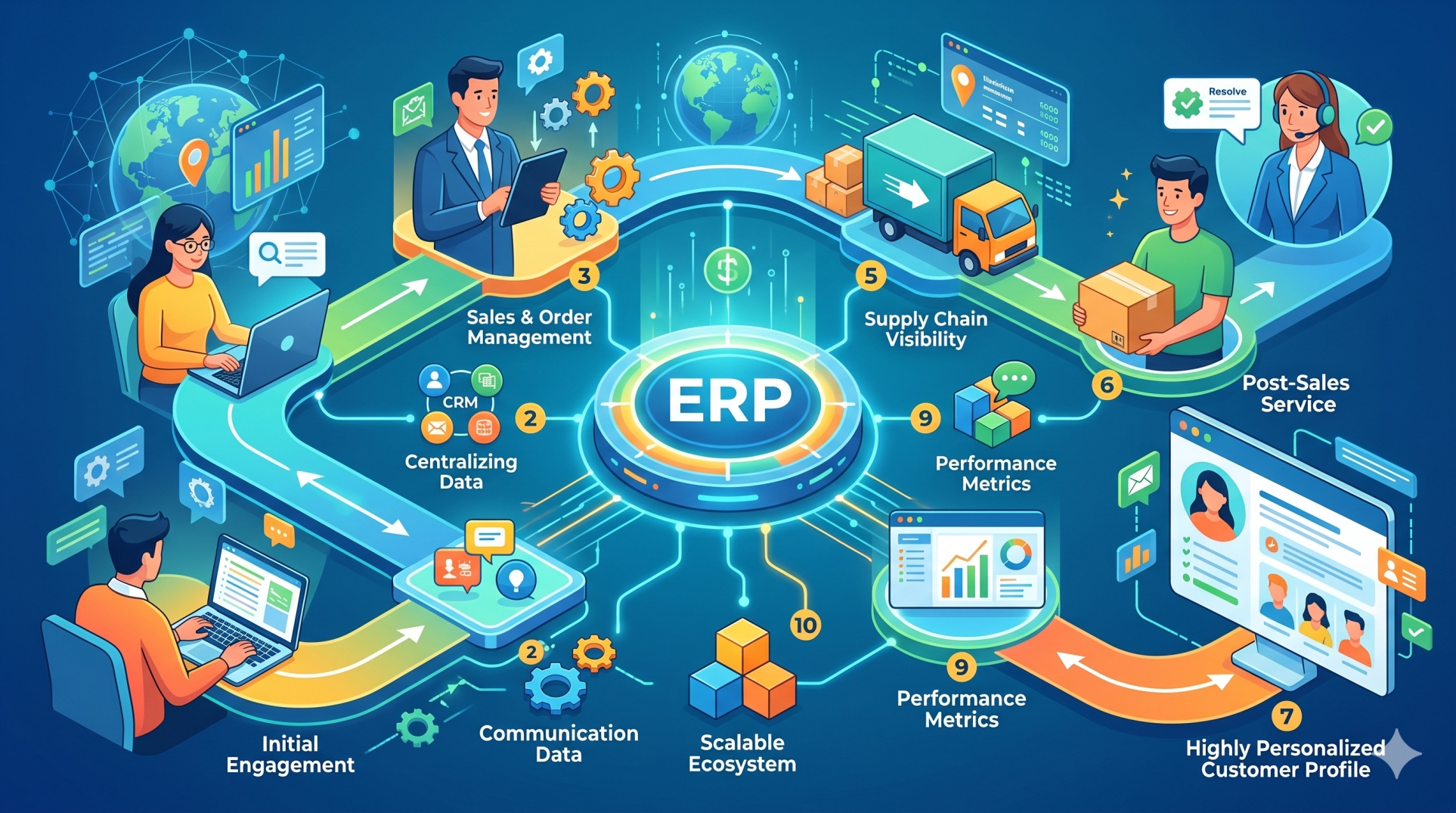
Step 5: Integrating Cross-Functional Operations 🔗
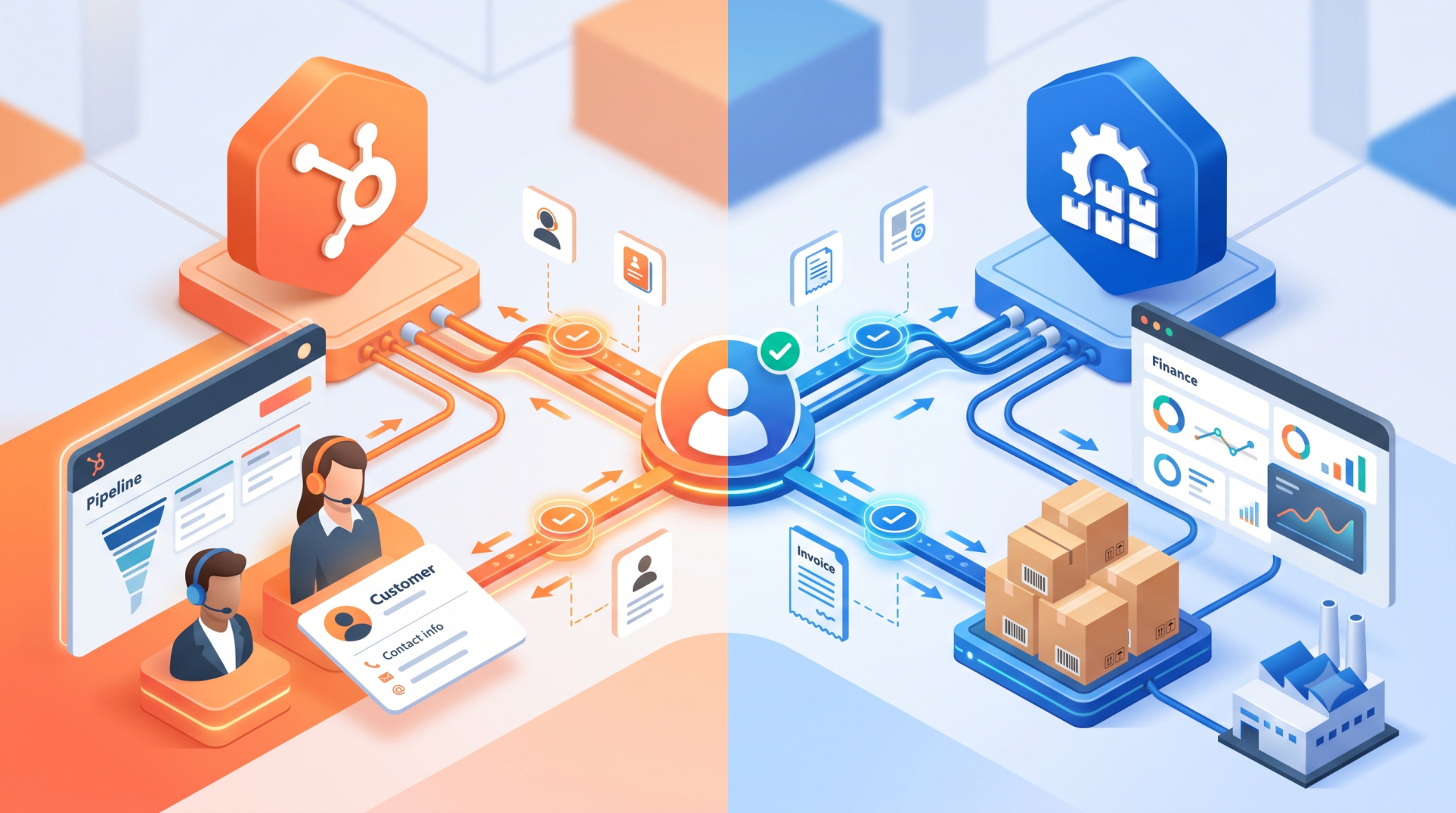
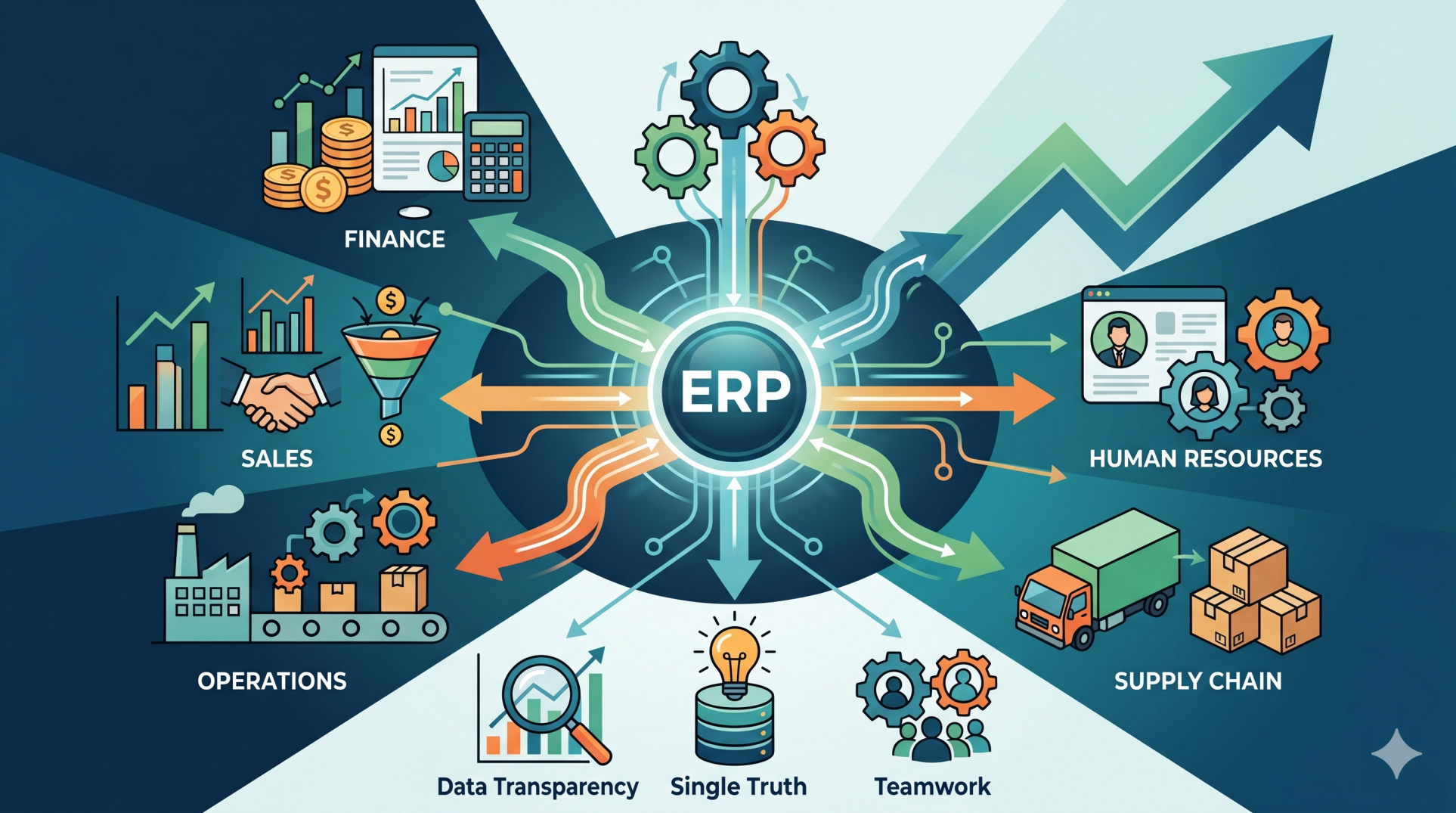
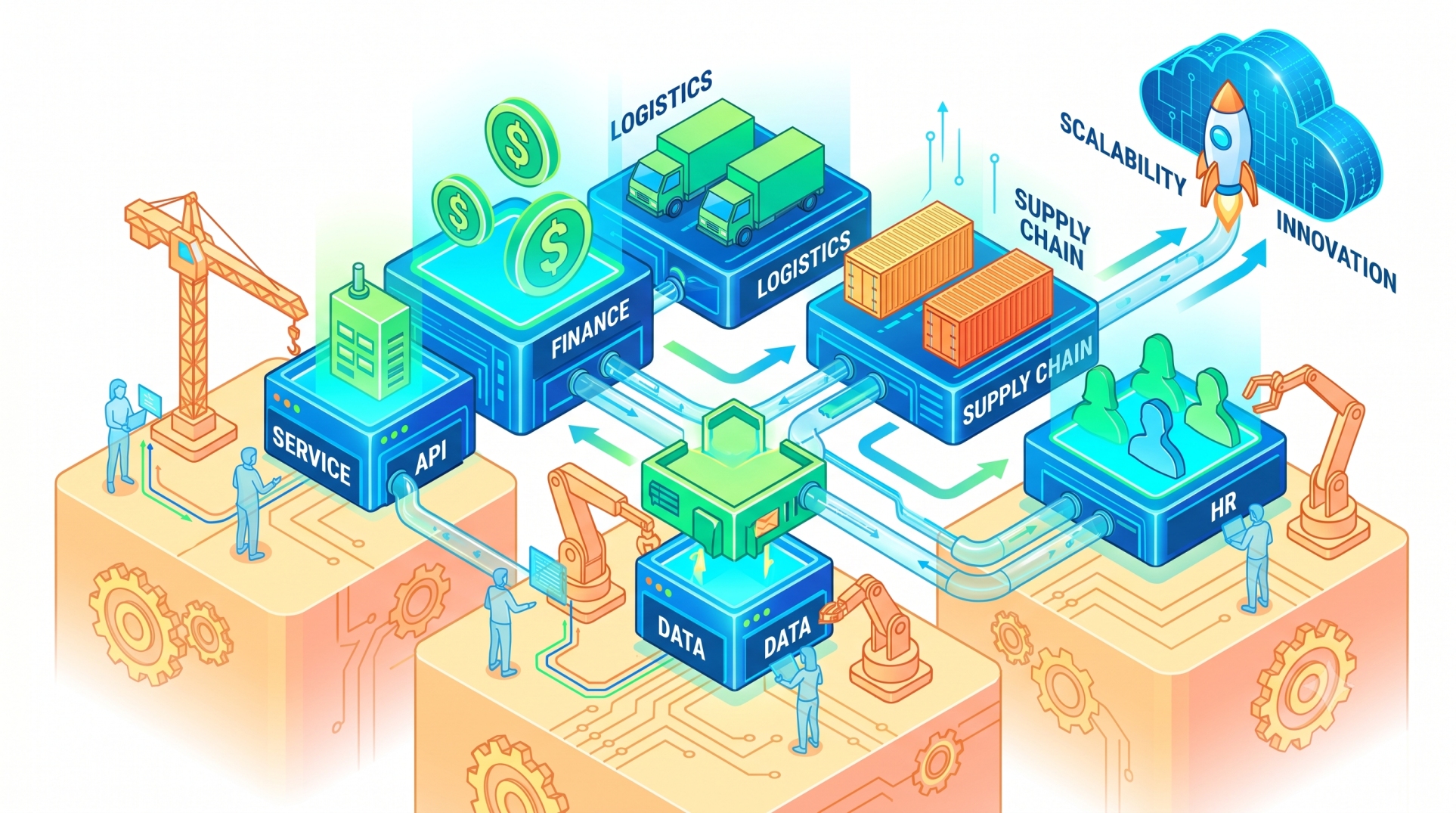
• Connect finance with procurement, sales, payroll, and supply chain systems 🏗️
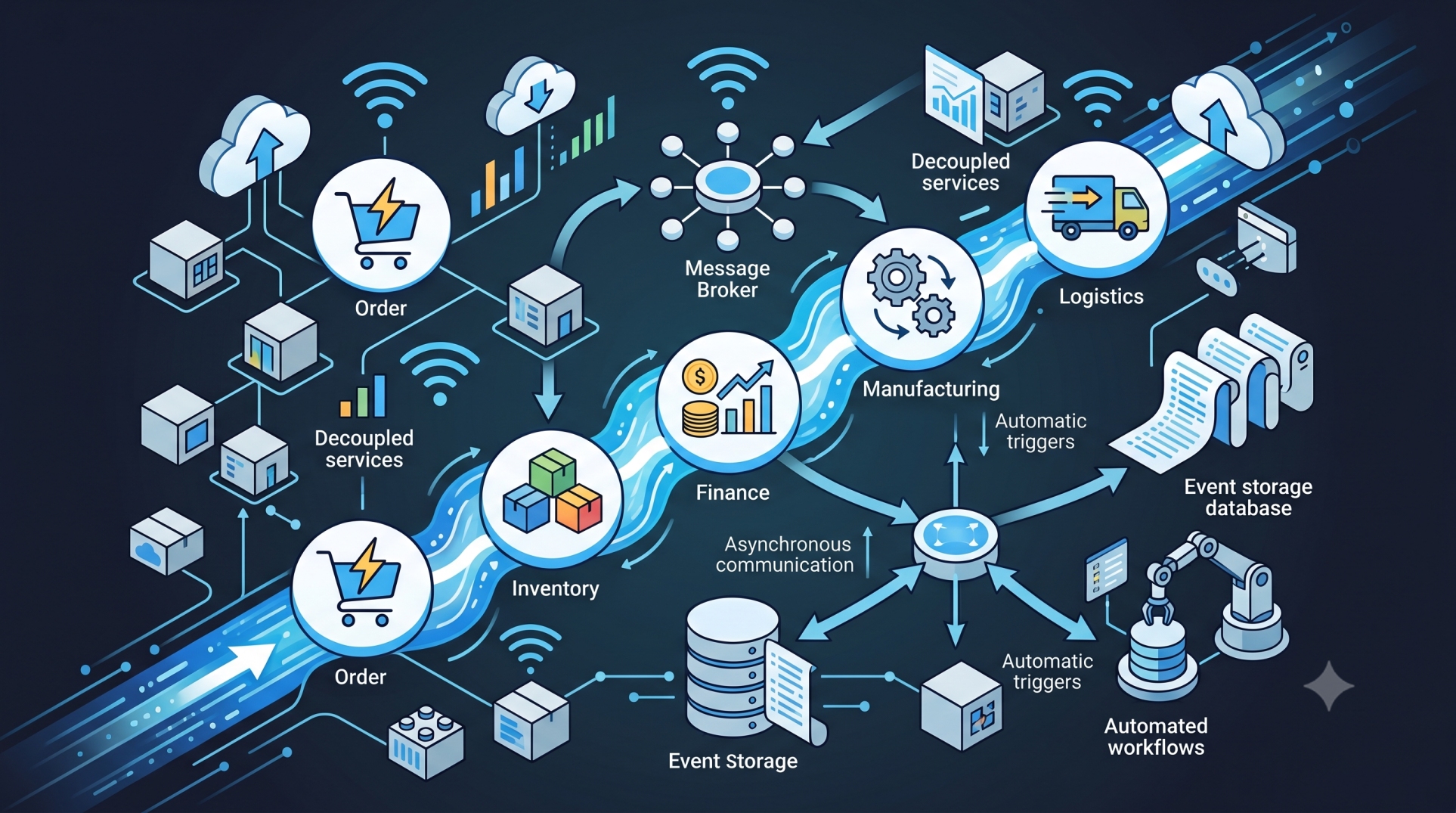
• Ensure transactional data flows seamlessly into financial records 🔄
• Improve collaboration between operational and finance teams 🤝
• Reduce reconciliation gaps caused by isolated systems 🚫
• Create a unified operational and financial ecosystem 🌍
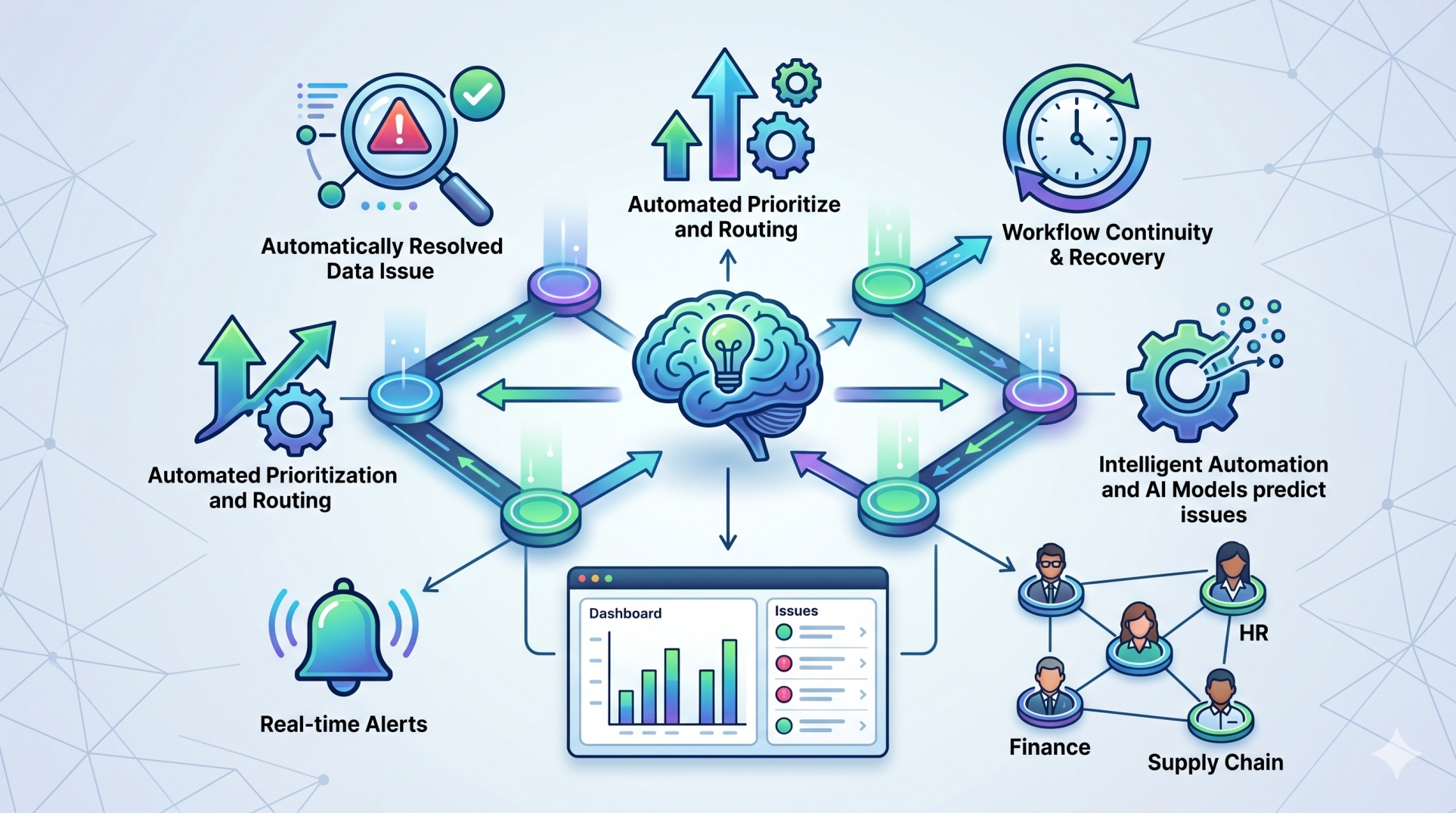
Step 6: Leveraging AI and Intelligent Automation 🧠
• Use AI to identify anomalies and unusual transaction patterns 🤖
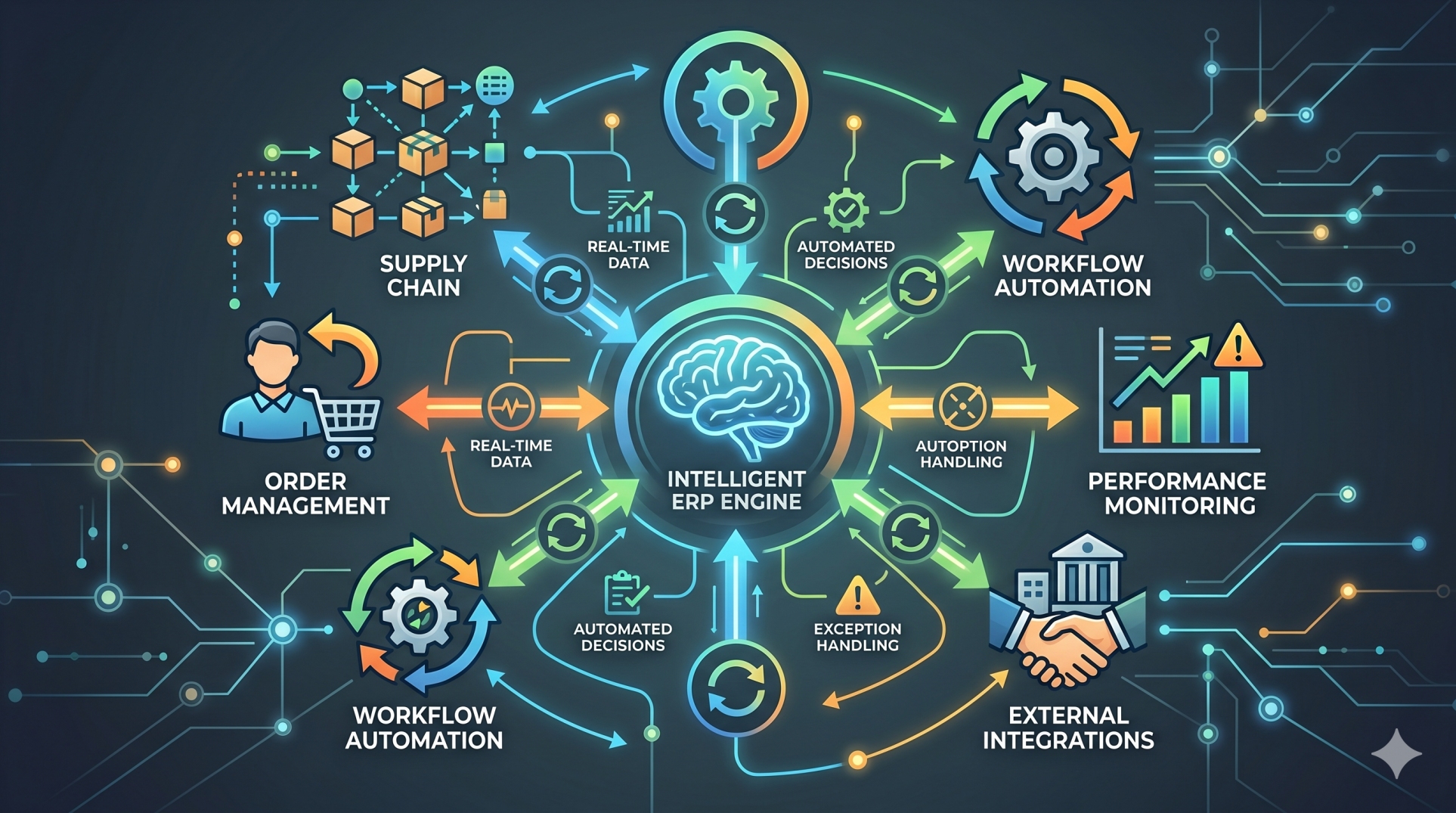
• Automate repetitive validation and approval workflows ⚙️
• Predict reconciliation issues before they escalate 📉
• Improve efficiency through intelligent process orchestration 🚀
• Minimize human intervention in routine financial tasks ✅
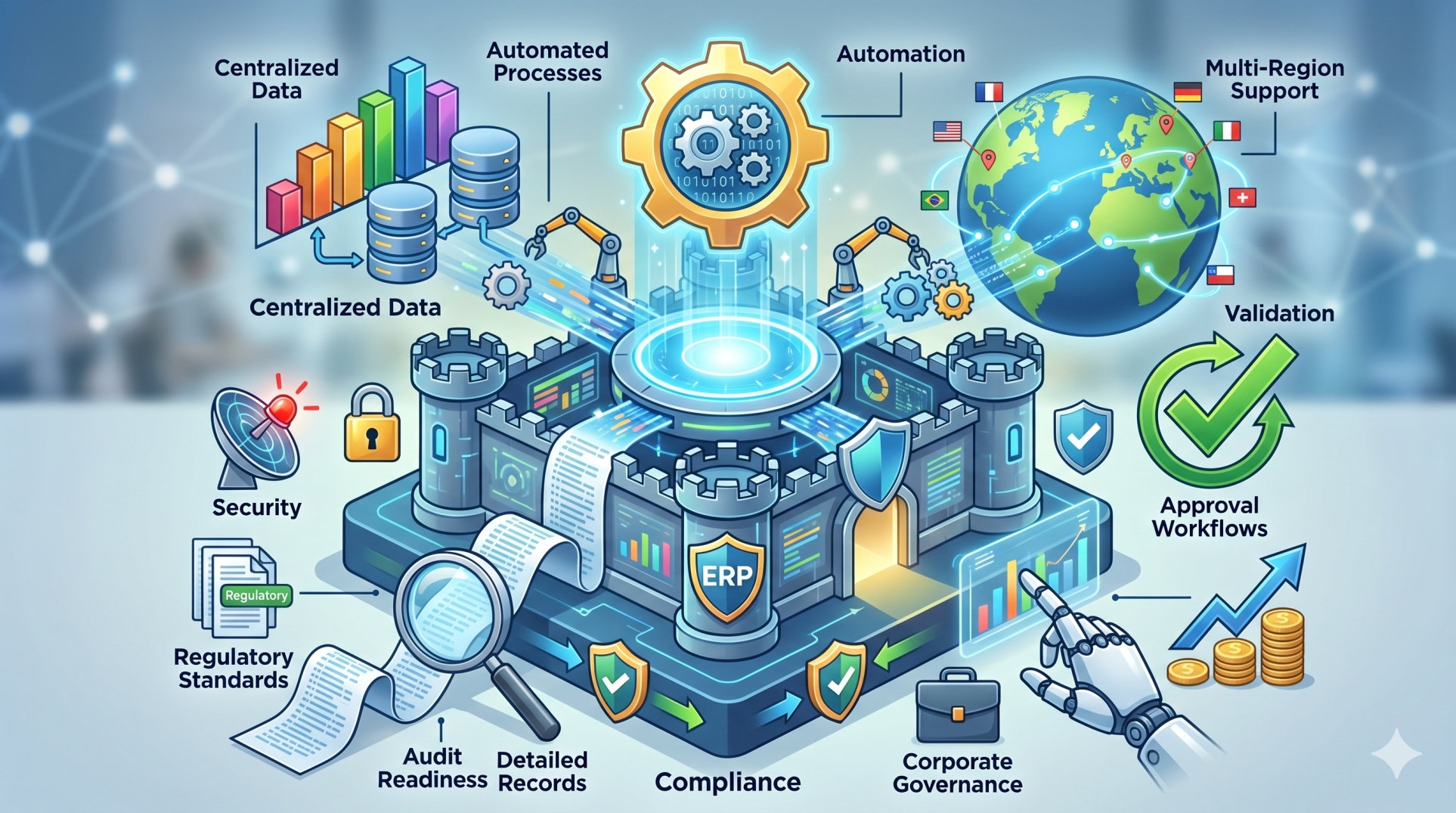
Step 7: Strengthening Compliance and Audit Readiness 📜
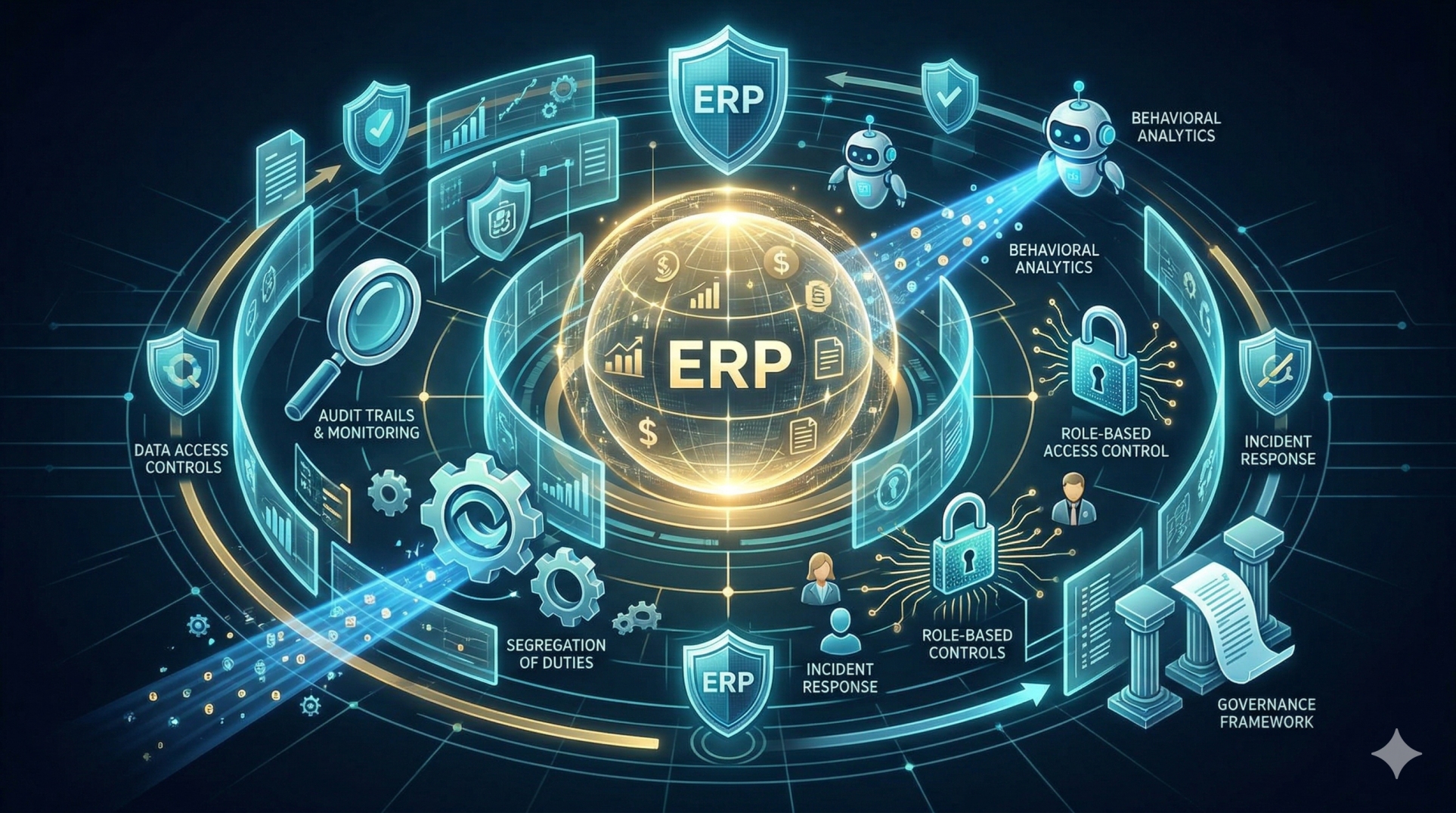
• Maintain continuous audit trails for all financial activities 📂
• Improve regulatory compliance through automated controls 🛡️
• Reduce audit preparation time with organized financial records ⏳
• Ensure transparency in approvals and transaction histories 🔍
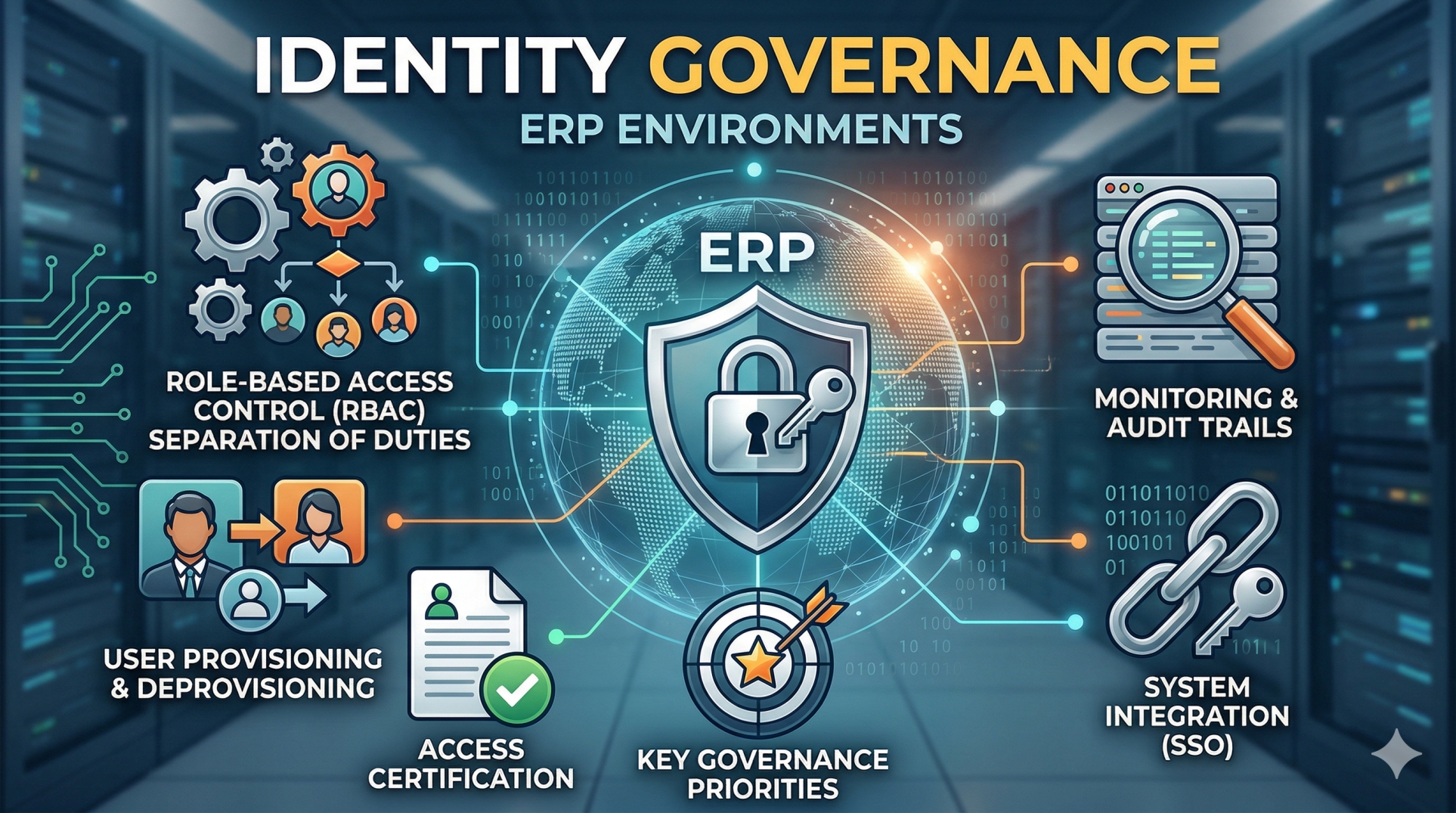
• Support governance through standardized financial workflows ⚖️
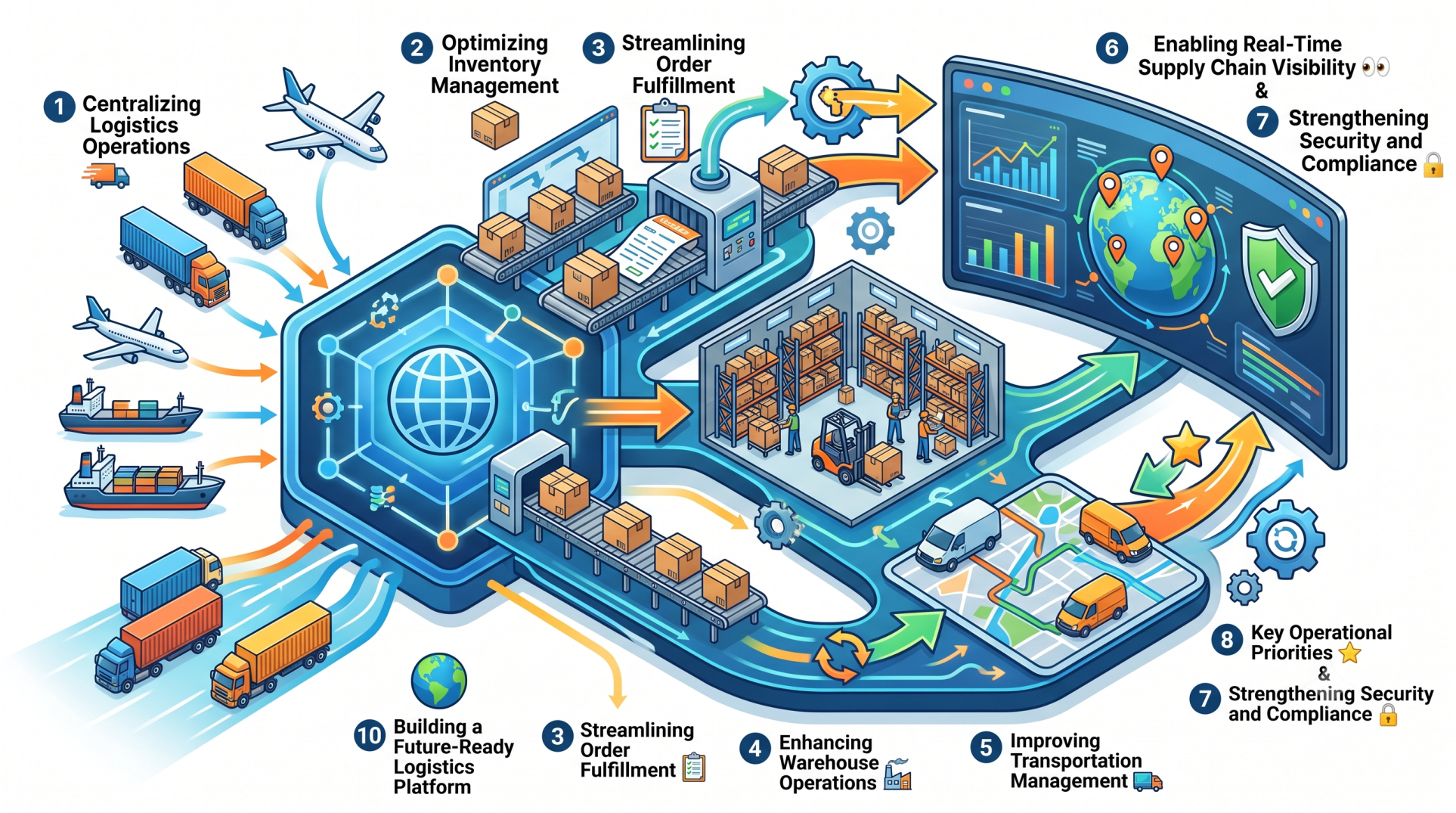
Step 8: Key Continuous Close Priorities 📌
• Real-time financial accuracy and visibility 👁️
• Automated reconciliation and validation processes 🤖
• Faster reporting and reduced closing cycles ⏱️
• Improved compliance and audit preparedness 📘
Step 9: Managing Organizational Change 👥
• Train finance teams on continuous close methodologies 🎓
• Shift organizational mindset from periodic to real-time finance 🔄
• Encourage adoption of automation-driven workflows 💡
• Establish clear accountability across departments 🤝
• Continuously optimize financial processes based on performance insights 📈
Step 10: Building a Future-Ready Financial Environment 🚀
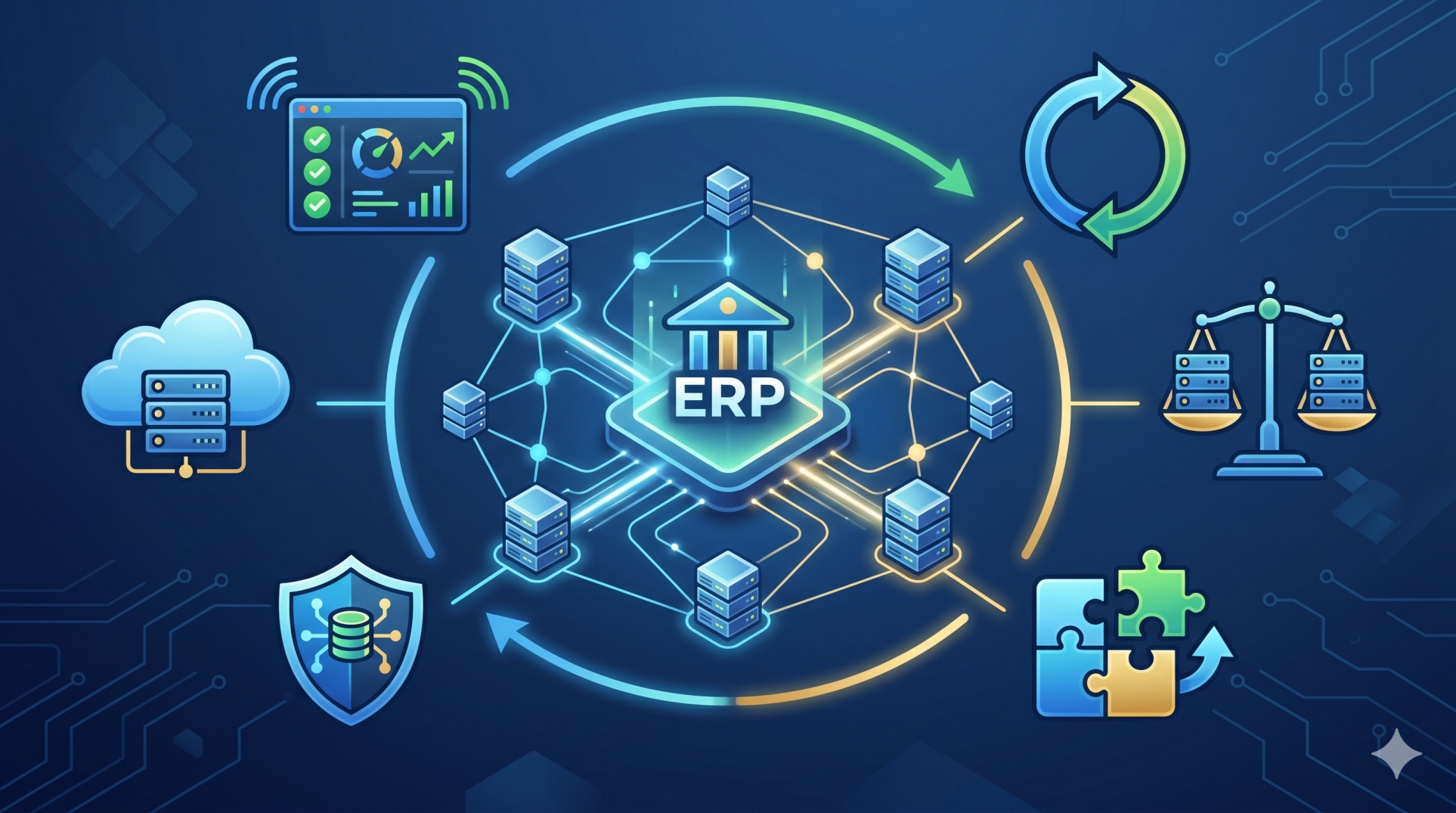
• Design ERP systems for scalability and continuous innovation 🌍
• Support evolving financial regulations and reporting standards 📜
• Enable integration with advanced analytics and AI platforms 🧠
• Improve adaptability to changing business environments 🔄
• Future-proof financial operations through modern ERP architecture ⚙️
Conclusion
Continuous close processes are redefining financial operations within modern ERP platforms. By enabling real-time reconciliation, automation, and integrated financial visibility, organizations can significantly reduce closing times while improving accuracy and compliance. Businesses that adopt continuous close methodologies gain stronger financial agility, better operational control, and a scalable foundation for future growth.
See more blogs
You can all the articles below