AI-Augmented Task Automation in Enterprise Systems
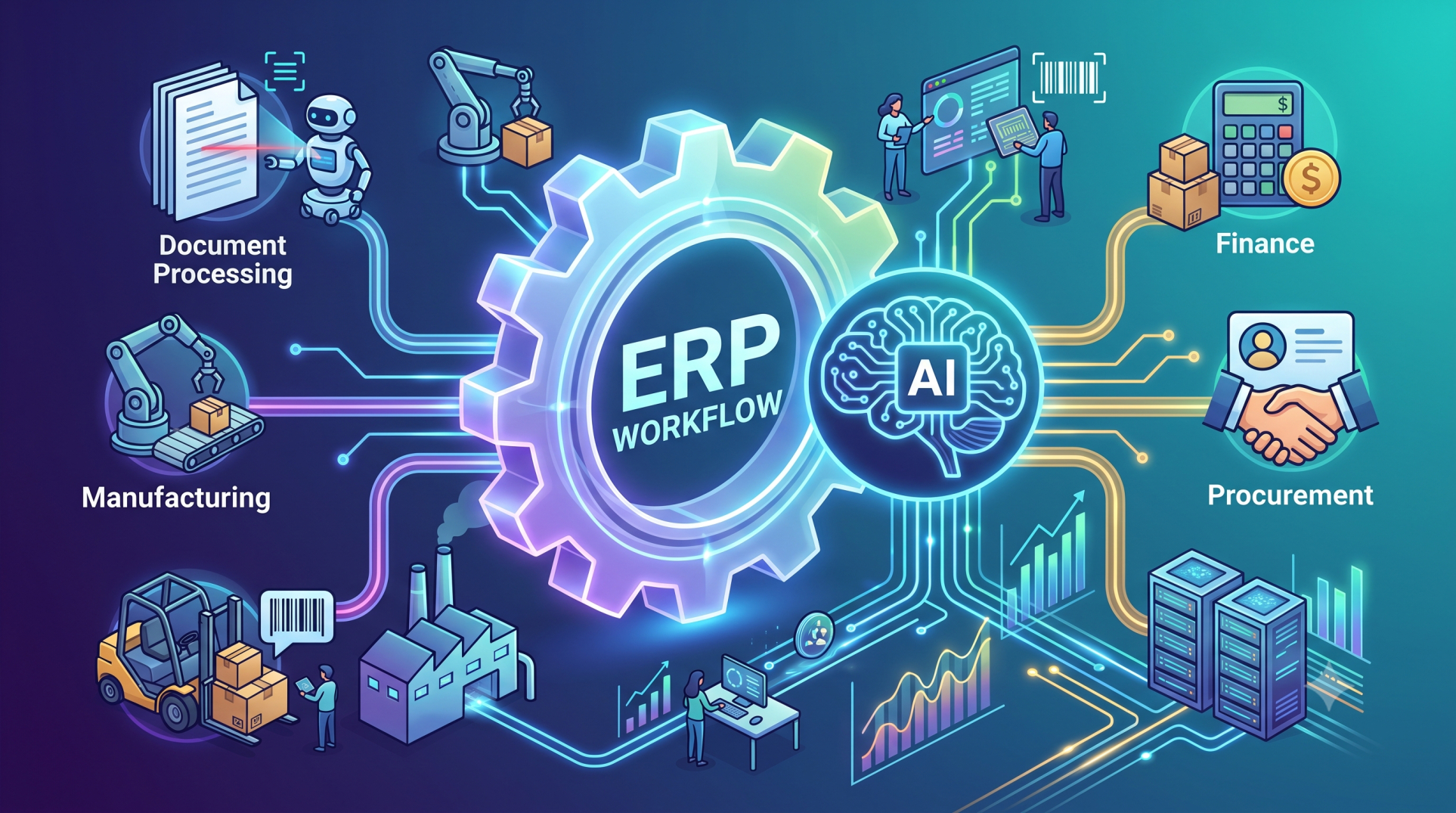
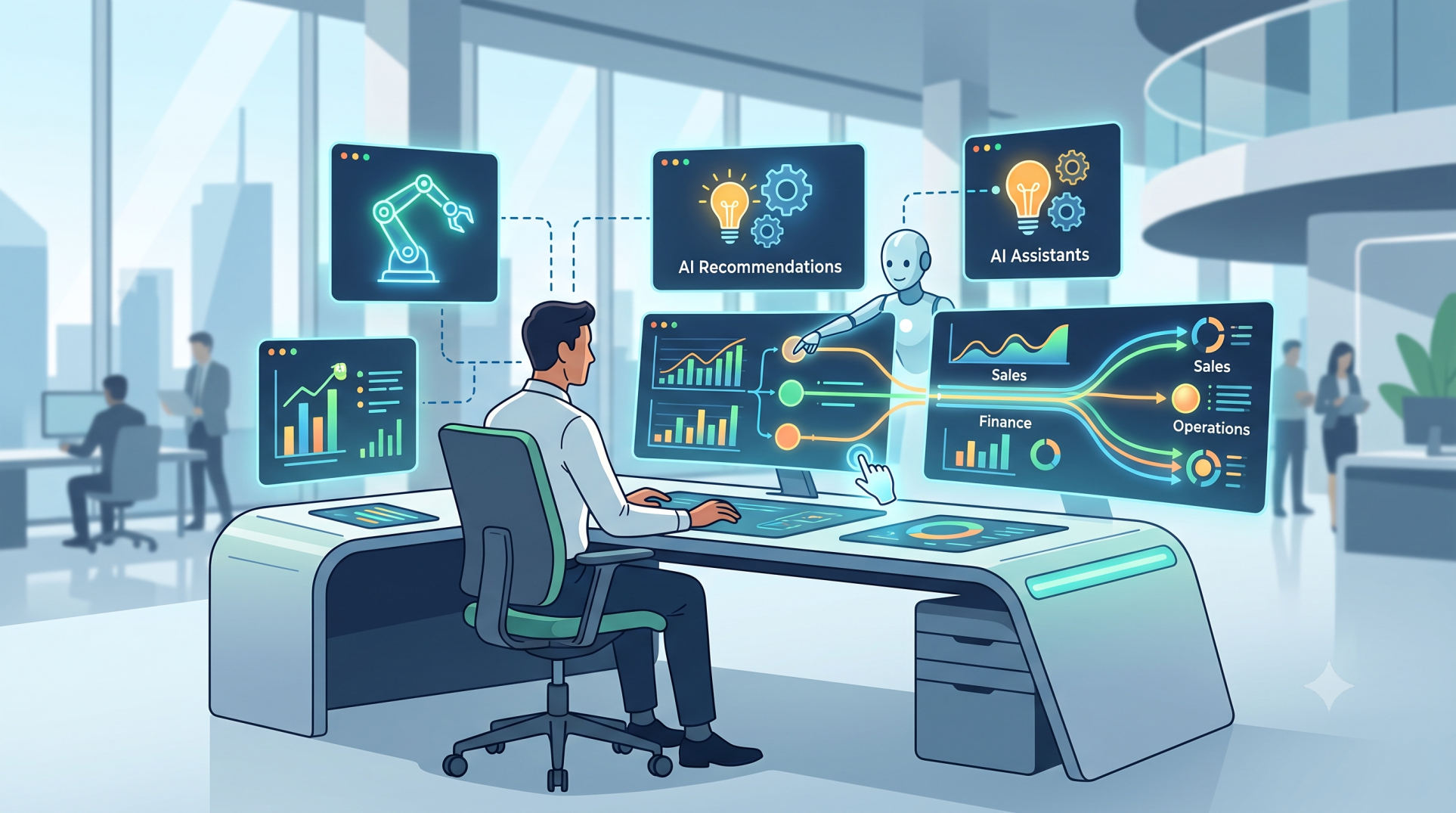
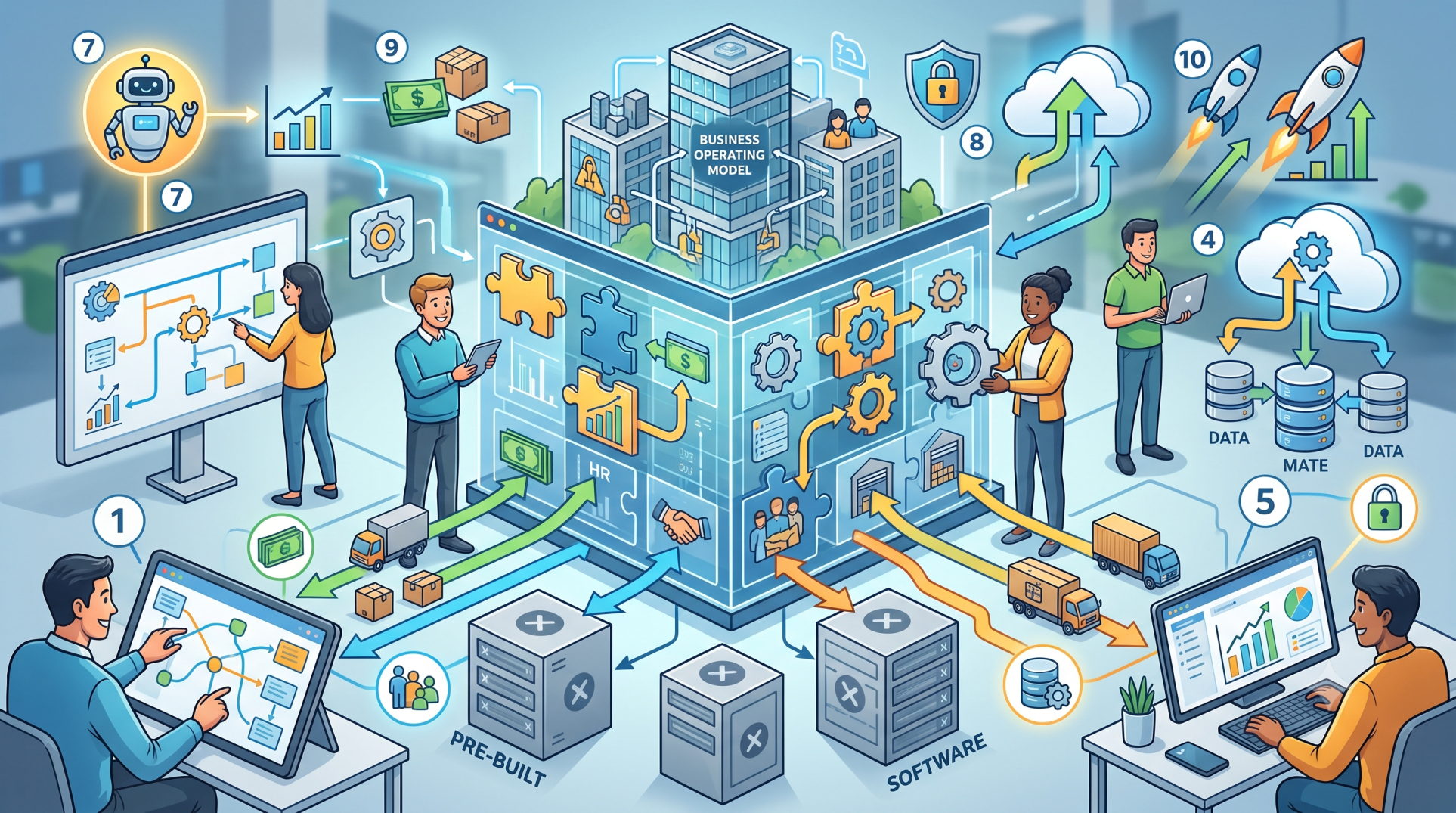
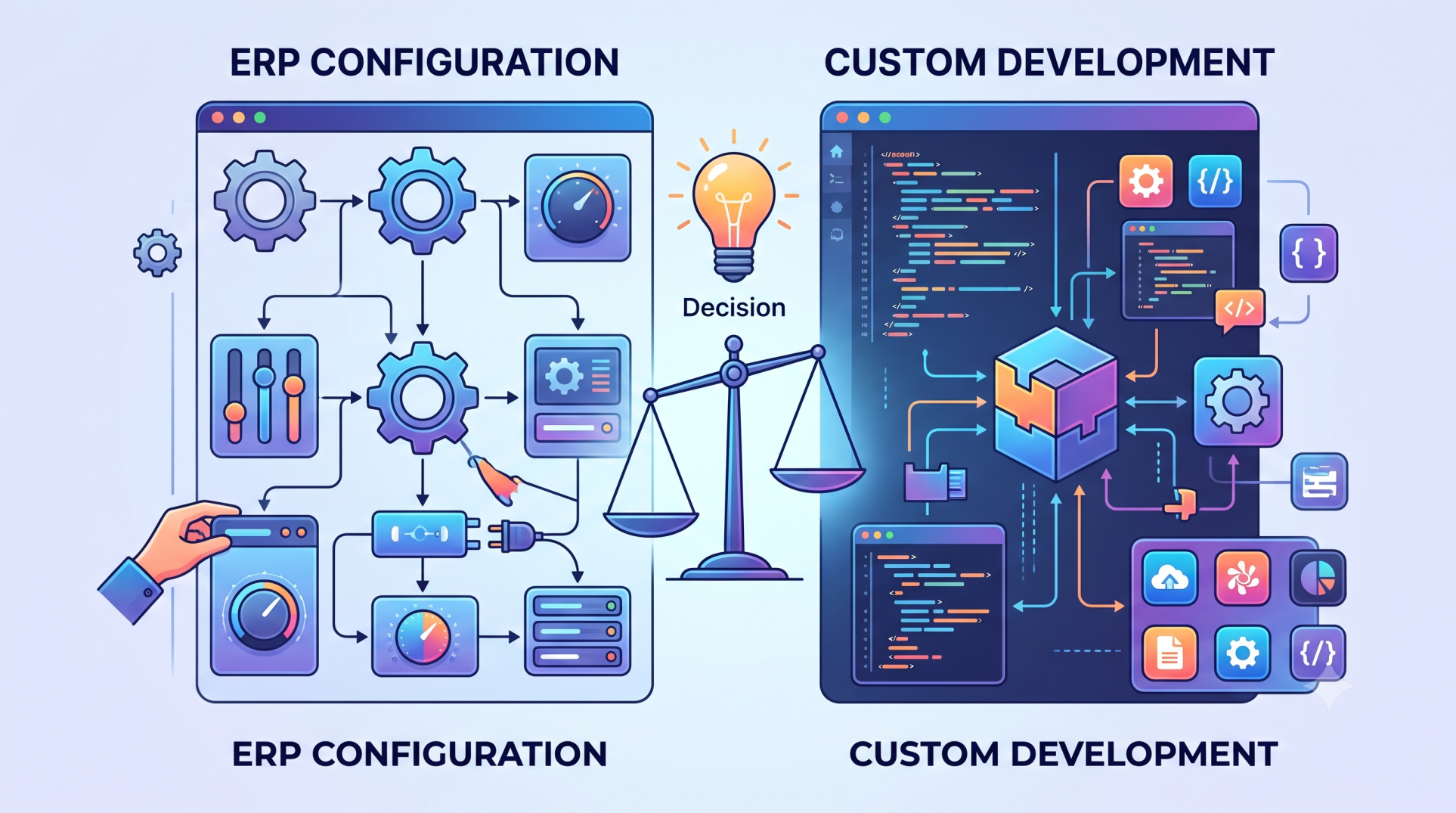
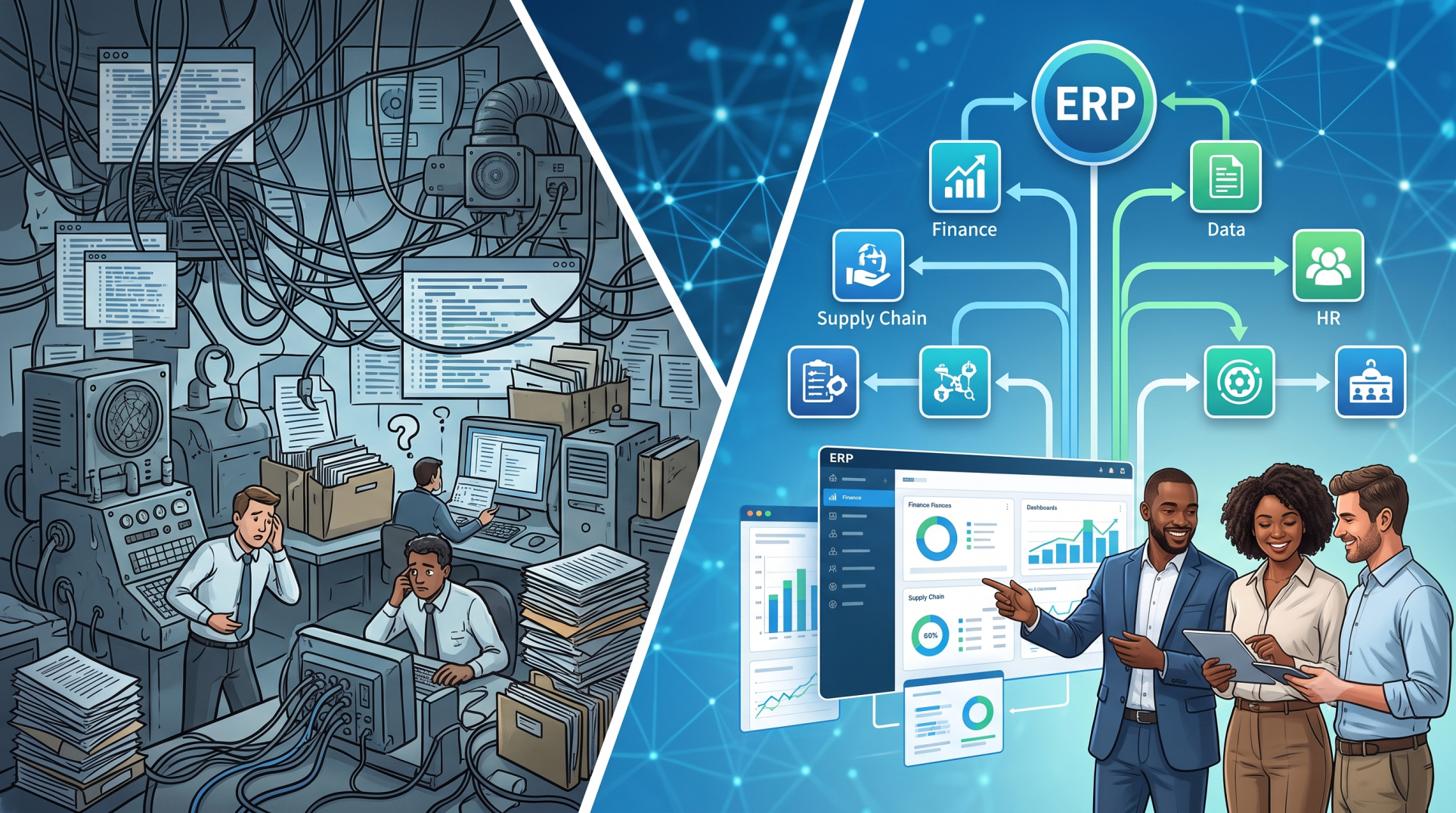
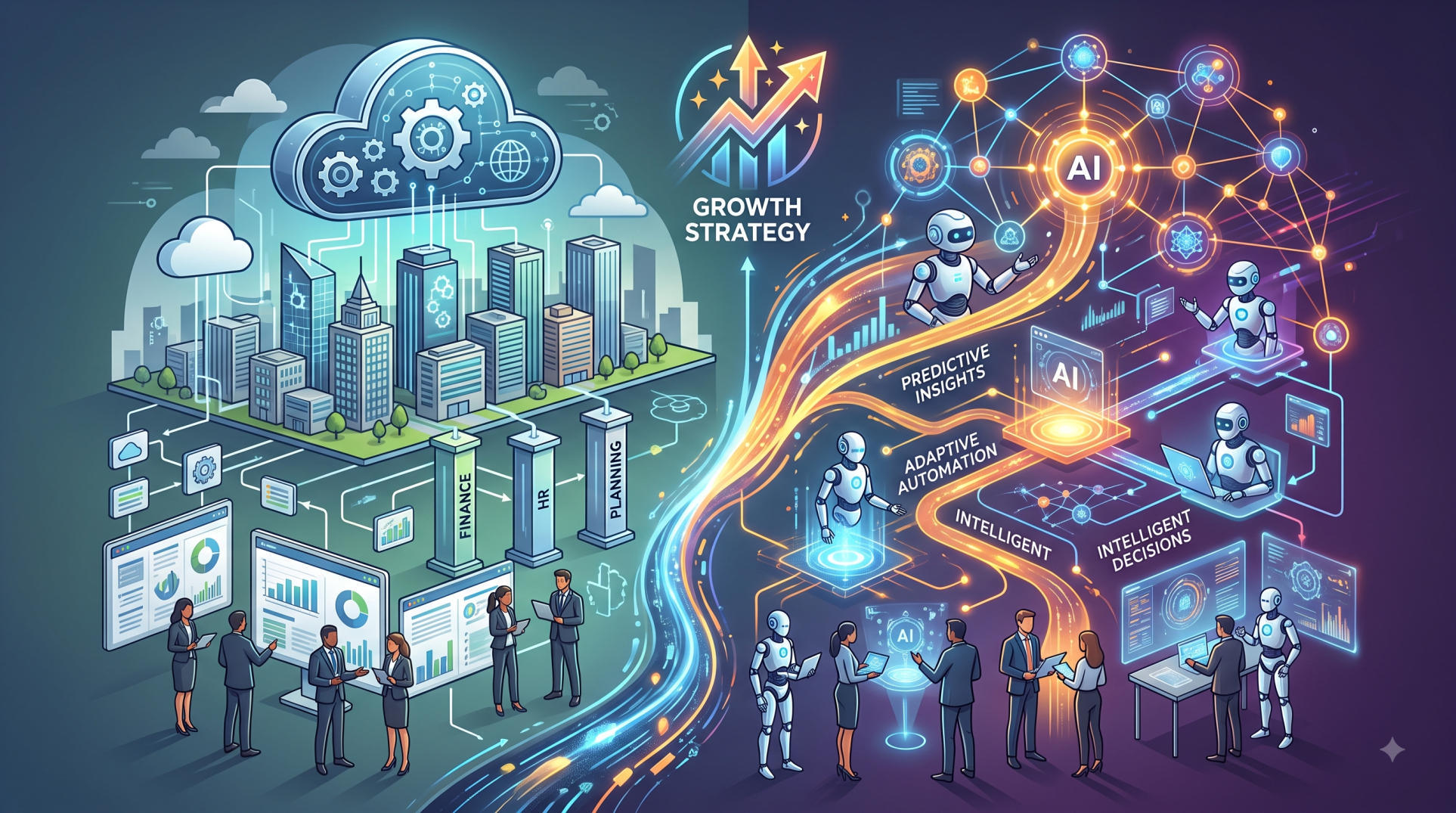
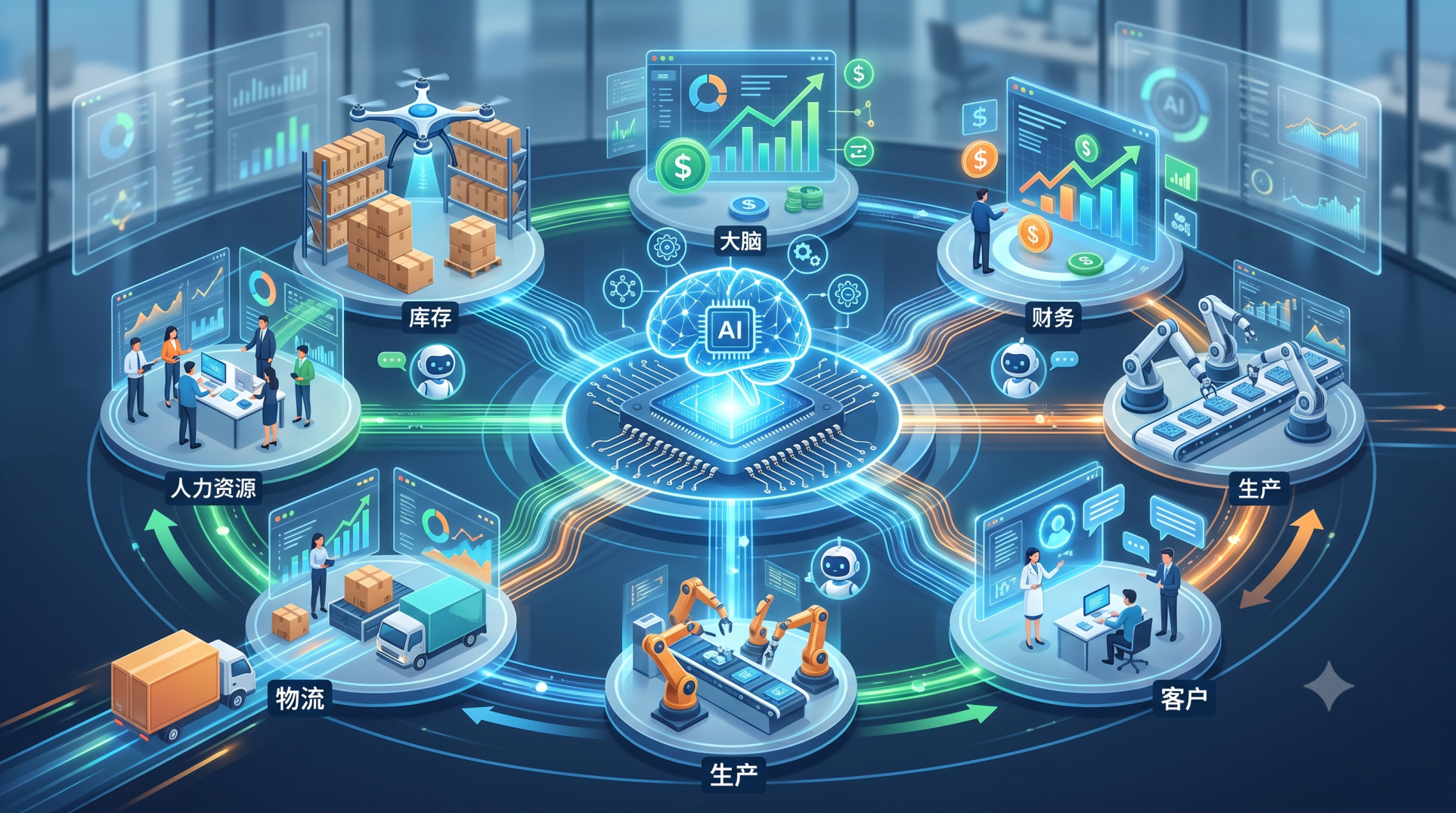
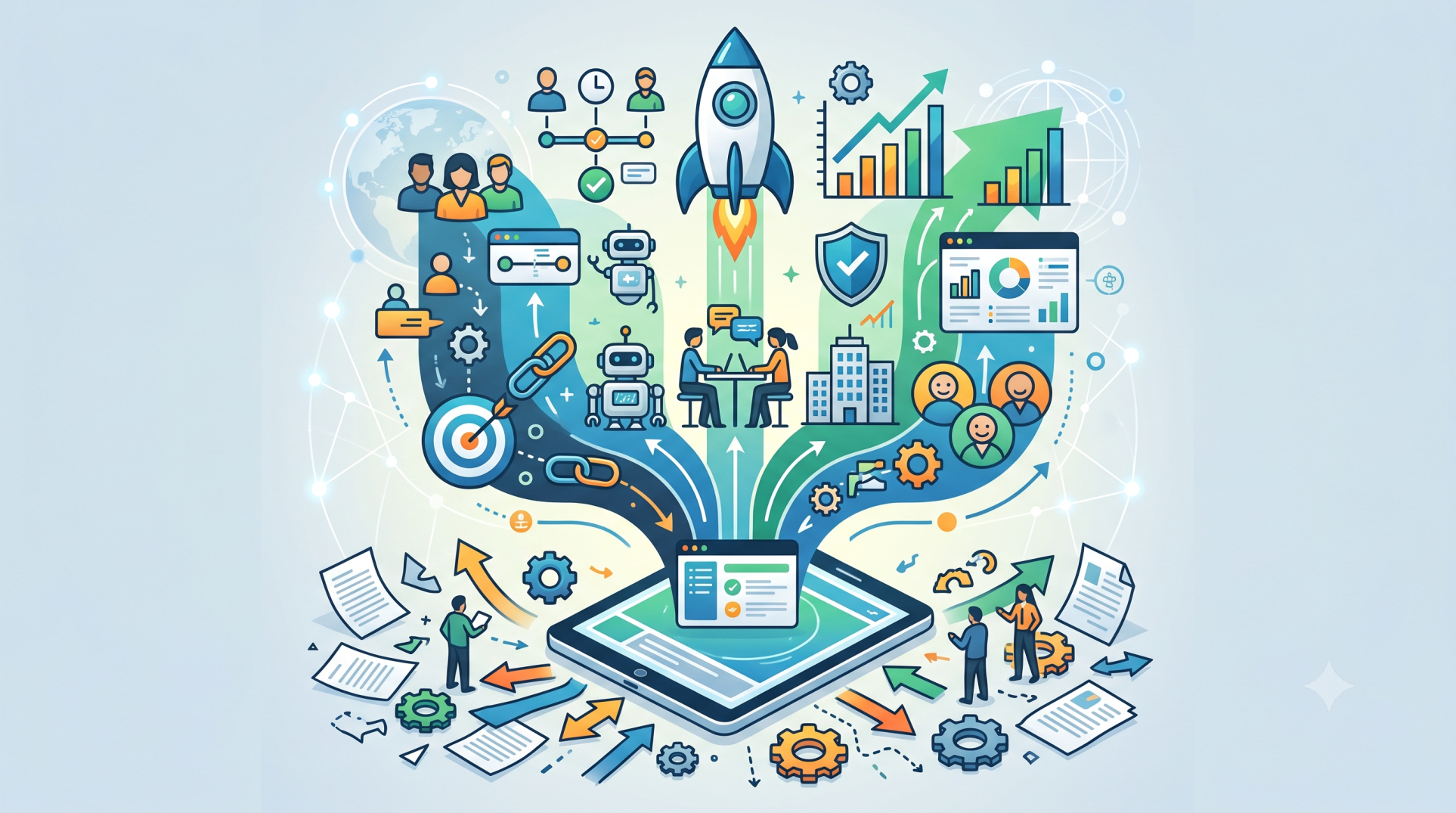
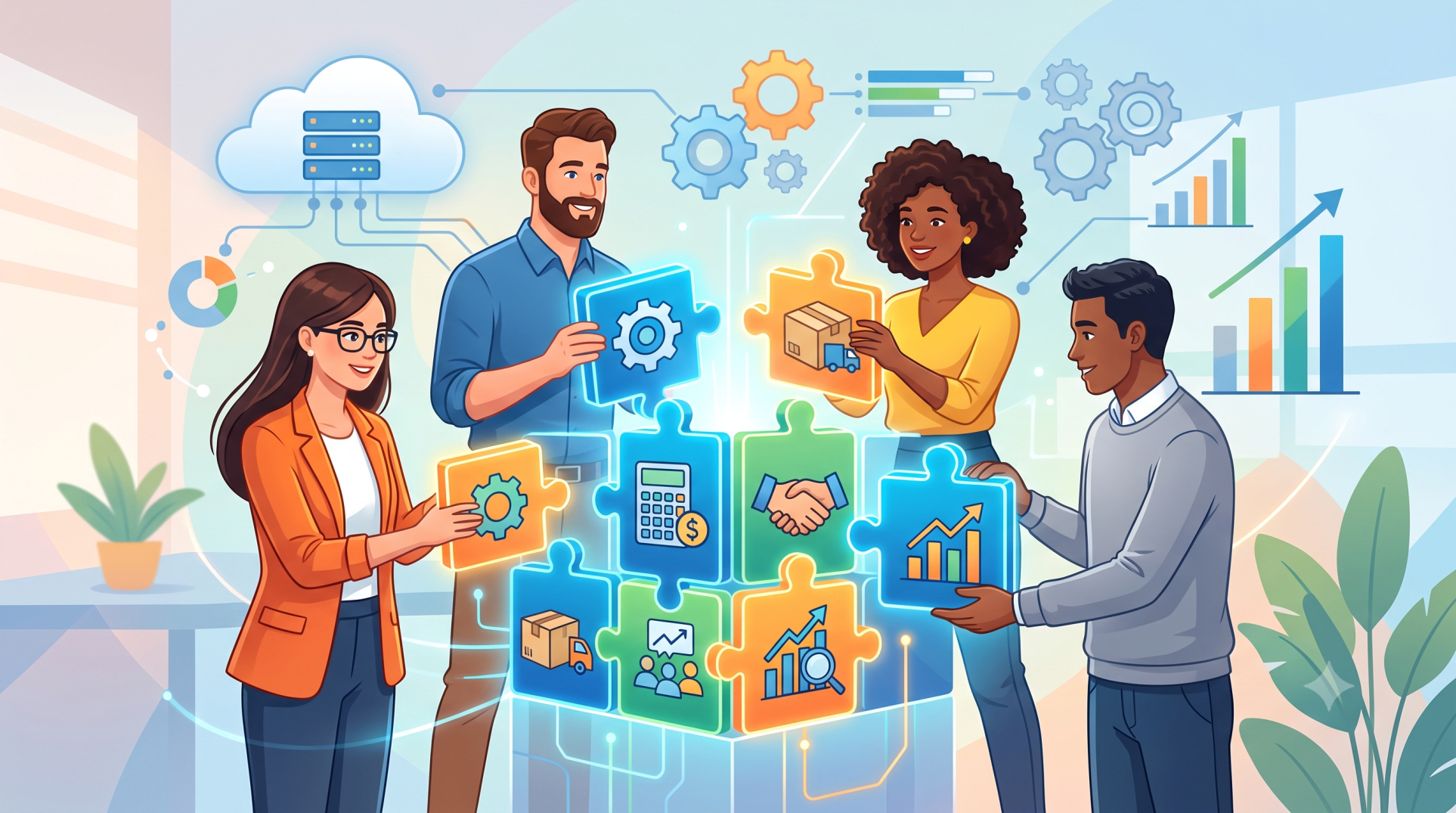
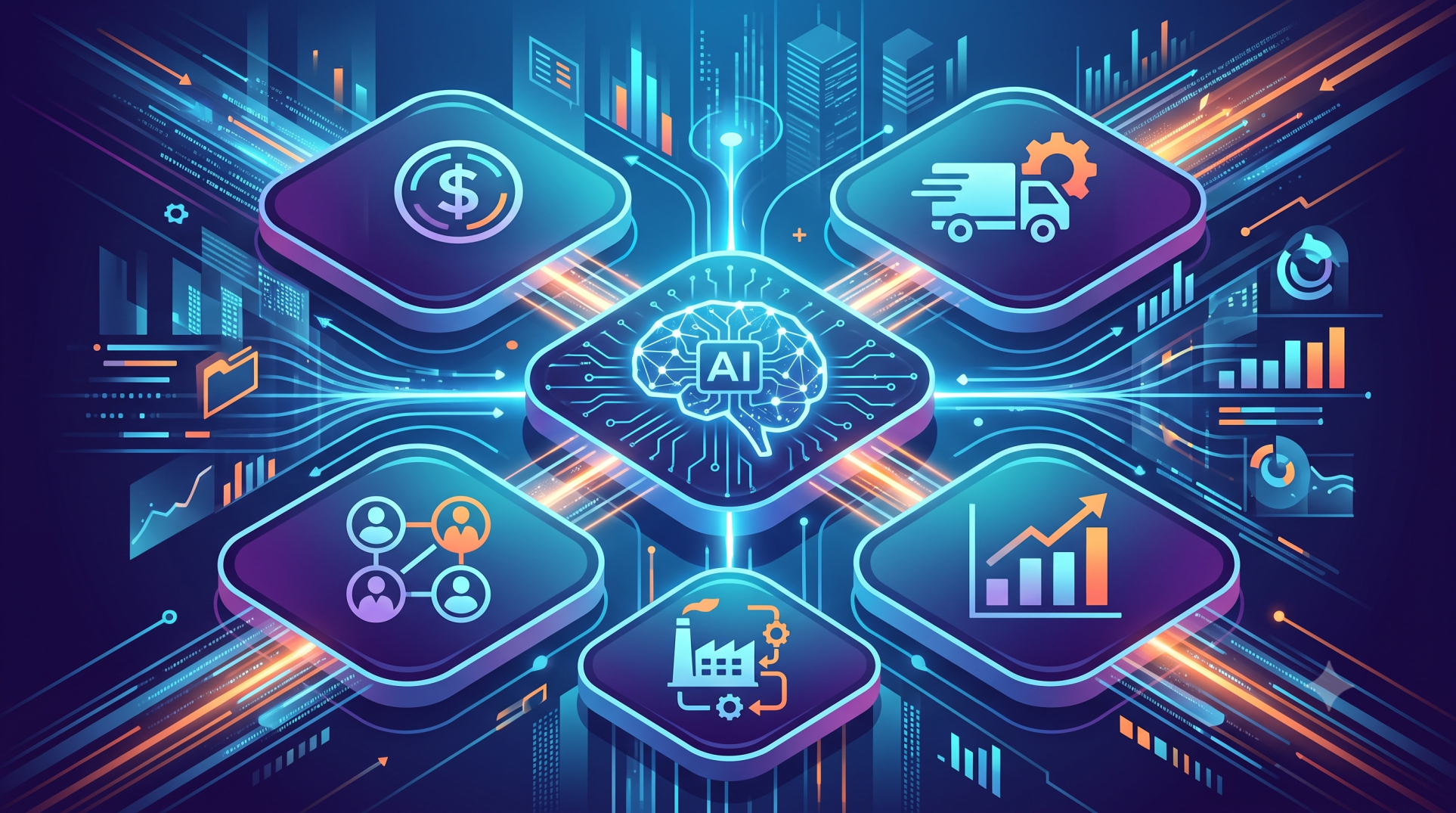
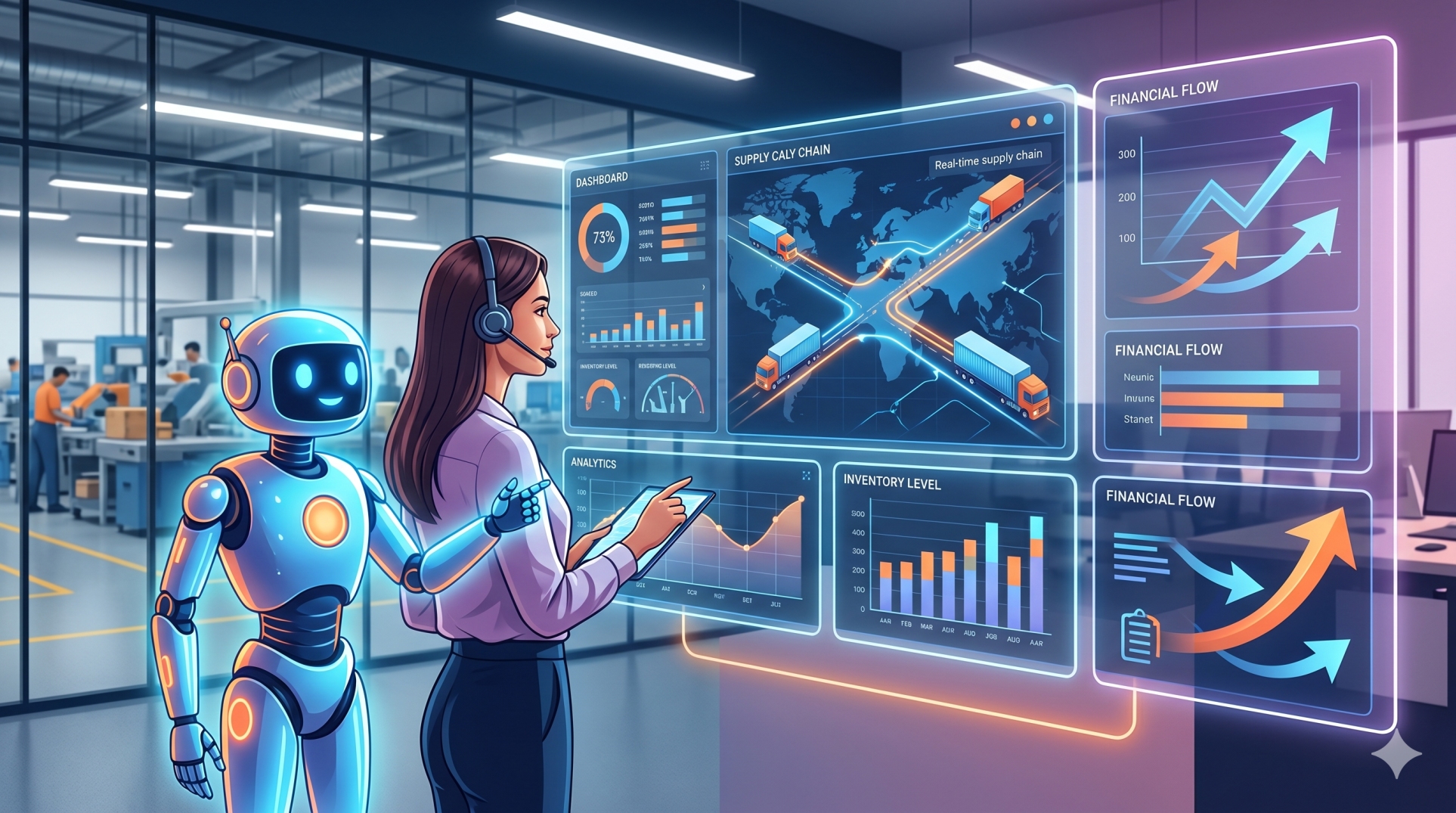
As enterprises strive for greater efficiency and agility, AI-augmented task automation is transforming how work gets done across departments. Rather than replacing human effort entirely, AI enhances existing workflows by automating repetitive tasks, improving decision-making, and enabling teams to focus on higher-value activities. When integrated effectively, AI-powered automation creates faster, smarter, and more scalable enterprise operations.
Step 1: Understanding AI-Augmented Automation 🤖
• AI augments human work by automating routine and repetitive tasks 🤖
• Combines machine intelligence with human oversight for better outcomes 🧠
• Enhances productivity without fully replacing human decision-making ⚖️
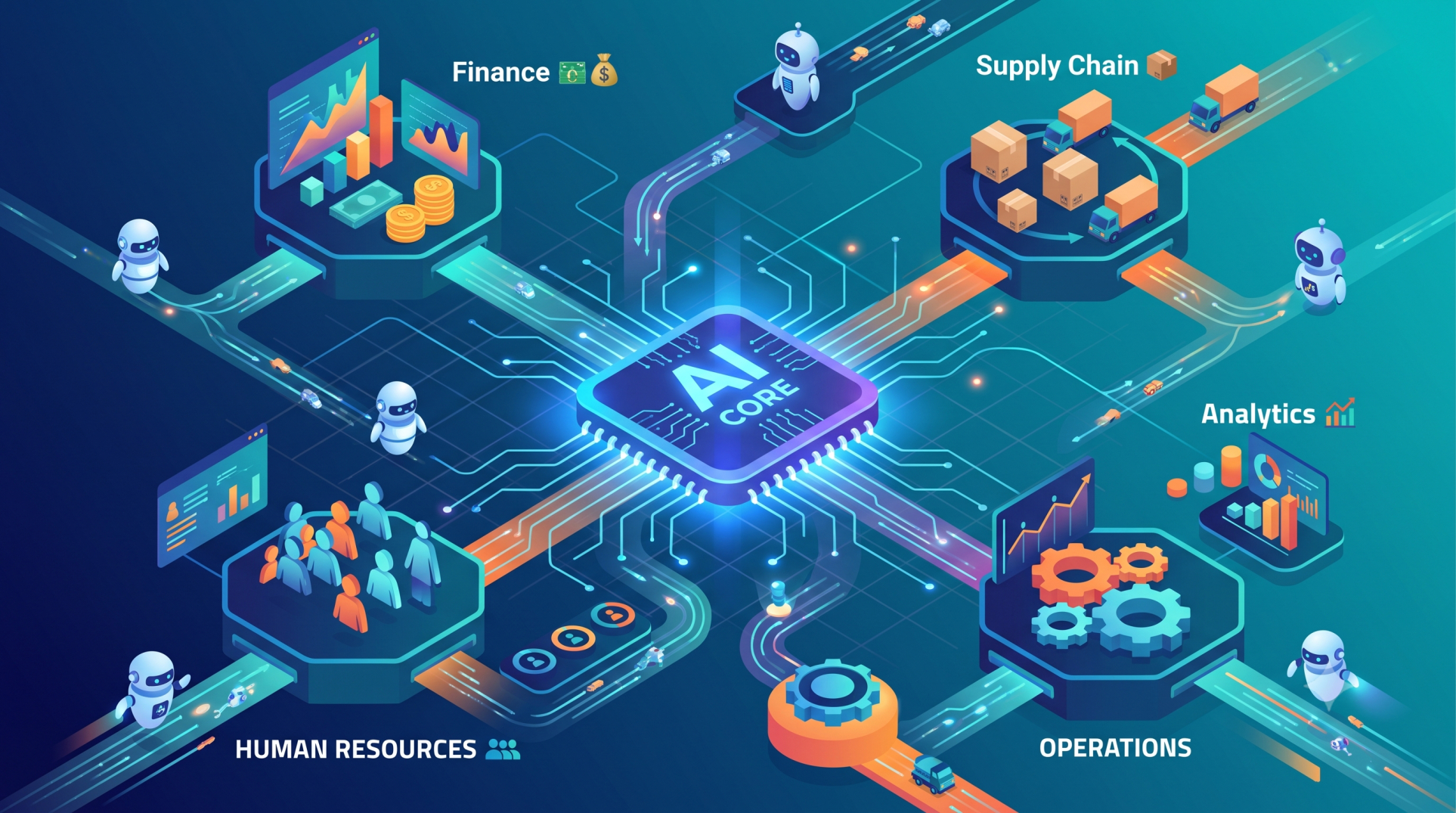
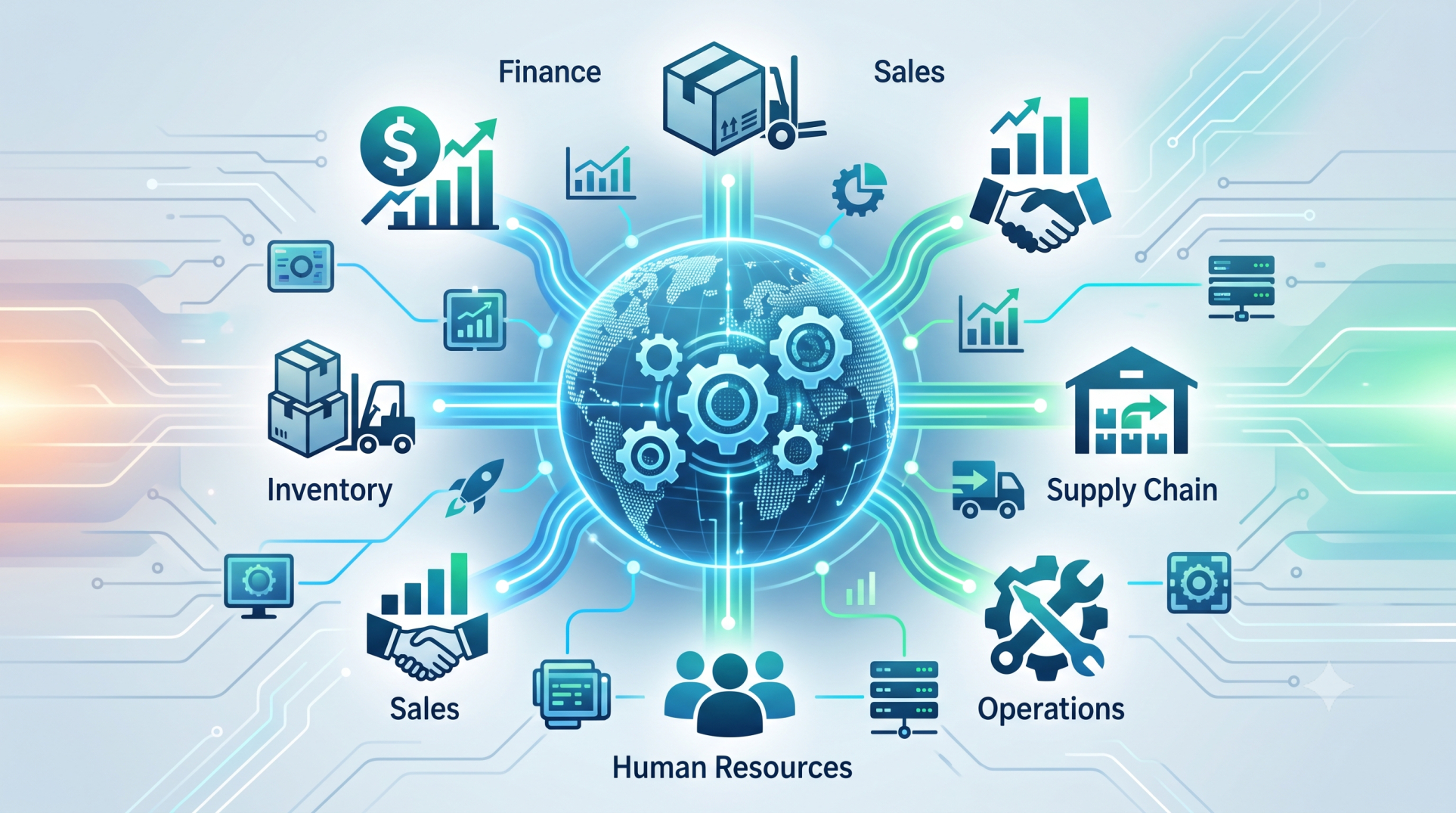
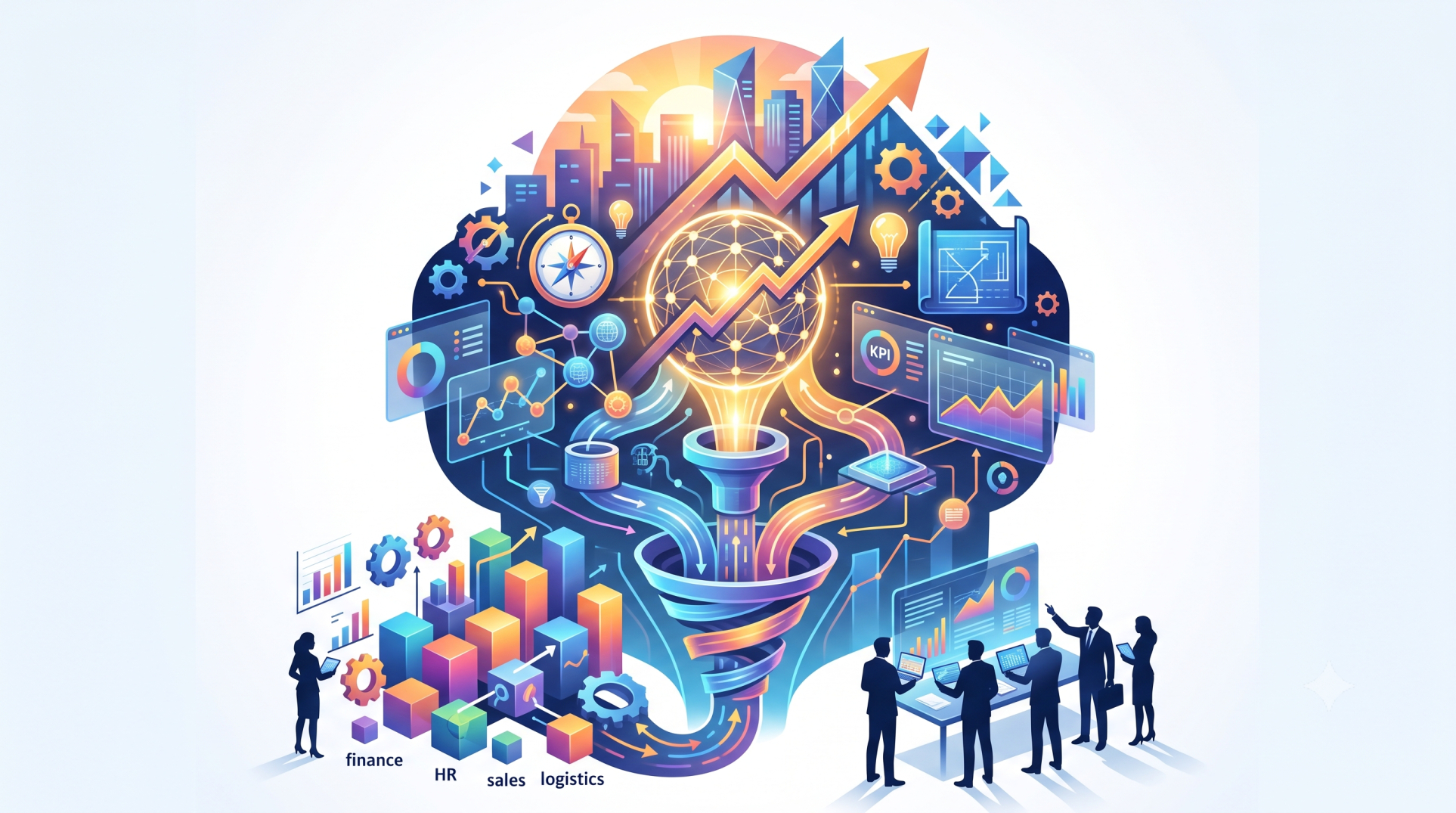
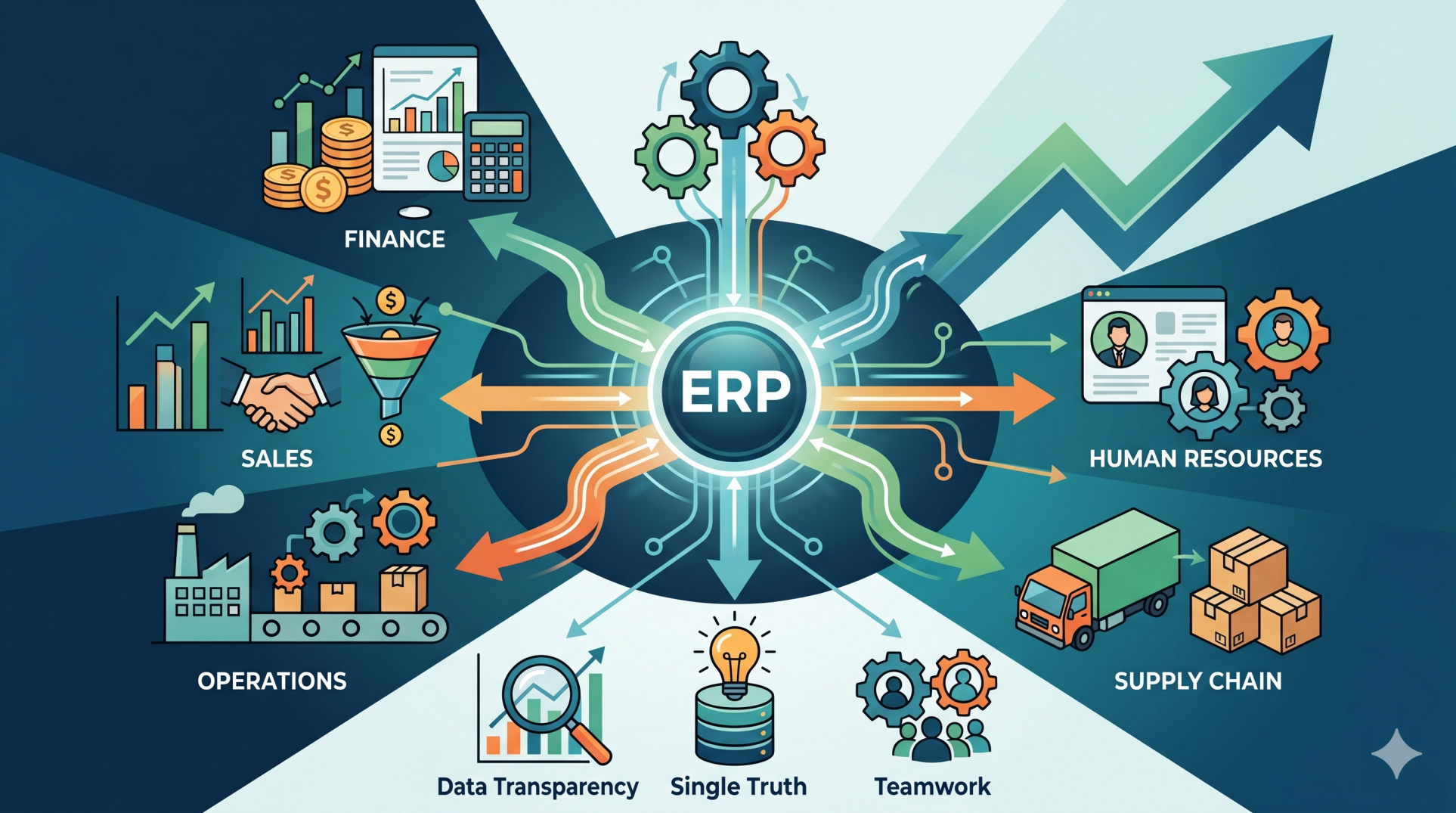
• Applies across departments such as HR, finance, sales, and operations 🏢
• Enables smarter and more adaptive workflows 📈
Step 2: Identifying Automation Opportunities 🔍
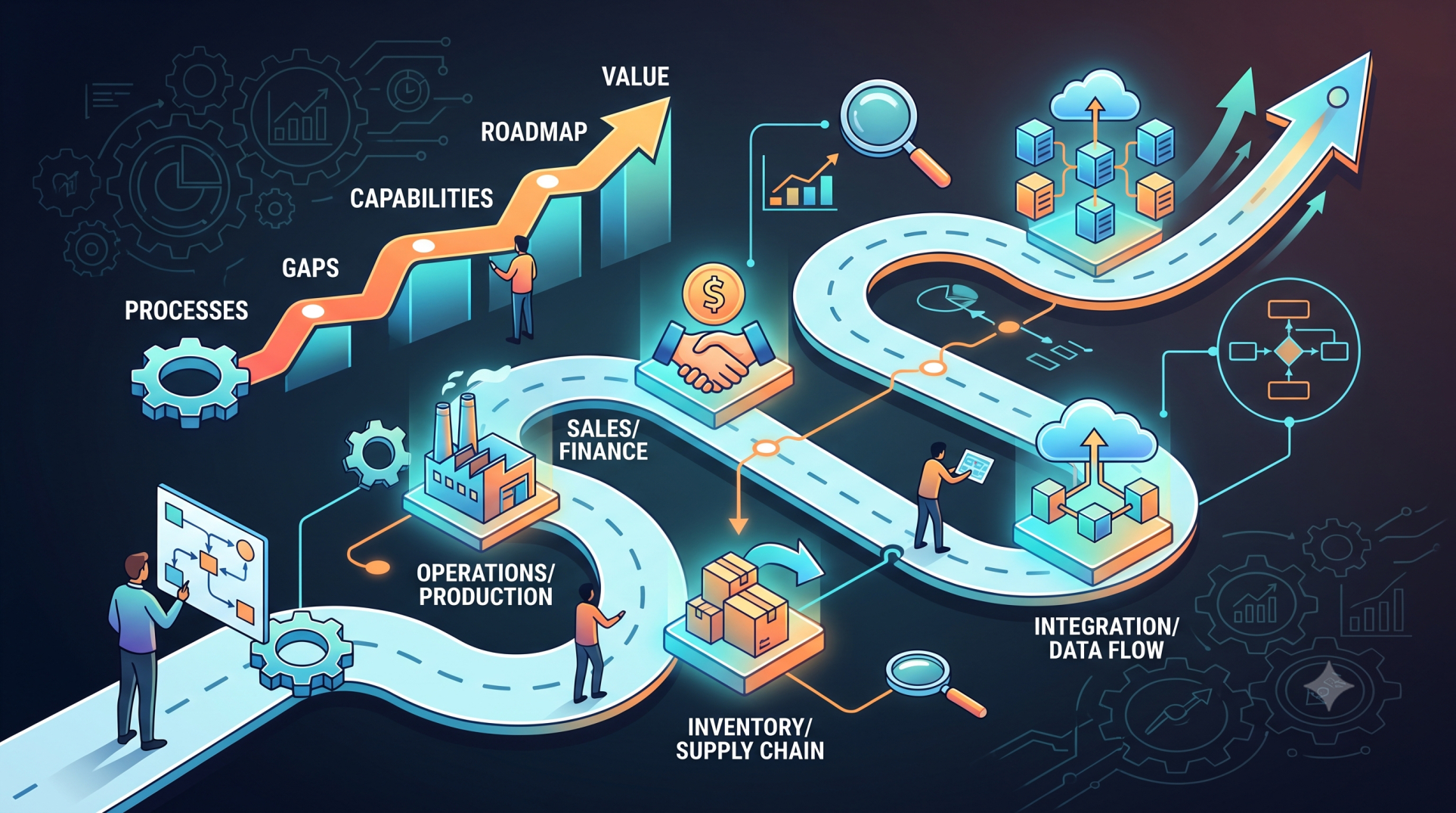
• Analyze workflows to identify repetitive and time-consuming tasks 🔍
• Prioritize processes with high volume and low complexity 📊
• Focus on areas with measurable impact on efficiency and cost 💰
• Identify bottlenecks that slow down operations 🚧
• Evaluate tasks suitable for AI-driven decision support 🤖
Step 3: Integrating AI with Enterprise Systems 🔗
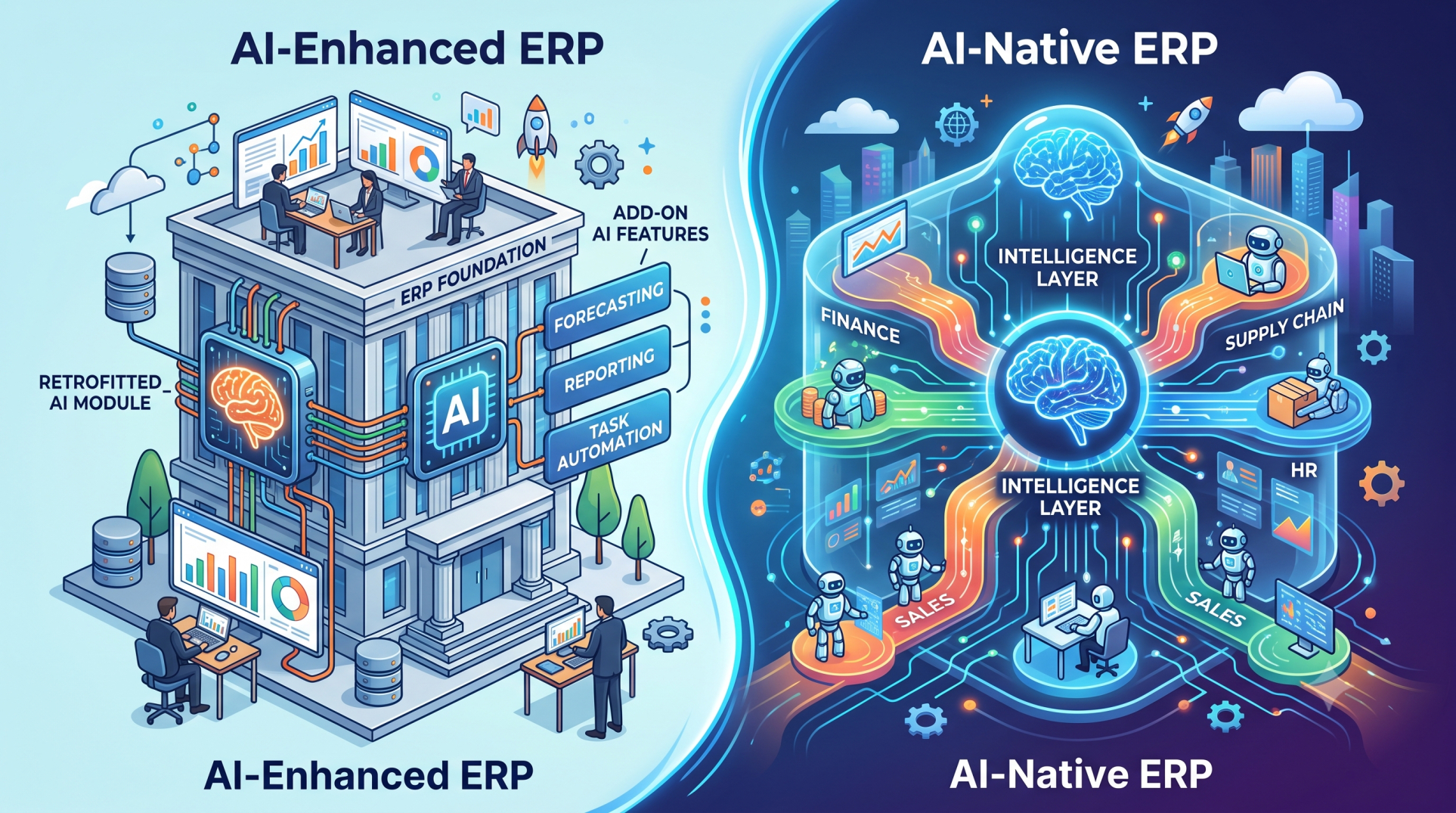
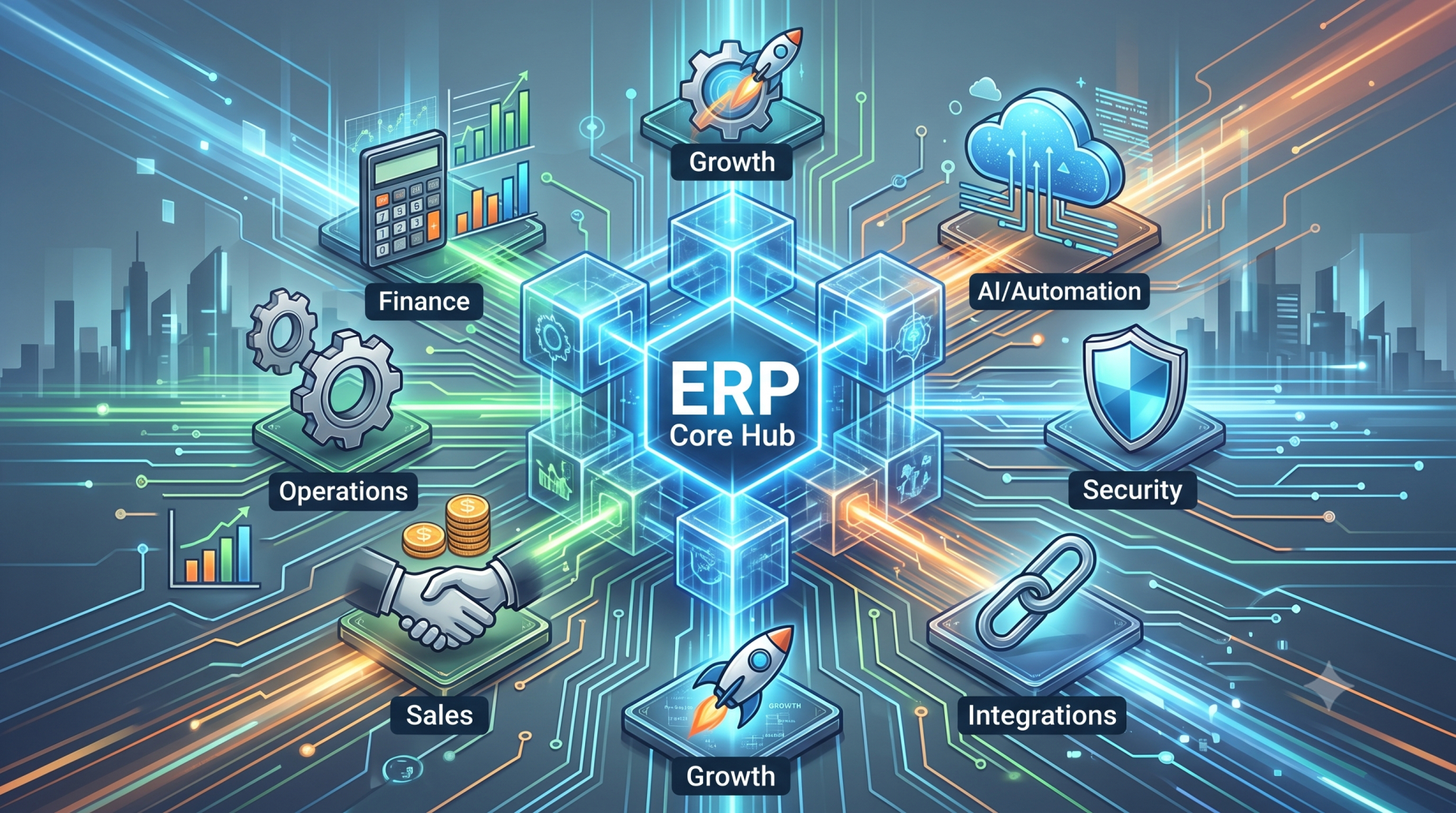
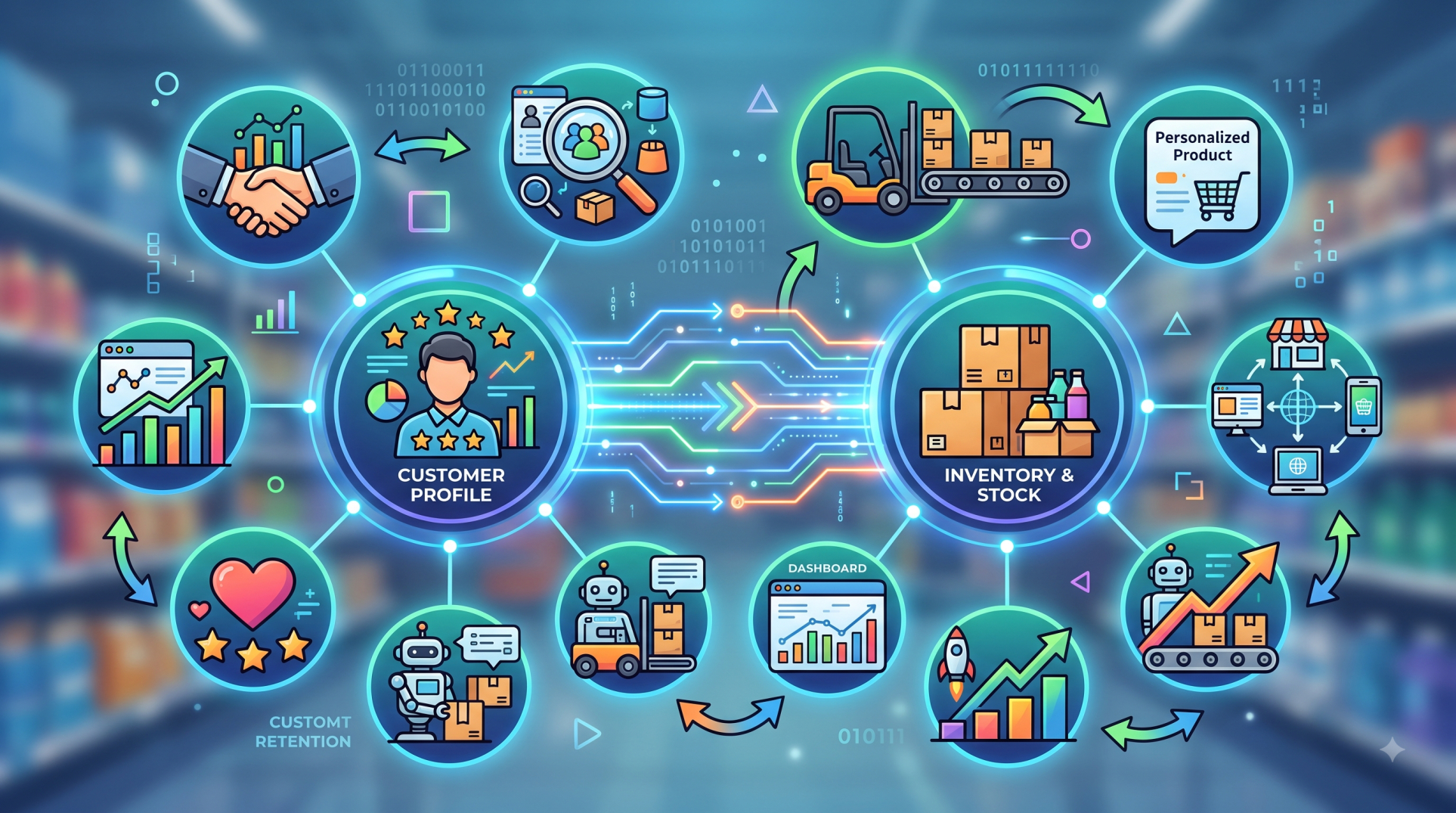
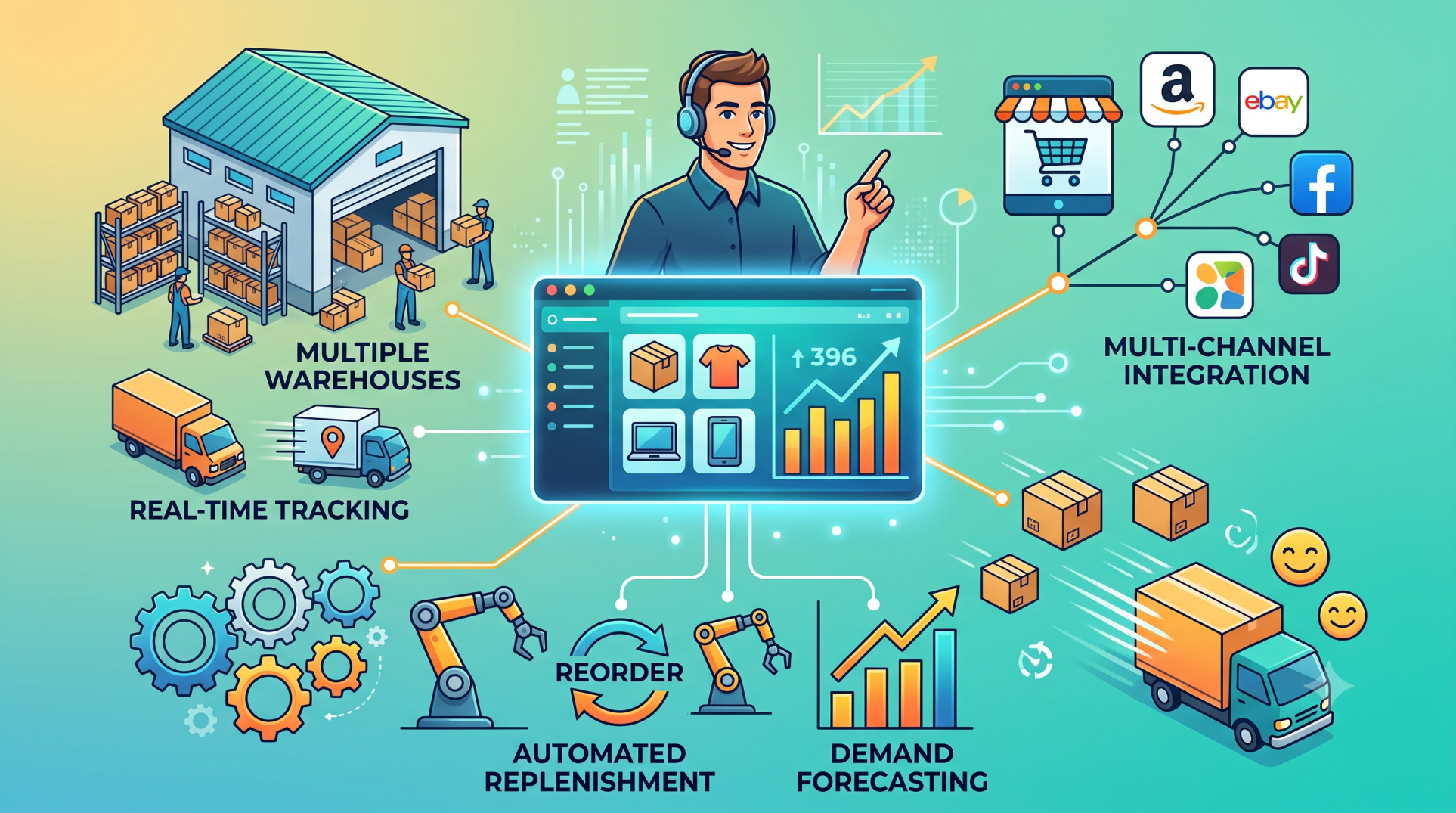
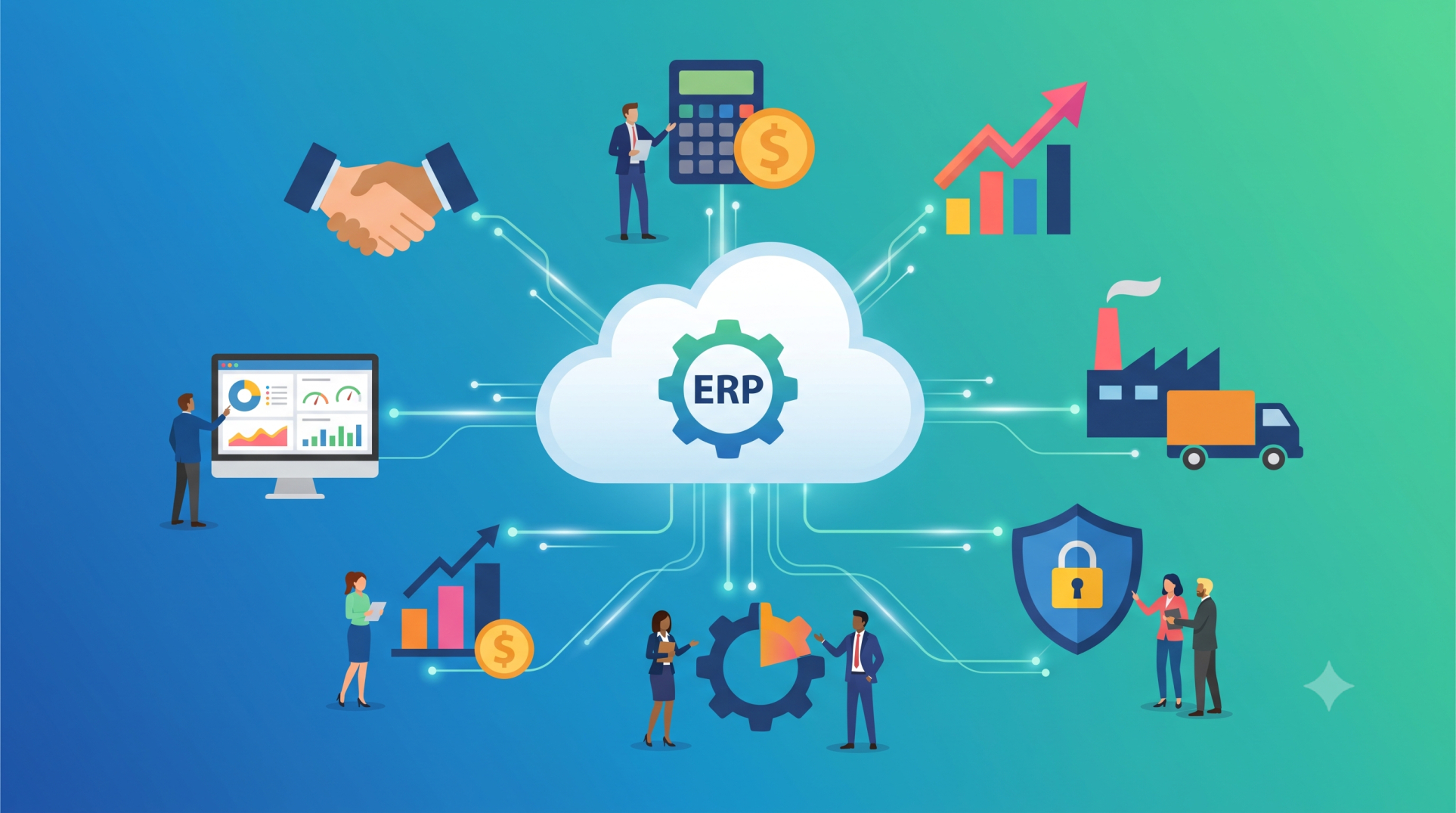
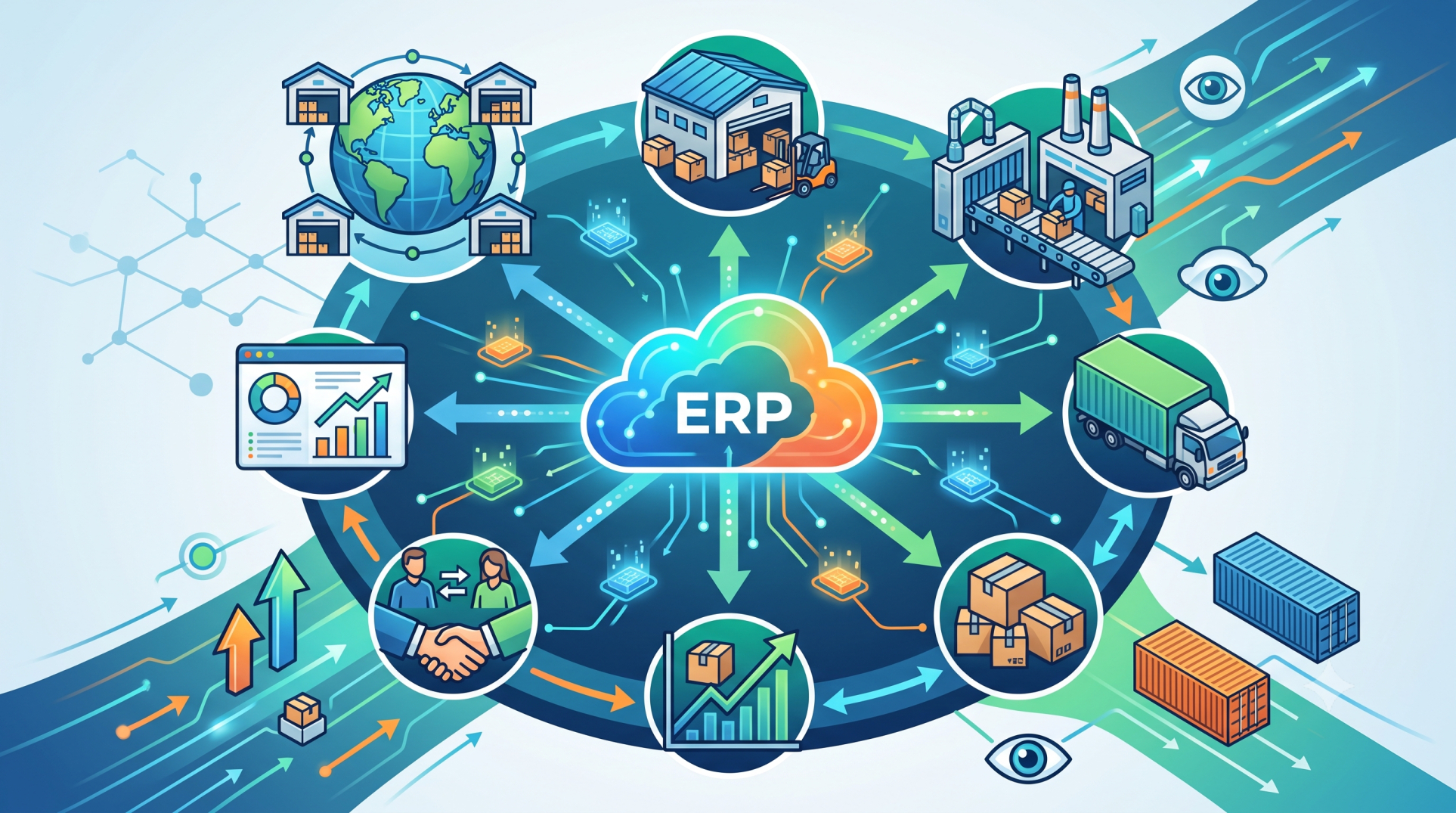
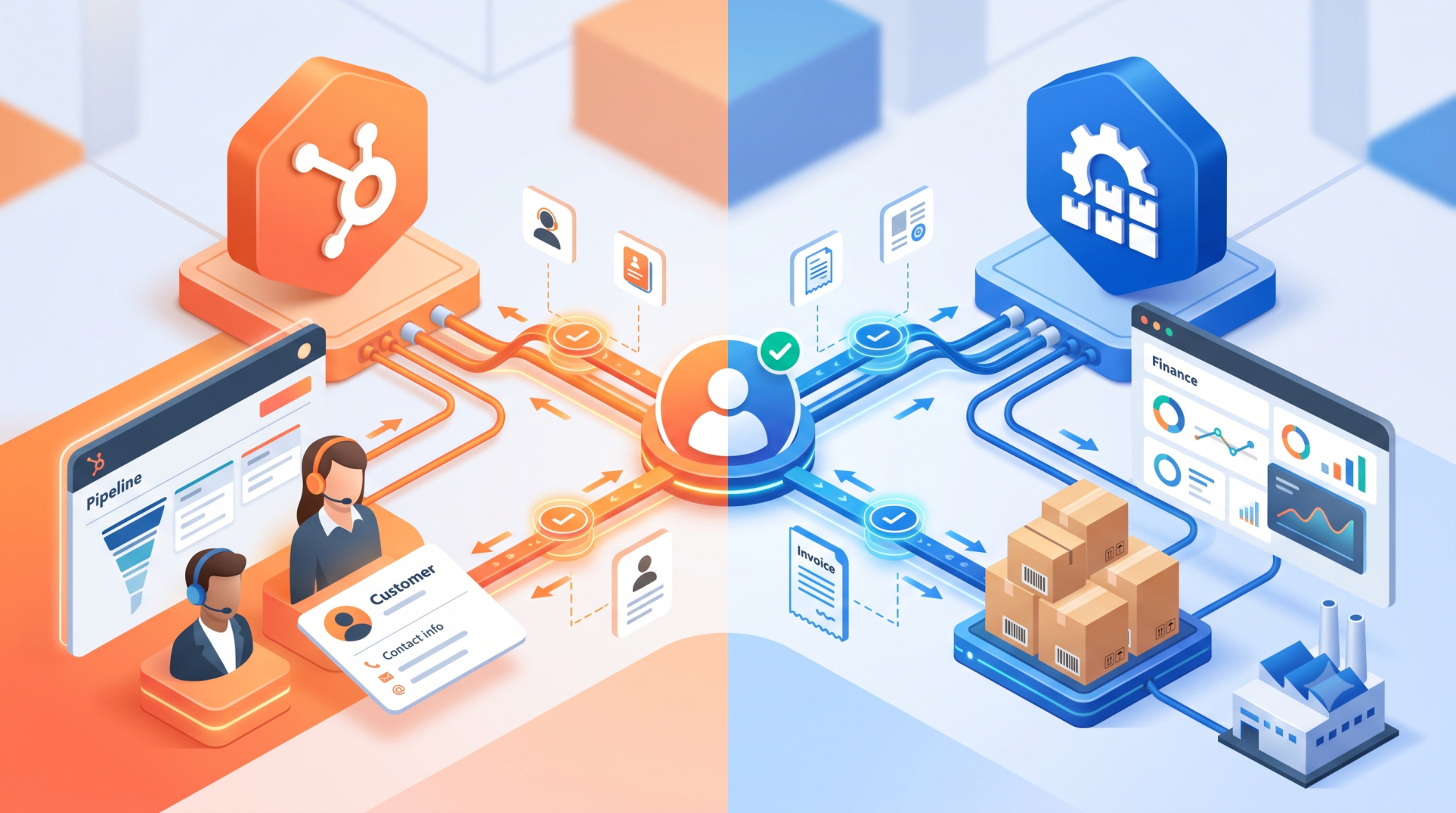
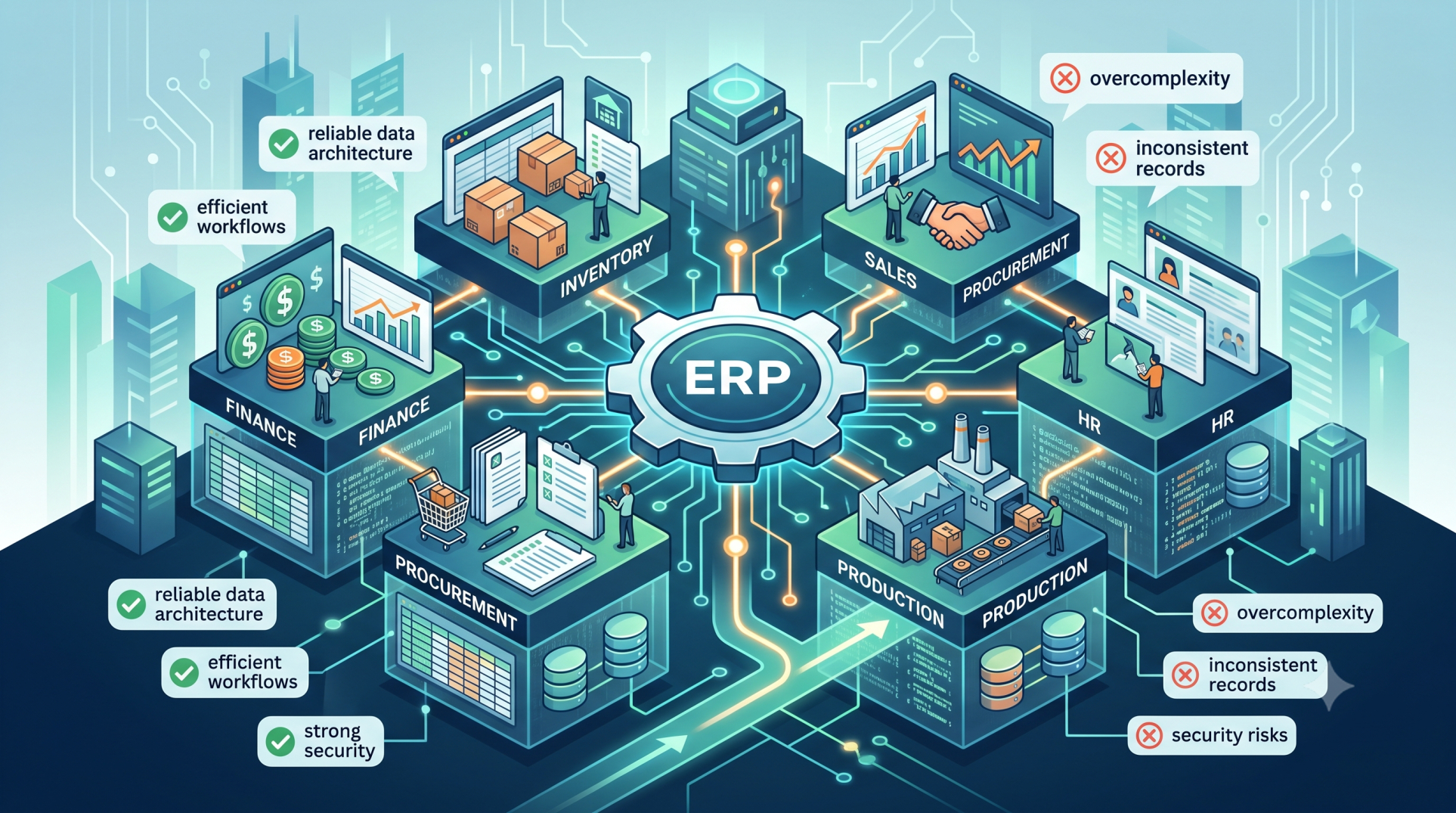
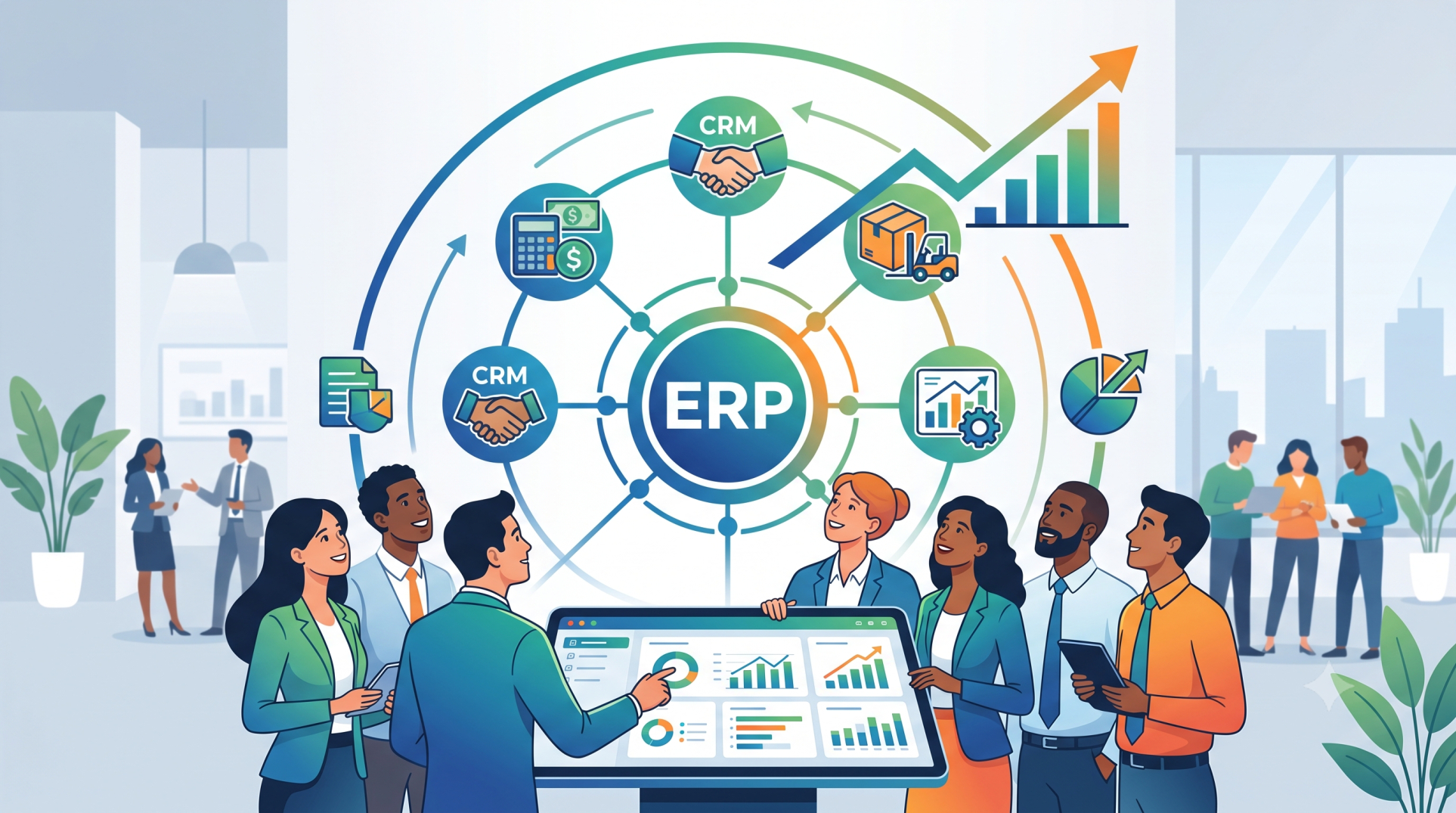
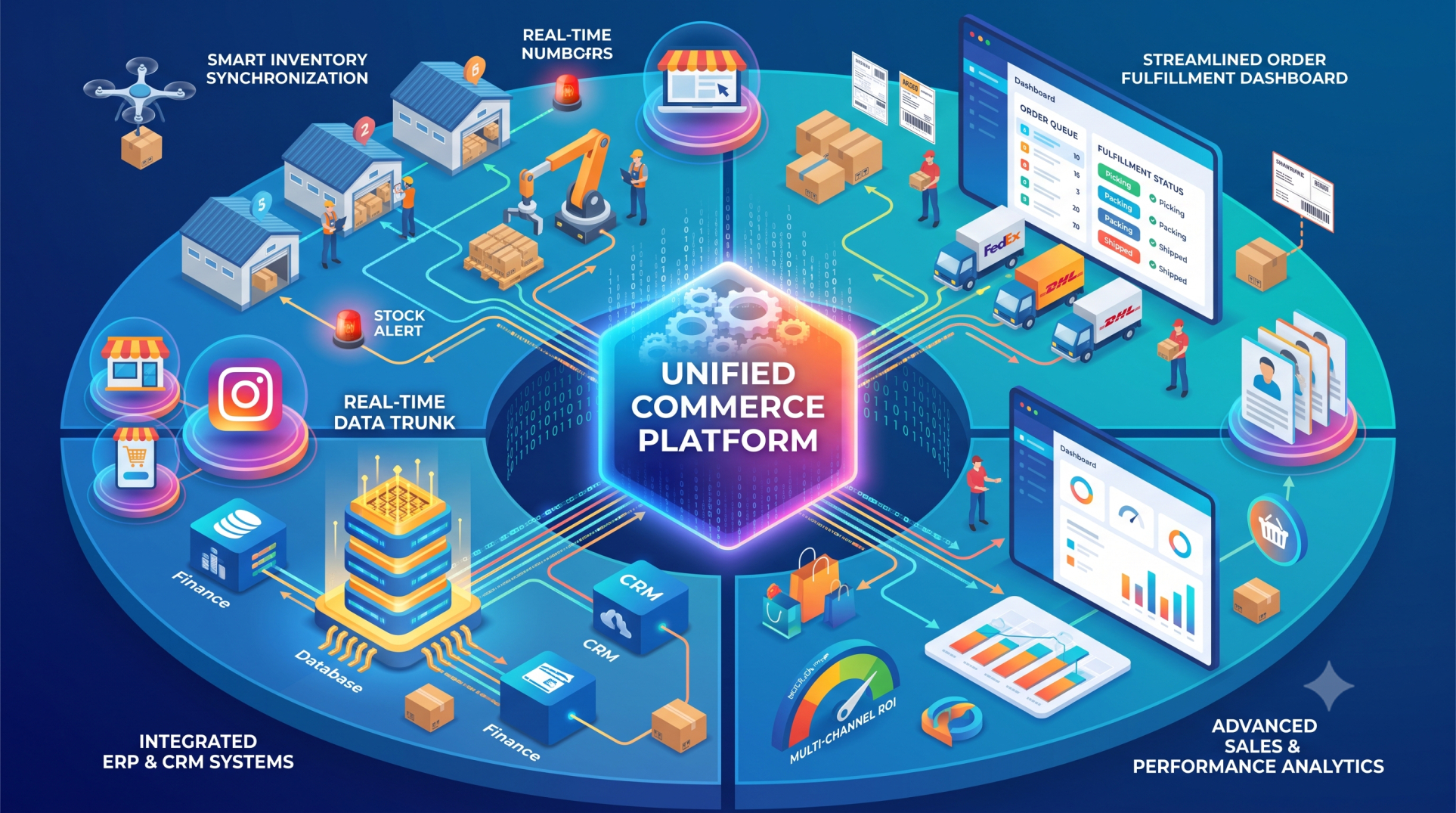
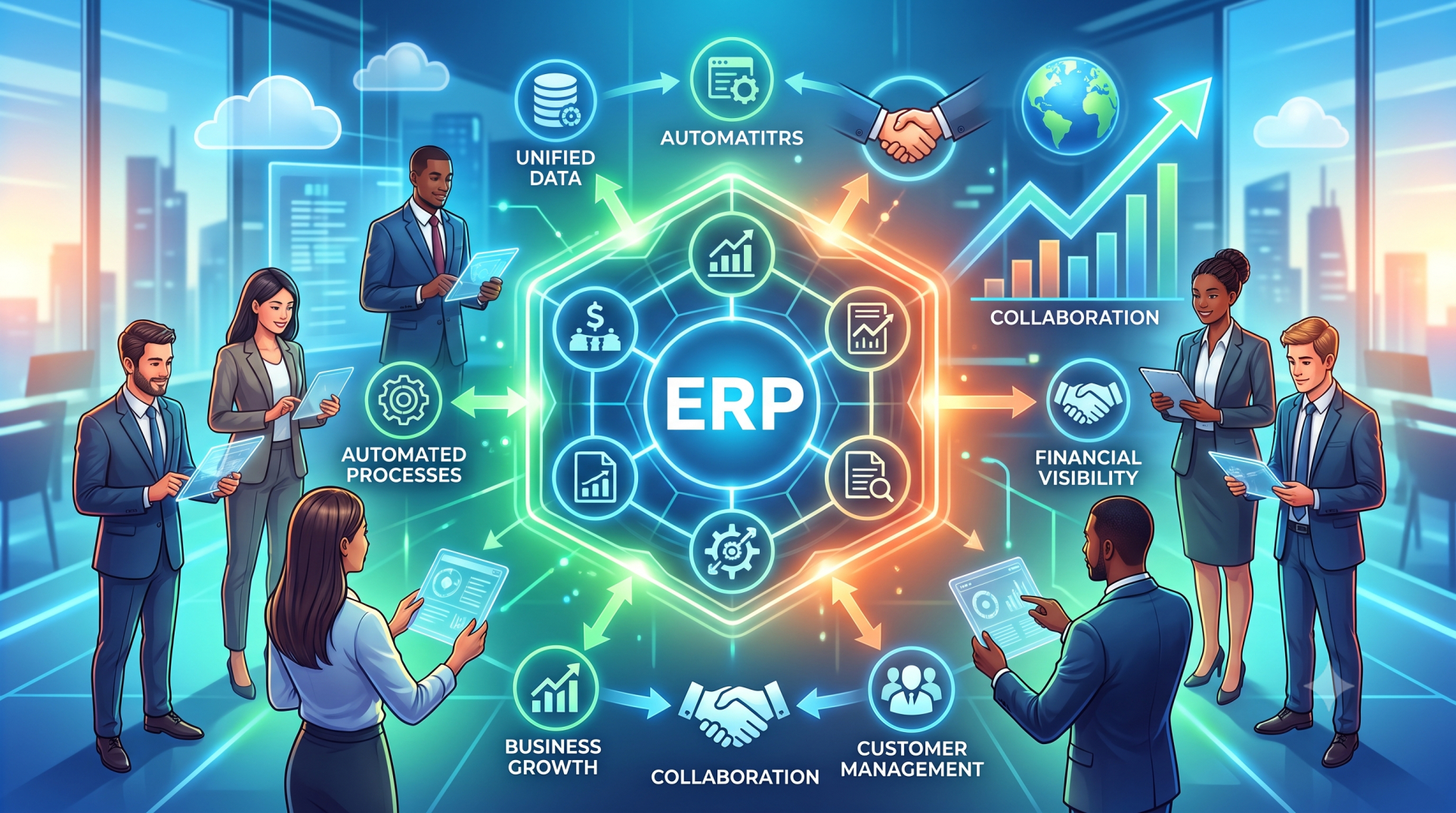
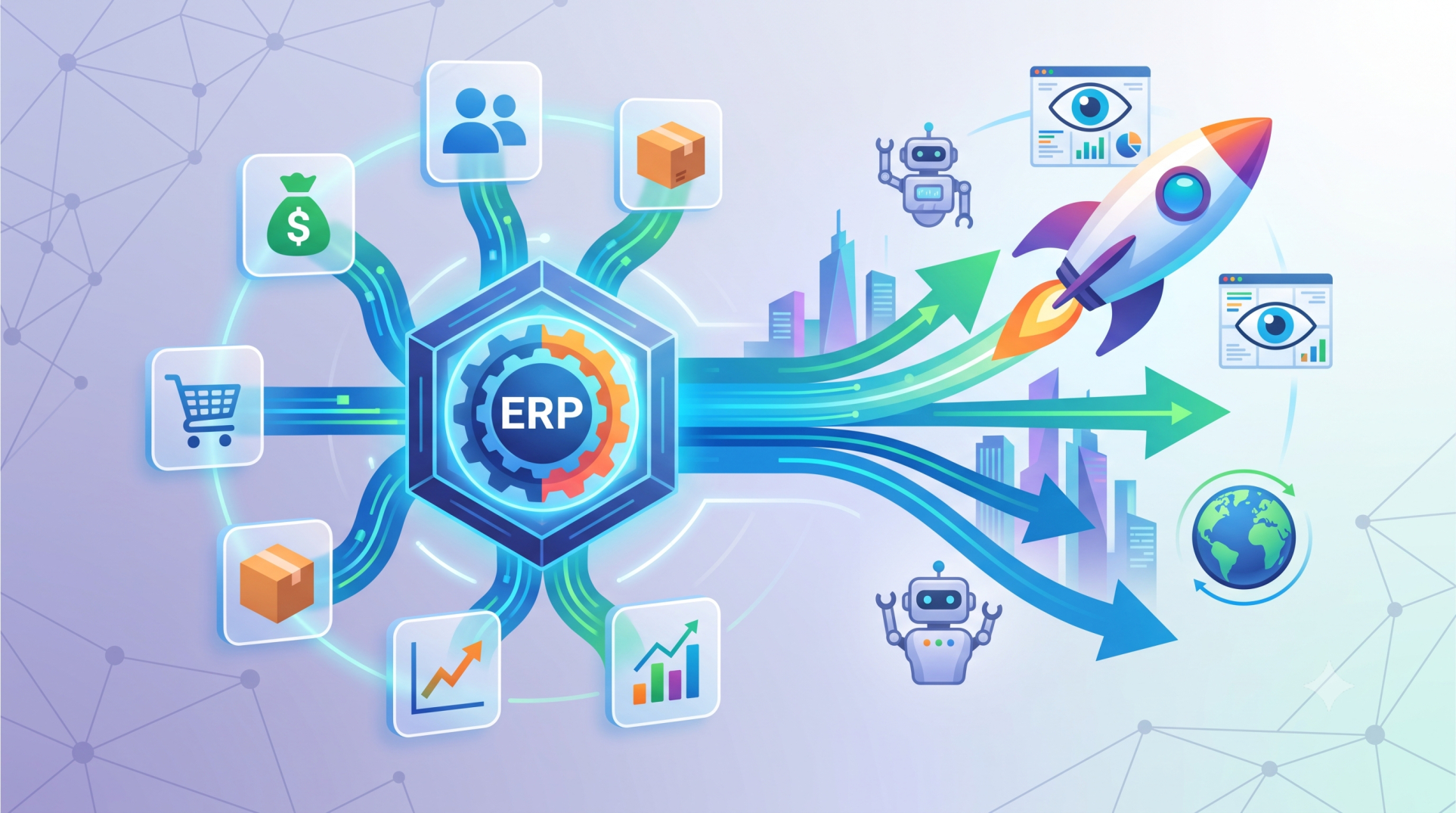
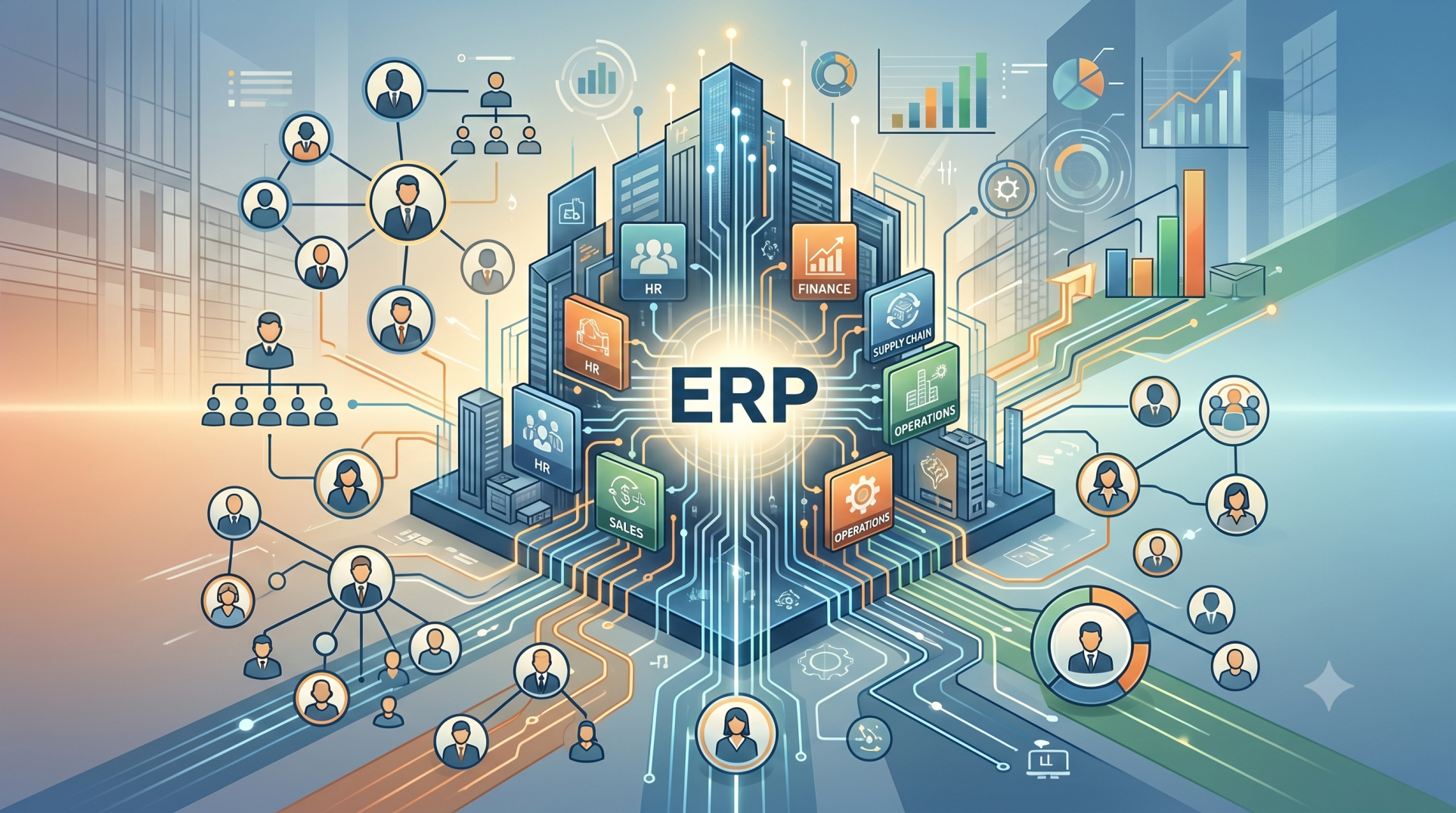
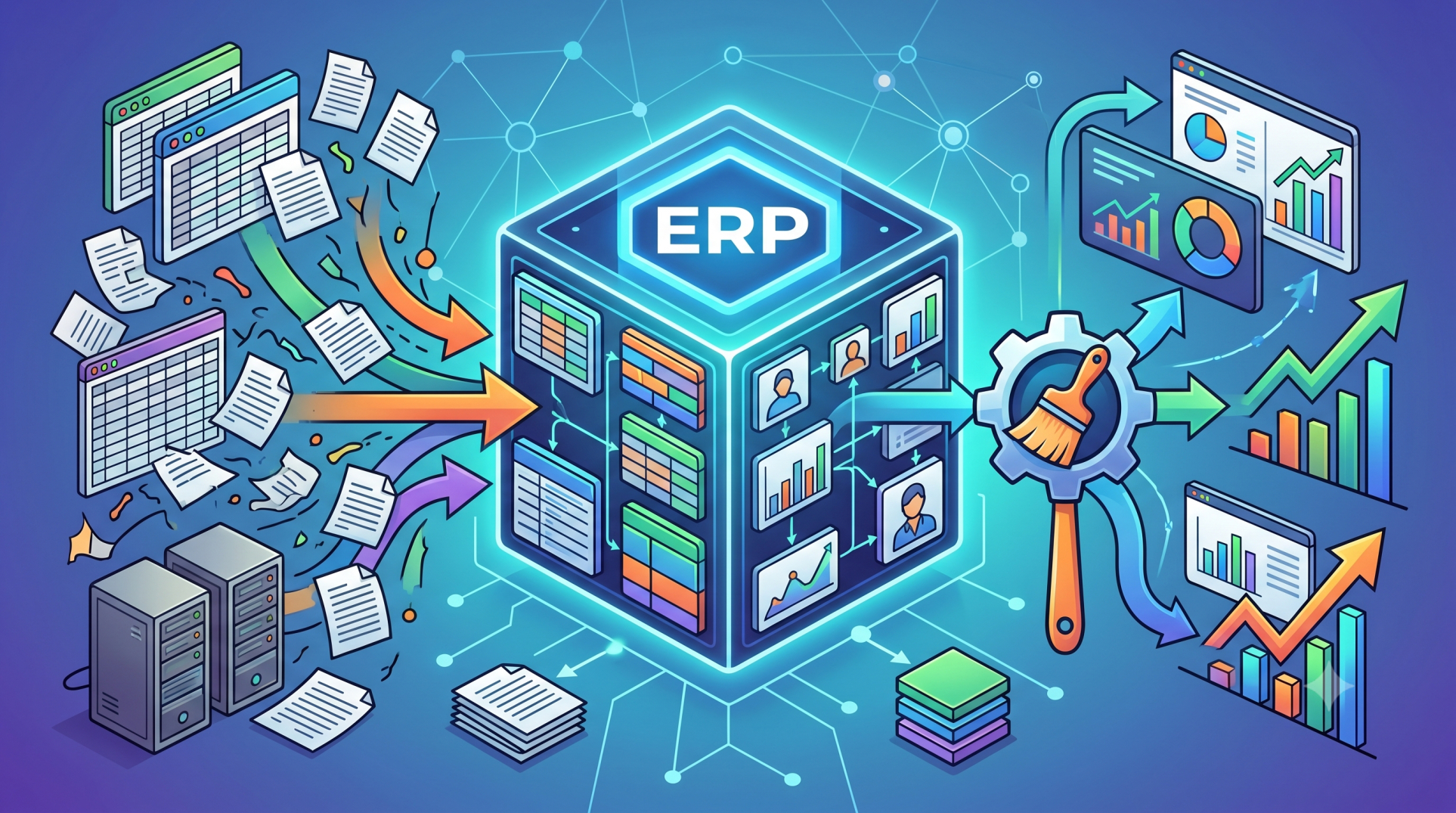
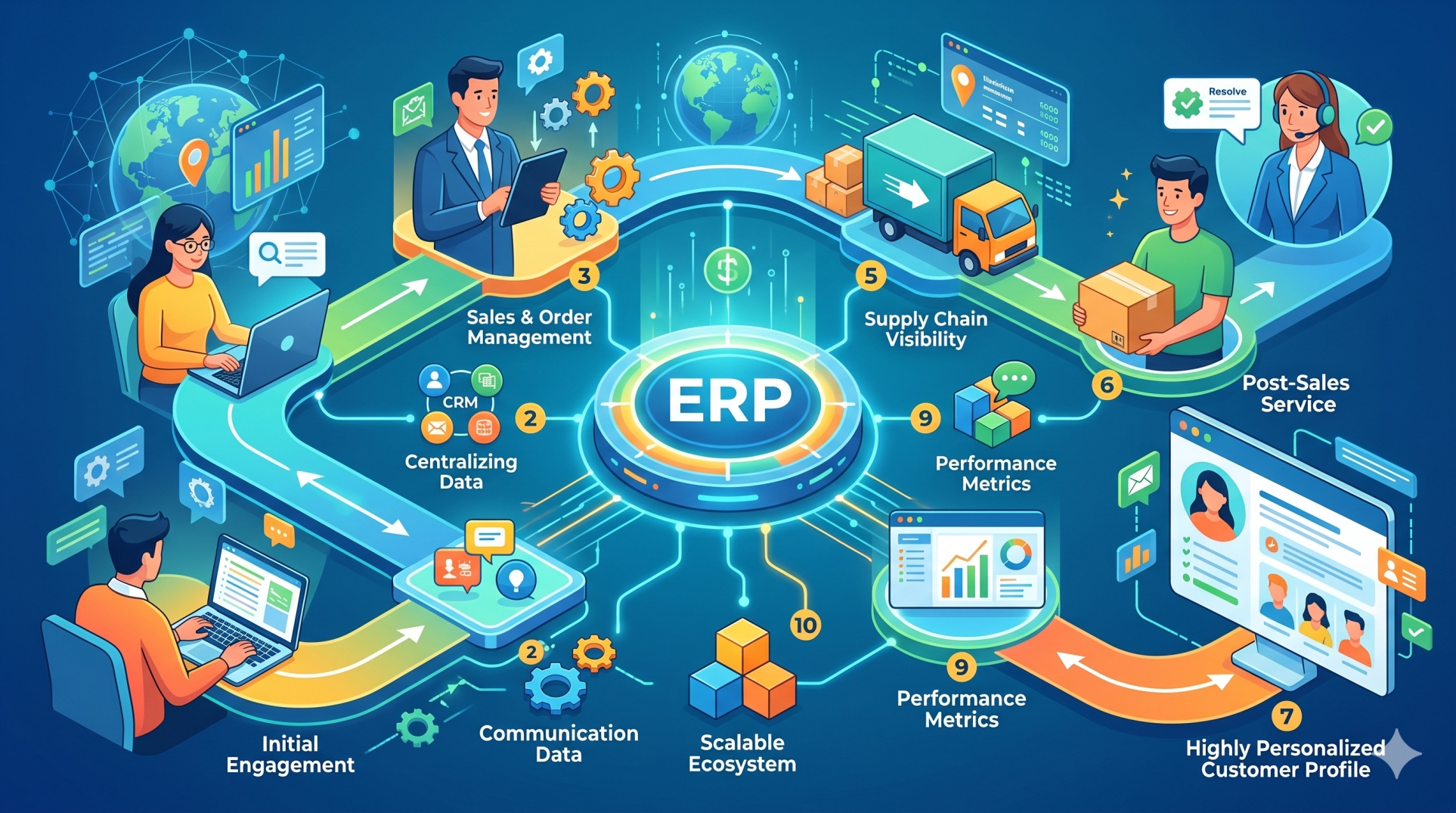
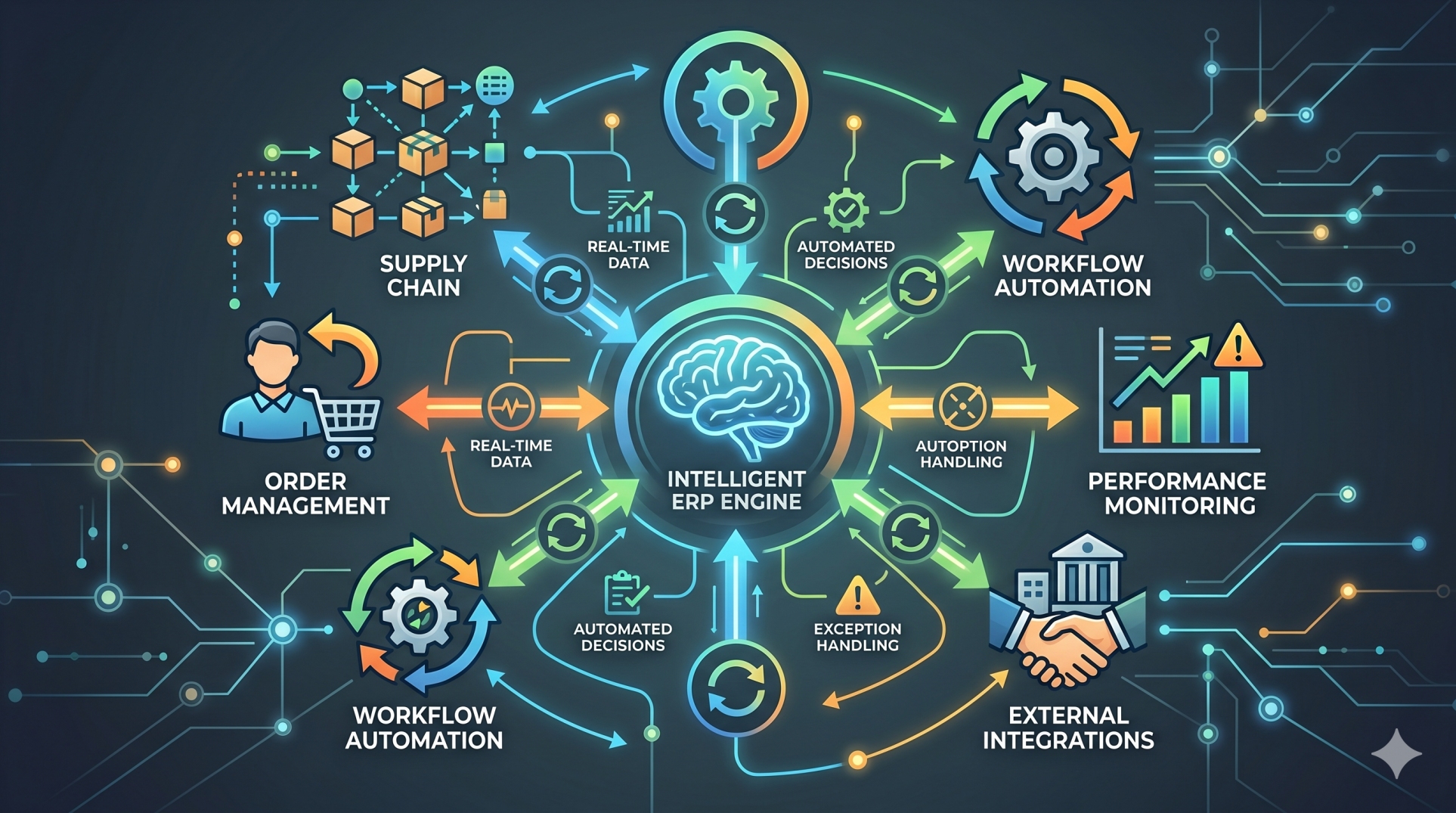
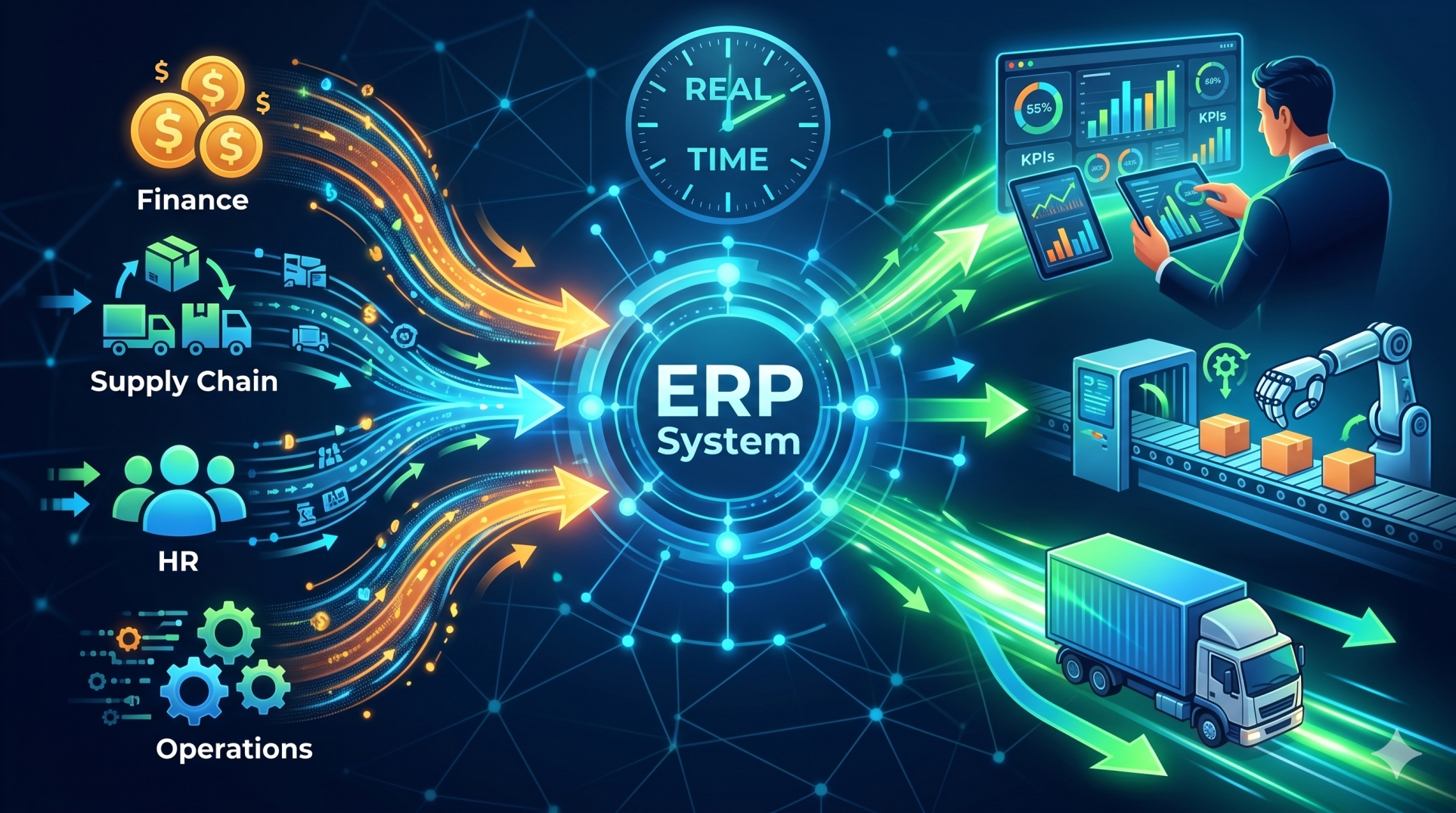
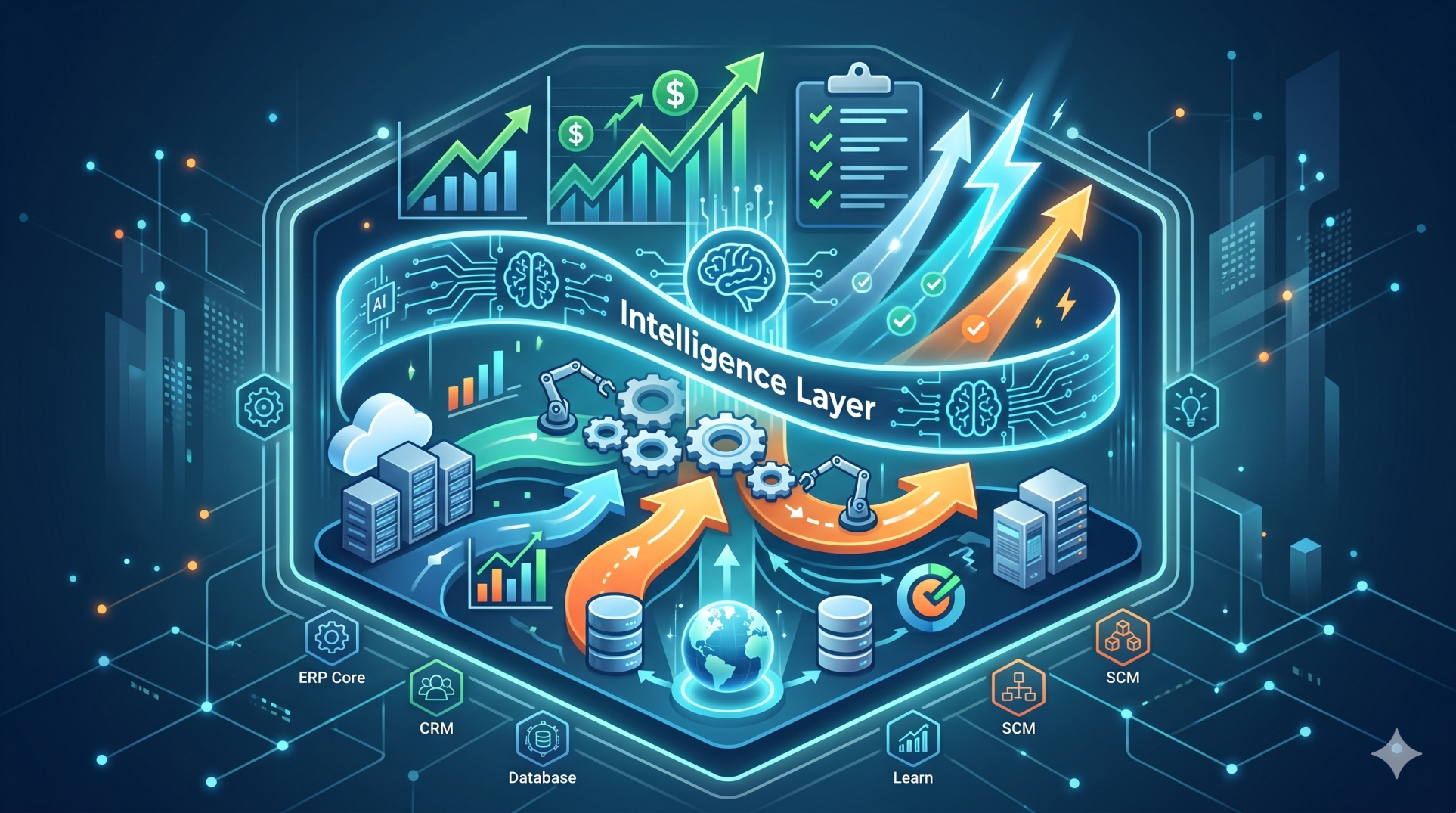
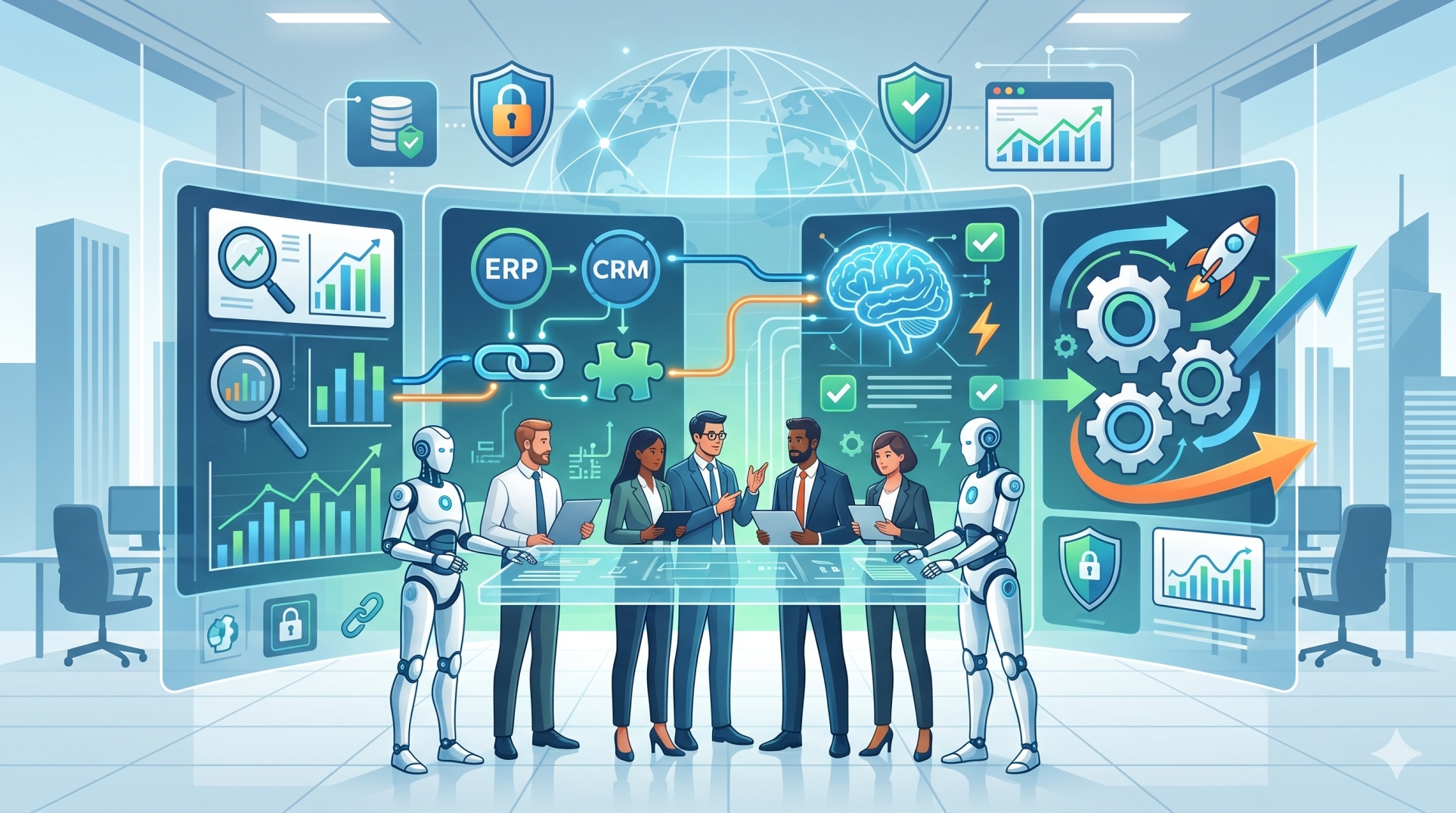
• Connect AI models with ERP, CRM, and other enterprise platforms 🔗
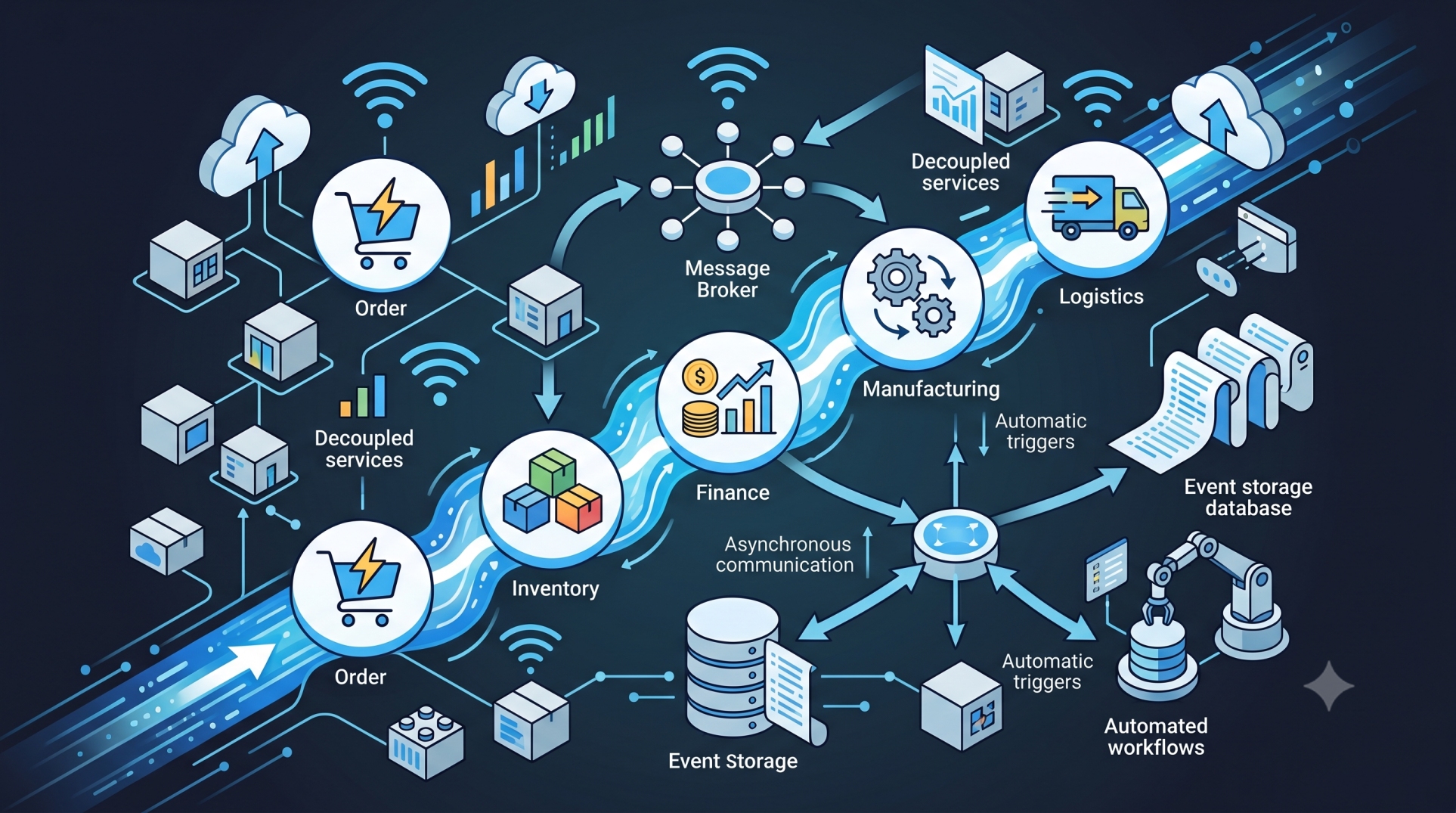
• Ensure seamless data flow across systems for real-time insights 🔄
• Use APIs and middleware for flexible integration 🧩
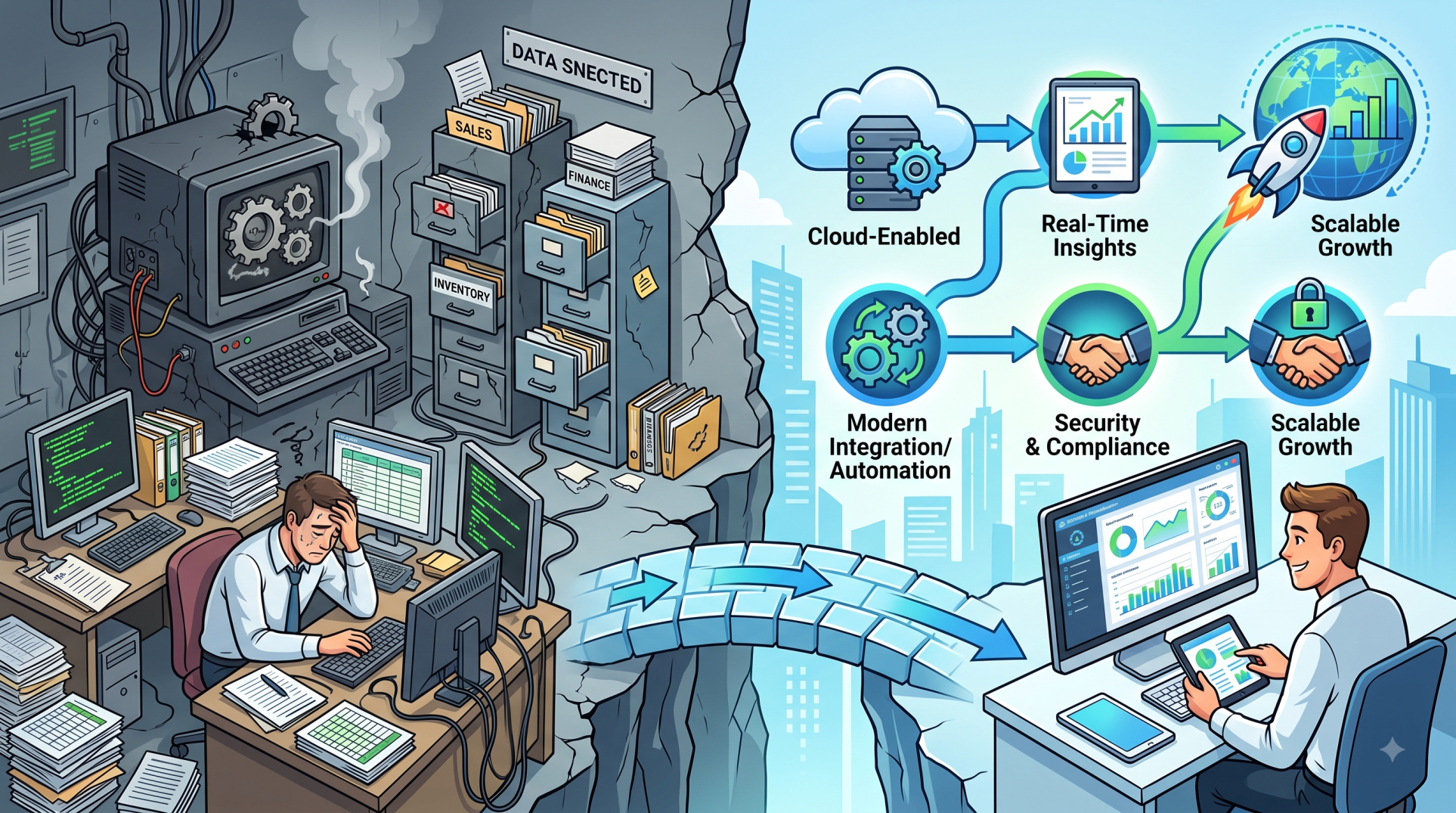
• Enable interoperability between legacy and modern systems ⚙️
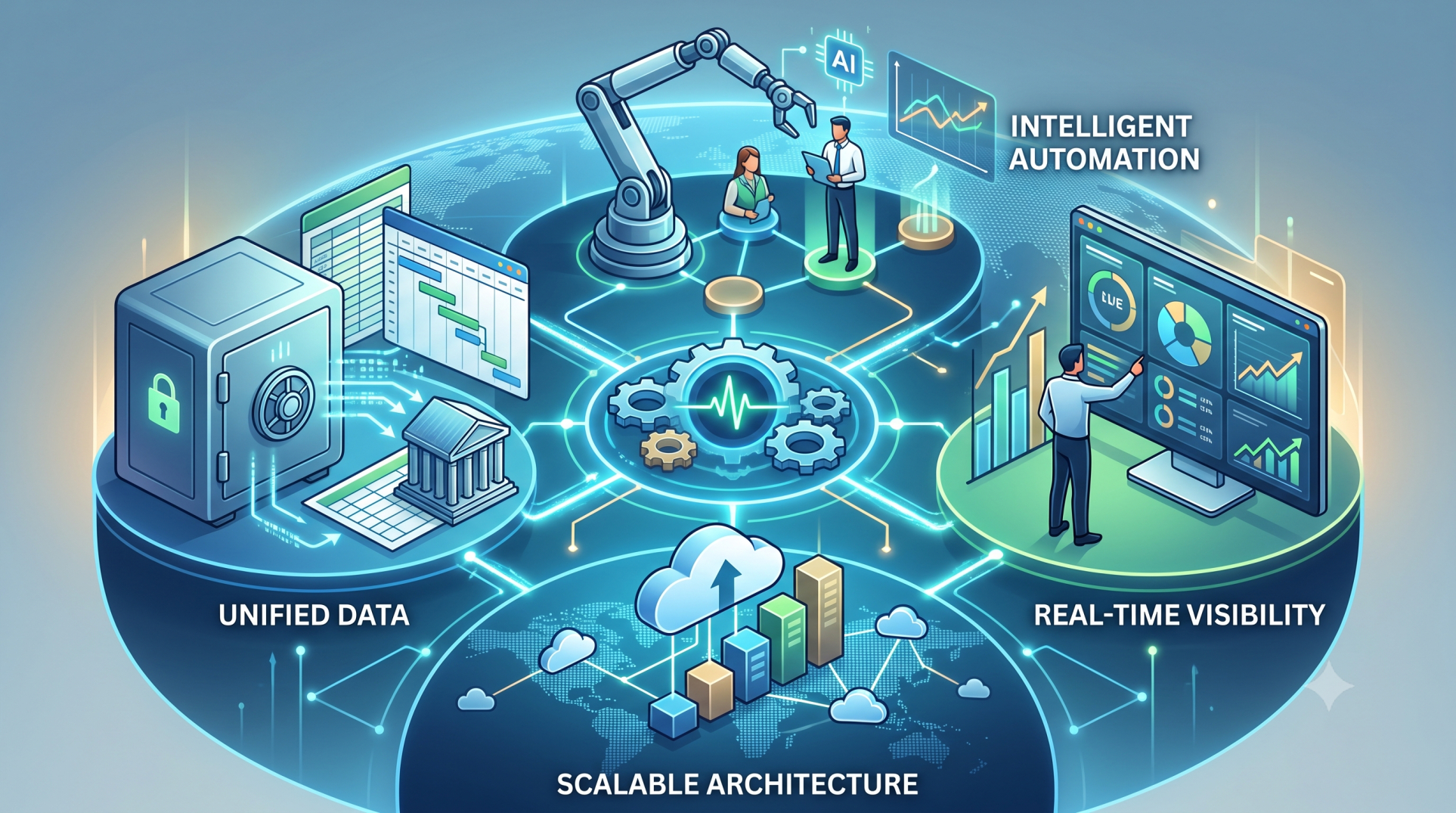
• Build a unified automation ecosystem 🌐
Step 4: Automating Decision-Making Processes 🧠
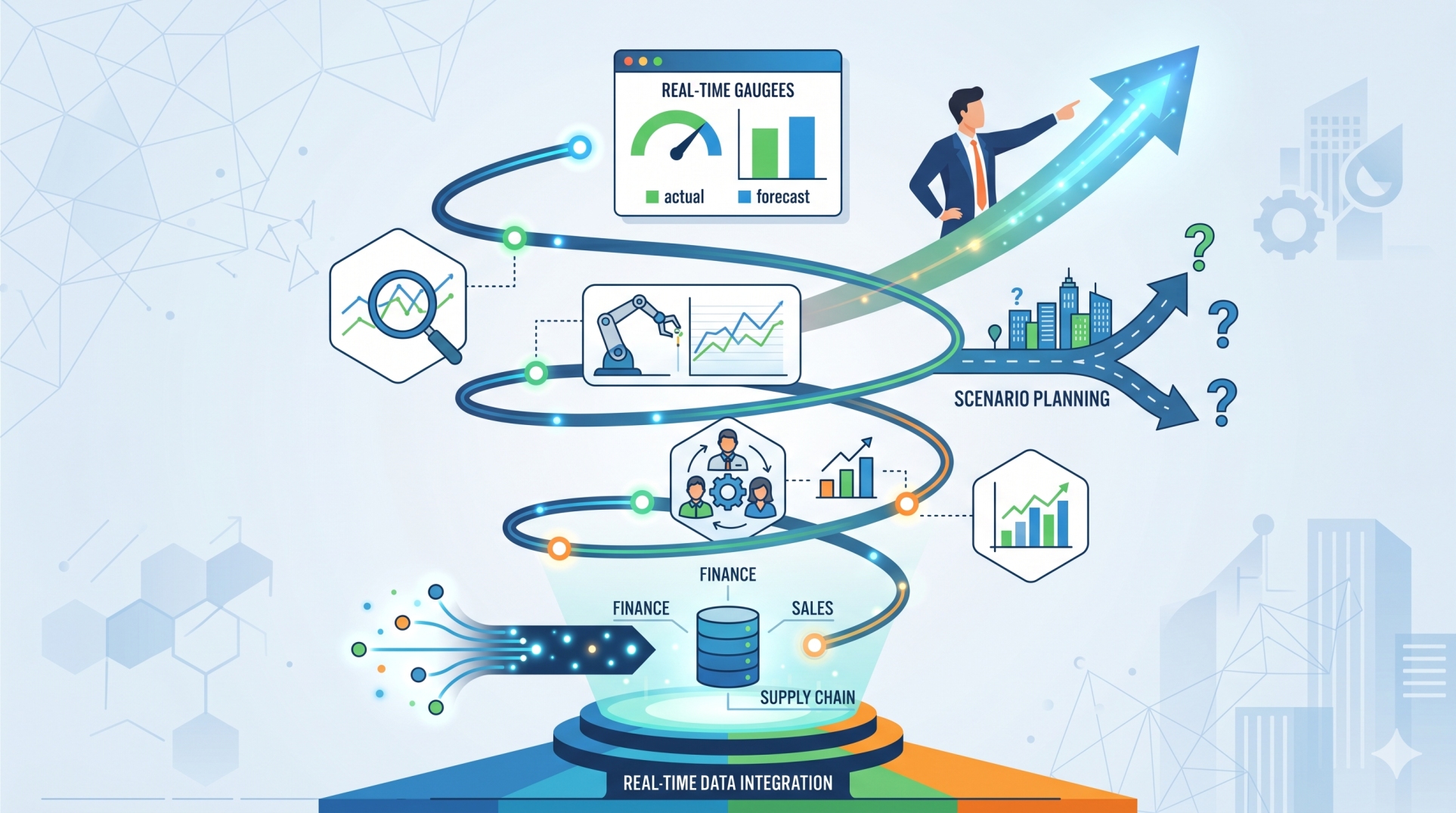
• Use AI to analyze data and provide actionable recommendations 📊
• Automate approvals and routine decision workflows ✅
• Reduce human error through data-driven insights 🔍
• Enable predictive decision-making based on historical data 📈
• Maintain human oversight for critical decisions ⚖️
Step 5: Enhancing Workflow Efficiency ⚙️
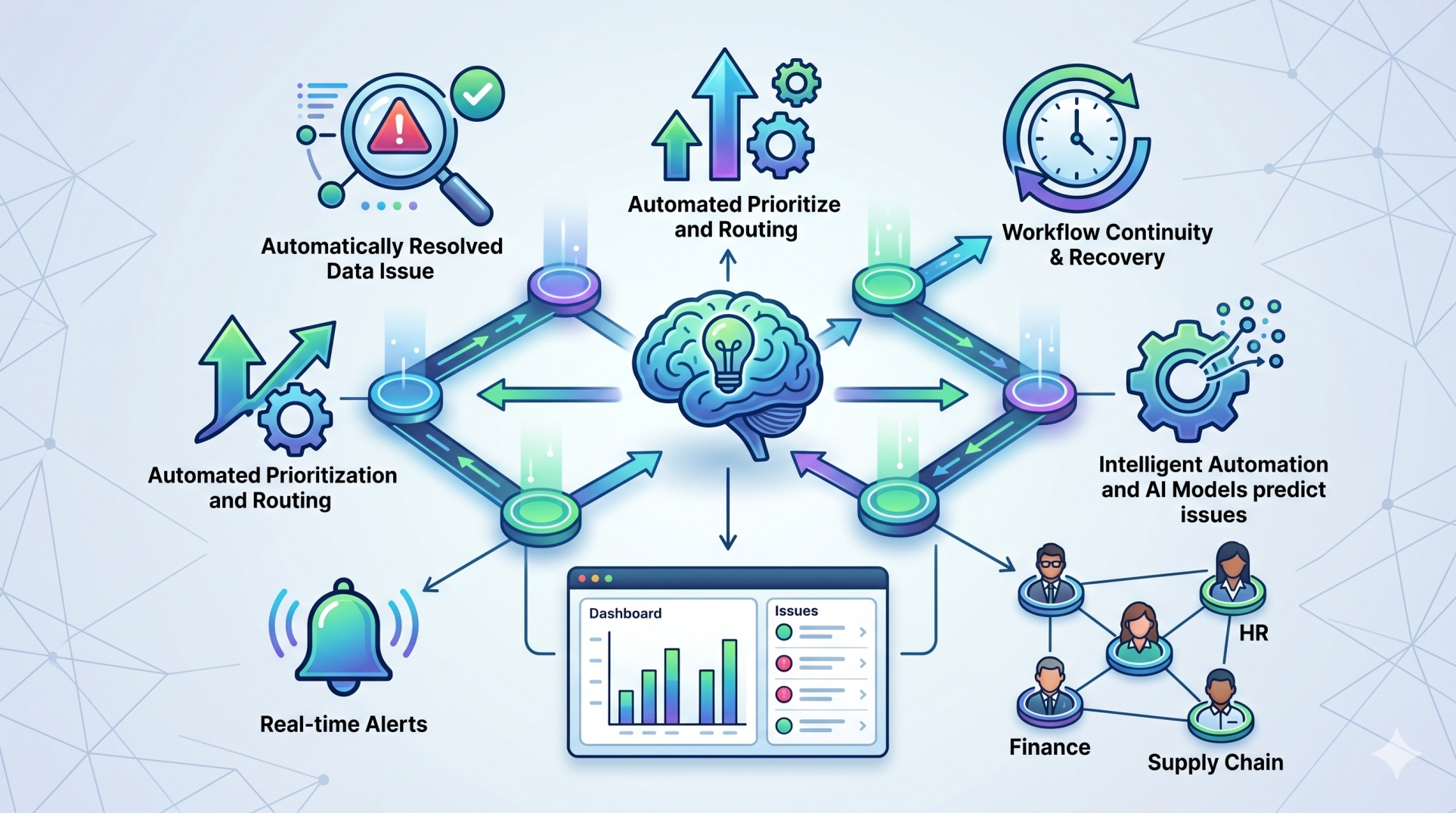
• Automate task assignments and process routing 🔄
• Reduce manual intervention in routine operations 🧑💻
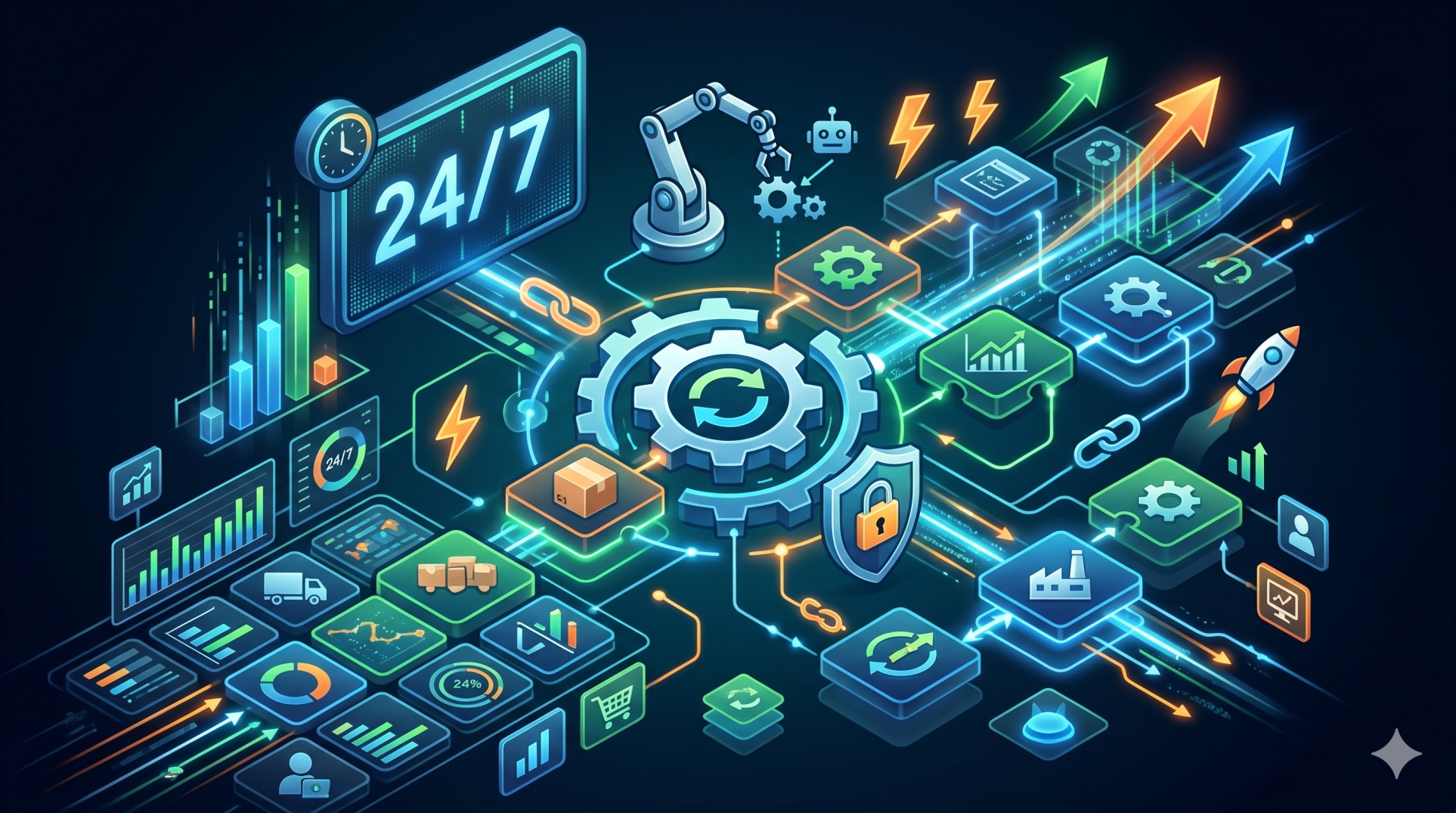
• Accelerate process execution across departments ⚡
• Improve consistency and accuracy in task completion ✅
• Enable continuous workflow optimization 📊
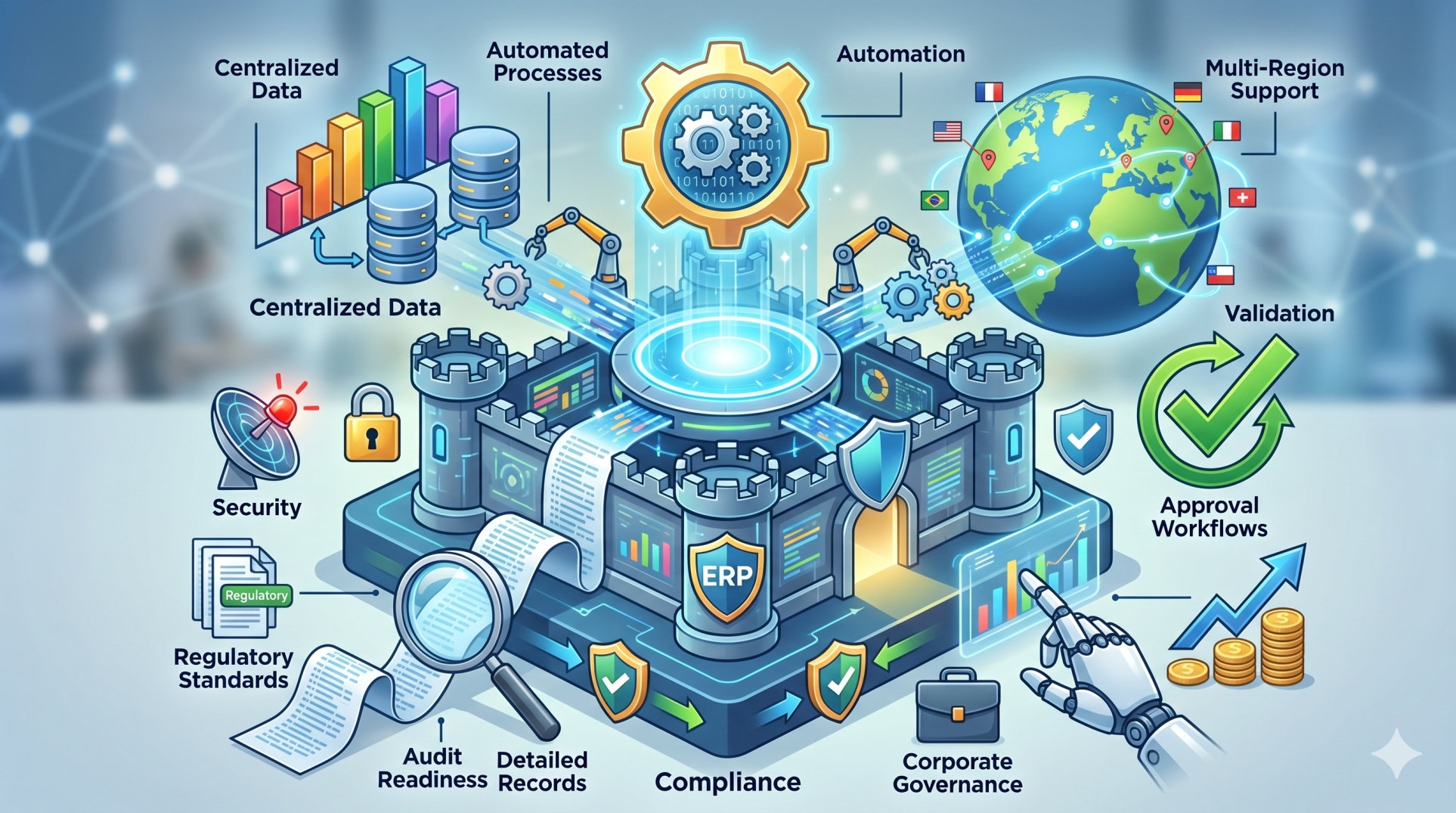
Step 6: Ensuring Data Quality and Governance 🔐
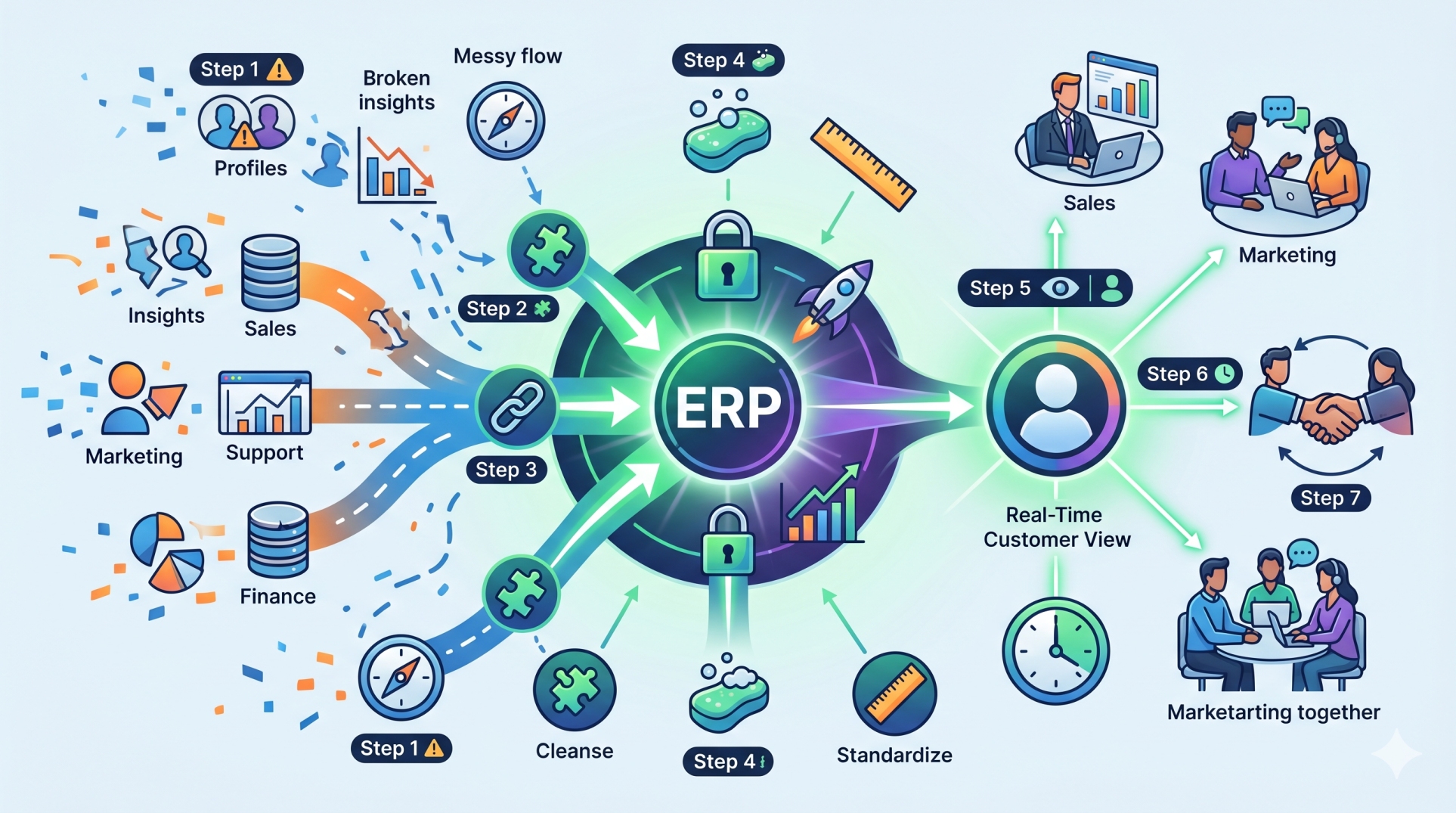
• Maintain high-quality data for accurate AI outputs 📂
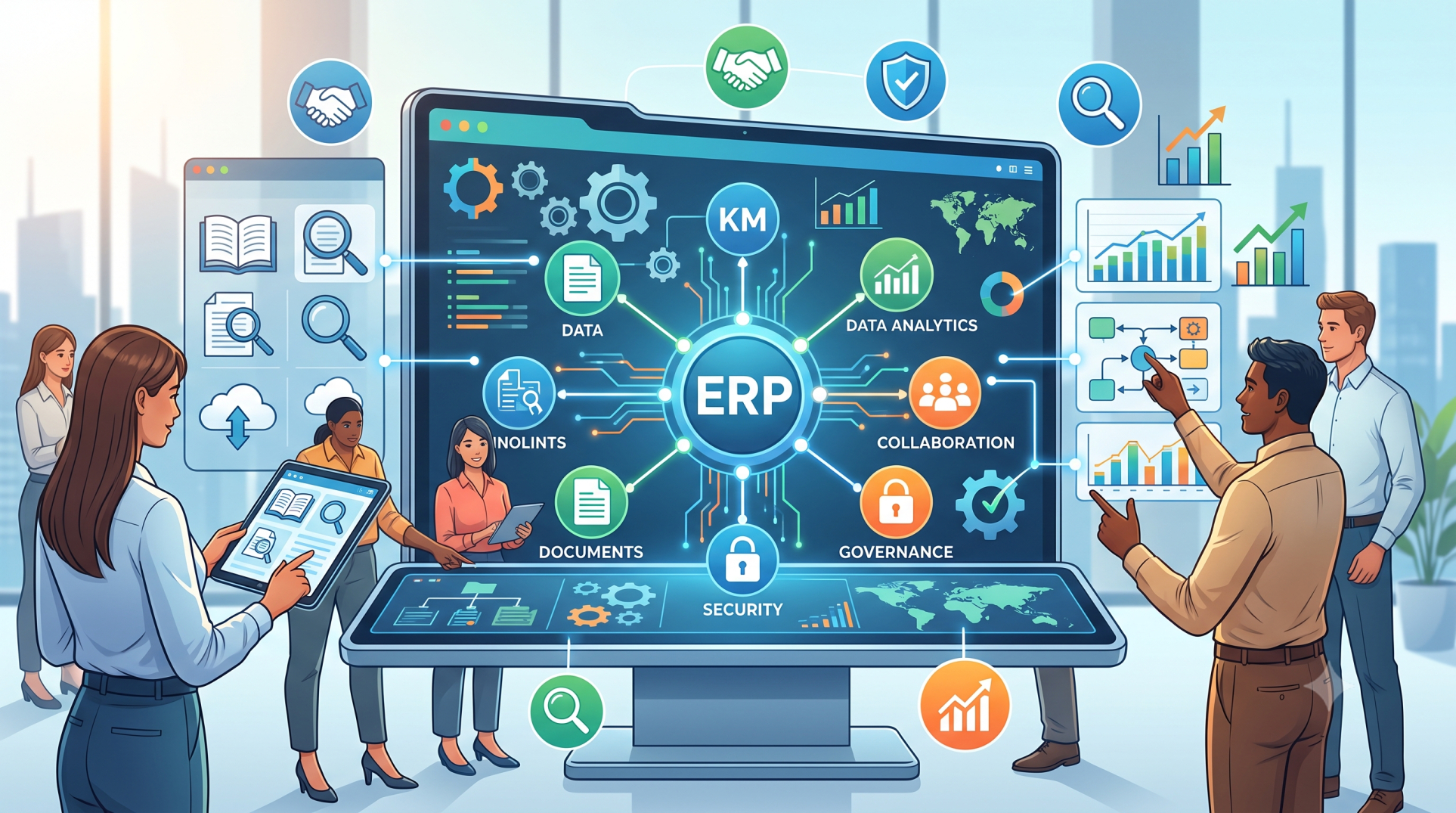
• Implement governance policies for data usage and access 🔐
• Ensure compliance with data privacy regulations 🛡️
• Monitor data consistency across systems 🔄
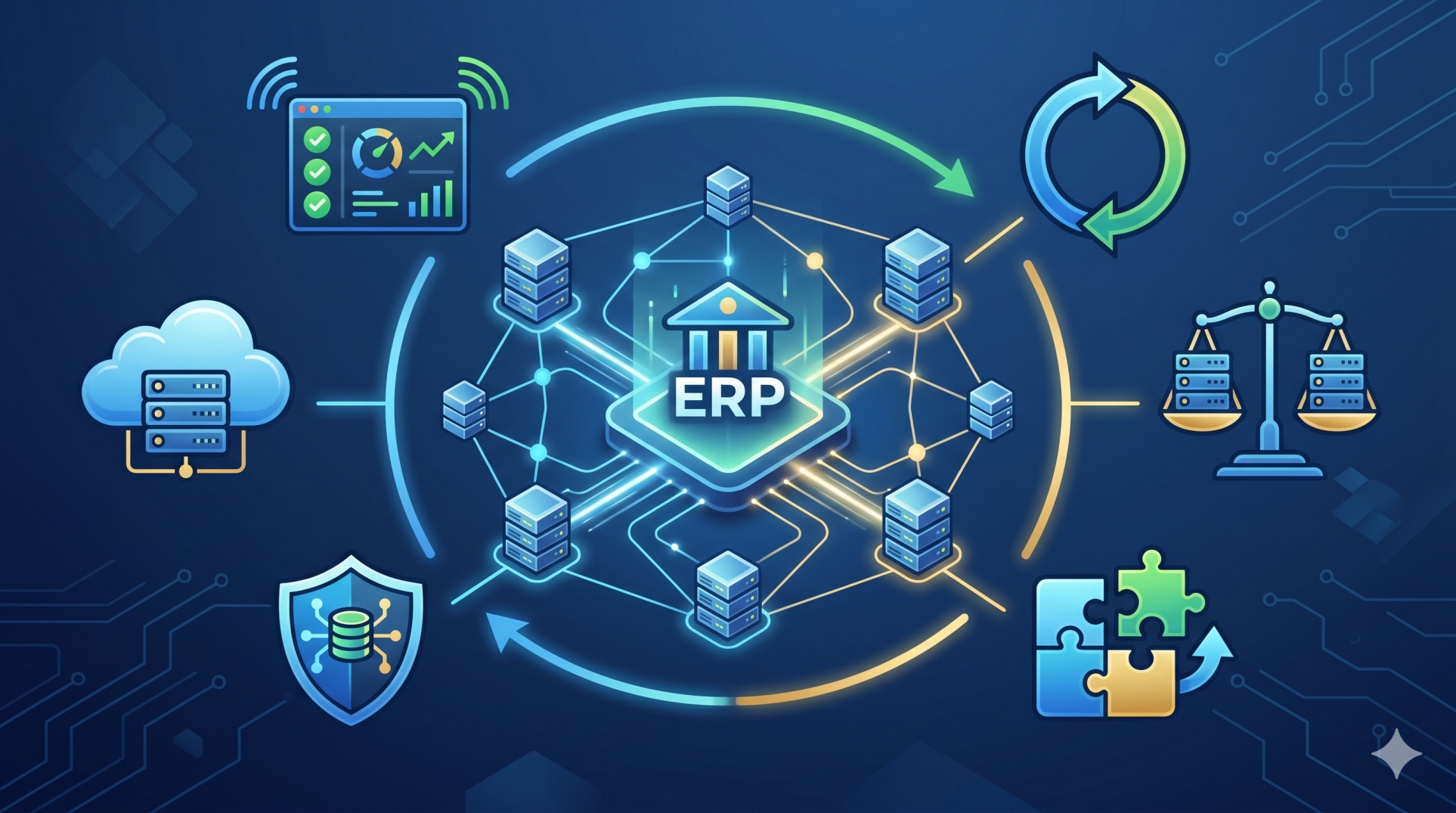
• Establish a single source of truth for enterprise data 📊
Step 7: Human-AI Collaboration 👥
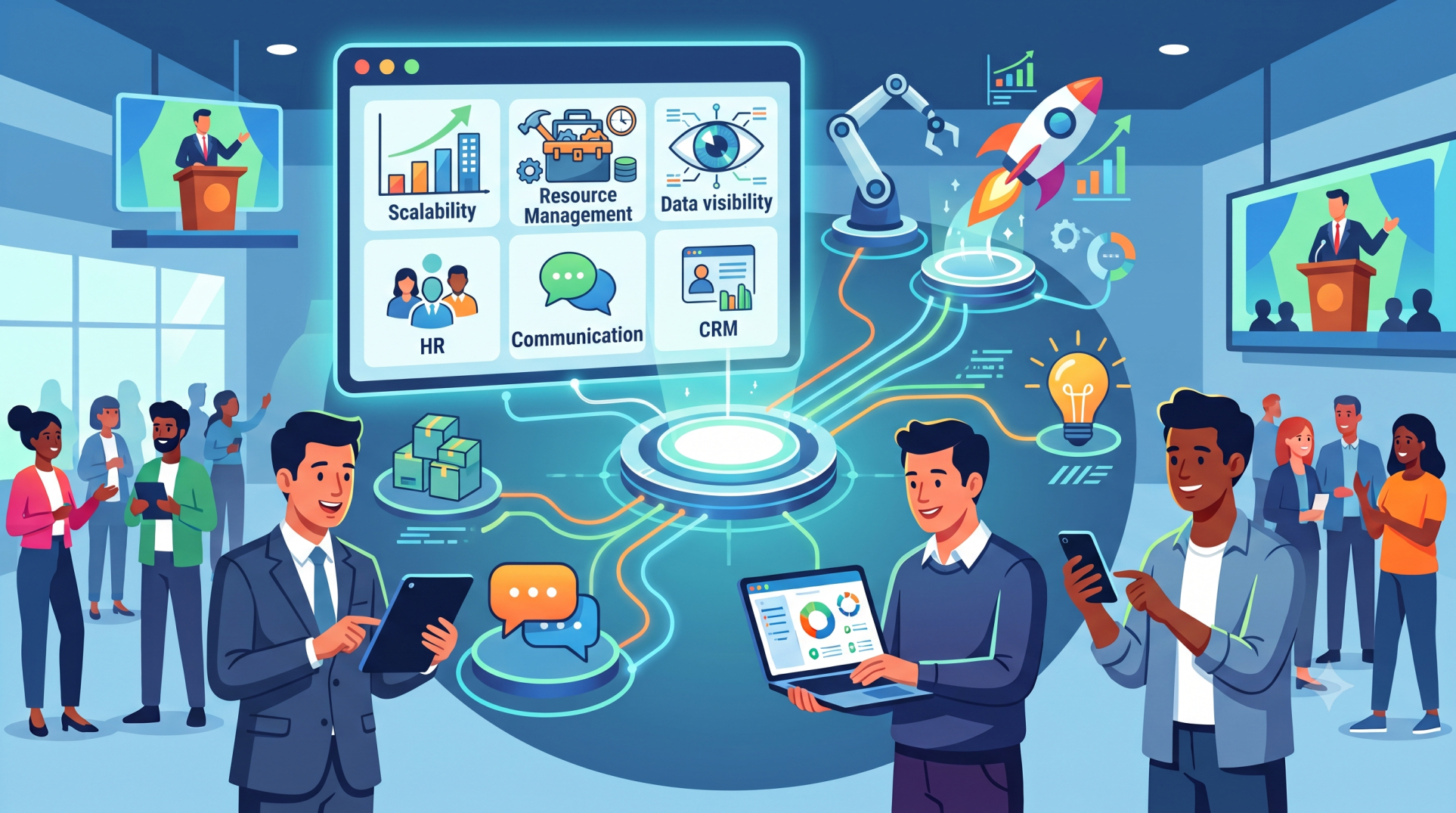
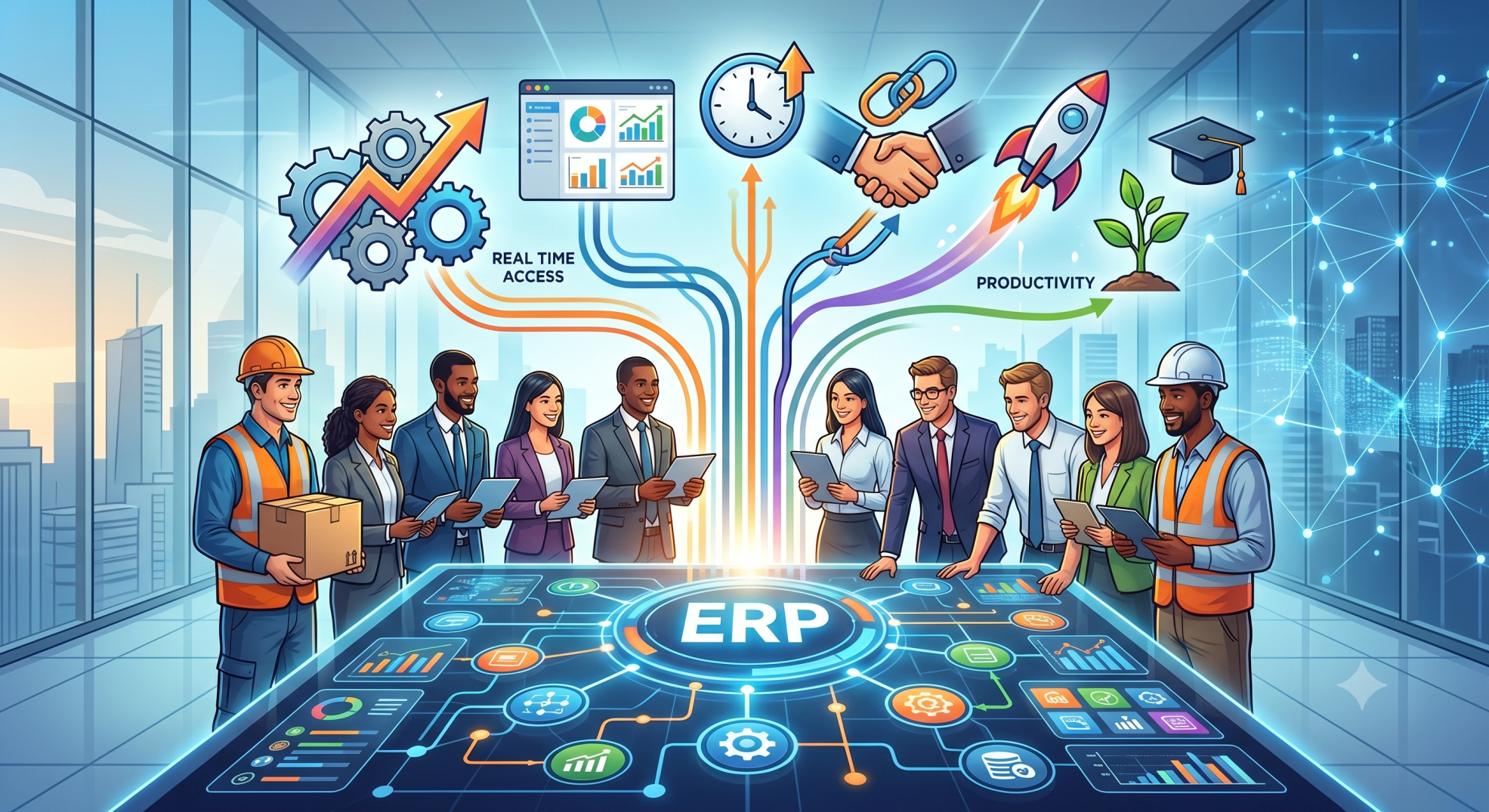
• Enable employees to work alongside AI systems effectively 🤝
• Provide training on AI tools and workflows 🎓
• Use AI to support—not replace—human expertise 🧠
• Improve decision-making through combined intelligence ⚖️
• Foster trust in AI-driven processes 💡
Step 8: Key Automation Priorities 📊
• Streamlining repetitive and time-consuming tasks ⚙️
• Enhancing decision-making with AI insights 🧠
• Improving operational speed and accuracy ⚡
• Building scalable and adaptive workflows 🚀
Step 9: Monitoring and Continuous Improvement 📈
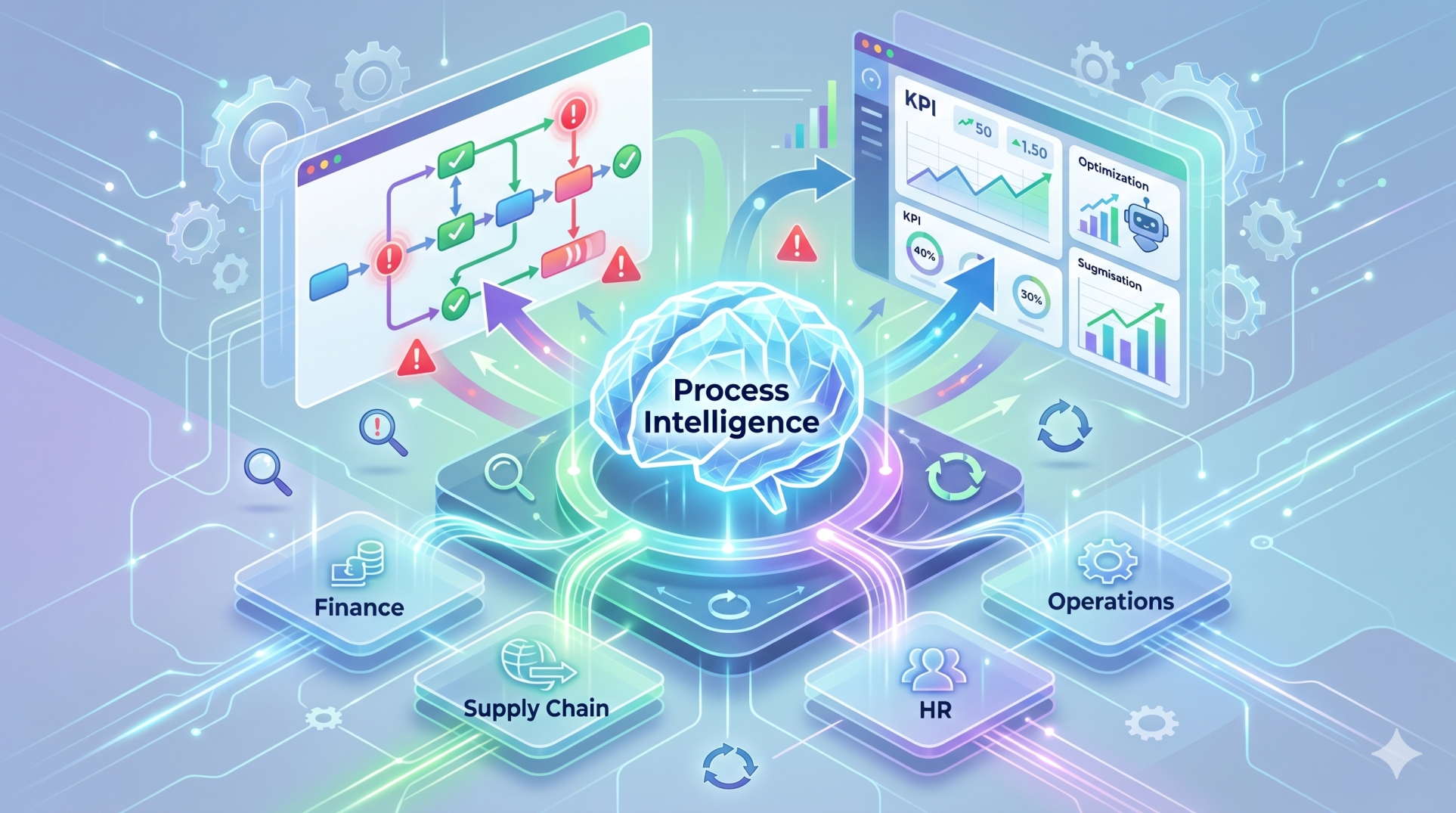
• Track performance of automated processes in real time 📊
• Identify inefficiencies and areas for improvement 🔍
• Update AI models based on new data and insights 🔄
• Optimize workflows for better outcomes ⚙️
• Ensure continuous alignment with business goals 🎯
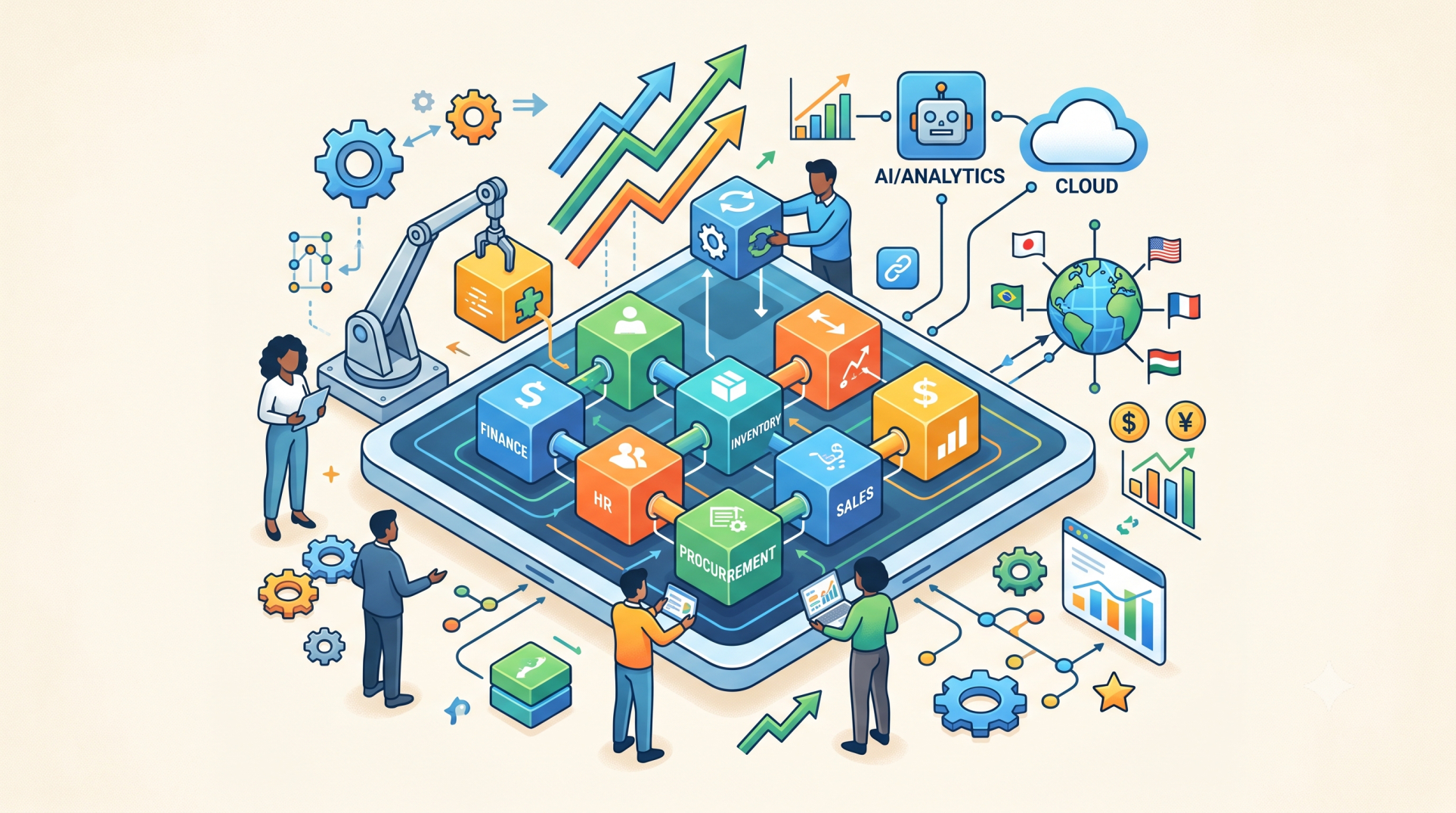
Step 10: Building a Scalable Automation Framework 🚀
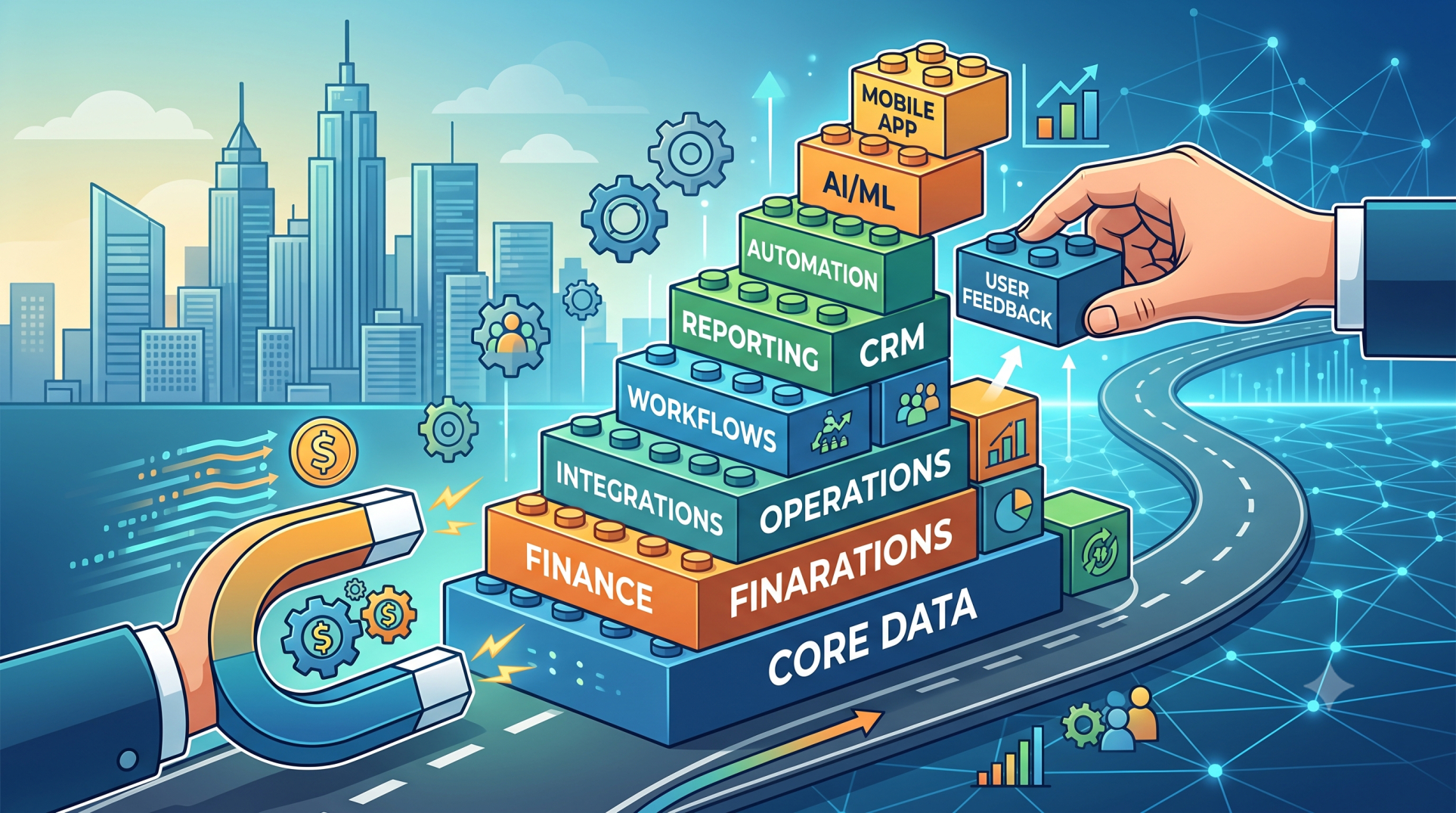
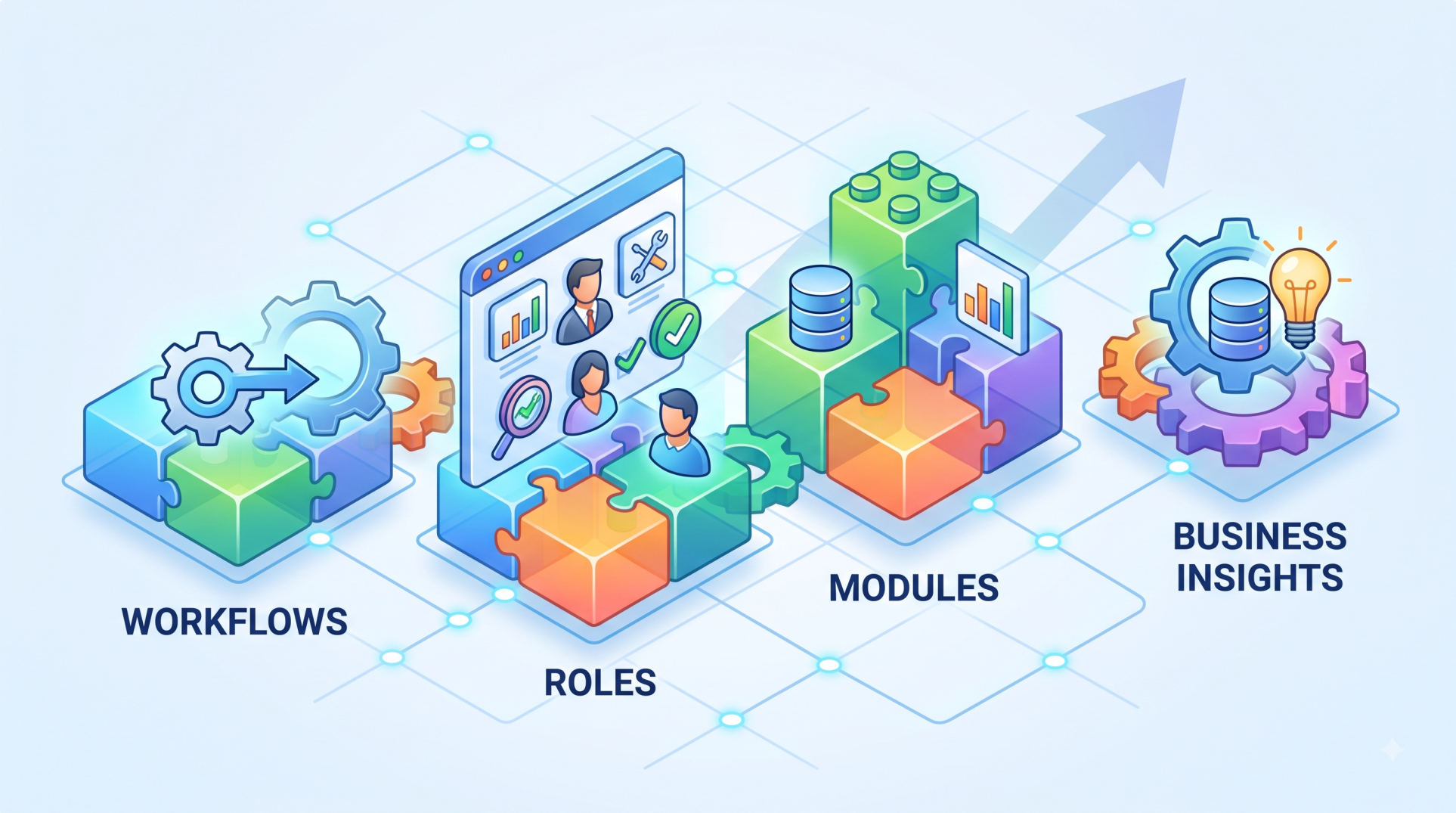
• Design systems that support incremental automation growth 📦
• Integrate new AI capabilities without disrupting operations 🧩
• Ensure flexibility to adapt to evolving business needs 🔄
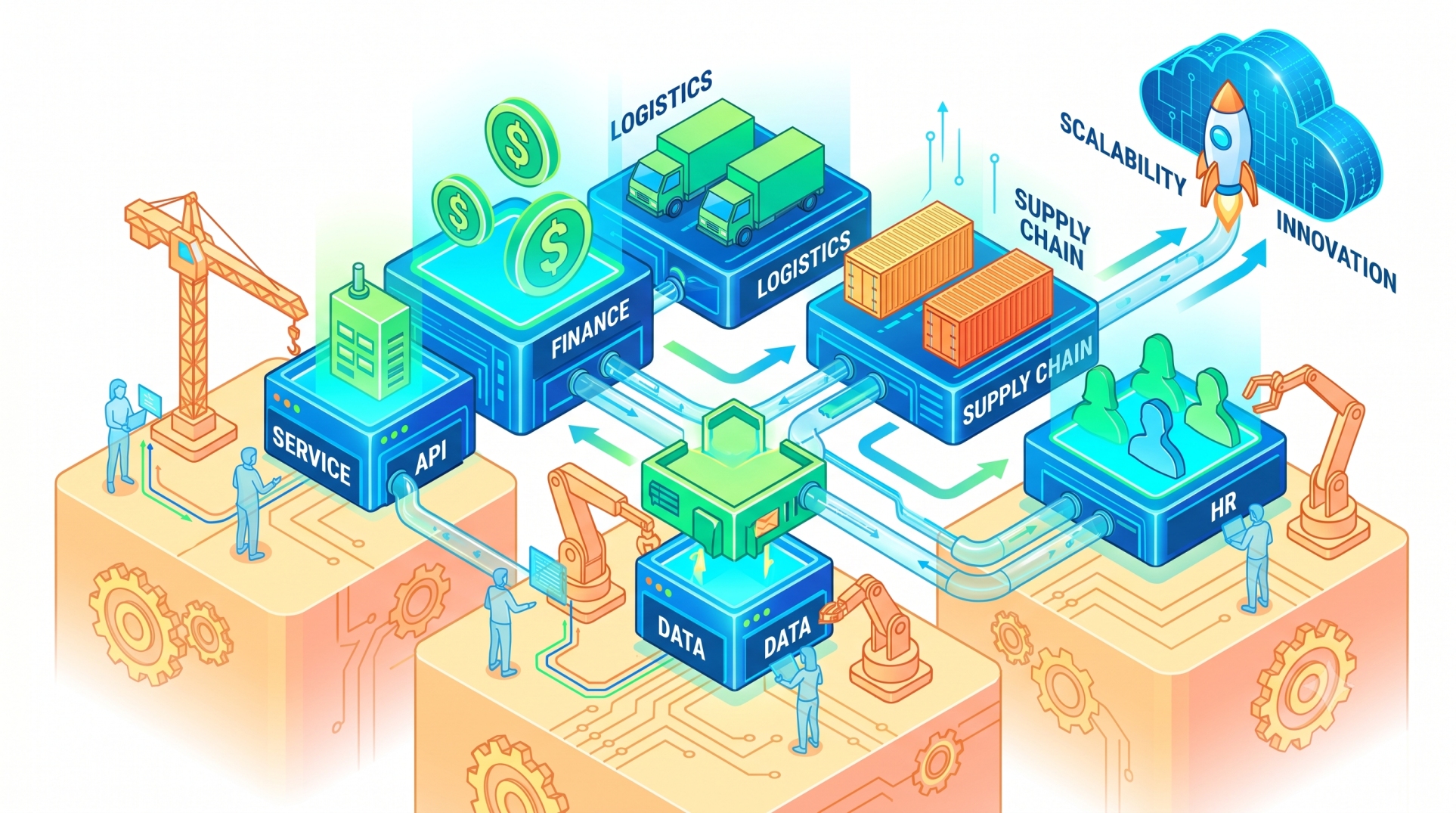
• Support cross-functional automation across departments 🏢
• Future-proof systems with modular and scalable architecture 🌐
Conclusion
AI-augmented task automation is redefining enterprise operations by combining human intelligence with machine-driven efficiency. By strategically integrating AI into workflows, organizations can reduce manual effort, improve decision-making, and enhance overall productivity. A well-designed automation framework not only drives immediate operational gains but also prepares businesses for long-term innovation and scalability.
See more blogs
You can all the articles below