Scaling ERP Across International Subsidiaries

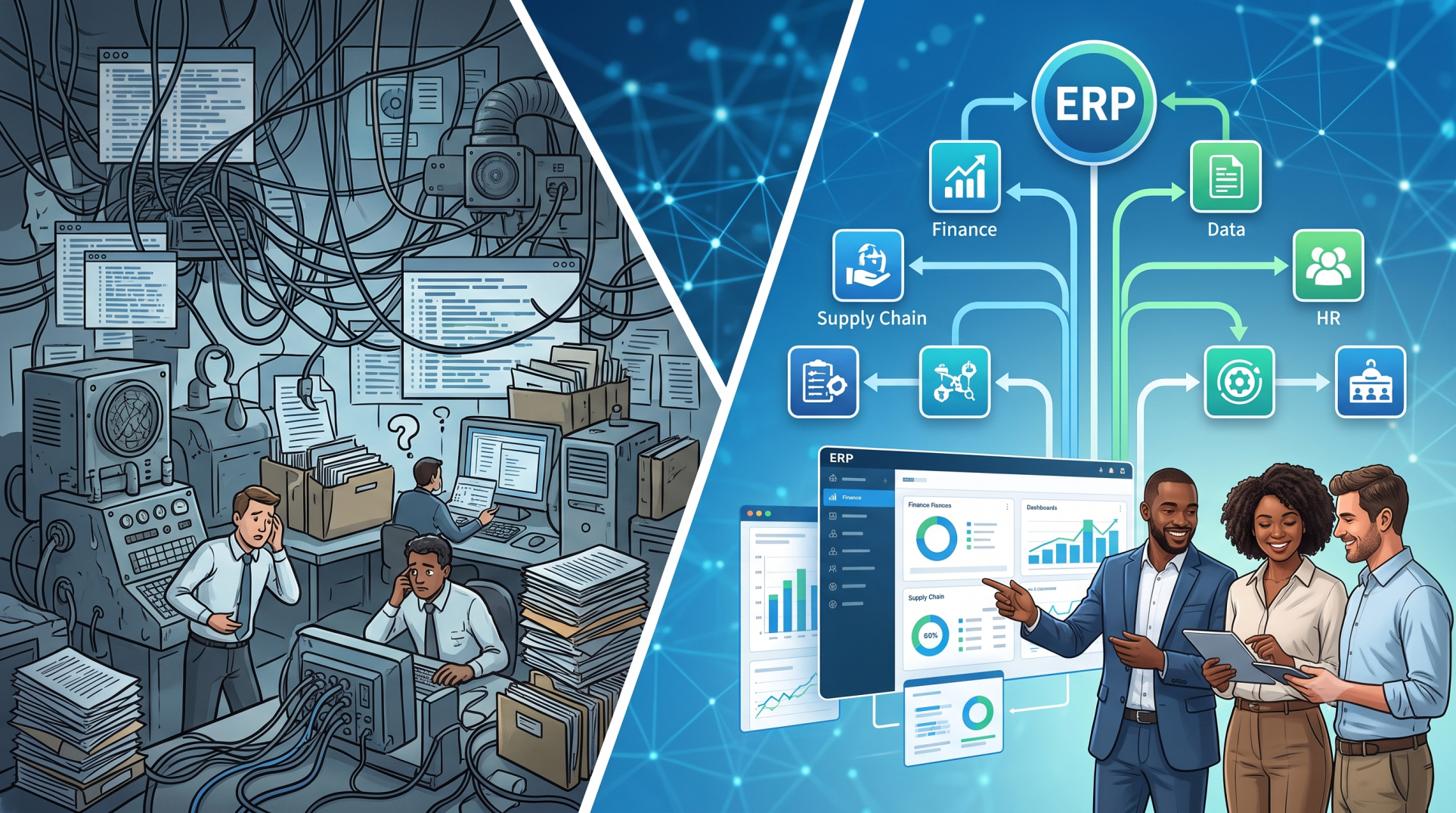
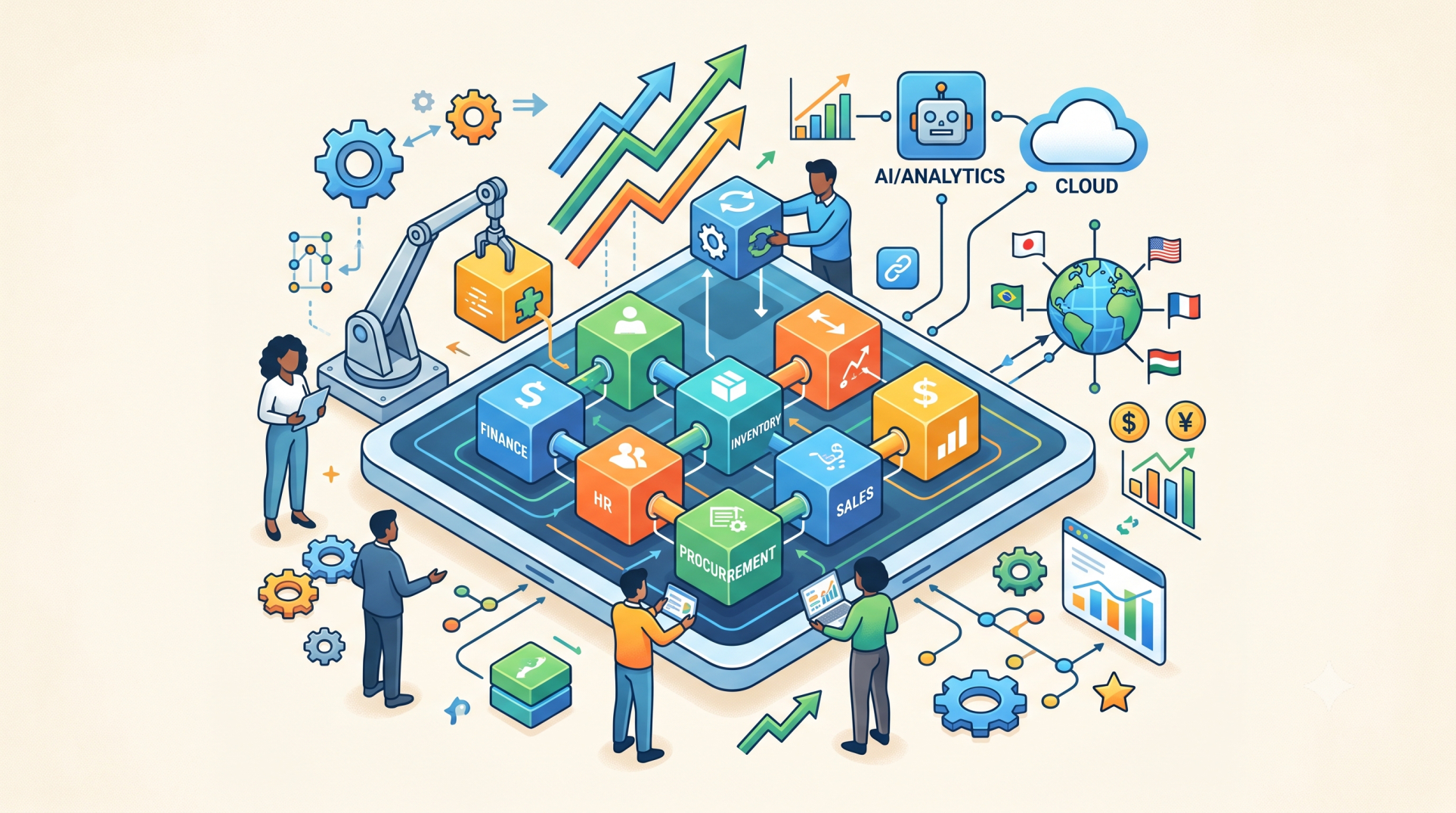
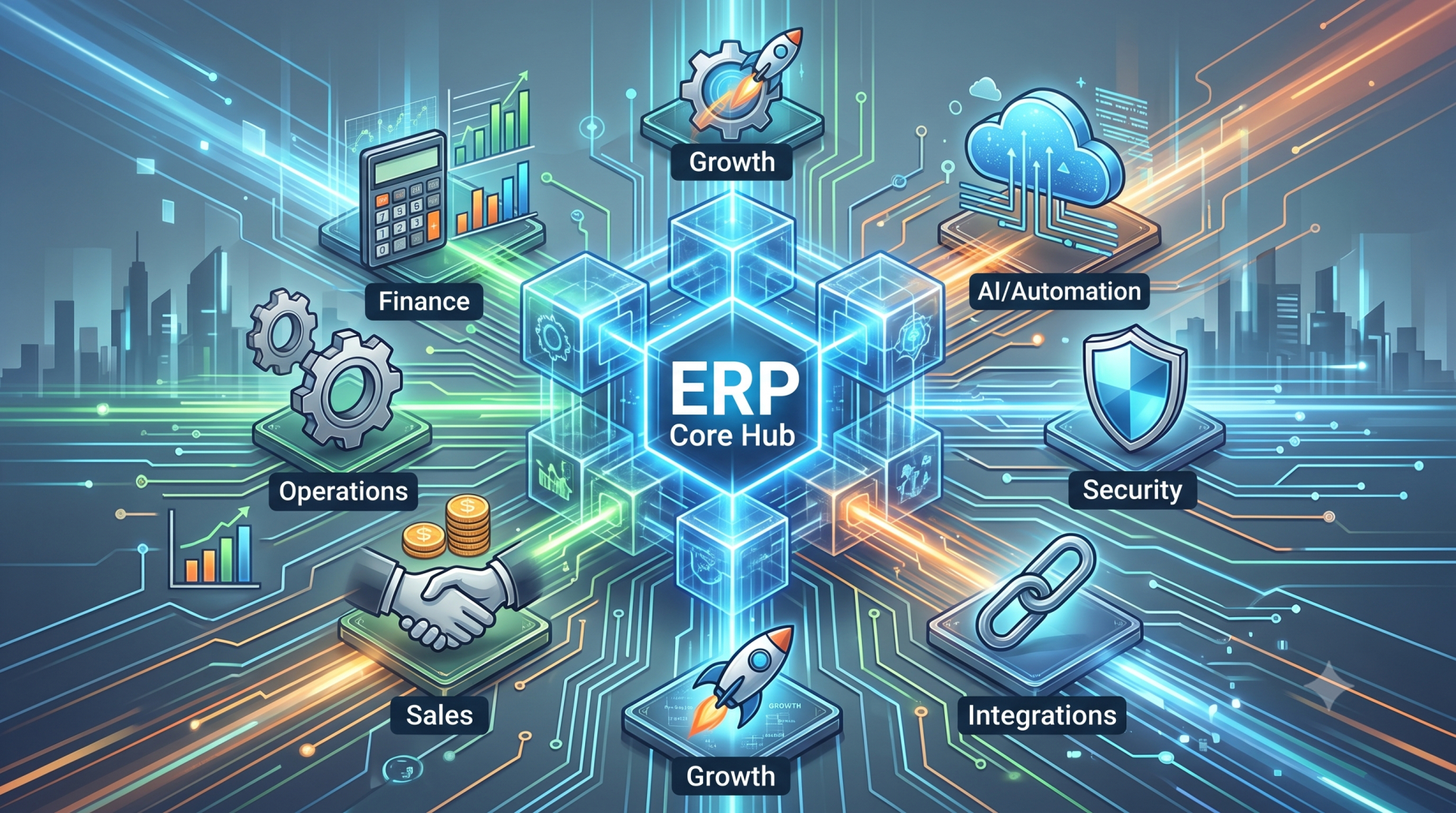
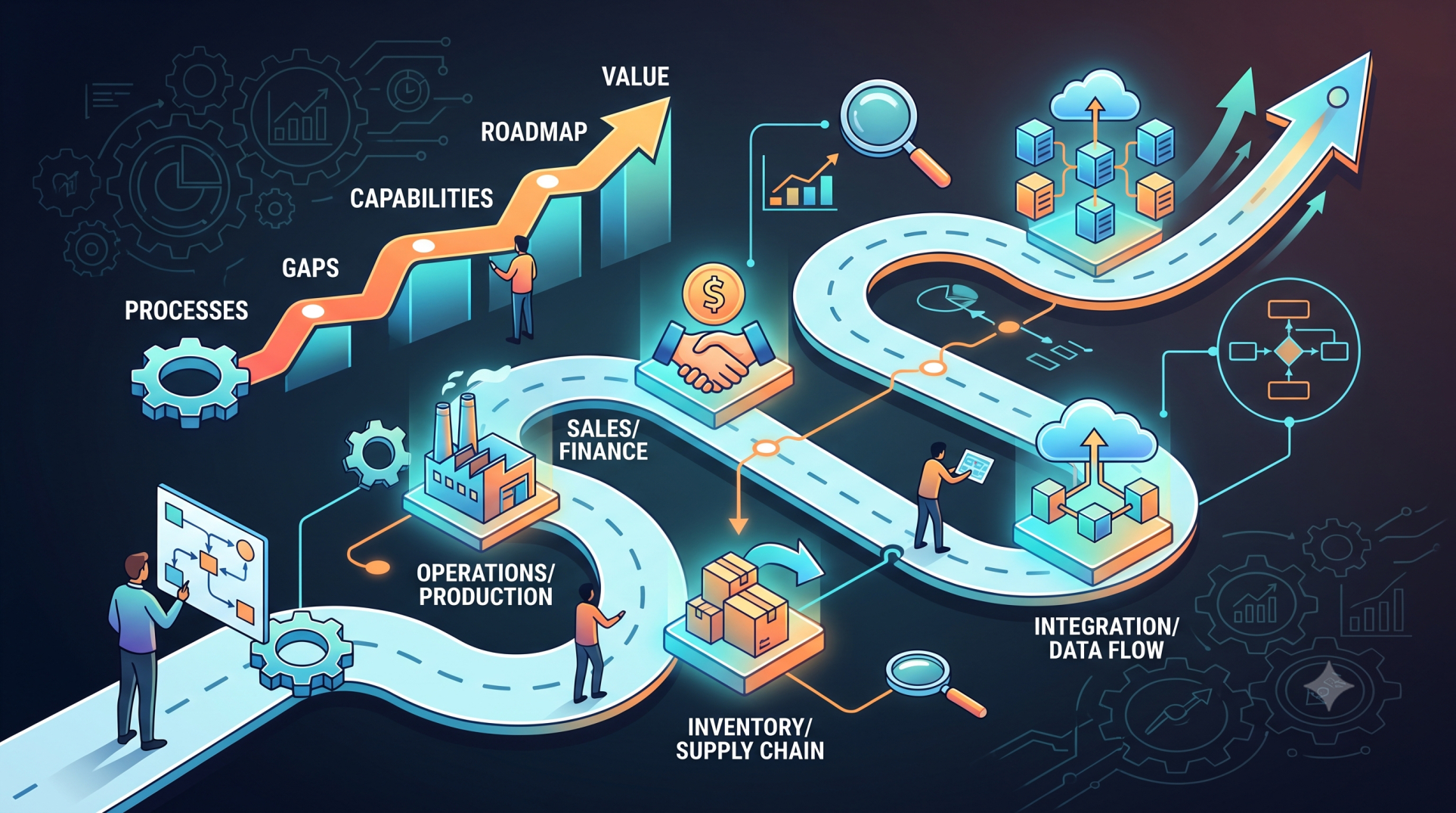
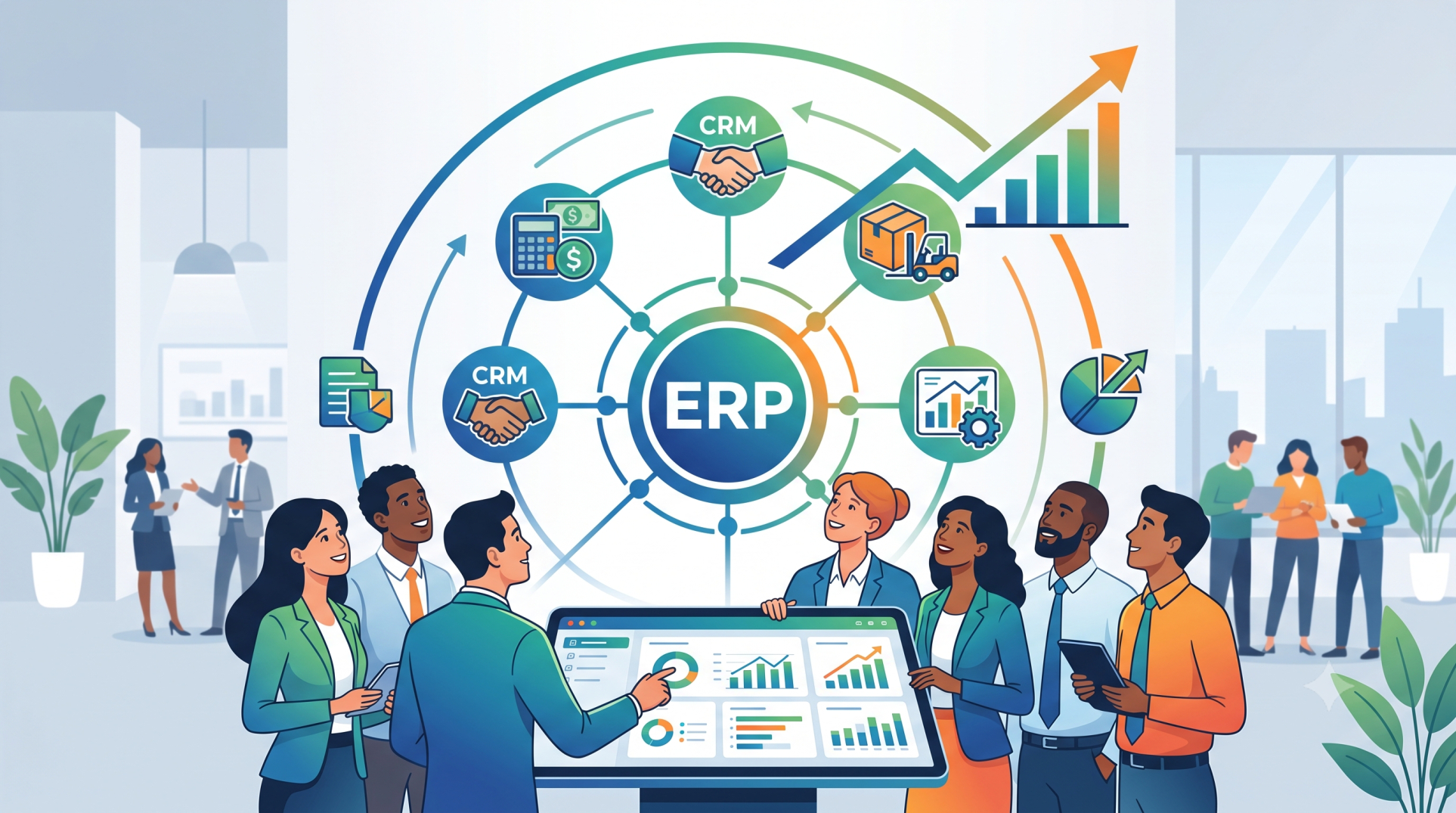
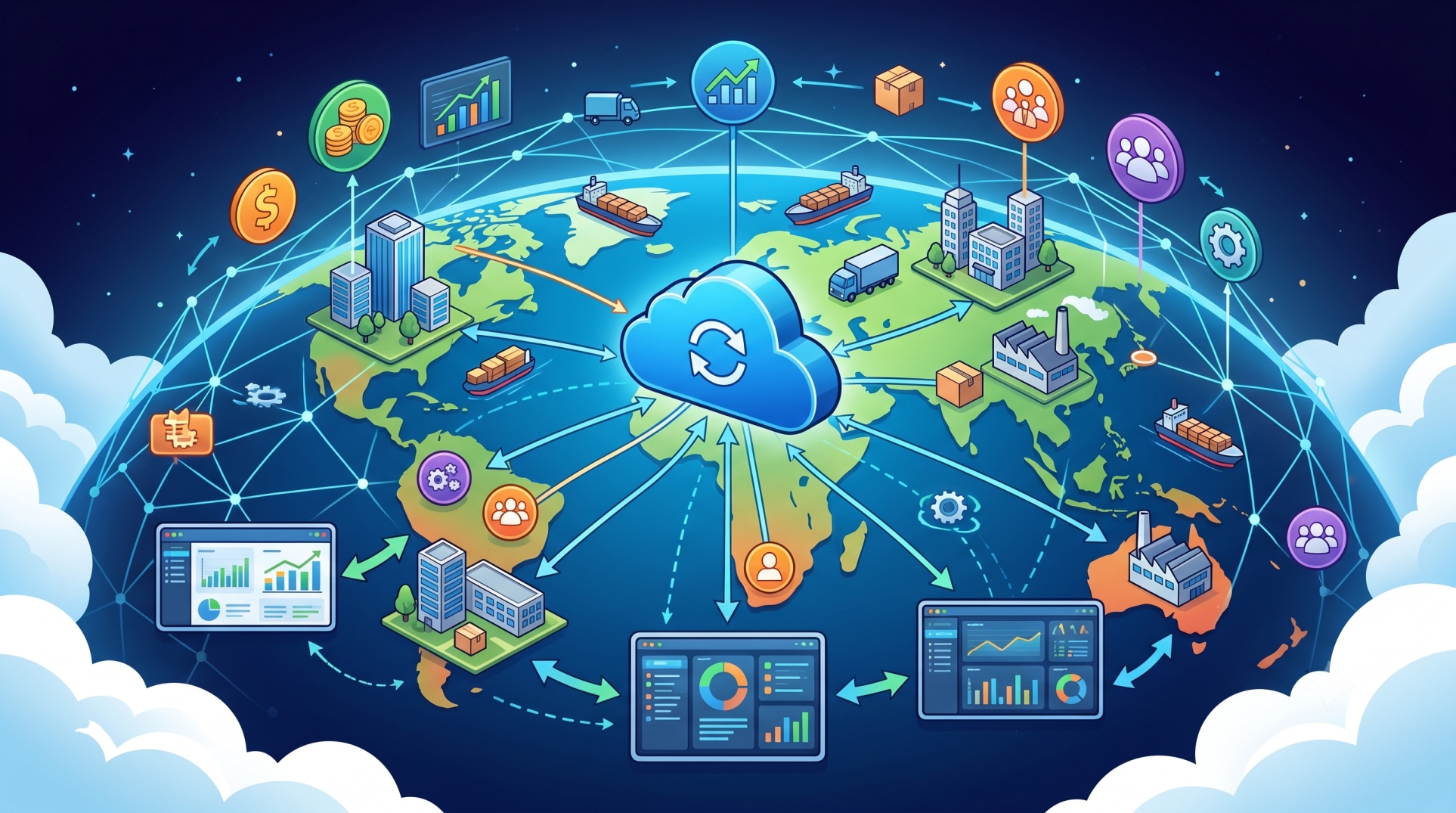
As organizations expand globally, managing operations across multiple countries introduces complexity in processes, compliance, and data visibility. Scaling an Enterprise Resource Planning (ERP) system across international subsidiaries enables centralized control while supporting regional flexibility. A well-structured ERP strategy ensures consistency, improves decision-making, and allows businesses to operate efficiently across diverse markets.
Step 1: Defining a Global ERP Strategy 🌍
• Establish a centralized vision for ERP deployment across all subsidiaries 🌍
• Identify which processes should be standardized globally ⚙️
• Allow flexibility for region-specific operational requirements 🔄
• Align ERP goals with overall business expansion strategy 📈
• Ensure executive alignment across global leadership teams 🤝
Step 2: Standardizing Core Business Processes ⚙️
• Define global standards for finance, procurement, and supply chain 📊
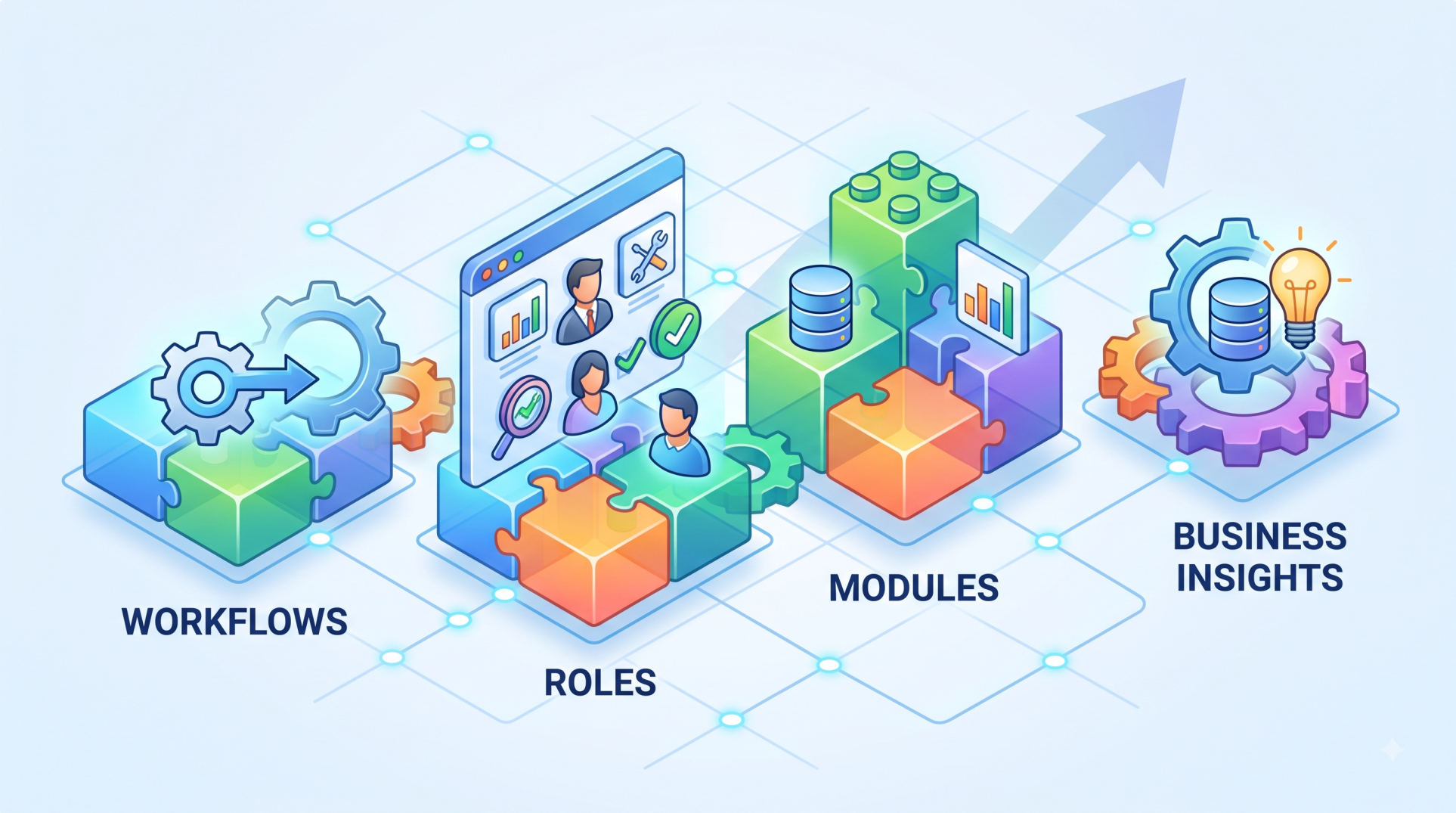
• Create unified workflows to maintain consistency across regions 🔁
• Reduce duplication of processes and systems 🧩
• Ensure data integrity through standardized inputs and outputs ✅
• Balance standardization with local adaptability ⚖️
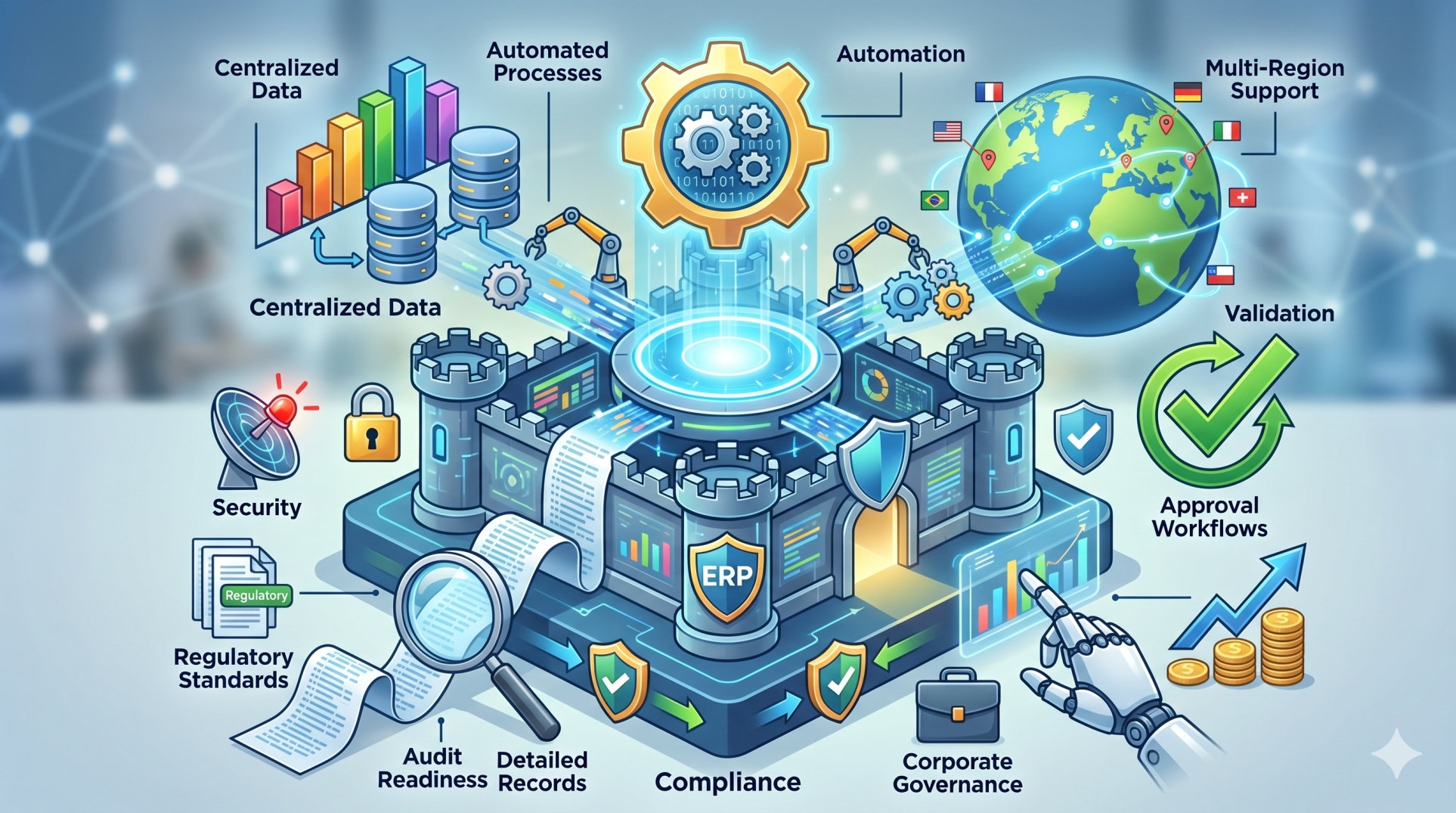
Step 3: Managing Multi-Country Compliance 📜
• Support country-specific tax regulations and reporting requirements 📜
• Ensure compliance with local labor laws and financial standards 🏛️
• Configure ERP to handle multiple currencies and exchange rates 💱
• Maintain audit trails for regulatory transparency 🔍
• Continuously update systems to reflect changing legal requirements 🔄
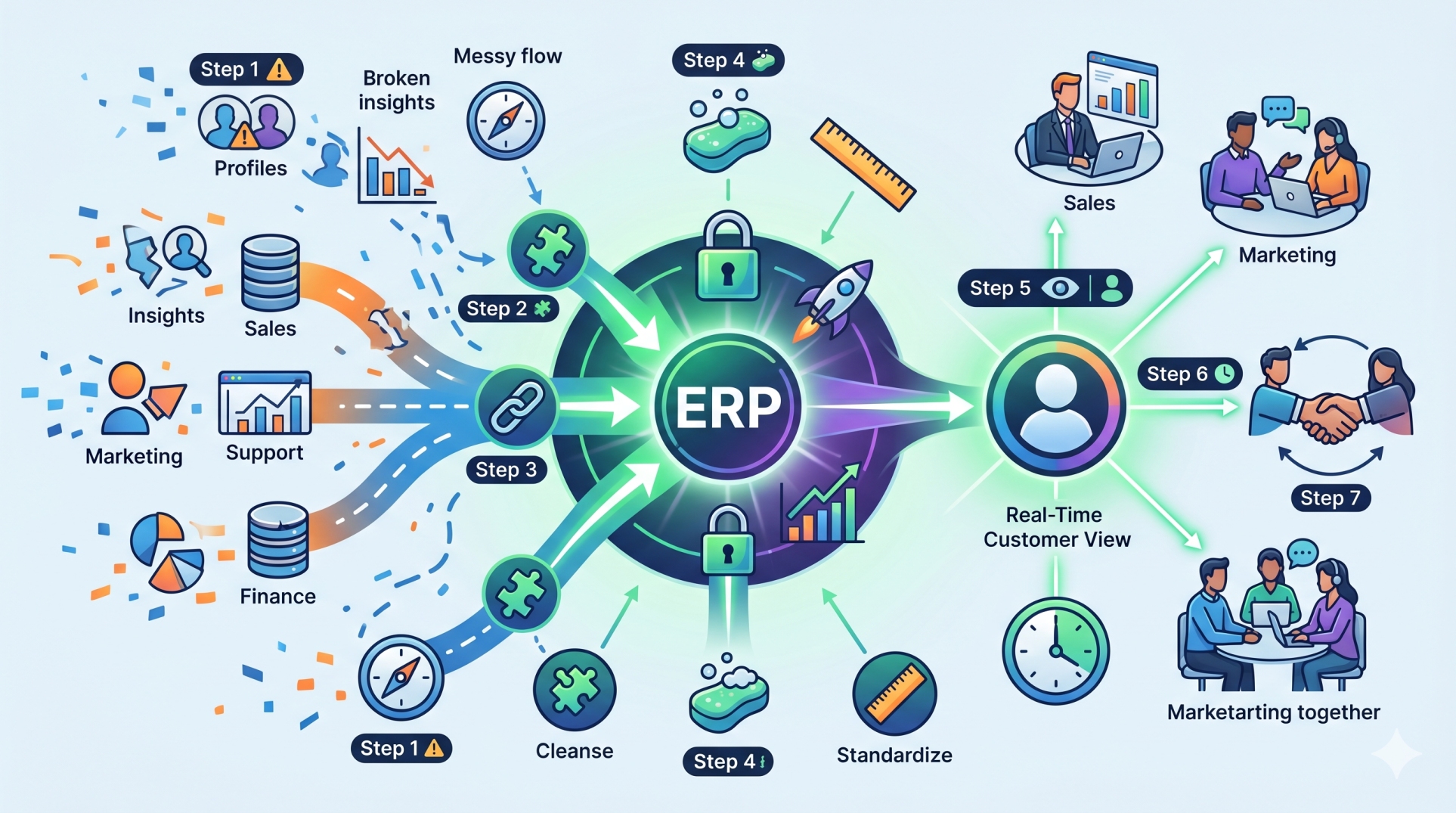
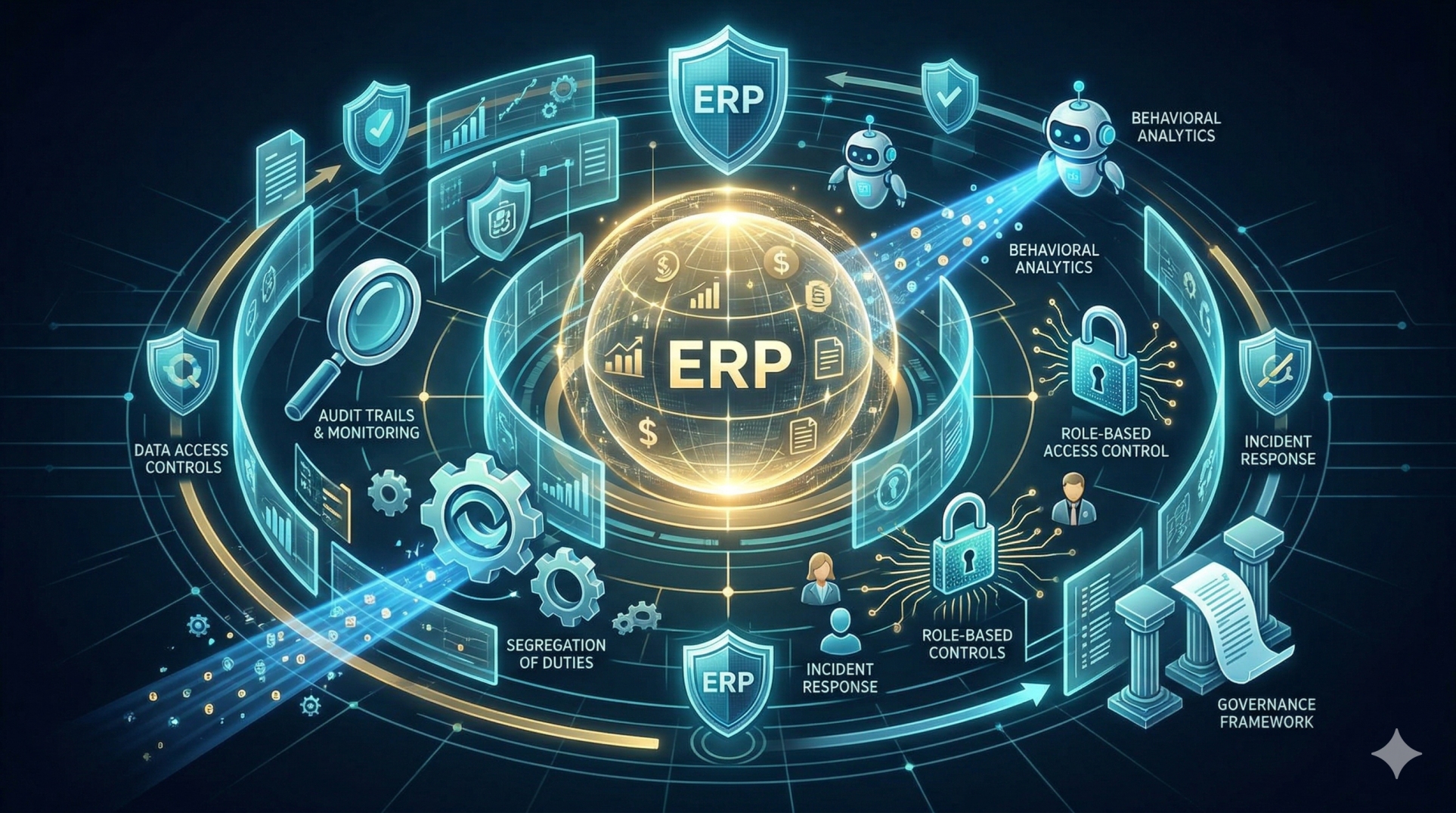
Step 4: Data Localization and Governance 🔐
• Define data governance policies across global and local levels 🔐
• Address data residency requirements for different countries 🌐
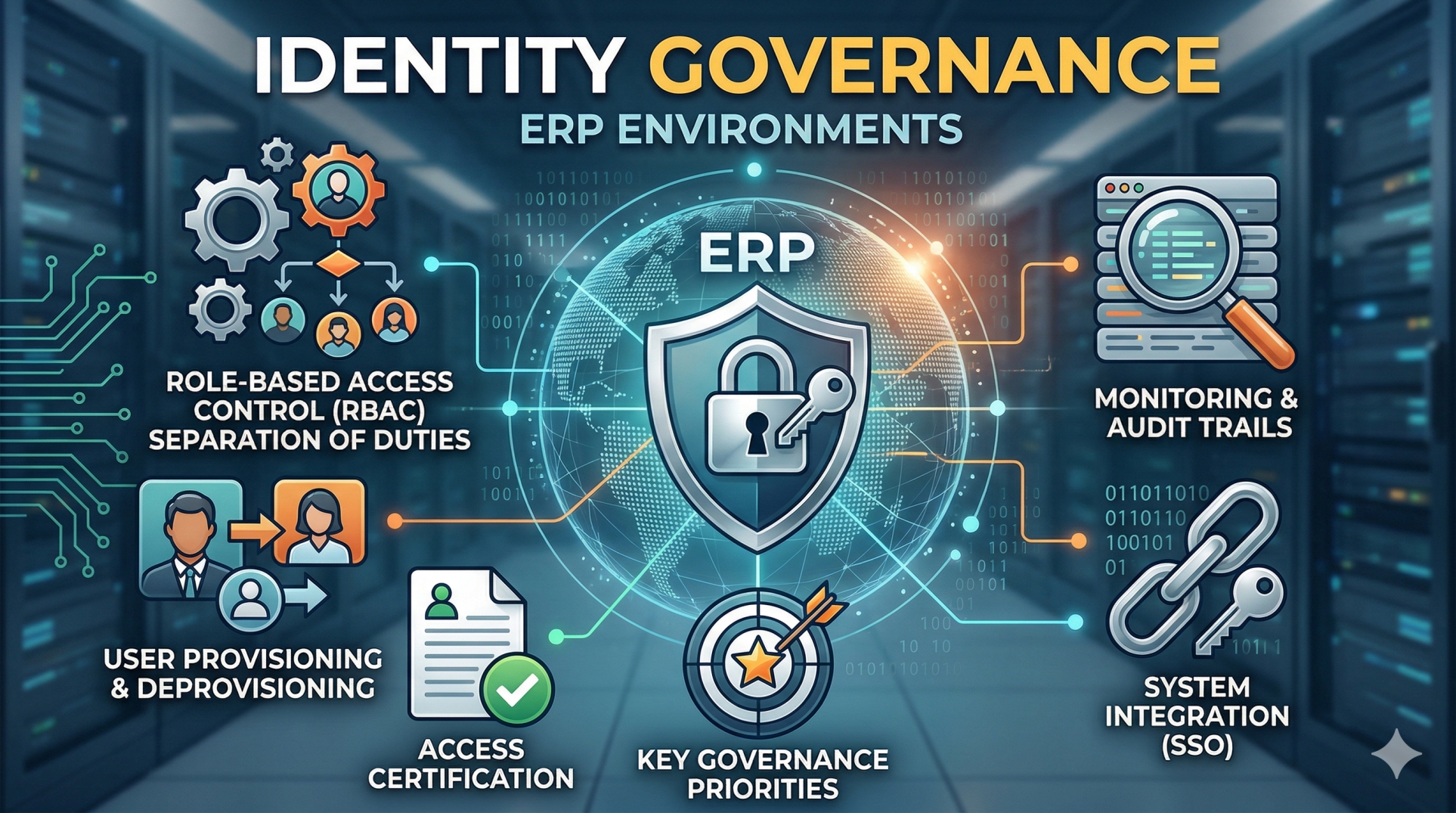
• Ensure secure access control and data privacy compliance 🛡️
• Maintain a single source of truth with controlled data access 📂
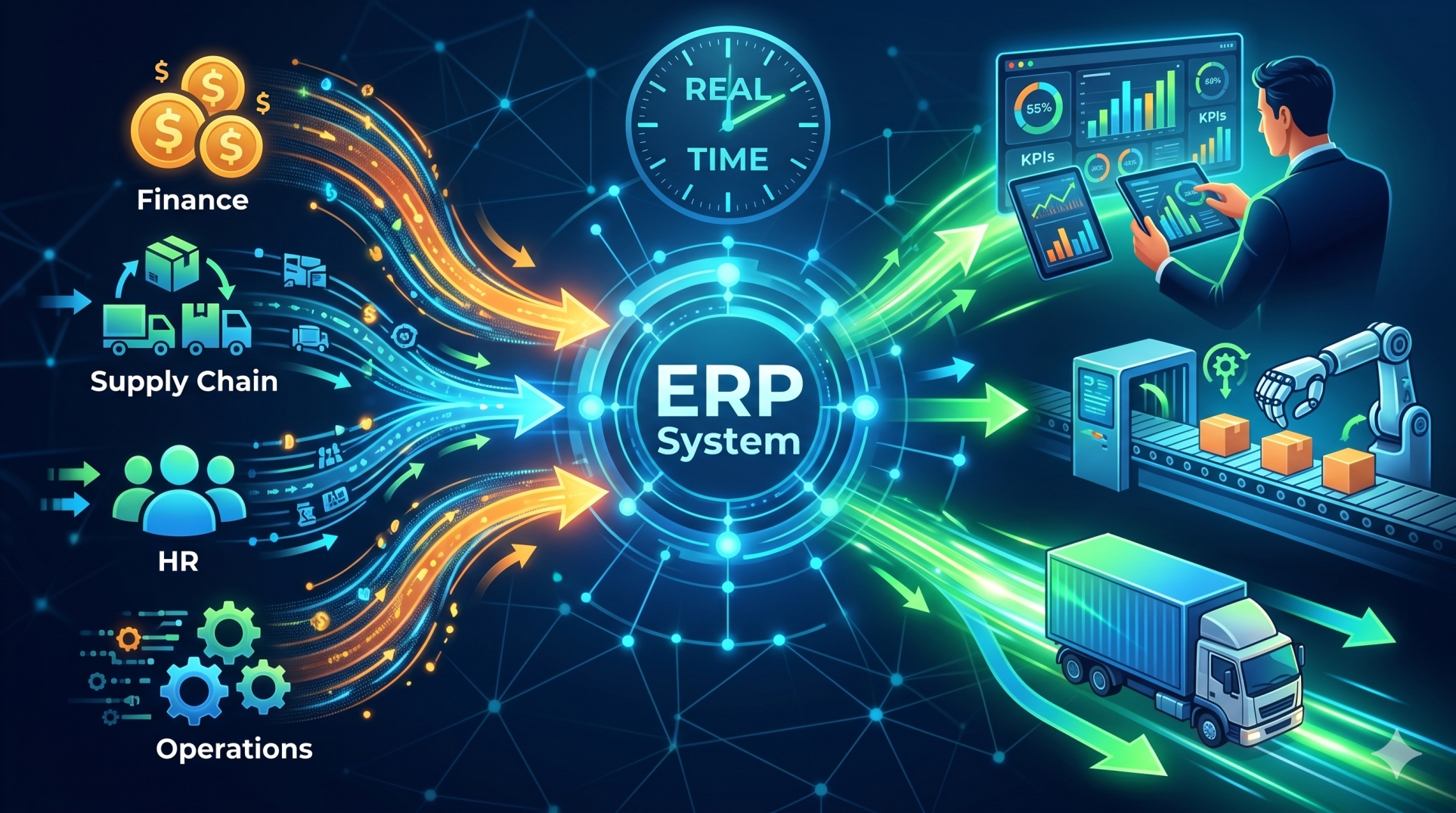
• Enable real-time visibility while respecting regional constraints ⏱️
Step 5: Multi-Currency and Financial Consolidation 💱
• Enable real-time currency conversion and exchange rate management 💱
• Consolidate financial data across subsidiaries automatically 📊
• Support global reporting with local financial breakdowns 🌍
• Reduce manual reconciliation efforts 🤖
• Improve financial transparency across the organization 🔎
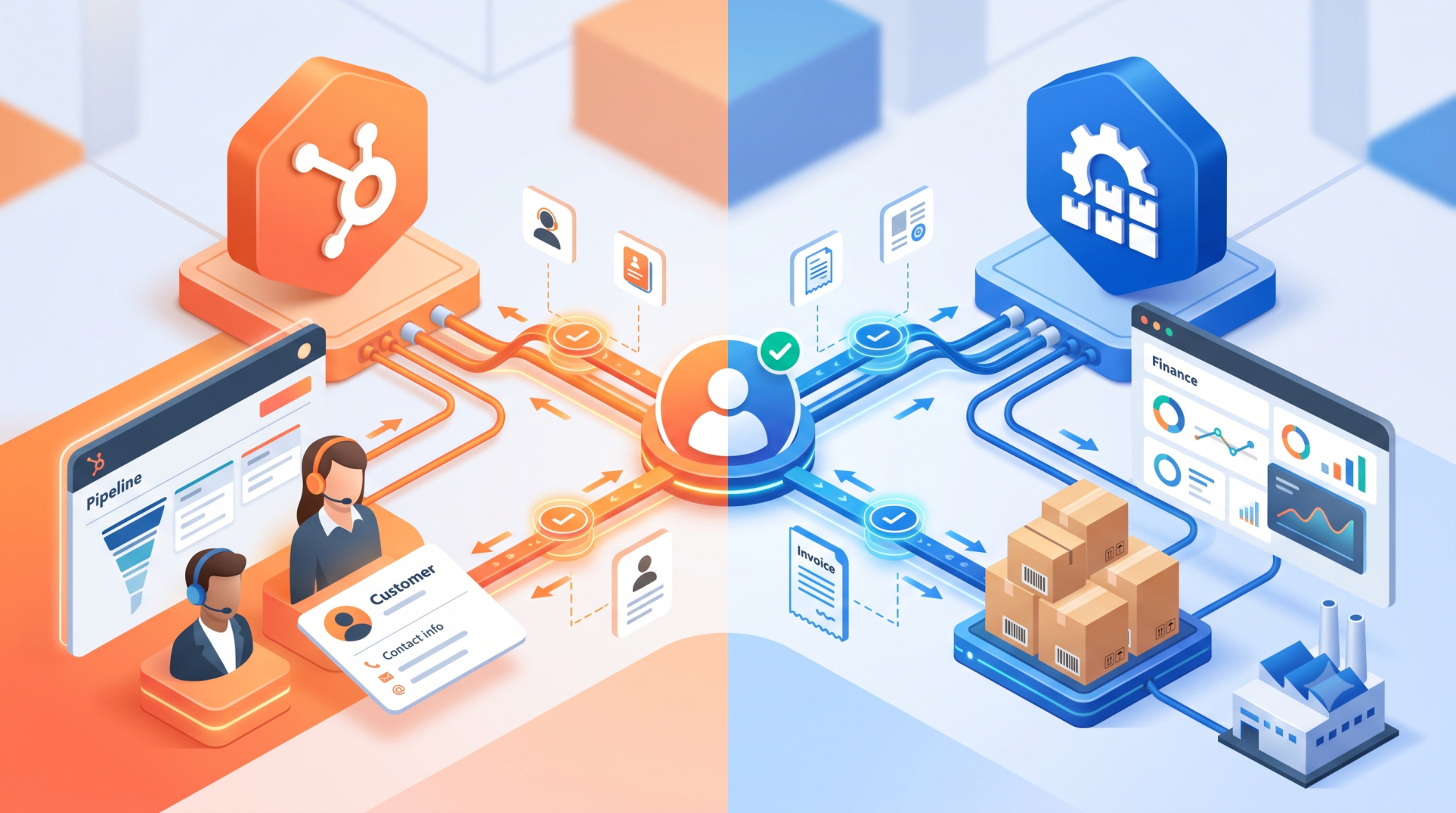
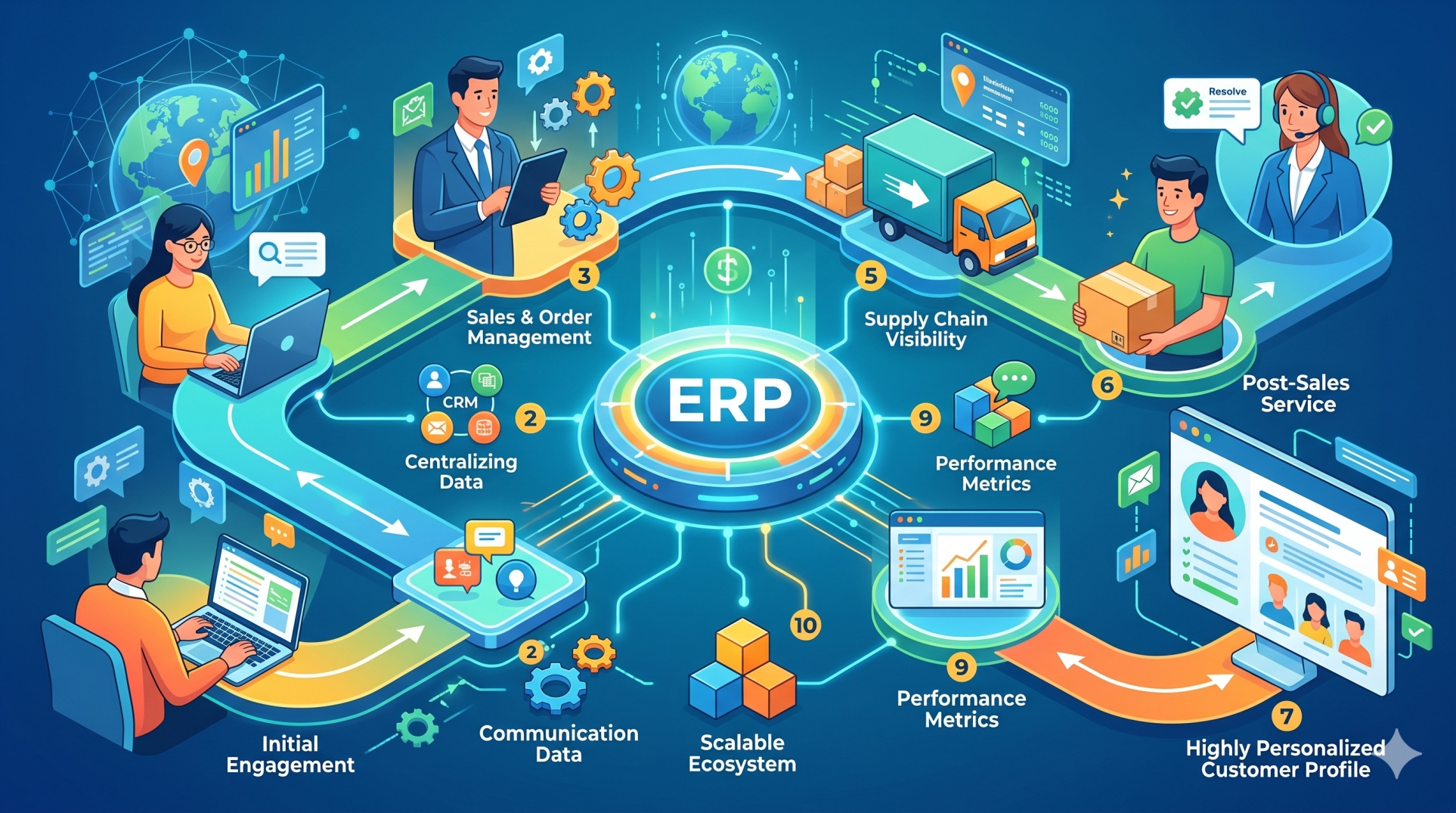
Step 6: Integration with Regional Systems 🔗
• Integrate ERP with local tools and third-party applications 🔗
• Support region-specific logistics, payroll, and tax systems 🏗️
• Ensure seamless data flow between global and local platforms 🔄
• Avoid system silos through unified integration architecture 🧠
• Enable scalability as new systems are introduced 📦
Step 7: Localization of User Experience 🌐
• Adapt ERP interfaces to local languages and formats 🌐
• Customize workflows to match regional operational practices 🛠️
• Provide role-based dashboards for different regions 📊
• Ensure ease of use to drive adoption across subsidiaries 👍
• Maintain consistency in user experience across the platform 🎯
Step 8: Key Scaling Priorities 📊
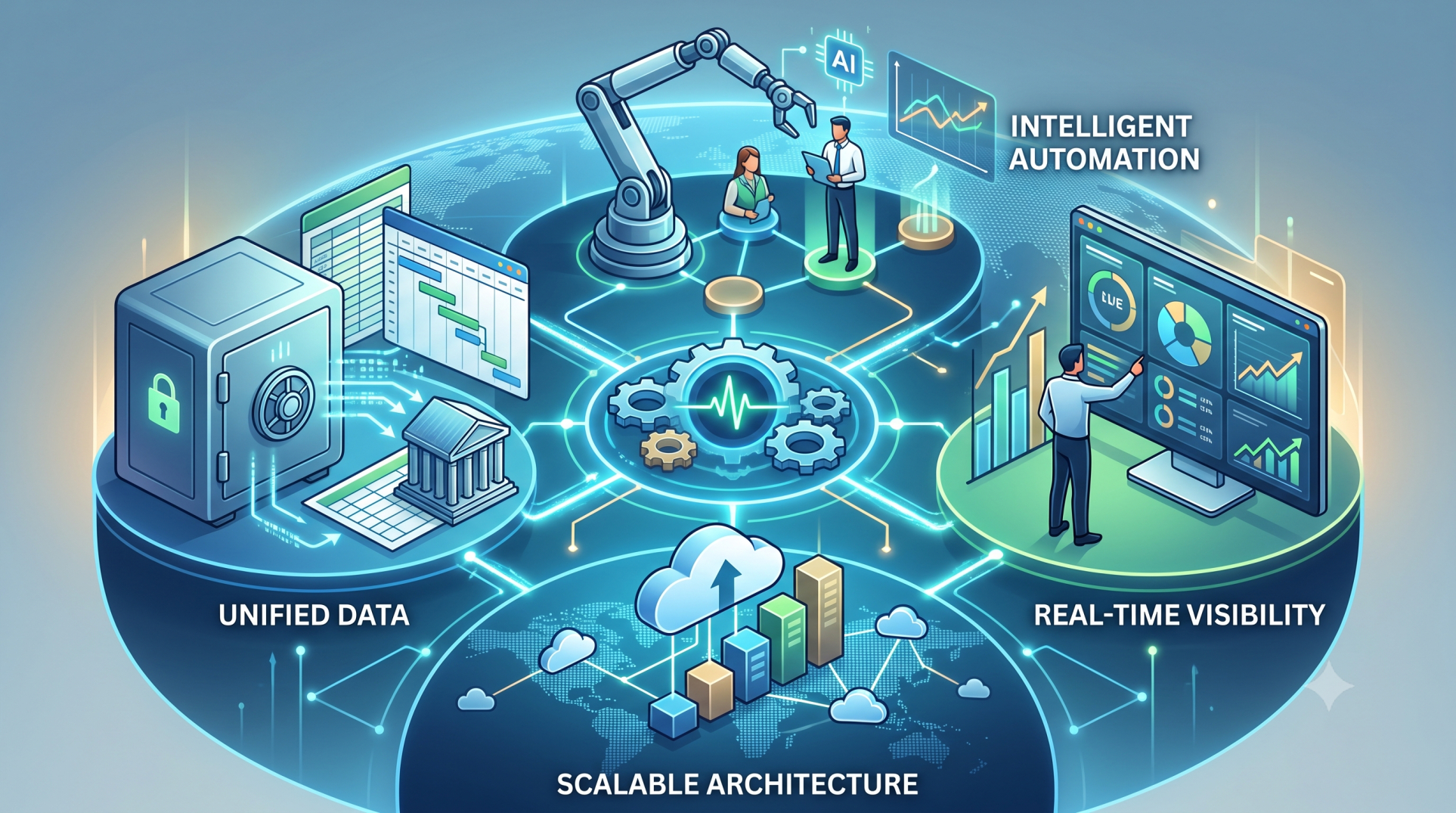
• Centralized control with decentralized execution 🧭
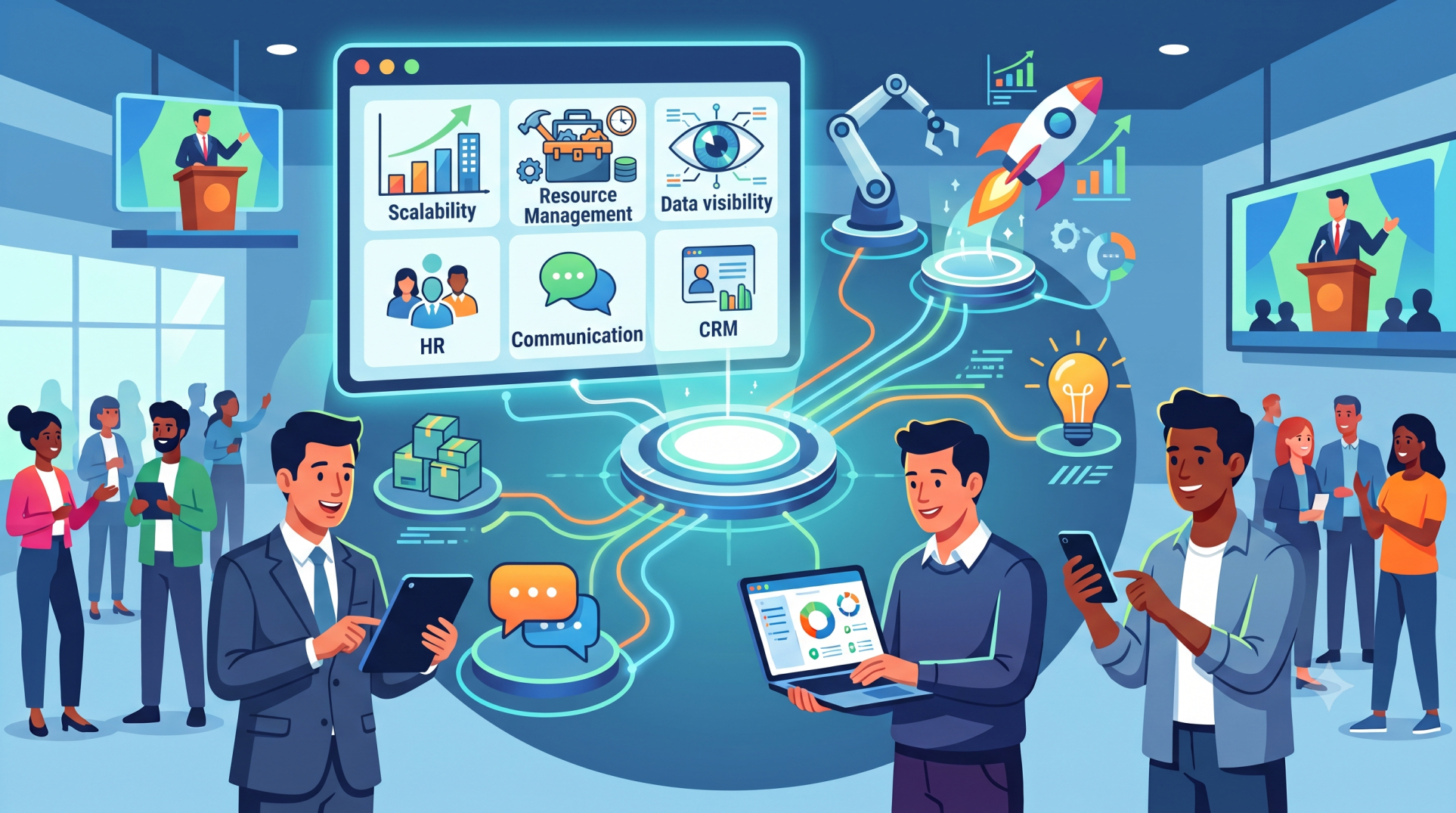
• Real-time visibility across global operations 👁️
• Strong compliance and governance frameworks 🏛️
• Scalable architecture to support business growth 🚀
Step 9: Change Management and User Adoption 👥
• Train regional teams on ERP processes and best practices 🎓
• Address cultural and operational differences during rollout 🌍
• Provide continuous support and system updates 🔄
• Encourage adoption through intuitive system design 💡
• Align stakeholders across all subsidiaries 🤝
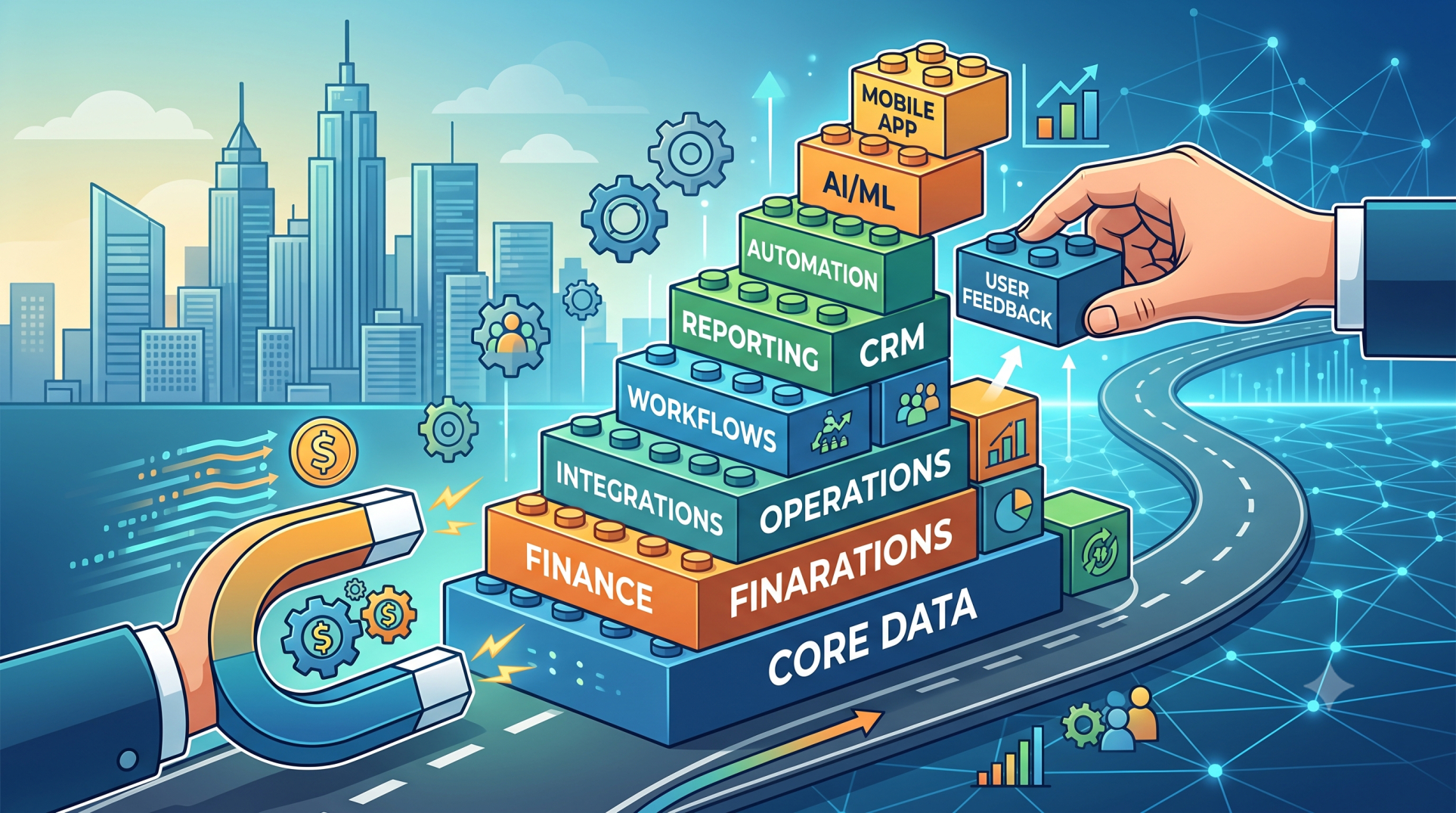
Step 10: Building a Future-Ready ERP Ecosystem 🚀
• Design ERP systems to support ongoing global expansion 🌍
• Enable modular upgrades without disrupting operations 🧩
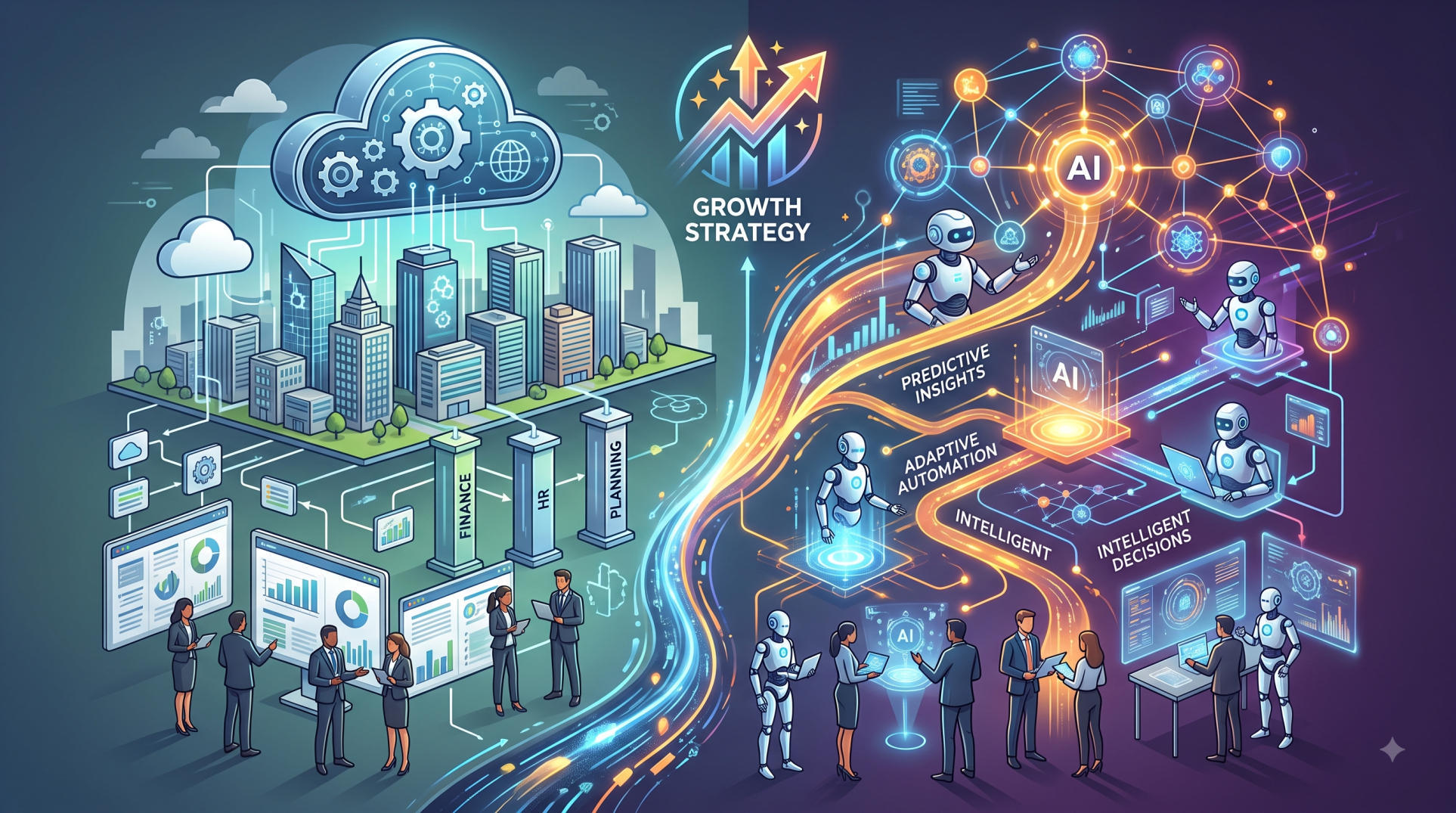
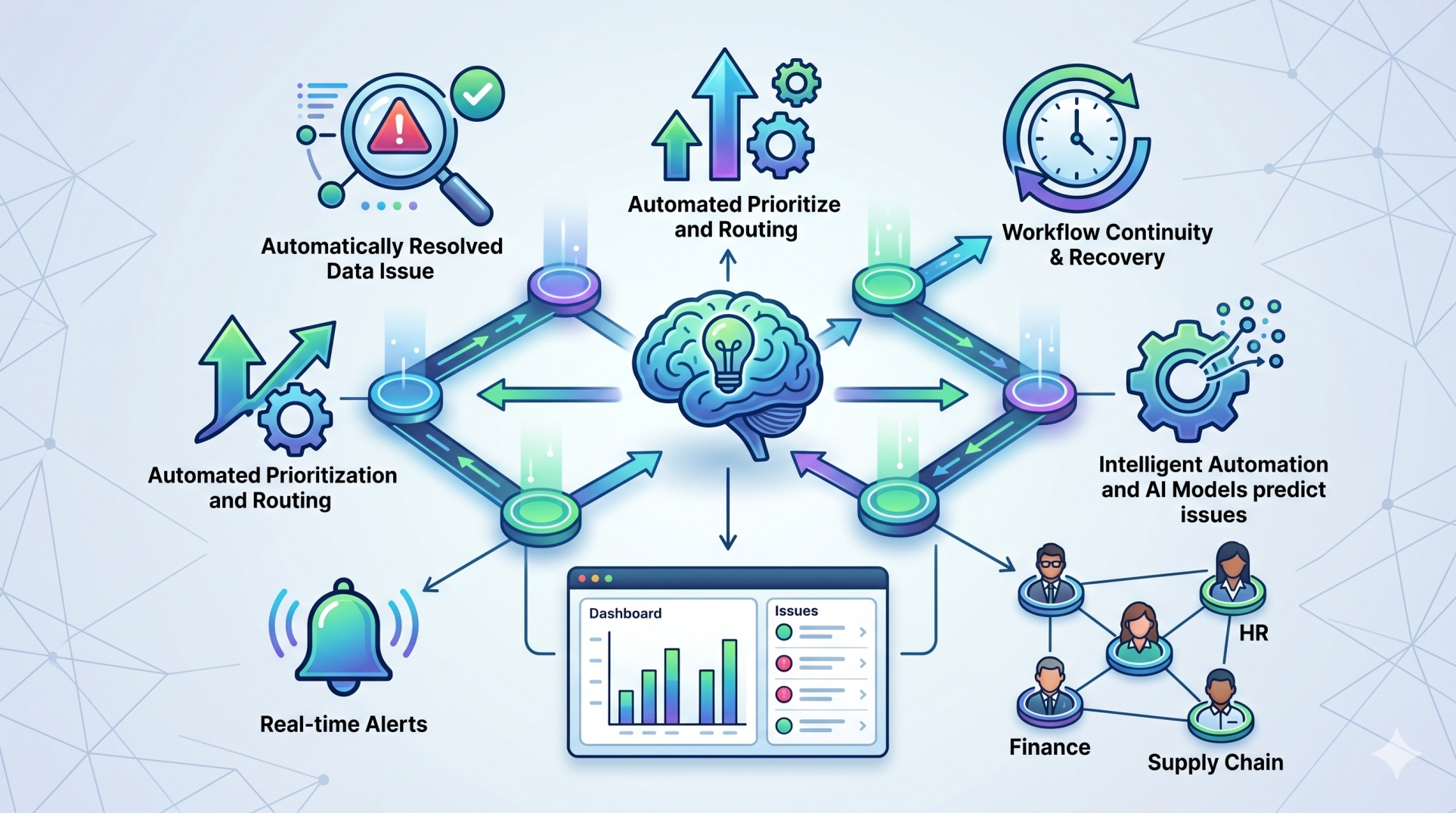
• Incorporate emerging technologies like AI and automation 🤖
• Ensure flexibility to adapt to new markets and regulations 🔄
• Continuously optimize based on performance insights 📈
Conclusion
Scaling ERP across international subsidiaries is essential for organizations aiming to operate efficiently in a global environment. By combining standardized processes with regional flexibility, businesses can achieve better control, compliance, and visibility. A well-implemented ERP system not only supports current operations but also provides the foundation for sustainable global growth and long-term success.
See more blogs
You can all the articles below